For most of human history, nobody knew what was killing them. Plague, cholera, and consumption swept through cities, and doctors blamed bad air, bad luck, or divine punishment. Then, in the late 1800s, microscopes and stubborn researchers began dragging the invisible culprits into the light.
This post walks through 22 of the most dangerous bacteria in history, from pandemic makers to modern hospital superbugs. Along the way we'll bust a few myths, because the real stories are messier and more interesting than the legends.
TL;DR: The most dangerous bacteria in history shaped wars, cities, and medicine itself, and the scientists who unmasked them often had to fight bad ideas as hard as they fought germs.
What Makes a Bacterium Harmful?
Here's the first myth to bust: bacteria are not villains by default. Your body hosts trillions of them, and most do useful work like helping digest food and crowding out troublemakers. Only a small fraction of species count as a bacteria that is harmful to people, and scientists call those pathogens.
Pathogens do damage in a few different ways. Some release powerful toxins, some invade tissue, and some simply overwhelm the immune system. Context matters too, because crowded cities, filthy hospital wards, and war zones have always given dangerous bacteria an edge.
Lists of the most dangerous bacteria never agree perfectly, so treat this one as a tour of the microbes that frightened scientists most. The entries are grouped rather than ranked, and each one shows how a discovery changed what we know.
Pandemic Makers and Ancient Scourges
These bacteria killed on a scale that reshaped societies. Many of them had been stalking humanity for thousands of years before anyone saw them under a lens.
1. Yersinia pestis: The Plague Bacterium
Y. pestis is behind the Black Death of the 1300s, which killed a huge share of Europe's population. Estimates vary, but a third or more is often cited. The bacterium was identified in Hong Kong in 1894, with Alexandre Yersin getting most of the credit, though Kitasato Shibasaburō's parallel work has long been debated.
The old story that rats alone spread the plague is now being questioned. Ancient DNA from medieval graves confirmed Y. pestis as the culprit, and some modern studies suggest human fleas and lice may have played a bigger role than once thought. Researchers are still arguing over the details.
2. Vibrio cholerae: The Bacterium Behind Cholera
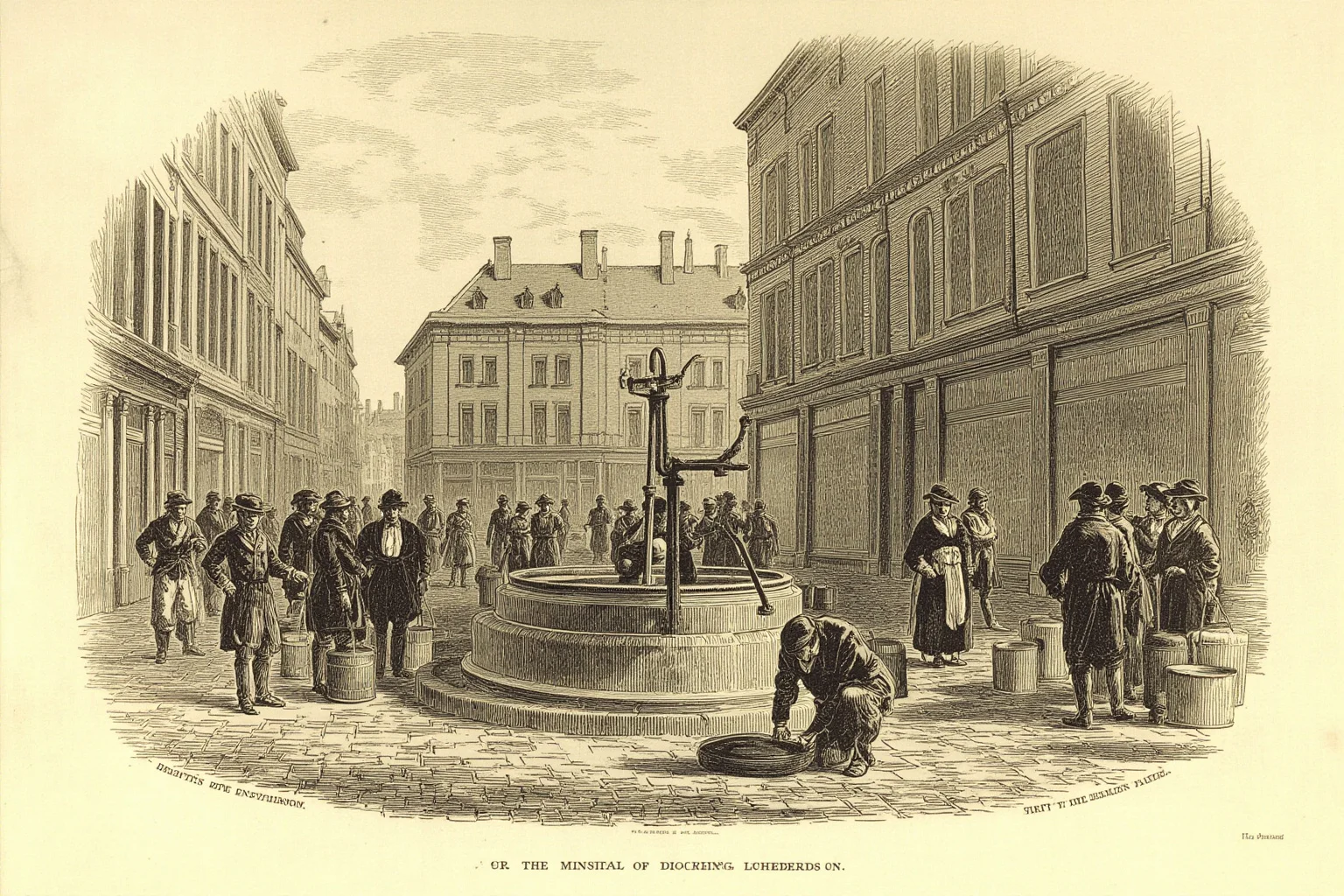
Cholera swept the world in repeated pandemics during the 1800s, killing people within hours through violent dehydration. Most doctors blamed "miasma," or foul air. In 1854, physician John Snow mapped deaths around a Broad Street pump in London and argued that contaminated water was the real problem.
The same year, Italian anatomist Filippo Pacini described the comma-shaped microbe, though his work went largely unnoticed. Robert Koch isolated it in 1883, and clean water systems became public-health gospel. Cholera still strikes places without safe water today.
3. Mycobacterium tuberculosis: The Captain of Consumption
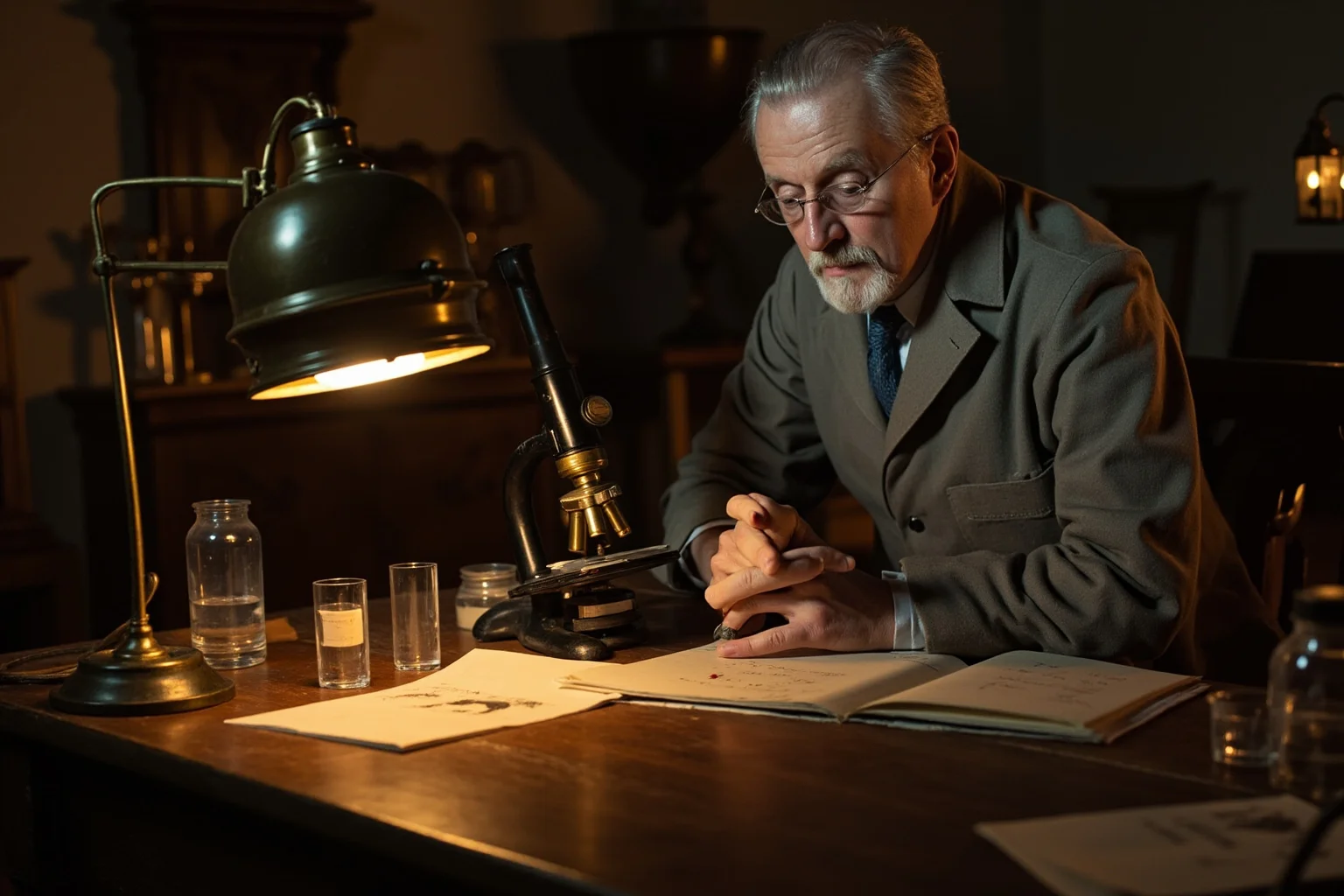
Tuberculosis has haunted humanity for millennia, and it was once called consumption because it seemed to consume its victims. On March 24, 1882, Robert Koch announced he had found the bacterium responsible. That date is now marked as World TB Day.
It was long romanticized as a pale, poetic illness, which is a myth that hid its grim reality. Streptomycin arrived in the 1940s, yet TB remains one of the world's deadliest infectious diseases, killing over a million people a year.
4. Bacillus anthracis: The Anthrax Bacterium
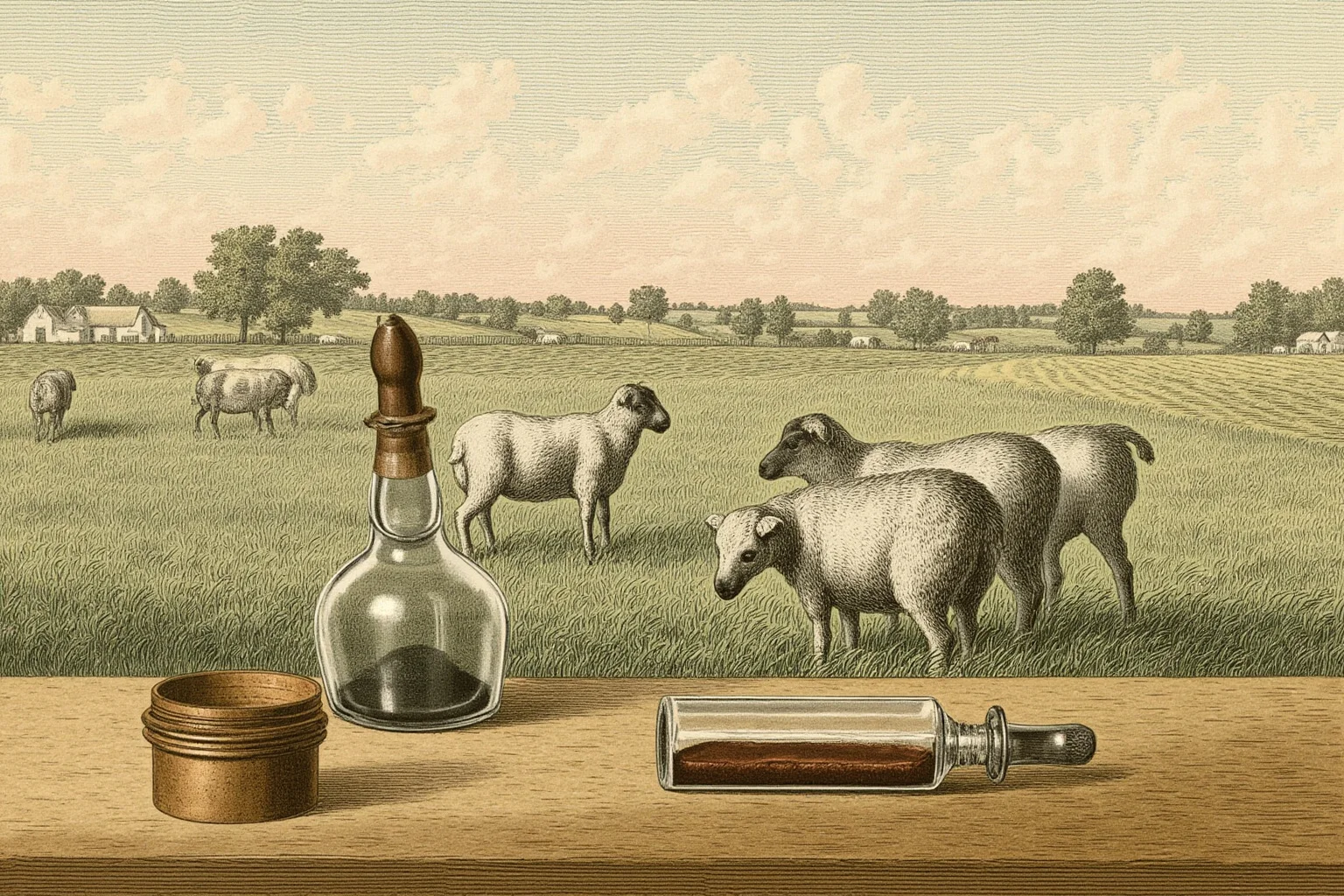
In 1876, Robert Koch showed that B. anthracis caused anthrax, giving science its first firm proof that a specific germ causes a specific disease. Louis Pasteur followed in 1881 with a famous public trial of an anthrax vaccine on livestock at Pouilly-le-Fort. It was part science, part showmanship.
Anthrax later gained a darker reputation. A 1979 accidental release from a Soviet facility in Sverdlovsk killed dozens of people, and the cover-up lasted years. In 2001, mailed anthrax spores in the United States killed five people.
5. Salmonella Typhi: Typhoid and "Typhoid Mary"
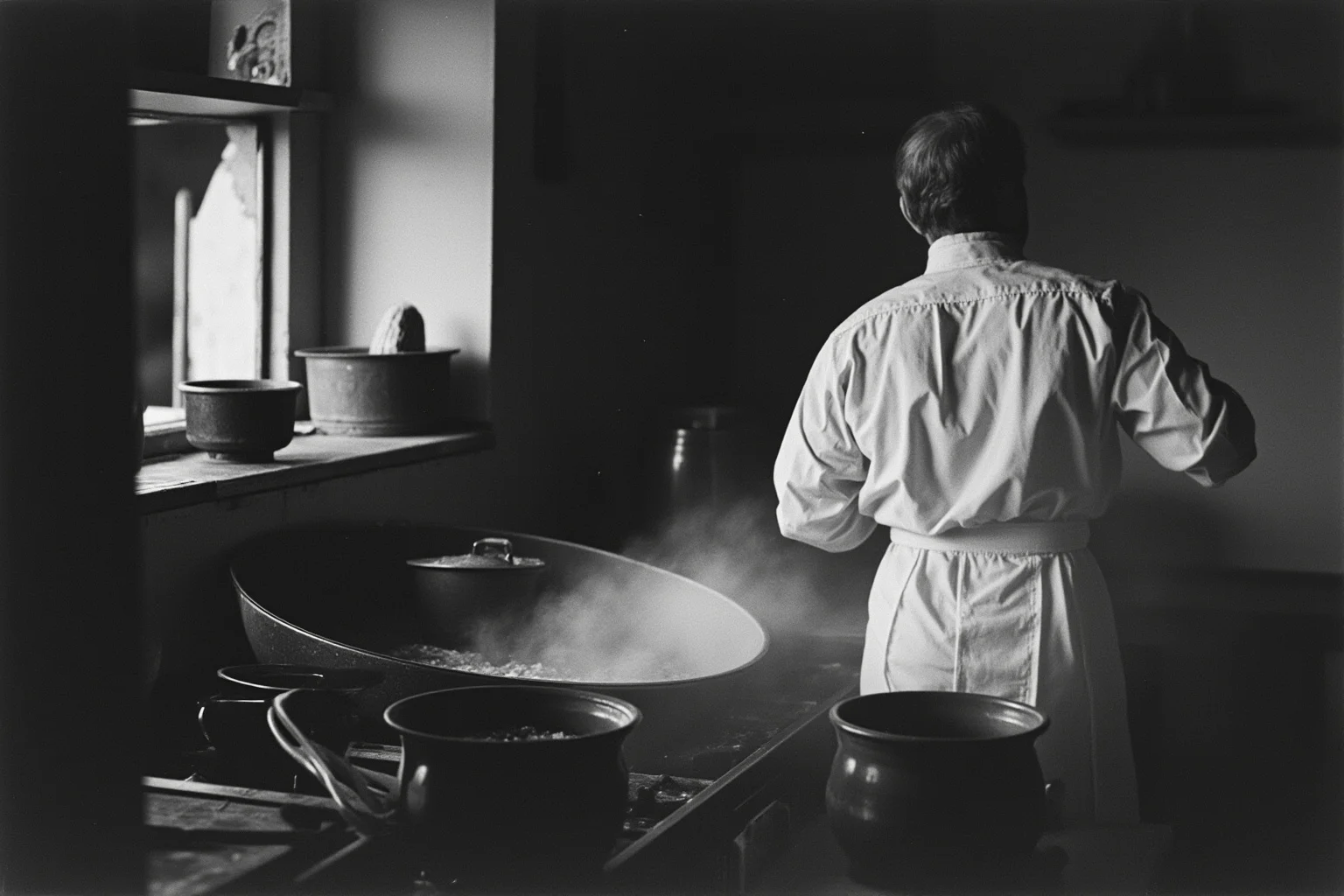
Typhoid fever spreads through contaminated food and water, and Karl Eberth observed the bacterium in the 1880s. The disease's most famous face is Mary Mallon, an Irish-born cook in New York. In 1907, sanitary engineer George Soper traced outbreaks to her, and she was held in quarantine on North Brother Island.
Mallon was a healthy carrier, which was a brand-new idea at the time. She was released in 1910, returned to cooking under another name, and was confined again from 1915 until her death in 1938. She was far from the only carrier, and many historians see her treatment as unusually harsh.
6. Treponema pallidum: The Syphilis Spirochete
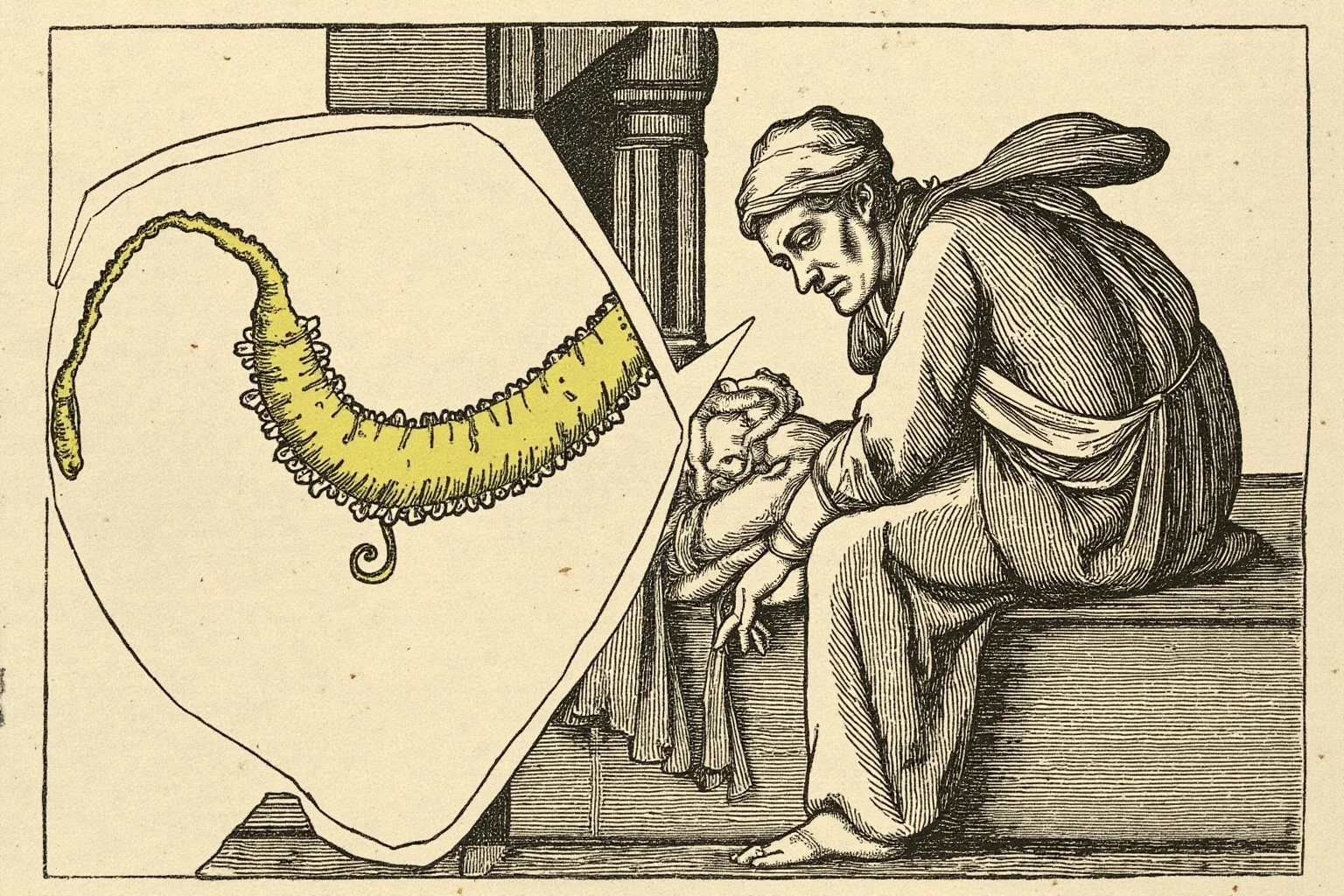
Syphilis exploded across Europe around 1495, during a war in Italy, and spread across the continent. Where it came from is still debated. Some scholars favor an American origin tied to Columbus's voyages, while others argue it existed in Europe earlier, so no single story is settled.
Fritz Schaudinn and Erich Hoffmann identified the bacterium in 1905, and Paul Ehrlich's Salvarsan became an early "magic bullet" drug around 1910. The disease also marks one of medicine's ethical failures: the U.S. Public Health Service's Tuskegee study (1932–1972) withheld treatment from Black men with syphilis.
7. Mycobacterium leprae: The Leprosy Bacterium

Norwegian physician Gerhard Armauer Hansen identified M. leprae in 1873, making it one of the first bacteria linked to a human disease. For centuries, people with leprosy were shunned and confined to leprosaria. Fear far outpaced the actual risk.
Here's the myth-buster: leprosy is not highly contagious, and most people are naturally resistant to it. It also doesn't make limbs simply fall off, since nerve damage leads to injuries that cause tissue loss. Multidrug therapy can cure it today.
8. Rickettsia prowazekii: The Typhus Agent
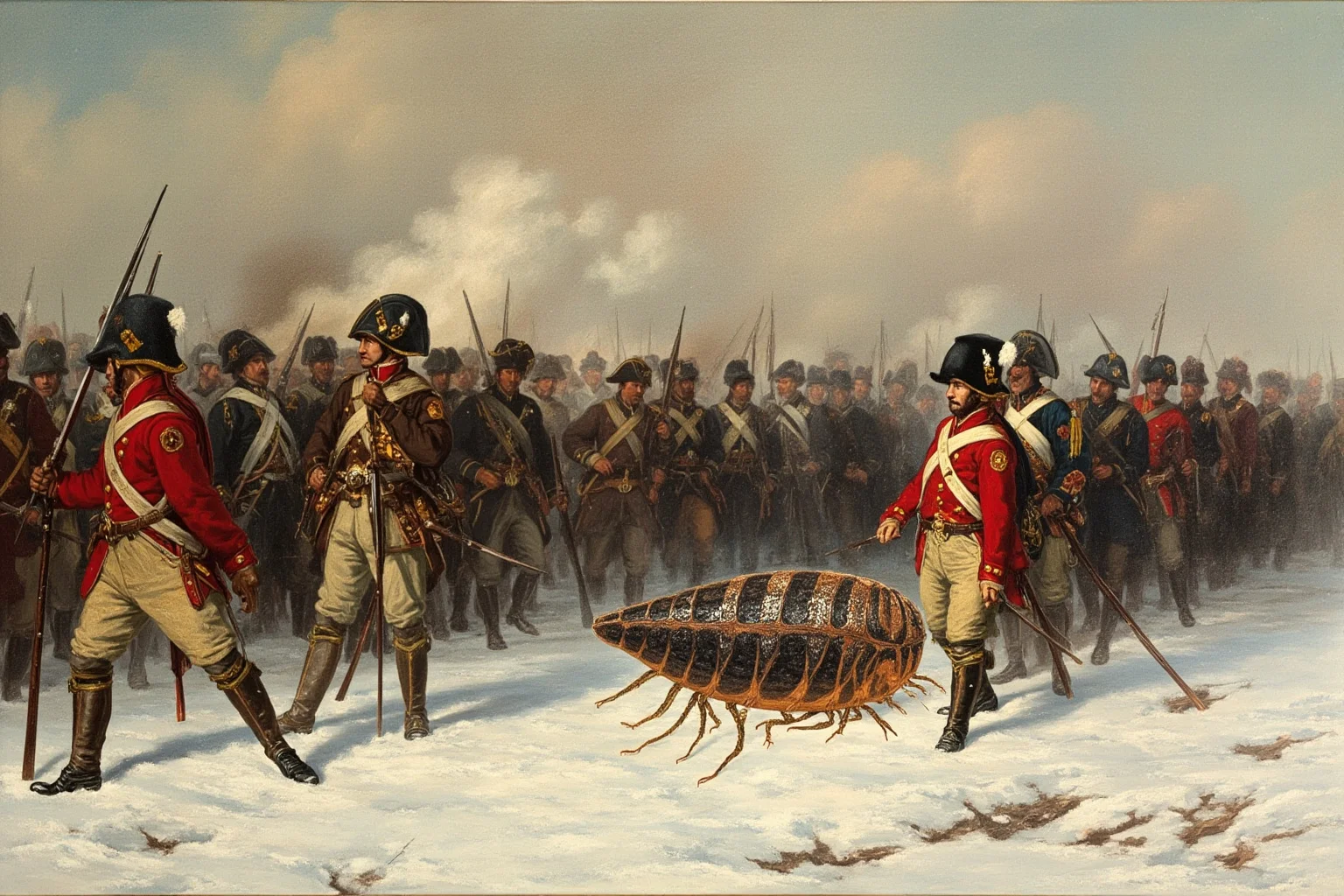
Epidemic typhus follows lice, war, and crowding. In 1909, Charles Nicolle showed that body lice spread it, a discovery that earned him a Nobel Prize. Two researchers who studied the disease, Howard Ricketts and Stanislaus von Prowazek, died of typhus themselves, and the bacterium bears both their names.
Typhus is often tied to Napoleon's disastrous 1812 retreat from Russia. DNA studies of remains in Vilnius found evidence of Rickettsia prowazekii and another louse-borne bacterium, though hunger, cold, and dysentery also played a part.
Wound, Womb, and Throat: Killers of Medicine's Early Days
Before antibiotics and vaccines, ordinary infections could turn into death sentences. These bacteria hit children, new mothers, and wounded soldiers especially hard.
9. Corynebacterium diphtheriae: The Strangling Angel
Diphtheria coated the throat with a thick membrane that could suffocate children. The bacterium was identified in the 1880s, and Emil von Behring and Kitasato developed an antitoxin in 1890. Behring won the first Nobel Prize in Physiology or Medicine in 1901 for the work.
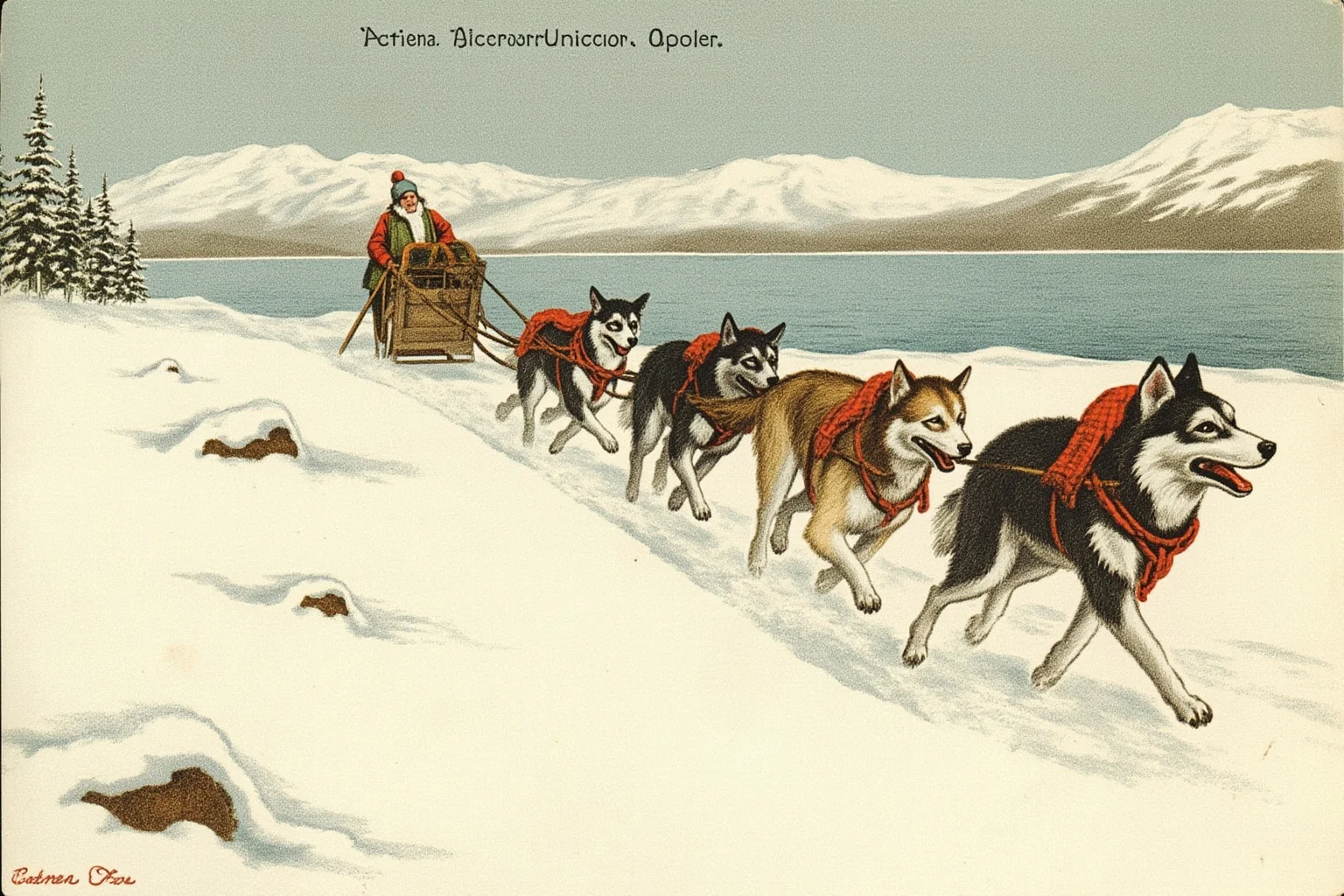
The most dramatic chapter came in 1925, when a diphtheria outbreak threatened Nome, Alaska. Teams of mushers and sled dogs relayed antitoxin serum more than 600 miles in the winter, with the dog Balto leading the final leg.
10. Bordetella pertussis: Whooping Cough
Pertussis causes violent coughing fits that can leave infants unable to breathe. Jules Bordet and Octave Gengou isolated the bacterium in 1906, and Bordet later won a Nobel Prize for his wider immunity work. It was a leading childhood killer until vaccines became common in the mid-1900s.
It's easy to assume it's a disease of the past, but pertussis still circulates. Immunity from vaccination fades over time, and outbreaks continue to surface where vaccination rates dip.
11. Streptococcus pyogenes: Childbed Fever and Scarlet Fever
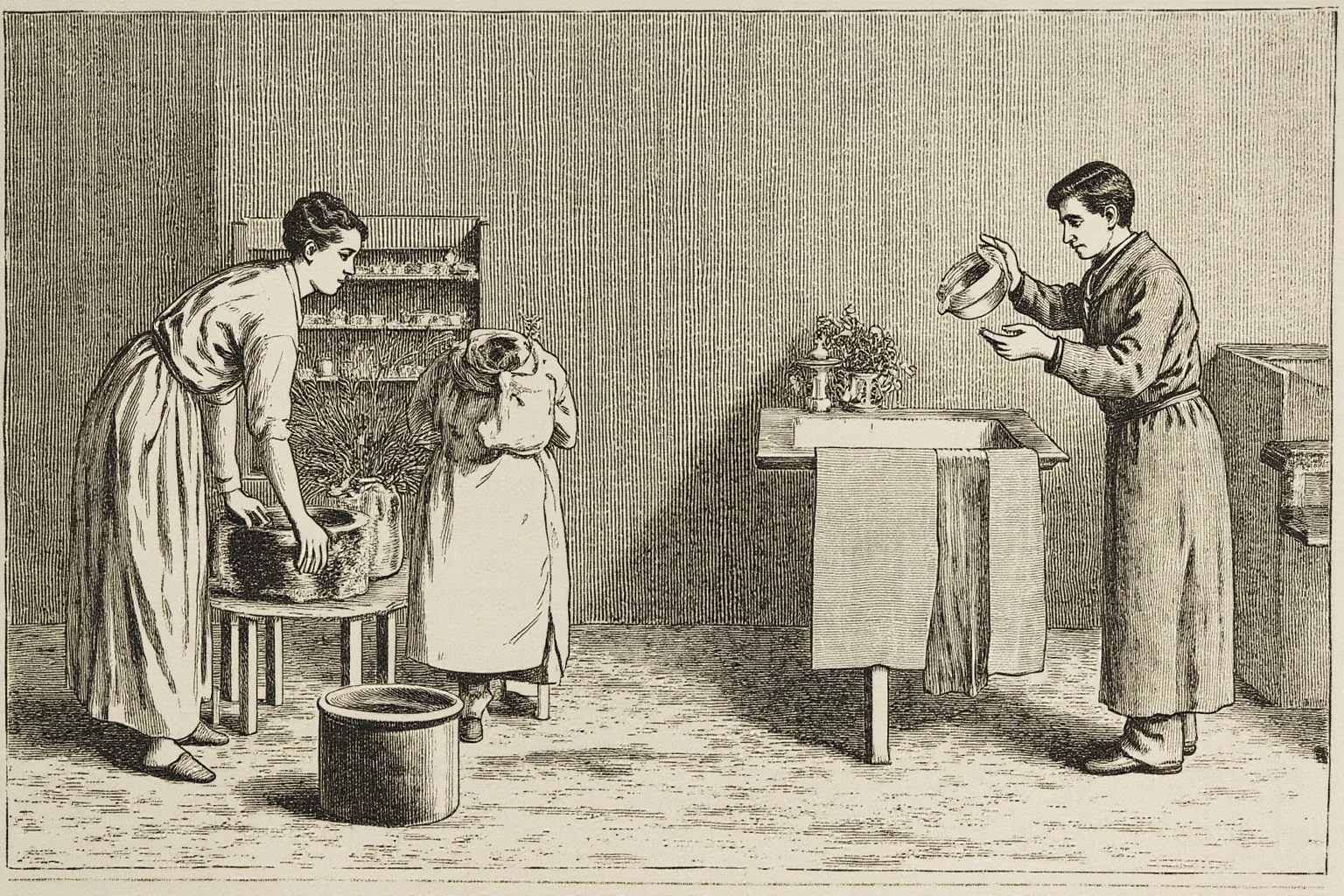
In the 1840s, new mothers in hospital maternity wards died in terrifying numbers from puerperal fever. Ignaz Semmelweis noticed in Vienna in 1847 that deaths dropped sharply when doctors washed their hands in chlorinated lime solution. Oliver Wendell Holmes had argued something similar in 1843.
Many doctors resisted the idea, partly because it implied they were carrying death on their hands. Semmelweis died in 1865 in an asylum, and his ideas only gained acceptance as germ theory grew. Streptococci were later firmly linked to the disease.
12. Clostridium tetani: The Lockjaw Bacterium
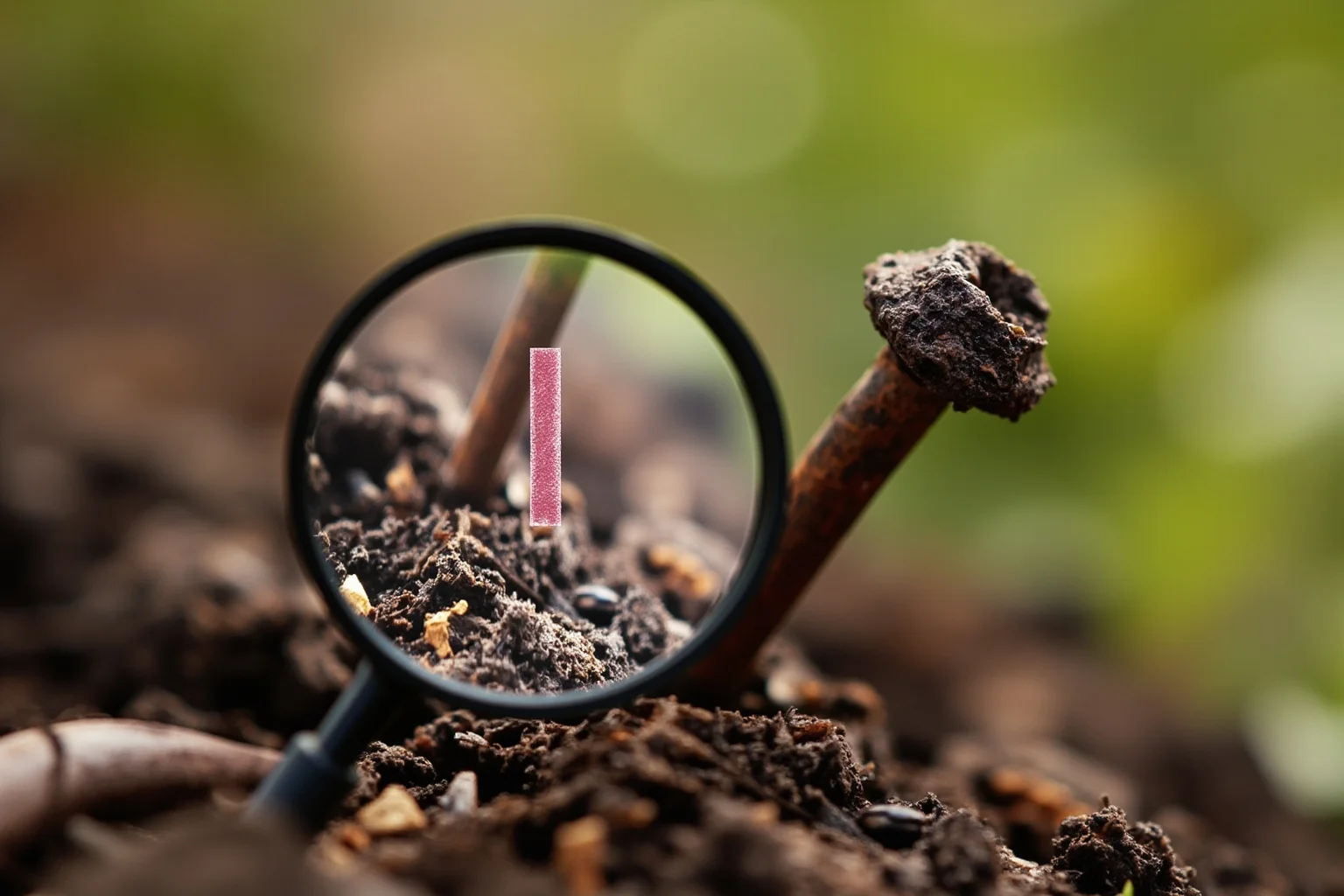
Tetanus spores live in soil, and when they enter a deep wound the bacterium releases a toxin that causes agonizing muscle spasms. Kitasato grew the organism in pure culture in 1889, and an antitoxin followed soon after. Doctors had long recognized the disease as "lockjaw" without knowing its cause.
The disease was a dreaded battlefield complication. Vaccination became widespread around World War II, and it dramatically cut tetanus among soldiers.
13. Clostridium perfringens: The Gas Gangrene Bacterium
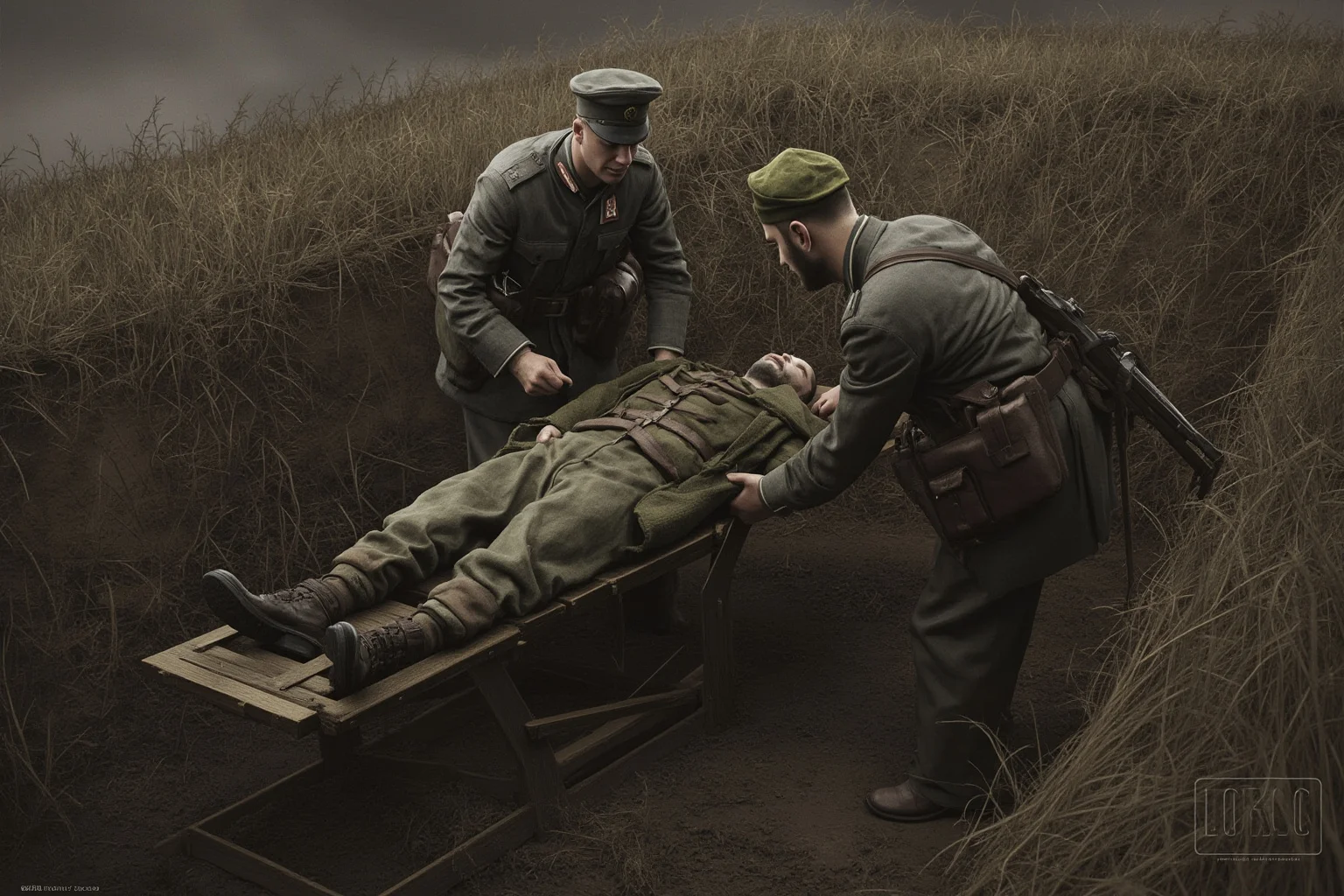
In World War I, soldiers' wounds were contaminated by soil from heavily manured farmland, and gas gangrene followed. C. perfringens thrives in dead tissue, releasing toxins and gas that spread through muscle. Many soldiers lost limbs or died.
Surgeons learned that quickly cutting away damaged tissue, called debridement, could stop it. The bacterium had been described in the 1890s by William Welch and George Nuttall, but the war made its danger painfully clear.
14. Staphylococcus aureus: From Sepsis to MRSA
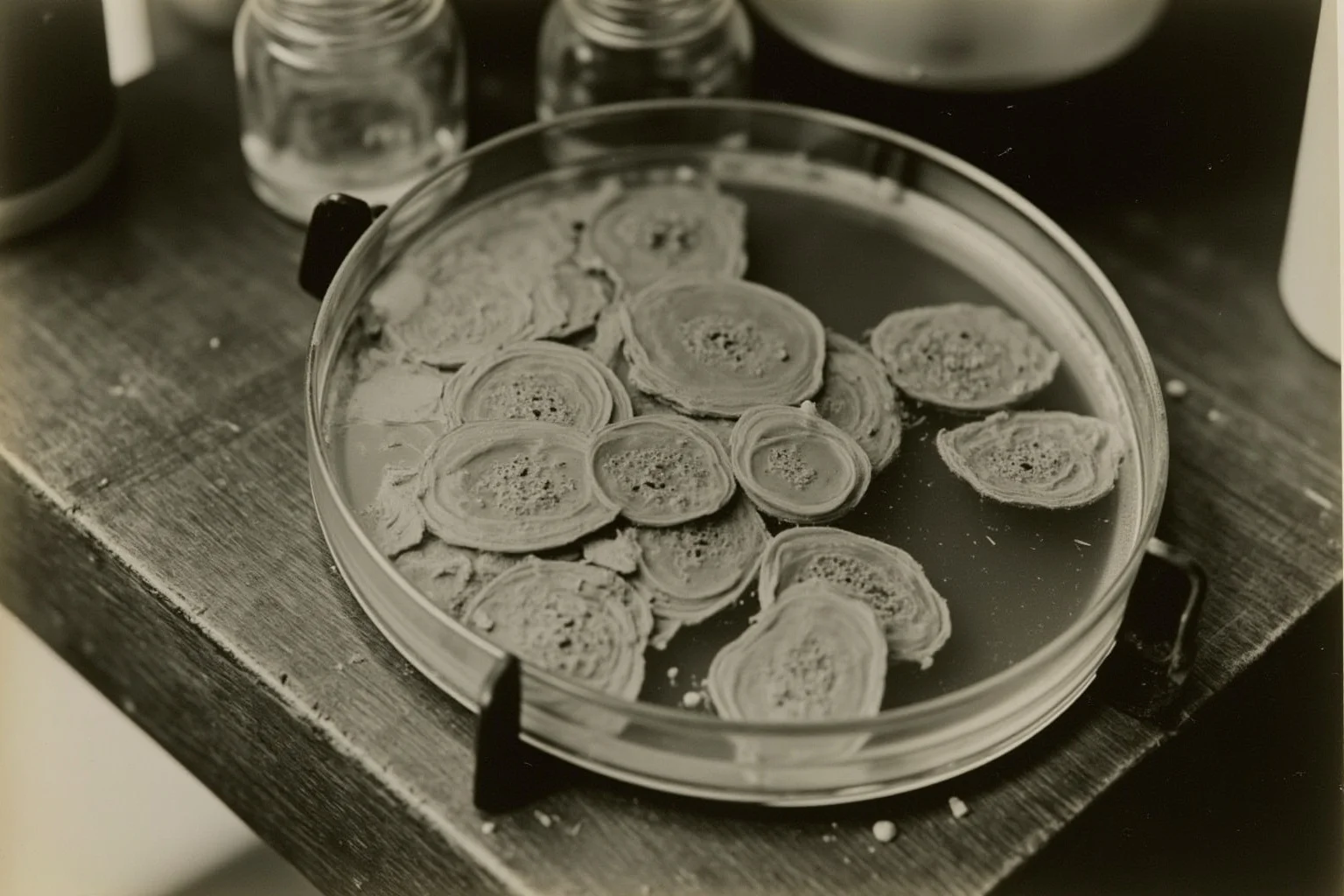
Scottish surgeon Alexander Ogston identified staphylococci in pus in 1880. Before antibiotics, a bloodstream infection with S. aureus was very often fatal. Alexander Fleming's famous 1928 observation of mold killing staph on a culture plate eventually led to penicillin.
But the story didn't end there. Penicillin-resistant strains appeared in the 1940s, and methicillin-resistant S. aureus, or MRSA, was reported in the early 1960s. It became a textbook example of antibiotic resistance.
Mystery Killers That Fooled Scientists
Some bacteria didn't just kill; they confused researchers. These stories show how easily experts can chase the wrong culprit.
15. Streptococcus pneumoniae: The Pneumonia Bacterium
Louis Pasteur and U.S. Army doctor George Sternberg independently isolated this bacterium in 1881. Physician William Osler called pneumonia "the captain of the men of death" in 1892, borrowing a phrase John Bunyan had once used for consumption. It was a dominant killer of the era.
This microbe also changed genetics. In 1928, Frederick Griffith saw it "transform" between harmless and deadly forms, and in 1944 Avery, MacLeod, and McCarty showed that DNA carried the message.
16. Haemophilus influenzae: The Great 1918 Mix-Up
In 1892, Richard Pfeiffer found a bacterium in influenza patients and decided it was the cause. It was named Haemophilus influenzae, and for decades many scientists believed it. The 1918 pandemic exposed the problem, since researchers couldn't consistently find it in all patients.
The flu virus wasn't isolated in humans until 1933. Modern reviews suggest many 1918 deaths came from bacterial pneumonia that followed the viral infection, so bacteria still mattered, just not in the way Pfeiffer thought.
17. Legionella pneumophila: The Legionnaires' Mystery
In July 1976, attendees of an American Legion convention in Philadelphia fell ill. Of about 221 cases, 34 people died, and rumors ranged from poison to a government plot. Investigators at the CDC were stumped for months.
In late 1976, Joseph McDade isolated a previously unknown bacterium, and it was announced in January 1977. It thrives in warm water systems, such as large cooling towers, and it showed that modern buildings can create new risks.
18. Clostridium botulinum: The Sausage Poison
The name comes from the Latin botulus, meaning sausage, because early cases were linked to spoiled meat. In 1895, after a funeral gathering in Ellezelles, Belgium, several people died and dozens fell ill. Microbiologist Emile van Ermengem isolated the bacterium from the ham and from the victims.
Botulinum toxin is among the most potent biological poisons known. In tiny, controlled doses it's now used in medicine, which is a strange twist for a toxin once feared only as a food hazard.
19. Burkholderia mallei: Glanders and Wartime Sabotage
Glanders is mostly a disease of horses, mules, and donkeys, but it can infect people with grim results. When animals powered armies and farms, it was a serious threat. During World War I, historians have documented that a German agent, Anton Dilger, ran a lab in Washington, D.C., to infect animals bound for the Allies.
The disease has been eliminated from many countries. Still, its history is a reminder that bacteria have been viewed as weapons for over a century.
Modern Menaces
Today's dangerous bacteria often thrive in hospitals, kitchens, and places where antibiotics are heavily used. They show that the age of microbial surprises isn't over.
20. Escherichia coli O157:H7: The Burger Bacterium
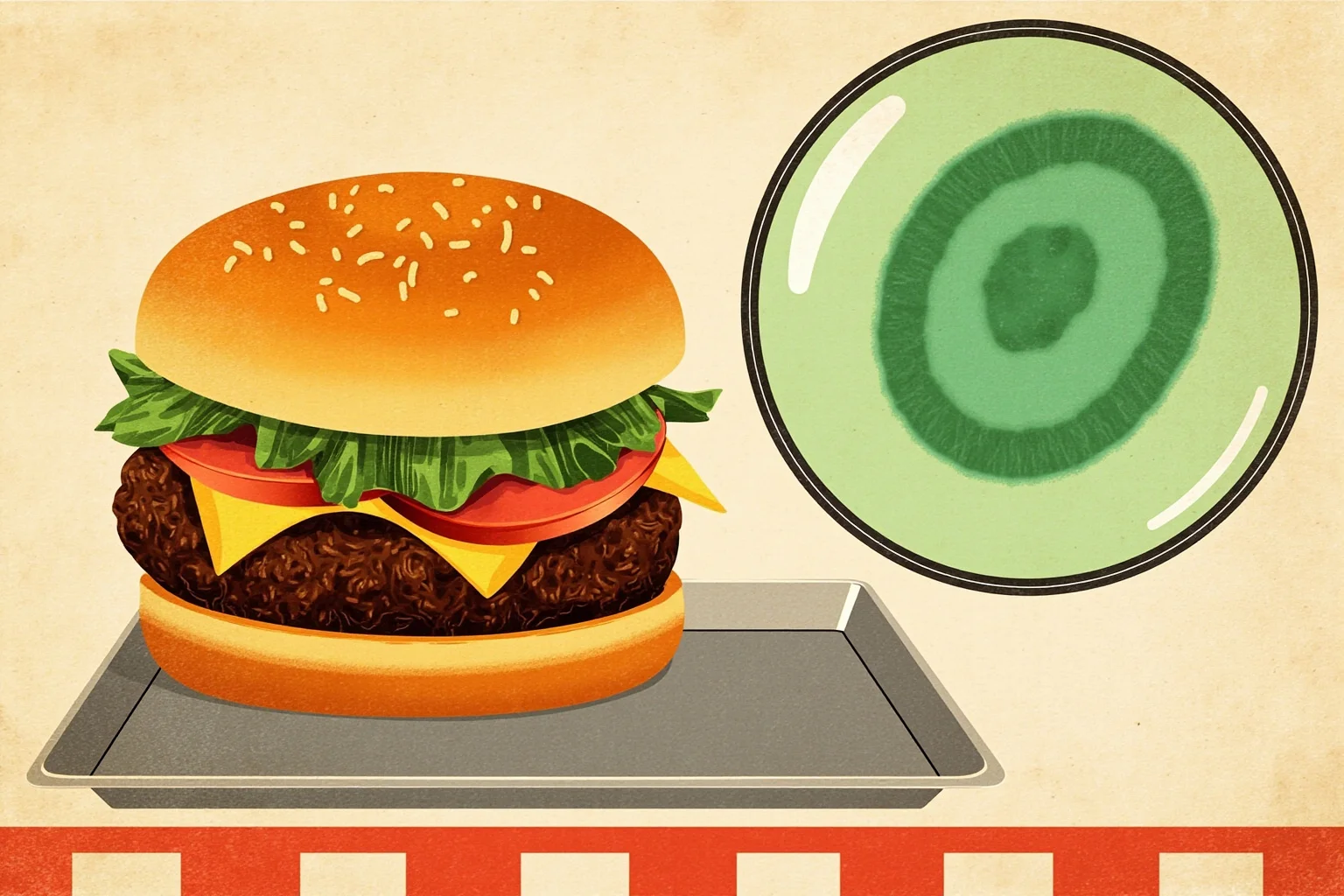
Most E. coli strains are harmless, and Theodor Escherich first described the species in 1885 as a normal gut resident. But O157:H7, which produces Shiga toxin, was recognized in 1982 after outbreaks in Oregon and Michigan linked to undercooked hamburgers.
A large 1993 outbreak tied to a fast-food chain in the western U.S. killed four children. The episode changed food-safety rules, and it's a good example of how a bacteria that is harmful can come from a species that's usually friendly.
21. Clostridioides difficile: The Hospital Gut Invader

In 1935, researchers Hall and O'Toole found this bacterium in newborns and named it difficilis because it was so hard to grow in the lab. For decades, nobody realized it could cause severe disease. By the late 1970s, it was linked to colitis that follows antibiotic use.
Antibiotics can wipe out helpful gut bacteria, leaving room for C. difficile to take over. It spreads through hardy spores in healthcare settings, which makes cleaning and careful antibiotic use essential.
22. Acinetobacter baumannii: The "Iraqibacter"
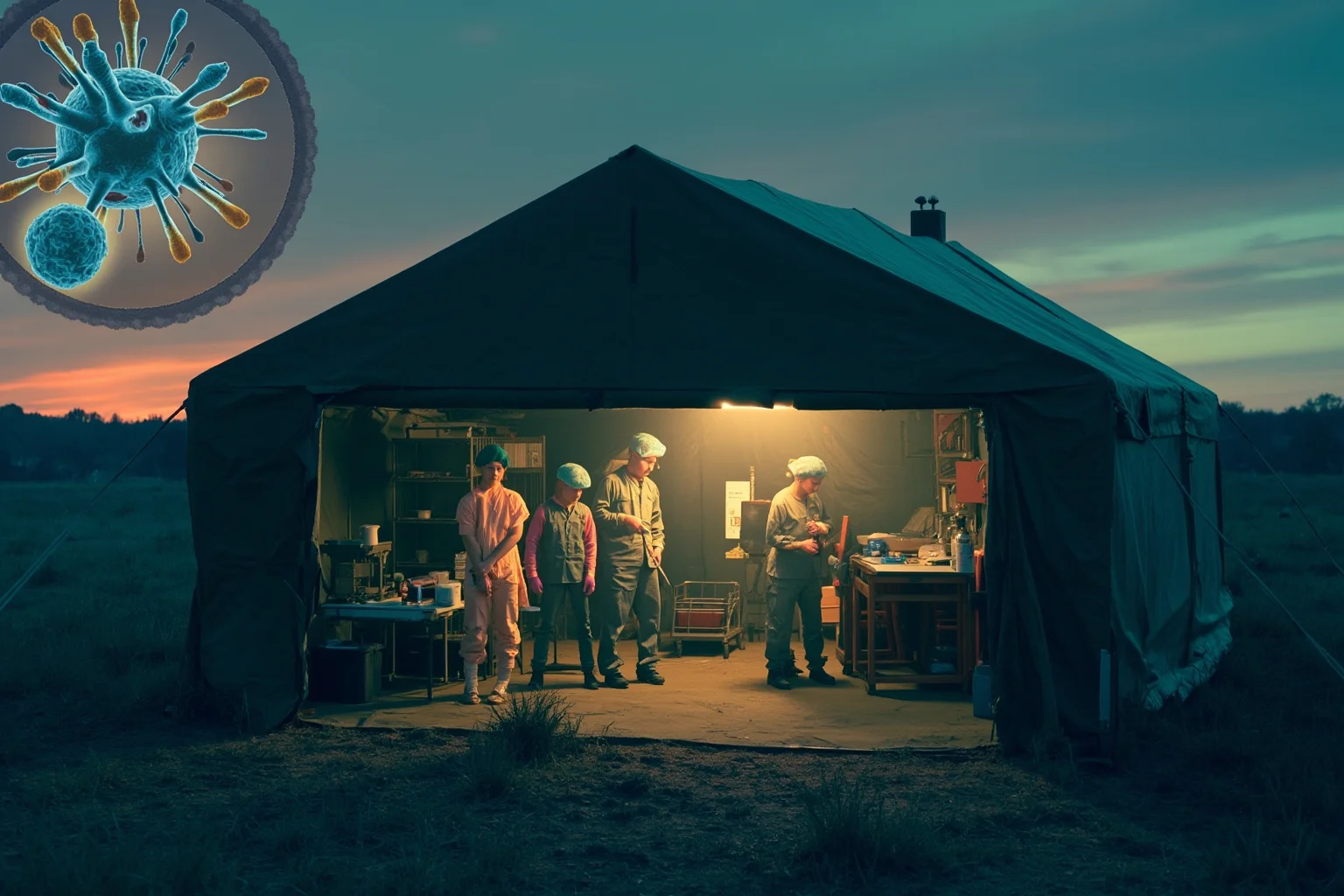
This soil and water bacterium became notorious during the 2000s, when wounded service members in military hospitals developed drug-resistant infections. The nickname "Iraqibacter" stuck, although the bacterium wasn't unique to Iraq, and it also circulates in hospitals worldwide.
In 2017, the World Health Organization placed carbapenem-resistant A. baumannii at the top of its critical-priority list for new antibiotics. It's a striking reminder that bacteria dangerous to patients today are often shaped by our own medicines.
What These Killer Bacteria Taught Us
Looking back, a pattern emerges. Each time scientists named a culprit, the response wasn't just a cure. It was often something simpler, like clean water, handwashing, safer food, or vaccination.
The lessons also include humility. Researchers chased the wrong germ in 1918, doubted Semmelweis, and puzzled over Legionnaires' disease for months. Good science self-corrects, but it can take far longer than we'd like.
The most dangerous bacteria haven't gone away, and some are evolving to resist our best drugs. But the history here is encouraging, because every microbe on this list was once a complete mystery. Understanding them is how we learned to fight back.
Frequently Asked Questions
What is a bacteria that is harmful called?
A bacteria that is harmful to people is called a pathogen, or a pathogenic bacterium. Examples include Yersinia pestis (plague), Vibrio cholerae (cholera), and Mycobacterium tuberculosis (tuberculosis). Most bacteria are harmless or helpful, and only a small fraction cause disease.
What is the most dangerous bacteria in history?
There's no single agreed answer, but Yersinia pestis, which caused the Black Death, is a leading candidate because of the scale of its pandemics. Mycobacterium tuberculosis has arguably killed more people over time, since it has circulated for thousands of years. Any ranking depends on how you measure danger.
Are all bacteria dangerous?
No. The vast majority of bacteria are harmless, and many are beneficial, helping with digestion, nutrient cycling, and even food production. Only certain species, called pathogens, cause disease, and even some of those, like E. coli, have mostly harmless relatives.
Who proved that bacteria cause disease?
Robert Koch is widely credited with providing the first firm proof, showing in 1876 that Bacillus anthracis causes anthrax. He later identified the bacteria behind tuberculosis (1882) and cholera (1883). Louis Pasteur's work on germs and vaccines was also essential to germ theory.
Did bacteria cause the 1918 flu pandemic?
No, the 1918 pandemic was caused by an influenza virus. However, modern reviews suggest many deaths resulted from secondary bacterial pneumonia, so bacteria still played a major role. At the time, some scientists wrongly blamed a bacterium called Pfeiffer's bacillus.
Are antibiotic-resistant bacteria the new most dangerous bacteria?
They are a growing concern. Bacteria such as MRSA and carbapenem-resistant Acinetobacter baumannii are hard to treat and appear on priority lists from health authorities. Careful antibiotic use and good hospital hygiene are key to slowing their spread.

Alex Warren
Related Articles