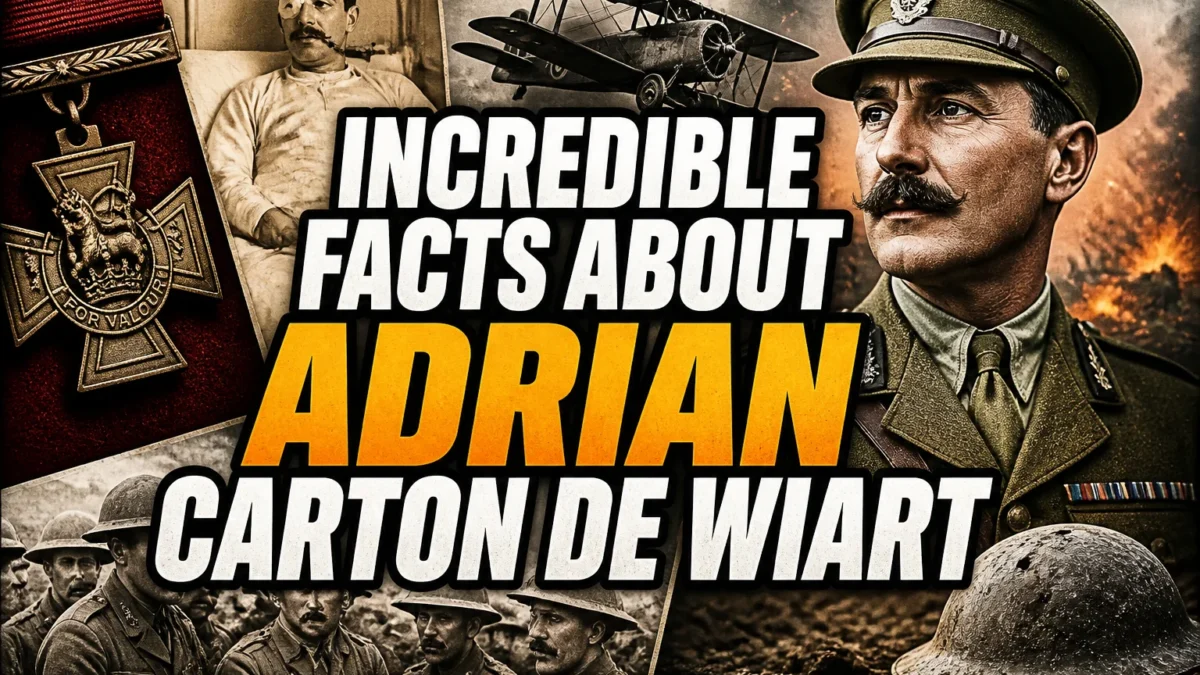
Few soldiers in British history have a résumé as improbable as Adrian Carton de Wiart's. He lost an eye and a hand, survived a bomber crash, tunnelled out of an Italian castle in his sixties, and won the Victoria Cross, yet he was born in Brussels, not Britain.
Because the story sounds like fiction, plenty of myths have gathered around it. In this guide to Adrian Carton (as he is often shortened online, and sometimes misspelled "Adrian Carton de Wiar"), we separate the documented facts from the legend.
TL;DR: Sir Adrian Carton de Wiart was a Belgian-born British general whose real wounds, escapes, and Victoria Cross are remarkable enough without any embellishment.
Early Life: A Belgian Boy Who Became a British Soldier
1. He Was Born in Brussels, Not Britain

Adrian Paul Ghislain Carton de Wiart was born on 5 May 1880 in Brussels, into a well-connected Belgian Catholic family. Although he later became the very image of a British officer, his roots were continental European.
The name trips people up, which is why searches for "Carton de Wiar" are so common. The correct spelling ends in a "t", and the surname is shared with other notable Belgians, including the politician Henri Carton de Wiart.
2. His Father, Léon Carton de Wiart, Shaped His Early Path
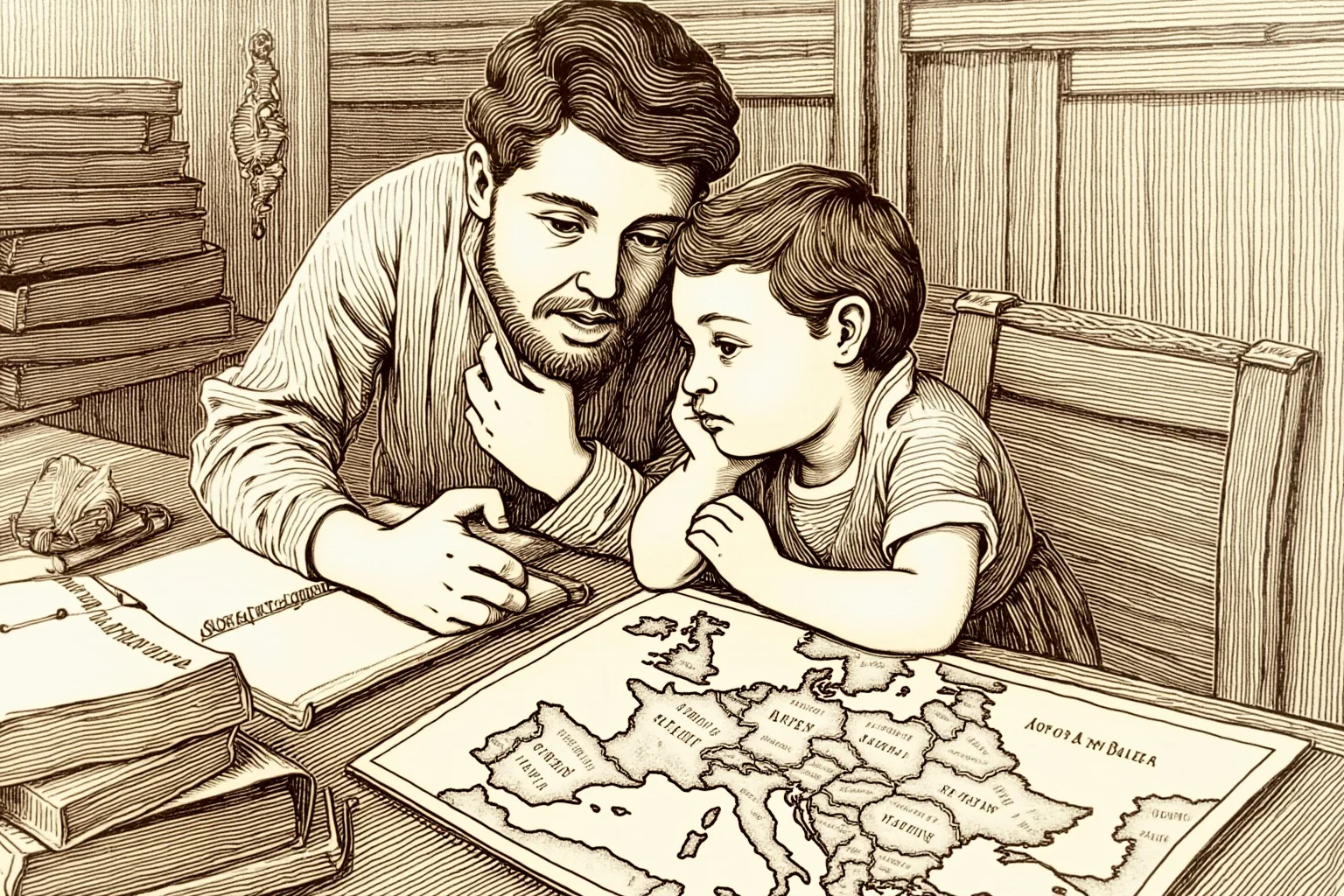
Léon Carton de Wiart is usually described as a Belgian lawyer from Brussels' professional upper class. Detail about the family's early life is thinner than for Adrian himself, and much of it comes from Adrian's own memoir.
That is worth remembering when you read colourful childhood anecdotes online. Adrian was sent to England for schooling, attending the Oratory School in Birmingham before going up to Balliol College, Oxford, which helps explain how easily he fitted into the British officer class.
3. He Left Oxford for the Boer War Using a False Name
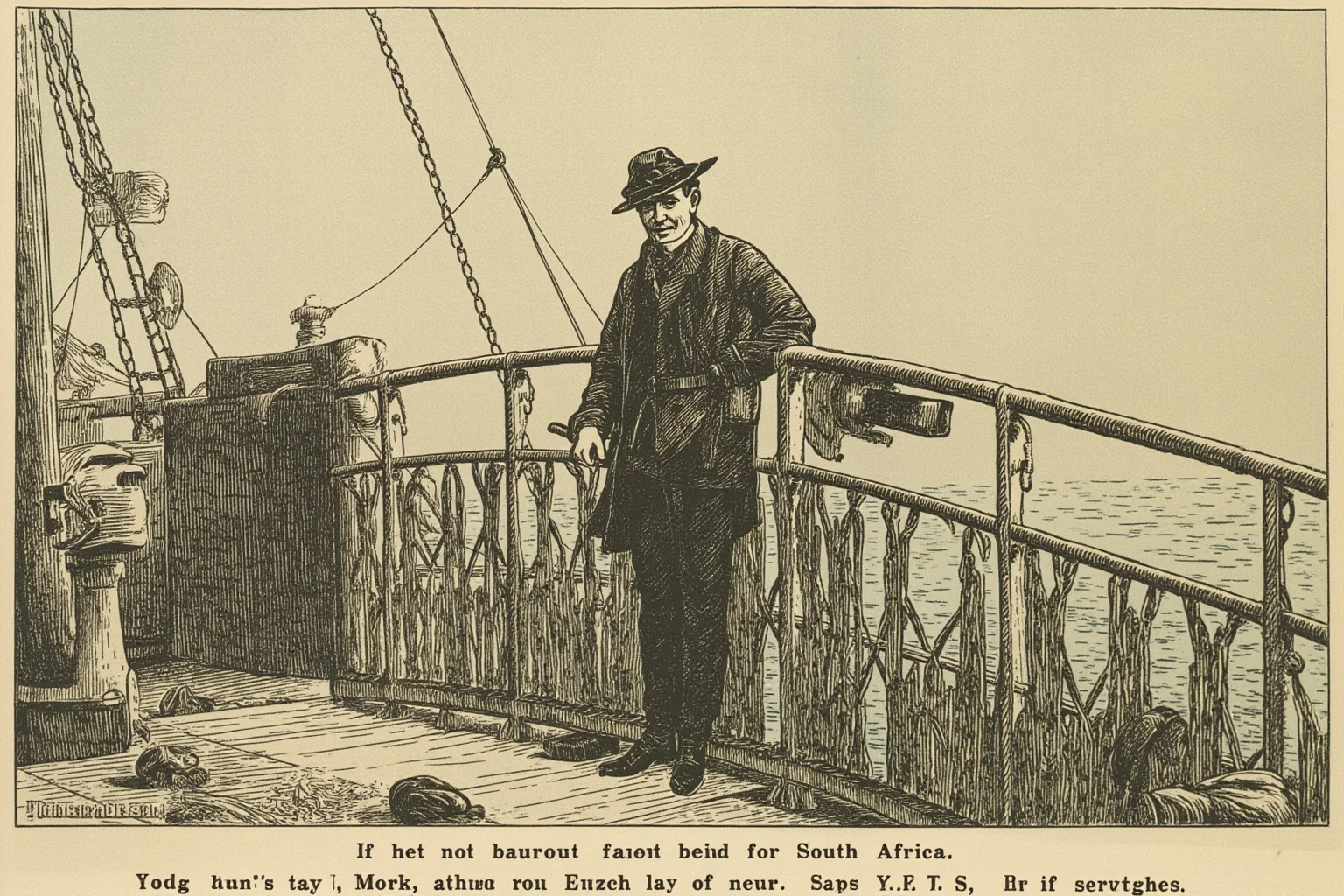
When the Second Boer War broke out, the young Carton abandoned his studies at Balliol and went to South Africa. By his own account and standard biographies, he enlisted under a false name and gave an older age than his real one.
He was wounded in the stomach and groin and sent home to recover. After that he secured a regular commission, and a cavalry career that would last decades was underway.
4. He Became a British Subject and Married an Austrian Countess
Carton de Wiart was naturalised as a British subject in 1907. A year later he married Countess Friederike Fugger von Babenhausen, a member of an old Austrian aristocratic family.
The couple had two daughters. The marriage eventually ended, and he remarried later in life, but his first marriage tied him to Central European aristocratic circles that would matter in his later years in Poland.
From Somaliland to the Somme: The Wounds That Made the Legend
5. He Lost His Left Eye in Somaliland
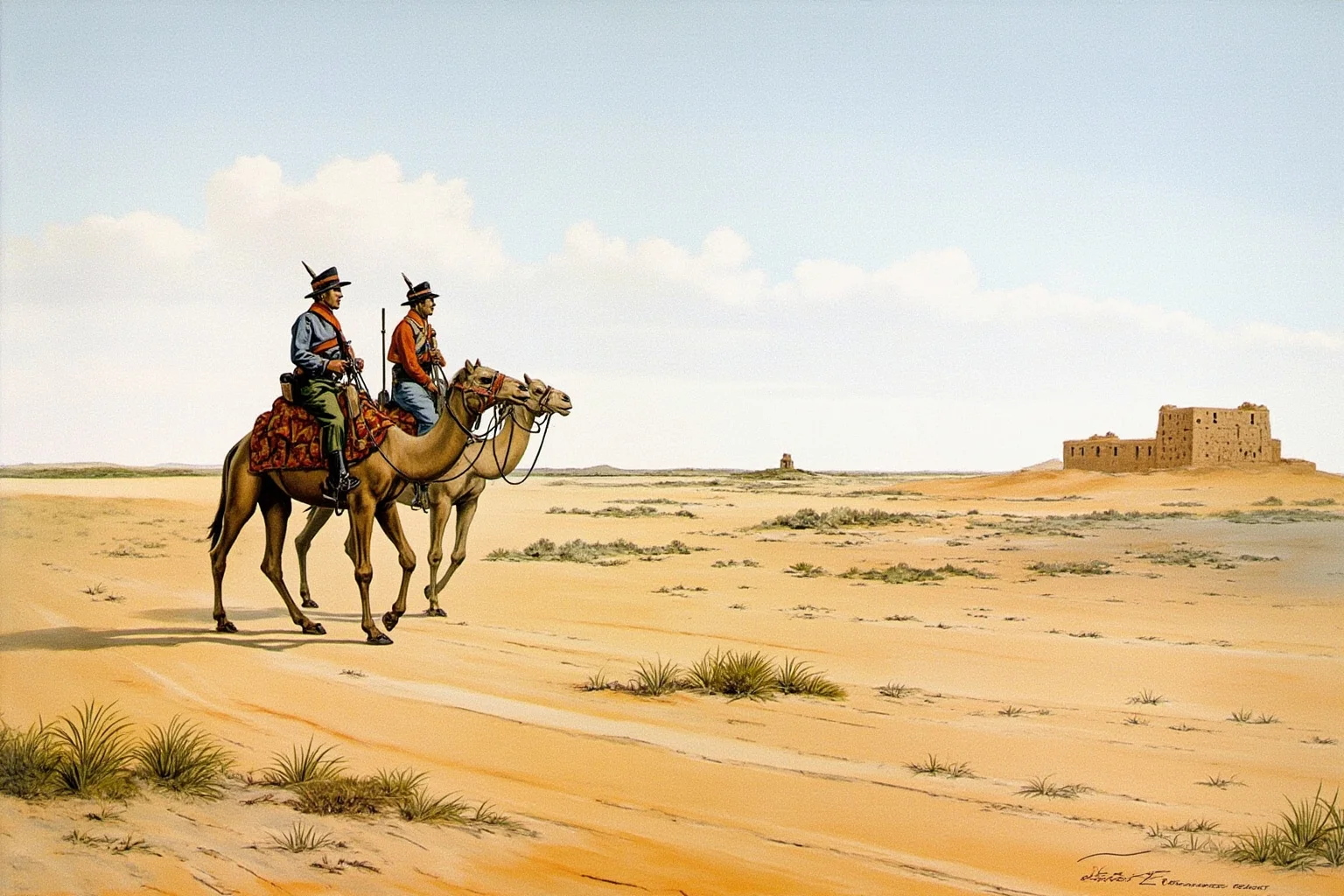
In 1914 he was serving with the Somaliland Camel Corps against forces led by Mohammed Abdullah Hassan, whom the British nicknamed the "Mad Mullah". During an assault on a fortified position at Shimber Berris, he was shot in the face and lost the sight of his left eye.
He was awarded the Distinguished Service Order for his role in the campaign. It was the first of many wounds, and it gave him the black eyepatch that became his visual signature.
6. The Glass Eye He Supposedly Threw Out of a Taxi
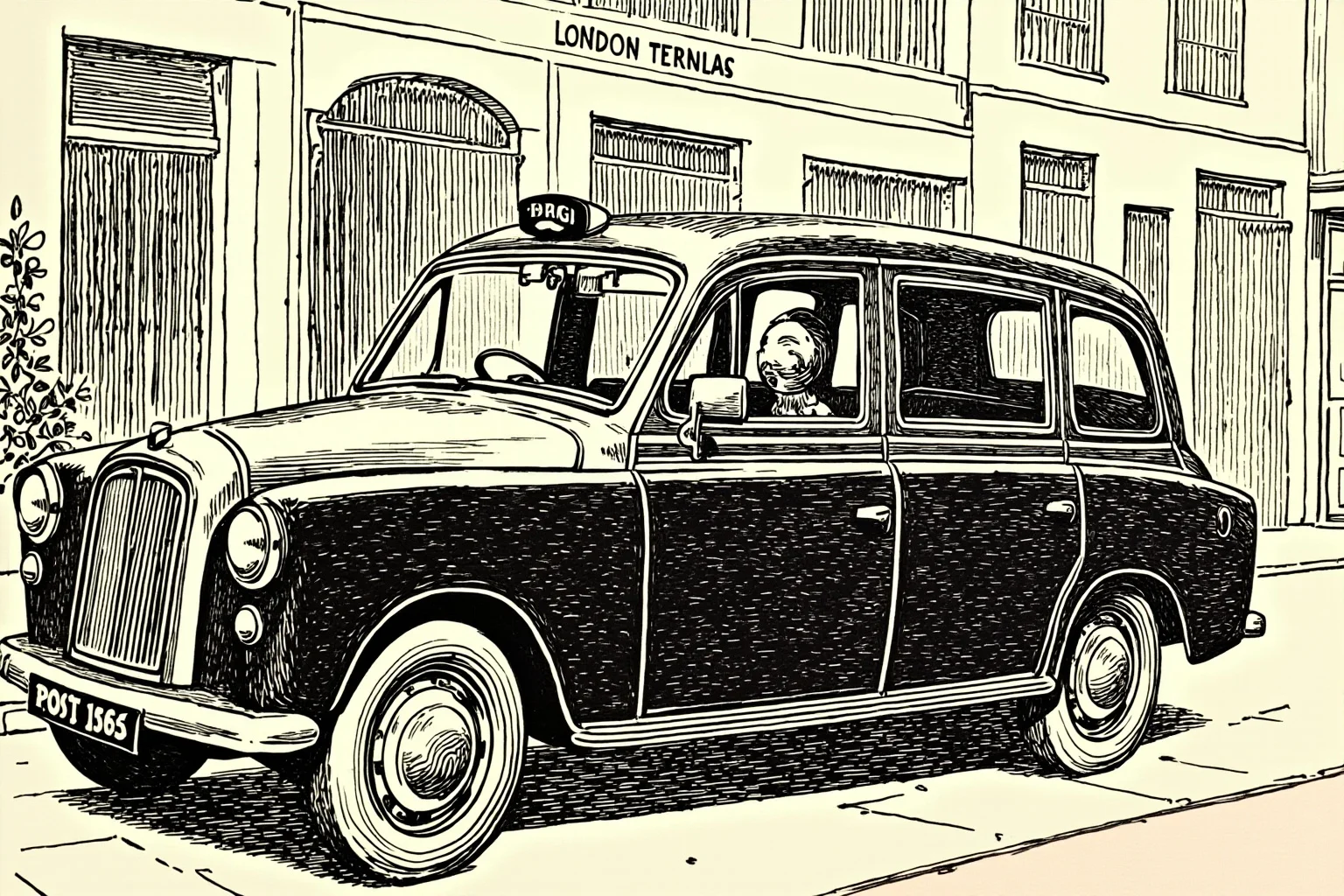
Back in London, he was fitted with a glass eye. By his own account in his memoir, he found it so uncomfortable that he tossed it out of a taxi window and switched to a patch.
It is a great story, but it rests on his own telling, and Carton de Wiart was famously fond of self-deprecating humour. Treat it as charming personal legend rather than court-tested fact.
7. He Pulled Off His Own Fingers at Ypres
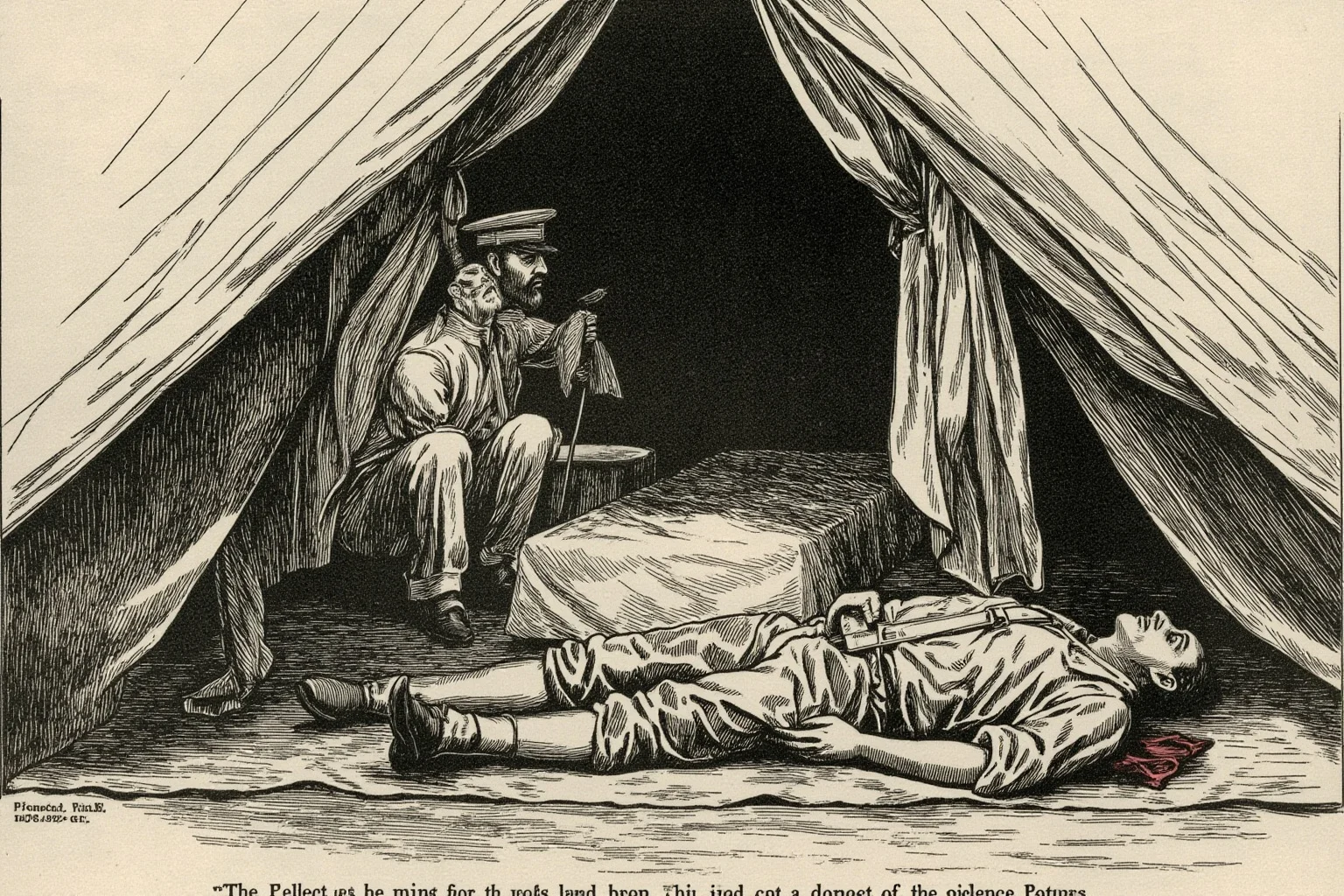
In 1915, fighting on the Western Front near Ypres, his hand was badly mangled. According to his memoir, a surgeon refused to amputate his damaged fingers, so he tore them off himself.
His hand was later amputated altogether. The self-surgery detail comes from his own account, so it deserves a note of caution, but the loss of the hand itself is firmly documented.
8. One Hand, Still No Problem: The Grenade-Pin Story
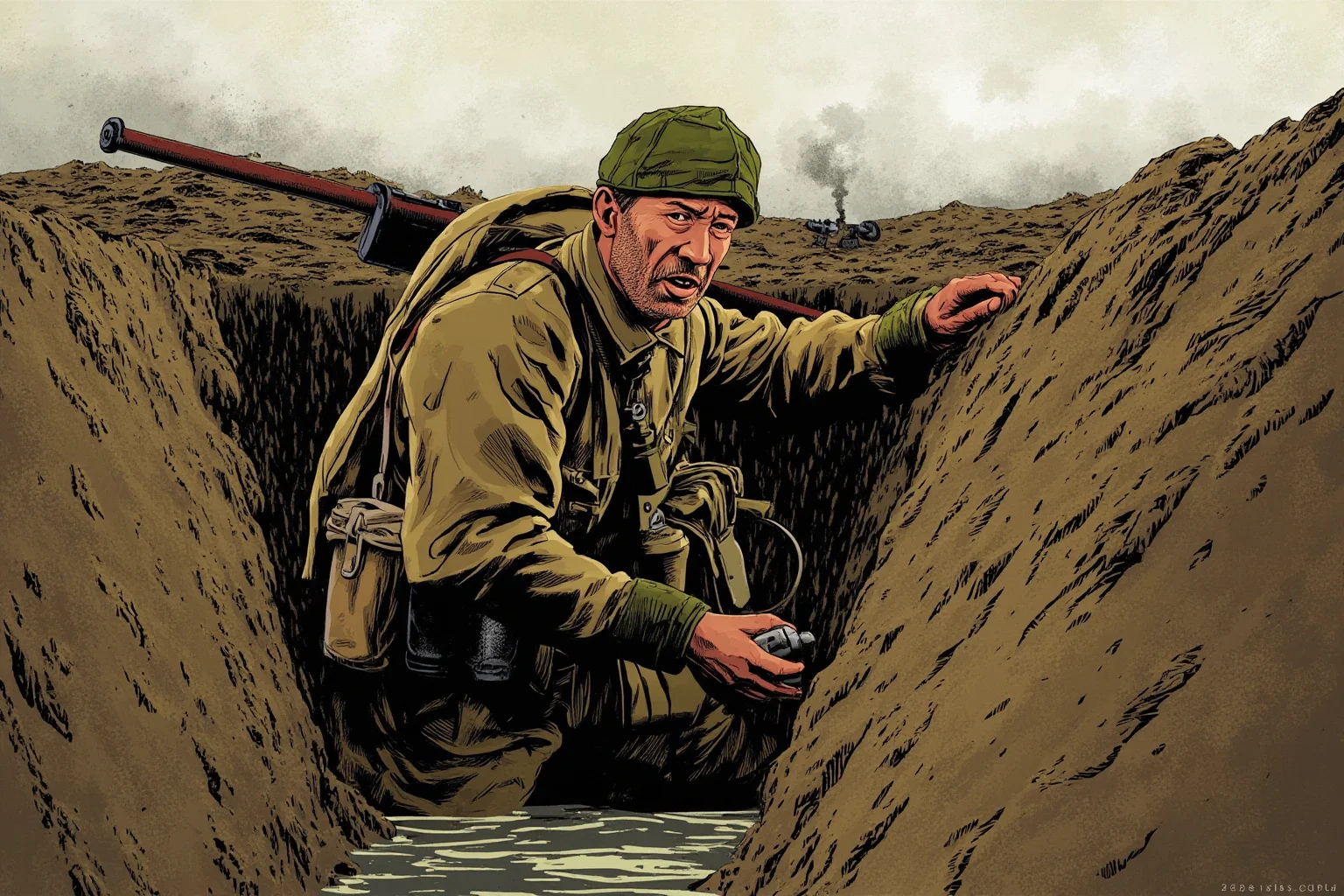
A popular tale says he pulled the pins out of grenades with his teeth because he only had one hand. Versions of this appear in many retellings, but it is hard to pin down to a specific, verifiable incident.
What we can say is that losing a hand did not take him out of the fight. He returned to active command remarkably quickly and was soon leading troops again.
9. He Won the Victoria Cross at La Boisselle
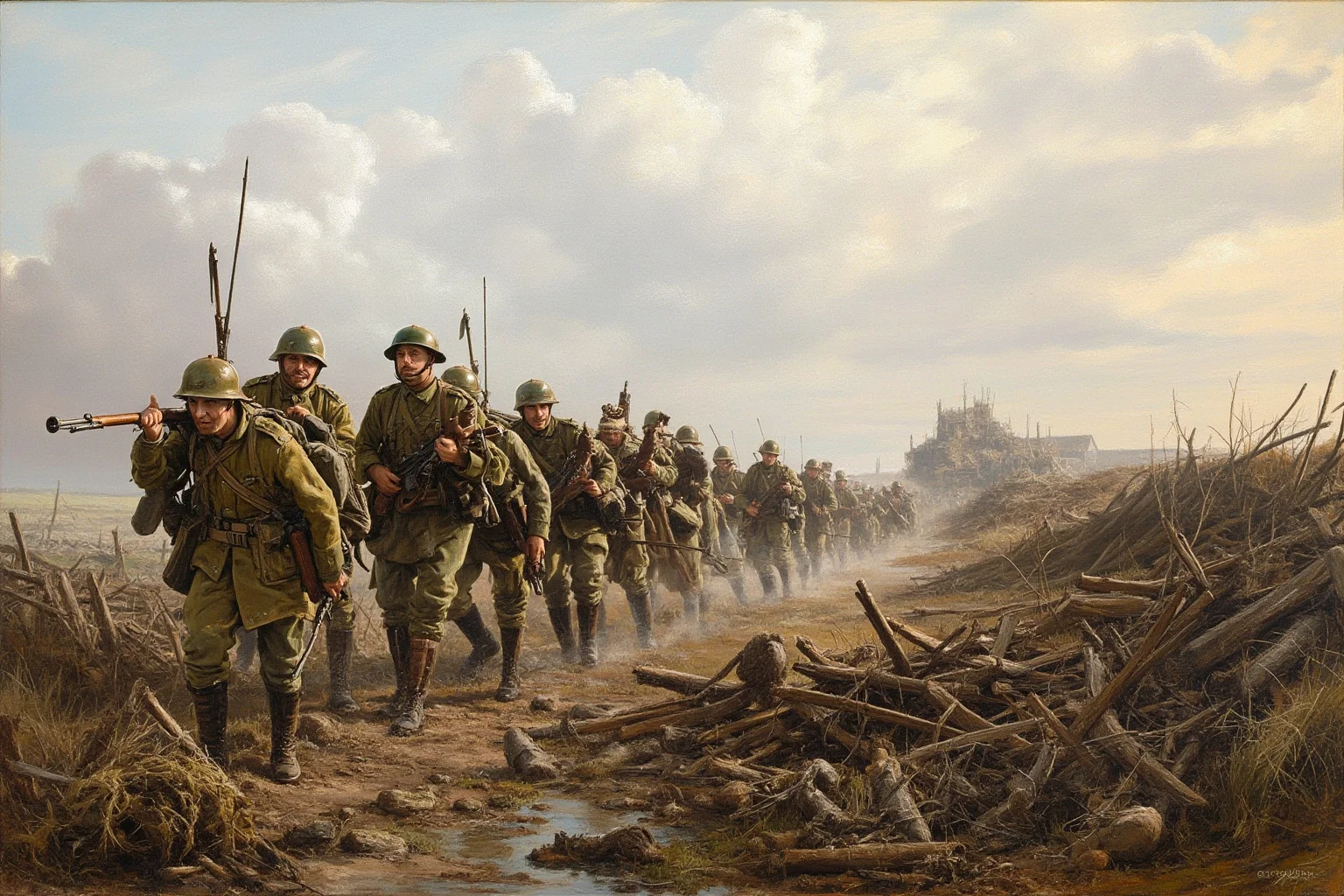
On the Somme in July 1916, Carton de Wiart commanded the 8th Battalion, Gloucestershire Regiment, during the fighting around La Boisselle. When other battalion commanders became casualties, he took charge of the confused situation and held the units together under heavy fire.
His Victoria Cross citation praised his courage, energy, and leadership over a prolonged and bloody operation. It remains one of Britain's highest honours for gallantry.
10. He Was Wounded Many Times, but Counts Vary
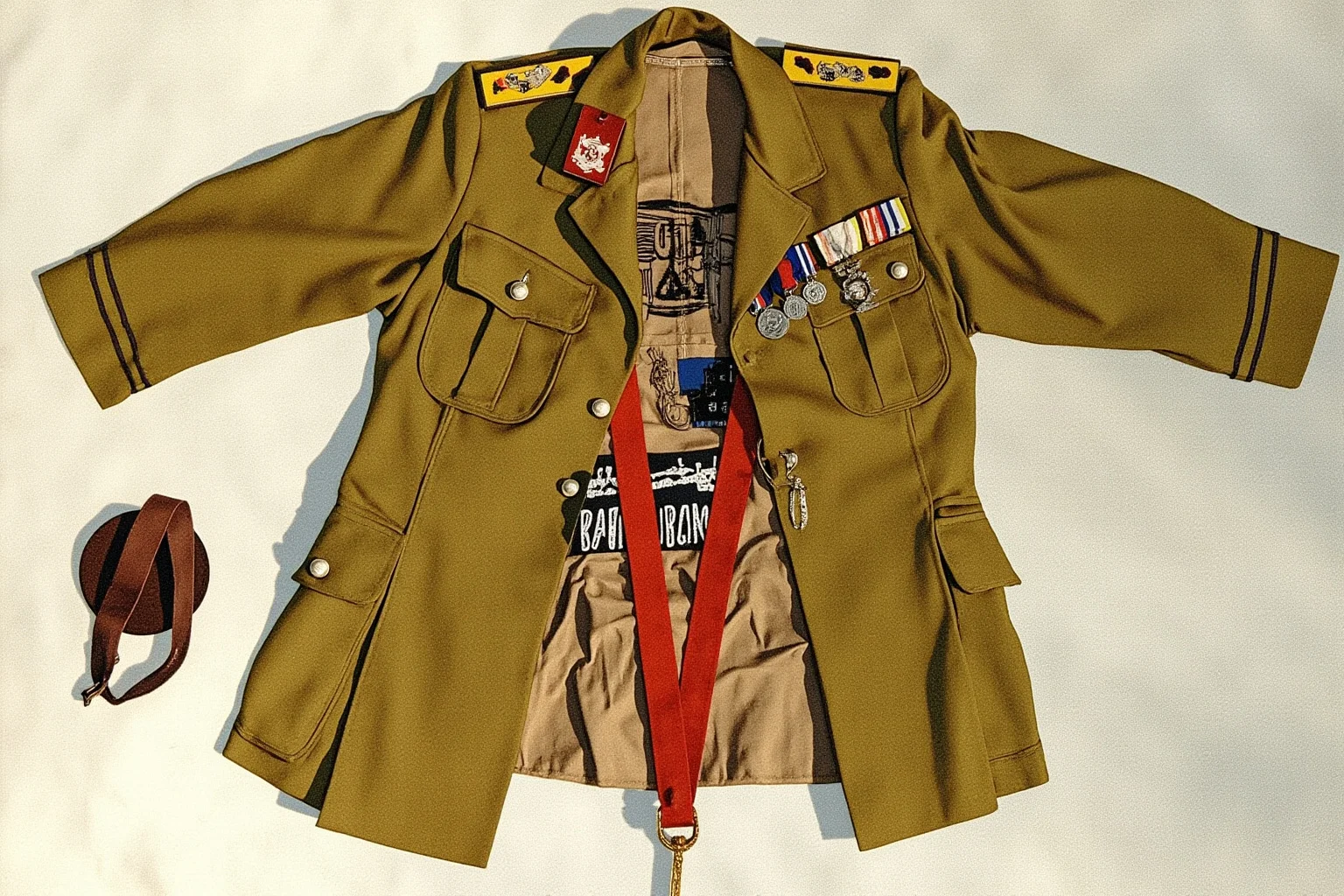
In his memoir he describes being shot in the face, skull, stomach, ankle, hip, leg, and ear, among other injuries. Popular accounts often give a precise tally of wounds, but different sources count them differently.
The safest claim is that he was wounded repeatedly across the Boer War, Somaliland, and the First World War. That is impressive enough without a made-up number.
11. "Frankly, I Had Enjoyed the War"

In his memoir Happy Odyssey, he wrote the now-famous line, "Frankly, I had enjoyed the war." It shocks modern readers, but it reflects how he saw soldiering: as a dangerous adventure he accepted with open eyes.
Historians generally read the remark as a window into his personality, not as a reflection of the suffering of the men around him. Many contemporaries and biographers describe him as personally brave and physically tireless.
Between the Wars: Poland and the Pripet Marshes
12. He Led a British Military Mission to Poland After 1919
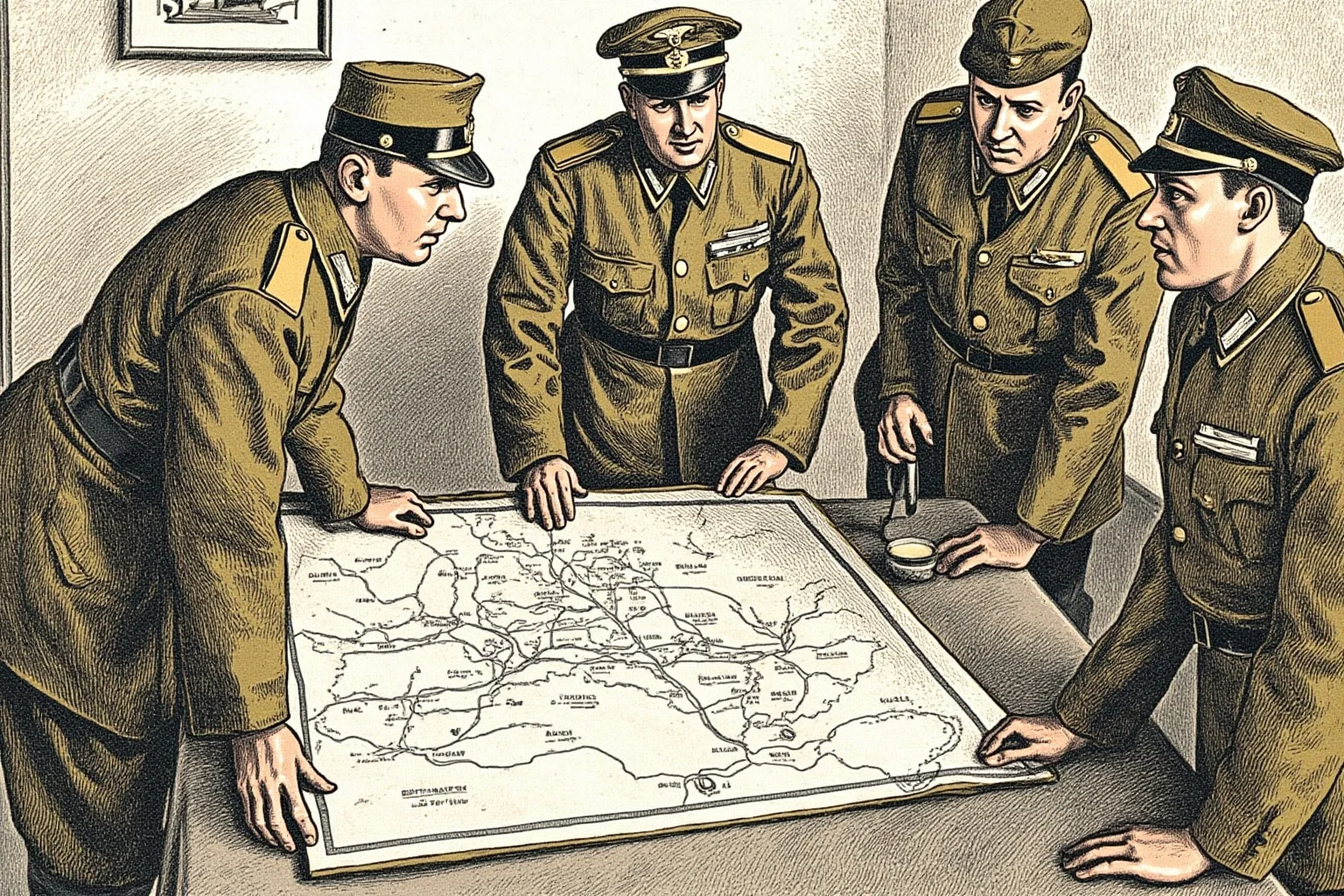
After the First World War, Carton de Wiart was sent to Poland as part of the British military presence during the turbulent years of the Polish–Soviet War. The new Polish state was fighting for its borders, and Allied officers were there to observe and advise.
He stayed on in the region for years and retired from the army in the early 1920s. Poland would remain his home until 1939.
13. He Lived on a Polish Estate and Hunted Wild Boar

In retirement, he lived on property associated with Prince Radziwiłł in the Pripet Marshes region, in what was then eastern Poland. In Happy Odyssey he describes a life of hunting, riding, and fishing in vast, wild country.
That landscape is now divided between modern Belarus and Ukraine. His affectionate descriptions of the area are one of the few glimpses we have of a vanished borderland society.
14. He Returned to Poland in 1939 as War Broke Out
When the Second World War loomed, he was recalled to head the British Military Mission to Poland. The German invasion in September 1939 overwhelmed Polish defences within weeks, and the mission's efforts were largely overtaken by events.
He left Poland by way of Romania as the campaign collapsed. For a man who had come to love the country, it was a bitter exit.
The Second World War: Still Fighting in His Sixties
15. He Commanded the Namsos Landings in Norway
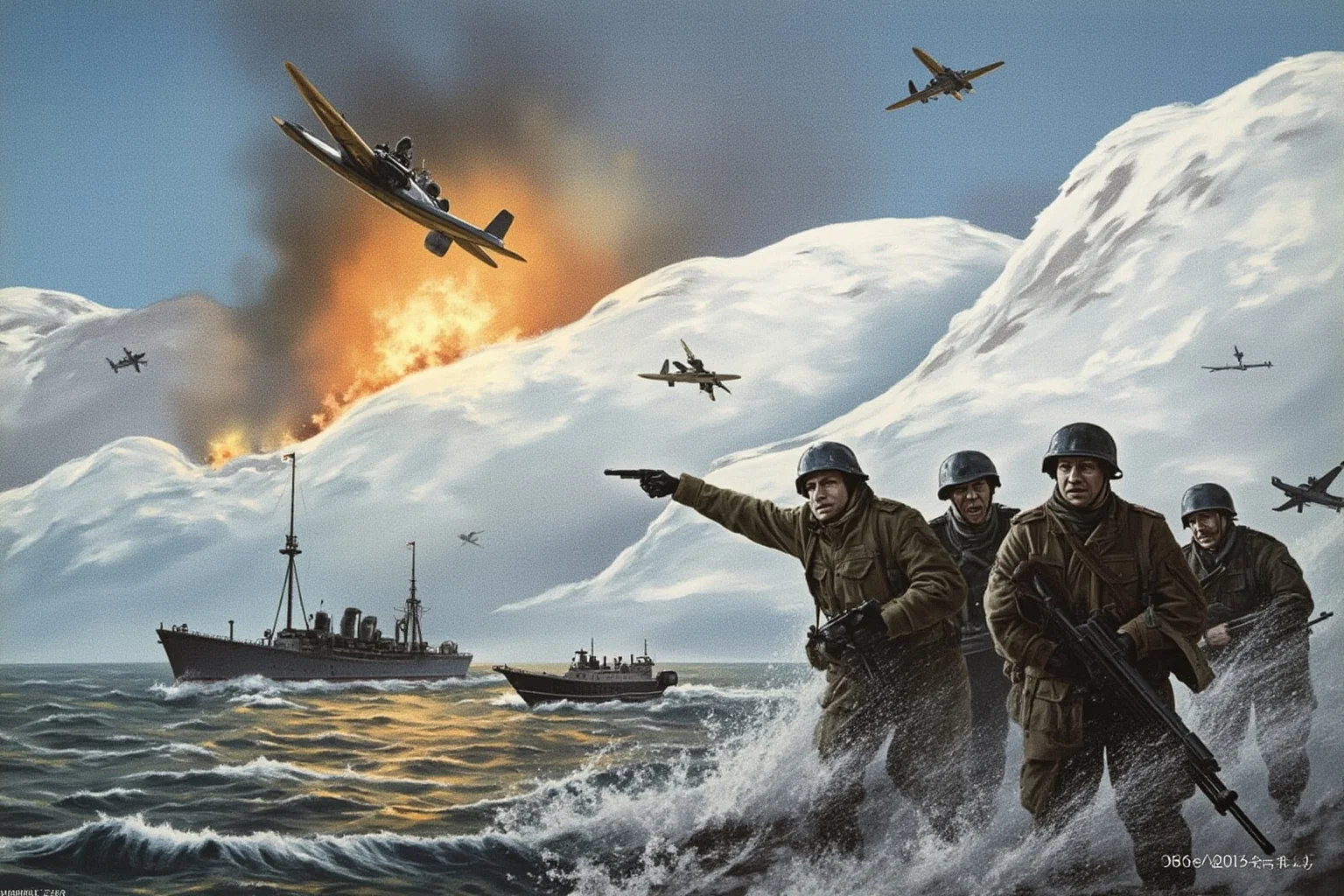
In April 1940 he took command of Mauriceforce, a British landing at Namsos in central Norway meant to help the Norwegians resist the German invasion. He was nearly 60, and his aircraft was reportedly attacked as he arrived.
The force had little air cover and was bombarded heavily by the Luftwaffe. The troops were evacuated early in May, and the failed campaign contributed to the political crisis that brought Winston Churchill to power.
16. He Survived a Bomber Crash and Swam Ashore
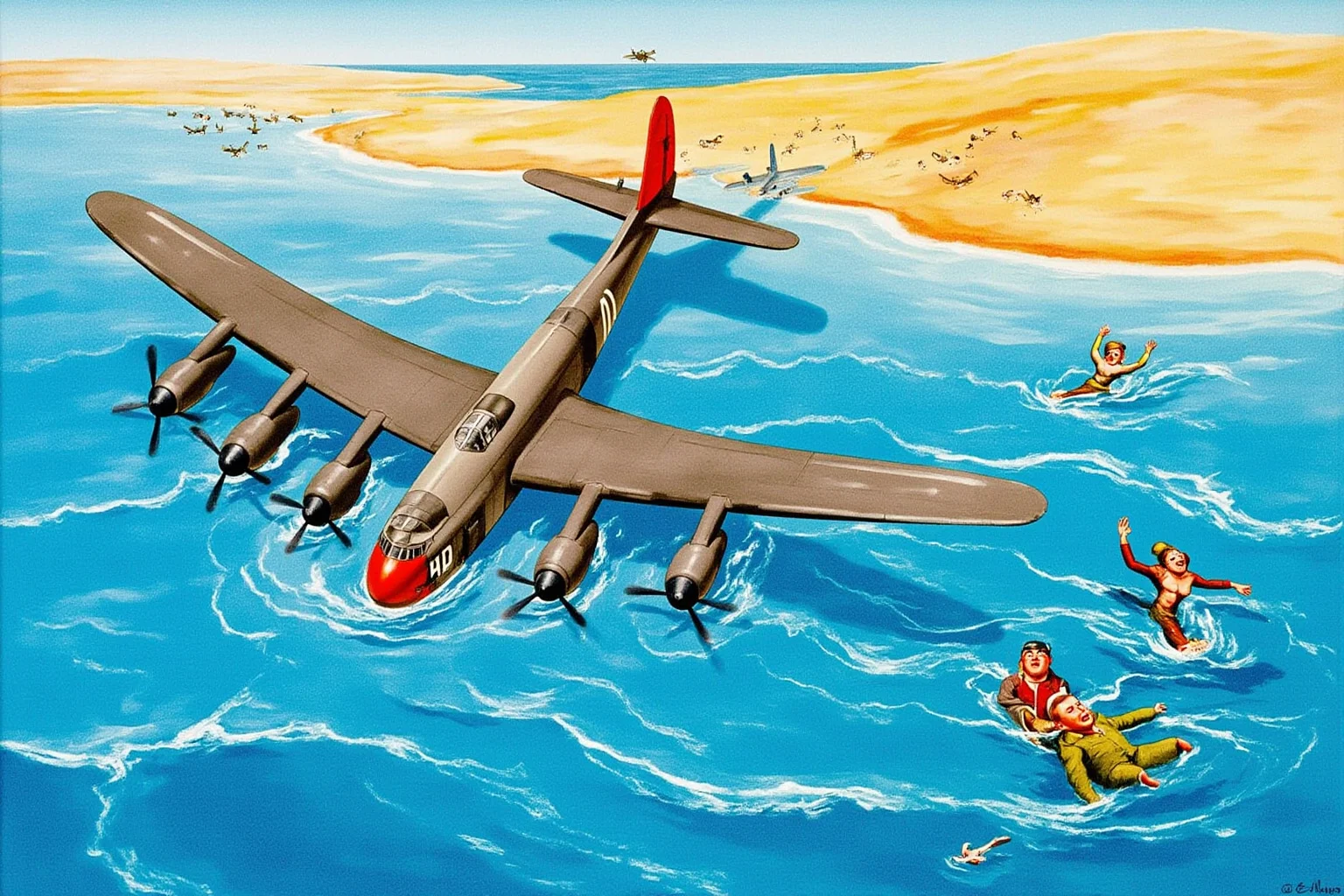
In April 1941 he was flying to Yugoslavia to lead a British military mission when his Vickers Wellington bomber went down in the Mediterranean off the Libyan coast. He and others on board reached the shore, reportedly with him swimming despite his age and missing hand.
They were captured by Italian forces almost immediately. At 61, he had traded a diplomatic mission for life as a prisoner of war. It is a fitting entry alongside history's most unbelievable survival stories.
17. He Was Held in a Medieval Castle Near Florence

Carton de Wiart was held with other senior Allied officers at Castello di Vincigliata, a castle in the hills near Florence. His fellow prisoners included Lieutenant-Generals Philip Neame and Richard O'Connor.
It was a surprisingly grand prison, but captivity was still captivity. He was determined to escape, and he reportedly made several attempts.
18. He Escaped Through a Tunnel at Age 61
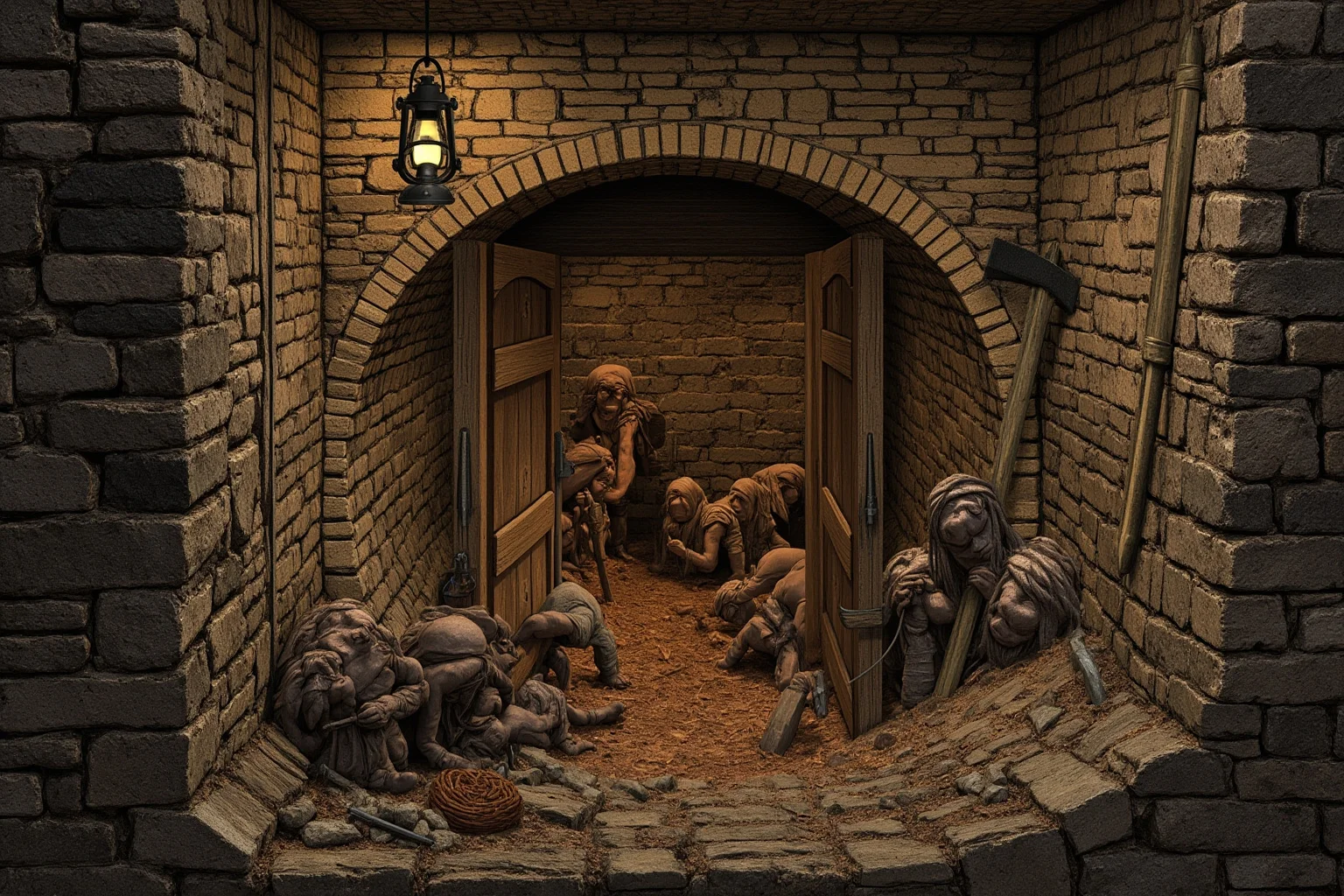
In 1943, he took part in a tunnel escape from Vincigliata that the officers had prepared over a long period. Several of them made it out into the Italian countryside.
He was free for about eight days before being recaptured. A one-eyed, one-handed British general who spoke little Italian was never going to blend in easily, though the attempt itself shows his remarkable stubbornness.
19. The Italians Released Him to Help Negotiate an Armistice
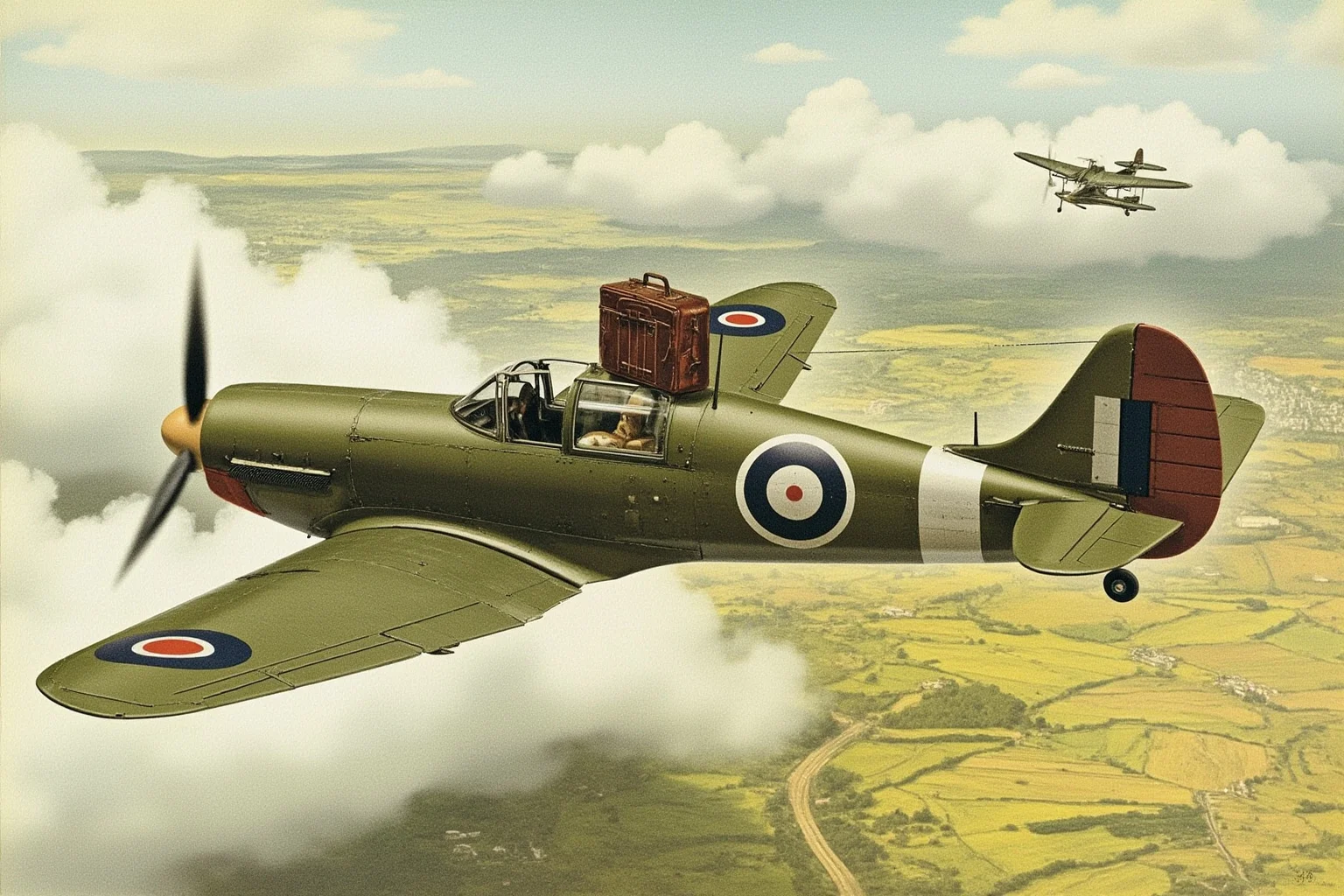
In the summer of 1943, as Italy's war effort collapsed, the Italian authorities took him from captivity for a secret mission. He travelled with an Italian general to Lisbon to help open talks with the Allies.
Those contacts fed into the armistice that Italy signed with the Allies in September 1943. It is one of the strangest turns in his story: a prisoner used as a messenger by his own captors.
20. He Served as Churchill's Representative in China
After his return to Britain, Churchill sent him to China as his personal representative to Chiang Kai-shek. He was based in Chongqing and remained in the role until 1946.
The posting put him at the edge of a vast, complicated war and a coming civil war. He was knighted in 1945 for his service.
Legacy: Fact, Fiction, and Myth
21. He Is Often Said to Have Inspired a Fictional Brigadier
Many writers say that Evelyn Waugh's character Brigadier Ritchie-Hook in the Sword of Honour trilogy drew partly on Carton de Wiart. Waugh served in the war and knew of such larger-than-life officers.
However, Ritchie-Hook is a fictional character, and Waugh's models are a matter of interpretation rather than confirmed fact. Describe it as a plausible inspiration, not a proven one.
22. He Told His Own Story in Happy Odyssey
His memoir Happy Odyssey was published in 1950 and remains the main source for his life. It is witty, modest in tone, and packed with anecdotes.
That is also its limitation. Because so many famous stories come from the book itself, historians treat the details with care and cross-check them where possible.
23. He Retired to Ireland and Died in 1963
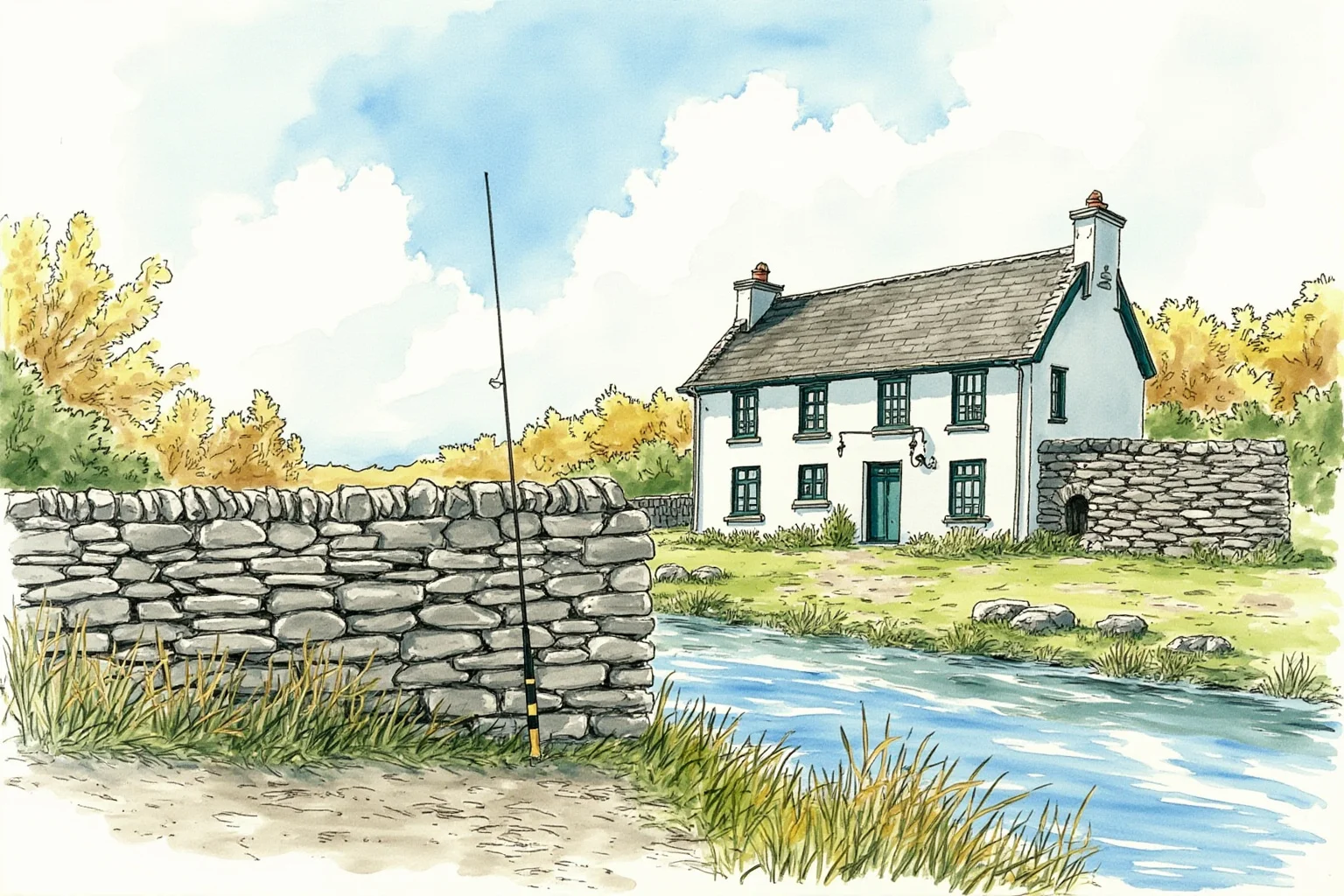
After the war he settled in County Cork, in the Republic of Ireland, where he lived quietly and enjoyed fishing. He died on 5 June 1963 at the age of 83.
His full style was Lieutenant-General Sir Adrian Carton de Wiart, VC, KBE, CB, CMG, DSO. It is a long string of letters, but each one reflects a real award.
24. Myth-Busting: He Was Lucky, Not Invincible
He is sometimes called "unkillable" or the "real-life Indiana Jones". The label is catchy, but it flattens a more human truth: he was repeatedly wounded, endured real pain, and survived partly through luck. The same is true of Roy Sullivan, the park ranger struck by lightning seven times, whose legend also rests on surviving what should have been fatal.
The most accurate portrait is of a brave, eccentric, and physically tough officer, helped by timing and circumstance. His story needs no exaggeration to impress.
Why Carton de Wiart Still Fascinates Us
The fascination with Adrian Carton de Wiart comes from the collision of the improbable and the verifiable. A Belgian-born boy ended up with a Victoria Cross, a knighthood, and a place in the story of two world wars.
If you are reading further, start with his memoir but check it against modern biographies and official records. The real story, with the myths cleared away, is more interesting than the legend.
Frequently Asked Questions
Who was Adrian Carton de Wiar?
"Adrian Carton de Wiar" is a common misspelling of Adrian Carton de Wiart, the Belgian-born British Army officer (1880–1963). He fought in the Boer War, both world wars, and in Somaliland, lost an eye and a hand, and won the Victoria Cross for his actions at La Boisselle in 1916.
Did Carton de Wiart really lose his hand and eye in battle?
Yes. He lost the sight of his left eye in Somaliland in 1914 and lost a hand after being wounded near Ypres in 1915. Some of the more dramatic details, such as tearing off his own fingers or throwing his glass eye out of a taxi, come mainly from his own memoir.
Was Adrian Carton de Wiart British or Belgian?
He was born in Brussels in 1880 to a Belgian family, and he became a naturalised British subject in 1907. He served in the British Army for most of his career.
Who was Léon Carton de Wiart?
Léon Carton de Wiart is generally described as Adrian's father, a Belgian lawyer from Brussels. Less is documented about him than about his son, and much of what is known comes from Adrian's own writing.
What did Adrian Carton de Wiart win the Victoria Cross for?
He received the VC for his leadership at La Boisselle on the Somme in July 1916. He commanded the 8th Gloucestershire Regiment and took charge of other units after their commanders became casualties, showing great courage and determination during prolonged fighting.
Did he really escape from a prisoner-of-war camp in his sixties?
Yes. Captured by the Italians in 1941, he was held at Castello di Vincigliata near Florence and took part in a tunnel escape in 1943 at age 61. He was recaptured after about eight days.

Alex Warren
Related Articles