
Every few years the internet crowns a new "unluckiest man in the world," usually off one dramatic anecdote and a lot of repetition. The real history is messier and far more interesting. Some of the world's unluckiest people were also astonishingly lucky, and a few of the most famous stories turn out to be legend.
This list sorts the documented from the doubtful. We'll meet disaster survivors, doomed explorers, ill-timed royals and a few of the weirdest historical figures you'll ever read about. Where a story rests on thin evidence, we'll say so.
TL;DR: The unluckiest people in history are often the luckiest survivors too, and separating documented facts from folklore makes their stories even better.
What Does "Unluckiest" Actually Mean?
Luck is a slippery thing to measure. A person who is struck by lightning seven times is unlucky, but one who survives all seven is also strangely fortunate. This is the paradox behind the search for the "luckiest unlucky person," and it shows up again and again below.
There is no official ranking of the unluckiest people in the world, and no scientist has tallied misfortune across history. Anyone who names one definitive winner is telling a story, not citing data. So treat the numbers below as a tour of remarkable cases, not a leaderboard.
Survivors Who Cheated Fate
These people were in the wrong place at the worst possible time, again and again. They also walked away, which is why they top most lists of the world's unluckiest people.
1. Tsutomu Yamaguchi: Survivor of Two Atomic Bombs

Yamaguchi was a Mitsubishi engineer on a business trip to Hiroshima when the atomic bomb fell on August 6, 1945. He was roughly three kilometers from the hypocenter and was badly burned. He then returned to his hometown of Nagasaki, where he was reporting to his boss when the second bomb exploded on August 9.
Japan's government formally recognized him as a survivor of both bombings in 2009, and he died in January 2010 at the age of 93. Many people call him the unluckiest man in the world, yet he lived a long life and spoke publicly in favor of nuclear disarmament. He may be the clearest example of the luckiest unlucky person in recorded history.
2. Violet Jessop: The Stewardess Who Survived Three Famous Ship Disasters
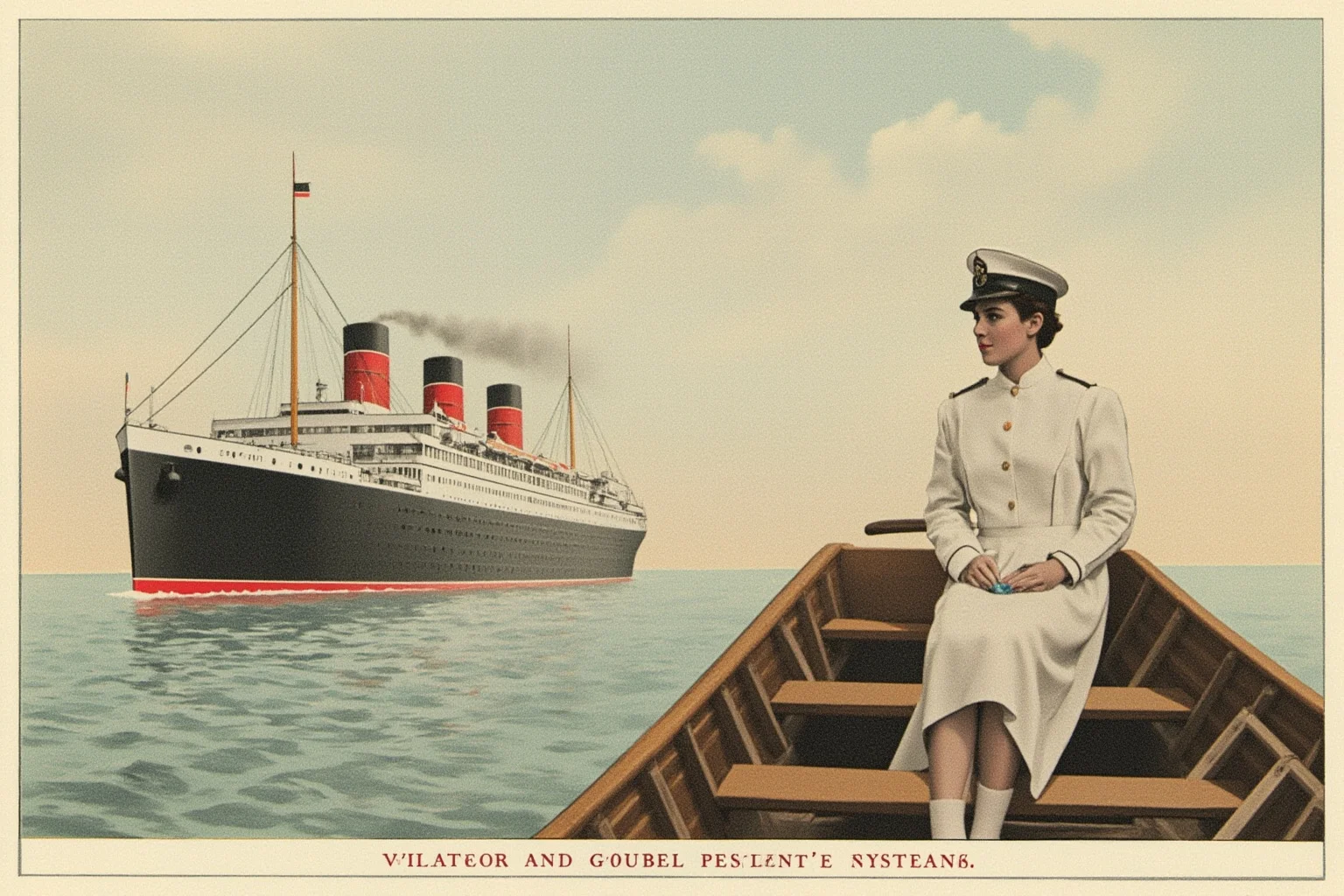
Violet Jessop worked as a stewardess and nurse for the White Star Line. In 1911 she was aboard RMS Olympic when it collided with the warship HMS Hawke. In April 1912 she was aboard Titanic and escaped in a lifeboat.
In 1916 she was serving on the hospital ship Britannic when it struck a mine and sank in the Aegean. By her own later account she was injured while escaping the sinking vessel. She kept working at sea for years and died in 1971, earning the nickname "Miss Unsinkable."
3. Vesna Vulović: The Flight Attendant Who Fell Over 10,000 Meters

On January 26, 1972, JAT Yugoslav Airlines Flight 367 broke apart over Czechoslovakia. Flight attendant Vesna Vulović fell roughly 10,160 meters inside a section of the fuselage and survived. Guinness World Records recognized it as the longest fall survived without a parachute.
She suffered a fractured skull, broken legs and spinal injuries, and was temporarily paralyzed. She eventually walked again. The cause of the explosion has been debated for decades, so it's best to treat competing theories with caution.
4. Juliane Koepcke: The Teenager Who Walked Out of the Amazon

In December 1971, LANSA Flight 508 was hit by lightning and disintegrated over the Peruvian rainforest. Seventeen-year-old Juliane Koepcke fell about 3,000 meters, still strapped into her seat row. She survived with a broken collarbone and serious eye injuries.
She followed water downstream for around ten days until she found a hut, and loggers then helped her reach medical care. Koepcke later became a biologist. Her story shows how a catastrophe and an extraordinary escape can live in the same sentence.
5. Roy Sullivan: The Man Struck by Lightning Seven Times

Roy Sullivan, a ranger at Shenandoah National Park in Virginia, was struck by lightning seven times between 1942 and 1977, according to Guinness World Records. The strikes reportedly cost him a toenail and his eyebrows, and singed his hair more than once. He survived every one of them.
Sullivan died in 1983, and lightning was not the cause. Stories about other people being repeatedly struck, including a British officer named Walter Summerford, are often retold with ghostly embellishments. Those extra details are folklore rather than documented history.
6. Ann Hodges: Struck by a Meteorite in Her Living Room

On November 30, 1954, a meteorite of roughly nine pounds crashed through the roof of a home in Sylacauga, Alabama. It bounced off a radio and hit Ann Hodges while she napped on her couch, leaving a large bruise on her hip. She is widely cited as the first well-documented person in the United States hit by a meteorite.
Her luck did not improve afterward. A legal dispute over who owned the space rock, with her landlady also claiming it, brought unwanted attention. The meteorite ended up at the Alabama Museum of Natural History.
7. Frane Selak: The Man With Nine Lives (Allegedly)

Frane Selak, a Croatian music teacher, became famous for a string of reported escapes between 1962 and the 1990s. The stories include a train plunging into an icy river, a plane door failing in flight, and several vehicle crashes and fires. In 2003 he reportedly won a lottery prize of roughly €900,000.
Most of the details come from Selak's own accounts and media retellings, and not every incident has been independently verified. It's a good reminder that a catchy "luckiest unlucky person" legend deserves a healthy dose of skepticism.
8. Anatoly Bugorski: The Physicist Who Survived a Proton Beam

In 1978, Soviet physicist Anatoly Bugorski was working at the Institute for High Energy Physics in Protvino. According to reports, he leaned into a particle accelerator to inspect equipment and a proton beam passed through his head. He reportedly saw a flash but felt no pain.
He suffered facial paralysis and other lasting effects, yet he reportedly completed his doctorate and kept working. His case is a strange footnote in the history of science and one of the stranger entries for anyone interested in strange people in history.
Explorers and Adventurers With Awful Timing
The age of exploration produced many stories of bad luck, but it also produced bad planning, harsh weather and human cruelty. Sorting luck from judgment is half the fun.
9. Hugh Glass: Mauled, Abandoned and Still Alive
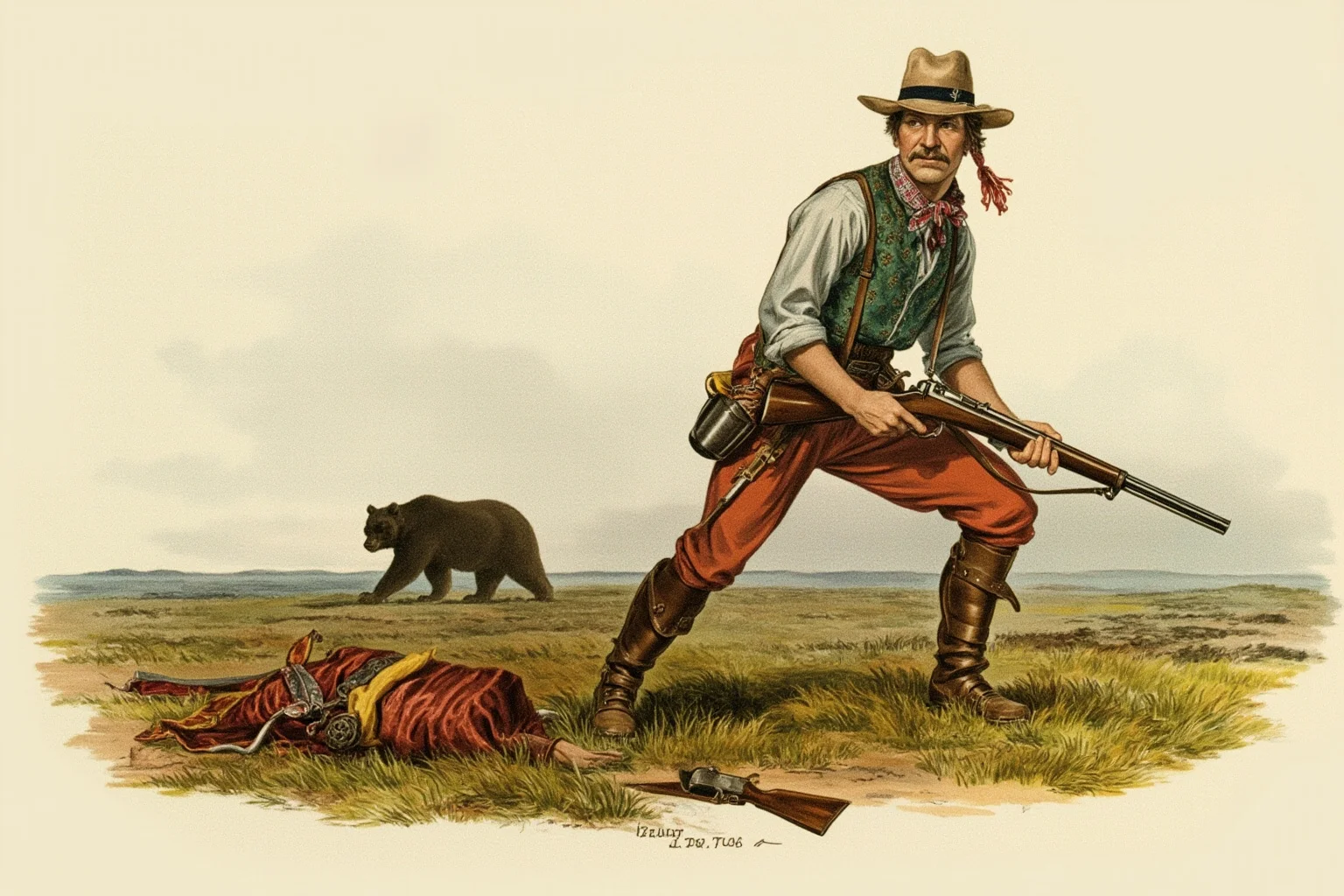
In 1823, fur trapper Hugh Glass was badly mauled by a grizzly bear while on an expedition in what is now South Dakota. Two men were left to tend him and, believing he was dying, left him behind. Traditional accounts say he crawled and limped roughly 200 miles to Fort Kiowa.
He lived another decade before being killed in 1833, reportedly by Arikara warriors. His story inspired the film The Revenant, though many specifics of his ordeal come from later retellings and should be taken as approximate.
10. Henry Hudson: Cast Adrift in the Bay That Bears His Name
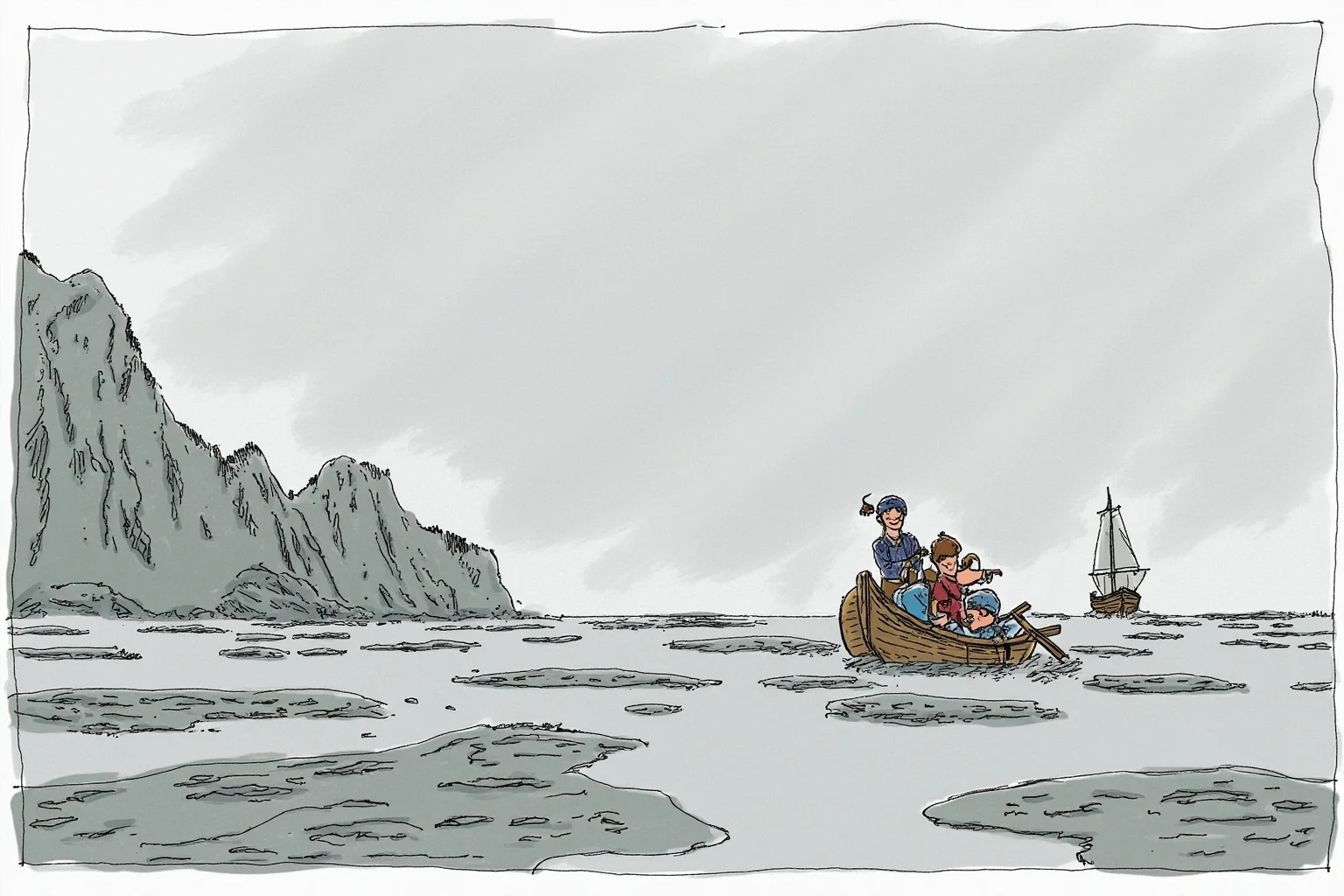
Henry Hudson explored the northern coast of North America in the early 1600s, and his fourth voyage went terribly wrong. After a miserable winter in what is now James Bay, his crew mutinied in June 1611. Hudson, his son John and several loyal or sick crewmen were put into a small boat and set adrift.
They were never seen again, and their fate remains unknown. Hudson's name lives on in a river, a strait and a bay, which is a rather poor consolation prize.
11. Robert Falcon Scott: Second to the Pole, First to Tragedy

British naval officer Robert Falcon Scott reached the South Pole on January 17, 1912, only to find that Roald Amundsen's Norwegian team had arrived about a month earlier. Scott's party died on the return journey, and their bodies were found later that year. Unusually cold weather late in the journey made their situation worse.
Historians still argue about how much was luck and how much came from planning, transport choices and supplies. Calling Scott simply unlucky overlooks the decisions that shaped the outcome.
12. Phineas Gage: The Railroad Foreman With an Iron Rod Through His Skull
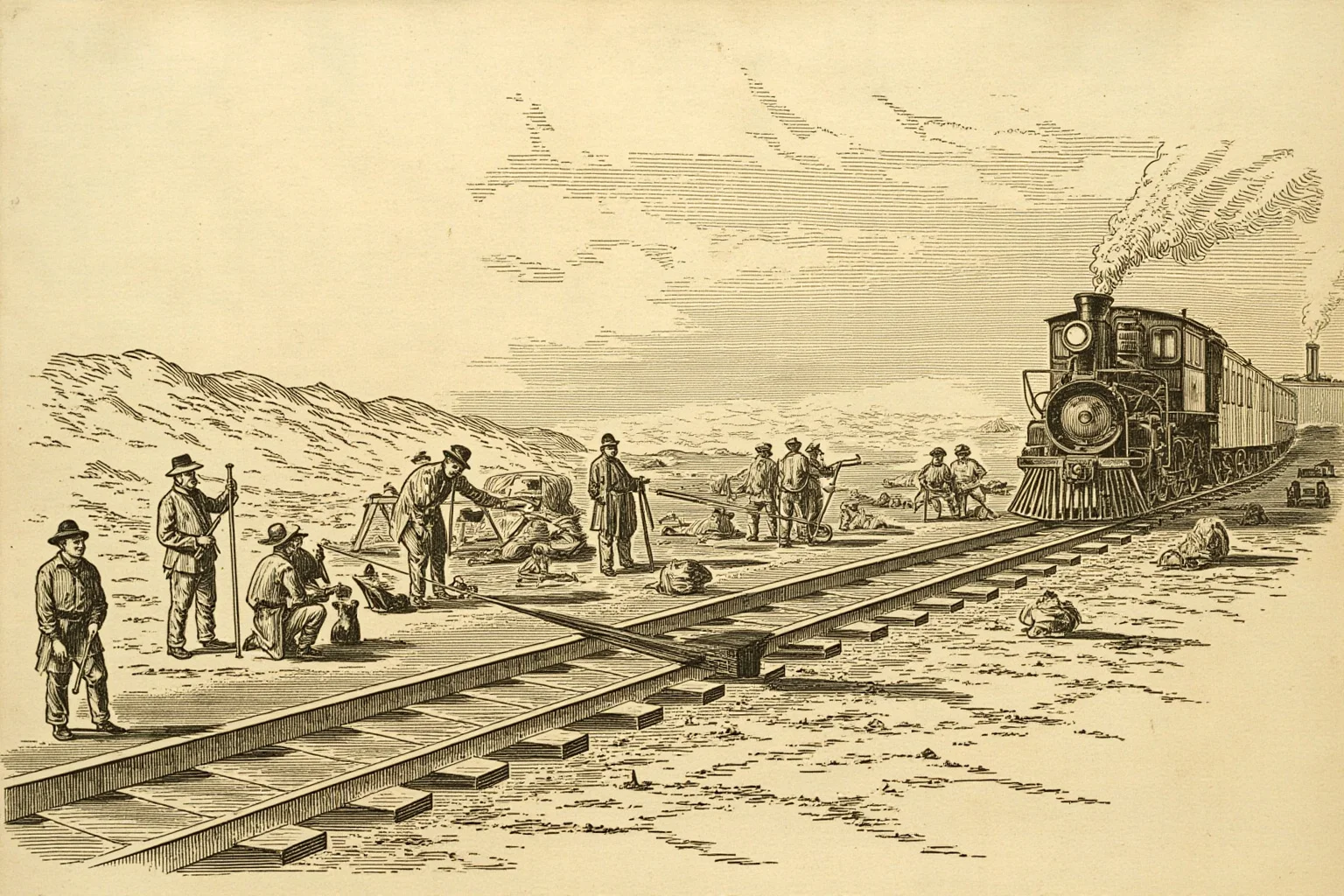
On September 13, 1848, an explosion in Cavendish, Vermont drove a tamping iron, about a yard long, through the head of railroad foreman Phineas Gage. The rod entered his cheek and exited the top of his skull. Astonishingly, he survived and could speak soon afterward.
The popular myth says his personality changed completely and he became a ruined man. Later research suggests that story was exaggerated, and Gage went on to work, including as a stagecoach driver in Chile, before dying in 1860 after seizures. His case is a favorite example among the weirdest historical figures, but the truth is more nuanced than the legend.
Royals and Rulers Undone by Timing
Power doesn't protect anyone from bad timing. These figures are remembered as much for what happened around them as for anything they did.
13. Lady Jane Grey: The Nine-Day Queen

When Edward VI died in 1553, Lady Jane Grey was proclaimed queen of England. Her reign lasted about nine days before supporters of Mary I swept her aside. She was a teenager caught in other people's ambitions.
She was imprisoned in the Tower of London and executed on February 12, 1554, at about 16 or 17 years old. Her fate followed a rebellion she did not lead, which makes her one of history's most tragic cases of poor timing.
14. Archduke Franz Ferdinand: The Wrong Turn in Sarajevo
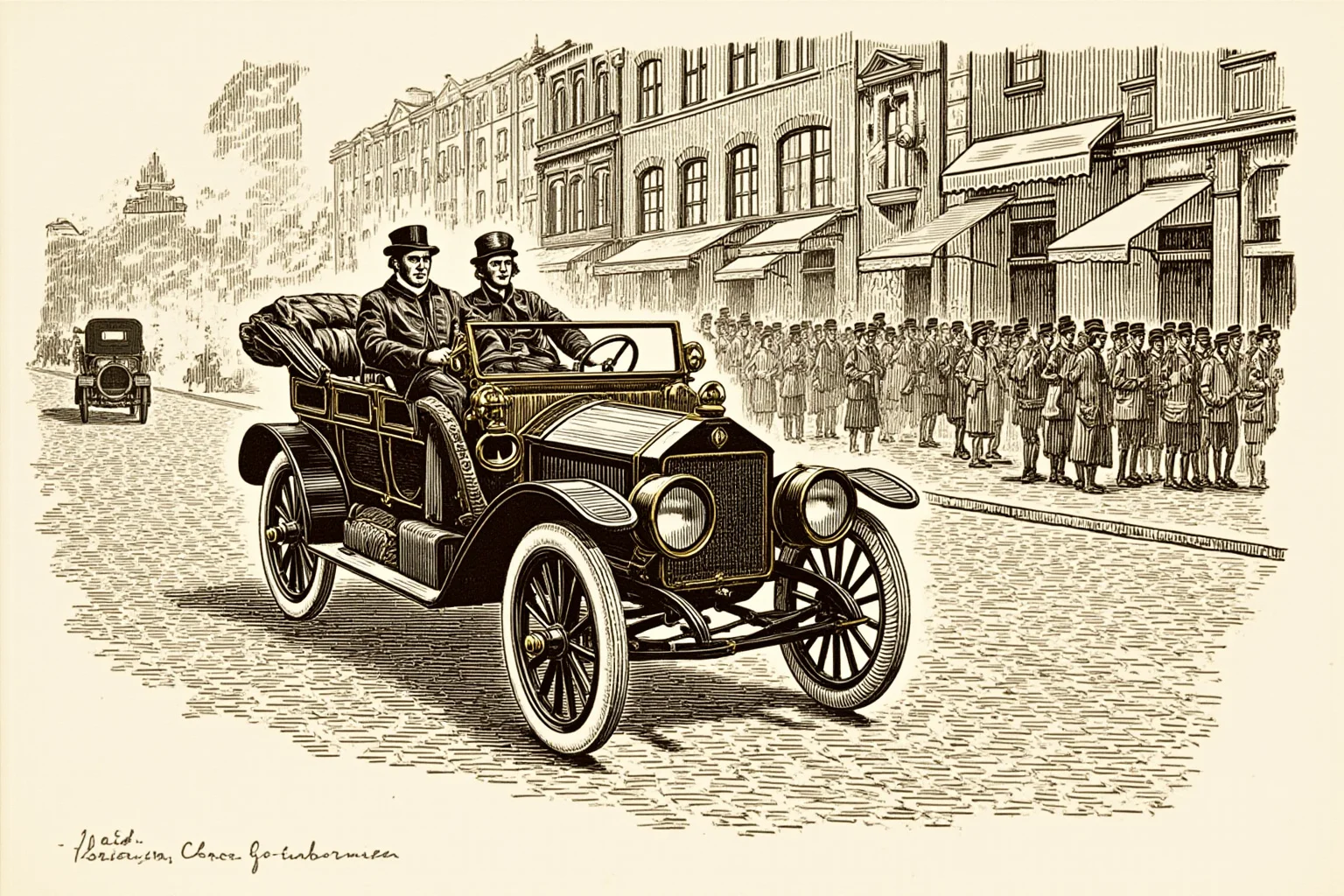
On June 28, 1914, Archduke Franz Ferdinand survived a first attack in Sarajevo when a thrown bomb bounced off his car. Later that day his driver took a wrong turn onto a street where conspirator Gavrilo Princip happened to be standing. Princip shot the archduke and his wife Sophie.
The wrong turn is one of history's most famous "what ifs." The assassination helped set off a crisis that led to World War I, though the war grew from far deeper tensions than a single bad turn.
Freak Accidents, Dark Ironies and Doomed Genius
Some entries on any list of unlucky people are less about survival and more about grim coincidence. Others belong in the "legend" column, and we'll flag them.
15. Michael Malloy: The Man Who Wouldn't Die

In early 1933, a group of men in the Bronx took out insurance policies on Michael Malloy, a down-and-out regular at a speakeasy, hoping to collect when he died. According to trial and press accounts, they tried poisoned liquor and other schemes, and he kept surviving. Some of the more colorful details were likely embellished by tabloids.
The plotters eventually killed him with carbon monoxide. Several were convicted and executed in 1934. His story is darker than most, and it's a reminder that real bad luck sometimes involves real villains.
16. Thomas Midgley Jr.: Inventor, Victim of His Own Invention

Thomas Midgley Jr. helped develop leaded gasoline in the 1920s and chlorofluorocarbons (CFCs) in the 1930s. Both were later linked to serious environmental and health harms. After contracting polio in 1940, he devised a rope-and-pulley system to help lift himself out of bed.
In 1944 he died after becoming entangled in it. His story is part bad luck and part grim irony, and the world arguably had worse luck than he did.
17. Pierre Curie: A Slip on a Wet Paris Street

Pierre Curie, who shared a Nobel Prize in Physics in 1903 with Marie Curie and Henri Becquerel, died in Paris on April 19, 1906. He slipped on a wet street and was run over by a horse-drawn wagon. The accident fractured his skull, and he died almost instantly.
His death came at the height of his career and reshaped Marie Curie's life, as she took over his teaching post. Few deaths feel as sudden or as senseless.
18. Aeschylus: Killed by a Tortoise? (Probably a Legend)

The ancient Greek playwright Aeschylus died around 456 BCE in Gela, Sicily. A famous anecdote says an eagle mistook his bald head for a rock and dropped a tortoise on it. The story appears in later Roman writers such as Valerius Maximus and Pliny the Elder.
It's a wonderful tale, but historians generally treat it as legend rather than documented fact. It's here as a myth-busting reminder that the "unluckiest person" label sometimes attaches itself to stories that are too good to be checked.
19. Harry Daghlian and Louis Slotin: The Demon Core Accidents

At Los Alamos, two physicists died after separate accidents involving the same plutonium core. In August 1945, Harry Daghlian accidentally dropped a tungsten carbide brick onto it and died about 25 days later. In May 1946, Louis Slotin's screwdriver slipped during an experiment, and he died nine days afterward.
The core later became known as the "demon core." Both men were skilled scientists working with extremely dangerous materials, which makes these cases as much about early nuclear research risks as about luck.
20. Ignaz Semmelweis: Right About Handwashing, Ignored Anyway
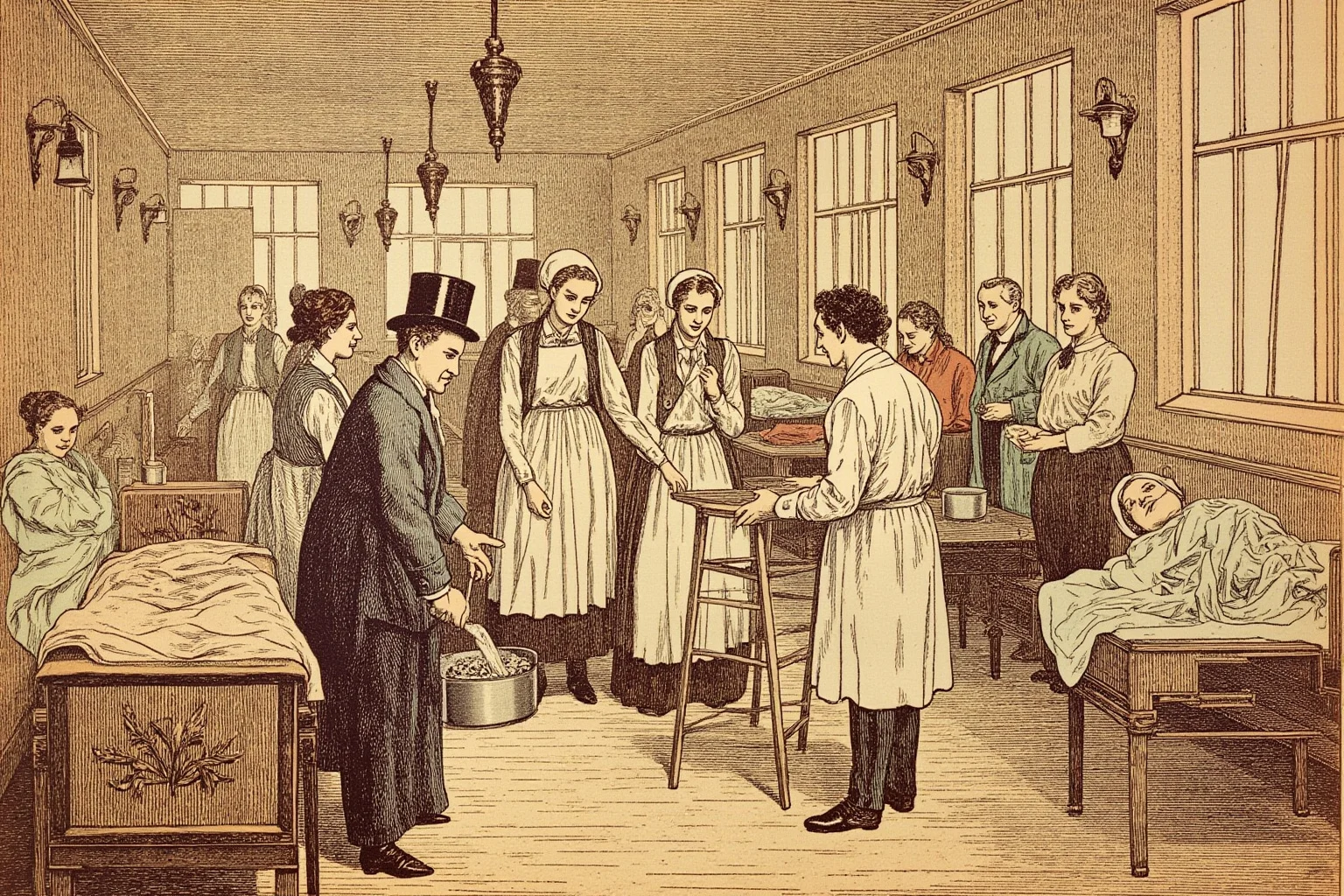
In the 1840s, Hungarian physician Ignaz Semmelweis noticed that deaths from childbed fever dropped sharply in his Vienna hospital ward when doctors washed their hands with a chlorinated solution. Many of his contemporaries rejected his ideas, and his career suffered.
He was committed to an asylum in 1865 and died there only weeks later, reportedly from an infected wound. He was right at the wrong moment, and the medical world took years to catch up.
So, Who Is the Unluckiest Person in the World?
If you want a single name, Tsutomu Yamaguchi is the most commonly cited answer for the unluckiest person in the world. Roy Sullivan and Violet Jessop are close contenders. Yet each of them also survived events that killed many others, which complicates the "unlucky" label.
The real lesson is that luck is hard to measure and easy to mythologize. When you read about the world's unluckiest people, ask whether the story is documented, who first told it and whether the person really was unlucky or simply caught in a dramatic moment. Doing that makes history more trustworthy, and a lot more fun.
Frequently Asked Questions
Who is the unluckiest man in the world?
There is no official title or scientific ranking, so any single answer is a matter of opinion. Tsutomu Yamaguchi, who survived both the Hiroshima and Nagasaki atomic bombings in 1945, is the name most often given. Others frequently mentioned include Roy Sullivan, struck by lightning seven times, and Frane Selak, though Selak's story rests largely on his own accounts.
Who is the unluckiest person in the world?
No one can be named definitively, because luck can't be measured across history. Tsutomu Yamaguchi and Violet Jessop are popular choices because they survived multiple catastrophes. Many people call them the "luckiest unlucky" people for the same reason.
Who is the most unluckiest person in the world?
Despite the popularity of the phrase, no one holds an official record for being the most unlucky. The strongest documented cases include Yamaguchi, who survived two atomic bombs, and Sullivan, whose seven lightning strikes were recognized by Guinness World Records. Be cautious about lists that name someone with confidence but give no sources.
What does “luckiest unlucky person” mean?
It describes someone who suffers repeated or extreme misfortune but survives it, such as Violet Jessop on three ship disasters or Tsutomu Yamaguchi at two atomic bombings. The phrase highlights the paradox that surviving a disaster can be both terrible luck and good luck at once.
Was Roy Sullivan really struck by lightning seven times?
Yes, according to Guinness World Records, the Shenandoah National Park ranger was struck seven times between 1942 and 1977 and survived all of them. Some retellings add dramatic or supernatural details that aren't well documented. He died in 1983 from causes unrelated to lightning.
Are all the famous unlucky-person stories true?
No. Some, like Yamaguchi's, Jessop's and Sullivan's, are well documented, while others, like Frane Selak's long list of escapes or Aeschylus and the tortoise, rest on weaker evidence or later retelling. It's worth checking sources and treating dramatic anecdotes with caution.

Alex Warren
Related Articles