

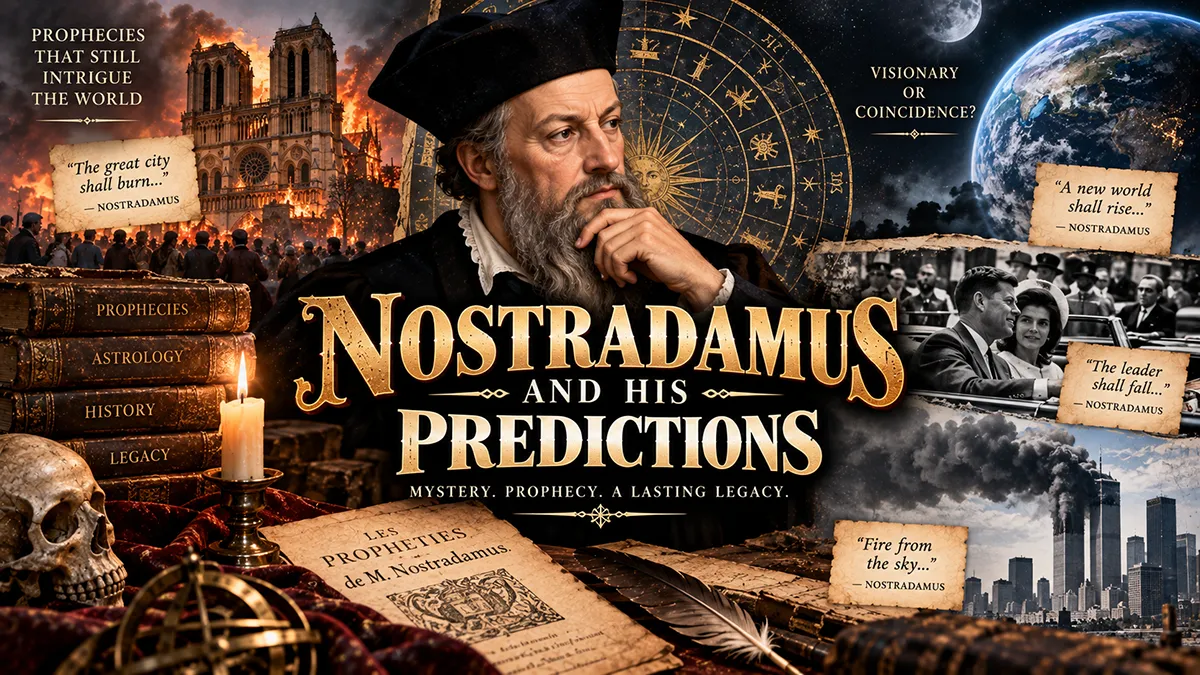
Few historical figures inspire as much confusion, myth, and internet debate as Nostradamus. Some people picture a robed sorcerer who saw the future in a crystal ball. Others dismiss him entirely, tossing around the joking nickname “Nostradumbass” whenever a shaky prediction gets debunked. The truth, as usual, sits somewhere in the middle — and it’s a lot more interesting than the legend.
This post separates the documented history from the internet folklore. We’ll cover who Nostradamus actually was, when he lived, what he wrote, and which of his so-called predictions have any real historical basis. We’ll also tackle the misspellings people search for constantly — Nostradomis, Nostradums, Nostardamus, Castradamus — because apparently his name is almost as hard to pin down as his prophecies.
TL;DR: Nostradamus was a 16th-century French physician-turned-writer whose vague, poetic prophecies have been retroactively linked to major events, but historians agree almost none of his predictions were specific or verifiable in advance.
1. Who Is Nostradamus?
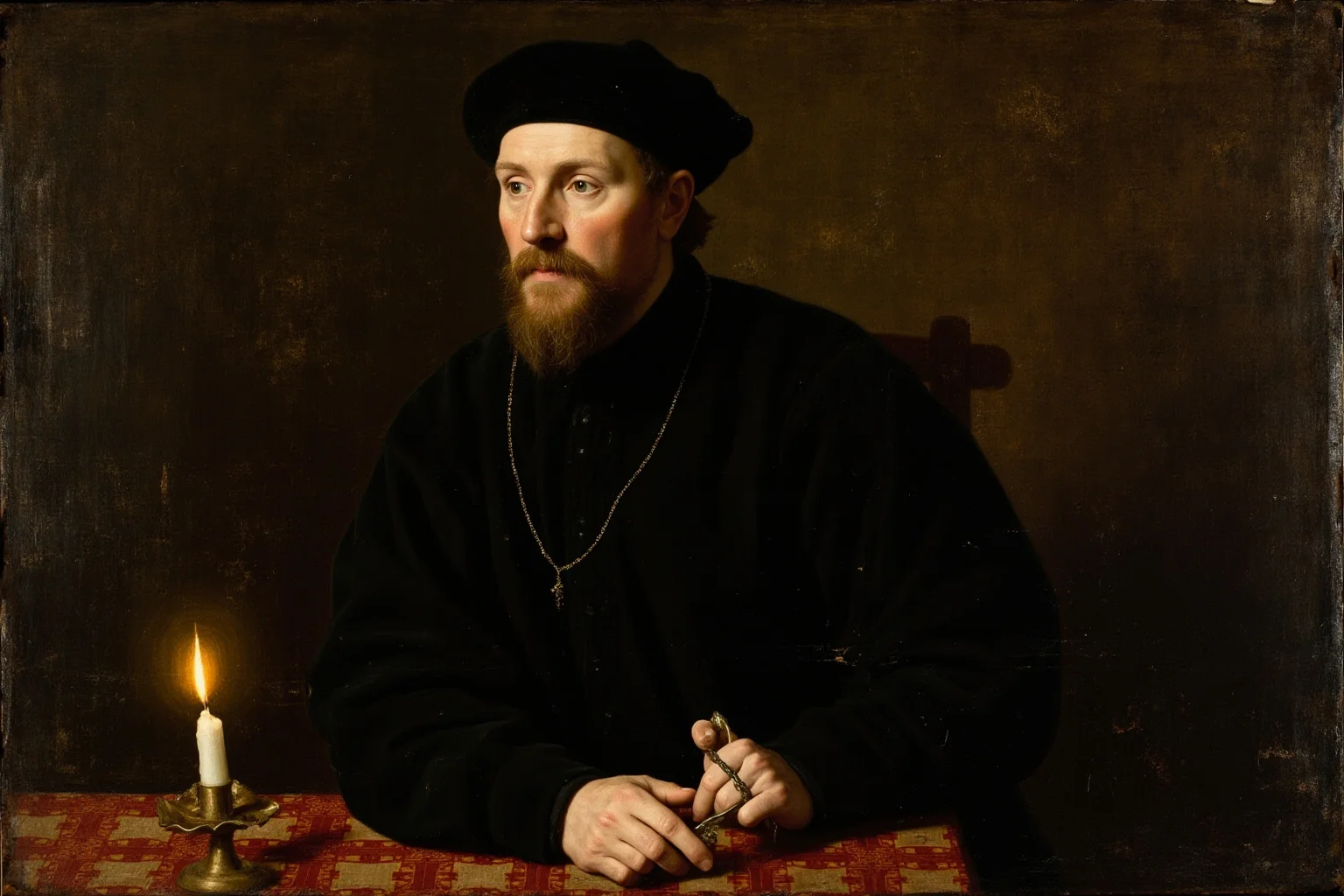
Nostradamus was a French physician, astrologer, and author who lived in the 16th century. He’s best known today for a book of cryptic prophetic verses that readers, for centuries afterward, have tried to match up with real historical events. In his own lifetime, though, he was primarily known as a healer and almanac writer, not a prophet.
His rise to fame as “the man who predicted the future” happened gradually, decades and even centuries after his death. Understanding who he really was requires separating the working Renaissance physician from the mythologized fortune-teller pop culture has built around his name — a transformation not unlike how Santa Claus evolved from a real historical figure into today’s beloved Christmas icon.
2. When Was Nostradamus Alive?
Nostradamus was born on December 14, 1503, in Saint-Rémy-de-Provence, France, and he died on July 2, 1566. That places his life firmly in the French Renaissance, a period marked by religious wars, plague outbreaks, and renewed interest in astrology and classical learning. He lived to be 62, which was a fairly long life by 16th-century standards.
So when people ask when Nostradamus was alive, the short answer is: nearly the entire first two-thirds of the 1500s. That timing matters, because it shaped everything he wrote, including the political anxieties and religious conflicts that show up throughout his prophecies.
3. His Real Name Was Michel de Nostredame
“Nostradamus” isn’t the name he was born with. He was originally named Michel de Nostredame, and like many scholars of his era, he later Latinized his name for his published works. This was a common practice among Renaissance intellectuals trying to sound more scholarly and international.
This is also likely why his name gets mangled so often today — Nostradomis, Nostradamas, Notrsdamus, Nostradaums, and Castradamus are all variations that show up in search bars constantly. The name is unusual enough in English that it’s genuinely easy to misspell, and no single spelling is more “correct” outside of the Latinized “Nostradamus” he published under.
4. He Trained as an Apothecary and Physician

Before he ever wrote a prophecy, Nostradamus studied medicine and worked as an apothecary, someone who prepared and sold remedies, herbal treatments, and medicinal concoctions. He studied at the University of Avignon and later at Montpellier, one of Europe’s leading medical schools at the time. His early career was grounded firmly in science and health, not mysticism.
This medical background is a key part of what did Nostradamus for a living long before fame found him. He published a well-regarded book on cosmetics and food preservation, showing a practical, almost domestic side to his expertise that rarely makes it into popular retellings.
5. He Treated Plague Victims During a Deadly Epidemic
Nostradamus became known in his region for treating patients during outbreaks of plague, using remedies that were unconventional for the time. Some accounts credit him with promoting basic hygiene practices, like removing infected bodies and improving sanitation, which may have genuinely helped slow the spread of disease. This was still an era before germ theory, so his methods were a mix of era-appropriate medicine and educated guesswork.
Tragically, his own first wife and two children are believed to have died during a plague outbreak. This personal loss came during a period of professional success, and it’s often cited as a turning point that pushed him toward more introspective and eventually mystical pursuits.
6. He Didn’t Turn to Prophecy Until Midlife
Nostradamus didn’t start out writing prophecies. For much of his early career, he was focused on medicine, almanacs, and practical writing. It wasn’t until his later years that he began producing the astrological and prophetic works he’s now famous for.
His shift toward prophecy coincided with the rise of published almanacs across Europe, which regularly included astrological forecasts for the coming year. Nostradamus wrote his own popular almanacs, and the public appetite for those predictions likely encouraged him to expand into longer-form prophetic writing.
7. His Famous Book: “Les Prophéties”
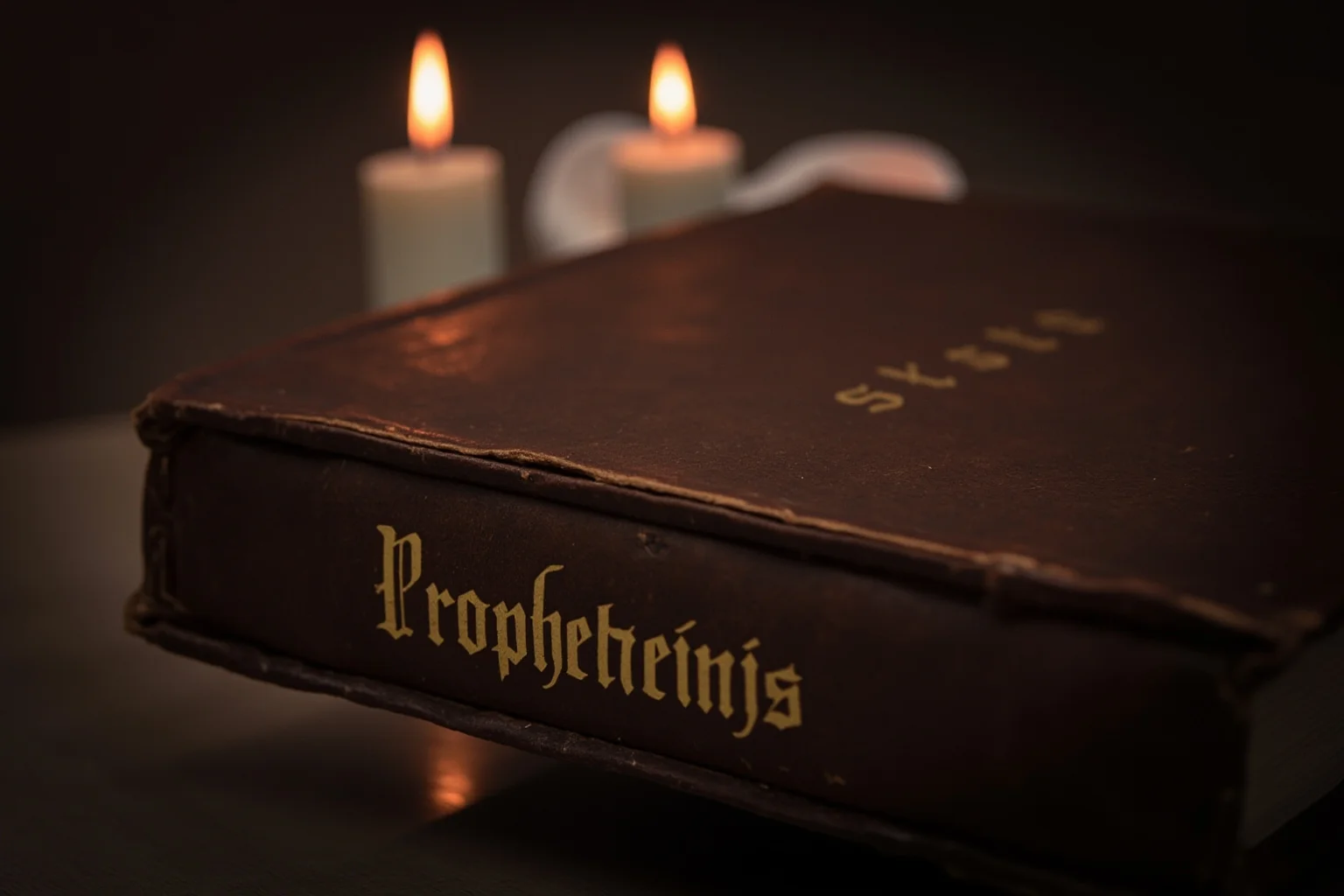
Nostradamus’s most famous work is “Les Prophéties,” first published in 1555. It was later expanded in subsequent editions throughout the following decade. This is the book almost every modern claim about Nostradamus predictions comes from, whether the claim is accurate or wildly exaggerated.
The book contains hundreds of four-line poetic verses, called quatrains, organized loosely into groups of one hundred called “centuries.” Despite the name, “centuries” here refers to the grouping of one hundred verses, not a time period.
8. His Predictions Were Written as Cryptic Quatrains
Each of Nostradamus’s prophecies takes the form of a short, four-line verse written in a deliberately obscure style. They rarely mention specific names, dates, or places outright. Instead, they use symbolic language, animal imagery, astrological references, and puns that can be interpreted in wildly different ways.
This vagueness is central to understanding his legacy. It’s part of why so many different historical events have been retroactively mapped onto the same handful of verses, sometimes contradicting each other entirely.
9. He Leaned Heavily on Astrology
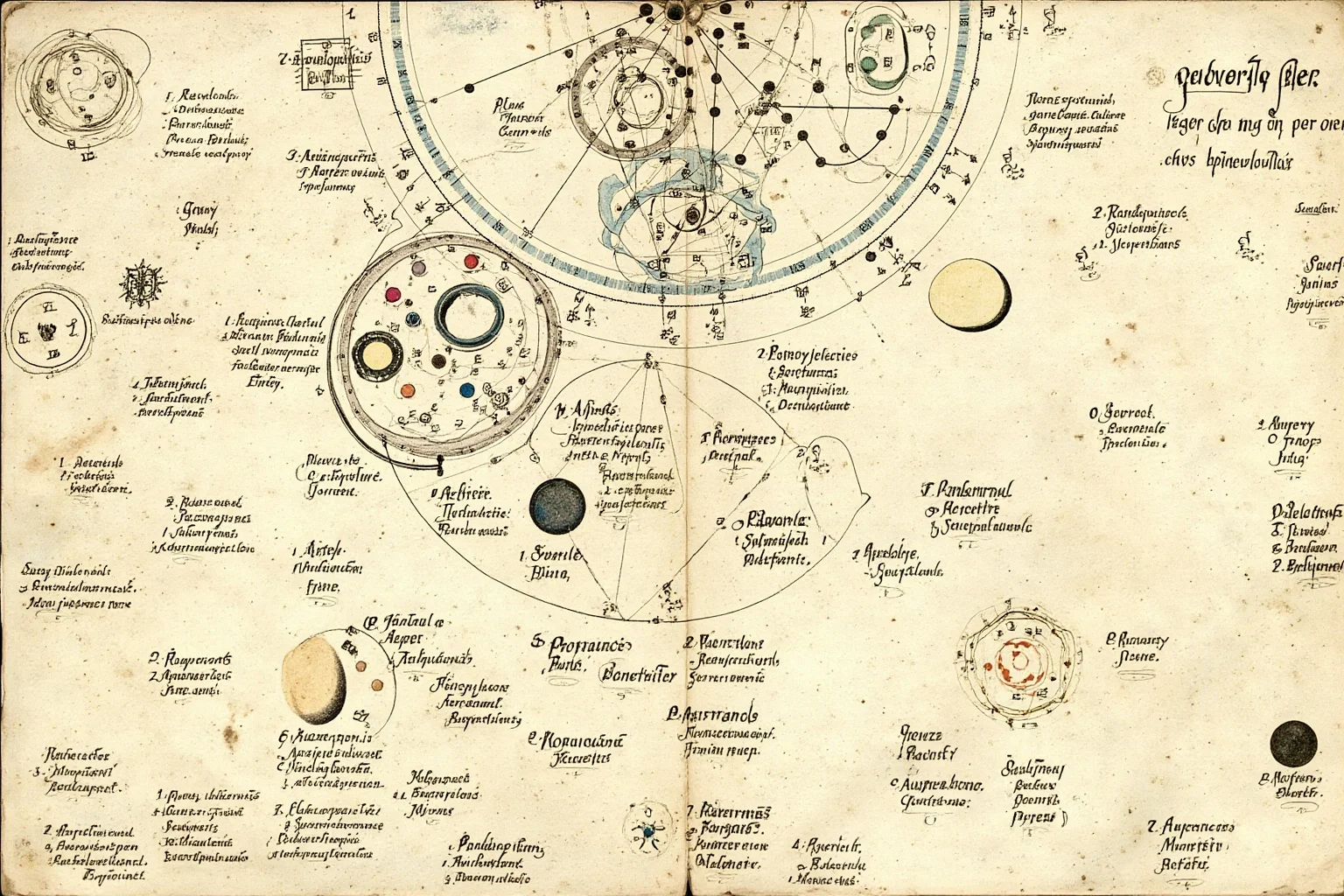
Astrology was taken seriously by many educated Europeans in the 1500s, and Nostradamus was deeply immersed in it. He used astrological charts and planetary alignments as part of his method for constructing predictions, blending them with historical cycles and religious symbolism. This wasn’t considered fringe pseudoscience at the time the way it often is viewed today.
Kings, nobles, and everyday people alike consulted astrologers for guidance on health, politics, and personal decisions. Nostradamus operated well within the mainstream intellectual currents of his era, even if modern science doesn’t support astrology as predictive.
10. His Vague, Multi-Language Style Was Deliberate
Nostradamus mixed French with Latin, Greek, Italian, and invented or altered words throughout his quatrains. Scholars generally agree this ambiguity was intentional, possibly to avoid persecution for making bold political or religious claims during a dangerous era of religious conflict. Predicting the death of a king too plainly could have been seen as treasonous.
The vagueness also simply made the prophecies more flexible. A prediction that could mean almost anything is a prediction that can never really be proven wrong, which is a big part of why his work has endured for so long.
11. Common Misspellings: Nostradomis, Nostradumbass, Castradamus, and More

If you’ve ever typed his name and had autocorrect fight you, you’re not alone. People regularly search for Nostradamus under spellings like Nostradomis, Nostradamas, Nostradums, Nostradumbass, Notrsdamus, Nostardamus, Nostradaums, and even Castradamus. None of these are historically correct, but they’re extremely common simply because the name is long, unfamiliar, and phonetically tricky in English.
“Nostradumbass” deserves a special mention, since it’s less a misspelling and more a nickname used sarcastically by skeptics mocking failed or exaggerated predictions attributed to him. It’s become its own small piece of internet culture, often popping up whenever a viral “Nostradamus predicted this” claim gets fact-checked and falls apart.
12. What Did Nostradamus Predict? The Big Picture
So what did Nostradamus predict, broadly speaking? His quatrains touch on themes like war, plague, the rise and fall of rulers, natural disasters, and religious upheaval. Because the language is so symbolic, almost none of the verses name a specific person, country, or date directly.
This is exactly why interpretations vary so much. Different readers, across different centuries, have mapped his verses onto everything from the French Revolution to World War II to modern terrorism, often only after the event in question had already happened.
13. The Death of King Henry II
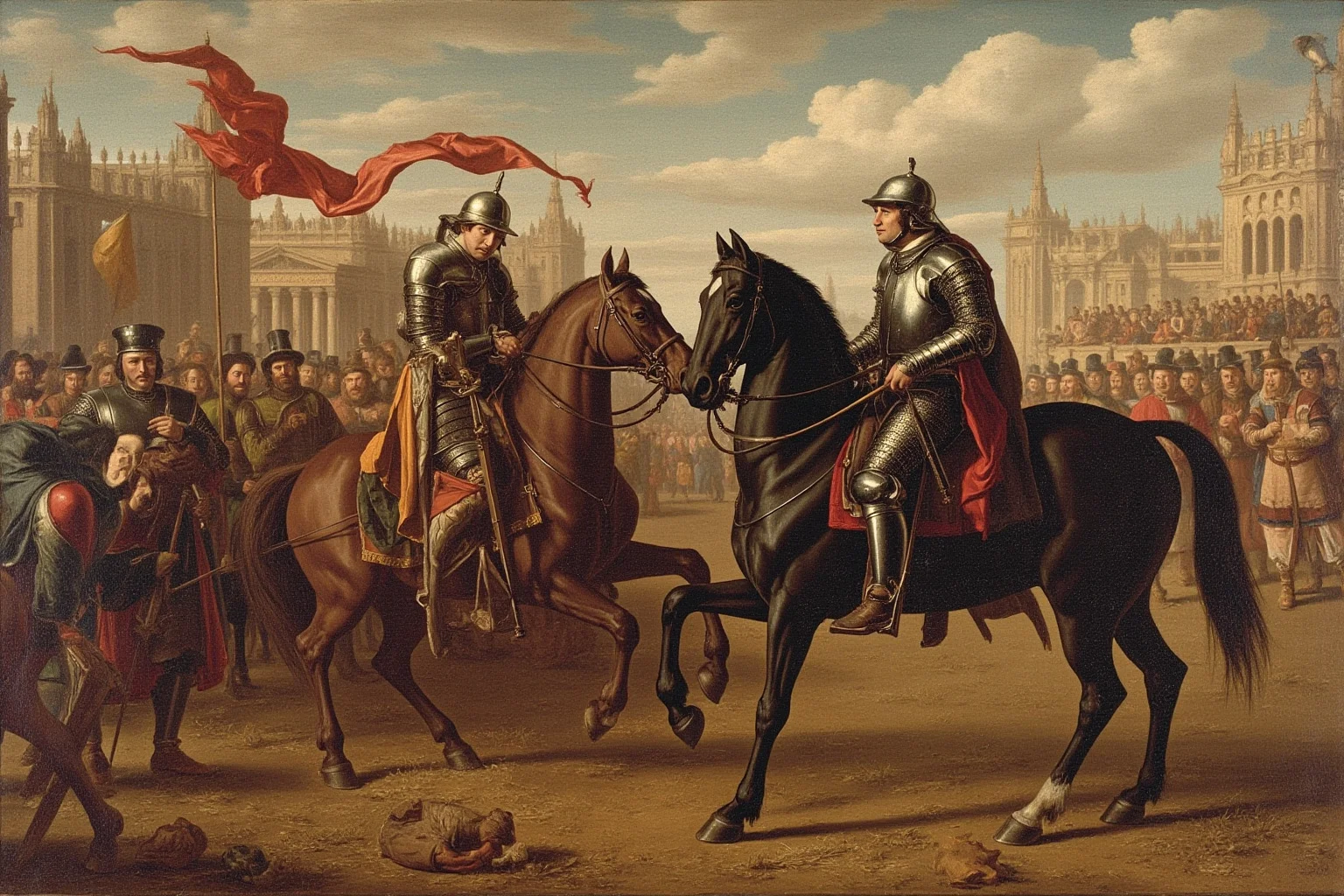
One of the most frequently cited nostradamus correct predictions involves King Henry II of France. A quatrain referencing a lion in single combat, an eye wound, and a golden cage is often linked to Henry II’s death in 1559, after he was fatally wounded in a jousting accident involving a splintered lance to the eye. The timing, occurring a few years after the quatrain’s publication, is what makes this example so widely repeated.
Historians note the connection is compelling but still relies on interpretation, since the quatrain doesn’t name Henry II directly. It’s considered one of the stronger cases people point to when discussing nostradamus predictions that came true, though it’s far from an exact, unambiguous forecast.
14. “Hister” and the Hitler Predictions

Among the most debated nostradamus predictions Hitler claims involves a quatrain that mentions a figure called “Hister.” Some later readers, particularly in the 20th century, argued this was a coded reference to Adolf Hitler, especially given the rise of Nazi Germany decades after the quatrain was written. Propaganda from both Allied and German sources during World War II actually used reinterpreted Nostradamus quatrains for their own messaging purposes.
However, “Hister” was also a real historical Latin name for the lower Danube River region, used by other Renaissance writers of the time. Most historians view the Hitler connection as a coincidental similarity in spelling rather than a genuine, verifiable prediction of a 20th-century dictator.
15. The Great Fire of London
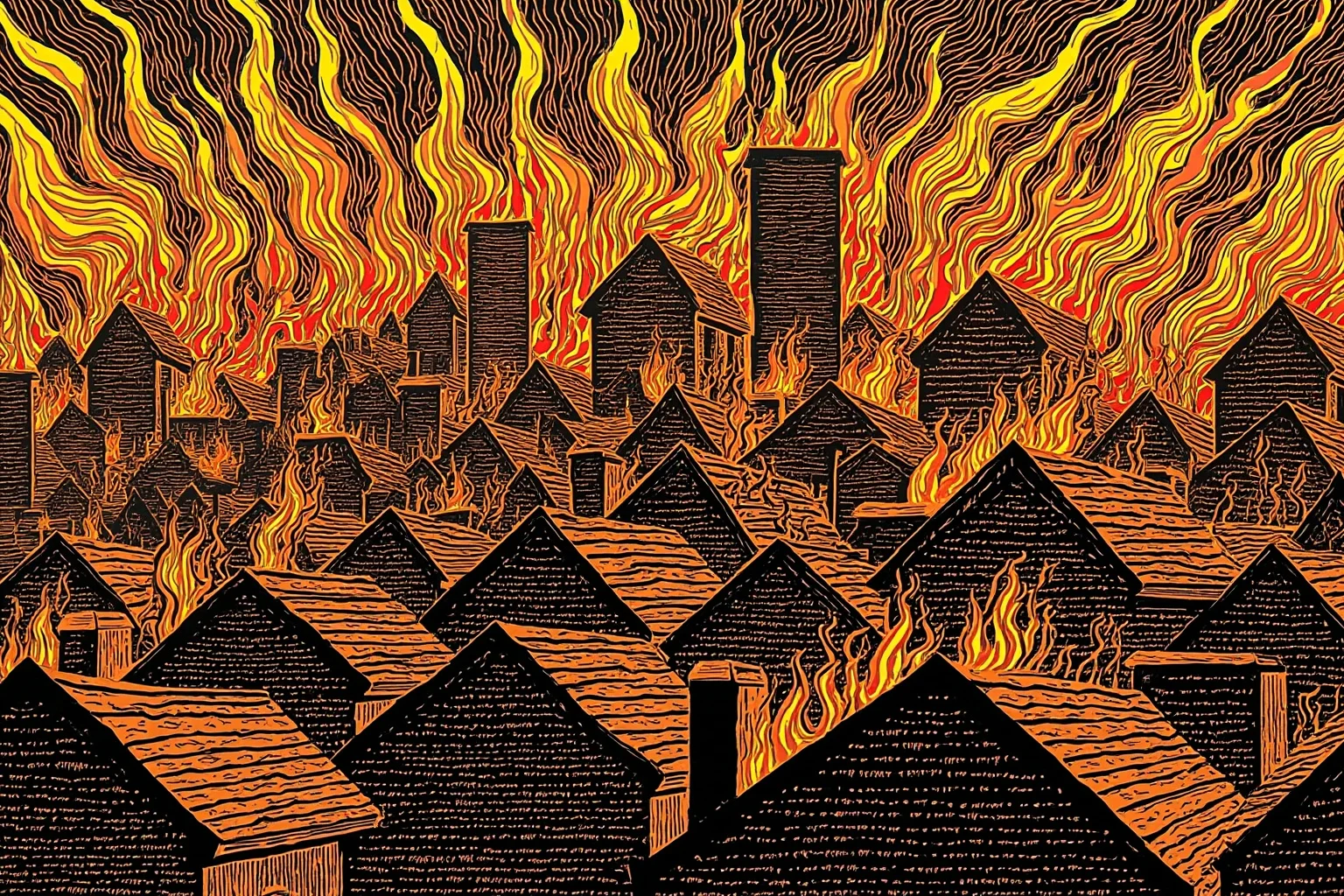
Another commonly cited example involves a quatrain referencing fire, “twenty and six,” and the city of London. Believers connect this to the Great Fire of London in 1666, noting the numerical similarity to the date. This is frequently listed among nostradamus predictions come true in popular articles and documentaries.
Skeptics point out that London experienced multiple fires throughout its history, and matching a vague number to a vague disaster after the fact is a classic example of confirmation bias. There’s no strong contemporary evidence that anyone recognized this as a specific prediction before 1666 actually happened.
16. The French Revolution
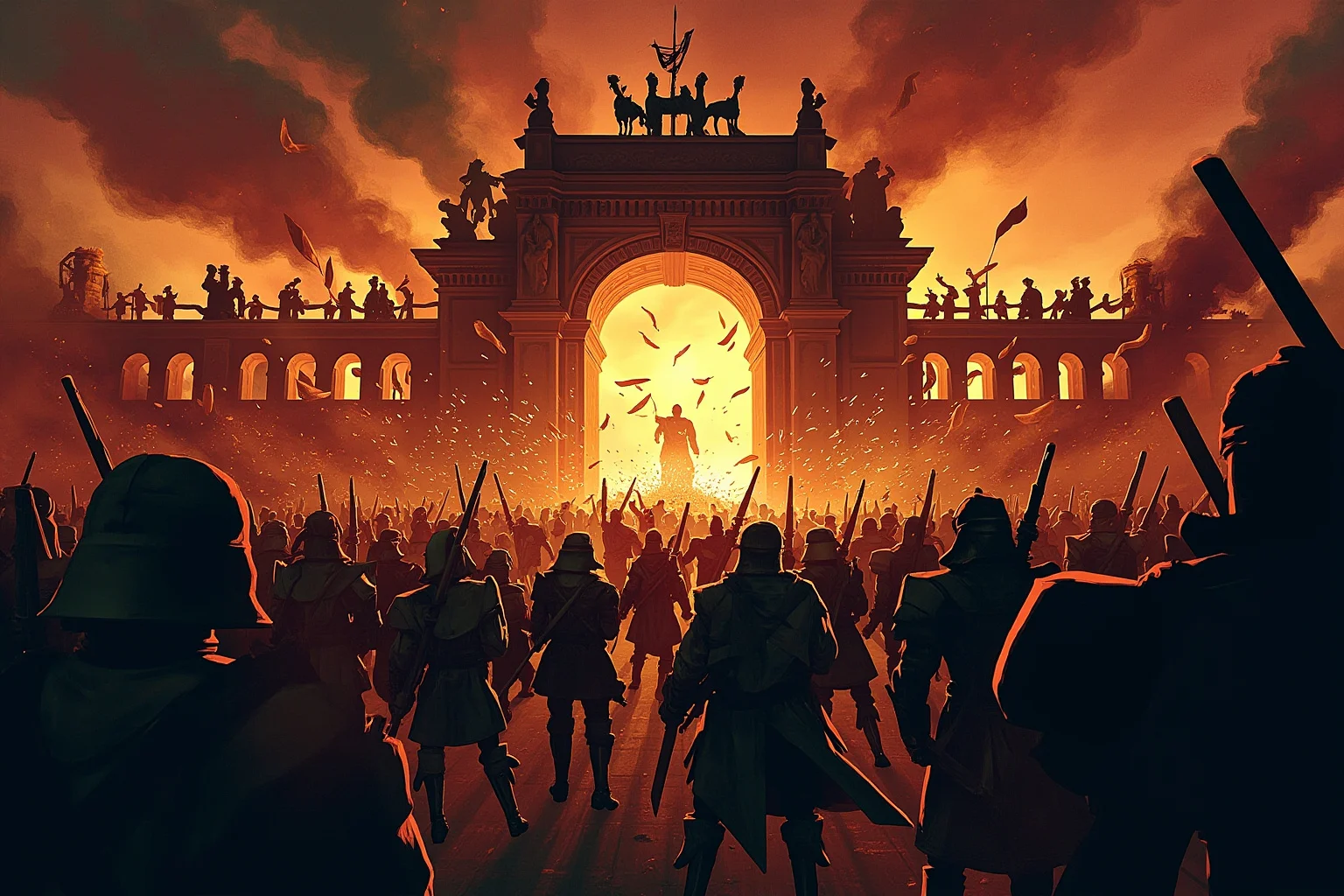
Some interpreters connect certain quatrains referencing chaos, uprising, and the fall of the nobility to the French Revolution, which began in 1789, over two centuries after Nostradamus’s death. Given how turbulent Nostradamus’s own era in France was, references to political upheaval and civil unrest appear throughout his work fairly generally.
Because revolutions, uprisings, and the deaths of nobles were common recurring events across French history, critics argue these connections are broad enough to apply to numerous historical moments, not uniquely the French Revolution. This pattern shows up again and again when examining his list of nostradamus prophecies.
17. Did Nostradamus Predict 9/11?
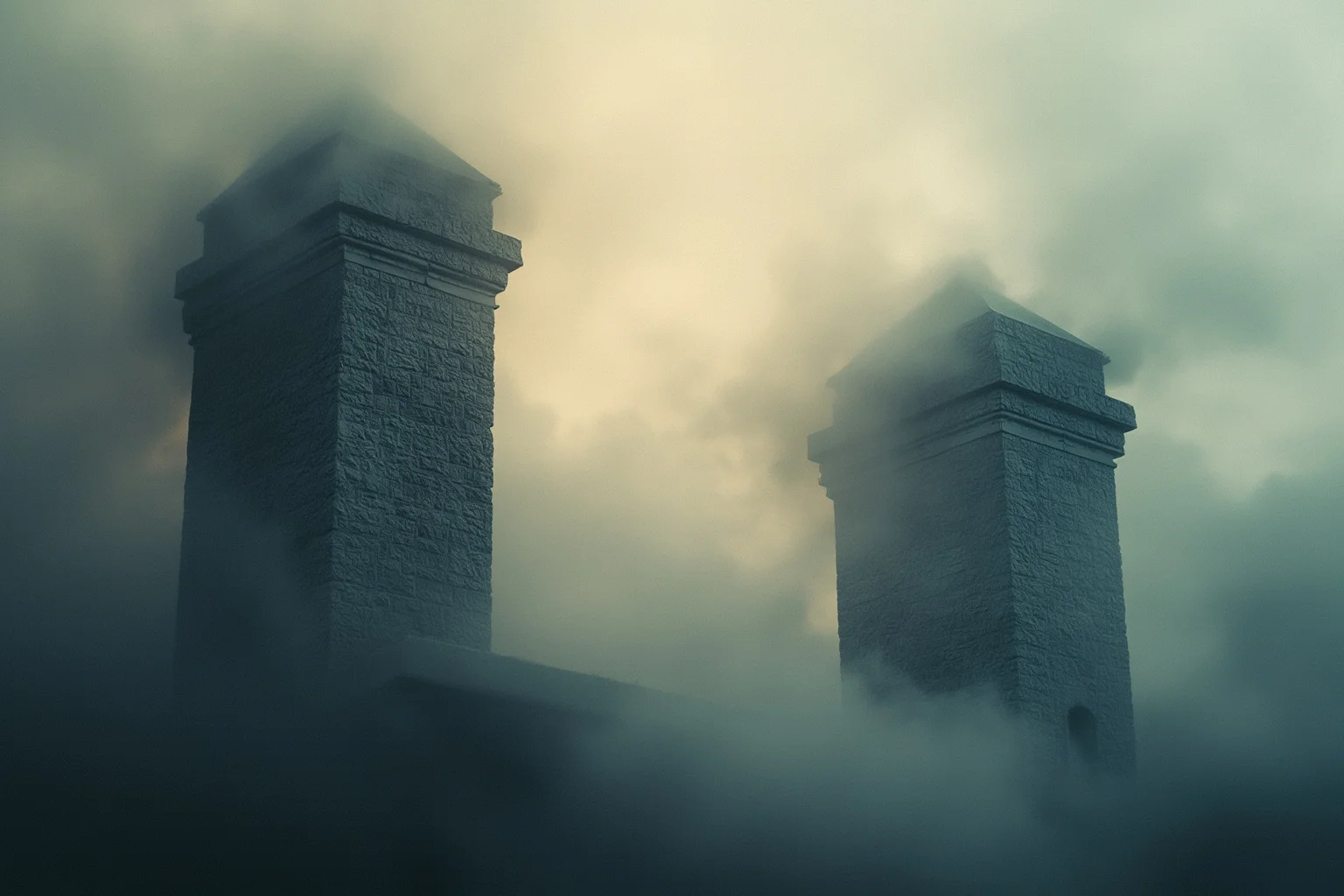
The nostradamus 9/11 predictions claim is one of the most widely circulated — and most thoroughly debunked — examples on the internet. A quatrain supposedly describing “two brothers torn apart by chaos” and towers falling went viral almost immediately after the September 11, 2001 attacks. It turned out this specific verse was never actually written by Nostradamus at all.
Researchers traced the viral quote back to a 1997 essay written by a Canadian student, which was later altered and falsely attributed to Nostradamus as it spread online. So when people ask whether Nostradamus predicted 9/11, the honest answer is no — the most famous “proof” was fabricated well after his death and misattributed to him.
18. Nostradamus’ Predictions for 2029
More recently, various websites and social media posts have claimed Nostradamus’ predictions 2029 include specific disasters, wars, or global catastrophes. As with most modern viral Nostradamus content, these claims typically stretch vague, centuries-old quatrains to fit current headlines and anxieties. There is no credible historical or textual evidence tying any of his verses specifically and unambiguously to the year 2029.
It’s worth remembering that Nostradamus’s original quatrains almost never contain clear, specific years. Any modern date attached to his work, including 2029, is the result of later interpretation, not something explicitly written in the original 16th-century text.
19. How Many of Nostradamus’ Predictions Actually Came True?
This is one of the most common questions people ask, and the honest answer is: it depends entirely on how loosely you define “came true.” Out of roughly 942 quatrains in “Les Prophéties,” historians and skeptics generally agree that only a small handful have any plausible, specific connection to real events, and even those require significant interpretation. Most mainstream historians consider the vast majority of “hits” to be examples of retroactive pattern-matching rather than genuine foresight.
In other words, how many of Nostradamus’s predictions came true depends less on Nostradamus and more on how creatively later readers interpret his words after an event has already happened. This phenomenon even has a name in psychology: the Forer effect, where vague statements feel personally or historically accurate because we fill in the specifics ourselves.
20. Famous Quotes From Nostradamus (And Fake Ones)
Many popular quotes from Nostradamus circulating online today are either loosely translated, heavily paraphrased, or entirely fabricated. Genuine quatrains from “Les Prophéties” tend to be dense, symbolic, and honestly a bit confusing when read in their original translated form, which is very different from the punchy, ominous one-liners that go viral. The fabricated 9/11 quote is the most famous example of this problem.
If you come across a suspiciously clear, modern-sounding Nostradamus quote that name-checks a specific country, date, or technology, it’s worth being skeptical. His authentic writing style simply doesn’t read that way, and that mismatch is often the easiest way to spot a fake.
21. He Became a Royal Celebrity Under Catherine de’ Medici
Nostradamus’s growing fame eventually caught the attention of Catherine de’ Medici, the queen consort of France, after his almanacs and prophecies started circulating widely. She reportedly summoned him to Paris and later appointed him as a physician and advisor. This royal connection gave him significant credibility and protection during a time when unconventional beliefs could easily draw suspicion from the church or crown.
This relationship shows that Nostradamus wasn’t some fringe outsider during his lifetime. He was, for a period, a respected and sought-after figure among French nobility, which is very different from the isolated mystic image often portrayed today.
22. How Did Nostradamus Die?
Nostradamus died on July 2, 1566, at his home in Salon-de-Provence, France. Historical accounts suggest he suffered from edema, sometimes described as gout-related swelling, along with other health complications that had worsened over his final months. He was 62 years old at the time of his death.
So when people ask how did Nostradamus die, or when did Nostradamus die, the documented answer points to natural causes tied to chronic illness, not anything mysterious or supernatural. His health had reportedly been declining for some time before his death.
23. The Legend of His Self-Predicted Death
One popular legend claims Nostradamus predicted his own death, reportedly telling an assistant he would not be found alive the next morning. According to the story, he was indeed found deceased the following day, apparently having passed away in the night. This tale has circulated for centuries as one of the eerier anecdotes attached to his legacy.
Historians note this story is difficult to verify independently and may have grown more dramatic with retelling over the centuries, much like many other posthumous legends about him — the same kind of embellishment seen in the folklore surrounding the Grim Reaper. It’s a good example of how quickly folklore attaches itself to a figure once their reputation as a prophet takes hold.
24. Why Some Call Him “Nostradumbass”
The nickname “Nostradumbass” isn’t a historical term, it’s a modern, sarcastic jab used online whenever a viral Nostradamus prediction turns out to be exaggerated, misattributed, or flatly false. It reflects a broader skeptical backlash against decades of media specials, tabloid headlines, and social media posts that present shaky interpretations as confirmed fact.
This pushback is arguably fair. Serious historians generally treat Nostradamus as an interesting cultural and literary figure from the Renaissance, not a reliable source of future events, and the “Nostradumbass” meme is really just the public catching up to that same conclusion.
25. His Legacy in Pop Culture Today

Nostradamus has appeared in countless documentaries, TV specials, books, and even video games and horror films, usually branded as “the guy who predicted the future.” His name has become shorthand for prophetic mystery in Western pop culture, regardless of how accurate that reputation actually is. Every major world event, from wars to pandemics, tends to spark a fresh wave of articles claiming he foresaw it.
This cyclical fame says as much about human psychology as it does about Nostradamus himself. People are drawn to the comfort of feeling like chaotic events were somehow foretold and therefore meaningful, and his flexible, ambiguous quatrains are perfectly suited to that need.
26. So, Should You Believe the Predictions? Final Takeaway
After looking at the actual historical record, the fairest conclusion is that Nostradamus was a genuinely accomplished Renaissance physician and writer who also produced a large body of deliberately ambiguous prophetic poetry. Whether or not any specific nostradamus’s prophecy “came true” almost always depends on interpretation applied well after the fact, not a clear, verifiable prediction made in advance.
That doesn’t make him unimportant historically. He remains a fascinating window into Renaissance beliefs about astrology, medicine, and the anxieties of his era, even if the modern myth of him as an infallible fortune-teller doesn’t hold up to scrutiny.
Final Thoughts
Nostradamus’s enduring fame says a lot about how much people want certainty in an uncertain world. His actual writings are far stranger, vaguer, and more rooted in 16th-century France than the confident, headline-ready predictions attributed to him online. Separating the real Michel de Nostredame from the legend doesn’t make his story less interesting, it just makes it a more honest one — much like separating fact from fiction in questions such as who really discovered America first.
Next time a viral post claims Nostradamus predicted the exact date of some modern disaster, it’s worth pausing before sharing it. A quick look at the source usually reveals the same pattern found throughout this list: a vague verse, a flexible interpretation, and a story that got more specific with every retelling.
Frequently Asked Questions
Who is Nostradamus?
Nostradamus, born Michel de Nostredame, was a French physician, astrologer, and author who lived from 1503 to 1566. He's best known for a book of prophetic verses called "Les Prophéties," though during his lifetime he was primarily recognized as a physician and almanac writer.
When was Nostradamus alive?
Nostradamus was alive from December 14, 1503, to July 2, 1566, placing his life during the French Renaissance. He lived through major events like religious wars and plague outbreaks in 16th-century Europe.
What did Nostradamus predict?
Nostradamus wrote hundreds of vague, symbolic four-line verses touching on themes like war, plague, political upheaval, and the fall of rulers. He rarely named specific people, places, or dates, which is why so many different events have been linked to his work after the fact.
What are some Nostradamus predictions that came true?
The most commonly cited example is a quatrain often linked to the 1559 death of King Henry II of France, who died after a jousting injury to the eye. Other claimed matches, like the Great Fire of London or events tied to Hitler, are considered far more speculative by historians and rely heavily on interpretation.
Did Nostradamus predict 9/11?
No. The famous quatrain widely shared after the September 11, 2001 attacks was not written by Nostradamus at all — it was traced back to a 1997 student essay that was later altered and falsely attributed to him online.
How did Nostradamus die?
Nostradamus died on July 2, 1566, at his home in Salon-de-Provence, France, apparently from complications related to edema and declining health. There is no credible evidence of anything mysterious or supernatural surrounding his death.
How many of Nostradamus’s predictions actually came true?
Out of roughly 942 quatrains, historians generally agree only a small number have any plausible connection to real events, and even those require heavy interpretation. Most experts view the majority of claimed matches as retroactive pattern-matching rather than genuine, verifiable foresight.
What does Nostradamus predict about 2029?
Various websites claim his verses point to specific 2029 events, but there is no credible textual evidence tying any of his original quatrains to that year. Like most modern Nostradamus claims, these interpretations are added long after the fact rather than being explicit in his original writing.

Alex Warren
Related Articles





