When people picture World War 1, they usually think of trenches, barbed wire, and mud. But behind every offensive and every long, grinding stalemate was a much less glamorous story: the struggle to feed millions of soldiers and civilians for over four years.
Rations world war 1 style were never simple. What started as a fairly generous paper plan collapsed, again and again, into improvisation, shortages, and outright hunger on both the front lines and the home front. This is the real story of how WW1 food evolved, from the iron ration in a soldier’s pack to the ration card in a mother’s kitchen drawer.
TL;DR: WW1 rations evolved from a generous official plan into a patchwork of tinned meat, hard biscuits, and watered-down tea for soldiers, while naval blockades and total war forced Britain, France, and especially Germany into strict civilian food rationing by 1917–1918.
1. The Pre-War Ideal: The Iron Ration
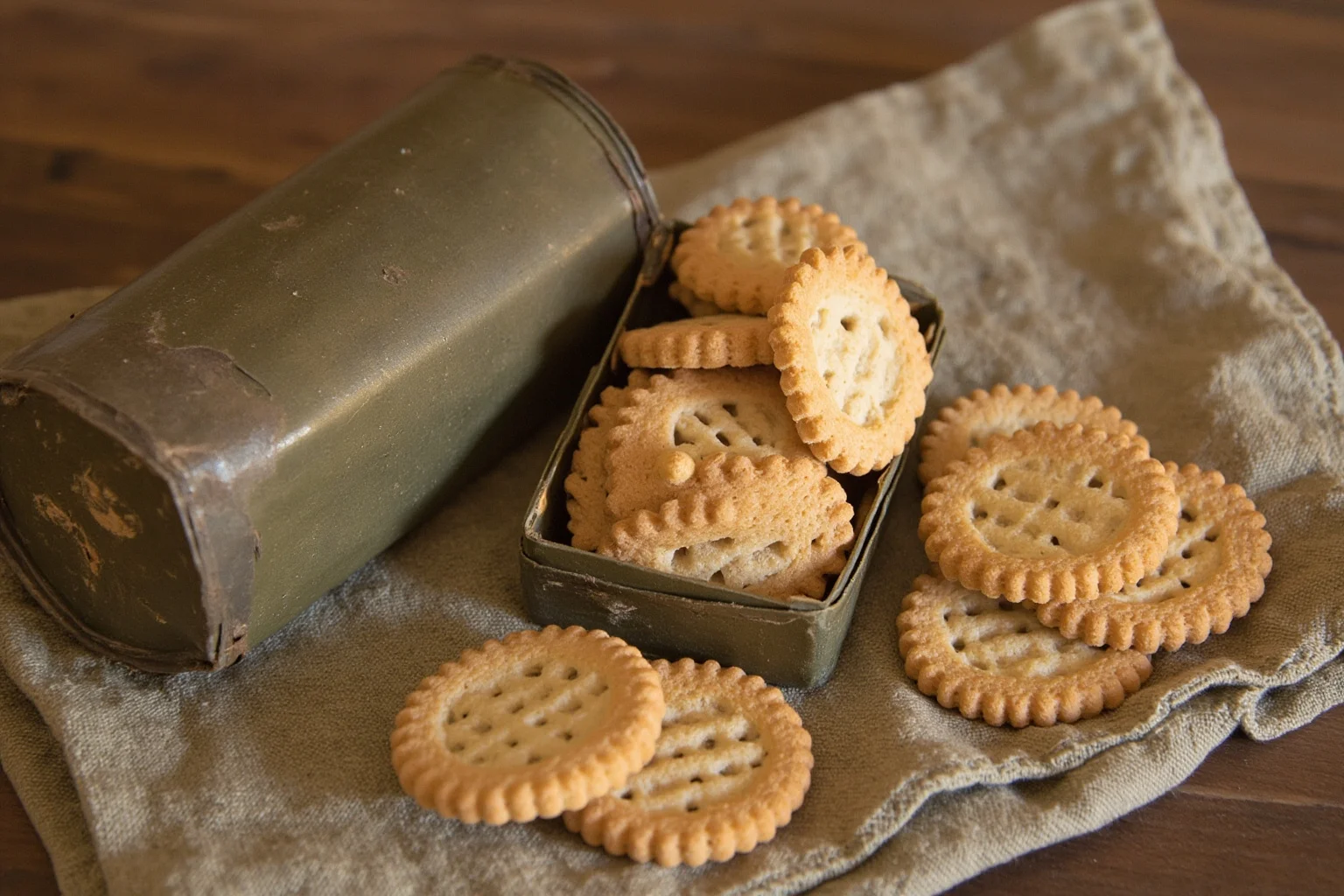
Before the war even started, the British Army had already designed an emergency pack called the “iron ration.” It typically held a tin of preserved meat, a few hard biscuits, tea, sugar, and sometimes cheese or meat extract cubes.
It was meant to be carried at all times but only eaten when normal supply completely broke down. In practice, exhausted and hungry soldiers sometimes broke into it early, against strict orders, simply because nothing else had arrived.
2. The British Daily Ration on Paper
Officially, the British soldier’s daily ration was generous by 1914 standards, aiming for around 4,000 calories through bread, fresh or preserved meat, bacon, cheese, jam, tea, and vegetables. On paper, this looked like a well-fed army.
The reality of getting that food from a depot to a soldier crouched in a forward trench under shellfire was another matter entirely. Delays, damaged supply lines, and sheer chaos meant the printed ration and the actual meal often looked nothing alike.
3. Bully Beef: The Iconic Tin
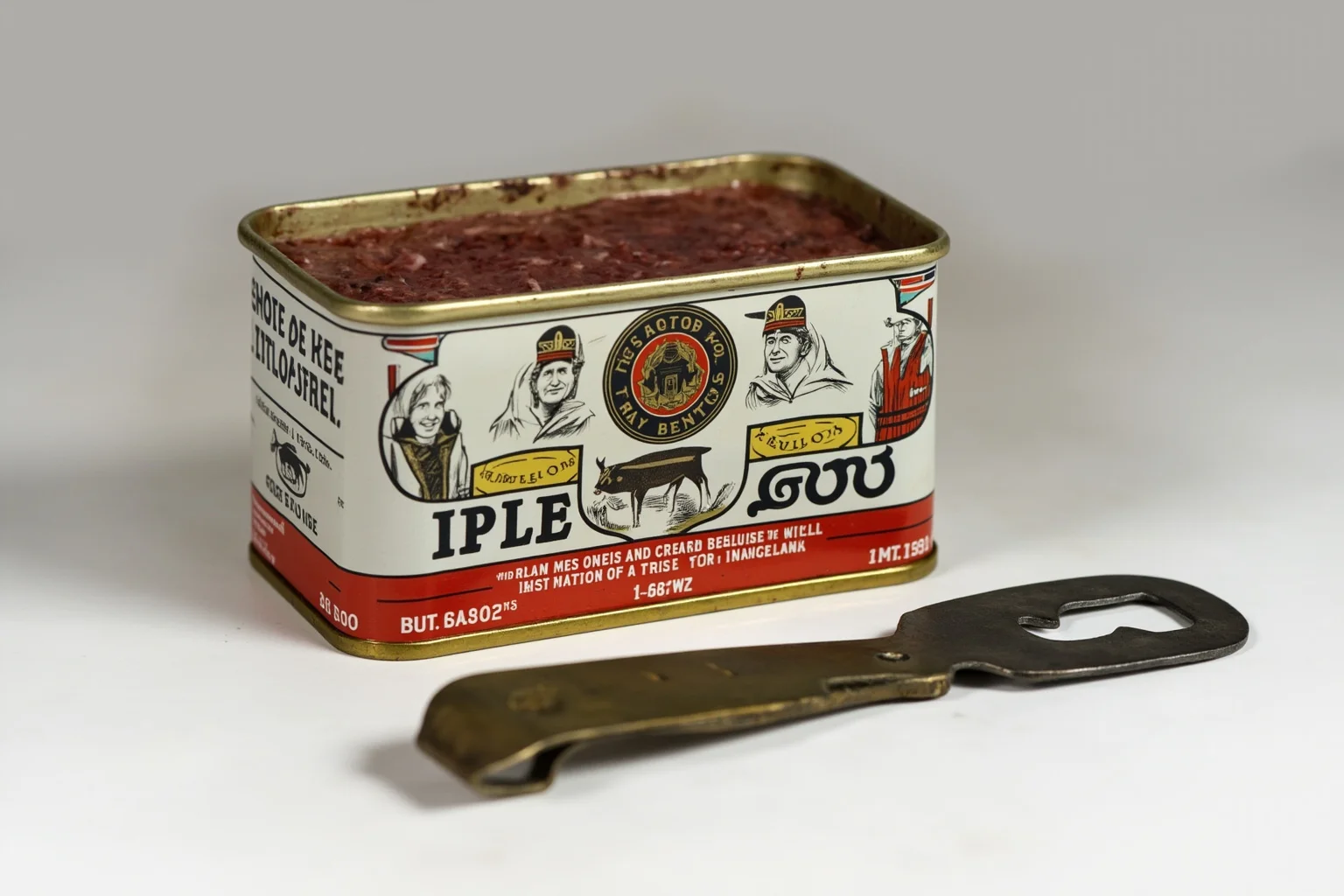
Ask almost anyone what did the WW1 soldiers eat, and “bully beef” comes up almost immediately. This was corned beef, most famously supplied by the Fray Bentos company, packed into small tins that could survive rough handling and long storage.
Bully beef world war 1 style could be eaten cold straight from the tin, fried with biscuit crumbs, or mixed into whatever stew was on offer that day. Soldiers grew to loathe its monotony, even if they were grateful to have protein at all.
4. Hardtack and Army Biscuits
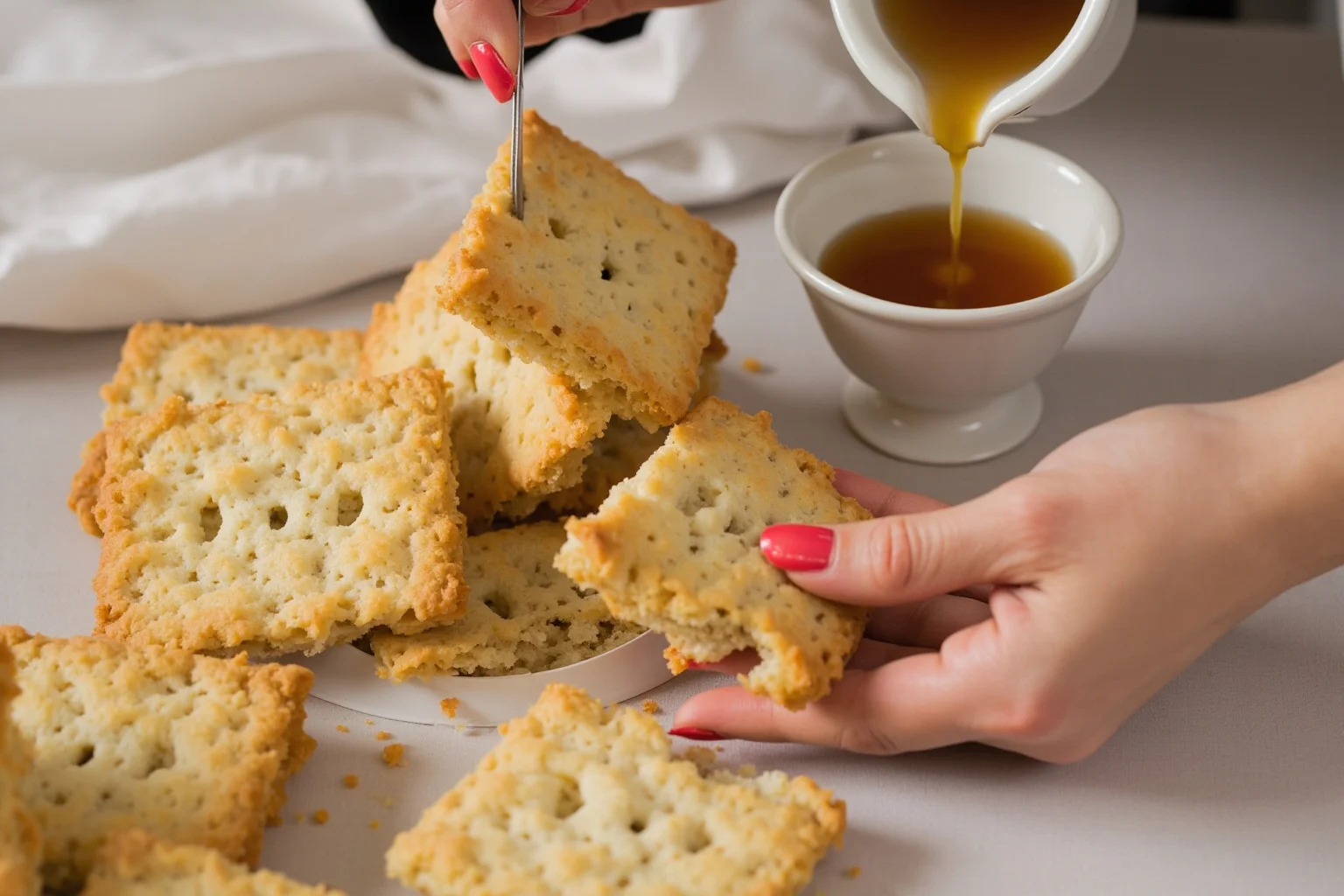
The biscuit issued to troops was less a snack and more a small slab of compressed flour and water, baked hard enough to survive shipping across the Channel and up to the front. Soldiers nicknamed them “dog biscuits” and joked that they could break a tooth trying to bite one straight.
The usual trick was to soak them in tea or crumble them into stew to soften them into something edible. This single detail says a lot about food in the trenches world war 1 troops actually experienced, versus the neat ration lists in official reports.
5. Maconochie Stew
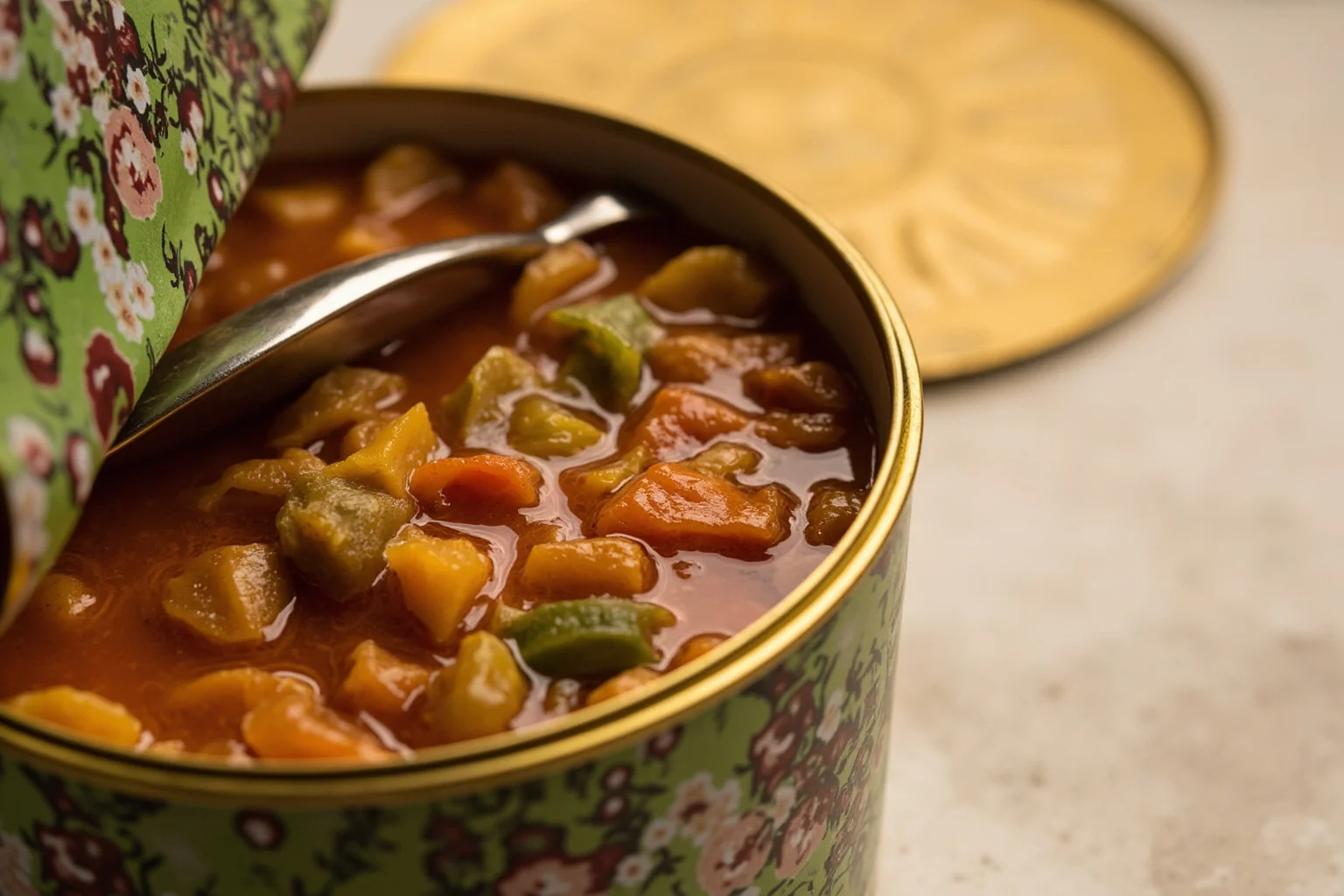
Maconochie was a tinned stew of sliced vegetables, usually turnip and carrot, in a thin meat broth, produced by a Scottish canning firm. Heated properly over a fire, it was considered fairly decent by soldiers.
Eaten cold straight from a freezing tin, which happened often, it became a greasy, unappetizing mess that men ate anyway because there was nothing else. Its reputation swung wildly depending purely on whether there was time and fuel to warm it.
6. The Bread Ration and the Trench Loaf
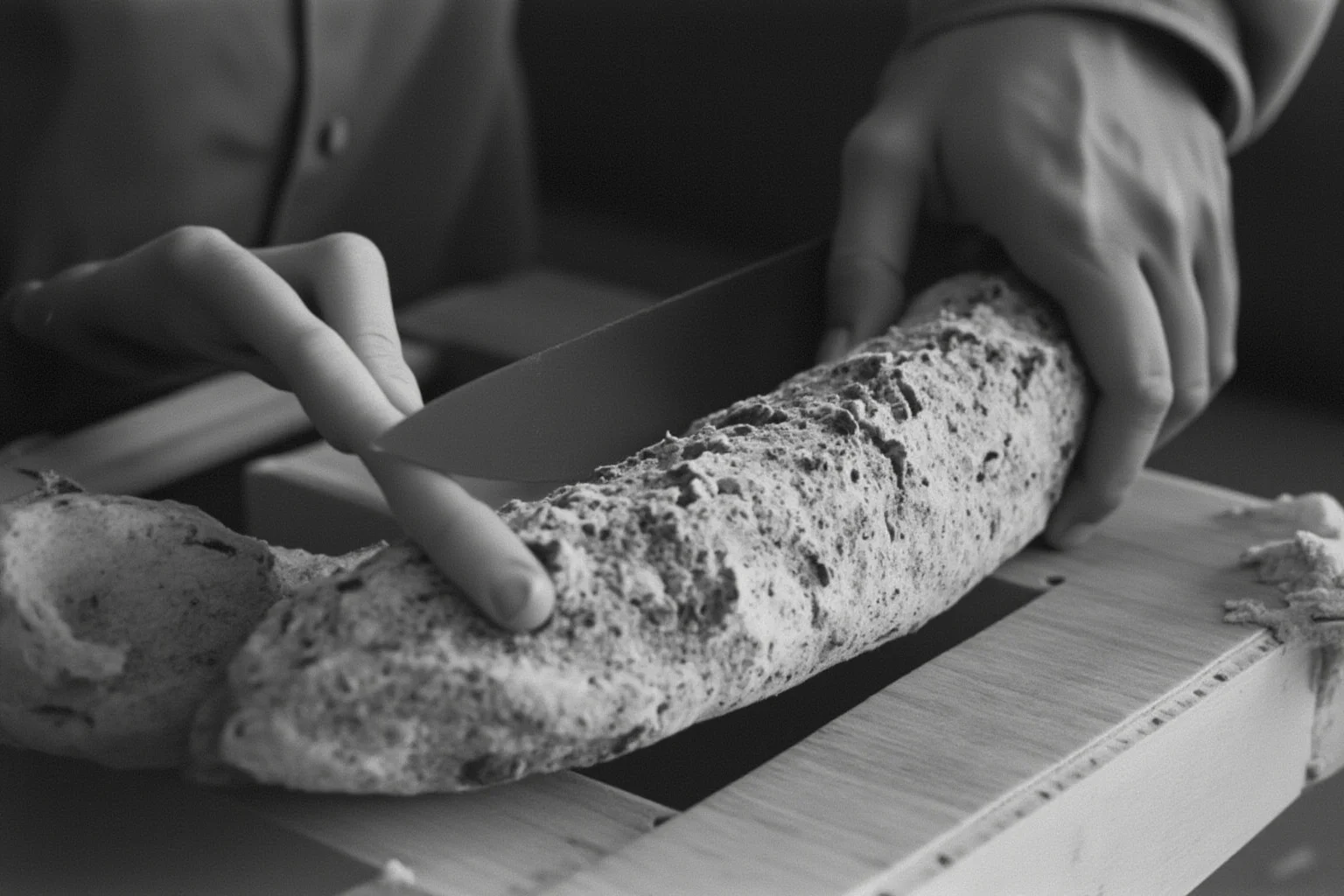
Bread ration was one of the most fought-over parts of army logistics, since fresh bread was heavy, bulky, and spoiled quickly compared to tins and biscuits. Early in the war, British troops in France often did receive real bread, baked in field bakeries close to the front.
As the war dragged on and grain shortages bit, bread quality slipped in every army, sometimes stretched with barley, or even less appetizing additives to make flour go further. The German army’s wartime bread, in particular, became notorious for containing potato flour and other bulking agents as shortages deepened.
7. Tea: The Trench Lifeline
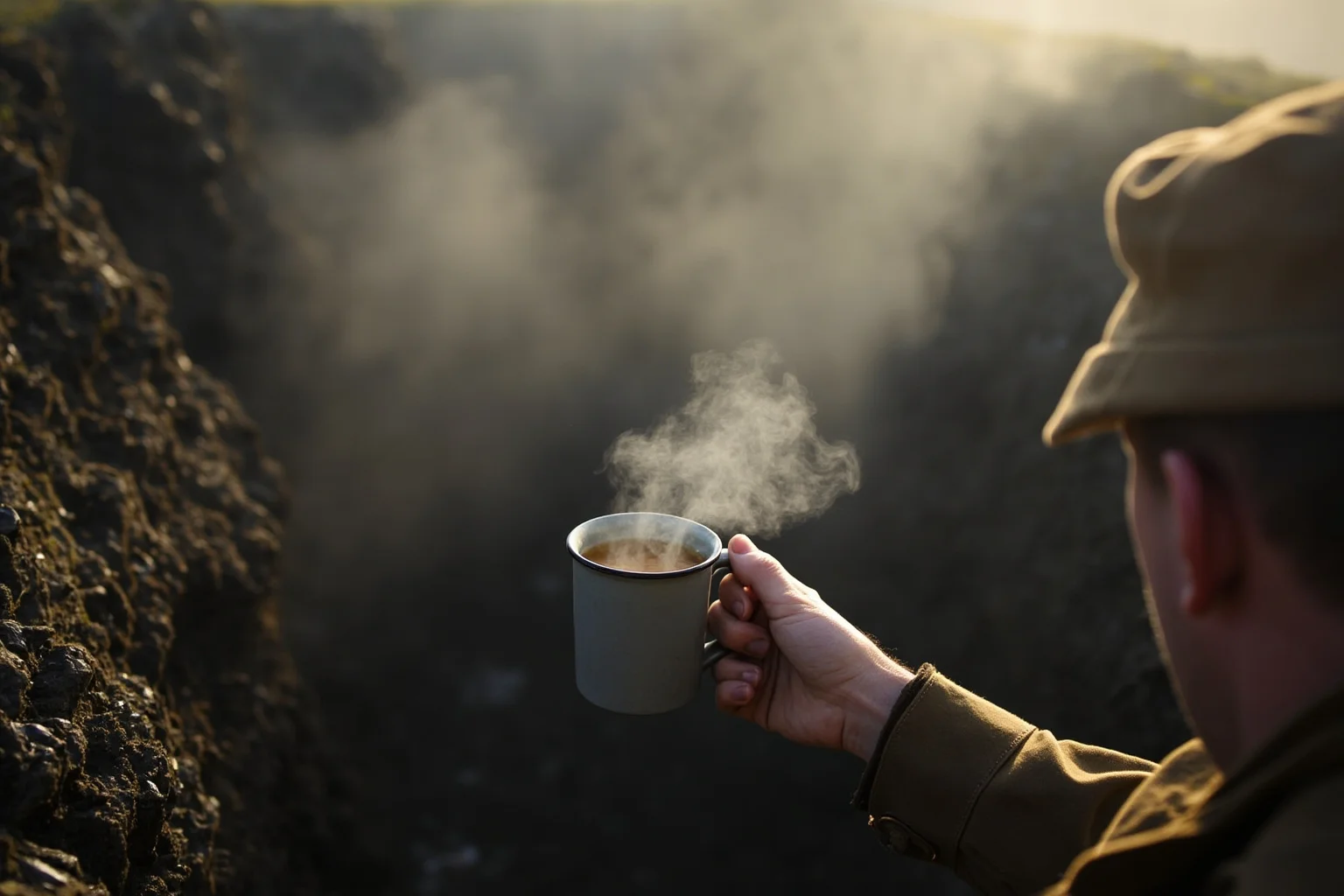
If there is one drink that defines world war one trench food, it is tea. It was issued at least once, often twice, a day and was treated almost as essential as ammunition for morale.
The problem was water quality near the front, which was frequently contaminated or transported in old petrol cans, giving the tea a distinct chemical tang that veterans wrote about for decades afterward. Even so, a hot mug of tea after a night in the trenches was one of the war’s small, precious comforts.
8. The Rum Ration
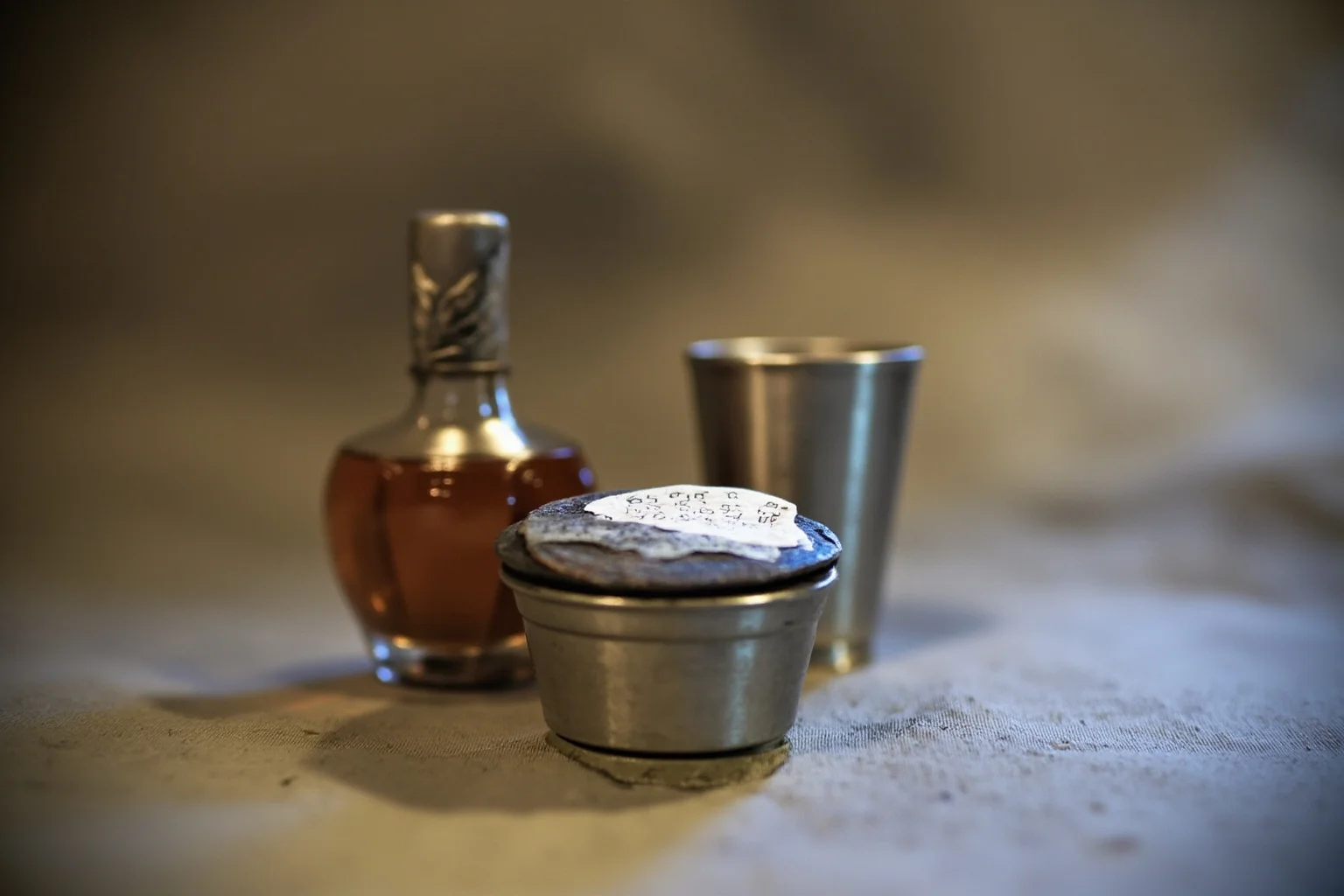
British and Commonwealth troops received a rum ration, though it was not a daily guarantee for everyone and depended heavily on circumstances like weather and impending action. It was often issued before a dawn attack, partly for morale and partly to help men cope with cold, wet conditions in the trenches.
It is worth being careful with the popular myth that soldiers went into every battle heavily drunk on rum. The actual issue was a small, tightly controlled measure, not enough to seriously impair a man expected to fight moments later.
9. Tinned Jam and Margarine
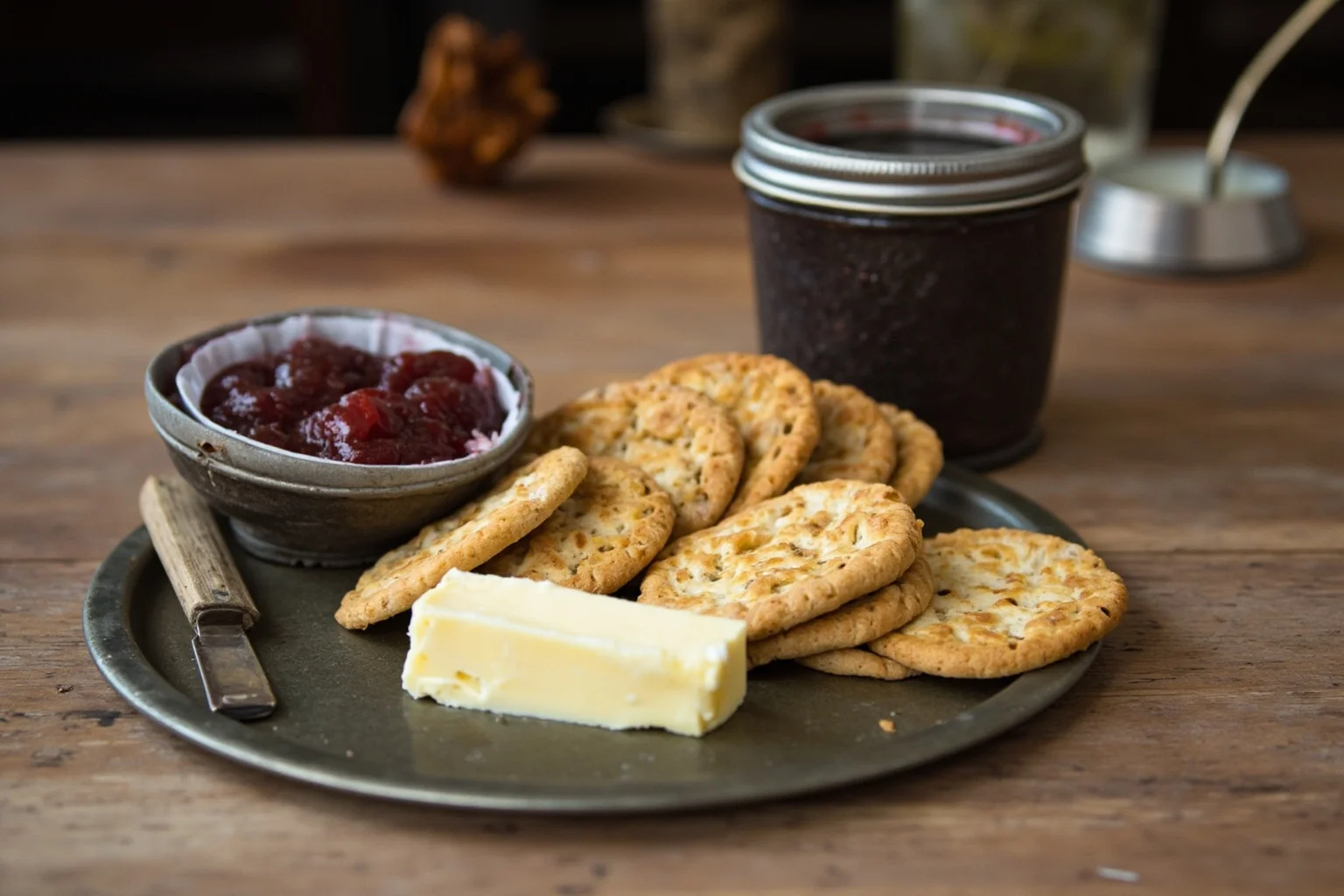
Jam, especially the plum and apple variety made by the Tickler’s company, became almost as much of a running joke among British troops as bully beef. Soldiers grew sick of the flavor but ate it anyway, since it was one of the few sweet things available.
Margarine largely replaced butter as the war progressed and dairy supplies tightened across Europe. This small swap in the ration mirrored a much bigger pattern: real ingredients slowly being replaced by cheaper, longer-lasting substitutes as the war ground on.
10. Fresh Food When It Was Possible
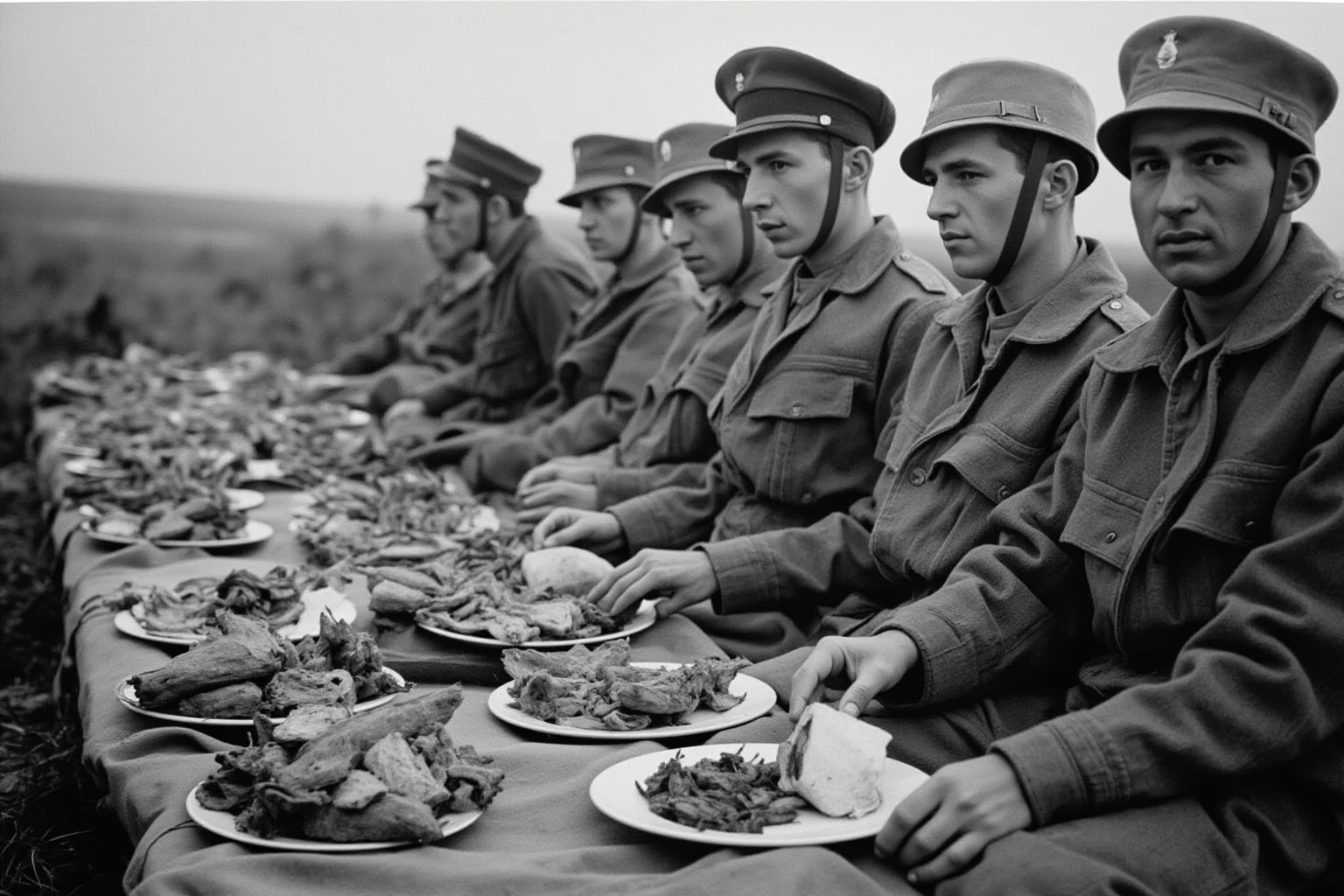
When units were resting behind the lines rather than actively in the front trenches, field kitchens could sometimes produce genuinely fresh meals with real meat, vegetables, and freshly baked bread. Regimental cooks did their best with what was available, and some units even kept small gardens or livestock behind the lines when conditions allowed.
These better meals were the exception rather than the rule, especially the closer a unit got to no man’s land. Food in the trenches first world war soldiers actually ate day to day was almost always simpler, colder, and more repetitive than food eaten in reserve.
11. The Constant Problem of Transport and Spoilage
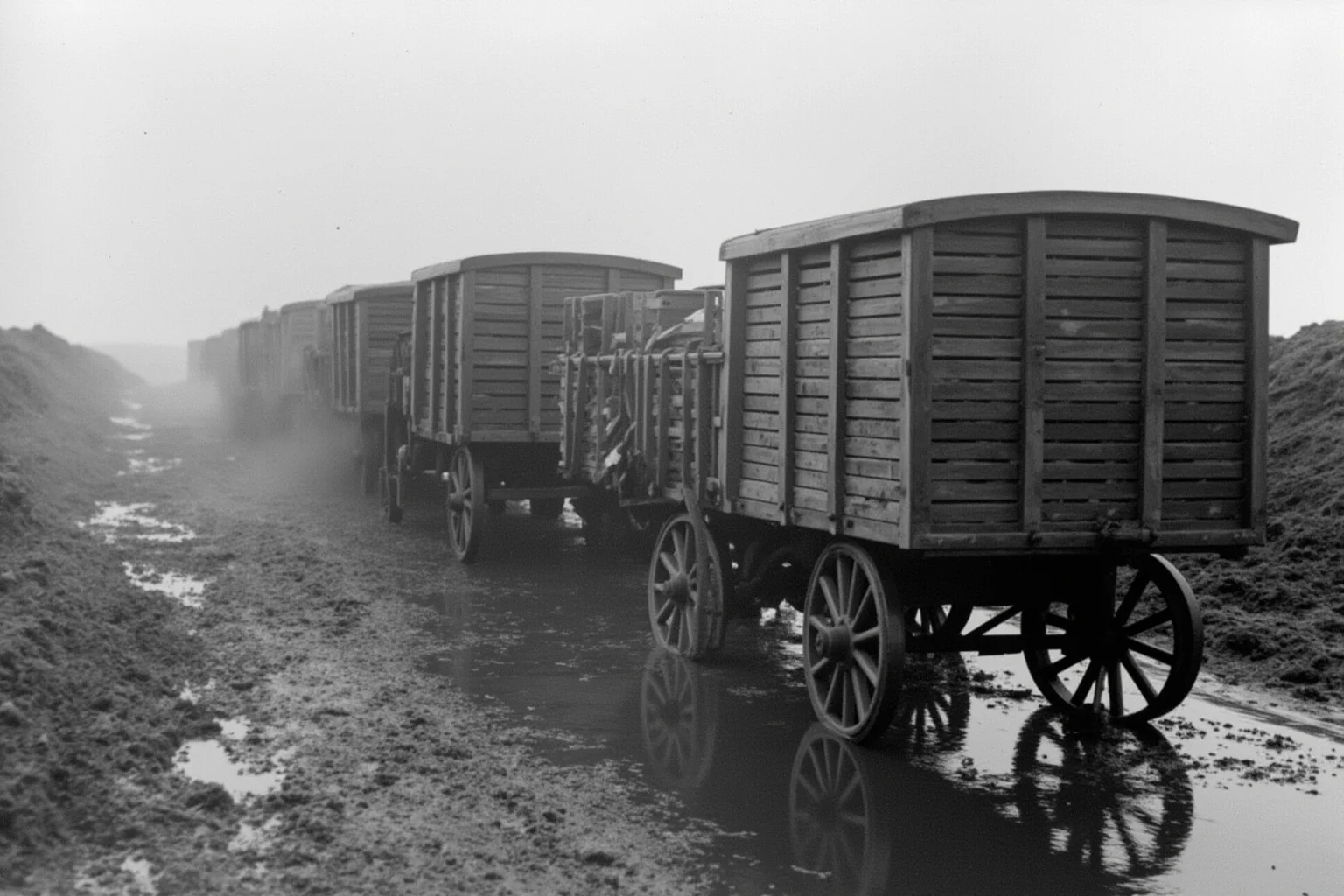
Getting food from a port or depot to a soldier under fire required horses, motor lorries, light railways, and finally men carrying supplies by hand across shattered ground. Any one link in that chain could fail due to shelling, mud, or simple traffic jams.
Food arriving late, spoiled, or contaminated by rain and mud was a routine complaint in soldiers’ letters and diaries. This logistical strain, more than any single ingredient, explains why the theoretical ration and the real WW1 food soldiers received often diverged so sharply.
12. French Army Rations
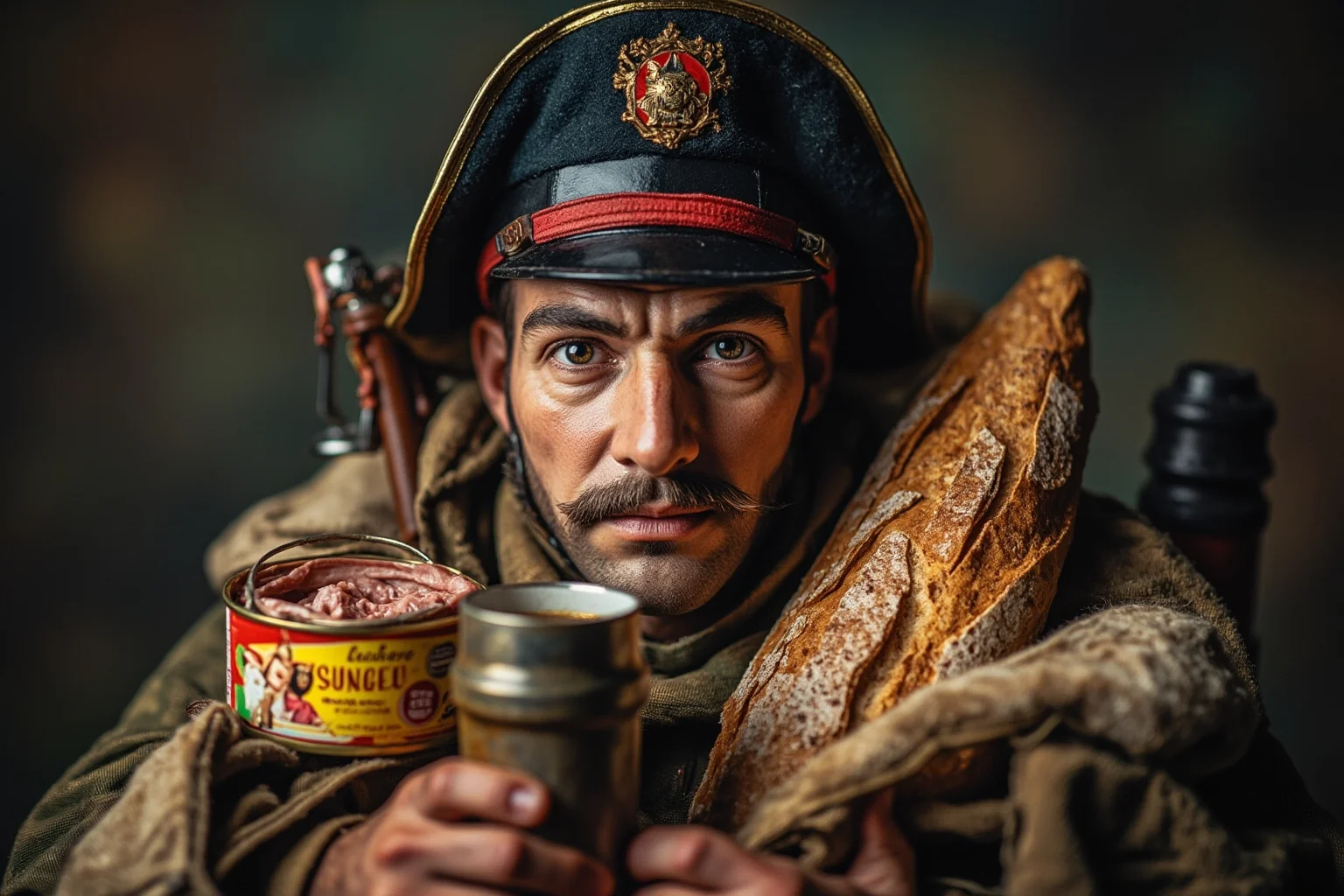
The French poilu had his own distinct rations, built around a substantial bread allowance of around 700 grams a day, tinned meat nicknamed “singe” (monkey), and dried vegetables. Coffee was a daily staple, brewed strong and often bitter.
Wine, known as “pinard,” was issued as a standard part of the French ration and was considered essential for morale, arguably even more central to French rations than rum was to British ones. Supply shortages still hit French units hard, particularly during the intense fighting around Verdun.
13. German Rations Early in the War
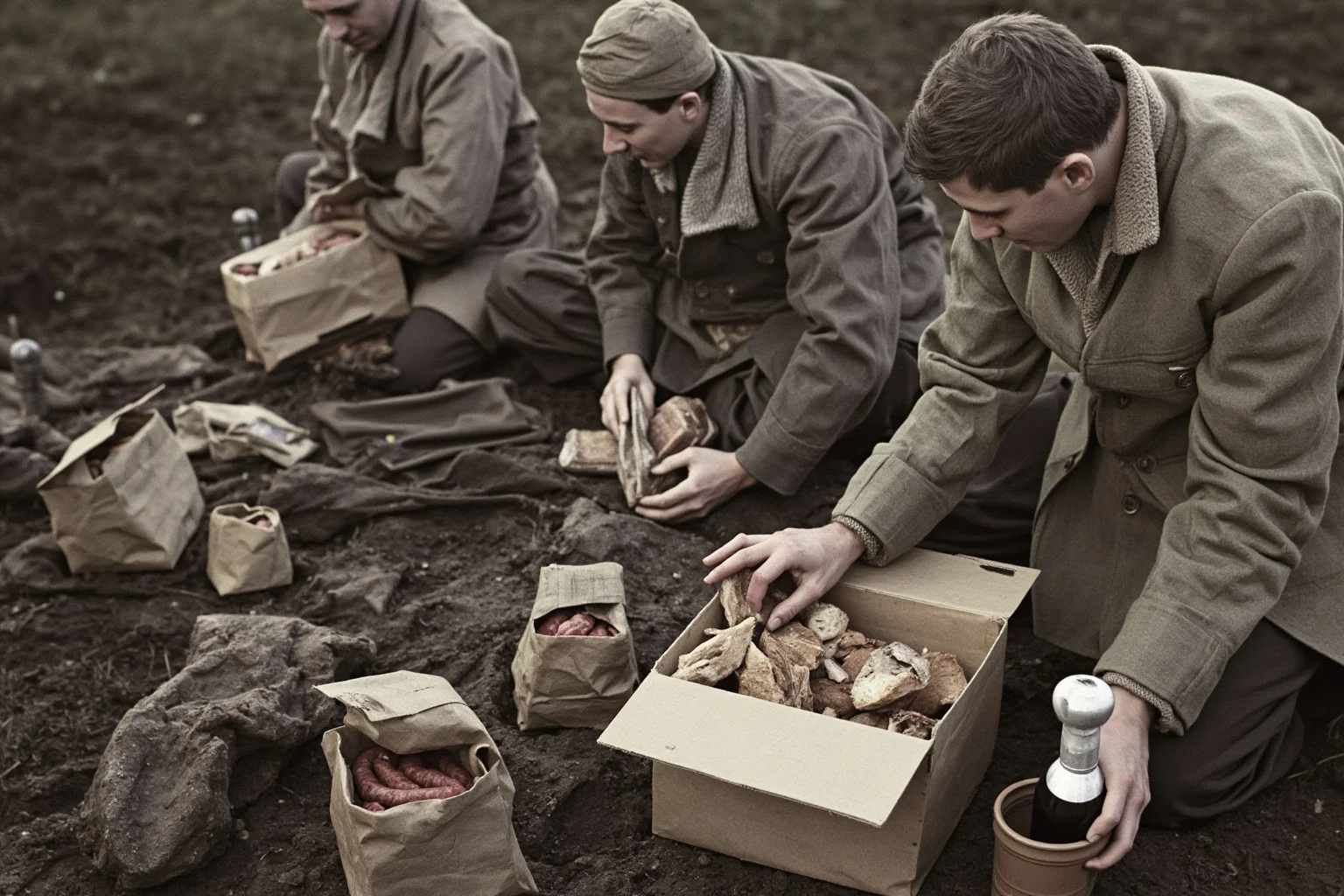
At the outbreak of the war, German soldiers received a ration broadly comparable to their British and French counterparts, including bread, meat, sausage, and coffee. Ww1 german rations in 1914 and 1915 were reasonably solid, reflecting Germany’s strong prewar agricultural and industrial base.
This picture changed dramatically as the war continued, largely due to factors far beyond the battlefield itself. The gap between early and late-war German rations became one of the starkest examples of how first world war rationing could shift under sustained economic pressure.
14. Germany’s Ersatz Food and the Turnip Winter
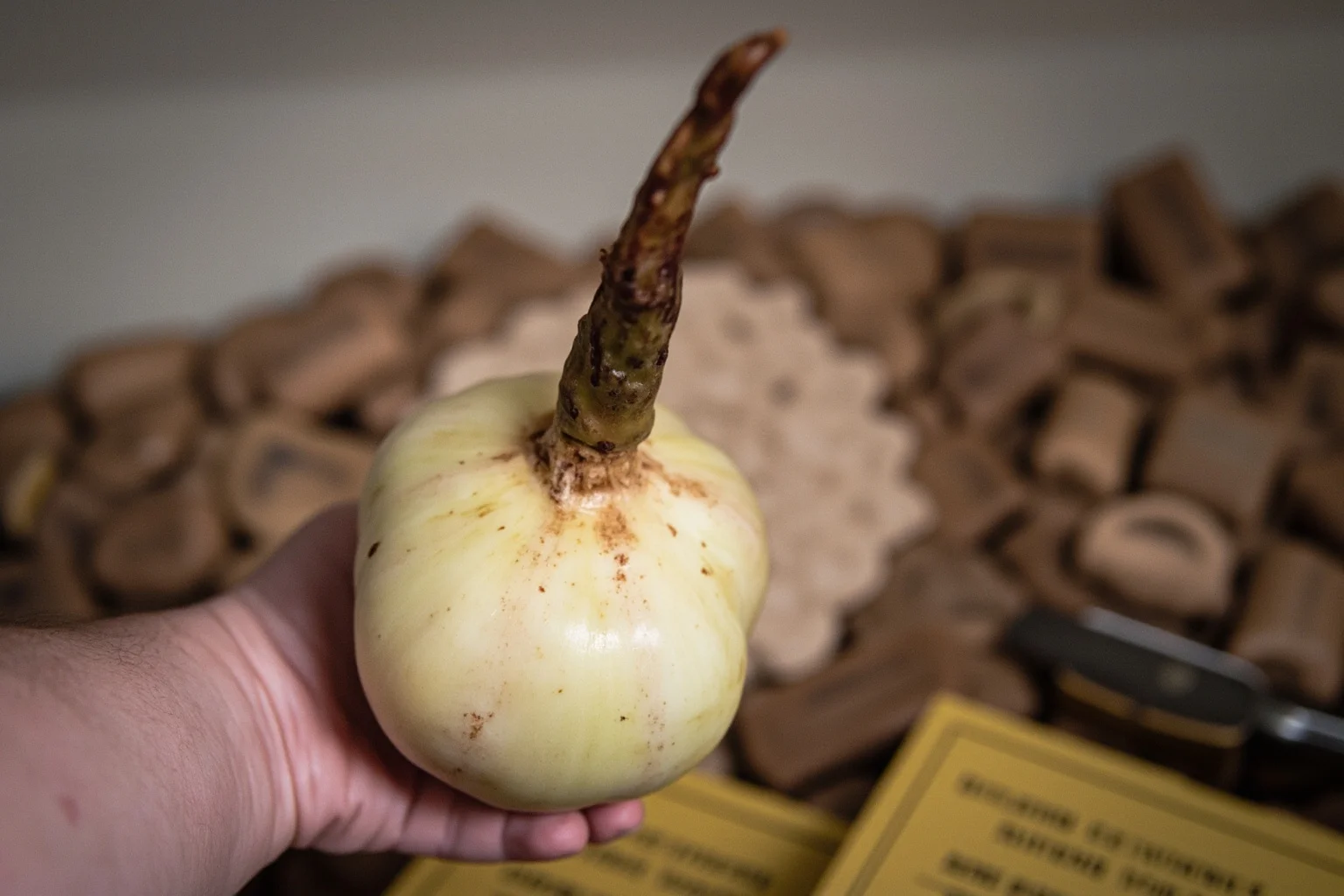
The British naval blockade steadily strangled German food imports, and by the winter of 1916 to 1917, conditions had grown so severe that Germans still call it the “Steckrübenwinter,” or turnip winter. Potatoes failed that year, and turnips, normally used as animal feed, became a staple substitute for ordinary families.
This was also the era of “ersatz” or substitute products: coffee made from roasted barley or acorns, bread stretched with sawdust-like fillers, and sausage with minimal actual meat. It is one of the clearest illustrations of how wwi food rationing on the home front could tip from inconvenience into genuine malnutrition.
15. American Rations Arrive Late but Well-Stocked
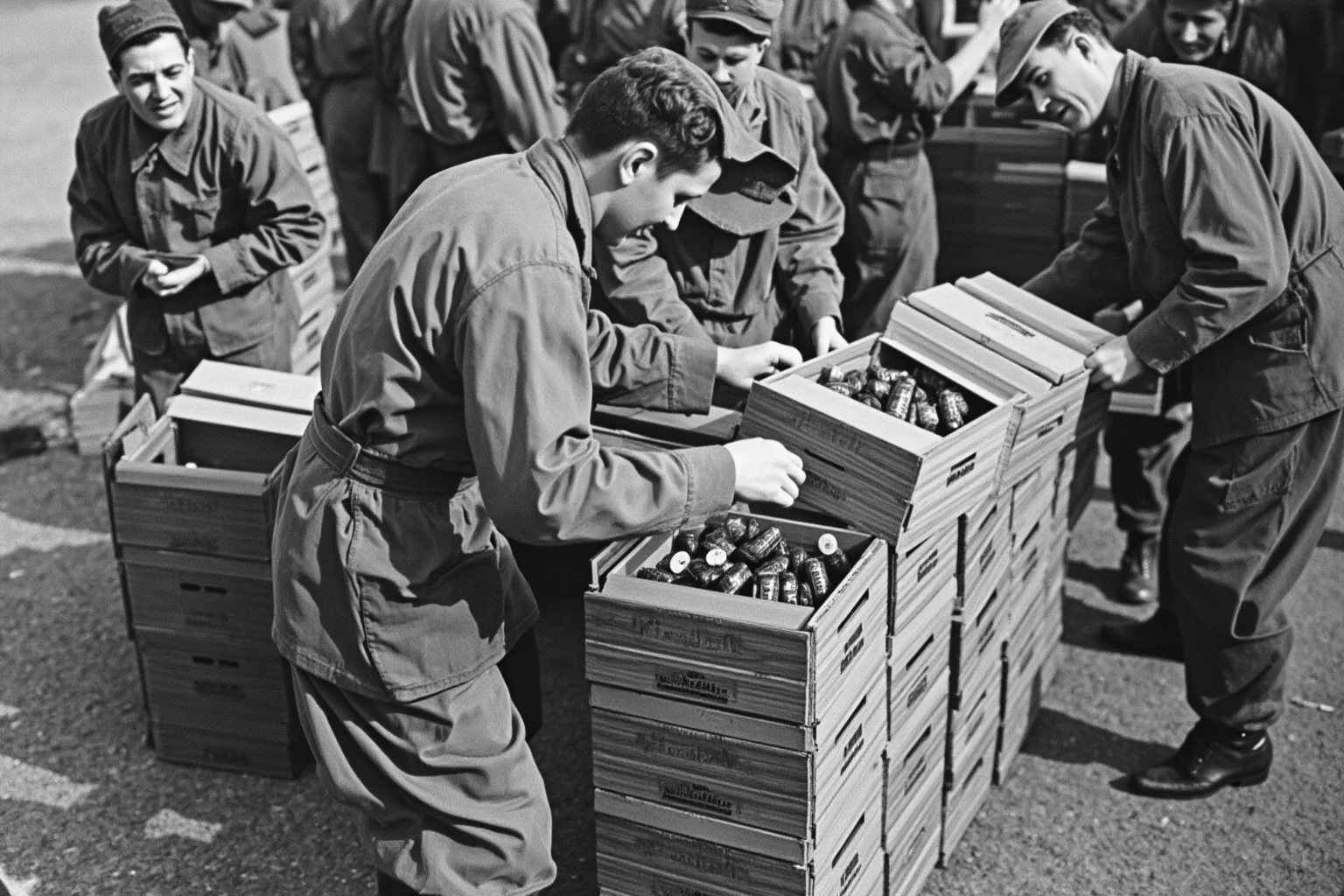
When the United States entered the war in 1917, its troops arrived with a ration system built on the comparatively fresh advantage of American industrial food production. Canned goods, including a version of corned beef troops nicknamed “corned Willy,” chocolate, and hardtack all featured prominently.
American forces benefited from not having endured years of blockade or grinding attrition on their home food supply. Their rations, while still monotonous by modern standards, were generally considered better supplied than what exhausted European armies had access to by 1917 and 1918.
16. Trench Cooking and the Tommy Cooker
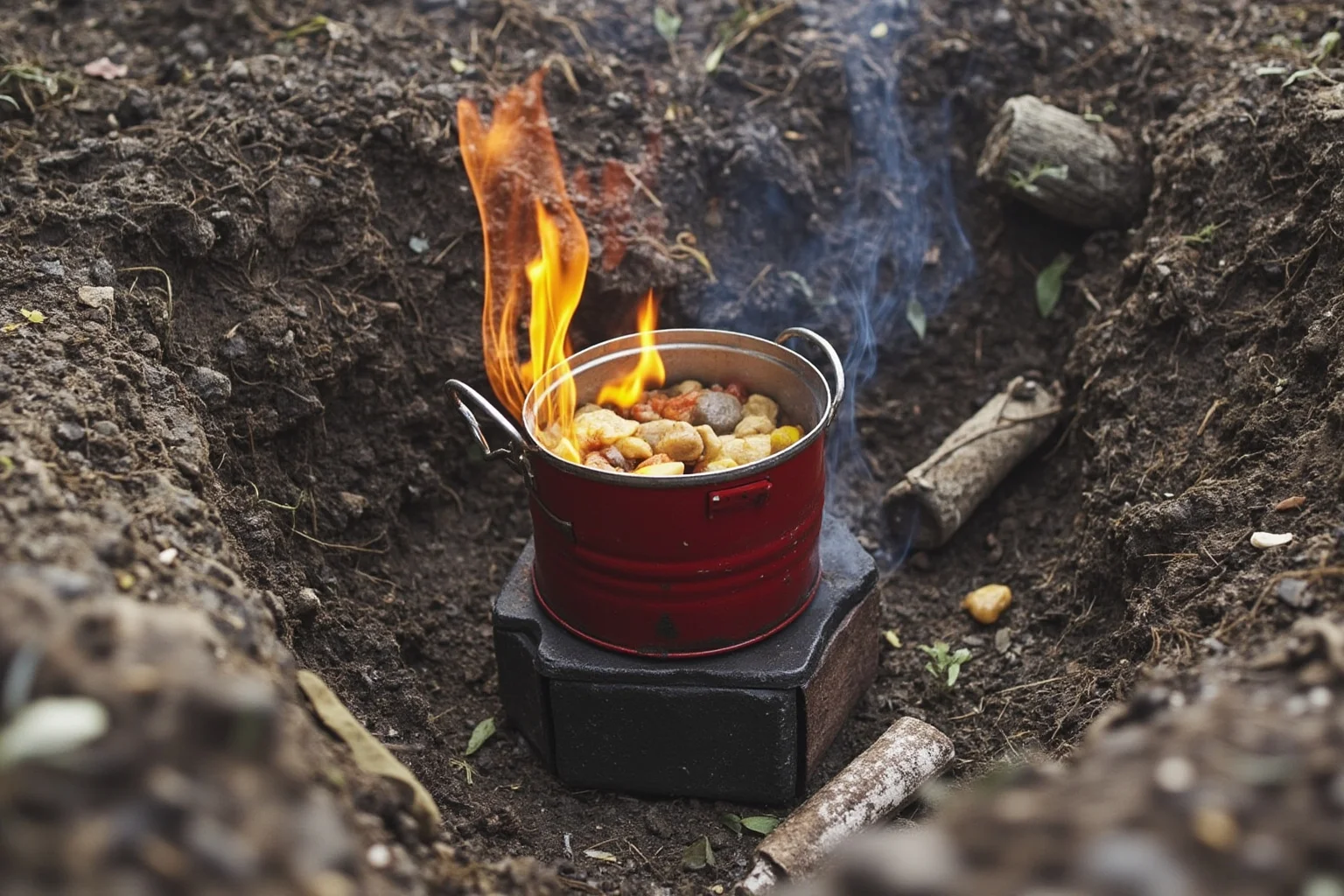
Soldiers often had to cook, or at least reheat, their own food right in the trench using small portable stoves known as Tommy Cookers, fueled by solid tablets of compressed fuel. A shared brew-up of tea or a can of stew warmed over a tiny flame became a small ritual amid the chaos.
Open fires were dangerous, since smoke and light could draw enemy artillery fire toward a position. This forced constant improvisation, and it is a key reason food ww1 trenches produced tended to be simple, quickly prepared, and often eaten only partially heated.
17. Nutrition, Monotony, and Trench Health
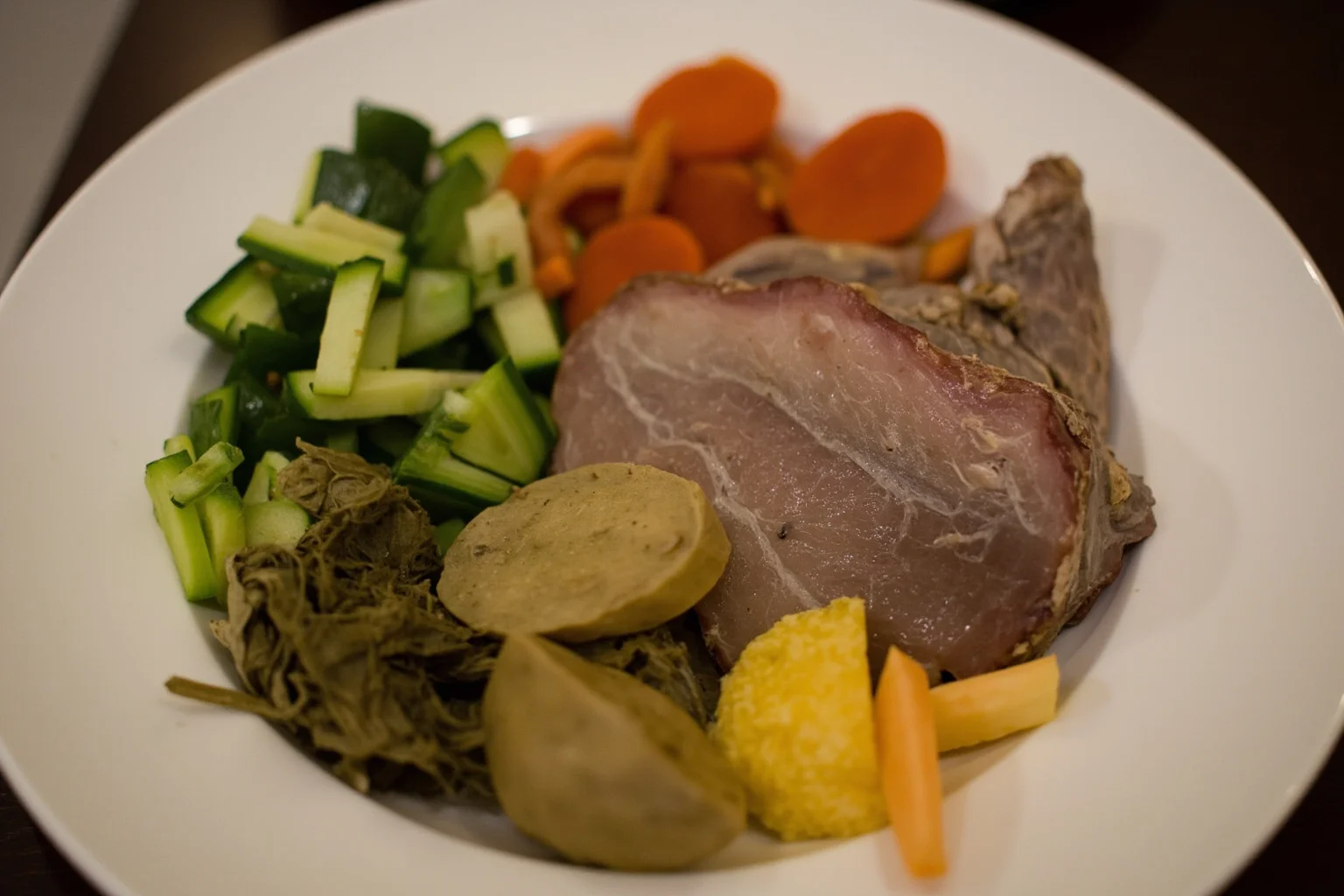
Compared to earlier conflicts, WW1 armies generally managed to avoid the worst historical scourges like widespread scurvy, thanks to some fresh vegetables and citrus reaching the front when supply allowed. That said, the diet was still repetitive, heavy in preserved meat and starch, and often low in fresh produce for weeks at a stretch.
Weight loss, fatigue, and dental problems from constantly gnawing on hard biscuits were common complaints in medical records. The relationship between diet and combat effectiveness was something militaries were only beginning to study seriously during this war.
18. Rats, Rot, and Contamination

Trenches were, unfortunately, ideal habitats for rats, and food supplies were a constant target for vermin looking for an easy meal. Soldiers frequently described rats gnawing through sacks and tins, spoiling rations that were already scarce.
Rain, mud, and poor storage added another layer of difficulty, since damp conditions accelerated spoilage of bread and any fresh items that made it to the line. These grim, unglamorous details are a core part of the real story of world war 1 food in the trenches, far removed from any romanticized version of army life.
19. Rationing on the British Home Front
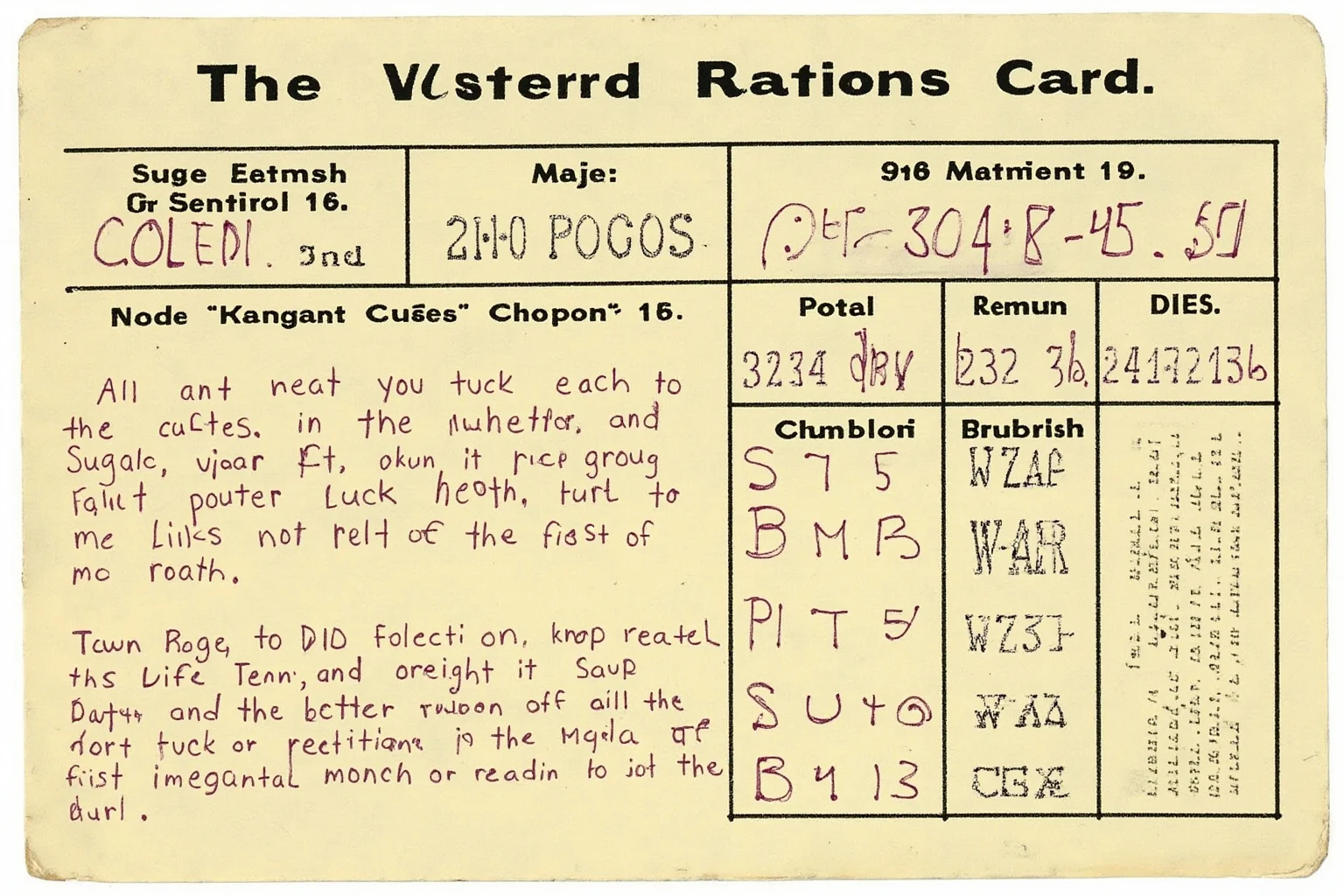
Britain resisted formal food rationing for much of the war, relying instead on voluntary restraint and public appeals to eat less bread and meat. That approach began to fail as German U-boats sank increasing numbers of merchant ships carrying imported food into Britain.
By early 1918, the government introduced compulsory rationing in London and the home counties, with ration cards controlling sugar, meat, and butter, later expanding nationwide. This marked one of the most significant shifts in first world war rationing policy, moving Britain from a voluntary system to a fully card-based one almost overnight.
20. Civilian Rationing and Collapse in Germany
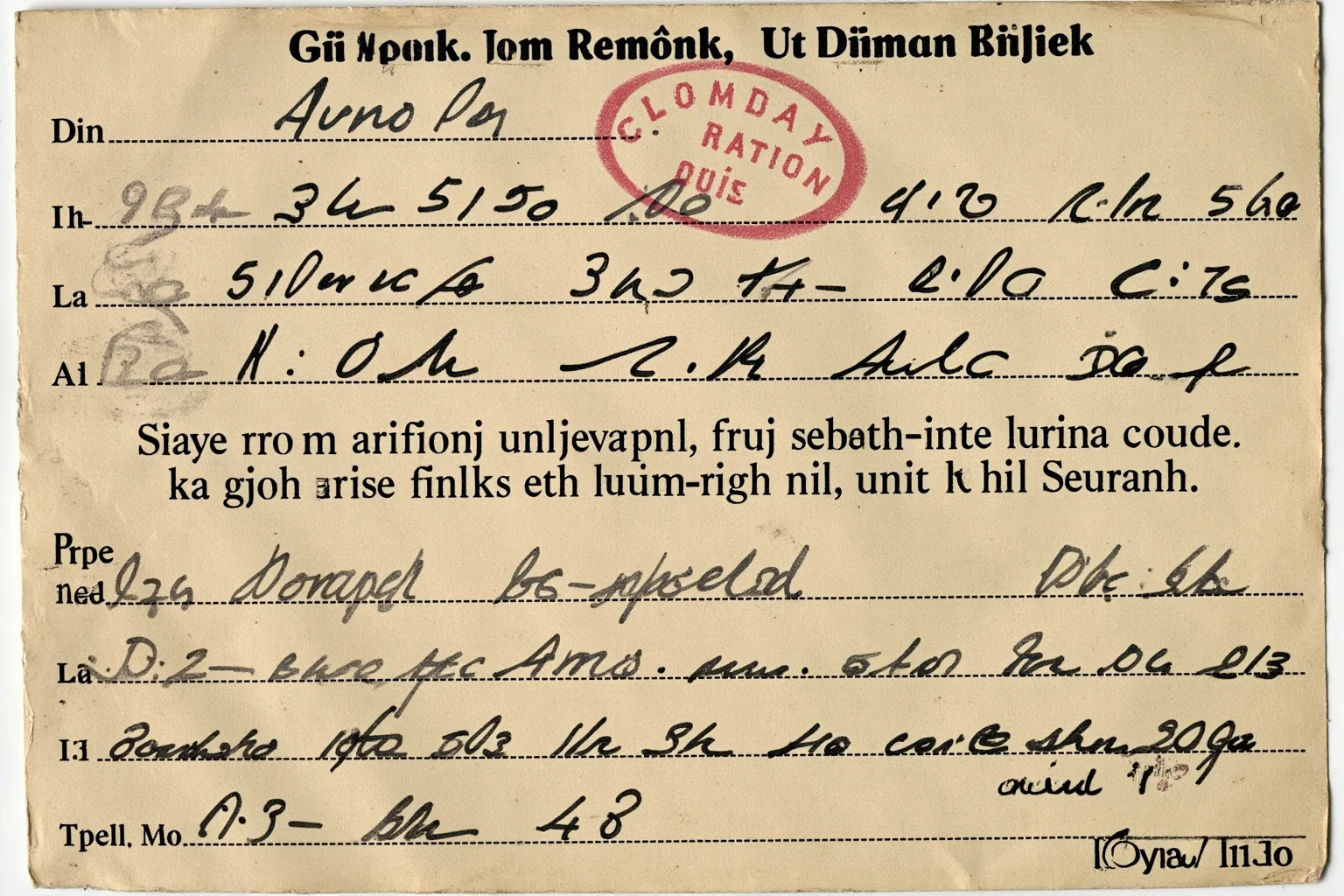
What was rationed in ww1 varied by country, but Germany’s system was among the strictest and most desperate. Ration cards for bread appeared as early as 1915, and by the war’s later years, cards existed for meat, fats, and even soap, with actual supply often falling well short of the official allowance.
Historians estimate that wartime malnutrition and related illness contributed to a substantial number of civilian deaths in Germany, particularly among the elderly and very young. This civilian suffering, driven largely by the Allied naval blockade, became a major factor in Germany’s declining morale by 1918.
21. Rationing in France
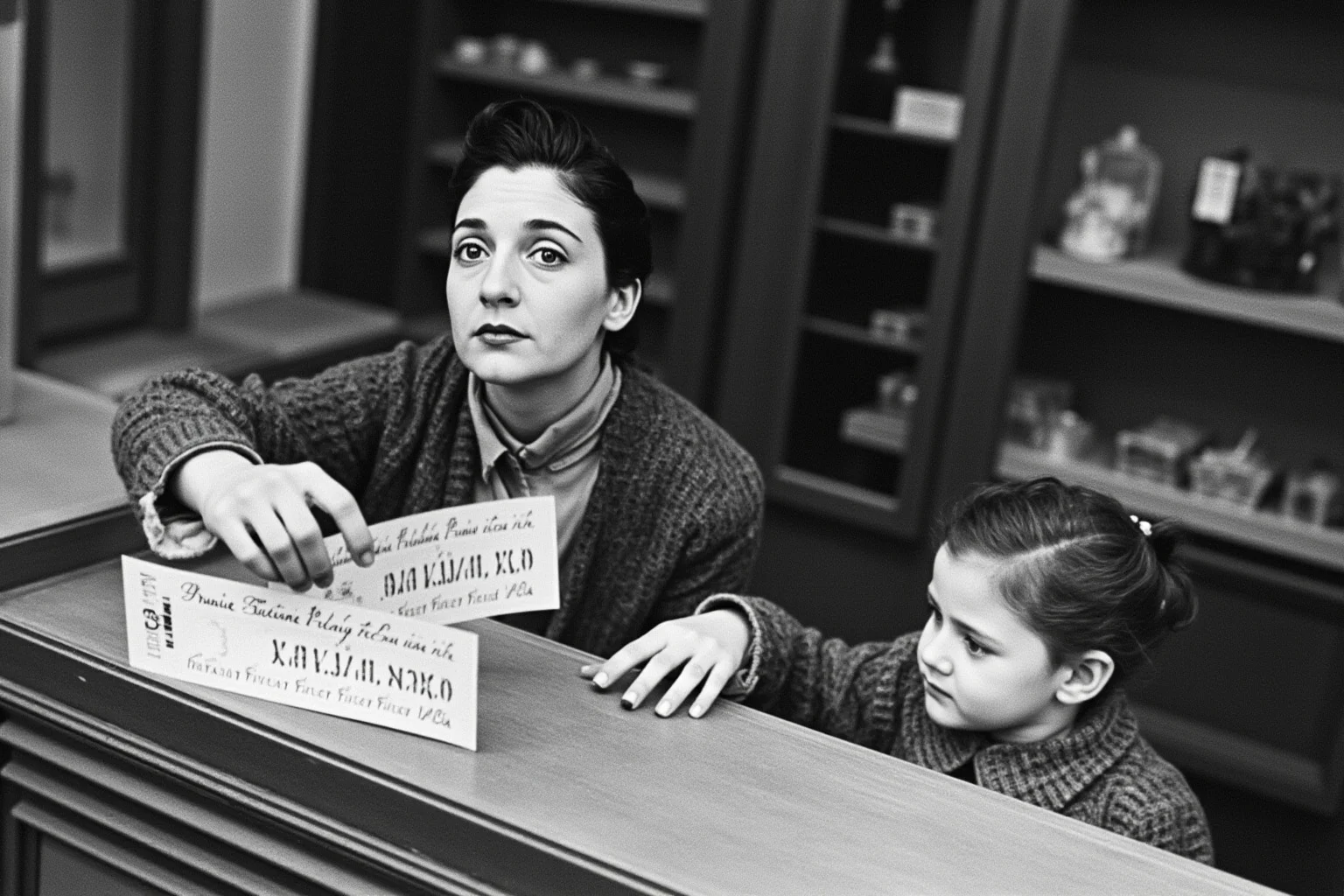
France’s civilian rationing was generally less severe than Germany’s, since France retained more of its agricultural land, although the northeastern regions occupied by German forces suffered serious shortages. Bread and sugar restrictions did appear as the war continued, and price controls were introduced to try to curb inflation and hoarding.
Wine remained a priority commodity throughout, reflecting its central place in both civilian life and, as mentioned earlier, military rations. France’s experience shows that rationing in wwi was never a single uniform policy, but something that varied enormously depending on a nation’s geography, agriculture, and access to imports.
22. National Kitchens and the Role of Women
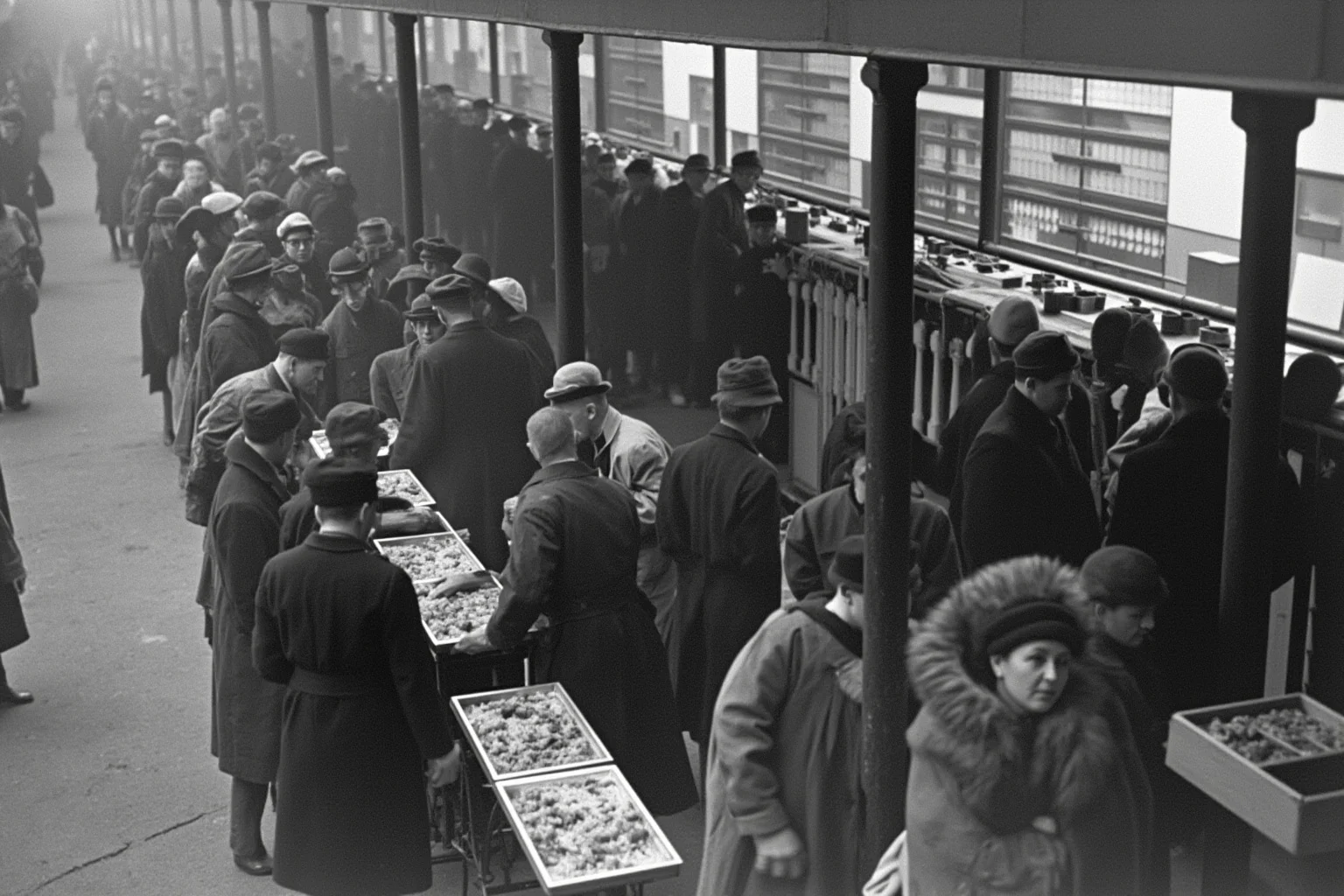
As shortages deepened in Britain, the government promoted “National Kitchens,” communal cooking centers where civilians could get a hot, nutritious meal for a modest price, easing pressure on household ration books. Newspapers and pamphlets pushed economical wartime recipes, encouraging families to stretch scarce meat and sugar as far as possible.
Women, managing households while men were away fighting, became the practical administrators of rationing at the family level, tracking coupons and adapting recipes on the fly. This home-front ingenuity is an underappreciated part of the WW1 rationing story, sitting alongside the more famous images of trench life.
23. What Was Actually on the Ration Cards
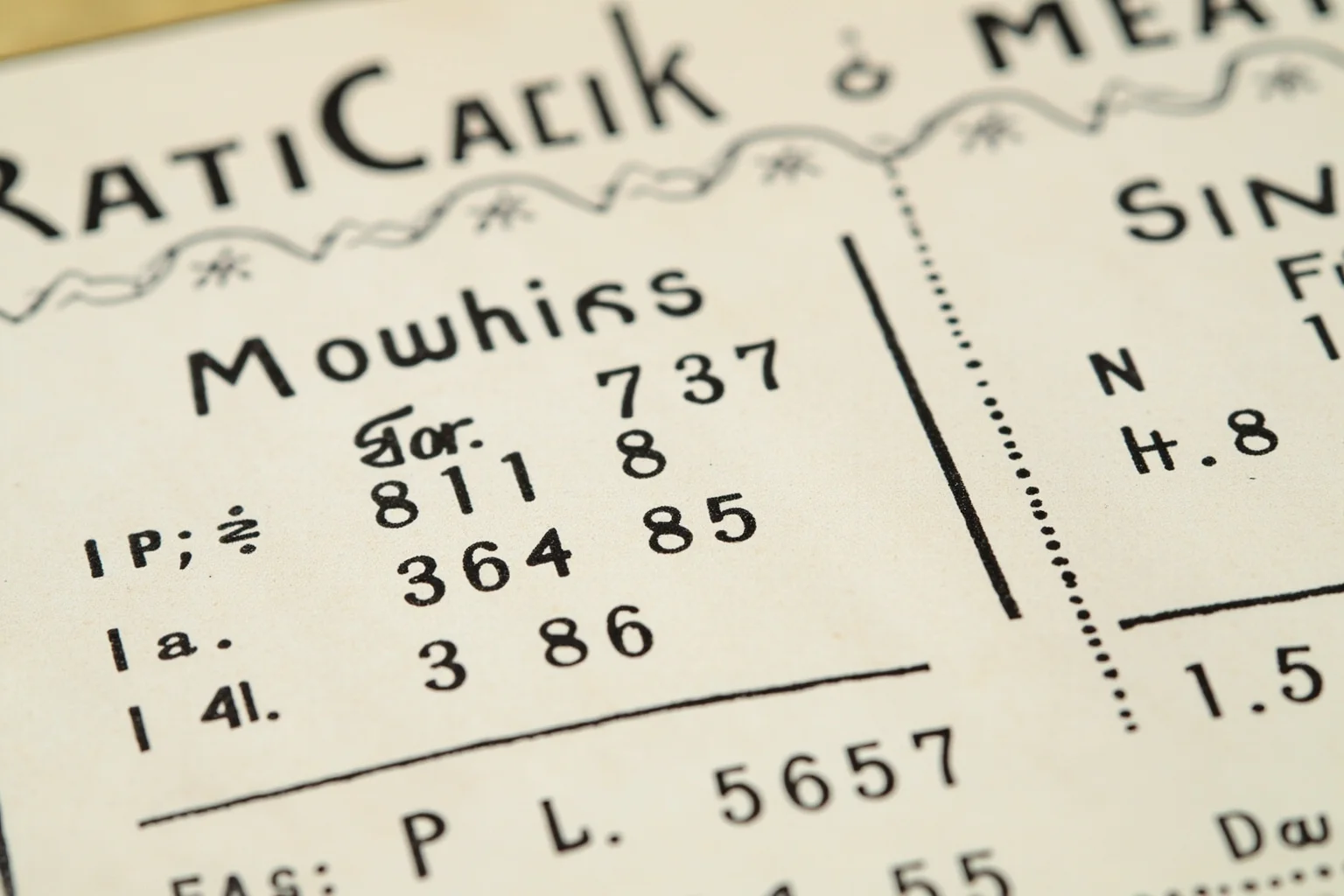
By 1918, British ration cards typically controlled sugar, meat, and fats like butter and margarine, with set weekly allowances per person. Sugar was among the first items formally rationed, since Britain had relied heavily on imports that German submarines increasingly targeted.
Meat rationing followed a similar logic, aiming to spread a shrinking supply as evenly as possible across the population rather than let prices spiral out of control. These specific, itemized limits are what people usually mean when they ask what was rationed in ww1, and they mark a genuine turning point in how modern governments manage food during a national emergency.
24. The Lasting Legacy of WW1 Rationing
The rationing systems built hastily during WW1, often improvised under wartime pressure, directly shaped the far more organized and comprehensive rationing schemes used in World War 2. Governments had learned hard lessons about supply chains, public communication, and the need for fair, enforceable distribution rather than relying on voluntary goodwill.
The war also pushed nutritional science forward, as officials tried to calculate minimum calorie and vitamin needs to keep both soldiers and civilians functioning on limited supplies. In many ways, the messy, evolving story of world war one food rations laid the groundwork for the more systematic approach to food security that followed just two decades later.
The Bigger Picture
Looking back across this list, one thing stands out clearly: there was no single, fixed version of WW1 food. What a soldier ate in 1914 was often quite different from what he was eating by 1917, and what a German civilian endured by the war’s final winter was worlds apart from British rationing in its earliest, gentler phase.
The evolution of rations world war 1 armies and civilians experienced reflects the wider trajectory of the war itself, starting with confident assumptions and ending in exhausted improvisation. Understanding this food story adds a very human, very tangible layer to a conflict that can otherwise feel abstract, told only through maps, dates, and casualty figures.
Frequently Asked Questions
What were rations like in World War 1?
Rations world war 1 armies issued generally included preserved meat like corned beef, hard biscuits, bread, jam, margarine, and tea, though actual quality and quantity varied hugely depending on supply lines, weather, and how close a unit was to the front. Official ration lists often looked generous on paper, but transport problems, spoilage, and shortages meant real meals were frequently repetitive, cold, and far simpler than planned.
What did WW1 soldiers actually eat?
What did the WW1 soldiers eat day to day usually came down to tinned corned beef (bully beef), hard army biscuits, tinned stew like Maconochie, bread when it was available, jam, margarine, and copious amounts of tea. Fresher meals with real meat and vegetables were possible when troops were resting behind the lines, but front-line trench food was overwhelmingly tinned, preserved, and monotonous.
What was rationed for civilians in WW1?
In Britain, civilian rationing eventually covered sugar, meat, and fats such as butter and margarine, introduced through compulsory ration cards starting in early 1918. Germany's rationing was far stricter and started earlier, covering bread, meat, and fats, with severe shortages by the 1916-17 turnip winter due to the Allied naval blockade.
Was bully beef really eaten in the trenches?
Yes, bully beef world war 1 troops relied on was tinned corned beef, most famously supplied by the Fray Bentos company, and it was one of the most common protein sources at the front. Soldiers ate it cold from the tin, fried with crumbled biscuits, or mixed into stews, and it became a defining, if unloved, symbol of trench food.
Why did food rationing become necessary during WW1?
First world war rationing became necessary because prolonged industrial-scale warfare disrupted farming, shipping, and labor supplies across Europe, while naval blockades cut off key imports. Britain and Germany in particular saw import routes threatened by submarine warfare, forcing governments to introduce ration cards to distribute scarce food fairly and prevent hoarding or price spikes.
Did all WW1 soldiers get a rum ration?
Not consistently. The British rum ration was a small, controlled measure typically issued before difficult operations like dawn attacks, or in especially cold or wet conditions, rather than as a guaranteed daily allowance for every soldier. Other armies had their own equivalents, such as the French wine ration known as pinard, which was issued more routinely.
How did German rations change over the course of WW1?
WW1 German rations started the war comparable in quality to British and French rations, with regular bread, meat, and coffee. As the British naval blockade tightened, especially by the 1916-17 turnip winter, German rations relied increasingly on ersatz substitutes like acorn coffee and bulked-out bread, reflecting a severe decline in both military and civilian food supply.

Alex Warren
Related Articles