

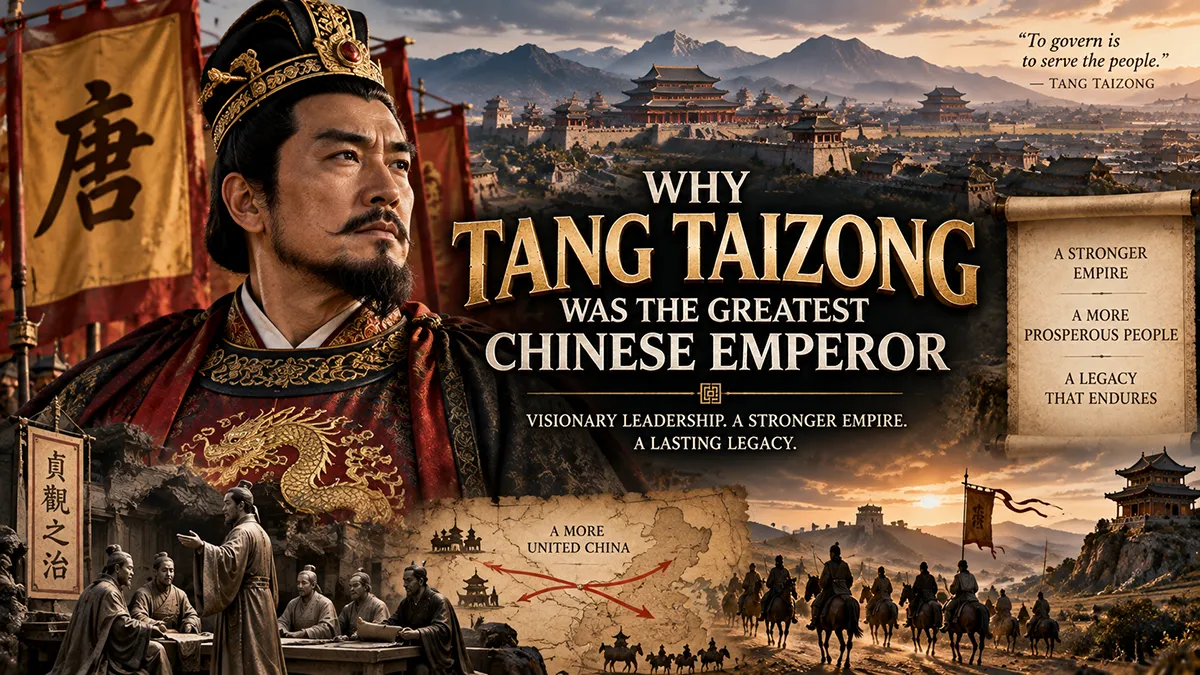
Ask a room full of Chinese history enthusiasts to name the greatest emperor in the country’s long imperial history, and one name comes up again and again: Tang Taizong. Born Li Shimin, he ruled during the early seventh century and presided over an era so celebrated that Chinese historians still use its name, the Zhenguan era, as shorthand for good government.
But Taizong’s story isn’t a simple tale of a wise ruler and a happy kingdom. It’s also a story of ambition, bloodshed, and a carefully managed legacy. Understanding why he’s ranked so highly means looking at both the genuine achievements and the messier reality behind them.
TL;DR: Emperor Taizong of Tang, born Li Shimin, is remembered as one of China’s greatest emperors for his military conquests, institutional reforms, and openness to criticism during the Zhenguan era — even though his path to the throne involved killing his own brothers.
Who Was Emperor Taizong of Tang? A Quick Snapshot
Li Shimin was born around 599 CE, the second son of Li Yuan, a Sui dynasty general who would go on to found the Tang dynasty in 618. Young Li Shimin proved himself a gifted battlefield commander during the chaotic rebellions that toppled the Sui, and his military successes were a major reason his father’s rebellion succeeded at all.
He became emperor in 626 CE, taking the temple name Taizong, and ruled until his death in 649. His reign period carried the era name Zhenguan, which historians now use to describe roughly two and a half decades widely regarded as a golden age of Chinese governance.
As the second emperor of the Tang dynasty, Taizong inherited a fragile, war-torn empire and transformed it into one of the most powerful and culturally vibrant states in the world at that time. That transformation is the foundation of his enduring reputation.
Why Tang Taizong Is Considered One of China’s Greatest Emperors
Taizong’s reputation rests on a combination of military success, institutional reform, and a governing style that, at least for its era, valued honest feedback over blind obedience. The following list walks through the specific achievements, decisions, and controversies that shaped how historians view him today.
1. He Was Born Li Shimin, Son of the Tang Dynasty’s Founder
Before he was Emperor Taizong, he was simply Li Shimin, born into a family with both aristocratic pedigree and connections to the ruling Sui dynasty. His father, Li Yuan, held a senior military post under the Sui emperor before circumstances pushed him toward rebellion.
Growing up in this environment gave Li Shimin early exposure to military command and court politics. That upbringing would prove essential once the Sui dynasty began to collapse under the weight of failed wars and popular unrest.
2. He Helped His Father Overthrow the Crumbling Sui Dynasty
By the early 600s, the Sui dynasty was buckling under costly military campaigns in Korea and widespread rebellion at home. Li Yuan launched his own uprising in 617, and Li Shimin, still a young man, played a critical role in the military campaigns that followed.
His tactical skill during these years helped secure key victories that let his father declare the new Tang dynasty in 618. Without Li Shimin’s battlefield contributions, historians generally agree the Tang founding could have looked very different.
3. He Seized the Throne Through the Bloody Xuanwu Gate Incident
Here’s where the myth-busting really matters: Taizong did not simply inherit the throne peacefully. In 626, he ambushed and killed his own brothers, Crown Prince Li Jiancheng and Prince Li Yuanji, at the Xuanwu Gate of the imperial palace in Chang’an.
Shortly afterward, he pressured his father to abdicate, and he formally took the throne later that year. This violent power struggle is often glossed over in popular retellings of his reign, but it’s a documented part of his rise and worth acknowledging honestly.
4. He Named His Reign “Zhenguan” — Still Remembered as a Golden Age
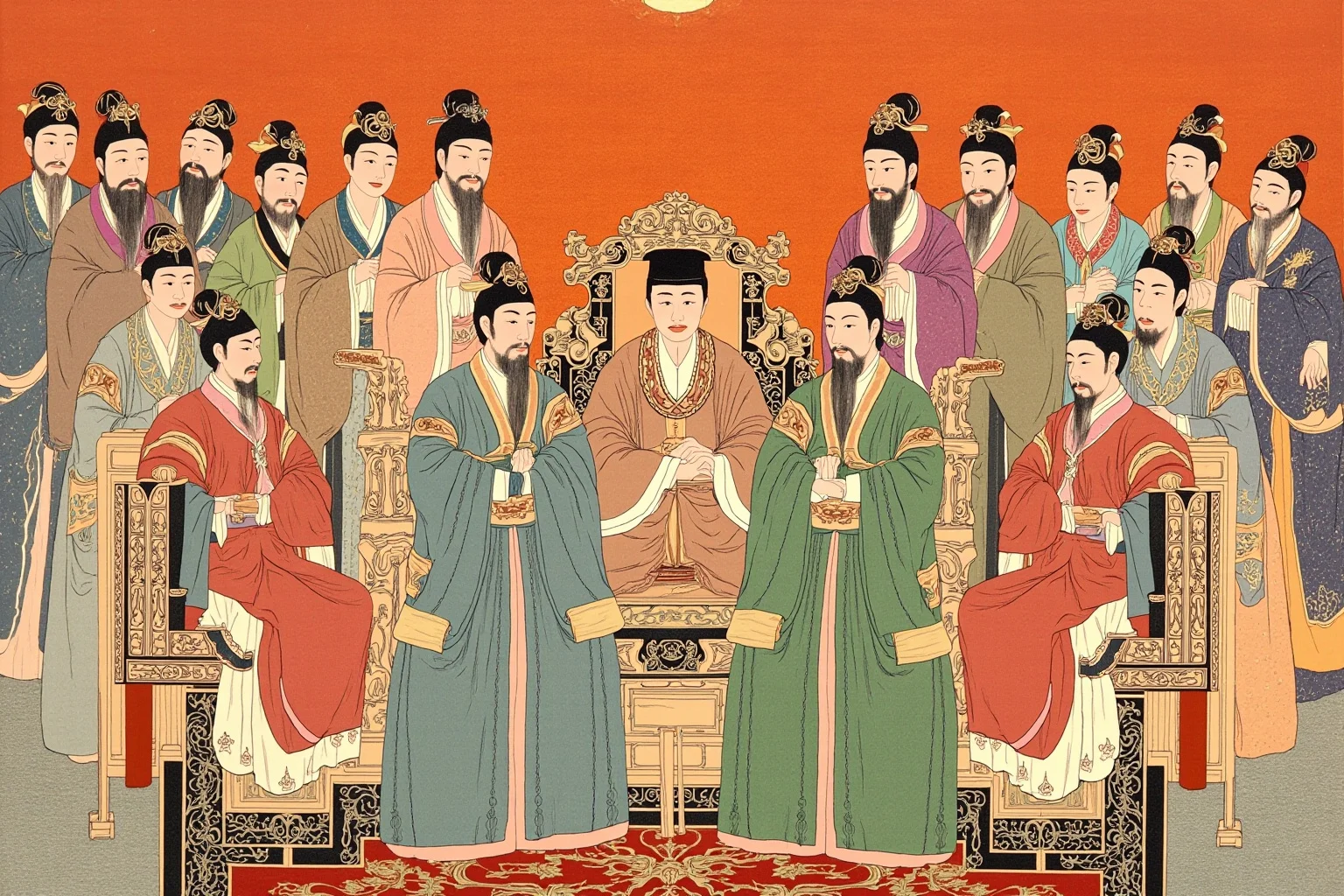
Taizong’s reign era, Zhenguan, spanned from 627 to 649 and became a byword for competent, stable government in Chinese historical memory. Later dynasties and rulers frequently invoked the “Zhenguan model” as an aspirational standard.
This reputation wasn’t purely accidental. Taizong actively cultivated an image of careful, deliberative rule, and much of what we know about his court comes from records that were later compiled specifically to showcase his governing philosophy.
5. He Was a Brilliant Military Strategist Long Before He Wore the Crown
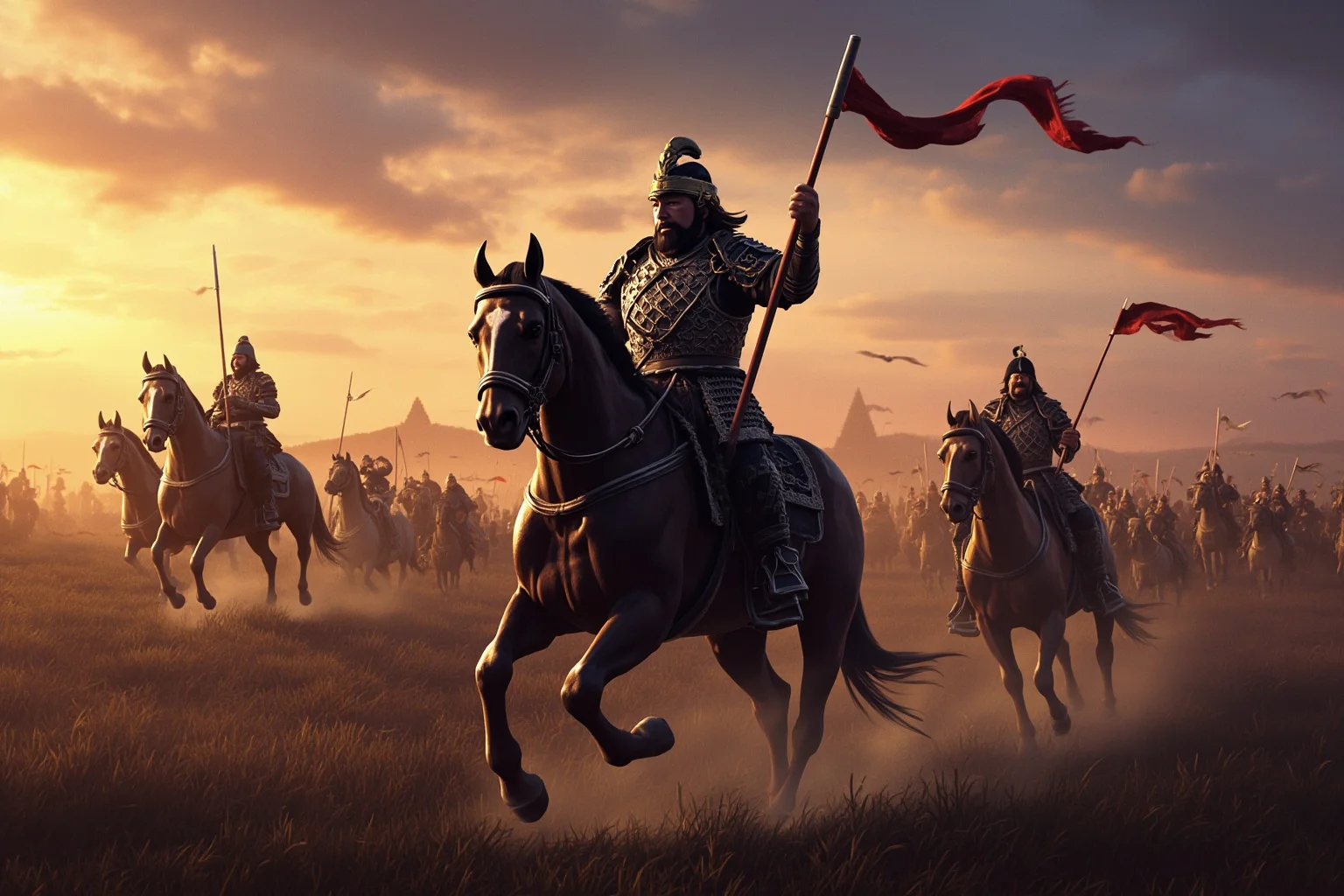
Even setting aside the Xuanwu Gate incident, Taizong’s military record as a general is genuinely impressive. He led decisive campaigns against rival warlords during the Tang founding wars, often using speed and coordinated cavalry tactics to outmaneuver larger forces.
This reputation as a battlefield commander followed him into his reign, where he continued directing major military campaigns rather than simply delegating them. His hands-on approach to warfare set him apart from many later Chinese emperors.
6. He Crushed the Eastern Turkic Khaganate and Secured the Northern Frontier
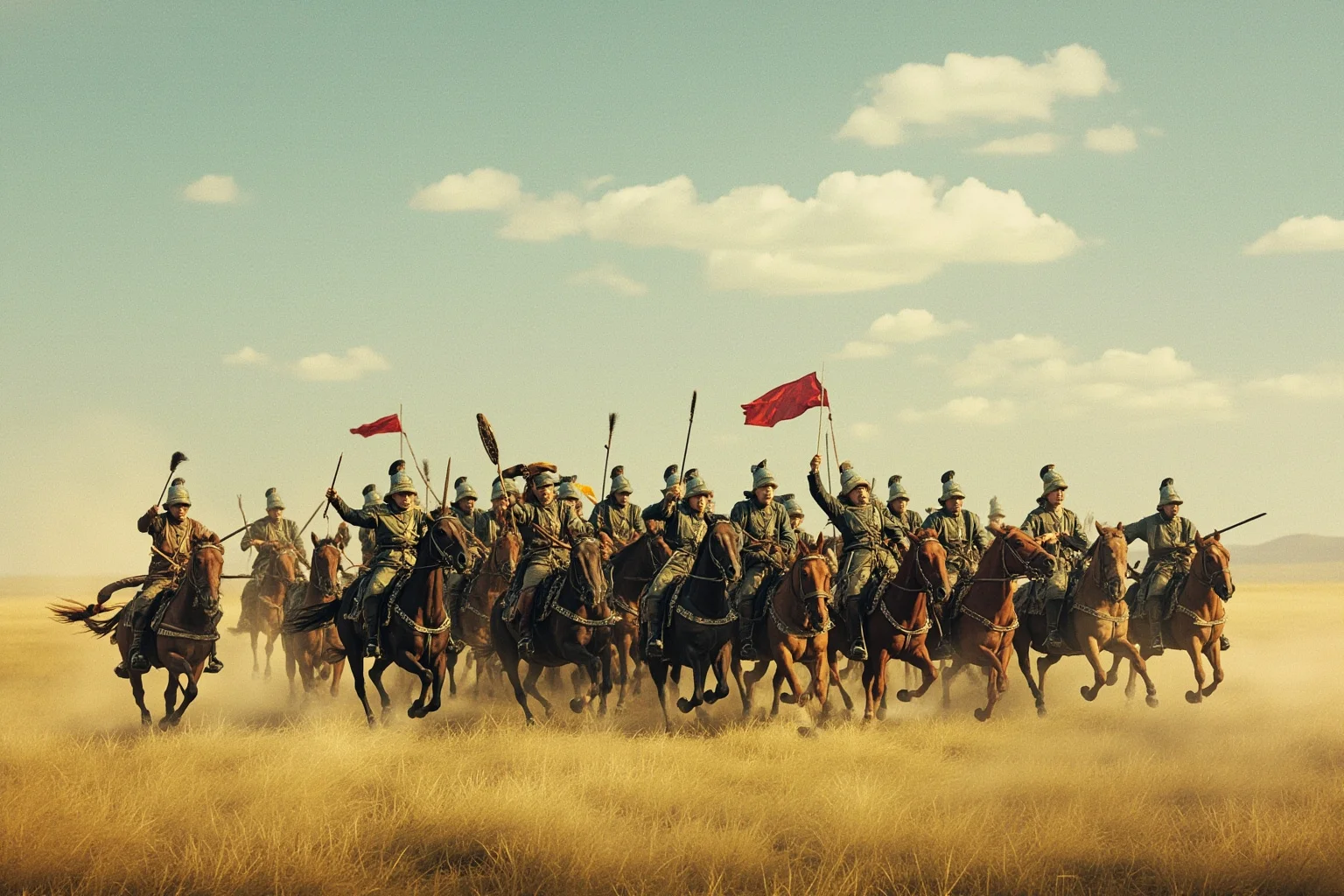
One of Taizong’s most significant military achievements was the defeat of the Eastern Turkic Khaganate between 628 and 630, which removed a long-standing threat along China’s northern border. Turkic raids had plagued earlier Chinese dynasties for generations, and this victory reshaped the balance of power across the steppe.
The campaign also extended Tang influence deep into Central Asia, opening trade routes and diplomatic channels that would benefit the empire for decades. It was one of the clearest demonstrations of Tang military strength during his reign.
7. He Earned the Title “Heavenly Khan” From Steppe Leaders
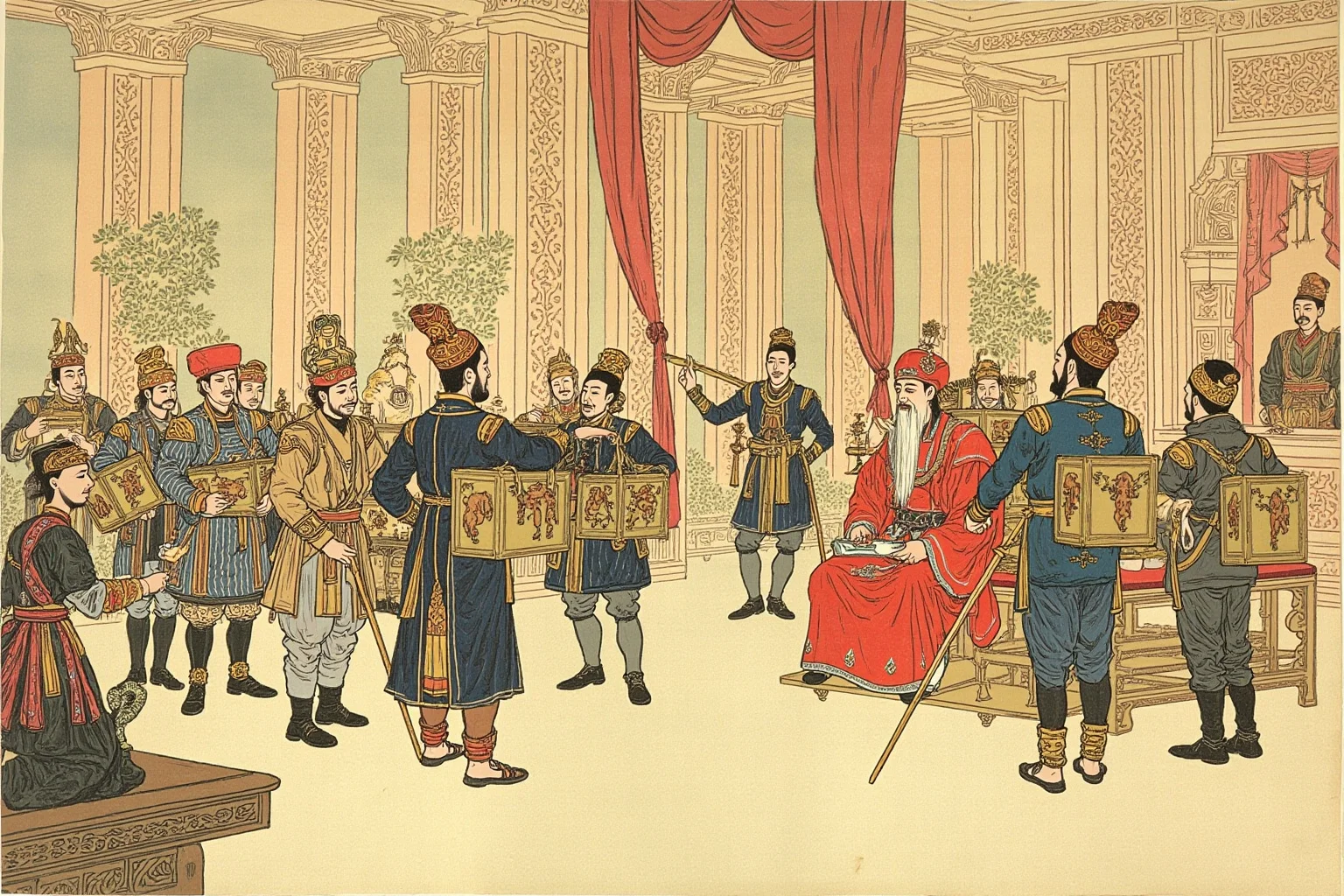
Following his campaigns against various Central Asian and steppe powers, a number of regional rulers reportedly acknowledged Taizong with the title “Tian Kehan,” often translated as Heavenly Khan. This title recognized him as an overlord figure beyond just the Chinese heartland.
While modern historians debate exactly how this title functioned in practice, it reflects the real diplomatic and military reach Taizong achieved. Few Chinese emperors were ever recognized this way by non-Chinese steppe leaders.
8. He Famously Welcomed Criticism From His Own Officials
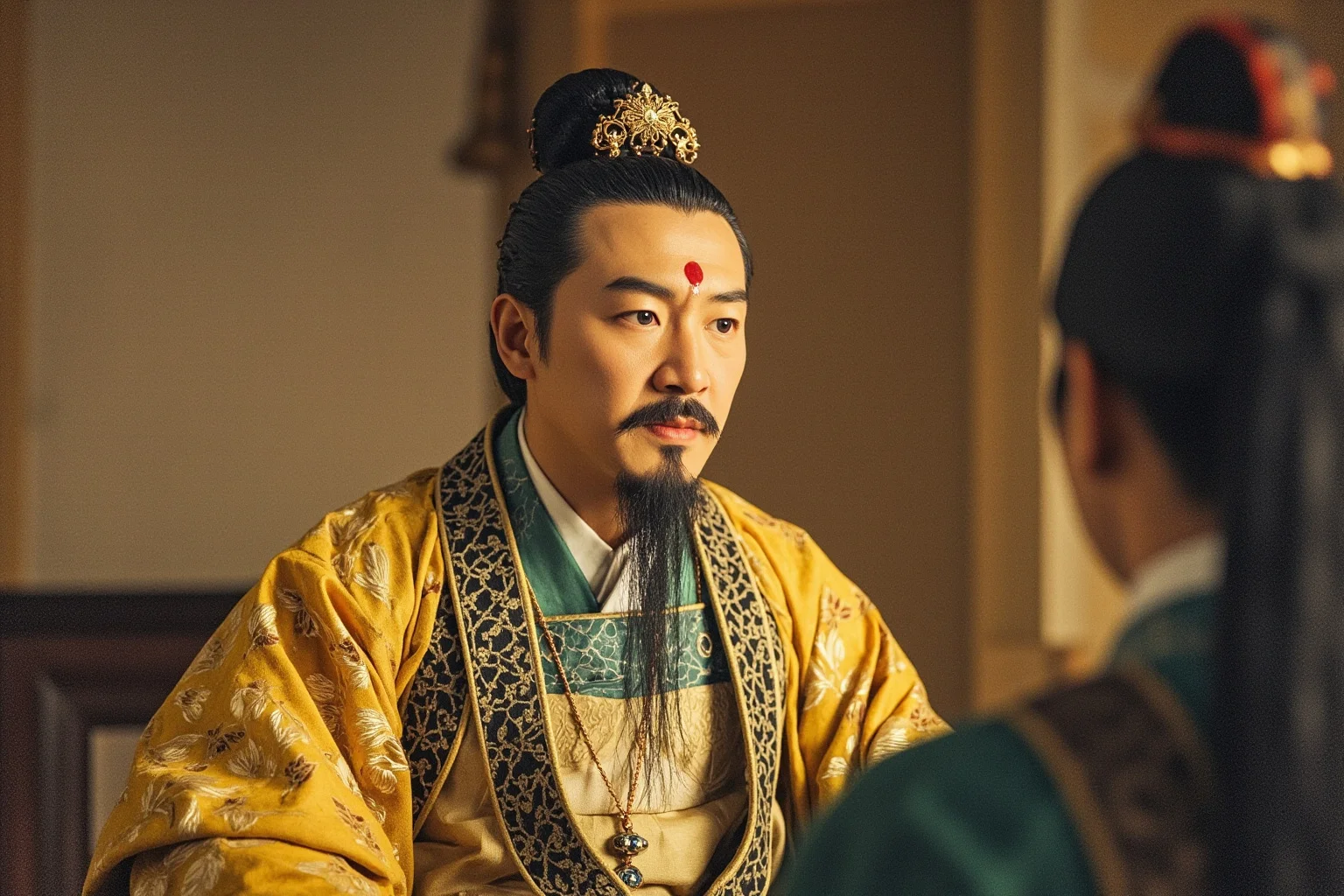
One of the most distinctive features of Taizong’s rule was his stated willingness to hear blunt criticism from his ministers, even when it was uncomfortable. Traditional Chinese historical records repeatedly emphasize this trait as central to his success as a ruler.
This doesn’t mean he enjoyed every criticism he received. Historical accounts suggest he sometimes grew visibly frustrated, but he generally avoided punishing officials simply for disagreeing with him, which was unusual by the standards of imperial Chinese court culture.
9. His Bond With Wei Zheng Became a Model for Honest Government
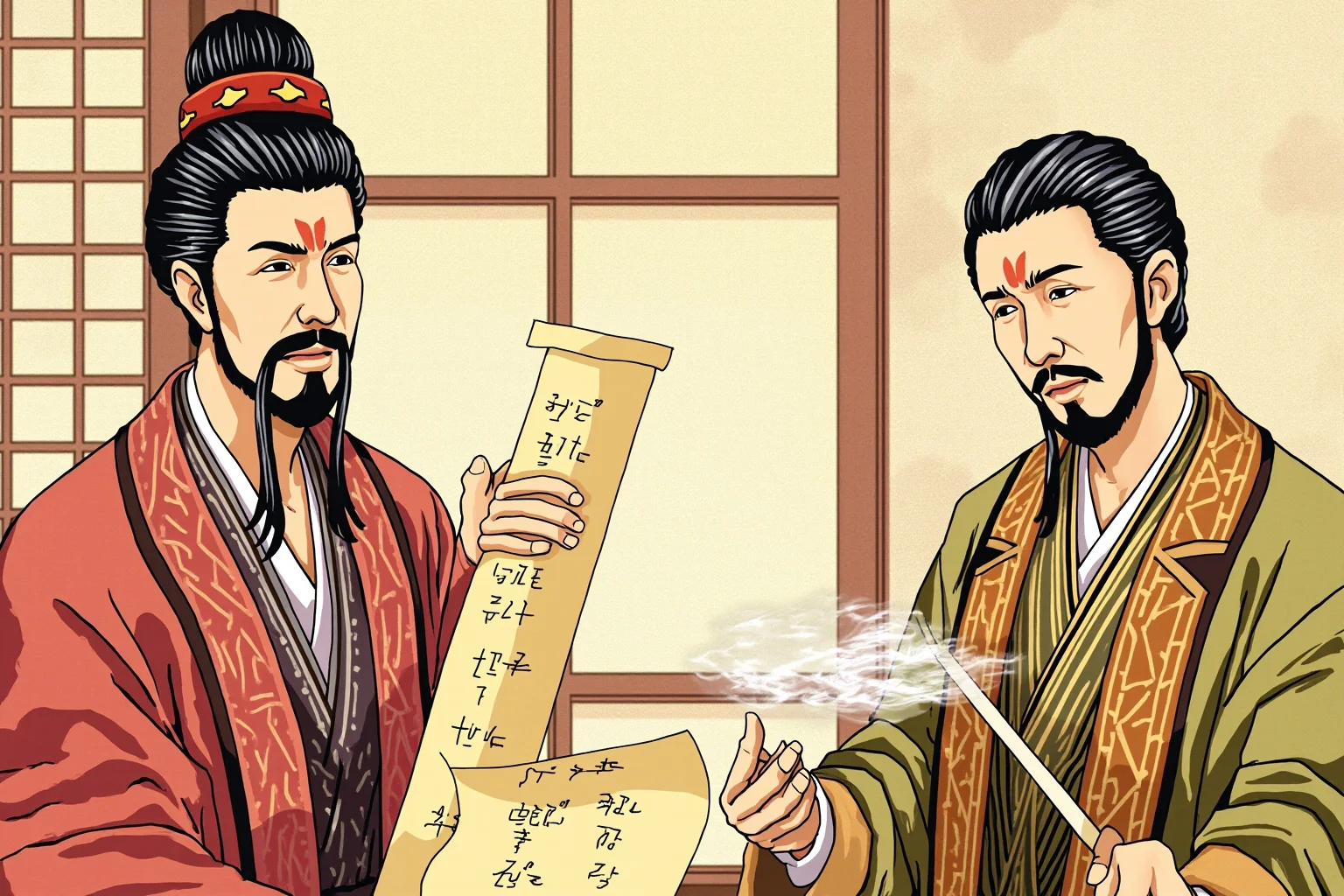
Wei Zheng, a former advisor to Taizong’s rival brother Li Jiancheng, became one of Taizong’s most trusted officials after the succession struggle ended. Rather than executing a former enemy advisor, Taizong kept him close specifically because of his reputation for blunt honesty.
According to traditional accounts recorded in later Tang histories, Taizong valued Wei Zheng precisely because he would point out the emperor’s mistakes rather than flatter him. Their relationship became a lasting symbol in Chinese political culture of what an ideal advisor-ruler dynamic should look like.
10. He Reformed and Expanded the Imperial Examination System
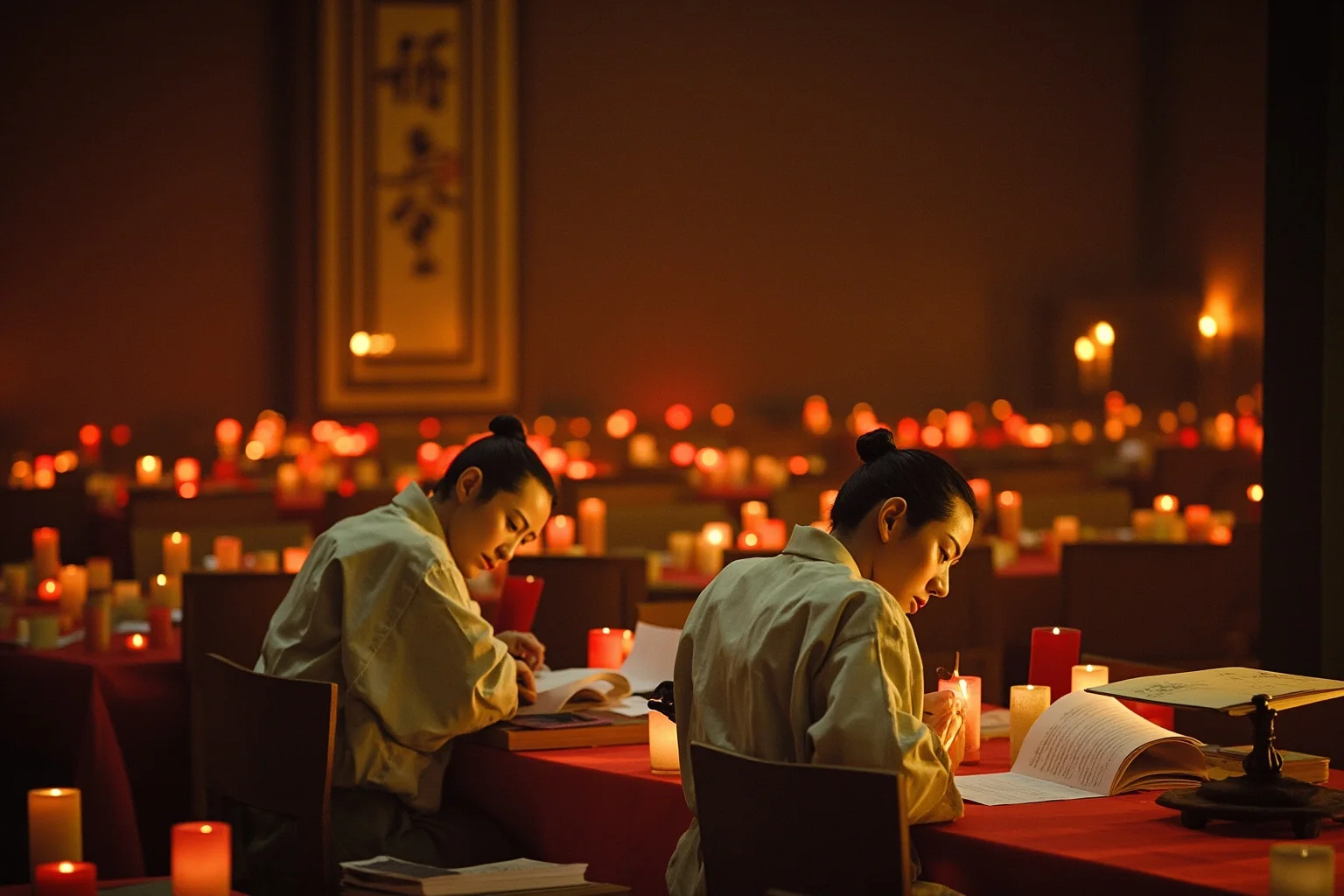
The examination system for selecting government officials had roots in the earlier Sui dynasty, but Taizong expanded its scope and prestige during his reign. He increased opportunities for talented individuals outside the traditional aristocracy to enter government service.
This wasn’t a complete meritocracy by modern standards, and the system would continue evolving for centuries afterward, particularly under Empress Wu Zetian later in the Tang dynasty. Still, Taizong’s reforms represented a meaningful step toward selecting officials based on demonstrated ability.
11. He Overhauled Chinese Law With the Tang Code
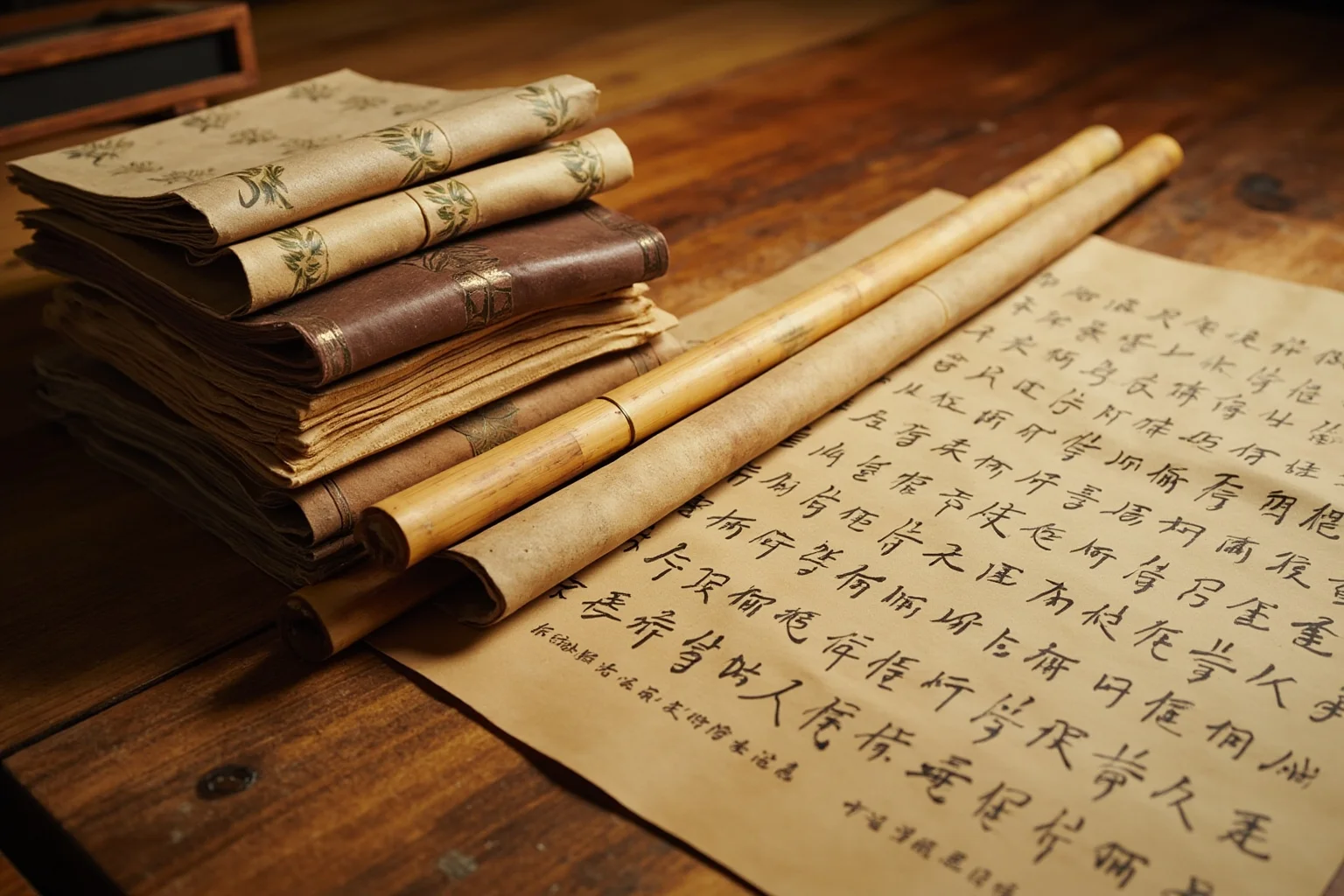
Taizong’s government produced a refined and comprehensive legal code, finalized around 637, that built on earlier legal traditions while introducing clearer structure and more consistent penalties. This became known as the Tang Code.
The Tang Code’s influence extended far beyond China’s borders, shaping the legal systems of neighboring states including Japan, Korea, and Vietnam for centuries afterward. It stands as one of the most historically significant legal documents produced in premodern East Asia.
12. He Refined the Three Departments and Six Ministries System
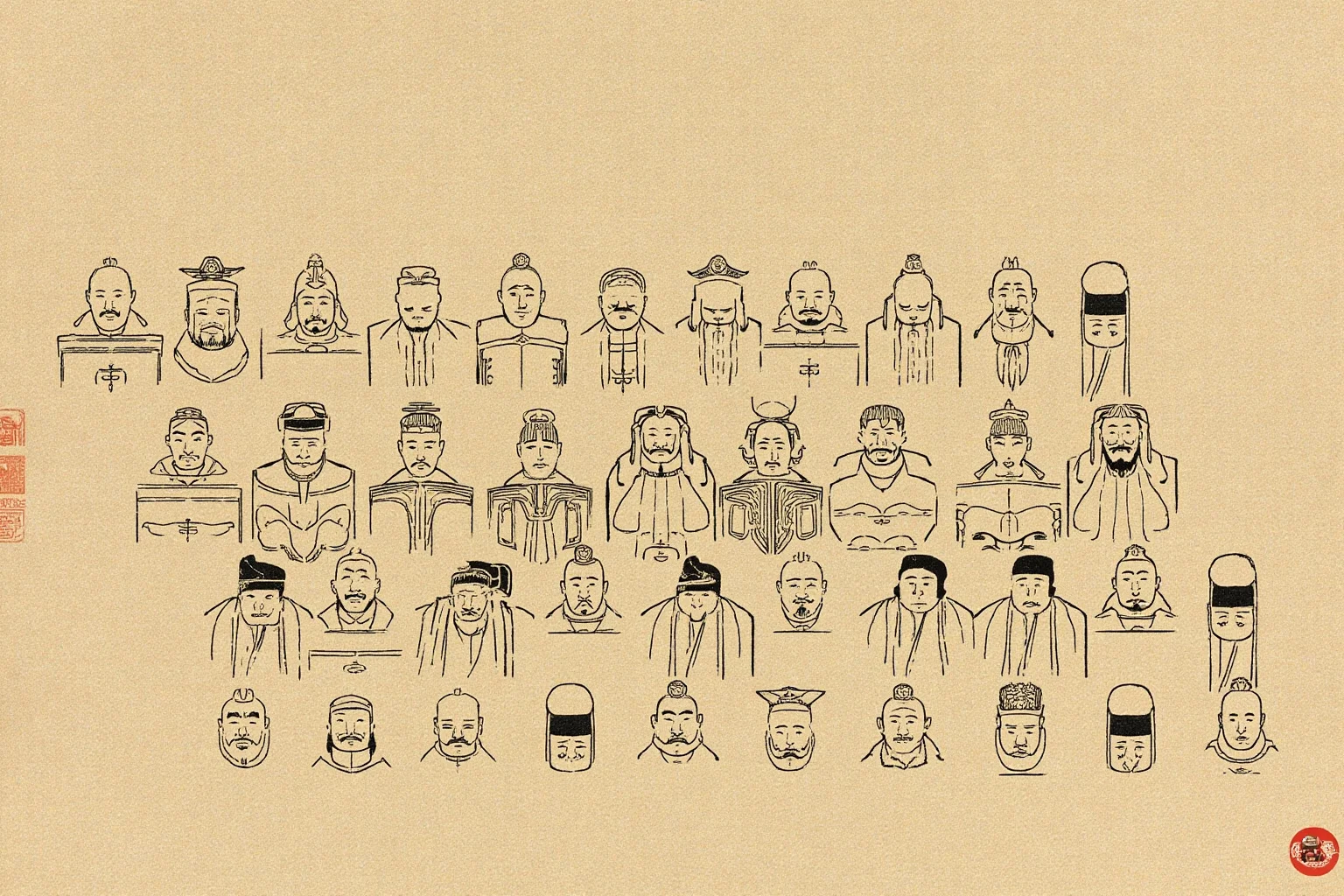
Although the basic framework of the Three Departments and Six Ministries system originated under the Sui dynasty, Taizong’s administration refined how it functioned in practice. This structure divided power among the Secretariat, the Chancellery, and the Department of State Affairs, with six ministries handling specific government functions beneath them.
This division of responsibilities helped prevent any single official from accumulating unchecked power, at least in theory. It became a lasting template for centralized bureaucratic government in later Chinese dynasties.
13. He Rebuilt an Economy Shattered by Decades of War
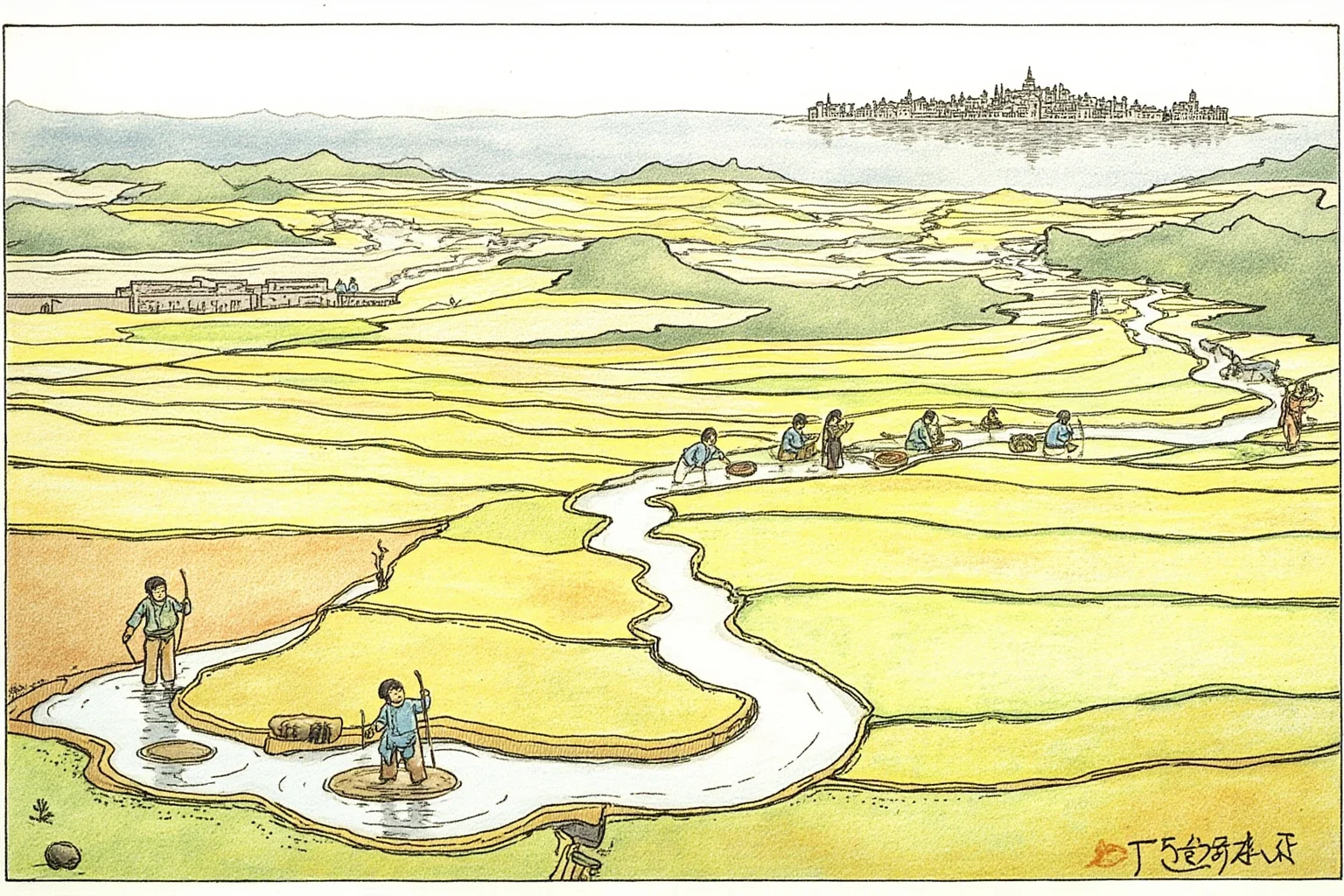
When Taizong took the throne, China was still recovering from the collapse of the Sui dynasty and years of civil war. Population levels, agricultural output, and tax revenues had all suffered badly during this period of instability.
Through measures like continuing the equal-field land distribution system and maintaining relatively moderate taxation, Taizong’s government helped stabilize the rural economy. By the later years of his reign, China had experienced a genuine and well-documented recovery in prosperity.
14. He Practiced Religious Tolerance Across a Multiethnic Empire
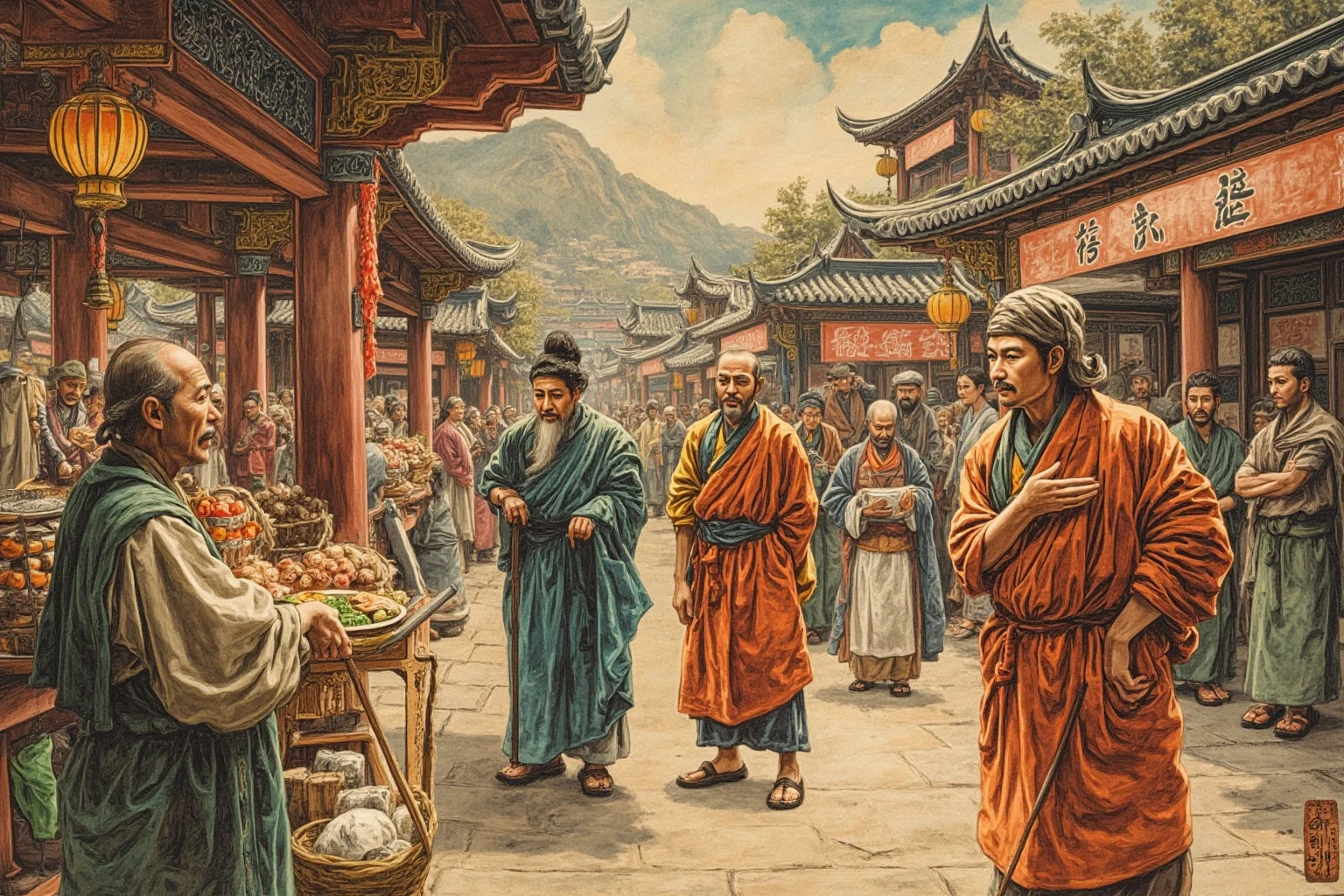
Tang China under Taizong was religiously diverse, home to Buddhists, Daoists, and increasingly, foreign faiths arriving via trade routes. Nestorian Christian missionaries are recorded as having reached Chang’an during his reign, according to inscriptions like the later Nestorian Stele.
Rather than suppressing these religious communities, Taizong’s court generally allowed them to establish themselves alongside China’s existing traditions. This relative openness contributed to Chang’an’s reputation as one of the most cosmopolitan cities in the world at the time.
15. He Opened Chang’an to the Silk Road and the Wider World
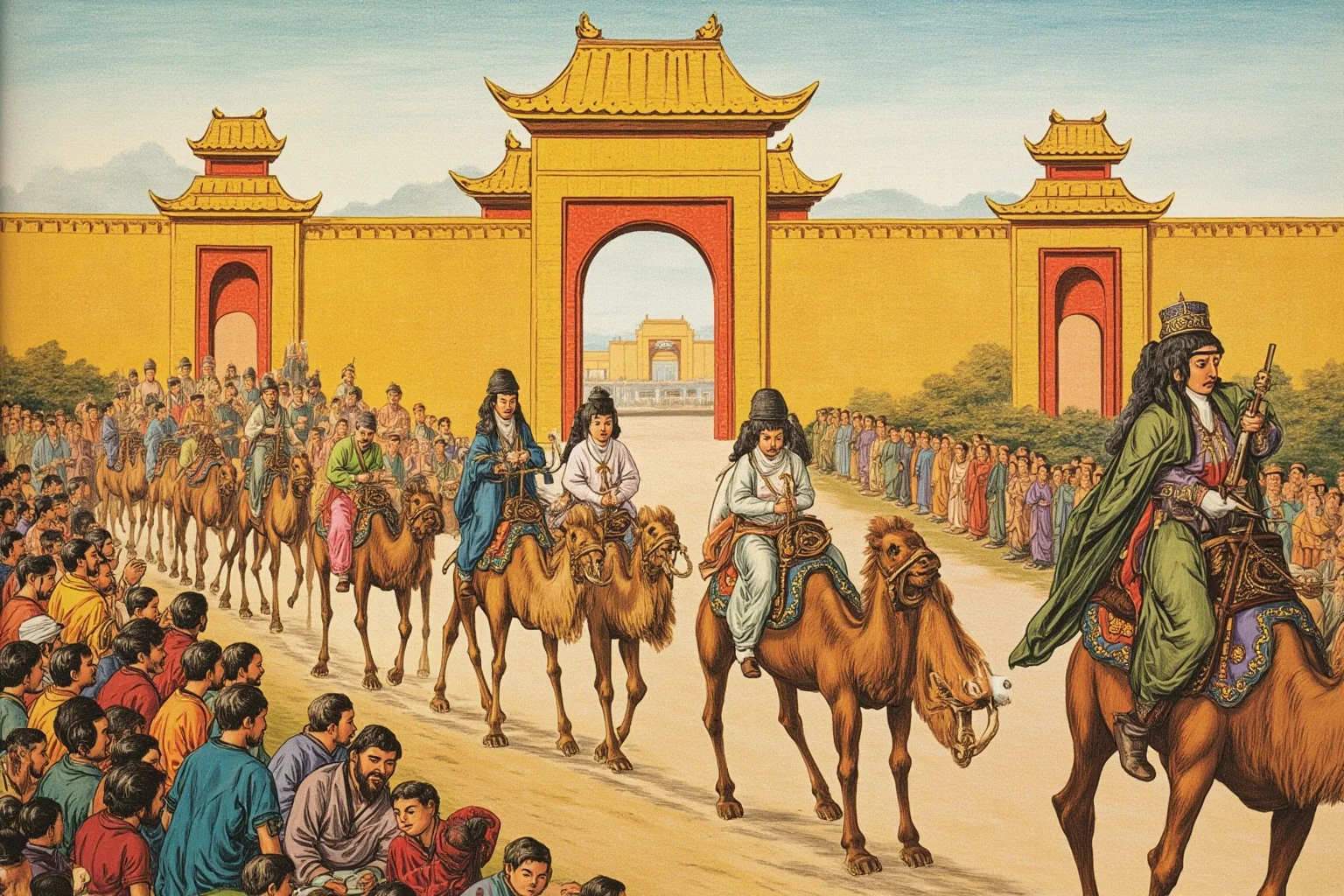
Under Taizong, the Tang capital of Chang’an grew into a genuinely international city, hosting merchants, diplomats, and travelers from Central Asia, Persia, and beyond. Silk Road trade flourished as military campaigns secured safer routes through Central Asia.
This openness wasn’t purely economic. Foreign envoys were regularly received at court, and Tang China’s diplomatic reach during this period extended further west than it had in previous centuries.
16. He Supported the Buddhist Scholar Xuanzang’s Journey to India
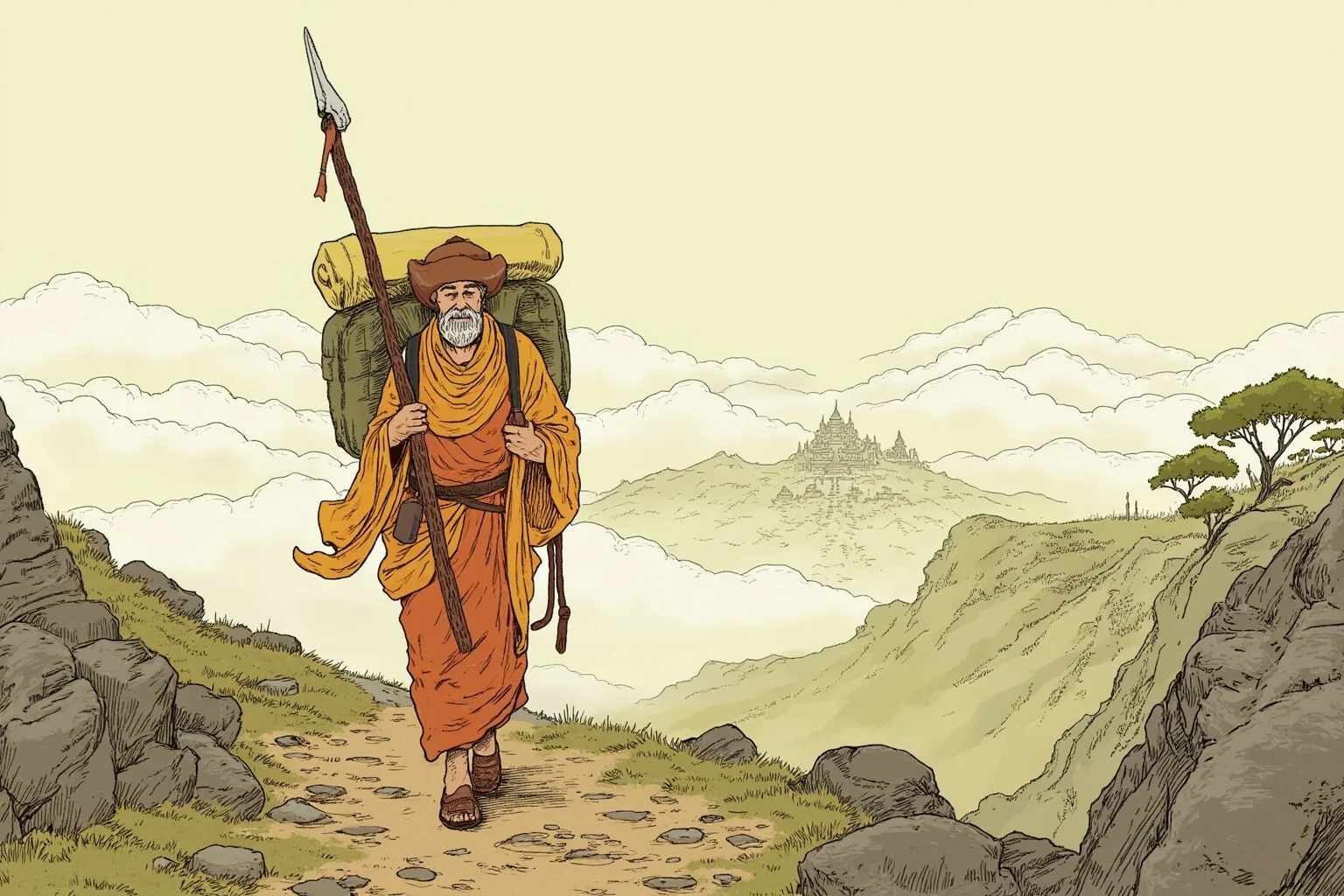
The monk Xuanzang left China without official permission around 629 to travel to India in search of Buddhist scriptures, a journey that took roughly 16 years. When he returned in 645, rather than facing punishment for having left illegally, he was welcomed back by Taizong’s court.
Taizong supported Xuanzang’s subsequent work translating Buddhist texts into Chinese, a project that had a lasting impact on Chinese Buddhism. This episode is often cited as an example of Taizong’s pragmatic, outcome-focused approach to governance.
17. He Married a Tang Princess Into Tibet to Secure Peace
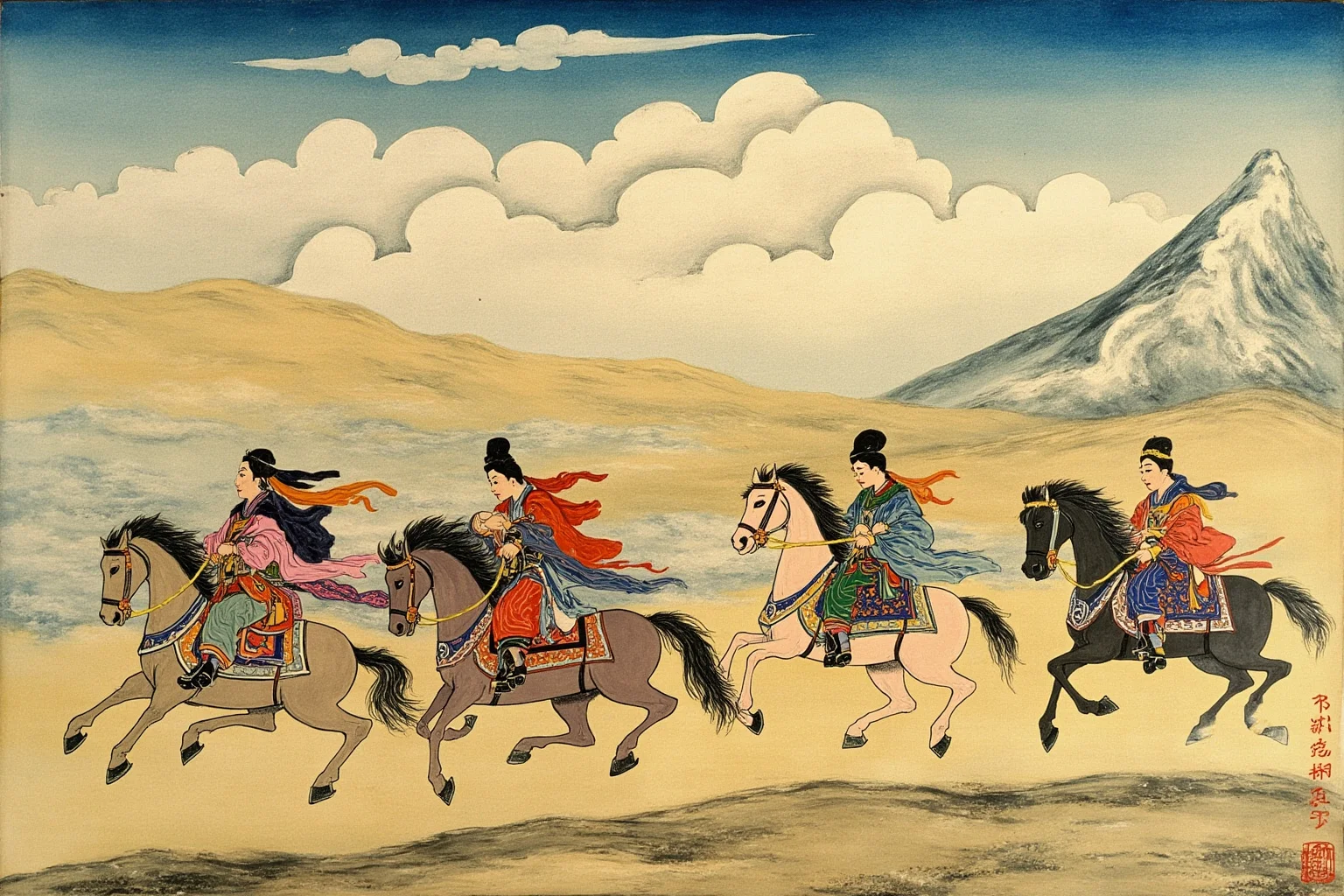
In 641, Taizong’s court arranged the marriage of Princess Wencheng to Songtsen Gampo, the ruler of the Tibetan Empire. This marriage alliance was a diplomatic tool meant to ease tensions along the empire’s southwestern frontier.
While marriage alliances were a common diplomatic strategy throughout Chinese history, this particular union is still remembered in both Chinese and Tibetan historical traditions today. It reflects how Taizong used diplomacy alongside military force to manage his empire’s borders.
18. His Court Discussions Were Preserved as a Governing Handbook
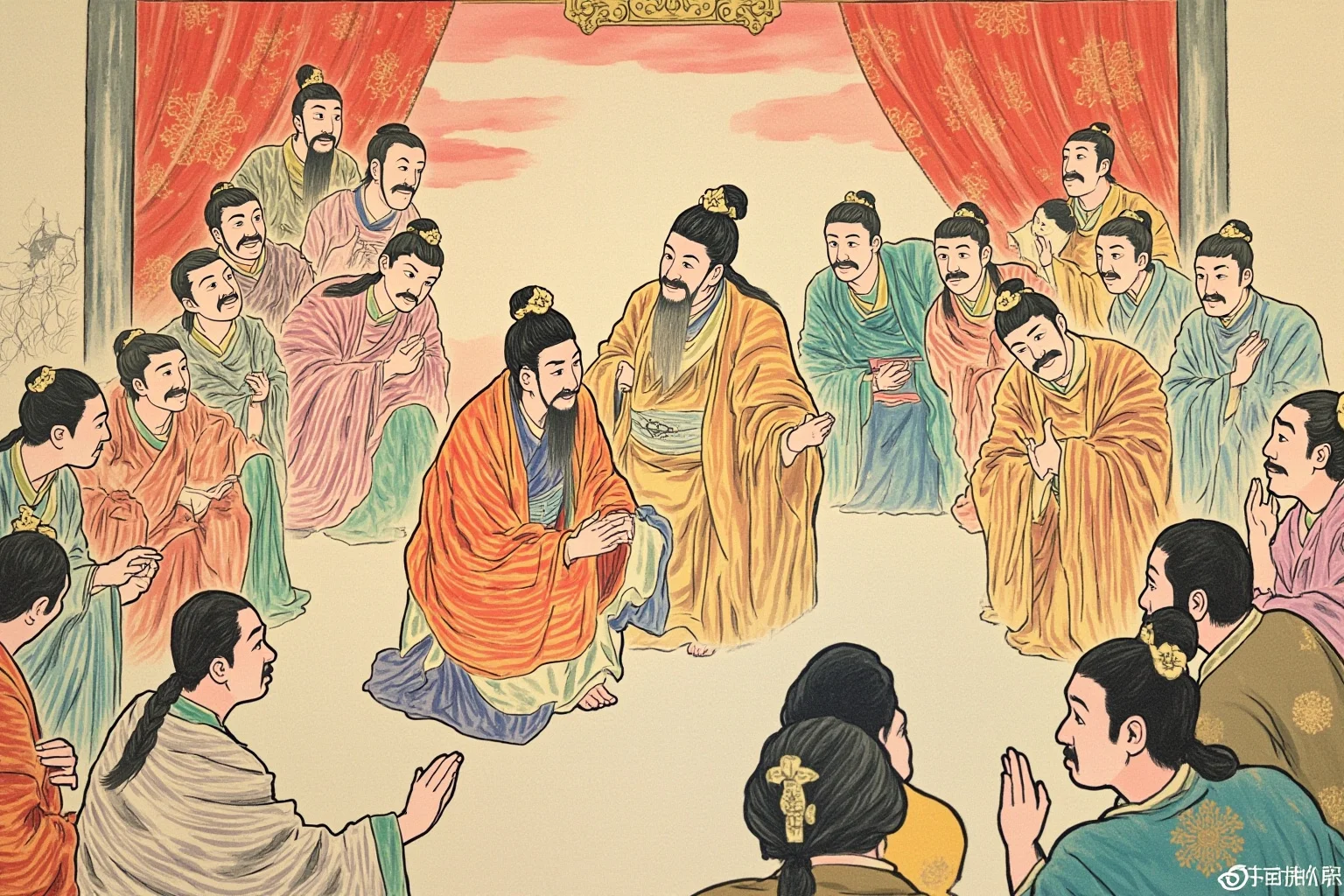
Decades after Taizong’s death, the Tang scholar Wu Jing compiled a text known as the Zhenguan Zhengyao, or “Essentials of Governance from the Zhenguan Era.” This work recorded conversations and policy debates between Taizong and his officials.
The text became required reading for later rulers across East Asia who wanted to study what good governance was supposed to look like. It’s one of the main reasons Taizong’s specific governing philosophy remained influential long after his reign ended.
19. He Treated Conquered Peoples With Unusual Pragmatism
After defeating rival powers like the Eastern Turkic Khaganate, Taizong’s government often incorporated surrendered leaders and their followers into the Tang military and administrative structure rather than simply eliminating them. Some former Turkic commanders went on to serve in Tang armies.
This approach wasn’t purely humanitarian; it was also a practical way to stabilize newly conquered territory and build loyal military manpower. Still, compared to some other conquest patterns in world history, it stands out as relatively pragmatic and inclusive.
20. His Legacy Shaped Every Tang Emperor After Him, Including Ruizong
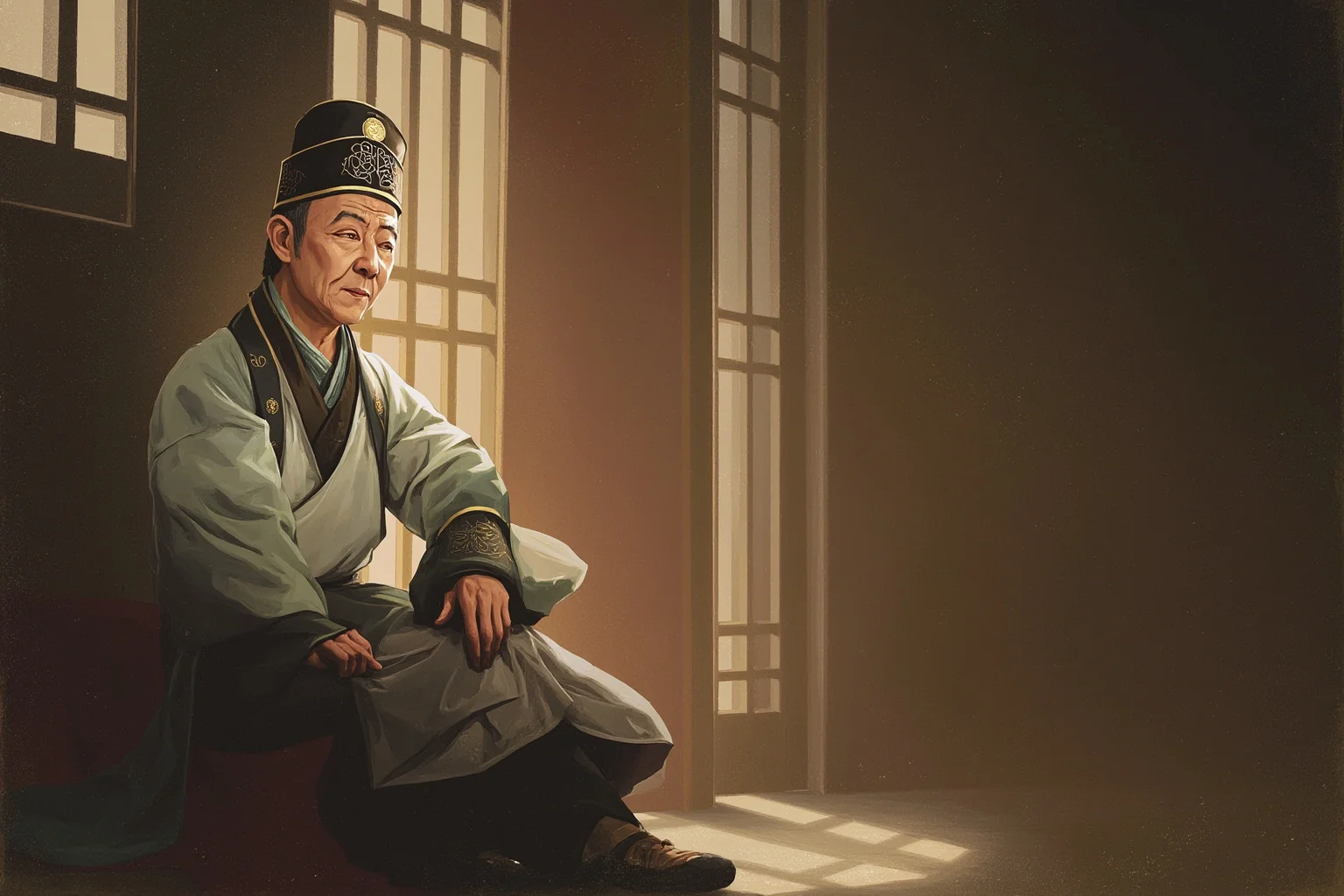
The governing standards Taizong set influenced the emperors who followed him for generations. His son, Emperor Gaozong, continued many of his policies, and Gaozong’s own son, Emperor Ruizong of Tang, ruled twice during a turbulent period shaped heavily by the political legacy of Taizong’s dynasty.
Ruizong’s reigns, first from 684 to 690 and again from 710 to 712, occurred amid intense power struggles involving Empress Wu Zetian and other court factions. Even during this instability, the Zhenguan model established by his grandfather remained the reference point against which later Tang governance was measured.
21. He Wasn’t a Saint — And Historians Still Debate His Legacy
Modern historians are careful to note that much of what we know about Taizong’s reign comes from records compiled under his own dynasty’s oversight, which likely shaped a more flattering narrative. The killing of his brothers at Xuanwu Gate is a permanent asterisk on his legacy, regardless of how effective his later governance was.
His later years also saw a costly and ultimately inconclusive military campaign against the Korean kingdom of Goguryeo in the mid-640s, a reminder that his record wasn’t one of uninterrupted success. Even his handling of his own sons’ succession rivalry echoed, uncomfortably, the very conflict that had brought him to power.
The Verdict: Was Tang Taizong Really China’s Best Emperor?
When people ask who deserves the title of best emperor of China, Taizong’s name almost always makes the shortlist alongside figures like Emperor Wu of Han and the Qing dynasty’s Kangxi Emperor. The case for Taizong rests on measurable achievements: institutional reforms that outlasted his dynasty, military victories that secured China’s borders, and a governing culture that at least aspired to accountability.
At the same time, “greatest” is a loaded word, and it’s worth resisting the temptation to flatten a complicated life into a simple hero narrative. Taizong reached the throne through fratricide, and the historical records celebrating his reign were partly shaped by his own dynasty’s interests.
What seems fair to say is that Emperor Taizong of Tang was an unusually effective and self-aware ruler for his era, one whose reforms had genuine staying power across centuries of Chinese and East Asian history. Whether that makes him the single best emperor in Chinese history is ultimately a matter of values as much as facts.
Final Thoughts
Tang Taizong’s story resists easy categorization, and that’s exactly what makes him such an enduring figure in Chinese history. He was a ruthless political operator and a genuinely reflective statesman, sometimes within the very same decade of his life.
Understanding him means holding both truths at once: the brilliance of the Zhenguan era’s reforms, and the blood that paved the way to the throne that made them possible. That complexity is probably closer to the real man than either the polished legend or the cynical dismissal.
Frequently Asked Questions
Who was Emperor Taizong of Tang?
Emperor Taizong of Tang, born Li Shimin, was the second emperor of China's Tang dynasty, ruling from 626 to 649 CE. He is best remembered for the Zhenguan era, a period of military expansion, legal reform, and administrative consolidation widely regarded as a golden age of Chinese governance.
What is Chinese emperor Tang Taizong best known for?
Tang Taizong is best known for the Zhenguan era of good governance, his military victory over the Eastern Turkic Khaganate, his reforms to law and administration through the Tang Code, and his reputation for accepting criticism from officials like Wei Zheng.
How did Taizong become emperor?
Taizong became emperor after the Xuanwu Gate Incident in 626 CE, in which he killed his brothers, Crown Prince Li Jiancheng and Prince Li Yuanji, in a struggle over succession. He then pressured his father, Emperor Gaozu, to abdicate later that year.
Is Tang Taizong considered the best emperor of China?
Tang Taizong is frequently ranked among the best emperors of China due to his reforms and military successes, but historians caution that this reputation is partly shaped by favorable records compiled under his own dynasty. His violent rise to power complicates any simple 'best emperor' label.
What was the Zhenguan era?
The Zhenguan era refers to Emperor Taizong's reign period from 627 to 649 CE. It became a byword in Chinese history for stable, effective governance, and later rulers often studied its policies as a model of good administration.
How is Emperor Ruizong of Tang related to Taizong?
Emperor Ruizong of Tang was Taizong's grandson, the son of Emperor Gaozong and Empress Wu Zetian. Ruizong ruled twice, from 684 to 690 and again from 710 to 712, during a politically turbulent period still shaped by the governing standards Taizong had established generations earlier.
What does the name Li Shimin mean?
Li Shimin was Taizong's personal name before he took the throne and adopted the temple name Taizong. 'Li' was his family surname, shared with the rest of the Tang imperial house, while 'Shimin' was his given name.

Alex Warren
Related Articles





