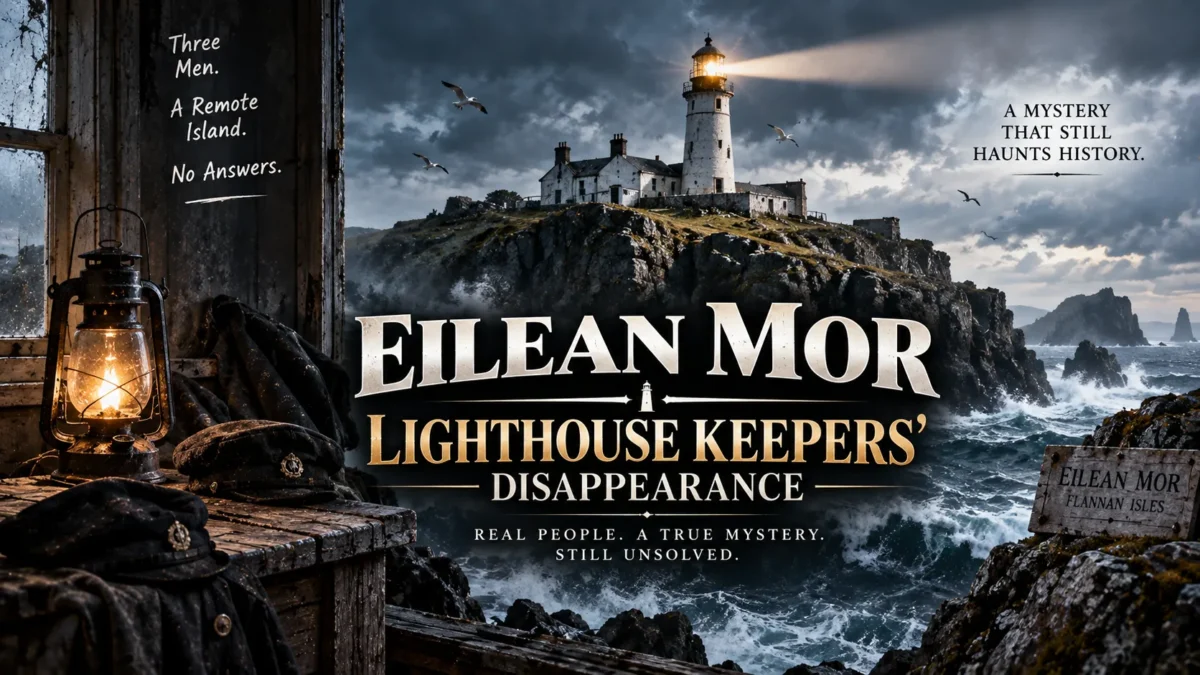
On a remote, storm-battered rock in the Outer Hebrides, three men vanished without a trace, leaving behind an eerily undisturbed home and a mystery that has haunted Scotland for over a century. No bodies were ever found. No struggle was ever confirmed.
And to this day, people searching online for the story sometimes stumble across it under garbled names like “island moore lighthouse,” a mash-up of the island’s real name, Eilean Mor, and Joseph Moore, the relief keeper who discovered the men were gone.
This is the true story of the Eilean Mor lighthouse keepers, separated from the poems, legends, and campfire exaggerations that have grown up around it.
TL;DR: In December 1900, three lighthouse keepers vanished from Eilean Mor in the Flannan Isles, and while the official investigation pointed to a rogue wave during a violent storm, the total absence of bodies or witnesses has kept the mystery alive for over 120 years.
1. Eilean Mor Is the “Big Island” of a Tiny, Forgotten Archipelago
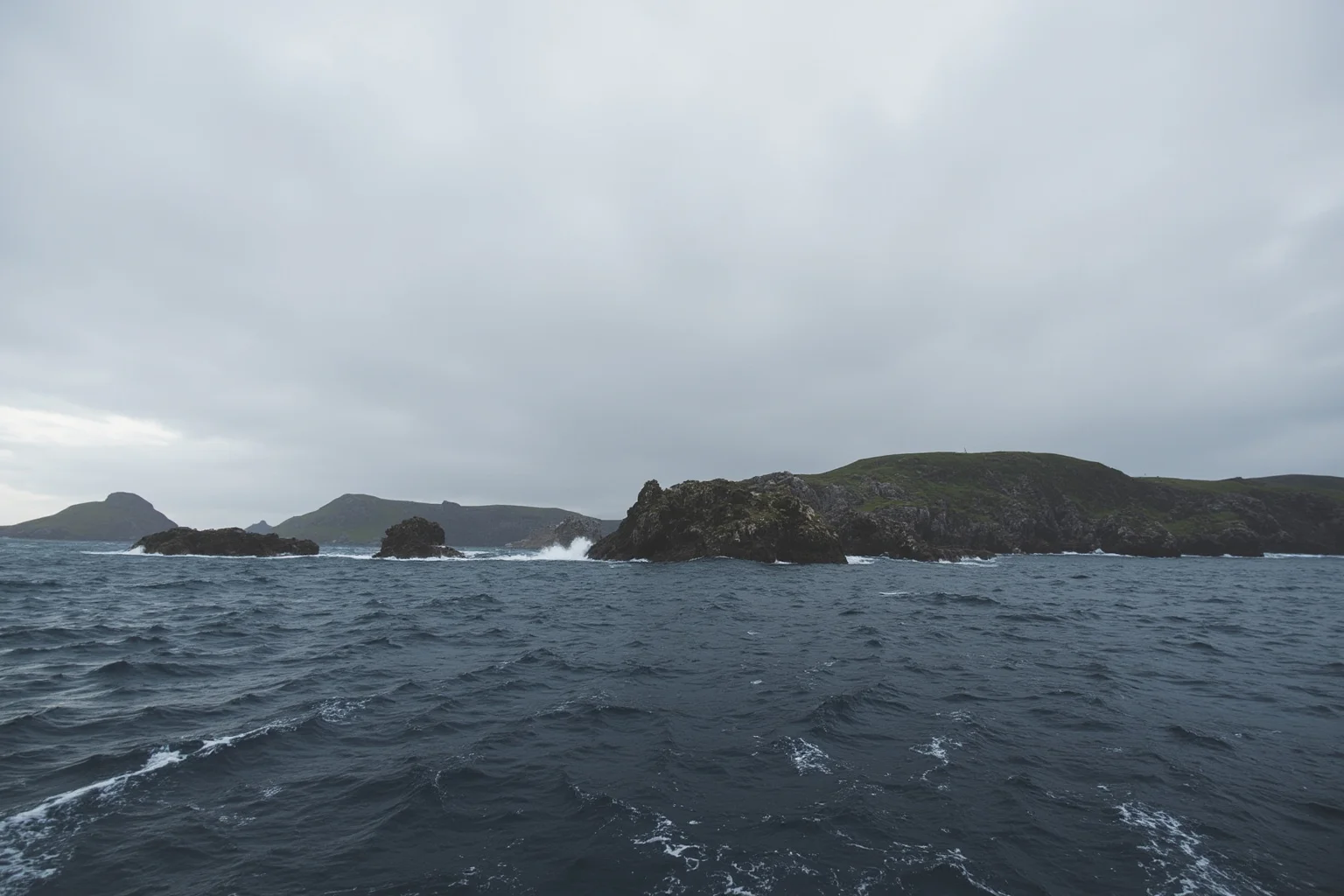
Eilean Mor means “big island” in Gaelic, which is a little misleading since it covers less than 40 acres. It’s the largest of the Flannan Isles, a scattering of uninhabited islets about 20 miles west of the Isle of Lewis in Scotland’s Outer Hebrides.
The Flannan Isles were sometimes called the “Seven Hunters” by sailors, and local shepherds believed them to be sacred, even removing their hats when landing there out of superstition. That reputation for eeriness existed long before the lighthouse keepers ever disappeared.
2. The Sea Around It Is Notoriously Violent
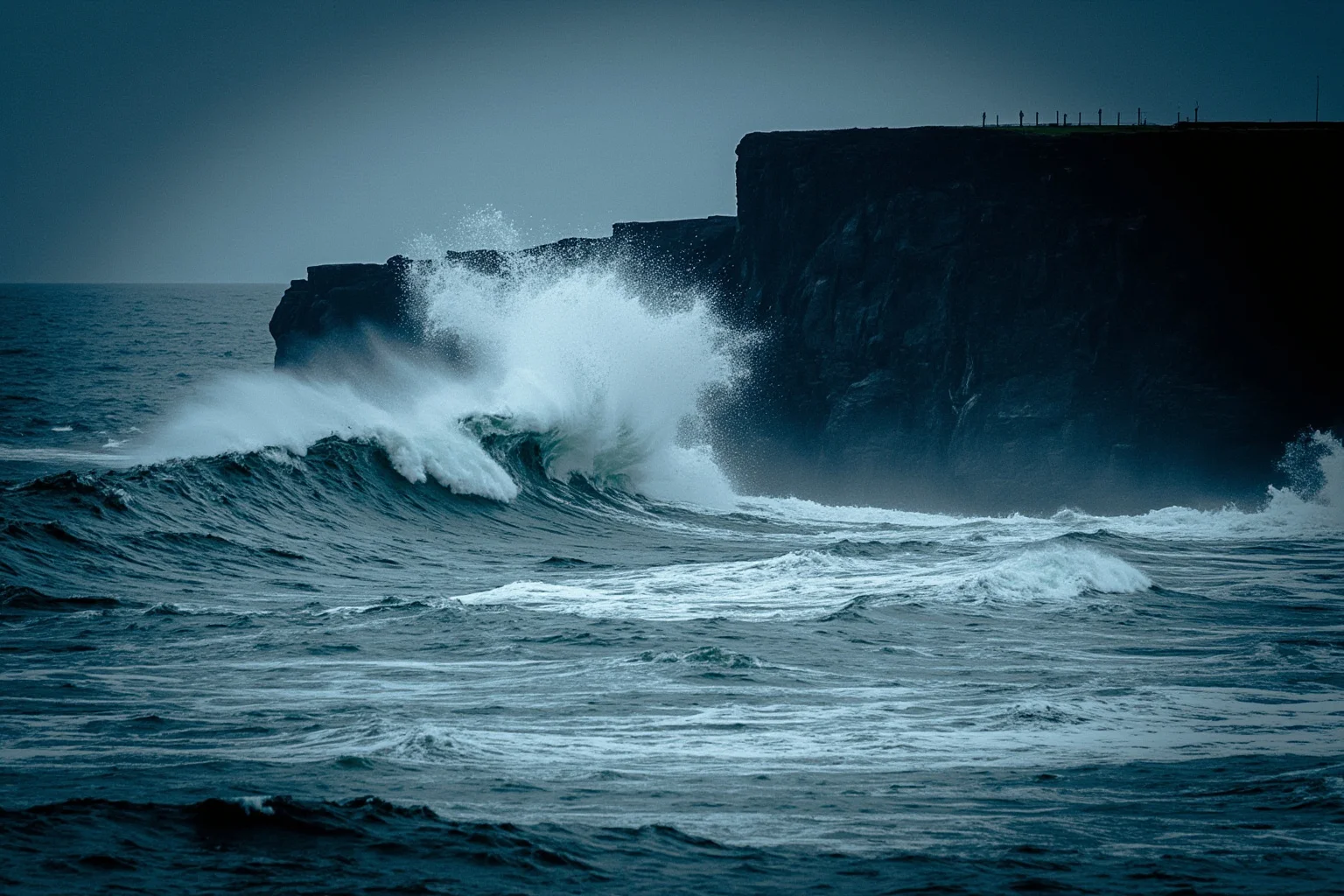
The waters surrounding Eilean Mor are exposed to the full force of the North Atlantic, with waves that can reach the cliffs more than 200 feet above sea level. Local fishermen had long known the area as dangerous, which is precisely why a lighthouse was needed there in the first place.
Before automation, keeping a light running on a rock this isolated meant weeks of exposure to brutal winter storms with no way to call for help. That isolation is the backdrop for everything that happened in December 1900.
3. The Lighthouse Was a Late-Victorian Engineering Feat
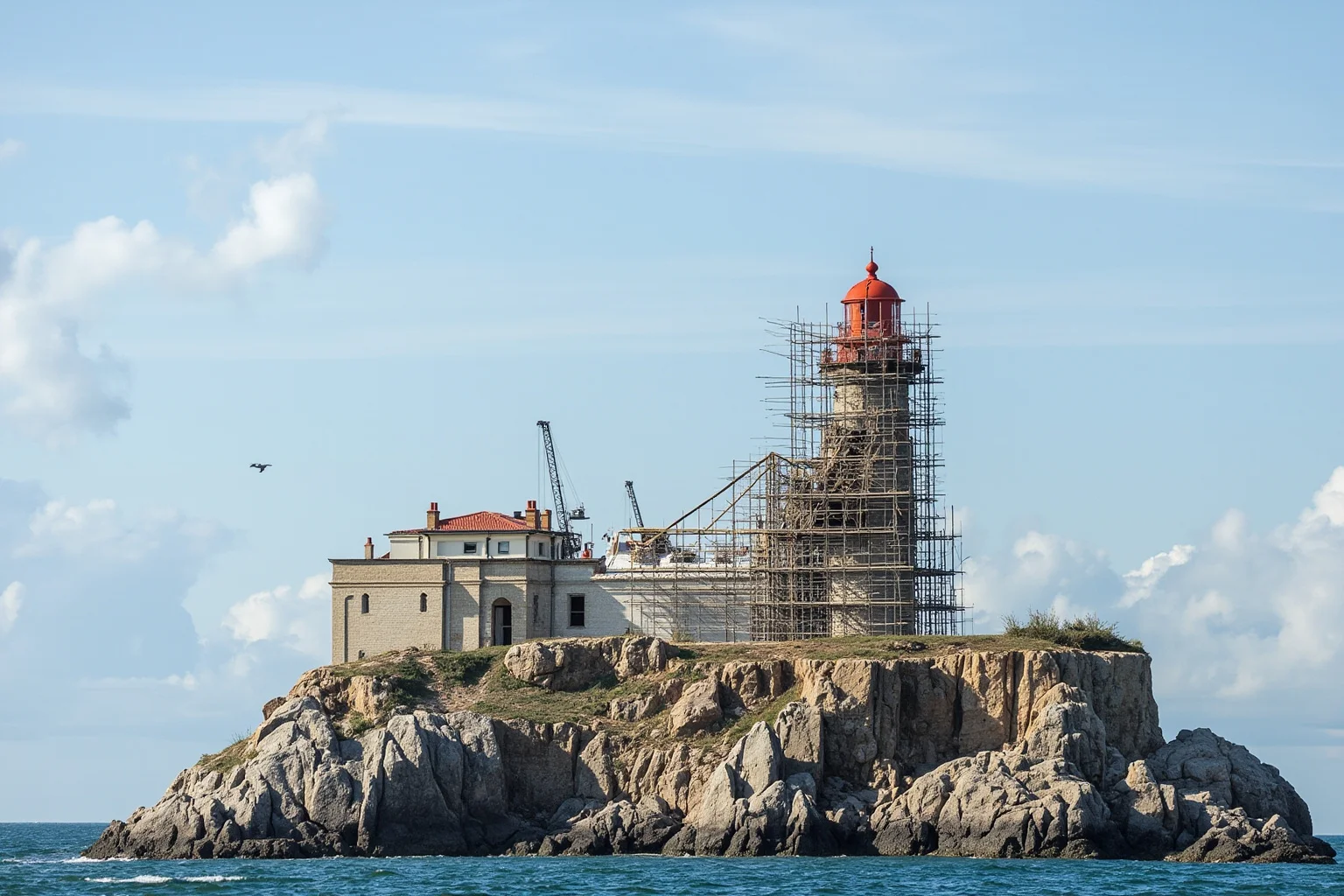
Construction on the Flannan Isles Lighthouse began in 1895 and finished in 1899, overseen by the Northern Lighthouse Board and designed by David Alan Stevenson, a member of the famous Stevenson family of lighthouse engineers. Materials had to be hauled up sheer cliffs using cranes and temporary railways.
The light was first lit on 7 December 1899, exactly one year before the disaster that would make it famous. It was considered one of the most difficult and remote lighthouse postings in Scotland.
4. Three Keepers Lived There on Rotation
The lighthouse was staffed by three keepers at any given time, plus a fourth who took turns on shore leave. In December 1900, the men on the rock were James Ducat, the principal keeper, along with Thomas Marshall and Donald MacArthur.
A fourth keeper, William Ross, was ashore on leave and had not yet been swapped back in. This rotation system is normal lighthouse practice, but it becomes important later, since MacArthur’s presence appears to have been a temporary substitution.
5. The First Warning Sign Came From a Passing Ship
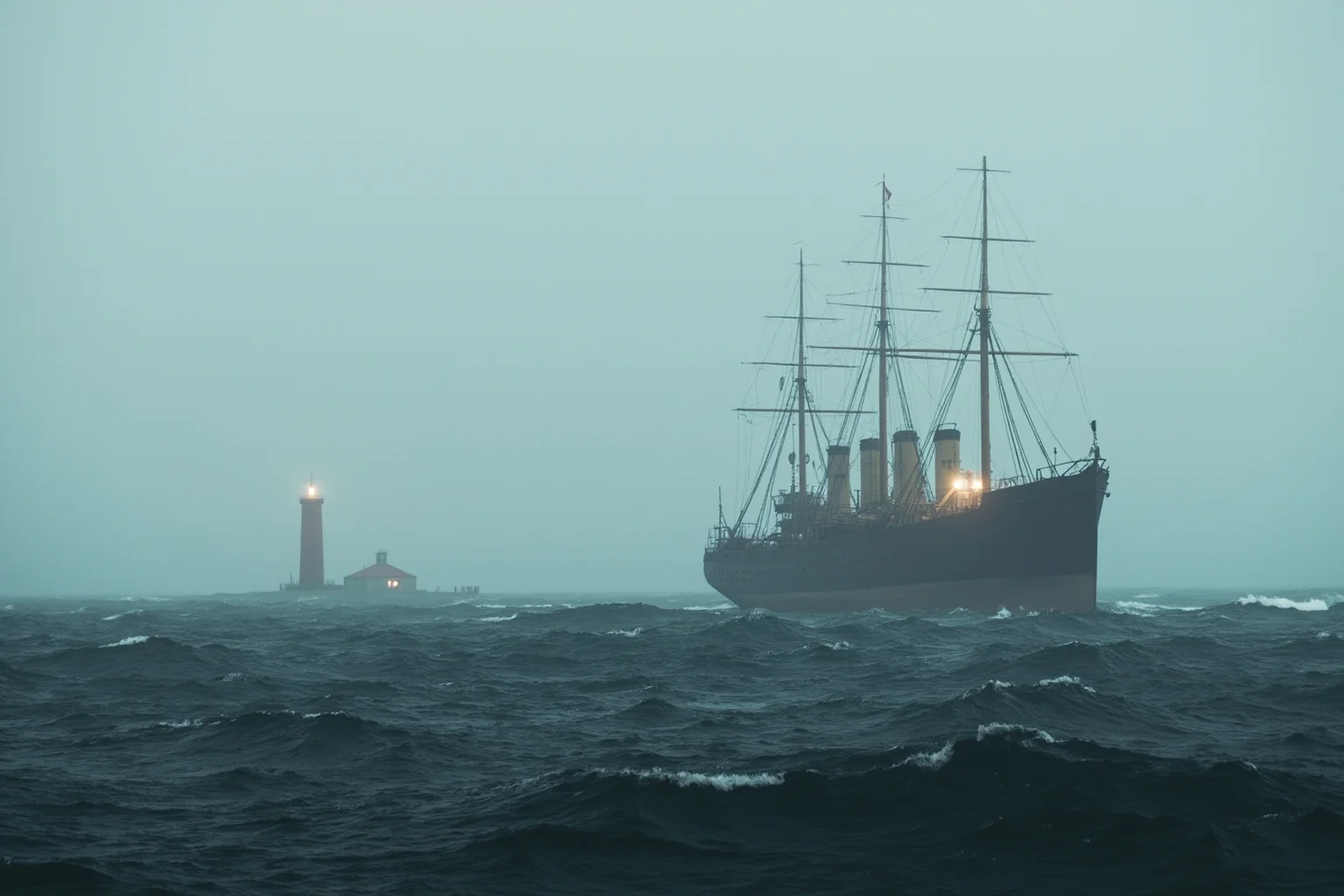
On 15 December 1900, the steamer Archtor sailed past the Flannan Isles during poor weather and noticed the light was not lit. The crew reported this, but the ship didn’t dock until it reached its destination, so the report didn’t reach lighthouse authorities right away.
This delay meant that no one on the mainland realized anything was wrong for several more days. In an age before radio contact with remote lighthouses, this kind of lag was simply the reality of the job.
6. Bad Weather Delayed the Relief Ship for Days
The relief vessel, the Hesperus, was scheduled to bring supplies and swap out keepers around the same time, but violent storms in the Outer Hebrides kept it from approaching Eilean Mor. It wasn’t until 26 December 1900 that the ship could finally get close enough to attempt a landing.
This meant the keepers had likely already been missing for well over a week before anyone set foot on the island to check on them. The exact date of their disappearance still isn’t known with certainty.
7. Joseph Moore Was the One Who Found the Lighthouse Empty
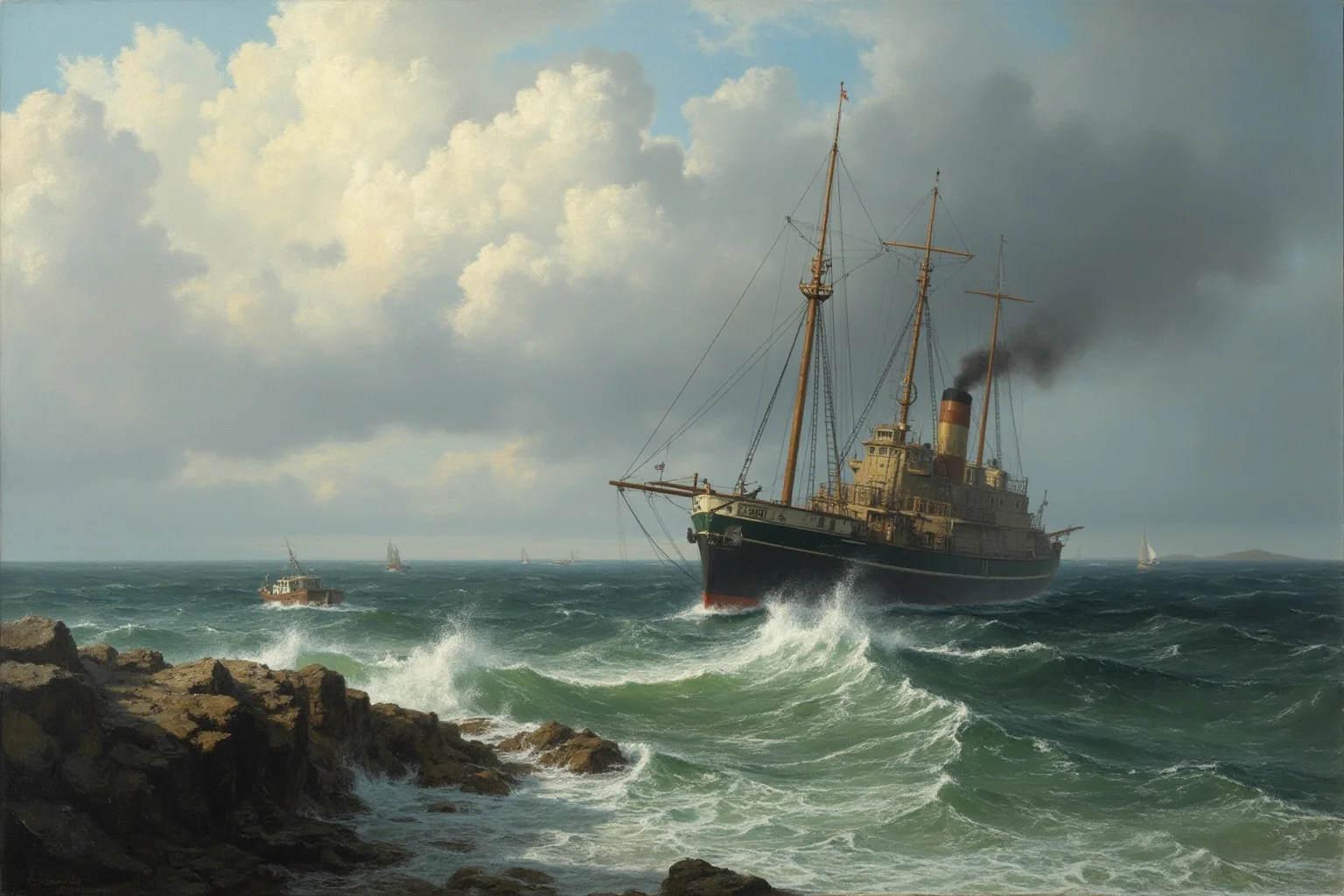
Joseph Moore, the relief keeper due to take over from MacArthur, was aboard the Hesperus and went ashore first. He immediately noticed something was wrong: no flag had been raised to greet the ship, and no keeper came out to help unload supplies, both standard practice.
Moore climbed to the lighthouse alone and found the entrance gate and main door closed. Inside, the clock had stopped, and there was no sign of the three men anywhere on the island.
8. Everyday Objects Were Left Exactly as They Were
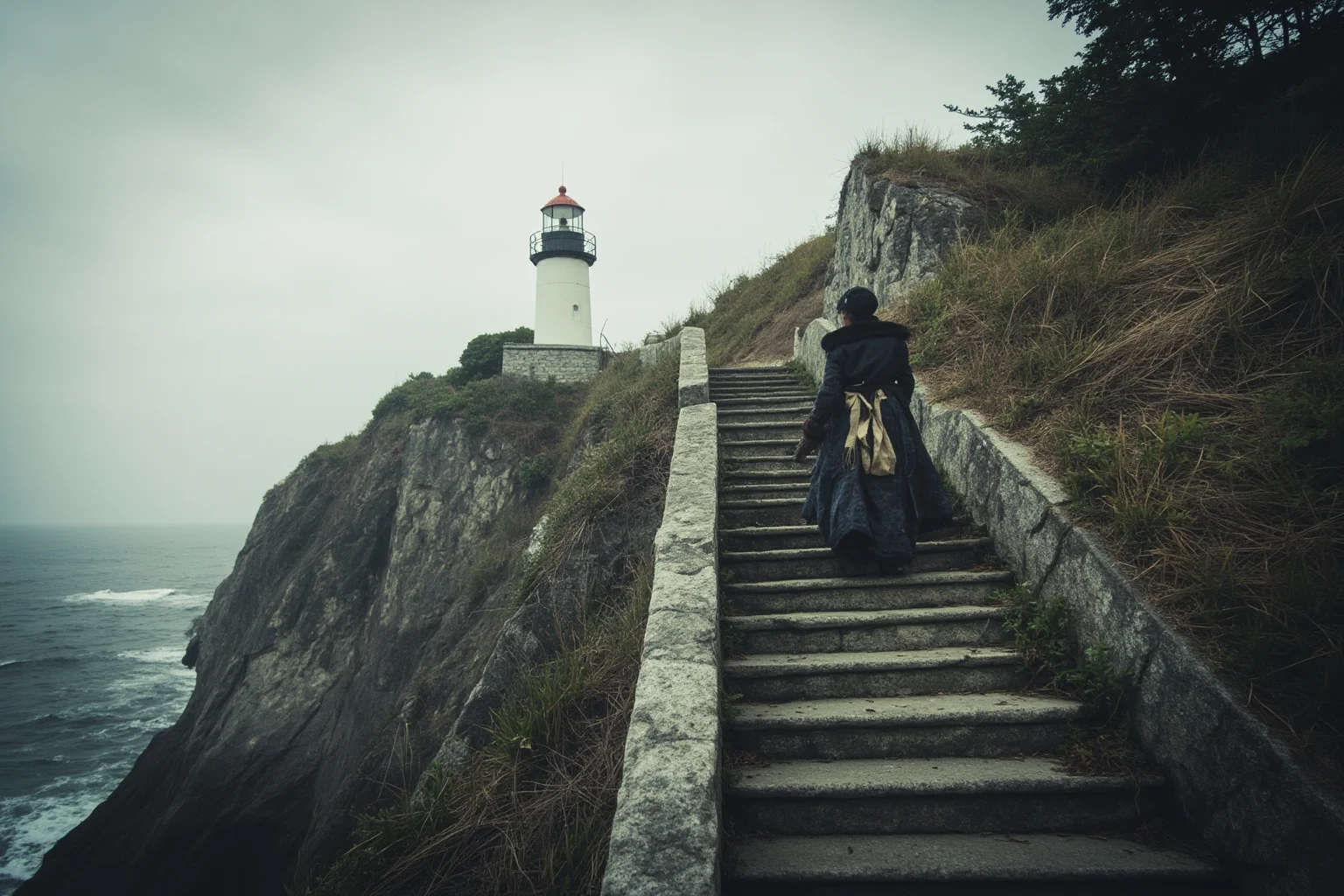
Inside the living quarters, the beds were unmade, and an overturned chair was found in the kitchen, suggesting someone had left in a hurry. Despite decades of retellings claiming a half-eaten meal was left on the table, this specific detail does not appear in the official reports and is likely a later dramatic embellishment.
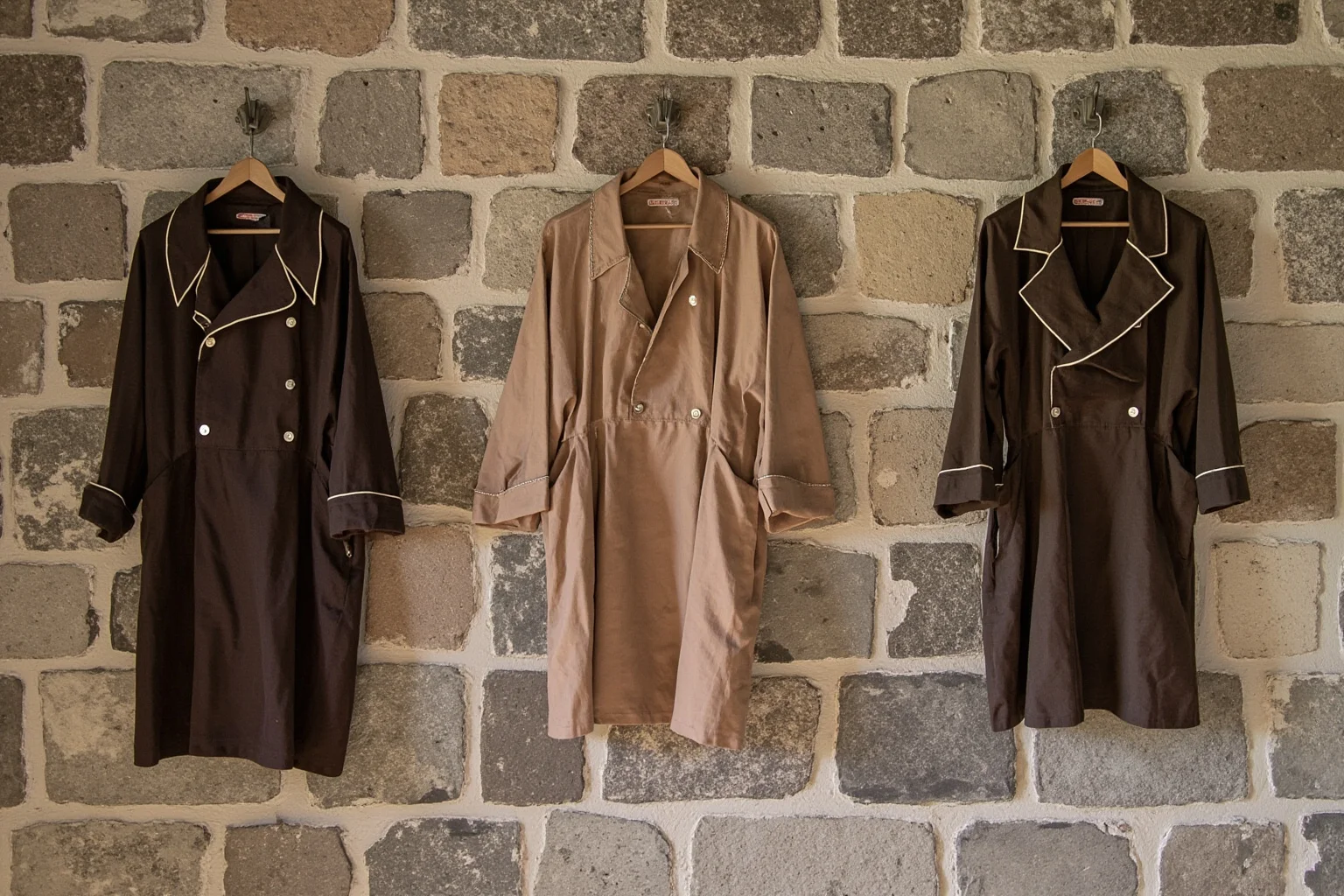
What does seem to be reliably recorded is that the men’s oilskin coats told a story of their own. Two sets of oilskins were missing from their hooks, while one remained behind, hinting that at least one man left in such urgency that he didn’t stop for proper weatherproof gear.
9. The Official Log Told a More Mundane Story Than the Legend Suggests
Over the years, a popular version of this tale claims the keepers’ log described an impossible calm sea, or strange, frightening entries about the wind screaming like a human voice. There’s no verified evidence that any such supernatural entries ever existed in the real logbook.
What the surviving records actually describe is a severe storm battering the island in the days before the men vanished, entirely consistent with typical, brutal Hebridean winter weather. The myth-busting takeaway here is simple: the eerie “weird calm sea” detail belongs to fiction, not the official record.
10. The West Landing Showed Signs of Storm Damage
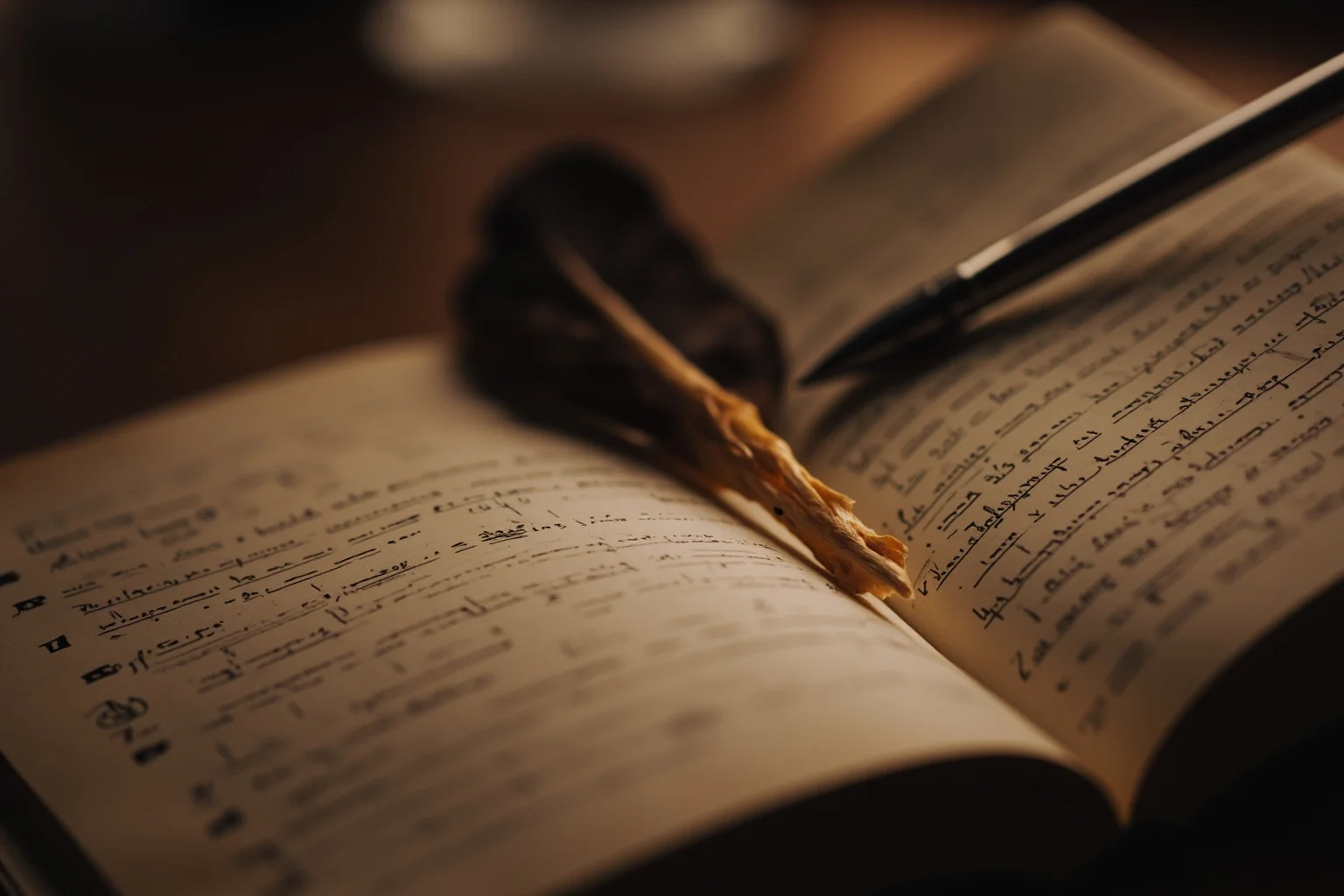
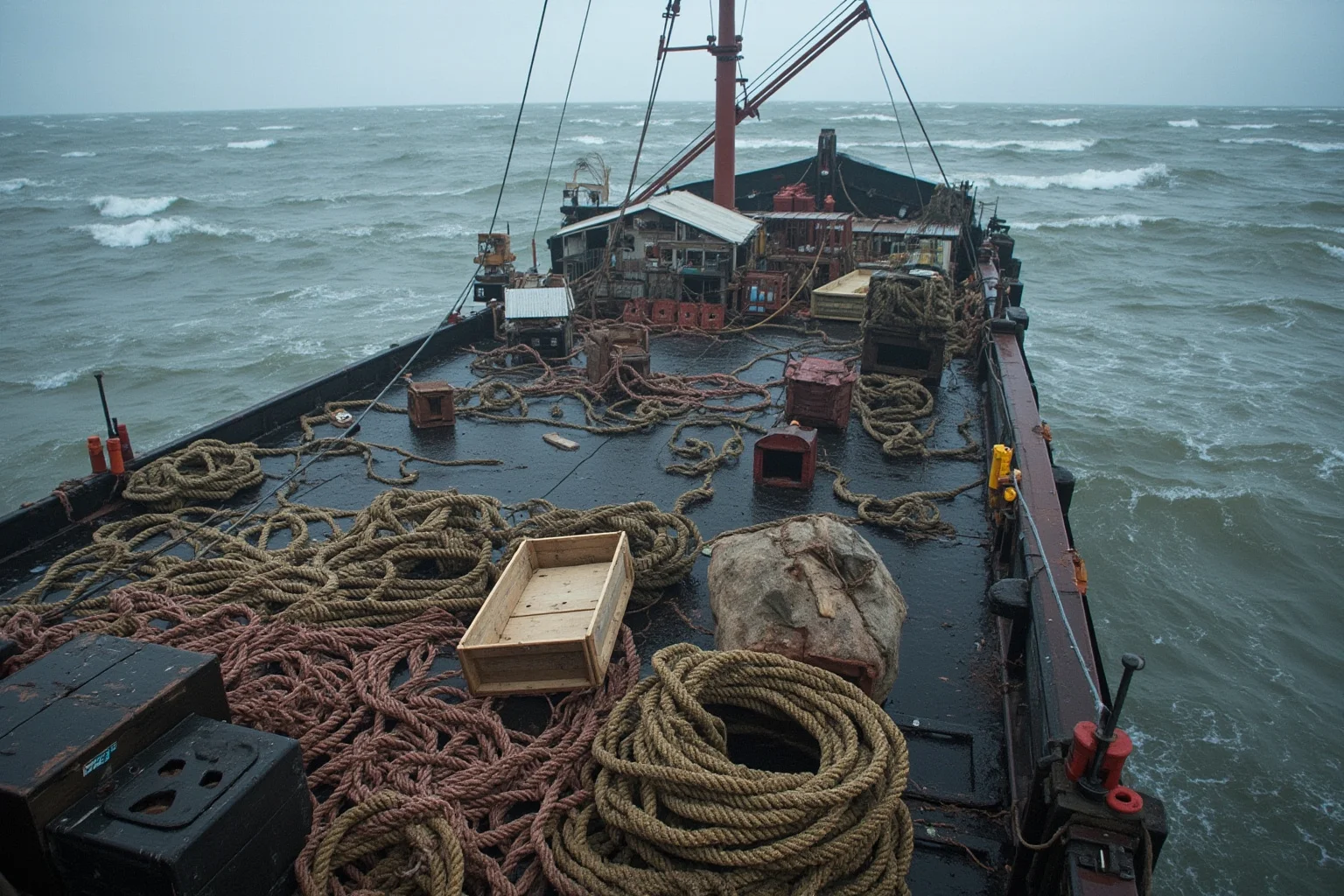
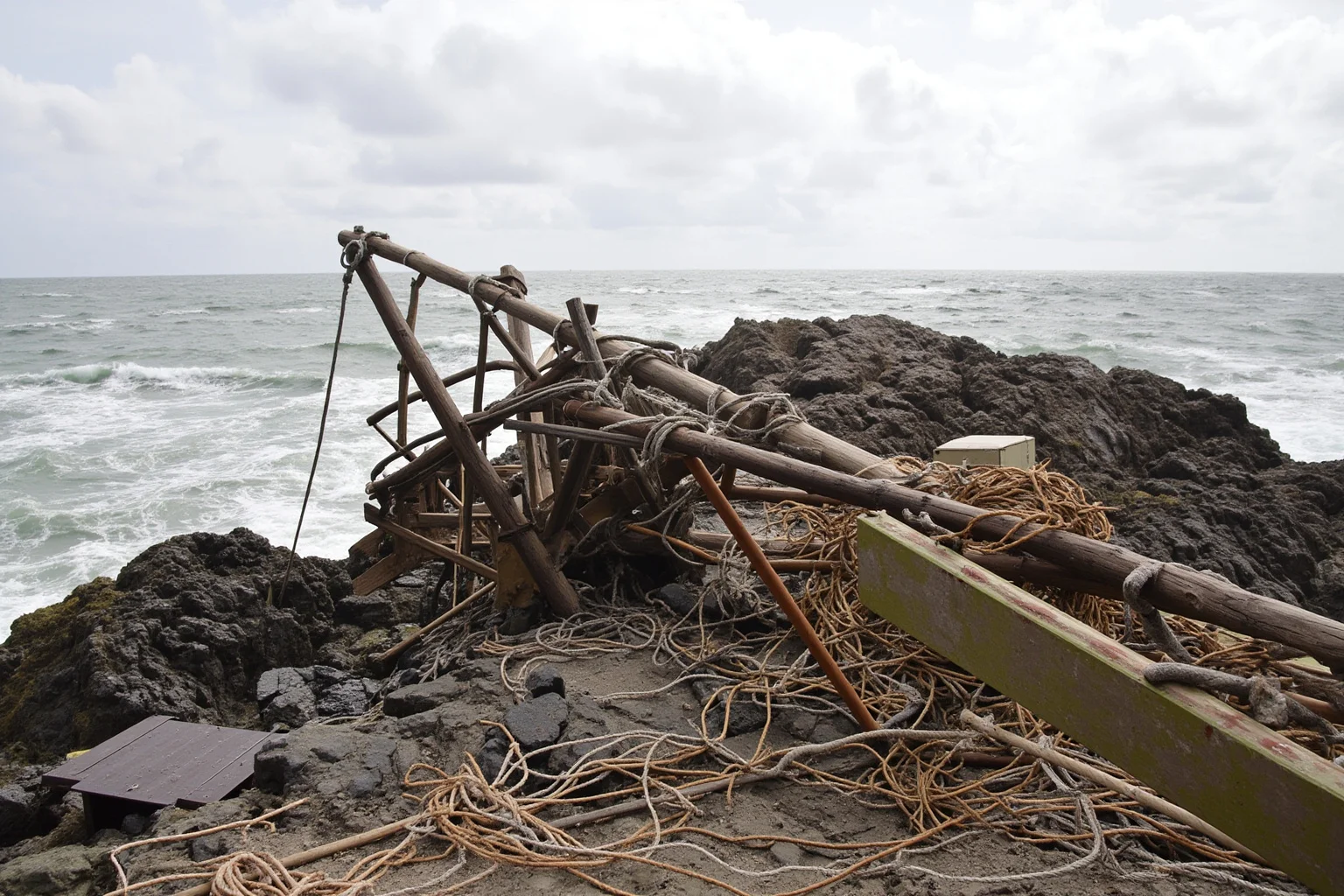
Investigators found damage at the island’s west landing stage, including displaced ropes, a box of equipment that had been stored well above sea level, and a crane that had been affected by the weather. This landing point was frequently used by the keepers to secure gear during storms.
The damage suggested that unusually powerful waves had reached areas typically well out of the sea’s normal reach. This detail became central to the leading theory about what happened to the men.
11. The Northern Lighthouse Board Sent Its Own Investigator
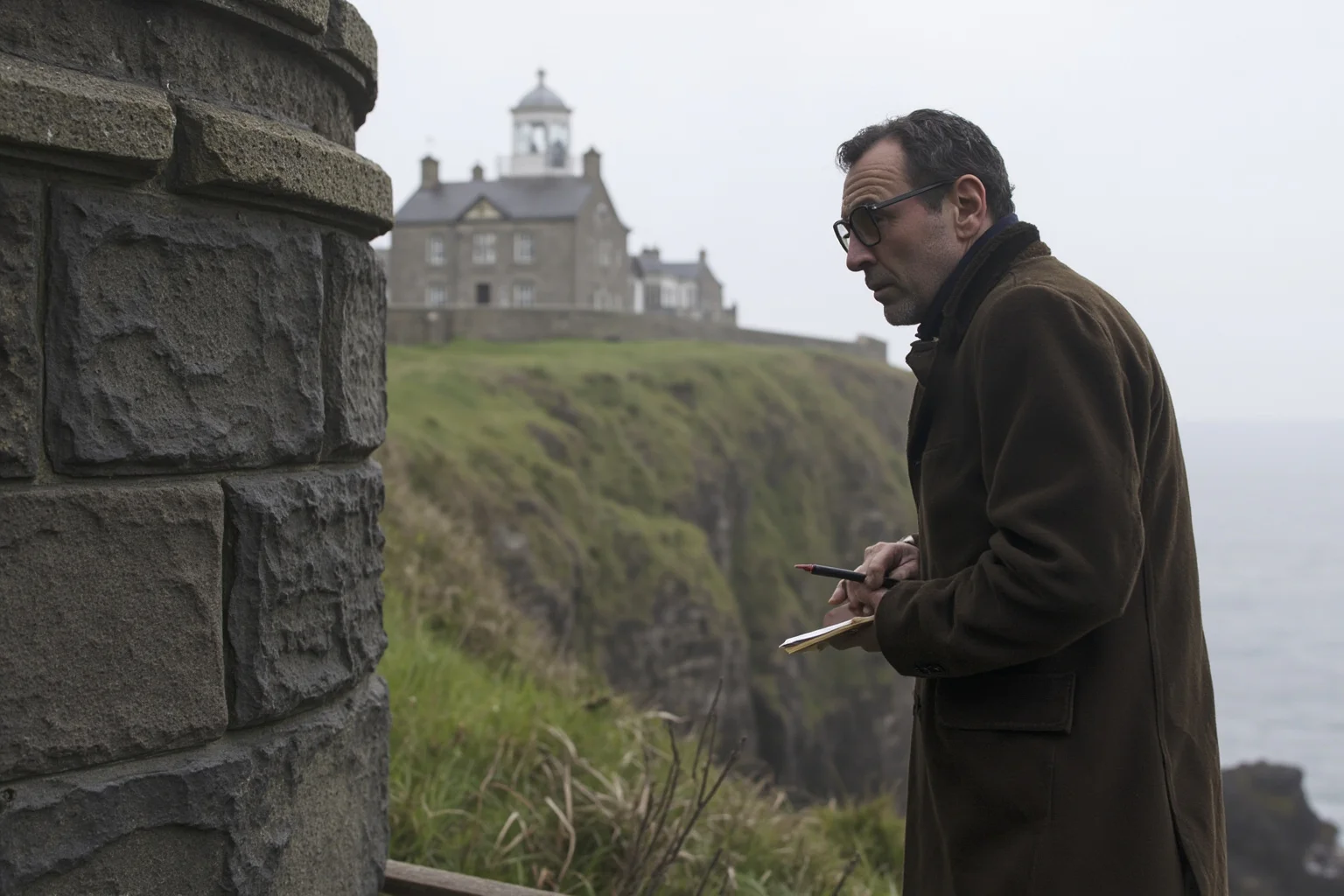
Robert Muirhead, a superintendent for the Northern Lighthouse Board, traveled to Eilean Mor shortly after the disappearance to conduct a formal investigation. He had actually visited the lighthouse himself just weeks earlier and knew the keepers personally, which gave his report added credibility.
Muirhead’s investigation is the closest thing historians have to a primary, contemporary account free of later poetic embellishment. It remains the foundation for almost every serious theory about the case.
12. Muirhead’s Conclusion Pointed to a Rogue Wave
Based on the storm damage at the west landing and the missing equipment, Muirhead concluded that the most likely explanation was that one or two keepers had gone out to secure gear during dangerous seas and were swept off the rocks by a sudden, oversized wave. He believed the third man likely went to help or investigate and suffered the same fate.
This explanation accounted for the missing oilskins, the storm damage, and the total absence of any sign of struggle inside the lighthouse. It remains the most widely accepted, evidence-based theory today.
13. Freak or “Rogue” Waves Are a Real and Documented Danger
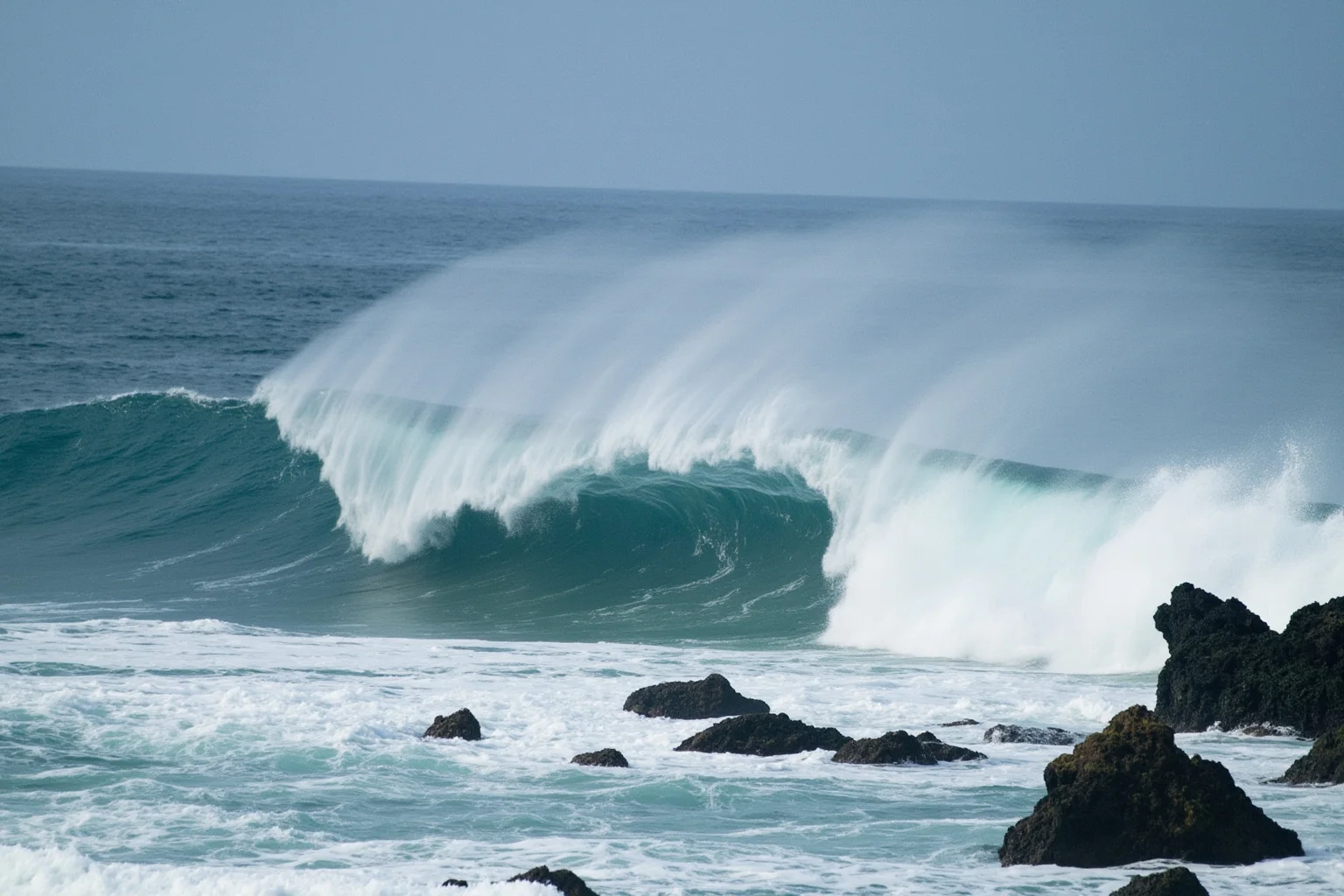
Skeptics of supernatural explanations point out that rogue waves are a genuine oceanographic phenomenon, capable of reaching heights and forces far beyond normal sea conditions. Coastal workers and lighthouse keepers around the world have been killed by exactly this kind of sudden, unpredictable surge.
Given Eilean Mor’s total exposure to the open Atlantic, a wave large enough to overwhelm experienced keepers at a known landing point isn’t far-fetched at all. This is the theory most historians and maritime experts favor.
14. Some Have Speculated About a Fight Between the Keepers
A less popular theory suggests that some kind of conflict broke out between the three men, possibly related to the same kind of isolation and psychological strain often cited in stories about why lighthouse keepers went mad, leading to a violent confrontation. There is no physical evidence supporting this idea, and nothing in the investigation reports suggests any struggle occurred inside the lighthouse.
This theory tends to persist mainly because isolated, high-stress environments do sometimes produce psychological strain. Still, it remains speculation rather than anything backed by the historical record.
15. Smugglers or Foreign Ships Have Been Floated as Culprits
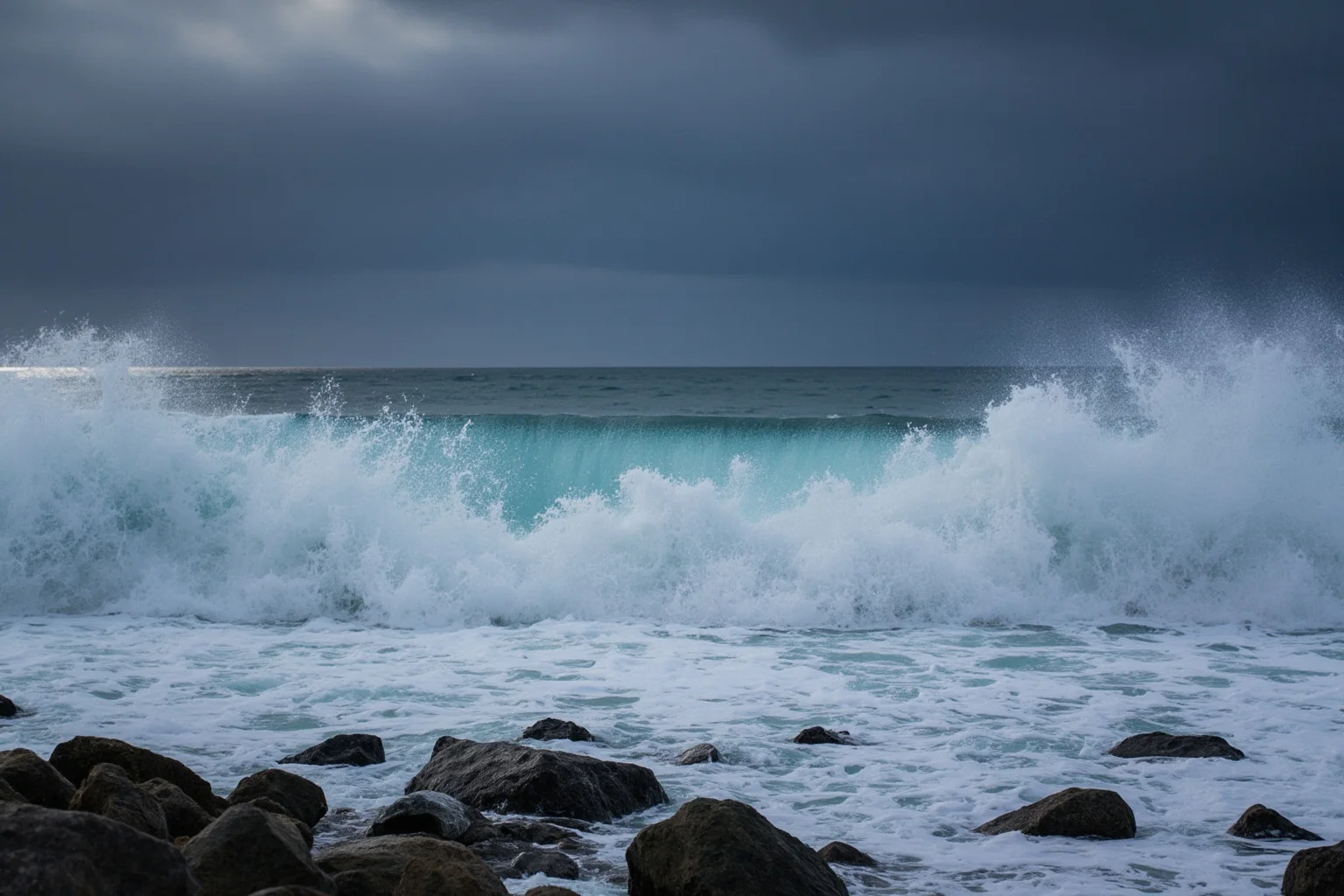
Another theory imagines the keepers being abducted or killed by passing foreign vessels or smugglers using the isolated island as cover. There is no documented evidence of any ship, foreign or otherwise, being near Eilean Mor at the relevant time.
This theory has largely faded from serious discussion, surviving mostly in tabloid-style retellings rather than credible historical accounts. It illustrates how mysteries with no bodies tend to attract far-fetched explanations over time.
16. Supernatural Folklore Took Hold Almost Immediately
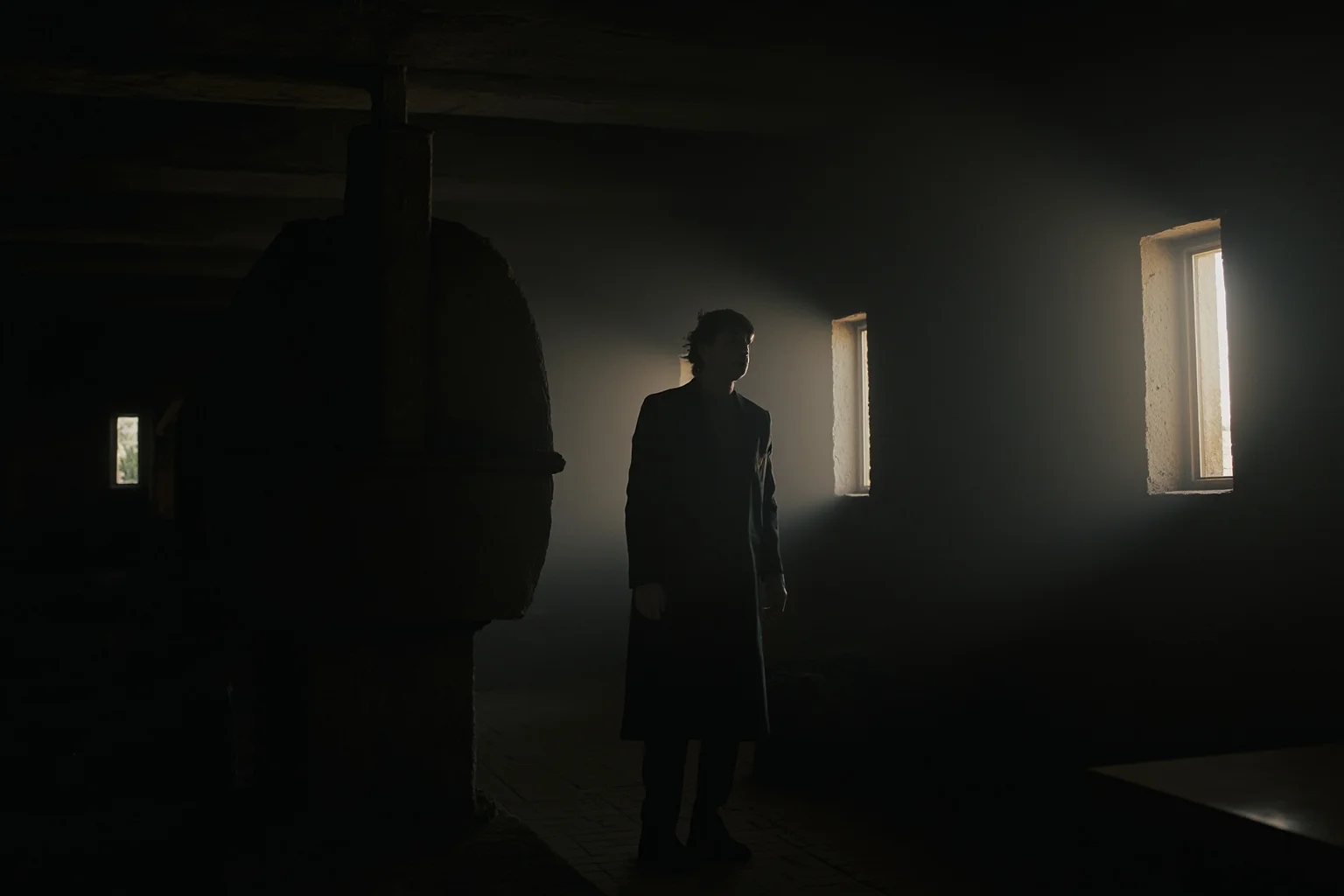
Given the Flannan Isles’ pre-existing reputation as spiritually significant ground, some islanders and sailors were quick to suggest supernatural forces, sea spirits, or curses were responsible. This fits a long tradition in maritime folklore where unexplained disappearances get attributed to forces beyond the natural world.
While atmospheric and compelling, none of these explanations have any supporting evidence beyond local superstition. They say more about human storytelling instincts than about what actually happened on the rock.iv
17. A Poem Turned the Tragedy Into a Legend
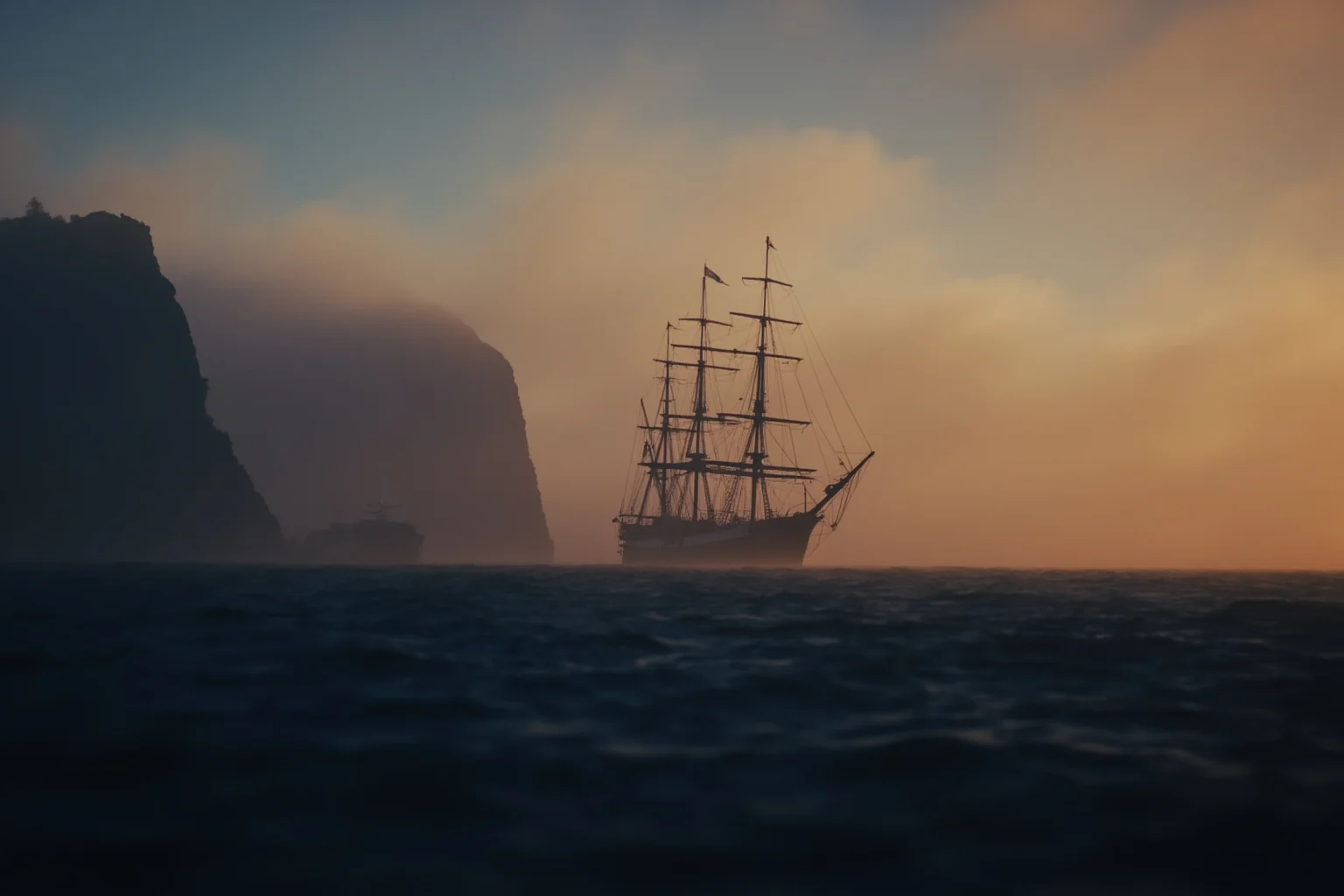
In 1912, poet Wilfrid Wilson Gibson published “Flannan Isle,” a dramatized ballad about the disappearance that took significant creative liberties, including invented imagery of an untouched, half-eaten meal. Gibson later admitted he wrote the poem without deep research into the actual case, relying on the story’s atmosphere rather than the facts.
This poem is largely responsible for cementing many of the “eerie details” that still circulate today, even though they don’t appear in Muirhead’s official report. It’s a clear example of how art can outlive and outshine the historical record it was inspired by.
18. The Case Has Inspired Films, Songs, and Novels
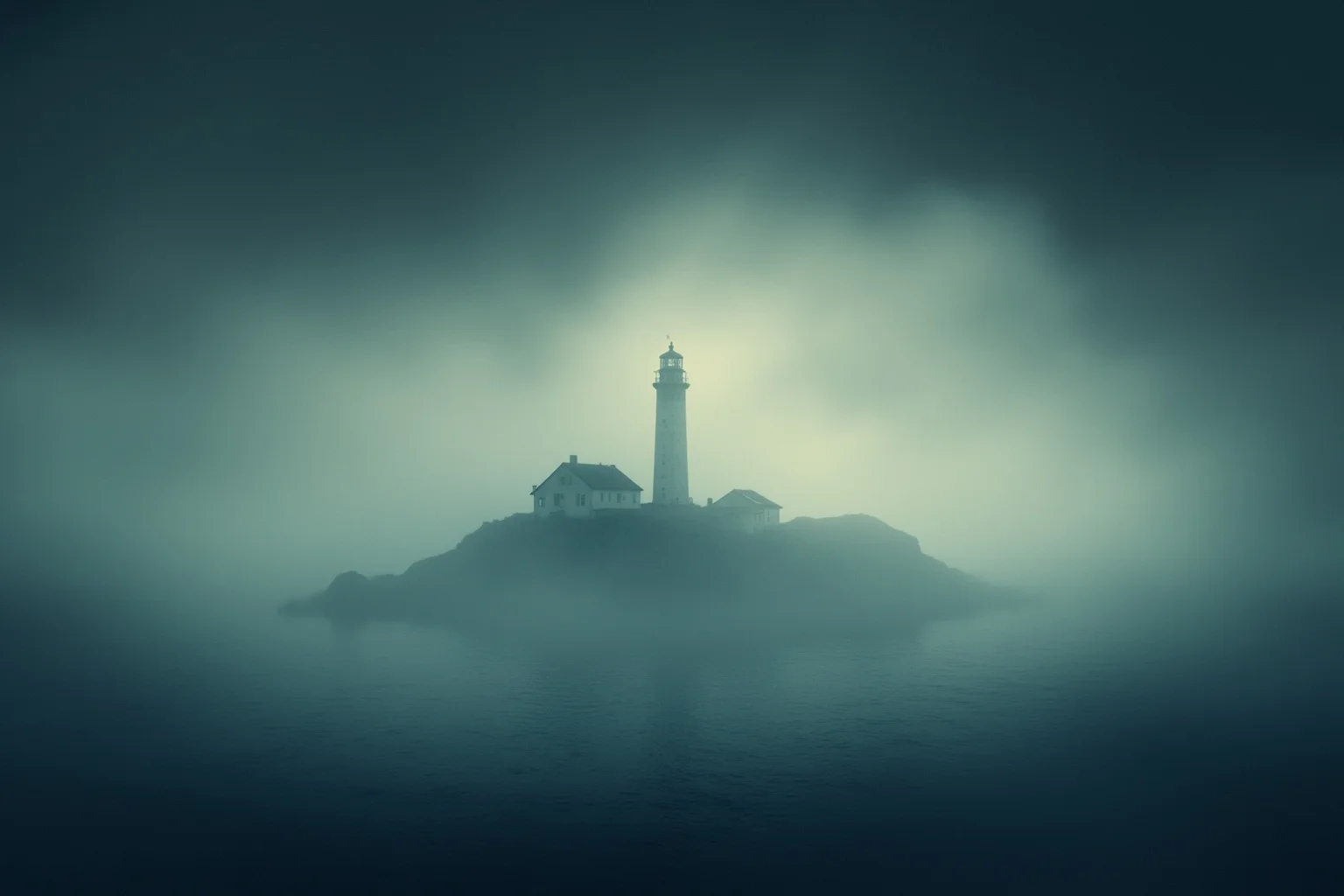
Beyond Gibson’s poem, the story of the Eilean Mor lighthouse keepers has influenced music, fiction, and film for over a century, including modern dramatizations loosely based on the events. Many of these adaptations lean heavily into psychological horror or supernatural themes rather than sticking to the documented facts.
This is worth noting for anyone researching the case online, since search results often blend real history with fictionalized plot details. Separating the two is key to understanding what is actually known.
19. No Bodies Were Ever Recovered
Despite searches at the time and periodic interest since, no remains belonging to James Ducat, Thomas Marshall, or Donald MacArthur have ever been found. This absence of physical evidence is part of why the case has remained unsolved rather than simply closed with a confirmed cause of death.
In a location with such powerful currents and open ocean, this isn’t necessarily surprising, but it does mean the rogue wave theory can never be proven with total certainty. It remains the best explanation supported by evidence, not a confirmed fact.
20. William Ross, the Fourth Keeper, Was Spared by Rotation
William Ross, the keeper who would have been the fourth man on the rotation, happened to be on shore leave when the disappearance occurred. Had the schedule fallen differently, a fourth man might have been present on Eilean Mor that December.
This small detail is a reminder of how much of this story hinges on ordinary scheduling and timing rather than anything mysterious. Ross went on to give statements as part of the investigation into his missing colleagues.
21. The Lighthouse Kept Operating for Decades Afterward
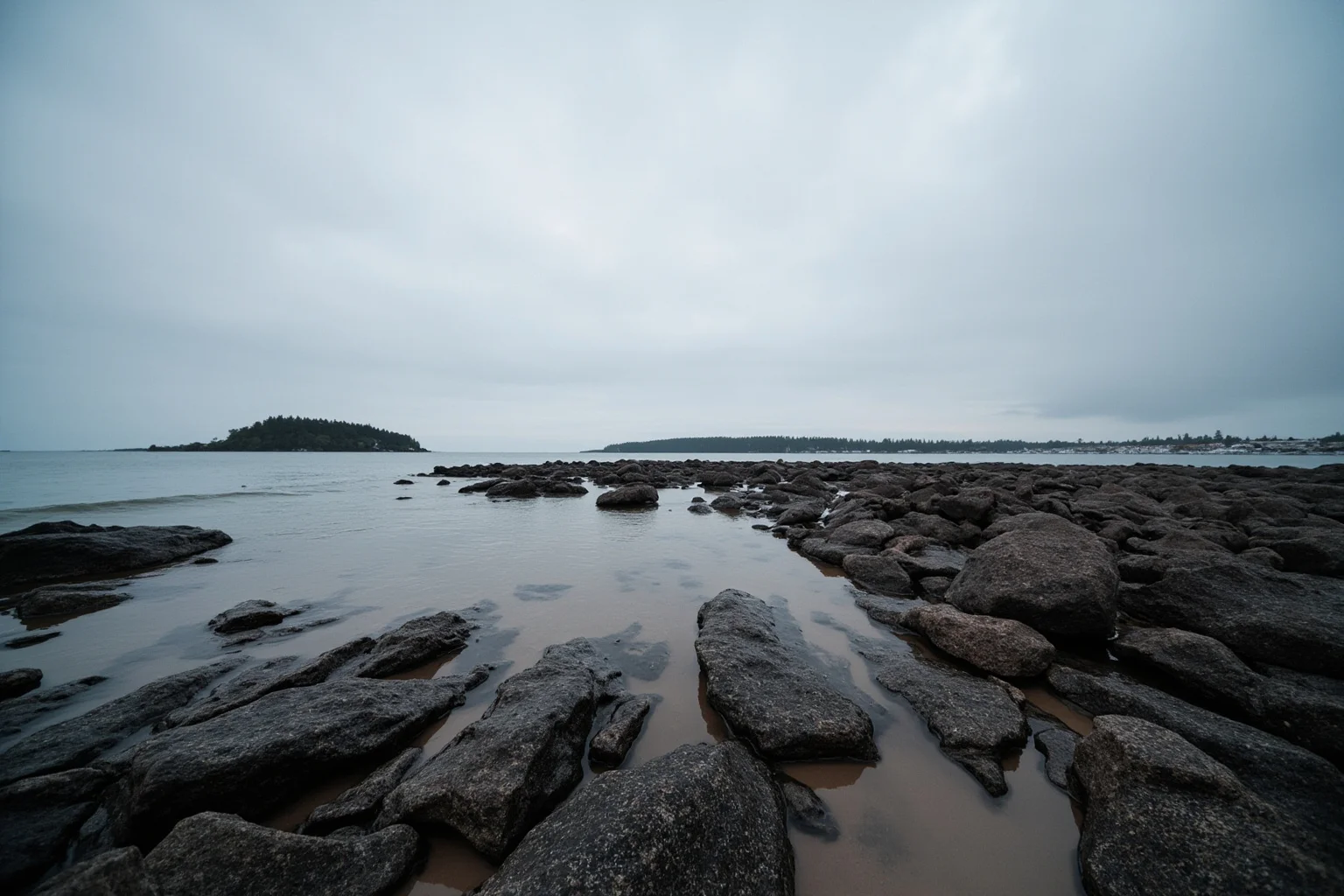
Despite its dark history, the Flannan Isles Lighthouse continued to be staffed by rotating keepers for decades following the 1900 disappearance. Life on the rock returned to its normal, grueling rhythm, storms and all.
There’s no documented record of further disappearances or unexplained incidents at the site in the years that followed. The lighthouse simply went back to doing its job, warning ships away from the dangerous Flannan Isles.
22. Eilean Mor Was Automated in 1971
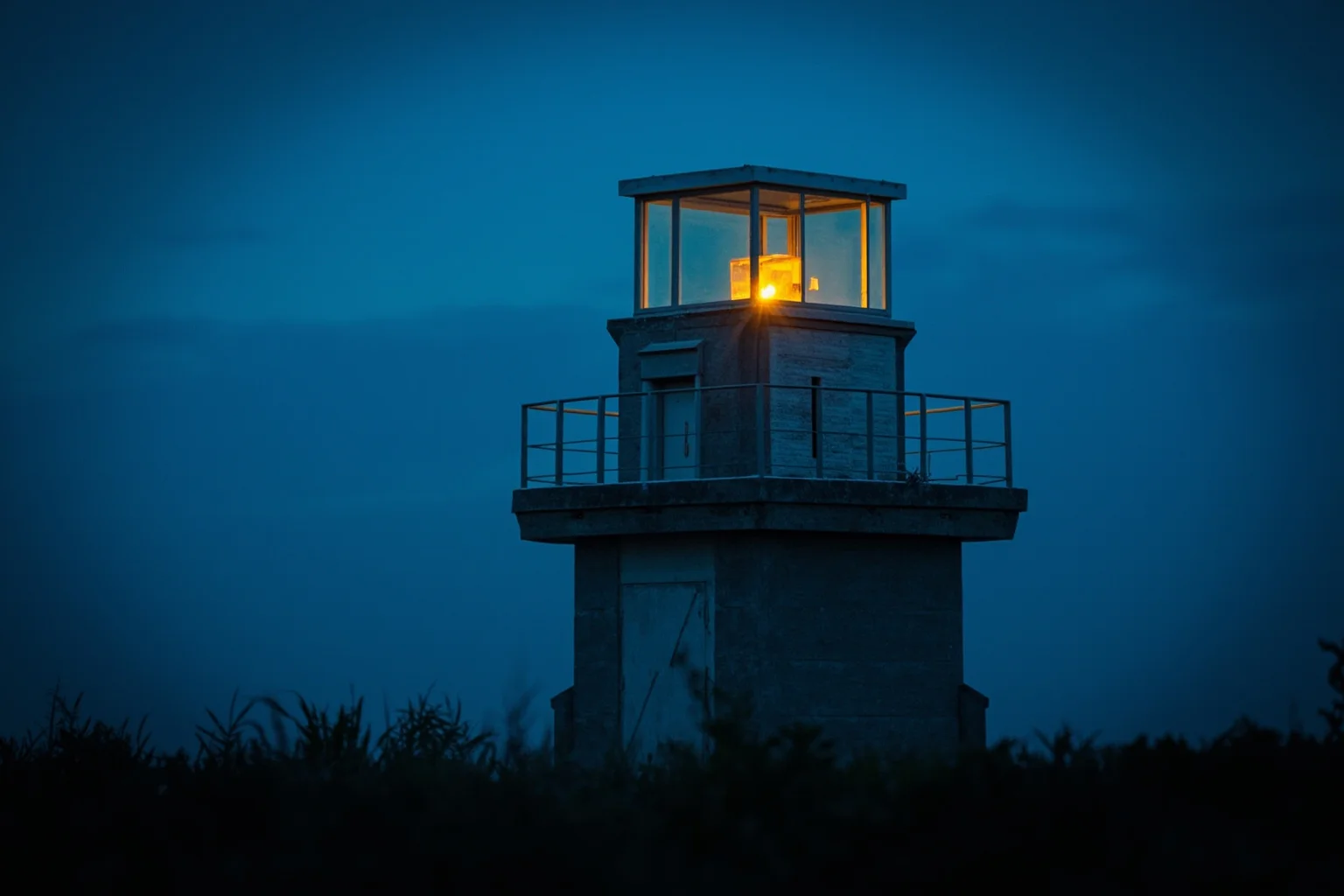
Like most Scottish lighthouses, Eilean Mor’s light was eventually automated, removing the need for resident keepers altogether. The Northern Lighthouse Board completed this transition in 1971, ending the era of human keepers on the island for good.
Today, the light still operates, but it’s maintained through periodic remote servicing rather than full-time staff. The isolation that once defined life there is now simply part of its history.
23. So, What Really Happened to the Eilean Mor Lighthouse Keepers?
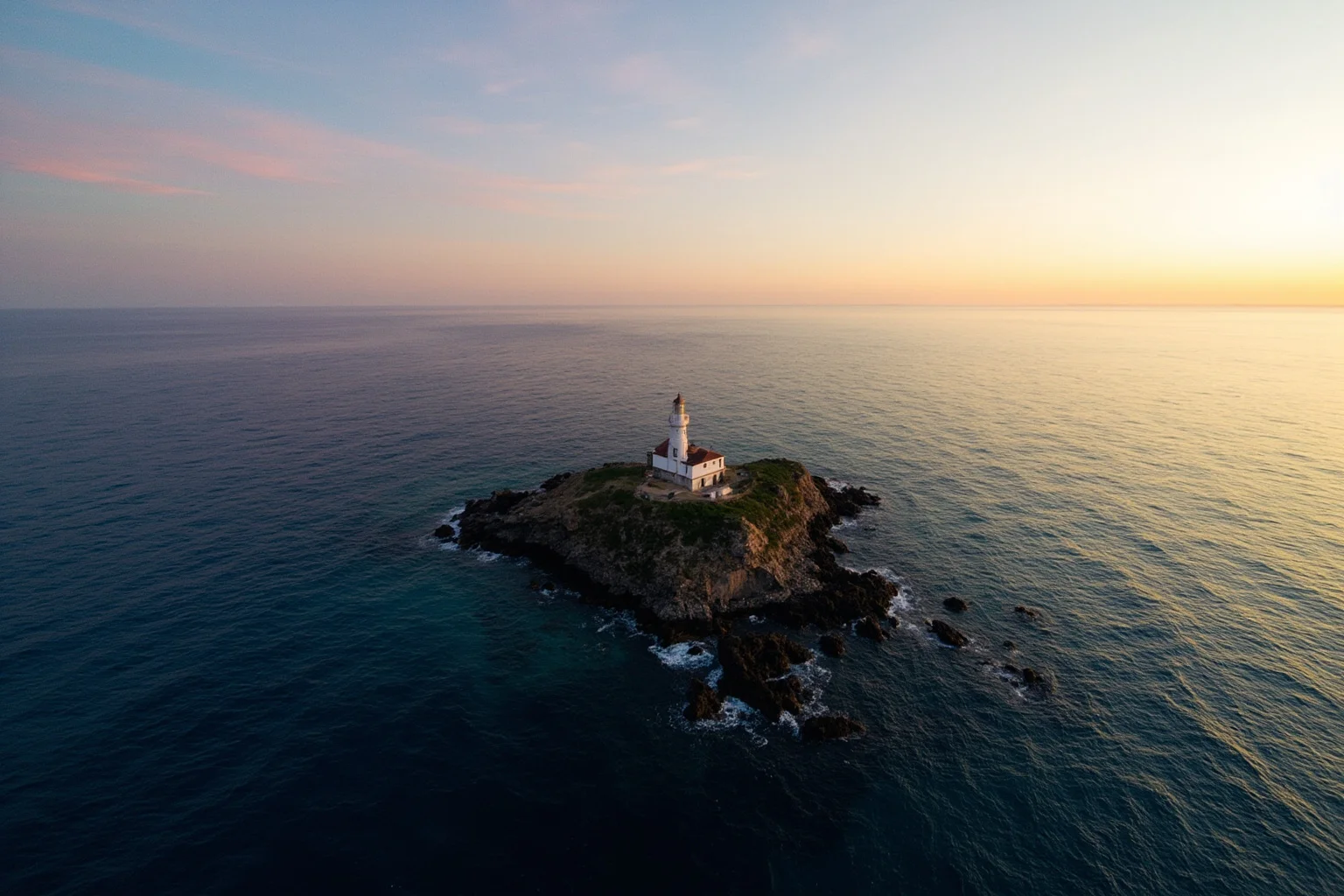
Weighing all the verified evidence, a violent storm and a rogue wave sweeping one or more keepers off the exposed west landing remains the most credible, evidence-supported explanation. The missing oilskins, storm damage to equipment, and total lack of any struggle inside the lighthouse all point in that direction.
The supernatural theories, dramatic poem imagery, and abduction stories make for compelling folklore, much like many other unsolved ocean mysteries, but none of them are backed by the historical record. The honest answer, unsatisfying as it may be, is that the sea likely claimed these three men during an ordinary act of storm-duty gone terribly wrong.
The Mystery That Refuses to Fade
More than 120 years later, the story of the Eilean Mor lighthouse keepers still captures public imagination precisely because it resists a tidy ending. There’s a real, documented investigation with a plausible conclusion, yet the absence of bodies and witnesses leaves just enough room for doubt.
That gap between solid evidence and unanswerable questions is exactly why this story keeps resurfacing in books, songs, and search engines, sometimes under odd variations like “island moore lighthouse.” It’s a genuinely tragic maritime accident that folklore has since dressed up as a full-blown supernatural mystery.
Understanding the real timeline, the real investigation, and the real limits of the evidence doesn’t make the story any less haunting. If anything, knowing that three ordinary working men were likely lost to nothing more exotic than a furious Atlantic storm makes their story feel more human, not less.
Frequently Asked Questions
What happened to the Eilean Mor lighthouse keepers?
In December 1900, three lighthouse keepers on Eilean Mor in Scotland's Flannan Isles vanished without a trace. The official investigation, led by Northern Lighthouse Board superintendent Robert Muirhead, concluded that a powerful storm and a rogue wave most likely swept one or more of the men off the exposed west landing, with a colleague possibly lost trying to help. No bodies were ever recovered, so the theory has never been proven with total certainty.
Who were the lighthouse keepers of Eilean Mor?
The three men who disappeared were James Ducat, the principal keeper, along with Thomas Marshall and Donald MacArthur. A fourth keeper, William Ross, was on shore leave at the time and was not present on the island.
Why is it sometimes called the ‘Island Moore lighthouse’?
This is a common online misnaming that blends the island's real name, Eilean Mor, with Joseph Moore, the relief keeper who discovered the lighthouse abandoned in December 1900. There is no separate lighthouse called "Island Moore"; it refers to the same Flannan Isles Lighthouse on Eilean Mor.
Was anything supernatural ever proven in the Eilean Mor case?
No. Despite popular legends about eerie logbook entries or half-eaten meals, no supernatural evidence has ever been verified in the official investigation records. The most credible, evidence-based explanation remains a storm-related accident rather than anything paranormal.
Is the Eilean Mor lighthouse still standing today?
Yes, the lighthouse still stands and remains operational, though it was automated in 1971 and no longer requires resident keepers. It's maintained through periodic remote servicing by lighthouse authorities.
Where is Eilean Mor located?
Eilean Mor is the largest of the Flannan Isles, a small, uninhabited archipelago in the Outer Hebrides of Scotland, located roughly 20 miles west of the Isle of Lewis.

Alex Warren
Related Articles