

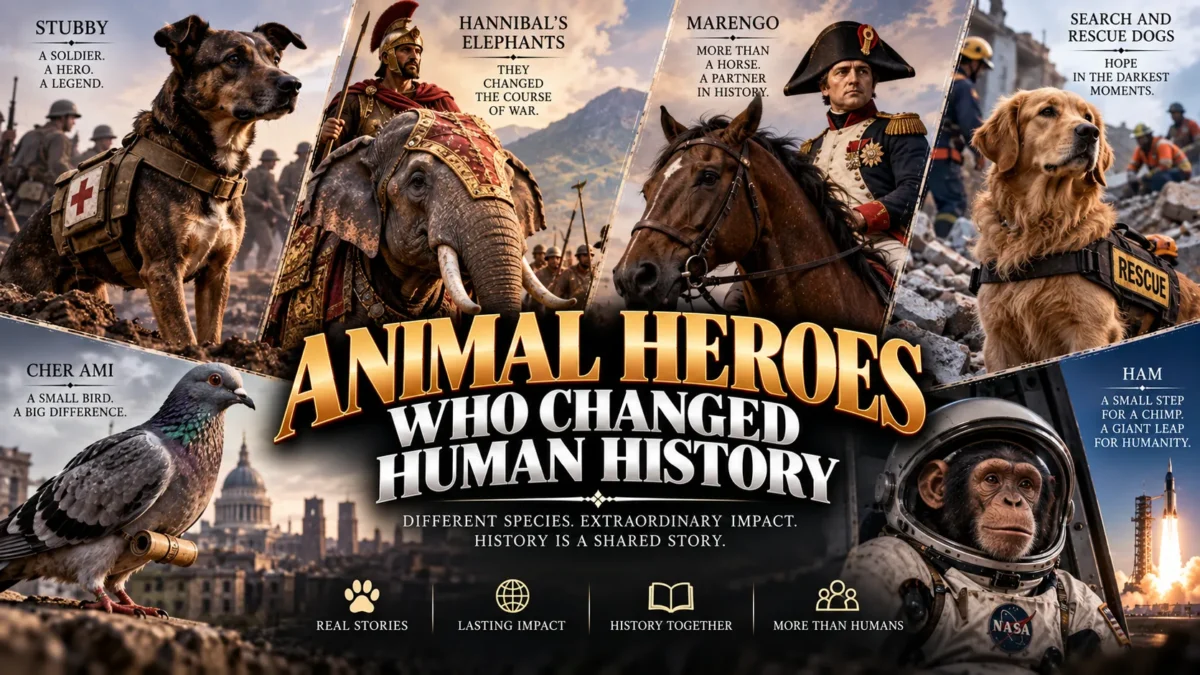
History books tend to focus on generals, inventors, and kings—the most recognized historical figures whose names fill every textbook—but some of the most remarkable stories of courage belong to creatures who never got a vote, a title, or even a say in the matter.
Dogs that crawled through gunfire to deliver messages, a pigeon that flew home with a chest wound, a bear that hauled artillery shells uphill — these are not fairy tales invented for children’s books. They are documented, archived, and in several cases medaled events from real wars, real disasters, and real rescues.
This list separates well-verified animal heroes from the exaggerated legends that sometimes get mixed in with them, much like the human heroes whose stories grew taller with each retelling.
Along the way, we will flag which stories rest on solid military and historical records and which ones have a little folklore baked in. Either way, these are the animals that are heroes worth remembering, and the reasons why their stories still resonate today.
TL;DR: From WWI messenger pigeons to 9/11 guide dogs, documented history is full of genuinely heroic animals whose courage and loyalty shaped human events far beyond what folklore alone could invent.
What Makes an Animal a Hero?
Before diving into the list, it helps to define the term. Historians and animal welfare organizations generally reserve “heroic animals” for cases with corroborating evidence — military records, newspaper archives, veterinary reports, or formal honors like Britain’s Dickin Medal, sometimes called “the animals’ Victoria Cross.”
That does not mean every story here is airtight. Some accounts were embellished over decades of retelling, especially in wartime propaganda or local folklore. We will note where the record is strong and where it is murkier, because a myth-busting approach only works if it is applied evenly.
1. Sergeant Stubby — The Most Decorated Dog of WWI
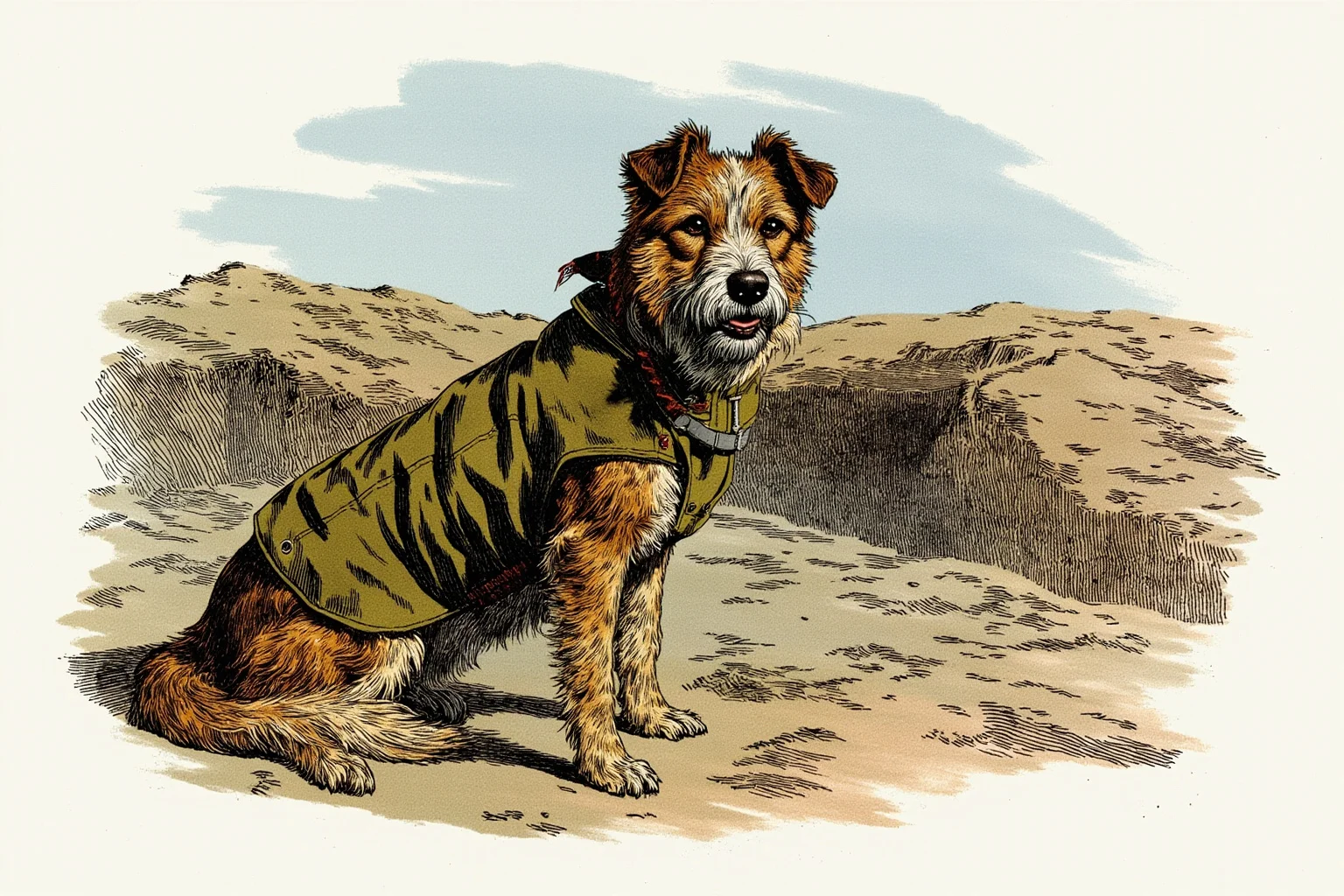
Stubby was a stray mutt adopted by soldiers of the 102nd Infantry Regiment in 1917 before they shipped out to France. He served in the trenches for over a year and a half, reportedly warning troops of poison gas attacks and incoming artillery before humans could react.
He was also credited with locating wounded soldiers in no-man’s-land and, according to regimental accounts, helping capture a German spy by grabbing his trousers. Stubby returned home a celebrity, met three U.S. presidents, and remains one of the most famous animal heroes of the First World War.
2. Cher Ami — The Pigeon That Saved the Lost Battalion
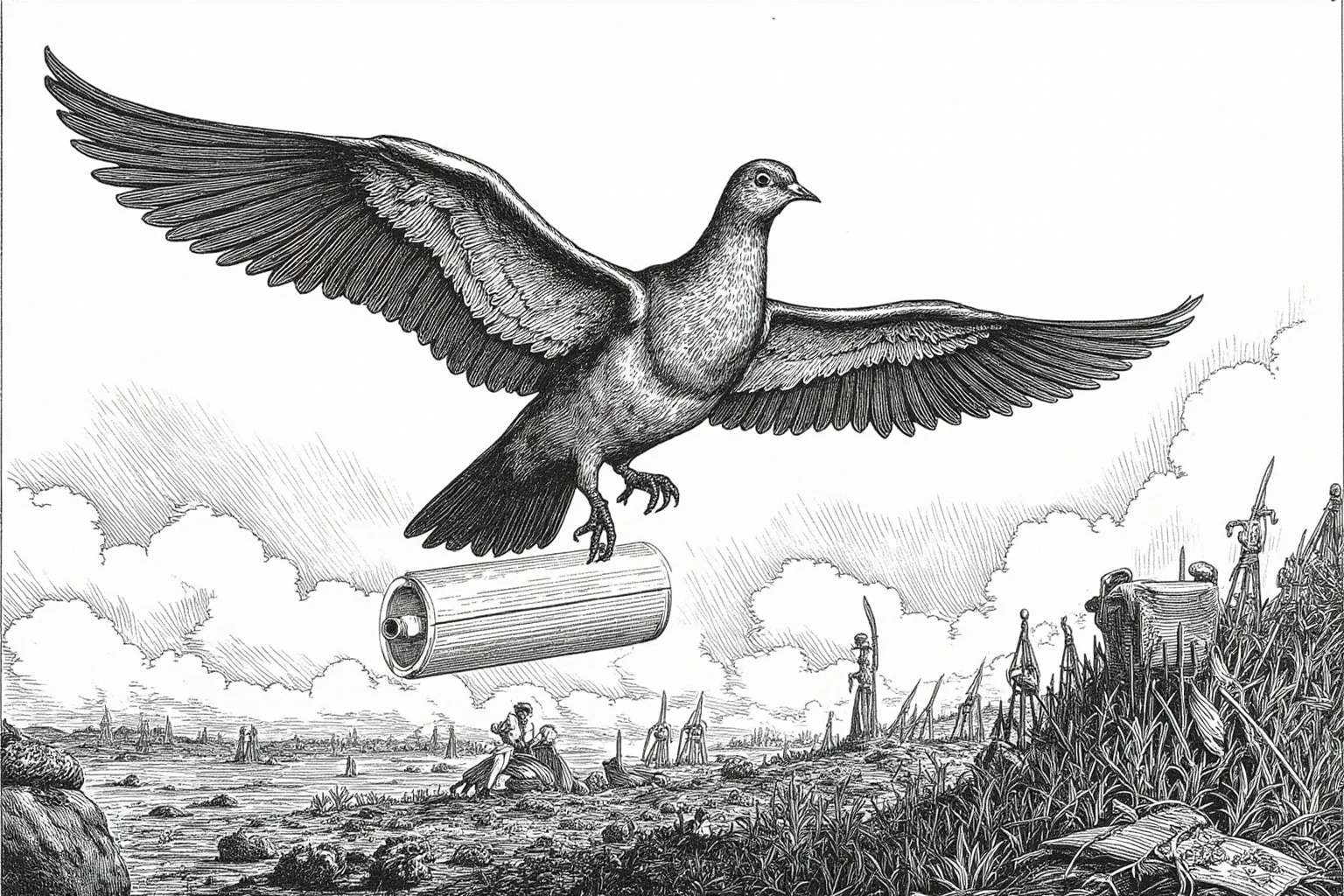
In October 1918, roughly 200 American soldiers known as the “Lost Battalion” were trapped behind enemy lines in the Argonne Forest, and friendly artillery was shelling their own position. Cher Ami, a carrier pigeon, was released with a desperate message tied to her leg.
She was shot through the breast and leg but still flew roughly 25 miles back to headquarters, delivering the note that stopped the barrage and saved survivors. She was awarded the French Croix de Guerre and is preserved today at the Smithsonian National Museum of American History.
3. Warrior — The Horse the Germans Couldn’t Kill
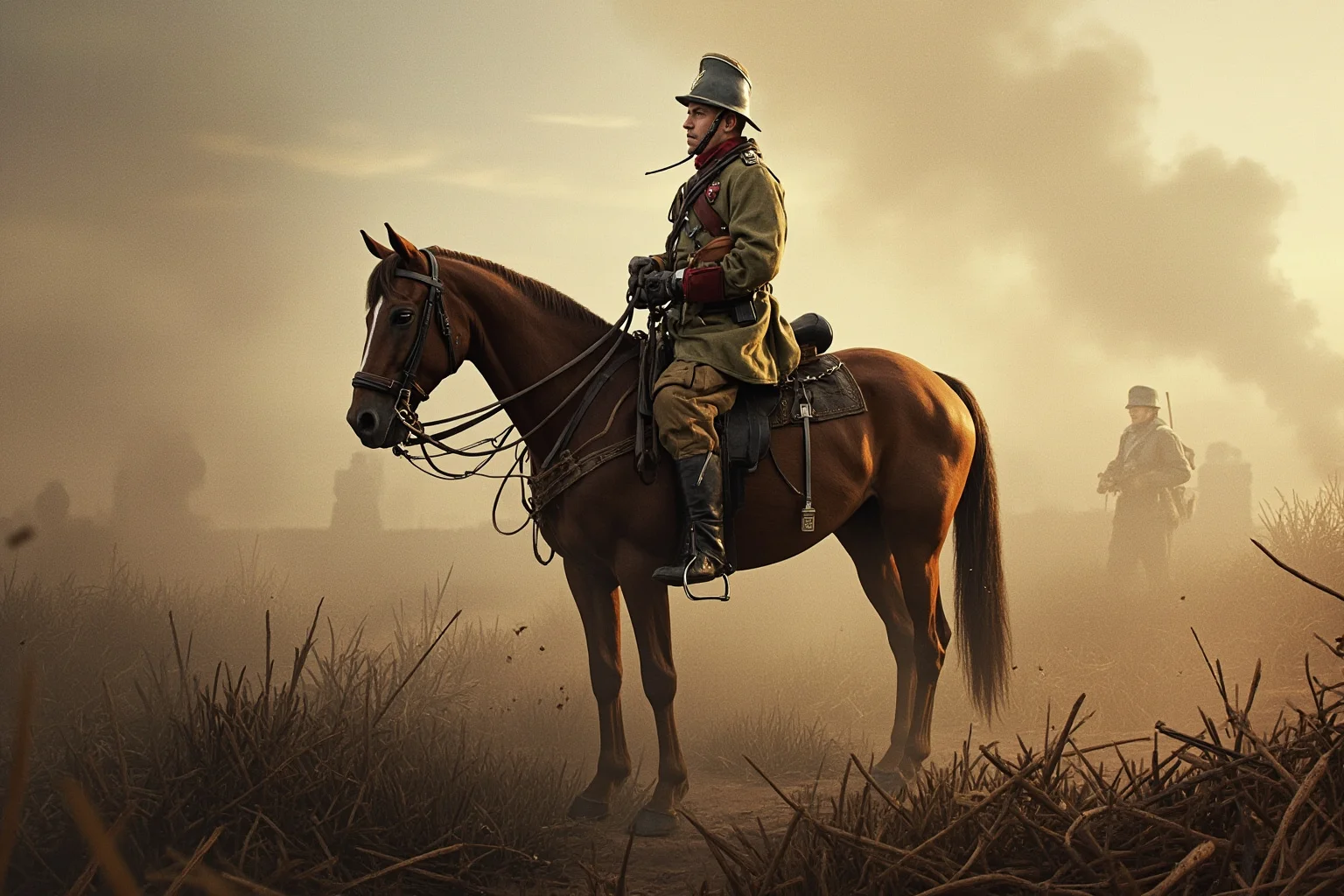
Warrior was the cavalry horse of British General Jack Seely, and he served through major WWI battles including the Somme and Passchendaele. He survived shellfire, collapsing trenches, and being buried alive, earning the nickname “the horse the Germans couldn’t kill.”
In 2014, the PDSA posthumously awarded Warrior an honorary Dickin Medal to represent all animals who served in that war. His story is documented in General Seely’s own memoirs, giving it firmer footing than most cavalry legends.
4. Wojtek — The Soldier Bear of the Polish Army
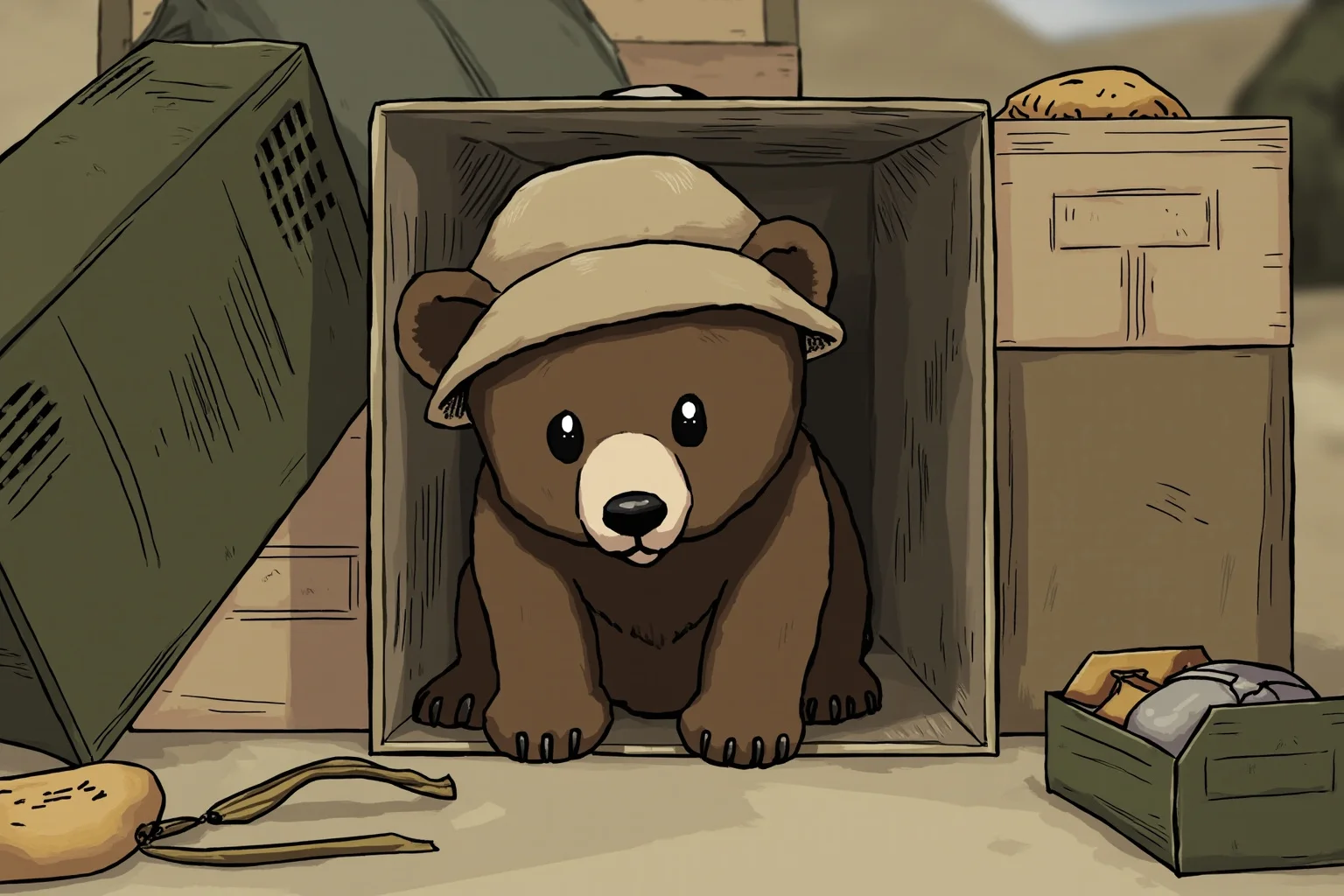
Wojtek was a Syrian brown bear cub adopted by Polish soldiers in Iran in 1942 after being found orphaned. He was formally enlisted as a soldier with his own rank and pay book so he could legally travel with the unit, and he reportedly helped carry crates of artillery shells during the Battle of Monte Cassino in 1944.
After the war, Wojtek retired to Edinburgh Zoo, where former soldiers would visit and toss him cigarettes, which he apparently enjoyed eating rather than smoking. His story is one of the more unusual entries among famous animal heroes, but it is corroborated by Polish military records and surviving veterans’ testimony.
5. Bamse — Norway’s Seafaring St. Bernard
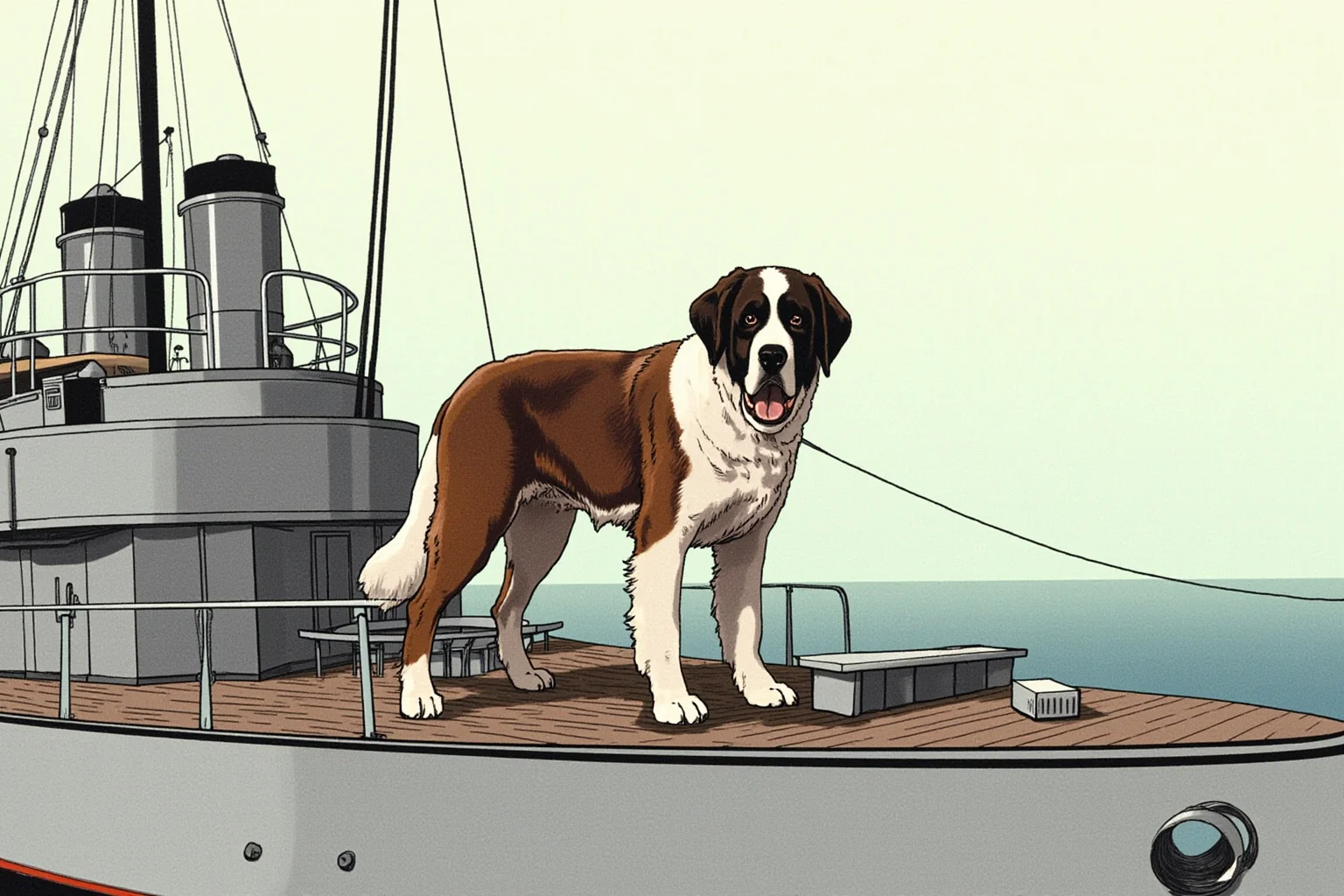
Bamse was a St. Bernard who served as the mascot aboard the Norwegian minesweeper Thorodd during WWII. He was known for pulling drunken sailors out of harbor water, breaking up fights between crewmen, and even reportedly pushing an attacker off the ship’s deck to protect his captain.
When Bamse died in 1944, hundreds of people, including schoolchildren, attended his funeral in Montrose, Scotland. A statue of him stands there today, and he remains one of Norway’s most celebrated heroic animals.
6. Judy — The Only Animal Registered as a WWII Prisoner of War
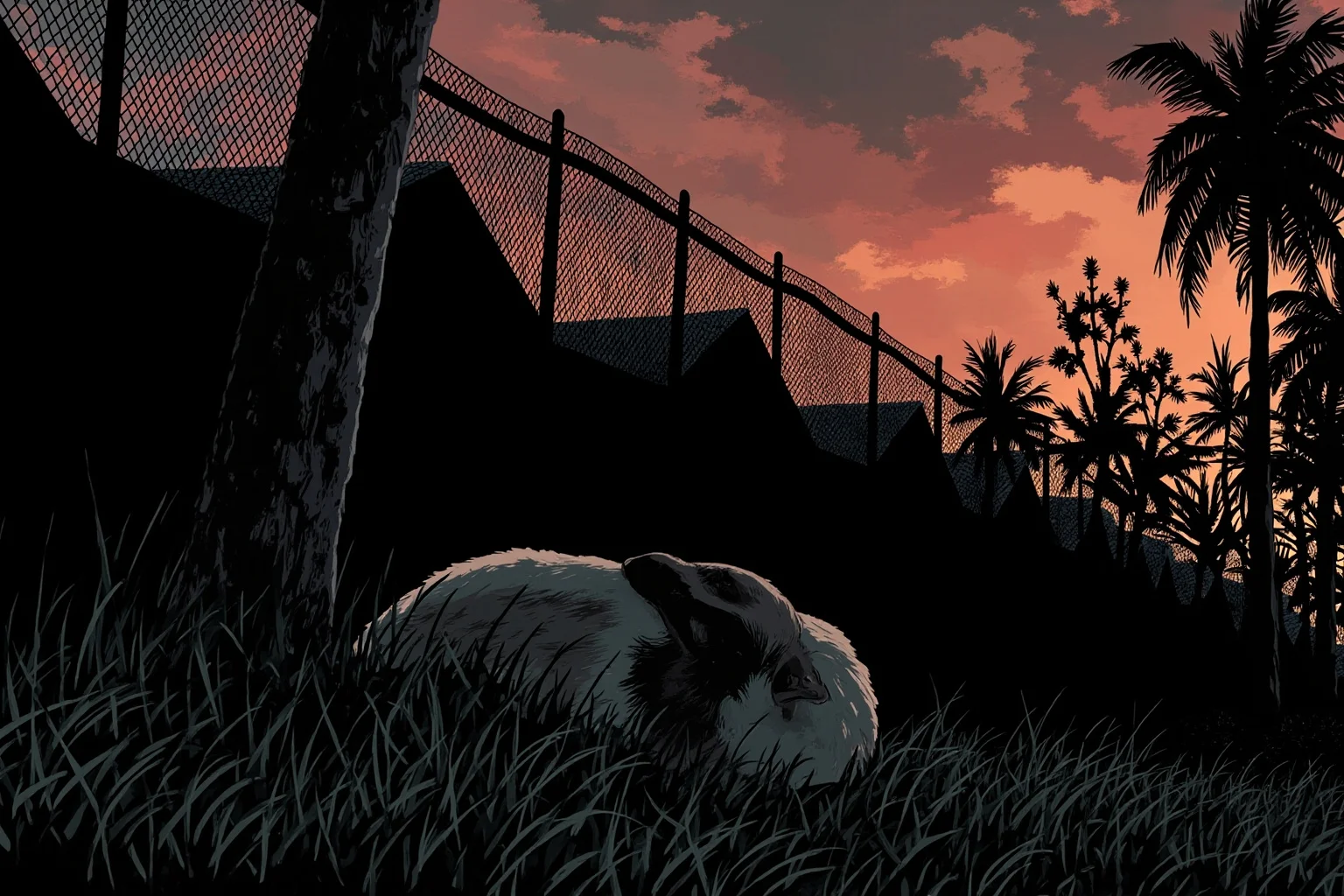
Judy was a purebred pointer who served on Royal Navy gunboats before surviving a shipwreck and Japanese POW camps in Indonesia. She is the only animal formally registered as a prisoner of war, and survivors credited her with warning of dangers such as snakes, crocodiles, and approaching guards.
Her human companion, Leading Aircraftman Frank Williams, risked his life to keep her alive through years of captivity. Judy received the Dickin Medal in 1946 for her service and endurance.
7. Rip — The Blitz’s Unofficial Search and Rescue Pioneer
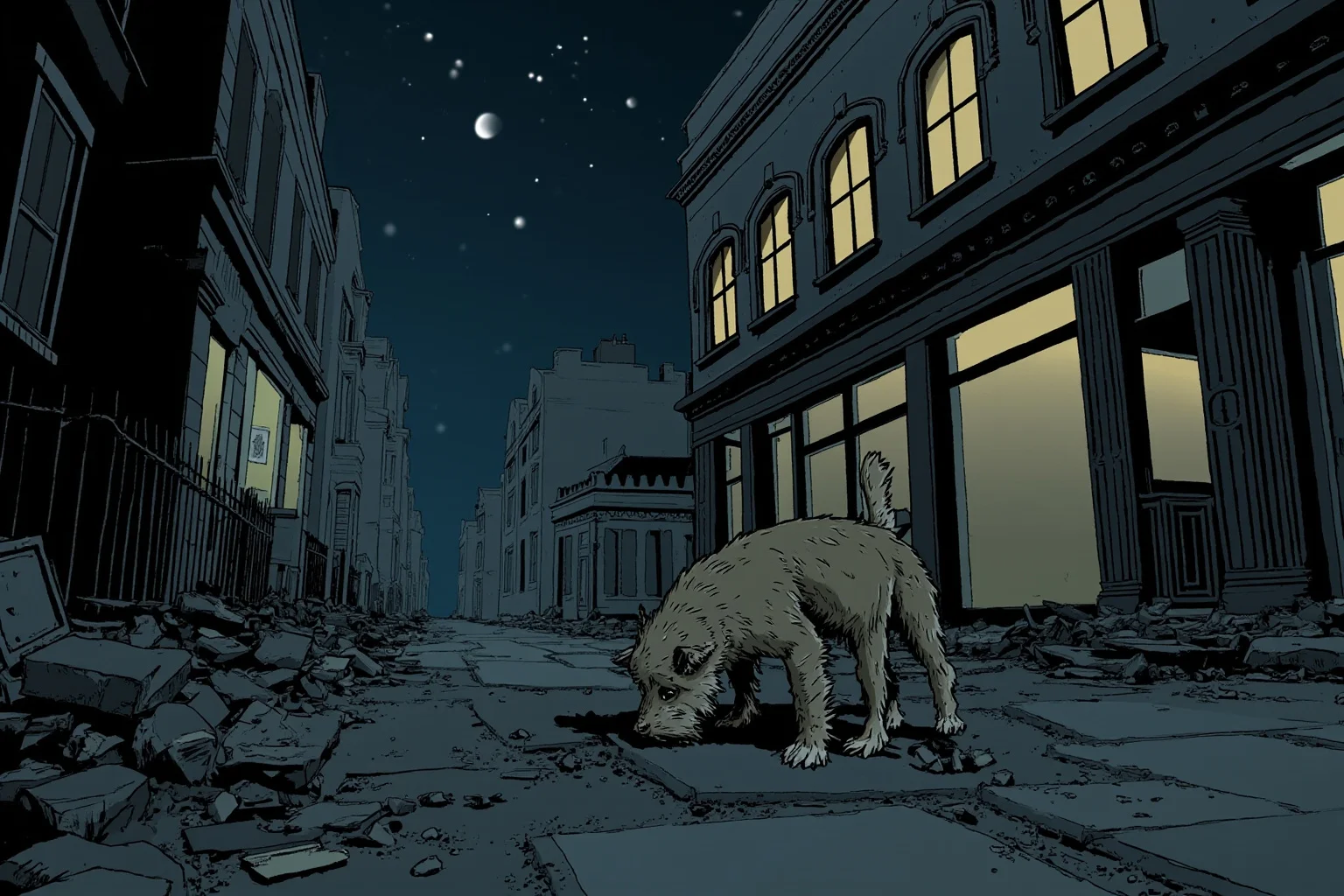
Rip was a stray terrier adopted by an Air Raid Precautions unit in London during the Blitz. Without any formal training, he began locating people trapped under rubble after bombing raids, reportedly helping find around 100 survivors over the course of the war.
His instinctive work is often cited as an informal starting point for modern search-and-rescue dog training in Britain. He received the Dickin Medal in 1945.
8. Gander — The Newfoundland Who Charged a Grenade
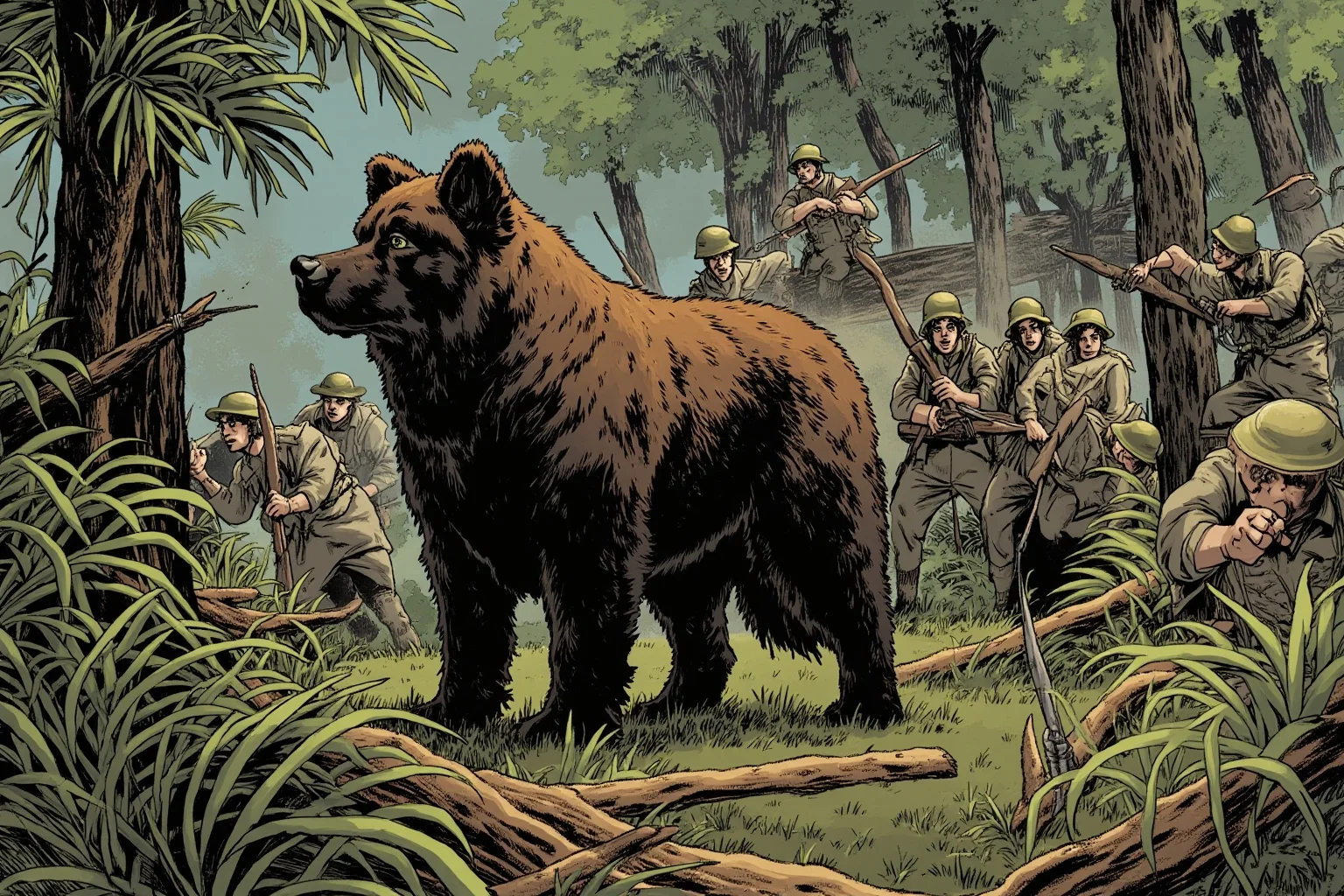
Gander was a large Newfoundland dog serving as a mascot with Canadian troops defending Hong Kong in 1941. During the battle, he reportedly picked up a live grenade thrown toward wounded soldiers and carried it away from them, an act that cost him his life.
Gander was posthumously awarded the Dickin Medal in 2000, decades after his death, once his story was more thoroughly documented by surviving veterans.
9. Chips — The Dog Who Attacked a Machine Gun Nest
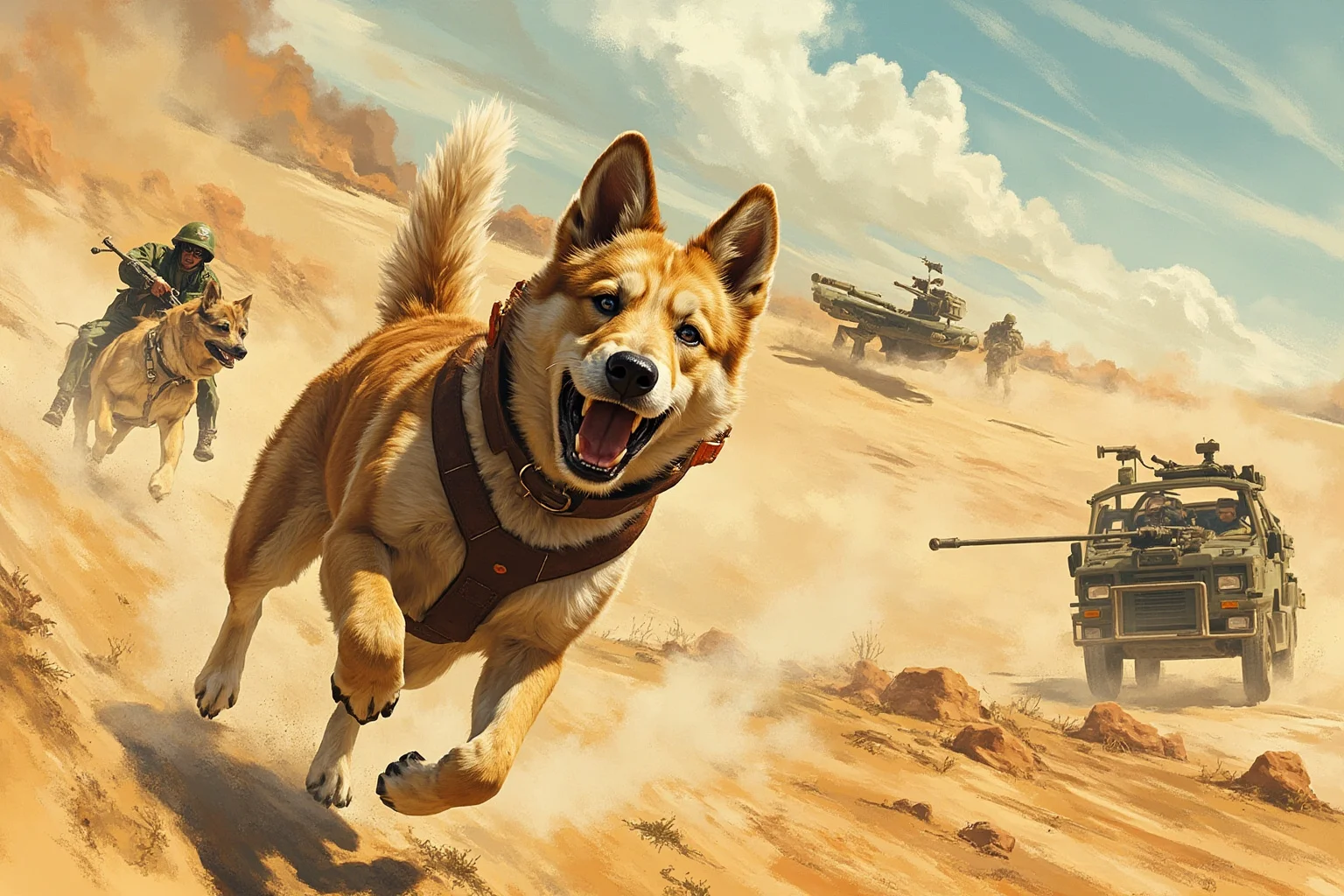
Chips was a mixed-breed dog serving with the U.S. Army in WWII, trained originally as a sentry dog. During the invasion of Sicily in 1943, he broke free from his handler and attacked an enemy machine gun crew, forcing several soldiers to surrender.
He was informally awarded a Silver Star and Purple Heart, though these were later revoked because military policy did not allow official medals for animals. Advocacy groups have periodically pushed for the U.S. to create an equivalent to Britain’s Dickin Medal partly because of cases like his.
10. Antis — The RAF’s Flying Dog
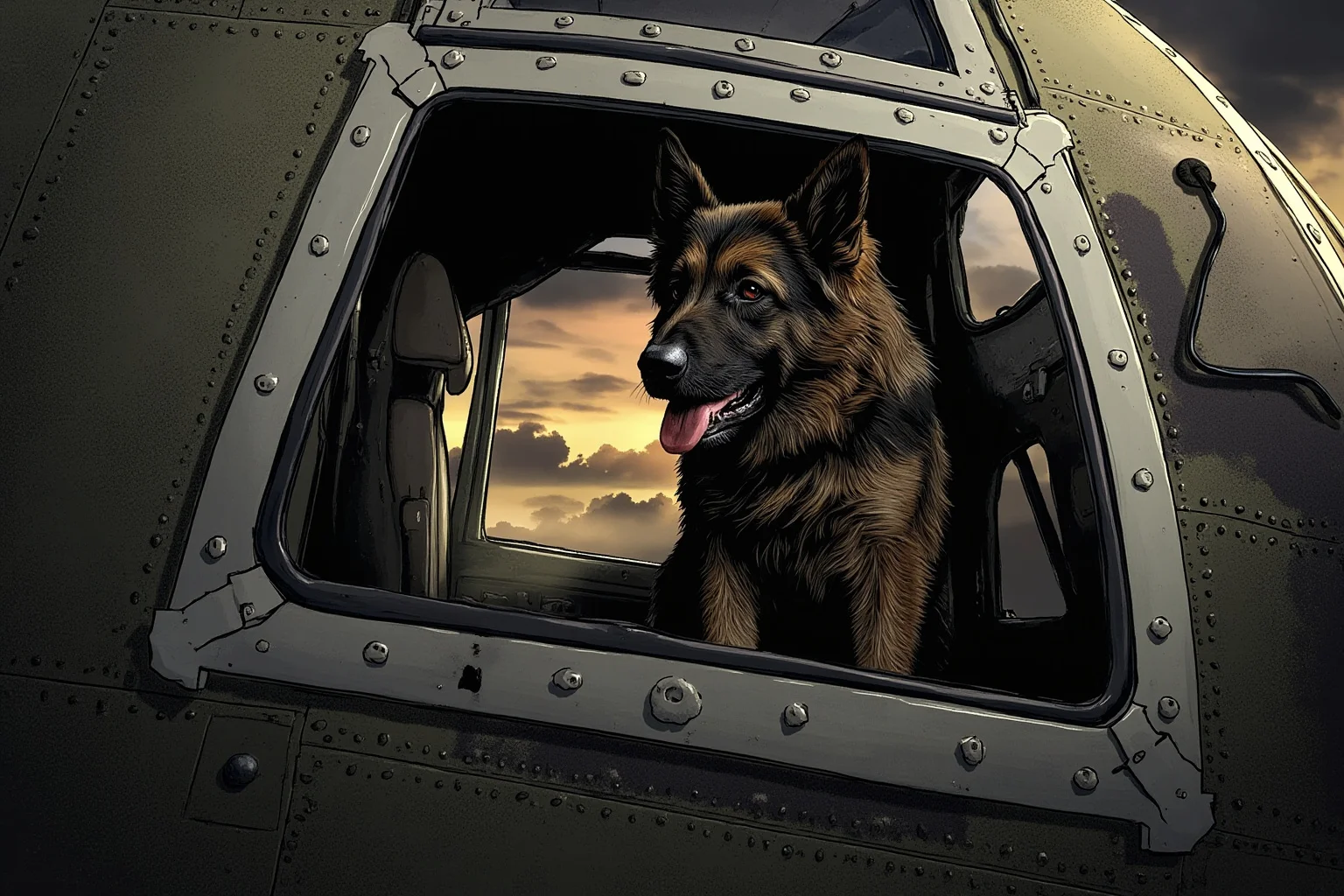
Antis was a German Shepherd puppy rescued by a Czech airman serving with the Royal Air Force in 1940. He reportedly flew on bombing missions and once alerted the crew to oxygen system failures at high altitude, according to accounts from his handler, Robert Bozdech.
After the war, Antis was awarded the Dickin Medal in 1949 for his wartime service and later loyalty to his handler during a dangerous escape from Communist Czechoslovakia.
11. Simon — The Cat Who Survived a Warship Shelling
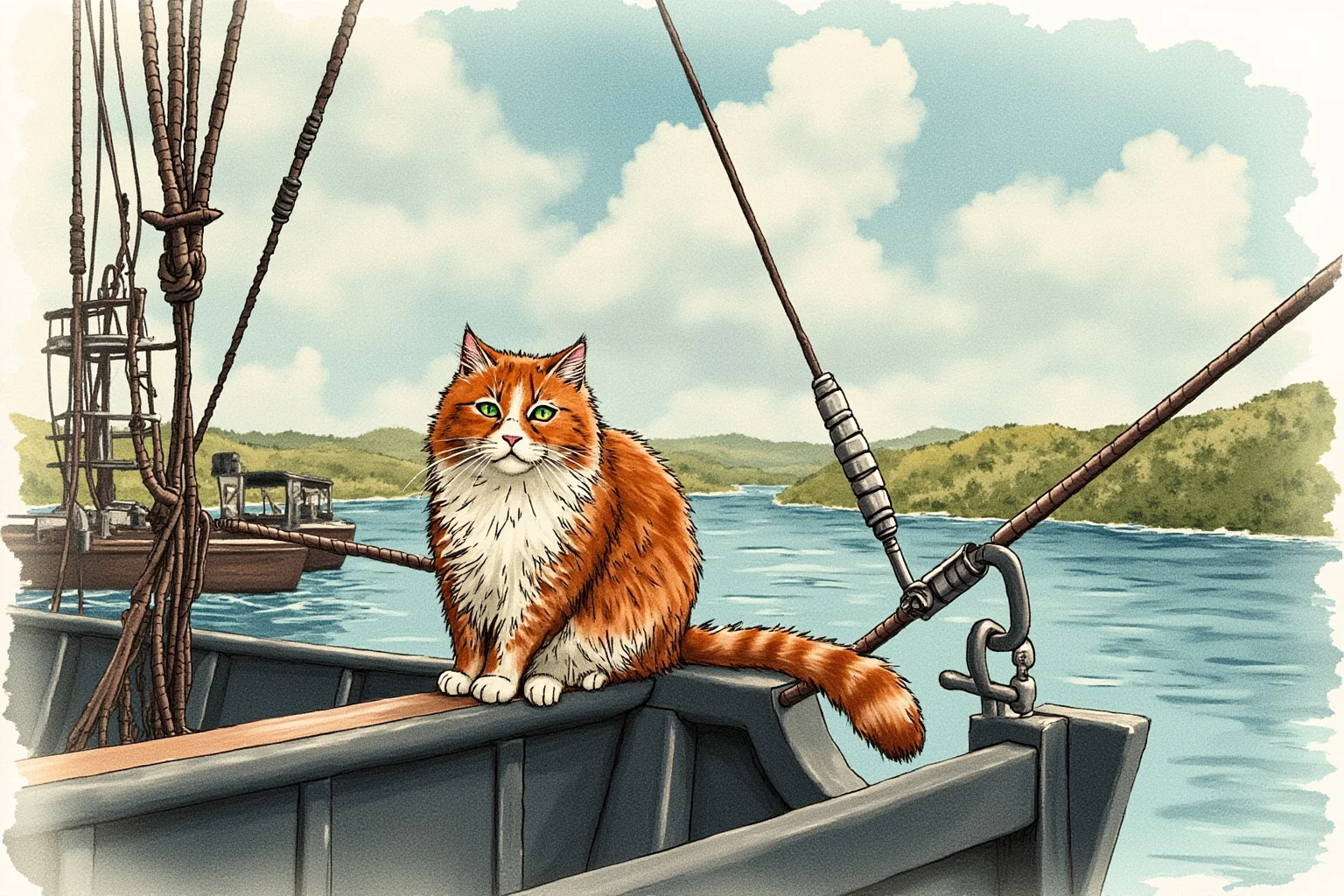
Simon was the ship’s cat aboard HMS Amethyst during the 1949 Yangtze Incident, when the vessel came under sustained Chinese Communist artillery fire on the Yangtze River. Simon was wounded by shrapnel but recovered and reportedly kept rats away from dwindling food stores during the ship’s three-month standoff.
He became the only cat ever awarded the Dickin Medal, and his story remains one of the best-documented examples of heroic animals at sea, unlike some ship’s-cat legends that circulate without solid sourcing.
12. Balto and Togo — The Sled Dogs of the 1925 Serum Run
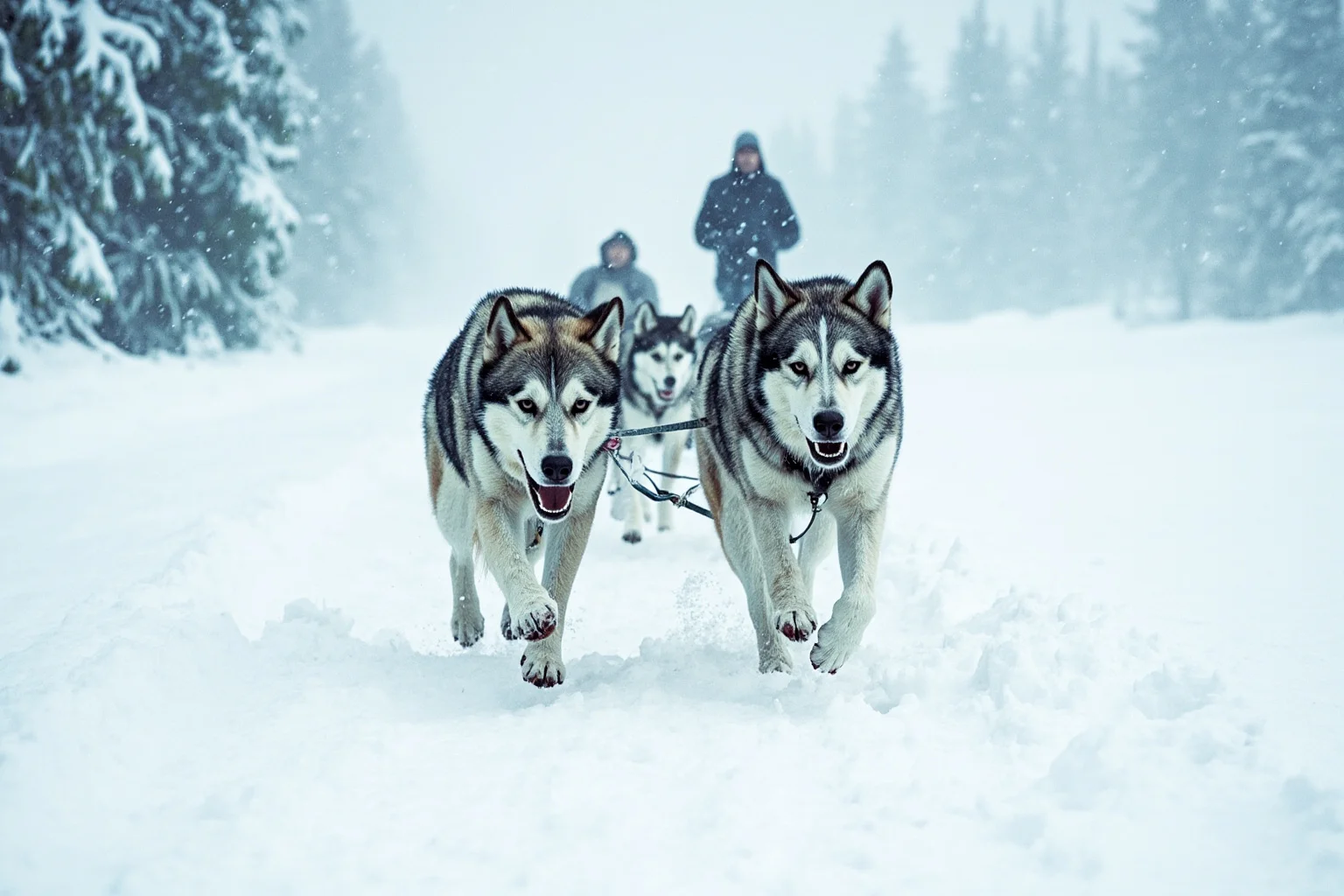
When a diphtheria outbreak threatened Nome, Alaska in 1925, teams of sled dogs relayed life-saving serum across roughly 674 miles of brutal winter terrain. Balto led the final leg into Nome and became a national celebrity, with a statue erected in his honor in New York’s Central Park.
Historians note that Togo, another lead dog, actually covered the longest and most dangerous stretch of the route, around 260 miles, but received far less recognition at the time. Both dogs are now remembered together as symbols of endurance among famous animal heroes.
13. Hachiko — Japan’s Symbol of Loyalty

Hachiko was an Akita dog in 1920s Tokyo who reportedly continued walking to Shibuya Station every day for nearly a decade after his owner, a university professor, died suddenly in 1925. Commuters and station staff began feeding him and noticing his daily vigil.
His story became a national symbol of loyalty, and a bronze statue of Hachiko still stands outside Shibuya Station today, a popular meeting spot in Tokyo. While some details have softened into folklore over the decades, contemporary newspaper coverage from the era confirms the core of the story.
14. Laika — The First Animal in Orbit
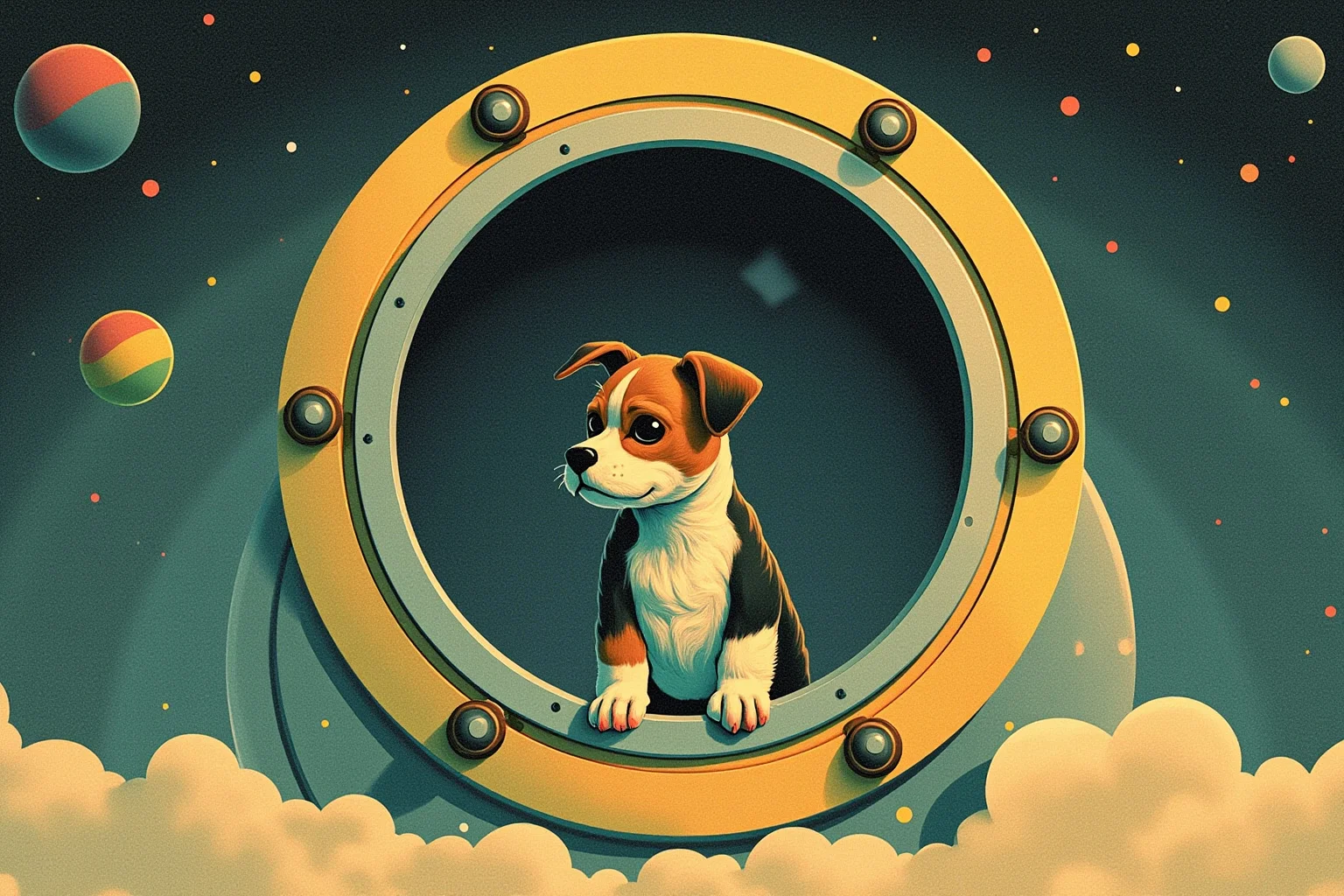
Laika was a stray dog selected for the Soviet Union’s Sputnik 2 mission in November 1957, becoming the first living creature to orbit Earth. At the time, Soviet officials claimed she survived several days before a planned euthanasia, but it was later revealed she died within hours of launch from overheating.
Her flight proved that living beings could survive the initial stresses of spaceflight, directly informing the crewed missions that followed. Laika’s story is also a useful reminder to separate genuine scientific milestones from the sanitized versions governments sometimes tell.
15. Jack the Baboon — The Railway Signalman’s Assistant
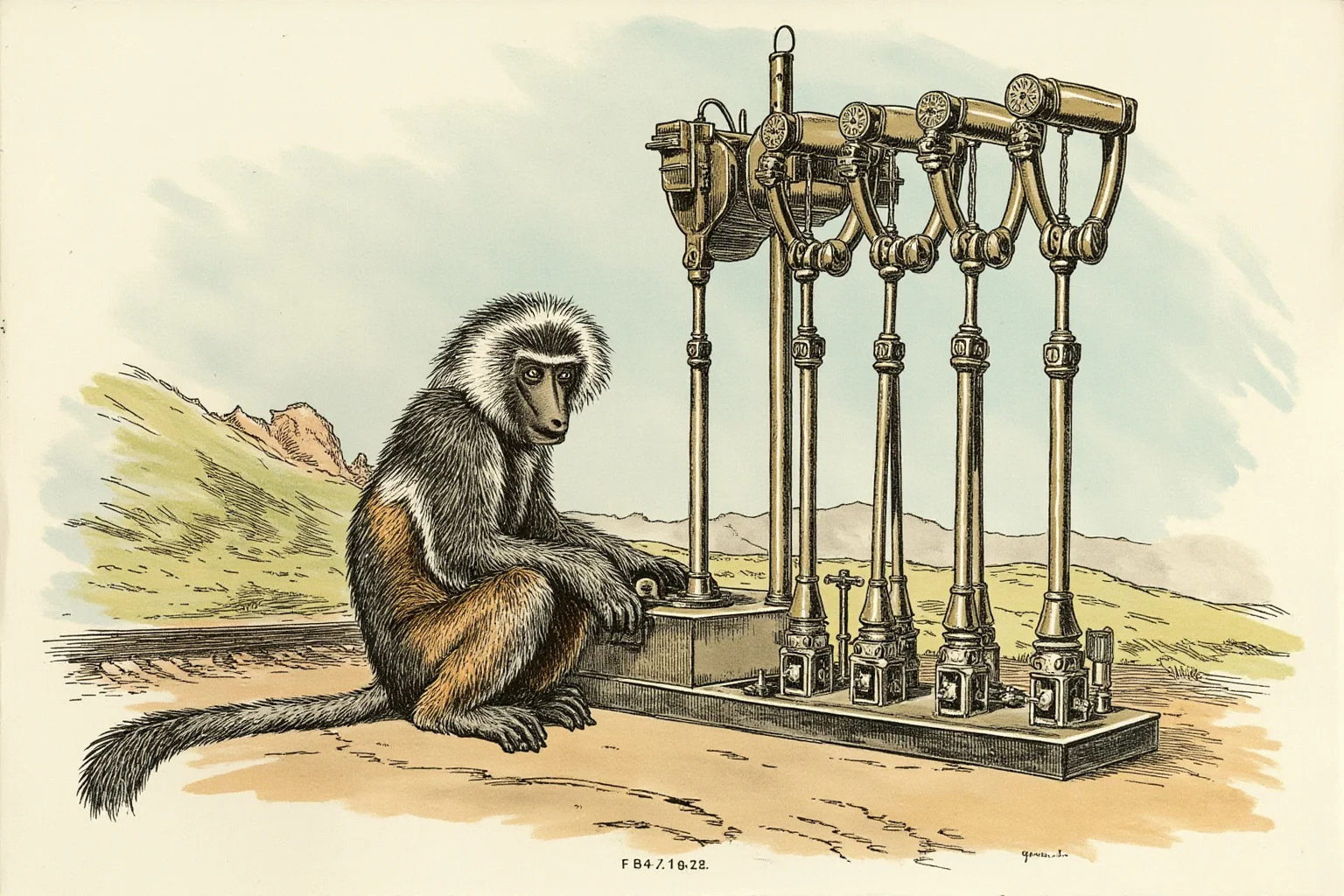
According to South African railway folklore, a chacma baboon named Jack assisted a double-amputee signalman named James Wide at Uitenhage station in the 1880s, reportedly learning to operate signal levers correctly in response to train whistles. The story, first popularized in period newspapers, says Jack worked for around nine years without a recorded error.
Because the tale relies heavily on secondhand 19th-century press accounts rather than official railway logs, historians treat it as plausible folklore rather than fully verified fact. It remains one of the more charming, if less airtight, entries among animals that are heroes in popular history.
16. Smoky — The Tiny Dog Who Helped Win Airfields
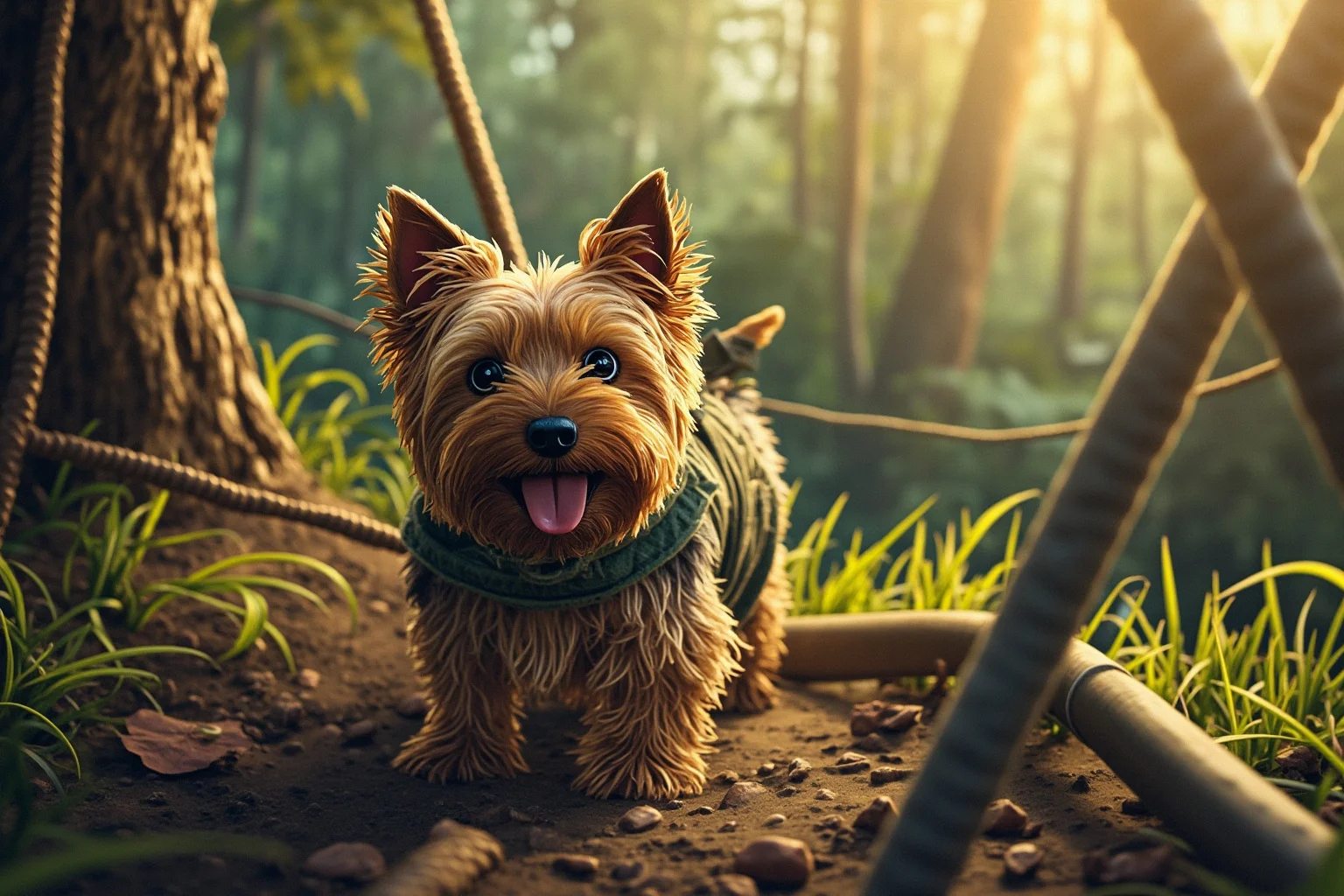
Smoky was a four-pound Yorkshire Terrier found in a foxhole in New Guinea during WWII and adopted by American serviceman William Wynne. Her most notable feat involved running a telegraph wire through a 70-foot pipe barely eight inches wide, a job that would have taken engineers days to dig by hand under fire.
Smoky is also widely credited as one of the earliest documented therapy dogs, visiting wounded soldiers in hospitals during and after the war. A memorial statue honoring her stands in Cleveland, Ohio.
17. Scarlett — The Cat Who Rescued Her Kittens From Fire
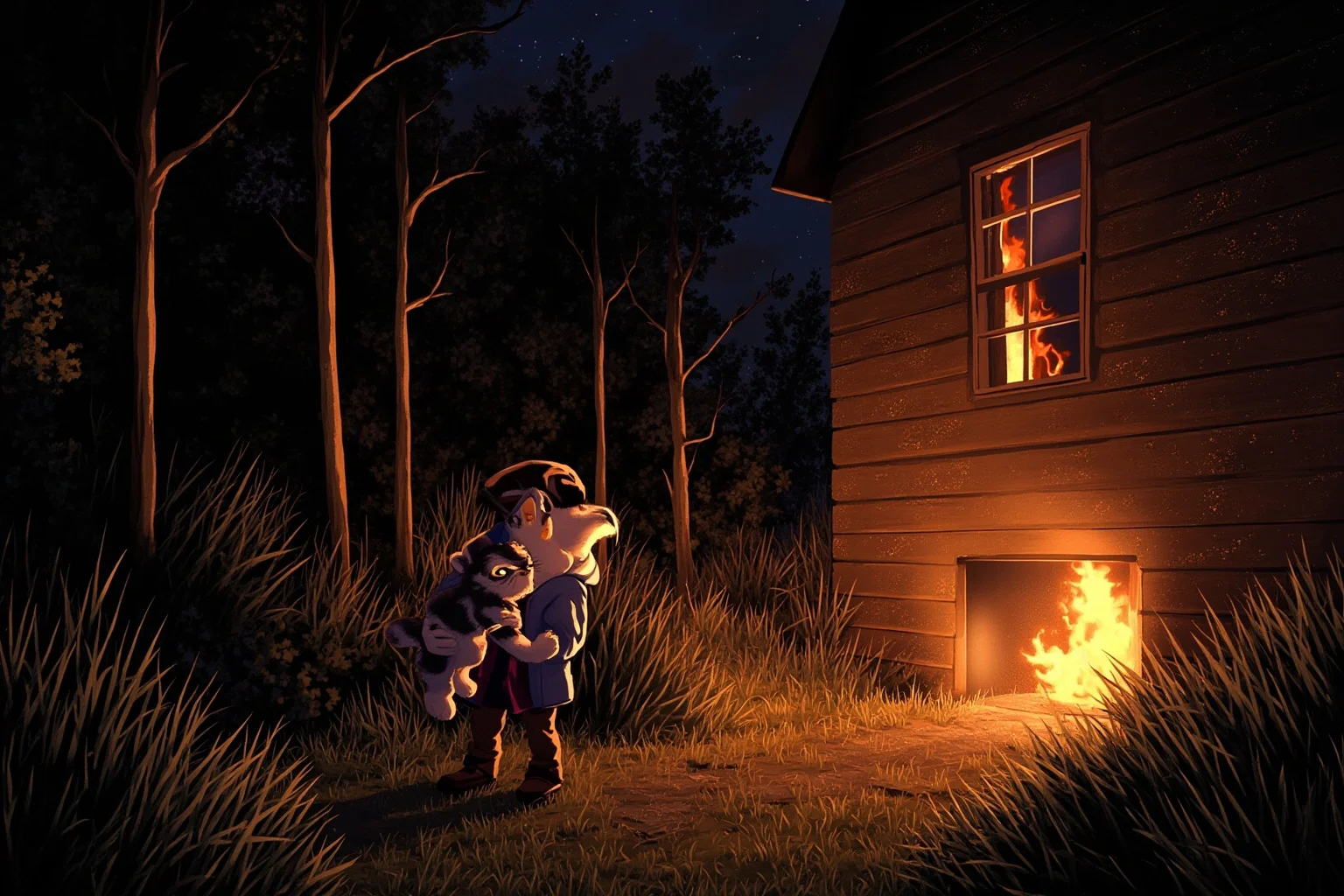
In March 1996, a fire broke out in an abandoned Brooklyn garage where a stray cat named Scarlett had been sheltering with her litter of kittens. Firefighters watched as she made repeated trips back into the flames, suffering severe burns to her eyes and paws, until she had carried all five kittens to safety.
Her story spread nationally and she was honored by the North Shore Animal League, becoming a widely cited example of instinctive heroism in the animal kingdom. Scarlett later recovered and was adopted into a loving home.
18. Salty and Roselle — Guide Dogs of September 11
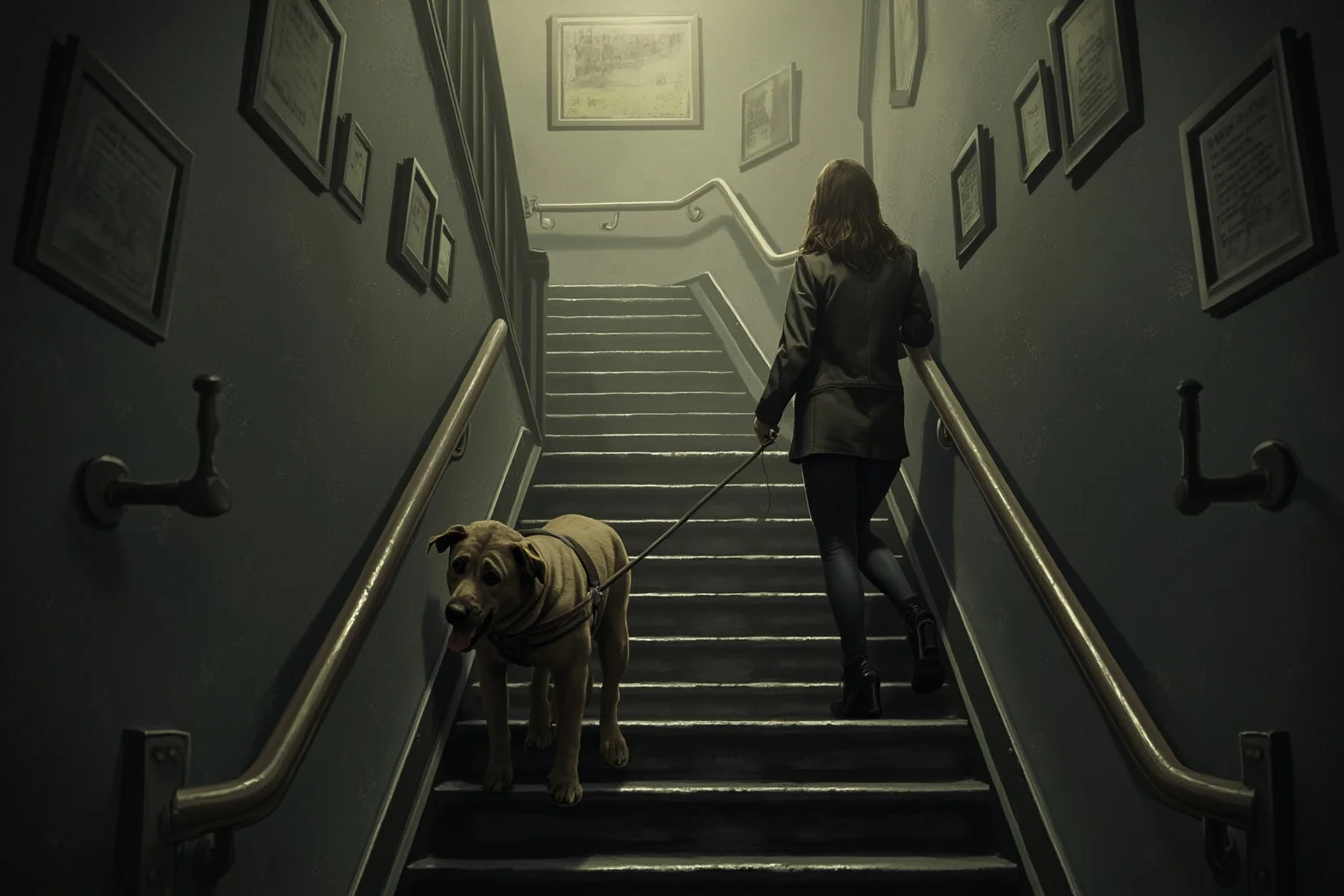
On September 11, 2001, guide dogs Salty and Roselle led their blind owners down dozens of flights of stairs inside the burning World Trade Center towers, navigating through smoke, debris, and panicked crowds. Both dogs stayed calm and focused despite the chaos around them.
They were jointly awarded the Dickin Medal in 2002, one of the few times the honor has gone to animals in a civilian disaster rather than a war zone. Their story remains a touchstone example of modern heroic animals.
19. Trakr — The Search Dog of Ground Zero
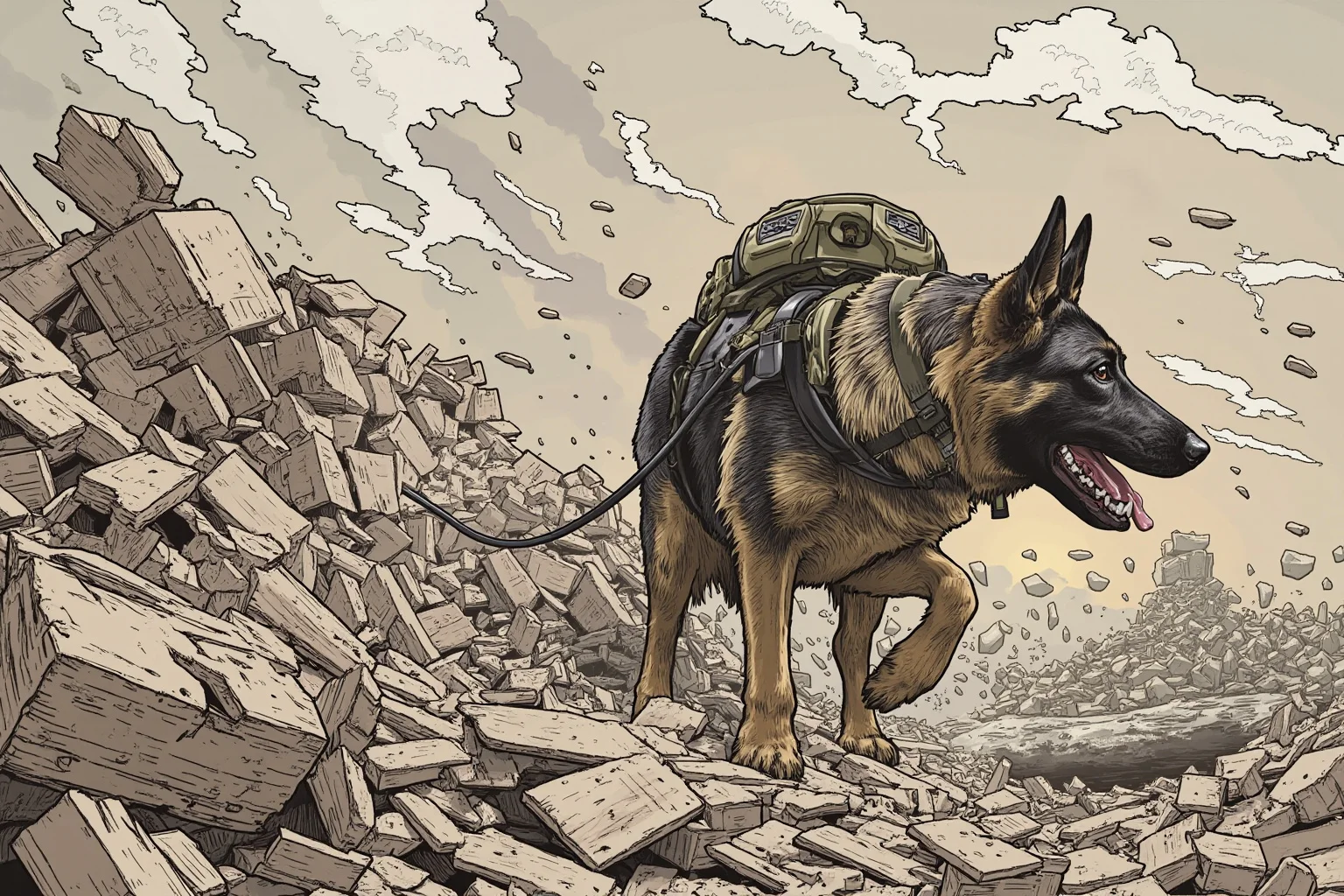
Trakr was a German Shepherd trained in search and rescue who was brought to Ground Zero after the September 11 attacks. He is credited with locating the last known survivor pulled from the rubble roughly 26 hours after the towers fell.
His handler, James Symington, later had Trakr cloned through a competition sponsored by a biotech company, making him one of the first search dogs to have genetic descendants created specifically to honor his legacy. That detail sits at an unusual intersection of history, ethics, and biotechnology worth noting.
20. Endal — The Assistance Dog Who Went Beyond Training
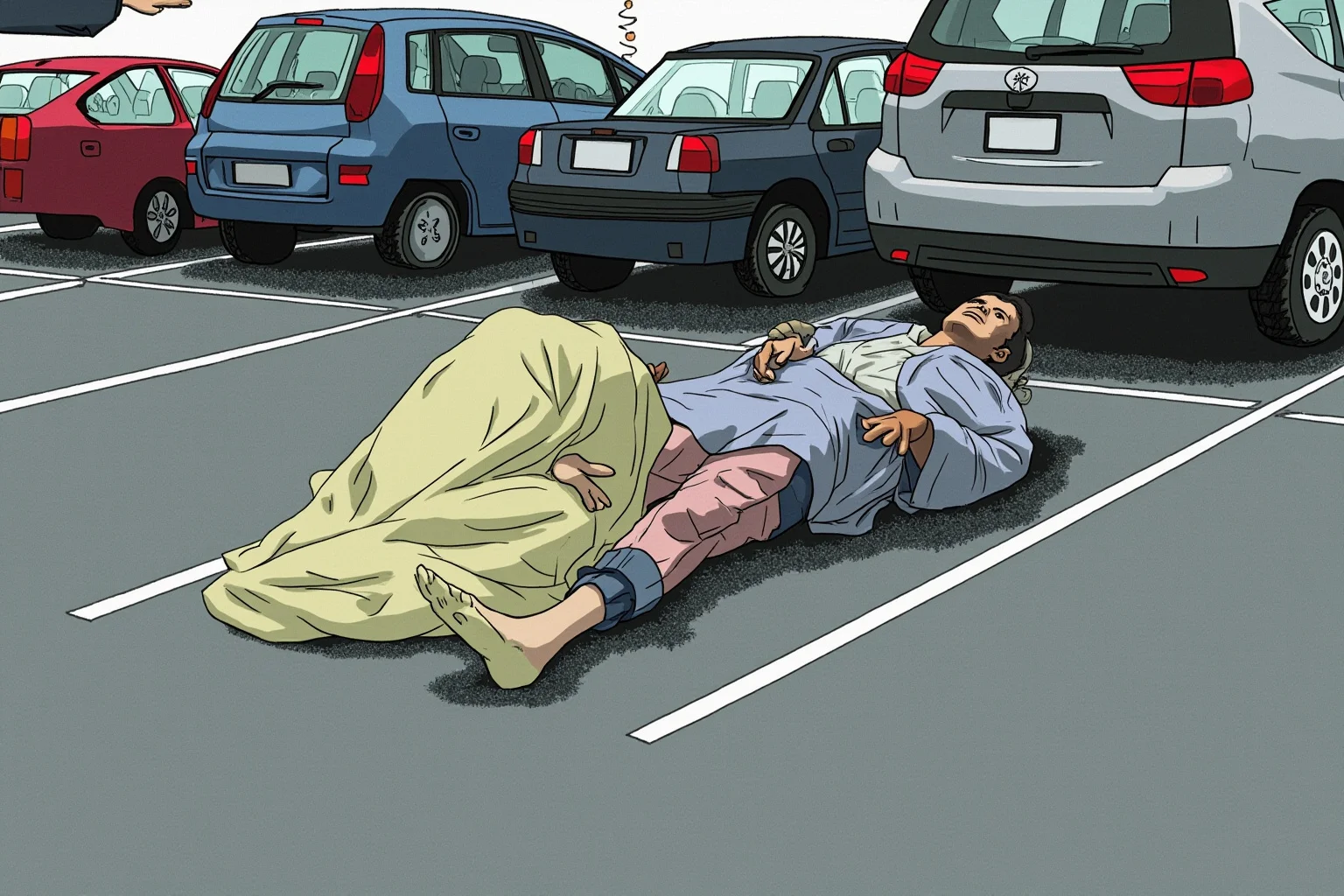
Endal was a British assistance dog partnered with disabled veteran Allen Parton starting in the late 1990s. In one widely reported 2001 incident, after Parton was knocked unconscious and thrown from his wheelchair in a car park, Endal reportedly retrieved a blanket, covered him, and used a mobile phone to summon help.
Endal received the Dickin Medal in 2009 for a lifetime of service that went well beyond his original training, and he is often cited in discussions of just how far animal intelligence and loyalty can extend.
21. Moko — The Dolphin Who Guided Stranded Whales
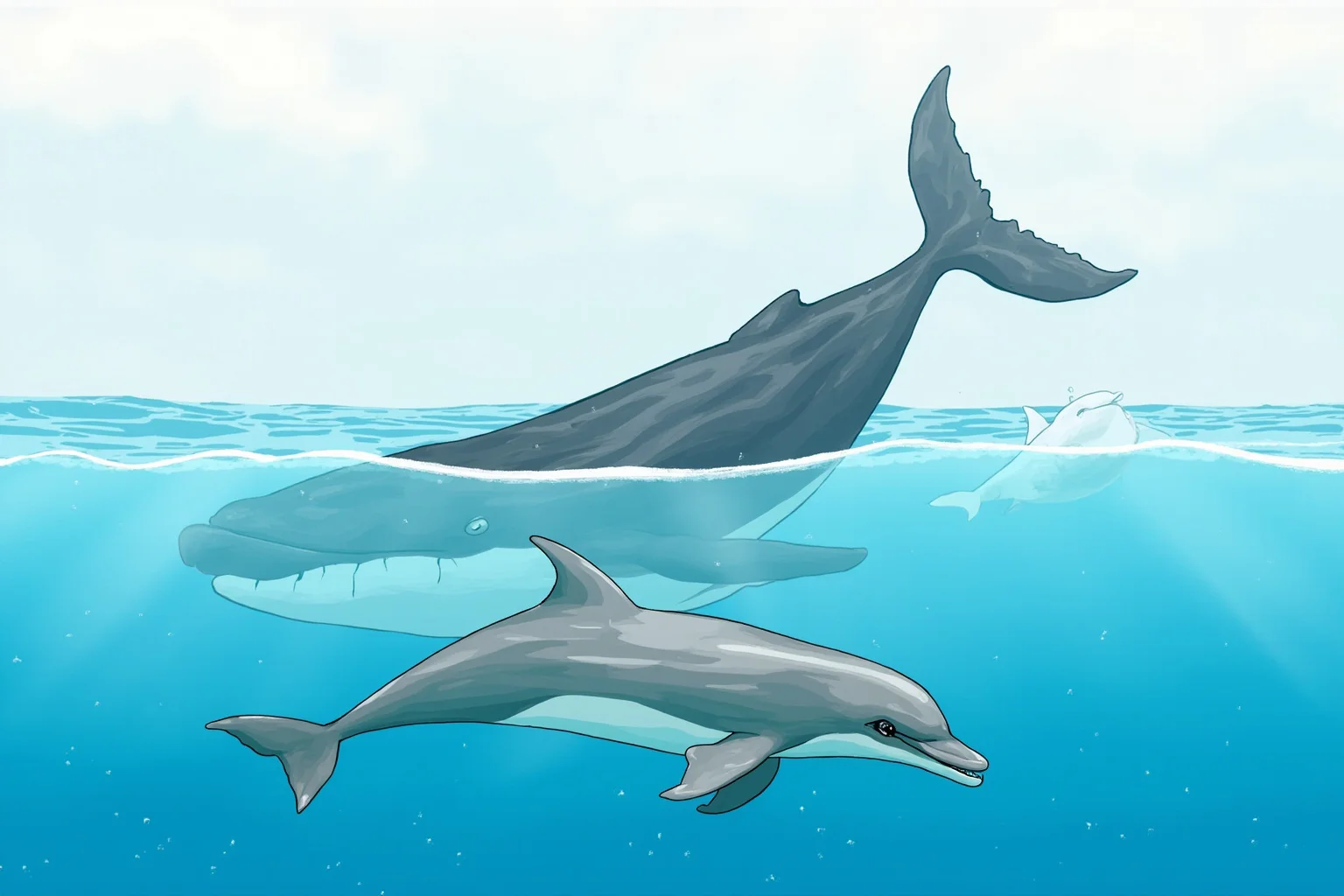
In 2008, a bottlenose dolphin known locally as Moko was observed off the coast of New Zealand appearing to guide two stranded pygmy sperm whales, a mother and calf, back out to open water after human rescuers had struggled for hours. Witnesses, including conservation officers, reported that the whales followed Moko’s lead through a channel toward the sea.
Marine biologists caution that dolphin “rescue” behavior is difficult to interpret with full scientific certainty, since intent is hard to prove in wild animals. Still, the documented eyewitness accounts make Moko one of the more compelling modern examples of heroic animals outside of a war or disaster setting.
22. Kabang — The Dog Who Sacrificed Her Face to Save Two Girls
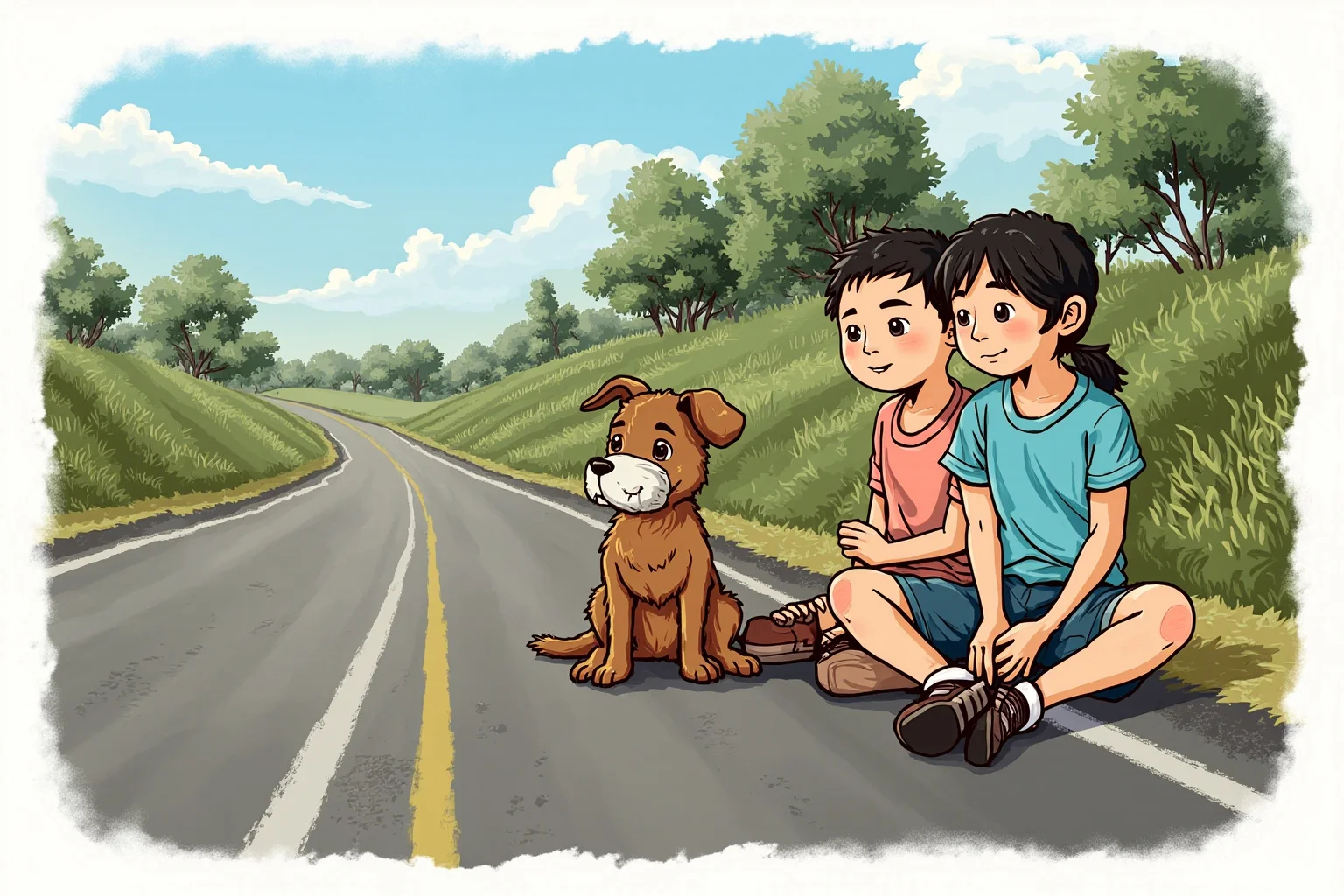
In 2011, a dog named Kabang in the Philippines reportedly ran into the path of an oncoming motorcycle to protect two young girls, her owner’s relatives, who were about to be hit. Kabang survived but suffered severe facial injuries, losing part of her snout in the impact.
Her story drew international attention and donations funded reconstructive surgery for her in the United States. Kabang later became a local symbol of animal heroism in the Philippines and an ambassador for animal welfare causes.
Why Animal Heroes Still Matter
These stories persist not because they are perfectly tidy, but because they capture something people find hard to manufacture in fiction: unplanned, instinctive courage. Military historians continue to study animal service records, and organizations like the PDSA still award the Dickin Medal today, keeping the tradition of honoring heroic animals alive.
At the same time, a healthy dose of skepticism serves these stories well. Some accounts, like Jack the baboon, rest more on charming period journalism than hard verification—not unlike certain historical figures whose heroism was greatly exaggerated by legend—while others, like Cher Ami or Simon the cat, are backed by military archives and museum collections. Knowing the difference is part of respecting the animals’ real contributions rather than flattening them into myth.
What unites this list of famous animal heroes, verified or partly folkloric, is that each one reflects a moment where an animal’s actions intersected with human history in a way nobody could have scripted. That is arguably more remarkable than if the stories had been engineered from the start.
Frequently Asked Questions
What are some real examples of animals that are heroes in history?
Well-documented examples include Cher Ami, the WWI carrier pigeon who delivered a message despite severe wounds, Sergeant Stubby, a decorated WWI dog, and Salty and Roselle, the guide dogs who led their owners out of the World Trade Center on 9/11. These cases are backed by military records, newspaper archives, or formal honors like the Dickin Medal.
What is the Dickin Medal?
The Dickin Medal is a British award established in 1943 by Maria Dickin, founder of the PDSA veterinary charity, to honor animals that displayed conspicuous gallantry or devotion to duty while serving in military or civil defense roles. It is sometimes called the animals' Victoria Cross and has been awarded to dogs, pigeons, a horse, and a cat.
Are all famous animal hero stories historically accurate?
Not entirely. Some, like Simon the cat's service on HMS Amethyst, are well documented in official records, while others, like Jack the baboon's railway career, rely mostly on 19th-century newspaper accounts that are harder to verify. It's worth treating older or secondhand stories with a bit of healthy skepticism.
Can animals officially receive military honors?
It depends on the country. The United Kingdom's Dickin Medal formally recognizes animal service, but the United States does not have an official military medal system for animals, which is why informal honors given to dogs like Chips were later revoked under policy rules.
Why do heroic animal stories remain so popular today?
These stories resonate because they show unplanned, instinctive courage rather than trained or scripted behavior. Whether it's a dog, a dolphin, or a pigeon, the idea that an animal acted decisively to protect others taps into something people find genuinely moving and hard to dismiss.

Alex Warren
Related Articles





