Every culture on Earth has developed its own way of marking time, honoring the dead, welcoming the new year, or simply having a good excuse to throw tomatoes at strangers.
Traditions and celebrations tell us who a community is, what it values, and what it’s afraid of, and they often carry far more layered history than the postcard version suggests.
In this list — sometimes searched in French as traditions culturelles fascinantes à travers le monde — we’re rounding up some of the most unique traditions around the world, separating the documented history from the tourist-brochure myth along the way.
TL;DR: From Scottish fire festivals to Malagasy ancestor ceremonies, traditions across the world reveal shared human needs — renewal, memory, courtship, and community — expressed in wildly different customs.
What Counts as a Tradition, Anyway?
Before diving into examples of traditions, it helps to define the term loosely. A tradition is a practice, belief, or custom passed down within a family, community, or culture, usually repeated on a recurring basis.
Some types of traditions are religious, like Ramadan fasting or Passover seders. Others are secular and civic, like national Independence Day parades, while some are purely local and quirky, like a village’s annual cheese-rolling race.
What’s interesting is how many traditions blend all three categories at once. A single festival might have pagan roots, get absorbed into a state religion, and later evolve into a tourist spectacle with almost none of its original meaning intact — which is exactly why myth-busting matters here.
New Year & Renewal Traditions
Every culture marks the turning of the year somehow, and the methods range from solemn to downright chaotic.
1. Hogmanay (Scotland)
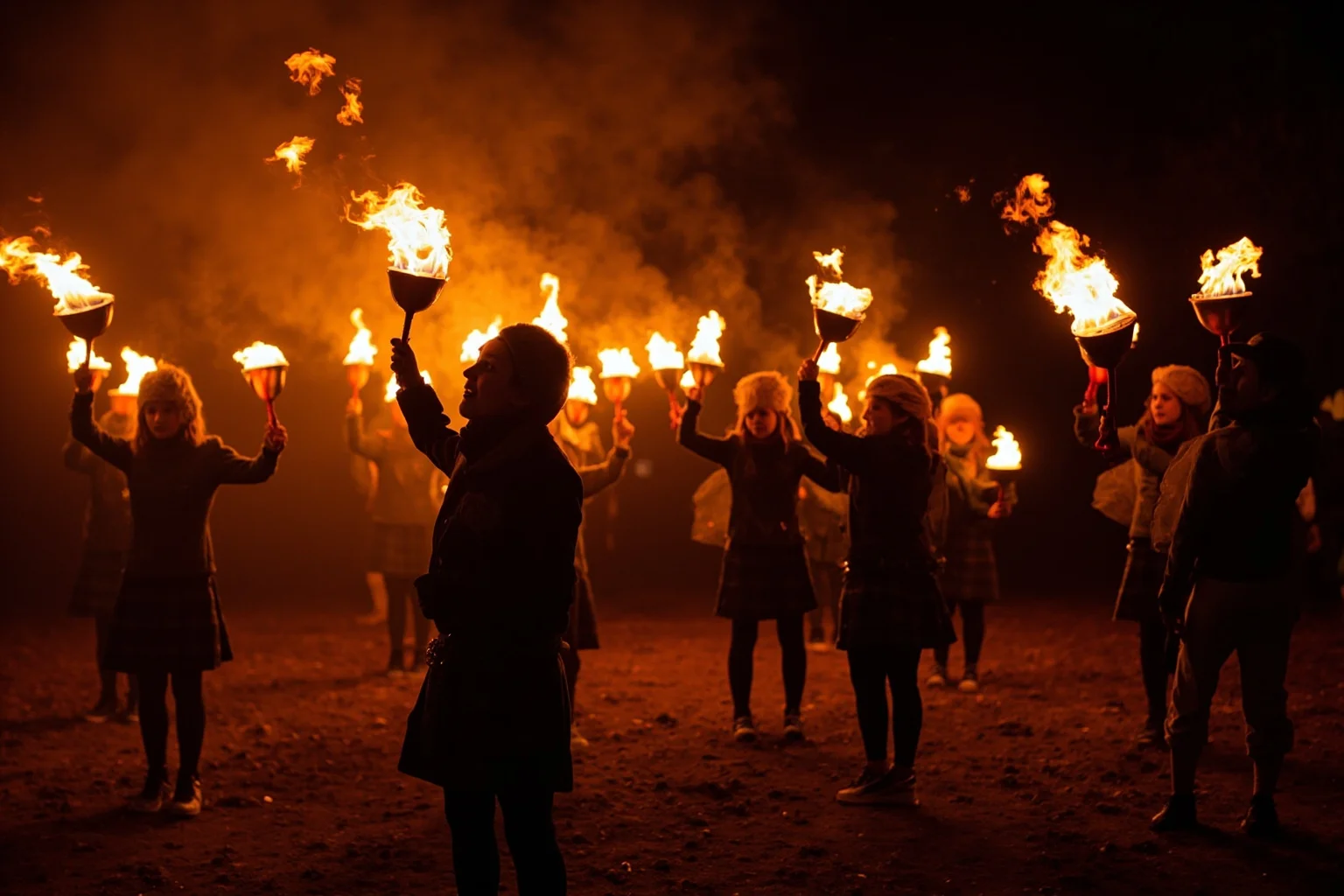
Hogmanay is Scotland’s New Year celebration, and its fire-based rituals likely draw on both Norse Yule customs and older winter solstice practices. In towns like Stonehaven, participants swing burning wire-mesh balls around their heads in a fireball ceremony meant to symbolically burn away the old year.
Historians note that many of Hogmanay’s specific traditions, like “first-footing” (the belief that the first visitor of the new year determines the household’s luck), were documented mainly from the 17th and 18th centuries onward, not from some unbroken ancient lineage. That doesn’t make it less fun — just less mystically old than legend suggests.
2. Nowruz (Iran and Central Asia)
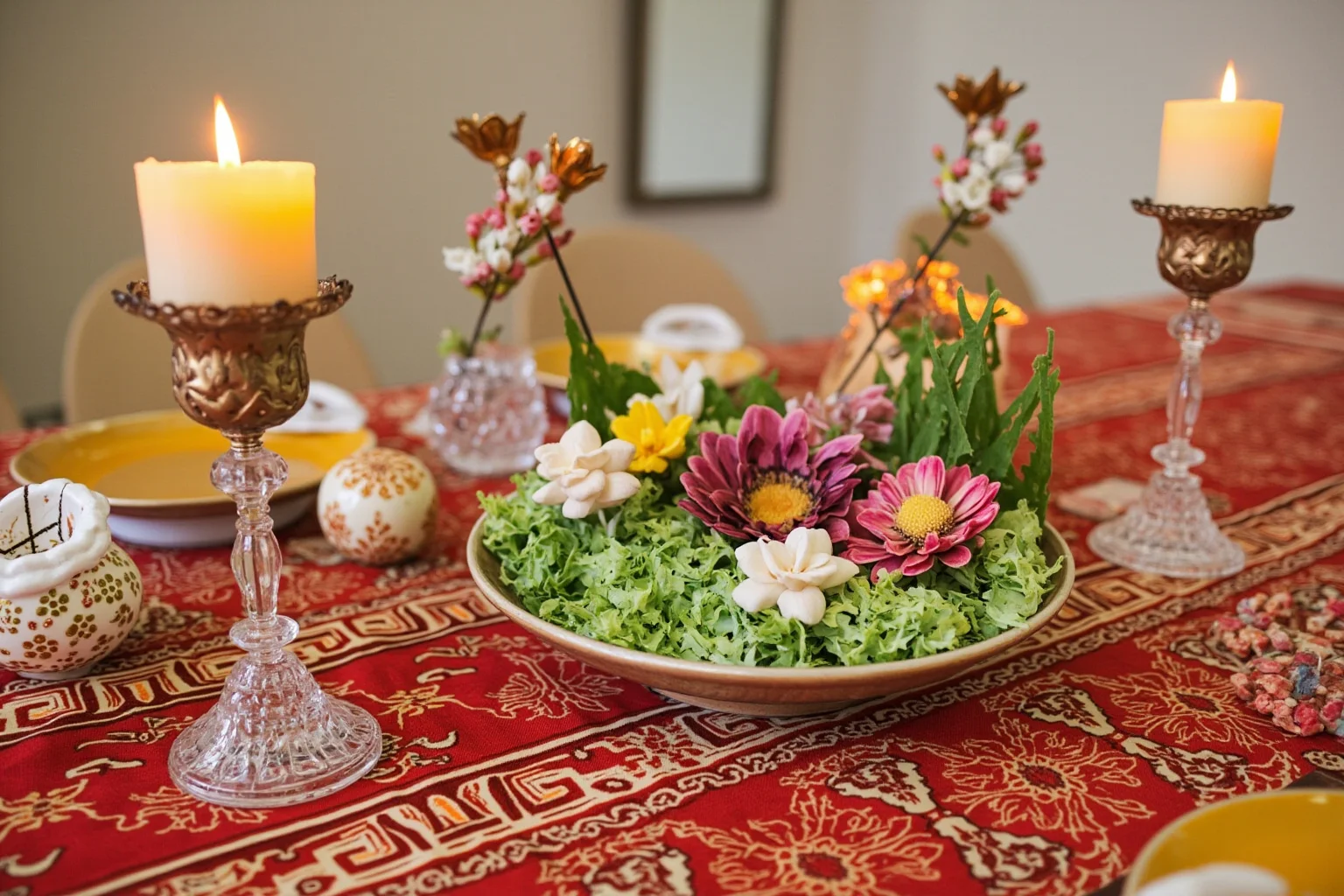
Nowruz, the Persian New Year, is tied to the spring equinox and has roots in Zoroastrian tradition dating back roughly 3,000 years. Families set a symbolic table called the Haft-Seen with seven items starting with the Persian letter “S,” each representing renewal, health, or prosperity.
UNESCO recognized Nowruz as part of humanity’s Intangible Cultural Heritage in 2009, and it’s celebrated across Iran, Afghanistan, Azerbaijan, and parts of Central Asia today. It’s a strong example of how a tradition can outlast the empire and religion that originally shaped it.
3. Songkran (Thailand)
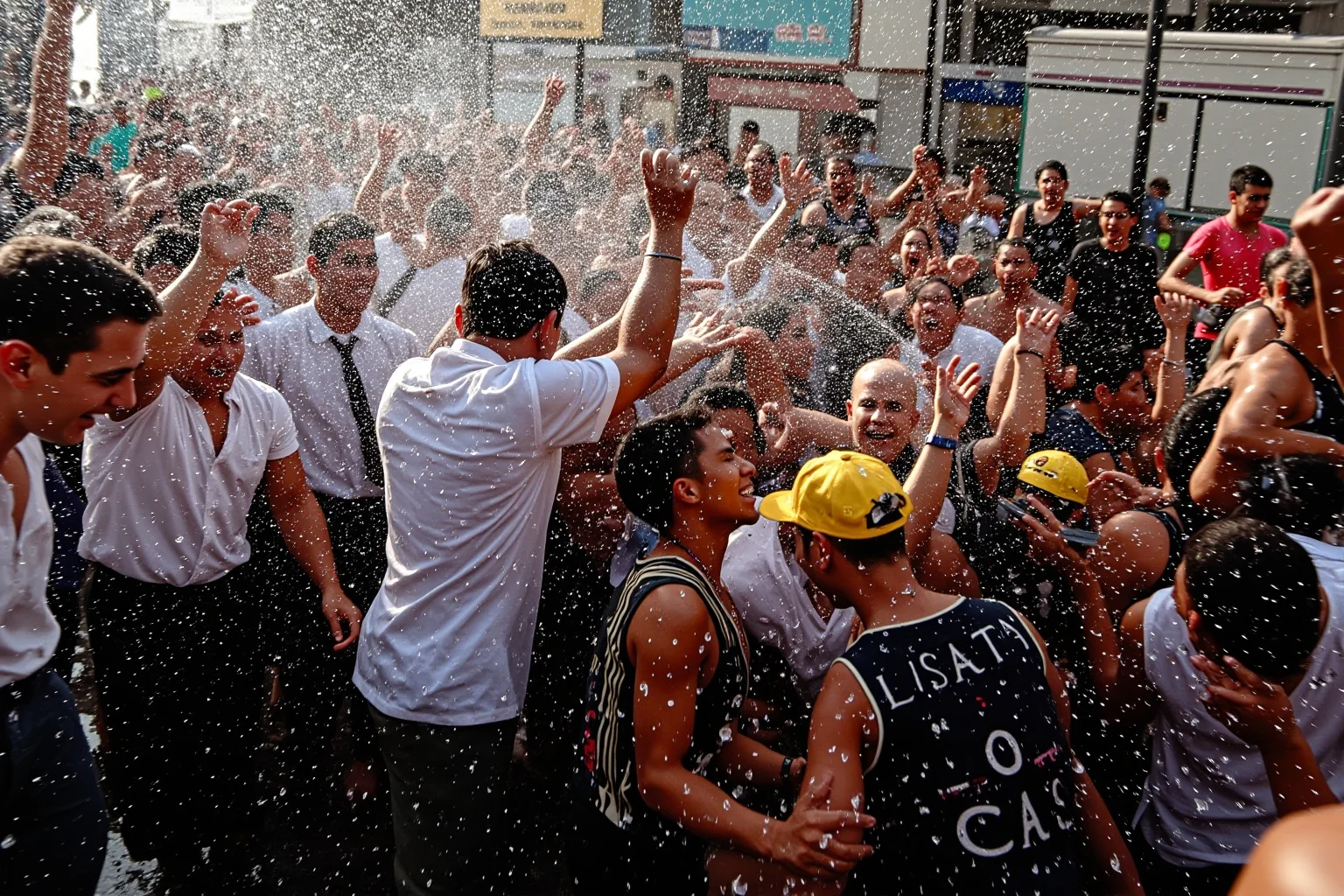
Songkran, Thailand’s traditional New Year, is best known internationally for its massive nationwide water fights. Historically, though, the water-pouring was a gentle blessing ritual, where younger people poured scented water over the hands of elders as a sign of respect.
The full-on water-fight version most visitors see today grew from that quieter custom over the 20th century as it became a public street festival. Both versions still coexist, with temple ceremonies happening quietly alongside the soaked crowds.
Festivals of Color and Fire
Some of the most photographed traditions from around the world involve pigment, flame, or both.
4. Holi (India and Nepal)
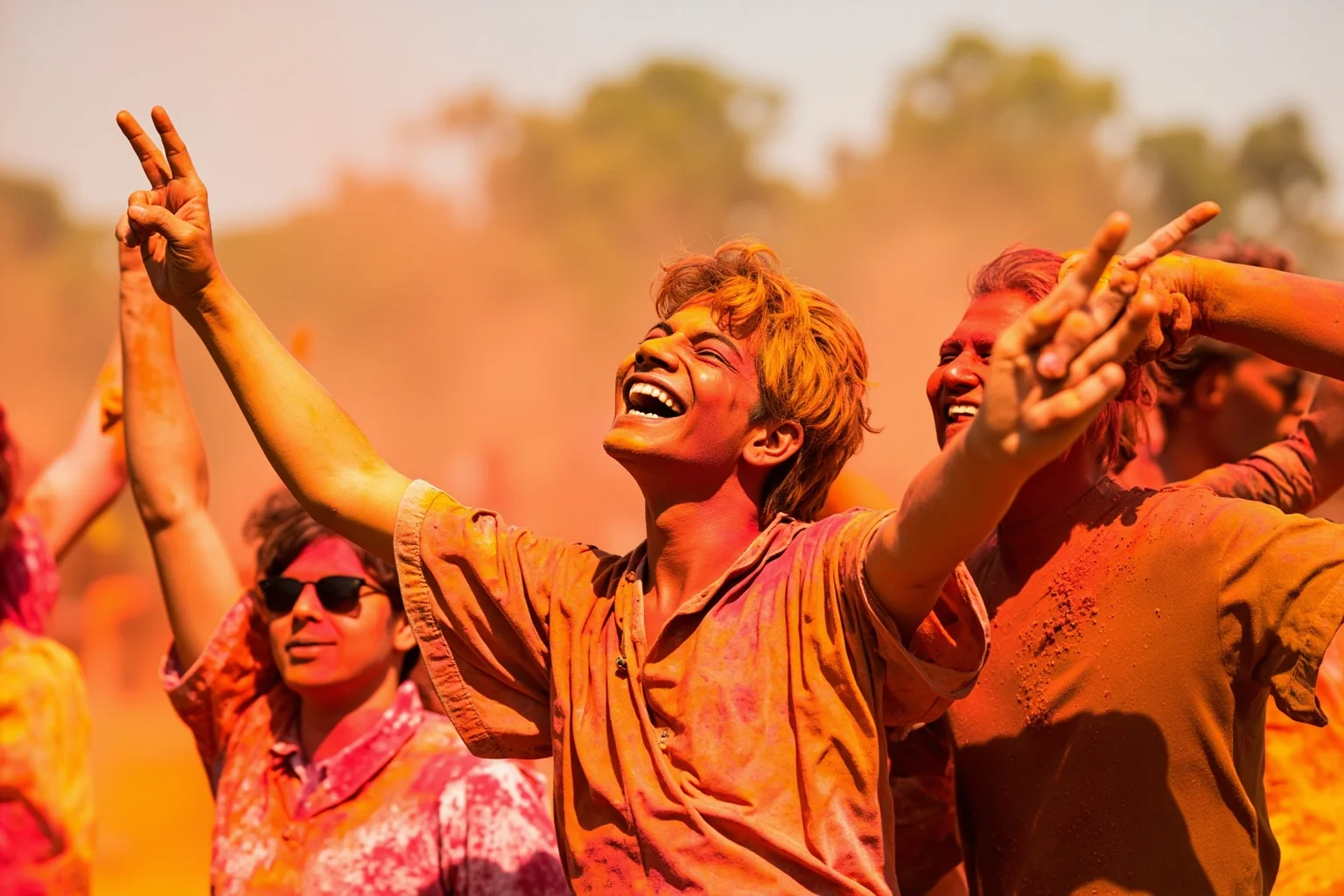
Holi, the Hindu “festival of colors,” celebrates the arrival of spring and the triumph of good over evil, referencing the legend of Prahlada and the demoness Holika. The night before the color-throwing begins, communities often light bonfires called Holika Dahan, symbolically burning away negativity.
The colored powder throwing that Holi is famous for actually has older devotional roots too, tied to stories of the god Krishna playfully coloring the milkmaid Radha. Today it’s celebrated by Hindu communities worldwide and has also been adopted into secular “color run” events far removed from its religious origin.
5. Up Helly Aa (Shetland, Scotland)
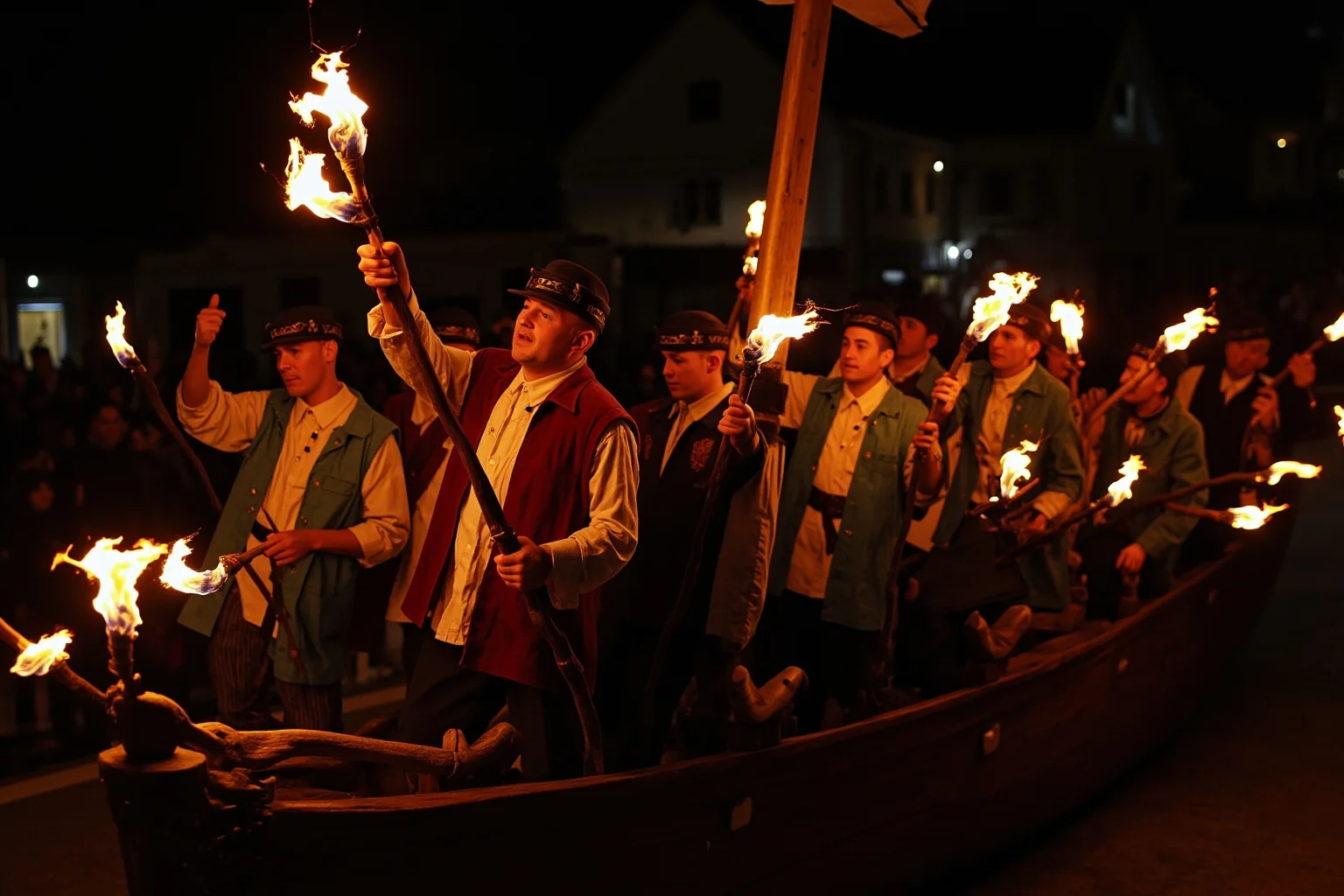
Up Helly Aa is a fire festival held in Lerwick, Shetland, featuring costumed “guizers” who parade a replica Viking longship through town before setting it ablaze. Despite its Viking imagery, the festival is actually a 19th-century invention, first documented in the 1870s, blending older tar-barrel-burning customs with a romanticized Norse identity.
It’s a good reminder that a tradition doesn’t need to be ancient to be meaningful — Up Helly Aa is barely 150 years old and is still one of the most anticipated events on Shetland’s calendar.
6. La Tomatina (Buñol, Spain)

La Tomatina is the world-famous tomato-throwing festival held annually in the small Spanish town of Buñol. Its exact origin is genuinely disputed; the most commonly repeated story involves a spontaneous food fight among youths during a 1945 town parade, though local accounts vary and no single version is fully verified.
What’s certain is that it was banned and revived more than once before town officials formalized it in the 1950s. It now draws tens of thousands of participants and roughly 150,000 kilograms of overripe tomatoes each August.
Coming-of-Age and Rite-of-Passage Traditions
Rite-of-passage traditions mark the transition from childhood to adulthood, and they range from gentle ceremonies to genuine tests of courage.
7. Naghol, Land Diving (Pentecost Island, Vanuatu)
Naghol, or land diving, involves men diving headfirst from wooden towers up to 30 meters tall with only vines tied to their ankles. Anthropologists have linked it to a local legend about a woman who escaped an unwanted marriage by climbing a tree and tying vines to her ankles before jumping, with the men later re-enacting the leap without her escape trick working out so well for them.
It’s considered a likely inspiration for modern bungee jumping, though that connection is more of a popular claim than a rigorously documented fact. The ritual is tied to the yam harvest and is still performed on Pentecost Island each year.
8. Quinceañera (Latin America)
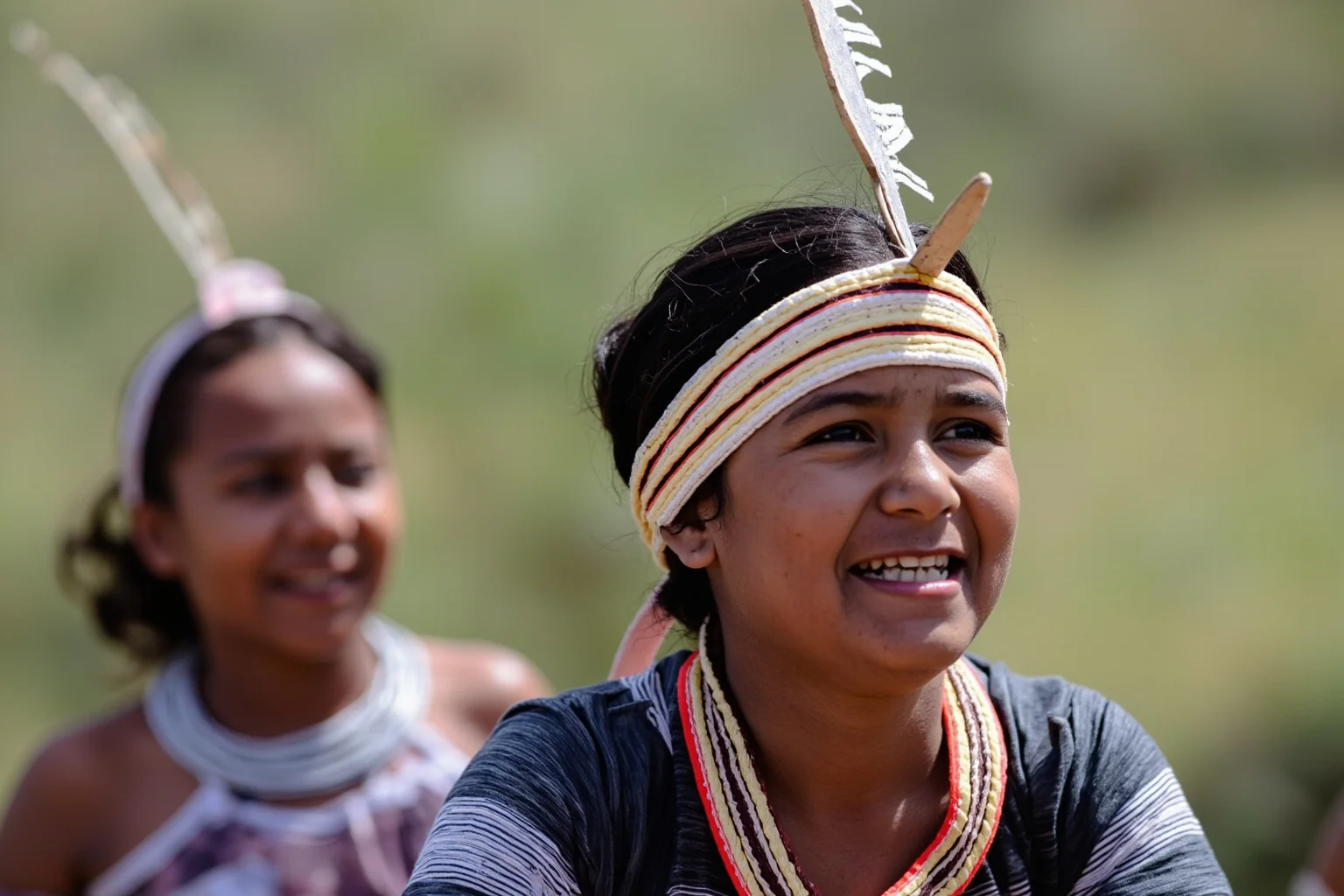
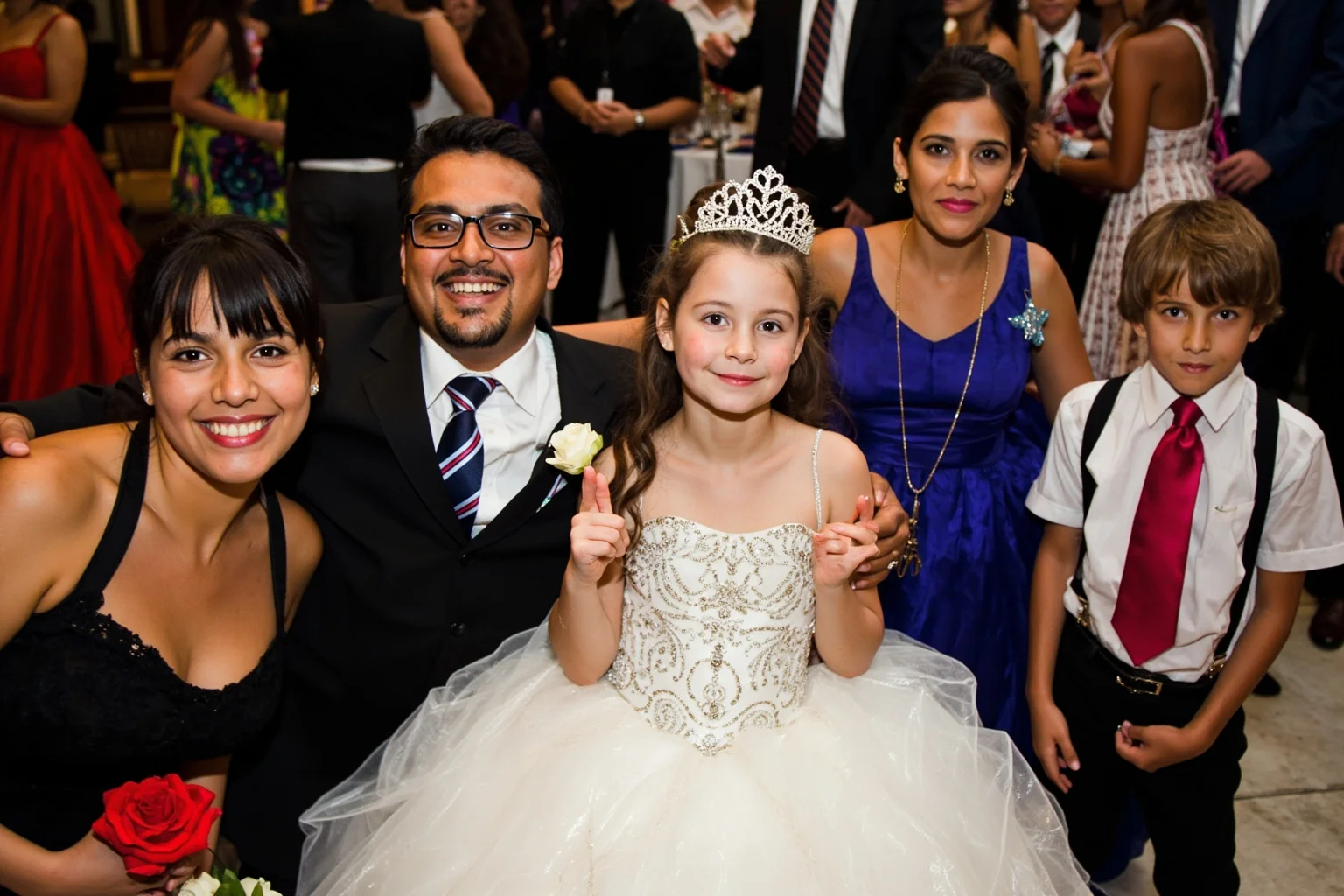
A quinceañera marks a girl’s 15th birthday across much of Latin America, blending Catholic religious elements, like a Mass of thanksgiving, with an elaborate secular party. Its roots are debated among historians, with theories pointing to Aztec, Maya, and Spanish colonial influences that blended over centuries rather than one single origin point.
The modern version, with its formal gowns and choreographed dances, took its current shape mostly in the 20th century. It remains one of the most significant family traditions and celebrations in many Latin American communities today.
9. Sunrise Ceremony (Western Apache)
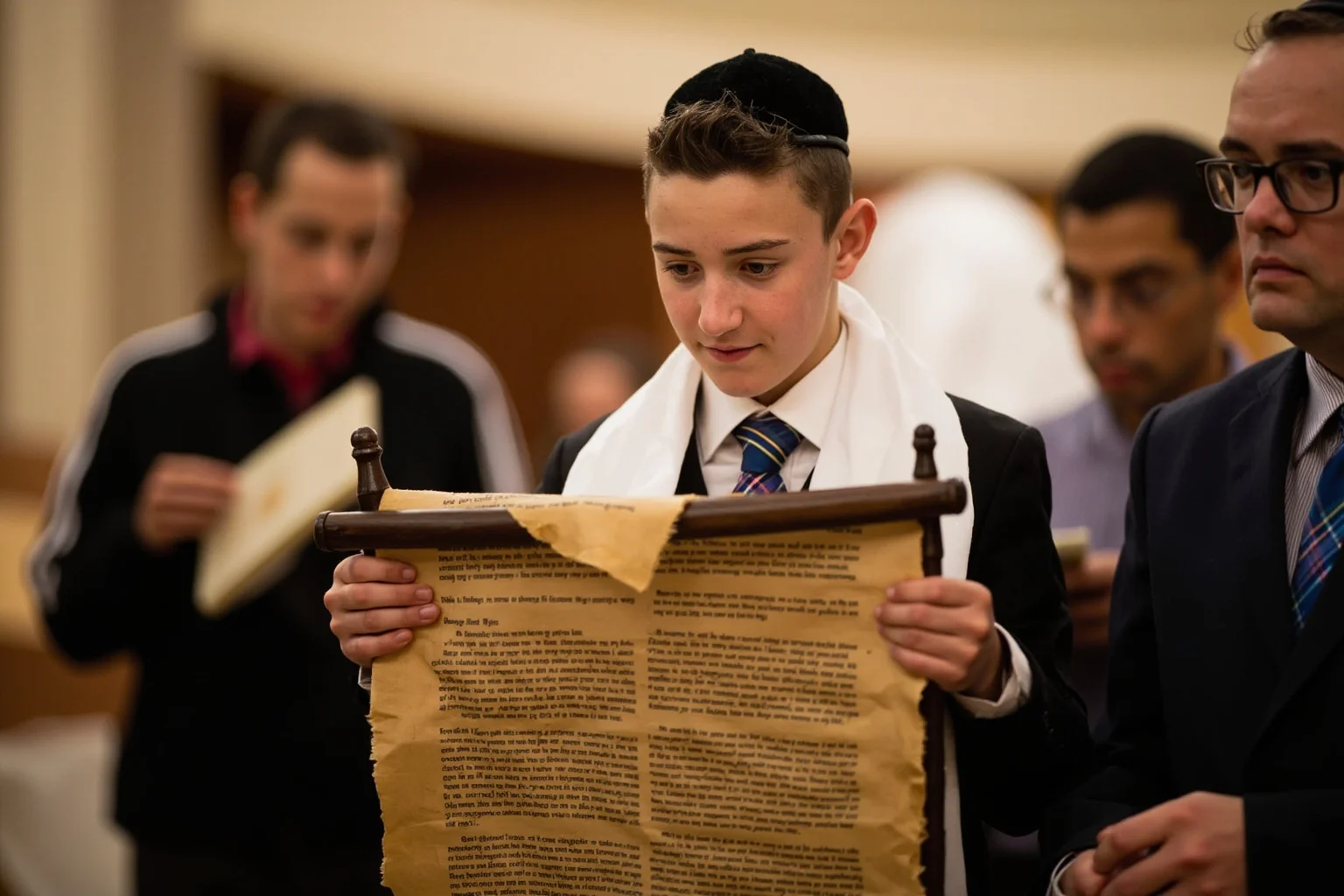
The Sunrise Ceremony, or Na’ii’ees, is a multi-day coming-of-age ceremony for Apache girls, marking their transition into womanhood. It includes ritual dancing, blessings, and physical endurance tests, guided by a sponsor and medicine person within the community.
Because it’s a living Indigenous tradition still practiced today rather than a historical relic, details of the ceremony are often kept within the community out of respect for its sacredness. It represents one of the most enduring Native American traditions still actively passed down.
10. Bar and Bat Mitzvah (Jewish Communities Worldwide)
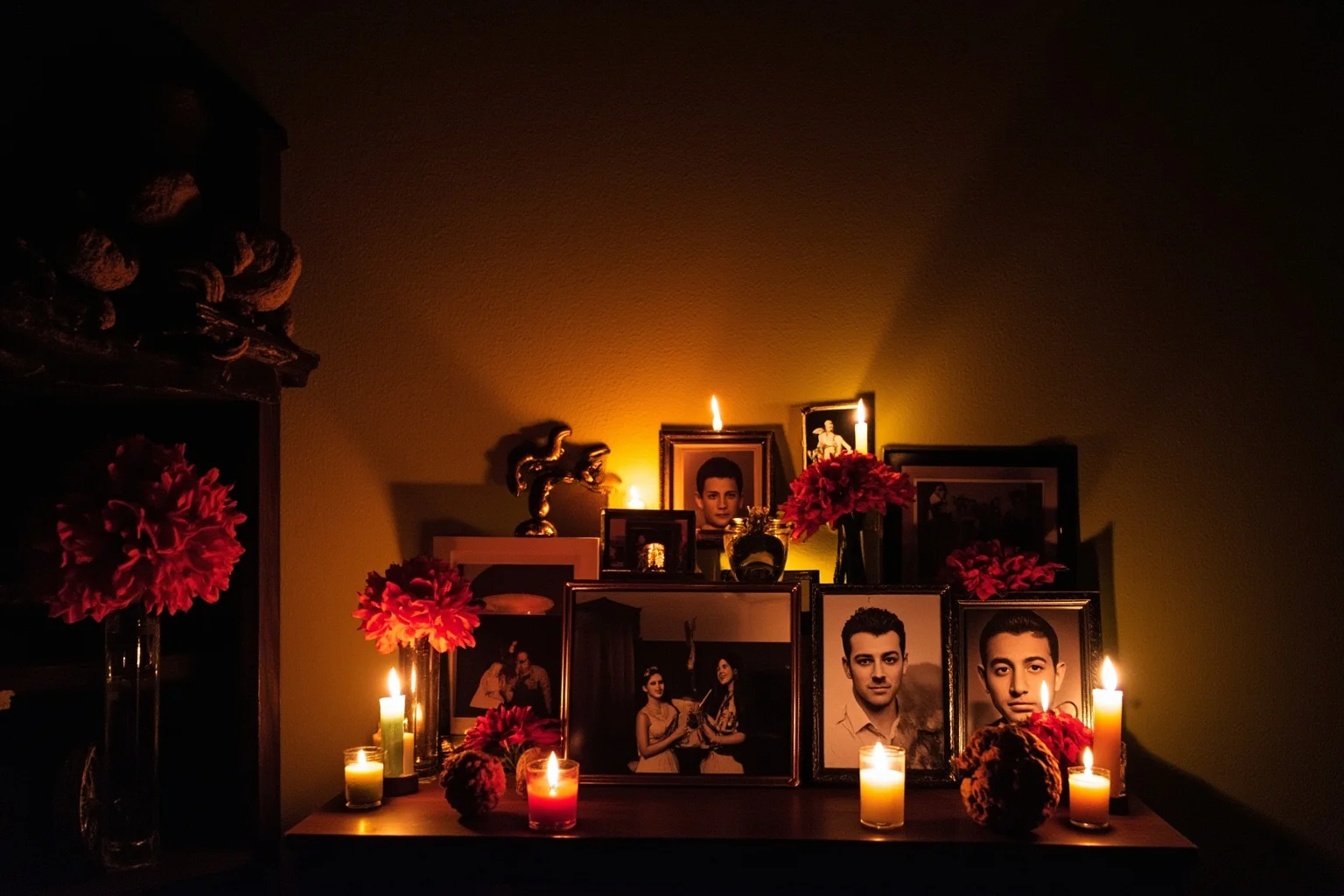
A bar mitzvah (for boys, traditionally at 13) or bat mitzvah (for girls, at 12 or 13) marks a young person’s coming of age within Jewish law and community life. The ceremony itself, including reading from the Torah, is documented as becoming standard practice mainly by the medieval period, even though the underlying concept of religious adulthood is older.
The large celebratory parties associated with bar and bat mitzvahs today, especially in the United States, are a more recent 20th-century addition layered onto the older religious core.
Traditions of Death, Memory, and Ancestors
How a culture treats its dead often reveals the most about what it believes about life.
11. Día de los Muertos (Mexico)
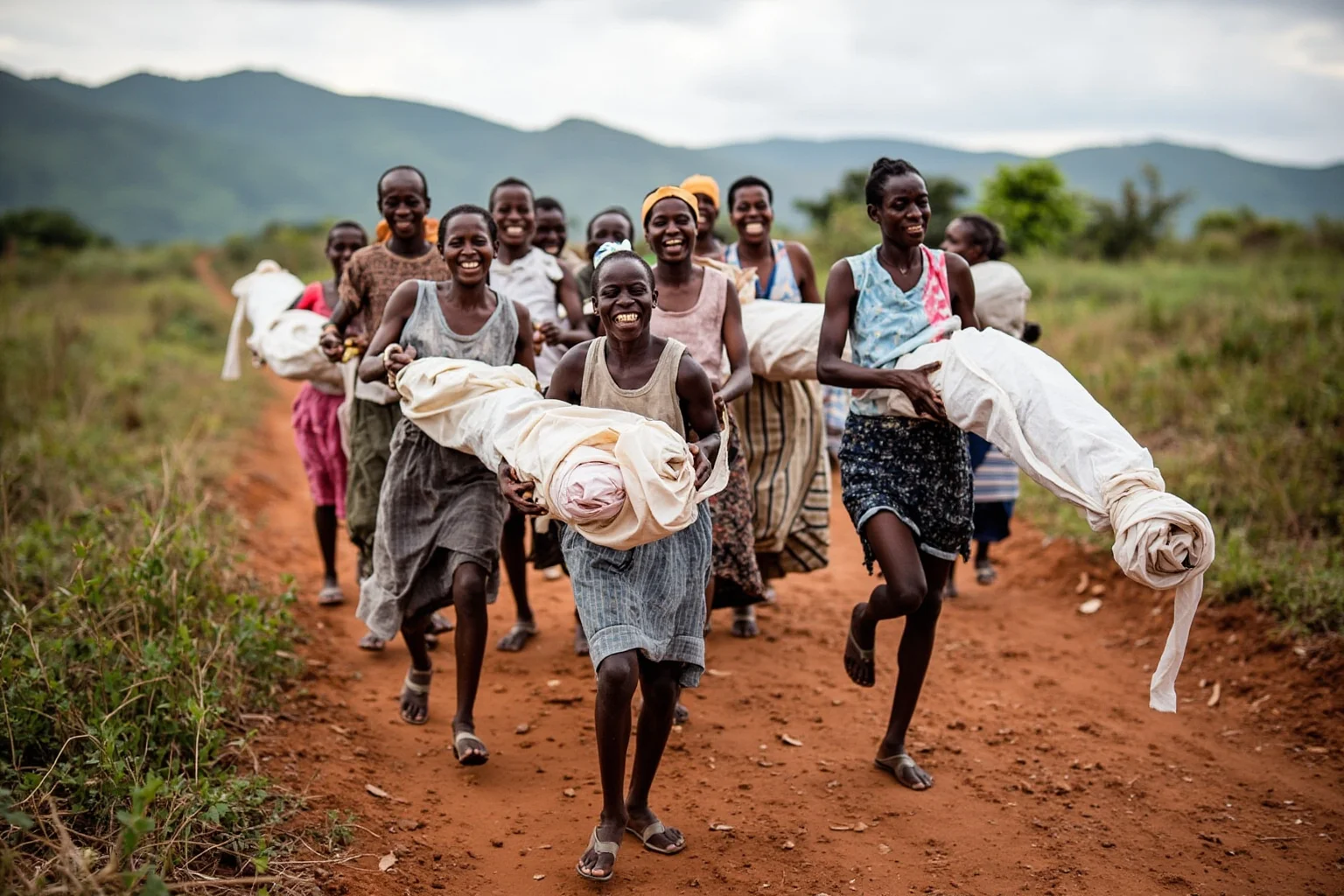
Día de los Muertos, or Day of the Dead, is often mistakenly described as “Mexican Halloween,” but it’s a distinct tradition with its own separate meaning. It’s widely understood to blend Indigenous Mesoamerican beliefs about honoring ancestors with Catholic All Souls’ Day observances introduced during Spanish colonization.
Families build ofrendas, or altars, with photos, marigolds, and a deceased loved one’s favorite foods to welcome their spirits back for a visit. UNESCO added it to its Intangible Cultural Heritage list in 2008, cementing its status as one of the world’s most recognized death-related traditions.
12. Famadihana, Turning of the Bones (Madagascar)
Famadihana is a Malagasy tradition in which families exhume the remains of ancestors from family crypts, rewrap them in fresh cloth, and dance with them to live music. It’s rooted in the Malagasy belief that the dead only fully join the ancestral world after a proper period of ritual honoring by the living.
The ceremony is joyful rather than somber, often described by participants as a celebration and reunion rather than mourning. It’s typically held every five to seven years per family, though the exact interval varies by region and resources.
13. Obon Festival (Japan)
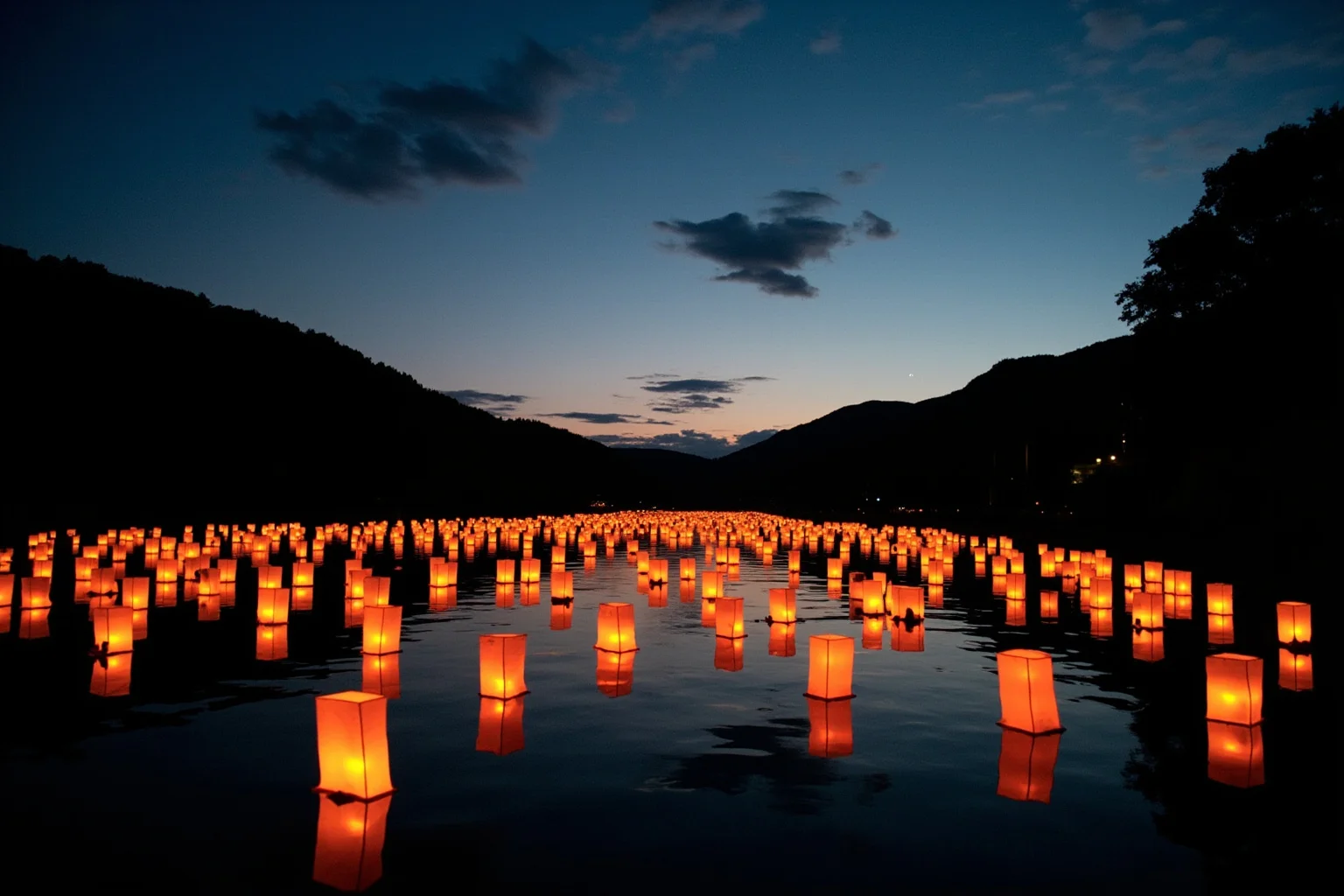
Obon is a Japanese Buddhist tradition honoring the spirits of ancestors, believed to return to visit the living during a set period in mid-summer. Families light lanterns to guide spirits home, visit graves, and perform Bon Odori, a traditional folk dance held in town squares.
The festival’s Buddhist framework arrived from India via China, but its ancestor-focused elements likely merged with older Japanese folk beliefs over centuries. It remains one of Japan’s most widely observed annual traditions, alongside the New Year holidays.
Marriage and Courtship Traditions
Weddings might be the single richest category of tradition and celebration anywhere in the world.
14. Handfasting (Celtic Regions)
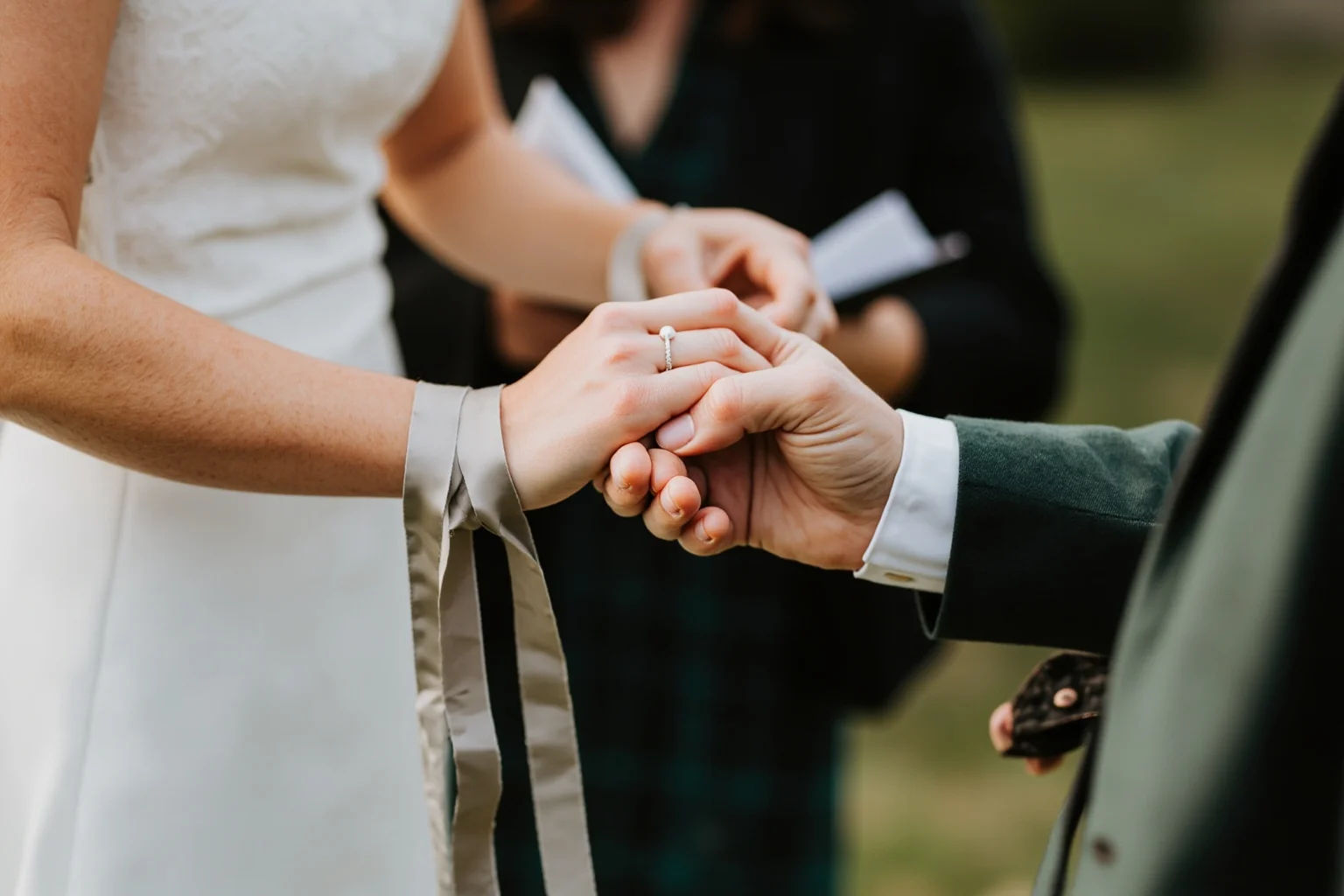
Handfasting is a wedding custom involving the literal binding of a couple’s hands with cord or ribbon, often the origin of the phrase “tying the knot.” Historical evidence suggests it functioned in parts of medieval Scotland as a form of betrothal or trial marriage, though scholars caution against overstating how standardized this practice actually was.
Modern pagan, Wiccan, and secular ceremonies have revived handfasting worldwide, sometimes with more romanticized detail than the historical record actually supports. It’s a good example of a tradition being reconstructed for modern use rather than continuously practiced.
15. Henna Night (Middle East, North Africa, and South Asia)
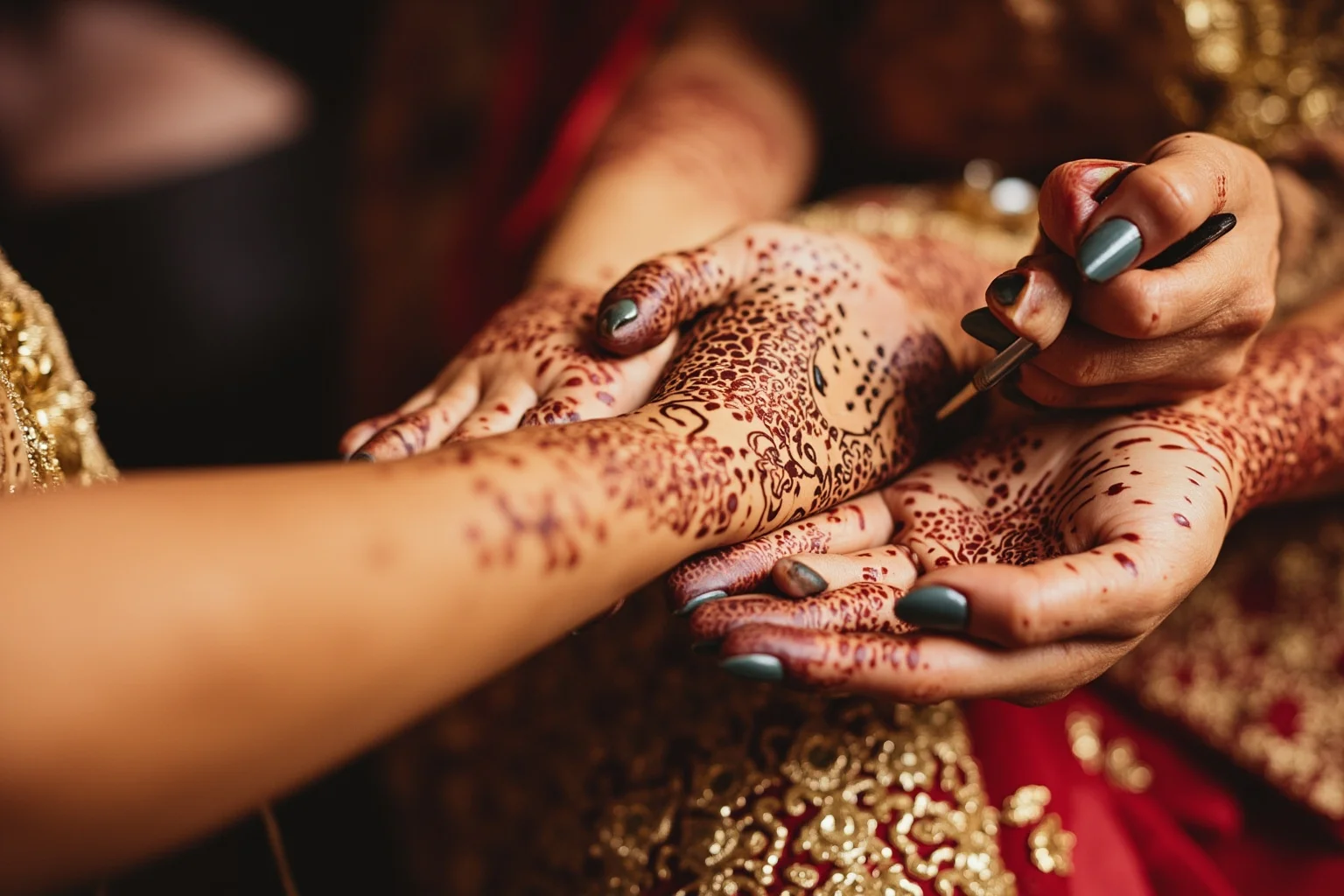
Henna night, sometimes called mehndi or laylat al henna depending on the region, is a pre-wedding celebration where intricate henna designs are painted on the bride’s hands and feet. The use of henna as body art for celebrations dates back thousands of years across the Middle East, North Africa, and South Asia, though it developed regionally distinct styles and meanings.
The designs are traditionally believed to bring good luck and protect against negative energy, though the specific symbolism differs by culture. It remains a major social event today, often lasting an entire evening with music and food separate from the wedding itself.
16. Wife-Carrying Championship (Finland)
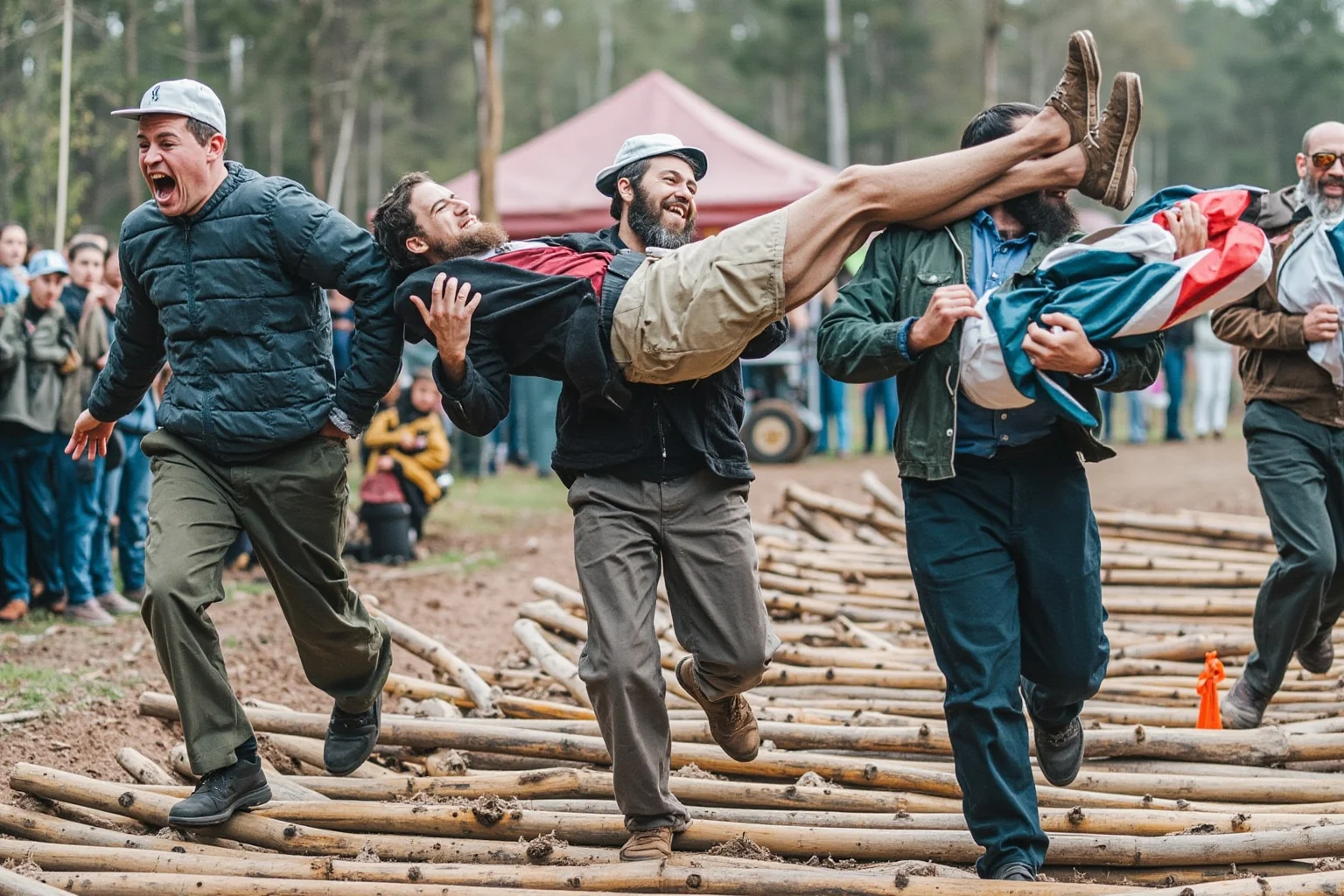
On the lighter side, Finland’s Wife-Carrying Championship, or Eukonkanto, is a modern athletic competition where men race through an obstacle course while carrying a partner using various holds. It began in the town of Sonkajärvi in 1992, inspired by older, murkier legends of wife-stealing raids that are more folklore than documented history.
It’s a useful reminder that not every unique tradition needs deep ancient roots to become a beloved annual event. The winning prize is famously the wife’s weight in beer.
Food, Harvest, and Feast Traditions
Food traditions often reveal a community’s relationship with the land and the seasons.
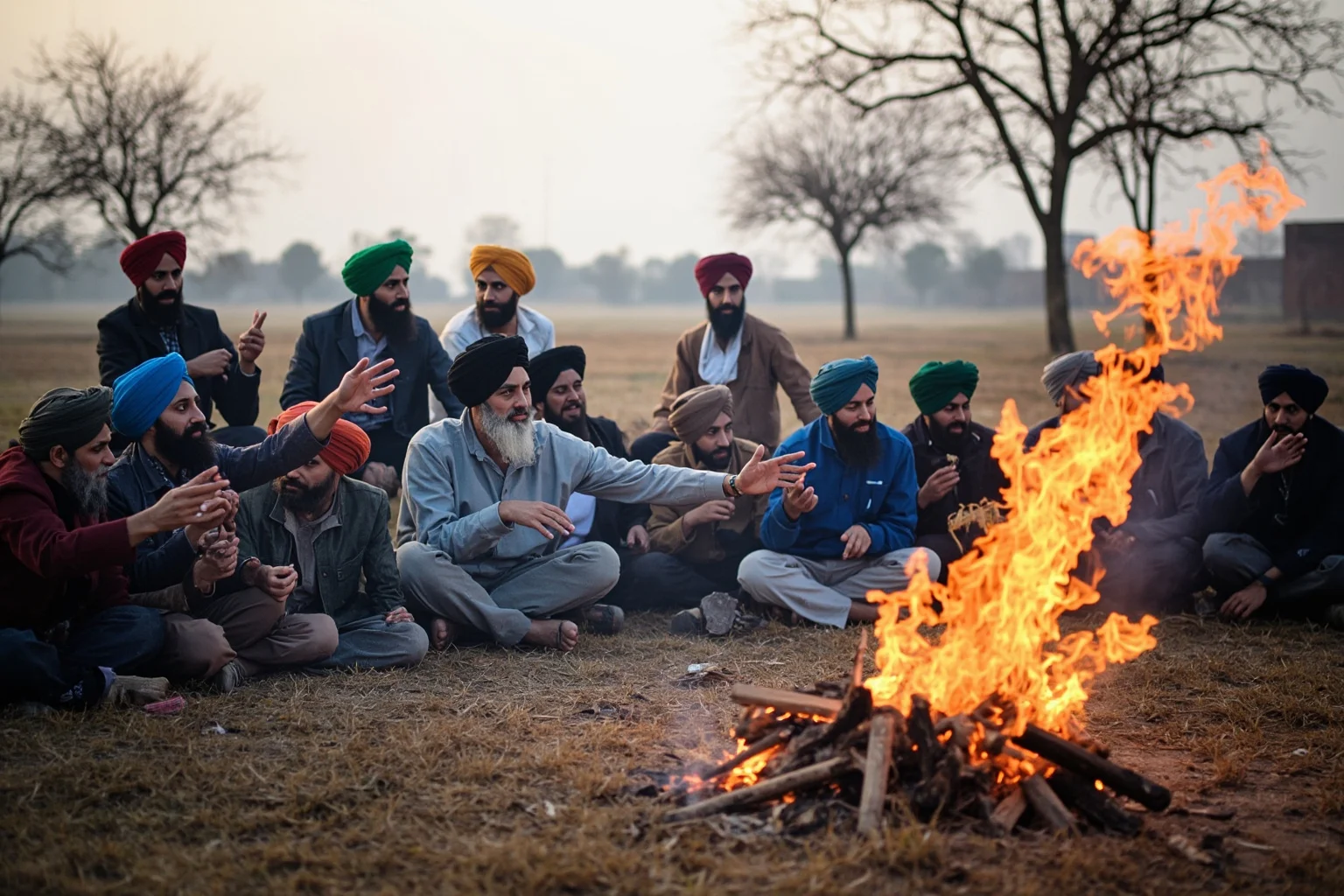
17. Lohri (Punjab, India)
Lohri is a Punjabi harvest festival celebrated with bonfires, folk songs, and shared sweets, traditionally marking the end of winter and the reaping of the rabi crop. Communities gather around the fire, throwing sesame seeds, sugar cane, and popcorn into the flames as offerings.
While often linked loosely to the winter solstice, its timing is tied more directly to the regional agricultural calendar than to any single ancient legend. It remains a major cultural event for Punjabi communities in India and across the global diaspora.
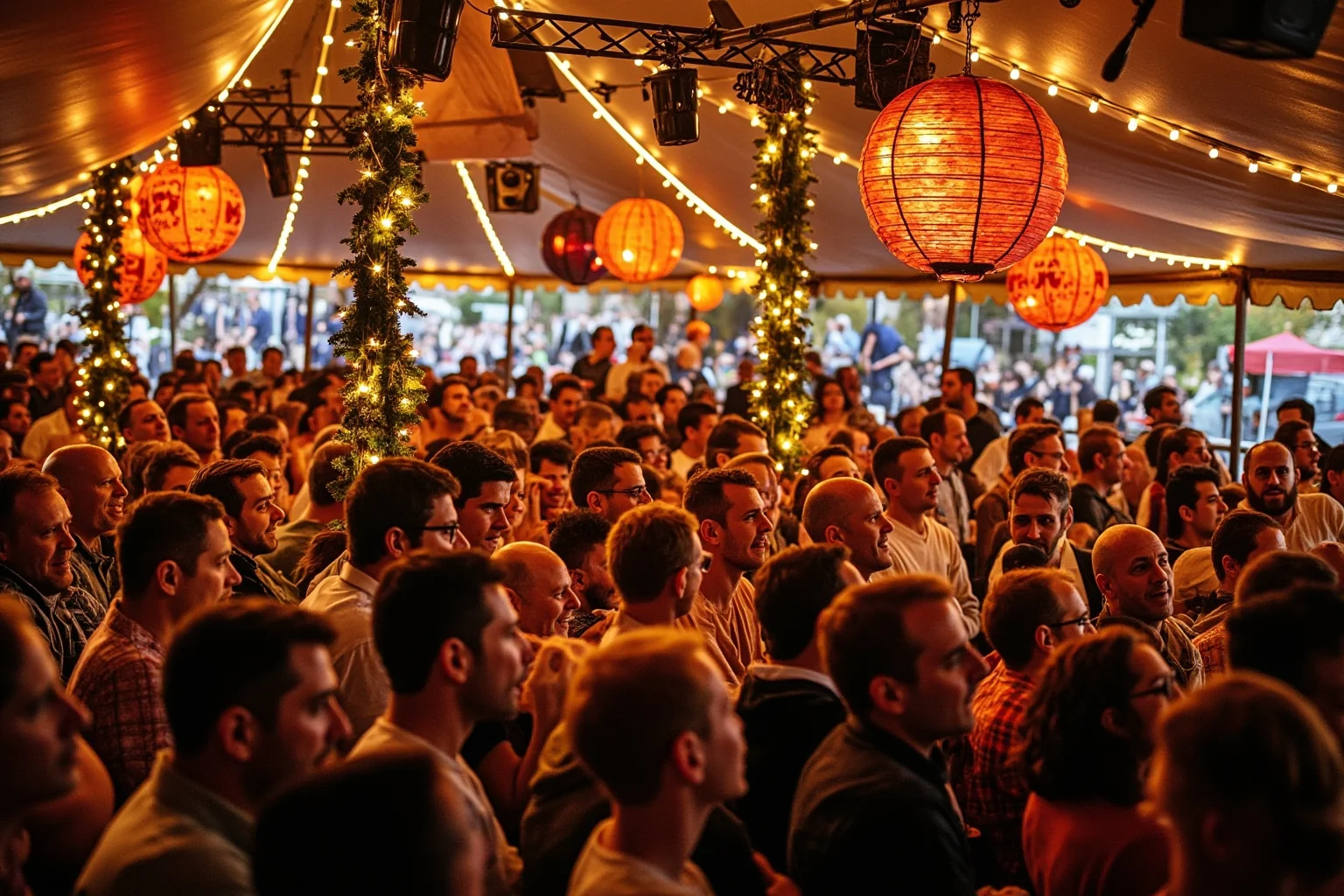
18. Oktoberfest (Germany)
Oktoberfest began in Munich in 1810 as a public celebration of the royal wedding between Crown Prince Ludwig and Princess Therese, not as a beer festival at all originally. Horse races on the fields outside Munich were the main event, and those fields are still called Theresienwiese today in the princess’s honor.
The beer-focused version most people associate with Oktoberfest developed gradually over the following decades as vendors expanded their role. It’s now one of the world’s largest folk festivals, drawing millions of visitors each autumn.
Quirky and Playful Customs
Not every tradition needs deep symbolism — some just need a village willing to commit to something a little strange.
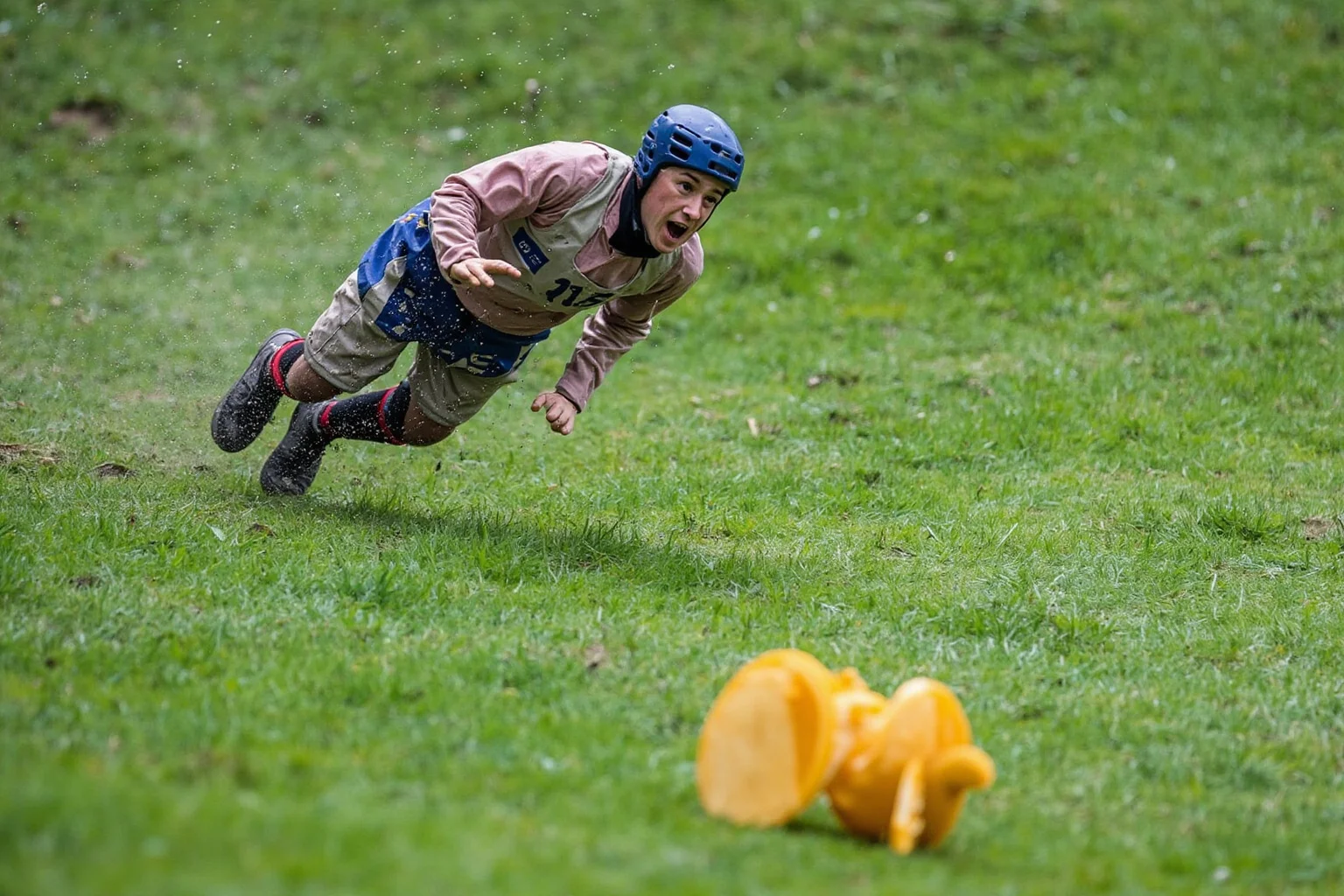
19. Cheese Rolling (Cooper’s Hill, England)
The Cooper’s Hill Cheese-Rolling and Wake involves competitors chasing a large wheel of Double Gloucester cheese down a notoriously steep hill, often tumbling the entire way. Its origins are unclear, with some tracing informal versions back a couple of centuries, though claims of it being an ancient pagan fertility rite are largely unverified folklore rather than documented fact.
Injuries are common enough that organizers have occasionally paused the official event over liability concerns, though unofficial local versions have continued regardless. It remains one of England’s most delightfully odd annual traditions.
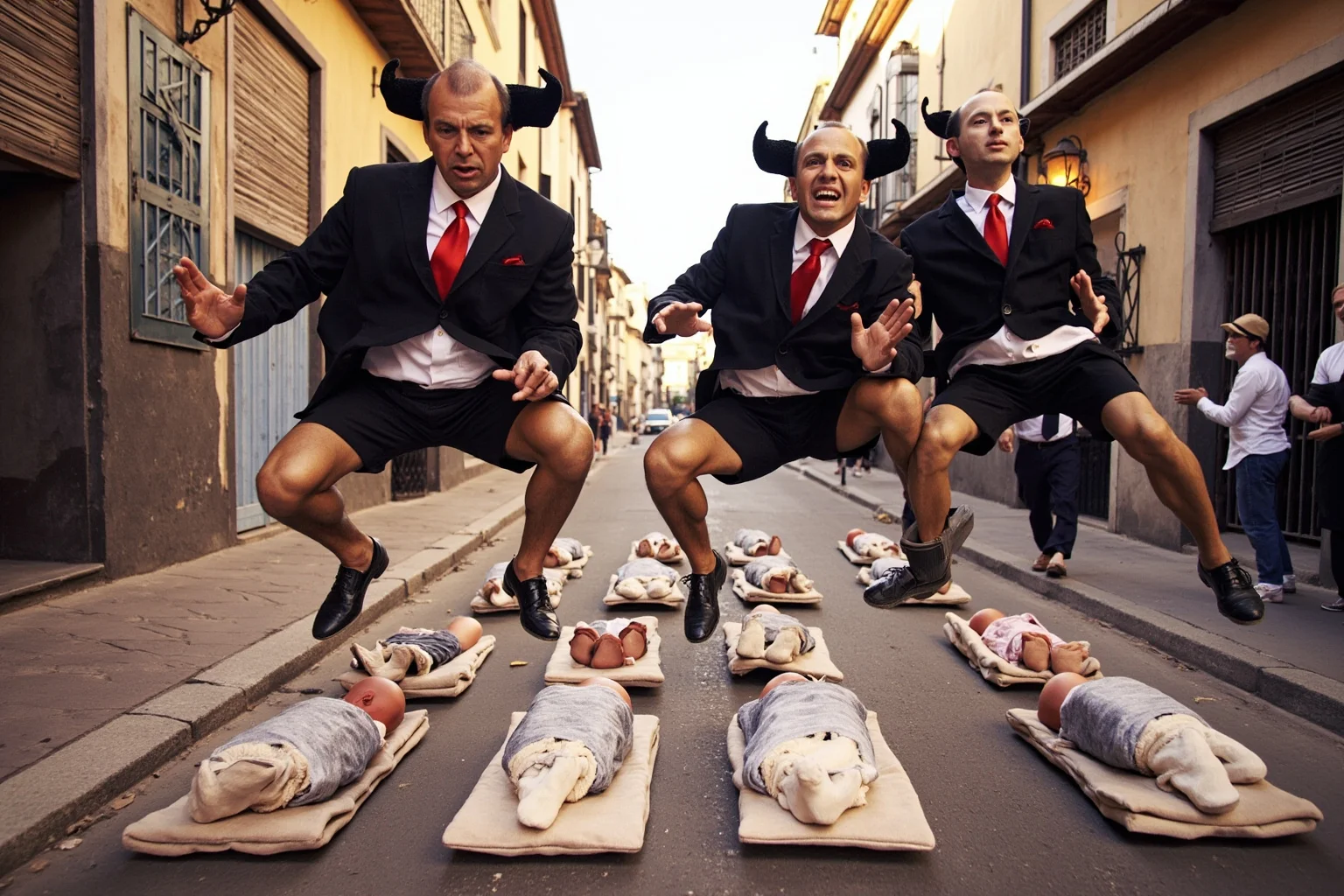
20. El Colacho, Baby Jumping (Castrillo de Murcia, Spain)
El Colacho is a festival in which men dressed as devils leap over rows of infants laid on mattresses in the street, a practice believed to date back to at least the 1620s. It’s tied to the Catholic feast of Corpus Christi and is locally believed to cleanse the babies of original sin and protect them from illness, though this is a matter of local religious belief rather than a testable historical claim.
The Catholic Church has publicly distanced itself from officially endorsing the ritual despite its centuries-long local practice. It continues today largely as a point of regional pride and identity for the town.
21. Thaipusam (Malaysia, India, and the Tamil Diaspora)
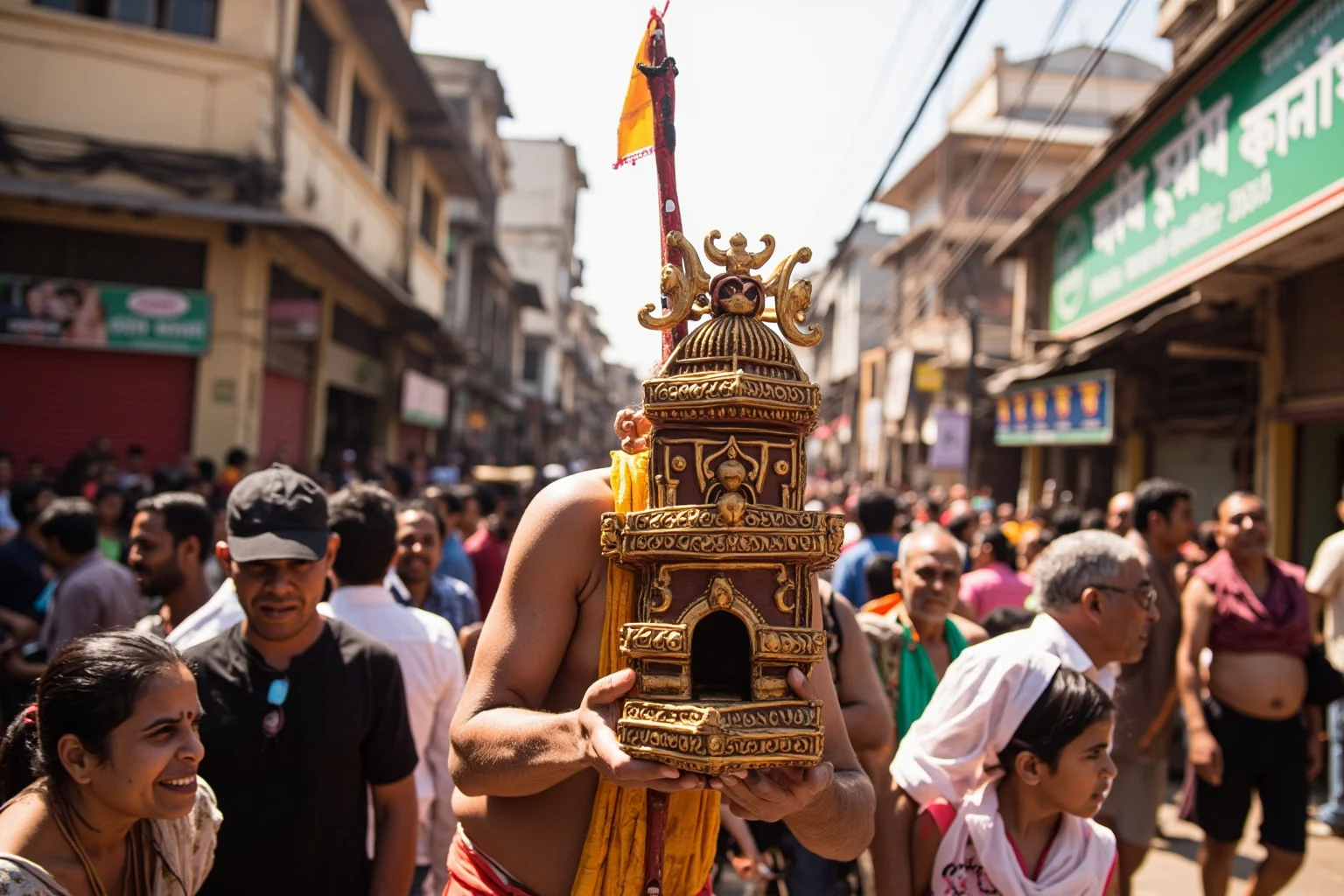
Thaipusam is a Hindu festival honoring the god Murugan, observed prominently by Tamil communities in India, Malaysia, Singapore, and elsewhere. Devotees often carry kavadi, ornate structures sometimes attached to the skin with hooks or skewers, as an act of penance, thanksgiving, or fulfillment of a vow.
The practice is rooted in devotional discipline and personal spiritual commitment rather than being a mandatory element of Hindu worship generally. Malaysia’s Batu Caves hosts one of the largest Thaipusam gatherings in the world, drawing over a million visitors annually.
22. Krampusnacht (Alpine Regions of Austria, Germany, and Slovenia)
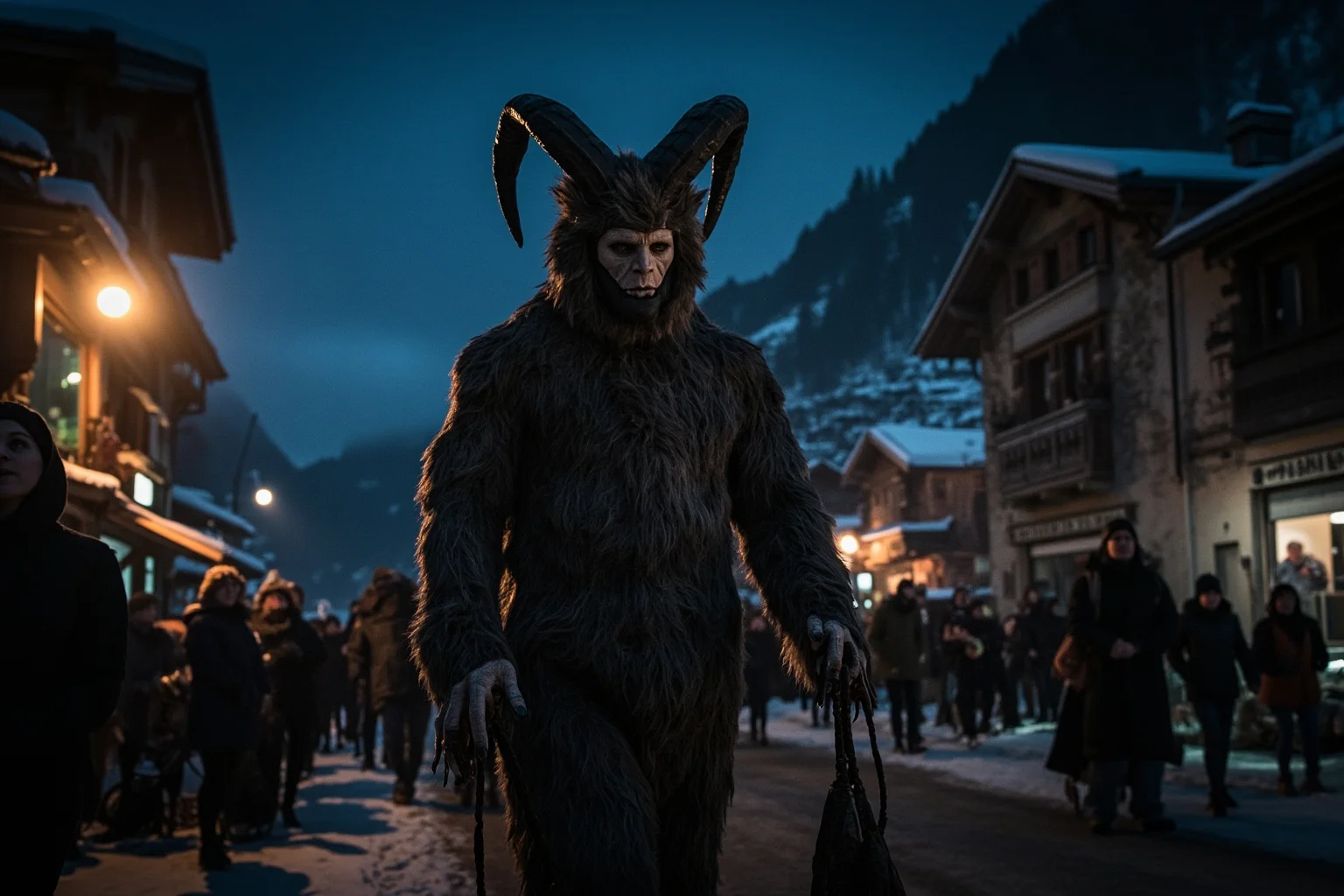
Krampusnacht, held on December 5th, features people dressed as Krampus, a horned, devil-like companion to St. Nicholas, parading through towns to frighten onlookers, especially children. The figure is believed to descend from pre-Christian Alpine folklore about winter demons, later folded into Christian St. Nicholas traditions likely sometime around the early modern period.
The Catholic Church periodically tried to suppress Krampus celebrations in past centuries for their pagan-adjacent imagery, without lasting success. Today it draws tourists as much as locals, especially in Austrian towns famous for their elaborate Krampus runs.
Why These Traditions Still Matter
What ties all of these traditions and celebrations together isn’t age or grandeur, since some are genuinely ancient and others are barely a few decades old. It’s that each one gives a community a shared script for handling something universal: growing up, getting married, losing someone, or simply welcoming a new season.
That’s also why myth-busting matters here rather than just listing colorful facts. Traditions gain real staying power specifically because they adapt, absorb new influences, and sometimes get reinvented entirely, rather than surviving unchanged from some imagined ancient past.
Final Thoughts on Traditions Across the World
Looking at this list of traditions, it’s striking how often the “ancient ritual” story turns out to be more recent, or more locally specific, than popular retellings suggest. That doesn’t make Hogmanay’s fireballs or Oktoberfest’s beer tents any less special — if anything, it makes them more human.
Whether it’s a solemn ancestor ceremony in Madagascar or a good-natured tomato fight in Spain, these customs are proof that people everywhere find inventive, sometimes chaotic, ways to mark meaning into their calendars. The best traditions, in the end, are simply the ones a community keeps choosing to show up for.
Frequently Asked Questions
What are 5 examples of traditions?
Five widely recognized examples of traditions include Día de los Muertos in Mexico (honoring deceased ancestors), Nowruz in Iran and Central Asia (a spring new year rooted in Zoroastrian custom), Holi in India and Nepal (a color-throwing spring festival), a quinceañera in Latin America (a girl's 15th birthday coming-of-age celebration), and Oktoberfest in Germany (which began in 1810 as a royal wedding celebration before evolving into a beer festival).
What are some unique traditions around the world?
Some especially unique traditions include Famadihana in Madagascar, where families exhume and rewrap ancestral remains during a joyful dance ceremony; Naghol land diving in Vanuatu, where men leap from tall towers with vines tied to their ankles; and Finland's Wife-Carrying Championship, a modern athletic event with roots in local folklore rather than ancient ritual.
What are the main types of traditions?
Traditions generally fall into a few overlapping categories: religious or spiritual (like Ramadan or Obon), rite-of-passage (like bar mitzvahs or Apache Sunrise Ceremonies), seasonal or harvest-based (like Lohri or Nowruz), and purely social or playful customs (like cheese rolling), though many real-world traditions blend several of these types at once.
How is a tradition different from a celebration?
A tradition is a recurring custom or practice passed down over time, while a celebration is a specific event or occasion, often built around a tradition. For example, Thanksgiving as a holiday is a celebration, while the specific practices observed during it, such as a family's particular meal or seating order, are the traditions within it.
Are most cultural traditions actually ancient?
Not necessarily. While some traditions, like Nowruz, trace back thousands of years, others often assumed to be ancient, such as Scotland's Up Helly Aa or England's cheese-rolling races, are documented mainly from the 1800s or later, showing that a tradition doesn't need great age to become deeply meaningful to a community.
Why do so many traditions blend religious and secular elements?
Many traditions evolved over centuries as different belief systems, empires, and colonizers came into contact with existing local customs. Día de los Muertos, for instance, is generally understood to blend Indigenous Mesoamerican ancestor beliefs with Catholic All Souls' Day observances introduced during Spanish colonization, which is a common pattern seen across many world traditions.

Alex Warren
Related Articles