Humans have been putting one foot in front of the other for tens of thousands of years, but a handful of journeys stand out as truly extraordinary.
Some were epic feats of endurance chosen freely by pilgrims, explorers, and record-chasers who wanted to see just how far a person could go. Others were dark chapters of history, forced marches imposed on people who had no choice at all.
This list walks through both kinds of stories, from a seventh-century monk crossing deserts on his way to India to a modern-day wanderer who has spent decades circling the globe.
Along the way, we’ll also untangle some confusion around a famous title, “The Long Walk,” which has been used for a real historical tragedy, a disputed escape memoir, and a work of fiction, all very different things.
TL;DR: From a seventh-century monk’s 10,000-mile pilgrimage to a modern trekker’s still-ongoing decades-long walk around the globe, the longest journeys on foot in history reveal incredible endurance alongside a few exaggerated or outright disputed claims worth double-checking.
Why Long Journeys on Foot Have Always Captivated Us
Before trains, cars, and planes, walking was simply how people got anywhere that a boat couldn’t take them. Some of the longest journeys on foot in recorded history were undertaken for religious devotion, others for trade, conquest, exploration, or survival.
In the modern era, long-distance walking has become something else entirely: a personal challenge, a fundraising vehicle, or a way to test the outer limits of human endurance. What ties all of these long journeys together is the simple, stubborn act of continuing to walk long after most people would have stopped.
1. Xuanzang’s 10,000-Mile Pilgrimage to India (629–645 CE)
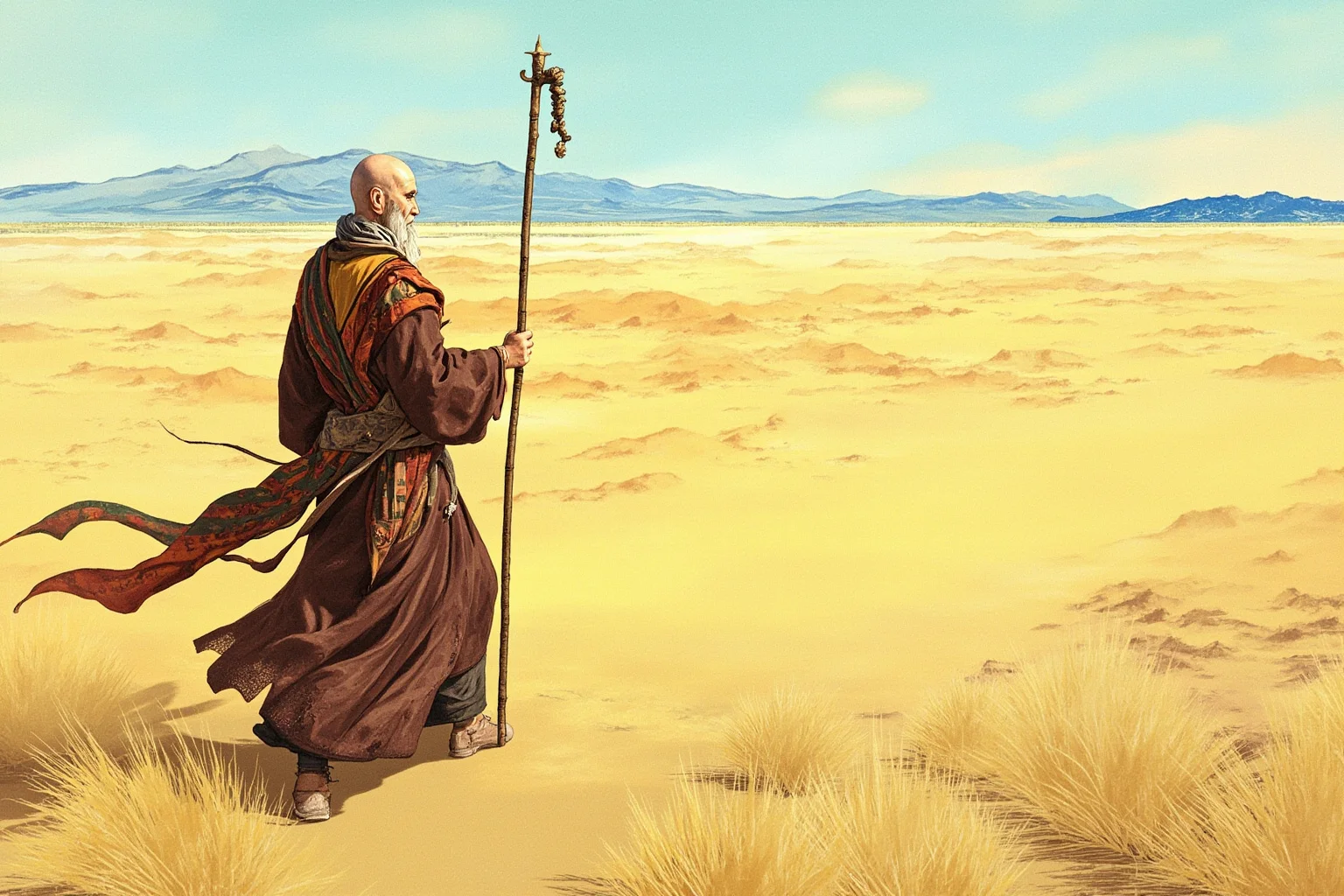
The Chinese Buddhist monk Xuanzang set out from Chang’an, the capital of Tang dynasty China, one of history’s greatest empires, in 629 CE, defying an imperial travel ban to seek original Buddhist scriptures in India. His route took him across the deserts of Central Asia, over the Himalayas, and through dozens of kingdoms before he reached his destination.
He returned home seventeen years later with hundreds of texts, having covered an estimated 10,000 miles or more. His travels later inspired the classic Chinese novel “Journey to the West,” though the real journey needed no embellishment to be remarkable.
2. Ibn Battuta’s Three-Decade Odyssey (1325–1354)
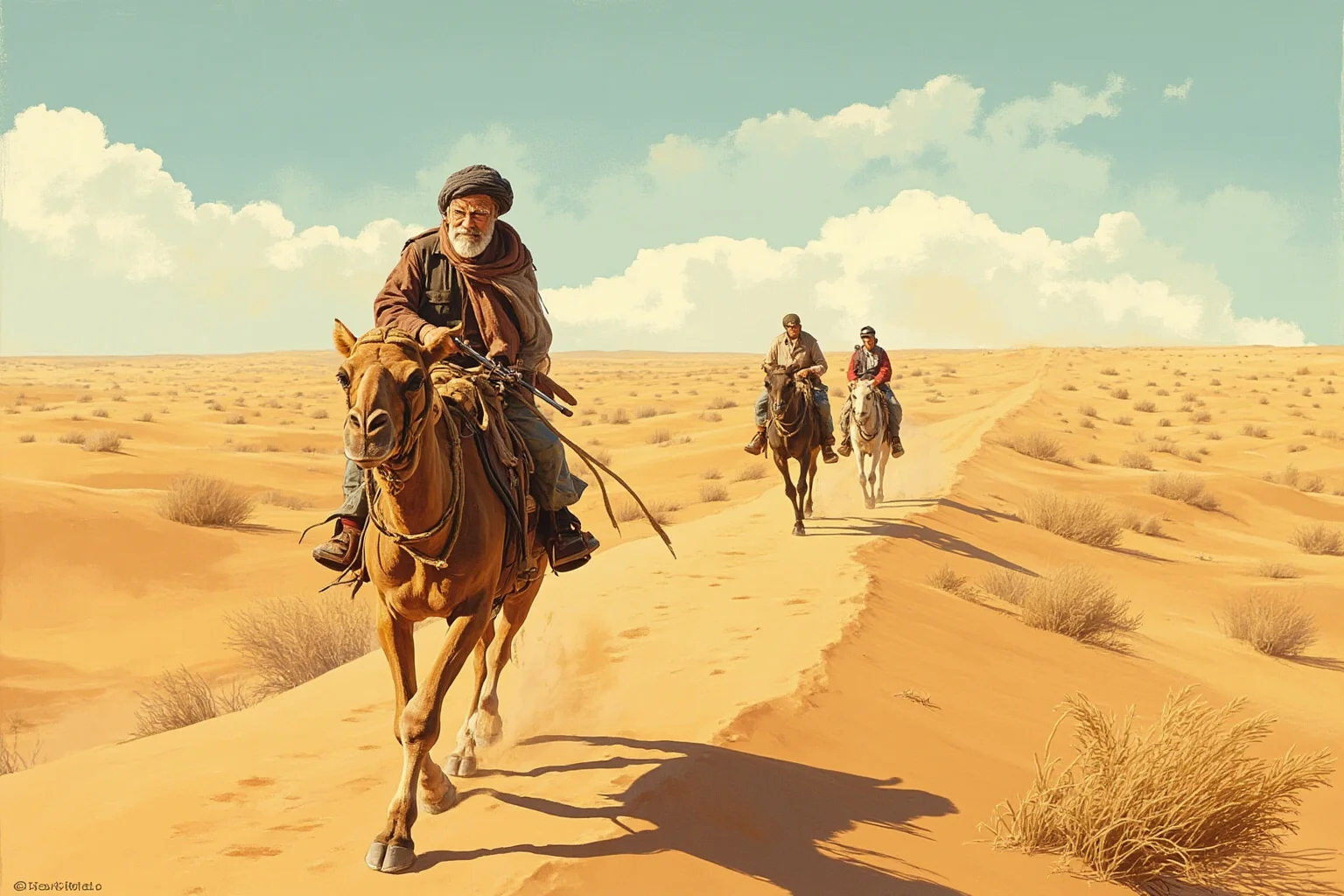
The Moroccan scholar Ibn Battuta set out on a pilgrimage to Mecca in 1325 and simply kept going for nearly thirty years. By the time he returned home, he had covered an estimated 75,000 miles across North Africa, the Middle East, East Africa, Central Asia, and China.
Not all of that distance was walked, since he also traveled by camel caravan and ship, but the sheer scale of his overland travel remains one of the most documented long journeys of the pre-modern world. His travelogue, the “Rihla,” is still a key historical source today.
3. Marco Polo and the Silk Road (1271–1295)
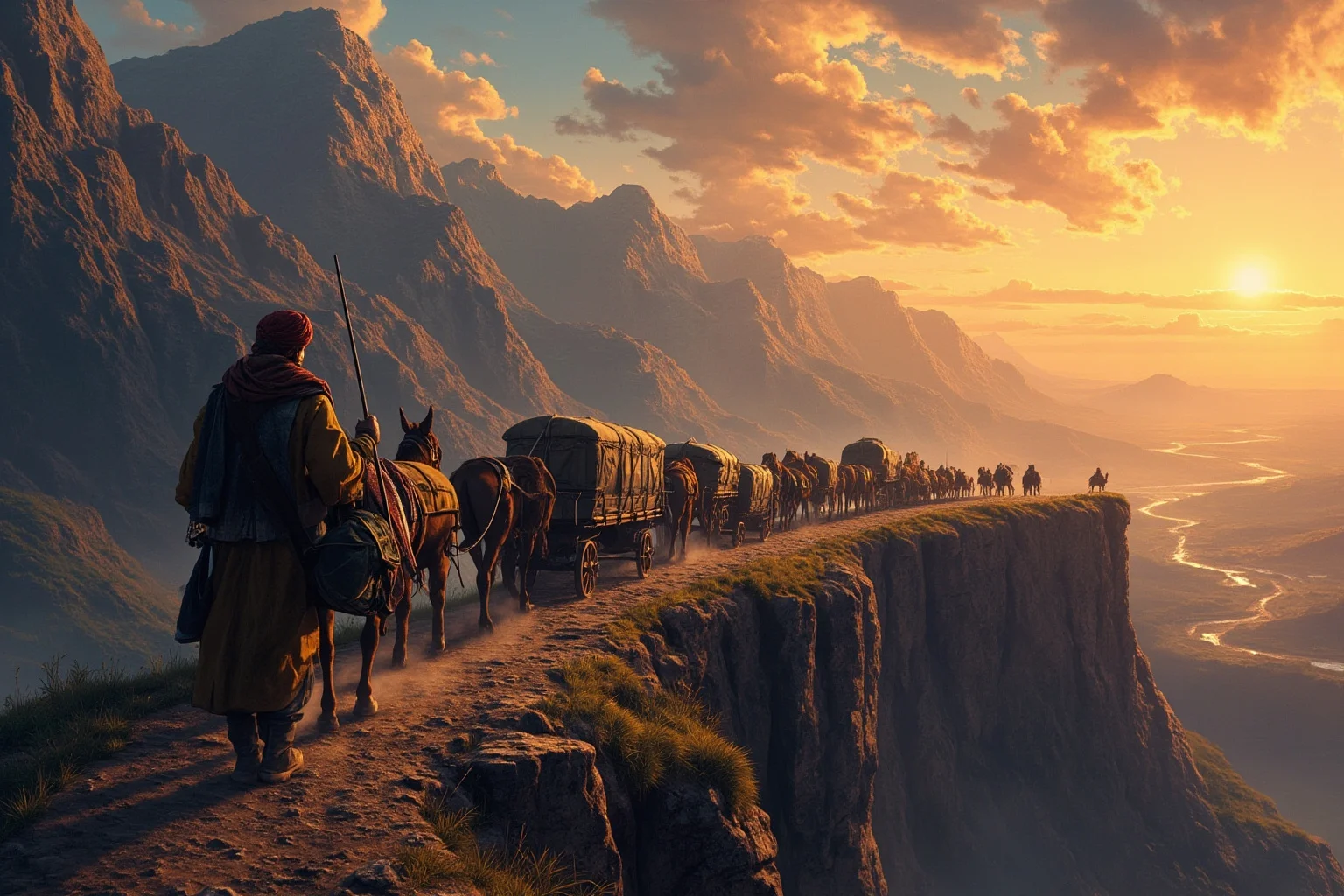
The Venetian merchant Marco Polo traveled roughly 15,000 miles round trip along the Silk Road to the court of Kublai Khan in China, one of the countries with the longest histories in the world, and back. Like Ibn Battuta, his journey combined walking with caravans, horses, and river travel.
What makes Polo’s trip significant isn’t a walking record, but its lasting impact on European knowledge of Asia. His account, dictated after his return, shaped Western understanding of the East for centuries.
4. The Long Walk of the Navajo (1864)
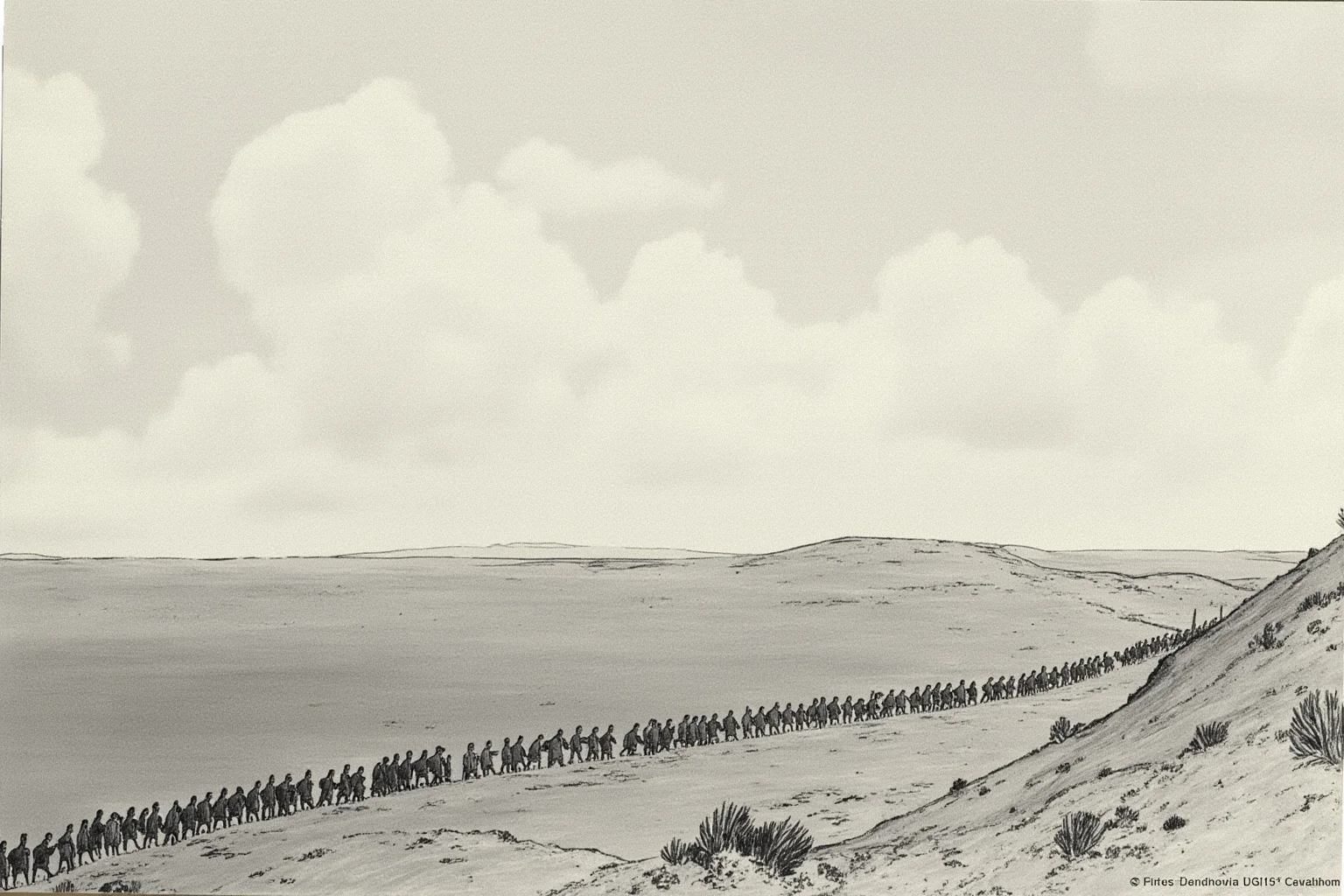
This is one of the most important real historical events actually called “the Long Walk.” In 1864, the United States government forced roughly 10,000 Navajo (Diné) people to march 300 to 450 miles from their homeland in Arizona and New Mexico to a bleak internment camp at Fort Sumner, New Mexico, known as Bosque Redondo.
Hundreds died from exposure, starvation, and violence along the way, and hundreds more died during the four years of internment that followed. The Long Walk of the Navajo remains a foundational, tragic chapter in Native American history, and it is the answer many historians give when someone asks what year the Long Walk took place, since it began in 1864.
5. The Trail of Tears (1830s)
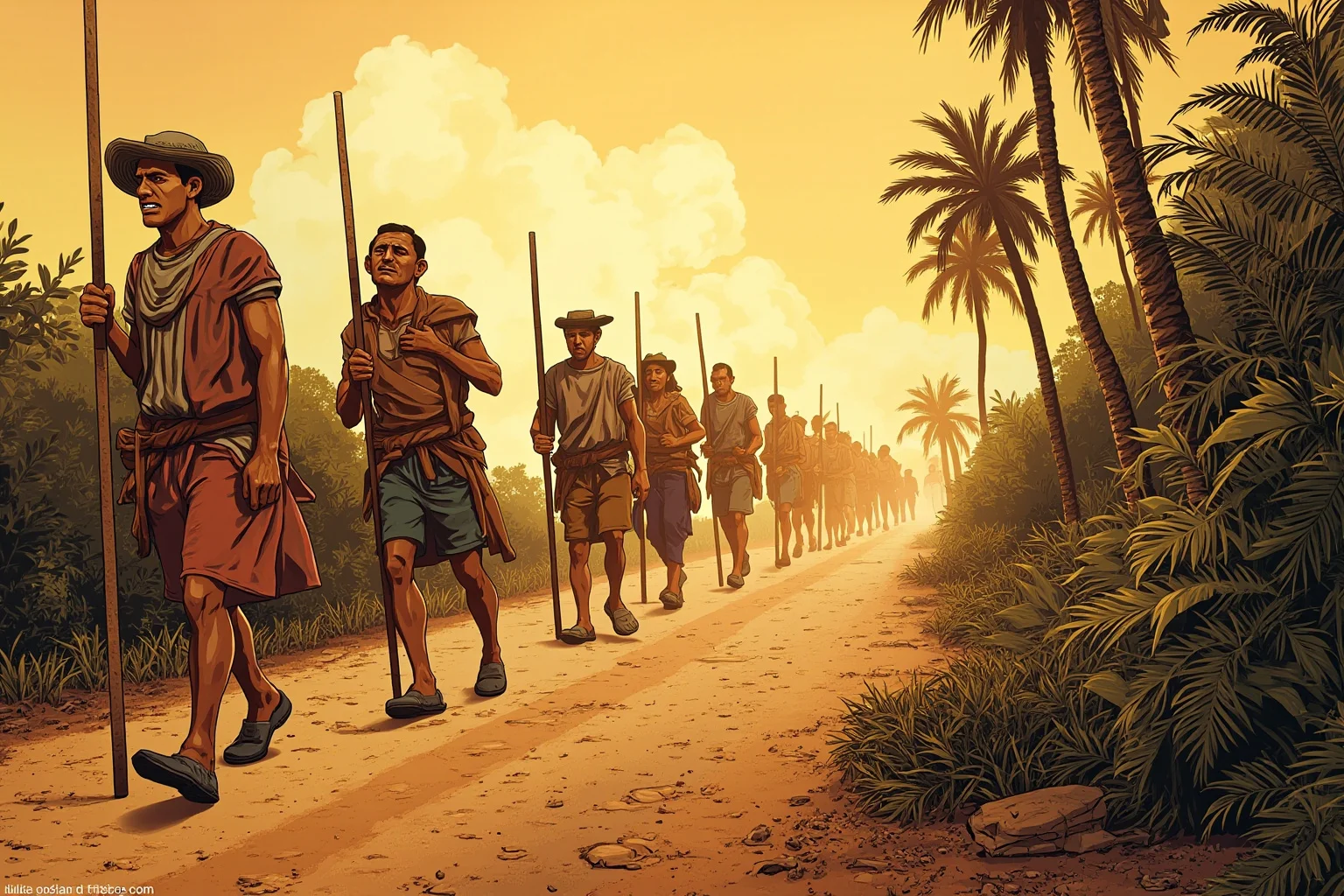
Around the same era, the forced removal of the Cherokee and several other southeastern tribes became known as the Trail of Tears. Between 1836 and 1839, thousands of Cherokee people were marched roughly 1,000 miles westward to present-day Oklahoma under brutal conditions.
Estimates suggest thousands died from disease, exposure, and starvation during the journey. It stands alongside the Navajo Long Walk as one of the darkest examples of a long journey on foot being used as a tool of forced displacement rather than exploration.
6. The Bataan Death March (1942)
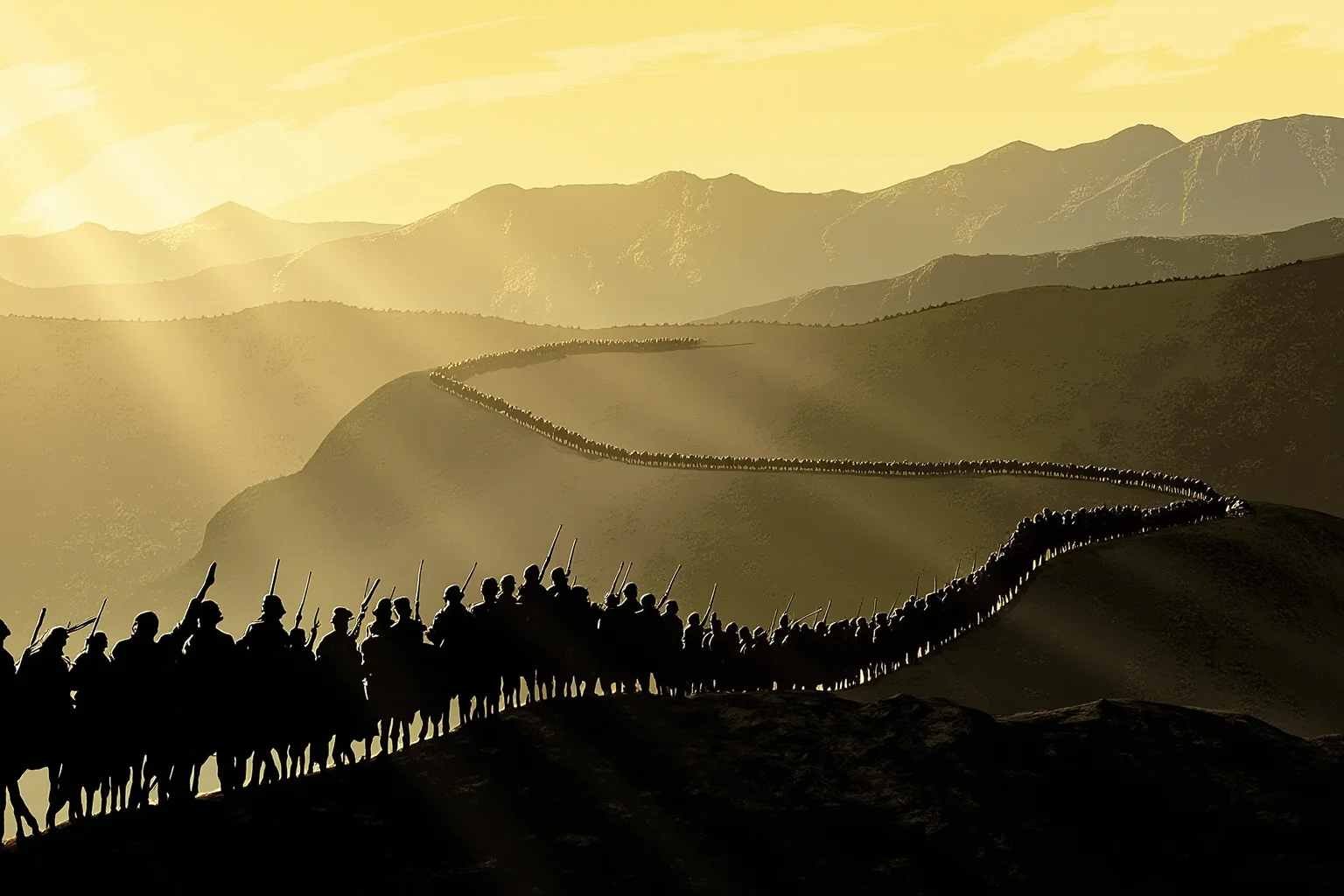
During World War II, forces of the Japanese Empire, one of the greatest empires in history, marched roughly 75,000 American and Filipino prisoners of war about 65 miles through the Philippines after the fall of Bataan in April 1942. The distance itself wasn’t extreme, but the conditions were.
Thousands of prisoners died along the route from starvation, dehydration, disease, and outright brutality. It’s remembered as one of the most horrific forced marches of the modern era, a stark reminder that “longest journey” isn’t always measured only in miles.
7. The Long March of the Chinese Communists (1934–1935)
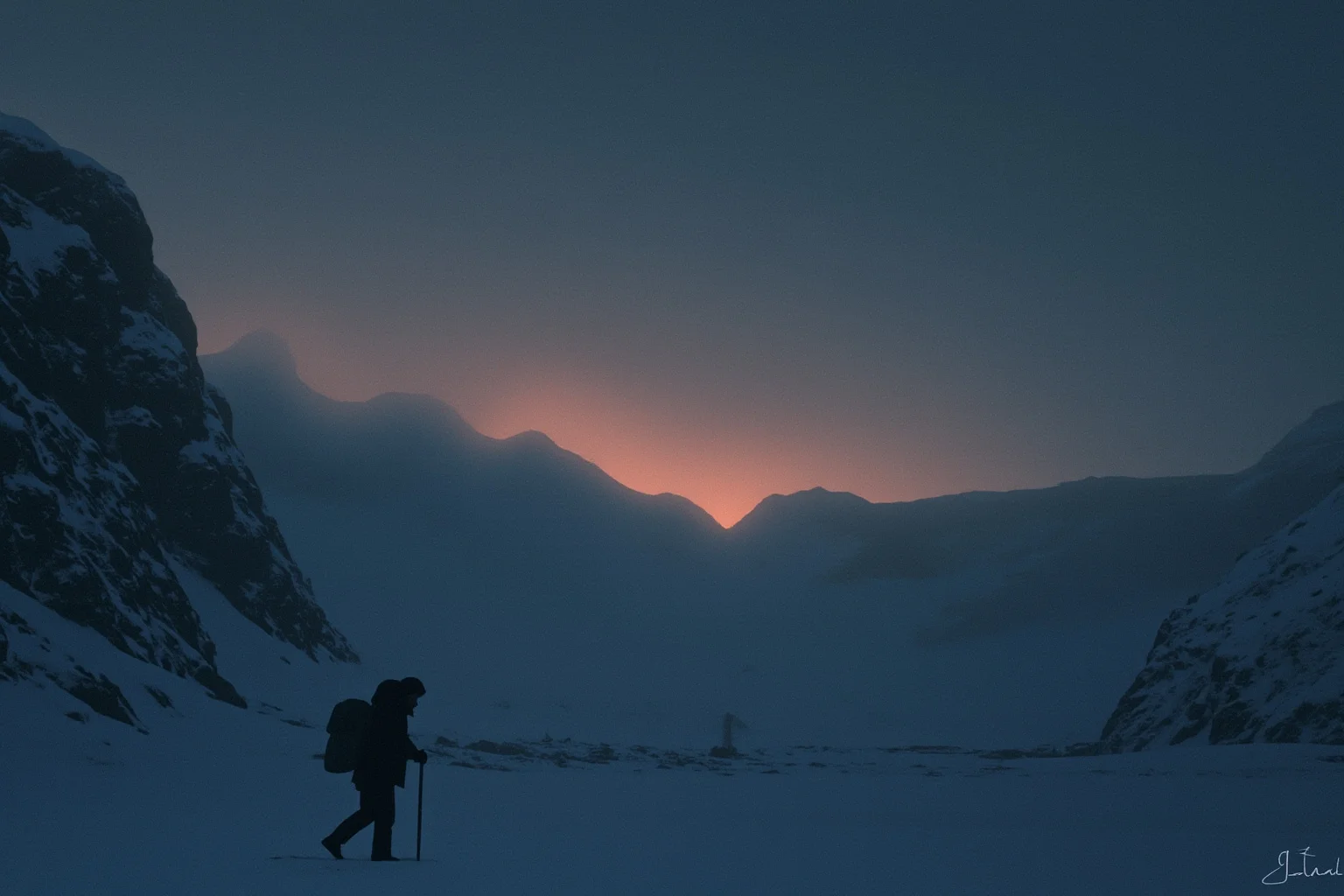
Facing encirclement by Nationalist forces, Mao Zedong led Communist troops on a strategic retreat across China that came to be known as the Long March. Estimates of the total distance covered vary by account and route, ranging from roughly 4,000 to 8,000 miles over about a year.
Tens of thousands of soldiers died from combat, starvation, and exhaustion, but the survivors formed the core of the movement that would eventually take control of China in 1949. It’s one of the most consequential long journeys on foot in twentieth-century political history.
8. Slavomir Rawicz’s “The Long Walk” — History’s Most Disputed Escape Story
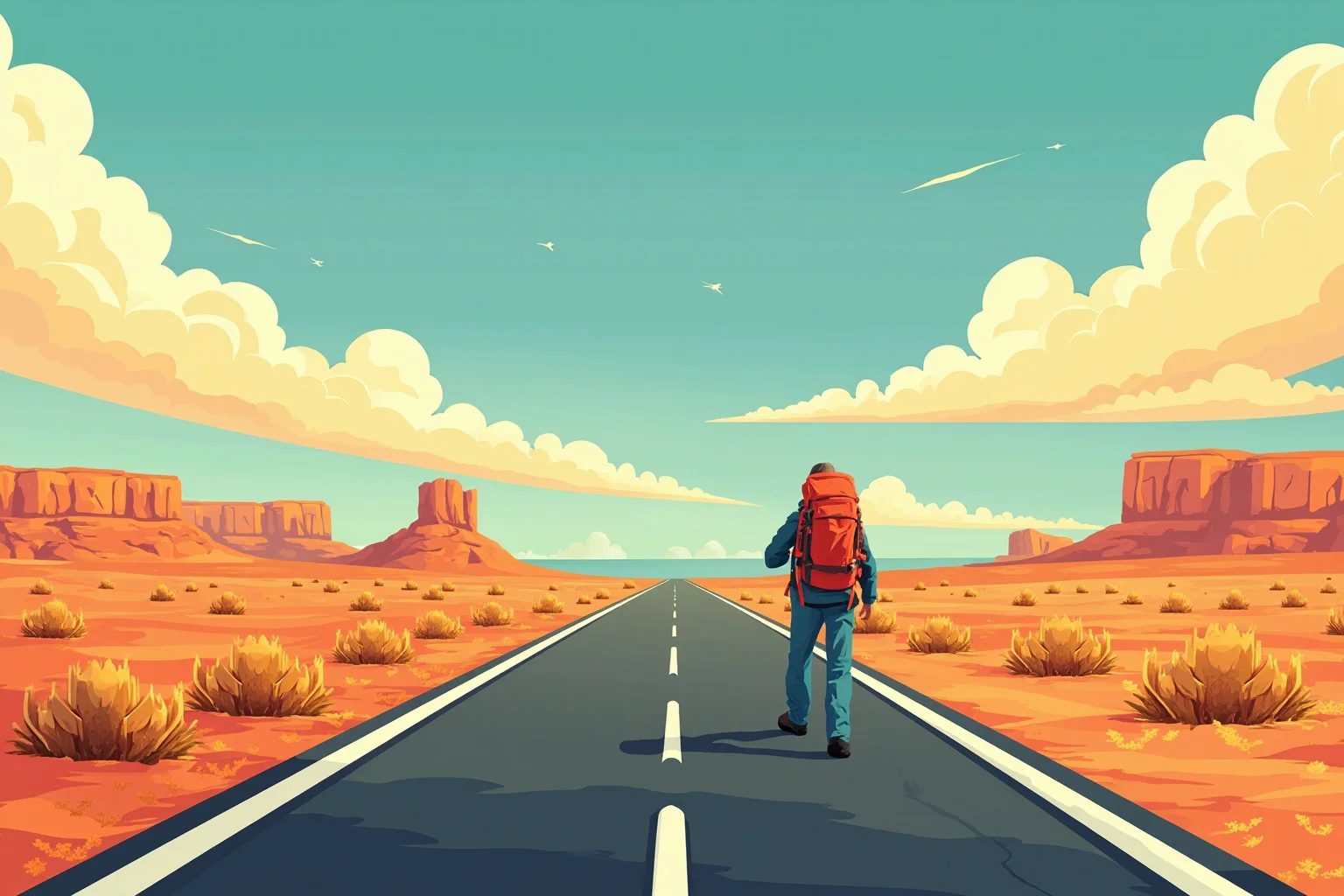
Here’s where things get interesting for anyone searching for “the Long Walk” online. In 1956, Polish cavalry officer Slavomir Rawicz published a memoir titled “The Long Walk,” claiming that in 1941 he escaped a Soviet gulag in Siberia and walked roughly 4,000 miles south through Mongolia, the Gobi Desert, Tibet, and over the Himalayas into British India, arriving sometime in 1942.
He claimed several companions died along the way, leaving only a handful of survivors by the time they reached safety. The story became a bestseller, but later investigations, including archival research and a BBC documentary, found strong evidence that Rawicz had actually been released under a 1942 amnesty and never made the walk at all.
Most historians now believe the book borrowed heavily from another escapee’s real account, if it has any factual basis at all. It’s a genuinely fascinating case of myth-busting, and a good reminder to double-check dramatic survival stories before treating them as settled history.
9. Dave Kunst: The First Verified Walk Around the World (1970–1974)

American Dave Kunst set out from Waseca, Minnesota, in 1970 with the goal of becoming the first person to walk around the entire world. Over roughly four years, he covered about 14,450 miles across four continents, wearing through more than twenty pairs of shoes.
Tragedy struck in Afghanistan, where his brother and walking partner John was killed by robbers. Dave recovered from his own injuries, continued the journey with another brother, and is officially recognized by Guinness World Records as the first person to walk around the world in a fully verified circuit.
10. Ffyona Campbell’s Contested Round-the-World Walk (1983–1994)
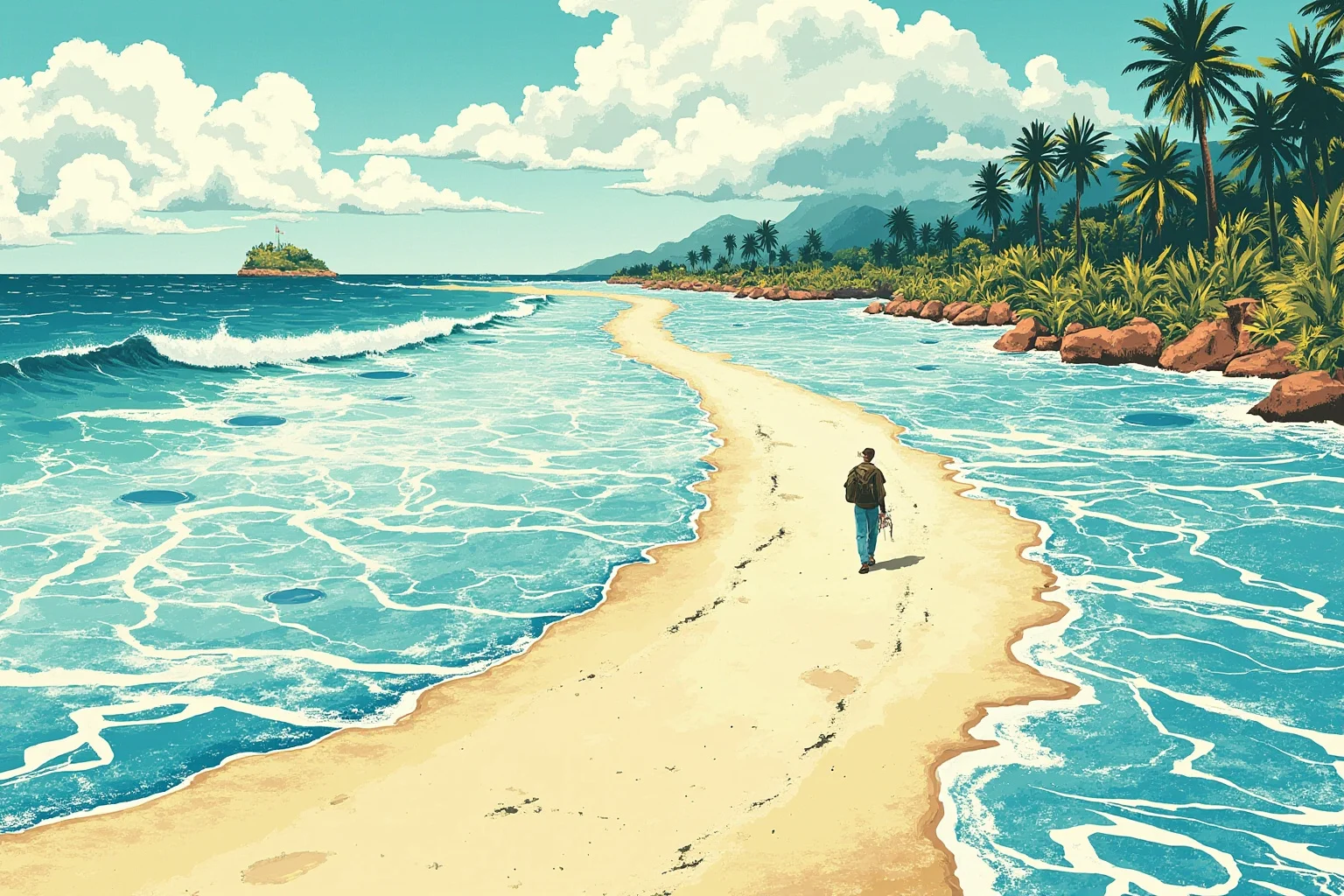
British walker Ffyona Campbell set out to become the first woman to walk around the world, eventually covering roughly 19,000 miles across four continents over eleven years. For years, she was celebrated as having completed the feat entirely under her own power.
Later, in her own autobiography, Campbell admitted that she had accepted rides for parts of the American leg of her journey. To her credit, she went back and re-walked those sections to correct the record, a rare and honest example of someone correcting their own long-distance walking claim.
11. George Meegan’s Unbroken 19,019-Mile Trek (1977–1983)
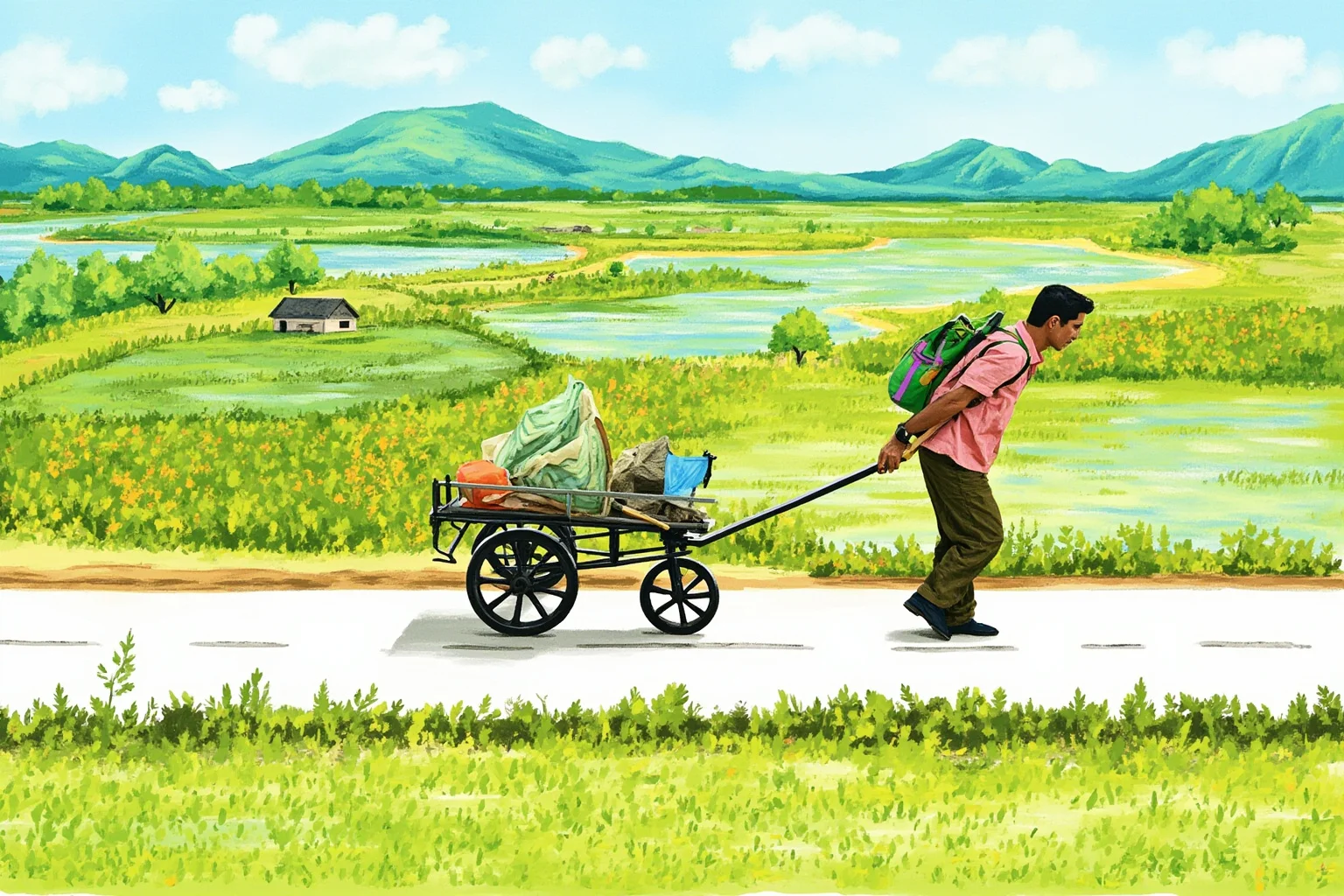
If you’re wondering what the longest continuous walk in recorded history actually is, this is usually the answer. Englishman George Meegan walked from Ushuaia, at the southern tip of Argentina, to Prudhoe Bay, Alaska, covering roughly 19,019 miles over six and a half years.
Guinness World Records recognizes this as the longest uninterrupted walk ever documented, since Meegan’s route formed one continuous overland journey rather than a series of separate legs. It remains a benchmark whenever people discuss the longest hike in the world.
12. Jean Béliveau’s 11-Year “Walk of the Earth” (2000–2011)
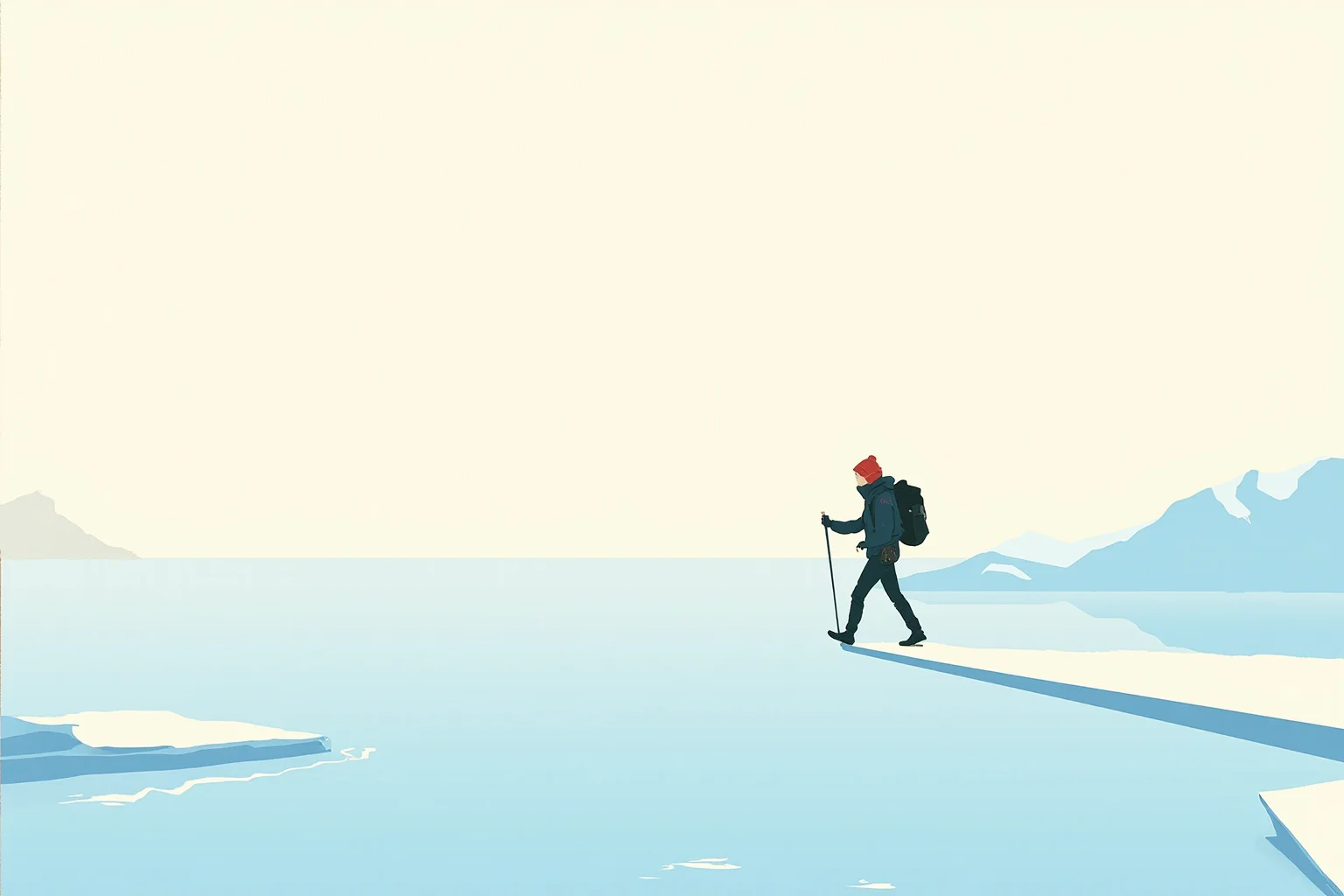
Canadian Jean Béliveau left Montreal in 2000 pushing a modified stroller loaded with his gear and didn’t stop for eleven years. By the time he finished, he had walked an estimated 46,600 miles through 64 countries, promoting peace and nonviolence along the way.
He wore out dozens of pairs of shoes and several strollers over the course of the journey. Béliveau’s walk stands as one of the longest total-distance journeys on foot ever completed by a single person.
13. Karl Bushby’s Never-Ending Goliath Expedition (1998–Present)

Former British paratrooper Karl Bushby set out in 1998 with an audacious goal: to walk around the entire world using only human power, with no motorized transport of any kind, including crossing the frozen Bering Strait on foot. Decades later, the expedition is still ongoing.
Bushby’s journey illustrates that some of history’s longest journeys on foot don’t have a tidy finish line yet. It’s an open-ended case study in what long-term human endurance actually looks like.
14. Grandma Gatewood and the Appalachian Trail (1955)
Emma “Grandma” Gatewood was 67 years old when she told her family she was going for a walk, then quietly became the first woman to solo thru-hike the roughly 2,050-mile Appalachian Trail in a single season. She carried a homemade denim sack and wore canvas Keds sneakers instead of hiking boots.
She went on to hike the entire trail two more times in later years. Her journey helped popularize long-distance thru-hiking and drew public attention to preserving the trail itself.
15. The Modern Triple Crown of Thru-Hiking
Today’s hikers chasing the longest hikes in the world often aim for the “Triple Crown”: the Appalachian Trail (about 2,190 miles), the Pacific Crest Trail (about 2,650 miles), and the Continental Divide Trail (about 3,100 miles). Together, they add up to nearly 8,000 miles of maintained long-distance trail across the United States.
Only a relatively small number of hikers have completed all three. These trails represent some of the most structured, well-documented long journeys on foot available to ordinary people today.
16. The Camino de Santiago: A Thousand Years of Pilgrim Footsteps

The Camino de Santiago isn’t a single trail but a network of pilgrim routes across Europe, all converging on the cathedral of Santiago de Compostela in northwestern Spain. The most popular route, the Camino Francés, runs roughly 500 miles from the French border.
Pilgrims have walked these paths for over a thousand years, dating back to the medieval period, the same era that produced some of the world’s oldest universities. Hundreds of thousands of people still walk some portion of the Camino every year, making it one of the most enduring long-distance walking traditions in the world.
17. Werner Herzog’s Walk from Munich to Paris (1974)
Not every long journey on foot is about setting a record. In the winter of 1974, German filmmaker Werner Herzog walked roughly 500 miles from Munich to Paris to visit his friend and mentor, film historian Lotte Eisner, who was seriously ill.
Herzog later said he believed the walk itself carried a kind of protective, almost magical power for her recovery. He documented the trip in a small memoir called “Of Walking in Ice,” a striking example of a long journey undertaken purely out of personal devotion.
18. Sarah Marquis’s Solo Three-Year Trek Across Continents (2010–2013)

Swiss explorer Sarah Marquis walked alone for three years, covering roughly 10,000 miles from Siberia through the Gobi Desert, Southeast Asia, and eventually into the outback of Australia. She faced extreme heat, illness, and encounters with dangerous wildlife along the way.
Her journey earned her recognition as a National Geographic Adventurer of the Year. It stands as one of the most demanding solo long-distance walks completed by a woman in modern times.
19. The Pan-American Highway Walkers

The Pan-American Highway, stretching roughly 19,000 miles from Alaska down to the southern tip of South America (with a break at the Darién Gap), has tempted many long-distance walkers over the decades. George Meegan’s famous unbroken trek effectively followed a similar corridor.
Other adventurers have attempted the full route in stages, though few complete it as a single unbroken journey. It remains one of the ultimate benchmarks for anyone chasing the longest possible overland walk.
20. Polly Letofsky’s Round-the-World Walk for Charity
American Polly Letofsky walked roughly 14,300 miles over eight years, from 1999 to 2007, passing through 22 countries. Her journey raised money and awareness for breast cancer research and support programs.
Her walk is a good example of how long journeys on foot in the modern era are often tied to a cause, rather than pure exploration or record-chasing. It also shows how these journeys can be broken into stages over many years rather than one continuous trip.
21. The World’s Longest Marked Hiking Trails

When people search for the longest hike in the world, they’re sometimes asking about infrastructure rather than personal feats. Canada’s Trans Canada Trail, also known as The Great Trail, stretches roughly 15,000 miles, making it the longest recreational trail network on Earth.
Few people walk the entire thing in one go, but its existence shows just how far trail systems have expanded to support long-distance walking as a hobby. It’s a very different kind of “longest journey” than a single person’s unbroken trek.
22. Modern Ultra-Walkers and the Limits of Walking Without Stopping
A common question is how long a person has actually walked without stopping, meaning without sleep or rest. Because of basic human physiology, verified continuous walking events, like organized 24-hour or 48-hour ultrawalking challenges, are typically capped at one or two days, with the best participants covering somewhere in the range of 100 to 150-plus miles before needing real rest.
That’s very different from journeys like George Meegan’s or Jean Béliveau’s, which were unbroken in the sense of never stopping the overall journey, but still included normal daily sleep and rest. Understanding that distinction helps make sense of just how remarkable both types of long journeys really are.
Final Steps: What These Journeys Have in Common
Looking across all of these stories, a few patterns stand out. Some of the longest journeys on foot were chosen freely, driven by faith, curiosity, grief, or a simple desire to see what the human body could endure.
Others, like the Navajo Long Walk, the Trail of Tears, and the Bataan Death March, were forced marches imposed by power and violence, and deserve to be remembered as tragedies rather than adventures. A few, like Rawicz’s famous memoir, remind us that dramatic survival stories deserve scrutiny before they’re accepted as fact.
Whatever the motivation, each of these journeys shares one thing: an enormous amount of time spent simply walking, day after day, farther than almost anyone else ever has.
Frequently Asked Questions
What year does the Long Walk take place?
It depends which "Long Walk" you mean. The historical Long Walk of the Navajo, a forced relocation by the U.S. government, began in 1864. Slavomir Rawicz's memoir "The Long Walk" claimed its escape journey took place in 1941–1942, though historians have since disputed whether it actually happened. Stephen King's dystopian novel "The Long Walk" (and its film adaptation) is fictional and doesn't specify an exact year.
What year was The Long Walk novel set in?
Stephen King's novel "The Long Walk," first published in 1979 under the pseudonym Richard Bachman, is set in a fictional, dystopian alternate version of America. The book deliberately avoids naming a specific year, so it's best understood as speculative fiction rather than a real historical account.
Who survived in the Long Walk?
In Stephen King's novel, the story follows a group of teenage boys in a deadly walking competition, and the plot centers on who makes it to the end. In Slavomir Rawicz's disputed memoir of the same title, he claimed only a small number of the original escapees survived the trek to India, though researchers have questioned whether the journey took place as described at all.
What is the longest hike in the world?
Depending on how you define it, the answer varies. Canada's Trans Canada Trail is the longest recreational trail network at roughly 15,000 miles, while George Meegan's unbroken personal trek from Argentina to Alaska, at about 19,019 miles, is recognized as the longest continuous walk completed by one person.
What is the longest continuous walk on record?
George Meegan's 1977–1983 trek from Ushuaia, Argentina, to Prudhoe Bay, Alaska, covering roughly 19,019 miles over six and a half years, is generally cited as the longest uninterrupted walk ever recorded by Guinness World Records.
How long has someone walked without stopping?
If "without stopping" means without sleep, human physiology limits this to roughly 24 to 48 hours in organized ultrawalking events, covering somewhere around 100 to 150-plus miles before rest becomes necessary. Longer feats, like Meegan's multi-year trek, were unbroken in the sense that the journey itself never paused for good, but still included normal daily rest.
How many stories is 700 feet?
Using the common architectural rule of thumb of roughly 10 to 14 feet per story for tall buildings, 700 feet works out to approximately 50 to 70 stories, depending on the building's design and ceiling heights. For comparison, that's in the neighborhood of the Chrysler Building, which stands 1,046 feet tall across 77 stories.
What’s the difference between a long journey on foot and a thru-hike?
A thru-hike usually refers to walking a specific, established long-distance trail, like the Appalachian Trail, in one continuous effort. A long journey on foot is a broader term that can include thru-hikes, but also open-ended world walks, pilgrimages, forced marches, and personal treks that don't follow a marked trail at all.

Alex Warren
Related Articles