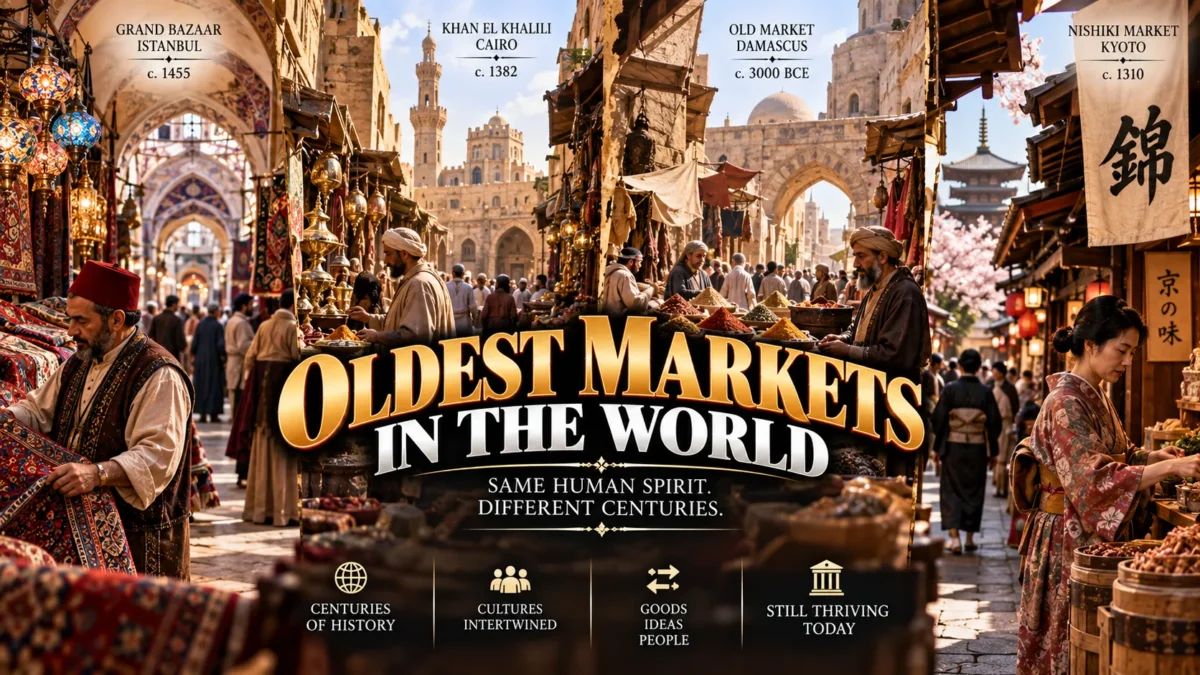
Long before online shopping carts and shopping malls, humans were haggling over grain, spices, cloth, and livestock in open squares and covered halls.
Trade is one of the oldest human activities on record, and the physical spaces built for it — markets, souks, bazaars, and agoras — are some of the most enduring structures in history.
Some of these old markets are still buzzing with shoppers today, while others survive only as archaeological ruins that hint at what once stood there.
Figuring out which market is truly the “oldest” is trickier than it sounds. Written records are patchy, buildings get rebuilt after fires and earthquakes, and “continuously operating” can mean very different things depending on who’s telling the story.
This list works through the strongest, best-documented claims to the title of oldest market in the world, along with the biggest market in the world today and a few contenders for the oldest shop in the world.
TL;DR: No single market can be proven to be the absolute “oldest” in an unbroken sense, but places like Istanbul’s Grand Bazaar, Cairo’s Khan el-Khalili, and Rome’s Trajan’s Market show that organized trading spaces go back well over a thousand years, and many of them are still open for business today.
What Actually Counts as an “Ancient Market”?
Before diving into the list, it helps to define terms, because “oldest” gets used loosely in tourism brochures. An ancient market can mean a physical building still standing from antiquity, a trading site that has hosted commerce continuously even as buildings changed, or a market whose founding date is documented in surviving records. These are three very different claims, and mixing them up is how a lot of dubious “world’s oldest” trivia gets started.
Throughout this list, we’ll flag which kind of claim we’re dealing with. A ruined Roman market and a 15th-century Ottoman bazaar that’s still trading today are both genuinely old, but they represent different kinds of history. Keeping that distinction in mind is the best defense against the exaggerated claims that circulate online about old markets.
1. The Agora of Athens, Greece
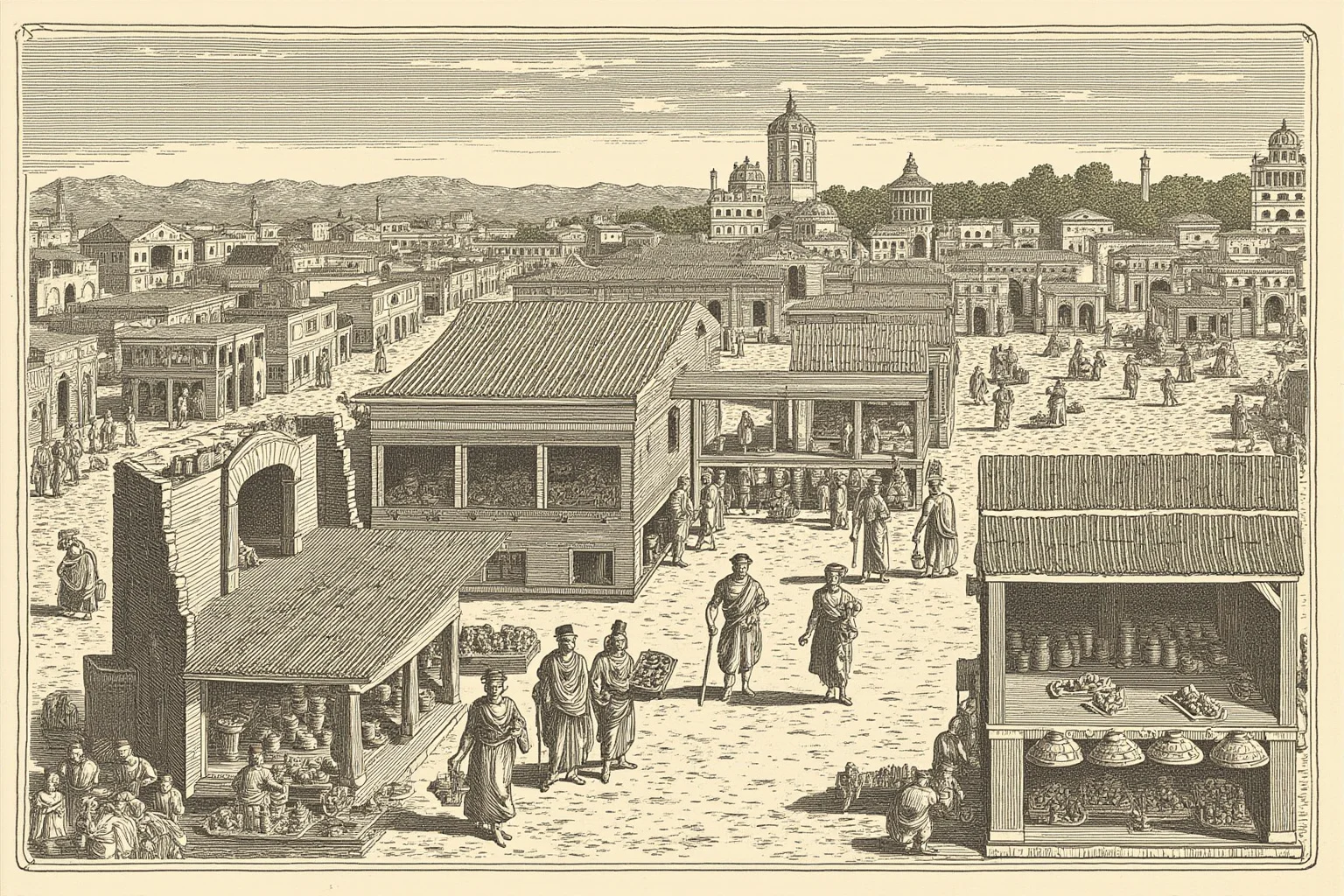
The Agora was the beating commercial and civic heart of ancient Athens, with organized market activity documented from around the 6th century BCE, during the era of Solon’s reforms. It wasn’t just a shopping district — philosophers debated there, officials conducted business, and citizens gathered for public life. Archaeologists have excavated the site since the 1930s, and the reconstructed Stoa of Attalos now serves as a museum.
It’s worth noting that informal trading in the same general area likely predates the 6th century BCE, but that’s the point where the historical record becomes solid. The Agora is no longer a working market, but its layout still shapes how historians understand ancient commerce.
2. Trajan’s Market, Rome
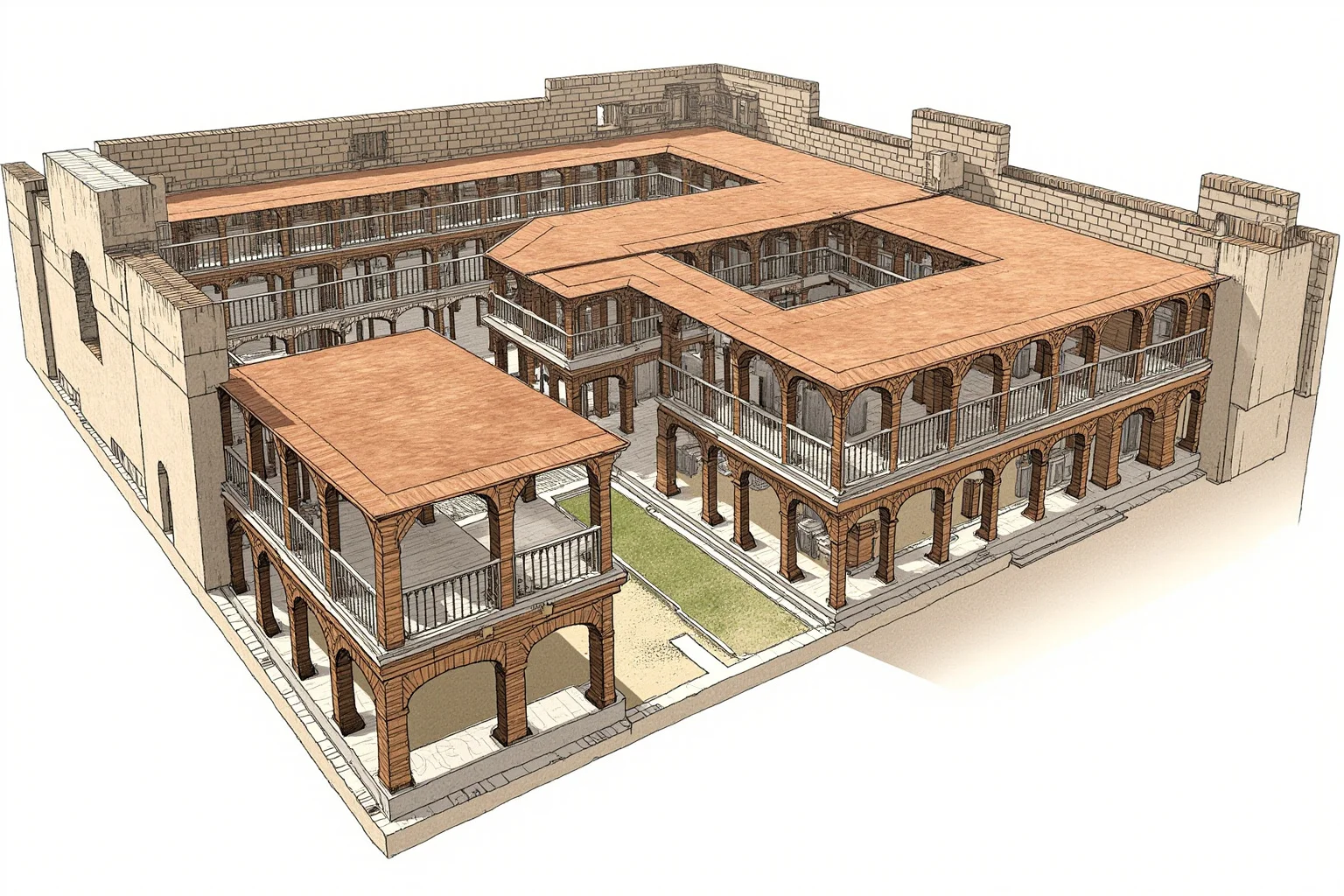
Built in the early 2nd century CE under Emperor Trajan and designed by the architect Apollodorus of Damascus, this multi-level complex is often nicknamed the “world’s oldest shopping mall.” It held well over 150 individual shop units, or tabernae, arranged across several floors and terraces near Trajan’s Forum. Today it houses the Museum of the Imperial Forums.
Historians do debate how much of the complex functioned as retail versus administrative offices for the emperor’s grain distribution and other state business. Even so, its architecture — rows of shop-fronts under a single roof — makes it a genuine ancestor of the modern shopping center.
3. The Macellum of Pompeii
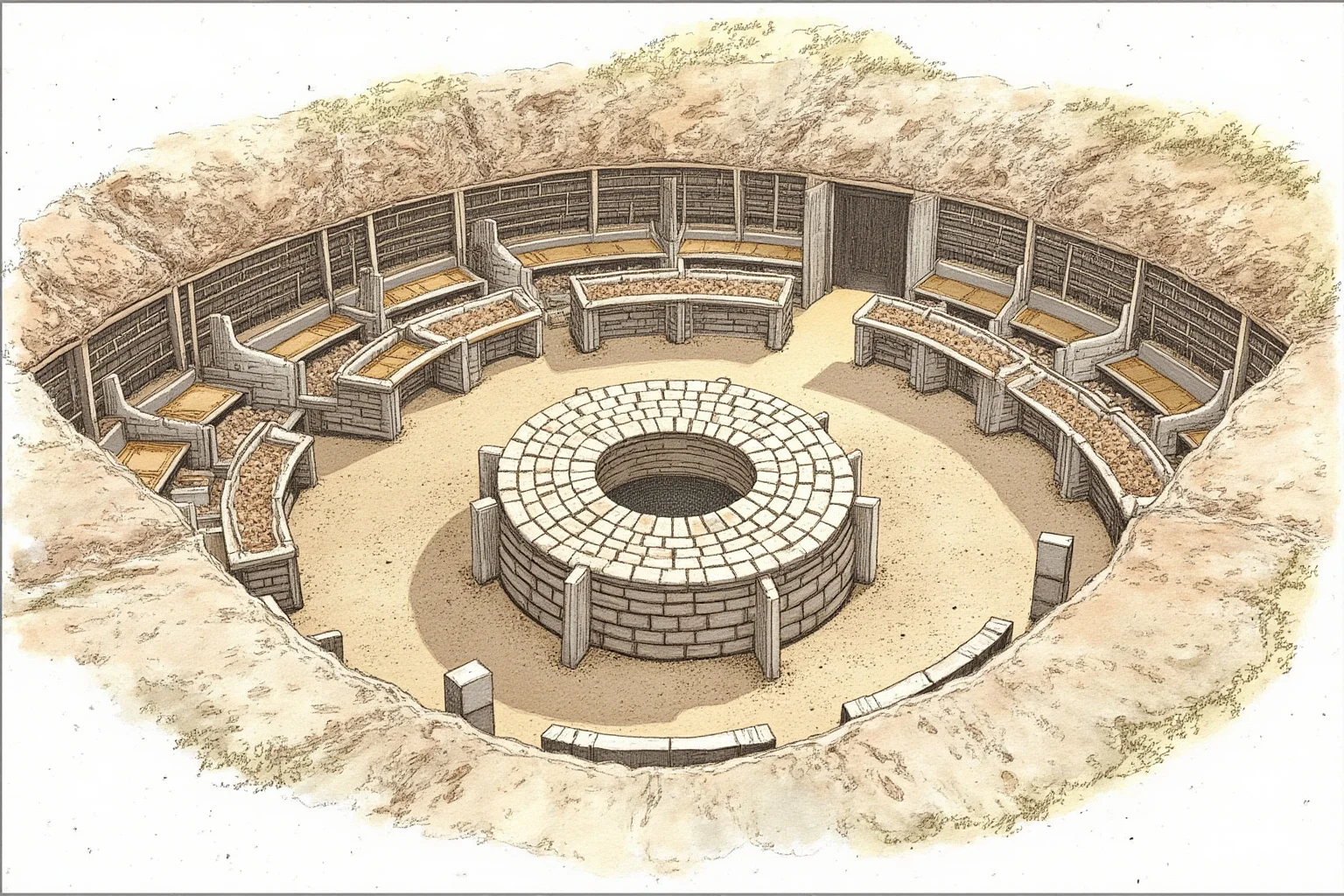
A macellum was the Roman version of a covered food market, and Pompeii’s example sat right in the town forum. Because Mount Vesuvius buried the city in 79 CE, the market’s stalls, statue bases, and central tholos structure were preserved in remarkable detail rather than worn away by centuries of reuse. It sold meat, fish, and other provisions to ordinary Roman households.
This makes the Pompeii macellum less a “living” market and more a frozen snapshot, but that’s exactly what makes it valuable. Few ancient markets anywhere give historians this clear a picture of everyday commercial life.
4. Grand Bazaar, Istanbul
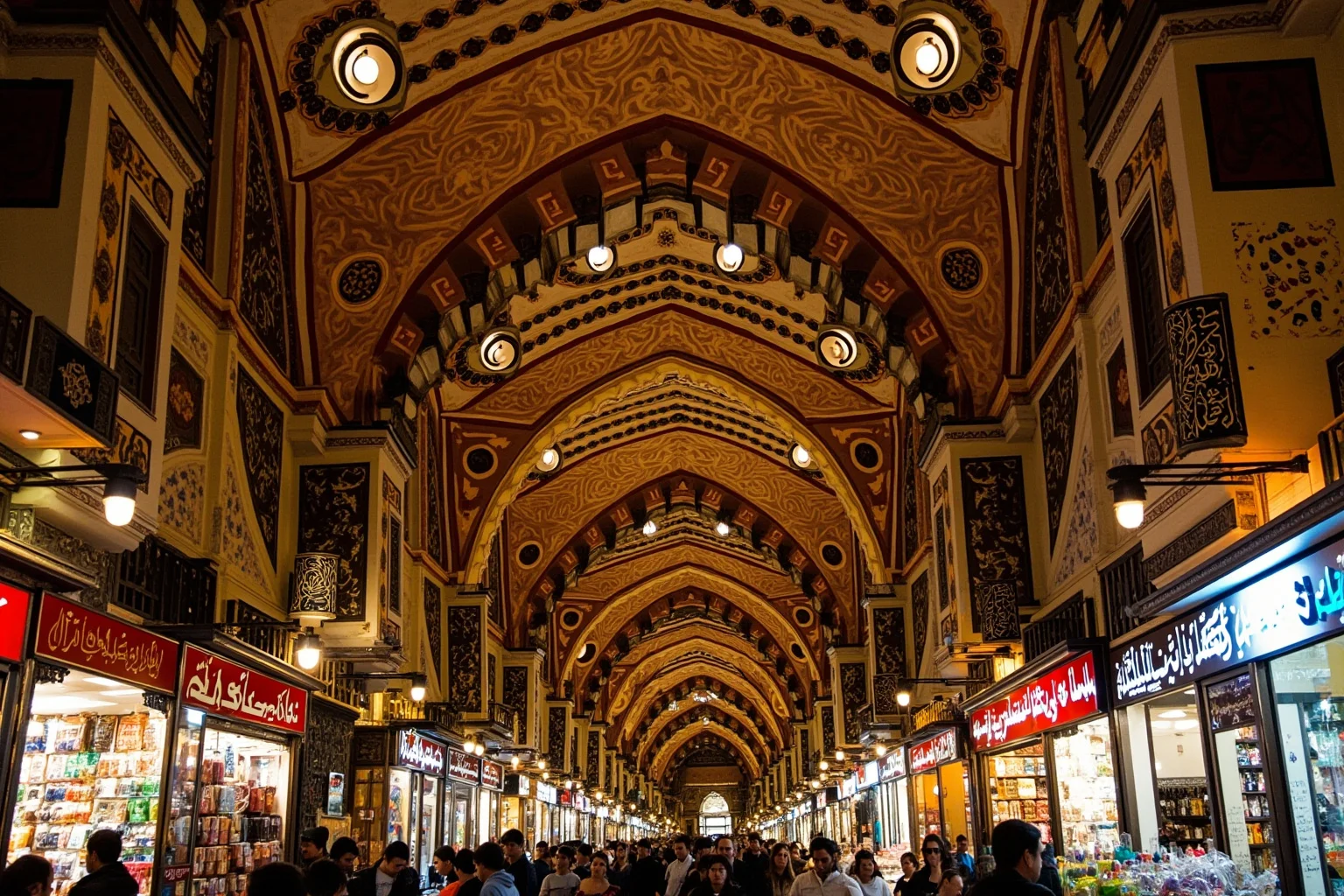
Construction on Istanbul’s Grand Bazaar began around 1455–1461, shortly after Sultan Mehmed II’s conquest of Constantinople, and it expanded steadily over the following centuries. Today it’s one of the largest and oldest covered markets on Earth, with more than 4,000 shops spread across roughly 60 streets. It remains a fully working commercial hub, not a museum piece.
Fires and earthquakes have damaged and rebuilt sections of the bazaar many times over the centuries, so much of what visitors see isn’t literally 15th-century stonework. Still, the site’s continuous commercial identity stretches back over 550 years, which is a genuinely rare thing to claim.
5. Khan el-Khalili, Cairo
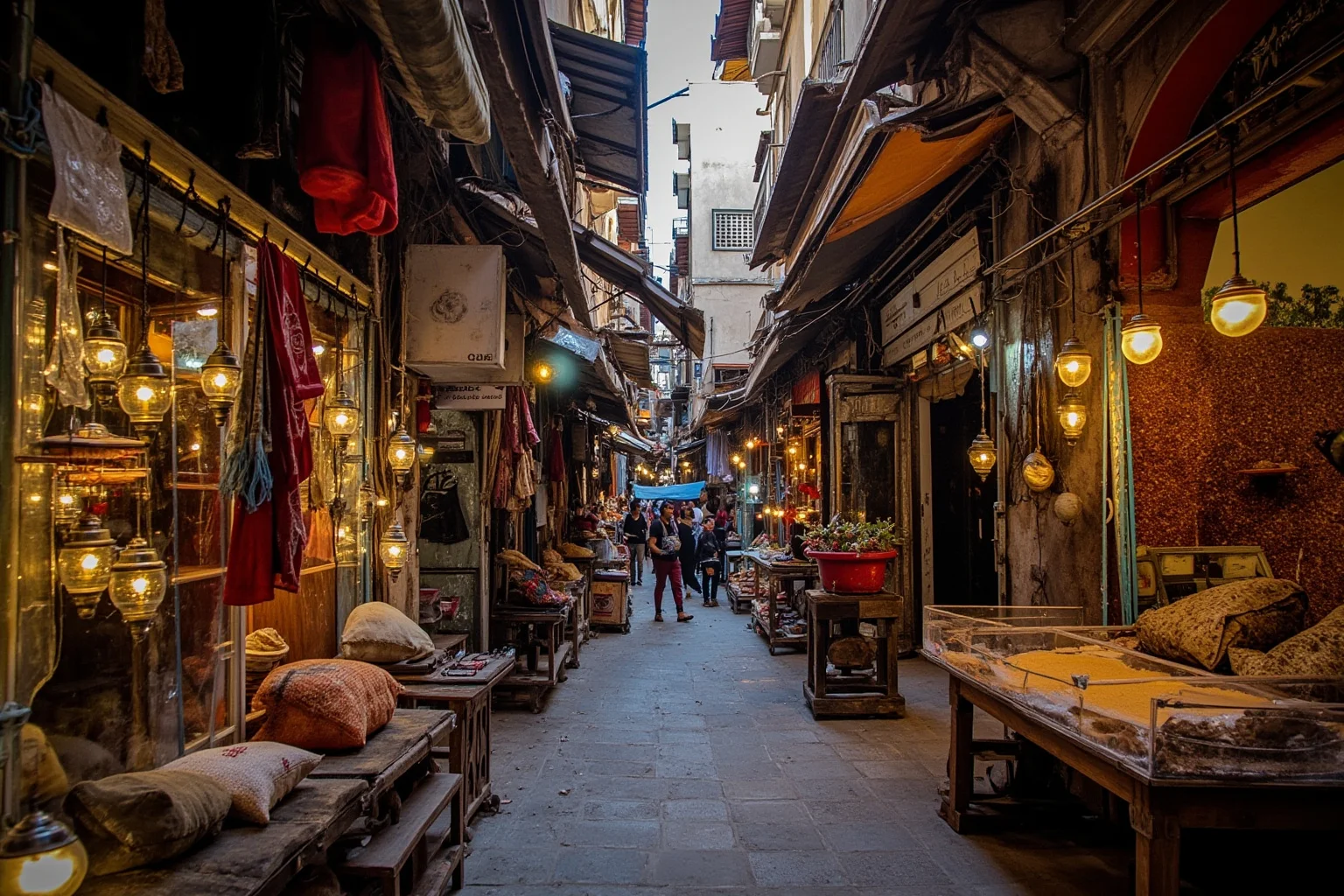
Founded in 1382 under Mamluk rule, Khan el-Khalili began as a caravanserai — a trading post for merchants and their goods — before growing into Cairo’s main souk. Spices, jewelry, textiles, and metalwork have changed hands here for over 600 years. It remains one of the Middle East’s most historically significant trading districts.
The market’s layout still reflects its medieval origins, with narrow lanes organized loosely by trade. Like most old markets, individual buildings have been repaired and replaced many times, but the commercial function has never really stopped.
6. The Souks of Damascus
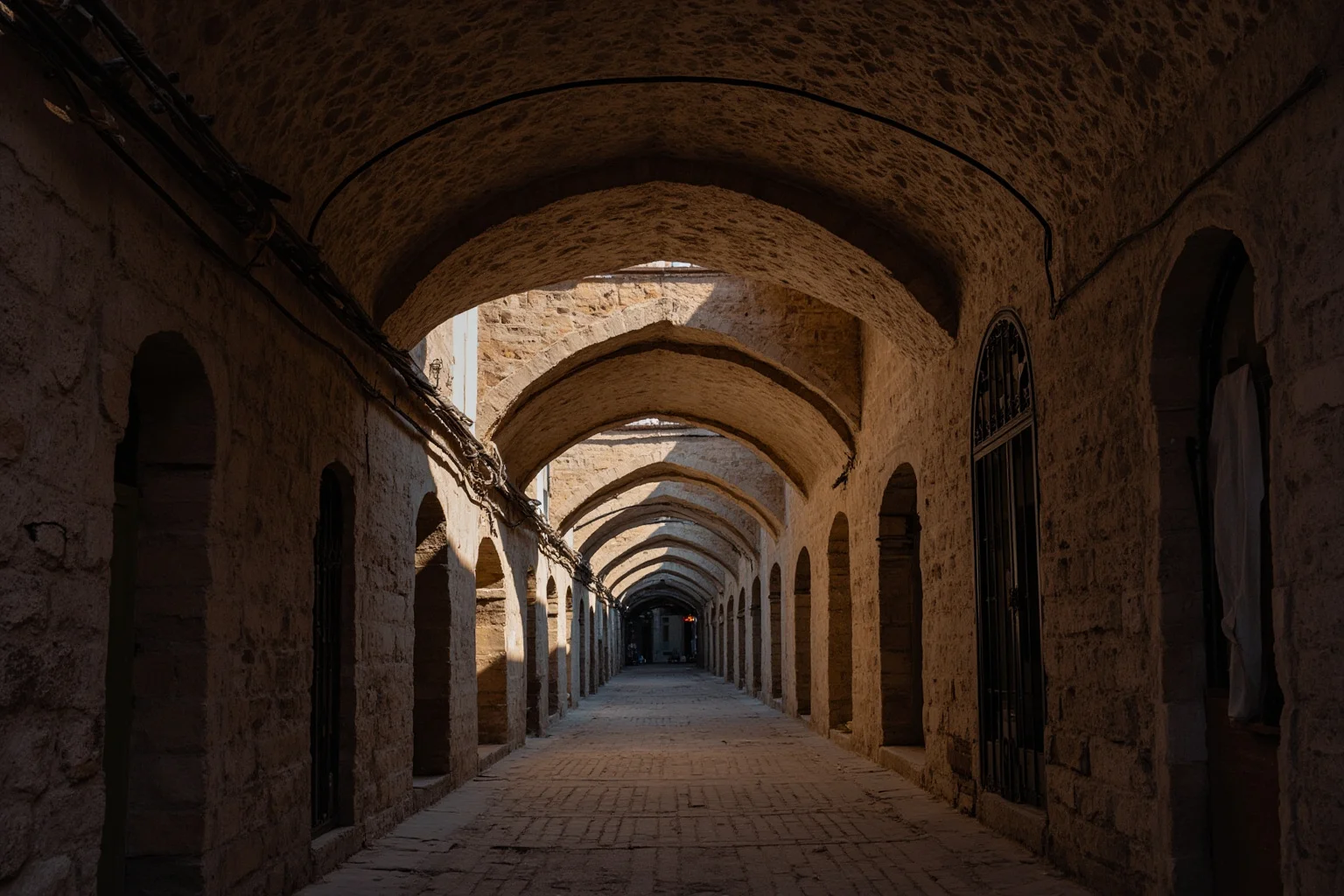
Damascus is frequently called one of the oldest continuously inhabited cities in the world, and its market streets, like Al-Hamidiyah Souq, trace their layout back to the Roman-era Via Recta running through the city. The covered souk structure visitors picture today largely dates to Ottoman rebuilding in the 1780s, built directly along that ancient road. That’s an important distinction: the trading route is ancient, while the roof over it is centuries younger.
It’s worth acknowledging that years of conflict in Syria have damaged parts of these historic markets and disrupted daily trade. Even so, Damascus remains a powerful example of how a trading site can outlast the empires and structures built on top of it.
7. Great Bazaar of Tabriz, Iran
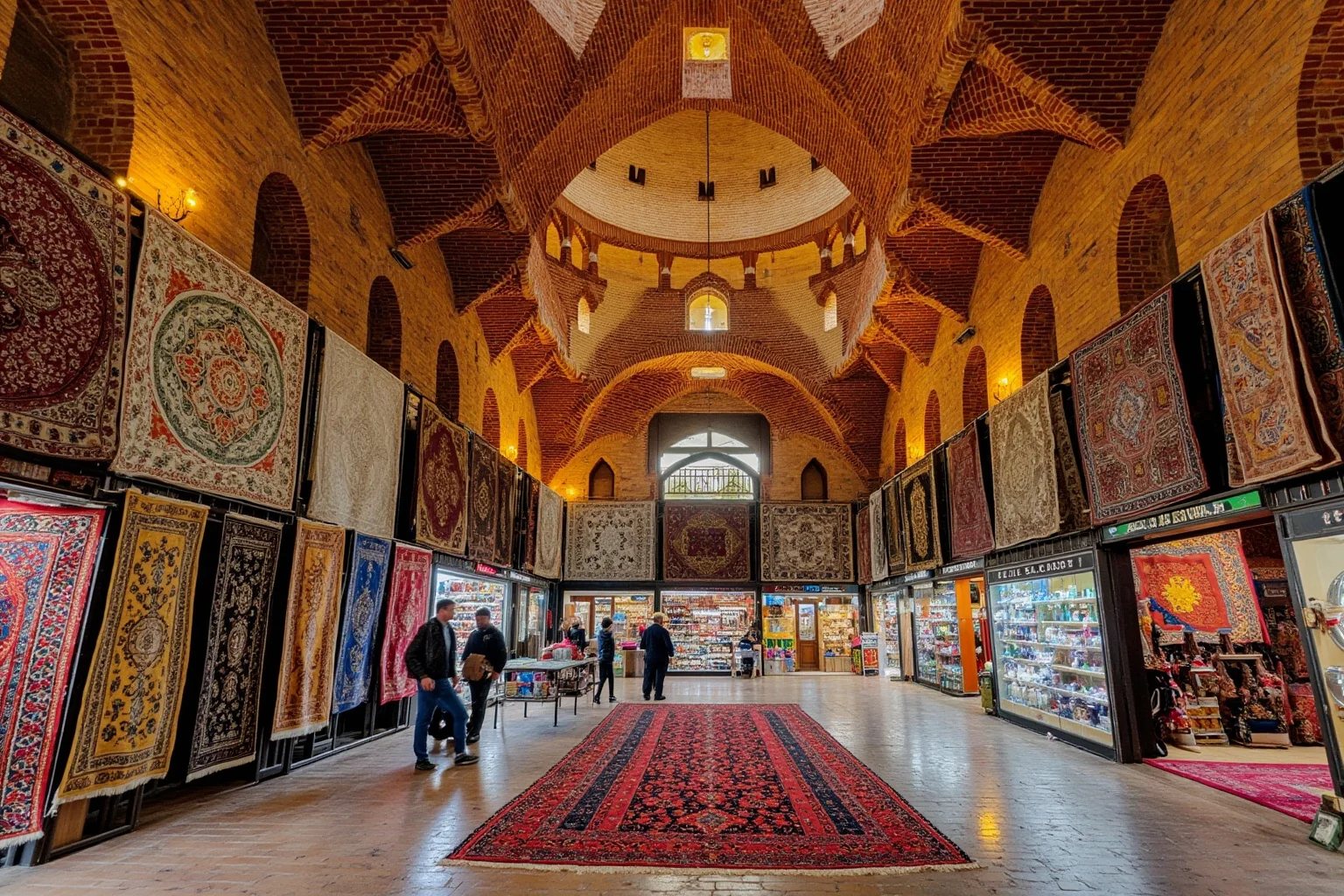
Tabriz sat on a major branch of the Silk Road, and travelers including the Venetian merchant Marco Polo described the wealth passing through the city in the 13th century. The current bazaar complex, largely rebuilt after earthquakes, dates mostly to the 15th century onward, and UNESCO added it to the World Heritage List in 2010. It’s frequently cited as one of the largest covered bazaar complexes on the planet.
That scale is why Tabriz also comes up in conversations about the biggest market in the world, alongside its age. The bazaar still functions as a working commercial center for the region, not just a heritage attraction.
8. Bukhara’s Trading Domes, Uzbekistan
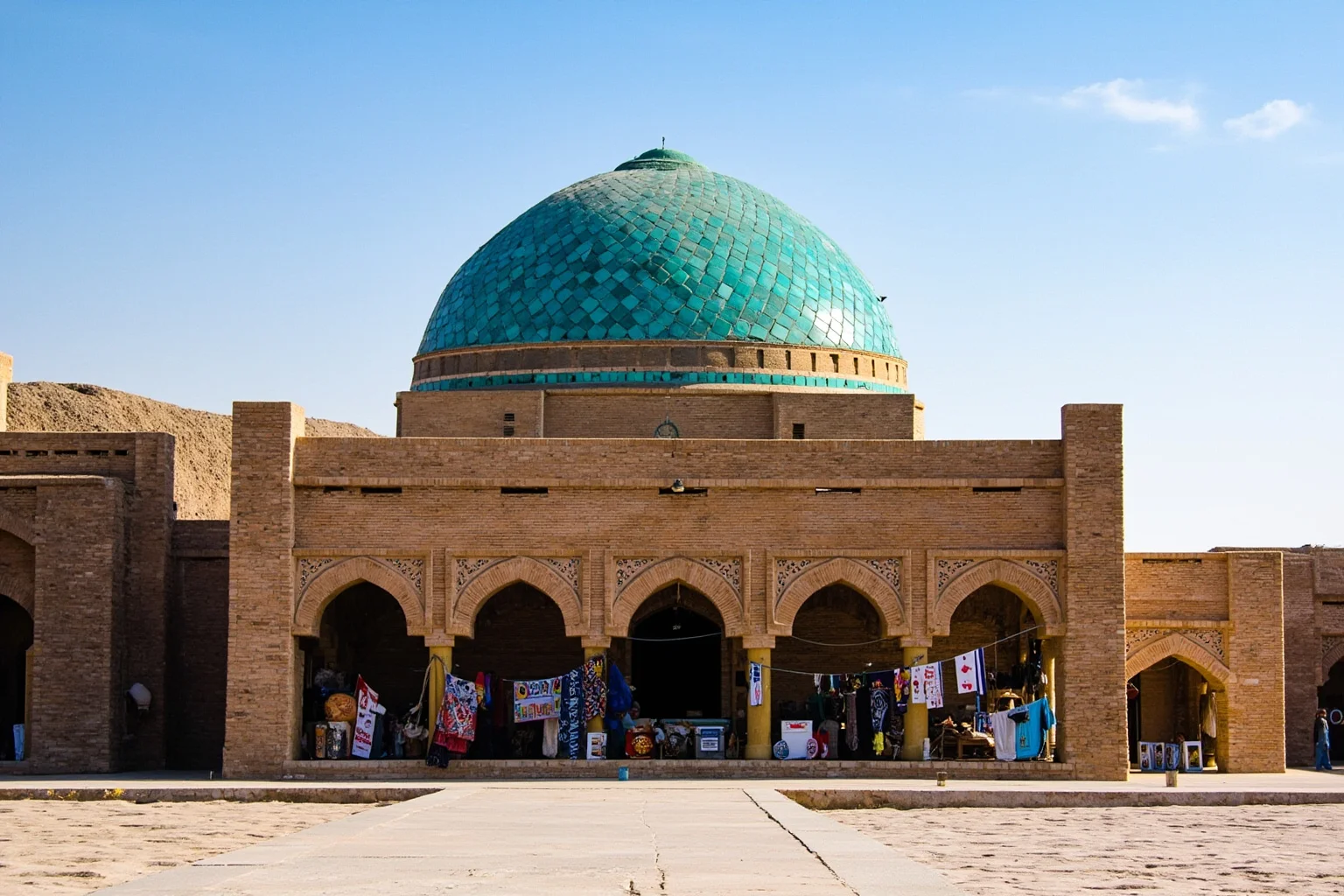
In the historic Silk Road city of Bukhara, Uzbekistan, merchants built distinctive domed trading halls called taqs in the 16th century, each specializing in a particular trade — jewelers in one dome, money-changers in another, hat-makers in a third. The domes still shelter craft stalls and shops today. The wider historic center of Bukhara is UNESCO-listed for its remarkably preserved architecture.
These domes are a great example of purpose-built ancient market infrastructure, rather than a market that simply grew organically over time. Their specialized design reflects how organized Silk Road trade had become by the 1500s.
9. Siyob Bazaar, Samarkand
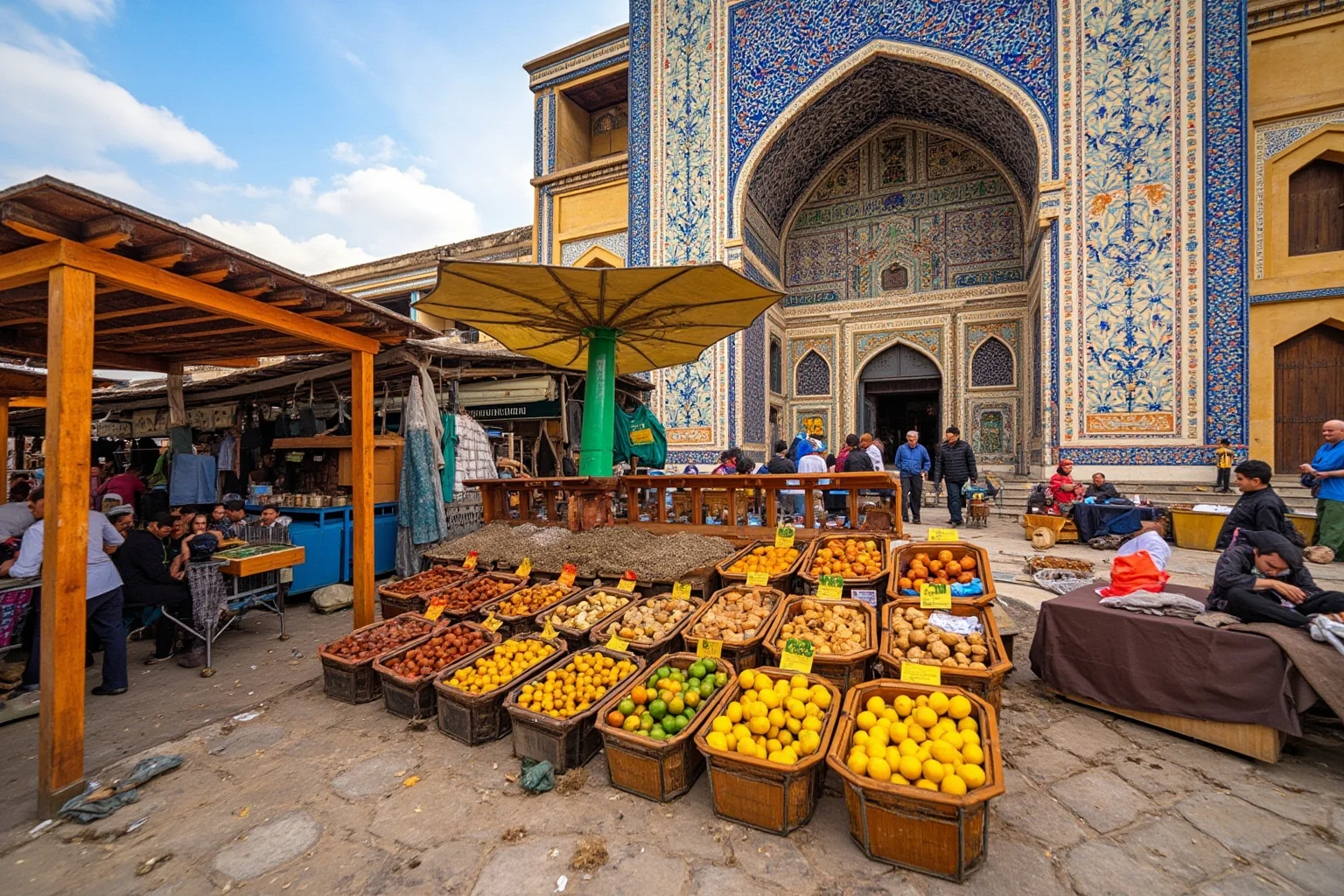
Near Samarkand’s famous Registan square, Siyob Bazaar has served as the city’s main farmers’ market for generations, tied to Samarkand’s long history as a Silk Road hub. The current buildings are modern, but the market’s role as a trading and produce hub connects to centuries of regional commerce. It’s especially known for its bread, dried fruit, and spices.
Samarkand’s importance to trans-Eurasian trade dates back well over a thousand years, even though the specific bazaar structure standing today is comparatively recent. It’s a useful reminder that a market’s age and its buildings’ age aren’t always the same thing.
10. Kashgar Sunday Bazaar, China
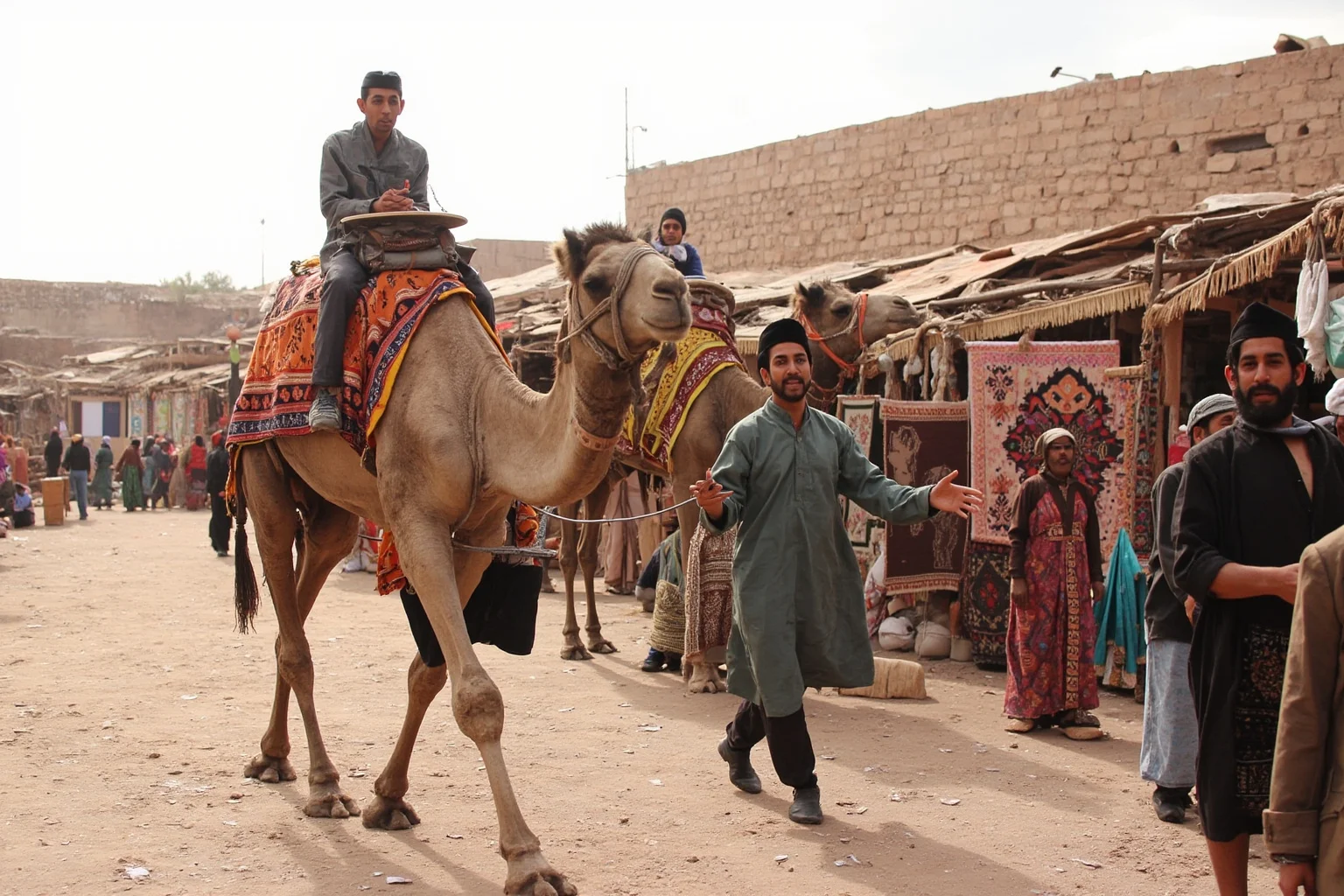
Sitting at a crossroads of Central Asia, China, and South Asia, Kashgar in China’s Xinjiang region has hosted traders for more than 2,000 years along Silk Road routes. Its famous Sunday market, historically featuring a large livestock trading section, remains one of the most important regional trading events in the area. Merchants from multiple ethnic and cultural backgrounds have converged here for centuries.
As with several entries on this list, the site’s trading history is ancient even though today’s market stalls and buildings are far more modern. Kashgar’s geographic position is really what has kept commerce flowing there for so long.
11. Chandni Chowk, Delhi
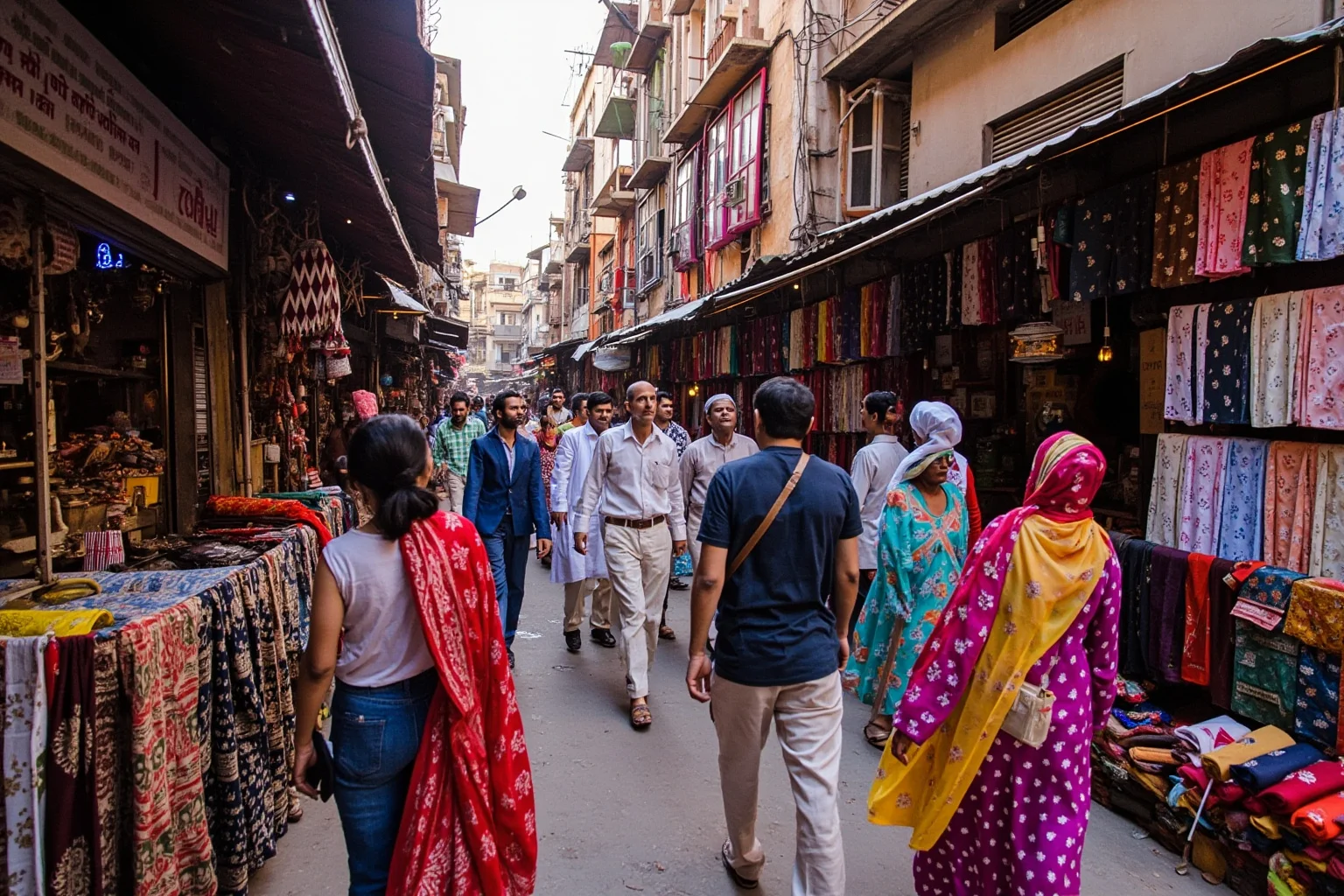
Mughal Emperor Shah Jahan’s daughter, Jahanara Begum, is credited with designing Chandni Chowk in the 1650s as part of the new city of Shahjahanabad. The market originally featured a central canal that reflected moonlight, which is where its name — meaning “moonlight square” — comes from. It remains Old Delhi’s premier shopping district nearly 400 years later.
Chandni Chowk today is dense, chaotic, and thoroughly modern in its goods, but its street pattern still follows the 17th-century Mughal design. Few old markets in South Asia can match its documented founding story.
12. Fez el Bali Medina Markets, Morocco
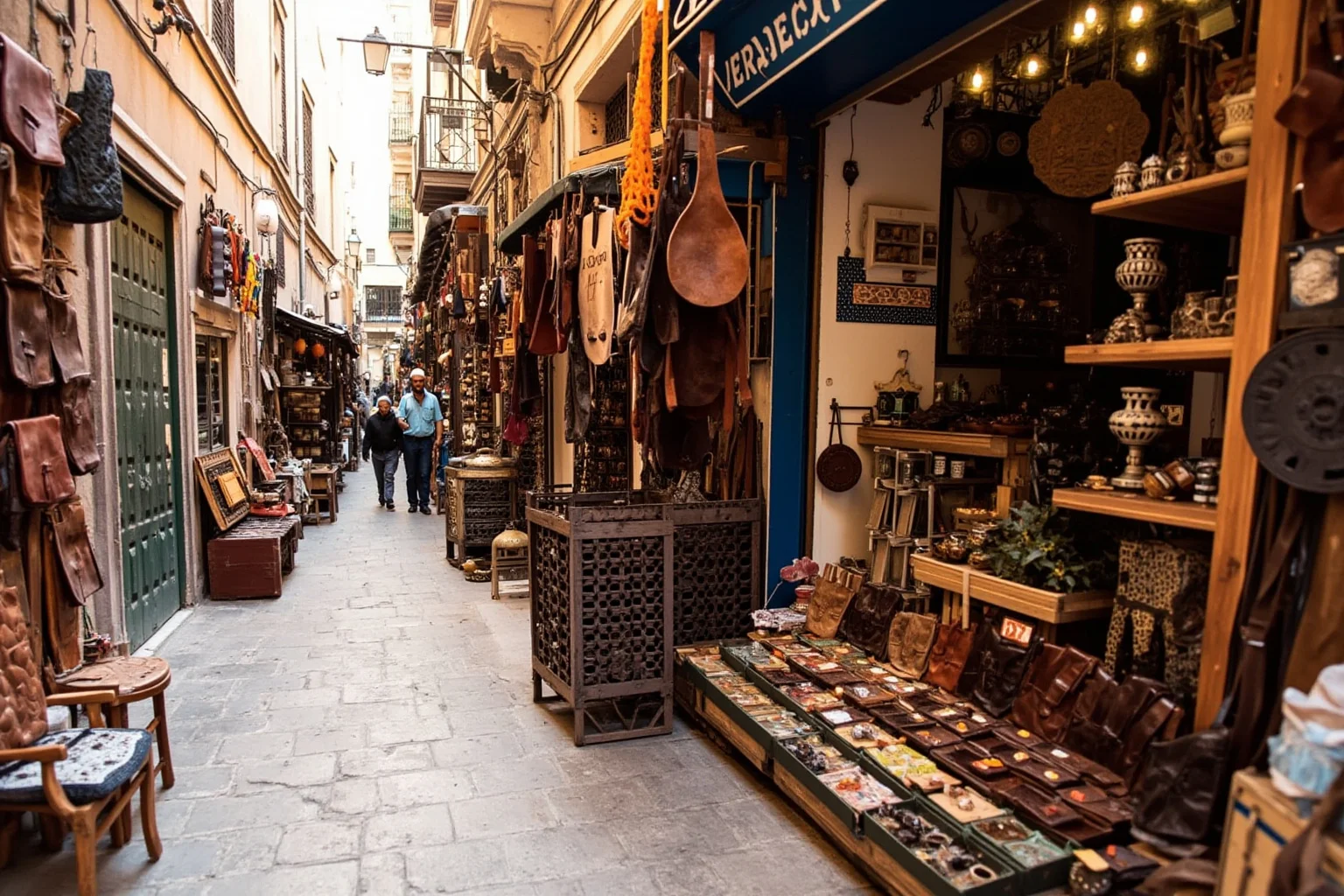
The medina of Fez was founded around 789 CE by the Idrisid dynasty, making it one of the oldest planned urban areas in the Islamic world. Its souks are traditionally organized by craft guild, with specific streets historically dedicated to leatherworkers, metalsmiths, or textile sellers. The medina is also one of the largest car-free urban zones anywhere, which has helped preserve its historic character.
While individual shopfronts have changed hands and been rebuilt many times over twelve centuries, the underlying street plan and guild-based organization give Fez a strong claim among the world’s old markets. UNESCO recognized the medina as a World Heritage Site in 1981.
13. Jemaa el-Fnaa and the Souks of Marrakech
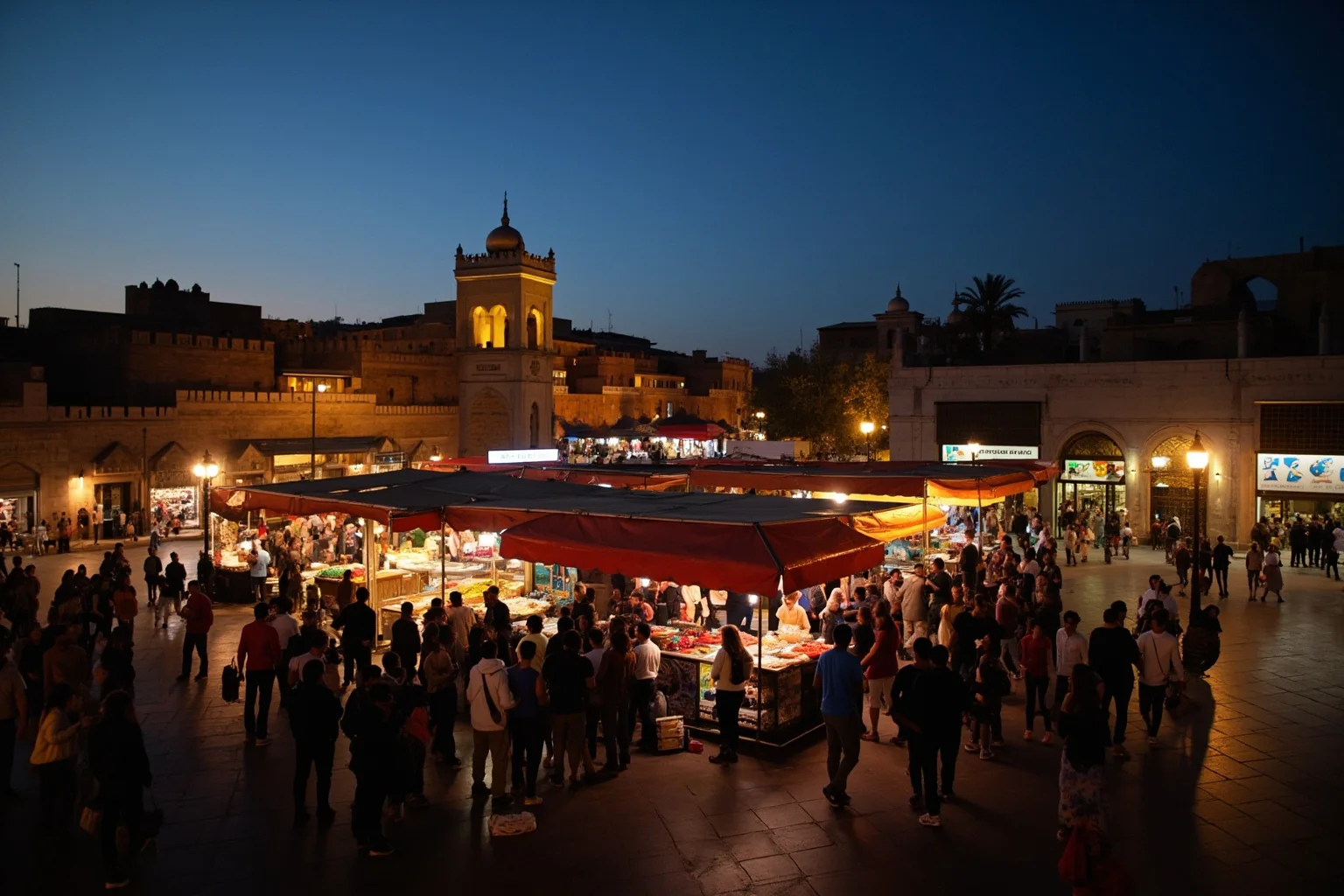
Marrakech was founded around 1070 CE by the Almoravid dynasty, and its central square, Jemaa el-Fnaa, has served as a marketplace and gathering space for the surrounding souks for centuries. UNESCO recognized the square’s living traditions — storytellers, musicians, food vendors — as part of humanity’s Intangible Cultural Heritage in 2008. The adjoining souks sell everything from spices to leather goods, much as they have historically.
What makes Jemaa el-Fnaa unusual is that its heritage status isn’t about a building at all. It’s about ongoing cultural practices that have been passed down for generations, which is a different kind of “ancient” than a stone structure.
14. Rialto Market, Venice
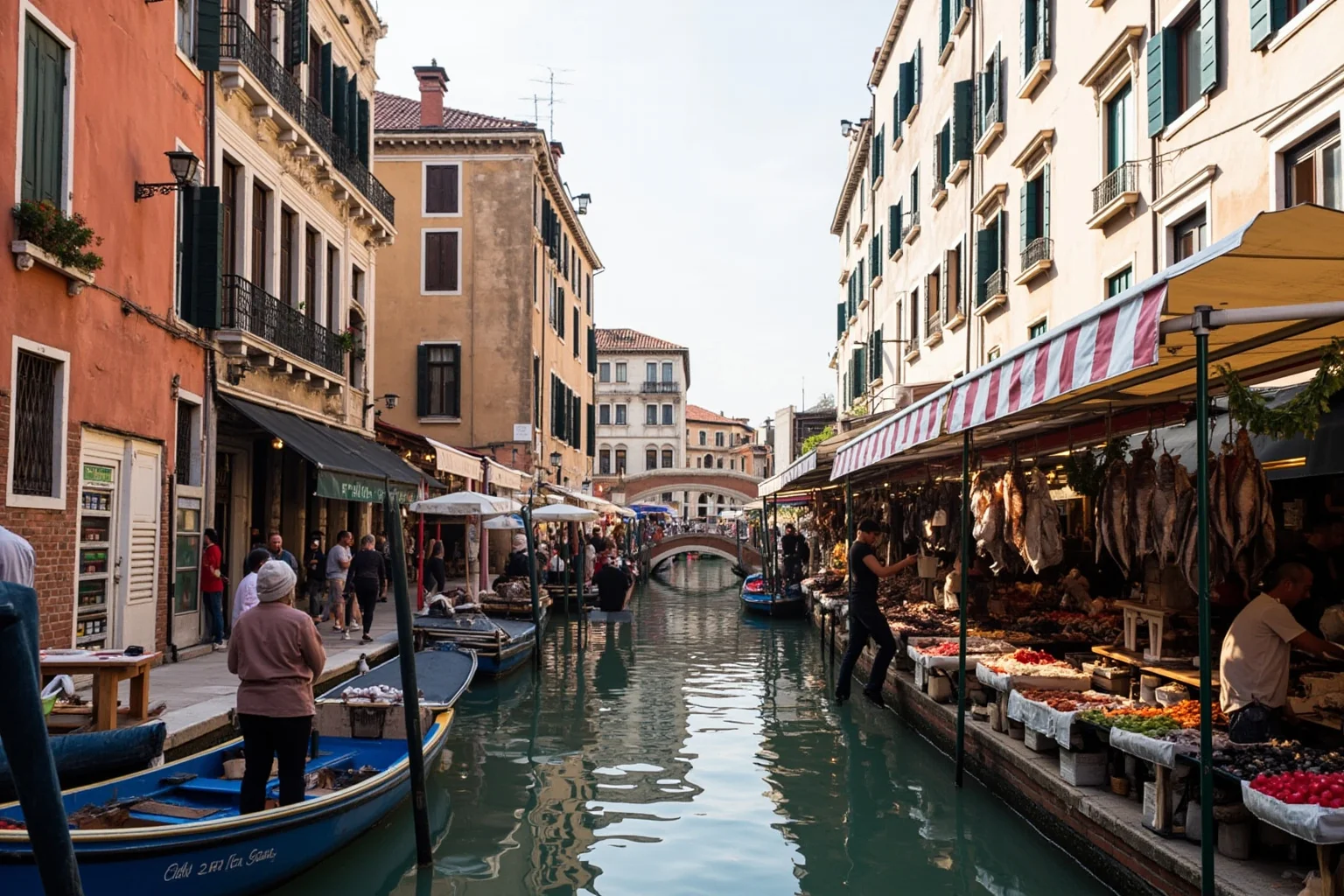
Venice’s Rialto district became the city’s commercial center after a market was formally established there around 1097 CE, close to the crossing point later spanned by the Rialto Bridge. It’s often cited as one of the oldest continuously operating markets in Europe. Fresh fish and produce still sell there daily, much as they have for roughly nine centuries.
The current market buildings reflect later renovations rather than 11th-century construction, but the site’s commercial identity has genuinely persisted. Venetian merchants built much of the city’s wealth around exactly this kind of centralized trading hub.
15. Borough Market, London
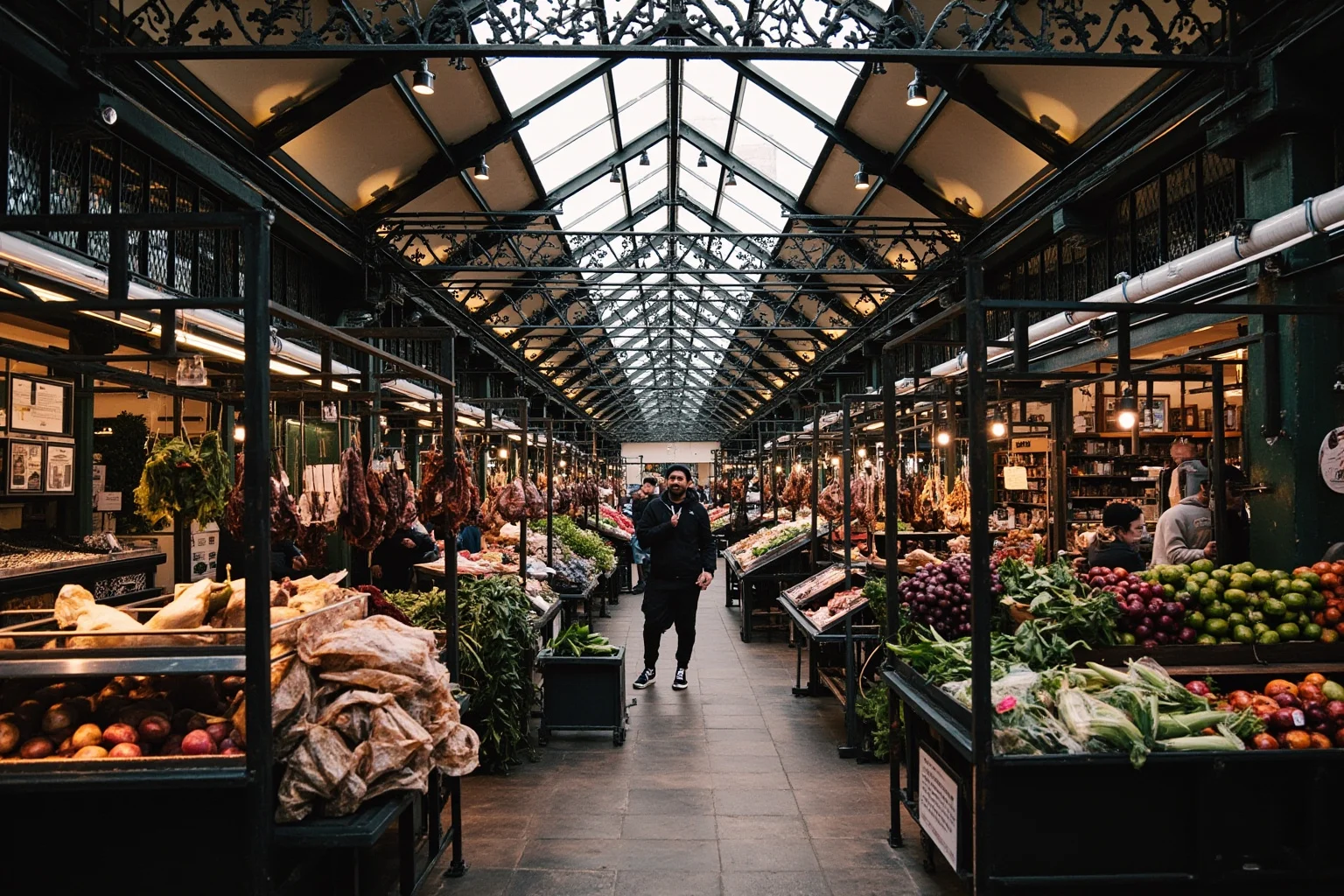
Some historical accounts trace a market near London Bridge back to as early as 1014 AD, though solid documentary evidence becomes clearer in the medieval period. Borough Market was formally chartered in the 1750s after moving to its current site, and most of the surviving buildings date to Victorian expansion in the 1850s. It’s now one of London’s most popular food markets.
As with several other old markets on this list, the site’s trading history stretches back centuries longer than any physical structure still standing. That layered history is part of what makes Borough Market such a well-loved London landmark.
16. Leadenhall Market, London
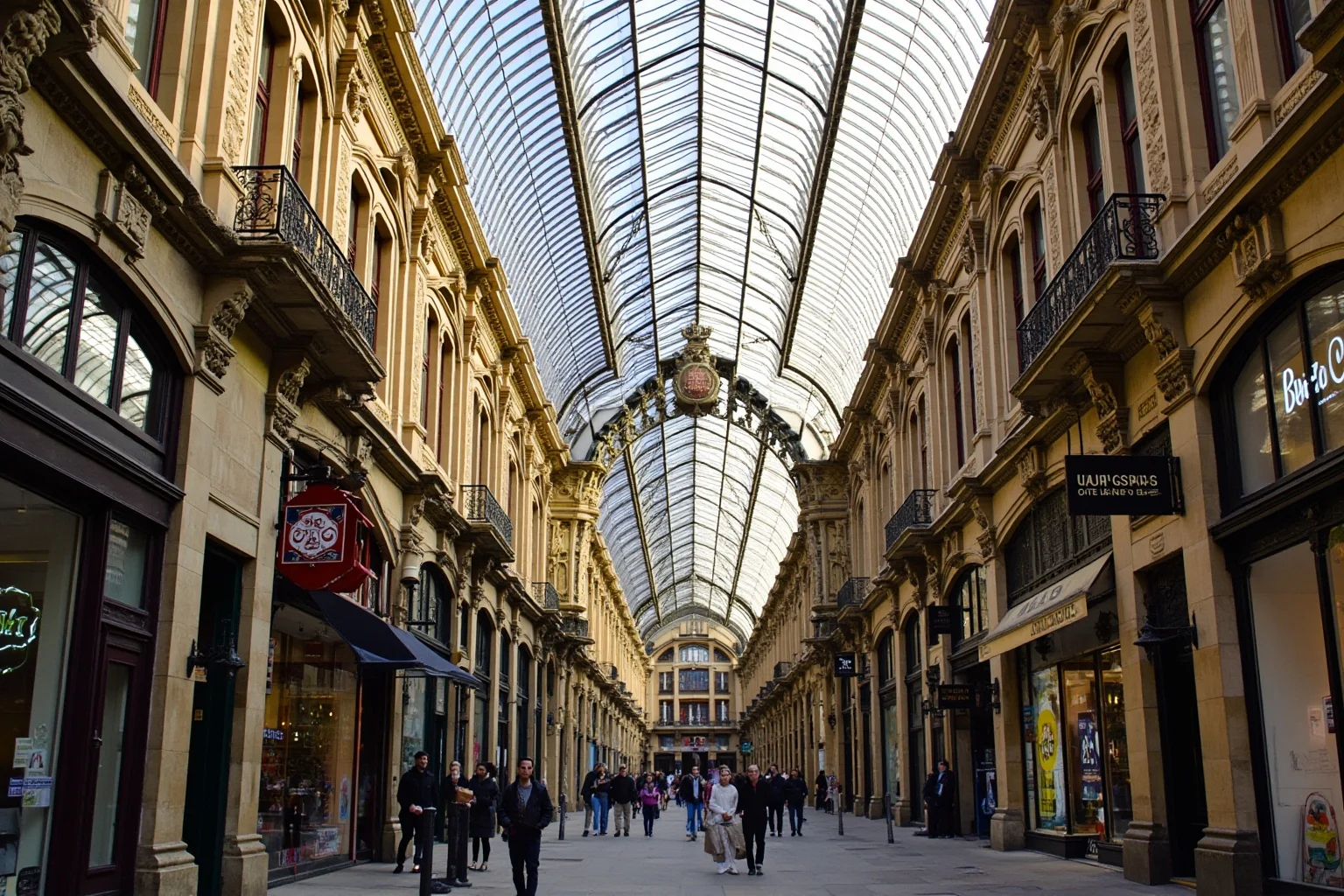
Leadenhall Market sits on a site used for trade since Roman-era Londinium, when a forum and basilica occupied the same ground. A market was formally established there in the 14th century, with records pointing to 1321, and the ornate ironwork visitors see today dates only to 1881. It’s a clear example of a market whose site is ancient even though its most photogenic feature is Victorian.
London has several markets with similarly layered histories, but Leadenhall’s connection back to Roman Londinium gives it an especially long story. Today it’s better known for boutique shops and cafes than the meat and poultry it historically sold.
17. La Boqueria, Barcelona
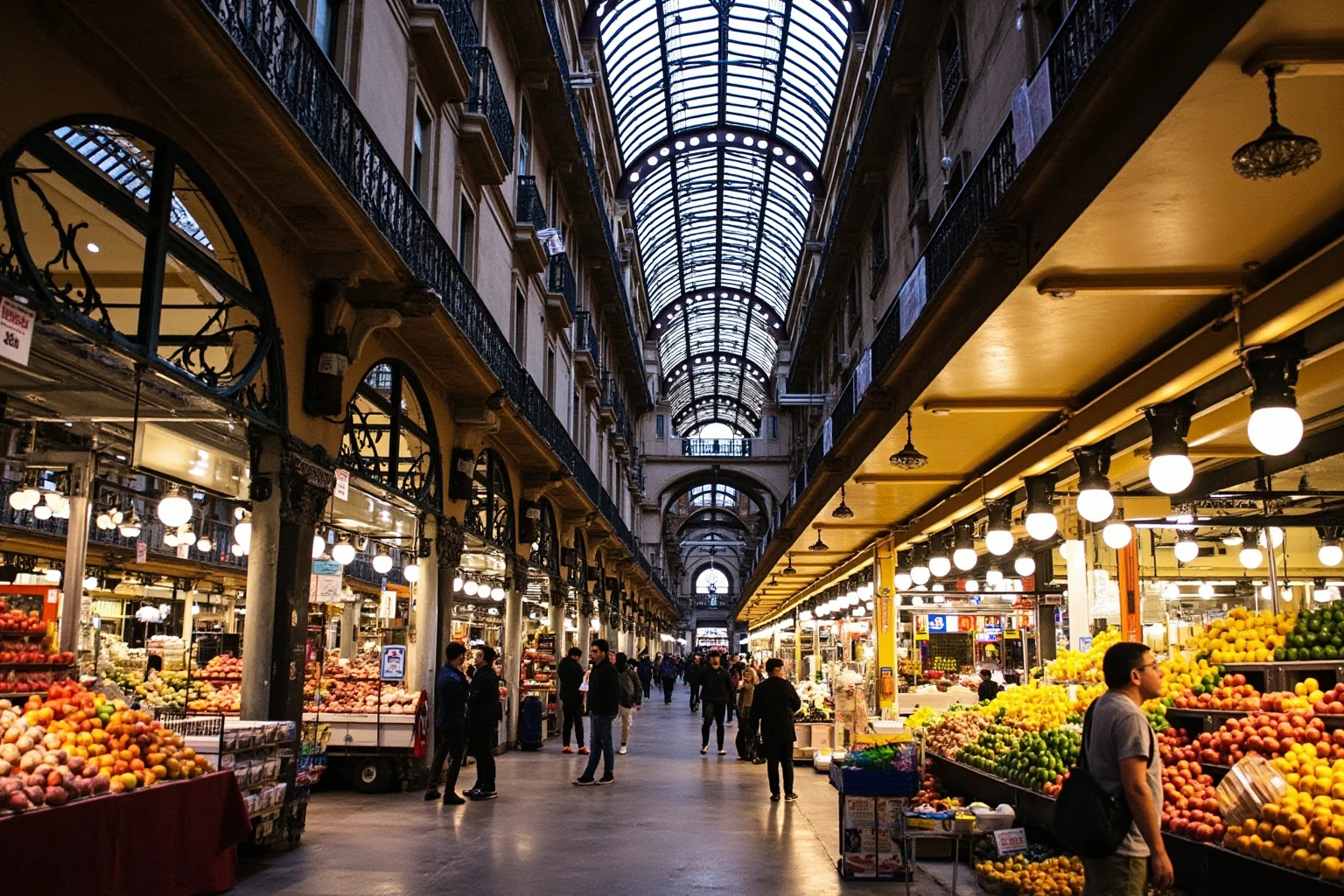
Records point to a small meat market operating just outside Barcelona’s city walls as early as the 13th century, with some sources citing 1217. The market moved to its current location and was formally established there in 1826, and the distinctive ironwork structure was added in the 1840s. Today it’s one of the most famous food markets in Europe.
La Boqueria shows the same pattern seen elsewhere on this list: a genuinely old trading tradition, housed in buildings that are centuries younger than the market itself. That doesn’t make the claim to age less real, just more nuanced than a single date suggests.
18. Vucciria Market, Palermo, Sicily
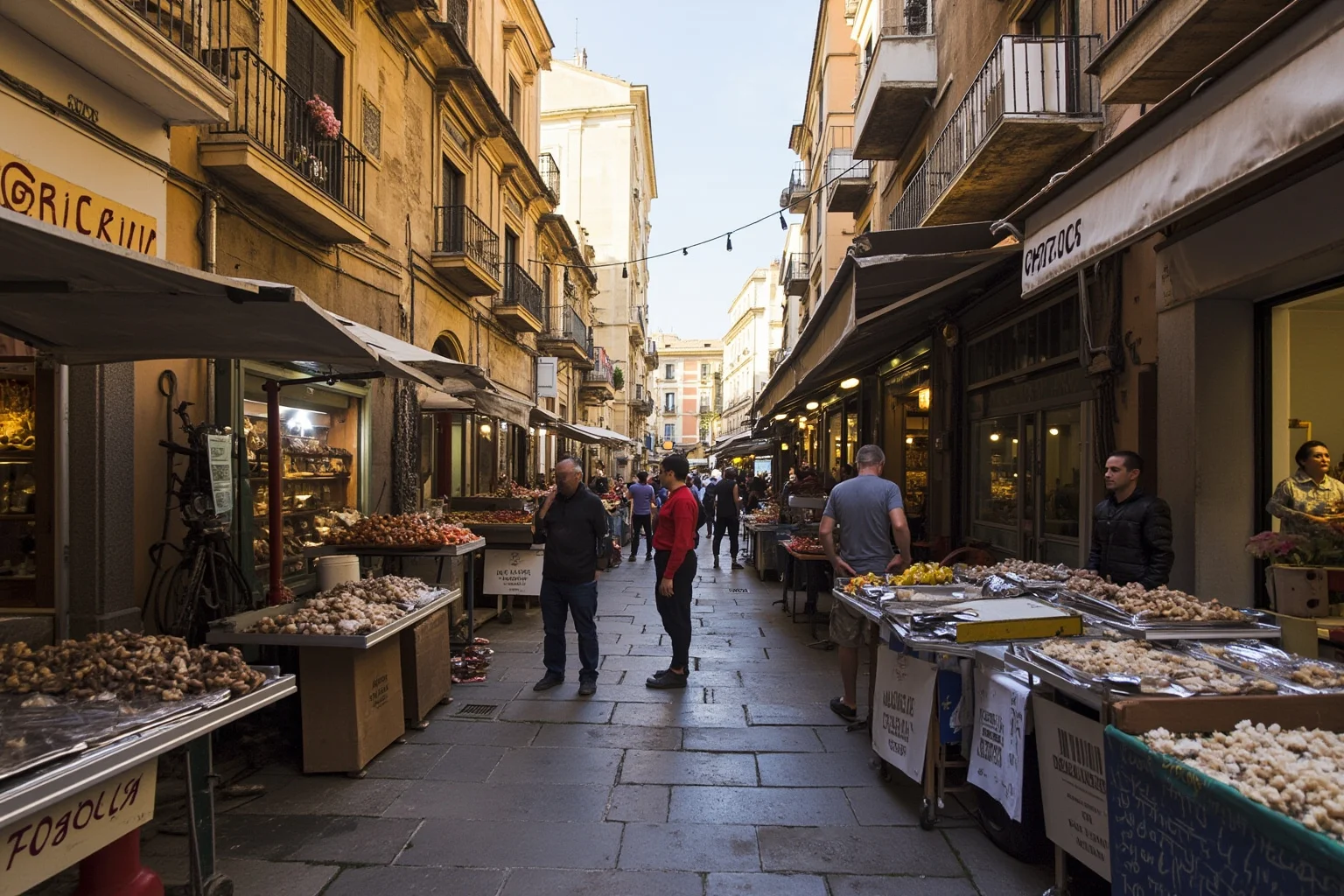
Palermo’s history includes waves of Phoenician, Greek, Roman, Arab, and Norman rule, and the Vucciria market district reflects that layered past in its very name. Some historians trace “Vucciria” to the French word for butcher shop, “boucherie,” filtered through Sicilian dialect, while others point to Arabic roots. Trading in this area is documented back to the medieval period, when Palermo was a major Mediterranean port.
The market has shrunk considerably from its historic size and is now more of a nightlife and small-market square than the bustling wholesale hub it once was. It still stands as a reminder of Sicily’s role as a crossroads of Mediterranean cultures and commerce.
19. Chichicastenango Market, Guatemala
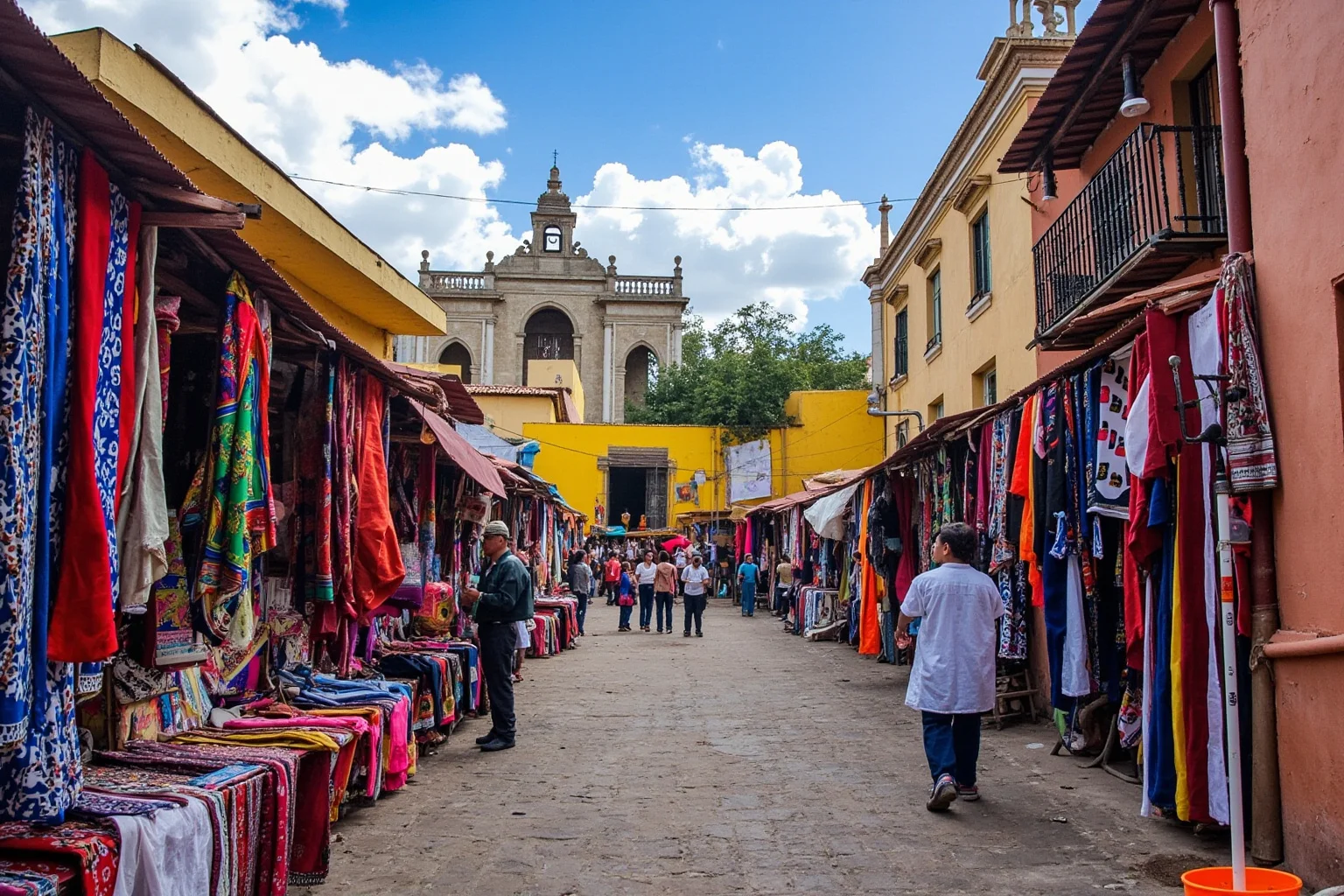
Held every Thursday and Sunday, this highland Guatemalan market has roots in Maya trading traditions among the K’iche’ Maya community, one of several ancient civilizations we never hear about that shaped the region’s commerce, blending pre-Columbian customs with practices introduced after Spanish colonization. The steps of the Iglesia Santo Tomás church are still used for ceremonial rituals connected to older Maya spiritual practices. Traders sell textiles, pottery, and produce much as earlier generations did.
Exact founding dates for indigenous trading traditions like this are difficult to pin down precisely, since much of the history was passed down orally rather than in written records. What’s clear is that Chichicastenango represents one of the most vivid surviving indigenous markets in the Americas.
20. Otavalo Market, Ecuador
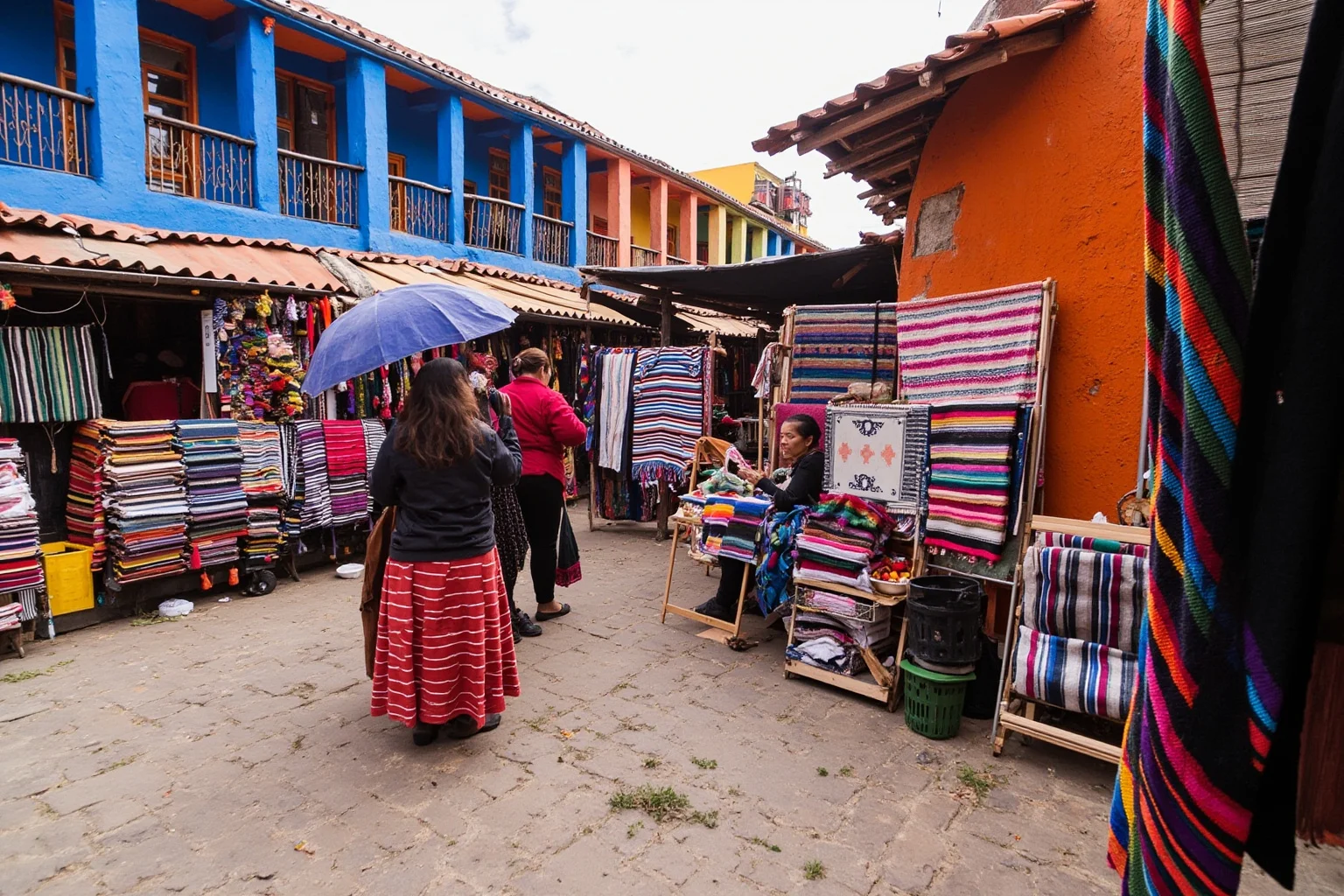
The Otavalo people of Ecuador have traded textiles and crafts for centuries, with oral history and trade-route evidence suggesting market activity that predates both the Inca expansion into the region and later Spanish colonization. Today’s Saturday market is one of the largest and best-known indigenous markets in the Americas. Handwoven textiles remain a signature product, continuing a craft tradition with deep local roots.
As with many indigenous markets, precise founding dates aren’t documented the way European market charters are. That doesn’t make the trading tradition any less old — it just means the evidence takes a different form.
21. Ver-o-Peso Market, Belém, Brazil
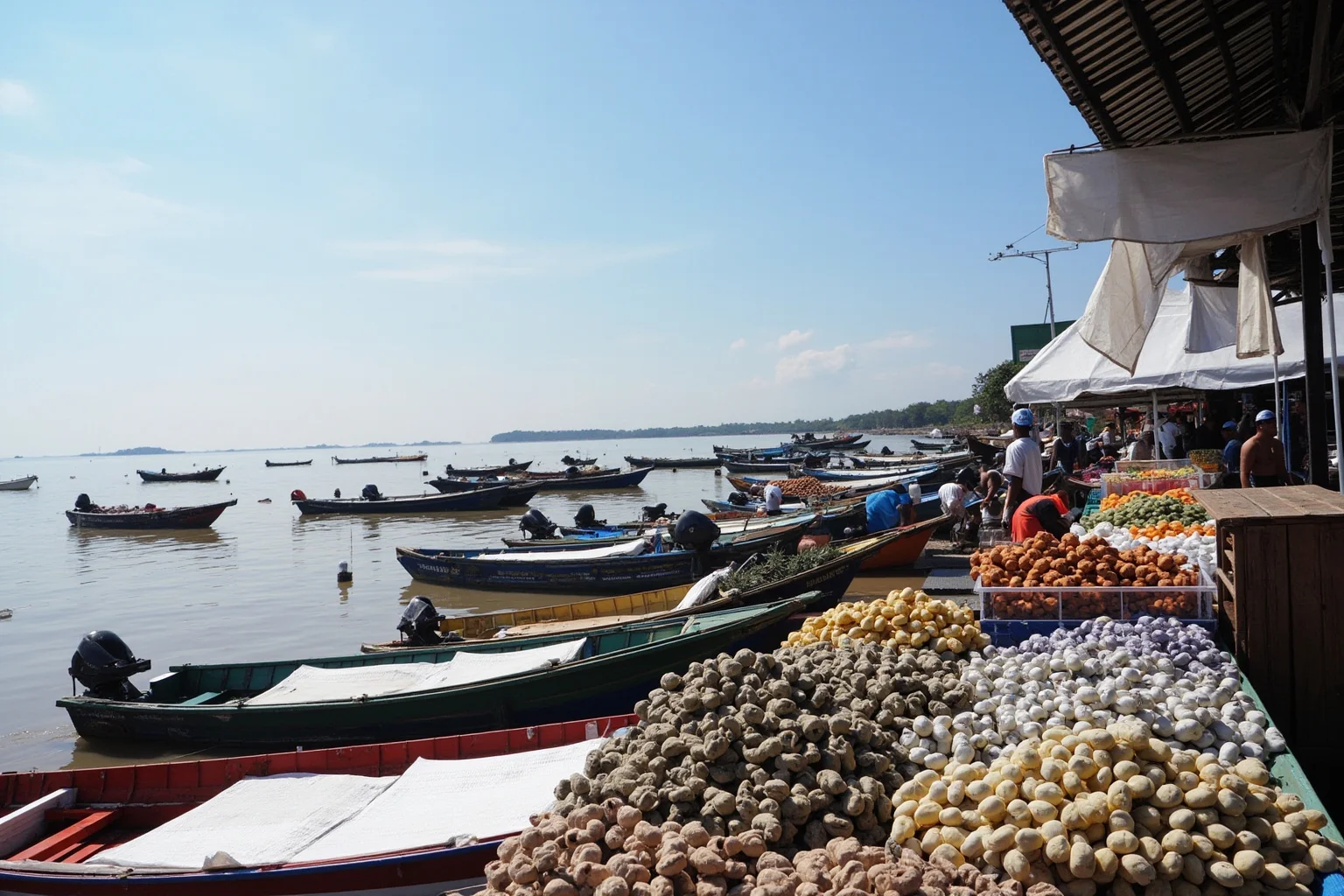
Ver-o-Peso, meaning “see the weight,” began in 1688 as a Portuguese colonial customs post where goods were weighed and taxed before entering or leaving the Amazon river port of Belém. It grew from that tax station into a sprawling open-air market that’s now considered one of the largest and oldest markets in the Americas. Fish, herbal remedies, and Amazonian produce are still traded there daily.
The market’s colonial-era origin story is unusually well documented compared to many entries on this list, since it started as an official government function rather than an informal trading spot. That paper trail makes Ver-o-Peso a rare case where the founding date is genuinely solid.
22. Yiwu International Trade Market — Today’s Biggest Market in the World
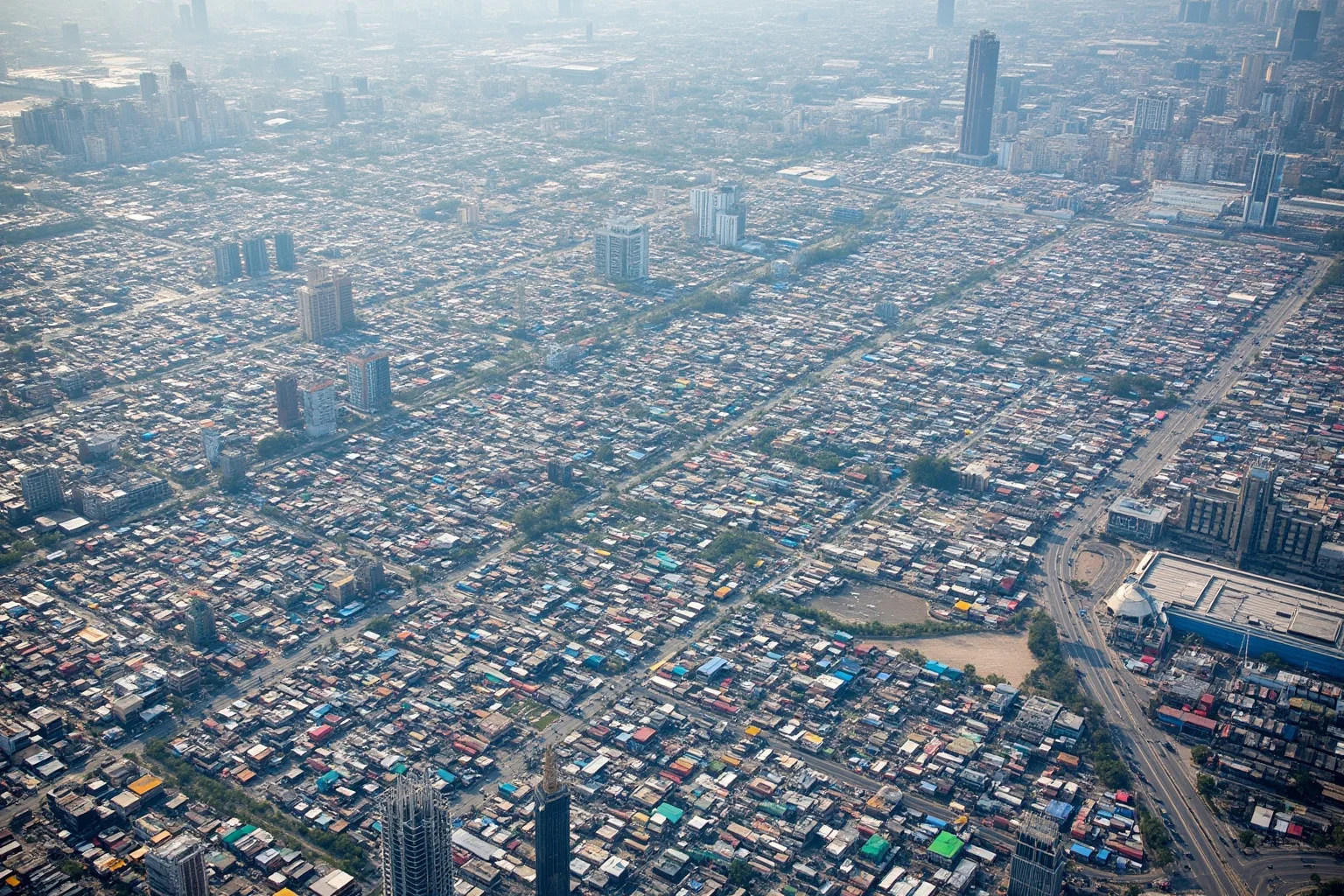
Not every market on this list needs to be ancient to be remarkable, and Yiwu makes that point well. Located in China’s Zhejiang province, Yiwu International Trade Market is widely cited by trade organizations and Guinness World Records as the largest small-commodity wholesale market on Earth by floor area, with tens of thousands of stalls spread across several million square meters. It’s a magnet for wholesale buyers sourcing everything from toys to holiday decorations.
This is a good place to flag an important distinction: “oldest” and “biggest” are two completely separate superlatives, and it’s easy to see them blurred in casual writing about old markets. Yiwu is a genuinely modern commercial phenomenon, built from the 1980s onward, even though the town itself has a much longer trading history.
23. The World’s Oldest Shop — Who Really Holds the Title?
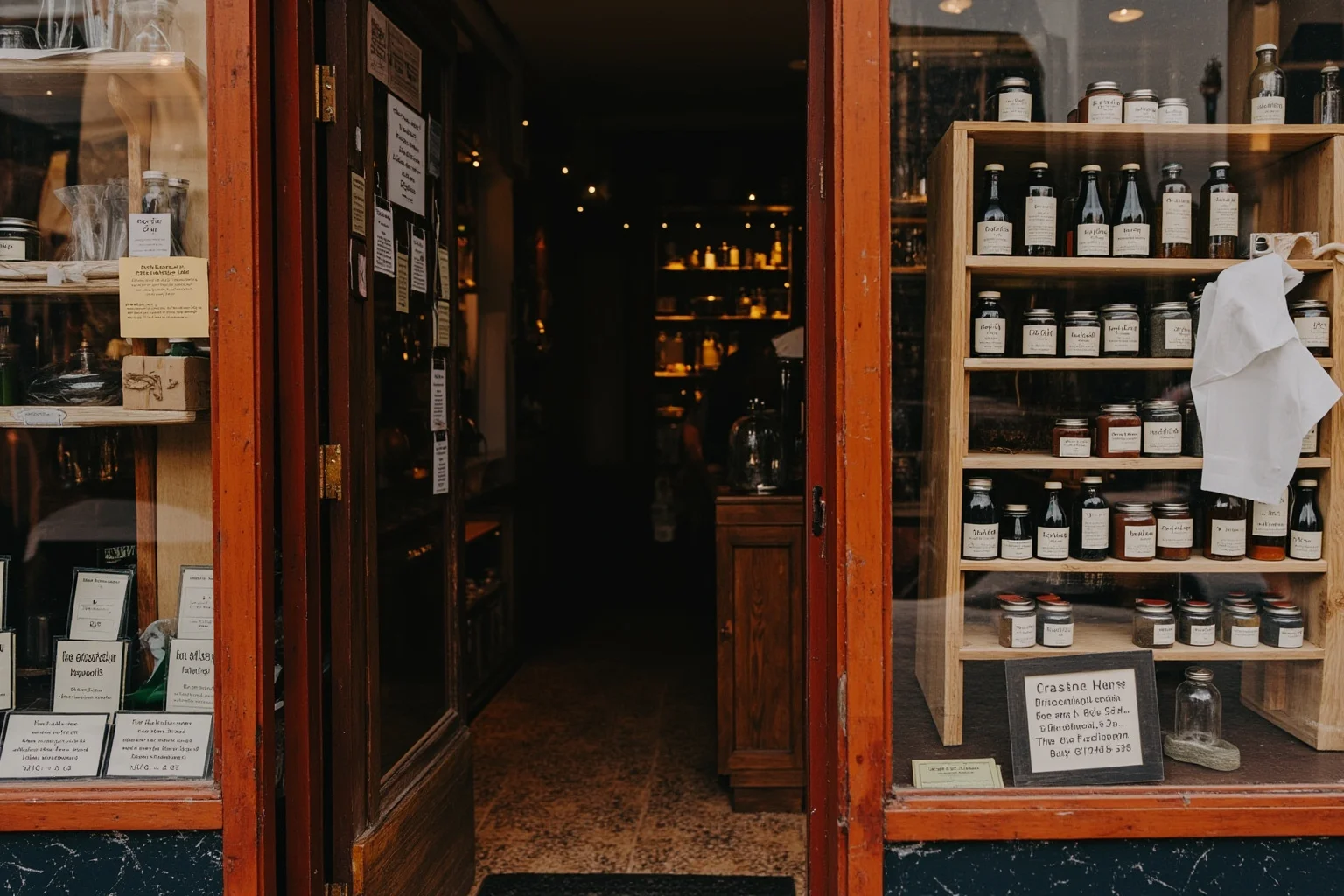
Unlike open-air markets, individual shops have to survive as continuous businesses to claim the title of oldest shop in the world, and that’s a much harder bar to clear. Farmacia di Santa Maria Novella in Florence is one strong contender, tracing its roots to 1221, when Dominican friars began selling herbal remedies and is still operating today as a pharmacy and perfumery. Staffelter Hof in Germany is another, a wine estate with documentation reaching back to 862 CE, though it’s technically a producer rather than a retail shop.
Other candidates muddy the picture further. Kongō Gumi in Japan, founded in 578 CE, is often cited as the world’s oldest continuously operating company, but it’s a construction firm, not a shop you could browse. Various restaurants, historic inns, and pharmacies across Europe and Asia make similar claims, and Guinness World Records itself has changed its recognized titleholder over the years as new evidence surfaces.
The honest answer is that there’s no single, universally agreed-upon winner for the oldest shop in the world. Record-keeping from a thousand-plus years ago is inconsistent at best, and definitions of “shop” versus “business” versus “market stall” vary depending on who’s making the claim.
The Living Legacy of the World’s Old Markets
What these 23 places share isn’t a single verified record, but a pattern that’s genuinely striking: humans have never stopped building spaces specifically for the ritual of buying and selling. Whether it’s a Roman macellum frozen by volcanic ash or a Silk Road bazaar still selling spices today, these old markets show remarkable staying power across empires, religions, and centuries.
The safest way to talk about any “oldest market in the world” claim is with a little healthy skepticism. Dates get rounded, buildings get rebuilt, and marketing copy loves a superlative. But even with that caution, the sheer number of markets with genuine, documented histories stretching back hundreds or even thousands of years says something real about how central trade has always been to human life.
Frequently Asked Questions
What is the biggest market in the world?
By most trade industry and Guinness World Records accounts, Yiwu International Trade Market in China's Zhejiang province is the biggest market in the world by floor area, spanning several million square meters with tens of thousands of wholesale stalls. It's worth noting that 'biggest' and 'oldest' are separate claims — Yiwu is a modern commercial complex, not an ancient site, while older bazaars like Tabriz's Great Bazaar in Iran are frequently cited as the largest covered (roofed) market with genuinely ancient roots.
What is the oldest market in the world?
There's no single verified answer, because it depends on whether you mean the oldest surviving building, the oldest documented founding date, or the oldest continuously used trading site. Strong contenders include Istanbul's Grand Bazaar (construction began around 1455), Cairo's Khan el-Khalili (founded 1382), and Rome's Trajan's Market (built in the early 2nd century CE), while trading activity at sites like the Athenian Agora goes back even further.
What is the oldest shop in the world?
No single shop holds an undisputed record, but Farmacia di Santa Maria Novella in Florence, Italy, is one of the most credible contenders, tracing its origins to 1221 as a Dominican apothecary and still operating today. Other candidates, like Germany's Staffelter Hof winery (documented from 862 CE) and Japan's Kongō Gumi construction firm (founded 578 CE), complicate the picture since they aren't traditional retail shops.
Are ancient markets and old markets the same thing?
Not exactly. An 'ancient market' usually refers to a trading site or structure from antiquity, like the Roman Forum's market areas or the Athenian Agora, most of which no longer function as working markets. 'Old markets' is a broader term that includes both ancient ruins and markets that are centuries old but still open for business today, such as London's Borough Market or Istanbul's Grand Bazaar.
Why do so many markets claim to be the oldest?
Partly because the definition of 'oldest' is flexible, and partly because tourism boards and businesses have an incentive to claim a superlative. A market can honestly claim an ancient trading history at its site while its actual buildings are centuries or even a thousand years younger, and that nuance often gets lost in casual retellings.
Can you still shop at any genuinely ancient markets today?
Yes, several markets with centuries of documented history are still fully functioning today, including Istanbul's Grand Bazaar, Cairo's Khan el-Khalili, Venice's Rialto Market, and the souks of Fez, Morocco. Purely ancient sites like Pompeii's Macellum or the Athenian Agora, on the other hand, now exist only as archaeological sites or museums.

Alex Warren
Related Articles