Picture a stone tower battered by Atlantic waves, a single flickering lamp, and one man who hasn’t spoken to another human being in three months.
It’s no wonder lighthouse keepers have become one of history’s favorite spooky archetypes, the lonely figure who stares at the horizon until something in his mind quietly snaps. Stories of lighthouse keepers going mad have inspired poems, horror films, and countless campfire legends, but how much of it is actually true?
The real history is stranger, sadder, and more interesting than the ghost stories suggest. It involves genuine toxic chemicals, brutal isolation, shipwreck trauma, and a handful of real incidents that got retold so many times they hardened into myth. Let’s separate the documented history from the folklore, one strange fact at a time.
TL;DR: Lighthouse keepers rarely went literally insane, but the crushing isolation, sleep-wrecking storms, and toxic mercury used in lighthouse machinery created very real conditions that fed centuries of dark legends.
Why the Job Pushed Some Keepers to the Edge
1. Crushing Isolation Was the Norm, Not the Exception
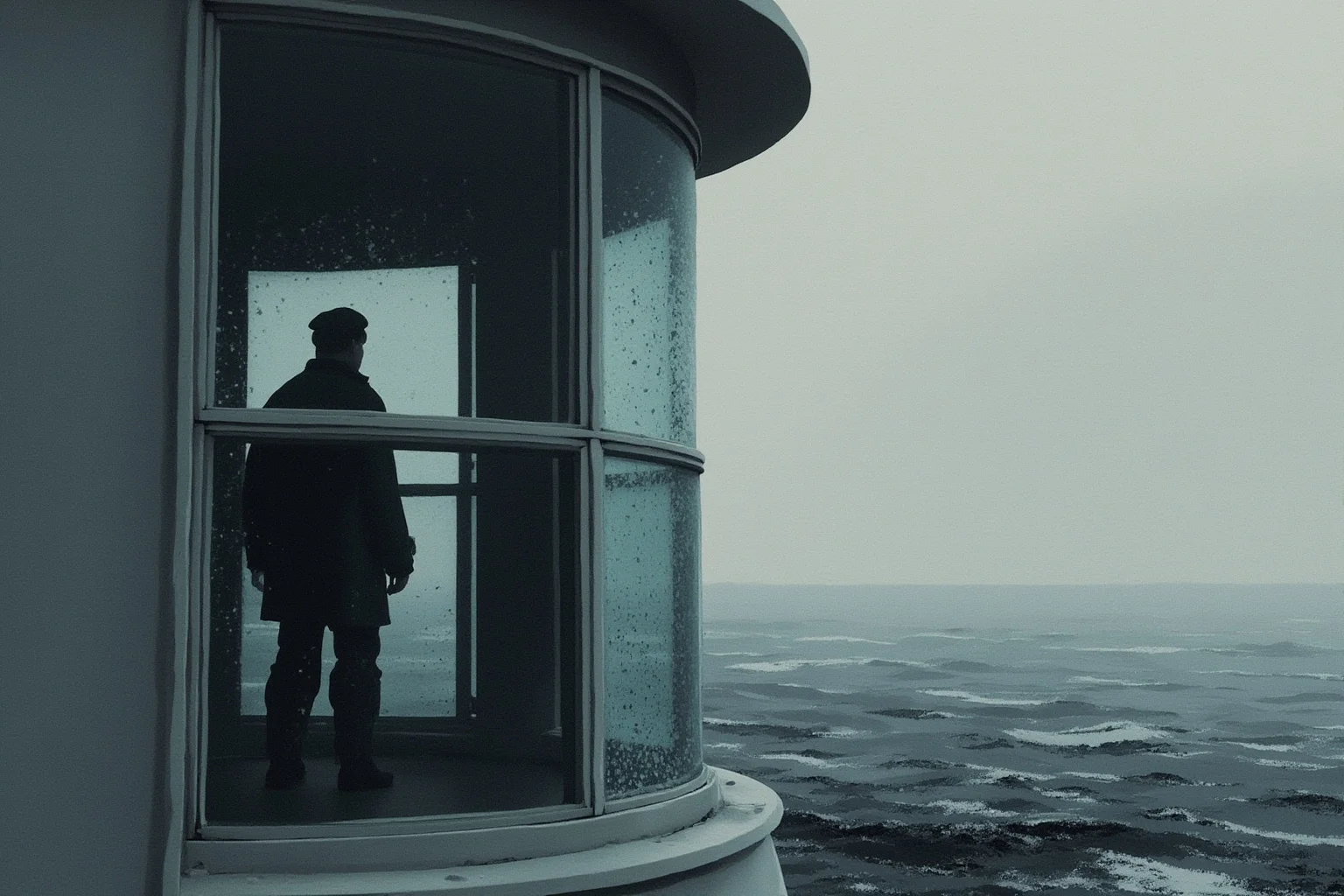
Many lighthouses were built on the most remote, wave-battered rocks imaginable, precisely because that’s where ships needed warning most. A single keeper could go weeks or months without seeing another soul, especially at offshore stations that supply boats couldn’t reach in bad weather. Isolation this extreme is now studied by psychologists alongside polar expeditions and space missions, and it was clearly a huge factor in why lighthouse keeper madness became such a persistent idea.
2. Mercury Baths Kept the Giant Lenses Spinning
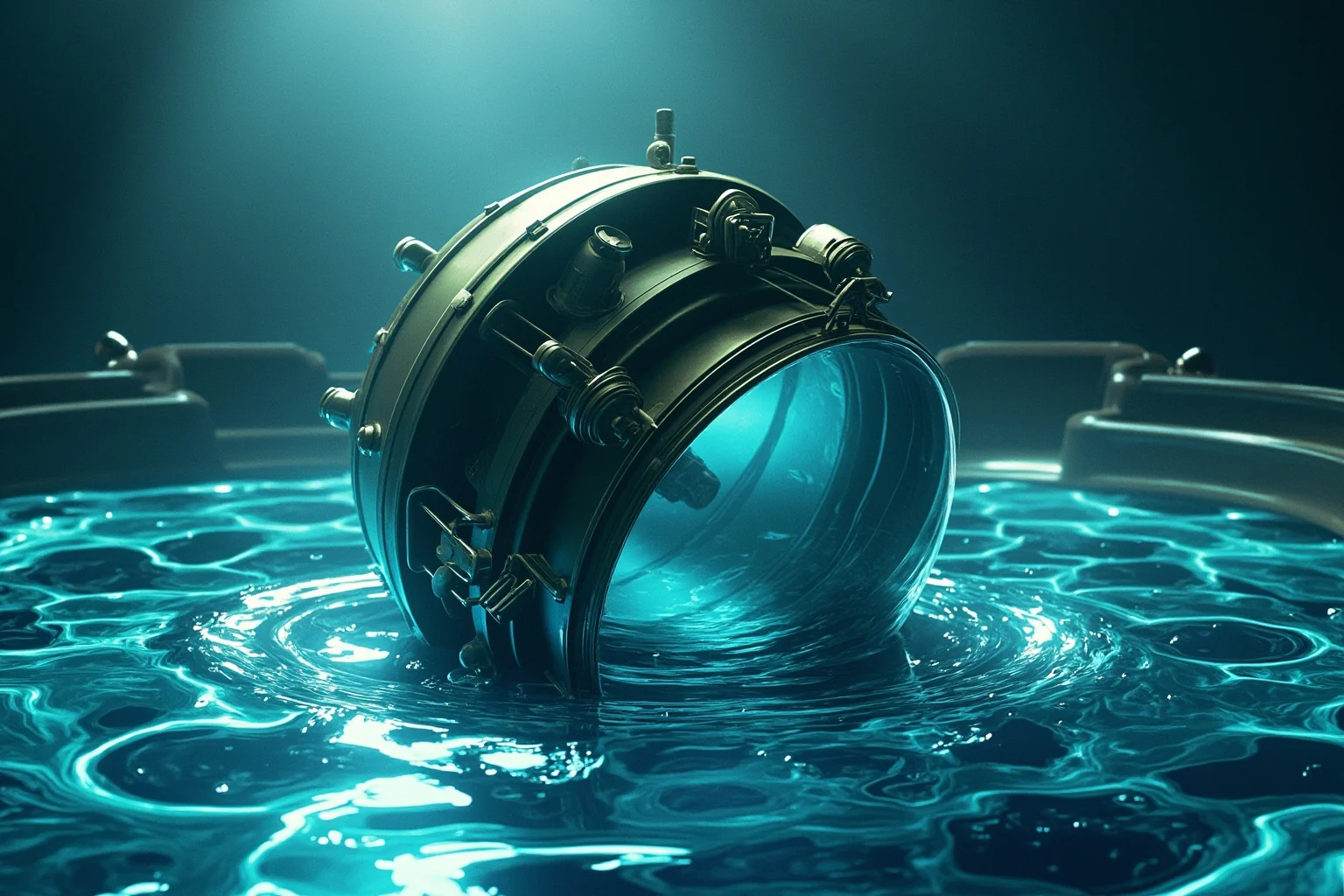
By the late 1800s, many lighthouses used massive rotating Fresnel lenses that needed to turn smoothly and silently all night long. Engineers solved this by floating the entire lens assembly on a bath of liquid mercury, which reduced friction so effectively that a huge lens could be spun with a light touch. This clever engineering fix is central to the modern conversation about lighthouse mercury, because keepers worked beside these open mercury troughs for hours at a time.
3. Mercury Poisoning Could Mimic Madness
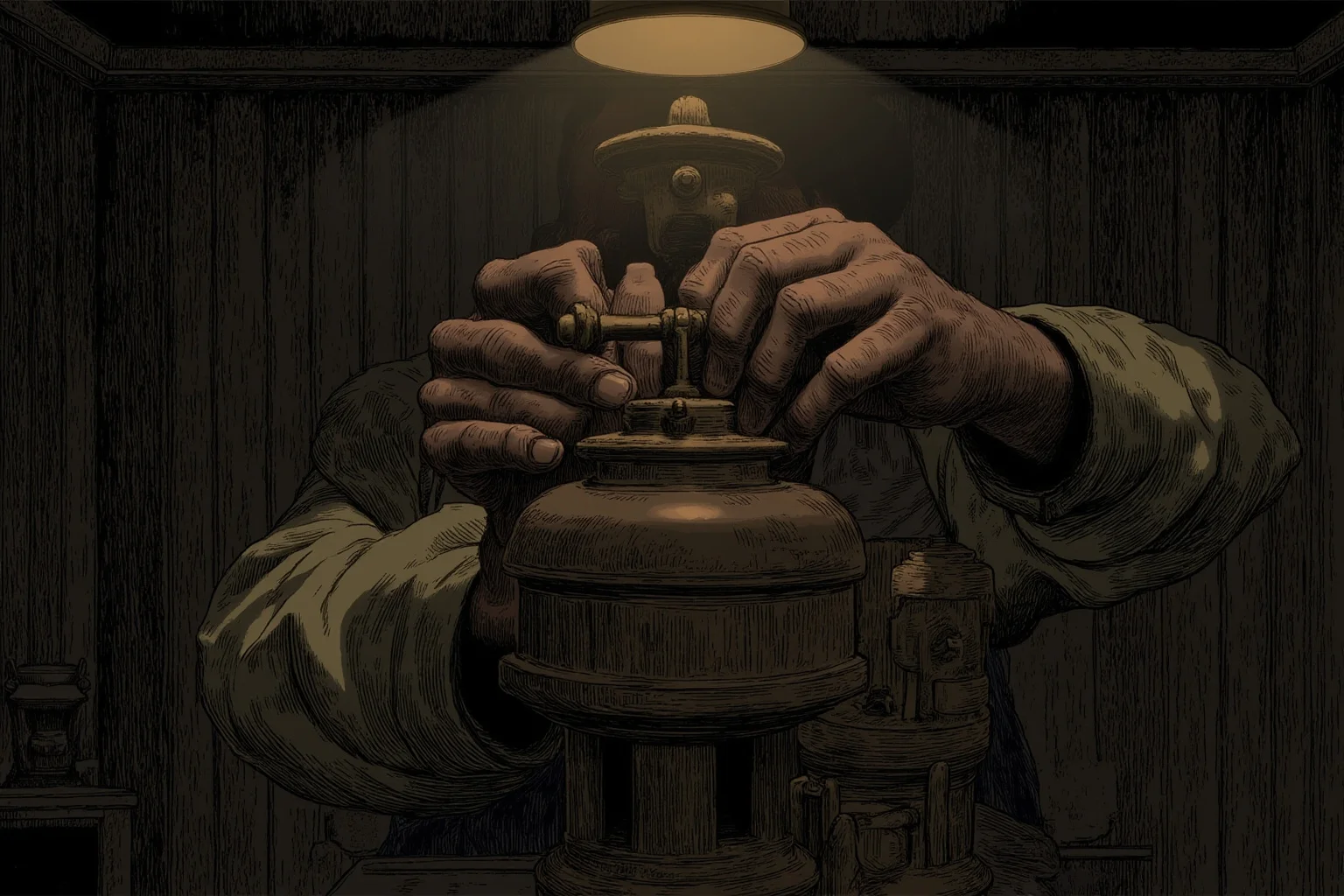
Mercury vapor is toxic, and prolonged exposure in a poorly ventilated lantern room was a genuine occupational hazard for lighthouse keepers. Chronic mercury exposure can cause tremors, irritability, memory problems, and mood swings, symptoms that, to outside observers, could easily look like a man losing his mind. This is one of the more plausible medical explanations offered for why lighthouse keepers go mad in some historical accounts, though it’s important to note it wasn’t the only factor at play.
4. The Foghorn Never Slept, and Neither Did They
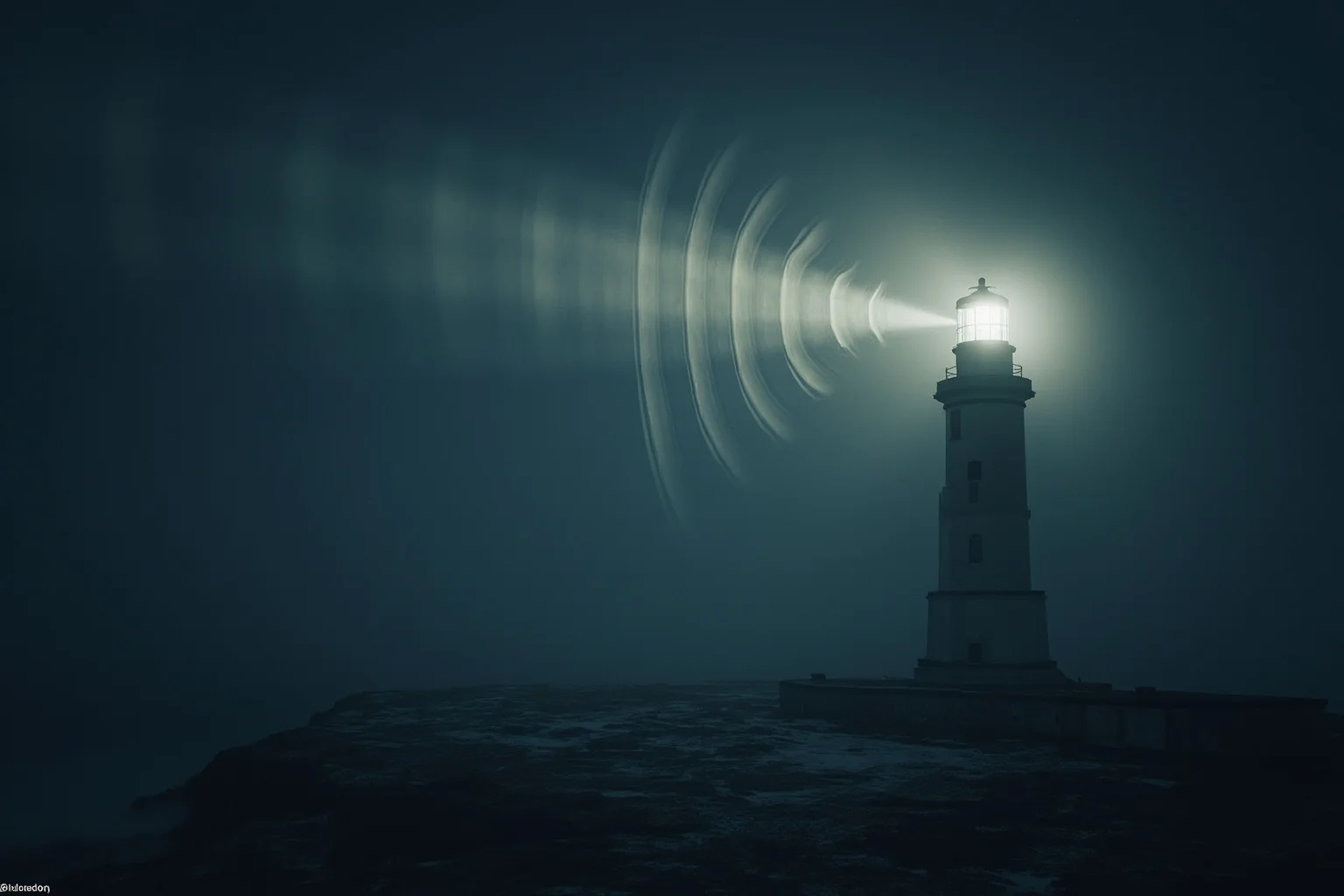
On foggy nights, keepers had to sound horns or bells at set intervals, sometimes every few seconds, for hours without a break. The relentless noise made real sleep nearly impossible during long storm systems that could last for days. Sustained sleep deprivation on its own is known to cause hallucinations, paranoia, and severe mood disturbances, all of which would have looked exactly like madness to a visiting relief keeper.
5. Storms Turned Towers Into Screaming Machines
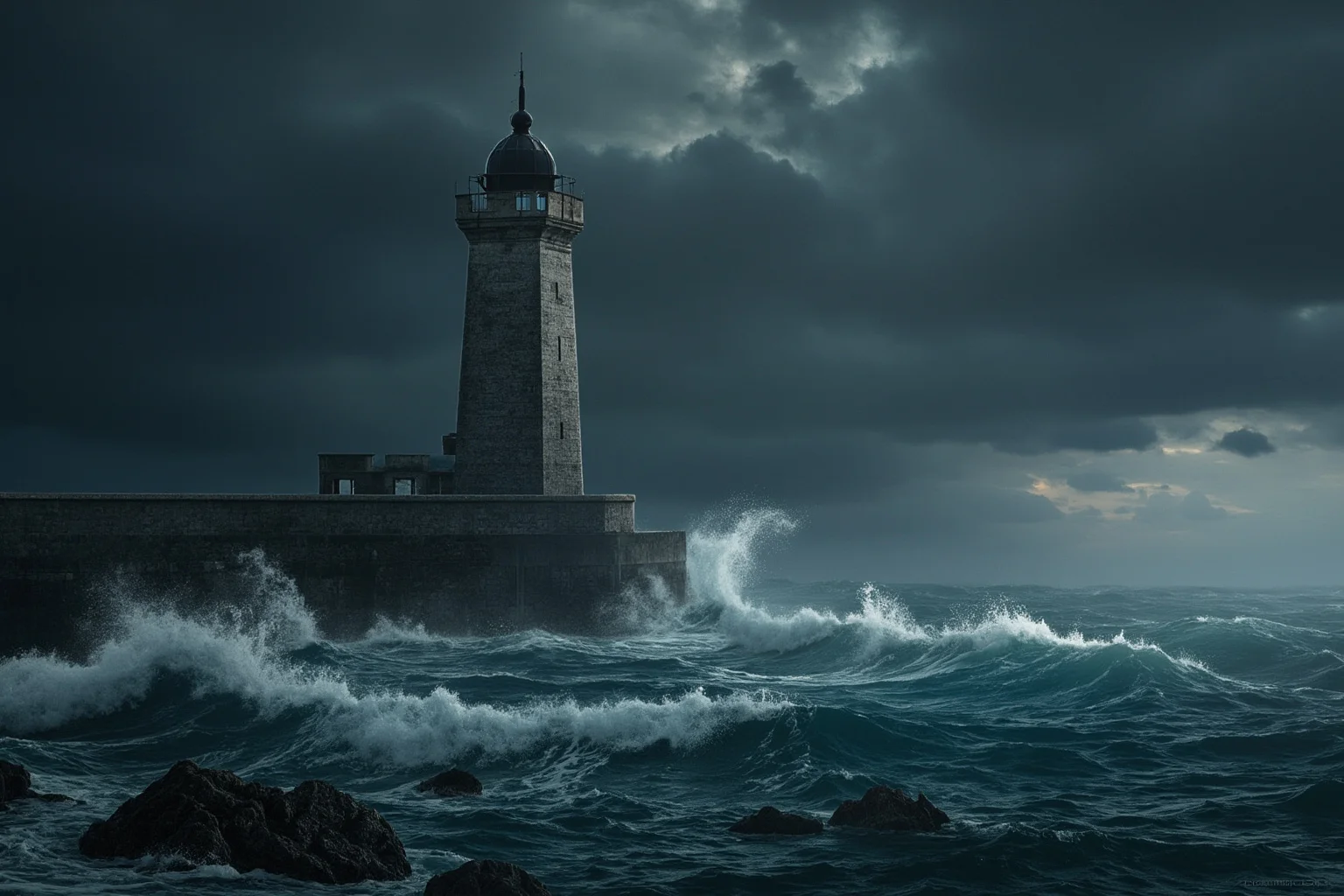
Offshore rock lighthouses were engineered to flex slightly in extreme weather so they wouldn’t shatter, which meant keepers genuinely felt and heard their towers groaning and swaying during storms. Waves could smash directly into lantern rooms dozens of meters above the sea. Living inside a structure that sounds like it might break apart, repeatedly, for years, is a psychological stressor that’s easy to underestimate today.
6. Sleep Deprivation Was a Constant Companion
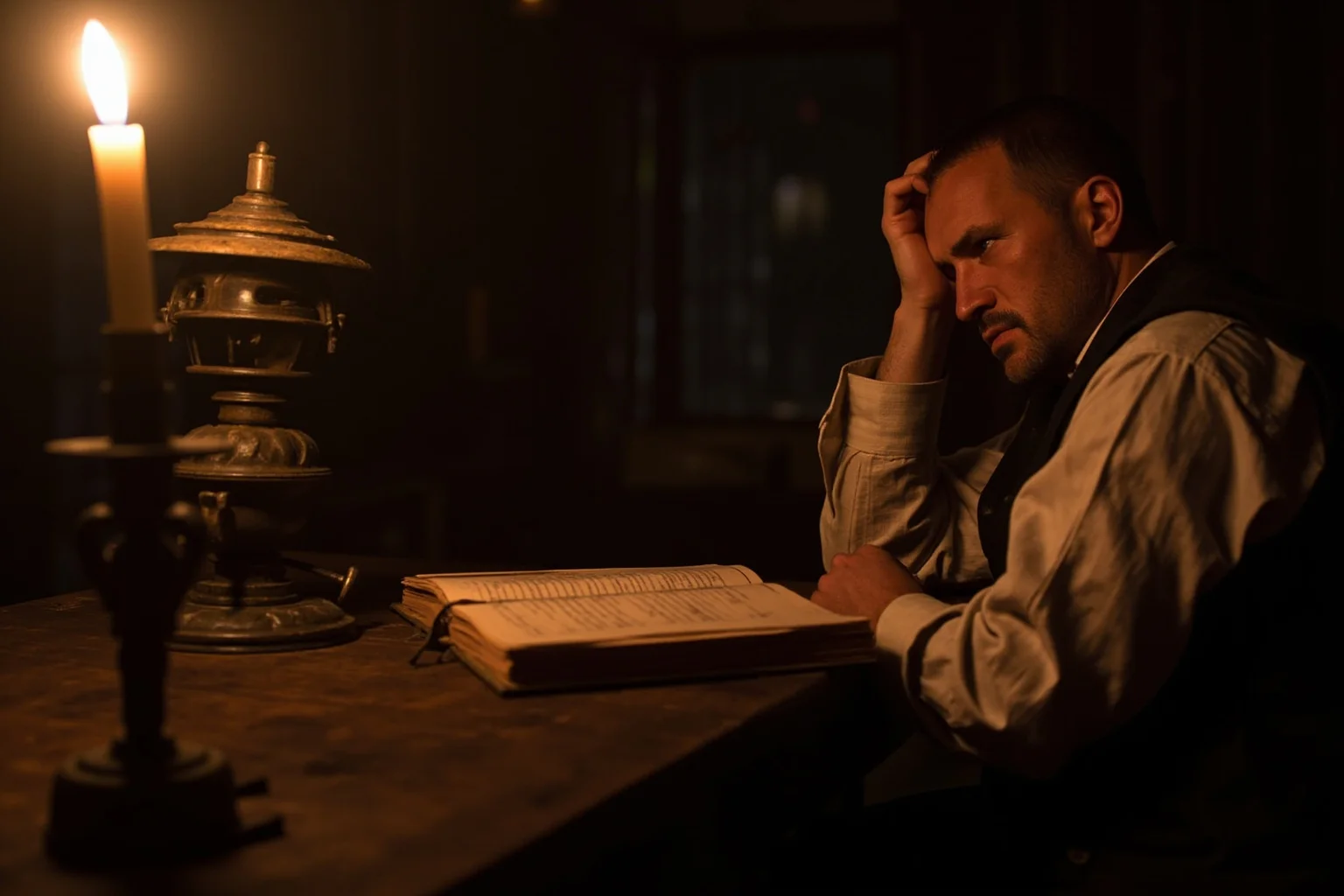
Beyond foghorn duty, keepers had to trim wicks, monitor weather, log entries, and check equipment through the night on a rotating watch schedule. Even with two or three keepers sharing duties, the schedule left little room for consistent rest. Chronic exhaustion compounded every other stress on the list, making minor irritations feel unbearable over time.
7. Boredom Bred Its Own Kind of Despair
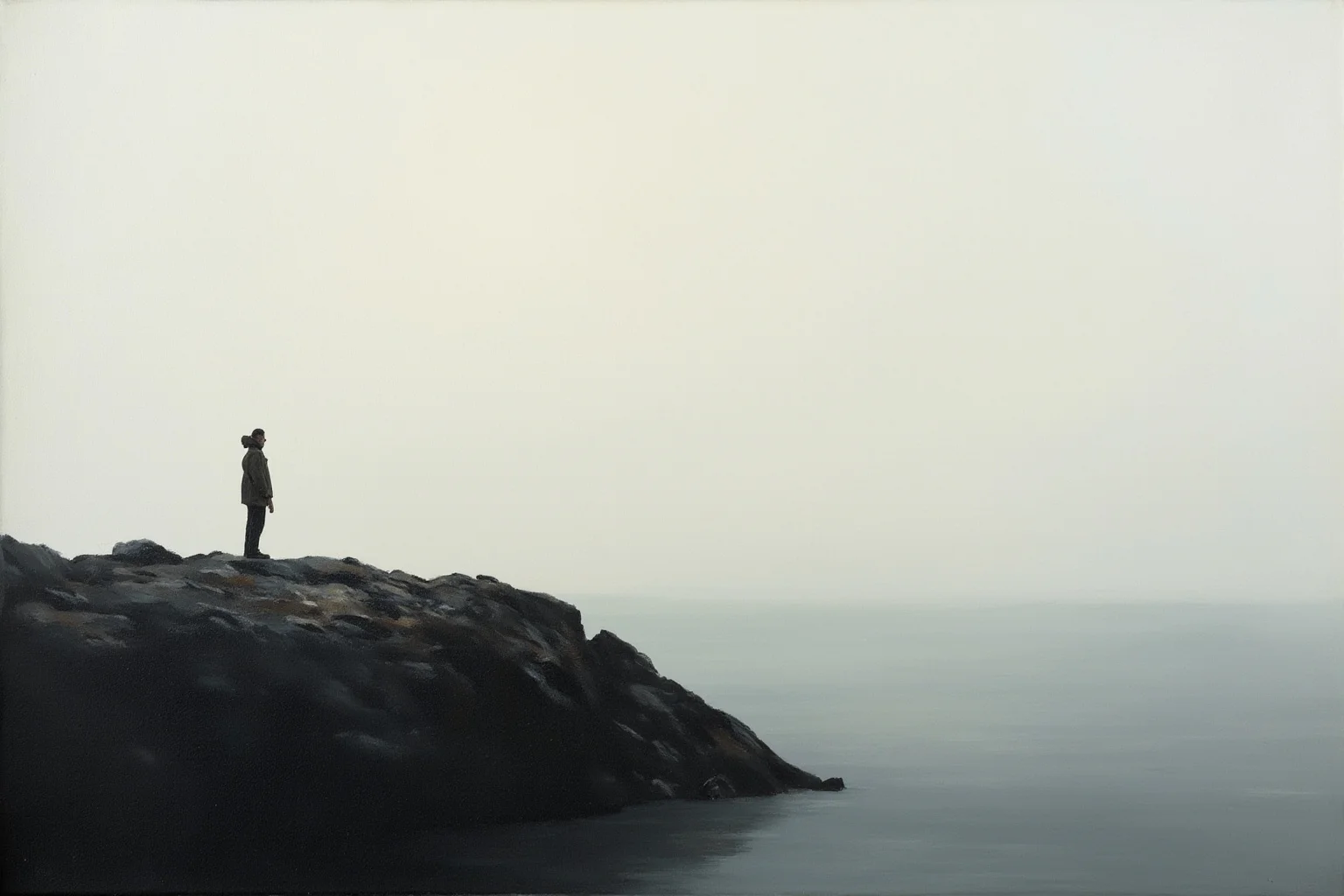
It wasn’t all storms and toxic fumes; plenty of lighthouse duty was simply monotonous. Long stretches with nothing to do but polish brass, refill oil, and stare at an unchanging horizon could produce a creeping despair that some historians describe as almost its own psychological condition. Boredom this profound, sustained for months, is now recognized as a genuine mental health risk in isolated occupations.
Infamous Incidents That Built the Legend
8. The Smalls Lighthouse Tragedy of 1801
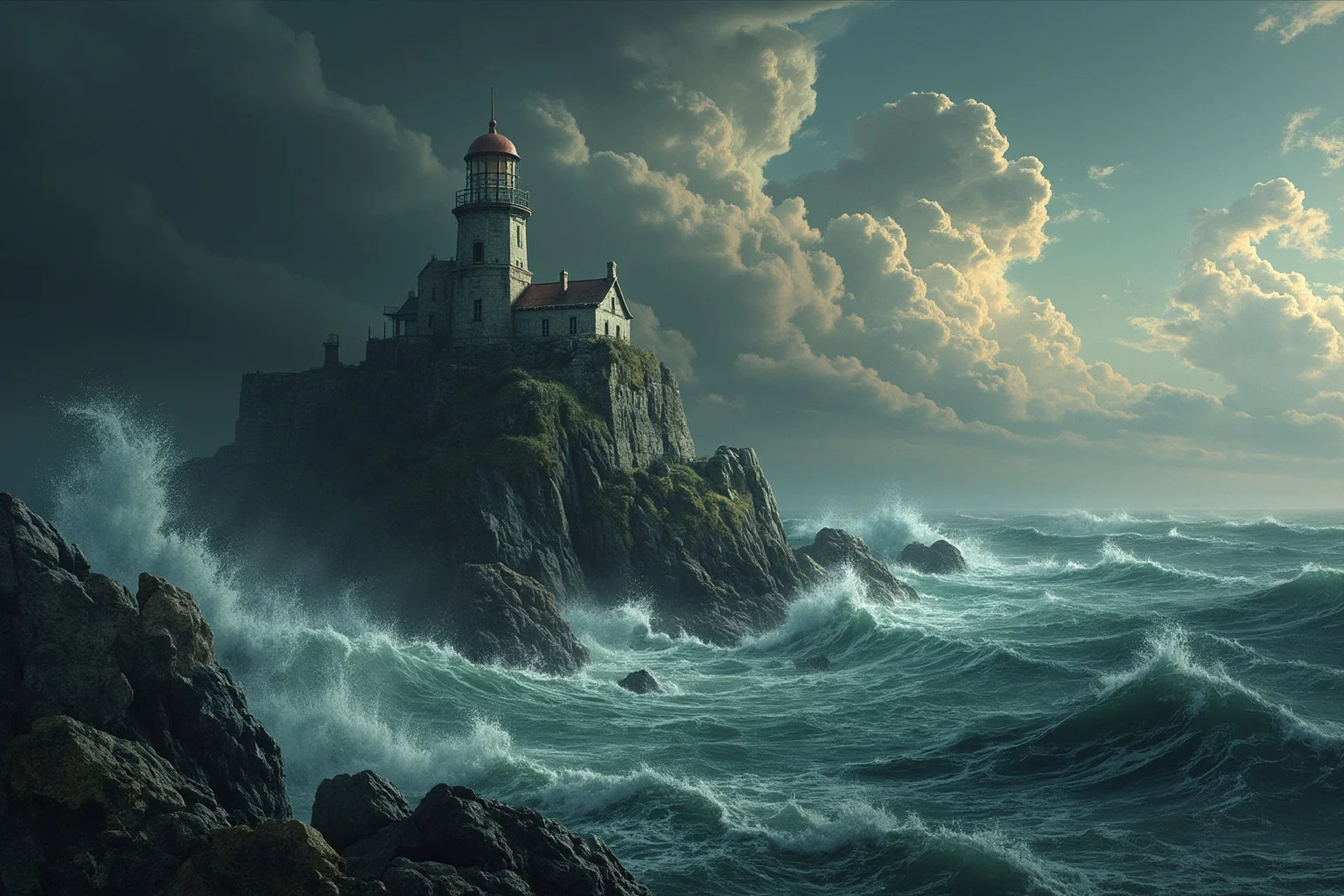
According to popular historical accounts, two keepers named Thomas Griffith and Thomas Howell staffed the remote Smalls Lighthouse off the coast of Wales, and the two men reportedly did not get along. When Griffith died unexpectedly, Howell feared that if he simply disposed of the body, he’d be accused of murder given their known feud. So he is said to have built a makeshift coffin, lashed it to the outside railing, and kept watch beside it for weeks while storms prevented any relief boat from reaching the rock.
By the time help finally arrived, Howell was reportedly in such a state of distress that he was barely recognizable. While some details of this story have been embellished over two centuries of retelling, the core incident is well documented in lighthouse history and became one of the most cited examples of lighthouse keepers going mad.
9. The “Rule of Three” Keepers
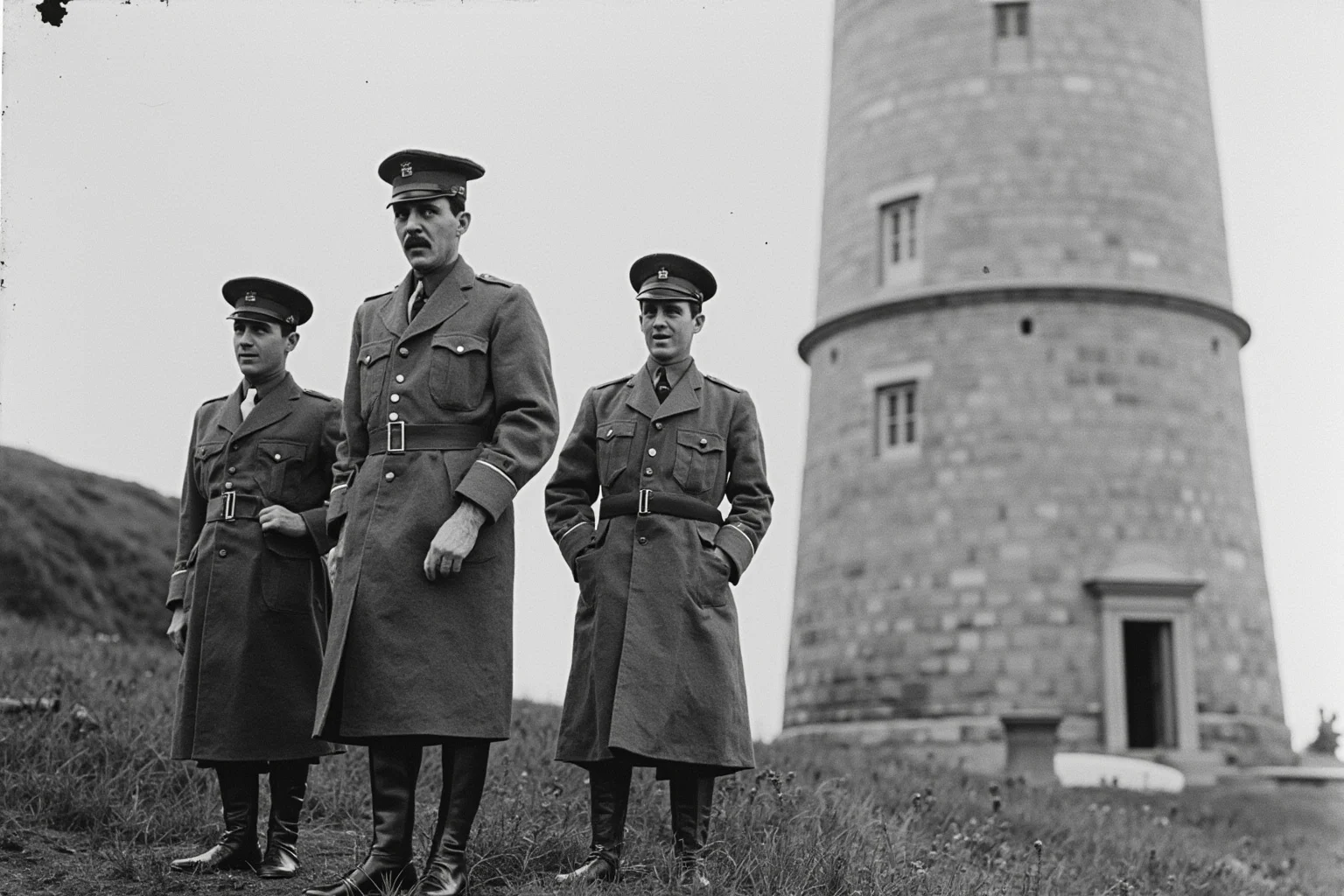
The Smalls incident had a lasting practical effect: Trinity House, the authority overseeing English and Welsh lighthouses, later required that isolated rock lighthouses be staffed by three keepers instead of two. The logic was straightforward. If two keepers had a falling-out or one fell ill, a third person could keep things stable, mediate, or seek help without leaving a single man alone with a crisis.
10. The Vanishing of the Flannan Isles Keepers (1900)
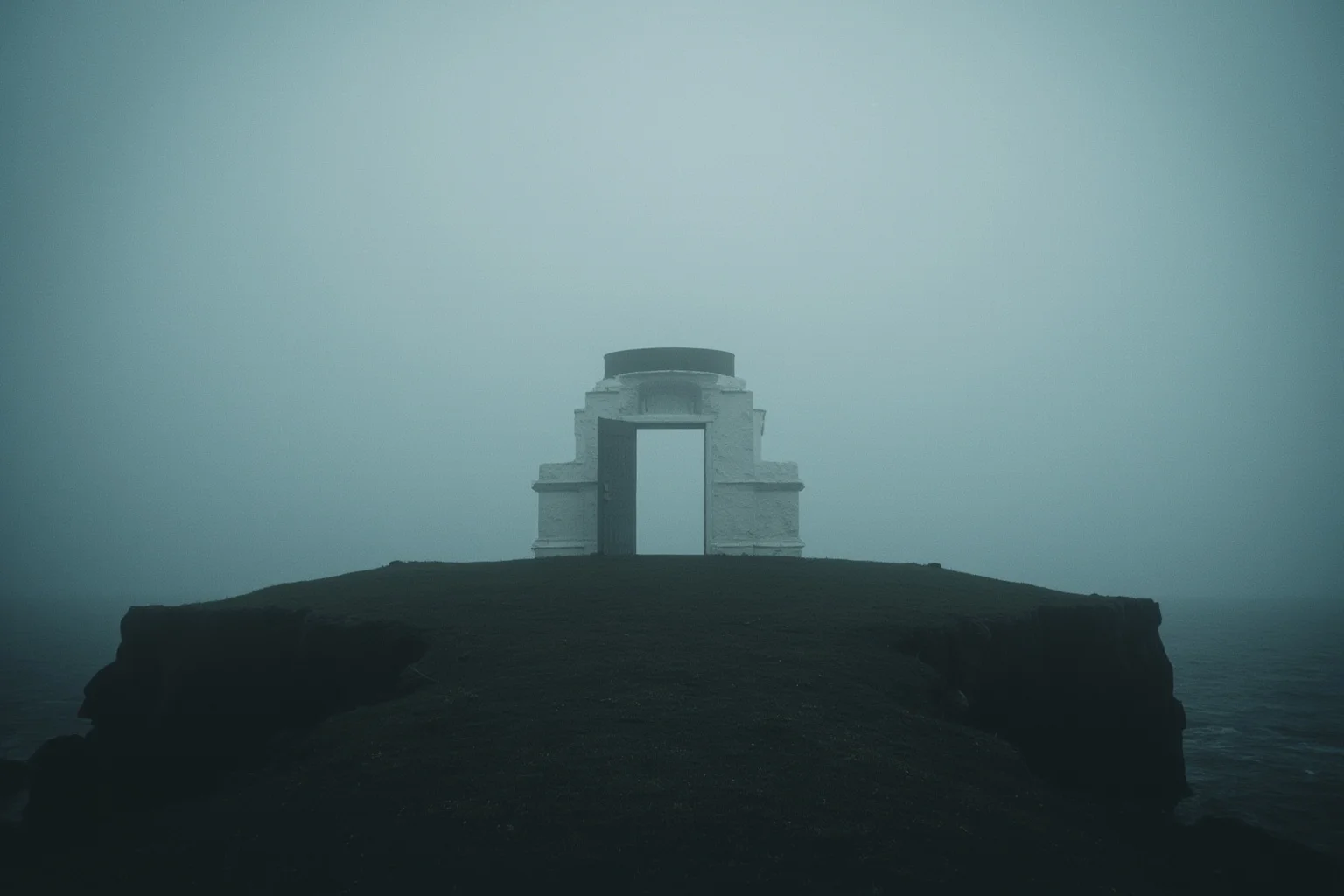
In December 1900, three keepers, James Ducat, Thomas Marshall, and Donald Macarthur, vanished without a trace from the Eilean Mor lighthouse in Scotland’s remote Flannan Isles. A relief boat found the lighthouse eerily in order except for one missing oilskin coat and signs that heavy equipment had been damaged by a storm. No bodies were ever found, and the official investigation concluded the men were most likely swept away by a rogue wave while securing gear on the rocks.
The mystery still inspired endless speculation about madness, ghosts, and worse, most famously in Wilfred Wilson Gibson’s 1912 poem “Flannan Isle.” It remains one of the eeriest true stories connected to lighthouse keepers and madness, even though the likely explanation is tragic rather than supernatural.
11. The Little Ross Lighthouse Killing (1960)
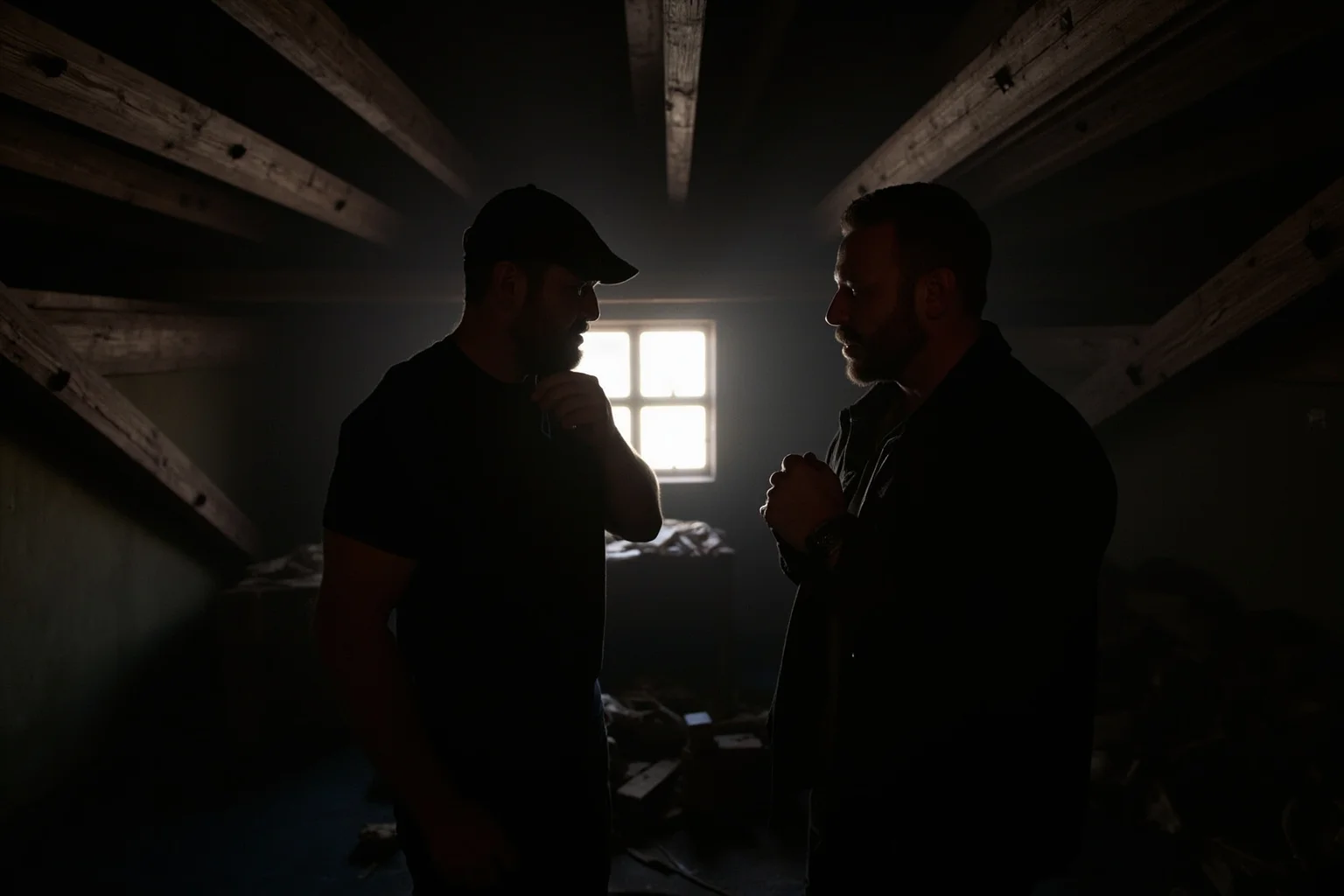
Not every dark lighthouse story is ambiguous. In 1960, at the Little Ross Lighthouse in Scotland, assistant keeper Hugh Clark shot and killed principal keeper Robert Dickson after weeks of confinement together. Clark was later convicted of culpable homicide, and the case remains a sobering, well-documented example of how close quarters and isolation could turn genuinely dangerous.
12. “Terrible Tilly” and the Lore of Tillamook Rock
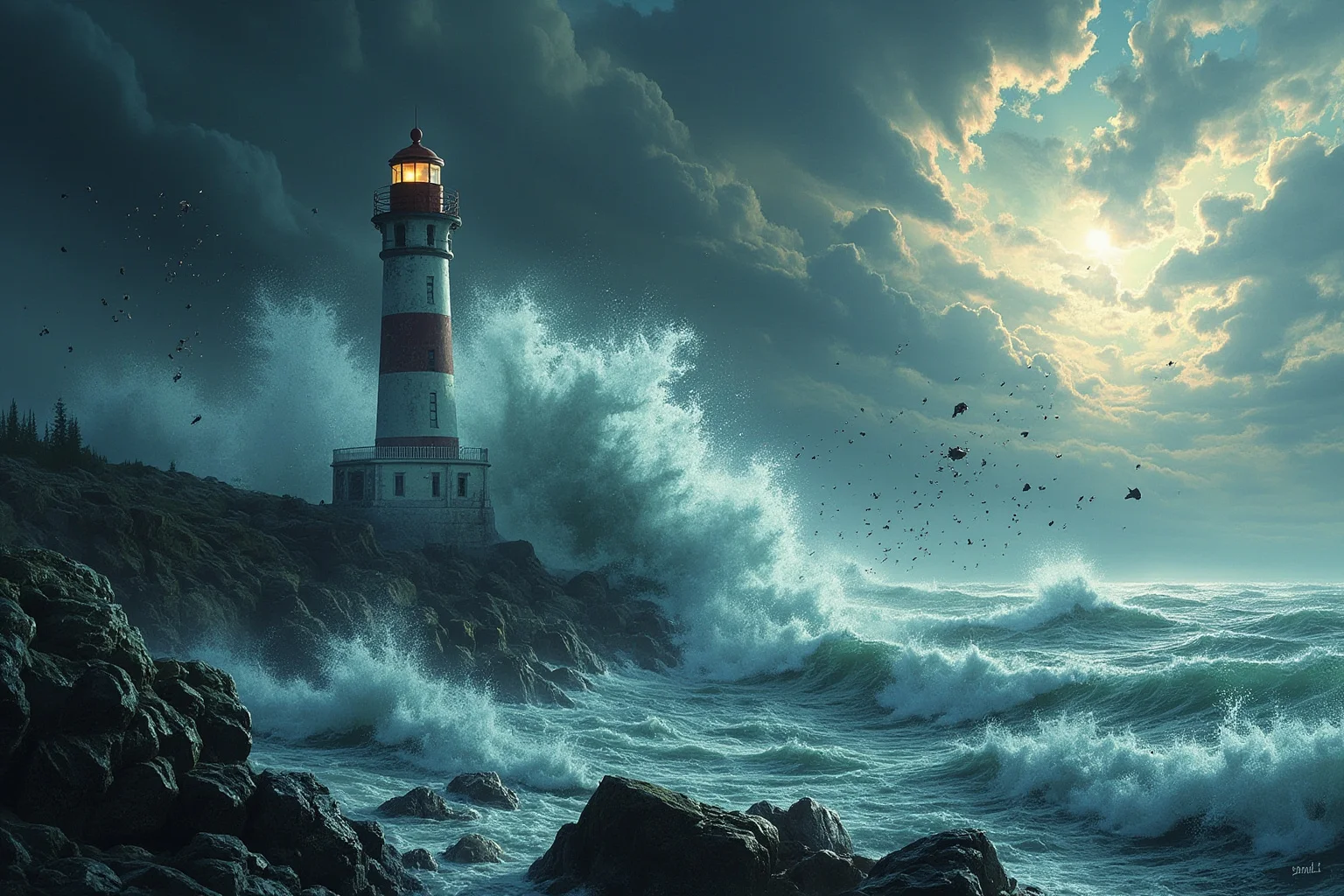
Tillamook Rock Lighthouse off the Oregon coast earned the nickname “Terrible Tilly” thanks to brutal Pacific storms that regularly hurled rocks and debris through its lantern room windows. Local legend holds that the harsh conditions drove at least one keeper toward a breakdown, though these specific claims are difficult to verify and should be treated as folklore rather than confirmed fact. The lighthouse was decommissioned in 1957 and later, fittingly for its grim reputation, became a private columbarium.
Mercury in Lighthouses: Separating Fact From Folklore
13. How Mercury Floats Actually Worked
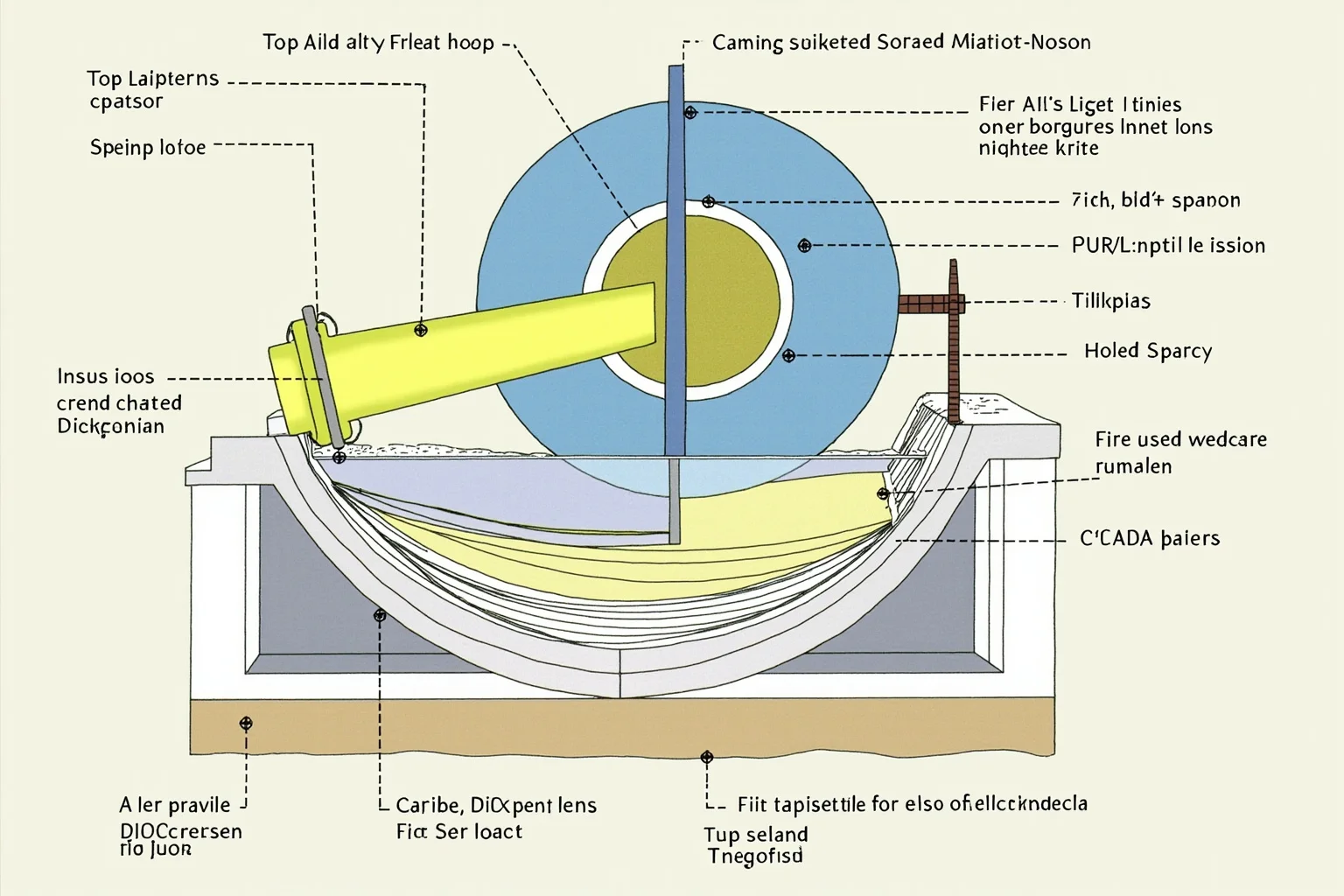
The mercury float system was a genuine engineering breakthrough. A rotating lens assembly, sometimes weighing several tons, could float on a shallow trough of liquid mercury and be turned with almost no friction, allowing a small clockwork motor or even hand-cranked weights to keep it rotating smoothly all night. This system was used in many major lighthouses worldwide from roughly the 1890s through much of the 20th century.
14. Erethism and the “Mad Hatter” Connection
Chronic mercury vapor exposure produces a recognized condition called erethism, historically nicknamed “mad hatter disease” because it was common among hat-makers who used mercury in felt processing. Symptoms include excessive irritability, social withdrawal, tremors, and in severe cases, hallucinations. Because lighthouse keepers worked in small, enclosed lantern rooms directly above open mercury troughs, the comparison to the mad hatter phenomenon is a natural one that’s gained popularity in recent years.
15. Did Mercury Really Drive Keepers Insane?
Here’s where a myth-busting caveat matters. While the physics of mercury exposure are real and well established in occupational medicine, there isn’t a large body of contemporary 19th or 20th century medical records specifically diagnosing lighthouse keepers with mercury poisoning. Much of the “mercury made lighthouse keepers go crazy” explanation is a modern, plausible theory pieced together after the fact rather than a documented pattern from the historical record itself.
That doesn’t mean it’s wrong, only that it should be understood as one credible contributing factor among several, not a single proven cause. Isolation, sleep loss, and psychological stress likely did just as much damage as the mercury did, and in most cases, probably more.
The Human Cost of a Solitary Job
16. Families in the Tower

Not every lighthouse was a solitary bachelor’s post. Many land-based and even some offshore stations housed entire families, with keepers’ wives and children living alongside them for years. This arrangement could ease isolation somewhat, but it also meant children grew up with limited schooling, few playmates, and parents under constant occupational stress.
17. Alcohol and Other Coping Mechanisms
Boredom and isolation drove some keepers toward heavy drinking, despite strict rules from lighthouse authorities forbidding alcohol on duty. Inspection reports from various national lighthouse services occasionally noted keepers dismissed for drunkenness, suggesting it was a recognized enough problem to warrant explicit policy. Coping mechanisms like this likely blurred the line between genuine mental illness and ordinary human attempts to survive a hard job.
18. Documented Cases of Mental Strain

Beyond the famous incidents, lighthouse service records from Britain, the United States, and elsewhere do include occasional notes about keepers requesting transfers due to nervous complaints, or being relieved early due to what inspectors described as breakdowns. These records are far less dramatic than the legends, typically describing exhaustion, anxiety, or depression rather than violent madness. They suggest the real story of lighthouse keeper madness was usually quieter and sadder than folklore implies.
19. The Psychology of Extreme Isolation
Modern researchers studying Antarctic research stations and space analog missions have found that extended isolation reliably produces measurable psychological effects, including irritability, depression, and cognitive slowing. These findings give useful context for historical lighthouse keepers, even though no formal psychological studies were conducted on keepers at the time. It’s reasonable to conclude that many keepers experienced real mental strain, even if it rarely escalated to the dramatic insanity of legend.
Myth vs. Reality: Setting the Record Straight
20. Most Keepers Never Went Mad at All

Despite the enduring fascination with the topic, the overwhelming majority of lighthouse keepers completed long, uneventful careers and retired without incident. Many even described the solitude as peaceful rather than tormenting, and lighthouse keeping was often a respected, sought-after government job with a pension. The dramatic stories survive precisely because they were unusual, not because they were typical.
21. How Keepers Were Chosen and Trained
Lighthouse authorities like Trinity House and the U.S. Lighthouse Service developed selection standards over time, favoring candidates with steady temperaments, often drawn from naval or maritime backgrounds. Training emphasized routine, discipline, and meticulous recordkeeping, which likely helped many keepers structure their days in ways that guarded against the worst effects of isolation. This organizational rigor is part of why catastrophic breakdowns were the exception rather than the rule.
22. Why the “Mad Keeper” Myth Persists
Humans are drawn to isolated settings and eerie disappearances, and lighthouses combine both perfectly: a lone tower, a vanishing crew, an unsolved mystery. It’s the same pull that draws people to ponder ancient architectural marvels no one can explain or explore the eerie, layered history of the Paris Catacombs, places where mystery and history blend until fact and legend become hard to separate. The handful of genuinely dramatic cases, like Smalls and Flannan Isles, get retold far more often than the thousands of ordinary, peaceful lighthouse careers. Add a genuinely toxic substance like mercury into the mix, and you have all the ingredients for a legend that keeps growing with each retelling.
The Mad Keeper’s Long Shadow in Culture
23. Lighthouses in Books, Poems, and Film
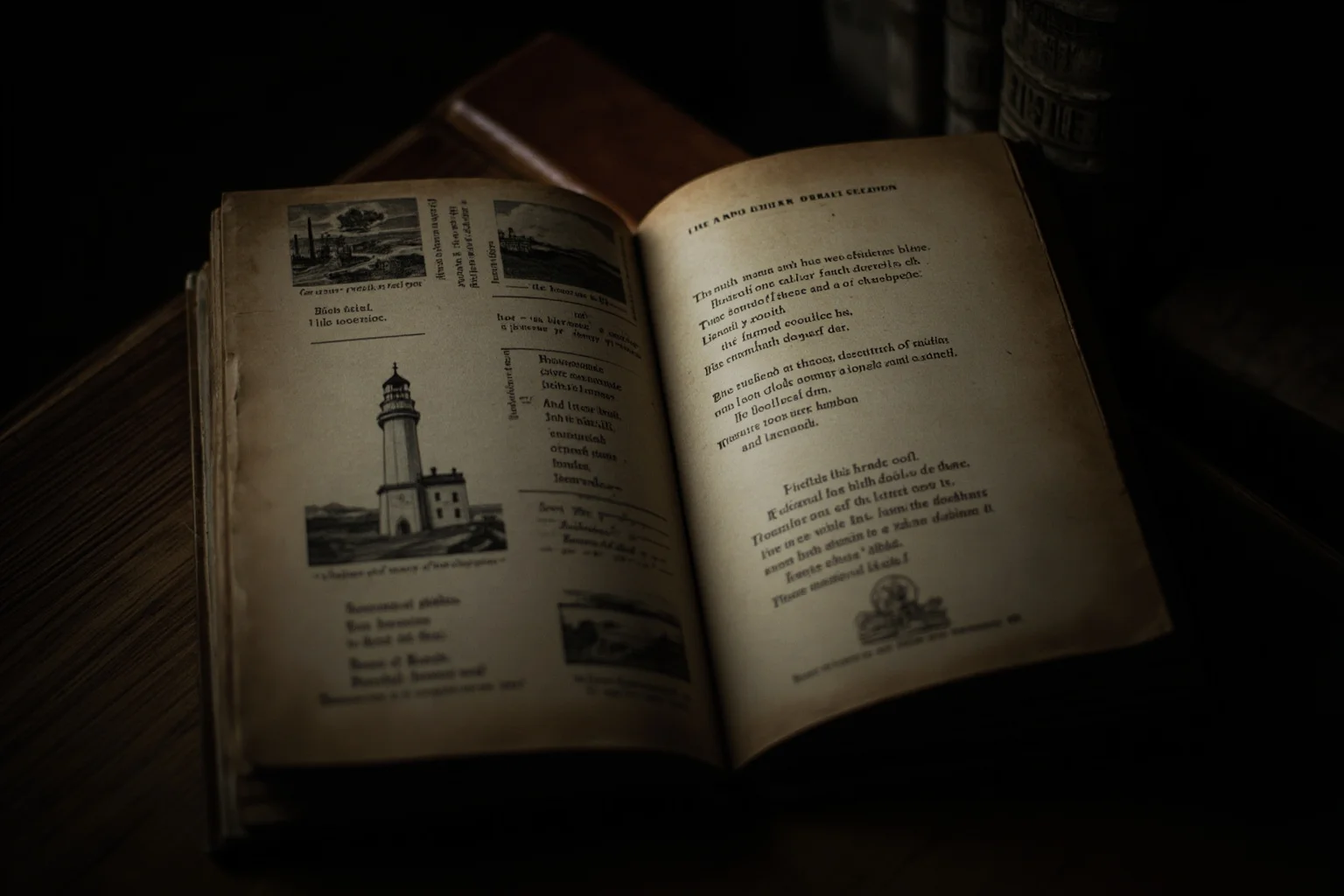
The lighthouse keeper madness trope has become a fixture of horror and literary fiction, from Gibson’s Flannan Isle poem to Virginia Woolf’s “To the Lighthouse” and modern films inspired directly by these real events. The 2019 film “The Lighthouse” drew heavily on the atmosphere of the Smalls incident, while “The Vanishing” dramatized the Flannan Isles mystery. These works helped cement lighthouse keepers descending into madness as a cultural shorthand for isolation and psychological horror.
24. The End of the Manned Lighthouse Era

Advancements in automation gradually eliminated the need for human keepers altogether. The United States automated its last staffed lighthouse in the 1990s, and Trinity House followed suit in the UK around the same time, closing the book on centuries of human lighthouse keeping. With automation came the end of the very conditions, isolation, mercury exposure, and grueling watch schedules, that had fueled these dark legends in the first place.
The Real Story Behind the Legend
The truth about lighthouse keepers and madness sits somewhere between grim reality and exaggerated myth. Isolation, sleep deprivation, toxic mercury vapor, and the sheer psychological weight of guarding a light that ships’ lives depended on were all real occupational hazards. But most keepers handled the job with remarkable resilience, and the handful of genuinely dark incidents became legendary precisely because they were rare.
What’s left is a fascinating slice of maritime history where hard science, human tragedy, and ghost-story embellishment all blend together. The next time you see a lighthouse standing quietly on a cliff, it’s worth remembering the real people who once lived inside it, and the strange, complicated history of why their story became synonymous with madness.
Frequently Asked Questions
Why do lighthouse keepers go mad?
Historically, lighthouse keepers faced extreme isolation, sleep deprivation from constant watch duties and foghorns, and in some cases exposure to toxic mercury used in rotating lens mechanisms. These combined pressures could cause real psychological strain, though most keepers never experienced anything close to the dramatic insanity described in popular legend.
Did lighthouse keepers really go crazy?
A small number of well-documented incidents, like the Smalls Lighthouse tragedy of 1801 and the 1960 Little Ross killing, show that extreme isolation could push individuals to a breaking point. However, the vast majority of lighthouse keepers completed long, stable careers, so genuine madness was the rare exception rather than the norm.
What role did mercury play in lighthouse keeper madness?
Many lighthouses used mercury baths to let heavy rotating lenses spin with minimal friction, and keepers worked near these open mercury troughs for years. Chronic mercury vapor exposure can cause irritability, tremors, and mood changes, so it's considered a plausible contributing factor, though it wasn't formally documented as a widespread medical diagnosis among keepers at the time.
What happened to the Flannan Isles lighthouse keepers?
In December 1900, three keepers vanished without explanation from the Eilean Mor lighthouse in Scotland's Flannan Isles, leaving behind an oddly disturbed but not ransacked station. The official investigation concluded they were most likely swept away by a rogue wave while working near the shoreline, though the mystery has fueled speculation for over a century.
Why did lighthouses stop having human keepers?
Advances in automated lighting, timers, and remote monitoring technology made human keepers unnecessary by the late 20th century. Both the United States and the United Kingdom automated their last staffed lighthouses in the 1990s, ending centuries of manned lighthouse service and the isolated conditions that came with it.
What was the Smalls Lighthouse incident?
According to popular historical accounts, two feuding keepers named Thomas Griffith and Thomas Howell staffed the remote Smalls Lighthouse off Wales in 1801. When Griffith died, Howell reportedly preserved the body rather than risk being accused of murder, and weeks of stormy weather delayed rescue, leaving him in visible psychological distress by the time help arrived. The incident led lighthouse authorities to require three keepers at isolated stations instead of two.

Alex Warren
Related Articles