
Ask ten people what the biggest empire in history was, and you’ll probably get ten different answers — Rome, the Mongols, maybe even “America” if they’re thinking loosely.
The truth is more interesting, and a little less obvious, than the movies suggest. The empire that actually covered the most land on Earth wasn’t ancient at all; it existed within living memory of your grandparents.
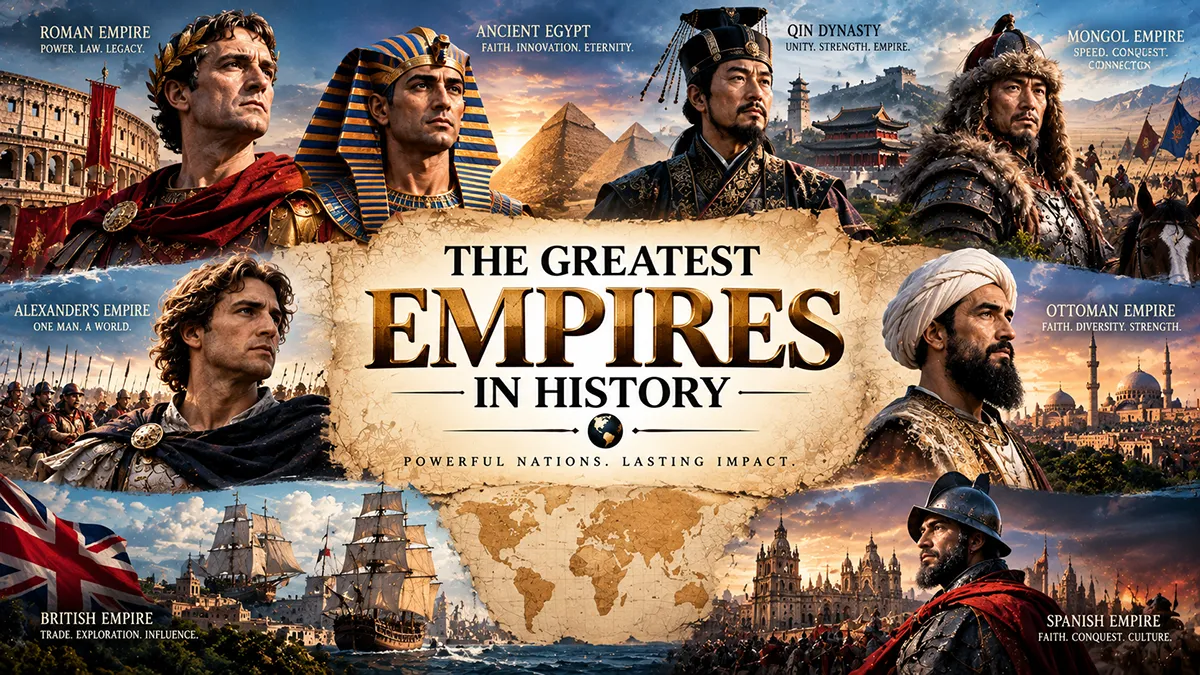
This guide walks through the largest, longest-lasting, and most influential empires in world history, ranked and explained with real numbers wherever they’re known. We’ll also flag where historians disagree, because a lot of “facts” about ancient empires are really just educated estimates dressed up as certainties.
TL;DR: By landmass, the British Empire was the largest empire in history, covering roughly a quarter of Earth’s land — but the Mongol Empire remains the largest ever built as one unbroken, connected territory.
What Exactly Is an “Empire,” Anyway?
An empire is typically defined as a large political unit that controls multiple territories, peoples, or nations, usually under a single ruler or governing authority, often gained through conquest.
That’s different from a kingdom or a single nation-state, which usually governs one relatively unified people or region. Examples of empires range from ancient land powers like Persia and Rome to seaborne trading empires like Portugal and the Dutch Republic.
The word gets used loosely today — people talk about “country empires,” business empires, even sports dynasties. But in the historical sense, a true empire involves the domination of diverse, often distant territories and populations, usually maintained through military force, administration, trade networks, or some mix of the three. Every empire in history on this list fits that mold in one way or another.
How Do Historians Actually Measure the “Biggest” Empire?
This is where a lot of confusion comes from. “Biggest” can mean at least three different things, and they don’t always point to the same answer.
Land area at peak extent is the most common measure, and it’s how the British Empire claims the top spot. Contiguous territory — land connected in one unbroken block without oceans in between — is a separate question, and that’s where the Mongol Empire wins, since it was built almost entirely by land conquest across Asia and Eastern Europe.
Population share and duration matter too. An empire that ruled a huge percentage of humanity, or simply lasted for centuries, arguably had more real-world impact than one that briefly controlled empty land. Keep all three lenses in mind as you go through this list, because “biggest,” “strongest,” and “longest-lasting” are genuinely different superlatives.
The 22 Greatest Empires in History, Ranked
This list blends territorial size at each empire’s peak with duration, wealth, and lasting global influence. It’s not a pure landmass leaderboard — a few smaller empires earned their spot here through sheer historical impact.
1. The British Empire
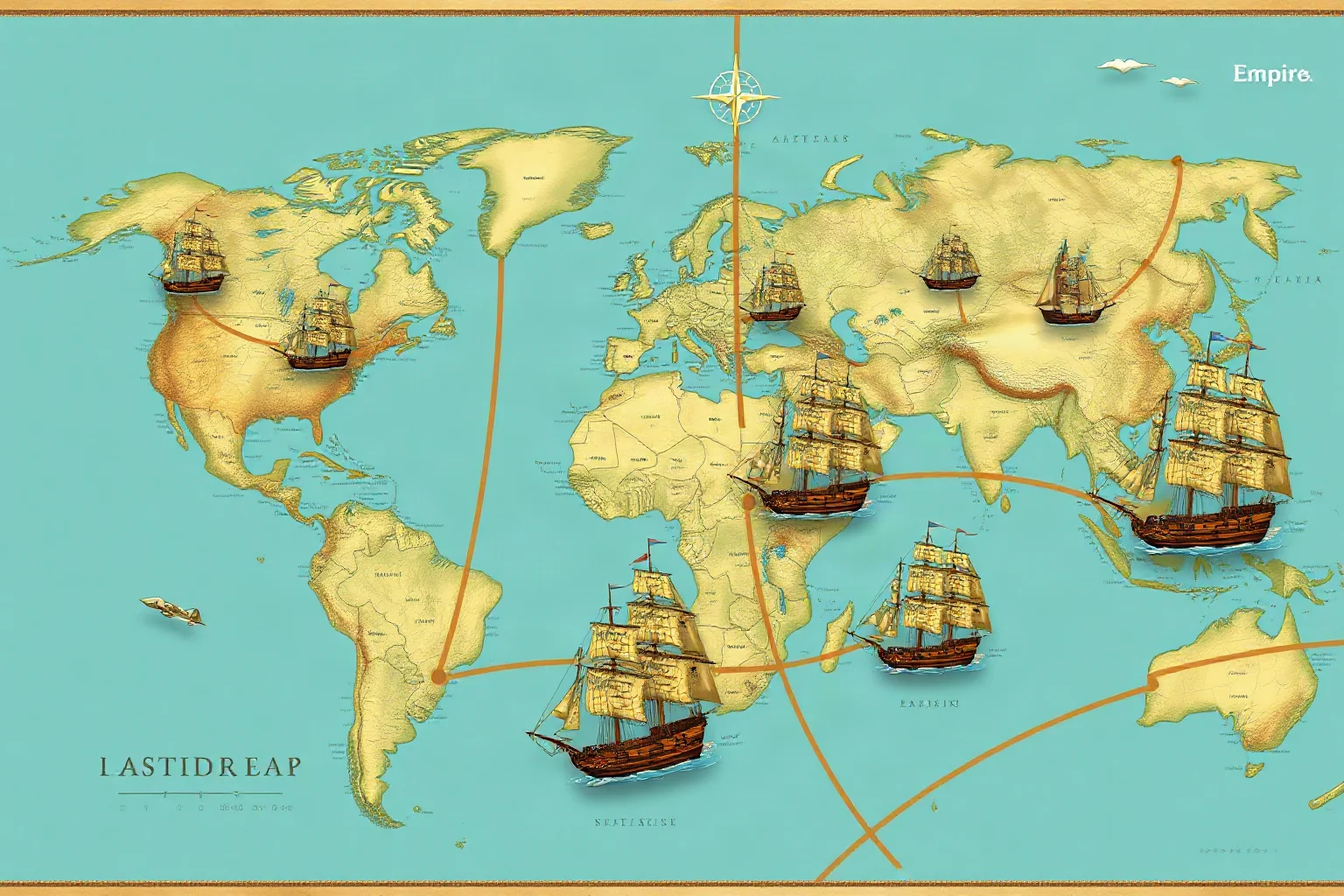
At its peak in the early 1920s, the British Empire controlled roughly 35.5 million square kilometers (about 13.7 million square miles) — close to a quarter of the planet’s land surface. It ruled an estimated 400-plus million people, around a fifth of the world’s population at the time, which is why it’s usually cited as the answer to “what was the biggest empire in history.”
Its reach came from a mix of naval dominance, colonial trade companies, and outright conquest across the Americas, Africa, Asia, and Oceania. The phrase “the empire on which the sun never sets” was coined for Britain specifically because it held territory in literally every time zone.
2. The Mongol Empire
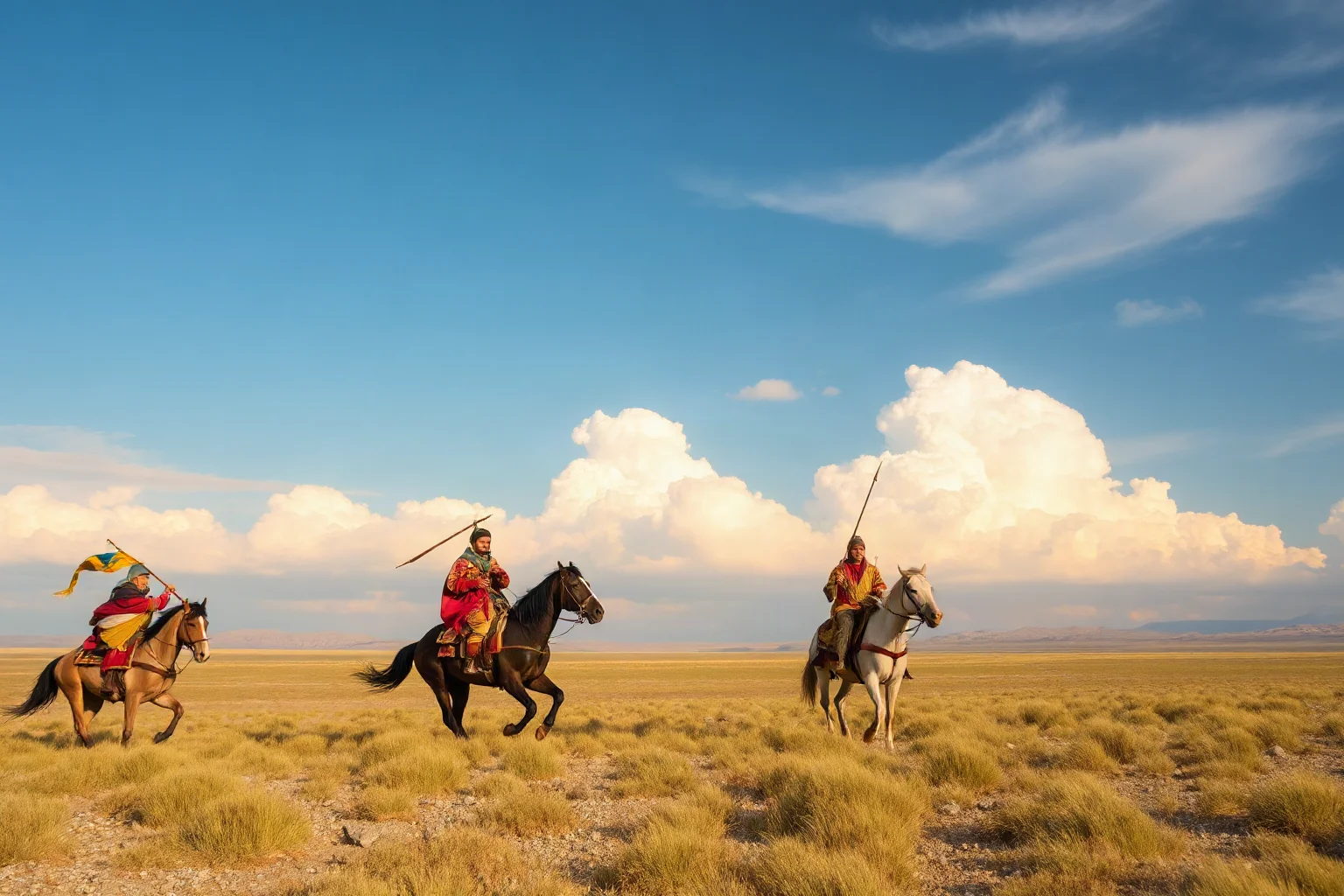
Founded by Genghis Khan in 1206, the Mongol Empire had swallowed roughly 24 million square kilometers by the time of its greatest extent later in the 13th century. That makes it the largest contiguous land empire ever assembled — no oceans required.
Its cavalry-based conquests connected China to Eastern Europe, and the resulting “Pax Mongolica” briefly made overland Silk Road trade safer than it had been in centuries. The empire eventually split into four khanates, one of which became China’s Yuan Dynasty.
3. The Russian Empire
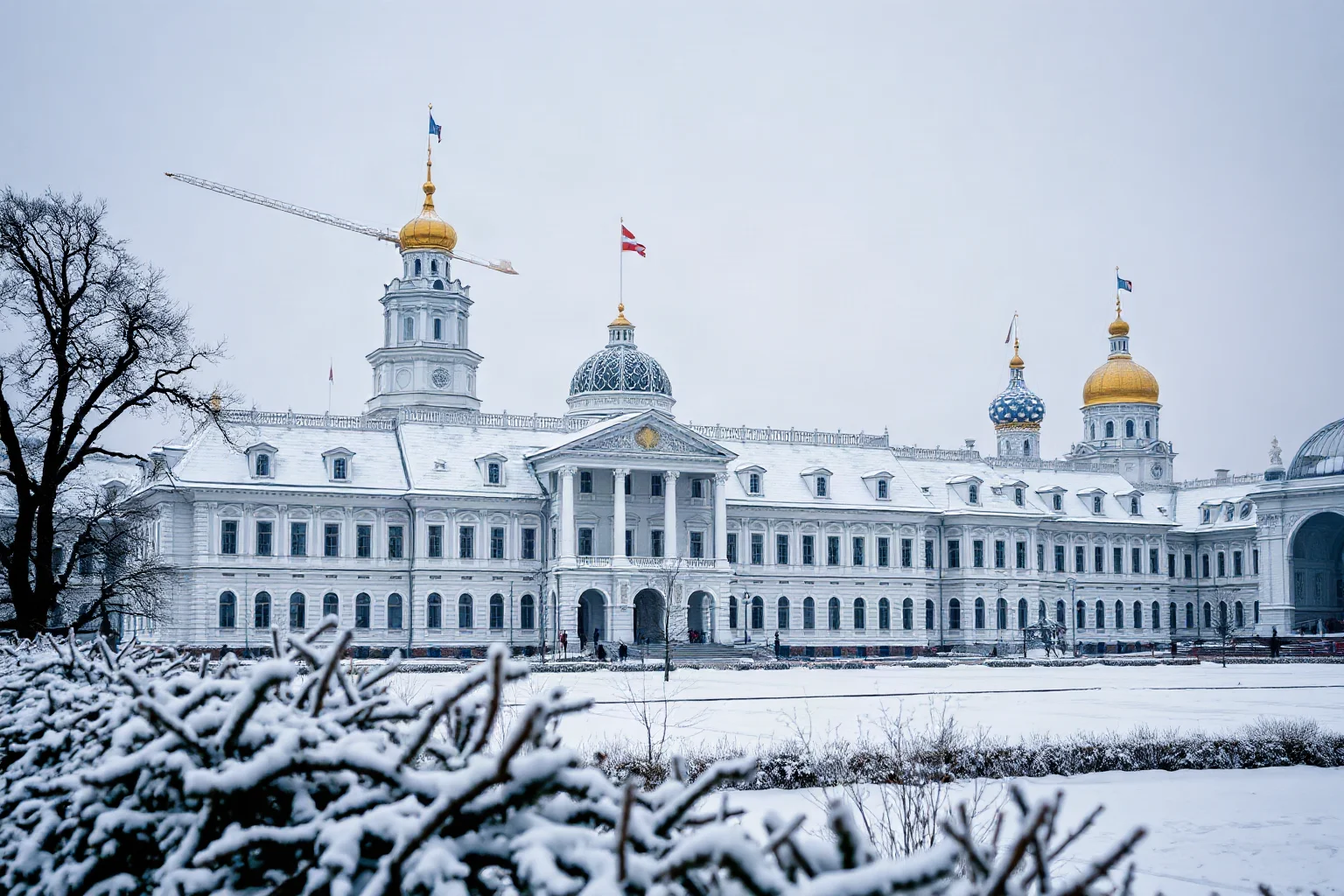
By 1895, the Russian Empire spanned about 22.8 million square kilometers, stretching from Poland to Alaska before that territory was sold to the United States in 1867. It’s one of the largest empires in history by land, even though much of that territory was sparsely populated Siberian and Central Asian land.
Russian expansion happened gradually over centuries, through a combination of military campaigns, colonization, and treaties with neighboring khanates and tribes. The empire collapsed with the 1917 Russian Revolution.
4. The Qing Dynasty
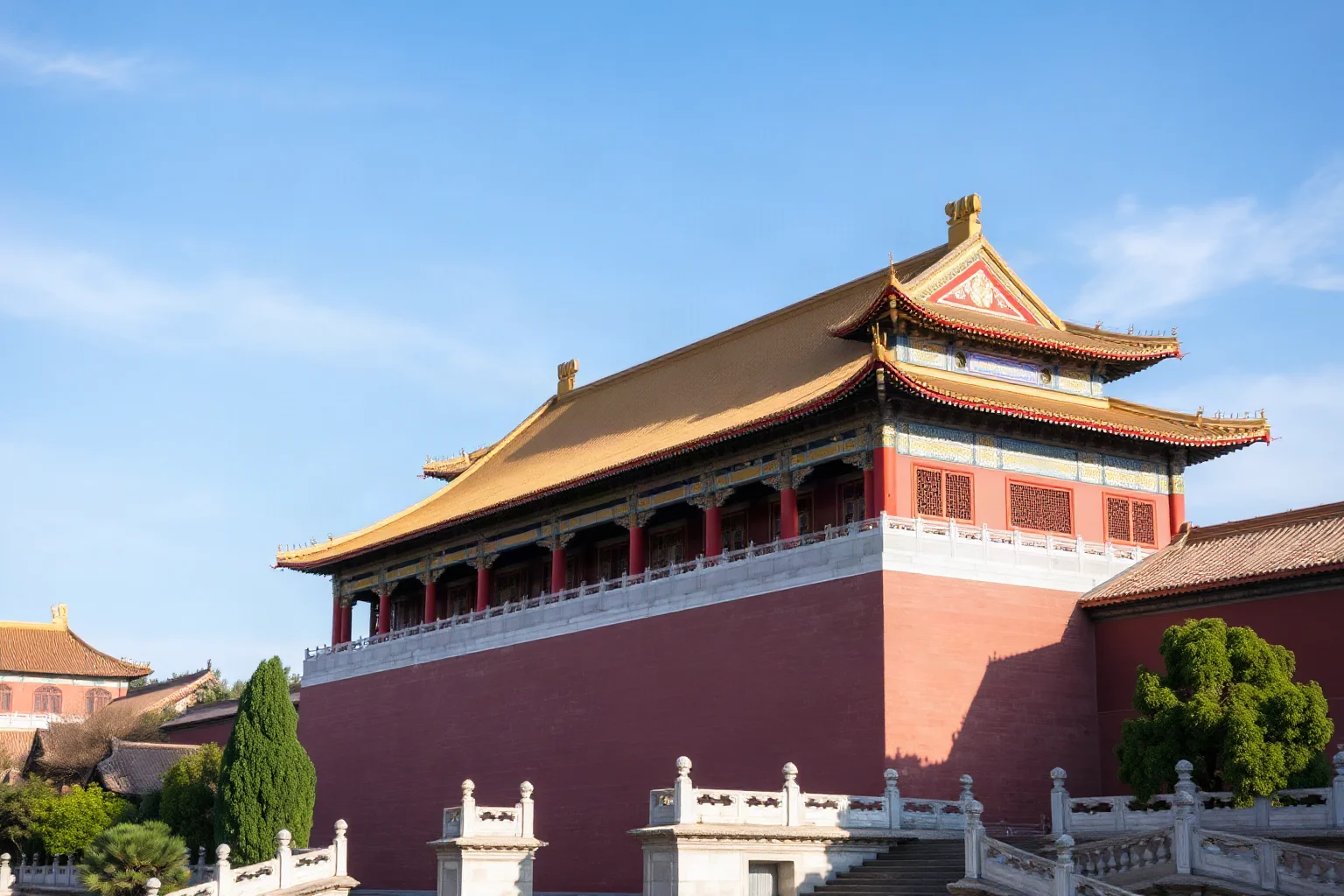
China’s last imperial dynasty reached about 14.7 million square kilometers at its height in the late 18th century, making it one of the largest empires in Chinese history. It absorbed Manchuria, Mongolia, Tibet, Xinjiang, and Taiwan under a Manchu ruling class governing a mostly Han Chinese population from Beijing’s Forbidden City, one of the biggest palaces in the world.
The Qing presided over major population growth and economic expansion for much of its 268-year run (1644–1912). Internal rebellion and foreign pressure eventually brought it down, ending over two thousand years of Chinese imperial rule.
5. The Spanish Empire
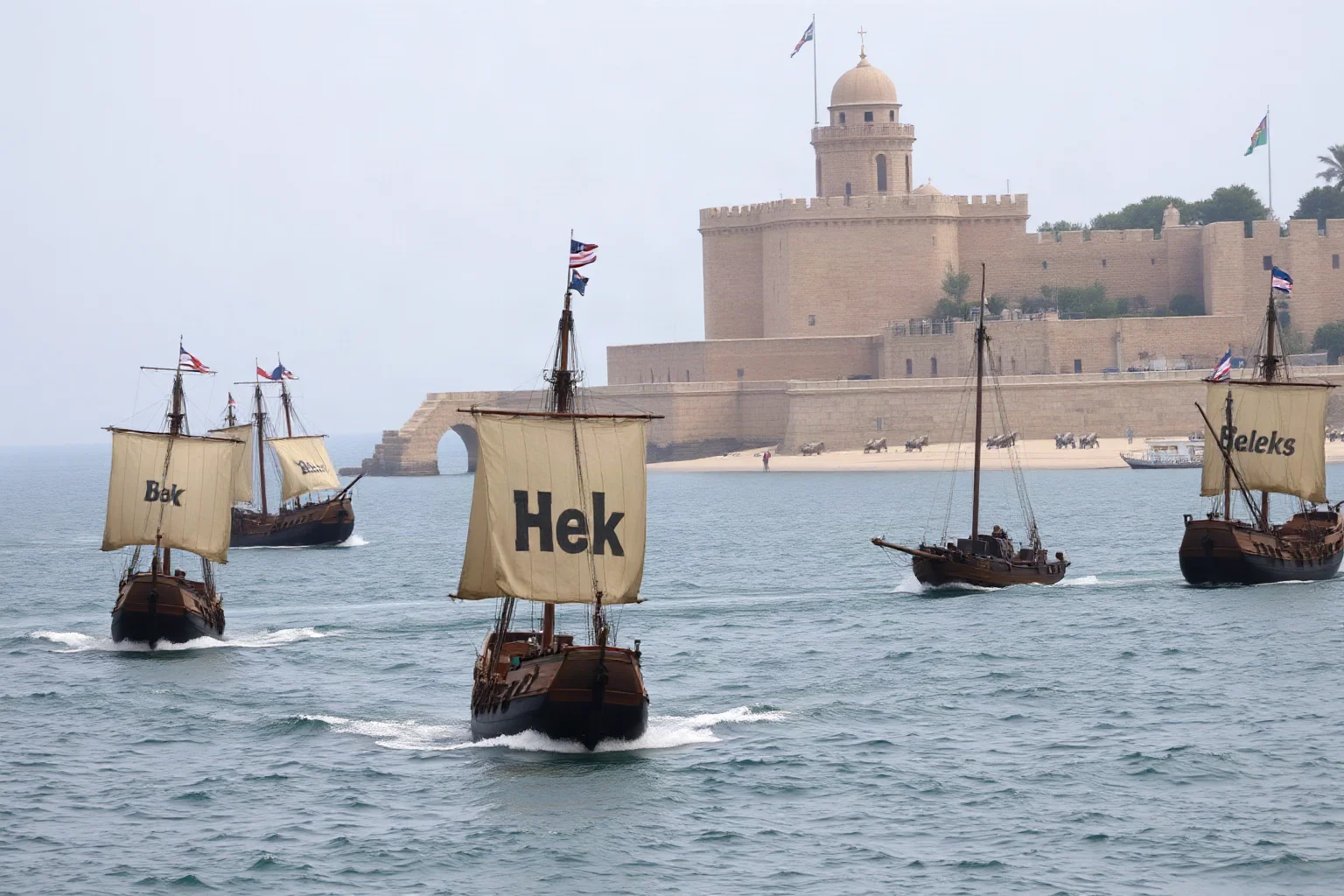
Estimates for the Spanish Empire’s peak size vary widely, from around 13.7 million to nearly 19.4 million square kilometers depending on how claimed (versus effectively controlled) territory is counted. Either way, it was one of the first truly global empires, spanning the Americas, the Philippines, and outposts in Africa and Europe by the 1700s.
Spanish galleons connected Asia, Europe, and the Americas through the Manila–Acapulco trade route, moving silver, spices, and goods around the globe. Its colonial reach shaped the languages and cultures of over 20 modern countries.
6. The French Colonial Empire
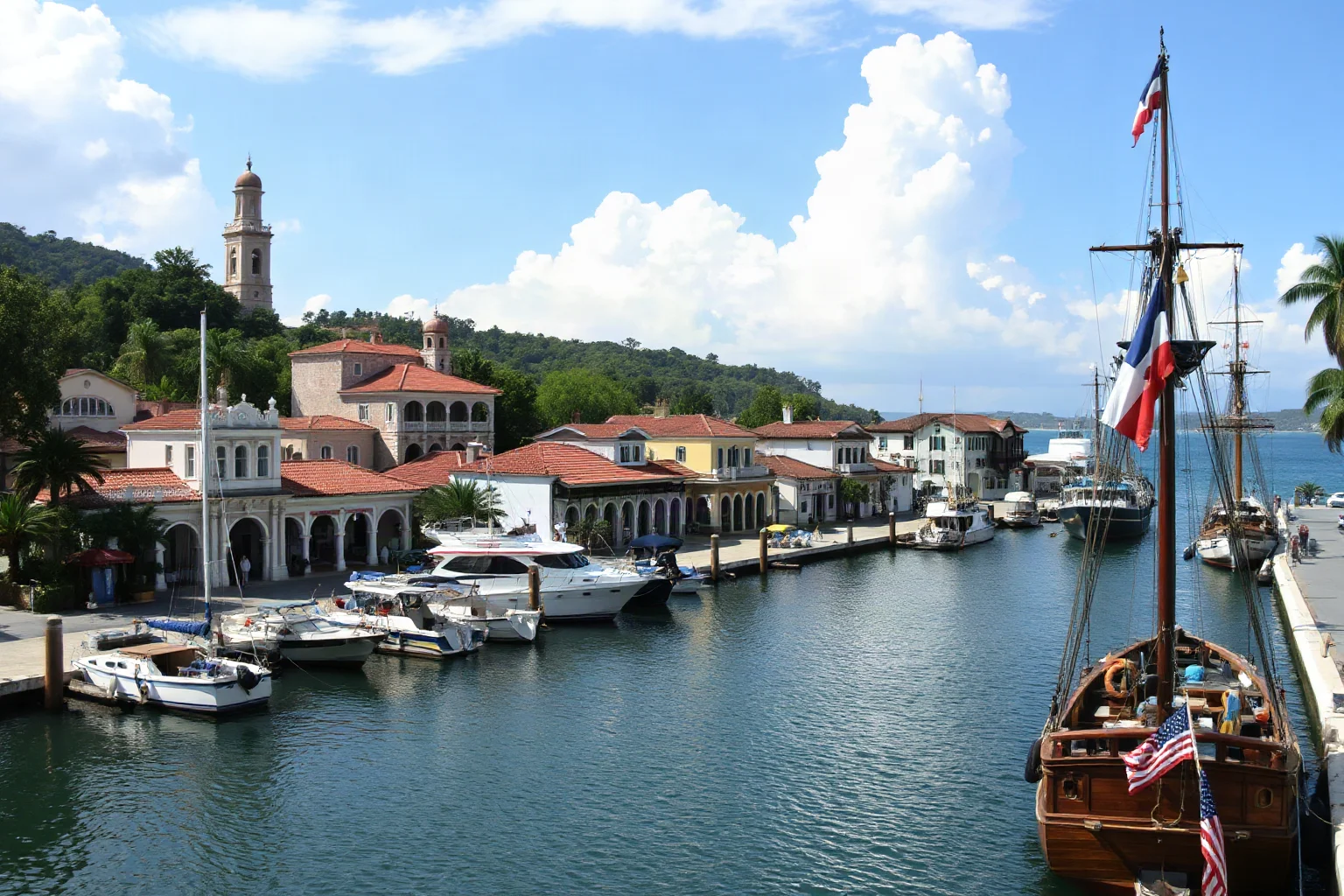
At its largest, in the years between the World Wars, the French colonial empire covered around 13.5 million square kilometers, making it the second-biggest colonial empire after Britain’s. It stretched across West and North Africa, Indochina, and parts of the Caribbean and Pacific.
French colonial rule left a deep linguistic footprint — French remains an official language in roughly 29 countries today, more than almost any empire’s language outside of English and Spanish.
7. The Umayyad Caliphate
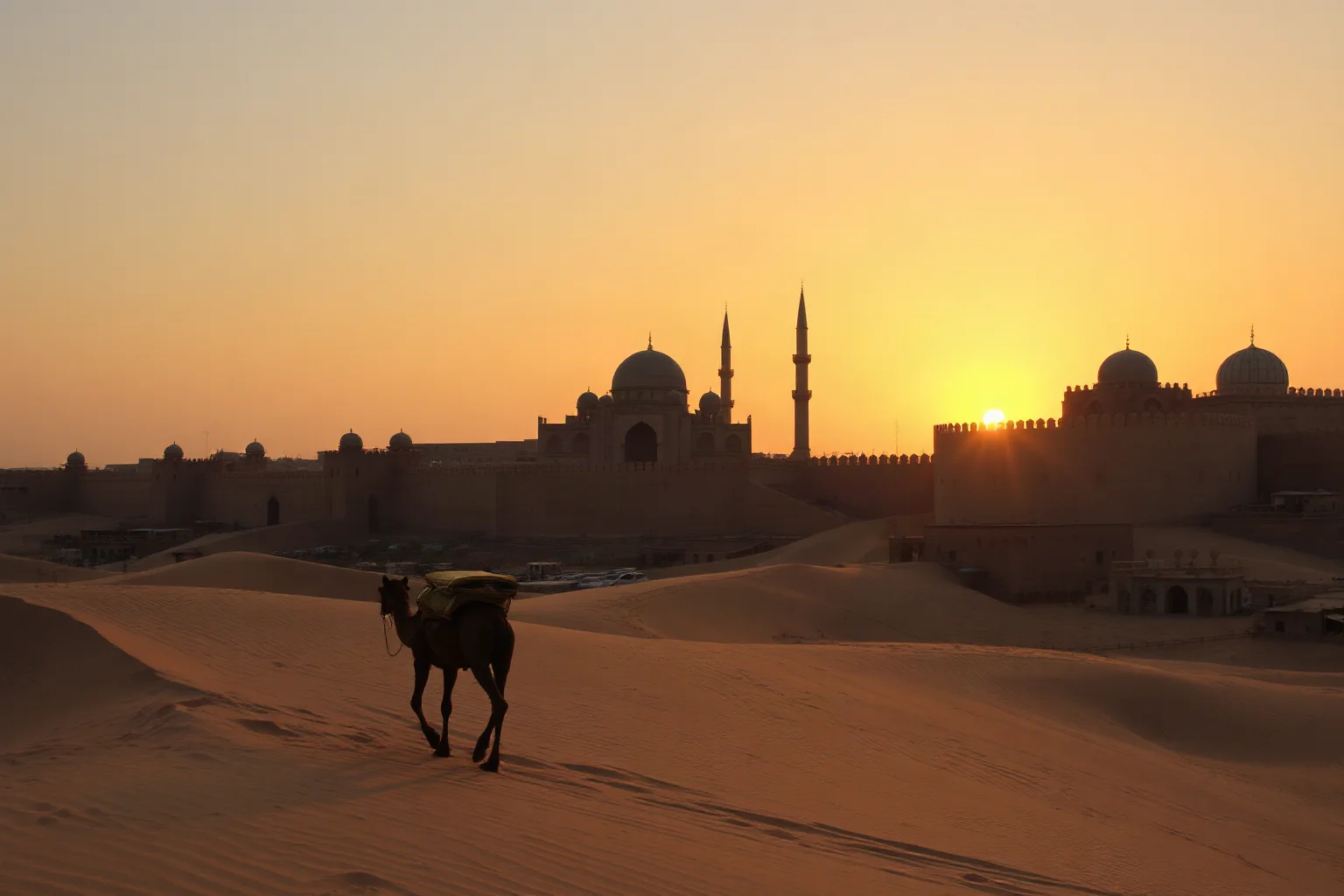
By 750 CE, the Umayyad Caliphate stretched from Spain to the borders of India, covering roughly 11.1 million square kilometers. Some historians estimate it also governed close to a third of the world’s population at the time, which would make it one of the most demographically significant empires ever, though exact ancient population figures are always estimates rather than hard counts.
It was the first great Islamic empire, spreading Arabic language and Islamic governance across three continents within just over a century of Islam’s founding.
8. The Yuan Dynasty
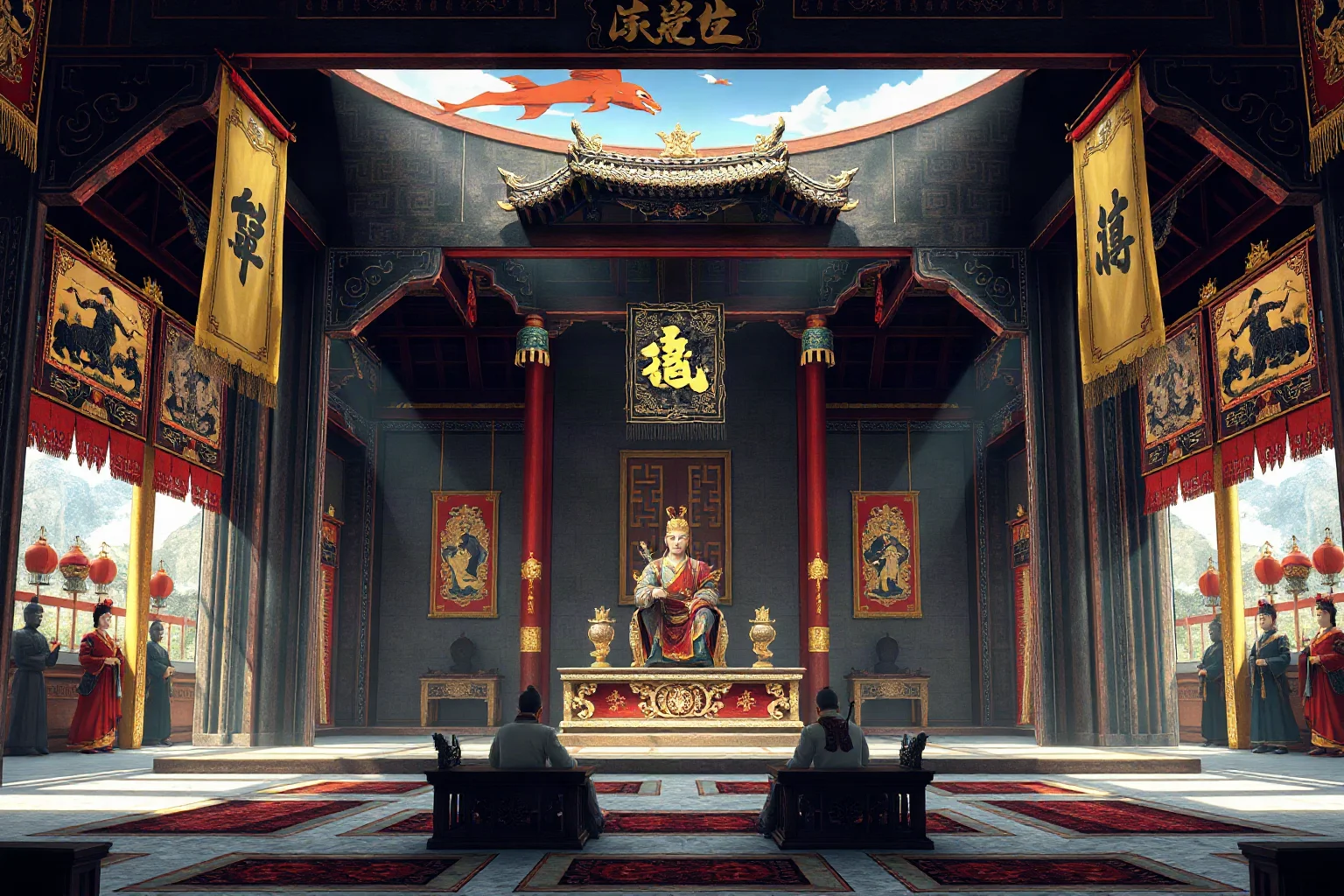
The Yuan Dynasty was the Mongol-ruled Chinese state founded by Kublai Khan in 1271, and it’s technically a successor piece of the broader Mongol Empire above. On its own, it controlled roughly 14 million square kilometers, including all of China, Mongolia, and parts of Siberia and Korea.
Marco Polo’s famous (and still debated) travel accounts describe the Yuan court in detail, giving Europe some of its earliest window into Mongol-ruled China. The dynasty fell in 1368 to the native Chinese Ming Dynasty.
9. The Portuguese Empire
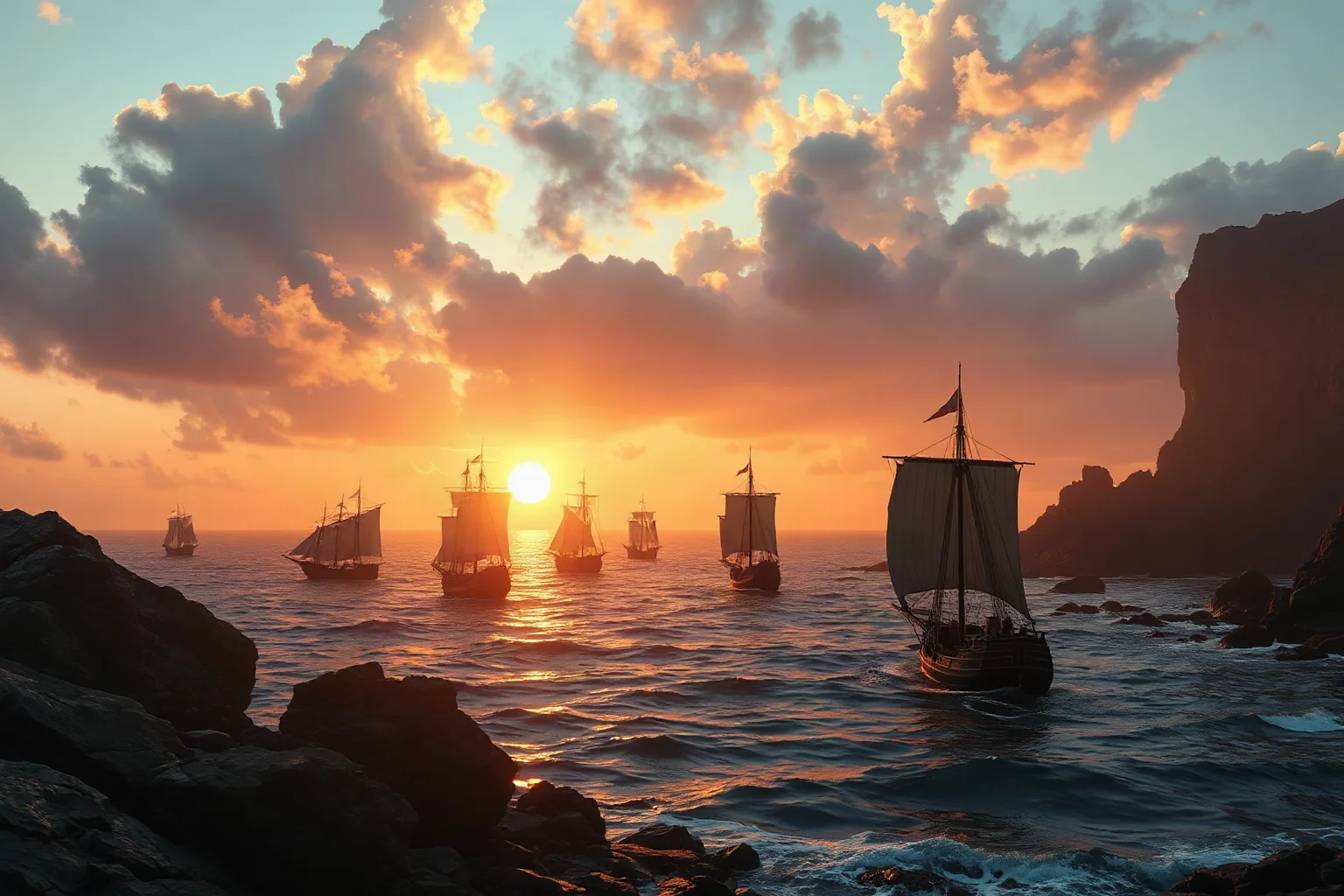
Portugal’s empire wasn’t the biggest by land, but it holds a different record: it’s the longest-lived colonial empire in history, running from the 1415 capture of Ceuta to the 1999 handover of Macau — roughly 584 years. Its cumulative territorial claims across four continents totaled around 10.4 million square kilometers over that span.
Portuguese sailors pioneered the sea routes around Africa to India, kicking off the Age of Exploration and giving Portugal an outsized role in global trade for a small country.
10. The Ottoman Empire
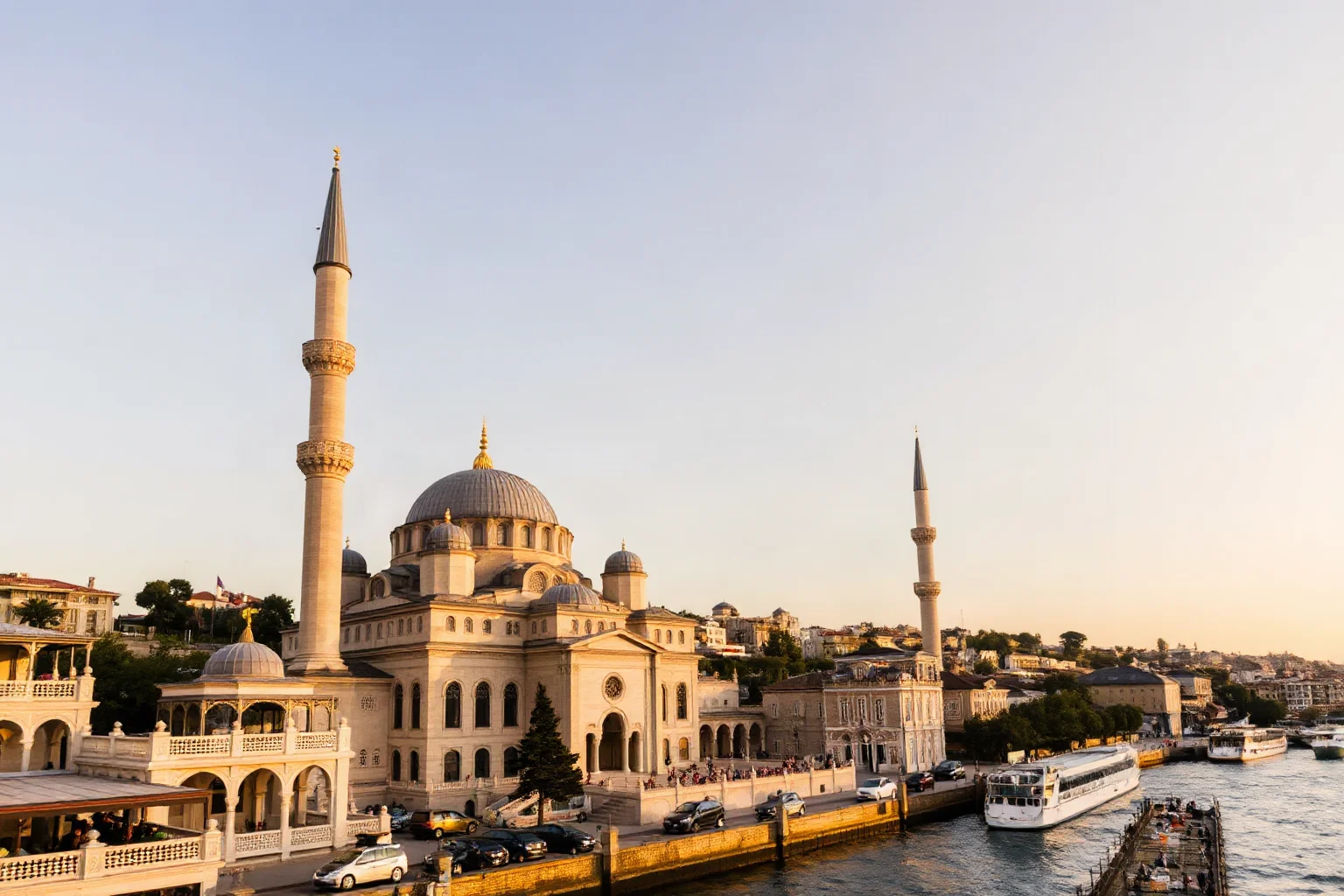
The Ottoman Empire lasted 623 years, from 1299 to 1922, controlling around 5.2 million square kilometers at its 17th-century peak. It bridged Europe, Asia, and North Africa, ruling over Constantinople (Istanbul) after conquering the Byzantine capital in 1453.
Its long reach over trade routes between Europe and Asia made it enormously wealthy for centuries, and its administrative system governed remarkably diverse religious and ethnic populations under one throne.
11. The Han Dynasty
One of ancient China’s most powerful empires, the Han Dynasty (206 BCE–220 CE) controlled roughly 6 million square kilometers at its height. It ran roughly parallel in time to the Roman Empire, and the two never had direct contact despite trading indirectly along the Silk Road.
Han rule standardized Chinese writing, currency, and bureaucracy in ways that shaped Chinese governance for the next two thousand years. The dynasty’s name is still used as an ethnic label — most Chinese people today identify as Han Chinese.
12. The Tang Dynasty
The Tang Dynasty (618–907 CE) is often called a golden age of Chinese civilization, and its territory reached around 5.4 to 6 million square kilometers at its height. Its capital, Chang’an, was likely the largest and most cosmopolitan city on Earth at the time, hosting merchants and travelers from across Asia.
Tang-era poetry, art, and Buddhist scholarship spread across East Asia and heavily influenced Japan and Korea’s own cultural development.
13. The Achaemenid Persian Empire
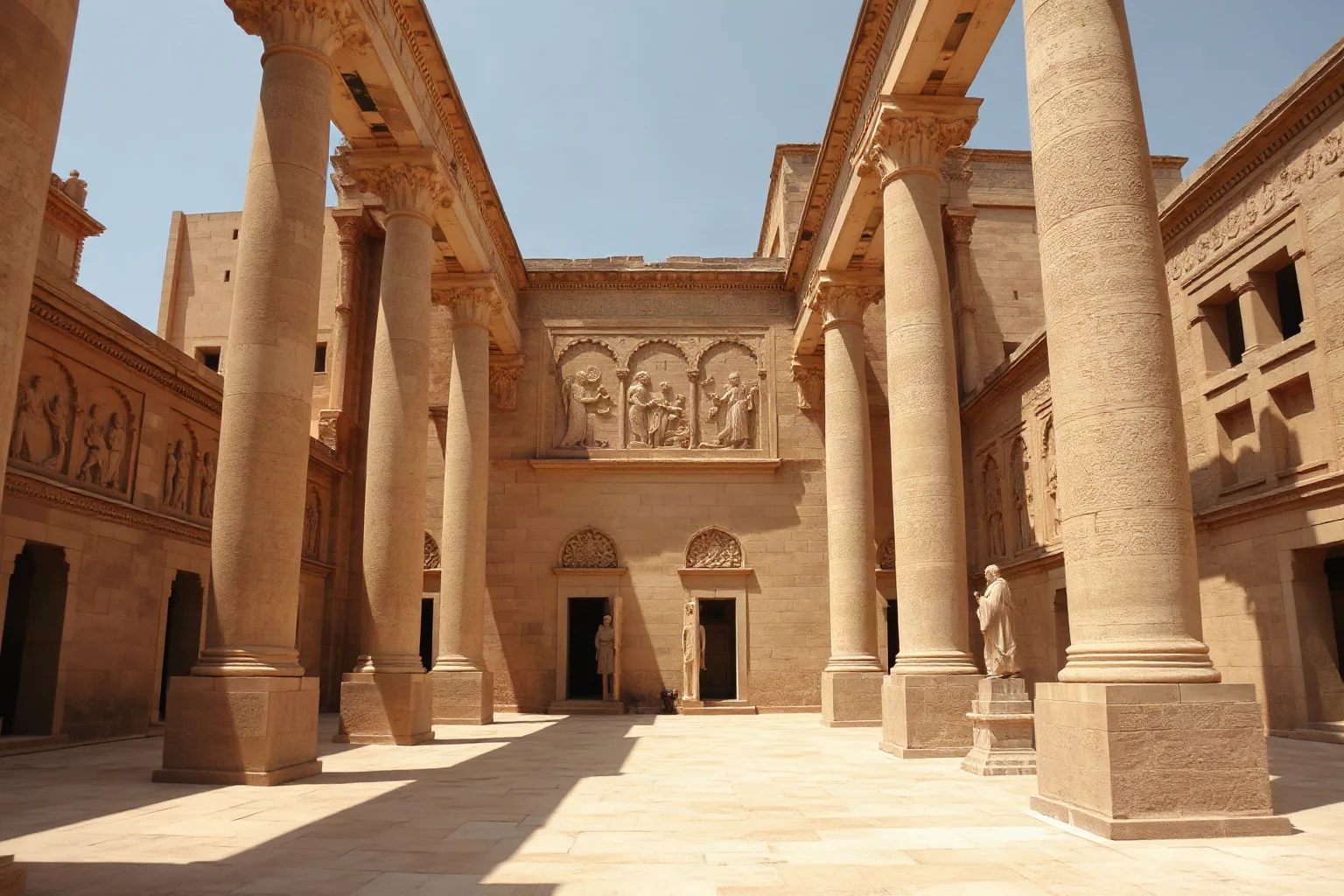
Founded by Cyrus the Great around 550 BCE, the Achaemenid Empire reached about 5.5 million square kilometers under Darius I, spanning parts of Africa, Asia, and Europe. It’s often called history’s first true “world empire” because of how many different peoples, languages, and religions it governed under one administration.
The empire pioneered an early postal system and a network of royal roads that let messages travel across the empire remarkably fast for the ancient world. It fell to Alexander the Great’s conquests in the 330s BCE.
14. The Macedonian Empire (Alexander the Great)
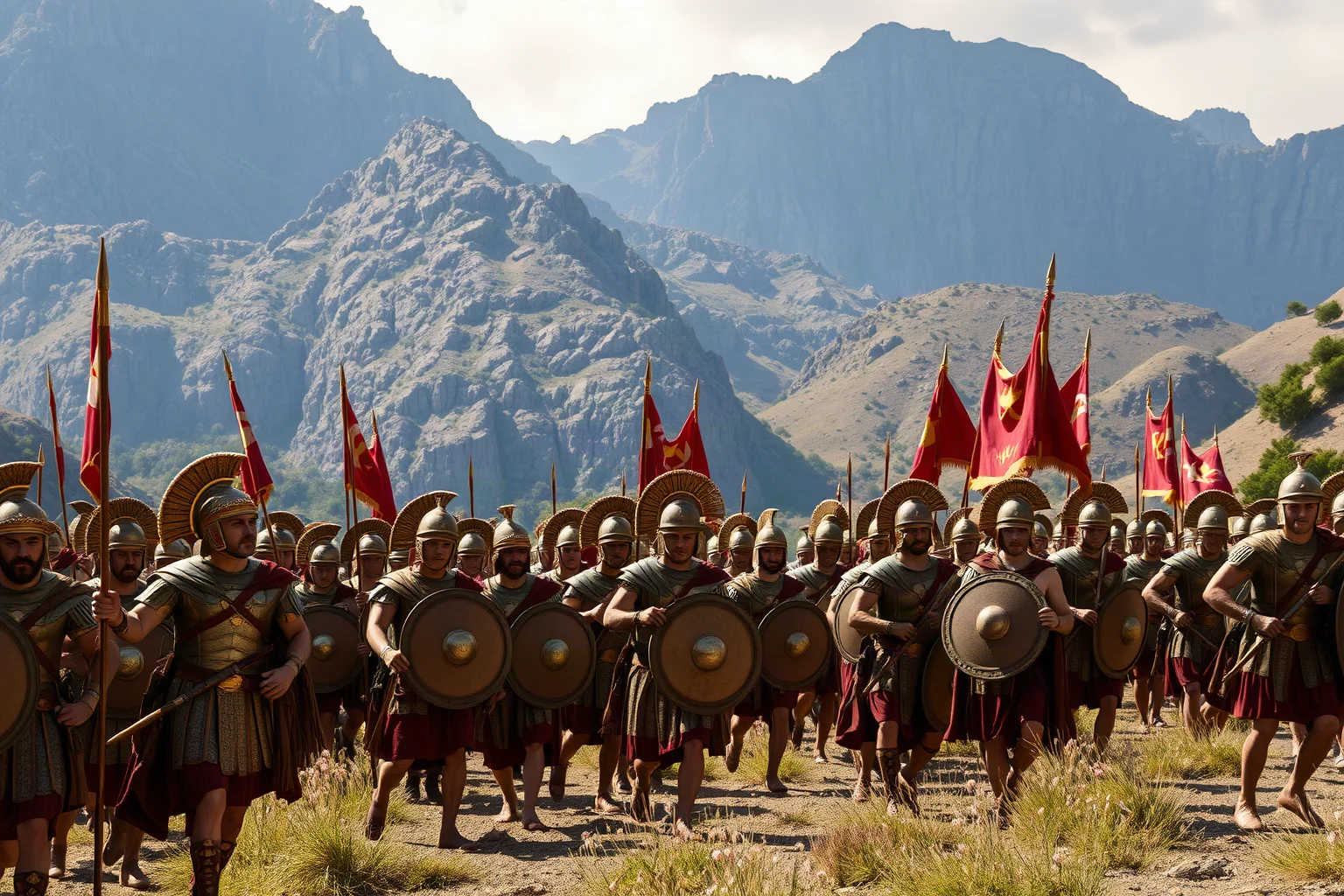
Alexander the Great built an empire of roughly 5.2 million square kilometers in barely over a decade of campaigning, from 336 to his death in 323 BCE. That speed of conquest has no real parallel in ancient history.
The empire fractured almost immediately after Alexander died without a clear successor, splitting into several Hellenistic kingdoms ruled by his generals. Even so, it spread Greek language, art, and culture across the Middle East and into Central Asia for centuries afterward, a legacy still visible today in ancient Greek landmarks scattered far beyond Greece itself.
15. The Roman Empire
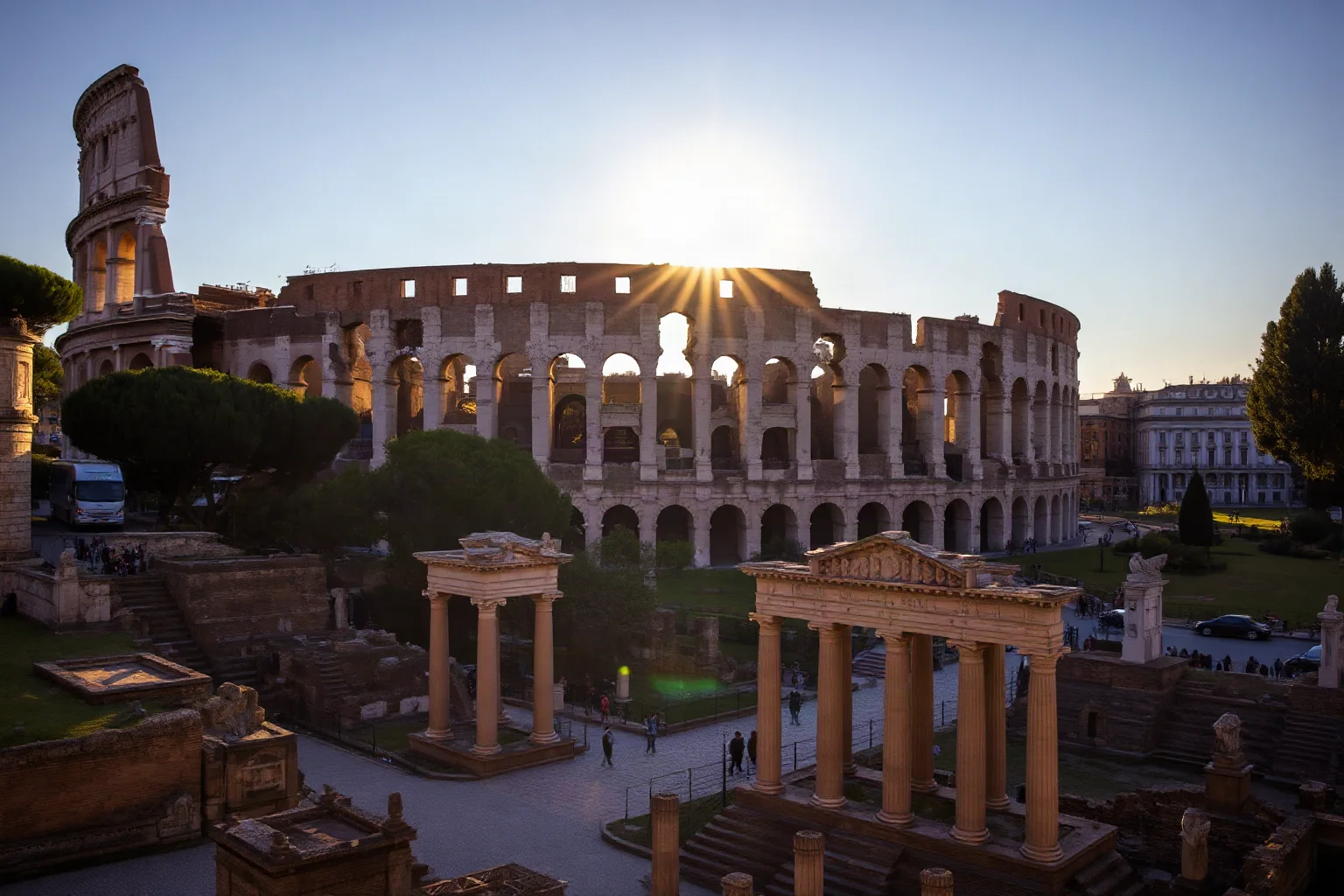
Rome is probably the empire most people picture when they hear the word, but by land area it wasn’t actually the biggest — at its peak under Trajan in 117 CE, it covered about 5 million square kilometers, smaller than several entries higher on this list. What made Rome remarkable was its durability, urban infrastructure, and legal legacy.
The empire’s western half fell in 476 CE, but its eastern half continued for another thousand years as the Byzantine Empire (see below). Roman law, engineering, and the Latin alphabet still underpin much of Western civilization today, and some of its structures still rank among the oldest buildings in the world.
16. The Maurya Empire
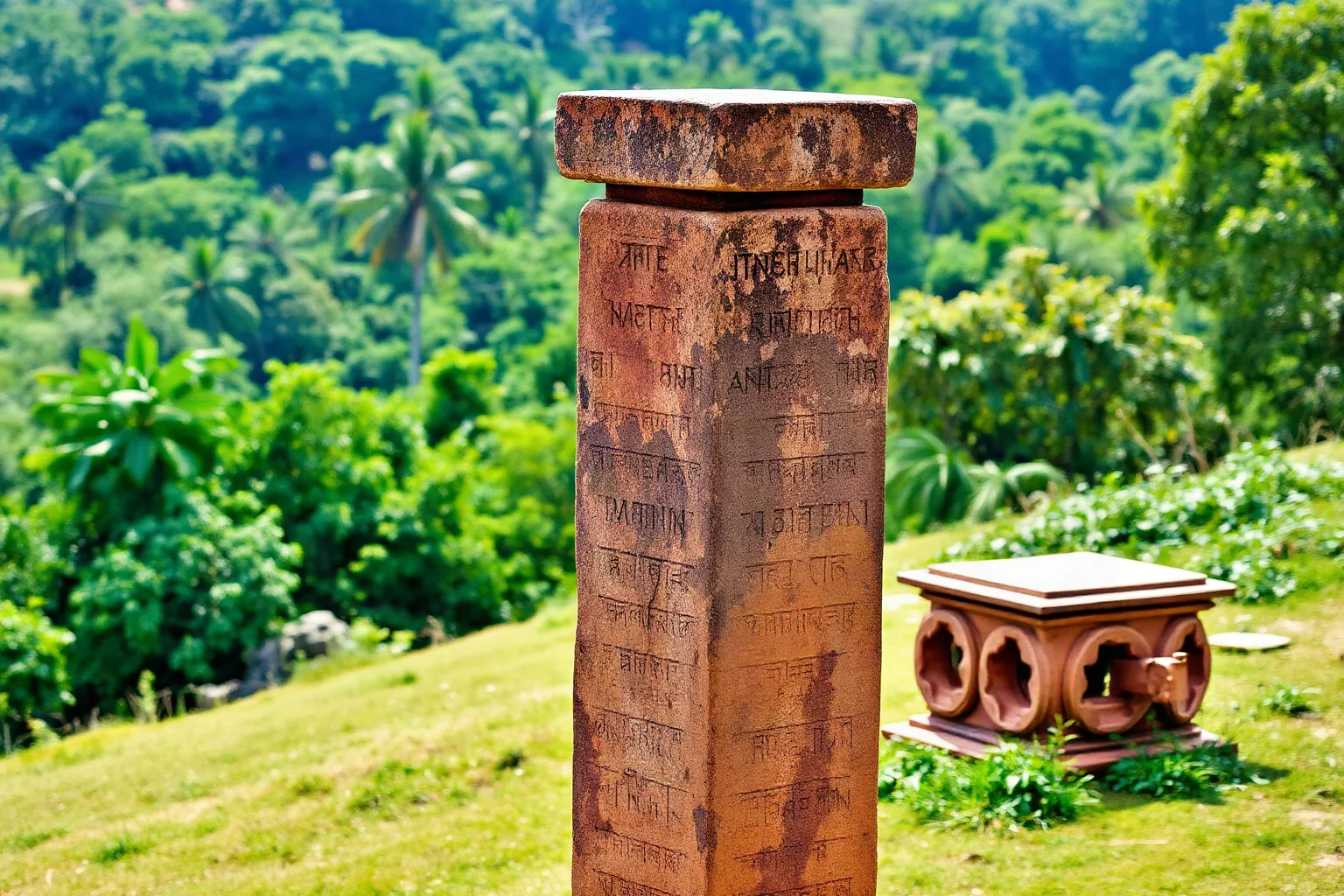
The Maurya Empire (322–185 BCE) was the largest empire the Indian subcontinent had seen up to that point, covering roughly 5 million square kilometers under Emperor Ashoka. Ashoka’s reign is especially notable because, after a brutal early conquest, he converted to Buddhism and became one of history’s more famous examples of a ruler pursuing peace and public welfare after warfare.
His edicts, carved into pillars and rocks across the empire, are among the earliest surviving public policy statements in world history.
17. The Abbasid Caliphate
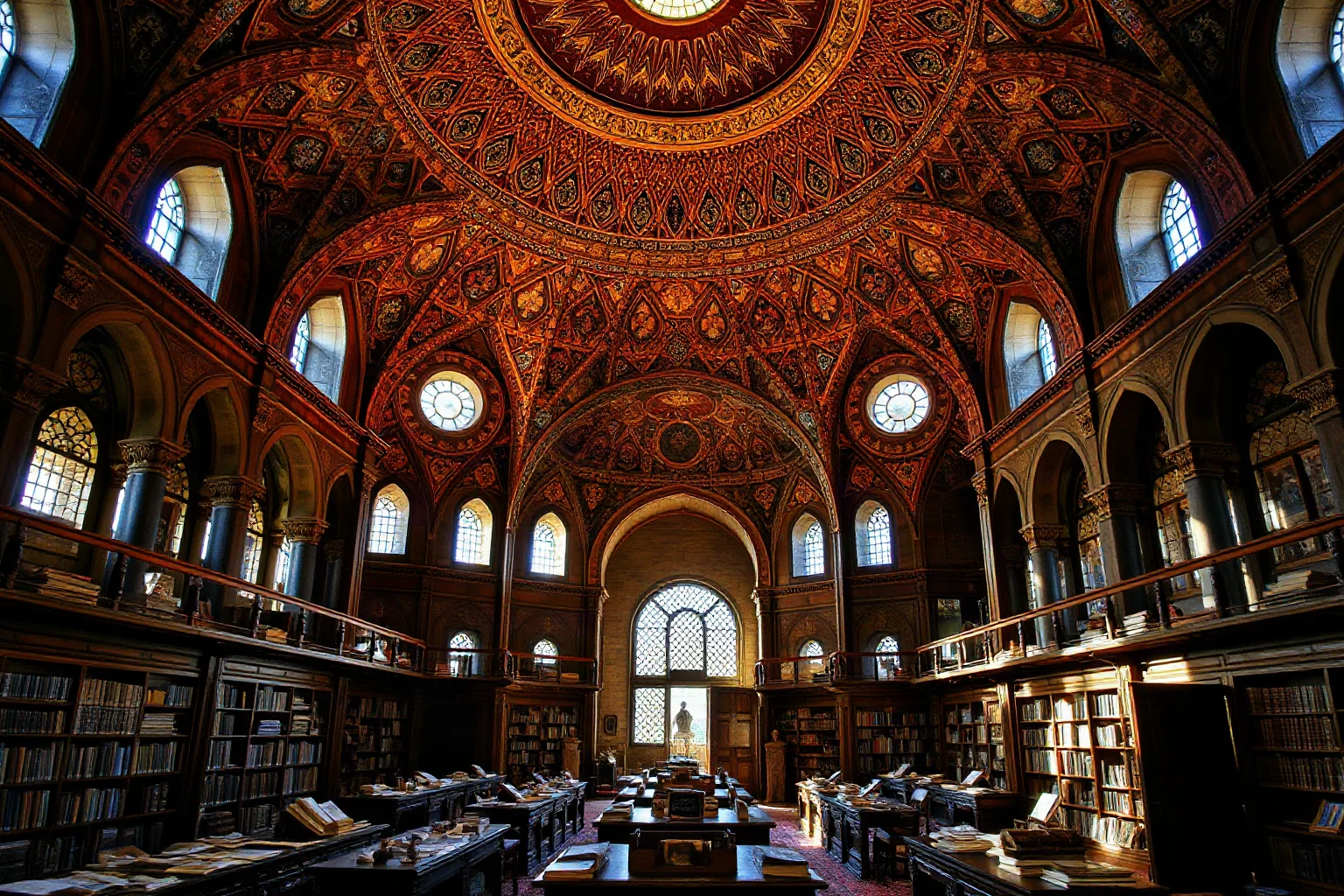
The Abbasid Caliphate overthrew the Umayyads in 750 CE and moved the Islamic world’s capital to the newly founded city of Baghdad. Its territory was smaller than the Umayyads’ at its peak, but its cultural and scientific impact was enormous, anchoring what’s often called the Islamic Golden Age.
Abbasid-era scholars preserved and expanded on Greek, Persian, and Indian knowledge in mathematics, astronomy, and medicine, work that later fed directly into the European Renaissance.
18. The Byzantine Empire
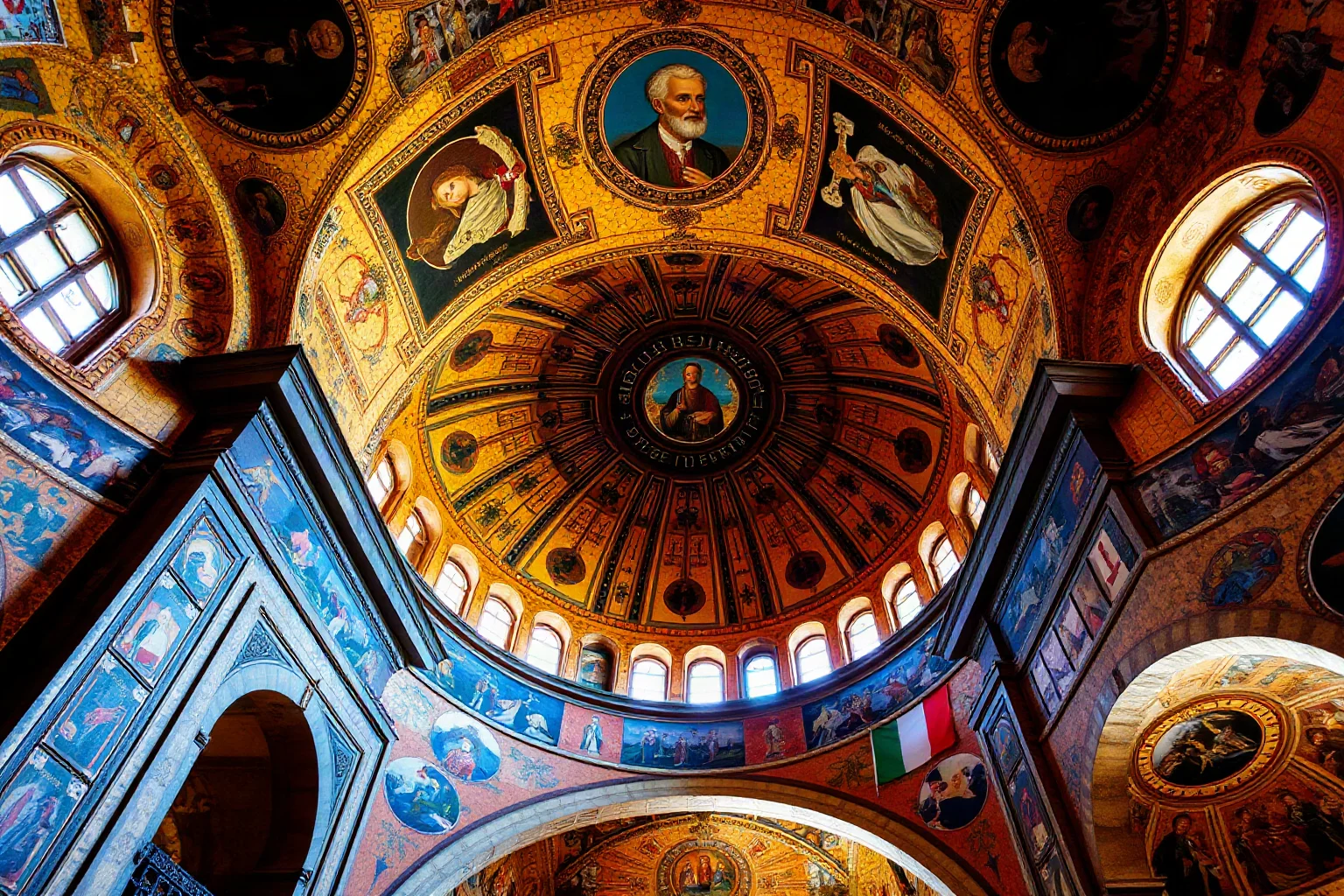
The Byzantine Empire — really just the continuation of Rome’s eastern half — survived for roughly 1,100 years, from 330 CE until Constantinople fell to the Ottomans in 1453. Its territory shrank and grew repeatedly over that time, peaking at roughly 3.5 to 4 million square kilometers under Emperor Justinian in the 6th century.
That kind of longevity makes a strong case for Byzantium as one of the longest-lasting empires in history, even though it’s often overshadowed by “classical” Rome in popular memory.
19. The Holy Roman Empire
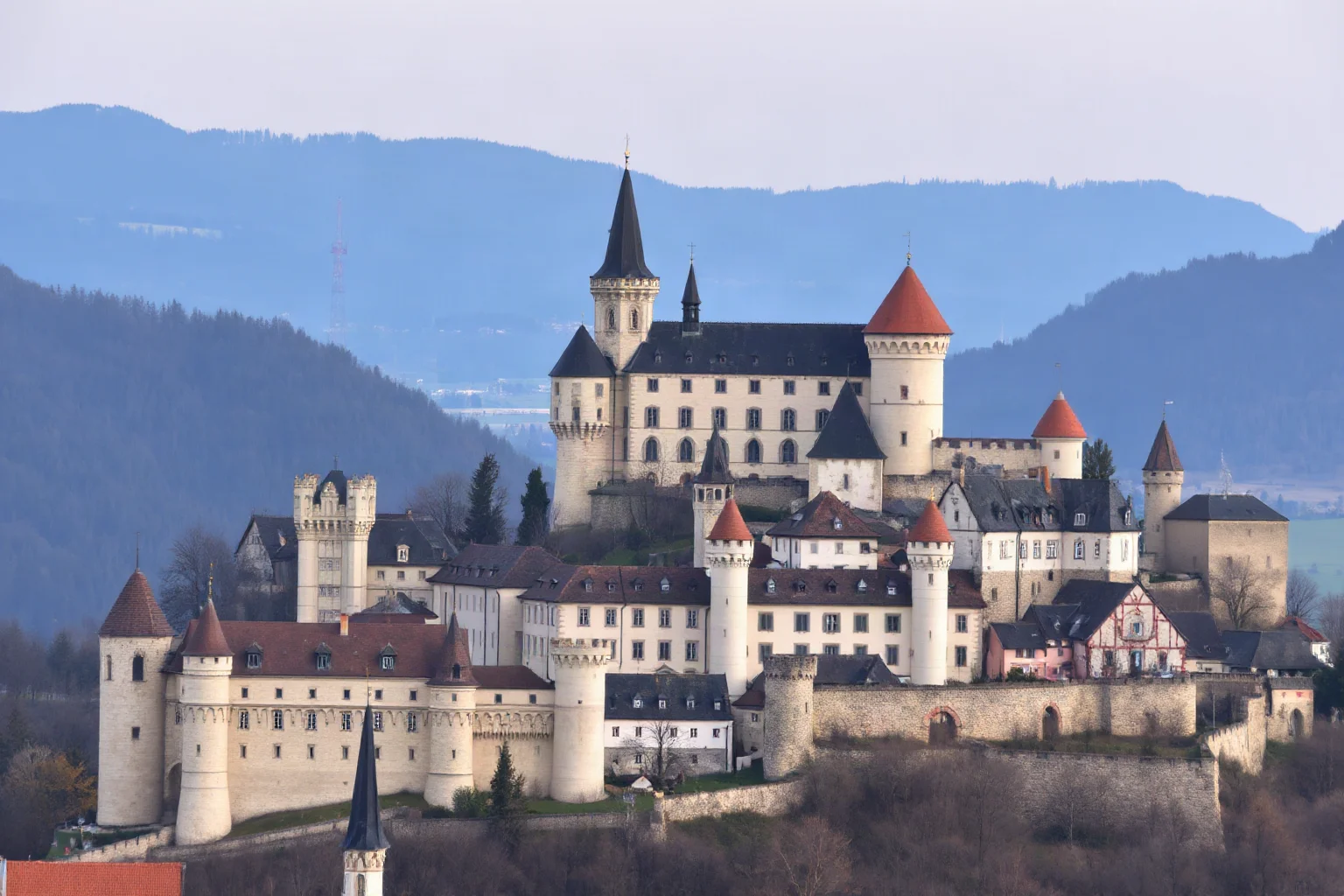
The Holy Roman Empire existed, in some form, from around 800–962 CE until its dissolution in 1806 — nearly a thousand years by some counts, though it was never a single unified state the way Rome or China were. It was a patchwork of German-speaking principalities, free cities, and church territories loosely bound under an elected emperor.
It’s famously — and fairly accurately — summed up by the Enlightenment writer Voltaire, who quipped that it was “neither holy, nor Roman, nor an empire.” Its decentralized structure makes it a great example of how “empire” doesn’t always mean centralized control.
20. The Inca Empire
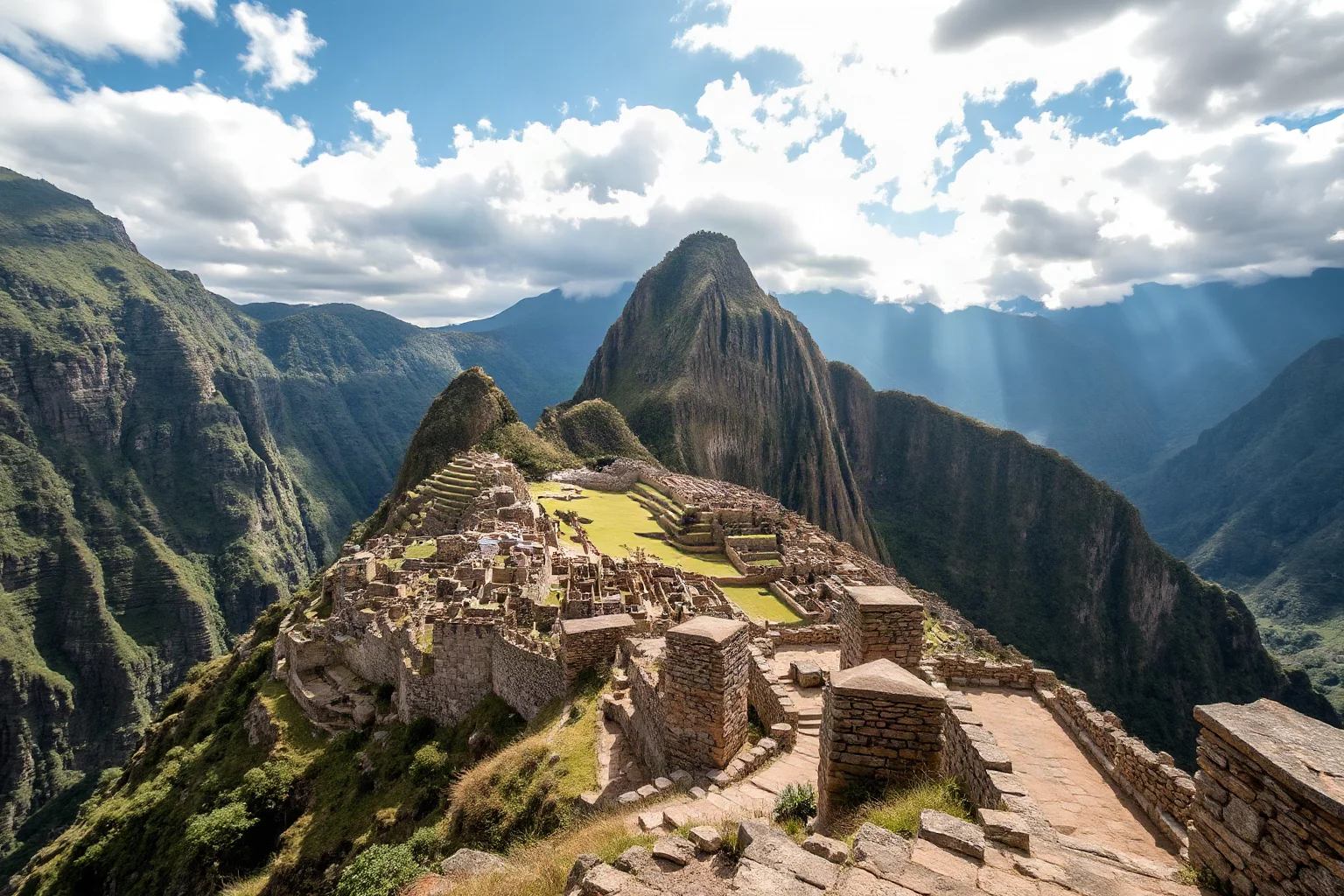
The Inca Empire was the largest empire in the pre-Columbian Americas, controlling around 2 million square kilometers along the Andes by the time of Spanish contact in the 1530s. It achieved this without a writing system, the wheel, or draft animals larger than llamas — relying instead on an extraordinary road network of roughly 40,000 kilometers and a labor-tax system called the mit’a.
Spanish conquistadors, aided by smallpox and internal Inca political rivalries, brought the empire down within a few short years of first contact.
21. The Aztec Empire
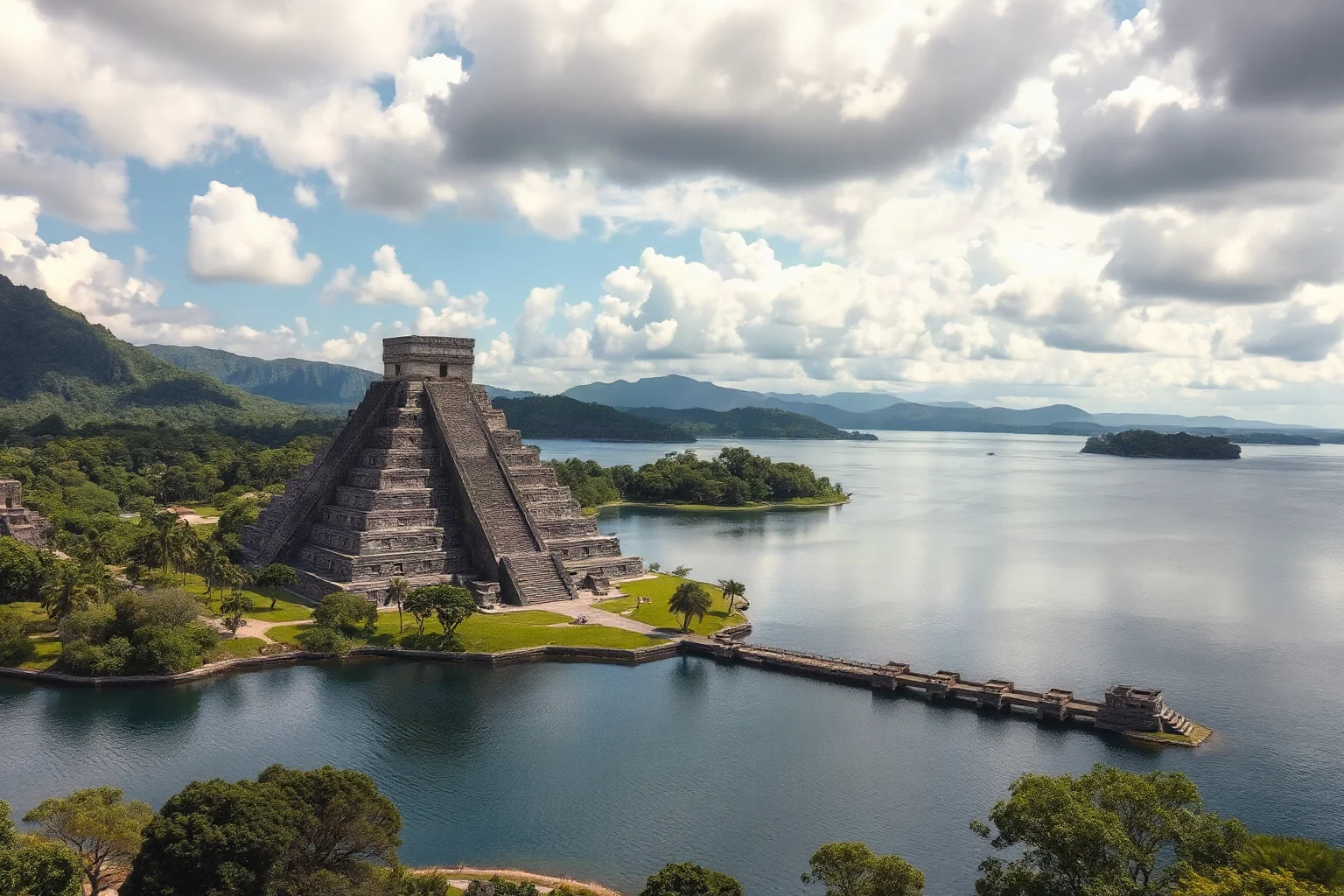
The Aztec Empire, really a “Triple Alliance” of three city-states led by Tenochtitlan, controlled a comparatively modest territory in central Mexico — but ruled over an estimated 5 to 6 million people through tribute rather than direct occupation. Its capital was among the largest cities on Earth at the time, built on an island in Lake Texcoco with sophisticated causeways and canals.
Like the Inca, the Aztec Empire fell rapidly to Spanish forces in the early 1520s, aided heavily by disease and alliances with rival indigenous states.
22. The Ethiopian Empire
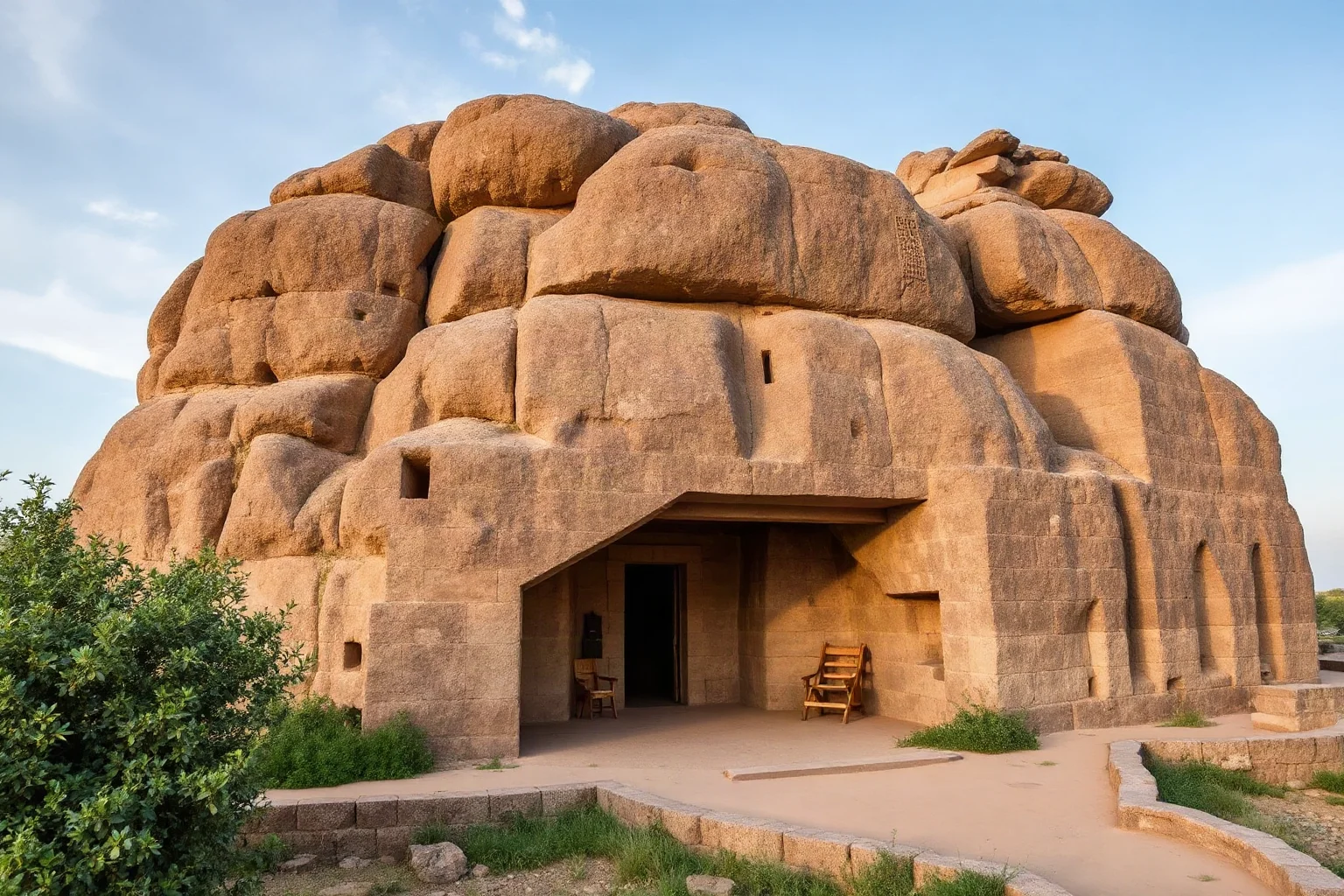
Ethiopia’s Solomonic imperial dynasty traces back to 1270 and lasted, in various forms, until 1974 — one of the longest continuously recognized monarchies in world history, a fact worth keeping in mind when weighing debates over the oldest countries in the world. Ethiopia is also historically significant as one of the only African states to successfully repel European colonization, decisively defeating an invading Italian army at the Battle of Adwa in 1896.
That combination of longevity and independence makes it a genuinely unique entry among the world’s great empires, even though its territory was never among the largest.
Longest-Lasting Empires in History
If you measure greatness by sheer staying power rather than square kilometers, the rankings shuffle quite a bit. The Byzantine Empire’s roughly 1,100-year run and the Ottoman Empire’s 623 years both dwarf many territorially larger empires that rose and collapsed within a century or two.
Ethiopia’s imperial tradition, the Holy Roman Empire’s near-millennium of nominal existence, and Rome’s combined western-and-eastern lifespan of well over a thousand years all make strong cases too. Longevity usually came down to flexible governance, strong institutions, and the ability to absorb setbacks — not just raw military strength.
Richest Empires in History
Wealth is even harder to compare across centuries than land area, since currencies, economies, and record-keeping varied enormously. Still, a few empires stand out.
The West African Mali Empire, especially under Mansa Musa in the 14th century, is frequently cited by historians as commanding almost unimaginable gold wealth for its era, thanks to control of major trans-Saharan trade routes. The Mughal Empire in India controlled a huge share of world manufacturing and trade in the 1600s and 1700s, while Britain’s industrial and colonial economy made it the financial center of the 19th-century world. Song Dynasty China, though not the largest empire by land, ran one of the most commercially advanced economies of the medieval world, with paper currency and thriving urban markets centuries before Europe caught up.
A Quick Timeline of Empires Throughout History
Here’s a fast chronological snapshot to help place these empires relative to one another, since several overlapped in ways that aren’t always obvious.
Ancient era (roughly 550 BCE–500 CE): Achaemenid Persia, the Macedonian Empire, the Maurya Empire, the Han Dynasty, and Rome all rose and, in most cases, fell within this window. Medieval era (roughly 500–1500 CE): the Byzantine Empire, the Umayyad and Abbasid Caliphates, the Tang Dynasty, the Mongol and Yuan Empires, the Holy Roman Empire, the Mali Empire, the Inca, and the Aztec all belong here.
Early modern era (roughly 1450–1800): the Ottoman, Spanish, Portuguese, Mughal, and Qing empires dominated global trade and territory. Modern era (1800–1960s): the British, French, and Russian empires reached their largest extents before decolonization reshaped the map through the 20th century.
Common Myths About History’s Greatest Empires
A few persistent myths are worth clearing up. First, no empire in history ever controlled the entire globe — even the British Empire, the largest by land area, governed roughly a quarter of Earth’s land, not all of it, and large regions like most of Africa’s interior, China, and the Americas’ independent states remained outside its direct control for most of its history.
Second, “biggest” and “most powerful” aren’t the same thing. Rome, for instance, was smaller by land area than several empires on this list, yet its legal, linguistic, and architectural influence arguably outweighs empires that briefly held more territory.
Third, empires rarely “fell” in a single dramatic moment the way films suggest. Most, including Rome and the Ottomans, declined gradually over decades or centuries through economic strain, internal division, and shifting borders long before any final collapse.
Why These Empires Still Shape the World Today
Every major world language you can think of — English, Spanish, French, Arabic, Mandarin, Russian, Portuguese — spread largely because an empire carried it somewhere new. Legal systems, trade routes, borders, and even the layout of modern cities often trace directly back to decisions made by one of the powers on this list.
Understanding these empires isn’t just trivia. It’s a shortcut to understanding why the modern world’s map, languages, and power structures look the way they do, and it’s a healthy reminder that no dominant power, however vast, has ever lasted forever.
Frequently Asked Questions
What were the largest empires in history?
By land area at their peak, the largest empires in history were the British Empire (about 35.5 million km²), the Mongol Empire (about 24 million km², the largest contiguous land empire), the Russian Empire (about 22.8 million km²), the Qing Dynasty (about 14.7 million km²), and the Spanish Empire (roughly 13.7–19.4 million km², depending on the estimate used).
What was the biggest empire in history?
The British Empire was the biggest empire in history by total land area, controlling roughly a quarter of Earth's landmass at its peak in the early 1920s. If you're measuring by contiguous, unbroken territory instead, the Mongol Empire holds that record.
What was the longest-lasting empire in history?
The Byzantine Empire, the eastern continuation of Rome, lasted roughly 1,100 years (330–1453 CE), making it one of the longest-lasting empires ever recorded. The Ottoman Empire (623 years) and Ethiopia's Solomonic imperial tradition (1270–1974) are also strong contenders depending on how continuity is defined.
What was the most powerful empire in history?
There's no single agreed-upon answer, since "powerful" can mean military strength, economic reach, or cultural influence. Rome, the Mongol Empire, the British Empire, and the Ottoman Empire are the most commonly cited candidates, each dominant in a different way and era.
What was the richest empire in history?
Historians often point to the West African Mali Empire under Mansa Musa in the 14th century, given its control of major gold trade routes, alongside the Mughal Empire and the British Empire during its industrial and colonial peak. Comparing wealth across centuries is inherently imprecise, so these are informed estimates rather than exact rankings.
Was the Roman Empire the biggest empire ever?
No — a common myth, but Rome's peak territory of about 5 million km² was smaller than several other empires, including the British, Mongol, Russian, and Qing empires. Rome's reputation comes more from its durability and lasting legal, linguistic, and architectural influence than from raw size.
What’s the difference between an empire and a kingdom?
A kingdom is generally a single, relatively unified nation ruled by a monarch, while an empire controls multiple distinct territories or peoples, often gained through conquest, under one central authority. Many empires, like Britain's or Rome's, grew out of what started as a single kingdom or city-state.
What are some famous examples of empires?
Famous examples of empires include the British Empire, the Roman Empire, the Mongol Empire, the Ottoman Empire, the Persian (Achaemenid) Empire, the Spanish Empire, and the Qing Dynasty in China. Each represents a different model of imperial rule, from naval trading empires to overland conquest states.

Alex Warren
Related Articles