

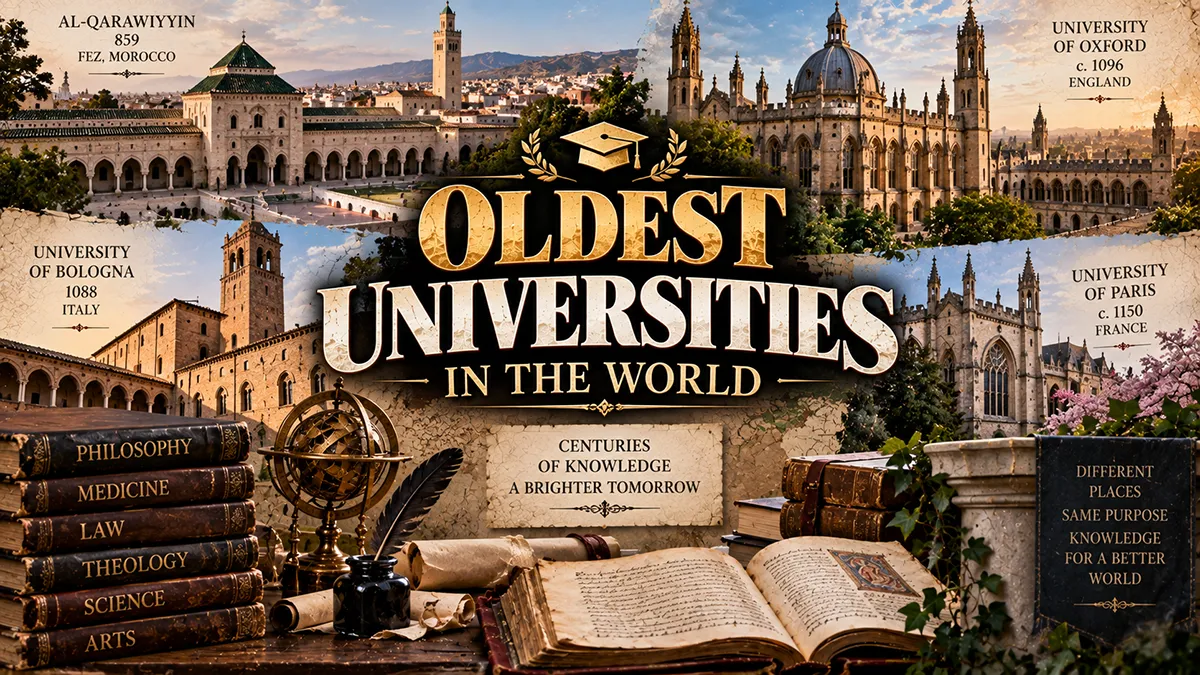
Every September, millions of students shuffle into lecture halls without a second thought for how old the whole “university” concept actually is. Some of the institutions handing out syllabi today have been doing it for nearly a thousand years, surviving plagues, wars, revolutions, and more curriculum reforms than anyone could count.
But here’s where it gets messy: ask ten historians “what is the oldest university in the world?” and you might get ten slightly different answers, because it depends entirely on how you define “university.” This guide breaks down the real story, busts a few popular myths, and ranks the 20 oldest universities still standing today.
TL;DR: The University of Bologna, founded in 1088, is generally recognized as the world’s oldest continuously operating university under the medieval model, though older schools like Egypt’s Al-Azhar and Morocco’s Al Qarawiyyin complicate the “first university” title.
What Actually Counts as a “University”?
The word “university” comes from the Latin universitas, meaning a guild or corporation. Specifically, it referred to a self-governing community of students and masters who organized themselves, set their own rules, and eventually awarded recognized degrees. That’s a very specific legal and organizational structure, not just “a place where people learned things.”
This distinction matters a lot. Ancient academies, royal libraries, monastic schools, and religious madrasas taught advanced subjects for centuries before Europe’s medieval universities existed. But most historians reserve the term “university” for institutions built on that guild-like model of faculties, degrees, and corporate self-governance, which is why lists of the “first universities” usually start in medieval Europe.
Keep that nuance in mind, because it’s the whole reason the “oldest university” debate never really settles down.
So, What Is the Oldest University in the World?
The most widely accepted answer is the University of Bologna in Italy, traditionally dated to 1088. It’s usually cited as the oldest university in continuous operation in the Western world, built around exactly that student-and-teacher guild structure described above.
That said, a couple of older institutions genuinely complicate the picture. Al-Azhar University in Cairo traces its roots to 970 CE and is often called the oldest continuously operating degree-granting university in the world, since it formalized structured religious and legal education long before Bologna existed.
Then there’s the University of Al Qarawiyyin in Fez, Morocco, founded in 859 CE. Guinness World Records and UNESCO have both recognized it as the oldest continuously operating educational institution on the planet. For most of its history, though, it functioned as a mosque and madrasa rather than a university in the formal sense, and it wasn’t reorganized into a modern state university until 1963.
So which one is “right”? Honestly, it depends on your definition. If you want the oldest institution using the specific medieval European university model, Bologna wins. If you’re asking which teaching institution has been continuously operating the longest in any form, the answer shifts to North Africa and predates Bologna by over two centuries.
The 20 Oldest Universities in the World
The list below focuses on universities in the classic universitas tradition, since that’s the lineage most rankings and records actually track, and it’s the one with the clearest documented founding dates. All 20 are still operating today.
1. University of Bologna — 1088 (Italy)
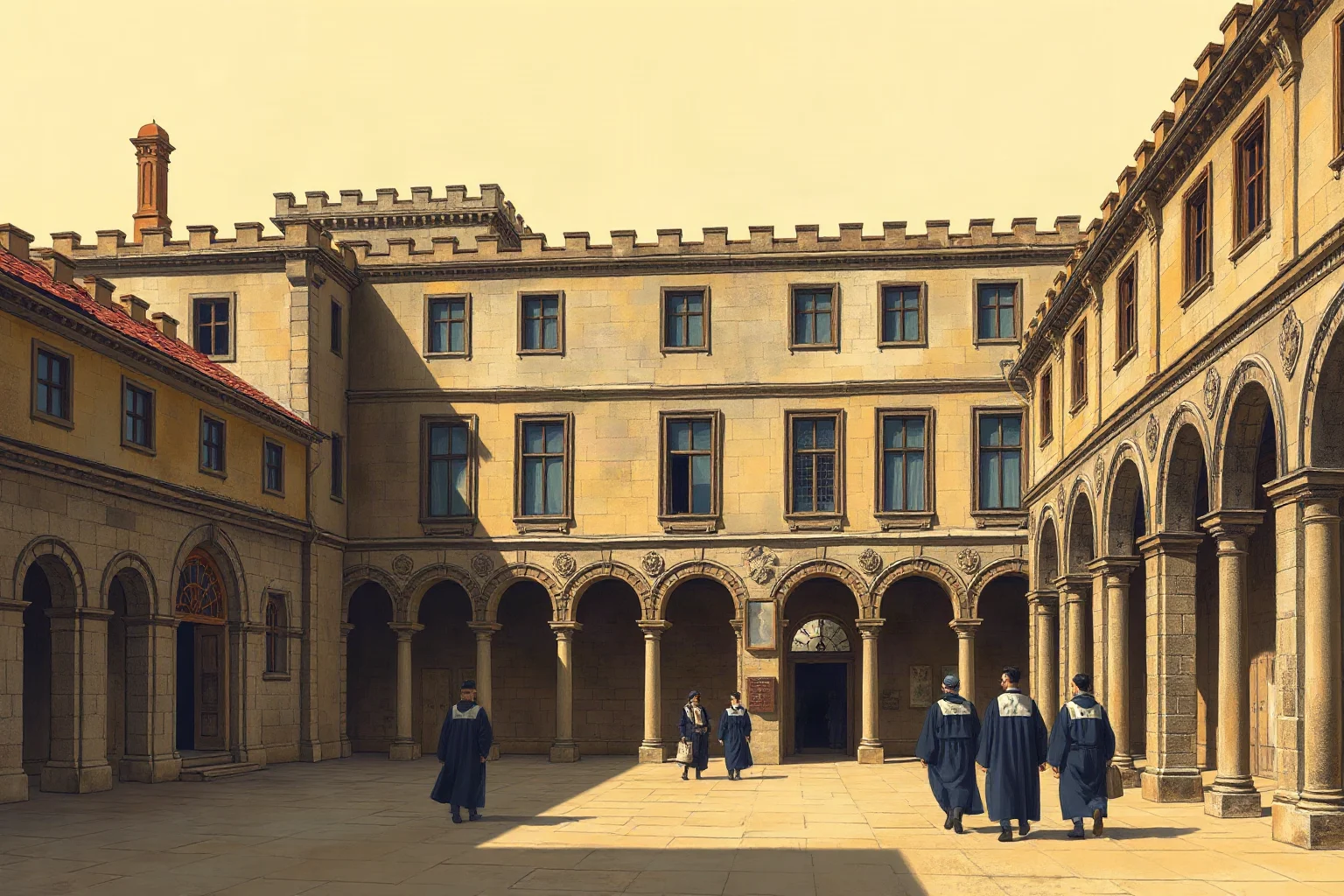
Bologna is the reigning champion, traditionally dated to 1088 and widely regarded as the oldest university in the world still in continuous operation. It pioneered the idea of students organizing themselves into a self-governing corporation that hired its own professors, a genuinely radical structure for the time.
Its law school became legendary across medieval Europe, drawing scholars from every corner of the continent. Dante Alighieri is among the many historical figures linked to its early academic circles.
2. University of Oxford — c. 1096 (England)
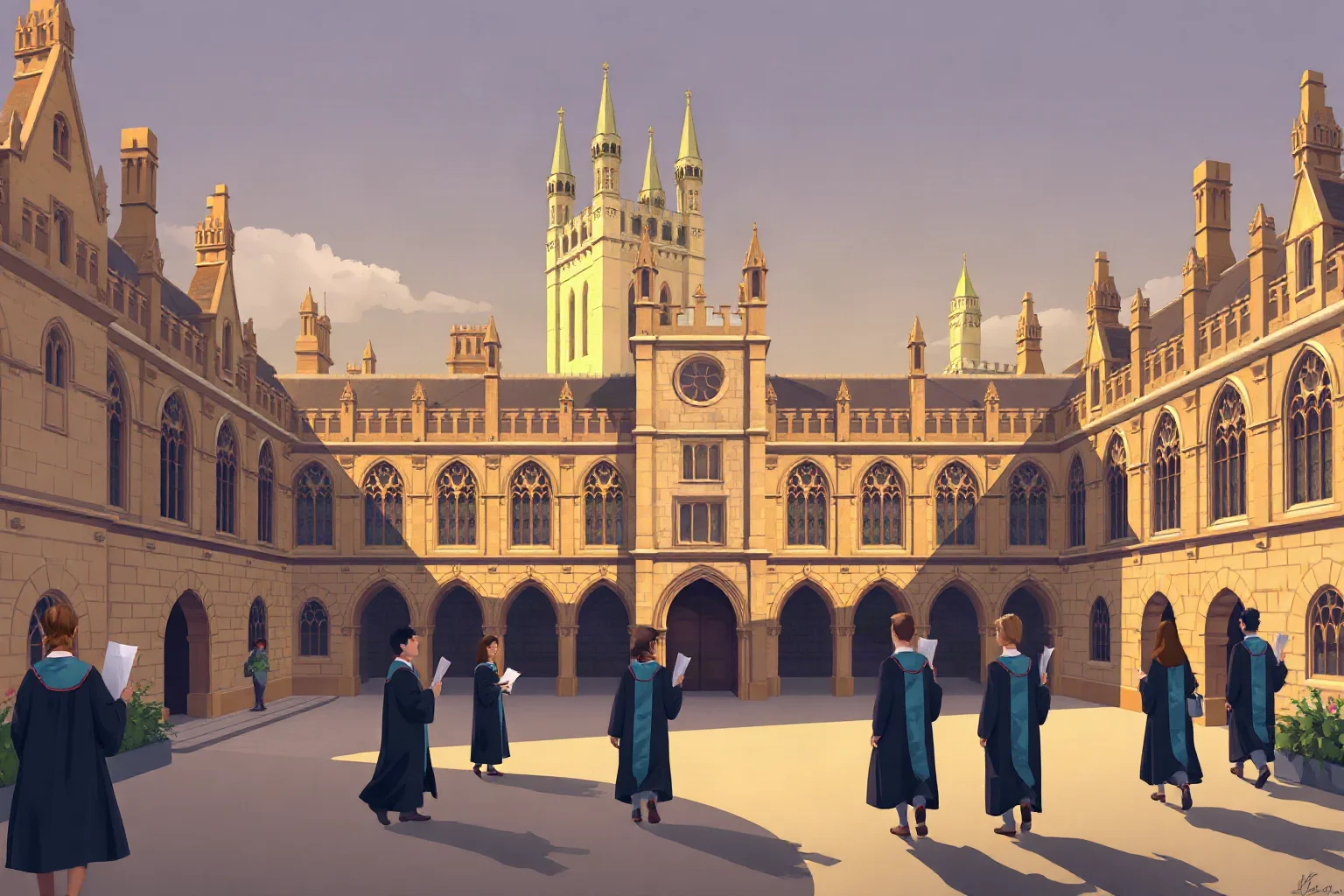
Oxford has no single founding date, but there’s solid evidence teaching occurred there as early as 1096, making it the oldest university in the English-speaking world by a wide margin. Its formal organization took shape around 1167, after King Henry II barred English students from studying in Paris.
That political spat sent scholars flooding back to Oxford almost overnight. University College, founded around 1249, is often cited as Oxford’s oldest constituent college, which is why you’ll sometimes see it mentioned separately in “oldest college” discussions.
3. University of Salamanca — 1134 (Spain)
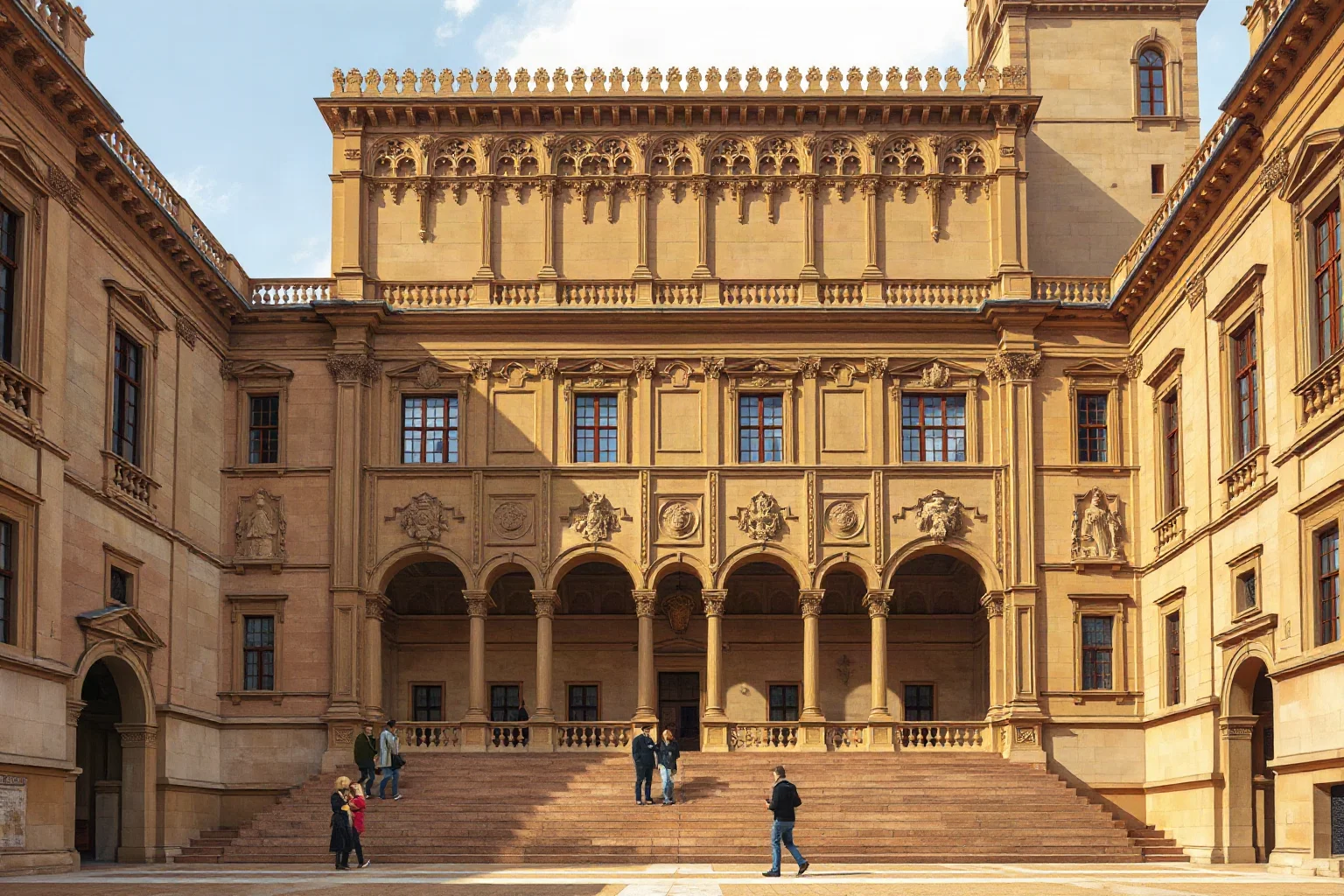
Founded in 1134 by King Alfonso IX of León, Salamanca received a royal charter in 1218 and, in 1255, became the first European university to be granted the title “universitas” by papal bull. That papal recognition from Pope Alexander IV gave it a level of official status few institutions could claim at the time.
Salamanca is frequently ranked as the third oldest university in the world in continuous operation, right behind Bologna and Oxford.
4. University of Paris (Sorbonne) — c. 1150 (France)
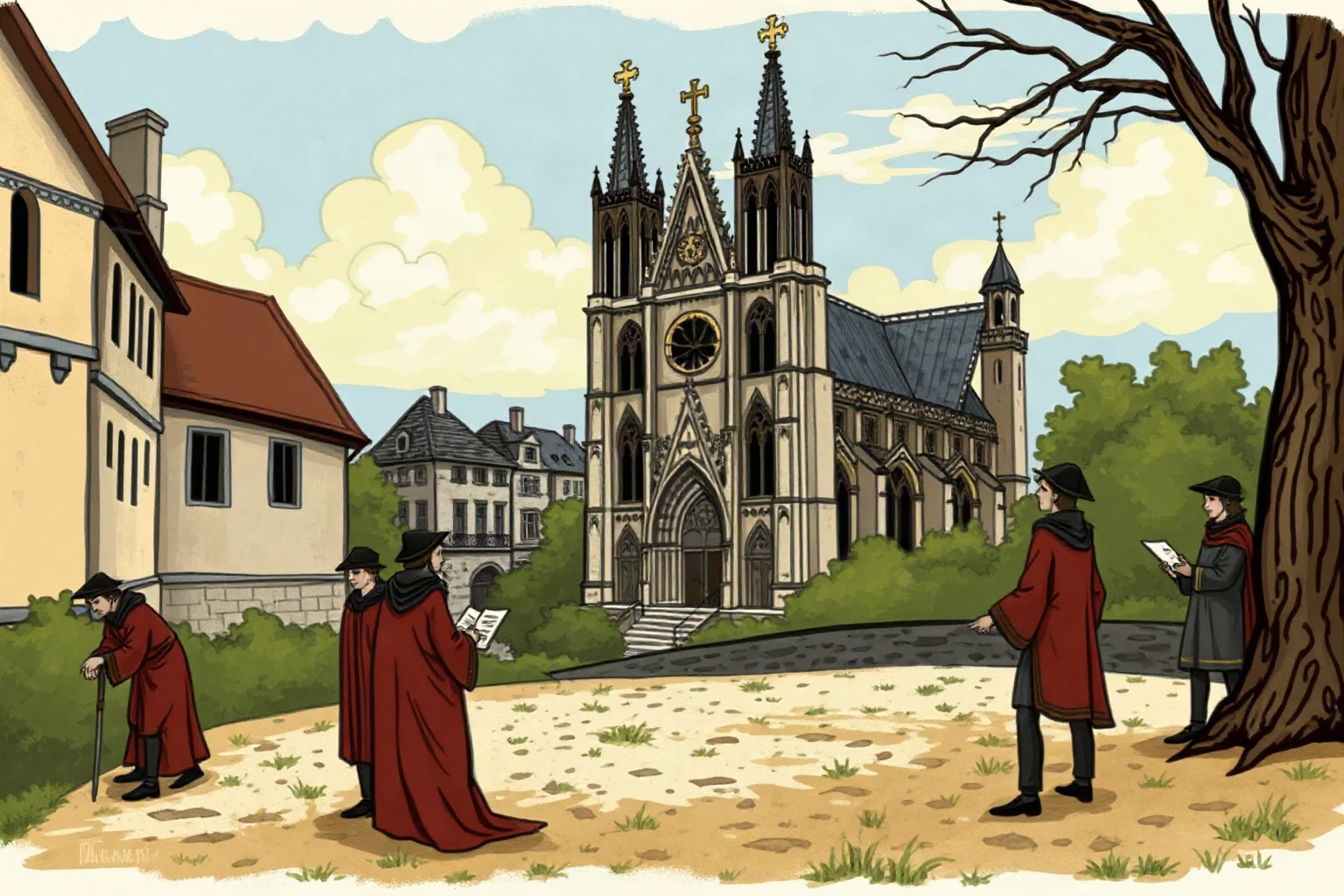
Paris grew out of cathedral schools clustered around Notre-Dame, gradually formalizing into a university around 1150. King Philip II granted it royal recognition in 1200, and Pope Innocent III issued a charter in 1215 cementing its independence from local church authorities.
It became the model for theological education across medieval Europe and later split into multiple institutions, including the modern Sorbonne.
5. University of Cambridge — 1209 (England)
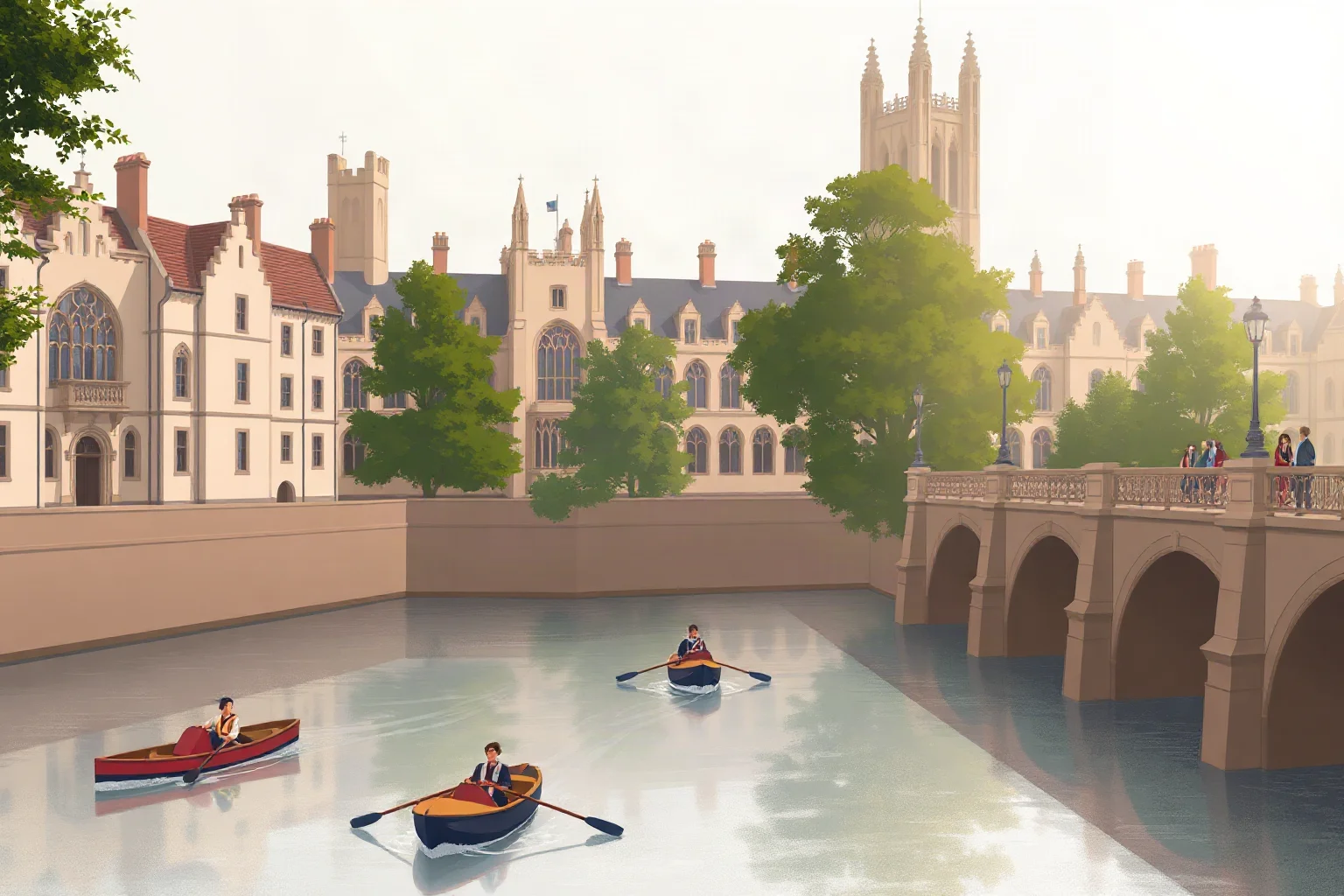
Cambridge exists because of a town-gown conflict gone very wrong. In 1209, a group of Oxford scholars fled after a violent dispute with townspeople, resettling in Cambridge and founding a new university there.
Peterhouse, established in 1284, is Cambridge’s oldest college. Together, Oxford and Cambridge form the backbone of the “Oxbridge” tradition still associated with the English-speaking academic world.
6. University of Padua — 1222 (Italy)
Padua was founded in 1222 by scholars and teachers who left Bologna in search of greater academic freedom, essentially repeating the same pattern that created Cambridge. It quickly built a reputation for medicine and astronomy.
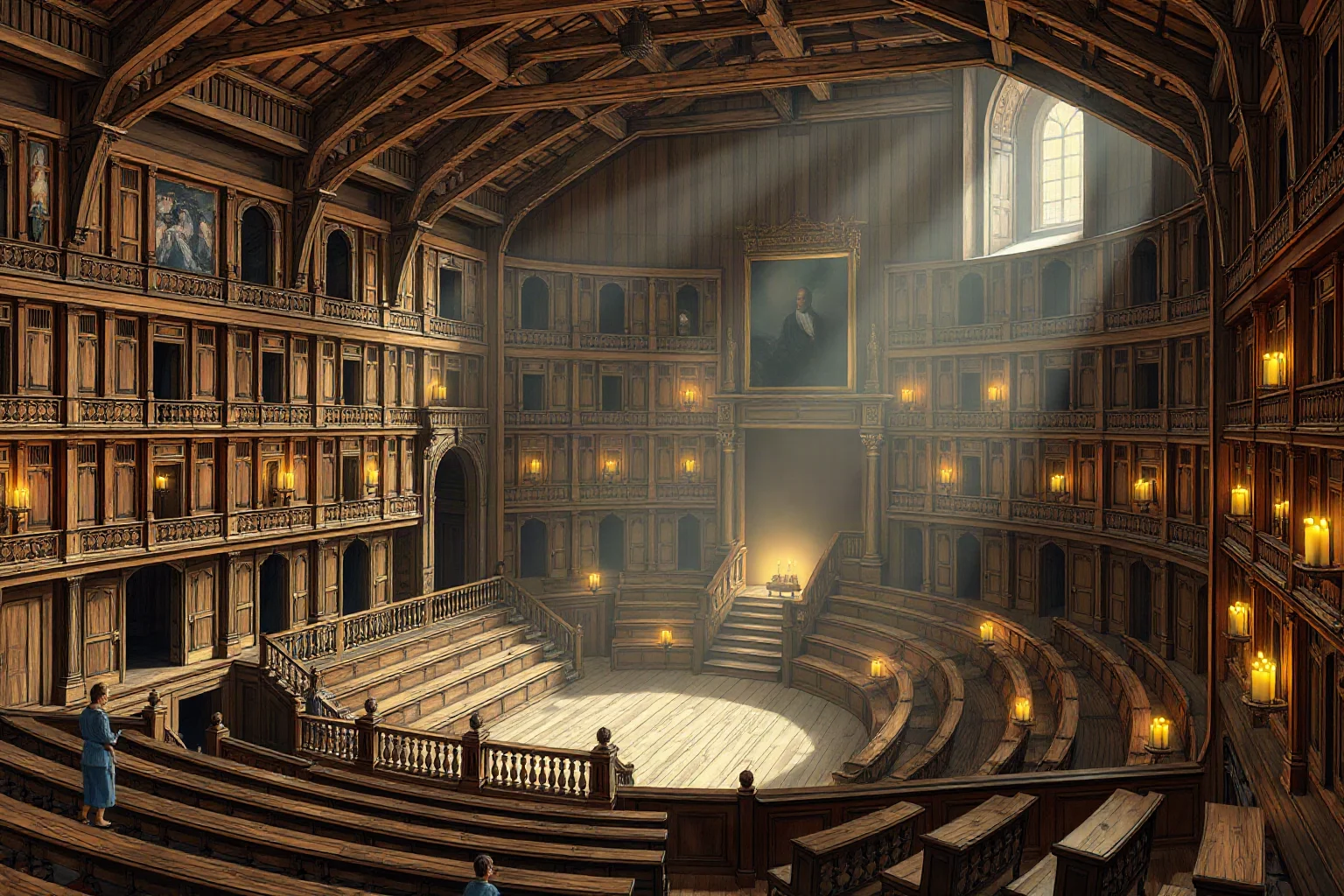
Galileo Galilei taught there for nearly two decades, and its historic anatomical theater, built in 1594, remains one of the oldest surviving structures of its kind.
7. University of Naples Federico II — 1224 (Italy)
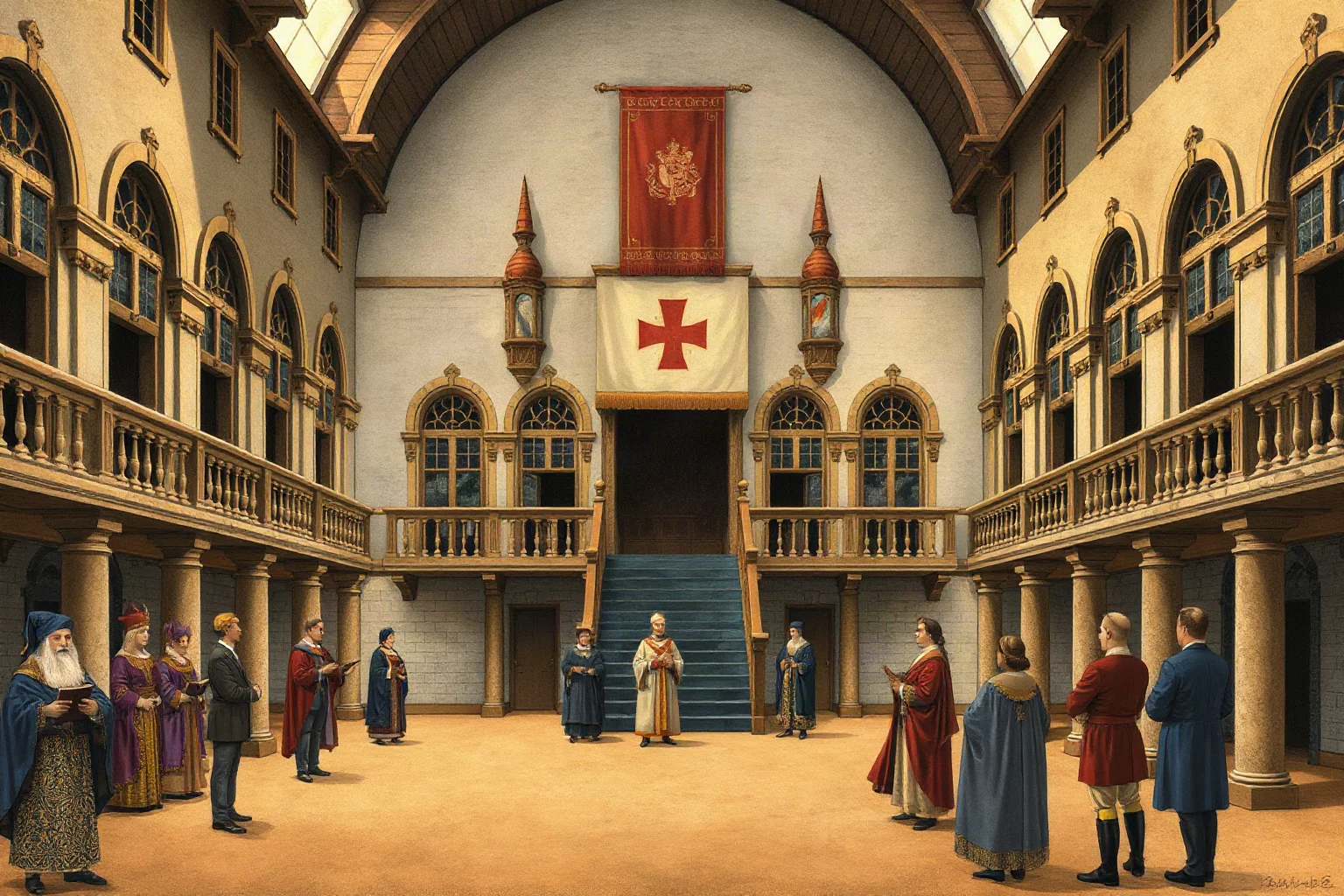
Founded in 1224 by Holy Roman Emperor Frederick II, Naples is notable for being one of the earliest state-funded universities rather than one founded through the church. It was created partly to train administrators for Frederick’s own government.
That secular, state-backed origin made it fairly unusual for its era, when most universities grew out of religious institutions.
8. University of Toulouse — 1229 (France)
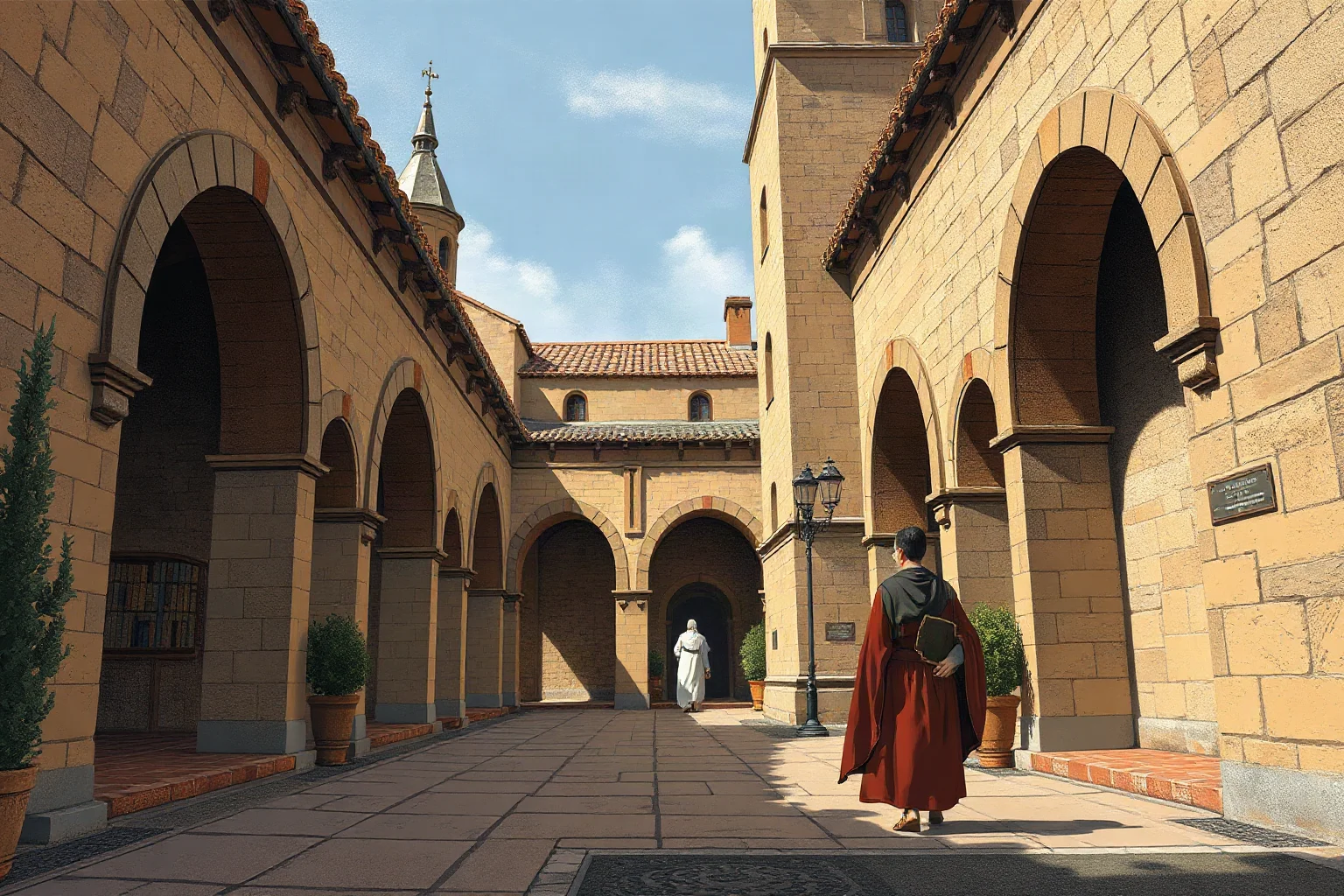
Toulouse was established in 1229 as part of the treaty ending the Albigensian Crusade, with the university partly intended to help stamp out the Cathar heresy through orthodox theological education. It’s a good reminder that medieval universities were rarely founded for purely academic reasons.
It grew into a major center for law and theology in southern France over the following centuries.
9. University of Siena — 1240 (Italy)
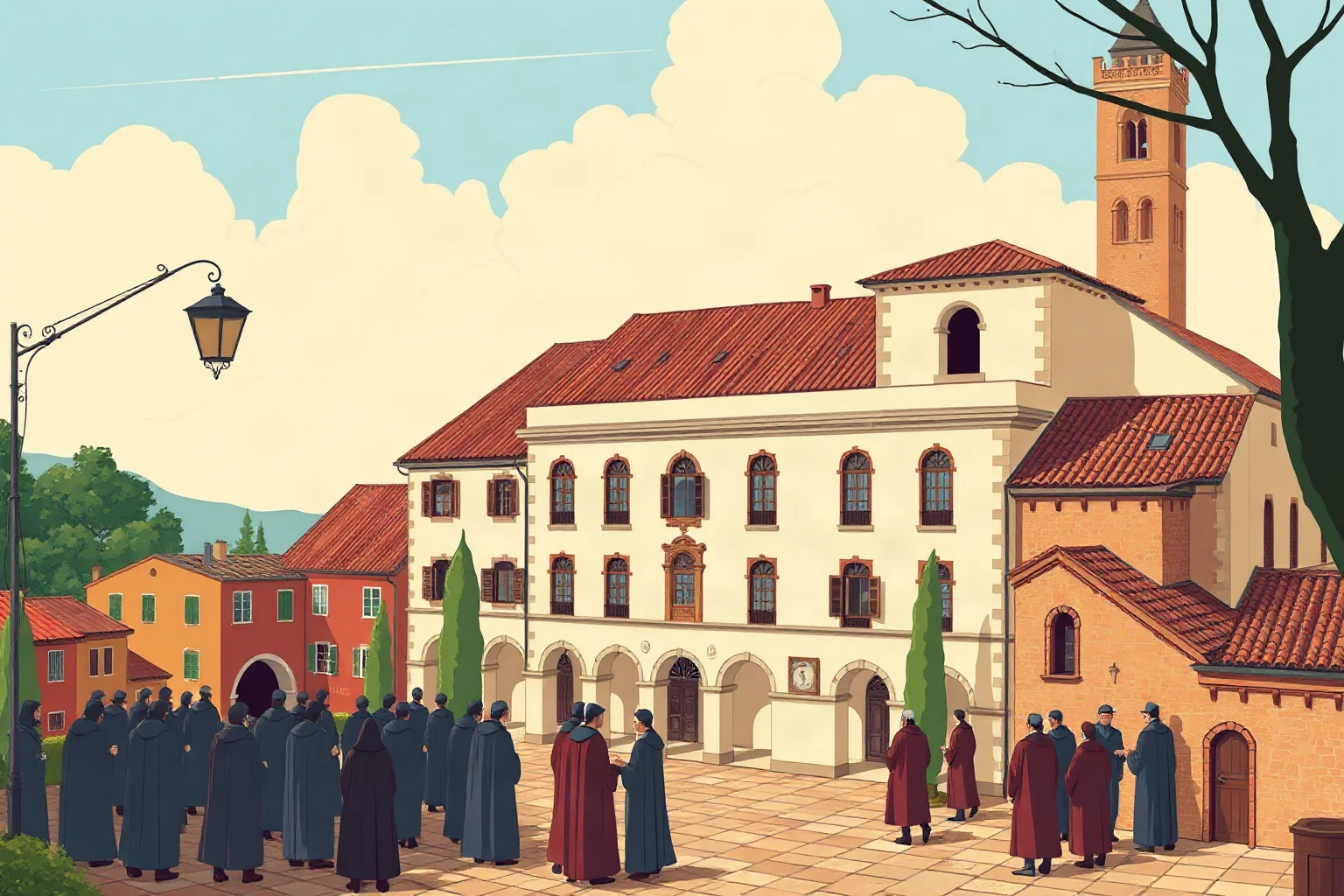
Siena’s Studium Senense traces back to 1240, though it didn’t officially receive university status until 1357, when Holy Roman Emperor Charles IV granted it a charter. Like many Italian universities of the era, it built its early reputation on law.
It remains one of Italy’s oldest continuously operating academic institutions today.
10. University of Valladolid — c. 1241 (Spain)

Valladolid’s exact founding date is a little fuzzy, but the earliest documented references place it around 1241, making it one of the oldest universities in Spain alongside Salamanca. It received royal recognition and papal confirmation in the following decades.
Its law faculty became particularly influential in shaping Spanish legal tradition for centuries.
11. University of Coimbra — 1290 (Portugal)

King Dinis I founded Coimbra in 1290, originally locating it in Lisbon. Over the following two centuries, the university actually bounced back and forth between Lisbon and Coimbra multiple times before settling permanently in Coimbra in 1537.
Its stunning Joanina Library, added centuries later, is now one of the most photographed university libraries in the world.
12. Sapienza University of Rome — 1303 (Italy)
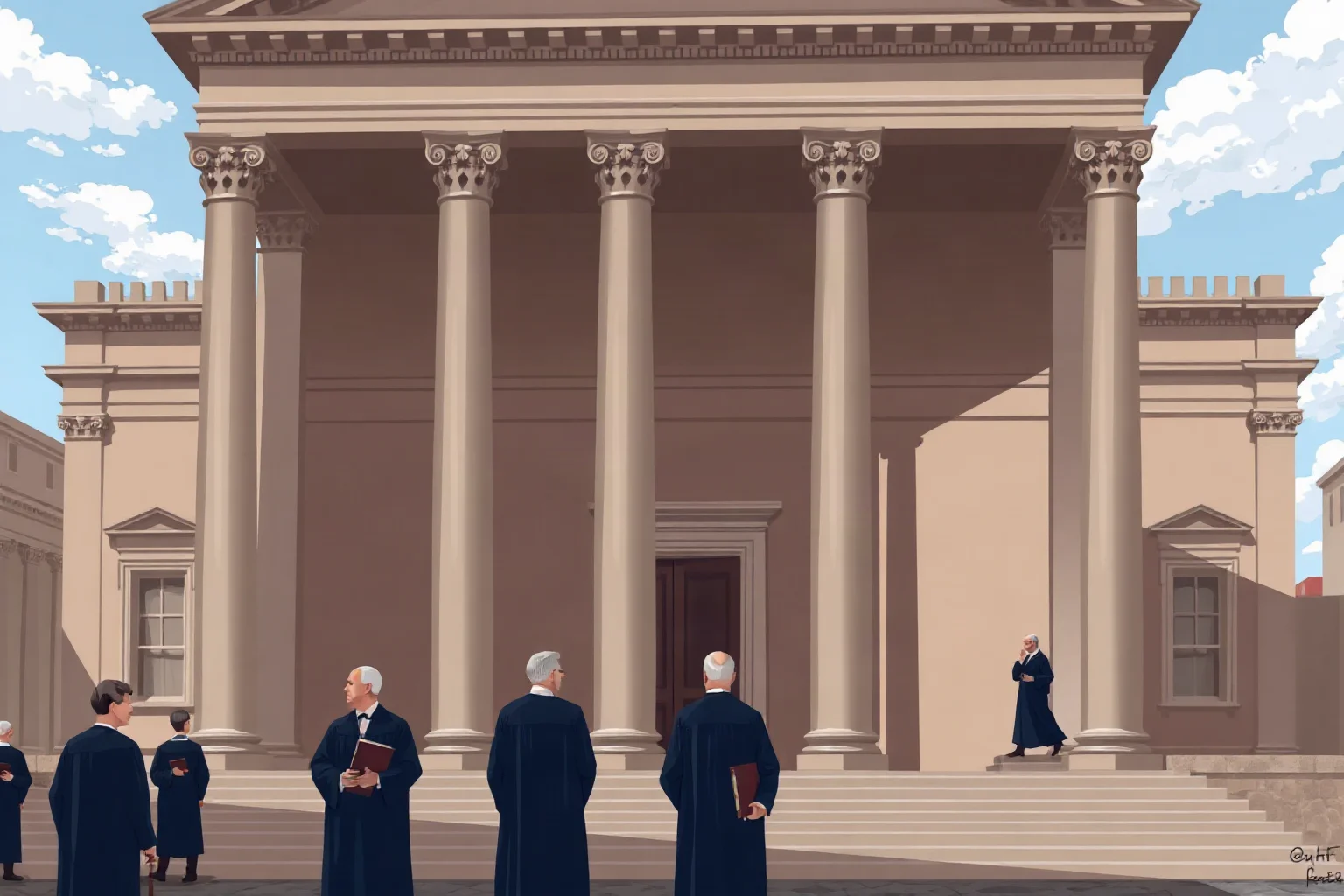
Sapienza was founded in 1303 by papal bull under Pope Boniface VIII, making Rome home to one of the era’s most prestigious universities. Unlike many earlier universities, it was designed from the start as a broad, multi-subject institution.
Today it’s one of the largest universities in Europe by enrollment, a long way from its medieval origins.
13. University of Perugia — 1308 (Italy)
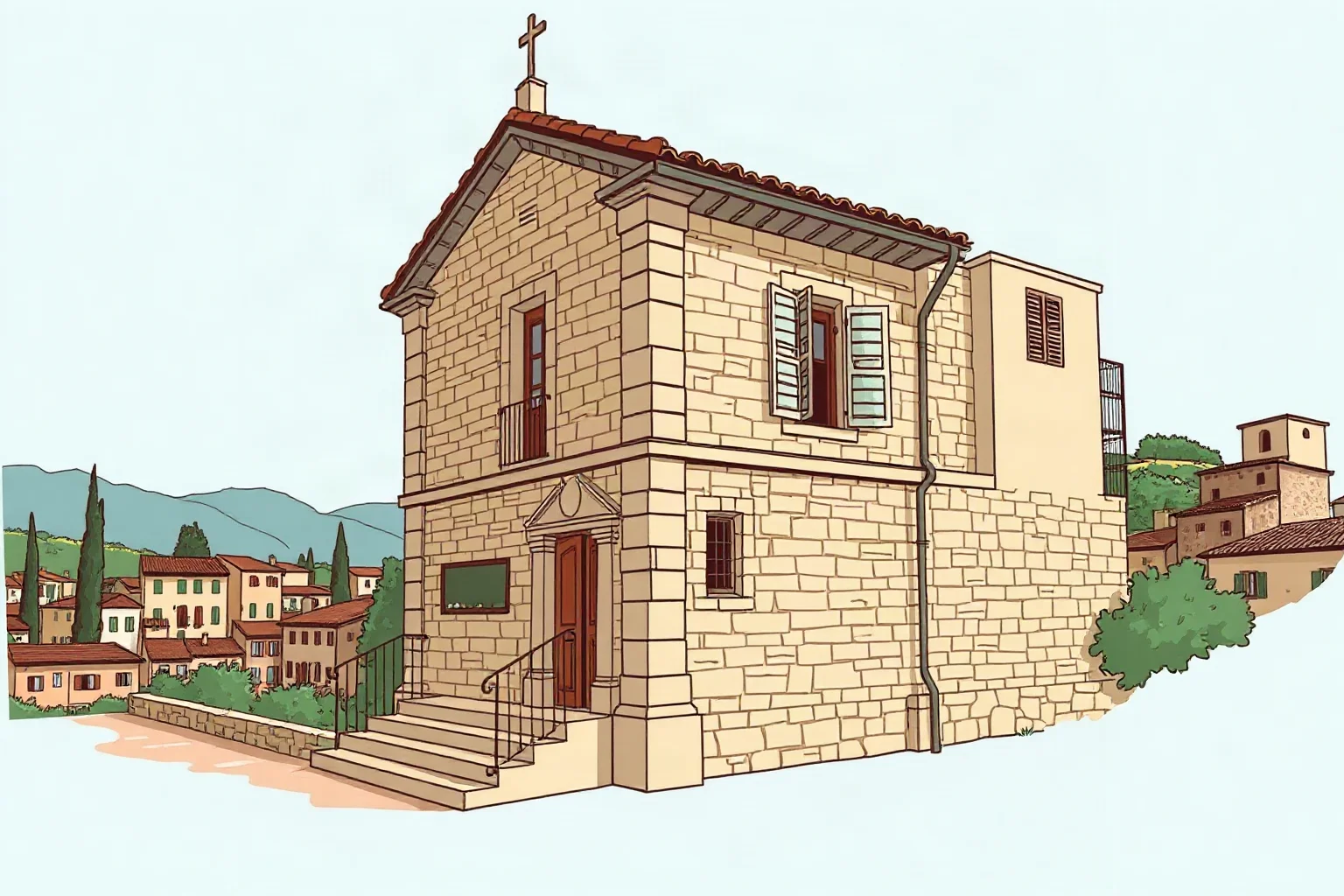
Pope Clement V issued the founding charter for Perugia in 1308, giving the institution formal papal backing from day one. It developed strong programs in civil and canon law, much like its Italian counterparts.
It remains a respected regional university in Umbria to this day.
14. University of Florence — 1321 (Italy)
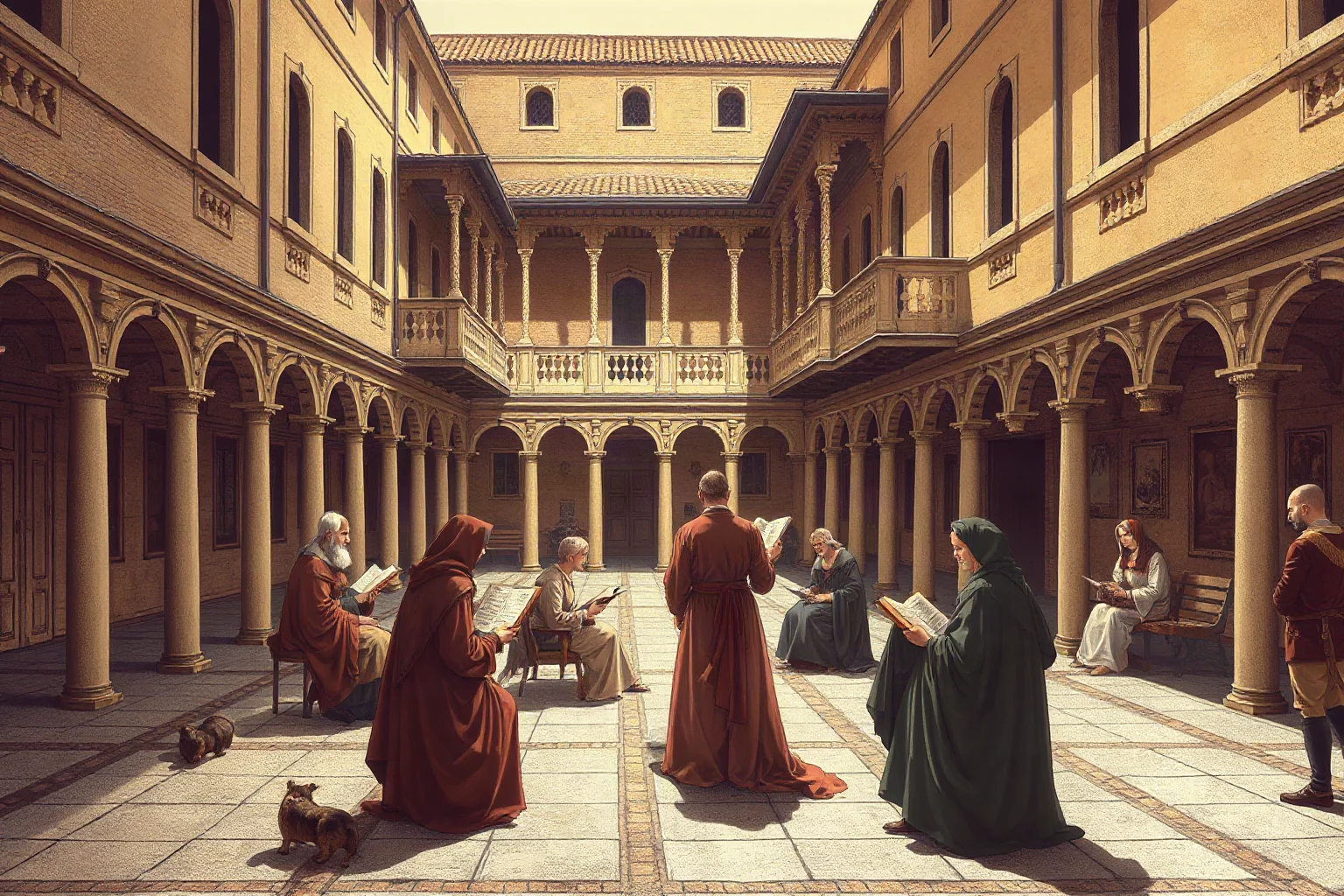
Florence’s Studium Generale was established in 1321, giving the city its own center of advanced learning during the early Italian Renaissance’s build-up. It later absorbed and merged with other regional academic institutions over the centuries.
Its long association with humanist scholars helped Florence cement its reputation as an intellectual hub.
15. Charles University — 1348 (Czech Republic)
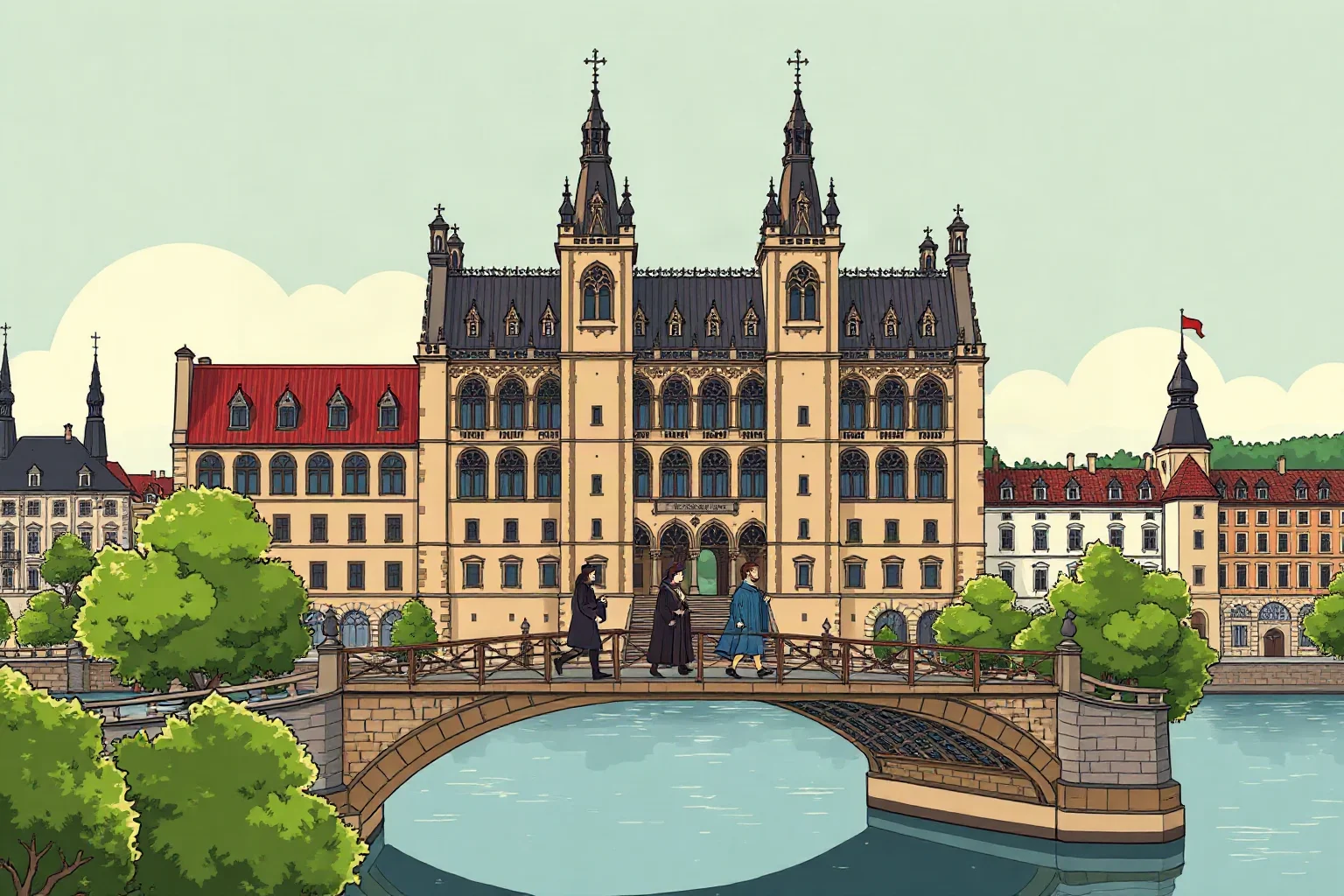
Founded in 1348 by Holy Roman Emperor Charles IV, one of the rulers behind some of the greatest empires in history, Charles University in Prague is the oldest university in Central Europe. Its founding charter was also confirmed by Pope Clement VI, giving it dual imperial and papal legitimacy.
It’s located in a national capital, which makes it a frequent answer to trivia questions about which capital city is home to one of the world’s oldest universities.
16. Jagiellonian University — 1364 (Poland)
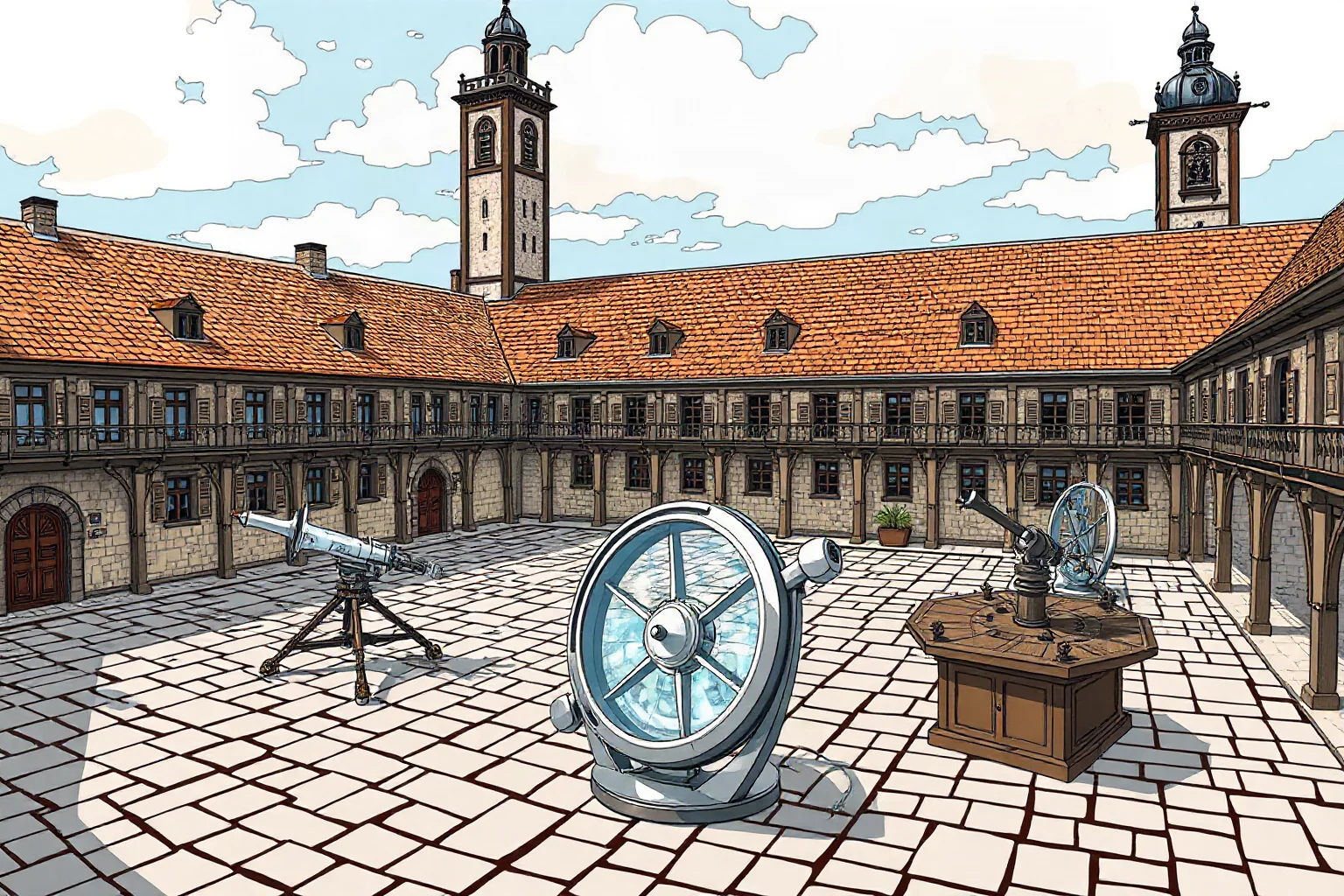
King Casimir III the Great founded Jagiellonian University in Kraków in 1364, making it the oldest university in Poland. Nicolaus Copernicus later studied there, long before he upended humanity’s understanding of the solar system.
It remains one of the most prestigious universities in Central Europe.
17. University of Vienna — 1365 (Austria)
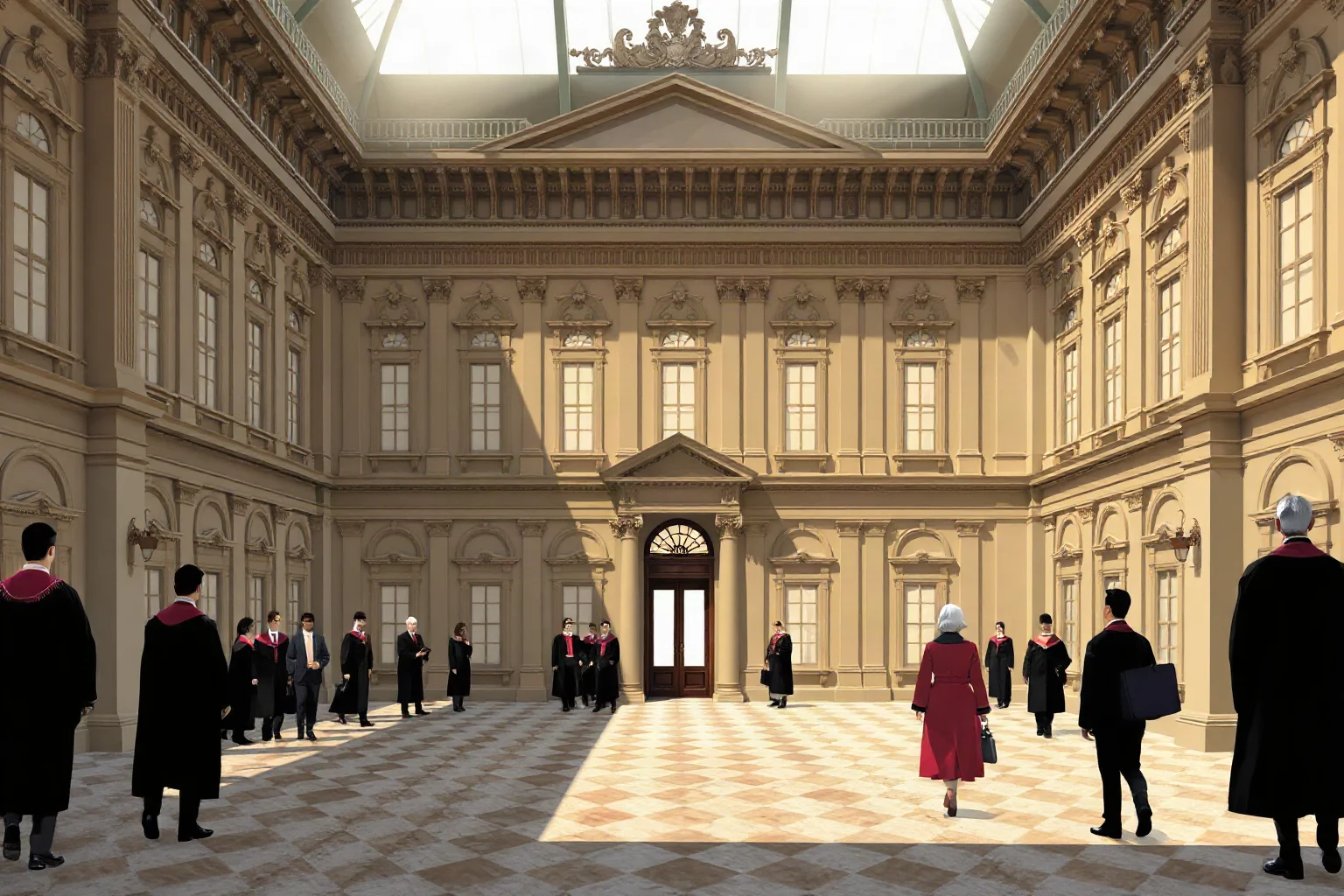
Duke Rudolph IV founded the University of Vienna in 1365, and it’s frequently cited as the oldest university in the German-speaking world still operating in its country of origin. Prague technically predates it, but that university now sits in the Czech Republic rather than a German-speaking state.
Vienna’s location in Austria’s capital also makes it another strong answer to the “capital city” trivia question.
18. Heidelberg University — 1386 (Germany)
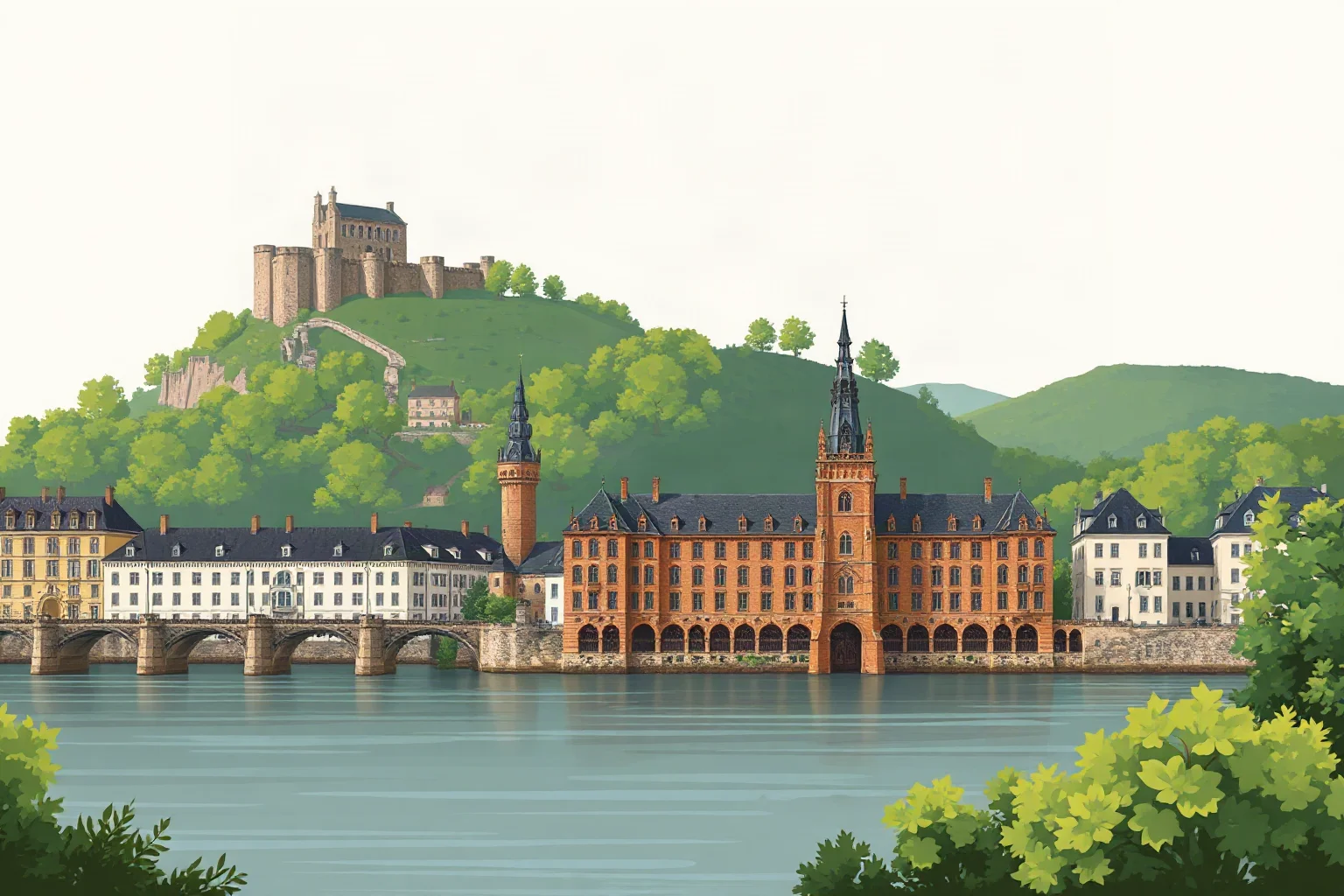
Founded in 1386, Heidelberg is the oldest university in modern Germany with an unbroken history of operation. It was modeled closely on the University of Paris, right down to its early faculty structure.
It has produced numerous Nobel laureates and remains one of Germany’s most research-intensive universities.
19. Leipzig University — 1409 (Germany)
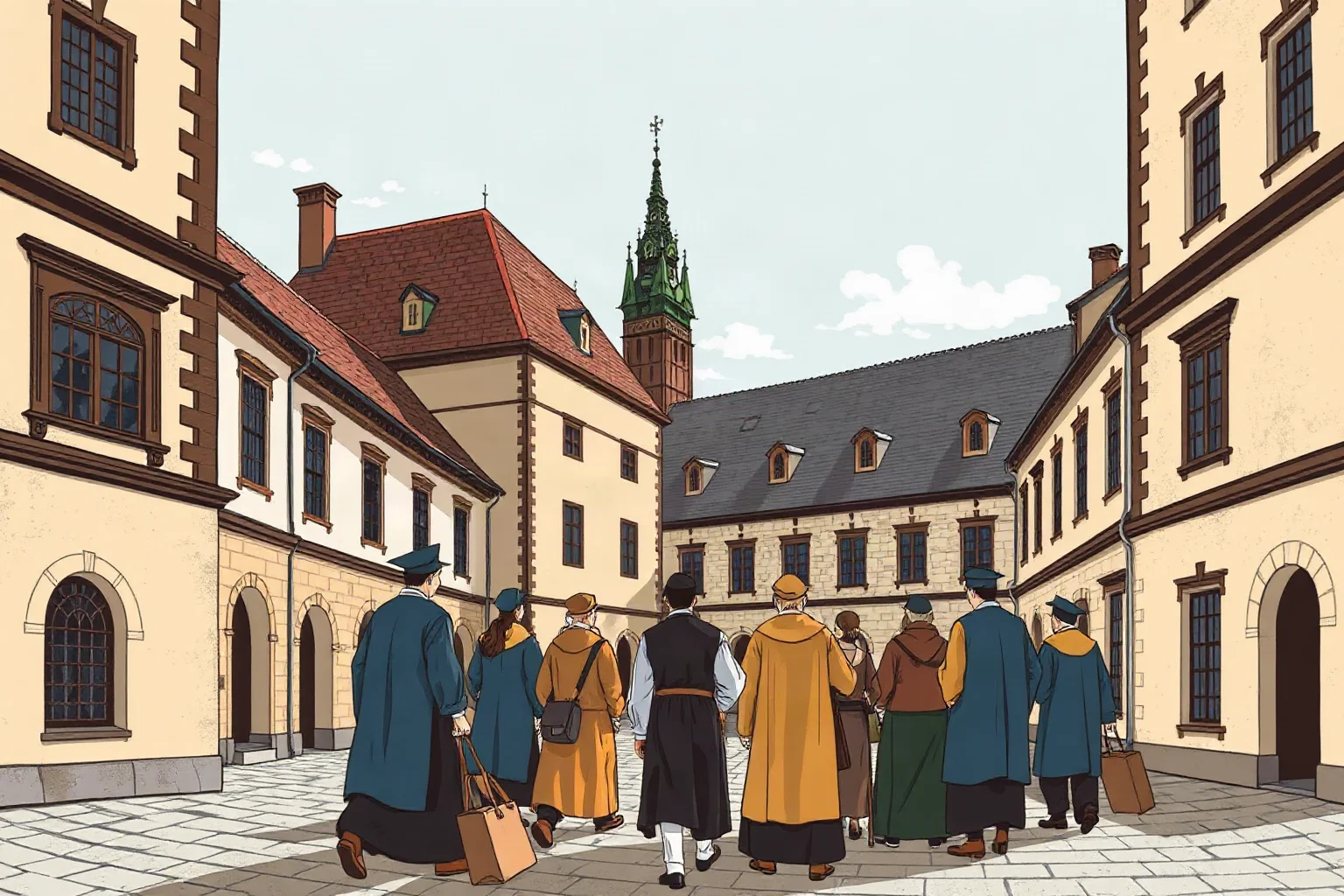
Leipzig was founded in 1409 by scholars who left Prague amid religious and political turmoil, echoing the same “scholars flee, found new university” pattern seen at Cambridge and Padua. It’s one of the oldest universities in the world with a continuous, unbroken operating history.
Goethe and Nietzsche are among its many famous former students.
20. University of St Andrews — 1413 (Scotland)
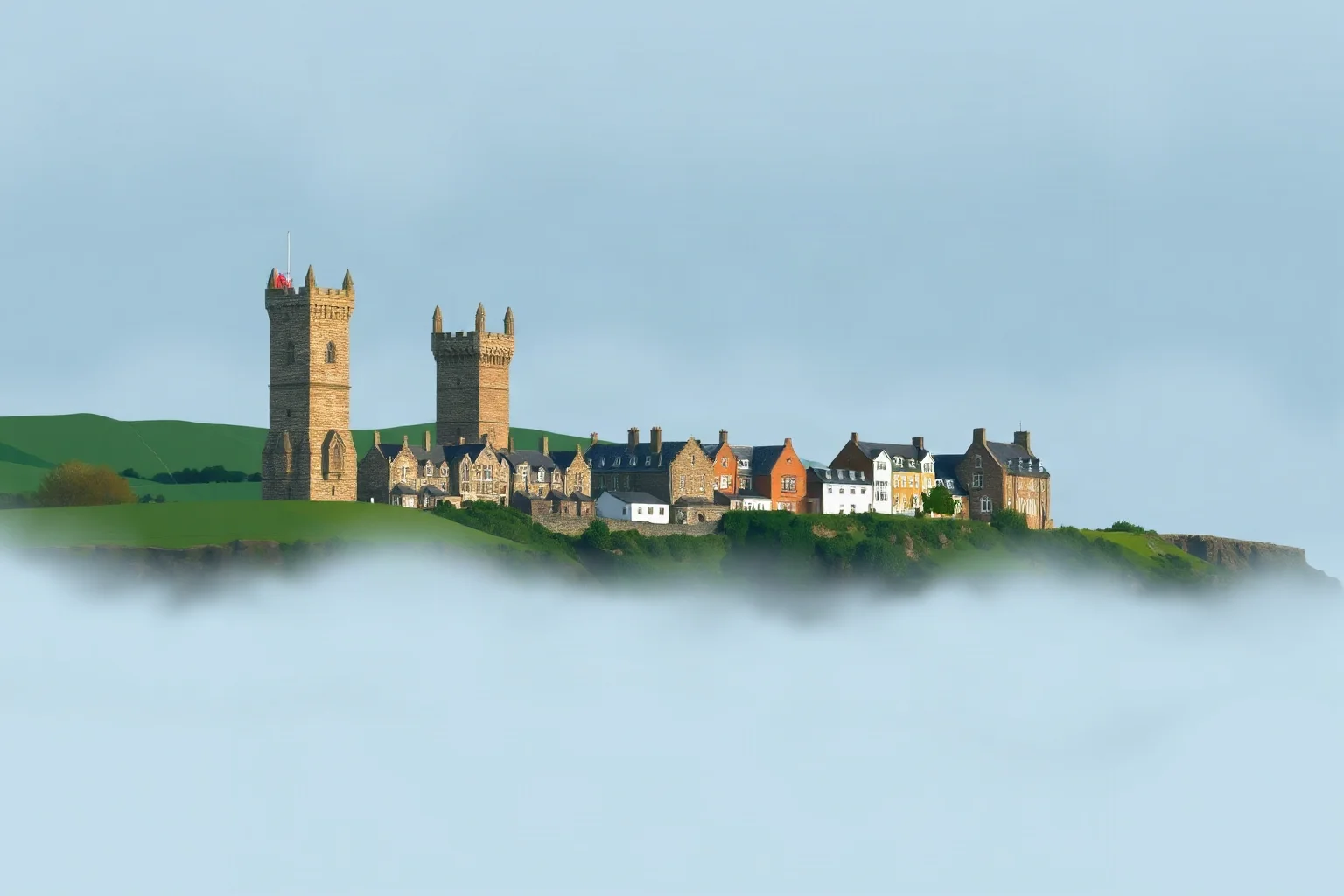
Founded in 1413, St Andrews is the oldest university in Scotland and the third oldest in the English-speaking world, after Oxford and Cambridge. It received its founding charter through papal bulls issued by Pope Benedict XIII.
It remains a globally respected institution and, more famously in pop culture, the place where Prince William and Kate Middleton met as students.
Honorable Mentions: Ancient Schools That Came Before the University Model
Before Bologna ever existed, several remarkable centers of learning were already educating scholars across Asia and Africa. They generally don’t meet the strict “universitas” definition, but they absolutely deserve recognition as some of the oldest schools in the world.
Al Qarawiyyin, founded in Fez, Morocco in 859 CE, is recognized by Guinness World Records and UNESCO as the oldest continuously operating educational institution on Earth. It functioned as a mosque and madrasa for over a thousand years before being reorganized as a modern state university in 1963.
Al-Azhar University in Cairo, founded in 970 CE, is often described as the oldest continuously operating degree-granting university, since its structured religious and legal curriculum resembles the university model more closely than most of its contemporaries.
Farther east, Nalanda in India operated as a major Buddhist monastic center of learning from around the 5th century CE, drawing students from across Asia before it was destroyed in the 12th century. It’s a genuinely ancient school, but it doesn’t count as a “university still in existence,” since it didn’t survive in continuous form (a modern institution using the same name was established separately in 2014).
China’s imperial academies, including institutions with roots tracing back to the Taixue system of the 3rd century CE, also represent some of the world’s oldest formalized education systems, though they operated under an entirely different structure tied to imperial civil service exams.
What About the Oldest University in the English-Speaking World?
This one’s simpler than most of the debates above. The University of Oxford, with teaching documented as far back as 1096, is the oldest university in the English-speaking world by a comfortable margin.
Cambridge comes in second at 1209, followed by St Andrews in 1413. After that, English-speaking higher education largely shifts toward the founding of American colleges, starting with Harvard in 1636.
Universities Founded Between 1820 and 1870: A Different Era Entirely
It’s worth pausing to note that not every historically significant university is medieval. The period between roughly 1820 and 1870 saw a wave of new institutions built for a very different world, one reshaped by the Industrial Revolution, secular reform movements, and expanding higher education access.
University College London, founded in 1826, was created specifically to admit students regardless of religion, a deliberate break from Oxford and Cambridge’s religious entrance requirements at the time. The University of Toronto followed in 1827, and Cornell University was chartered in 1865 as one of the first major American universities open to students of any background, race, or religion.
These 19th-century foundations aren’t “ancient,” but they represent a genuine turning point in who got to access higher education in the first place, which is part of why they still come up so often in discussions of historical universities.
Why This History Still Matters
The “oldest university” question isn’t really about winning a trivia contest, even though it’s a fantastic pub quiz topic. It’s a window into how societies have valued organized learning for over a thousand years, long before standardized testing, campus dining halls, or online enrollment portals existed.
Whether you land on Bologna, Al-Azhar, or Al Qarawiyyin as your personal answer to “what is the world’s oldest university,” the bigger takeaway is the same. Humans have been building institutions dedicated to structured, advanced learning for an extraordinarily long time, and a surprising number of those original institutions are still teaching students today.
Frequently Asked Questions
What is the oldest university in the world?
The University of Bologna in Italy, traditionally dated to 1088, is generally recognized as the oldest university in the world still in continuous operation under the classic medieval university model. Older centers of learning existed elsewhere, but Bologna is usually credited as the first true "university" in the formal, self-governing sense of the word.
What was the first university in the world?
If you define a university strictly as a self-governing guild of students and teachers, Bologna (1088) is the first. If you count any continuously operating institution of advanced learning, Morocco's University of Al Qarawiyyin (859 CE) and Egypt's Al-Azhar University (970 CE) both predate it by centuries.
Which is the oldest university in the world that still exists today?
The University of Bologna still exists and operates continuously since 1088, making it the oldest surviving university under the traditional Western model. Al Qarawiyyin in Morocco is even older, dating to 859 CE, and is recognized by Guinness World Records as the oldest continuously operating educational institution overall.
What is the oldest university in the English-speaking world?
The University of Oxford holds this title, with documented teaching dating back to around 1096. Cambridge, founded in 1209 by scholars who left Oxford, is the second oldest, followed by Scotland's University of St Andrews in 1413.
What is the third oldest university in the world?
This depends on which tradition you're counting. In continuous Western university history, the University of Salamanca (1134) is often cited as third, after Bologna and Oxford, while St Andrews (1413) is considered third specifically within the English-speaking world.
Which capital city is home to the oldest university?
Cairo, Egypt's capital, is home to Al-Azhar University, founded in 970 CE and often described as the oldest continuously operating degree-granting university. Among purely Western medieval universities, Prague (Charles University, 1348) and Vienna (University of Vienna, 1365) are also strong answers, since both sit in national capitals.
How old is the oldest university in the world?
The University of Bologna was founded in 1088, making it well over 900 years old. If you count Al Qarawiyyin in Morocco, founded in 859 CE, the oldest continuously operating educational institution is more than 1,100 years old.

Alex Warren
Related Articles