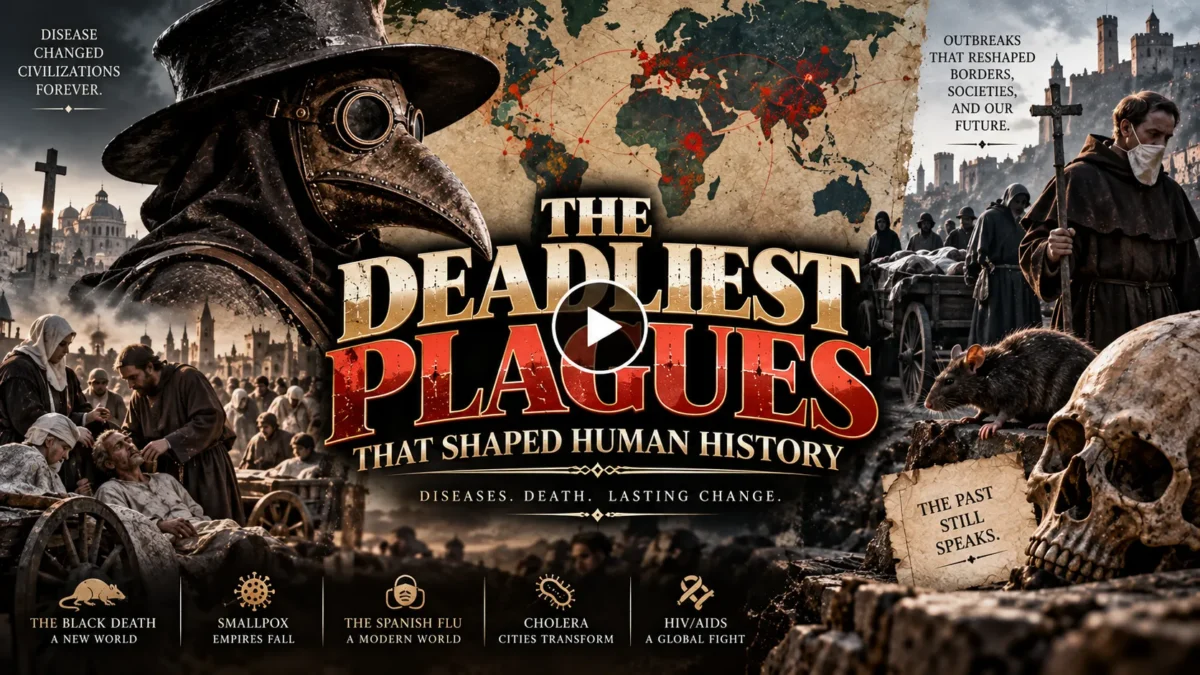
Disease has toppled empires, ended wars, rewritten economies, and quietly nudged the course of human history more than most battles ever did. When we talk about plagues in history, we’re really talking about turning points — moments when a microscopic organism did what armies and kings could not.
This list walks through some of the worst plagues in history, from ancient Athens to the COVID-19 pandemic, looking at what we actually know, what’s still debated, and what myths have crept into the story over centuries of retelling.
TL;DR: Across 2,500 years of recorded history, plagues and pandemics — from the Black Death to COVID-19 — have killed more people than nearly any war, reshaping societies, economies, and public health along the way.
Plague, Epidemic, or Pandemic? Getting the Names Right
Before diving into the list, it’s worth untangling the terminology, since these words get used interchangeably but mean different things. An epidemic is a disease outbreak that spreads actively within a specific community or region. A pandemic is an epidemic that has spread across multiple countries or continents, affecting large numbers of people.
The word “plague” is trickier. Historically it referred to any devastating epidemic, but today it’s most associated with Yersinia pestis, the bacterium behind the Black Death and other historic plagues.
You’ll also hear “epidemic” used loosely in modern language for things like the opioid epidemic or an “epidemic of loneliness” — social epidemics examples that borrow disease language to describe fast-spreading social problems, not infections.
Keeping these plague names straight matters, because a lot of popular history blurs bubonic plague, influenza pandemics, and cholera outbreaks into one vague blob called “the plague.” They’re caused by completely different pathogens, spread in different ways, and left very different marks on the world.
1. The Plague of Athens (430–426 BC)
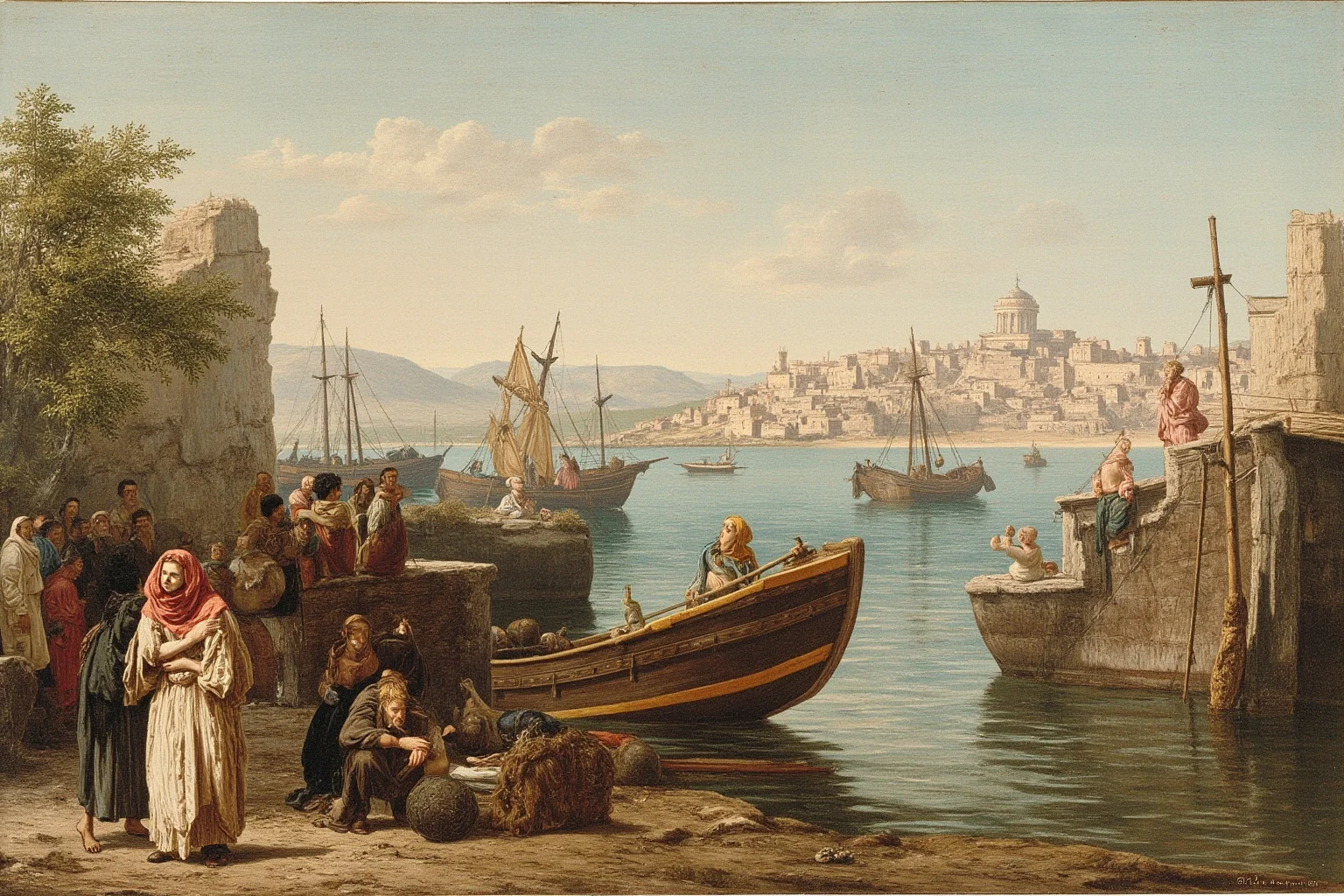
One of the earliest epidemics in history that we have a detailed eyewitness account of comes from the historian Thucydides, who lived through it during the Peloponnesian War. He described fever, rash, and a horrific death toll that struck Athens while it was crowded with refugees behind its defensive walls.
Modern historians and scientists still don’t agree on what pathogen was responsible. Typhoid fever, typhus, smallpox, and measles have all been proposed, but no confirmed diagnosis exists.
What’s certain is the impact: it likely killed a quarter to a third of the population, including the statesman Pericles, and weakened Athens at a critical moment in its war against Sparta.
2. The Antonine Plague (165–180 AD)
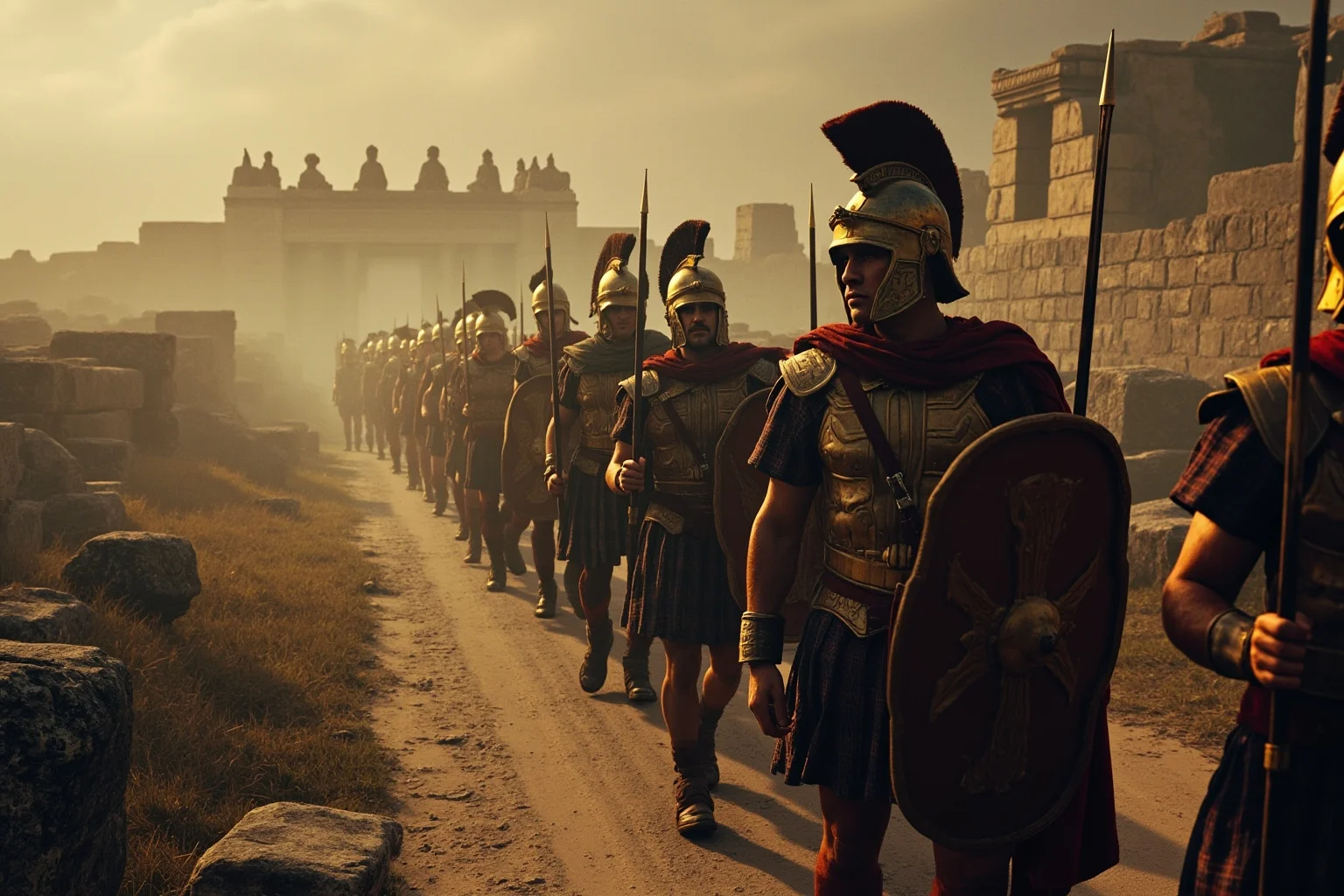
Named after Roman emperor Marcus Aurelius Antoninus, this pandemic swept through the Roman Empire, likely carried home by soldiers returning from campaigns in the East. Many historians believe it was smallpox, though this remains an educated guess rather than a confirmed fact.
Estimates suggest it killed somewhere between five and ten million people, including, possibly, the co-emperor Lucius Verus. It weakened the Roman army and economy at a time when the empire was already facing pressure on multiple frontiers.
3. The Plague of Justinian (541–549 AD)
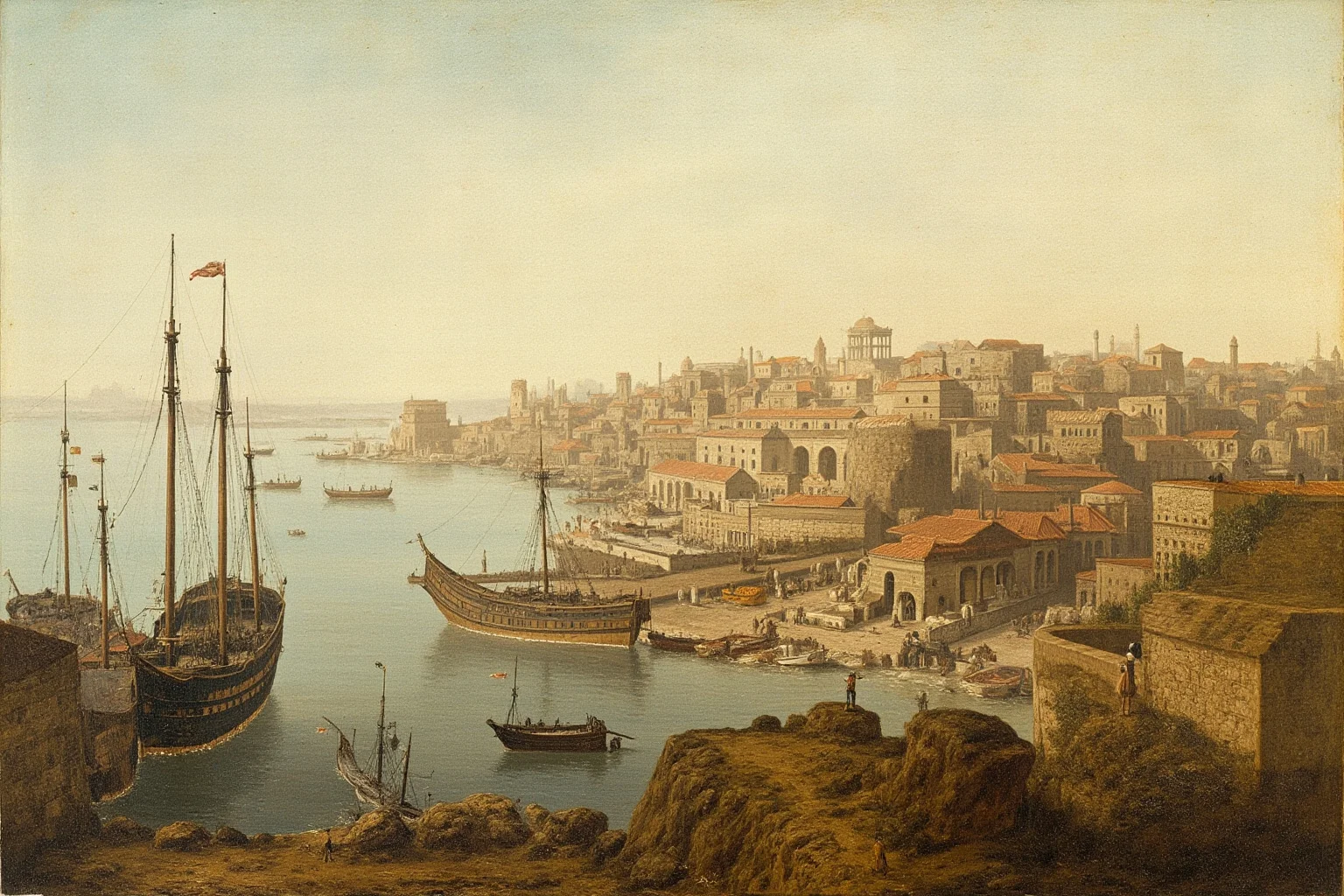
This is the first confirmed outbreak of Yersinia pestis, the bacterium behind bubonic plague, thanks to modern DNA analysis of ancient remains. It struck the Byzantine Empire under Emperor Justinian I and spread across the Mediterranean world.
Estimates of the death toll vary enormously, from roughly 25 million to as high as 50 million people across repeated waves over two centuries. It’s considered the opening chapter of what scientists now call the First Plague Pandemic.
4. The Black Death (1347–1351)
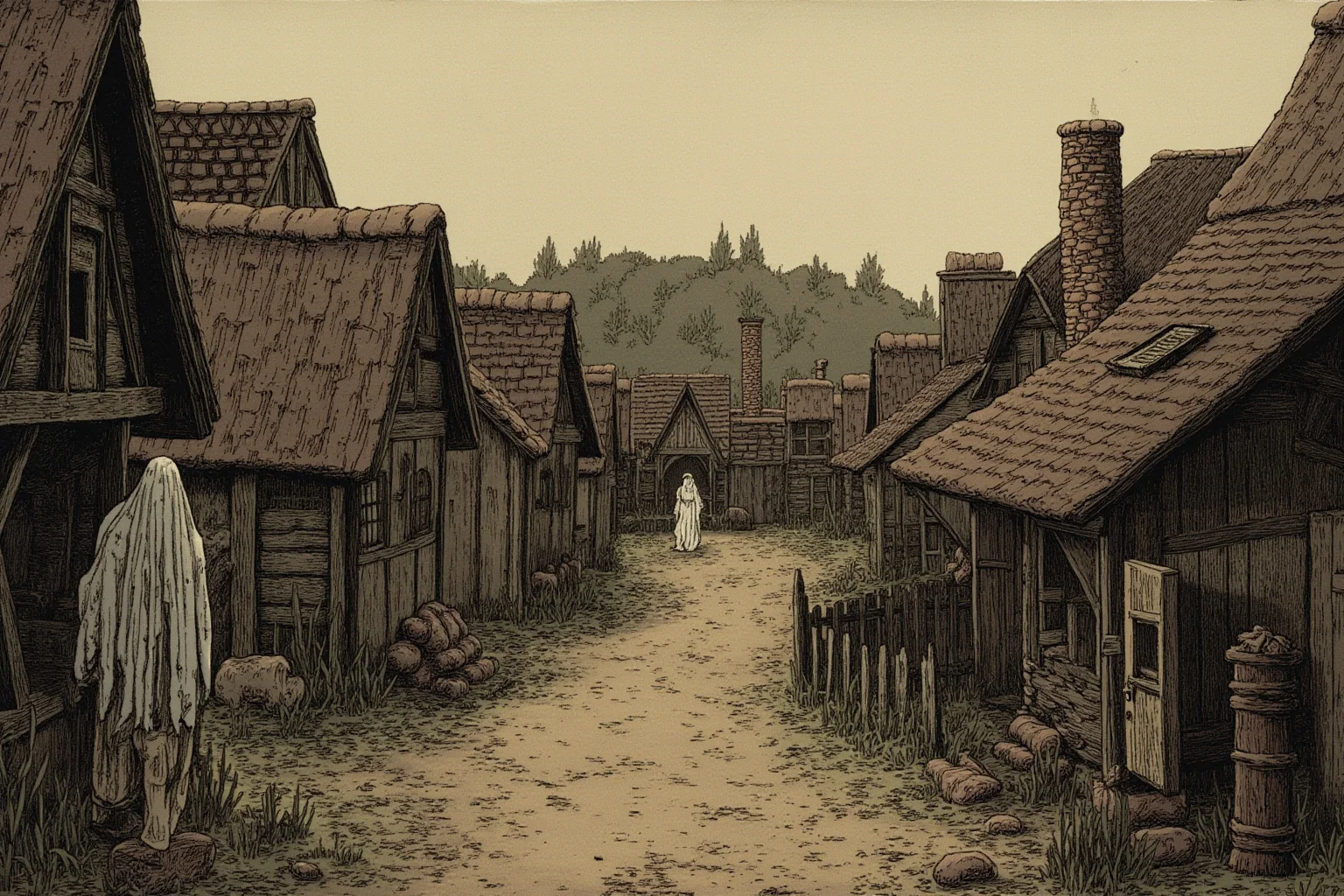
If there’s one entry that dominates any list of historic plagues, it’s this one. Caused by the same bacterium behind the Justinian plague, the Black Death arrived in Europe via trade routes from Central Asia, carried by fleas on rats aboard merchant ships.
It killed an estimated 25 to 30 million people in Europe alone — somewhere between a third and half of the continent’s population — in just a few years. Entire villages were abandoned, labor shortages helped end feudal serfdom, and the sheer scale of death left a permanent mark on European art, religion, and folklore.
5. The Cocoliztli Epidemic (1545–1548)

Often overlooked outside of Mexico, this epidemic devastated the Indigenous population of New Spain during Spanish colonization. “Cocoliztli” is a Nahuatl word for pestilence, and the outbreak’s exact cause is still debated among researchers.
Leading theories point to a viral hemorrhagic fever, possibly worsened by severe drought and famine, rather than a single simple pathogen. Death toll estimates range from five to fifteen million people, making it one of the deadliest epidemics in the Americas’ recorded history.
6. Smallpox in the New World (16th–17th Centuries)
Among the American plagues, smallpox stands out for its staggering, sustained toll on Indigenous populations following European contact. Because Native communities had no prior exposure to the virus, mortality rates in some regions reportedly reached 60 to 90 percent.
Over the following two centuries, repeated smallpox outbreaks — often spreading ahead of colonizers themselves — contributed to the collapse of Indigenous societies across North and South America. Historians consider this one of the most consequential, and tragic, disease events in human history.
7. The Great Plague of London (1665–1666)

This was the last major outbreak of bubonic plague in England, killing an estimated 100,000 people, roughly 15 percent of London’s population at the time. Wealthy residents fled the city, while the poor were often shut into their homes with the sick under quarantine orders.
Popular history often credits the Great Fire of London in 1666 with ending the outbreak by burning out the rats and fleas. It’s a great story — one of many historical events everyone remembers incorrectly — but historians note the plague was already declining before the fire, and other factors — including changes in rat populations and building construction — likely played a bigger role.
8. Yellow Fever in Philadelphia (1793)
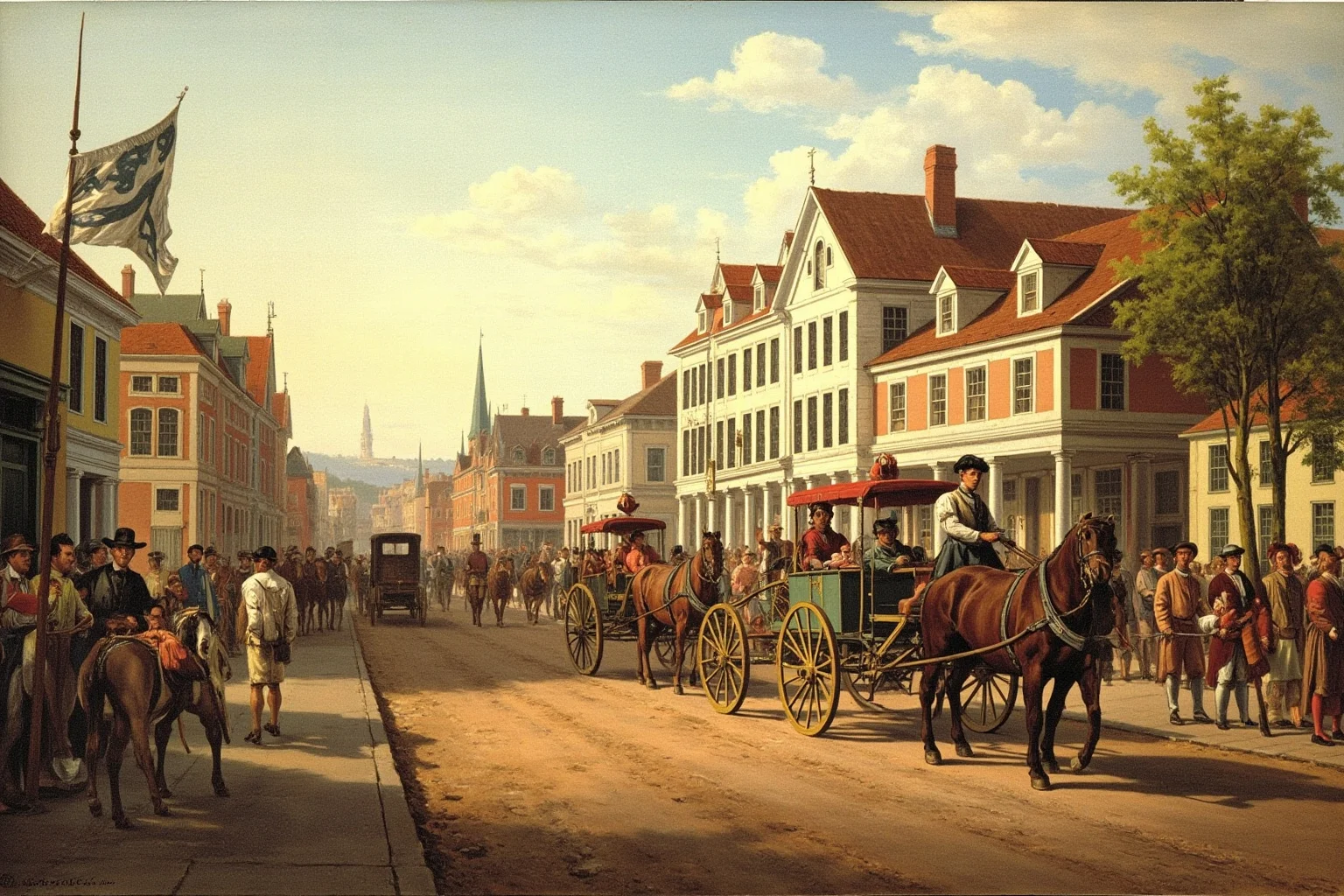
This outbreak is one of the most-cited plagues in early American history. Yellow fever swept through the nation’s then-capital, killing around 5,000 people, roughly ten percent of the city’s population, in just a few months.
Doctors at the time didn’t understand mosquitoes transmitted the virus, so their treatments ranged from useless to actively harmful. The epidemic also prompted some of the earliest organized American public health responses, including quarantine measures and free clinics run largely by the city’s Black community.
9. The Third Plague Pandemic (1855–1960s)
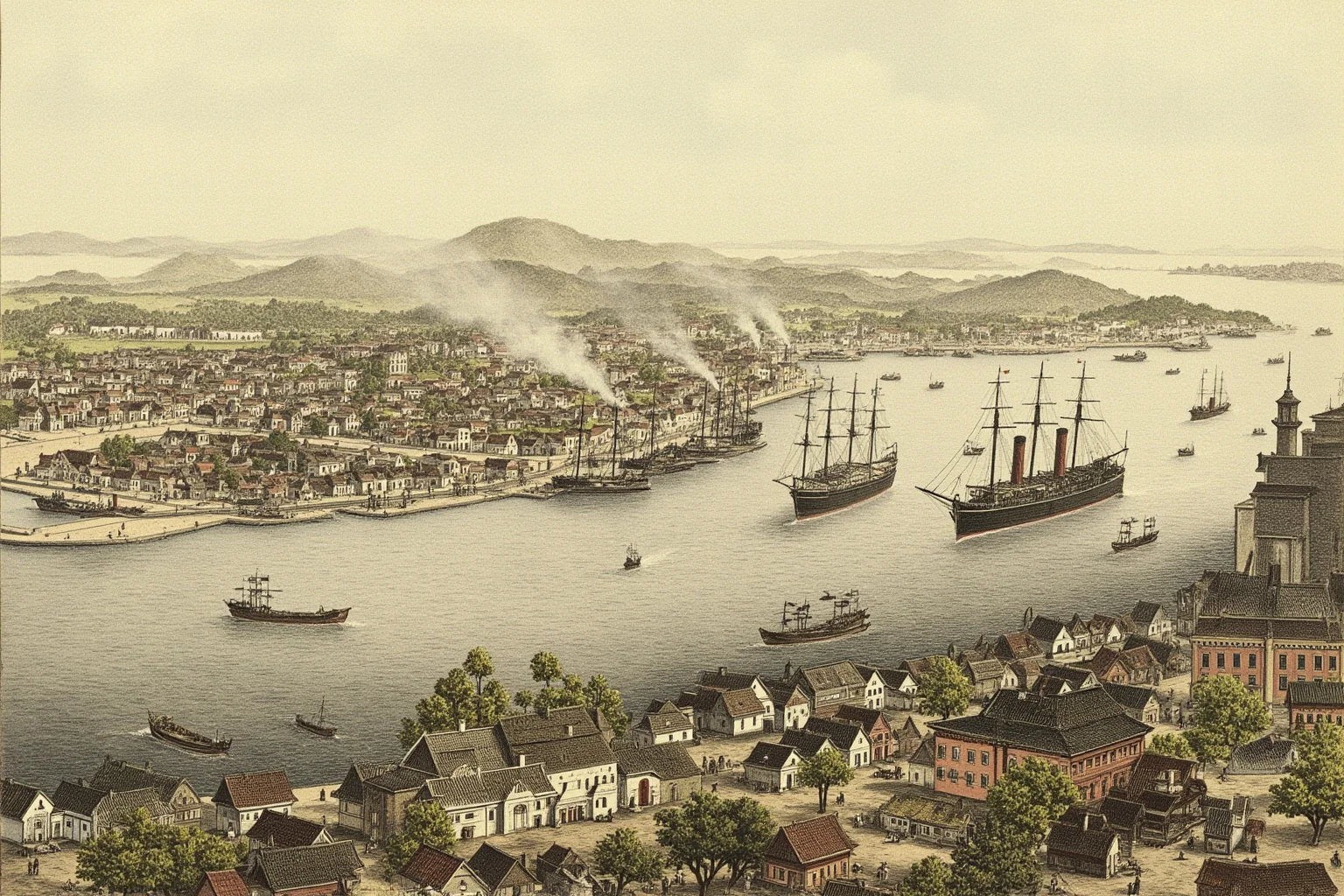
Starting in China’s Yunnan province, this wave of bubonic plague spread globally through steamship trade routes, eventually reaching port cities on every inhabited continent. It’s estimated to have killed over 12 million people, with India bearing the heaviest losses.
This pandemic also gave science one of its biggest breakthroughs: in 1894, Alexandre Yersin identified the bacterium now named Yersinia pestis in his honor. That discovery finally confirmed the cause behind centuries of historical plagues.
10. Cholera Pandemics (1817–Present)

Cholera epidemics in history deserve their own category because there have been at least seven distinct global pandemics since the early 1800s, originating from the Ganges Delta region of South Asia. Cholera spreads through contaminated water, and its rapid dehydration and death toll made it one of the most feared diseases of the 19th century.
The 1854 London outbreak became a landmark moment in medical history when physician John Snow traced cases to a single contaminated water pump, helping to establish the field of epidemiology. Cholera pandemics collectively killed millions worldwide, and a seventh pandemic wave, first identified in 1961, is technically still ongoing in parts of the world today.
11. The Russian Flu (1889–1890)
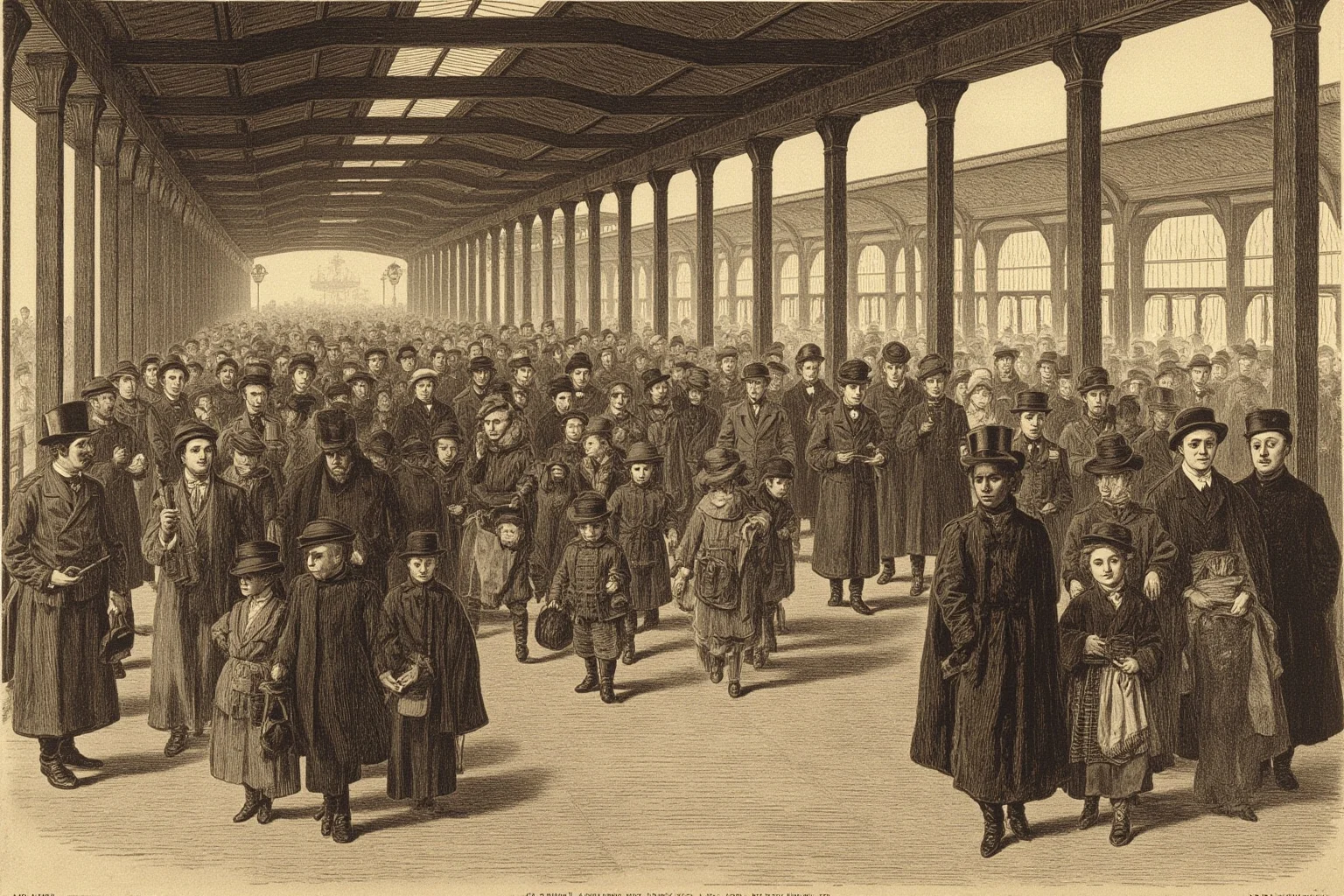
Sometimes called the first truly global pandemic of the modern industrial age, the Russian Flu spread rapidly thanks to expanding rail and steamship networks. It’s estimated to have killed around one million people worldwide.
Some researchers have speculated it may have been caused by a coronavirus rather than influenza, though this remains debated and unconfirmed. Either way, it demonstrated how modern transportation could turn a regional epidemic into a genuine pandemic within weeks.
12. Typhus Epidemics in Wartime
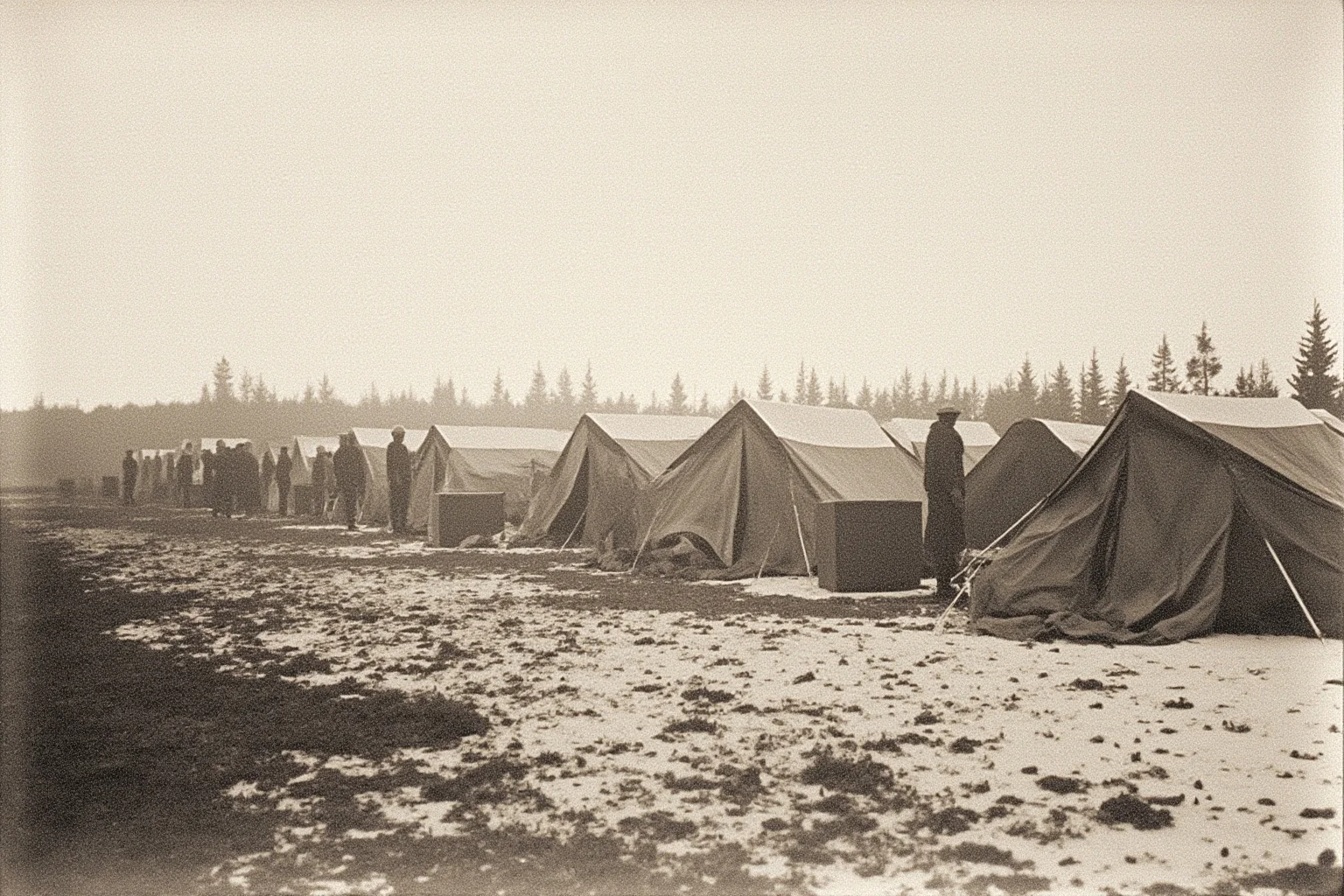
Typhus, spread by body lice thriving in crowded, unsanitary conditions, has repeatedly followed war and displacement throughout history. Napoleon’s disastrous 1812 invasion of Russia saw tens of thousands of his troops die from typhus before ever reaching a major battle.
A later wave during and after World War I killed an estimated three million people across Russia and Eastern Europe between 1918 and 1922. These outbreaks are a stark reminder that historical epidemics rarely strike in isolation — they follow poverty, war, and collapsed infrastructure.
13. Polio Epidemics (Early–Mid 20th Century)

Before vaccines, polio outbreaks appeared in seasonal waves across the industrialized world, terrifying parents each summer. The 1916 New York City epidemic alone caused around 27,000 cases and 2,000 deaths, disproportionately affecting children.
A massive 1952 U.S. outbreak infected nearly 58,000 people and left thousands paralyzed. The introduction of Jonas Salk’s vaccine in 1955, followed by Albert Sabin’s oral version in 1961, eventually turned the tide against one of the 20th century’s most feared diseases.
14. The Spanish Flu (1918–1920)
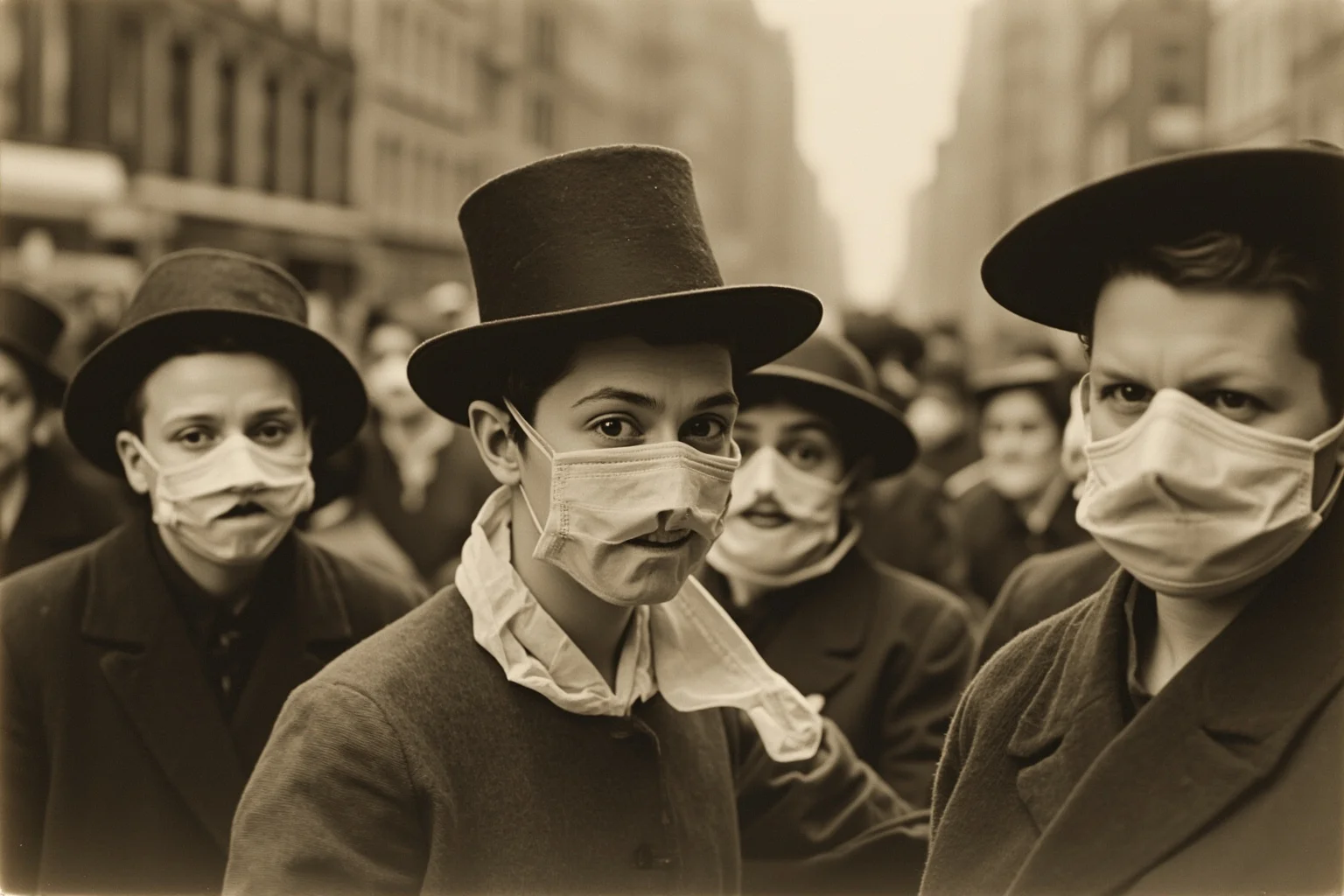
Often cited as the worst pandemic in history by sheer death toll, the Spanish Flu infected an estimated 500 million people — about a third of the world’s population at the time. Death toll estimates range widely from 50 million to as high as 100 million people worldwide.
Despite its name, the pandemic almost certainly didn’t originate in Spain. Spain was neutral during World War I and had a freer press than warring nations, so it simply reported on the outbreak more openly, and the misleading name stuck.
15. Diphtheria and Childhood Epidemics of the 1920s

Looking at diseases in the 1920s reveals a decade still dominated by illnesses now largely prevented by routine childhood vaccines. Diphtheria alone killed thousands of children annually in the United States and Europe before a widely available vaccine arrived in the following decade.
The 1920s also saw a strange, still poorly understood epidemic of encephalitis lethargica, sometimes called “sleepy sickness,” which caused prolonged lethargy and movement disorders. Its cause was never conclusively identified, and it remains one of medical history’s genuine mysteries.
16. The Asian Flu (1957–1958)

This influenza pandemic, caused by an H2N2 strain, emerged in China and spread globally within months. It’s estimated to have killed between one and four million people worldwide.
Vaccine production began relatively quickly for the era, helping to limit the pandemic’s severity in some regions. It remains one of the major pandemics in history that gets overshadowed by its more famous predecessor and successor.
17. The Hong Kong Flu (1968–1969)

An H3N2 influenza strain drove this pandemic, which also killed an estimated one to four million people globally. Notably, this same H3N2 lineage continues to circulate as a seasonal flu strain today.
Its relatively moderate death toll, compared to the scale of global travel by the late 1960s, is often credited to some lingering population immunity from earlier flu exposure.
18. HIV/AIDS Pandemic (1981–Present)

First identified in 1981, HIV/AIDS has killed more than 40 million people worldwide since the epidemic began, making it one of the deadliest pandemics in modern history. Unlike most entries on this list, it remains an active, ongoing global health challenge rather than a historical event.
The development of antiretroviral therapy in the 1990s and 2000s transformed HIV from a near-certain death sentence into a manageable chronic condition for people with access to treatment. Stigma, misinformation, and unequal access to care, however, have continued to shape the pandemic’s toll unevenly across the globe.
19. Ebola Outbreak in West Africa (2014–2016)
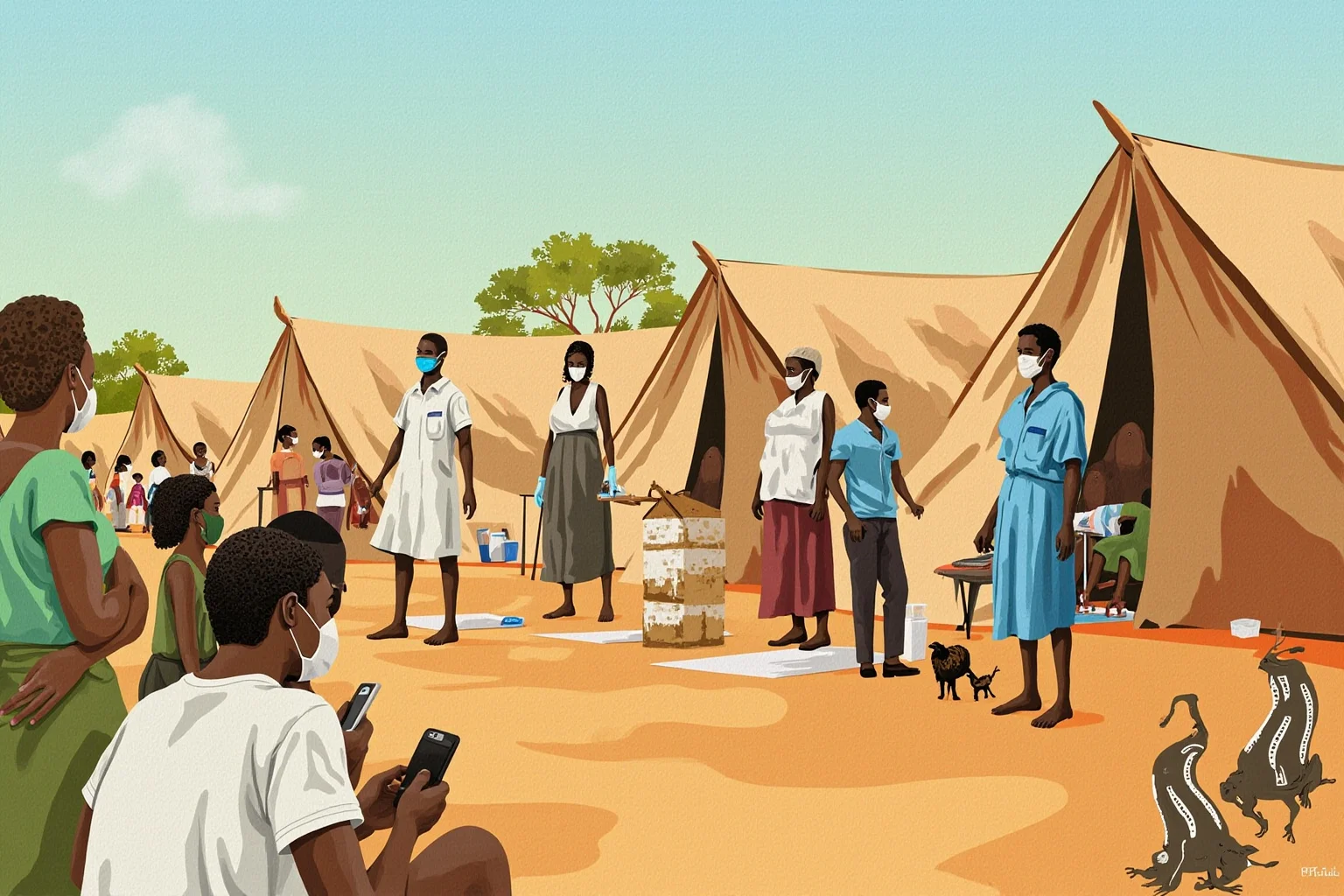
This outbreak, concentrated in Guinea, Liberia, and Sierra Leone, killed more than 11,000 people and exposed serious gaps in global outbreak response systems. Ebola’s high case-fatality rate and gruesome symptoms made it one of the most feared epidemics of the 21st century, even though its overall death toll was far smaller than historic pandemics.
International efforts following the outbreak led to faster vaccine development and improved emergency response protocols, lessons that later informed the global response to COVID-19.
20. The COVID-19 Pandemic (2019–Present)

The most recent entry on any list of pandemics in history, COVID-19 has been confirmed to have killed over seven million people worldwide, though excess mortality estimates suggest the true toll may be considerably higher. It triggered unprecedented global lockdowns, remote work shifts, and international travel restrictions.
It also produced the fastest vaccine development in history, with multiple effective vaccines authorized within about a year of the virus’s identification. Whether COVID-19 ultimately ranks among the worst pandemics in history in relative terms is still debated by historians and epidemiologists, since it’s judged against a global population, and medical capacity, vastly larger than in 1918.
What These Historical Pandemics Have in Common
Looking across these plagues throughout history, a few patterns repeat themselves again and again. Trade routes, wars, and crowded cities consistently acted as accelerants, turning local outbreaks into continent-spanning disasters.
Poverty and inequality also shaped who suffered most in nearly every case, from the Black Death’s impact on peasant communities to unequal HIV treatment access today. Public health responses, however primitive, tended to emerge from crisis — quarantine practices, sanitation reforms, and eventually vaccines were all born out of the deadliest diseases in history rather than developed ahead of them.
For readers who want to go deeper into how disease intersects with race, colonialism, and social history, books like Edna Bonhomme’s A History of the World in Six Plagues offer a more focused, thematic look at how outbreaks reshape societies beyond just body counts. It’s a useful reminder that the history of plagues is never just about biology — it’s about the societies those diseases move through.
The Takeaway
No single event on this list holds the title of the objectively “worst” plague, because that depends on whether you’re measuring raw death toll, percentage of population killed, or long-term social disruption. What’s clear is that historical plagues have repeatedly forced humanity to rebuild its understanding of medicine, sanitation, and collective responsibility.
That pattern hasn’t stopped. Each new epidemic, from Ebola to COVID-19, adds another chapter to a very old story about how societies survive, adapt, and sometimes fail to learn from the ones that came before.
Frequently Asked Questions
What are considered the worst plagues in history?
Most historians point to the Black Death (1347–1351), the Plague of Justinian (541–549 AD), and the 1918 Spanish Flu as the worst plagues in history, based on both total death toll and the percentage of the population they killed. The Black Death alone killed an estimated 25–30 million people in Europe, roughly a third to half of the continent's population at the time.
What plague killed the most people in absolute numbers?
By raw death toll, the 1918 Spanish Flu is usually cited as the deadliest, with estimates ranging from 50 million to 100 million deaths worldwide. HIV/AIDS, which has killed over 40 million people since 1981, and the Black Death, with roughly 25–30 million deaths in Europe alone, are also frequently cited among history's deadliest outbreaks.
What is considered the most deadly disease in human history?
There's no single agreed-upon answer, since it depends on the metric used. Smallpox is often cited as the deadliest disease across all of human history, having killed an estimated 300–500 million people in the 20th century alone before its eradication in 1980, on top of centuries of earlier outbreaks.
What were the American plagues?
"American plagues" typically refers to the waves of smallpox, measles, and other Old World diseases that devastated Indigenous populations in the Americas following European contact starting in the late 1400s and 1500s. It can also refer to epidemics like the 1793 Philadelphia yellow fever outbreak and later cholera and typhoid epidemics in American cities.
What’s the difference between a plague, an epidemic, and a pandemic?
An epidemic is a disease outbreak spreading actively within a specific community or region, while a pandemic is an epidemic that has spread across multiple countries or continents. "Plague" historically described any severe epidemic, but today it's most closely associated with Yersinia pestis, the bacterium behind the Black Death and other historic plagues.
What are the top 5 worst pandemics in history?
Based on estimated death tolls, most rankings include the Black Death (1347–1351), the Spanish Flu (1918–1920), the Plague of Justinian (541–549 AD), HIV/AIDS (1981–present), and the Third Plague Pandemic (1855–1960s). Rankings shift depending on whether you weigh absolute deaths, population percentage, or long-term social impact.
Is COVID-19 the worst pandemic in history?
No, COVID-19 does not rank as the worst pandemic in history by most measures. While it killed over seven million confirmed people globally, historic pandemics like the Black Death and the 1918 Spanish Flu killed a far larger share of the world's much smaller population at the time.

Alex Warren
Related Articles