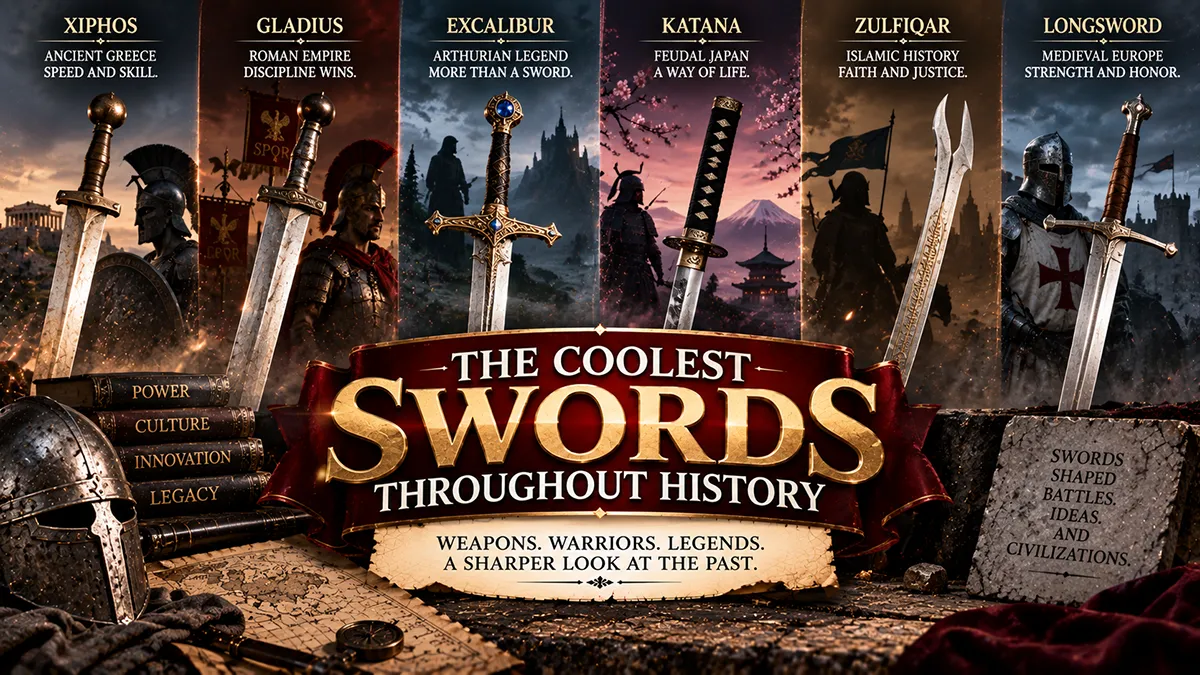
Few objects capture the human imagination quite like a sword. It’s part tool, part art object, and part symbol of power, and for thousands of years it has been all three at once.
Whether forged for a battlefield, a coronation, or a legend that grew taller with every retelling, swords carry stories that steel alone can’t explain.
In this list, we’re counting down some of the coolest swords in history — a mix of real archaeological finds, museum-verified relics, and legendary blades so famous that fact and folklore have become permanently tangled together.
We’ll flag which is which along the way, because a good history nerd never confuses a great story with a proven fact.
TL;DR: The coolest swords in history range from the bronze blade of a Chinese king that still gleams after 2,000 years to the legendary Excalibur, and together they reveal how swords became symbols of power, myth, and identity across every culture that made them.
What Makes a Sword ‘Cool,’ Historically Speaking?
When people search for the coolest swords in history, they’re usually drawn to one of three things: incredible craftsmanship, a great story, or sheer battlefield reputation. Some swords on this list earn their spot through metallurgy that still puzzles modern scientists. Others are famous purely because of the legends attached to them, even when historians can’t verify the details.
We’ve tried to strike a balance between iconic swords in history that are physically real and sitting in a museum somewhere, and legendary swords that live mostly in literature and myth. Both categories matter, because both shaped how later generations thought about heroism, kingship, and honor. Let’s get into the list.
1. Excalibur – The Legendary Sword of King Arthur
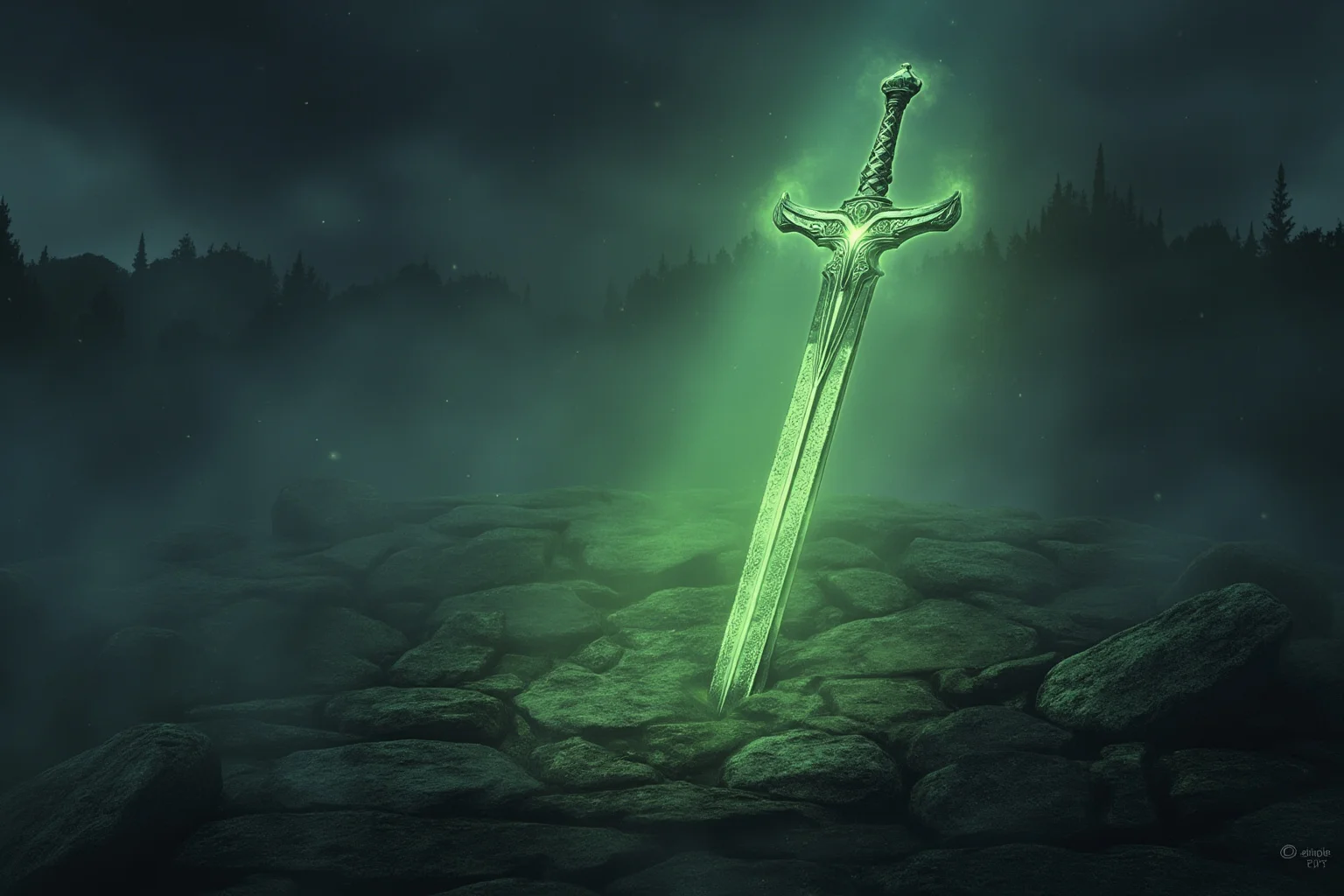
No discussion of cool swords in history can start anywhere else. Excalibur is the sword pulled from a stone or gifted by the mysterious Lady of the Lake, depending on which medieval version of the Arthurian legend you’re reading. The earliest surviving stories come from 12th-century writers like Geoffrey of Monmouth, centuries after the supposed events.
There is no credible historical evidence that King Arthur or Excalibur ever existed as described. That doesn’t make the story less powerful, though. Excalibur remains the archetype for every magic sword in fantasy fiction that came after it.
2. Joyeuse – The Coronation Sword of Charlemagne
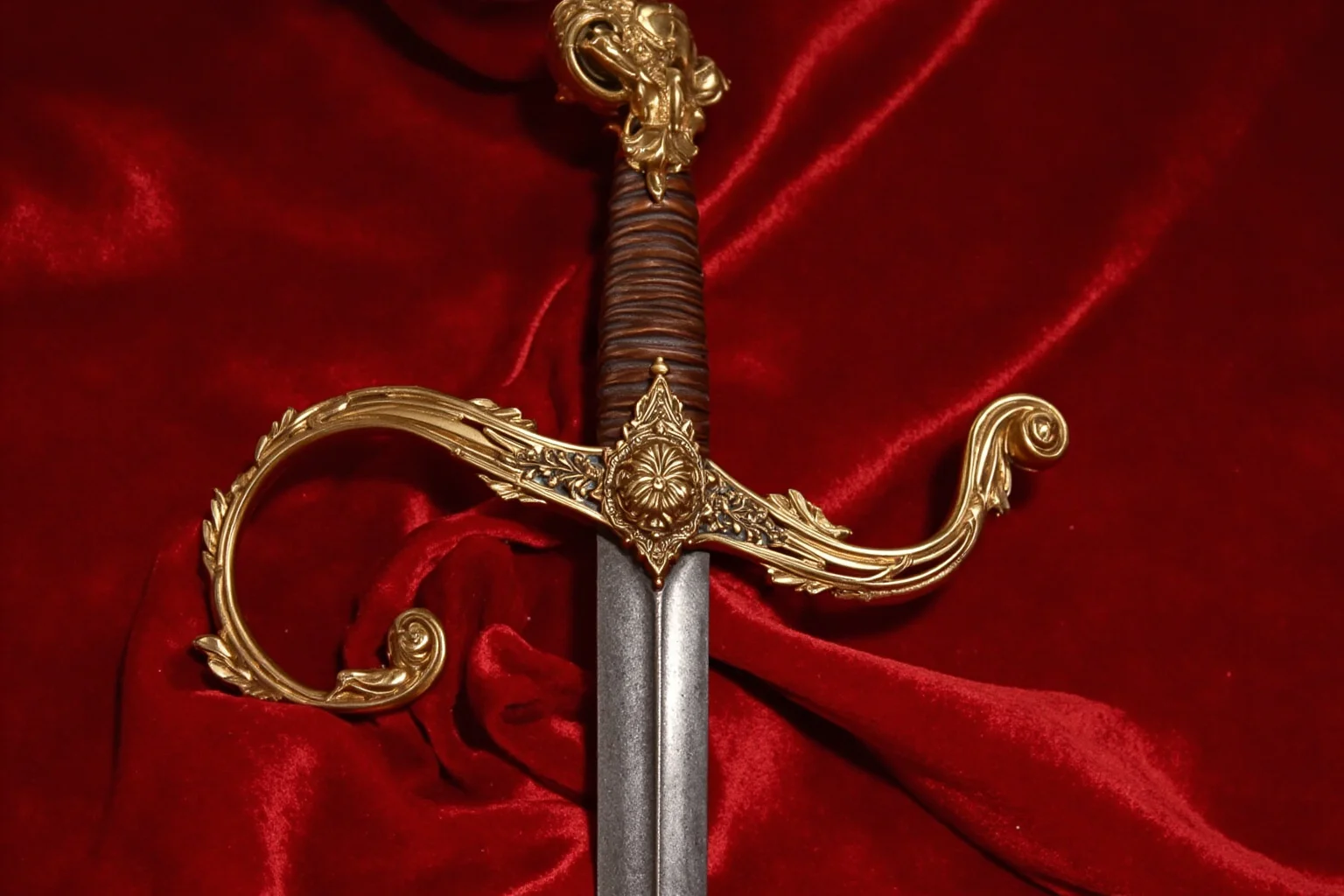
Joyeuse is a real, physical sword housed in the Louvre, traditionally associated with Charlemagne, the Frankish king crowned Holy Roman Emperor in 800 CE. Most historians and metallurgists now believe the surviving blade dates to a later period, likely the 10th to 13th century, with later additions to the hilt and pommel.
Even so, it was used in French coronation ceremonies for centuries, making it a genuine piece of royal history regardless of its exact origin date. Few swords carry as much symbolic continental weight.
3. The Sword of Goujian – The Bronze Blade That Defied Time
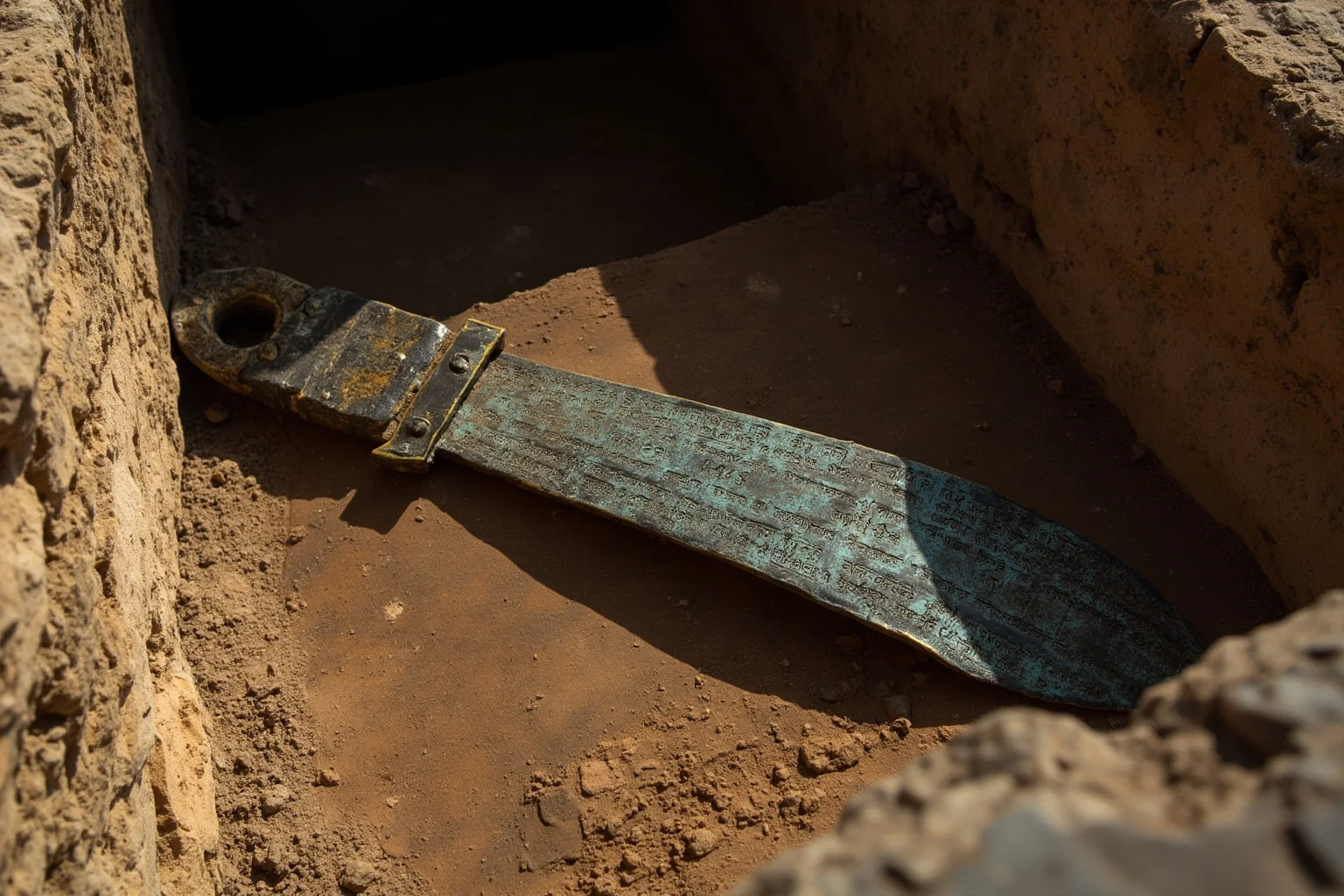
Discovered in a tomb in Hubei, China, in 1965, this bronze sword is roughly 2,500 years old and was found remarkably free of rust or tarnish. It’s inscribed with characters identifying it as belonging to Goujian, King of Yue during the Spring and Autumn period.
Metallurgists have studied its anti-corrosion properties, which likely come from a combination of tin-bronze composition, sulfide treatment, and the tomb’s sealed, low-oxygen environment. It’s a genuine testament to how advanced Bronze Age Chinese metalworking really was.
4. Durandal – The Unbreakable Sword of Roland
Durandal appears in “The Song of Roland,” an 11th-century epic poem loosely based on a real 778 CE battle at Roncevaux Pass. In the poem, the knight Roland tries desperately to destroy his sword rather than let it fall into enemy hands, and it simply won’t break.
Like Excalibur, Durandal is a literary creation layered onto a real historical event. The actual Battle of Roncevaux Pass happened, but Durandal’s supernatural durability is pure legend built long after the fact.
5. Zulfiqar – The Twin-Pointed Sword of Ali
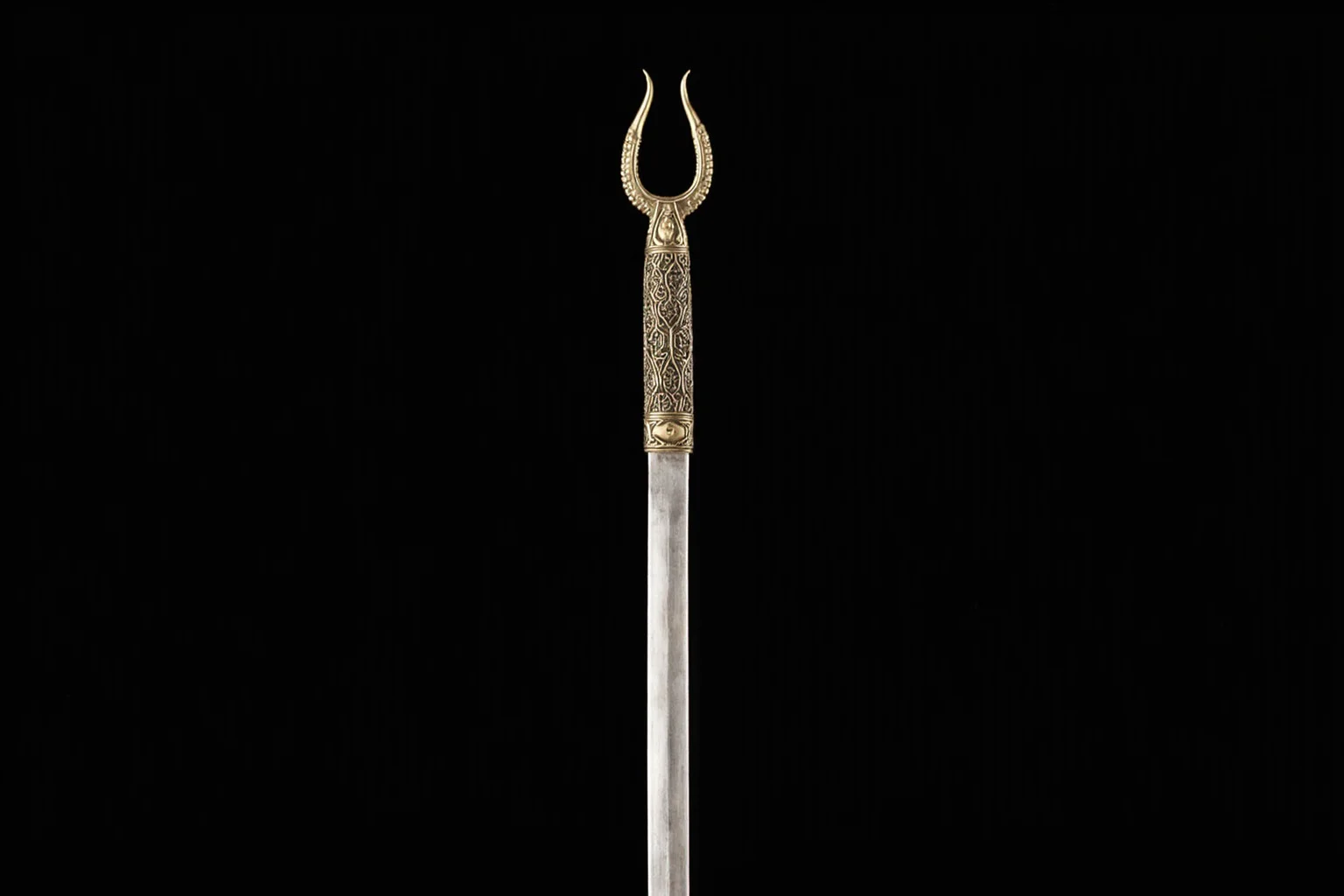
Zulfiqar is the sword traditionally associated with Ali ibn Abi Talib, cousin and son-in-law of the Prophet Muhammad, and it holds deep religious and cultural significance, especially in Shia Islam. It’s typically depicted with a split or forked tip, giving it a distinctive silhouette in art and iconography.
Historical accounts of the sword’s exact origin and appearance vary across sources, and no verified original blade survives today. Its legacy lives on mainly through religious tradition, calligraphy, and symbolic artwork rather than a single confirmed physical relic.
6. Tizona – The Blade of El Cid
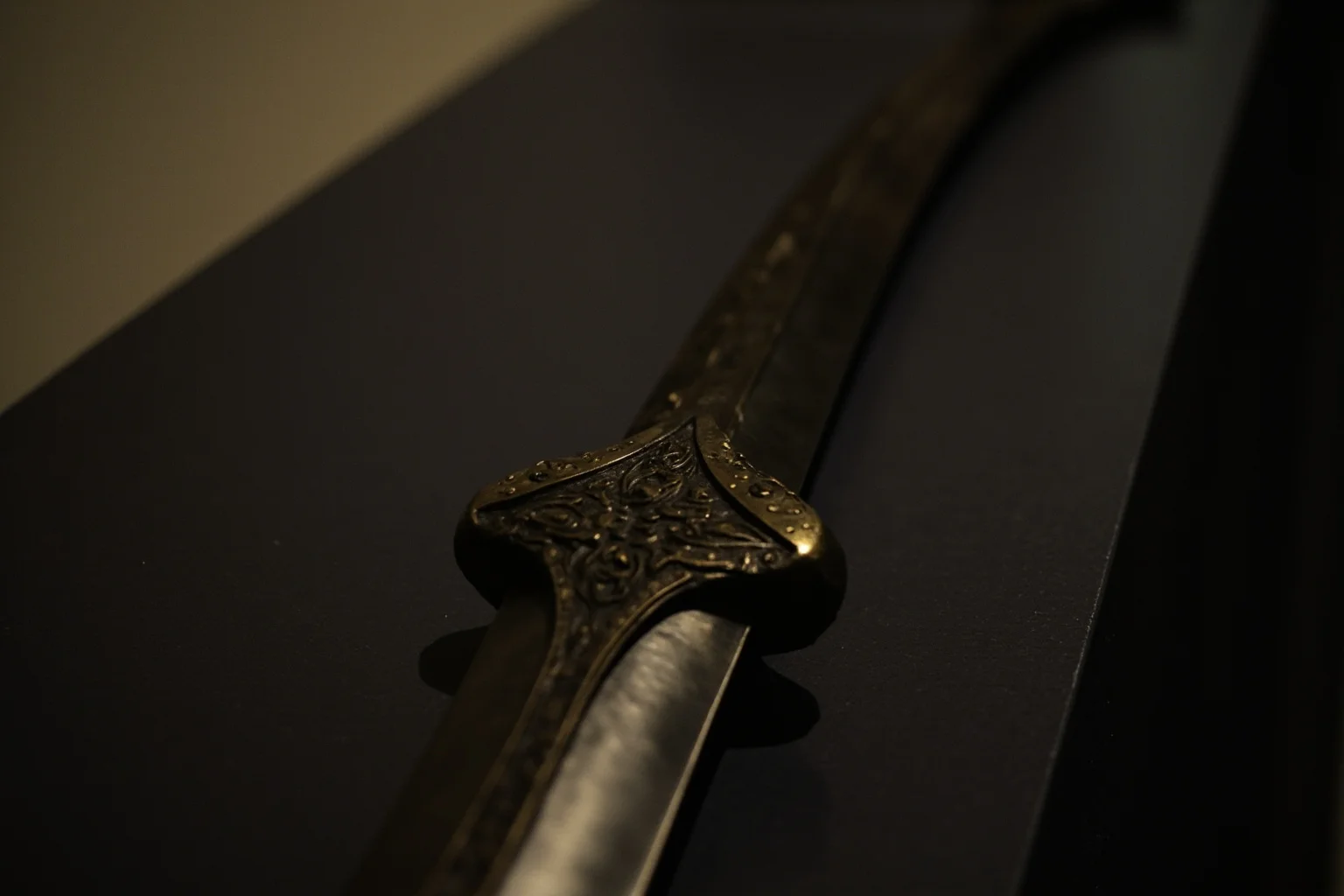
Tizona is a sword long attributed to Rodrigo Díaz de Vivar, the 11th-century Castilian knight known as El Cid, one of history’s most enduring nicknames, whose exploits during Spain’s Reconquista made him a national legend. The sword itself is preserved in the Museum of Burgos in Spain today.
A 2009 metallurgical study suggested the blade’s steel is consistent with an 11th-century Andalusian forge, lending some support to its traditional attribution. Still, definitive proof that this exact sword touched El Cid’s hand remains elusive, and historians treat the connection as plausible tradition rather than certainty.
7. The Honjo Masamune – Japan’s Vanished Masterpiece
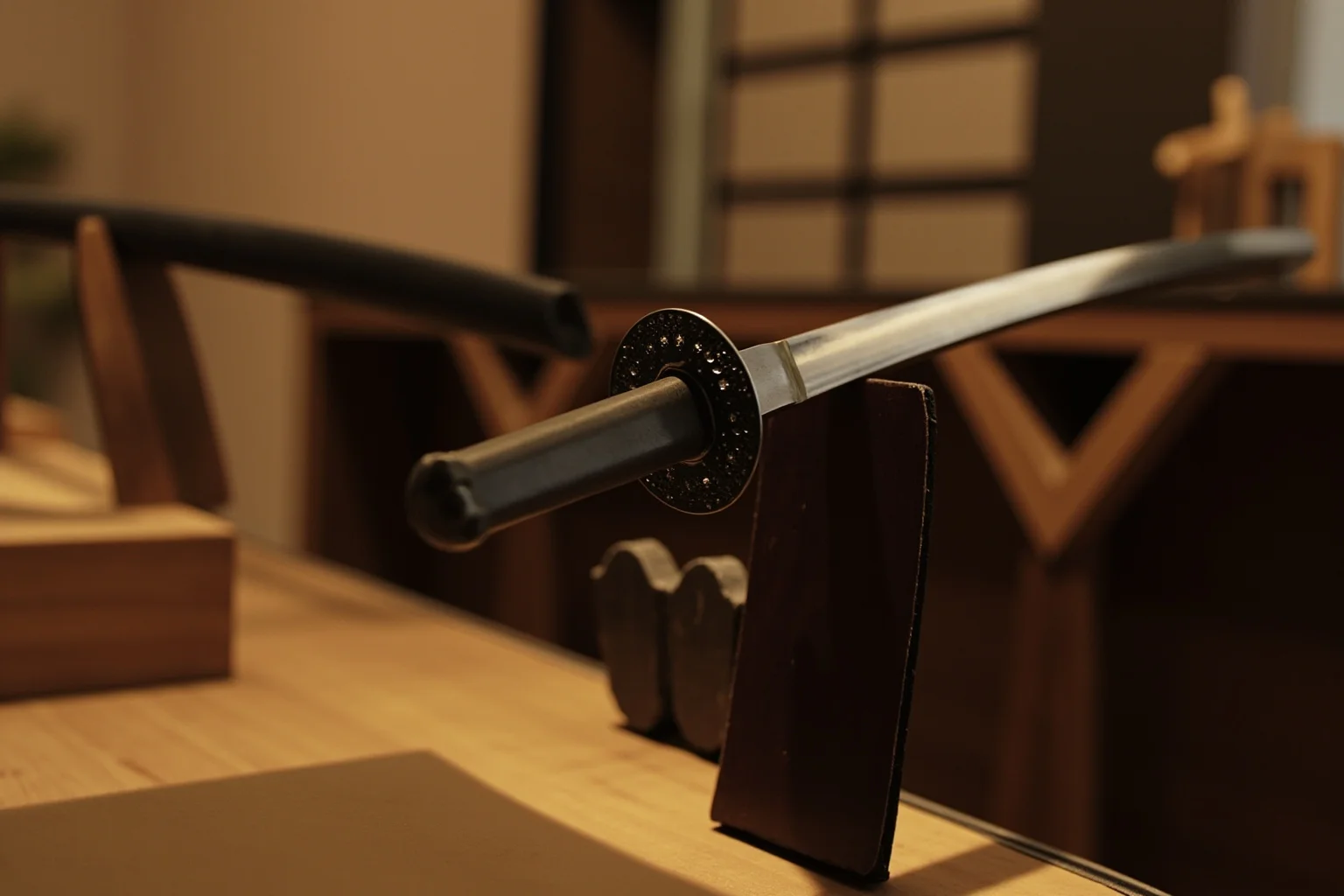
Crafted by the legendary swordsmith Masamune, likely in the 13th or 14th century, the Honjo Masamune was considered one of the finest katana ever made and was passed down through the Tokugawa shogunate as a symbol of authority. Its blade was renowned for extraordinary craftsmanship even among master-forged swords.
The sword vanished after World War II, reportedly surrendered to American occupation forces in 1945 and never seen again. Its disappearance remains one of the great unsolved mysteries in Japanese sword history.
8. Ulfberht Swords – The Viking Era’s High-Tech Steel
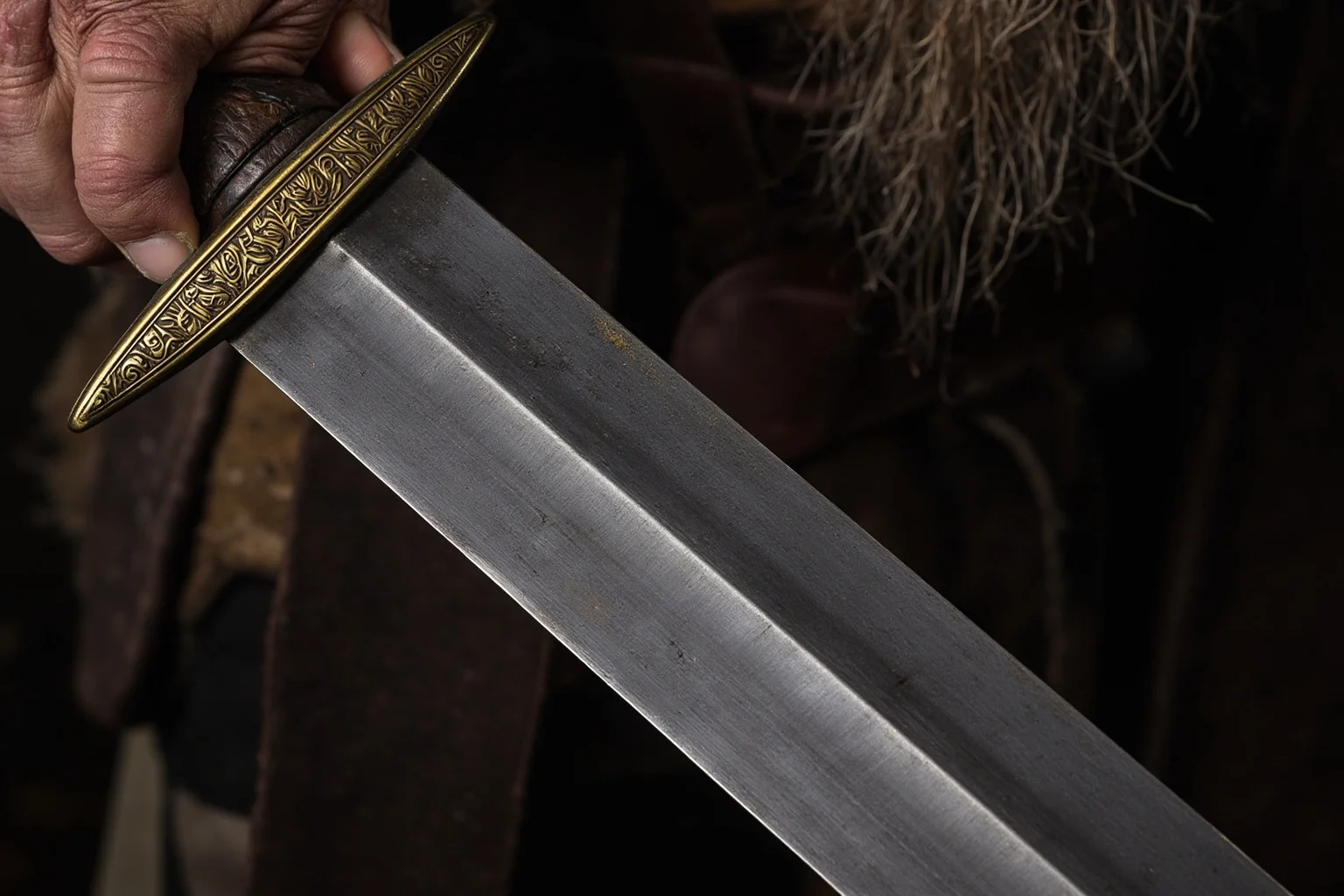
Ulfberht swords are a group of roughly 170 Viking Age blades, dated from around 800 to 1000 CE, all inscribed with the name “+VLFBERH+T.” What makes them remarkable is their unusually pure, high-carbon crucible steel, a quality that wouldn’t become common in Europe for centuries.
Researchers believe the metal may have originated from trade routes stretching as far as the Islamic world or Central Asia. Whoever made them, Ulfberht swords remain some of the coolest looking swords of the early medieval period, both for their craftsmanship and the mystery of how Viking-era smiths got their hands on such advanced steel.
9. The Khopesh – Ancient Egypt’s Sickle-Sword
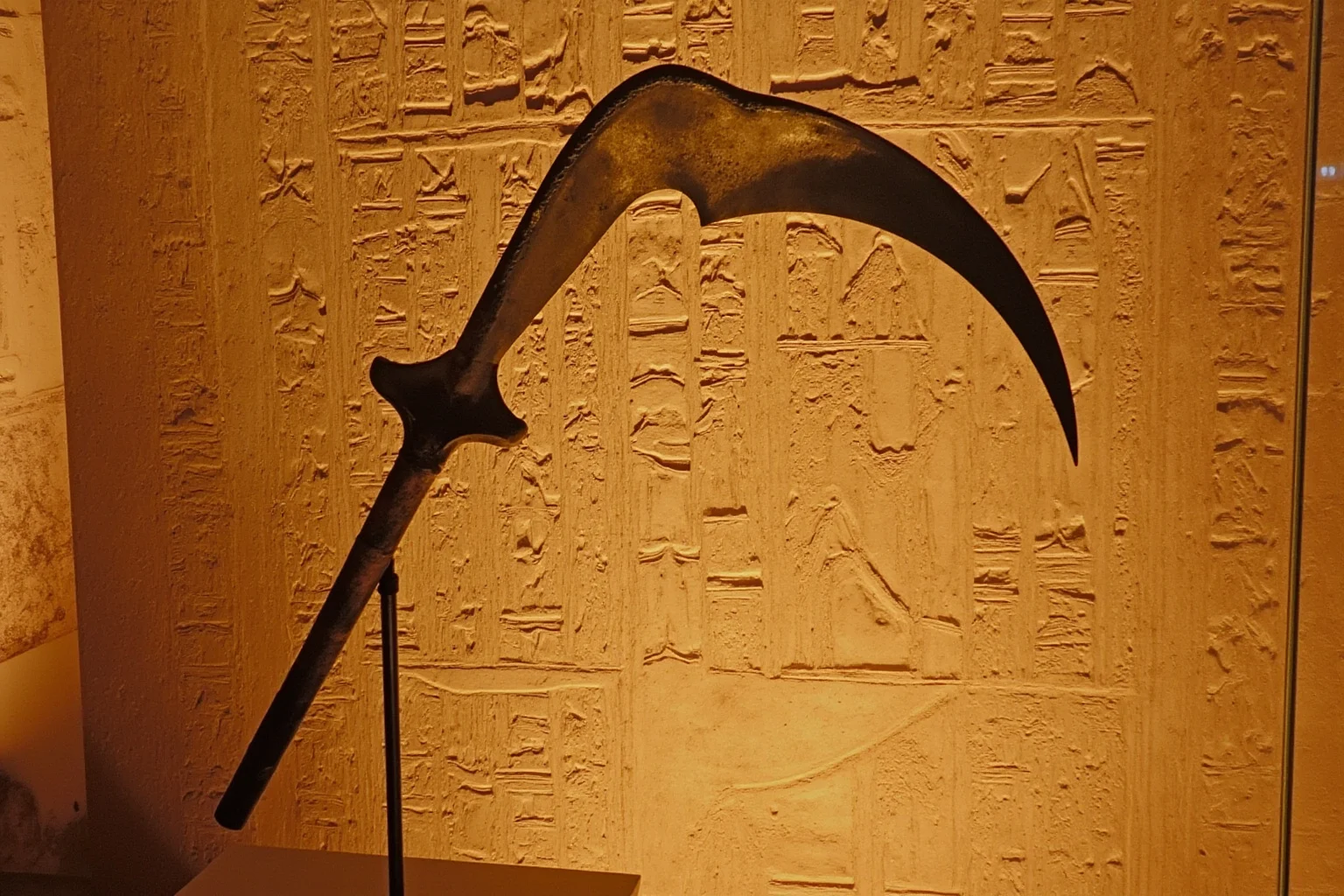
The khopesh is one of the oldest distinct sword designs on this list, appearing in Egyptian art and archaeological finds from around 1600 BCE onward. Its curved, sickle-like blade evolved from earlier battle-axes and was used for both slashing and hooking an opponent’s shield or weapon.
Examples have been found in royal tombs, including a depiction buried with Tutankhamun, underscoring its status as a weapon of pharaohs and elite soldiers. Its unmistakable curved profile makes it one of the most visually distinct ancient weapons ever designed.
10. The Gladius – Rome’s Empire-Building Shortsword
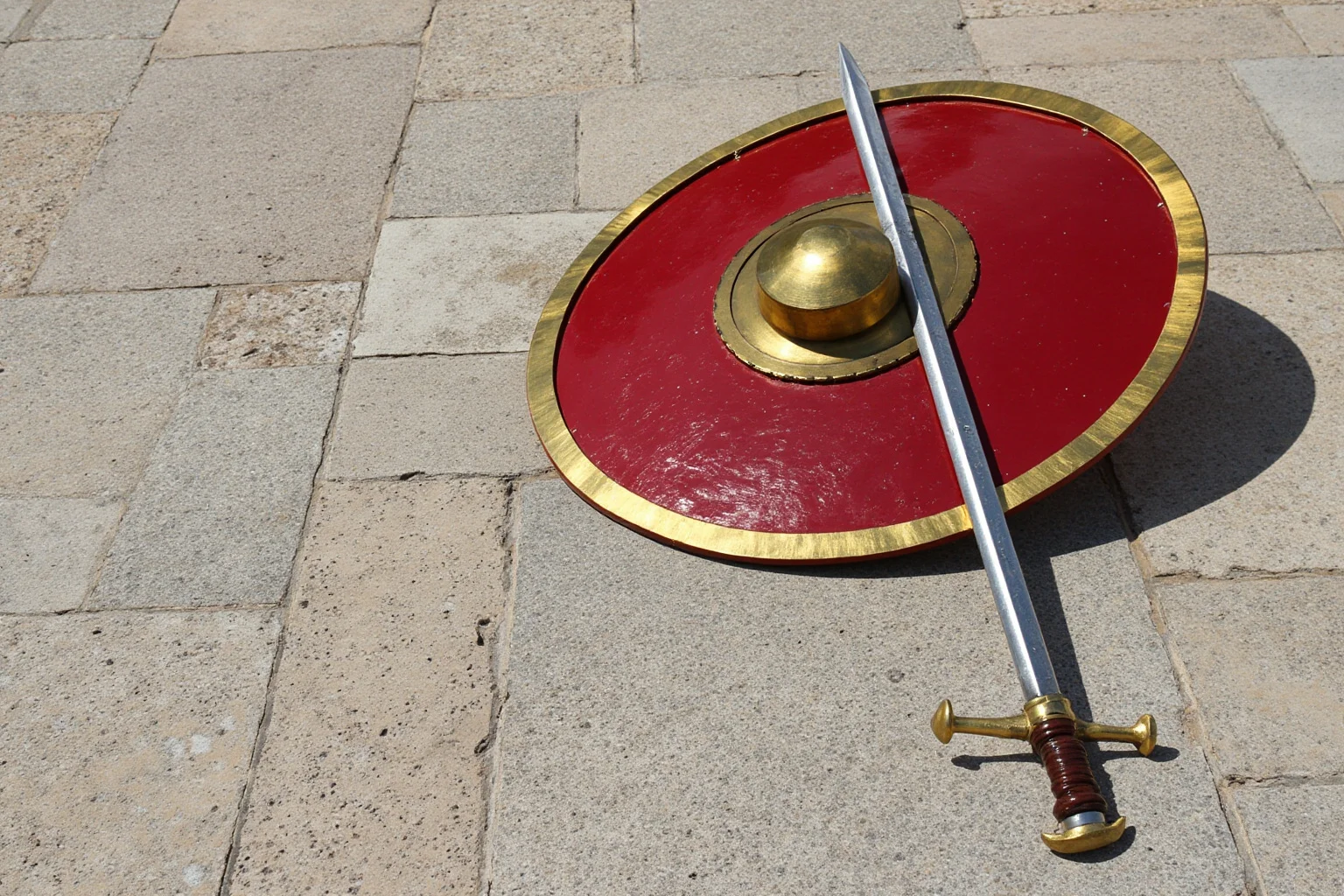
The gladius was the standard sidearm of Roman legionaries for centuries, prized for its short length and double-edged blade suited to close-quarters stabbing in tight infantry formations. Historians generally believe the Romans adapted the design from Iberian swords encountered during the Punic Wars.
It wasn’t flashy, but the gladius was arguably one of the most historically consequential swords ever made, since it helped Rome conquer and hold a Mediterranean empire for centuries. Function, in this case, made for its own kind of cool.
11. The Katana – Japan’s Soul of the Samurai
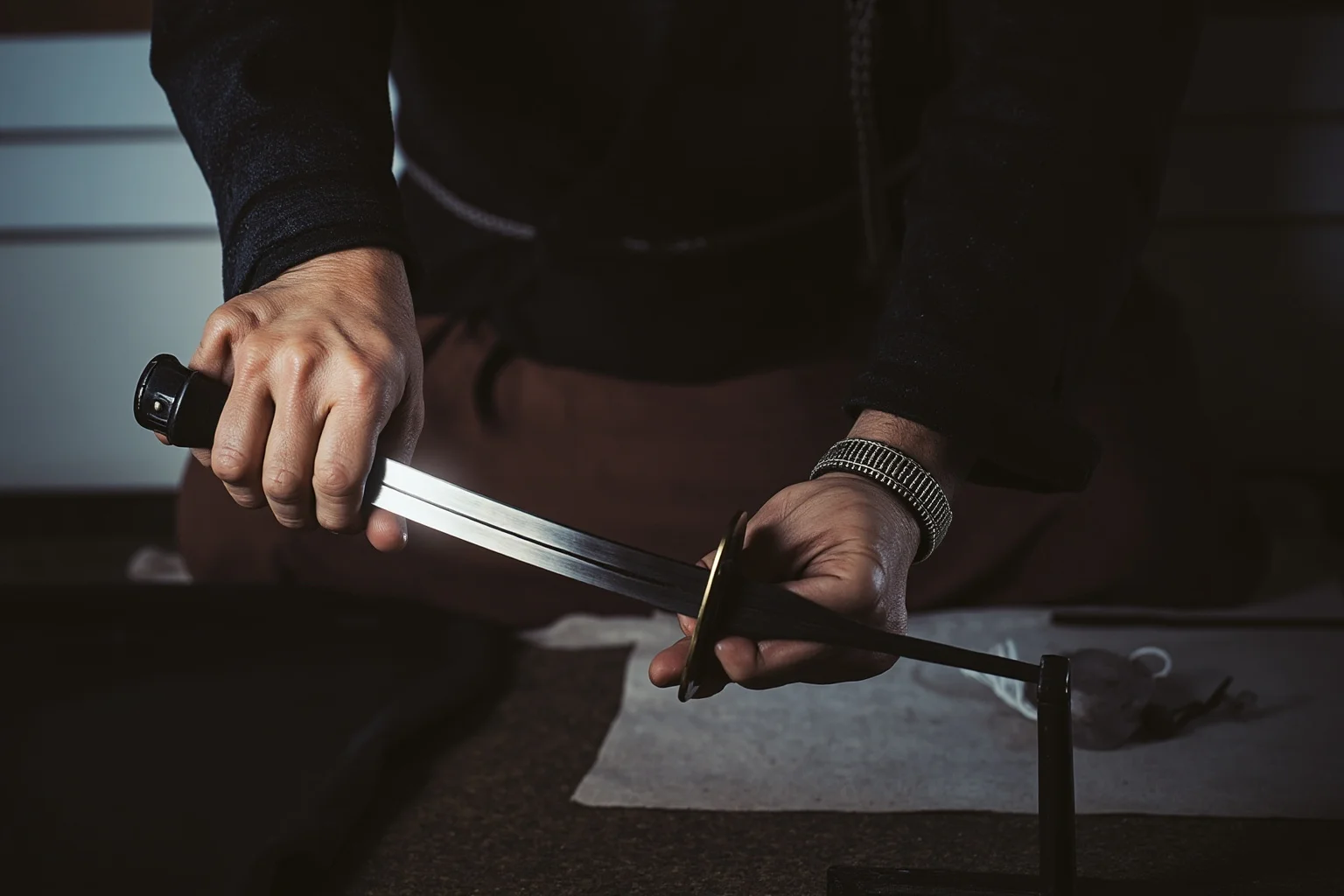
The katana as most people picture it today, with its curved, single-edged blade and long grip, developed prominently from around the 12th to 15th centuries CE, and it became closely tied to samurai identity during Japan’s feudal era. Master smiths practiced a folding and differential hardening process that gave the blade both flexibility and a hard, sharp edge.
The katana’s reputation has picked up plenty of exaggerated myths over the years, particularly claims about mystical sharpness that outstrip any real steel weapon. Even without the myths, the genuine craftsmanship behind traditionally made katana easily earns it a spot among the coolest swords in history.
12. The Falcata – Iberia’s Curved Killer
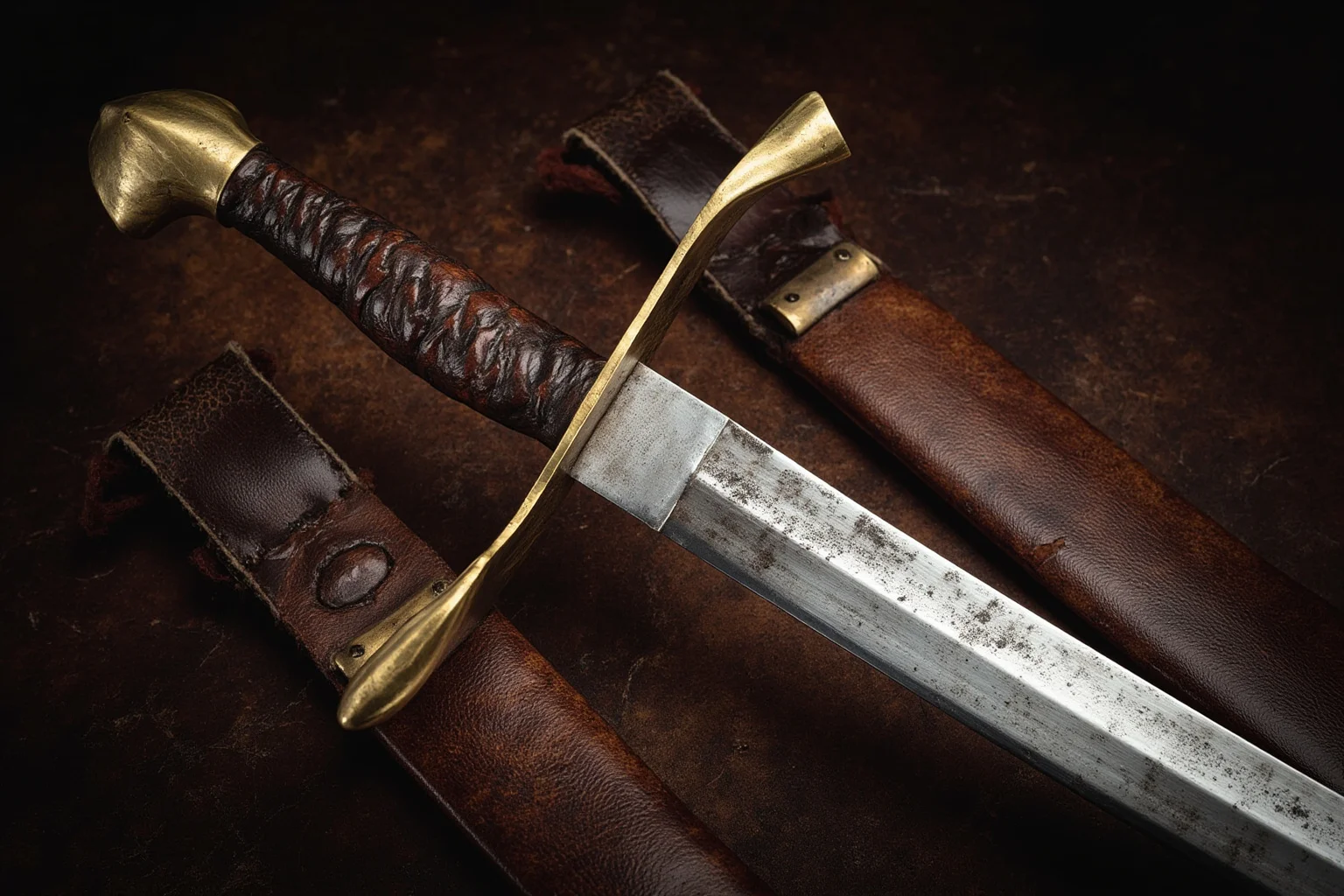
Used by pre-Roman peoples of the Iberian Peninsula around the 5th to 1st centuries BCE, the falcata featured a forward-curving blade that concentrated weight near the tip for devastating chopping power. Roman writers, including accounts referenced by later historians, described its effectiveness with a mix of respect and alarm.
Some scholars believe its design influenced the later Roman gladius, though this connection is debated rather than settled fact. Either way, the falcata’s aggressive silhouette makes it one of antiquity’s most striking blades.
13. The Claymore – Scotland’s Two-Handed Giant
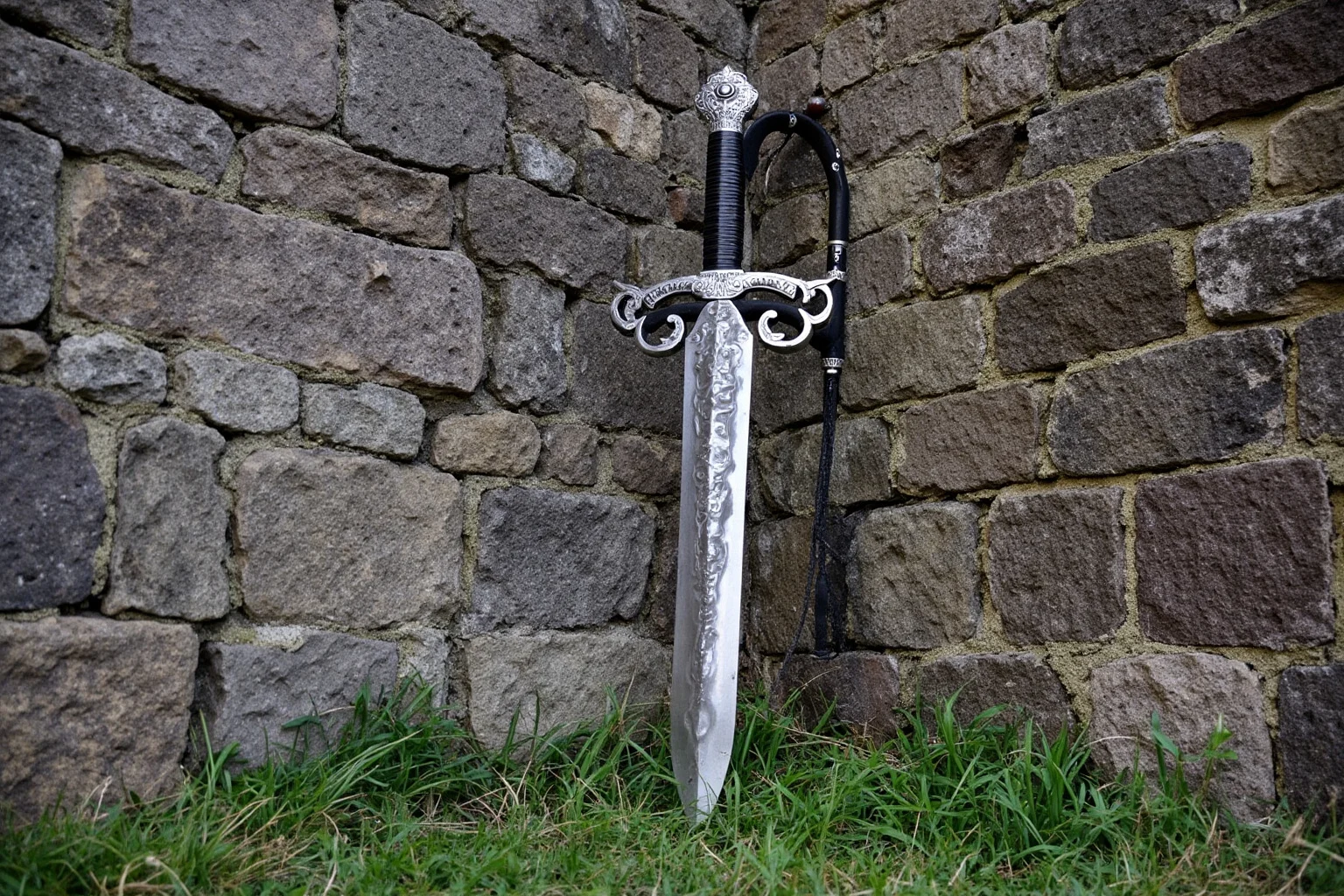
“Claymore” comes from the Gaelic “claidheamh-mòr,” meaning “great sword,” and it refers to the large two-handed Scottish swords used primarily from the 15th to 17th centuries. Its long blade and distinctive down-sloping quillons made it effective for sweeping cuts on open battlefields.
Later, the term also got applied to Scottish basket-hilted broadswords, which causes some confusion among collectors and historians today. Either version fits the popular image of a dramatic Highland warrior’s weapon.
14. The Wallace Sword – Scotland’s Relic of Rebellion
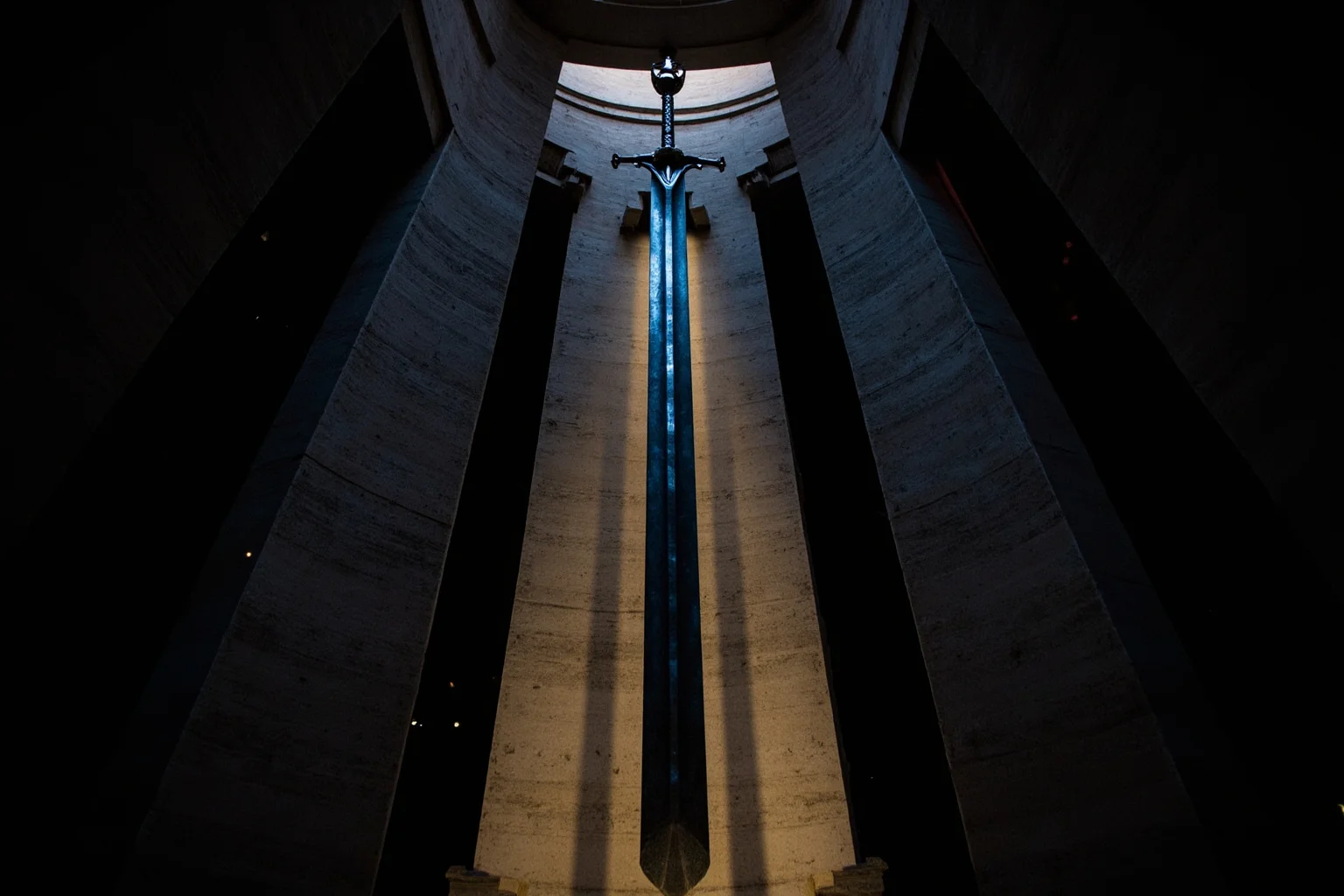
Displayed at the National Wallace Monument in Stirling, this large sword is traditionally linked to William Wallace, the Scottish leader famous for resisting English rule in the late 13th century. It’s an enormous two-handed weapon, fitting for the larger-than-life reputation Wallace has carried through history and folklore.
Historians note that the sword’s current hilt and scabbard fittings were added later, likely in the 18th century, so its full authenticity as Wallace’s personal weapon can’t be confirmed with certainty. It remains a powerful national symbol regardless of the unresolved details.
15. Curtana – The Sword of Mercy
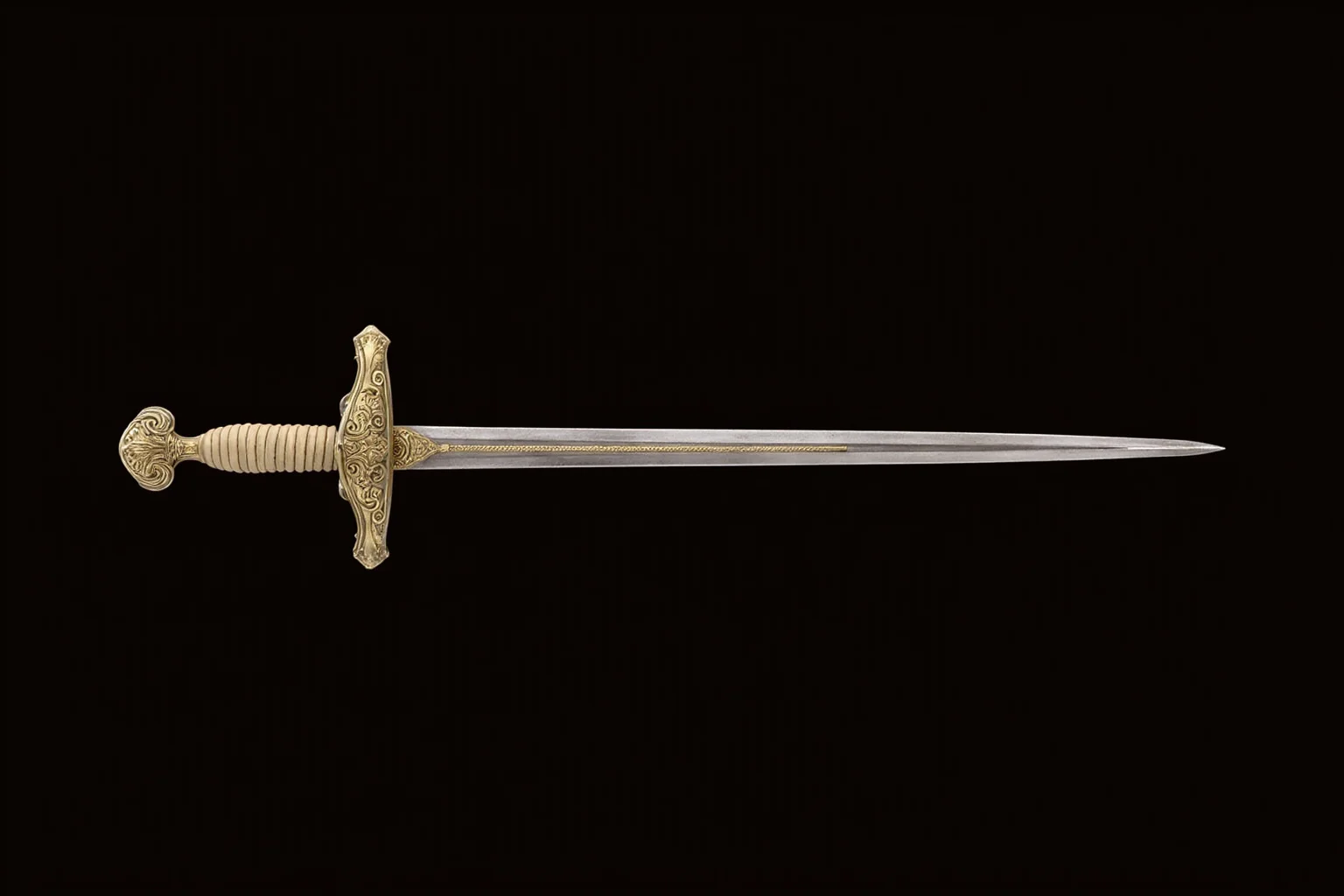
Curtana is part of the English/British coronation regalia, distinguished by its blunted, squared-off tip, which symbolizes mercy rather than violence. It has been used in coronation ceremonies for centuries, including relatively recent ones, carried alongside other ceremonial swords of justice.
Legend once tied Curtana to Ogier the Dane, a hero from medieval chivalric romance, though historians treat that origin as literary tradition rather than documented fact. As a ceremonial object, its real historical role in English monarchy is well documented regardless of its legendary backstory.
16. Damascus Steel Scimitars – The Blades of Legend and Legendmakers
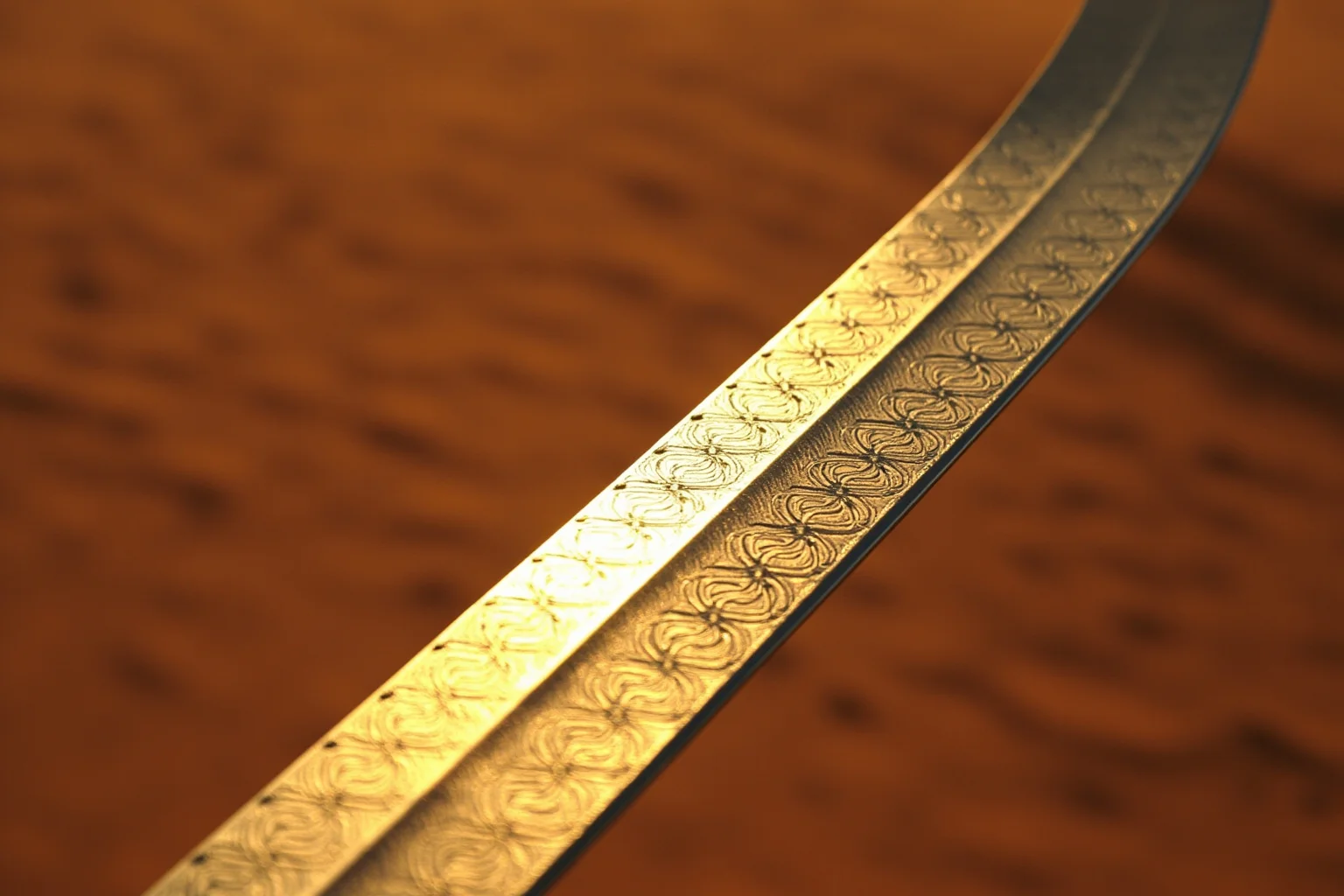
“Damascus steel” refers to a distinctive patterned steel, likely made using wootz steel imported from India and the Middle East, prized across the Islamic world from roughly the 3rd century CE onward for its strength and rippling visual pattern. Curved swords like scimitars and shamshirs made from this steel became associated with skilled Middle Eastern and South Asian cavalry.
The original wootz production techniques were largely lost by the 18th century, which only added to Damascus steel’s mystique. Modern pattern-welded “Damascus” blades exist today, but they’re a different process re-created by modern smiths rather than a direct continuation of the ancient method.
17. Napoleon’s Sword of State – A Symbol of Empire
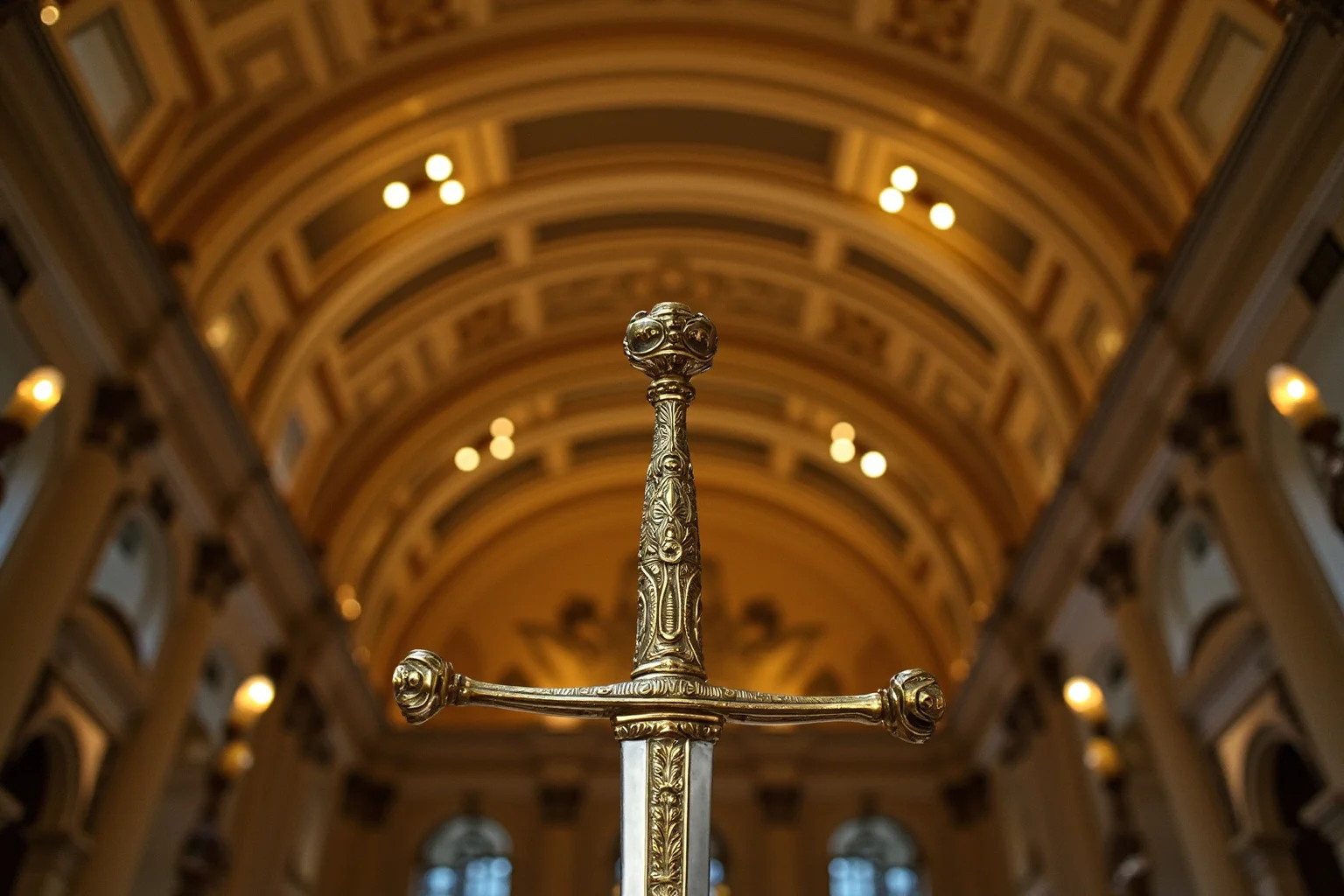
Napoleon Bonaparte, one of the most recognized historical figures of all time, owned several ceremonial and personal swords throughout his career, including ornate examples now held in French museums like the Louvre and Fontainebleau. These swords typically feature elaborate gold work and imperial iconography reflecting his self-declared status as Emperor of the French.
Unlike battlefield weapons, these were largely symbols of political authority rather than tools for combat. They reflect how, even in the early 19th century, swords still carried enormous symbolic weight for rulers trying to project legitimacy.
18. The Kris – Southeast Asia’s Wavy Wonder
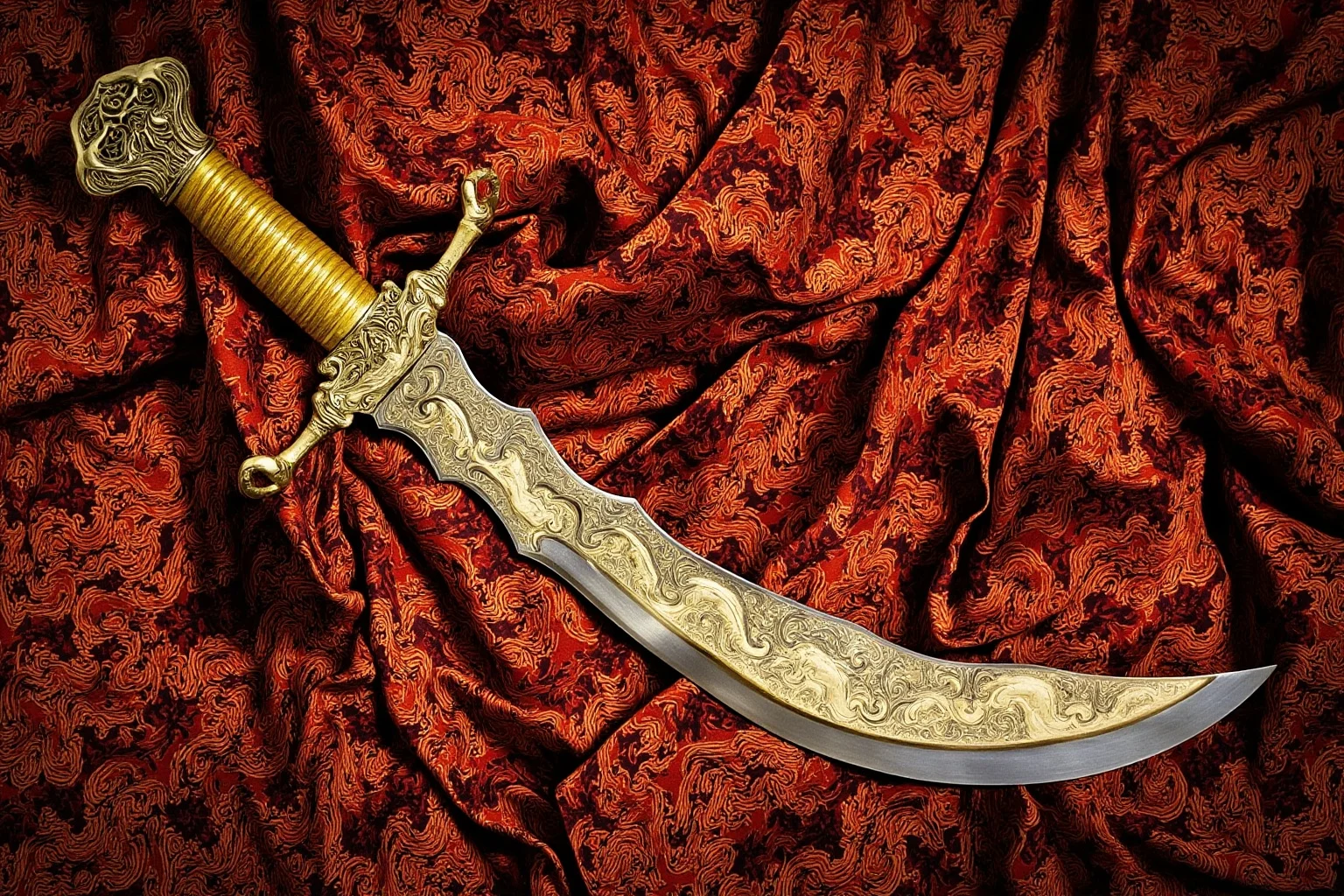
The kris, found across Indonesia, Malaysia, and the Philippines, is instantly recognizable by its wavy, asymmetrical blade, though straight-bladed versions exist too. Historical and archaeological evidence traces the weapon back at least to the 9th or 10th century CE, with the design evolving significantly over time.
Beyond its function as a weapon, the kris carries deep spiritual significance in many Southeast Asian cultures, with some blades believed to hold protective or mystical properties. UNESCO recognized kris craftsmanship as part of humanity’s intangible cultural heritage in 2005, cementing its status as far more than just a cool-looking blade.
19. The Rapier – The Duelist’s Blade of Elegance
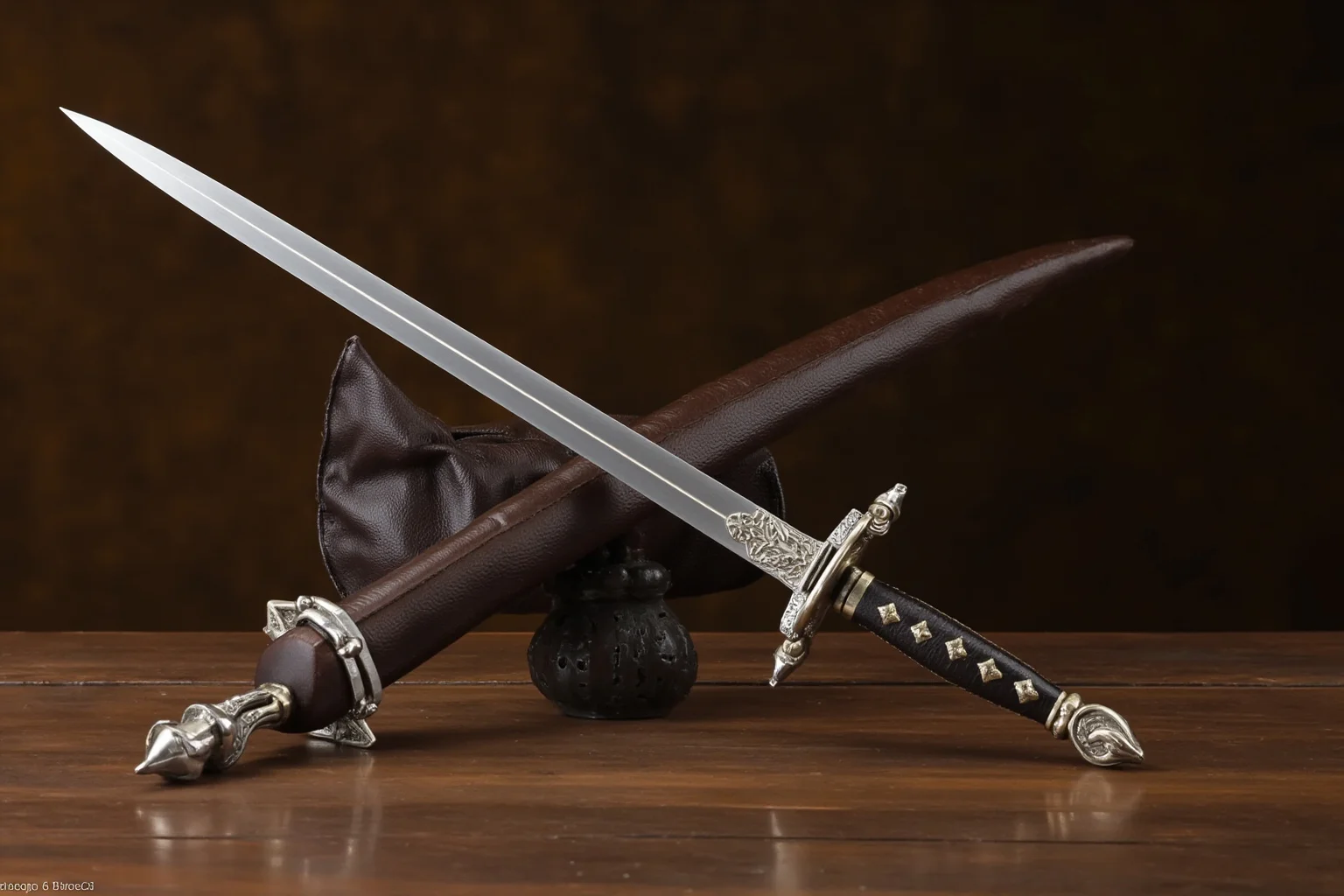
Emerging in 16th-century Spain and Italy, the rapier is a long, slender sword designed primarily for thrusting rather than heavy cutting, reflecting the rise of formalized civilian dueling and fencing schools. Its elegant profile made it as much a fashion statement among nobility as a functional weapon.
Rapier fencing developed alongside detailed technical manuals from masters across Europe, some of which survive today and inform modern historical fencing reconstruction. It represents a shift from battlefield swordplay toward codified, almost sport-like combat.
20. The Seven-Branched Sword – Japan’s Ancient Diplomatic Gift
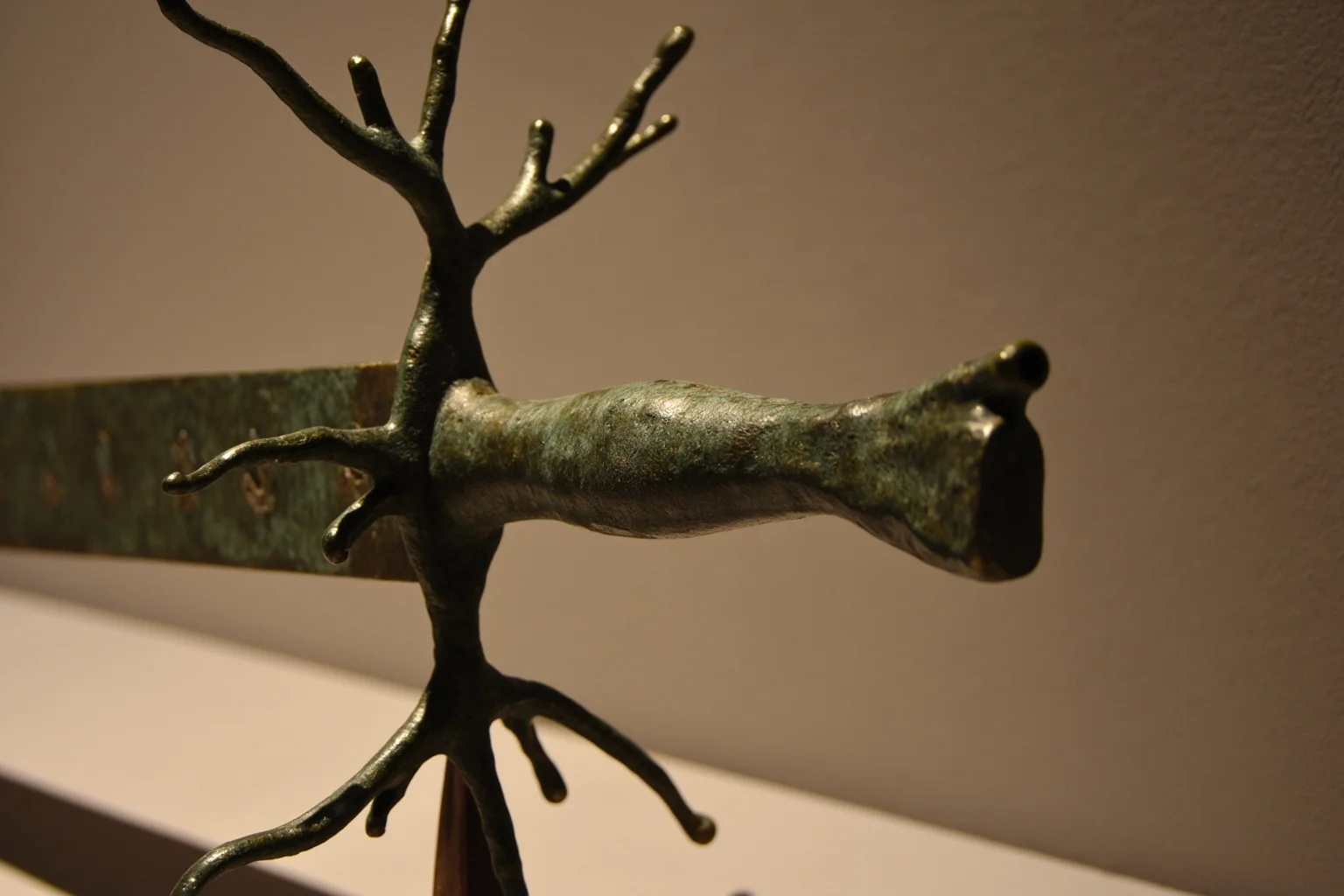
Held at Isonokami Shrine in Japan, this ornate bronze sword features six branch-like projections along its blade and is mentioned in Japan’s ancient chronicle, the Nihon Shoki, as a gift from a Korean kingdom. Most scholars date the actual object to the 4th century CE, making it one of the oldest surviving swords tied to documented East Asian diplomacy.
Its impractical, ceremonial shape makes clear it was never meant for combat. Instead, it stands as physical evidence of early diplomatic relationships between ancient Japan and the Korean peninsula.
21. The Sword of Attila – The Blade Sent by the Gods
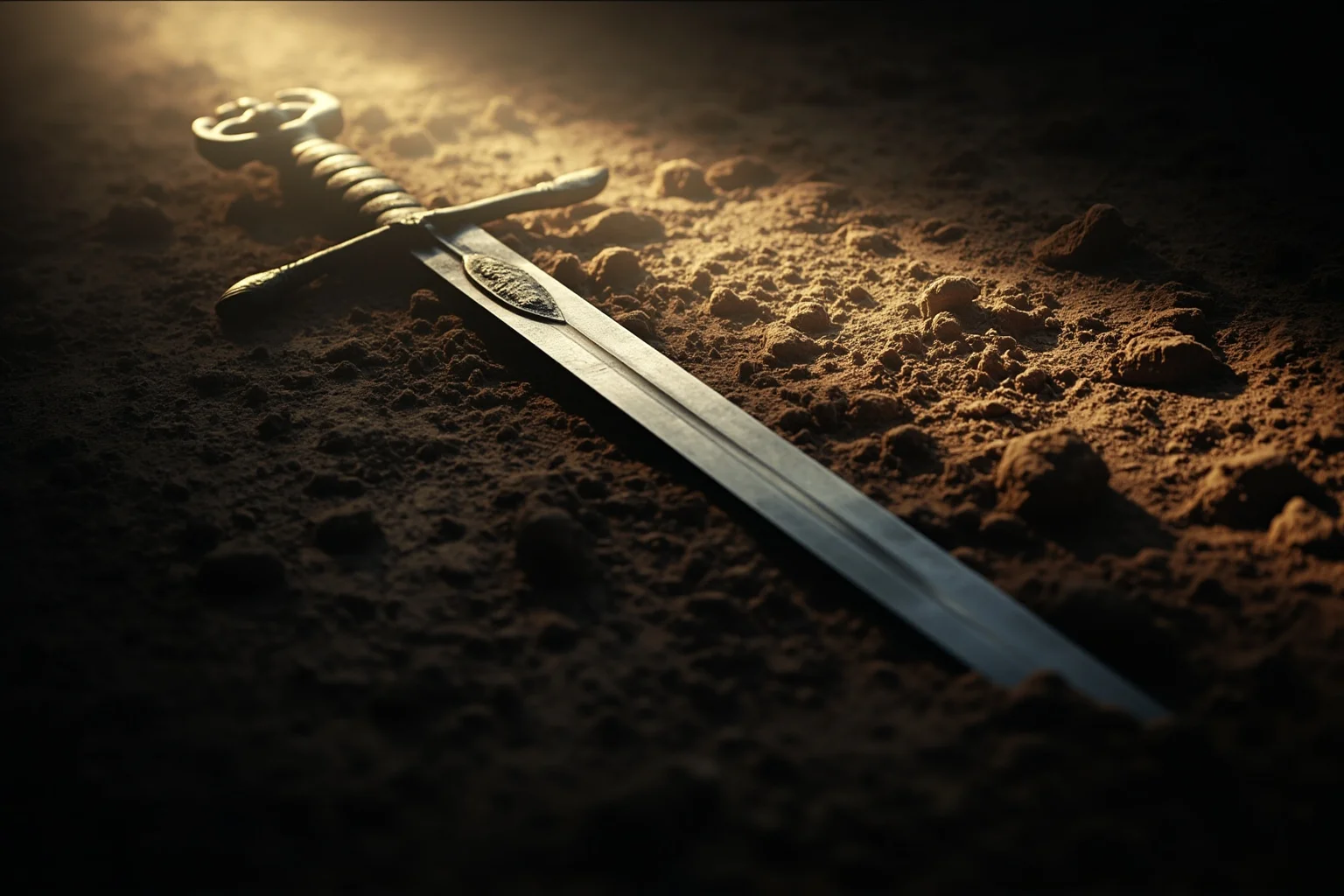
According to the Roman historian Jordanes, writing in the 6th century, Attila the Hun possessed a sword believed by his followers to be a sacred weapon of Mars, the god of war, discovered by a herdsman after being revealed by a wounded animal. No physical sword survives, and the story reads more as propaganda-friendly legend than verified history.
Whether or not the tale is true, it shows how ancient rulers used sword mythology deliberately to bolster their own image as divinely favored. It’s a great example of legend functioning as political tool rather than literal fact.
22. The Zweihänder – Europe’s Massive Mercenary Sword
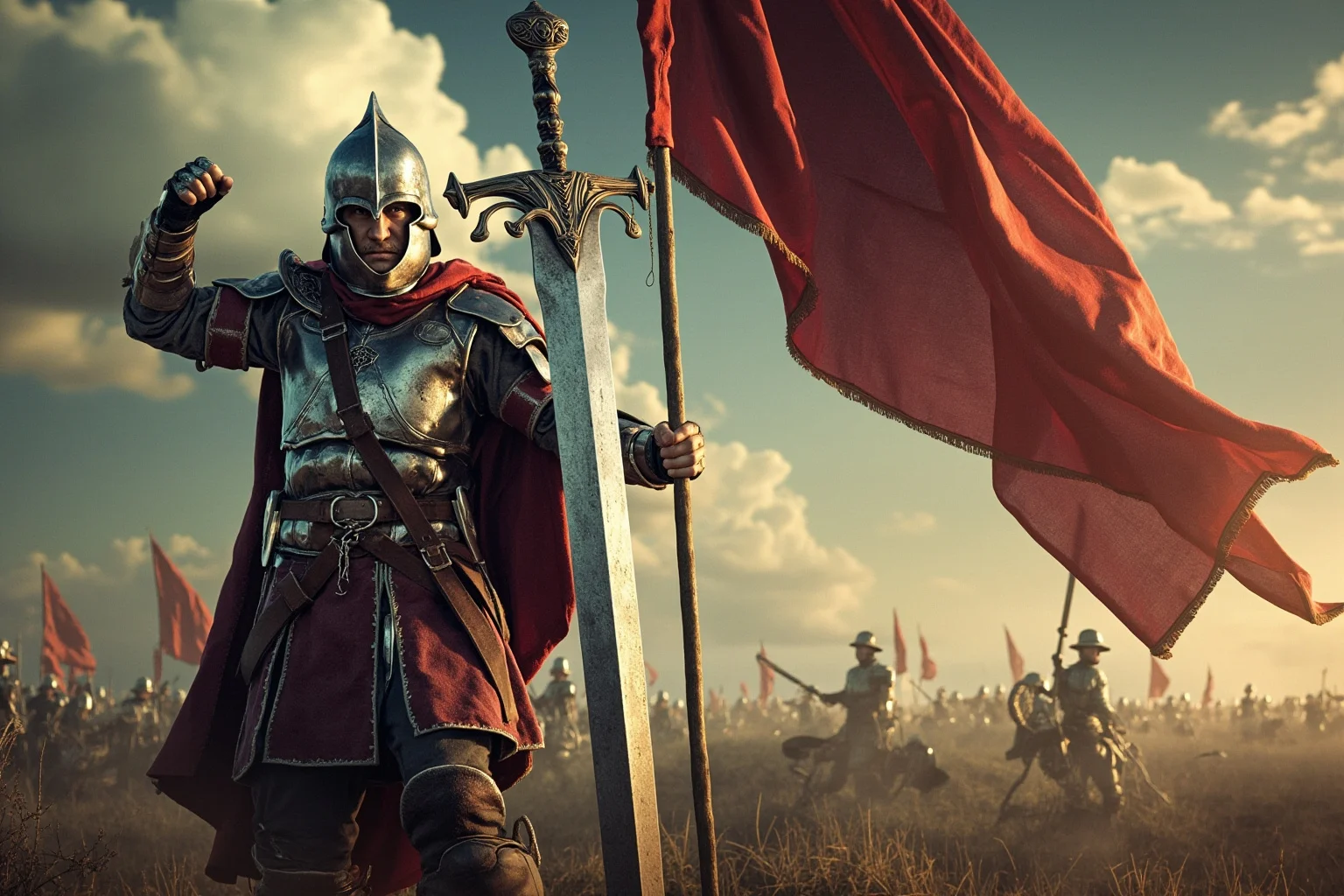
Used primarily by German and Swiss mercenaries known as Landsknechte in the 15th and 16th centuries, the Zweihänder was a massive two-handed sword, some examples reportedly reaching well over five feet in length. Specialized soldiers called Doppelsöldner were paid extra for wielding these unwieldy weapons on the front lines, often against pike formations.
Despite its dramatic size, historians note that the Zweihänder was a specialized battlefield tool rather than a common infantry weapon. Its sheer scale still makes it one of the most visually dramatic swords of history.
Why These Swords Still Fascinate Us Today
Looking across this list, it’s clear that the coolest swords in history earn their reputation in very different ways. Some, like the Sword of Goujian or the Ulfberht blades, impress us through genuine ancient engineering that still puzzles modern experts. Others, like Excalibur or the Sword of Attila, matter because of the stories people told about them long after any real blade existed.
What ties them all together is that swords were never just weapons — they were symbols of kingship, religious devotion, national identity, and personal honor, often all at once. That’s exactly why, centuries or millennia later, people are still searching for the coolest looking swords and the stories behind them.
If there’s one myth worth busting here, it’s the idea that legendary status requires a verified, unbroken chain of historical proof. Plenty of the swords of history that shaped culture most powerfully are exactly the ones where fact and legend blurred together the most.
Frequently Asked Questions
What are the most iconic swords in history?
Some of the most iconic swords in history include the legendary Excalibur of King Arthur, Joyeuse (associated with Charlemagne), the ancient Sword of Goujian from China, the katana of Japan's samurai era, and Ulfberht swords from the Viking Age. They're iconic for different reasons — some for genuine archaeological significance, others primarily for the legends built around them.
Is Excalibur a real sword?
No verified historical evidence confirms Excalibur ever existed as a physical object. It comes from medieval Arthurian literature, first appearing in written form in the 12th century, centuries after the legendary King Arthur was said to have lived.
What is the oldest sword still in existence?
Sword-like weapons date back to the Bronze Age, with some of the oldest well-preserved examples, like the Sword of Goujian, dating to roughly the 6th to 5th century BCE. Even older bronze blades exist in archaeological collections, though many are fragmentary or heavily corroded.
Why is Damascus steel so famous?
Damascus steel refers to a distinctive patterned steel, likely made from wootz steel, that produced strong, sharp blades with a rippling visual texture. The original production technique was largely lost by the 18th century, which added to its mystique, and modern 'Damascus' pattern-welded steel is a different, re-created process rather than a direct revival of the ancient method.
What’s the difference between a katana and a European longsword?
A katana is a curved, single-edged Japanese sword optimized for slashing, typically forged using a folding technique with differential hardening for a hard edge and flexible spine. A European longsword is usually straight and double-edged, designed for both cutting and thrusting, and reflects a very different combat tradition and metallurgy history.
Did the Honjo Masamune really disappear after World War II?
Yes, historical records indicate the Honjo Masamune, one of Japan's most celebrated katana, was surrendered to American occupation forces in 1945 and has not been publicly located since. Its disappearance remains one of the most notable unsolved mysteries in Japanese sword history.

Alex Warren
Related Articles