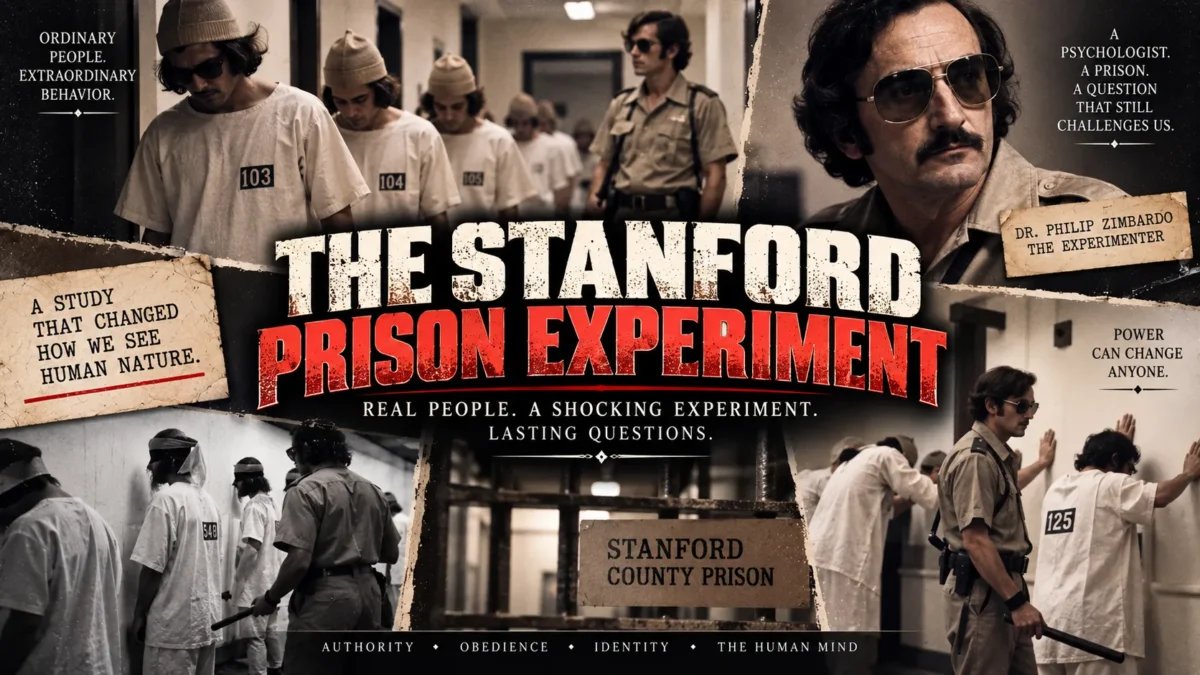
Few studies in the history of psychology have sparked as much fascination, horror, and debate as the Stanford Prison Experiment.
It’s the kind of story that shows up in textbooks, documentaries, movies, and endless internet debates about human nature, not unlike the persistent arguments over whether the moon landing was faked. But between the myths, the dramatized film versions, and the decades of retelling, a lot of the real story has gotten blurry.
This post breaks down the Stanford prison experiment summary you actually need: what happened, why it happened, who was involved, and what modern researchers now think about its shaky scientific foundations. We’ll go fact by fact, myth-busting along the way, so you walk away with the real history rather than the pop-culture version.
TL;DR: The Stanford Prison Experiment of 1971 was a real but deeply flawed psychological study that aimed to show how prison environments shape behavior, and while it revealed something about the power of roles and authority, modern research has raised serious doubts about how it was run and what it actually proved.
What Is the Stanford Prison Experiment?
Before diving into the individual facts, it helps to answer the big question people search for: what is the Stanford prison experiment, in plain terms? It was a psychological study conducted at Stanford University in which ordinary college students were randomly assigned to play either “prisoners” or “guards” inside a simulated prison built in a university basement.
The idea was to see whether the brutal behavior often seen in real prisons came from the personalities of the people involved, or from the situation and environment itself. What started as a planned two-week study fell apart in less than a week, and it became one of the most cited — and most criticized — experiments in the history of social science.
1. It Took Place in the Summer of 1971

The Stanford prison experiment of 1971 ran in August of that year, making it just over 50 years old at this point. For anyone wondering when did the Stanford prison experiment take place, the answer is specific: it began on August 14, 1971, in the basement of Jordan Hall on Stanford’s campus.
The experiment’s date matters because it places the study firmly in a turbulent era, one covered in depth in any timeline of the biggest events in American history. The early 1970s were marked by prison riots, anti-war protests, and growing public distrust of institutional authority — echoes of the same suspicion that had fueled America’s Red Scare decades earlier — all of which shaped why this kind of research felt urgent at the time.
2. It Was Designed and Led by Psychologist Philip Zimbardo

The experiment stanford researchers remember most closely is tied to one name: Philip Zimbardo, a psychology professor at Stanford University. Zimbardo designed the study and also served as its lead investigator, funded by the U.S. Office of Naval Research.
The Navy’s interest wasn’t random. Military and government agencies wanted to understand the causes of conflict and violence within their own prison and military systems, and Zimbardo’s proposal offered a way to study that under controlled conditions.
3. The Purpose Was to Study Situational Power, Not Individual Personality
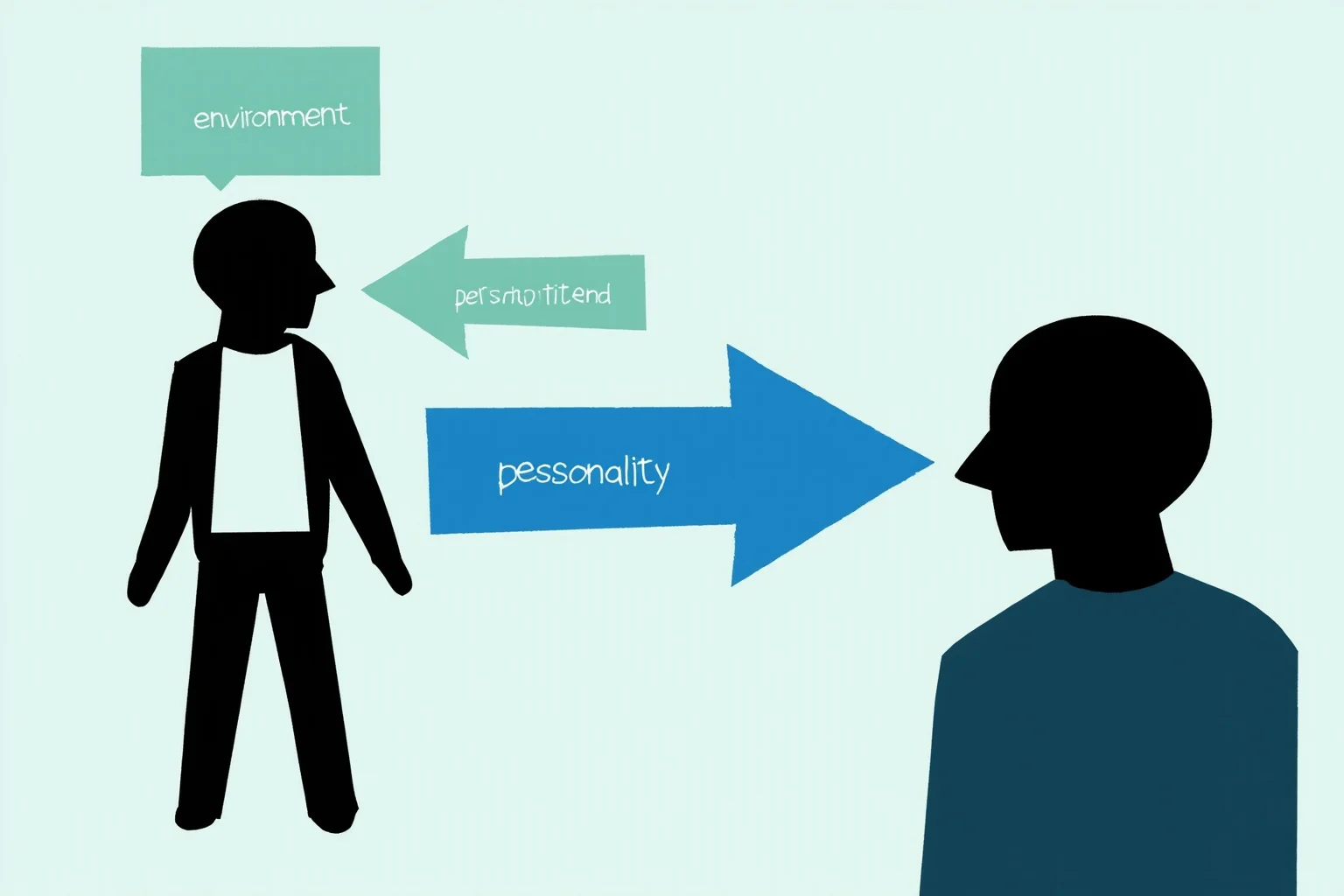
So what was the purpose of the Stanford prison experiment, exactly? Zimbardo wanted to test whether abusive behavior in real prisons came from “bad” individuals, or whether ordinary people would behave cruelly if simply placed into a role that gave them power over others.
This is often called the dispositional versus situational debate in psychology. The purpose of the Stanford prison experiment, in short, was to isolate the situation itself — the uniforms, the setting, the power dynamic — from the individual people, to see which one mattered more.
4. Why the Experiment Was Conducted When It Was

Understanding why the Stanford prison experiment was conducted requires looking at the broader context of 1971 America. Prison unrest was a major news topic, and psychologists were increasingly interested in how institutions shape behavior rather than just individual psychology.
Zimbardo had also previously researched deindividuation, the idea that people lose their sense of personal identity and responsibility in group settings. The prison study was, in many ways, a natural extension of that earlier interest, applied to a real-world setting people were anxious about.
5. Participants Were Recruited Through a Newspaper Ad
Zimbardo’s team placed a newspaper advertisement asking for male college students willing to take part in a study of “prison life” for $15 a day. Around 70 people responded, and after psychological screening, 24 were chosen as being reasonably healthy and stable.
These were not hardened criminals or actors. They were ordinary students, mostly from Stanford and other nearby colleges, which was exactly the point — Zimbardo wanted a baseline group with no prior history of violence or instability.
6. Roles Were Assigned by a Coin Flip

Once selected, the participants were randomly split into two groups: prisoners and guards. This random assignment was meant to rule out the idea that certain personality types naturally gravitated toward cruelty or submission.
In theory, this meant any behavioral differences that emerged afterward could be attributed to the roles themselves rather than pre-existing traits. That randomization is actually one of the more scientifically sound parts of the study’s original design.
7. The “Prison” Was a Converted Basement Hallway
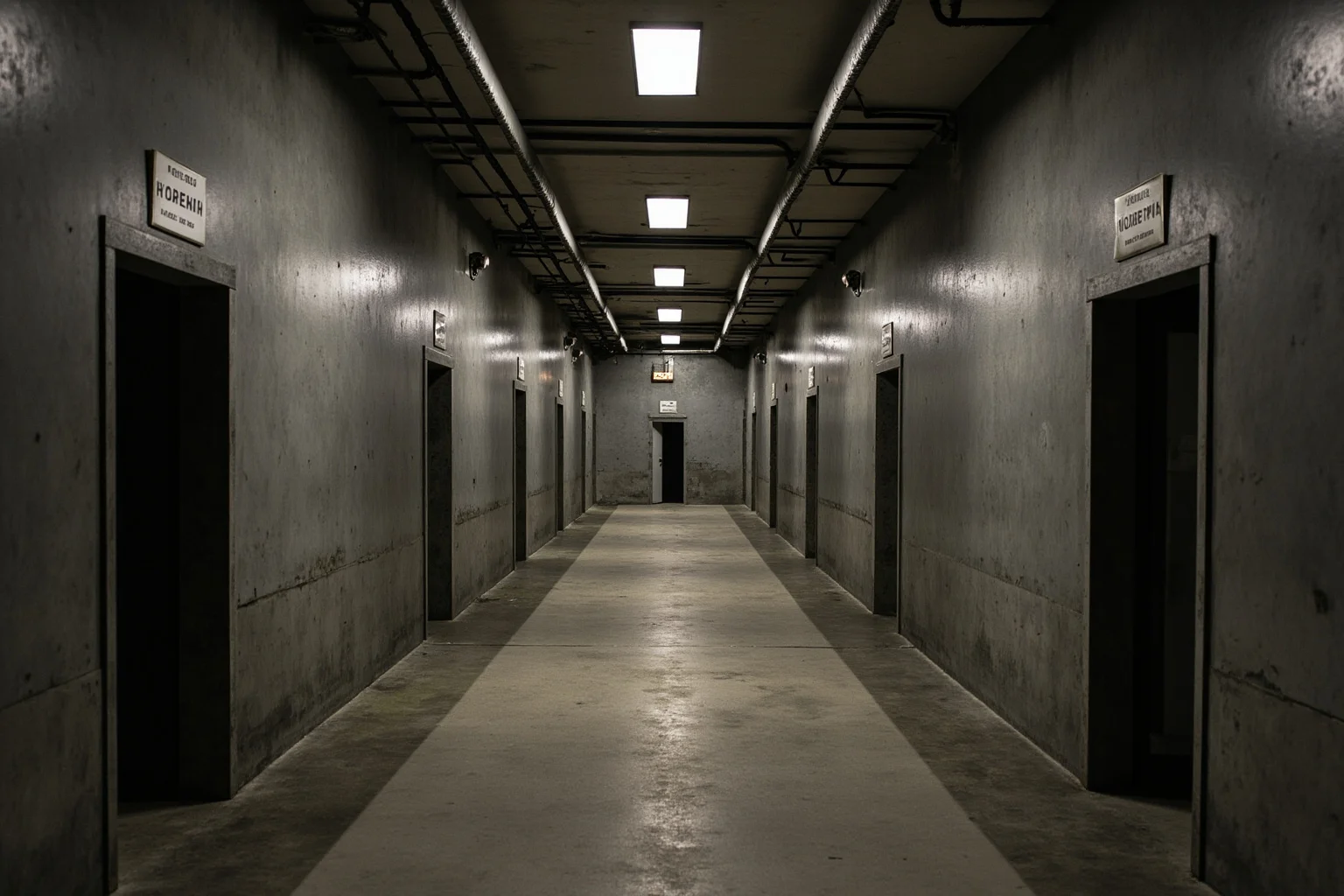
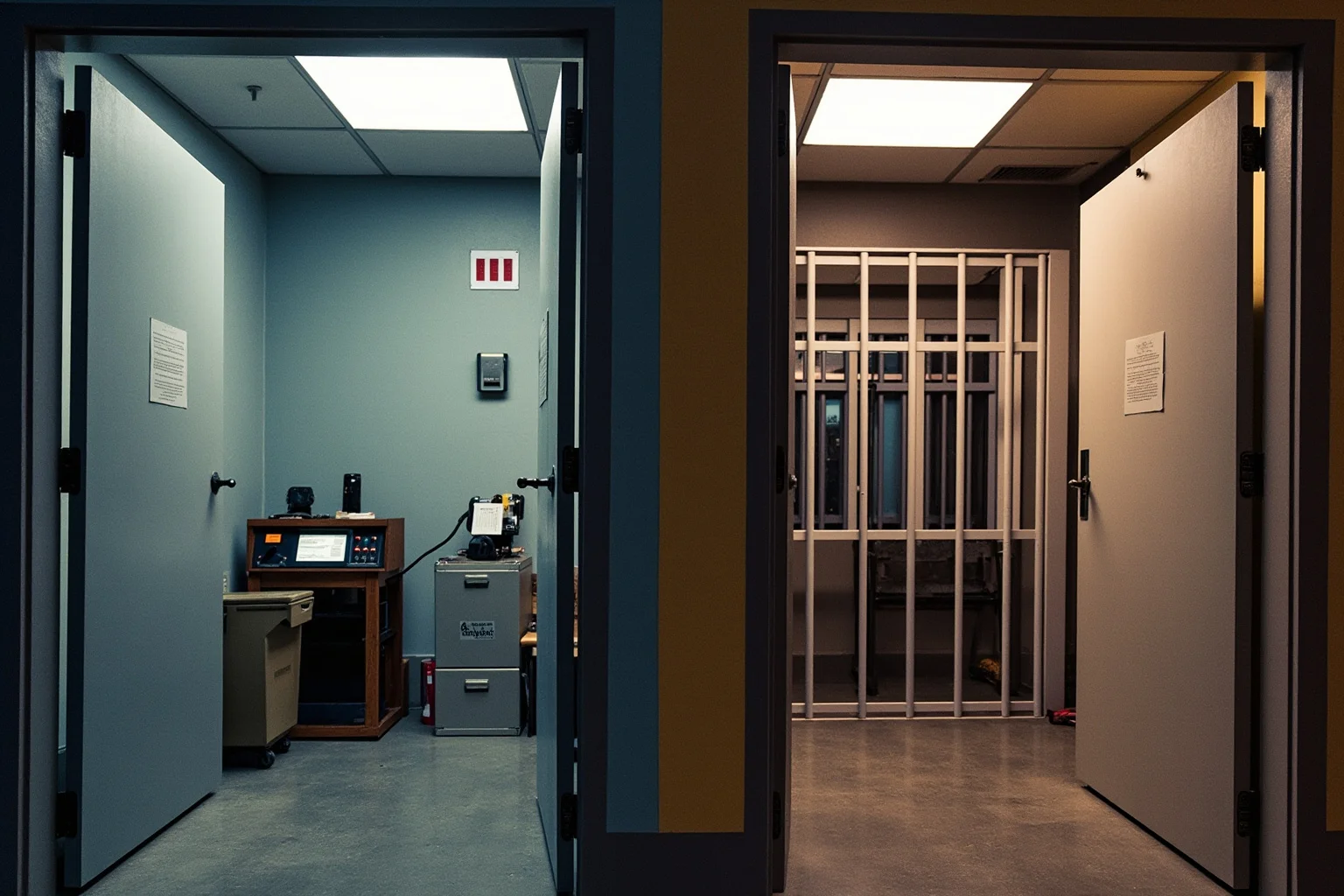
The mock prison wasn’t an actual correctional facility. It was built in the basement of Stanford’s Jordan Hall, where a hallway was converted into a small cell block with three small rooms serving as cells.
A broom closet was even repurposed as a solitary confinement space, nicknamed “the hole.” The setup was rudimentary, but it was enough to make the environment feel oppressive and disorienting within the first day or two.
8. “Prisoners” Were Arrested at Their Homes

To make the experience feel real from the very start, the participants assigned as prisoners were actually “arrested” by local Palo Alto police at their own homes, with neighbors watching. They were fingerprinted, blindfolded, and taken to the mock prison, just like real suspects.
This detail surprises a lot of people learning about the study for the first time. It wasn’t just a psychology exercise conducted with a wink — the goal was to create genuine shock and disorientation right from the opening moments.
9. Prisoners Were Deliberately Dehumanized
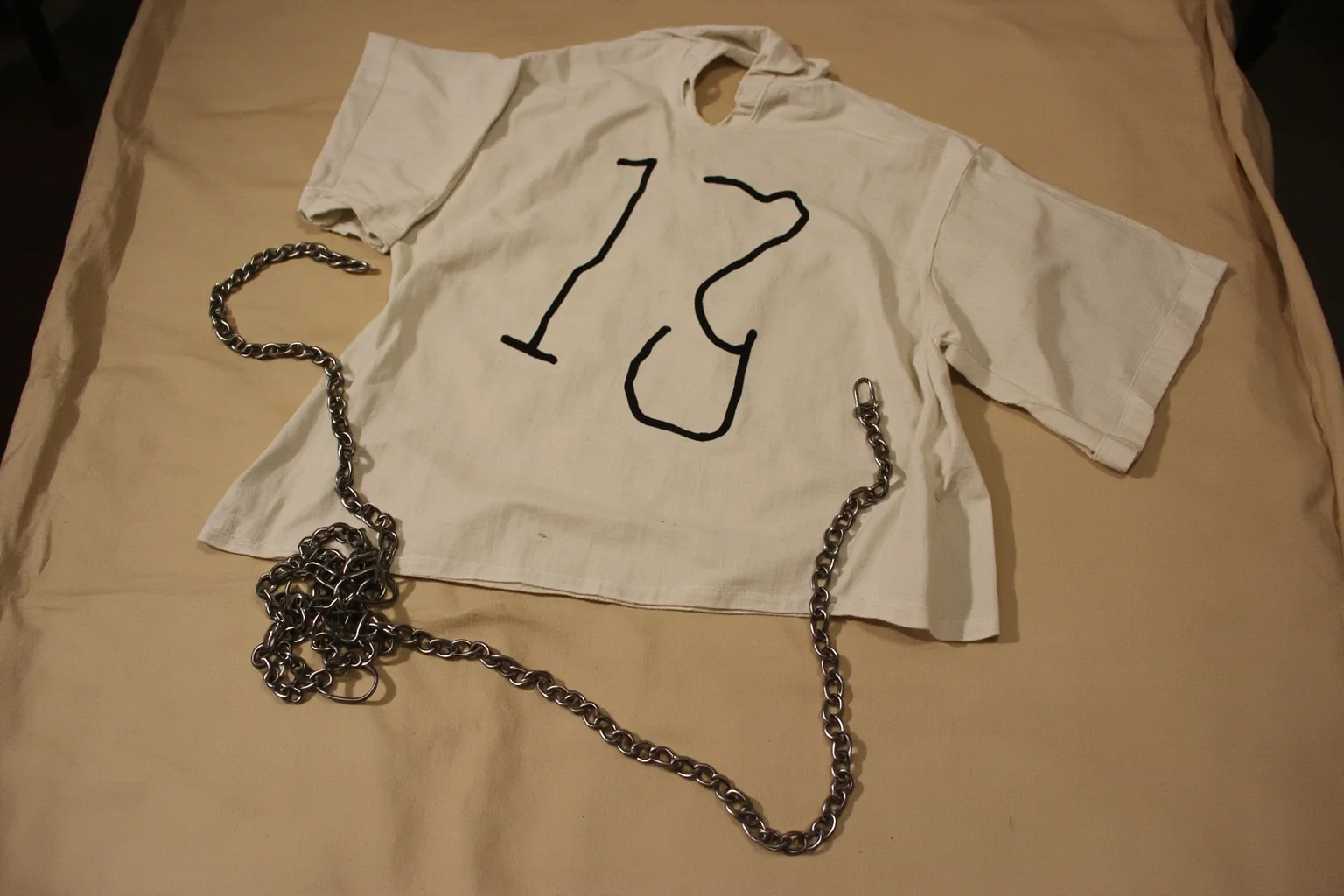
Once inside, the Stanford prison experiment prisoners were stripped of their normal identity markers. They wore numbered smocks instead of clothes, had chains around one ankle, and were referred to only by number rather than by name.
This wasn’t incidental design — it mirrored real dehumanization tactics used in actual prisons at the time. Zimbardo wanted the prisoners to feel like their individuality had been erased, replaced by a number and a role.
10. Guards Were Given Uniforms, Sunglasses, and Batons

On the other side, the guards were dressed in khaki uniforms and given mirrored sunglasses, which prevented eye contact and added a layer of anonymity. They also carried wooden batons, though they were told not to use physical violence against prisoners.
The sunglasses turned out to be more psychologically significant than expected. Several observers later noted that hiding the guards’ eyes seemed to make it easier for them to disconnect from the prisoners as individual people.
11. Guards Escalated Their Behavior Quickly

Within about 24 to 36 hours, several guards began improvising harsh punishments, including forced exercise, sleep deprivation, and humiliating tasks. This is often the most-cited part of any Stanford prison experiment summary, because it happened so much faster than researchers expected.
Not every guard behaved this way — accounts from the study describe a range of guard behavior, from cruel to relatively passive. But a subset of guards drove much of the escalation that made the study infamous.
12. One Prisoner Had an Apparent Breakdown Within Days

A participant known in records as prisoner #8612 reportedly began showing signs of extreme distress within the first two days, including crying, disorganized thinking, and anger. He was released early after his reaction was judged too severe to continue.
His breakdown is frequently used as evidence of how convincing the simulated environment became, even though it was understood by everyone involved to be a study rather than a real prison sentence.
13. Zimbardo Himself Took on the Role of Prison Superintendent

One of the most criticized aspects of the study is that Zimbardo didn’t stay in a neutral observer role. He personally acted as the prison superintendent, which meant he was directly embedded in the power structure he was supposed to be studying objectively.
This dual role is now seen by many psychologists as a major flaw. It’s hard to claim scientific detachment when the lead researcher is also making decisions about prison policy inside his own experiment.
14. A Graduate Student’s Objection Helped End the Study Early

How long was the Stanford prison experiment supposed to last? The original plan called for a full two weeks. It was cut short after only six days, largely because of an intervention by Christina Maslach, a Stanford graduate and Zimbardo’s colleague at the time (the two later married).
When Maslach visited the mock prison and saw the conditions firsthand, she reportedly objected strongly to what she was witnessing, arguing it had crossed an ethical line. Her reaction is widely credited with pushing Zimbardo to end the study on day six instead of day fourteen.
15. The Study Was Never a Tightly Controlled Scientific Experiment

Despite being called an “experiment,” the Stanford prison experiment lacked many features of a rigorous controlled study. There was no comparison group, no blinded observers in the modern sense, and Zimbardo actively shaped the environment rather than passively observing it.
Modern researchers often point out that calling it an “experiment” is generous by today’s scientific standards. It’s more accurately described as a dramatic, uncontrolled simulation with real ethical consequences.
16. Guards May Have Been Coached, According to Later Research

One of the biggest challenges to the study’s legitimacy came from French researcher Thibault Le Texier, who reviewed original audio recordings and archival material years later. His analysis, published around 2018, suggested that guards were given more direct guidance toward cruelty than Zimbardo had previously described.
This matters because the original narrative claimed guards spontaneously became abusive purely because of the situation. If guards were coached or encouraged, that undercuts the core claim that the prison environment alone produced the behavior.
17. At Least One “Breakdown” May Have Been Exaggerated or Performed

In later interviews, the participant known as prisoner #8612 stated that his breakdown was partly a performance, motivated by wanting to be released so he could study for an exam. This doesn’t erase the psychological pressure of the situation, but it complicates the simple version of events told for decades.
This kind of detail is exactly why any honest answer to “is the Stanford prison experiment real” needs nuance. The events genuinely happened, but some of the most dramatic anecdotes may not be as clean or spontaneous as popular retellings suggest.
18. The Study Faced Serious Ethical Criticism Almost Immediately

Even at the time, some observers were uneasy about subjecting participants to psychological distress without a clear plan to stop it earlier. Participants experienced real anxiety, humiliation, and in at least one case, apparent emotional breakdown.
These concerns became part of a broader shift in research ethics standards across psychology. Studies like this one, along with other controversial mid-century experiments, pushed institutions toward much stricter oversight of human subjects research.
19. It Directly Influenced Modern Research Ethics Rules

Today, most universities require studies involving human participants to pass review by an Institutional Review Board, or IRB. The Stanford prison experiment is frequently cited as one of the case studies that justified tighter ethical oversight in the years that followed.
It’s often mentioned alongside the Milgram obedience experiments of the early 1960s as a turning point in how psychology treats the well-being of research subjects. Both studies are now taught partly as cautionary tales about ethics, not just about their findings.
20. People Often Confuse It With the Milgram Experiment

Speaking of Milgram — the Stanford prison experiment is commonly mixed up with Stanley Milgram’s obedience experiments from Yale University in the early 1960s. They’re related in spirit but are actually two separate studies, run about a decade apart, by different researchers, testing different things.
Milgram’s study focused on whether people would follow orders to harm a stranger. Zimbardo’s study focused on how a role or institutional environment shapes behavior over time. Both get grouped together in pop psychology, but they measured different phenomena.
21. The Findings Were Widely Publicized, But Also Widely Disputed
So what were the findings of the Stanford prison experiment, according to Zimbardo’s own conclusions? He argued that ordinary people can quickly adopt cruel behavior when placed in positions of institutional power, and that situational forces can override individual personality and morality.
For decades, this became the accepted takeaway, and it shaped public understanding of events like prison abuse scandals. However, given later revelations about coaching and small sample size, many psychologists now treat these findings as suggestive rather than proven.
22. It Didn’t Really “Prove” What Many People Think It Did

A common question is what did the Stanford prison experiment prove, and the honest myth-busting answer is: less than pop culture suggests. With only 24 participants, no true control group, and an experimenter embedded in the action, it can’t scientifically “prove” that any person would become cruel under similar conditions.
What it did do was spark decades of further research into obedience, authority, and institutional roles, some of it much more rigorous. The study is better understood today as a provocative case study and a cultural touchstone rather than definitive proof of universal human behavior.
23. Its Legacy Lives On in Films, Documentaries, and Real-World Comparisons
The Stanford prison experience has been dramatized in multiple films, including a 2015 movie titled “The Stanford Prison Experiment,” much like the Deepwater Horizon oil spill got its own Hollywood treatment that took liberties with the facts, along with countless documentaries and academic retrospectives. It’s also frequently referenced in discussions of real institutional abuse, including comparisons made after the Abu Ghraib prison scandal in the 2000s.
Even with all its scientific flaws, the study remains a fixture in psychology courses worldwide, often taught alongside its own criticisms. That combination — a flawed but endlessly discussed study — is exactly why it continues to generate so much curiosity decades after it happened.
The Bigger Picture: Why This Study Still Matters
The Stanford Prison Experiment occupies a strange place in history. It’s simultaneously one of the most famous psychological studies ever conducted and one of the most heavily criticized on methodological grounds. Both things can be true at once, and that tension is part of what makes it worth understanding correctly.
Rather than treating it as either a definitive proof of human nature or a complete hoax, historians and psychologists increasingly frame it as a flawed but historically important case study. It reveals as much about the ethics and assumptions of 1970s research culture as it does about prisoners and guards.
When you see references to this study going forward, whether in a documentary, a classroom, or a viral social post, you’ll now have the real context behind the headline. The true story is messier, more human, and honestly more interesting than the simplified version most people have heard.
Frequently Asked Questions
What is the Stanford Prison Experiment?
The Stanford Prison Experiment was a 1971 psychological study conducted at Stanford University, led by Philip Zimbardo, in which college student volunteers were randomly assigned to act as prisoners or guards in a simulated prison. It aimed to study how situational power and institutional roles influence behavior, rather than individual personality alone.
Can you give a quick Stanford Prison Experiment summary?
In short: 24 male college students were assigned roles as prisoners or guards in a mock prison built in a Stanford University basement in August 1971. Guards quickly became controlling and, in some cases, abusive, prisoners showed signs of distress, and the study was shut down after six days instead of the planned two weeks.
When was the Stanford Prison Experiment conducted?
The Stanford Prison Experiment took place in August 1971, beginning on August 14 and ending after six days instead of the originally planned two-week run. It was conducted in the basement of Jordan Hall on Stanford University's campus.
What was the purpose of the Stanford Prison Experiment?
The purpose was to determine whether abusive behavior in real prisons stemmed from the personalities of guards and inmates, or from the prison environment and power structure itself. Researchers wanted to isolate situational influence from individual disposition.
How long was the Stanford Prison Experiment supposed to last?
It was originally planned to run for two full weeks. It was ended after just six days after a colleague, Christina Maslach, objected to the increasingly harsh treatment of the prisoner participants.
What were the findings of the Stanford Prison Experiment?
Zimbardo concluded that ordinary people could quickly adopt cruel or authoritarian behavior when placed in positions of institutional power, suggesting situational forces can strongly shape conduct. However, later reanalysis has raised doubts about how spontaneous that behavior really was, since some guards may have been coached.
Is the Stanford Prison Experiment real?
Yes, the study genuinely took place with real participants in 1971. However, some widely repeated dramatic details, such as certain guard behaviors and one participant's breakdown, have been questioned or partly walked back in later interviews and archival research, so parts of the popular narrative should be treated with caution.
What did the Stanford Prison Experiment prove?
Strictly speaking, it did not scientifically prove that anyone would become cruel under similar conditions, since it lacked a control group, had only 24 participants, and involved the lead researcher directly in the setup. It's better understood as a provocative case study that influenced later, more rigorous research on authority and institutional behavior.

Alex Warren
Related Articles