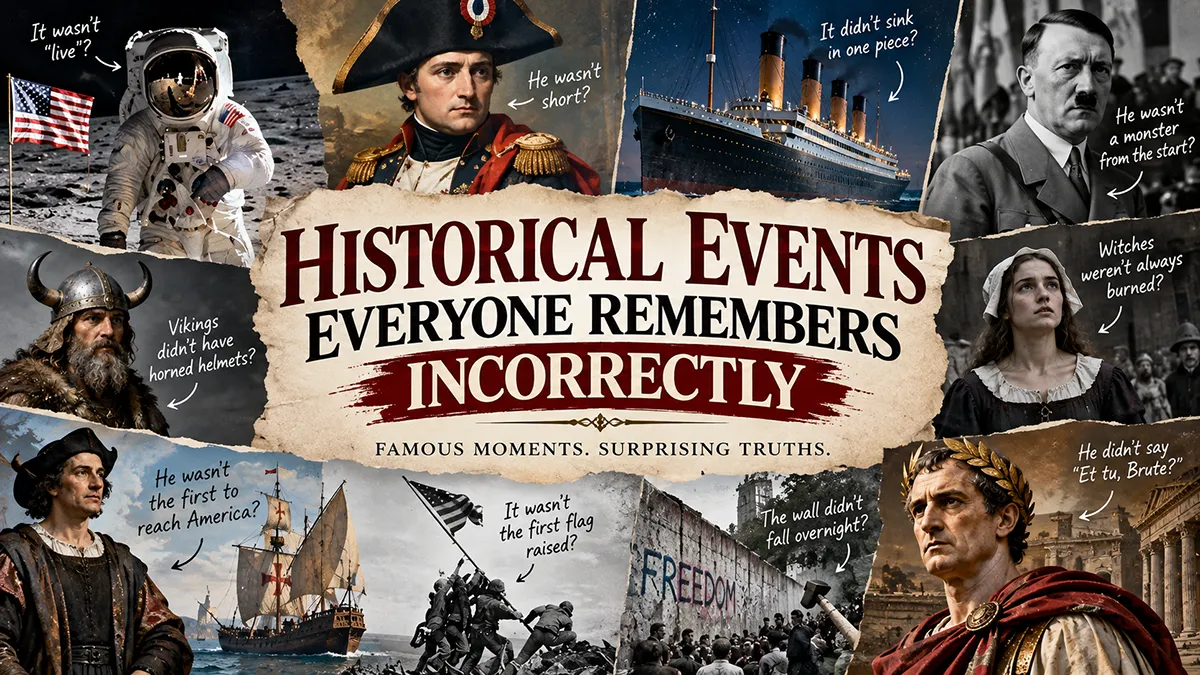
Ask anyone to name a few of the most famous events in history, and you’ll get a predictable list: Napoleon’s downfall, the Salem witch trials, the sinking of the Titanic, maybe the fall of the Berlin Wall. Ask them for details about those events, though, and things get shaky fast.
Somewhere between the classroom, the movie theater, and the group chat, a lot of well known historical events picked up extra baggage — myths, exaggerations, and flat-out fabrications that stuck harder than the facts ever did.
This isn’t really anyone’s fault. History gets passed down through textbooks, paintings, political speeches, and Hollywood scripts, and every one of those mediums has its own agenda.
The result is a shared cultural memory full of good historical events and genuinely fun history events that are, on closer inspection, mostly myth. Let’s walk through 22 of the most persistent ones, sort out what’s verified from what’s legend, and figure out why these particular stories refused to die.
TL;DR: Many of the most famous events in history — from Napoleon’s height to the Berlin Wall’s collapse — are remembered through myths, exaggerations, or misquotes rather than the verified historical record.
Why We Keep Getting History Wrong
Before diving into the list, it helps to understand why these mix-ups happen in the first place. Popular topics in history tend to get simplified as they’re retold, and simplification almost always means losing nuance. A complicated diplomatic failure becomes “one guy’s fault.” A slow cultural shift becomes “one dramatic moment.”
Propaganda plays a role too. Political rivals, wartime enemies, and even biased contemporaries often shaped the first popular accounts of a historic event, and those early spins tend to outlive the more careful corrections that come later. By the time historians catch up with the debatable historical events and issue their corrections, the myth has already been printed in a hundred textbooks and reenacted in a dozen movies.
1. Napoleon Bonaparte Was Short
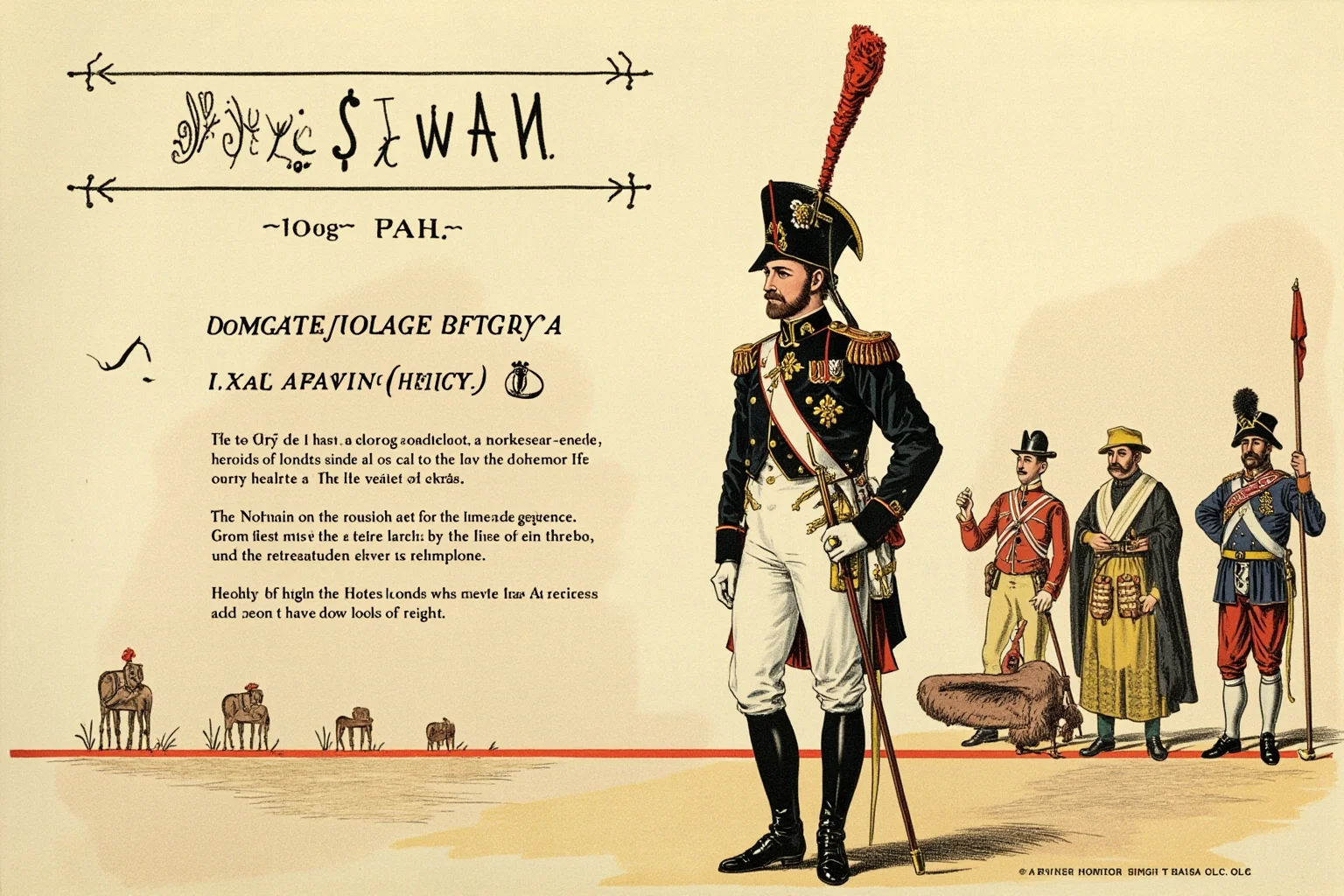
Napoleon’s supposed shortness is so ingrained that “Napoleon complex” is a recognized phrase for small men with big ambitions. In reality, most estimates put Napoleon at around 5 feet 6 or 7 inches, which was close to average height for a Frenchman of his era.
The myth likely grew from British wartime propaganda cartoons, which loved depicting him as a tiny, tantrum-throwing figure. There’s also a mix-up between French and English measurement units that made contemporary records look shorter than they were. Either way, this is one of the more famous events in history where the caricature outlived the man.
2. Marie Antoinette Said “Let Them Eat Cake”
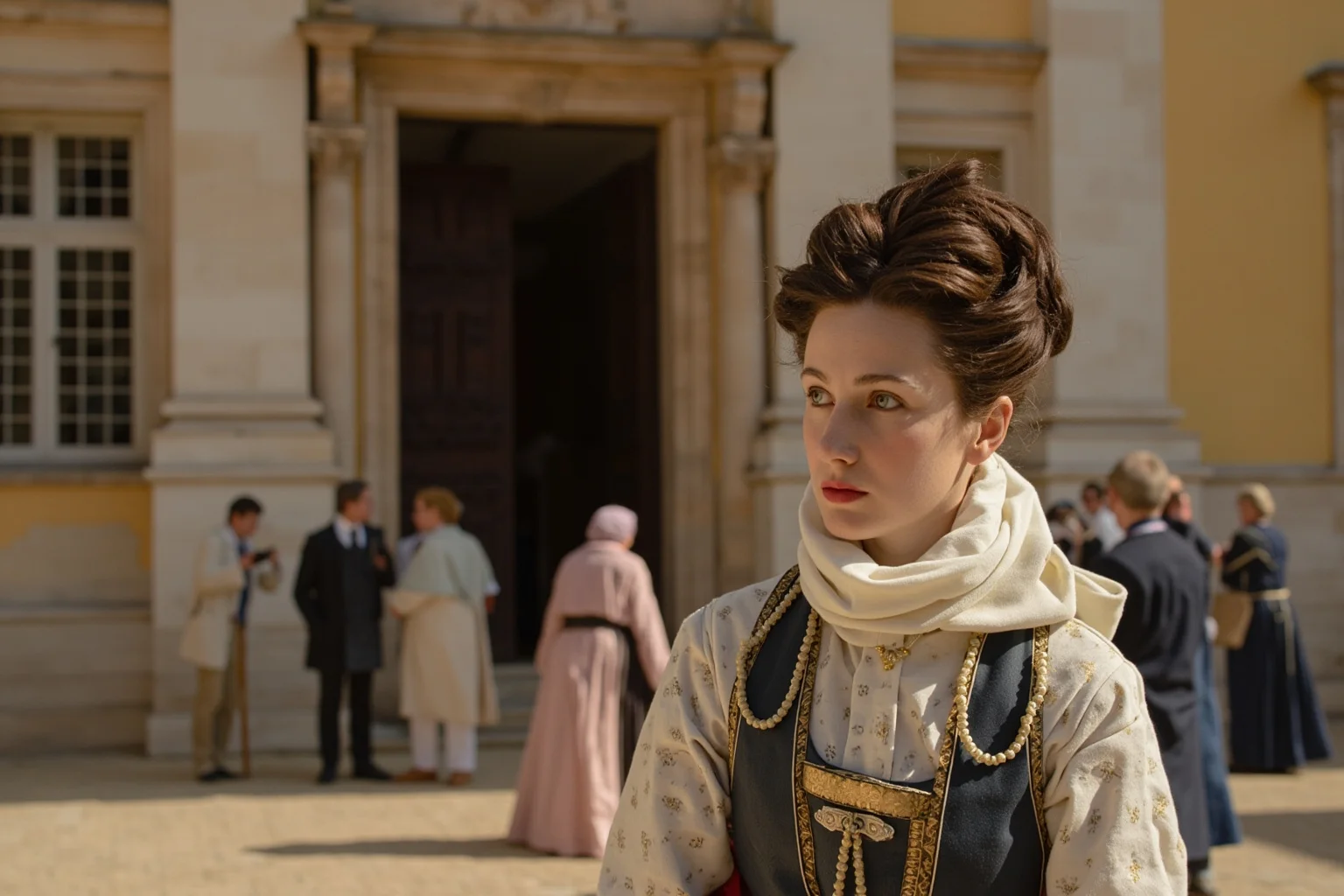
This quote is supposed to prove Marie Antoinette’s callous indifference toward starving French peasants right before the Revolution. There’s just one problem: there’s no credible evidence she ever said it.
The phrase actually appears in Jean-Jacques Rousseau’s writings years before Marie Antoinette even arrived in France, attributed to an unnamed “great princess.” It got pinned on her later, likely because it fit the narrative of an out-of-touch monarchy. It’s a great example of a controversial historical event where the myth is more famous than the muddled truth.
3. Columbus Proved the Earth Was Round

Columbus is often credited with proving the earth wasn’t flat, sailing off into the unknown while skeptics feared he’d fall off the edge. Educated Europeans had accepted the earth was round since ancient Greek scholars like Eratosthenes calculated its circumference more than 1,500 years earlier.
The real argument Columbus faced was about distance, not shape — his critics correctly believed Asia was much farther away than he estimated. He got lucky that a landmass happened to be in between. This is one of those historical facts everyone should know, because the “flat earth” version paints medieval scholars as far more ignorant than they actually were.
4. Salem “Witches” Were Burned at the Stake
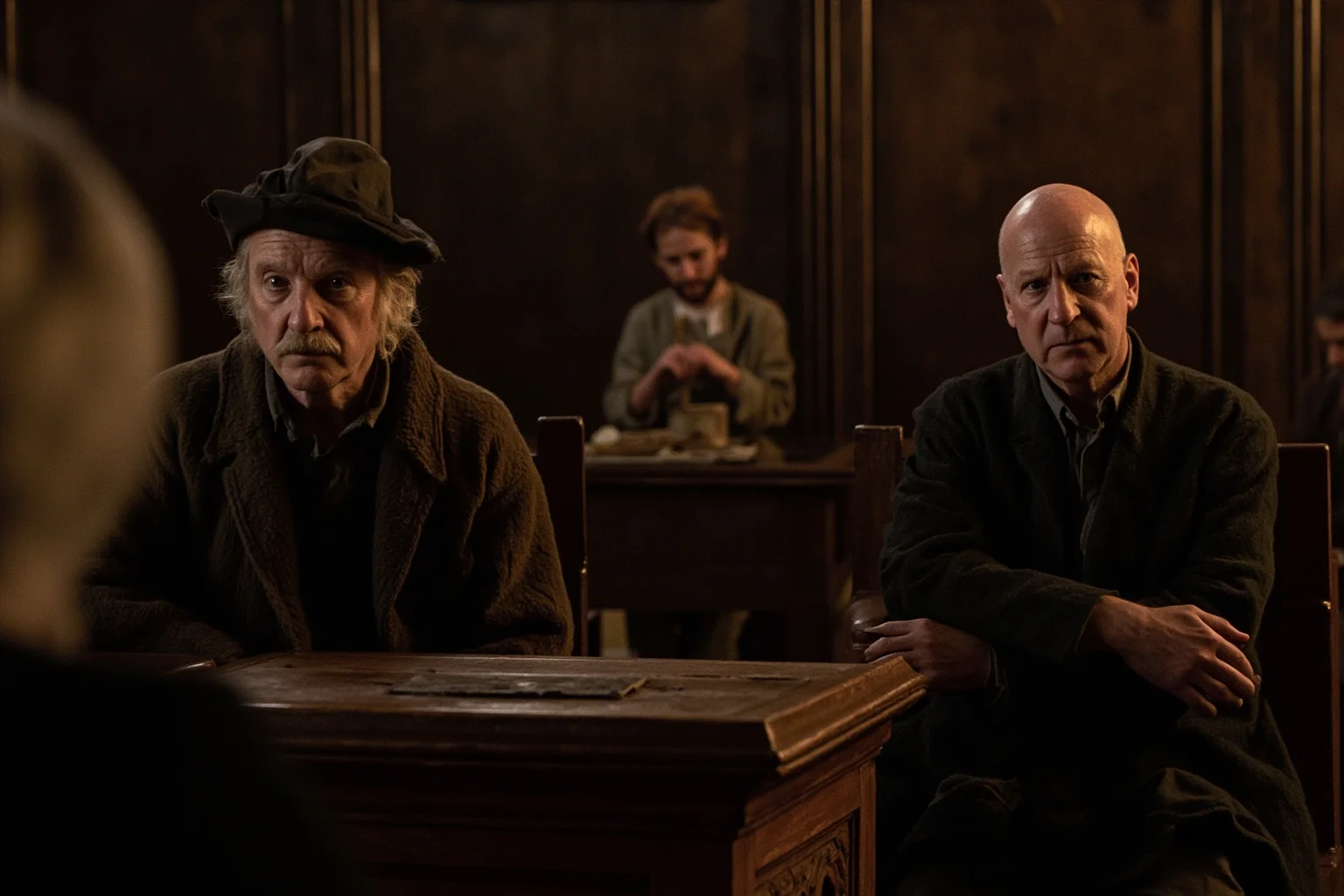
The Salem witch trials of 1692 are one of the most known historical events in early American history, but the execution method usually depicted is wrong. Nineteen people were hanged in Salem, not burned; one man, Giles Corey, was pressed to death under stones after refusing to enter a plea.
Burning at the stake was more associated with witch trials in continental Europe, not colonial Massachusetts. It’s a small correction, but it matters, since the burning imagery has become shorthand for an entirely different set of legal and religious practices.
5. Vikings Wore Horned Helmets
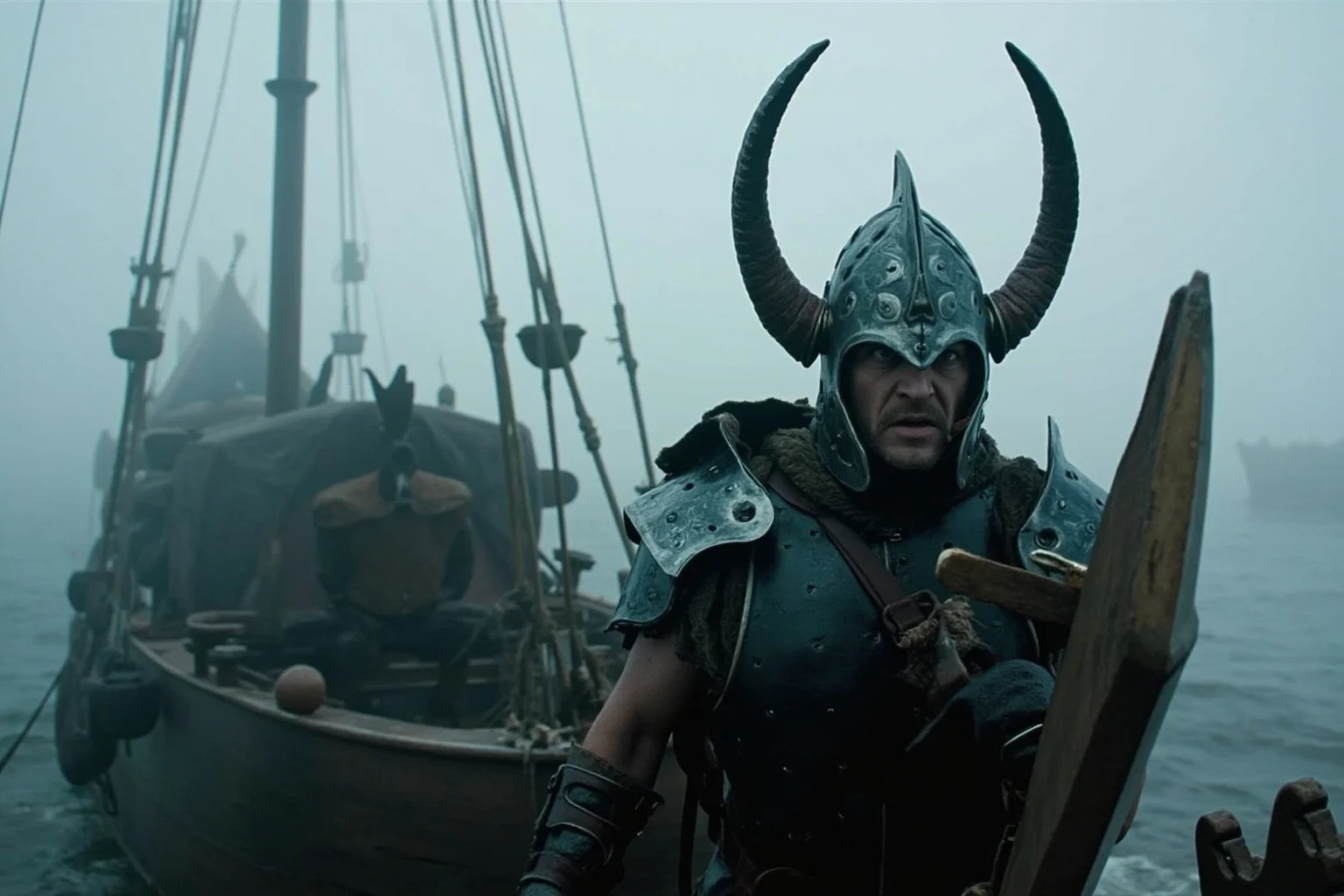
The image of a horned-helmet Viking is everywhere, from cartoons to sports mascots. Archaeological evidence from actual Viking Age burial sites doesn’t support it, though — no verified Viking combat helmet with horns has ever been found.
The look likely comes from 19th-century opera costumes and Romantic-era art, particularly designs created for Wagner productions centuries after the Viking Age ended. Horns on a helmet would have been impractical in battle, giving an opponent something to grab. This is one of the fun historical events to bring up at trivia night, precisely because the myth feels so much more “real” than the truth.
6. Einstein Failed Math in School

Einstein, often ranked among the smartest people in history, is frequently held up as proof that bad grades don’t predict genius, with the specific claim being that he failed math as a student. School records tell a different story — Einstein excelled at mathematics and physics from a young age.
The confusion may stem from a change in Swiss grading scales, where a “6” once meant excellent and later meant poor, or vice versa depending on the school. Whatever the source, this is a case where a comforting story about historical figures overtaking early failure just doesn’t hold up.
7. The Great Wall of China Is Visible from Space

This claim shows up in trivia books and classrooms constantly, but multiple astronauts, including those who have specifically looked for it, have confirmed the Great Wall is not visible to the naked eye from low Earth orbit. It’s long, but it’s also narrow and made of materials that blend into the surrounding terrain.
With cameras and zoom lenses, sure, plenty of structures can be photographed from orbit. Naked-eye visibility, though, is a different and much higher bar that the wall doesn’t clear. It’s a small myth, but it’s stuck around because it sounds so satisfying.
8. George Washington Had Wooden Teeth
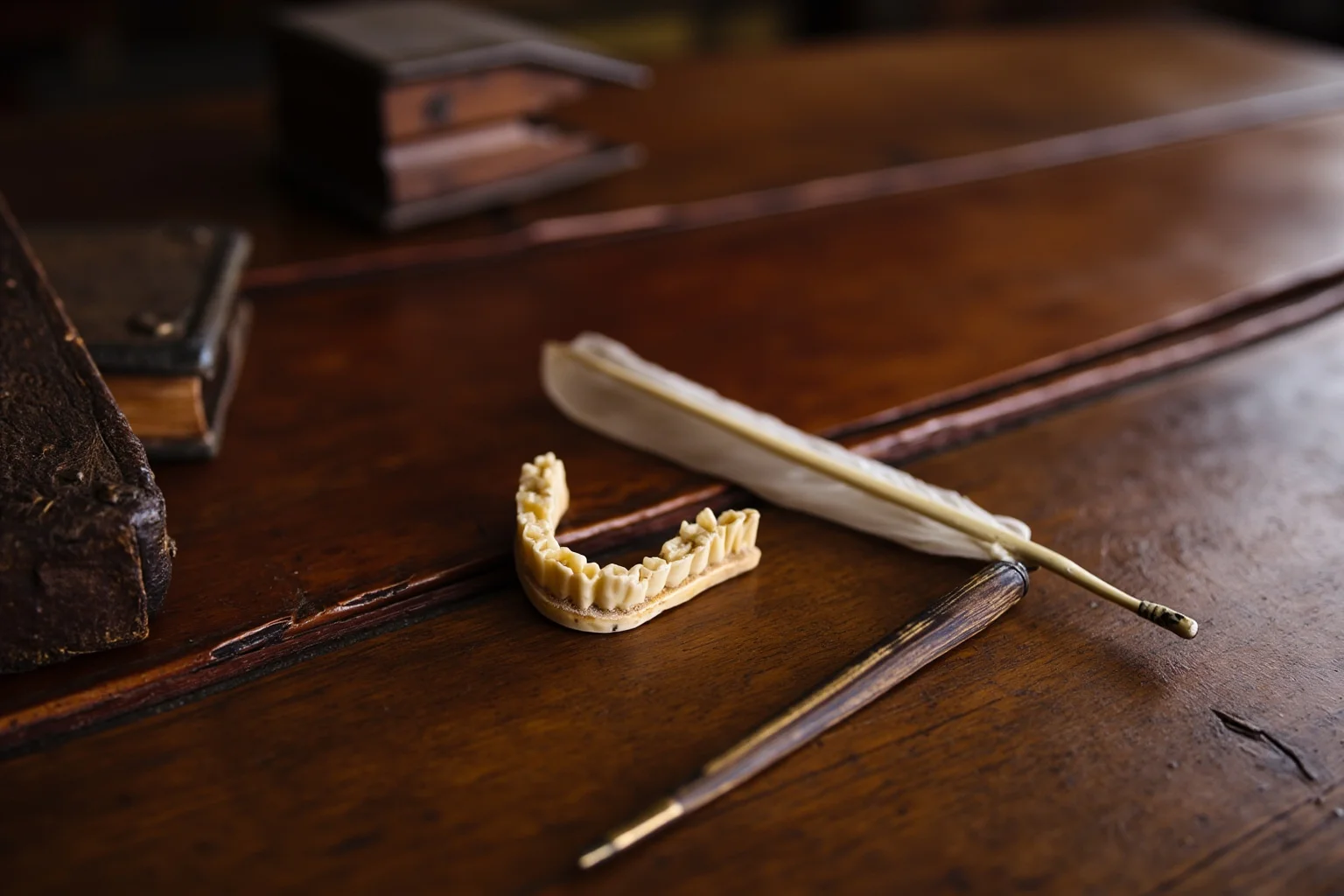
Washington, one of the most significant Americans of all time, did suffer from serious dental problems and wore several sets of dentures throughout his life, but none of them were made of wood. Historical dentures from his era were more commonly crafted from ivory, gold, human teeth, or animal teeth, sometimes combined together.
One surviving set at Mount Vernon uses a mix of materials, including hippopotamus ivory, which can stain and take on a wood-like appearance over time. That discoloration is likely where the wooden teeth legend came from. It’s a strange detail to have entered the collective memory of one of history’s most famous figures, but here it is anyway.
9. Medieval Europeans Believed the Earth Was Flat
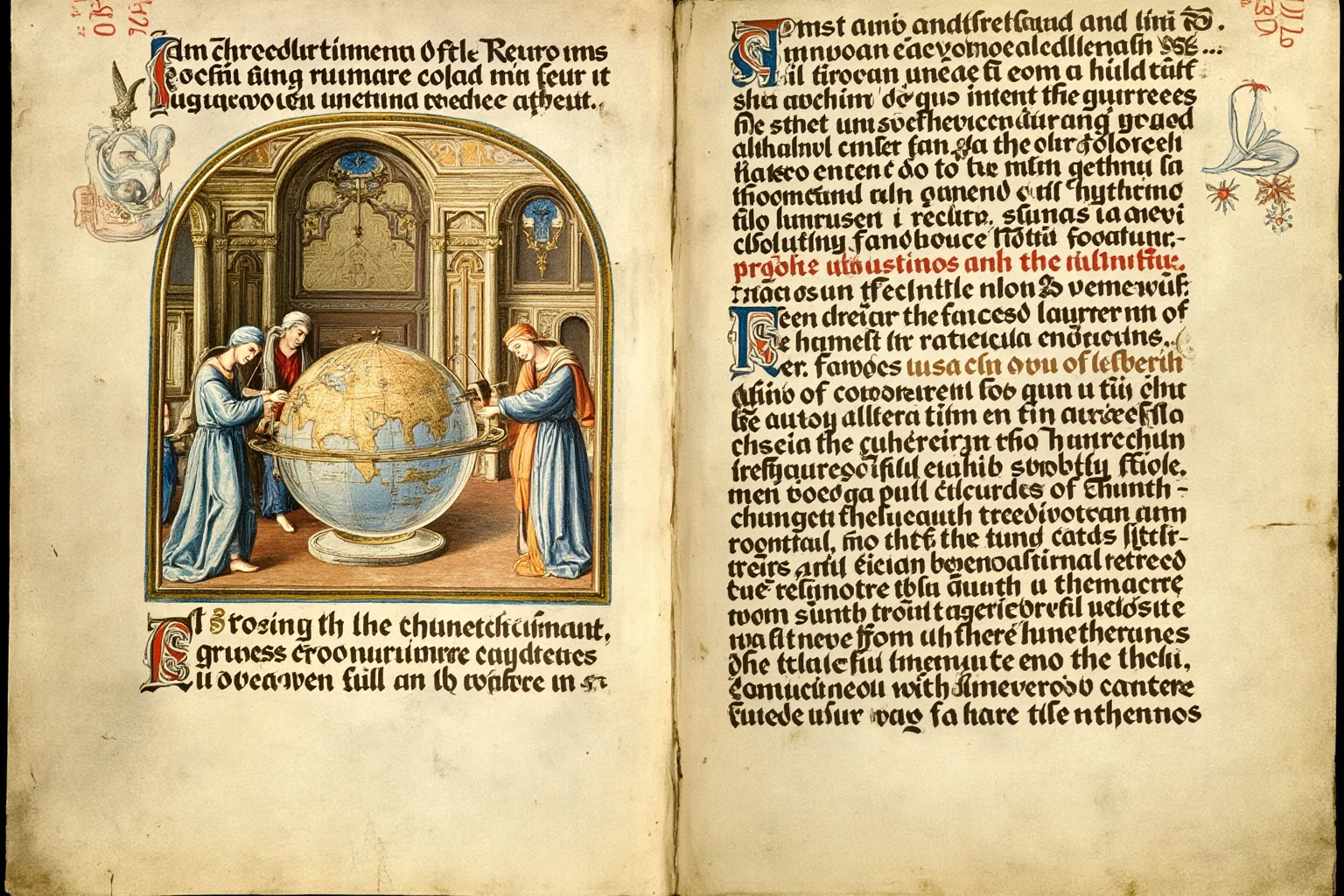
This myth pairs with the Columbus one but deserves its own entry, because it paints an entire millennium as scientifically clueless. Educated medieval scholars, clergy, and navigators generally accepted a spherical earth, building on classical Greek and Roman astronomy.
The “flat earth medieval world” idea seems to have been popularized in the 19th century by writers eager to portray the Middle Ages as a backward, superstitious era compared to their own. It’s a useful reminder that even old historical events get reinterpreted by later generations for their own purposes.
10. Nero Fiddled While Rome Burned
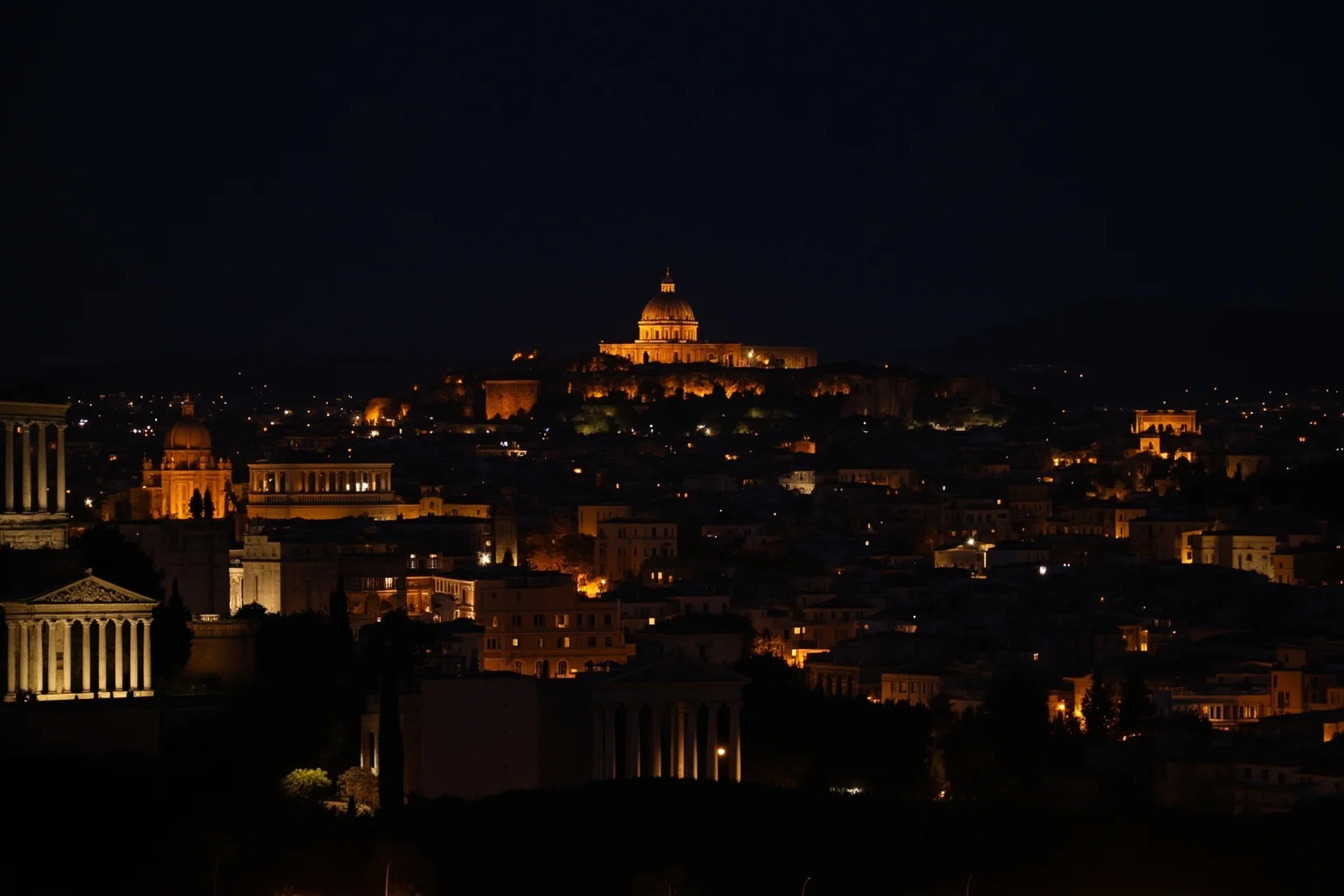
The image of Emperor Nero casually playing music while Rome burned in 64 CE is a go-to symbol for leaders ignoring a crisis. The fiddle wasn’t even invented until over a thousand years later, so that detail is definitely wrong.
Some ancient sources, including the historian Tacitus, note that Nero was outside Rome when the fire started and later organized relief efforts, though Tacitus also mentions rumors that Nero sang about the destruction of Troy during the fire. Given Nero’s unpopularity and the biased nature of surviving accounts, historians treat this one as unverified rather than settled fact.
11. The Boston Tea Party Was a Protest Against High Taxes

The 1773 Boston Tea Party gets remembered as a straightforward tax revolt, but the actual tea involved was cheaper than the smuggled Dutch tea colonists had been drinking. The Tea Act actually lowered the price of legal tea by cutting out middlemen.
The real issue was the principle of taxation without representation and the fear that accepting the tax, even on cheap tea, would legitimize Parliament’s authority over the colonies. It’s a more complicated economic and political story than “tea got too expensive,” and it’s one of those events that changed history precisely because of that deeper principle.
12. Witch Hunts Were a Medieval Phenomenon
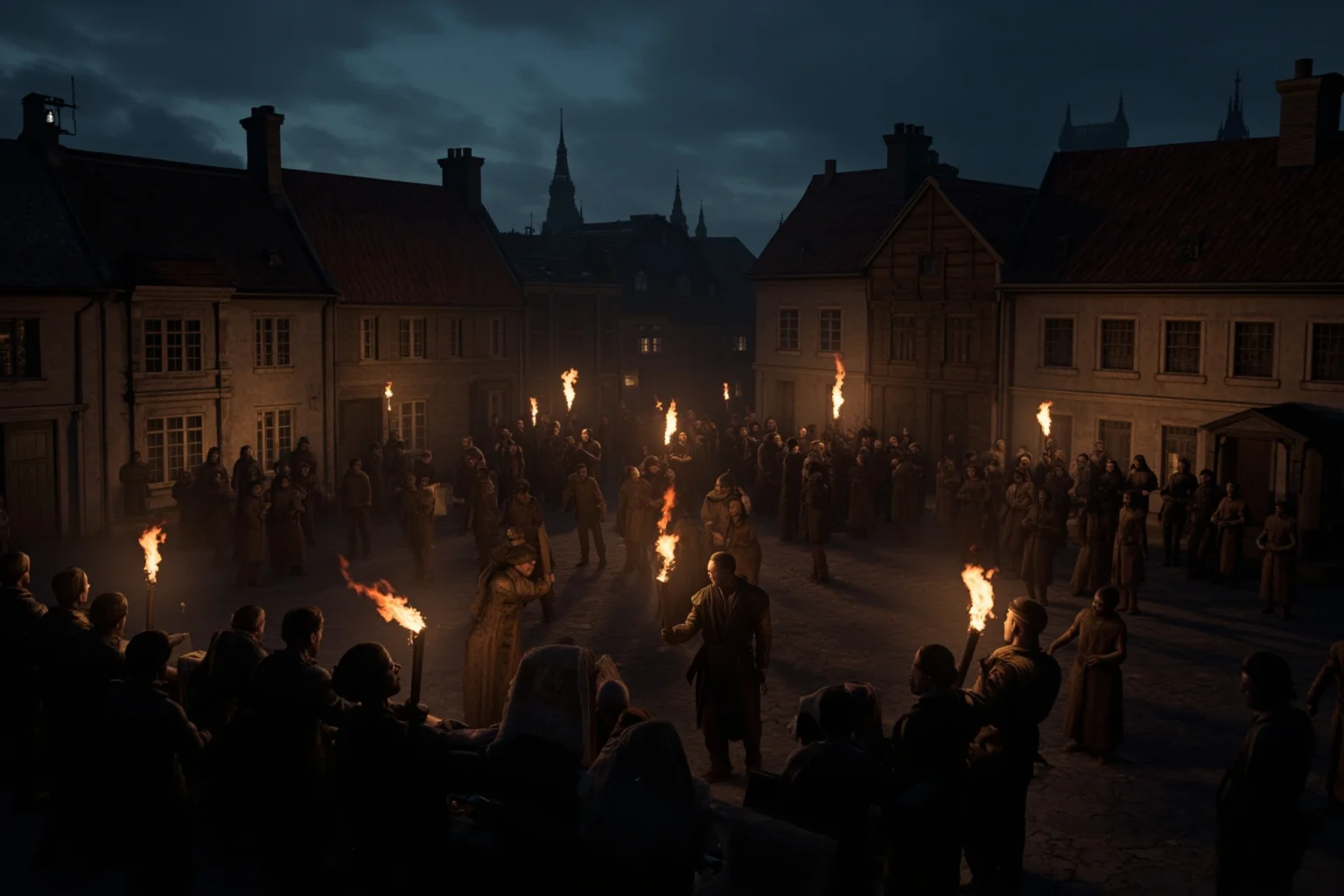
Witch trials are often lumped into the “dark, superstitious Middle Ages” stereotype, but the vast majority of European witch hunts actually happened during the early modern period, roughly 1450 to 1750. That means the peak of witch persecution overlapped with the Renaissance, the Scientific Revolution, and the Age of Exploration.
It’s a genuinely ironic history detail: some of the worst witch panics coincided with eras we now celebrate for rational thought and scientific progress. The timeline mismatch is a good reminder that historical periods don’t move in one neat, uniform direction toward enlightenment.
13. Gladiators Always Fought to the Death
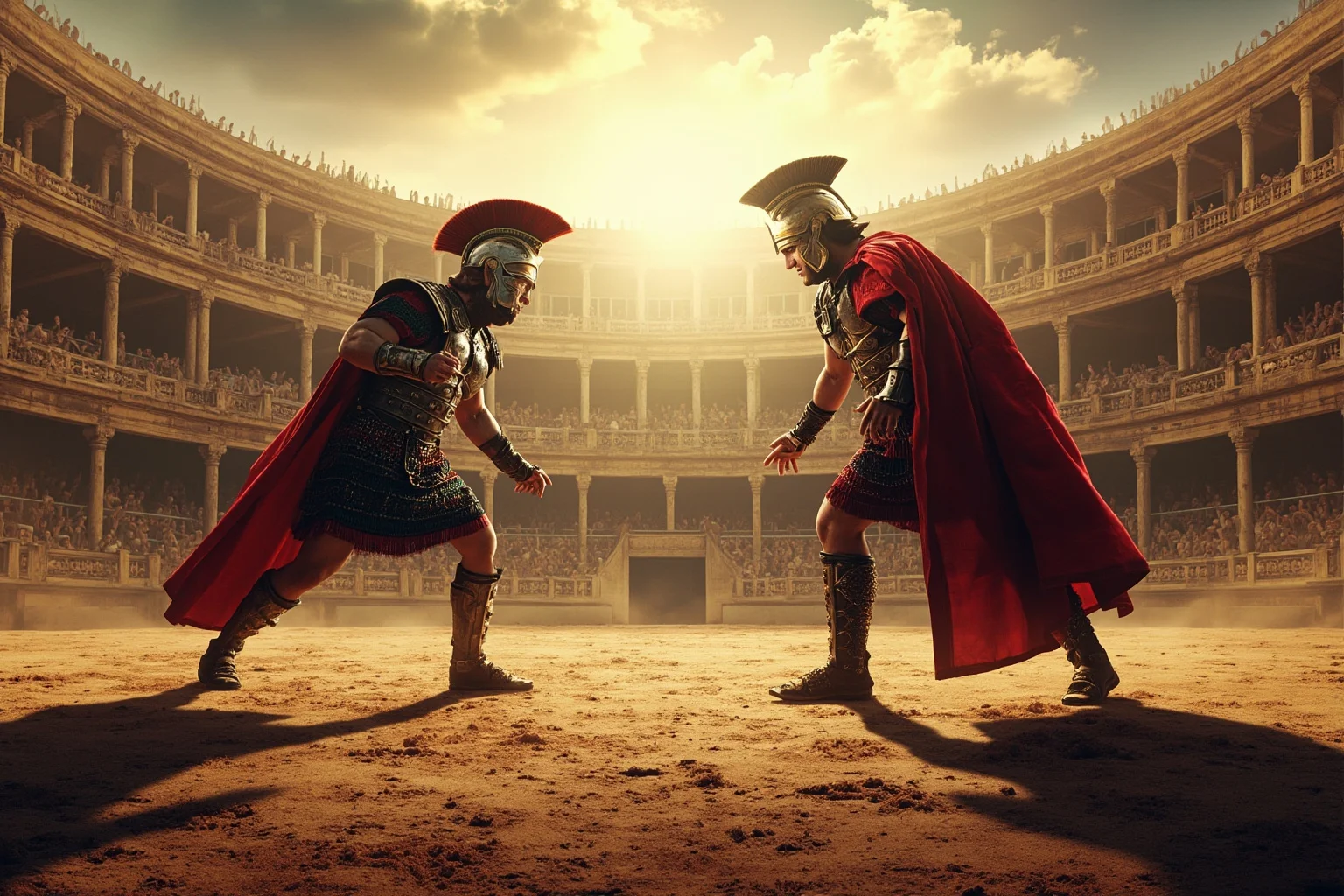
Popular culture loves the image of Roman gladiators locked in fights that always ended in death. Gladiators were expensive to train and equip, though, and most gladiator matches were more like heavily regulated sporting contests with referees, rules, and a real interest in keeping fighters alive for future bouts.
Death certainly happened, and some events did end that way, but surviving records suggest death was more the exception than the rule in a given match. This is one of those humorous events in history contexts where the reality is almost more interesting than the myth, since it turns gladiators into more of a professional sports story than a straightforward bloodbath.
14. The Pilgrims Landed on Plymouth Rock and Wore Black-and-White Buckled Outfits

The familiar image of Pilgrims stepping onto a rock in stiff black clothes with buckled hats is mostly 19th-century invention. There’s no contemporary account confirming the Mayflower passengers first set foot on the rock now known as Plymouth Rock; that identification came from oral tradition more than a century later.
As for the clothing, colonial records and portraits show the Pilgrims wearing more varied colors, including reds, greens, and browns, with the somber black-and-white look reserved mostly for formal occasions. The stereotypical outfit came largely from later illustrators. It’s a fun historical event to dig into around Thanksgiving, since almost every visual detail people assume turns out to be softened or invented.
15. Frankenstein Is the Monster

This one isn’t really a historical event so much as a historical mix-up that’s become part of pop culture memory. In Mary Shelley’s 1818 novel, Frankenstein is the scientist, Victor Frankenstein, while his creation is simply referred to as “the creature” or “the monster.”
It’s included here because it shows how thoroughly a mistaken label can override the original source material once it enters wide enough usage. Even people who’ve never read the book confidently call the creature “Frankenstein,” proving that popular memory doesn’t always bother checking its sources.
16. Lady Godiva’s Naked Ride Was a Recorded Historical Fact
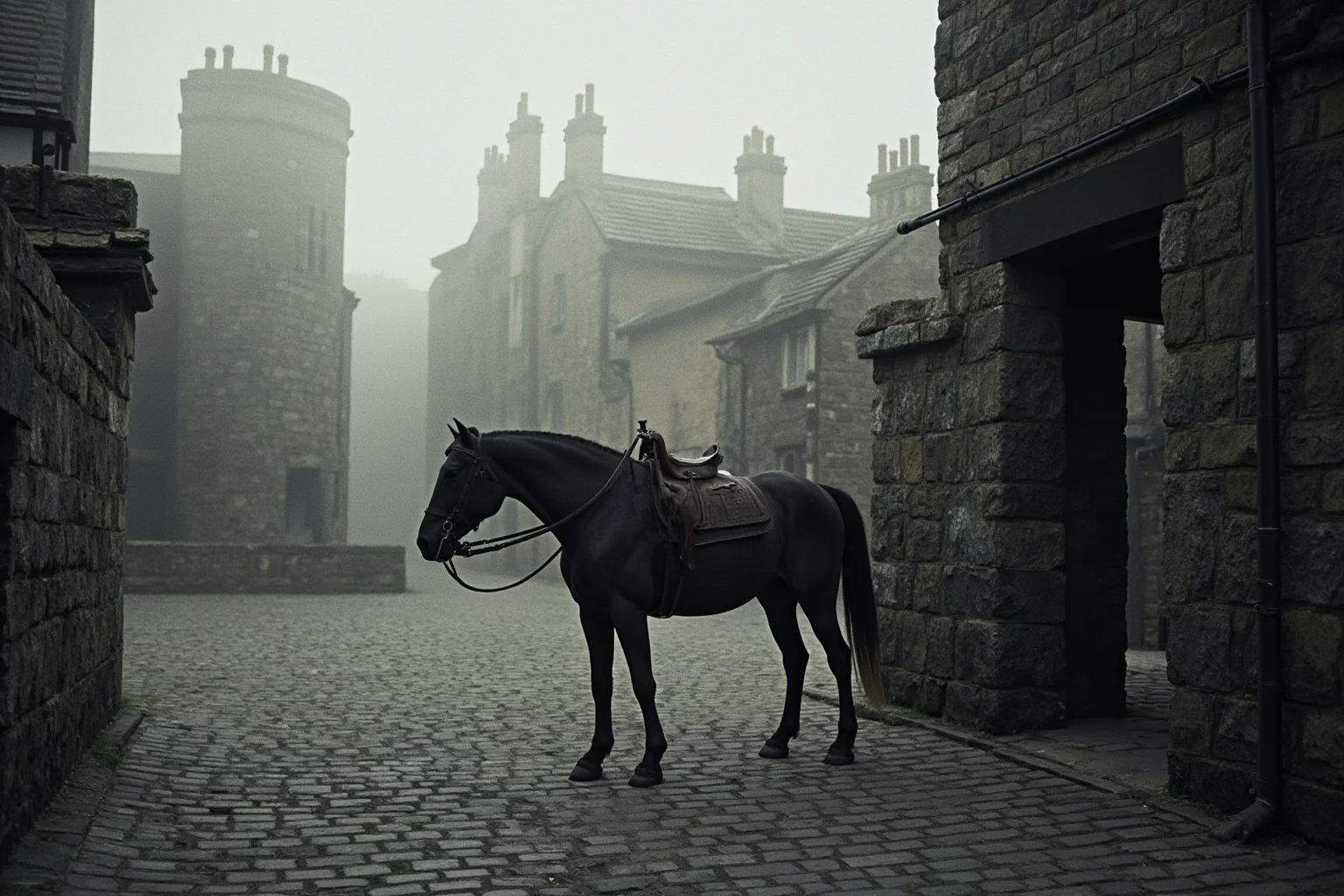
Lady Godiva was a real 11th-century English noblewoman, but the famous story of her riding naked through Coventry to protest oppressive taxation only appears in written sources more than a century after her death. There’s no contemporary record confirming the ride happened at all.
Historians generally treat this as unverified legend rather than documented history, likely embellished over generations of retelling. It remains one of the more debatable historical topics precisely because it blends a real historical figure with a story that can’t be confirmed.
17. The Titanic Was Advertised as “Unsinkable”
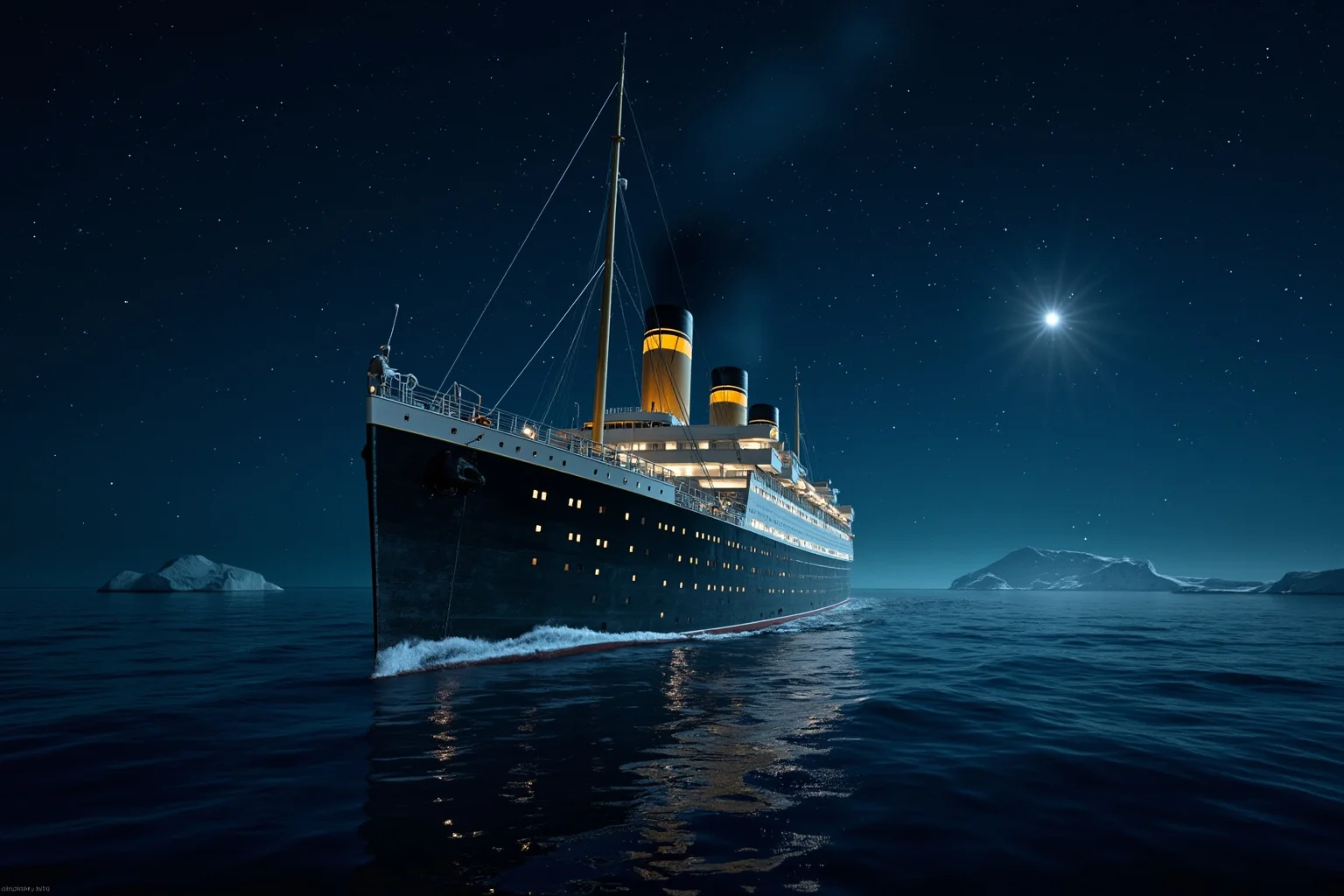
The Titanic disaster of 1912 is one of the most famous events in history, and the irony of an “unsinkable” ship sinking on its maiden voyage is part of what makes it so memorable. Historians have found limited evidence that White Star Line ever officially marketed the Titanic using that exact word before the sinking.
Some trade publications did praise the ship’s safety features in strong terms, and the general public certainly held great confidence in its design. But the specific, oft-repeated marketing claim of guaranteed “unsinkability” appears to have been amplified, and possibly invented, after the tragedy rather than before it.
18. Paul Revere Rode Alone Shouting “The British Are Coming!”

Paul Revere’s midnight ride in April 1775 is a cornerstone of American Revolutionary lore, but several details are off. Revere rode with other messengers, not alone, and colonists at the time still considered themselves British subjects, so shouting “the British are coming” would have made little sense.
Accounts suggest he used more discreet language, warning that “the regulars are coming out.” He was also captured by a British patrol before completing the ride and never made it all the way to Concord. It’s a great historic event to revisit, because the real story involves more people and more nuance than the solo-hero version taught in many classrooms.
19. Newton Discovered Gravity From a Falling Apple

The story of an apple falling on Isaac Newton’s head, instantly revealing the concept of gravity, is charming but almost certainly exaggerated. Newton himself, later in life, described an apple falling near him at his family’s orchard as something that helped set his thinking in motion, but there’s no credible evidence it struck his head.
Gravity as a concept also wasn’t invented in that single moment; Newton spent years developing and refining the mathematics behind universal gravitation. The apple story survives because it’s a tidy, memorable shorthand for a much longer and more technical process.
20. The Berlin Wall Fell Because of a Planned Political Decision

The fall of the Berlin Wall in November 1989 is one of the defining historic events of the 20th century, but its immediate trigger was closer to a bureaucratic accident than a planned political announcement. East German spokesman Günter Schabowski announced relaxed travel rules at a press conference, and when pressed on timing, he suggested the changes would take effect immediately, which wasn’t actually the official plan.
Crowds gathered at checkpoints that night, overwhelming confused border guards who eventually let people through without clear orders to do so. It’s a striking case of ironic history, where miscommunication, not deliberate policy, opened the door to one of the most celebrated moments of the century.
21. Cleopatra Was Ethnically Egyptian
Cleopatra VII, the last active ruler of the Ptolemaic Kingdom of Egypt and one of the most recognized historical figures of all time, is often pictured as ethnically Egyptian in popular media. She actually descended from the Ptolemaic dynasty, a Greek Macedonian line that had ruled Egypt since Alexander the Great’s general Ptolemy I took control after Alexander’s death.
Cleopatra was culturally distinct in that she reportedly learned Egyptian, unlike most of her predecessors, and she embraced Egyptian religious traditions as ruler. Her ethnic background remains a genuinely debatable historical topic among historians, partly because of limited surviving records and partly because ancient concepts of ethnicity don’t map neatly onto modern categories.
22. The “Dark Ages” Were a Time of Total Ignorance and Decline
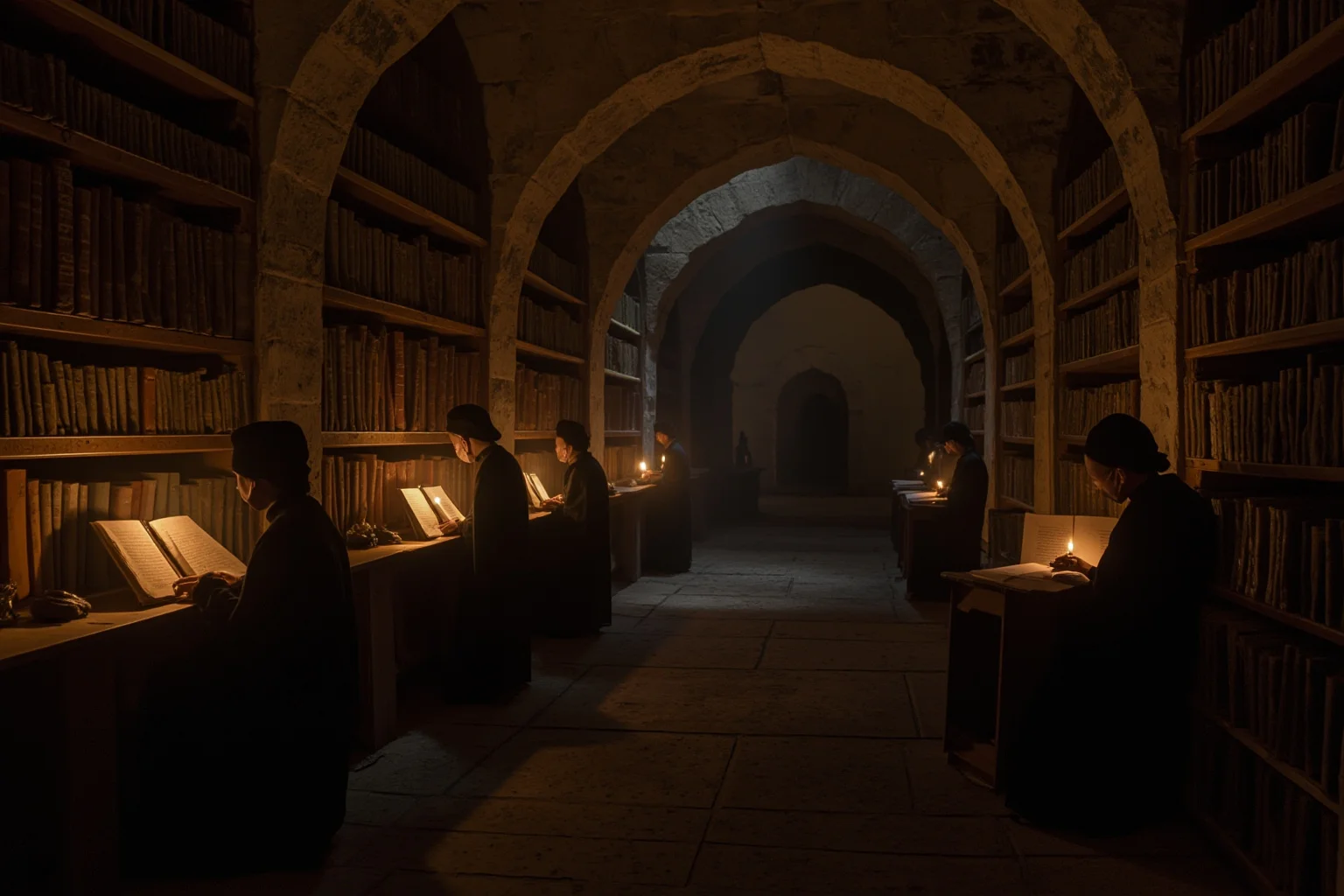
The term “Dark Ages” is often used to describe the centuries after the fall of the Western Roman Empire as a uniform period of ignorance, decline, and cultural collapse. Historians today mostly avoid the term, since it obscures real developments in this period, including advances in agriculture, the preservation and expansion of knowledge in monasteries, and the flourishing Islamic Golden Age happening simultaneously in other regions.
The phrase originally referred more to a lack of surviving written records from parts of Western Europe than to an actual absence of achievement. It’s one of the more historical issues worth correcting, since it flattens a complex, varied stretch of centuries into a lazy stereotype.
Why These Myths Persist
Looking back across this list, a pattern emerges. Almost every myth here serves a purpose: it simplifies a complicated historical challenge into a punchy anecdote, or it fits neatly into a moral lesson someone wanted to teach. Napoleon’s height myth reinforces a joke about ego; the Marie Antoinette quote reinforces a narrative about revolution.
Good historical events, ironically, often get flattened the most, because their real complexity gets sanded down for the sake of a cleaner story. The truth is usually messier, slower, and less quotable than the legend that replaces it. That doesn’t make the real history less interesting — if anything, the corrected versions in this list are often more fascinating than the myths they replace.
Getting Closer to the Real Story
None of this means every well known historical event is secretly false, or that skepticism should turn into cynicism about the past. It means it’s worth asking, every time a historic event gets repeated as common knowledge, where that version of the story actually came from.
Primary sources, contemporary records, and the ongoing work of historians examining old historical events with modern methods are the best tools for separating fact from flattering fiction. The next time one of these stories comes up at a dinner table or a trivia night, there’s now a sharper, more accurate version ready to go. That’s really the whole point of studying history seriously — not to ruin a good story, but to make sure the story people remember is one that actually happened.
Frequently Asked Questions
What are the most famous events in history that people usually get wrong?
Some of the most famous events in history that are commonly misremembered include Napoleon's supposed shortness, Marie Antoinette's "let them eat cake" quote, the Salem witch trials' execution methods, and the Titanic being marketed as "unsinkable." In each case, the popular version diverges from what historical records actually support, usually because of propaganda, later embellishment, or simple retelling errors over time.
Why do so many well known historical events get remembered incorrectly?
Historical events often get simplified as they're retold through textbooks, art, and popular media, and that simplification tends to strip away nuance in favor of a cleaner, more dramatic story. Political propaganda and biased contemporary accounts also shape the earliest popular versions of events, and those versions frequently outlast the more careful corrections historians make later.
What is a historical event, exactly?
A historical event is a specific occurrence in the past that had a documented or verifiable impact on people, societies, or the course of subsequent events. It's typically established through a combination of primary sources, contemporary records, and physical or archaeological evidence, rather than relying on legend or later retellings alone.
Are there historical events that are still genuinely debated by historians?
Yes, plenty of debatable historical events remain genuinely contested, including details around Cleopatra's ethnic identity, the exact circumstances of Nero's reaction to the Great Fire of Rome, and aspects of Lady Godiva's legendary ride. These cases usually involve limited or conflicting sources rather than a single clear-cut answer.
How can I tell the difference between a historical fact and a popular myth?
The most reliable approach is checking whether a claim is backed by contemporary primary sources, physical evidence, or consensus among historians who specialize in that period. If a detail only shows up in later retellings, movies, or 19th-century art rather than sources from the actual time period, it's worth treating it as a myth or legend until proven otherwise.

Alex Warren
Related Articles