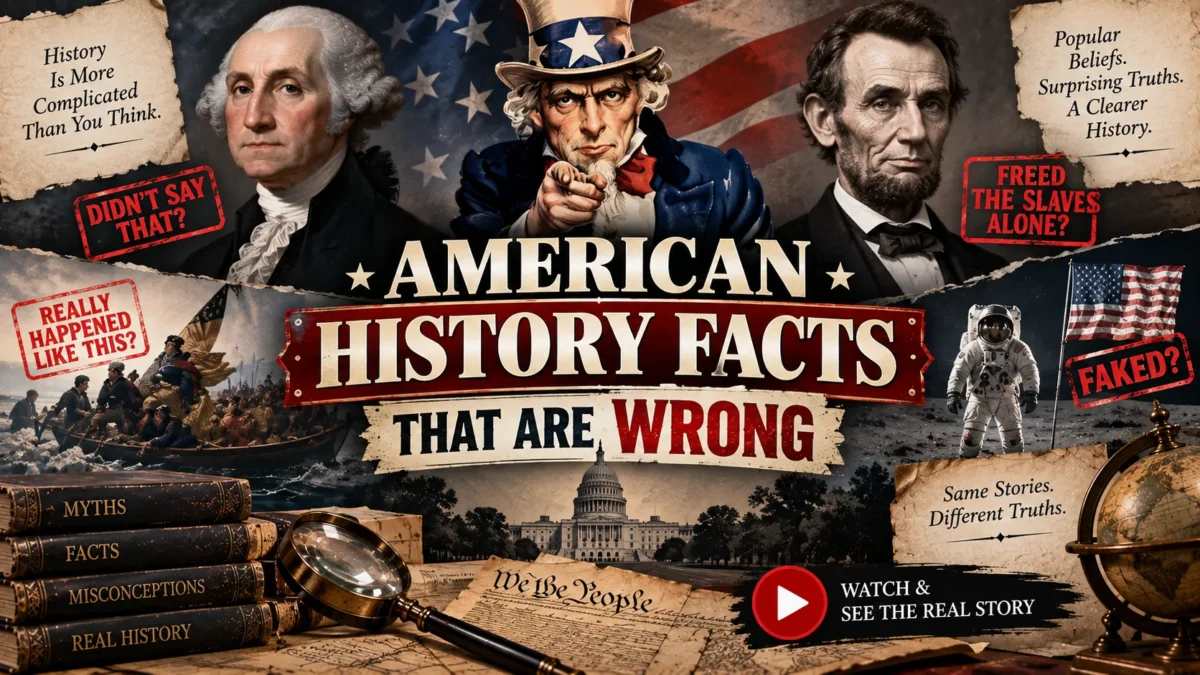
American history is packed with great stories — the problem is that not all of them are true. Somewhere between the classroom retelling, the holiday pageant, and the History Channel dramatization, a lot of “facts” got a dramatic upgrade. Others got flattened into a tidy version that skips over the messier, far more interesting reality.
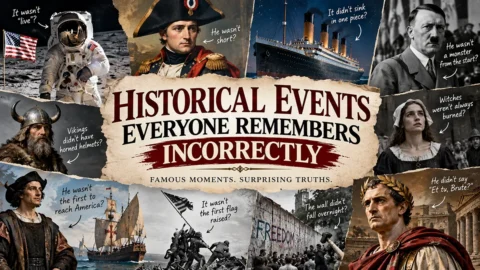
This list rounds up 22 of the most widely repeated facts about American history that historians say are myths, exaggerations, or missing serious context — much like these historical events everyone remembers incorrectly.
Some are weird facts about US history that sound made up but aren’t quite what you think. Others are cool US history facts that got simplified into something less accurate but more shareable. Either way, get ready to rethink a few things you learned in fourth grade.
TL;DR: Many beloved “facts” about American history — from Betsy Ross’s flag to Paul Revere’s midnight shout — are myths, legends, or later embellishments rather than documented history.
Why American History Gets Rewritten (Even By Accident)
Before diving into the list, it helps to know why so many of these myths exist in the first place. Early American biographers, most famously Mason Locke Weems, freely mixed fact with moralizing fiction to make Founding Fathers seem virtuous and larger than life. Textbooks later simplified complicated events into single, memorable sentences that were easier to teach than the messy truth.
On top of that, oral storytelling, patriotic pageantry, and 19th-century nostalgia all added their own embellishments over time. None of this means American history is boring once you strip the myths away — quite the opposite. The real, documented version is almost always weirder and more compelling than the legend.
Exploration and Colonial Era Myths
1. Columbus “Discovered” America
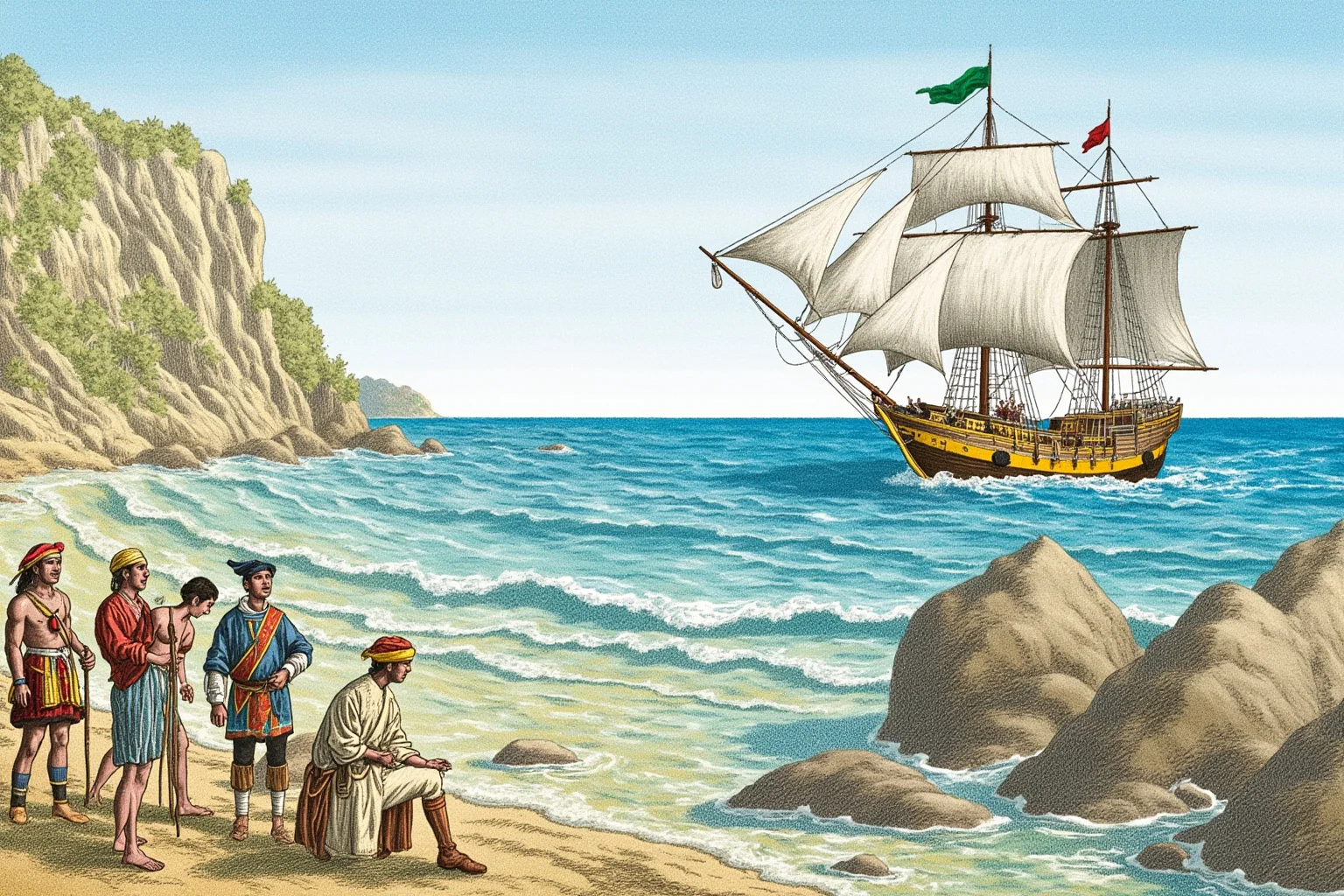
Christopher Columbus never set foot on the North American mainland at all. His 1492 voyage landed in the Bahamas, and his later trips explored the Caribbean and parts of Central and South America.
Millions of Indigenous people had already been living across the Americas for thousands of years. Norse explorers, led by figures like Leif Erikson, also reached North America roughly 500 years before Columbus, settling briefly at what is now L’Anse aux Meadows in Newfoundland.
2. The Pilgrims Landed On Plymouth Rock First
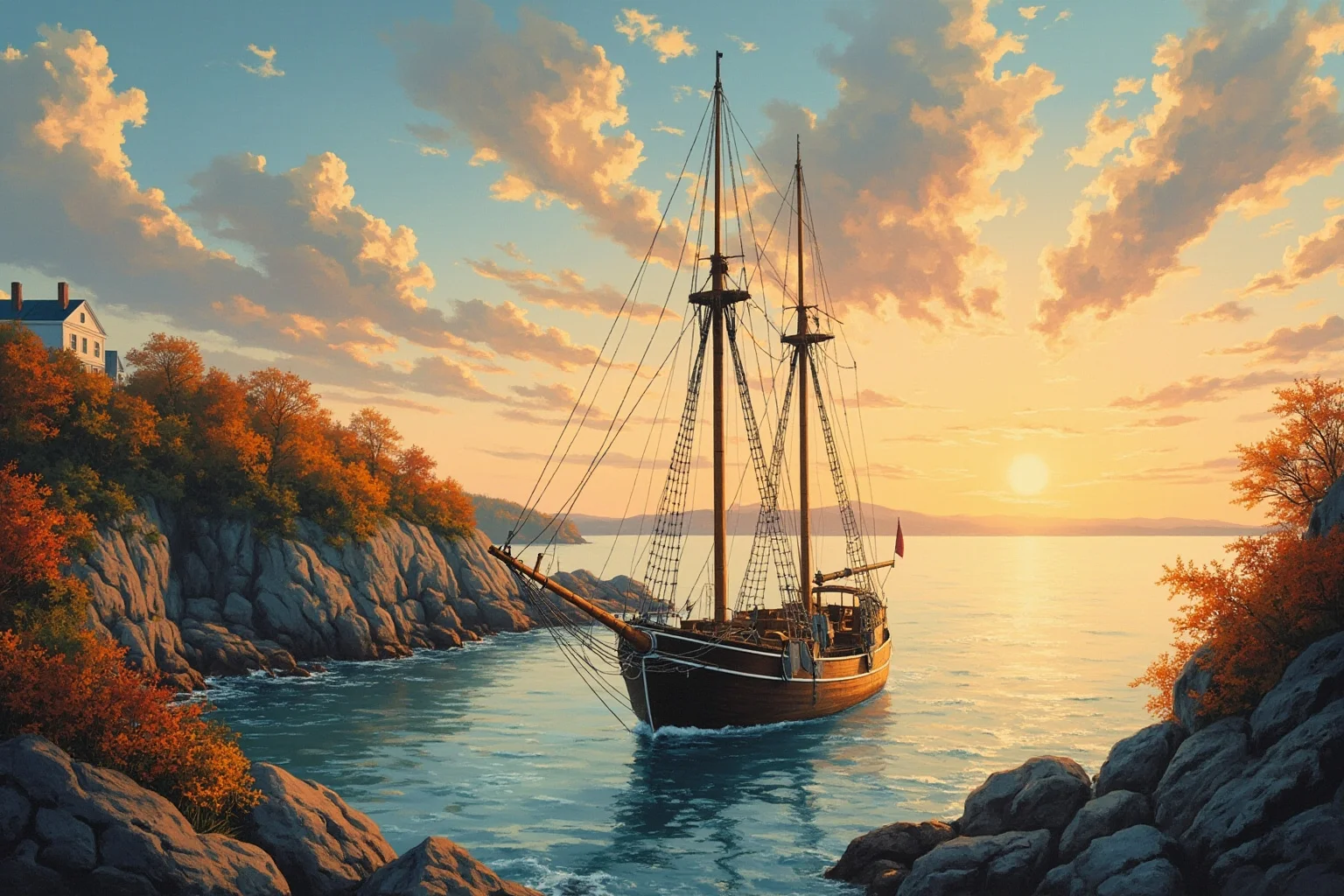
There’s no contemporary 1620 document that mentions the Pilgrims stepping onto a specific rock. The Plymouth Rock story wasn’t recorded until 1741, when a 94-year-old resident recalled hearing about it secondhand decades earlier.
Even the location is off — the Mayflower actually anchored first at Provincetown Harbor on Cape Cod, weeks before continuing on to Plymouth. The rock became a tourist landmark long after the fact, not a historically verified landing site.
3. Salem’s “Witches” Were Burned At The Stake
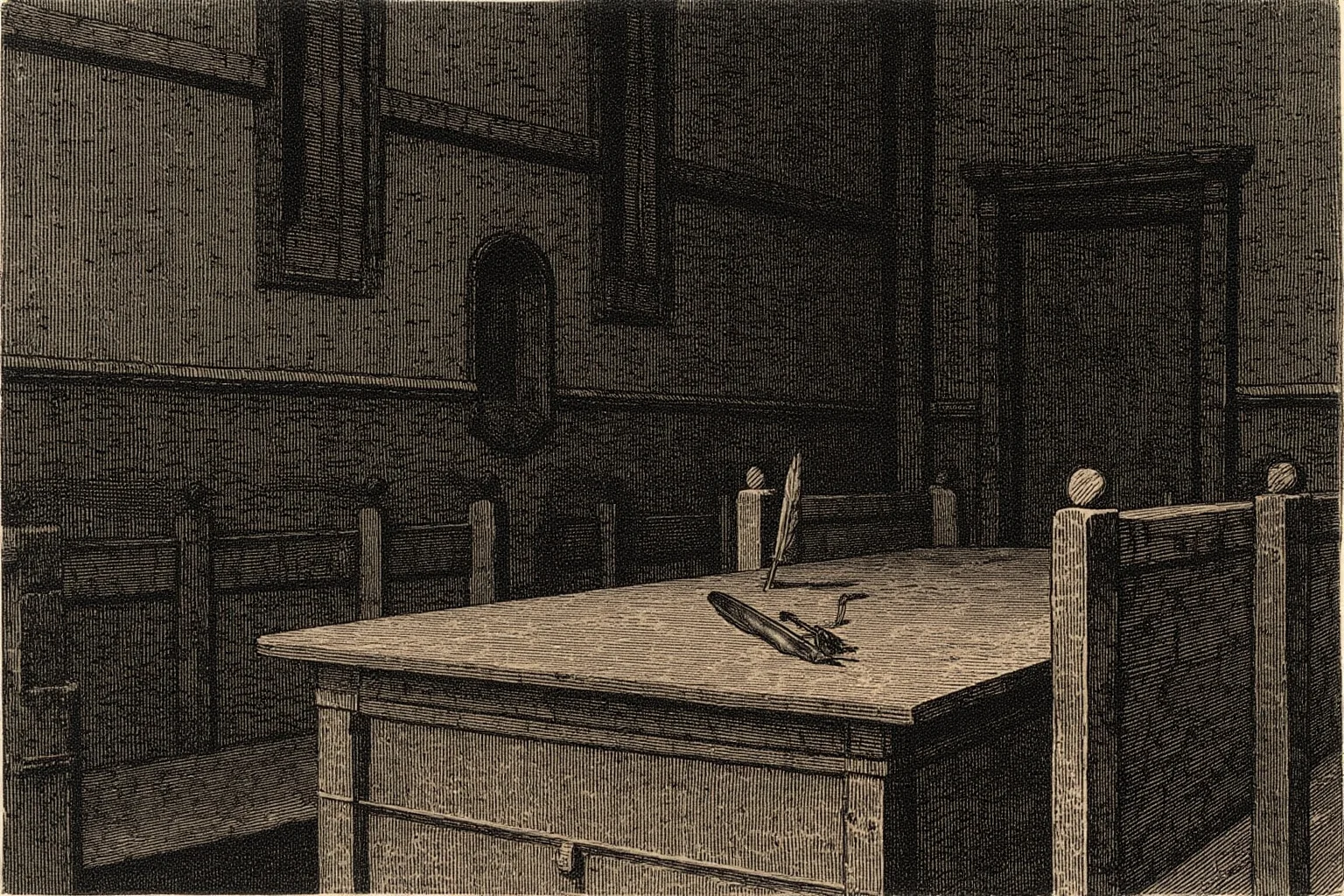
During the Salem witch trials of 1692–1693, nineteen people were executed — but every one of them was hanged, not burned. One man, Giles Corey, was pressed to death with heavy stones after refusing to enter a plea.
Burning accused witches was a European practice, not a colonial American one. This is one of the most persistent unusual facts about American history that pop culture keeps getting backward.
The American Revolution: Legends vs. Reality
4. Paul Revere Rode Shouting “The British Are Coming!”
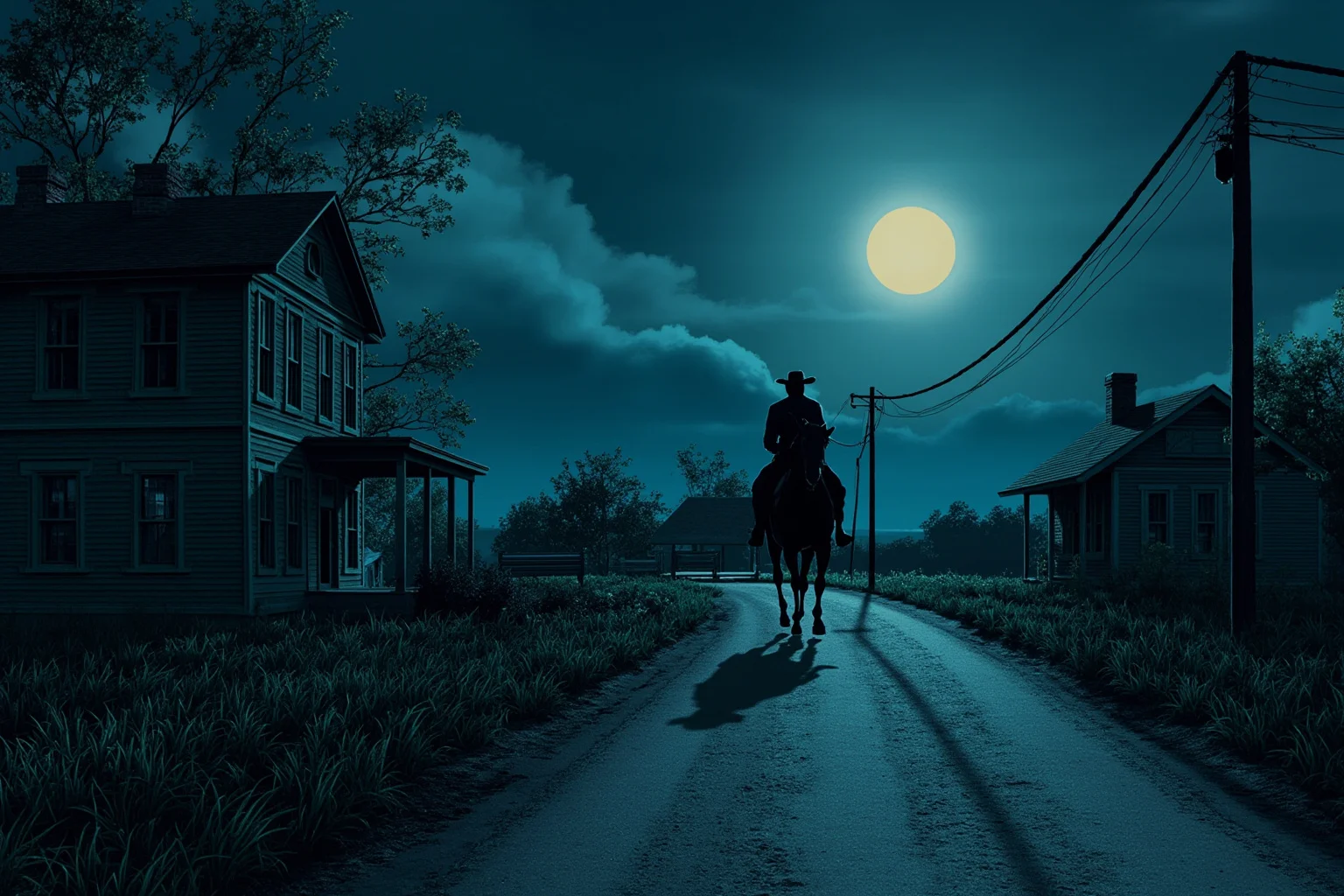
Shouting that phrase would have made little sense in 1775 — colonists still legally considered themselves British subjects. Revere’s actual mission was a quiet, careful warning to specific Patriot leaders like Samuel Adams and John Hancock that regular troops were on the move.
He also wasn’t riding alone. William Dawes and Samuel Prescott made the same journey, and Revere himself was captured by a British patrol before he ever reached Concord.
5. Betsy Ross Designed The First American Flag
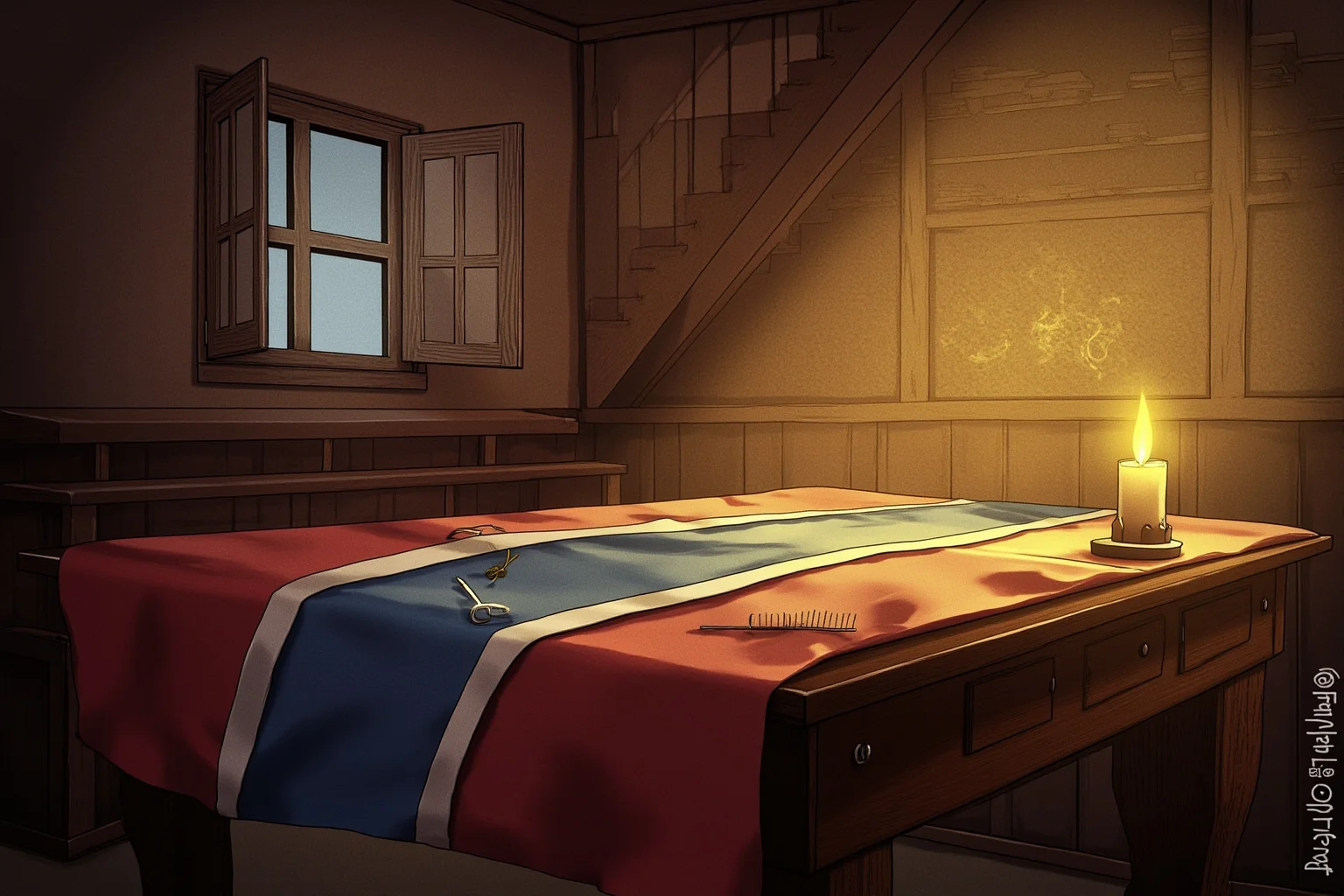
The popular story of Betsy Ross sewing the first Stars and Stripes at George Washington’s request comes almost entirely from an account her grandson gave in 1870 — nearly a century after the events supposedly happened. No contemporary documents from the 1770s back up the claim.
Historians generally consider the story unverified rather than confirmed fact. Other early flag makers have similar or better documented claims to early American flag production.
6. The Declaration Of Independence Was Signed On July 4, 1776
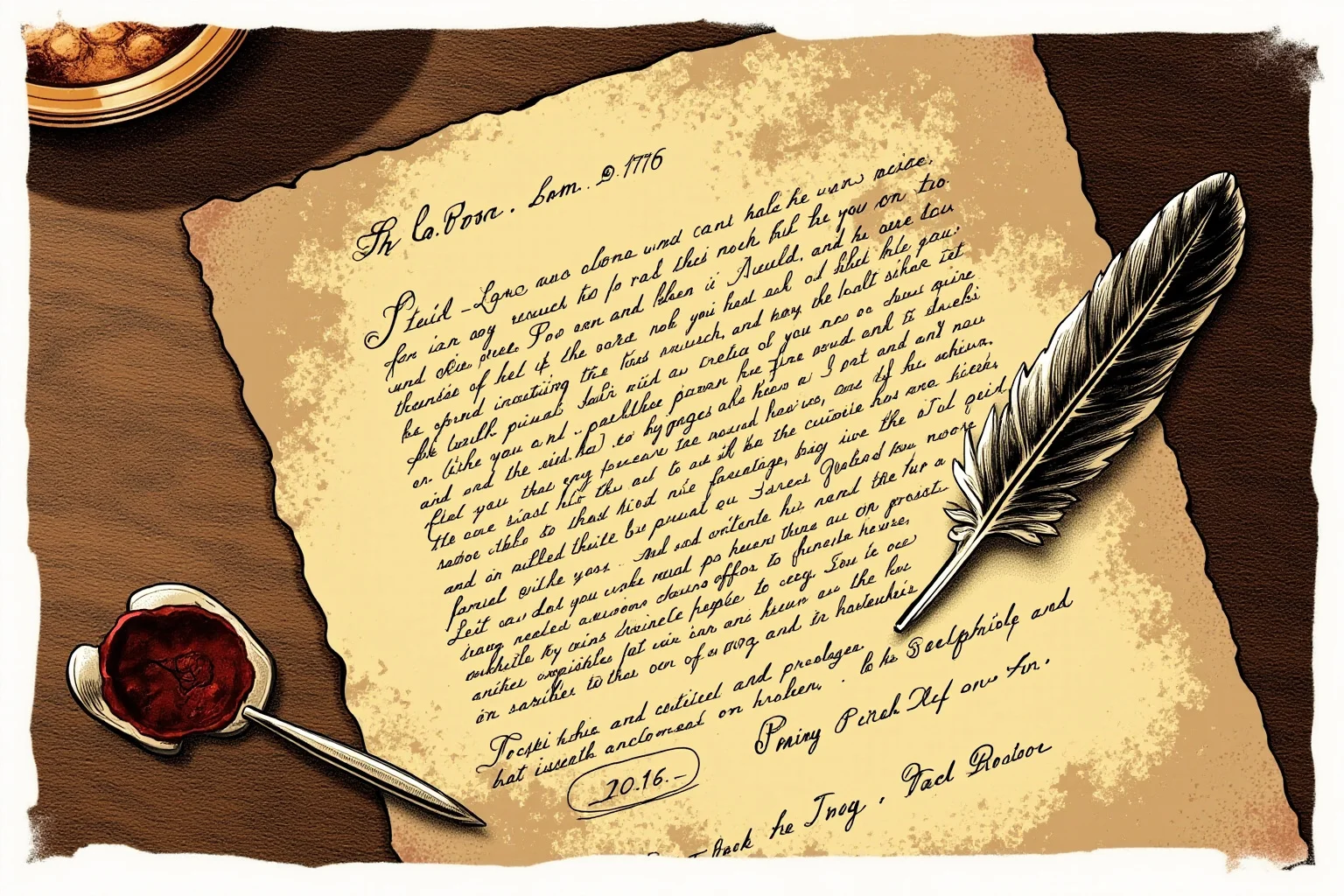
Congress approved the final text of the Declaration on July 4, 1776, which is why we celebrate that date. Most delegates, however, didn’t actually sign the engrossed parchment copy until August 2, 1776, and a few signed even later than that.
John Adams was so convinced the real anniversary should be July 2 — the day Congress voted for independence — that he reportedly refused invitations to celebrate on the 4th for years.
7. George Washington Had Wooden Teeth
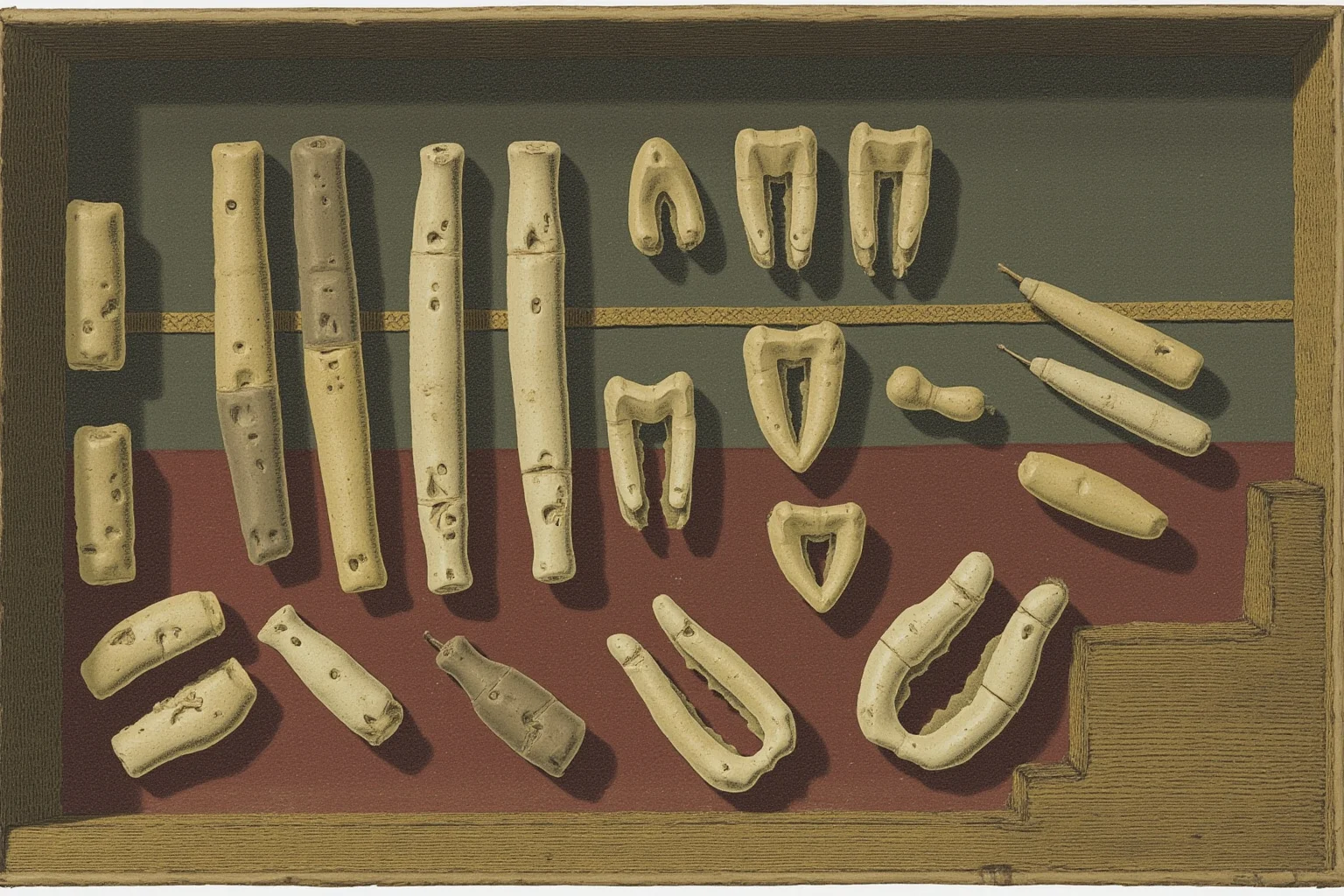
Washington did suffer from lifelong dental problems and wore several sets of dentures, but none of them were made of wood. Surviving sets show materials like ivory, gold, lead, and teeth sourced from other people and animals, including hippopotamus ivory.
The “wooden teeth” myth likely grew from the way ivory stains and cracks over time, giving it a grainy, wood-like appearance.
8. Washington’s Cherry Tree Confession
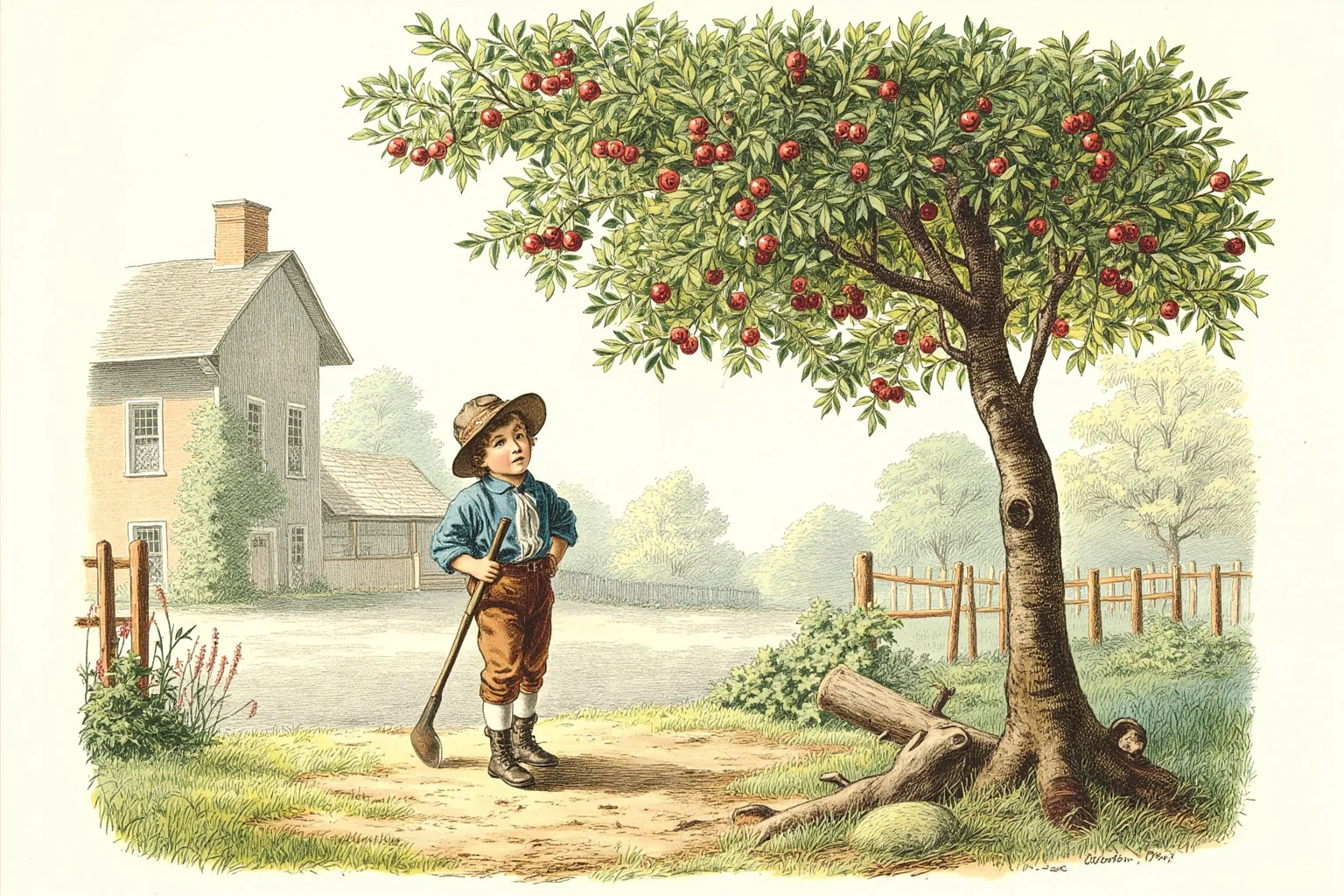
The story of young George Washington chopping down his father’s cherry tree and confessing with “I cannot tell a lie” is one of the most famous American historical quotes — except he probably never said it. The tale first appeared in an 1806 biography by Mason Locke Weems, written years after Washington’s death with no supporting evidence.
Weems admitted he wanted to inspire moral behavior in young readers, even if it meant inventing anecdotes. The cherry tree story is a textbook case of legend replacing fact.
9. The Boston Tea Party Was A Protest Against A New, Higher Tax
The 1773 Tea Act didn’t raise taxes on tea — it actually lowered the price colonists would pay by cutting out middlemen and letting the British East India Company sell directly. The real issue was that it gave the company a monopoly, undercut colonial merchants and smugglers, and still required paying a tax Parliament had imposed without colonial consent.
The protest was about representation and monopoly power, not simply a tax hike. That nuance rarely survives the simplified textbook version.
10. Benjamin Franklin’s Kite Nearly Killed Him While “Discovering” Electricity
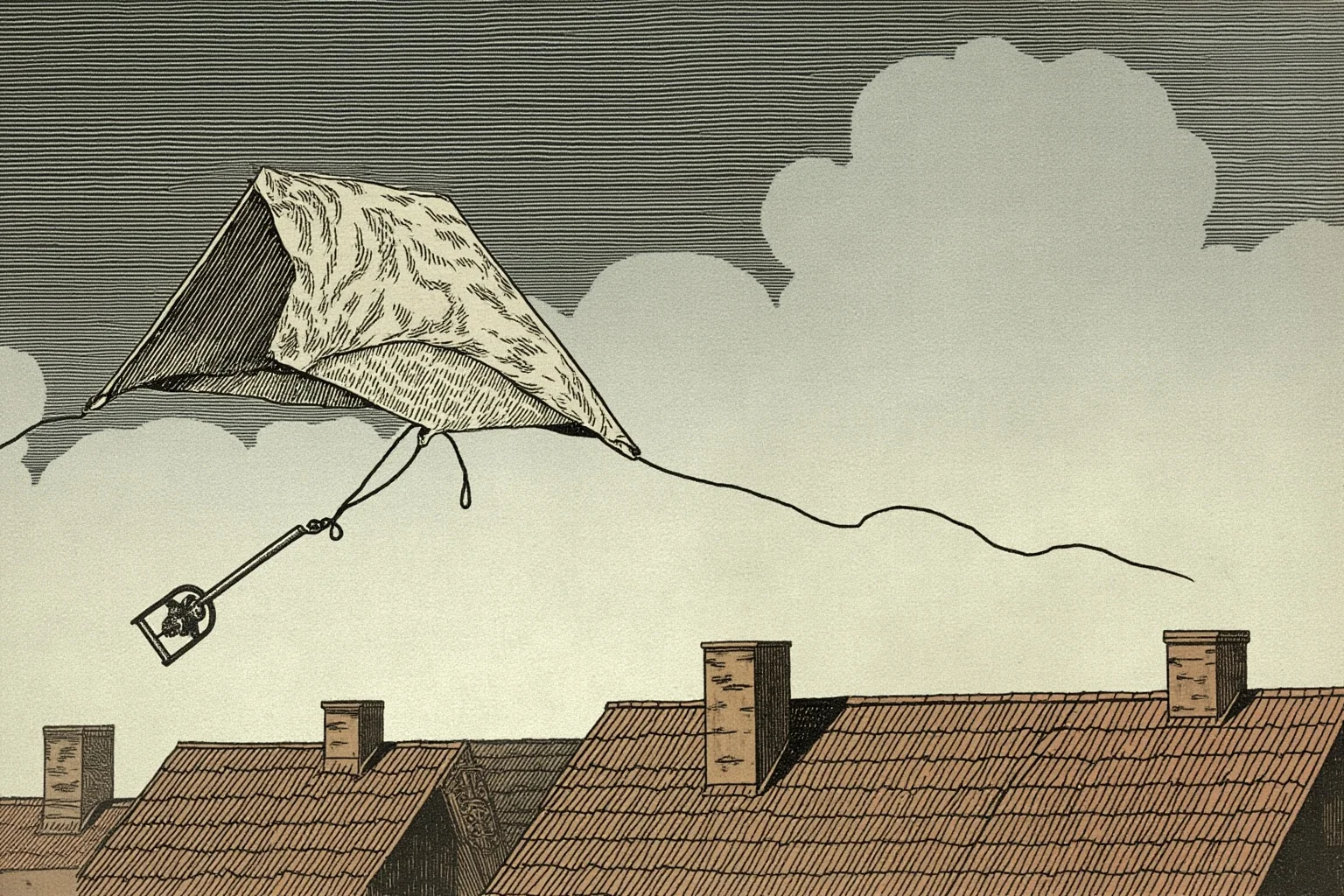
Franklin’s 1752 kite experiment was designed specifically to avoid direct electrocution — he used a silk string, stood under shelter, and touched a metal key rather than the kite itself. Most of what we know about the experiment comes from a secondhand account published by Joseph Priestley fifteen years later, not from Franklin’s own detailed notes.
Franklin didn’t “discover” electricity either; scientists across Europe were already studying it. His experiment helped demonstrate that lightning was an electrical phenomenon, which was itself a major scientific contribution.
11. The Liberty Bell Cracked While Ringing For Independence
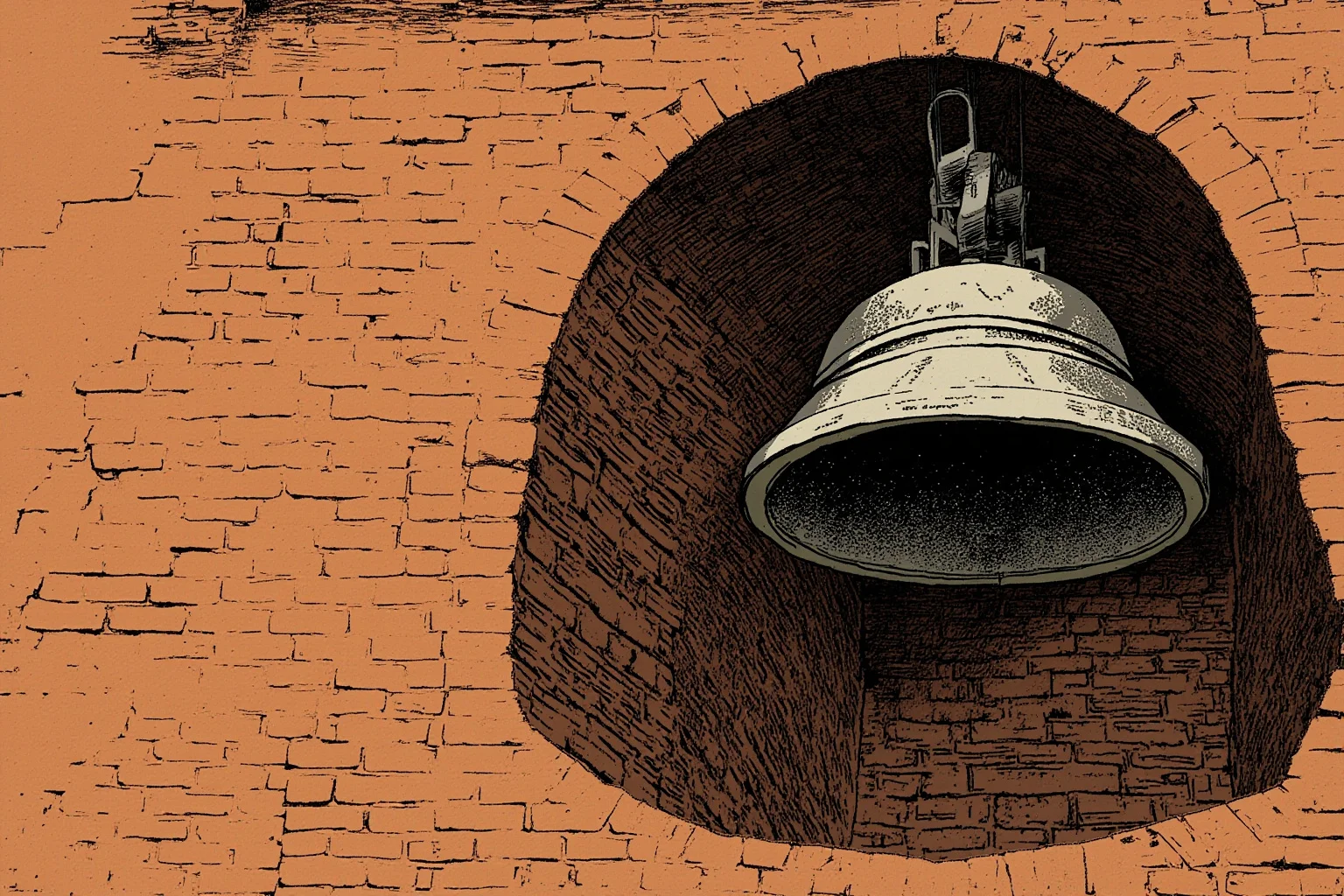
The Liberty Bell’s famous crack didn’t happen in 1776. Historical records suggest it developed sometime in the early-to-mid 1800s, likely worsening around 1846, long after independence had already been declared and won.
The bell wasn’t even known as the “Liberty Bell” until abolitionists gave it that name in the 19th century as a symbol for their own cause.
Founding Words, Famous Quotes, and Expansion
12. “All Men Are Created Equal” Applied To Everyone In 1776
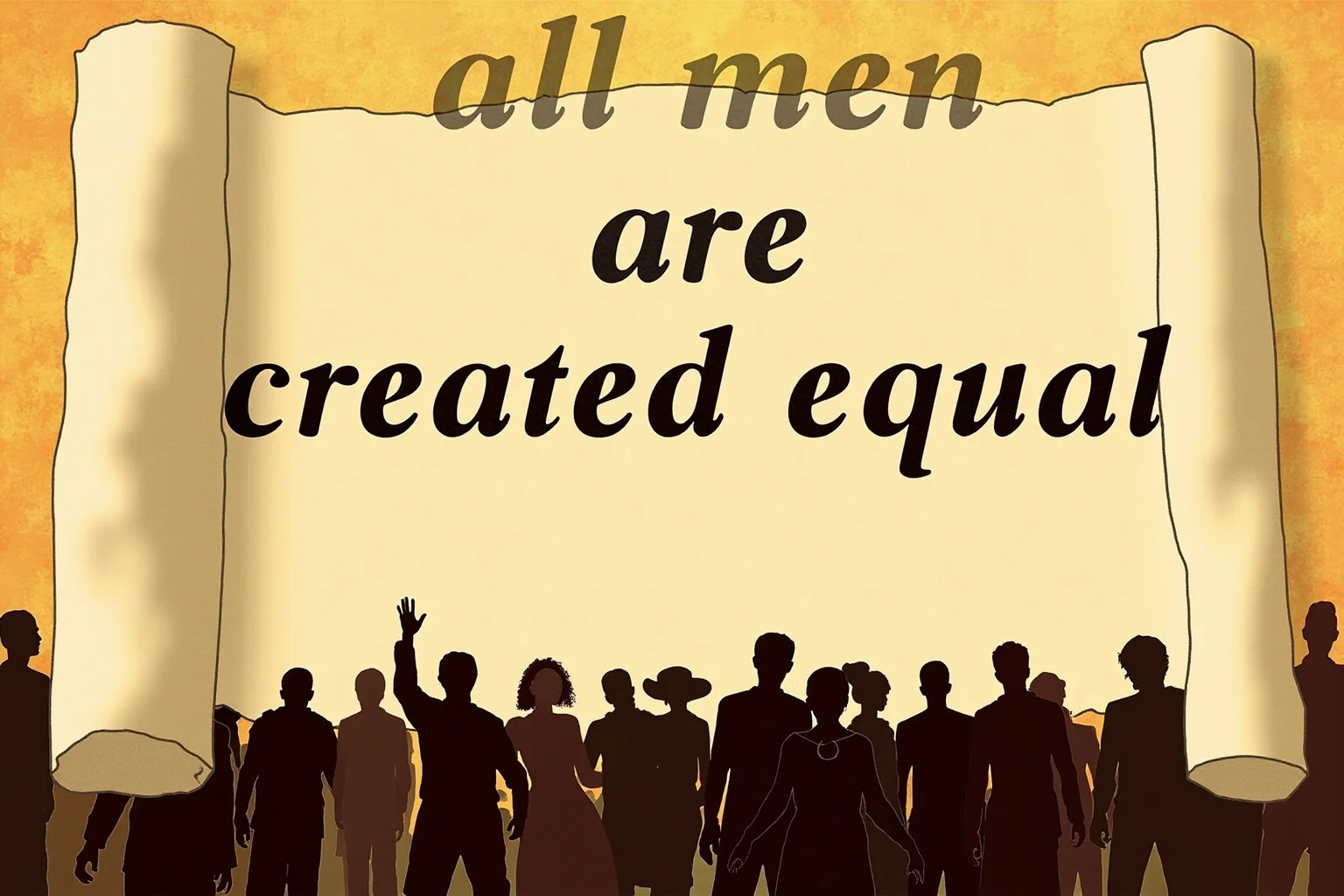
Thomas Jefferson wrote this line in the Declaration of Independence while personally enslaving more than 600 people over his lifetime. In practice, the promise of equality didn’t extend to enslaved Black Americans, Native Americans, or women under the law of the time.
It took the Civil War, multiple constitutional amendments, and generations of civil rights activism to even begin closing the gap between that ideal and reality — a gap the country is arguably still working through.
13. Patrick Henry’s “Give Me Liberty Or Give Me Death” Speech Is Word-For-Word Accurate
This is one of the most quoted lines in American historical quotes, but no verbatim transcript of Henry’s 1775 speech survives. The version we know today was reconstructed in 1817 by biographer William Wirt, decades after Henry’s death, based on the secondhand memories of people who claimed to have heard it.
Historians believe Henry likely delivered a fiery speech along those lines, but the exact wording is almost certainly Wirt’s reconstruction rather than a precise transcript.
14. Napoleon Personally Sold America The Louisiana Territory
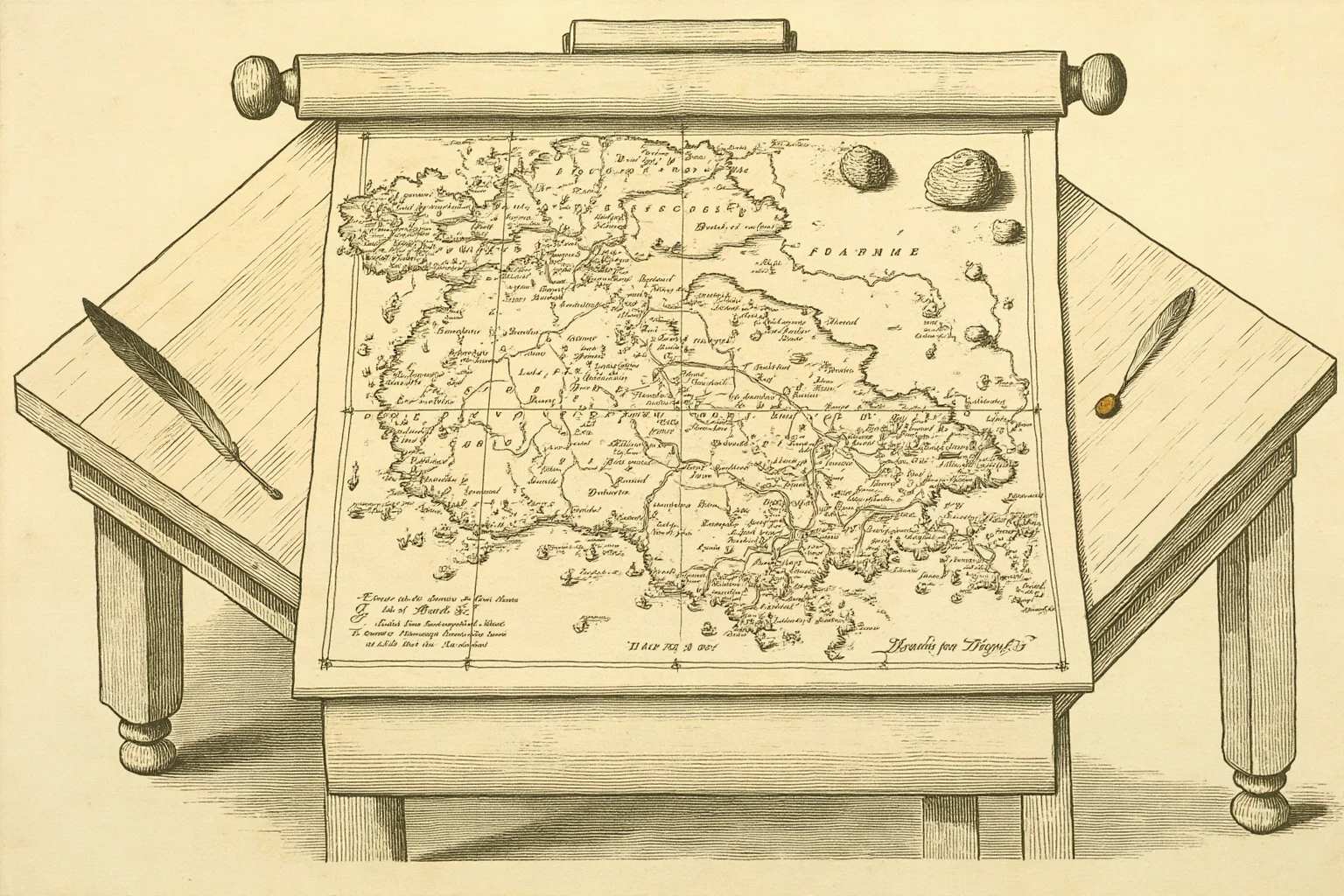
The 1803 Louisiana Purchase was negotiated in Paris by American envoys Robert Livingston and James Monroe with French officials, not directly with Napoleon at a bargaining table. Napoleon authorized the sale for strategic and financial reasons, but the deal was hammered out by ministers on both sides.
It’s also worth remembering the land wasn’t empty or unclaimed — it was home to dozens of Indigenous nations who had no say in the transaction at all.
15. George Washington Was The Very First U.S. President
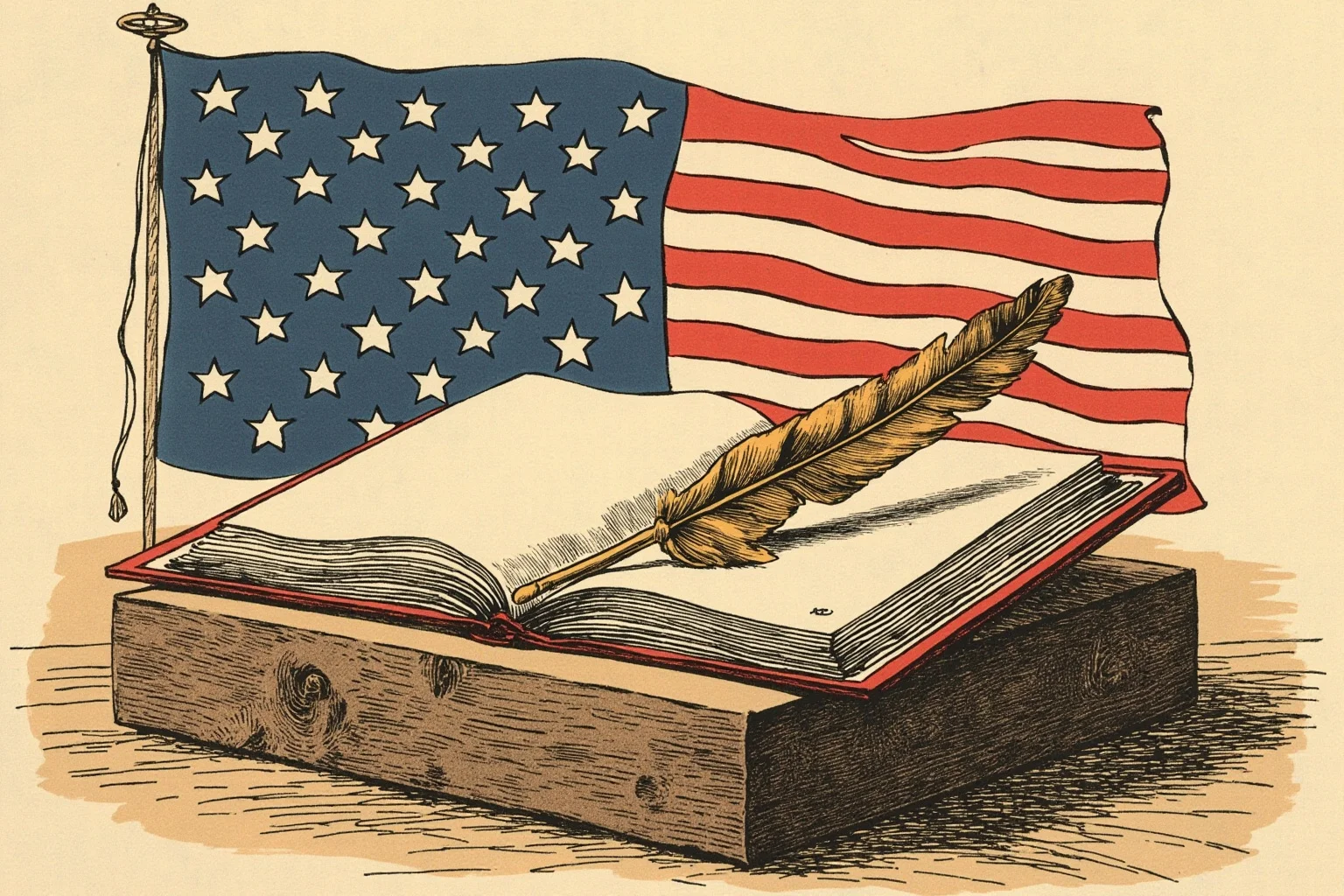
Washington was the first president under the U.S. Constitution, inaugurated in 1789. Before that, though, the Articles of Confederation had already created a role called “President of the United States in Congress Assembled,” held by several men starting in the early 1780s.
That earlier role had far less power and looked nothing like the modern presidency, which is why Washington is correctly remembered as the first president in the way we understand the office today.
Wild West and Civil War Myths
16. The Wild West Was A Nonstop Shootout
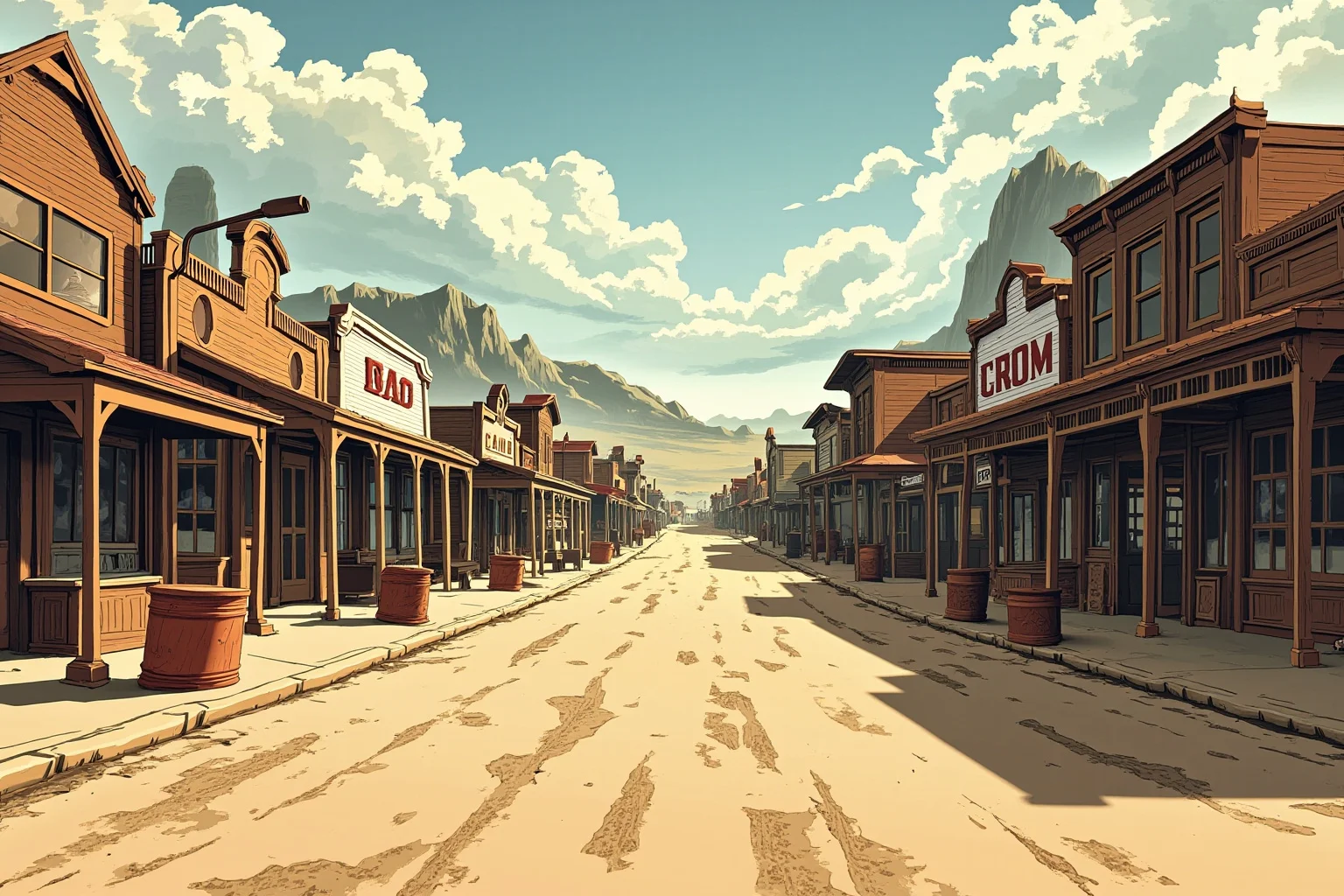
Dime novels and later Hollywood westerns made frontier towns look like they had a gunfight every afternoon. In reality, most famous cattle towns had strict gun regulations, and violent deaths were far less common than pop culture suggests.
The legendary shootout at the O.K. Corral in 1881 is remembered precisely because events like it were rare, not routine. Most cowboy life involved long, unglamorous days of herding and ranch work.
17. Custer’s Last Stand Was A Heroic, Doomed Sacrifice
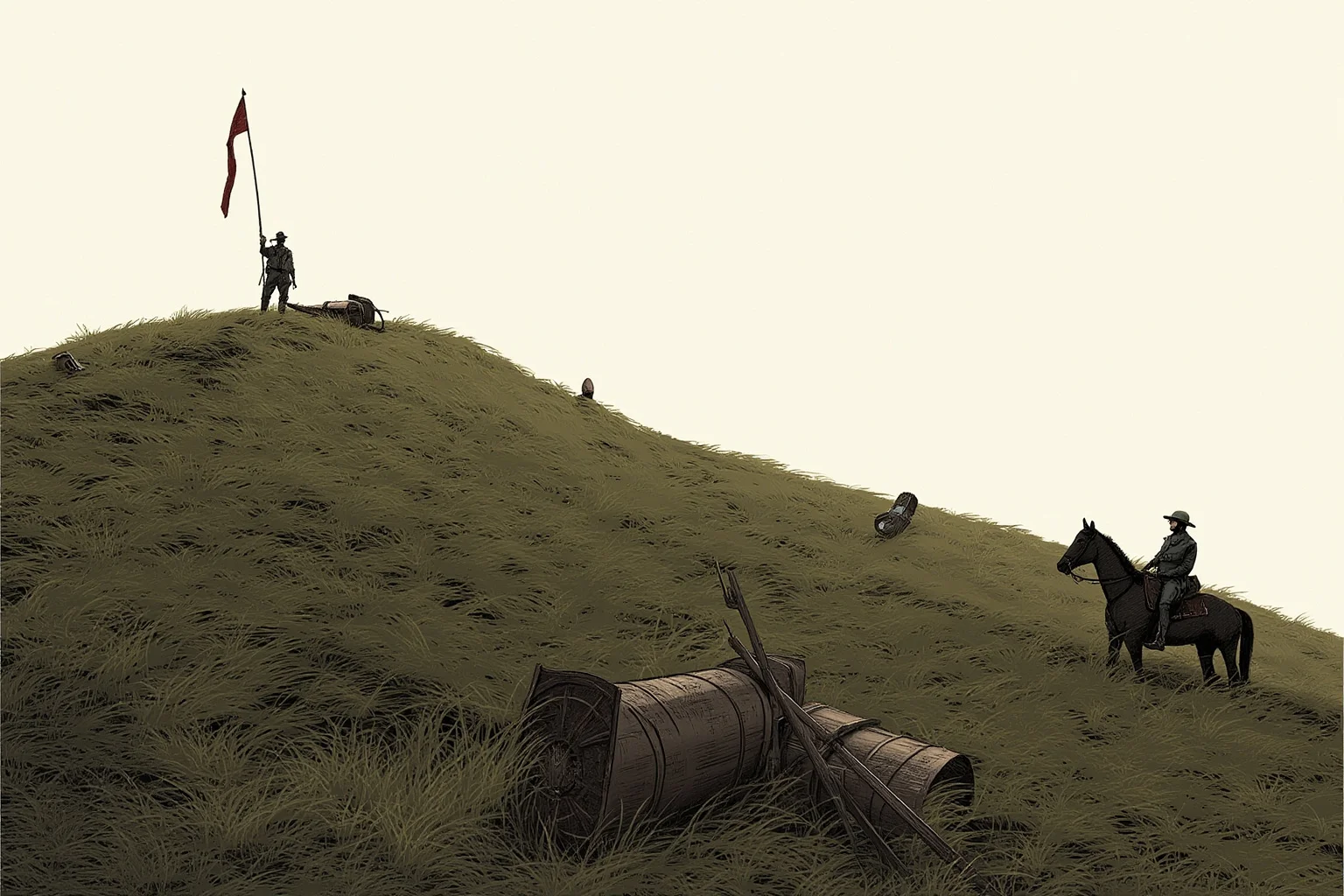
The 1876 Battle of the Little Bighorn was long taught as a tale of brave soldiers overwhelmed by impossible odds. Modern historians largely view it differently, pointing to Lieutenant Colonel George Custer’s decision to split his forces and attack without adequate scouting or support.
Much of the “heroic martyr” framing came from later promotional efforts, including work by his widow, to protect his reputation. The battle is now studied as a case of tactical overreach rather than pure valor.
18. The Emancipation Proclamation Freed All Enslaved People Instantly
Issued by President Lincoln in 1863, the Emancipation Proclamation only applied to enslaved people in Confederate states still in rebellion against the Union. It did not free enslaved people in border states loyal to the Union or in Confederate areas already under Union control.
Its practical effect depended entirely on Union military advances. Full, nationwide abolition didn’t happen until the 13th Amendment was ratified in December 1865.
19. Lee’s Surrender At Appomattox Ended The Civil War
Robert E. Lee’s surrender of the Army of Northern Virginia on April 9, 1865, is often treated as the day the Civil War ended. In reality, it only ended fighting for that one army — other Confederate forces kept fighting for weeks afterward.
The last land battle is generally considered to be at Palmito Ranch, Texas, in mid-May 1865, and the war wasn’t formally declared over until later that year.
20th Century Myths
20. Rosa Parks Was Just A Tired Woman Who Spontaneously Snapped

Rosa Parks is often described as an ordinary seamstress who simply got too tired to give up her bus seat in 1955. In reality, she was an experienced NAACP secretary and civil rights activist who had trained for exactly this kind of moment.
Her refusal helped launch the Montgomery Bus Boycott, but it built on earlier, less-remembered protests, including one by teenager Claudette Colvin nine months prior. Parks’s courage was real — it just wasn’t accidental.
21. Prohibition Made Drinking Alcohol Itself Illegal
The 18th Amendment and the Volstead Act, which launched Prohibition in 1920, banned the manufacture, sale, and transport of alcohol. Actually drinking it, or possessing alcohol you already owned, was not illegal under federal law.
Many wealthier Americans legally stockpiled liquor before the ban took effect, which is part of why speakeasies and bootlegging became such a defining feature of the era instead of full sobriety.
22. “The Star-Spangled Banner” Was Always America’s National Anthem
Francis Scott Key wrote the poem that became “The Star-Spangled Banner” in 1814 after watching the bombardment of Fort McHenry. It didn’t become the official national anthem until Congress passed a resolution and President Herbert Hoover signed it into law in March 1931.
For over a century before that, other patriotic songs like “Hail Columbia” were used at official functions instead.
The Bottom Line On America’s Historical Myths
Going through these historical facts about the United States shows a clear pattern: the real story is almost always more complicated, and usually more interesting, than the legend. Myths tend to survive because they’re simple, dramatic, and easy to repeat, while the documented truth often requires more nuance than a single sentence allows.
That doesn’t make American history less impressive — if anything, it makes it more human. Real people made messy decisions, told their own stories after the fact, and left behind gaps that later writers happily filled in with legend.
Next time you hear one of these American history facts repeated as settled truth, it’s worth asking where the story actually came from. More often than not, the honest answer is more fascinating than the myth it replaced.
Frequently Asked Questions
What are some good facts about U.S. history that most people get wrong?
Some of the most commonly misunderstood facts about U.S. history include the idea that Paul Revere shouted "The British are coming," that Betsy Ross designed the first flag, and that the Emancipation Proclamation instantly freed all enslaved people. Each of these has a documented, more nuanced reality behind it.
Did George Washington really have wooden teeth?
No. Washington's dentures were made from materials like ivory, gold, lead, and teeth sourced from other people and animals, including hippopotamus ivory. The myth likely comes from how stained, cracked ivory can resemble wood grain over time.
What actually happened at the Boston Tea Party?
The Boston Tea Party in 1773 was a protest against the Tea Act, which lowered the price of tea but gave the British East India Company a monopoly and kept a tax colonists hadn't consented to. It was about representation and monopoly power more than a simple tax increase.
Did Columbus really discover America?
No. Columbus never reached the North American mainland, landing instead in the Bahamas and Caribbean in 1492. Millions of Indigenous people already lived across the Americas, and Norse explorers had reached North America roughly 500 years earlier.
Why do so many myths about American history still get taught?
Many myths started as simplified textbook explanations, patriotic legends, or early biographical embellishments meant to inspire rather than document. They stuck around because they were memorable and dramatic, even after historians corrected the record.
What is the most surprising fact about the American Revolution?
One surprising fact is that the Declaration of Independence wasn't fully signed on July 4, 1776 — most delegates signed the parchment copy on August 2, 1776, weeks after the date we celebrate as Independence Day.

Alex Warren
Related Articles