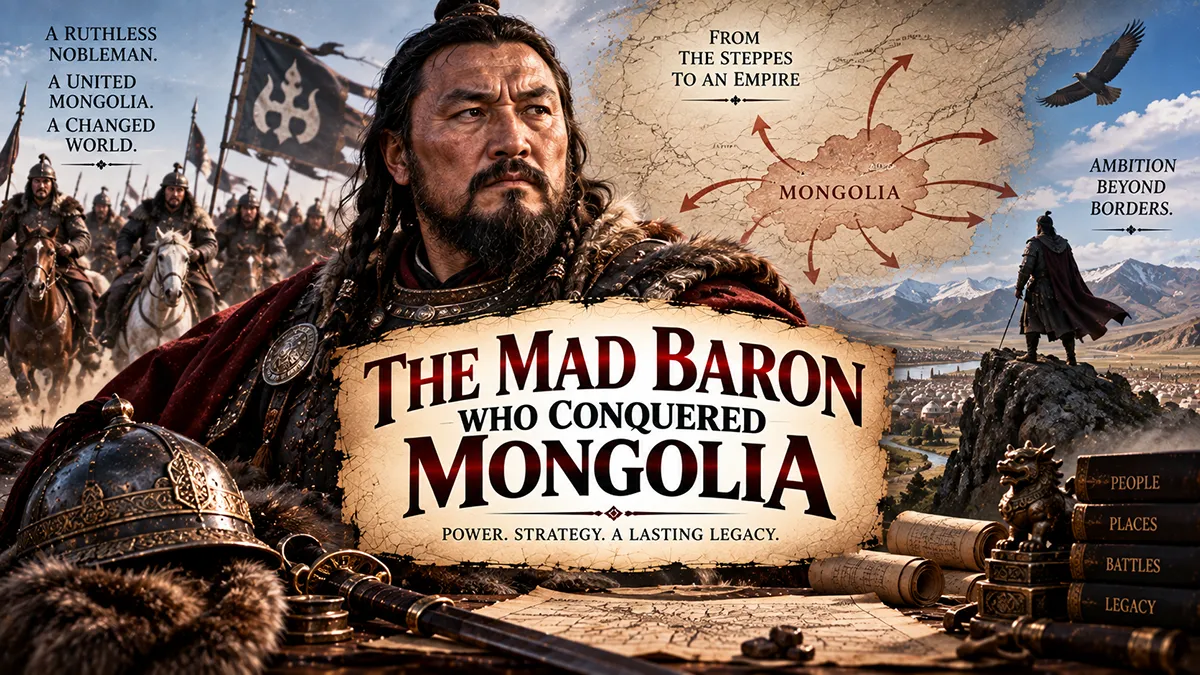
Some historical figures are villains. Some are visionaries. Roman von Ungern-Sternberg somehow managed to be both, often within the same afternoon. This Baltic German nobleman rode out of the collapsing Russian Empire, gathered a ragtag cavalry of Cossacks, Mongols, and Japanese mercenaries, and briefly became the most powerful man in Mongolia.
He’s remembered today under a pile of nicknames — the Mad Baron, the Bloody White Baron, and sometimes, inaccurately, the last khan of Mongolia. Separating the man from the legend is trickier than it sounds, because even contemporary accounts of Baron von Ungern-Sternberg were tangled up in propaganda, mysticism, and outright rumor. This list walks through his life event by event, myth-busting along the way.
TL;DR: Roman von Ungern-Sternberg, the self-styled ‘Mad Baron,’ briefly seized control of Mongolia in 1921 through brutal conquest and mystical fervor before being captured and executed by the Red Army just months later.
Who Was Roman von Ungern-Sternberg?
Before diving into the numbered rundown, it helps to know the shape of the story. Ungern-Sternberg was a cavalry officer of the Russian Empire, born into old Baltic German nobility, who threw himself into the chaos of the Russian Civil War on the side of the anti-Bolshevik Whites. When that cause collapsed in Siberia, he pushed his private army south into Mongolia.
There, in February 1921, he drove out an occupying Chinese garrison and restored Mongolia’s Buddhist theocratic ruler to the throne. For a few months, this obscure baron was arguably the single most powerful foreigner in Mongolia. It did not end well for him, and it did not end well for a great many people around him either.
1. He Was Born Into Old Baltic German Nobility
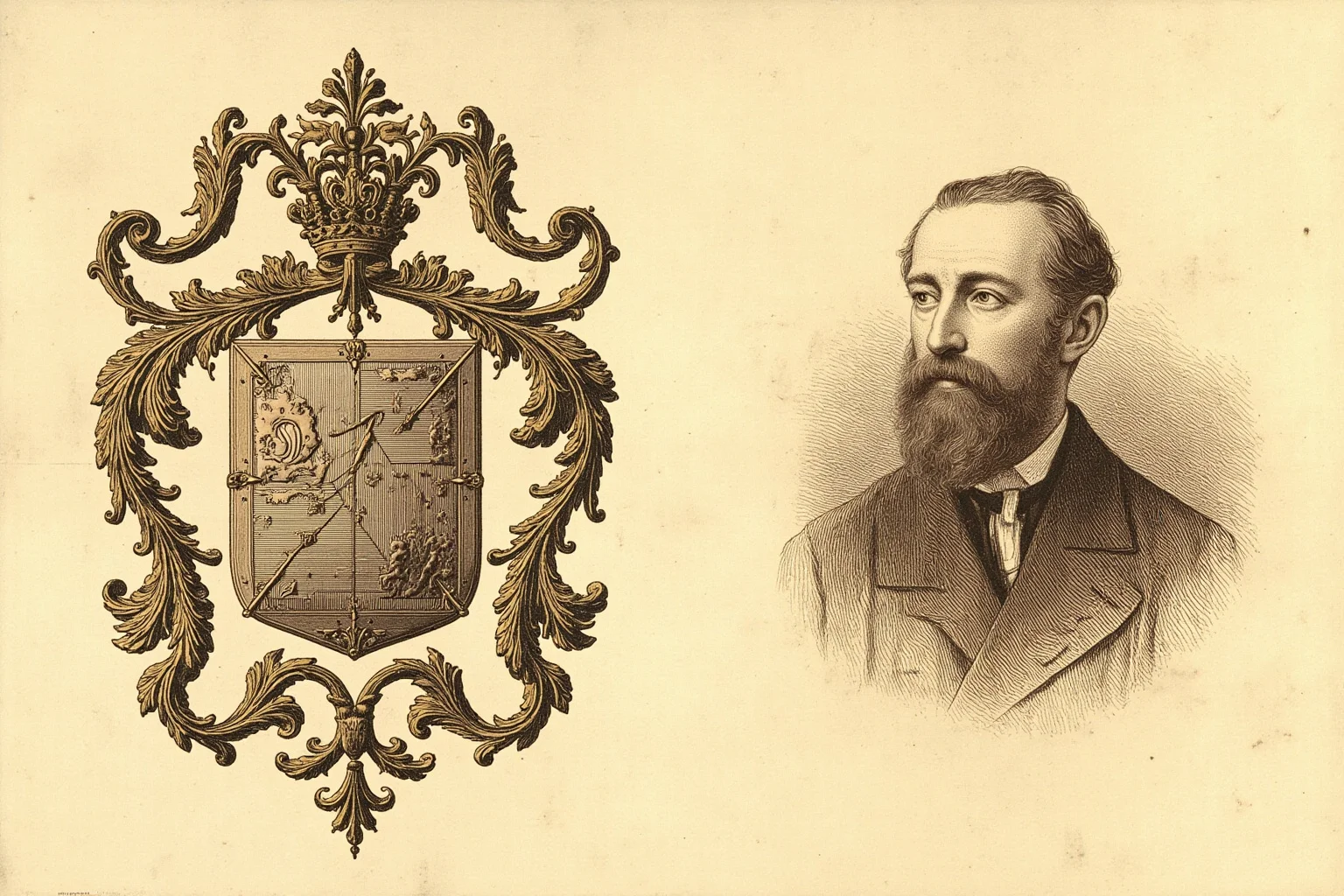
Roman Nikolai Maximilian von Ungern-Sternberg was born in 1885 (some sources say 1886) in Graz, Austria, to a family of Baltic German aristocrats with deep roots in what is now Estonia. The Ungern-Sternberg line had a genuine, centuries-old baronial title, so “baron” in his name wasn’t an affectation. It was an inherited rank tied to estates in the Baltic provinces of the Russian Empire.
The family had a colorful, sometimes violent reputation going back generations, including ancestors nicknamed for piracy and cruelty. Whether that hereditary reputation shaped young Roman or was simply retold to explain him later is genuinely unclear.
2. His Name Has Several Spellings
If you’ve seen him referred to as Sternberg Ungern, Baron Sternberg, or simply Roman Sternberg, you haven’t stumbled onto a different person. Transliteration from German and Russian sources over the past century has produced a small pile of spelling variants. The most historically accurate rendering is Roman von Ungern-Sternberg, with “von Ungern-Sternberg” functioning as the compound family name.
3. He Trained as a Naval Cadet Before Turning to the Army
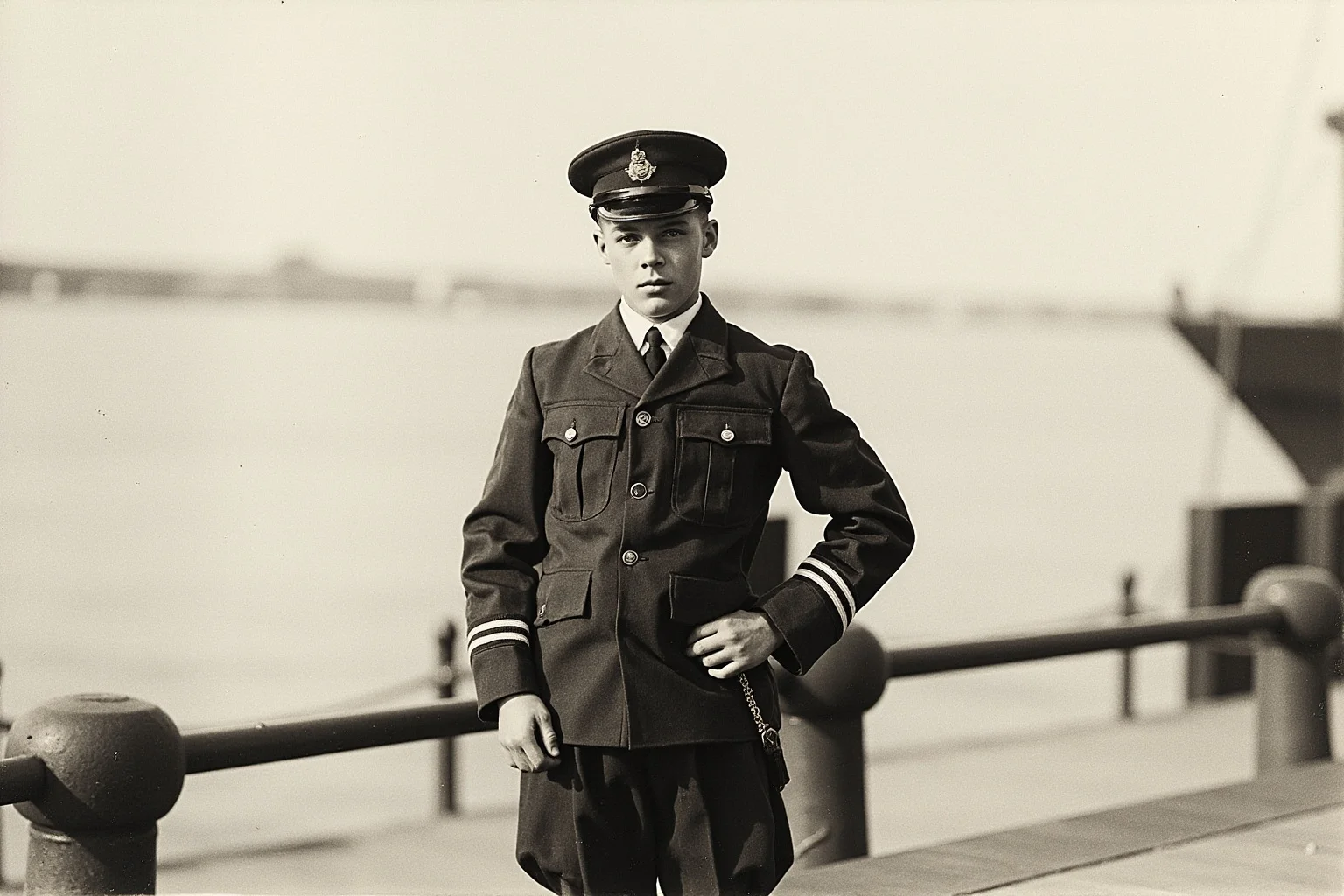
Ungern-Sternberg’s early education pointed toward the sea, not the cavalry. He attended a naval school in St. Petersburg but reportedly struggled with discipline and academics, and he did not complete a commission as a naval officer. He pivoted instead toward military service on land, eventually joining a Cossack regiment, which suited his restless temperament far better.
4. He Got His First Taste of War Against Japan
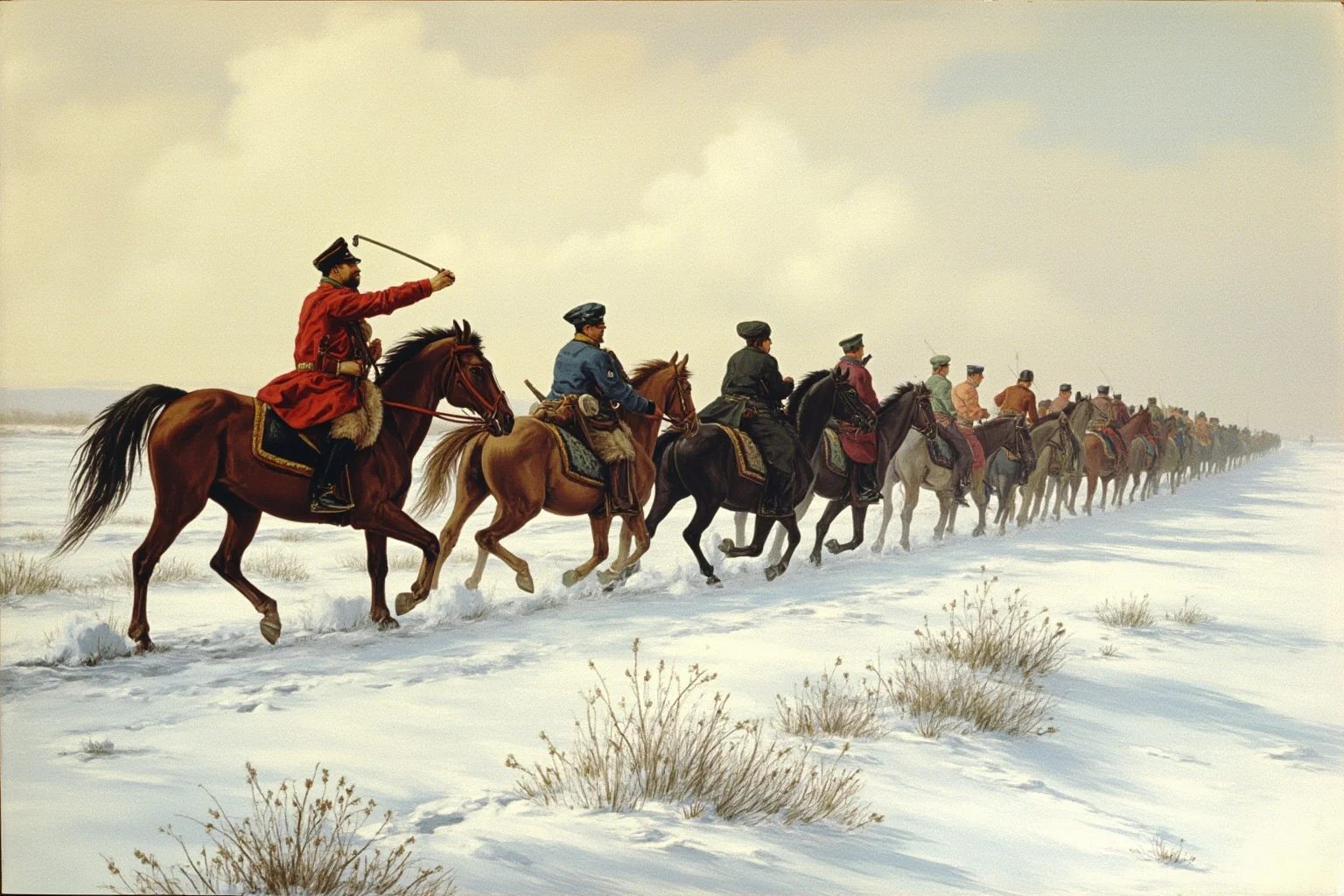
Ungern-Sternberg briefly served during the tail end of the Russo-Japanese War (1904–1905), though accounts differ on exactly how much combat he saw before the war ended. What’s better documented is that this early exposure to war in the Far East planted an interest in Asia that would define the rest of his short life.
5. He Served With Distinction — and Notoriety — in World War I
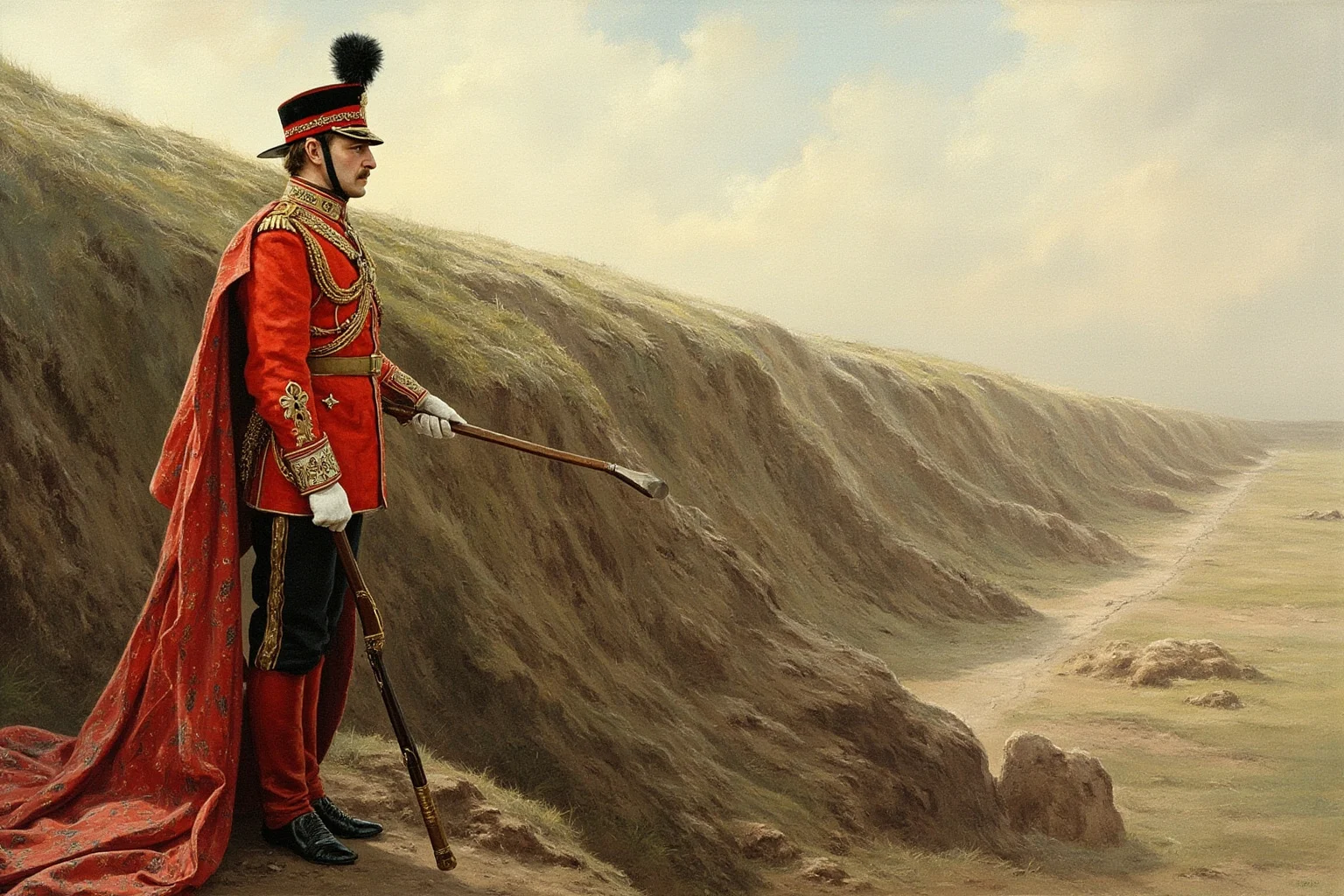
When the First World War broke out, Ungern-Sternberg served as a cavalry officer on the Eastern Front, one of the many brutal but lesser-known theaters covered in hidden facts about World War I, earning several military decorations for bravery. He also earned a reputation as an erratic, often violent disciplinarian, prone to dueling and drunken brawling when not fighting Germans and Austrians. Fellow officers apparently found him both an effective fighter and an exhausting colleague.
6. He Fell Under the Spell of Pan-Mongolism and Buddhist Mysticism
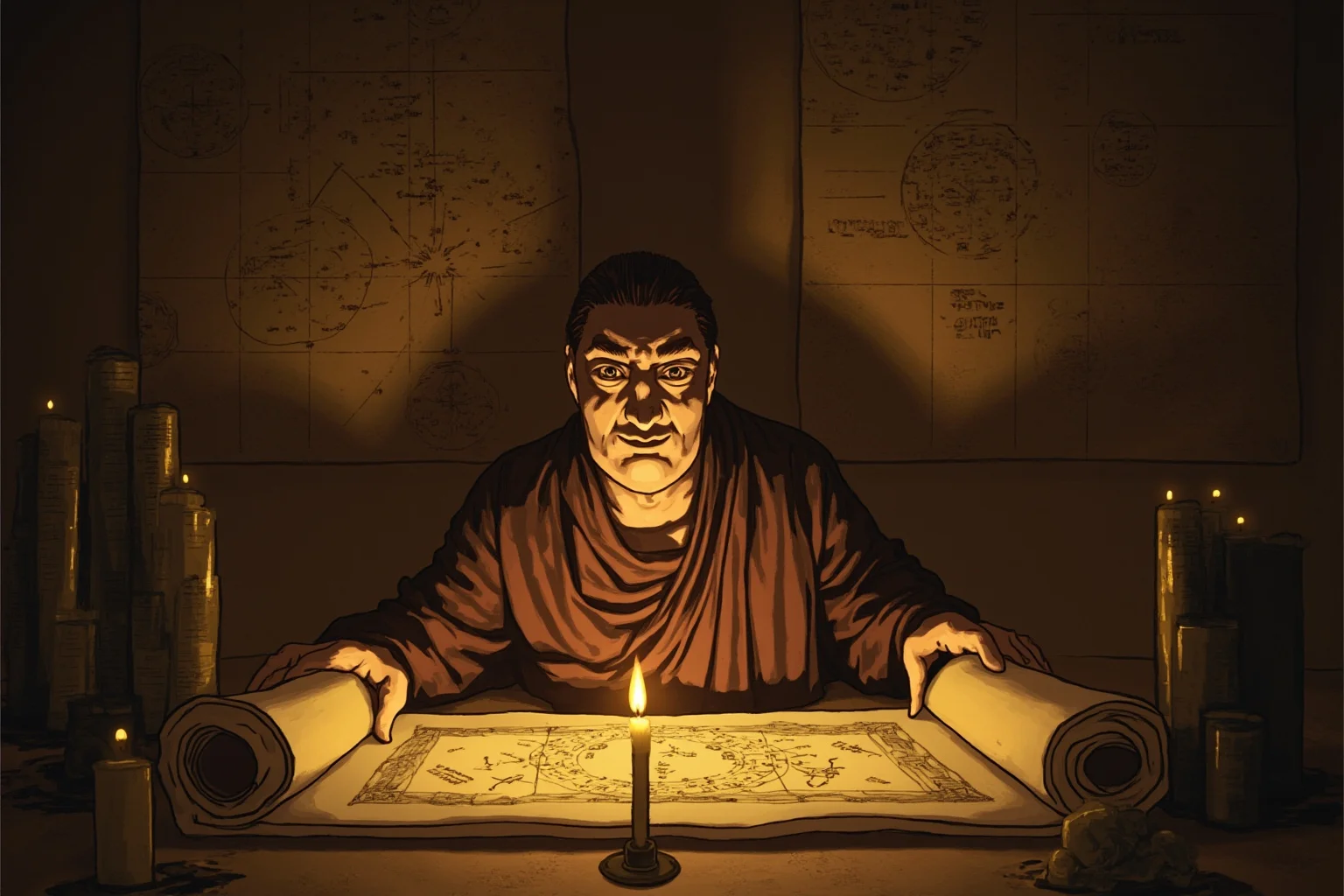
Somewhere in his years of frontier service, Ungern-Sternberg developed an intense fascination with Tibetan Buddhism and the idea of restoring a great, unified Mongol-Buddhist empire across Central Asia, harkening back to conquerors like Genghis Khan featured among the greatest rulers in ancient history. He apparently saw himself as an instrument of destiny in this project. Historians debate how much of this belief was genuine spiritual conviction and how much was convenient political theater to win over Mongol allies, and the honest answer is probably a mix of both.
7. The Russian Revolution Turned Him Into a Warlord
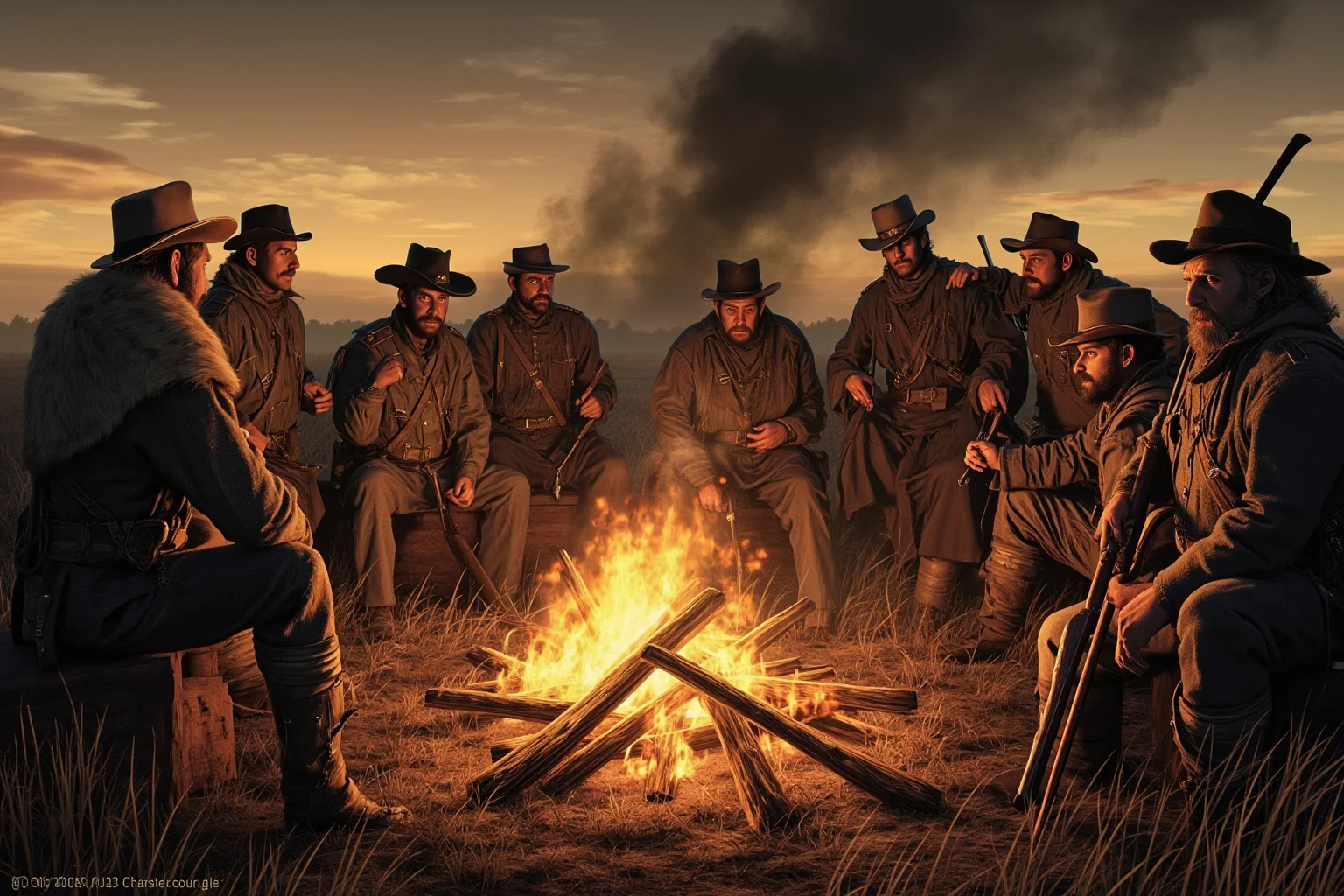
When the Bolsheviks seized power in 1917, Ungern-Sternberg threw himself into the White counter-revolutionary movement in Siberia and the Russian Far East. This region had no stable central authority, so power flowed to whoever could hold territory with force. That vacuum is exactly what turned an eccentric cavalry officer into a fully-fledged Mongolian warlord operating almost outside anyone’s chain of command.
8. He Partnered With Ataman Grigory Semyonov
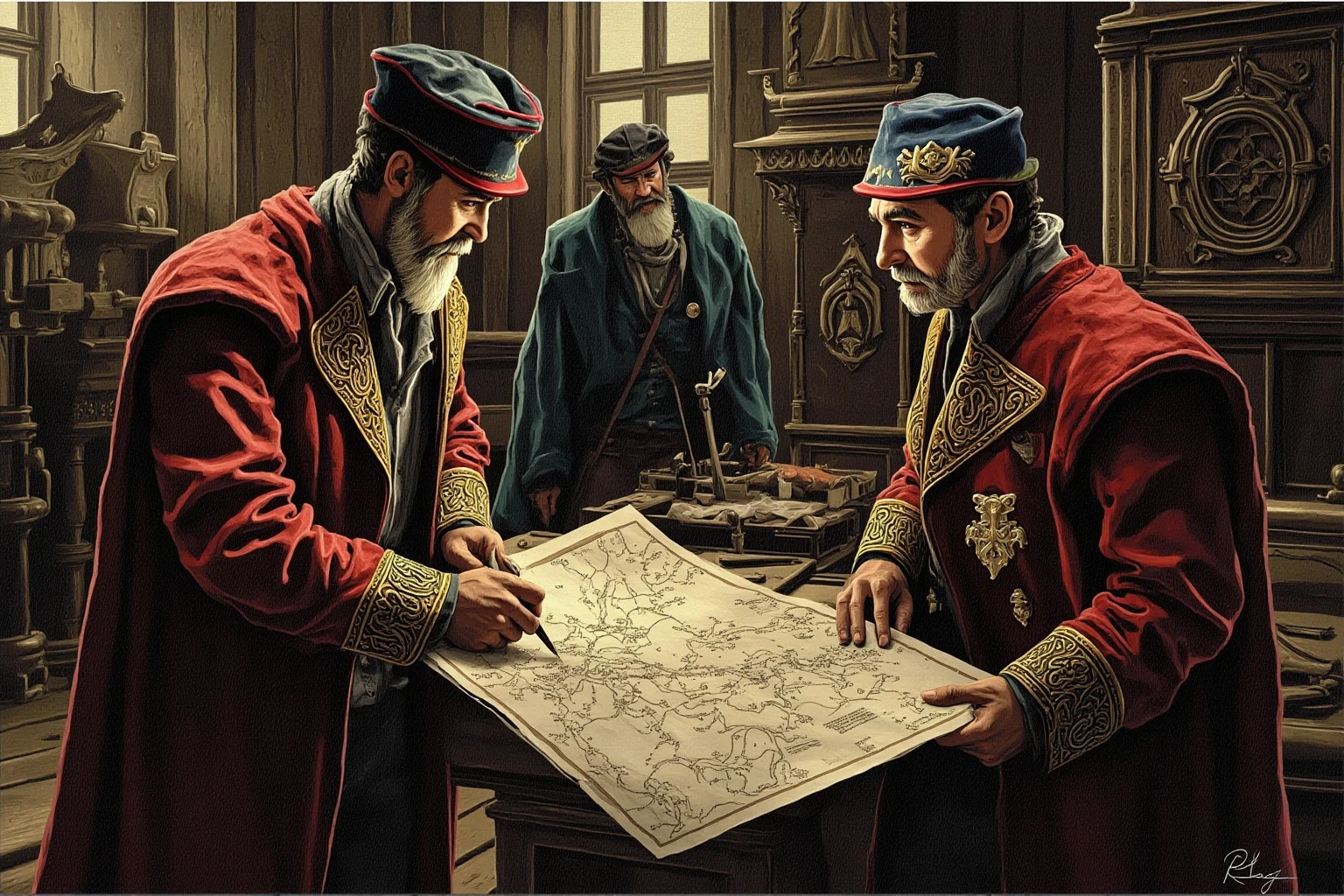
Ungern-Sternberg’s chief patron during this period was Grigory Semyonov, another anti-Bolshevik warlord who controlled swaths of Transbaikalia. Semyonov gave him resources and a loose mandate to operate along the Mongolian border. The two men were allies of convenience more than true friends, and Ungern-Sternberg increasingly acted on his own initiative.
9. He Built a Strange, Multi-Ethnic Private Army
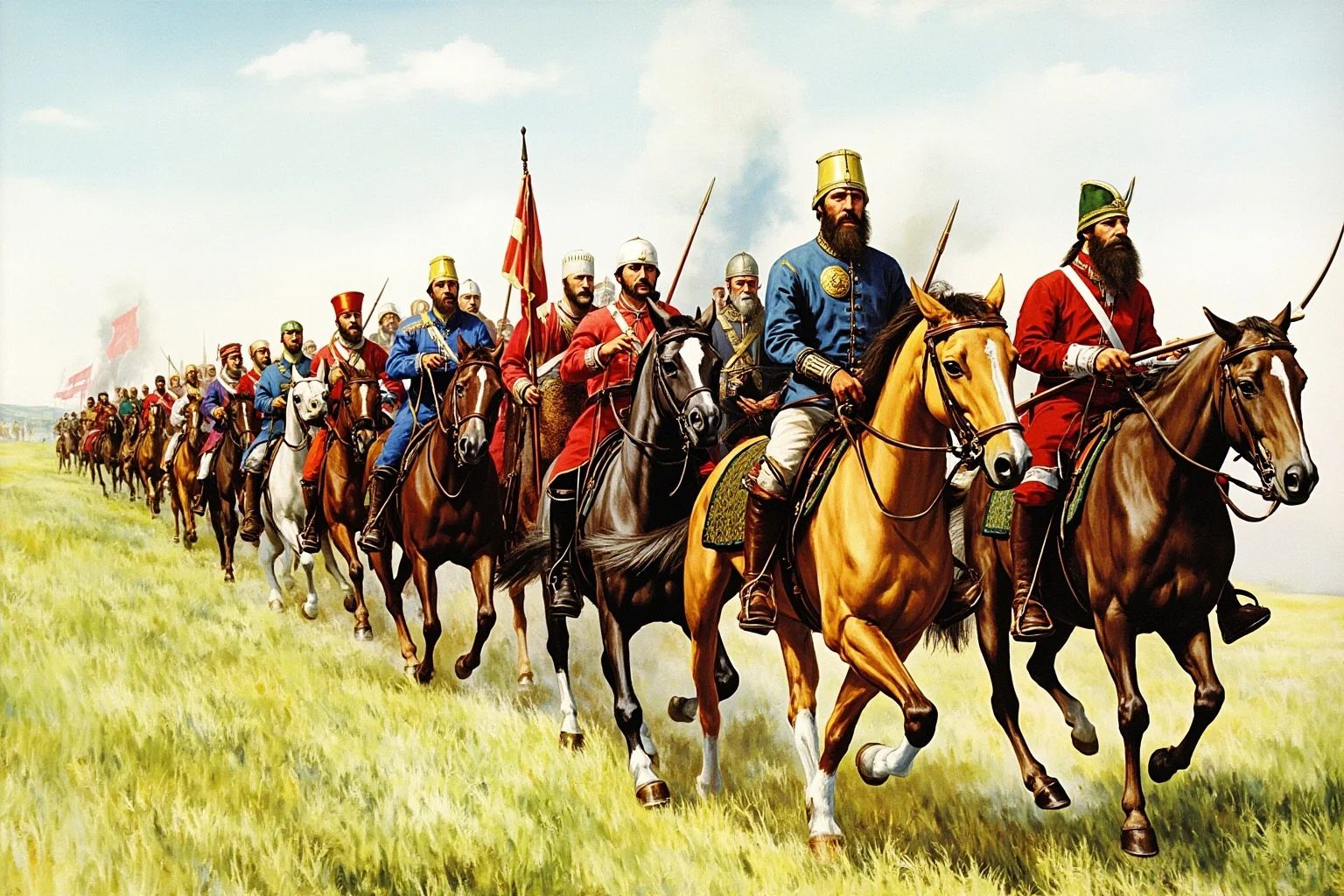
His force, sometimes called the Asiatic Cavalry Division, was a patchwork of Russian Cossacks, Buryat and Mongol horsemen, Japanese volunteers, Tibetans, and Chinese defectors. It was less a conventional military unit than a mobile warband held together by loyalty to Ungern-Sternberg personally. Discipline within it was ferocious, and punishments for disobedience were often lethal.
10. He Marched Into Mongolia to Fight a Chinese Occupation
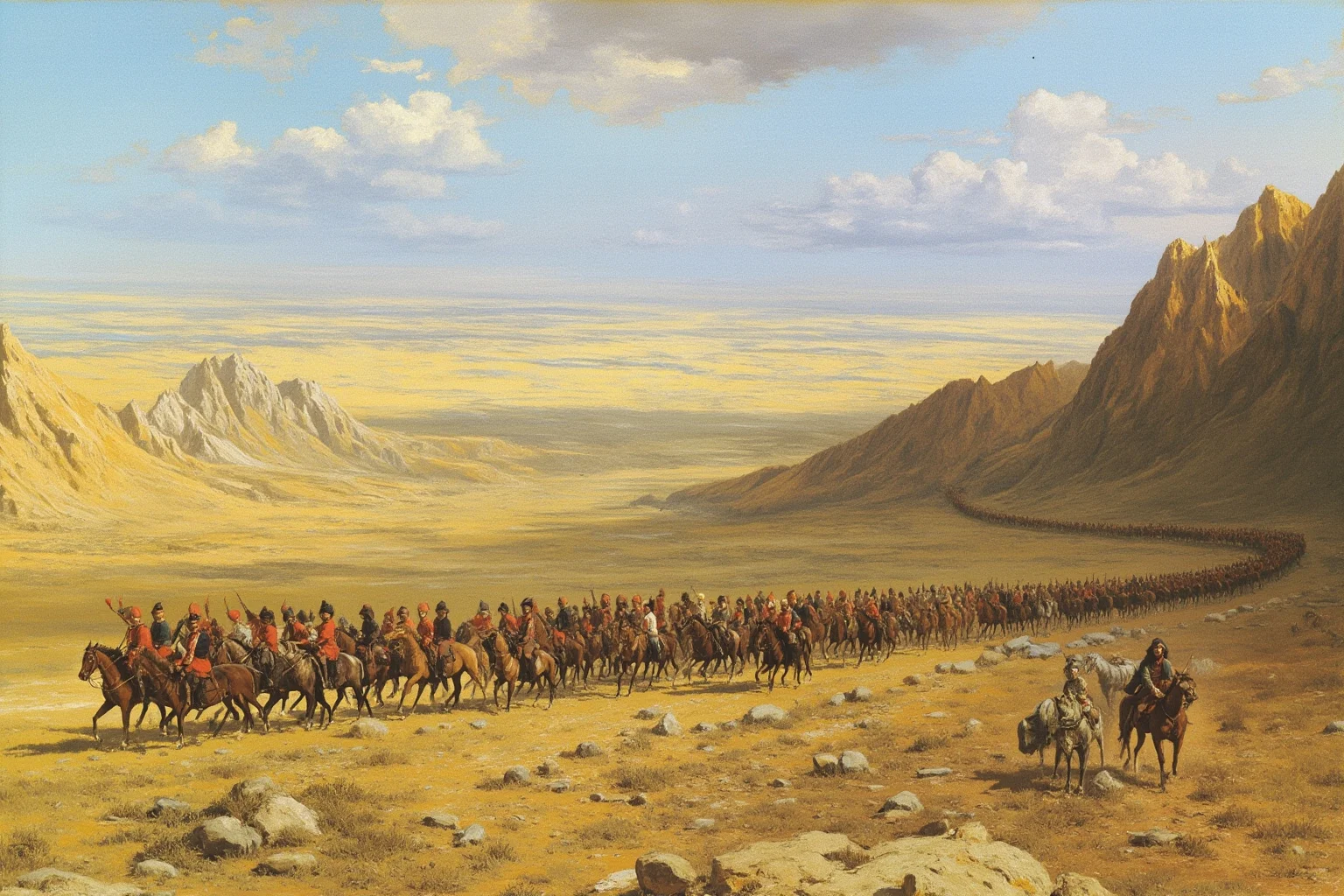
By 1919, Chinese warlord troops had occupied Mongolia and deposed its traditional theocratic government, ending the country’s brief post-1911 independence. Ungern-Sternberg saw an opportunity here that lined up with both his mystical ambitions and his hatred of the revolutionary tides sweeping Asia. In late 1920, he led his division south across the border to challenge the Chinese garrison controlling the capital.
11. He Captured Urga in a Bloody Assault
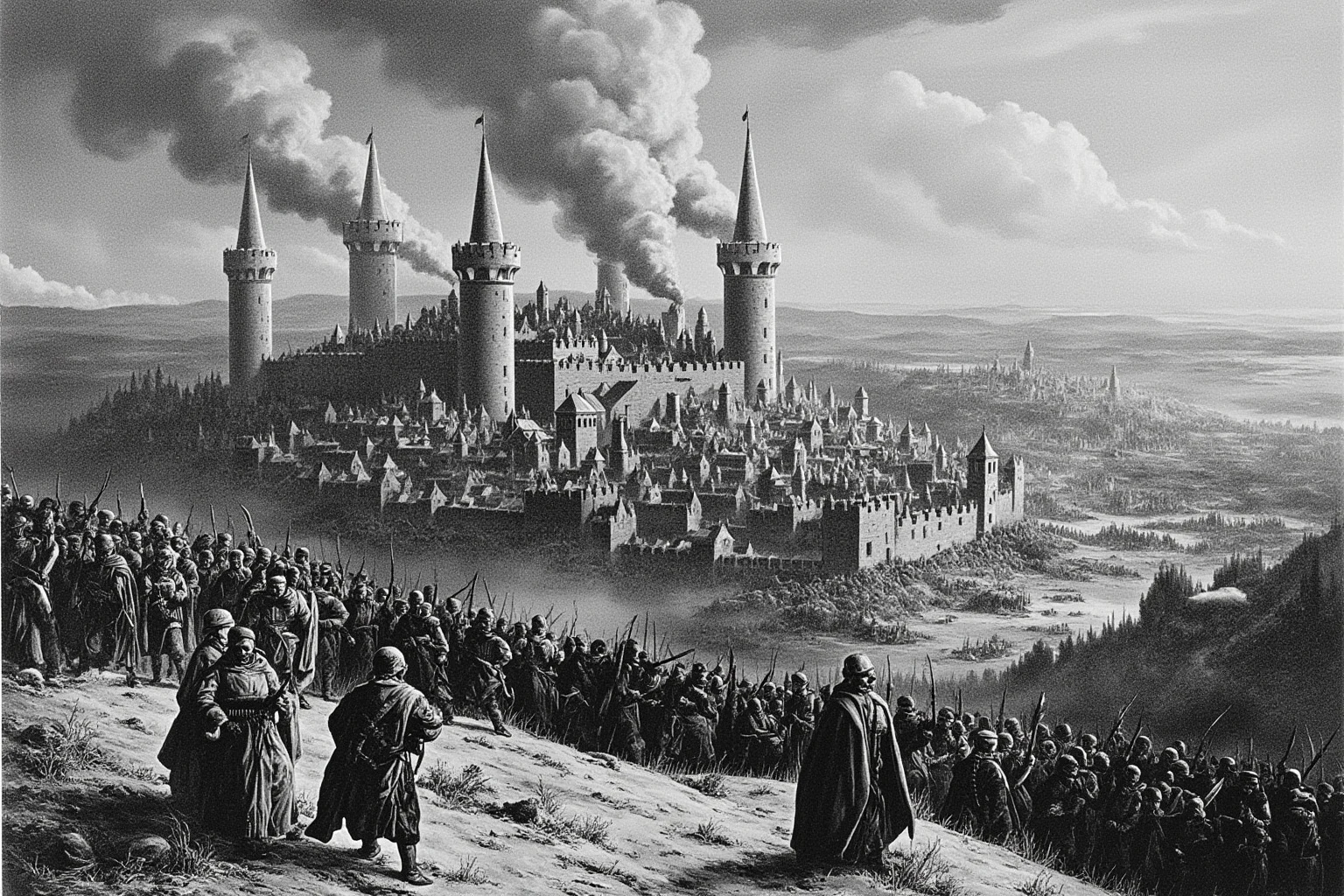
In February 1921, after a difficult siege, Ungern-Sternberg’s forces stormed Urga (the city now known as Ulaanbaatar) and drove out the occupying Chinese troops. The fighting and its aftermath were brutal, with reports of massacres targeting Chinese soldiers, civilians, and members of Urga’s Jewish community. This victory is really the heart of why he’s remembered as the man who conquered Mongolia, even though “conquered” needs some careful unpacking.
12. He Restored the Bogd Khan to the Throne
Rather than declaring himself Mongolia’s ruler outright, Ungern-Sternberg reinstalled the Bogd Khan, Mongolia’s Buddhist theocratic leader, as head of state. This was a calculated move to legitimize his conquest in Mongolian eyes and rally support around a traditional figure of authority. It’s also the key reason the popular idea that Ungern-Sternberg was crowned “king of Mongolia” doesn’t hold up to scrutiny.
13. He Received Extraordinary Honors, But Not a Crown
In gratitude, the Bogd Khan showered Ungern-Sternberg with Mongolian titles, honors, and the rank of a reincarnated warrior-deity in some tellings. He effectively became the power behind the throne, directing military and political affairs in Mongolia through early 1921. But he was never formally enthroned as Mongolia’s monarch, which makes “king of Mongolia” more myth than verified historical title.
14. He Believed He Was Fulfilling a Mystical Destiny
Contemporary and later accounts describe Ungern-Sternberg as increasingly consumed by prophecy, astrology, and Buddhist eschatology, seeing himself as a chosen agent meant to restore old Asian monarchies against the tide of revolution and modernity. Some officers who served with him described his growing obsession with omens and divination. How literally he believed his own mythology versus how much he cultivated it for political effect remains genuinely debated among historians.
15. His Brutality Earned Him the Name “The Bloody White Baron”
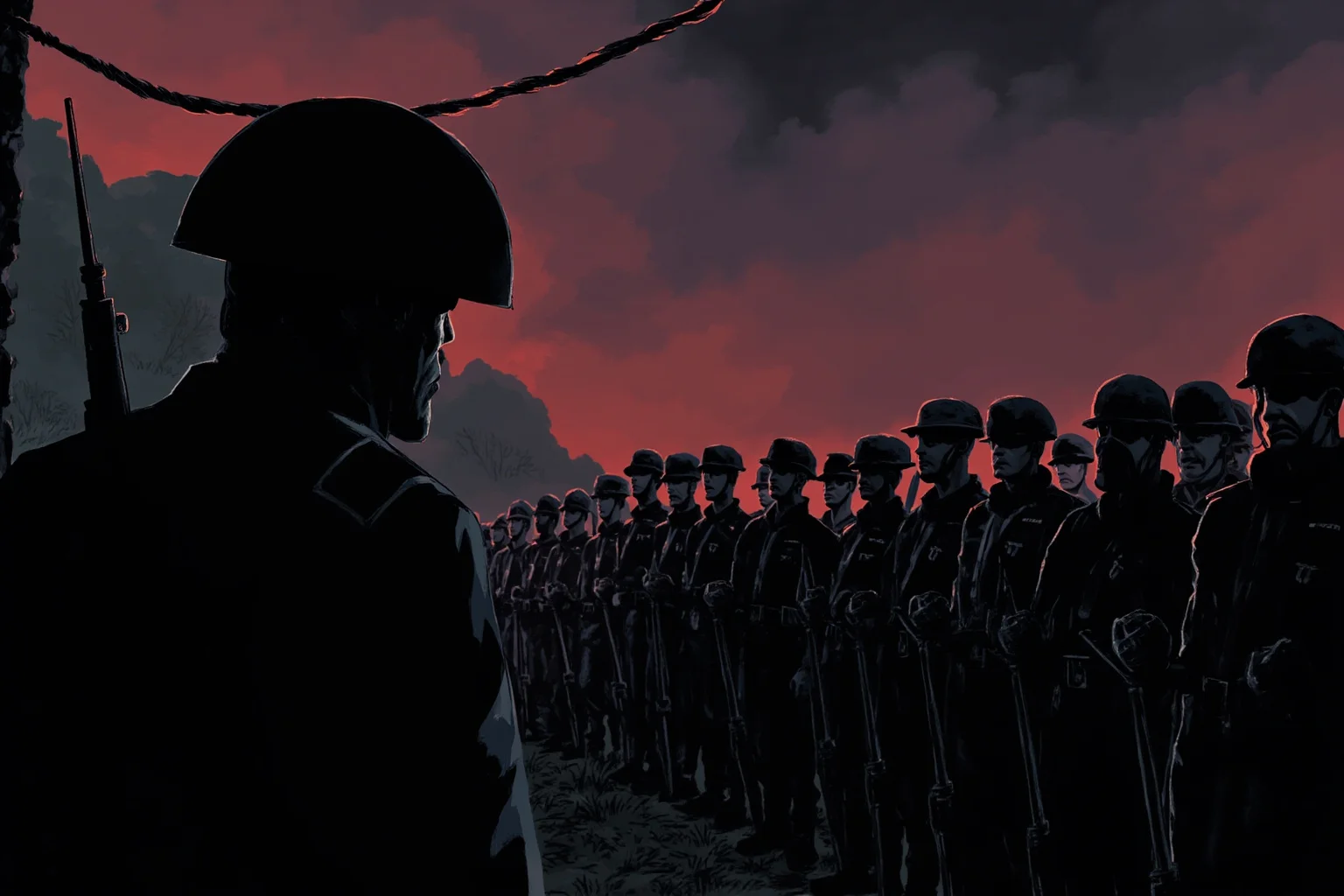
Ungern-Sternberg’s reputation for cruelty wasn’t just wartime rumor. Multiple firsthand accounts describe brutal punishments within his own ranks, including executions for minor infractions, and violent purges of perceived enemies in Urga. This is the historical basis for the nickname the Bloody White Baron, a title that stuck to him far more than any Mongolian honorific ever did.
16. He Was Responsible for Documented Massacres
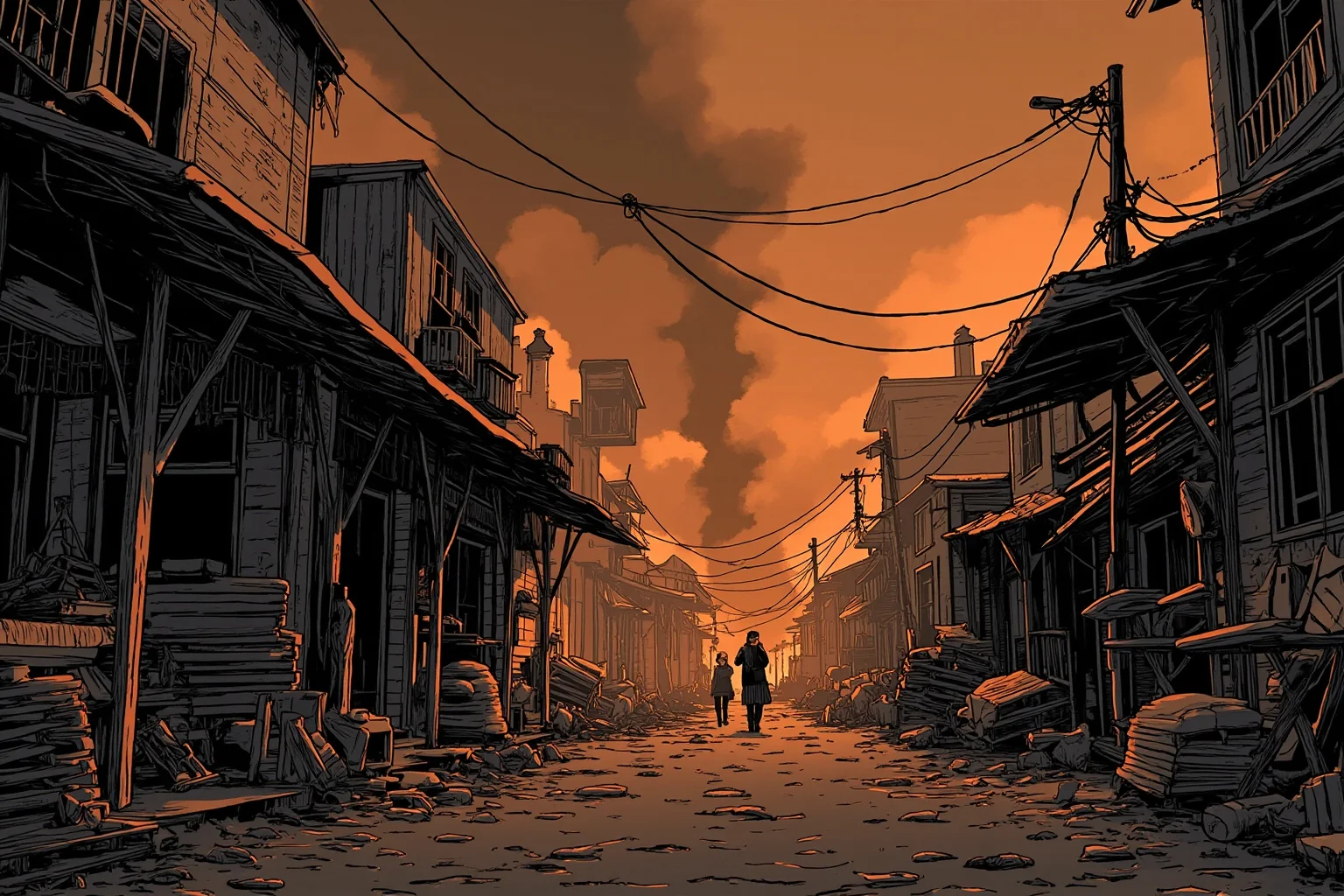
Among the darkest chapters of his campaign were pogroms against Urga’s Jewish population and mass killings of suspected Bolshevik sympathizers, communists, and anyone deemed disloyal. Estimates of the death toll vary between sources and should be treated with appropriate caution, but the pattern of targeted ethnic and political violence is well documented in multiple independent accounts. This is not a case of a colorful eccentric being unfairly maligned by history; the cruelty was real.
17. He Fought for a Cause That Was Already Lost
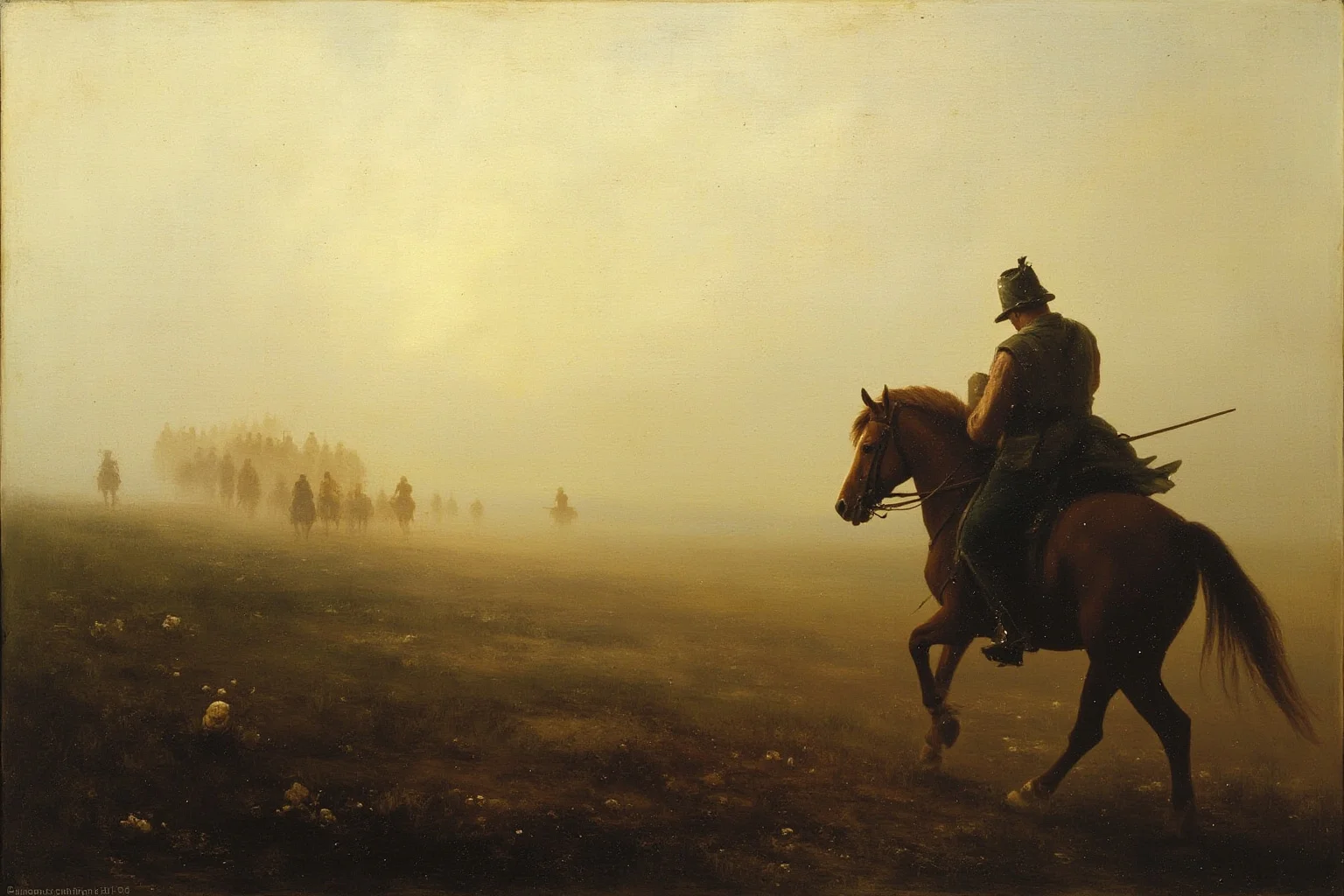
By the time Ungern-Sternberg took Urga, the White movement across Russia was collapsing everywhere else. The Bolsheviks were consolidating control over Siberia and the Russian Far East, leaving him increasingly isolated as one of the last active anti-Bolshevik commanders in the region. His war in Mongolia was, in a real sense, a doomed rear-guard action rather than the start of a new empire.
18. He Launched a Disastrous Invasion of Soviet Siberia
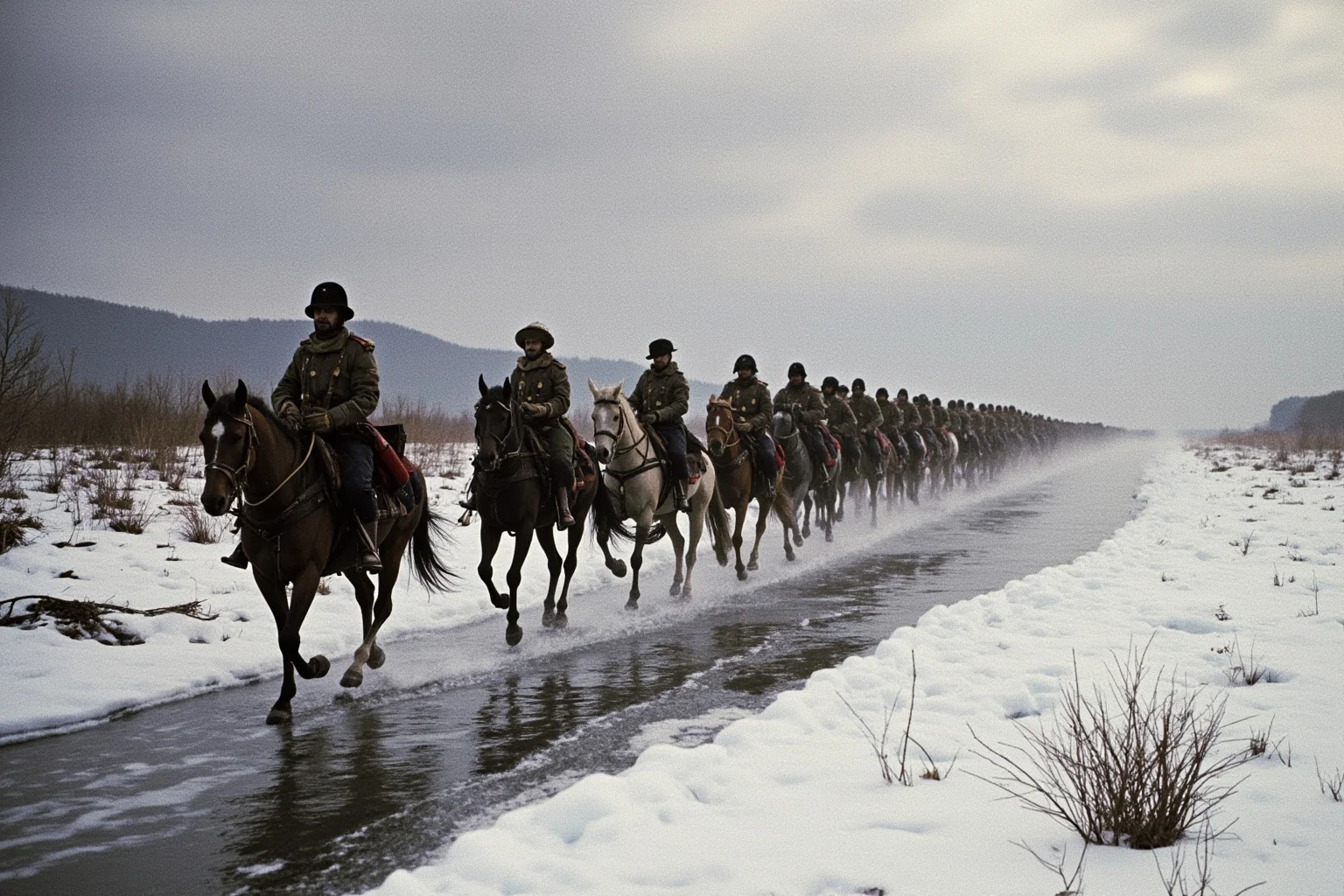
In mid-1921, rather than consolidating his position in Mongolia, Ungern-Sternberg pushed his forces north into Soviet territory, apparently hoping to spark a broader anti-Bolshevik uprising. The campaign went badly almost immediately, facing stronger-than-expected Red Army resistance and dwindling local support. It proved to be the fatal overreach of his brief career as a Mongolian warlord.
19. His Own Officers Turned on Him
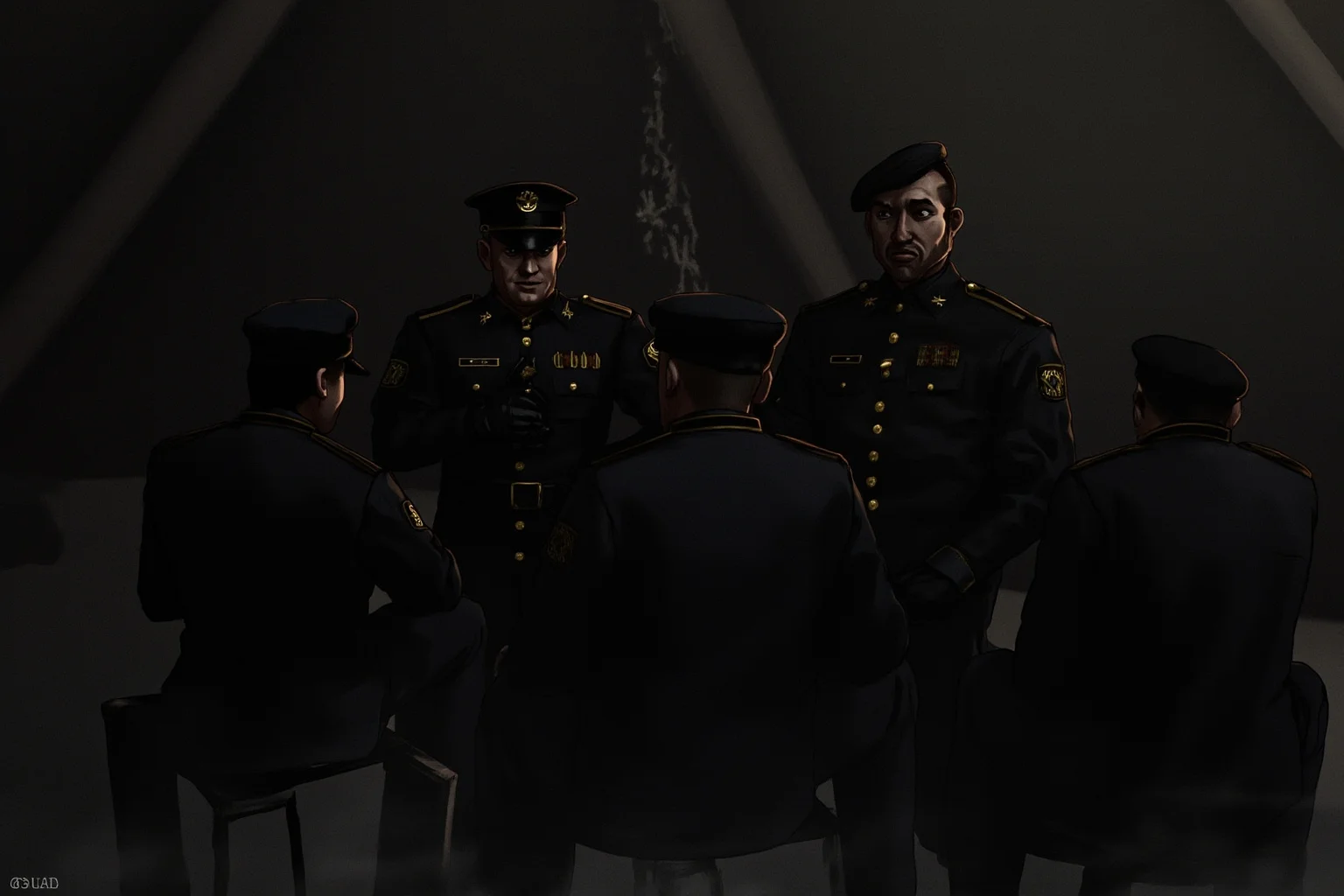
As the Siberian campaign fell apart, morale within Ungern-Sternberg’s division collapsed along with it. A group of his own officers, exhausted by his erratic leadership and brutal discipline, eventually mutinied against him in August 1921. Accounts suggest he was abandoned or effectively handed over to advancing Soviet forces rather than dying in a last stand, a far less romantic end than his legend often implies.
20. He Was Captured by the Red Army
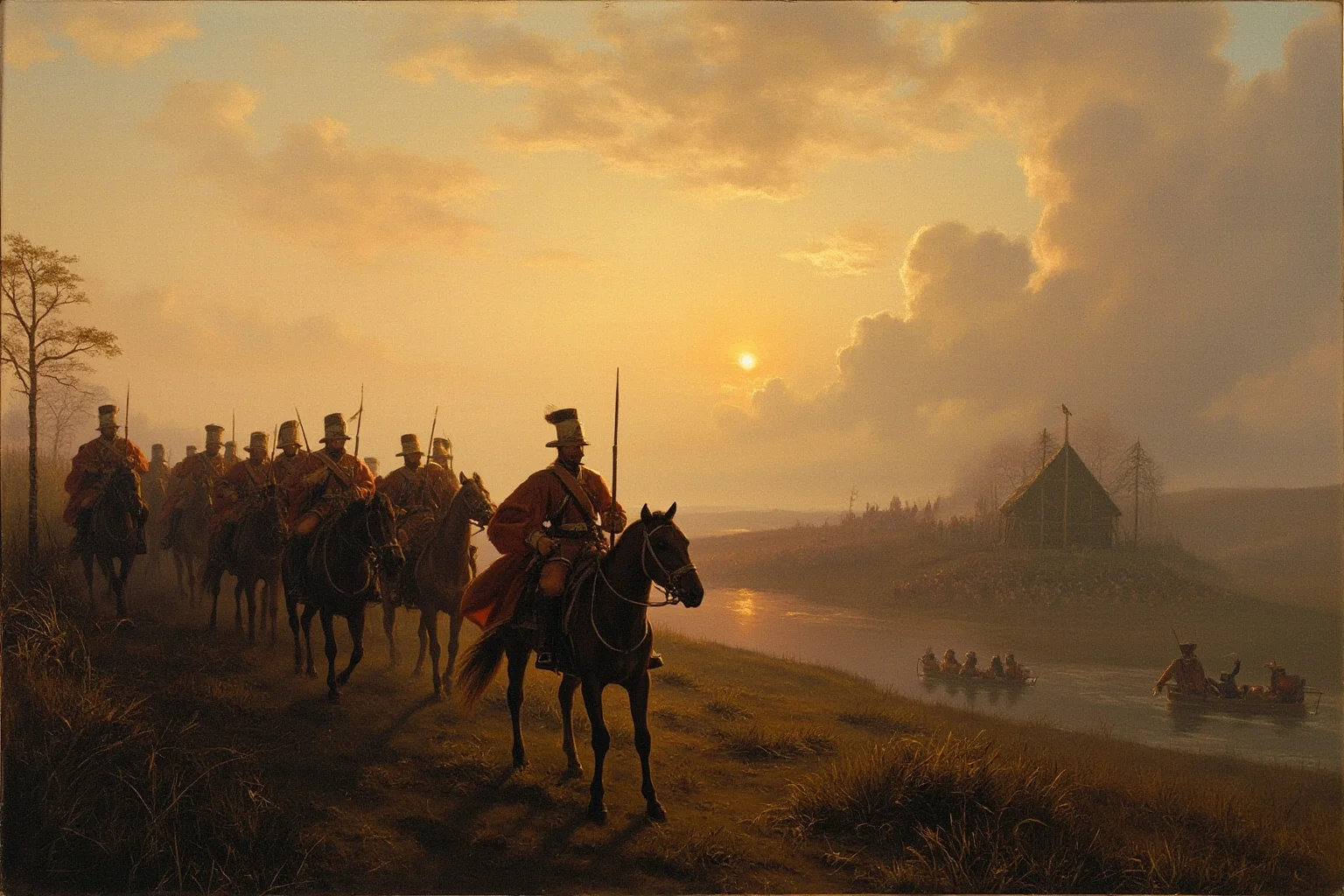
Soviet forces took Ungern-Sternberg into custody in late August 1921. For a man who had spent years evading capture across two collapsing empires, the end came quickly and with relatively little drama. His capture effectively ended organized White resistance in that corner of the Russian Far East.
21. He Faced a Swift Soviet Show Trial
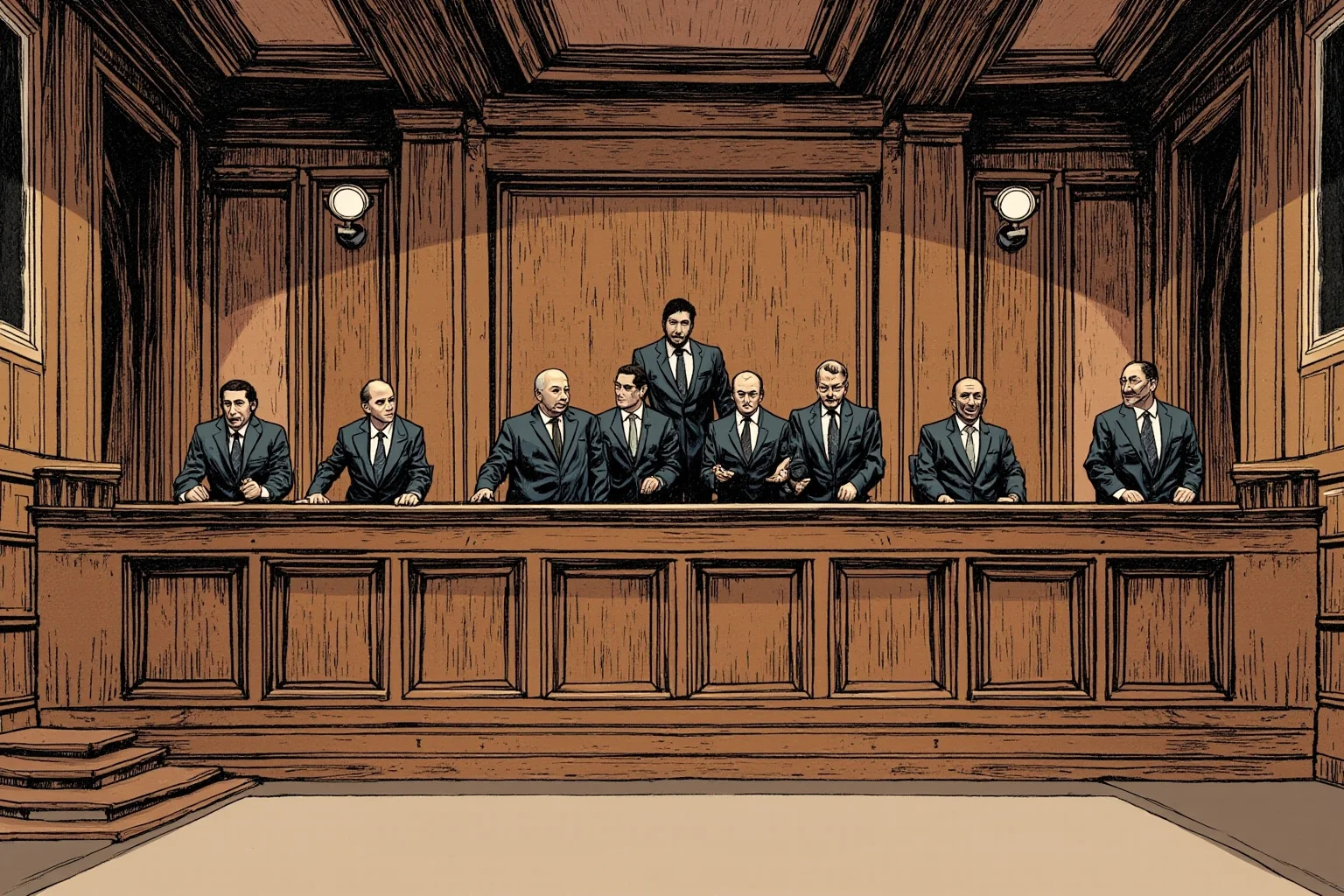
Ungern-Sternberg was put on trial in the Siberian city of Novonikolaevsk (present-day Novosibirsk) in September 1921. The proceedings were fast, public, and clearly intended as propaganda theater as much as legal process, which was typical of Soviet revolutionary tribunals in this period. He reportedly showed little remorse and offered no real defense against the charges.
22. He Was Executed Within Hours of Sentencing

The tribunal sentenced Ungern-Sternberg to death, and he was executed by firing squad on the same day, September 15, 1921. He was roughly 35 years old. It was an abrupt, almost anticlimactic end for a man whose life had been built around grand, apocalyptic self-mythology.
23. His Legend Outgrew the Historical Record

In the century since his death, Ungern-Sternberg has been reinvented endlessly in books, documentaries, and even video games as the archetypal Mad Baron of the Russian Civil War, joining other misunderstood ‘mad’ rulers like Britain’s own Mad King George III in popular imagination. Some retellings inflate him into an occult warrior-king; others reduce him to a cartoonish villain. The most accurate picture, drawn from surviving letters, trial records, and eyewitness memoirs, is of a genuinely brutal and genuinely strange man whose brief conquest of Mongolia was real, even if the crown he’s often given in pop culture was not.
So, Did He Actually Conquer Mongolia?
It’s fair to say Ungern-Sternberg did conquer Mongolia in a narrow military sense: his forces defeated the occupying Chinese garrison and took control of the capital in 1921. What he didn’t do is rule Mongolia as its king or khan in any lasting, formal sense.
That distinction matters, because the phrase “last khan of Mongolia” is sometimes misapplied to him when it more accurately describes the Bogd Khan, the traditional ruler Ungern-Sternberg himself restored to power.
Mongolia’s own path to modern statehood continued well past Ungern-Sternberg’s execution, with Soviet-backed revolutionary forces taking control later in 1921 and the country eventually becoming a socialist state.
His campaign was a violent, consequential interlude, not a lasting Mongolian dynasty. Getting that nuance right is the whole point of separating the Mad Baron’s real history from his internet-era legend.
The Legacy of the Bloody White Baron
Historians still argue about how to categorize Roman von Ungern-Sternberg. Some frame him as a fanatic swept up in genuine mystical belief, others as a calculating opportunist who used religion and prophecy as tools of control. Both readings can be true at once, and neither excuses the documented brutality of his campaigns.
What’s clear is that his story sits at a strange crossroads of early twentieth-century history: the collapse of the Russian Empire, the chaos of the Russian Civil War, and Mongolia’s turbulent path toward independence all converge in his brief, violent career.
The Mad Baron didn’t build an empire, and he wasn’t crowned king of anything. But for a few months in 1921, Baron von Ungern-Sternberg genuinely did shape the fate of a nation, and that strange, bloody chapter is exactly why people are still fascinated by him a century later.
Frequently Asked Questions
Who was Roman von Ungern-Sternberg?
Roman von Ungern-Sternberg was a Baltic German nobleman and cavalry officer of the Russian Empire who became a warlord during the Russian Civil War. In 1921 he led a private army into Mongolia, defeated the occupying Chinese garrison, and restored the country's Buddhist ruler, the Bogd Khan, to power before being captured and executed by Soviet forces later that year.
Was Ungern-Sternberg really the ‘king of Mongolia’?
No. While he held enormous de facto power in Mongolia after his 1921 conquest of Urga, Ungern-Sternberg never took a formal Mongolian crown. He restored the Bogd Khan as ruler and governed largely through him, which makes the popular label 'king of Mongolia' a myth rather than a documented historical title.
Why was he called the Bloody White Baron?
The nickname 'the Bloody White Baron' (also rendered as 'the bloody white baron') reflects both his membership in the anti-Bolshevik White movement and his documented reputation for extreme cruelty, including harsh internal discipline and violent purges of suspected enemies and Jewish civilians during his occupation of Urga.
Was Ungern-Sternberg the last khan of Mongolia?
Not accurately, no. That description is often applied to him informally, but the traditional ruling khan of the era was the Bogd Khan, whom Ungern-Sternberg himself restored to the throne in 1921. Ungern-Sternberg acted as the power behind that throne rather than holding the khanate title himself.
How did the Mad Baron die?
Roman von Ungern-Sternberg was captured by the Red Army in August 1921 after a failed invasion of Soviet Siberia. He was tried by a Soviet revolutionary tribunal in Novonikolaevsk and executed by firing squad on September 15, 1921.
Why is he called a Mongolian warlord if he wasn’t Mongolian?
He earned the label 'Mongolian warlord' because he raised and commanded a private multi-ethnic army, seized Mongolia's capital by force, and effectively controlled the country's military and political affairs for several months in 1921, even though he was a Baltic German outsider rather than a native ruler.

Alex Warren
Related Articles