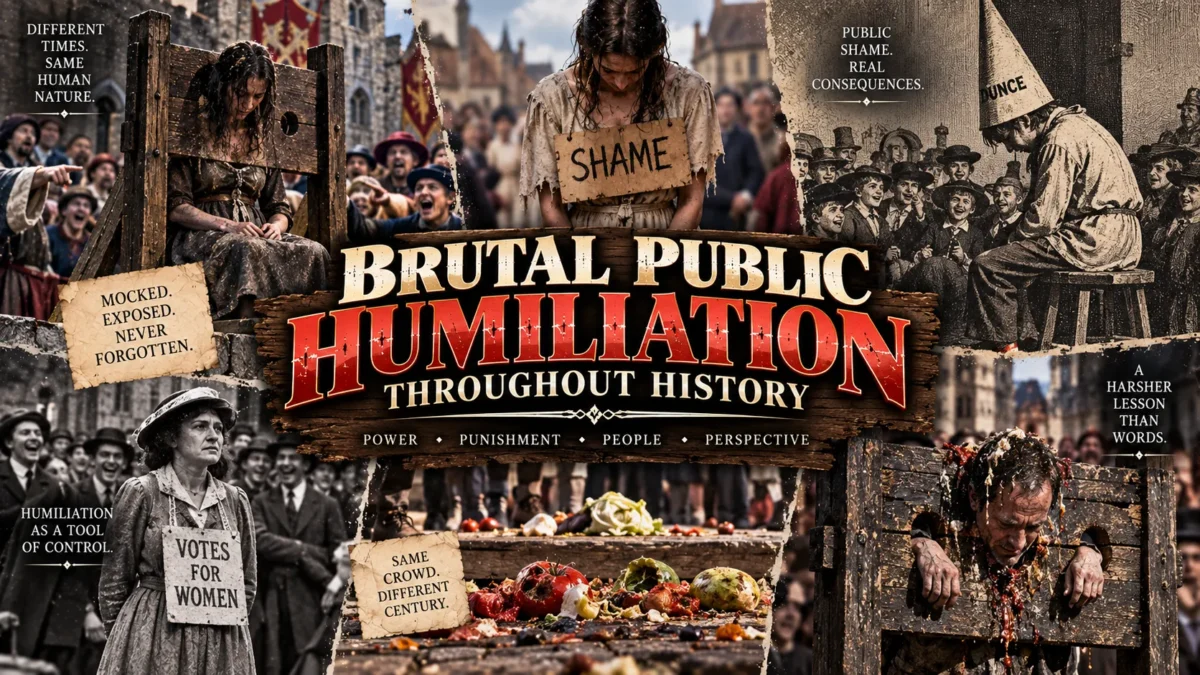
Long before prisons became the default answer to wrongdoing, communities had a different tool for keeping people in line: shame. Public humiliation as a punishment didn’t require walls, guards, or years of upkeep. It just needed a crowd, a town square, and someone willing to enforce the social order.
From medieval England to imperial China to colonial America, humiliation punishment took wildly different shapes depending on the culture and historical era, but the goal was almost always the same.
Authorities wanted to make an example of the wrongdoer, warn onlookers, and let the community itself do the punishing through mockery, disgust, or outright violence.
Below are some of the most striking, well-documented examples of public humiliation from across history, along with the context historians use to understand them.
TL;DR: For centuries, public humiliation — from stocks and pillories to shaved heads and forced parades — was used as a cheap, visible way to punish wrongdoers and warn the watching crowd.
Why Societies Relied on Public Punishment
Before modern policing and incarceration systems existed, most towns and villages were small enough that everyone knew everyone else. Reputation mattered enormously, and a person’s standing in the community often determined their ability to trade, marry, or find work. Public punishment exploited that reality directly.
Humiliation rituals were also cheap and immediate compared to imprisonment. A local blacksmith could build a set of stocks in an afternoon, and the punishment required no ongoing cost to feed or guard the offender.
The crowd did the emotional heavy lifting, jeering, throwing rotten food, or simply staring, which was often considered punishment enough.
Unlike public executions, which delivered a final, irreversible verdict, humiliation punishments let the offender live on, reintegrating into the community or carrying the shame with them for years.
It’s worth noting that many of these practices are documented across encyclopedic sources, including detailed entries on humiliation rituals on Wikipedia and in academic legal histories.
Historians generally caution against treating every colorful anecdote as verified fact, since some stories were exaggerated or invented later for dramatic effect. The punishments below, however, are well-supported by court records, legal codes, and contemporary accounts.
1. The Stocks

The stocks were a simple wooden frame that locked around a person’s ankles, forcing them to sit in a fixed public spot for hours or even days. They were common across medieval and early modern Europe, and later in colonial America, usually placed in a town square or near a church.
Offenses ranged from drunkenness and gambling to minor theft or breaking Sabbath laws. Passersby were free to mock, spit, or throw refuse at the restrained person, though outright violence was sometimes discouraged by local officials.
2. The Pillory
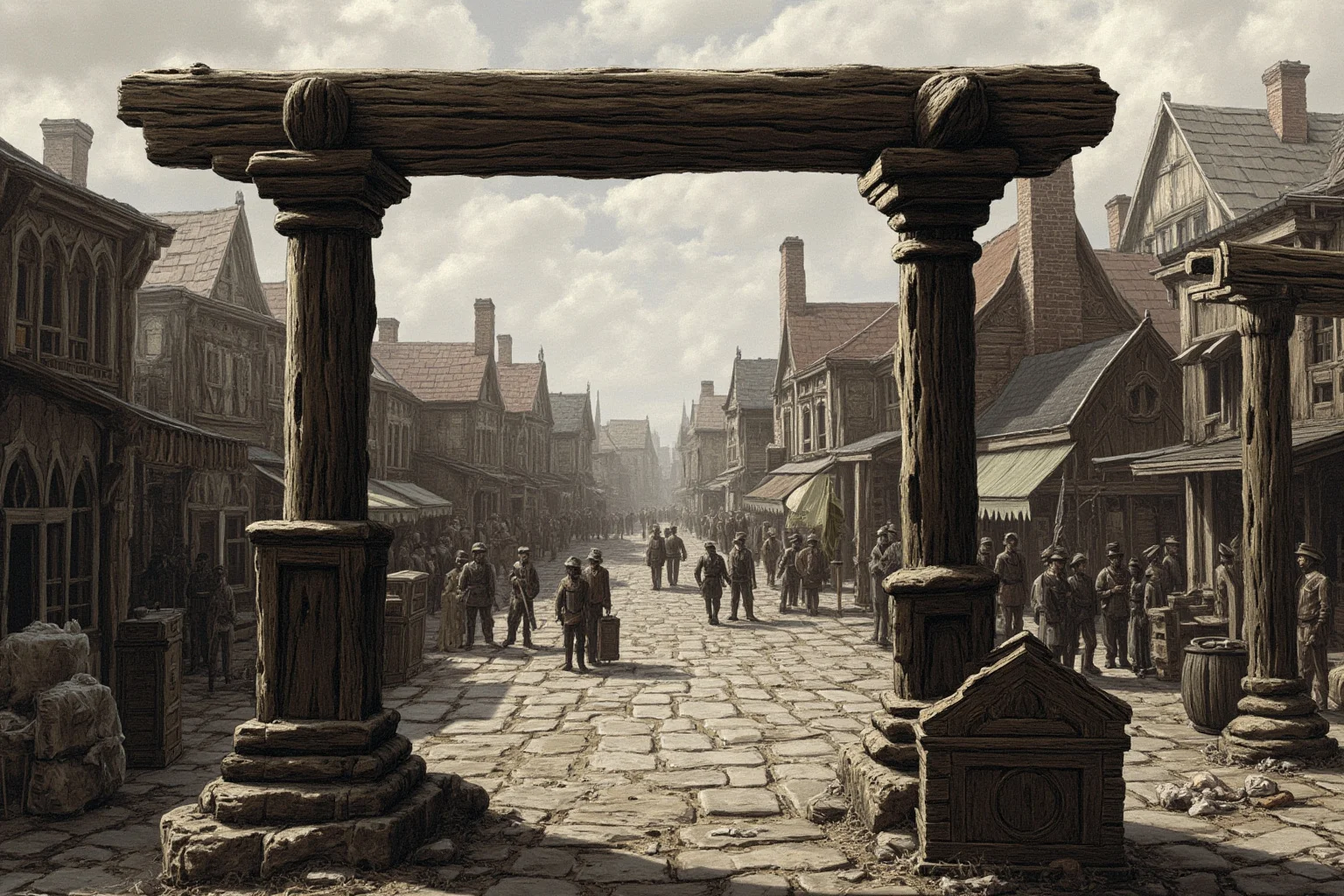
The pillory worked on a similar principle to the stocks but restrained the head and hands instead of the feet, forcing the offender to stand upright and fully exposed. This made the punishment more physically painful over time, since standing for hours in a bent position strained the neck and back.
In England, the pillory was used for offenses like fraud, perjury, and sedition well into the 19th century. Crowds sometimes turned violent, and there are historical records of pilloried offenders being seriously injured or even killed by thrown stones and debris.
3. The Ducking Stool
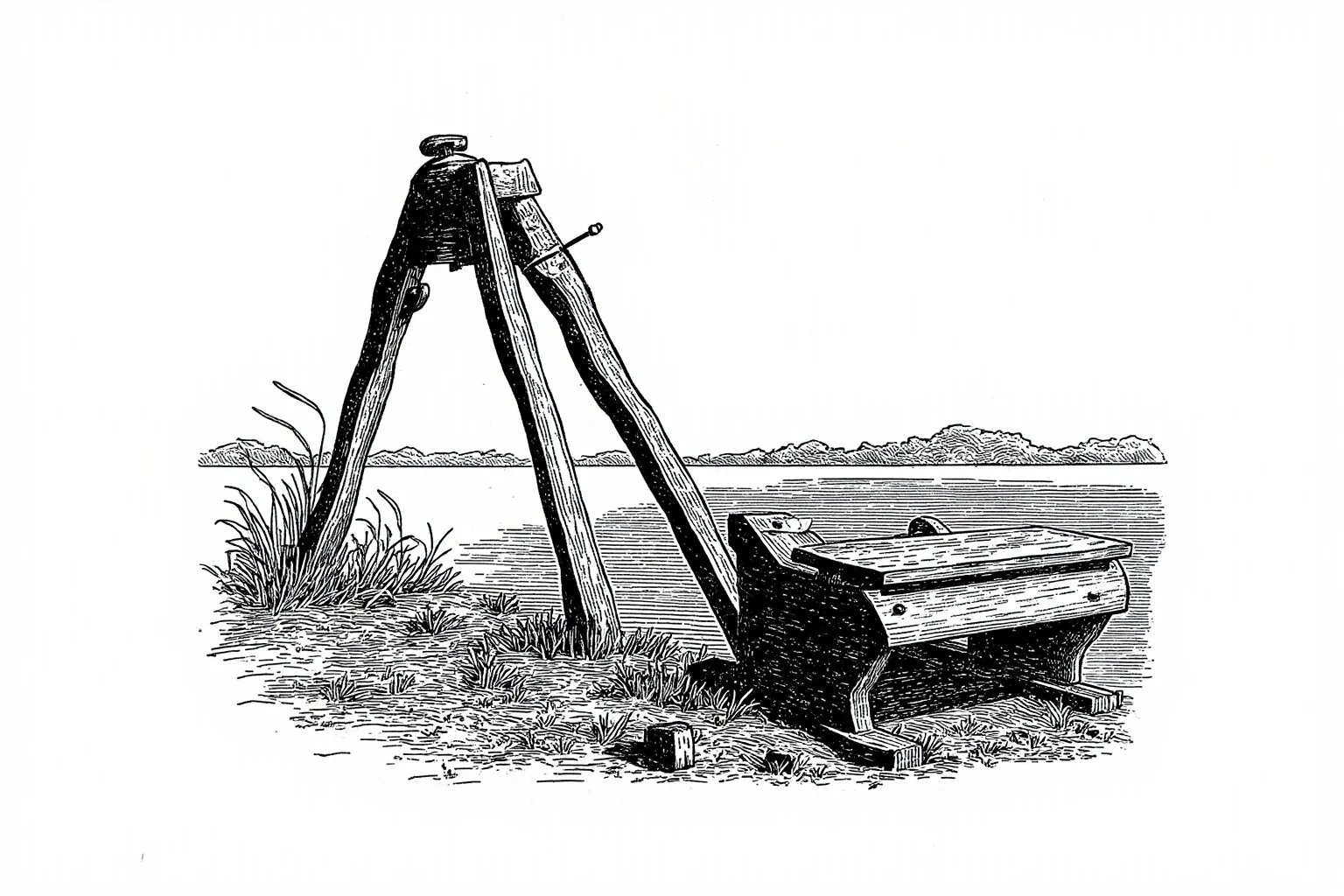
The ducking stool was a chair mounted on a long wooden arm that could dunk a seated person into a river or pond. It was most famously used against so-called “scolds” — typically women accused of gossiping, nagging, or being generally disruptive to public order.
This punishment overlapped historically with witch trials, though ducking for suspected witchcraft and ducking for scolding were technically separate legal traditions. Either way, the practice reflects how much control communities tried to exert specifically over women’s speech and behavior.
4. The Scold’s Bridle (Brank)
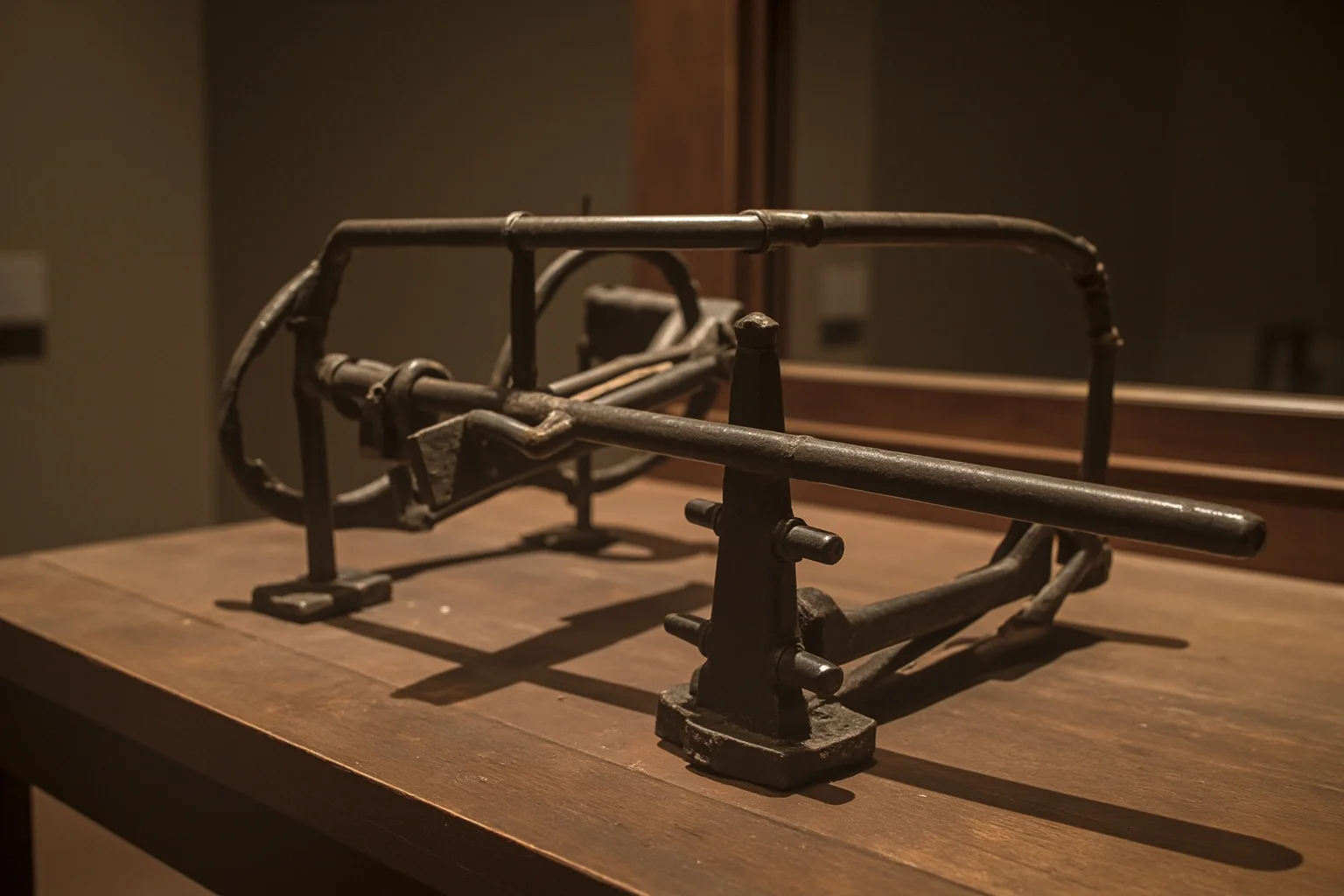
The scold’s bridle, also called a branks, was an iron cage that fit over a woman’s head with a metal plate or spike positioned to press painfully against the tongue. It was designed specifically to punish women labeled as scolds, gossips, or nags, silencing them quite literally in front of neighbors.
Records of branks use appear mostly in Scotland and parts of England from the 16th through 18th centuries. Historians view it as one of the clearest examples of humiliation punishment used to enforce gender norms rather than any serious crime.
5. Public Flogging and Whipping
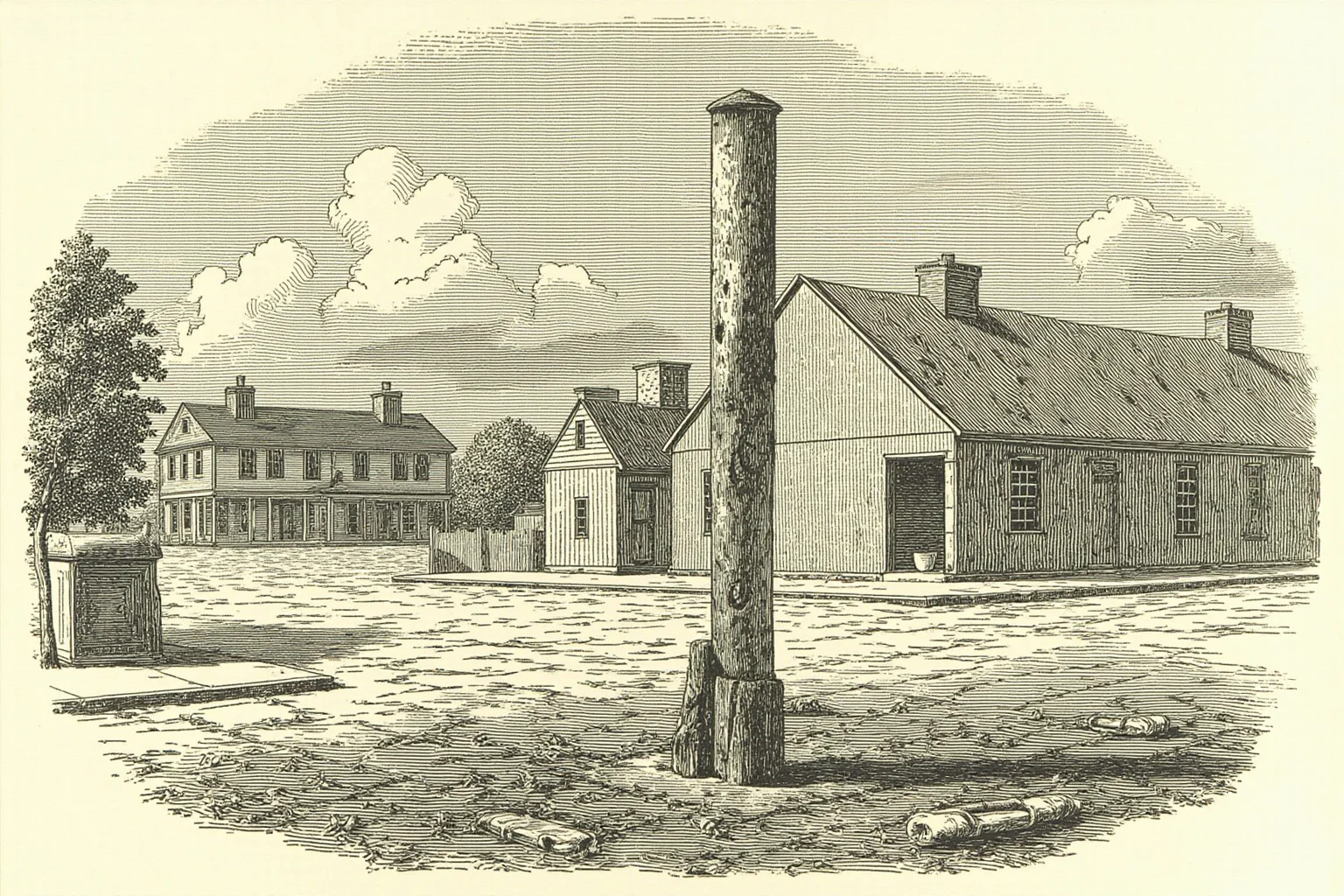
Whipping posts stood in many town squares across Europe and colonial America, where offenders were tied and lashed in full view of onlookers. Unlike private corporal punishment, the point of a public whipping was as much about the audience as the pain inflicted.
The number of lashes was often prescribed by law depending on the offense, and crowds were expected to watch as both entertainment and moral lesson. Public flogging persisted in some legal systems well into the 19th and even 20th centuries.
6. Tarring and Feathering
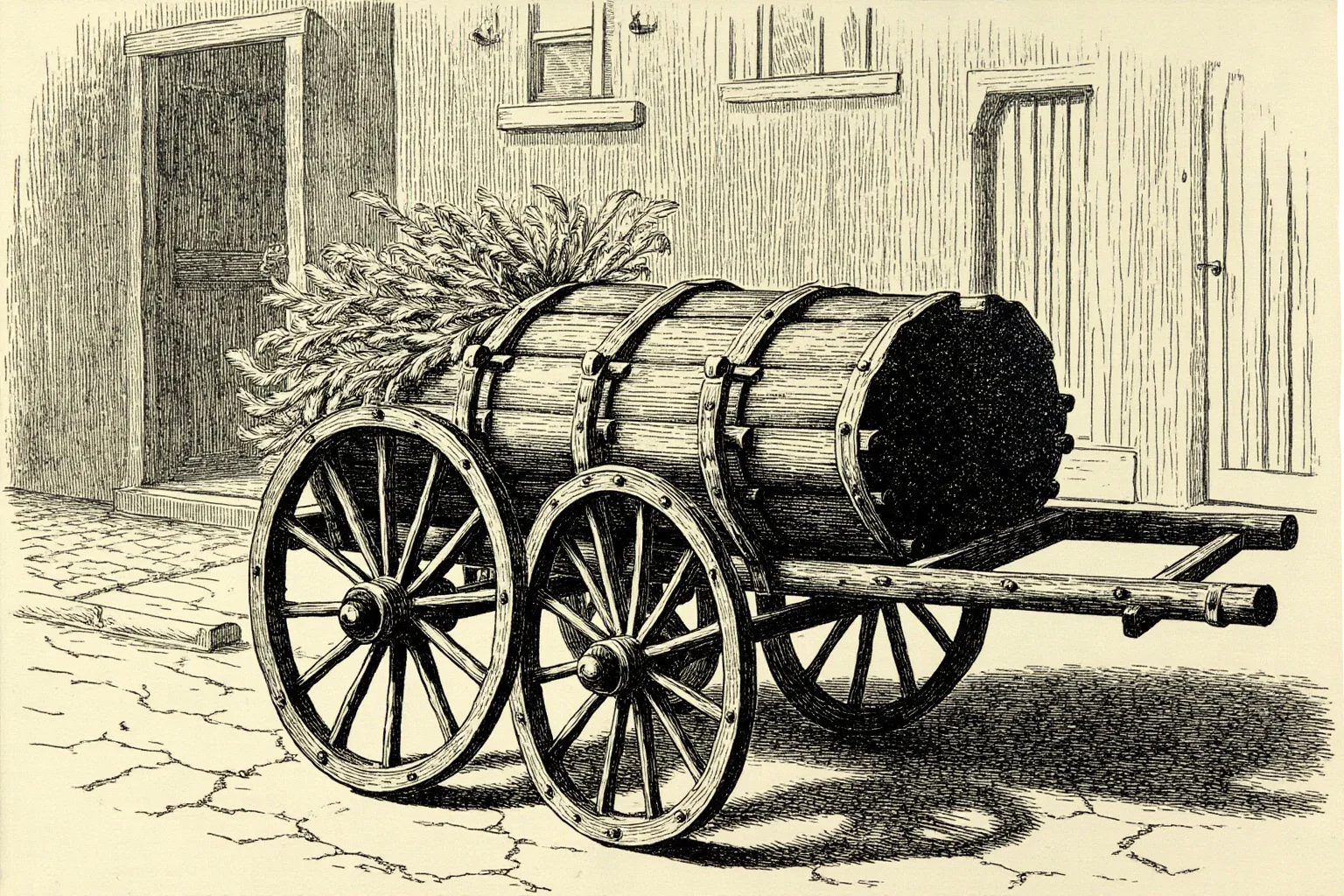
Tarring and feathering involved stripping a person, coating them in hot tar, and covering them in feathers before parading them through town. It’s strongly associated with pre-Revolutionary America, where it was used against tax collectors and loyalists, though earlier versions existed in medieval England as a naval punishment for theft.
The physical harm from hot tar could be severe, including burns and skin damage, even though popular retellings sometimes downplay this. It functioned as both punishment and political theater, turning the victim into a walking symbol of community anger.
7. The Skimmington Ride (Charivari)
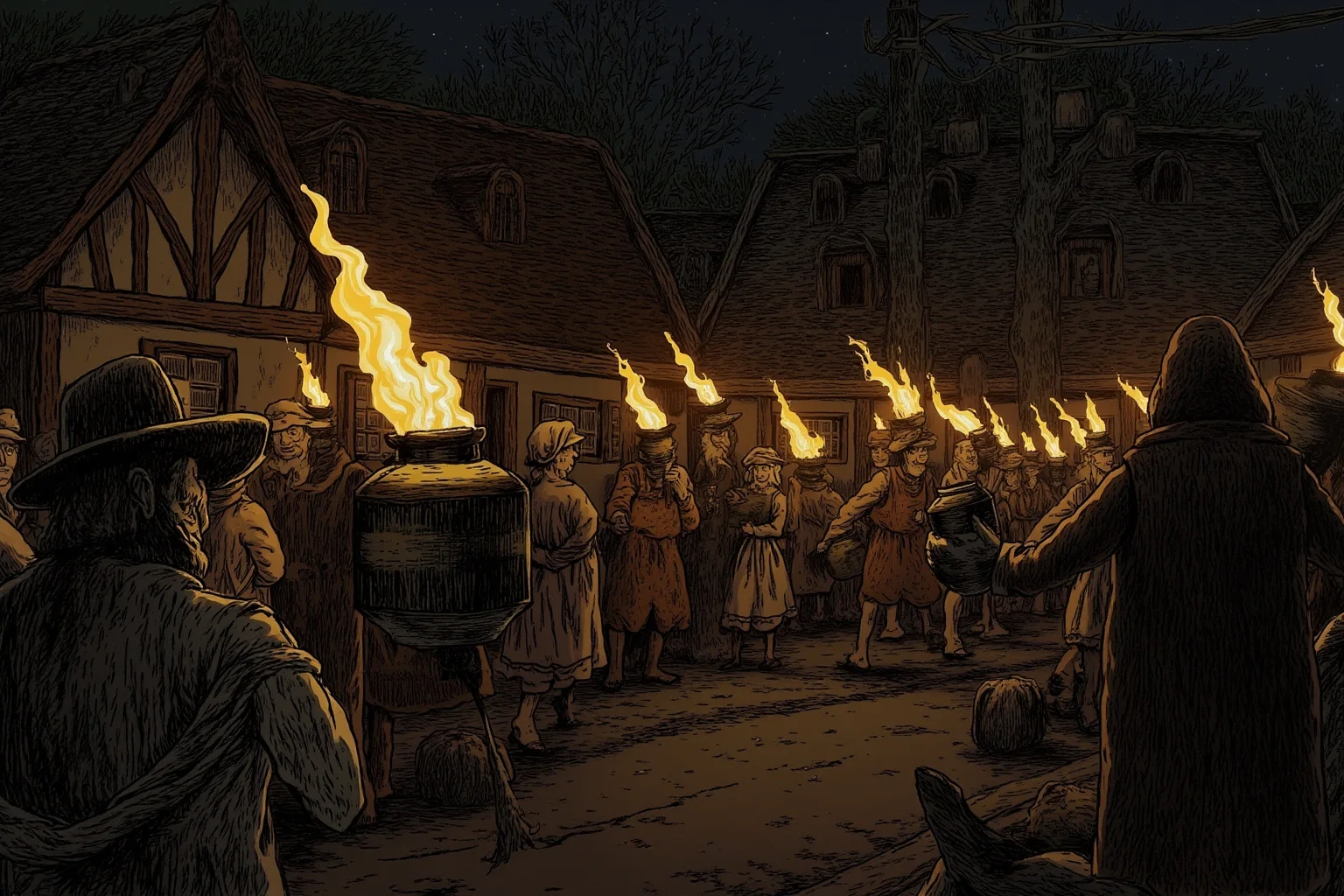
A skimmington ride, known in parts of continental Europe as a charivari, was a noisy mock parade organized by neighbors rather than official authorities. It typically targeted people who violated social expectations around marriage, such as a husband seen as henpecked or a couple who broke norms around fidelity.
Participants would bang pots, blow horns, and sometimes parade an effigy or the offenders themselves on a rail through the streets. This was less a formal legal punishment and more a form of community policing, one of the strangest cultural rituals in history, showing how ordinary people used humiliation to enforce norms outside the courtroom.
8. The Cangue
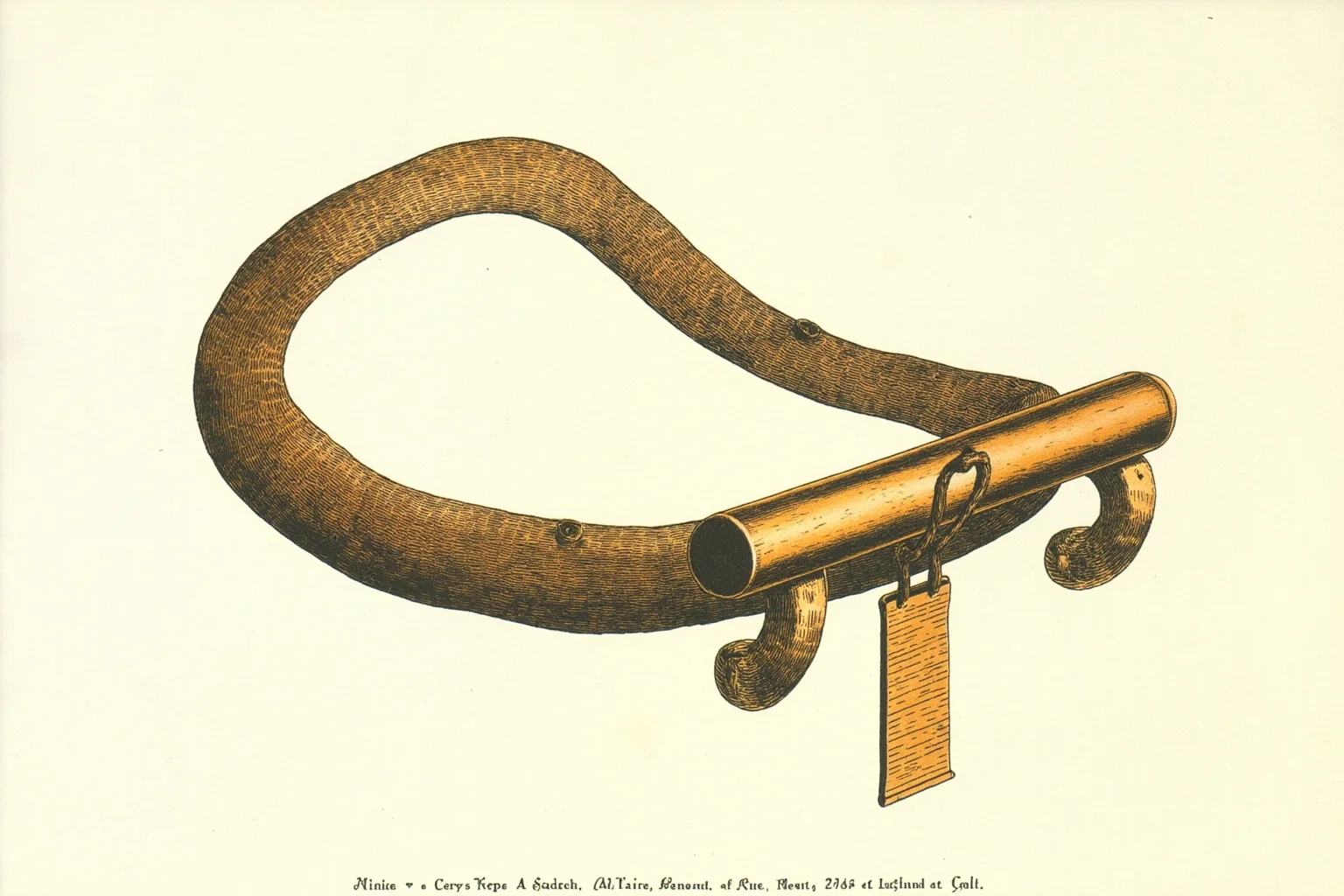
The cangue was a heavy wooden collar or frame used in imperial China, forcing the wearer’s arms outward while a placard around their neck listed their crime. Offenders were often marched through markets or left sitting in public for days, unable to feed themselves without help from sympathetic bystanders.
The weight of the device made the punishment exhausting as well as shameful, and lighter cangues were used for minor offenses while heavier versions were reserved for serious crimes. It remained part of Chinese legal practice for centuries before falling out of use in the modern era.
9. Riding the Rail
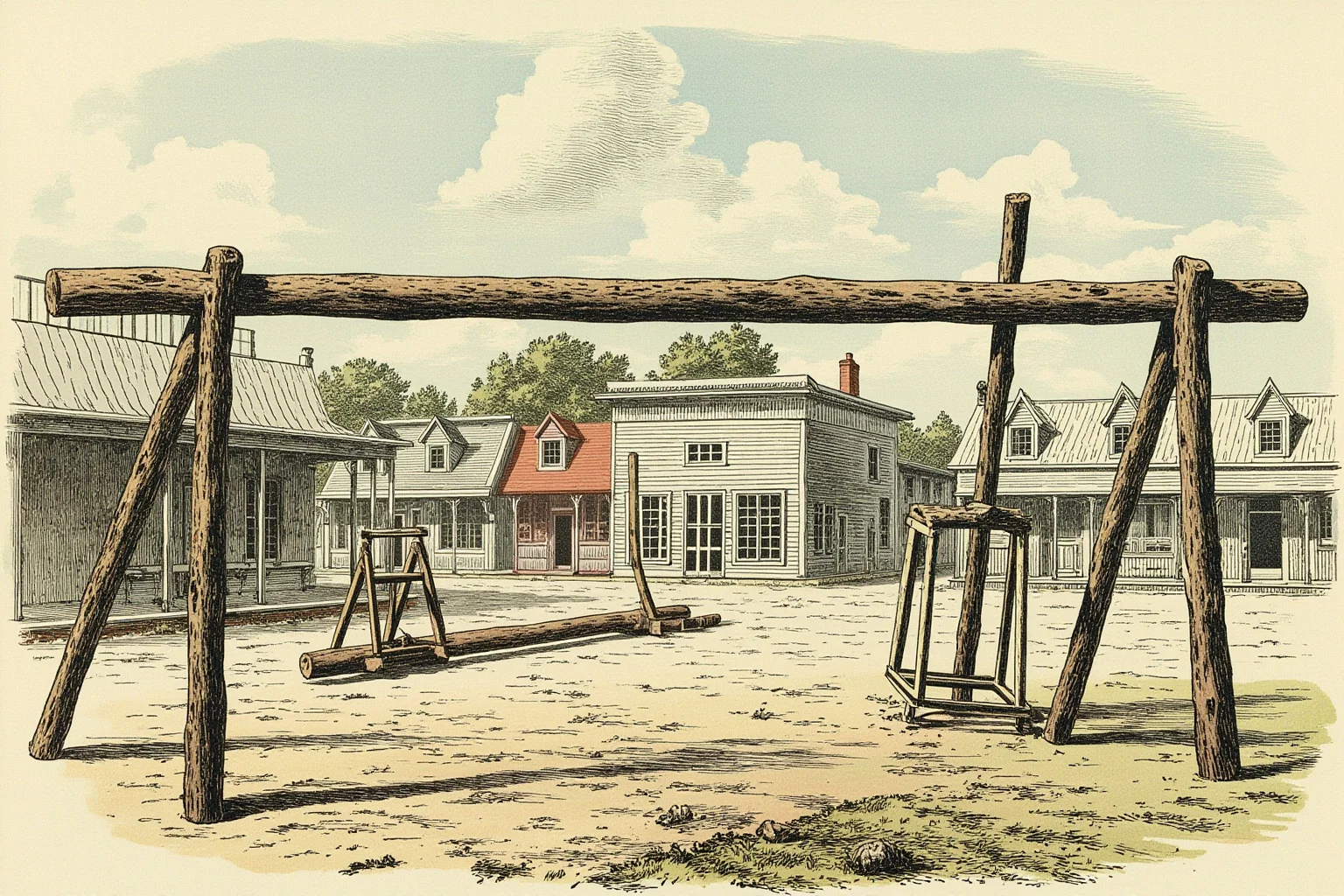
Riding the rail involved forcing someone to straddle a narrow wooden rail or fence post while being carried through town on the shoulders of a jeering crowd. The uneven, painful seating position combined with public mockery made this a popular punishment in colonial and frontier America.
It was frequently paired with tarring and feathering for maximum effect, particularly against people accused of cheating, adultery, or political betrayal. Like many informal punishments, it operated in a gray area between community justice and mob violence.
10. The Drunkard’s Cloak
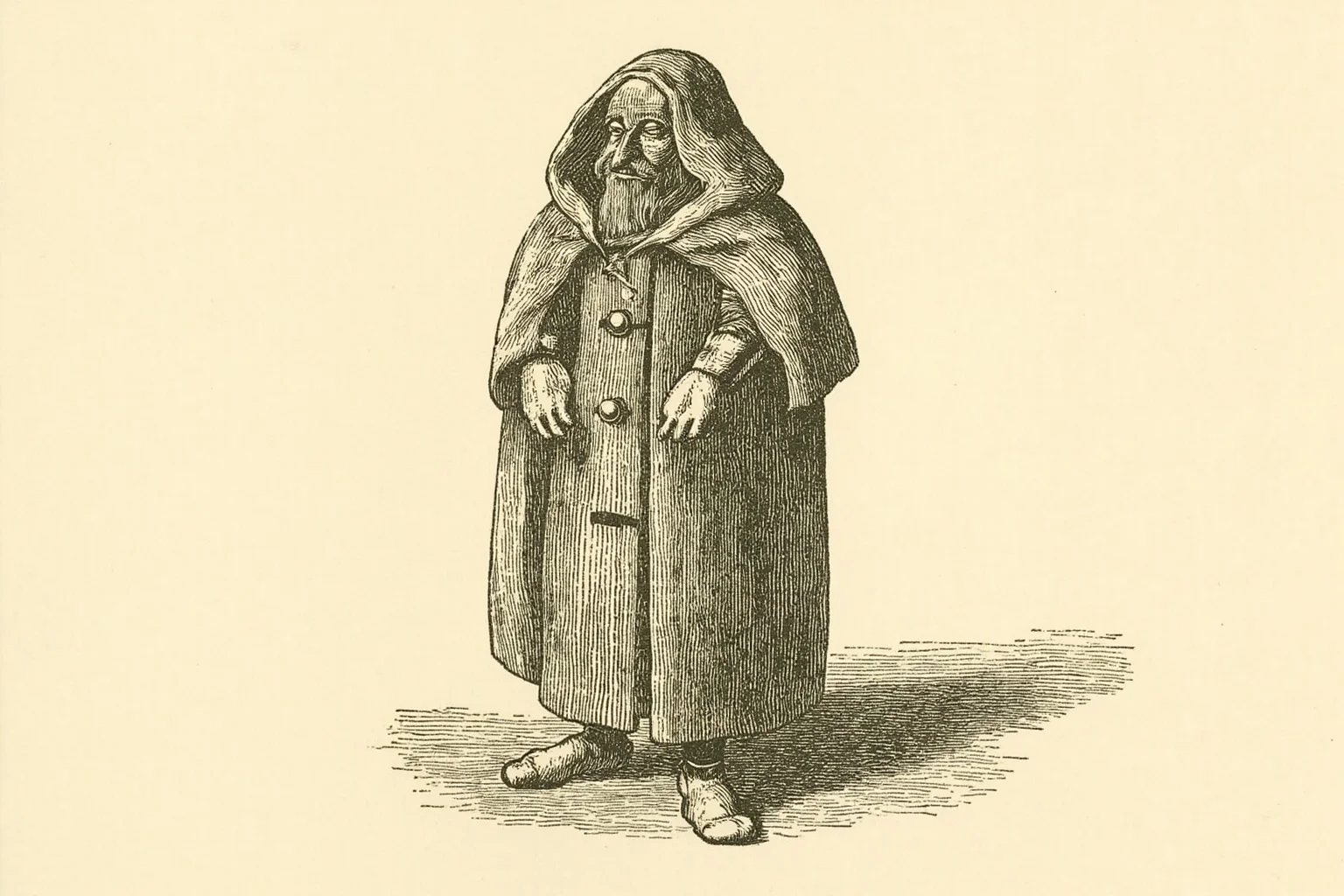
The drunkard’s cloak was a barrel with holes cut for the arms and head, forced onto habitual drunks who were then made to walk through the streets. The image of a grown adult stumbling around town wearing a barrel was, by design, meant to provoke laughter and ridicule from neighbors.
This punishment is documented in 17th-century England, particularly under Puritan-influenced local governments that took a hard line on public drunkenness. It’s a clear example of humiliation punishment aimed at reforming behavior through embarrassment rather than physical injury.
11. Public Branding

Branding involved burning a letter or symbol into an offender’s skin, often on the hand, cheek, or forehead, marking them permanently as a criminal. Common branded letters included “T” for thief, “M” for manslayer, or “B” for blasphemer, depending on the legal code of the time and place.
Because the mark was visible for life, branding extended the humiliation far beyond the initial public punishment itself. It effectively followed a person into every future interaction, making reintegration into normal society extremely difficult.
12. Forced Public Penance
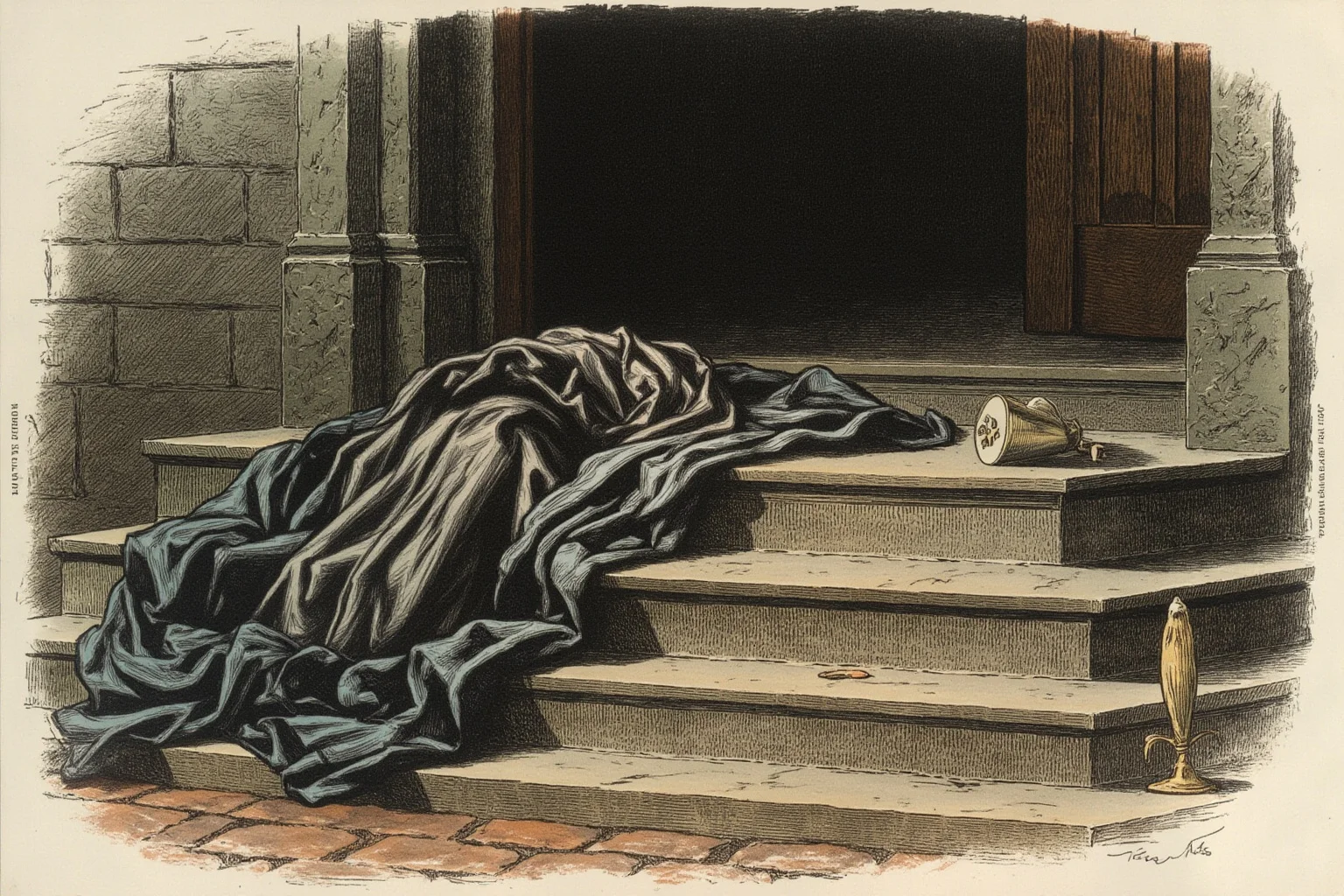
In medieval and early modern Christian Europe, public penance required offenders to walk barefoot through town wrapped in sackcloth, sometimes carrying a candle or a sign describing their sin. This was especially common for offenses considered moral failings, such as adultery or heresy, and often ended with the person kneeling before a church congregation.
One well-documented case is Jane Shore, mistress to King Edward IV of England, who was made to do public penance in a plain shift through the streets of London in 1483. Church-ordered penance blurred the line between religious ritual and public shaming, since both the church and the watching public played a role in the punishment.
13. Shame Signs and Placards

Across many cultures and eras, offenders were forced to wear signs around their necks describing their crime in plain language, similar in spirit to a modern sandwich board. Colonial New England used variations of this, sometimes requiring people to wear letters sewn onto their clothing, most famously the fictionalized “A” for adultery popularized by Nathaniel Hawthorne’s novel.
It’s worth noting that Hawthorne’s “The Scarlet Letter” is a literary work, not a strict historical record, though it drew on real Puritan practices of public shaming for moral offenses. Actual court records from the period show similar sign-based punishments for a range of infractions beyond adultery.
14. The Wooden Horse

The wooden horse was a military punishment involving a narrow, saw-backed wooden frame shaped like a horse, which soldiers were forced to straddle for extended periods, sometimes with weights tied to their ankles. It was used in various European armies from roughly the 16th through 18th centuries as discipline for insubordination or minor infractions.
Beyond the physical pain of sitting on a sharp edge for hours, soldiers were positioned in a highly visible spot within camp so fellow troops could see the punishment unfold. This made it as much about deterring the whole unit as punishing the individual.
15. Ear Cropping and Nose Slitting on Display
More severe than branding, some legal systems ordered the cropping of ears or slitting of noses for repeat offenders, thieves, or those convicted of sedition. The mutilation itself was often carried out in public, turning the punishment into a spectacle before the lasting disfigurement became a permanent, visible mark of disgrace.
England used ear cropping for various offenses through the 17th century, and similar mutilation punishments appear in other legal traditions, including parts of the Byzantine and Ottoman empires. As with branding, the humiliation didn’t end with the event; it continued every time the person was seen afterward.
16. Public Head-Shaving

Shaving someone’s head in public has been used across wildly different eras and cultures as a fast, visible way to mark someone as disgraced. In liberated France after World War II, women accused of collaborating with German occupiers, sometimes fairly and sometimes without real evidence, had their heads shaved and were marched through town, a practice historians now examine critically for its mix of justified anger and mob excess.
Similar head-shaving punishments appear in far earlier contexts too, including some ancient Germanic and early medieval legal codes addressing adultery. The symbolism is consistent across cases: hair often represented respectability, so removing it stripped away social status in one dramatic public act.
17. Roman Triumphal Humiliation of Captives

When a victorious Roman general held a triumph, the celebration frequently included parading defeated enemy leaders through the streets of Rome in chains before the watching public. Some captives, like the Gallic leader Vercingetorix after his surrender to Julius Caesar, were displayed for years before being executed, a calculated combination of political theater and personal humiliation.
This wasn’t an informal community punishment like the stocks or pillory, but a state-run spectacle meant to reinforce Roman power to its own citizens as much as to humiliate the defeated. It shows that public humiliation punishment wasn’t only used against ordinary citizens; it was also a tool of empire.
18. Witch Trial Humiliation Tactics

During the witch trials that swept parts of Europe and colonial America between the 15th and 18th centuries, accused individuals were frequently subjected to humiliating public examinations before any formal trial even began. This included forced strip searches looking for so-called “witch’s marks” and public dunking tests, conducted in front of crowds of neighbors and officials.
These practices combined religious panic with deeply invasive public shaming, often fueled by the same superstitions that once ruled everyday life, targeting women, the elderly, or social outsiders. Modern historians treat many specific witch trial claims with caution, since court records from the era mixed genuine legal proceedings with rumor, coerced confessions, and community hysteria.
19. Debtors’ Public Shame
Before modern bankruptcy law, people who couldn’t pay their debts were sometimes publicly shamed before being sent to debtor’s prison, a fate documented extensively in 18th and 19th century Britain. In some cases, debtors were marched through town or displayed near the marketplace with signs noting their unpaid debts, turning financial failure into a spectacle.
This practice reflected how closely financial reputation was tied to moral character in earlier economic systems. Public debt shaming eventually declined as commercial law modernized and debt became viewed more as a financial matter than a moral failing.
20. Struggle Sessions in 20th-Century China
During China’s Cultural Revolution, beginning in 1966, public denunciation events known as struggle sessions forced accused “class enemies” to confess to alleged crimes against the state in front of large crowds. Victims, including teachers, officials, and intellectuals, were often forced to wear humiliating signs, kneel for hours, or endure physical abuse while being verbally attacked by former colleagues or students.
This is one of the more recent and well-documented large-scale uses of public humiliation as a political tool rather than a purely legal one. Historians and human rights researchers have extensively studied struggle sessions as examples of how humiliation rituals can be weaponized by a state against its own citizens.
21. Modern Public Shaming in the Digital Age

While the stocks and pillories are long gone, the underlying instinct behind public humiliation hasn’t disappeared, it has just moved online. Viral call-outs, mugshot publishing sites, and social media pile-ons can function remarkably like historical public punishments, complete with a crowd eager to judge and a target who often can’t escape the attention.
The difference is scale and permanence, since a digital shaming event can reach millions of strangers and remain searchable indefinitely, unlike a single afternoon in the town square. Some researchers and commentators have pointed out that this makes modern online shaming arguably more severe in its long-term consequences than many historical humiliation punishments, even without any physical harm involved.
The Legacy of Public Shaming
Looking back at these examples of public humiliation, a pattern becomes clear: societies have consistently used shame as a low-cost substitute for formal punishment, whether through wooden devices, physical marks, or forced parades. Many of these practices specifically targeted people already on the margins, including women, the poor, and political dissidents, using humiliation to reinforce existing power structures rather than simply deter crime.
Modern legal systems have largely moved away from public physical punishment, favoring fines, community service, or incarceration instead. Yet the core appeal of humiliation as punishment, quick, visible, and communally enforced, hasn’t fully disappeared, it has simply found new stages, from courtroom-ordered public apologies to the endless scroll of social media.
Frequently Asked Questions
What are some real examples of public humiliation throughout history?
Well-documented examples of public humiliation include the stocks and pillory in medieval and early modern Europe, the ducking stool and scold's bridle used against women labeled as scolds, tarring and feathering in colonial America, forced public penance in sackcloth, and struggle sessions during China's Cultural Revolution. Each example reflects a different society's legal or social norms, but all relied on a public audience to enforce shame as punishment.
Why did societies use public humiliation as a punishment instead of prison?
Before modern prison systems existed, public humiliation was cheap, immediate, and didn't require ongoing costs like guarding or feeding an offender long-term. It also relied on the community's social pressure to reinforce the punishment, since reputation mattered enormously in small towns where everyone knew each other.
Is the scold’s bridle a real historical device?
Yes, the scold's bridle, also called a brank, was a real iron cage-like device documented mainly in Scotland and parts of England from the 16th through 18th centuries. It was placed over a woman's head with a metal plate pressing against her tongue, specifically used to punish women accused of gossiping, nagging, or scolding.
Did public humiliation punishments ever turn deadly?
Yes, some punishments like the pillory could turn fatal if a crowd became violent and threw stones or heavy objects at the restrained offender. Tarring and feathering could also cause serious burns, and some witch trial tactics led directly to execution rather than remaining purely humiliating.
Is public humiliation still used as a punishment today?
Formal, government-sanctioned public humiliation like stocks or branding has largely disappeared from modern legal systems, though some courts still occasionally order public apologies or visible community service as a milder equivalent. Informally, public shaming continues heavily online, where social media call-outs and viral posts can function similarly to historical humiliation rituals, sometimes with even wider and more lasting reach.
Where can I find more curated stories about public humiliation?
Beyond academic legal histories, general reference sites like Wikipedia have detailed entries covering specific humiliation rituals and devices such as the pillory, brank, and cangue. There are also niche sites, including ones with domain names as direct as publichumiliation.com, that catalog modern and historical public humiliation stories, though as with any user-generated content, it's worth cross-checking claims against more rigorous historical sources.

Alex Warren
Related Articles