
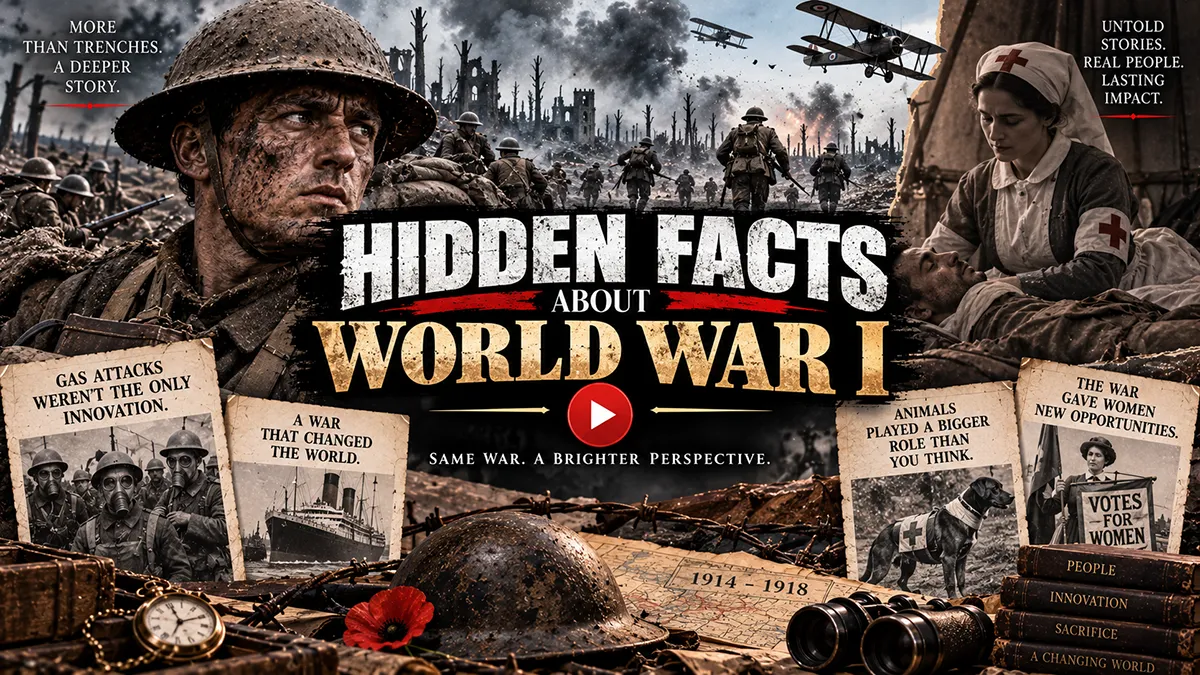
World War I gets flattened in most textbooks into a handful of bullet points: an archduke was assassinated, armies dug trenches, millions died, and then it ended. But the real story is stranger, messier, and far more human than that summary suggests. Once you start digging into the actual history, you find soldiers who lied about their age, empires that vanished overnight, and small acts of humanity that broke out in the middle of industrialized slaughter.
This list pulls together some of the most compelling things about WWI — the well-documented, the surprising, and a few widely repeated claims that deserve a closer, more skeptical look. Whether you're brushing up for a quiz, researching a school project, or just love a good piece of war trivia, these are the facts about World War 1 worth actually knowing.
TL;DR: World War I reshaped the modern world through unprecedented scale, brutal new technology, and a peace settlement that helped set the stage for World War II.
1. It Was Called "The Great War" Long Before World War II Existed
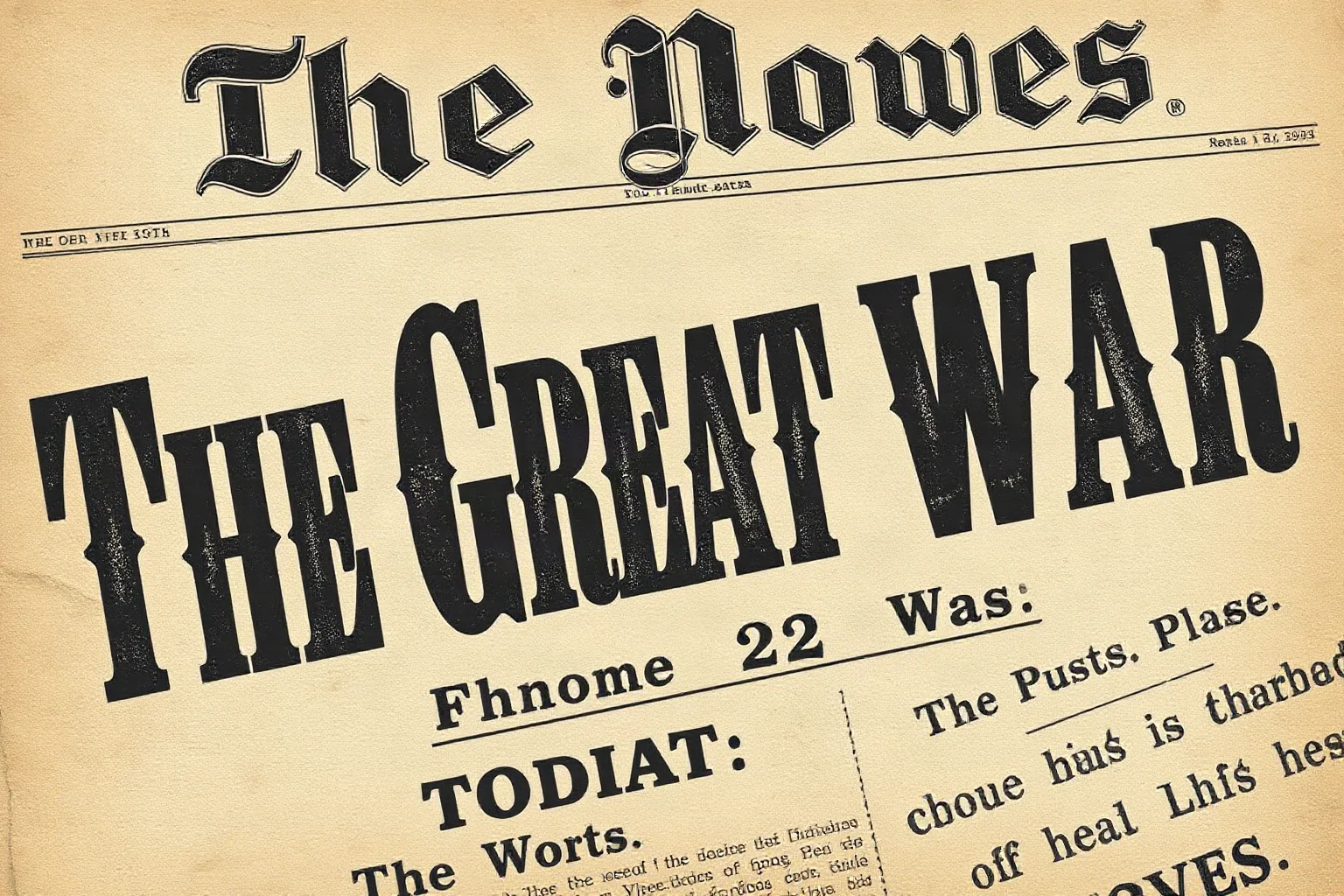
People living through 1914–1918 didn't call it "World War I" — that numbering only made sense once a second global war broke out two decades later. At the time, it was known as "The Great War" or "The War to End All Wars," a phrase that turned out to be tragically optimistic.
The renaming happened gradually through the 1930s and became standard after 1939. It's a small detail, but it's a useful reminder that history is often labeled in hindsight, not in the moment it's being lived.
2. More Than 70 Million Soldiers Fought — From Every Inhabited Continent

One of the most searched questions about this war is simply how many people fought in World War One. Historians generally estimate that more than 70 million military personnel were mobilized worldwide, making it one of the largest wars in human history up to that point.
That number includes troops from Europe, but also soldiers and laborers from India, Africa, Australia, Canada, and beyond, thanks to colonial and Commonwealth ties. So when people ask how many soldiers fought in World War One, the honest answer is: this was a genuinely global war, not just a European one.
3. One Assassination in Sarajevo Set Off a Chain Reaction
The spark is well known: Archduke Franz Ferdinand of Austria-Hungary was assassinated in Sarajevo on June 28, 1914, by Gavrilo Princip, a Bosnian Serb nationalist tied to the Black Hand group. Within weeks, a tangle of alliances, military mobilization plans, and imperial rivalries turned a regional crisis into a continental war.
It's tempting to say "one bullet started World War I," but that oversimplifies decades of tension between empires. The assassination was the trigger, not the underlying cause — the powder keg had been building for years beforehand.
4. The 1914 Christmas Truce Was Real, But It Wasn't a Universal Ceasefire
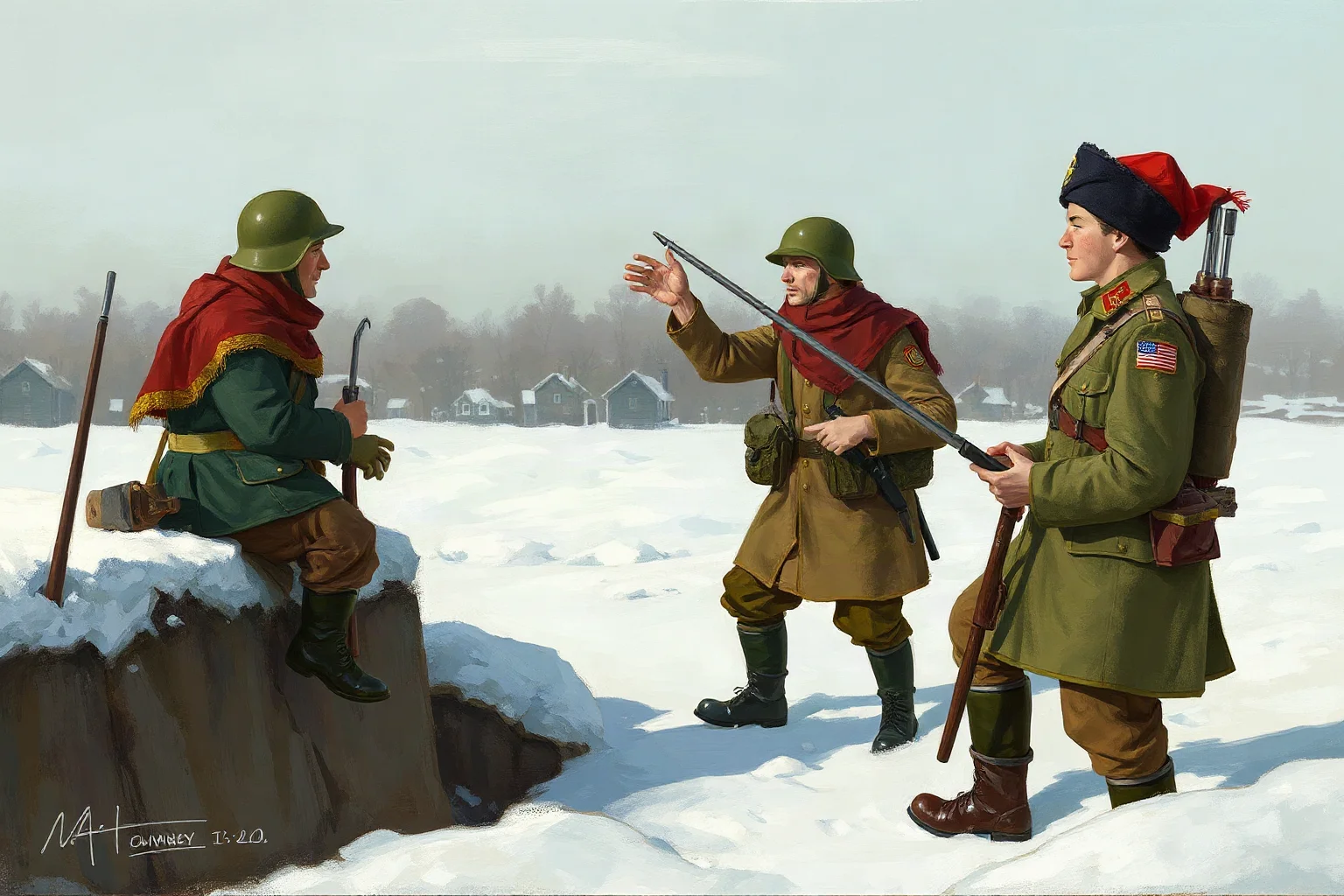
Along parts of the Western Front in December 1914, soldiers from opposing trenches did lay down arms, exchange small gifts, and sing carols across No Man's Land. Letters and diaries from soldiers on both sides confirm these localized, unofficial truces happened in several sectors.
What's less certain is how widespread the famous football matches were — accounts exist, but they weren't a universal, war-wide event as pop culture sometimes suggests. Military commanders on both sides also disapproved and worked to prevent similar truces in later years.
5. The Western Front Was a 400-Mile Scar Across Europe
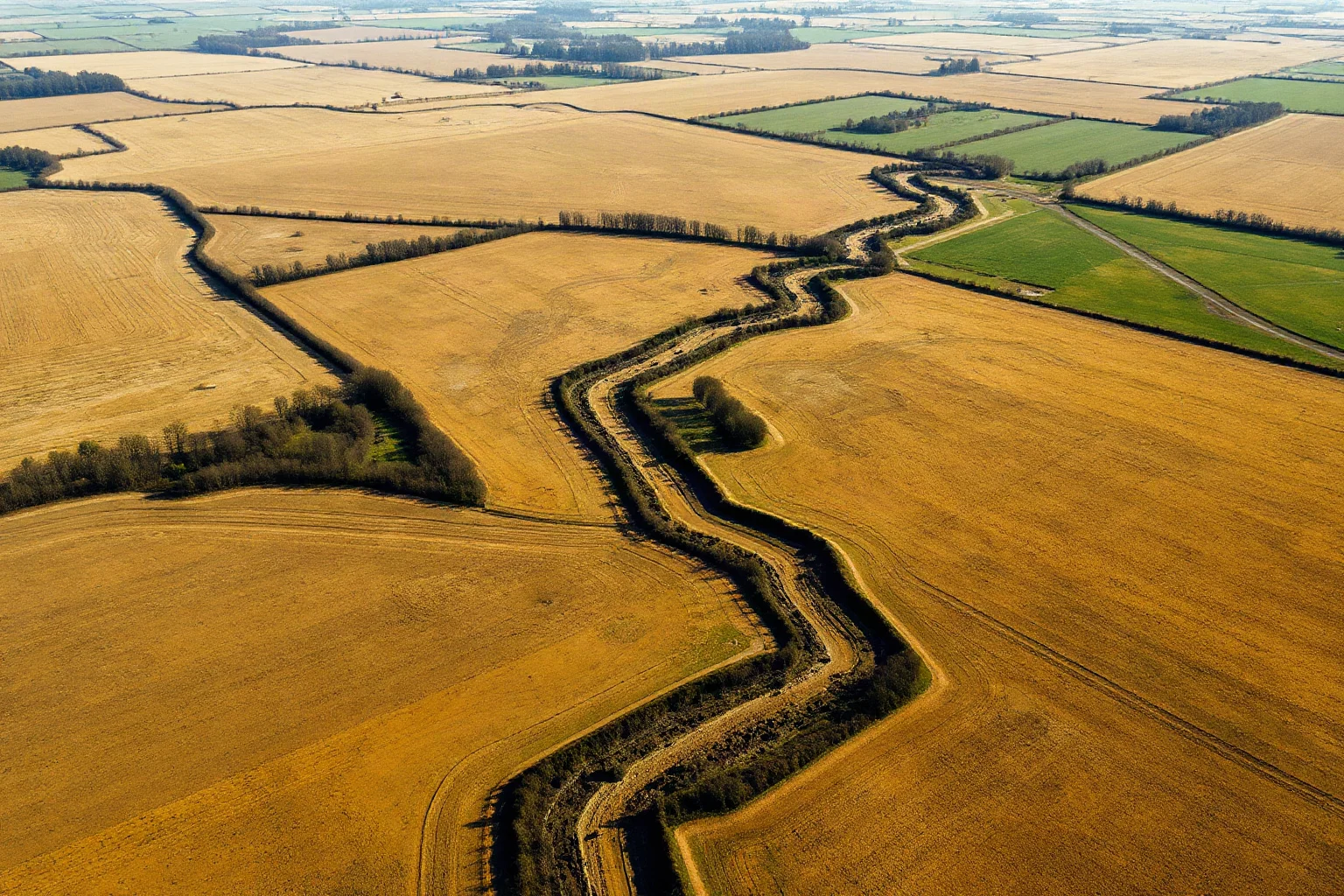
By late 1914, opposing trench lines stretched roughly 475 miles from the North Sea coast of Belgium down to the Swiss border. This static, dug-in warfare became the defining image of the entire conflict.
Soldiers lived for months in mud, cold, and constant danger from shelling and snipers, often gaining or losing only a few hundred yards after enormous casualties. It's one of the starkest characteristics of WWI compared to the more mobile warfare seen in earlier conflicts.
6. Tanks Made Their Combat Debut in 1916 — and Were Called "Landships"
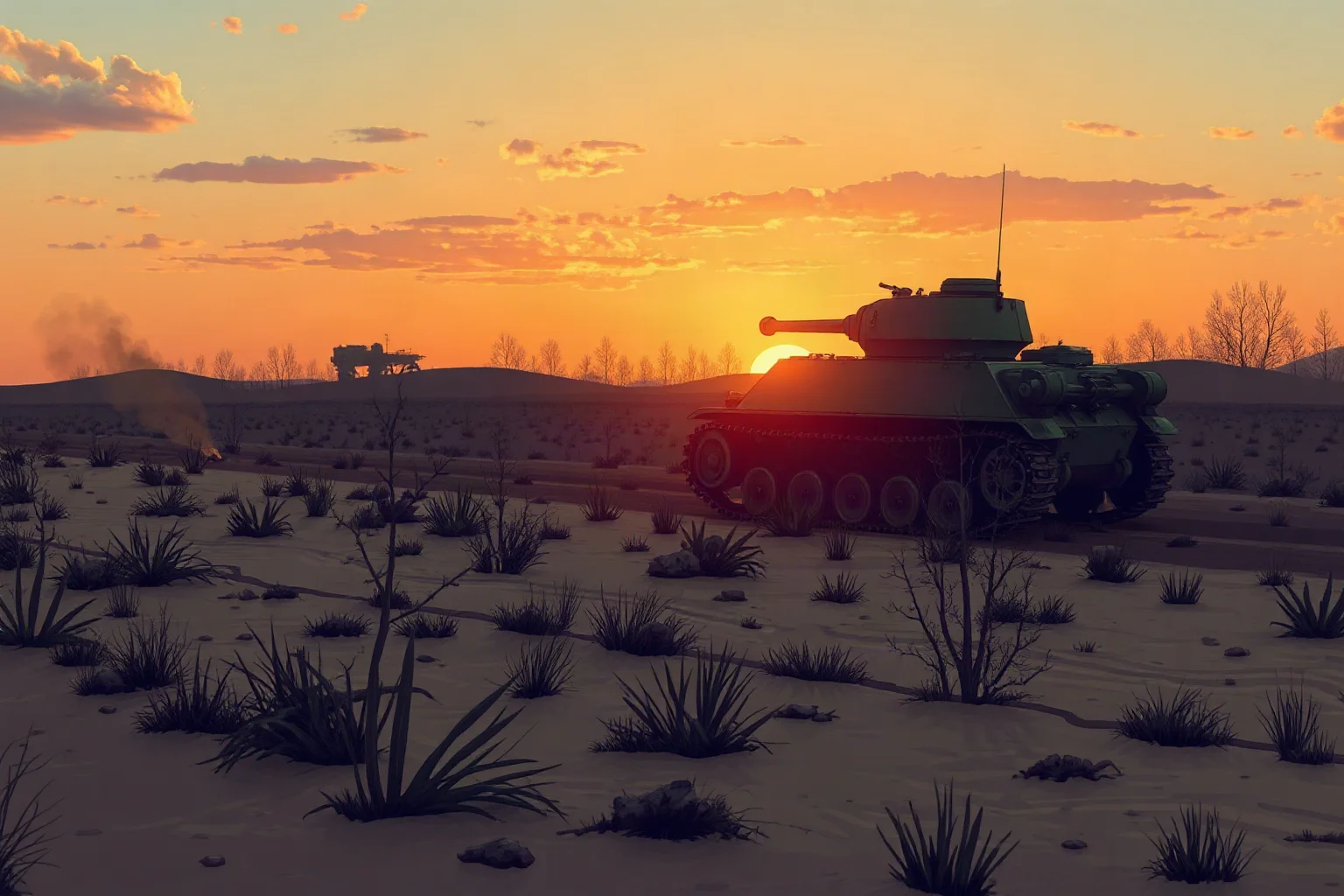
British forces first used tanks in combat at the Battle of the Somme in September 1916. The project had been developed under the deliberately misleading codename "landships" to keep the innovation secret from German intelligence.
Early tanks were slow, mechanically unreliable, and brutally hot for their crews, but they represented a genuine turning point in military technology. By the war's end, tanks had become a standard part of Allied offensive planning.
7. Poison Gas Warfare Began on a Larger Scale in 1915
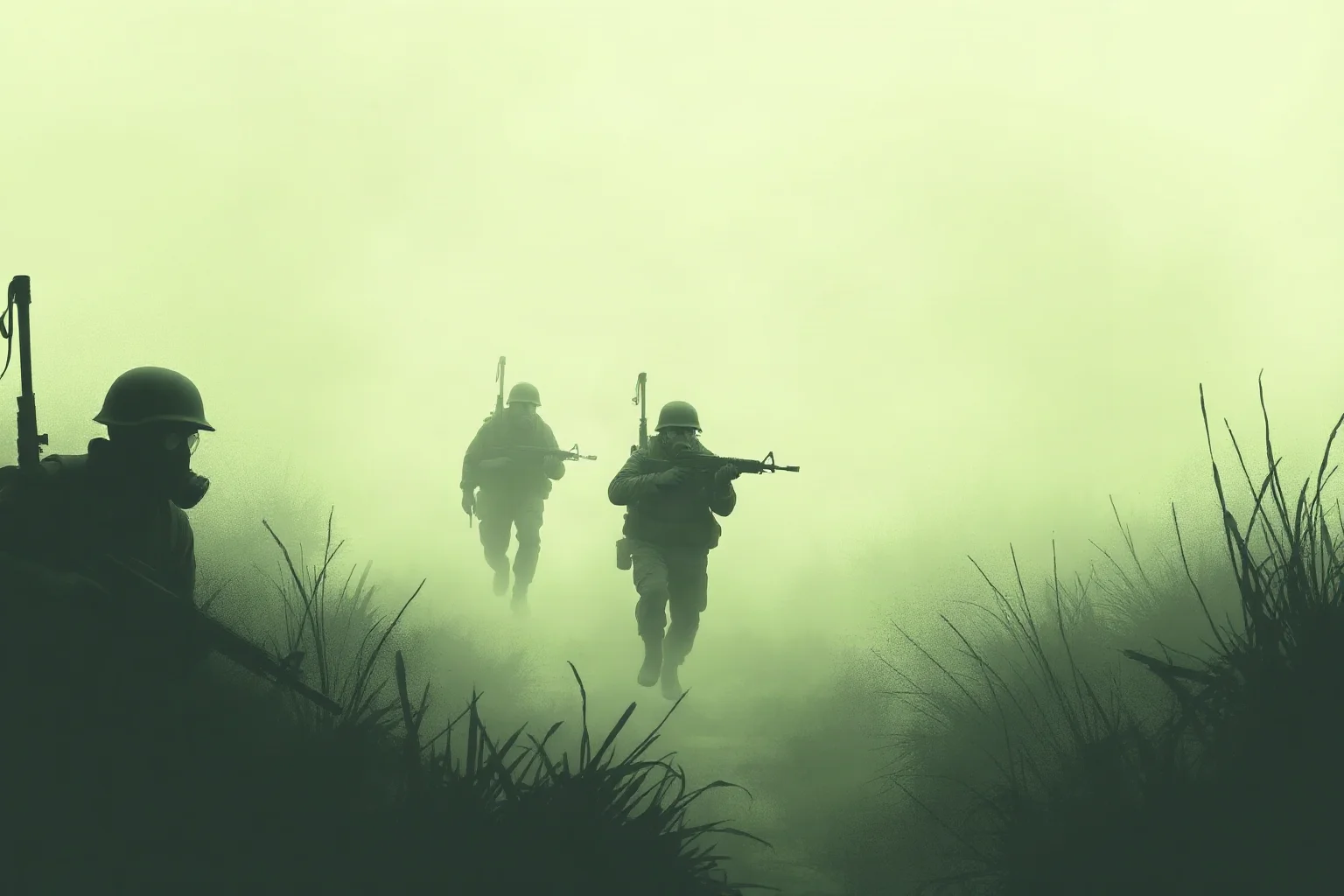
Germany carried out the first major large-scale chlorine gas attack at the Second Battle of Ypres in April 1915. Both sides escalated afterward, introducing more lethal agents like phosgene and mustard gas as the war continued.
Gas caused horrific injuries and psychological terror, even though it accounted for a smaller share of total deaths than artillery or machine-gun fire. Its use was so widely condemned that it directly led to international bans on chemical weapons in the decades that followed.
8. Animals Served Too: Pigeons, Dogs, and Even a Lion Cub
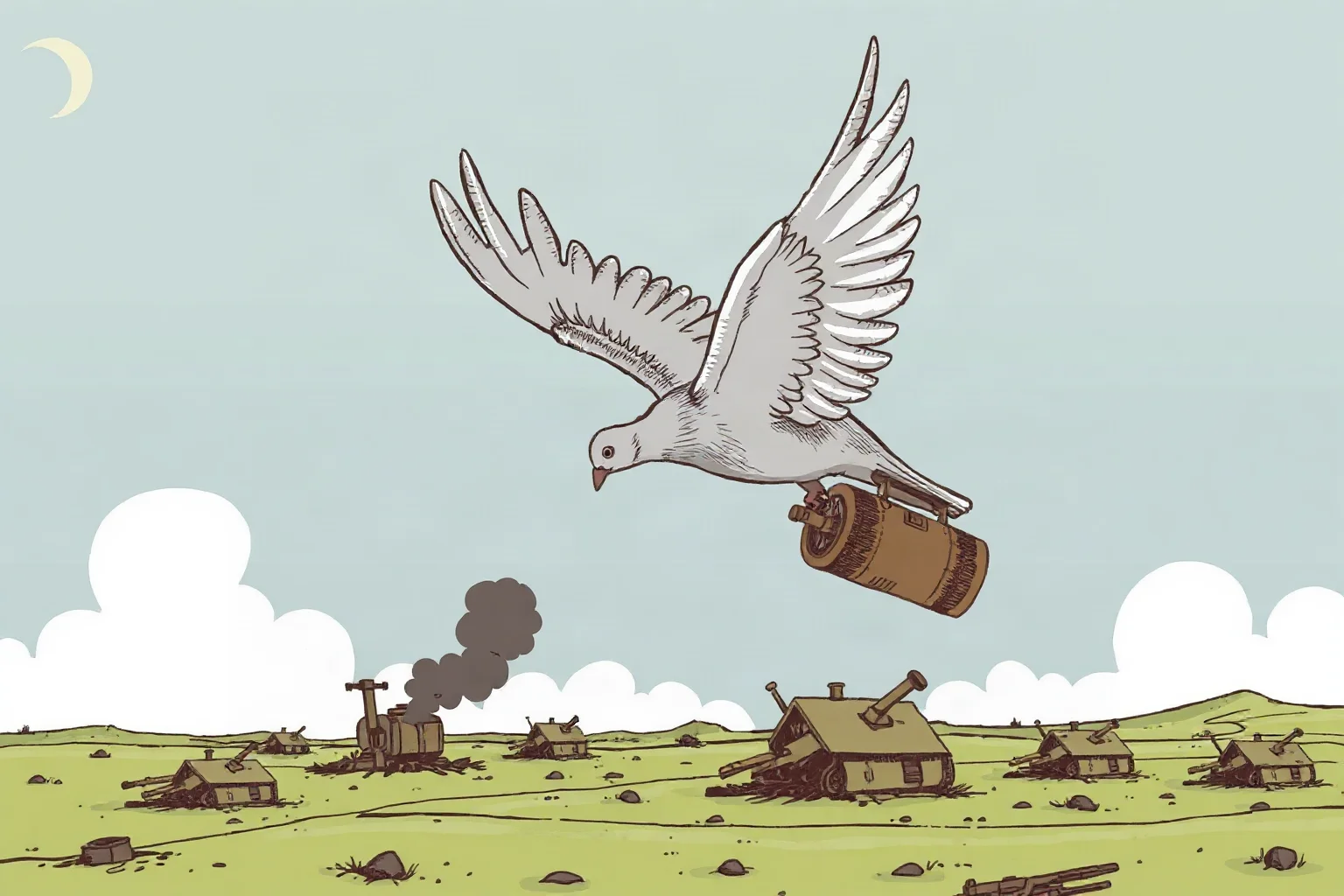
WWI relied heavily on animals for communication, transport, and companionship. Messenger pigeons like the American-owned Cher Ami carried vital communications through heavy fire, and Cher Ami specifically was credited with helping save trapped American soldiers in 1918.
Dogs served as sentries, messengers, and mascots, while horses and mules still did the bulk of transport work despite the rise of motorized vehicles. These animal stories are some of the more heartwarming things from WWI amid an otherwise grim historical record.
9. Some Soldiers Were Barely Teenagers
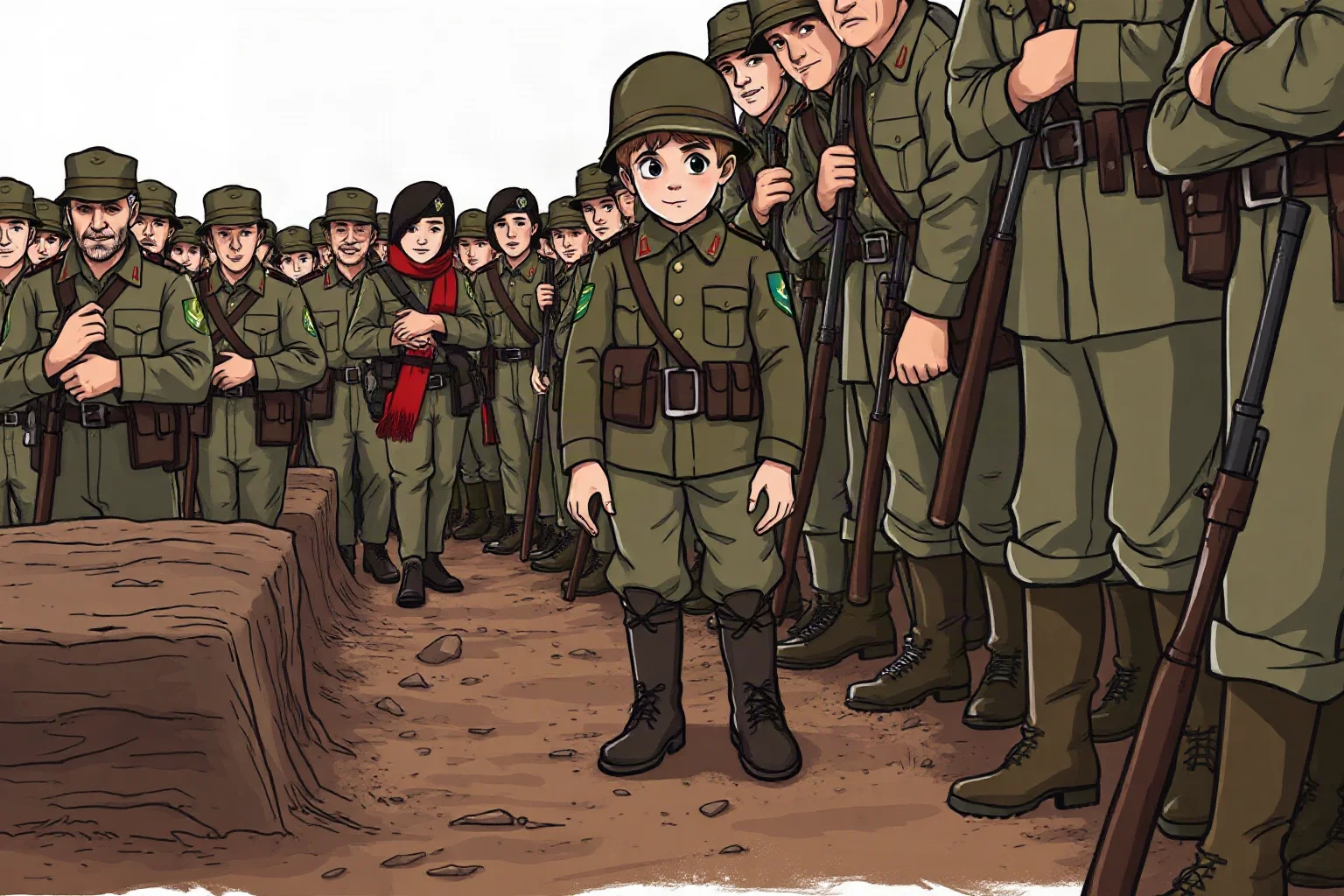
Recruitment rules officially required soldiers to be 18 or older (and 19 for overseas combat in some armies), but underage boys regularly lied about their age to enlist. Sidney Lewis, a British soldier, is documented as having fought at the Battle of the Somme at around age 13 after enlisting at 12.
Recruiters weren't always careful about verifying birth certificates, especially early in the war when enthusiasm for enlistment was high. Thousands of underage soldiers are believed to have served across the various combatant armies — a reminder that young people have taken up arms throughout history, from Joan of Arc to Sidney Lewis himself.
10. The Ottoman, Austro-Hungarian, German, and Russian Empires All Collapsed
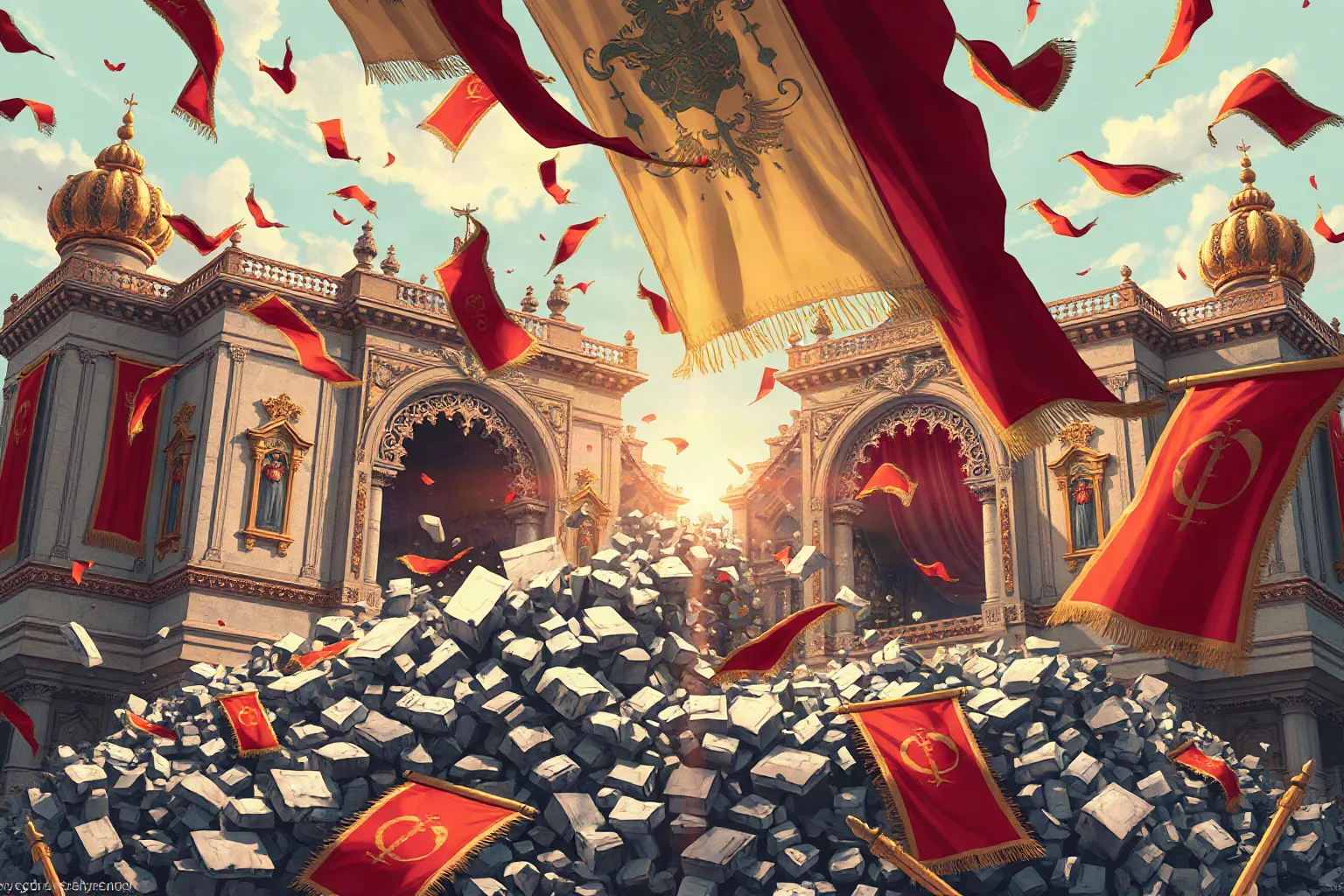
World War I didn't just redraw borders — it ended entire empires. The Russian Empire collapsed into revolution in 1917, the German and Austro-Hungarian monarchies fell in 1918, and the Ottoman Empire dissolved in the years following the war.
New nations emerged from these collapses, including Poland, Czechoslovakia, and Yugoslavia, while the modern Middle East was substantially reshaped by the Ottoman collapse. This is one of the clearest examples of why WWI was so significant to world history far beyond the battlefield.
11. The War Ended at the 11th Hour of the 11th Day of the 11th Month
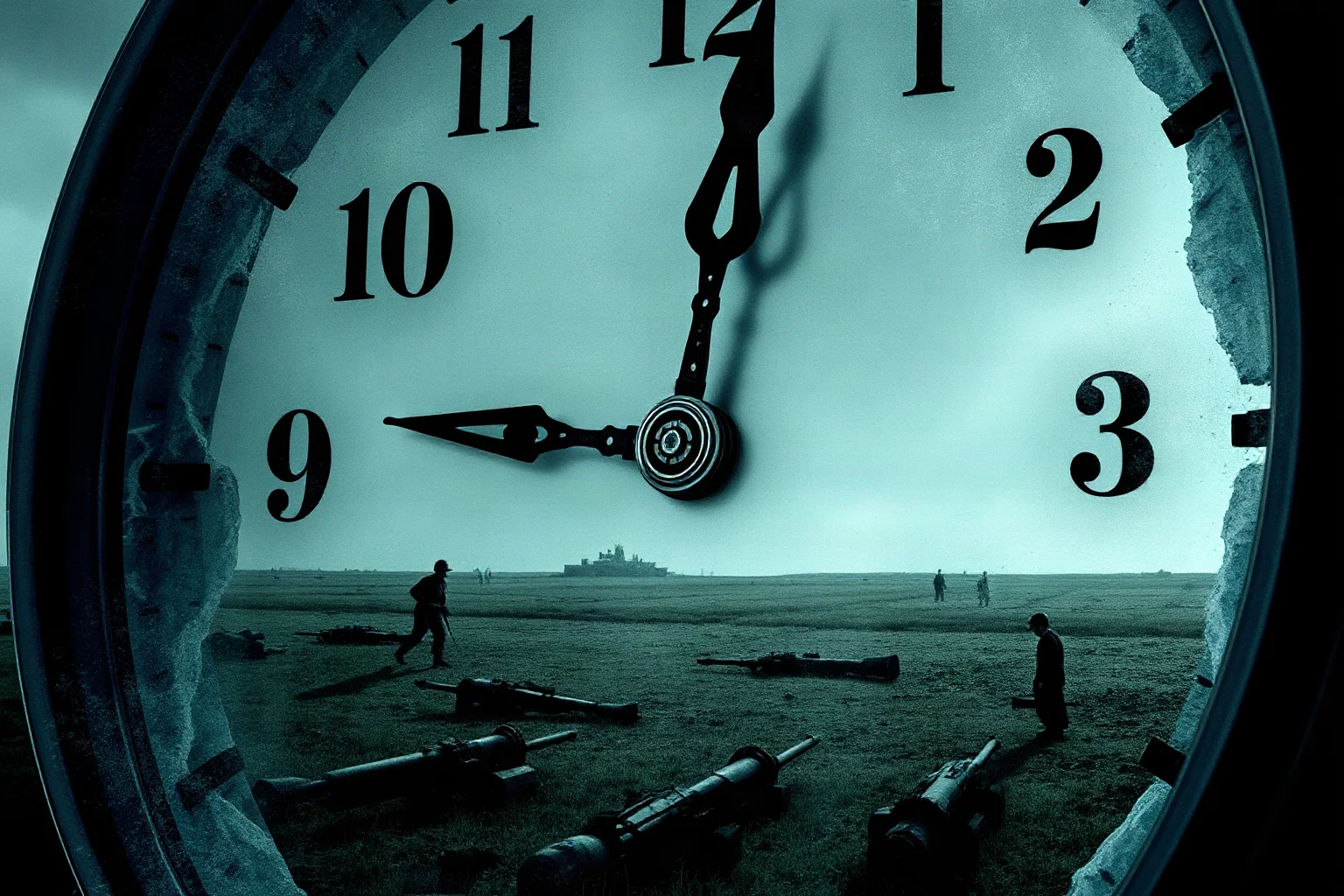
The armistice that ended fighting on the Western Front took effect at 11:00 a.m. on November 11, 1918. That timing is why Armistice Day, now Veterans Day or Remembrance Day in many countries, is observed on that date every year.
Fighting technically continued in some areas right up until that moment, and casualties occurred even in the war's final hours. The formal peace treaty wouldn't actually be signed until the following year.
12. A Flu Pandemic Killed More People Than the War Itself
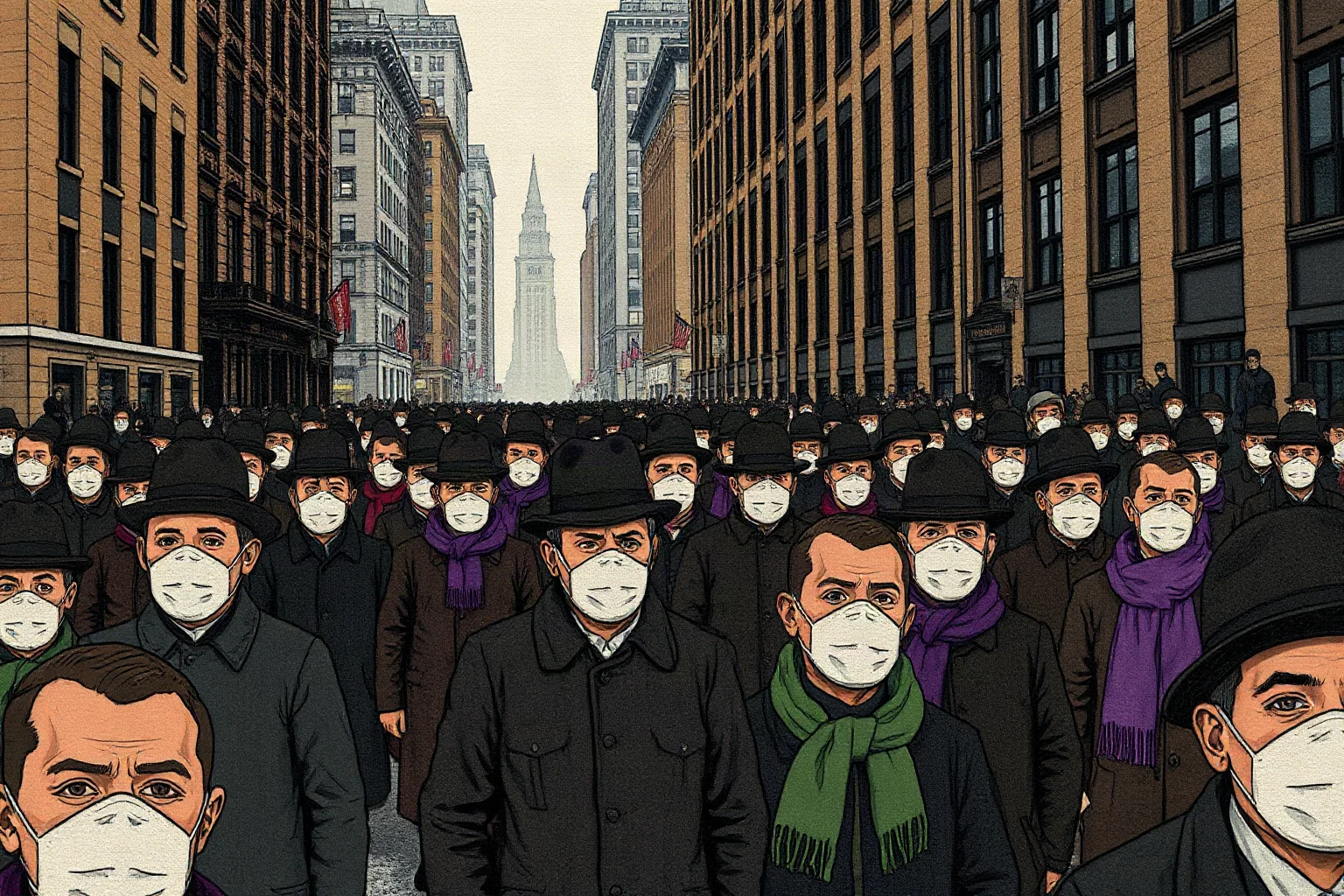
The 1918 influenza pandemic, often called the Spanish flu, swept the globe as the war was ending and killed an estimated 50 million or more people worldwide — far exceeding WWI's direct death toll. Troop movements and crowded military camps likely helped accelerate its spread.
The pandemic's scale is a sobering reminder that the war's human cost extended well beyond combat deaths. Many soldiers who survived years of trench warfare died from the flu within months of returning home.
13. The Treaty of Versailles Planted the Seeds of World War II
Signed on June 28, 1919 — exactly five years after Franz Ferdinand's assassination — the Treaty of Versailles imposed harsh reparations and territorial losses on Germany. Many historians see the resulting economic hardship and resentment as a significant contributing factor to the rise of extremist politics in Germany during the 1920s and 1930s.
This connection is one reason people often search for WW1 and 2 facts together — the two wars are historically intertwined, not separate stories. The peace settlement that was meant to prevent future war arguably helped set conditions for the next one.
14. Women's Wartime Work Reshaped Society and Politics
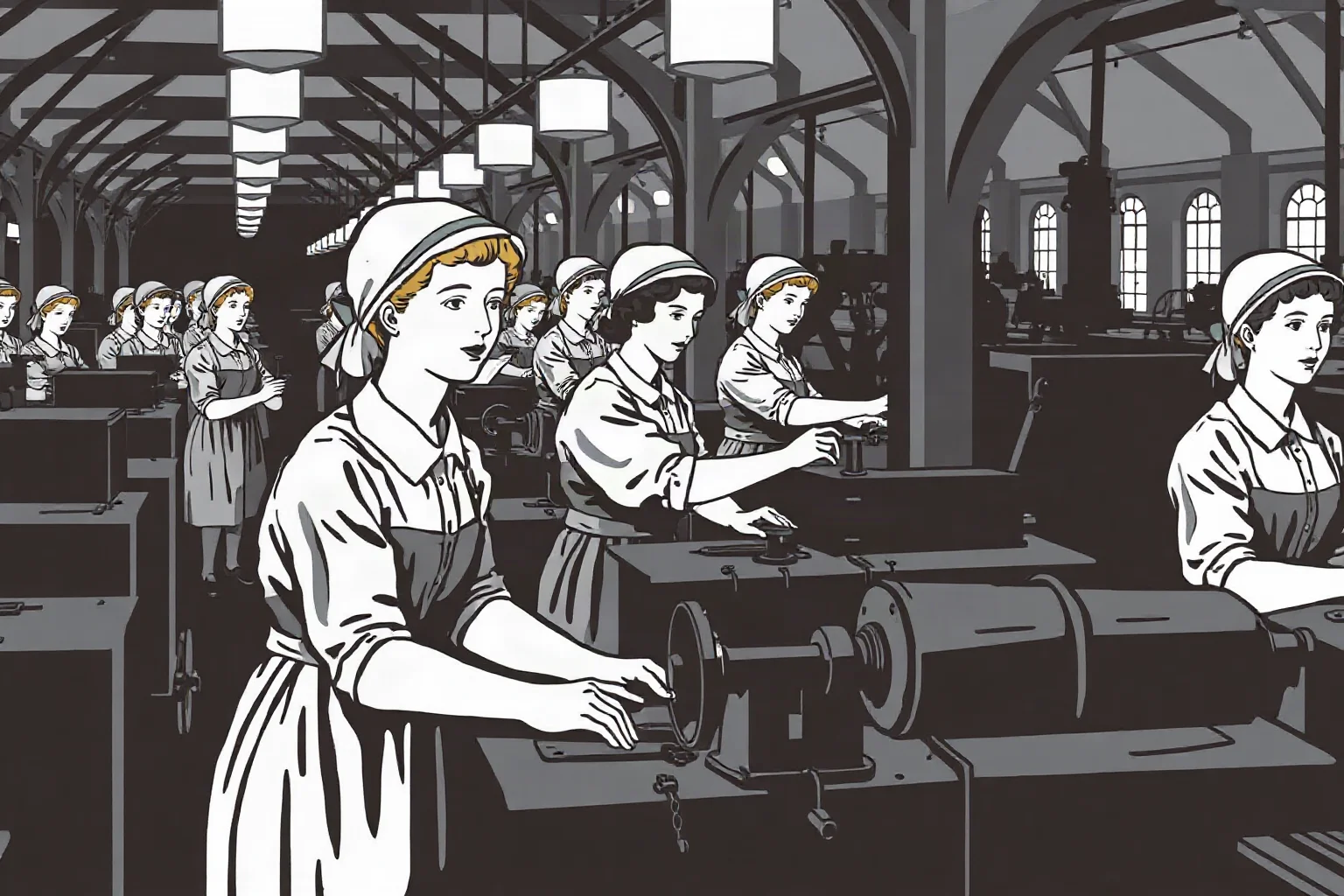
With millions of men at the front, women across combatant nations took on factory work, farming, nursing, and munitions production in numbers never seen before. In Britain, women working in munitions factories were sometimes nicknamed "canaries" because chemical exposure could turn their skin yellow.
This wartime labor shift is widely credited as one factor that accelerated women's suffrage movements. The UK's Representation of the People Act of 1918, granting voting rights to some women, was passed the same year the war ended.
15. Fighter Pilots Became the War's First Celebrity Warriors
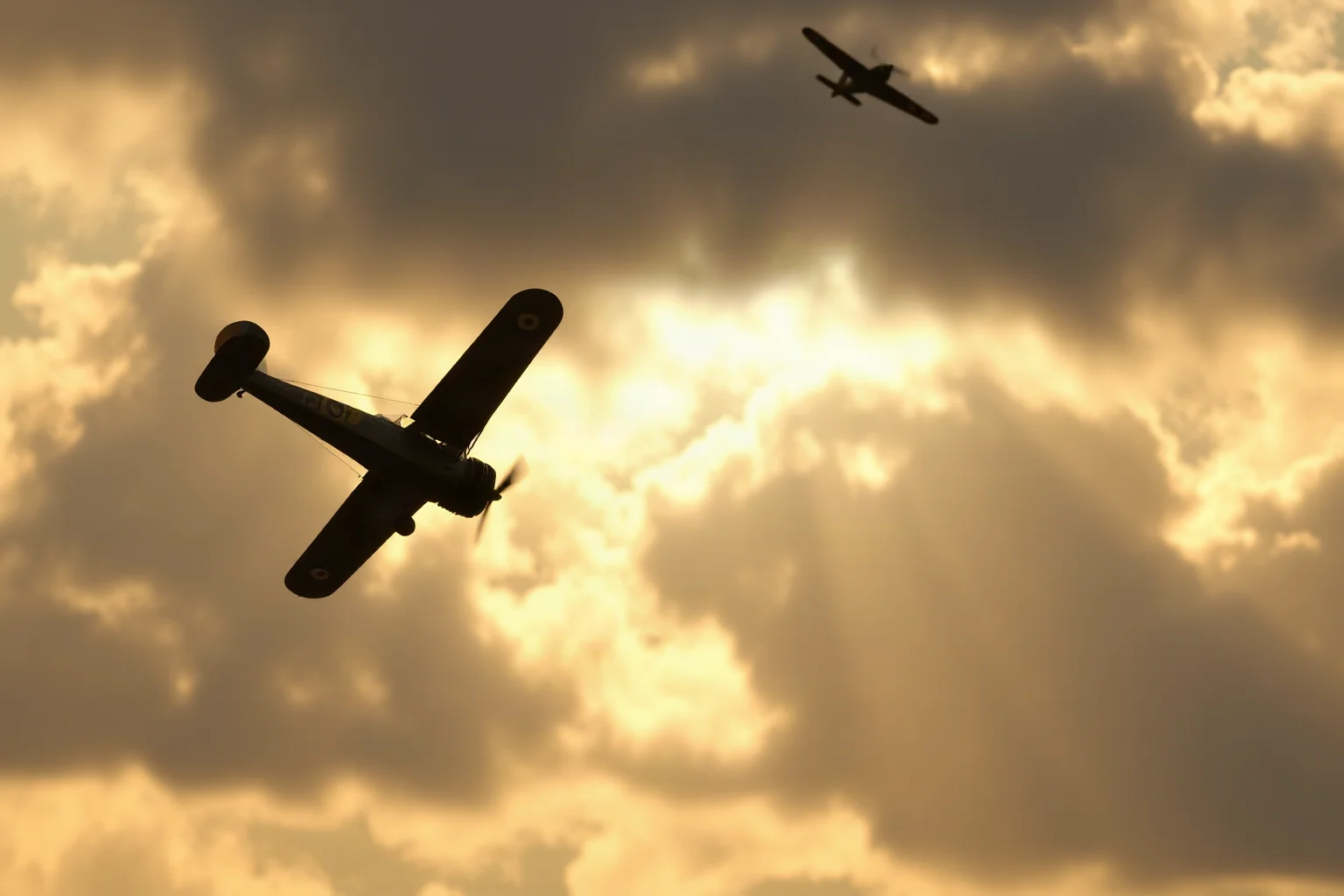
Aerial combat was brand new territory in 1914, and by the war's end, dedicated fighter planes and "ace" pilots had captured public imagination on both sides. German pilot Manfred von Richthofen, nicknamed the "Red Baron," became the war's most famous ace with roughly 80 confirmed aerial victories before his death in 1918, cementing his place among history's most recognized figures.
Early aircraft were flimsy, dangerous, and had a short life expectancy for their pilots. Even so, the romanticized image of the lone fighter pilot became one of WWI's most enduring cultural legacies.
16. There's No Single Official "WW1 Logo" — But There Are Iconic Symbols
People sometimes search for a "WW1 logo" expecting a single official emblem, but no such universal logo existed during the war itself — branding and logo design as we know it today simply wasn't part of 1914–1918 visual culture. What did emerge were powerful recruitment posters, national emblems, and unit insignia used by different armies.
During the WWI centenary commemorations between 2014 and 2018, several countries did create official centenary logos, often featuring poppies or the dates "1914–1918," to mark the anniversary. Those modern commemorative designs are likely what most searches for a "WW1 logo" are actually referring to.
17. The Poppy Became a Global Symbol of Remembrance
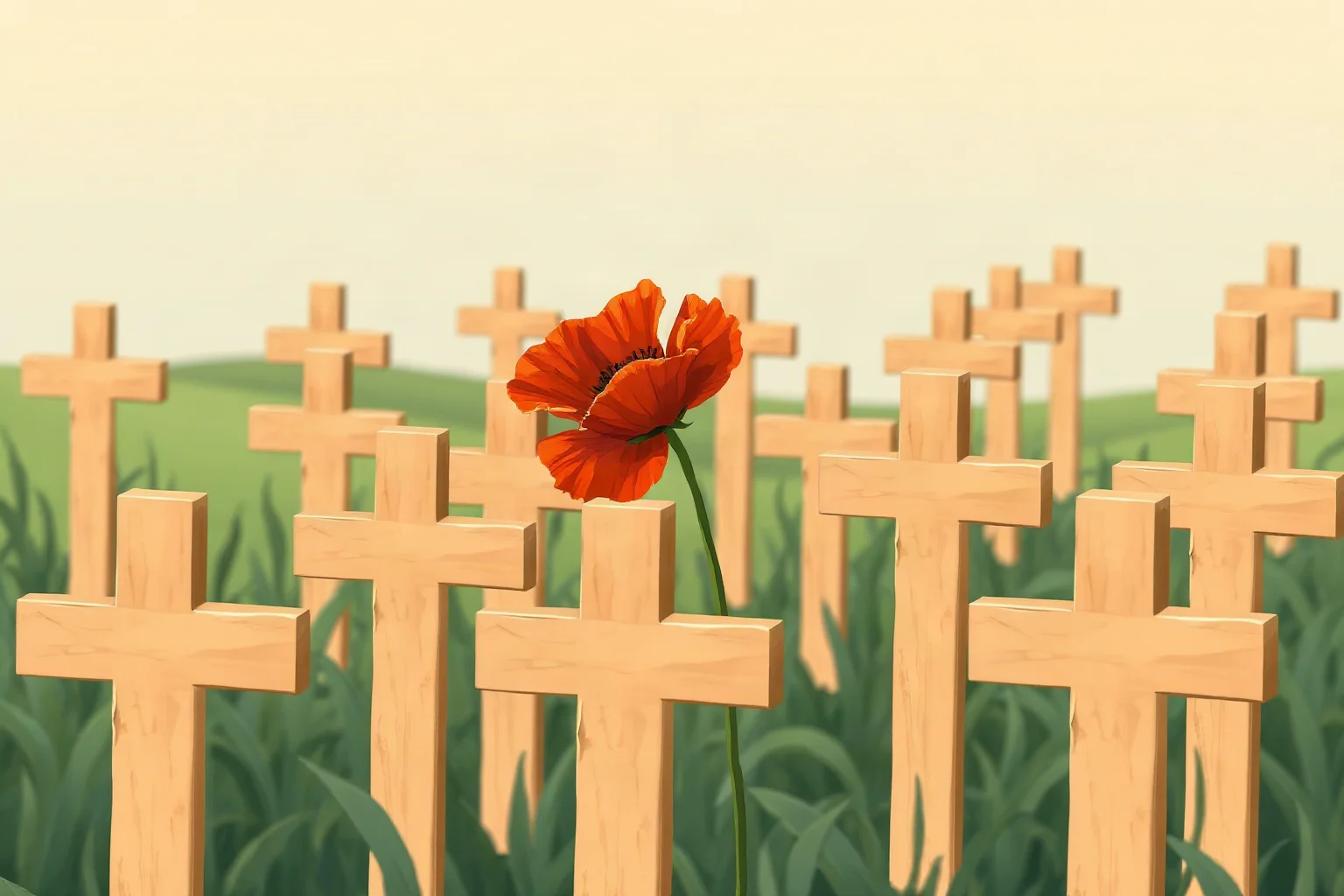
The red poppy's association with WWI traces back to the poem "In Flanders Fields," written in 1915 by Canadian physician John McCrae after the death of a friend at Ypres. The poem described poppies growing among soldiers' graves on the battlefield.
American teacher Moina Michael and French humanitarian Anna Guérin later championed the poppy as a fundraising and remembrance symbol, and veterans' organizations like the British Legion adopted it in the early 1920s. Today it remains one of the most recognized visual shorthand symbols for WWI remembrance worldwide.
18. Casualty Numbers Are Almost Too Large to Comprehend
Estimates vary between sources, but historians generally cite around 9 to 10 million military deaths and roughly 21 million wounded during WWI. Civilian deaths from famine, disease, and displacement add several million more, with total war-related deaths often estimated between 15 and 20 million.
These figures differ across sources because record-keeping varied by country and because it's genuinely difficult to separate war deaths from the overlapping 1918 flu pandemic. Whatever the exact number, the scale of loss was unlike anything the world had witnessed before.
19. Colonial and Commonwealth Troops Were Essential to the Allied War Effort
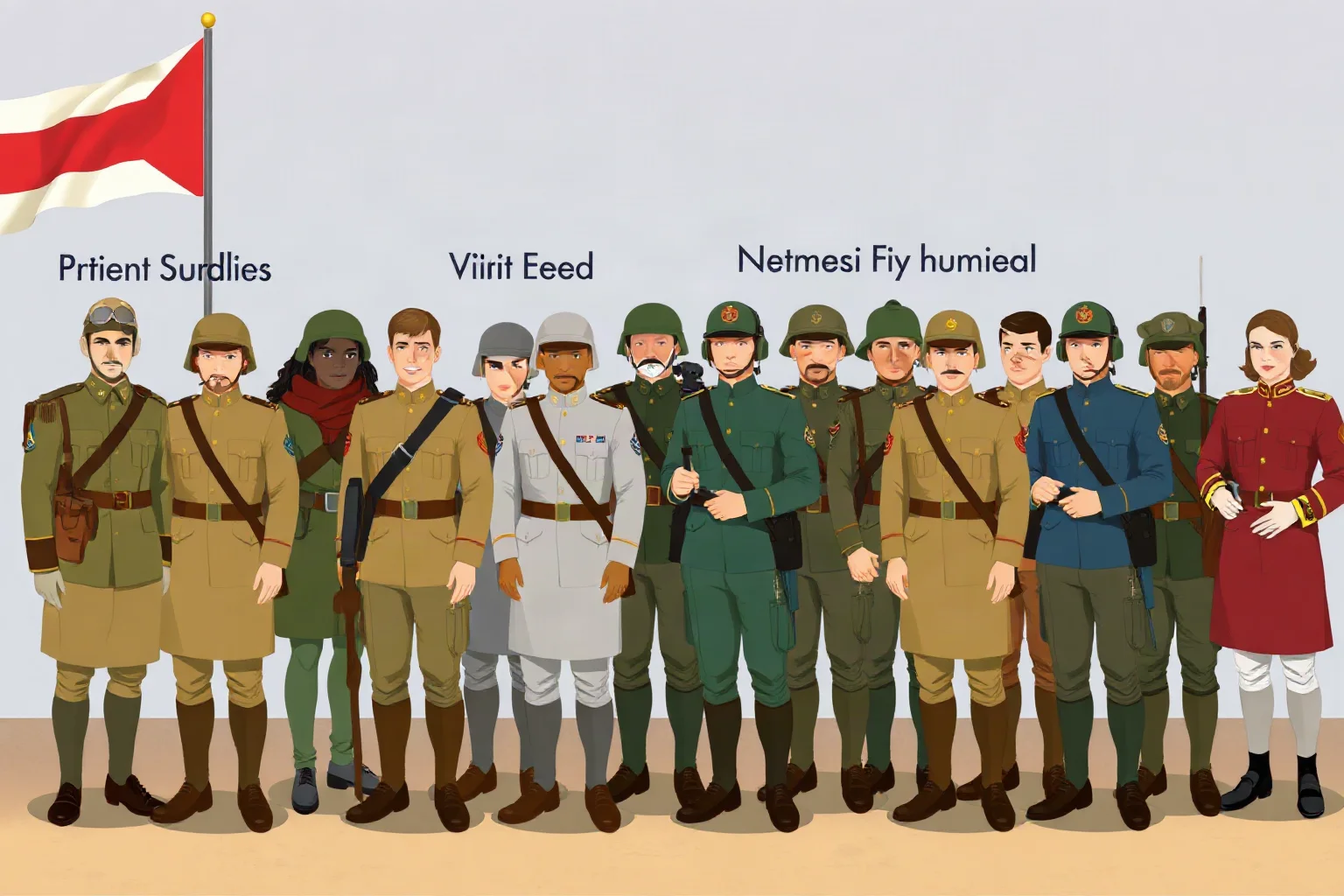
Over a million soldiers from British India served overseas during the war, alongside large numbers of troops from Australia, Canada, New Zealand, and South Africa. France similarly relied on colonial troops, including the tirailleurs sénégalais from West Africa.
These soldiers fought and died in major battles across multiple fronts, yet their contributions were historically underrepresented in Western popular memory of the war. Modern historical scholarship has worked to give this global dimension of WWI far more visibility.
20. The War's Economic Cost Toppled Empires
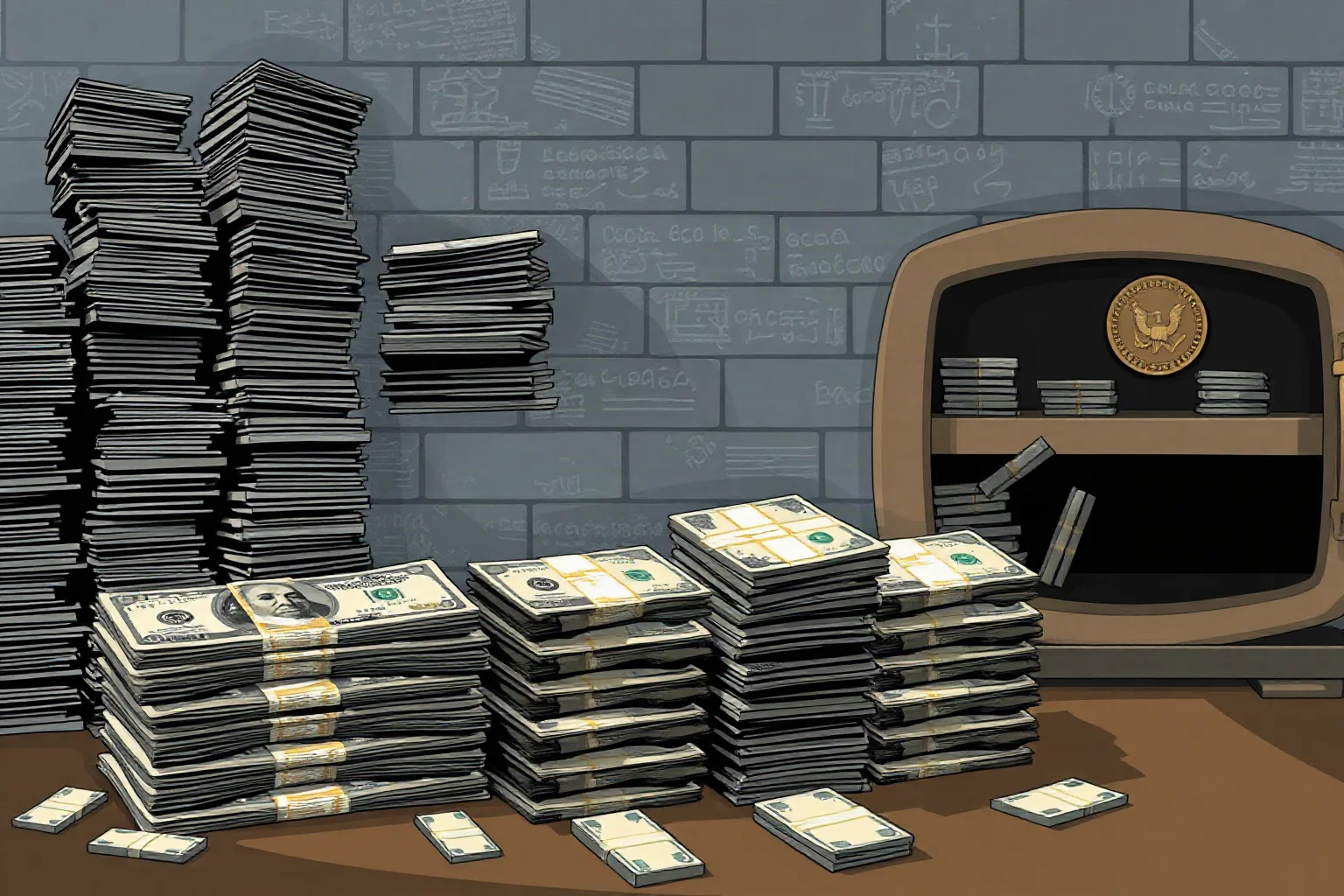
Beyond the human toll, WWI's financial cost was staggering, estimated in the hundreds of billions of dollars in contemporary value once military spending, infrastructure destruction, and lost production are combined. Several participating empires never financially recovered.
Germany's reparations obligations under the Treaty of Versailles contributed to hyperinflation in the early 1920s. Britain and France, though victorious, also emerged deeply in debt, partly to the United States, reshaping the global balance of economic power for decades — a shift in financial influence reminiscent of the outsized role long played by banking dynasties like the Rothschilds.
21. The Last Verified WWI Veteran Died in 2012
Florence Green, a British woman who served in the Women's Royal Air Force during the war's final months, is recognized as the last verified WWI veteran. She died in February 2012 at the age of 110, nearly a century after the armistice.
Her death effectively closed the living-memory chapter of the war, meaning WWI now exists entirely through records, artifacts, and secondhand accounts. It's a striking reminder of just how long ago — and yet how recently — this conflict actually occurred.
22. The League of Nations Was WWI's Attempt at a Lasting Peace
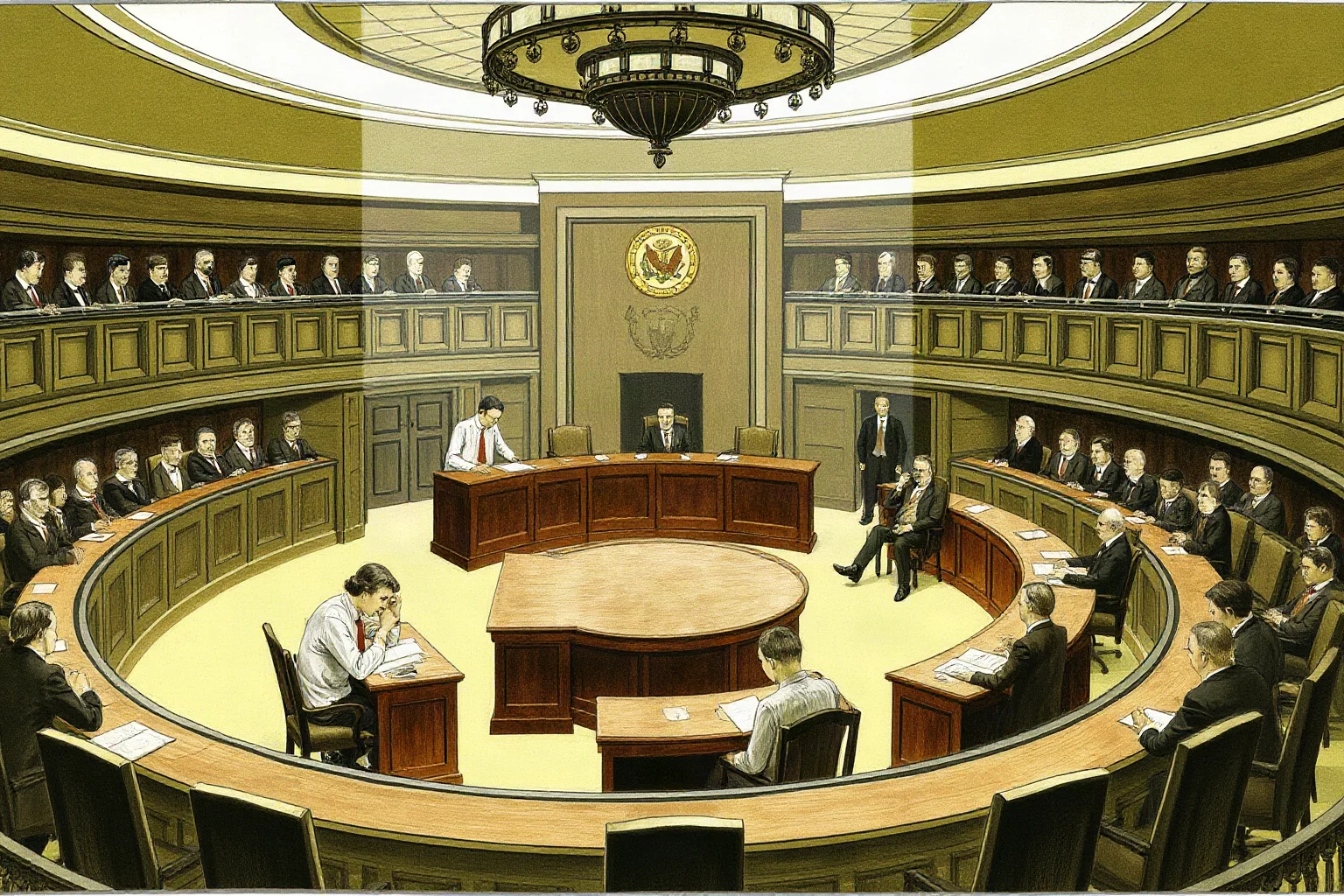
Created as part of the Treaty of Versailles in 1920, the League of Nations aimed to prevent future wars through collective diplomacy and international cooperation. It was the direct predecessor to today's United Nations.
The League ultimately failed to prevent World War II, partly because the United States never joined and partly because it lacked real enforcement power. Still, it represented a genuinely new idea in international relations that shaped later 20th-century diplomacy.
23. WWI's Legacy Comes With Real Pros and Cons
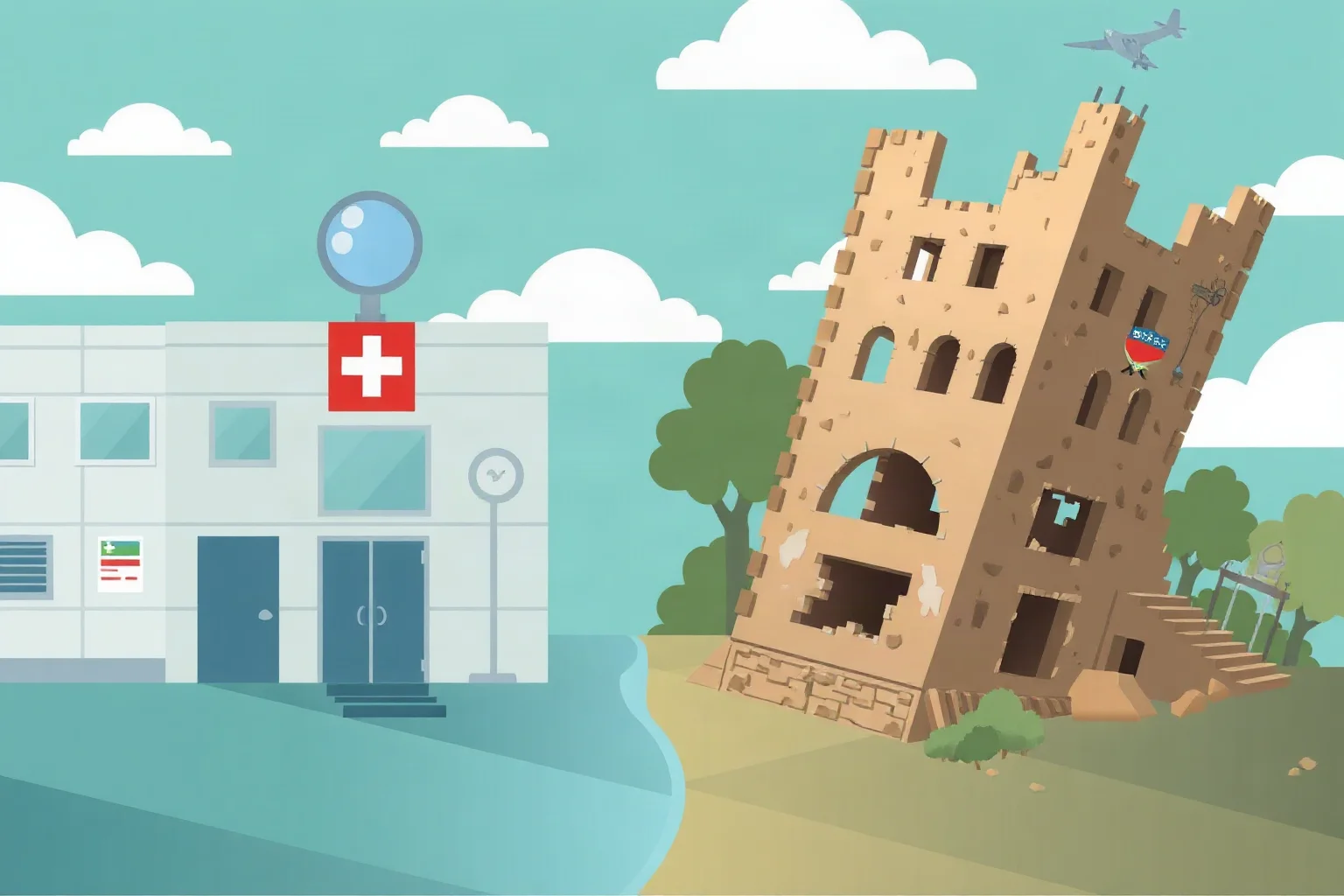
When people ask about WWI pros and cons, historians usually point to a mixed legacy. On one side, the war accelerated medical advances like blood transfusion techniques and plastic surgery, sped up women's suffrage in several countries, and pushed forward aviation and communication technology.
On the other side, the human and economic cost was catastrophic, colonial borders were redrawn in ways that fueled future conflicts, and the flawed peace settlement helped set the stage for an even deadlier war two decades later. Weighing these outcomes honestly is part of what makes WWI such a rich, complicated topic to study.
24. The Defining Characteristics That Made WWI Unlike Any Previous War
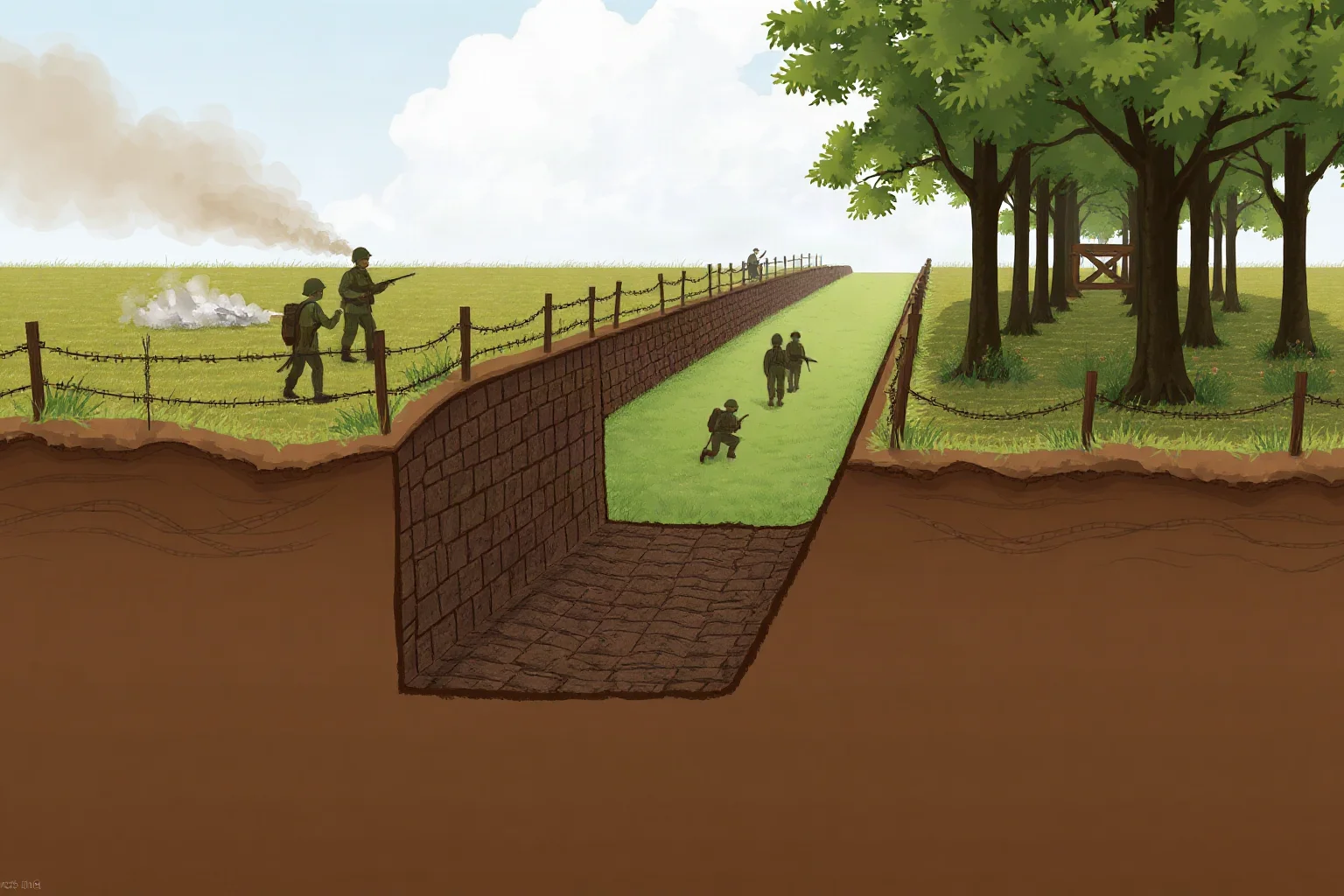
What truly separates WWI from earlier conflicts is the combination of industrialized weaponry, mass conscription, and total war mobilization of entire national economies. Machine guns, heavy artillery, chemical weapons, tanks, and aircraft all appeared or matured during this single conflict.
Combined with static trench warfare and a level of civilian involvement never seen before, these characteristics of WWI created a new template for modern warfare. That template, unfortunately, would be expanded upon just two decades later in World War II.
Why These Facts Still Matter Today
World War I isn't just a topic for history class — it's the hinge point where the modern world's borders, technologies, and international institutions took shape. From the collapse of empires to the invention of tanks and chemical weapons, the war's fingerprints are still visible in today's geopolitics.
There are countless other topics about WWI worth exploring further, from specific battles like Verdun and the Somme to the home-front experiences of ordinary families. If this list sparked your curiosity, it's worth digging into dedicated world war one articles and primary-source letters, which bring these events to life in ways summary facts alone can't fully capture.
Understanding this war honestly — its real achievements alongside its devastating costs — is the best way to appreciate why it's still studied more than a century later.
Frequently Asked Questions
What are some interesting first world war facts?
Among the most compelling first world war facts: more than 70 million military personnel were mobilized worldwide, tanks and large-scale poison gas warfare both debuted during the conflict, four major empires collapsed as a result of the war, and the armistice was signed at the eleventh hour of the eleventh day of the eleventh month in 1918.
How many soldiers fought in World War One?
Historians estimate that more than 70 million military personnel were mobilized worldwide during World War One, drawn from Europe, colonial territories, and countries such as the United States, Australia, Canada, and India.
Why was WWI so significant?
WWI was significant because it ended several major empires, introduced modern industrialized warfare (tanks, aircraft, chemical weapons), reshaped global borders, accelerated social changes like women's suffrage, and produced a peace settlement that historians link to the outbreak of World War II two decades later.
What are the main characteristics of WWI?
WWI is generally characterized by trench warfare and static front lines, industrialized weaponry like machine guns and heavy artillery, the introduction of tanks and chemical weapons, mass conscription, and "total war" mobilization that drew entire national economies and civilian populations into the conflict.
What are the pros and cons of WWI’s historical legacy?
On the positive side, WWI accelerated medical advances, women's suffrage, and aviation technology. On the negative side, it caused catastrophic loss of life, economic devastation, and a flawed peace settlement that historians believe contributed to the rise of World War II.
Was the WWI Christmas Truce of 1914 really true?
Yes, informal Christmas truces did occur along parts of the Western Front in December 1914, documented through soldiers' letters and diaries, though they weren't a single coordinated event across the entire front and commanders discouraged repeats in later years.

Alex Warren
Related Articles