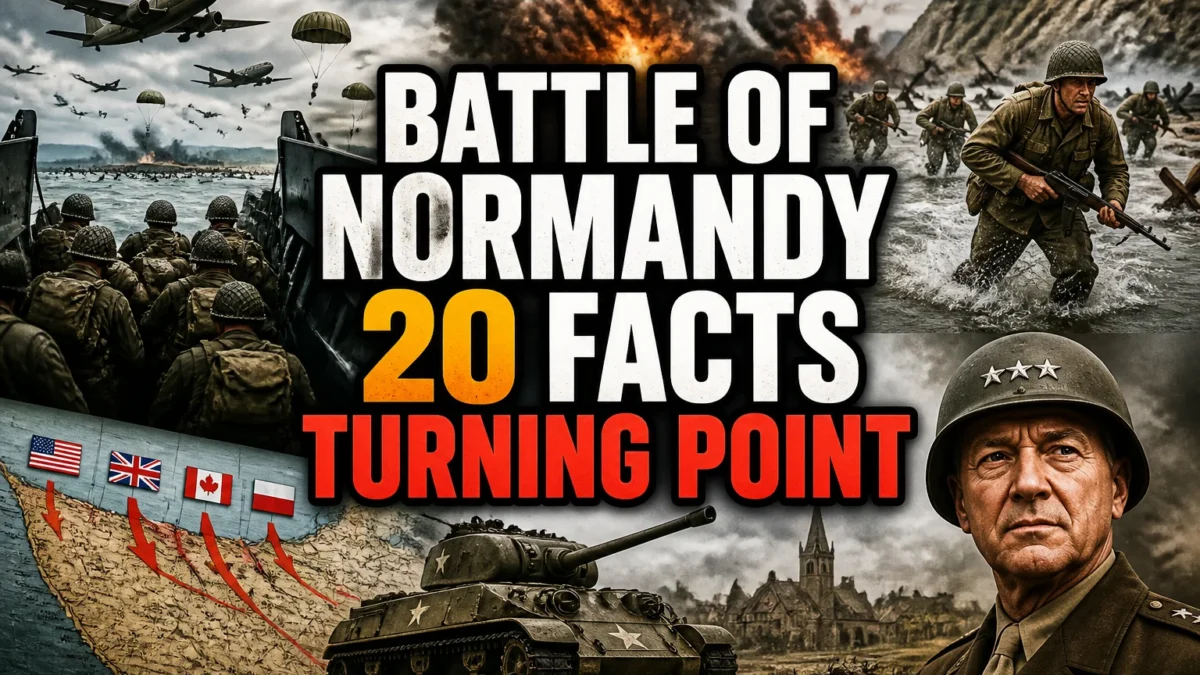
Most of us picture the Battle of Normandy as a single morning: landing craft, a ramp dropping, soldiers wading into gunfire. That morning, June 6, 1944, was real and unforgettable, but it was only the opening act. The full campaign ran for about eleven weeks and included hedgerow fights, city-flattening bombardments, and a dramatic encirclement.
So why is the Battle of Normandy important, and was it really the turning point of World War II? The honest answer is more interesting than the slogan. These 20 facts separate legend from record and show why the battle still matters.
TL;DR: The Battle of Normandy was not the single turning point of World War II, but it was the decisive victory that opened the Western Front and doomed Germany's army in France.
Why Is the Battle of Normandy Important?
The Battle of Normandy matters because it gave the Western Allies a permanent foothold in Nazi-occupied Europe. Once that foothold held, Germany had to fight major land campaigns in the east and west at once. It also led to the liberation of France and brought Allied armies to Germany's western border within months.
It also matters because it was so hard to pull off. Amphibious invasions against a fortified coast are among the riskiest operations in warfare, and plenty of people at the time doubted this one would work. Understanding how it succeeded, and where it nearly failed, explains the significance of the Normandy invasion far better than a single date does.
Planning, Deception, and Scale
1. D-Day Was Only the Opening Day of a Much Longer Battle
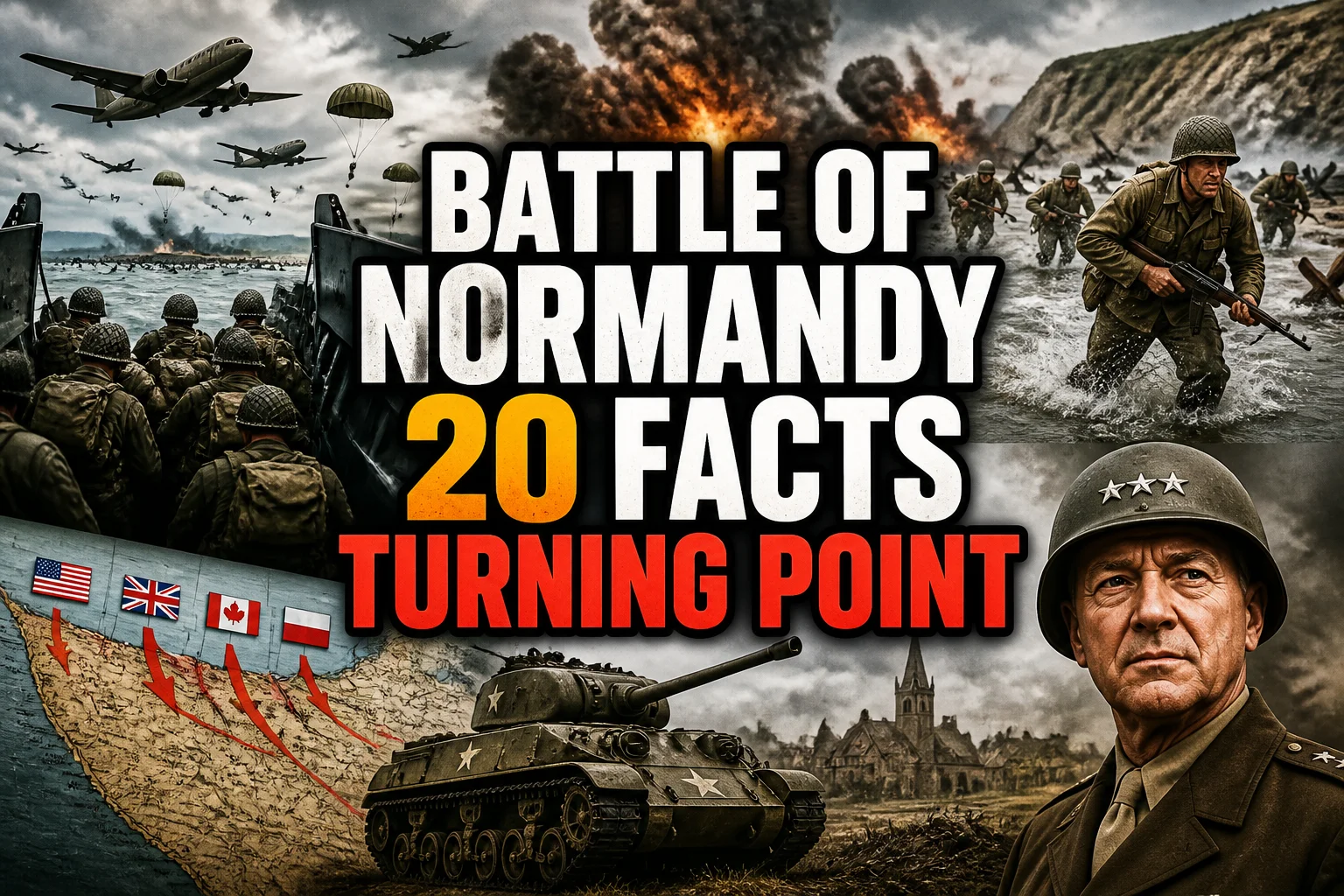
"D-Day" is the military term for the first day of an operation, and June 6, 1944 was the first day of Operation Overlord. Overlord was the broader campaign to establish and then break out of a lodgement in Normandy. The naval assault phase was code-named Operation Neptune.
The Battle of Normandy is usually dated from June 6 to the last days of August 1944, when Allied forces crossed the Seine. That means the invasion of Normandy was a summer-long struggle, not a one-day event. Some of the bloodiest fighting came weeks after the beaches were secured.
2. It Was the Largest Seaborne Invasion in History
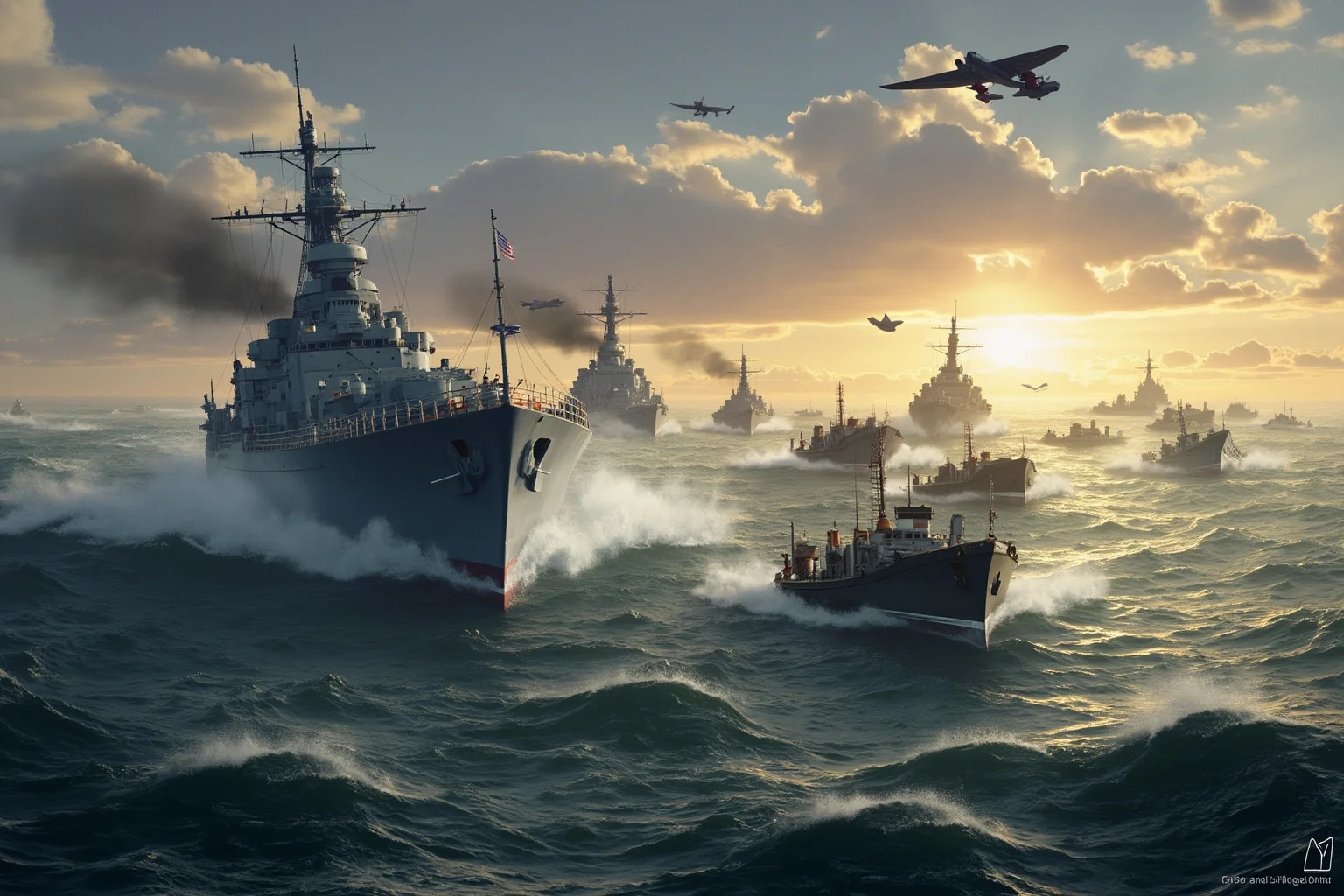
On D-Day, roughly 156,000 Allied troops landed by sea and air in Normandy. Commonly cited figures put the naval force at nearly 7,000 vessels, including warships, transports, and thousands of landing craft. Thousands of aircraft supported them overhead.
No amphibious operation before or since has matched that scale. The logistics alone, from fuel and ammunition to bandages and bulldozers, were staggering. Planners spent well over a year preparing, and the effort drew on the industries of several nations.
3. A Fake Army Helped Fool the Germans
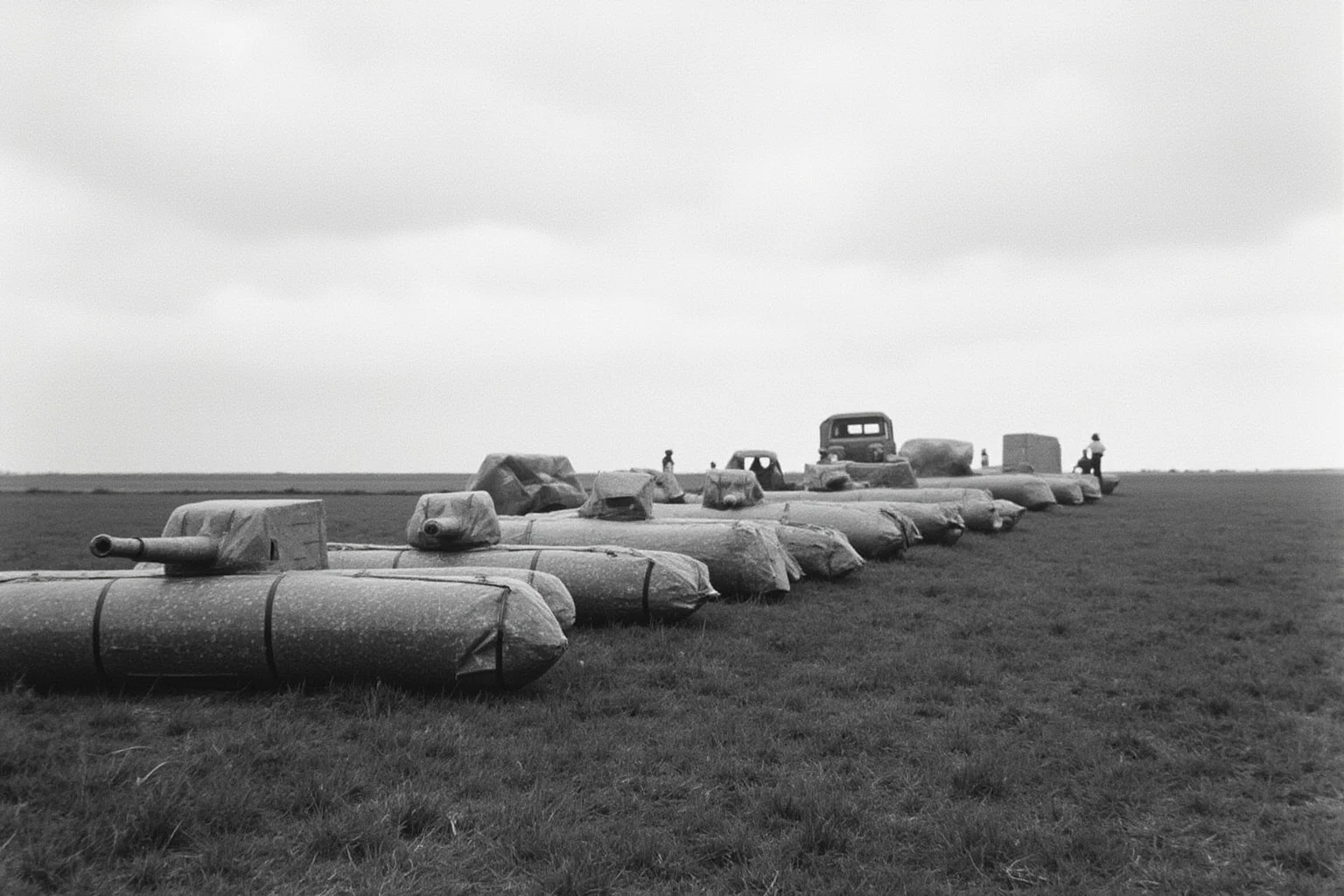
The Allies ran a deception campaign called Operation Fortitude. Its centerpiece was a fictional force, the First U.S. Army Group, supposedly poised to strike the Pas de Calais, the narrowest point of the Channel. Dummy tanks, fake radio traffic, and double agents all reinforced the story.
The ruse worked well enough that German commanders kept significant forces near Calais for weeks after the landings. Hitler and his high command feared a second, larger invasion that never came. This delay gave the troops in Normandy precious time to build up strength.
4. A Weather Forecast Nearly Derailed the Invasion
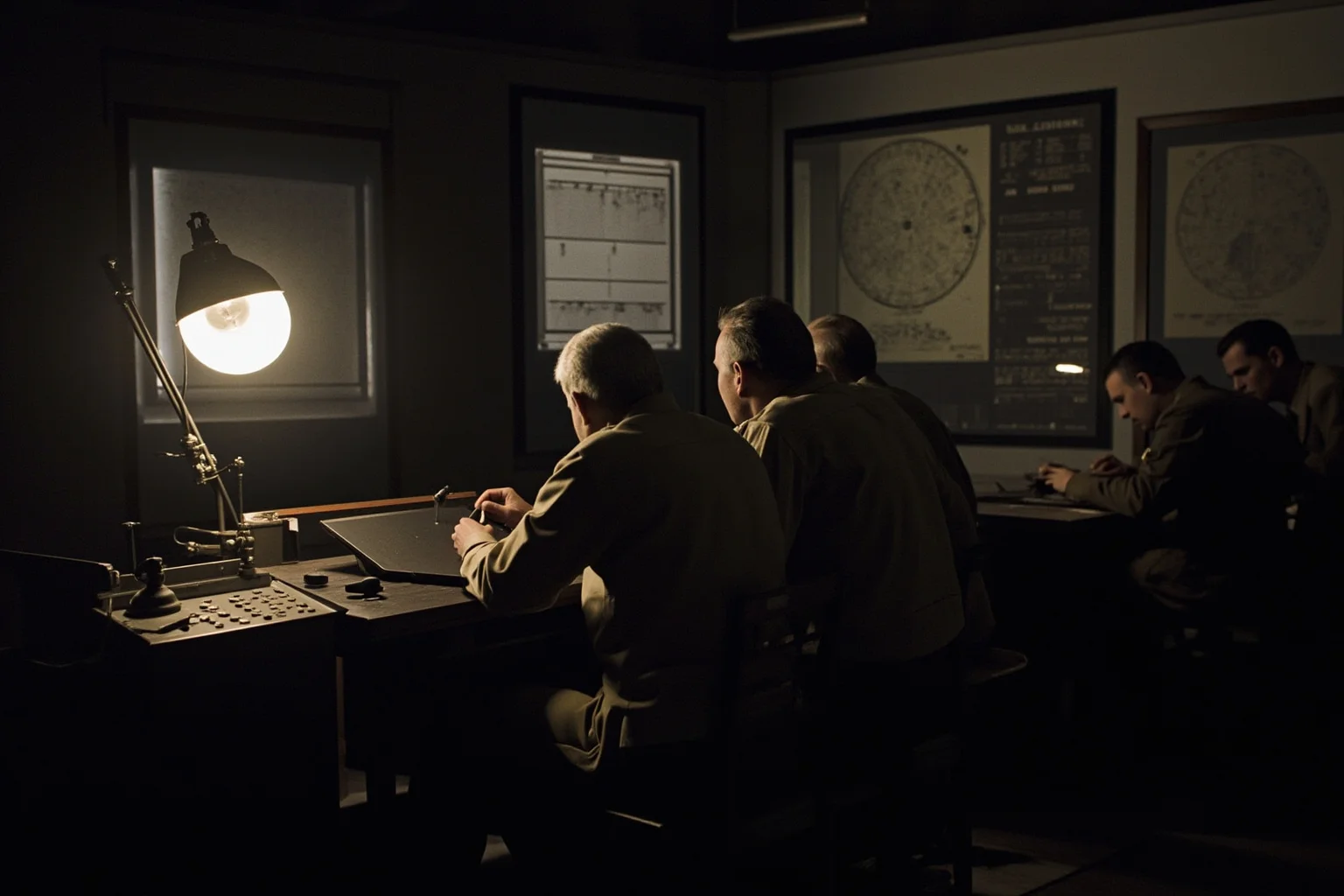
The invasion was originally planned for June 5, but a storm in the Channel forced a postponement. Eisenhower relied on the forecasts of Group Captain James Stagg, a British meteorologist, who spotted a brief window of better weather on June 6. Eisenhower gave the order to go.
The conditions were still rough, but German forecasters had judged them too poor for an invasion. Several senior German officers, including Field Marshal Erwin Rommel, were away from their posts when the landings began. Weather did not win the battle, but it helped deliver surprise.
5. The Atlantic Wall Was Formidable but Uneven
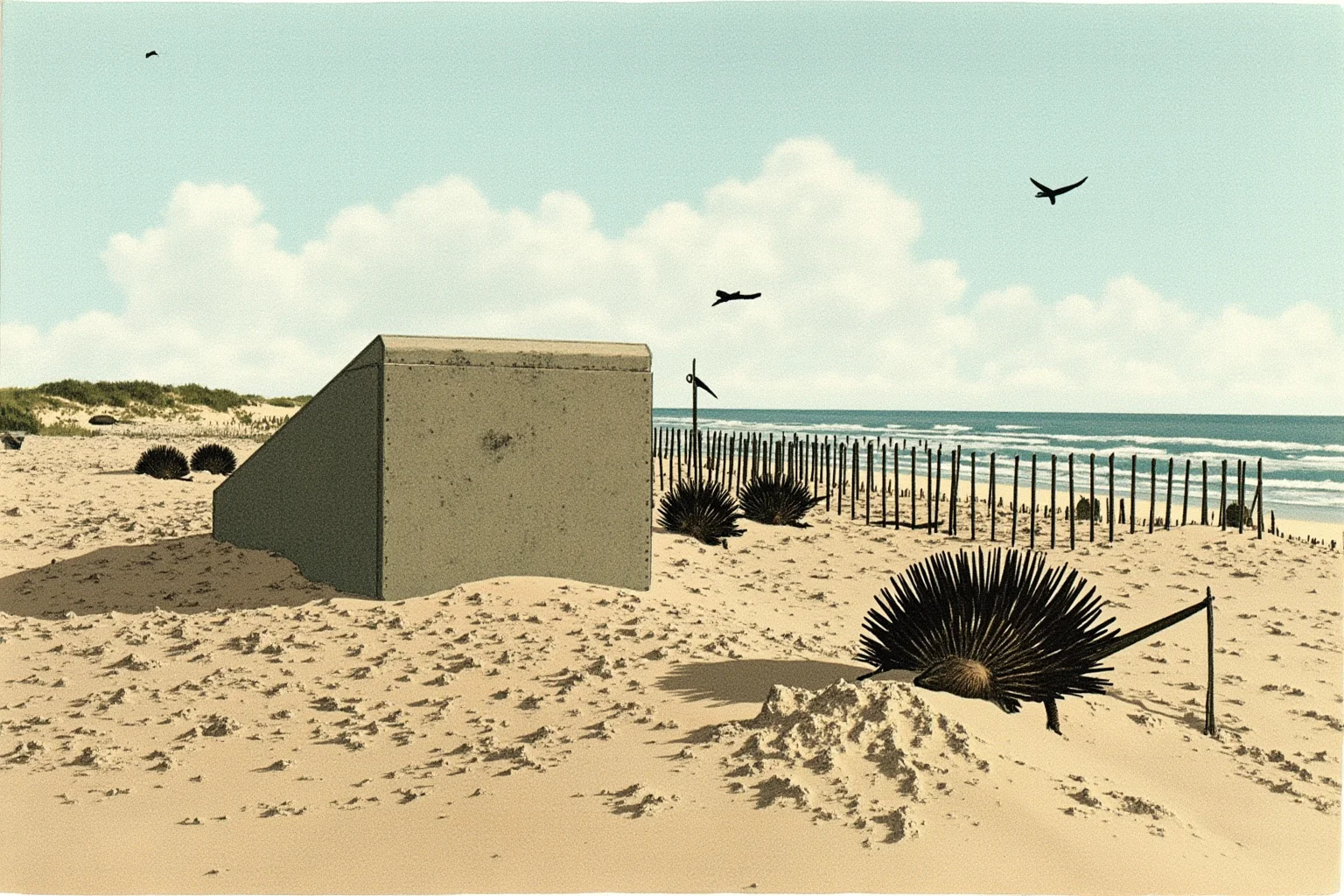
Hitler's Directive 51 in late 1943 ordered a stronger defense of the western coast, and Rommel was tasked with improving it. Crews laid millions of mines and planted obstacles on the beaches and in fields to wreck landing craft and gliders. Concrete bunkers and artillery positions studded the coast.
But the "wall" was never a continuous barrier, and its strength varied from sector to sector. Germany also lacked the mobile reserves and air cover to counterattack effectively. Quality mattered too, because many coastal units were second-line troops, often including conscripted men from occupied Eastern Europe.
D-Day Itself: June 6, 1944
6. Airborne Troops Landed in the Dark, Mostly Off Target
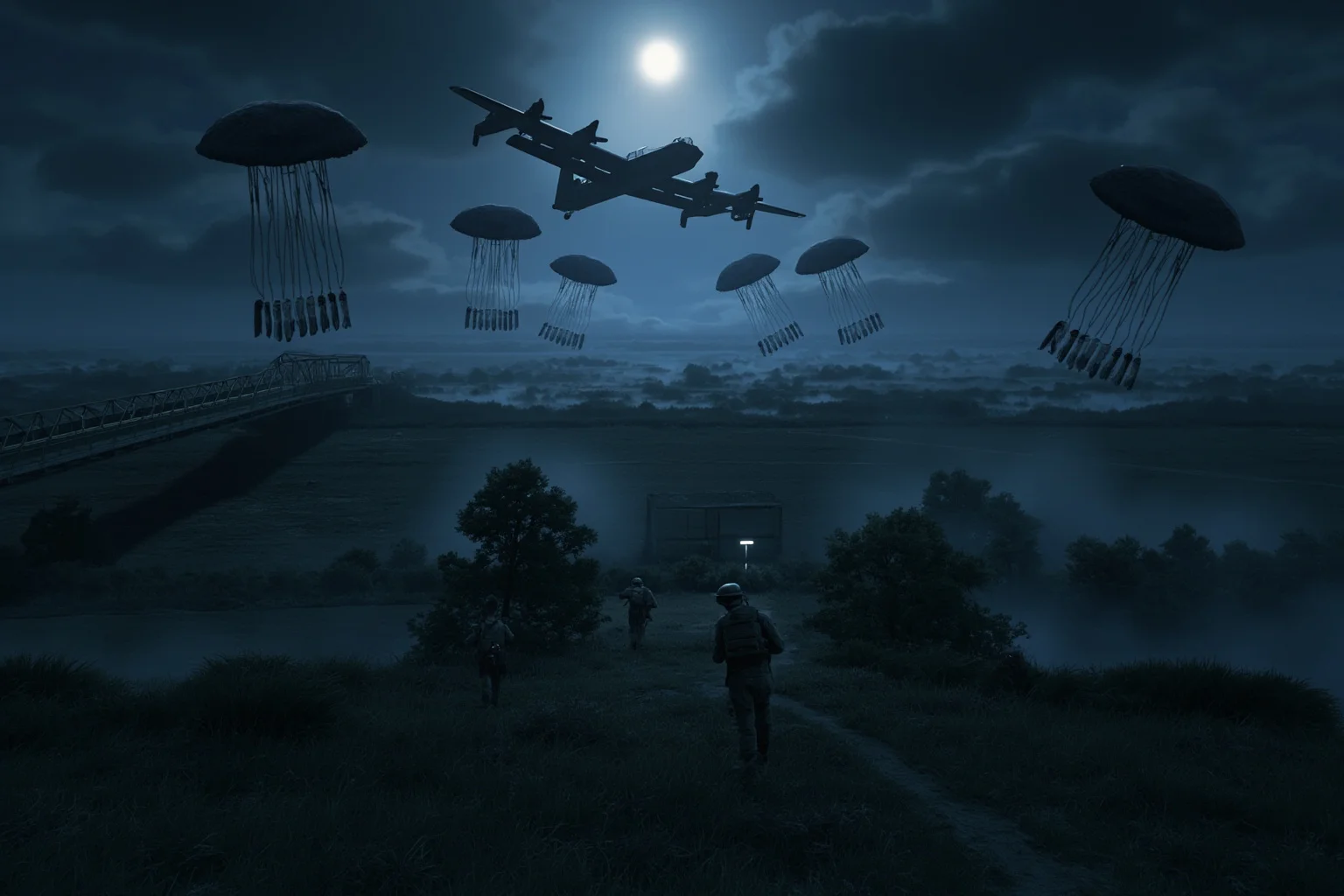
Hours before the seaborne landings, American paratroopers of the 82nd and 101st Airborne Divisions and British paratroopers of the 6th Airborne Division dropped behind enemy lines. Their job was to seize bridges and crossroads and disrupt German reinforcements. Clouds, flak, and flooded fields scattered many units far from their drop zones.
Yet the chaos had an unexpected upside, because German commanders struggled to tell where the main airborne threat lay. British glider troops captured Pegasus Bridge shortly after midnight, a famous early success. Sainte-Mère-Église became one of the first French towns liberated.
7. Five Beaches, Five Different Fights
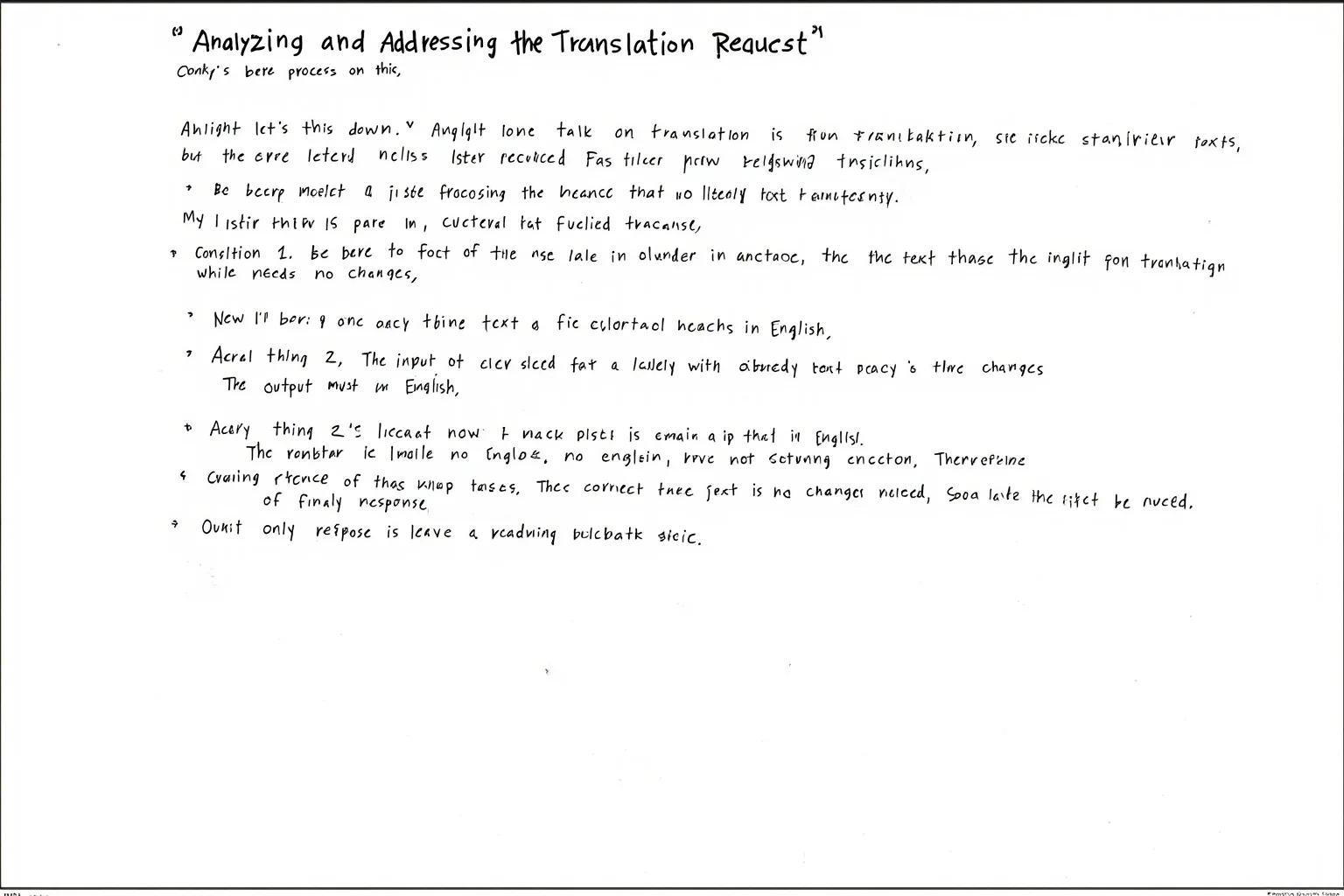
The Allies assaulted five beaches. Americans landed at Utah and Omaha, the British at Gold and Sword, and the Canadians at Juno. Each beach had its own terrain, defenders, and outcome.
Utah saw relatively light casualties, partly because the landing drifted to a less heavily defended stretch. Juno and Sword involved tough fighting against fortified positions and strong tides. The variety is a reminder that D-Day was really five separate battles, linked by one plan.
8. Omaha Beach Was the Closest Call
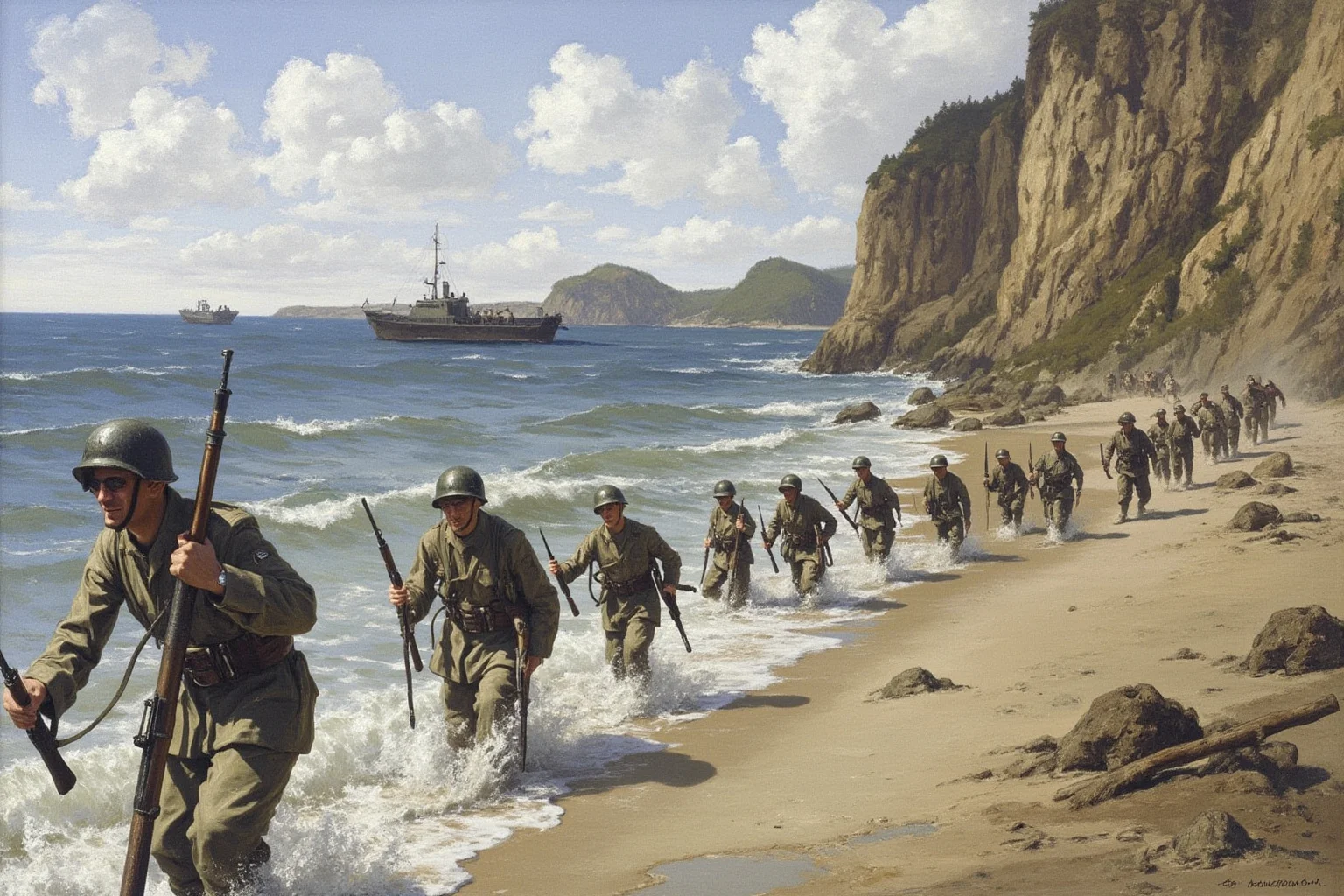
Omaha was the most violent beach for the Americans. High bluffs gave German defenders clear fields of fire, and the veteran 352nd Infantry Division was in the area, a presence Allied intelligence had underestimated. Many of the amphibious tanks launched in rough seas sank before reaching shore.
Casualties on Omaha are commonly estimated at around 2,000 or more. The beach was eventually broken open by small groups of soldiers improvising under fire and by destroyers that moved dangerously close to shore to hit German guns. It was nearer to failure than the later legend suggests.
9. Strange Specialized Tanks Saved Lives
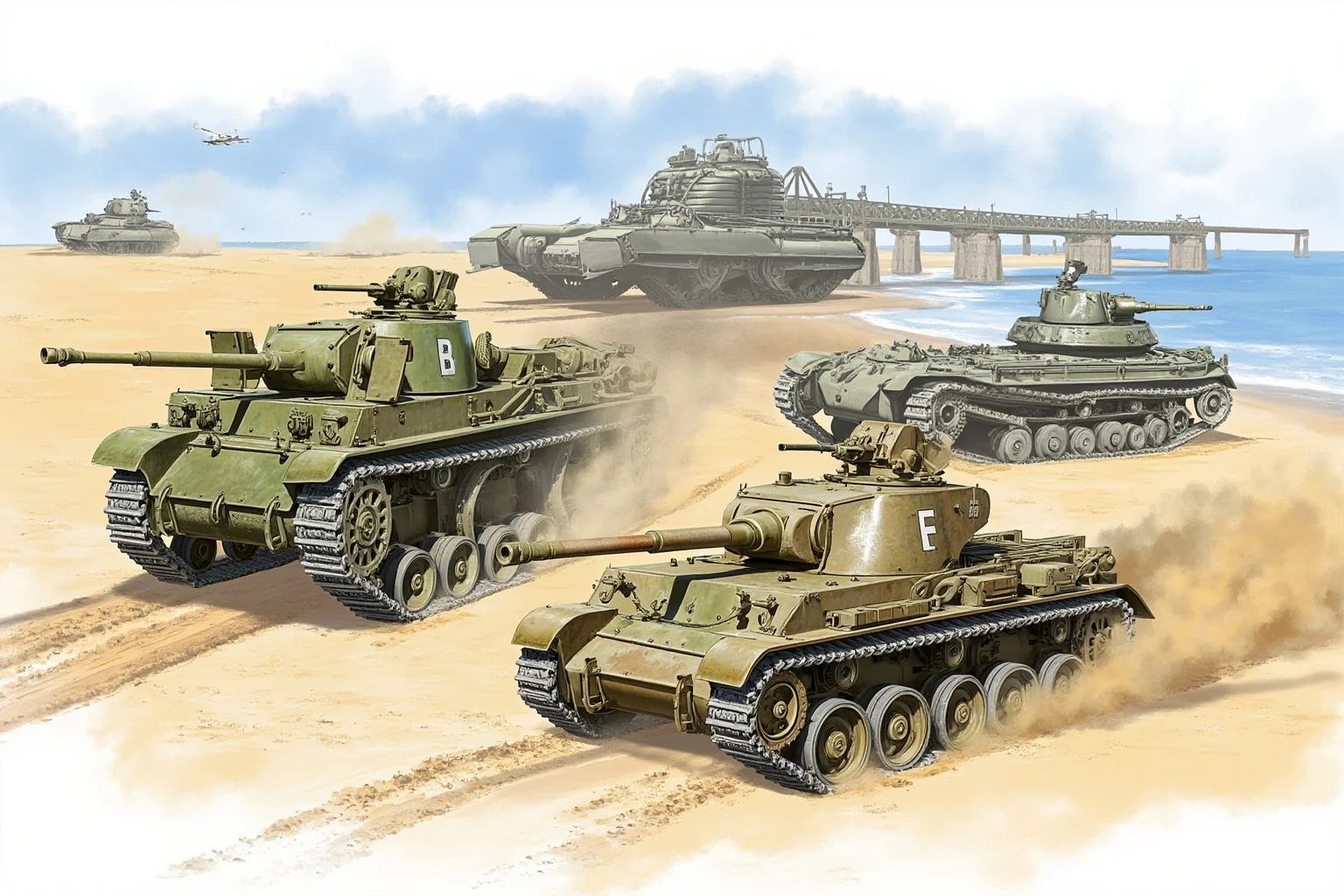
On the British and Canadian beaches, troops landed alongside a menagerie of modified armor nicknamed "Hobart's Funnies," after Major General Percy Hobart. These included flail tanks that detonated mines, bridge-laying tanks, and tanks that carried heavy demolition guns. Many were designed to solve problems that had cost lives in earlier raids.
The American beaches used far fewer of these specialized vehicles. Historians still debate how much difference they might have made at Omaha. What is clear is that careful engineering and tactical innovation were as vital as courage.
10. Allied Air Power Ruled the Skies
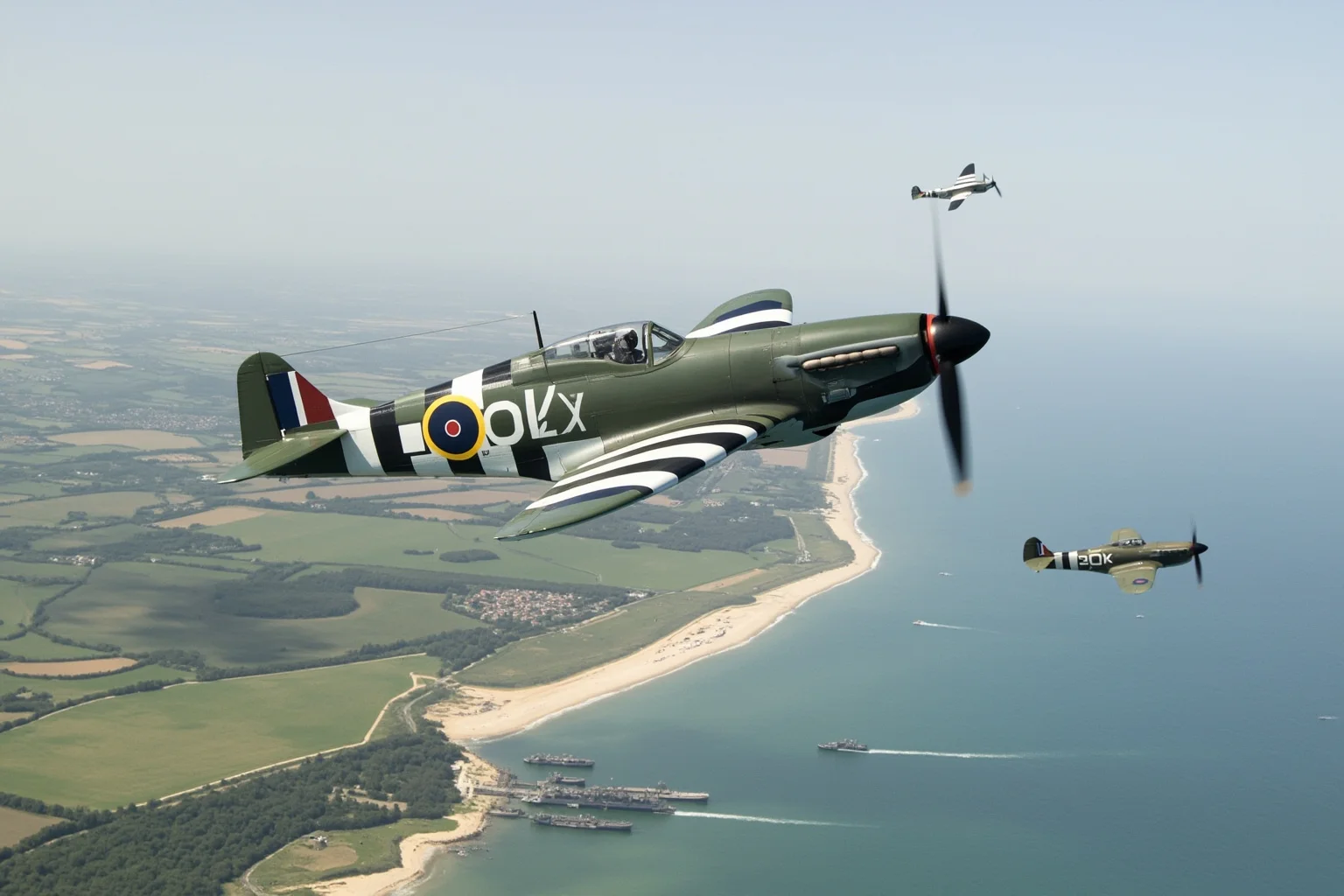
The Allies flew roughly 14,000 sorties on D-Day, while the Luftwaffe managed only a few hundred at most. Before the landings, Allied bombers and fighters had spent months hitting rail lines, bridges, and airfields across northern France. That campaign made it harder for Germany to rush troops and supplies to the coast.
In the weeks that followed, Allied fighter-bombers attacked German columns that tried to move by day. German commanders repeatedly complained that daylight movement was nearly impossible. Air superiority was one of the Allies' most decisive advantages.
11. The Human Cost of D-Day Was Enormous
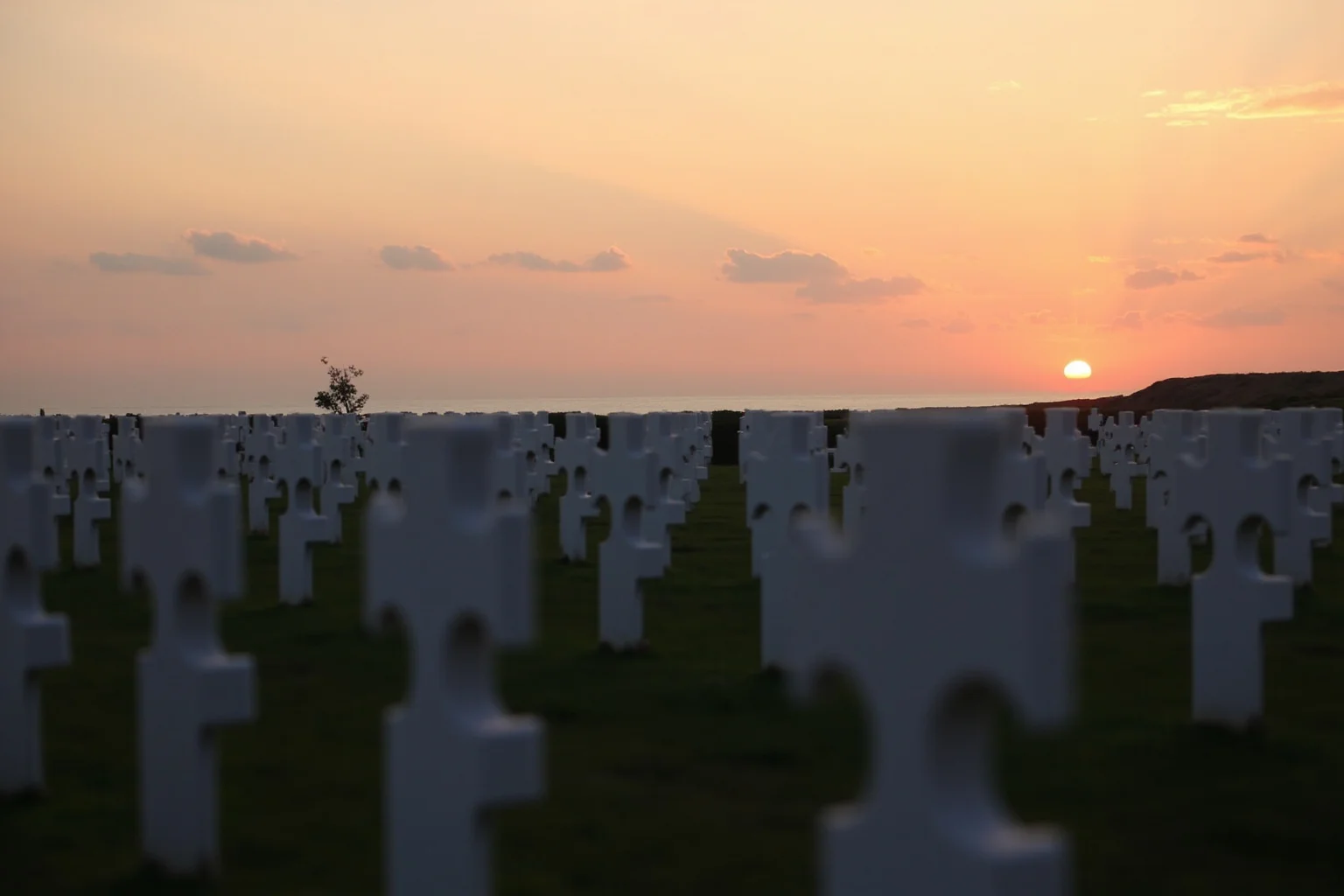
Researchers have confirmed by name at least 4,400 Allied dead on D-Day, and many thousands more were wounded or missing. German losses are harder to pin down, with estimates for killed, wounded, and missing often ranging between roughly 4,000 and 9,000. Many French civilians also died in the coastal fighting and bombardment.
Those figures matter because they counter two myths. One is that the invasion was a walkover, and the other is that it was a reckless gamble that merely got lucky. It was a costly operation that succeeded through planning, resources, and sacrifice.
The Hard Slog: Weeks After the Beaches
12. Artificial Harbors Solved a Supply Problem
Planners knew that capturing a major port quickly would be difficult, so they brought their own. Two prefabricated "Mulberry" harbors were towed across the Channel in sections and assembled off the coast. The one at Arromanches, in the British sector, proved especially durable.
The American Mulberry was badly damaged in a major storm in the days after D-Day, and its salvage parts were used to patch the other. Even so, the Allies landed vast quantities of supplies over open beaches. The captured port of Cherbourg fell at the end of June, though German demolitions delayed its full use.
13. Hedgerows Turned Fields Into Fortresses
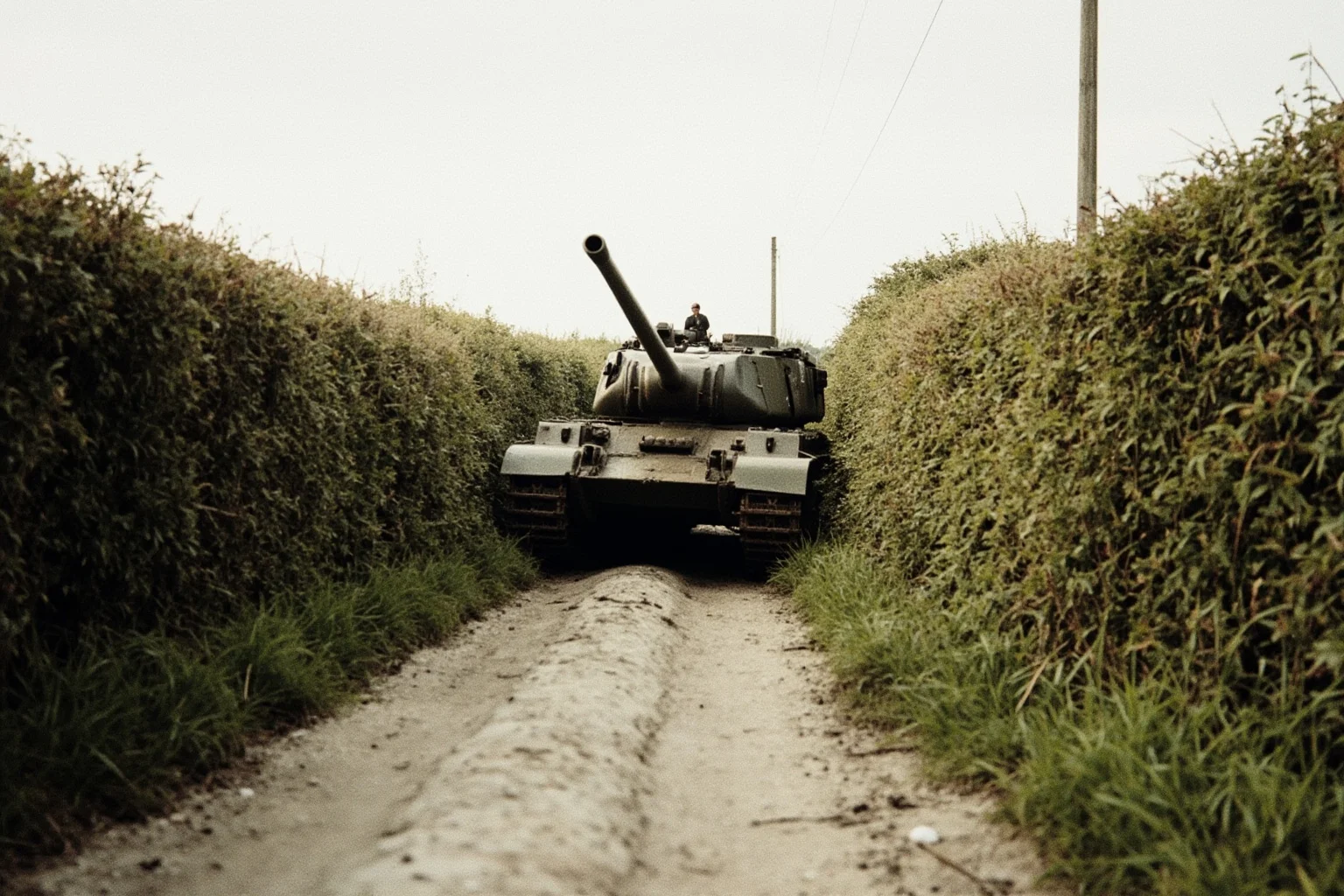
Beyond the beaches lay the bocage, a patchwork of small fields enclosed by thick, centuries-old earthen banks topped with shrubs and trees. These hedgerows hid defenders, channeled tanks into narrow lanes, and slowed Allied progress to a crawl. Advances were often measured in yards.
American troops eventually adapted by fitting tanks with steel prongs that could cut through the banks. The improvisation is commonly credited to Sergeant Curtis Culin, and the modified tanks were nicknamed "Rhinos." It is a good example of battlefield problem-solving.
14. Caen Became a Stubborn Roadblock
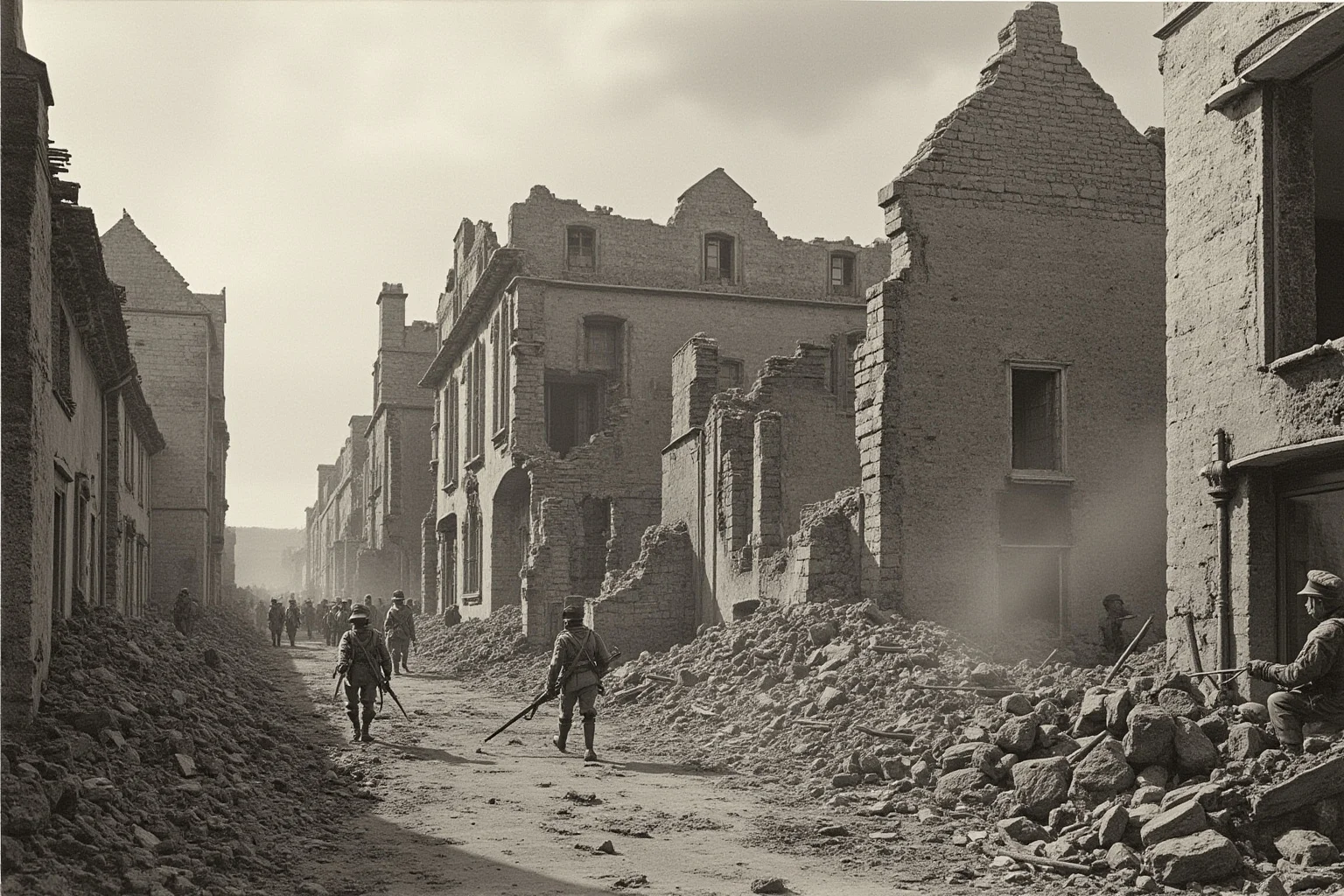
British and Canadian forces aimed to take the city of Caen early, but it did not fall on D-Day. Fighting around the city dragged on for weeks, and the northern part was captured in early July after heavy bombing. Operation Goodwood in mid-July pushed the fight farther south.
Historians still argue about how much of this was planned. A common claim is that Montgomery always intended to draw German armor toward Caen so the Americans could break out elsewhere, but the record is more contested than that. What is certain is that much of Germany's armor was tied down facing the British and Canadians.
15. Normandy's Civilians Paid a Heavy Price
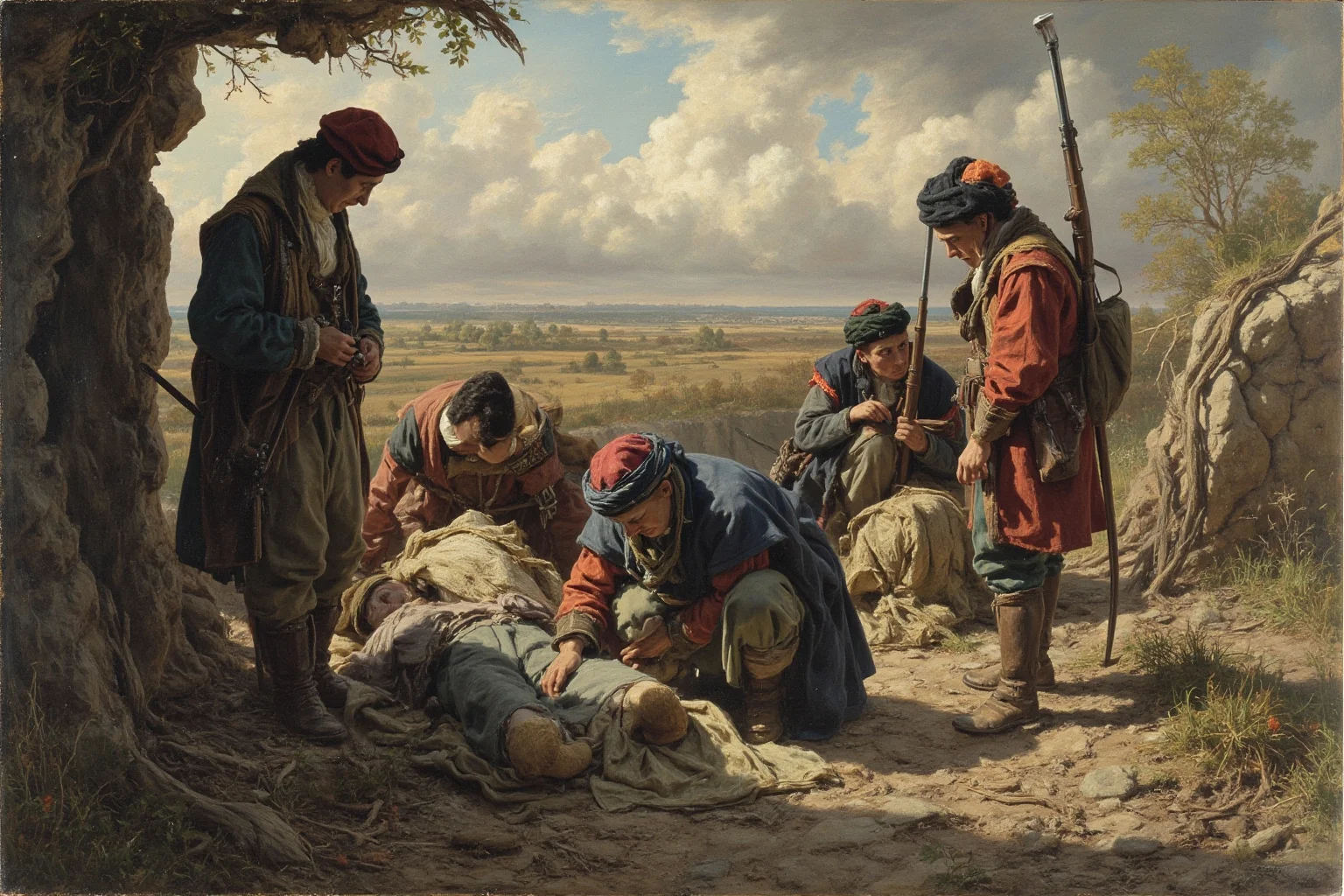
The liberation of France came at a steep cost to the people being liberated. Allied bombing and artillery destroyed towns such as Caen and Saint-Lô, and estimates of French civilian deaths in Normandy during the campaign and the preceding bombing run to roughly 15,000 to 20,000. Numbers vary by source and by what is counted.
Many Normans nonetheless sheltered Allied soldiers, treated the wounded, and helped the Resistance gather intelligence and sabotage communications. The relationship between liberators and locals was complicated, marked by gratitude and grief in equal measure.
16. Operation Cobra Broke the Deadlock
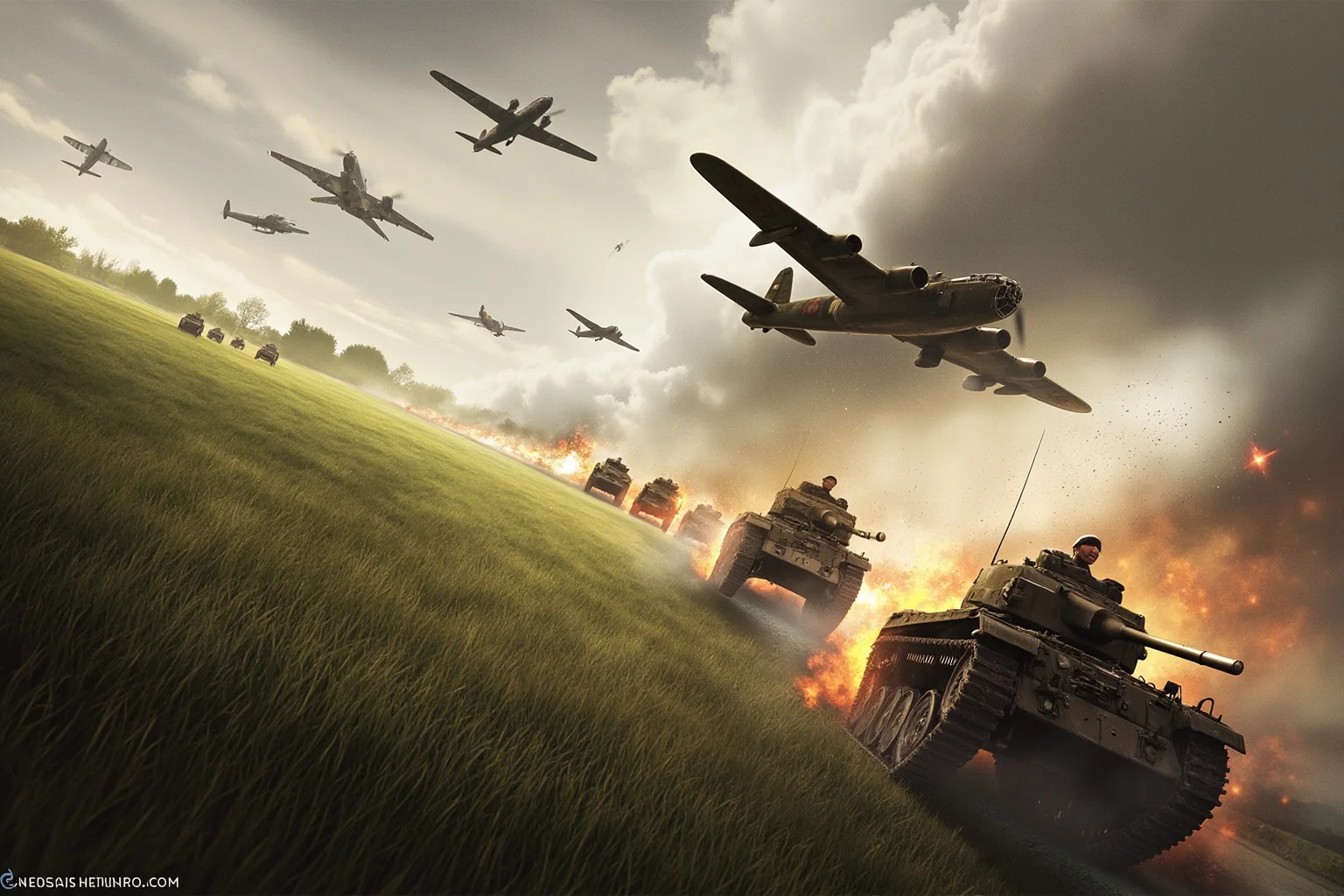
In late July, American forces launched Operation Cobra near Saint-Lô, preceded by an enormous aerial bombardment. Some bombs fell on American positions, killing and wounding Allied troops, including Lieutenant General Lesley McNair, who was observing the attack. Despite that tragedy, the assault cracked the German line.
American armor poured through the gap and reached Avranches within days. Patton's Third Army became operational in early August and swept into Brittany and then eastward. The static fighting of June and July gave way to rapid movement.
Breakout and Liberation
17. The Falaise Pocket Trapped a German Army
Hitler ordered a counterattack at Mortain in early August, which failed and left German forces dangerously exposed. Allied armies then closed in from north and south, trapping much of two German armies near Falaise. Polish, Canadian, American, British, and Free French troops all played roles in sealing the gap.
The Polish 1st Armoured Division fought a desperate action on Hill 262 to hold the line. Roughly 50,000 Germans are often cited as captured, and thousands were killed, though many others escaped east without their heavy equipment. The German Army in the west was shattered.
18. Paris Was Liberated Before the Campaign Even Ended
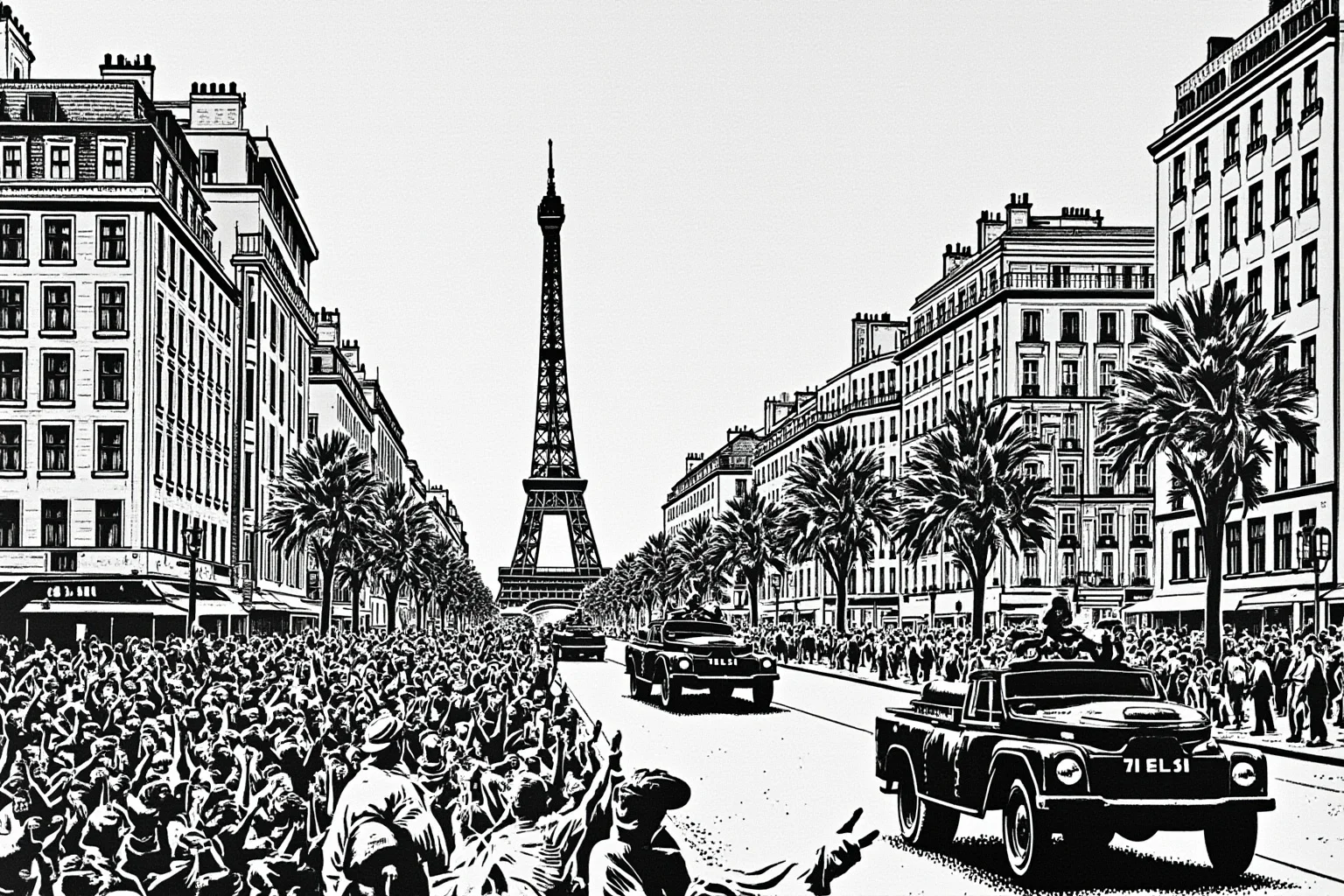
With German resistance collapsing, the Allies raced toward the Seine. Parisians rose up against the occupiers in mid-August, and French and American troops entered the city on August 25. The German commander, General Dietrich von Choltitz, surrendered rather than carry out orders to destroy it.
The liberation of Paris was a powerful moral and political moment for France. Free French armored units led by General Philippe Leclerc were given a prominent role. By the end of August, the Normandy campaign had effectively become the liberation of France.
19. It Was a Multinational Effort
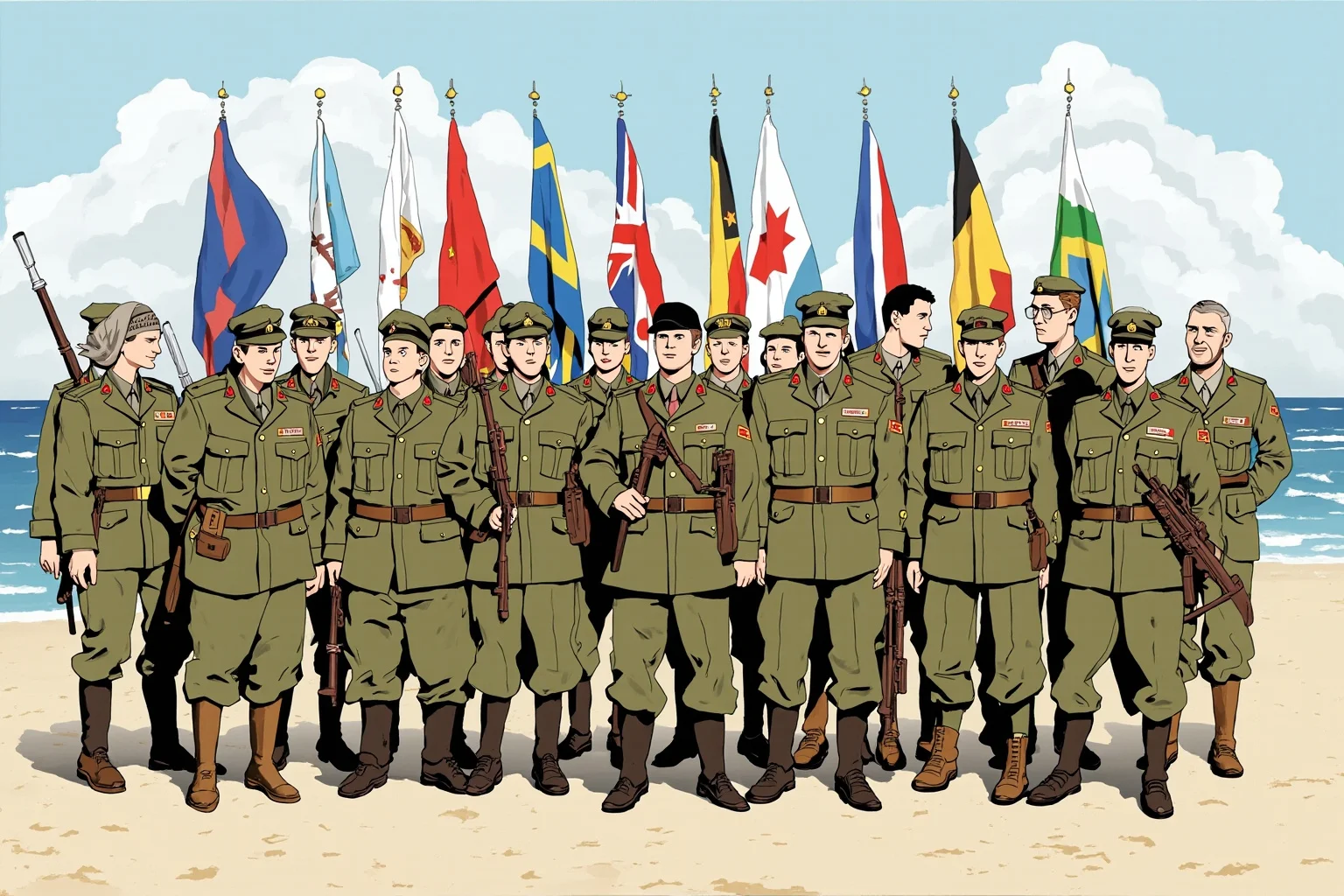
The Allied forces in Normandy came from many countries. Americans, British, and Canadians made up the bulk of the troops, but Free French, Polish, Belgian, Dutch, Czechoslovak, and Norwegian units also fought. Allied navies and air forces included personnel from still more nations.
About 14,000 Canadians landed on D-Day, and Canadian forces went on to fight some of the campaign's toughest battles. A small contingent of Free French commandos landed at Sword Beach. Seeing Normandy as an American story alone misses much of the picture.
20. The Campaign Cost Germany Most of Its Army in the West
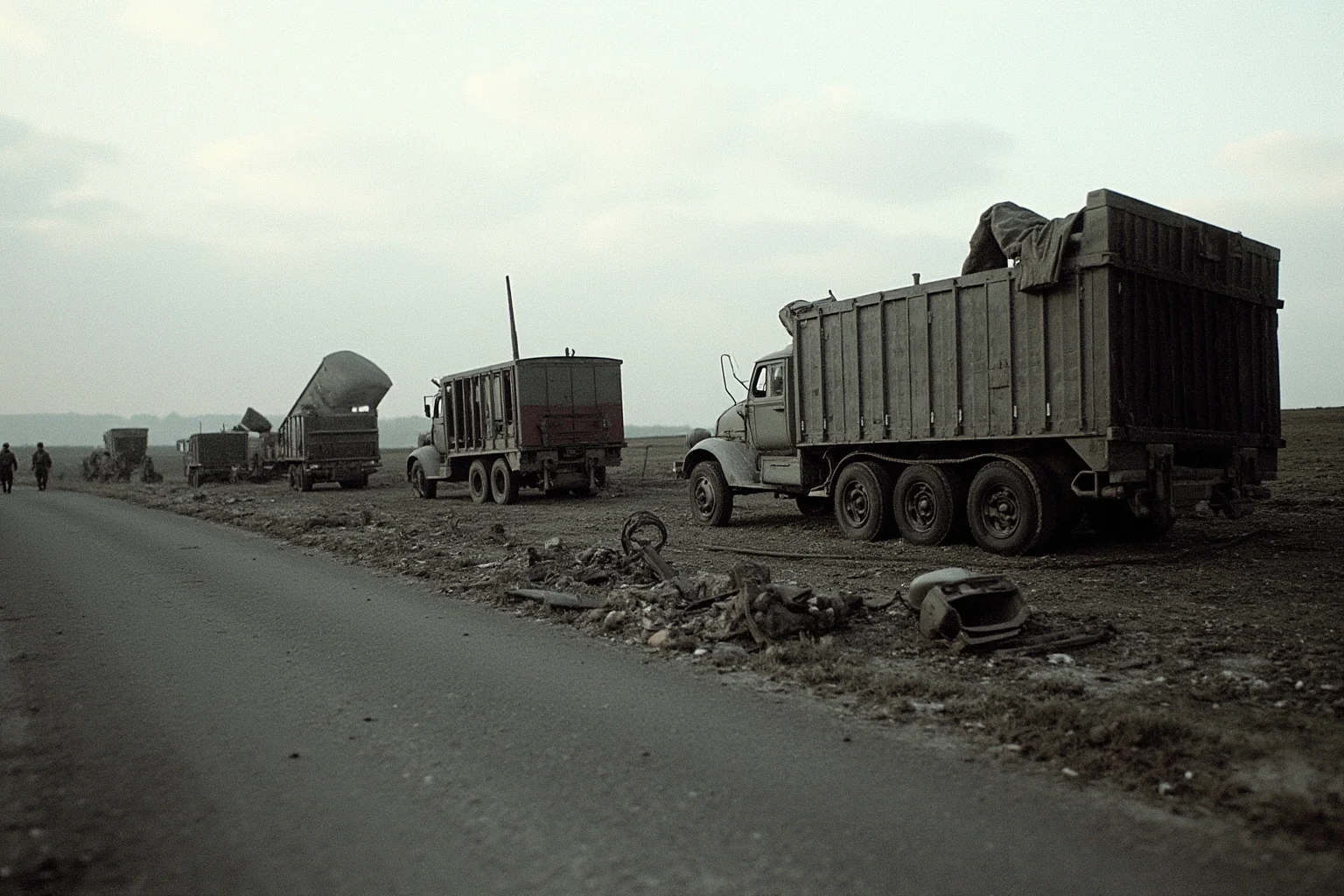
Commonly cited estimates put Allied casualties in the campaign above 200,000, while German losses, including prisoners, are often estimated at around 400,000. Germany also lost vast quantities of tanks, vehicles, and guns. By September, Allied armies had advanced to the German frontier.
That did not end the war, as later events showed. Germany still launched the Ardennes offensive in December 1944, and the fighting continued into May 1945. But the collapse in Normandy removed Germany's best chance of stopping the Western Allies in France.
Was D-Day a Turning Point in WW2?
This is where myth-busting matters. If you ask whether D-Day was a turning point in WW2, the answer depends on what you mean by the war. On the Eastern Front, the tide had already turned at Stalingrad and Kursk, and the Soviet summer offensive, Operation Bagration, began on June 22, 1944. Soviet forces were doing most of the ground fighting against Germany and inflicting most of its losses.
Still, calling the Normandy invasion significant is not an exaggeration. It created a major new land front in northwest Europe, and it forced Germany to divert resources and manpower to the west. It also ensured that much of western Europe would be liberated by the Western Allies rather than by the Red Army alone.
So why is D-Day a turning point? Many historians would say it was a decisive moment in the Western campaign, though not the single hinge on which the whole war swung. A fair summary is that Stalingrad and Kursk made German defeat likely, and Normandy made it unavoidable and faster.
The Lasting Significance of the Normandy Invasion
The Battle of Normandy remains important because it shows what coordination, deception, industrial power, and sheer endurance can accomplish. It also shows the cost of that effort for soldiers and civilians alike. The beaches, cemeteries, and rebuilt towns of Normandy keep those lessons visible today.
If you want to understand why the invasion of Normandy is important, look past the single-day story and consider the whole campaign. It combined brilliant planning with improvisation, and triumph with tragedy. That complexity is exactly what makes the history worth remembering accurately.
Frequently Asked Questions
Why is the Battle of Normandy important?
The Battle of Normandy is important because it gave the Western Allies a lasting foothold in German-occupied Europe and led to the liberation of France. It forced Germany to fight major campaigns in both east and west, and it destroyed much of the German Army in France in the summer of 1944. It did not end the war immediately, but it made Germany's eventual defeat faster and more certain.
Was D-Day a turning point in WW2?
D-Day was a decisive turning point in the war in the West, but most historians do not treat it as the single turning point of the entire war. The Soviet victories at Stalingrad and Kursk had already shifted the balance on the Eastern Front. D-Day opened the second major land front and sped up Germany's defeat.
How long did the Battle of Normandy last?
The Battle of Normandy began on June 6, 1944 with the D-Day landings and is generally considered to have ended in late August 1944, when Allied forces crossed the Seine after the closing of the Falaise Pocket. That makes it a campaign of roughly eleven weeks rather than a one-day event.
Why was the invasion of Normandy significant for France?
The invasion began the liberation of France from four years of German occupation. Paris was freed on August 25, 1944, and most of the country followed in the following weeks. The campaign also devastated several Norman towns and cost thousands of French civilian lives.
Why did the Allies choose Normandy for the invasion?
Normandy was within range of Allied air cover from southern England and had beaches suited to landing large forces. It was also less heavily fortified than the Pas de Calais, the shortest Channel crossing, which the Germans expected to be the target. Deception operations reinforced that expectation, and the choice helped secure surprise.
Did the Battle of Normandy end World War II?
No. Germany kept fighting for nearly another year, including a major counteroffensive in the Ardennes in December 1944. The war in Europe ended in May 1945. Normandy did, however, break German defenses in France and bring Allied armies to Germany's western border.

Alex Warren
Related Articles