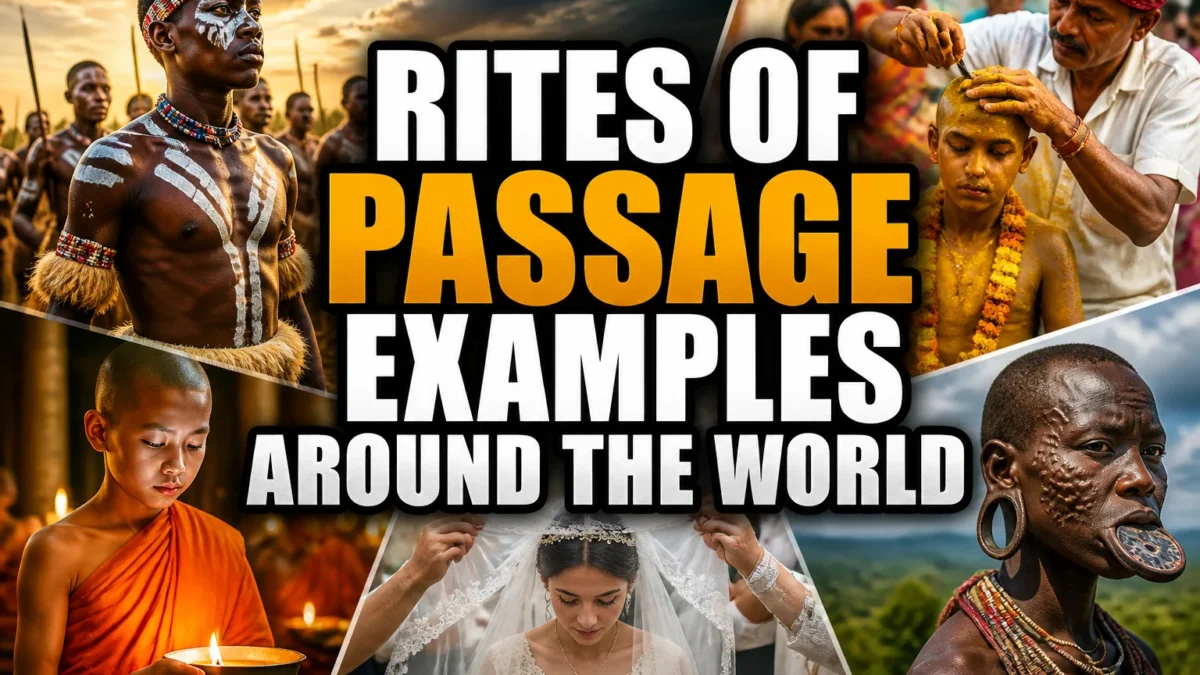
Every society has to answer an awkward question: when does a child become an adult? Some answer with a birthday, some with a legal threshold, and many with a ritual that makes the change feel real.
This guide walks through 20 rites of passage examples, from candlelit ballrooms to gloves full of ants. Along the way we'll bust a few myths, because much of what circulates online about coming of age rituals around the world is oversimplified.
TL;DR: Coming of age traditions around the world differ wildly in style, but nearly all of them mark a ritual initiation into adulthood by separating a young person from childhood and welcoming them back with new responsibilities.
What Is a Rite of Passage, Really?
The term comes from the French ethnographer Arnold van Gennep, who published Les rites de passage in 1909. He argued that rituals marking a change in status tend to follow three phases: separation from the old role, a transitional "in-between" stage, and incorporation into the new role. Nearly every example below fits that pattern, even when the details look nothing alike.
A pubertal rite of passage is one tied to the years of physical and social maturation. Myth alert: these ceremonies don't always happen at puberty, and they rarely celebrate biology alone. Most mark social readiness, such as the ability to marry, fight, farm, study scripture, or take on community duties.
Common rites of passage across cultures also include birth rituals, weddings, and funerals. Here we focus on the ritual marking initiation into adulthood, because it's the one that shows the widest range of human creativity. Names for a coming of age ceremony vary just as widely, from bar mitzvah to quinceañera to seijin shiki.
Religious and Spiritual Coming-of-Age Ceremonies
Faith traditions have been shaping cultural rites of passage for thousands of years. These three examples show how religious communities mark the moment a young person takes on adult spiritual duties.
1. Bar and Bat Mitzvah (Jewish Communities)
In Jewish tradition, "bar mitzvah" means "son of the commandment," and "bat mitzvah" means "daughter of the commandment." Boys traditionally reach this status at 13, and girls at 12 or 13 depending on the community. A young person is considered responsible for fulfilling religious commandments from that age.
A popular myth is that the party makes someone a bar or bat mitzvah. In fact, the status arrives with the age, and the synagogue ceremony, often including reading from the Torah, is a custom built around it. The first widely noted American bat mitzvah was held in 1922, for Judith Kaplan, and the practice has since spread across many Jewish movements.
2. Confirmation (Christian Traditions)
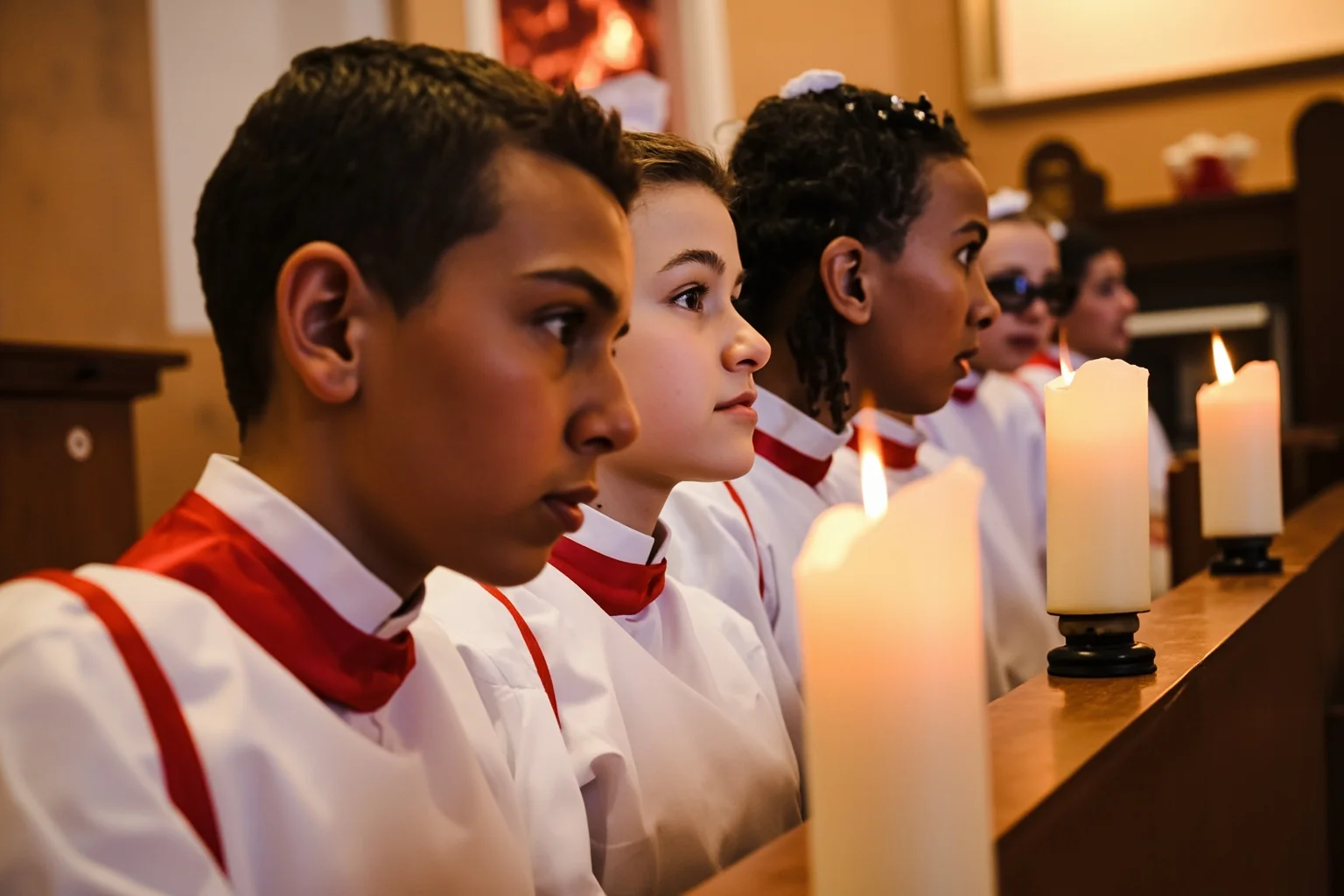
Confirmation is a rite in many Christian churches in which a young person affirms the faith that was declared on their behalf at infant baptism. In Catholic and many Protestant churches it often takes place in the early-to-mid teens, though the age varies by denomination and region. Candidates usually complete a period of instruction beforehand.
The details differ a great deal. In Orthodox churches, the equivalent rite (chrismation) usually happens at baptism rather than in adolescence. That's a good reminder that "coming of age" isn't always tied to age at all.
3. Upanayana (Hindu Sacred Thread Ceremony)
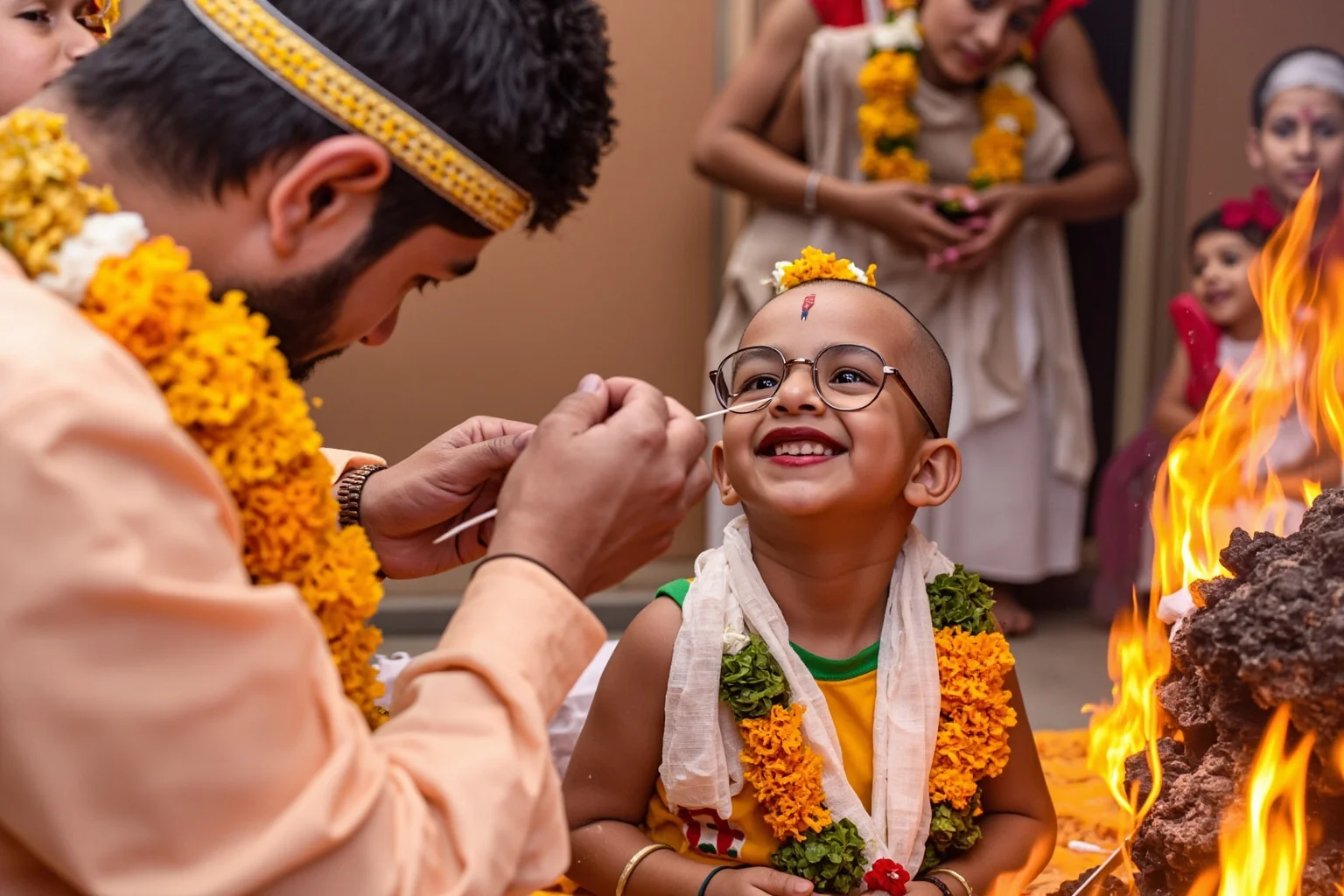
Upanayana is a Hindu ceremony in which a boy receives a sacred thread (yajnopavita) and is traditionally introduced to formal Vedic study under a teacher. Classical texts place it in childhood or early adolescence, and the ritual is often described as a "second birth." Many families still observe it today.
Historically, it was associated with the upper three social classes, and for centuries it was largely limited to boys. Some modern families and reform movements have extended versions of the ceremony to girls, so practice today is more varied than the textbook description suggests.
Historical and East Asian Coming-of-Age Traditions
Some of the best-documented coming of age traditions are tied to states and dynasties. These examples show how governments and elites once formalized adulthood, and how some of those customs survive as modern holidays.
4. Toga Virilis (Ancient Rome)

Roman boys from citizen families wore the border-striped toga praetexta as children. At some point in their mid-teens, often cited as 14 to 16, they swapped it for the plain toga virilis, the "toga of manhood." The change symbolized entry into civic life, including eventual military service and political participation.
The festival of Liberalia on March 17 was a popular date for the ceremony, though it wasn't the only option. Girls' transitions were generally tied to marriage rather than a single public ceremony, and sources on them are thinner, so historians are cautious about generalizing.
5. Gwallye (Joseon-Era Korea)
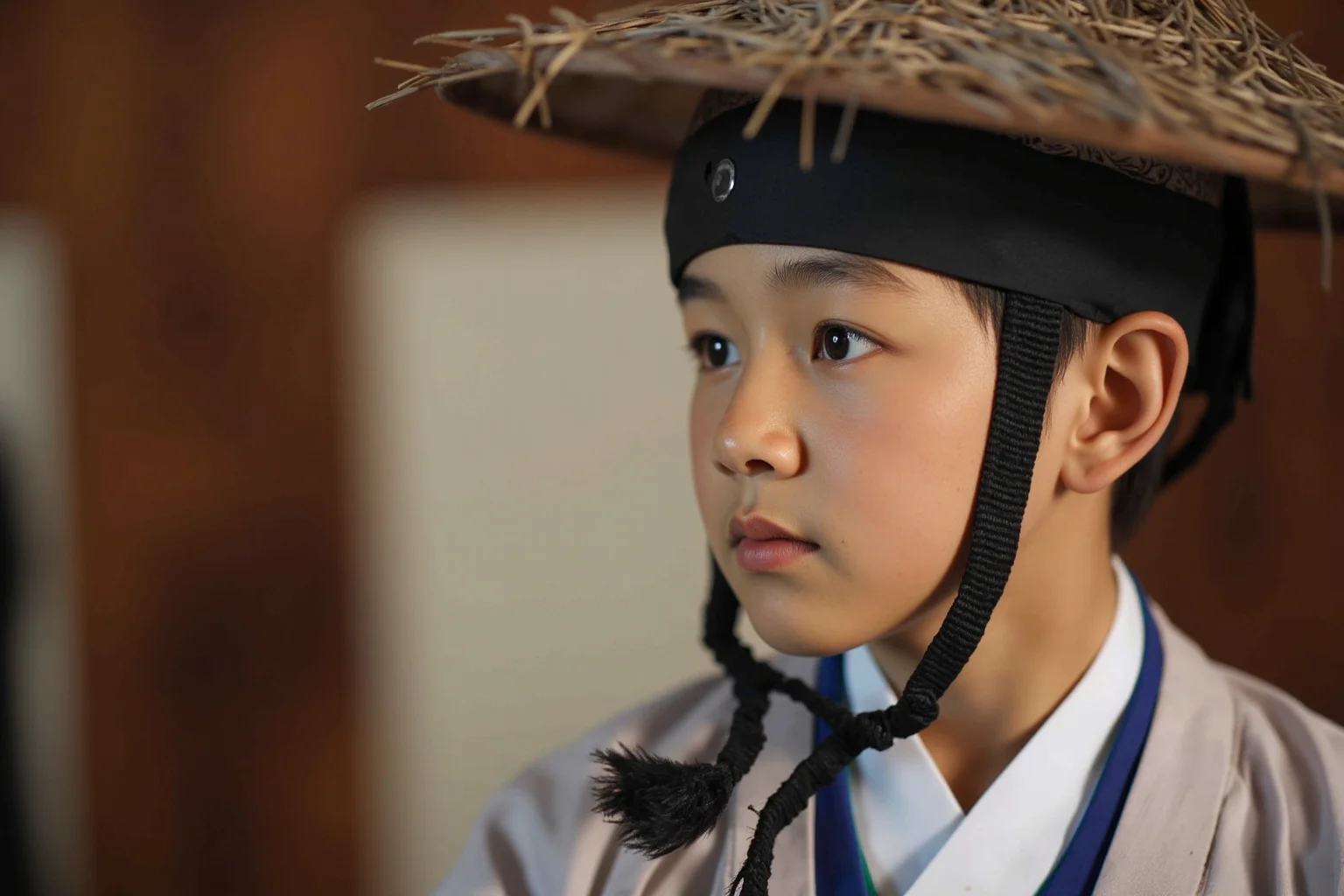
In traditional Korea, gwallye was a coming-of-age ceremony for boys, in which the hair was tied into a topknot and the young man was given a horsehair hat (gat). Girls had a parallel rite, gyerye, in which the hair was pinned up with a hairpin (binyeo). These rituals were strongly associated with the Confucian-influenced culture of the Joseon period.
Today, South Korea observes Coming-of-Age Day on the third Monday of May. Celebrations often include flowers, perfume, and symbolic gifts, and some groups stage reenactments of the older ceremonies.
6. Seijin no Hi (Japan)
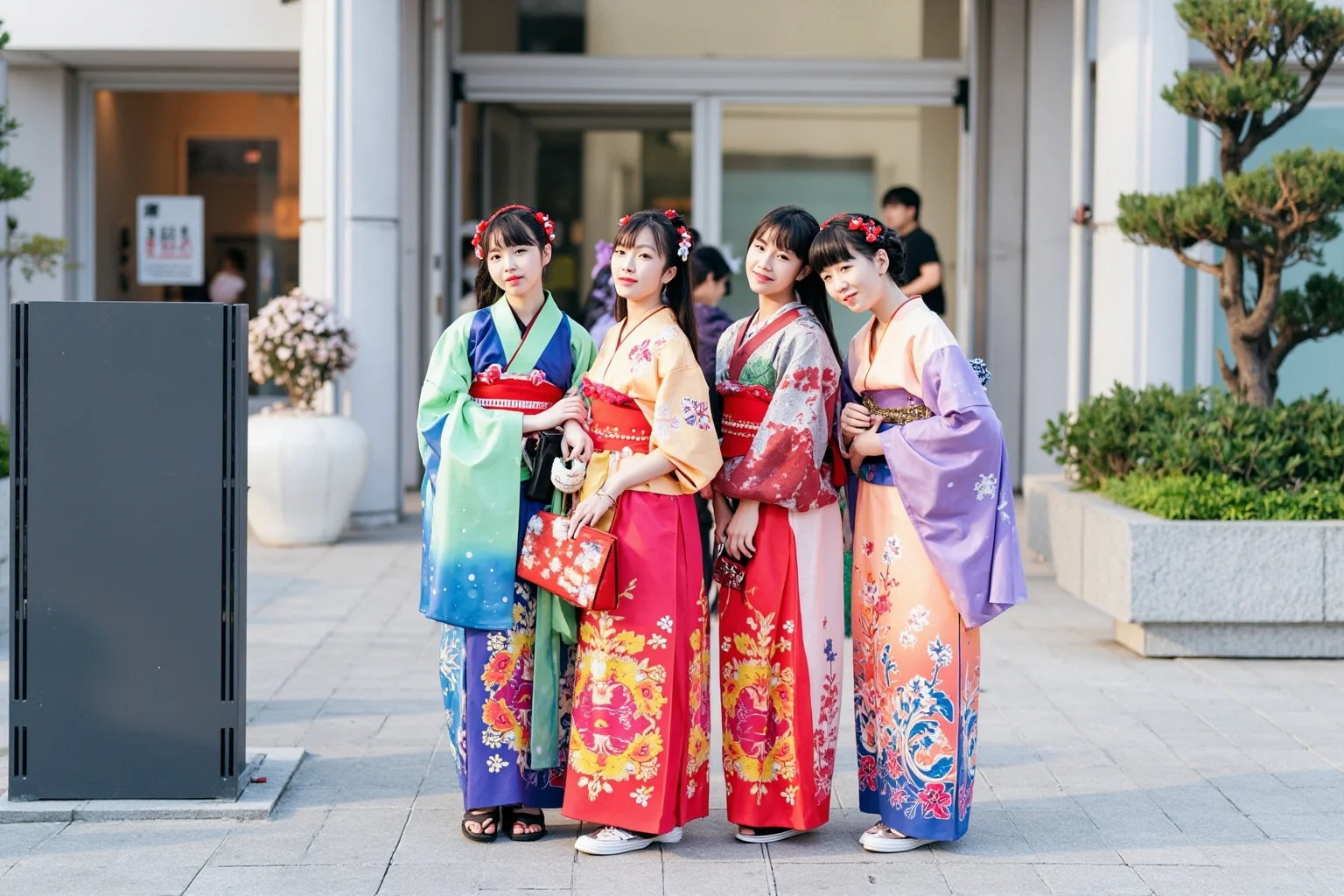
Japan's Coming of Age Day, Seijin no Hi, falls on the second Monday of January. Municipalities hold ceremonies for people who turn 20 within the relevant year, and many young women wear furisode, a formal long-sleeved kimono. The modern holiday traces back to a 1946 youth festival in Warabi, Saitama, and became a national holiday in 1948.
The legal age of adulthood in Japan was lowered to 18 in 2022, yet most towns kept the ceremony for 20-year-olds. It's a nice example of a ritual outliving the law that inspired it. Older Japanese customs, such as the samurai-era genpuku, also marked adulthood through changes in hairstyle and dress.
Coming of Age Parties: Birthdays as Rites of Passage
Some of the most visible coming of age parties are really birthday celebrations with extra meaning. They blend family tradition, religion, and a lot of fashion.
7. Quinceañera (Latin America and Latino Communities)
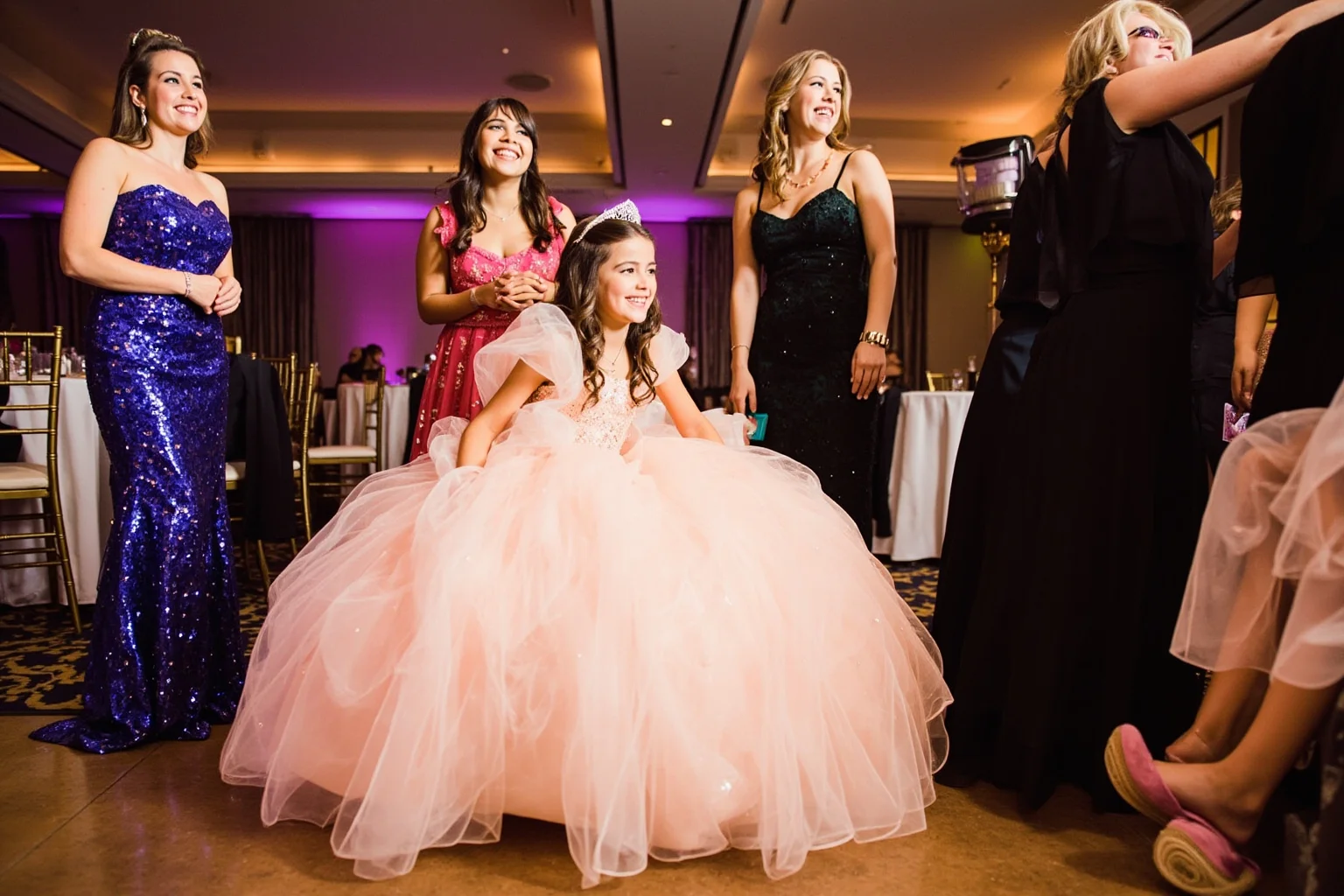
The quinceañera celebrates a girl's 15th birthday and is common across Latin America and in Latino communities in the United States. It often includes a Mass or blessing, a formal gown, a court of honor, and a choreographed waltz. Some families include symbolic moments, such as swapping flat shoes for heels.
Online you'll often read that the quinceañera descends directly from Aztec rites. Scholars debate its origins, and the modern form seems to owe at least as much to European court culture and Catholic practice, so treat any single-origin story with caution.
8. Sweet Sixteen (United States and Canada)
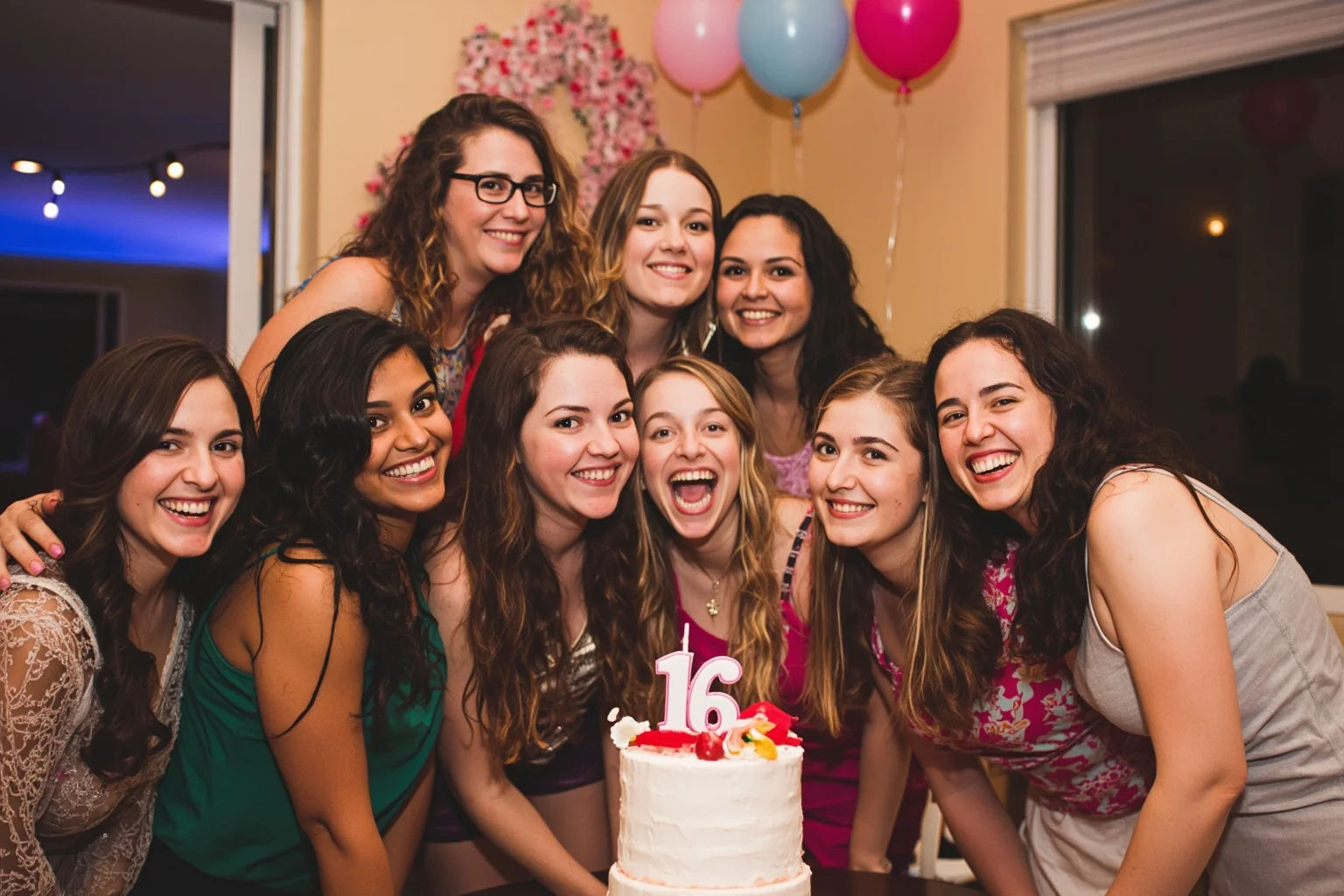
The Sweet Sixteen is a birthday celebration that signals the move toward adulthood, partly because 16 is a common age for driver's licenses and first jobs. Parties range from backyard gatherings to elaborate banquets. The idea has been around for generations, but its exact origins are unclear.
The lavish version gained fresh visibility from reality television in the mid-2000s, notably MTV's My Super Sweet 16. That's a reminder that many coming of age parties evolve with media and money, not just with ancient custom.
9. Debut (The Philippines)
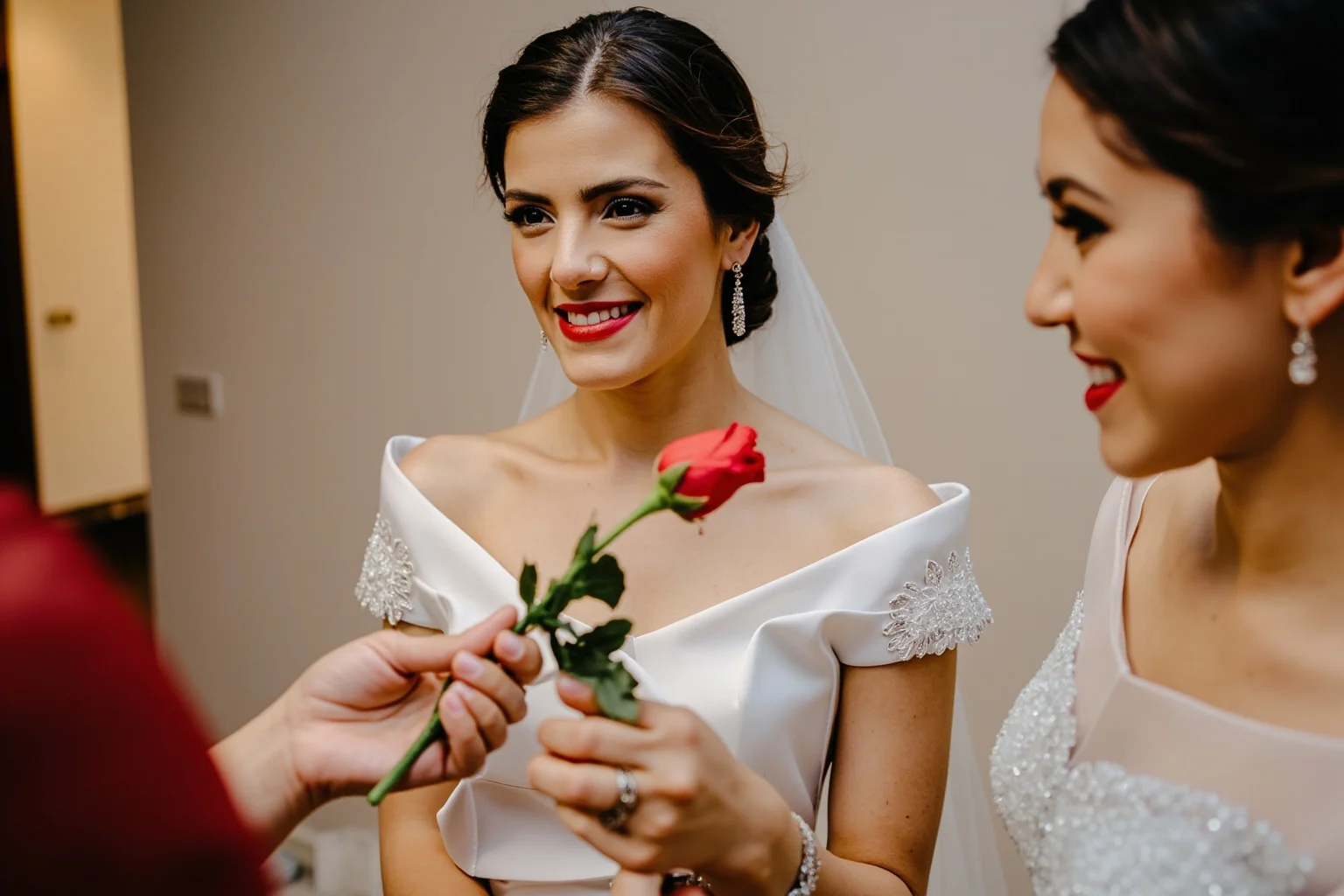
In the Philippines, the "debut" is a formal celebration of a young woman's 18th birthday. A well-known format features "18 roses," in which 18 significant people each present a rose and share a dance, and sometimes "18 candles" with short speeches. Boys may have a version called "18 treasures."
The tradition is often linked to the country's Spanish colonial heritage, which is plausible given the similarities with Hispanic customs. Like many of the coming of age ceremony names on this list, though, the exact lineage is difficult to pin down.
Indigenous Rites of Passage in the Americas
Indigenous nations in North and South America have hundreds of distinct customs, so no single description fits them all. The two North American examples below are widely discussed, and both are sacred rather than performative.
10. Apache Sunrise Ceremony (Na'ii'ees)
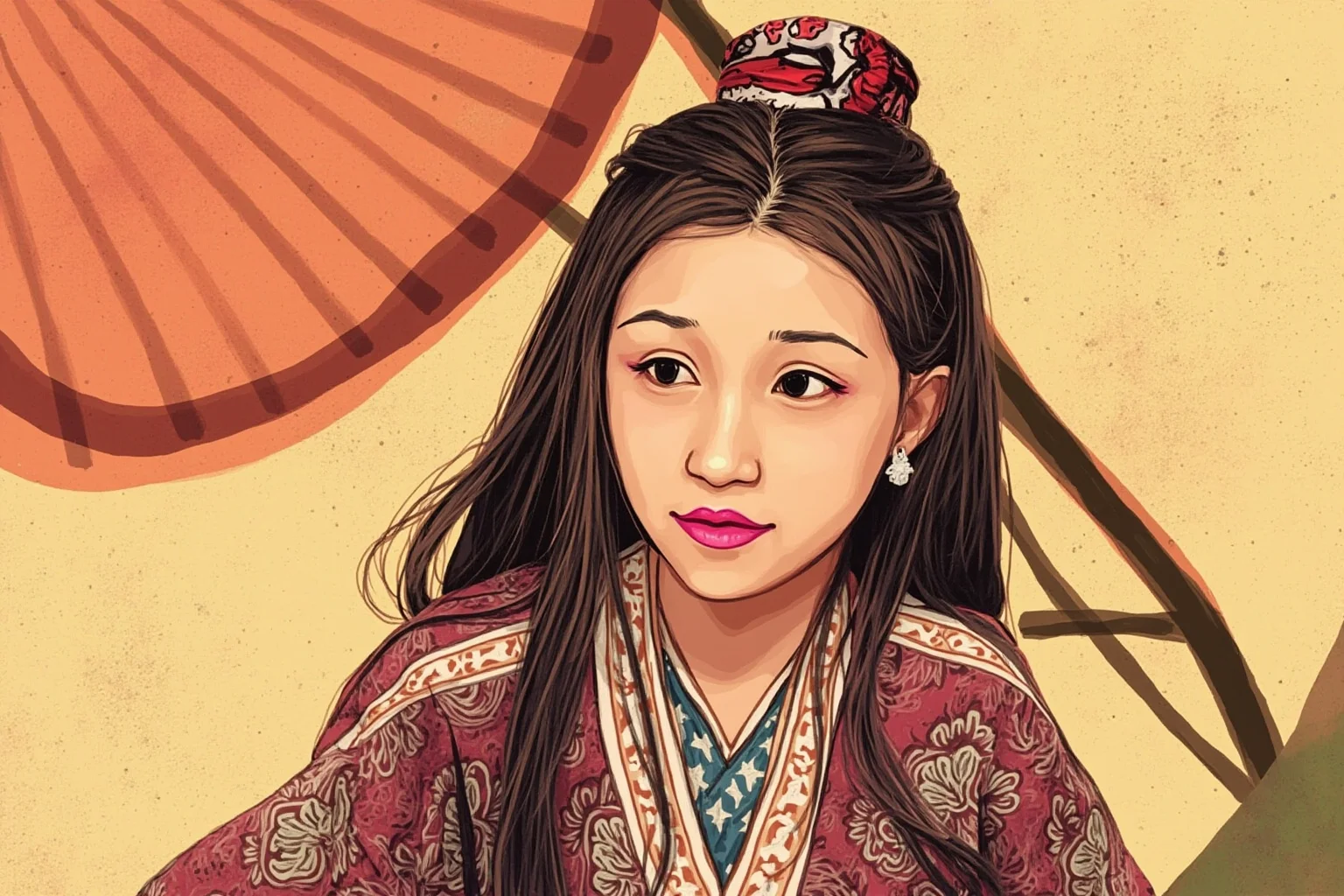
The Sunrise Ceremony is a multi-day puberty ritual for Apache girls, practiced among Western Apache and Mescalero Apache communities. It honors the transition into womanhood and draws on the story of Changing Woman, a central figure in Apache belief. Prayer, song, dance, and community feasting are all part of it.
Families often prepare for months, and the ceremony can be a major financial and social undertaking. It is a private spiritual event, not a tourist attraction, so outsiders should only attend by invitation.
11. The Vision Quest (Plains Nations and Others)

The "vision quest" is among the most romanticized rites in popular culture. In some Plains traditions, such as the Lakota practice of hanbleceya (often translated as "crying for a vision"), an individual fasts and prays in solitude, guided by an elder or spiritual leader. The aim is spiritual guidance rather than a trophy.
The myth to bust here is that it's a universal Native American teenager's rite. Practices differ by nation, age, and purpose, and some are undertaken at other points in life. Ceremonies can also be sacred and restricted, which is why generic "vision quest" retreats are criticized by many Native voices.
12. The Bullet Ant Glove (Sateré-Mawé, Brazil)
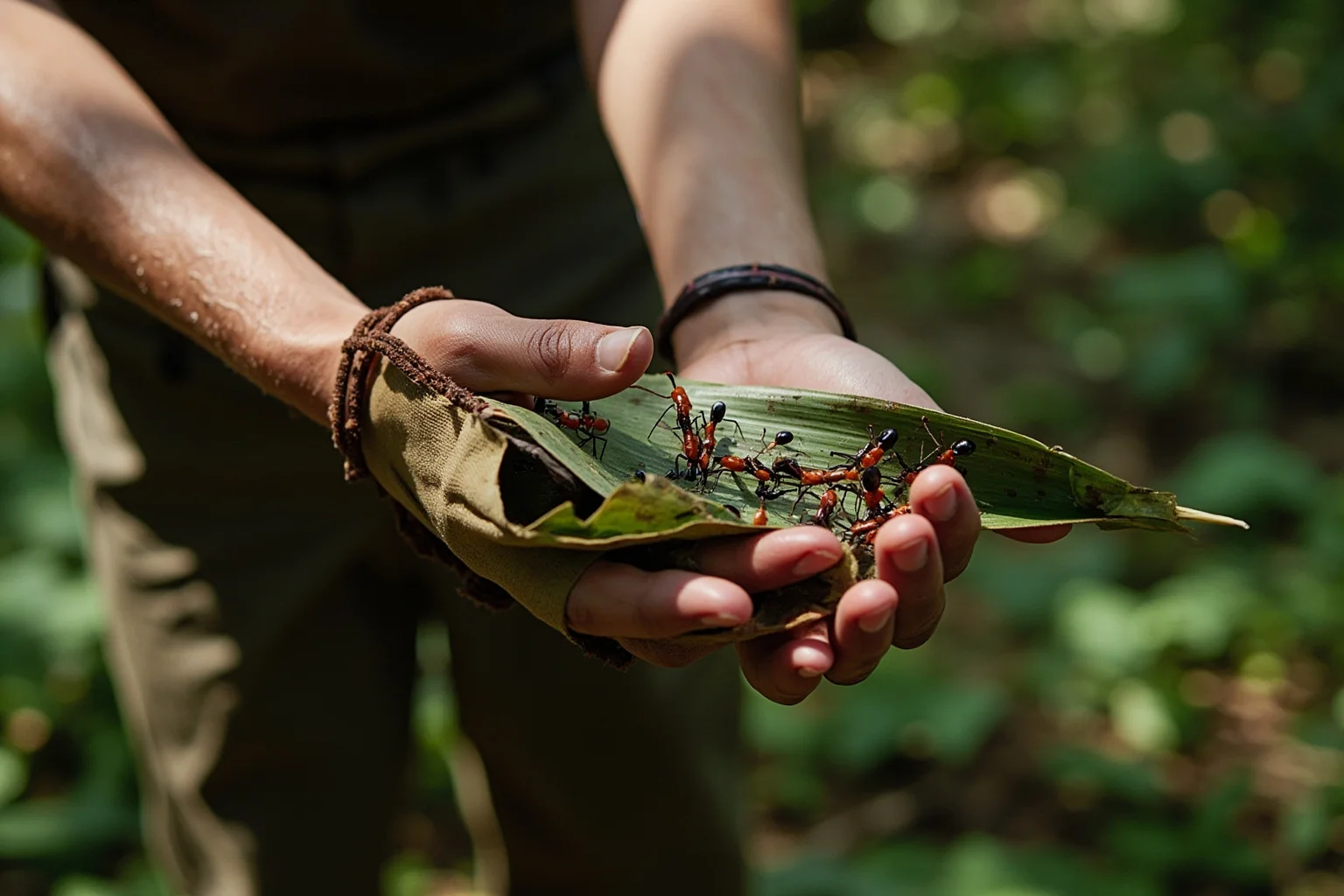
Among the Sateré-Mawé people of the Brazilian Amazon, boys have traditionally endured a ritual involving gloves woven with bullet ants (tucandeira). The ants are reportedly sedated first, and the stingers face inward. The wearer keeps the gloves on for roughly ten minutes while singing and dancing.
Bullet ant stings are among the most painful insect stings known, and the ordeal is often repeated multiple times. Outside observers sometimes call it a pure endurance test, but within the culture it's tied to ideas of courage, identity, and readiness to be a man. The ritual has also drawn tourist attention, which some community members have viewed with mixed feelings.
Rites of Passage in Africa and the Pacific
These examples show how physical challenge, tattooing, and ceremony can be bound up with community obligations. As with every item on this list, local customs vary and have changed over time.
13. Maasai Age-Set Ceremonies (Kenya and Tanzania)
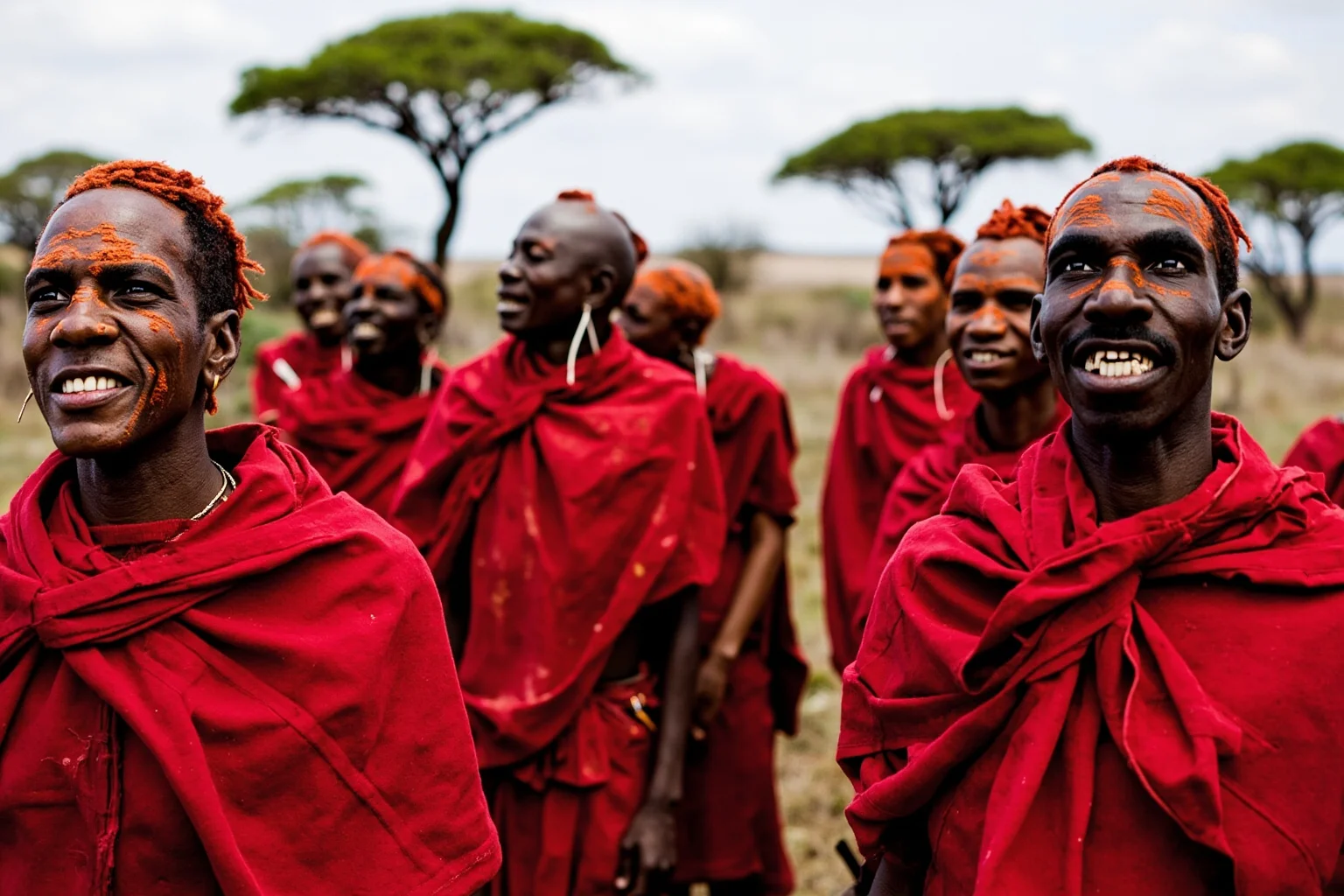
Maasai society is organized into age sets, and boys traditionally pass into the warrior stage (moran) after a ceremonial transition that includes circumcision. Years later, a major ceremony called Eunoto marks the graduation of warriors to junior elderhood. It famously includes the shaving of warriors' elaborately styled hair by their mothers.
These rituals link coming of age with social responsibility rather than a single birthday. Practices have changed with education, law, and the pressures of modern life, and some elements, particularly those involving female circumcision, are now illegal in both countries and widely contested.
14. Bull Jumping (Hamar People, Ethiopia)
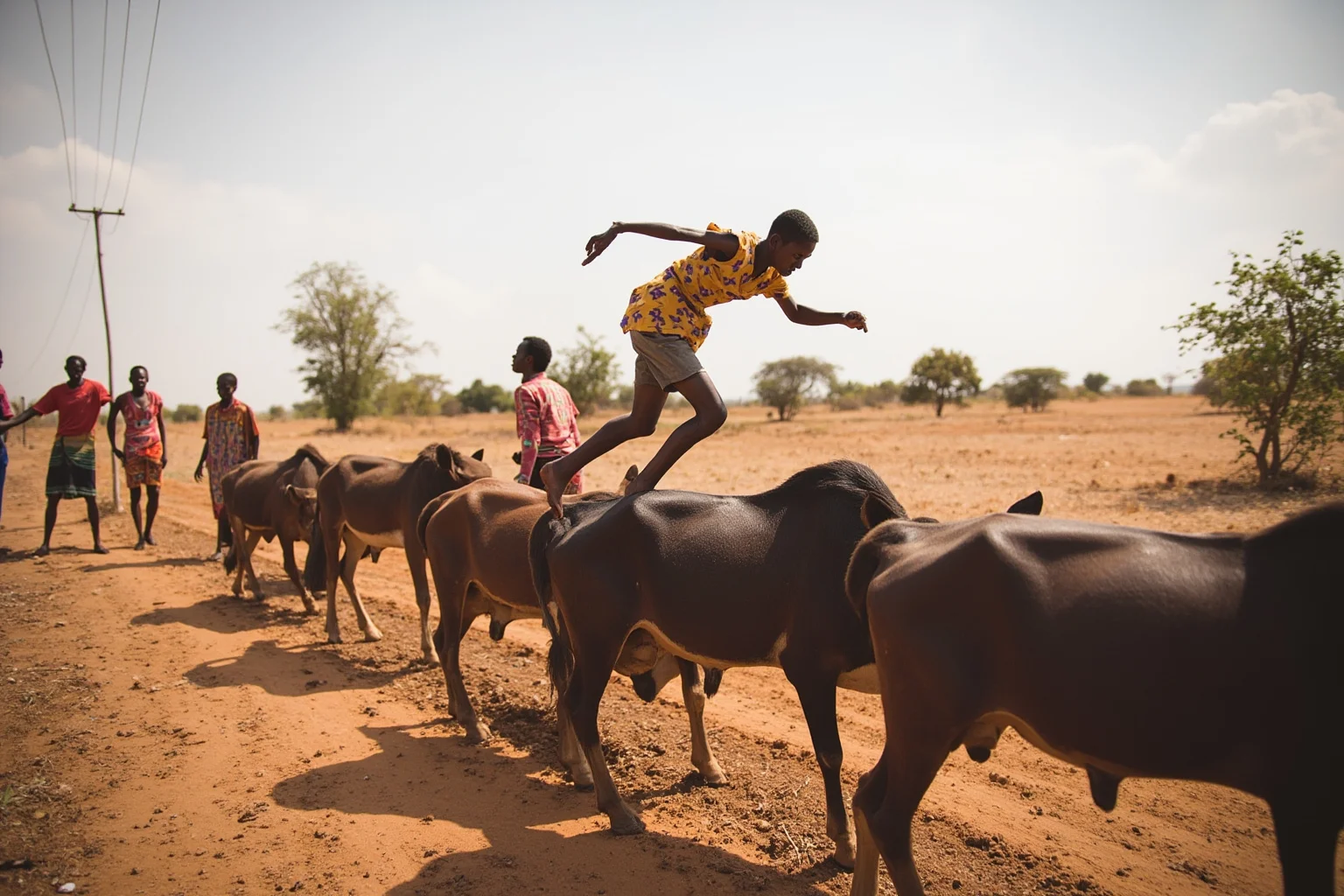
The Hamar of southern Ethiopia hold a ceremony called Ukuli Bula, in which a young man must run across the backs of a row of cattle, usually several times and without falling. Success is generally understood to qualify him to marry and take on adult responsibilities. The ceremony involves relatives, dancing, and a lot of preparation.
Women relatives of the initiate also take part by asking to be whipped, leaving scars that signify their loyalty and bond with him. Outsiders often find this shocking, but participants describe it in terms of family obligation, so it helps to understand the context before judging.
15. Land Diving (Pentecost Island, Vanuatu)
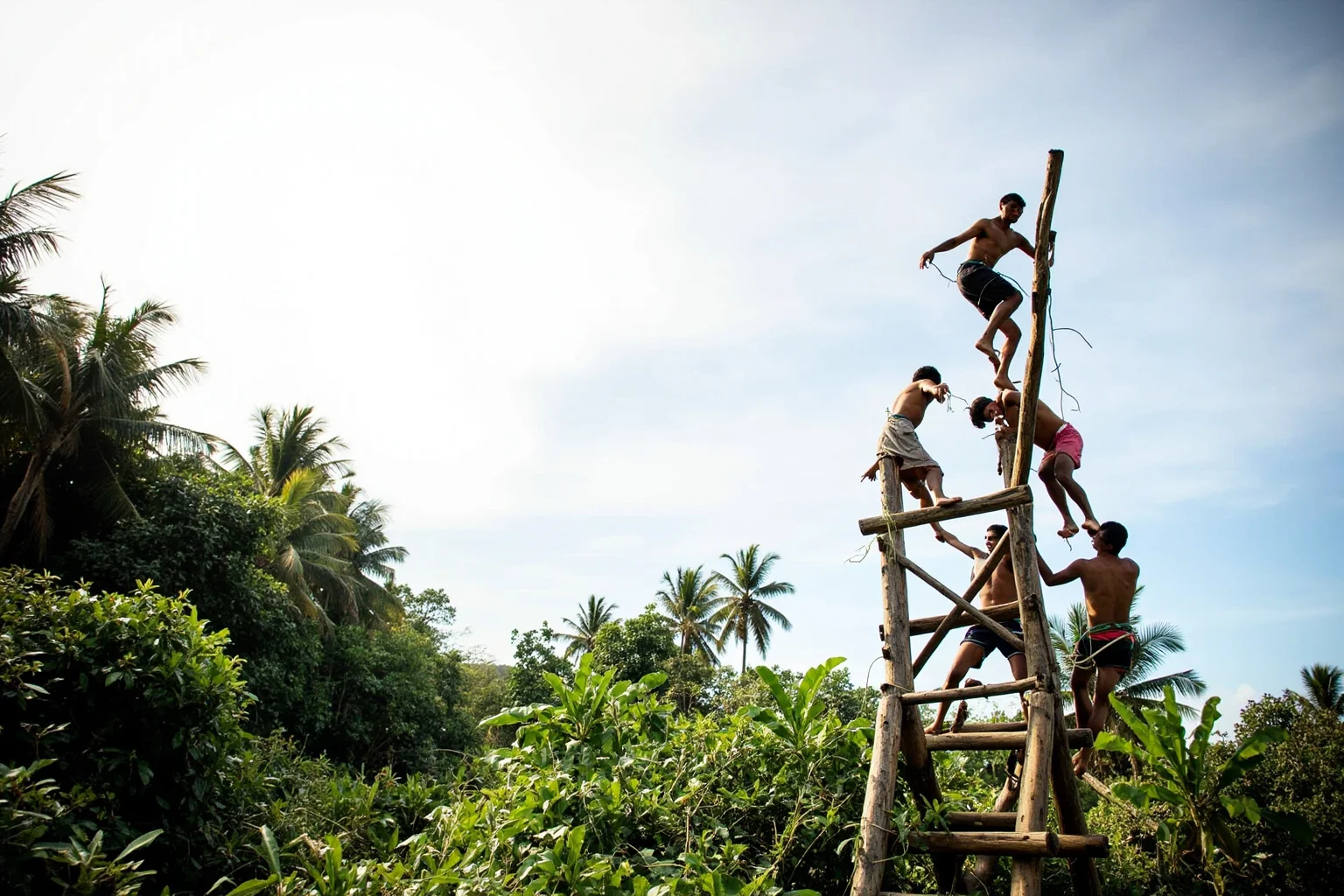
Every spring, men and boys on Pentecost Island build tall wooden towers and leap from them with vines tied to their ankles in a ritual called Naghol. It is linked to the yam harvest and is also considered a test of courage for younger participants, some of whom jump from lower platforms. The vines are measured so that the diver's head just brushes the earth.
The practice is often credited as an inspiration for modern bungee jumping, a claim connected to a 1979 jump by members of Oxford's Dangerous Sports Club. Local origin stories, including one about a woman escaping her husband, differ from teller to teller, so they're best treated as tradition rather than recorded history.
16. The Samoan Pe'a (Male Tattoo)
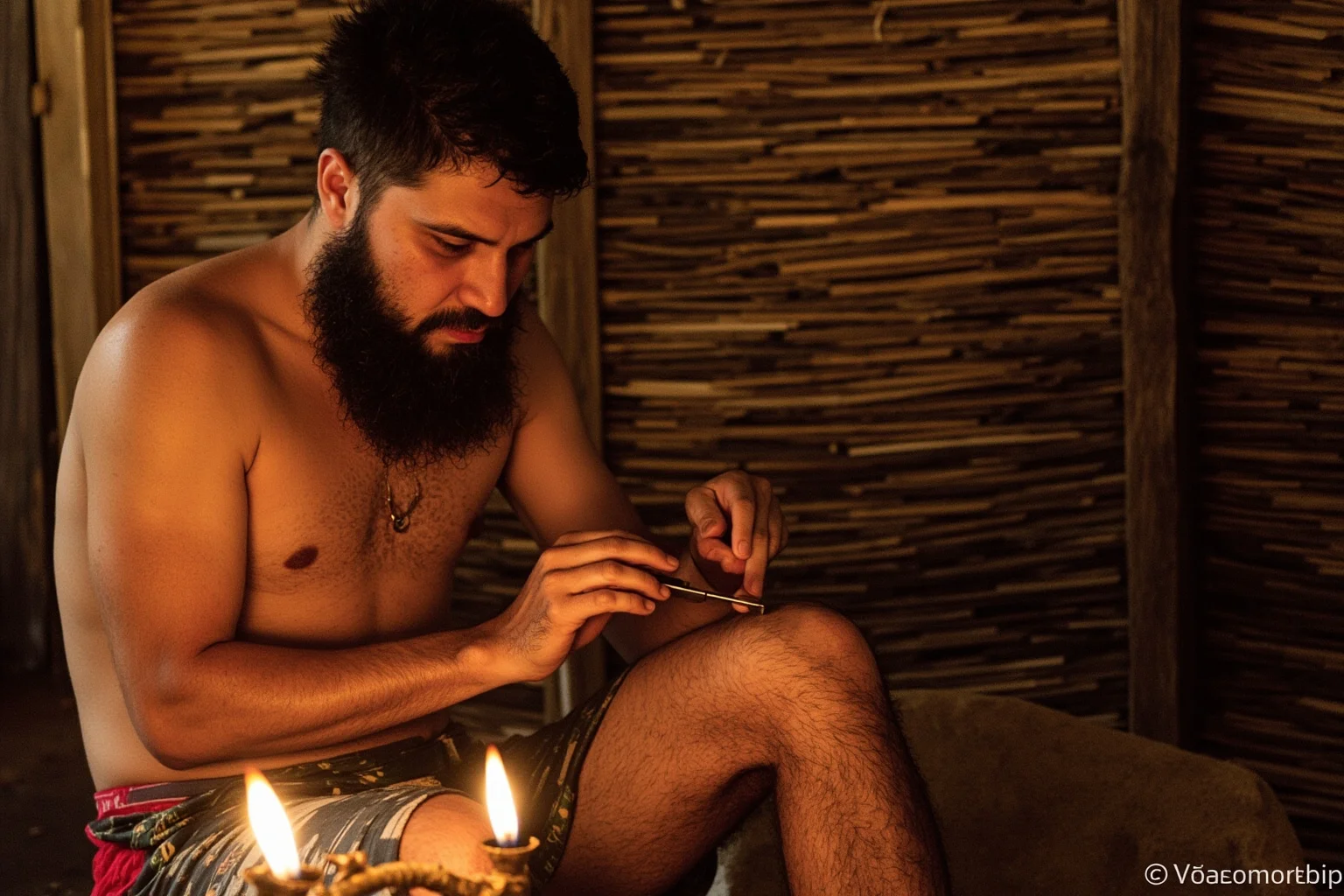
The pe'a is a traditional Samoan tattoo covering the body from the waist to the knees. A master tattooist (tufuga ta tatau) applies it by hand using traditional tools, and the process can take days or weeks. Enduring it without quitting is associated with courage, service, and commitment to one's community.
It isn't strictly a puberty ritual, since recipients are often young adults, but it marks a serious step into adult responsibility. Women have a parallel tradition, the malu, which is smaller and less extensive.
17. Dipo (Krobo People, Ghana)
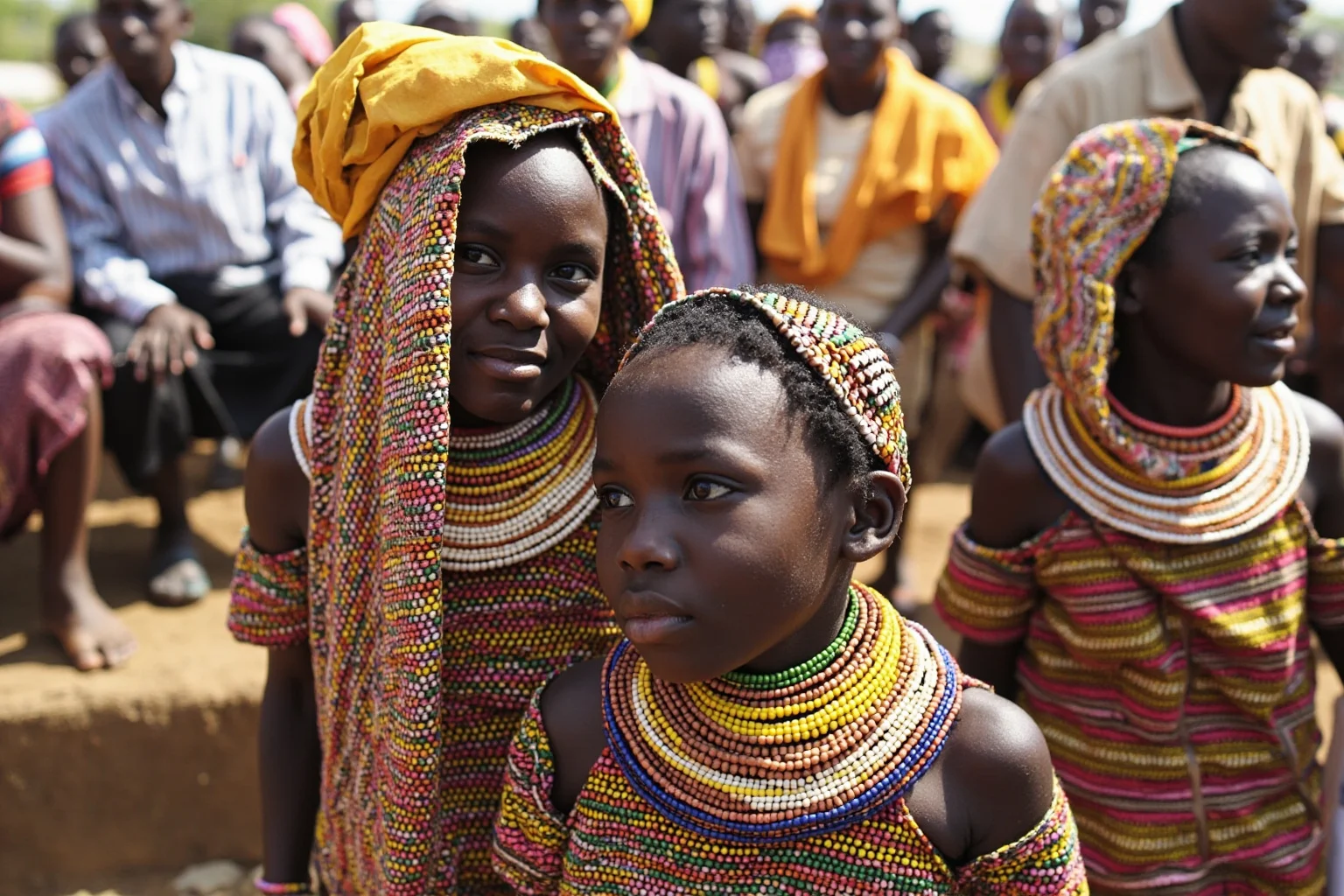
Dipo is a traditional rite for girls among the Krobo of Ghana. It historically marked a girl's transition to womanhood and readiness for marriage, and includes rituals of cleansing, beadwork, dancing, and public presentation. The ceremony has long been central to Krobo identity.
The tradition has been debated both inside and outside Ghana, especially when it involves younger girls or conflicts with education and child protection concerns. Many communities have shortened or modified it, and churches have taken varying positions, so the modern reality is more complicated than any single description.
Secular and Modern Coming-of-Age Customs
Not every rite of passage involves a temple or a tribe. These last three show how societies keep inventing, and reinventing, ways to mark adulthood.
18. Rumspringa (Amish Communities)
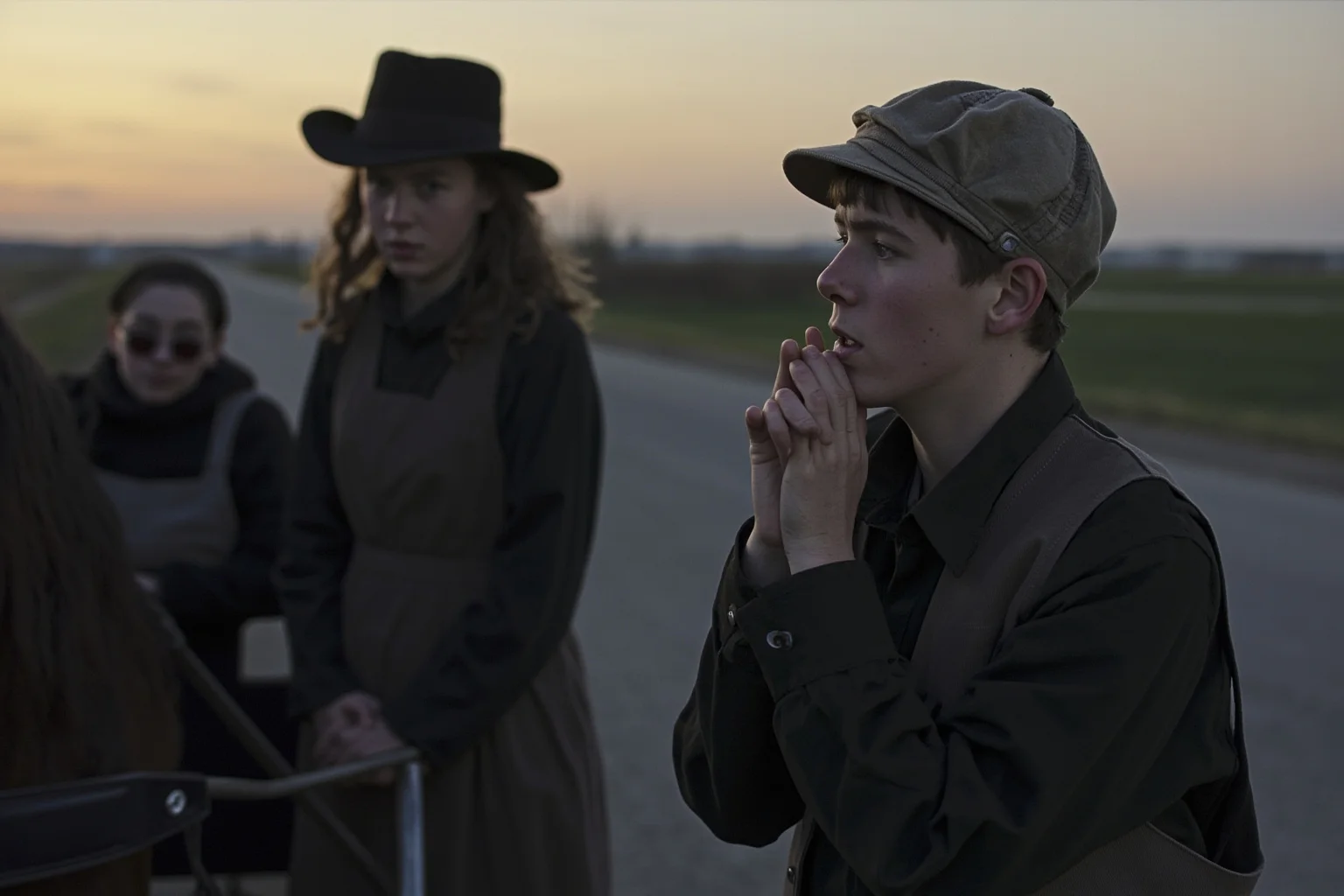
Rumspringa, meaning roughly "running around" in Pennsylvania Dutch, describes the period when Amish teenagers, typically from around age 16, gain more social freedom before deciding whether to be baptized as adults. Popular media often portrays it as a wild free-for-all. In reality, the experience varies a lot between communities and families, and for many it's fairly mild.
The key moment is adult baptism, which commits a person to the church and its rules. Scholars of Amish life, such as Donald Kraybill, have estimated that a large majority of Amish youth, roughly 80 to 90 percent, choose to join the church, although figures vary by settlement.
19. Jugendweihe (Germany)
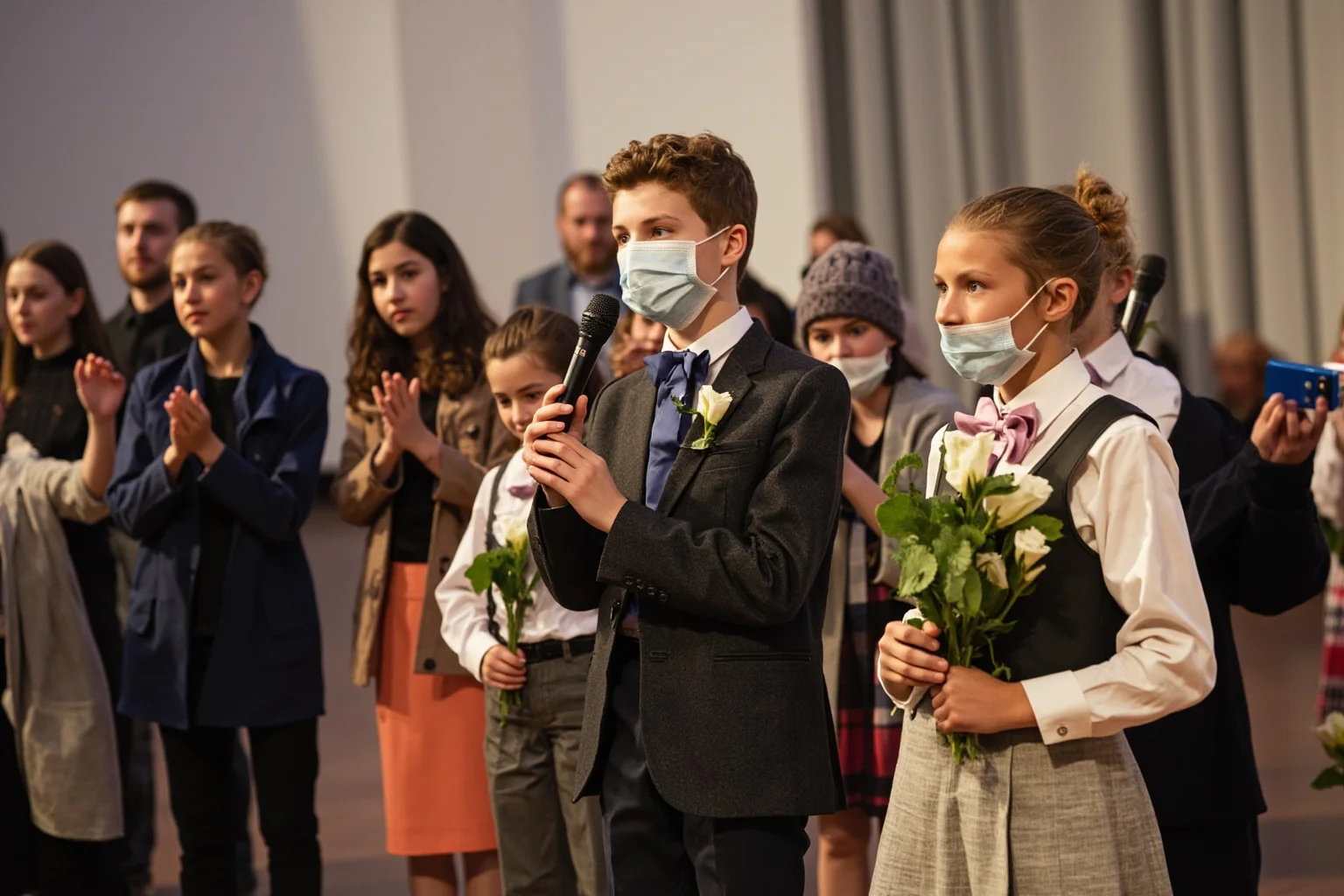
Jugendweihe, or "youth consecration," began in 19th-century German free-thought circles as a secular alternative to church confirmation. In East Germany, the state promoted it heavily from the 1950s onward, and it became a widespread ceremony for 14-year-olds that included a pledge of loyalty to the socialist state. Churches opposed it, and participation was socially pressured.
After reunification, it didn't disappear. Today it's still held by secular associations, with a focus on community, culture, and personal development rather than politics. It's a fascinating case of a ritual being reshaped by war, ideology, and the end of the Cold War.
20. Aboriginal Australian Initiation (and the Walkabout Myth)
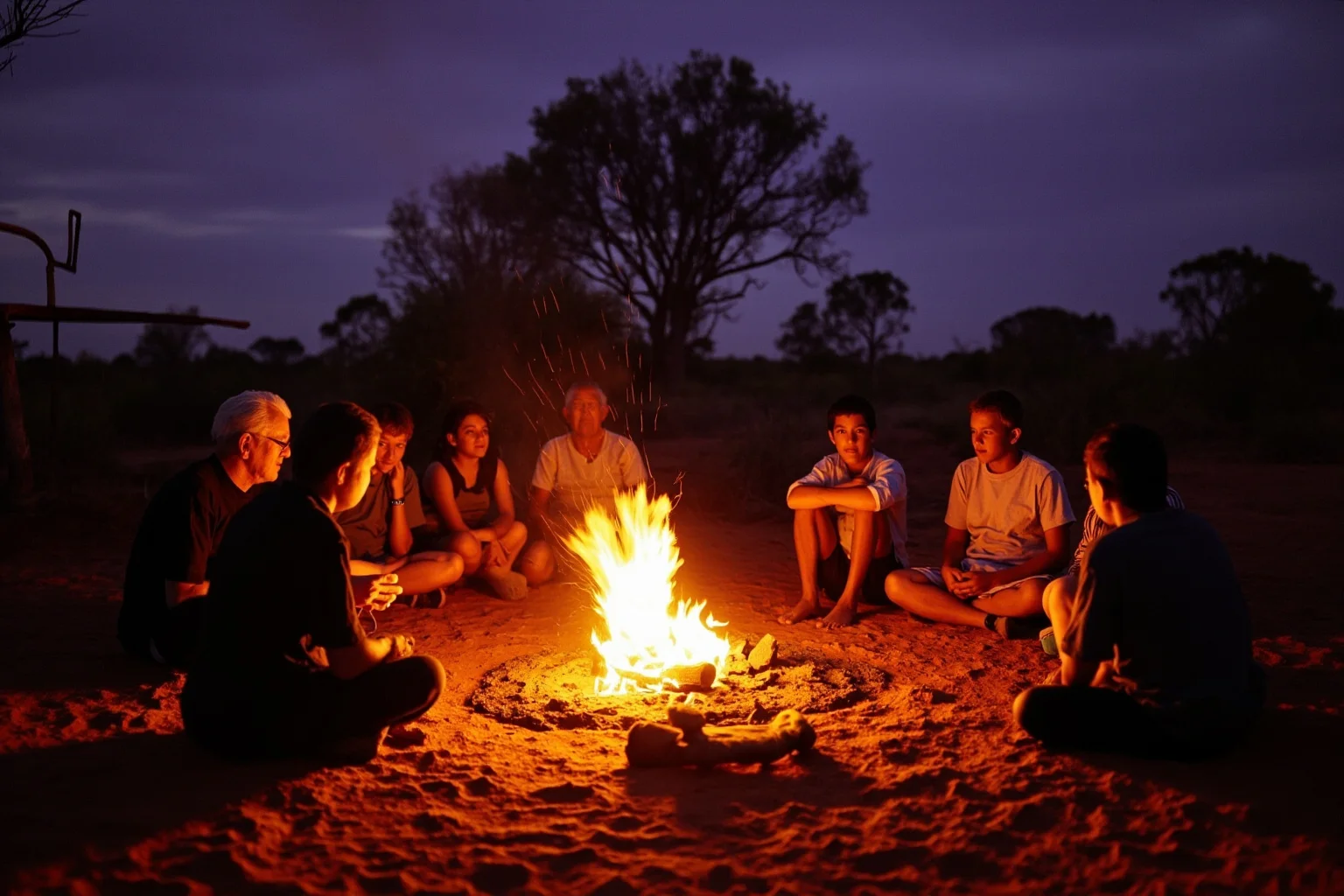
Many Aboriginal Australian nations have traditionally held initiation ceremonies in which adolescents learn law, stories, and responsibilities from elders. Elements of these ceremonies are restricted, and details differ among hundreds of distinct nations. Outsiders should be cautious about any simplified account.
The popular idea that Aboriginal teens go on a solitary "walkabout" to become adults is largely a myth. In Aboriginal English, the term can describe traveling or moving across Country, and the teenage-survival version was widely popularized by outside storytelling, including a 1971 film. It's a good example of how one word can flatten a whole range of living traditions.
What These Rites of Passage Have in Common
Look across these different cultures' rites of passage, and the same themes keep appearing. There's usually a test or teaching phase, whether it's studying Torah, fasting alone, or learning to wear a kimono properly. There's often a public moment, where family and community witness the change, and a new set of expectations afterward.
Most of these customs have also evolved. The quinceañera has added DJs, Seijin no Hi has outlasted its legal age, and Jugendweihe survived the state that promoted it. If you're hoping to find an "unchanged ancient ritual," you'll usually discover that tradition is more flexible than it looks.
The next time you see a coming of age ceremony, whether it's a graduation gown or an Amish baptism, notice the pattern: leaving, learning, and returning with a new role. That's the rhythm van Gennep spotted over a century ago, and it still shapes how people around the world become adults.
Frequently Asked Questions
What are some rites of passage examples?
Well-known rites of passage examples include the Jewish bar and bat mitzvah, Christian confirmation, the Hindu upanayana, the Latin American quinceañera, Japan's Seijin no Hi, and the Apache Sunrise Ceremony. Others include the Maasai age-set ceremonies, Vanuatu's land diving, and the Amish Rumspringa.
What is a pubertal rite of passage?
A pubertal rite of passage is a ceremony tied to the years of physical and social maturation, marking a young person's shift toward adult status. Examples include the Apache Sunrise Ceremony and Krobo Dipo. Many of these rites mark social readiness, such as eligibility to marry or take on community duties, rather than biology alone.
What are some coming of age rituals around the world?
Coming of age rituals range from religious ceremonies like confirmation and bar mitzvah to birthday celebrations like the quinceañera and the Philippine debut. They also include endurance rites such as the Sateré-Mawé bullet ant glove and the Hamar bull jumping, and secular customs like Germany's Jugendweihe.
What is a coming of age ceremony called?
There is no single name, because each culture uses its own term. Examples include bar/bat mitzvah (Jewish), quinceañera (Latin American), Seijin no Hi or seijin shiki (Japanese), gwallye (traditional Korean), Dipo (Krobo), and Jugendweihe (German).
What are the most common rites of passage?
Common rites of passage include birth and naming ceremonies, coming of age rituals, weddings, and funerals. In many societies, graduation and religious initiation are also treated as major transitions.
Is a vision quest a universal Native American rite of passage?
No. Vision-seeking practices exist in some Native nations, such as the Lakota hanbleceya, but they vary by nation, purpose, and age. Many are sacred and restricted, so it's inaccurate to treat the vision quest as a single universal teenage ritual.
Do coming of age ceremonies still matter today?
Yes, though they often evolve. Many communities keep traditional rites while adding new elements, and secular societies create their own, such as graduations and Coming of Age Day events. They still give young people and their communities a shared way to recognize a change in responsibility.

Alex Warren
Related Articles