

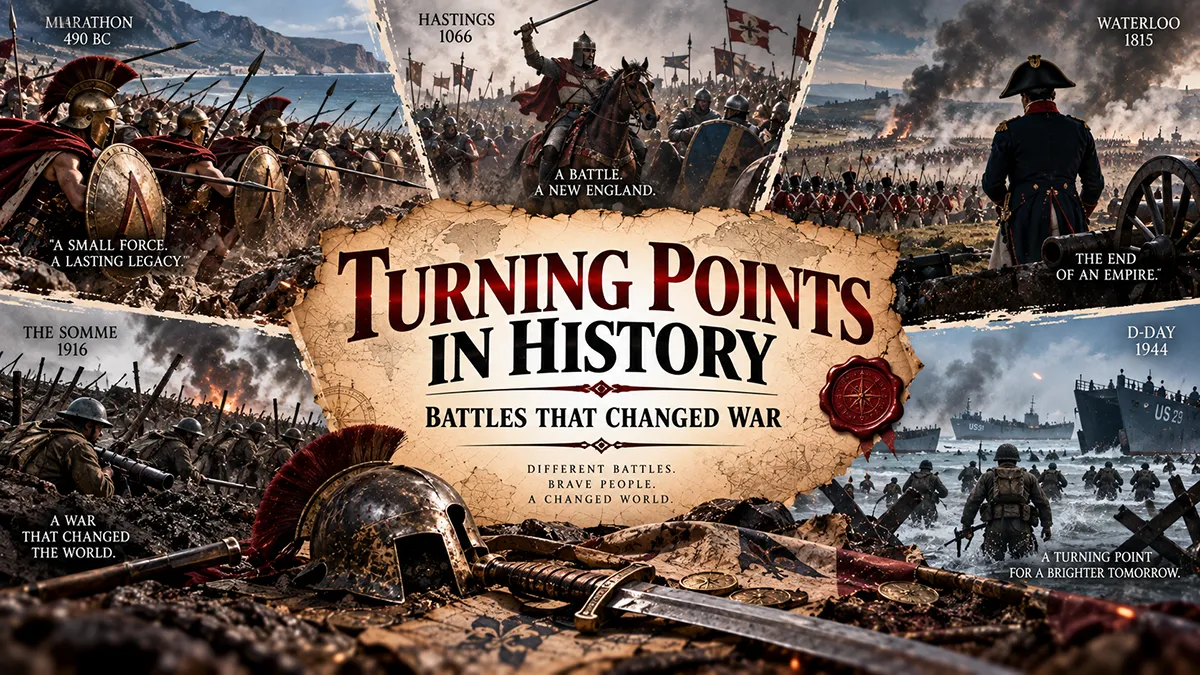
Every war has a moment people point to afterward and say, “that’s when everything changed.” Sometimes it really was a single afternoon on a battlefield. More often, historians argue for decades about which moment actually deserves the credit, because real turning points rarely announce themselves at the time.
This guide walks through the most widely cited turning points in history’s major wars, from ancient Greece to the Cold War, and explains why each one earned its reputation. Along the way, we’ll also bust a few popular myths about battles that get more credit than they deserve.
TL;DR: Across ancient, revolutionary, civil, and world wars, the true “turning point” is rarely one dramatic battle alone but the moment momentum, resources, or morale permanently shifted from one side to the other.
What Is a Historical Turning Point, Exactly?
A historical turning point is a moment, decision, or event after which the trajectory of a conflict, movement, or era changes in a lasting way.
It’s not just a big or bloody event; plenty of massive battles changed nothing about who eventually won. What separates a genuine turning point from a merely dramatic one is that the balance of power, resources, or momentum shifts in a way that doesn’t get reversed.
Historians generally look for three things when they debate turning points in history: a measurable shift in strategic advantage, a change in each side’s realistic path to victory, and hindsight confirming the shift actually stuck.
That third point matters most. In the middle of a war, almost any major battle can feel decisive, but only some of them hold up as genuine pivots once the full picture becomes clear.
This is also why so many “points of history” get debated rather than settled. Wars are messy, and momentum often shifts gradually across several events rather than in one clean moment.
Keep that nuance in mind as you read through the list below, because in several cases, the “turning point” was really a cluster of events working together.
Why Some Battles Change Everything (and Others Don’t)
It’s fair to ask what is the point in a war reaching a so-called turning point at all, if fighting often drags on for months or years afterward. The answer is that a turning point rarely ends a war outright. Instead, it closes off one side’s realistic path to winning, even if the losing side keeps fighting long after the outcome is effectively decided.
Think of it less like a light switch and more like a scale tipping. Stalingrad didn’t end World War II in Europe, and Gettysburg didn’t end the American Civil War. Both, however, marked the moment the losing side’s odds collapsed from “possible” to “very unlikely,” even though the fighting continued for years.
Ancient and Medieval Turning Points
Long before modern warfare, ancient and medieval conflicts had their own pivotal battles. These are useful reminders that the idea of a “turning point” isn’t a modern invention; it’s a pattern historians recognize across thousands of years of recorded conflict.
1. The Battle of Marathon (490 BCE)
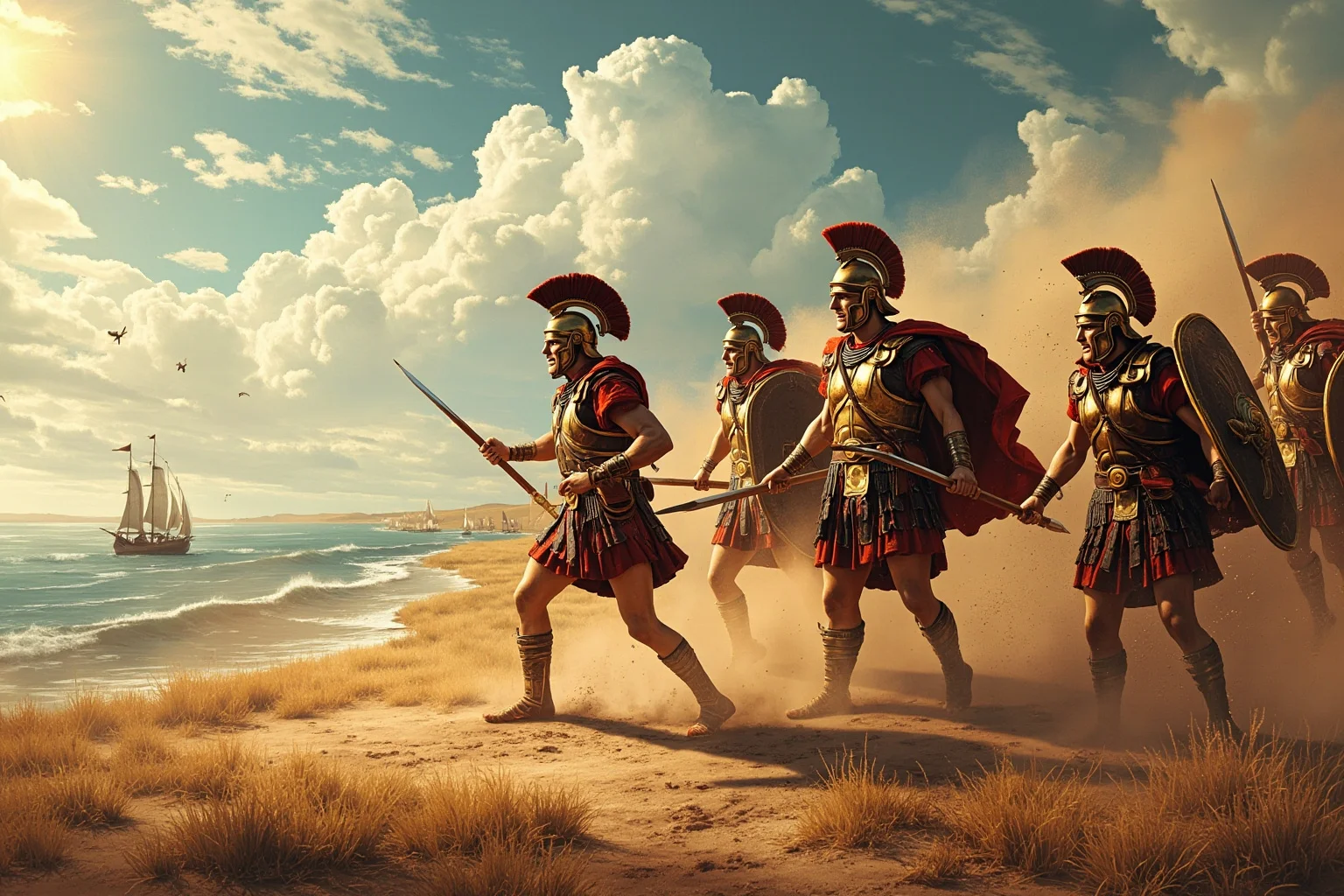
When the Persian Empire invaded Greece, few expected the heavily outnumbered Athenians to hold their ground. Their victory at Marathon halted the first Persian invasion and gave the Greek city-states crucial confidence and time to prepare for the larger invasion that followed a decade later.
Without Marathon, the political and philosophical traditions that later shaped Western thought might have developed very differently under Persian rule. It’s one of the earliest examples of a single battle reshaping the trajectory of an entire civilization.
2. The Battle of Gaugamela (331 BCE)
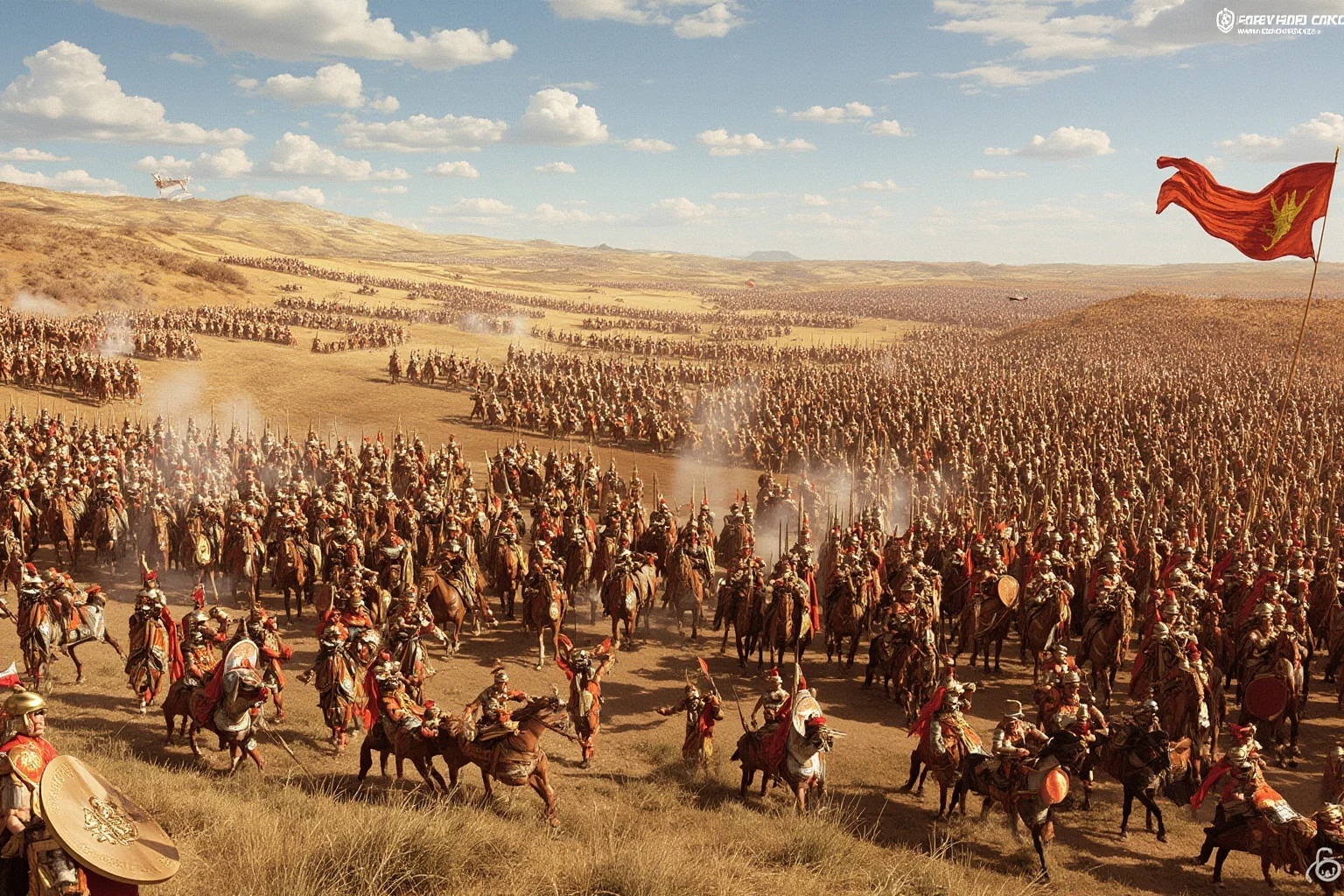
Alexander the Great’s decisive win over Darius III effectively ended Persian imperial power in the region. It opened the door for Alexander’s conquests to stretch from Egypt to India, spreading Hellenistic culture across a huge swath of the ancient world.
This battle is a textbook case of a turning point in history because the shift was permanent. The Persian Achaemenid Empire never recovered its former dominance after this defeat.
3. The Battle of Tours (732 CE)
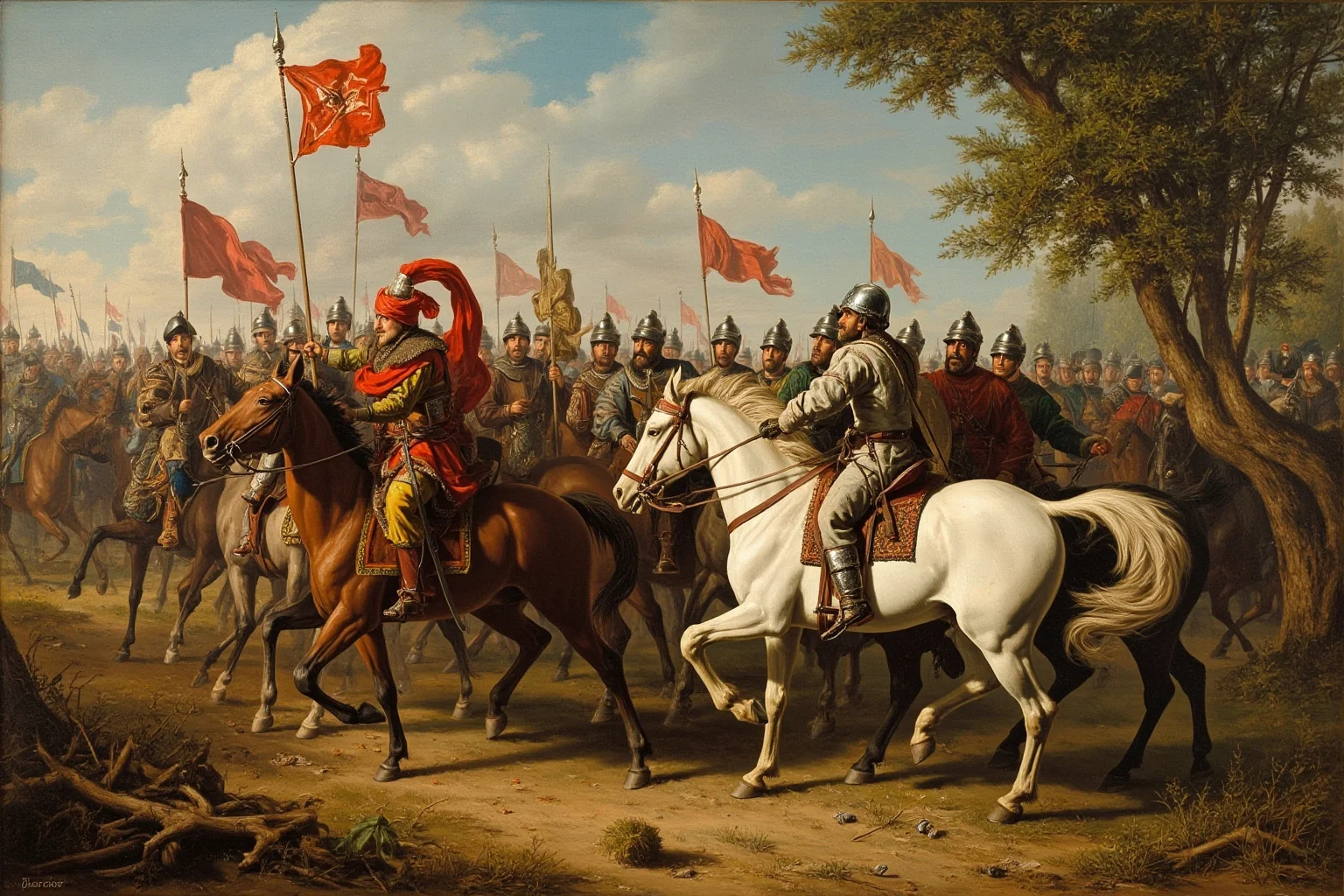
Frankish forces under Charles Martel stopped an Umayyad advance into Western Europe near modern-day Poitiers, France. While historians debate exactly how close Europe came to further conquest, the battle is traditionally cited as a key moment that halted further expansion into Frankish territory.
It’s a good example of why nuance matters in these discussions. Some modern historians argue the battle’s significance has been somewhat exaggerated over the centuries, even though it remains a genuinely important military event.
4. The Battle of Hastings (1066)
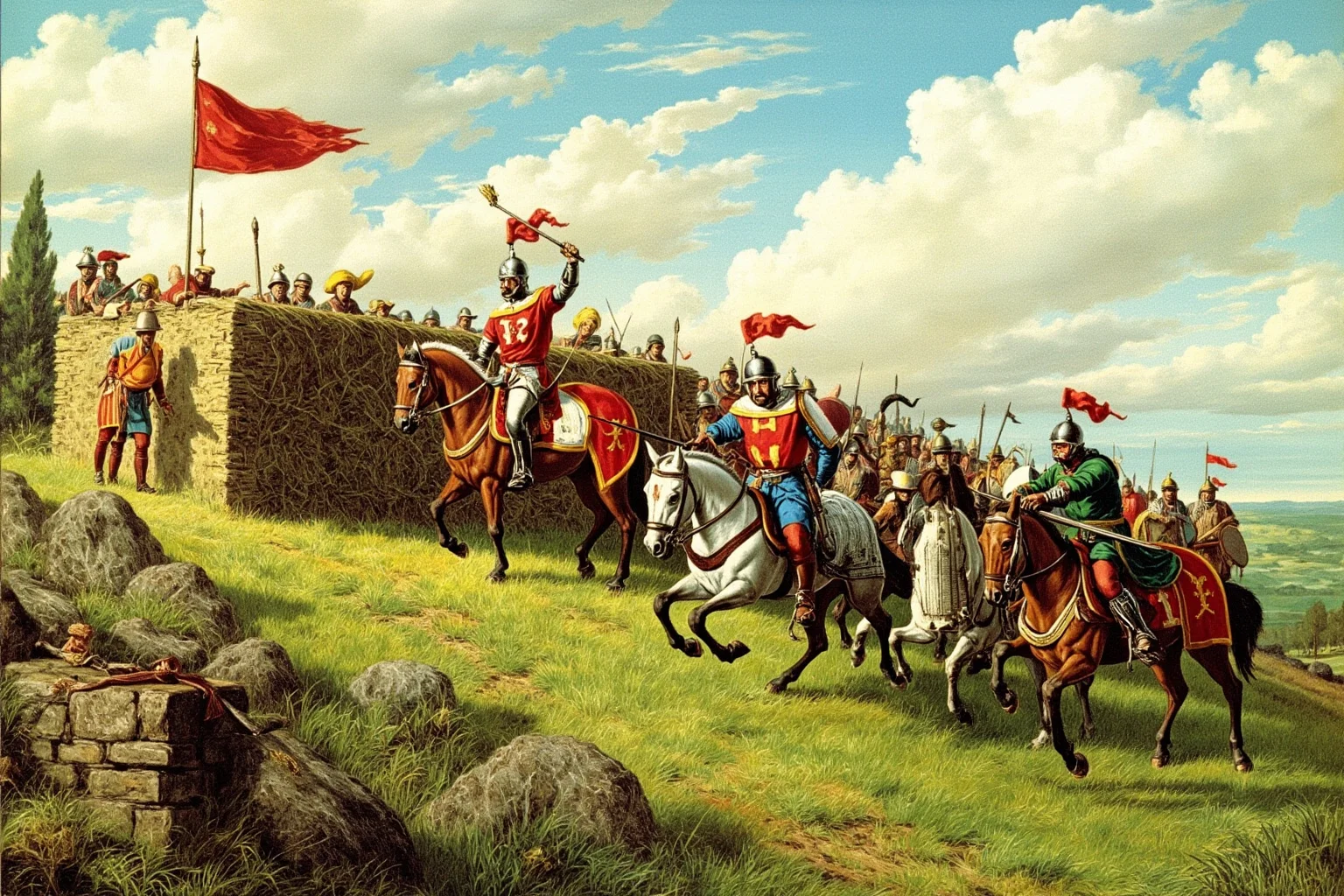
William of Normandy’s victory over King Harold II permanently altered the course of English history. It installed a new ruling class, reshaped the English language with heavy Norman-French influence, and tied England’s fate to continental European politics for centuries.
Few single-day battles have had such a long tail of cultural consequences. The English monarchy, legal system, and even vocabulary still bear its fingerprints today.
The Turning Point of the American Revolutionary War
America’s fight for independence had several critical moments, but one campaign is consistently named the turning point of the American Revolutionary War by historians.
5. The Battles of Saratoga (1777)
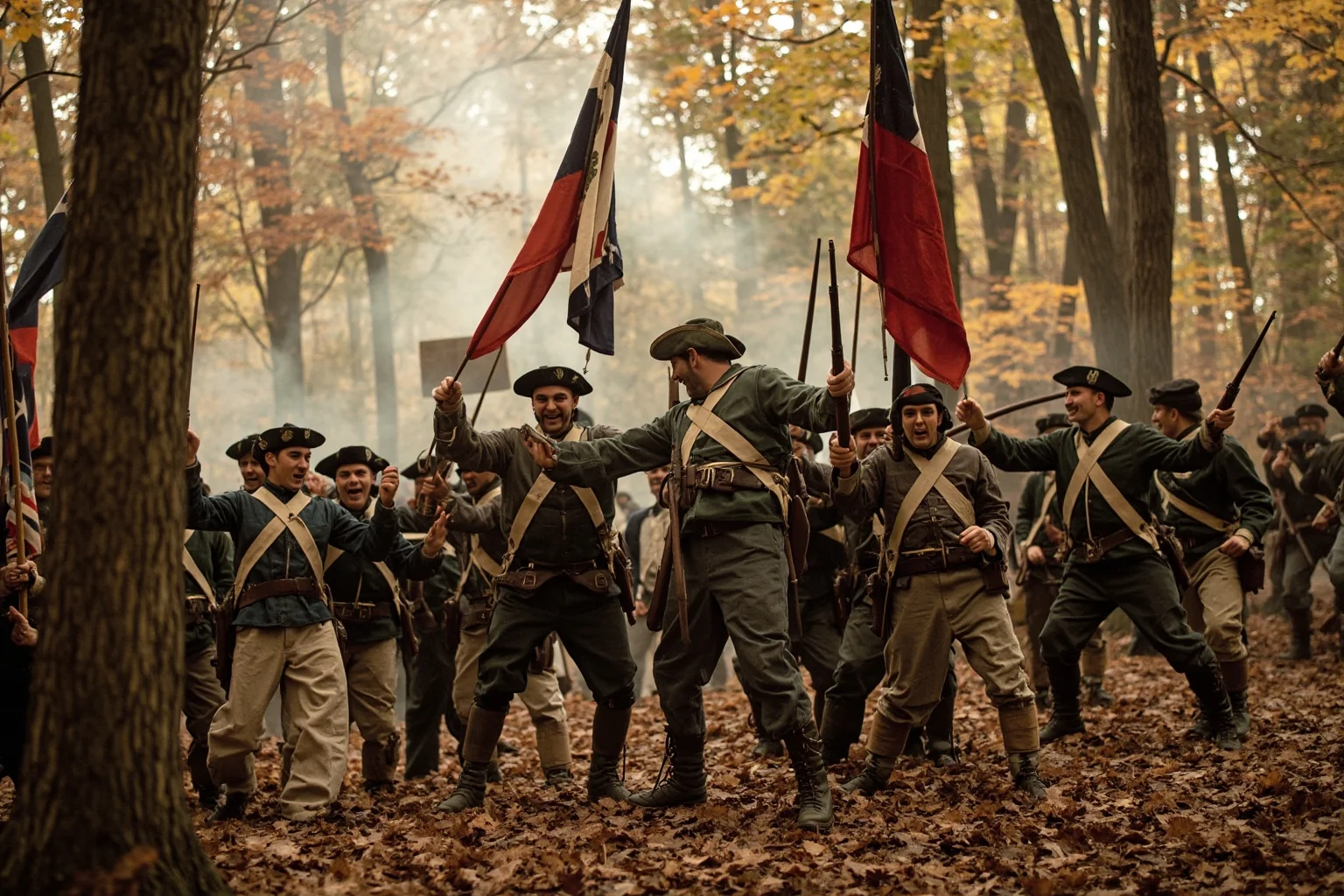
The American victory over British General John Burgoyne’s army in upstate New York is widely considered the turning point of the American Revolutionary War. It wasn’t the largest battle of the war, but its consequences were enormous.
Saratoga convinced France that the American cause was actually winnable, leading to a formal French alliance in 1778. That alliance brought money, naval power, and troops that the Continental Army desperately needed, and it transformed a colonial rebellion into a broader international conflict Britain struggled to win.
Napoleon’s Downfall: Turning Points of the Napoleonic Wars
Napoleon Bonaparte’s empire looked unstoppable for years, until two connected disasters ended his dominance of Europe for good.
6. The Retreat from Moscow (1812)
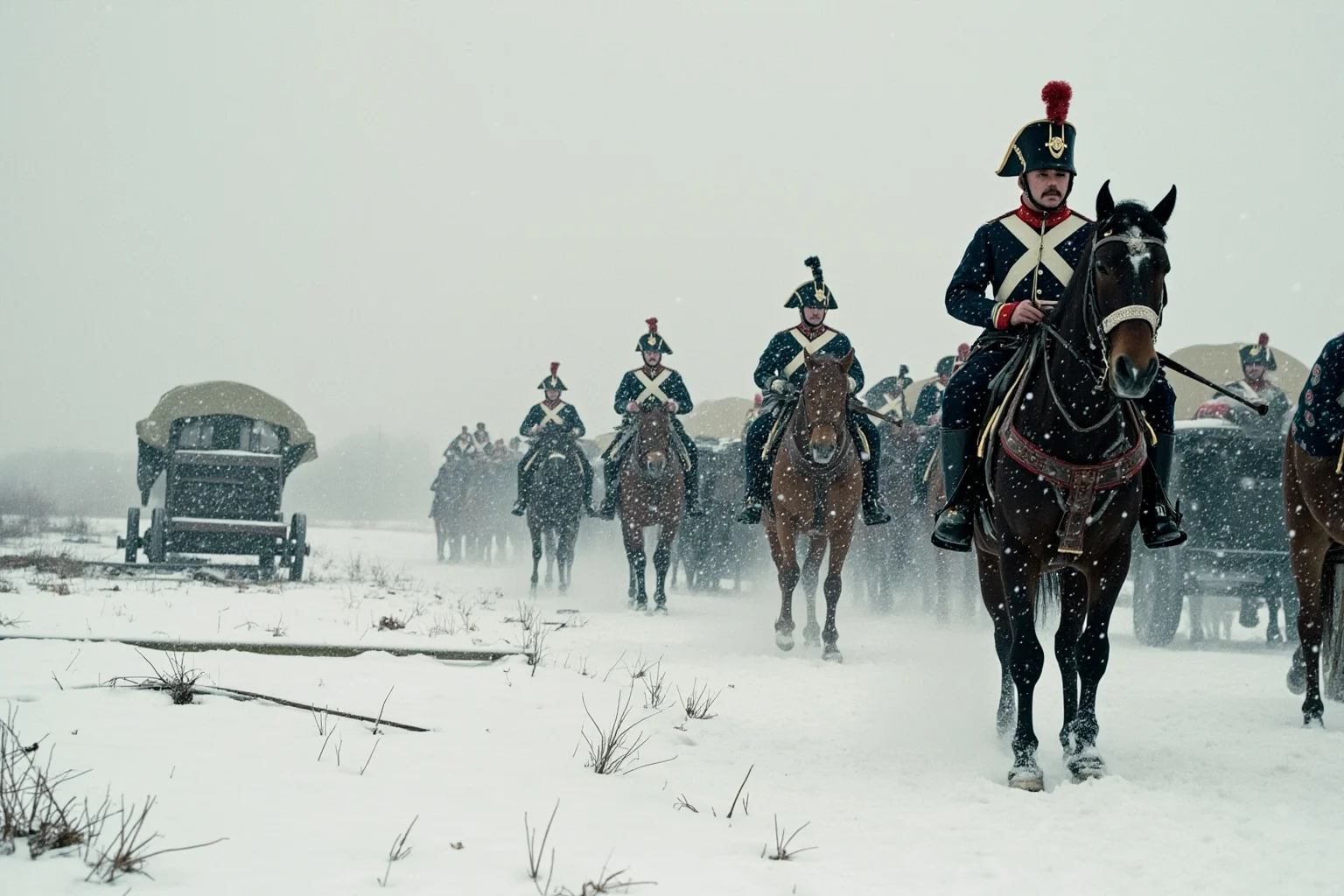
Napoleon’s invasion of Russia began with roughly 600,000 troops and ended in catastrophe. Brutal weather, disease, scorched-earth tactics, and long supply lines destroyed the bulk of his Grand Army long before it ever reached a decisive final battle.
The campaign shattered the myth of Napoleon’s invincibility and drained France’s military strength at a critical moment. Other European powers took note and began forming the coalitions that would eventually bring him down.
7. The Battle of Waterloo (1815)
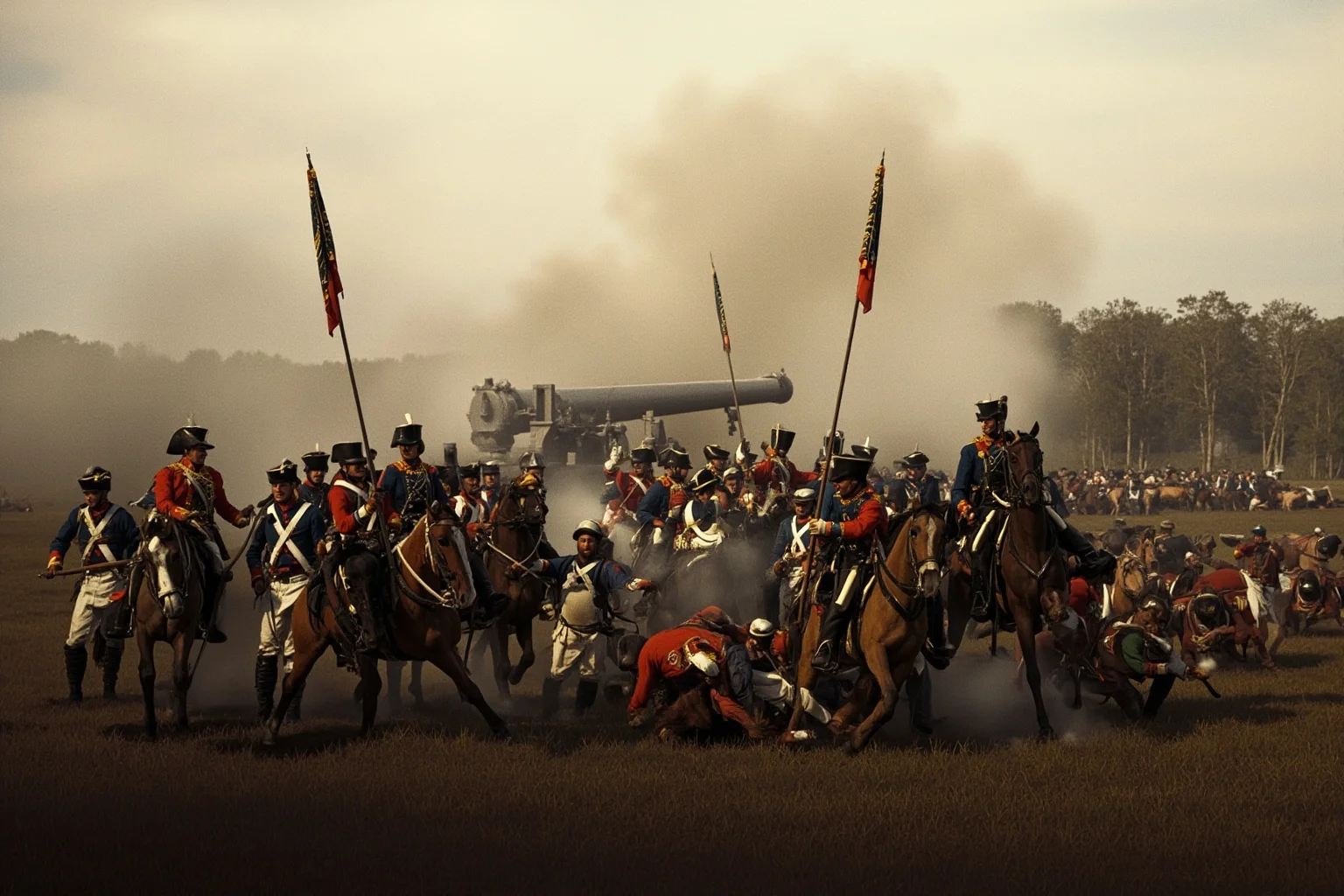
After escaping exile and briefly reclaiming power, Napoleon faced a combined British and Prussian force near Waterloo, Belgium. His defeat here ended his rule permanently and closed the door on decades of near-constant European warfare tied to his ambitions.
Waterloo is one of the clearest examples of a turning point battle in the traditional sense: one single day of fighting with an outcome that stuck. It remains a shorthand in English for any decisive, final defeat.
Turning Point Battles in the Civil War
When people search for turning point battles in the Civil War, three campaigns from 1863 to 1864 usually top the list, a period covered in more detail in our timeline of the biggest events in American history. Together, they marked the shift from a genuinely uncertain war to one the Union was very likely to win.
8. The Battle of Gettysburg (1863)
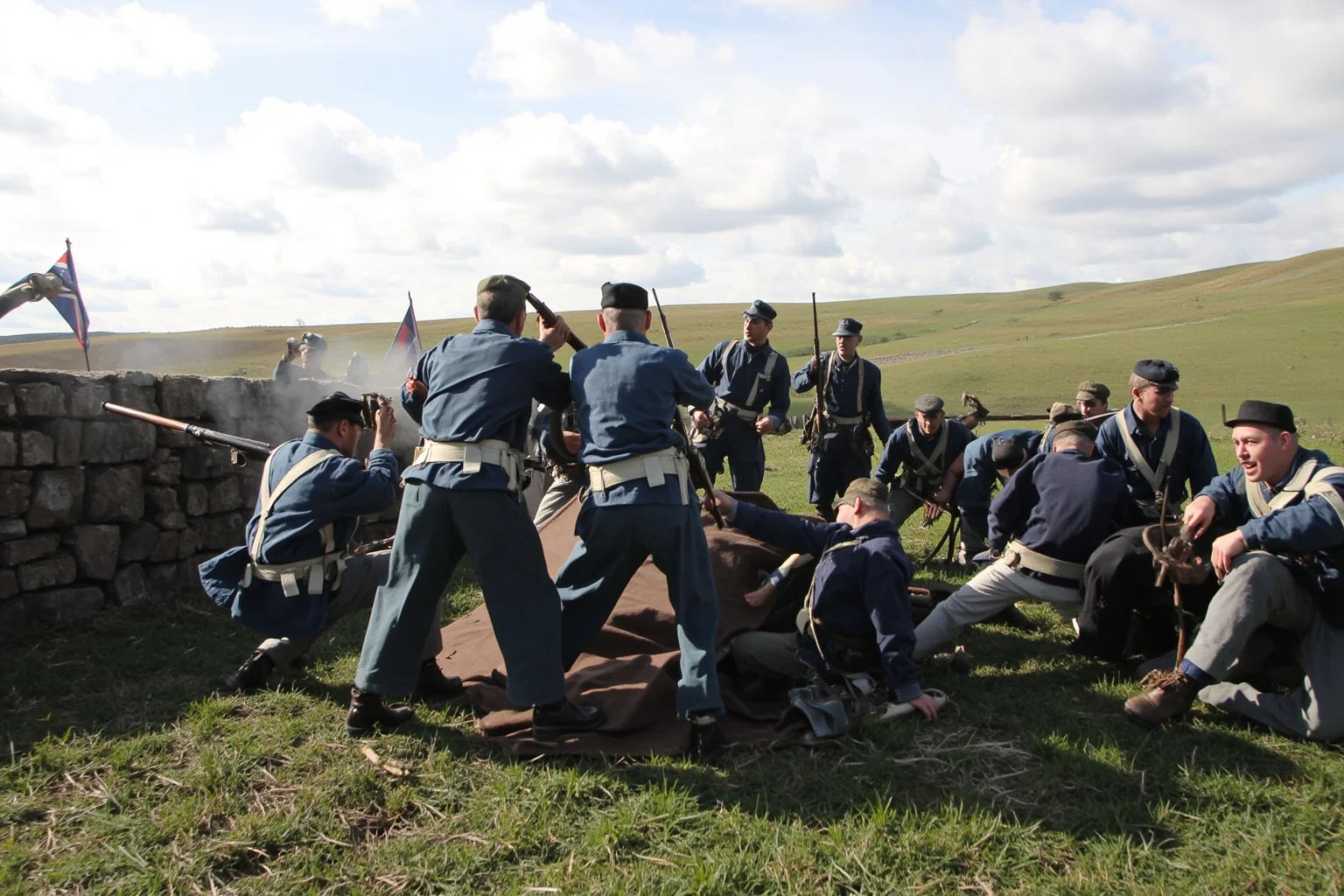
General Robert E. Lee’s second invasion of the North ended in a costly defeat at Gettysburg, Pennsylvania. The Confederate Army lost thousands of irreplaceable soldiers and never again mounted a major offensive on Union soil.
Gettysburg is the battle most Americans name when asked which battle was the turning point of the war. It’s a fair answer, though historians usually pair it with what happened one day later, hundreds of miles away.
9. The Fall of Vicksburg (1863)
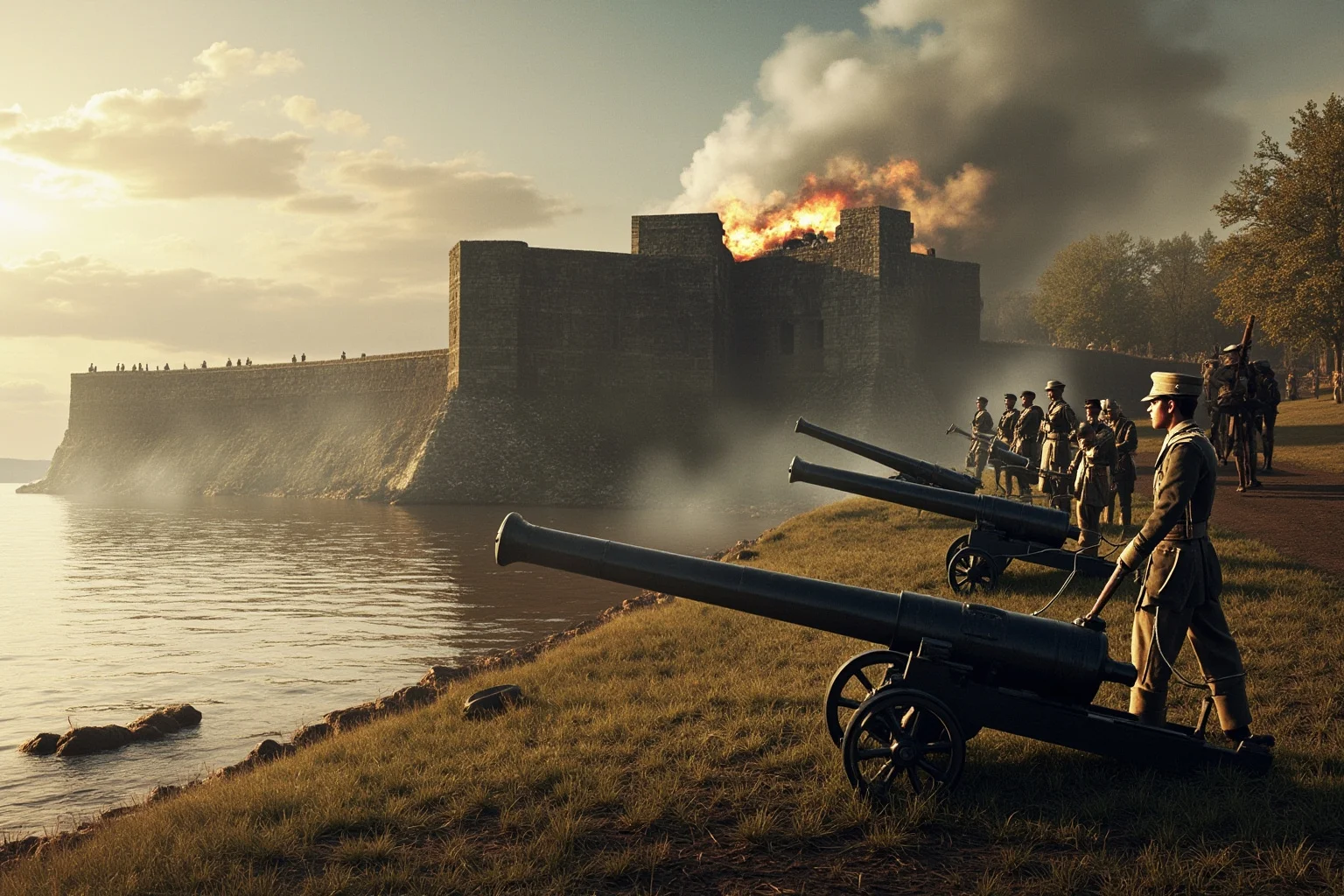
The Confederate stronghold of Vicksburg, Mississippi, surrendered to Union General Ulysses S. Grant on July 4, 1863, the day after Gettysburg concluded. This gave the Union full control of the Mississippi River, splitting the Confederacy in two and cutting off vital supply routes.
Many historians argue Vicksburg was just as important as Gettysburg, if not more strategically decisive. Together, the two events form the most commonly cited turning point of the war for the Union cause.
10. Sherman’s Capture of Atlanta (1864)
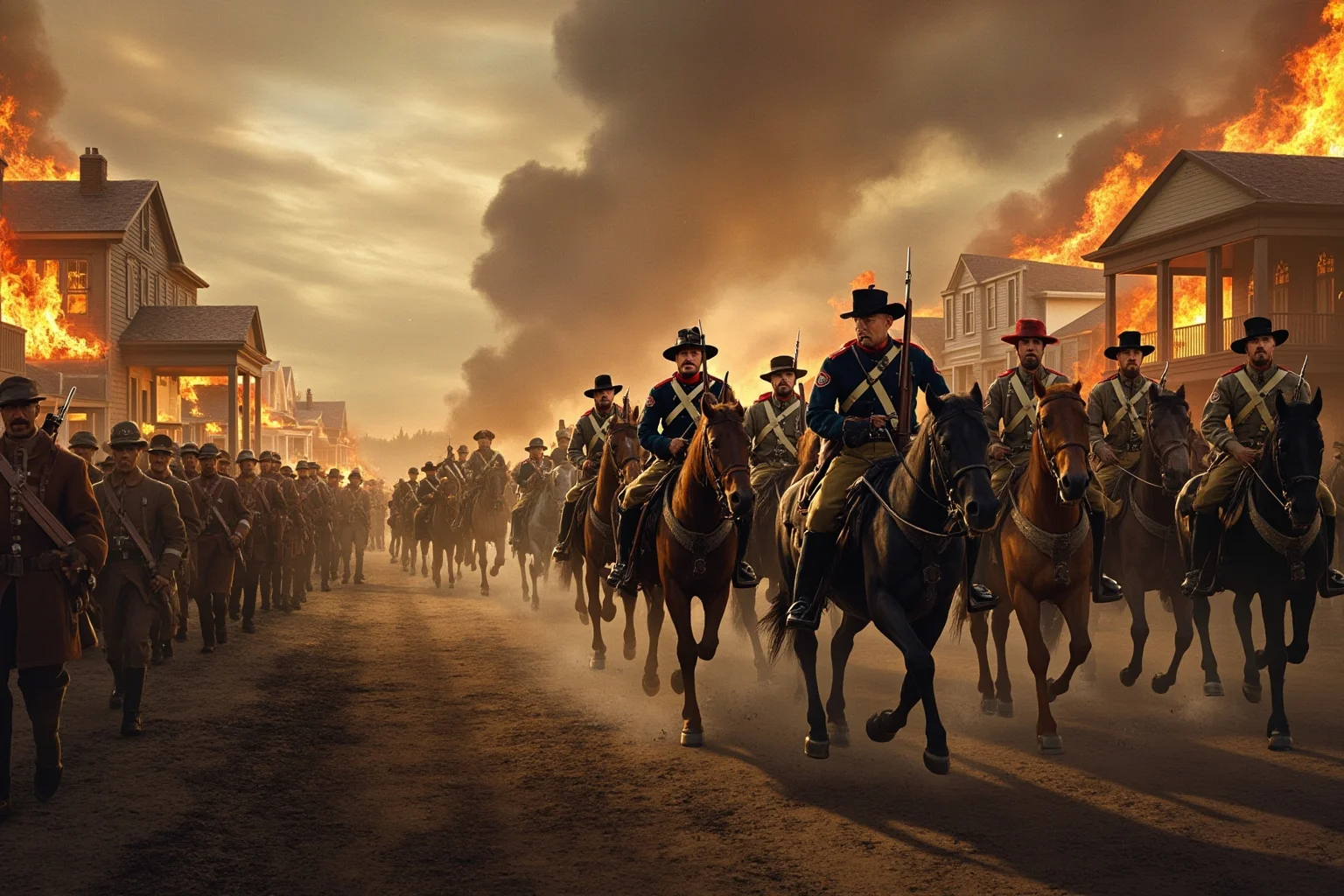
By 1864, the war had ground into a brutal stalemate, and public support for continuing the fight was wavering in the North. General William T. Sherman’s capture of Atlanta broke that stalemate and gave President Lincoln a much-needed political and military boost ahead of the 1864 election.
This victory paved the way for Sherman’s March to the Sea, which devastated Confederate infrastructure and morale. It’s a reminder that turning points aren’t always about the battlefield alone; political timing mattered enormously here too.
Turning Points in World War I
Turning points in WWI look different from other wars because the front lines barely moved for years at a stretch, a story explored in more depth in our guide to the major battles of WWI. The real shifts often happened through attrition, alliances, and collapsing morale rather than sudden battlefield breakthroughs.
11. The First Battle of the Marne (1914)
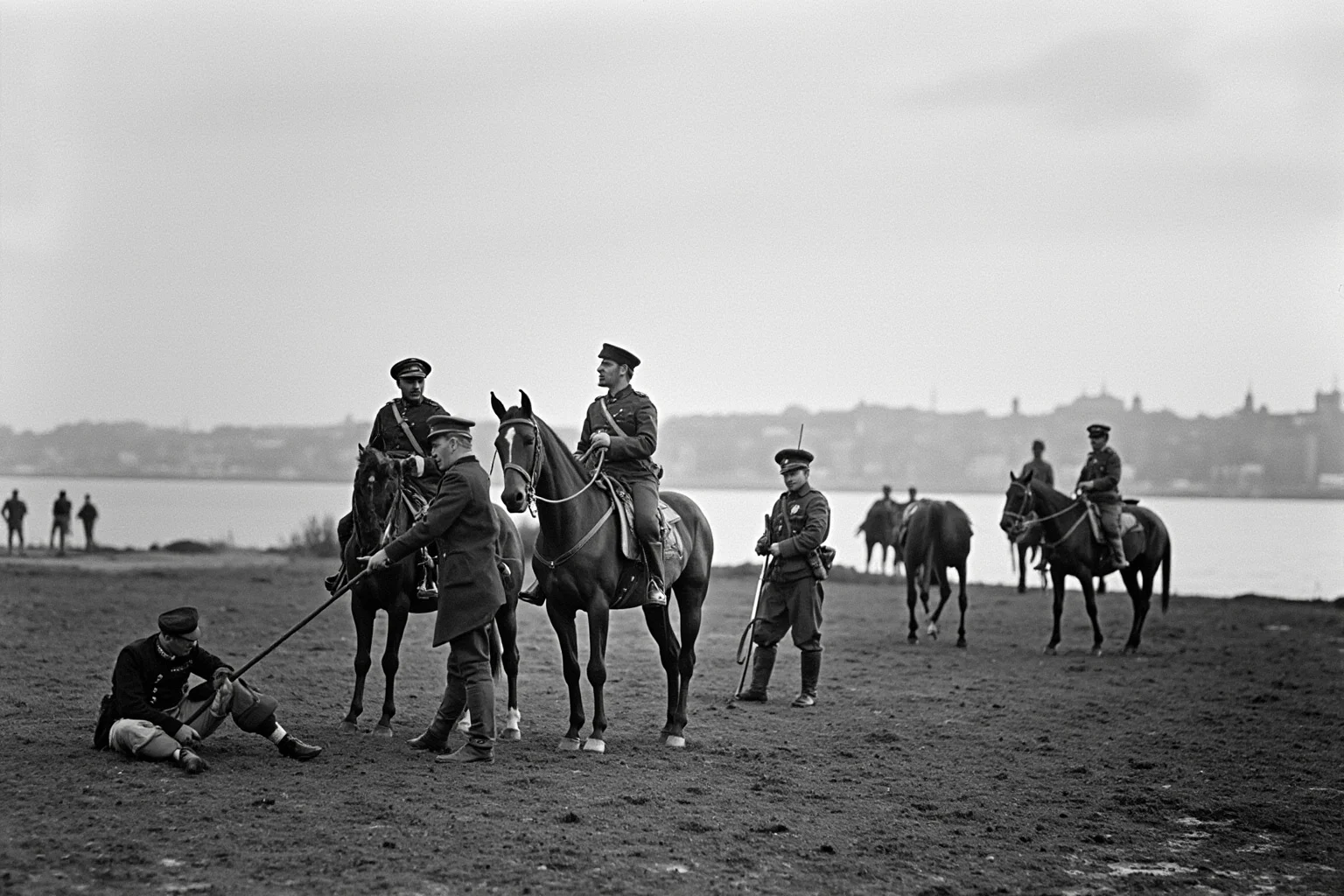
Early in the war, German forces advanced rapidly through Belgium and northern France, following a modified version of the Schlieffen Plan. French and British forces stopped that advance just short of Paris at the Marne River.
This battle prevented a quick German victory and forced both sides into the trench warfare that would define the next four years. It’s frequently cited as the world war I turning point that shaped the entire character of the conflict.
12. The Battle of Verdun (1916)
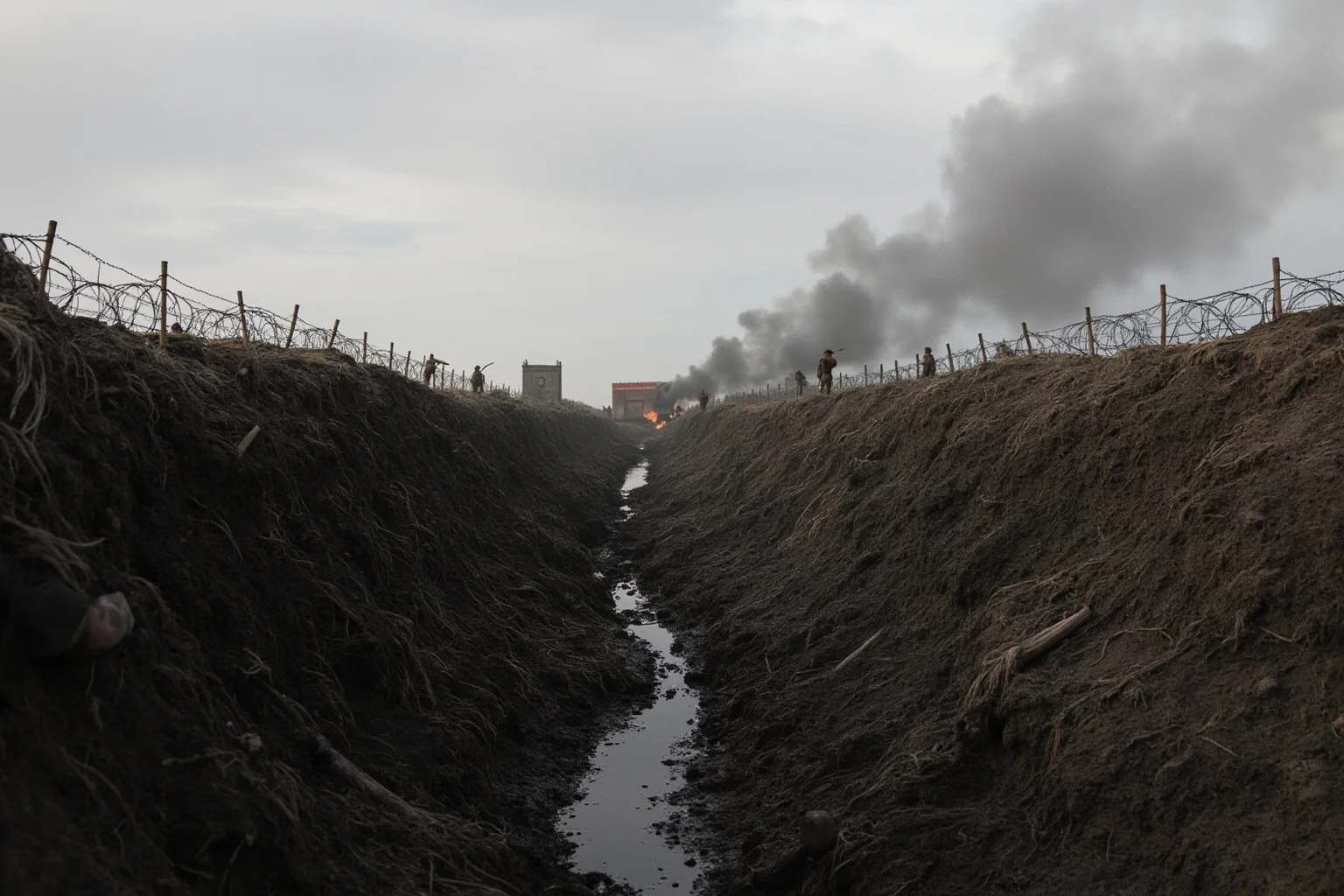
This grinding ten-month battle produced roughly 700,000 casualties on both sides combined, for almost no territorial change. Verdun became a symbol of the war’s brutal attrition and drained French military strength for years afterward.
While Verdun didn’t produce a clear winner, it’s often listed among the turning points in world war 1 because of how thoroughly it exhausted France’s fighting capacity. The psychological toll shaped French strategy for the rest of the war.
13. Russia’s Exit and the Treaty of Brest-Litovsk (1917)
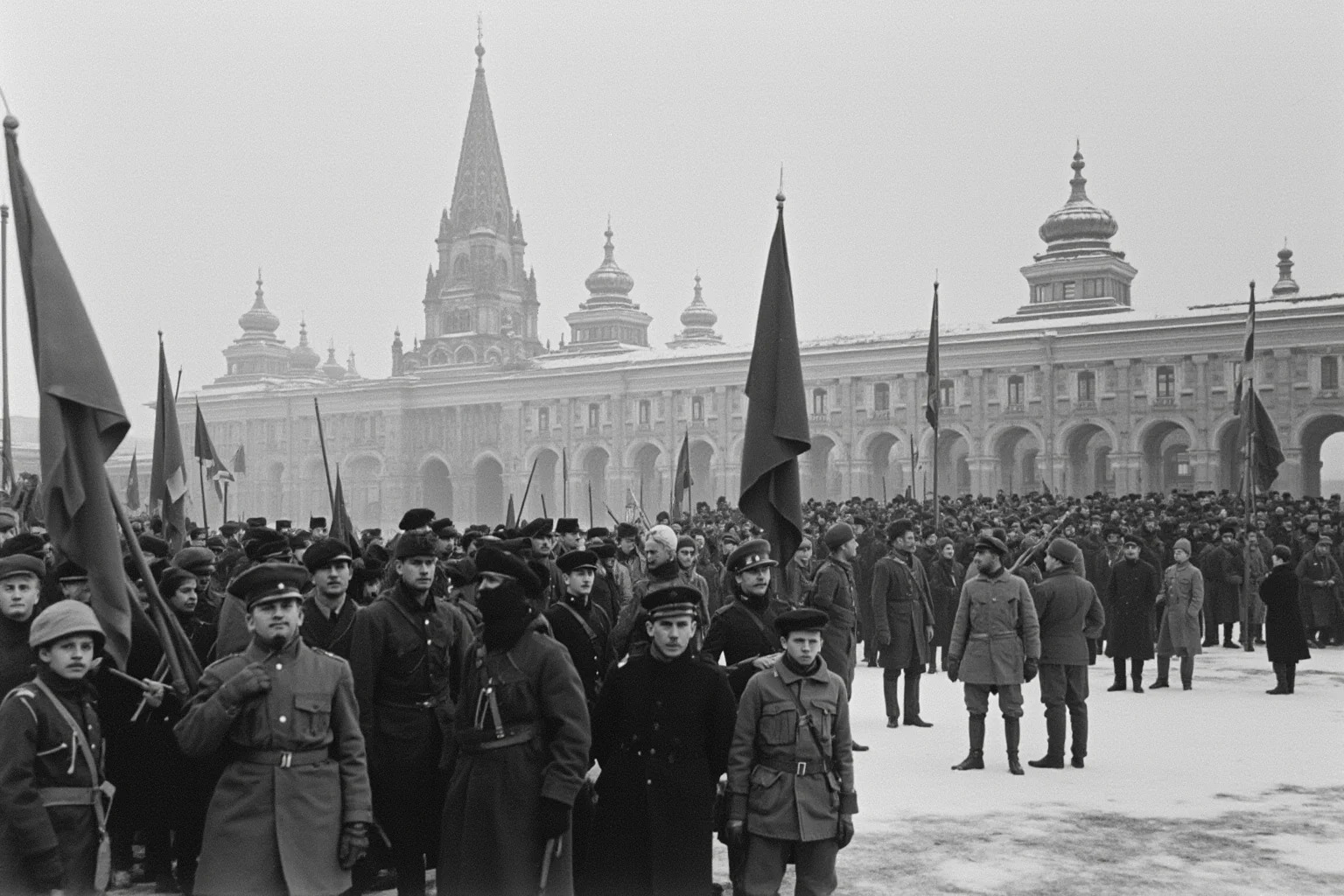
The Russian Revolution toppled the Tsarist government and eventually brought the Bolsheviks to power, who withdrew Russia from the war. The resulting Treaty of Brest-Litovsk in 1918 freed up German troops to reinforce the Western Front.
This is a key answer to what was the turning point of WW1 for anyone focused on the Eastern Front. It temporarily gave Germany a manpower advantage in the west, though that advantage proved short-lived.
14. America Enters the War (1917)
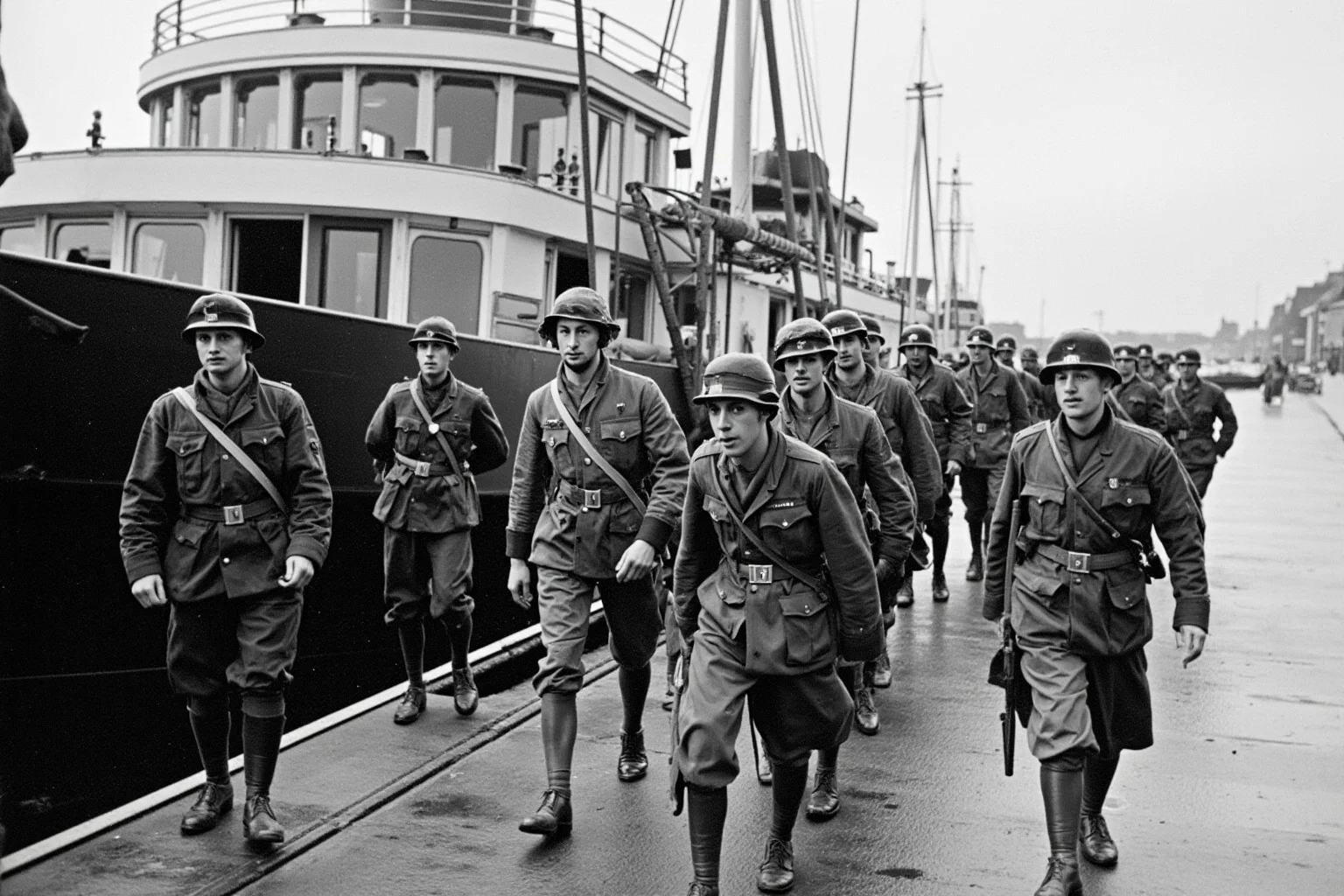
The United States declared war on Germany in April 1917, following incidents like unrestricted submarine warfare and the intercepted Zimmermann Telegram. American troops and resources gave the Allies a fresh infusion of manpower right as European armies were exhausted.
It took time for American forces to fully mobilize, but their arrival changed the strategic math for Germany. Many historians count this among the most important turning points in WWI for the Allied side.
15. The Hundred Days Offensive (1918)
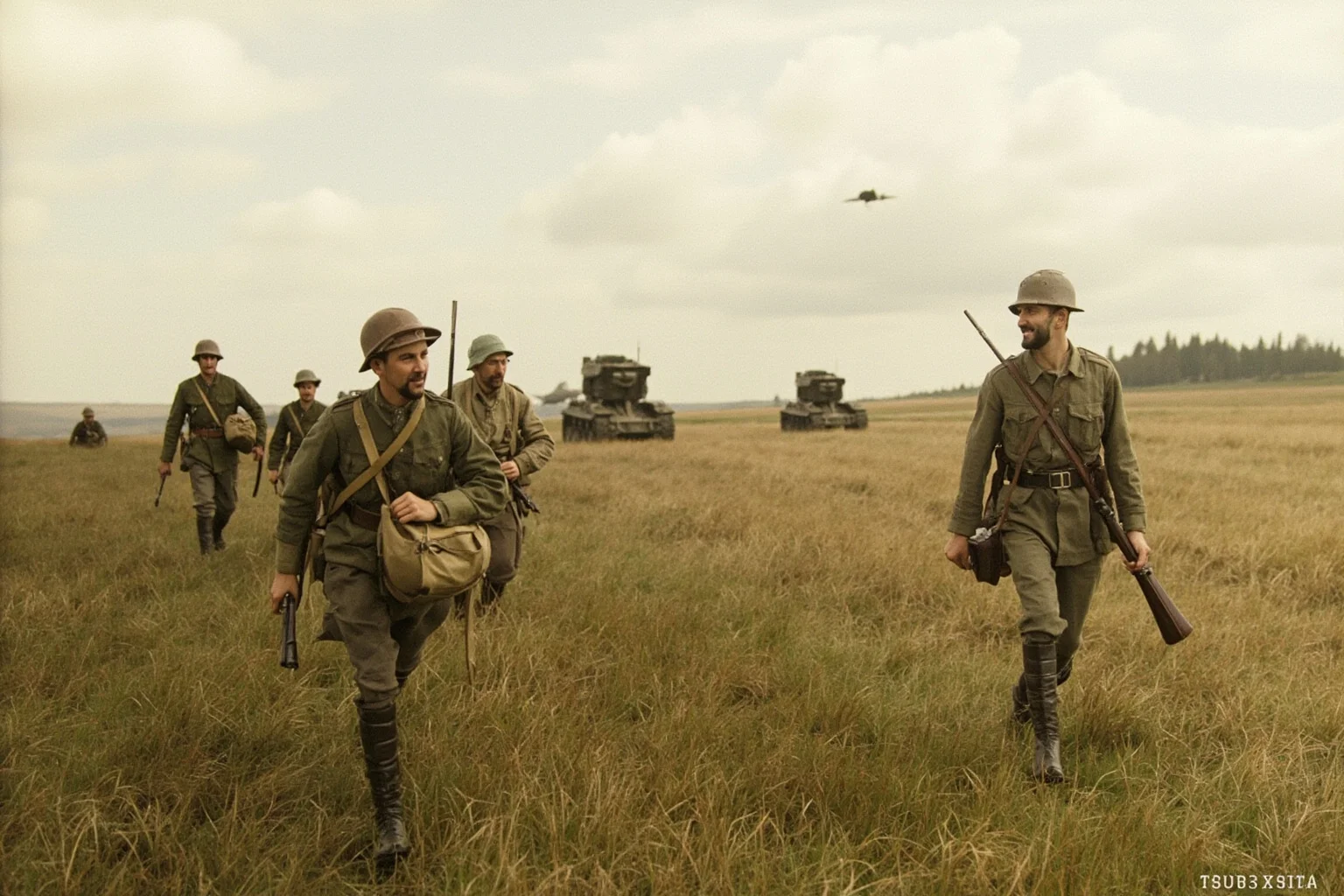
After Germany’s Spring Offensive failed to deliver a knockout blow, Allied forces launched a sustained counteroffensive starting in August 1918. This campaign steadily pushed German forces back and effectively ended the war by November.
It’s less famous than Verdun or the Marne, but it’s arguably the most decisive of all the turning points in WWI. It directly led to the armistice that ended the fighting.
Major Turning Points in WW2
When people search for turning points WW2 or major turning points in WW2, they’re usually asking about a handful of campaigns across 1942 and 1943. This was the stretch when the war’s momentum shifted decisively away from the Axis powers.
16. The Battle of Britain (1940)
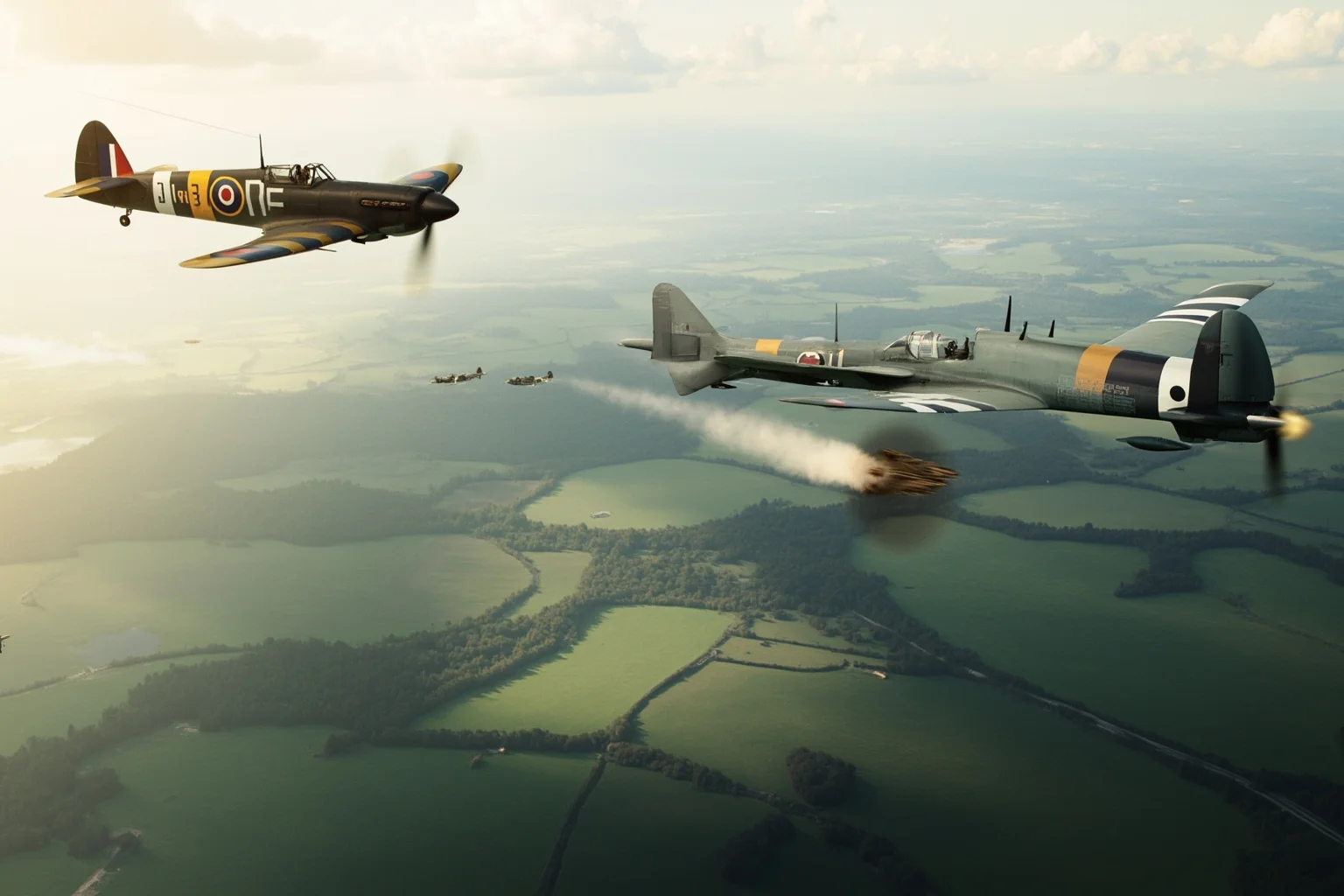
The Royal Air Force’s successful defense against sustained German bombing prevented a planned invasion of Britain. It was the first major defeat for Nazi Germany and kept Britain in the war as a base for future Allied operations.
Without this victory, there may not have been a staging ground for the later invasion of Normandy. It’s an early and crucial entry among the turning points WW2 historians point to.
17. Operation Barbarossa’s Failure Outside Moscow (1941)
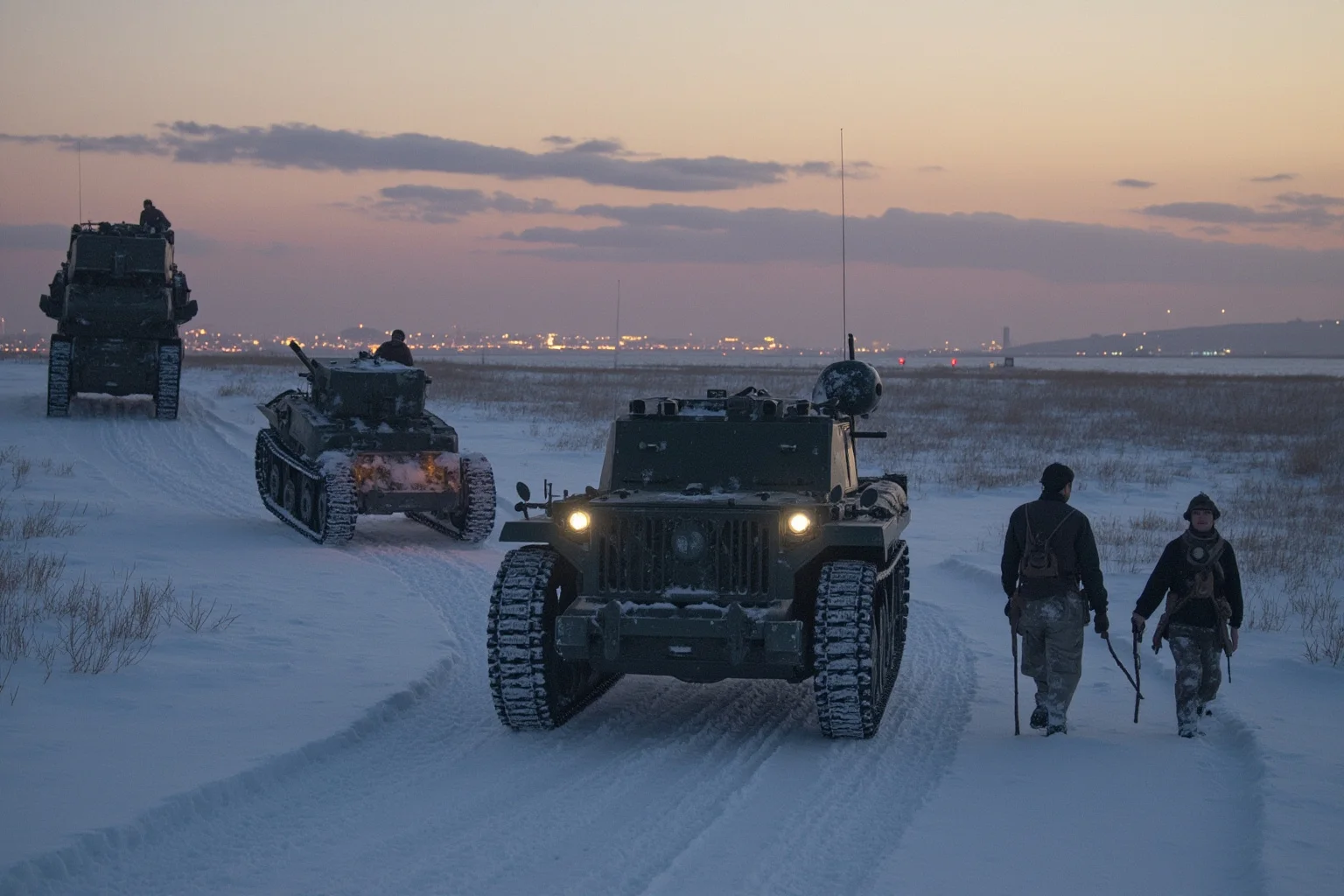
Germany’s massive invasion of the Soviet Union came startlingly close to capturing Moscow before being stopped in brutal winter conditions. The failure to take the Soviet capital denied Hitler the quick victory his strategy depended on.
This forced Germany into a prolonged two-front war it was never fully equipped to sustain. It set the stage for the even larger disaster that would follow at Stalingrad.
18. The Battle of Midway (1942)
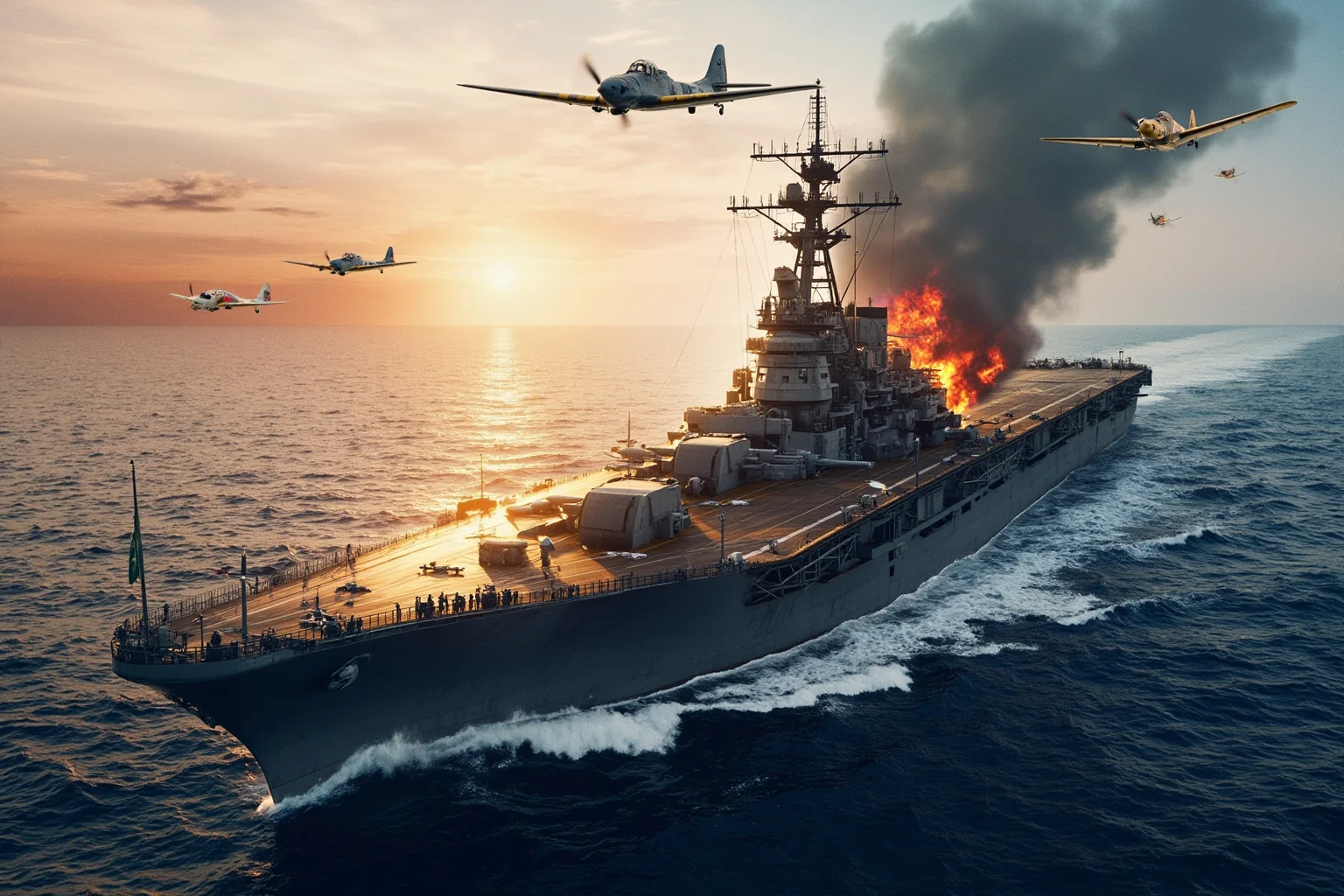
Just six months after Pearl Harbor, the United States Navy inflicted a devastating defeat on the Imperial Japanese Navy near Midway Atoll. Four Japanese aircraft carriers were sunk, crippling Japan’s naval air power for the rest of the war.
Midway is frequently named the biggest turning point in WW2 for the Pacific theater. Japan never regained the strategic initiative it lost in this single, chaotic battle.
19. The Second Battle of El Alamein (1942)
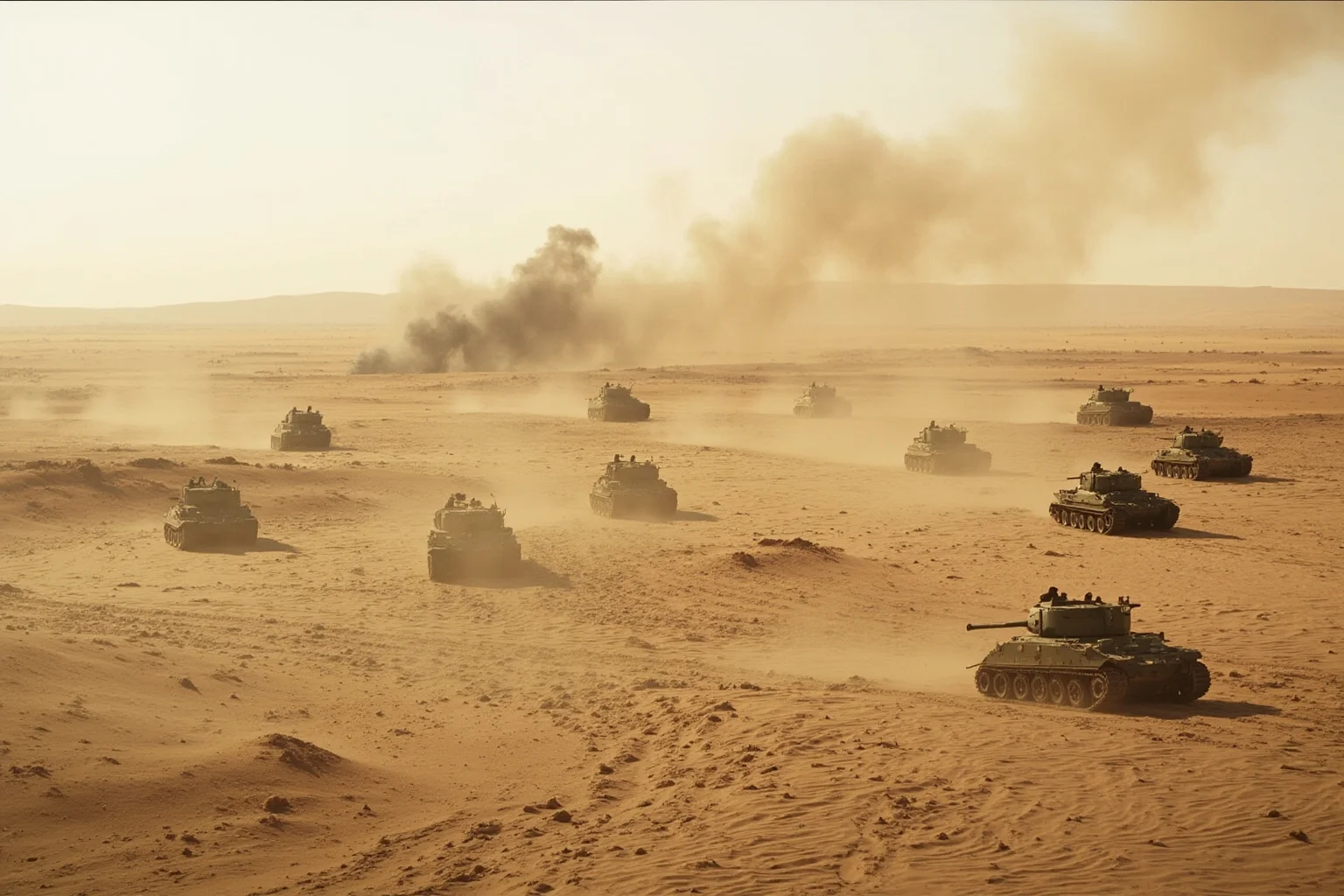
British and Commonwealth forces under General Bernard Montgomery decisively defeated Axis forces in Egypt. This victory secured the vital Suez Canal and began pushing German and Italian forces out of North Africa entirely.
Winston Churchill later remarked on how the tide of the war seemed to shift around this period. El Alamein is a smaller-scale example of a turning point battle, but its impact on Mediterranean and Middle Eastern strategy was substantial.
20. The Battle of Stalingrad (1942-43)
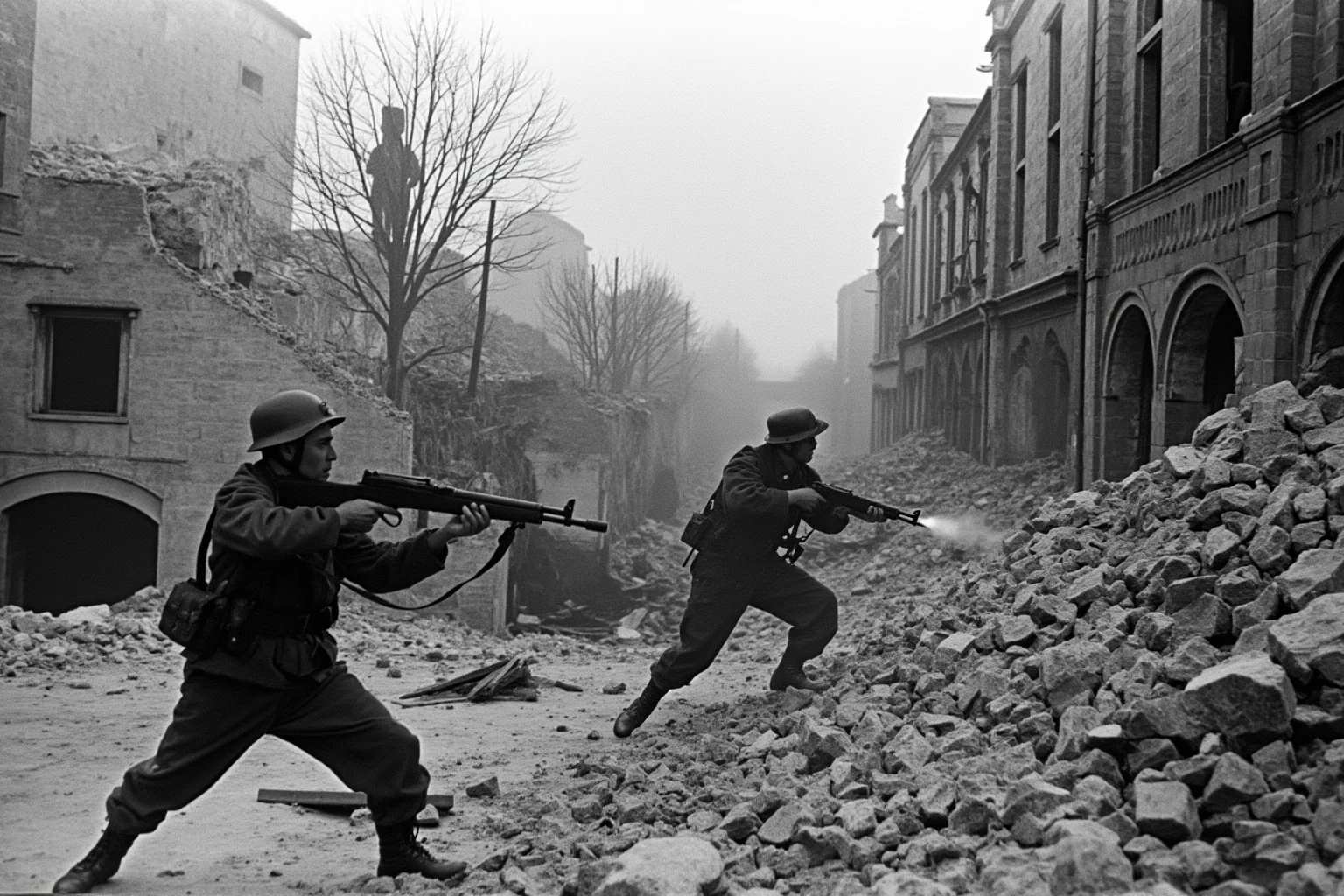
This brutal, months-long urban battle ended with the encirclement and surrender of an entire German army. It’s the single event most often named the turning point of the war when people are specifically asking about World War II in Europe.
Germany never recovered the offensive initiative on the Eastern Front after Stalingrad. From this point forward, Soviet forces steadily pushed westward all the way to Berlin.
21. The Battle of Kursk (1943)
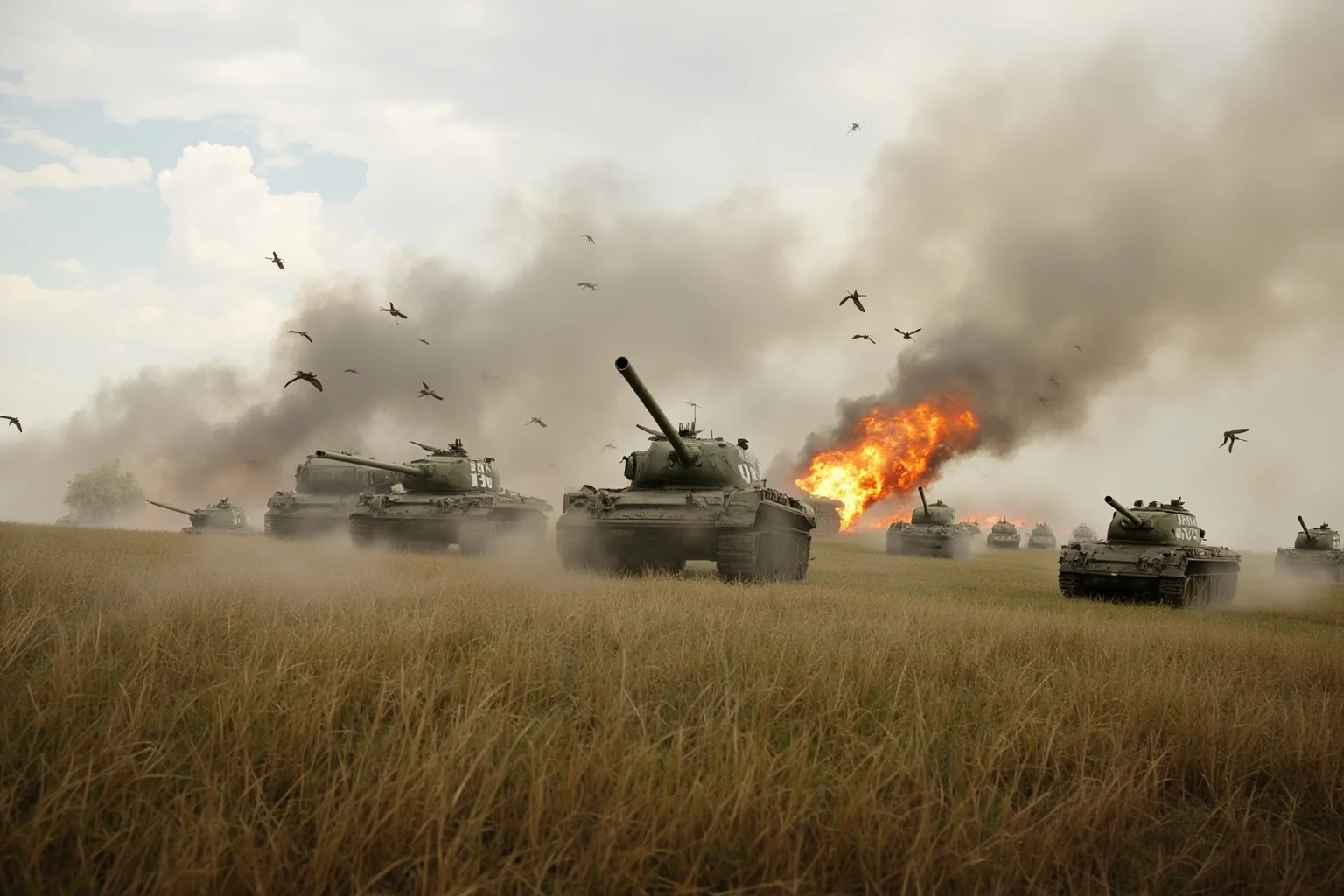
Following Stalingrad, Germany attempted one last major offensive push at Kursk, involving the largest tank battle in history. Soviet forces absorbed the assault and launched a counteroffensive that never really stopped until Berlin fell.
Kursk confirmed that Stalingrad wasn’t a fluke; Germany had permanently lost the strategic initiative in the east. Some historians consider Kursk, not Stalingrad, the true point of no return.
22. D-Day and the Normandy Landings (1944)
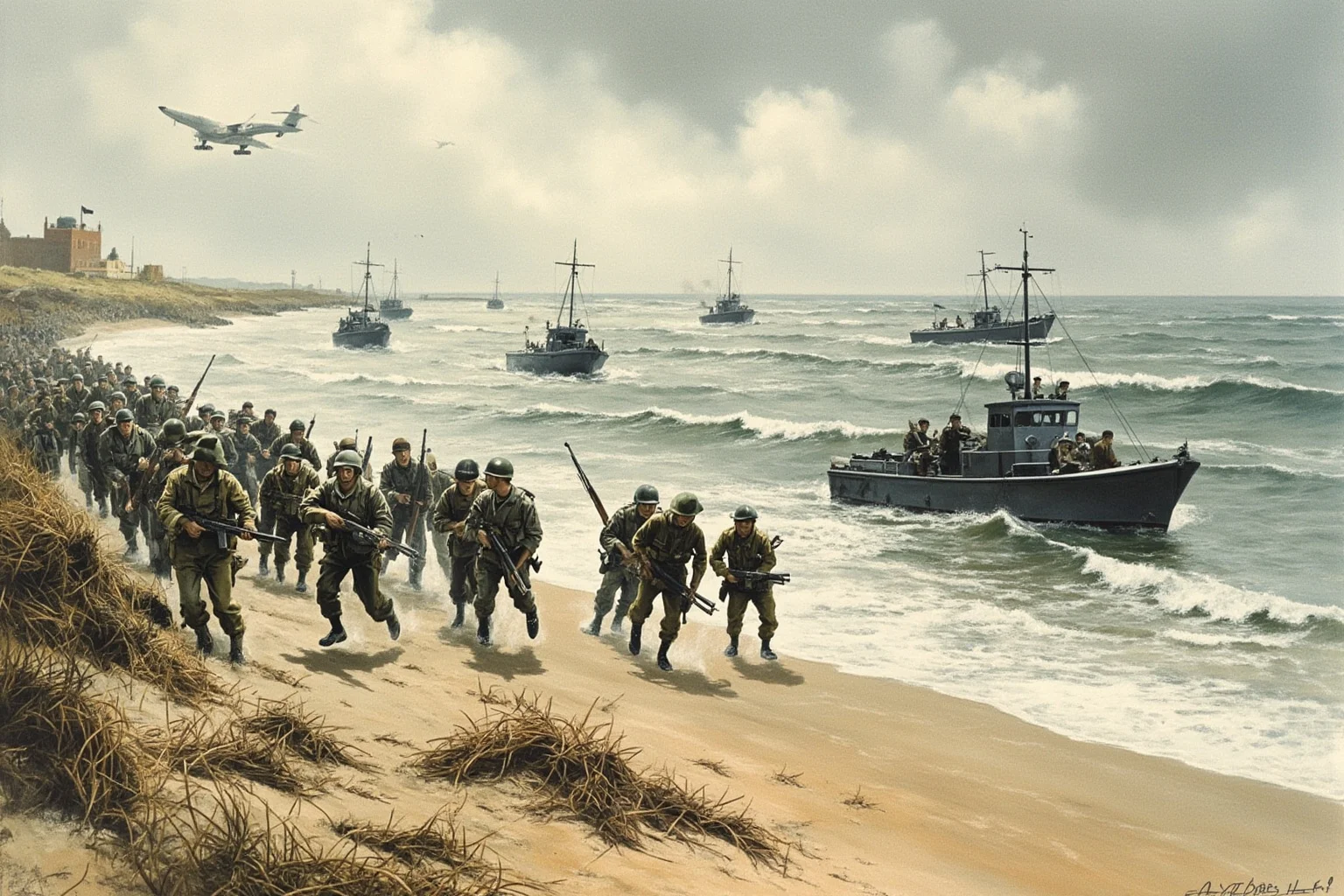
The largest amphibious invasion in history opened a long-awaited second major front against Germany in Western Europe. Allied forces established a foothold in France that they would never lose, despite fierce German resistance in the weeks that followed.
D-Day didn’t win the war by itself, but it made a two-front collapse of Germany’s defenses essentially inevitable. It remains one of the most iconic turning point battles in WW2 for the Western Allies specifically.
Turning Points Beyond the World Wars
Turning points in history aren’t limited to the world wars. Two moments from the second half of the twentieth century show how the concept applies just as clearly to Cold War-era conflicts and political upheavals.
23. The Tet Offensive (1968)
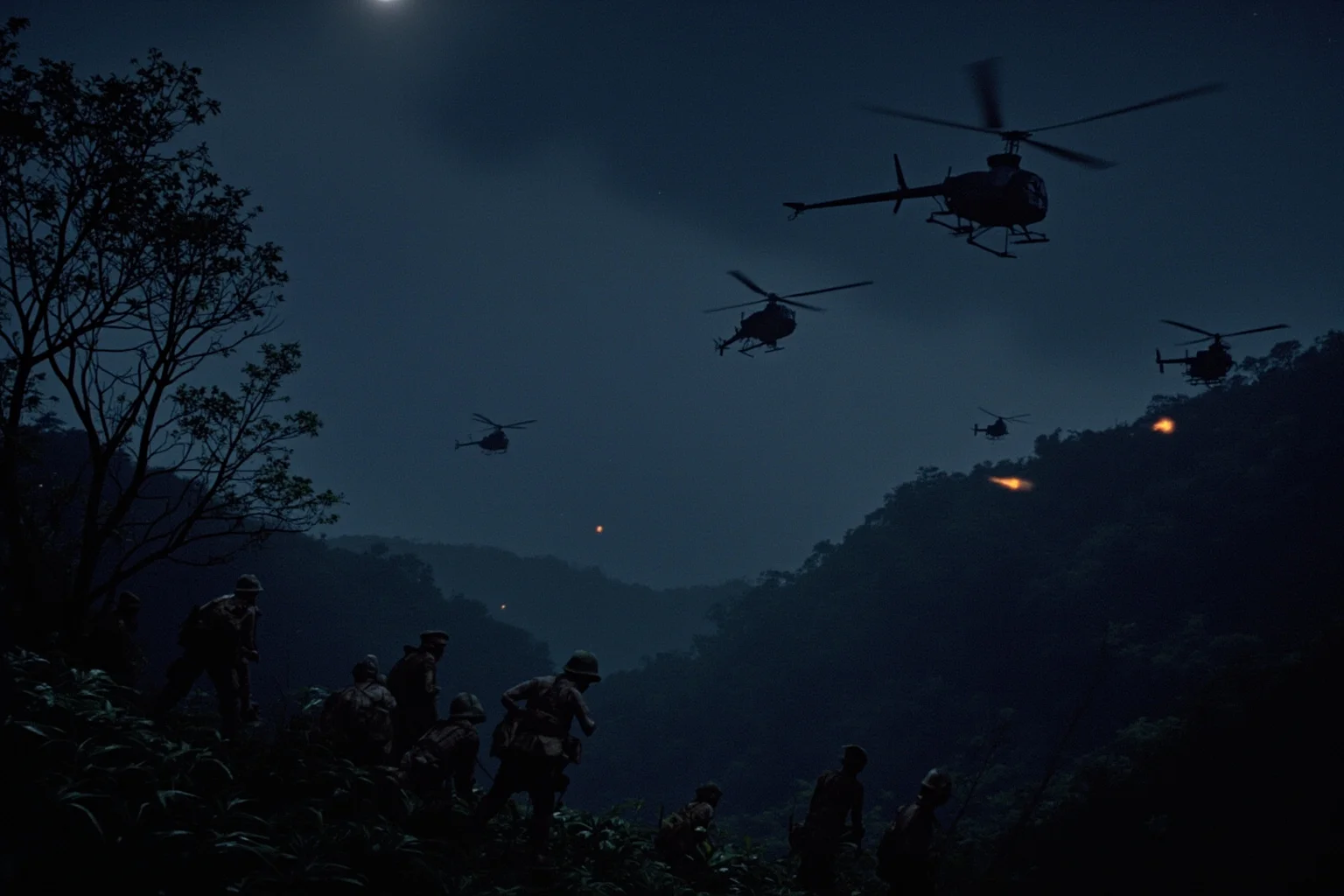
North Vietnamese and Viet Cong forces launched a massive, coordinated surprise attack across South Vietnam during the Lunar New Year holiday. Militarily, the offensive was ultimately repelled and cost the attackers heavy casualties.
Politically, however, it was a disaster for continued American involvement, as it shattered public confidence that victory was near. This is a powerful example of a turning point driven by perception and morale rather than a clear battlefield loss.
24. The Fall of the Berlin Wall (1989)
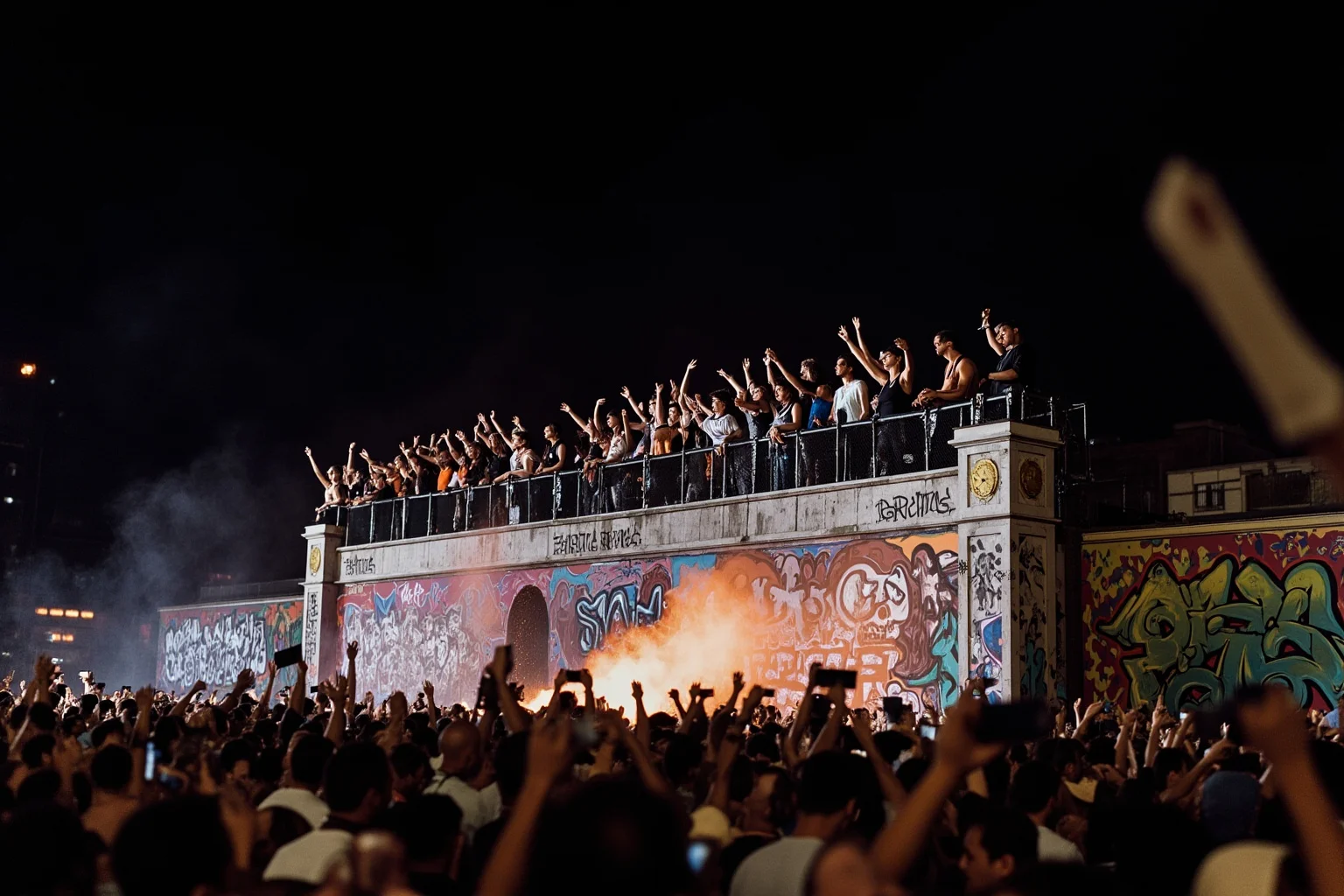
Not every turning point involves a battle at all. The fall of the Berlin Wall symbolized the collapse of Soviet-controlled Eastern Europe and effectively marked the end of the Cold War as a global ideological struggle.
It’s included here as a reminder that historical turning points can be peaceful, sudden, and driven by ordinary people rather than armies. Sometimes the most consequential turning points in history involve no fighting whatsoever.
Lessons From History’s Turning Points
Looking across all these examples, a few patterns emerge. Turning points are rarely obvious in the moment; soldiers at Gettysburg or Midway didn’t necessarily know they were living through history’s hinge points as the fighting happened.
Many turning points come in pairs or clusters rather than standing alone. Gettysburg and Vicksburg, Stalingrad and Kursk, and the Marne and the Hundred Days Offensive all show how momentum often shifts across multiple connected events rather than one single afternoon.
Finally, not every turning point is a battle. Political decisions, revolutions, and even peaceful protests have redirected the outcome of conflicts just as powerfully as any military victory. That’s worth remembering the next time you see a confident claim about “the” turning point of any given war.
History rarely hands us a single clean answer, and that’s part of what makes studying these moments so rewarding. The turning points covered here remain some of the most debated, discussed, and genuinely pivotal moments in the story of human conflict.
Frequently Asked Questions
What was the turning point of the war?
It depends entirely on which war you mean, since almost every major conflict has its own widely cited turning point. For World War II in Europe, most historians point to Stalingrad; for the American Civil War, Gettysburg and Vicksburg are the standard answers; and for the American Revolutionary War, it's the Battles of Saratoga.
What is a historical turning point?
A historical turning point is a moment or event after which the overall direction of a conflict, movement, or era shifts in a lasting way. It's typically identified by a permanent change in strategic advantage, morale, or realistic paths to victory, confirmed by hindsight rather than in-the-moment drama alone.
What was the turning point of WW1?
There isn't a single agreed-upon answer, but strong candidates include the First Battle of the Marne in 1914, which prevented a quick German victory, and the Hundred Days Offensive in 1918, which directly led to Germany's defeat. Russia's exit from the war and America's entry in 1917 are also frequently cited as pivotal shifts.
What was the turning point of the American Revolutionary War?
Most historians point to the Battles of Saratoga in 1777. The American victory there convinced France to formally ally with the colonies, bringing crucial military and financial support that helped turn the tide against Britain.
Which battle is considered the biggest turning point in WW2?
For the European theater, the Battle of Stalingrad (1942-43) is most commonly named, since it marked the permanent loss of German offensive initiative on the Eastern Front. For the Pacific theater, the Battle of Midway (1942) is usually cited as the equivalent turning point against Japan.
What is the most important turning point in history?
This is genuinely debated among historians, since it depends on scope and criteria. Commonly cited candidates include the Battle of Gaugamela for spreading Hellenistic culture, the fall of the Berlin Wall for ending the Cold War, and World War II's Eastern Front battles for reshaping twentieth-century global power.
What is the point in a war reaching a turning point if fighting continues afterward?
A turning point rarely ends a war immediately; it closes off one side's realistic chance of winning, even though fighting can continue for years afterward. Gettysburg and Stalingrad are both good examples of battles that shifted the odds decisively without ending the wider conflict on the spot.
Which battle was the turning point of the war in the Pacific during WW2?
The Battle of Midway in June 1942 is the standard answer. The United States Navy destroyed four Japanese aircraft carriers, permanently crippling Japan's naval air power and shifting strategic momentum to the Allies for the remainder of the Pacific War.

Alex Warren
Related Articles





