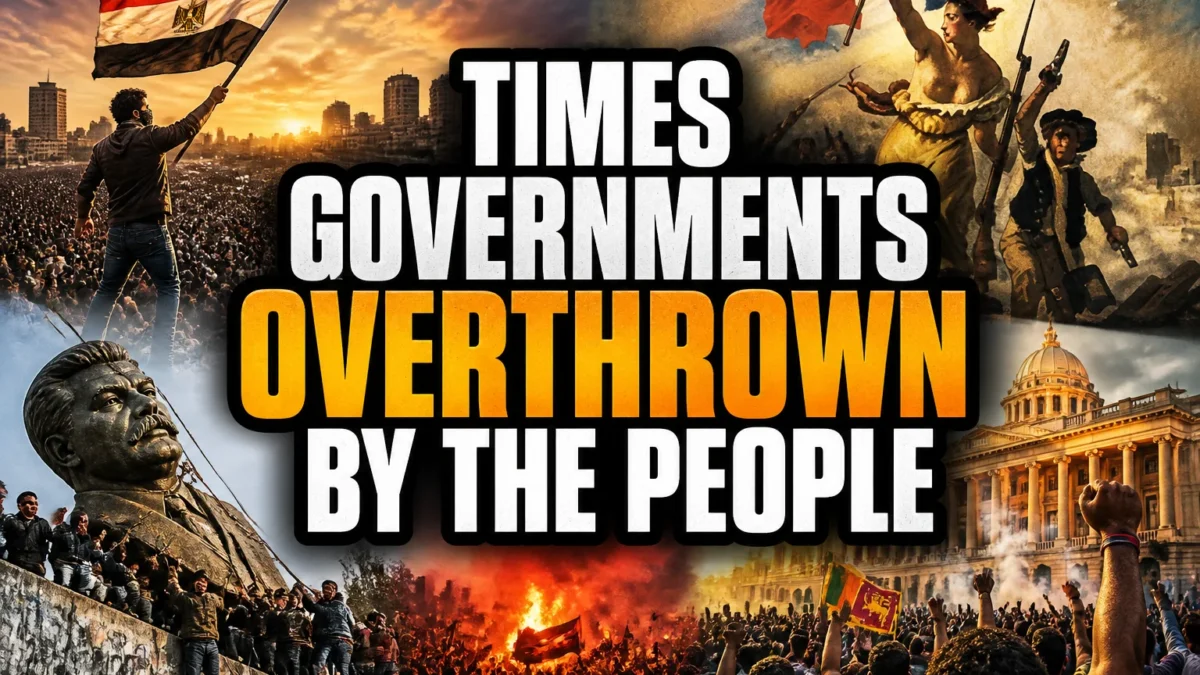
History is full of moments when ordinary people decided they had had enough. Across continents and centuries, citizens have risen up, stormed palaces, and toppled regimes that once seemed unshakable. These are not just stories of chaos—they are stories of courage, calculation, and the fragile nature of power.
Below are 21 instances where a government was overthrown by its own people. Some ended in democracy, others in new dictatorships, and a few in years of bloodshed. Together they show that the sudden overthrow of a government is rarely simple, and its consequences are never guaranteed.
TL;DR: When people lose faith in a government's legitimacy, a revolt against government authority can topple even the most entrenched regimes—but the aftermath often proves as unpredictable as the uprising itself.
1. The Athenian Revolution (508–507 BCE)
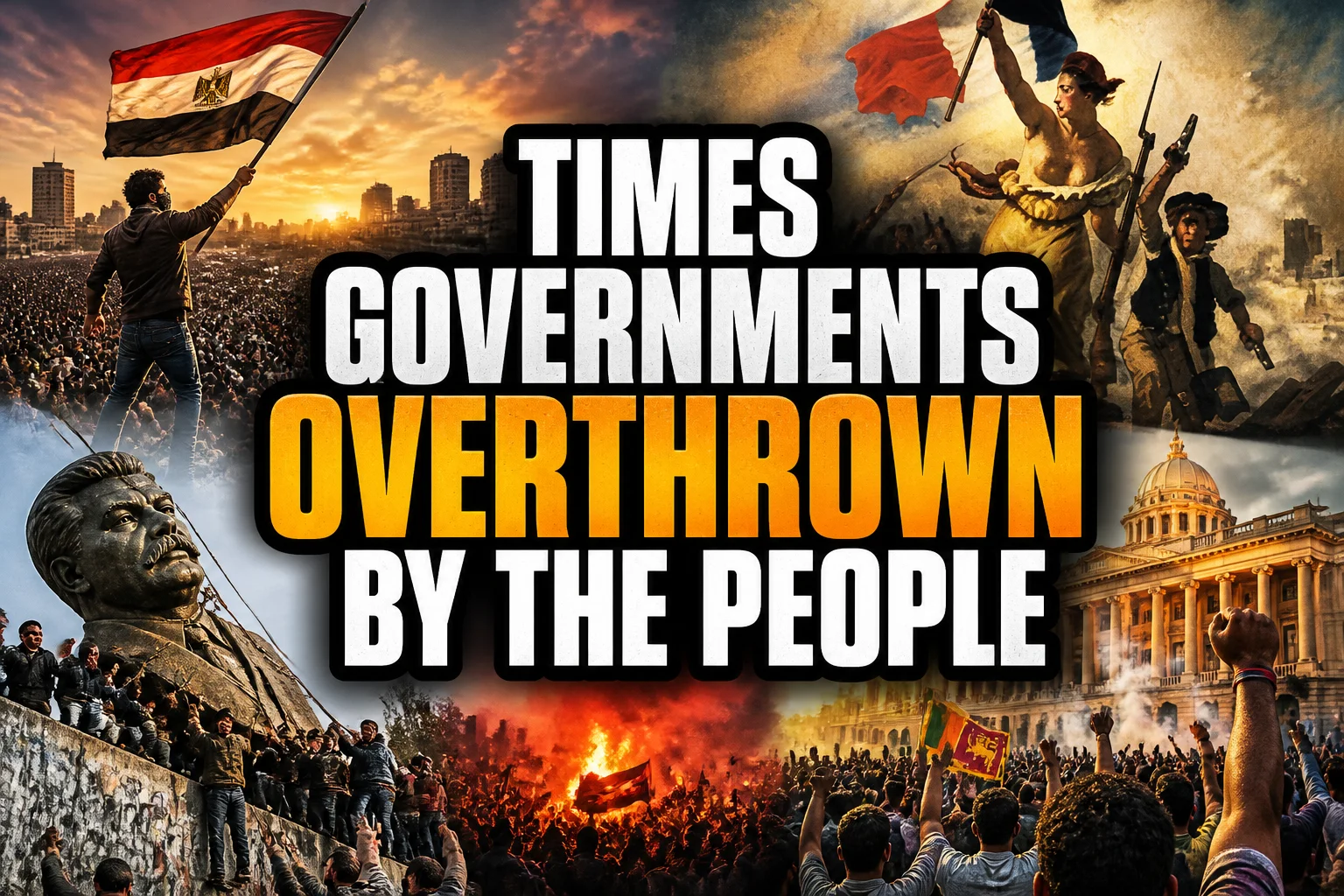
Athens was not always a democracy. For decades it was ruled by tyrants and aristocratic factions who hoarded power. In 508 BCE, a popular uprising led by Cleisthenes and supported by ordinary citizens drove out the Spartan-backed oligarchy.
This revolt against government authority did not just replace one ruler with another. It established the world's first known democratic constitution, giving Athenian citizens a direct say in law and policy. The word for overthrowing the government became woven into Western political thought because of moments like this.
2. The Roman Overthrow of the Monarchy (509 BCE)
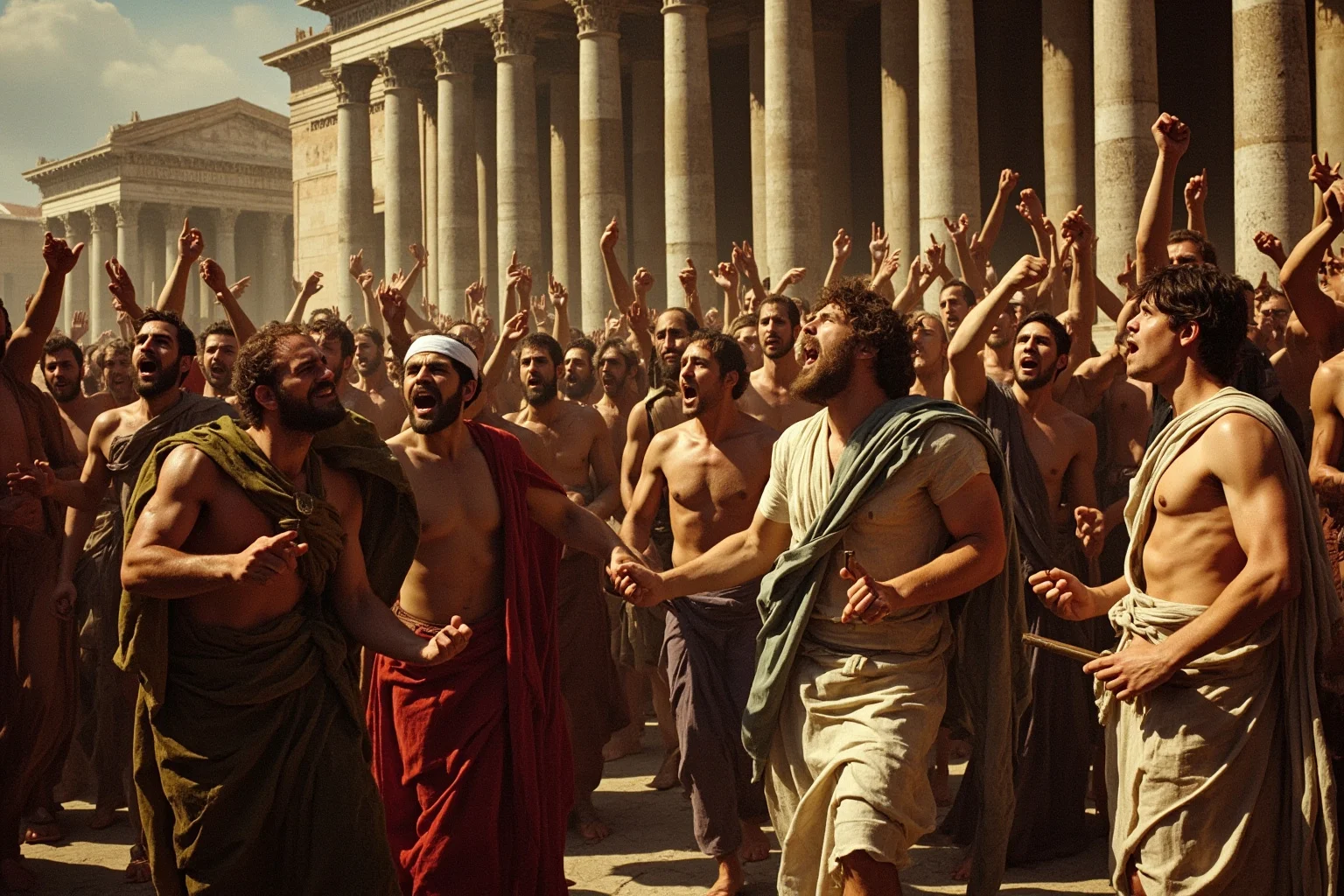
The Roman Kingdom ended when Lucius Junius Brutus led a revolt against King Lucius Tarquinius Superbus. According to Roman tradition, the king's son's assault on a noblewoman named Lucretia sparked public fury. The people swore never to be ruled by a king again.
What followed was the Roman Republic, a system designed to prevent any single man from holding absolute power. The overthrow of the government became a founding myth that Romans invoked whenever they feared tyranny. It also shaped the constitutional right to overthrow the government in later Western legal thinking.
3. The French Revolution (1789)
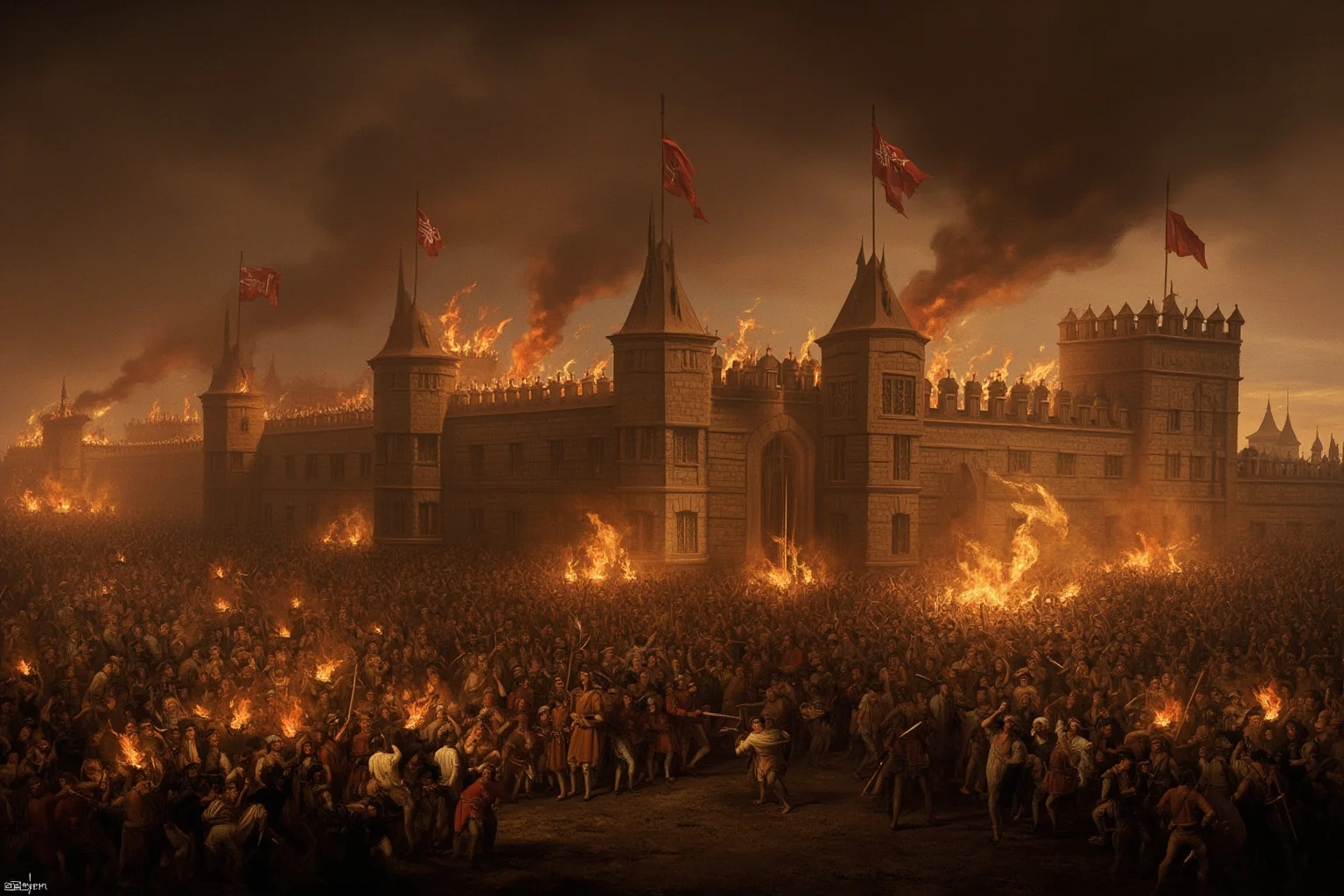
The storming of the Bastille on July 14, 1789, remains the defining image of a people overthrowing their government. Years of famine, unfair taxation, and royal indifference had pushed the French people to breaking point. When King Louis XVI hesitated to reform, the revolutionaries abolished the monarchy entirely.
The French Revolution showed the world that a government overthrown by citizens could reshape an entire continent's politics. It also revealed the darker side of such upheaval: the Reign of Terror, internal purges, and eventually the rise of Napoleon. Few revolts illustrate so clearly that overthrowing a government is easier than building a stable one.
4. The Haitian Revolution (1791–1804)
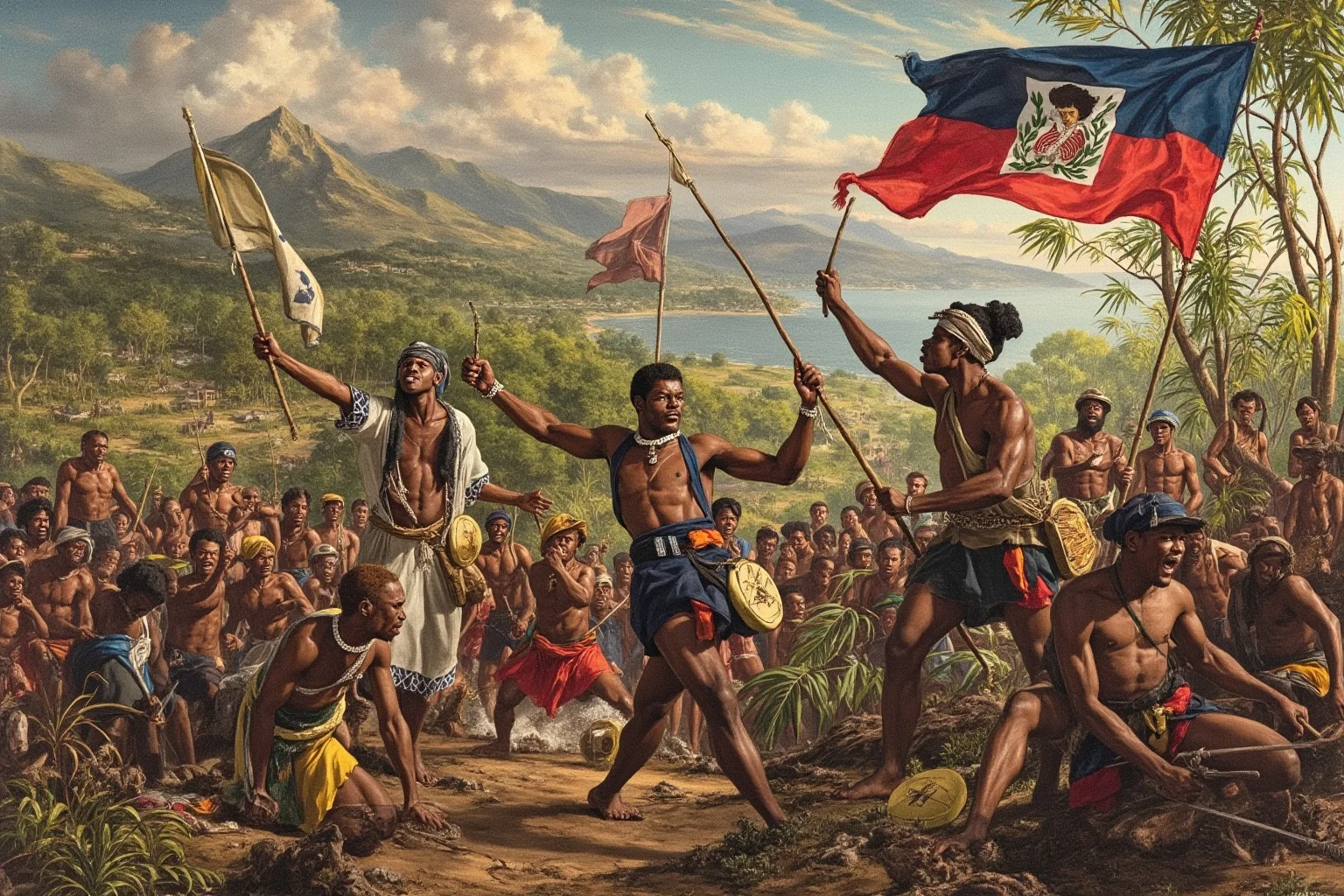
The Haitian Revolution was the only successful large-scale slave revolt in modern history that led to an independent nation. Enslaved Africans and free people of color rose against French colonial rule, defeating not only local planters but also Spanish and British armies.
By 1804, Haiti had declared independence and abolished slavery. The revolt against government and colonial authority was so effective that it terrified slaveholding powers across the Americas. It remains one of history's most powerful examples of a people overthrowing a government and creating something entirely new.
5. The Russian Revolution (1917)
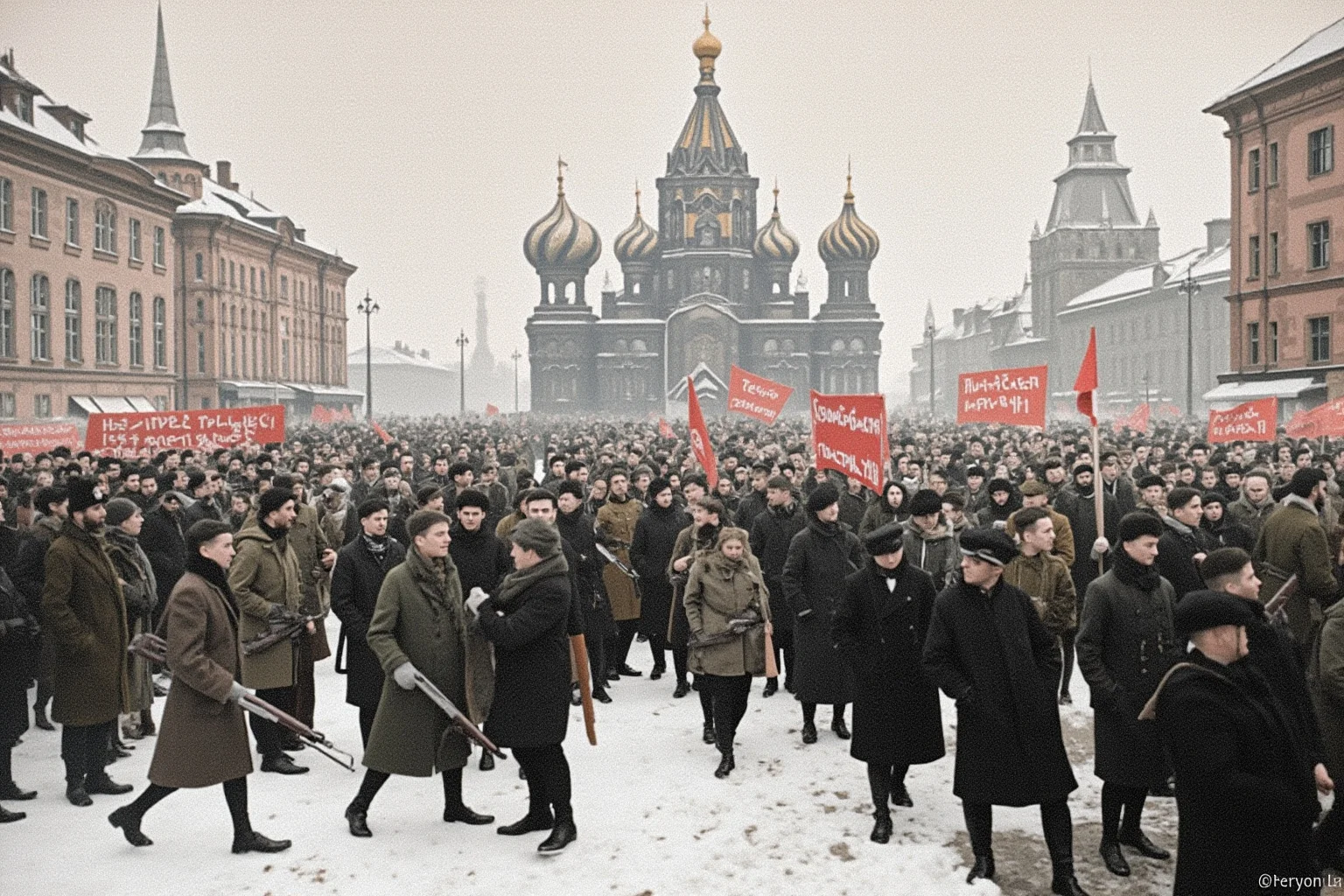
In February 1917, mass protests over food shortages and the horrors of World War I forced Tsar Nicholas II to abdicate. A provisional government took power, but it failed to end the war or feed the cities. By October, the Bolsheviks had seized control in a second, more radical overthrow.
The Russian Revolution is often cited as how to overthrow a government by exploiting weakness at the top. It is also a cautionary tale: the new regime quickly became more authoritarian than the one it replaced. The sudden overthrow of the tsarist government did not deliver freedom for most Russians.
6. The Cuban Revolution (1959)
Fulgencio Batista's regime was corrupt, brutal, and closely tied to foreign business interests. Fidel Castro's guerrilla movement, backed by growing popular support, marched into Havana on January 1, 1959, as Batista fled the country.
The Cuban Revolution is a classic example of a rebel against the government movement succeeding despite long odds. It also became a geopolitical flashpoint, aligning Cuba with the Soviet Union. Whether it improved life for ordinary Cubans remains fiercely debated decades later.
7. The Iranian Revolution (1979)
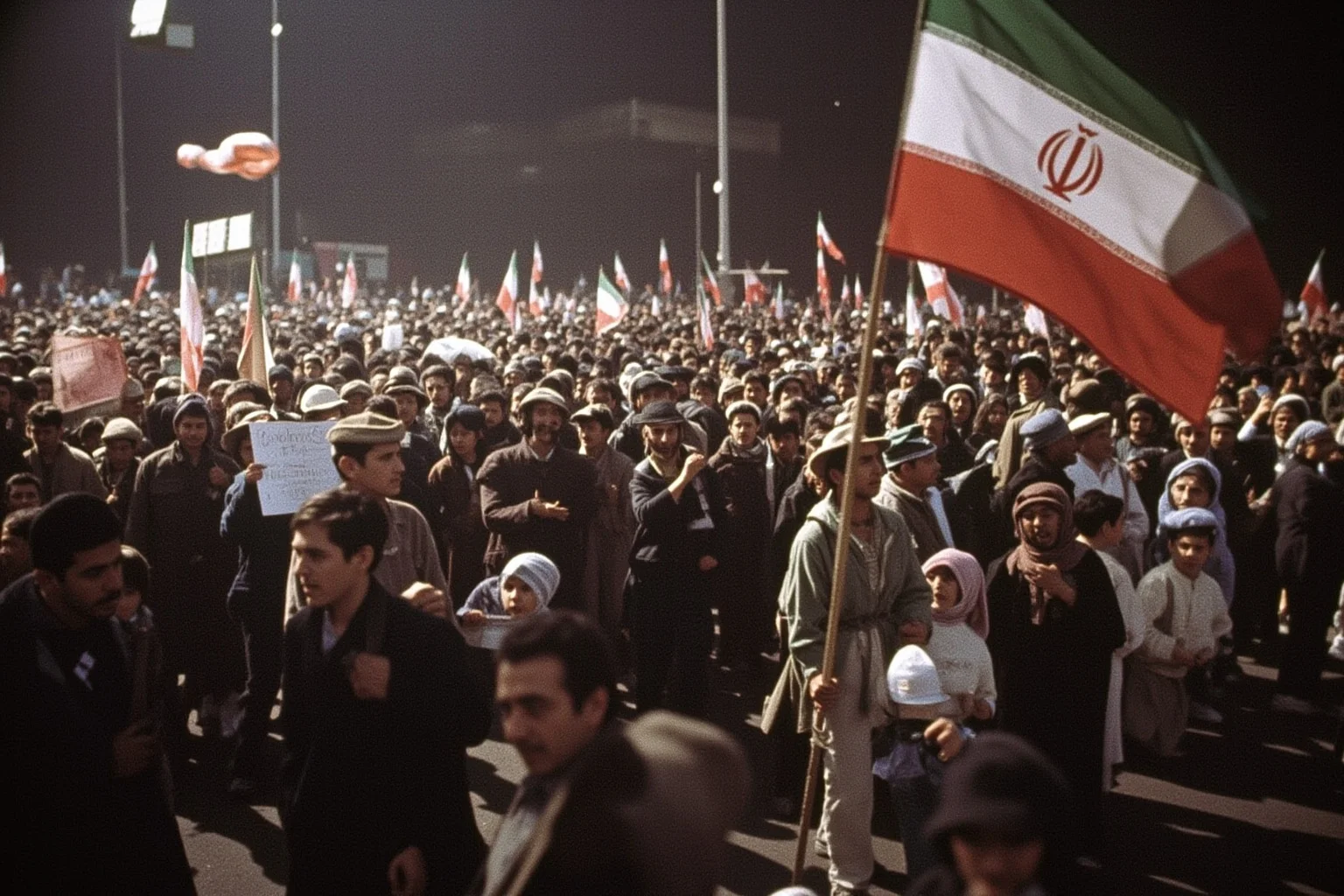
The Shah of Iran had ruled with secret police, censorship, and close ties to Western powers. A broad coalition of clerics, students, workers, and merchants united to demand his removal. In early 1979, the Shah fled and Ayatollah Khomeini returned from exile to lead a new Islamic Republic.
The Iranian Revolution showed that a government revolt can unite very different groups—until they disagree about what comes next. The revolution replaced a secular monarchy with a theocracy. For many Iranians, the promise of freedom gave way to a different kind of repression.
8. The Fall of the Berlin Wall and East Germany (1989)
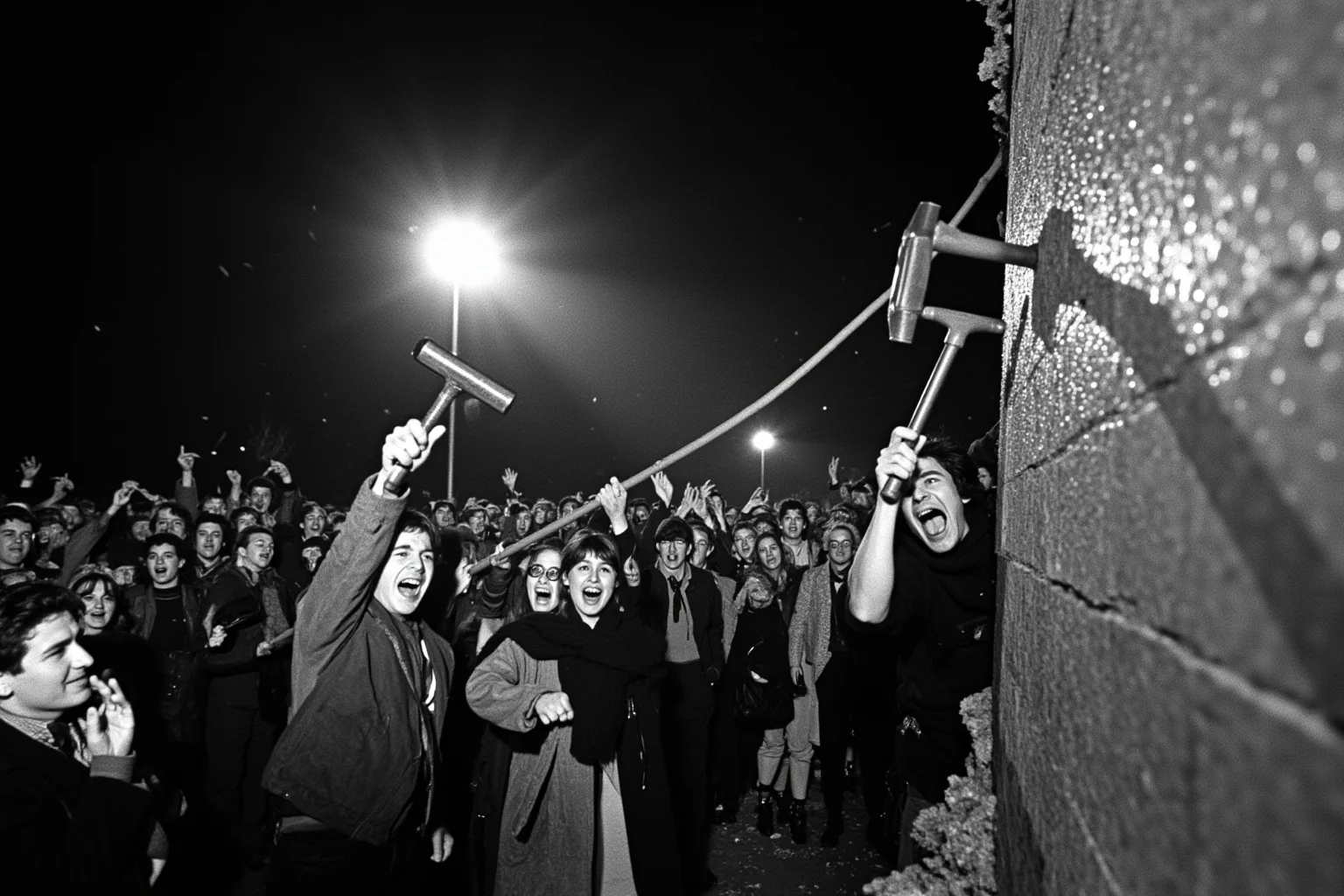
East Germany's communist government had relied on the Stasi secret police and Soviet backing to survive. But when Hungary opened its borders and protests spread in Leipzig, the regime lost control. On November 9, 1989, crowds overwhelmed border guards and began tearing down the Berlin Wall.
Within a year, East Germany had ceased to exist and Germany was reunified. This was a rare case where a government overthrown by its citizens happened largely without widespread violence. The East German example is often cited when people ask what country overthrew their government peacefully.
9. The Velvet Revolution in Czechoslovakia (1989)
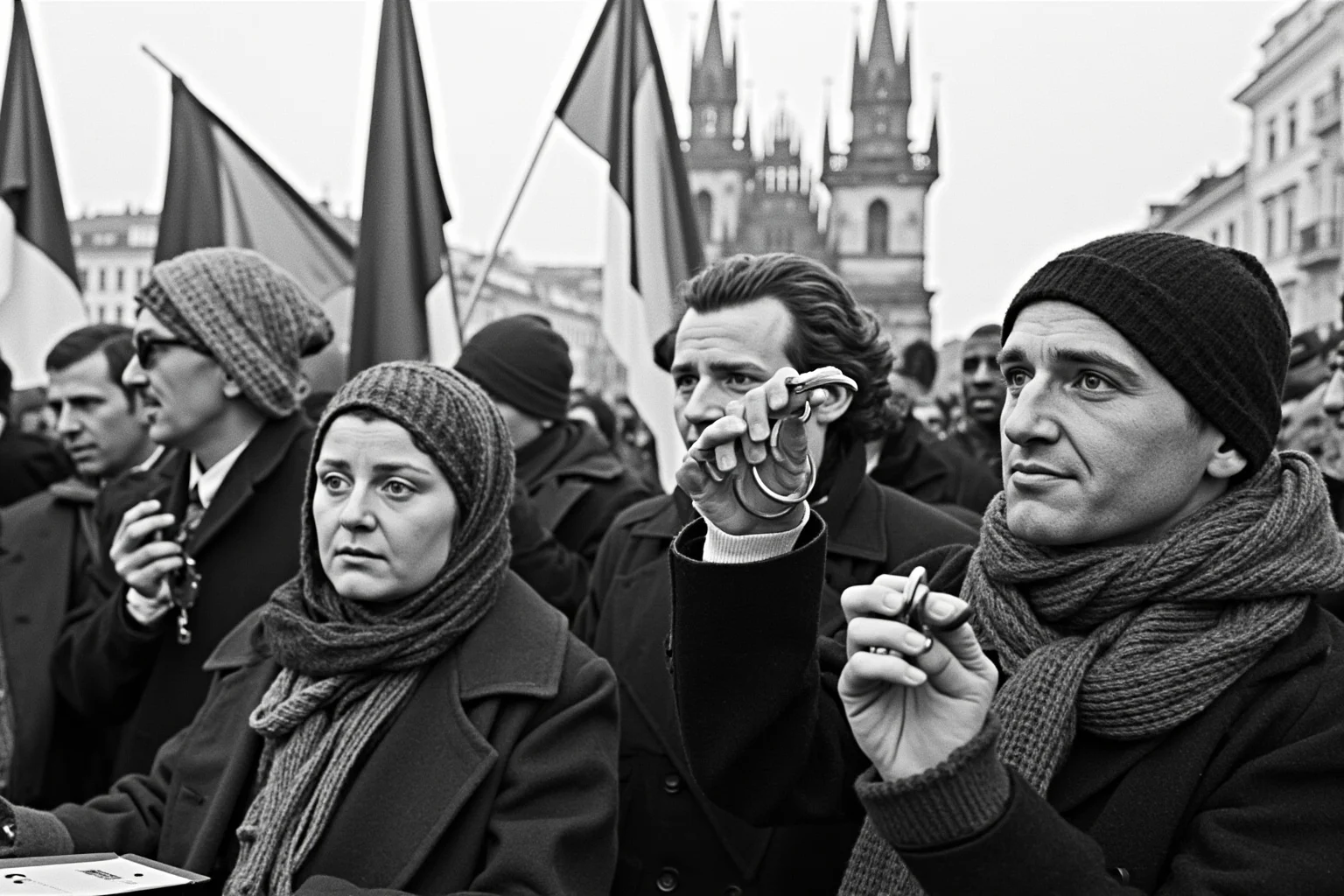
Student protests in Prague on November 17, 1989, were met with police violence—but instead of crushing dissent, the crackdown sparked nationwide strikes. Within weeks, the Communist Party surrendered its monopoly on power in what became known as the Velvet Revolution.
Playwright Václav Havel went from prisoner to president in less than a year. The peaceful nature of this overthrow of the government became a model for other Eastern Bloc nations. It proved that regime change did not always require barricades and blood.
10. The Romanian Revolution (1989)
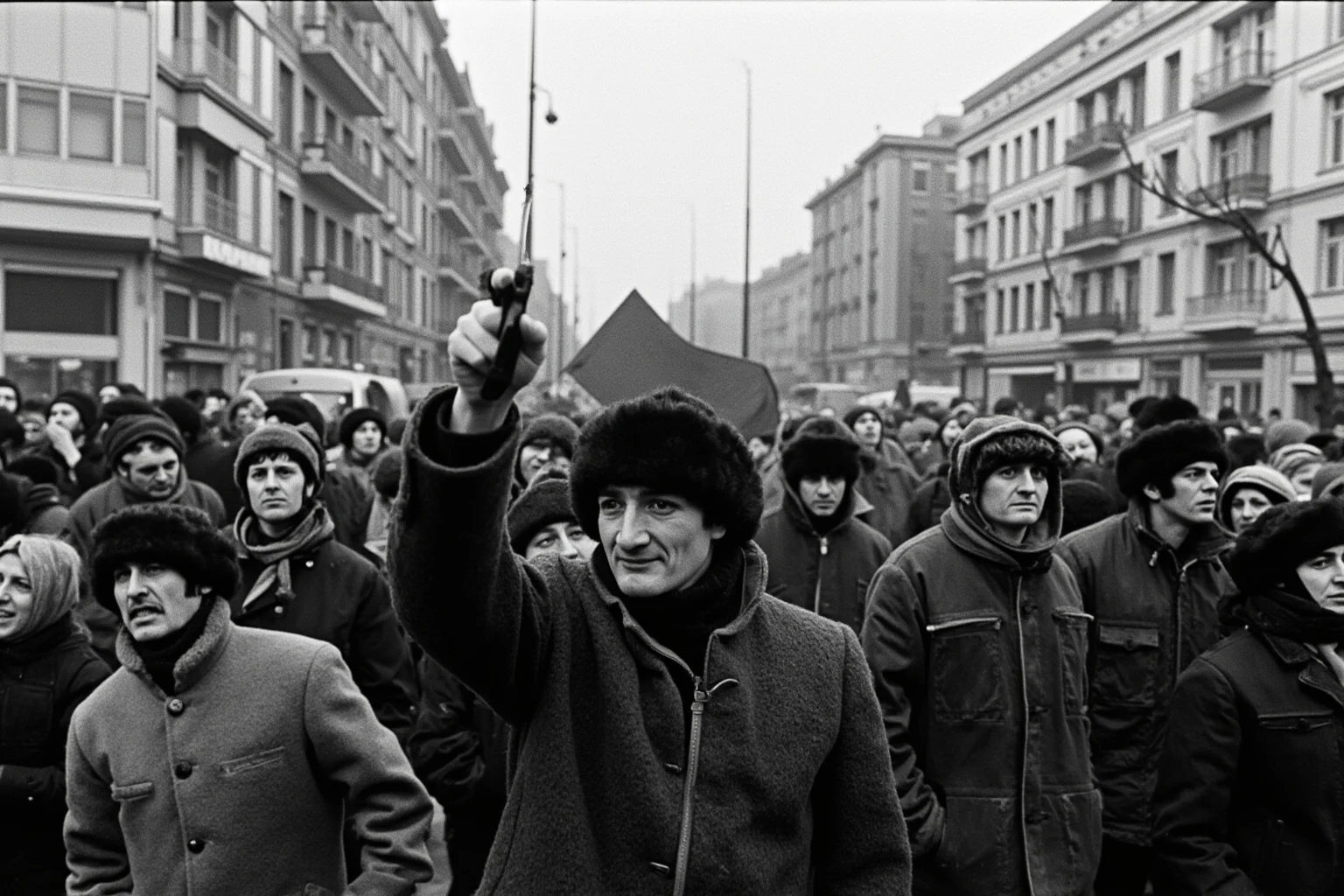
Romania's revolution was far bloodier than its neighbors'. Nicolae Ceaușescu had ruled with a cult of personality and crushing poverty. When he ordered troops to fire on protesters in Timișoara, the army turned against him.
By Christmas Day, Ceaușescu and his wife were executed after a swift trial. Romania's revolt against its government was the only violent overthrow in the Eastern Bloc during 1989. It left deep scars and a long, messy transition to democracy.
11. The Fall of Ferdinand Marcos in the Philippines (1986)
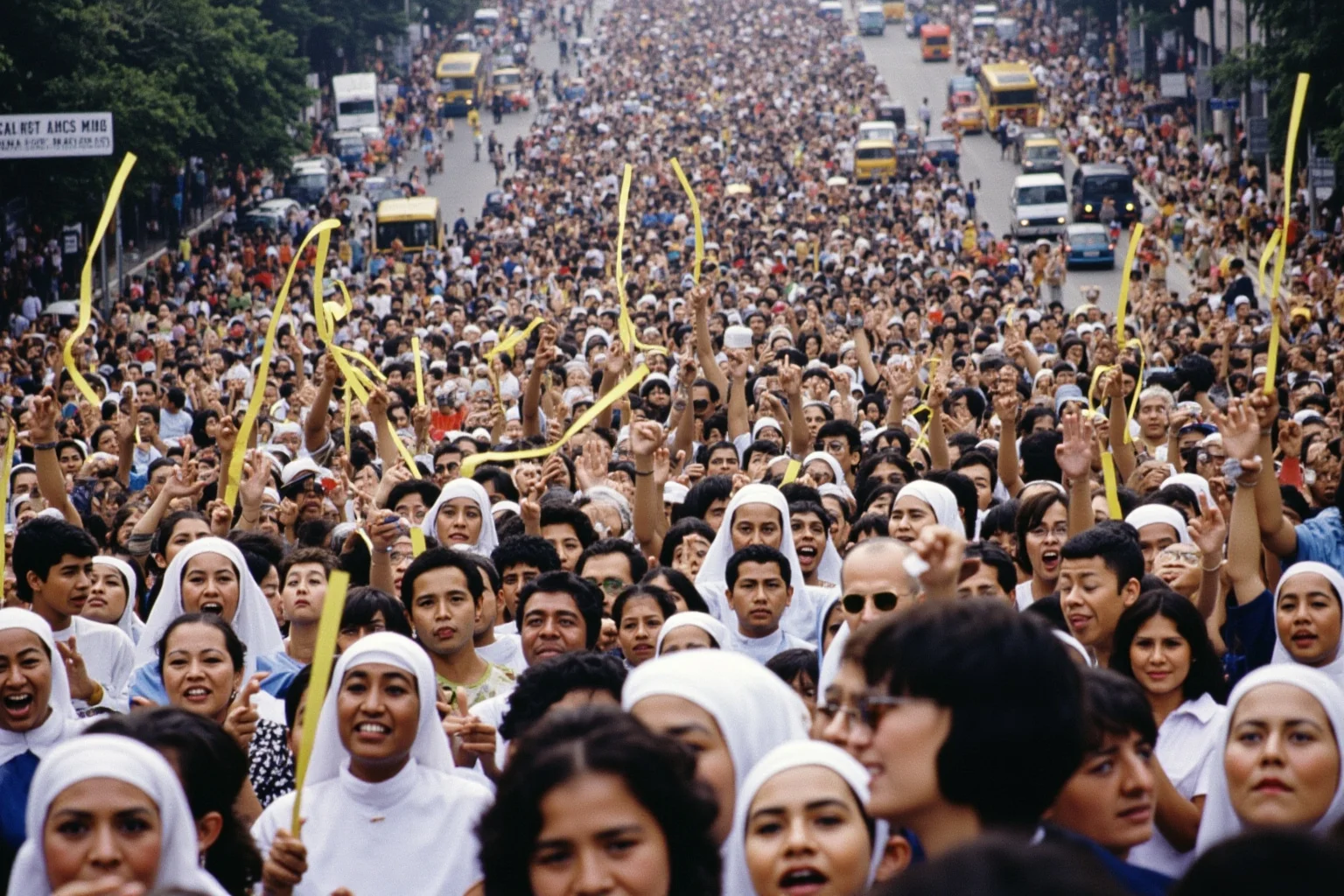
Ferdinand Marcos had ruled the Philippines for two decades, imposing martial law and plundering the economy. After a disputed election, millions took to the streets in the People Power Revolution. Soldiers and helicopters defected to the protesters' side.
Marcos fled to Hawaii in February 1986, and Corazon Aquino became president. This is one of the clearest examples of citizens forcing a government overthrow without widespread armed conflict. The phrase "people power" entered global political vocabulary because of it.
12. The Fall of the Soviet Union (1991)
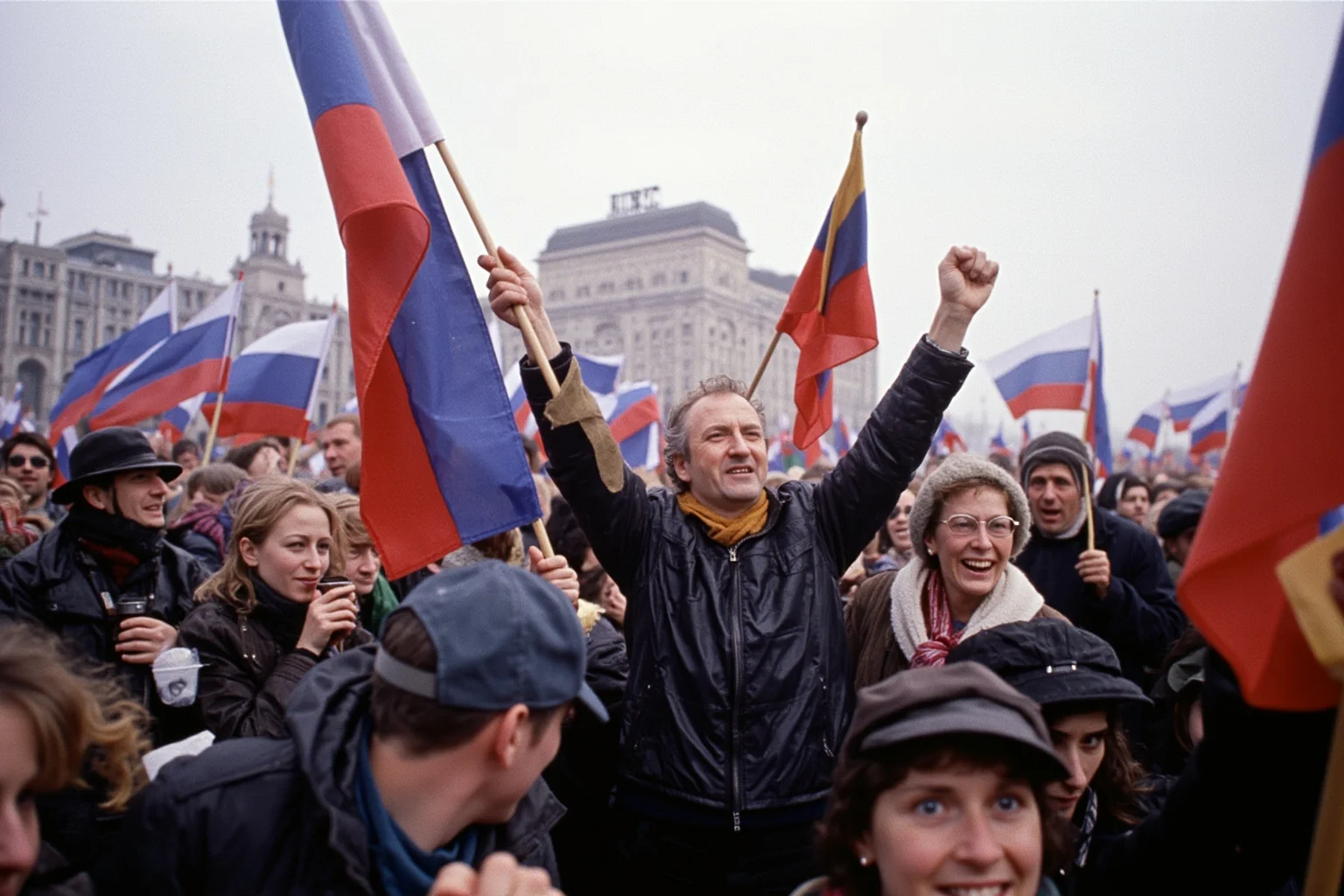
The Soviet Union did not collapse in a single day. Years of economic stagnation, the war in Afghanistan, and Mikhail Gorbachev's reforms had weakened the system. In August 1991, hardliners tried a coup to reverse these changes—and failed.
The failure of the coup emboldened republics to declare independence. By December 1991, the Soviet Union had dissolved into 15 sovereign states. It was the largest peaceful dissolution of a superpower in modern history, though the transition brought severe hardship for millions.
13. The Overthrow of Slobodan Milošević (2000)
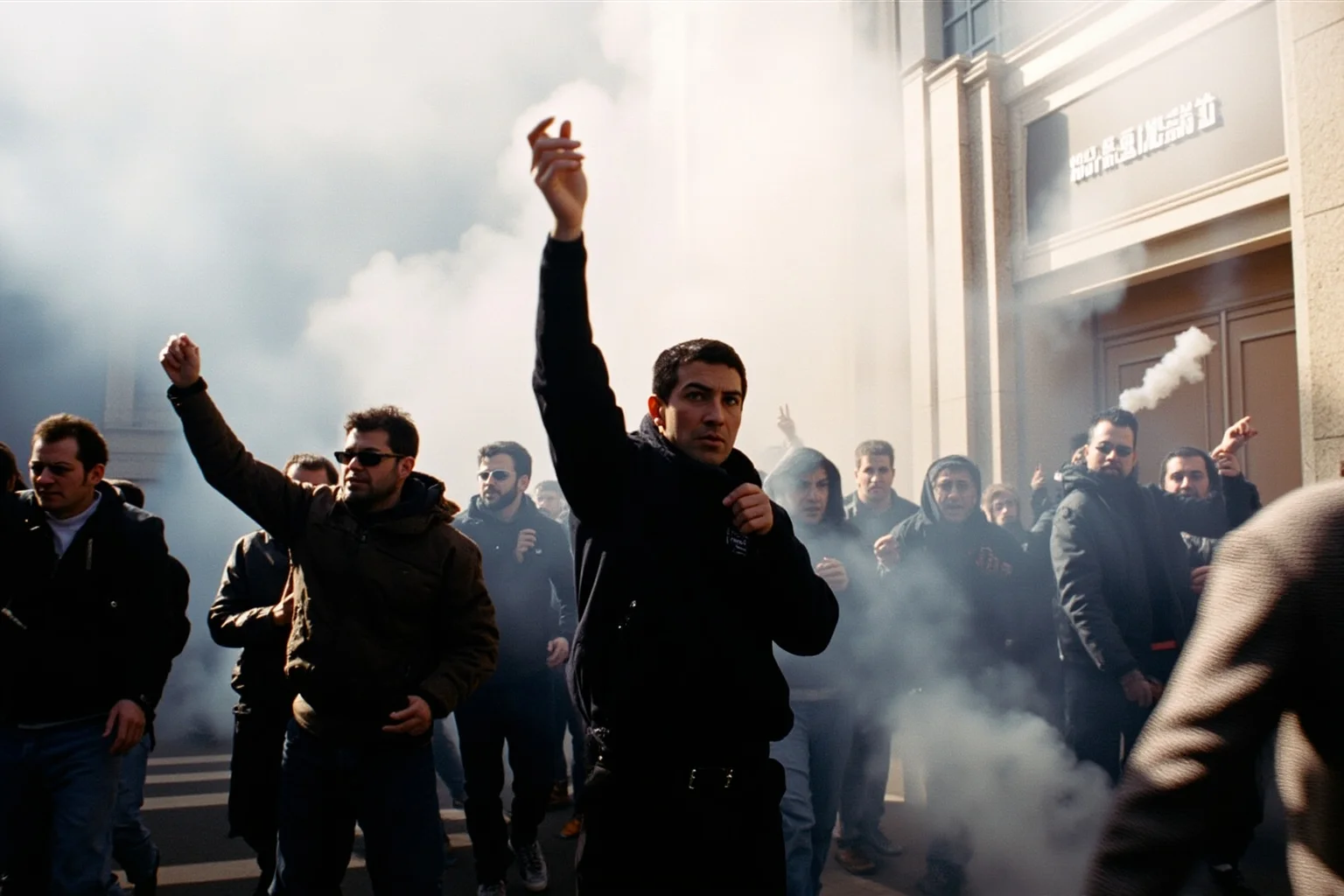
Slobodan Milošević had led Yugoslavia through wars and international isolation. After he refused to accept defeat in the September 2000 elections, hundreds of thousands of protesters converged on Belgrade. They stormed the parliament building and seized the state television station.
Milošević stepped down on October 5, 2000. The uprising was later studied as a template for nonviolent regime change, and it influenced movements in other countries. It showed that a determined population could overthrow a government even after a decade of repression.
14. The Rose Revolution in Georgia (2003)
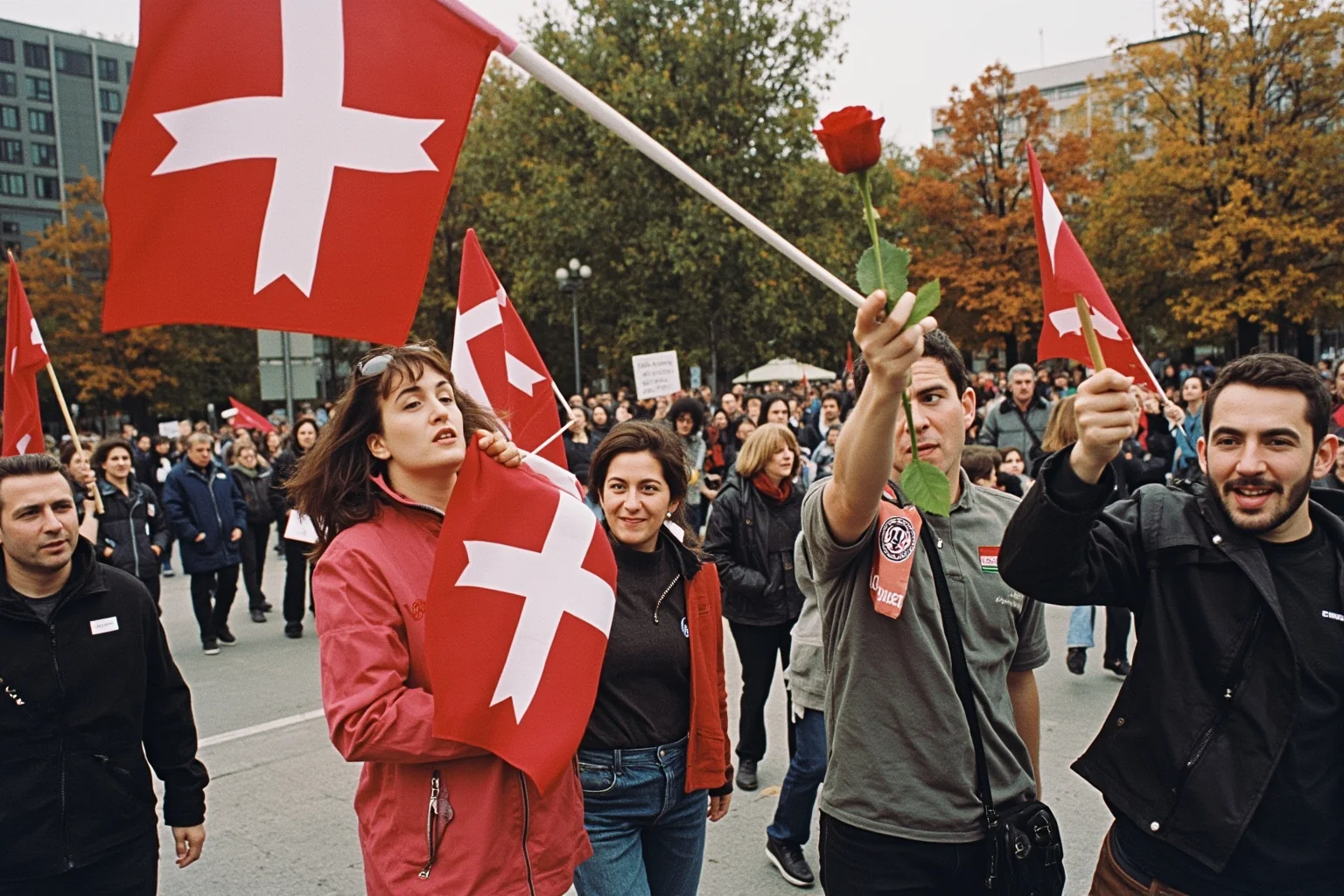
Georgia's parliamentary elections in November 2003 were widely seen as fraudulent. Opposition leaders and ordinary citizens flooded the streets of Tbilisi, carrying roses as a symbol of peaceful protest. President Eduard Shevardnadze, once a respected Soviet diplomat, faced mounting pressure.
On November 23, 2003, he resigned and the protesters claimed victory. The Rose Revolution demonstrated that a sudden overthrow of a government could be triggered by a single rigged election. It also showed that international attention and media coverage could accelerate such change.
15. The Orange Revolution in Ukraine (2004)
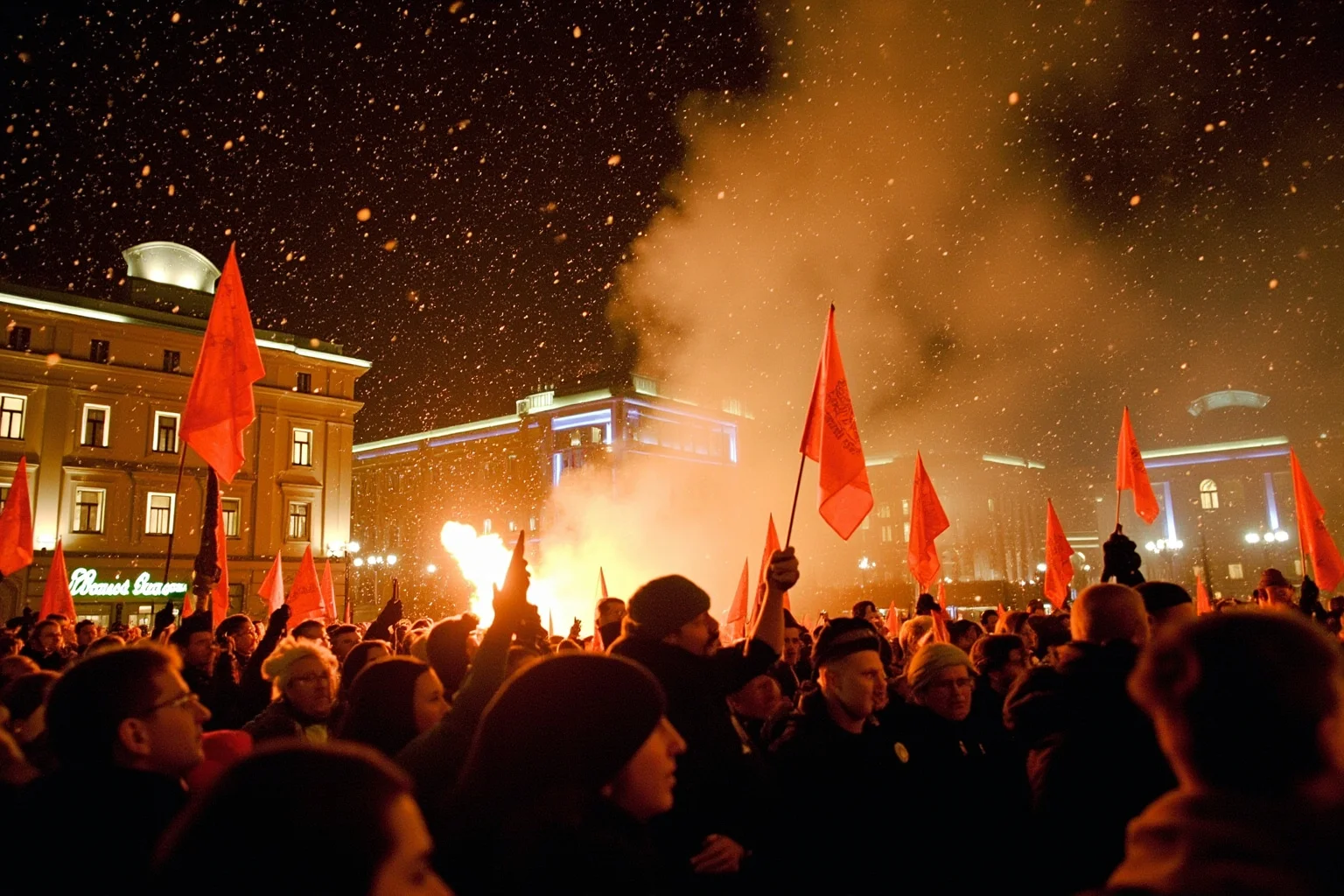
Ukraine's 2004 presidential election was marred by massive fraud in favor of Viktor Yanukovych. Protesters filled Kyiv's Independence Square for weeks, braving freezing temperatures. The Supreme Court annulled the results and ordered a new vote.
Viktor Yushchenko won the re-run election, and the Orange Revolution was hailed as a democratic victory. It is a powerful example of a government revolt driven by legal challenges and peaceful demonstration. However, the reforms that followed fell short of expectations, and disillusionment set in.
16. The Arab Spring in Tunisia (2011)
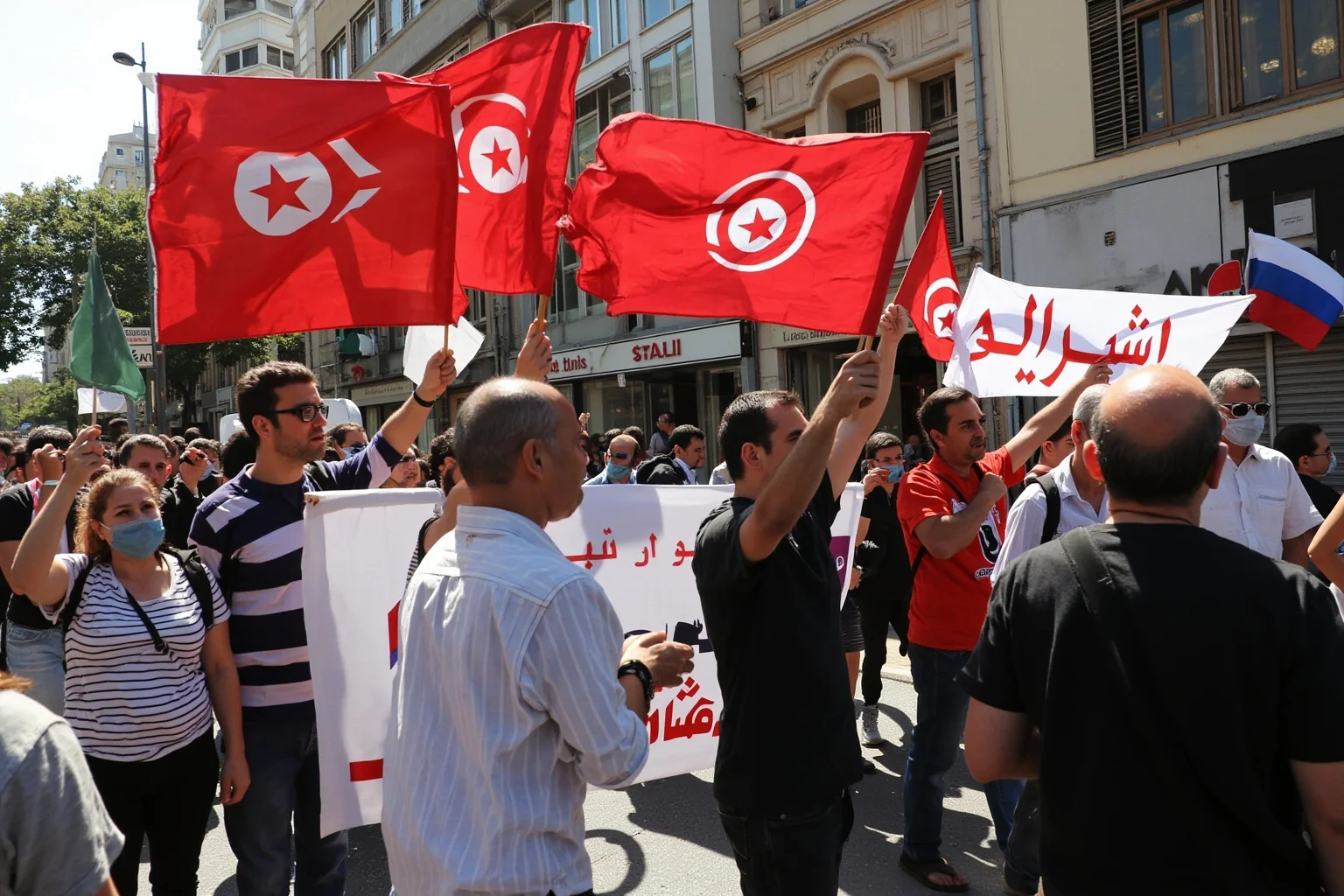
When a street vendor named Mohamed Bouazizi set himself on fire in December 2010, he ignited protests across Tunisia. Decades of corruption under President Zine El Abidine Ben Ali had left most Tunisians desperate. Within weeks, the army refused to fire on protesters, and Ben Ali fled to Saudi Arabia.
Tunisia's revolution inspired uprisings across the Arab world. It was the first time in decades that an Arab government was overthrown by its own people. Tunisia later became the only Arab Spring country to establish a fragile democracy.
17. The Egyptian Revolution (2011)
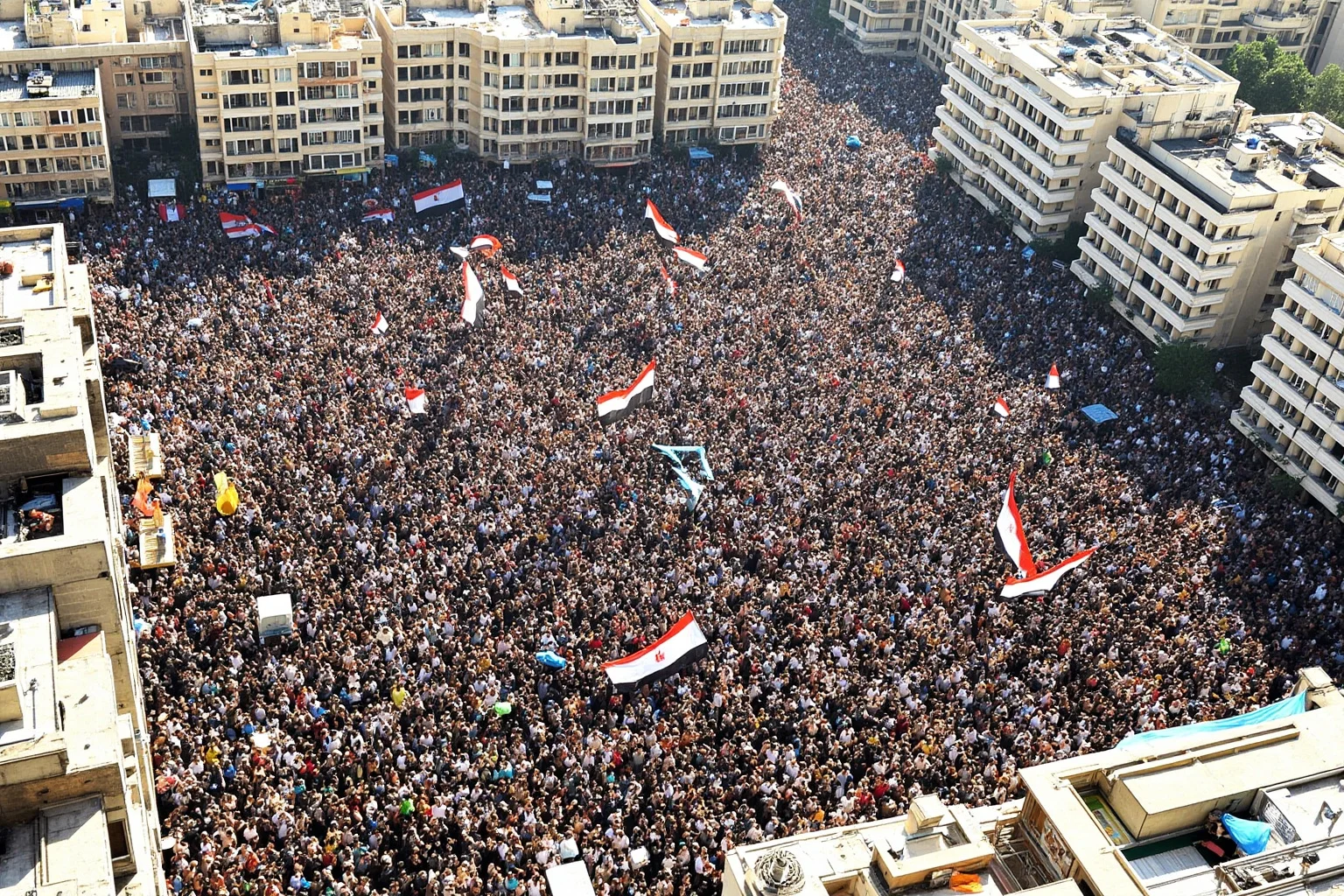
Egyptians took to Tahrir Square in January 2011, demanding the end of Hosni Mubarak's nearly 30-year rule. Police brutality, unemployment, and rigged elections had fueled deep anger. After 18 days of protests, the military stepped in and Mubarak resigned.
The overthrow of the government was celebrated across Egypt and the world. But the aftermath proved deeply unstable: a military council ruled, then an elected Islamist president, then another military takeover in 2013. Egypt remains a warning that toppling a regime is only the first step.
18. The Libyan Civil War and Fall of Gaddafi (2011)
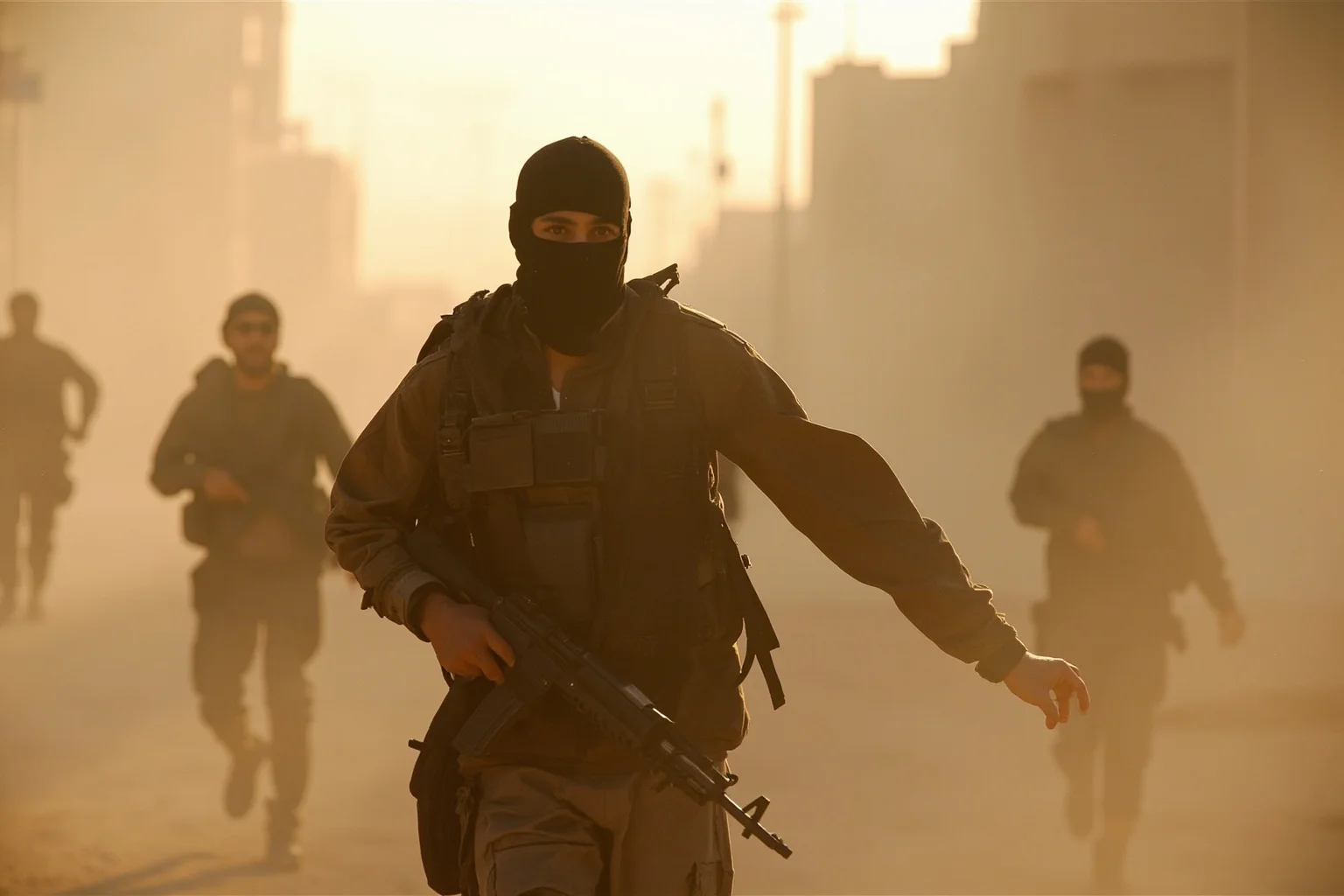
Muammar Gaddafi ruled Libya for 42 years with a mix of revolutionary rhetoric and brutal repression. When protests broke out in Benghazi in February 2011, he vowed to crush them "like rats." Rebel forces, backed by NATO airstrikes, pushed toward Tripoli.
By October 2011, Gaddafi was captured and killed, ending his regime. Unlike Tunisia or Egypt, Libya's revolt against government forces led to a full-scale civil war. The country fragmented into rival factions, and chaos persists years later.
19. The Yemeni Revolution (2011–2012)
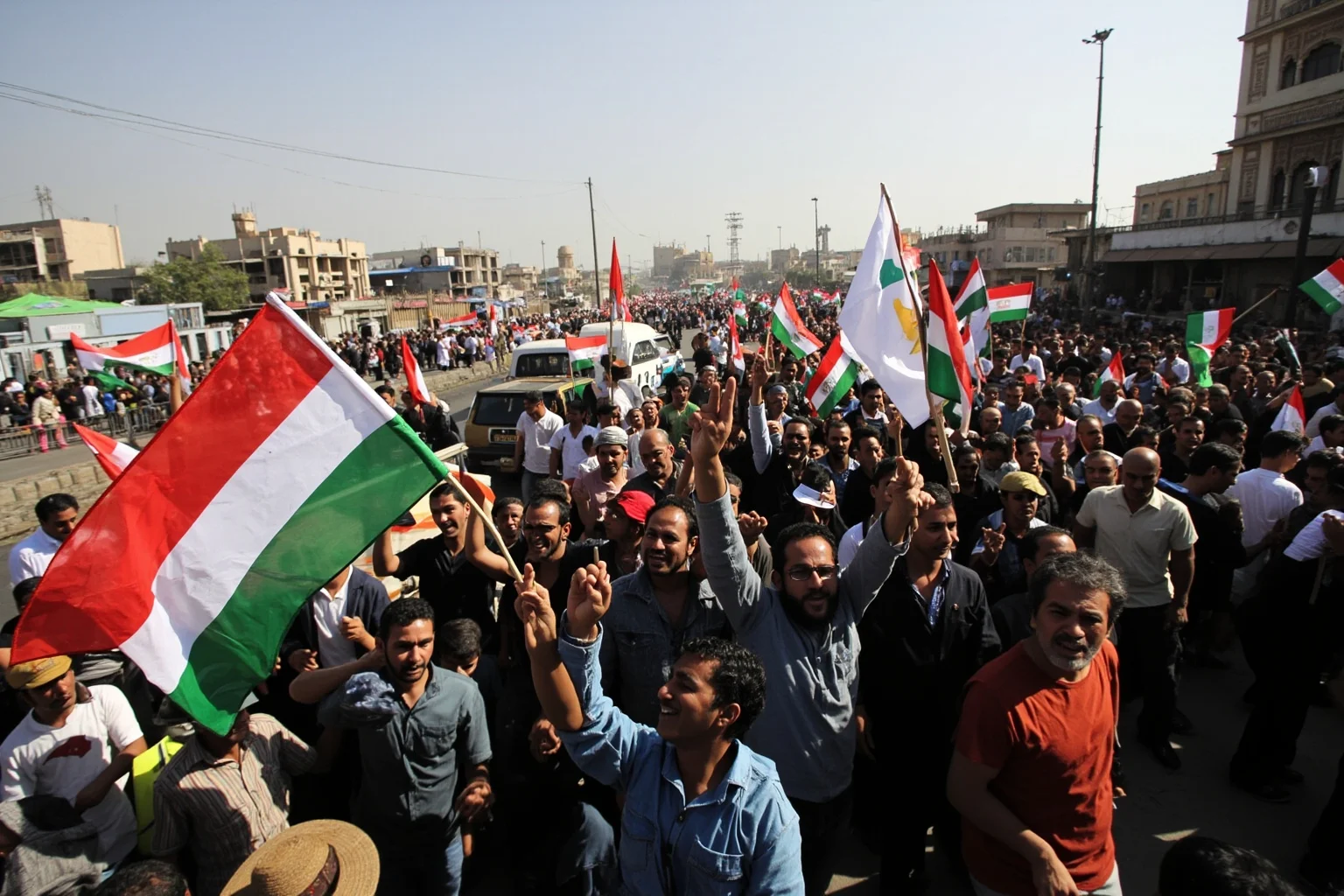
Yemenis inspired by Tunisia and Egypt began protesting against President Ali Abdullah Saleh in early 2011. Security forces killed hundreds, but the movement kept growing. Tribal leaders, military officers, and even some allies abandoned the president.
In November 2011, Saleh signed a power-transfer agreement brokered by Gulf states. The transition did not bring stability; a civil war and foreign intervention followed. Yemen is a stark reminder that overthrowing a government does not automatically solve a country's deeper problems.
20. The 2021 Myanmar Coup and Resistance
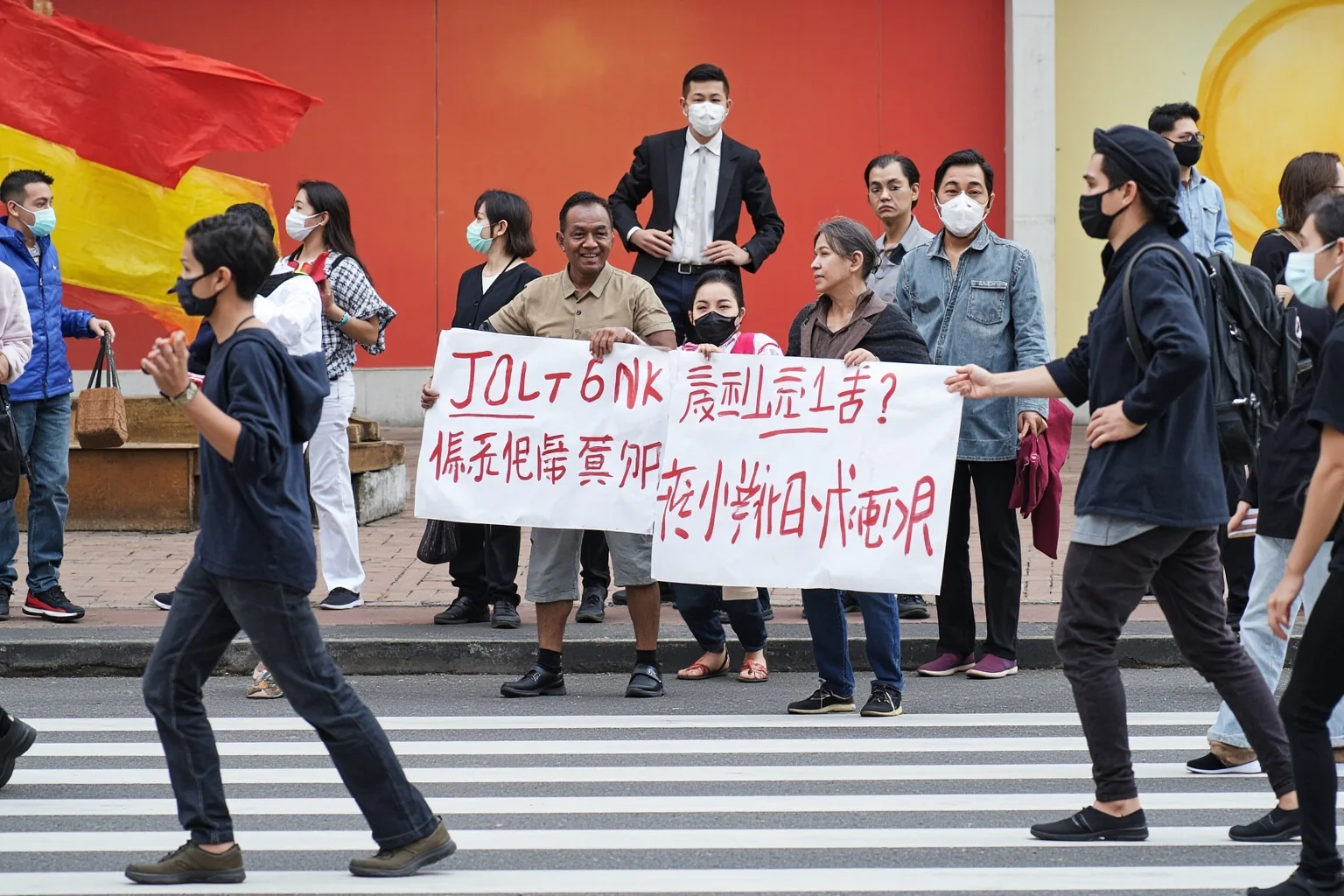
Myanmar's military seized power on February 1, 2021, arresting elected leader Aung San Suu Kyi and nullifying election results. This was not a people's revolution but a military coup—yet the popular response became one of the most sustained rebellions in the region.
Millions took to the streets, and many later formed armed resistance groups. The military has struggled to crush the opposition, and the country remains in a bloody stalemate. It is a reminder that even when the government is the one seizing power, citizens can still revolt against it.
21. The 2019 Sudanese Revolution
In December 2018, protests erupted in Sudan over soaring bread prices and decades of Omar al-Bashir's authoritarian rule. Security forces responded with lethal force, but the movement only grew. In April 2019, the army removed Bashir after 30 years in power.
Protesters then faced a new struggle against the military council that replaced him. A power-sharing agreement followed, but a 2021 coup and subsequent civil war have undermined many gains. Sudan's revolution shows how quickly a government overthrow can be reversed.
How Does a Government Get Overthrown?
Most successful overthrows share common ingredients: a loss of legitimacy, a divided security force, and a united opposition. Economic crisis, corruption, and repression often provide the spark. When soldiers refuse to fire on their own people, regimes fall quickly.
Nonviolent movements have historically succeeded more often than armed rebellions, according to research by political scientist Erica Chenoweth. This does not mean violence never works, but it is far costlier and less likely to produce lasting democracy. Understanding how does a government get overthrown helps us see patterns across very different societies.
The Constitutional Right to Overthrow the Government
The U.S. Declaration of Independence famously states that people have the right to alter or abolish a government that becomes destructive. This idea, drawn from John Locke, influenced revolutions worldwide. It is the most quoted expression of the constitutional right to overthrow the government.
But modern constitutions almost never include an explicit legal mechanism for doing so. Instead, they provide elections, impeachment, and courts as peaceful alternatives. The right exists as a philosophical principle, not a practical legal remedy.
How Many Governments Has the U.S. Overthrown?
The question of how many governments has the U.S. overthrown is debated because "overthrown" is defined differently by different scholars. Documented cases include Iran (1953), Guatemala (1954), Chile (1973), and Iraq (2003). Many other interventions remain contested or covert.
Lindsey O'Rourke's research counts dozens of U.S. attempts to covertly change foreign governments during the Cold War. Precise numbers depend on whether one counts failed attempts, support for coups, or direct military action. What is clear is that the U.S. has frequently intervened in other nations' politics.
What's It Called When the People Overthrow the Government?
The word for overthrowing the government is "revolution," but that term covers many kinds of change. A coup d'état is a sudden seizure of power, usually by a small group, often the military. When ordinary citizens rise up en masse, it is typically called a popular uprising or a revolt.
People against government are often described as rebels, insurgents, or revolutionaries, depending on context. The phrase "what's it called when the people overthrow the government" points to revolution in its most basic sense. Not every revolution succeeds, and not every success is called a revolution.
Recent Overthrows and What They Teach Us
In recent years, protests have toppled governments in Sudan, Sri Lanka, and Bangladesh, among others. The phrase "government overthrown recently" is often searched by people trying to understand fast-moving events. Each case is different, but the underlying drivers—corruption, inequality, and lost legitimacy—are strikingly similar.
If you are asking "what country just overthrow their government," the answer changes by the month. Sudan's 2019 revolution, Sri Lanka's 2022 protests, and Bangladesh's 2024 uprising are among the most cited examples. Watching them closely reveals that a sudden overthrow of a government is often the beginning, not the end, of a nation's struggle.
How to Overthrow a Government—and Why It Rarely Goes as Planned
Guides on how to overthrow a government often focus on tactics: mass protests, strikes, defections, and nonviolent discipline. History shows that these methods can work, but they require organization, unity, and patience. They also require a plan for what comes after victory.
The deeper lesson of these 21 stories is that overthrowing a government is not the same as building a just one. The French, Russian, and Iranian revolutions all replaced one form of tyranny with another. The most durable changes came when citizens had institutions ready to fill the void.
FAQs About Overthrowing Governments
Is it legal to overthrow a government? In most countries, attempting to overthrow the government by force is a serious crime. Some legal traditions recognize a philosophical right to revolution, but no modern state provides a legal procedure for it.
What is the difference between a coup and a revolution? A coup is usually a swift seizure of power by a small group, often from within the government. A revolution involves broader popular participation and often aims at deeper social change.
Can a government be overthrown without violence? Yes. The Velvet Revolution, the Philippines' People Power, and Tunisia's 2011 uprising were largely nonviolent. Nonviolent movements have historically succeeded more often than armed ones.
What happens after a government is overthrown? It varies enormously. Some transitions lead to democracy, while others produce civil war, military rule, or new authoritarianism. The aftermath is often more consequential than the overthrow itself.
Why do people rebel against their government? Common causes include corruption, repression, economic crisis, and a loss of legitimacy. When people believe the system cannot be reformed from within, revolt becomes more likely.
Frequently Asked Questions
What is the overthrow of the government called?
The overthrow of the government is most commonly called a revolution, though the term can also refer to a coup d'état, a rebellion, or a popular uprising. A coup typically involves a small group seizing power, often the military, while a revolution usually involves broader popular participation and deeper social change.
What country just overthrew their government?
Recent examples include Sudan in 2019, Sri Lanka in 2022, and Bangladesh in 2024, where mass protests forced leaders from power. Because these events unfold quickly, the most current answer changes frequently. Each case involves different triggers but often shares underlying causes like corruption, economic crisis, and lost legitimacy.
How many governments has the U.S. overthrown?
The exact number is debated because scholars define 'overthrown' differently. Well-documented cases include Iran (1953), Guatemala (1954), Chile (1973), and Iraq (2003). Research by Lindsey O'Rourke counts dozens of covert U.S. attempts to change foreign governments during the Cold War, with precise totals depending on what actions are counted.
Is there a constitutional right to overthrow the government?
The U.S. Declaration of Independence states that people have the right to alter or abolish a government that becomes destructive, a principle drawn from John Locke. However, no modern constitution provides a legal procedure for overthrowing a government. Instead, they offer elections, impeachment, and courts as peaceful alternatives.
What is the word for overthrowing the government?
The word for overthrowing the government is revolution, but related terms include coup d'état, rebellion, uprising, and insurrection. Each carries a slightly different meaning. A coup is a sudden seizure of power by a small group, while a revolution often involves mass participation and aims at deeper political or social transformation.
Can a government be overthrown without violence?
Yes. Examples include Czechoslovakia's Velvet Revolution in 1989, the Philippines' People Power Revolution in 1986, and Tunisia's 2011 uprising. Research by political scientist Erica Chenoweth suggests nonviolent movements have historically succeeded more often than armed rebellions, though outcomes still vary widely.

Alex Warren
Related Articles