History loves a clean story: one commander, one plan, one decisive victory. The messier truth is that battles often turn on weather, timing, and accidents nobody intended.
This list examines 26 battles where chance played an unusually large role. In every case strategy, logistics, and discipline still mattered, because luck rarely works alone.
TL;DR: These 26 battles were shaped by weather, timing, intercepted messages, and last-minute arrivals—proving that in war there are no winners without a heavy dose of chance.
What 'Sheer Luck' Really Means on a Battlefield
Calling a victory battle 'lucky' can be misleading. Military historians generally avoid the idea that fortune alone decides outcomes. Armies still need training, supply lines, leadership, and a workable plan.
What we call luck is often an event outside a commander's control. It can be a wind shift, a rainstorm, a delayed order, or a subordinate who defects at the worst possible moment.
That is why this list calls a battle 'lucky' only when an outside event changed the timing or shape of the fight. It does not mean the winning side lacked skill or preparation.
The battles below are not ranked by importance. They are listed chronologically so the patterns are easier to see.
1. The Battle of Salamis (480 BC)
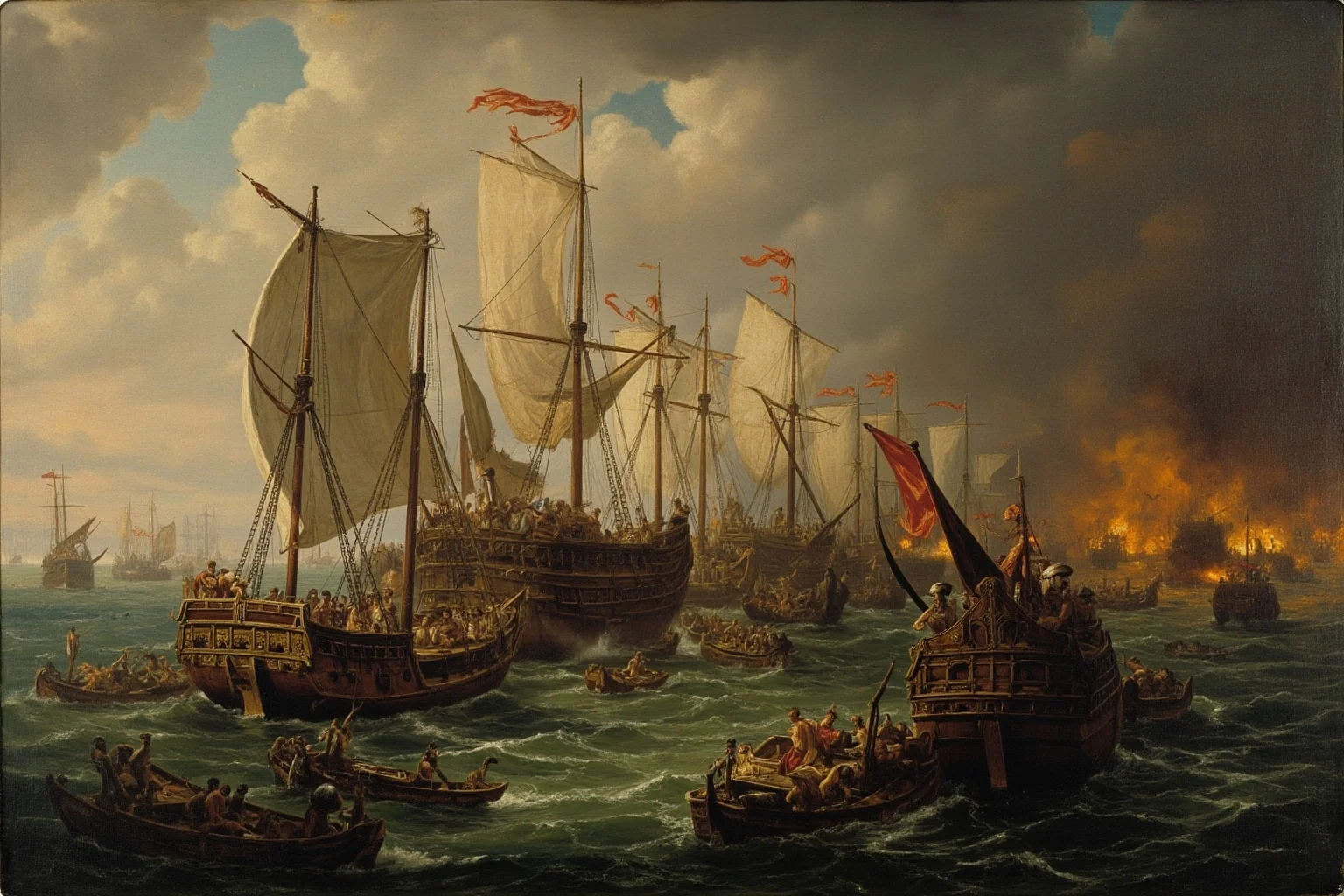
The Greek fleet was heavily outnumbered by Xerxes' Persian armada. Themistocles gambled that the narrow strait between Salamis and the mainland would cancel that advantage.
The result of the battle was a decisive Greek victory. Persian ships became crowded and disorganized, and the larger fleet could not bring its numbers to bear. Chance mattered because wind and cramped water amplified confusion that no admiral could fully control.
2. The Battle of Zama (202 BC)
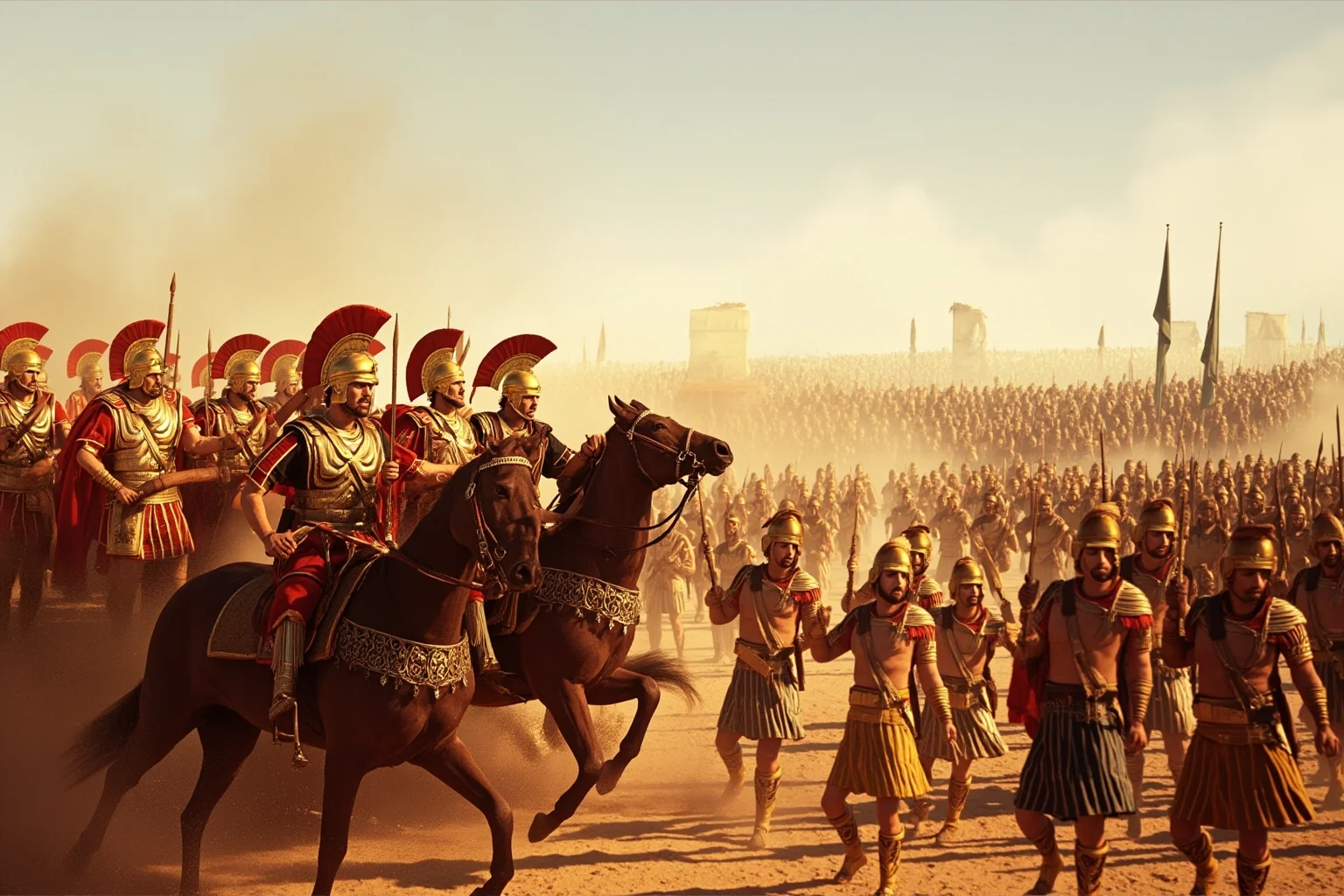
At Zama, Scipio Africanus faced Hannibal in North Africa near the end of the Second Punic War. The fighting was brutal and hung in the balance for hours.
The Roman victory came when Masinissa's Numidian cavalry returned from a pursuit and struck Hannibal's rear. That timing was not something Scipio could guarantee. The result of the battle ended Carthage's power and made Rome dominant in the western Mediterranean.
3. The Battle of Red Cliffs (208 AD)
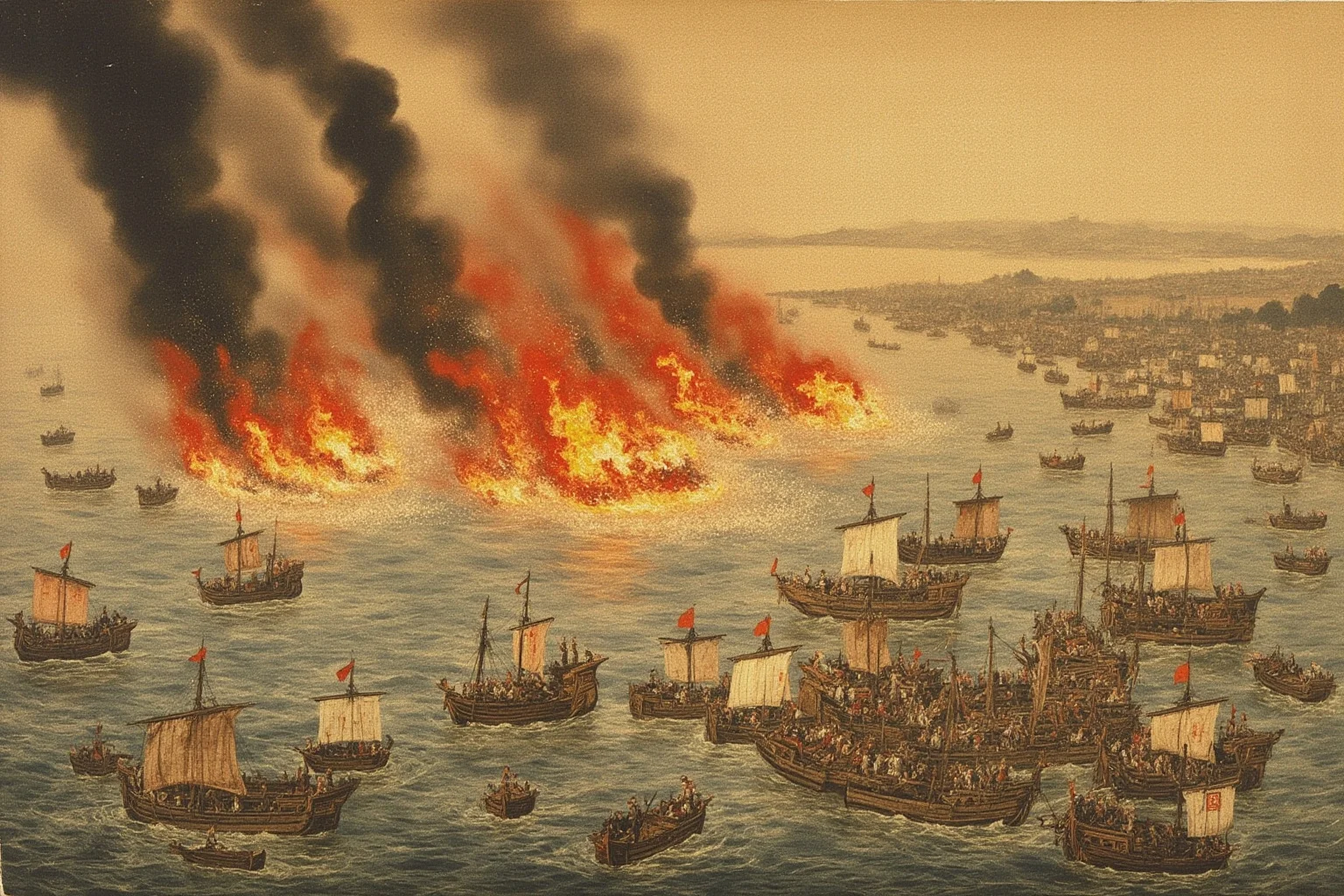
During the fall of the Han dynasty, the warlord Cao Cao marched south to crush the forces of Sun Quan and Liu Bei. His northern army was larger but less familiar with river warfare.
The defenders used fireships, but their success depended on a favorable wind carrying flames into Cao Cao's fleet. The result of the battle was a major defeat for Cao Cao and a halt to his southern campaign. That unplanned wind helped shape the Three Kingdoms period.
4. The Battle of the Milvian Bridge (312 AD)
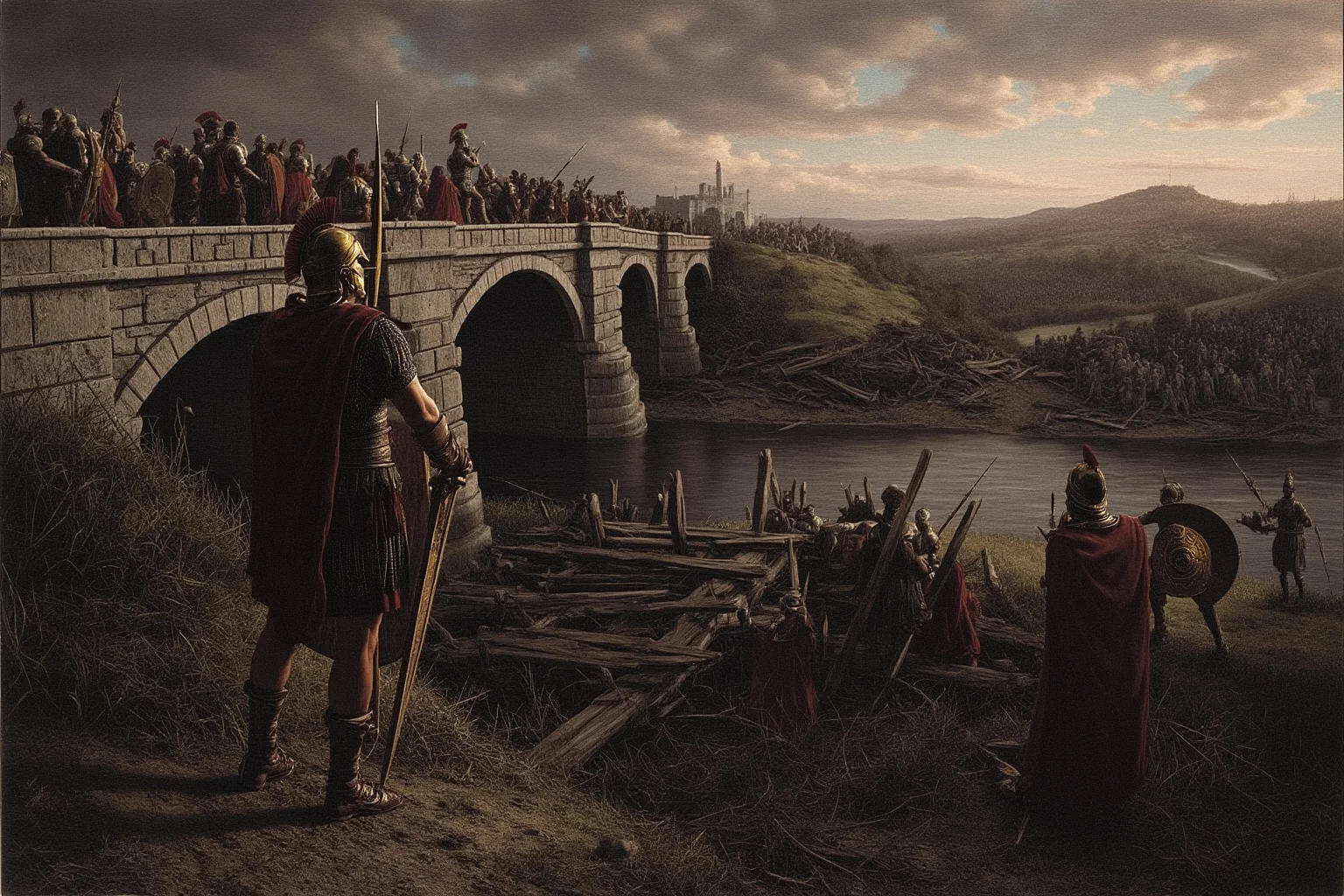
Constantine's clash with Maxentius outside Rome is famous for a claimed vision and a collapsing bridge. Christian sources later said Constantine dreamed of a symbol and the words 'in this sign conquer.'
Historians cannot verify that supernatural story. What is clear is that Maxentius's army was forced back toward the Tiber, and the pontoon bridge failed. The victory left Constantine sole ruler of the western Roman Empire.
5. The Battle of Tours (732 AD)
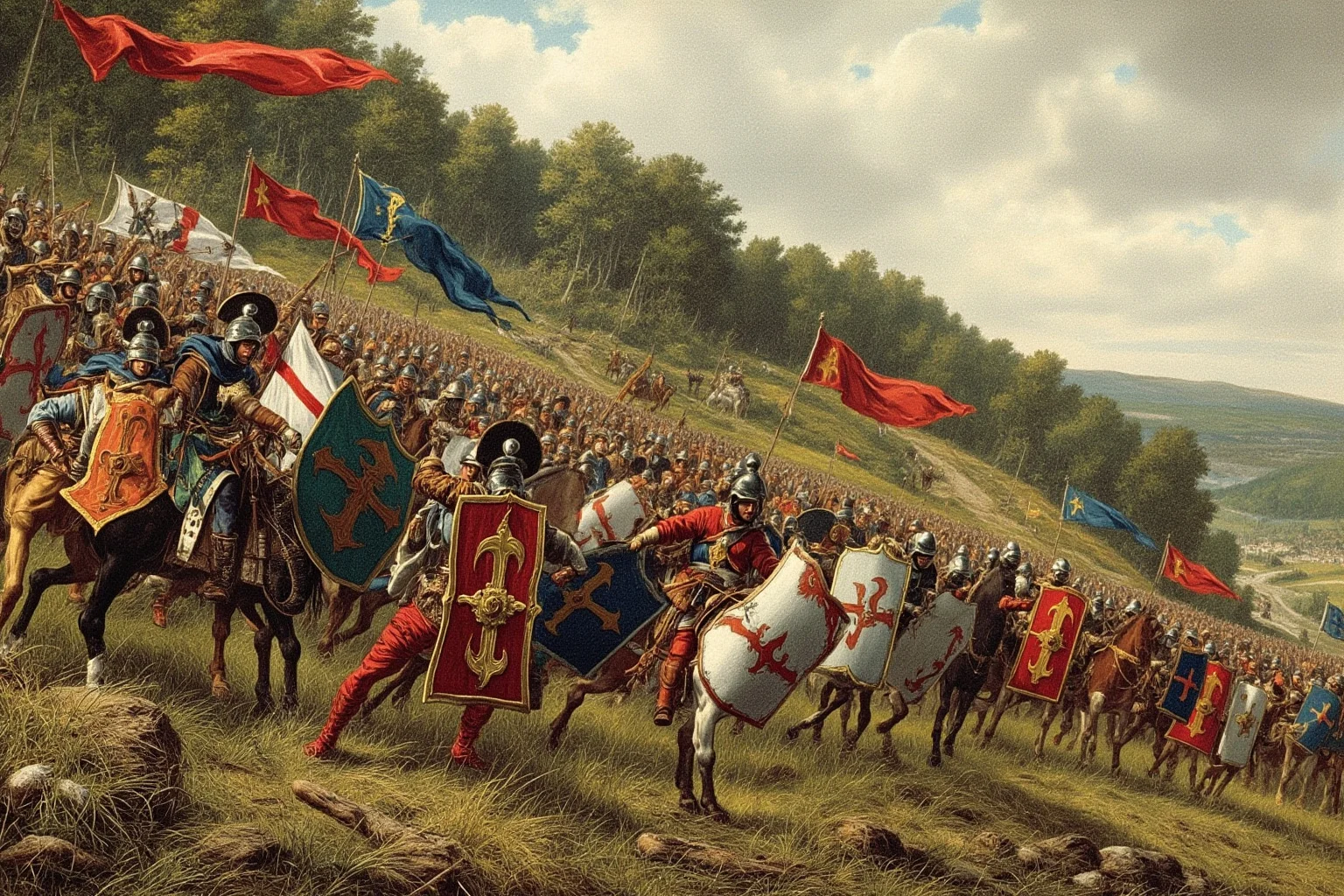
In 732, an Umayyad army moving into Gaul met the forces of Charles Martel near Tours. The battle is one of the most debated clashes of the early Middle Ages.
The Frankish side won, and the Umayyad commander is believed to have been killed. Afterward the Muslim army withdrew. The result of the battle became a symbol of resistance to expansion, though its long-term impact is sometimes overstated.
6. The Battle of Hastings (1066)
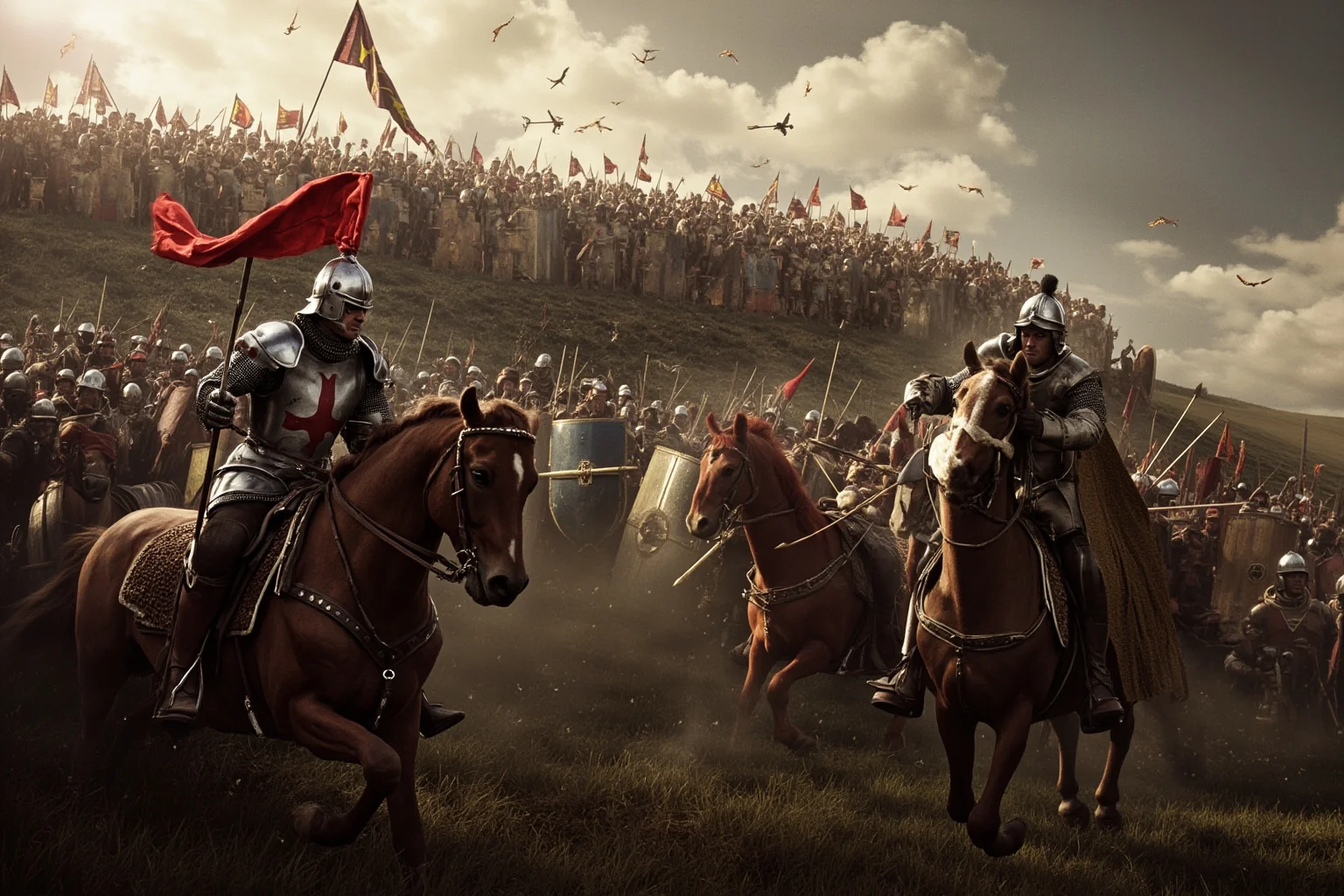
William of Normandy landed in England while Harold Godwinson was still recovering from the Battle of Stamford Bridge. Harold's army force-marched south and fought on October 14, 1066.
The battle turned after Harold was killed, though the exact manner is uncertain. The arrow-in-the-eye story comes from later sources and cannot be proved. The Norman victory put William on the throne and permanently changed England.
7. The Battle of Manzikert (1071)
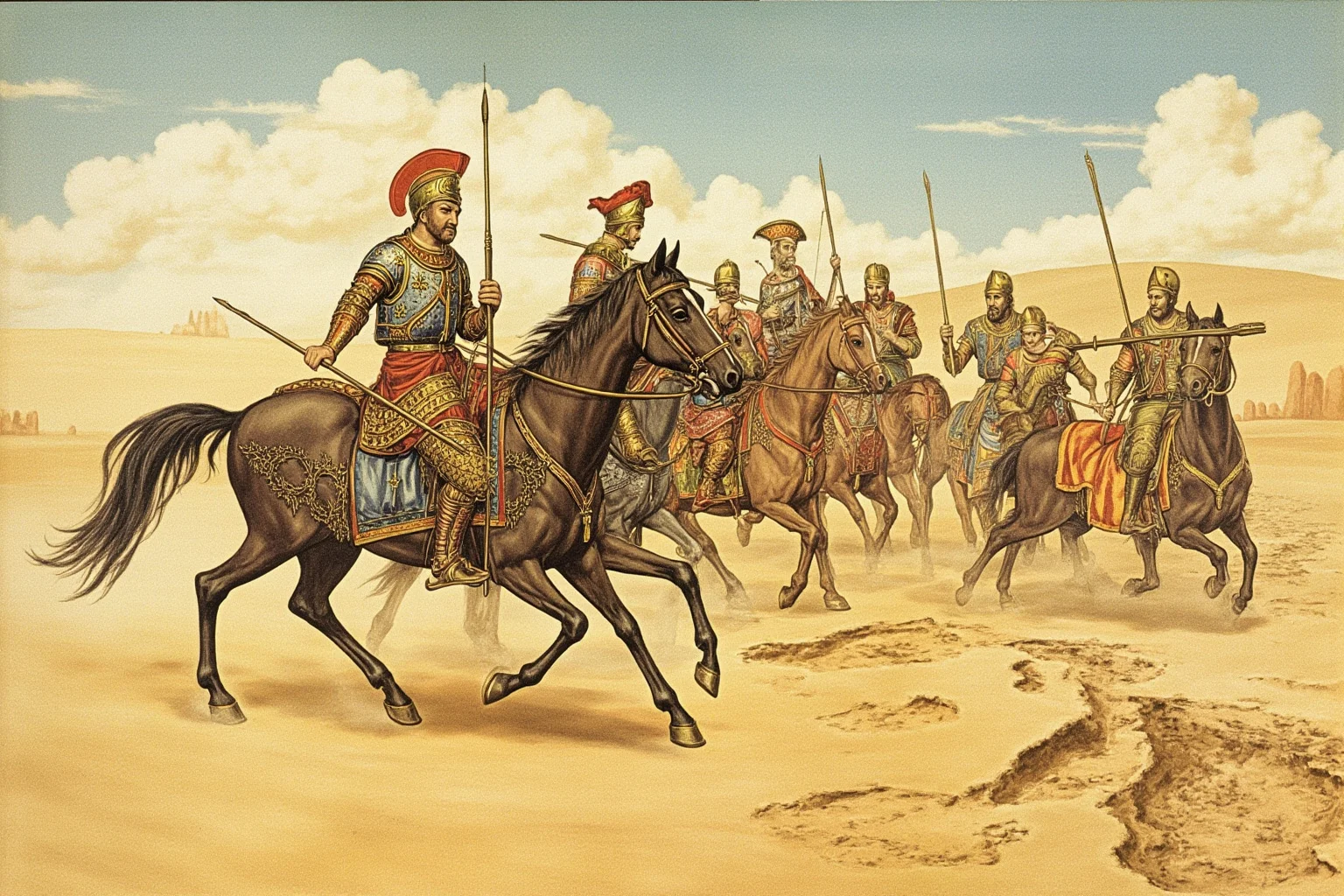
The Byzantine army under Emperor Romanos IV met the Seljuks near Manzikert in eastern Anatolia. The campaign suffered from divided command and poor coordination.
Romanos's rearguard failed to support him, and he was captured. The result of the battle was a Byzantine defeat that opened Anatolia to Turkish settlement. It was less a single lucky blow than a collapse caused by confusion and betrayal.
8. The Battle of Hattin (1187)
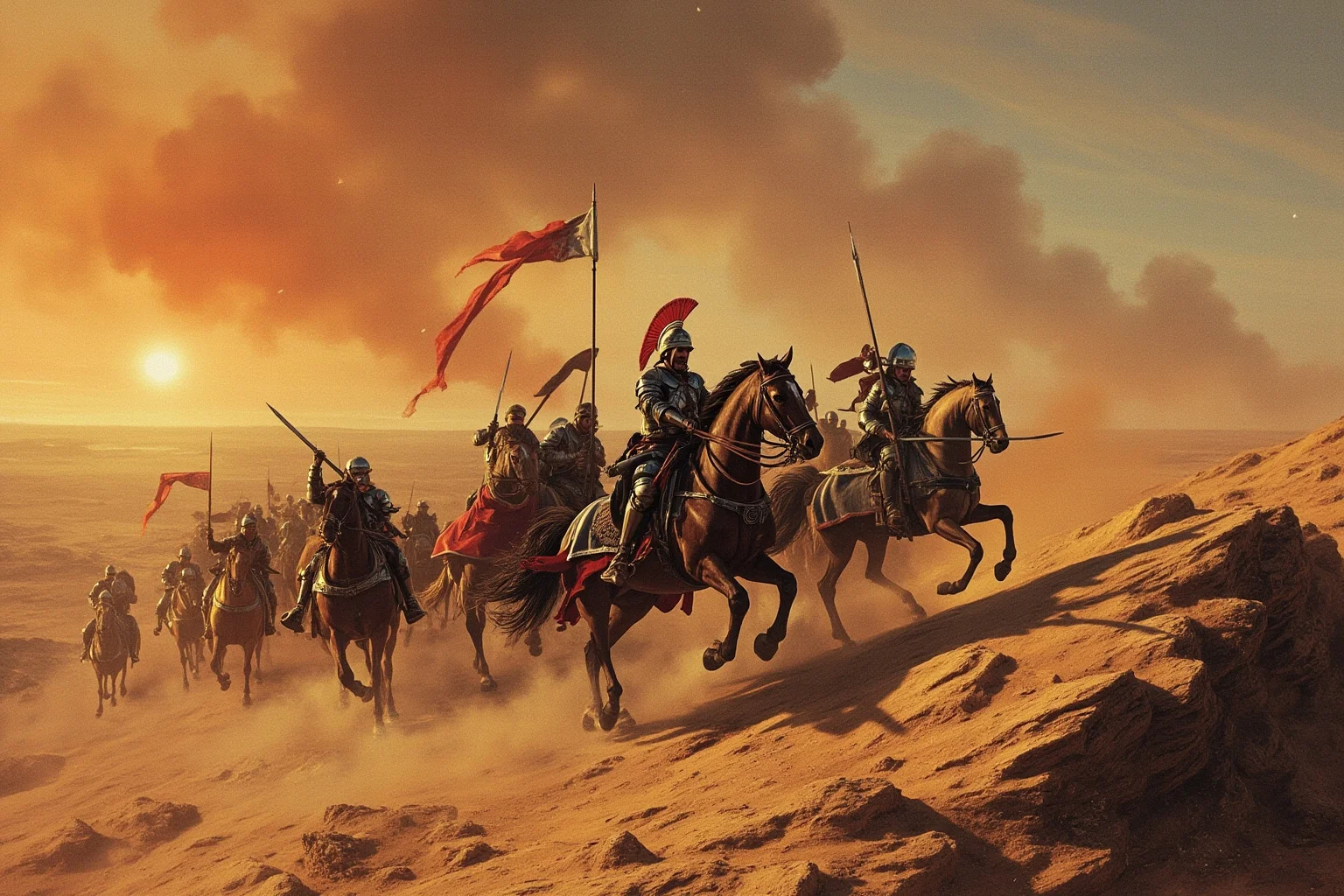
In July 1187, Saladin lured the army of the Kingdom of Jerusalem away from water. The Crusaders camped on dry ground while Saladin's forces set fires and attacked.
Heat, thirst, and smoke weakened the Christian army before the final assault. Saladin won decisively, and Jerusalem soon fell. The result of the battle showed that environmental factors could be as deadly as arrows.
9. The Battle of Agincourt (1415)
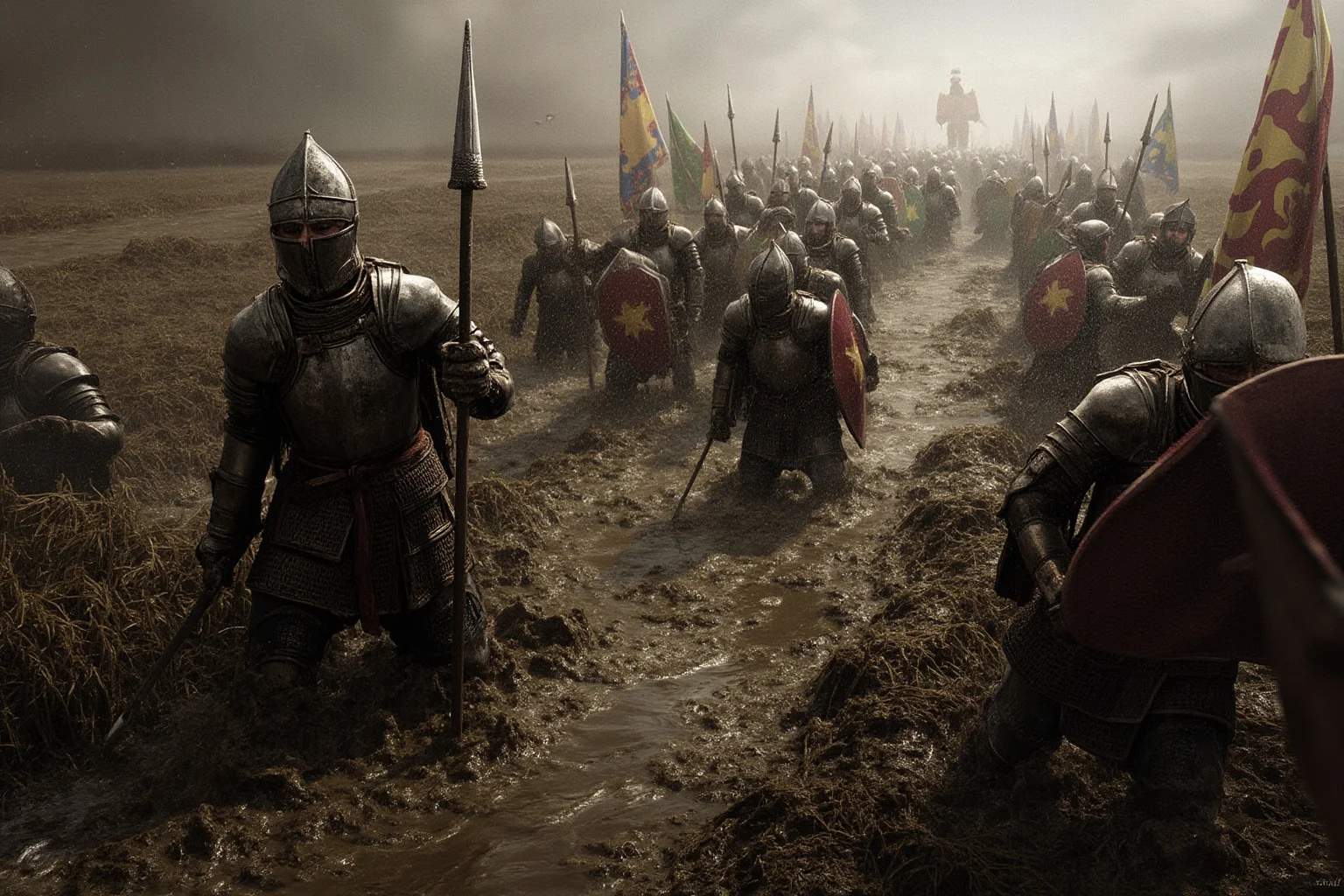
Henry V's English army was tired, hungry, and outnumbered when it faced a heavily armored French force. Rain turned the field to deep mud.
French knights advanced on foot and became exhausted, crowded, and trapped. The English longbowmen and men-at-arms exploited that chaos. The victory allowed Henry to consolidate control in Normandy, but mud and French command failures did much of the work.
10. The Fall of Constantinople (1453)
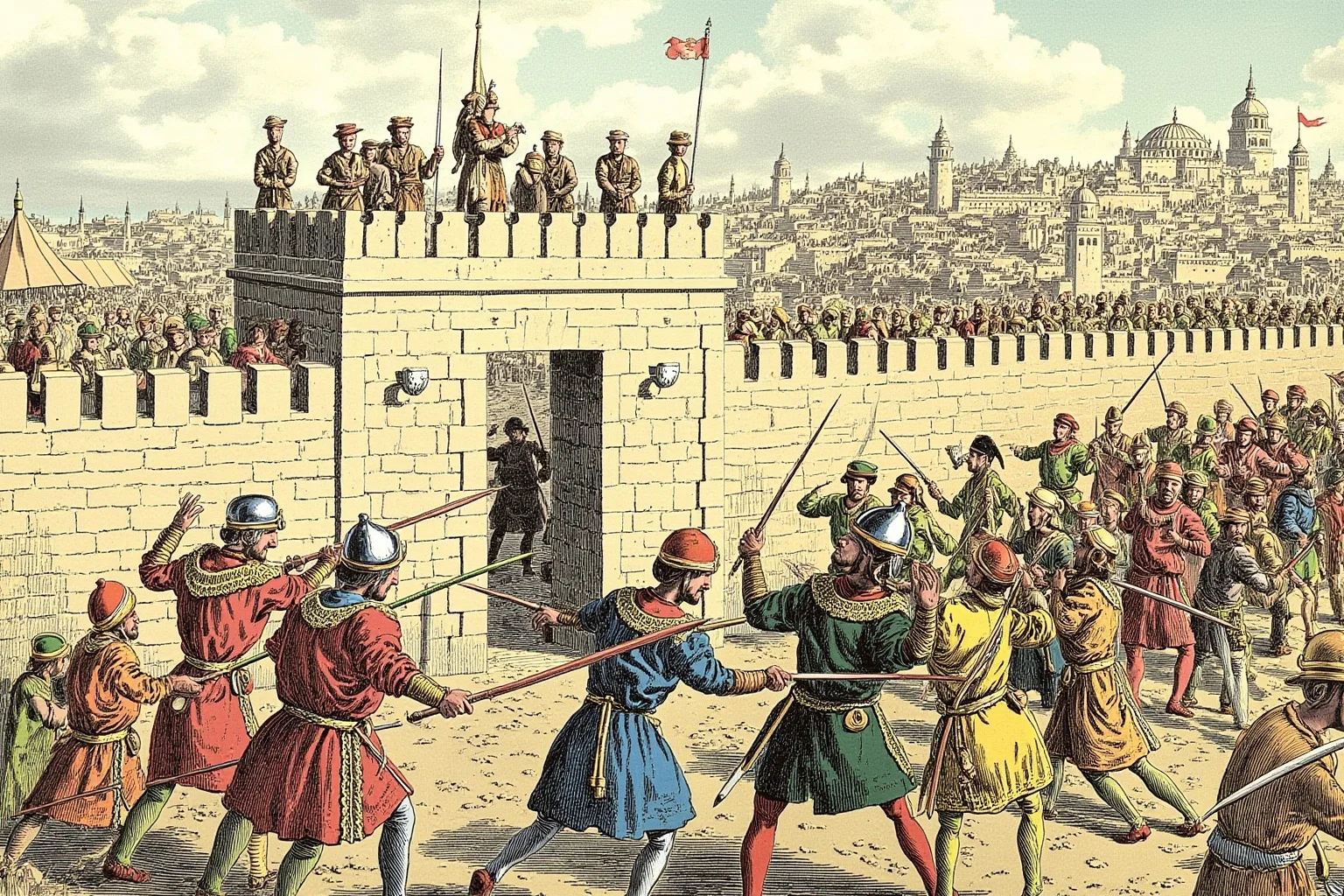
The Ottoman siege of Constantinople in 1453 ended the Byzantine Empire. The city's walls had resisted many attacks for centuries.
Chroniclers claim a small gate, the Kerkoporta, was left open or unlocked, allowing Ottoman soldiers to enter the defenses. The detail is disputed, but the breach triggered panic. The result of the battle was an Ottoman victory and a new imperial capital.
11. The Battle of Okehazama (1560)
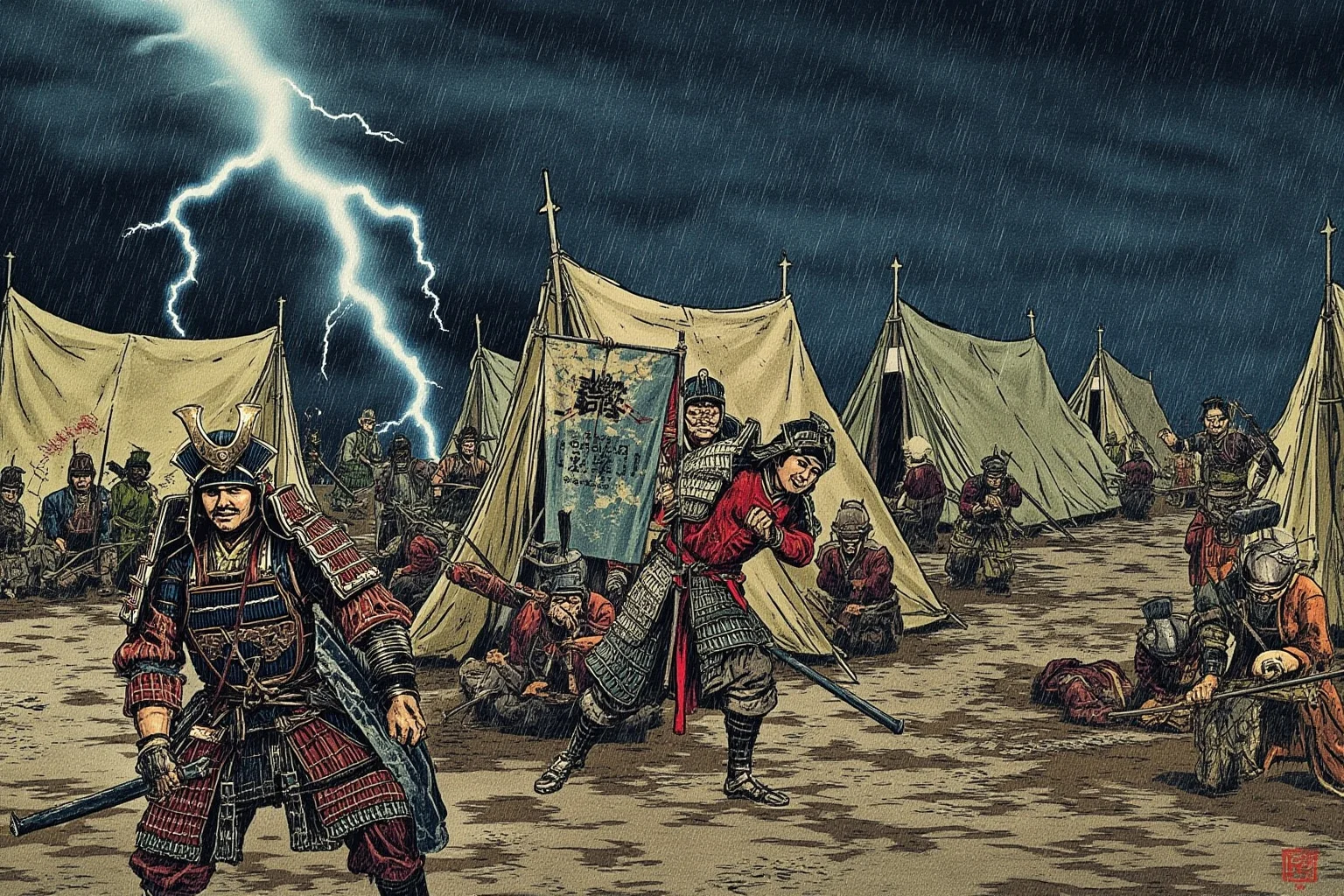
In 1560, Imagawa Yoshimoto marched toward Kyoto with a much larger army. Oda Nobunaga staged a desperate attack on the Imagawa camp during a thunderstorm.
The storm masked the small Oda force's approach, and Yoshimoto was killed in the confusion. The result of the battle transformed Nobunaga from a minor lord into a major power. Weather, surprise, and overconfidence all favored the underdog.
12. The Battle of Sekigahara (1600)
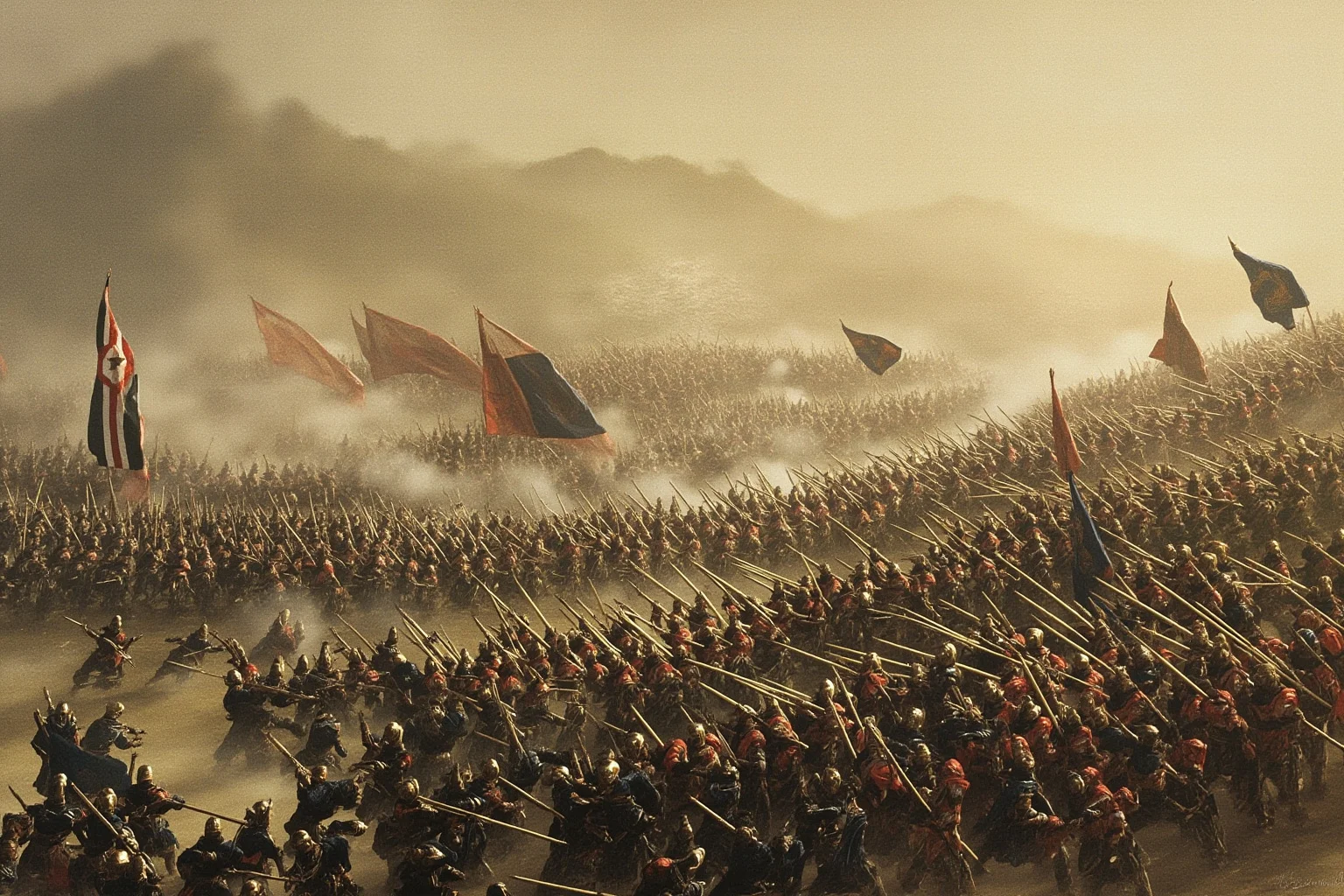
The Battle of Sekigahara in 1600 decided control of Japan. Tokugawa Ieyasu faced a coalition of western daimyo in a fight that remained tense for hours.
The turning point came when Kobayakawa Hideaki defected to Tokugawa mid-battle and struck his former allies. The result was a Tokugawa victory and the founding of a shogunate that lasted until 1868. That single act of betrayal may have mattered more than any tactic on the field.
13. The Battle of Vienna (1683)
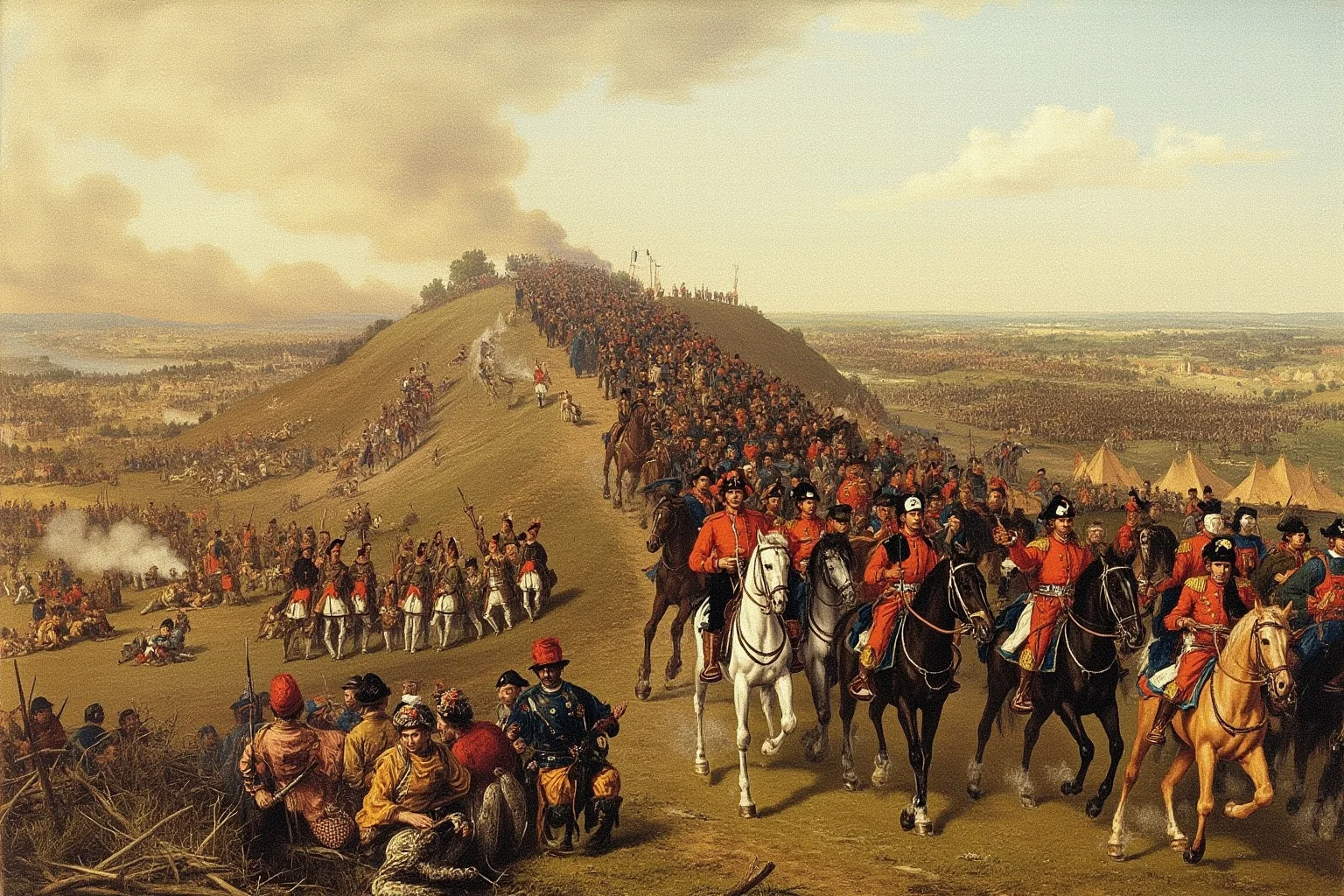
In 1683, Ottoman forces under Kara Mustafa besieged Vienna. The defenders were nearly exhausted by the time a relief army arrived.
The decisive moment was a massive cavalry charge led by Polish king John III Sobieski from the hills above the city. The result of the battle lifted the siege and marked the beginning of Ottoman retreat in central Europe. Timing mattered, because a few more days might have changed the outcome.
14. The Battle of Plassey (1757)
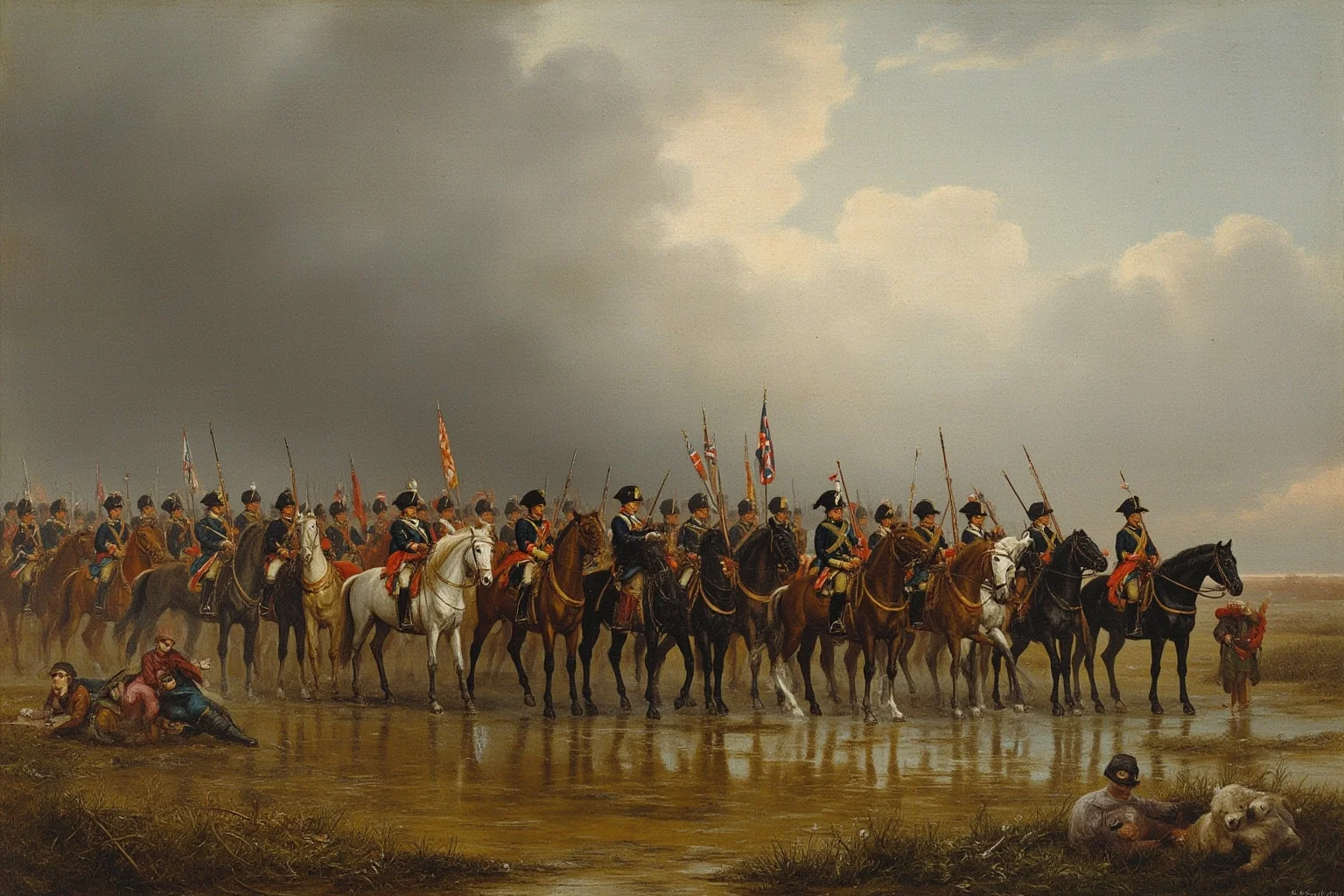
In 1757, the British East India Company force under Robert Clive faced the Nawab of Bengal near Plassey. The Nawab's army was far larger but internally divided.
A heavy rain soaked the Nawab's powder stores while the British kept their powder dry under covers. Many accounts say Mir Jafar had already agreed not to fight. The result was a quick British victory that opened the door to Company rule in Bengal.
15. The Battle of Quebec (1759)
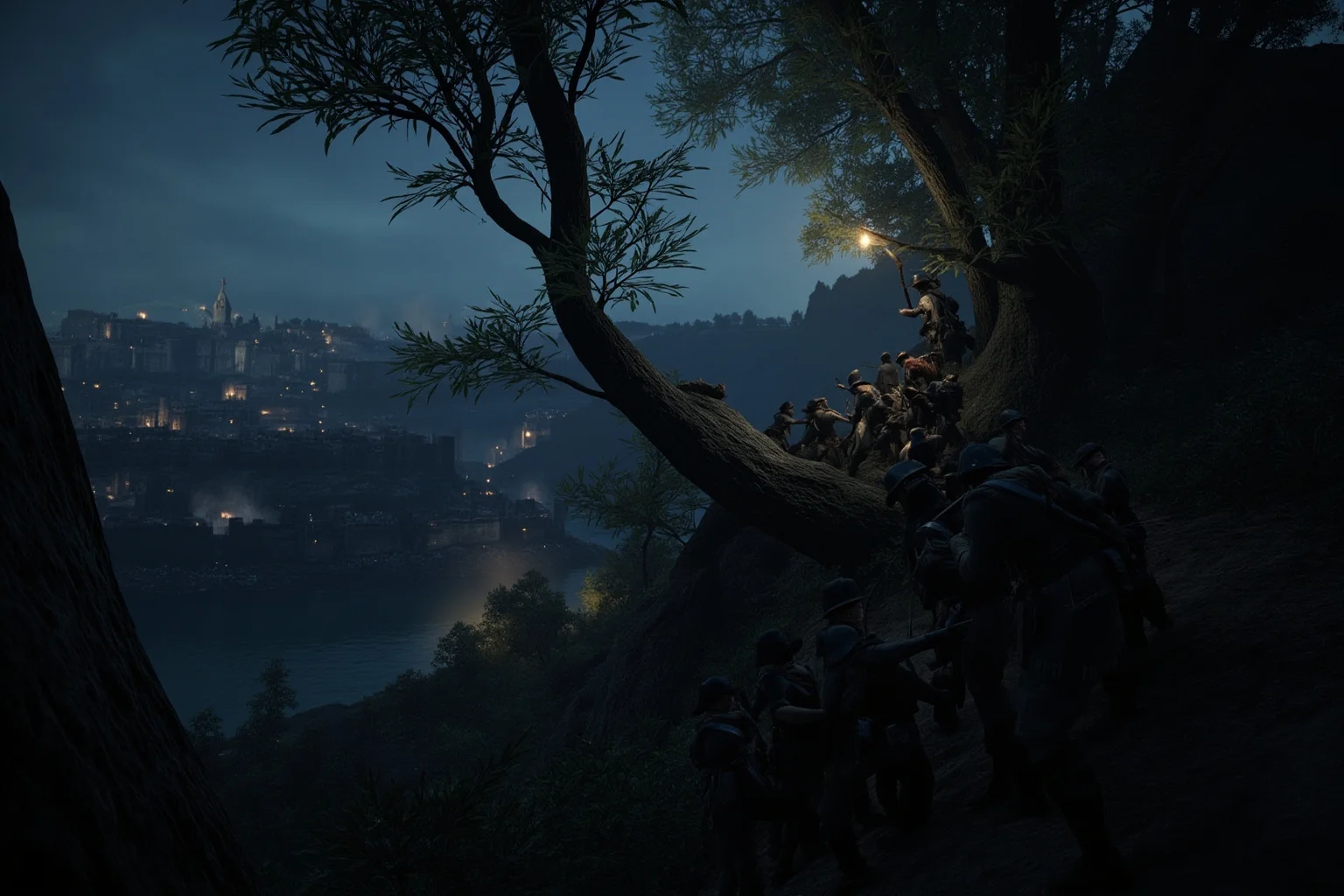
At the Plains of Abraham in 1759, British troops under James Wolfe faced French forces under Montcalm outside Quebec. The British had scaled cliffs at night and surprised the city.
The battle itself lasted less than an hour, and both commanders were mortally wounded. The result of the battle gave Britain Quebec and helped end French power in Canada. A lucky path, a risky climb, and a premature French attack all shaped the outcome.
16. The Battle of Trenton (1776)
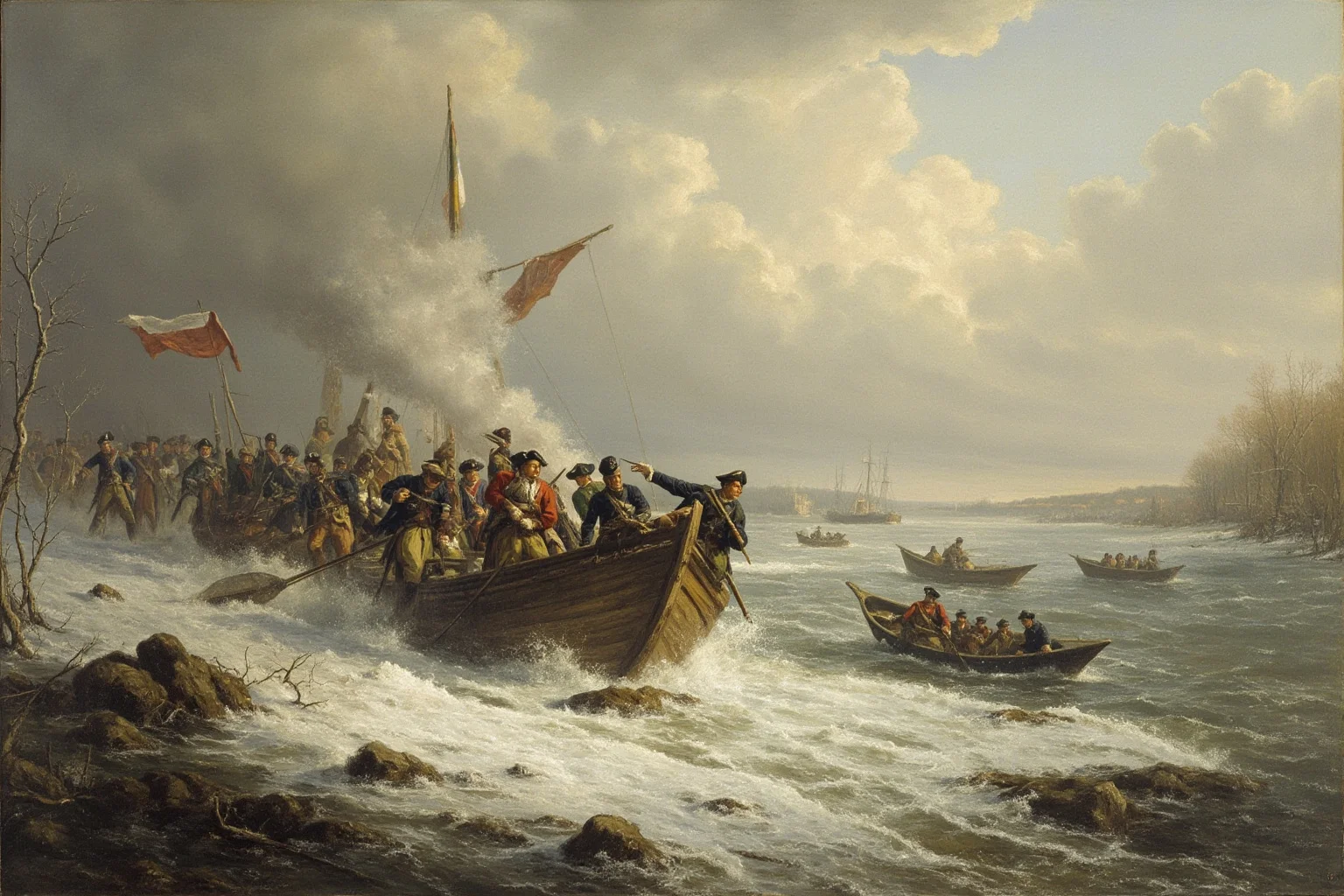
After a string of defeats in 1776, George Washington's Continental Army was close to collapse. On Christmas night, Washington crossed the icy Delaware River in a storm.
The storm concealed the crossing, and the Hessians were caught off guard. The victory at Trenton was small by battlefield standards, but it revived American morale. The result of the battle kept the revolution alive through the winter.
17. The Battle of Yorktown (1781)
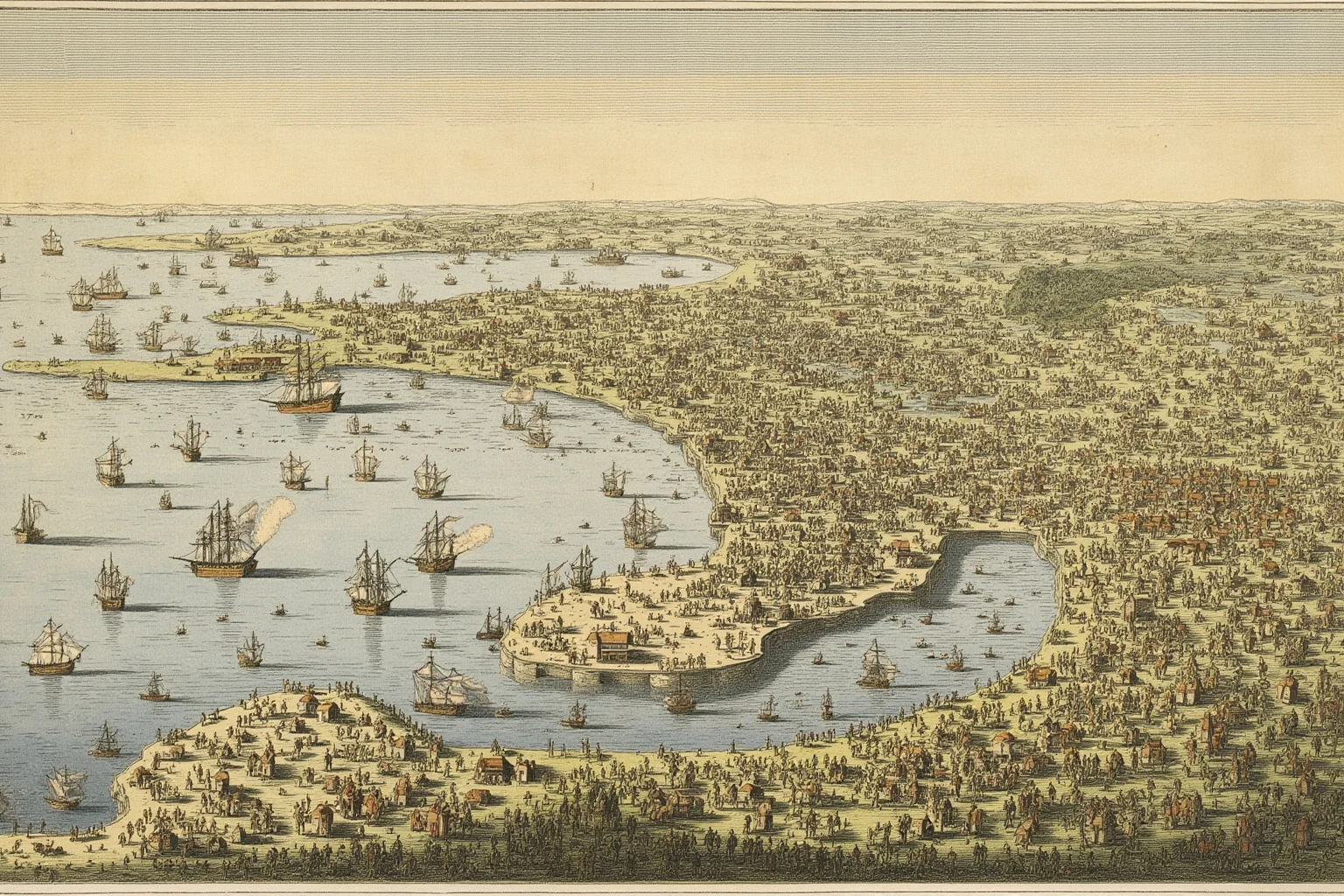
By 1781, the American Revolution had become a global war involving France. British General Cornwallis fortified Yorktown on the Virginia coast, expecting naval support.
A French fleet under de Grasse arrived from the Caribbean and sealed the Chesapeake. The result of the battle was Cornwallis's surrender and the effective end of major fighting in North America. That naval timing was not something Washington or Rochambeau could control.
18. The Battle of Marengo (1800)
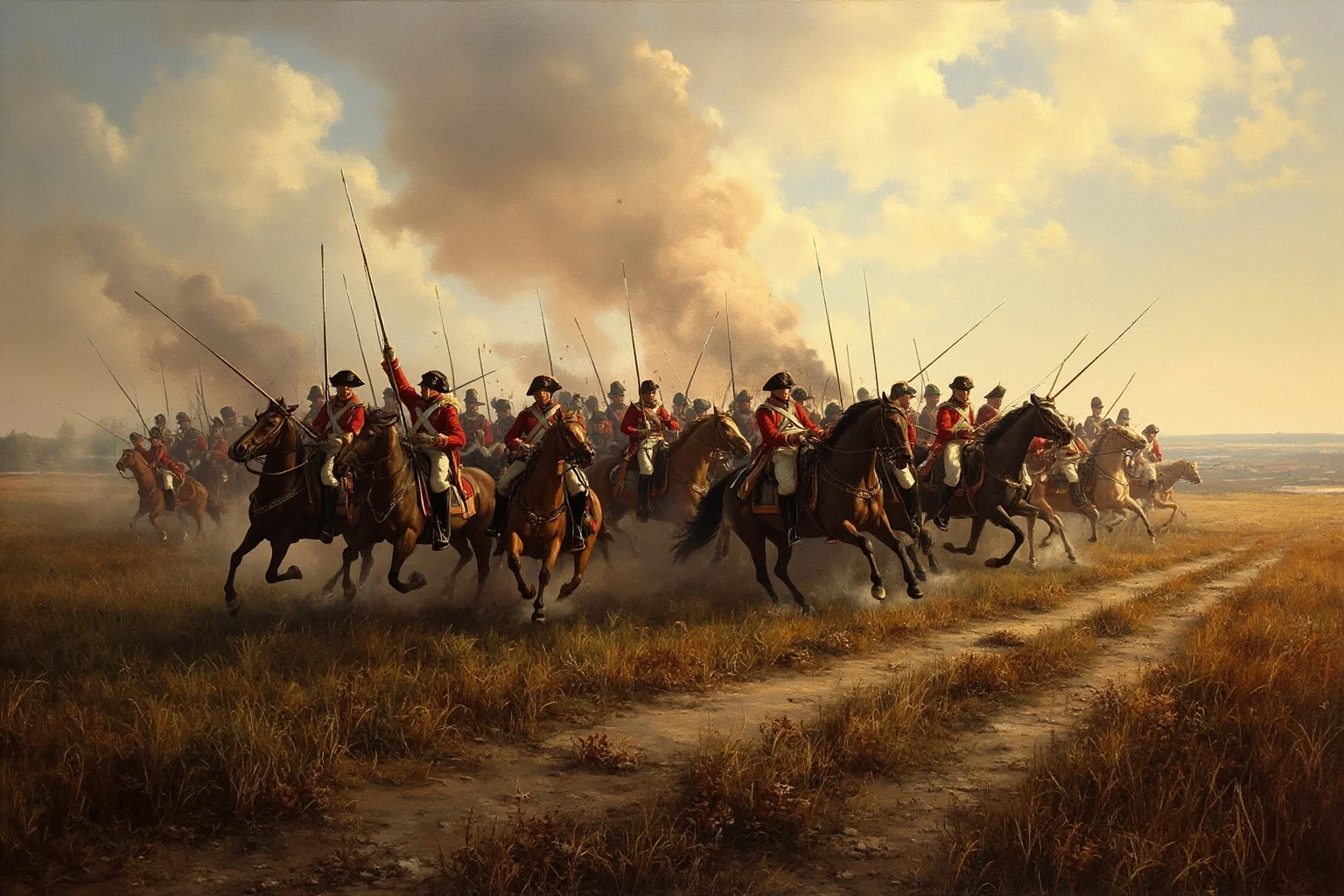
At Marengo in 1800, Napoleon Bonaparte's army was dangerously divided. Austrian forces attacked and pushed the French back for much of the day.
General Desaix returned with reinforcements after a forced march and launched a counterattack. The result of the battle was a French victory that secured Napoleon's political position in Paris. Desaix was killed in the final assault, and Napoleon's reputation survived partly through timing.
19. The Battle of Waterloo (1815)
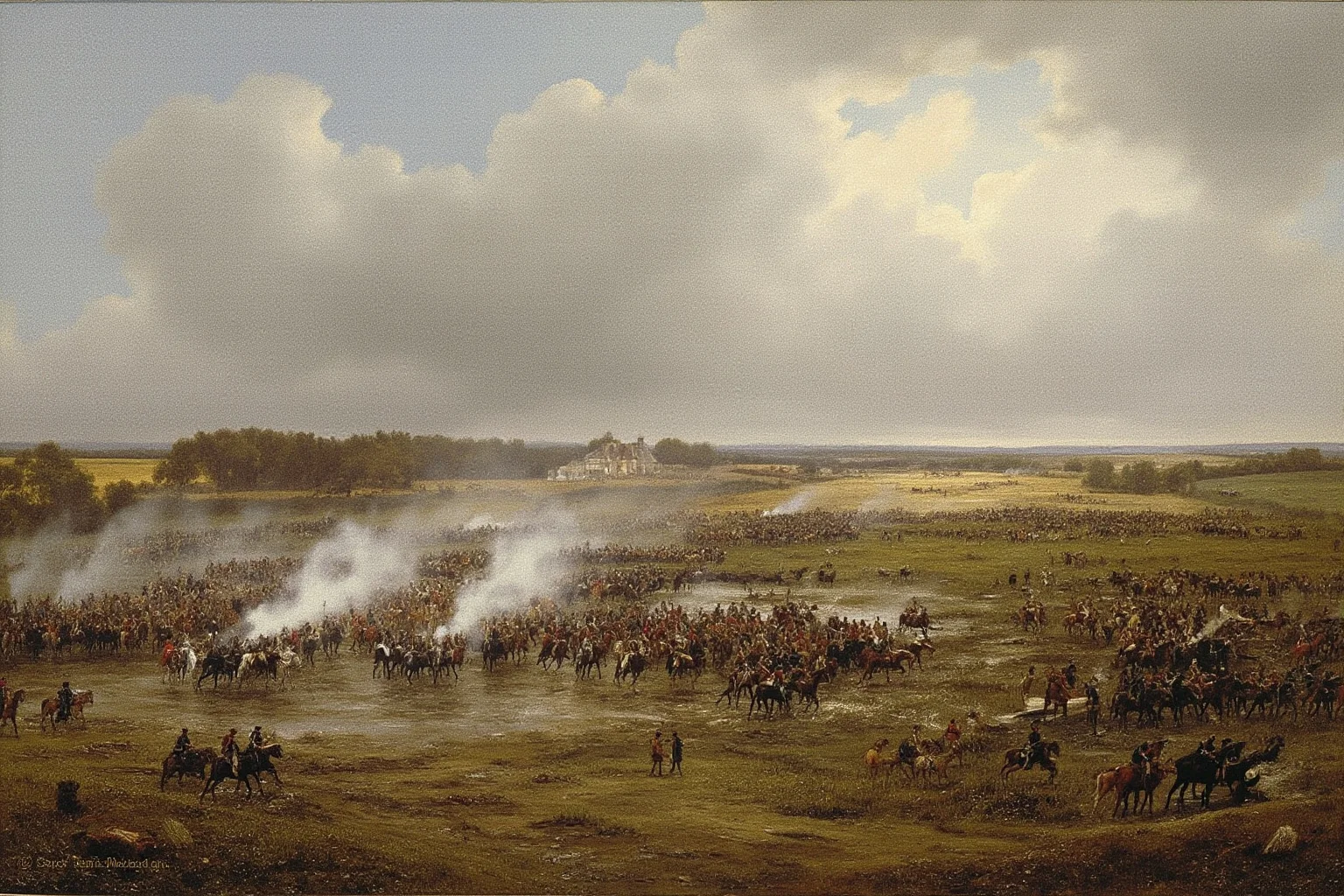
Napoleon's final battle in June 1815 depended on defeating Wellington before the Prussians arrived. Heavy rain had soaked the ground, and Napoleon delayed the start to let it dry.
The delay gave Prussian forces time to reach the field late in the day. The result of the battle was a decisive French defeat and Napoleon's abdication. Rain, mud, and the clock proved to be as important as infantry and cannons.
20. The Battle of San Jacinto (1836)
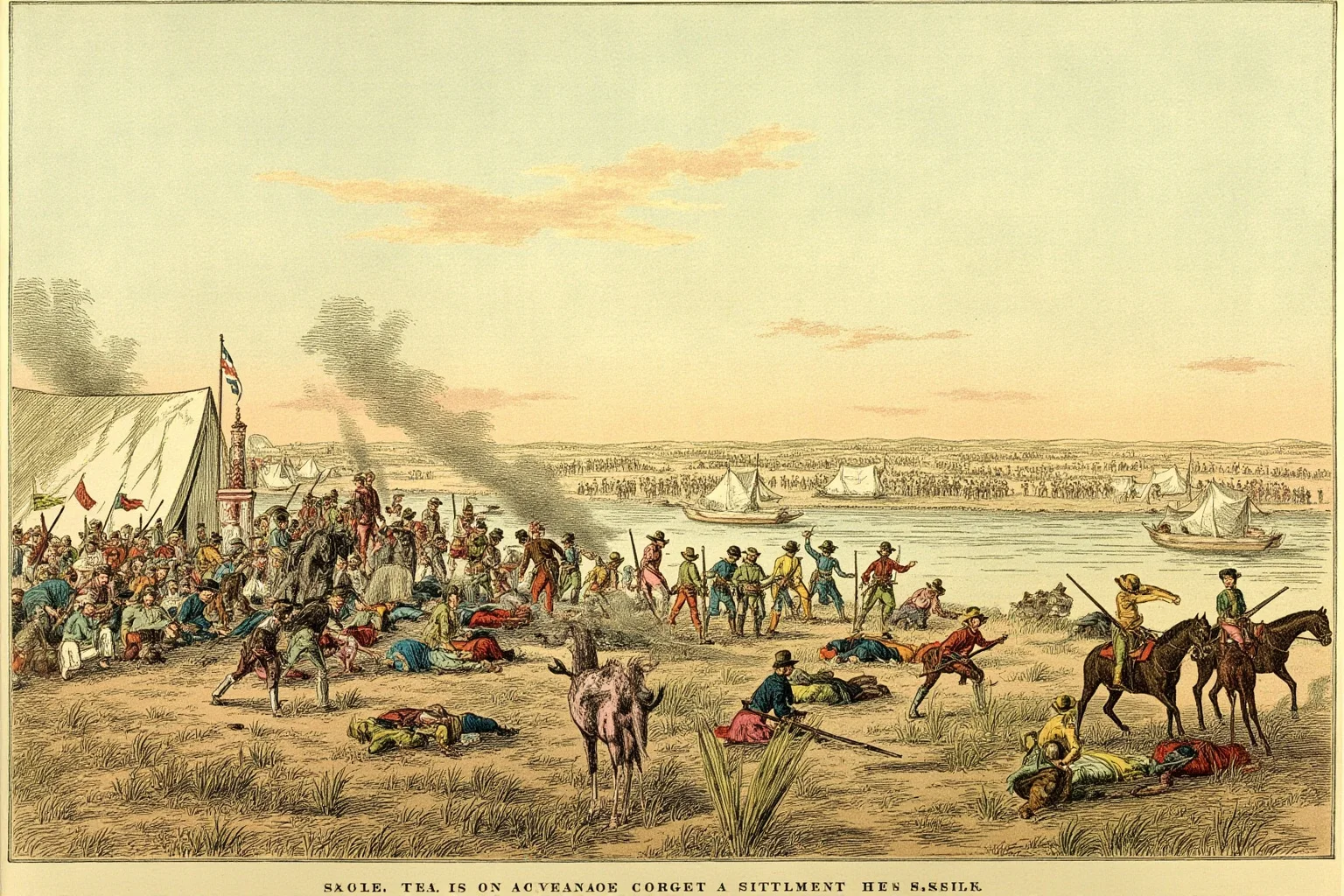
Texas rebels under Sam Houston had retreated for weeks before turning to fight the Mexican army in April 1836. They attacked at a time when the Mexican camp was resting.
The surprise assault during the afternoon siesta produced a quick collapse. Santa Anna was captured shortly afterward, and Texas gained de facto independence. The result of the battle showed how timing and surprise can overturn a larger force.
21. The Battle of Antietam (1862)
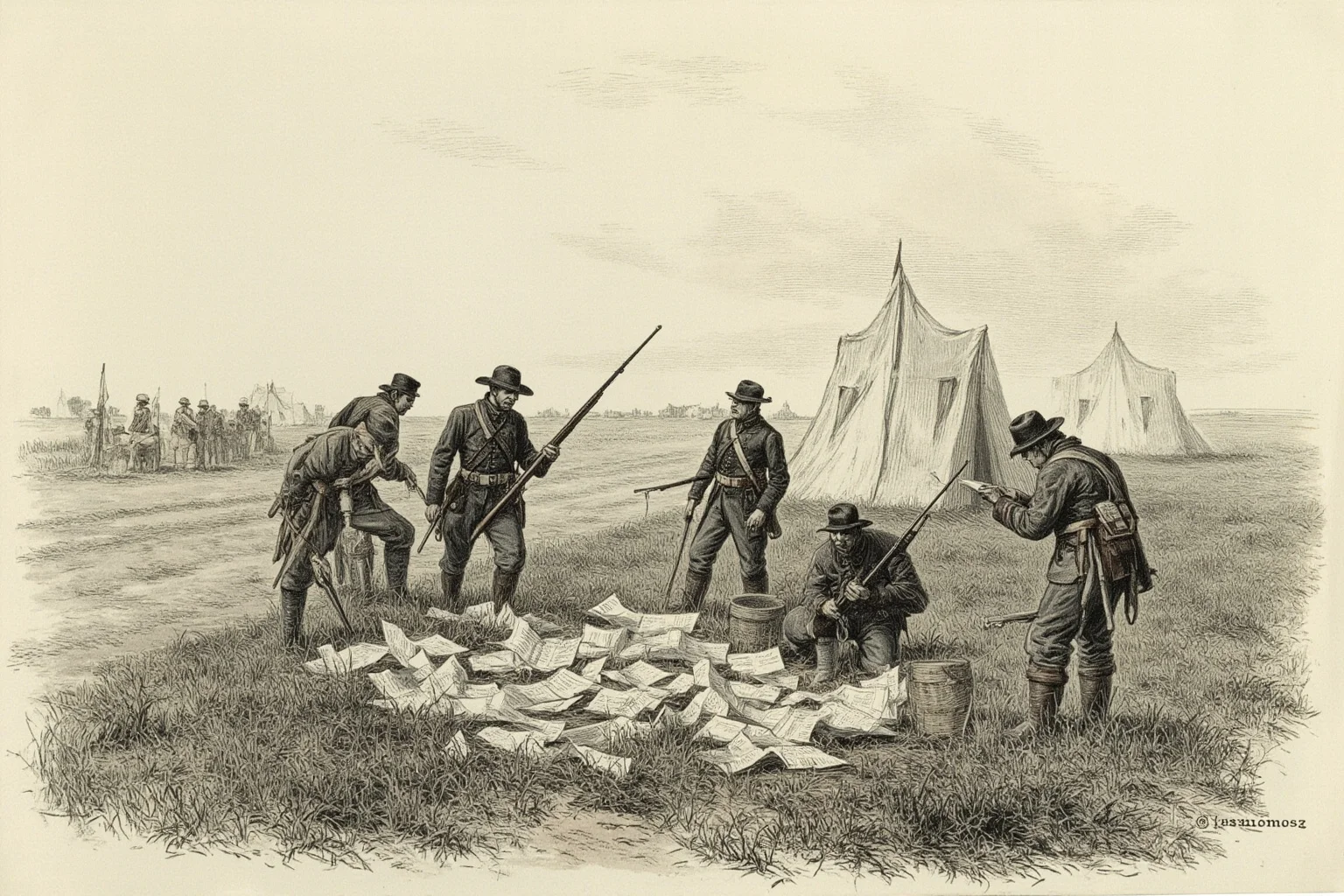
During the Maryland Campaign, Confederate General Robert E. Lee's orders were reportedly wrapped around cigars and lost. Union soldiers found the papers days before the Battle of Antietam.
The discovery gave George McClellan detailed insight into Lee's divided army, though McClellan did not exploit it fully. The result of the battle was tactically inconclusive but strategically a Union advantage. Lee withdrew, and Lincoln issued the Emancipation Proclamation.
22. The Battle of Tannenberg (1914)
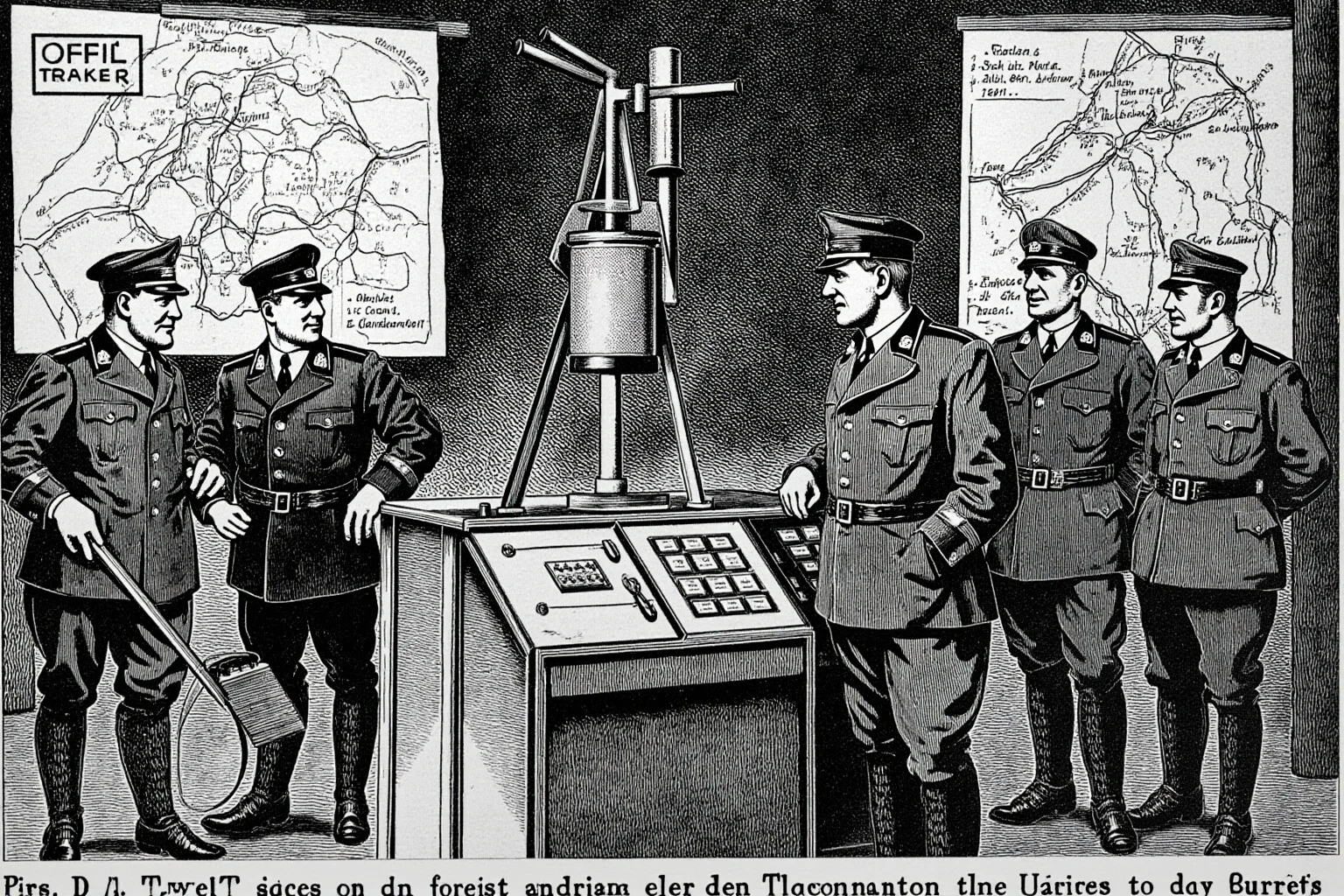
In August 1914, two Russian armies invaded East Prussia. Russian commanders sent many of their orders over open radio without proper encryption.
German staff listened in and used that intelligence to surround and destroy the Russian Second Army. The result of the battle was a crushing Russian defeat and a major German victory on the Eastern Front. It also made Hindenburg and Ludendorff famous.
23. The First Battle of the Marne (1914)
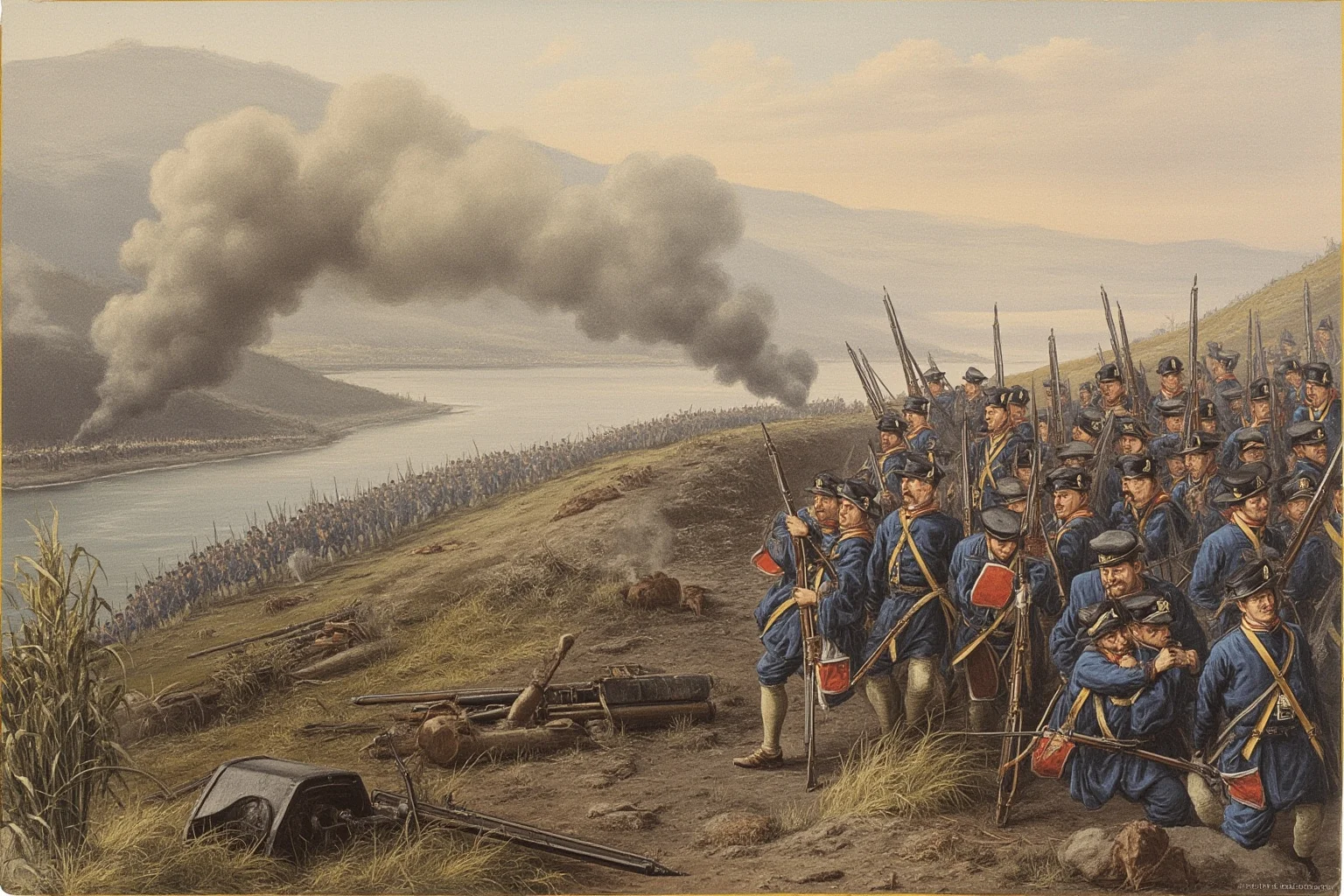
In early September 1914, the German army was advancing rapidly toward Paris. Exhaustion, stretched supply lines, and a gap between German armies created an opening.
French and British forces counterattacked along the Marne and forced a German retreat. The result of the battle ended the immediate threat to Paris and wrecked the Schlieffen Plan. It set the stage for years of trench warfare.
24. The Battle of Warsaw (1920)
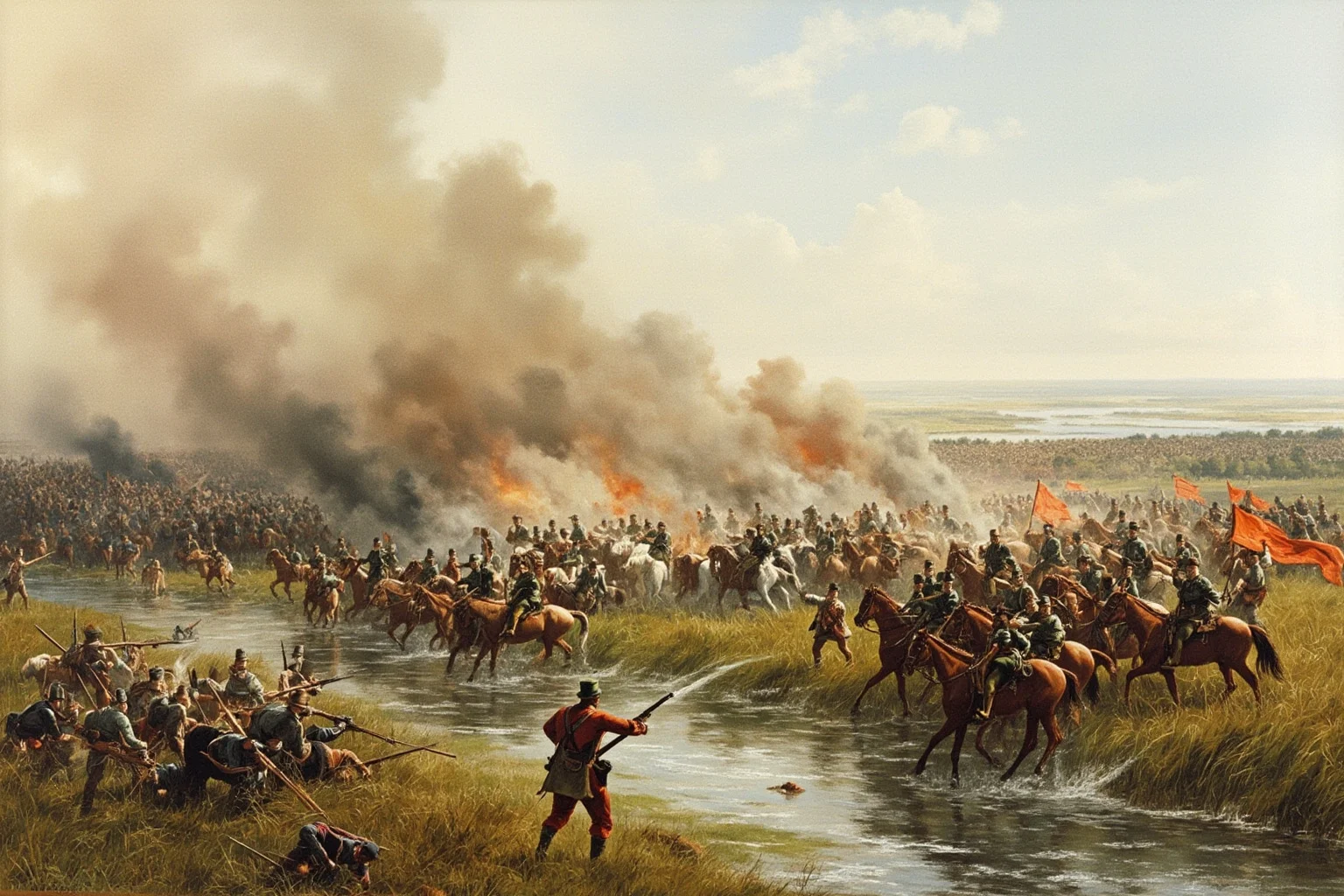
In 1920, the Soviet Red Army advanced toward Warsaw, and many observers expected Poland to fall. Polish intelligence had broken some Soviet ciphers and located a weakness.
Polish forces under Piłsudski struck at the exposed flank while Soviet command was overextended. The result of the battle was a Polish victory known as the 'Miracle on the Vistula.' It stopped the Soviet advance and reshaped Eastern Europe's borders.
25. The Battle of Midway (1942)
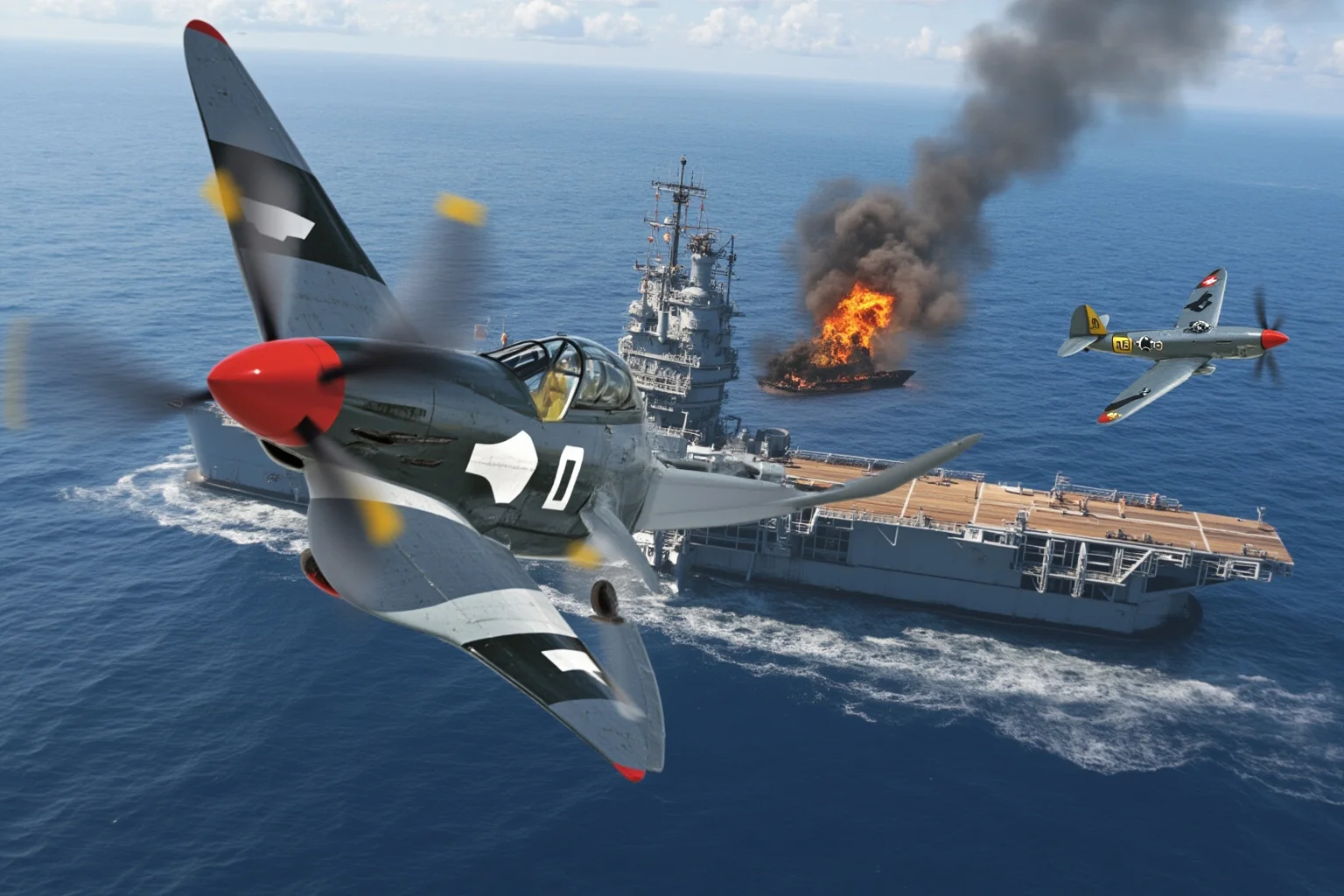
After Pearl Harbor, the United States cracked enough Japanese naval code to predict an attack on Midway. Even with that advantage, the carrier battle on June 4, 1942, was chaotic.
American dive bombers arrived just as Japanese carriers were rearming and refueling, with fuel, bombs, and aircraft exposed. Four Japanese carriers were sunk. The result of the battle broke the offensive power of the Japanese fleet and changed the Pacific War's direction.
26. The Battle of Leyte Gulf (1944)
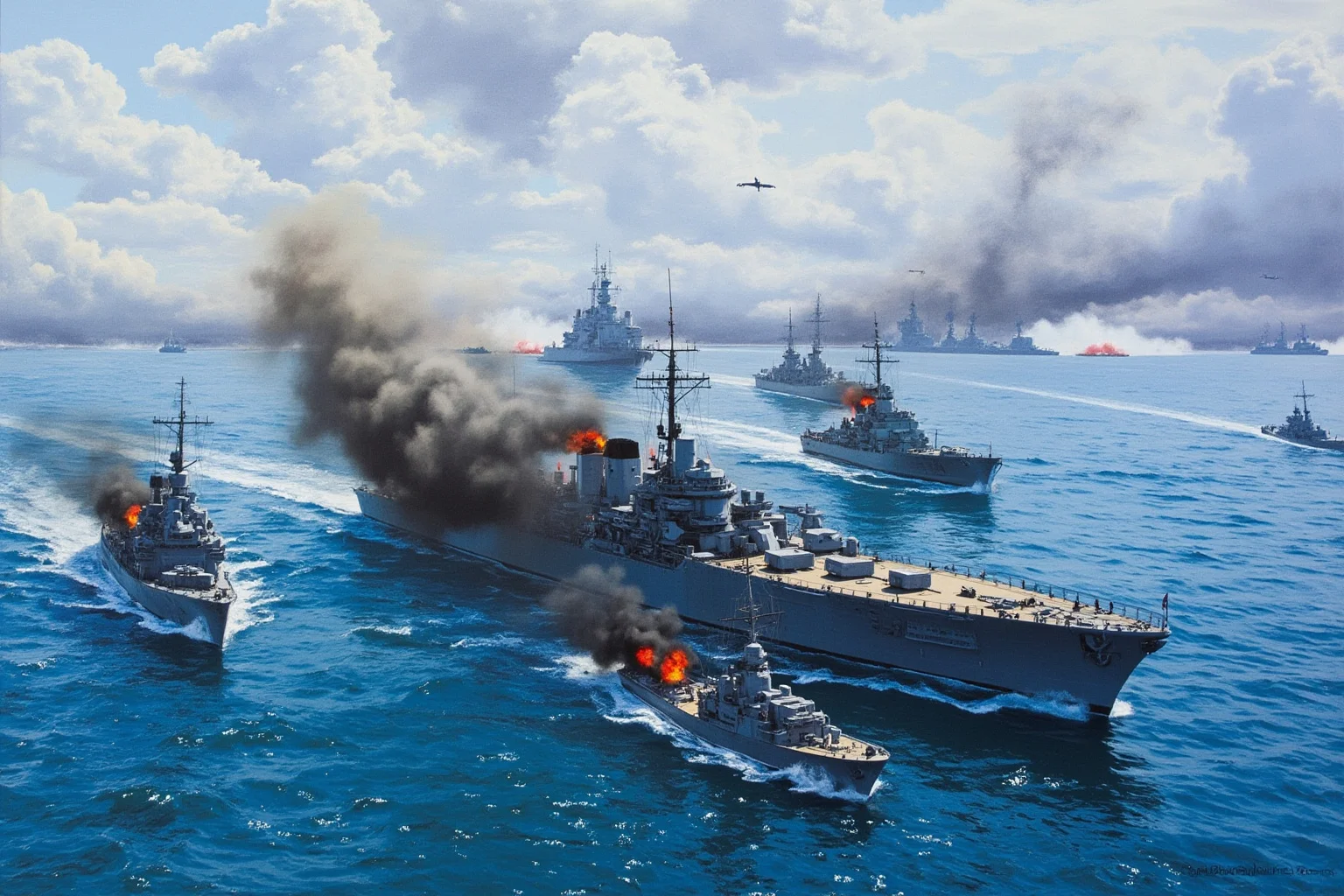
Leyte Gulf was the largest naval battle of World War II. A powerful Japanese surface force under Vice Admiral Kurita nearly reached the Allied invasion beaches in the Philippines.
After a desperate defense by escort carriers and destroyers known as Taffy 3, Kurita unexpectedly turned back. He believed he faced a larger force and feared air attacks. The result of the battle was an American strategic victory, but the decision to withdraw remains debated.
The Uncomfortable Role of Chance in War
These battles are reminders that war is not a chessboard. Even the best plans are undone by rain, mud, a lost message, or a subordinate who hesitates.
The saying 'in war there are no winners' is too broad, but it captures a real truth. The victors often survive through chance as much as skill, and the defeated are not always guilty of poor planning.
When you ask 'what was the result of the battle,' the answer is usually more than territory. It is also a story about timing, weather, and the limits of human control.
Frequently Asked Questions
Who won the first battle?
It depends on which 'first battle' you mean. If you are asking about one of the earliest recorded battles in history, many scholars point to the Battle of Megiddo around 1457 BCE, where Pharaoh Thutmose III defeated a Canaanite coalition. If you mean the first major battle of the American Civil War, the First Battle of Bull Run in 1861, the Confederate army won. There is no reliable record of the very first battle in human history.
What was the result of the battle?
The result of a battle depends on the specific battle being asked about. In general, a battle's result can be a tactical victory, a strategic defeat, an inconclusive stalemate, or a withdrawal. The examples in this article show that the immediate result often differs from the long-term political consequences.
In war there are no winners — what does that mean?
The phrase 'in war there are no winners' means that even victorious sides pay enormous costs in lives, resources, and long-term instability. It is a moral and political statement, not a literal military one. Battles produce victors on the field, but societies on both sides often lose something irreplaceable.
Are there really battles decided purely by luck?
No serious historian claims a battle is decided purely by luck. Armies still require training, logistics, and leadership. What looks like luck is usually an unexpected event—weather, a lost message, or a defection—that tips a contest already balanced between prepared forces.
Which battle on this list changed history the most?
There is no single answer, because importance is debated. The Battle of Salamis helped preserve Greek city-states, Hastings reshaped England, and Midway changed the Pacific War. Each result mattered in its own context.

Alex Warren
Related Articles