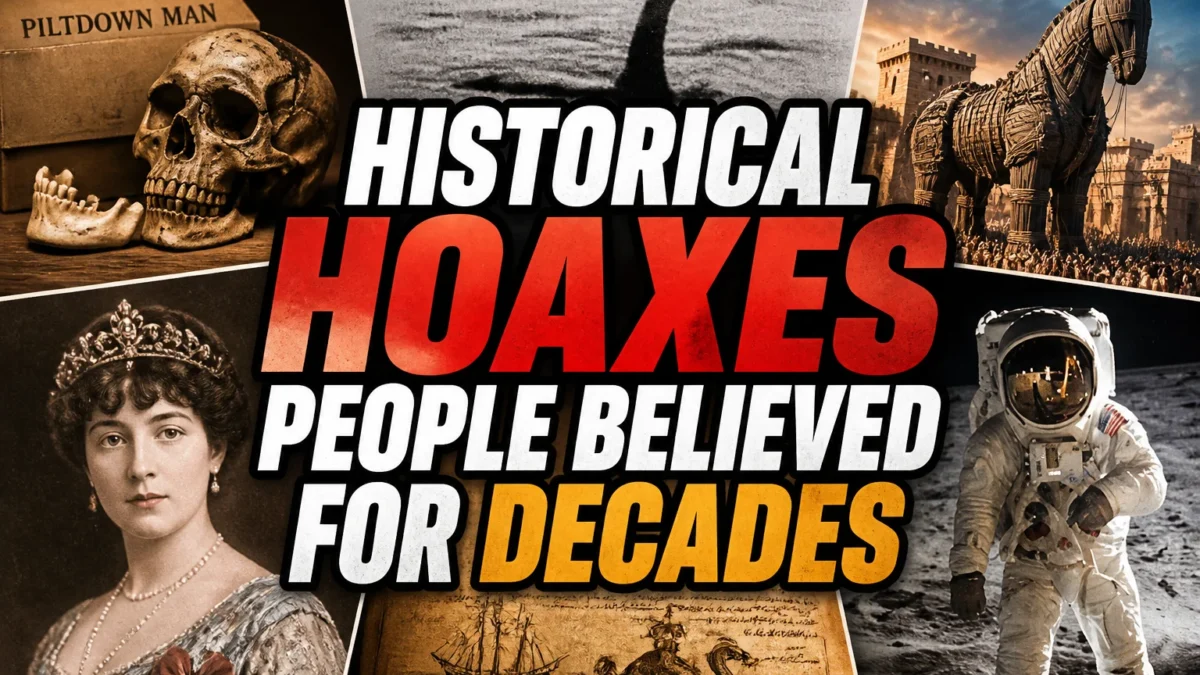
History is full of stories that were too good to check. Some hoaxes were idle pranks, while others were deliberate forgeries used to justify wars, land claims, or prejudice. This post explores twenty famous historical hoaxes that fooled people for decades, and in a few cases, for centuries.
A hoax succeeds when it matches what people already want to believe. The examples below show how shaky evidence, a good story, and trust in authority can overwhelm skepticism. They also show that exposure is rarely instant.
TL;DR: History’s most durable hoaxes thrived because they looked like evidence, struck emotional chords, and were shielded by trusted institutions.
How a Historical Hoax Takes Root
Most long-lived hoaxes are not random lies. They borrow the form of credible evidence: a document, a photograph, a fossil, or an official announcement. That packaging gives the claim a head start with experts and reporters.
The other common ingredient is confirmation bias. A public craving a lost epic, an enemy to blame, or proof of ancient contact may accept weak sourcing. This helps explain why some hoaxes survived even after serious questions surfaced.
1. The Donation of Constantine (8th Century)
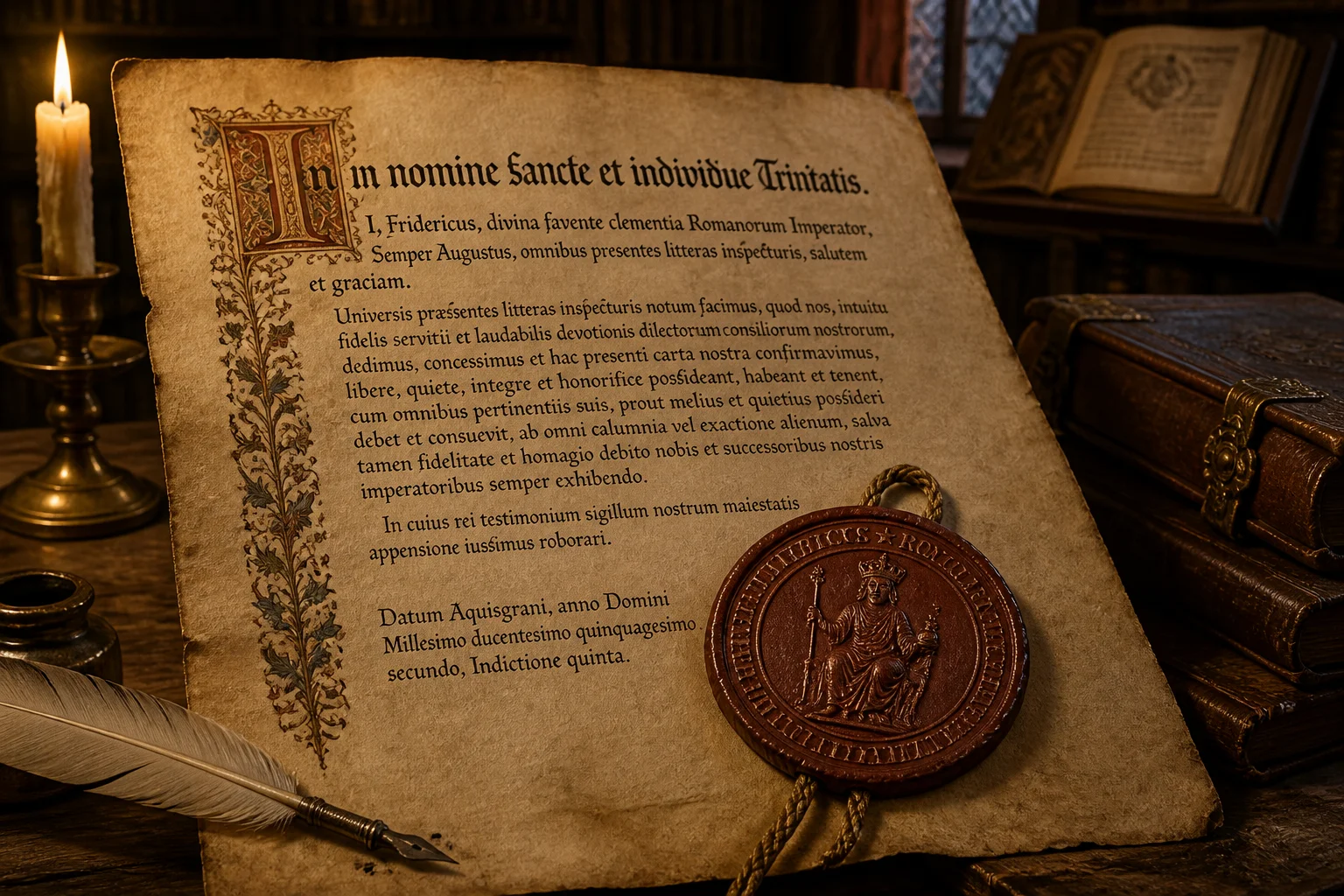
The Donation of Constantine is one of the most consequential forgeries in Western history. The document claimed the Roman Emperor Constantine gave Pope Sylvester I authority over Rome and the western empire around the fourth century. For centuries, popes cited it to justify territorial claims.
In reality, it was likely produced in the eighth century to strengthen papal political authority. The language and legal formulas reflect a much later setting than the age of Constantine. Still, the illusion held for hundreds of years.
Italian scholar Lorenzo Valla exposed it in 1440 by pointing out Latin anachronisms and factual errors. His philological critique became a landmark in the study of historical documents. It showed that close reading can overturn a seemingly ancient authority.
2. The Ossian Poems (1760s)
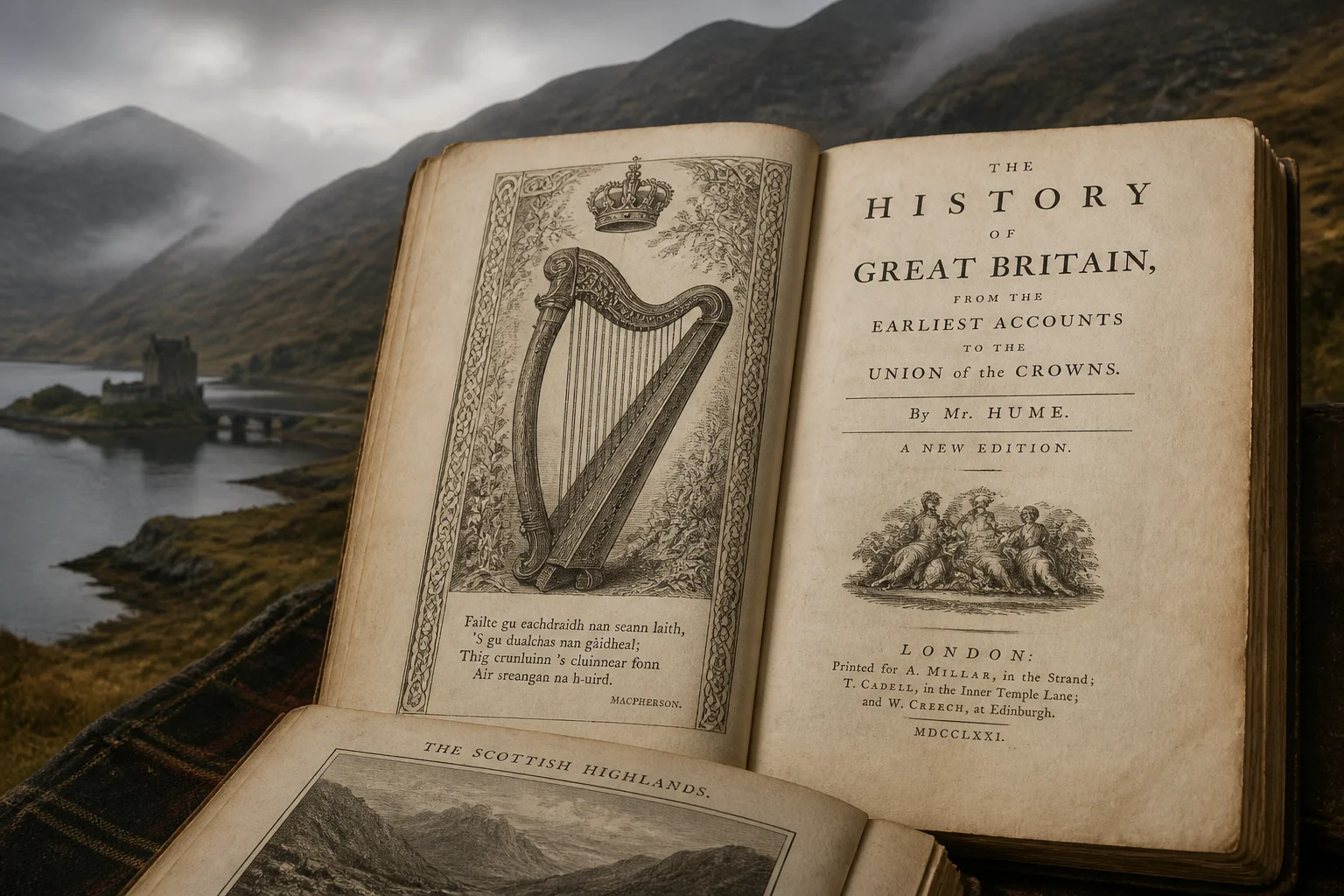
In the 1760s, Scottish writer James Macpherson published poems he attributed to Ossian, a third-century Gaelic bard. The works became a literary sensation and shaped European Romanticism. Goethe and Napoleon were among those fascinated by the supposed ancient epics.
Macpherson claimed he had translated ancient Highland manuscripts. But he never produced the originals, and contemporaries such as Samuel Johnson doubted their authenticity. Modern scholars generally regard the poems as a blend of oral tradition and Macpherson's own invention.
The Ossian controversy was not just a literary quarrel. It raised early questions about how historians and readers should verify an ancient text. The debate helped shape modern standards for editing and authenticating sources.
3. The Turk (1770)
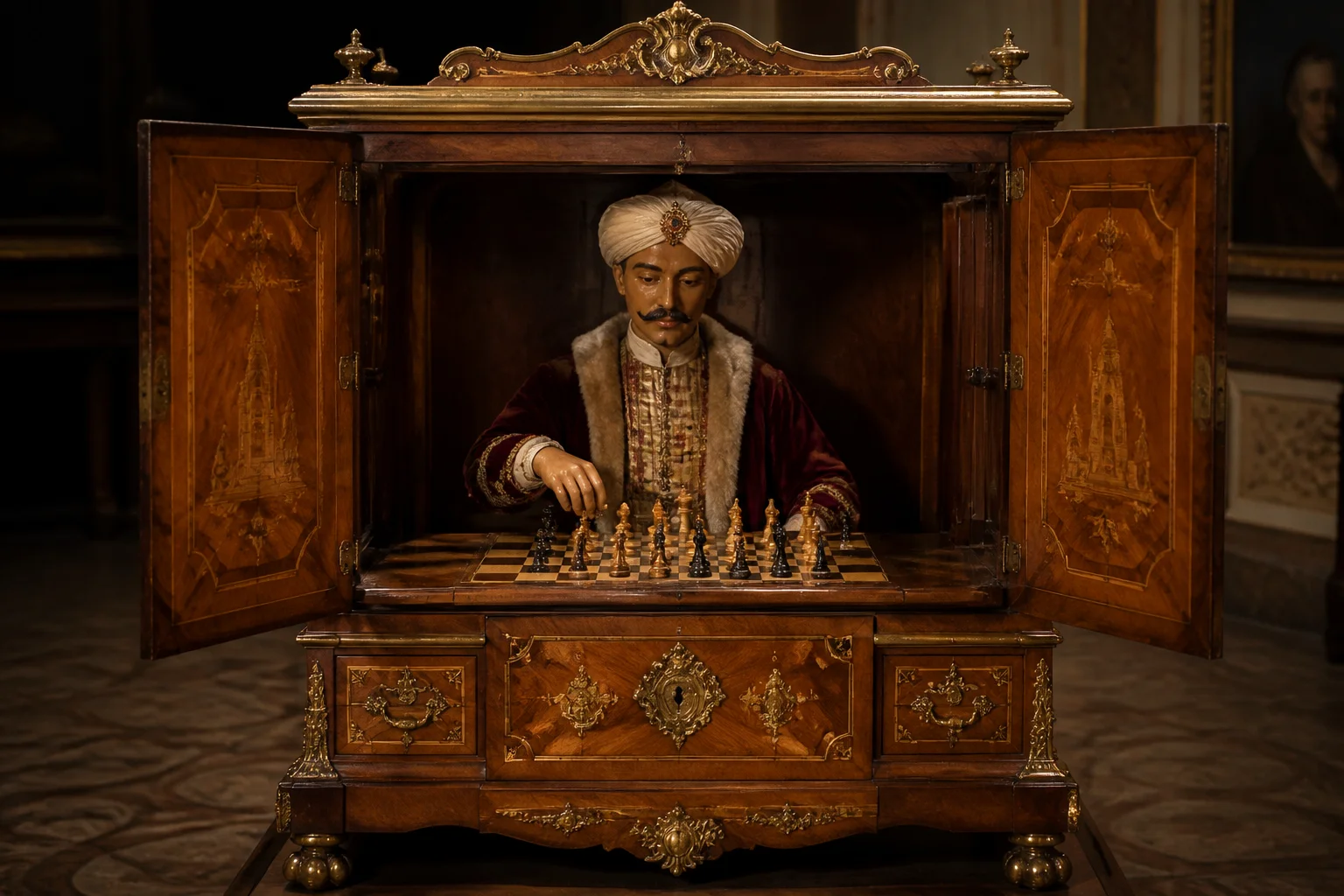
The Turk was a chess-playing automaton created by Austrian inventor Wolfgang von Kempelen in 1770. It toured Europe and the Americas for more than eighty years and defeated many skilled chess players.
The machine looked like a wooden cabinet with a mechanical figure dressed in Turkish robes. For decades, audiences debated whether it was a genuine thinking machine or an elaborate illusion.
The secret was a concealed human operator who controlled the moves from inside the cabinet. The Turk was destroyed by fire in 1854, but its legend influenced later ideas about machines, chess, and artificial intelligence.
4. The Great Moon Hoax (1835)
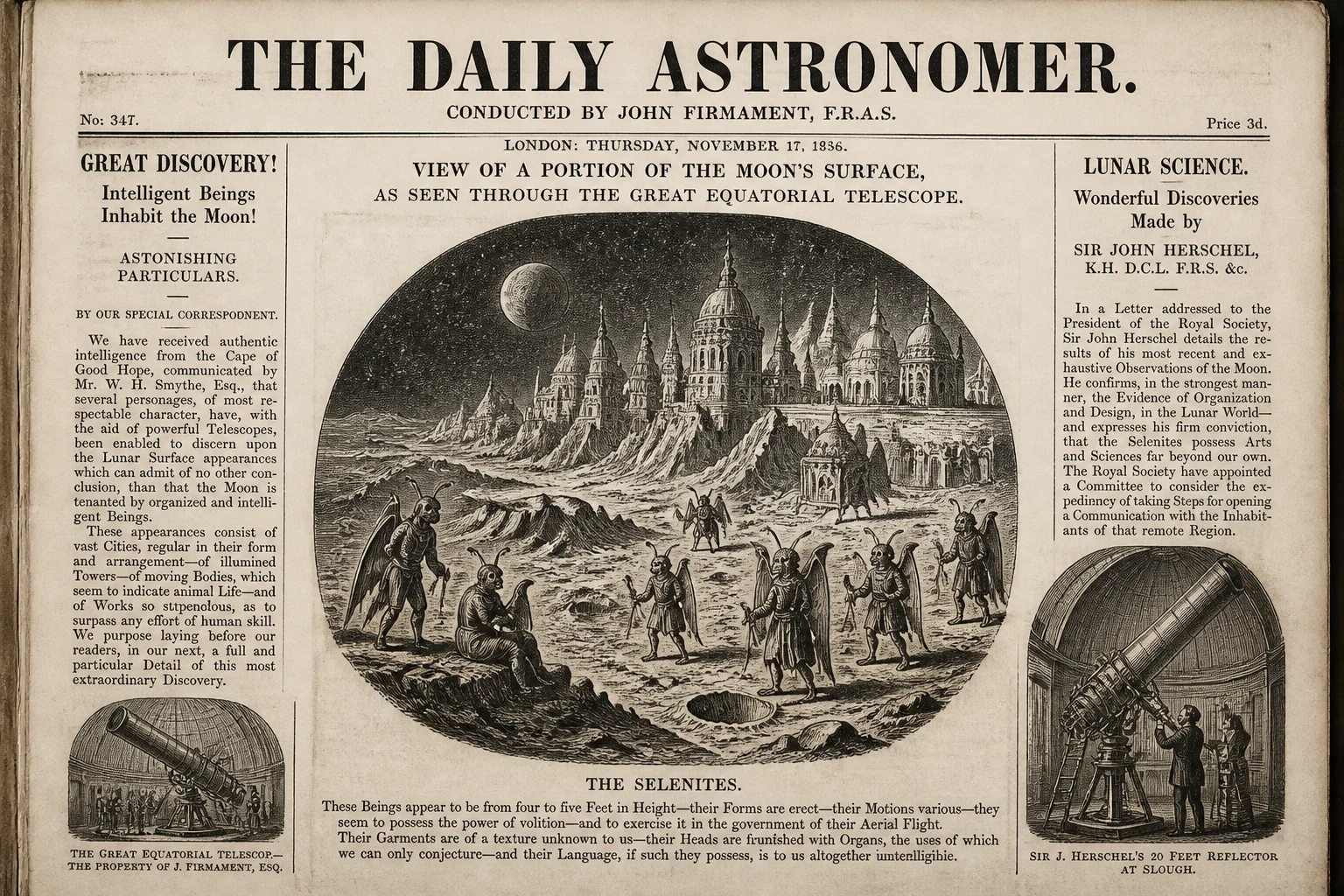
In August 1835, the New York Sun ran a series of articles claiming astronomer John Herschel had observed life on the moon through a powerful telescope. The report described bat-winged humanoids, bison-like creatures, and lush lunar landscapes.
The stories were pure fiction, most likely written by reporter Richard Adams Locke. They boosted the newspaper's circulation and captured public imagination before the paper quietly retreated.
The Great Moon Hoax showed how a plausible scientific tone could fool readers. It remains a classic case study in early mass media manipulation. It also helped establish the Sun as a commercially aggressive paper.
5. The Awful Disclosures of Maria Monk (1836)
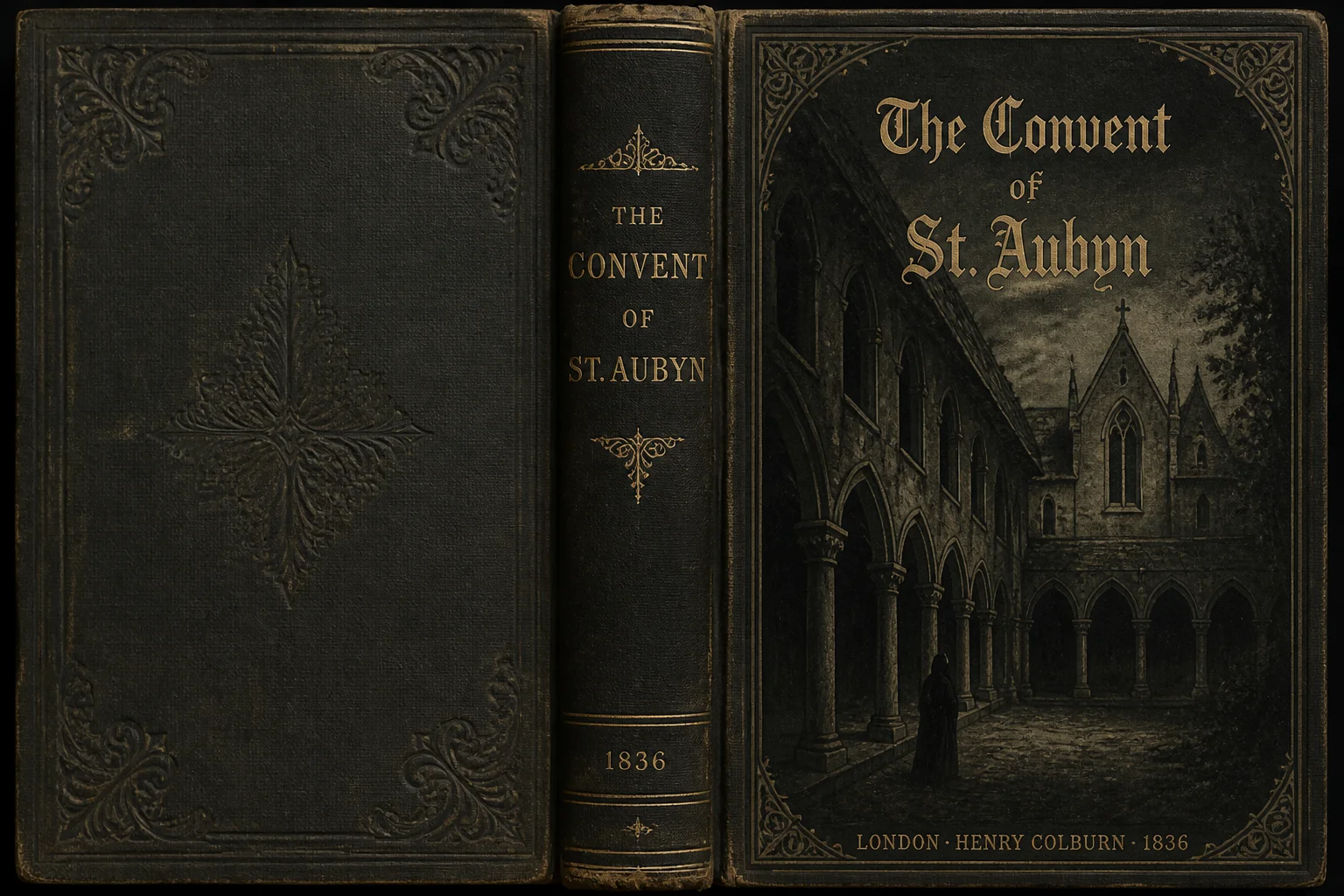
The Awful Disclosures of Maria Monk appeared in 1836 and claimed to be a nun's account of abuse inside a Montreal convent. The book alleged secret births, infant murder, and a far-reaching Catholic conspiracy.
The narrative sold heavily among Protestant audiences and fueled anti-Catholic sentiment in the United States. Investigators soon found contradictions in Maria Monk's story and little evidence that she lived in the convent as described.
Historians generally treat the book as an anti-Catholic political fabrication rather than a genuine memoir. It demonstrates how a false confession can be weaponized when it serves a cultural agenda. It also shows the human cost of a hoax aimed at an entire religious community.
6. The Cardiff Giant (1869)
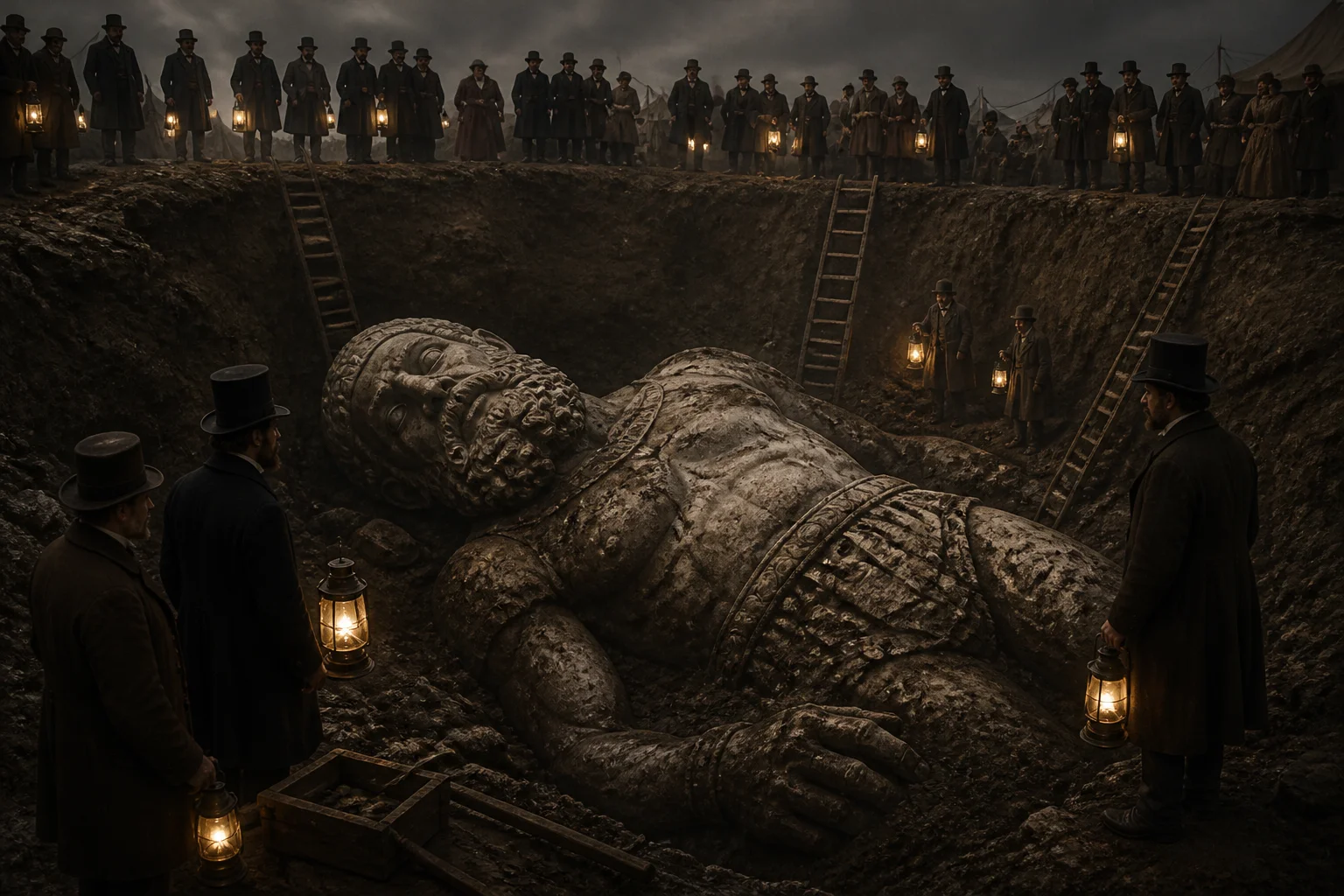
In 1869, workers digging on a farm in Cardiff, New York, uncovered a massive stone figure that appeared to be a petrified giant. Thousands paid to see it, and some ministers and lecturers declared it a biblical wonder.
The giant was actually carved from gypsum and buried as part of a scheme by George Hull, an atheist who wanted to challenge religious belief and make money. He had hired sculptors to shape the block into a ten-foot human form and ordered it aged before burial.
The hoax collapsed after Hull revealed his role and the facts became public. Even after exposure, some people still wanted to believe the giant was real. The episode became one of the most advertised fossil frauds in American history.
7. The Ems Dispatch (1870)
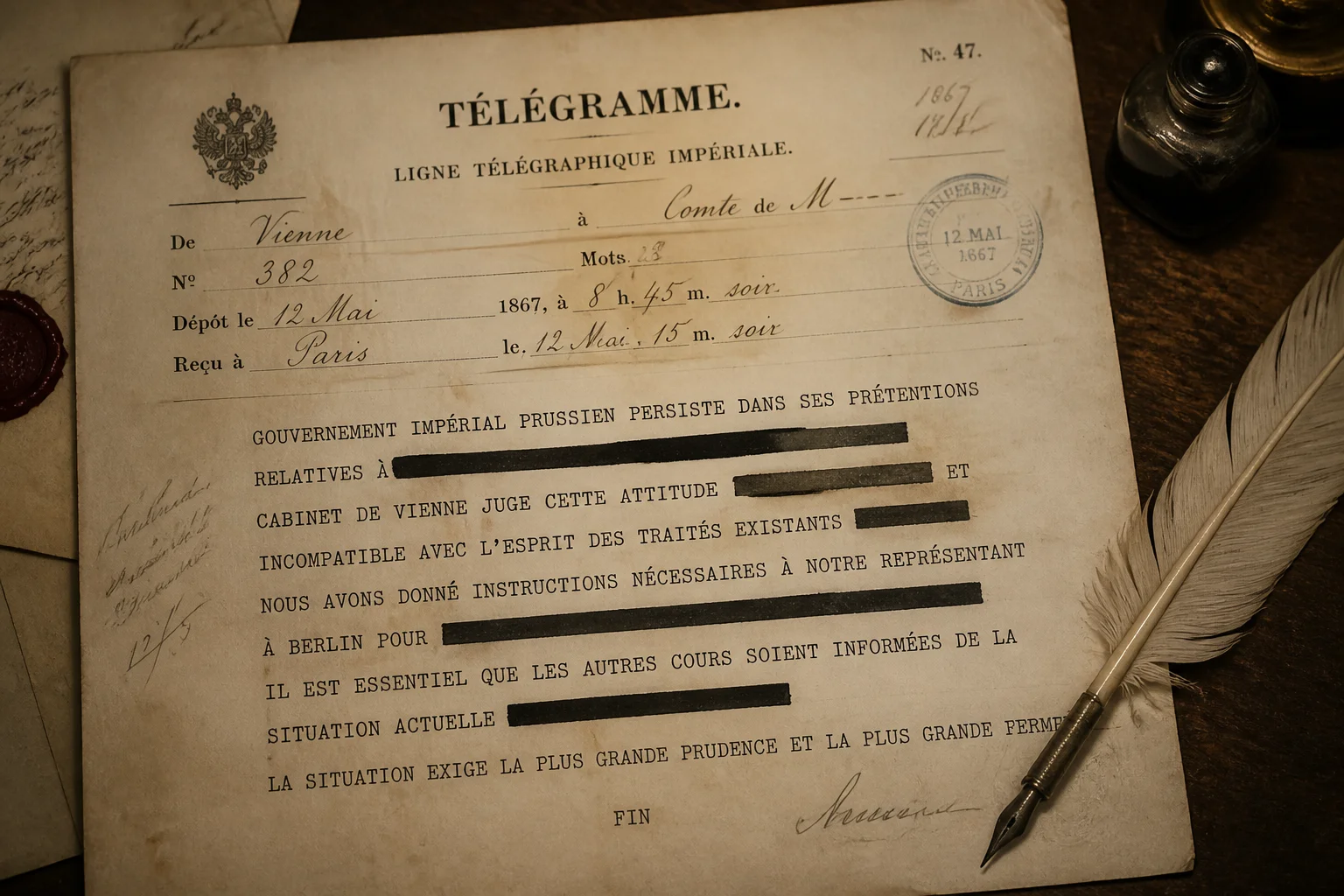
The Ems Dispatch was a telegram about a diplomatic exchange between King Wilhelm I of Prussia and the French ambassador in 1870. Prussian minister-president Otto von Bismarck edited the text to make the exchange seem insulting to France.
Bismarck's condensed version helped inflame French public opinion and contributed to the outbreak of the Franco-Prussian War. The manipulated dispatch became a textbook example of how state communication can be weaponized.
Historians still debate how decisive the edited telegram was in causing the war. But the episode shows that a government-edited document can function as a geopolitical hoax. It also reveals how official channels can be abused to create a false provocation.
8. The Kensington Runestone (1898)
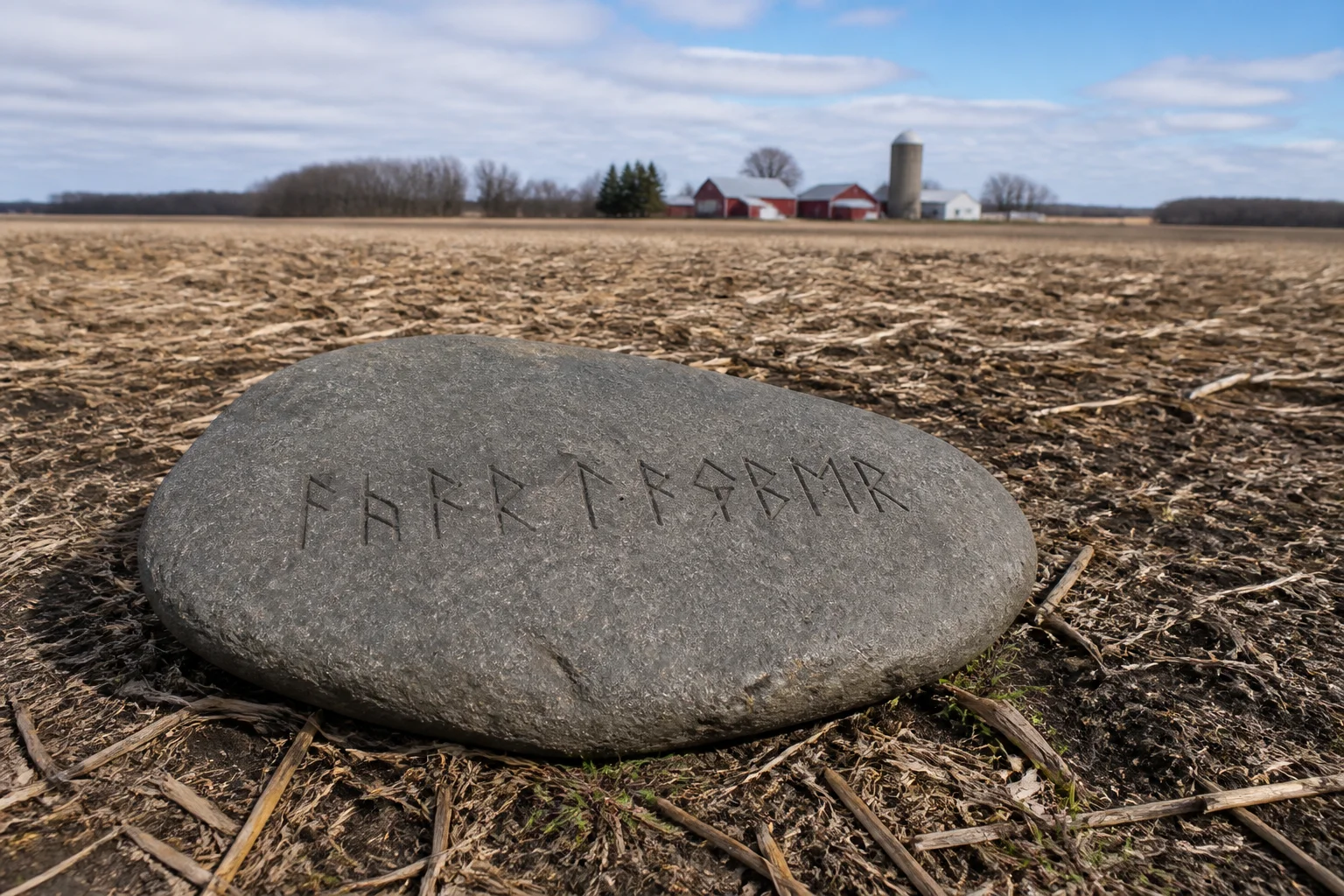
In 1898, Swedish immigrant Olof Ohman claimed to have found a stone slab with runic writing on his Minnesota farm. If genuine, the Kensington Runestone would have placed Norse explorers in the American Midwest in 1362.
Most linguists and historians reject the artifact. The runes contain modern linguistic features and other anomalies that point to a nineteenth-century creation rather than a medieval inscription.
Despite the broad scholarly consensus, the stone still attracts believers and local tourism. It remains a useful example of how a single object can keep a historical mystery alive for more than a century. The debate around it also shows how community pride can sustain a contested artifact.
9. The Protocols of the Elders of Zion (1903)
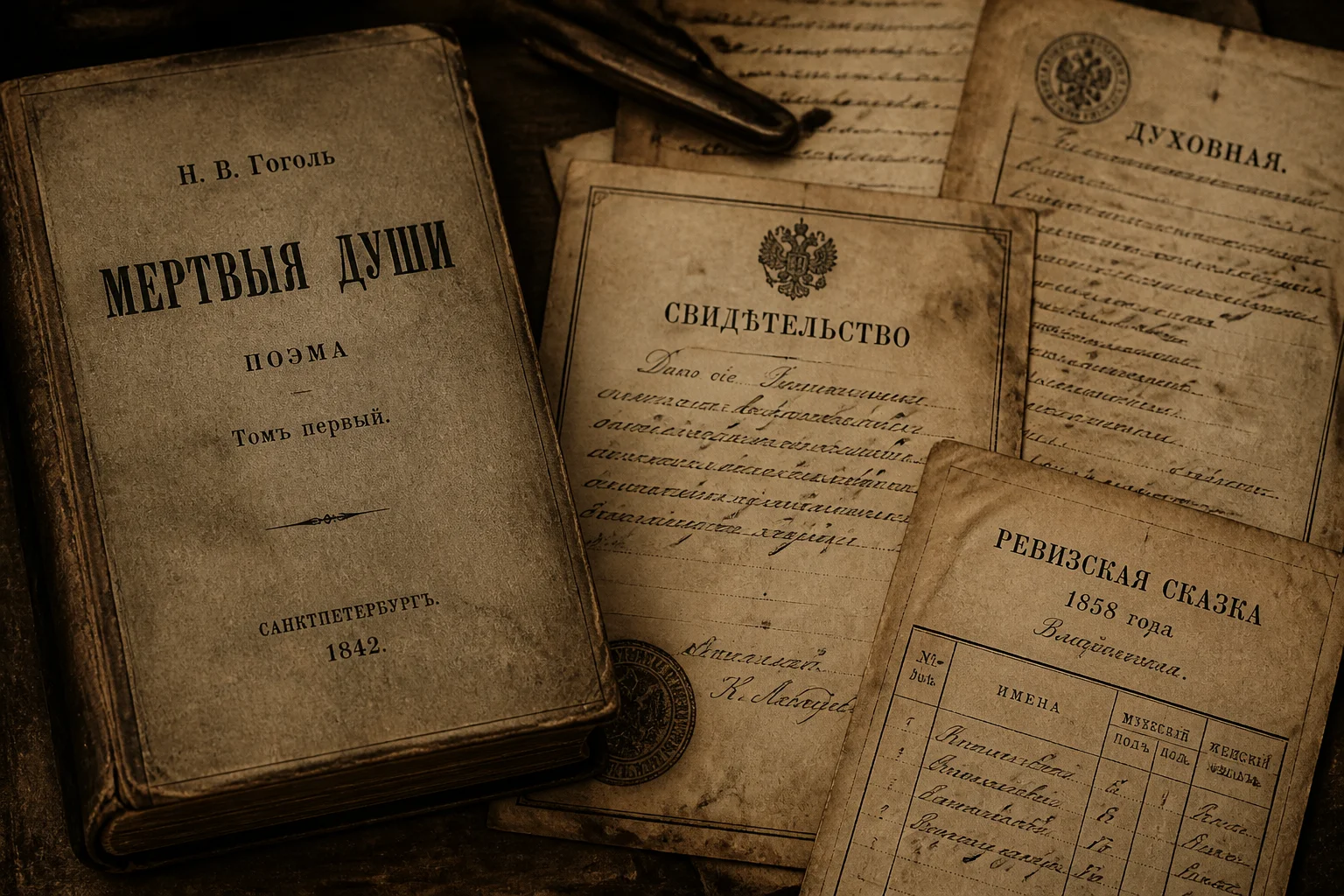
The Protocols of the Elders of Zion is a fabricated antisemitic text first published in Russia in 1903. It purports to reveal a Jewish plan for world domination, but it is a plagiarized forgery built from earlier political satires and novels.
Large sections were adapted from a French dialogue criticizing Napoleon III and from another fictional work. The London Times exposed the text as a forgery in 1921, but it had already spread worldwide.
Despite repeated debunking, the Protocols continued to circulate and influence antisemitic propaganda. Its destructive afterlife shows why historians insist on calling forged documents what they are. This is a case where the hoax itself became a weapon.
10. Piltdown Man (1912)
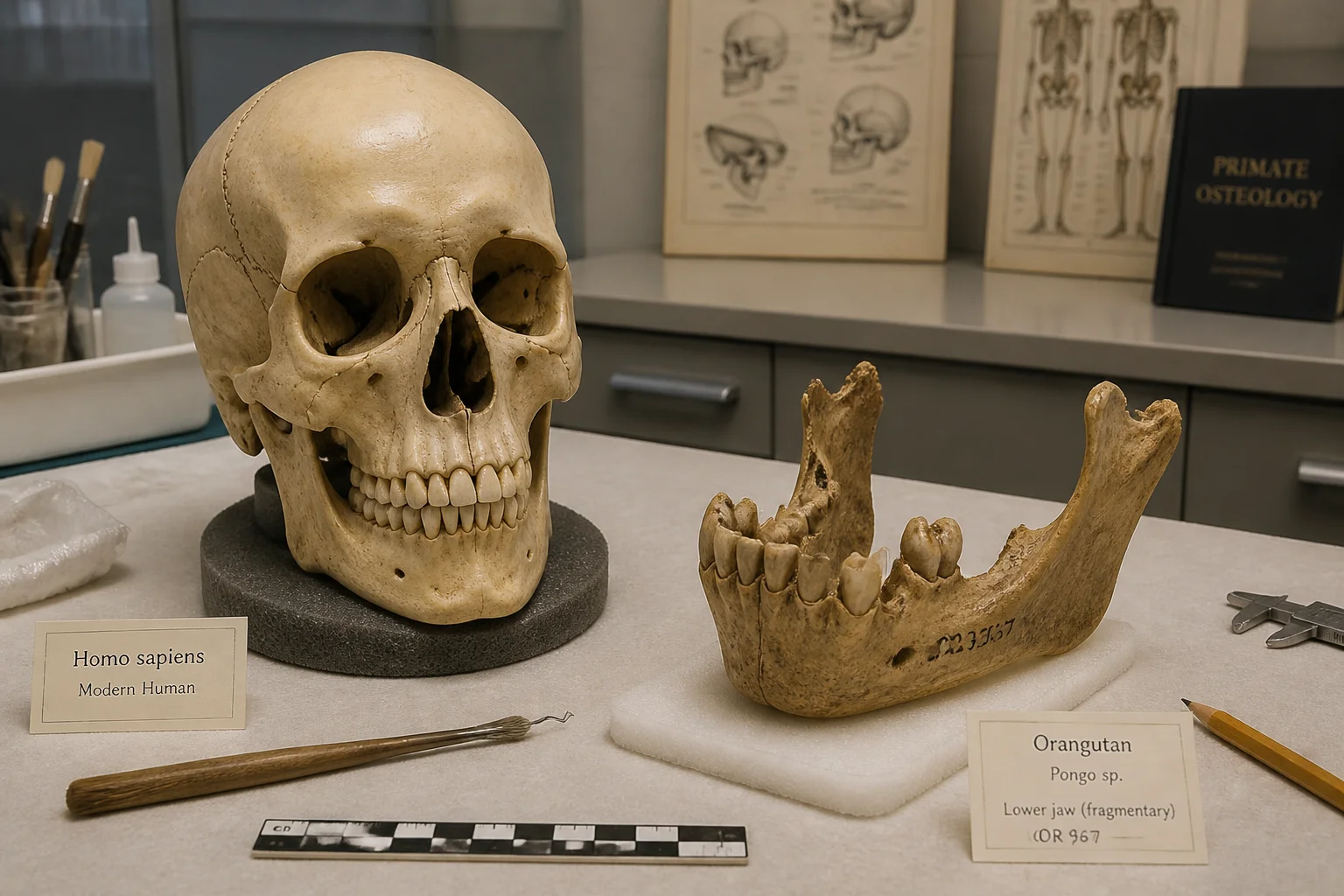
In 1912, amateur archaeologist Charles Dawson announced the discovery of skull fragments in Piltdown, England. The find seemed to be an ancient human ancestor with a human-like cranium and an ape-like jaw.
For four decades, Piltdown Man entered scientific debates about human evolution, and many experts accepted it as genuine. The specimen was actually a deliberate fraud combining a modern human skull and an orangutan jaw with filed-down teeth.
In 1953, fluorine dating and chemical tests exposed the hoax. Piltdown Man remains one of the most famous scientific hoaxes because it misled specialists for so long. The identity of the forger has never been conclusively proven, which only adds to the mystery.
11. The Angels of Mons (1914)
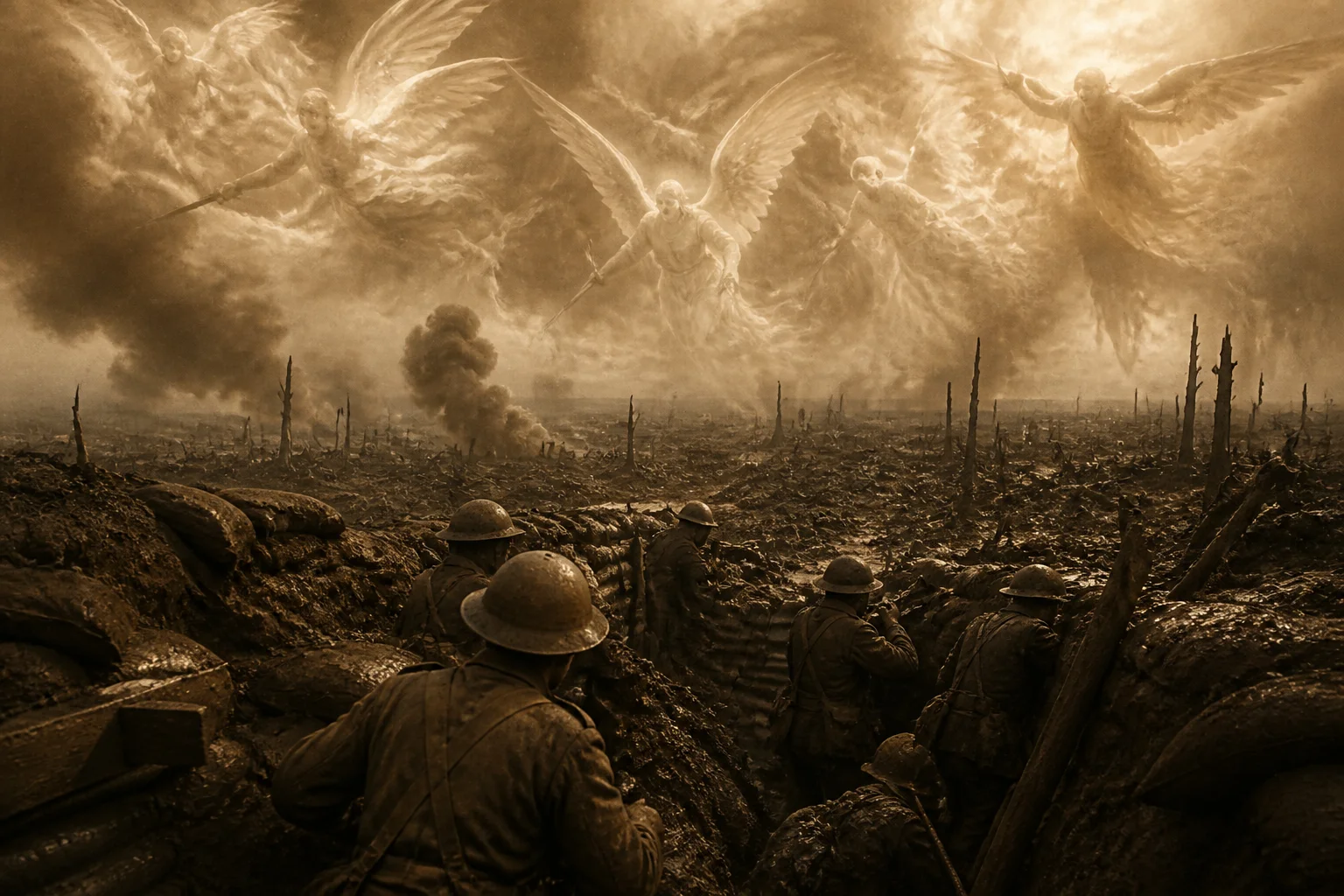
During the early battles of World War One, a story spread that angelic soldiers had protected British troops at Mons in 1914. The tale offered comfort and was widely repeated as miraculous fact.
The story likely began with a fictional short story by Arthur Machen called The Bowmen, published in late 1914. Machen later insisted his work was fiction and was baffled by the legend that grew around it.
The Angels of Mons illustrates how battlefield rumors can harden into enduring historical myths. It was less a deliberate hoax than a fiction that escaped its author's control. Still, many people believed it for decades, and it became part of the war's folklore.
12. The Cottingley Fairies (1917)

In 1917, two young cousins in Cottingley, England, took photographs that appeared to show fairies dancing near a stream. The images became public in 1920 and attracted the attention of Sir Arthur Conan Doyle, who promoted them as evidence of the supernatural.
Decades later, the women admitted the photos were staged using paper cutouts and hatpins. They had created the fairies as a child's prank, but the hoax grew far beyond their control.
The Cottingley Fairies case is a classic example of how respectable endorsements can extend the life of a simple trick. It also shows the difficulty of walking back a childhood lie once institutions embrace it. Doyle's willingness to believe reflected a wider hunger for wonder after the losses of World War One.
13. The Zinoviev Letter (1924)
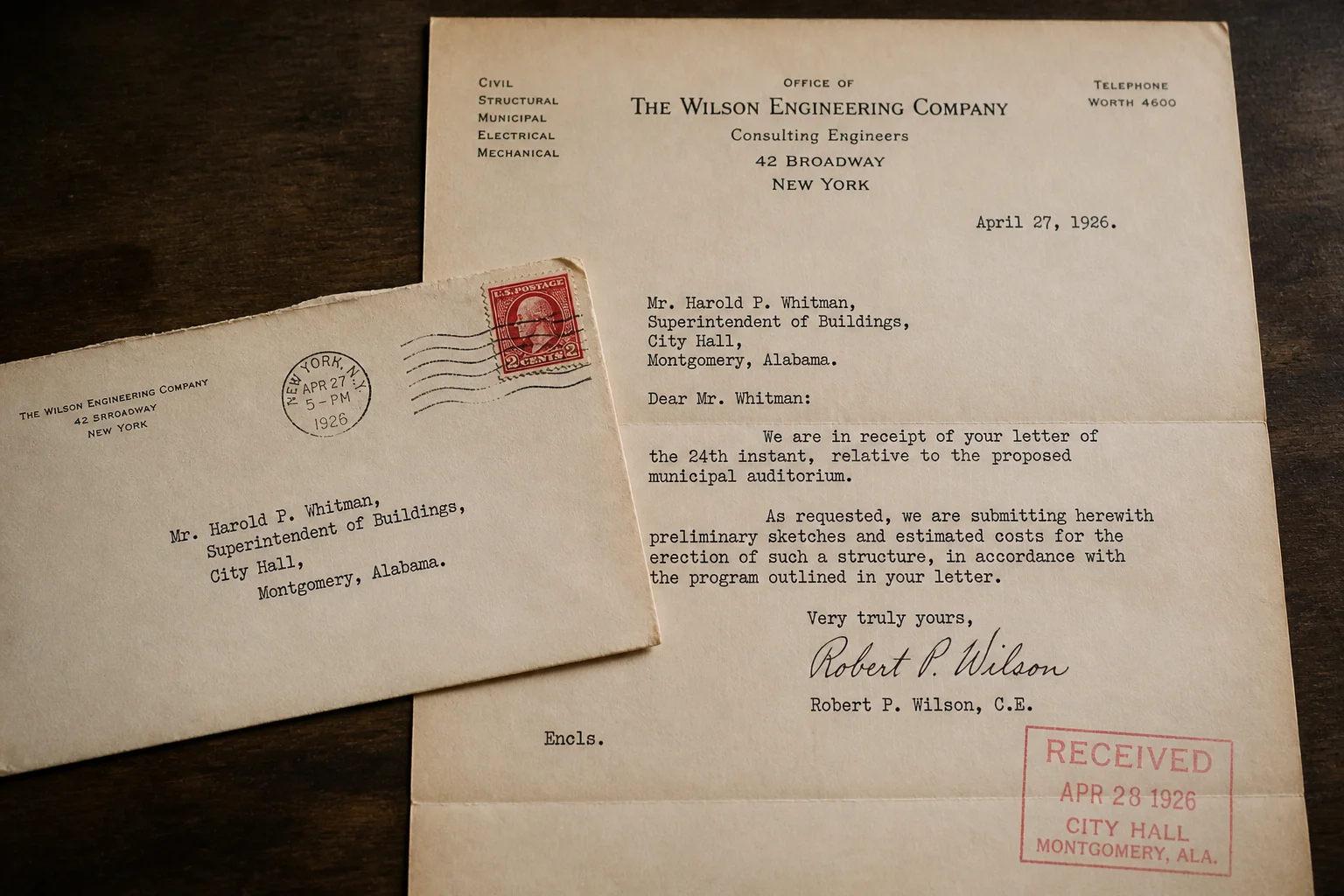
In October 1924, the British press published a letter supposedly written by Soviet official Grigory Zinoviev that urged British communists and left-wing groups to incite revolution. The letter caused a political storm in the final days of a general election.
Soviet leaders denied authoring the document, and many historians now regard it as a forged or deliberately leaked item intended to damage the Labour Party. Its exact origins remain unclear, but its impact was immediate and real.
The Zinoviev letter shows how a single piece of fabricated foreign correspondence can sway a modern election. It remains a key case study in political interference and media manipulation. The episode also reveals how secure channels can be exploited for partisan ends.
14. The Loch Ness 'Surgeon's Photograph' (1934)
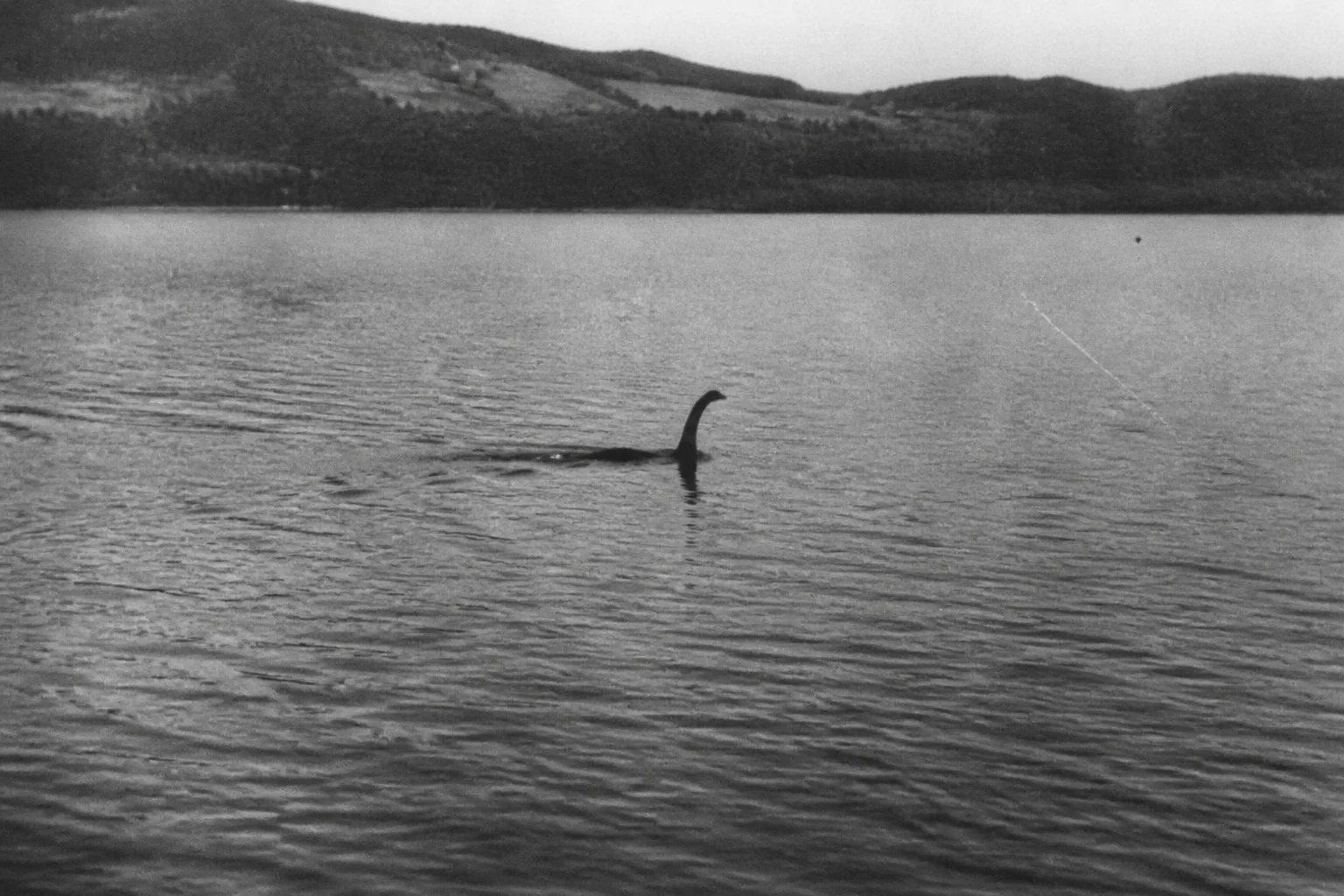
The 1934 'surgeon's photograph' seemed to show the long neck of a creature rising from Loch Ness in Scotland. Published in the Daily Mail, it became the defining visual proof of the Loch Ness Monster.
In 1994, the image was revealed to have been part of a hoax involving a toy submarine and a model of a serpentine neck. Participants in the scheme said the object was built to embarrass a newspaper after a separate Nessie hunt.
The photograph may be fake, but the Loch Ness legend had already taken root in popular culture. It shows how one compelling image can sustain a belief for decades, even after the proof collapses. The tourist economy around Loch Ness may also have given the story a life of its own.
15. Drake's Plate of Brass (1936)
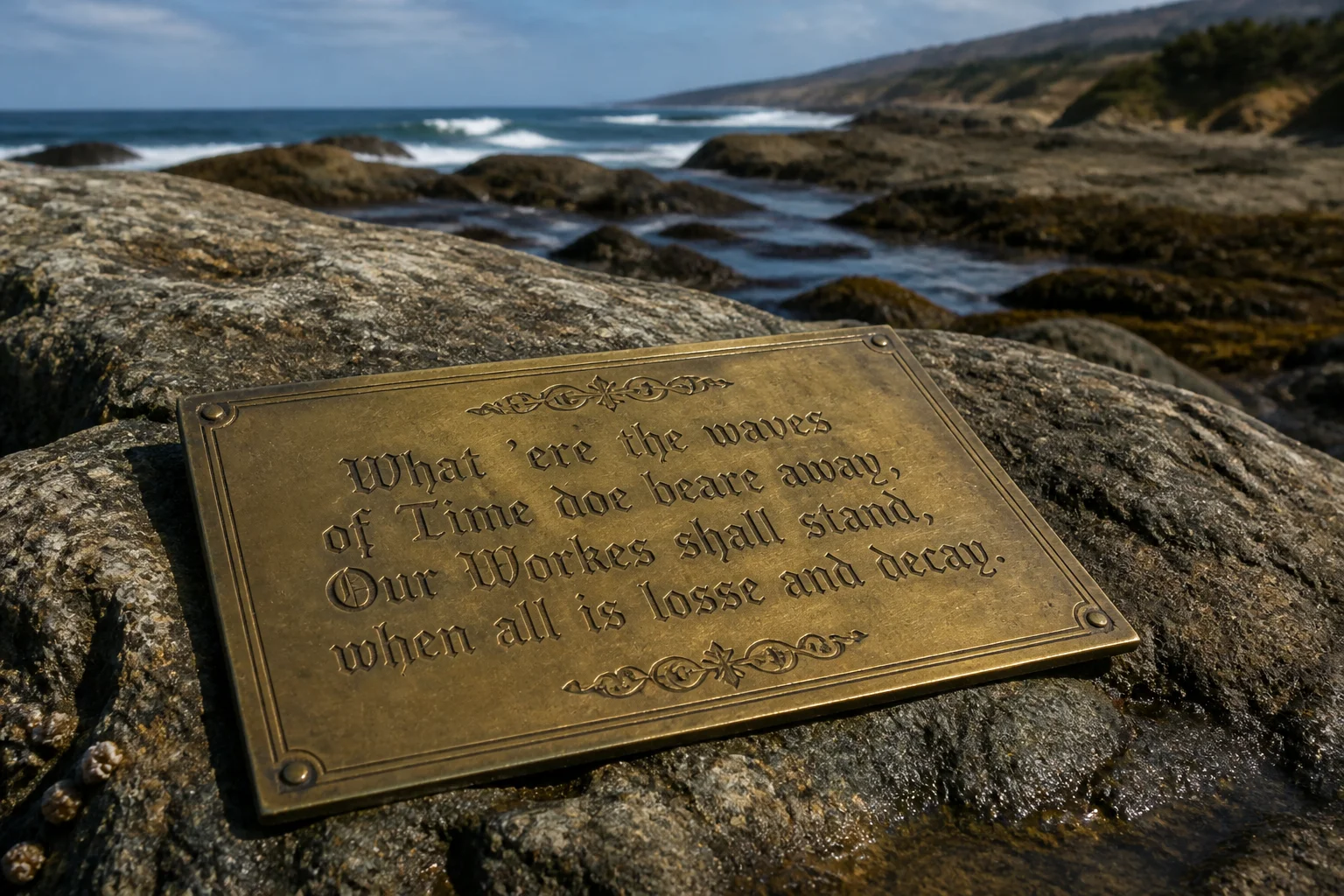
In 1936, a brass plate was discovered near San Francisco and presented as the marker Francis Drake reportedly left during his 1579 landing in California. For decades, it was celebrated as a major relic of early English exploration.
Metallurgical tests in the 1970s showed the brass was modern in composition and that the engraving could not have been produced in the sixteenth century. Most scholars now consider it a forgery planted as a prank or a test of expert gullibility.
The plate fooled notable historians and institutions, which made the eventual debunking especially embarrassing. It remains a warning about accepting exciting artifacts without rigorous testing. The case also shows how a patriotic desire for English roots in California could lower professional skepticism.
16. The War of the Worlds Panic Myth (1938)
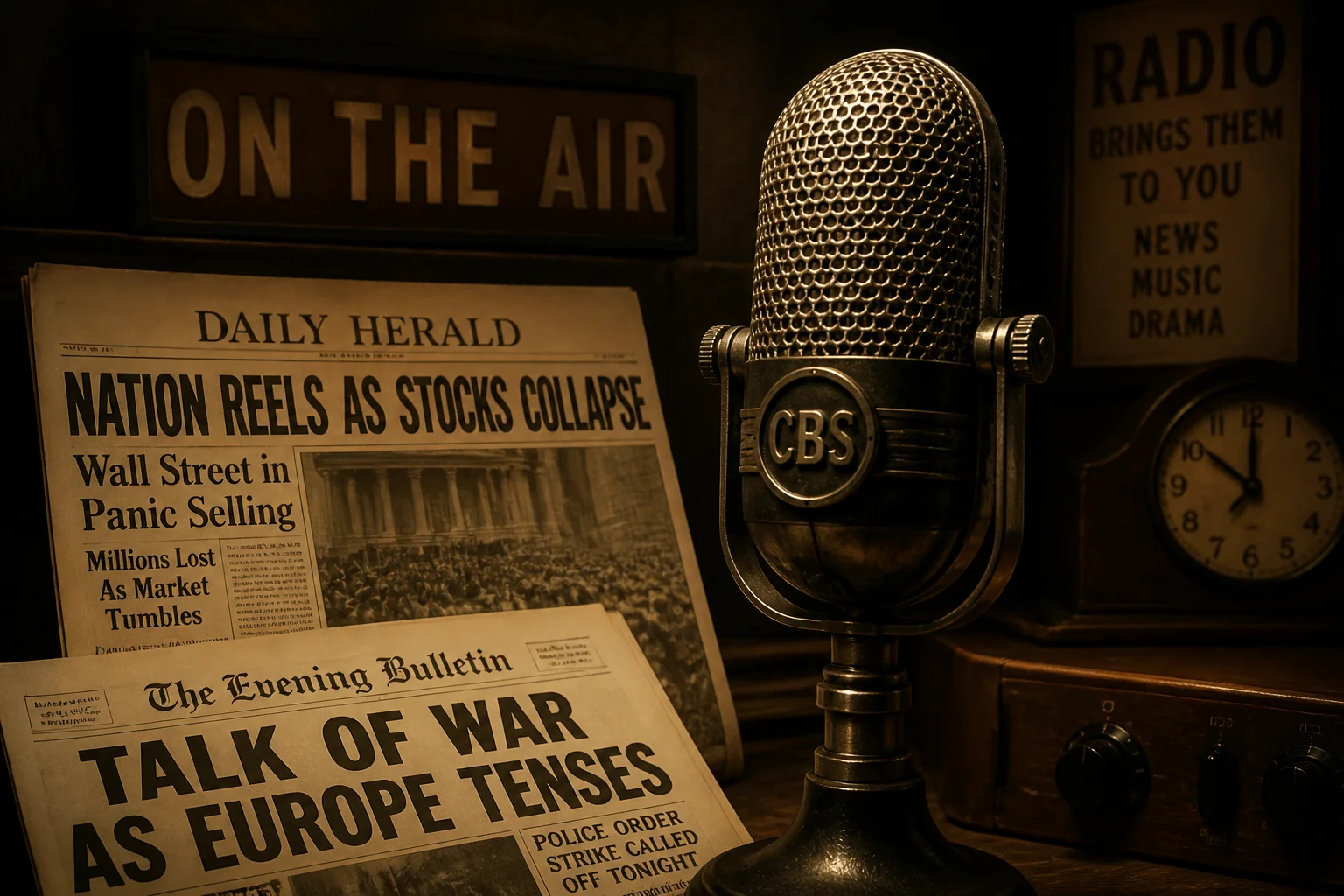
The 1938 radio broadcast of The War of the Worlds is often remembered as causing nationwide panic in the United States. According to the familiar story, listeners mistook Orson Welles's drama about a Martian invasion for real news and fled their homes.
Later scholarship found that the panic was heavily exaggerated by newspapers eager to discredit radio as a rival medium. Ratings and contemporary surveys suggest that most listeners understood the broadcast was fiction.
The mass-panic tale became a historical hoax in its own right, repeated for decades in popular culture. It demonstrates how a dramatic media narrative can become mistaken for documented fact. It also warns us to be cautious when a story fits the interests of the outlets telling it.
17. The Roswell Incident (1947)
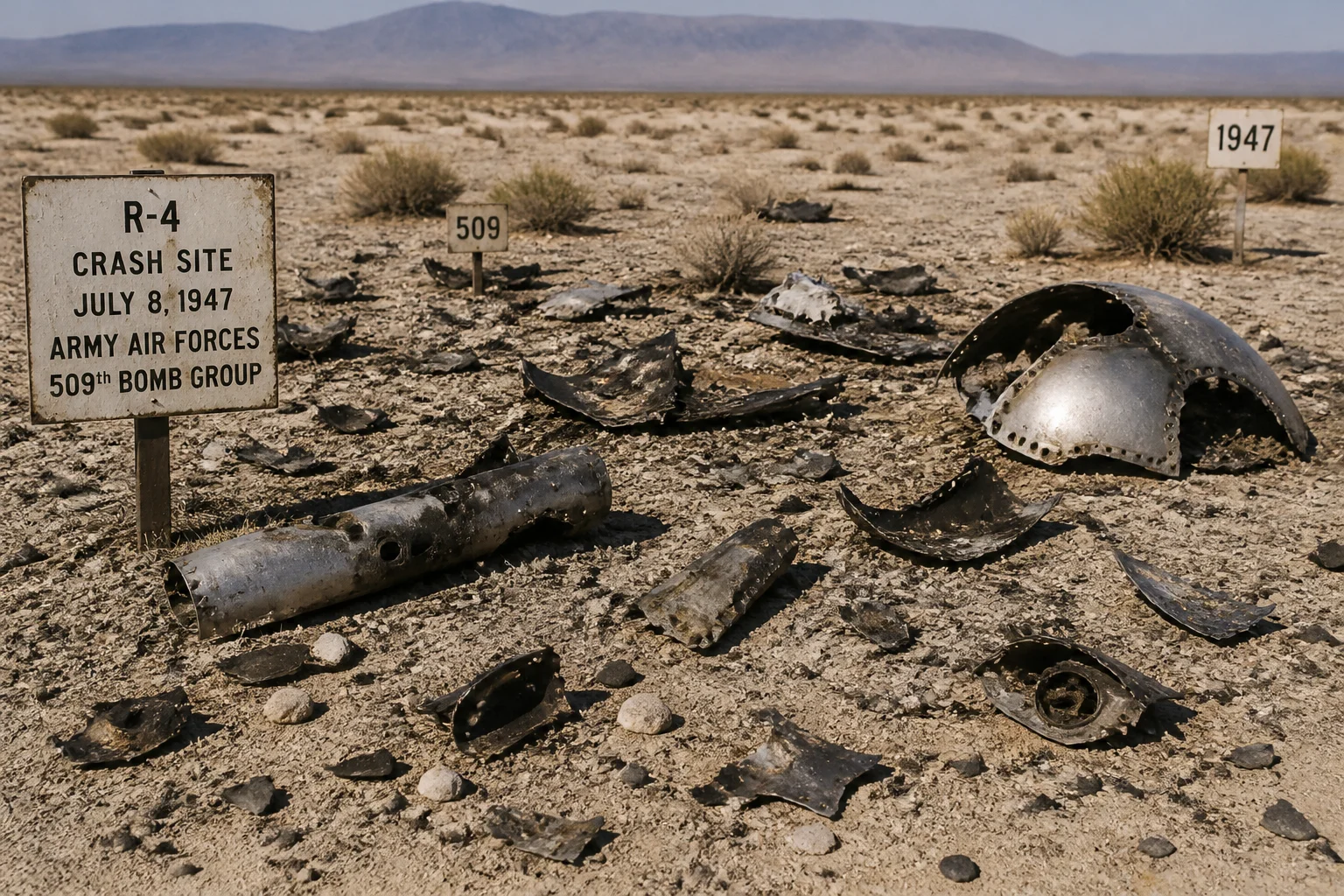
In July 1947, the Roswell Army Air Field issued a statement saying it had recovered a 'flying disc' from a New Mexico ranch. The military quickly revised the claim, saying the debris came from a weather balloon.
Decades later, UFO researchers argued the original announcement was the truth and that the government had covered up an alien craft. The US Air Force later attributed the debris to Project Mogul, a secret balloon program designed to monitor Soviet nuclear tests.
The gap between the first announcement and the official explanation created fertile ground for decades of speculation. Roswell shows how an initial misstatement can become the seed of a lasting historical myth. It also shows how secrecy and national security can make even ordinary events feel like cover-ups.
18. The Priory of Sion (1956)
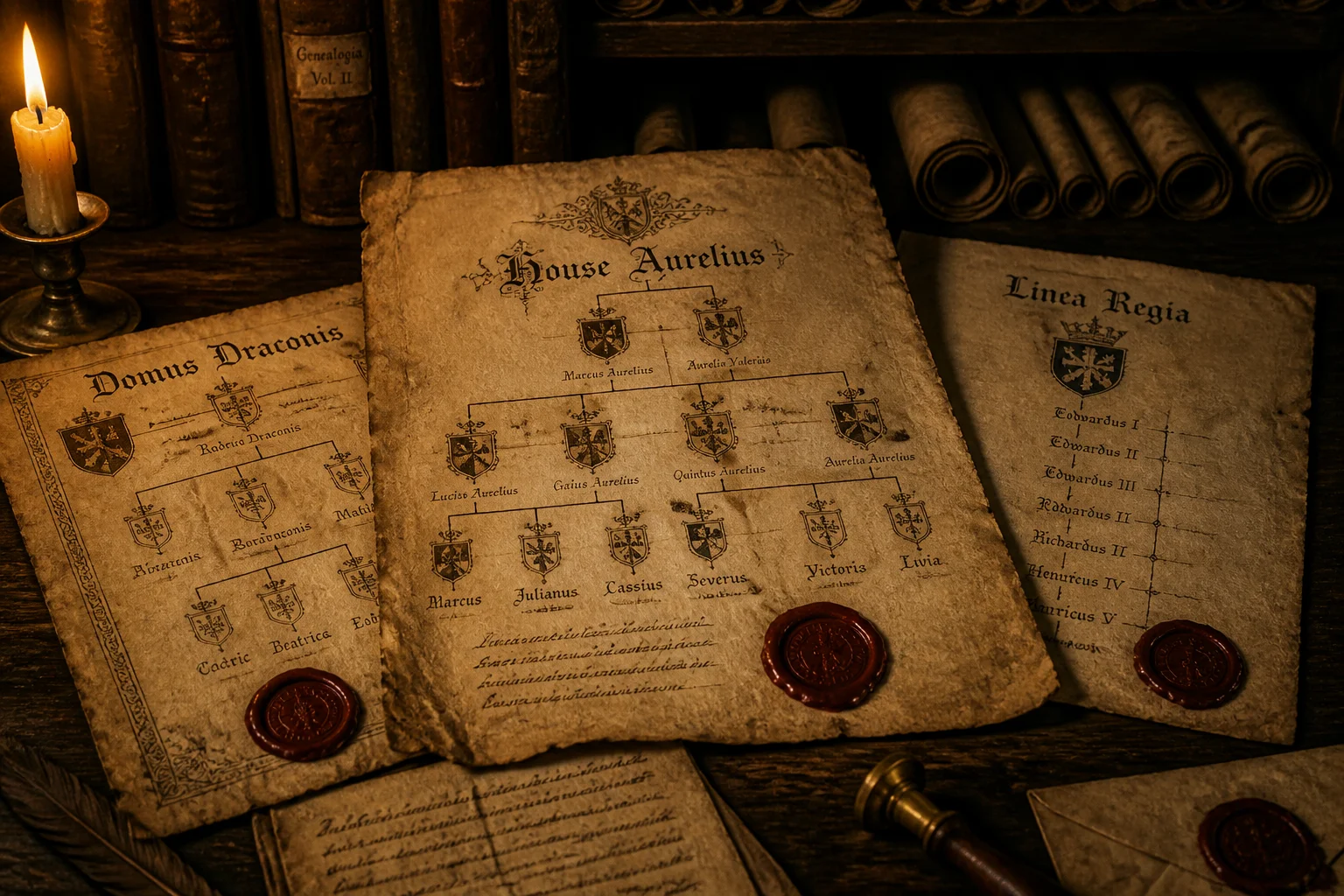
The Priory of Sion was presented as a secret society founded in the eleventh century and linked to the Knights Templar. In the 1960s, documents planted in French archives claimed the group had guarded a sacred bloodline.
The story was largely the work of French eccentric Pierre Plantard, who had founded a small organization under the same name in 1956. He later admitted the documents were fabricated, and historians reject the medieval priory as a fiction.
The hoax became famous through books such as Holy Blood, Holy Grail and later inspired parts of The Da Vinci Code. It reveals how an invented archive can become the foundation for a global conspiracy narrative. It also shows that a modern forgery can influence culture far beyond its original purpose.
19. The Vinland Map (1965)
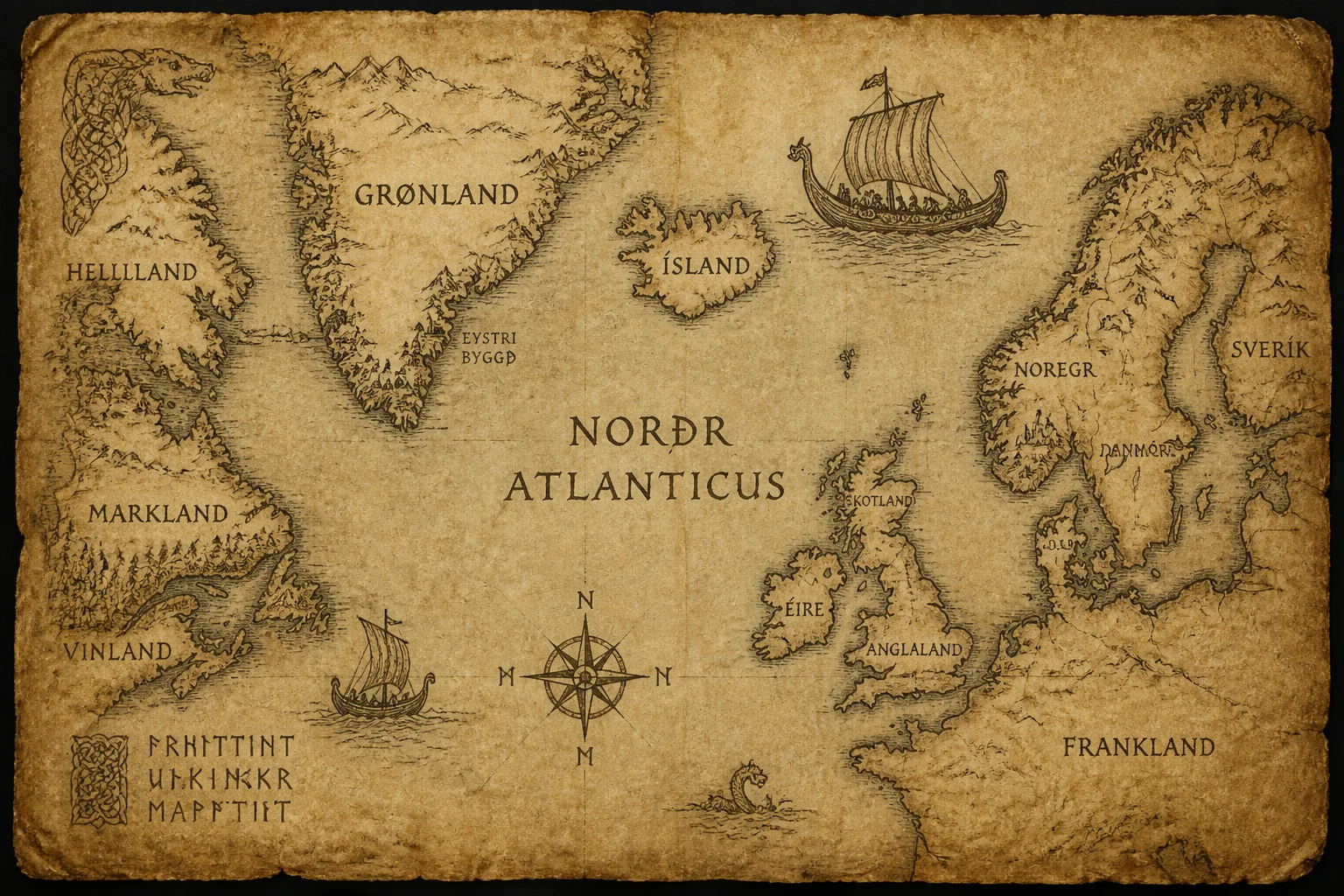
The Vinland Map surfaced in the mid-twentieth century and reportedly showed part of North America before Columbus. Yale University announced the map in 1965, and it became a celebrated piece of evidence for Norse exploration.
Scientific and historical analysis later identified modern inks and other inconsistencies that point to a twentieth-century forgery. Many scholars now regard the map as a clever fabrication designed to fill a gap in the Norse contact story.
The map's exposure has not diminished the genuine archaeological evidence for Norse presence at L'Anse aux Meadows in Newfoundland. But the forged map shows how modern fakes can attach themselves to real historical events. It also complicates the public memory of genuine voyages.
20. The Amityville Horror (1975)

The Amityville Horror began with a 1974 mass murder in a Long Island house that later became the basis for a bestselling book and film franchise. In 1975, the Lutz family moved in and claimed the house was haunted by supernatural forces.
The story became a cultural phenomenon, but critics and later investigations found numerous inconsistencies. The house's subsequent owners reported no paranormal activity, and many observers regard the haunting as a money-making hoax.
The Amityville case is more modern folklore than traditional historical hoax, but it followed the same pattern. A real tragedy, a compelling narrative, and media interest combined to create a story many still believe. It proves that hoaxes do not need ancient origins to become deeply embedded in public memory.
Why These Historical Hoaxes Still Matter
These hoaxes are not just curiosities. They show how forgeries and false narratives can influence real decisions, from elections and wars to scientific research and religious conflict.
The best defense against a hoax is not total cynicism but careful documentation. Provenance, testing, peer review, and independent verification all help separate evidence from invention.
Each exposed hoax strengthens the tools historians use to detect the next one. A public that understands why these fakes fooled people is better equipped to question shaky evidence without falling into the opposite error of dismissing real finds too quickly.
Frequently Asked Questions
What is the most famous historical hoax?
The Piltdown Man forgery is often cited because it misled paleoanthropologists for about four decades. It combined a modern human skull with an orangutan jaw and was exposed by chemical testing in 1953.
How do historians identify a hoax?
Historians look for anachronisms, problems with provenance, linguistic mismatches, scientific testing results, and admissions from creators. Multiple independent methods usually help separate forgeries from genuine artifacts.
Are all of these hoaxes proven fabrications?
Most are accepted as hoaxes or forgeries by the relevant experts. A few, such as the Kensington Runestone, still have fringe defenders, but the scholarly consensus points away from authenticity.
Why do historical hoaxes spread so easily?
They often exploit trusted institutions, cultural assumptions, and a desire for simple or dramatic explanations. When a hoax matches what people expect or hope to find, it can survive even after serious criticism.

Alex Warren
Related Articles