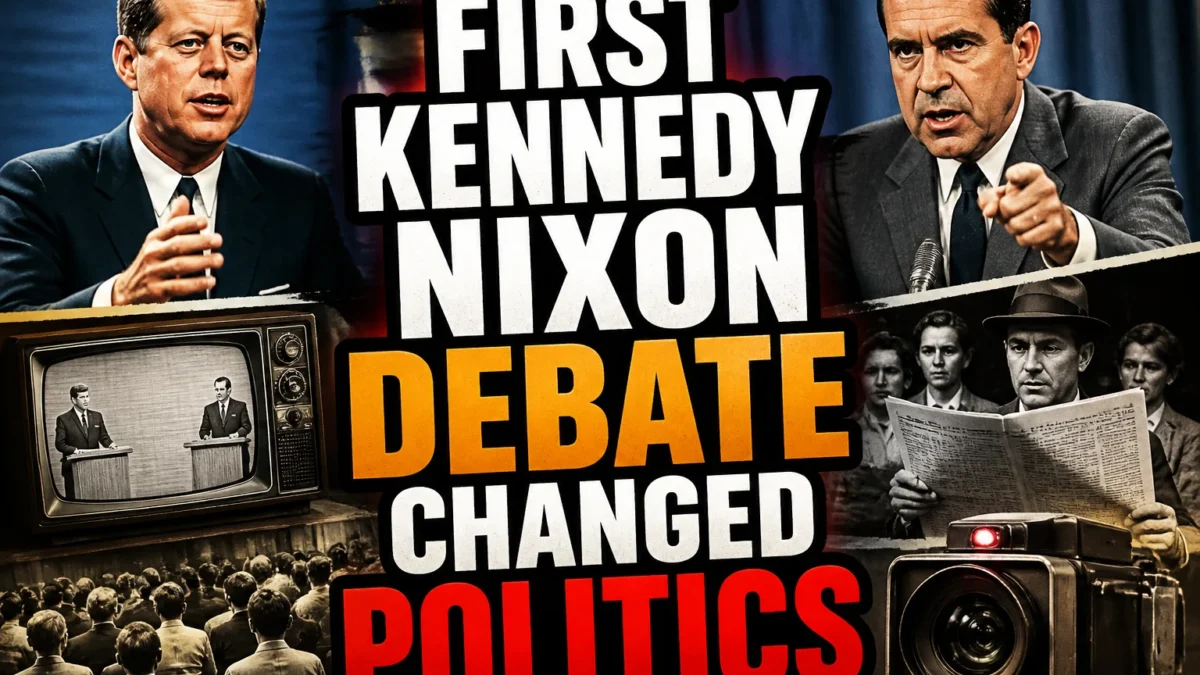
On September 26, 1960, a senator from Massachusetts and a vice president from California walked into a Chicago studio to try something unprecedented. The Kennedy vs Nixon debate that followed was the first televised general election presidential debate in American history. By the end of the hour, roughly 70 million viewers had seen a new version of politics.
The night is remembered less for domestic policy than for a visual contrast: a tanned, poised John F. Kennedy and a pale, sweating Richard Nixon. That split-screen image did more than shape one campaign. It changed how voters, reporters, and candidates understood presidential contests.
TL;DR: The first Kennedy-Nixon debate turned television into the central arena of presidential politics and made visual performance as important as policy.
Before the Cameras Turned On
1. Congress Had to Rewrite the Rules Before a Debate Could Air
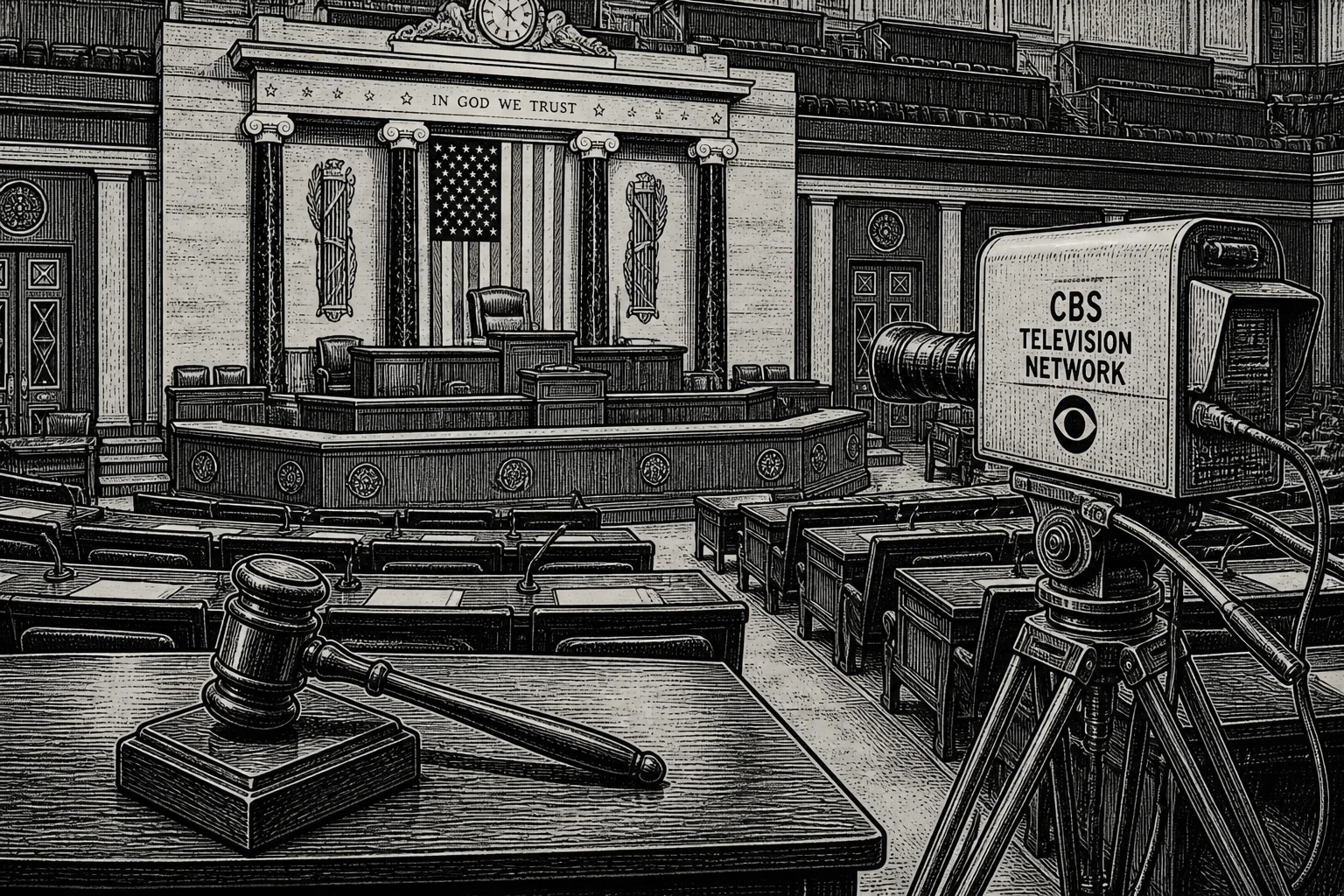
The first Kennedy Nixon televised debate was not inevitable. Federal law required broadcasters to give equal time to every legally qualified candidate, which made a two-party presidential debate legally risky. In 1960, Congress suspended that equal-time rule for presidential and vice-presidential candidates, opening the door for a national face-off.
The suspension was narrow and temporary, but its effect was permanent. For the first time, the two major-party nominees could meet on a national stage without broadcasters fearing a flood of demands from minor candidates. That legal change helped turn a Chicago studio into the birthplace of modern televised campaigns.
Modern viewers may assume debates have always been a fixture of American elections. In reality, the 1960 rules change was a special exception, not a permanent law. The first debate was therefore a fragile experiment built on a temporary legal fix, and its success made future debates feel expected even though the legal ground remained complicated for years.
2. The Presidential Debate Between Kennedy and Nixon Was a Careful Experiment
The presidential debate Kennedy and Nixon agreed to was more fragile than the television event it became. Campaign aides spent weeks negotiating the format, the panelists, the timing, and even the height of the desks. Both camps knew no modern presidential candidate had ever put this much trust in a live camera.
The first debate would be one of four scheduled meetings in the fall of 1960. Yet the first encounter on September 26 was the one that fixed itself in public memory. It also became the template for every televised debate that followed.
The format included opening statements, questions from a panel of reporters, timed answers, and closing remarks. That structure kept the event moving and gave each man a chance to speak. It also meant every pause, glance, and bead of sweat would be broadcast without an edit.
3. Richard Nixon Arrived Hurt, Underweight, and Exhausted
Richard Nixon had spent part of August and September recovering from a painful knee infection that followed a campaigning injury. He had lost weight, his suit no longer fit well, and he still looked drained. The vice president came to the debate after a punishing stretch of campaign travel, while Kennedy had used the day to rest and prepare.
His appearance was not simply bad luck or a lack of discipline. A hospital stay, rapid weight loss, and the stress of a national campaign combined to leave him visibly tired. On television, that fatigue became part of the story before he answered a single question.
4. John F. Kennedy Arrived Rested, Tanned, and Camera-Aware
Kennedy, by contrast, had spent the afternoon resting and preparing for the format. He had spent time in the sun and accepted basic television makeup before going on air. His dark suit cut a sharper figure against the studio background than Nixon's lighter suit.
Kennedy's team understood that the camera would reward calm and clarity. He looked directly toward the lens and kept his answers composed. That delivery made him seem more at ease to the vast television audience.
5. The Chicago Studio Was Built for Live Television, Not Comfort
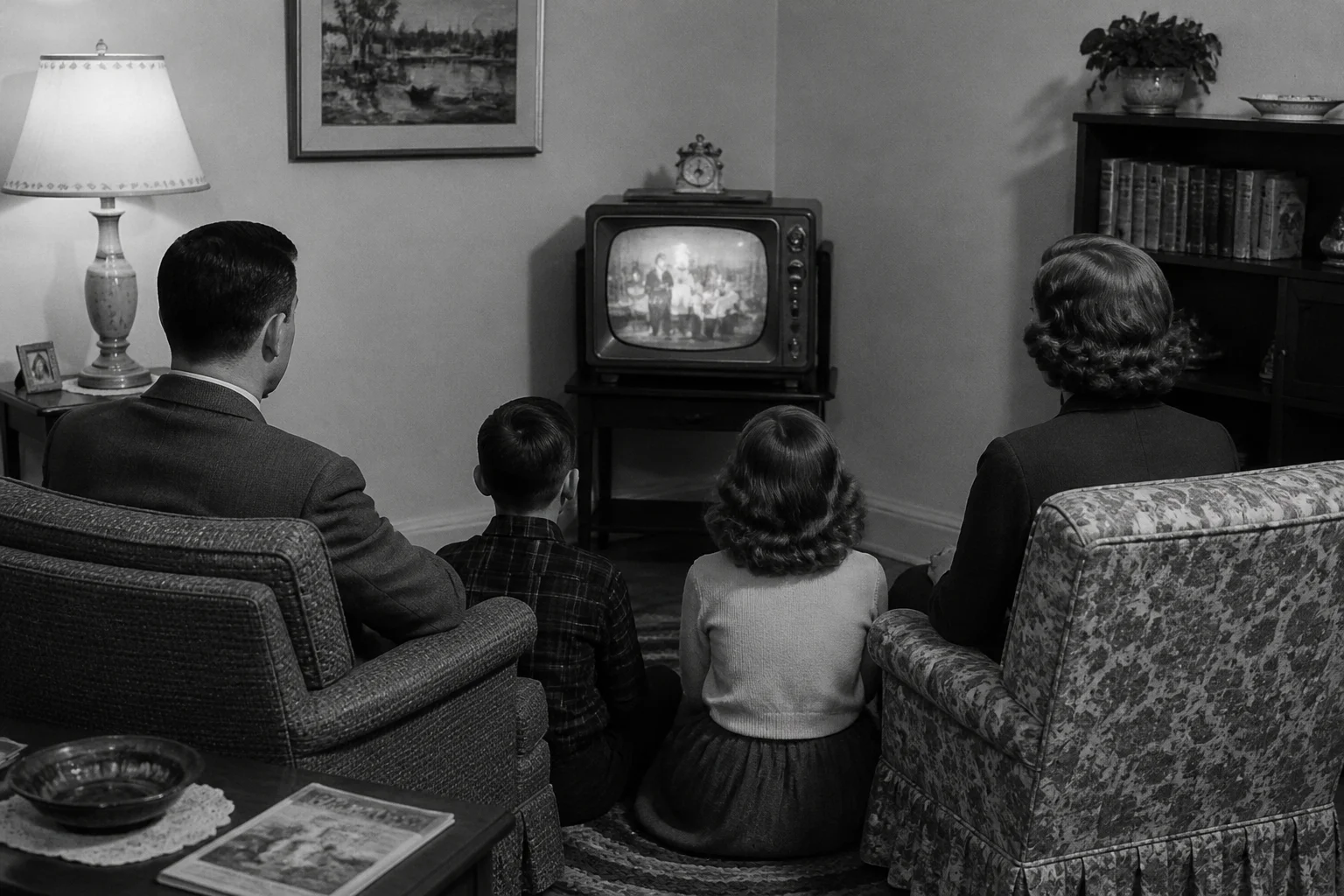
The debate took place in a CBS affiliate studio with live broadcast equipment, strong lights, and little air movement. The cameras needed intense light to produce a clear black-and-white picture. That lighting also generated heat that candidates could feel through the entire hour.
Neither man had full control over the physical conditions of the set. The room favored candidates who could stay cool under literal heat. That physical test would quickly become a political one.
What Viewers Saw on Television
6. Roughly 70 Million People Watched the Debate at Home
The first Kennedy vs Nixon debate reached an audience that dwarfed nearly every previous political event. Estimates suggest around 70 million Americans tuned in across the country. In an era before cable news and social media, that was a staggering share of the population.
The audience included many people who had never watched a political program so closely. They saw the candidates not from a distant rally stage, but from a few feet away. That intimacy changed the relationship between voters and presidential candidates.
7. The Studio Lights Turned the Debate into an Endurance Test
Television lights of the early 1960s were hot and unforgiving. They washed out pale skin, exposed stubble, and made even small amounts of sweat glow on camera. For Richard Nixon, the lights became an opponent no amount of policy could defeat.
Nixon's skin was pale from weeks of illness, and the lights emphasized every shadow. Kennedy's tan, by contrast, absorbed the glare more gracefully. The studio did not favor either man politically, but visually the conditions were lopsided.
8. Nixon's Sweat Became the Night's Most Lasting Visual
Within minutes of the first question, viewers could see Nixon sweating under the heat of the lights. Beads of perspiration formed on his upper lip and forehead, and the camera made them impossible to ignore. The term 'Nixon sweat' would later become shorthand for a candidate undone by pressure.
The phrase 'Nixon sweaty' has become a quick way to describe that first televised debate. It appears in retrospective commentary, campaign histories, and popular memory. More importantly, it captured a new fear in American politics: that a candid moment of physical stress could overwhelm a polished policy answer.
Nixon's supporters later argued that his answers were strong and detailed. They were probably right about the substance. But substance was not enough to overcome the image of a sweating candidate in a black-and-white close-up.
9. The 5 O'Clock Shadow Made Nixon Look Unprepared
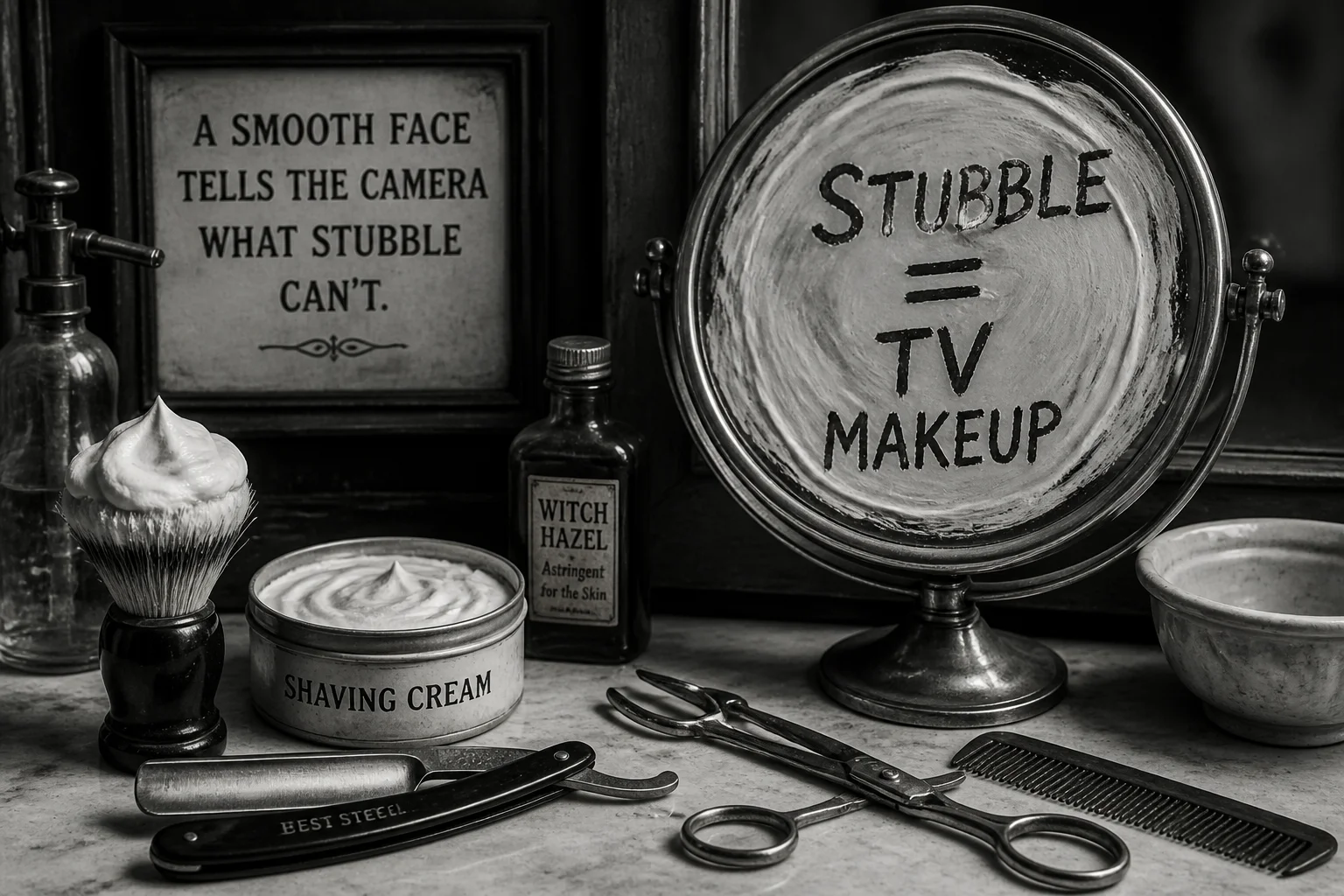
Nixon reportedly declined full television makeup before the broadcast, a decision his own aides later recognized as a mistake. His dark stubble showed through during the close-up shots, making him look less polished than his opponent. Under the bright lights, the shadow turned into a symbol of exhaustion.
A visible 5 o'clock shadow is easy to miss in person but glaring on early television. The camera rewarded clear, even complexions and punished uneven skin tones. Nixon's stubble gave viewers a subtle reason to doubt his readiness.
10. Kennedy Spoke to the Camera; Nixon Spoke to the Room
Kennedy addressed the audience at home by looking into the camera and speaking directly to the voter. Nixon, by contrast, often directed his eyes toward the moderator and the panel of reporters. That small difference made Kennedy feel more connected to the millions watching in their living rooms.
In a packed auditorium, Nixon's habit might have felt respectful and engaged. On a cramped television screen, it made him appear less connected to the people who would actually cast ballots. The first televised presidential debate proved that camera behavior was now a form of rhetoric.
11. The Debate Turned Health and Stamina into a Visual Issue
Before September 26, candidates could reassure voters with a statement from a doctor or a schedule of energetic rallies. After the first Kennedy Nixon televised debate, voters began judging stamina with their own eyes. A pale face, a sunken frame, or a glistening forehead could tell a louder story than any medical report.
Nixon was medically cleared to campaign, but he did not look like it. Kennedy looked robust even though his own health problems were carefully managed and not widely known to viewers. The debate taught political professionals that visual impressions of health would now matter as much as private medical details.
This shift had lasting implications for how campaigns released information. It also added a new layer of pressure for candidates with chronic conditions or slow recoveries. After 1960, stamina became something voters believed they could see for themselves.
How the First Debate Changed Politics
12. It Made Television the Dominant Arena of Presidential Campaigns
The first Kennedy vs Nixon debate moved the center of American politics from the rally hall to the television set. A candidate could no longer be only a good public speaker. He also had to be a good close-up performer.
Television ads had existed before 1960, but this was different. It was live, unedited, and watched by an enormous national audience. From that point forward, control of the screen became a central goal of every serious presidential campaign.
The debate also changed how campaigns allocated money and time. Media consultants, camera rehearsals, and soundstage planning grew more important. The television studio had become the most valuable campaign stop in the country.
13. It Turned Makeup, Lighting, and Wardrobe into Campaign Strategy
After the first debate, no professional campaign could treat cosmetics as vanity. Makeup, lighting, lapel size, and suit color became strategic weapons in presidential politics. Consultants began planning a candidate's appearance with the same care they gave to speeches and polling.
Nixon's pale look and ill-fitting suit became the first great case study in what not to do on television. Future candidates learned to test camera angles and practice under bright lights. What once seemed superficial now looked essential.
The lesson was not that appearance replaced policy. It was that appearance shaped how much attention voters paid to policy. A candidate who looked uncomfortable could lose the chance to make his strongest arguments.
14. The Radio vs. TV Split Became a Lasting Story
One of the most repeated stories from the first debate is that people who listened on radio thought Nixon won, while people who watched on television favored Kennedy. That claim has been repeated so often that it feels settled. But the original evidence behind it is thinner than the legend suggests.
Small, non-scientific surveys after the debate did point toward a TV-radio split, but there was no modern, controlled national study. Still, the story bounced through the press and became part of how the debate was remembered. It helped create the durable idea that television rewarded style over substance.
The myth-busting version is more useful because it clarifies what really changed. The first debate did not prove that radio listeners and TV viewers are different species. It showed that the medium adds visual information that can alter a political judgment.
15. It Launched the Post-Debate Spin War
After the broadcast, both campaigns raced to tell reporters that their man had performed well. Kennedy's team emphasized his calm, confident appearance, while Nixon's advisers focused on his detailed answers. The spinning started before the last camera light went off.
The first televised debate showed that winning the room was no longer enough. Campaigns now had to win the recap, the newspaper headline, and the next morning's analysis. Post-debate communication became an event of its own.
That strategic shift has grown much larger in the age of instant commentary and social media. But its origin lies in Chicago in 1960, when both camps realized the broadcast itself was only the first battle. The interpretation of the broadcast would decide the war.
16. It Made Debate Preparation a Science
Kennedy's team treated the first debate as a performance, not just a policy test. He rested beforehand, worked on concise answers, and understood the visual grammar of television. Nixon, by comparison, prepared mostly on substance and leaned on his experience in government.
Future candidates would build entire preparation teams around camera presence and memorable lines. Staging, lighting, and body language all became part of the rehearsal process. In that sense, the first debate created the modern debate prep industry.
Debate preparation soon involved stand-ins, lighting tests, and audience panels. Candidates learned to manage transitions, avoid awkward pauses, and deliver short answers that could survive as sound bites. The improvisational age of presidential debating was over.
17. It Showed That Debates Could Tighten an Election
The 1960 election between Kennedy and Nixon was extremely close. Kennedy won the popular vote by about one-tenth of a percentage point, and the first debate gave his campaign a visible lift. It did not decide the race by itself, but it clearly changed the momentum.
The debate helped Kennedy cut into Nixon's advantage among voters who valued experience. It gave the senator from Massachusetts a chance to stand next to the vice president as an equal. In a race that close, that perception mattered enormously.
No serious analyst argues that the first debate was the sole cause of Kennedy's narrow victory. Yet it removed one of Nixon's biggest advantages by demonstrating that Kennedy could hold his own. That is exactly the kind of shift a close election can turn into a decisive one.
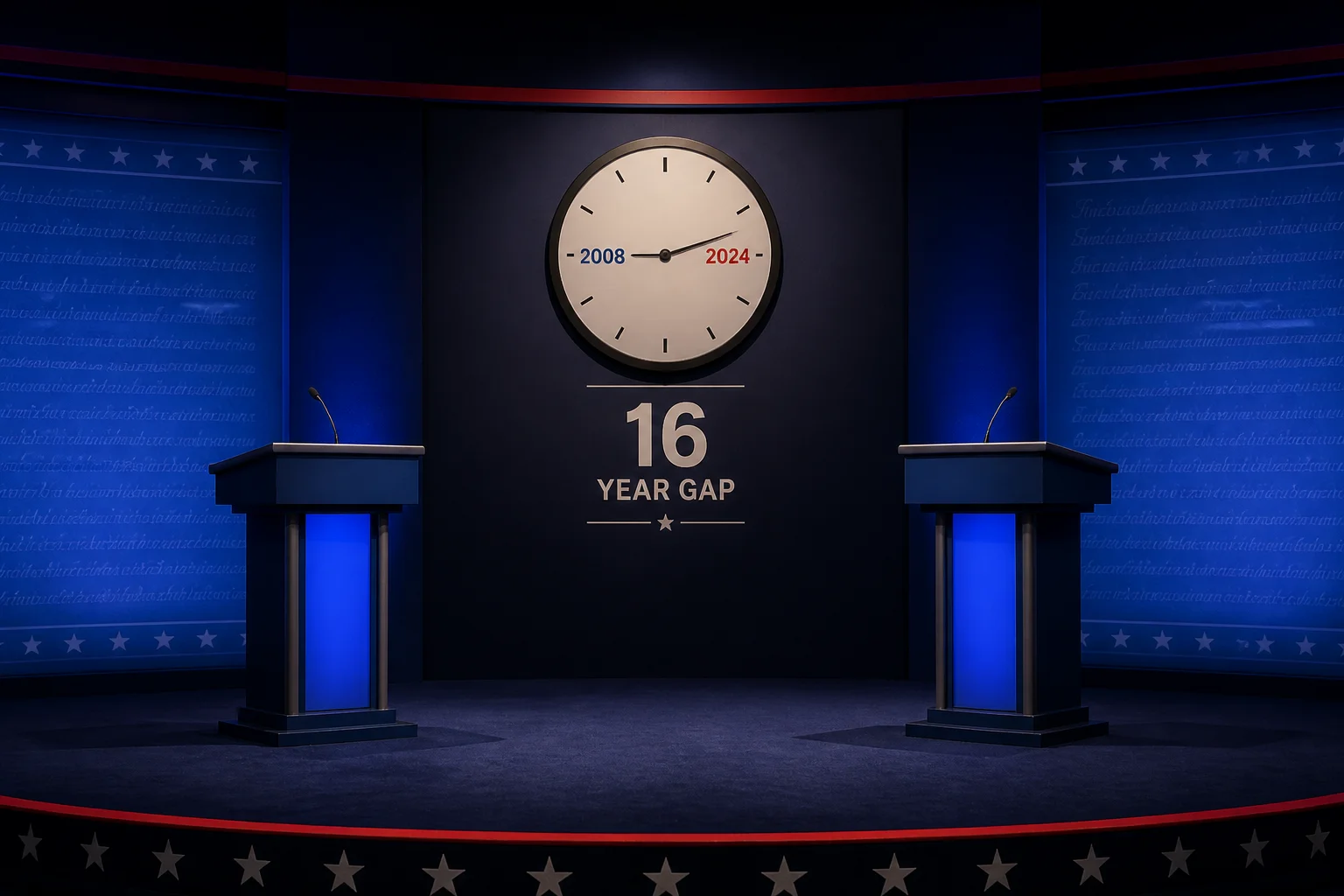
18. It Created a 16-Year Gap in Televised Presidential Debates
After 1960, no general election presidential debate took place until 1976. Lyndon Johnson, Richard Nixon, and others saw the risks as greater than the rewards. The television stage that had helped Kennedy now scared incumbents and front-runners.
The 16-year break was a direct response to the first debate's unpredictable power. When Gerald Ford and Jimmy Carter finally met in 1976, they inherited a format shaped by the Kennedy-Nixon experience. The pause proved that the debate had permanently raised the stakes.
The gap also explains why the first debate looms so large in political memory. For more than a decade and a half, it was the only televised general election debate in American history. It defined the genre simply because there was nothing else to compare it to.
19. It Gave Future Candidates a Playbook for Visual Discipline
Richard Nixon learned the visual lessons of 1960 better than almost anyone. In his successful 1968 and 1972 campaigns, his team used controlled television events and carefully managed appearances. The man remembered for sweating in Chicago became a case study in television adaptation.
Other candidates copied Kennedy's direct-to-camera calm and rehearsed their expressions under studio lights. Debate rehearsals soon included stand-ins, camera banks, and polling on which gestures felt most reassuring. The first debate had turned visual polish into a core campaign skill.
The playbook was not about hiding ideas. It was about making sure the medium did not overpower the message. Candidates learned to control what viewers saw so that what they said had a chance to land.
20. It Changed How Voters See the Presidency
The first Kennedy vs Nixon debate helped personalize the presidency in a way earlier elections had not. Voters began to evaluate candidates not only by party and platform, but also by how those candidates made them feel through the screen. The living room became a judge's box.
That shift had costs and benefits. It brought more voters into the political conversation and raised the importance of presence, composure, and authenticity. It also made image a permanent part of presidential democracy.
The debate did not make voters shallow. It made the presidency more visually intimate, for better and worse. Every televised campaign since has wrestled with the tension between what a candidate says and what a candidate shows.
The Real Lesson of the First Televised Presidential Debate
The Kennedy vs Nixon debate did not prove that appearance alone determines elections. It proved that in a mass-media age, appearance and substance cannot be cleanly separated.
Viewers heard real policy discussion that night, but they also absorbed a flood of visual information. The two experiences merged, and the verdict in many living rooms favored Kennedy.
Every debate since has been a descendant of that Chicago broadcast. Candidates still rehearse answers, check lighting, and worry about sweat on their brow.
The first debate endures because it revealed a truth about democratic politics: voters are never only listening. They are always watching.
Frequently Asked Questions
Why was the Kennedy-Nixon debate important?
The Kennedy-Nixon debate on September 26, 1960, was the first televised general election presidential debate. It showed that a candidate's appearance, stamina, and camera presence could shape public perception as much as the words they spoke. The debate turned television into a permanent arena of American presidential politics.
What happened at the first Kennedy vs Nixon debate?
John F. Kennedy and Richard Nixon met in a Chicago studio for opening statements, panel questions, and rebuttals. Kennedy appeared rested and spoke directly into the camera, while Nixon looked pale, underweight, and visibly sweated under hot lights. Many television viewers believed Kennedy won, although radio-only listeners often gave Nixon higher marks for his answers.
Why was Nixon sweating during the debate?
Nixon was recovering from a painful knee infection and had lost weight, which left him pale and drained. The studio lights were extremely hot, and he declined full television makeup, making sweat and stubble stand out on camera. Those factors combined to create the famous image of Nixon sweating through the first televised debate.
Why was the first televised presidential debate important?
It was the first time a huge national audience could watch the two major-party nominees side by side in real time. The debate established television as the dominant stage of presidential campaigns and made visual preparation, camera discipline, and post-debate spin permanent features of elections.
Did Nixon’s sweaty appearance cost him the 1960 election?
The first debate gave Kennedy a visible lift, but no single debate decided the 1960 election by itself. The popular vote was extremely close, and factors such as campaign organization, Cold War issues, and regional shifts also shaped the outcome. Still, Nixon's sweaty appearance changed momentum in a race where small swings mattered.

Alex Warren
Related Articles