
When the Isabella Stewart Gardner Museum's night guard buzzed in two Boston police officers shortly after midnight on March 18, 1990, he set off one of the most expensive unsolved art thefts in modern history. What followed was not a lightning raid but an 81-minute crawl through a quiet museum. Famous art heists often look less like Hollywood capers and more like a failure of ordinary security.
This list covers the most famous art heists on record, from a stolen portrait hidden under a workman's smock to museum jobs that took less than a minute. These stories separate documented facts from the myths that grow around a missing masterpiece. Some stolen works came home quickly, while others remain missing decades later.
TL;DR: The most famous art heists in history are rarely slick cinematic capers—they usually exploit human error, and the biggest art heists in history often end with paintings destroyed, hidden, or recovered by accident.
What Makes a Heist Artwork Famous?
A stolen painting becomes a heist artwork when its absence creates a story larger than the object itself. The fame of the artist, the boldness of the crime, and the mystery of an empty frame all matter. Insurance values can be enormous, but public fascination usually comes from the unresolved question of how to hide a masterpiece.
Some of the biggest art heists in history were over in minutes. Others were slow, bureaucratic thefts carried out under the cover of war. In every case, the theft raises a practical riddle that movies rarely explain: famous paintings are difficult to sell because they are too recognizable.
War and occupation add another layer to the history of art theft. The looting of museums during conflict shows that theft can be organized, ideological, and massive. That is why the biggest art heists in history cannot always be measured by a single night's haul.
1. The Isabella Stewart Gardner Museum Heist (1990)
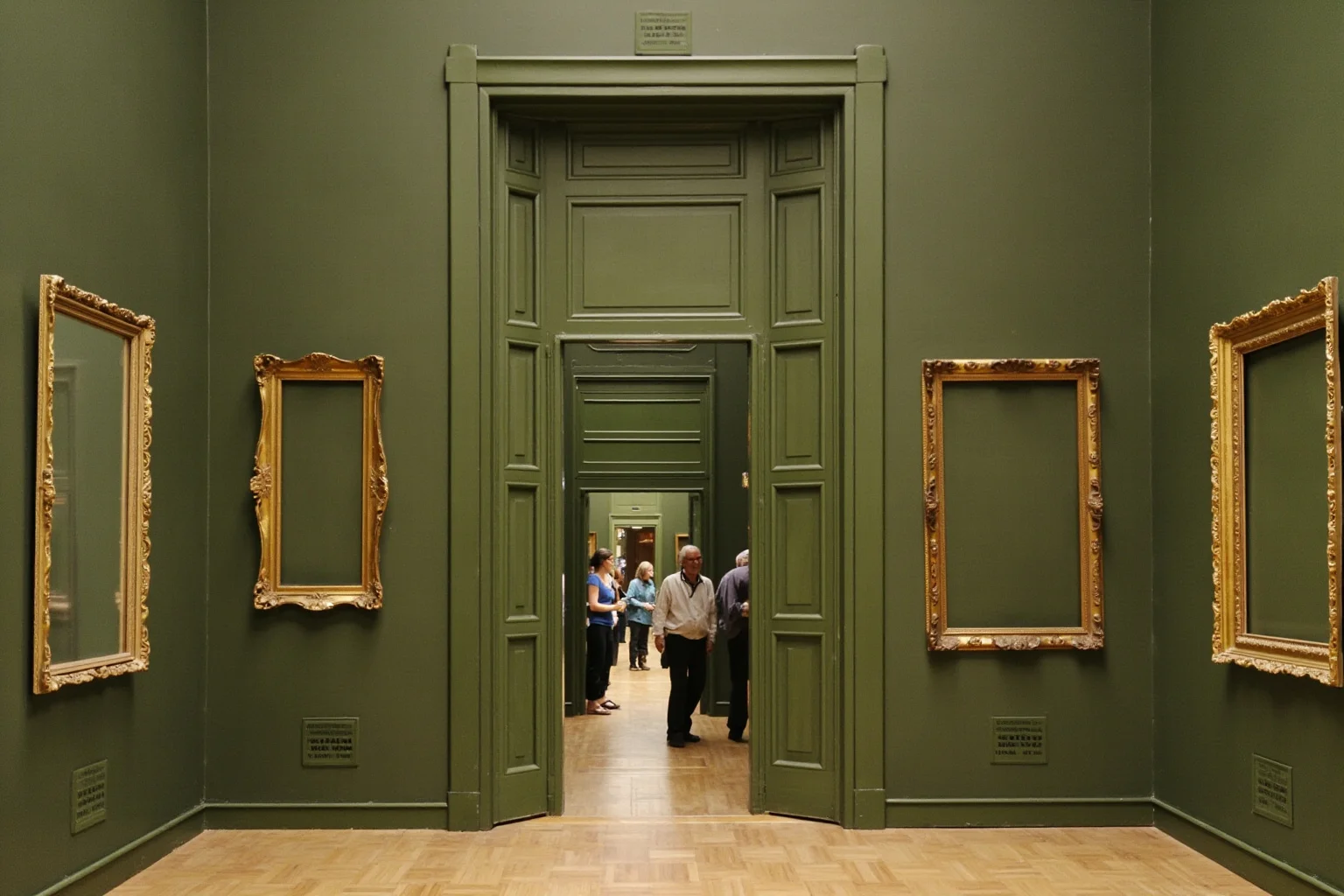
Two men dressed as Boston police officers persuaded a night guard to let them into the museum shortly after midnight on March 18, 1990. They restrained the guards and spent 81 minutes removing 13 pieces, including Rembrandt's only seascape and Vermeer's 'The Concert.' The FBI still lists the case as unsolved, and the museum keeps the empty frames on display.
Investigators estimate the loss at more than half a billion dollars, making it one of the biggest art heists in history. The thieves likely chose works because they could carry them, not because buyers were waiting. Decades later, those empty frames act as a public plea for information.
2. The Mona Lisa Vanishes from the Louvre (1911)
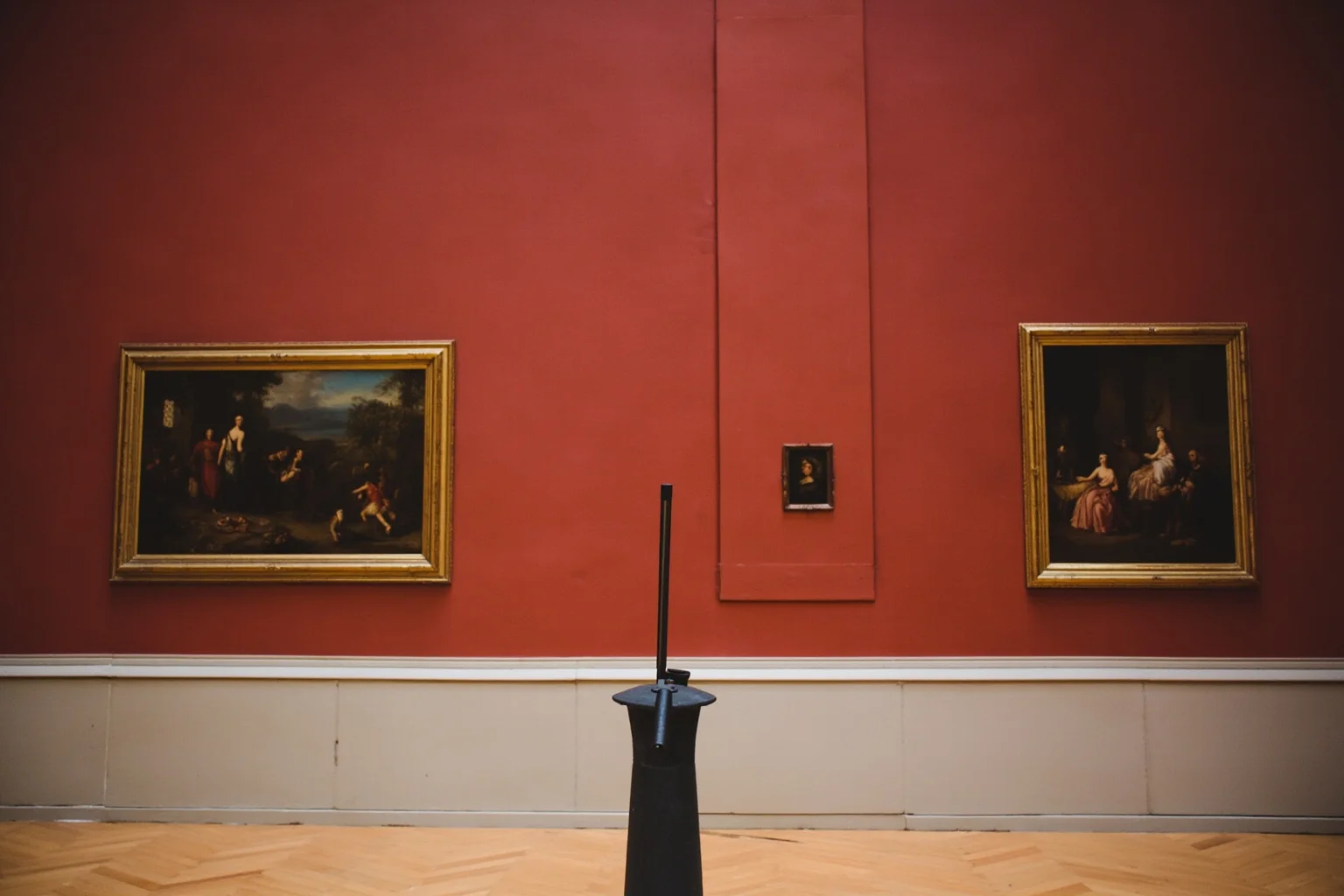
On August 21, 1911, Vincenzo Peruggia, an Italian handyman who had once worked at the Louvre, took Leonardo da Vinci's 'Mona Lisa' from its glass case. Wearing a workman's smock, he removed the painting, hid it under his clothing, and walked out of the closed museum. The theft was not noticed until the next morning.
The disappearance turned the portrait into a global celebrity, with newspapers printing its image and crowds lining up to see the blank wall. Peruggia was caught in 1913 when he tried to sell the painting to a Florentine gallery owner, saying he wanted to return it to Italy. The crime famously made the 'Mona Lisa' the most recognizable portrait in the world.
3. The Scream Is Stolen in Under a Minute (1994)
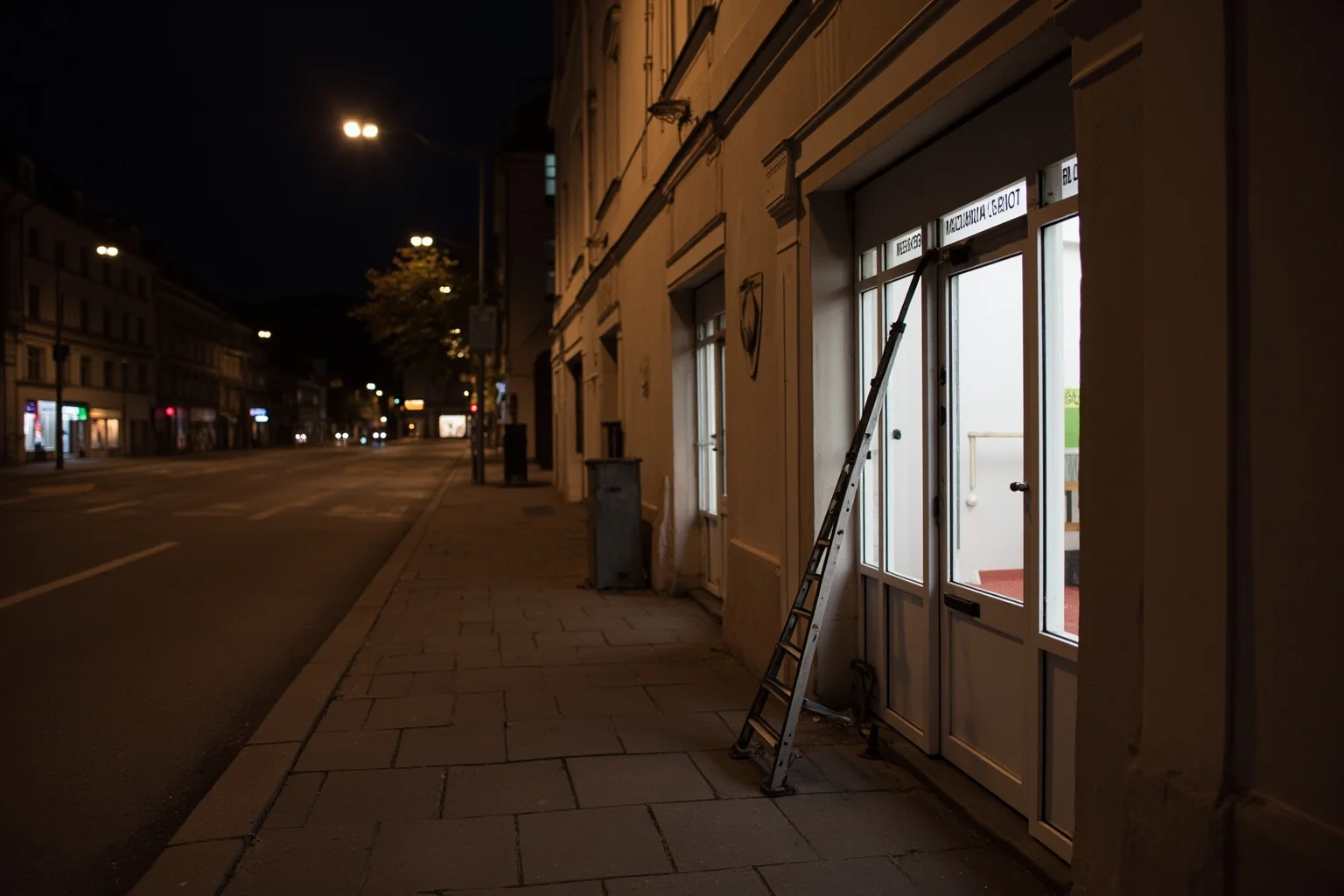
On February 12, 1994, the opening day of the Winter Olympics in Lillehammer, two thieves climbed a ladder to a window of the National Gallery in Oslo. They took Edvard Munch's 'The Scream' in about 50 seconds. They left behind a note that reportedly read, 'Thanks for the poor security.'
Norwegian police recovered the painting in May 1994 through a sting operation. The ease of the crime embarrassed the museum and helped turn the image into a global shorthand for anxiety. It also proved that a famous art theft could be far less cinematic than the movies suggest.
4. The 2004 Munch Museum Armed Raid
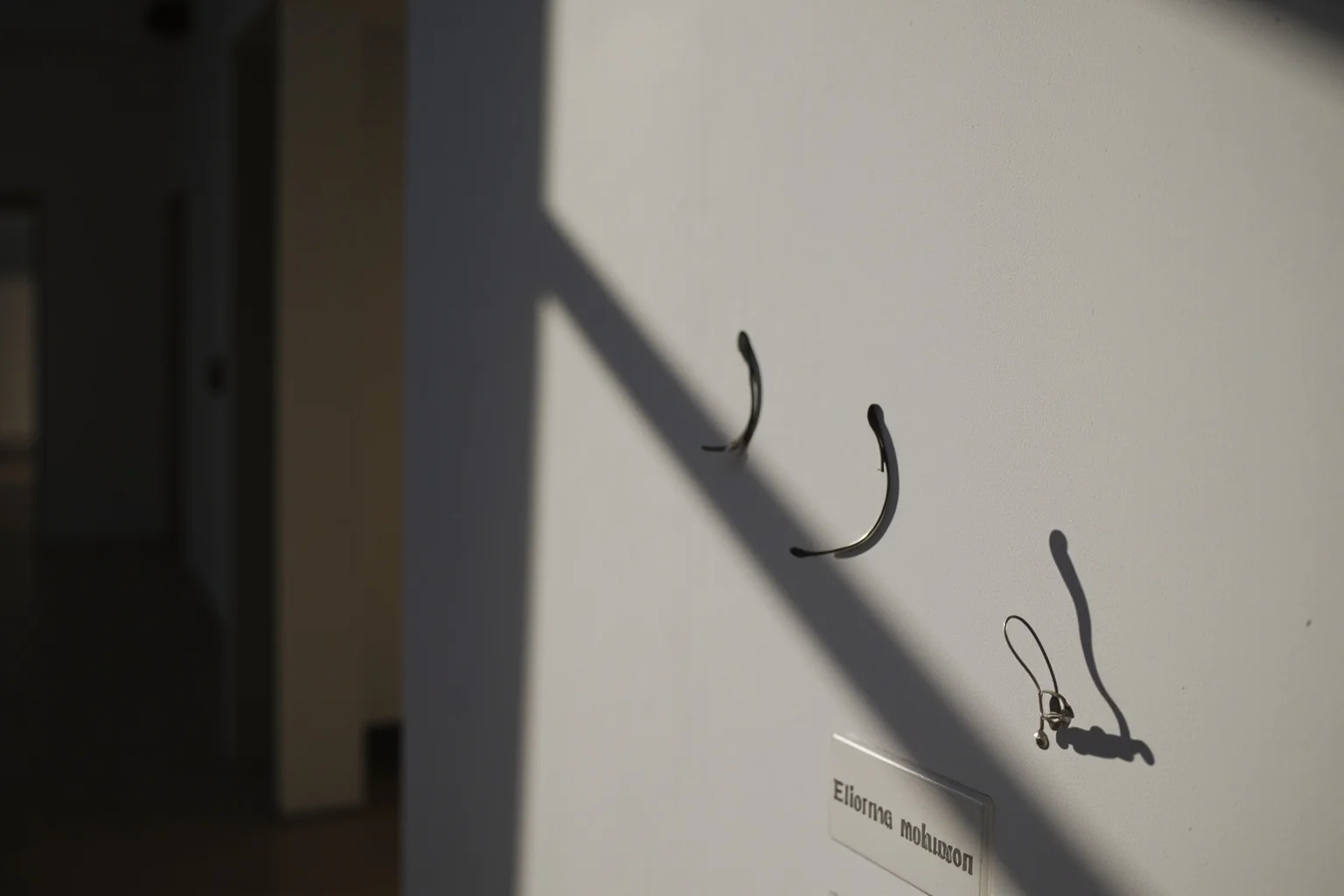
A decade after the Oslo theft, two masked gunmen entered the Munch Museum in broad daylight on August 22, 2004. They pulled 'The Scream' and 'Madonna' from the walls while visitors watched, then fled in a waiting car. The paintings were recovered in 2006, though both had been damaged.
Six men were later convicted for roles in the armed robbery. The case highlighted how even a well-known museum could be hit during opening hours. Unlike the 1994 theft, this raid used direct intimidation rather than an unguarded window.
5. The Kunsthal Rotterdam Smash-and-Grab (2012)

In the early morning of October 16, 2012, thieves entered the Kunsthal museum in Rotterdam through an emergency exit. They removed seven paintings by artists including Picasso, Monet, Gauguin, Matisse, and Lucian Freud in roughly two minutes. No alarm stopped them before they escaped.
The paintings have never been recovered. Romanian investigators later alleged that the mother of one suspect burned the works in a stove to destroy evidence, and pigment traces in recovered ashes supported that account. The case remains one of the biggest art heists in history by value, even though the exact fate of the works is murky.
6. The Musée d'Art Moderne de la Ville de Paris Rooftop Job (2010)
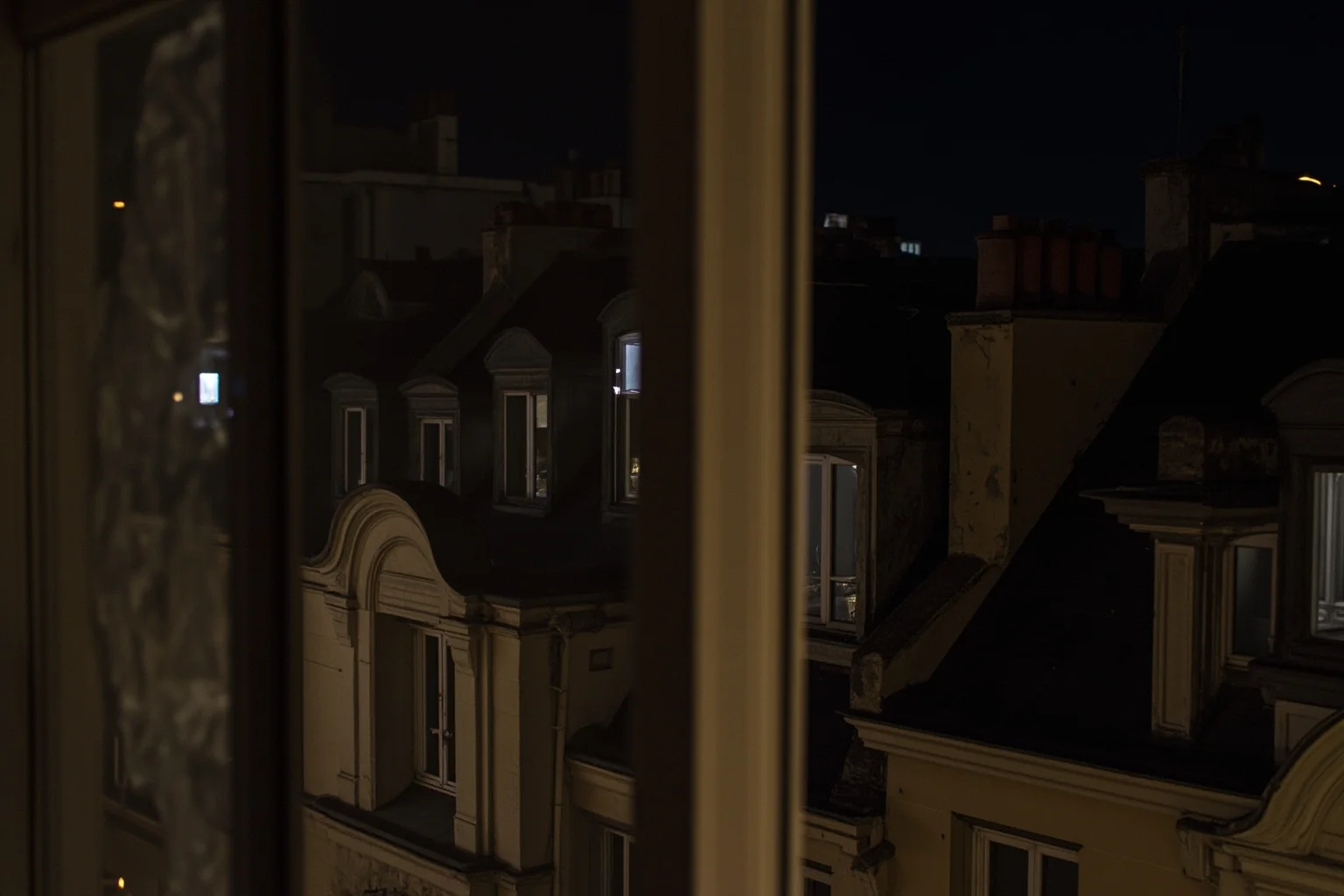
On May 20, 2010, a burglar later dubbed the 'Spiderman thief' removed a window and broke into the Musée d'Art Moderne de la Ville de Paris. He took five paintings, including works by Picasso, Matisse, Modigliani, Braque, and Léger. The museum's alarm system was not fully functional that night.
Vjeran Tomic was convicted for the theft, but the paintings have not been recovered. He later claimed he threw them into a trash bin, though investigators have not confirmed that story. The loss exposed how budget cuts and ignored maintenance can matter more than an elaborate plan.
7. The Van Gogh Museum Ladder Heist (2002)
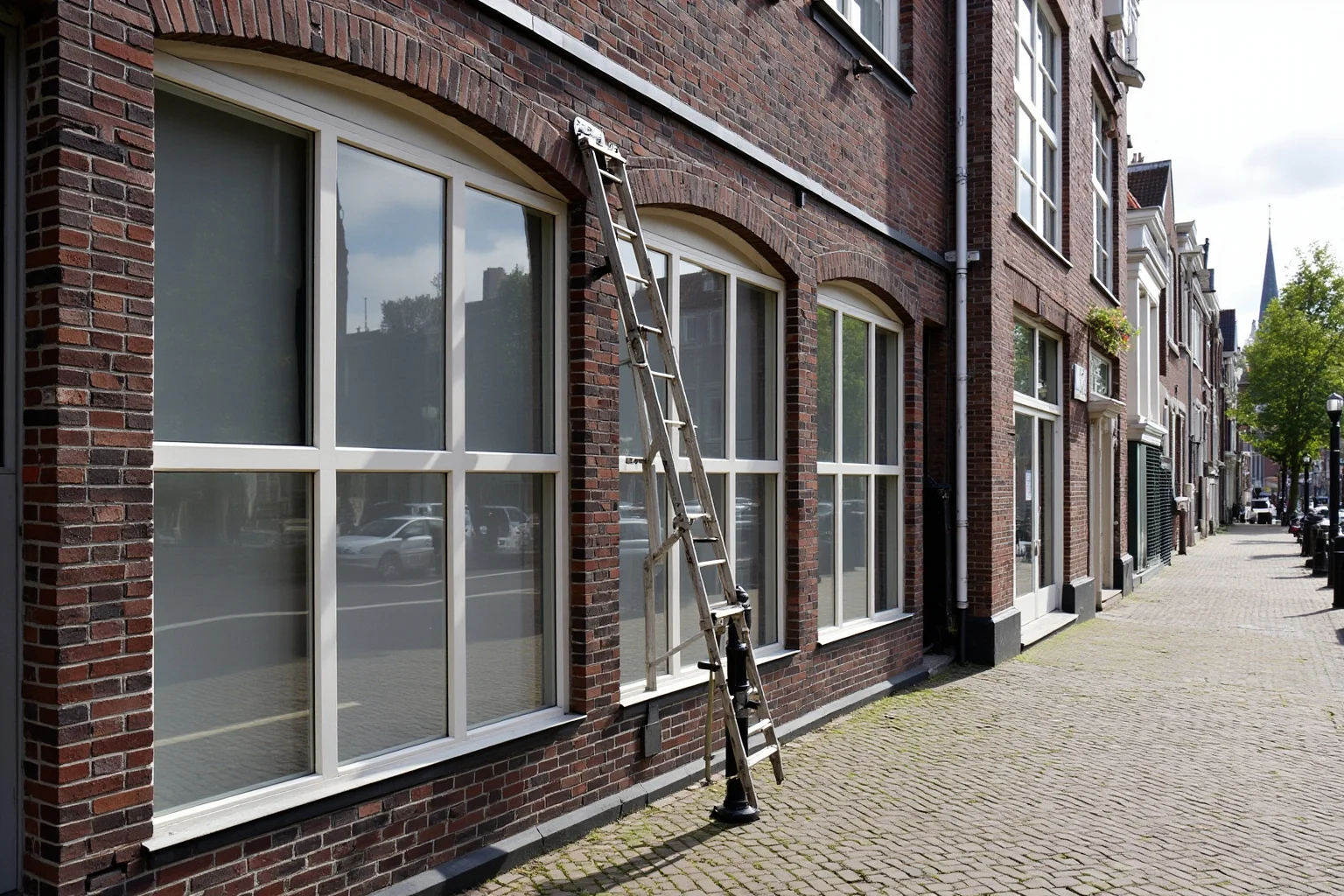
On December 7, 2002, two thieves used a ladder to climb onto the roof of the Van Gogh Museum in Amsterdam and enter through a window. They stole two early paintings: 'View of the Sea at Scheveningen' and 'Congregation Leaving the Reformed Church in Nuenen.' The museum held one of the largest Van Gogh collections in the world, but the thieves targeted smaller, less famous works.
The paintings spent more than a decade missing before they were recovered in Italy in 2016 during a mafia-linked investigation. Their return showed how stolen art can circulate through criminal networks for years without a buyer. It also raised the question of why thieves choose recognizable pieces they cannot easily sell.
8. The Ghent Altarpiece and the Missing 'Just Judges' Panel (1934)
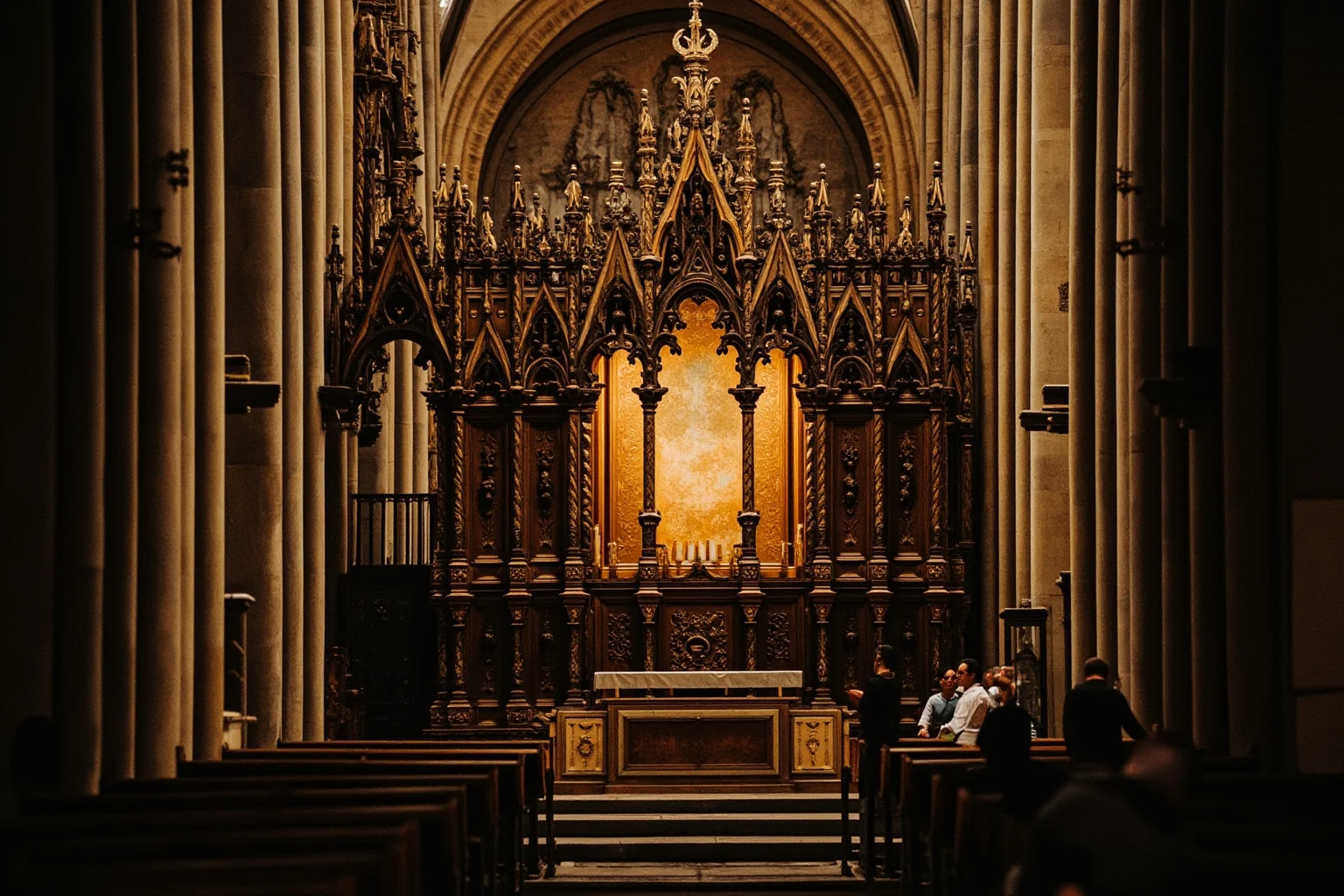
Jan van Eyck's Ghent Altarpiece has been damaged, dispersed, and looted so often that some historians call it one of the most frequently stolen artworks in history. The most famous loss came on April 10, 1934, when the lower-left panel known as 'The Just Judges' was taken from St Bavo's Cathedral in Ghent. A ransom note followed, but the panel was never recovered.
The missing panel is still represented by a copy in the restored altarpiece. The theft created a mystery that has lasted almost a century, with amateur sleuths still searching for the original. It stands as a reminder that not all famous art thefts involve a modern museum or a living artist.
9. Russborough House and the Martin Cahill Gang (1986)

Russborough House in County Wicklow, Ireland, holds the Alfred Beit art collection and has been robbed multiple times since the 1970s. In 1986, Dublin crime boss Martin Cahill and his gang stole 18 paintings in a carefully planned raid. Most of those works were recovered over time.
The house had already been hit in 1974 by an IRA-linked group, and it was targeted again in later years. Its repeated thefts illustrate how certain private collections become known criminal landmarks. Some famous art thefts are less about the art itself than about proving a gang's skill.
10. The Musée Marmottan Monet Raid (1985)
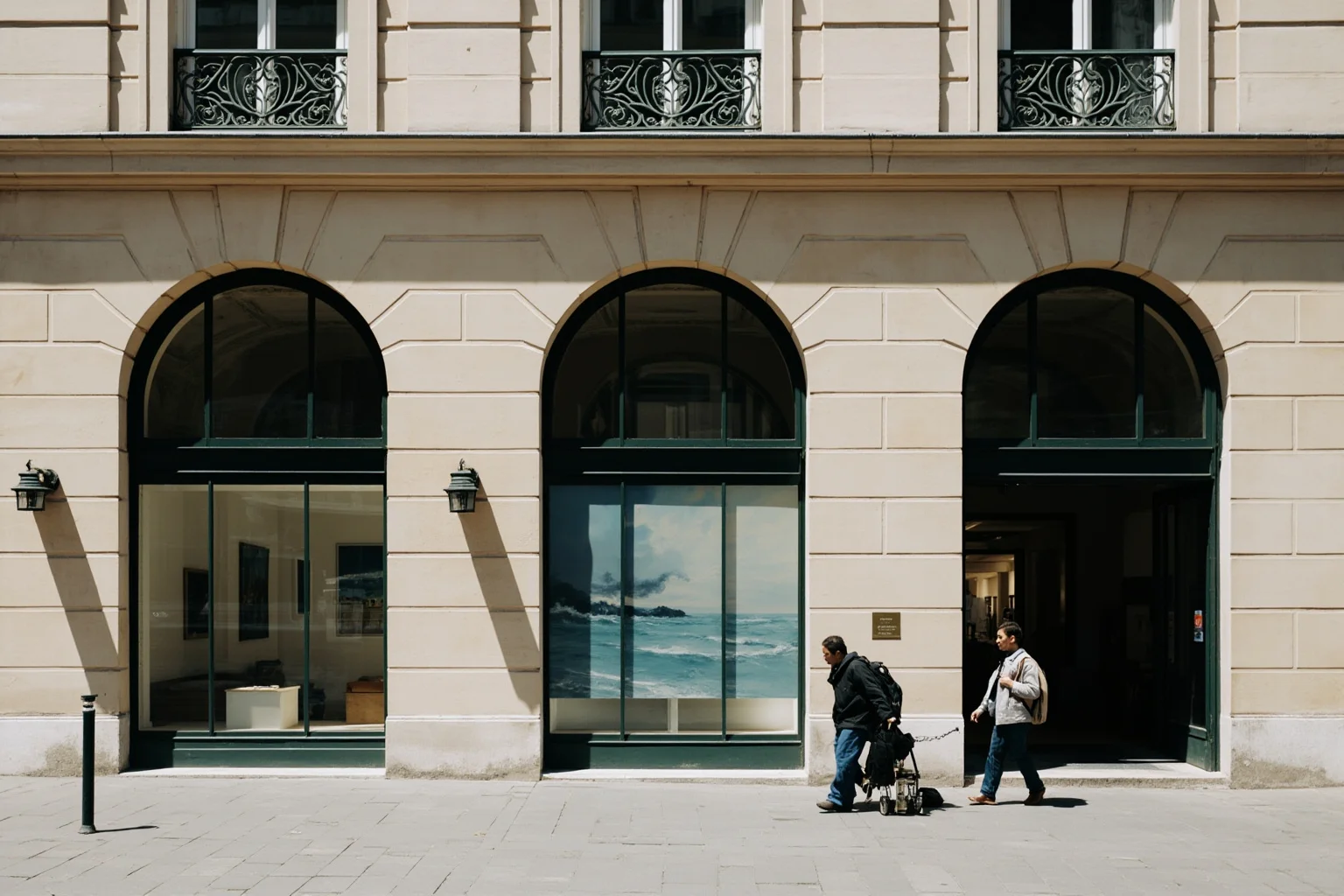
In daylight on October 27, 1985, five masked gunmen entered the Musée Marmottan Monet in Paris and took nine Impressionist works. Among them was Claude Monet's 'Impression, Sunrise,' the painting whose title gave Impressionism its name. The raid stunned the art world because it happened during opening hours.
French police recovered the paintings in Corsica in 1990. The case demonstrated that stolen masterpieces often need years to resurface, usually when criminals try to move them across borders. It also made 'Impression, Sunrise' famous to a public that had rarely seen the small canvas.
11. The Stockholm Nationalmuseum Speedboat Escape (2000)
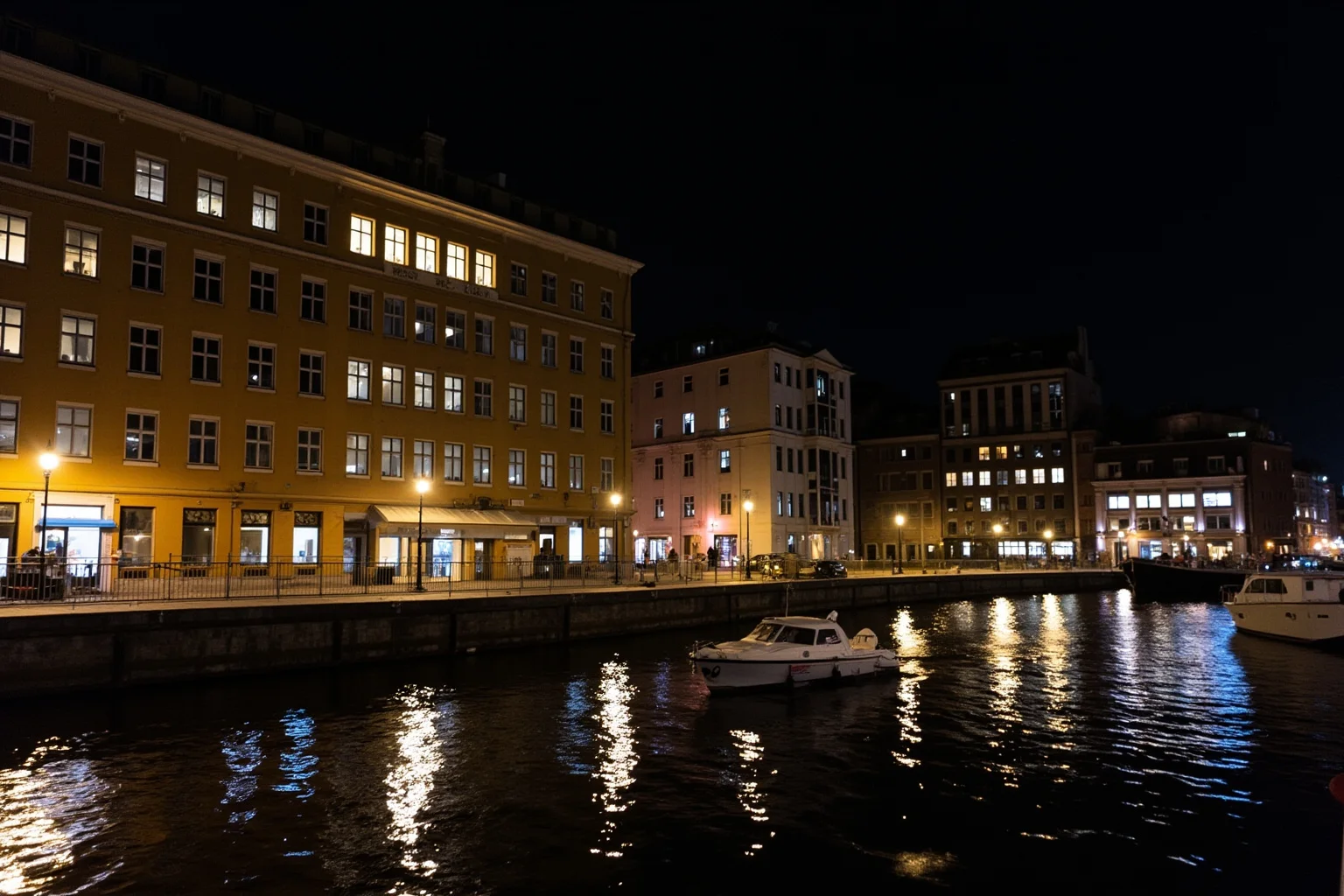
On December 22, 2000, three armed men entered Sweden's Nationalmuseum in Stockholm, grabbed a Rembrandt self-portrait and paintings by Renoir, and fled by motorboat through the city's waterways. The escape looked like a scene from a thriller, but it was real and took only minutes.
Police recovered the Rembrandt self-portrait in Copenhagen in 2005 and recovered other works through international stings. The theft showed that a dramatic getaway can work for a short time. It also showed that stolen art is much harder to sell than a car or cash.
12. The Vienna Salt Cellar of Benvenuto Cellini (2003)
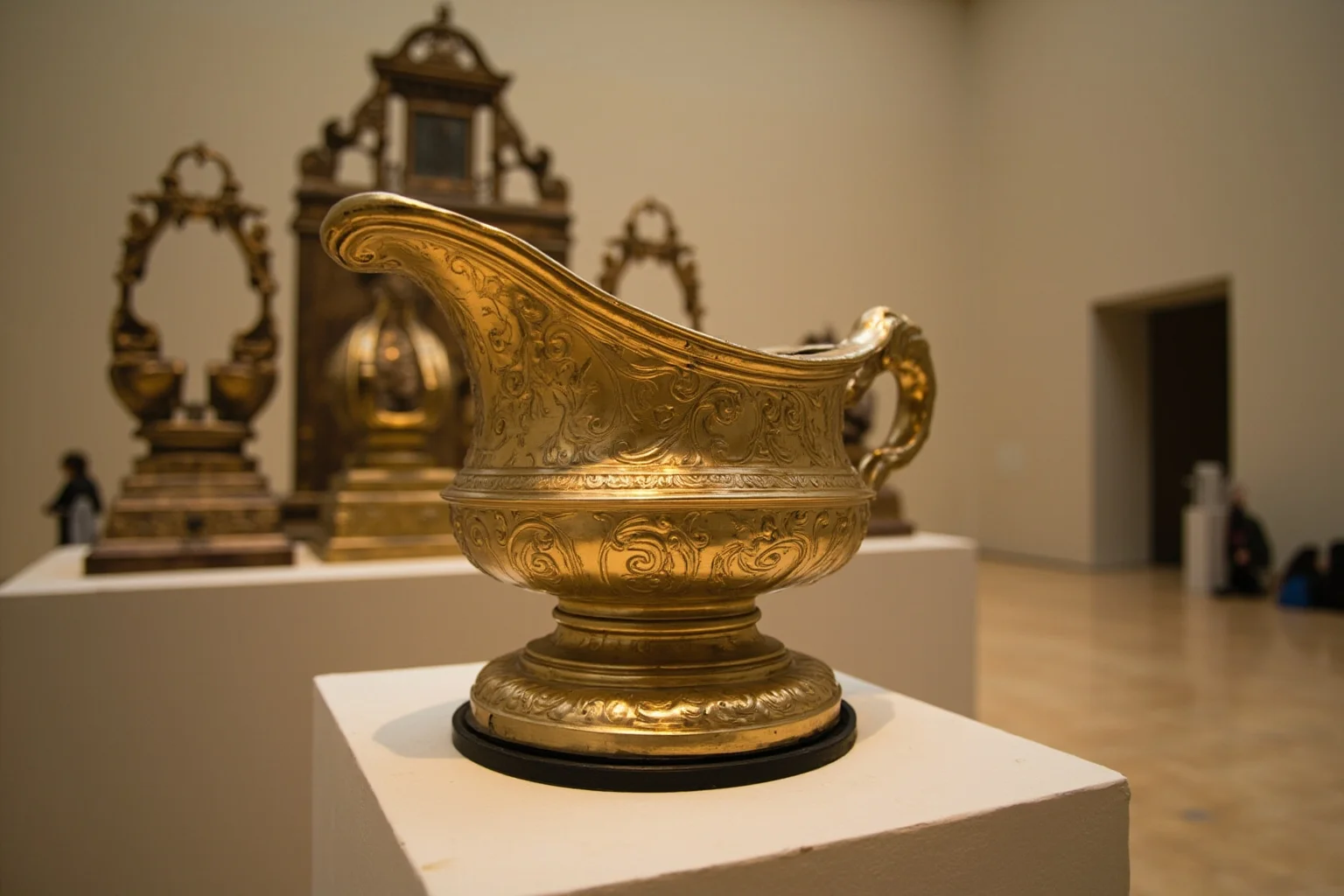
In May 2003, a burglar climbed scaffolding and entered the Kunsthistorisches Museum in Vienna at night. He stole the 'Saliera,' a golden salt cellar by Renaissance sculptor Benvenuto Cellini, valued in the tens of millions of euros. The ornate object was the museum's most prized decorative artwork.
The thief attempted to ransom the piece, and Austrian police recovered it in 2006 after he led them to its hiding place. Its return was a relief for Austria, but the damage to the museum's reputation lasted longer. The case is a rare example of a heist artwork coming home relatively undamaged.
13. The Whitworth Art Gallery's Three Masterpieces (2003)
In 2003, thieves took Van Gogh, Picasso, and Gauguin paintings from the Whitworth Art Gallery in Manchester, England. The works were hidden nearby, and police recovered them in 2004 after a public tip. The case received less global attention than the Gardner theft, but it exposed how vulnerable regional museums could be.
The recovery underscored a pattern in famous art thefts: stolen works are often not moved far at first. Thieves commonly stash a canvas while they decide how to demand money or avoid arrest. Publicity can be the decisive factor in getting a painting back.
14. The São Paulo Museum of Art Heist (2007)

On December 20, 2007, thieves broke into the São Paulo Museum of Art in Brazil, known as MASP, and stole two paintings. One was Pablo Picasso's 'Portrait of Suzanne Bloch,' and the other was Candido Portinari's 'O Lavrador de Café.' The museum had minimal security for a collection of that value.
Police recovered both paintings in January 2008, slightly damaged but intact. The quick result was unusual for a major museum theft. It suggested that the thieves had no solid resale plan and underestimated the public attention the crime would generate.
15. The Francis Bacon Paintings Stolen in Madrid (2015)

In June 2015, five paintings by Francis Bacon were stolen from a private home in Madrid. The works were valued at roughly 25 million euros, making the theft one of the largest private art losses in Spanish history. The owners were out of the country at the time.
Spanish police recovered the paintings in 2017 and made arrests connected to an organized network. The case showed that even modern and contemporary art attracts specialized criminals. It also revealed how private collections can be easier targets than museums with full-time staff.
16. The Most Stolen Painting in the World (1966–1983)
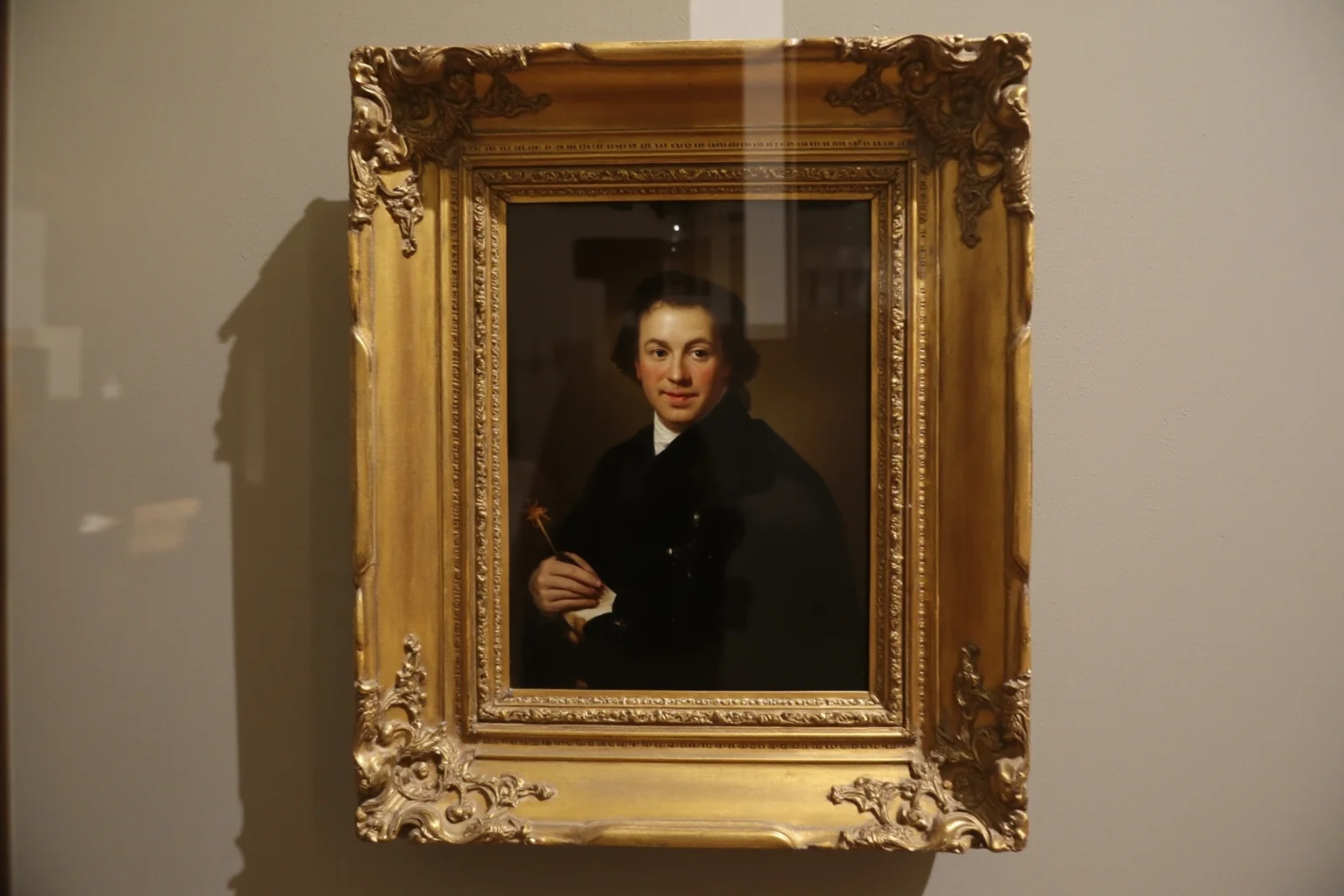
Rembrandt's small portrait 'Jacob de Gheyn III' has been taken from the Dulwich Picture Gallery in London so many times that it is often described as the most stolen painting in the world. Thieves first took it in 1966, and it was stolen again in the following decades. Each time, the painting was eventually recovered.
The repeated thefts reveal a hard truth about famous art thefts: a small, valuable painting can be easy to grab but nearly impossible to sell. The portrait's notoriety made it useless on the open market, yet thieves kept trying. It remains a strange benchmark for how fame can both invite and protect a work.
17. The Montreal Museum of Fine Arts Robbery (1972)
On September 4, 1972, armed thieves entered the Montreal Museum of Fine Arts in broad daylight and stole 18 paintings and several pieces of jewelry. The theft remains one of Canada's largest unsolved art crimes. The robbers removed the works quickly and disappeared without a trace.
Unlike many later cases, no major arrest or recovery ever solved the Montreal robbery. Some investigators suspect the works may have been destroyed or quietly absorbed into private hands. The case is a sobering counterpoint to the myth that stolen masterpieces always resurface.
18. The Dresden Green Vault Jewelry Heist (2019)
On November 25, 2019, burglars broke into the historic Green Vault museum in Dresden, Germany, and stole 18th-century jewelry sets and diamonds. The items had belonged to the rulers of Saxony and carried enormous cultural and financial value. The burglars entered through a barred window and broke into a display case.
Five men were convicted in 2023 after a long investigation, and some jewels were recovered. The theft focused on jewelry rather than paintings, but it still counts among famous art heists because of the museum's status. It also highlighted the limits of display-case alarms against determined criminals.
19. The Looting of the Iraq Museum (2003)
During the fall of Baghdad in 2003, the Iraq Museum was looted amid the collapse of civil order. Thousands of ancient artifacts and works of art were stolen or broken, including the famous Warka Vase and other objects from the earliest cities. The chaotic event was less a single planned robbery than a mass theft.
Many objects were later recovered through amnesties and international raids, but some remain missing. The looting showed how war can erase cultural history on a far larger scale than any individual heist. It also became a cautionary lesson for museums in conflict zones.
20. The Nazi Art Looting Machine (1933–1945)
The largest systematic theft of art in modern history was carried out by the Nazi regime before and during World War II. Under the cover of law and military occupation, officials seized hundreds of thousands of paintings, drawings, and objects from museums, churches, and Jewish collectors. This was not a single heist artwork but an industrialized program of confiscation.
After the war, Allied 'Monuments Men' units recovered many hidden caches, though countless works still remain lost or disputed today. The Nazi looting changed how the world thinks about art theft, leading to stronger international protections. It is the dark backdrop against which every modern museum theft is measured.
Myths About the Art of the Heist
Hollywood often shows a thief rappelling through a laser grid while alarms stay silent. In reality, many famous art heists succeed because a door is left unlocked, an alarm is switched off, or a guard trusts a uniform. The most effective tools are usually a ladder, a crowbar, and timing.
Another myth is that stolen masterpieces regularly end up in the private lairs of wealthy collectors. Investigators say that most stolen art is either held as criminal collateral, hidden badly, or lost. Some works are destroyed by panicked thieves, which is why the black market for famous paintings is far smaller than fiction suggests.
Some recovered works, such as the 'Mona Lisa,' became more famous because they were stolen. In those cases, the theft acts as accidental marketing. That does not mean the criminals were masterminds; it means public attention can reshape an artwork's place in culture.
Why Famous Art Thefts Still Haunt Us
The most famous art heists endure because they invert the way we expect value to work. A stolen painting cannot be spent, driven, or easily hidden, yet it can trigger global headlines and decades of investigation. In that sense, the art of the heist often lies in exploiting human routine rather than in genius planning.
Museums have since tightened security, digitized collections, and trained staff for confrontations. Still, every year brings new thefts, often at smaller museums with fewer resources. The Gardner frames remain empty, and the Ghent panel remains missing, which is exactly why these stories keep resurfacing.
Documented clues, recovered works, and court records matter more than glamorous legends. When reading about famous art thefts, the safest rule is to separate what investigators have proven from what thieves later claim. The truth is usually less elegant than a movie, but far more strange.
Frequently Asked Questions
What are the biggest art heists in history?
The 1990 Isabella Stewart Gardner Museum robbery in Boston is widely considered the largest unsolved art heist, with 13 works taken and losses estimated above $500 million. Other major cases include the 2012 Kunsthal Rotterdam theft, the 2010 Musée d'Art Moderne de la Ville de Paris raid, and the systematic Nazi art looting of World War II. Rankings depend on whether you count a single crime, an unsolved loss, or a state-run program.
What is the most famous art theft in history?
The 1911 theft of the Mona Lisa from the Louvre is usually called the most famous art theft because it made the painting a global icon. Crowds lined up to see the blank wall where it had hung. The work was recovered in 1913.
Why do people steal famous paintings if they are hard to sell?
Thieves often overestimate how easily they can sell a recognizable work or use it as collateral in criminal networks. Some steal for ransom, status, or ideological motives. Many stolen works are never found, which suggests the plans are usually weaker than the legends.
Are the Gardner Museum paintings ever going to be found?
They remain missing, and the museum and FBI still follow leads. The empty frames are deliberately left in place. Recovery is still possible, but the case grows colder each year.
How are stolen artworks usually recovered?
Recoveries often come from police stings, public tips, ransom attempts, or raids on criminal networks. Many works surface years later in another country when a thief or later buyer tries to sell them. Databases and publicity make selling famous stolen art increasingly risky.

Alex Warren
Related Articles