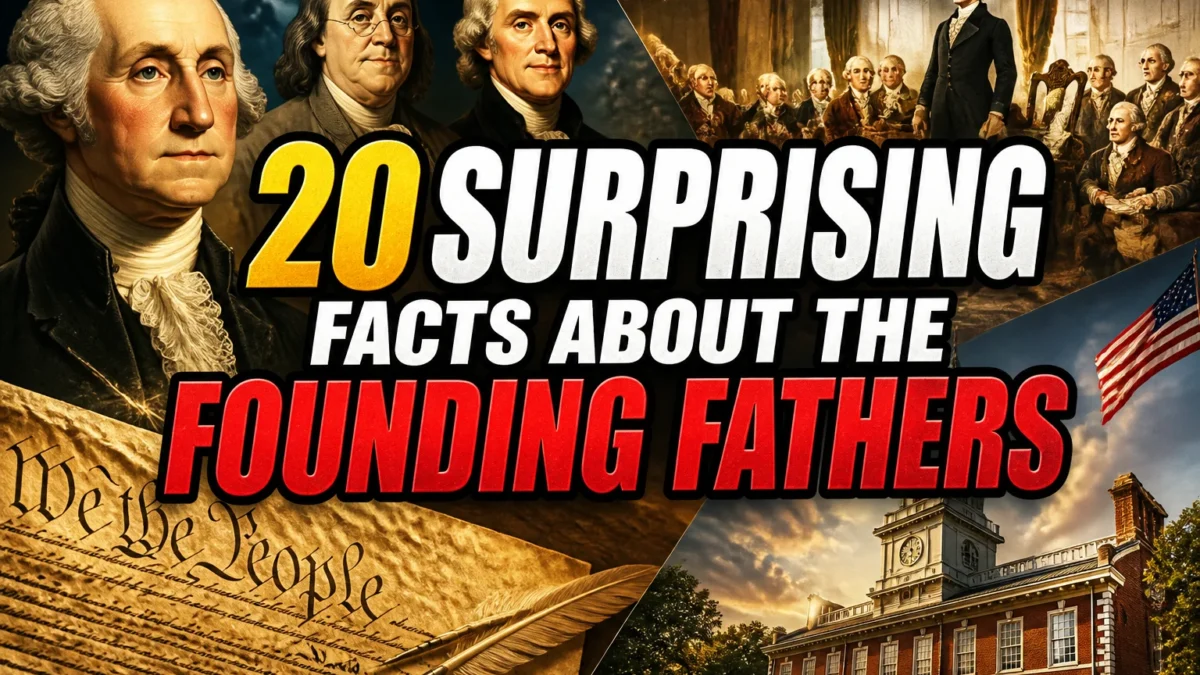
Every July, Americans revisit powdered wigs, quill pens, and sweeping speeches from the founding era. The phrase "Founding Fathers" sounds so settled that many people never stop to ask who are America's Founding Fathers, what did they actually do, and which familiar stories about them are true.
The honest answer is that the founding generation was young, ambitious, divided, and full of contradictions. In this collection of fun facts about the Founding Fathers, we will sort documented history from comfortable myth and look at the real people behind the parchment.
TL;DR: The Founding Fathers were younger, more divided, more flawed, and far more interesting than the marble statues suggest—and many popular stories about them are myths.
Who Are America's Founding Fathers?
There is no single official list of Founding Fathers, which makes the question "who are America's Founding Fathers" harder than it seems. Historians generally apply the label to the men who led the Revolution, drafted the Declaration of Independence and the Constitution, and shaped the early government.
The most common short list includes George Washington, John Adams, Thomas Jefferson, James Madison, Alexander Hamilton, Benjamin Franklin, and John Jay. A broader view adds signers of the founding documents, Revolutionary officers, pamphleteers, and state constitution writers.
When people ask what did founding fathers do, the answer spans war, law, diplomacy, and finance. They fought the Revolution, wrote the Declaration and the Constitution, built federal institutions, and argued for decades about what the new nation should become. With that context in mind, here are 20 facts about the Founding Fathers that reveal a messier and more interesting origin story.
1. The Phrase "Founding Fathers" Is a Late Invention
The men who led the American Revolution did not walk around calling themselves the Founding Fathers. The phrase appears in early American writing, but it did not become a common national label until the twentieth century.
President Warren G. Harding is often credited with popularizing the term during a 1916 speech, and the phrase spread from there. That matters because a tidy label can hide how improvised and contentious the founding era really was.
The language we use is one of the hidden secrets of the Founding Fathers. Their words still echo in American life, but the framing of them as a single sacred group is largely a modern habit.
2. Who Are America's Founding Fathers? There Was Never an Official Roster
Unlike a modern institution, the founding generation never issued membership cards or kept an official list. Historians have created competing rosters, and the names change depending on whether you count signers, soldiers, pamphleteers, or state leaders.
The classic short list includes Washington, Adams, Jefferson, Madison, Hamilton, Franklin, and Jay. A wider list adds figures such as Samuel Adams, Thomas Paine, Patrick Henry, Roger Sherman, George Mason, and John Marshall.
When someone asks who are America's founding fathers, the best answer is not a single group but a generation of gifted and divided people. They did not all agree, and some never signed a founding document.
3. Many Founding Fathers Were Shockingly Young in 1776
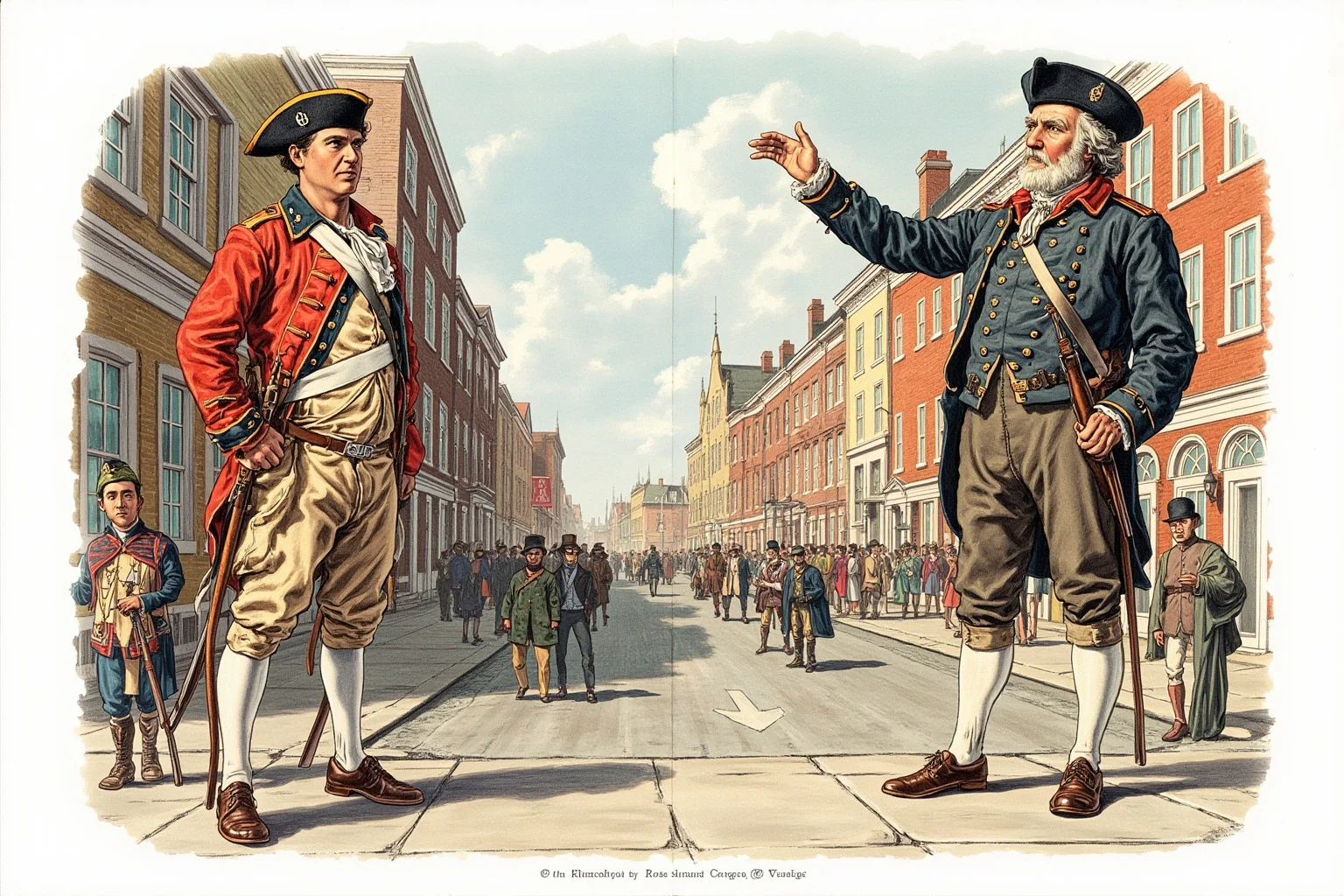
Powdered wigs and serious portraits make the founders look older than many of them actually were. In 1776, James Monroe was 18, Aaron Burr was 20, and Alexander Hamilton was about 21.
James Madison was 25 when the Declaration was adopted, and Thomas Jefferson was 33 when he wrote it. Benjamin Franklin, at 70, was the elder statesman and more than twice Jefferson's age.
This founding fathers trivia matters because it explains the urgency and occasional recklessness of the Revolution. The founding generation was not a group of distant older men but a volatile mix of ambitious young leaders and experienced mentors.
4. George Washington Did Not Have Wooden Teeth
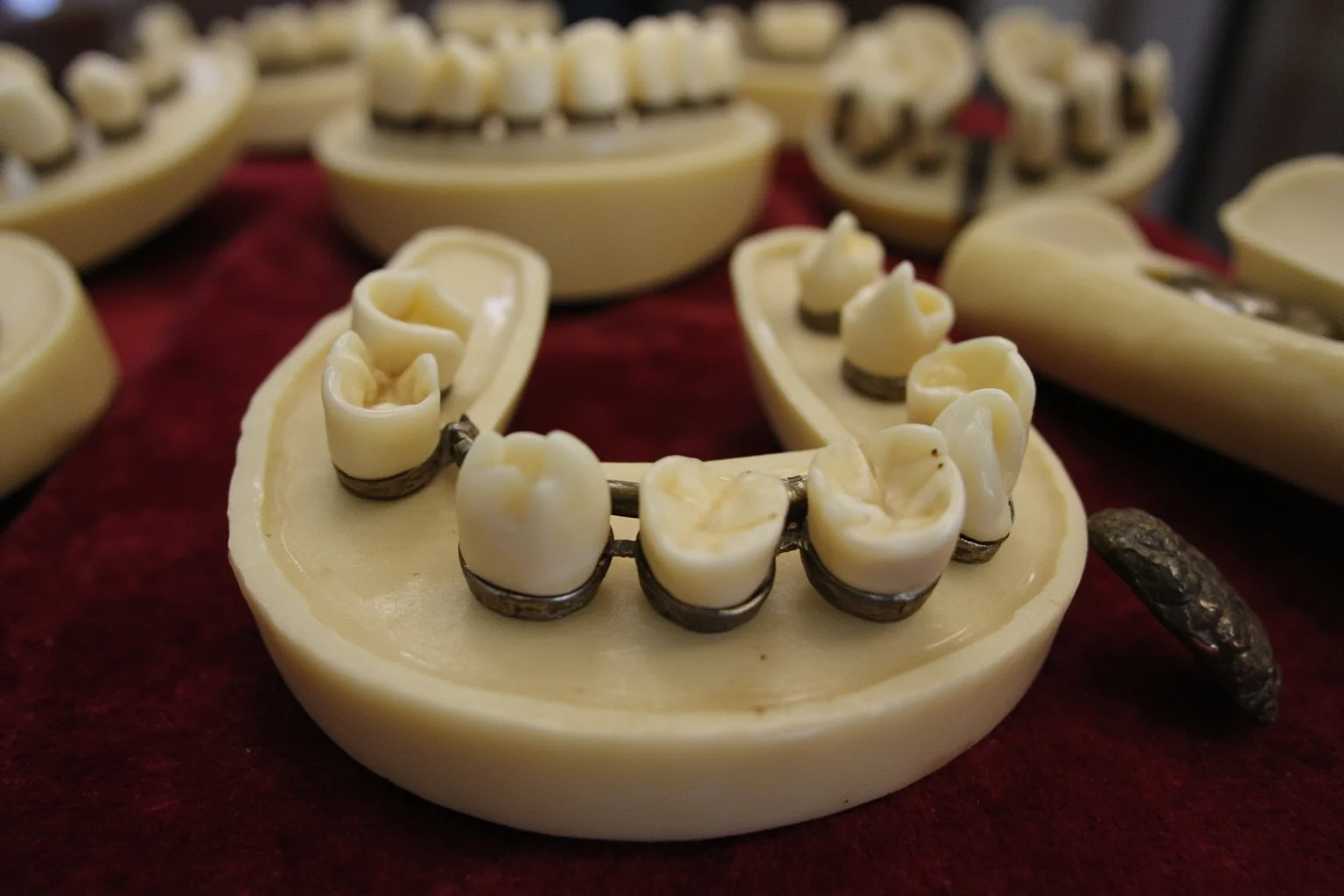
The famous story about Washington's wooden teeth is a myth. His dentures were made from materials such as human teeth, animal teeth, ivory, and metal, but wood was not used.
Washington struggled with severe dental pain for much of his adult life and owned several sets of dentures. The myth may come from the stained, grainy look of old ivory, but historians have found no evidence of wooden dentures.
His dental problems were serious enough to affect his public speaking and portraits. The wooden teeth tale is easy to correct, yet it persists because it has been repeated in classrooms for generations.
5. Benjamin Franklin Was Never President
Because Franklin appears on money and in major textbooks, many people assume he must have been president. In reality, he never held the nation's highest office, though he served as a diplomat, postmaster, and Pennsylvania governor.
He was the oldest signer of the Declaration of Independence and one of the most famous Americans in the world. The mistaken assumption about Franklin remains one of the most common facts about the Founding Fathers that people get wrong.
Franklin's career included printing, science, invention, diplomacy, and public service, but not the presidency. The confusion is understandable, yet it shows how easily popular memory can flatten complicated lives.
6. Two Founding Fathers Died on the Same July 4
John Adams and Thomas Jefferson both died on July 4, 1826, exactly 50 years after the Declaration of Independence was adopted. The coincidence has become one of the most famous pieces of Founding Fathers trivia in American history.
According to later family accounts, Adams's last words included the phrase 'Thomas Jefferson survives,' even though Jefferson had died hours earlier. James Monroe added another striking coincidence when he died on July 4, 1831.
The double death quickly became a symbolic moment for the young republic. Newspapers and public commemorations treated it as a sign that the revolutionary generation was passing away together.
7. Thomas Jefferson Wrote the Declaration at 33
Jefferson drafted the Declaration of Independence during several weeks in June 1776, working in Philadelphia. He was only 33 years old and already known as a gifted writer.
Congress edited his draft significantly, cutting about a quarter of the text and removing a passage that criticized slavery. The final document was less a solo masterpiece than a committee product shaped in a hot, anxious summer.
Jefferson's authorship gave him lasting fame, but he always knew the document had been edited by others. The Declaration's power came from the ideas it named, not from a single author's unchallenged draft.
8. John Adams Defended British Soldiers After the Boston Massacre
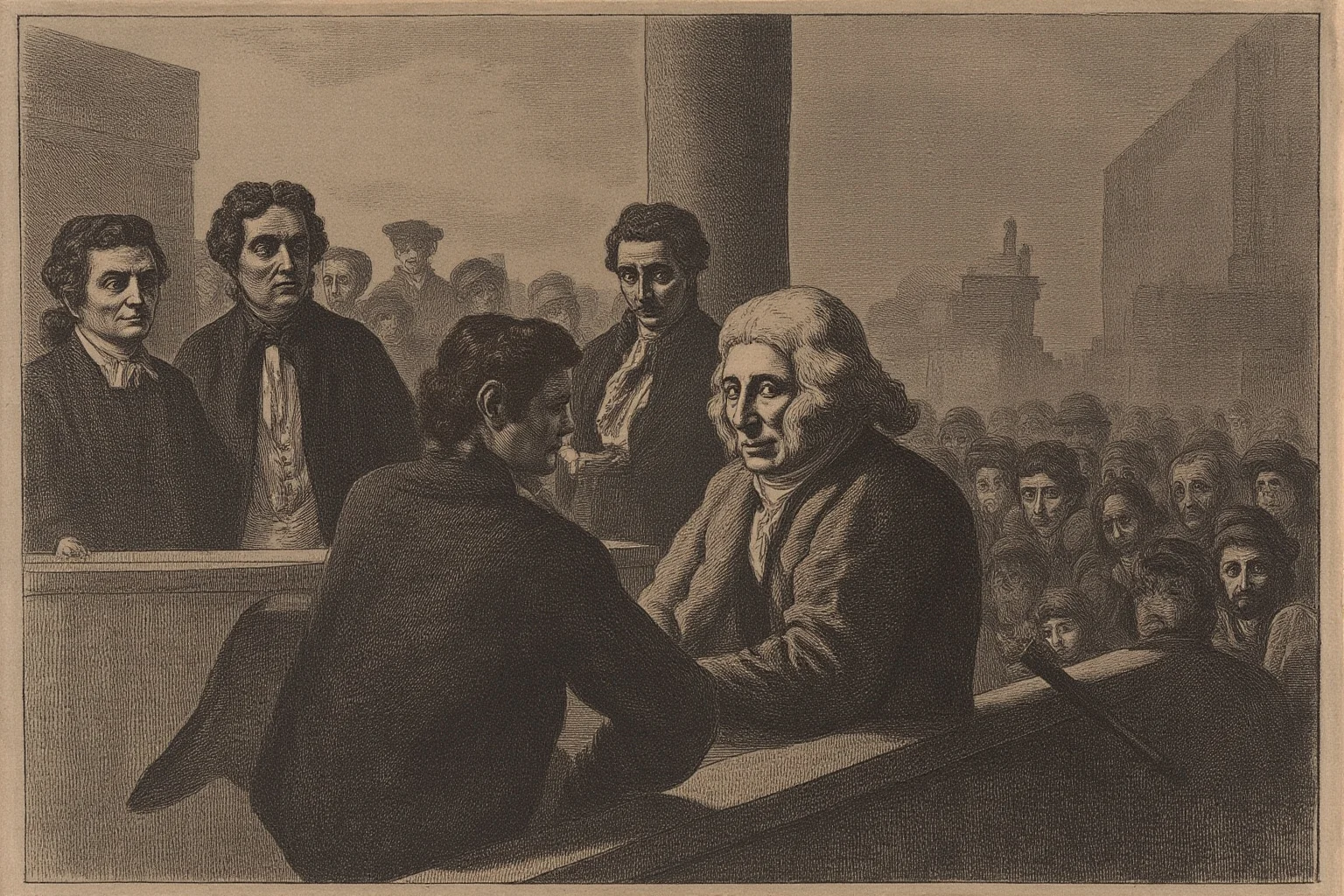
In 1770, a young John Adams took on a deeply unpopular job: defending British soldiers charged after the Boston Massacre. He believed the accused deserved a fair trial, even as anti-British anger surged in Massachusetts.
Adams and his co-counsel secured acquittals for the captain and most soldiers, while two men were convicted of manslaughter on a reduced charge. The case built Adams's reputation for principle, even though it hurt him politically in the short term.
He later described the defense as one of the most gallant actions of his life. That complicated choice shows that the founding generation could sometimes separate law from political passion.
9. The Constitutional Convention Was Not a Unanimous Lovefest
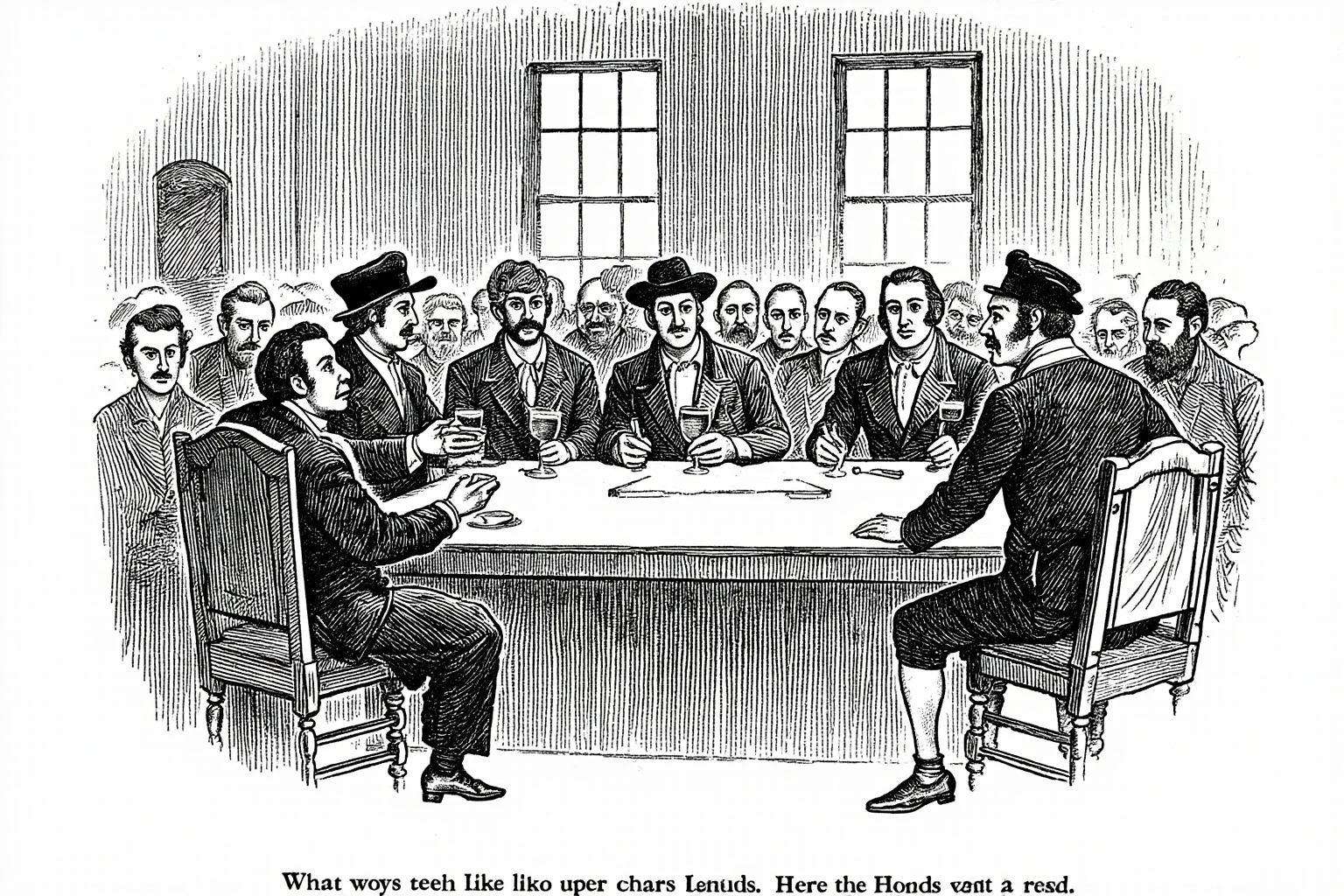
The writing of the Constitution is often imagined as a group of founders calmly agreeing on liberty. In reality, the 1787 convention was full of clashes over representation, slavery, and federal power.
Rhode Island did not send a delegation, and Patrick Henry reportedly refused to attend because he 'smelt a rat.' Edmund Randolph, George Mason, and Elbridge Gerry refused to sign the final document, which shows that unanimity was never the point.
Some delegates resisted a stronger central government, while others worried that the new Constitution gave too little power to the states. The final document was a bundle of compromises, not a perfect philosophical statement.
10. Aaron Burr and Alexander Hamilton Settled a Long Grudge with a Duel
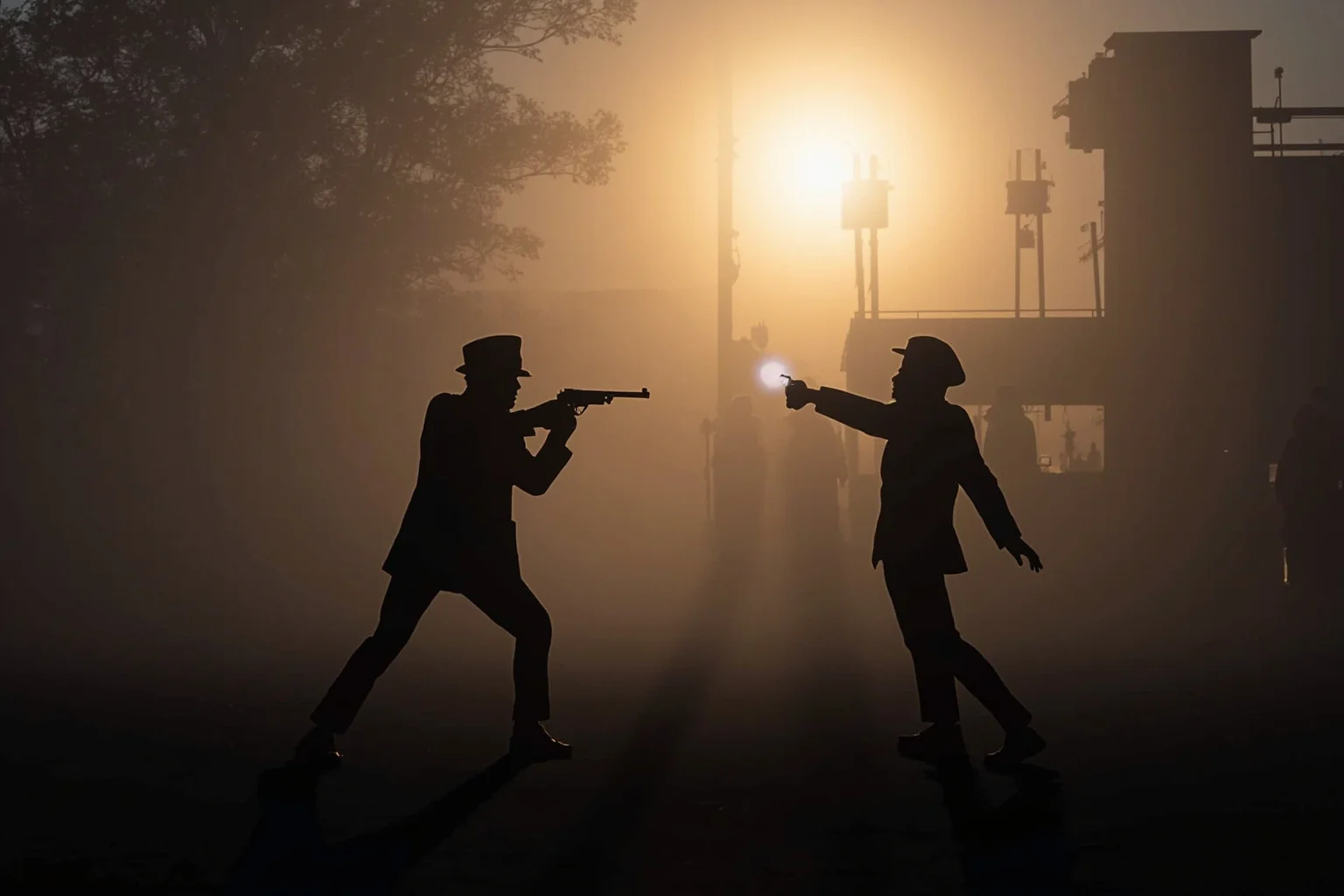
The Hamilton-Burr duel was not a sudden explosion over one insult. It grew out of years of political battles, personal slights, and New York factional warfare.
In July 1804, the two met at Weehawken, New Jersey, while Burr was still the sitting vice president. Accounts conflict over whether Hamilton intentionally fired away, but Burr's shot struck him, and Hamilton died the next day.
The duel made Hamilton a martyr to some and Burr a villain to many, though later historical assessments remain complicated. Burr was charged with murder in New York and New Jersey, but the cases never reached a conviction.
11. Gouverneur Morris Wrote Much of the Constitution's Final Wording
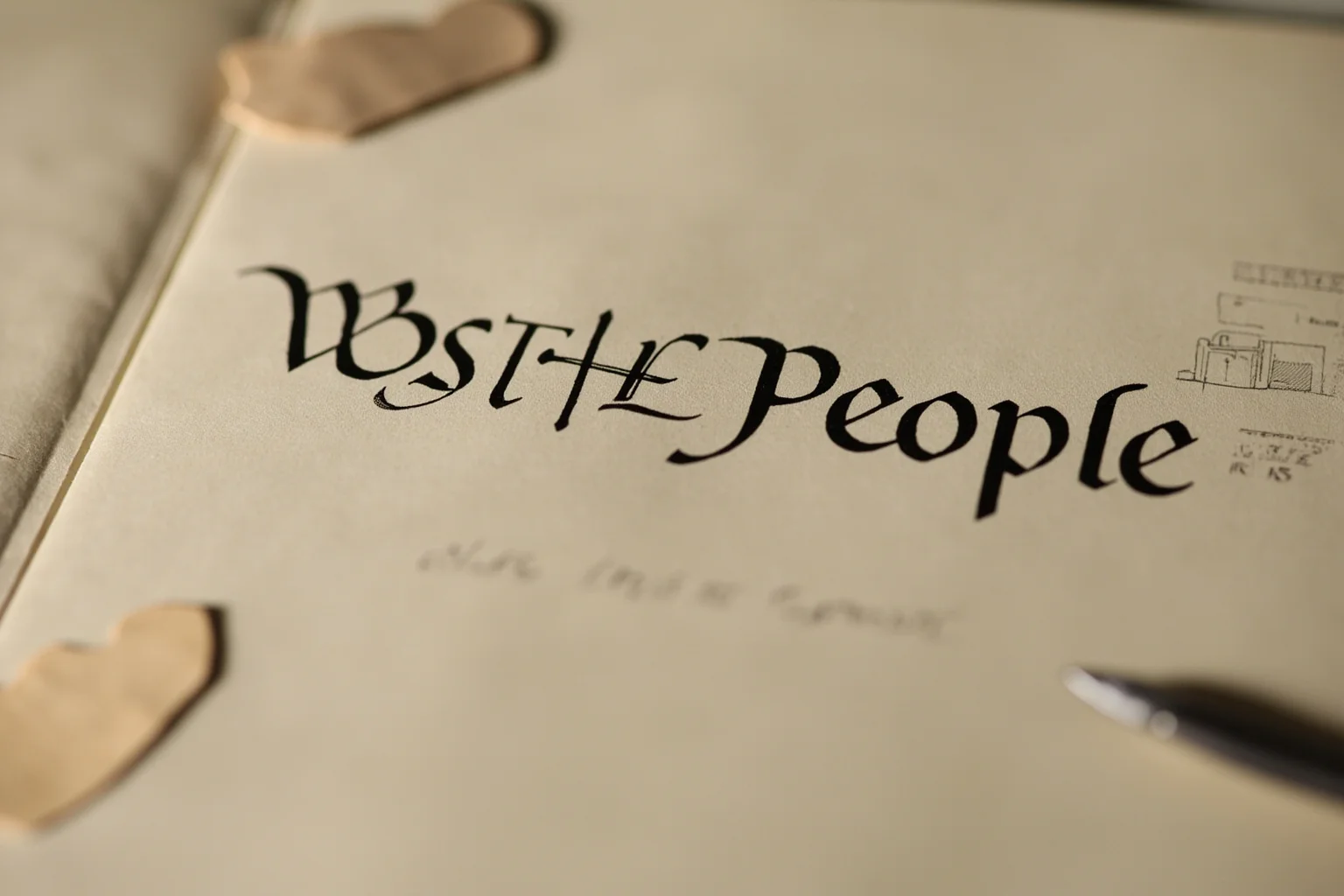
Gouverneur Morris is one of the least famous men who shaped the Constitution, yet his influence was enormous. As a member of the Committee of Style, he turned the convention's resolutions into famously polished prose.
The opening words 'We the People' are largely credited to his pen. Morris was a sharp-spoken New Yorker who walked with a peg leg, and his story is a reminder that lesser-known names often did the crucial editing work.
Morris also spoke more bluntly than many of his colleagues and was unafraid to criticize what he saw as soft thinking. The final Constitution still bears the marks of his exacting editorial hand.
12. Jefferson and Adams Were Bitter Rivals Before They Reconnected
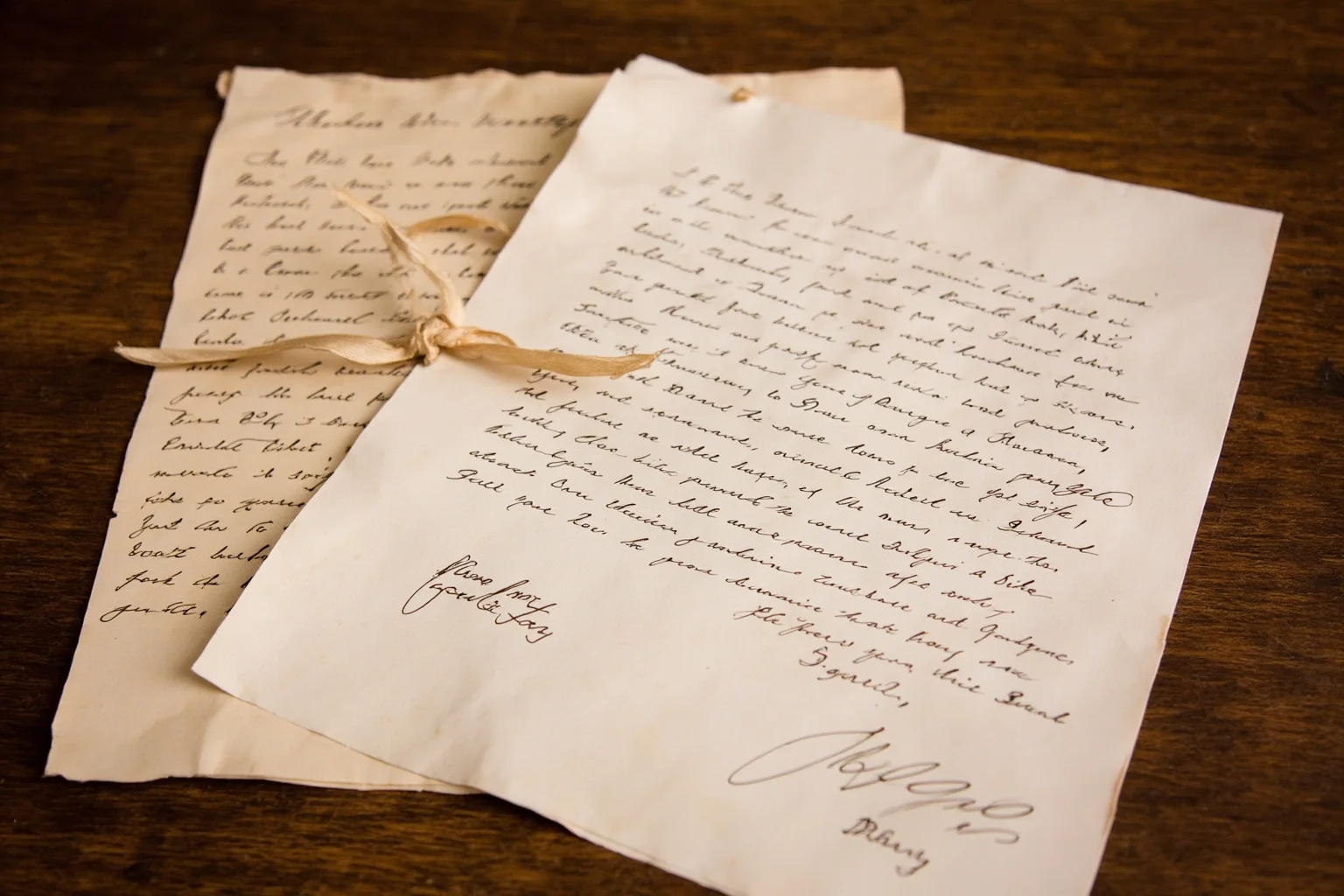
Thomas Jefferson and John Adams began as revolutionary allies, then became fierce political opponents. The elections of 1796 and 1800 turned their philosophical disagreements into personal wounds, and they stopped speaking for years.
In 1812, after mutual friend Benjamin Rush encouraged a reconciliation, they resumed writing. Their late-life letters, which lasted until their deaths in 1826, are among the richest documents of the founding era.
Both men remained proud and stubborn into old age, but their reconciliation produced hundreds of letters. Those letters reveal two founders reflecting honestly about revolution, government, religion, and their own reputations.
13. The Founders' Record on Slavery Was Deeply Contradictory
Many prominent founders wrote about liberty while enslaving people, a contradiction that shaped the new nation. Washington, Jefferson, and Madison all held enslaved people, even as their language about natural rights inspired abolitionists.
Washington arranged in his will to free the people he owned after his wife's death. Jefferson, despite his private worries about slavery, did not free most of the people he enslaved.
This is one of the hardest facts about the Founding Fathers to sit with, and it should not be smoothed over. The founding era built a republic that protected freedom for some while denying it to others.
14. Alexander Hamilton Was an Immigrant and an Orphan
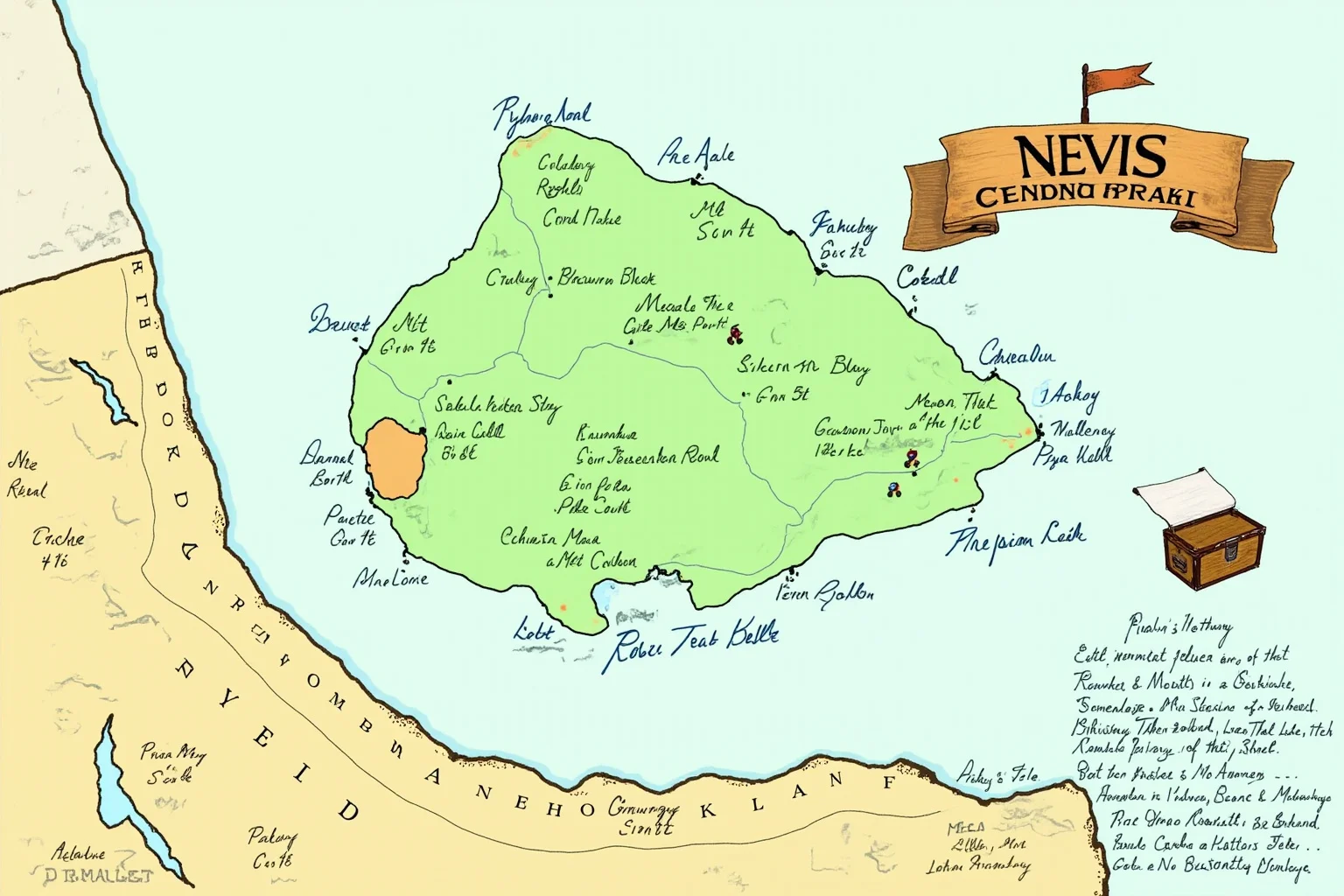
Hamilton was born on the Caribbean island of Nevis and raised in difficult circumstances. His early life included poverty and the death of his mother, which made his rise to influence especially dramatic.
He arrived in mainland North America for education and later became the first secretary of the treasury. Hamilton's immigrant background is a reminder that the founders were not all Virginia plantation owners or Boston lawyers.
His youth in the Caribbean also exposed him to the Atlantic slave trade and colonial commerce, experiences that shaped his economic views. Hamilton's story complicates the image of the founders as a closed circle of native-born elites.
15. Samuel Adams Was Not Really a Beer Baron
Modern beer branding has turned Samuel Adams into a brewer, but that is not quite what he did. He worked as a maltster, supplying malt to brewers, and he was far more important as an organizer of resistance in Massachusetts.
The Boston Beer Company later borrowed his name and image, but there is no evidence that it used his personal recipe. This is one of the fun facts about the Founding Fathers that separates commercial myth from colonial reality.
Colonial brewing and malting were connected but distinct trades, and Adams's real power came from his pen and political networks. He helped organize committees of correspondence and protests that pushed Massachusetts toward revolution.
16. John Hancock's Giant Signature Has an Uncertain Backstory
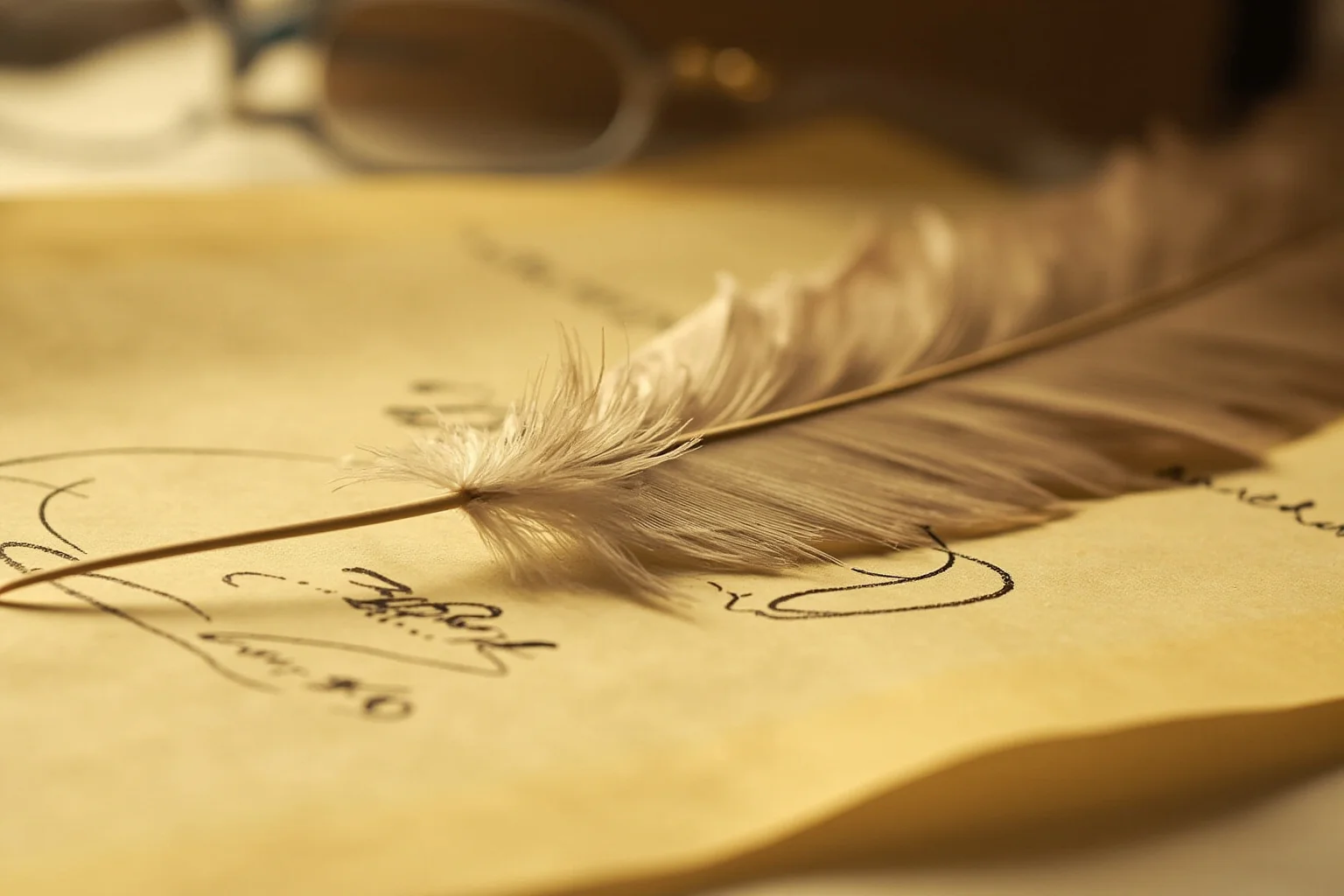
The story says John Hancock signed his name so large that King George III could read it without his spectacles. It is a memorable piece of Founding Fathers trivia, but there is no direct contemporary evidence proving that was his motive.
What is certain is that Hancock, as president of the Continental Congress, signed the Declaration prominently and first. The size may have been personal style, confidence, or a bit of political theater, but the famous explanation remains legend.
Some founders signed with smaller, more modest handwriting, which makes Hancock's bold script stand out even more. Whether the motive was courage or performance, the signature became a visual shorthand for defiance.
17. The Founders Loved Writing Under False Names
Pseudonyms were common tools in the founding era, partly because writers wanted to avoid personal attacks and partly because anonymity let arguments stand on their own. The Federalist Papers, written by Hamilton, Madison, and Jay, appeared under the shared pen name Publius.
Benjamin Franklin had already used a fictional persona named Silence Dogood in his youth, and Thomas Paine's Common Sense was published anonymously. These hidden identities are some of the genuine secrets of the Founding Fathers, though the secret was often known within political circles.
Publishing under a false name was not always about shame or fear. It was often a rhetorical strategy that let readers judge an argument without being swayed by the author's fame.
18. Washington's Farewell Address Was a Warning, Not a Speech
George Washington's Farewell Address is often quoted as if he stood before a crowd. In fact, he published it in a Philadelphia newspaper in 1796 rather than delivering it as a public speech.
The address warned against the dangers of political parties and permanent foreign alliances. Its warnings became part of American political culture, even though later generations often quoted it selectively.
Washington had considered leaving public life before, so the address carried the weight of his voluntary exit. It also set a two-term precedent that later presidents followed until the twentieth century.
19. Several Major Founders Never Signed the Constitution

Thomas Jefferson was serving as a diplomat in France during the Constitutional Convention, and John Adams was serving in Britain. Neither man signed the Constitution, even though both are central to the founding story.
Other important voices, such as Thomas Paine and Patrick Henry, also were not signers. This gap is a useful reminder that the founding did not happen in one room or on one date.
Jefferson and Adams were still influencing the debate from abroad through letters and reputations. The Constitution's creation was an international conversation, not a sealed room filled with every famous founder.
20. Some Founders Died Poor or in Debt Despite Their Fame
Robert Morris helped finance the American Revolution, sometimes using his own credit and resources. Despite that critical service, he later lost his fortune and spent time in a Philadelphia debtor's prison.
Thomas Paine's Common Sense helped turn public opinion toward independence, yet he died in relative obscurity in 1809. These stories show that being a founder did not guarantee wealth, comfort, or lasting gratitude.
These endings are not the whole story of the founding generation, but they correct the idea that every founder retired wealthy. Fame, in that era, did not automatically translate into financial security.
Why the Messy Truth Matters
The usual portrait of the Founding Fathers as unanimous heroes makes for tidy history, but it misses what made them effective. They argued constantly, made costly compromises, and often failed before they succeeded.
Learning all about the Founding Fathers means accepting that they were human and sometimes contradictory. Their real legacy is not a list of flawless men, but a system that allowed debate, revision, and peaceful transfer of power.
These facts about the Founding Fathers do not settle every argument about America's origins. Instead, they offer a more useful starting point for understanding a revolution that was never as clean as we like to imagine.
Frequently Asked Questions
What did founding fathers do?
The Founding Fathers led the American Revolution, drafted the Declaration of Independence and the Constitution, and built the first federal government. They also served as diplomats, soldiers, lawyers, and writers who shaped the early republic.
Who are America’s founding fathers?
There is no official list, but historians often point to George Washington, John Adams, Thomas Jefferson, James Madison, Alexander Hamilton, Benjamin Franklin, and John Jay. A broader definition includes signers of the founding documents, military leaders, and influential pamphleteers.
How many Founding Fathers were there?
There is no fixed number. If you count signers of the Declaration and Constitution, the group runs into the dozens, but even that leaves out influential non-signers such as Thomas Paine and Patrick Henry.
Were the Founding Fathers all born in America?
No, Alexander Hamilton was born in the Caribbean, and several founders had strong ties to Europe through education or diplomacy. The group was more diverse in origin and background than the marble statue image suggests.
What is some surprising founding fathers trivia?
Benjamin Franklin was never president, George Washington did not have wooden teeth, and John Adams defended British soldiers after the Boston Massacre. John Adams and Thomas Jefferson also died on the same day, July 4, 1826.

Alex Warren
Related Articles