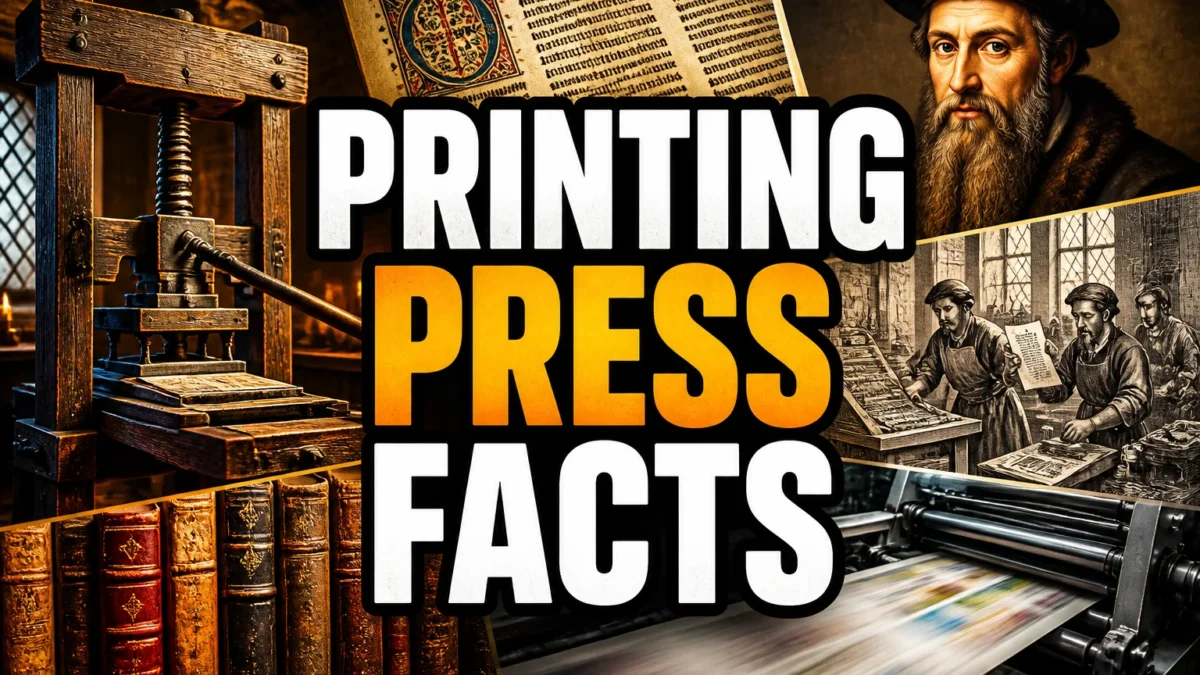
The printing press is one of those inventions that everyone recognizes but few people understand. Most popular accounts reduce it to a single moment in a German workshop, when Johannes Gutenberg supposedly changed the world overnight. The real story is far more global, more gradual, and more interesting.
That is why print history rewards a myth-busting look at printing press facts. These fun facts about the printing press reveal a machine built from older tools, tested by lawsuits, feared by rulers, and used for both revolution and control. The press did not simply make books cheaper; it changed the speed and scale at which ordinary people could encounter ideas.
TL;DR: The printing press was not one sudden European invention but a global chain of improvements that turned words into a mass medium and reshaped faith, war, science, and politics.
Why Printing Press Facts Still Matter
The printing press is often taught as a clean before-and-after story. In the old version, books were rare before the press and everywhere after it. The reality was messier, with printed books first imitating manuscripts and only slowly becoming affordable.
Looking carefully at facts about the printing press helps correct the myth that Gutenberg worked alone. It also reveals how a technology can matter as much for propaganda, censorship, and empire as for education and science. The press was not a neutral machine; it amplified whoever could access it.
20 Facts About The Printing Press
1. Printing Did Not Begin With Gutenberg
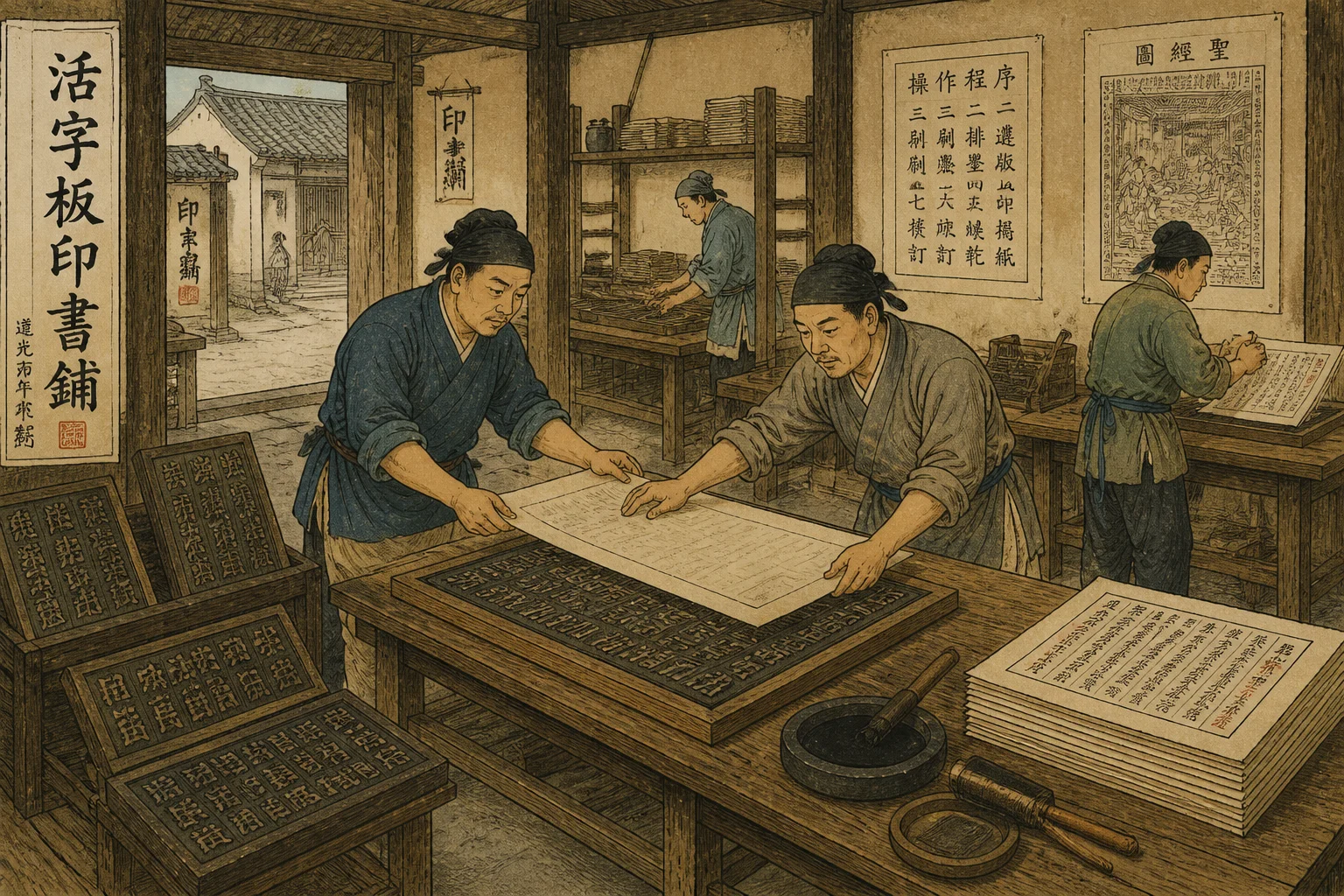
Long before Johannes Gutenberg was born, Chinese artisans were already printing with carved woodblocks. The oldest dated printed book, the Diamond Sutra, was made in 868 CE and was found centuries later in the Dunhuang caves. That single object proves that print history did not begin in fifteenth-century Germany.
In the 1040s, the Chinese experimenter Bi Sheng developed movable type using baked clay characters. Later, Korean craftspeople produced metal movable type, and the 1377 Jikji survives as an important landmark of that tradition.
Gutenberg inherited a global chain of experiments rather than starting from a blank page. The European press was not the first printing system, but it became the one that industrialized an alphabet.
2. The Press Was A Mashup Of Older Machines
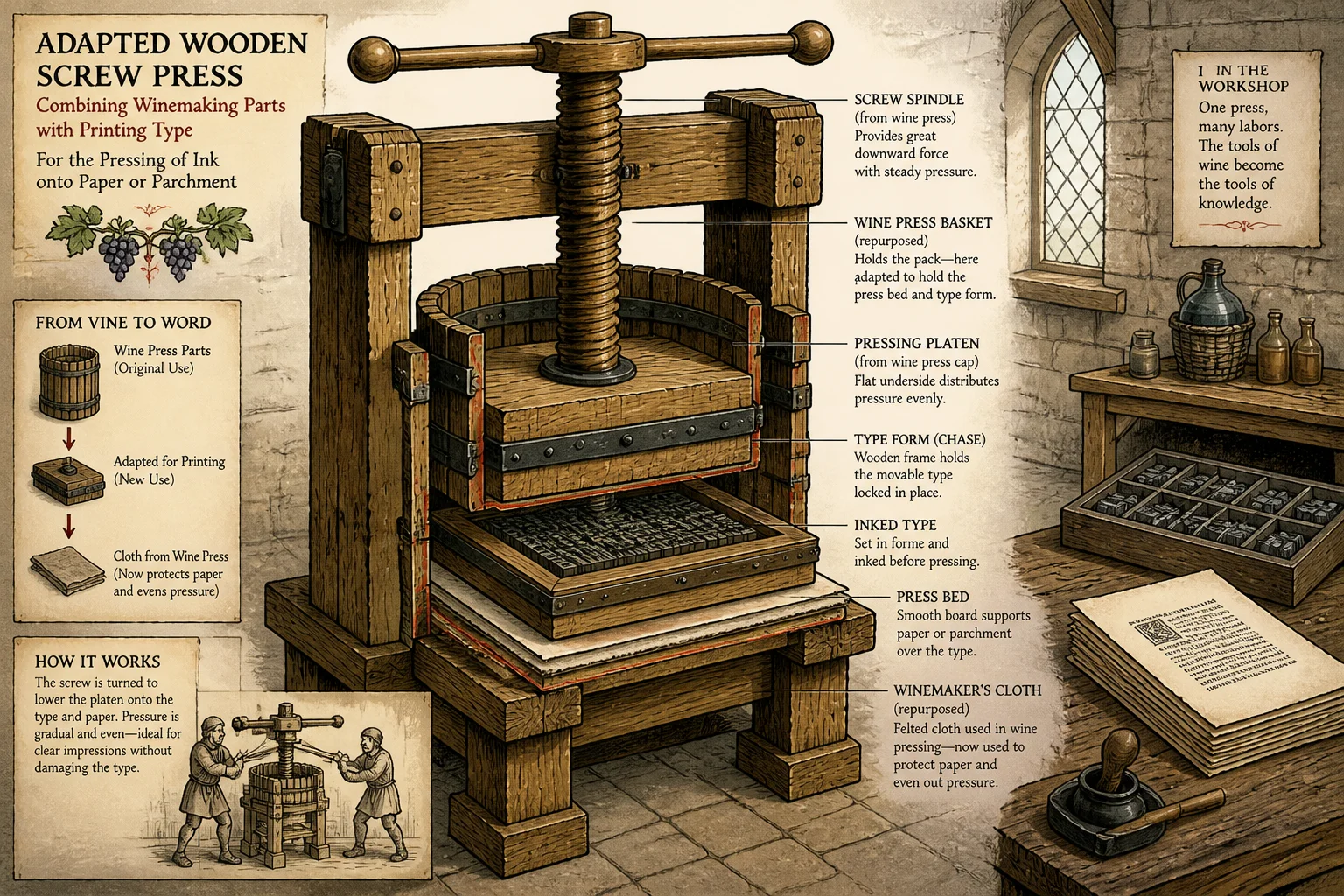
Gutenberg did not invent the screw press; winemakers and olive oil producers had relied on that mechanism for centuries. His workshop adapted the screw's downward pressure to press paper against a tray of inked type. That mechanical inheritance made the new machine easier to build and repair.
The real breakthrough was combining several existing ideas into one reliable workflow. Movable metal type, an adjustable hand mould, and oil-based ink all had to work together under controlled pressure.
This is why historians describe the printing press as a system rather than a single invention. The machine changed the world because its parts operated smoothly enough for commercial use.
3. The Gutenberg Bible Was Not The First Printed Job
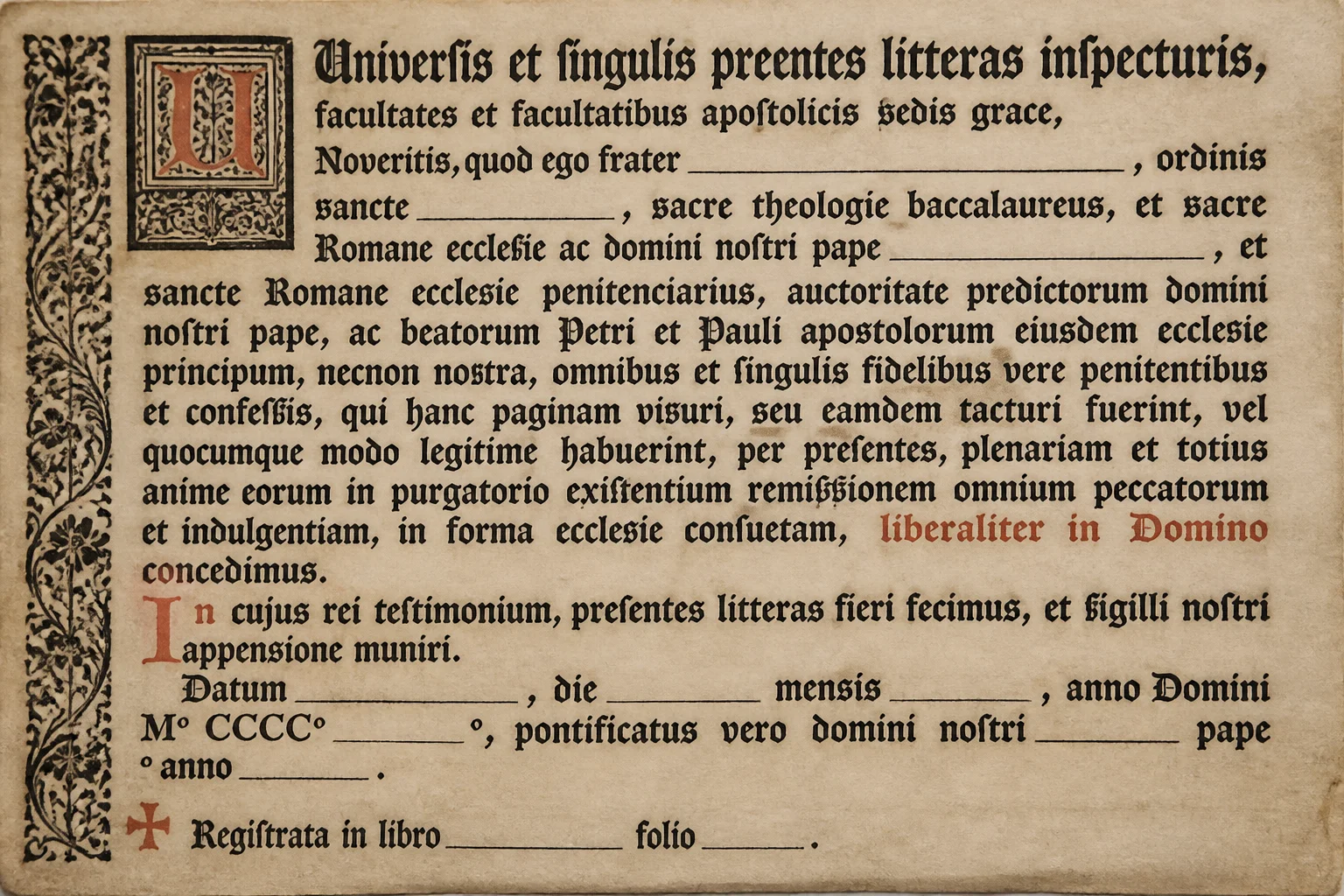
Before the famous Bible was completed around 1455, the press was doing smaller jobs. Indulgences, Church certificates that offered spiritual benefits to donors, were printed in the early 1450s.
Those fill-in-the-blank forms gave the workshop income and helped refine the process. Surviving fragments of these indulgences are among the earliest known examples of European typographic printing.
The Bible remains the masterpiece, but the press proved itself on paperwork first. That is a useful detail for anyone collecting facts about the printing press who expects a solemn religious debut.
4. A Better Metal Alloy Made Movable Type Practical
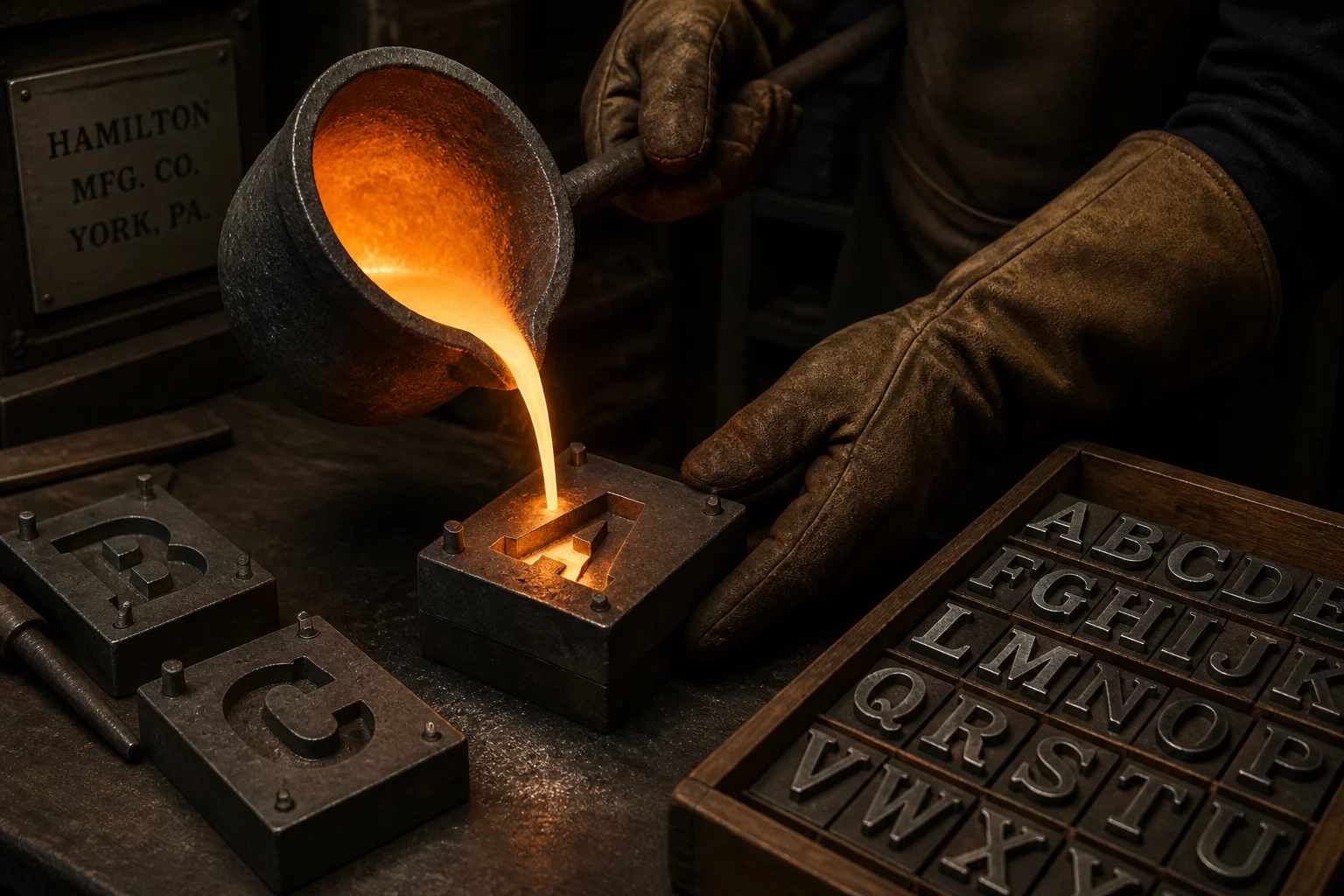
Movable type needed a metal that would melt easily, flow into a mould, and harden without shrinking too much. Gutenberg and his collaborators developed an alloy often described as a mix of lead, tin, and antimony.
The adjustable hand mould allowed the same character to be cast thousands of times. That repeatability was more important than the mechanical press frame.
Because letters could be reused and rearranged, a printer could set a page, print it, and then break the type apart for the next job. It was an early form of modular manufacturing.
5. Oil-Based Ink Was A Quiet Revolution
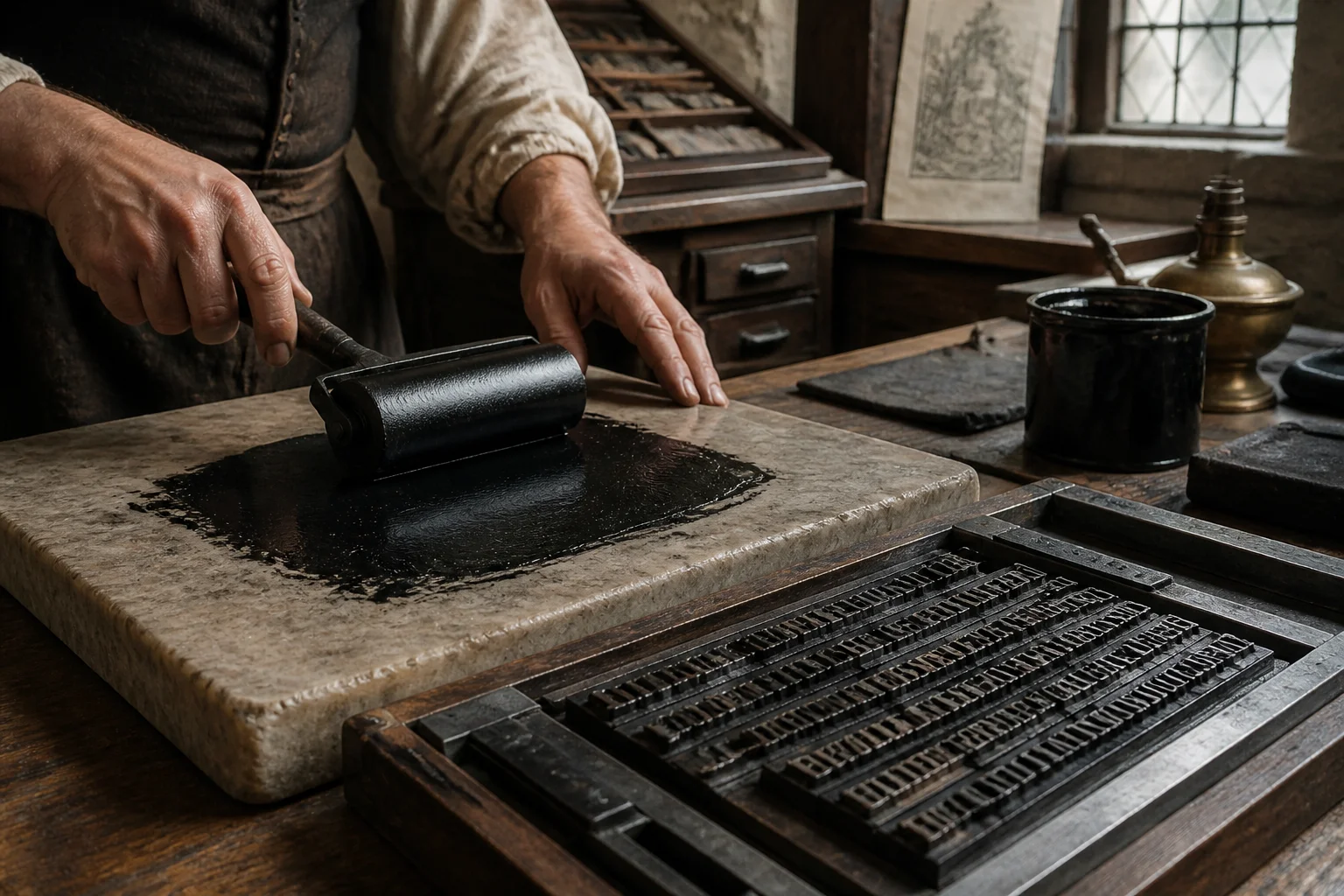
Scribes and woodblock printers traditionally used water-based ink, which worked well on wood and parchment. Water-based ink did not cooperate as neatly with metal type.
Gutenberg's workshop developed an oil-based ink similar in spirit to later inks made from linseed oil and soot. The new formula gripped metal type and transferred cleanly to paper and vellum.
That quiet chemical shift mattered enormously. Without it, the press would have produced smeared ghosts instead of sharp pages.
6. Early Printed Books Looked Like Manuscripts
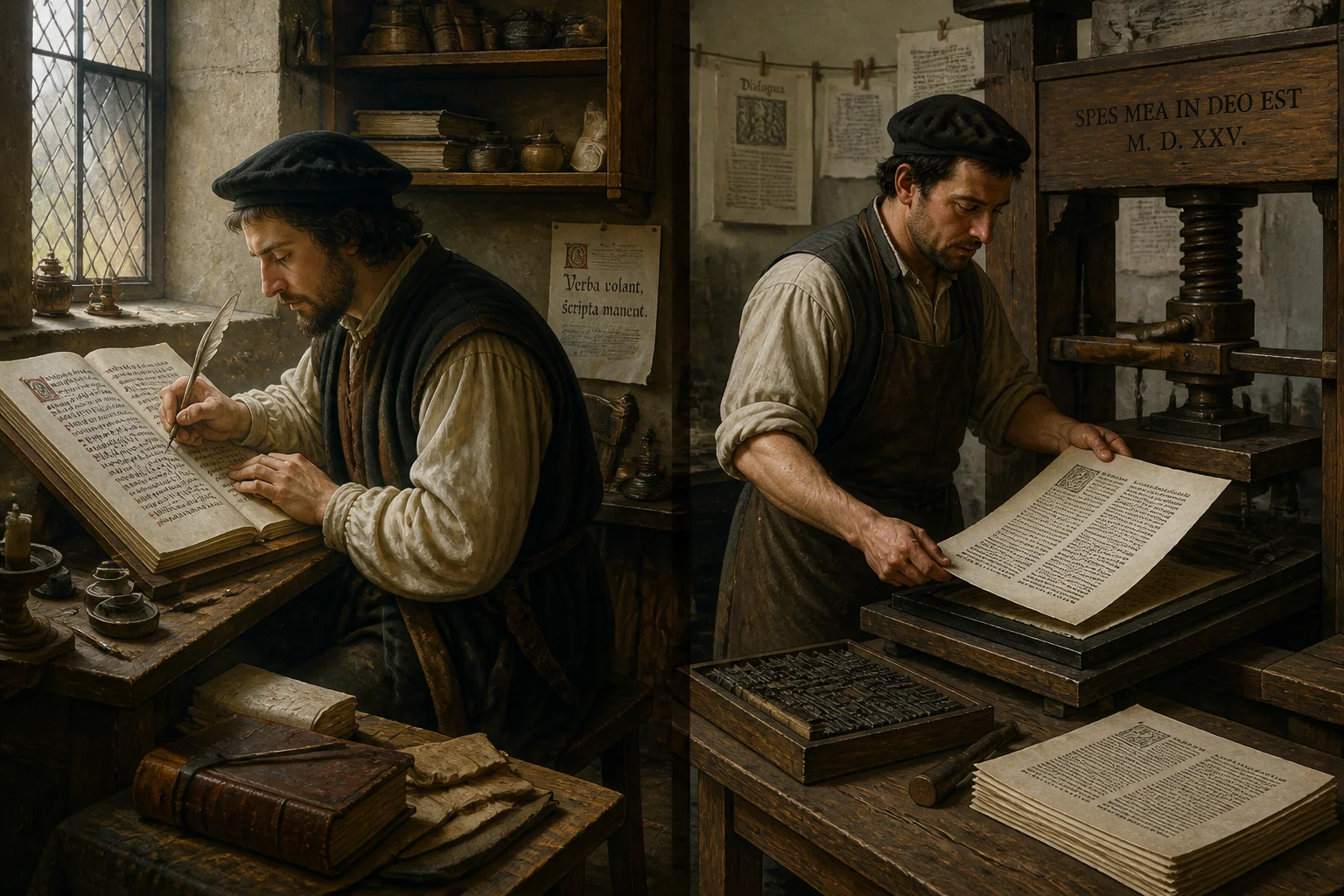
Early printed books looked deliberately like manuscripts. Buyers wanted the same two-column layouts, black letter type, and decorated initials they already trusted.
Many copies of the Gutenberg Bible were rubricated, decorated, and illuminated by hand after printing. This meant skilled artisans remained part of the book trade even as presses multiplied.
Print did not instantly make scribes and illuminators obsolete. Instead, it created a hybrid market where machine work and handwork overlapped for decades.
7. The Gutenberg Bible Was A Luxury Object
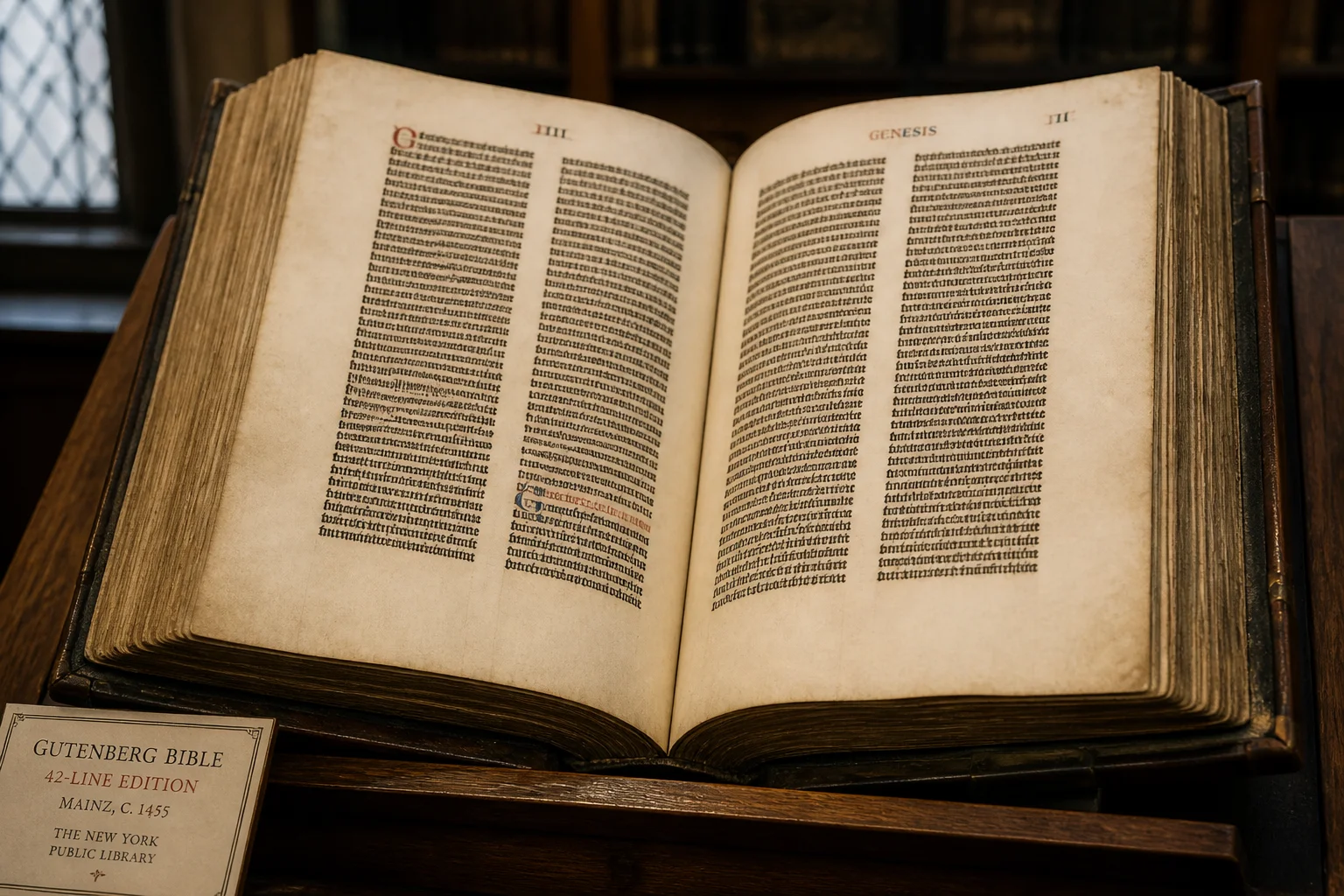
The Gutenberg Bible was not a cheap object. Roughly 180 copies were produced, and a smaller portion were printed on vellum made from animal skins.
A vellum copy could require dozens or more prepared skins, depending on the size of the edition and the animals used. Many copies were meant for churches, monasteries, or wealthy patrons.
About 49 copies are known to survive today, though not all are complete. The Bible is a monument to printing, but it was also a luxury product that imitated elite manuscript culture.
8. A Hand Press Was Fast Only By 1450s Standards
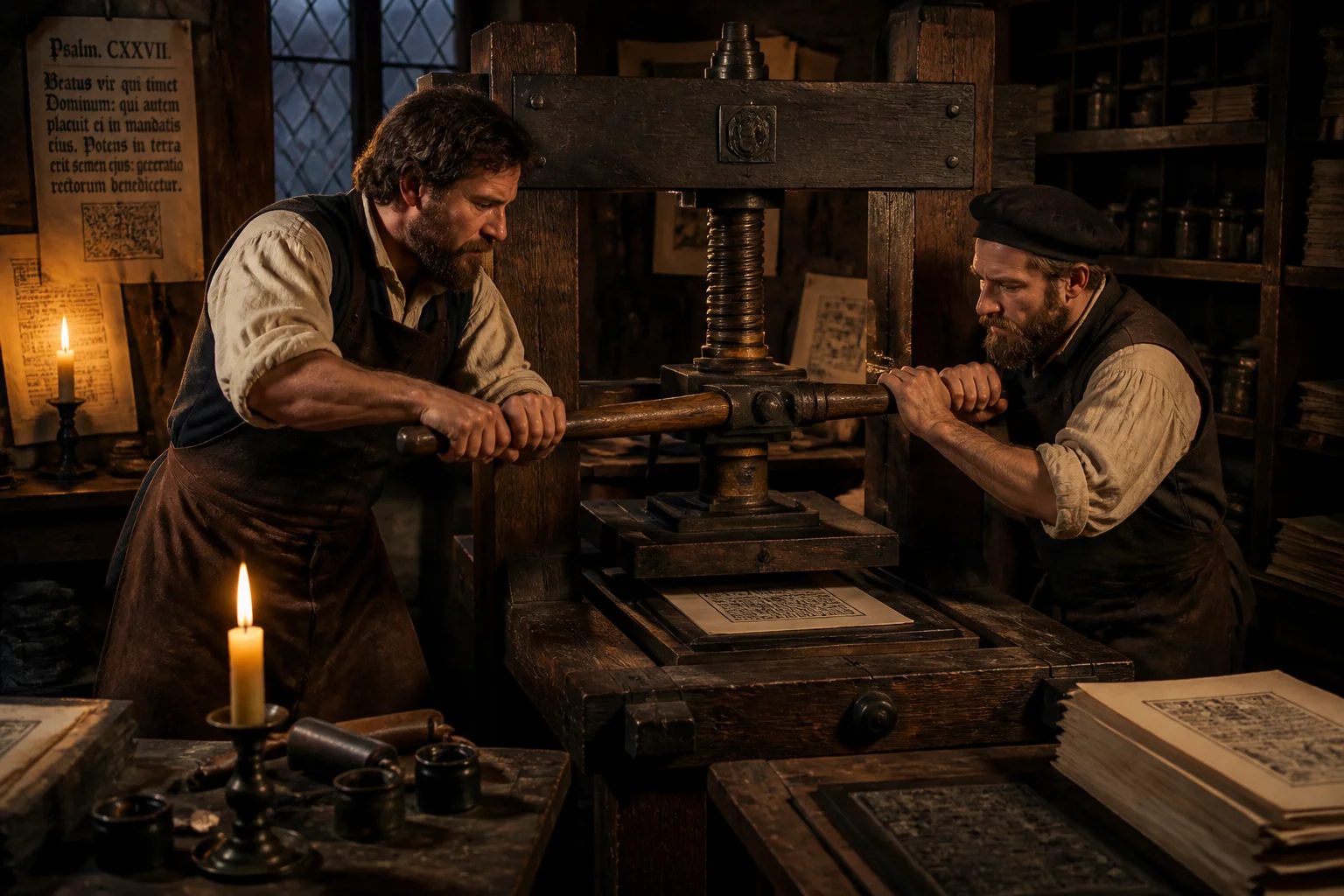
An early hand press usually required two workers: one to ink the type and one to pull the lever. Compared with a scribe copying a single page by hand, the press was impressively fast.
Compared with a modern digital printer, it was painfully slow. Printed sheets also had to dry and be folded, gathered, and bound before they became books.
Printers often earned money from small jobs such as pamphlets, forms, and indulgences alongside larger projects. The economics of the early press were less about spectacular speed and more about steady repetition.
9. Venice Became An Early Printing Powerhouse
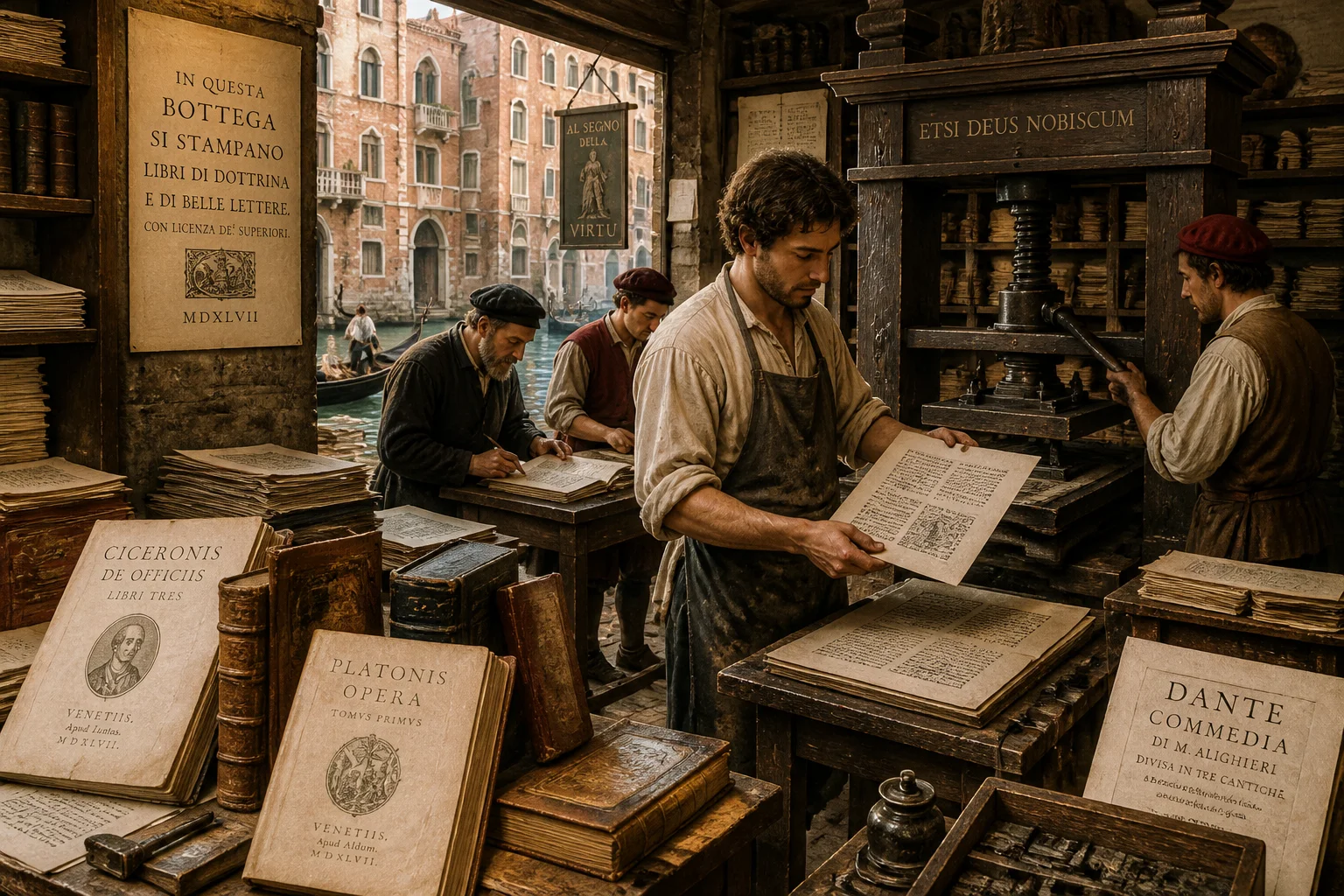
By the late fifteenth century, Venice had become one of Europe's busiest printing cities. Its location made it a hub for paper, capital, and distribution across Mediterranean trade routes.
Aldus Manutius helped create the pocket-sized printed book and popularized italic type in the early 1500s. His editions made Greek and Latin classics easier to carry and consult.
Venetian printers showed that publishing could be a competitive commercial industry. Their success helped shift the center of book production away from monasteries and university towns.
10. Print Accelerated The Reformation
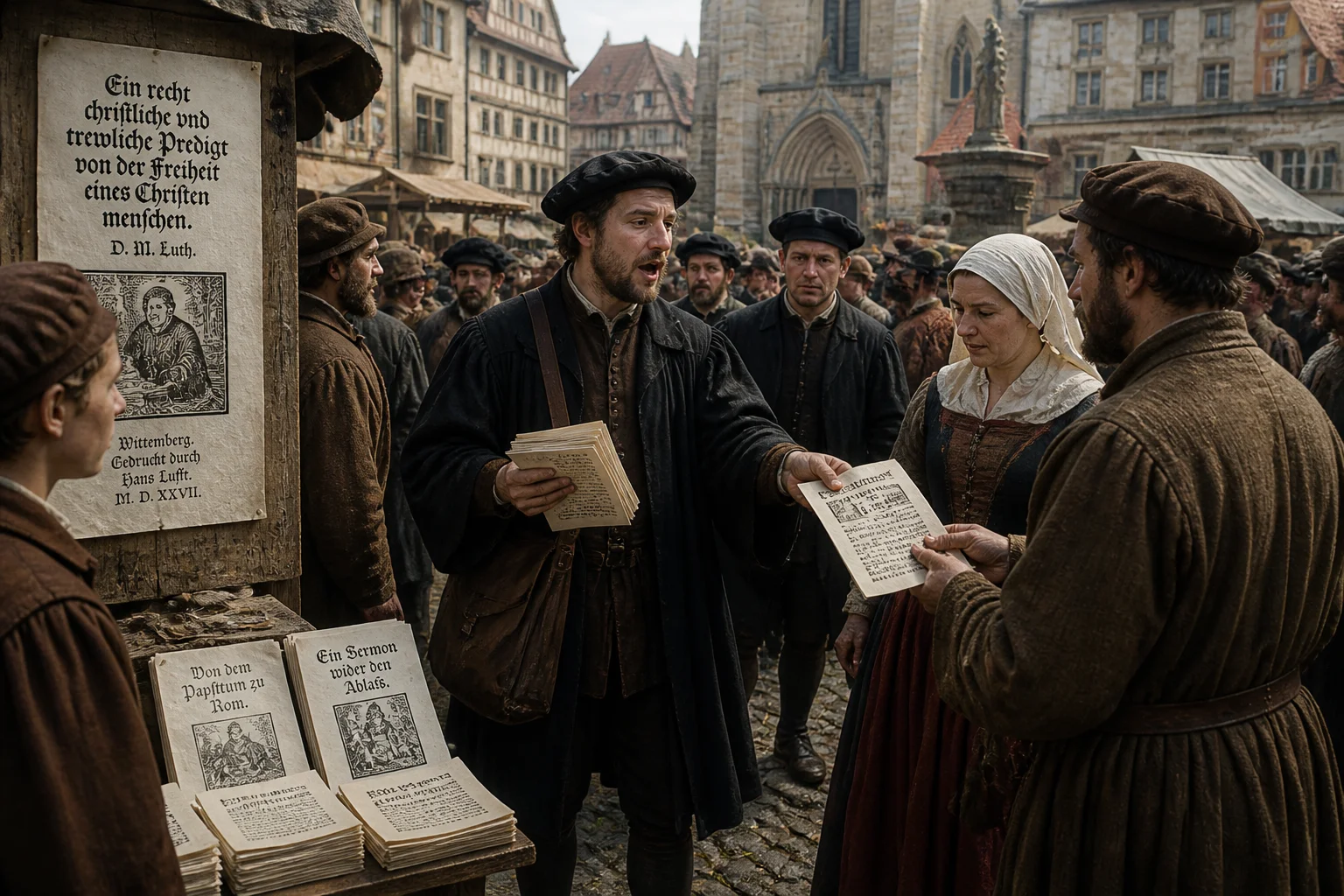
When Martin Luther circulated his Ninety-Five Theses in 1517, printed copies spread the debate far beyond Wittenberg. Pamphlets, sermons, and vernacular Bible translations followed in huge numbers.
Print did not cause the Reformation alone, but it gave reformers and their critics a rapid way to reach the public. Historians often describe the movement as one of the first shaped by mass communication.
The period produced a flood of cheap printed tracts, many with woodcut images for readers who could not read long theological arguments. That visual and verbal combination made abstract church disputes feel immediate.
11. The Press Changed Warfare And Propaganda
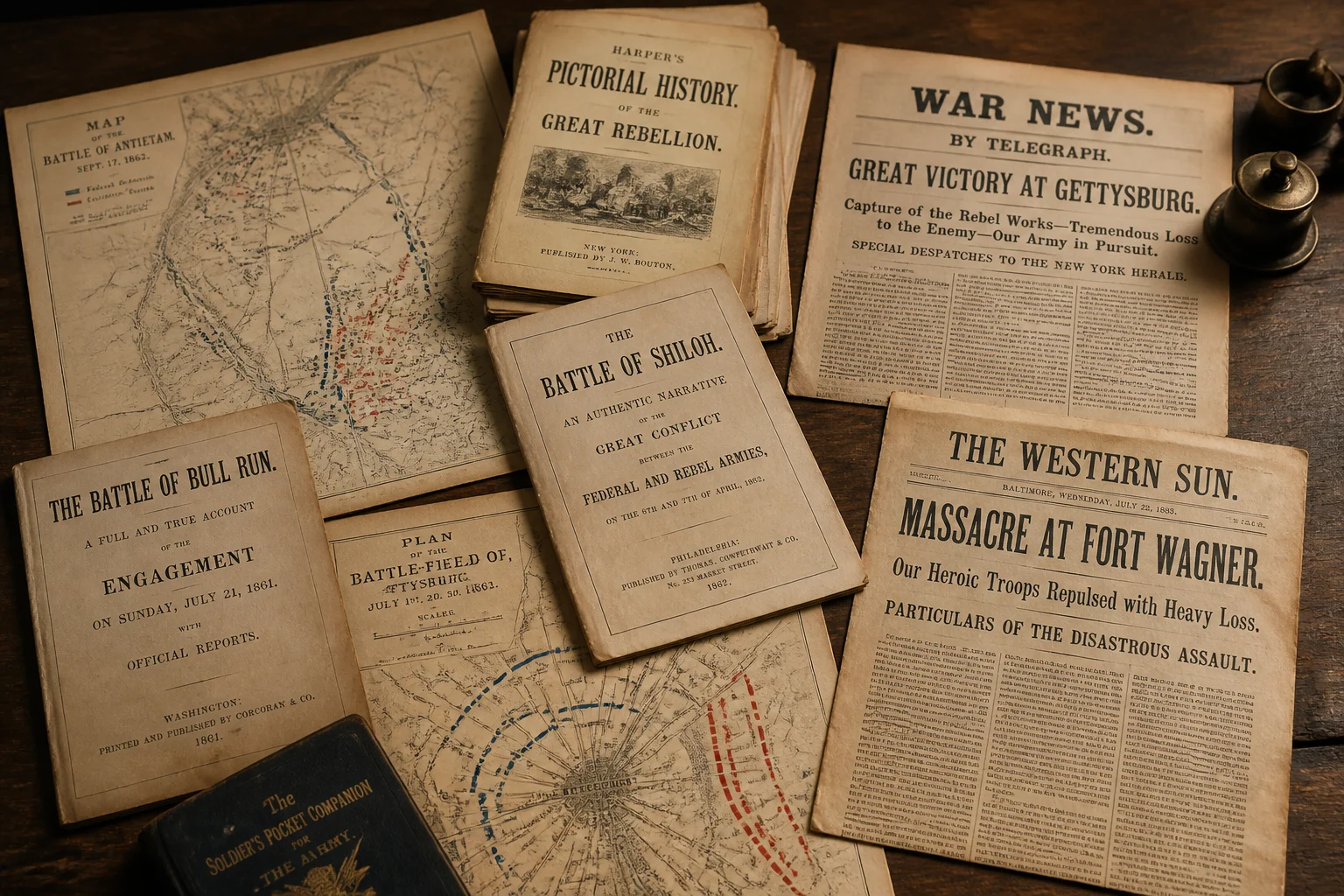
Rulers and generals quickly saw the press as a tool of war. Printed maps, military ordinances, and battlefield reports circulated among officers and the public.
During the English Civil War and the Thirty Years' War, pamphlets and newsbooks spread propaganda, rumors, and appeals for support. The printing press did not only carry high ideas; it also served psychological warfare.
Print made it possible for rival governments to explain or spin the same battle to different audiences. In that sense, the press became a combat multiplier long before mass media had a name.
12. Censorship Arrived Almost Immediately

Mass communication alarmed church and state authorities almost immediately. Across Europe, officials created licensing systems that required printers to seek approval before producing books or pamphlets.
The Catholic Church formalized the Index of Prohibited Books in 1559 to guide what Catholics should not read. Printers and booksellers could face fines, imprisonment, or banishment for unauthorized works.
Censorship and clandestine printing grew up together as a shadow industry. The struggle over what could be printed became as important as the content of the books themselves.
13. Print Did Not Create Mass Literacy Overnight
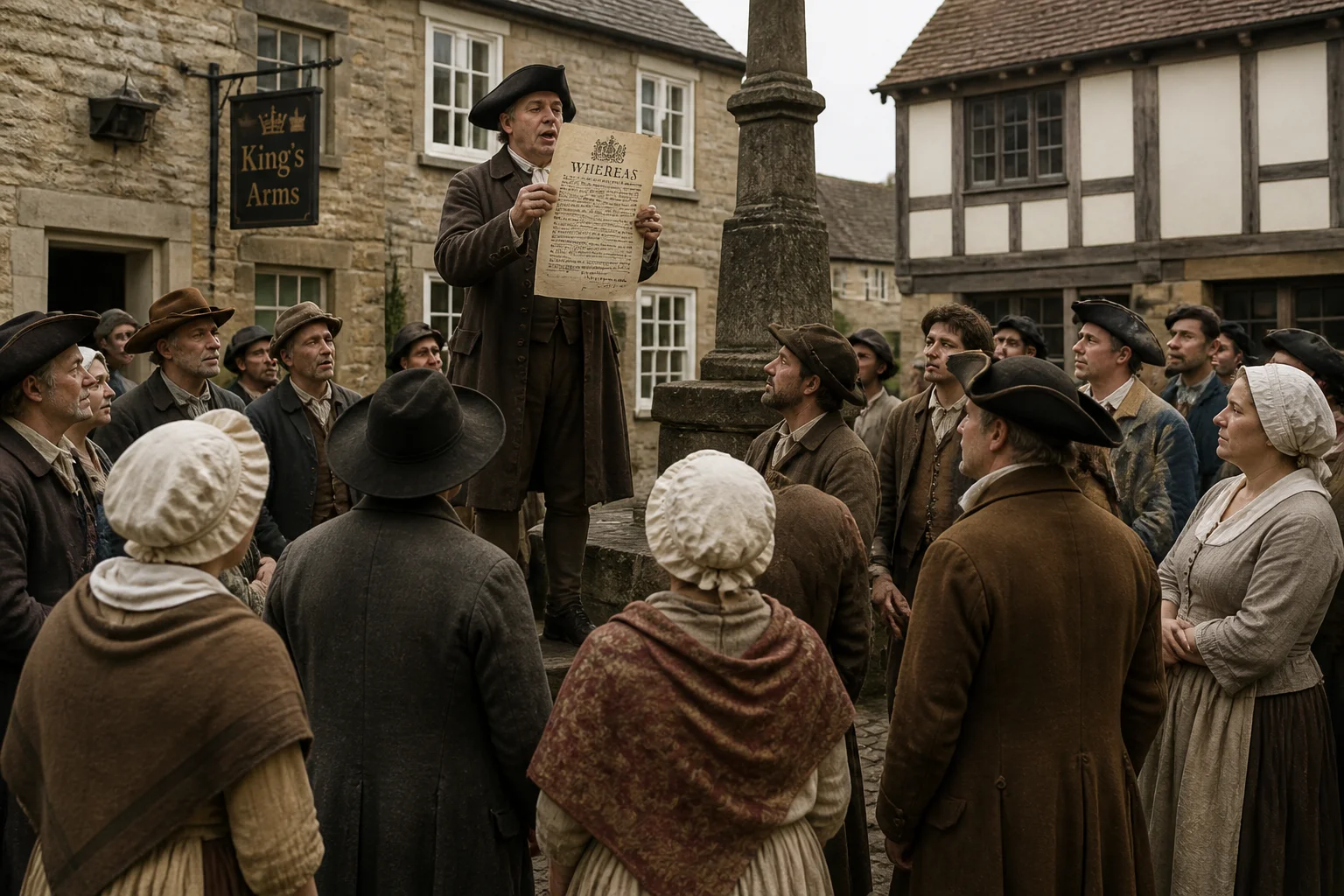
The press made books more available, but it did not create mass literacy overnight. Most people still encountered printed material through public readings, ballads, broadsides, and religious images.
Reading required education, and education expanded slowly. Historians caution against treating the printing press as a magic switch that enlightened all of Europe at once.
Print did make reading more useful and more common over time. It also gave governments and churches new reasons to promote schooling for some groups.
14. The First Press In The Americas Was Established In Mexico City
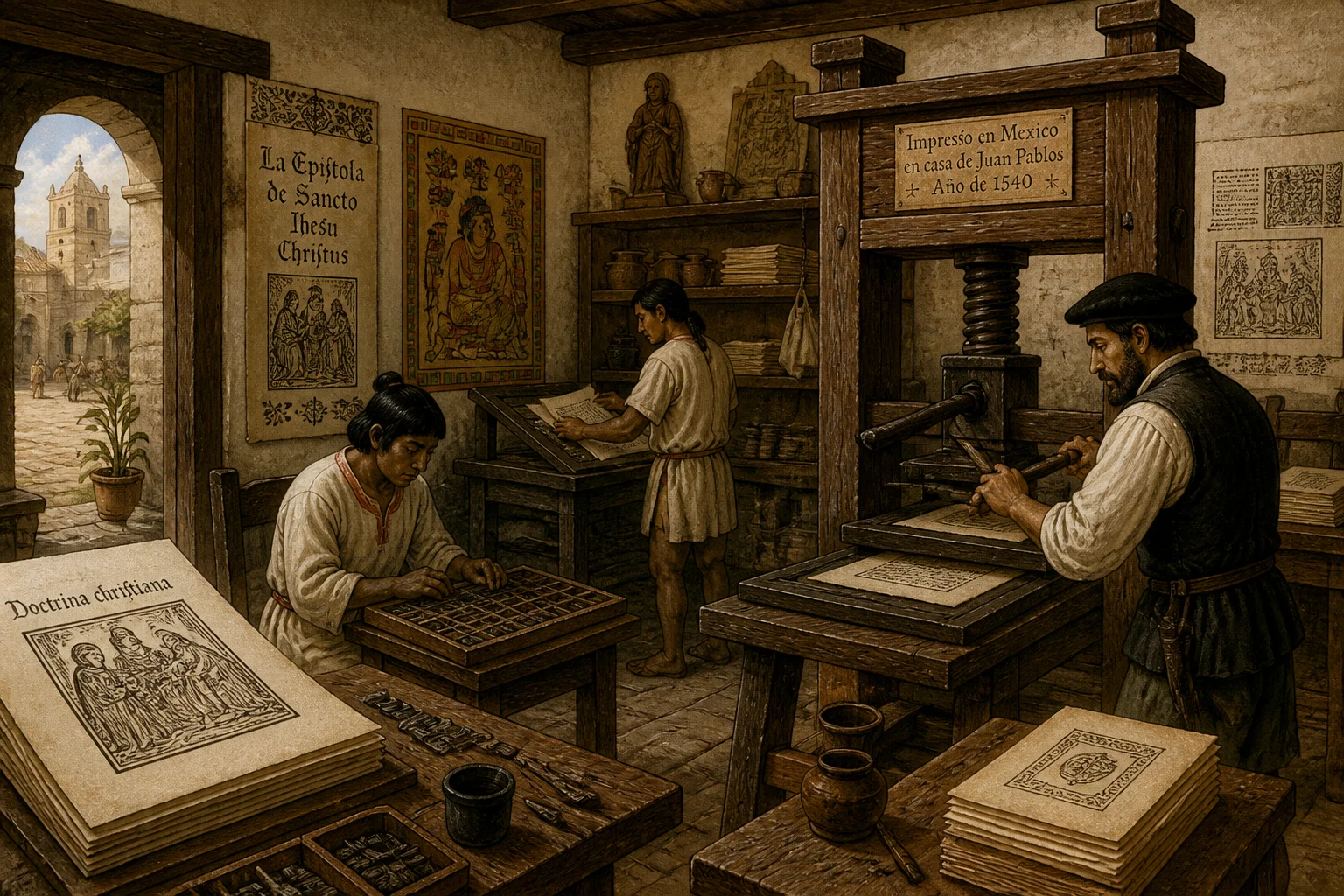
In 1539, a printing press arrived in Mexico City under Spanish colonial rule. It was the first known press in the Americas.
The earliest surviving printed works from that operation date to the early 1540s. Much of its output served colonial administration and missionary religious instruction.
The press traveled along routes of empire, trade, and conquest, not only through European universities. That global spread complicates the familiar story of print as purely a European invention.
15. The Press Stayed Almost Unchanged For Centuries
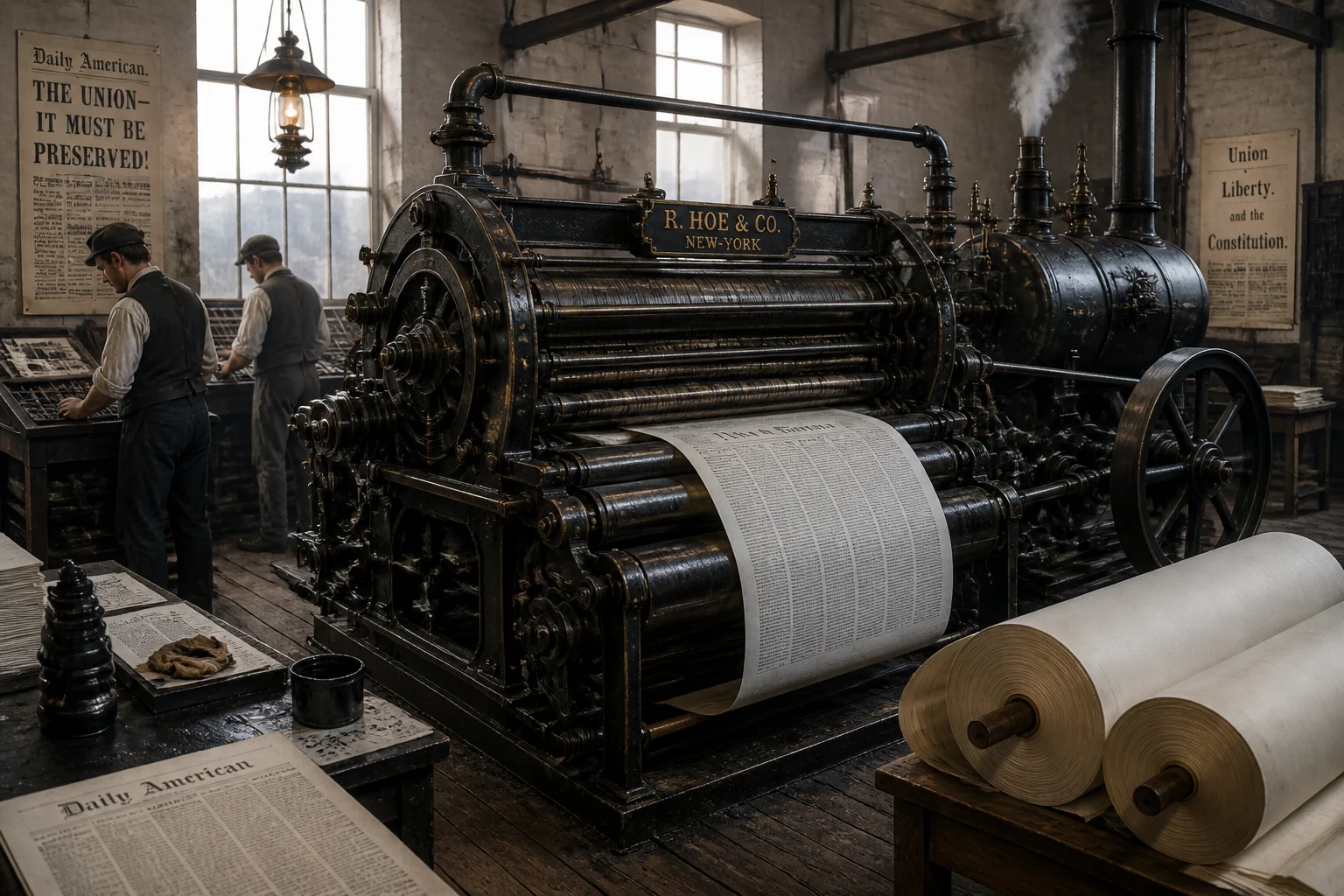
From Gutenberg's era through the 1700s, the core of the printing press changed surprisingly little. Wooden frames, manual levers, and hand-set type remained standard even as metal parts improved.
The real break came in 1814 when Friedrich Koenig's steam-driven cylinder press printed The Times in London. Mechanization allowed daily newspapers to reach much larger readerships.
Rotary presses and later offset printing continued that acceleration. Still, the basic idea of pressing inked type against paper endured for centuries.
16. Printing Helped Standardize Knowledge
Before print, handwritten copies accumulated small errors as scribes made changes, skipped lines, or misremembered passages. Printed editions allowed many readers to consult the same text, diagram, or table.
Scientific works such as Vesalius's detailed anatomical book and Galileo's observations of the night sky circulated in relatively standardized forms. Reproducible illustration helped experts compare results and challenge claims.
The press turned visual knowledge into a shared reference base. That mattered for surgery, cartography, astronomy, and natural history.
17. The Press Gave Us The Word 'The Press'
Modern journalism is called 'the press' because newspapers were literally produced on printing presses. Terms such as 'press release,' 'press secretary,' and 'stop the presses' all descend from that machine.
The language suggests that news is something pressed out to the public, like ink onto paper. That metaphor survived even as presses became electronic and digital.
Few machines have left such a deep mark on everyday vocabulary. The printing press named an industry before that industry fully understood its own power.
18. Gutenberg Did Not Get Rich From His Invention
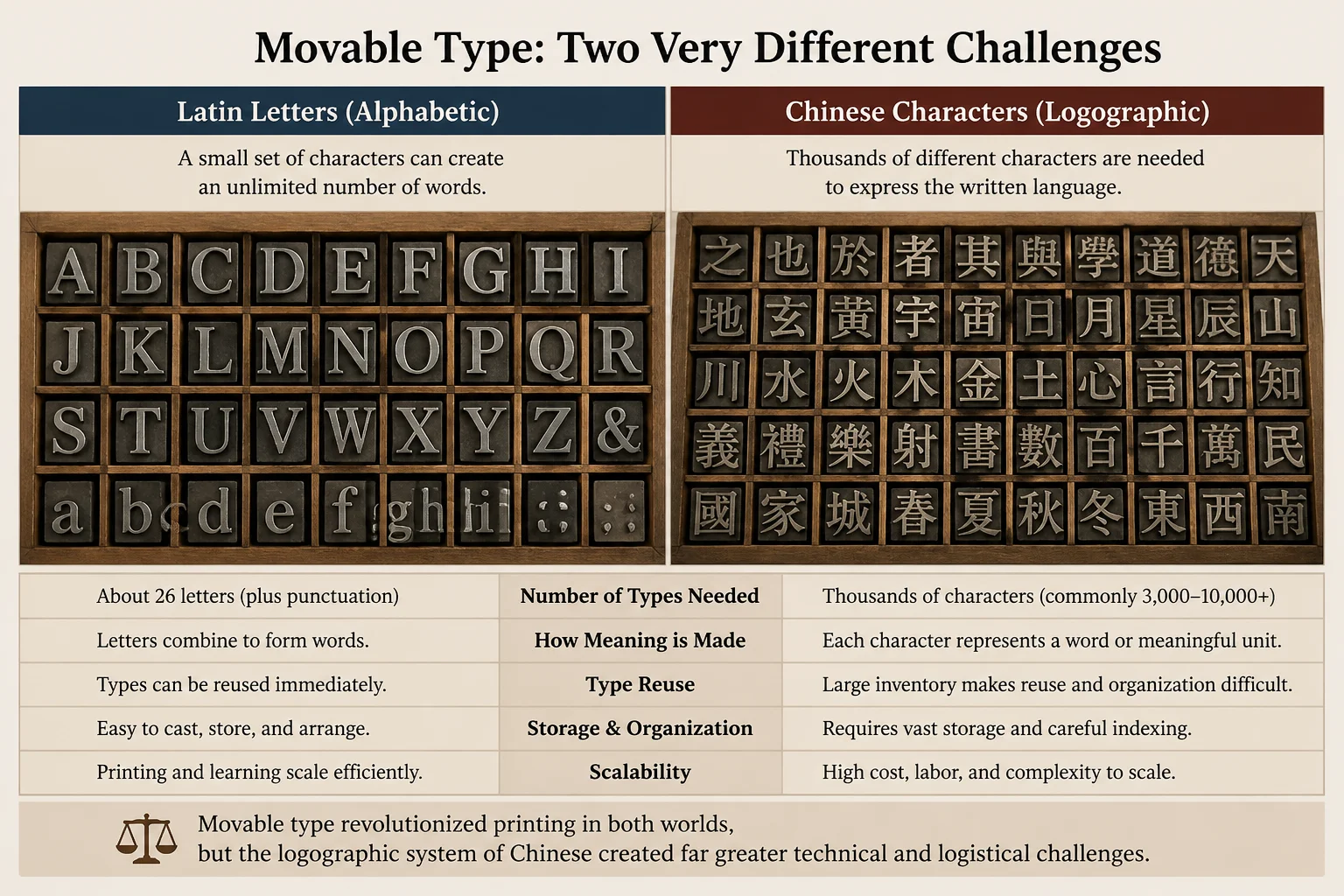
Gutenberg's invention did not make him wealthy. His business relationship with financier Johann Fust collapsed, and a lawsuit around 1455 cost him control of his workshop and equipment.
He continued to print in a smaller way after the dispute, but the commercial rewards went largely to others. The famous Bible was a triumph of craftsmanship rather than a personal financial success.
The story is a useful myth-buster for anyone gathering fun facts about the printing press. World-changing technology and worldly success do not always travel together.
19. Movable Type Was Better Suited To Alphabets
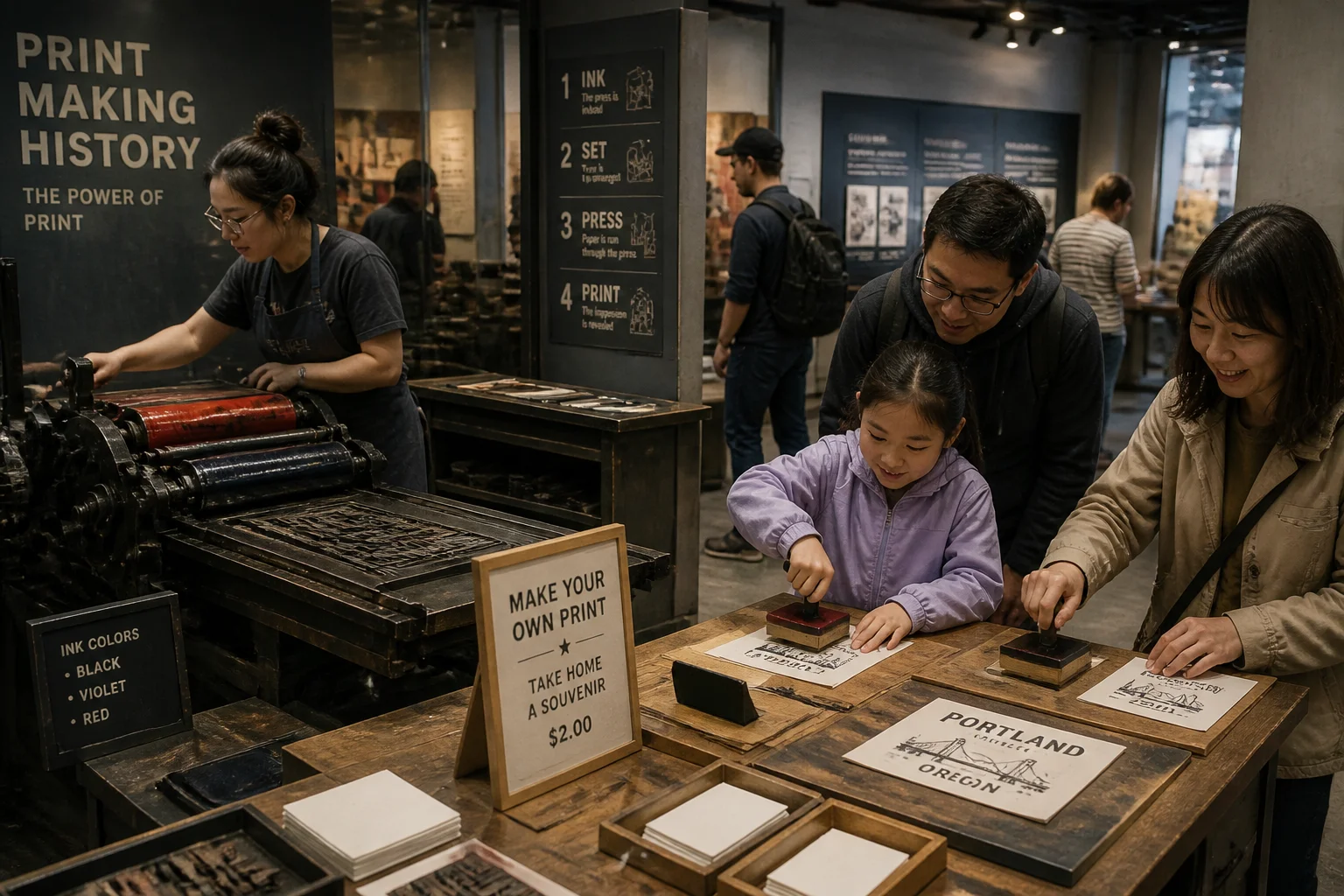
European movable type worked beautifully with a compact alphabet of letters, numbers, and punctuation. Chinese movable type encountered a much harder problem: reproducing thousands of characters.
Scholars often point out that the alphabetical advantage helped the press spread quickly in Europe. Chinese and Korean printers used movable type in important ways, but woodblock printing stayed practical for large character sets.
This does not mean one script was superior. It means the economics of printing depend on the writing system.
20. Printing Press Day Keeps The Old Machine Relevant
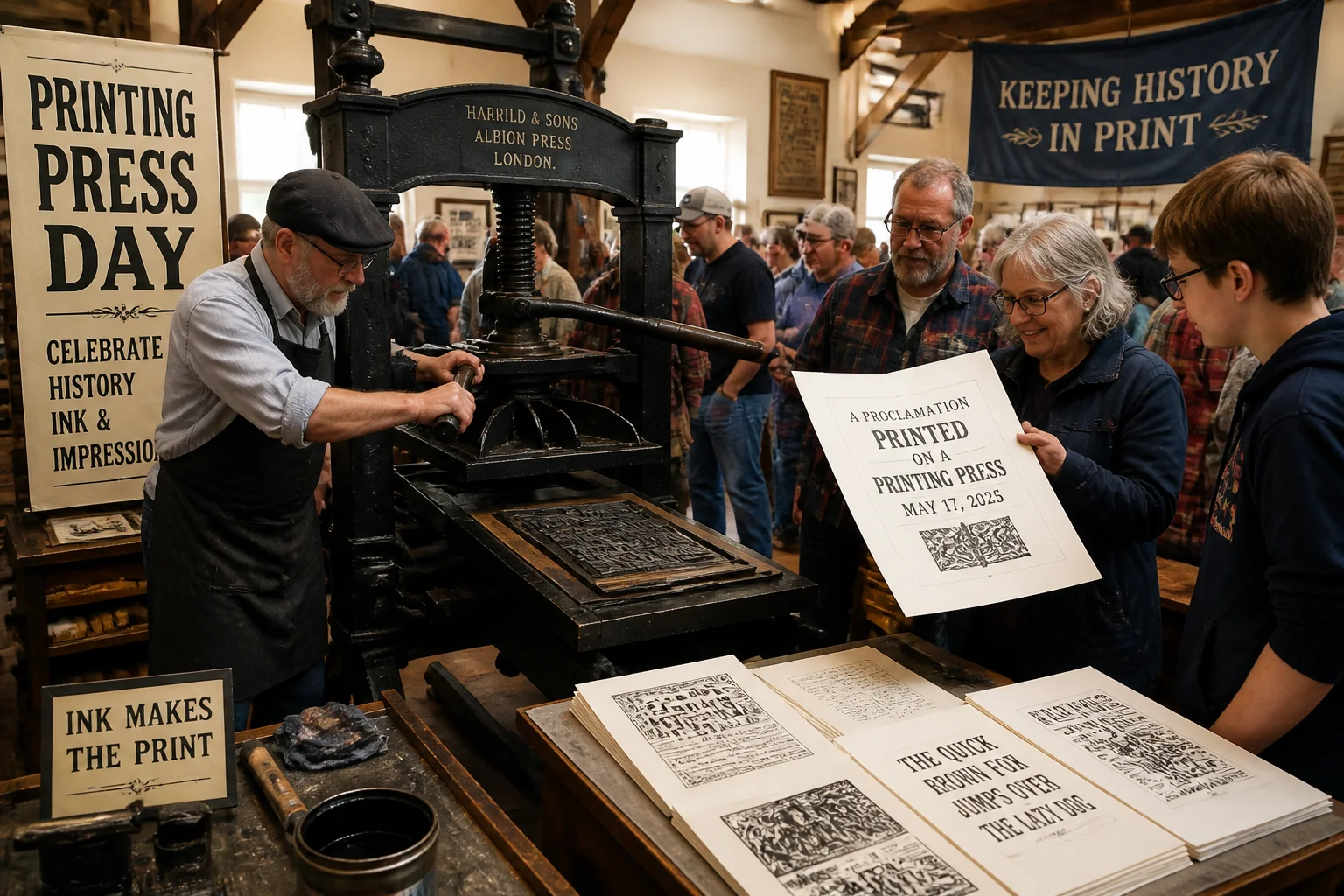
Various museums, libraries, and print enthusiasts observe printing press day at different times, often near February 3, the date Johannes Gutenberg died in 1468. The day usually features working replicas, type-setting demonstrations, and fresh impressions.
Printing press day is not a single universal holiday, but it reflects broad interest in media history and craft. Attending one of these events makes abstract history smell like ink and paper.
For anyone looking up facts on the printing press, the day is a practical way to see the machine in action. It proves that a centuries-old tool can still capture modern imaginations.
What These Printing Press Facts Add Up To
Taken together, these facts about the printing press challenge the idea that one inventor changed the world in a single stroke. The press was a bundle of borrowed ideas, commercial risks, and political battles.
It succeeded because movable type, ink, paper, and a mechanical press finally converged in one place. It spread because printers, investors, censors, and readers all found reasons to use it.
The machine did not guarantee progress by itself. It accelerated whatever values, conflicts, and knowledge the people around it chose to print.
The Press Is Still Printing Its Story
These printing press facts show why the machine belongs in discussions of war, faith, science, and free speech. It was never simply a way to make books cheaper.
The next time you read 'the press' in a headline, remember the metal letters, wooden screw, and oily ink behind that word. The printing press changed the world because it changed how fast, how far, and how cheaply ideas could travel.
Frequently Asked Questions
What are the most important facts on the printing press to know before visiting a museum?
The key facts on the printing press include its earlier origins in Chinese and Korean printing, Gutenberg's mid-fifteenth-century European refinement, the role of reusable metal type, and the press's impact on the Reformation and mass communication. Understanding these helps visitors see the machine as an evolving system rather than one inventor's sudden breakthrough.
Did Johannes Gutenberg invent the printing press?
Gutenberg did not invent printing itself. He developed a highly influential European system around the 1440s and 1450s that combined a screw press, movable metal type, and oil-based ink. Earlier Chinese and Korean artisans had already produced woodblock and movable type printing.
What is printing press day?
Printing press day is an informal observance marked by some museums, libraries, and print enthusiasts, often near February 3, the date Gutenberg died in 1468. It commonly includes working press demonstrations, type-setting activities, and public history events.
How did the printing press change history?
The printing press changed history by making texts cheaper, faster, and easier to reproduce. It accelerated the Reformation, spread scientific knowledge, enabled propaganda and censorship, and laid foundations for newspapers and modern public opinion.

Alex Warren
Related Articles