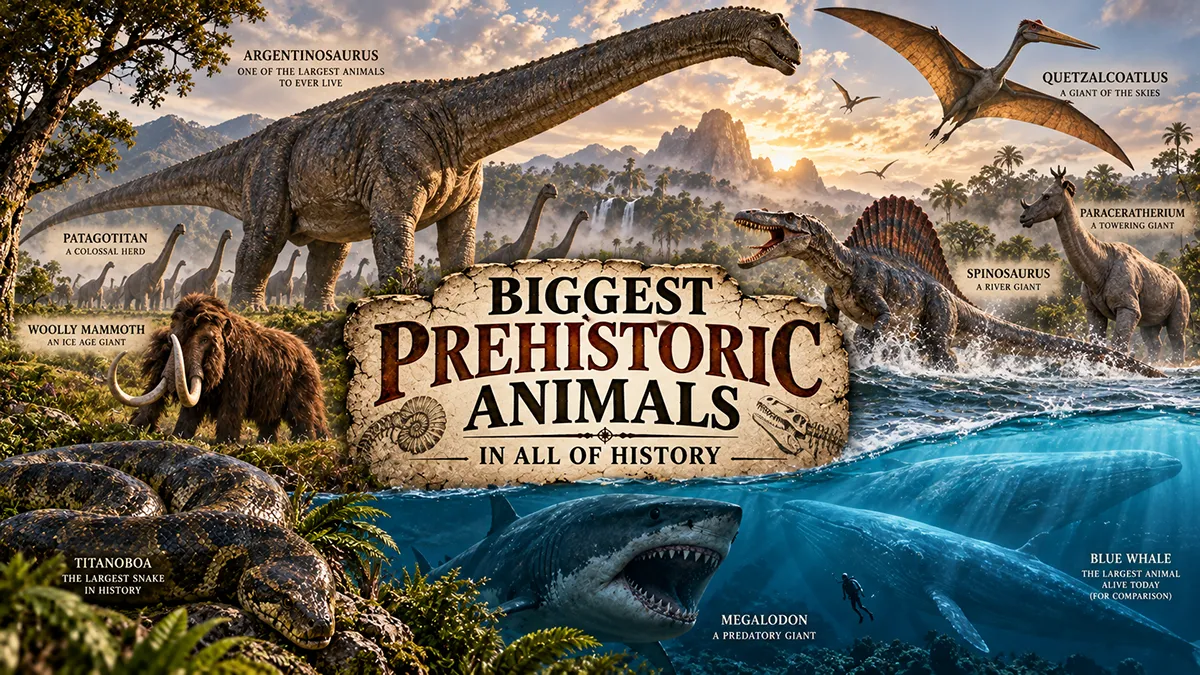
Long before humans walked the earth, our planet was home to creatures so large they still seem almost unbelievable today. Sauropods that stretched longer than a basketball court, sharks the size of city buses, and whales heavier than a dozen elephants once roamed the land, sea, and sky. Some of these giants are famous from museum halls and movies, while others have only been discovered in the last few years.
This list pulls together the biggest prehistoric animals we know of, from dinosaurs and marine reptiles to prehistoric mammals and giant bugs, and separates the well-documented fossil record from the exaggerated claims that sometimes get repeated as fact. Along the way, we’ll dig into why so many ancient creatures grew to such extreme sizes in the first place.
TL;DR: The largest known prehistoric animal is the blue whale, still alive today, while Argentinosaurus likely holds the record for the largest land animal in history, and both are part of a much longer story of gigantism spanning oceans, skies, and continents.
Why Were Prehistoric Animals So Big?
It’s a fair question, and one paleontologists have debated for decades. There isn’t one single answer, because different groups of animals got big for different reasons, at different points in Earth’s 4.5-billion-year history.
For the giant insects and arthropods of the Carboniferous period, higher atmospheric oxygen levels likely played a major role. More oxygen in the air may have allowed creatures like Arthropleura and Meganeura to grow far beyond the size limits of their modern relatives, since insects breathe through simple tubes that work more efficiently when oxygen is abundant.
For giant dinosaurs, the story is different. Sauropods like Argentinosaurus had lightweight, air-filled bones connected to bird-like respiratory systems, long necks that let them reach huge amounts of vegetation without moving much, and no need to chew their food thoroughly before swallowing. That combination let them take in enormous amounts of energy while keeping their skeletons relatively light for their size.
Marine giants like whales benefit from something simpler: buoyancy. Water supports body weight in a way land never can, which is a big part of why the largest animal in the history of the world, the blue whale, lives in the ocean rather than on land. Without gravity working against them constantly, marine animals can grow to sizes that would be structurally impossible on land.
Mammals also grew notably larger after the dinosaurs went extinct roughly 66 million years ago, in what scientists sometimes call a pattern of gigantism tied to newly available ecological space and resources. This is often discussed alongside Cope’s Rule, an old and debated idea suggesting that animal lineages tend to increase in size over evolutionary time. It’s a useful pattern to know about, though not an ironclad law of nature.
The Biggest Prehistoric Animals In History, Ranked
The list below covers the biggest prehistoric organisms across land, sea, and sky. Sizes for many extinct species are estimates based on incomplete fossils, so you’ll often see a range rather than one exact figure. That’s normal in paleontology, and it’s worth being skeptical of any source that states these numbers with absolute certainty.
1. Argentinosaurus
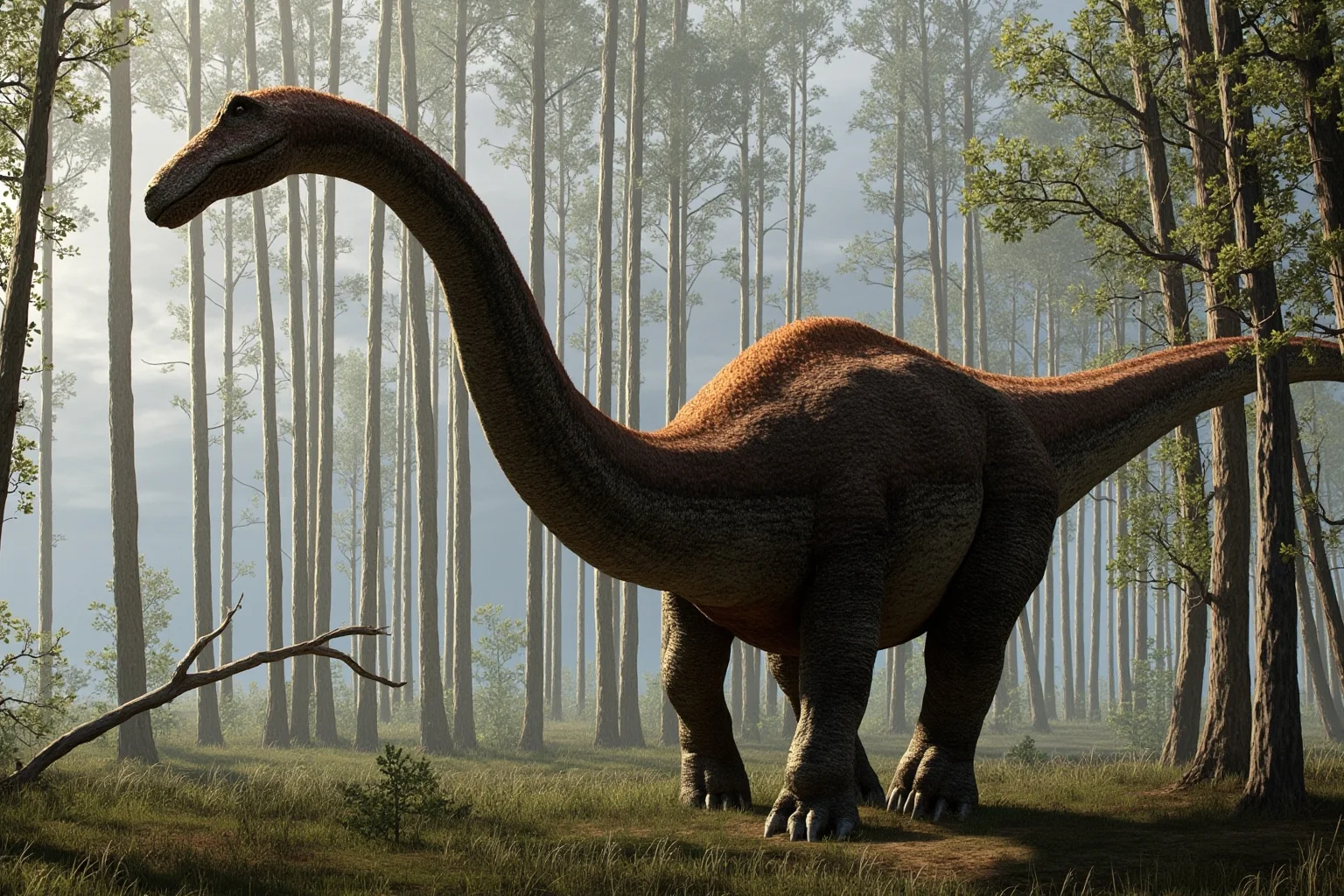
Argentinosaurus is the leading candidate for the largest land animal in history. Known from a partial skeleton discovered in Argentina in the 1980s, this titanosaur is estimated to have reached around 30 to 35 meters (98 to 115 feet) long and may have weighed between 65 and 100 tons.
Because only a portion of its skeleton has ever been found, exact figures vary quite a bit between studies. Even with that uncertainty, most paleontologists agree it was among the heaviest creatures ever to walk on land.
2. Patagotitan Mayorum
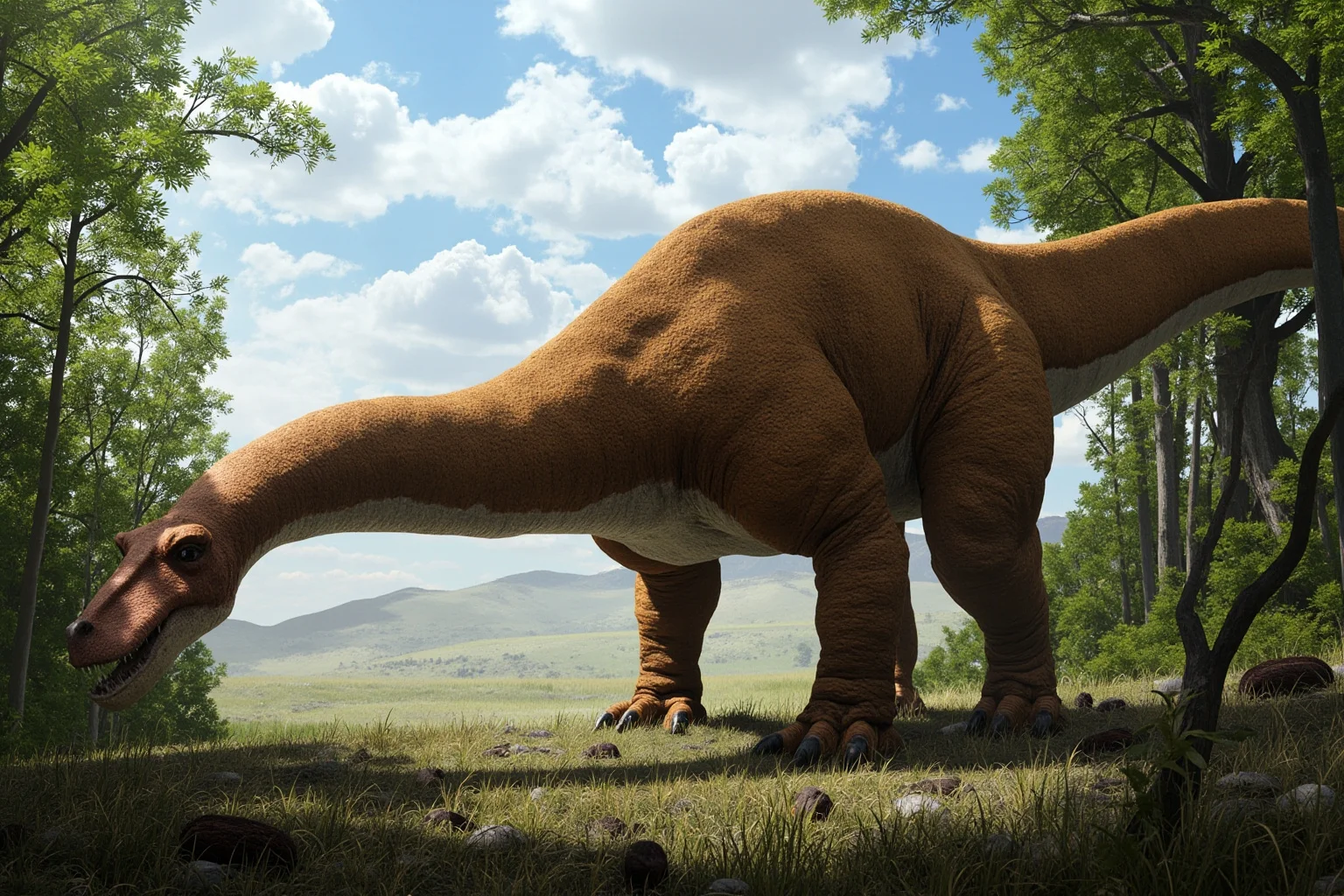
Patagotitan is a close rival to Argentinosaurus and is known from a much more complete skeleton, which makes its size estimates somewhat more reliable. Discovered in Patagonia and formally described in 2017, it’s estimated to have weighed around 50 to 70 tons and measured roughly 37 meters (about 121 feet) long.
Because so much more of its body was recovered, Patagotitan has become the go-to example museums use for just how large titanosaurs could get. It’s a strong reminder that new fossil finds can quickly reshape these rankings.
3. Spinosaurus
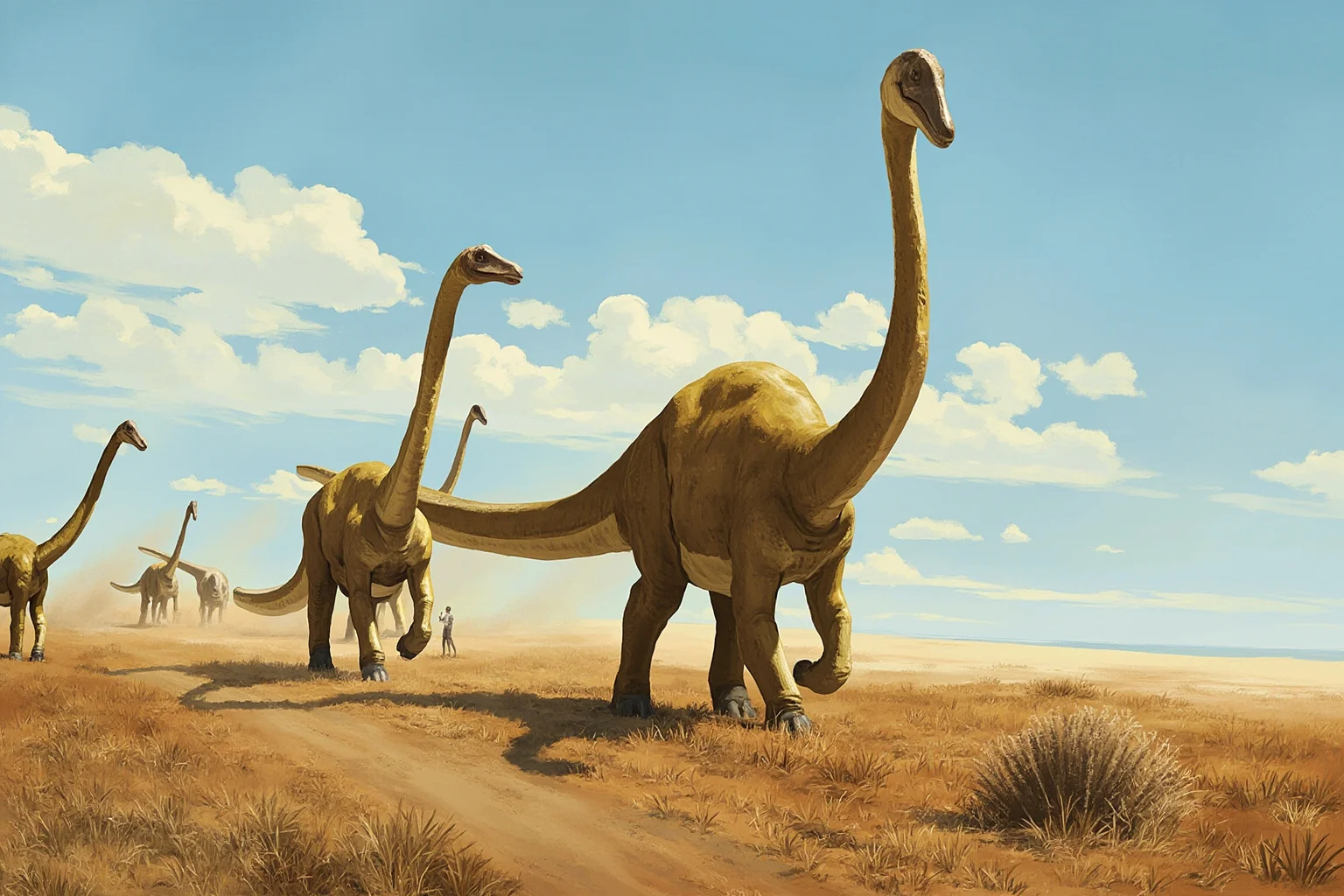
Spinosaurus was the largest known carnivorous dinosaur, longer even than Tyrannosaurus rex, at an estimated 15 meters (about 49 feet). It had a distinctive sail-like structure on its back and adaptations suggesting it spent a lot of time hunting in rivers and along shorelines.
Recent research has focused heavily on how aquatic Spinosaurus actually was, with some studies suggesting it was a strong swimmer while others argue it mainly waded in shallows. Either way, it remains one of the biggest and strangest predators ever discovered.
4. Tyrannosaurus Rex
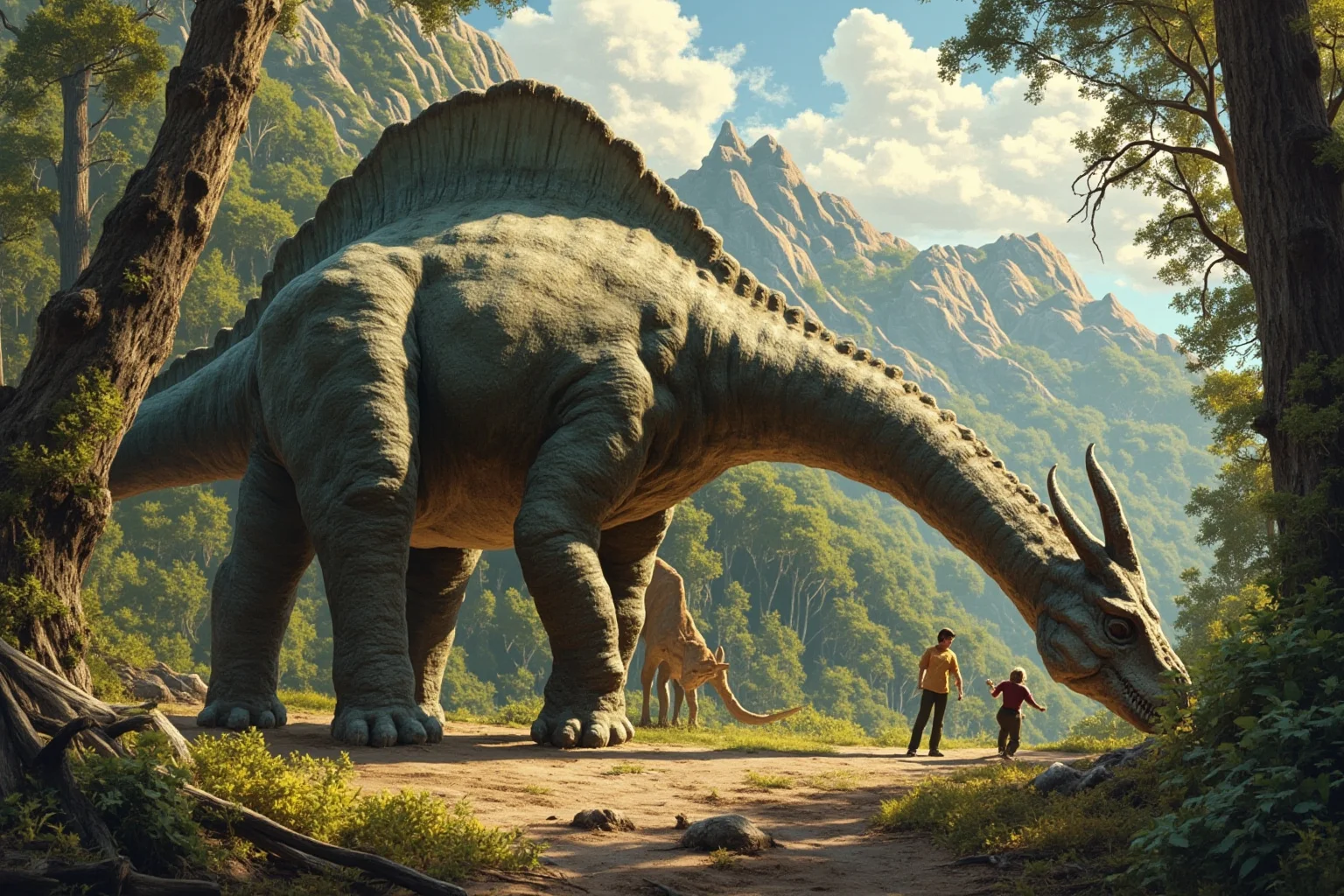
T. rex isn’t the biggest dinosaur, but it’s easily one of the most famous, and for good reason. Adults are estimated to have reached about 12 to 13 meters (40 feet) long and weighed somewhere between 6 and 9 tons, with an incredibly powerful bite force for crushing bone.
Its fame comes partly from how complete many T. rex skeletons are compared to giants like Argentinosaurus, giving scientists a much clearer picture of how it moved, ate, and grew.
5. Giganotosaurus
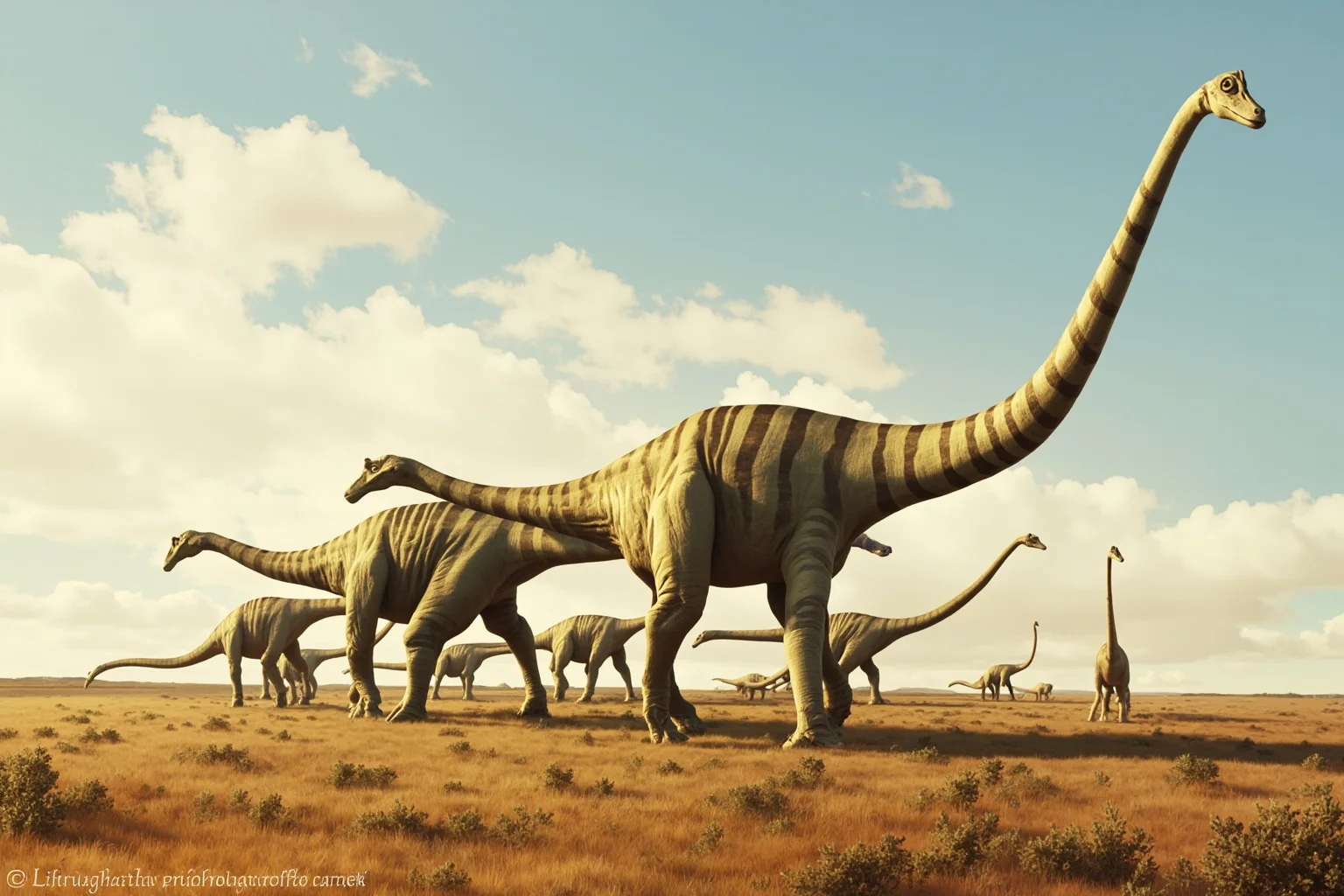
Giganotosaurus was slightly longer than T. rex, at an estimated 12 to 13 meters, and lived in what is now Argentina tens of millions of years earlier. It’s part of the carcharodontosaurid family, a group of large predatory dinosaurs distinct from the tyrannosaurs.
Though it’s often compared to T. rex in pop culture as a bigger, scarier rival, the two never actually coexisted since they lived millions of years apart on different continents.
6. Shonisaurus
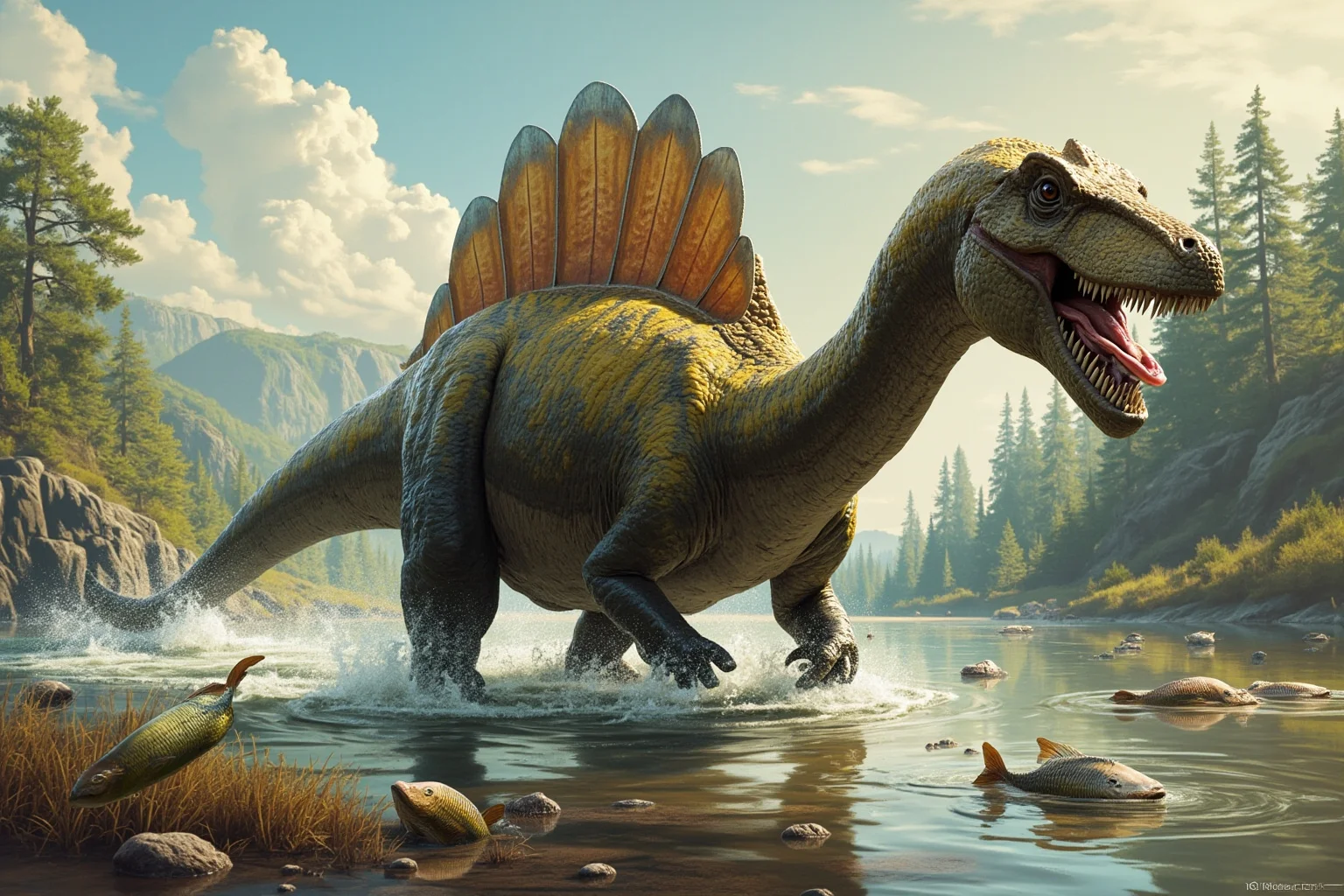
Moving into the oceans, Shonisaurus was a massive ichthyosaur, a group of dolphin-like marine reptiles, that lived roughly 210 million years ago. Some estimates put its length at around 15 meters (50 feet), making it one of the largest marine reptiles known from a reasonably complete skeleton.
Ichthyosaurs like Shonisaurus are a good example of convergent evolution, since they evolved a body shape strikingly similar to modern dolphins despite being reptiles, not mammals.
7. Mosasaurus
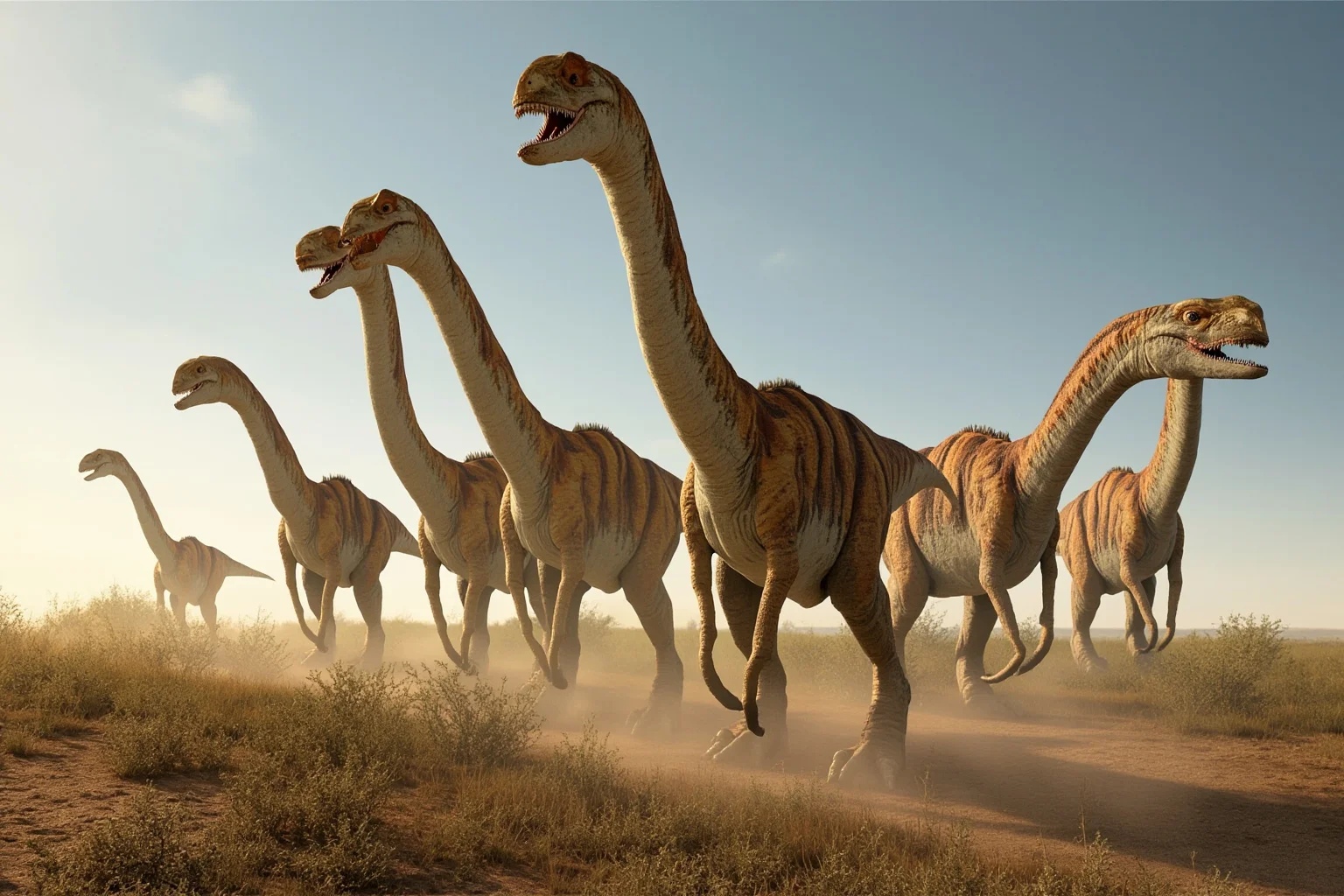
Mosasaurus was a huge marine reptile, not a dinosaur, that patrolled the seas near the end of the Cretaceous period. Length estimates typically range from 15 to 17 meters (about 50 to 56 feet), making it one of the largest marine predators of its time.
Its popularity got a big boost from its dramatic appearance in the Jurassic World films, though its film depiction as even larger than that is likely exaggerated for effect.
8. Liopleurodon
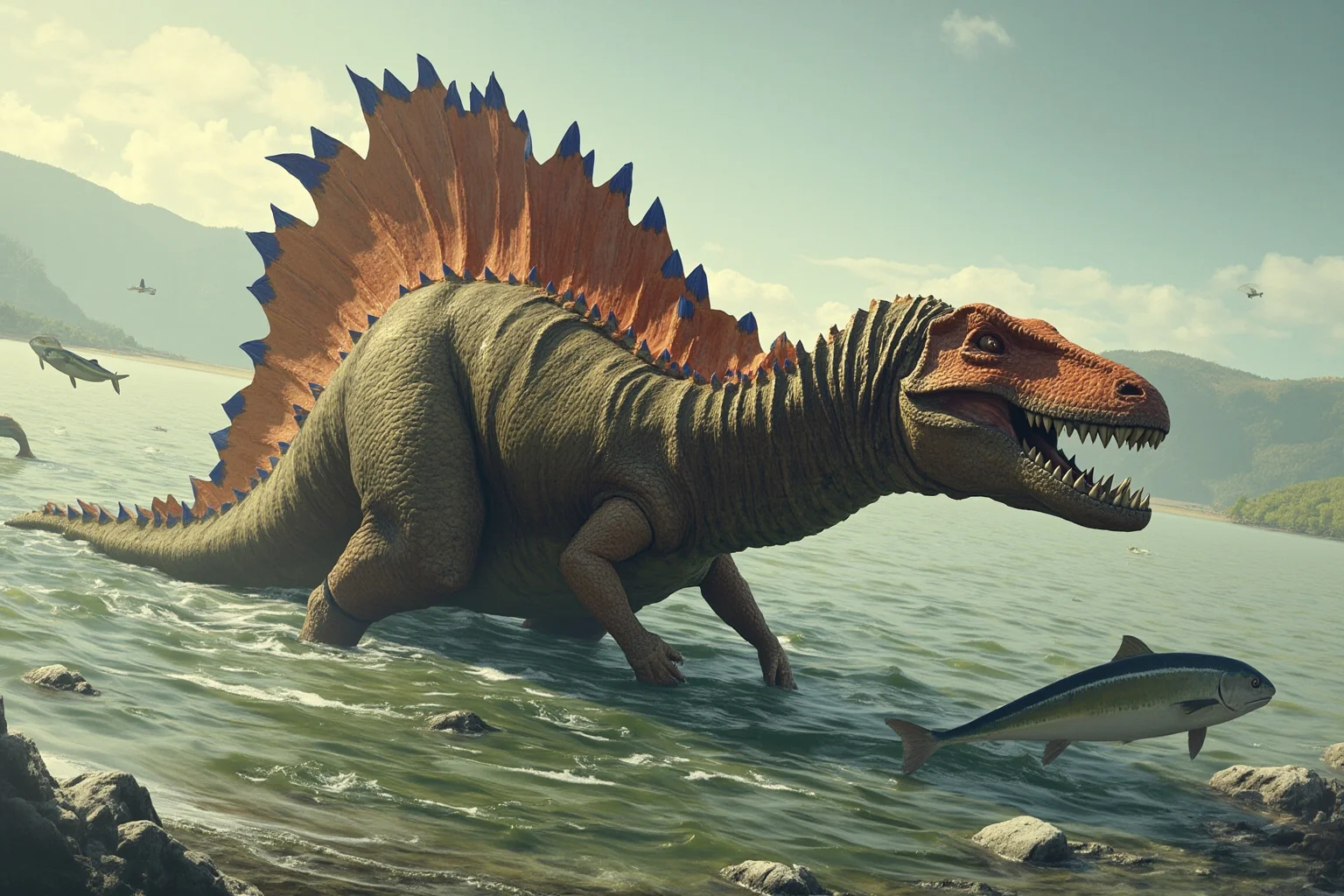
Liopleurodon is a genuinely large pliosaur, a group of short-necked marine reptiles, but it’s also a great example of why myth-busting matters. A famous 1999 BBC documentary depicted it at roughly 25 meters (82 feet) long, a figure that most paleontologists now consider a significant overestimate.
More conservative, fossil-based estimates suggest Liopleurodon was closer to 6 to 7 meters (20 to 23 feet) long. It was still a formidable predator, just nowhere near the exaggerated size that made it famous on television.
9. Megalodon
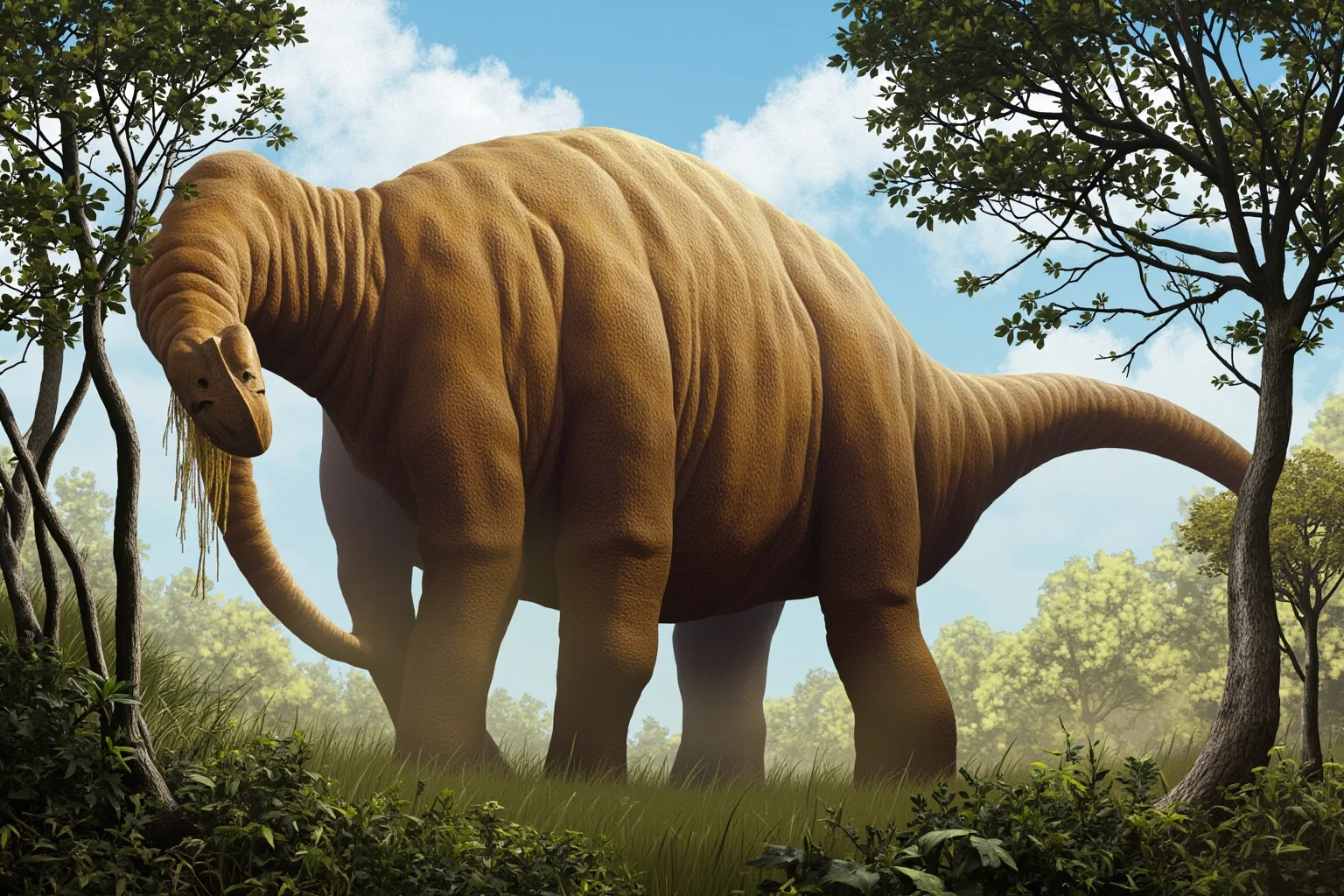
Megalodon is probably the most famous giant shark of all time, and its size is genuinely impressive without any exaggeration needed. Estimates commonly range from 15 to 18 meters (about 50 to 60 feet), based on comparisons with fossil teeth and vertebrae from modern sharks.
It went extinct around 3.6 million years ago, well before humans existed, despite persistent internet myths and documentary-style specials suggesting it might still be lurking in the deep ocean, myths not unlike those still swirling around how the dodo bird went extinct far more recently.
10. Basilosaurus
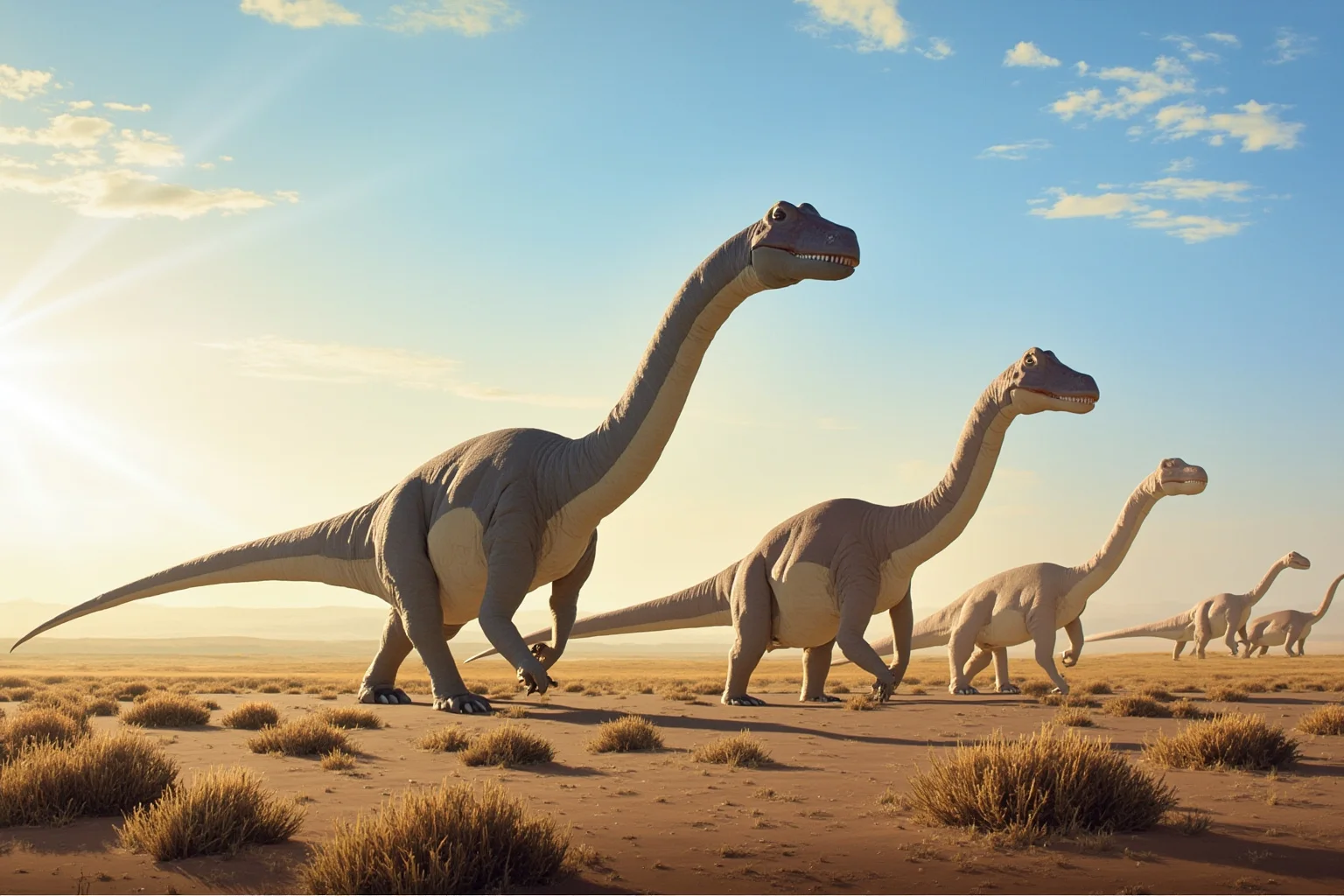
Basilosaurus was one of the earliest fully aquatic whales, living around 40 million years ago, and stretched up to about 18 meters (60 feet) long. Despite its size, it had a notably slender, eel-like body compared to modern whales.
Its name literally means “king lizard,” a holdover from when it was first mistaken for a giant marine reptile rather than an early whale.
11. Livyatan Melvillei
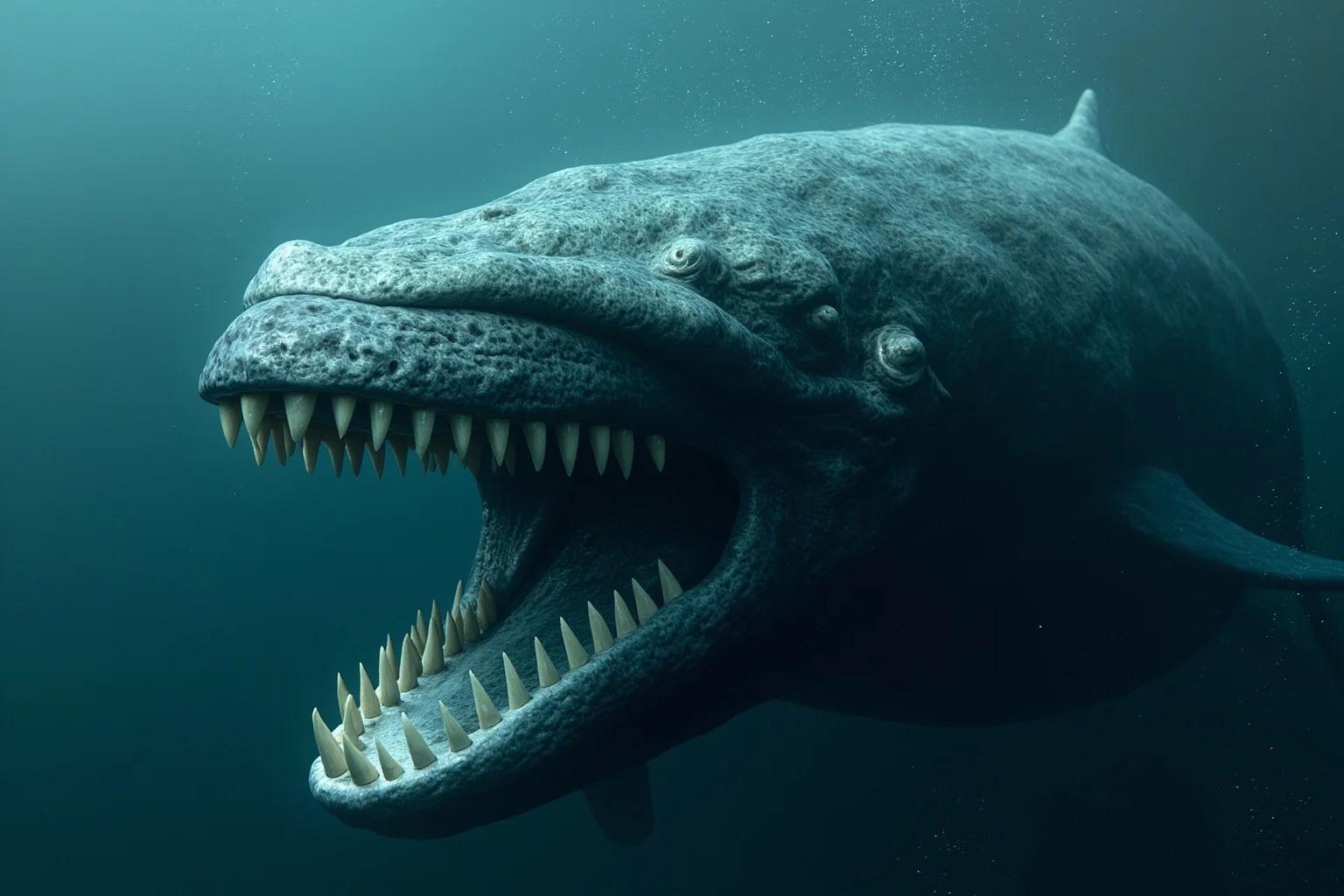
Livyatan was a massive predatory sperm whale that lived around 9 to 10 million years ago and is estimated to have reached 13 to 17 meters (43 to 56 feet) long. Unlike modern sperm whales, which mostly eat squid, Livyatan had enormous teeth built for hunting large prey, including other whales.
Its genus name is a nod to the biblical sea monster Leviathan, and its species name honors Herman Melville, author of Moby-Dick.
12. Blue Whale
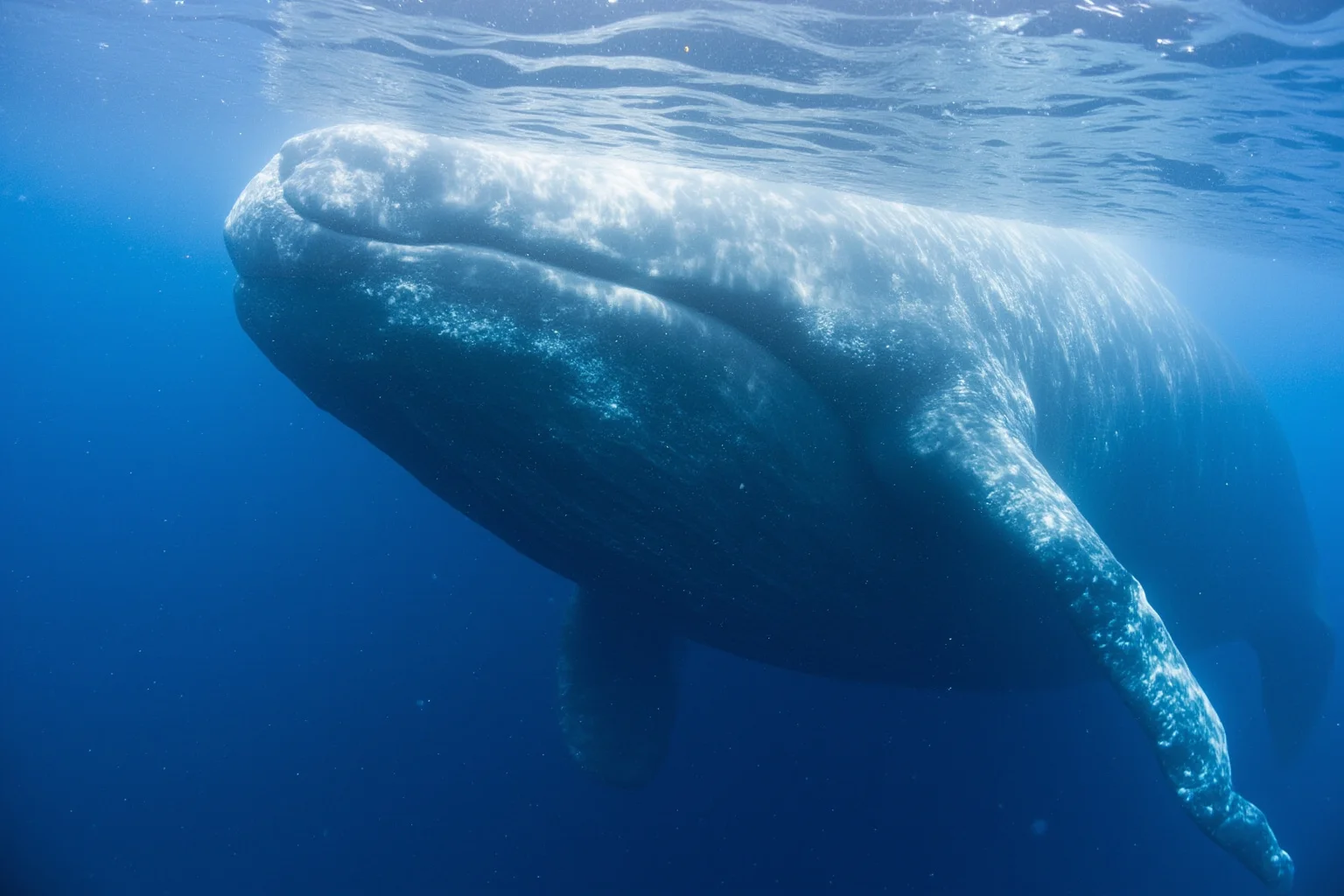
The blue whale is, without much debate, the largest animal in the history of the world, living or extinct. Individuals can reach around 30 meters (98 feet) long and weigh up to roughly 150 to 180 tons, making it heavier than several dinosaurs combined.
Because it’s still alive today, the blue whale is also one of the best-documented giant animals ever studied, with detailed measurements from real specimens rather than estimates pieced together from fossils.
13. Perucetus Colossus
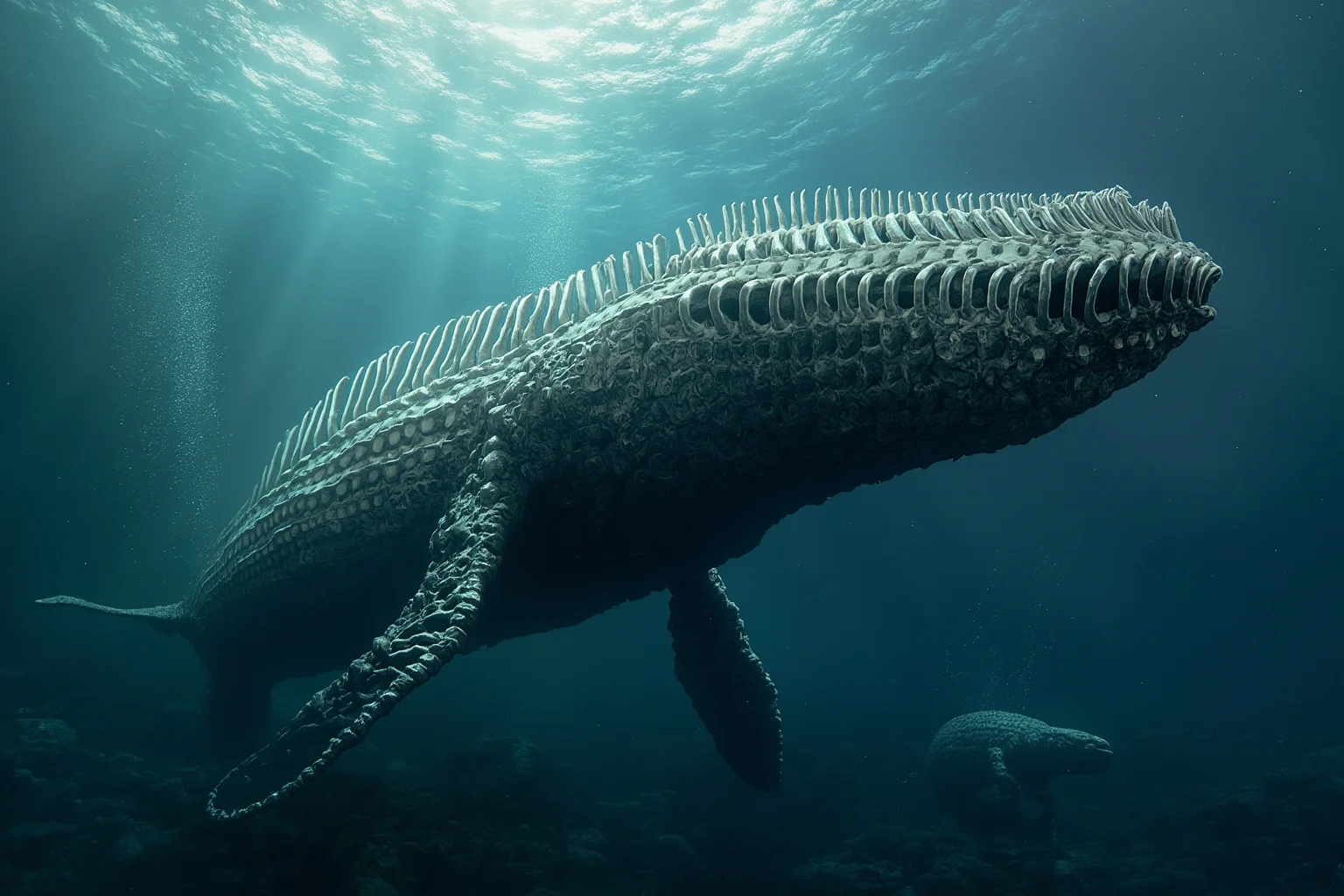
Perucetus colossus is a genuinely exciting recent discovery, described from fossils found in Peru and announced in 2023. Early estimates suggested it might rival or even exceed the blue whale in total body mass, thanks to unusually dense, heavy bones, though its overall body length was likely shorter.
It’s worth noting that mass estimates for Perucetus remain debated among researchers, with some scientists arguing the original calculations may have overestimated its true weight. It’s a great example of how actively this field is still evolving.
14. Sarcosuchus
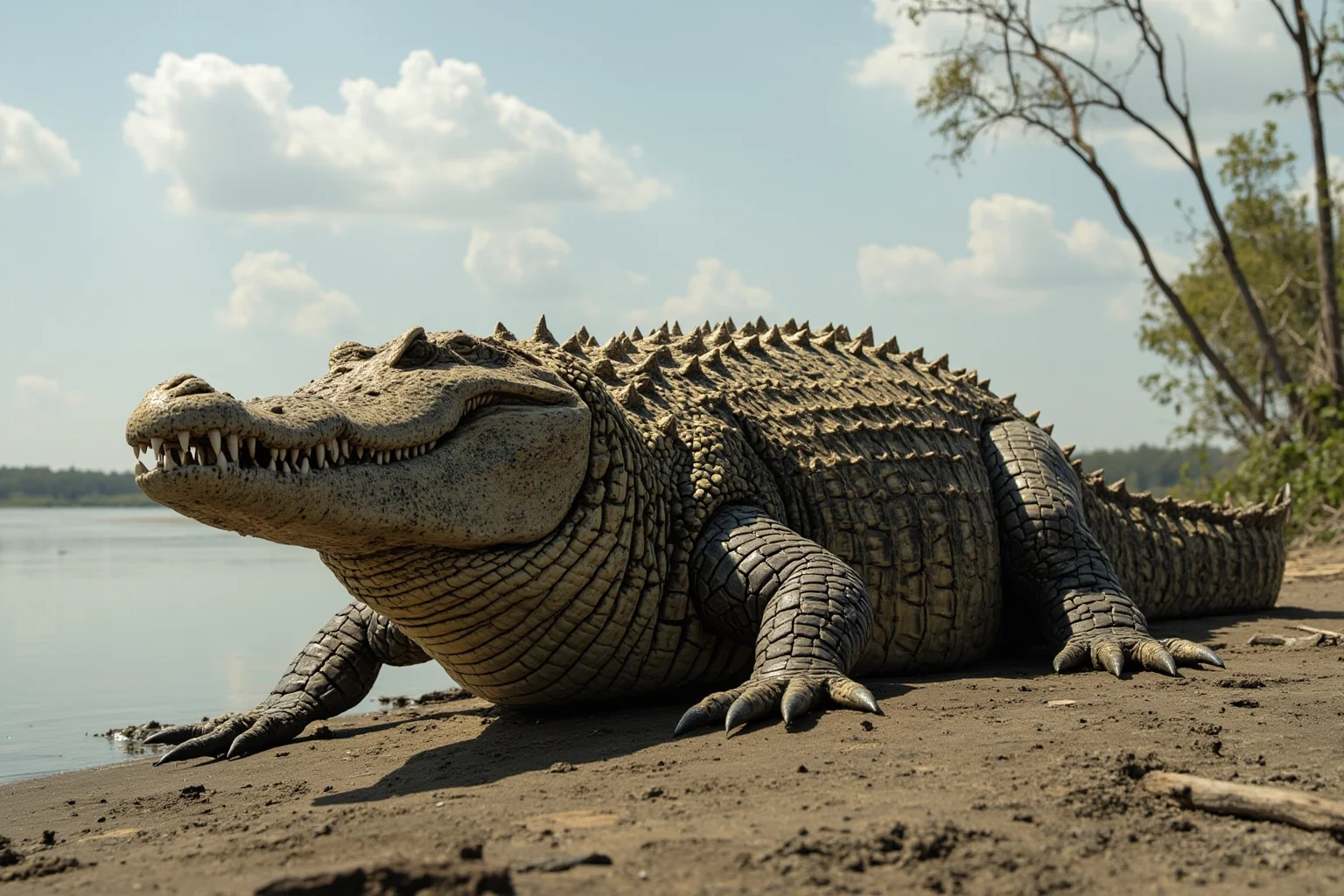
Nicknamed “SuperCroc,” Sarcosuchus was a prehistoric crocodile relative that lived around 110 million years ago and is estimated to have reached 11 to 12 meters (36 to 40 feet) long. That’s roughly twice the length of the largest modern crocodiles.
Its skull alone measured close to 1.6 meters (5.2 feet), giving a sense of just how disproportionately massive its bite must have been.
15. Deinosuchus
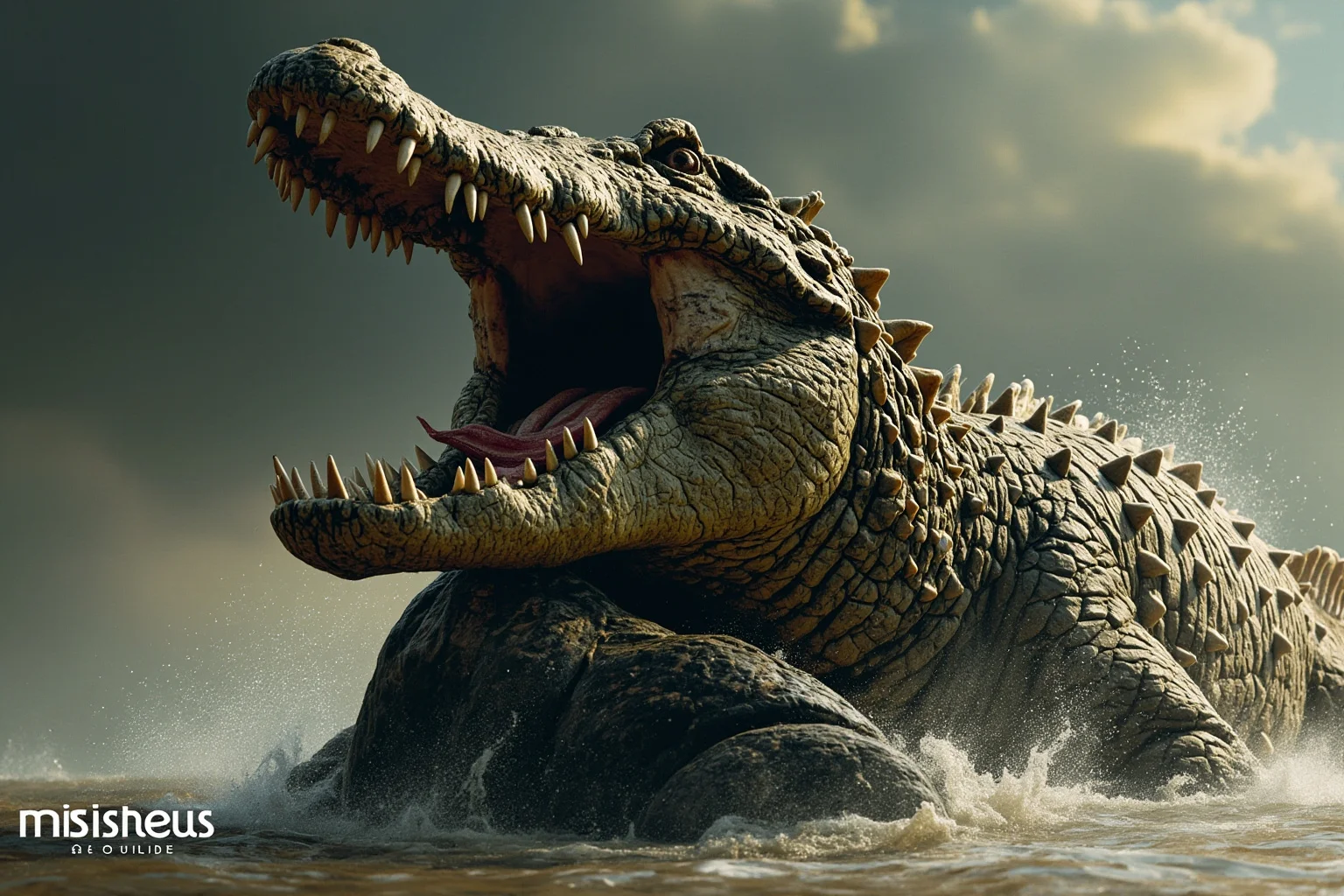
Deinosuchus was another giant crocodilian, living around 75 to 82 million years ago in North America, and is estimated to have grown to about 10 to 12 meters (33 to 39 feet). Bite marks found on dinosaur bones suggest it wasn’t afraid to attack prey much larger than modern crocodiles typically target.
Its name fittingly translates to “terrible crocodile,” and fossil evidence indicates it lived alongside, and sometimes preyed on, dinosaurs.
16. Quetzalcoatlus
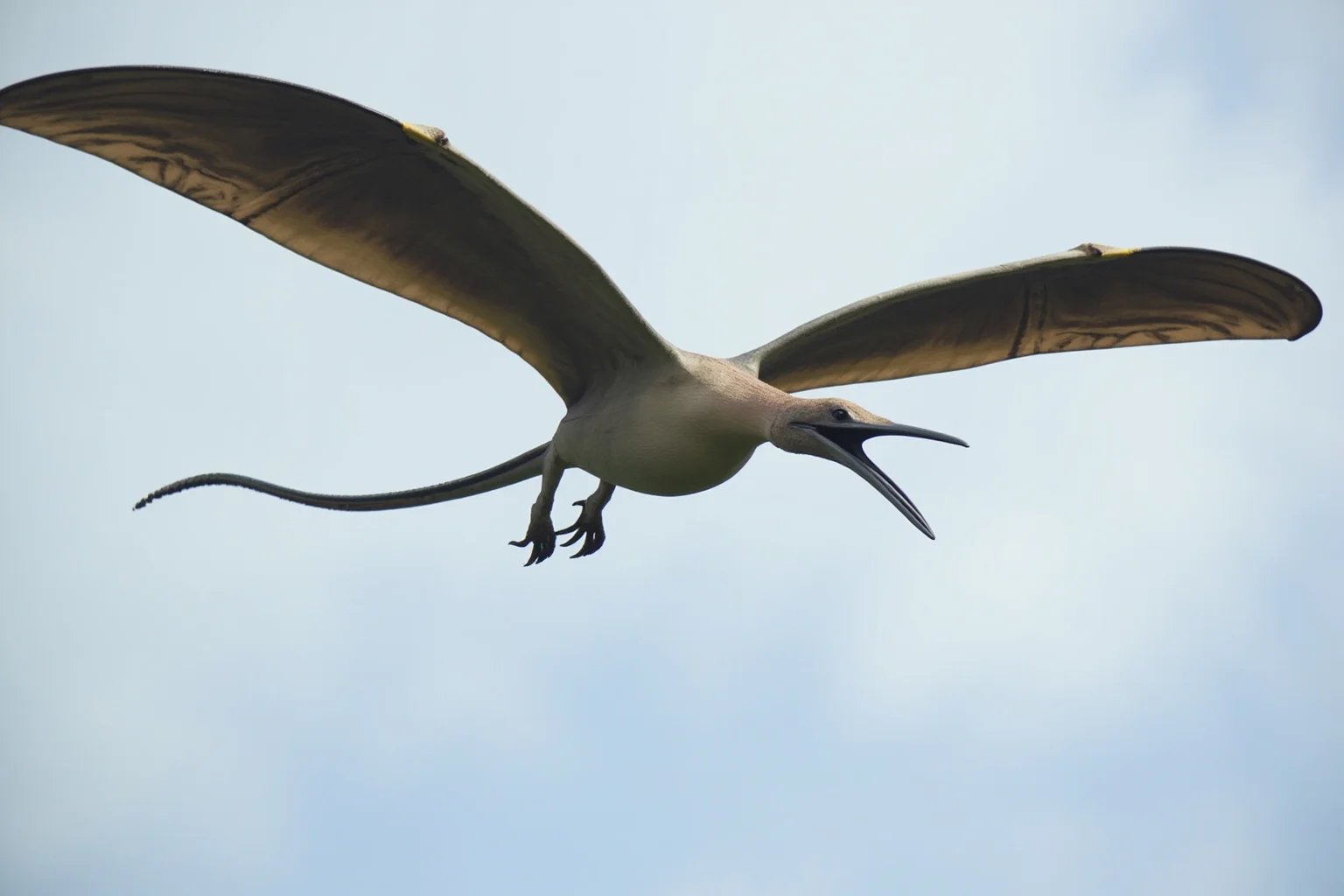
Quetzalcoatlus was a pterosaur, a flying reptile rather than a dinosaur, and is considered the largest known flying animal in history. Its wingspan is estimated at around 10 to 11 meters (33 to 36 feet), roughly the size of a small airplane.
Despite its massive size, evidence suggests Quetzalcoatlus was capable of powered flight, not just gliding, which remains an active area of biomechanical research.
17. Argentavis Magnificens
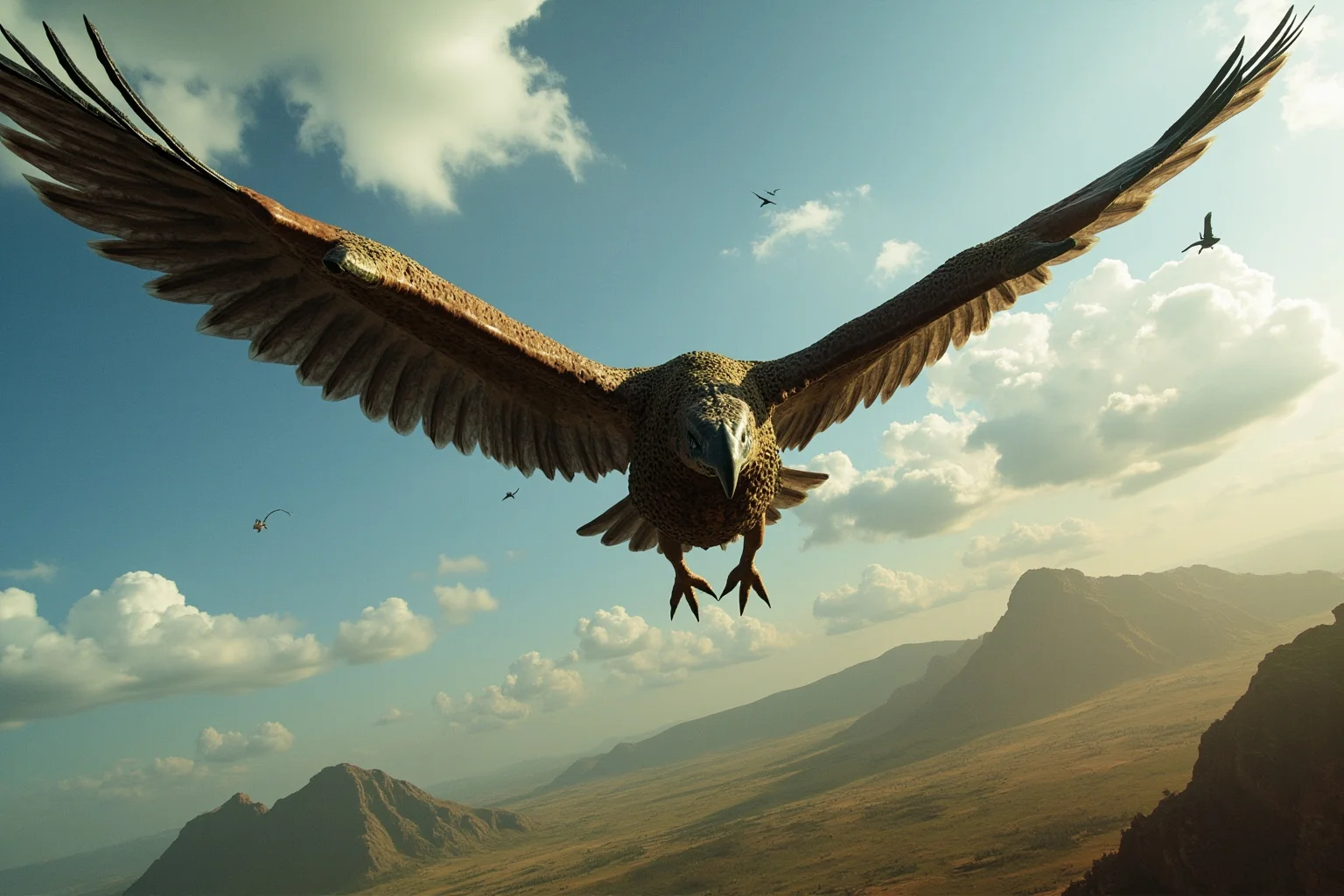
Argentavis was the largest known flying bird, living around 6 million years ago in what is now Argentina, with a wingspan estimated between 5.7 and 7 meters (about 19 to 23 feet). For comparison, that’s roughly double the wingspan of the largest living bird, the wandering albatross.
Its sheer size means it likely relied heavily on rising air currents to stay aloft, similar to how modern condors and vultures conserve energy in flight.
18. Paraceratherium
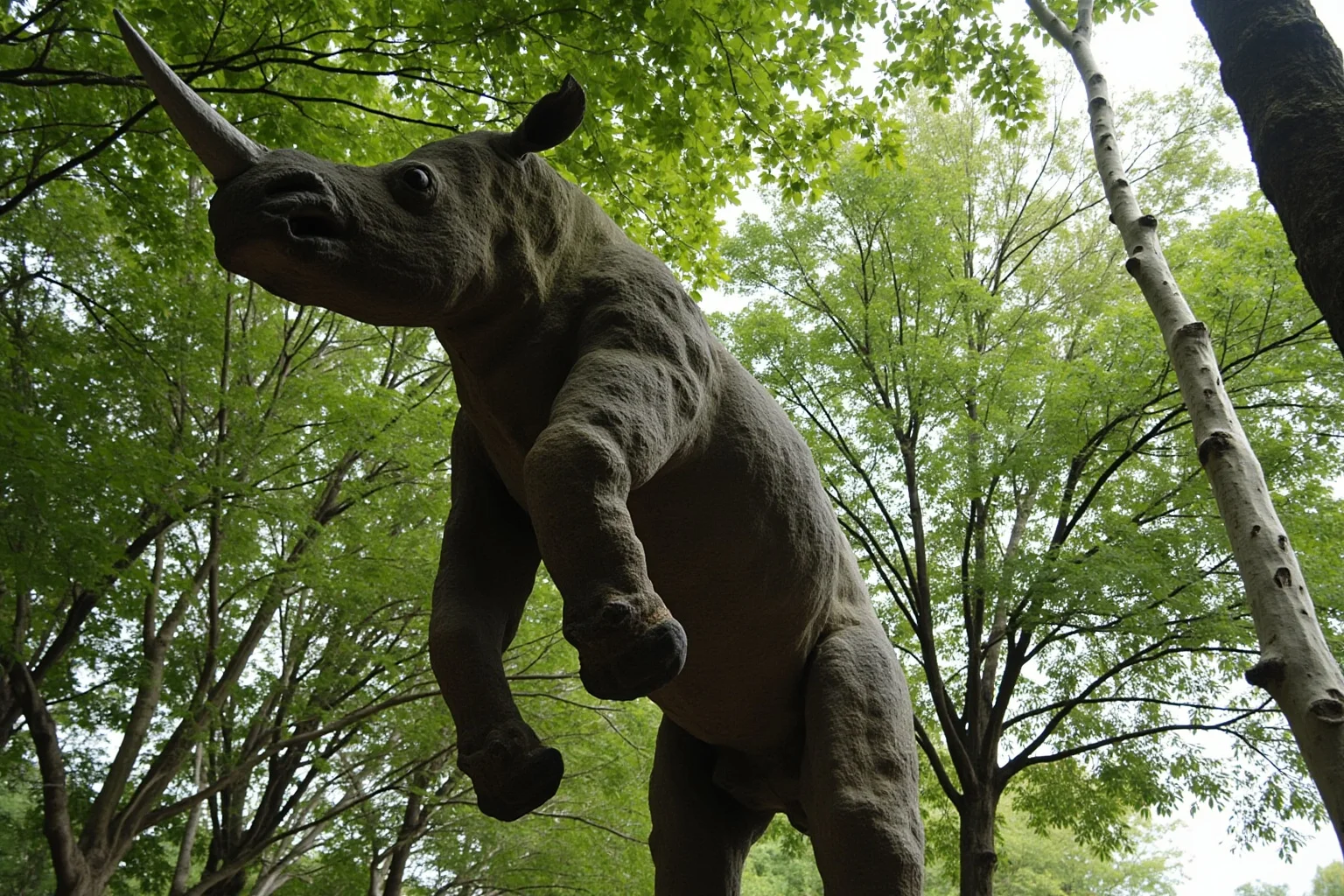
Paraceratherium, sometimes called Indricotherium, is widely considered the largest land mammal ever to exist, excluding modern elephants and extinct proboscideans discussed next. This hornless relative of the rhinoceros stood around 4.8 meters (16 feet) tall at the shoulder and may have weighed 15 to 20 tons.
It lived roughly 20 to 34 million years ago across parts of Asia, browsing on treetop vegetation much like a modern giraffe, just with a vastly heavier frame.
19. Palaeoloxodon Namadicus
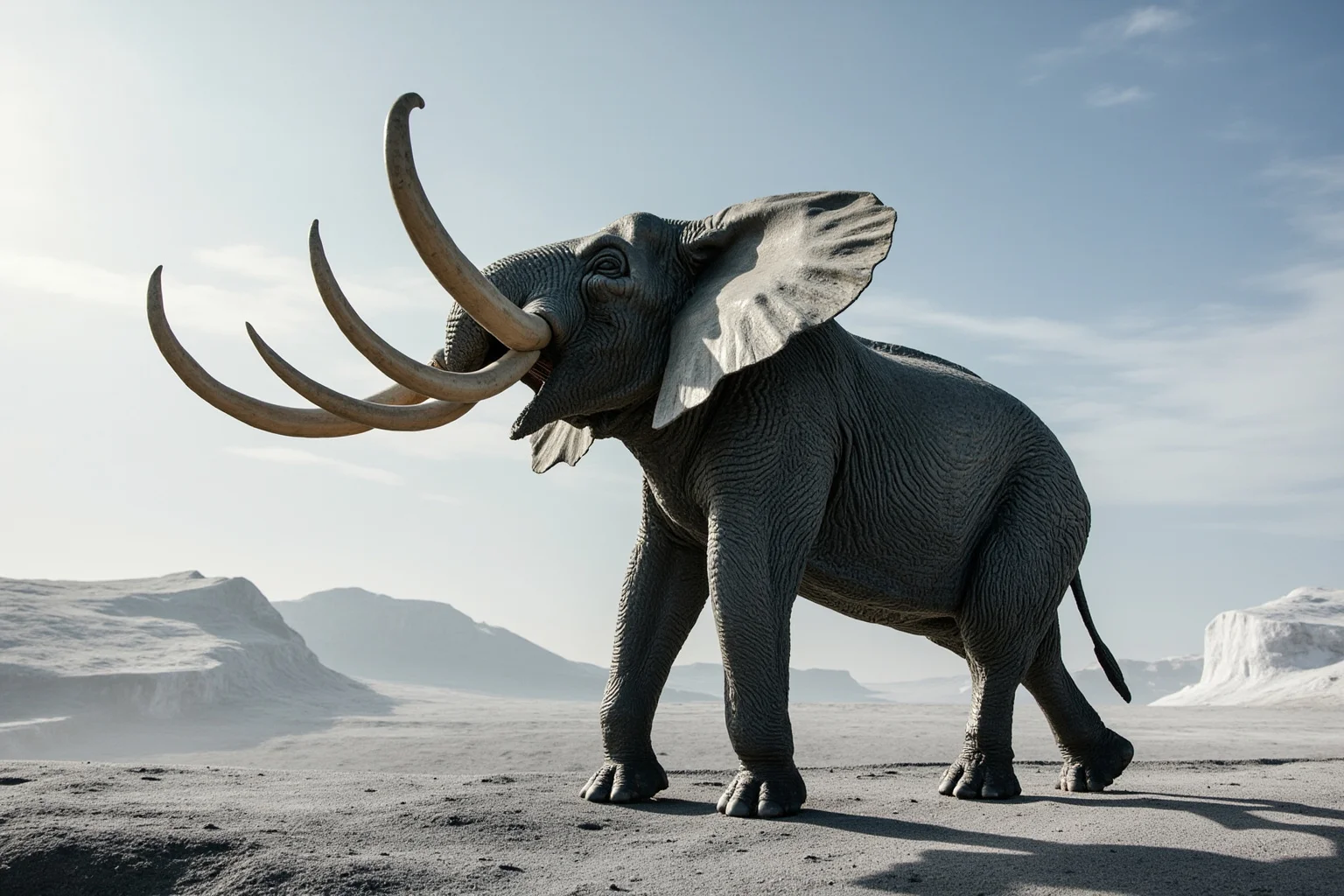
Palaeoloxodon namadicus is considered by some researchers to be the largest land mammal of all time, even larger than Paraceratherium, though estimates vary considerably due to fragmentary fossils. This straight-tusked elephant relative may have stood over 5 meters (16.5 feet) tall at the shoulder and weighed in excess of 20 tons.
Because complete skeletons are rare, its exact ranking compared to Paraceratherium is still debated among paleontologists, and it’s a good reminder that “biggest ever” titles often come with real scientific uncertainty attached.
20. Woolly Mammoth
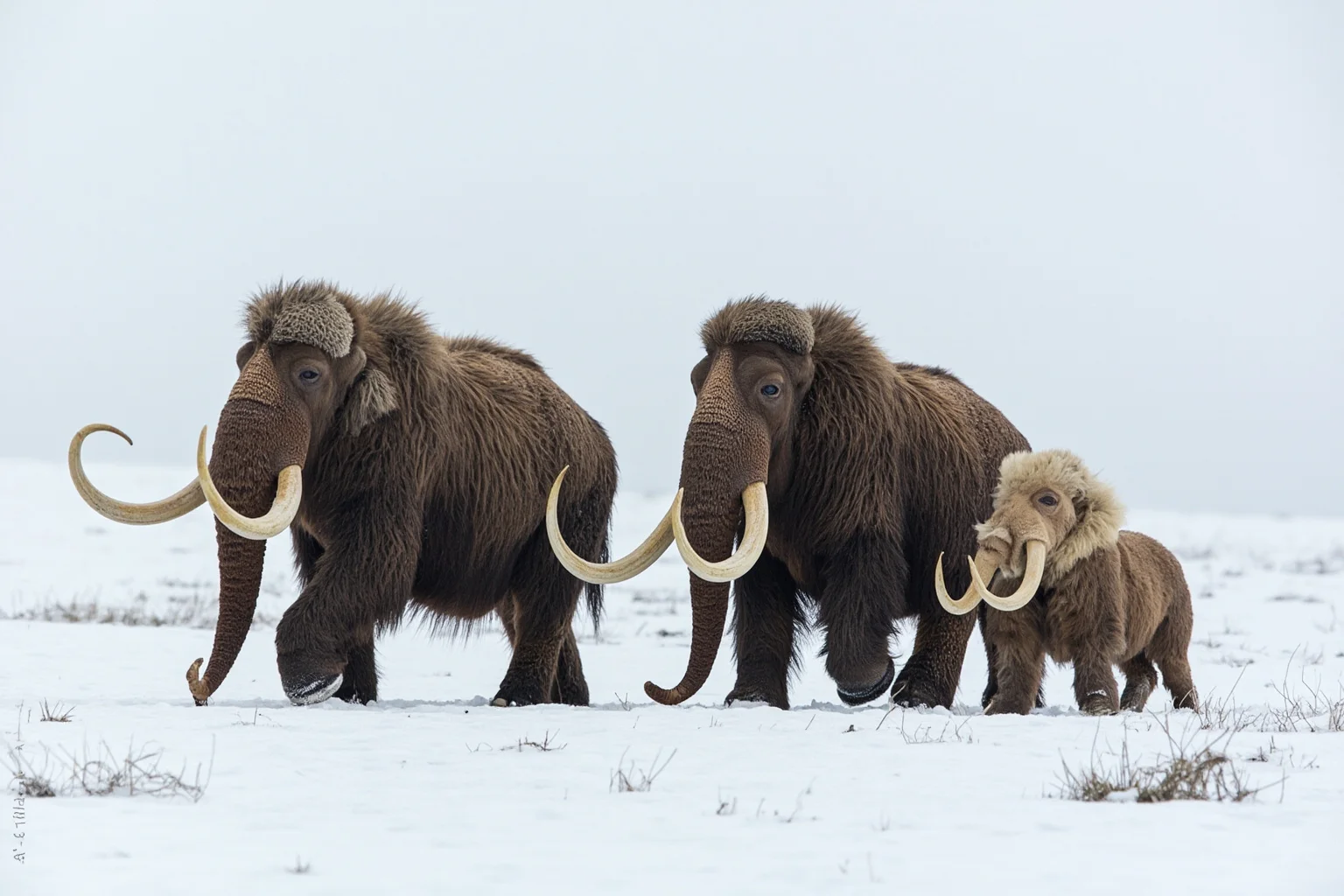
The woolly mammoth is one of the most iconic prehistoric mammals, though it wasn’t actually the largest of the mammoths or elephant relatives. Adults typically stood around 3 to 3.4 meters (10 to 11 feet) tall and weighed roughly 6 tons, similar to a modern African elephant.
Woolly mammoths survived until surprisingly recently, with some isolated populations persisting until around 4,000 years ago, meaning they overlapped with early Egyptian civilization.
21. Megatherium
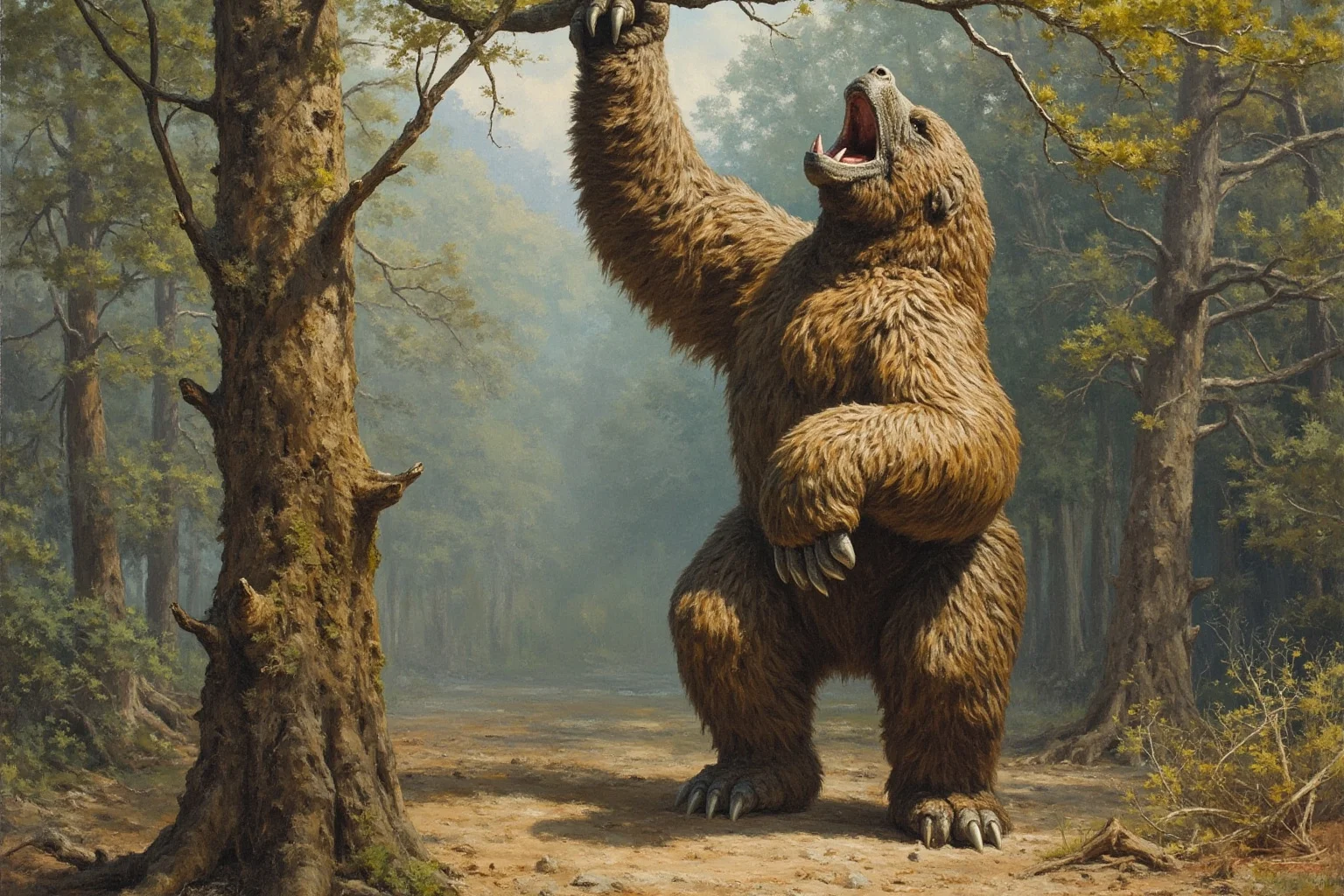
Megatherium, the giant ground sloth, lived in South America until roughly 12,000 years ago and could stand up to 6 meters (20 feet) tall when reared up on its hind legs. Fully grown individuals may have weighed around 4 tons, making it comparable in bulk to a modern elephant despite being a sloth relative.
It’s a striking example of prehistoric mammal gigantism outside of the more commonly discussed elephants and whales.
22. Arthropleura
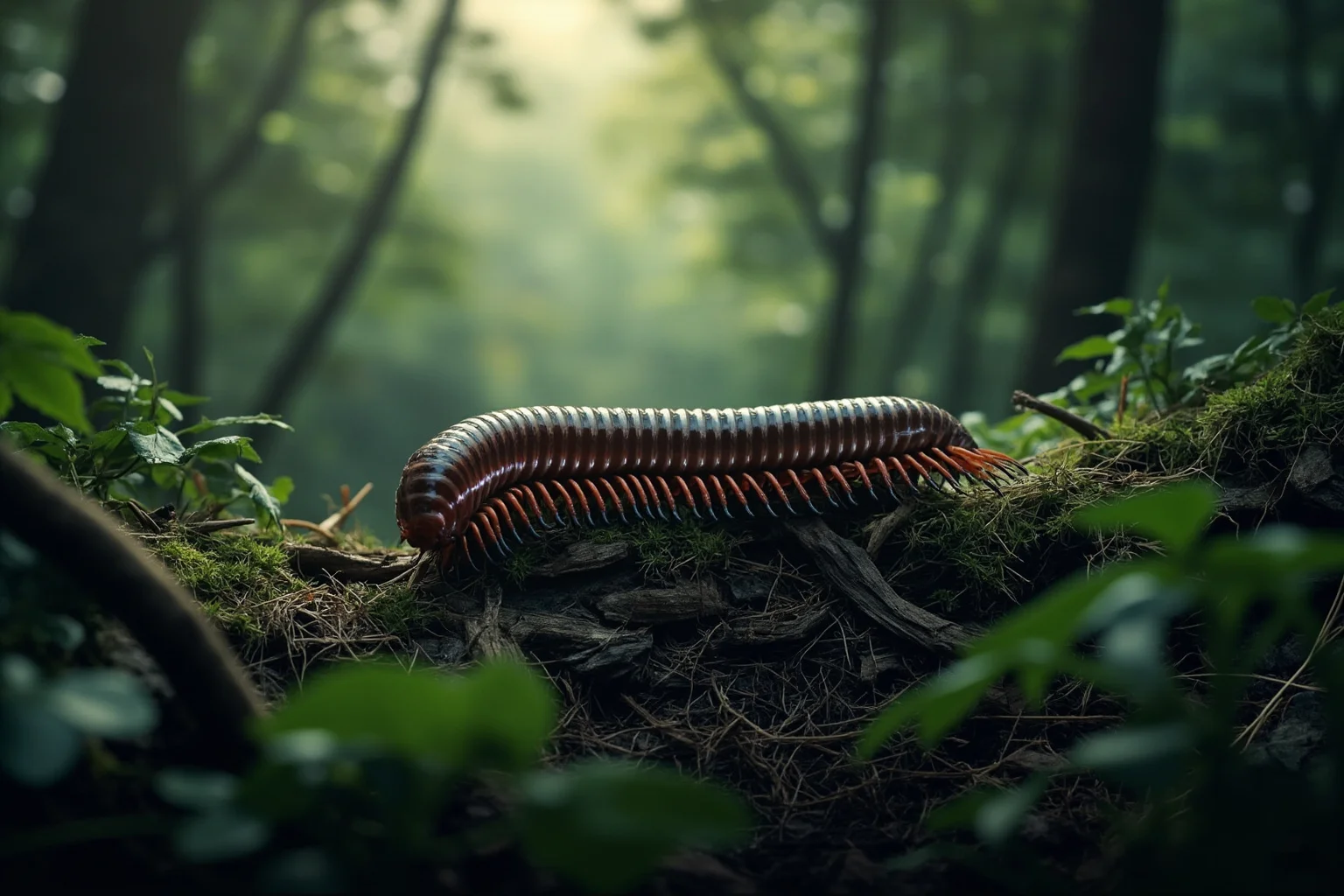
Arthropleura was a giant millipede relative that lived during the Carboniferous period, roughly 300 million years ago, and is the largest land-dwelling arthropod ever discovered. A 2021 fossil find suggested some individuals reached about 2.6 meters (8.5 feet) long.
Its enormous size is closely tied to the unusually high oxygen levels of its era, which allowed arthropods to grow far beyond the limits seen in similar creatures today.
23. Meganeura

Meganeura was a giant dragonfly-like insect, also from the Carboniferous period, with a wingspan reaching about 65 to 75 centimeters (roughly 25 to 30 inches). That’s large enough to make it one of the biggest flying insects ever known to have existed.
Like Arthropleura, its size is generally attributed to higher atmospheric oxygen levels during the Carboniferous, which supported more efficient insect respiration.
24. Titanoboa
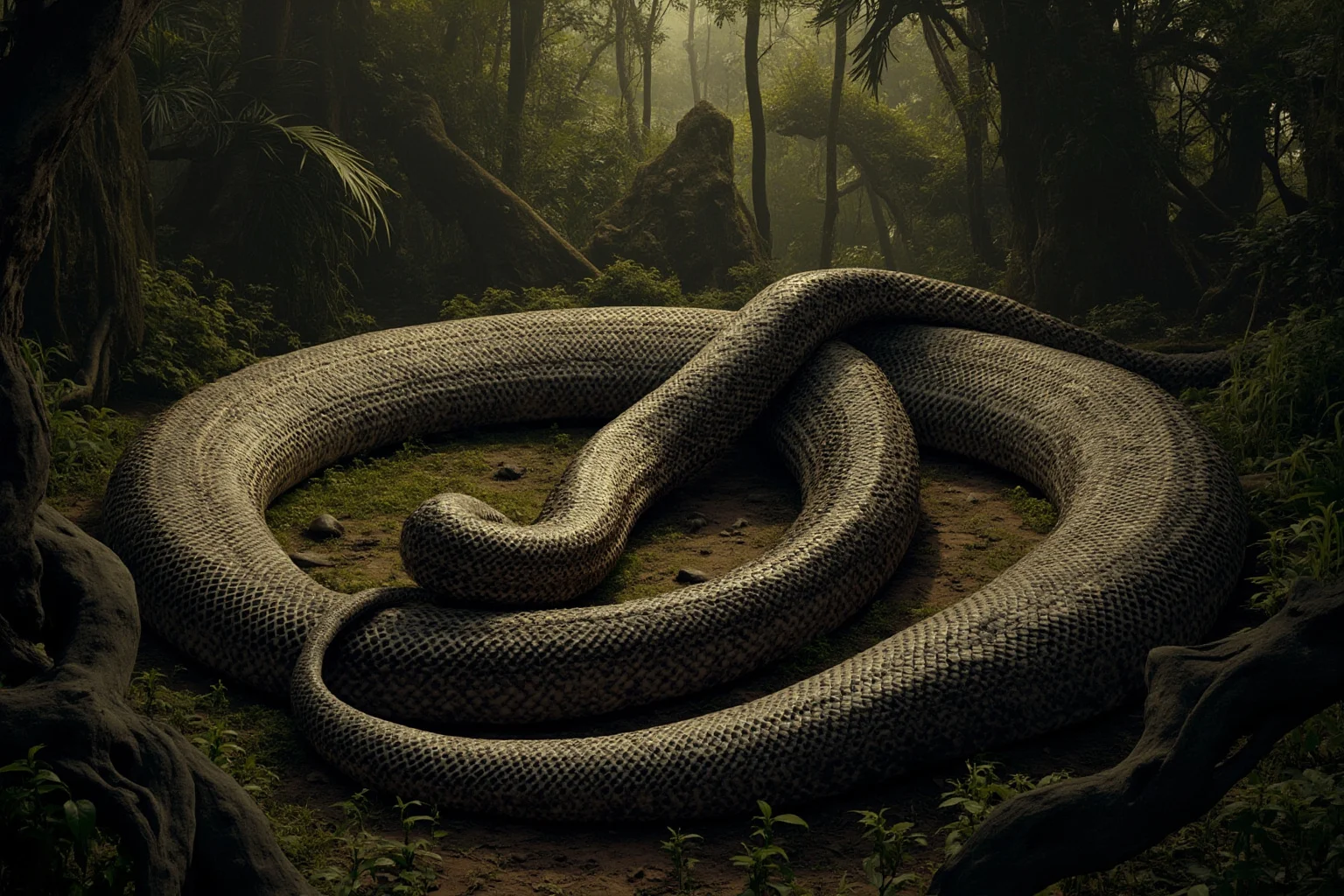
Titanoboa was an enormous snake that lived around 60 million years ago in what is now Colombia, with length estimates suggesting it reached 12 to 13 meters (about 40 to 43 feet). That makes it the largest snake known from the fossil record, well beyond the size of any snake alive today.
Its existence is often linked to a warmer global climate at the time, since larger body sizes in cold-blooded reptiles are generally easier to sustain in hotter environments.
Separating Fact From Fiction
A lot of the confusion around prehistoric giants comes from documentaries, movies, and viral posts that round estimates up for dramatic effect. Liopleurodon is the clearest example, but similar exaggeration has happened with megalodon size claims and various sauropod length estimates over the years.
When you see a jaw-dropping number attached to an extinct animal, it’s worth asking whether it comes from an actual fossil measurement or from an extrapolation based on very limited remains. Reputable paleontological sources are usually upfront about that uncertainty, while sensationalized content tends to skip it entirely.
Why This Matters Beyond Trivia
Studying the biggest prehistoric animals isn’t just about impressive numbers. It helps scientists understand the outer limits of biological engineering, from how bones support weight to how respiratory and circulatory systems can scale up.
It also reveals how deeply connected body size is to environmental conditions, whether that’s atmospheric oxygen, ocean buoyancy, or the ecological space left behind after mass extinctions. In that sense, these giants are a window into how life responds to the changing rules of the planet it inhabits, much like broader shifts across historical time periods and eras have shaped the course of human history as well.
Final Thoughts
From the towering Patagotitan to the still-living blue whale, the biggest prehistoric animals in history remind us that Earth has produced some truly astonishing biology long before, and alongside, our own species. Some of these giants are backed by extensive fossil evidence, while others are still being refined as new discoveries like Perucetus colossus continue to reshape the record books.
That ongoing uncertainty is part of what makes paleontology so exciting. The “biggest ever” title has changed hands before, and it will likely change again as new fossils are unearthed around the world, much as fresh finds keep reshaping our understanding of incredible artifacts uncovered from other corners of history.
Frequently Asked Questions
What is the largest land animal in history?
The strongest candidate is Argentinosaurus, a titanosaur dinosaur estimated to have reached 30 to 35 meters long and possibly 65 to 100 tons, though estimates vary because only a partial skeleton has been found. Patagotitan mayorum, known from a more complete skeleton, is a close rival often cited alongside it.
What is the biggest animal in the history of the world?
The blue whale holds this title outright, reaching around 30 meters long and up to 150 to 180 tons. It's larger than any known dinosaur, marine reptile, or land mammal, and it's still alive today, which makes it one of the best-studied giant animals ever.
What is the biggest extinct animal ever discovered?
Among extinct animals, Perucetus colossus, a newly described ancient whale from Peru, may rival or exceed the blue whale in total body mass thanks to extremely dense bones, though this is still debated. Argentinosaurus remains the leading candidate for the largest extinct land animal.
What is the largest extinct mammal?
On land, Paraceratherium and Palaeoloxodon namadicus are the top contenders, with estimates putting both in the 15-to-20-ton-plus range, though fragmentary fossils make exact rankings uncertain. In the ocean, ancient whales like Perucetus colossus and Basilosaurus were far heavier than any land mammal.
Why were prehistoric animals so big?
There's no single cause. Giant Carboniferous insects and arthropods likely benefited from higher atmospheric oxygen levels, giant sauropod dinosaurs had efficient lightweight skeletons and bird-like lungs, and marine giants like whales are supported by water's buoyancy, which removes many of the size limits gravity imposes on land.
Was Liopleurodon really as big as shown on TV?
No. A famous 1999 BBC documentary depicted Liopleurodon at roughly 25 meters long, but fossil evidence suggests it was closer to 6 to 7 meters. It was still a large, powerful marine predator, just far smaller than its pop-culture reputation suggests.
How big was Megalodon compared to modern sharks?
Megalodon is estimated to have reached 15 to 18 meters long, roughly three times the length of a modern great white shark. It went extinct around 3.6 million years ago, so despite popular myths, it did not survive into modern times.
What was the largest flying animal in prehistoric history?
Quetzalcoatlus, a giant pterosaur, is considered the largest known flying animal, with an estimated wingspan of 10 to 11 meters. The largest known flying bird, Argentavis magnificens, was smaller but still impressive, with a wingspan of roughly 6 to 7 meters.

Alex Warren
Related Articles