Some historical coincidences feel too tidy to be real. A wrong turn, a misfiring pistol, or a forgotten gate can redirect wars, empires, and science. The phrase 'random coincidences that changed the world' sounds exaggerated, but there are documented cases where chance played a real role.
Not every coincidence was destiny, and historians avoid claiming that one accident alone caused complex events. Still, these coincidences in history reveal how fragile outcomes can be. They also remind us that timing, weather, and human error often matter as much as plans.
TL;DR: A mix of misread radar blips, unexpected storms, forgotten gates, and lucky lab accidents pushed world events in directions no one planned.
Why Historians Treat Coincidences in History With Caution
A coincidence is not the same as a cause. When historians talk about chance, they usually mean a low-probability event that intersected with deeper political, social, or military forces. Without those forces, a single accident would rarely create lasting change.
Some historical coincidences are also exaggerated after the fact. People love a tidy story, so details get polished and minor events get more credit than they deserve. Good history respects the difference between an essential trigger and an appealing legend.
The examples below are not presented as proof of fate or conspiracy. They are documented moments where chance, environment, or human error played a meaningful role. Each one is best understood as one thread in a much larger fabric.
1. The Wrong Turn That Helped Ignite World War I
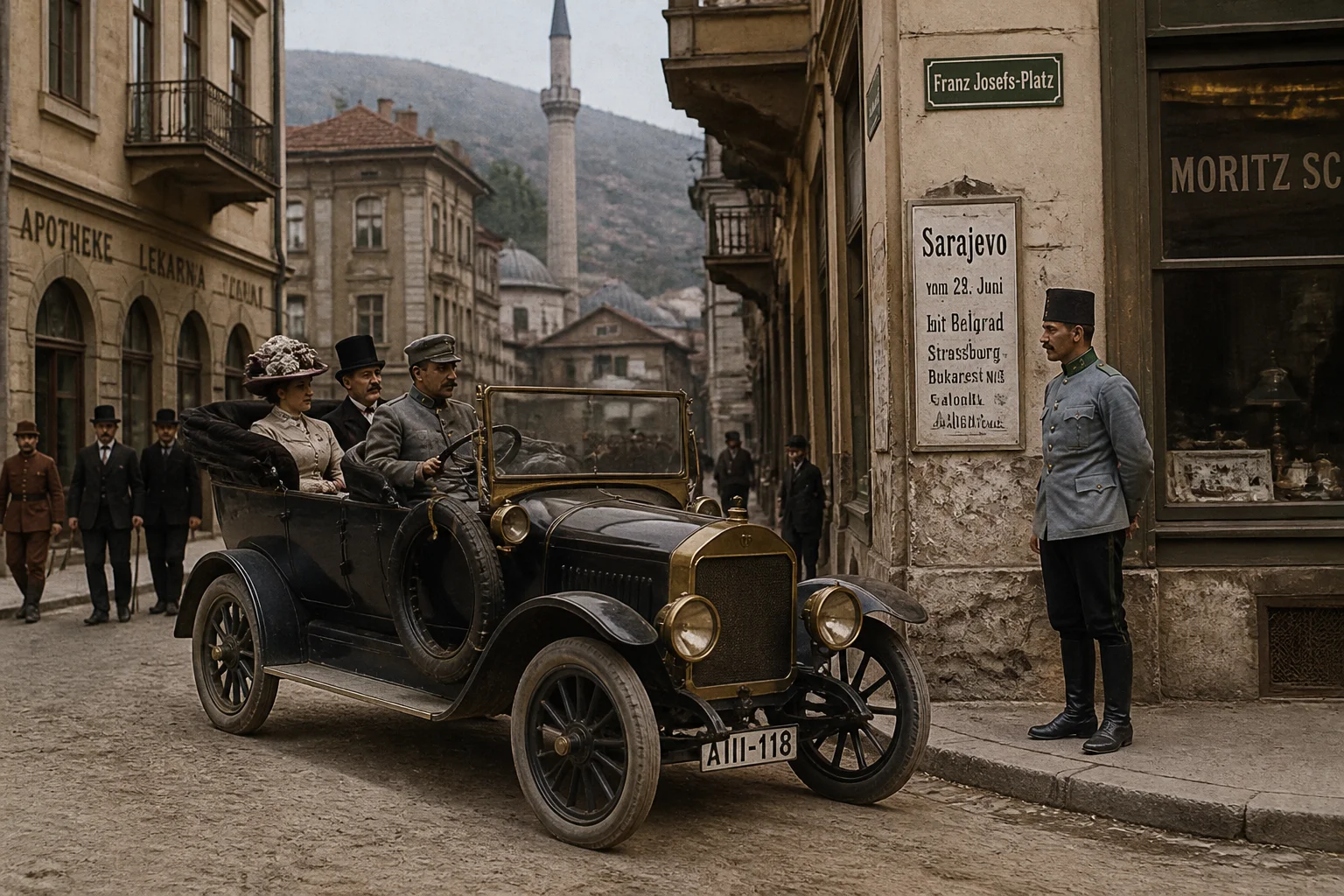
On June 28, 1914, Archduke Franz Ferdinand and his wife Sophie survived a bomb thrown at their motorcade in Sarajevo. Hours later, their driver took a wrong turn and stopped the car directly in front of Gavrilo Princip, one of the conspirators who had missed the earlier attack. Princip fired twice, killing both.
That single street-corner coincidence set off the July Crisis and the alliance system that led to World War I. It did not make the war inevitable, but it removed the spark that ignited long-building tensions. Historians still study that day as an example of how chance can intersect with structural pressure.
2. The Twin Typhoons That Saved Medieval Japan
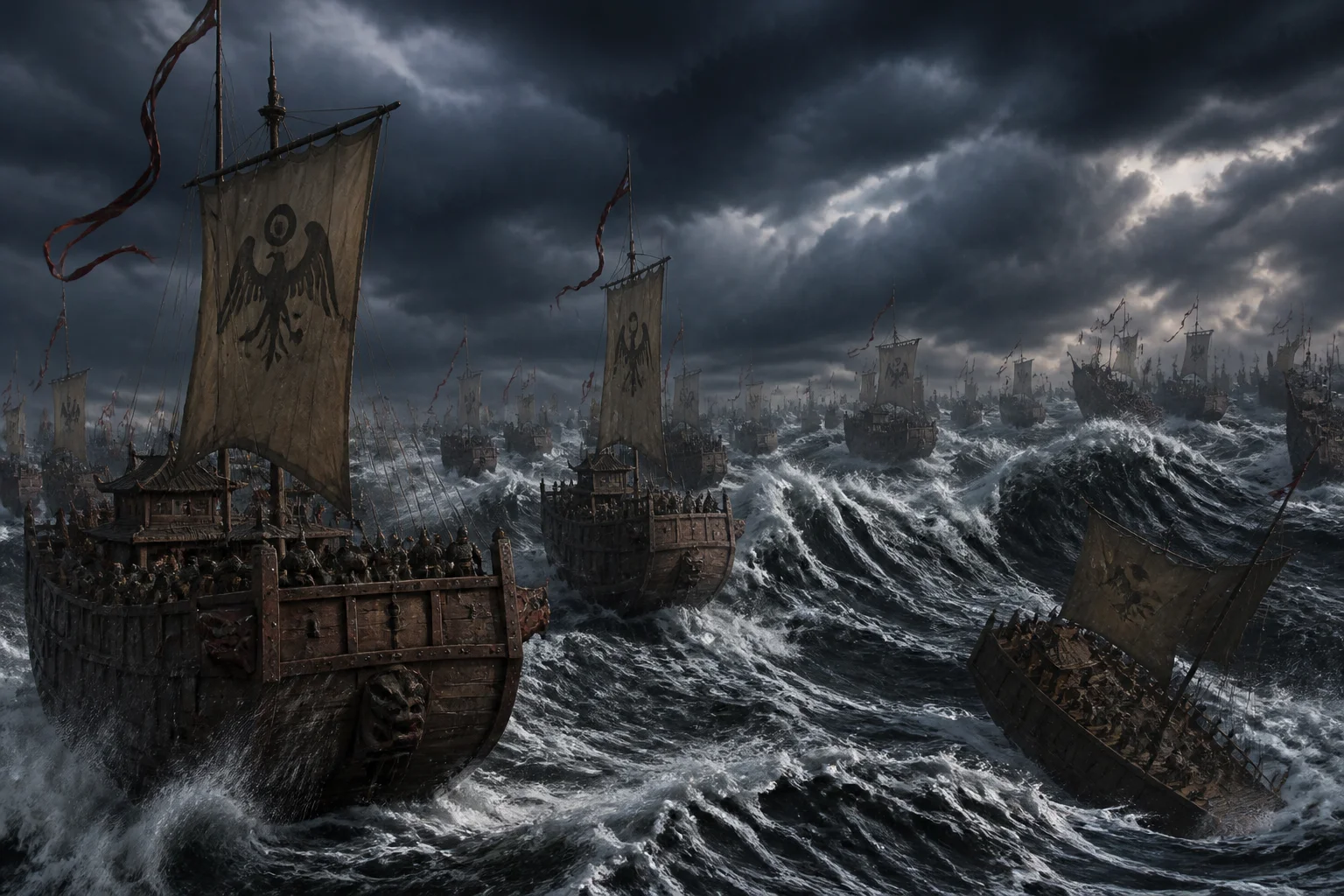
In 1274 and again in 1281, Mongol-led fleets under Kublai Khan attempted to invade Japan. Both invasions were shattered by massive storms that Japanese defenders called 'kamikaze,' or divine wind. The 1281 storm destroyed a huge portion of the second invasion fleet.
The coincidence of two severe typhoons in the same stretch of years helped preserve Japan's independence from Mongol rule. Some historians note that the Japanese had fortified coastal defenses, so the storms were not the only factor. Still, the weather remains one of the most famous historical coincidences in military history.
The second storm struck after Mongol forces had already struggled against coastal defenses and supply shortages. It scattered ships crowded with troops and horses, making the loss even more devastating. Japanese accounts later turned the event into a story of national protection, but the weather itself was a natural phenomenon.
3. The Moldy Dish That Opened the Antibiotic Era

In 1928, Alexander Fleming returned to his London laboratory and noticed a petri dish contaminated with mold. Around the Penicillium mold, the staphylococcus bacteria had stopped growing. The spore had likely drifted in through an open window.
Fleming realized the mold produced a bacteria-killing substance, but he was not the one who developed it into a usable drug. That later work by Howard Florey, Ernst Chain, and their team made penicillin a mass treatment. The original contamination remains a lucky accident that transformed global medicine.
4. The Unlikely Weather Window at Dunkirk
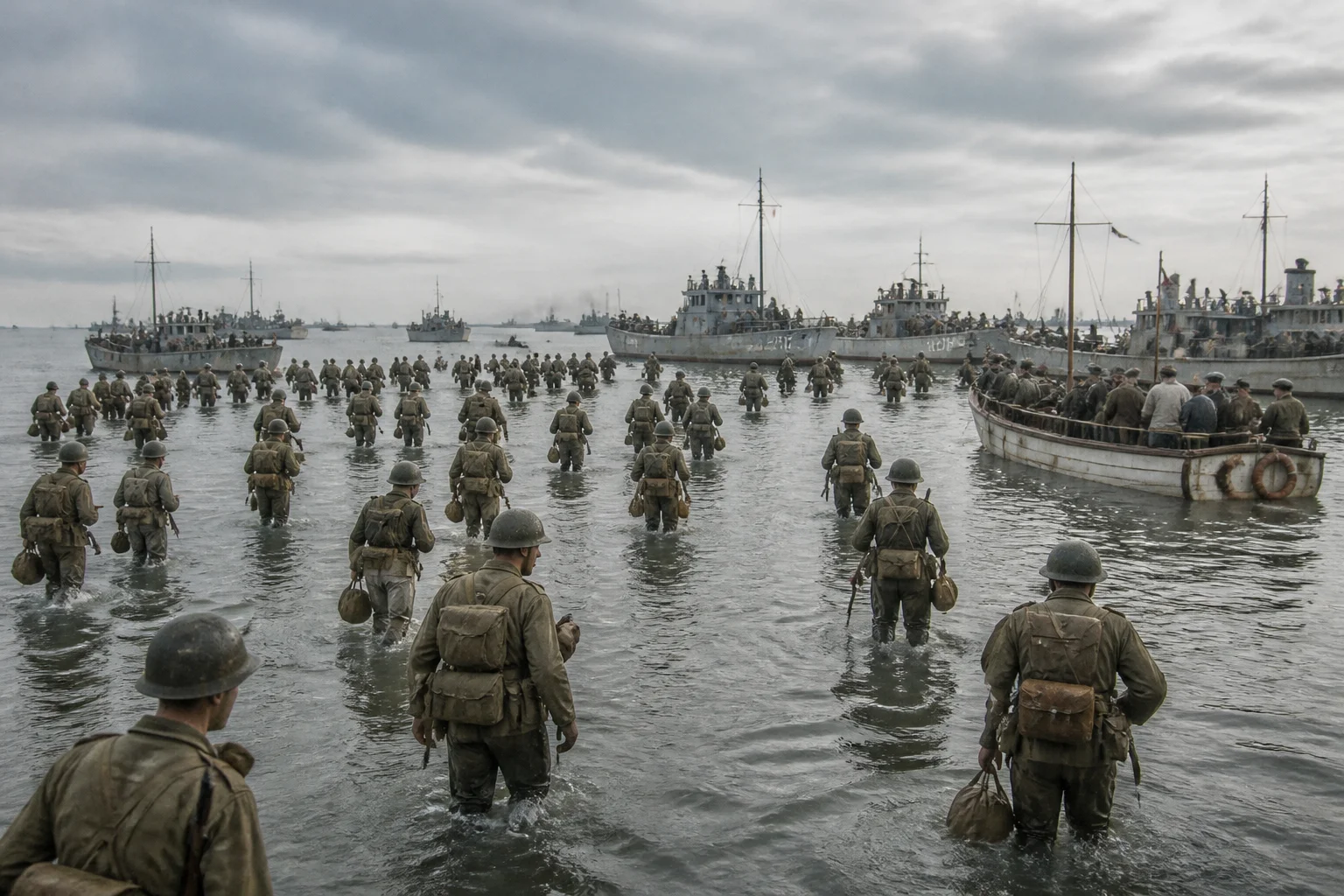
In late May and early June 1940, hundreds of thousands of Allied troops were trapped around Dunkirk as German forces closed in. The sea was unusually calm, which allowed small civilian boats to ferry soldiers from the beaches to larger ships. Low cloud and rain also reduced the effectiveness of Luftwaffe bombing.
More than 330,000 soldiers were evacuated to Britain. The operation was not just luck; planning and naval coordination played major roles. But the unseasonable weather remains one of the most discussed historical coincidences of World War II.
Civilian boats ranged from pleasure yachts to fishing smacks, and many were crewed by experienced sailors or naval reservists. The phrase 'Dunkirk spirit' later simplified a chaotic operation into a moral victory. The weather was not the only reason for the evacuation's scale, but it was a crucial piece.
5. The Empress Who Died at the Perfect Moment for Prussia
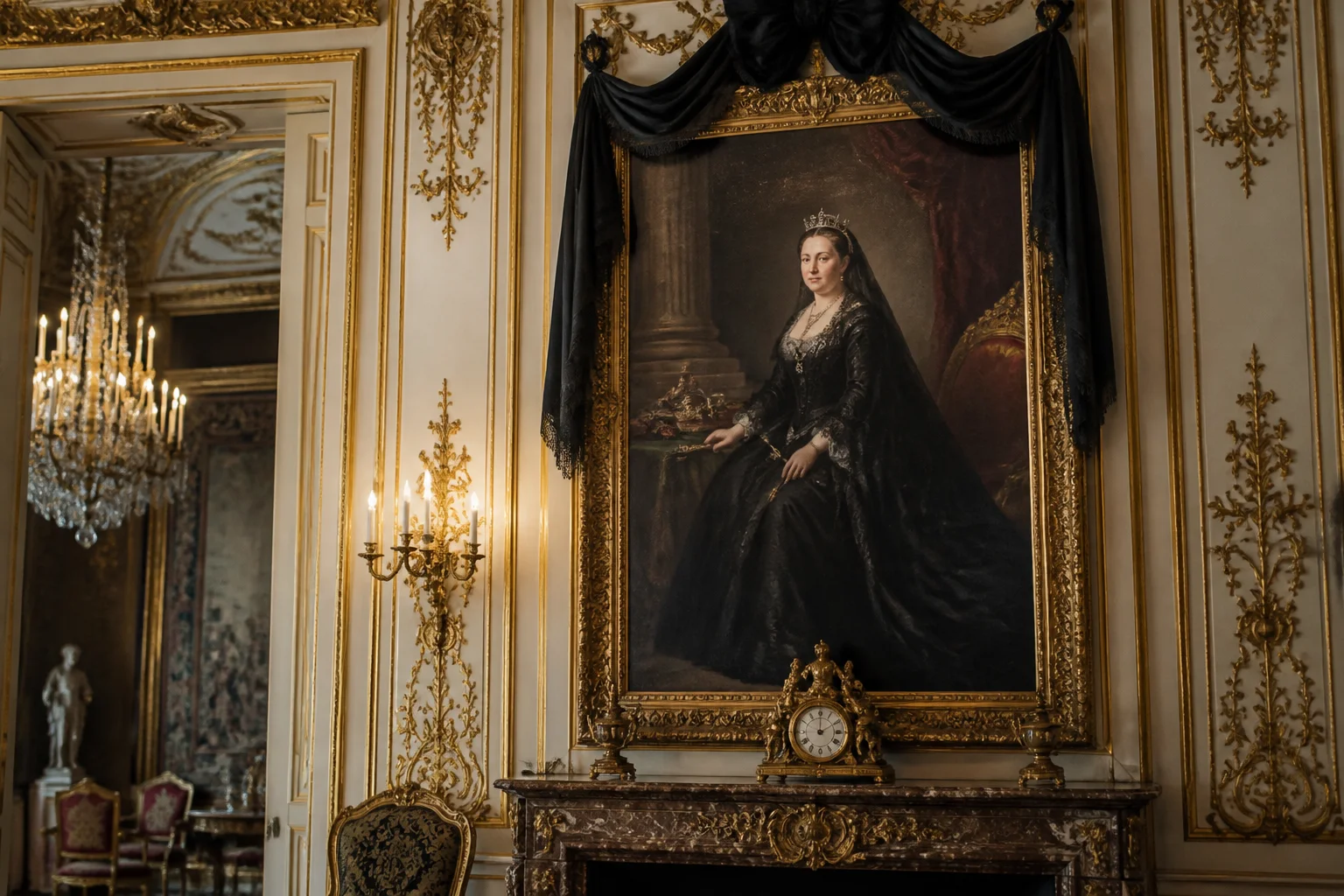
By late 1761, Frederick the Great of Prussia was under enormous pressure during the Seven Years' War. Russia, under Empress Elizabeth, was allied against him and Berlin had already been briefly occupied. Then, in January 1762, Elizabeth died.
Her successor, Peter III, admired Frederick and quickly pulled Russia out of the war, later offering support. Prussian propagandists called the reversal the 'Miracle of the House of Brandenburg.' The timing of Elizabeth's death was a coincidence that probably saved Prussia from severe defeat.
6. The Protestant Wind That Broke the Spanish Armada
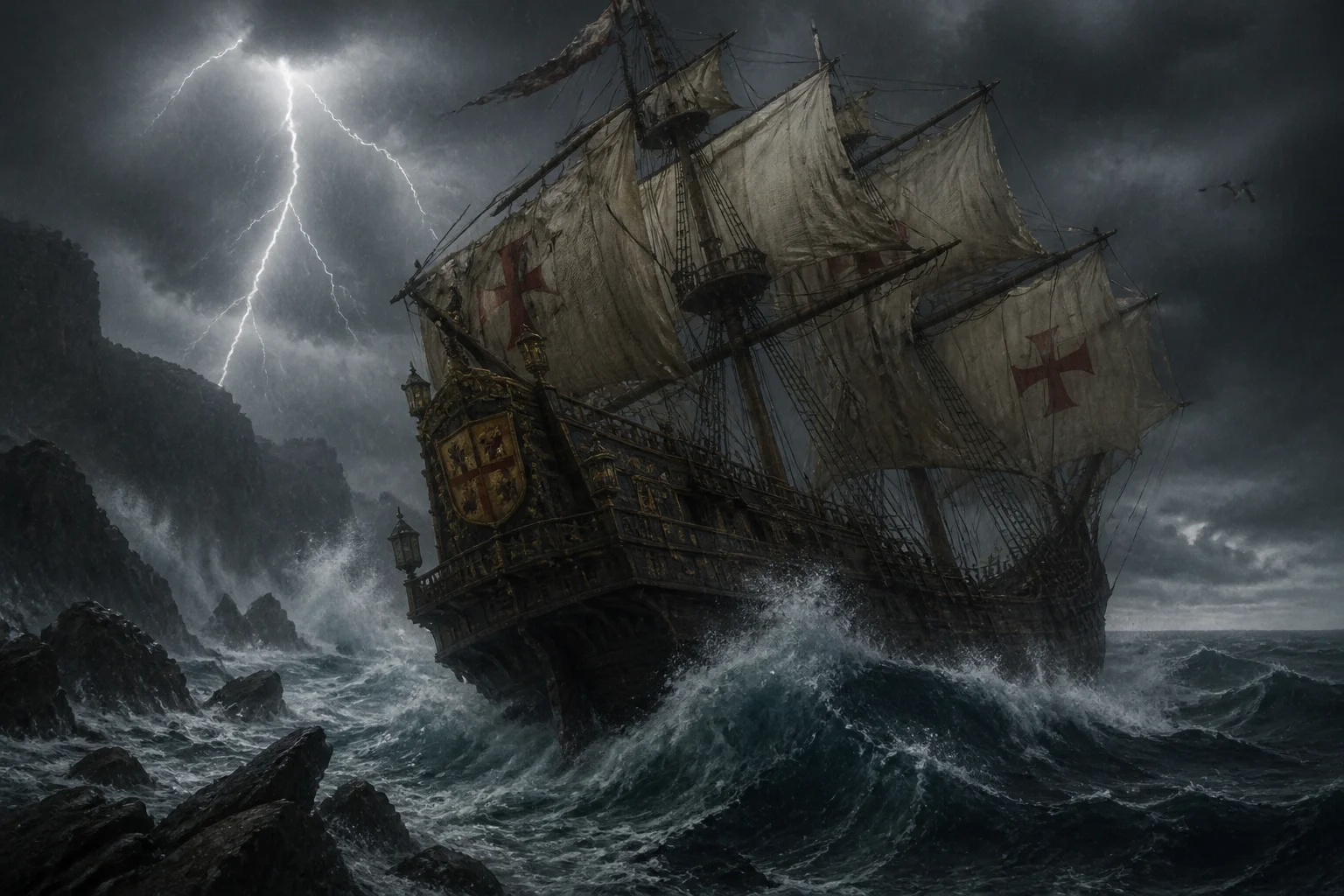
In 1588, Spain sent a large fleet to invade England and overthrow Elizabeth I. English fireships disrupted the Spanish formation at Calais, and then powerful storms battered the fleet as it retreated around Scotland and Ireland. Many ships were wrecked.
The weather was so helpful that English Protestants called it the 'Protestant Wind.' Naval historians emphasize that Spanish tactical problems and English seamanship also mattered. Even so, the storm was a striking natural coincidence in history that helped shape the balance of power in Europe.
Philip II of Spain treated the defeat as a serious setback, but Spanish sea power did not disappear overnight. The war with England continued for years after the Armada. Still, the failed invasion shifted confidence and became part of England's emerging national story.
7. The Lost Orders Found With Three Cigars
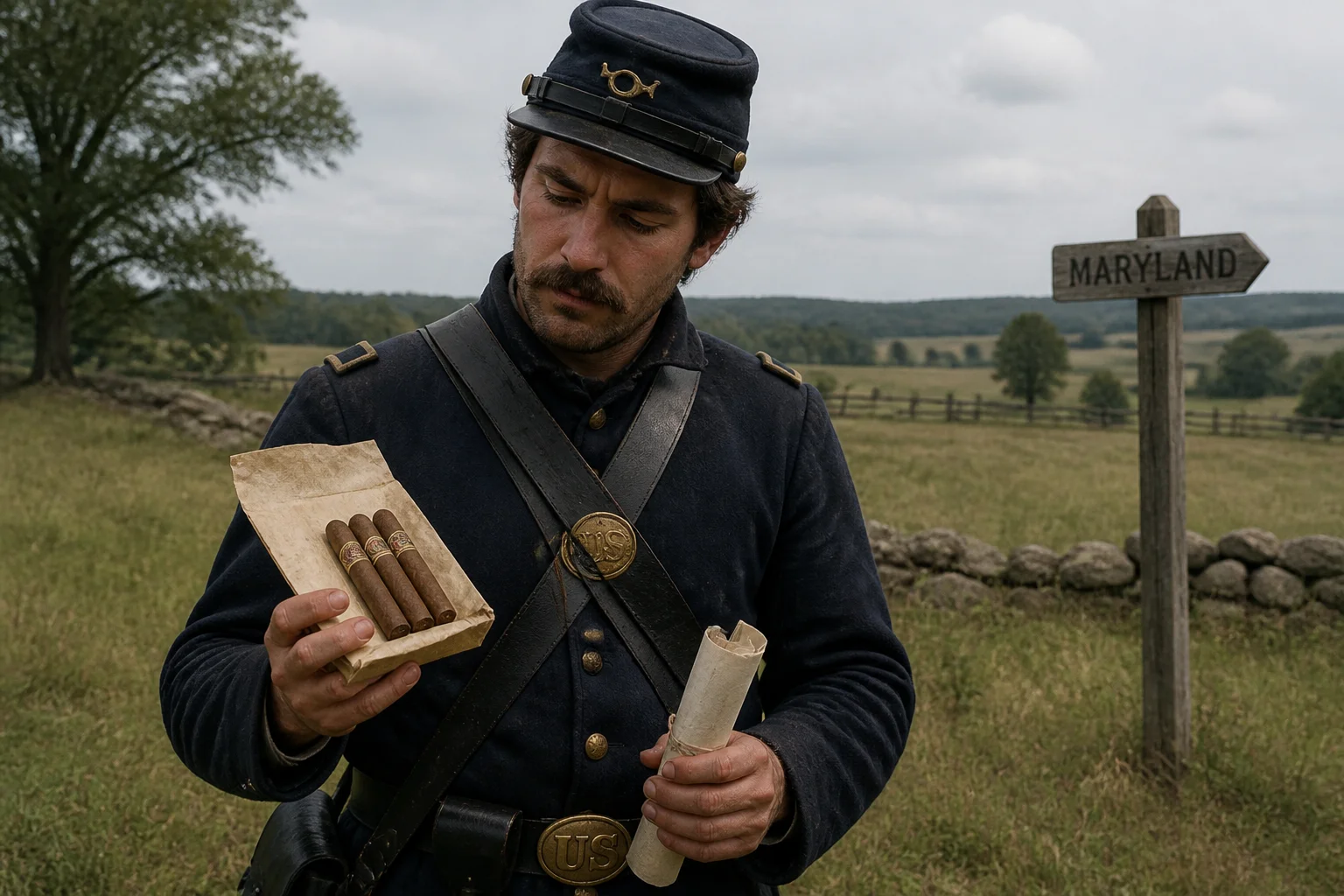
In September 1862, before the Battle of Antietam, Union soldiers found a packet containing three cigars in a Maryland field. Wrapped around the cigars was a copy of Confederate General Robert E. Lee's Special Order 191, detailing his army's movements. The document was passed to Union General George McClellan.
McClellan used the intelligence to move against Lee, leading to the bloodiest single-day battle in American history. Lee's campaign into Maryland lost momentum afterward. The accidental loss of the orders was a random coincidence that changed the course of the Civil War's eastern theater.
8. The Submarine Officer Who Refused to Launch a Nuclear Torpedo
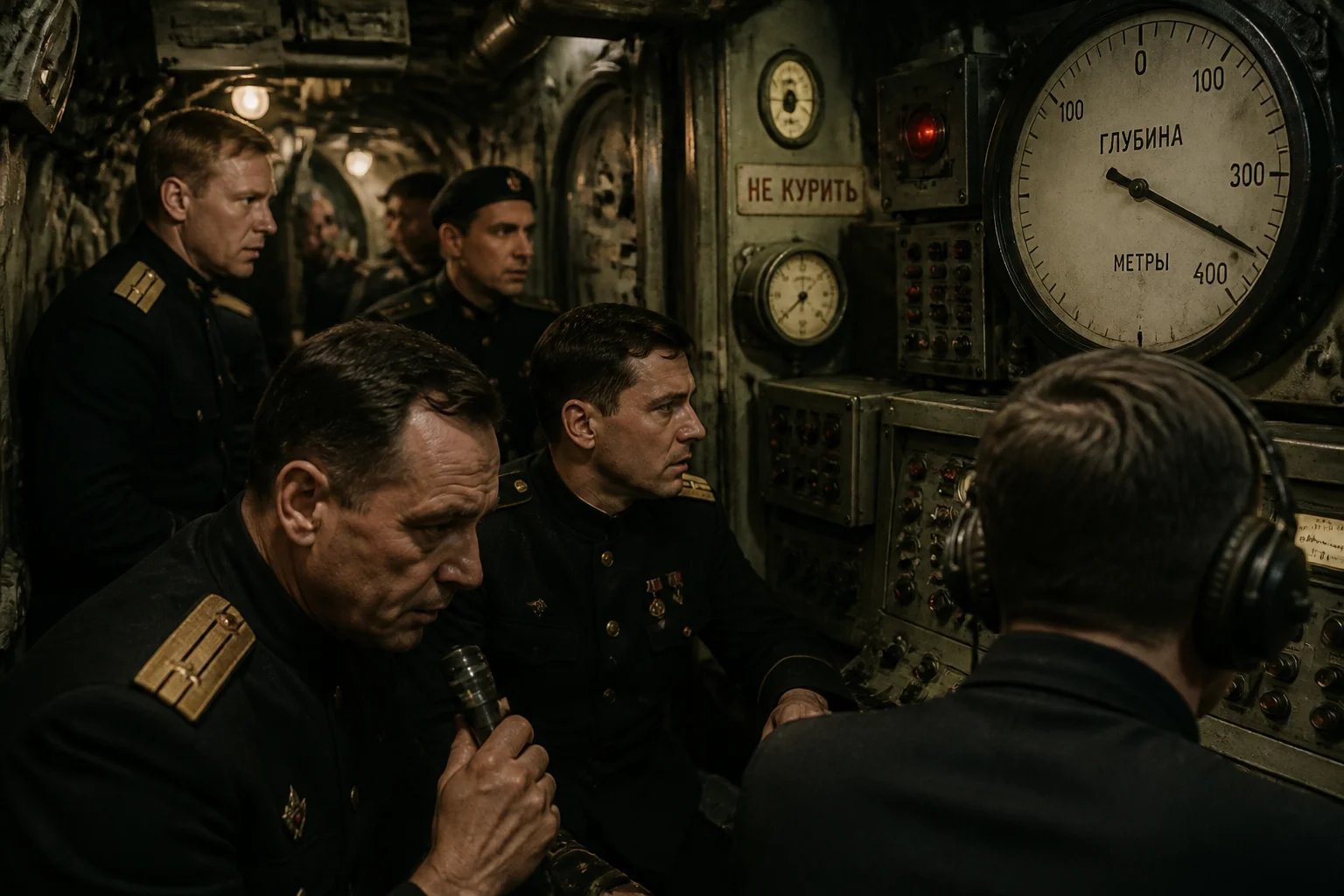
During the Cuban Missile Crisis in October 1962, the Soviet submarine B-59 was operating near the American blockade. U.S. Navy ships began dropping practice depth charges to force it to surface, which the submarine's captain reportedly interpreted as a real attack. The captain wanted to fire a nuclear-tipped torpedo.
Soviet protocol required agreement from the submarine's top officers, and Vasili Arkhipov refused to authorize the launch. His decision kept the crisis from escalating into a possible nuclear exchange. Arkhipov's presence on that submarine was a coincidence that may have prevented catastrophic war.
The American depth charges were intended as a signal, but the submarine's crew could not easily tell the difference. Arkhipov's refusal became publicly known only decades after the event. His judgment shows how one person's calm inside a coincidence can have global consequences.
9. The Plane Crash That Exposed Germany's Invasion Plans
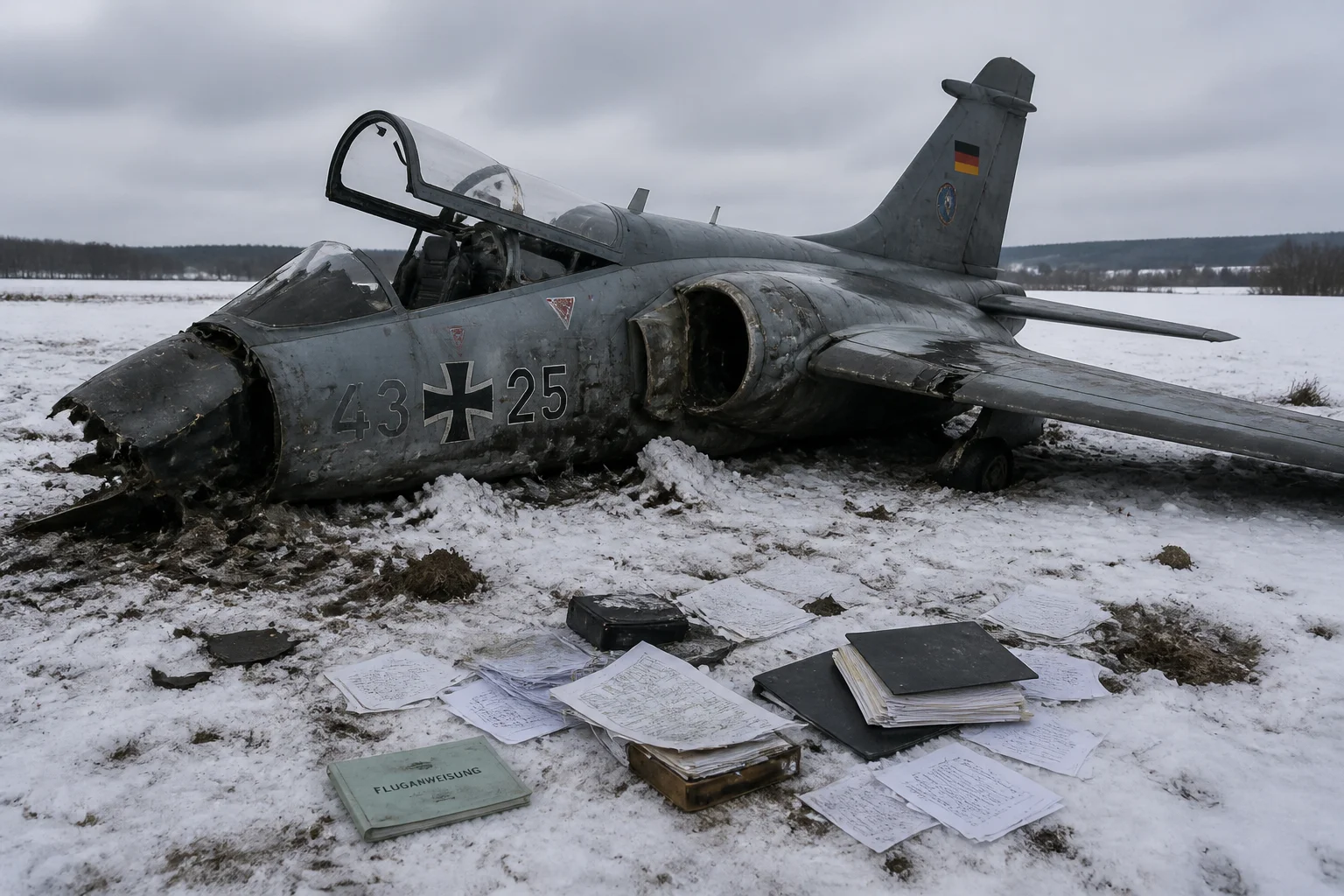
In January 1940, a German military officer was carrying plans for the invasion of France and the Low Countries when his plane made an emergency landing in Belgium. Belgian authorities recovered some of the documents before they could be fully destroyed. The Allies learned important details about German intentions.
The incident encouraged Germany to revise its western offensive strategy, which later produced the successful Ardennes breakthrough. The crash was not the only reason for the change, but it pushed German planners into a different direction. It stands as one of the stranger military coincidences in history.
10. The Radar Blip Labeled 'Nothing to Worry About'
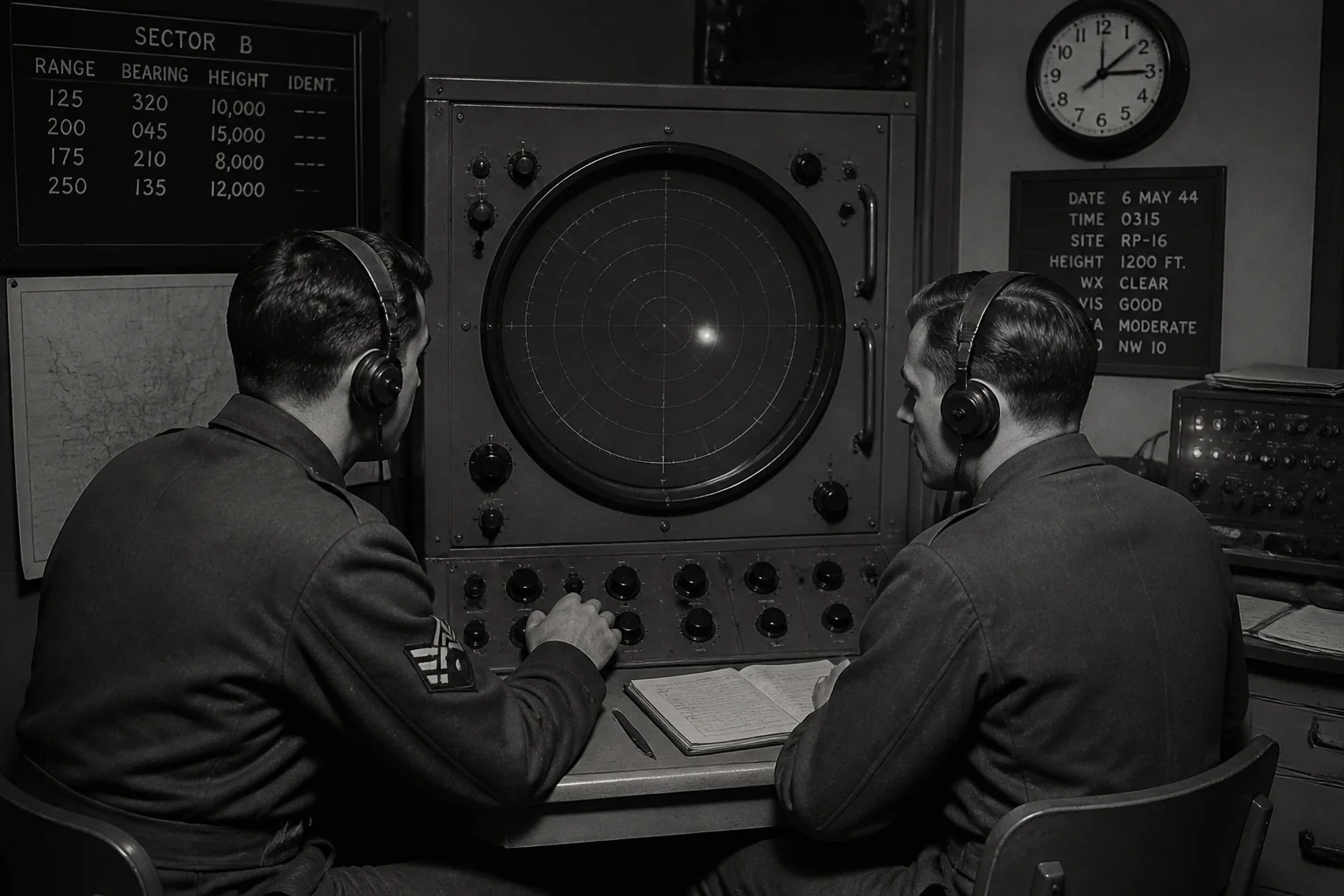
On December 7, 1941, two U.S. Army radar operators on Oahu detected a large formation of aircraft approaching from the north. They reported the contact to a duty officer, who believed it was a scheduled flight of B-17 bombers coming from California. The officer told them not to worry about it.
The formation was the first wave of the Japanese attack on Pearl Harbor. The coincidence of a real bomber flight and an incoming raid on the same morning helped the attackers achieve surprise. It was a human mistake within a larger intelligence failure.
The radar operators continued tracking the formation and were told that the information had already been passed on. That combination of expectation and communication failure made the surprise sharper. Pearl Harbor was not caused by one mistake, but the blip remains a famous warning about assumptions.
11. The Storm Break and Rommel's Birthday Trip
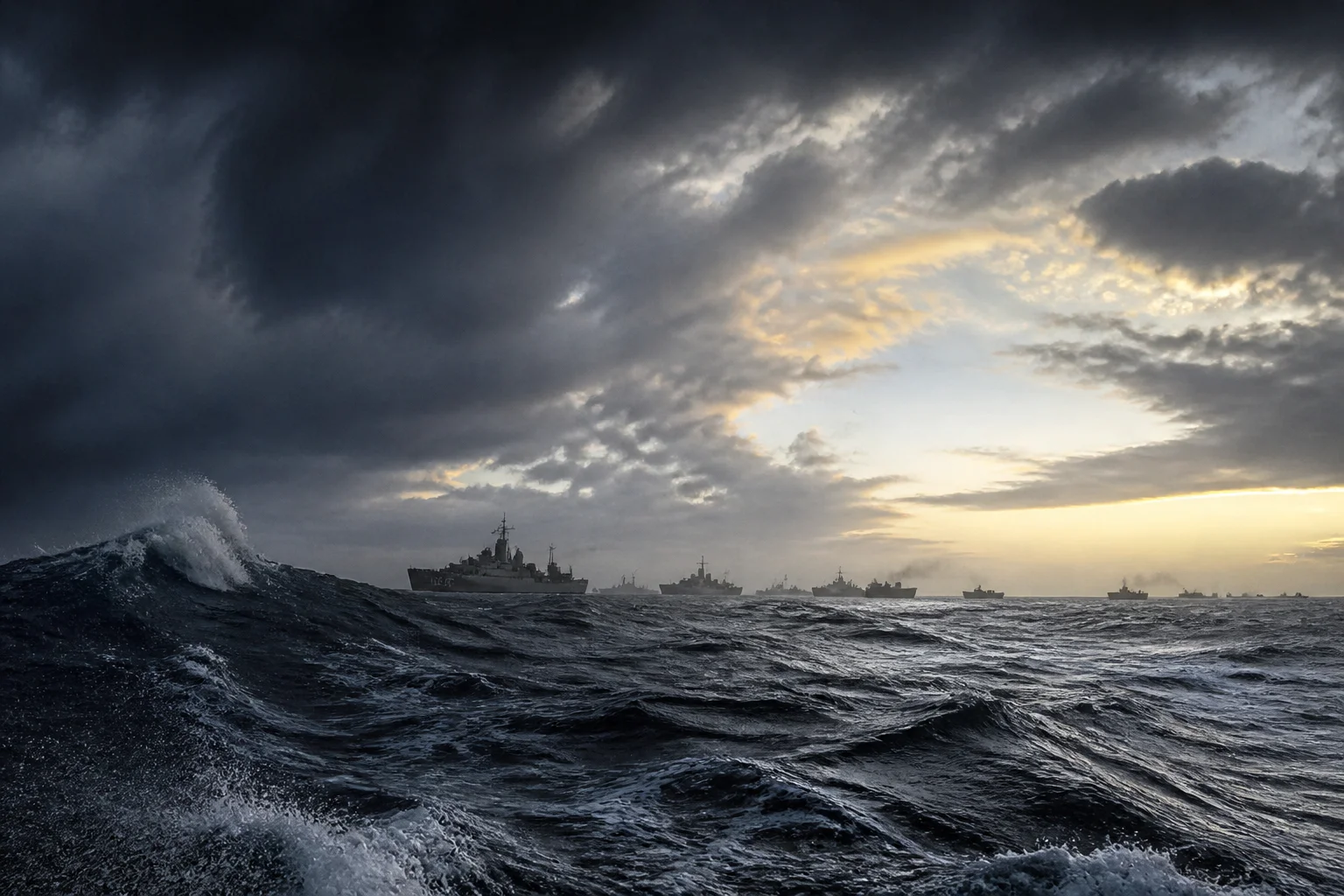
The Allied invasion of Normandy on June 6, 1944, depended on a narrow break in bad weather. German forecasters believed the storms would make an invasion impossible, and many senior officers were away from the front. Erwin Rommel had gone to Germany for his wife's birthday.
When Allied ships appeared, German command was slower to respond. Weather, deception, and Allied planning all influenced the operation. Still, the timing of the calm window and Rommel's absence is a compelling historical coincidence.
12. The Novel That Mirrored the Titanic
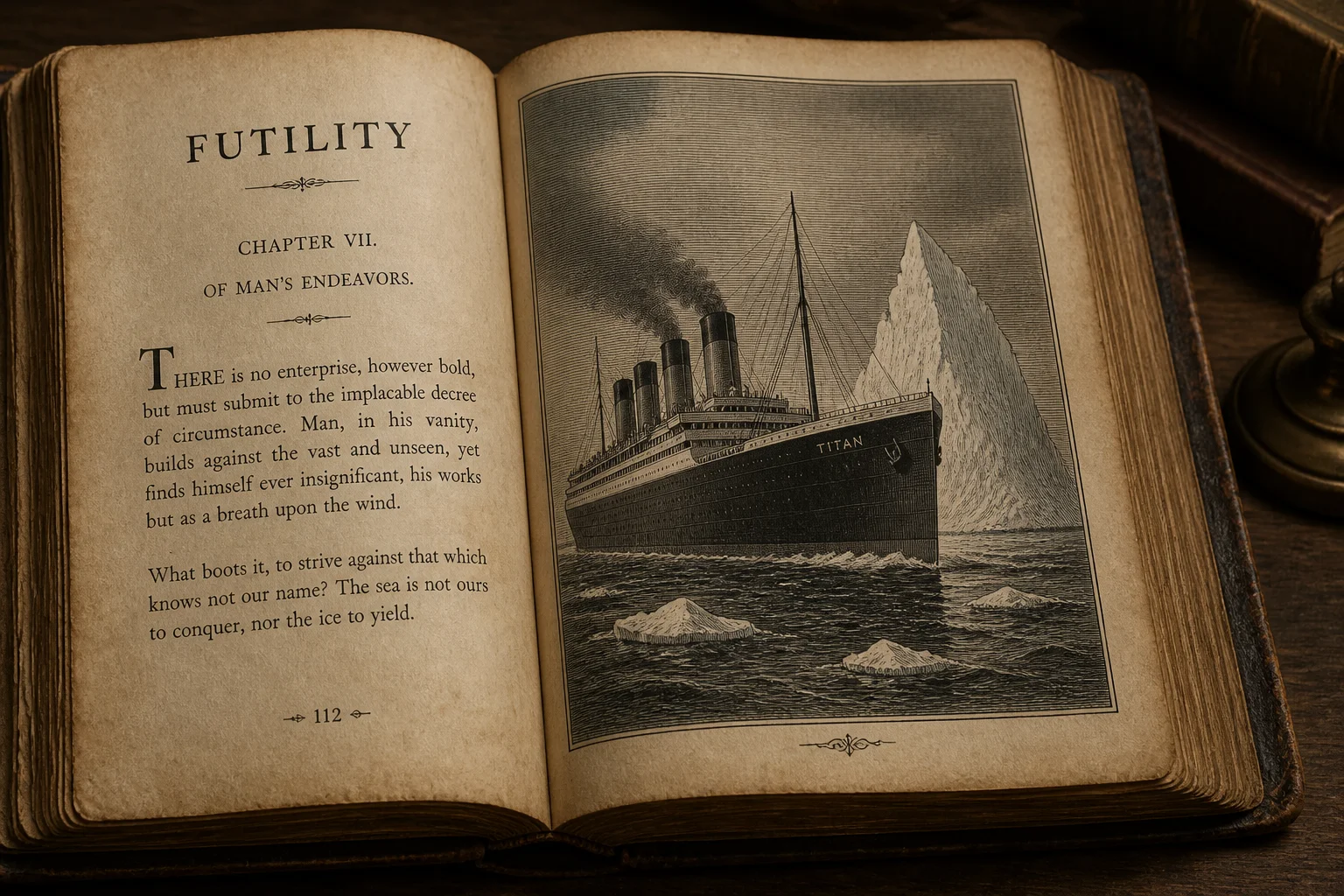
In 1898, writer Morgan Robertson published a novella called 'Futility.' It told the story of a huge ocean liner named Titan, described as unsinkable, that struck an iceberg in the North Atlantic. The fictional ship also lacked enough lifeboats.
Fourteen years later, the Titanic disaster occurred with similar details. Robertson's story was not a prediction; it drew on real trends in shipbuilding and shipping routes, and some details differ. The parallel remains one of the most famous historical coincidences in popular culture.
13. The Unlocked Gate in Constantinople's Walls
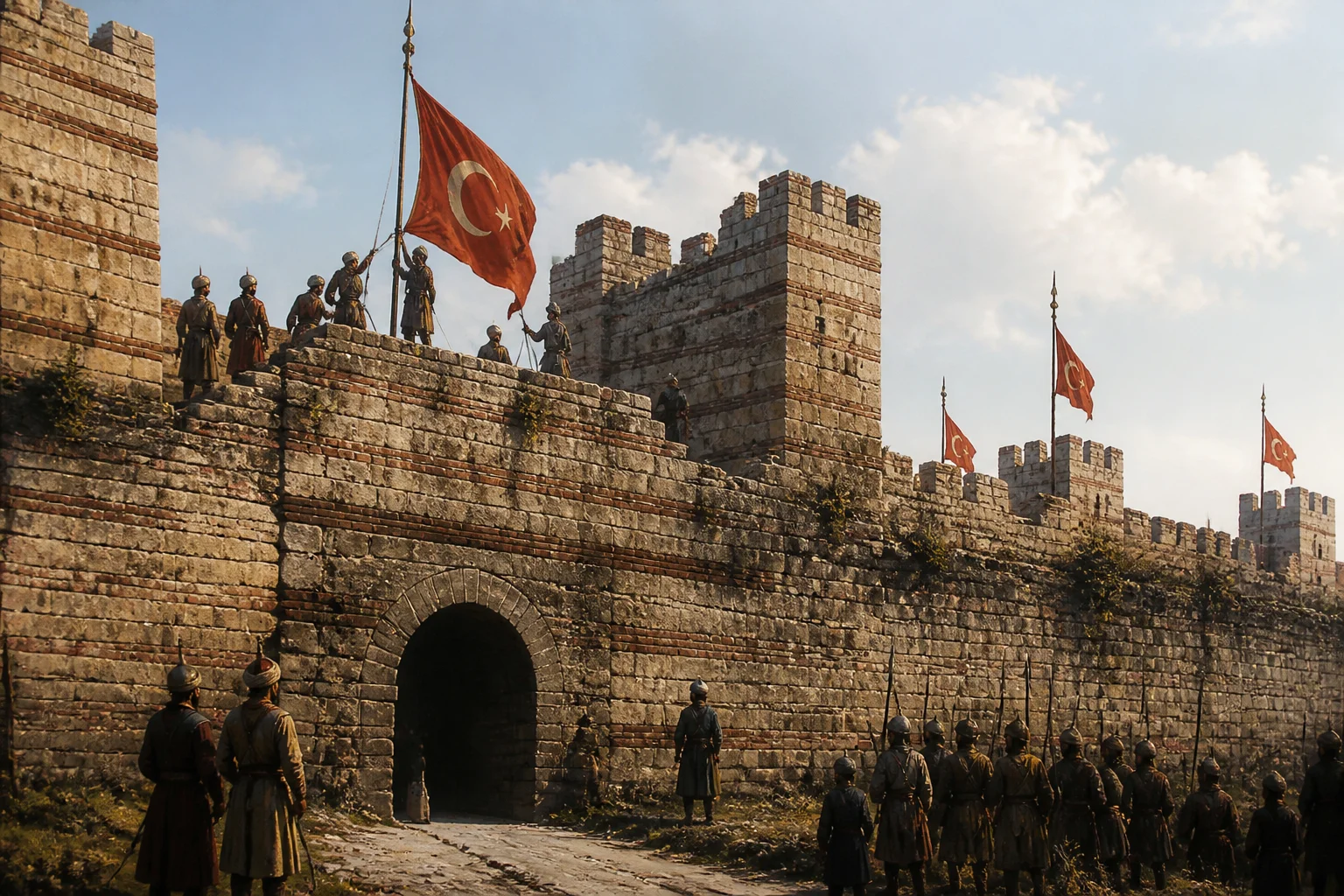
In 1453, Ottoman forces besieged Constantinople for weeks. According to several historical accounts, a small postern gate called the Kerkoporta was left open or unlocked after a defensive sally. Ottoman soldiers entered through it and raised a banner on the wall.
The incident caused confusion among the defenders and helped the Ottomans break into the city. Some modern historians debate the exact details of the story, but it appears in contemporary sources. If true, it is one of the oldest examples of a random coincidence in history deciding an empire's fate.
14. The Rain That Delayed Napoleon at Waterloo
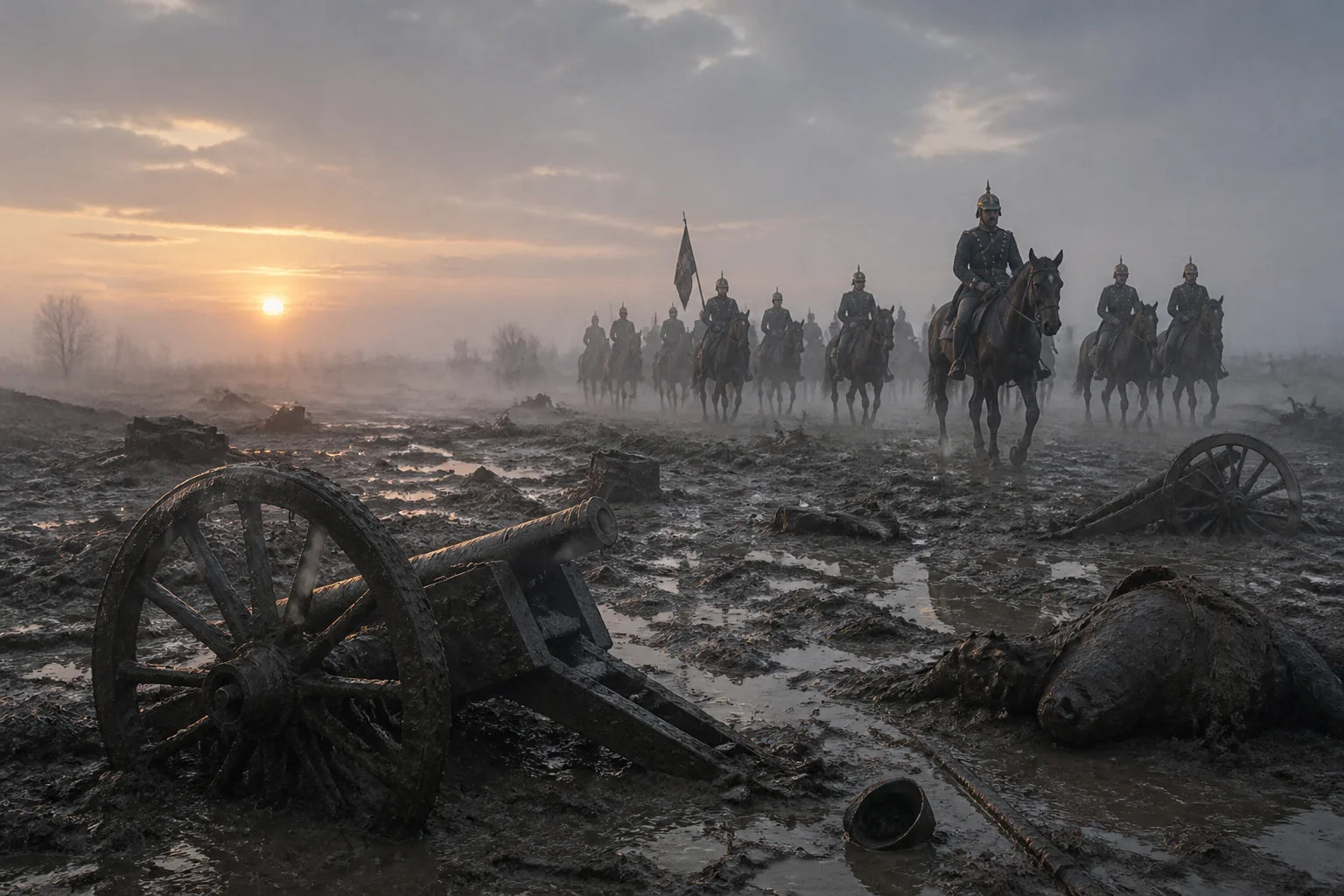
On the night before the Battle of Waterloo, heavy rain soaked the ground in Belgium. Napoleon delayed the start of the battle on June 18, 1815, to let the mud dry and improve conditions for his artillery. Those lost hours allowed Prussian forces under Blücher to march toward the battlefield.
By afternoon, the Prussians arrived and tipped the battle against Napoleon. Military historians still argue about how decisive the delay was, but the wet weather clearly shaped French planning. It is a classic example of climate intruding into human conflict.
15. The False Alarm That Did Not Start World War III
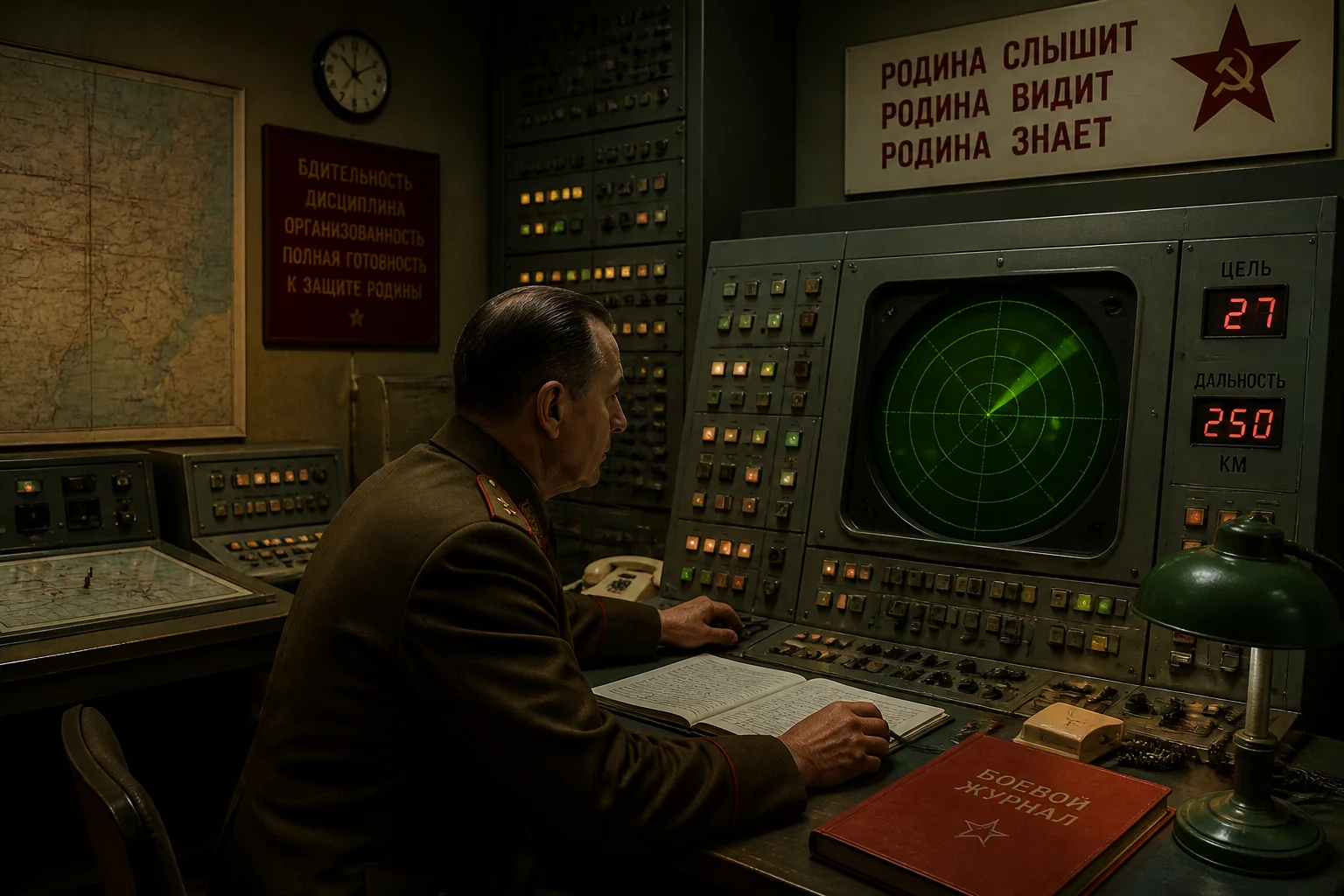
In September 1983, Soviet early-warning systems reported what appeared to be an incoming American missile launch. Lieutenant Colonel Stanislav Petrov was on duty and had to decide whether to pass the alert up the chain of command. He judged that the signal was a malfunction.
His decision prevented a likely Soviet retaliation based on faulty data. Petrov was not acting on pure luck; he had training and skepticism about the system. But the coincidence of the malfunction and his presence in the command chair changed the course of the Cold War.
16. The Glowing Screen That Revealed X-Rays
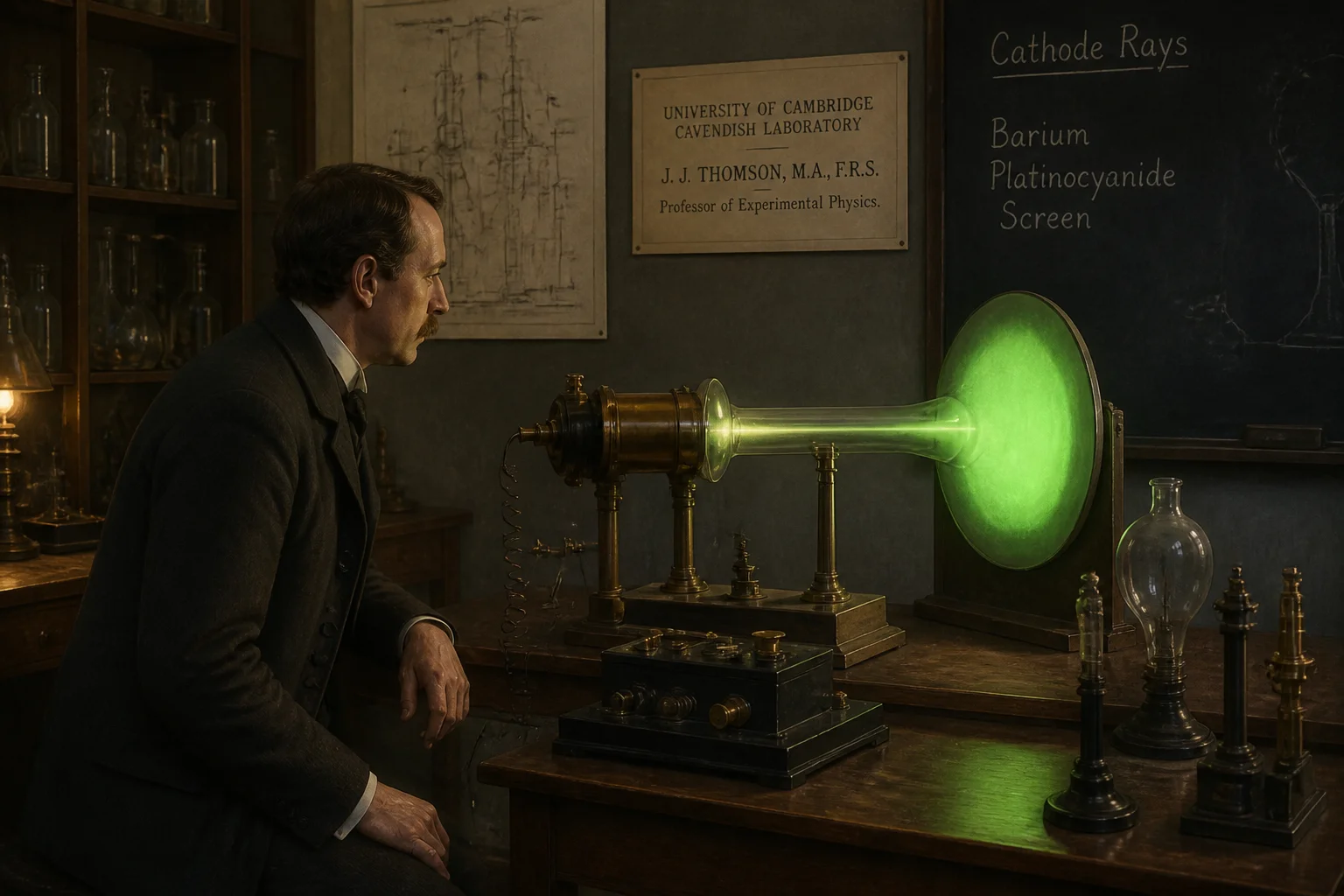
In 1895, physicist Wilhelm Röntgen was experimenting with cathode rays in a darkened laboratory. He noticed that a nearby screen coated with barium platinocyanide was glowing even though it was not in the direct path of the rays. Röntgen realized an invisible radiation was passing through materials.
He called the discovery X-rays, and it quickly spread around the world as a medical and scientific tool. The observation was accidental, but Röntgen's careful follow-up work turned curiosity into a breakthrough. It is one of the most productive lab coincidences in history.
17. The Press Conference That Opened the Berlin Wall
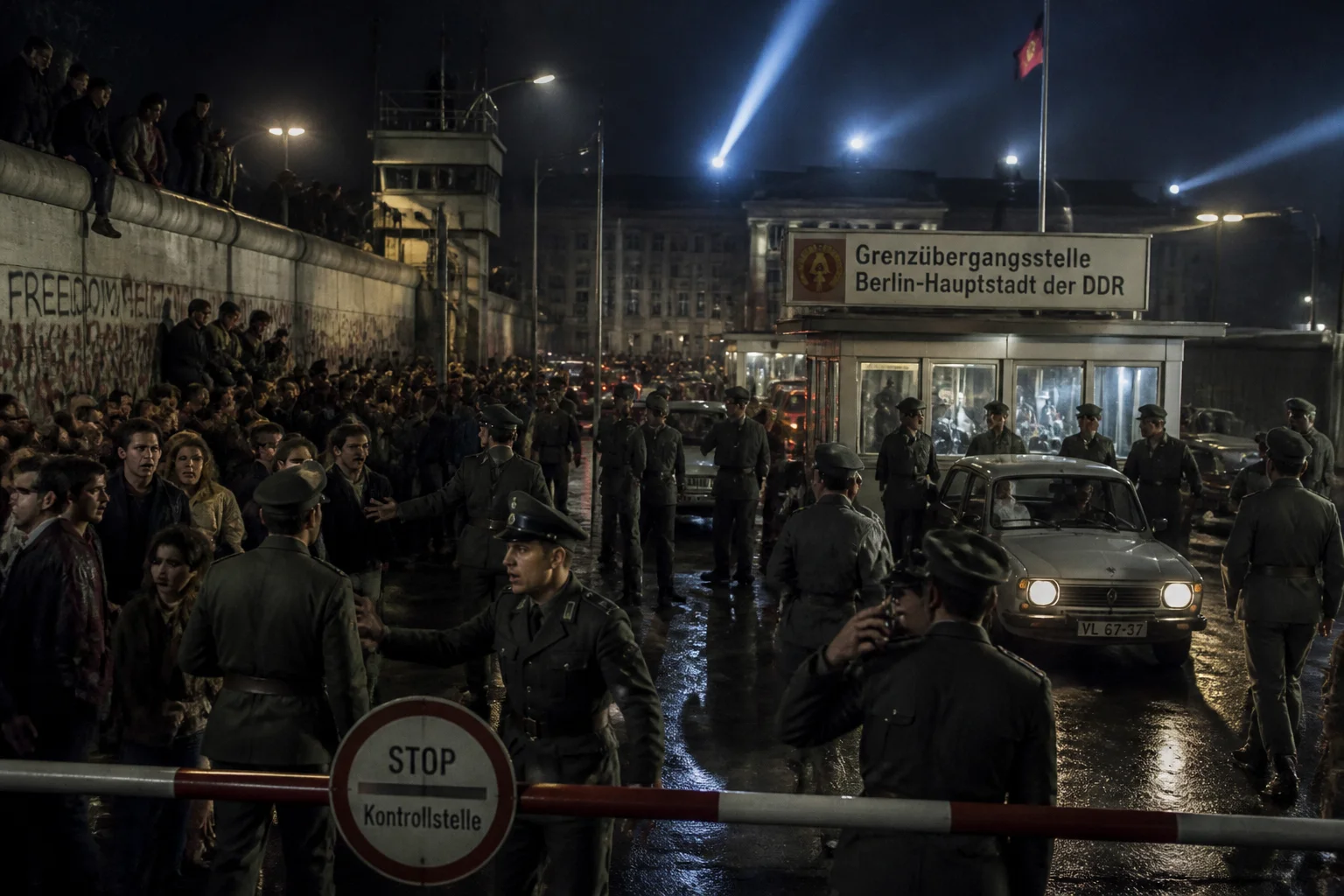
On November 9, 1989, East German official Günter Schabowski held a press conference about new travel regulations. When asked when the rules would take effect, he appeared uncertain and said they would apply 'immediately, without delay.' His wording was not part of a planned announcement.
Crowds gathered at checkpoints, and border guards eventually opened the crossings. The Berlin Wall effectively lost its function that night. The confusion was a bureaucratic accident that accelerated the end of the Cold War in Europe.
18. The Fog That Hid Washington's Escape
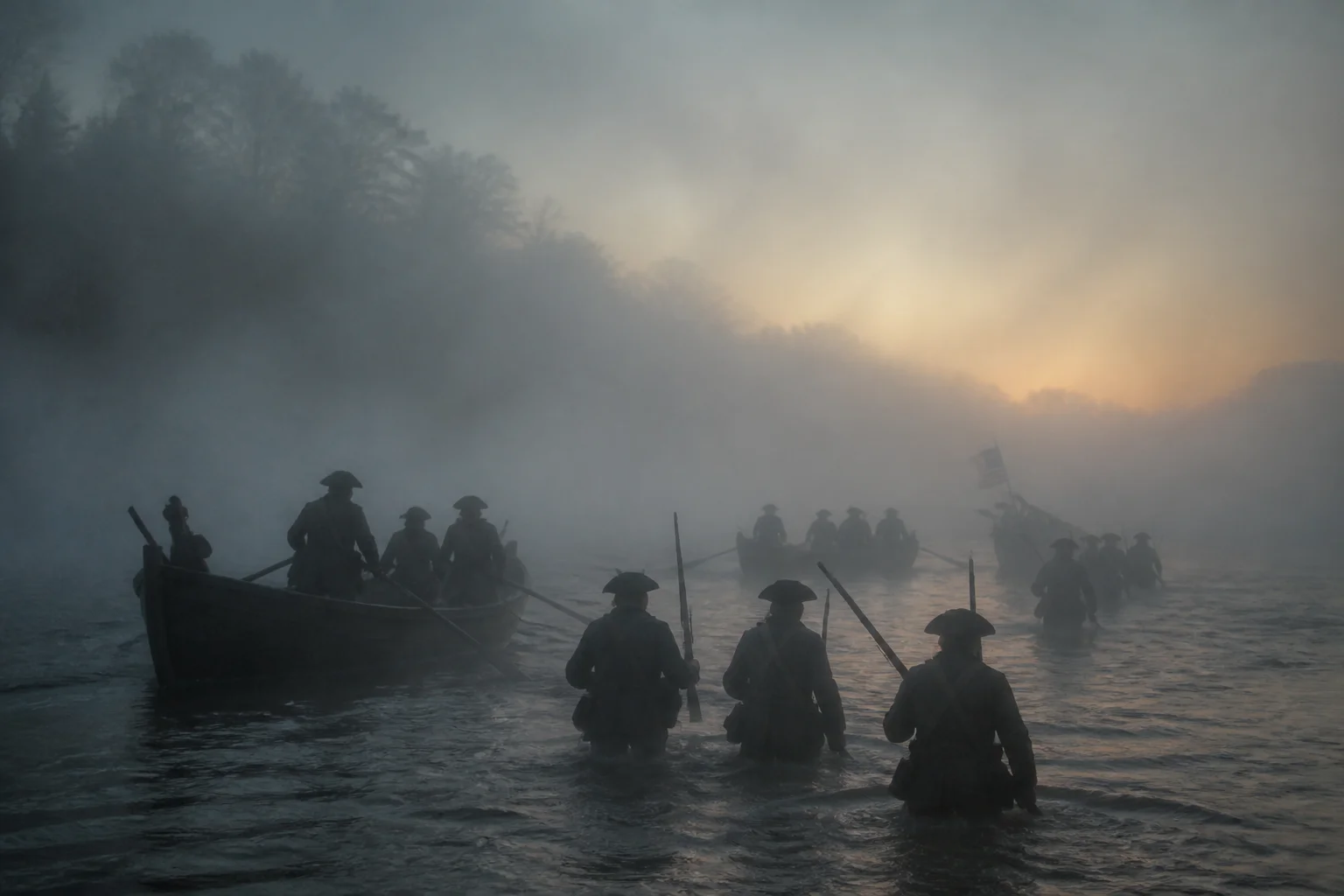
In August 1776, after the Battle of Brooklyn, George Washington's Continental Army was trapped on Brooklyn Heights with the East River behind it. Washington ordered a night evacuation to Manhattan, but the evacuation was still underway at dawn. A thick fog settled over the river.
The fog hid the final boats and prevented British forces from noticing the retreat until it was complete. Roughly 9,000 troops escaped to fight again. The timely weather saved the Continental Army from possible capture and changed the early course of the American Revolution.
19. The Two Pistols That Misfired on Andrew Jackson
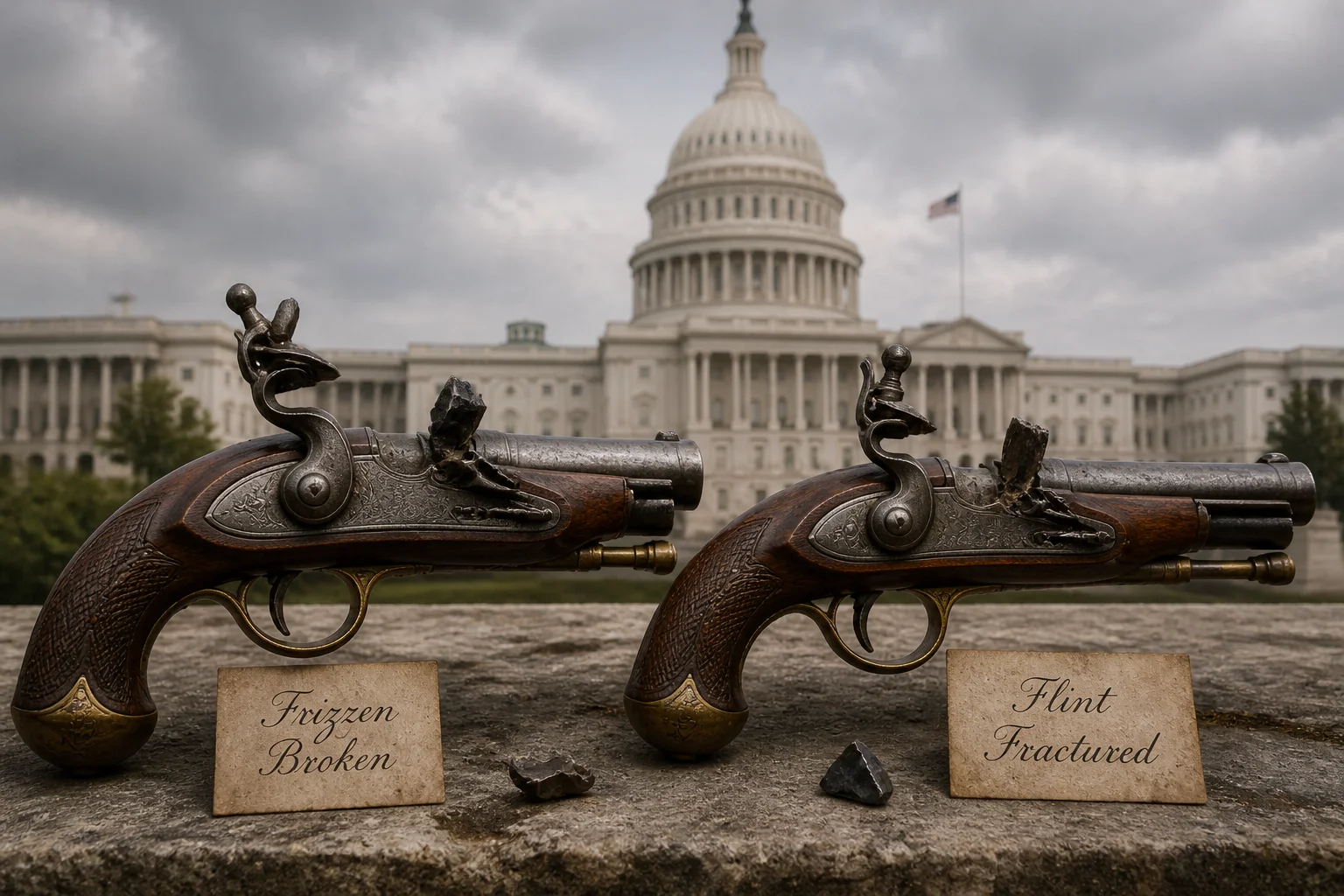
In January 1835, a man named Richard Lawrence attempted to shoot President Andrew Jackson outside the U.S. Capitol. Lawrence's first pistol misfired, and Jackson reportedly struck him with a cane. Lawrence then produced a second pistol, and it also misfired.
The double misfire was an extraordinary coincidence, especially since both weapons were later tested and fired normally. Jackson survived the first assassination attempt on a sitting U.S. president. The event became part of American political lore, though historians note that Lawrence was mentally ill.
20. The Christmas Truce That Alarmed the Generals
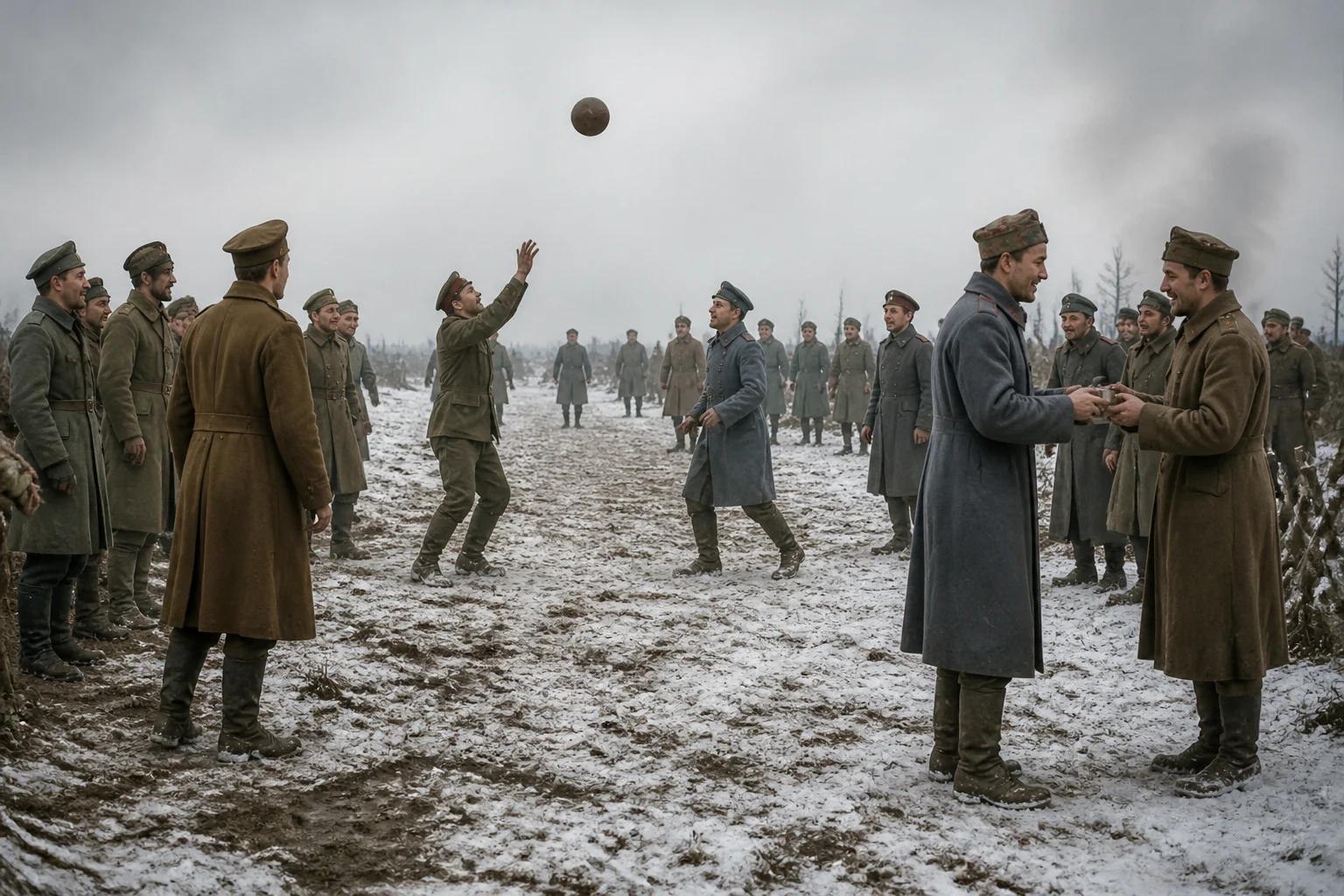
In December 1914, soldiers along parts of the Western Front began singing carols and calling across no man's land. On Christmas Day, many troops emerged to exchange food, souvenirs, and in some sectors to play football. The Christmas truce was unofficial and uneven; not every part of the front took part.
Commanders on both sides worried that fraternization would undermine the will to fight, and later orders discouraged repeat truces. The event did not end World War I, but it shaped military policy and public memory of the war. It remains a strange human coincidence born from shared exhaustion and a holiday calendar.
What These Coincidences Actually Teach Us
The most important lesson from these stories is not that history is random. It is that large events often contain small hinges. A wrong turn, an unlocked gate, or a cloudy sky can become significant when the surrounding system is already under extreme pressure.
Recognizing chance also makes history more honest. It reminds us that leaders, armies, and nations are never fully in control. Plans matter, but so do timing, weather, and ordinary human mistakes.
These random coincidences that changed the world are also a warning against simple hindsight. Winners and survivors like to describe their outcomes as inevitable. The record shows that many turning points were far stranger and more fragile than that.
Frequently Asked Questions
What are some random coincidences that changed hte world?
Examples include Archduke Franz Ferdinand's driver taking a wrong turn in 1914, the calm seas at Dunkirk in 1940, and Alexander Fleming's contaminated petri dish in 1928. Each moment mattered because it intersected with broader political, military, or scientific conditions.
Are historical coincidences proof of fate or conspiracy?
No. Most historians treat them as low-probability events inside larger systems. A wrong turn or a storm can become significant, but that does not mean the outcome was secretly planned or destiny.
Did the novel ‘Futility’ really predict the Titanic disaster?
No, not in a supernatural sense. Morgan Robertson wrote about a ship called Titan based on real shipbuilding trends and maritime dangers of his time. The similarities are striking, but they are a coincidence rather than evidence of prediction.
Did weather alone save Japan from the Mongol invasions?
Weather was a major factor, but not the only one. Japanese defenders had built coastal fortifications, and the invaders faced supply and command problems. The typhoons were dramatic coincidences in history, but they worked alongside human preparation.

Alex Warren
Related Articles