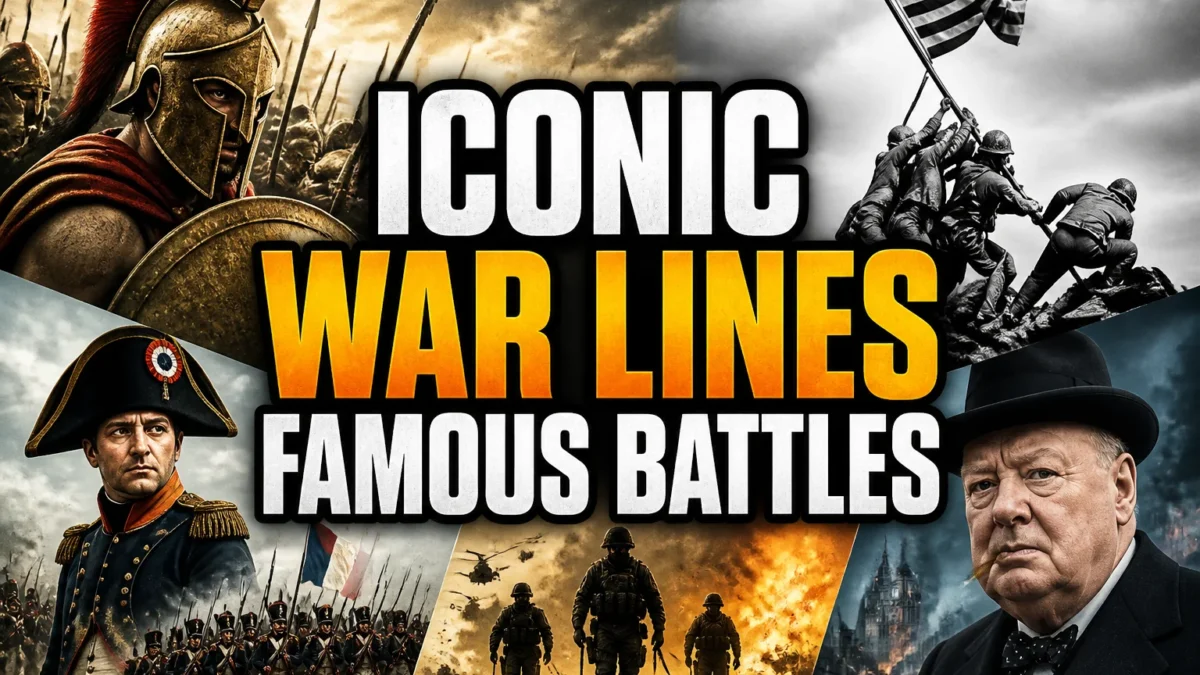
War has a way of distilling human experience into unforgettable words. Some lines become rallying cries, others bitter epitaphs, and a few survive centuries as windows into how people actually thought about conflict. This post gathers iconic war lines from across history and looks at what we really know about them.
Many famous war lines are more complicated than they first appear. Some were polished after the fact, some were probably never said at all, and a handful genuinely did ring out on battlefields. Understanding the difference is part of what makes military history so endlessly fascinating.
TL;DR: The most iconic war lines endure because they capture a moment's raw emotion, but many were embellished, misattributed, or invented entirely after the fighting stopped.
Why War Produces Iconic Lines
War strips life down to its essentials, and language often follows. Soldiers, commanders, and civilians reach for words that can hold the weight of sacrifice, terror, courage, and grief all at once.
Battlefields are also places where a single phrase can change morale in seconds. A short, sharp line shouted at the right moment can steady a wavering line or send troops charging forward. That practical power helps explain why so many war lines were remembered and repeated.
Afterward, nations need stories to make sense of loss. Quotations become part of that storytelling, sometimes shaped more by what people wanted to hear than by what was actually said.
How Historians Verify Famous War Lines
Historians treat wartime quotations with careful skepticism. A line that appears in a memoir decades after a battle may reflect memory, legend, or deliberate invention rather than recorded speech.
Primary sources written close to the event carry the most weight. Letters, diaries, official dispatches, and contemporary newspaper accounts are far more reliable than later recollections. When no contemporary source exists, historians often label a quote as apocryphal or attributed rather than confirmed.
The gap between what was said and what was later reported is often wide. Popular memory tends to smooth rough edges, compress long speeches into one-liners, and assign words to famous figures who may never have spoken them.
1. "Molon Labe" — Leonidas at Thermopylae (480 BCE)
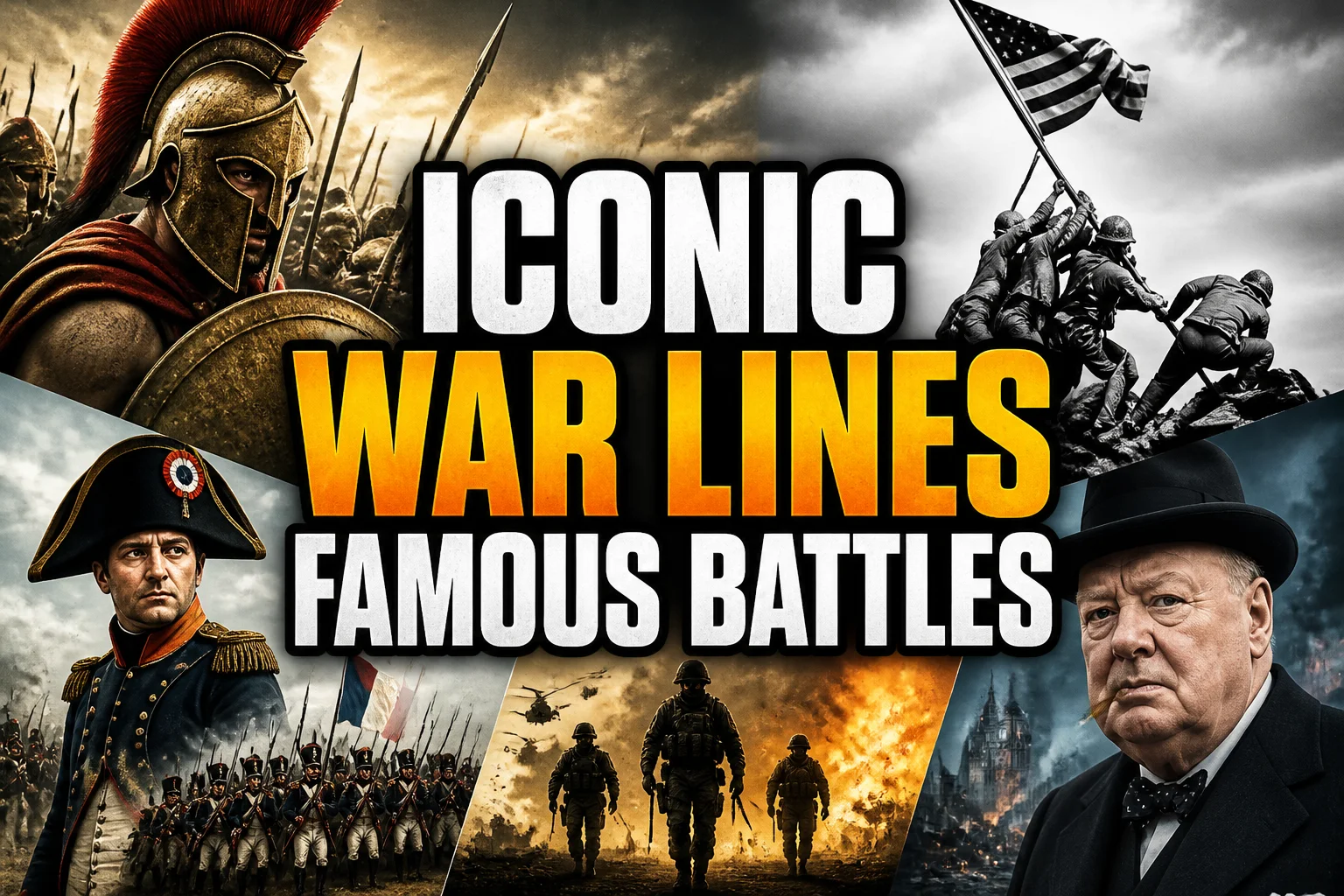
The phrase "Molon labe," usually translated as "come and take them," is tied to the Spartan stand at Thermopylae. According to the ancient historian Plutarch, the Persian king Xerxes demanded that the Greeks surrender their weapons.
Leonidas, the Spartan king, supposedly answered with this two-word challenge. It has echoed through military history ever since, adopted by Greek forces in later wars and by gun rights advocates in modern America.
Plutarch wrote centuries after the battle, so the exact wording is uncertain. But the line captures the defiant spirit ancient sources attributed to the Spartans facing overwhelming odds.
2. "Veni, Vidi, Vici" — Julius Caesar at Zela (47 BCE)
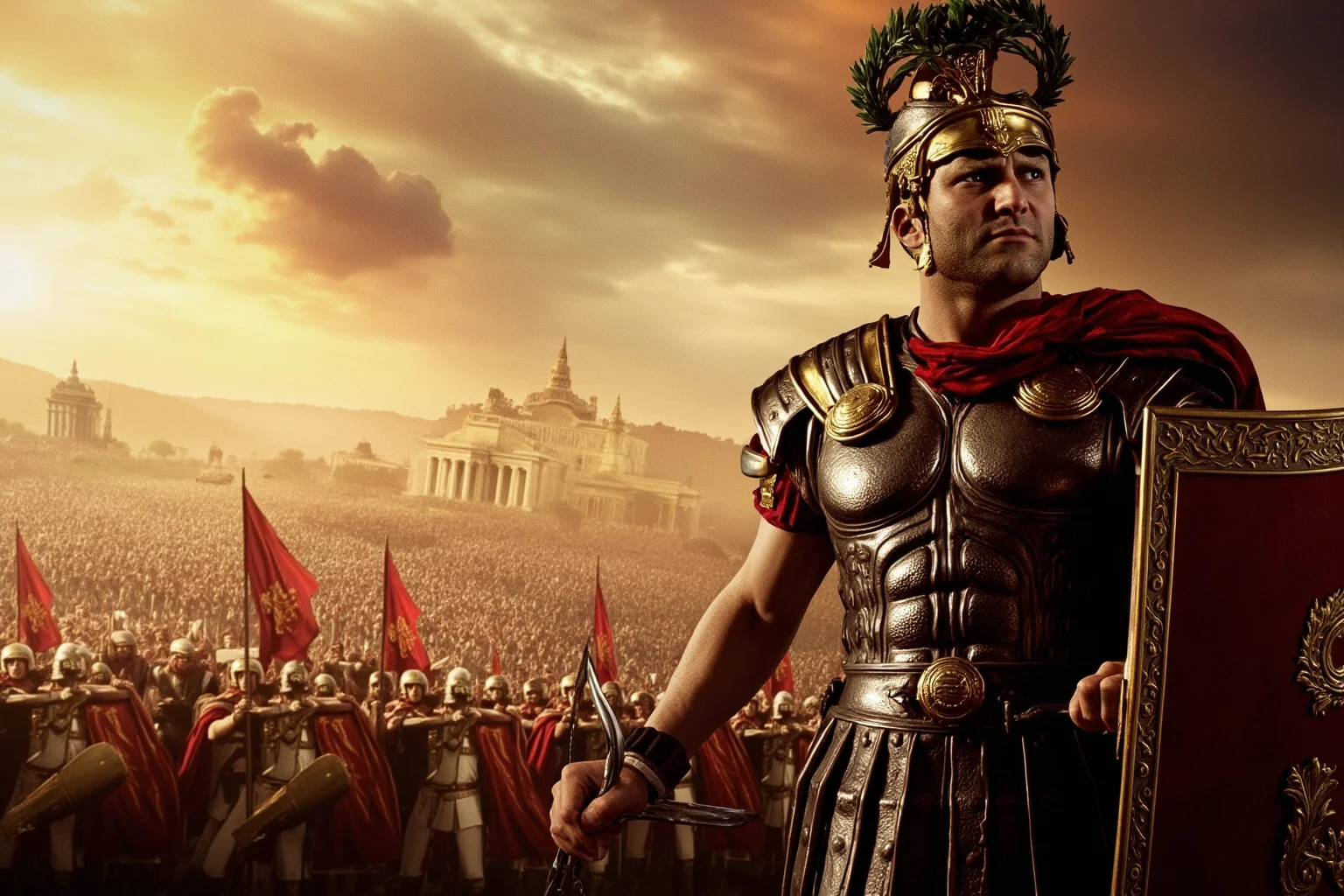
Julius Caesar's three-word report of his lightning victory at Zela remains one of the most famous war lines in history. "I came, I saw, I conquered" was reportedly written in a letter to the Roman Senate after defeating Pharnaces II of Pontus.
The brevity was deliberate. Caesar wanted to emphasize the speed and totality of his victory, contrasting it with the long, grinding campaigns of his rivals.
The phrase appears in ancient sources including Suetonius and Plutarch, both writing well after Caesar's death. It likely reflects a real boast, polished into the lapidary form that survives today.
3. "The Die Is Cast" — Caesar at the Rubicon (49 BCE)
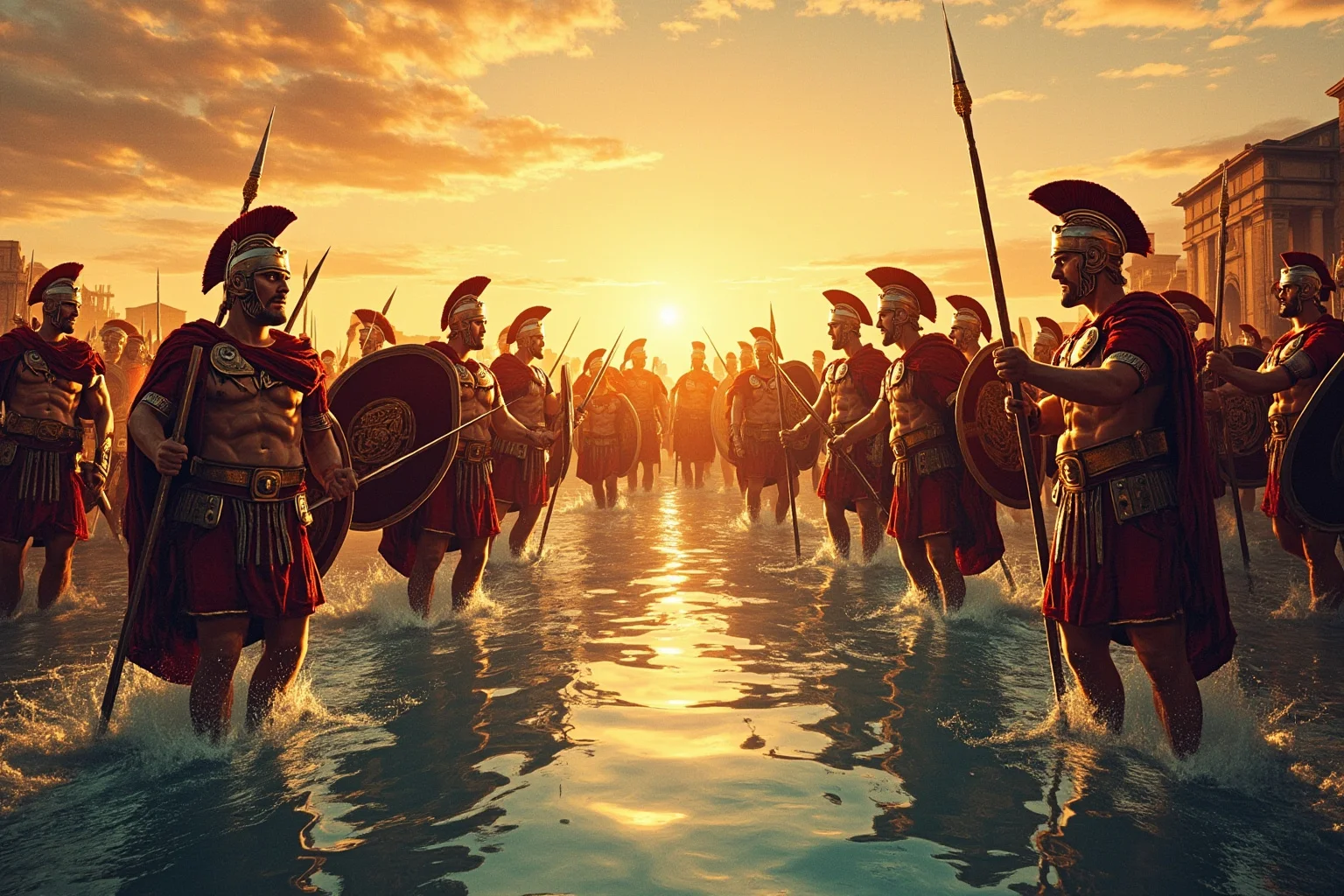
Another Caesar line marks the moment he crossed the Rubicon River with his army, an act of treason against the Roman Republic. "Alea iacta est" — "the die is cast" — signaled that there was no turning back.
Suetonius records the phrase as something Caesar said at the crossing, though the exact wording may have been Greek rather than Latin. The meaning is unmistakable either way: a point of no return had been passed.
The line has become shorthand for any irreversible decision. It is one of those war lines that transcended its original military context to become part of everyday language.
4. "Carthage Must Be Destroyed" — Cato the Elder (2nd Century BCE)
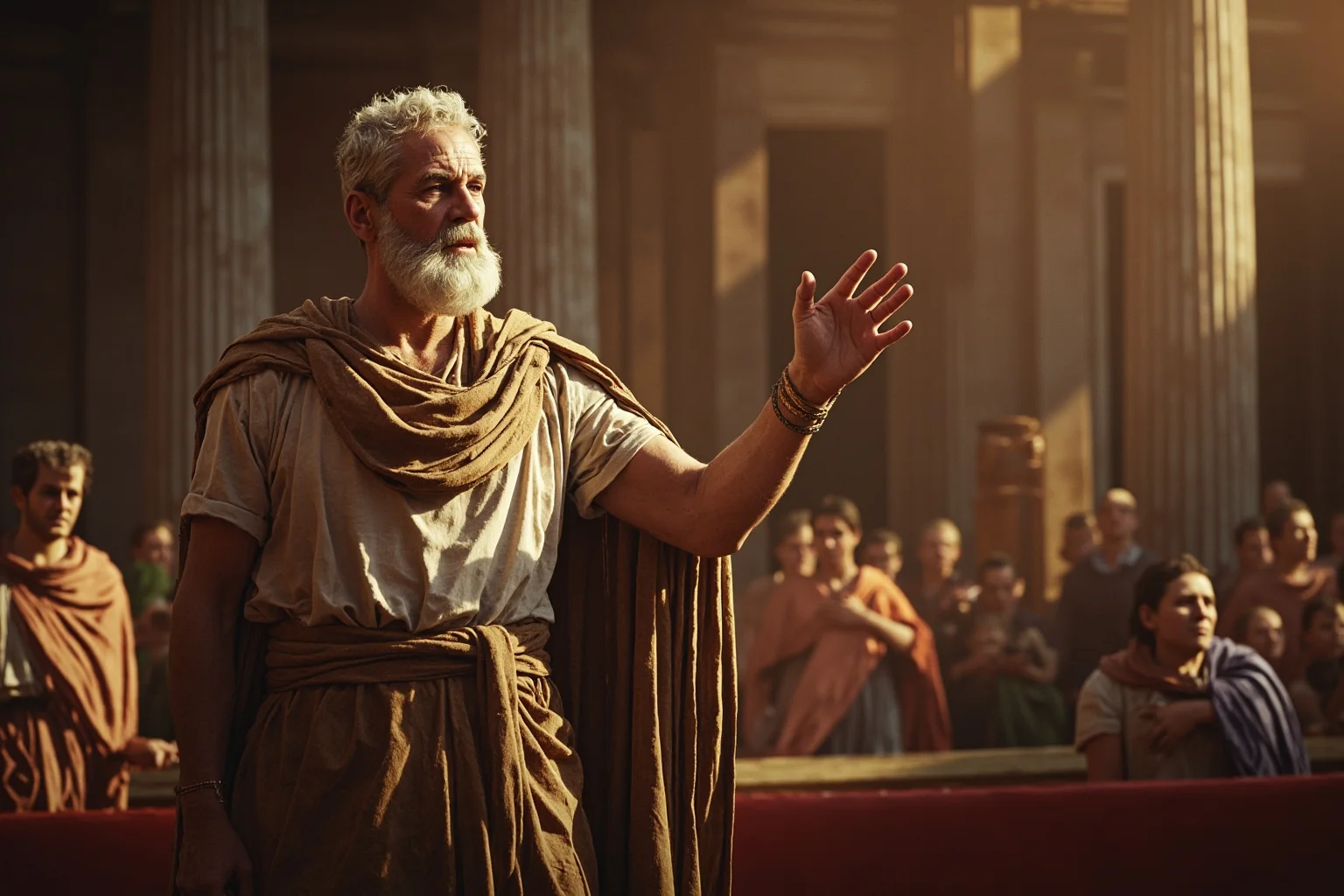
The Roman senator Cato the Elder supposedly ended every speech, whatever its topic, with the words "Carthago delenda est" — "Carthage must be destroyed." He used the phrase to push Rome toward the Third Punic War.
Ancient sources including Plutarch attribute this practice to Cato, though the exact wording varies. The sentiment was real enough: Rome did eventually destroy Carthage in 146 BCE.
This is a war line about war, spoken in peacetime to agitate for conflict. It shows how language can be wielded as a weapon long before any army takes the field.
5. "Let Them Eat Cake" — Misattributed to Marie Antoinette (18th Century)
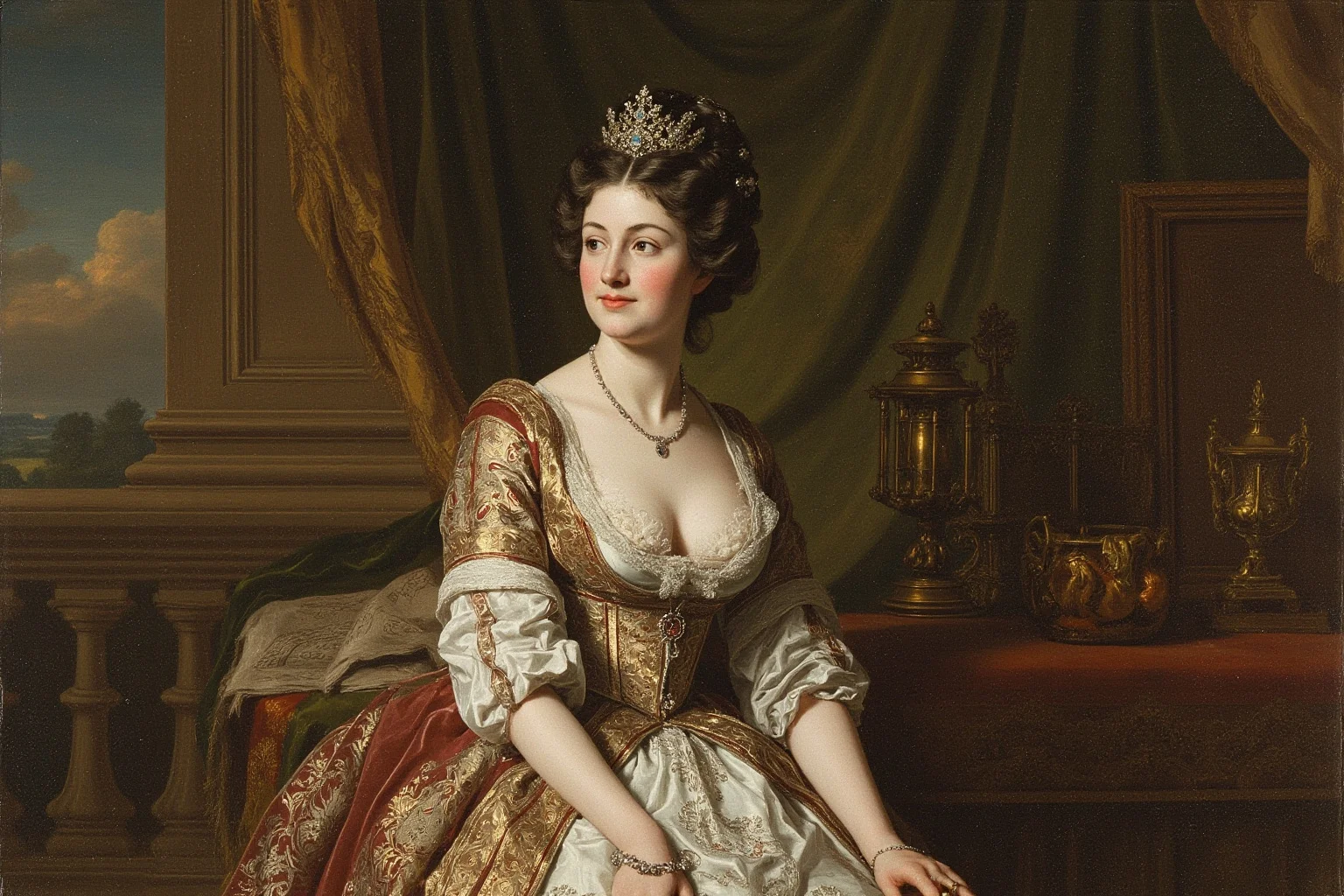
"Let them eat cake" is often cited as proof of aristocratic indifference to starving peasants before the French Revolution. The line is usually attributed to Marie Antoinette, but there is no evidence she ever said it.
The phrase actually appears in Jean-Jacques Rousseau's "Confessions," written before Marie Antoinette arrived in France. It was attributed to an unnamed princess, and only later attached to the queen by revolutionary propaganda.
This is a useful reminder that famous war lines can be weapons of political warfare. The myth served a purpose: making the monarchy seem so callous that revolution felt justified.
6. "Don't Fire Until You See the Whites of Their Eyes" — Bunker Hill (1775)
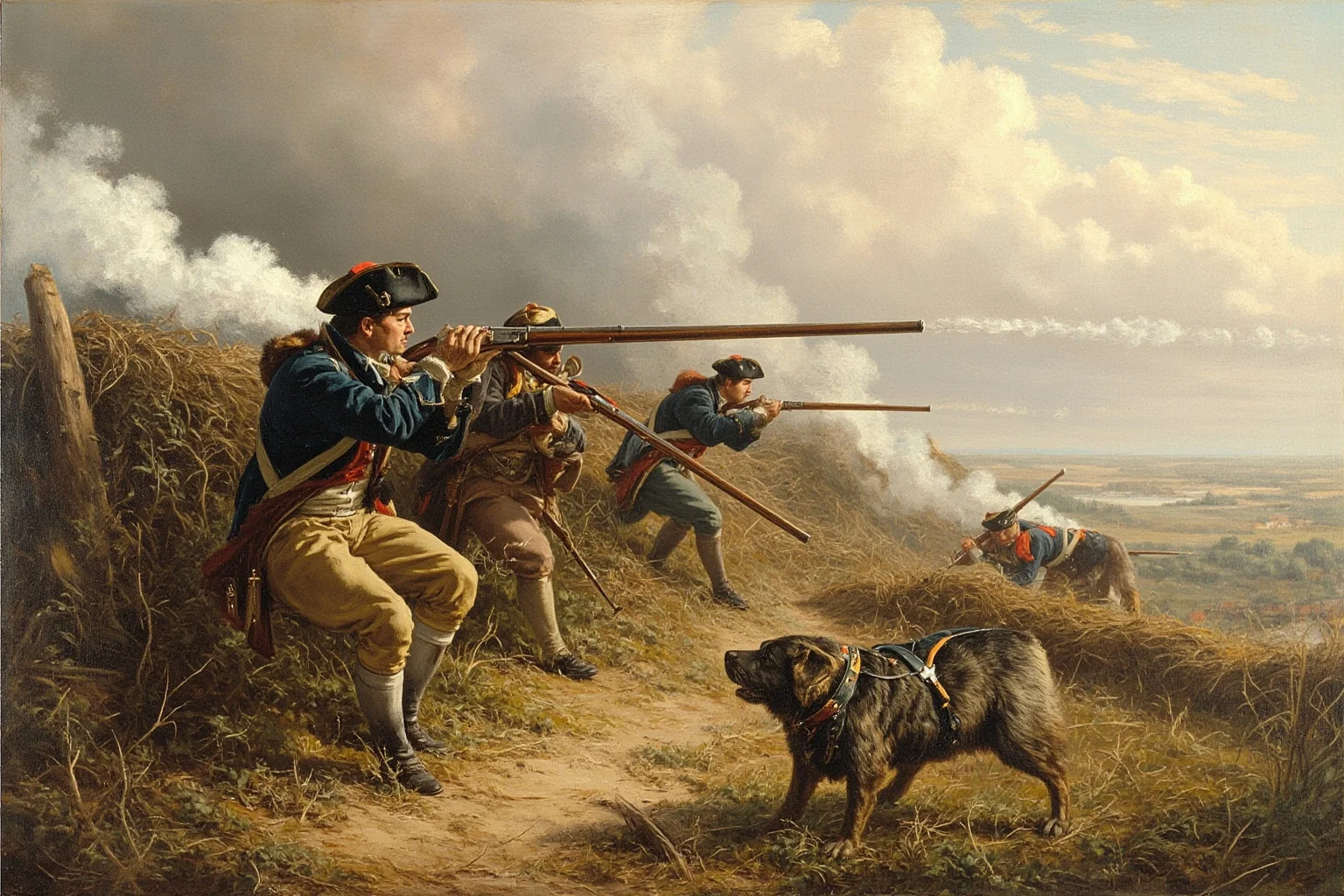
The American Revolutionary War produced several iconic lines, but this one has a tangled history. At the Battle of Bunker Hill, American officers wanted their limited ammunition to count.
The order to hold fire until the enemy was close is recorded in multiple accounts. The exact wording "whites of their eyes" appears in several versions, attributed to different officers including Israel Putnam and William Prescott.
Historians debate who actually said it first, and the phrase may have been common military advice of the era. What is certain is that the disciplined volley it produced devastated the British advance.
7. "I Have Not Yet Begun to Fight" — John Paul Jones (1779)
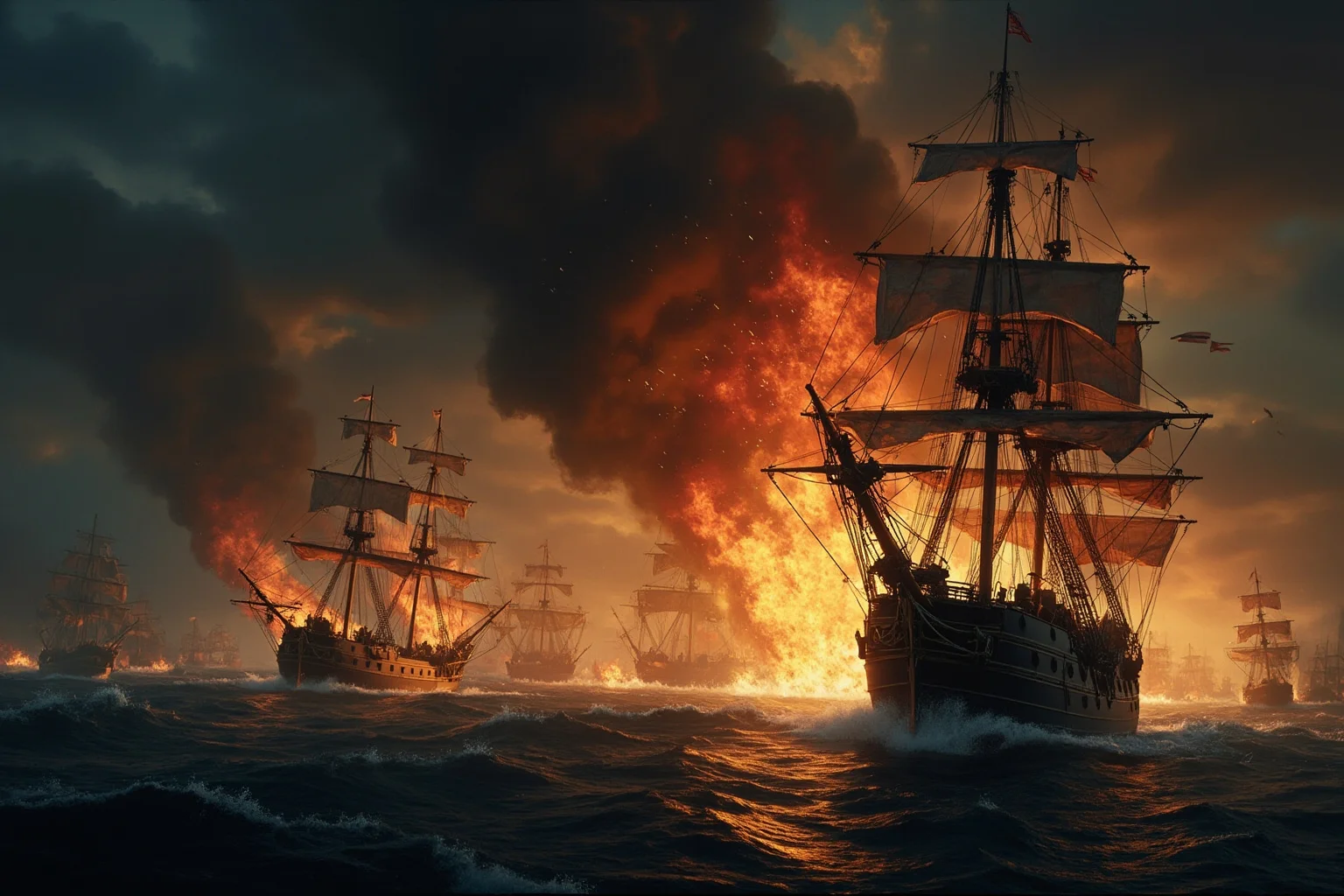
Naval warfare gave us one of the most famous battles with famous quote attached: the clash between the Bonhomme Richard and HMS Serapis. John Paul Jones, his ship sinking, reportedly answered a British demand to surrender with defiance.
The line "I have not yet begun to fight" is almost certainly a later invention. Contemporary accounts suggest Jones said something like "I may sink, but I'll be damned if I strike," or simply refused to surrender.
The polished version appeared in biographies decades after Jones's death. It is a classic case of a good story improving on messy reality.
8. "The Guard Dies, But Does Not Surrender" — Waterloo (1815)
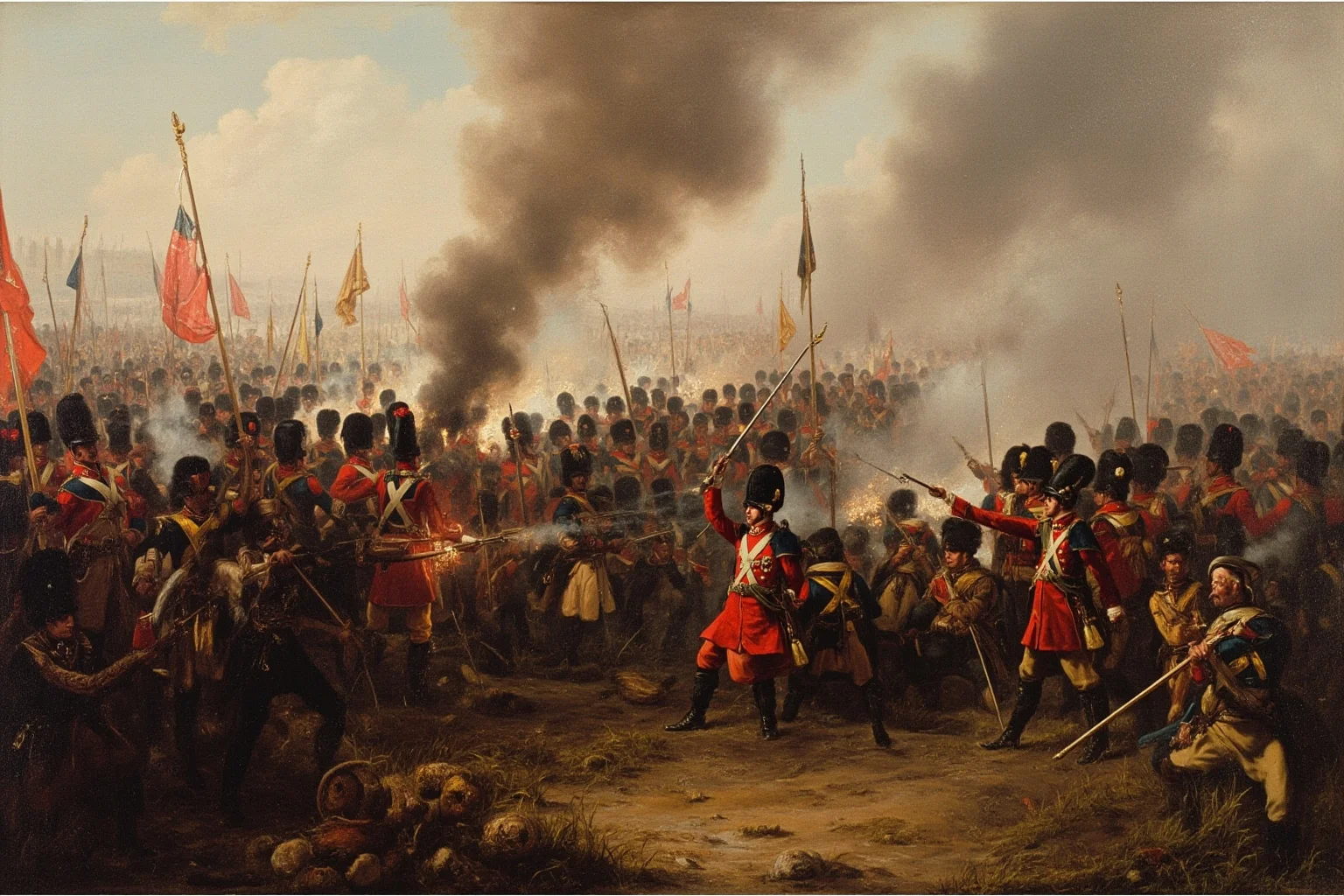
Napoleon's Imperial Guard made its final stand at Waterloo, and legend claims a French general answered a British surrender demand with "La Garde meurt mais ne se rend pas" — "The Guard dies, but does not surrender."
The line is almost certainly apocryphal. It first appeared in French newspapers days after the battle, attributed to General Pierre Cambronne, who was actually captured by the British.
Cambronne himself later denied saying it. The phrase served a political purpose, transforming a crushing defeat into a story of heroic resistance that France badly needed.
9. "The British Are Coming" — Paul Revere's Ride (1775)
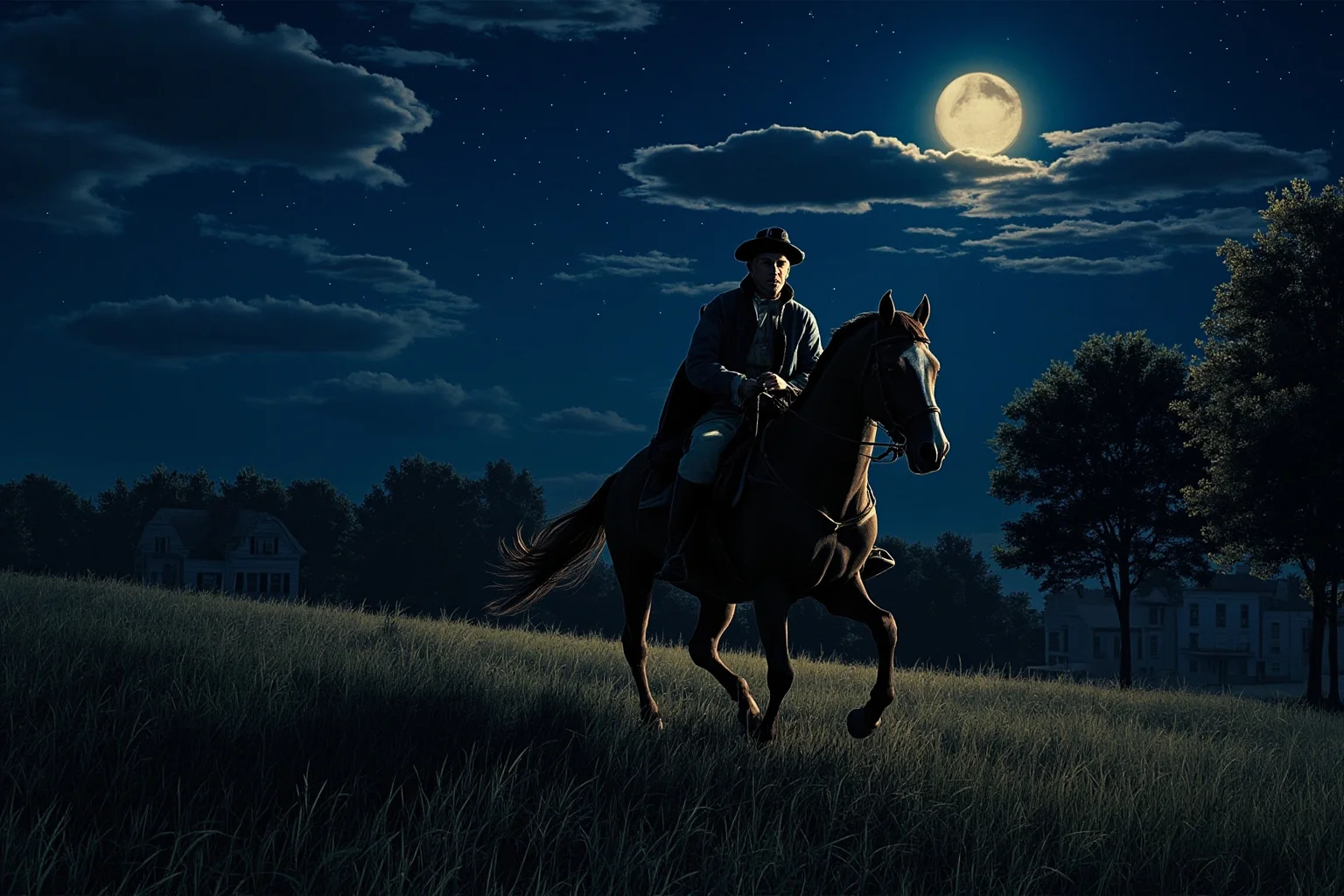
Paul Revere's midnight ride is immortalized in Longfellow's poem, but the famous warning "The British are coming!" probably was never shouted. Revere was operating in secrecy, moving through countryside full of British patrols.
Revere's own account says he warned local militia leaders quietly, telling them that "the regulars" were out. Shouting "The British are coming" would have been reckless and, in a colony still largely British-identifying, confusing.
The line is a literary creation that became a historical myth. It reminds us that some of the most famous war lines owe more to poetry than to history.
10. "Damn the Torpedoes" — David Farragut at Mobile Bay (1864)
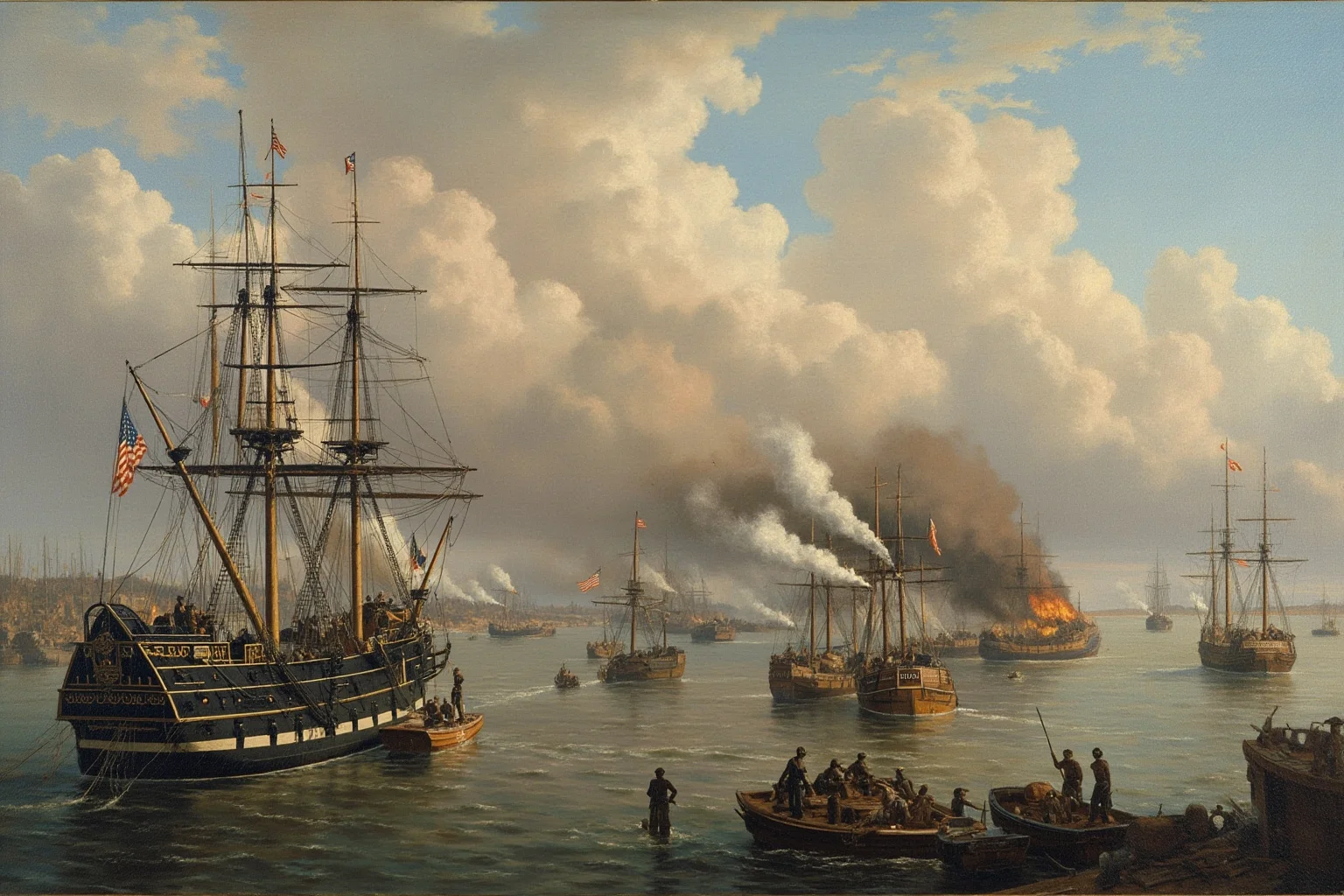
During the American Civil War, Admiral David Farragut led his fleet into Mobile Bay, Alabama, despite knowing that Confederate mines — then called torpedoes — blocked the channel.
Farragut reportedly shouted "Damn the torpedoes, full speed ahead!" when warned of the danger. The line appears in contemporary accounts, though the exact wording varies slightly.
This is one of the rare famous war lines with solid contemporary support. Farragut's gamble worked: his fleet passed through the minefield, and one Confederate ironclad was lost to its own torpedoes.
11. "War Is Hell" — William Tecumseh Sherman (1879)
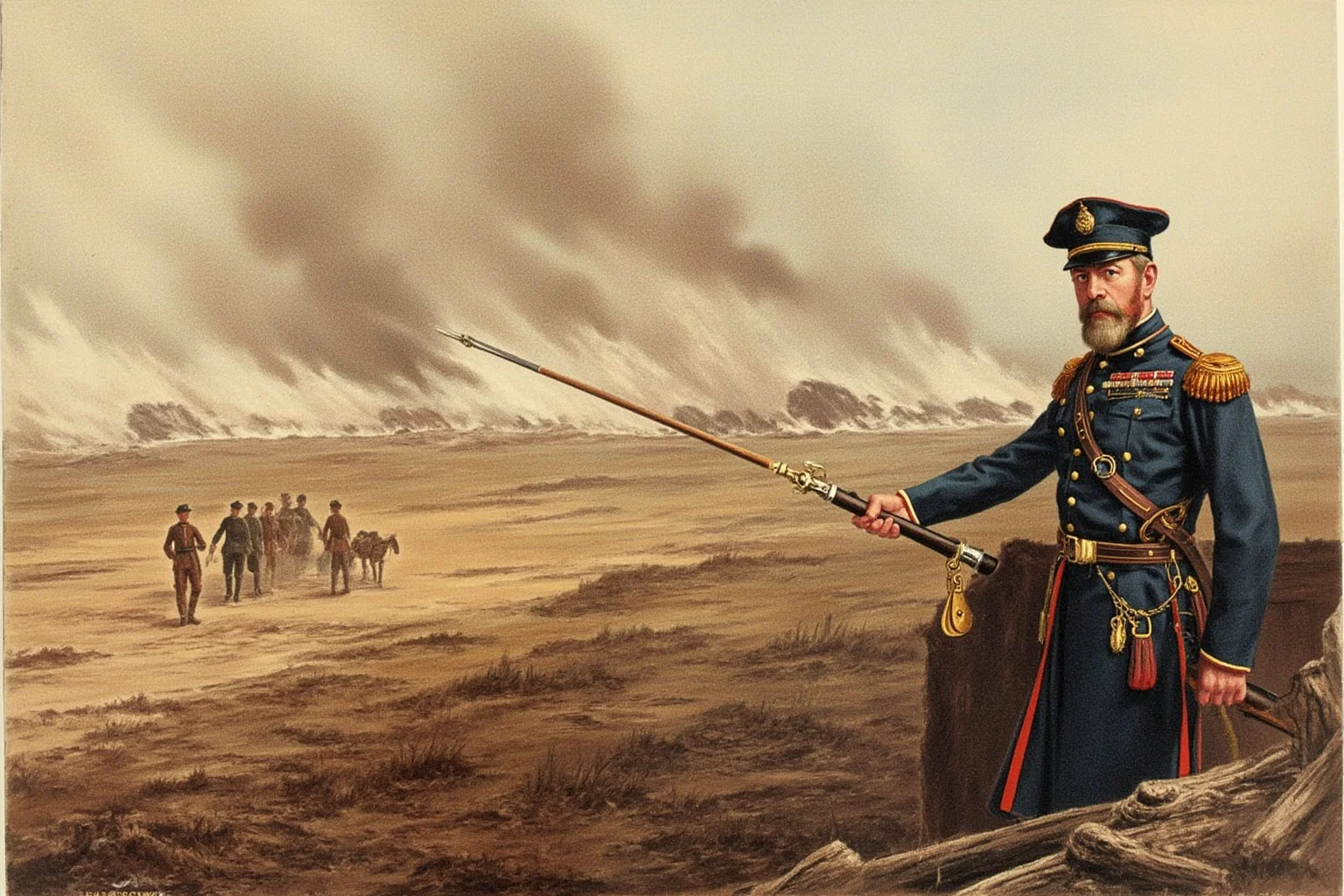
Union General William Tecumseh Sherman is strongly associated with the phrase "War is hell," and his March to the Sea through Georgia made the sentiment visceral for Southern civilians.
Sherman did express similar ideas throughout his life, and he told a graduating class in 1879 that "war is at best barbarism" and "its glory is all moonshine." The exact phrase "war is hell" appears in later accounts of his speeches.
The line endures because it distills Sherman's philosophy: war is not romantic, not glorious, but brutal and destructive. It remains one of the most quoted war lines about the true nature of conflict.
12. "Lafayette, We Are Here" — World War I (1917)
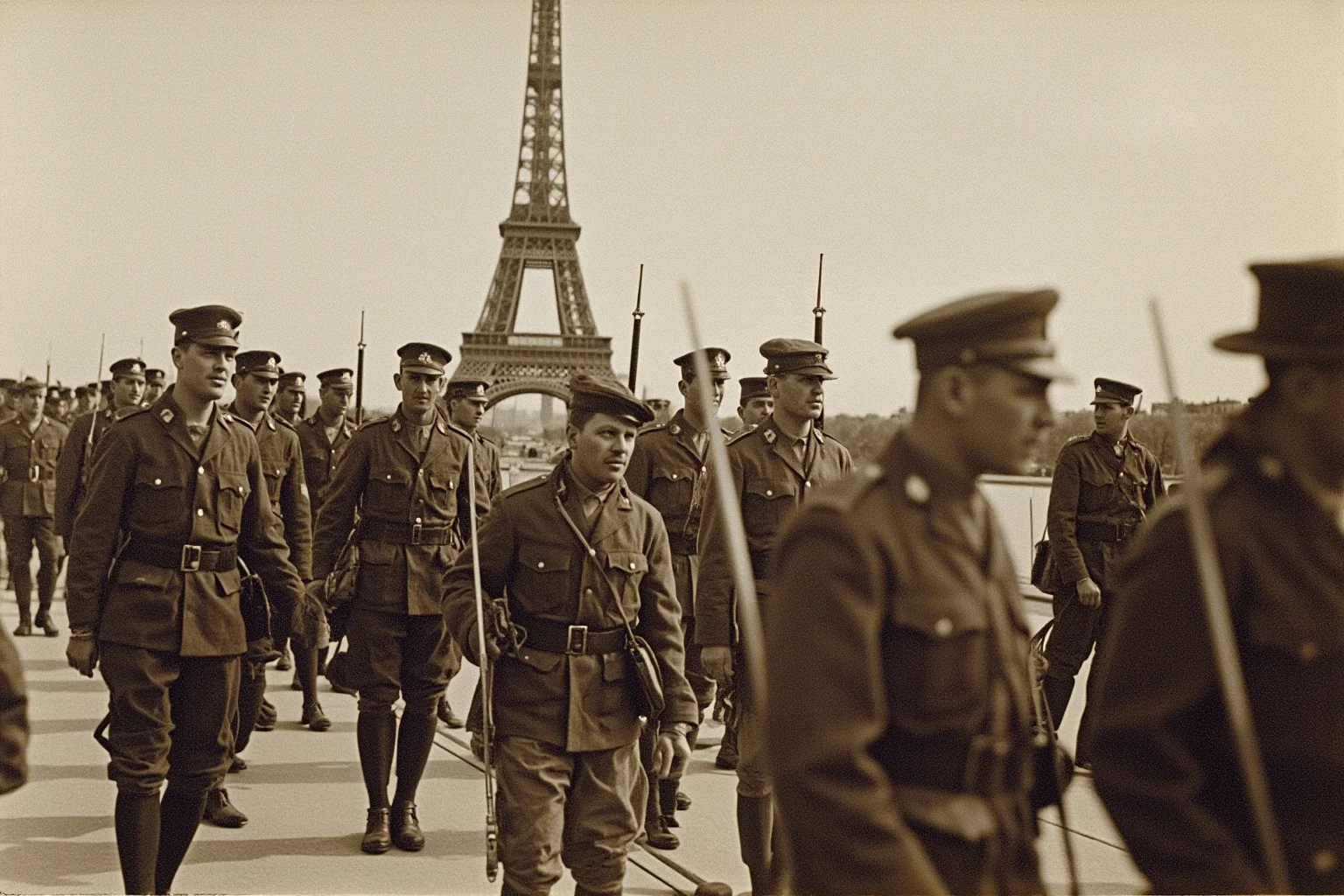
When American troops arrived in France during World War I, someone reportedly said at the Marquis de Lafayette's grave: "Lafayette, we are here." The line symbolized America repaying its debt to the French hero of the American Revolution.
The quote is attributed to Colonel Charles Stanton at a ceremony in Paris on July 4, 1917. It has also been credited to General John Pershing, though Stanton's authorship is better supported.
The line's power comes from its compression of 140 years of history into five words. It framed American intervention as an act of gratitude rather than just strategic calculation.
13. "They Shall Not Pass" — Verdun (1916)
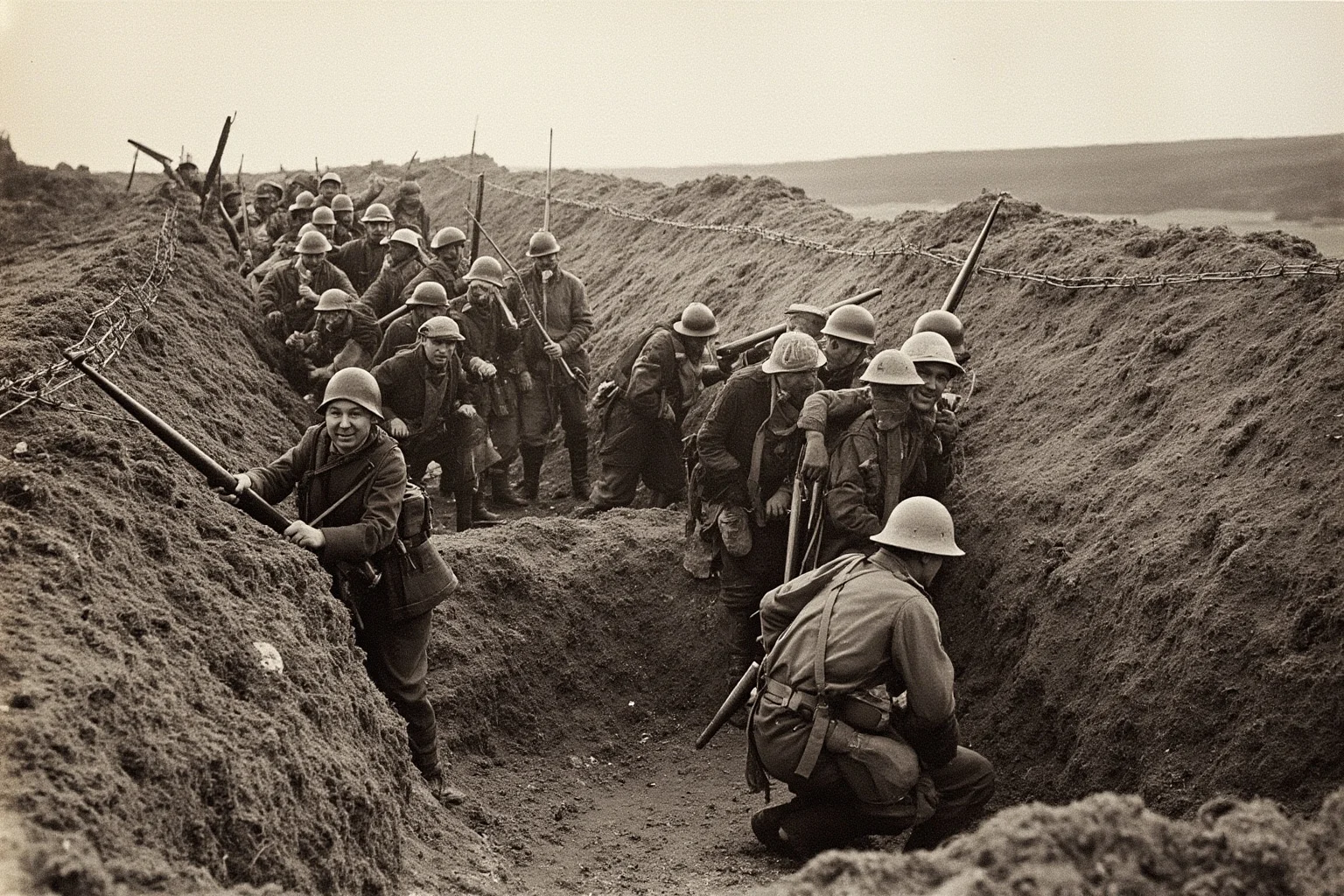
The French slogan "Ils ne passeront pas" — "They shall not pass" — became the rallying cry of the defense of Verdun, one of the most brutal battles of World War I.
The phrase is usually attributed to General Robert Nivelle, though it was widely used by French soldiers and civilians during the battle. It later became an anti-fascist slogan during the Spanish Civil War.
Verdun held, at the cost of hundreds of thousands of lives. The line's defiance captures the desperate determination that defined French resistance in 1916.
14. "The War to End All Wars" — World War I Era
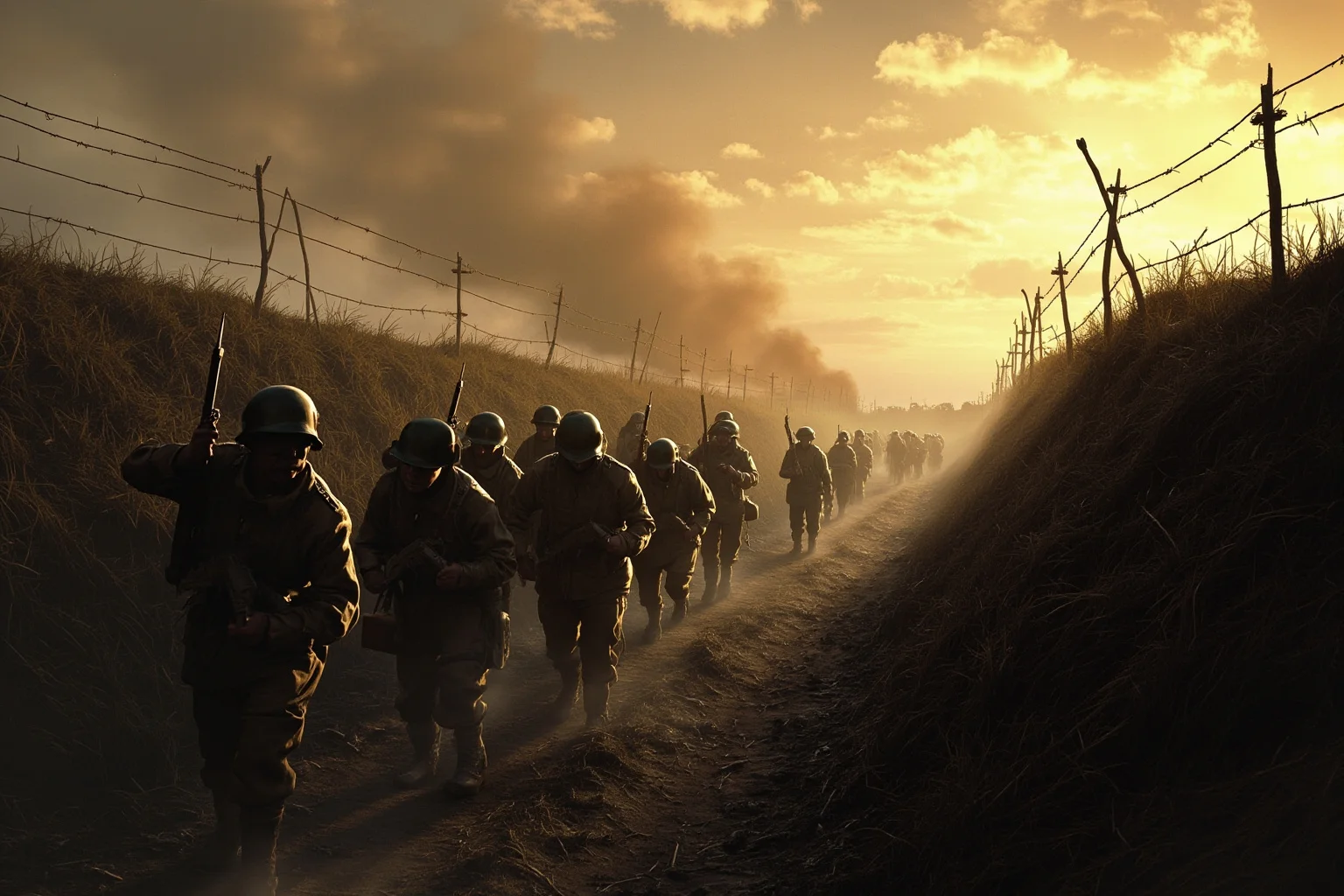
The phrase "the war to end all wars" was widely used during and after World War I to describe the conflict's supposed purpose. H.G. Wells popularized it in a 1914 book title, "The War That Will End War."
President Woodrow Wilson also used the idea to justify American entry into the war and his push for the League of Nations. The phrase expressed a genuine hope that this conflict's horror would make future wars unthinkable.
History proved the hope tragically wrong. The line is now often quoted ironically, a reminder of how wartime idealism can curdle into disillusionment.
15. "I Have Nothing to Offer But Blood, Toil, Tears, and Sweat" — Winston Churchill (1940)
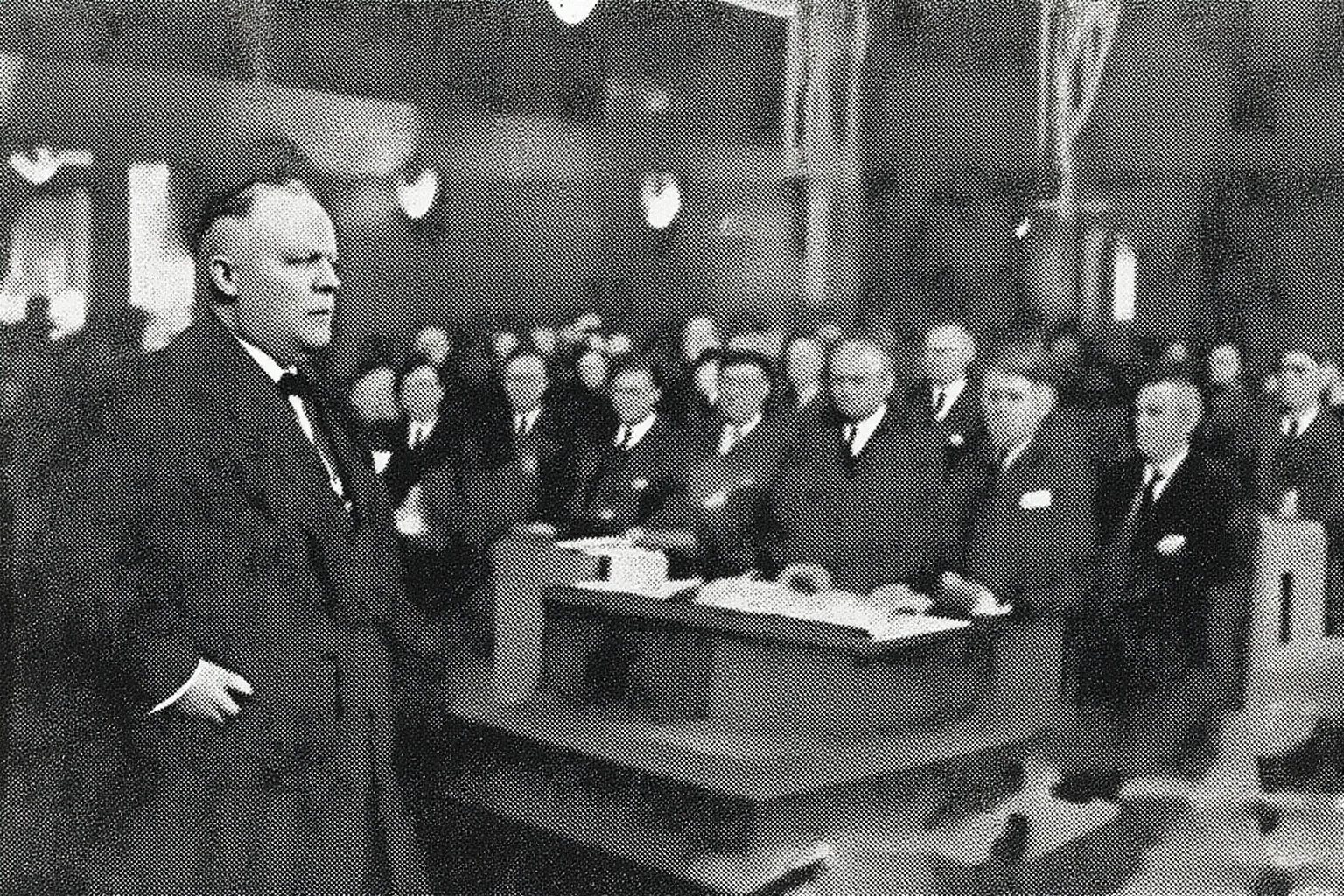
Winston Churchill's first speech as Prime Minister in May 1940 contains one of the most famous war lines of the 20th century. Facing the collapse of France and the threat of invasion, Churchill offered no easy comfort.
"I have nothing to offer but blood, toil, tears, and sweat" was his blunt summary of what Britain faced. The speech was delivered to the House of Commons and broadcast to a nation bracing for war.
Churchill wrote his own speeches and delivered them with theatrical skill. This line's power lies in its honesty: he promised suffering, not victory, and asked for resolve in return.
16. "Never Was So Much Owed by So Many to So Few" — Battle of Britain (1940)
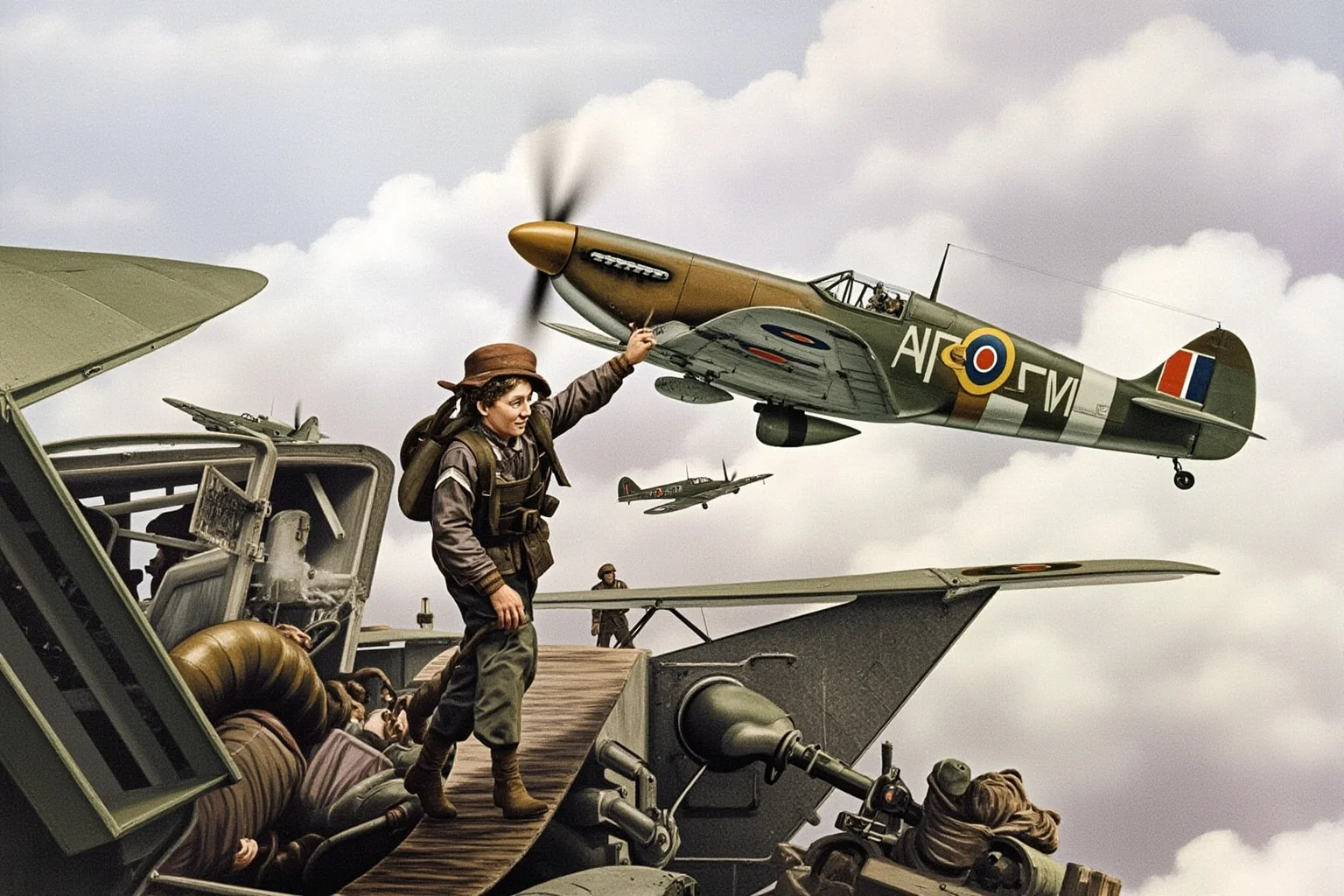
Another Churchill line, spoken in August 1940, honored the Royal Air Force pilots fighting the Battle of Britain. "Never in the field of human conflict was so much owed by so many to so few" praised the outnumbered fighter crews.
The line has become shorthand for the debt owed to those who fight against overwhelming odds. It also demonstrates Churchill's gift for rhetorical rhythm and memorable structure.
Contemporary sources confirm Churchill spoke these words in Parliament. The "Few" became a permanent title of honor for RAF pilots who defended Britain that summer.
17. "A Date Which Will Live in Infamy" — Franklin D. Roosevelt (1941)
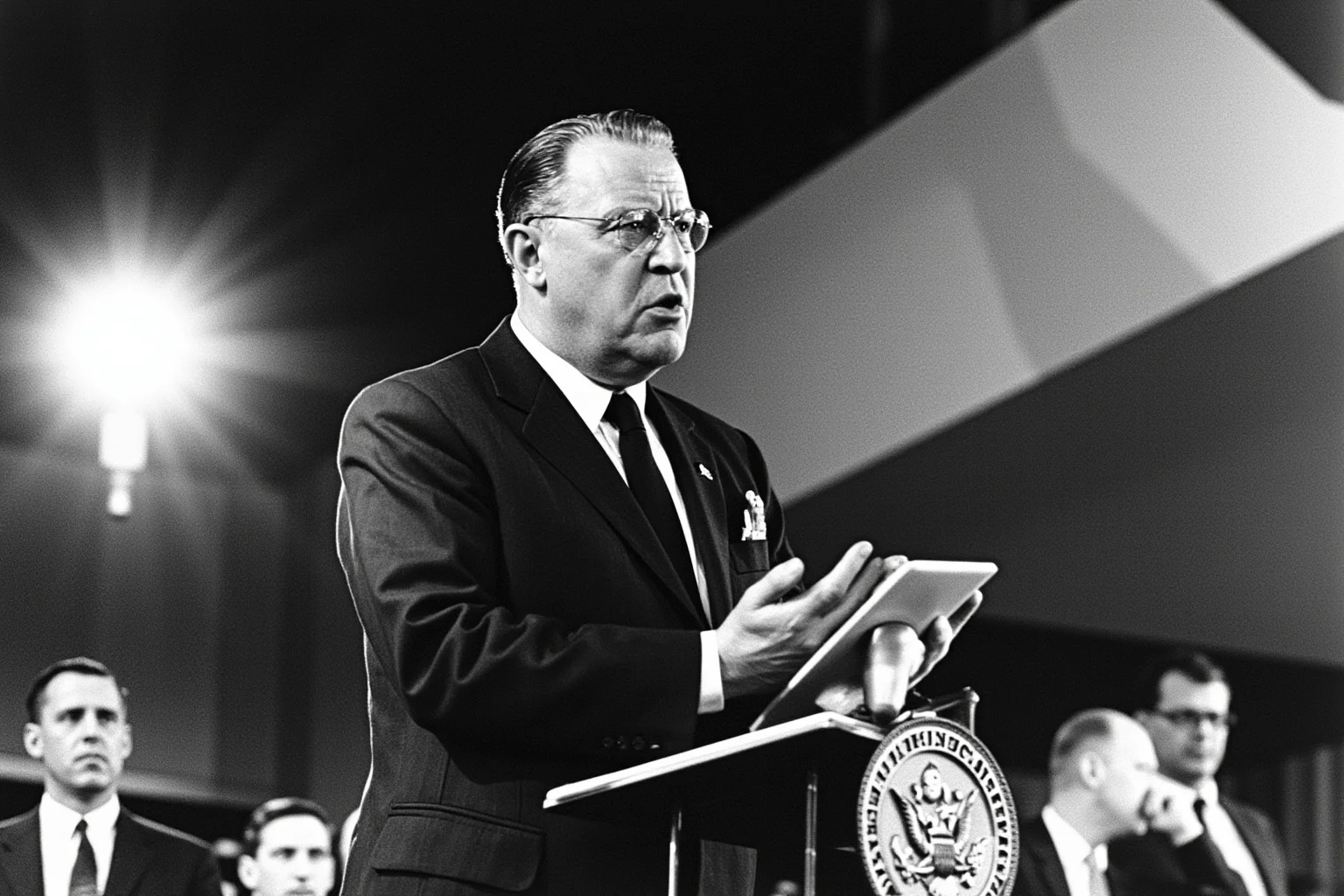
President Franklin Roosevelt's address to Congress after Pearl Harbor contains one of the most famous opening lines in American political history. "Yesterday, December 7, 1941 — a date which will live in infamy — the United States of America was suddenly and deliberately attacked."
The speech lasted barely seven minutes, but it achieved its purpose. Congress declared war on Japan the same day, and the nation mobilized for a global conflict.
Roosevelt personally edited the draft, changing the original "a date which will live in world history" to the sharper "a date which will live in infamy." That single edit transformed a passive observation into a moral condemnation.
18. "Nuts!" — Bastogne (1944)
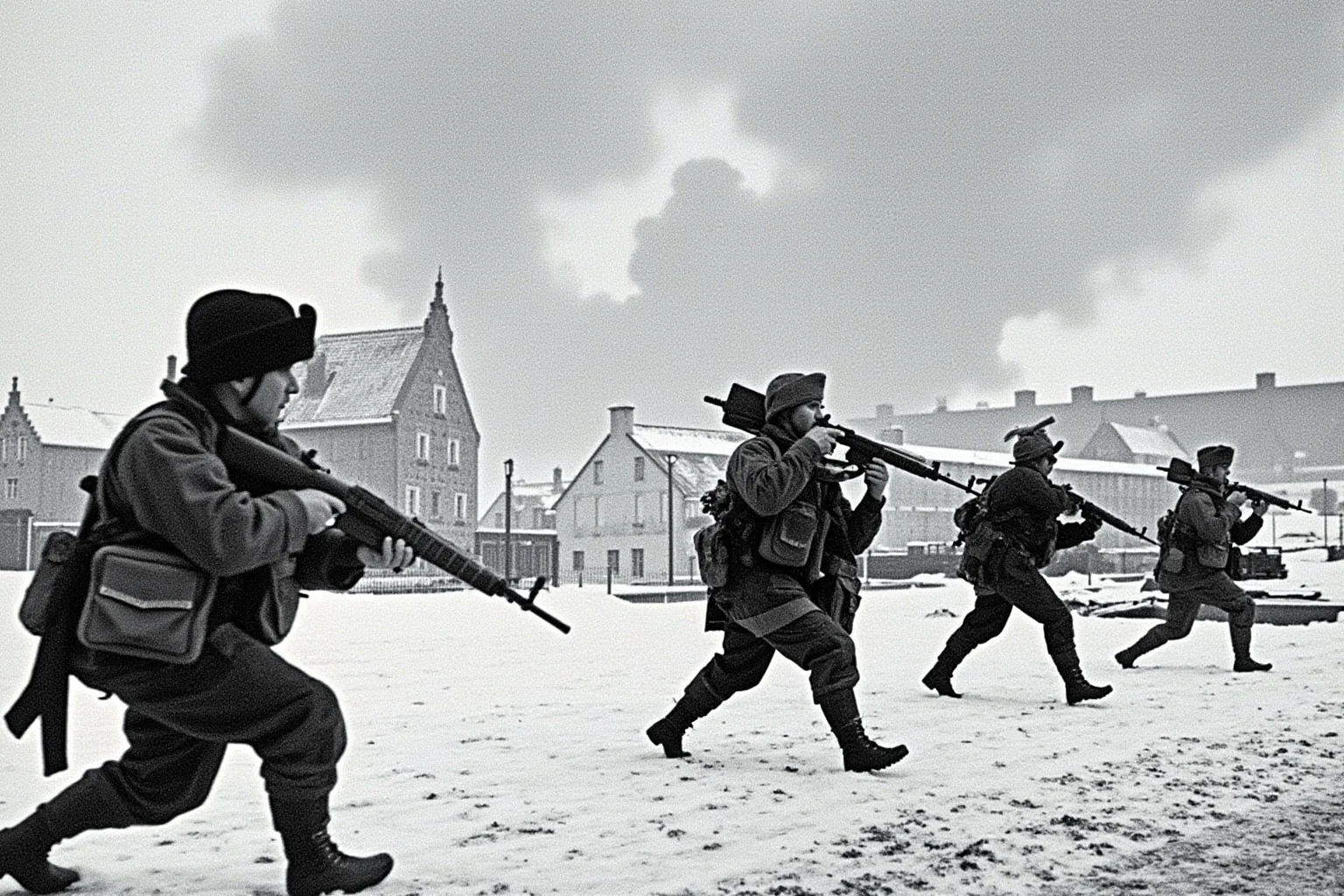
During the Battle of the Bulge, German forces surrounded the Belgian town of Bastogne and demanded the surrender of the American 101st Airborne Division. General Anthony McAuliffe's response became legendary.
The German officers received a one-word reply: "Nuts!" Confused, they asked for clarification. McAuliffe's aide explained that it meant, essentially, "Go to hell."
The story is well documented in contemporary accounts. It is one of the most famous battles with famous quote attached, and the line's casual defiance perfectly captured American GI spirit.
19. "I Shall Return" — Douglas MacArthur (1942)
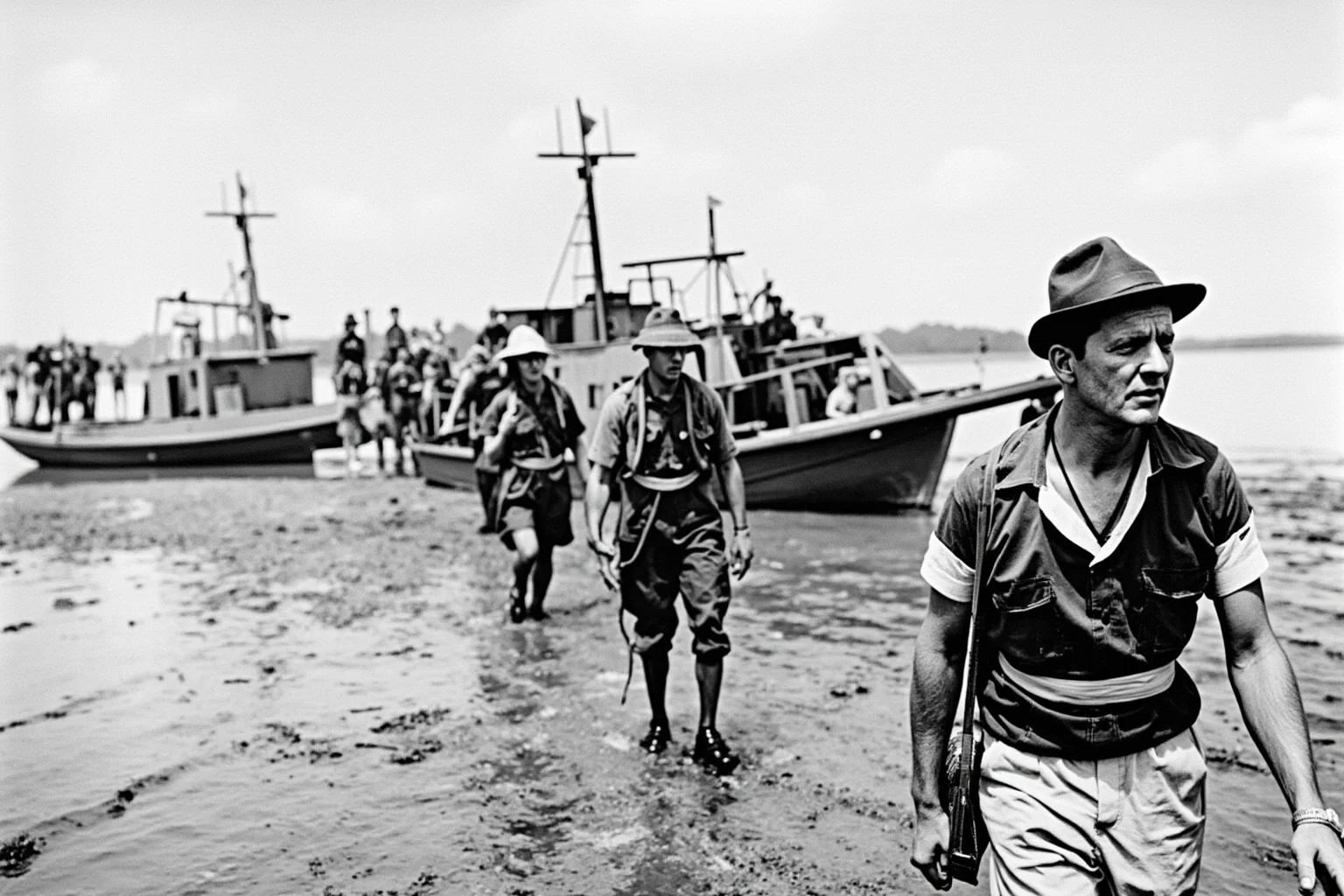
When General Douglas MacArthur was ordered to leave the Philippines in 1942 as Japanese forces advanced, he made a promise to the Filipino people: "I shall return."
The line was simple, personal, and powerful. It became a rallying point for Filipino resistance and a symbol of American commitment to the Pacific theater.
MacArthur kept his word, wading ashore at Leyte in 1944 and announcing "I have returned." The original line's restraint made the fulfillment all the more dramatic.
20. "Old Soldiers Never Die; They Just Fade Away" — MacArthur (1951)
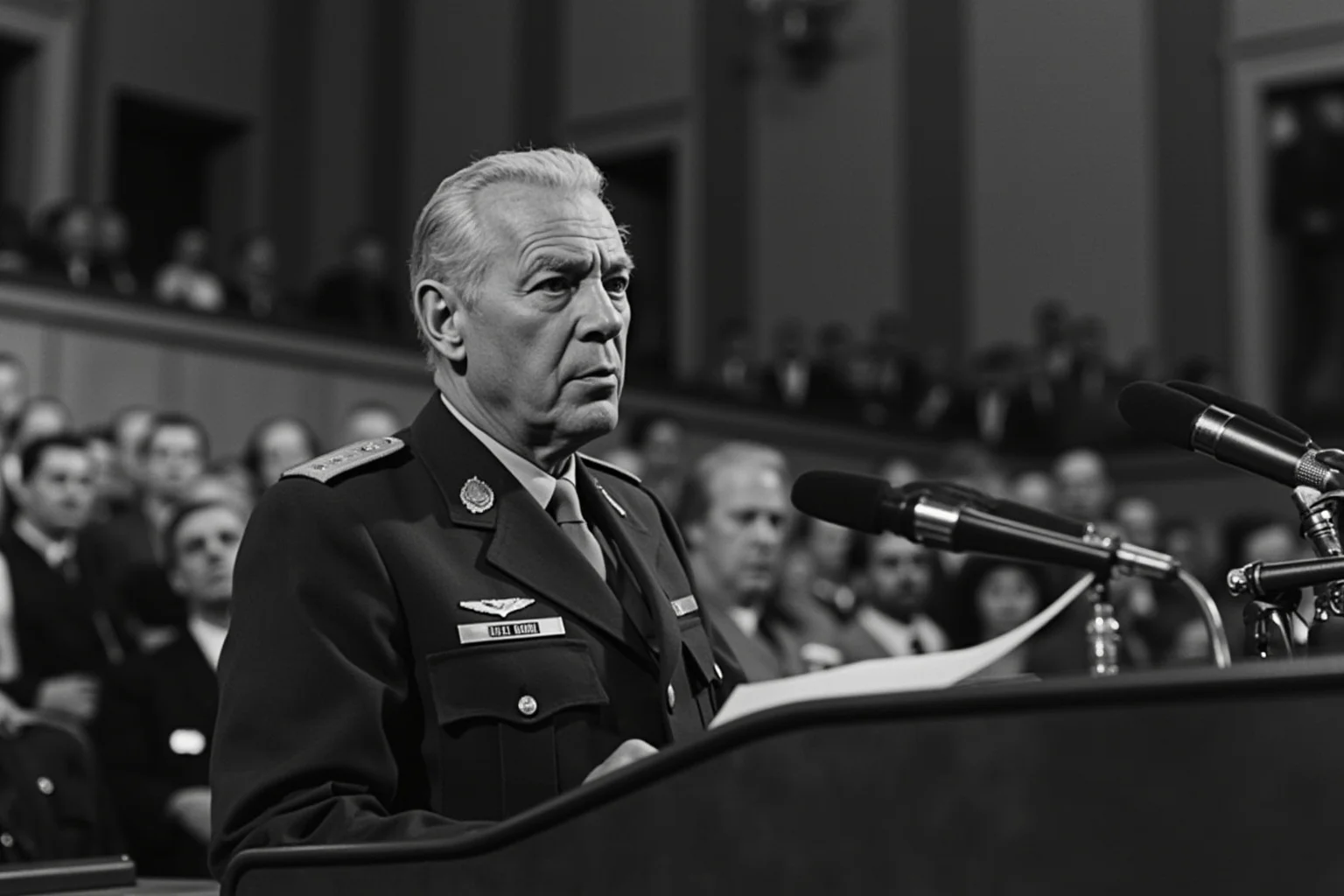
MacArthur again produced an iconic line in his farewell address to Congress after being relieved of command by President Truman during the Korean War. The speech ended with a quotation from an old barracks ballad.
"Old soldiers never die; they just fade away" was borrowed from a song, not original to MacArthur. But his delivery made it one of the most remembered moments in congressional history.
The line's melancholy resignation contrasts sharply with MacArthur's usual grandiloquence. It humanized a general who had often seemed larger than life.
21. "Peace with Honor" — Vietnam War Era (1973)
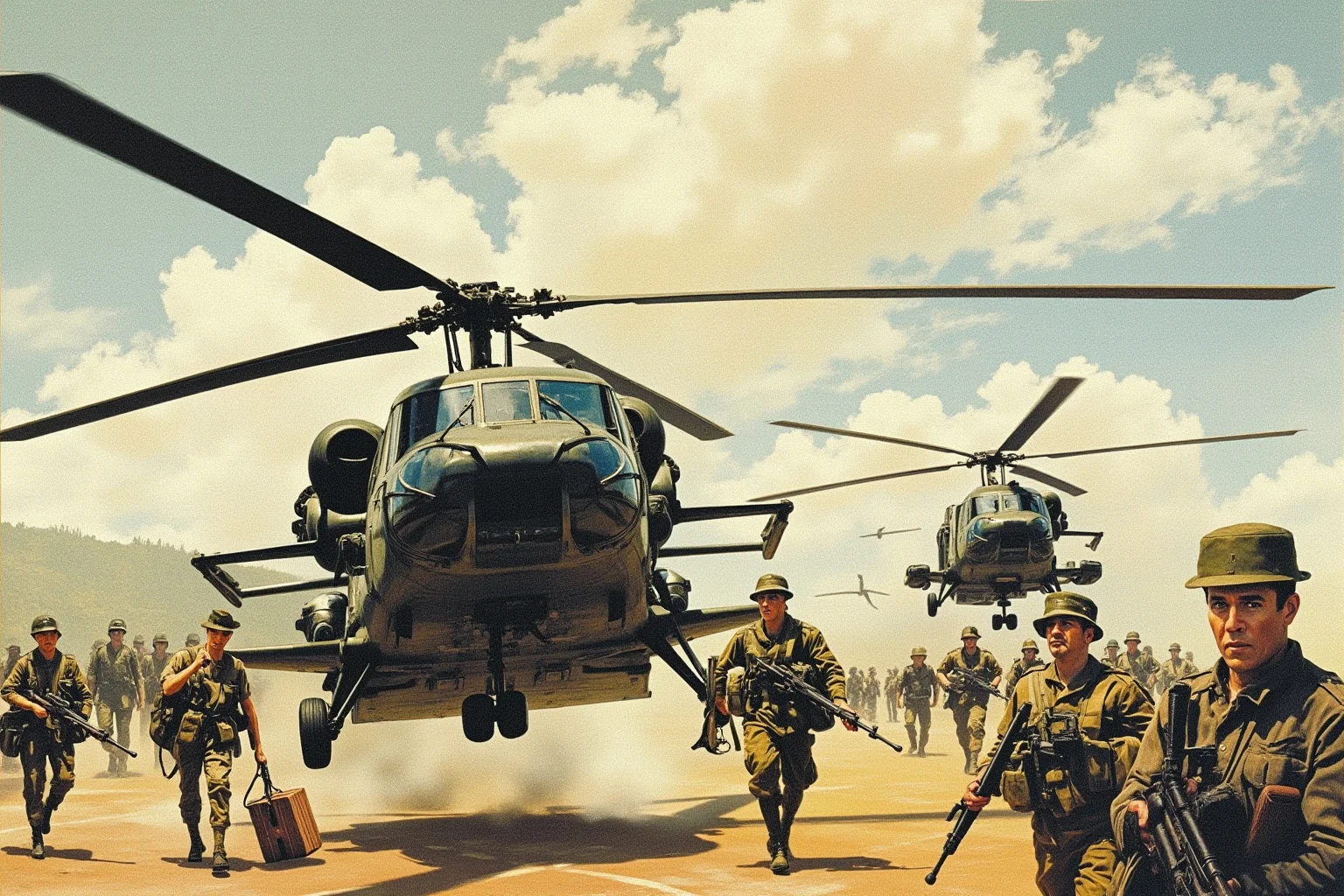
President Richard Nixon used the phrase "peace with honor" to describe the goal of American withdrawal from Vietnam. The line echoed a phrase used by British Prime Minister Benjamin Disraeli a century earlier.
Nixon and his administration repeated the phrase constantly as negotiations with North Vietnam dragged on. It framed withdrawal as a negotiated settlement rather than a defeat.
The line's meaning is still debated. For supporters, it represented a dignified exit. For critics, it was empty rhetoric that masked the reality of a lost war and thousands of additional deaths.
22. "Mission Accomplished" — USS Abraham Lincoln (2003)
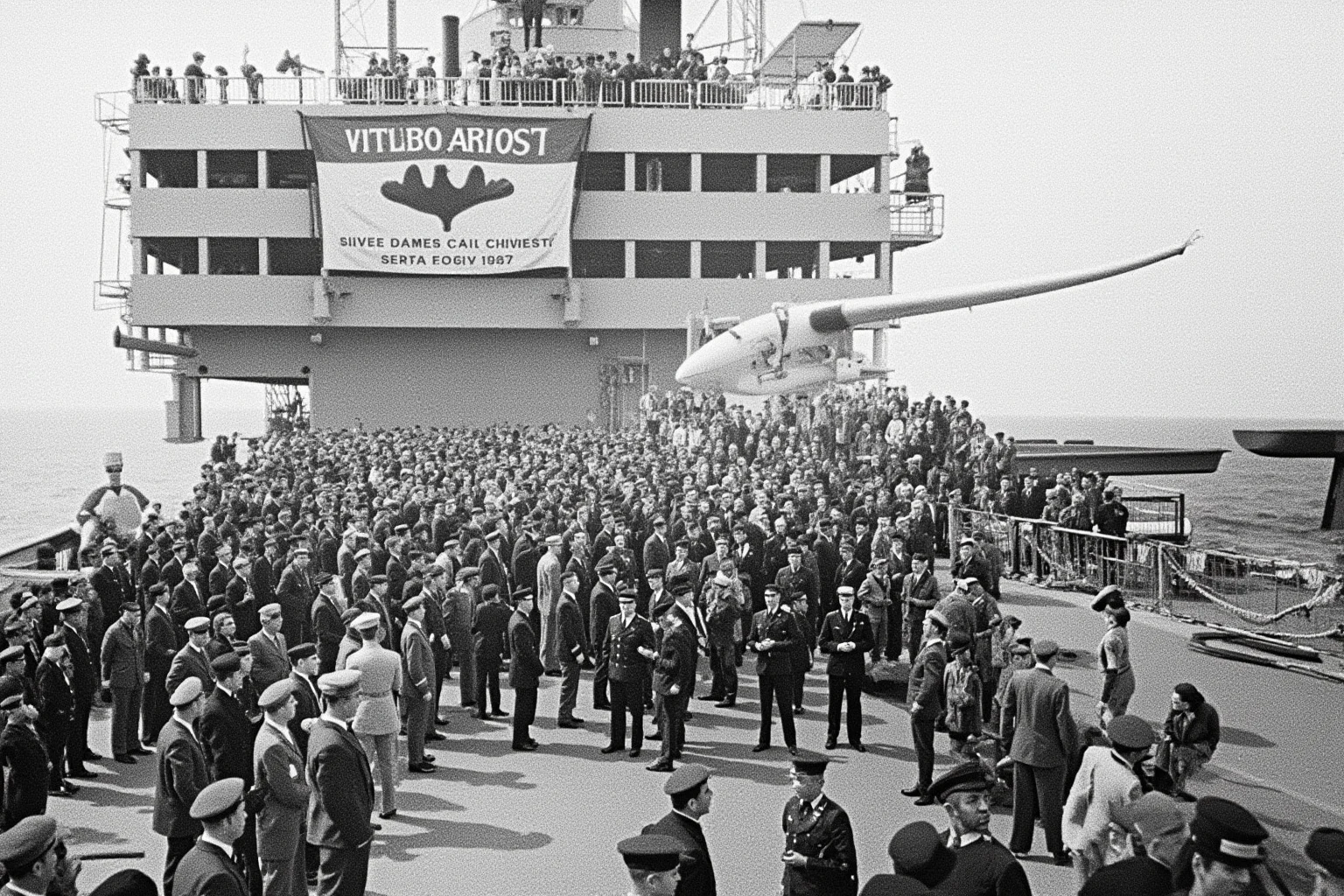
The banner displayed behind President George W. Bush on the aircraft carrier USS Abraham Lincoln in May 2003 read "Mission Accomplished." The president declared major combat operations in Iraq over.
The line was not spoken by Bush in the speech itself, but the visual became one of the most famous and controversial war lines of the modern era. The banner's claim proved premature as the Iraq insurgency intensified.
The phrase became a case study in the dangers of declaring victory too early. It remains a cautionary tale about wartime rhetoric outpacing battlefield reality.
The Power and Danger of War Lines
War lines persist because they compress complex events into memorable form. A good quotation can inspire, console, or warn across centuries, carrying the emotional weight of battle to generations who never fought.
But that compression is also a distortion. The messy, chaotic reality of war rarely fits neatly into a single sentence, and the people who speak famous lines are often more complicated than the quotes suggest.
Reading war lines with historical care means enjoying their power while questioning their accuracy. The best approach is to treat them as windows into how people understood conflict — not as transcripts of what actually happened.
How to Spot a Misattributed War Quote
Several warning signs suggest a famous war line may be apocryphal. If the quote first appears decades after the event, in a memoir or biography written by someone who was not present, skepticism is warranted.
Lines that perfectly fit a political narrative are also suspicious. Wartime propaganda frequently invents or embellishes quotations to serve morale or demonize enemies.
Finally, watch for quotations that are too neat. Real battlefield speech is often fragmentary, profane, and unpolished. When a line sounds like it belongs in a movie script, it probably received some later polish.
Why We Still Repeat These Lines
These war lines survive because they do something for us. They give shape to sacrifice, meaning to loss, and voice to courage. They are tools for remembering, and for forgetting.
Each generation selects the quotations that serve its needs. A line like "Molon labe" can be claimed by Spartans, Greek revolutionaries, and modern activists alike, each finding their own meaning in the ancient challenge.
That adaptability is precisely what makes a war line iconic. The words stop belonging to their original speaker and become common property, reshaped by every new conflict and every new generation that discovers them.
Frequently Asked Questions
What are some famous battles with famous quote attached to them?
Several famous battles are closely tied to iconic quotations. The Battle of Thermopylae produced "Molon labe" (come and take them), the Battle of Bunker Hill is linked to "Don't fire until you see the whites of their eyes," and the Battle of Bastogne during World War II gave us General McAuliffe's defiant "Nuts!" Other examples include the Battle of Mobile Bay with "Damn the torpedoes" and the Battle of Zela with Caesar's "Veni, vidi, vici."
Did Marie Antoinette really say “Let them eat cake”?
No, there is no evidence Marie Antoinette ever said "Let them eat cake." The phrase appears in Jean-Jacques Rousseau's "Confessions," written before she arrived in France, and was attributed to an unnamed princess. It was later attached to Marie Antoinette by revolutionary propaganda to portray the monarchy as callous and indifferent to starving peasants.
What did General McAuliffe mean when he said “Nuts!” at Bastogne?
During the Battle of the Bulge in December 1944, German forces surrounded Bastogne and demanded the surrender of the American 101st Airborne Division. General Anthony McAuliffe's one-word reply, "Nuts!," was his blunt refusal. When German officers asked for clarification, McAuliffe's aide explained it meant essentially "Go to hell."
Did John Paul Jones really say “I have not yet begun to fight”?
Probably not. The famous line "I have not yet begun to fight" from the 1779 battle between the Bonhomme Richard and HMS Serapis is almost certainly a later invention. Contemporary accounts suggest Jones said something like "I may sink, but I'll be damned if I strike," or simply refused to surrender. The polished version appeared in biographies decades after his death.

Alex Warren
Related Articles