The names of plagues that survive in popular memory—Black Death, Spanish flu, cholera—are only a fraction of the outbreaks that actually changed societies. Plagues in history have ended truces, slowed empires, emptied ports, and forced ordinary people to improvise public health before that phrase existed. This list of epidemics runs from ancient Athens to COVID-19.
Because ancient and early modern records are incomplete, every death toll here is a historian's estimate, not an exact census. This list of plagues in history follows a rough timeline, from ancient Athens to the modern pandemics that shaped the present, and it treats uncertain claims as uncertain rather than settled fact.
TL;DR: The deadliest plagues in history were not random bad luck; they traveled along trade routes and warpaths, thrived on crowding and ecological change, and repeatedly forced societies to build modern public health.
How to Read the Plague Numbers
Ranking plagues throughout history is harder than it sounds because premodern societies did not produce reliable vital records. Scholars therefore work in ranges, and the most deadly pandemics can shift rank depending on whether you count total deaths or share of population lost.
This list is arranged roughly chronologically so it doubles as a plagues timeline. It also includes epidemics that were not the largest in absolute numbers but were pivotal in the history of plagues because they changed scientific understanding.
What This List Leaves Out
This article covers infectious disease outbreaks, not social epidemics examples such as dance manias, moral panics, or market bubbles. Those are meaningful events, but they are not epidemics in history in the biological sense.
It also avoids the framing of a history of the world in six plagues. Real epidemic history has far more than six turning points, though a shorter list can be a handy memory device.
The Sources That Survive
Ancient and medieval plague records come from chronicles, letters, bills of mortality, and sometimes oral tradition. These sources are uneven, so the famous plagues we can name are not necessarily the ones with the largest death tolls.
Bureaucratic records from London's Great Plague are far richer than records from a tenth-century village, which biases the written history of plagues. That is why modern researchers pair texts with archaeology and DNA.
1. The Plague of Athens (430–426 BCE)
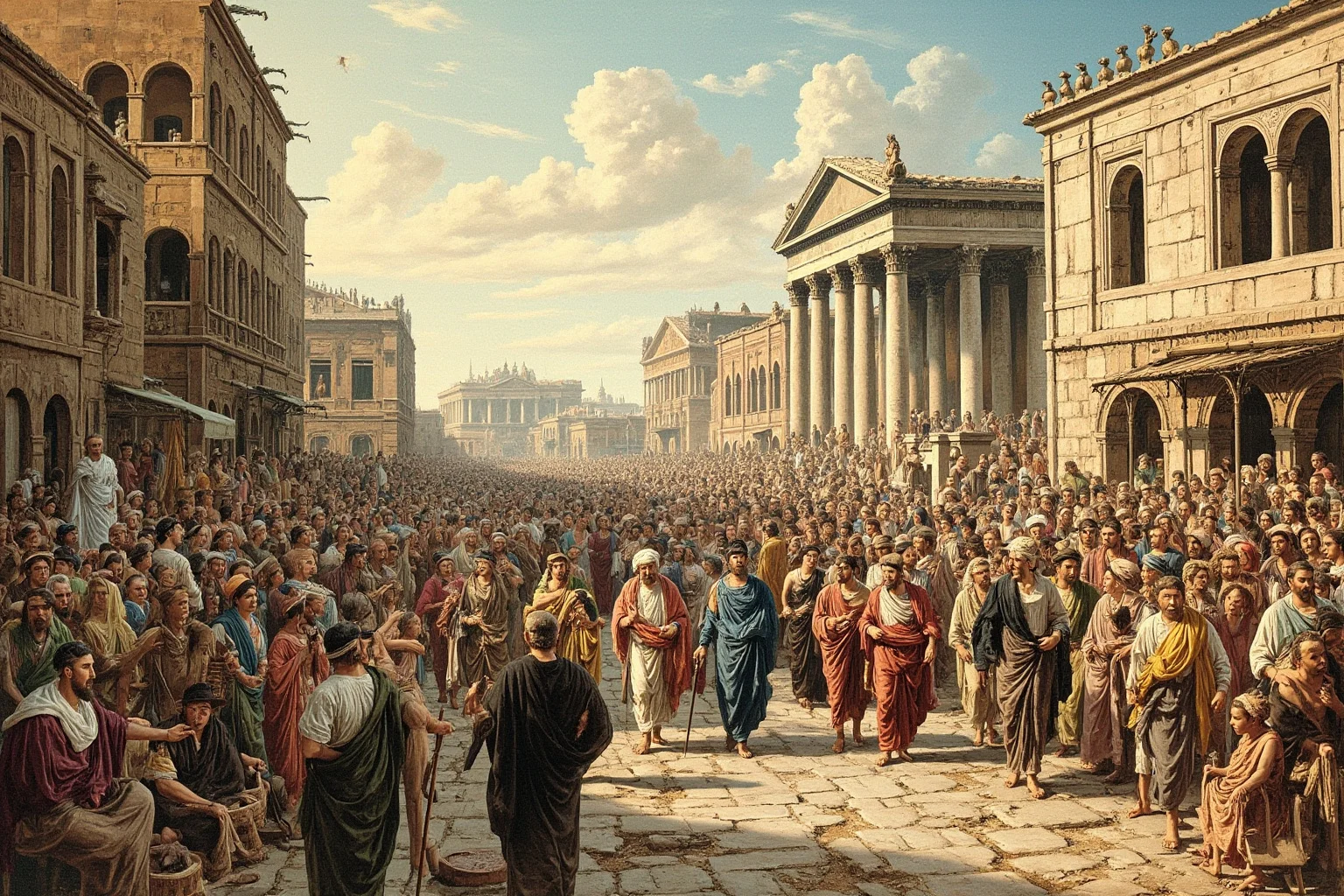
The Plague of Athens struck during the Peloponnesian War, when rural refugees crowded behind the city walls and created ideal conditions for an epidemic. Thucydides, an eyewitness, left one of the earliest detailed accounts of an epidemic in history.
Historians estimate it killed 75,000 to 100,000 people, roughly a quarter of Athens, and it contributed to the city's eventual defeat by Sparta. The pathogen remains unknown, with typhoid, typhus, and smallpox among the leading candidates.
2. The Antonine Plague (165–180 CE)
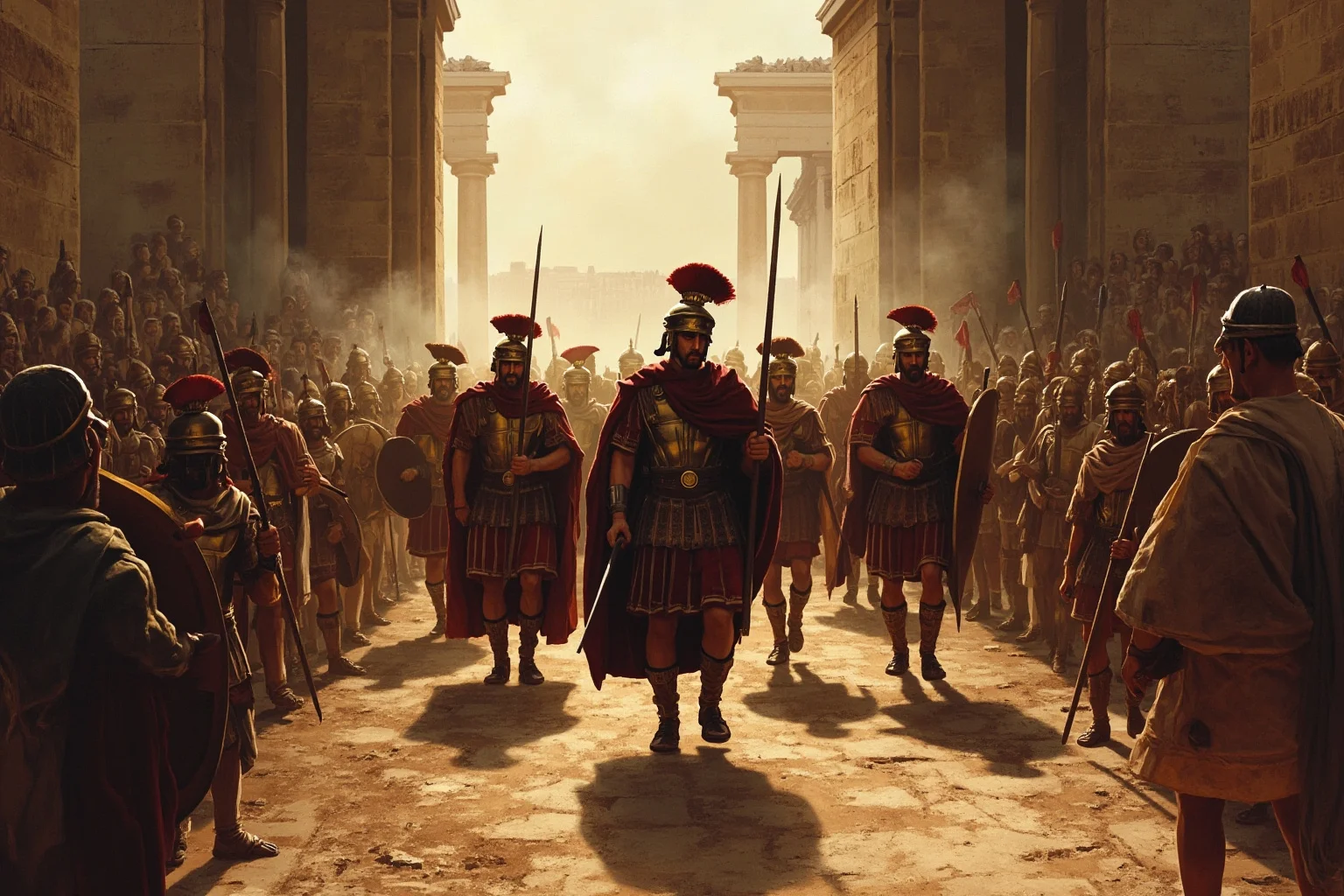
The Antonine Plague spread through the Roman Empire during the reign of Marcus Aurelius and arrived with soldiers returning from the eastern campaigns. Ancient sources describe fever, rash, and respiratory symptoms, which suggests smallpox or measles.
Estimated deaths range from five to ten million people, weakening Rome's economy and military at a critical moment. Historians agree the outbreak was devastating, but no laboratory evidence confirms the exact disease.
3. The Plague of Cyprian (250–271 CE)
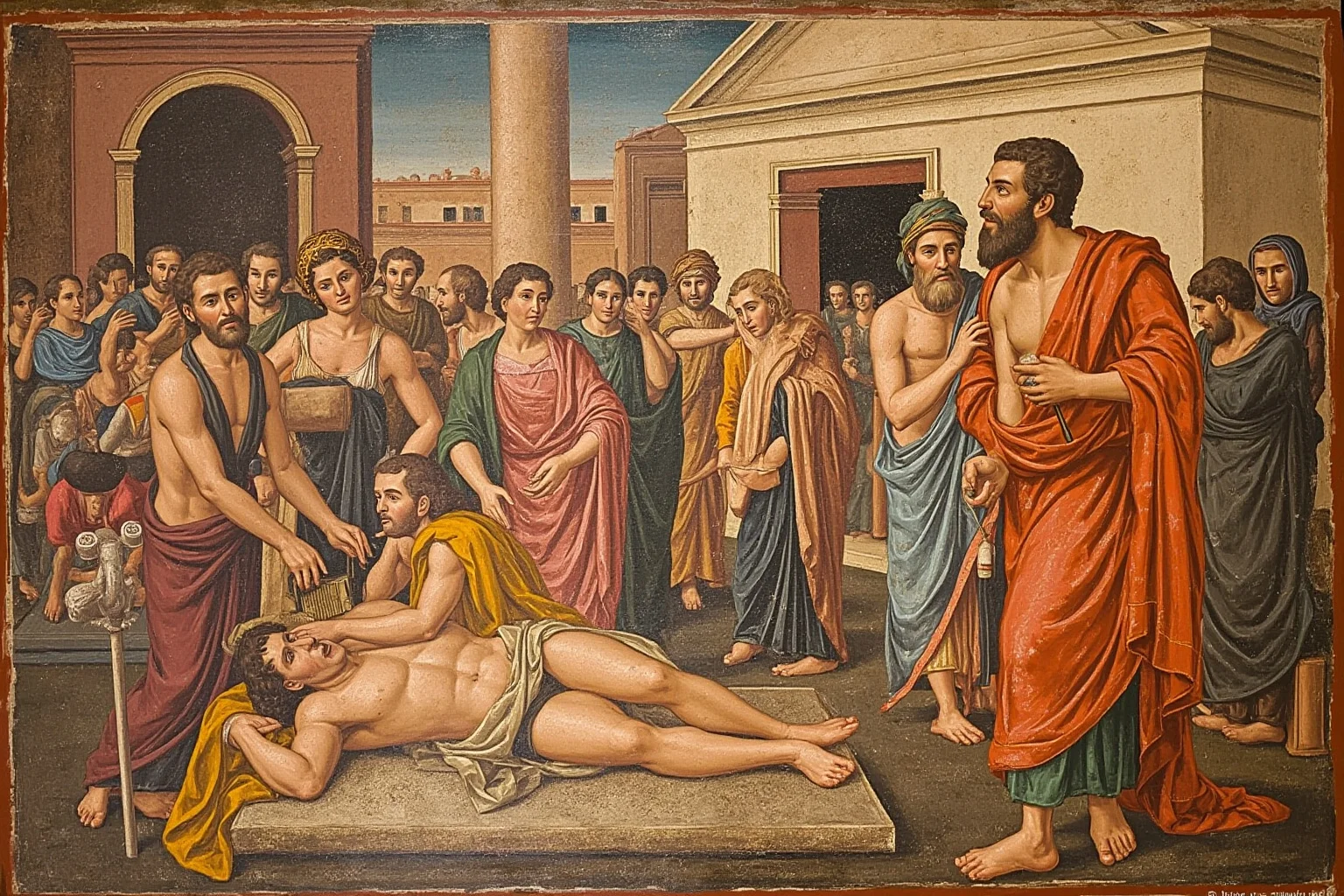
The Plague of Cyprian struck the empire between about 250 and 271 CE and is named after the bishop of Carthage who described the suffering. Contemporary accounts mention vomiting, diarrhea, fever, and in some tellings rotting limbs, but the pathogen has never been identified.
Some ancient writers claimed thousands died in Rome in a single day, though that number cannot be verified. The epidemic added another heavy mortality shock to an empire already reeling from political and economic crisis.
4. The Plague of Justinian (541–549 CE)
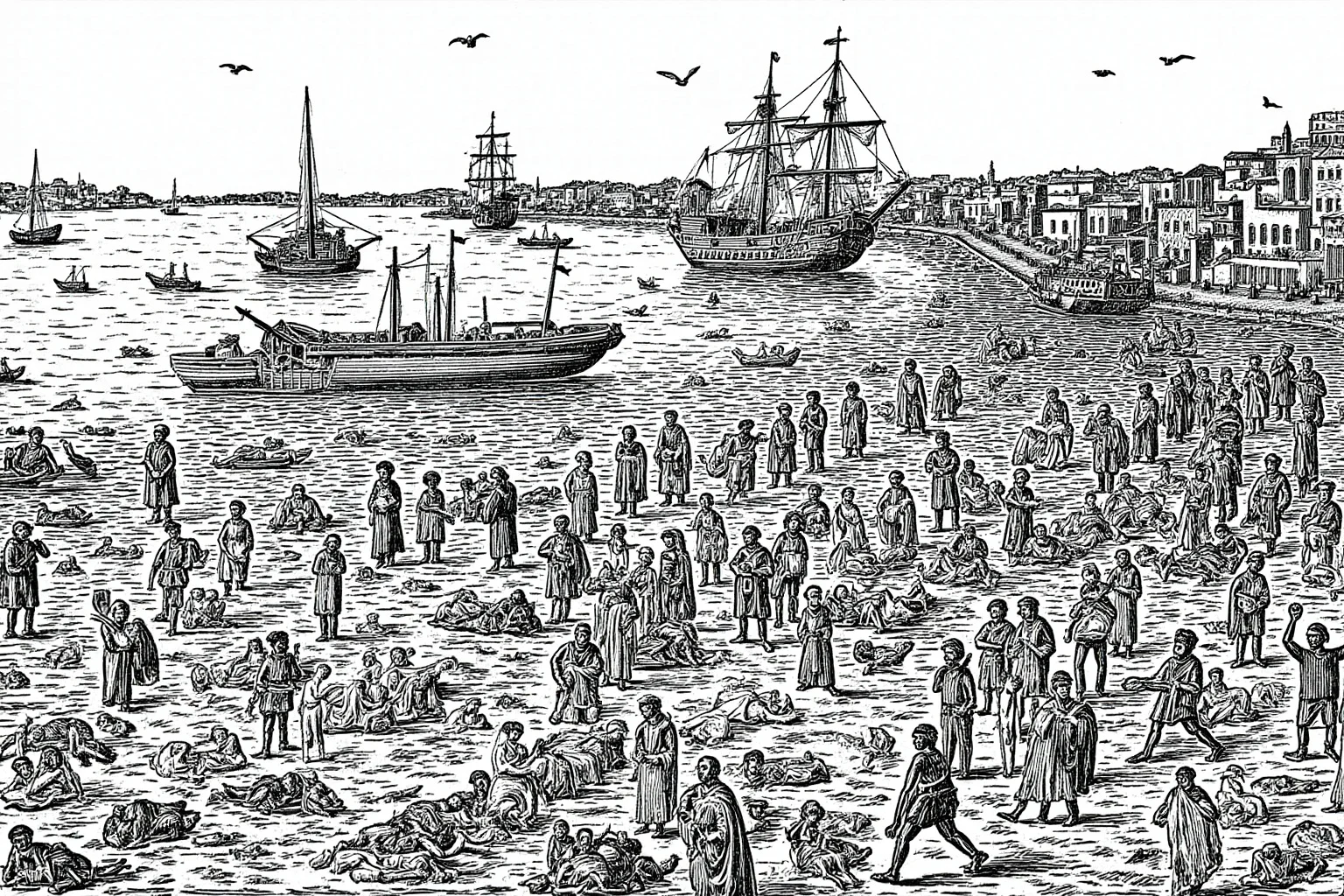
The Plague of Justinian was the first major recorded bubonic plague pandemic, caused by the bacterium Yersinia pestis. It emerged around 541 CE in the Eastern Roman Empire, moved through Mediterranean shipping, and returned in waves for two centuries.
Its death toll is estimated at 25 to 50 million people, possibly a fifth of the Mediterranean population. The disruption to taxes, trade, and armies helped weaken the Byzantine Empire during the early Middle Ages.
5. The Japanese Smallpox Epidemic (735–737 CE)
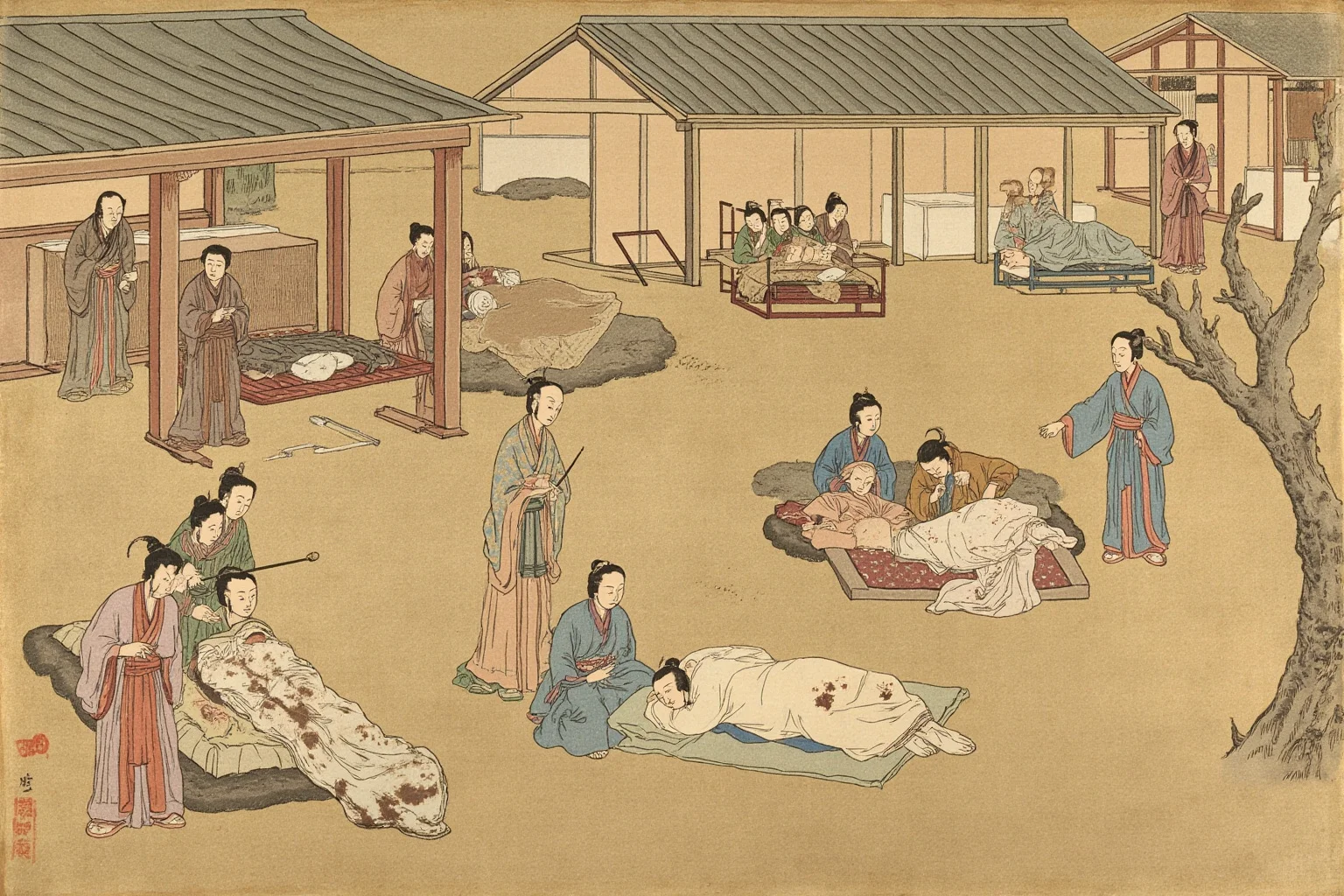
Smallpox first reached Japan around 735 CE, probably arriving from Korea, and swept through a population with little prior immunity. The epidemic lasted about two years and affected both commoners and the imperial court.
Estimates suggest it killed around one million people, or one-third of Japan's population. The disaster disrupted agriculture and pushed the court to respond with relief measures and religious rituals.
6. The Black Death (1346–1353)
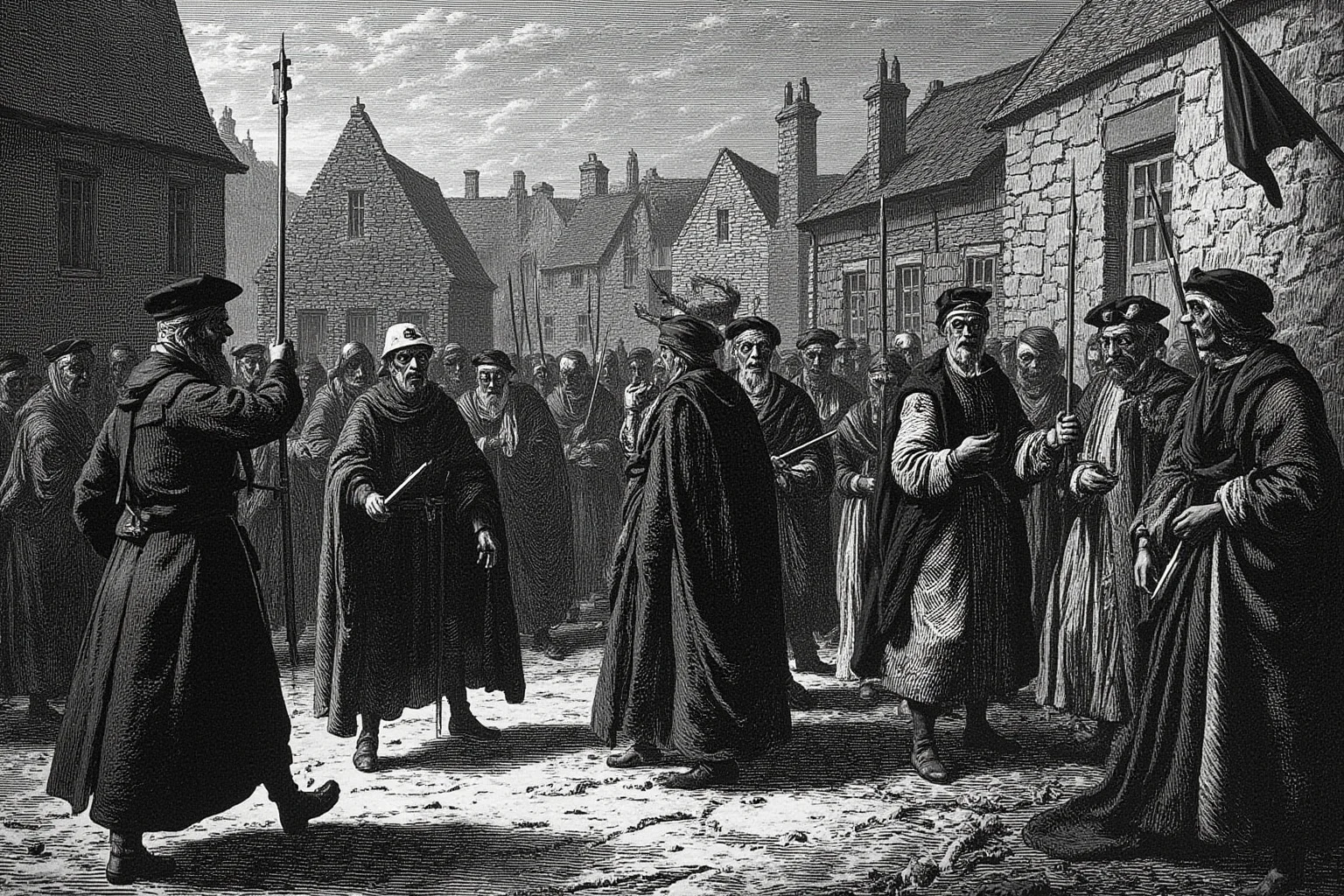
The Black Death is the most famous of the great plagues, and many scholars still call it the worst plague in history by share of population killed. It began in Central Asia or the Black Sea region and spread through trade routes, ports, and military movements before reaching Europe in 1347.
Historians estimate it killed between 75 and 200 million people across Eurasia, eliminating about 30 to 50 percent of Europe's population in under a decade. The bacterium Yersinia pestis caused bubonic, pneumonic, and septicemic forms, which helps explain why this most dangerous plague moved so quickly.
7. The American Plagues and the Columbian Exchange (1492–1800s)
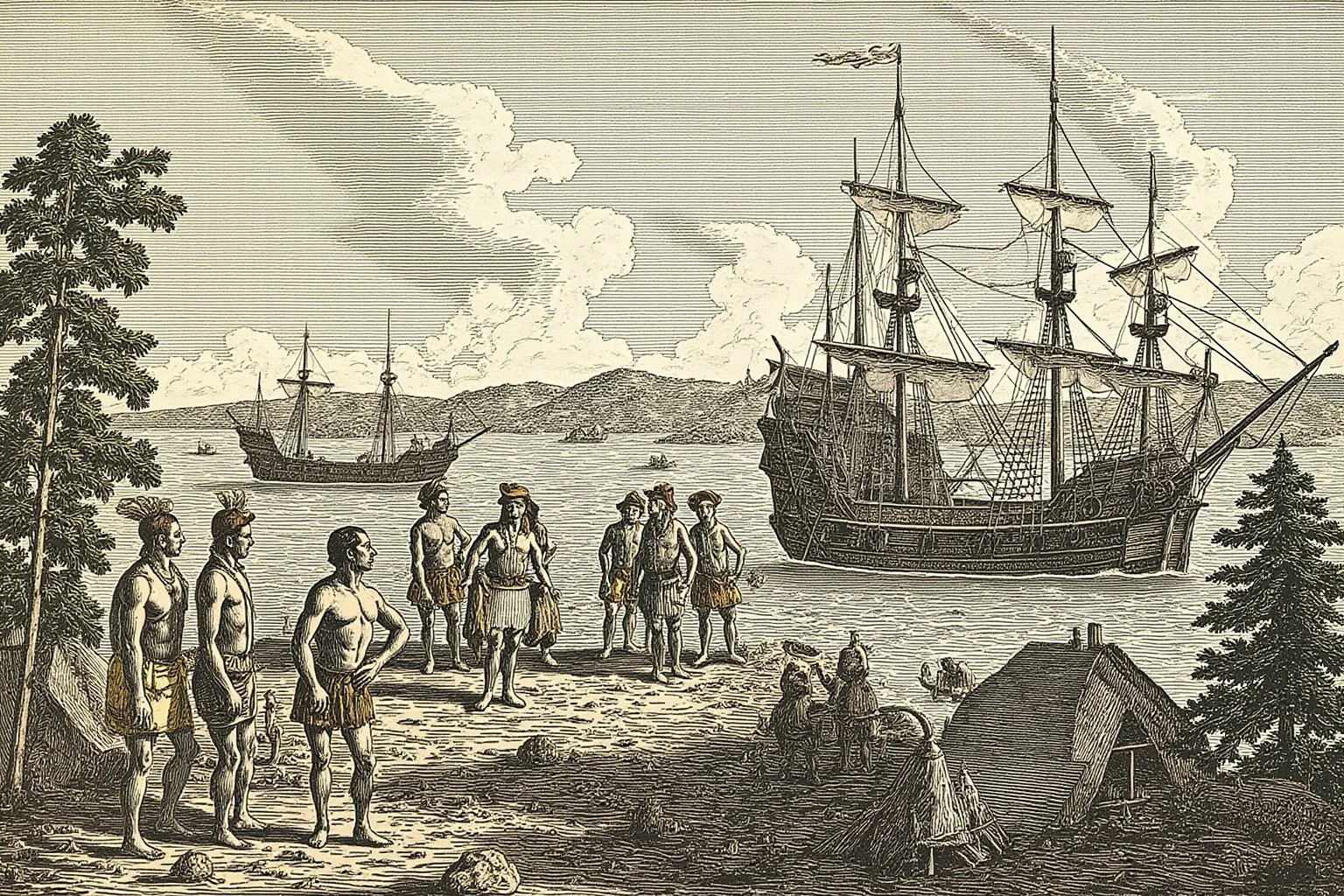
The arrival of Europeans in the Americas after 1492 triggered one of the largest demographic collapses in recorded history. Smallpox, measles, typhus, and influenza spread through indigenous societies with no previous exposure to these Old World pathogens.
Because the American plagues unfolded over centuries, total deaths are hard to measure, but many scholars estimate tens of millions died and some regions lost up to 90 percent of their people. These outbreaks are best understood as a series of virgin-soil epidemics, not a single disease event.
8. The Cocoliztli Epidemic (1545–1548 and 1576–1580)
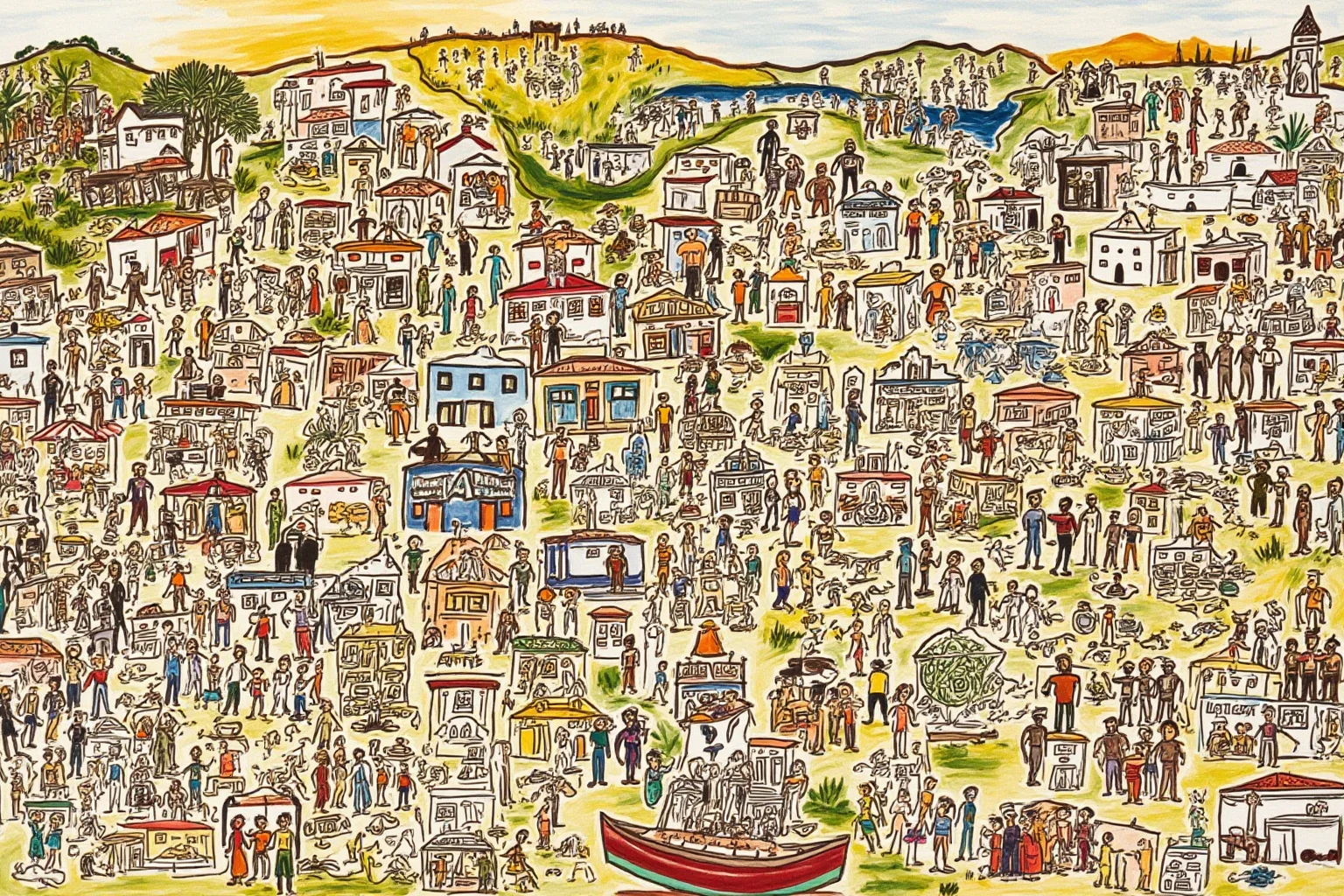
The cocoliztli epidemics struck Mexico in 1545 and again in 1576, killing perhaps five to fifteen million people in a population already weakened by conquest and forced labor. The name comes from the Nahuatl word for pestilence.
The cause remains unresolved; a DNA study of cocoliztli-era teeth identified traces of Salmonella enterica, but many scientists say the evidence is not final. Whatever the pathogen, it ranks among the worst plagues in the Americas.
9. The Italian Plague (1629–1631)
Between 1629 and 1631, bubonic plague swept through northern Italy, hitting Milan, Venice, and surrounding cities hard. Officials used quarantine, isolation wards, and public health boards, but the disease still killed about 280,000 people.
Milan's response included strict separation of the sick and burning infected goods, forming an early chapter in epidemic control. The Italian plague is one of the historical plagues that pushed European states toward more organized public health.
10. The Great Plague of London (1665–1666)
The Great Plague of London began in the hot summer of 1665 and killed roughly 100,000 people, about a fifth of the city. King Charles II and others who could afford it fled, while the poor remained in crowded neighborhoods.
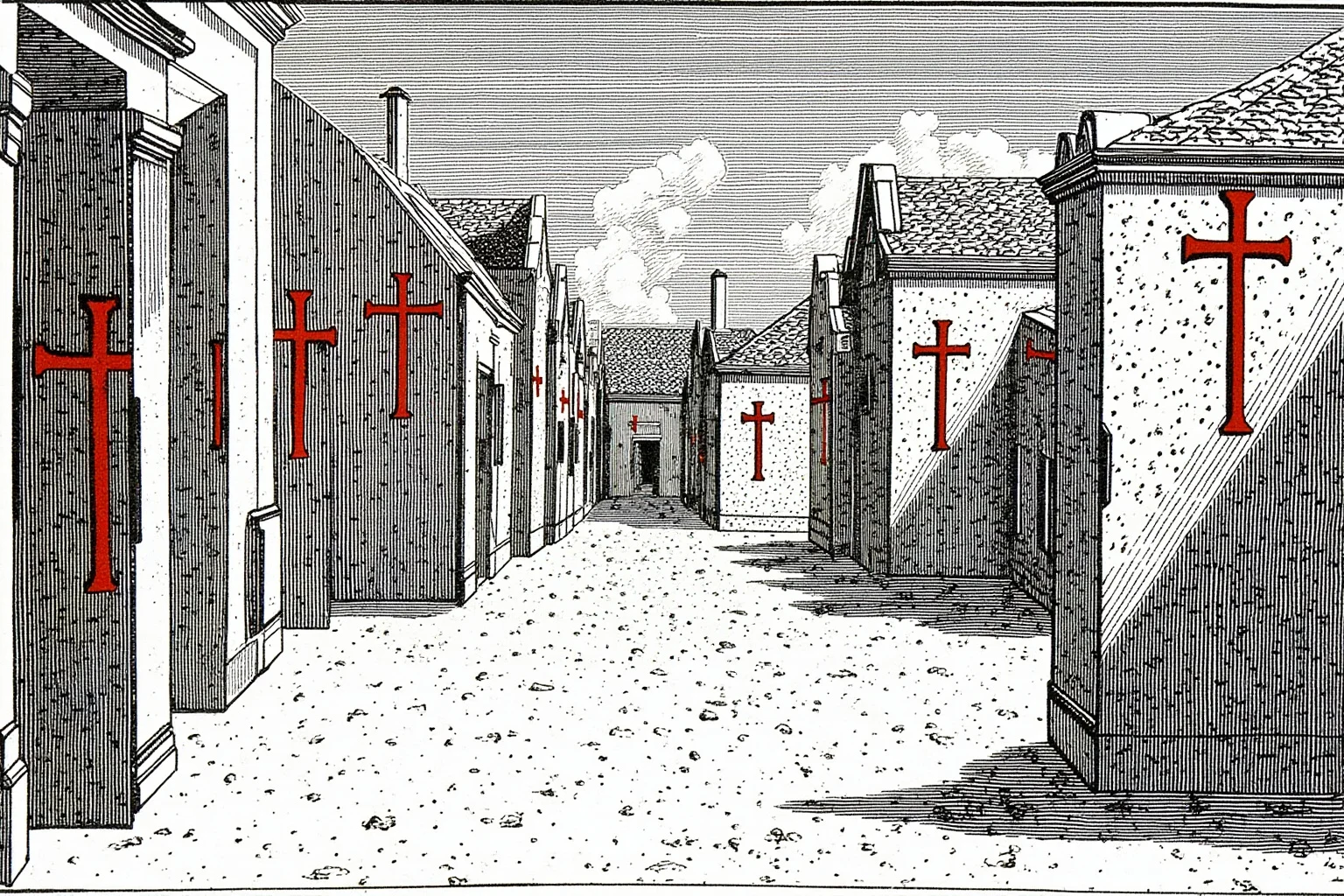
Doors of infected households were often marked with red crosses, and a fire in 1666 helped destroy the rat-infested housing that sustained the outbreak. It was the last major bubonic plague in England on such a scale.
11. The Russian Plague (1770–1772)
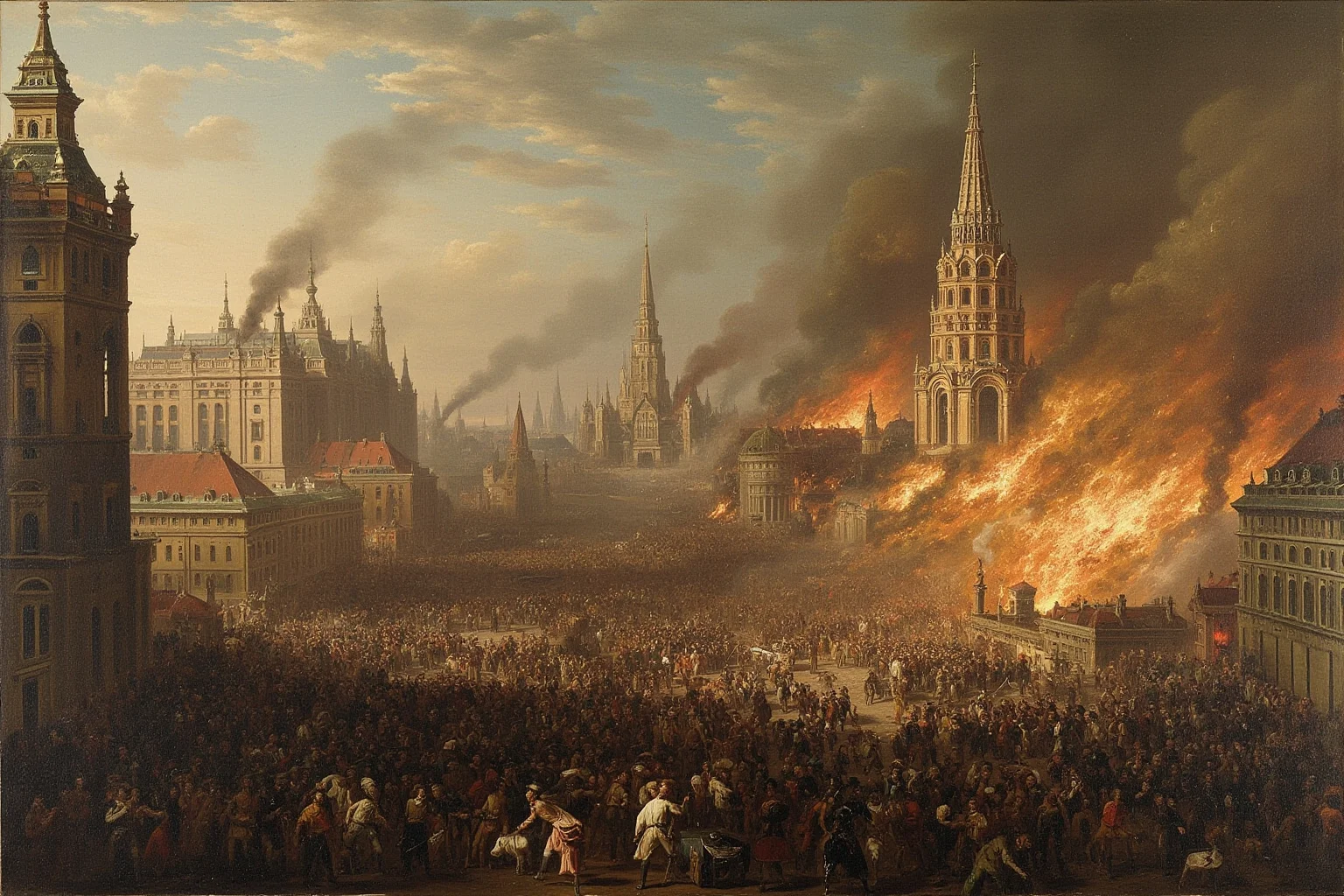
In 1770, bubonic plague reached Moscow during a Russian war with the Ottoman Empire and spread through the crowded city. Panic led to an infamous riot in 1771, when a mob killed the archbishop amid fear and mistrust.
Estimates suggest 50,000 to 100,000 people died in Moscow before the outbreak subsided in 1772. The episode demonstrated how misinformation could become as deadly as the plague itself.
12. The First Cholera Pandemic (1817–1824)
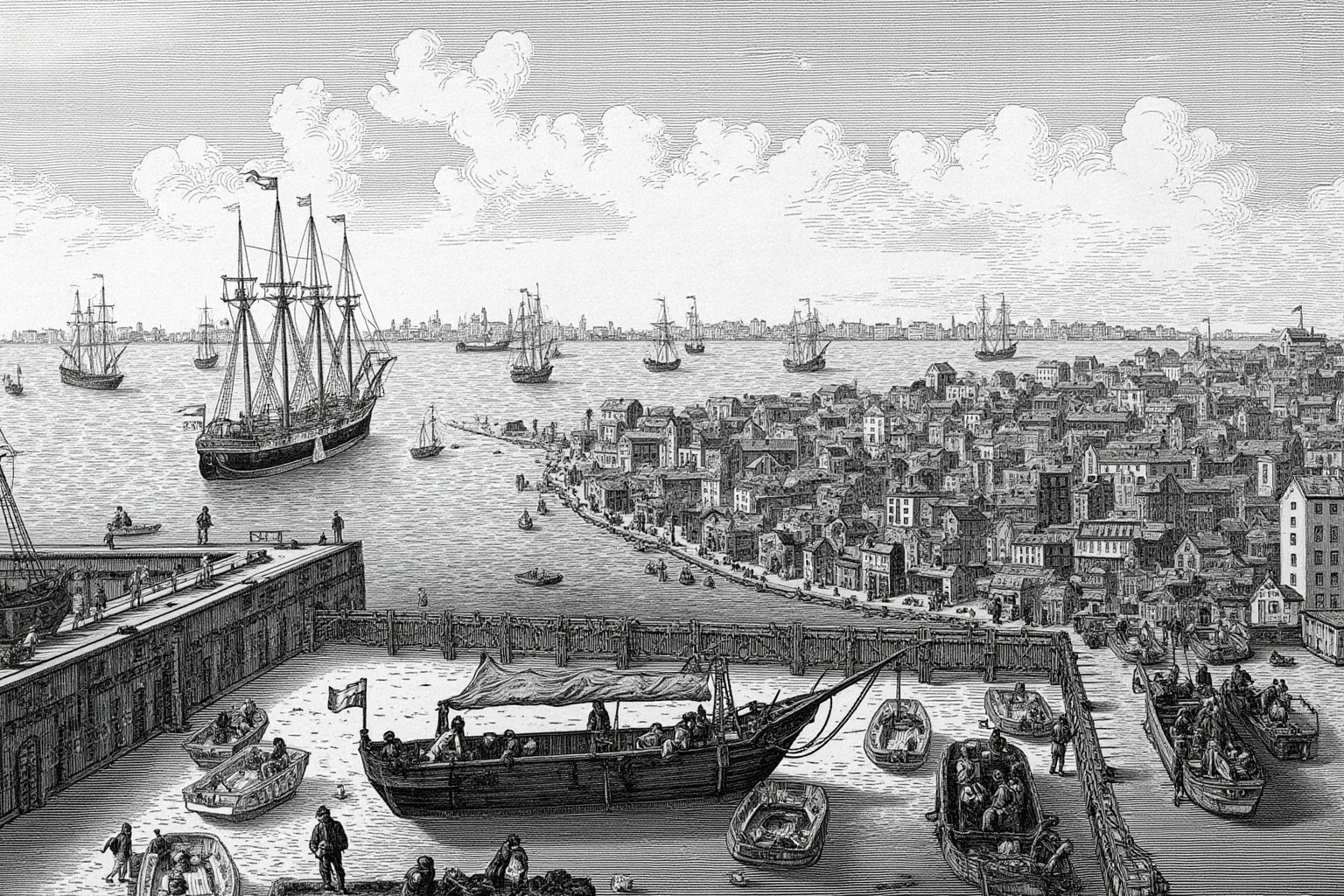
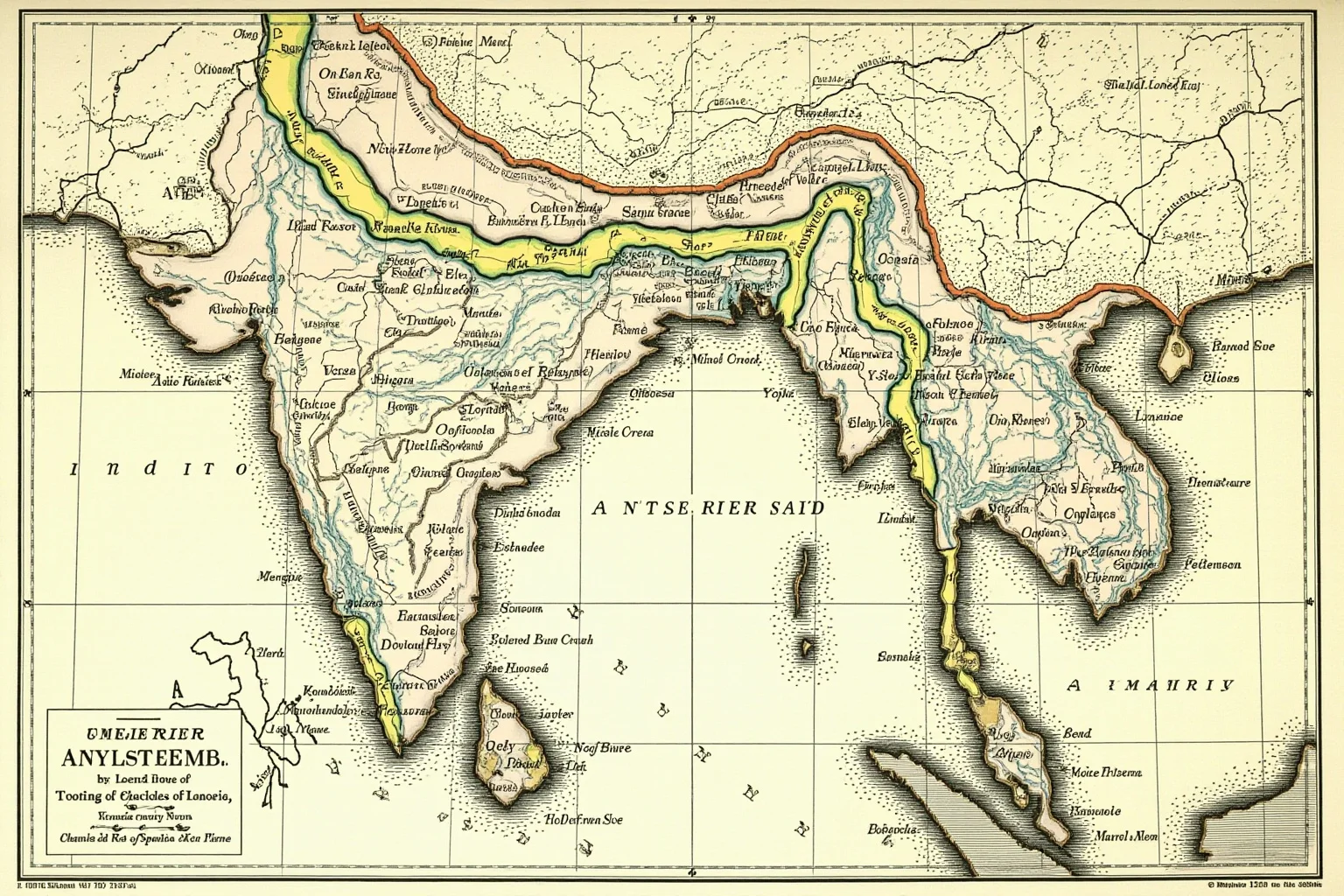
The first cholera pandemic began in the Ganges Delta around 1817 and traveled with soldiers, pilgrims, and ships across Asia and East Africa. Cholera spreads through contaminated water and kills quickly through dehydration, making it especially lethal in crowded areas.
This pandemic established cholera as one of the most feared plague names of the nineteenth century and opened a long series of cholera epidemics in history. Exact totals are unknown but likely reached hundreds of thousands.
13. The Second Cholera Pandemic (1829–1851)
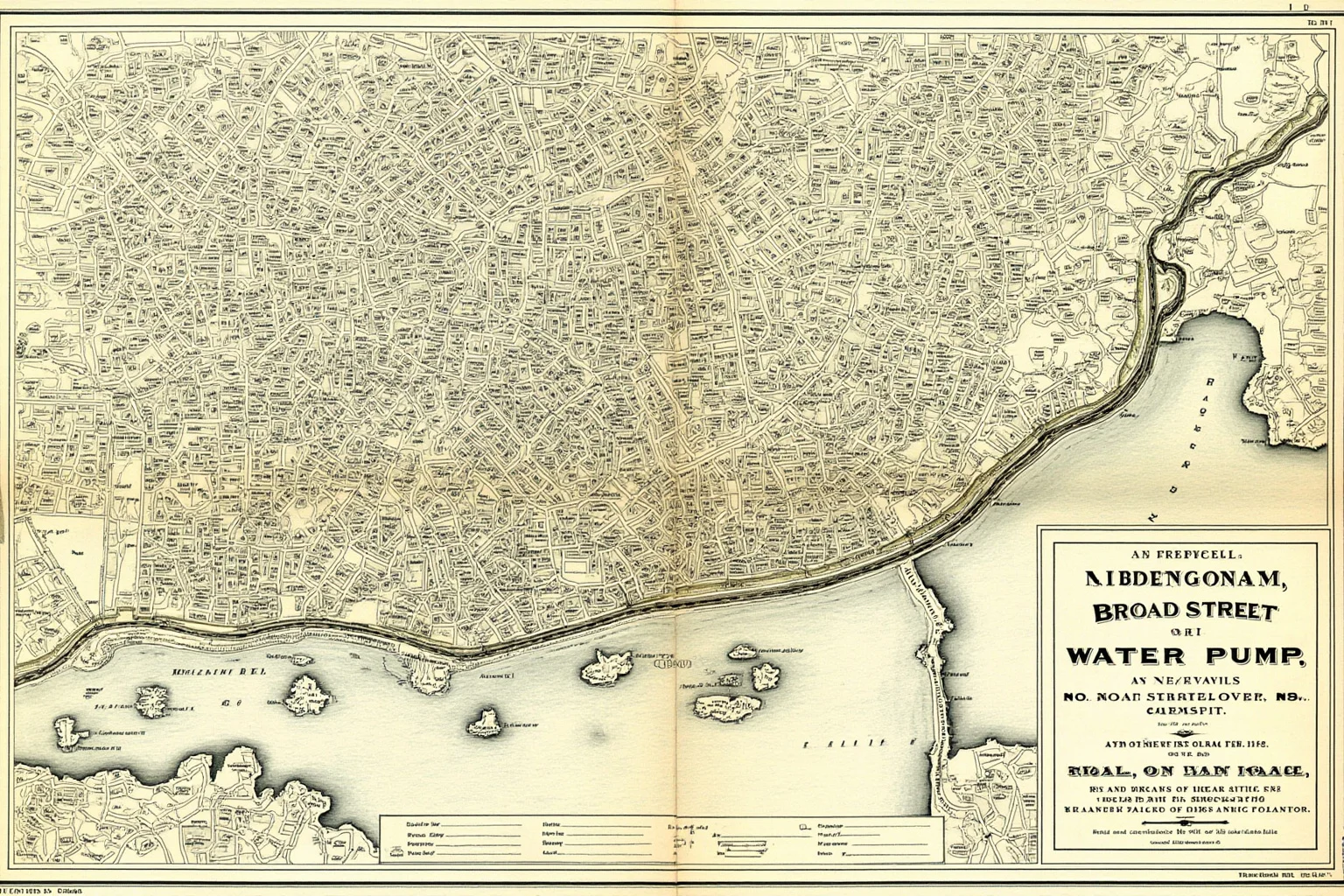
The second cholera pandemic ran from about 1829 into the early 1850s and carried the disease into Europe and the Americas. Major cities from London to New York experienced waves of panic and death as cholera followed trade and migration.
Millions died worldwide, and the crisis pushed governments to debate sanitation, quarantine, and urban water supply. In North America, cholera became one of the famous diseases of the nineteenth century.
14. The Third Cholera Pandemic (1846–1860)
The third cholera pandemic lasted from around 1846 to 1860 and killed more than one million people in Russia alone. During a London outbreak in 1854, physician John Snow mapped cases near Broad Street and traced the problem to a public water pump.
Snow's investigation did not immediately convince all authorities, but it helped replace miasma theory with evidence that cholera spread through water. That discovery makes the third pandemic one of the most important moments in epidemic history.
15. The Third Plague Pandemic (1855–1960)
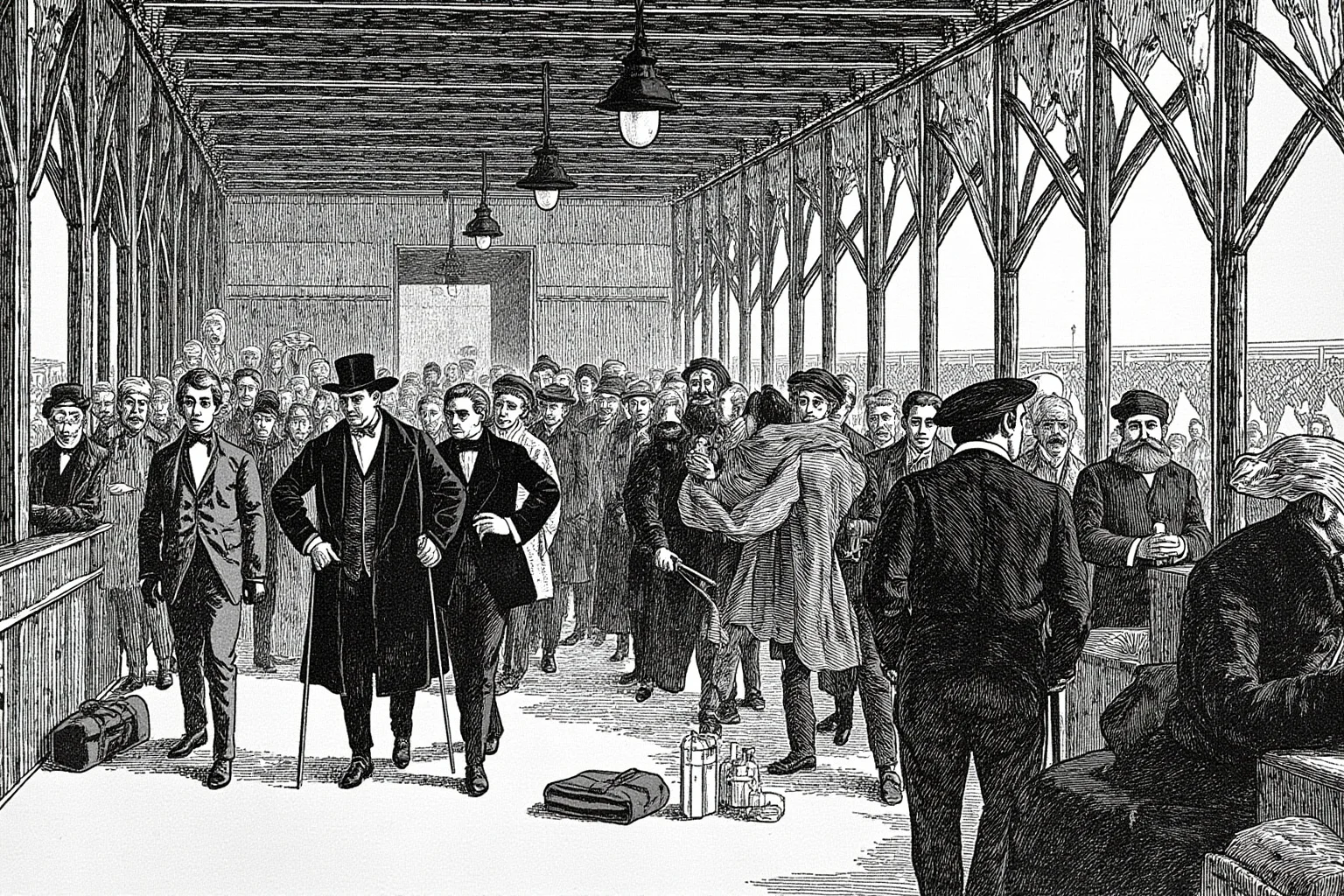
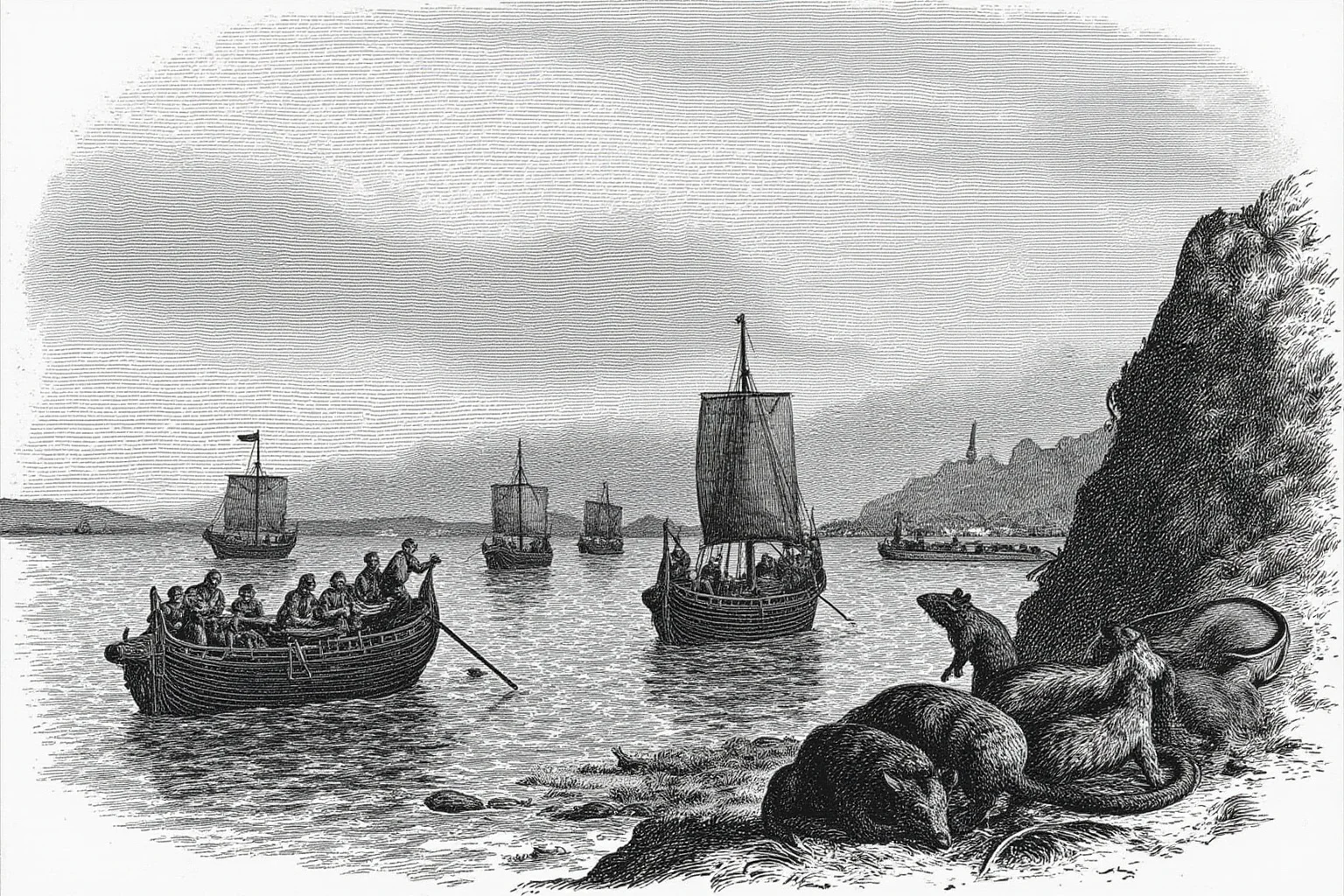
The Third Plague Pandemic began in China's Yunnan province around 1855 and spread through global shipping to every inhabited continent by 1900. It caused severe outbreaks in India, Hong Kong, San Francisco, and many other port cities.
The pandemic killed an estimated 12 to 15 million people, mostly in India, and in 1894 Alexandre Yersin identified the plague bacterium. Modern plague names still trace back to this pandemic because it established new animal reservoirs around the world.
16. The Russian Flu (1889–1890)
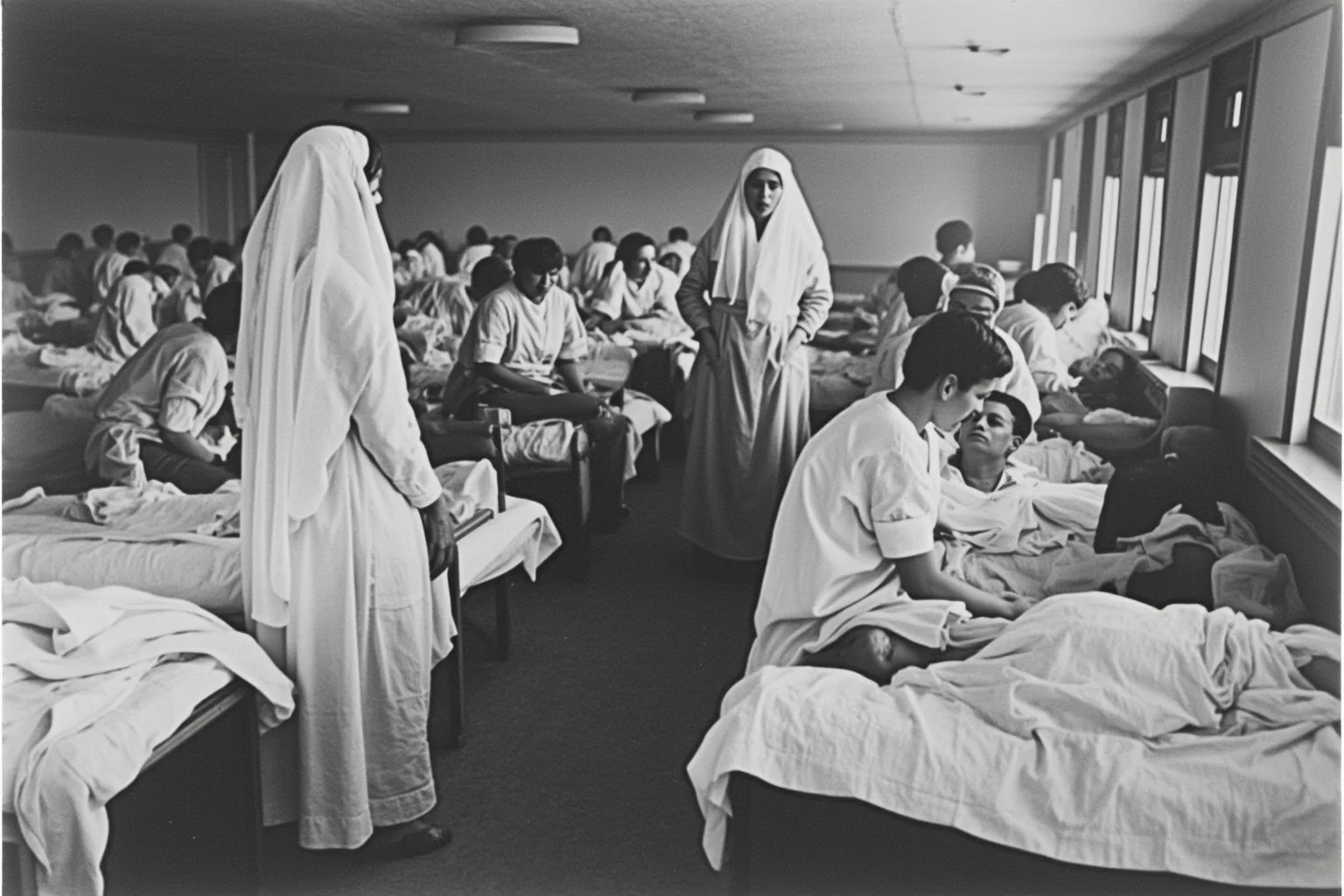
The Russian flu of 1889–1890 was the first major pandemic of the industrial age, racing along railways and steamship routes within months. It killed about one million people worldwide and caused fever, cough, and sometimes fatal pneumonia.
Scientists still debate whether it was an influenza virus or an early coronavirus, with some research suggesting the coronavirus OC43 may descend from it. It remains a key example of how fast a disease in history could move once transportation accelerated.
17. The Spanish Flu (1918–1920)

The Spanish flu of 1918–1920 is often called the worst pandemic in history among influenza outbreaks. Its name is misleading, because wartime censorship meant neutral Spain reported the disease openly while combatant nations hid the news.
The virus infected about one-third of the world's population and killed an estimated 50 to 100 million people, with young adults unusually vulnerable. Its most lethal wave arrived in late 1918, and related respiratory diseases in the 1920s continued to appear after the main pandemic ended.
18. The Asian Flu (1957–1958)

The Asian flu emerged in 1957 from a new influenza subtype called H2N2. It spread quickly through schools, workplaces, and ports, reaching the United States within months.
The pandemic killed an estimated one to two million people globally, making it one of the largest pandemics history has recorded in the vaccine era. It also helped accelerate the world's influenza surveillance network.
19. The Hong Kong Flu (1968–1969)
The Hong Kong flu of 1968 was caused by H3N2, a subtype that still circulates as a seasonal flu today. Its spread was fast, but mortality was lower than in 1918 partly because of better medical care and some population immunity.
The pandemic killed an estimated one million people worldwide, with older adults bearing the worst outcomes. Along with the 1957 pandemic, it is one of the mid-century's most deadly pandemics.
20. HIV/AIDS (1981–Present)

HIV/AIDS became the most deadly pandemic of the late twentieth century after it emerged into public view in the early 1980s. Since then, the virus has infected roughly 88 million people and killed more than 40 million worldwide.
Unlike the fast-moving plagues on this list, HIV attacks the immune system slowly over years. Antiretroviral treatment has transformed survival for many, but the pandemic remains a leading infectious killer in parts of sub-Saharan Africa.
21. COVID-19 (2019–Present)
COVID-19, caused by the coronavirus SARS-CoV-2, emerged in late 2019 and became the defining pandemic of the twenty-first century. By 2024 it had caused more than seven million confirmed deaths, while excess-mortality estimates run into the tens of millions.
The virus combined the speed of a respiratory disease with a globalized economy, triggering lockdowns, rapid vaccine development, and intense public debate. Its full place among historical pandemics remains hard to measure because it is still close to us.
How Historic Plagues Reshaped Cities
The great plagues did more than kill; they changed the built environment. Quarantine stations, sewer systems, clean water pipes, and modern hospitals all owe something to the pressure of historic plagues on overcrowded cities.
Medieval and early modern rulers often blamed miasma, or bad air, but their practical responses—isolation, quarantine, and sanitation—sometimes worked even when the theory was wrong. Those experiments became the basis for modern public health.
What Deadly Diseases in History Have in Common
Major pandemics in history tend to follow war, trade, empire, or colonization because microbes travel with armies, ships, and displaced people. Crowding, malnutrition, and broken water systems repeatedly turned a single outbreak into a major pandemic.
The deadliest diseases in human history are often those that strike populations with no prior immunity. That pattern explains why newly introduced pathogens can be more destructive than familiar ones.
Why a Top-Five List Misses the Point
If asked for a top 5 worst pandemics in history, many scholars would name the Black Death, Spanish flu, HIV/AIDS, the Plague of Justinian, and COVID-19. That short list is reasonable, but it flattens a much longer epidemic list that includes repeated cholera waves and regional plagues.
The deadliest plague by share of population is usually considered the Black Death, while the Spanish flu often leads for total deaths in a single event. What plague killed the most people depends on how you count, and the greatest of all plagues is a matter of measurement rather than a fixed answer.
Plagues Throughout History Are Still With Us
Plagues throughout history did not end with antibiotics or vaccines. Cholera and plague still produce outbreaks today, and new viruses continue to emerge from changing environments.
The most deadly plague of the past may not be the next one, but the historical pattern is clear: preparation, clean water, honest information, and coordinated care save more lives than panic. That is the practical lesson buried in the history of plagues and infectious diseases in history.
Frequently Asked Questions
What were the worst plagues in history?
The worst plagues in history by total death and social impact include the Black Death, the Spanish flu, the Plague of Justinian, HIV/AIDS, and COVID-19. The Black Death killed an estimated 75–200 million people, while the Spanish flu killed 50–100 million. Rankings depend on whether you count absolute deaths or share of population lost.
What plague killed the most people?
The Spanish flu of 1918–1920 is usually cited as the deadliest single influenza pandemic, with an estimated 50 to 100 million deaths. The Black Death may have killed more people overall across Eurasia, but its estimates range more widely from 75 to 200 million.
What is the most deadliest disease in history?
Smallpox is often considered the most deadliest disease in history cumulatively, killing hundreds of millions of people over centuries before its eradication in 1980. For a single pandemic, the Spanish flu and Black Death have the largest death tolls.
What caused the Black Death?
The Black Death was caused by Yersinia pestis, a bacterium spread mainly by fleas that lived on rodents. It also had pneumonic and septicemic forms that could spread directly between people.
How did the Spanish flu compare to COVID-19?
The Spanish flu had a far higher estimated death toll, roughly 50–100 million, while COVID-19 has caused more than seven million confirmed deaths and tens of millions in excess-mortality estimates. The two pandemics differ in medical technology, global population size, and data quality.
Why did cholera epidemics in history keep returning?
Cholera pandemics returned in the 19th century because the bacterium spread through contaminated water and poor sanitation. Once cities built clean water systems, cholera outbreaks became less frequent, though they still occur where infrastructure fails.

Alex Warren
Related Articles