Everyone knows a siege can last a winter. Few people imagine a siege lasting an entire generation. Military history is full of blockades that dragged on for years, sometimes decades, until hunger, disease, or politics did what armies could not.
The phrase longest siege in history is trickier than it sounds. Ancient sources exaggerate, medieval chronicles blur blockades with active assaults, and modern sieges can be tracked down to the day. We will look at the best-documented claims, note what is disputed, and rank twenty examples from shortest to longest.
TL;DR: The longest siege generally cited in modern records is the 33-year standoff at Ceuta, but depending on how you define a siege, the 21-year siege of Candia or an ancient 29-year claim may top the list.
What Counts as a Siege?
A siege is usually defined as a military operation that isolates a fortified position to force its surrender through starvation, assault, or the collapse of morale. Unlike a pitched battle, a siege is a test of logistics, patience, and public health. Because sieges often paused for disease, diplomacy, or weather, historians disagree about when the clock starts and stops.
That distinction matters for a list like this one. A constant 21-year encirclement is different from an on-and-off blockade spread across three decades. When sources claim a siege lasted twenty-nine or thirty-three years, they are often describing a long state of hostility rather than daily combat.
Why Siege Length Numbers Are So Slippery
Some of the most famous ancient numbers come from writers such as Herodotus and Livy, who were not working with modern archival precision. They often rounded up, repeated patriotic legends, or borrowed from earlier myths. The siege of Troy is the most famous example: a ten-year siege is a literary tradition, not an established historical fact.
Even well-documented early modern sieges can be fuzzy. The end of a siege might be marked by a treaty, a relief column's arrival, a final assault, or the death of the ruler who ordered the blockade. For that reason, authors often cite the same siege with slightly different lengths.
The 20 Longest Sieges in Military History
The list below is ordered from shorter to longer by the most widely cited figure. Each entry notes whether the duration is well documented or debated.
20. Siege of Syracuse (214–212 BC) — About 2 Years
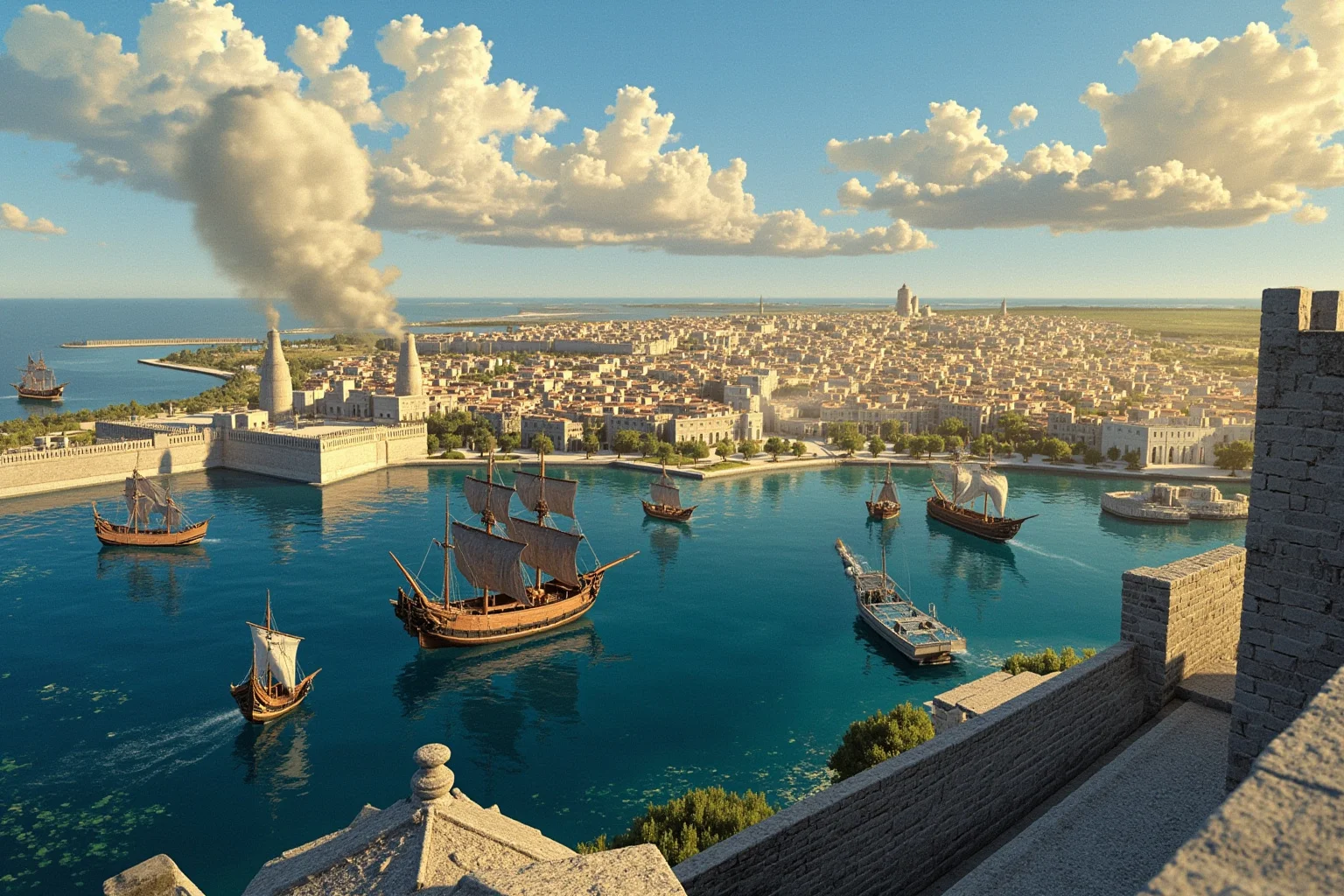
Roman forces under Marcus Claudius Marcellus began a loose encirclement of Syracuse in 214 BC after the city sided with Carthage. The defense became legendary because Archimedes designed devices such as grappling hooks and improved catapults that frustrated Roman assaults. The city finally fell in 212 BC, and Archimedes was killed in the sack.
The siege is a reminder that even a two-year operation could strain the resources of the Roman Republic. It also shows how one strong harbor could hold out if supplies kept arriving by sea.
19. Siege of Malta (1940–1942) — Roughly 2 Years
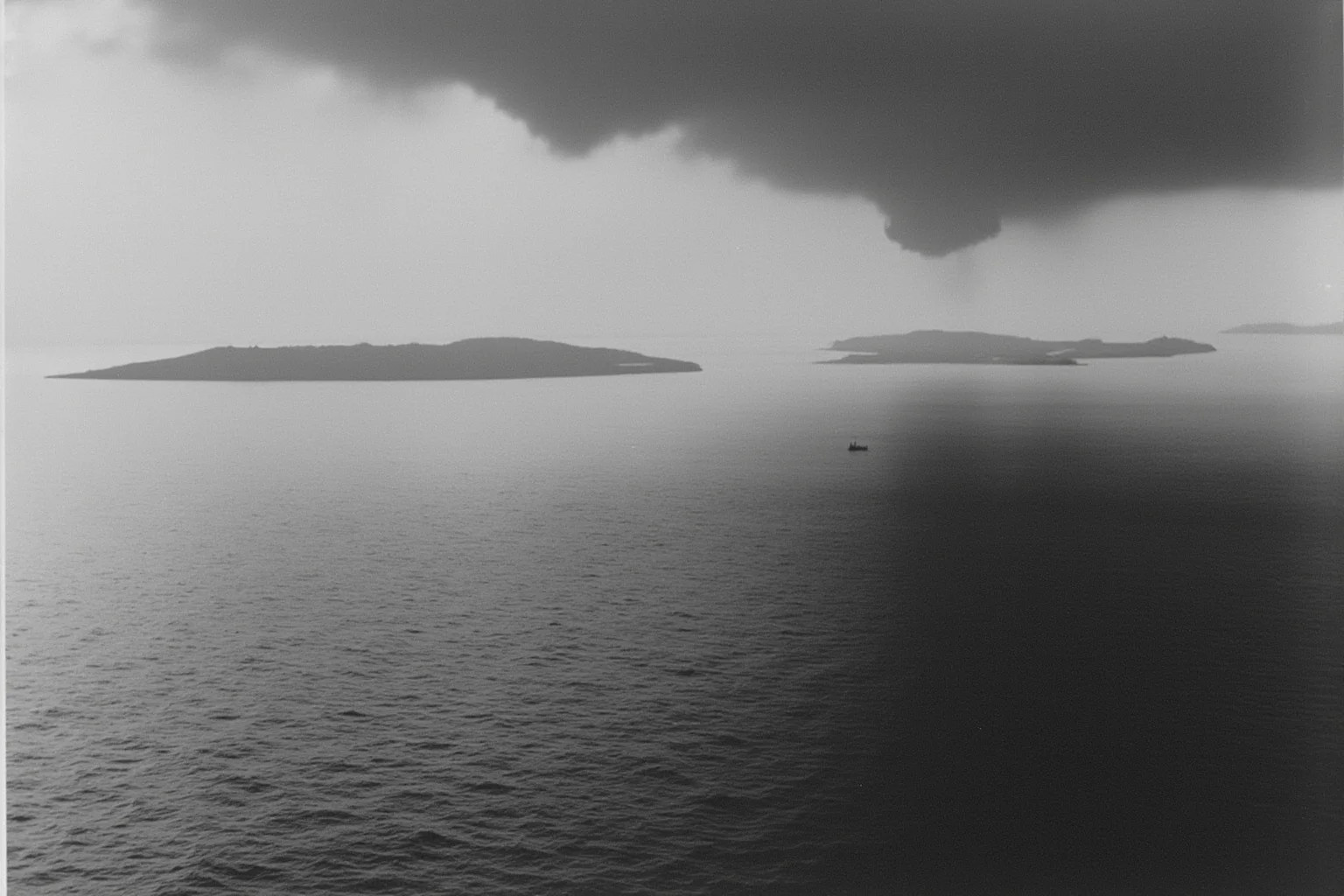
From June 1940 to late 1942, Axis air and naval forces tried to starve the British-held island of Malta into submission. This was not a classic land encirclement, but a sustained aerial and maritime blockade. The island's position made it a vital base for attacking Axis supply convoys to North Africa.
Relief convoys such as Operation Pedestal in August 1942 kept the island alive at enormous cost. By November 1942, the threat receded as the Allies regained control of the central Mediterranean.
18. Siege of Leningrad (1941–1944) — 872 Days
German Army Group North and Finnish forces closed the ring around Leningrad on September 8, 1941. The blockade lasted until January 27, 1944, a span of about 872 days. Civilians endured starvation, freezing winters, and constant shelling.
The city was never captured, but the human cost was staggering. Historians generally estimate more than one million civilian deaths. The Road of Life across frozen Lake Ladoga became the city's narrow lifeline.
17. Siege of Madrid (1936–1939) — About 2.5 Years
During the Spanish Civil War, Nationalist forces repeatedly tried to isolate and capture Republican-held Madrid from late 1936 onward. The city withstood direct assaults, bombing, and supply shortages for about two and a half years. It finally fell in late March 1939 as the Republic collapsed.
Madrid was not a perfectly sealed siege, but it functioned as a prolonged urban encirclement. Civilians lived for years under artillery and air attack while the front lines shifted around the city's outskirts.
16. Siege of Potidaea (432–429 BC) — About 3 Years
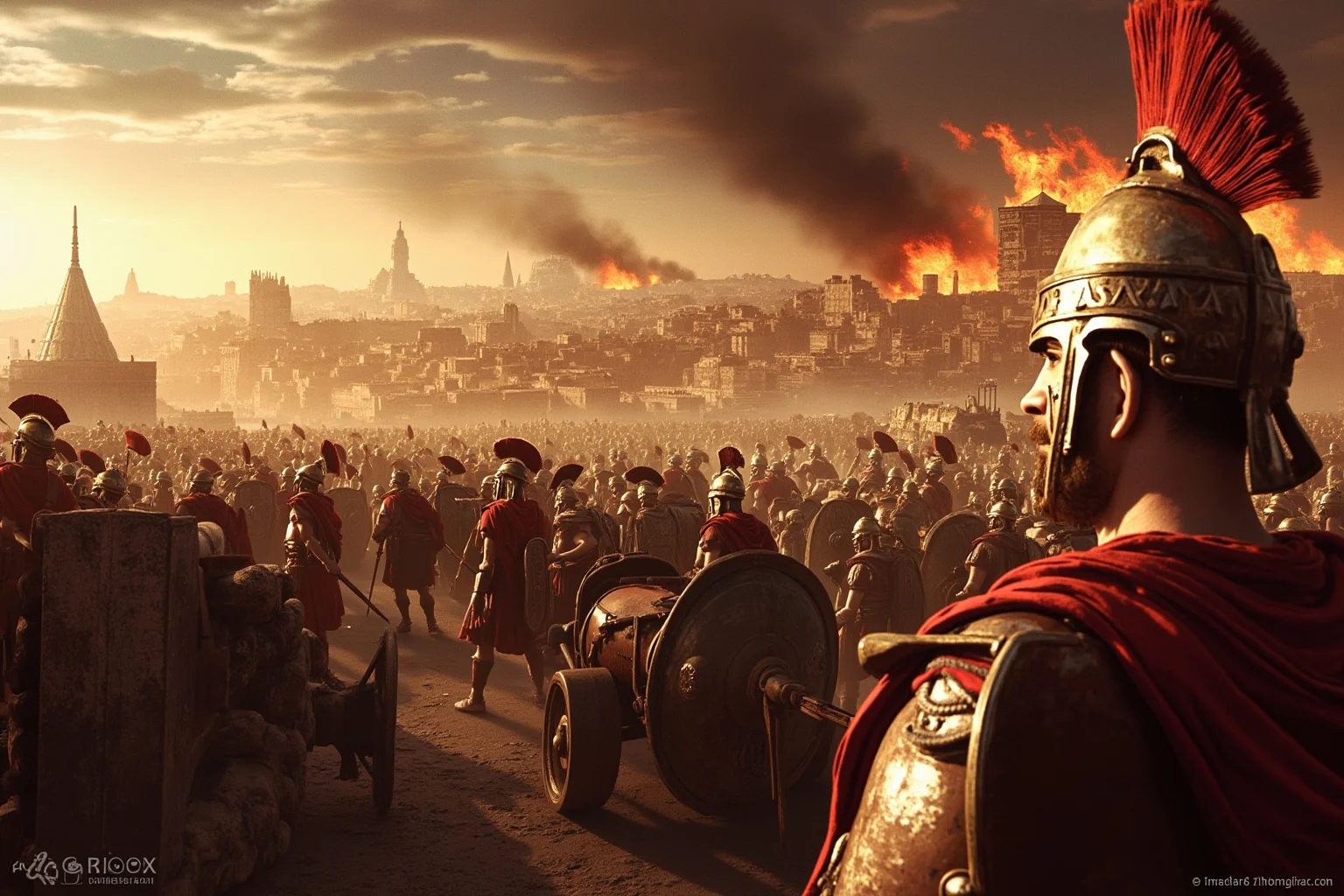
Athens besieged the rebellious city of Potidaea in northern Greece at the start of the Peloponnesian War. The operation lasted roughly from 432 to 429 BC and became a serious drain on Athenian finances. Thucydides records that the siege cost Athens about 2,000 talents, a huge sum at the time.
The city eventually surrendered after starvation made its position hopeless. Potidaea illustrates how a relatively small city could consume the resources of a major power for years.
15. Siege of Carthage (149–146 BC) — About 3 Years
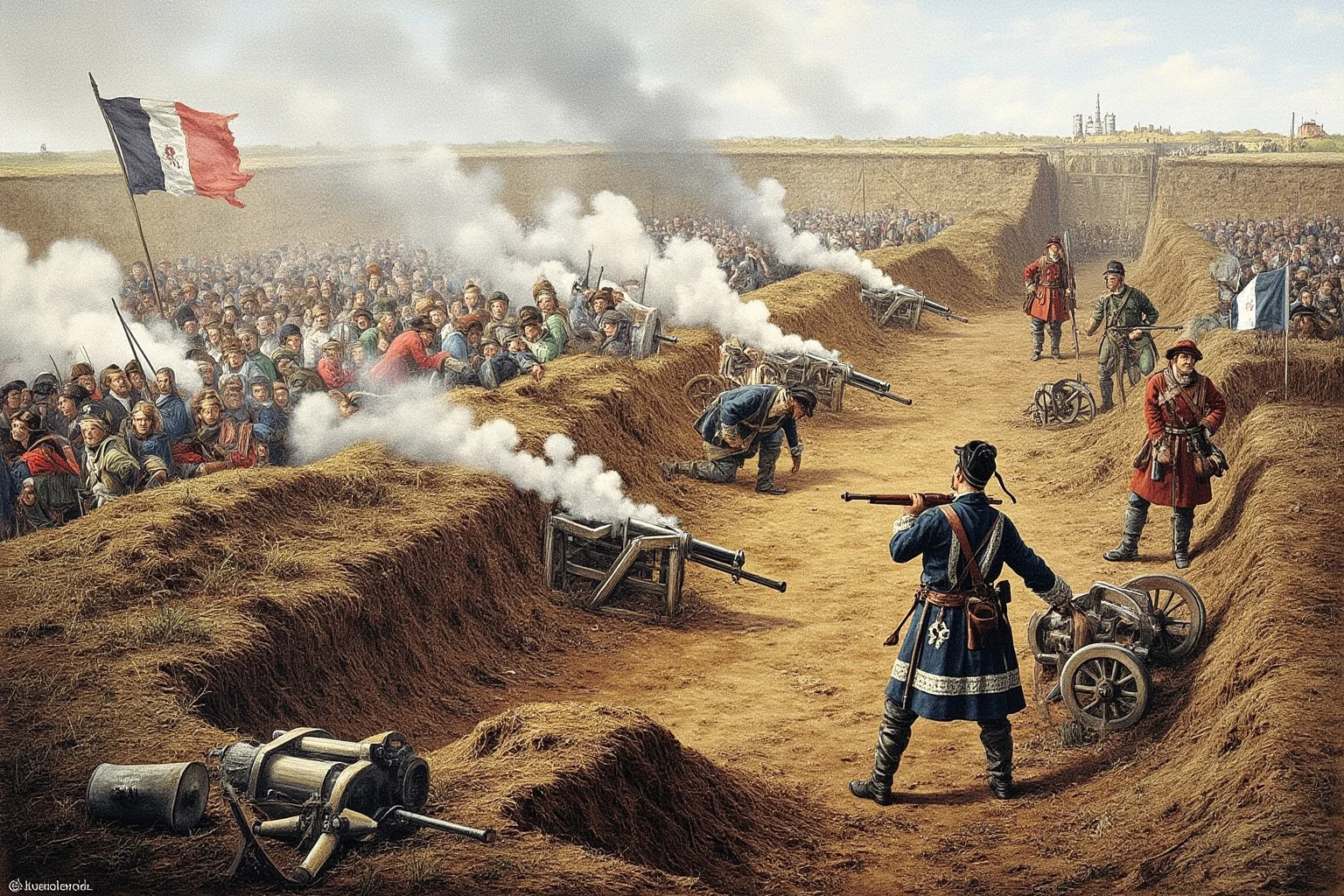
The Third Punic War began with a Roman force sent to destroy Carthage in 149 BC. The Romans built siege works and blockaded the city by sea and land, but Carthage held out for roughly three years. The final Roman assault in 146 BC ended with the city burned and its population killed or enslaved.
Carthage shows that a long siege could end in annihilation rather than a negotiated surrender. It also marked the end of Rome's most famous Mediterranean rival.
14. Siege of Ostend (1601–1604) — About 3 Years
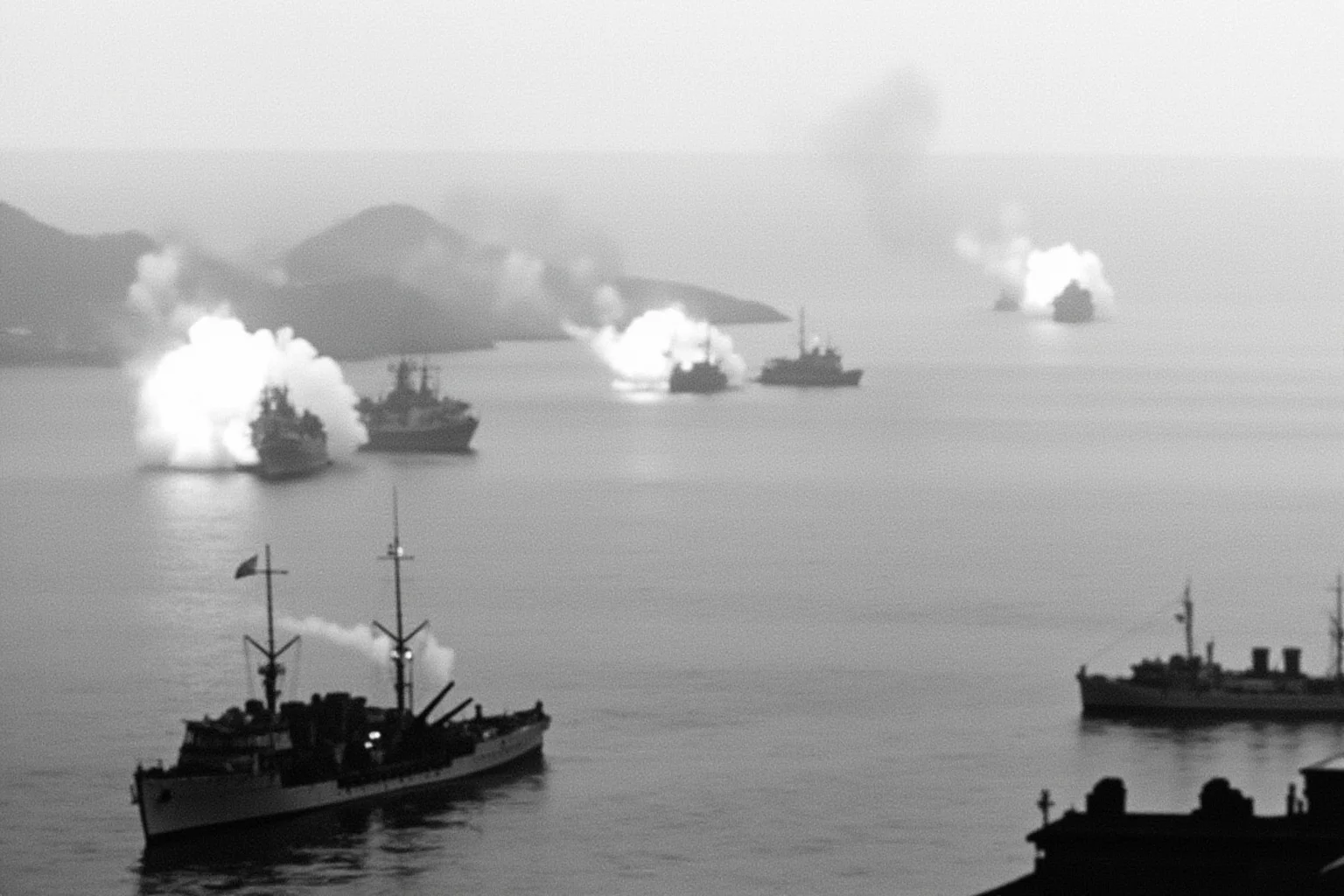
Spanish forces besieged the Dutch-held port of Ostend during the Eighty Years' War. The siege dragged on for more than three years and consumed enormous amounts of money, men, and munitions. Both sides turned the surrounding landscape into a labyrinth of trenches, batteries, and redoubts.
The Spanish eventually captured a ruined town, but the cost undermined the strategic value of the victory. Ostend became a benchmark for how expensive and grinding early modern sieges could be.
13. Great Siege of Gibraltar (1779–1783) — 3 Years 7 Months
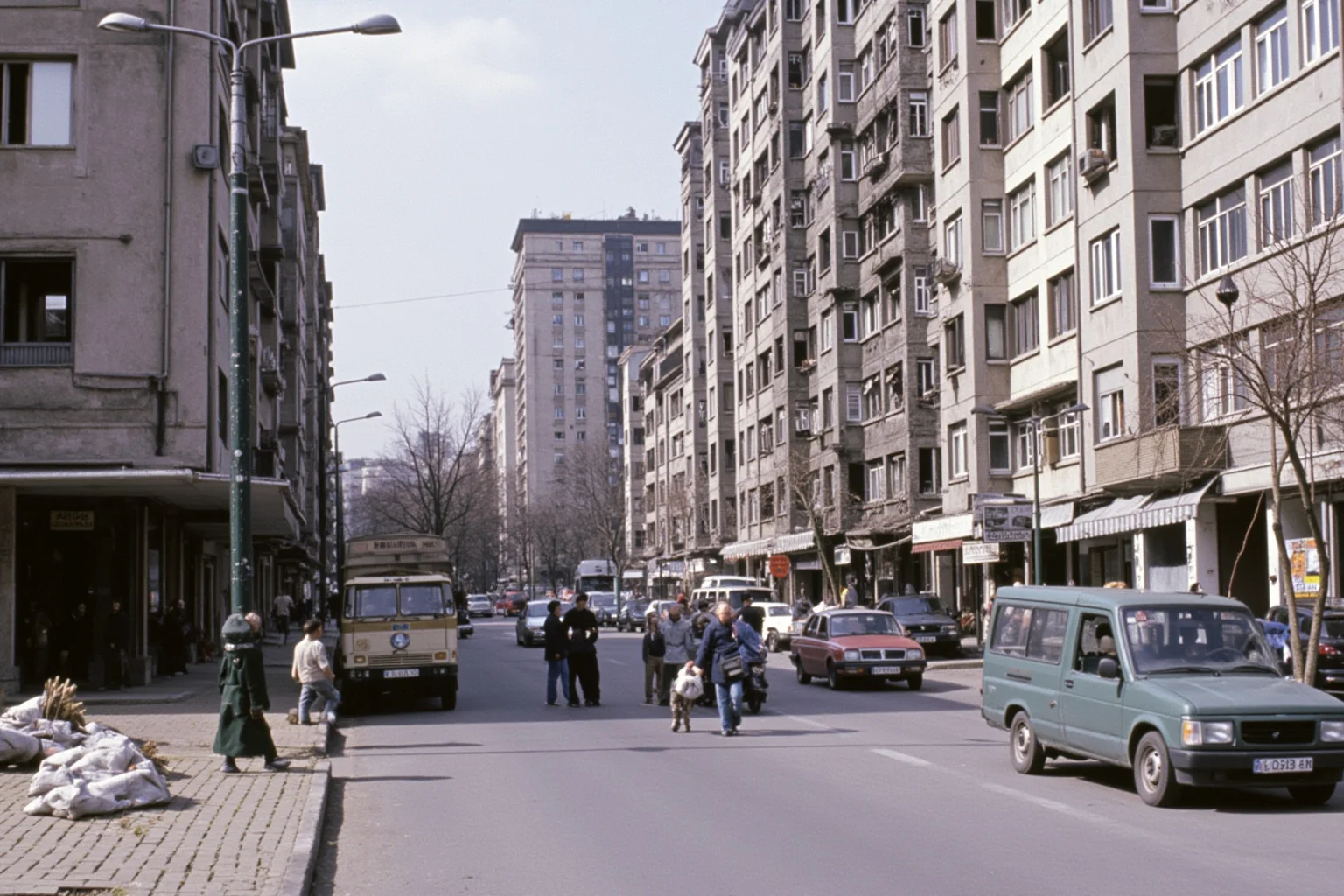
Spanish and French forces blockaded British-held Gibraltar for three years and seven months during the American Revolutionary War. The garrison survived periodic relief convoys and built extensive tunnels and defensive works inside the Rock. A massive floating-battery assault in 1782 failed under heavy fire.
The siege ended in February 1783 when the wider war wound down and peace talks made the blockade pointless. It remains one of the best-documented long sieges of the eighteenth century.
12. Siege of Sarajevo (1992–1996) — 1,425 Days
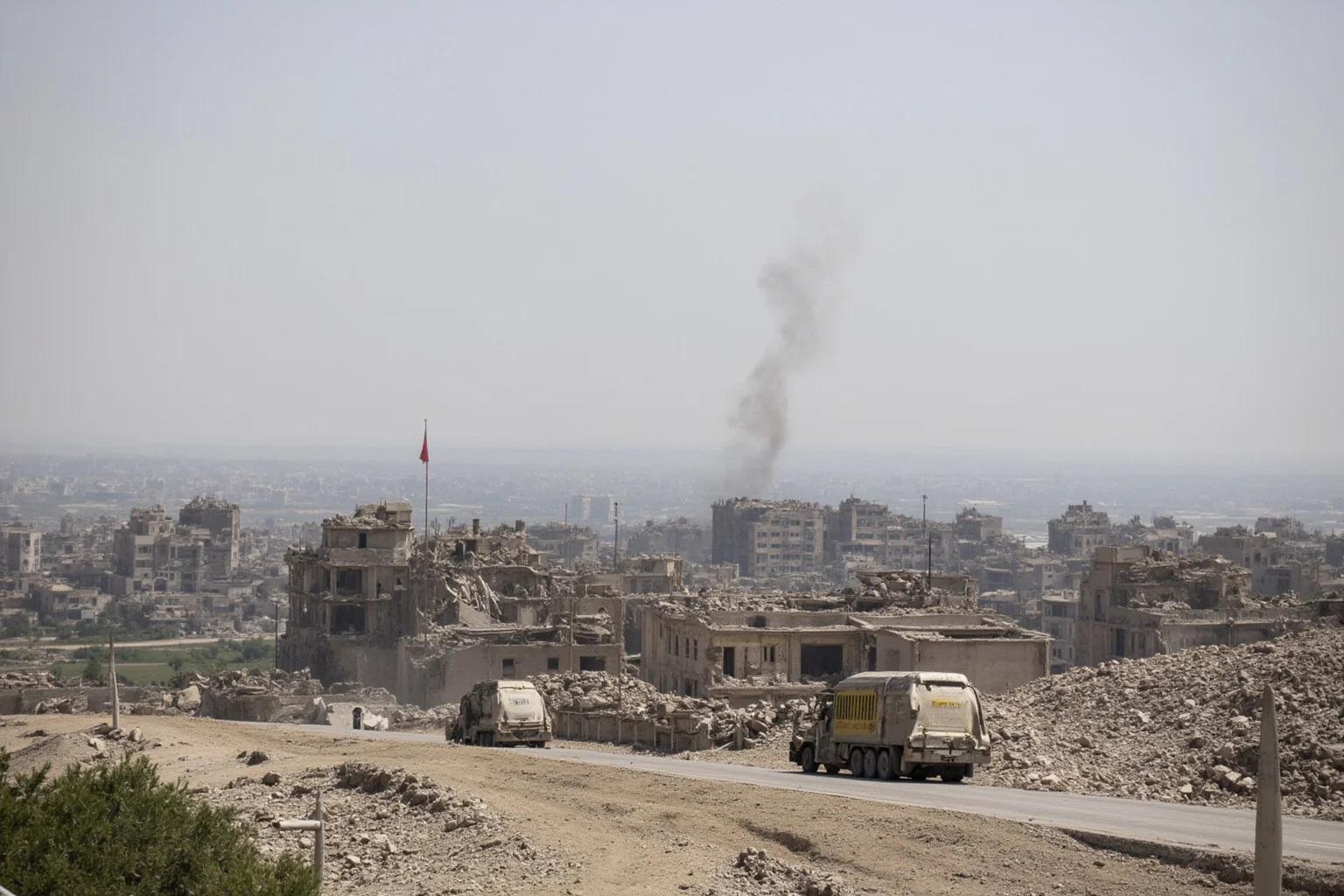
Bosnian Serb forces surrounded Sarajevo during the Bosnian War, holding the city in a grip that lasted 1,425 days. This made it the longest siege of a capital city in modern warfare. Residents faced sniper fire, artillery shelling, and severe shortages of food, water, and power.
The siege was lifted after the Dayton Accords and NATO pressure in early 1996. Because it occurred in the age of modern media, its day-by-day horror is unusually well documented.
11. Siege of Aleppo (2012–2016) — About 4 Years
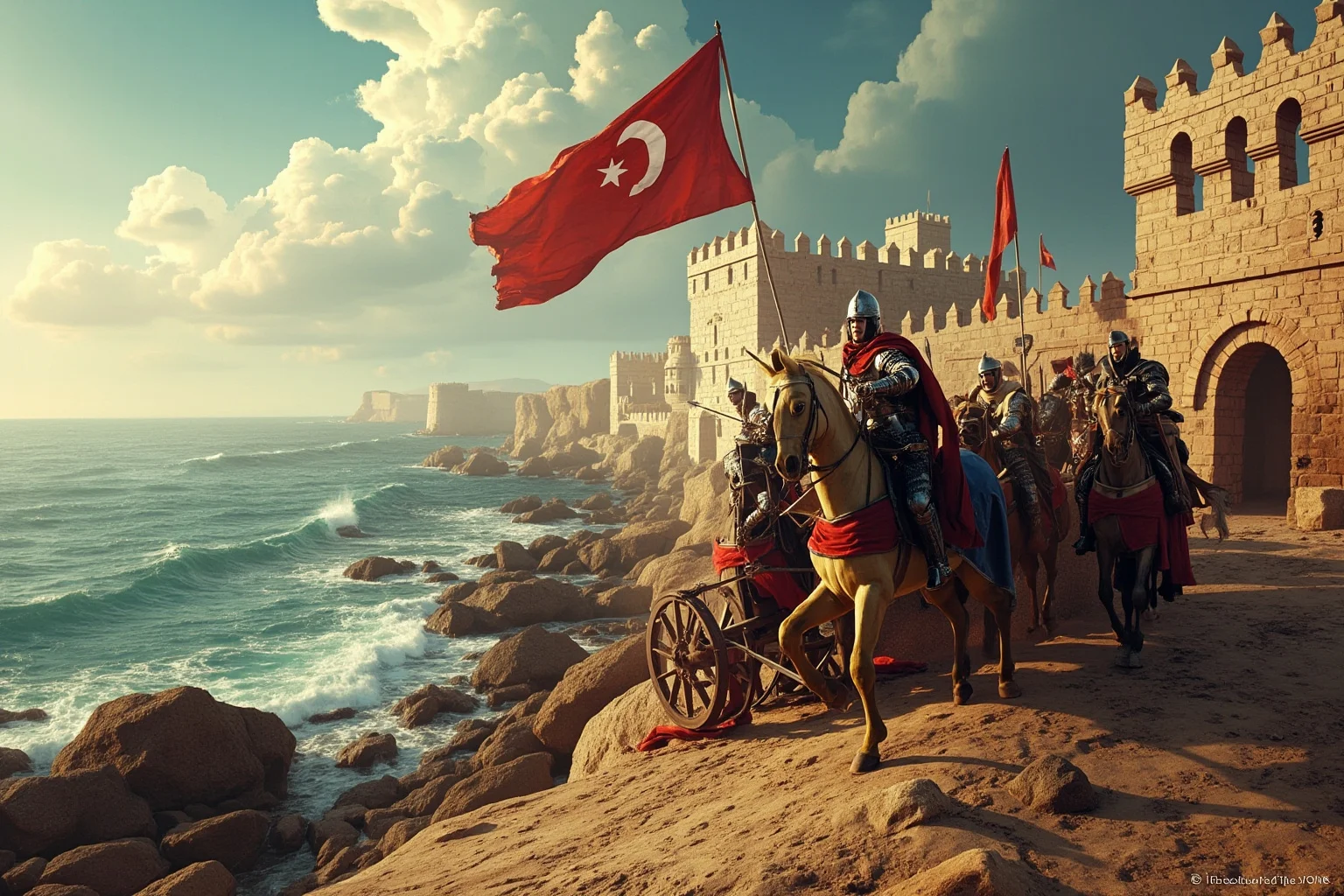
During the Syrian Civil War, government forces and their allies gradually encircled opposition-held eastern Aleppo. The blockade tightened into a full siege that lasted, with major interruptions, from 2012 until the final evacuation in December 2016. Civilians bore the brunt of hunger, airstrikes, and displacement.
Some historians caution that the Aleppo siege was not a single unbroken ring for the entire period. Even so, it ranks among the longest urban sieges of the twenty-first century.
10. Siege of Tripoli (1102–1109) — About 7 Years
During the First Crusade's aftermath, Raymond of Toulouse built a siege castle called Mount Pilgrim near the coastal city of Tripoli. Crusader forces maintained a loose land and sea blockade for about seven years before the city fell in 1109. The result was the establishment of the County of Tripoli.
The long delay was caused by internal rivalries, limited manpower, and the city's ability to resupply by sea when the blockade wavered. It demonstrates how medieval sieges often became slow political contests as much as military operations.
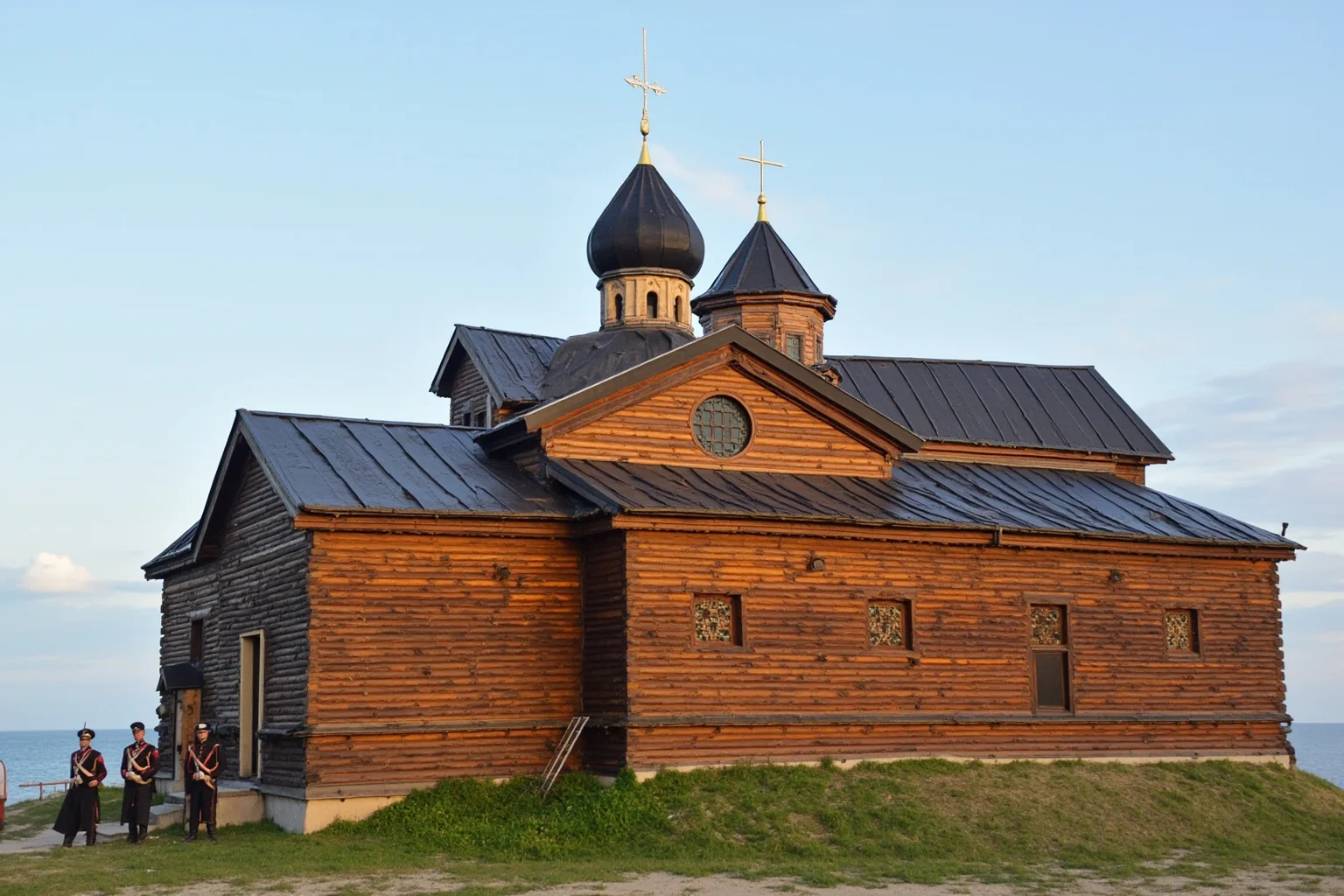
9. Siege of Solovetsky Monastery (1668–1676) — About 8 Years
Tsarist forces besieged the remote Solovetsky Monastery in the White Sea after the monks refused to accept church reforms. The monastery's thick walls, island location, and stockpiled supplies allowed it to resist for about eight years. The siege ended in 1676 when a traitor showed the attackers a weak point.
Tsarist troops then killed many of the defenders, and the episode became a powerful martyr story for Old Believers. It is one of the longest known sieges of a religious community rather than a major city.
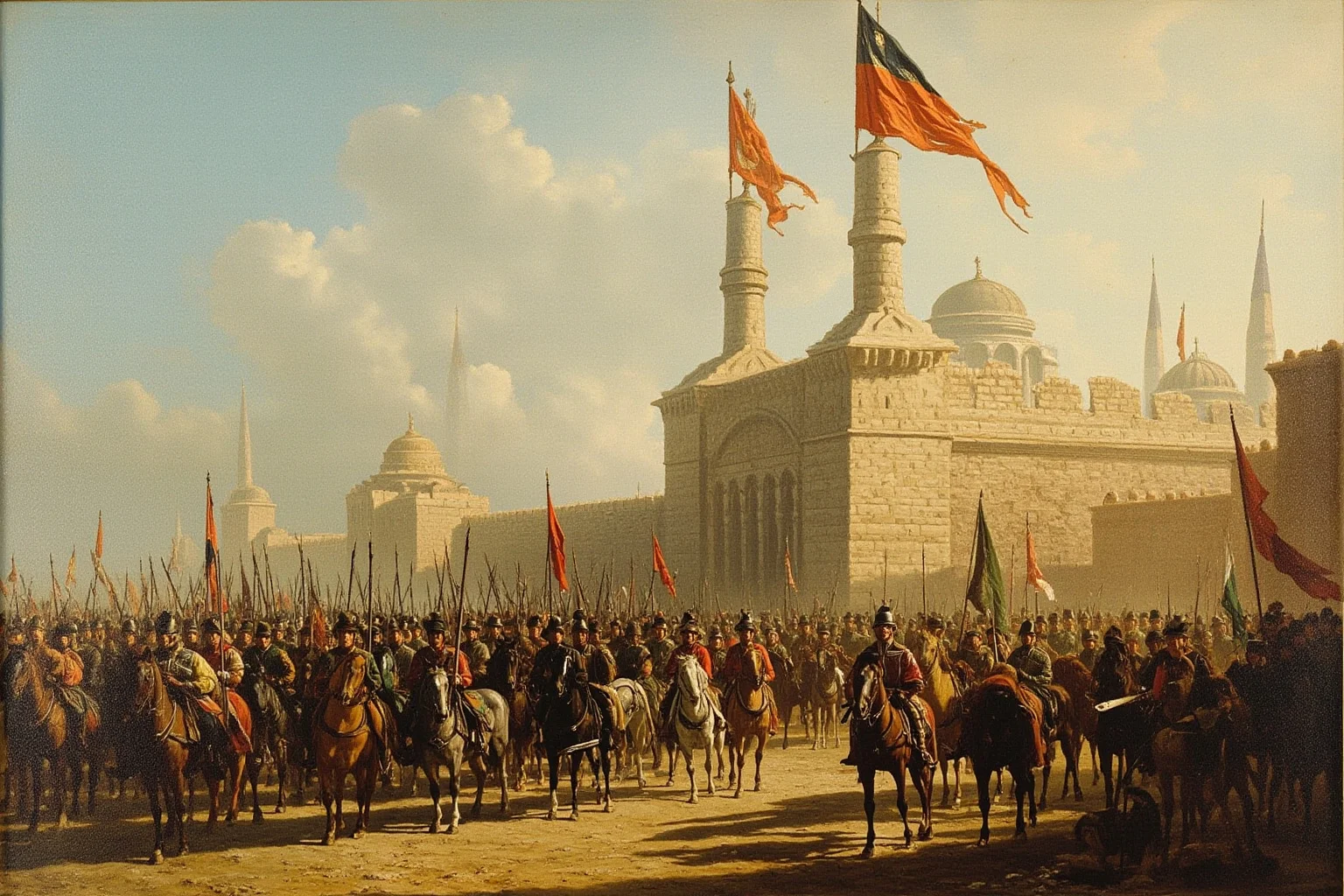
8. Siege of Thessalonica (1422–1430) — About 8 Years
Ottoman Sultan Murad II began a blockade of Thessalonica in 1422, when the city had passed from Byzantine to Venetian control. The siege lasted about eight years, though it was not continuously active throughout that whole period. The city fell in 1430 after a final Ottoman assault.
The sack that followed and the mass enslavement of inhabitants shocked the Christian Mediterranean. Thessalonica shows how Ottoman siege warfare could combine patient blockade with sudden, decisive violence.
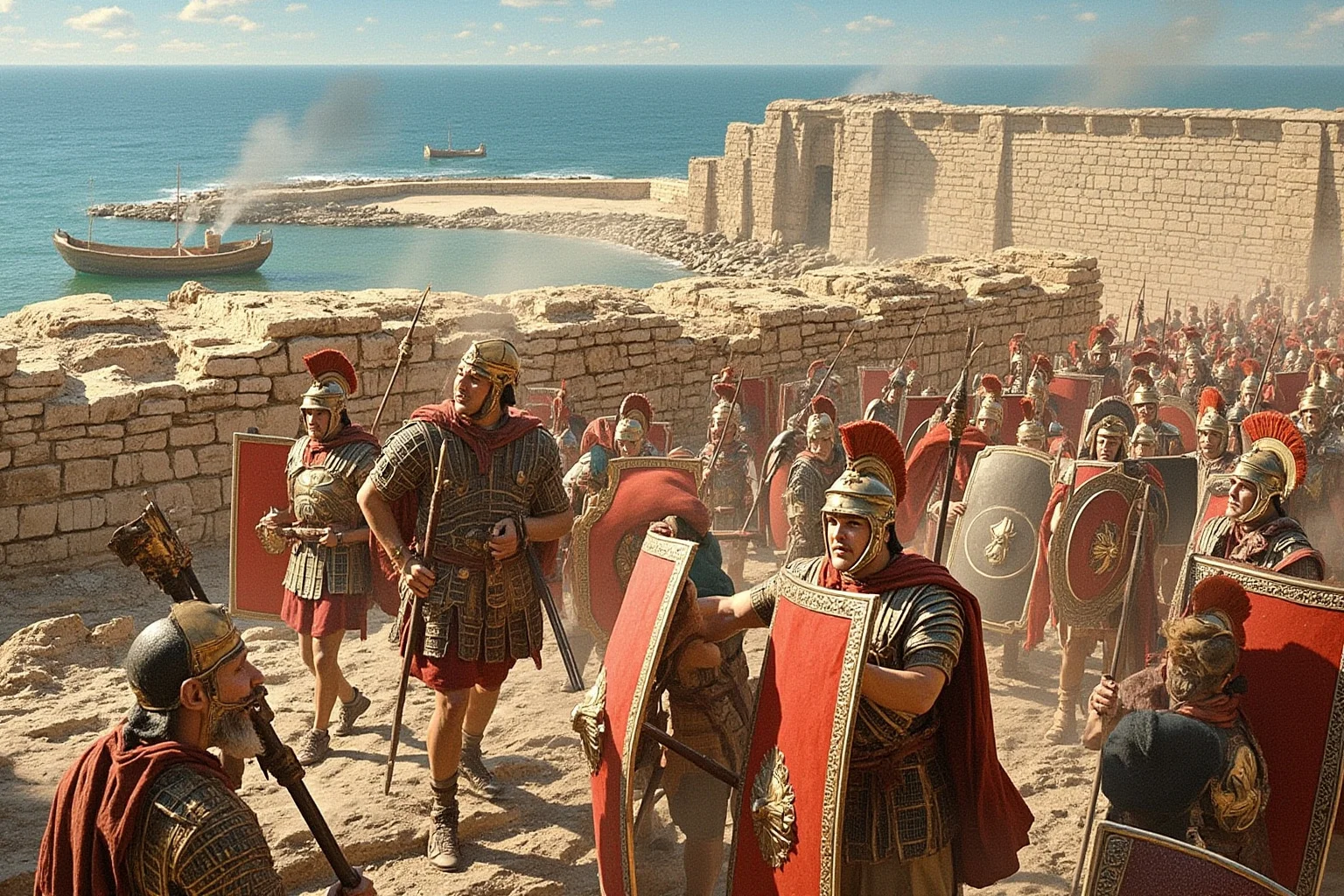
7. Siege of Lilybaeum (250–241 BC) — About 9 Years
During the First Punic War, Roman forces blockaded the Carthaginian stronghold of Lilybaeum on the western tip of Sicily from around 250 to 241 BC. The city never actually fell to assault, but the Romans kept the siege alive for nine years. It ended only when Rome's naval victory at the Aegates Islands forced Carthage to make peace.
Lilybaeum is a strong reminder that a siege could last nearly a decade without ending in a dramatic capture. The blockade's real purpose was to wear down Carthage's ability to continue the wider war.
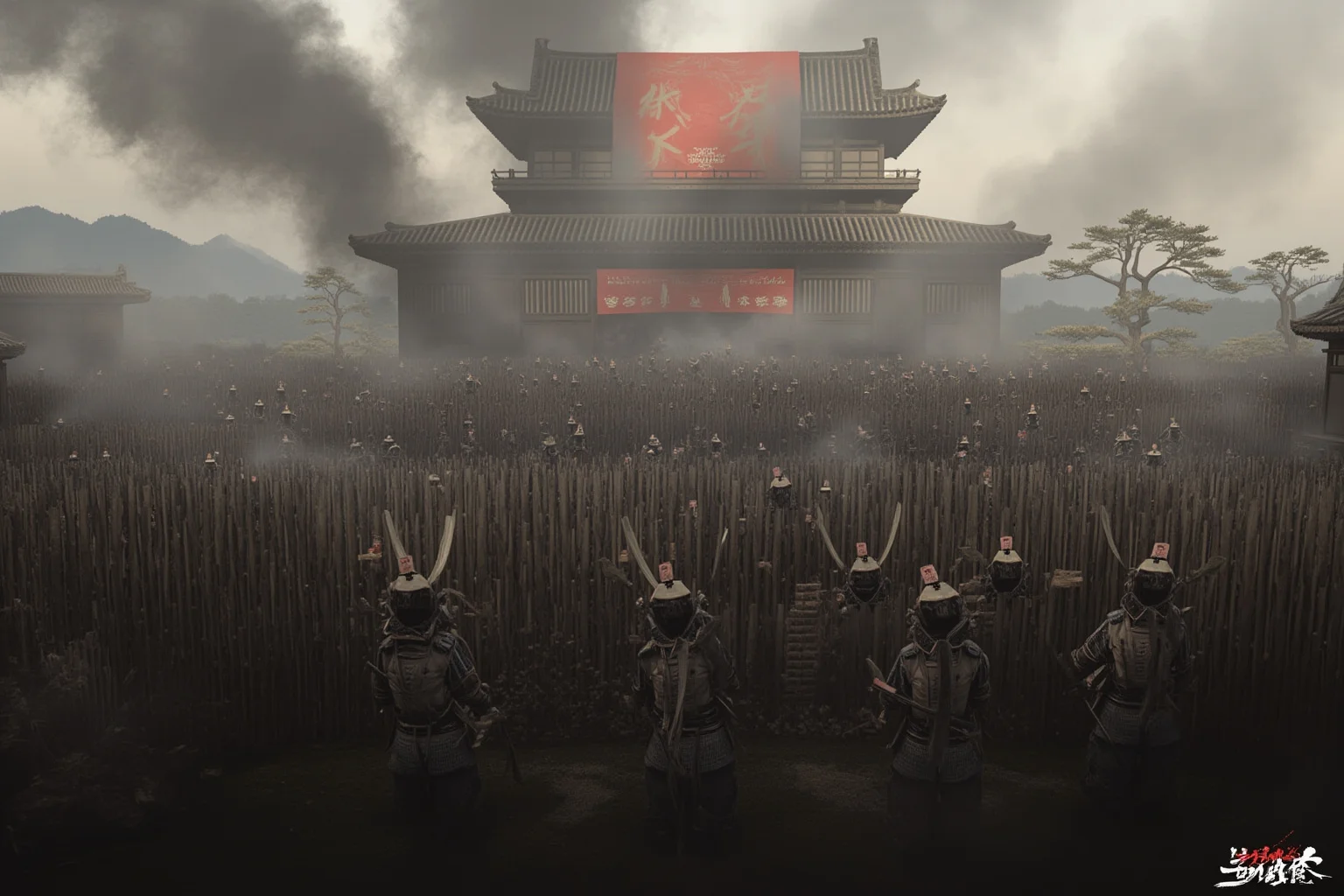
6. Siege of Ishiyama Hongan-ji (1570–1580) — 10 Years
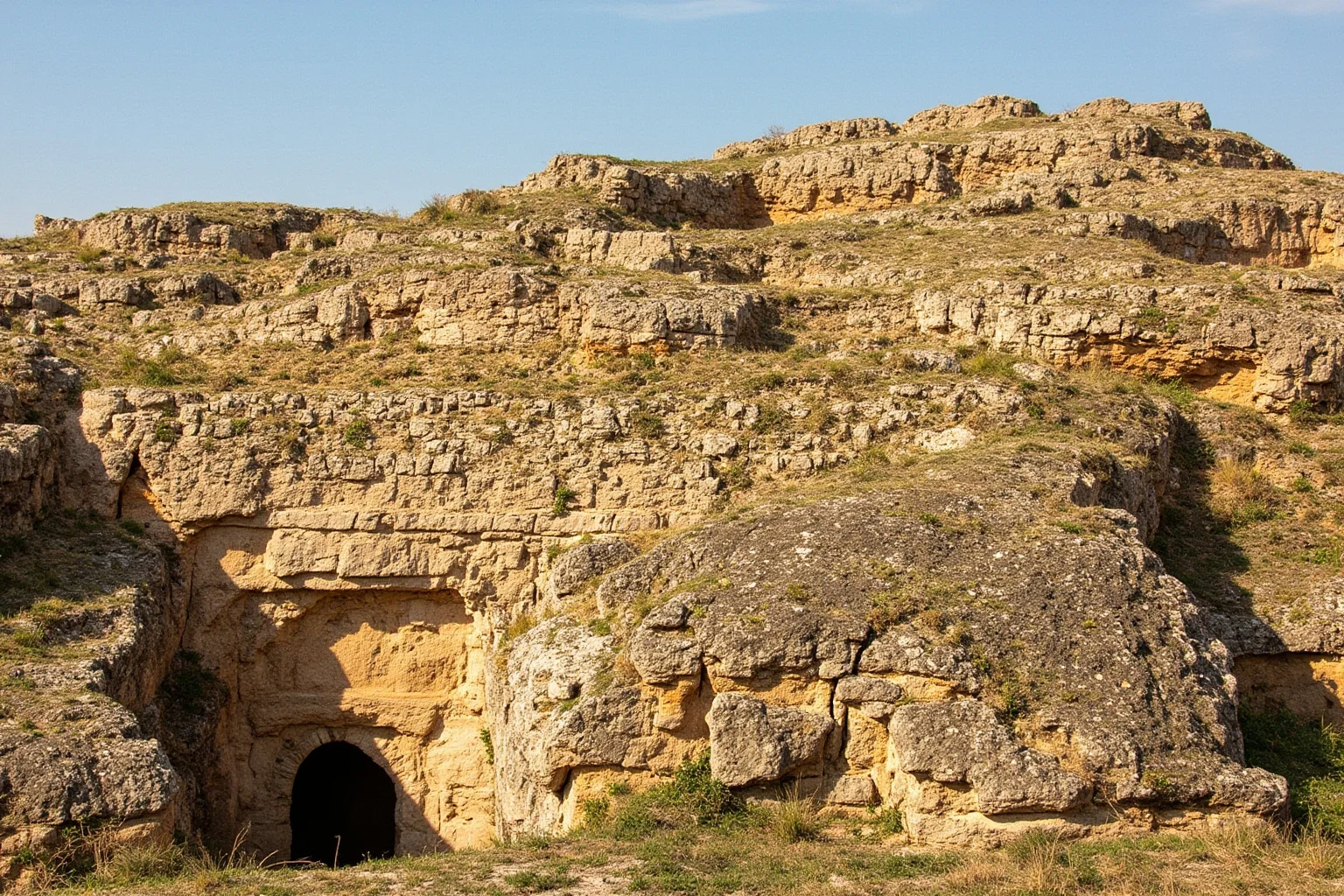
Oda Nobunaga spent ten years trying to reduce the fortified temple complex of Ishiyama Hongan-ji near Osaka. The temple's warrior-monk defenders and its access to the sea made it a stubborn obstacle to Nobunaga's unification of Japan. The siege finally ended in 1580 through imperial mediation and a negotiated surrender.
The fortress was burned after the defenders left, and Nobunaga used its fall to consolidate control over the region. It is often cited as the longest siege in Japanese history.
5. Siege of Veii (c. 406–396 BC) — About 10 Years
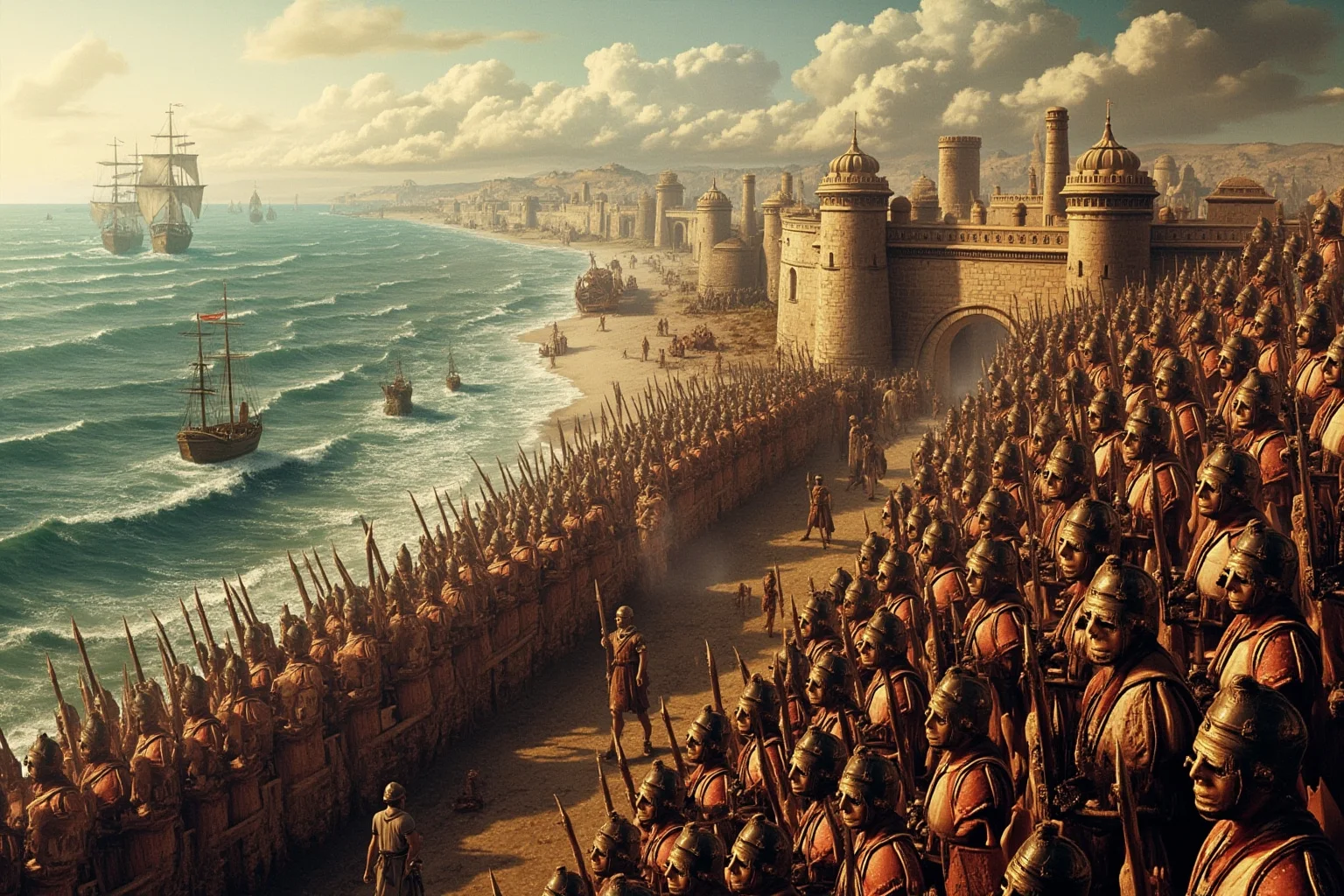
Roman tradition says the Etruscan city of Veii held out for about ten years before falling to Rome in 396 BC. Ancient writers compared the long fight to the Trojan War and credited the Roman leader Camillus with capturing the city through mines or drainage tunnels. Modern scholars treat many details as legend.
The ten-year figure may be a patriotic echo of the Trojan story rather than a strict military record. Even so, Veii remains one of the most famous ancient examples of a decade-long siege narrative.
4. Siege of Tyre by Nebuchadnezzar II (c. 586–573 BC) — About 13 Years
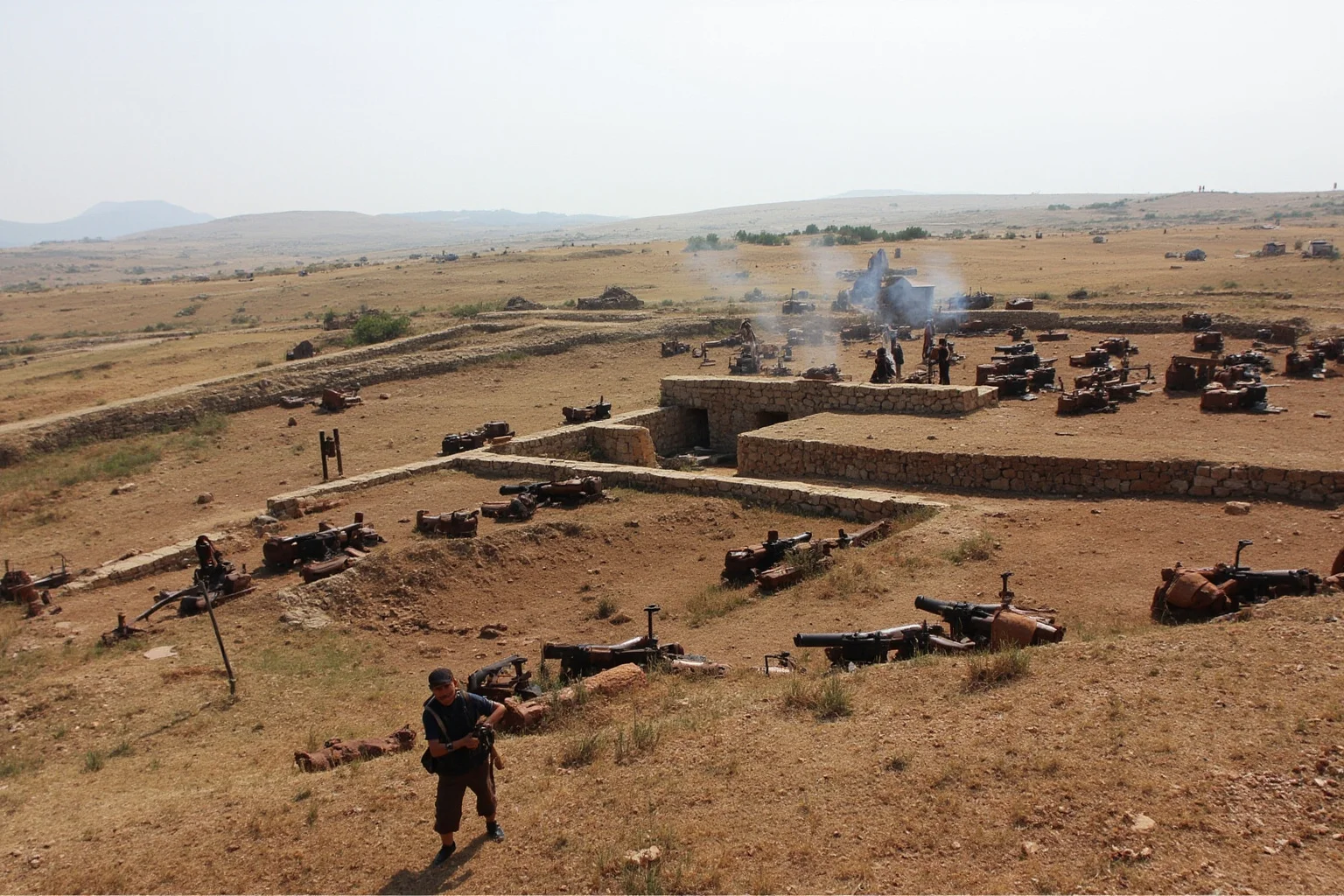
The Babylonian king Nebuchadnezzar II reportedly besieged the Phoenician city of Tyre for about thirteen years. The main source for this long duration is the Jewish historian Josephus, writing centuries later and drawing on earlier king lists. The outcome is disputed: Tyre may have submitted formally while retaining some autonomy.
The city's island harbor made a complete conquest extremely difficult for a land-based army. This siege is a good example of how ancient evidence can preserve a sharp number without giving us a clean narrative.
3. Siege of Candia (1648–1669) — 21 Years
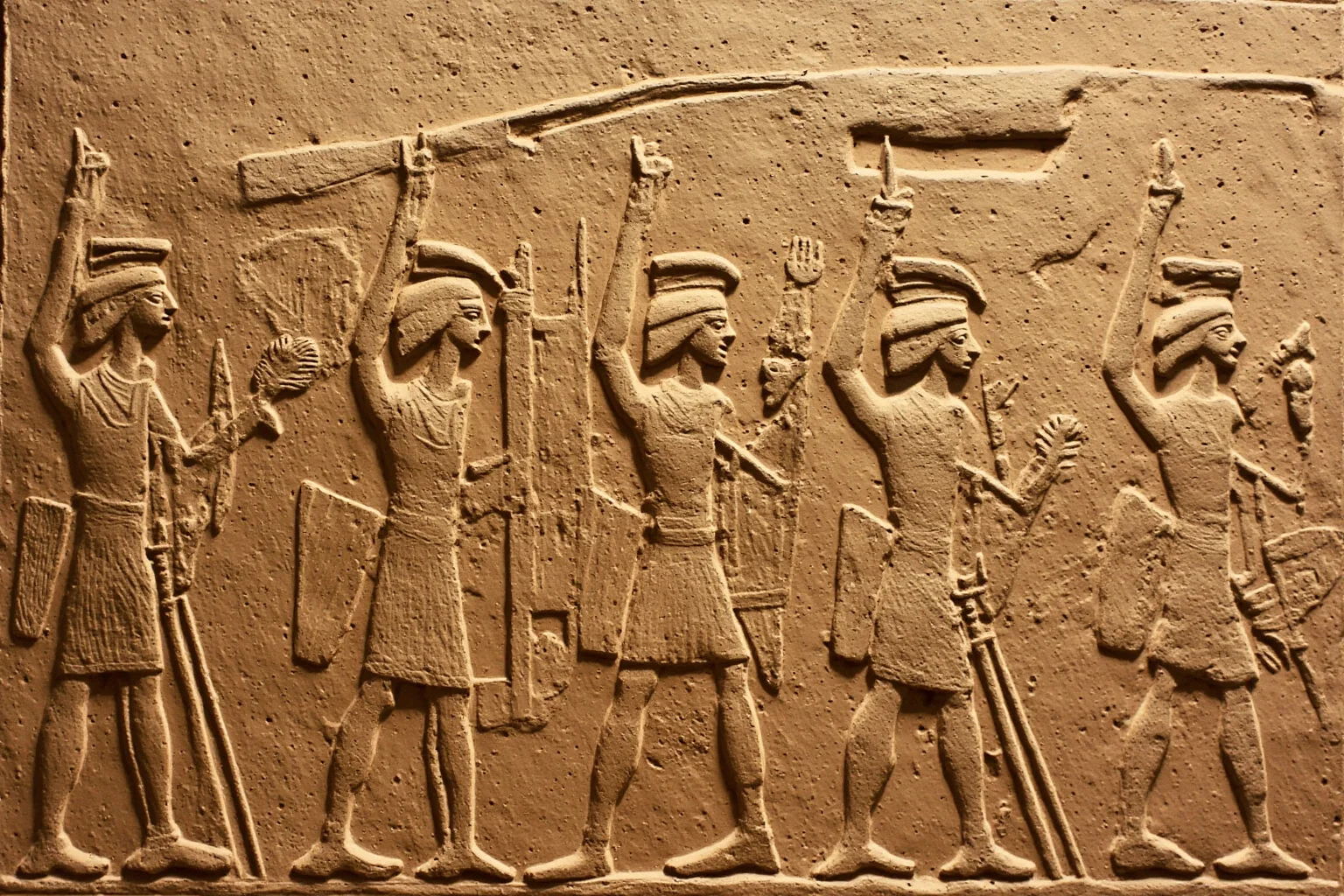
The Ottoman Empire besieged the Venetian fortress city of Candia on Crete from 1648 to 1669. For more than two decades, the two sides fought over a network of trenches, bastions, and mining tunnels. Venice's ability to resupply by sea kept the city alive far longer than Ottoman planners expected.
Candia finally surrendered after a lengthy negotiation, ending one of the longest continuous formal sieges in recorded history. If you define a siege strictly as an active, maintained military encirclement, Candia is often the strongest candidate for the longest siege in history.
2. Siege of Azotus/Ashdod (c. 7th Century BC) — 29 Years Claimed
Herodotus wrote that the Egyptian pharaoh Psamtik I besieged the Philistine city of Ashdod for twenty-nine years. That figure would make it one of the longest sieges ever recorded in ancient literature. However, most historians regard the number as exaggerated, confused, or symbolic rather than a reliable modern-style record.
The story is valuable because it shows how ancient writers used siege length to emphasize patience and prestige. It should not be treated as a settled fact.
1. Siege of Ceuta (1694–1727) — About 33 Years
Moroccan Sultan Moulay Ismail besieged the Spanish-held port of Ceuta on the North African coast from 1694 until his death in 1727. The resulting standoff lasted about thirty-three years, though fighting and blockade intensity rose and fell over that period. Ceuta's powerful fortifications and Spanish naval support kept the city from falling.
If you ask what was the longest siege in history, the most commonly cited answer in modern reference works is Ceuta. Just remember that the label often describes a prolonged state of siege rather than thirty-three years of continuous daily combat.
How Long Is Too Long for a Siege?
A siege that lasts several years is usually a sign that neither side can win quickly, not a sign of perfect planning. Besiegers often stayed because leaving would look like defeat. Defenders stayed because surrender meant massacre, slavery, or loss of political identity.
In many cases, the original war aims became irrelevant long before the siege ended. Candia and Ceuta outlasted the political climate that created them. That is why their duration is about hard logistics, but also about stubbornness, honor, and inertia.
The Human Experience Inside a Long Siege
For civilians, a long siege meant a life of queues, barter, and fear. Diets shrank to bread, dried food, and eventually whatever could be scavenged. Disease often outpaced enemy weapons as the leading killer.
Defenders and besiegers both stagnated in trenches. Soldiers on both sides died from dysentery, typhus, or frostbite. The line between military operation and permanent refugee camp blurred after a year or two.
Patterns Behind the Longest Sieges
Long sieges rarely succeed through a single brilliant assault. They usually grind down defenders through hunger, disease, isolation, and the exhaustion of money. Sea access appears again and again as the deciding factor: cities that could resupply by water held out for years, while landlocked fortresses fell sooner.
The political context mattered as much as military engineering. A besieging army often had to fight rivals, rebellions, or budget crises at the same time. That is why so many of these operations look less like a single battle and more like a decades-long diplomatic and logistical campaign.
How to Talk About the Longest Siege Without Falling for Myths
If a source states a single oldest or longest record without definitions, treat it with healthy skepticism. The true record depends on whether you count legends, ancient approximations, intermittent blockades, or modern sieges with precise dates. For example, Troy is famous but not historically proven, while Leningrad is precisely documented but much shorter than Ceuta or Candia.
A safer way to frame the question is to say that Ceuta and Candia are the longest well-attested continuous or near-continuous sieges. Ancient claims such as Ashdod and Veii are part of the historical record but not reliable measurements. That nuance keeps the history accurate without making the story less interesting.
A Note on Sources and Reliability
This list relies on commonly cited dates from ancient, medieval, and modern military history. Where a duration is disputed, the article says so rather than polishing the number into false precision.
For readers who want to dig deeper, university library overviews of siege warfare and primary source translations are better guides than viral list posts. The safest habit is to ask which definition of siege a source is using.
Conclusion
The longest sieges in history are not just curiosities about who waited longest. They reveal how food, water, walls, sea power, and political will shape the fate of cities. A siege can become a strange, miserable society all its own, with babies growing up under bombardment and generals dying of old age before a treaty is signed.
Whether the record goes to Ceuta, Candia, or a disputed ancient number, the deeper lesson is the same: patience and logistics often matter more than courage or weaponry. When a siege outlasts the careers of the soldiers who started it, history has crossed from a battle into an era.
Some records will keep sprouting asterisks. That is fine, because the value of these stories is not a leaderboard, but what they reveal about human endurance under the worst conditions.
Frequently Asked Questions
What was the longest siege in history?
The most commonly cited answer is the siege of Ceuta, in which Moroccan forces under Moulay Ismail blockaded Spanish-held Ceuta from 1694 to 1727, roughly 33 years. If you require a continuous formal siege, the 21-year Ottoman siege of Candia is often considered the longest. The title depends heavily on definitions and source reliability.
Was the Siege of Candia really 21 years?
Yes, by most historical accounts the Ottoman-Venetian struggle for Candia lasted from 1648 to 1669. It is usually regarded as one of the longest continuous sieges in recorded history, though it included pauses, truces, and periods of lower intensity.
Is the Trojan War’s ten-year siege a historical record?
No. The ten-year siege of Troy is a literary tradition from Greek epic and myth, not an established historical event. Historians do not use it as a reliable entry in lists of longest sieges.
Why did so many long sieges end in surrender rather than assault?
Starvation, disease, and collapsing morale usually did the real work. A well-supplied fortress with sea access could hold out for years, while besiegers often ran low on money, men, or political support.
What modern siege lasted the longest?
The 1992–1996 siege of Sarajevo is generally cited as the longest modern siege of a capital city, lasting 1,425 days. Leningrad's 872-day siege is also among the longest documented in modern history.

Alex Warren
Related Articles