Siege warfare is one of the oldest and most brutal forms of human conflict. For thousands of years, armies have surrounded cities and fortresses, hoping to starve, batter, or terrify defenders into submission. Some historical sieges dragged on for years, becoming grim tests of endurance for everyone inside the walls.
But siege history also contains the opposite story. A few fortresses collapsed in days or even hours, undone by panic, poor leadership, or overwhelming force. These quick surrenders are just as revealing about human nature as the multi-year blockades.
TL;DR: Siege history shows that endurance, logistics, and psychology mattered more than walls — with some sieges lasting years and others ending in humiliatingly fast capitulations.
Why Some Sieges Lasted Years and Others Ended in Hours
The length of any siege came down to a handful of practical factors. Food and water supplies inside the walls set the hard upper limit for defenders. A city with deep granaries and secure wells could theoretically hold out for years, while a fortress cut off from water might fall within days.
The attackers faced their own brutal constraints. Siege camps were notorious breeding grounds for disease, and armies that sat in one place too long often lost more men to illness than to combat. Supply lines could be cut, relief armies could arrive, and morale could rot from within.
Quick surrenders usually had a psychological trigger rather than a physical one. A terrifying display of force, a traitor opening a gate, or a commander losing his nerve could end a siege before it truly began. Some of the most famous siege examples show that the human mind, not the wall, was often the weakest point.
10 Historical Sieges That Lasted Years
1. The Siege of Candia (1648–1669) — 21 Years
The Siege of Candia, on the island of Crete, is widely considered the longest siege in recorded history. The Republic of Venice held the fortress city against the Ottoman Empire for an astonishing 21 years. Ottoman forces blockaded the harbor and repeatedly assaulted the walls, while Venetian engineers and naval supply runs kept the city alive.
The siege became a grinding war of attrition and innovation. Both sides dug miles of trenches and tunnels, and Candia saw some of the earliest large-scale use of underground mines in European warfare. Venice finally surrendered in 1669 under negotiated terms, but only after exhausting its treasury and manpower.
This long siege proved that even a well-supplied fortress has limits. It also drained the Ottoman war machine so badly that the empire struggled to mount major campaigns for years afterward.
2. The Siege of Ceuta (1694–1727) — 33 Years
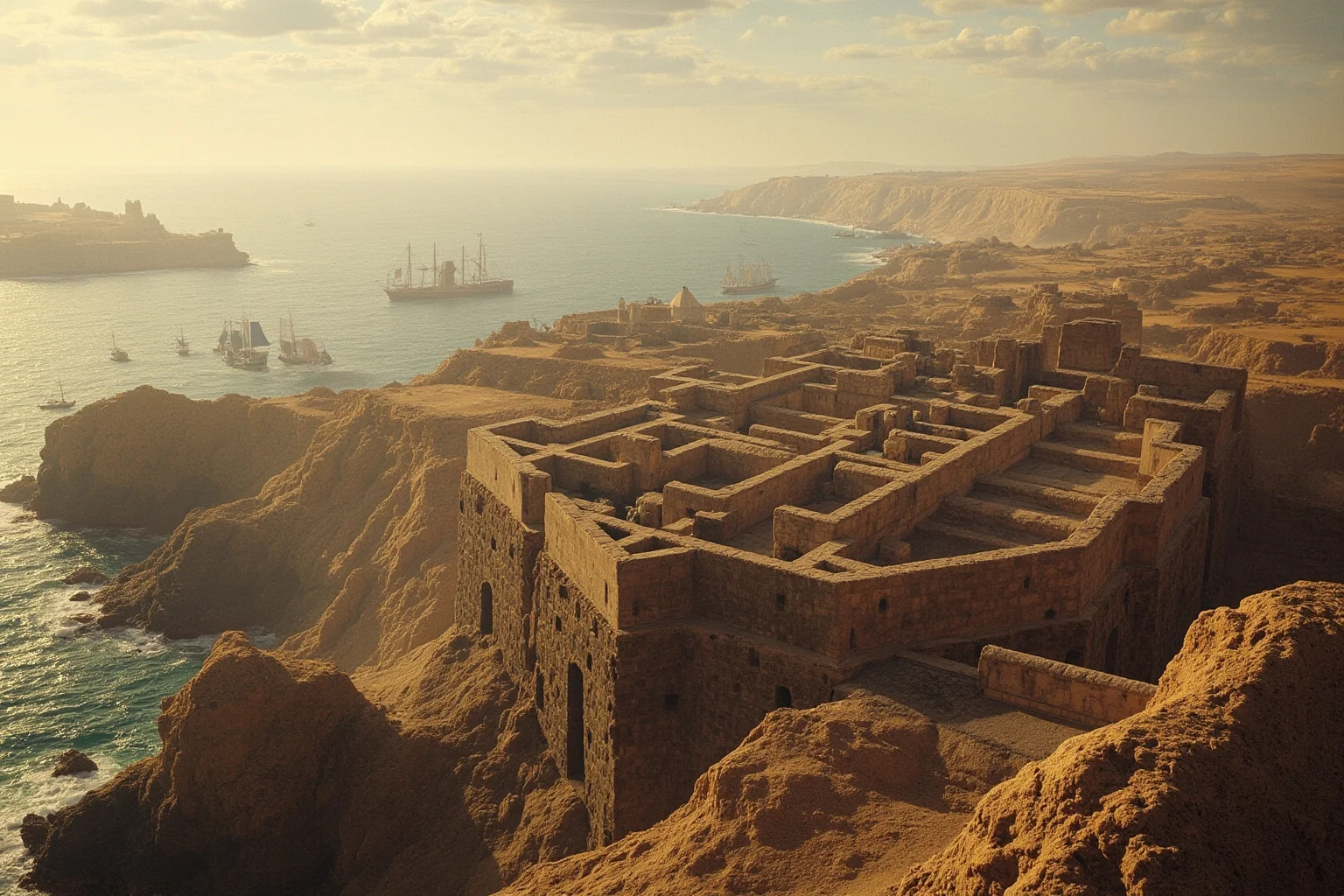
The Siege of Ceuta is sometimes called the longest siege in history, though it was not a continuous blockade. Moroccan forces under Sultan Ismail Ibn Sharif kept the Spanish-held North African city under intermittent pressure for more than three decades. Ceuta's formidable walls and resupply by sea made a full capture nearly impossible.
The Moroccans repeatedly attacked the outer fortifications but could never fully isolate the city. Spanish naval power in the Strait of Gibraltar ensured that food and troops kept arriving. The siege finally ended with the death of Sultan Ismail in 1727, after which the Moroccan army withdrew.
Ceuta stands out among long siege examples because the city never actually fell. It shows how geography and sea access could defeat even the most patient besieger.
3. The Siege of Tyre (332 BC) — 7 Months of Engineering Genius
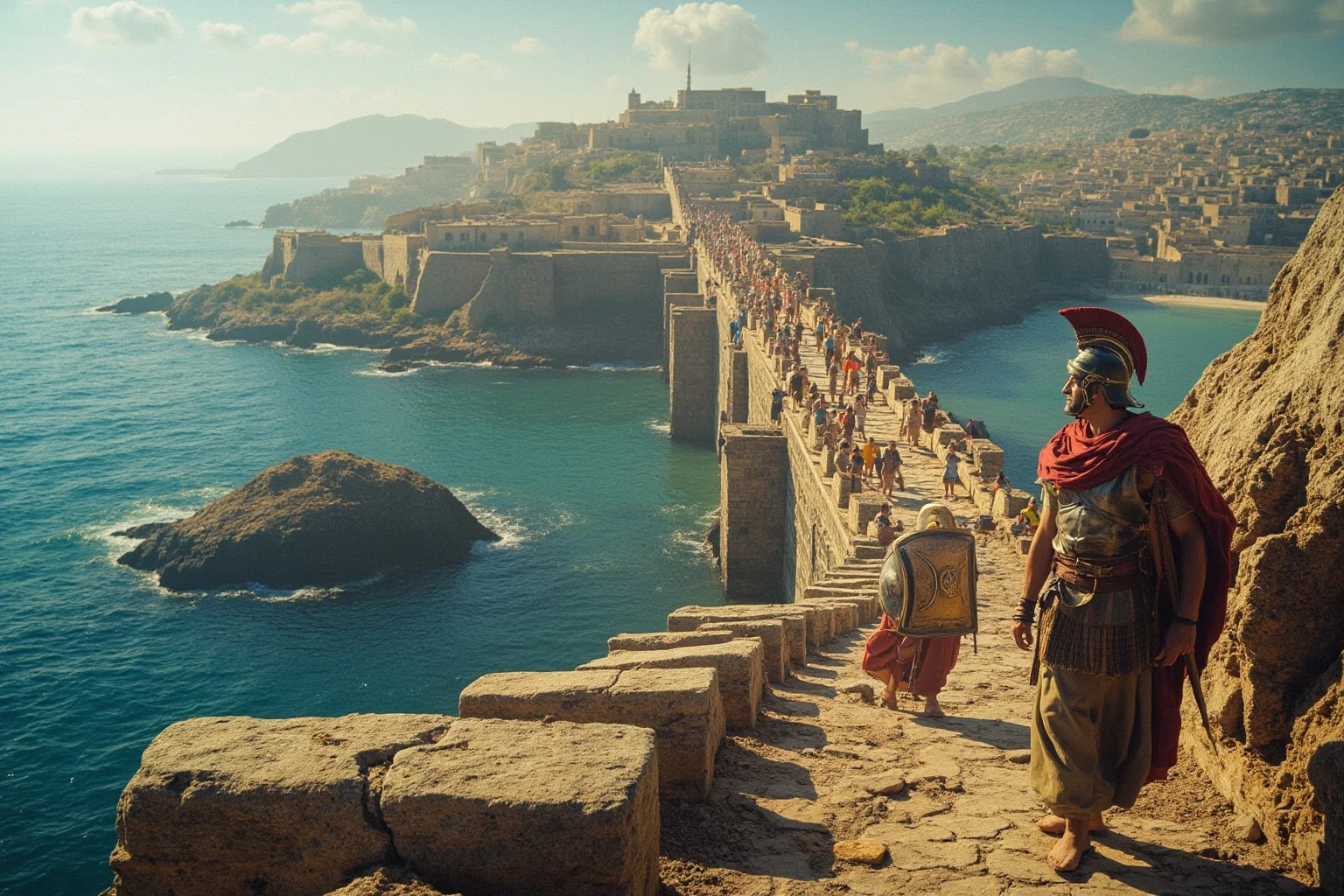
Alexander the Great's siege of the island city of Tyre was not the longest, but it was one of the most extraordinary in siege history. Tyre sat on an island half a mile offshore, protected by high walls and a strong navy. Alexander had no fleet at first, so he ordered his engineers to build a stone causeway from the mainland to the island.
Workers hauled rubble and timber under constant harassment from Tyrian ships and archers. Alexander eventually assembled a fleet from conquered Phoenician cities and blockaded the harbor. After seven months of construction and fighting, the causeway reached the walls, and Macedonian siege towers and battering rams breached them.
Tyre fell in 332 BC, and Alexander's brutal reprisals shocked the ancient world. The causeway permanently altered the coastline, and the site remains connected to the mainland to this day.
4. The Siege of Veii (c. 406–396 BC) — 10 Years
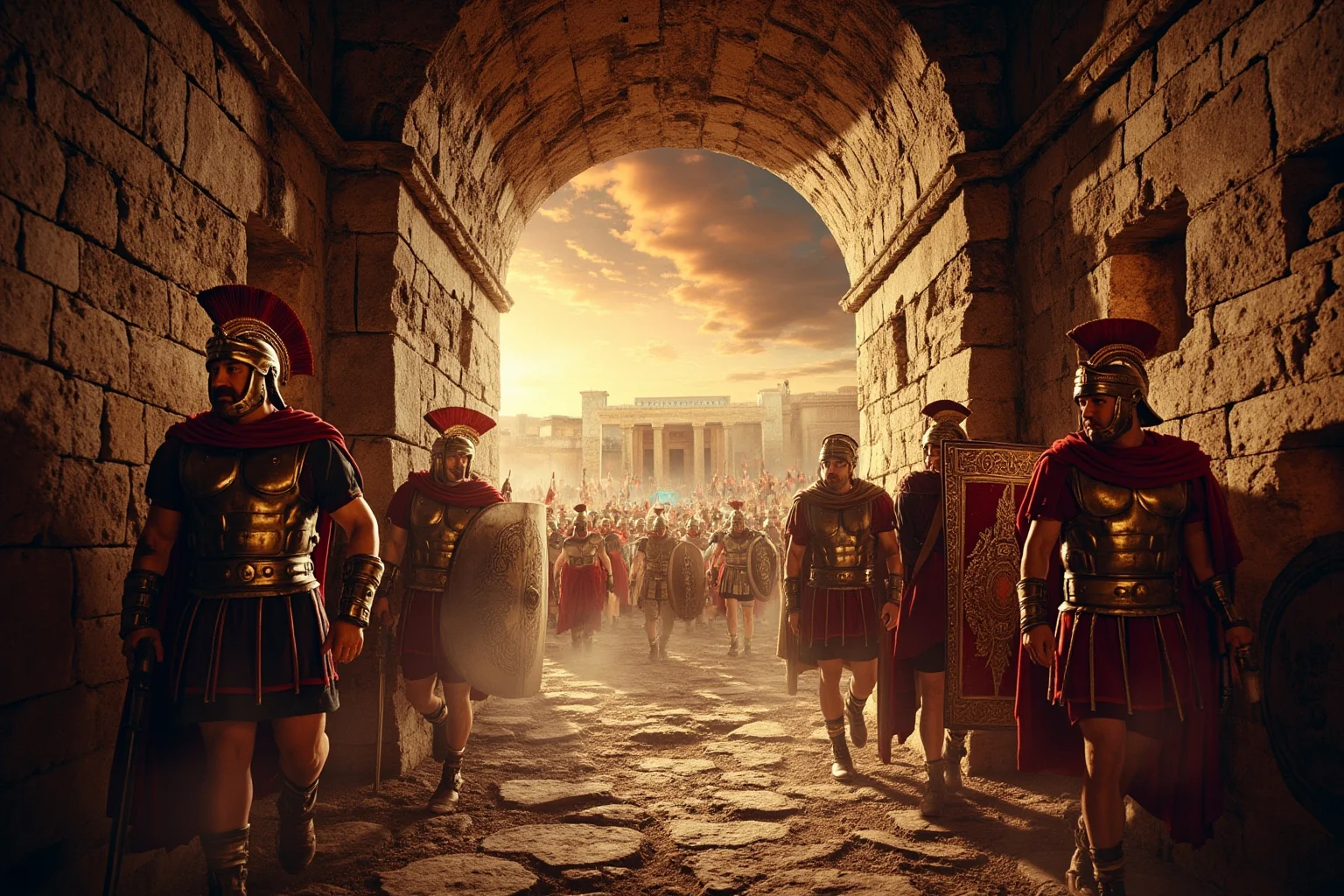
The Roman siege of the Etruscan city of Veii is one of the earliest well-documented long siege examples in Western history. According to Roman tradition, the siege lasted roughly ten years, though modern historians suspect the number may be symbolic. Rome's army camped outside Veii year-round, an unusual practice for the citizen-soldier armies of the era.
The decisive moment came when Roman miners allegedly dug a tunnel beneath the city's citadel. Roman soldiers emerged inside the temple of Juno and opened the gates. Veii was sacked, and its territory was absorbed into the growing Roman state.
The story of Veii shaped Roman ideas about patience and persistence in war. It also marked a turning point in Rome's expansion across central Italy.
5. The Siege of Leningrad (1941–1944) — 872 Days
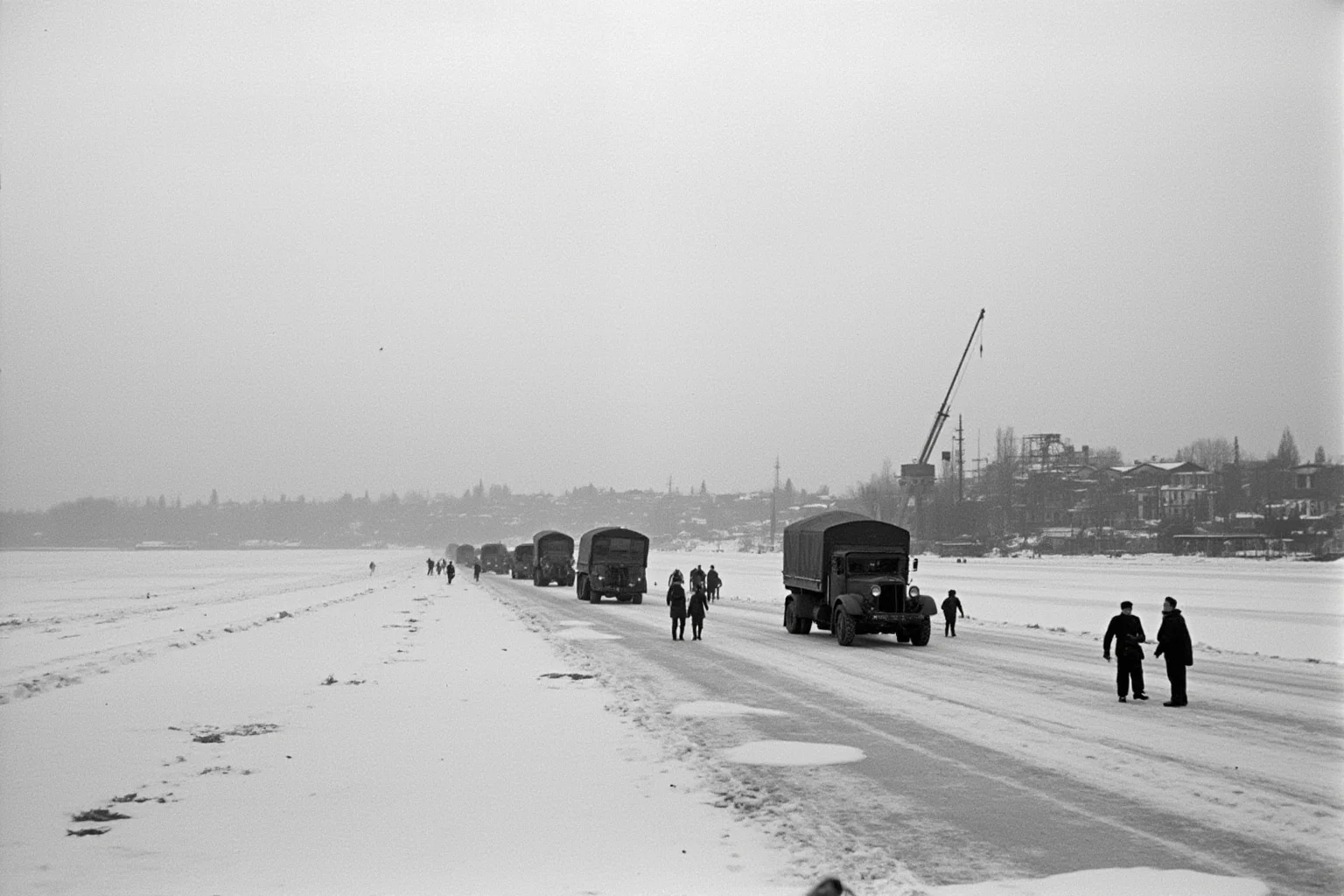
The Siege of Leningrad during World War II was one of the most horrific sieges in modern history. German and Finnish forces surrounded the Soviet city in September 1941, cutting off nearly all food and fuel. The blockade lasted 872 days, and more than one million civilians died, mostly from starvation and cold.
Leningrad never surrendered, despite conditions that defy imagination. Citizens ate wallpaper paste, leather, and sawdust during the worst winters. A narrow ice road across Lake Ladoga, known as the Road of Life, brought in some supplies and evacuated the sick.
The siege was finally broken by a Soviet offensive in January 1944. Leningrad became a symbol of Soviet endurance, though the human cost remains almost impossible to comprehend. For a closer look at the blockade's most harrowing details, see 23 Harrowing Facts About the Siege of Leningrad.
6. The Siege of Ostend (1601–1604) — 3 Years
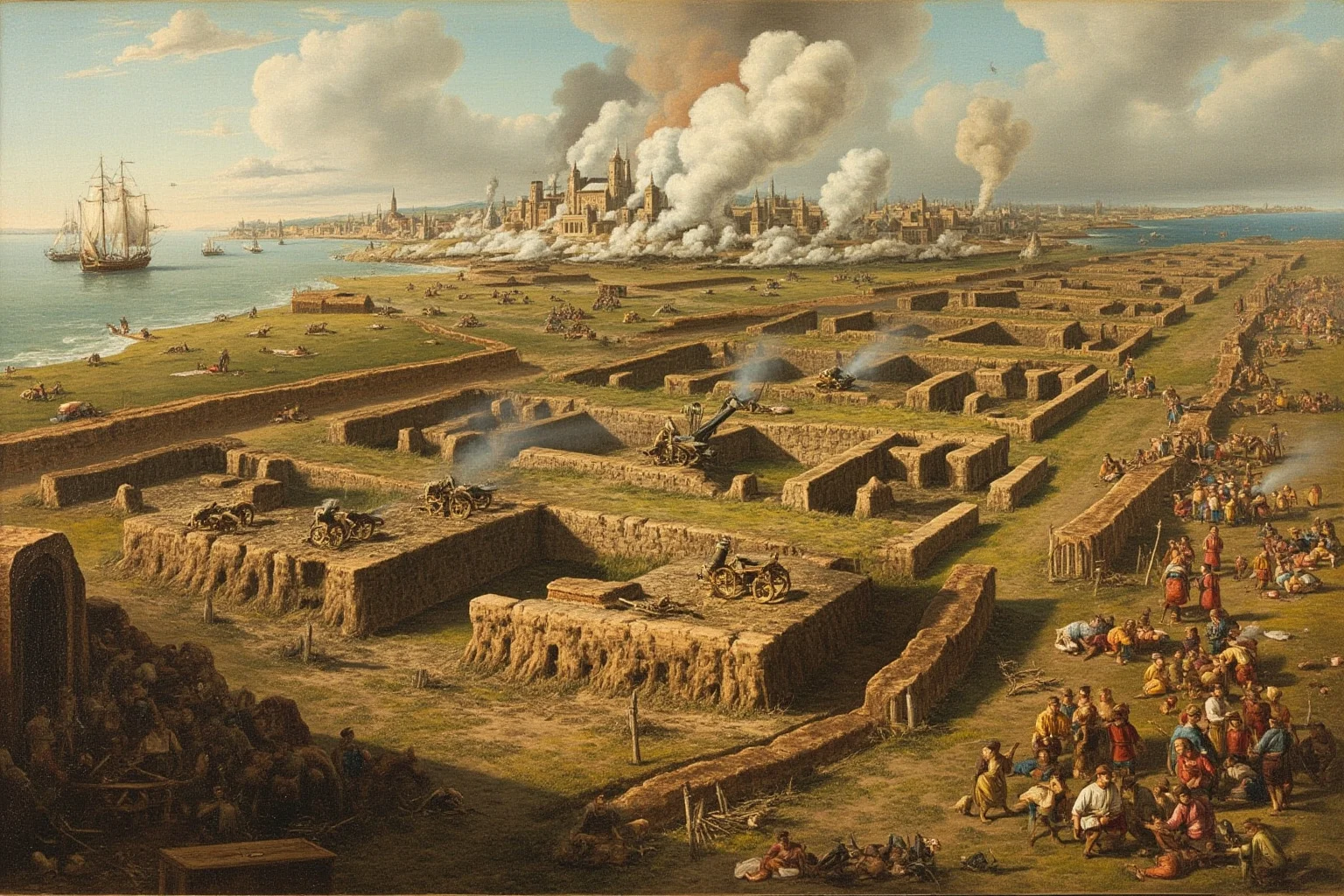
The Siege of Ostend during the Eighty Years' War became known as a bloody laboratory of siege warfare. Spanish forces under Archduke Albert surrounded the Dutch-held coastal town in 1601, expecting a quick victory. Instead, the siege dragged on for three years and cost an estimated 60,000 to 80,000 lives.
Ostend was resupplied by sea, which kept the defenders fighting far longer than expected. Both sides developed new techniques in trench warfare, mining, and artillery. The town was eventually reduced to rubble and surrendered in 1604, but the Spanish victory was hollow.
The staggering cost of Ostend drained Spanish resources and morale. It remains one of the most instructive siege examples for military historians studying early modern warfare.
7. The Siege of Breda (1624–1625) — 10 Months
The Siege of Breda is famous less for its length than for its cultural legacy. Spanish forces under Ambrogio Spinola surrounded the Dutch fortress city in August 1624. Spinola chose to starve the city rather than storm it, building a ring of fortifications to block all relief attempts.
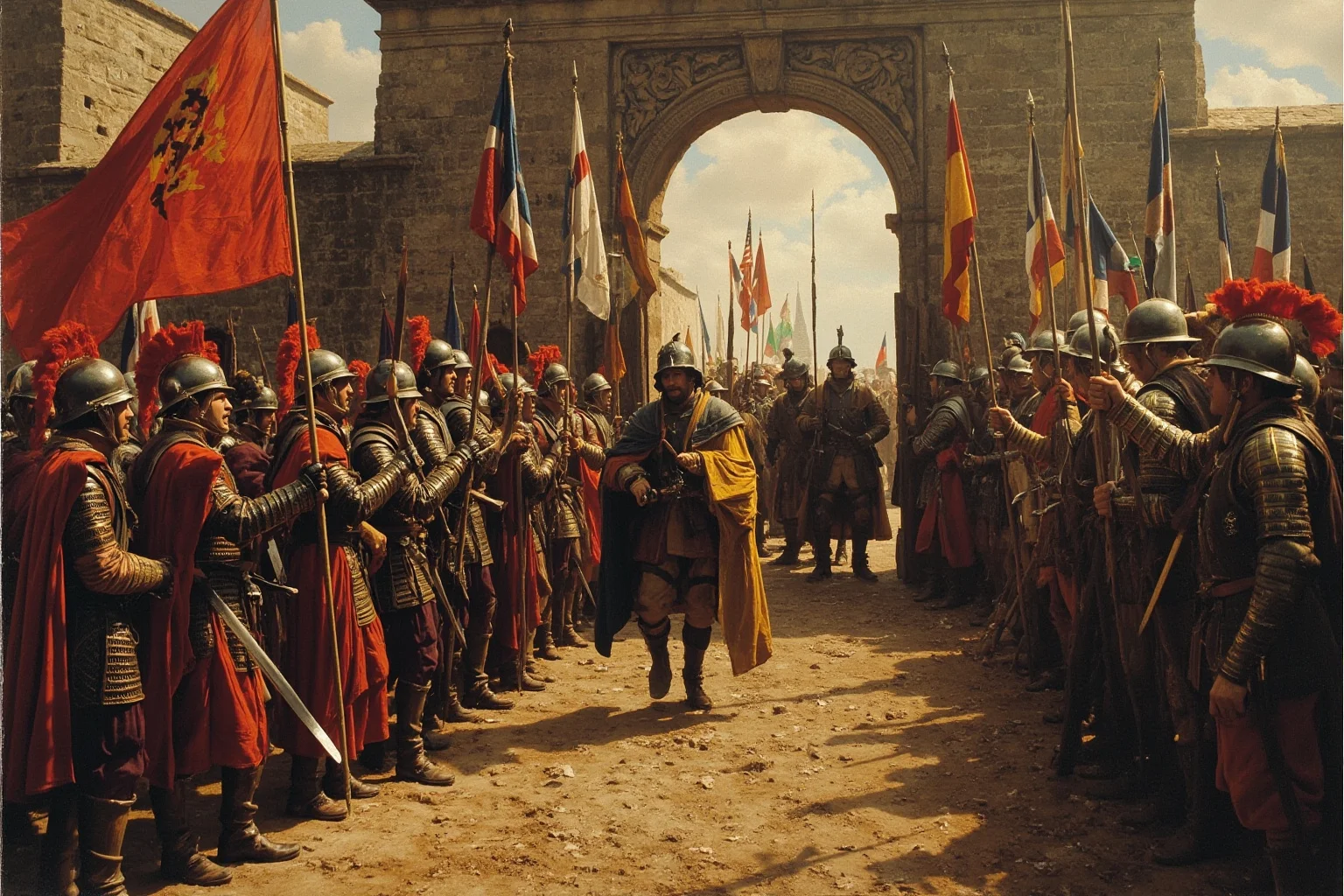
The defenders held out for ten months, hoping in vain for a Dutch relief army. Food supplies ran out, and disease spread through the garrison. The city surrendered in June 1625 on honorable terms, and Spinola allowed the defenders to march out with their weapons.
Diego Velázquez later immortalized the surrender in his painting "The Surrender of Breda." The siege became a case study in the effectiveness of patient, methodical blockade over costly assault.
8. The Siege of Malta (1565) — 4 Months of Total War
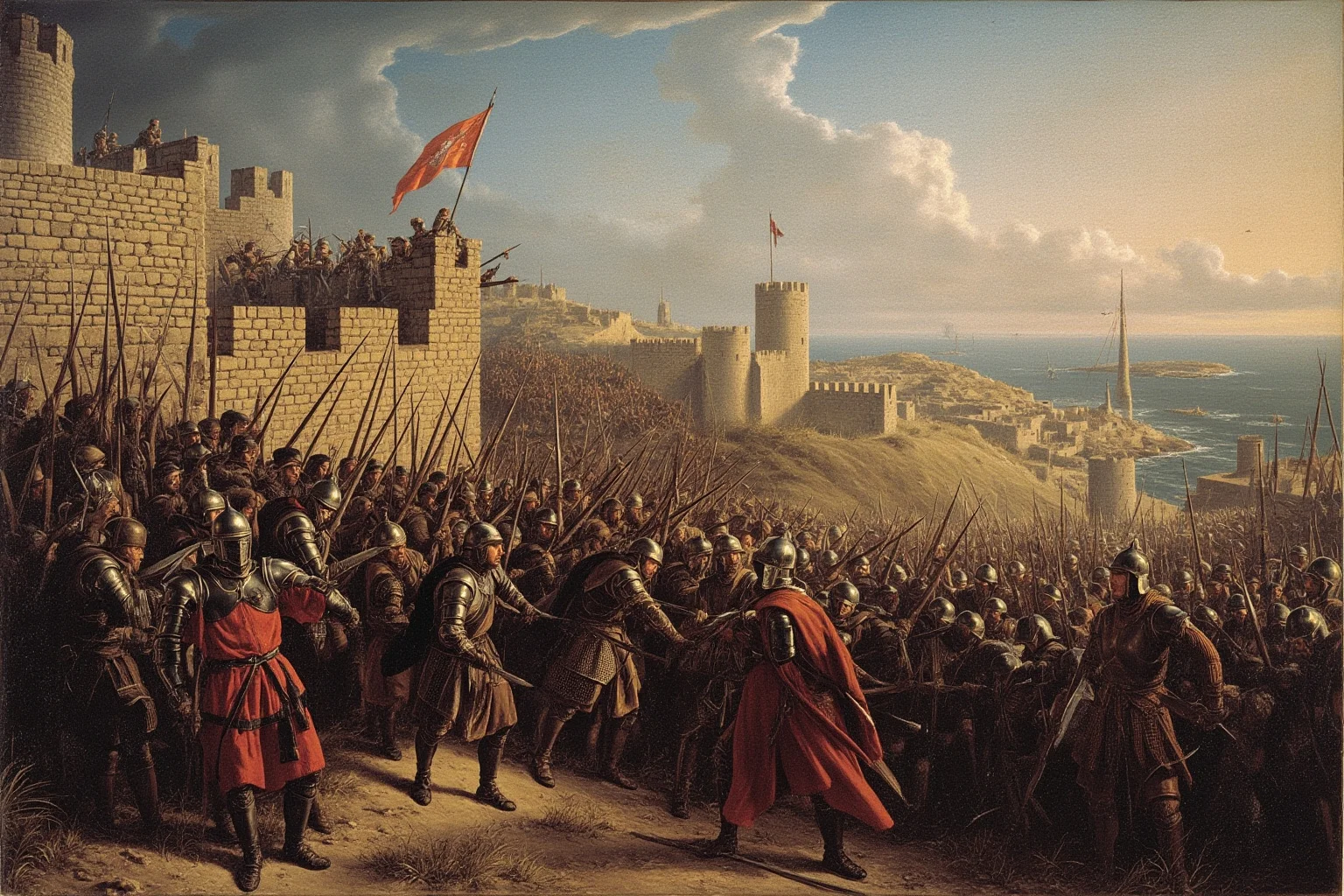
The Great Siege of Malta pitted the Ottoman Empire against the Knights Hospitaller in one of the most dramatic sieges of the 16th century. An Ottoman force of roughly 30,000 to 40,000 men landed on Malta in May 1565. The defenders numbered only a few thousand knights and soldiers.
The Ottomans attacked Fort St. Elmo first, expecting it to fall in days. It held for a month, costing the attackers thousands of casualties and precious time. The main fortress at Birgu then withstood repeated assaults, and a relief force from Sicily finally arrived in September.
The Ottoman army withdrew after four months of brutal fighting. Malta's survival was celebrated across Christian Europe and marked a turning point in Mediterranean power struggles.
9. The Siege of Vicksburg (1863) — 47 Days
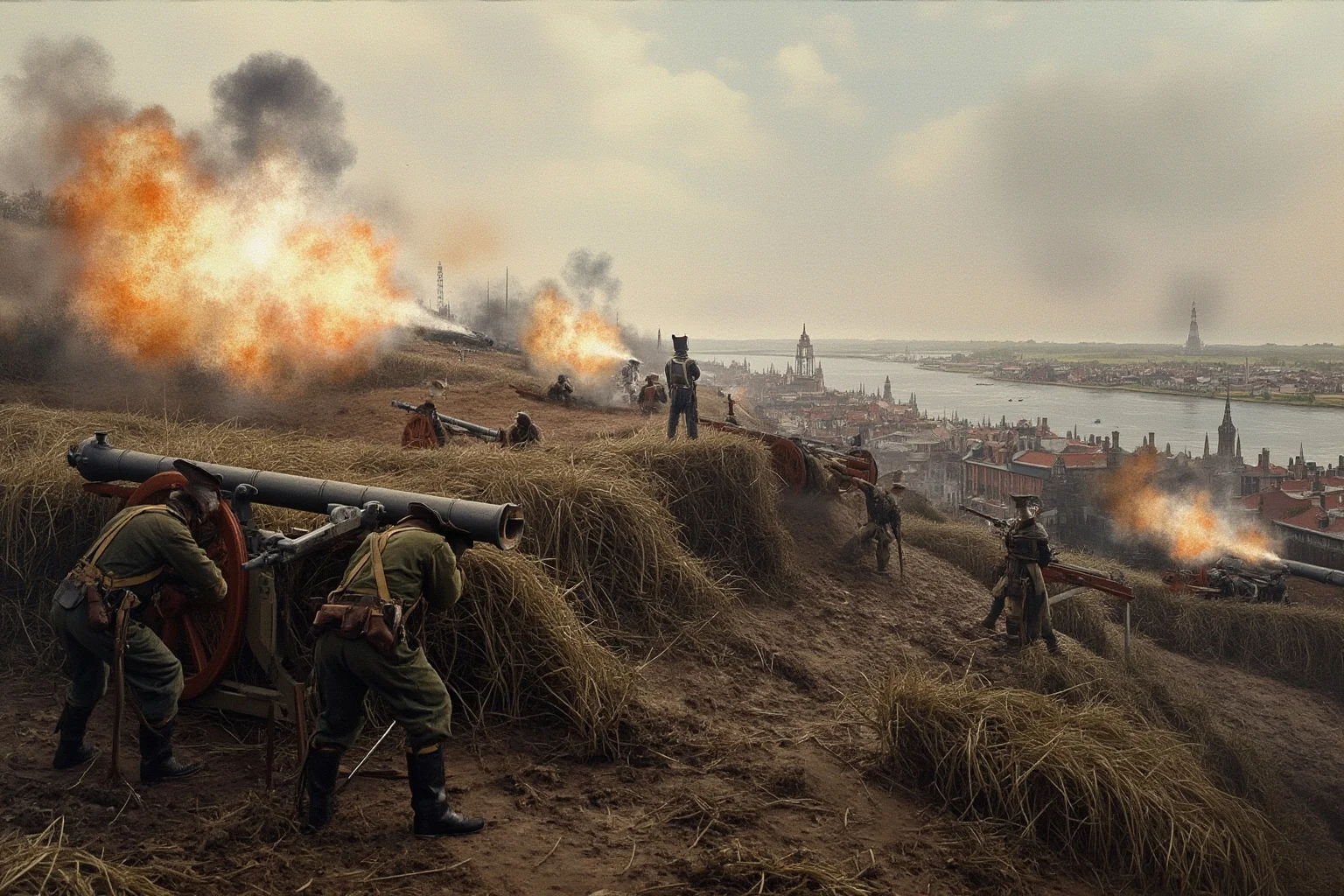
The Siege of Vicksburg was a decisive campaign of the American Civil War. Union forces under Ulysses S. Grant surrounded the Confederate stronghold on the Mississippi River in May 1863. Vicksburg's defenses were strong, but Grant's army cut off all supply routes.
Civilians and soldiers inside the city dug caves to escape the constant shelling. Food became so scarce that people ate mules, rats, and eventually nearly anything they could find. The Confederate commander, John C. Pemberton, surrendered on July 4, 1863, after 47 days.
The fall of Vicksburg gave the Union control of the Mississippi River and split the Confederacy in two. It is one of the most studied siege examples in American military history, and it sits within the broader arc of the biggest events in American history.
10. The Siege of Sarajevo (1992–1996) — 1,425 Days
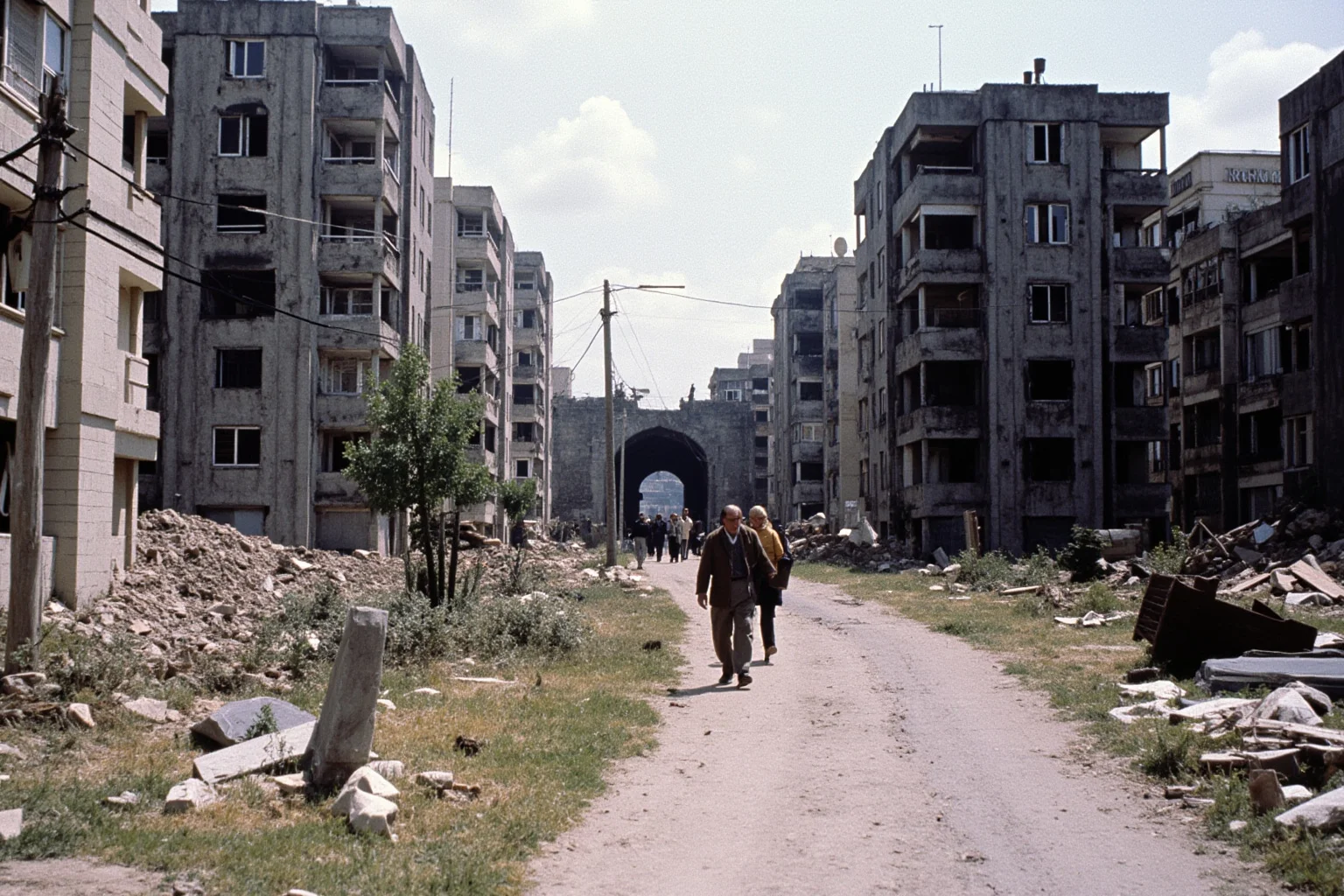
The Siege of Sarajevo was the longest siege of a capital city in modern history. Bosnian Serb forces surrounded Sarajevo during the Bosnian War, shelling the city from surrounding hills and cutting off supplies. The siege lasted 1,425 days, nearly four years.
Snipers targeted civilians crossing streets, and residents endured freezing winters without reliable heat or water. A tunnel under the airport became the city's lifeline, allowing food and weapons to move in and out. The siege ended in February 1996, leaving deep scars on the city and its people.
Sarajevo stands as a grim reminder that siege warfare did not end with the medieval era. It remains one of the most tragic long siege examples of the 20th century.
10 Historical Sieges That Ended in Shockingly Quick Surrenders
11. The Fall of Singapore (1942) — 7 Days
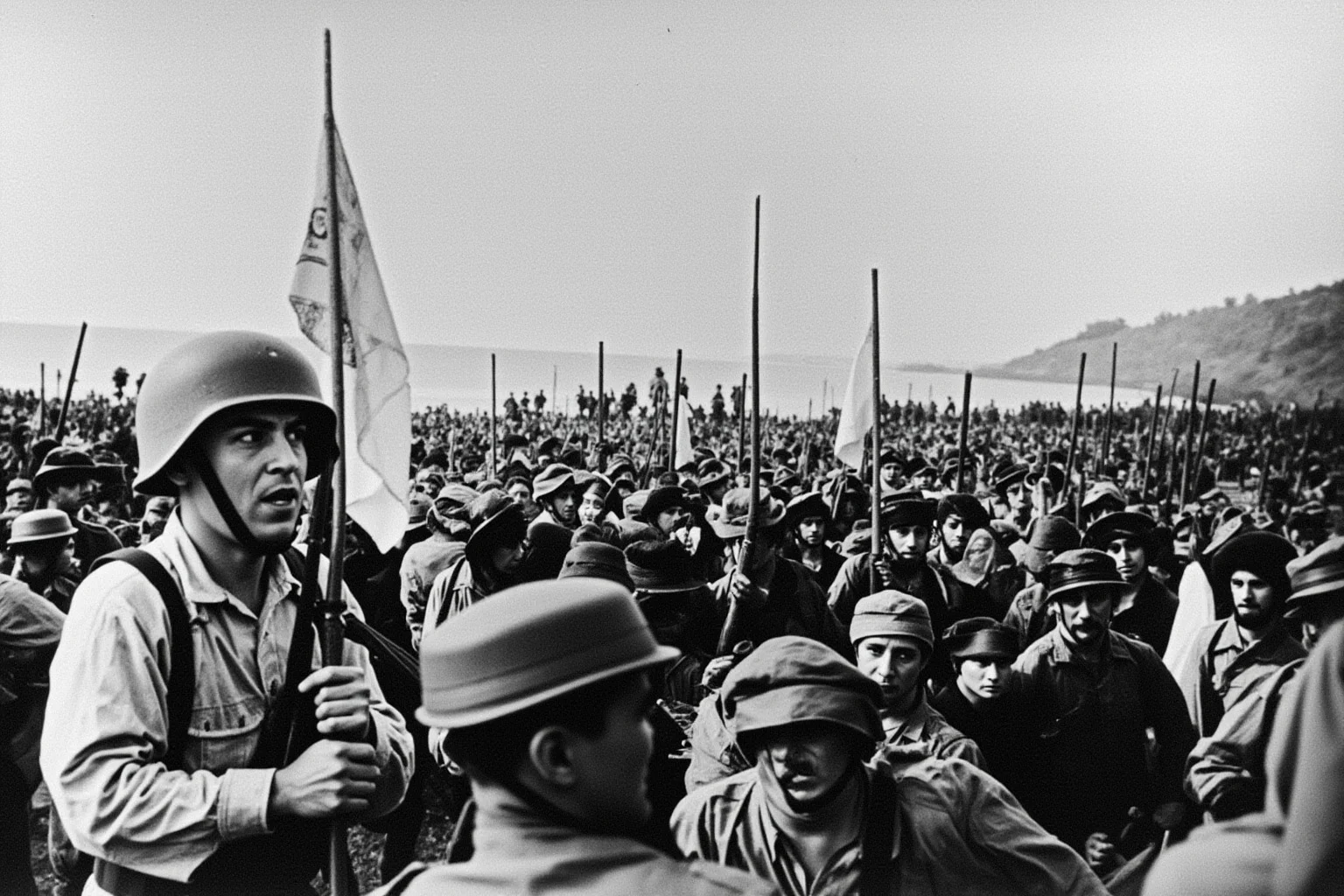
The fall of Singapore in February 1942 is often described as the worst defeat in British military history. Japanese forces invaded the island from the north, attacking through the Malayan jungle in a campaign that stunned Allied commanders. The British had fortified Singapore's seaward defenses but left the landward side dangerously weak.
The Japanese assault began on February 8, and within a week the situation was hopeless. Water supplies were failing, and Japanese aircraft dominated the skies. Lieutenant-General Arthur Percival surrendered on February 15, handing over roughly 80,000 British, Indian, and Australian troops.
The seven-day collapse destroyed British prestige in Asia and shattered the myth of European invincibility. It remains one of the most analyzed quick surrenders in siege history.
12. The Fall of Eben-Emael (1940) — 1 Day
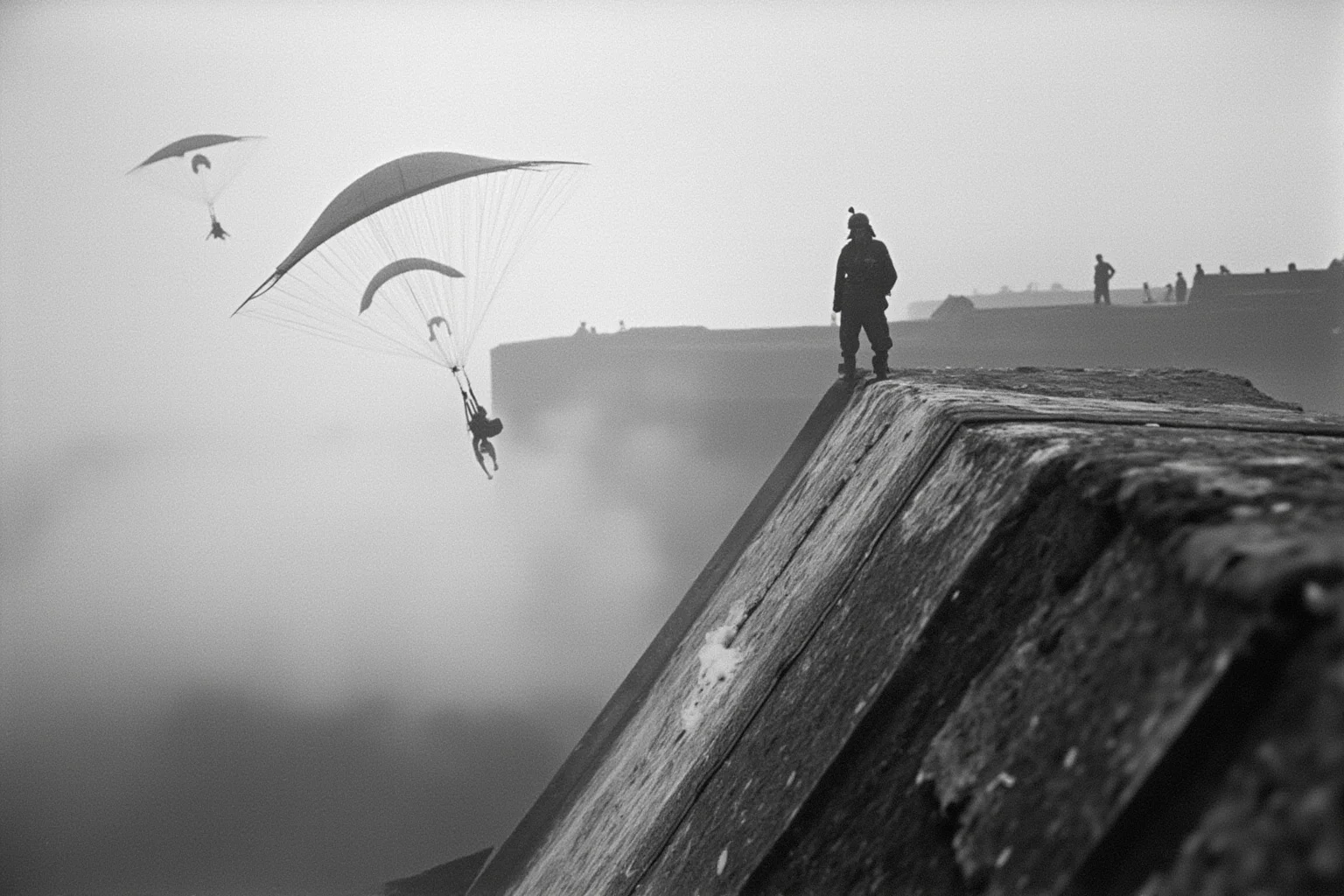
The Belgian fortress of Eben-Emael was considered the strongest fortification in Europe in 1940. Its massive concrete bunkers and gun emplacements guarded the Albert Canal and key bridges into Belgium. German planners knew a conventional siege would take weeks, so they tried something radically different.
On May 10, 1940, fewer than 100 German paratroopers landed on the fortress roof in gliders. They used shaped charges, a new type of explosive, to destroy the gun cupolas and neutralize the defenders below. The garrison of over 1,000 Belgian soldiers surrendered the next day.
The fall of Eben-Emael in roughly 24 hours shocked military planners worldwide. It proved that even the most modern fortifications could be undone by surprise, innovation, and speed.
13. The Capture of Fort Douaumont (1916) — Hours
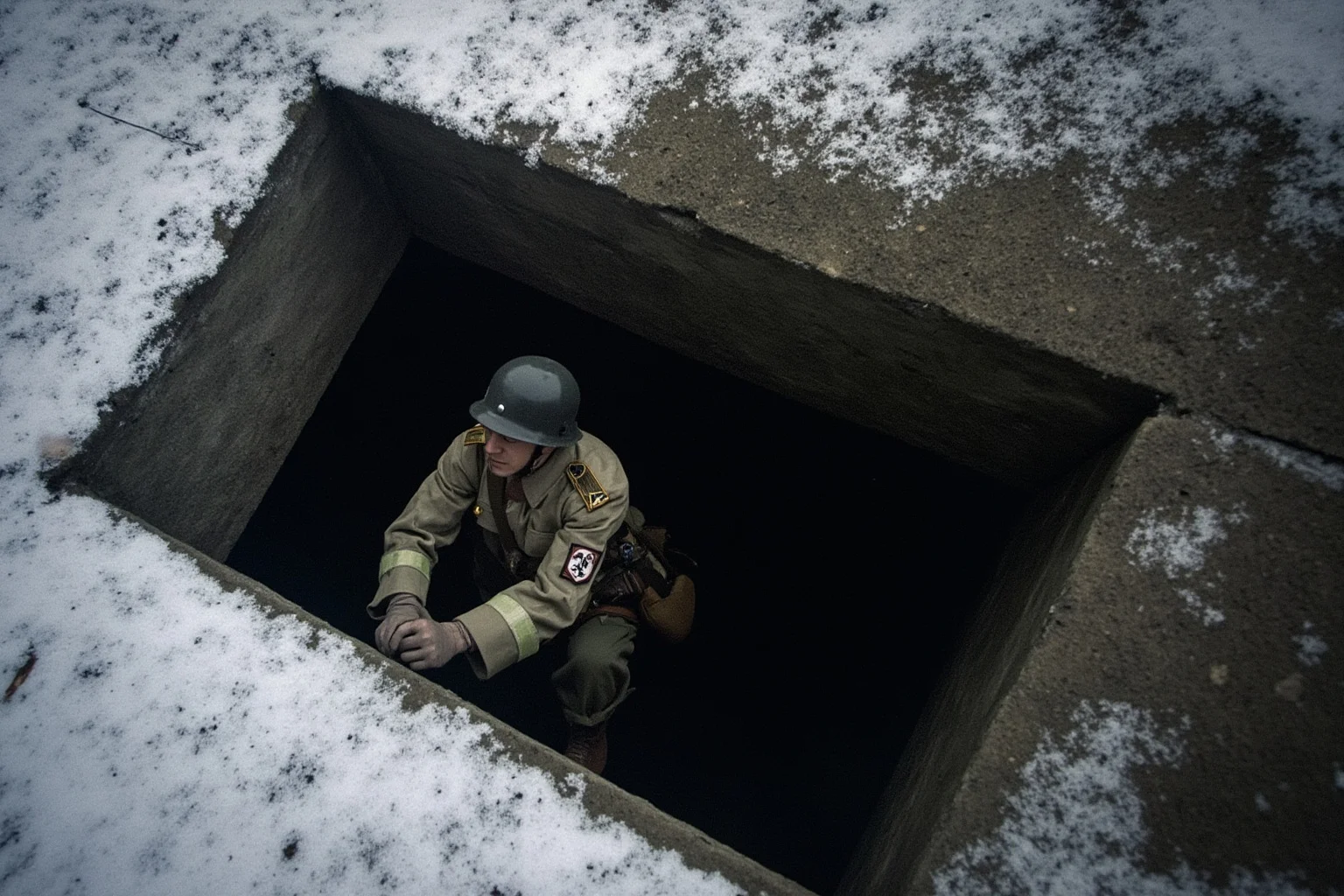
Fort Douaumont was the largest and most powerful fort in the ring of defenses around Verdun. By early 1916, French commanders had stripped it of much of its garrison and ammunition, believing the German offensive would target elsewhere. They were catastrophically wrong.
On February 25, 1916, a small German patrol approached the fort during a snowstorm. One soldier climbed through an unguarded embrasure and wandered through the corridors, capturing startled French defenders almost single-handedly. The fort fell without a single shot being fired in its defense.
The loss of Douaumont was a national humiliation for France. French forces spent months and suffered enormous casualties trying to retake it, finally succeeding in October 1916.
14. The Siege of Fort Sumter (1861) — 2 Days
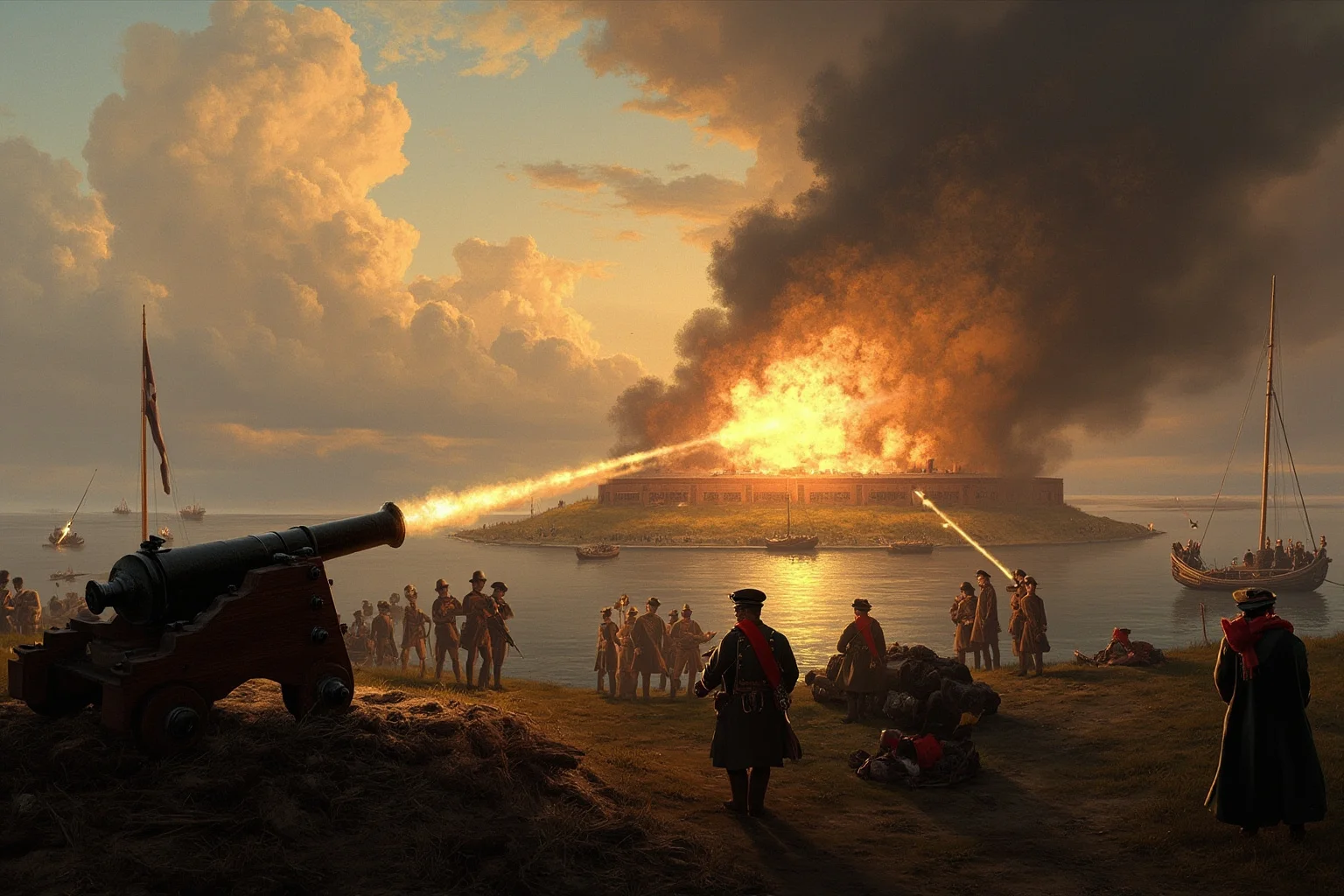
The bombardment of Fort Sumter opened the American Civil War. The Union garrison held a small island fort in Charleston Harbor, surrounded by Confederate batteries. After secession, Confederate leaders demanded the fort's surrender, but Major Robert Anderson refused.
Confederate guns opened fire on April 12, 1861, and shelled the fort for 34 hours. The garrison returned fire but was hopelessly outgunned and running low on supplies. Anderson surrendered on April 13, and the fort was evacuated the next day.
Remarkably, no one on either side was killed during the bombardment. Fort Sumter is one of the clearest example of siege cases where symbolic value outweighed military logic.
15. The Fall of Constantinople (1453) — 53 Days
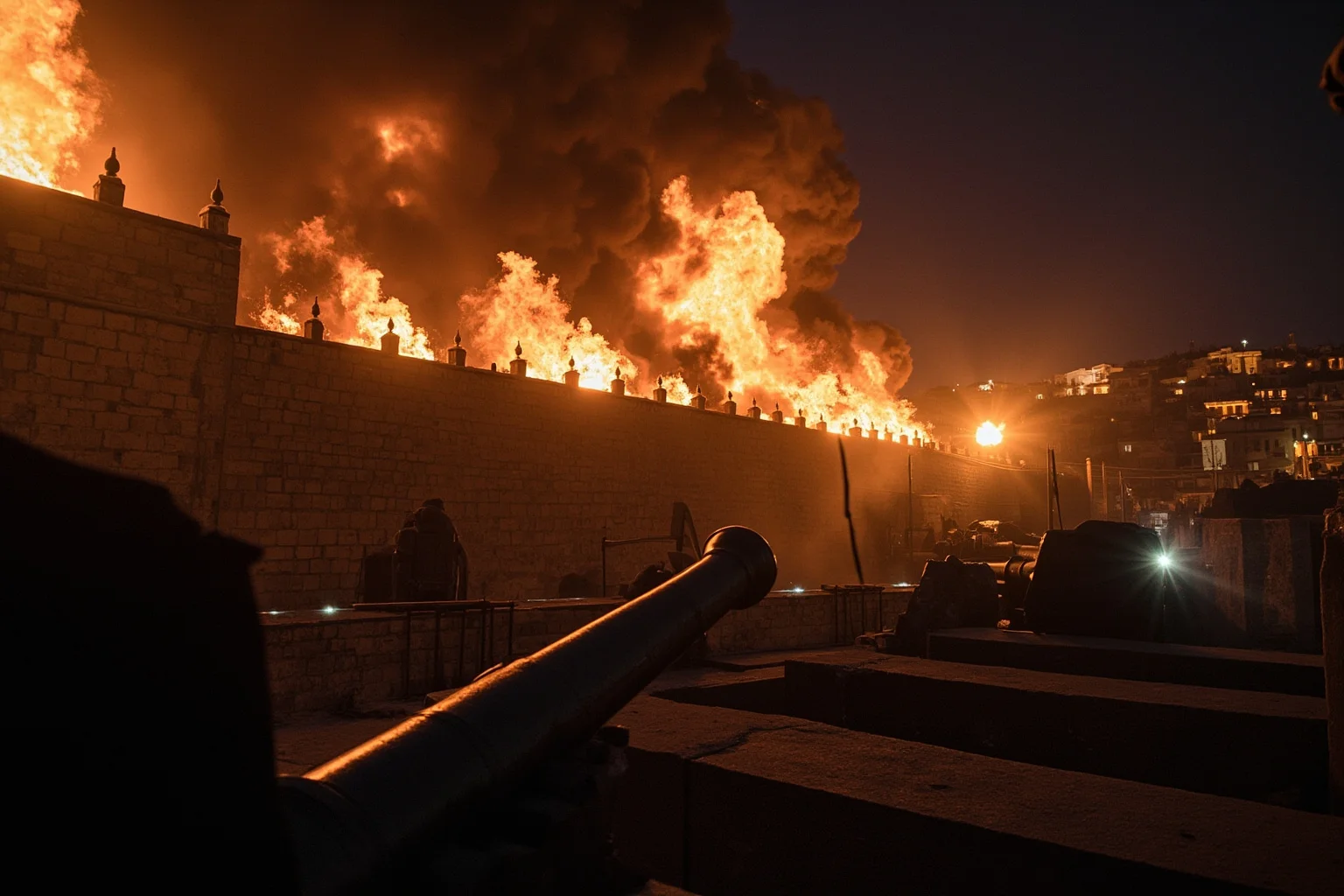
The fall of Constantinople was not the quickest siege in history, but it was shockingly fast for a city that had withstood attacks for a thousand years. Ottoman Sultan Mehmed II surrounded the Byzantine capital in April 1453 with an enormous army and massive cannons. The city's defenders numbered fewer than 10,000 men.
Mehmed's giant bombards hammered the Theodosian Walls for weeks, opening breaches that the defenders desperately repaired each night. The final assault came on May 29, and after fierce fighting, Ottoman troops poured through a gate left open. Emperor Constantine XI died in the fighting, and the city fell after 53 days.
The fall of Constantinople ended the Byzantine Empire and reshaped world history. Considering the city's legendary defenses, its rapid collapse stunned contemporary observers.
16. The Siege of Fort Detroit (1812) — Hours
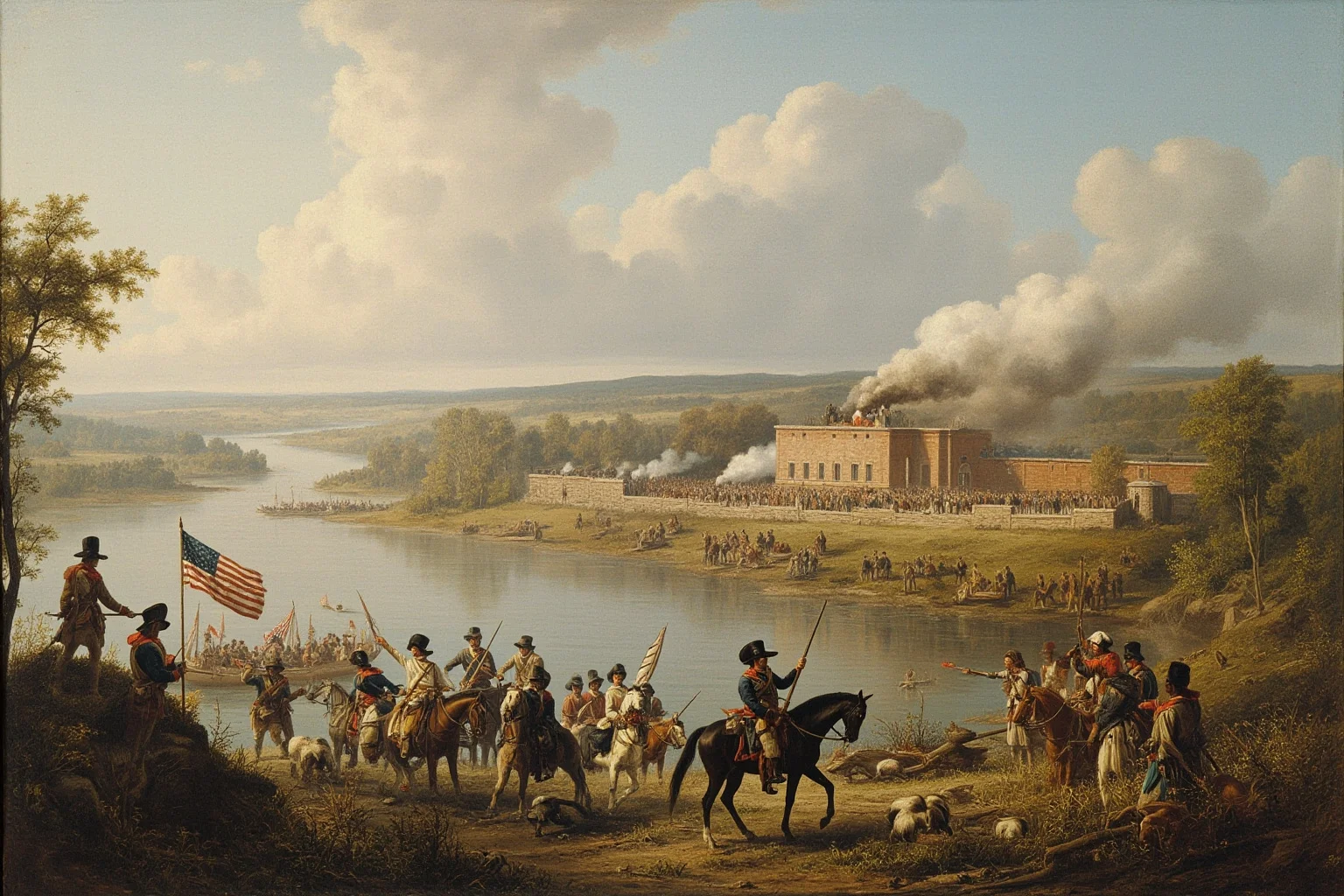
The surrender of Fort Detroit during the War of 1812 was one of the most embarrassing American defeats of the conflict. General William Hull commanded a force of roughly 2,000 men defending the fort against a smaller British and Native American force under Isaac Brock and Tecumseh.
Brock used deception brilliantly, marching his troops in circles to make his force appear larger and arranging for misleading documents to fall into American hands. He also warned Hull that Native American warriors might not be controllable after a battle. Hull lost his nerve and surrendered the fort on August 16, 1812, after barely any fighting.
The surrender handed the British control of the entire Michigan Territory. Hull was later court-martialed for cowardice and sentenced to death, though the sentence was commuted.
17. The Siege of Pensacola (1719) — 2 Days
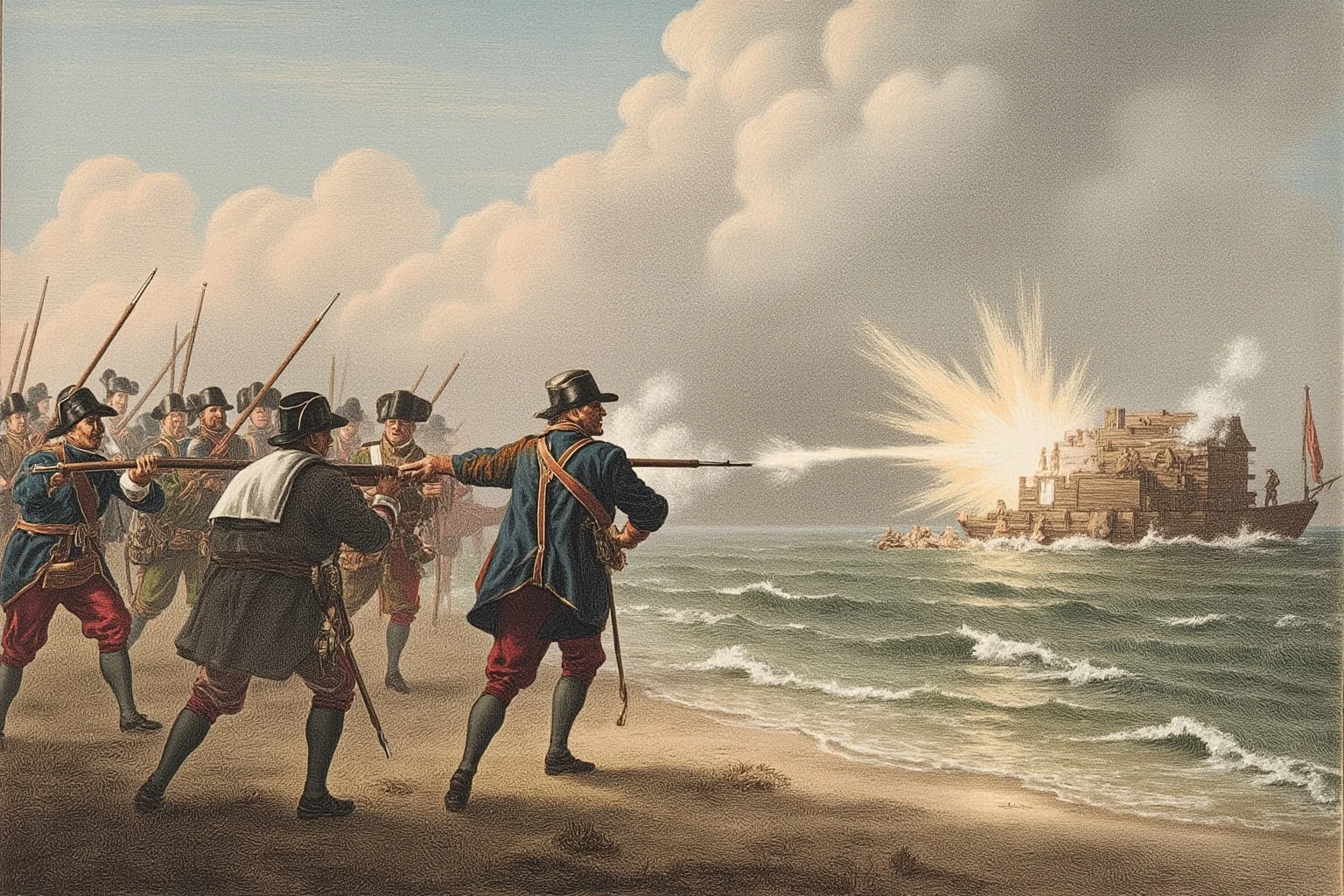
The Siege of Pensacola in 1719 was part of the long struggle between France and Spain for control of the Gulf Coast. French forces from Louisiana attacked the Spanish settlement at Pensacola in May 1719. The Spanish garrison was small, poorly supplied, and caught by surprise.
The French bombardment began on May 14, and the Spanish commander surrendered two days later. The fort changed hands several more times during the conflict, but the initial capture took only 48 hours. Pensacola shows how colonial sieges in North America often ended quickly due to tiny garrisons and fragile supply lines.
This little-known episode is a useful example of siege dynamics on the early American frontier. It rarely appears in popular siege history, but it illustrates how quickly isolated outposts could fall. For more overlooked moments like this one, see 22 Lesser-Known Historical Events That No One Talks About.
18. The Fall of Masada (73–74 AD) — 2 to 3 Months
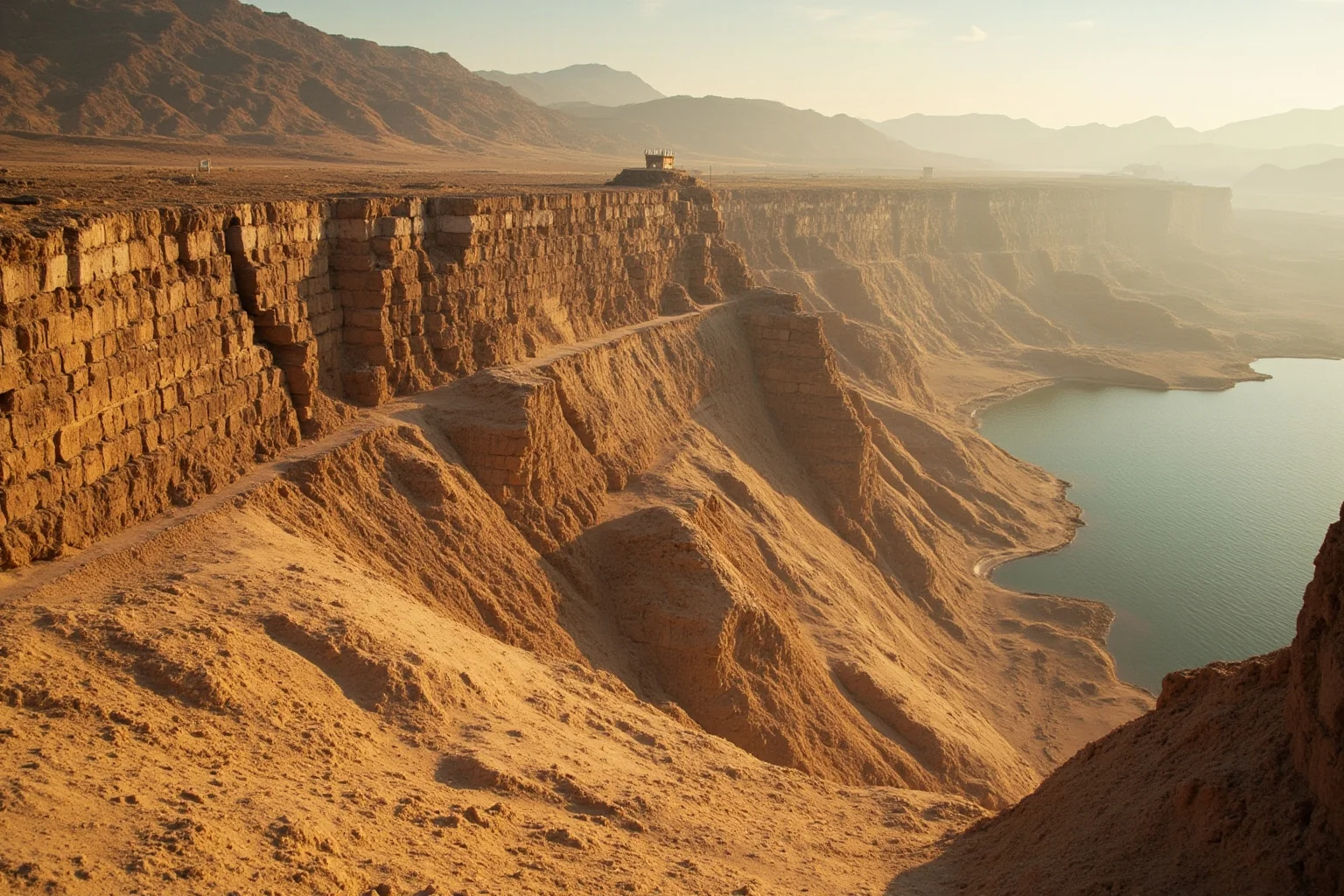
Masada is famous not for the speed of its fall but for the shocking final act of its defenders. The hilltop fortress overlooking the Dead Sea was held by Jewish rebels after the fall of Jerusalem. A Roman legion under Flavius Silva surrounded the site and built a massive ramp up the western slope.
The siege itself lasted only a few months, a surprisingly short time given the fortress's natural strength. The Romans completed their ramp and prepared to breach the walls with a battering ram. According to the historian Josephus, the defenders chose mass suicide rather than surrender, with nearly 1,000 people dying.
The story of Masada remains a powerful and contested symbol in Jewish history. The archaeological evidence confirms the Roman siege works but cannot fully verify every detail of Josephus's account.
19. The Siege of Fort Necessity (1754) — 1 Day
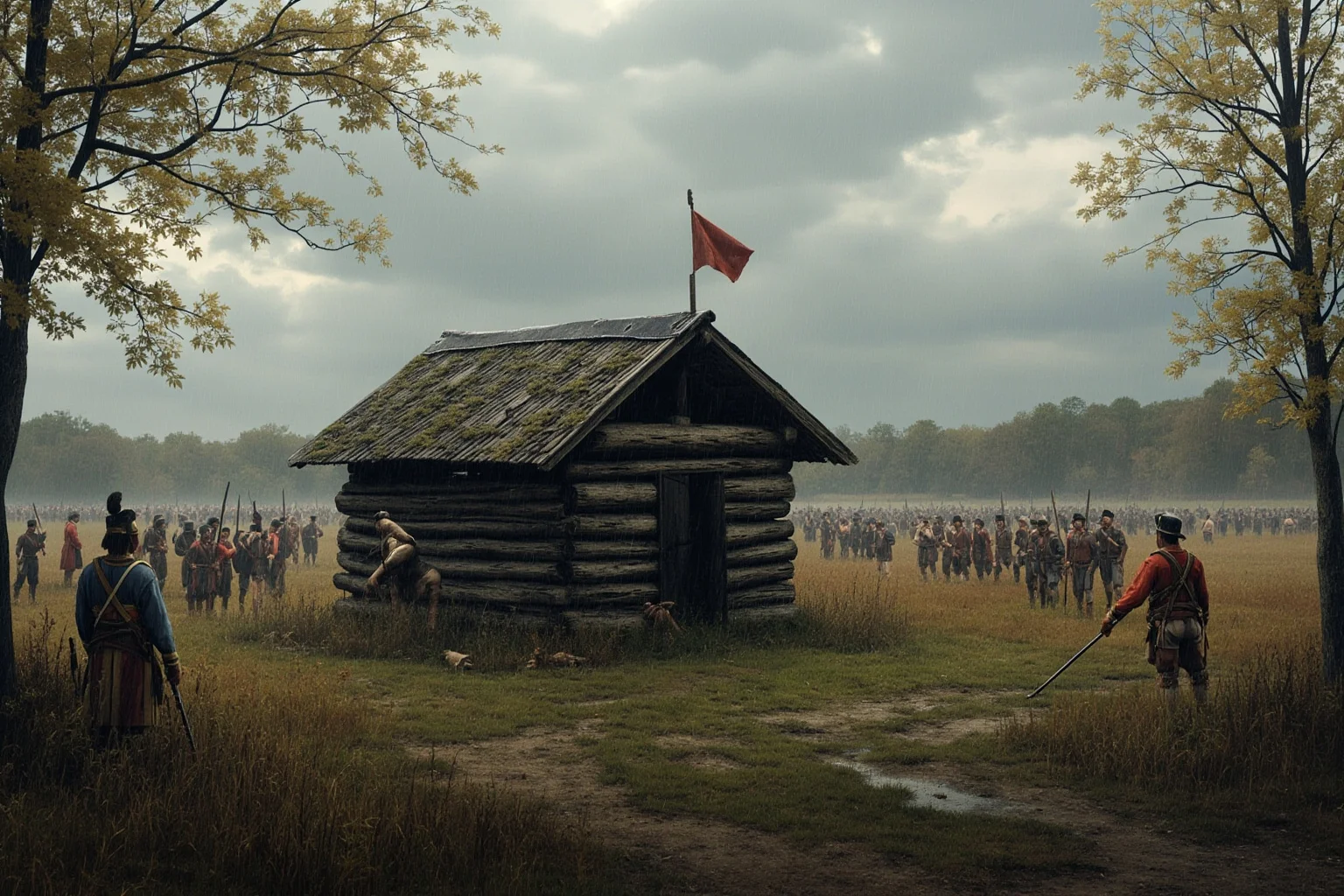
The Battle of Fort Necessity was a small but momentous clash at the start of the French and Indian War. A young George Washington, commanding Virginia militia, built a crude stockade in a poor defensive position in western Pennsylvania. French forces and their Native American allies surrounded the fort on July 3, 1754.
The fighting lasted a single day, and Washington's men suffered heavy casualties. Rain soaked their gunpowder, and the fort's location in a meadow made it vulnerable to fire from the surrounding woods. Washington signed a surrender document that evening, unwittingly admitting to the "assassination" of a French officer.
That admission helped ignite a global conflict between Britain and France. Fort Necessity remains a cautionary example of siege miscalculation by an inexperienced commander.
20. The Siege of Kut (1915–1916) — 5 Months with a Swift Collapse
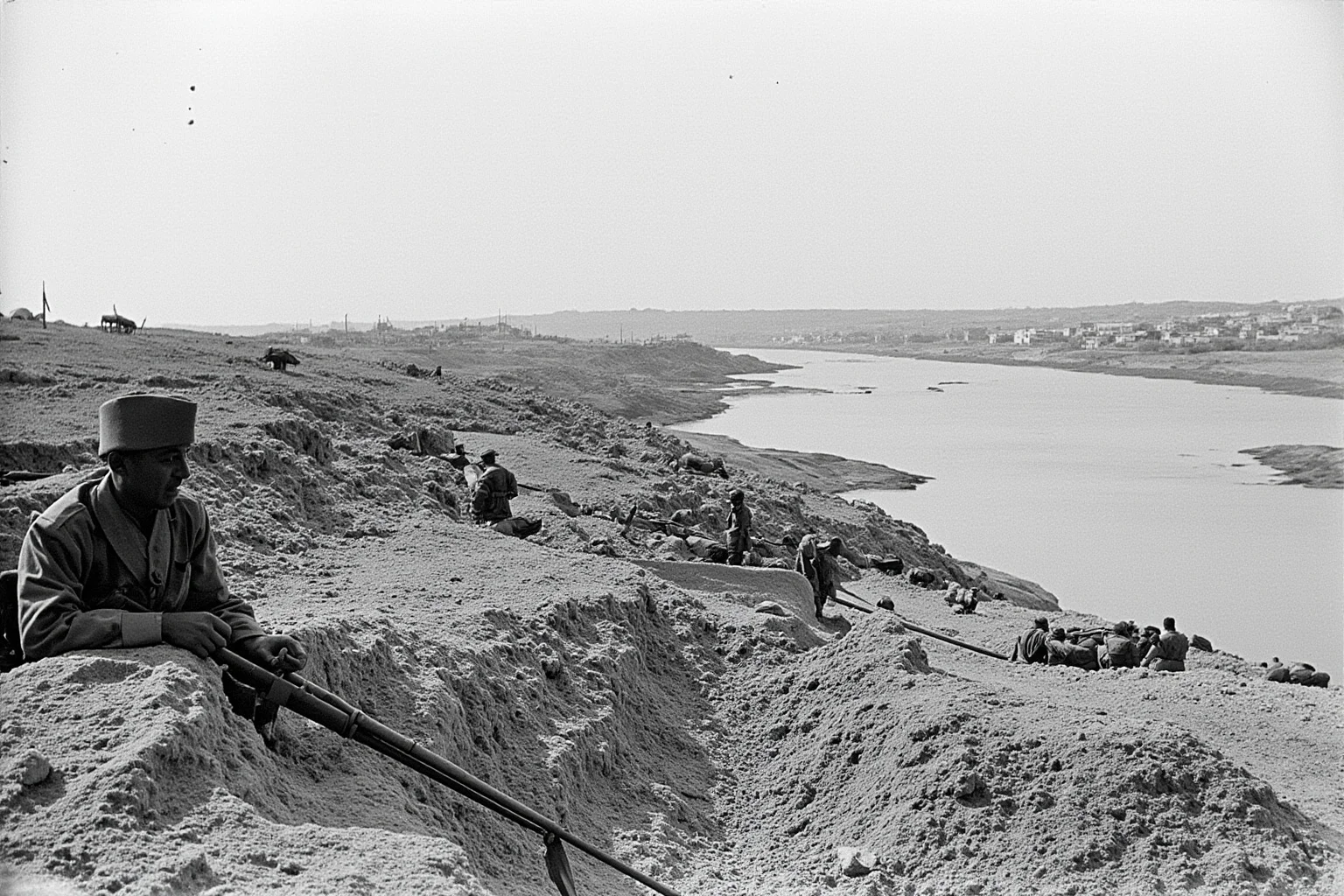
The Siege of Kut during World War I ended in one of the most humiliating British surrenders of the war. A British-Indian force under General Charles Townshend retreated into the Mesopotamian town of Kut in December 1915, hoping to hold out until relief arrived. Ottoman forces surrounded the town and dug in.
Several British relief attempts failed over the following months, and food inside Kut ran out. Disease and starvation ravaged the garrison. The final collapse came quickly in April 1916, when Townshend surrendered roughly 13,000 men after five months of siege.
Many of the prisoners died in brutal Ottoman captivity. The disaster at Kut exposed serious flaws in British logistics and planning in the Middle East campaign.
What These Sieges Teach Us About Human Endurance and Panic
Long sieges reveal the extraordinary things people can endure when they have no choice. The defenders of Leningrad, Candia, and Sarajevo survived conditions that seem impossible from a distance. Their stories are tributes to human resilience, but they also show the immense civilian suffering that siege warfare inflicts.
Quick surrenders are equally instructive. Fortresses like Eben-Emael and Fort Detroit fell because of psychology as much as military pressure. Fear, surprise, and poor leadership could undo years of defensive preparation in a single afternoon.
Siege history also shows that walls alone rarely decided outcomes. Logistics, morale, and the willingness to endure suffering mattered more than stone and mortar. The most powerful fortifications failed when defenders lost hope, while improvised defenses held when defenders refused to yield.
The contrast between multi-year blockades and rapid capitulations reminds us that war is ultimately a human affair. The best military engineers in history could not guarantee victory, and the strongest walls could not replace steady nerves.
Conclusion
The historical sieges explored here span more than two millennia and nearly every continent. They range from the 21-year agony of Candia to the 24-hour collapse of Eben-Emael, from the heroism of Malta to the humiliation of Singapore. Each siege tells a different story about courage, fear, and the brutal arithmetic of war.
For readers interested in siege history, these examples offer a useful framework. The length of a siege rarely depended on a single factor, and outcomes often surprised both attackers and defenders. Armies that expected quick victories found themselves trapped in years of stalemate, while fortresses that seemed invincible fell overnight.
The next time you encounter a long siege or a rapid surrender in a history book, look past the dates and casualties. Ask what the defenders were eating, whether a relief army was coming, and what the commander feared most. The answers usually explain everything.
Frequently Asked Questions
What is the longest siege in history?
The Siege of Candia on Crete lasted 21 years, from 1648 to 1669, and is widely considered the longest continuous siege in recorded history. The Siege of Ceuta lasted even longer at roughly 33 years, though it was an intermittent blockade rather than a continuous siege.
Why did some historical sieges last for years?
Long sieges usually depended on strong fortifications, reliable food and water supplies, and access to resupply by sea or relief armies. Cities like Candia and Ostend held out for years because they could be replenished by ship, while attackers suffered from disease and supply problems.
What caused some sieges to end in quick surrenders?
Quick surrenders often resulted from psychological factors such as surprise, fear, or poor leadership. Fortresses like Eben-Emael fell in a day due to innovative airborne tactics, while Fort Detroit surrendered because its commander lost his nerve under deception and intimidation.
What is a famous example of siege warfare?
The Siege of Leningrad during World War II is one of the most famous examples of siege warfare. It lasted 872 days, killed more than one million civilians, and became a symbol of endurance under extreme conditions.
Did siege warfare end after the medieval period?
No, siege warfare continued well into the modern era. The Siege of Sarajevo from 1992 to 1996 lasted nearly four years and is considered the longest siege of a capital city in modern history.

Alex Warren
Related Articles