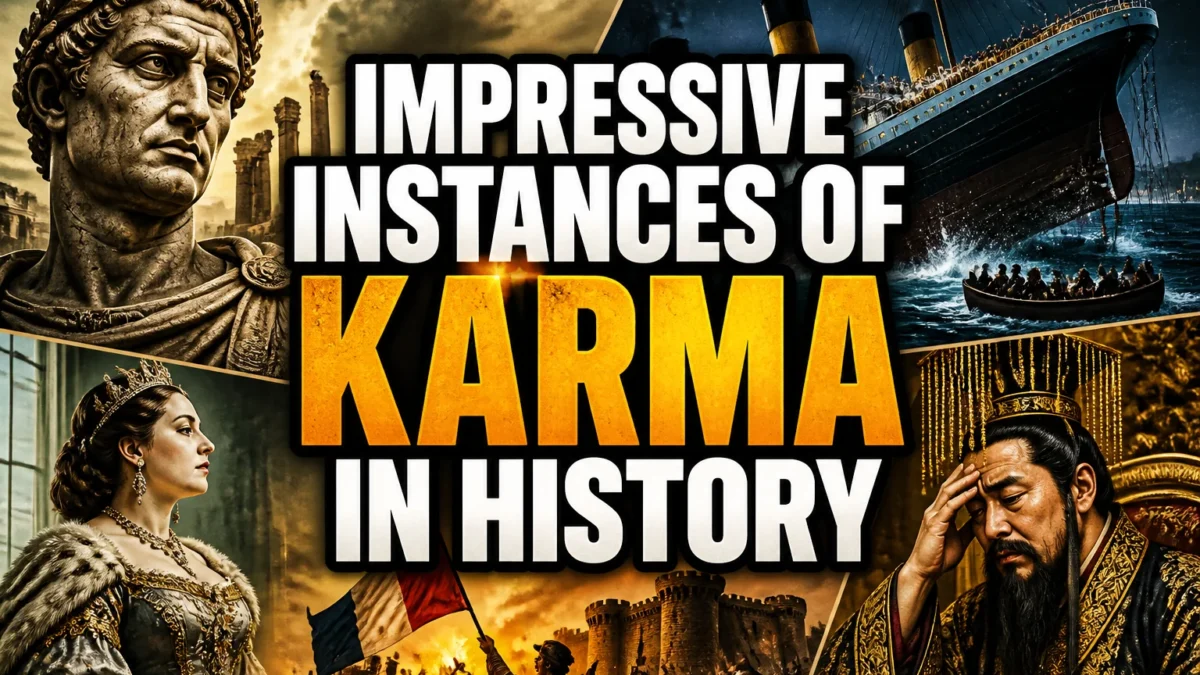
People love a story where a tyrant falls, an empire overreaches, or a cruel plan backfires. History is full of these moments, and popular memory often turns them into examples of karma. The phrase "what goes around comes around" feels especially satisfying when attached to wars and power.
But historians are more careful. A sudden defeat is usually the result of alliances, logistics, geography, and human choices. This post explores twenty real historical episodes that are often described as karma in history, while separating poetic justice from documented cause and effect.
TL;DR: Across ancient, medieval, and modern history, ambitious rulers and violent systems often created the very forces that destroyed them, making these events popular examples of karma even when historians explain them through power, overreach, and blowback.
What People Usually Mean by Karma in History
Strictly speaking, karma is a concept from Hindu, Buddhist, and Jain traditions. It describes a subtle cause-and-effect process that unfolds across actions and lifetimes, not a simple machine that instantly punishes bad rulers. When modern audiences talk about karma examples, they usually mean something closer to blowback or poetic justice.
The stories collected here share a common shape. A person, army, or regime reaches beyond its limits, treats people as disposable, or builds a system of violence, and then that same system turns inward or collapses. The pattern is real, but it works through historical mechanisms rather than a hidden moral scoreboard.
In other words, these are not proof of cosmic karma. They are powerful because they show how arrogance, repression, and imperial ambition create enemies and vulnerabilities. That is a lesson worth studying in its own right.
Ancient Overreach: Karma in History's Early Empires
1. Croesus and the Fall of Lydia
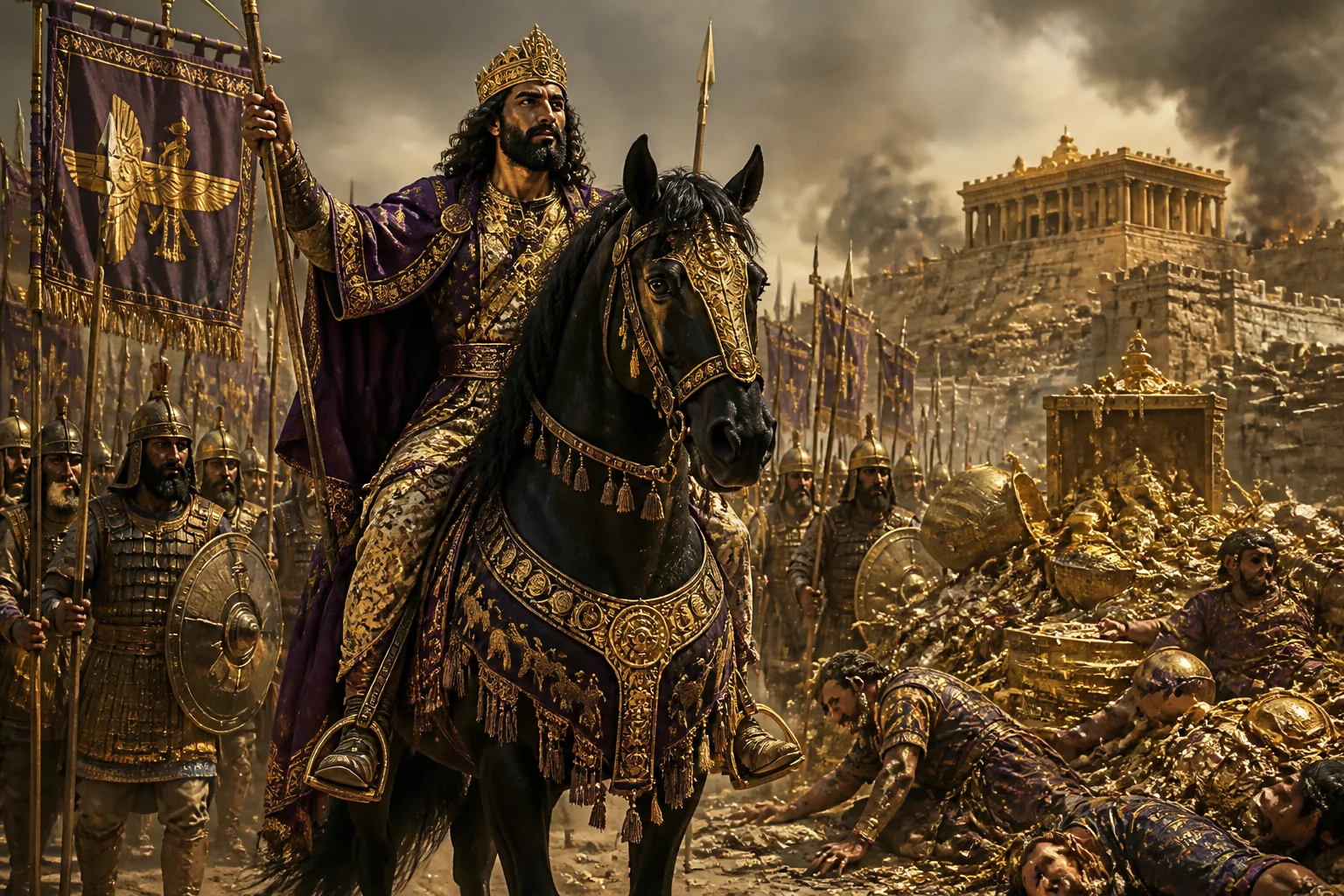
Croesus, king of Lydia, was so wealthy that his name still means extreme riches. Herodotus records that he consulted the Oracle of Delphi before confronting the Persian Empire and heard that he would destroy a great empire if he fought. Confident, he attacked Cyrus the Great.
The campaign collapsed, and Lydia fell around 547 BC. The great empire he destroyed, it turned out, was his own. This is one of the oldest stories about karma: hubris mixed with ambiguous prophecy.
Historians treat the oracle story as a literary set piece rather than a verified transcript. Even so, the episode shows how ancient writers used overconfidence to explain sudden catastrophe.
2. The Sicilian Expedition and the Fall of Athens
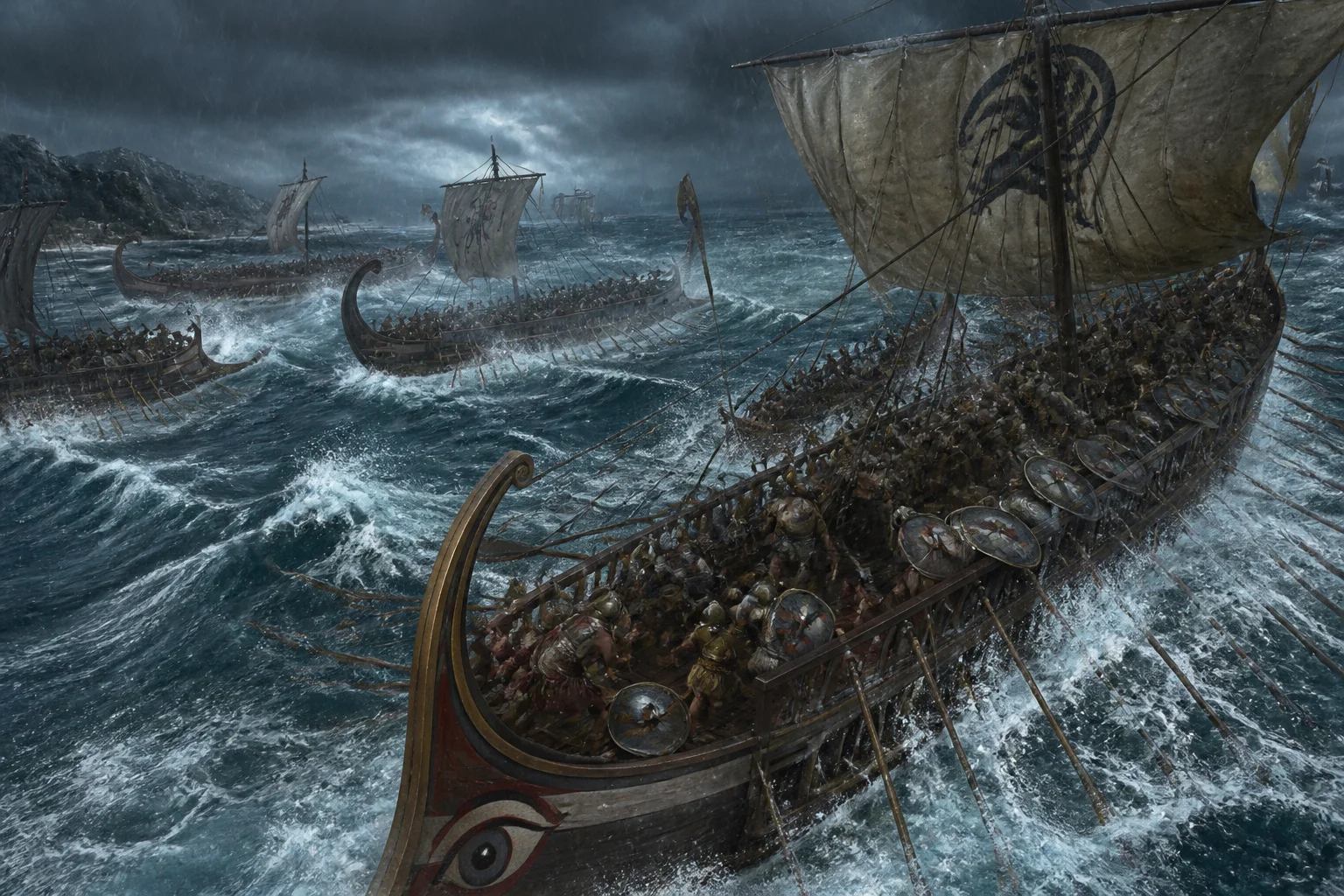
In 415 BC Athens sent a huge fleet to conquer Sicily while still at war with Sparta. The expedition promised wealth, slaves, and a strategic encirclement of Greek rivals. Instead it became a disaster.
The Syracusans and their allies destroyed the Athenian force, and thousands of soldiers were imprisoned in quarries. Thucydides described the retreat as a scene of despair and defeat. The losses gutted Athenian manpower and treasure.
Many saw the defeat as blowback for Athenian imperialism, the kind of overreach that creates the conditions for retribution. It did not end Athens immediately, but it fatally weakened the city before its surrender in 404 BC.
3. The Assassination of Julius Caesar
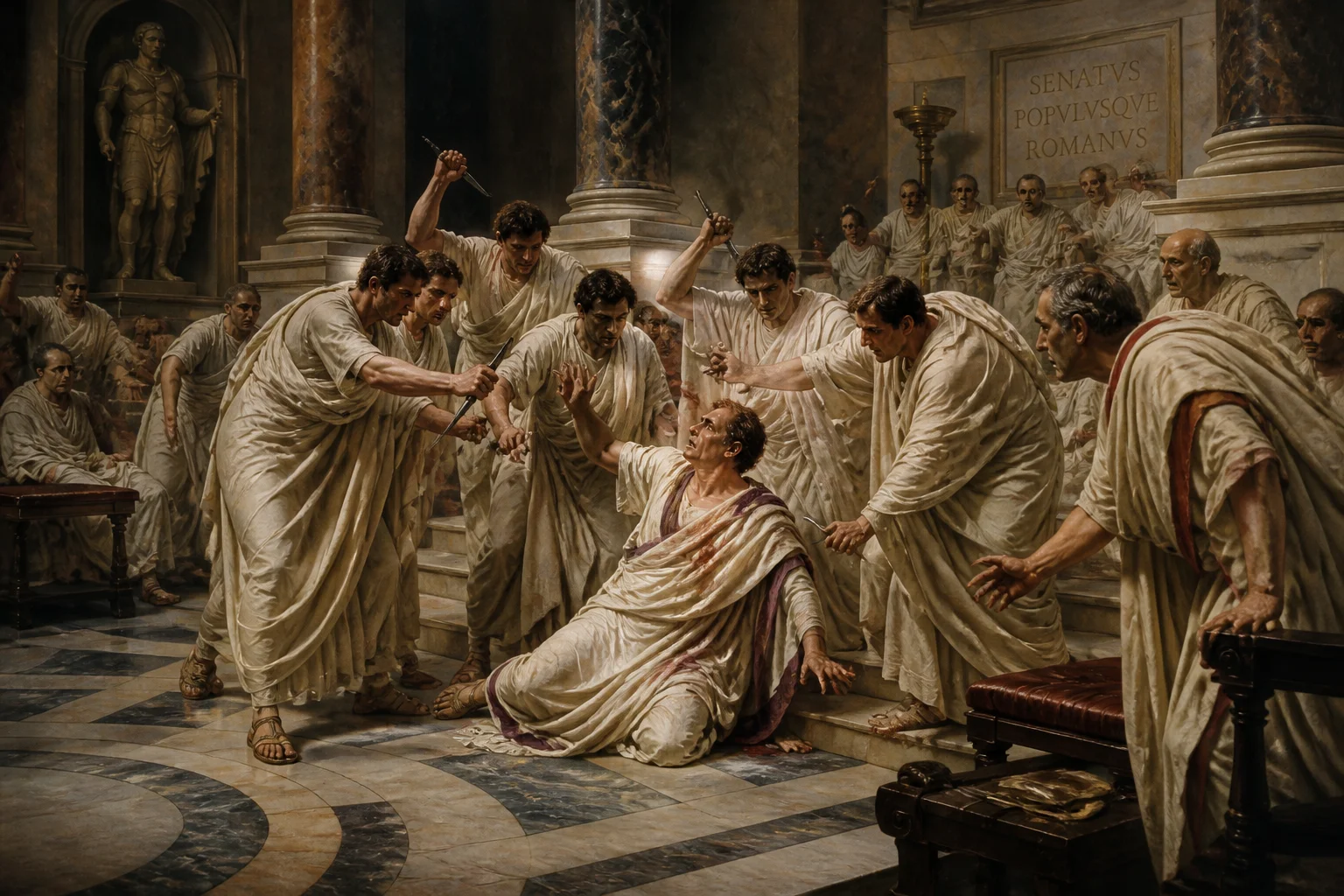
Julius Caesar crossed the Rubicon in 49 BC and later made himself dictator for life. His rivals saw him as a tyrant, not a savior. On the Ides of March in 44 BC, a group of senators murdered him in the Senate house.
The conspirators claimed they were restoring the Republic. Instead, their act triggered another round of civil wars that produced the Roman Empire. This matters for karma examples because the punishment did not deliver the intended result.
In popular memory, Caesar's death looks like a clear case of what goes around coming around. Historically, it is better understood as political violence with unpredictable consequences.
4. Caligula's Murder by His Own Guards
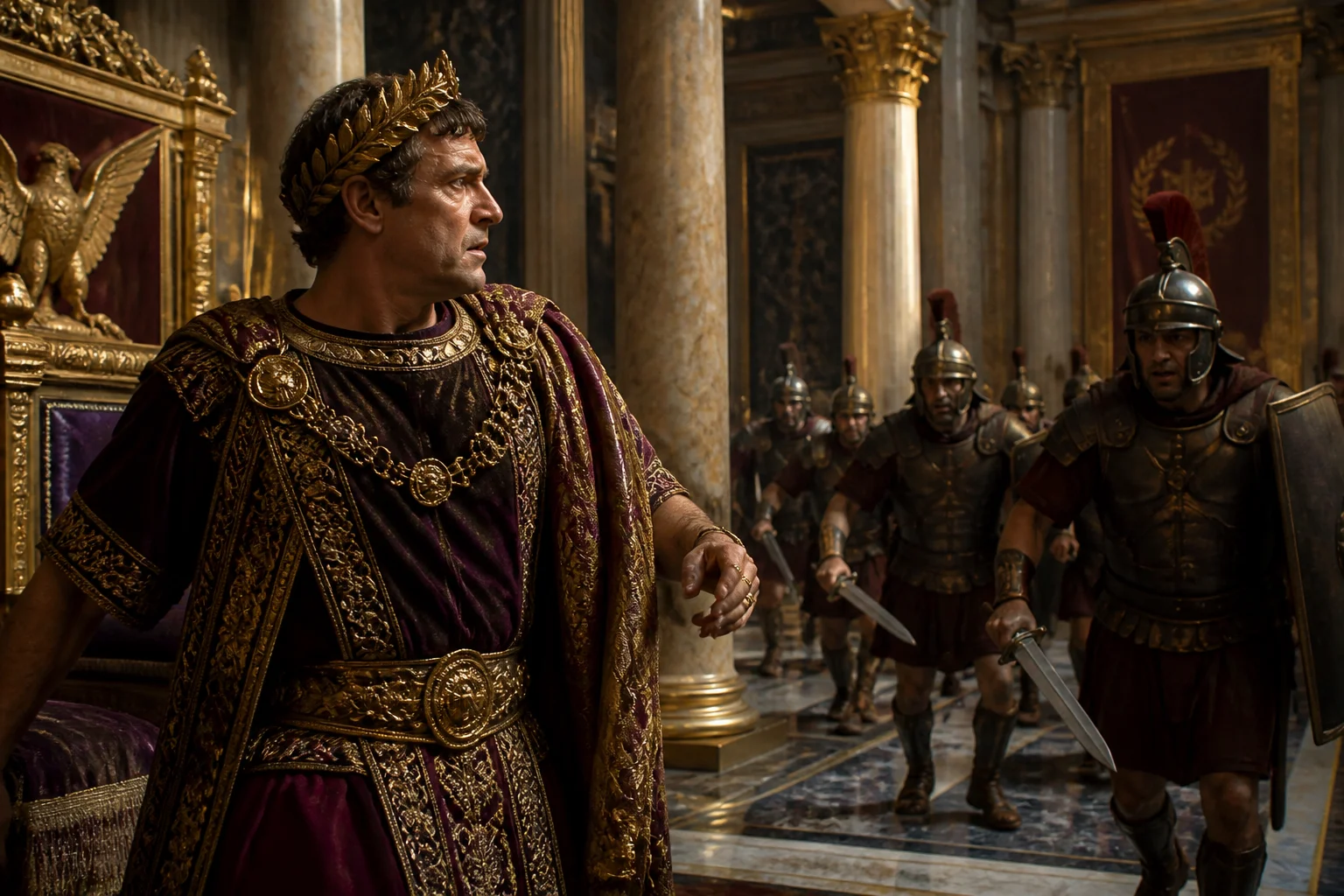
Caligula became emperor in 37 AD and quickly drained Rome's treasury with lavish projects and games. Ancient sources accuse him of arbitrary cruelty, though they were written after his death by hostile authors. Whatever the exact truth, he lost support fast.
In 41 AD members of the Praetorian Guard murdered him after a reign of about four years. That was not cosmic judgment; it was a palace and military problem. Still, it became a classic story about a ruler who scorned everyone around him.
The lesson here is not that the universe punishes bad emperors. It is that ruling through fear creates enemies even among the people paid to protect you.
5. Nero's Downfall and the End of a Dynasty
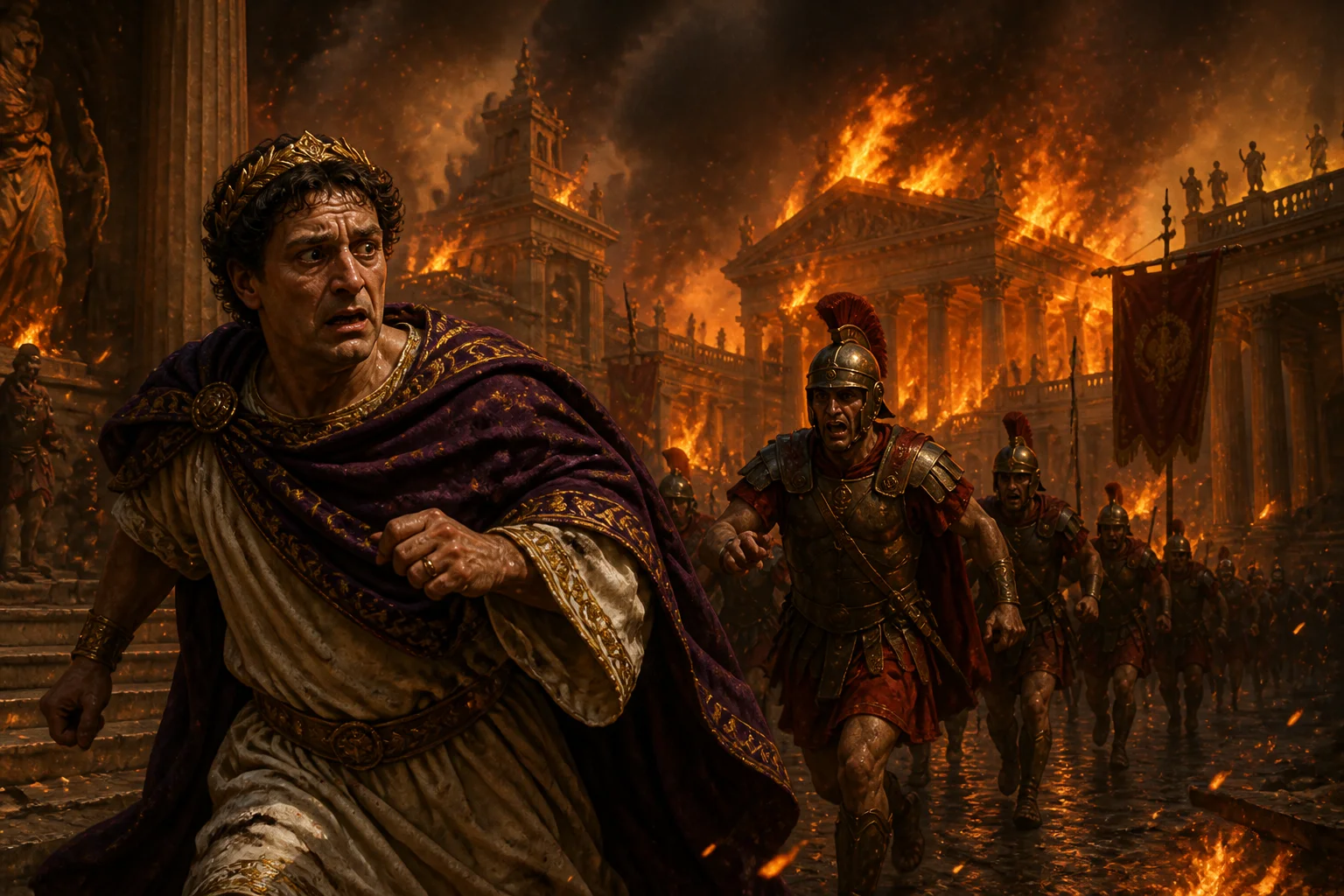
Nero's reign ended in 68 AD after revolts in the provinces and defections in Rome. His reputation for extravagance and persecution, including the tradition that he blamed Christians for the Great Fire, made him a villain in later memory.
Declared a public enemy by the Senate, Nero fled and reportedly took his own life. His death ended the Julio-Claudian dynasty and opened the chaotic Year of the Four Emperors. This was blowback, not a neat moral verdict.
Ancient writers shaped Nero's image to fit a lesson about tyranny. As with many stories about karma, the drama is real, but the moral is often added by the storyteller.
Medieval Blowback: Karma Examples from Crowns and Crusades
6. King John and the Road to Magna Carta
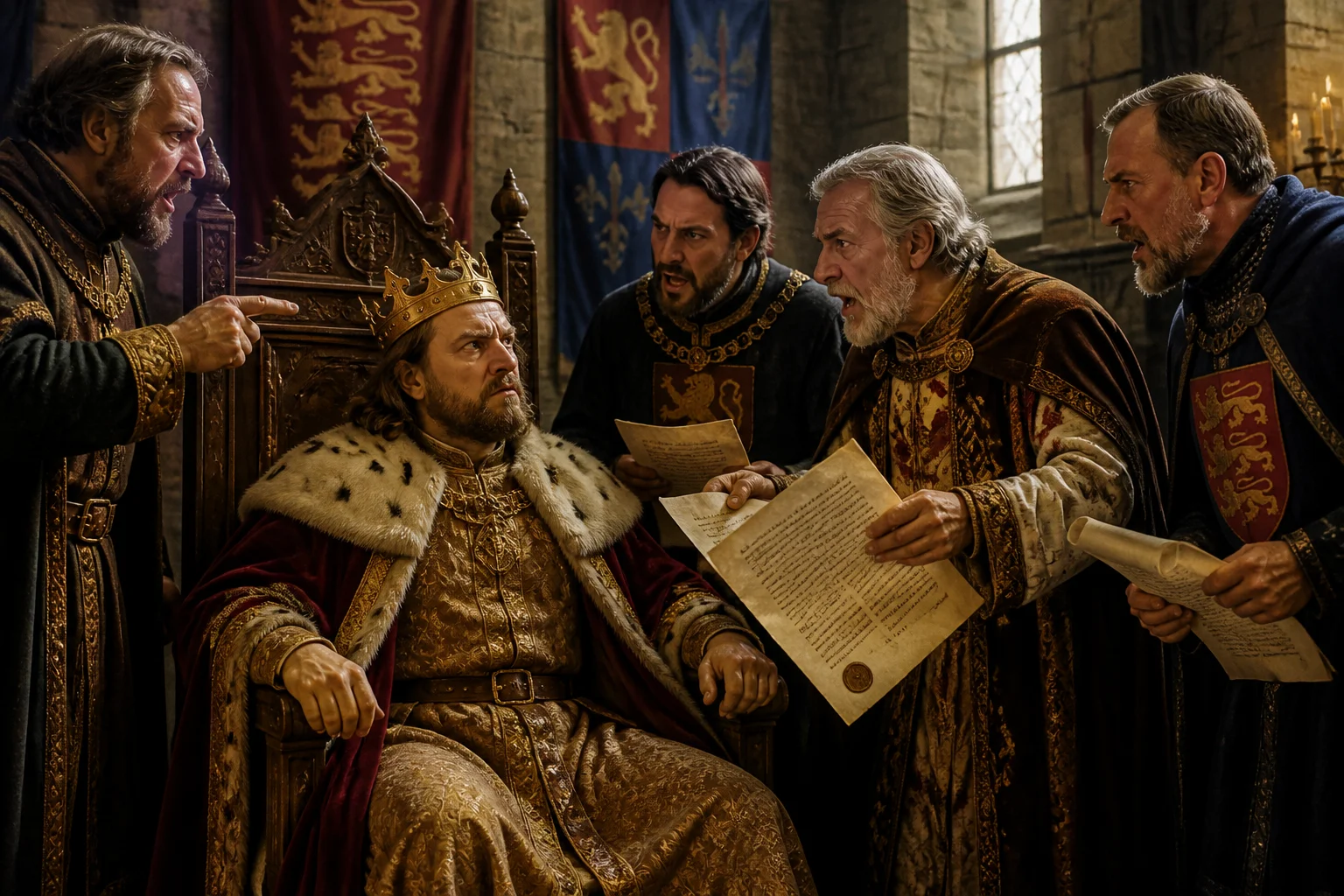
King John of England lost Normandy, quarreled with the Church, and taxed his barons heavily. By 1215 they had enough and forced him at Runnymede to seal Magna Carta. It was a direct check on royal power.
John treated the charter as a temporary concession and later had the pope annul it. Baronial war followed, and John died in 1216 while campaigning. In the same period his baggage train, allegedly including the crown jewels, was lost in the Wash.
Later generations turned John into the archetypal bad king. His reign shows a mundane kind of karma in history: arbitrary rule creates organized resistance.
7. The Mongol Invasions of Japan and the Divine Wind
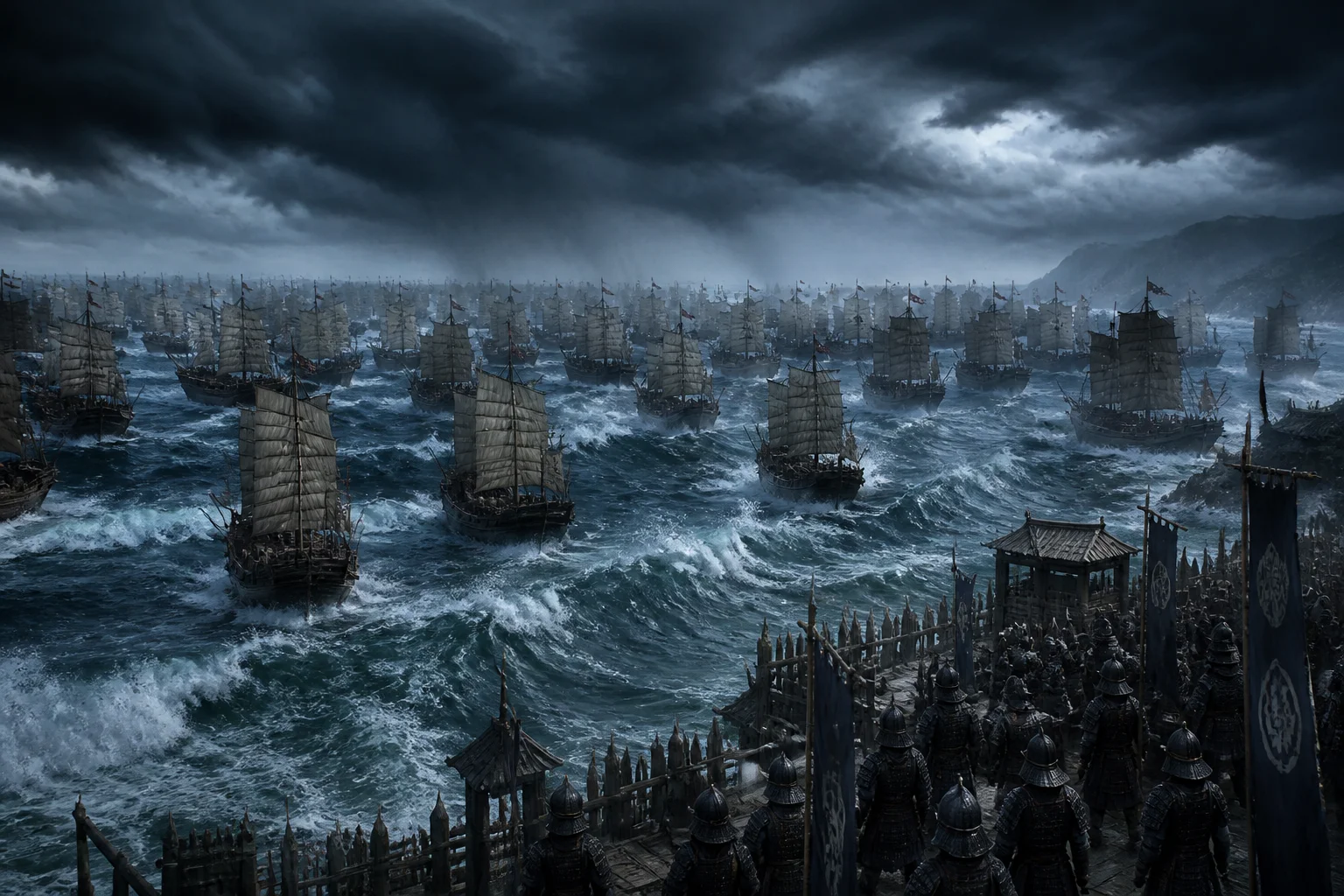
Kublai Khan sent armadas to conquer Japan in 1274 and again in 1281. The second invasion was enormous, involving thousands of ships and troops. Japanese defenders held on, but the turning point came from the weather.
A seasonal typhoon smashed the Mongol fleet, crippling the invasion. The Japanese called it kamikaze, meaning divine wind, and read it as divine protection. In practical terms, the Mongols had sailed into dangerous autumn seas.
The failed invasions entered Japanese identity as proof that the islands could not be conquered. It is a favorite example of karma in popular retellings, though historians emphasize weather and logistics.
8. The Fourth Crusade and the Sack of Constantinople
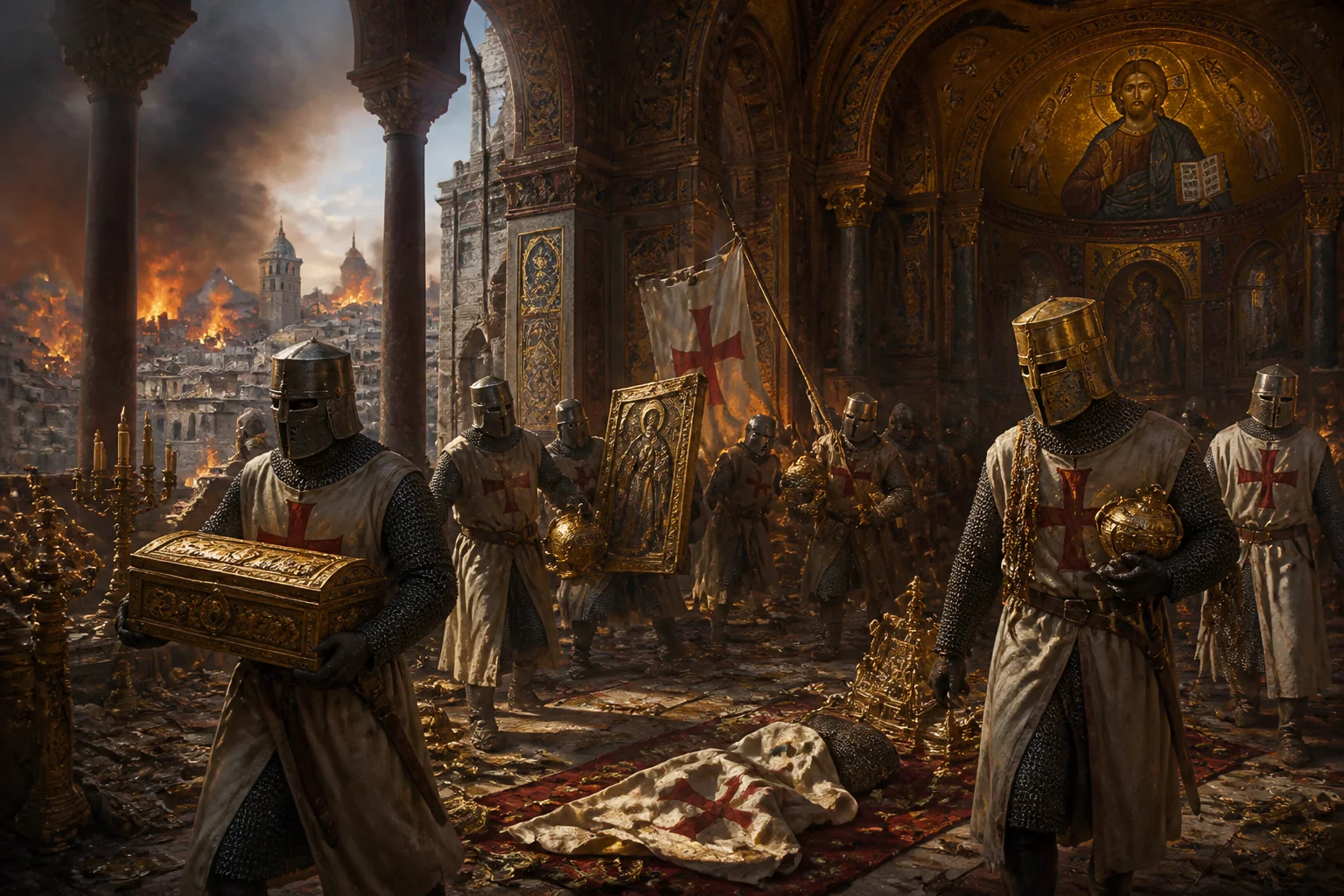
The Fourth Crusade set out for the Holy Land and instead sacked Constantinople in 1204. Crusaders and Venetian allies looted a Christian city, weakening the Byzantine Empire. The attack horrified many Christians as well as the pope.
The crusaders founded a Latin Empire that was poor, unstable, and resented by local populations. In 1261 Byzantine forces retook Constantinople. The new state had lasted barely more than half a century.
This is a strong historical karma example because the crusaders' short-term victory created long-term vulnerability. The blowback was political and military, not mystical.
9. Richard III and the Battle of Bosworth
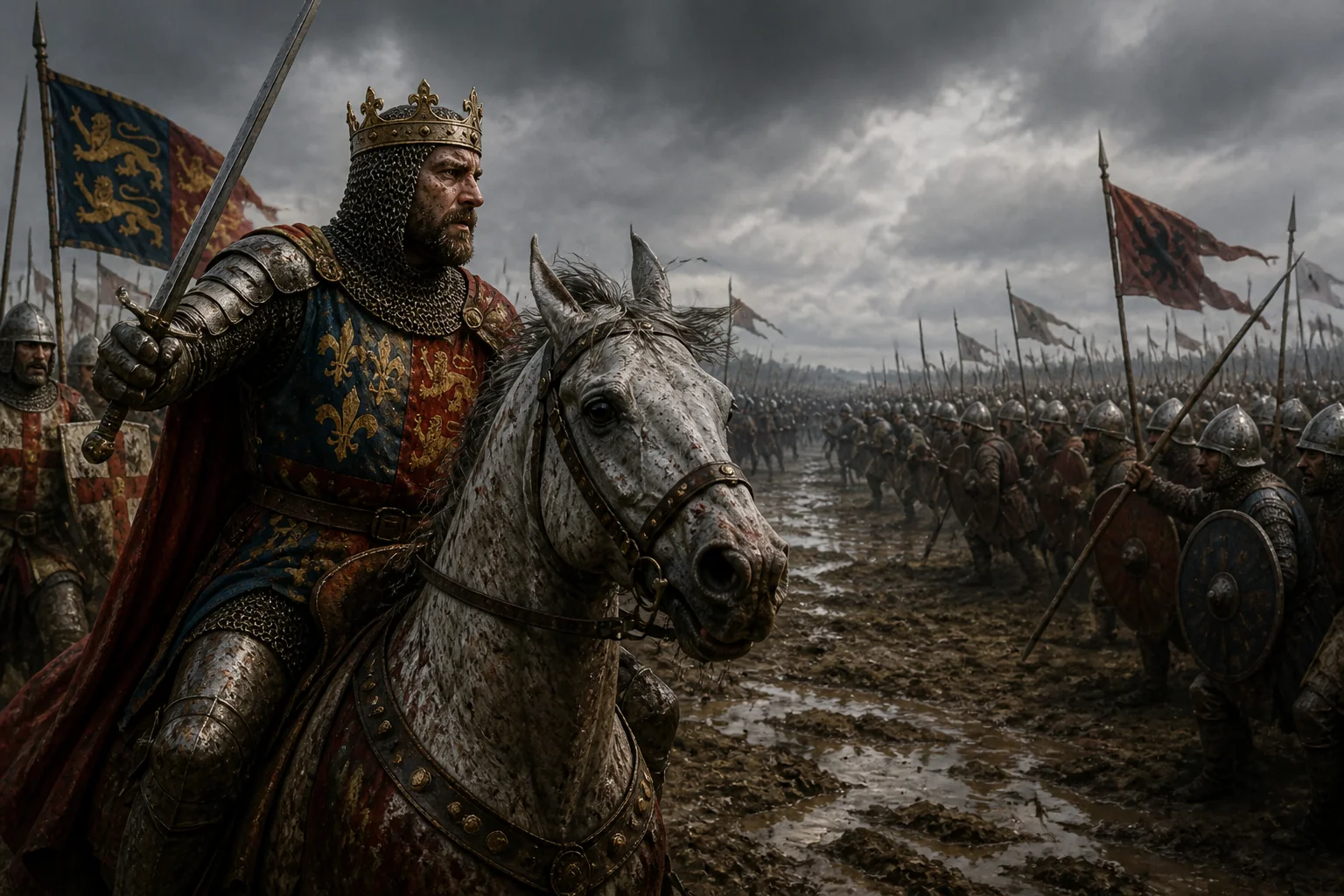
Richard III took the English throne in 1483 after his brother's death. His young nephews disappeared from the Tower of London, and Richard became the main suspect in their presumed murders. Historians still debate exactly what happened.
In 1485 he faced Henry Tudor's army at Bosworth Field. Richard died in battle, the last English king to do so, and Henry became king. The Tudor dynasty then spent decades painting Richard as a hunchbacked villain.
Whatever the truth, Richard's rapid fall became one of England's most famous stories about karma. It is also a lesson in how the winners write history.
10. The Spanish Armada and the Protestant Wind
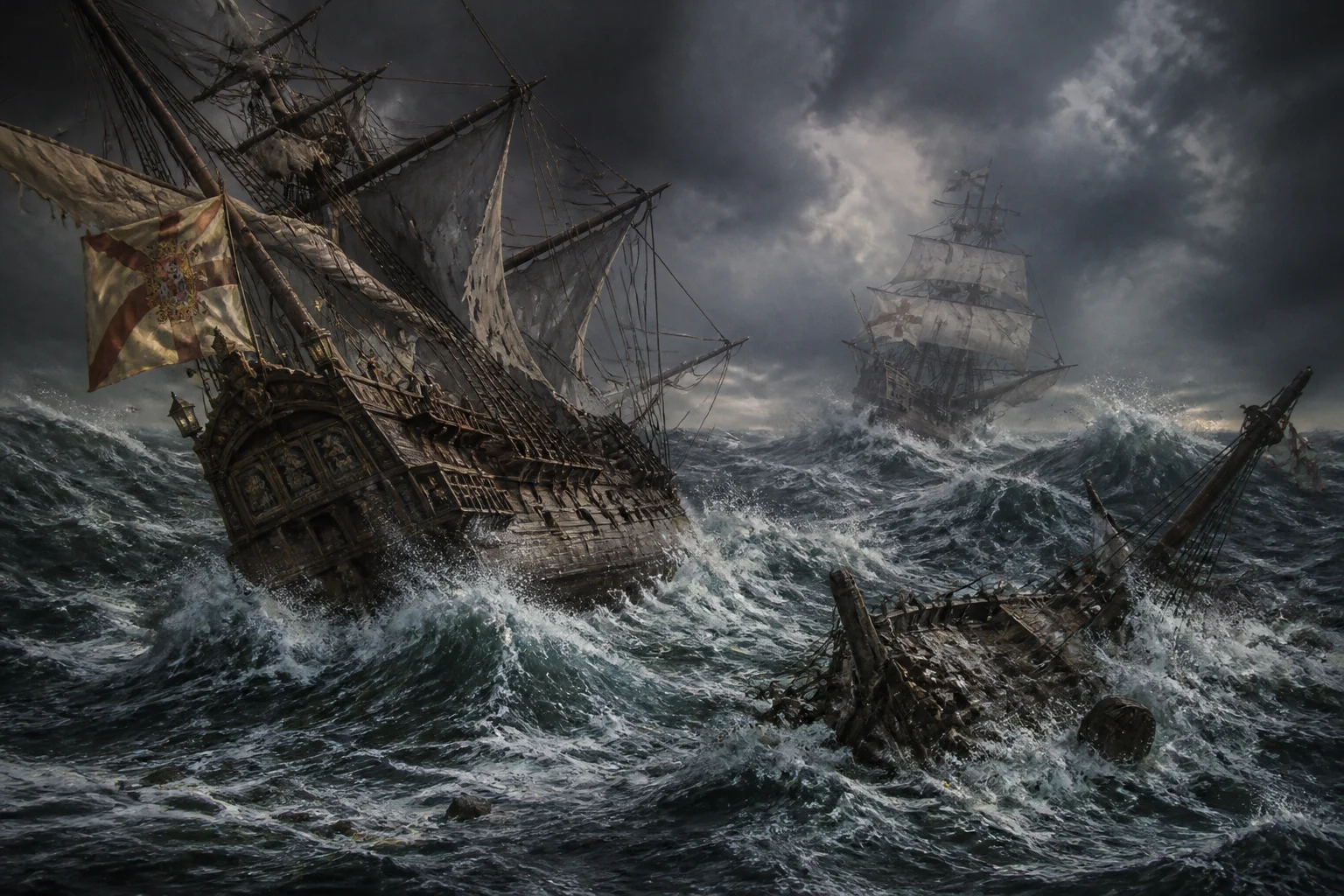
In 1588 Philip II of Spain launched an enormous fleet to carry an army into England and end Protestant rule. The English navy, using smaller and more maneuverable ships, harried the armada in the Channel. Fire ships disrupted its formation.
Strong winds then drove many Spanish ships onto dangerous coasts as they retreated. Poor planning, English tactics, and rough seas combined to wreck the invasion. Spain remained powerful, but the defeat became a symbolic turning point.
Protestants called the storm a Protestant wind and framed the event as divine anger. The better historical explanation is overreach and bad luck, yet the karmic reading fit the religious spirit of the age.
Revolutions and Imperial Hubris
11. Robespierre and the Guillotine He Normalized
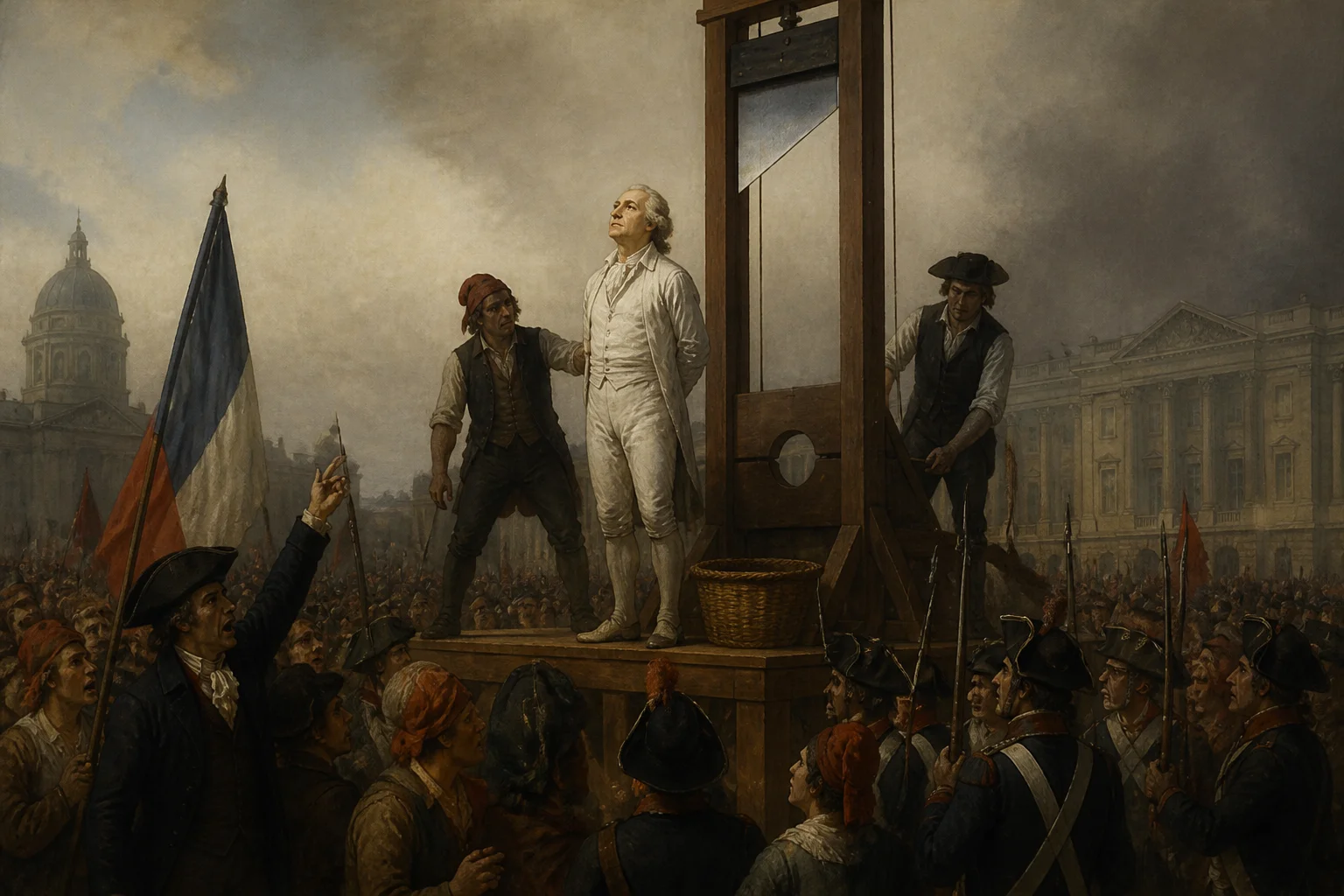
Maximilien Robespierre helped create the French Revolution's Reign of Terror. As a leader of the Committee of Public Safety, he justified mass executions as revolutionary virtue. Thousands died by guillotine across France.
In July 1794, his allies turned against him. He was arrested, and the next day he went to the same guillotine he had used against rivals. The Thermidorian Reaction ended the most radical phase of the Revolution.
Robespierre's death is one of the clearest examples of karma in modern history because the machinery he helped build consumed him. But it was not fate; it was a political coalition that decided he was too dangerous.
12. Napoleon's Russian Catastrophe
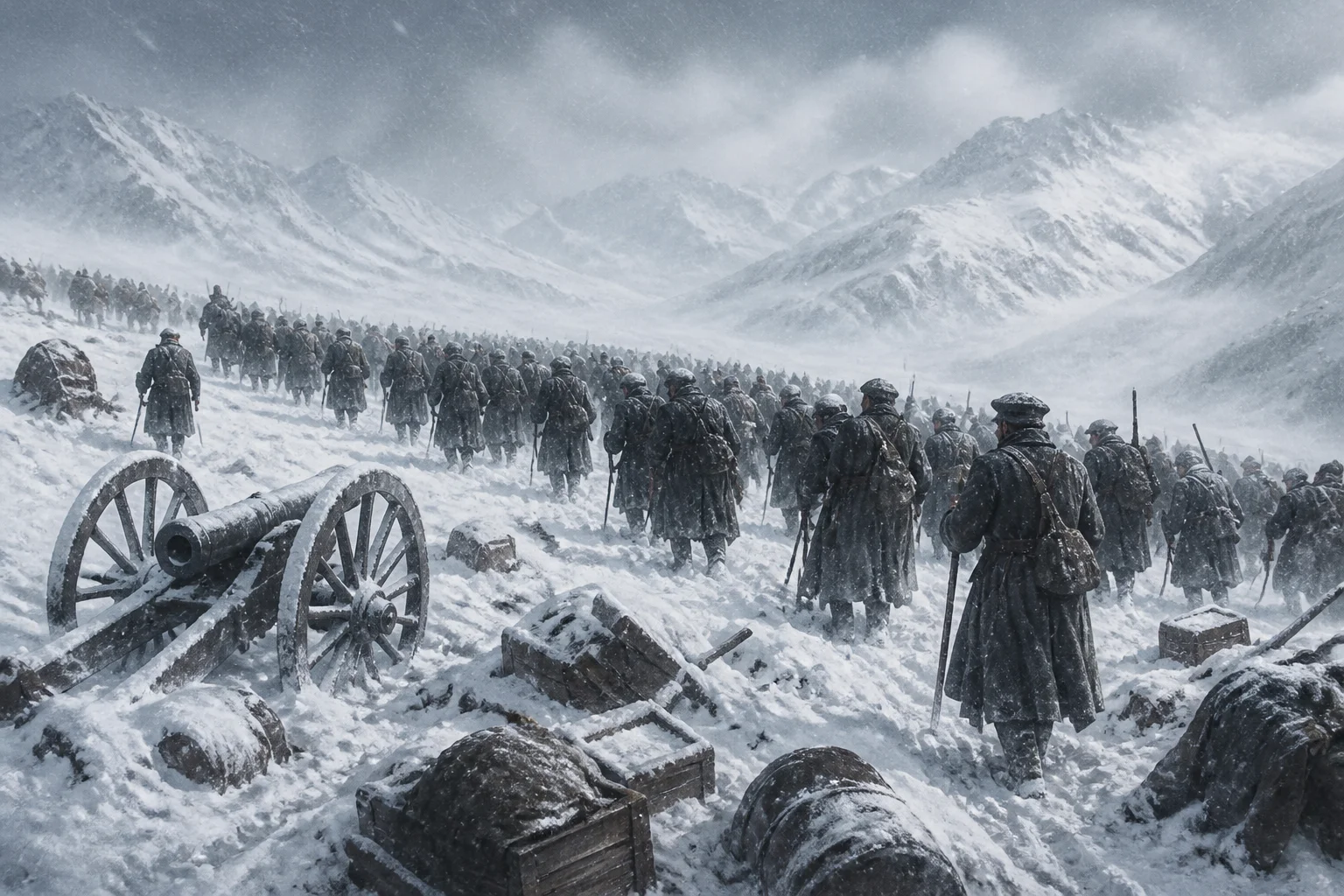
In 1812 Napoleon invaded Russia with one of the largest armies ever assembled, perhaps around 600,000 men. Russian forces avoided major battles, burned supplies, and drew him deeper into the country. By the time he reached Moscow, the city was largely abandoned.
The retreat that autumn and winter destroyed the Grande Armée through cold, starvation, disease, and attacks. Only a fraction of his troops returned. The catastrophe emboldened Britain, Austria, Prussia, and Russia to form a new coalition.
This event is a textbook case of military overreach. Popular history treats it as great karma in history: the emperor who conquered Europe was undone by his own ambition.
13. Napoleon's Haitian Gamble and the Fight for Freedom
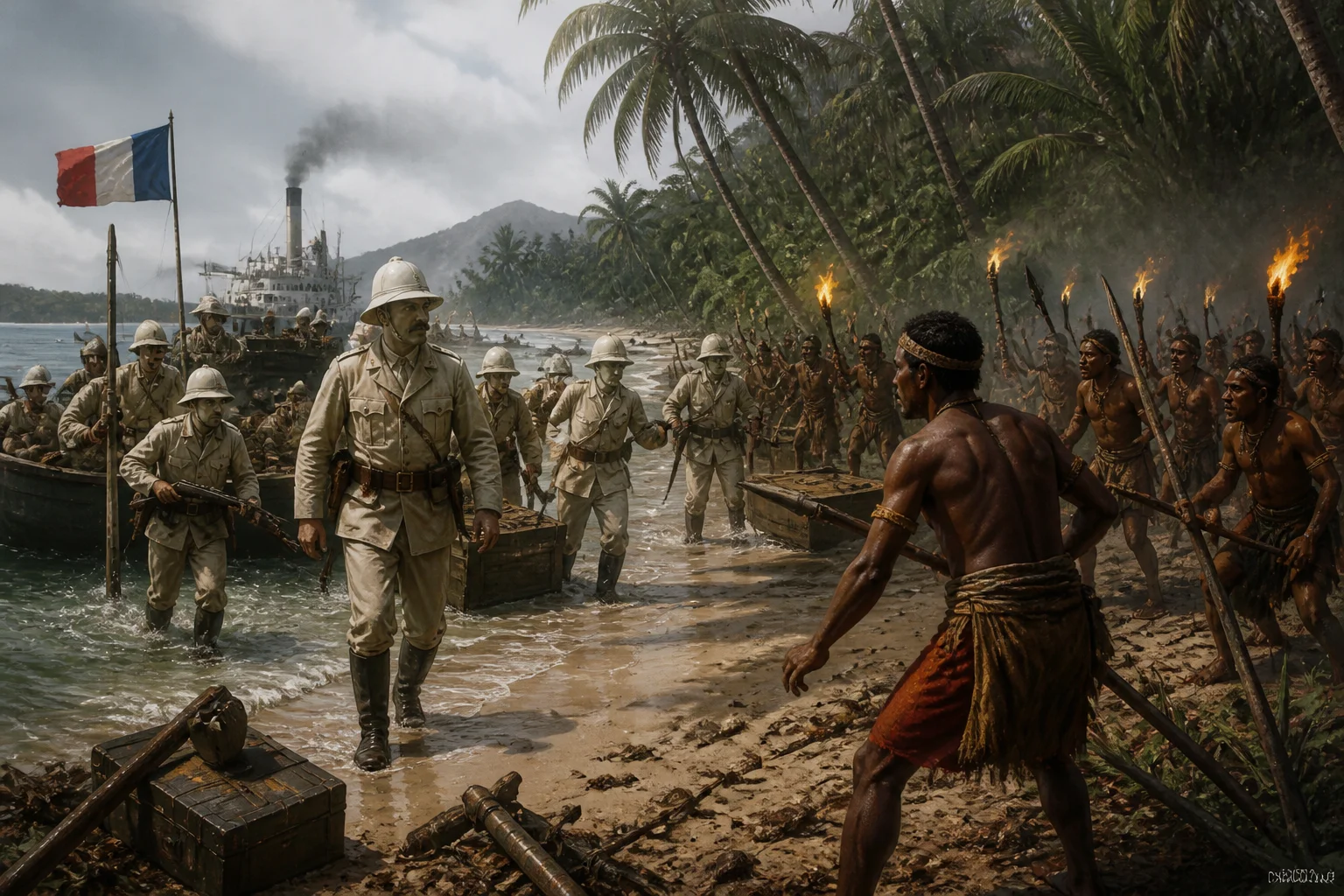
After years of revolution, the people of Saint-Domingue had abolished slavery in practice, and French leaders had confirmed it. Napoleon tried to reverse that by sending an expedition in 1802 to restore slavery and French control. The force also seized Toussaint Louverture.
Yellow fever and fierce resistance wrecked the French army, and its commander died of the disease. In 1804 Saint-Domingue became independent Haiti. Napoleon's plan collapsed before it could spread across the Caribbean.
This is a particularly pointed example of karma because the attempt to reimpose slavery was defeated by disease and resistance. It also showed that imperial power had limits far from Europe.
14. Napoleon's Final Defeat at Waterloo
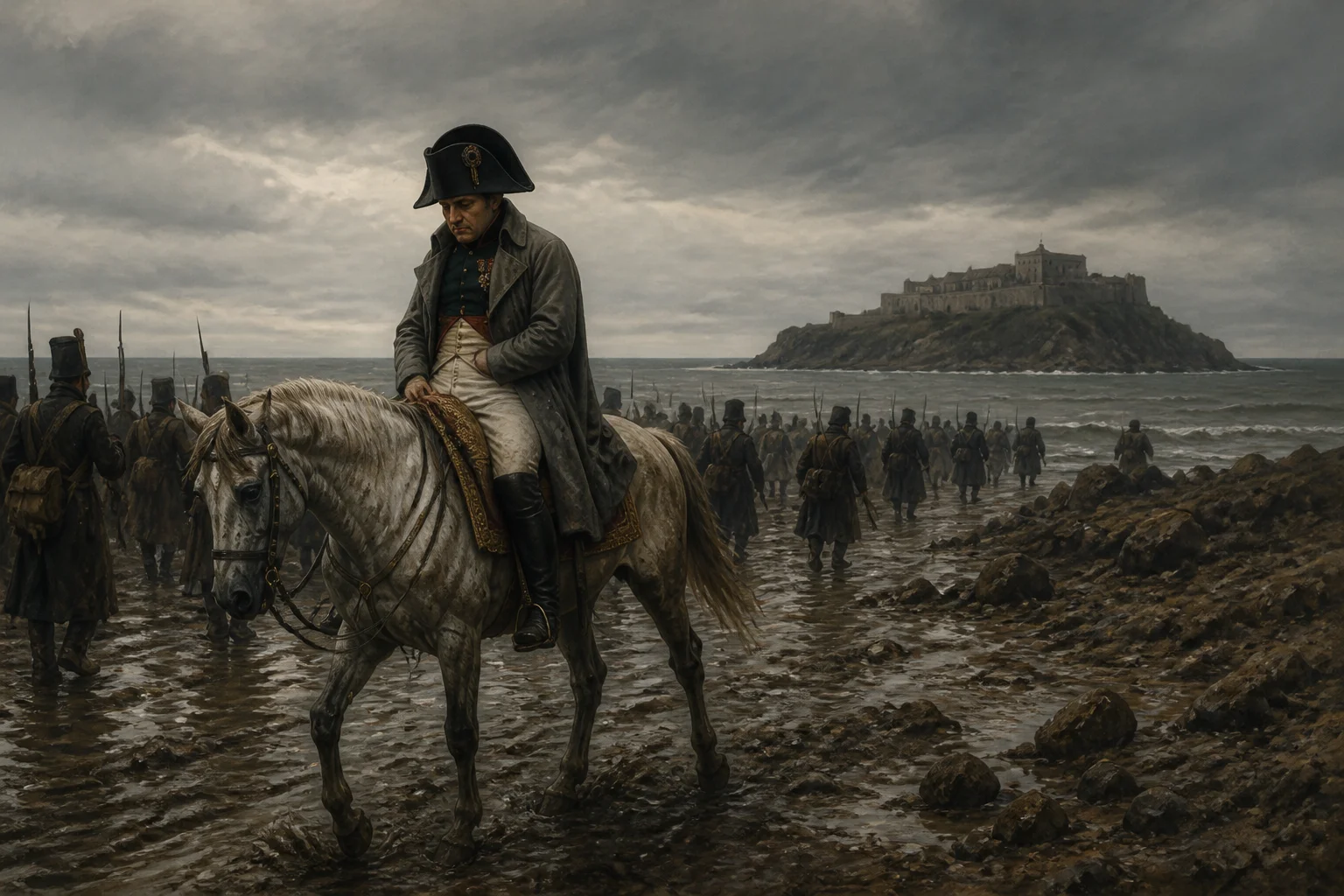
After his first abdication, Napoleon was exiled to Elba in 1814. He escaped, reclaimed power in the Hundred Days, and moved to strike at British and Prussian forces in Belgium. The campaign ended at Waterloo on June 18, 1815.
Wellington and Blücher defeated him, and Napoleon surrendered to the British. He was sent to Saint Helena, a remote island in the South Atlantic, where he died in 1821. The man who had redrawn Europe ended his life under close guard.
His fall reads like a narrative arc from genius to overconfidence to isolation. Yet the details show that coalitions, diplomacy, and battlefield choices, not cosmic law, decided the outcome.
Modern Wars and Dictatorships
15. Operation Barbarossa and the Fall of Berlin
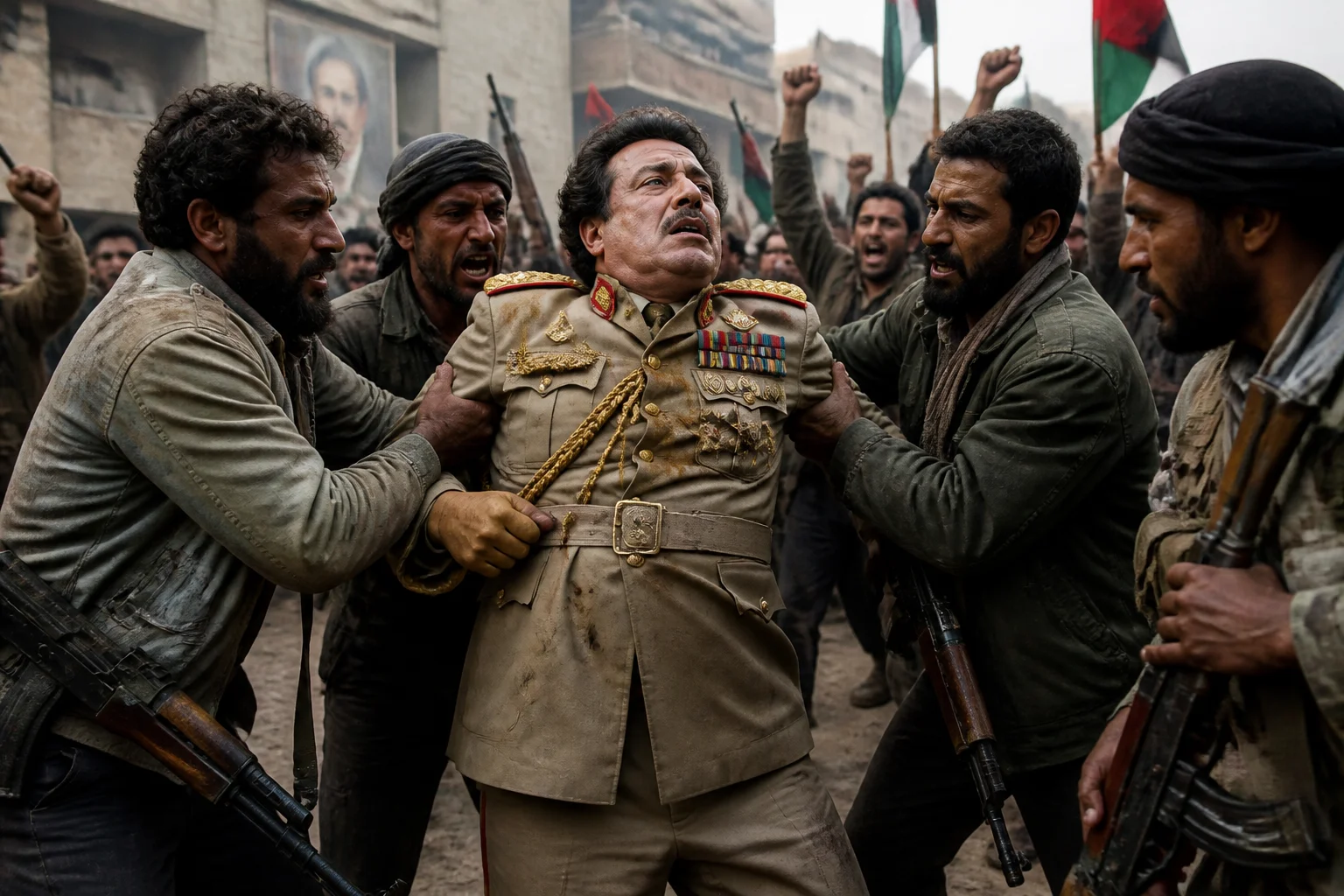
In June 1941 Nazi Germany broke its nonaggression pact with the Soviet Union and launched Operation Barbarossa. Early German advances were dramatic, but the invasion failed before Moscow in the winter of 1941. The war on the Eastern Front became a grinding war of attrition.
Stalingrad, Kursk, and relentless Soviet counteroffensives turned the tide. In 1945 the Red Army took Berlin. The dictator who had planned the destruction of the Soviet regime died by suicide as Soviet forces closed in.
This is a prominent modern karma example because a war of aggression returned to its source. The historical drivers were logistics, strategy, and ideology, not destiny.
16. Mussolini's Execution by Italian Partisans
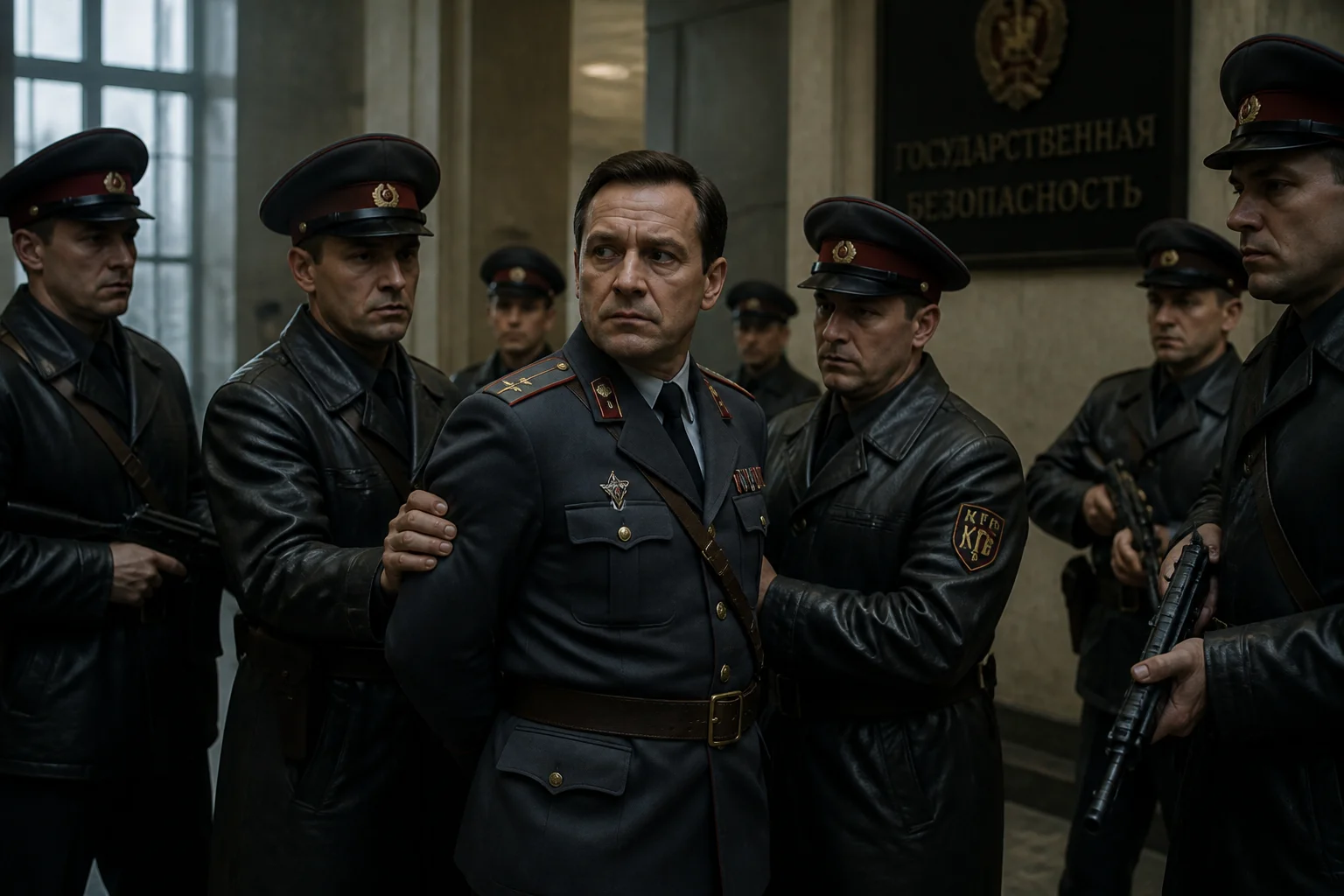
Benito Mussolini created fascist Italy, crushed political opposition, and joined Hitler's war. After Allied forces advanced into Italy, he was captured and executed by Italian partisans on April 28, 1945. His body was displayed in Milan.
Mussolini had come to power through violence and street warfare. At the end, he was killed not by a foreign army but by Italians who saw him as a tyrant. It is one of the most direct stories about karma in the Second World War.
The point is not that the universe intervened. It is that years of violent rule left him without a popular base when the regime collapsed.
17. Lavrentiy Beria and the Machinery of the Secret Police
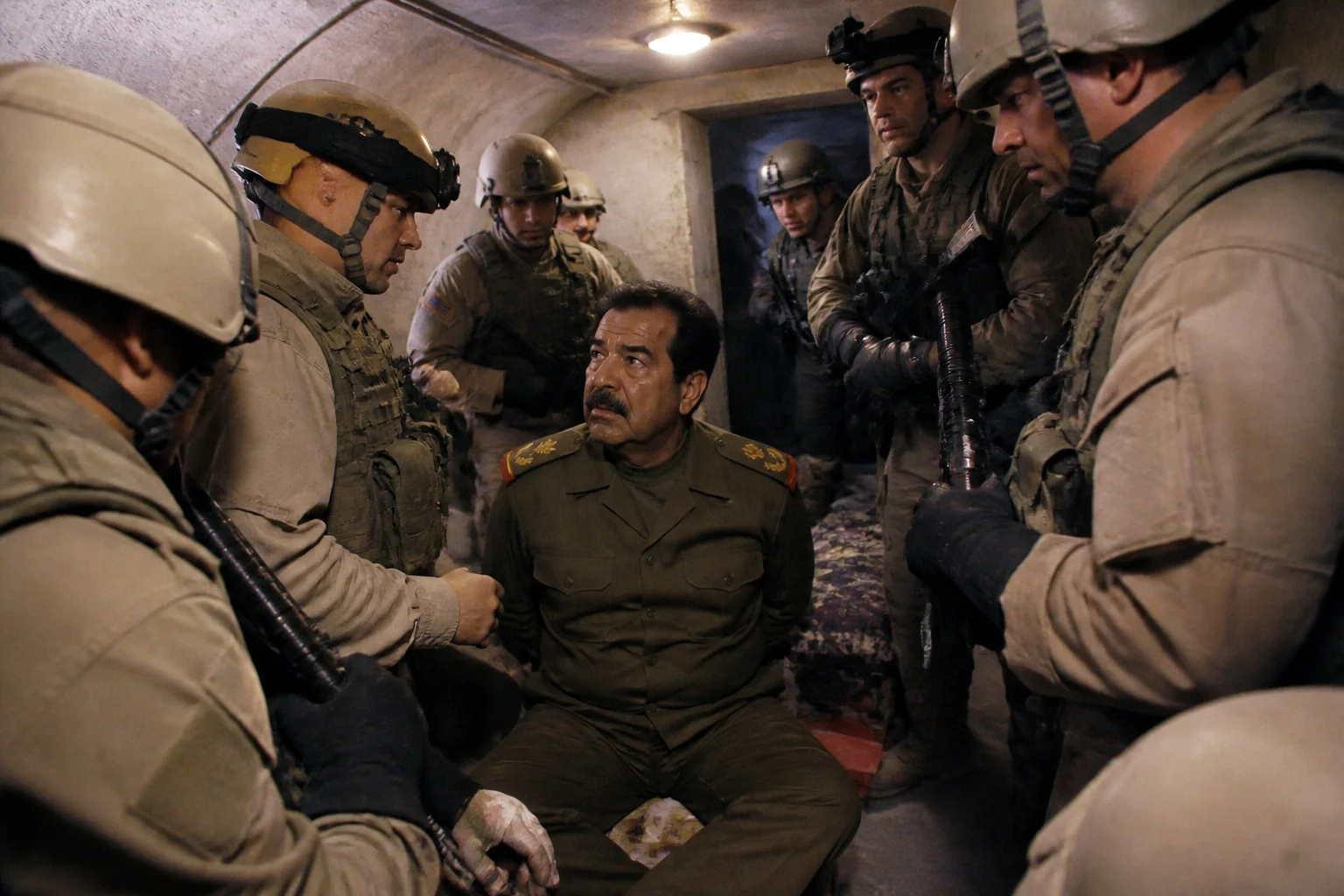
Lavrentiy Beria ran the Soviet secret police under Stalin and oversaw mass arrests, deportations, and executions. He was feared even inside the Communist Party. After Stalin died in 1953, Beria tried to secure power for himself.
His rivals in the party moved first. Beria was arrested, dismissed, tried in secret, and executed in December 1953. The state he had served turned its machinery on him.
This is a chilling example of institutional karma. It was not individual victims who punished him but the same system that had made him powerful.
18. Saddam Hussein's Capture and Execution
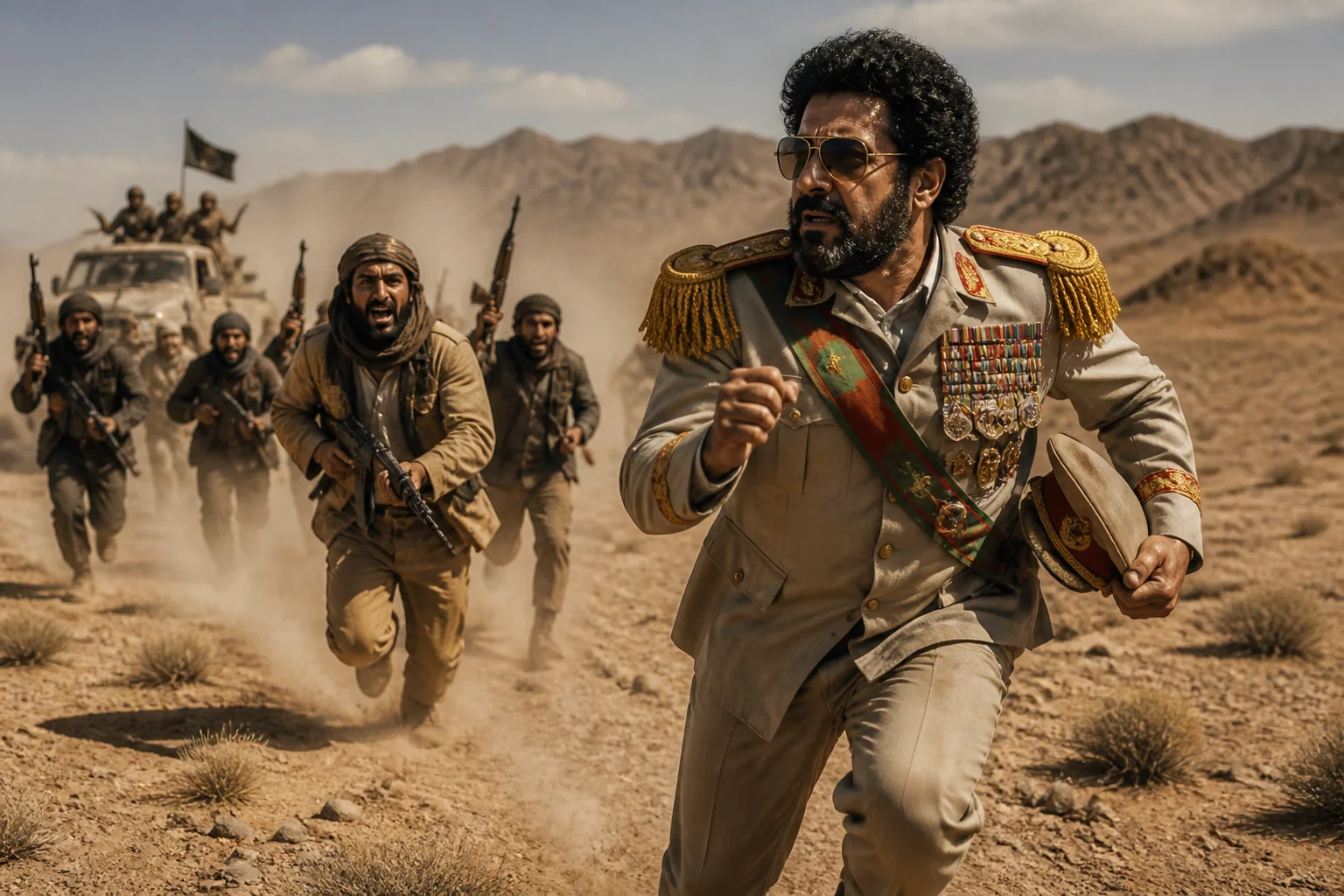
Saddam Hussein ruled Iraq through purges, wars, and brutal repression. He invaded Iran in 1980 and Kuwait in 1990, used chemical weapons on Iraqi Kurds, and suppressed uprisings. His regime lasted until the U.S.-led invasion of Iraq in 2003.
Saddam was captured in December 2003 hiding in a small underground hole near Tikrit. An Iraqi court found him guilty of crimes against humanity for the killing of 148 people in Dujail. He was executed on December 30, 2006.
Many Iraqis saw his death as long-awaited justice. As with other karma examples, the event was the result of war, occupation, and legal processes, not supernatural balancing.
19. Muammar Gaddafi's Fall During the Arab Spring

Muammar Gaddafi ruled Libya for more than four decades with a mix of ideology, repression, and foreign adventurism. His government was linked to bombings and international terrorism, and he crushed domestic dissent. In 2011 a popular uprising turned into civil war.
With NATO air support, rebel forces advanced on his strongholds. Gaddafi was captured near his hometown of Sirte in October 2011 and killed by fighters. The exact circumstances remain disputed.
His fall looks like a classic case of a ruler consumed by the violence he used to govern. But historians caution that civil wars produce messy, often brutal outcomes rather than clean moral endings.
20. Osama bin Laden and the Long Search for Justice
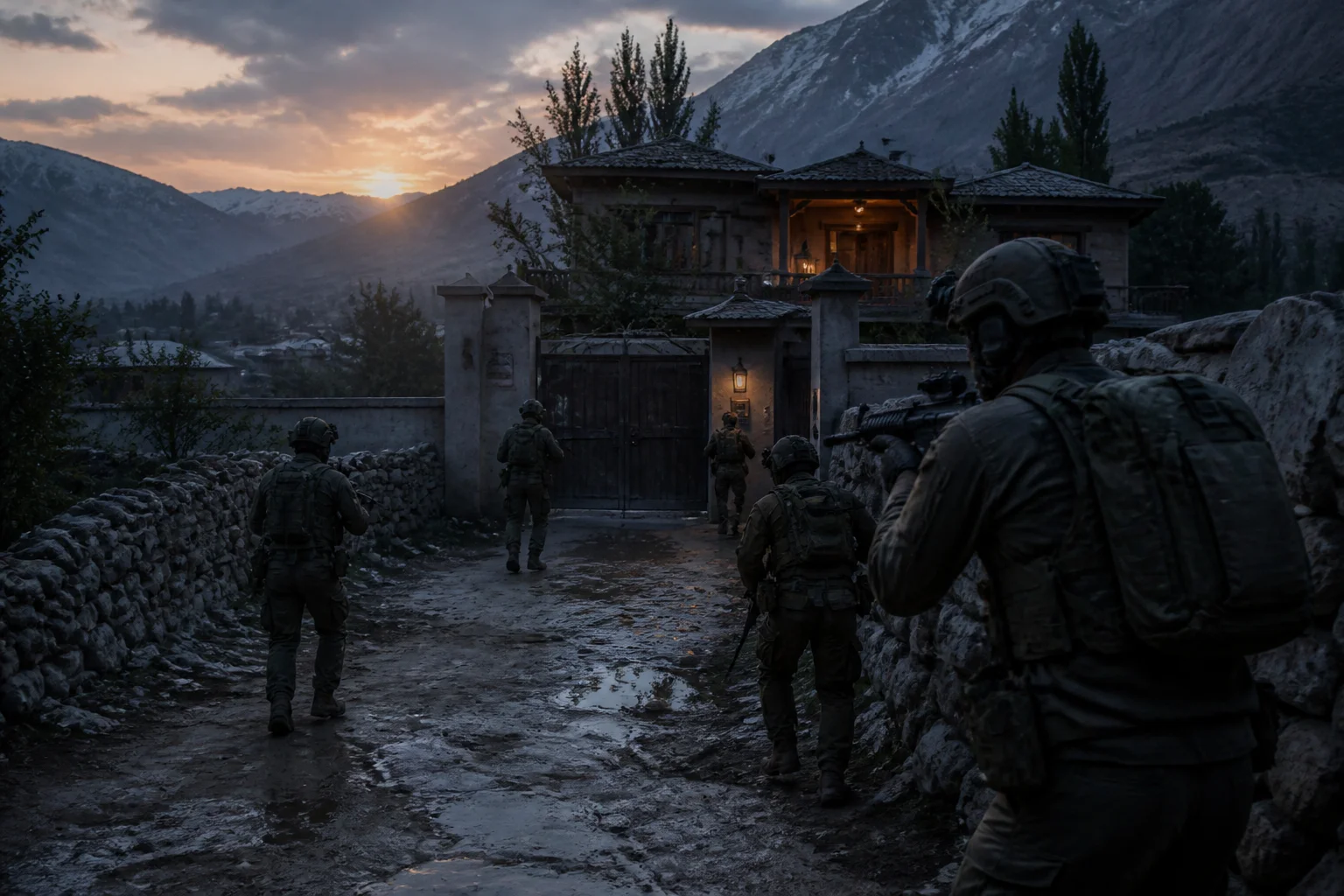
Osama bin Laden founded al-Qaeda and oversaw the September 11, 2001 attacks. He evaded capture for nearly a decade while the United States searched for him. In May 2011, U.S. forces found him in a compound in Abbottabad, Pakistan, and killed him.
To many survivors and governments, the raid felt like long-delayed justice. It was, in practice, a military and intelligence operation. The event did not end terrorism or al-Qaeda-aligned movements.
Bin Laden's death often appears in modern lists of karma examples. The historical lesson is that violent movements can lose leaders without disappearing.
Why Historians Explain These Moments Without Magic
The same patterns appear because power rises through coercion and often falls when that coercion fails. Rulers who rely on violence tend to create enemies. Armies that ignore supply lines become logistical disasters.
There is also selection bias. People remember the tyrant who fell and forget the tyrant who died peacefully. Karma stories survive because they satisfy a deep desire for order in history.
That does not make the events less meaningful. It means the lesson is about human behavior, not fate. Treating people badly can provoke resistance, and overreach can turn a winning position into a ruin.
What Stories About Karma Actually Teach Us
These stories about karma persist because they capture something real about power. When a regime dehumanizes its people, invades a difficult country, or treats allies as tools, it often sets the stage for its own failure.
The problem comes when we treat defeat as automatic or moral. History is full of unjust outcomes, and many victims of aggression never saw their oppressors punished. A karmic reading can blind us to the messy, uneven nature of justice.
So read these examples of karma as cautionary tales. They are less about the universe balancing accounts and more about the dangerous consequences of hubris, cruelty, and strategic blindness.
Frequently Asked Questions
What does karma actually mean in history?
In strict religious terms, karma refers to a cause-and-effect process across lifetimes in Hindu, Buddhist, and Jain traditions. When people discuss karma in history, they usually mean poetic justice or blowback: a ruler's cruelty or overreach appears to lead to their downfall.
Are these karma examples historically verified?
The events themselves are documented, but the karmic interpretation is not. Historians explain them through decisions, power struggles, logistics, and social forces, not cosmic punishment.
What is the most famous example of karma in history?
Napoleon's 1812 invasion of Russia is often cited because one of history's largest armies was destroyed after ambitious overreach. Robespierre's execution is another classic example, since he died by the same guillotine used during the Terror.
Does karma mean bad people are always punished in history?
No. Many cruel leaders died peacefully, and many ordinary people suffered without seeing justice. Karmic narratives are easier to tell in hindsight, but history does not guarantee moral outcomes.
Can stories about karma teach us anything if they are not proof of cosmic justice?
Yes. They reveal how concentrating power, betraying allies, ignoring local conditions, and using violence can create dangerous blowback. That makes them useful as cautionary tales even without supernatural claims.

Alex Warren
Related Articles