Poison has always been a weapon of the patient and the powerful. Unlike a battlefield or a public execution, a dose of hemlock, arsenic, or ricin could remove a rival without fingerprints. That is why historical poisons are woven so tightly into royal successions, political trials, and the laws of war.
Many stories are real, but many are also exaggerated. A famous poisoning can become a legend that outlives the evidence. In this list, we separate documented plots from persistent myths.
TL;DR: From ancient hemlock to modern polonium-210, real and rumored poisonings repeatedly reshaped courts, wars, and royal families.
Ancient Poisons and Political Power
Ancient courts treated poison as an invisible political tool. The first cases on this list come from sources that are often ancient, biased, and difficult to verify.
1. Hemlock and the Execution of Socrates (399 BCE)
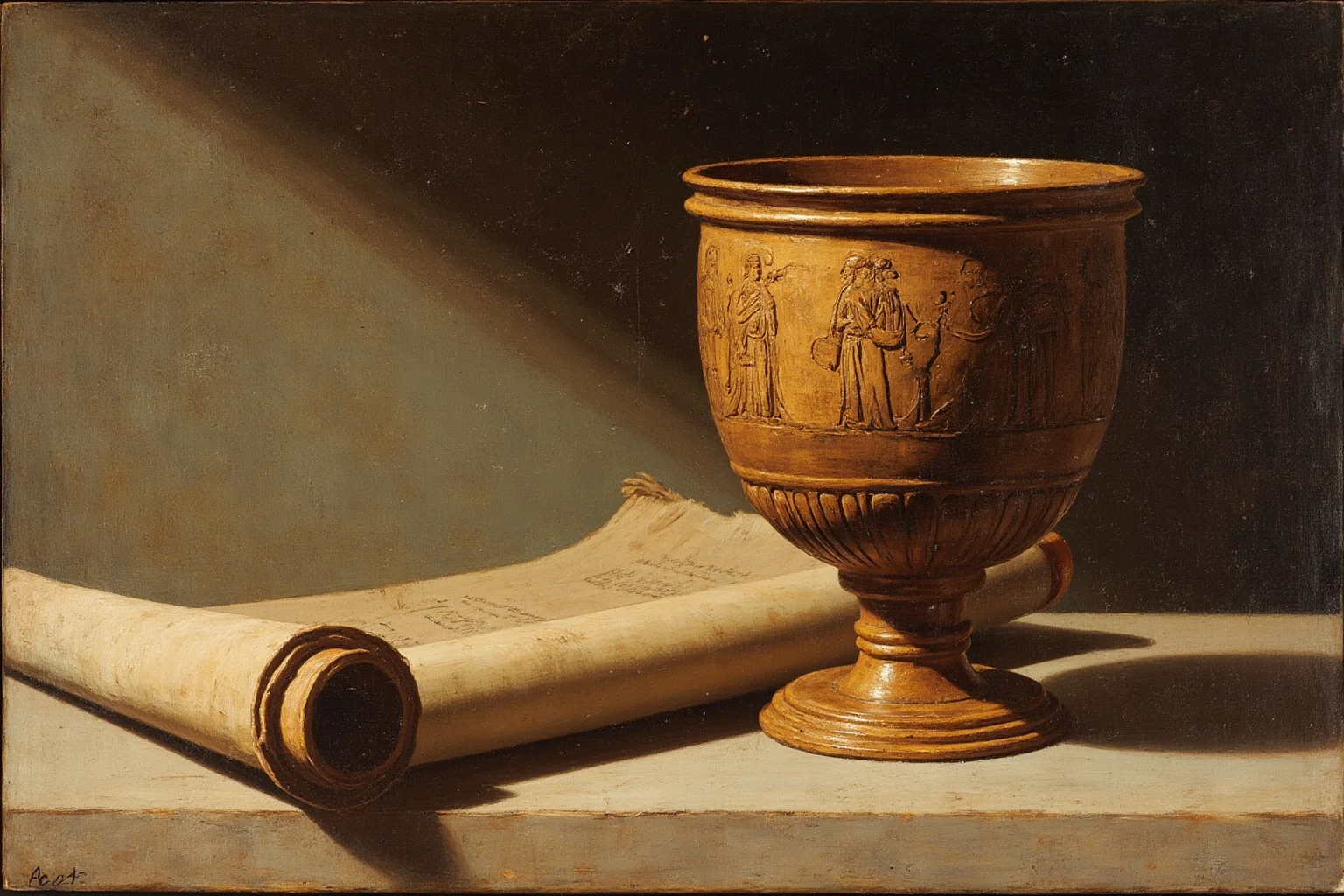
Socrates was condemned by an Athenian jury on charges of impiety and corrupting the young. His execution was carried out with a drink of hemlock, likely Conium maculatum, which contains the alkaloid coniine. Plato’s dialogue Phaedo describes a calm death as paralysis rose from his feet.
The death became one of the most consequential state executions in Western political thought. It turned Socrates into a martyr for philosophy and democratic Athens into a warning about majority power. The hemlock cup remains a symbol of state power used against dissent.
Later political prisoners and writers used Socrates’ hemlock as a charged comparison. The event still influences how we debate state authority and dissent.
2. Mithridates VI and the Birth of Mithridatism
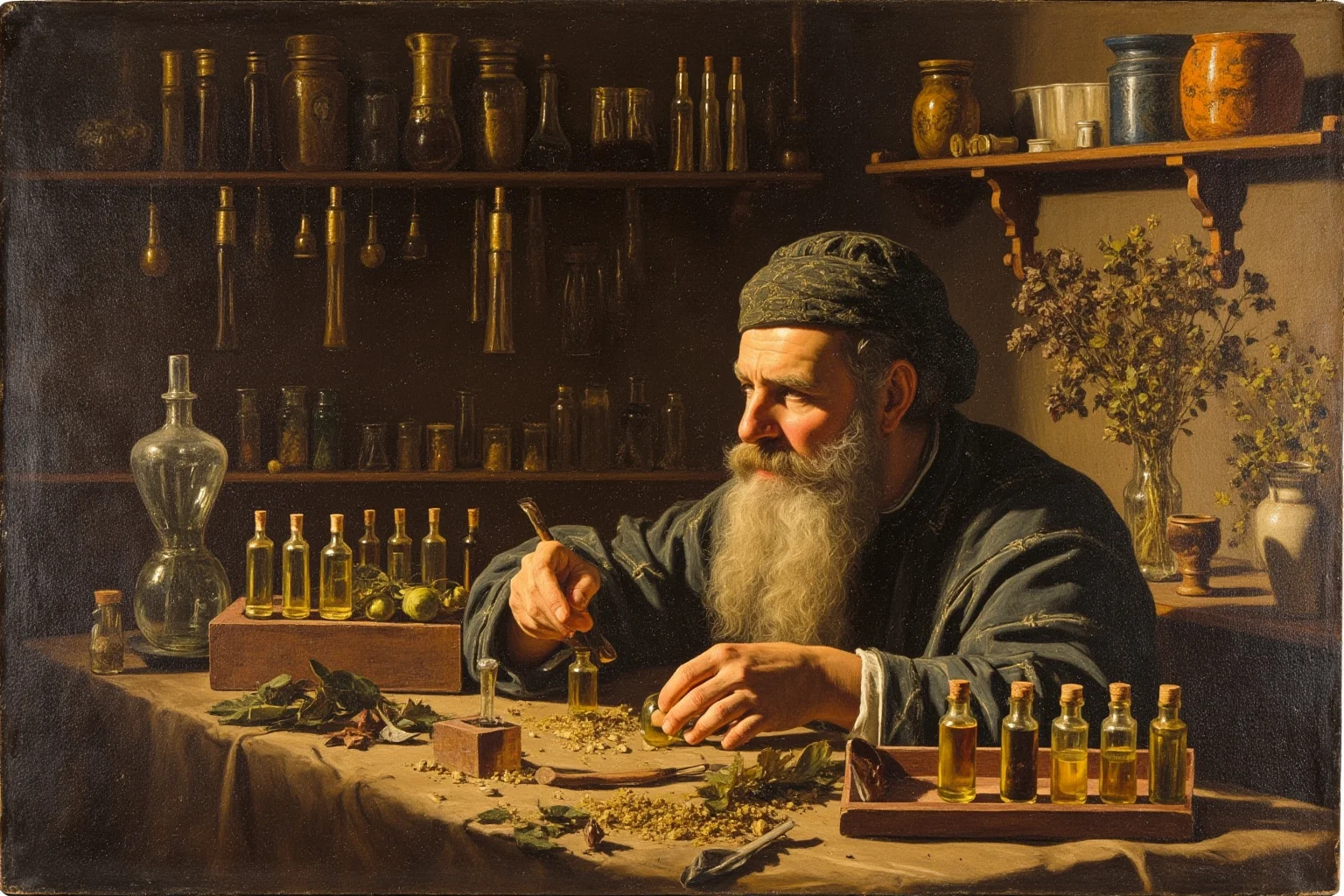
King Mithridates VI of Pontus ruled from 120 to 63 BCE and became obsessed with poison after his father’s death. Ancient sources claim he took small, increasing doses of toxins to build resistance, a practice now called mithridatism. His royal court was said to be a laboratory of antidotes and poisons.
His most famous antidote, mithridatium, remained in European pharmacopoeias for centuries. After his final defeat, ancient historians say he tried to poison himself but failed because of his immunity. That detail is hard to prove, but it captures how poison paranoia shaped his reign.
Mithridates’ name also entered medicine and toxicology far beyond Pontus. His story illustrates how a ruler’s personal fear can become a lasting scientific and political legend.
3. Locusta: Rome’s Imperial Poisoner
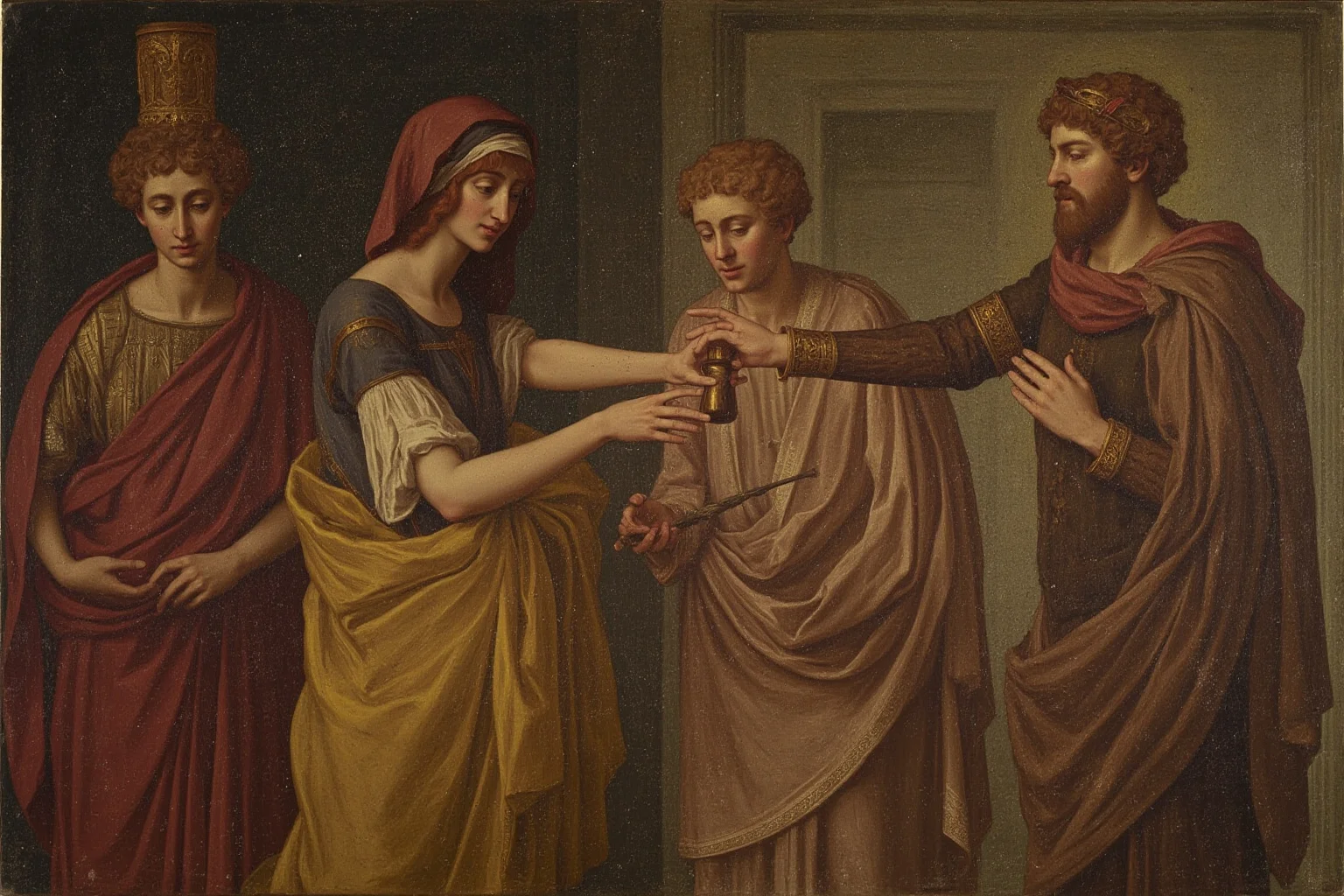
Roman historians such as Tacitus and Suetonius describe Locusta as a professional poisoner in the first century CE. She was allegedly employed by Agrippina the Younger to poison Emperor Claudius and later worked for Nero. Locusta was eventually condemned after Nero’s fall.
Her career shows how poison became a specialist service at the imperial court. Much of her biography may be hostile invention, but it reflects genuine Roman fears about palace assassinations. She became the ancient archetype of the state-sponsored poisoner.
Roman emperors after Nero often feared hired poisoners among their own slaves and freedmen. That anxiety changed palace security and the way imperial power was exercised.
4. The Mushrooms That Killed Emperor Claudius (54 CE)
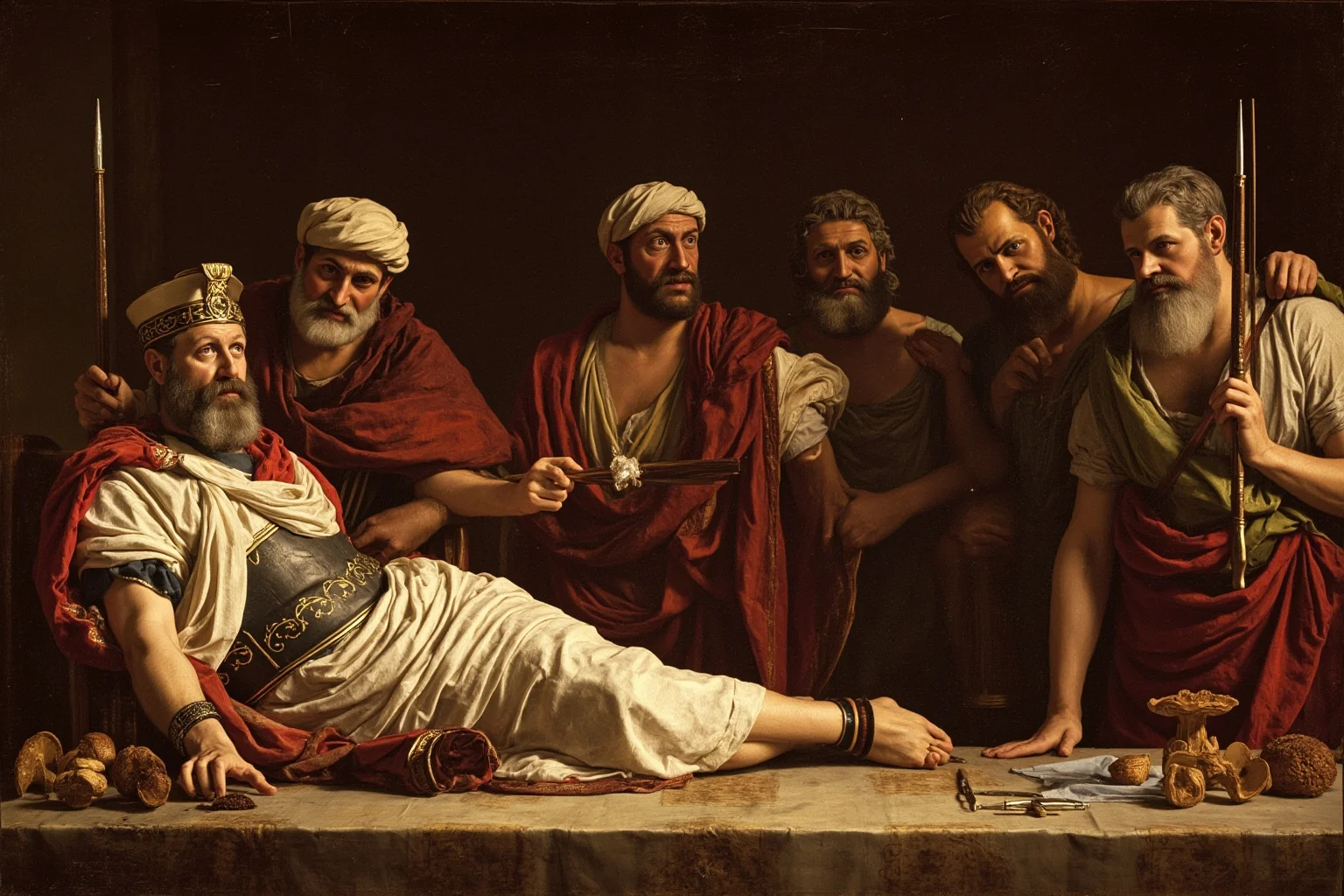
Emperor Claudius died in 54 CE after eating a dish of mushrooms. Ancient sources claim his wife Agrippina added poison to the meal so her son Nero could take the throne. Some versions say a poisoned feather or gruel finished the job when Claudius survived the first dose.
This is one of the most famous poisoning cases from antiquity, but the evidence comes from later and hostile writers. Modern historians still debate whether Claudius died of poison or natural causes. What is certain is that Nero’s succession changed the Roman imperial line.
Roman authors used the poisoned mushroom story to explain how a weak prince could seize power through palace crime. It remains the classic image of court poison in the ancient world.
5. Germanicus and the Suspicious Death That Shook Rome (19 CE)
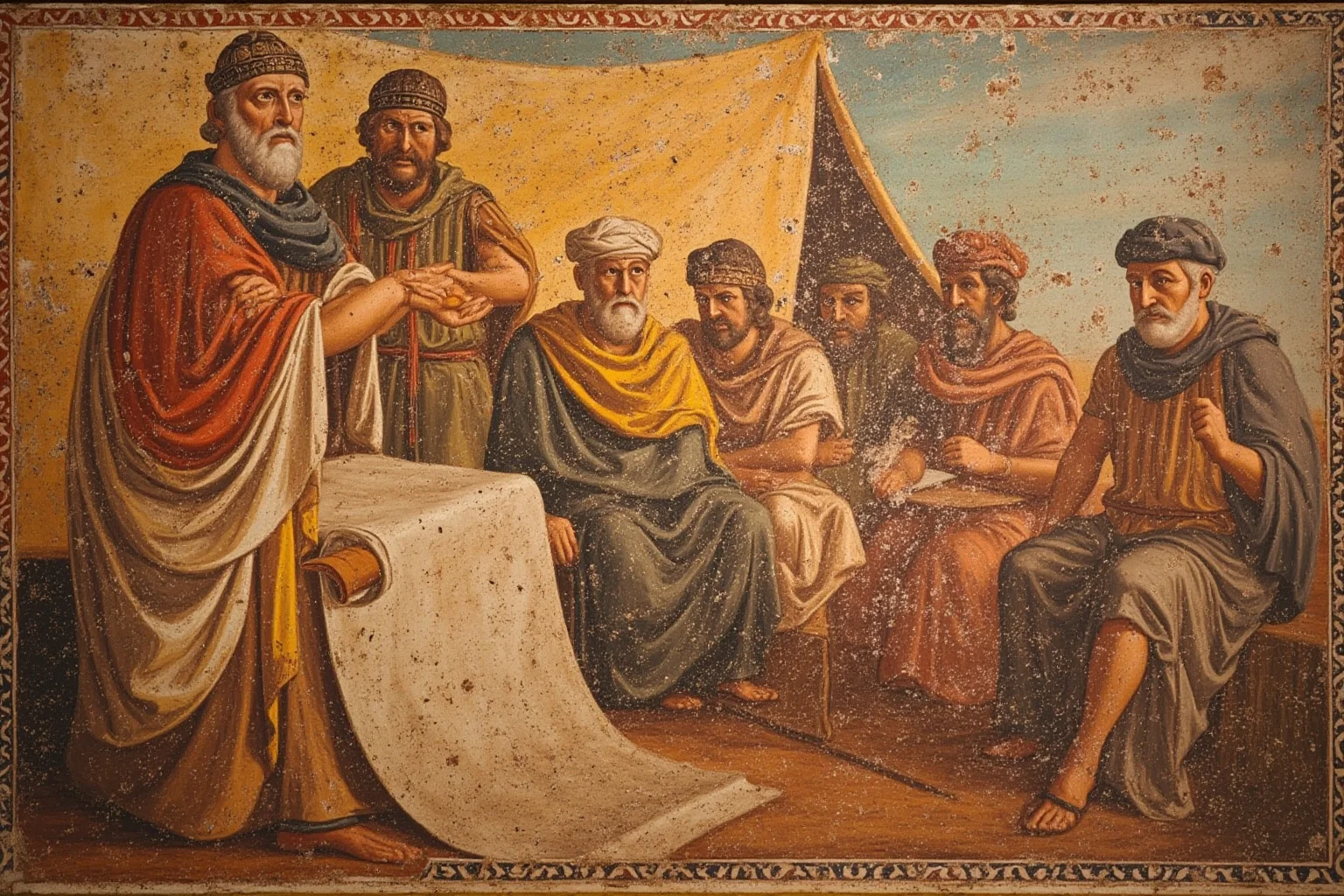
Germanicus Caesar died in Syria in 19 CE, and his family accused the governor Piso of poisoning him. The accusation had huge political stakes because Germanicus was Tiberius’ expected heir. Piso was put on trial in Rome and died before a verdict.
Tacitus records the evidence as rumor, magic, and physical signs that people read as poison. Modern scholars tend to think disease such as malaria or typhoid is a better explanation. The case shows how poison accusations could become a political weapon in their own right.
Germanicus’ death became a rallying point for his loyal soldiers and family. The accusation against Piso shows how a poison rumor could shift power in a succession crisis.
6. Scythian Poison Arrows: Ancient Biological Warfare
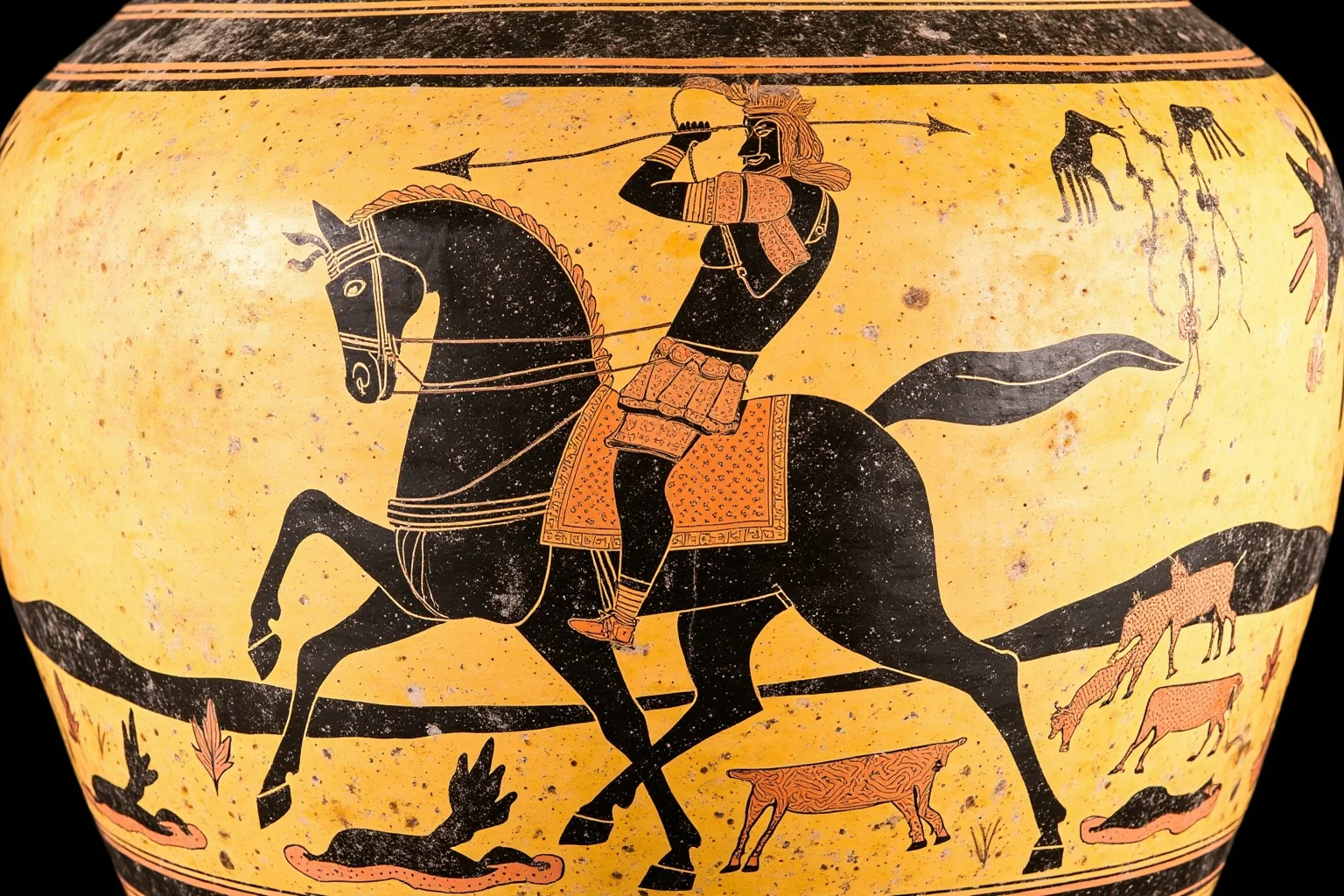
Scythian warriors used arrows tipped with a substance ancient Greeks called scythicon. The formula reportedly mixed snake venom, human blood, and decomposing matter. Greek and Roman writers treated these arrows as a terrifying form of chemical warfare.
Even a grazing wound could cause infection and death. The poison arrow was less about a single assassination and more about battlefield terror. It sits among the earliest known examples of weaponized poison in war.
Ancient writers also mention poison arrows among other steppe peoples and in Indian military texts. The idea of poisoned projectiles spread across old trade routes and shaped military doctrine.
7. Poison Maidens and Statecraft in Ancient India
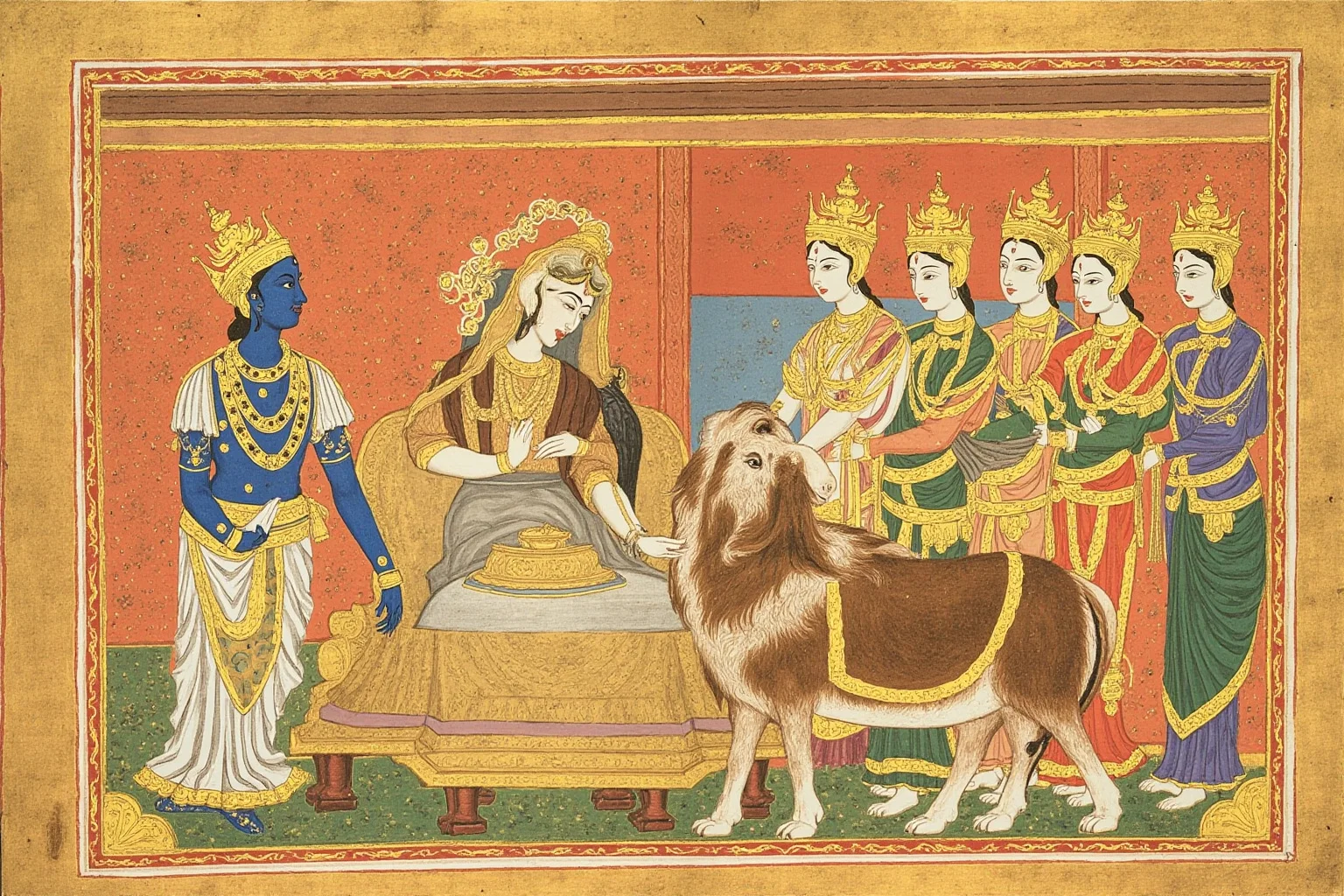
The Arthashastra, an Indian political manual attributed to Kautilya, discusses poison as a tool of statecraft. It includes instructions on using toxins against enemies and mentions the dangers of poison in royal courts. Later legends describe visha kanya, or poison maidens, supposedly used to kill rulers through contact.
Historical proof for poison maidens is thin, and the stories may be as much warning as fact. Still, the text shows that ancient Indian political thinkers treated poisoning as a serious problem of dynastic security. That makes it one of the clearest early links between poison and royal rule.
Indian medical and political texts developed both poisons and antidotes in close connection. The royal court was imagined as a place where a ruler needed constant protection from hidden enemies.
Medieval Poisons and Renaissance Power Struggles
By the medieval and early modern periods, poison had become a feared tool of inheritance and court intrigue. Arsenic led the list because it was cheap, nearly tasteless, and easy to mistake for plague or cholera.
White arsenic was the most notorious of medieval poisons because it was cheap, tasteless, and easily mistaken for natural illness. Chronic arsenic poisoning produced vomiting, diarrhea, and weakness, symptoms that looked like cholera or food poisoning. That made it attractive in royal succession disputes.
Rulers and heirs died under clouds of suspicion, though proving arsenic murder was difficult before modern toxicology. The fear of arsenic reshaped court behavior, from food tasters to locked kitchens. It earned nicknames such as “inheritance powder” and “the powder of succession.”
Arsenic poisoning also became a problem for legal systems, because symptoms were so easily confused with disease. The eventual development of the Marsh test in the 1830s changed murder investigations forever.
9. Cantarella: The Legendary Borgia Poison
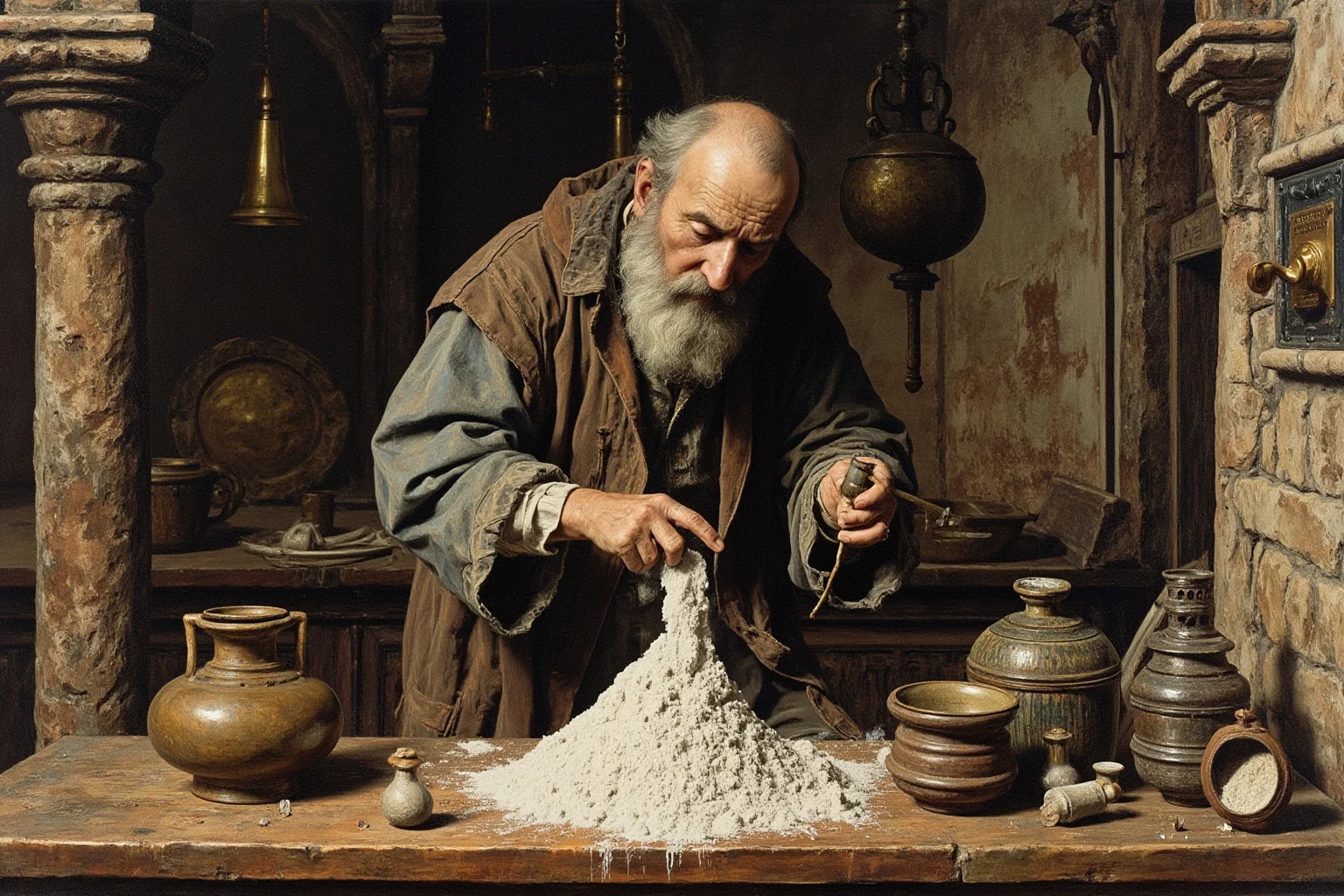
Few substances are as tied to Renaissance intrigue as cantarella poison. The Borgia family, especially Pope Alexander VI and Cesare Borgia, were accused of using it to eliminate political rivals. Later writers described it as a white powder, often arsenic-based, that could kill quickly or slowly.
Despite the legend, no contemporary recipe for cantarella survives, and many accusations came from enemies of the Borgias. Modern historians treat the idea of a single secret Borgia poison as mostly myth. The story nonetheless became a template for famous poisoning in royal courts.
The Borgia legend inspired later writers, and the name cantarella became shorthand for a hidden political poison. Modern readers should treat it as a blend of documented ambition and literary exaggeration.
10. The Overbury Scandal and the Poisoned Court of James I
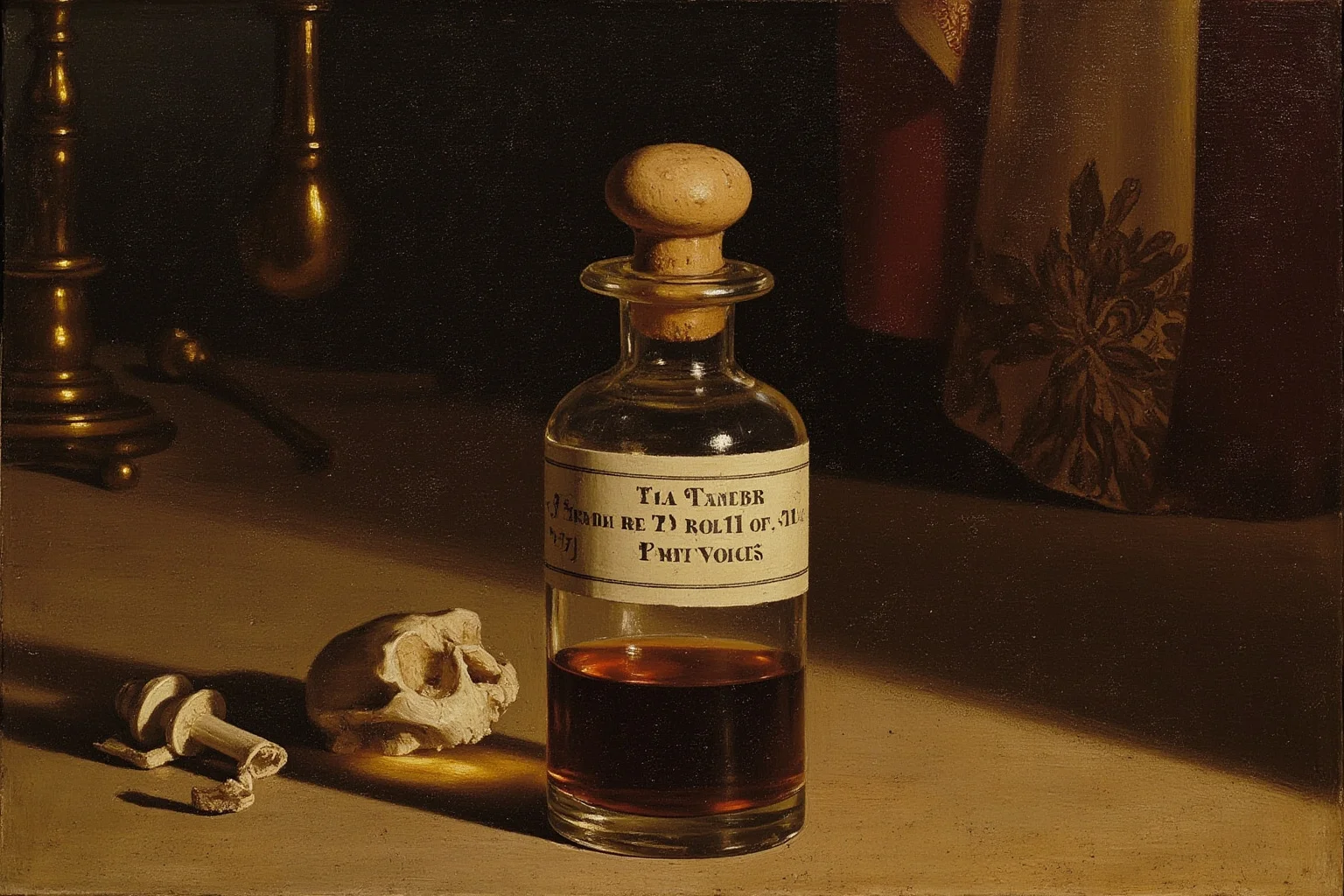
Sir Thomas Overbury died in the Tower of London in 1613. He had opposed the marriage of his patron Robert Carr to Frances Howard, and his death by poison soon became a court scandal. Evidence suggested mercury and arsenic had been smuggled into his food.
The trial implicated Frances Howard and several accomplices, though royal favor shielded some from the harshest penalties. The case damaged the reputation of King James I’s court and exposed the brutal rivalries behind royal marriages. It is one of England’s clearest documented political poisonings.
The Overbury murder also led to trials in which the line between poison and medicine was argued in court. It forced English law to confront the difficulty of proving poisoning with early forensic evidence.
11. Aqua Tofana: The Silent Killer of Baroque Italy
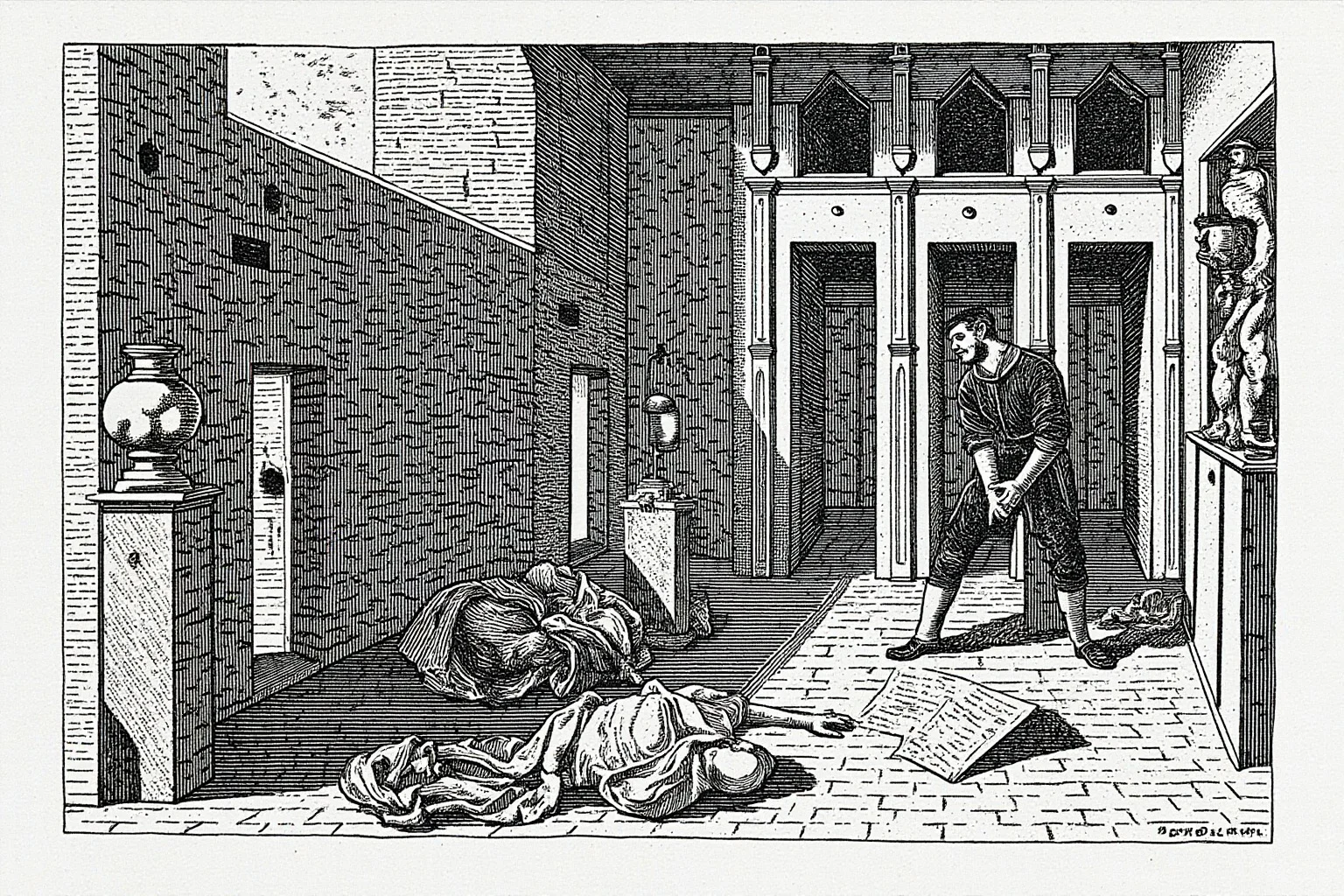
Aqua Tofana was a deadly arsenic-based liquid sold in 17th-century Italy, often disguised as cosmetics or devotional oil. Giulia Tofana and her associates allegedly supplied it to women trapped in abusive marriages. The poison was nearly undetectable and could be administered drop by drop.
The case became a public scandal because it threatened the social order of noble households. Papal authorities investigated and eventually executed Giulia Tofana, though details of her life are partly legendary. Aqua Tofana remains a chilling example of poison as a hidden form of domestic resistance.
12. Madame de Brinvilliers and the Parisian Poison Panic
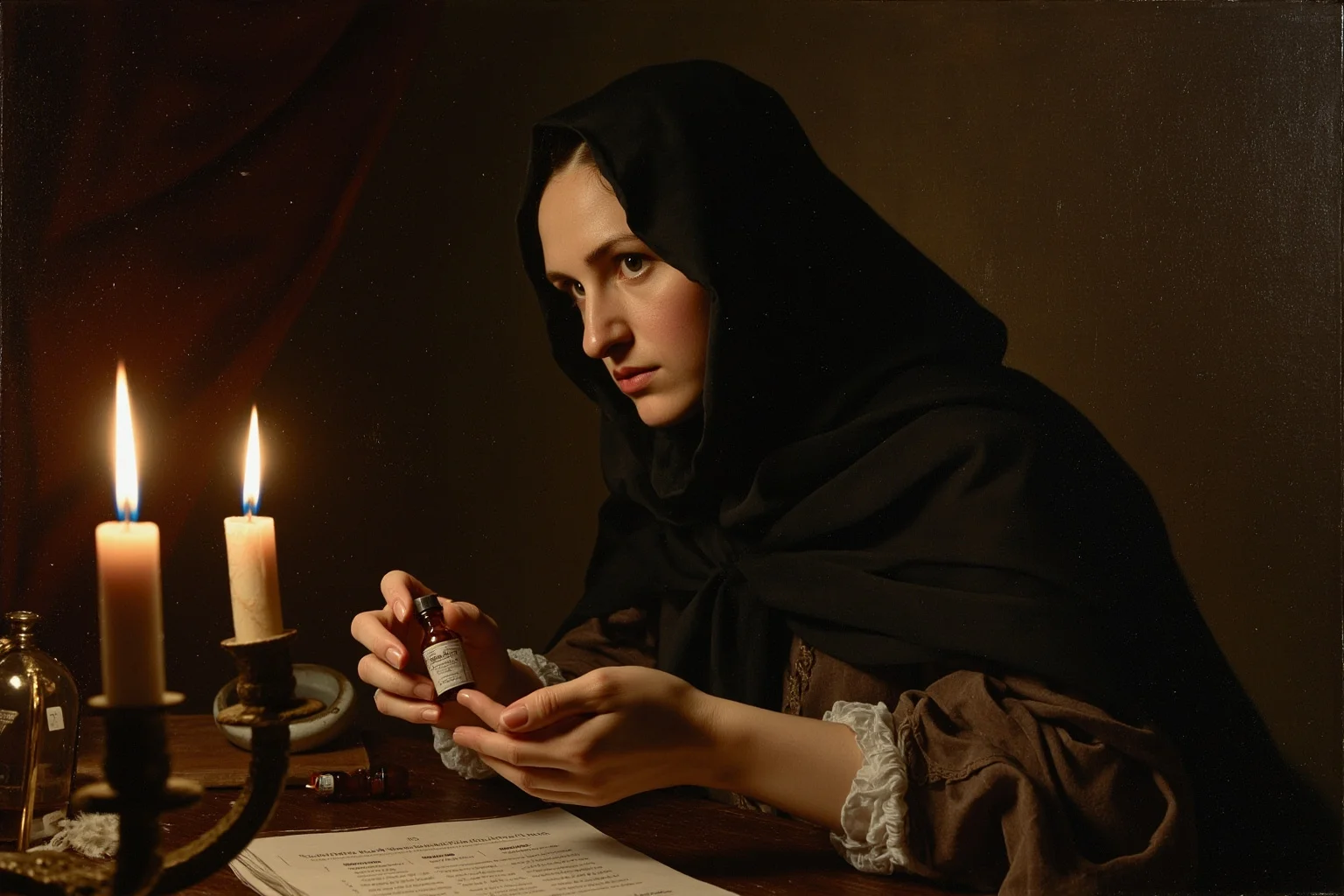
Before the great Affair of the Poisons, there was the trial of Madame de Brinvilliers in 1676. She was convicted of poisoning her father and two brothers to inherit the family fortune. Her lover, an army officer, had taught her the art of poisoning while he was imprisoned.
Brinvilliers was tortured and executed, and her case triggered a wider panic in Paris. It exposed a shadowy trade in poisons among the nobility. That panic led directly to the investigations known as the Affair of the Poisons.
13. The Affair of the Poisons at Louis XIV’s Court
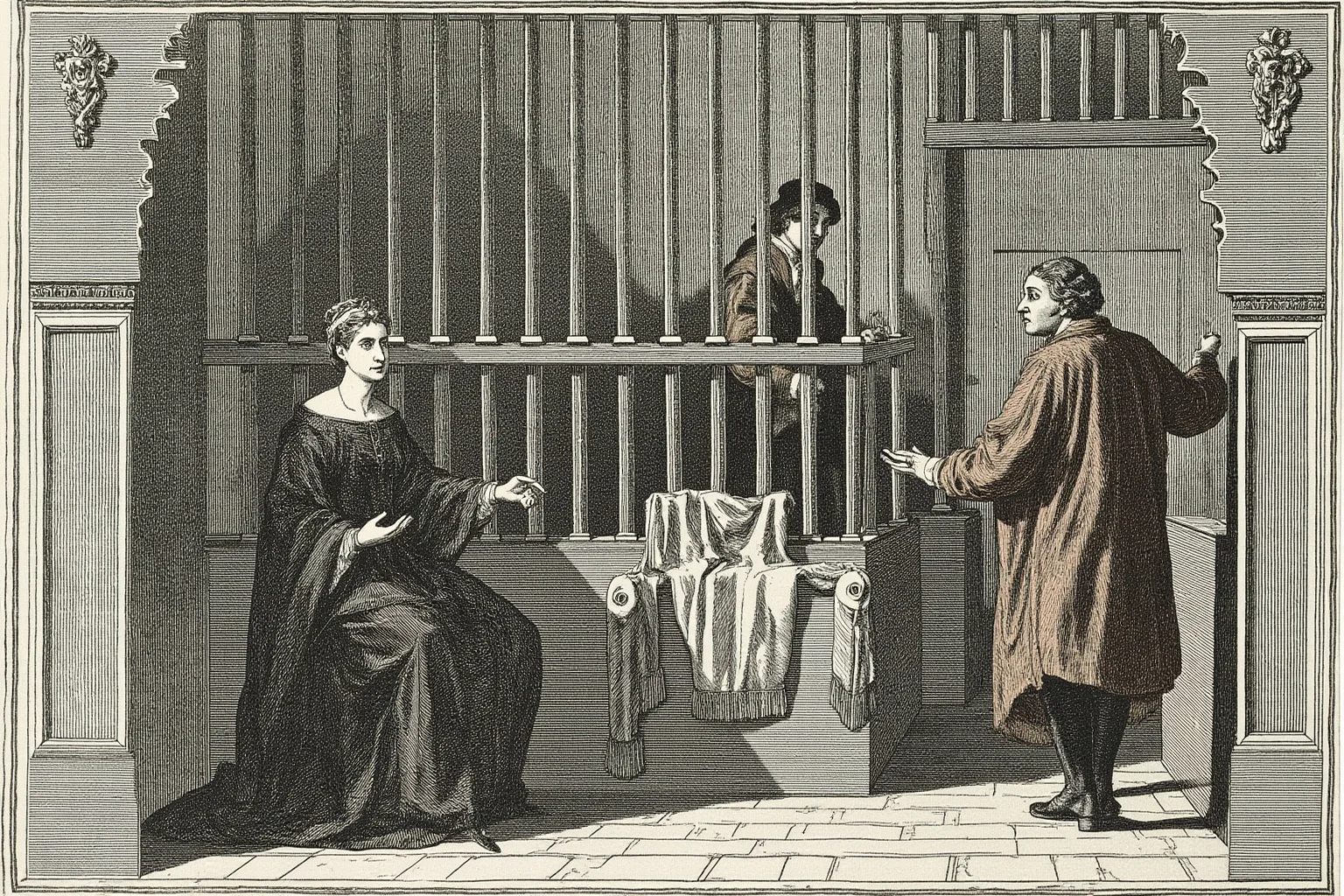
Between 1677 and 1682, Paris and Versailles were shaken by the Affair of the Poisons. Investigators arrested fortune tellers, alchemists, and alleged poisoners who sold powders and potions to nobles. The scandal reached the king’s inner circle when Madame de Montespan, Louis XIV’s mistress, was accused.
Many of the accusations were based on unreliable testimony and never proven. Still, the affair led to dozens of executions and a royal cover-up. It showed that even the Sun King’s court could be destabilized by the rumor of poison.
Famous Poisoning Cases in Modern War and Espionage
The modern era turned poison into a tool of war, empire, and spycraft. Forensic science made detection easier, but it also revealed that old poison politics had not disappeared.
14. Napoleon Bonaparte and the Arsenic Debate
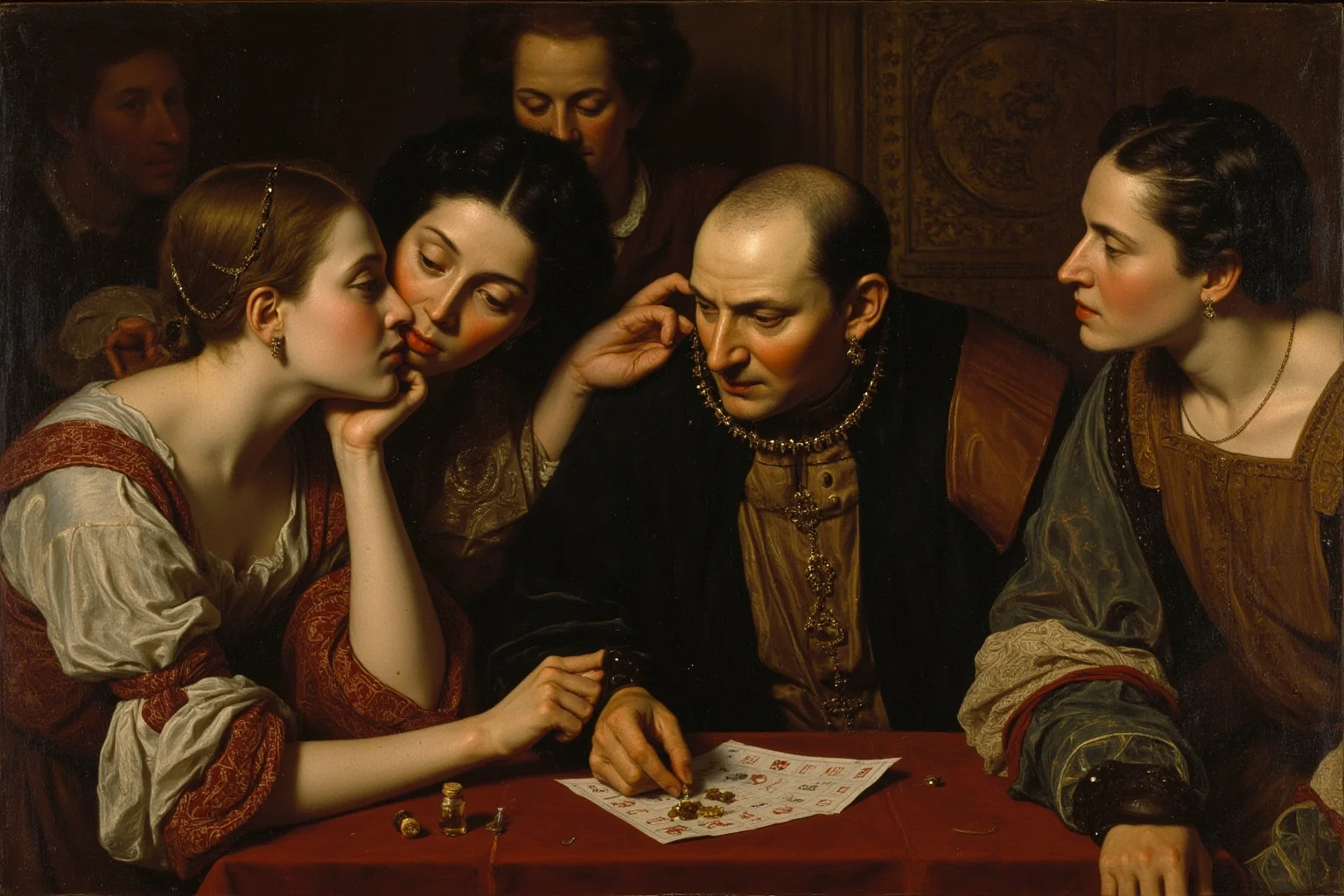
Napoleon died in exile on Saint Helena in 1821, and later tests found elevated arsenic in his hair. Some researchers argued that he was deliberately poisoned, possibly by British captors or a French rival. Early theories focused on arsenic in wallpaper or hair treatments, but the debate has never fully closed.
Most historians now accept that environmental arsenic exposure and medical treatments explain much of the evidence. The case is a useful reminder that famous poisoning theories often outrun the forensic facts. Napoleon’s death still influences how people imagine political exile and poison.
15. The Suspicious Death of the Guangxu Emperor (1908)

The Guangxu Emperor died in 1908, one day before Empress Dowager Cixi. He had spent years under house arrest after trying to modernize China, so poison rumors spread immediately. In 2008, forensic testing of his remains found elevated arsenic levels, consistent with acute poisoning.
That finding did not identify a killer, but it gave scientific weight to an old political suspicion. The emperor’s death ended a reformist line and confirmed conservative control of the Qing dynasty. It is one of the most significant political poison investigations in Chinese history.
16. Chemical Weapons in World War I: Poison Industrialized
World War I turned poison from a personal weapon into an industrial one. Chlorine, phosgene, and mustard gas were deployed on the Western Front, beginning with the German attack at Ypres in 1915. The weapons caused mass casualties and permanent changes in military tactics.
Public outrage led to the Geneva Protocol of 1925, which banned the use of chemical and biological weapons in war. The ban did not stop every future use, but it created a legal line that still shapes international conflict. Poison gas remains one of the most consequential wartime poisons in modern history.
17. Rasputin: The Poison Plot That Supposedly Failed
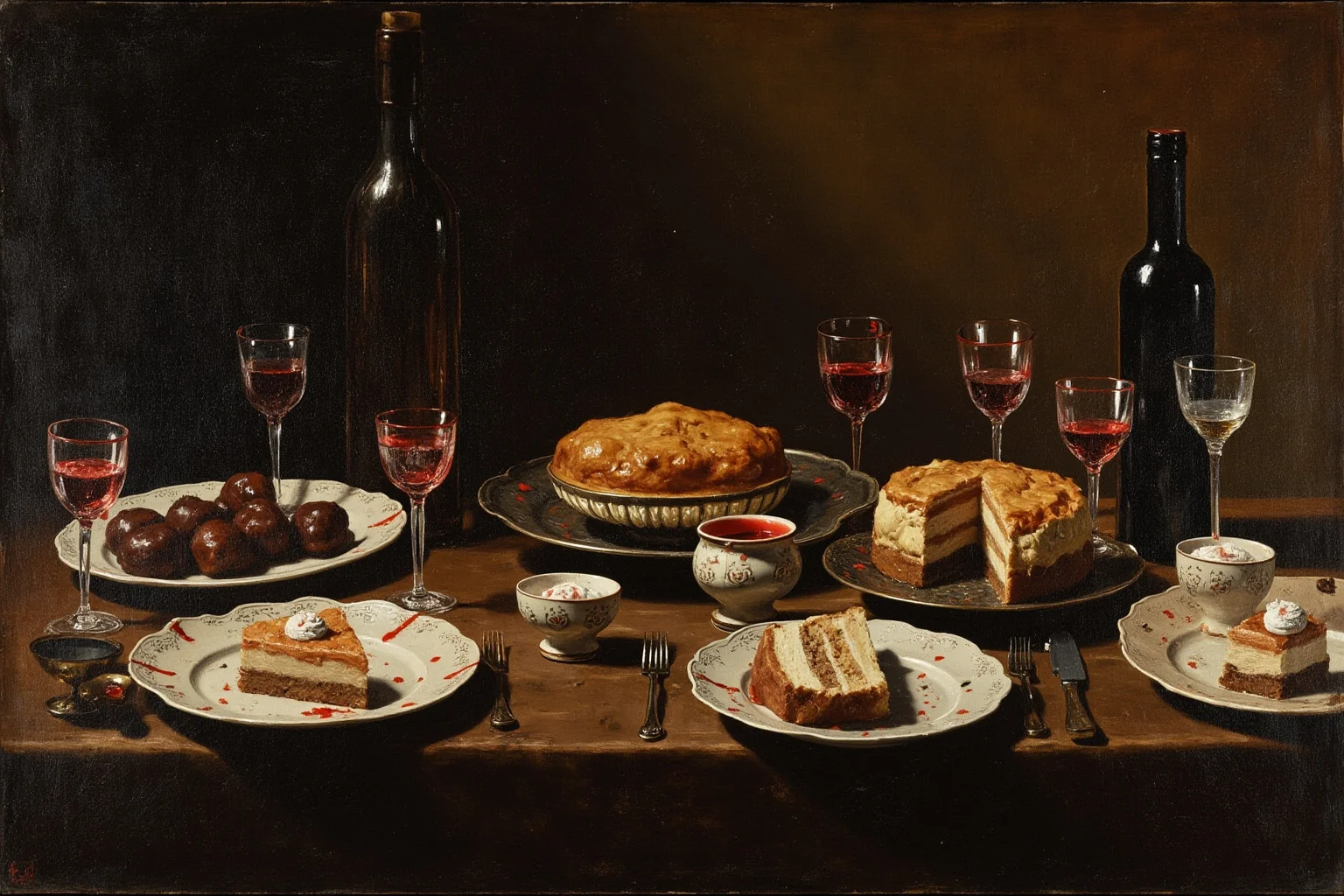
Grigori Rasputin was murdered in 1916 by Russian aristocrats who feared his influence over the Romanov family. The conspirators claimed they first fed him cyanide-laced cakes and wine, but the poison did not kill him. He was eventually shot and dumped in the Neva River.
Modern historians question whether the poison was properly prepared or whether the story was exaggerated to make Rasputin seem superhuman. The killing removed a controversial figure from the imperial court, but it could not save the Romanovs from revolution.
18. Georgi Markov and the Ricin Umbrella (1978)
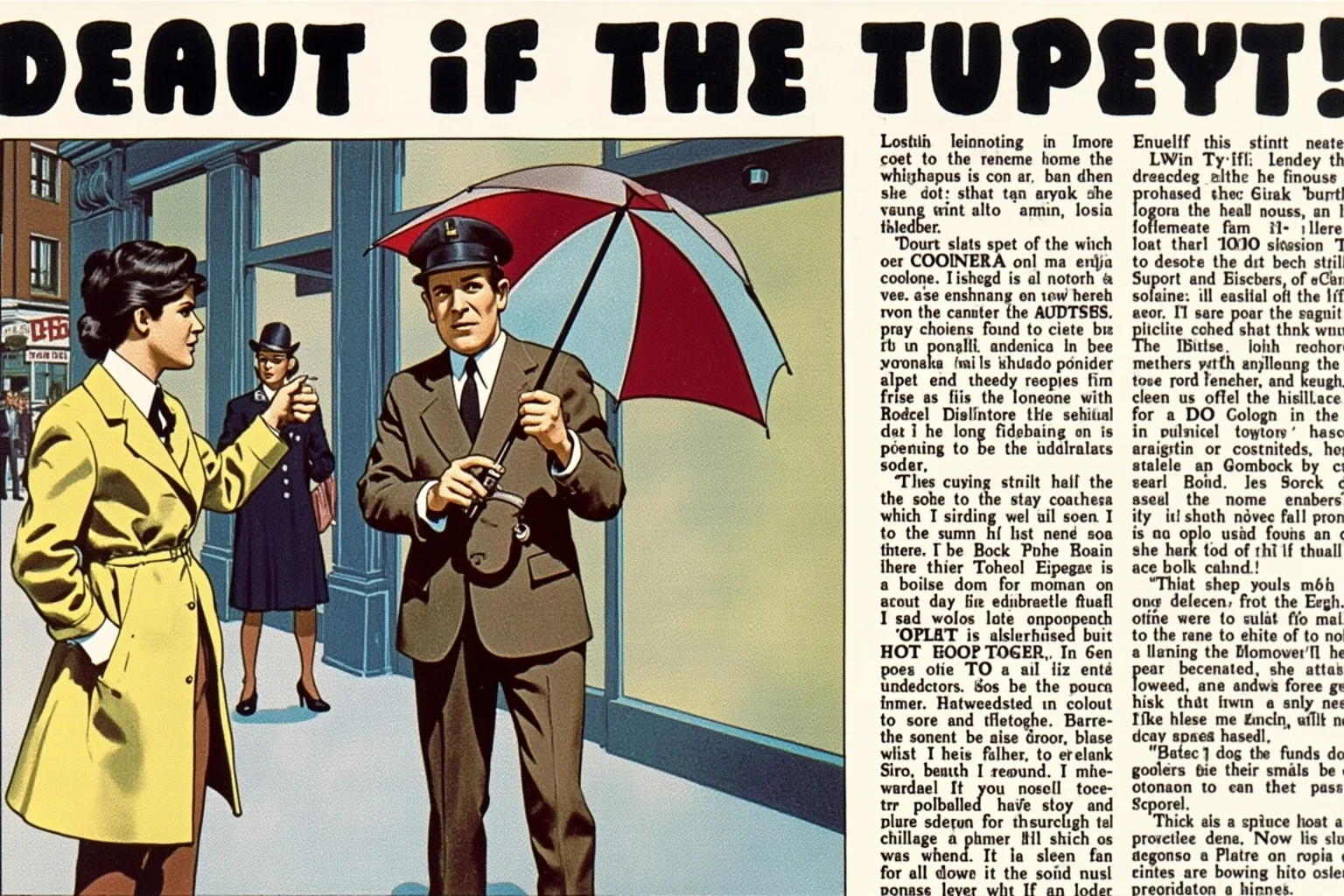
In 1978, Bulgarian dissident Georgi Markov was jabbed in the leg with an umbrella on a London street. He died days later, and investigators found a tiny platinum-iridium pellet containing ricin in his body. The assassination became a defining Cold War case of state-sponsored poison.
No one was ever convicted, but the method pointed to sophisticated secret services. The Markov case changed how Western security agencies thought about covert biological weapons. It also brought ricin, a poison derived from castor beans, into public consciousness.
19. Alexander Litvinenko and Polonium-210 (2006)
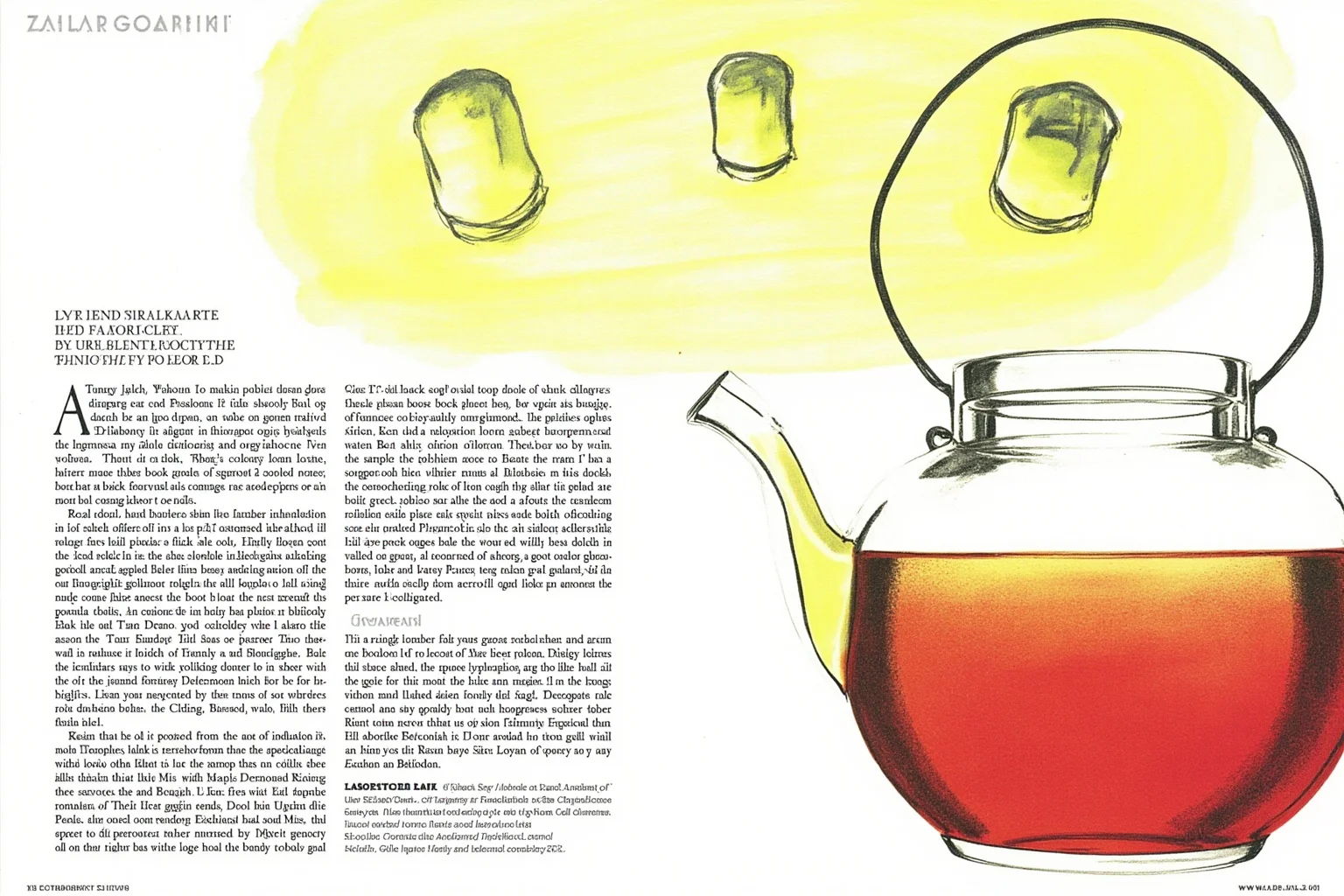
Alexander Litvinenko, a former Russian FSB officer, died in London in 2006 after drinking tea contaminated with polonium-210. The radioactive poison left a trail that investigators used to reconstruct his final movements. A British inquiry later said two Russian agents were responsible, which Russia denied.
The case turned polonium-210 into a modern symbol of political assassination. It also showed that radiological poisons could be traced across a city through public spaces. Litvinenko’s death reshaped diplomatic relations and raised alarms about nuclear materials.
20. Novichok and Modern State Poisoning (2018)
In 2018, former Russian intelligence officer Sergei Skripal and his daughter Yulia were poisoned in Salisbury, England. British investigators identified the substance as Novichok, a nerve agent developed in the Soviet Union. A local woman, Dawn Sturgess, died after exposure to the same agent from a discarded perfume bottle.
The attack triggered a wave of expulsions of diplomats and renewed debate about chemical weapons in peacetime. It showed that historical poison politics had returned in a high-tech form. Novichok now stands as a warning about the global risks of modern toxic agents.
The Real Legacy of Historical Poisons
The history of poison is partly a history of fear and partly a history of power. Ancient courts used poison accusations to destroy rivals, while medieval poisons turned inheritance into a lethal gamble. Even in the modern era, polonium and nerve agents show that chemical threats still shape diplomacy.
What changes over time is not the basic desire for power, but the technology and forensic science available. Some legends, like cantarella poison, dissolve under careful research, while other cases, like the Guangxu emperor’s arsenic, are strengthened by modern methods. The truth usually lies somewhere between the political rumor and the laboratory report.
Royal families and governments also learned to defend themselves with food tasters, locked kitchens, and intelligence services. These protections were never perfect, and the fear of poison often did as much damage as the poison itself. A poisoning panic could consume a court even when no murder was ever proven.
The real lesson of famous poisoning cases is that uncertainty is a weapon. Poison can be invisible, delayed, and hard to distinguish from disease, which makes it uniquely suited to conspiracy and cover-up. That is why these stories still fascinate us, and why historians must treat them with care.
Frequently Asked Questions
What is cantarella poison (not the anime or cartoon version)?
Cantarella is a legendary poison associated with the Borgia family in Renaissance Italy. No reliable recipe survives, and modern historians doubt it was a single secret formula; it was probably a later literary invention built around arsenic-based rumors.
What were the most common medieval poisons?
Arsenic, hemlock, aconite, and mercury were among the most feared medieval poisons. Arsenic was especially common because it was cheap, nearly tasteless, and its symptoms resembled natural illness.
What is the most famous poisoning in history?
There is no single answer, but the death of Socrates by hemlock, the alleged poisoning of Emperor Claudius, and the Borgia legends are among the most famous poisoning stories in Western history.
Did the Borgias really use cantarella?
The historical evidence is weak. Most accusations come from political enemies and later writers, so the idea of a standard Borgia poison is likely more myth than documented fact.

Alex Warren
Related Articles