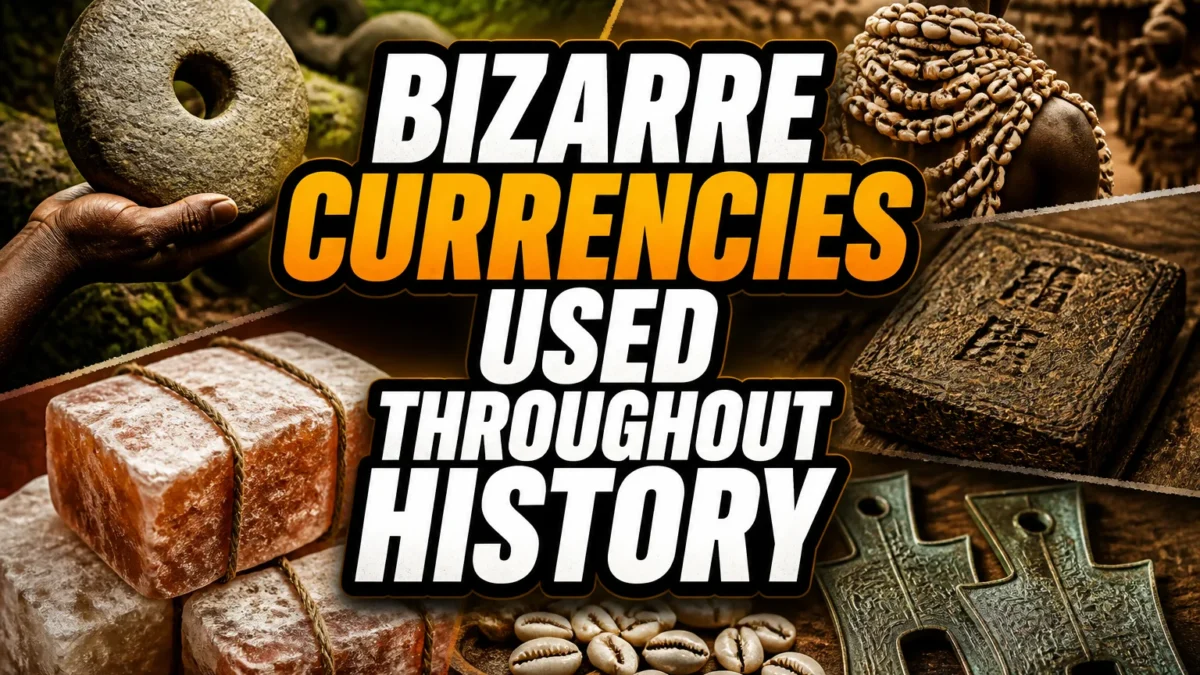
Coins and paper money feel timeless, but they are relatively recent inventions. For most of human history, people used items that now look closer to museum exhibits than wallet contents. Many historical currencies were edible, wearable, or too heavy to move.
These old currencies reveal a simple economic truth: money is whatever a community agrees to trust. The weirdest money often grew out of local resources, trade routes, and practical needs. From stone wheels to squirrel pelts, the stories behind these currencies show how flexible value can be.
TL;DR: Before coins and bills, people used everything from giant stone wheels and salt bars to tea bricks and squirrel pelts as money — proving that almost anything can become currency if enough people trust it.
Why So Many Old Currencies Look Strange Today
To understand historical currencies, it helps to drop the idea that money must be a coin or paper note. Money is any object that people accept as payment, a unit of account, and a store of value. That agreement can attach to almost anything.
Many old currencies were commodity money, meaning they had value in their own right. Salt, grain, furs, and livestock could be used directly or traded away. Other examples were more symbolic, such as tallies or carved stones whose value depended on memory and trust.
Geography shaped these choices: coastal and island communities often used shells or whale teeth, while inland societies used livestock, grain, or metal tools. In every case, the object fit the environment and the everyday needs of local trade.
1. Rai Stones: The Giant Stone Wheels of Yap
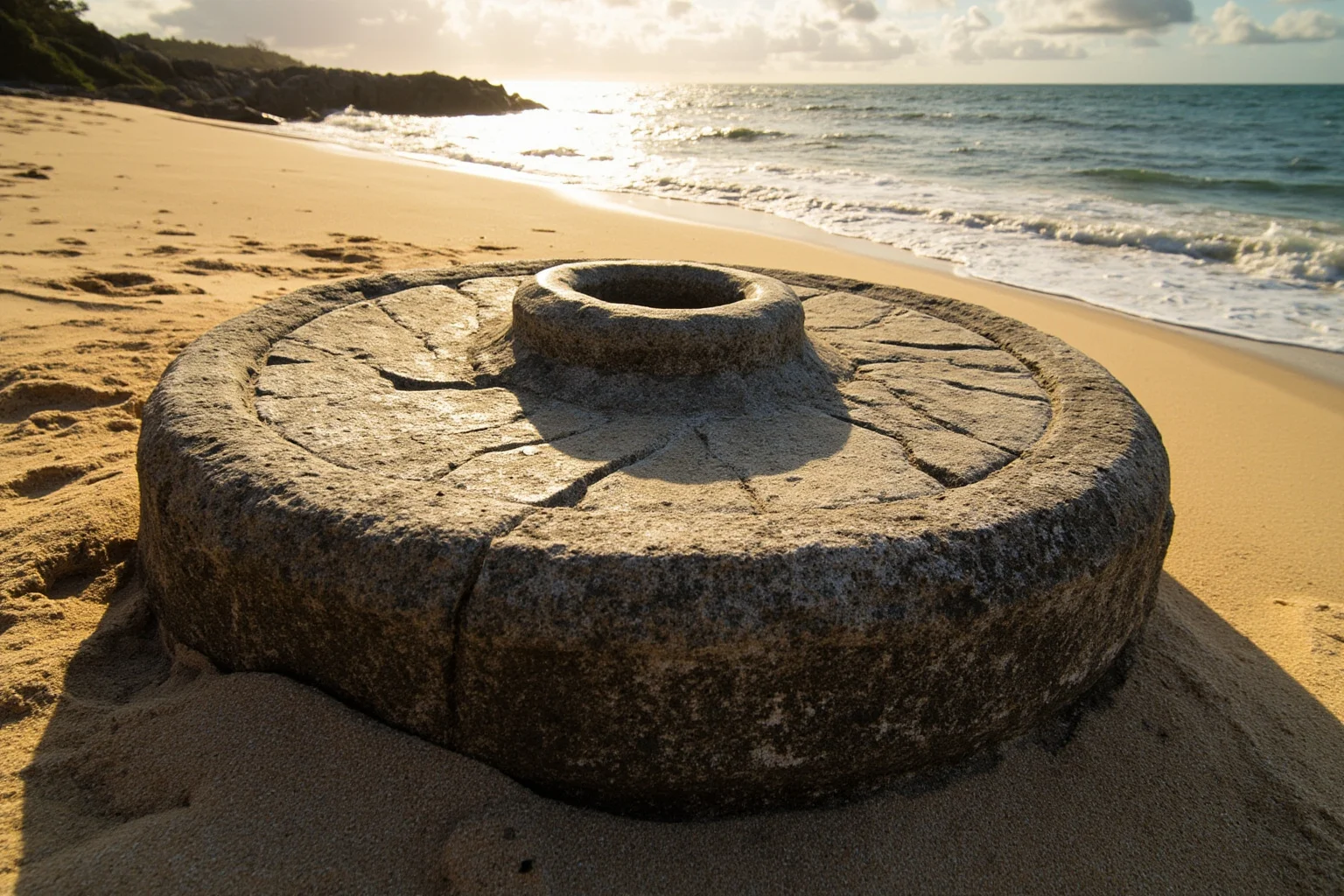
On the Micronesian island of Yap, massive limestone disks called rai served as one of the most famous forms of weirdest money. Some stones could reach about 12 feet across and weigh several tons. They were quarried on Palau, over 200 miles away, and carried back by canoe.
A rai stone did not always need to move when ownership changed. If a large stone fell into the sea during transport, people still recognized its value because the community kept an oral record of ownership. The system worked through shared memory and visible social agreement.
These stones were used for major transactions such as marriages, land disputes, and political settlements. Their value depended on size, craft, history, and how many lives were lost bringing them to Yap. Rai stones remain one of the clearest examples of money as a social ledger.
2. Cowrie Shells: The Sea Snail Currency
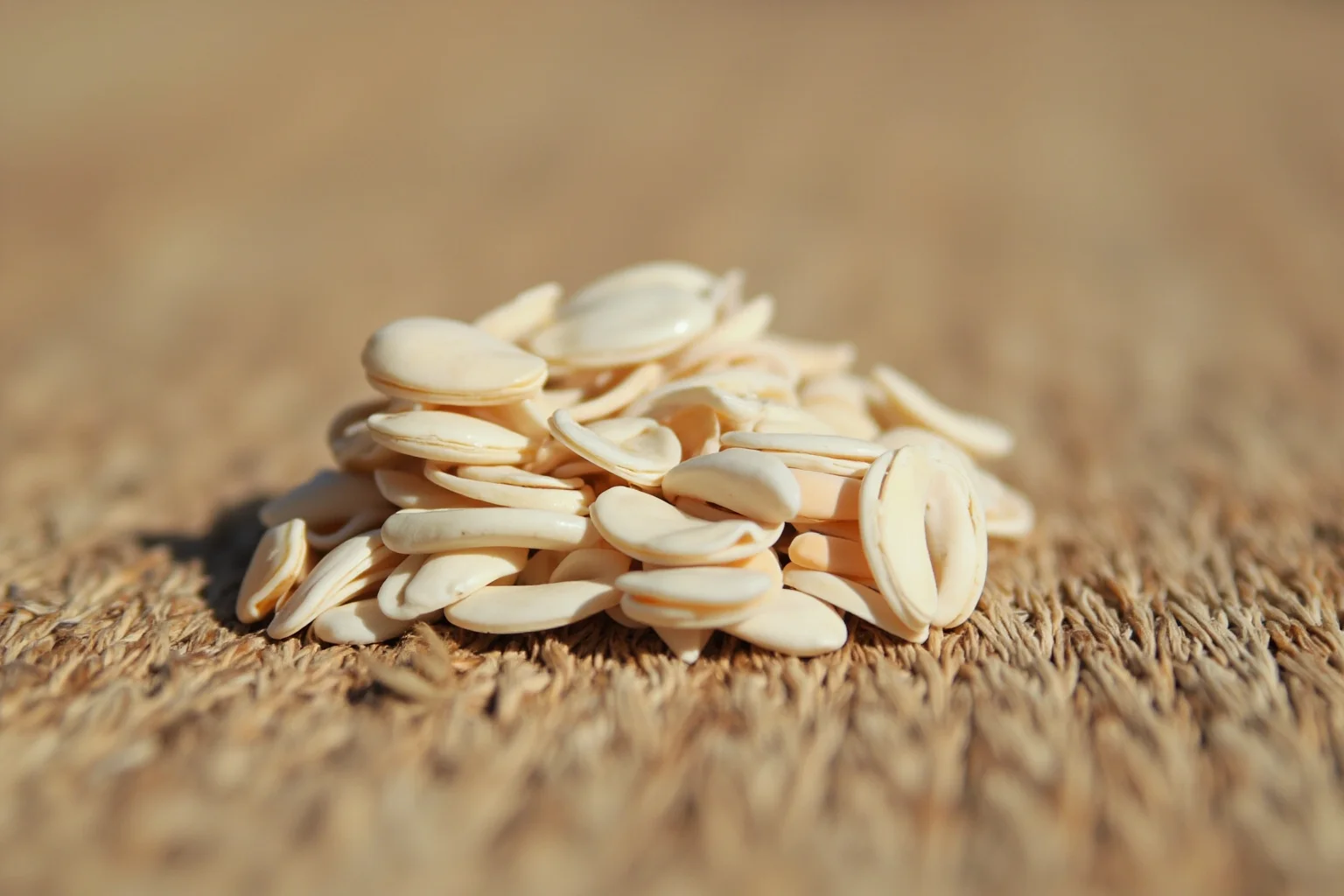
The shell of the Monetaria moneta sea snail became one of the oldest and most widespread old currencies in the world. Cowries were small, durable, hard to counterfeit, and easy to count. They circulated for centuries across parts of Africa, Asia, and the Indian Ocean world.
Because cowries were lightweight, they worked well for ordinary purchases. Large payments could involve thousands or even millions of shells, which made accounting a serious job. The species name moneta still nods to the shell's monetary past.
Cowries were so successful that European merchants later imported huge quantities to trade in West Africa. That influx eventually inflated local prices and disrupted older economic systems. The story of cowries shows how a simple shell could reshape global trade networks.
3. Tea Bricks: Currency You Could Drink
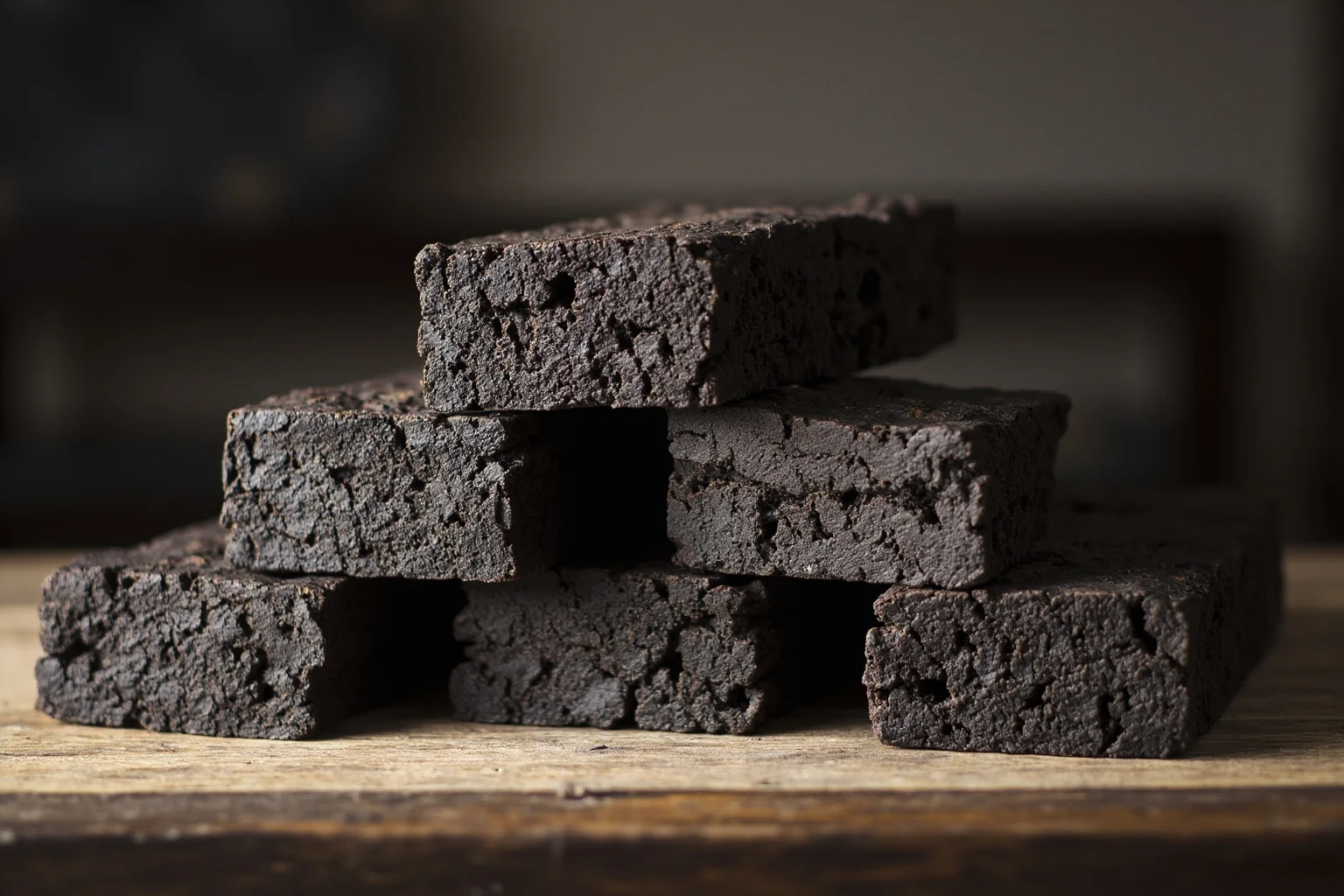
Compressed tea bricks were used as money across China, Tibet, Mongolia, and Siberia for hundreds of years. They were made from tea leaves and sometimes mixed with binding materials to hold their shape. Merchants valued them by weight, quality, and type.
A tea brick could be used to buy goods, pay taxes, or be broken up and brewed. Because tea had real daily value, its purchasing power stayed relatively stable along caravan routes. Tea bricks remained an accepted form of payment in parts of Central Asia into the 20th century.
This dual nature made tea bricks one of the most practical historical currencies. They worked as both a drink and a medium of exchange. In remote regions where metal coins were scarce, tea bricks solved multiple problems at once.
4. Amoleh Salt Bars of Ethiopia
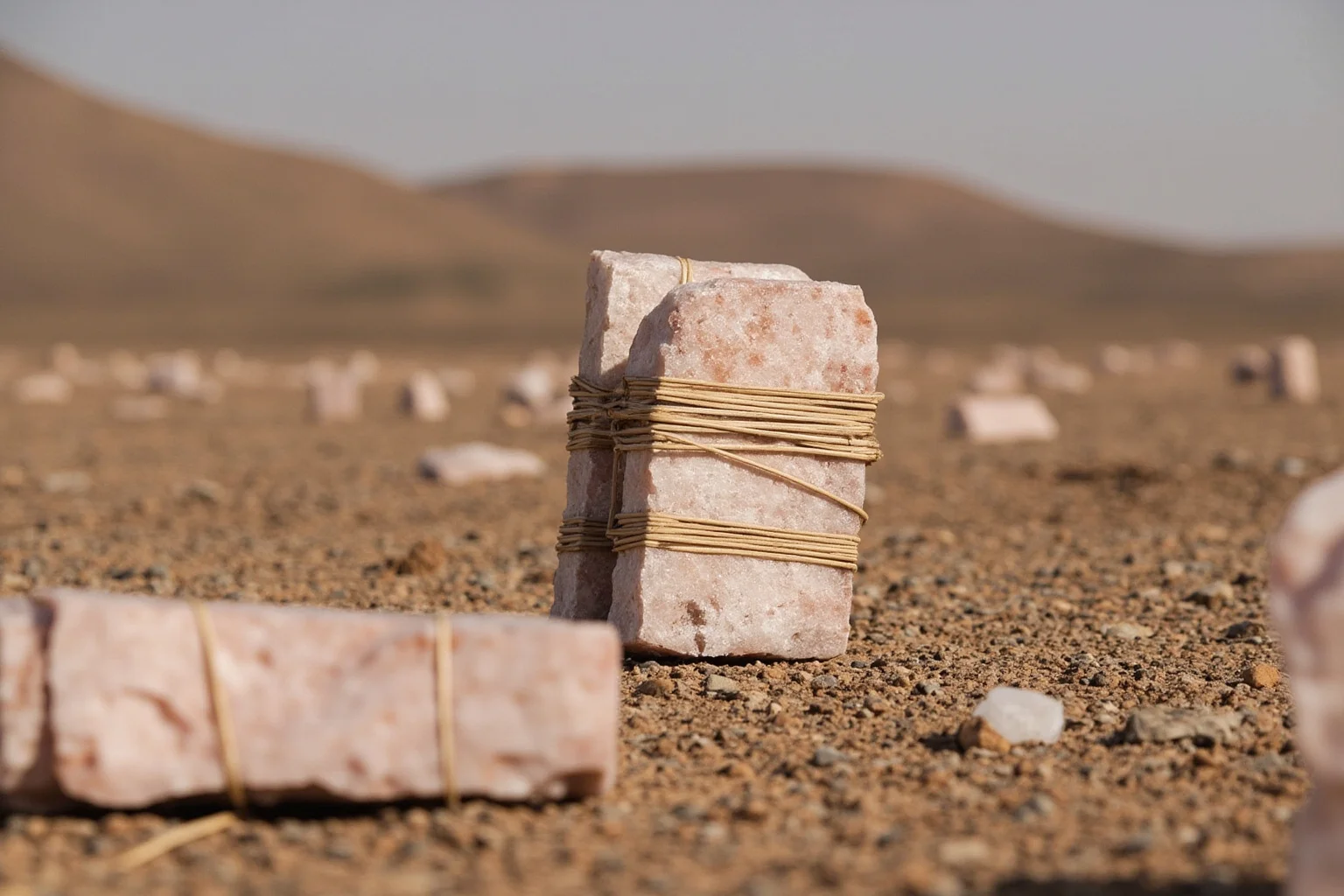
In Ethiopia, rock salt bars called amoleh served as an old currency for centuries. Workers cut salt from the Danakil Depression into rectangular blocks and wrapped them for transport. These bars were used in trade, savings, and important payments such as bride wealth.
Salt was scarce and essential for preserving food, which gave the bars real commodity value. They could be broken into smaller pieces for everyday purchases, making them surprisingly flexible. The bars remained in use in some regions well into the 20th century.
The use of amoleh still influences local ideas about money and exchange. Salt money shows how a basic survival good can become a standardized form of payment. It also explains why the English word salary has deep roots in salt.
5. Katanga Crosses: Metal Money in Central Africa
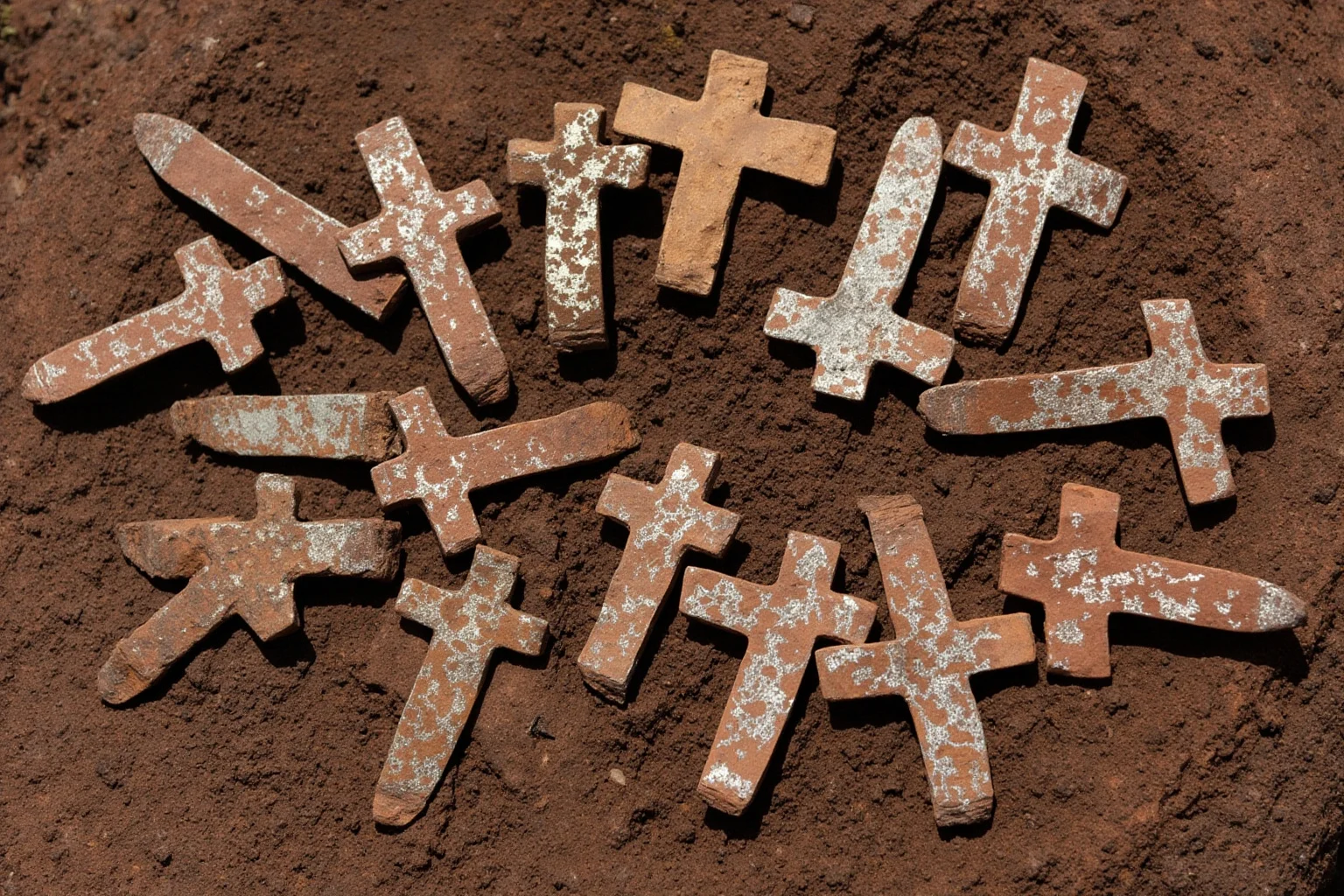
In parts of what is now the Democratic Republic of the Congo, cast copper crosses called Katanga crosses functioned as money. These X-shaped or H-shaped pieces ranged from small forms to heavy ingots used for major payments. Copper from the region was prized for tools, decoration, and trade.
A Katanga cross could buy goods, settle fines, or form part of a marriage payment. Local smiths cast the crosses in recognizable shapes and sizes, which helped standardize their value. They are among the most visually striking weirdest currencies in African economic history.
European colonists and mining companies later introduced cash that displaced these older metal currencies. Still, Katanga crosses remain symbols of a rich precolonial economy. Their shape and function show how local resources shaped historical money.
6. Chinese Knife Money
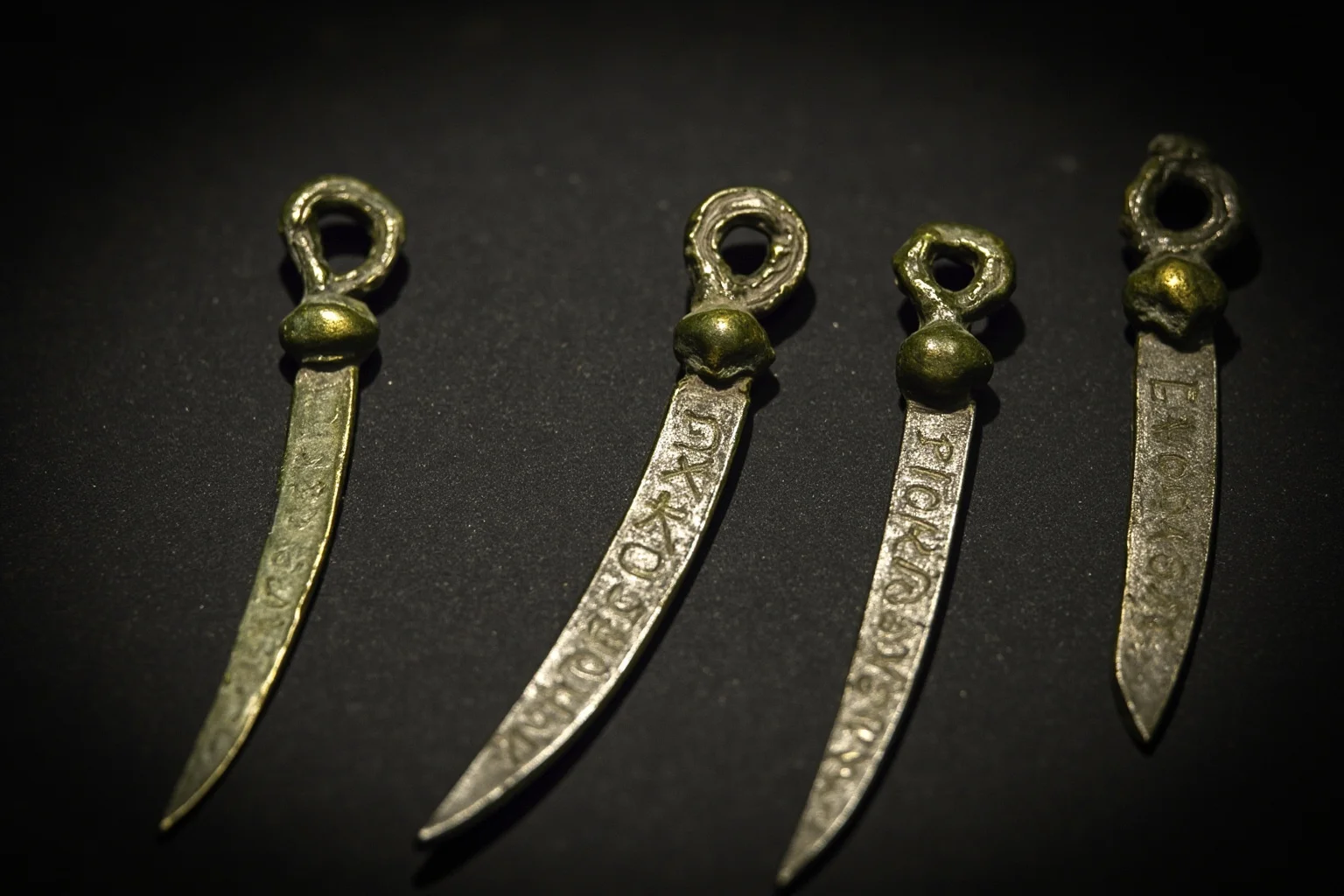
During the Zhou dynasty, several Chinese states produced bronze coins shaped like knives or blades. These pieces usually had a ring on the handle and characters stamped on the blade. The design evolved from real knives and tools that had once been traded as valuable objects.
Knife money circulated in states such as Qi, Yan, and Zhao between roughly 600 and 200 BCE. It was standardized enough to serve as recognized money, yet regional styles still varied. Collectors now consider it one of the most recognizable ancient currencies from East Asia.
The knife shape may look odd today, but it made sense at a time when tools were high-value items. Gradually, Chinese states moved toward round coins with square holes. That transition marked a major step in the history of money.
7. Chinese Spade Money
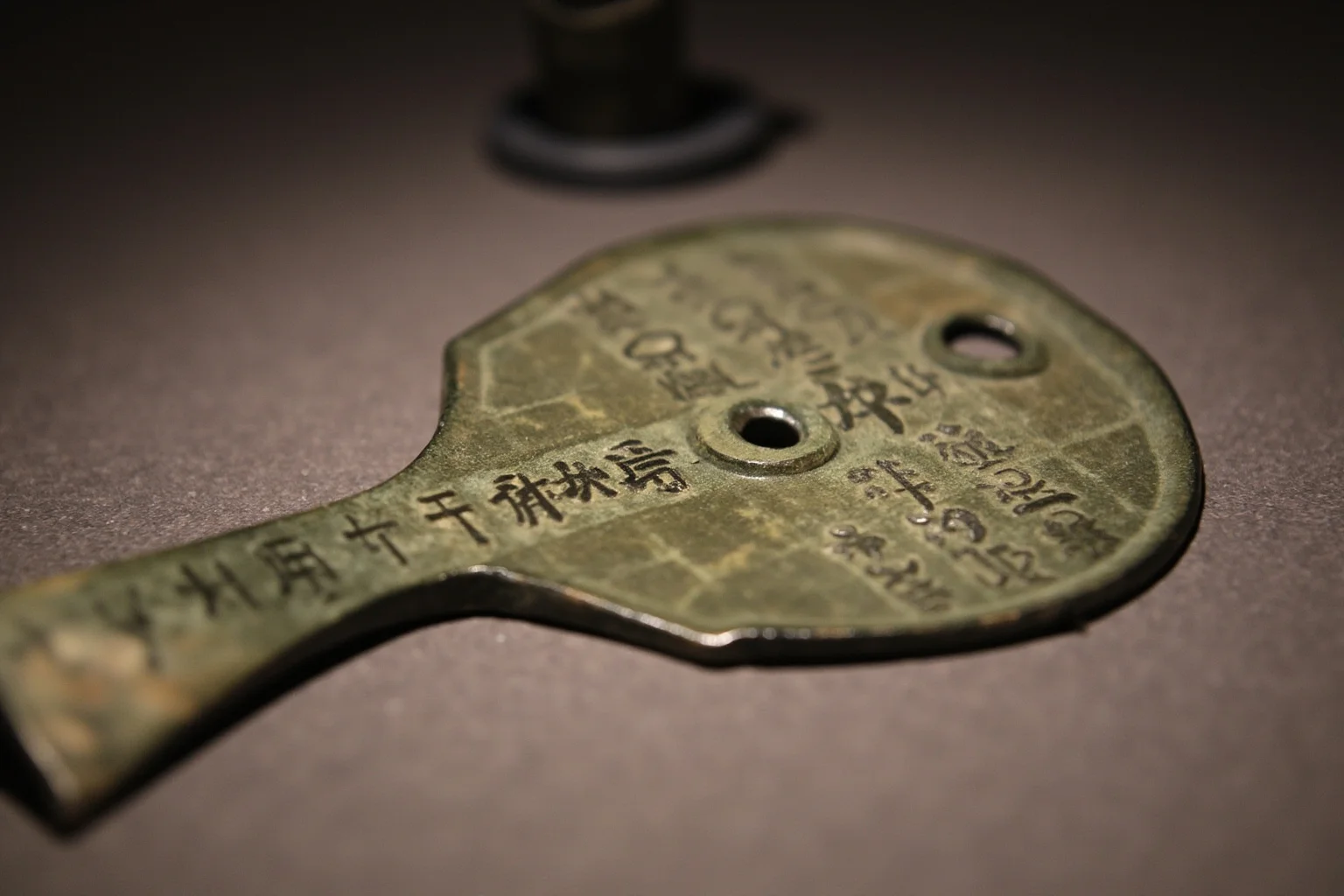
Around the same period, other Chinese states cast coins that looked like tiny spades or shovels. These bronze pieces copied the shape of agricultural tools used in everyday farming. The hollow-handle versions are among the earliest coin-like objects found in China.
Spade money spread across several Zhou-era states before round coins eventually replaced it. The move from tool-shaped money to circular coins reflected deeper changes in trade and administration. Both spade and knife money are now valuable museum objects.
The tool shapes reveal how money often began as a useful object. Once people accepted the tool as a standard measure of value, the object could shrink and become symbolic. That process happened many times across world history.
8. Squirrel Pelts as Small Change
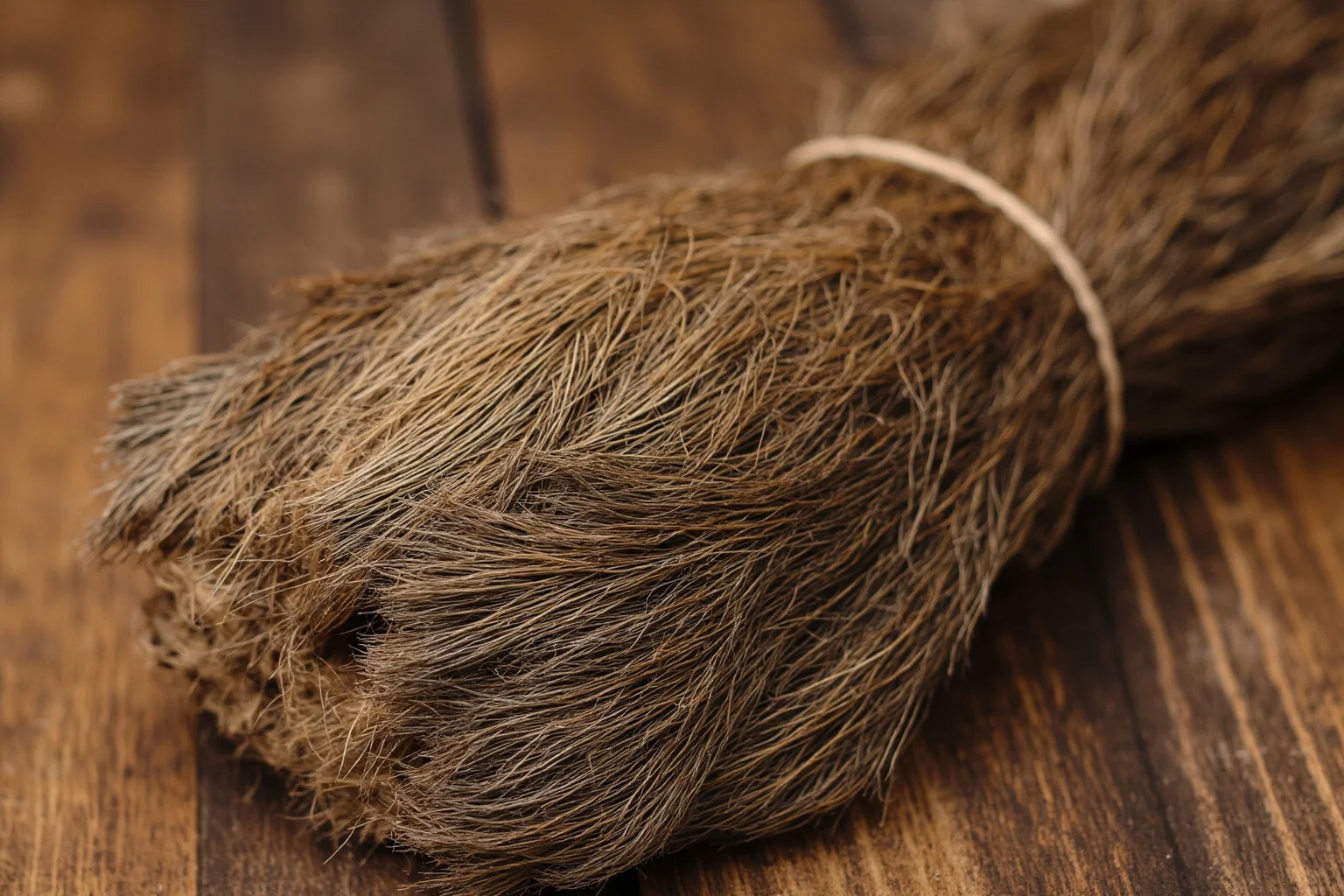
In medieval Novgorod and other parts of Kievan Rus, small furs served as everyday money. Squirrel pelts, in particular, functioned as small change because they were abundant and easy to carry. The Russian word kuna originally referred to marten fur and later became a general monetary term.
Fur money made sense in a cold region where animal pelts had immediate survival value. Large numbers of squirrel skins could be bundled together for bigger payments. This is one of the clearest examples of commodity currency built on local resources.
Over time, silver coins replaced most fur money in Russian cities. Even so, the language of old currencies lingered in words that once meant fur. The practice shows how environment shaped what people used as money.
9. Wampum: Shell Beads of Eastern North America
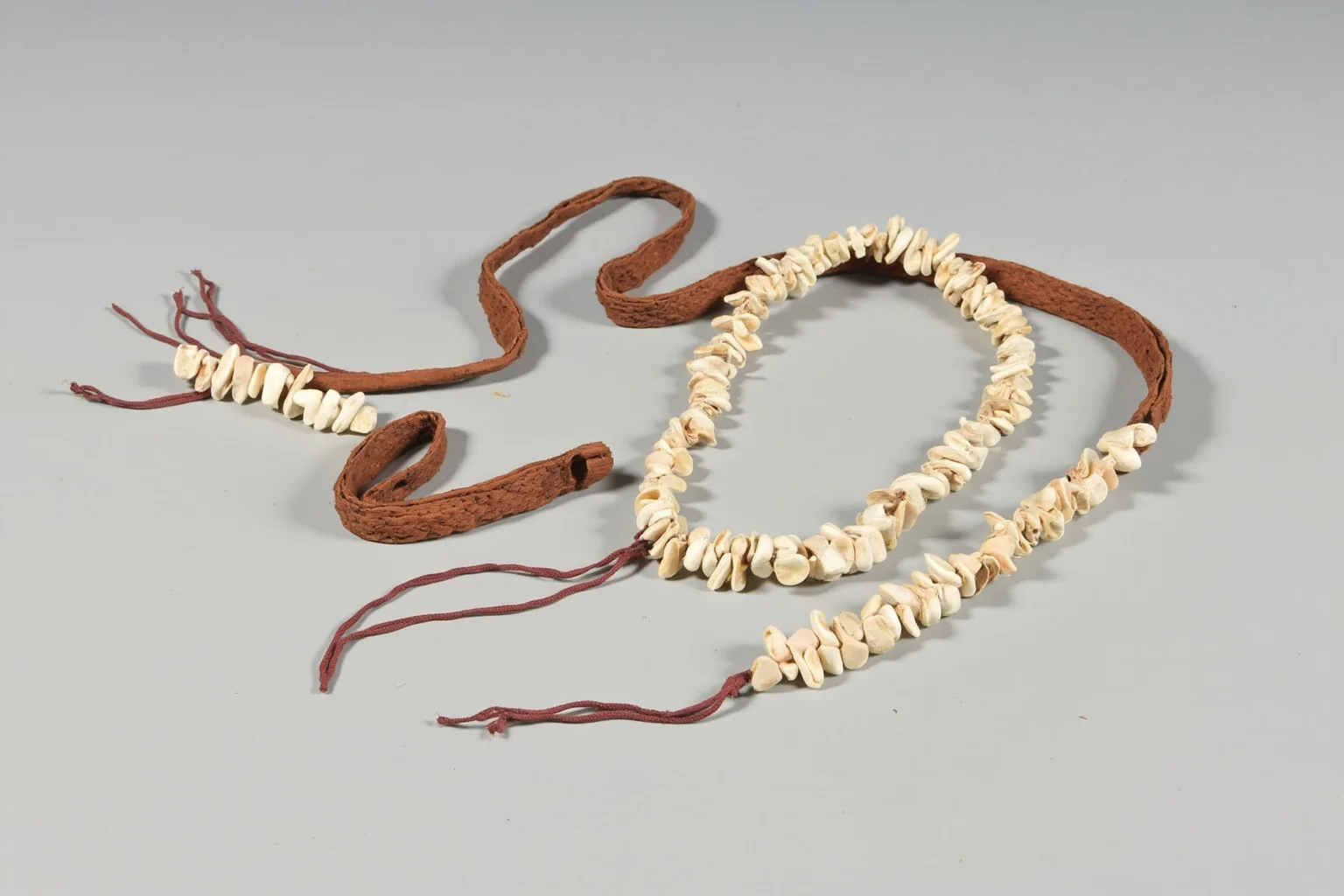
Wampum consisted of small cylindrical beads made from clam and whelk shells, strung into belts or loose strands. Indigenous nations in eastern North America used it for diplomacy, record keeping, ceremony, and trade. European colonists later adopted wampum in the 17th-century fur trade.
Wampum's value came partly from the skilled labor required to make it. Colonists sometimes accepted wampum as payment in trade with Indigenous communities. This made it one of the few historical currencies to bridge two very different economic systems.
The dual cultural meaning of wampum also created conflict. Colonists often treated it purely as money, while Indigenous nations saw layered ceremonial and political value. That difference still shapes how historians interpret wampum today.
10. Manillas: Bracelet Money of West Africa
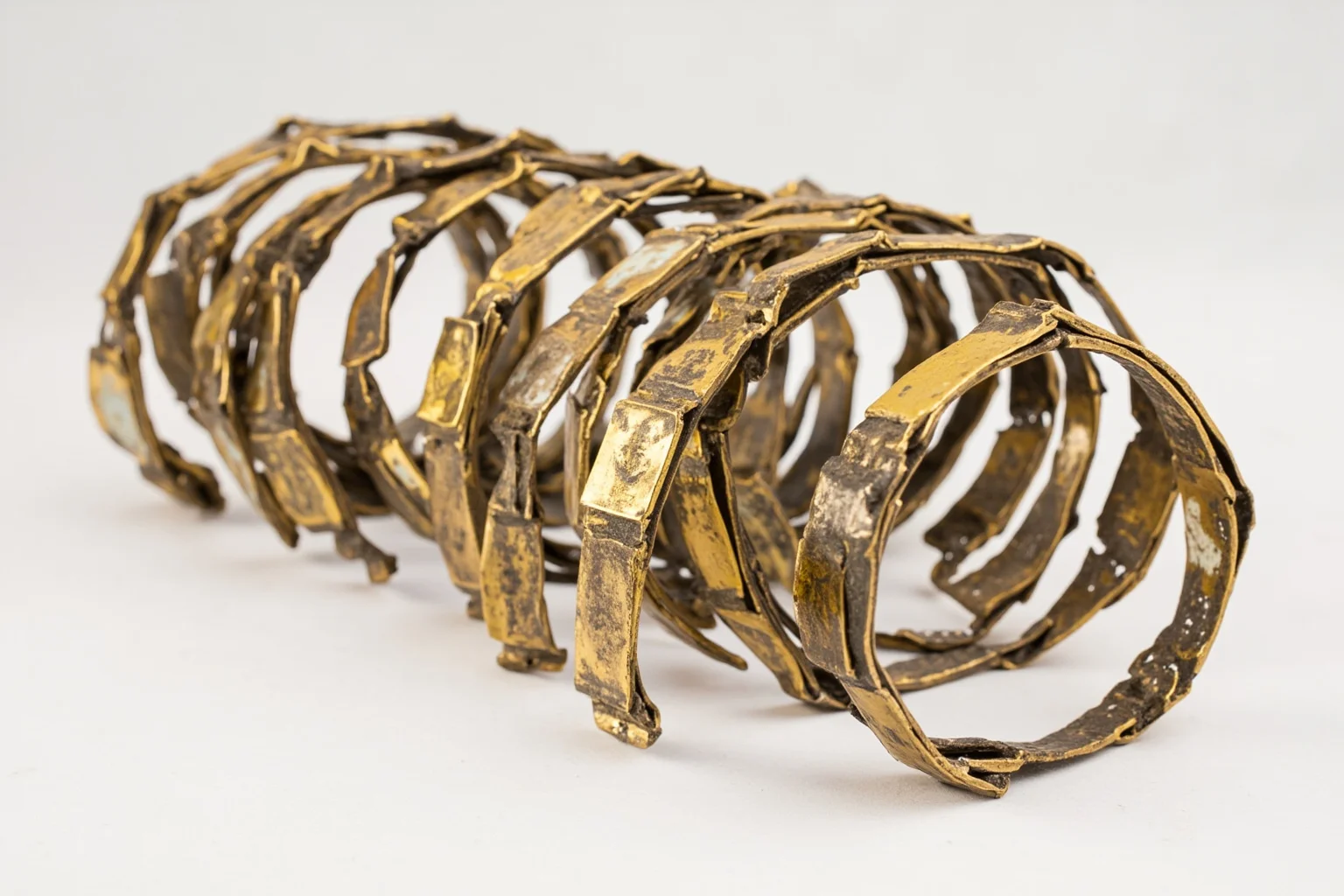
Manillas were open rings or bracelet-like pieces of copper, bronze, or brass used as money in West Africa. Portuguese traders imported large numbers of them beginning in the 15th century, though metal currencies already existed in the region. The name comes from the Portuguese word for a ring or bracelet.
Manillas were used in many transactions, including exchanges tied to the transatlantic slave trade. That connection makes their history painful and serious, not merely curious. They remained in circulation in parts of West Africa until the late 19th or early 20th century.
British officials later organized large manilla buyback campaigns to remove them from circulation. The objects themselves are now collected as remnants of a complex economic past. Their story is a reminder that currencies can be entangled with colonialism and human rights.
11. Cacao Beans: Chocolate as Money
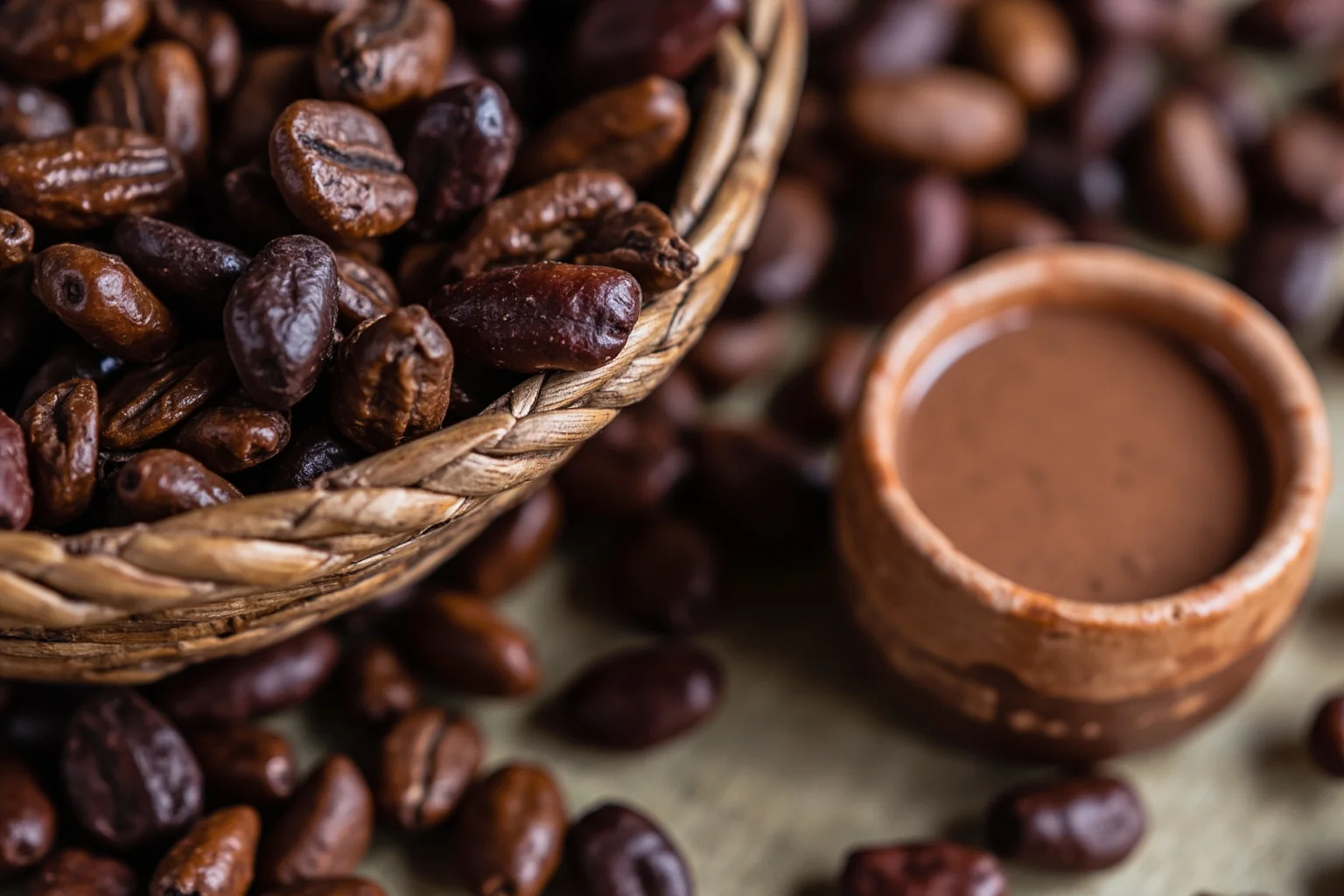
In the Aztec Empire and parts of Mesoamerica, cacao beans functioned as daily money. Spanish chroniclers recorded market prices in cacao, and taxes could be paid with the beans. Because chocolate drinks were a luxury and ritual item, cacao held reliable value.
Cacao beans were small enough for everyday purchases but valuable enough for trade. They could be counted, stored, and transported in bags. Unlike many other old forms of currency, they were also edible.
The use of cacao shows how taste and ritual can support a monetary system. Once Spanish colonists adopted cacao, it linked Indigenous economies to global trade. Chocolate money remains one of the most memorable examples of a weird currency in history.
12. Feather Money of Santa Cruz
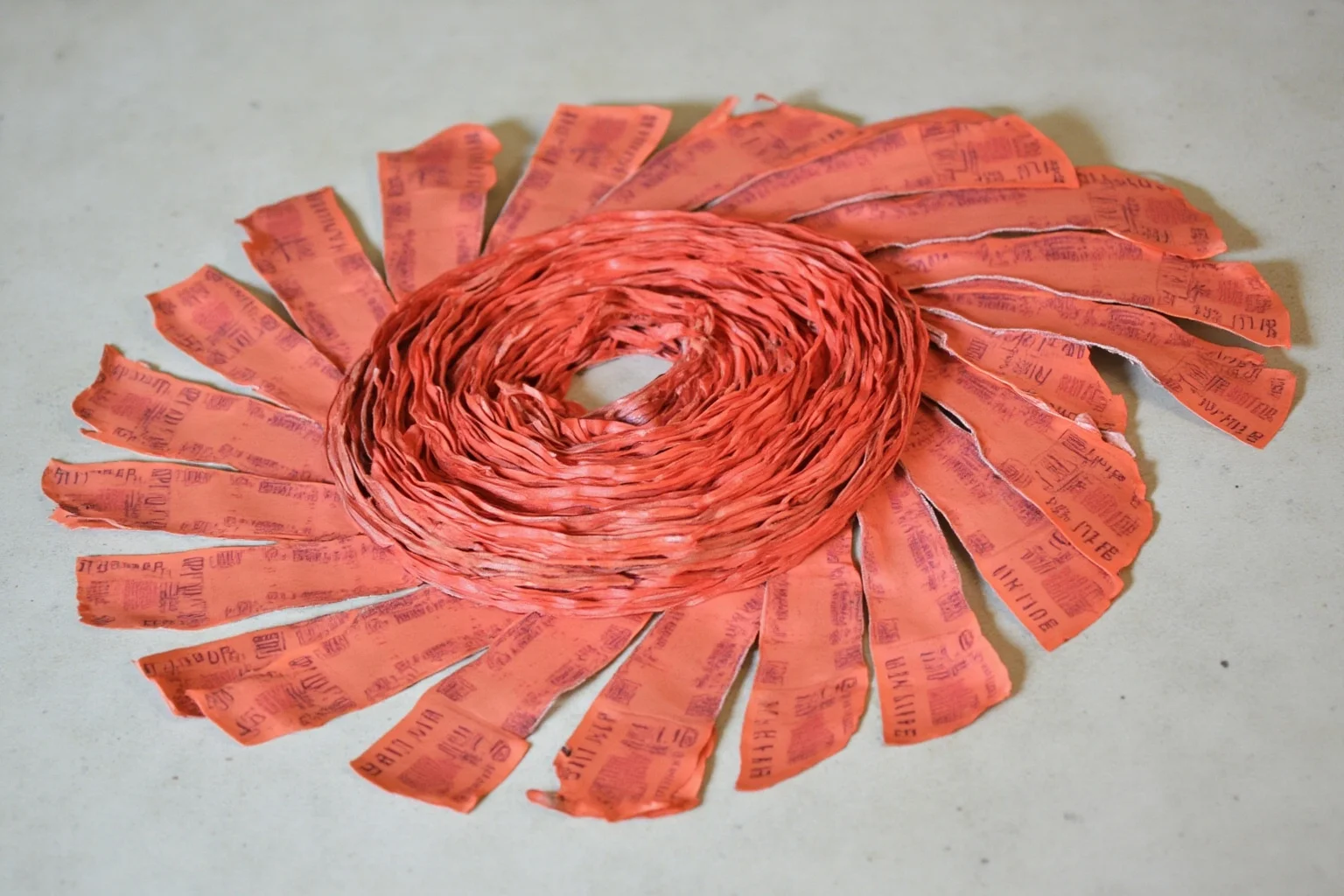
On the Santa Cruz Islands in the Solomon Islands, people produced coils of feather money called tevau. These coils were made from the red feathers of the scarlet honeyeater, painstakingly glued onto a prepared base. Feather money was reserved for major payments such as bride price and canoes.
Making a single coil could take months of skilled work by several people. Because the feathers were rare and the labor was intense, the currency carried high value and prestige. It is often cited as one of the most labor-intensive historical currencies ever created.
The coils were not meant for small daily shopping. They worked as high-value ceremonial wealth, much like a crown jewel or land deed. That separation of high and low value is common in many older money systems.
13. Tabua: Whale Teeth Money of Fiji
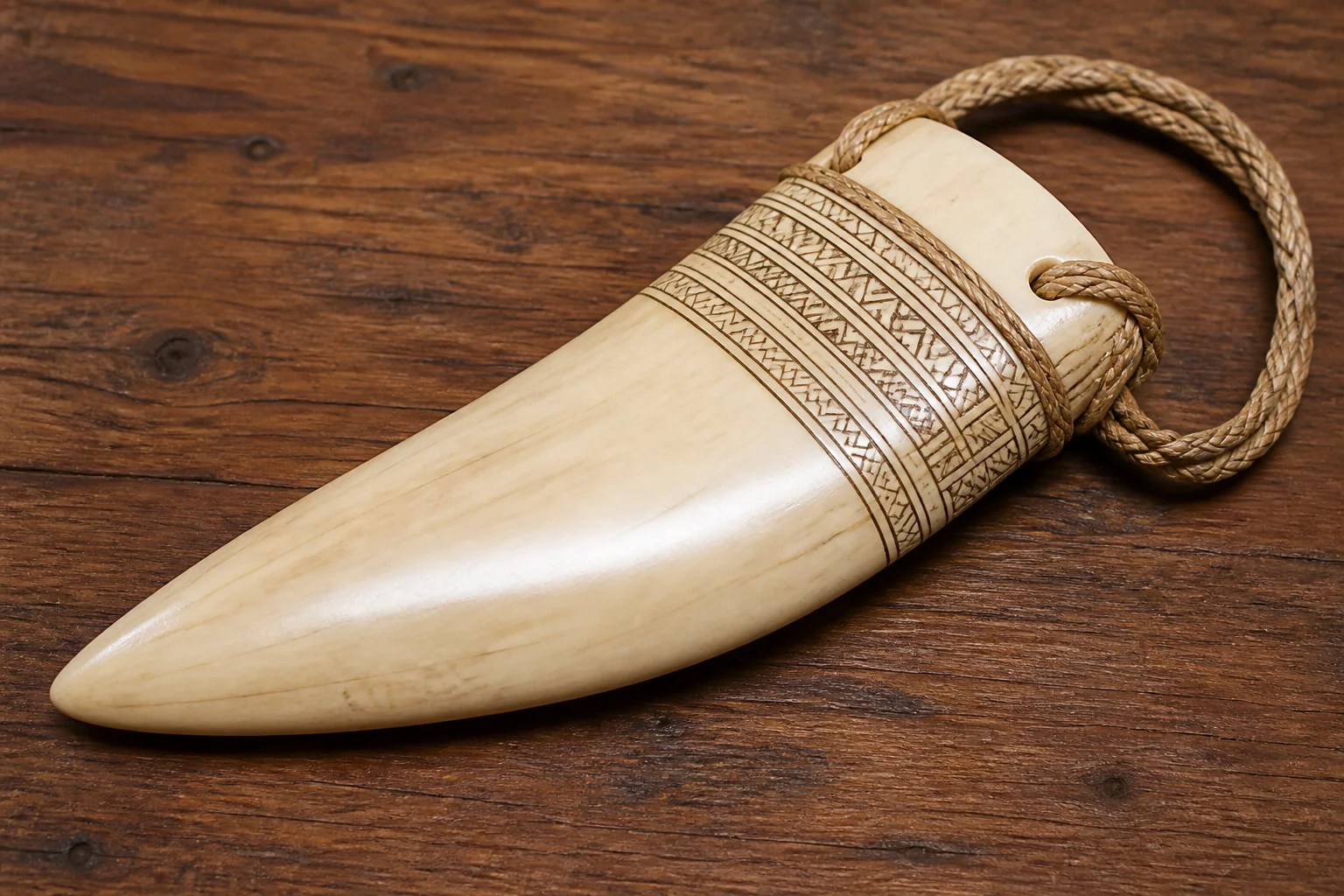
In Fiji, polished whale teeth called tabua are among the most culturally significant old forms of currency. A tabua is typically a sperm whale tooth, smoothed and stained, with a cord attached for presentation. They were used in marriages, funerals, political negotiations, and apologies.
Tabua were not everyday pocket change. They functioned as high-value ceremonial wealth, and their value depended on size, color, history, and past owners. Even today, tabua are exchanged in Fijian ceremonies, though their role has changed over time.
The persistence of tabua shows that money can be ceremonial as well as commercial. Objects with deep social meaning often hold value more effectively than abstract tokens. That idea appears again and again in the history of money.
14. Barley and Beer in Ancient Mesopotamia
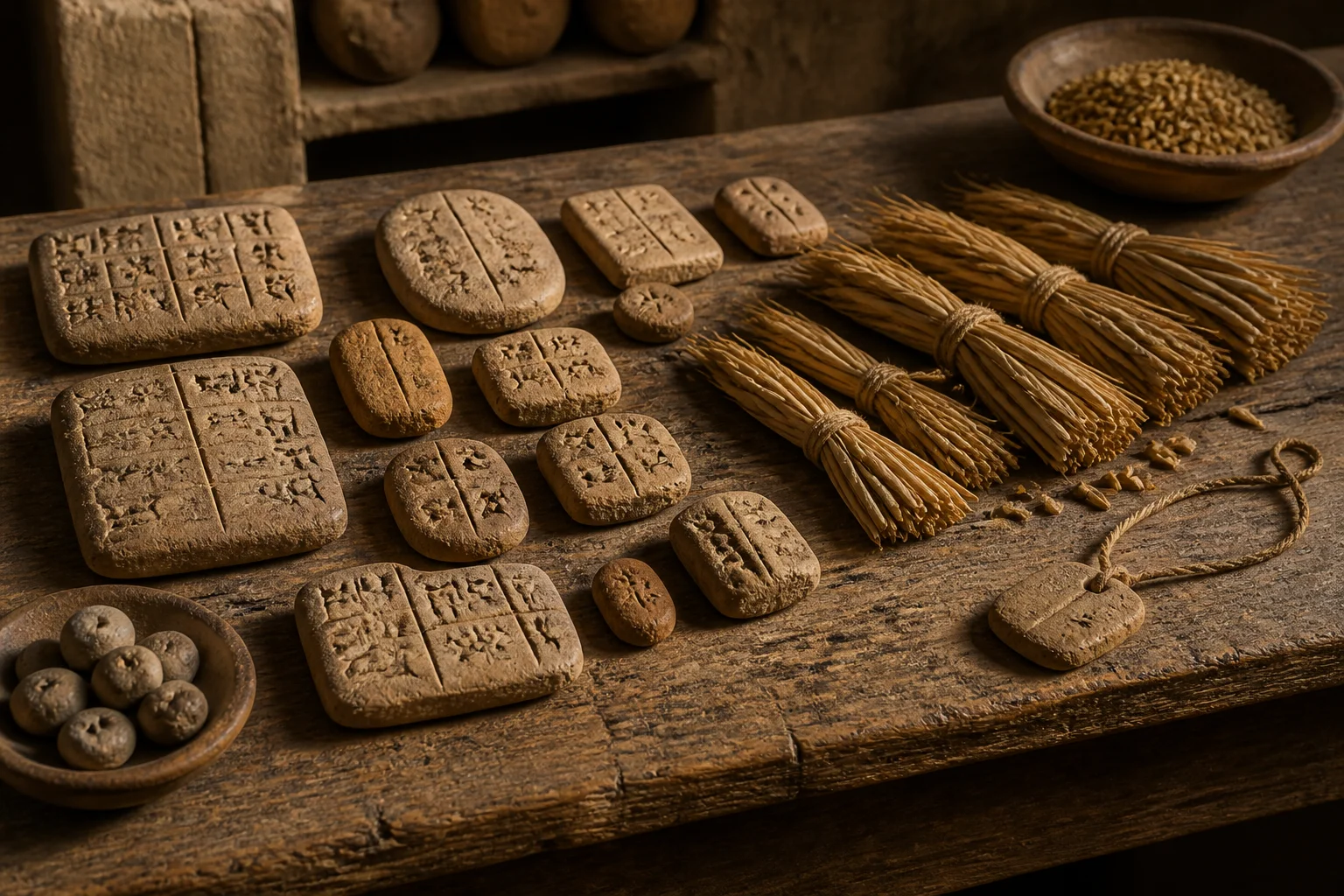
In ancient Mesopotamia, barley functioned as an accounting unit and a medium of payment. Temple and palace records show rations, wages, and debts measured in grain. Workers sometimes received barley as pay and used it to buy food, cloth, or other goods.
Beer brewed from barley also appears in ration lists from the same period. Because grain could be stored, divided, and consumed, it made a practical early currency. This is one of the oldest documented old forms of currency in human history.
The system worked because everyone needed food. A barley standard tied money to something universally useful, which limited some forms of financial manipulation. Later metal currencies gradually replaced grain in many Mesopotamian transactions.
15. Cattle as Living Currency
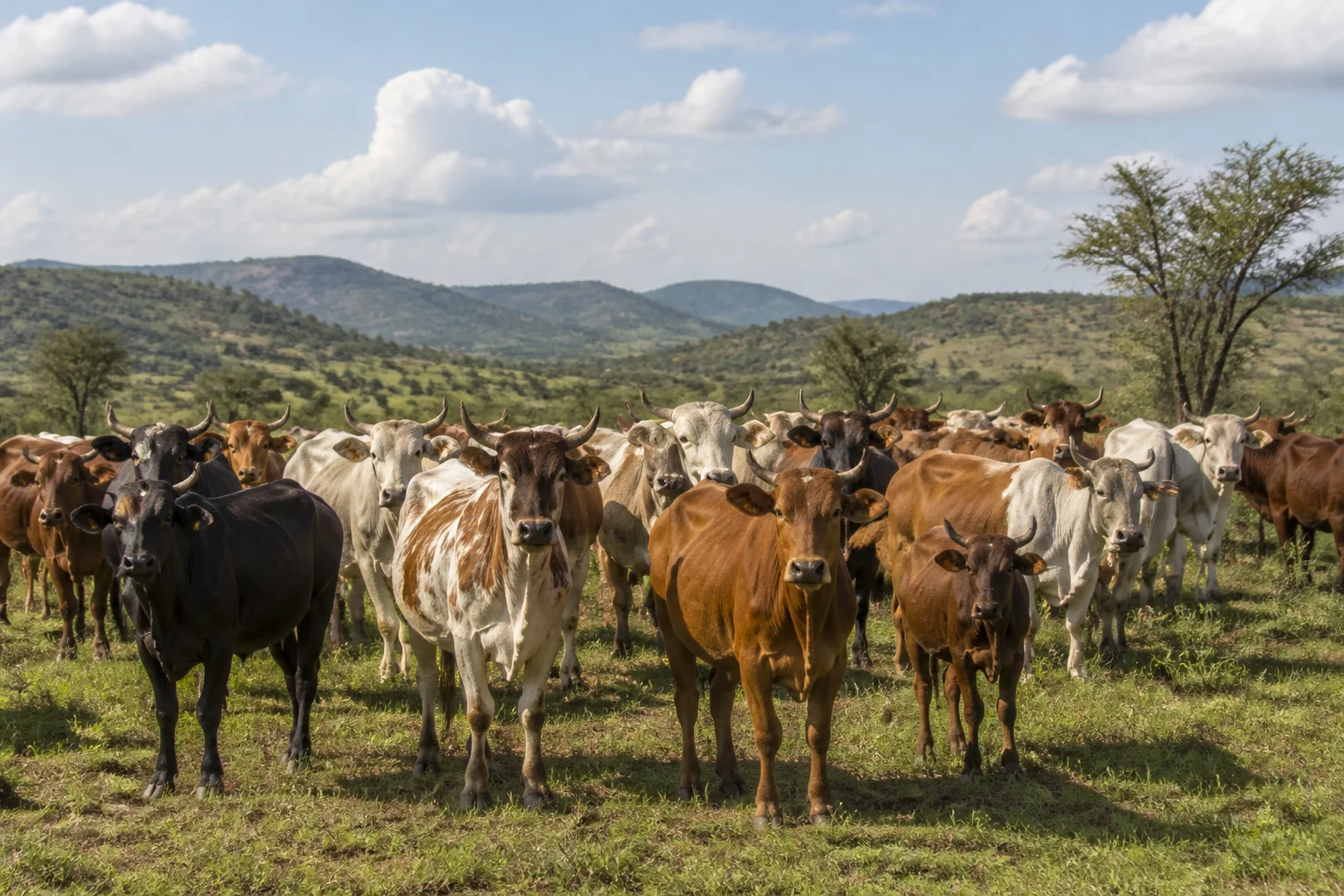
Cattle have served as wealth and payment in many societies, from ancient Mesopotamia to pastoral communities in Africa. The English word pecuniary comes from the Latin pecus, meaning cattle or livestock. In these societies, cattle measured prestige, paid bride wealth, and settled debts.
Living money has clear drawbacks because cattle need food, water, and care. Yet cattle also reproduce and produce milk, making them a self-renewing store of value. That combination of risk and reward made cattle a powerful symbol of wealth.
Cattle still function as a form of prestige and payment in some communities today. They are among the oldest and most durable old currencies in human history. Seeing money as a living herd is strange only if you assume money must be inanimate.
16. Kissi Money: Iron Rods of West Africa
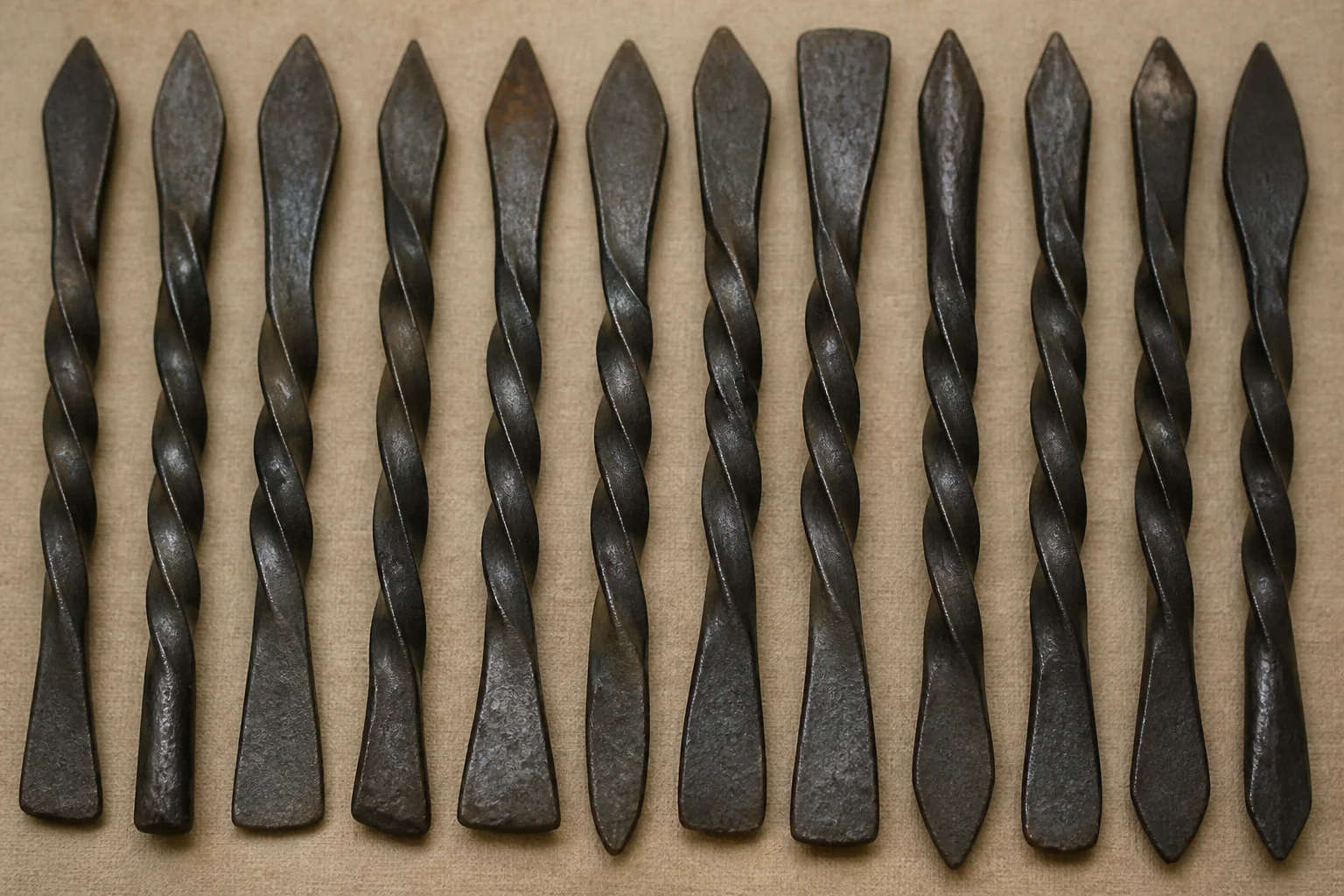
In parts of Liberia, Sierra Leone, and Guinea, iron rods known as Kissi money or Kissi pennies circulated from the 19th century into the mid-20th century. These were forged iron rods, often twisted, with a flattened end and a pointed end. They were produced in standardized lengths and used for everyday trade.
If a Kissi rod broke, it could be repaired in a ceremony by a blacksmith before it regained value. That process gave the currency a distinct social and ritual dimension. Kissi money shows how metal currency could function without government minting.
European colonial currencies eventually replaced Kissi pennies. Today they are collected as artifacts of a once-thriving regional economy. The rods are a favorite example of a practical metal currency shaped by local techniques.
17. Rice as Currency in Feudal Japan
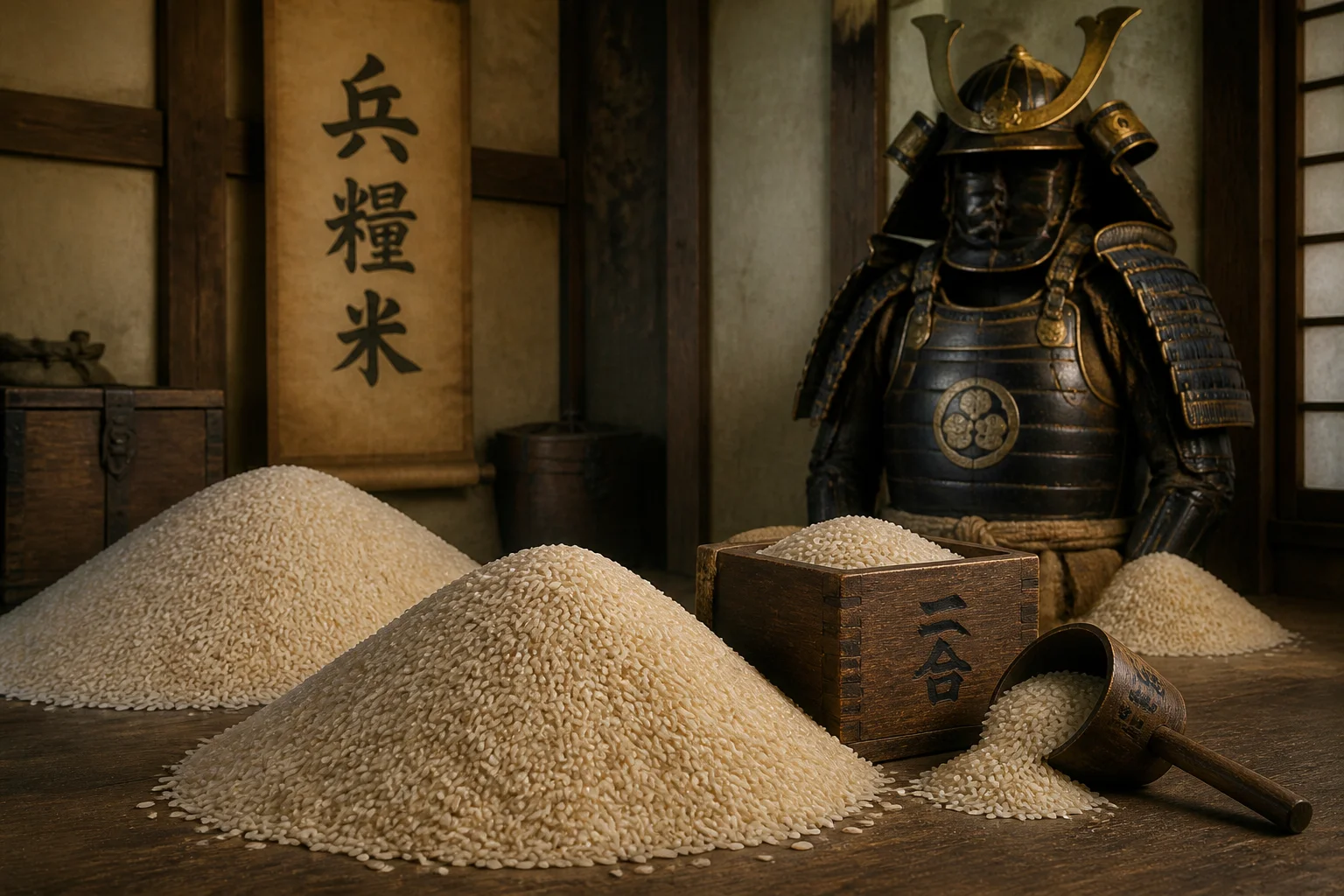
In feudal Japan, rice was more than food; it was a measure of wealth and a medium of payment. The koku, a unit of rice equal to about 180 liters, determined samurai stipends and domain wealth. Taxes were paid in rice, and land value was measured by how much rice it could produce.
Because rice could spoil and was heavy to move, merchants developed warehouse receipts that could be traded. These receipts became early financial instruments and shaped Japanese banking. In this way, rice money bridged the gap between commodity and paper finance.
The rice standard lasted for centuries and influenced social class. A person's income was often expressed in koku, not coins. That made rice one of the most structured old currencies in world history.
18. Beaver Pelts and the Made Beaver Standard
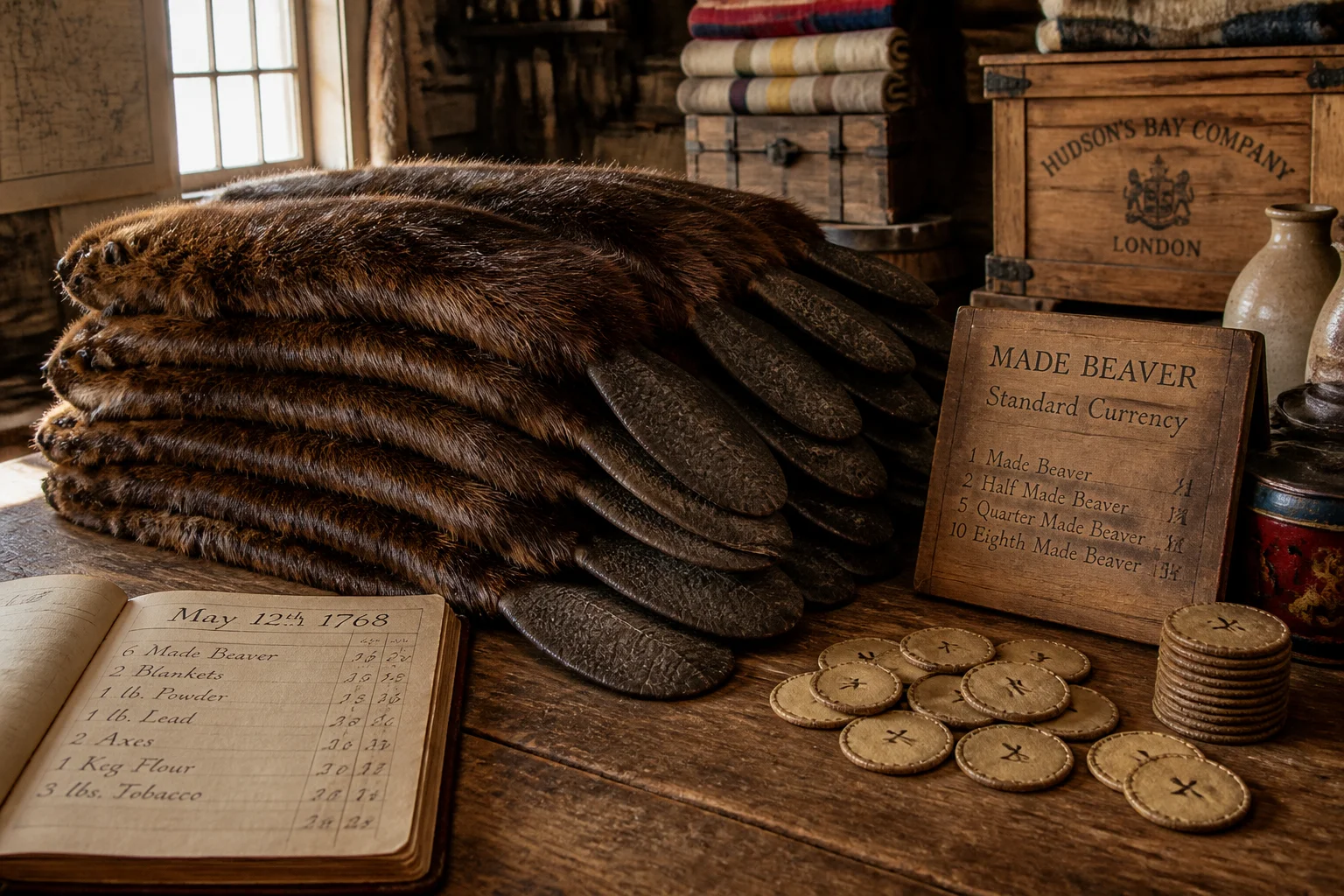
In 17th- and 18th-century North America, beaver pelts became the central currency of the fur trade. European demand for beaver felt hats made the pelts highly valuable. Indigenous hunters and European traders exchanged furs for metal tools, cloth, guns, and other goods.
The Hudson's Bay Company used a Made Beaver standard, pricing goods in terms of prime beaver pelts. This created one of the best-documented commodity currencies in colonial history. The standard helped simplify trade across enormous territories.
Overhunting and changing fashion eventually reduced the beaver's monetary role. Still, the Made Beaver unit remained a useful shorthand for value for many years. It remains a classic example of how global demand turned a wild animal product into money.
19. Tally Sticks: Wooden Debt Money of England
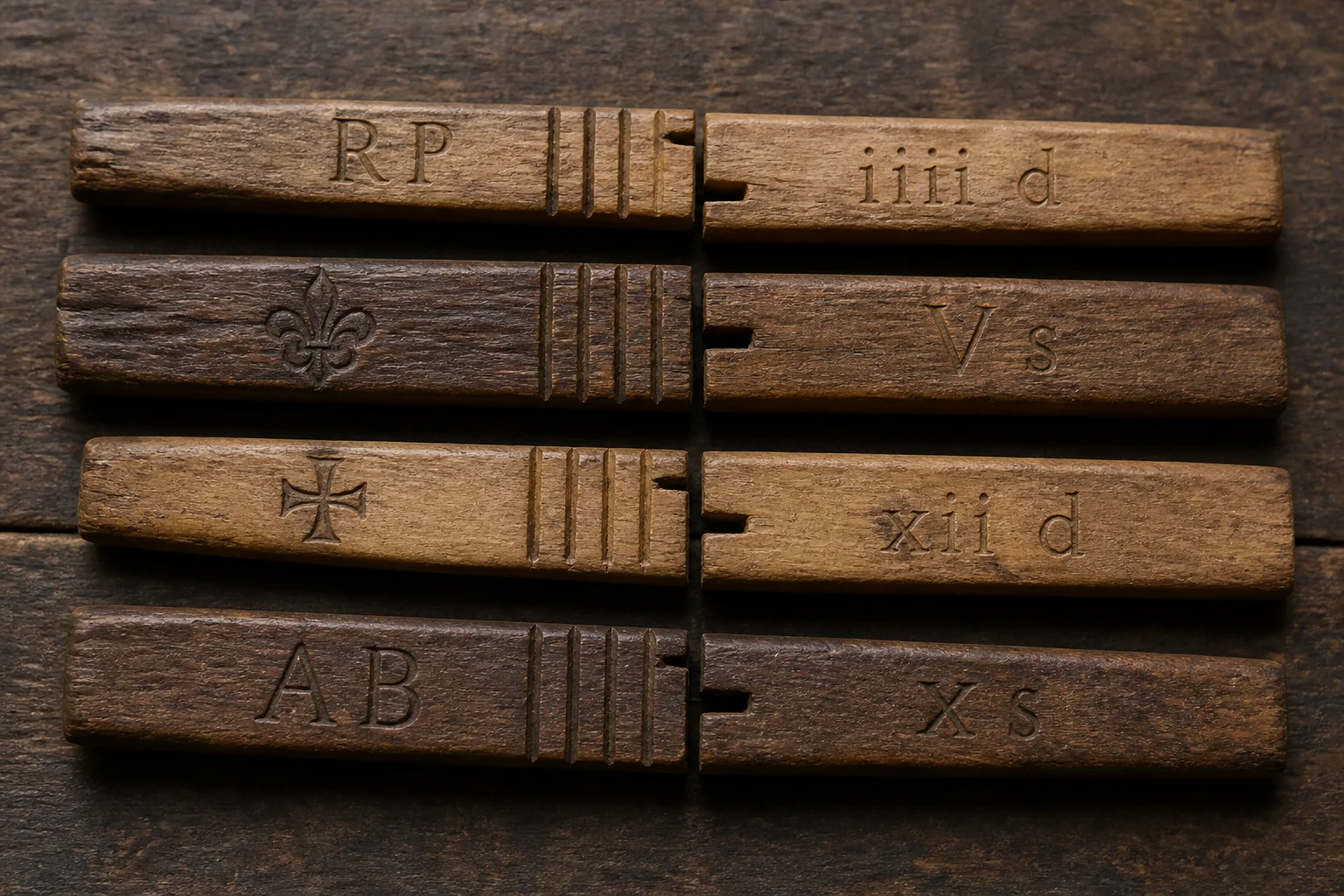
In medieval and early modern England, wooden tally sticks recorded debts and tax payments. A stick was notched to show an amount, then split lengthwise so each party kept half. The matching notches made forgery difficult and created a durable record.
Tallies became so trusted that some could circulate as an antiquated currency before modern banking fully developed. They were used by the English Exchequer for centuries to record government revenue. In 1834, the burning of old tallies accidentally set fire to the Houses of Parliament.
That fire destroyed much of the old palace, a strange finale for a simple wooden accounting tool. Tally sticks show that money can exist as a record of debt rather than a physical commodity. The idea still underpins much of modern banking.
20. Potlatch Coppers of the Pacific Northwest
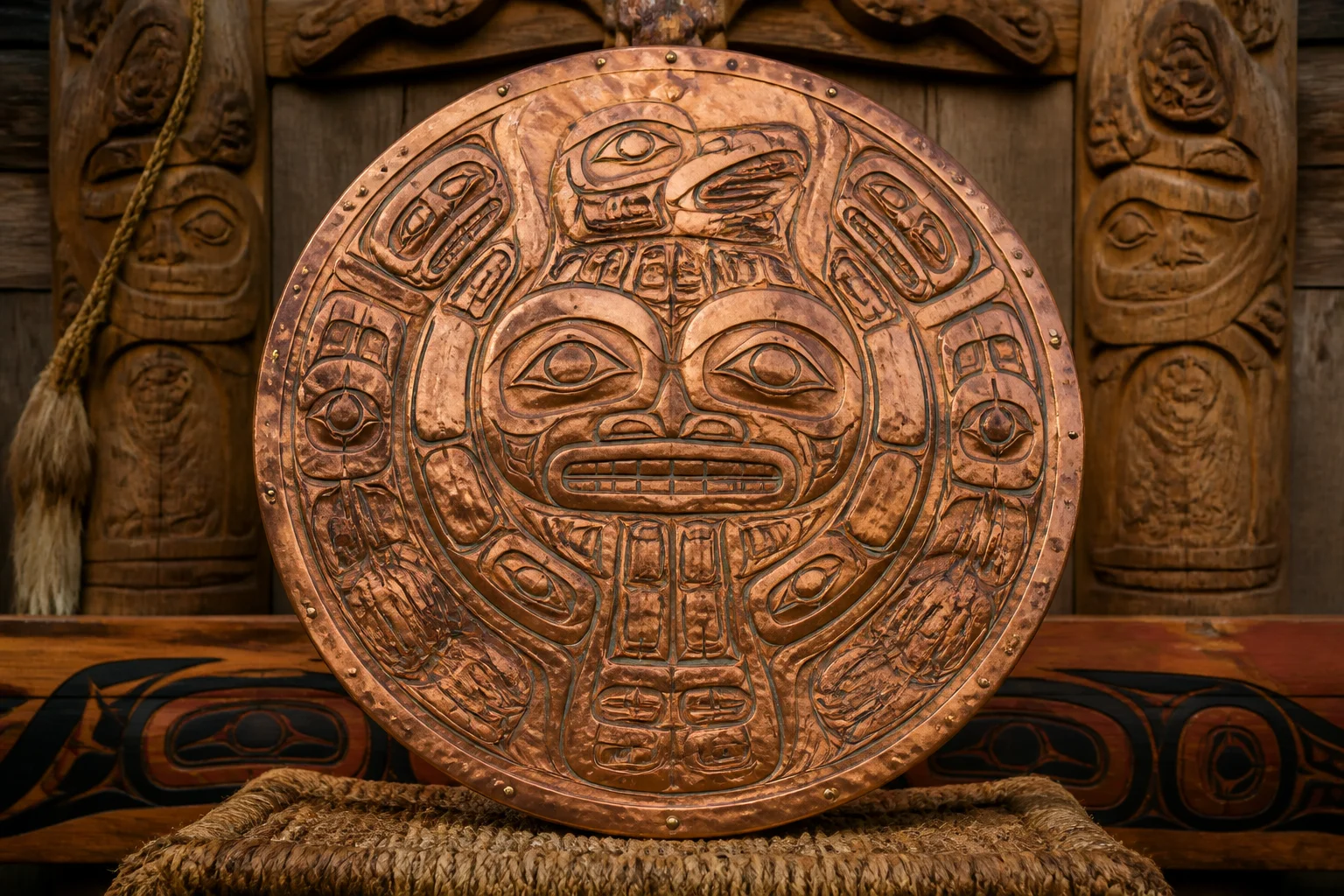
Among Indigenous nations of the Pacific Northwest, decorated copper shields or coppers served as prestige wealth. A copper could carry its own name and history, and its value increased through ceremony and repeated exchange. They were displayed, gifted, or ritually broken at potlatches.
Coppers were not used for buying everyday food. They acted as high-value ceremonial currency, and their worth depended on lineage, story, and public recognition. That made them more like a deed, crown, or trophy than a coin.
The potlatch system shows that value can be created through social performance. Colonial authorities often misunderstood this economy and tried to suppress potlatch ceremonies. Today, coppers remain powerful cultural objects and historical evidence of a sophisticated financial world.
What Bizarre Money Teaches Us About Value
Many of these weirdest currencies look absurd only because they are unfamiliar. In their own contexts, they solved real problems of trade, trust, and scarcity. Their strangeness often came from the environment rather than from irrational choice.
Some historical currencies were edible, wearable, or alive. Others were too heavy to move, like rai stones, or too fragile to last, like tally sticks. All of them worked because a community accepted them as payment.
When you swipe a card or scan a phone, you are using the same basic idea. Money is a shared story about value, now managed by banks, apps, and states. The objects change, but the trust underneath remains.
The funniest currency names and oddest forms of money remind us that economics is a human invention. Studying antiquated currency helps us see our own financial habits more clearly. The past may never pay your bills, but it can change how you think about the number in your account.
Frequently Asked Questions
What are some old forms of currency besides coins and paper money?
Many old forms of currency were commodity money, including cowrie shells, salt bars, tea bricks, cacao beans, cattle, and furs. Some societies used stone disks, iron rods, or tally sticks as symbolic money. The common thread is that a community accepted these objects as payment and value.
Why did people use strange objects as money?
Strange objects often had real usefulness, scarcity, or cultural meaning. Salt preserved food, grain fed people, and rare shells were durable and portable. Other items, like tally sticks or rai stones, worked because communities kept trusted records of ownership.
What ancient currencies were used for small everyday purchases?
Cowrie shells, squirrel pelts, cacao beans, and small pieces of salt bars were used for everyday transactions. They were portable, easy to count, and could be divided into smaller amounts. High-value items like rai stones or feather coils were usually reserved for major payments.
What is the weirdest money ever used?
There is no single weirdest money because value depends on culture. Giant rai stones, knife-shaped bronze coins, and red feather coils often top the list because they look nothing like modern cash. Each solved real problems in its own time and place.

Alex Warren
Related Articles