TL;DR: Human history has rarely been truly peaceful, yet a handful of long eras — the Pax Romana, the Pax Mongolica, and the postwar Long Peace — stand out as the most peaceful times in human history, while the ten most chaotic periods show how quickly that calm can shatter.
Introduction
When people ask what is the most peaceful time in history, they usually imagine a golden age where nobody fought and everyone prospered. The honest answer is messier than that. Peace in history was almost always partial, local, and built on somebody else's conquest.
Still, some periods were demonstrably calmer than others by almost any measure, and historians keep returning to the same short list. So this article does two things at once. It looks at the eras we could reasonably call the most peaceful time in human history, and then it counts down the ten most chaotic periods that wrecked the calm.
TL;DR: A handful of long eras — Roman, Mongol, and modern — qualify as genuinely peaceful by historical standards, while the ten most chaotic periods show how fragile that calm has always been.
What Does "Peaceful" Actually Mean In History?
Before ranking anything, we need a working definition. A peaceful era is not a time with zero violence, because no such time exists at scale. It is a stretch when large-scale organized warfare between major powers is rare, trade flows, and ordinary people can plan a harvest or a career without expecting an army to arrive.
Scholars often borrow the idea of negative and positive peace. Negative peace means the fighting has stopped, while positive peace means the underlying tensions and injustices have actually been addressed. Most historical "golden ages" are examples of negative peace for the winners and something much worse for the conquered.
That distinction matters because it stops us from romanticizing. The Pax Romana was peaceful for a Roman merchant and catastrophic for a rebellious province. A peaceful war, if we use the phrase carefully, is not a contradiction — it is a war whose violence stayed contained far from most people's daily lives.
The Measurement Problem
We cannot count ancient battles the way we count modern ones, so estimates vary widely. Some researchers argue that per-capita violence has declined over centuries, while others warn that ancient data is too thin for confident totals. Treat every figure in this article as an estimate, not a certified ledger.
What we can compare is structure. We can ask whether a region had a single dominant power that suppressed local wars, whether major rival empires avoided direct confrontation, and whether civilians felt safe enough to build, trade, and travel.
Those questions give us a fairer yardstick than raw body counts. They also explain why the same era can look extremely peaceful from one capital and utterly bleak from another.
The Most Peaceful Periods In Human History
A few eras keep appearing whenever historians debate the most peaceful time in human history. None were perfect, and all had exceptions, but each offers a genuine stretch of relative stability worth understanding.
Pax Romana (roughly 27 BCE to 180 CE)
The Pax Romana began when Augustus consolidated power and lasted, in various forms, for about two centuries. Within the empire's core, large-scale civil war became rare, roads were safe enough for travel, and Mediterranean trade expanded dramatically. Rome's legions still fought on the frontiers, so this was peace for the interior more than peace for the border.
Pax Mongolica (roughly the 13th to 14th centuries)
Once the Mongol conquests ended, the vast Eurasian trade routes became unusually secure. Merchants could travel from China toward the Middle East with a reasonable expectation of arriving, and the Silk Road flourished as never before. The price of that peace was the conquest itself, which had been devastatingly violent. For a sense of how long such conflicts can drag on, see history's longest and shortest wars, which range from centuries-long campaigns to battles over in minutes.
The Long Peace After 1945
The decades after World War II saw no direct war between major great powers, a stretch many scholars call the Long Peace. Nuclear deterrence, economic interdependence, and international institutions all played a role in keeping rivalry from tipping into open conflict. It is the strongest candidate for the most peaceful time in history for people living in developed nations, even though proxy wars raged elsewhere.
Why Was Ancient Rome So Peaceful?
Ancient Rome's famous calm rested on overwhelming military dominance. With no rival power able to match the legions in the Mediterranean heartland, local conflicts were often suppressed before they could grow. That produced genuine security for traders, farmers, and city dwellers inside the empire.
It also produced bitter resentment. Provinces that resisted Roman rule were crushed, taxed, and absorbed, and the peace they received was not one they had chosen. When people say you cannot make a peaceful revolution impossible without making a violent revolution inevitable, Roman history offers a vivid illustration of the principle — one that echoes through major revolutions throughout history.
What Ended The Long Peace Of The 19th Century?
Many Europeans believed the century after Napoleon's defeat in 1815 was a stable, civilized era. The Congress of Vienna created a balance of power that kept the great powers from fighting each other directly for decades. Industrial growth and global trade made the period feel, to its beneficiaries, extremely peaceful.
That confidence collapsed in 1914. Alliances, arms races, and imperial competition turned a regional crisis into a continental war. The lesson is uncomfortable but clear: a long era of calm can end not because peace was fake, but because the conditions holding it together quietly eroded.
The 10 Most Chaotic Periods In History
Now for the other side of the ledger. These ten periods represent the worst breakdowns of order in recorded history, ranked by scale, duration, and the sheer collapse of normal life. They also happen to be the clearest proof of how rare genuine peace has been.
1. The Late Bronze Age Collapse (roughly 1200–1150 BCE)
Within a few generations, nearly every major civilization in the eastern Mediterranean fell apart. The Hittite Empire vanished, Mycenaean Greece collapsed, and Egypt survived only in a diminished form. Historians still debate the causes, with drought, earthquakes, migration, and raiders all offered as contributing factors.
The chaos was total. Trade networks that had linked kingdoms for centuries simply stopped, cities burned, and writing systems disappeared in some regions. If you want a benchmark for how quickly an interconnected world can unravel, this is it.
2. The Warring States Period In China (roughly 475–221 BCE)
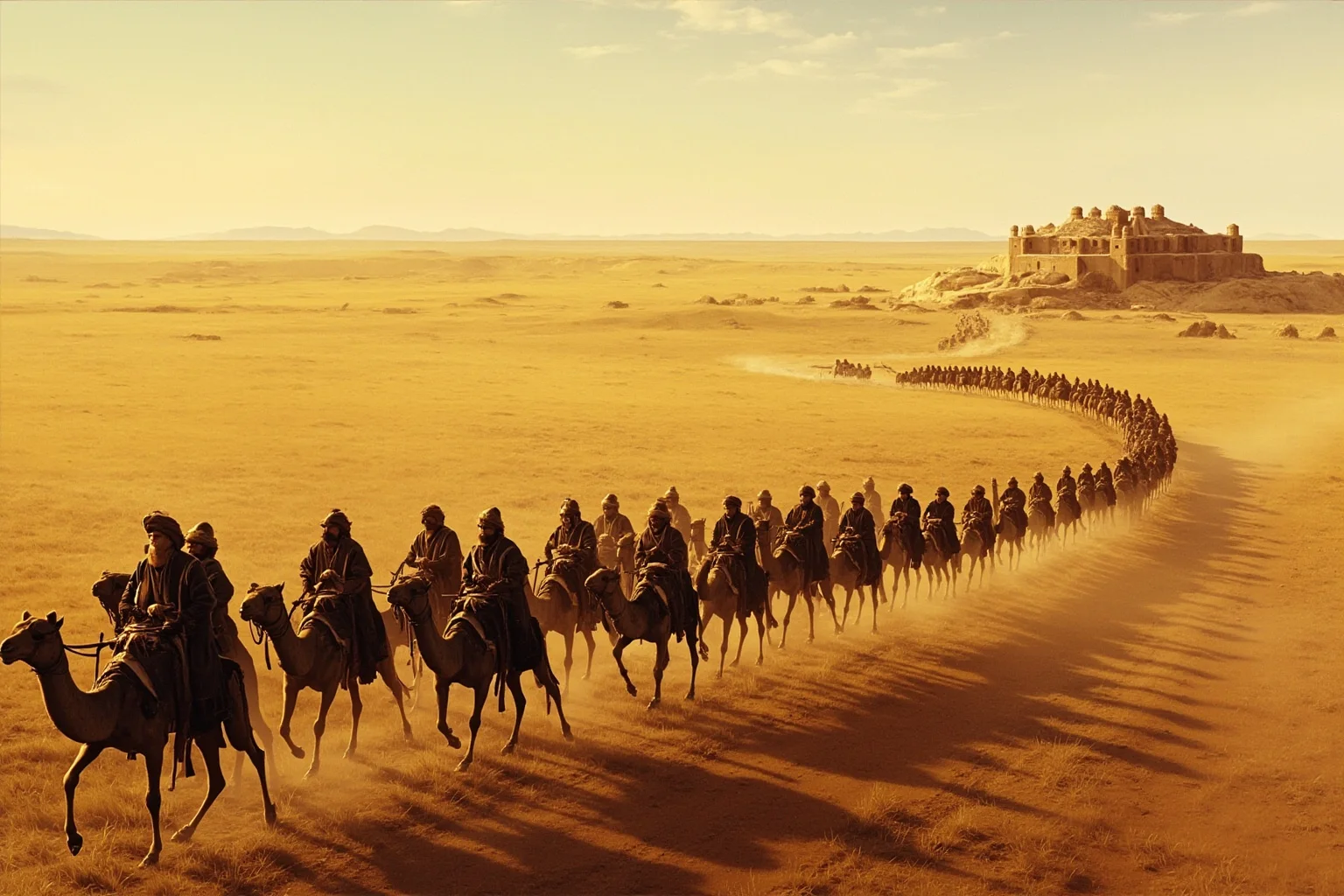
For over two centuries, rival Chinese states fought almost continuously for supremacy. Armies grew enormous by ancient standards, and campaigns devastated farmland and towns alike. It ended only when Qin Shi Huang conquered the rest and unified China under a single, harsh rule.
The period was so chaotic that it produced some of China's greatest strategic and philosophical writing. Thinkers like Sun Tzu's successors and the Legalist school emerged precisely because survival required clear-eyed thinking about war and order. Chaos, it turns out, can be intellectually fertile even while being physically brutal.
3. The Fall Of The Western Roman Empire (roughly 376–476 CE)
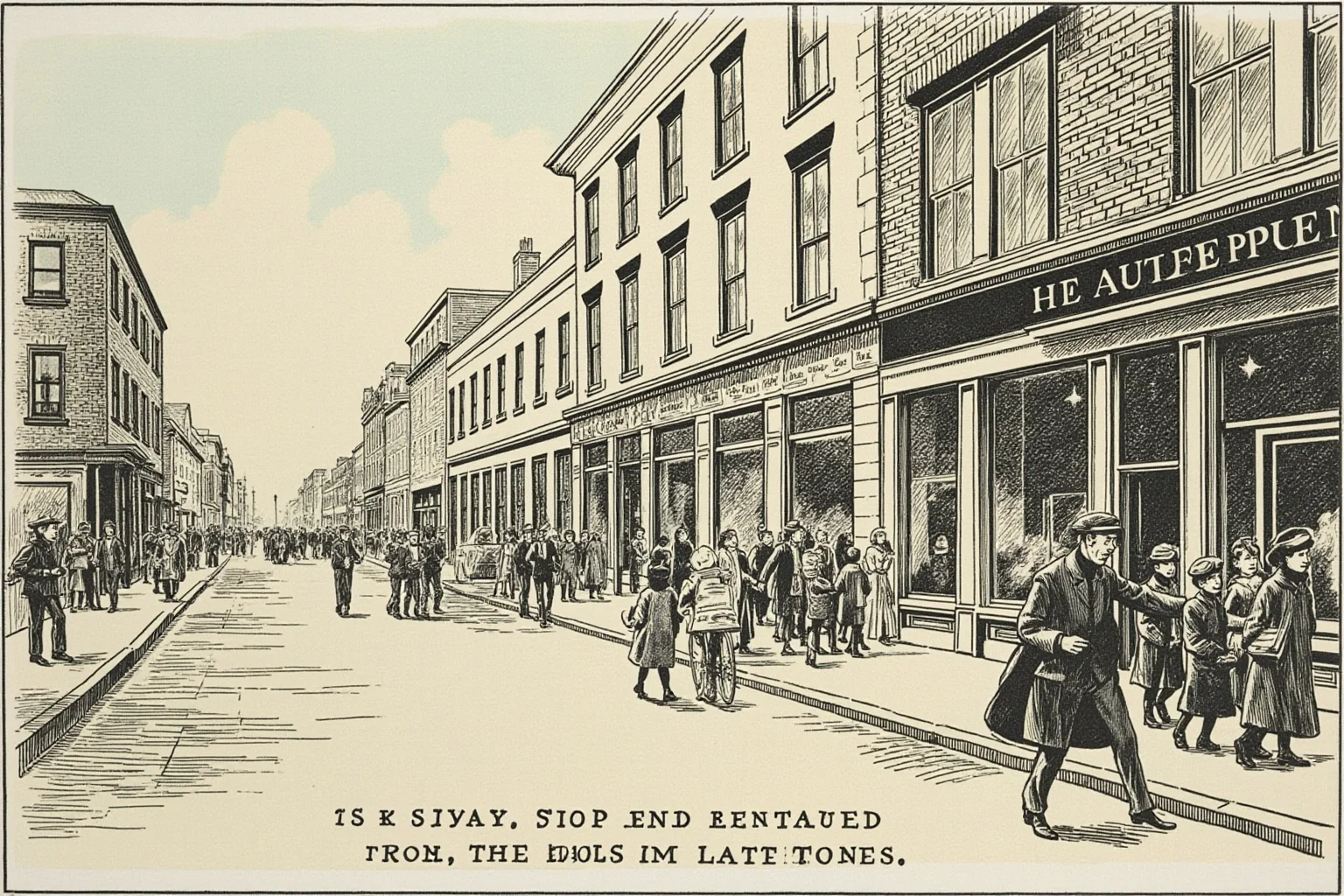
Rome's western half did not fall in a single dramatic day. It eroded across a century of invasions, civil wars, economic strain, and the loss of provinces to migrating and invading peoples. By 476 CE, the last western emperor was deposed, and the political structure that had held Europe together was gone.
The aftermath was not instant anarchy everywhere, but it was deeply disruptive. Trade contracted, cities shrank, and local warlords filled the vacuum left by central authority. For ordinary people, the disappearance of Roman order meant a much more dangerous and uncertain world.
4. The Viking Age (roughly 793–1066 CE)
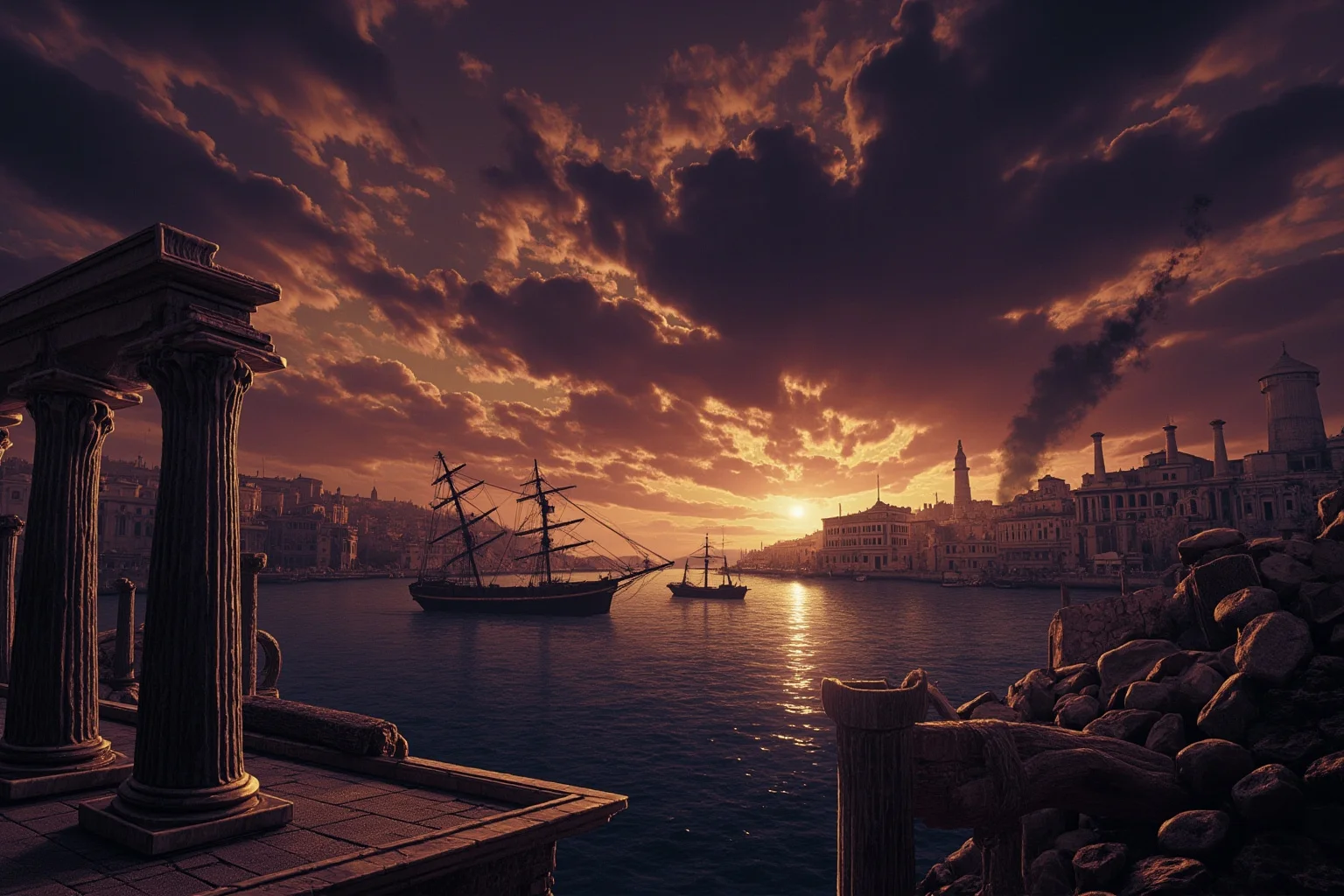
Scandinavian raiders struck across Europe, from monasteries in England to rivers deep in Russia. Coastal and river communities lived under constant threat because Viking longships could appear with little warning. The chaos was not continuous war but chronic insecurity, which can be just as corrosive to daily life.
The Viking Age also reshaped Europe permanently. Norse settlement changed the demographics and politics of England, Ireland, Normandy, and beyond. What began as raids became conquest, trade, and state-building, so the period's legacy is far more complicated than simple destruction. That Norse expansion left marks across the Atlantic world that still surface in timelines of the biggest events in American history.
5. The Mongol Conquests (roughly 1206–1260 CE)
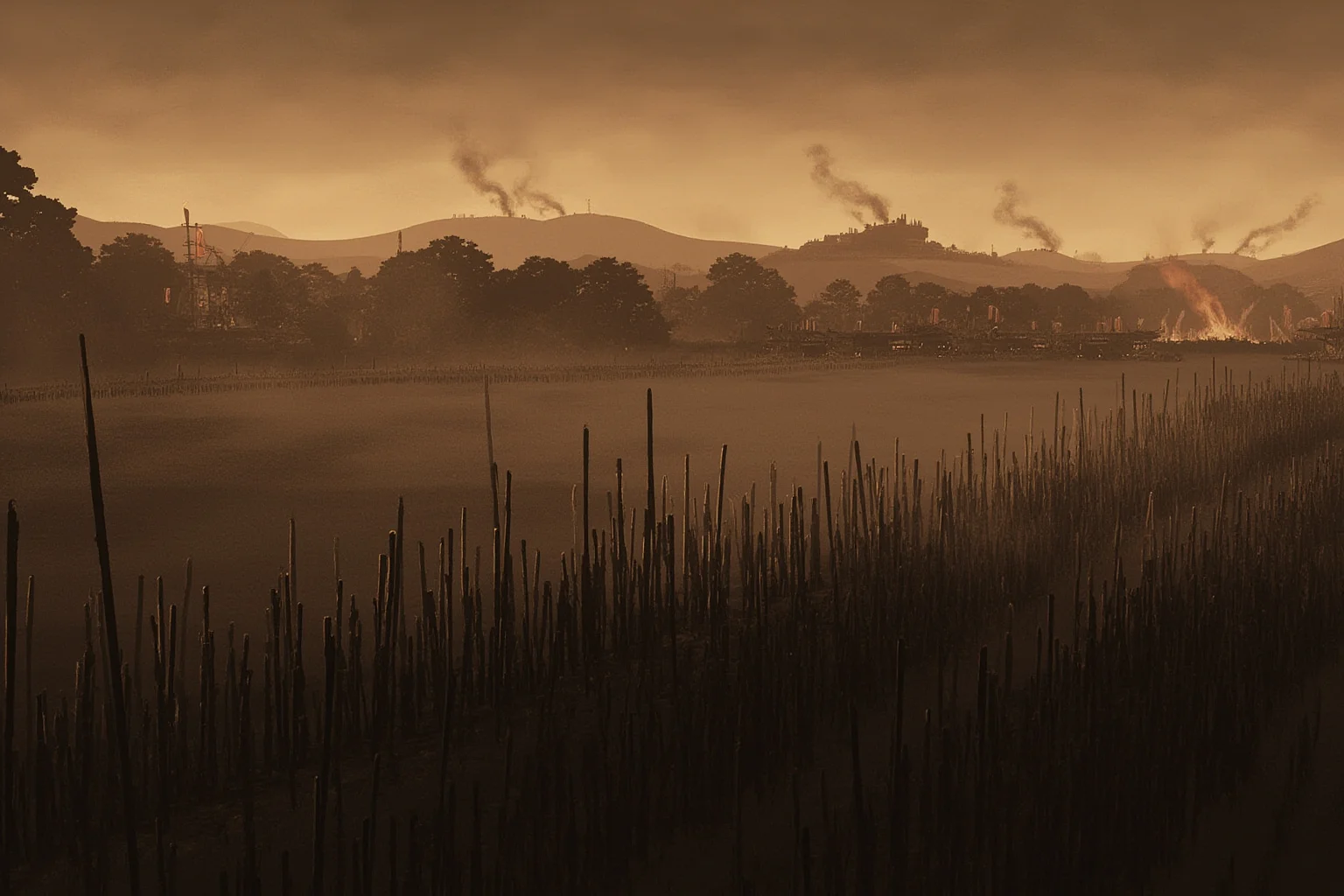
The Mongol campaigns under Genghis Khan and his successors created the largest contiguous land empire in history. Their conquests were extraordinarily destructive, with entire cities destroyed and populations devastated. Estimates of the death toll vary widely, but even cautious figures are staggering.
Ironically, this same conquest produced the Pax Mongolica once the fighting stopped. The Mongols imposed order across Eurasia precisely because they had shattered the old political landscape. It is one of history's most uncomfortable paradoxes: a devastating wave of violence followed by a genuinely peaceful trading era.
6. The Thirty Years' War (1618–1648)
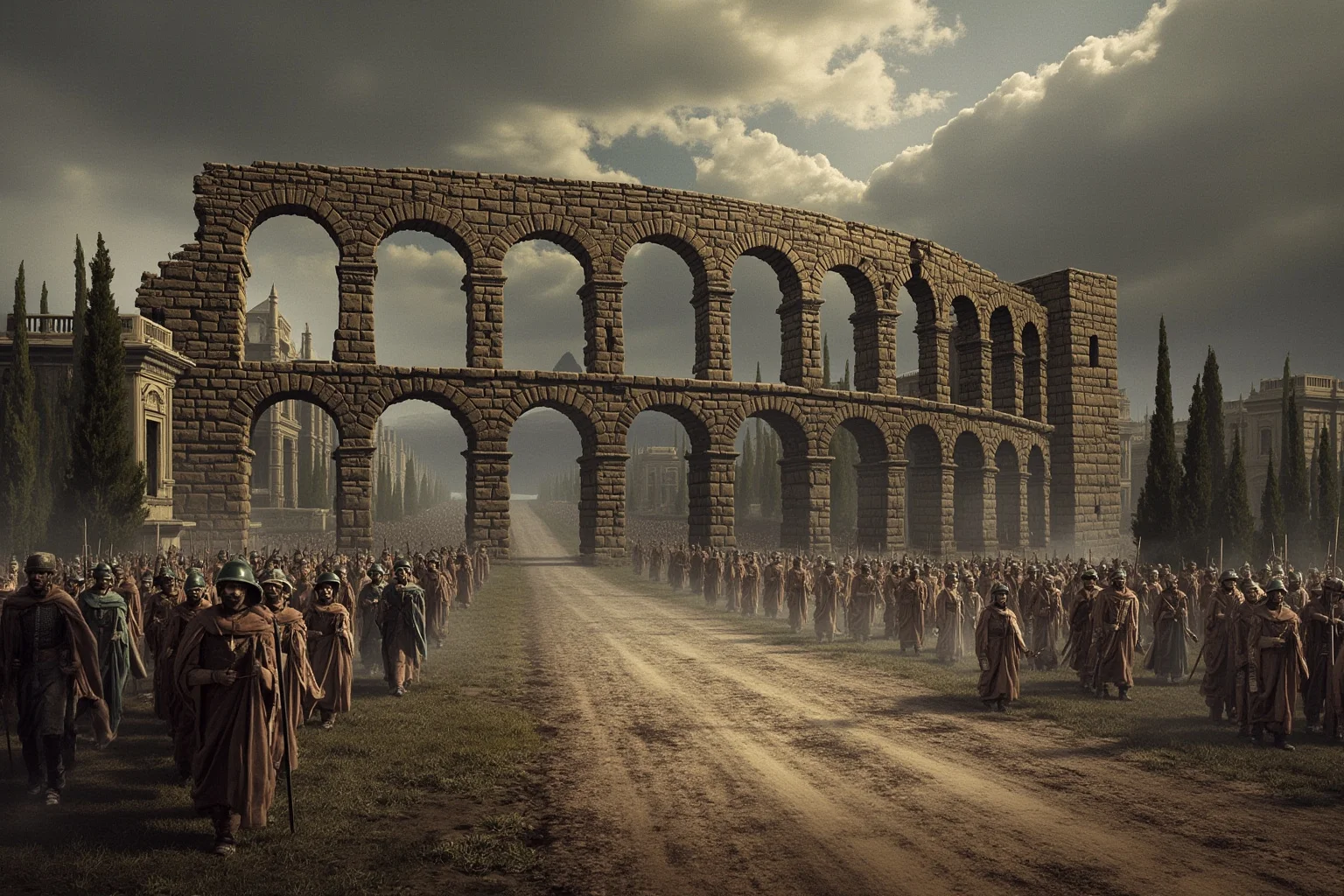
The Thirty Years' War began as a religious conflict within the Holy Roman Empire and grew into a European-wide catastrophe. Armies lived off the land, which meant civilians bore the brunt of hunger, disease, and looting. Some regions of Germany lost a third or more of their population, though historians debate the exact scale.
It ended with the Peace of Westphalia, which helped establish the idea of sovereign states. That settlement is often credited with creating the modern international system. The war's chaos was so extreme that it forced Europe to invent new rules for managing conflict.
7. The Napoleonic Wars (1803–1815)
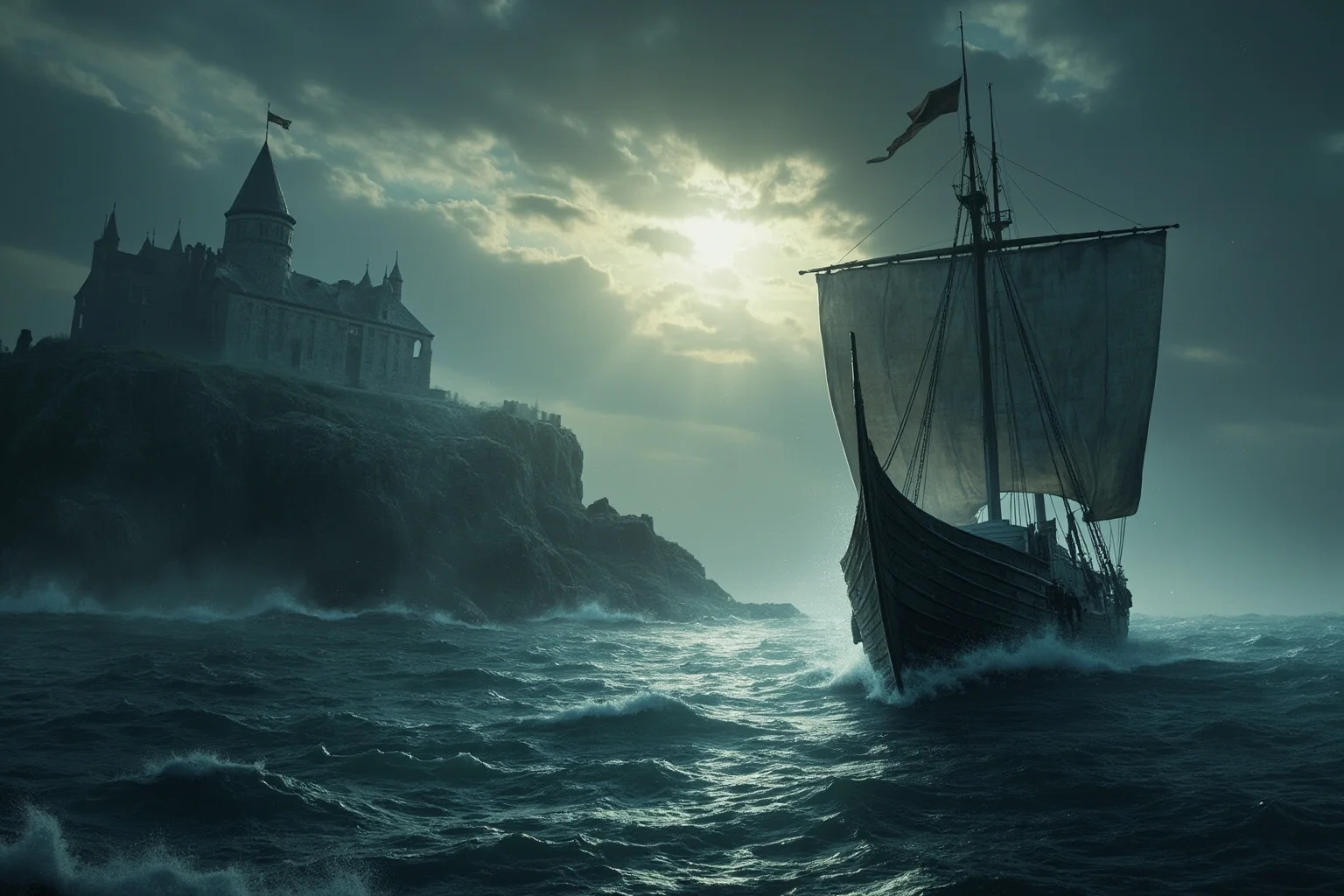
The Napoleonic Wars engulfed Europe for over a decade and mobilized millions of soldiers. Napoleon's campaigns redrew borders repeatedly and spread revolutionary ideas alongside immense suffering. For a generation of Europeans, the continent seemed permanently at war.
The wars also demonstrated something new about the scale of modern conflict. Mass conscription, nationalism, and industrial logistics made armies larger and warfare more total than anything before. The peace that followed was real, but it rested on exhausted powers rather than genuine reconciliation.
8. World War I (1914–1918)
The First World War introduced industrial slaughter on a scale the world had never seen. Trench warfare, artillery barrages, and chemical weapons killed millions and wounded many more. Empires that had lasted centuries — Ottoman, Austro-Hungarian, Russian, German — collapsed in its wake.
The war's chaos did not end with the armistice. The punitive peace terms and the collapse of old orders helped set the stage for the next, even more catastrophic conflict. Historians widely see 1914 as the moment a long era of relative stability gave way to decades of upheaval.
9. World War II (1939–1945)
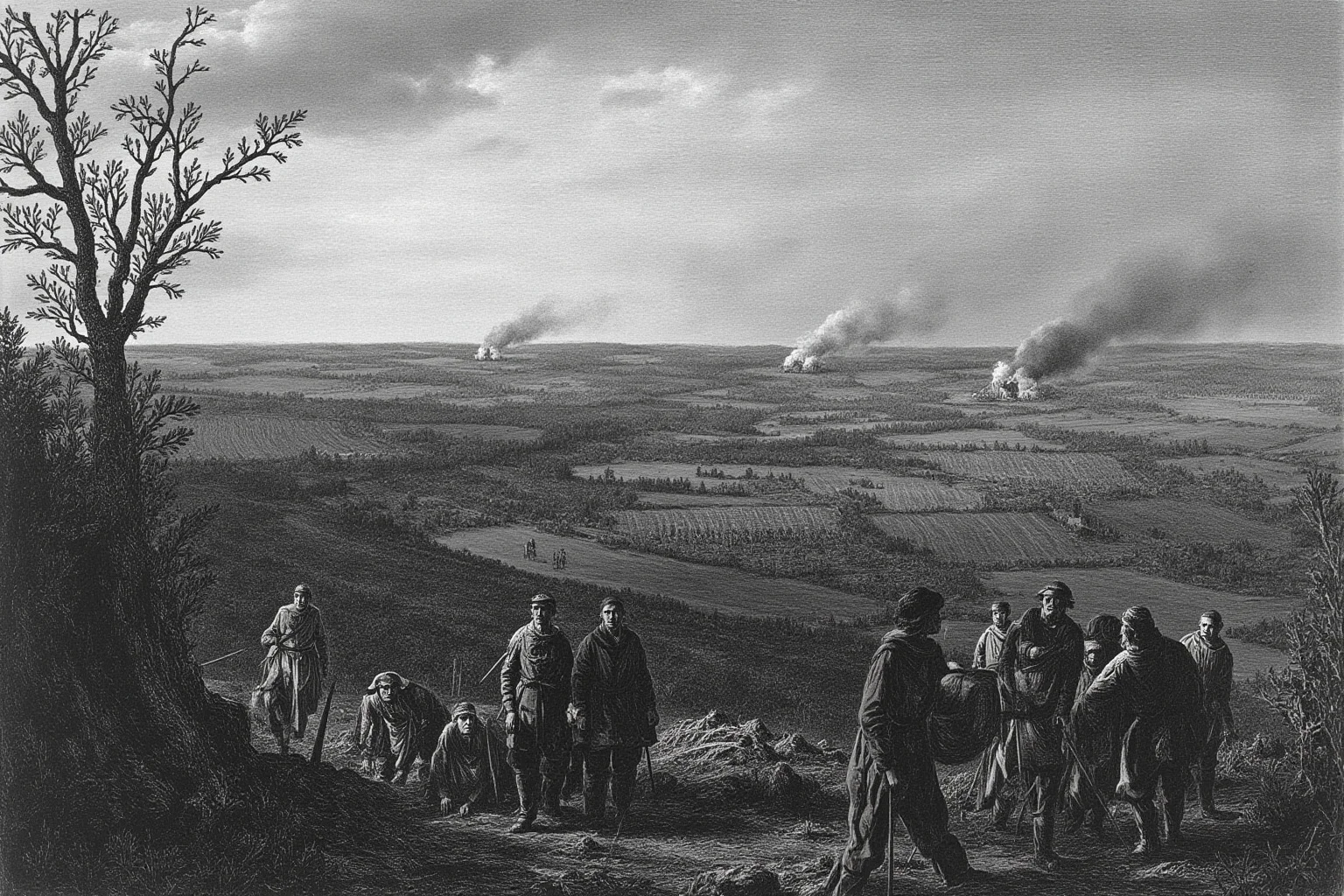
World War II was the deadliest conflict in human history, with estimates of total deaths ranging from roughly 70 to 85 million. It combined mass industrial warfare, genocide, and the targeting of civilians on an unprecedented scale. Entire cities were destroyed, and the Holocaust remains one of the darkest chapters in recorded history.
When the war ended, the world faced a fundamentally different landscape. Two superpowers emerged, colonial empires dissolved, and the atomic bomb changed the calculus of conflict forever. The chaos of these years directly shaped the institutions that have helped keep the peace since.
10. The Congo Wars (1996–2003 and beyond)
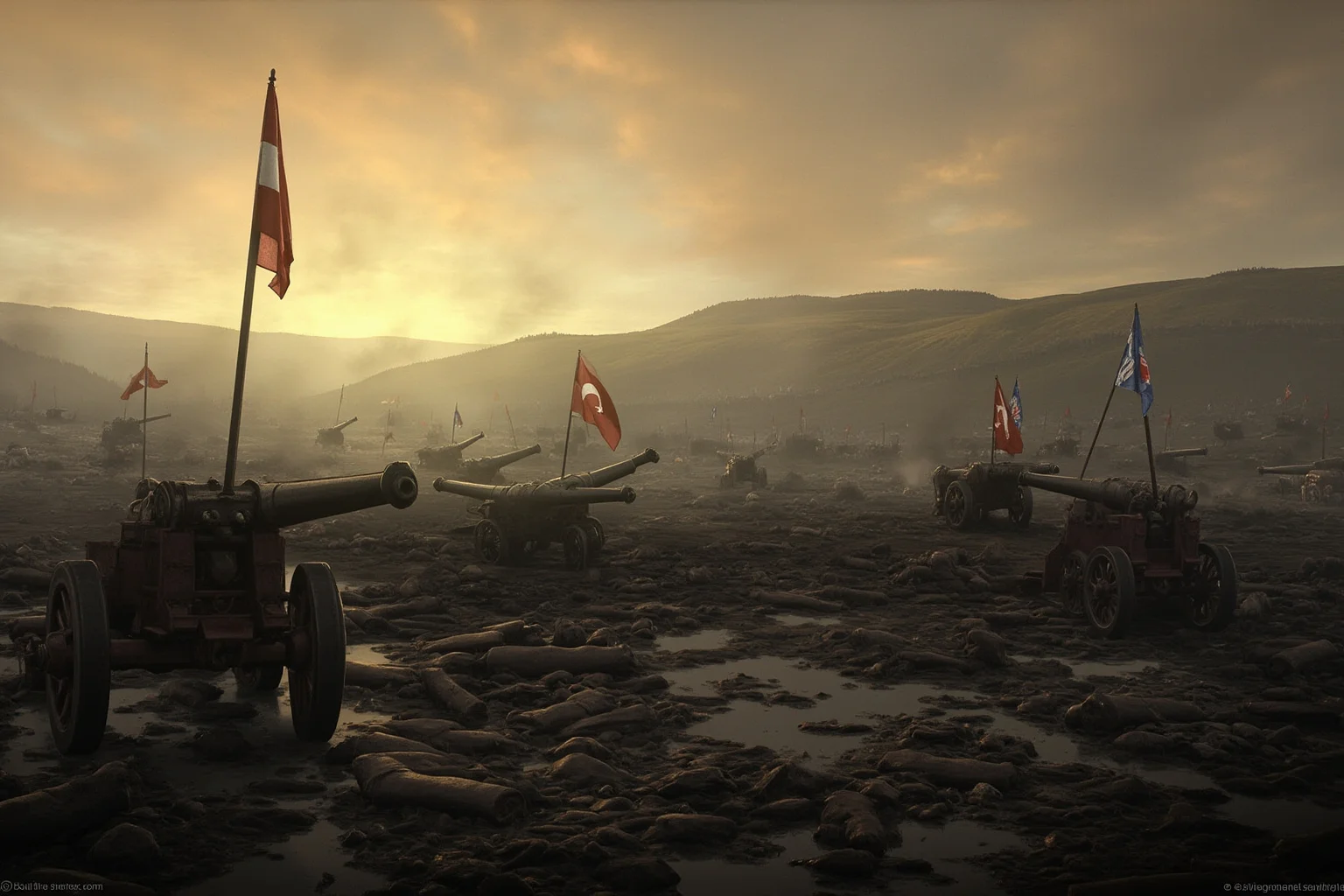
The conflicts in the Democratic Republic of the Congo have been called Africa's world war because so many neighboring states became involved. Fighting, disease, and displacement caused millions of deaths, with estimates varying significantly depending on methodology. Many deaths resulted from the collapse of health systems and food security rather than combat alone.
Violence and instability have continued in parts of the region well after the formal end of the second war. The Congo's tragedy also highlights a modern problem: chaos that persists quietly, well away from global headlines, can be just as devastating as the wars everyone remembers.
Why These Ten Matter
Looking at this list, a pattern emerges. Chaos tends to arrive not from a single cause but from overlapping stresses — climate shocks, migration, economic strain, and weak institutions all at once. The most peaceful periods, by contrast, usually rested on a dominant power or a stable balance between rivals.
That is a sobering conclusion for anyone seeking the most peaceful time in history. Peace has generally been a byproduct of power, luck, or exhaustion, not a deliberate global achievement. Understanding that helps us appreciate the stable eras we do have.
Peaceful War? The Tricky Phrase Explained
The phrase peaceful war sounds like a contradiction, but it captures something real about history. Some wars stay limited in scope, fought by professionals far from population centers, with civilians largely insulated. By the standards of their time, such conflicts could feel almost peaceful to most people.
Others are total, mobilizing entire societies and reaching every household. The difference between the two shapes whether an era feels calm or catastrophic, even if fighting never technically stops anywhere on Earth.
When You Make Peaceful Revolution Impossible
There is an old idea, often quoted in discussions of protest and power, that when you make peaceful revolution impossible, you make violent revolution inevitable. The exact phrasing circulates in various forms, and it is usually attributed loosely rather than documented to a single verified source.
The underlying insight is widely accepted by historians of revolution, though. Societies that block all channels for reform tend to build up pressure rather than release it, and the eventual rupture is often more violent. Reform, in that light, is a safety valve that genuinely peaceful eras tend to keep open — a lesson visible in revolutions from France to Iran.
Is The Modern World The Most Peaceful Time In History?
By several important measures, the answer leans yes. Great-power war has been absent since 1945, global life expectancy has soared, and international institutions have made cooperation routine. For billions of people, the last few decades have been the most peaceful time in human history by a wide margin.
That optimism needs guardrails. Civil wars, regional conflicts, and state violence persist, and the Long Peace could prove temporary rather than permanent. Treating modern calm as guaranteed is exactly the mistake earlier generations made before 1914.
What The Longest Era Of Calm Teaches Us
If we ask which longest era of stability deserves the title of most peaceful, candidates include the Pax Romana at roughly two centuries and the post-1945 order now approaching eighty years. Neither was uniform, and both had violent edges far from their centers.
What they share is a structure that made large-scale war unprofitable or unthinkable for major players. Trade, deterrence, shared institutions, or simple exhaustion can all produce that effect. When those supports weaken, peace tends to weaken with them.
Final Thoughts: Between Calm And Chaos
History is not a steady march from violence to peace, nor the reverse. It swings between eras of relative calm and eruptions of chaos, often for reasons that only become clear in hindsight. The most peaceful times were real, but they were fragile and unevenly distributed.
So the next time someone asks what was the most peaceful time in history, the honest answer is a qualified one. It depends on where you lived, who was in charge, and whether you were inside the protected zone or outside it. That nuance, more than any single date, is the real story.
Frequently Asked Questions
What is the most peaceful time in history?
Most historians point to the decades after 1945, often called the Long Peace, because no major great powers have fought each other directly since World War II. Earlier contenders include the Pax Romana, which gave the Mediterranean roughly two centuries of relative internal stability, and the Pax Mongolica, which secured Eurasian trade routes. None were peaceful for everyone, and all had violent exceptions on their frontiers.
What was the most peaceful time in human history for ordinary people?
For everyday life, the post-1945 era in developed nations probably ranks highest, thanks to rising life expectancy, fewer wars between states, and stronger international institutions. Ancient golden ages like the Pax Romana benefited merchants and city dwellers but came at the expense of conquered peoples. Peace in history was almost never universal, so the answer depends heavily on where a person lived.
Was the Pax Romana really peaceful?
Inside the empire's core, yes, by ancient standards. Large-scale civil war became rare, roads and sea routes were relatively safe, and trade expanded. But Rome's legions still fought constantly on the frontiers, and provinces that resisted were crushed and taxed. It was peace for the interior, not for the borders or the conquered.
What does the phrase peaceful war mean?
A peaceful war usually describes a conflict kept limited in scope, fought by professional armies far from civilian population centers. By the standards of its time, such a war could feel almost calm to most people, even though fighting continued. It stands in contrast to total war, which mobilizes entire societies and reaches every household.
What is meant by the saying when you make peaceful revolution impossible?
The idea, often paraphrased as when you make peaceful revolution impossible you make violent revolution inevitable, suggests that blocking all peaceful routes to reform builds pressure rather than releasing it. Historians of revolution broadly accept the logic, though the exact wording circulates in many versions and is usually attributed loosely rather than verified to a single source.
Which was the longest era of relative peace?
The two strongest candidates are the Pax Romana at roughly two centuries and the post-1945 Long Peace, now approaching eighty years. Both had violent edges far from their centers, and neither was completely free of conflict. What made them stable was a structure that made large-scale war seem unprofitable or unthinkable for major powers.

Alex Warren
Related Articles