Introduction
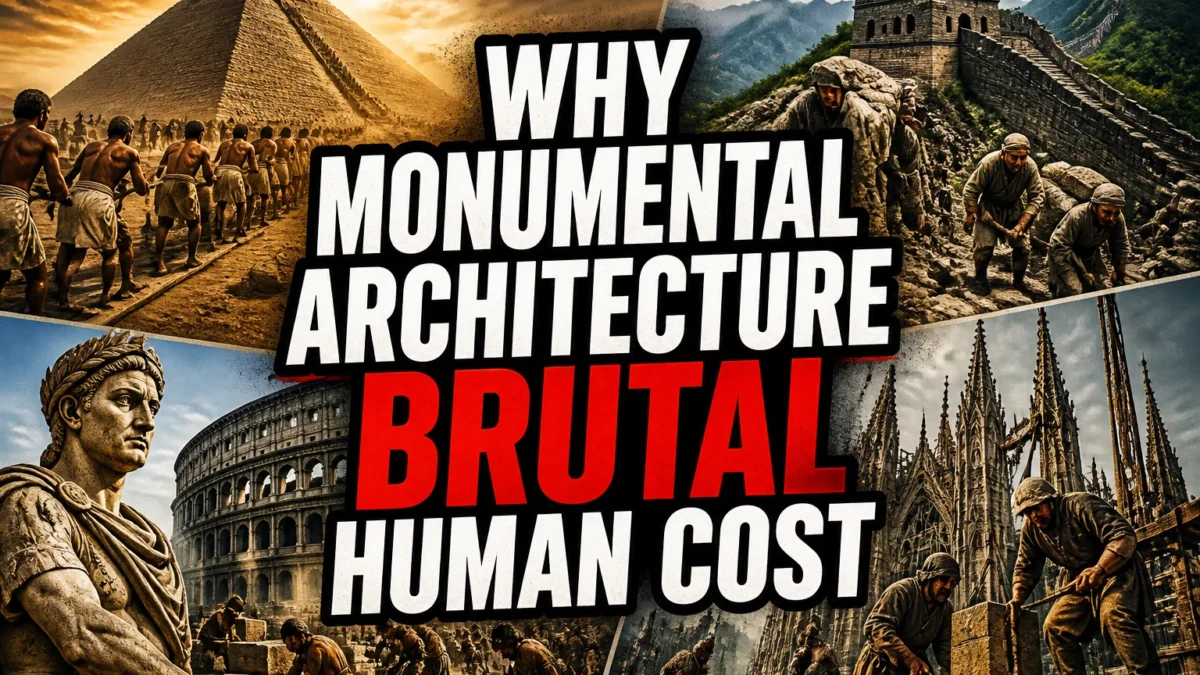
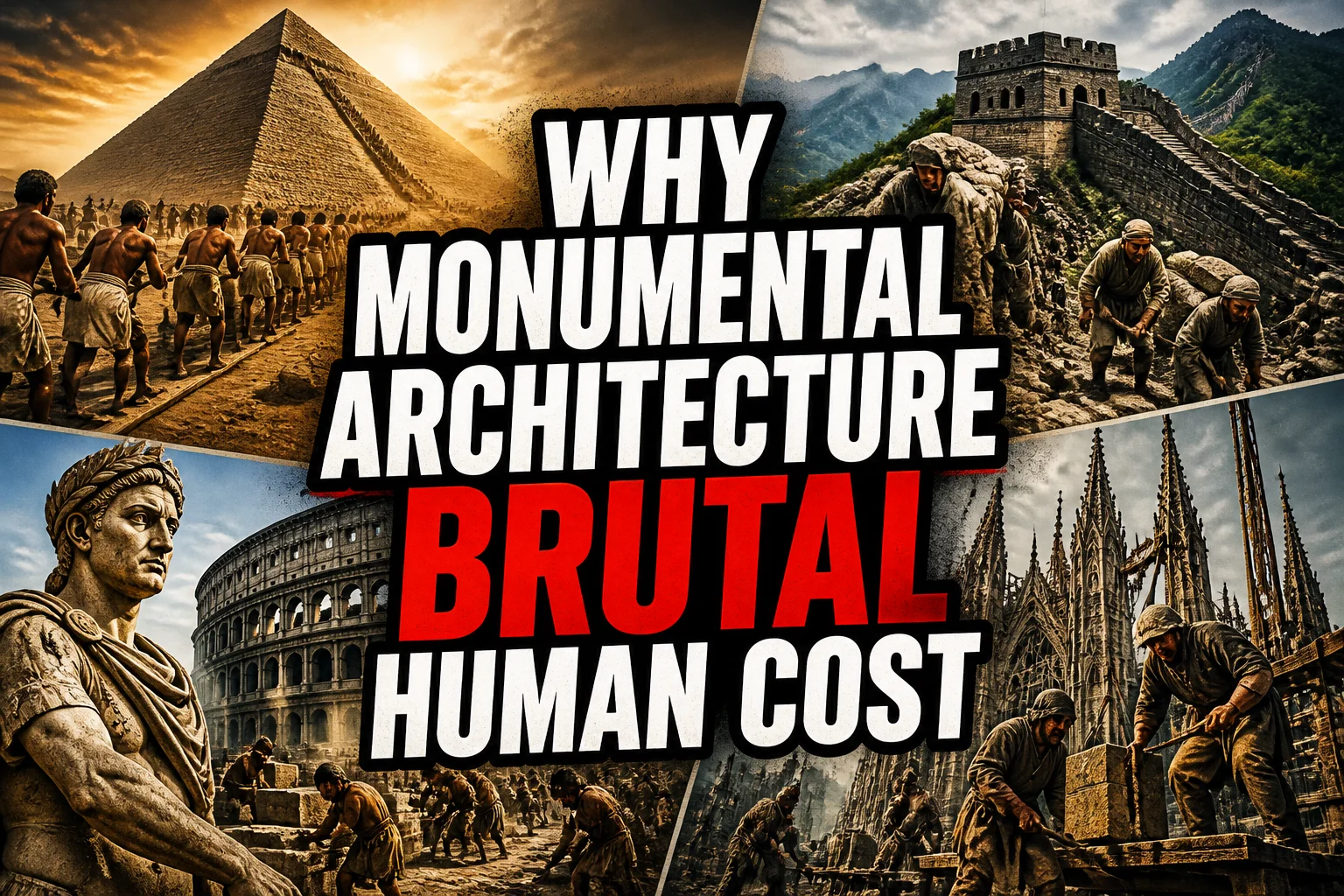
We marvel at the Pyramids of Giza, the Colosseum, or the Great Wall of China. These structures inspire awe and remind us of human ingenuity. But behind every monumental building lies a story often left untold. The truth is that monumental architecture has frequently been built on a foundation of suffering.
In this post, we'll explore why grand structures so often come with a brutal human cost. We'll look at specific examples across history and examine the social and economic forces that made them possible. This isn't about dismissing their beauty or significance, but about seeing the full picture.
TL;DR: Monumental architecture—from the Pyramids to the Panama Canal—has often exacted a brutal human cost, paid by laborers who built lasting symbols of power.
What Is Monumental Architecture?
Monumental architecture refers to large-scale structures built to commemorate, celebrate, or serve a significant public or religious purpose. Think temples, palaces, tombs, and grand civic buildings. They are designed to impress, to endure, and to project power. But what is a monumental architecture if not a reflection of the society that built it? That reflection often includes inequality, coercion, and suffering.
These structures are typically commissioned by rulers, states, or religious institutions. They require vast resources: materials, land, and above all, labor. The scale of the project often demands a workforce far beyond what voluntary labor can supply. That's where the human cost begins.
The Nature of Monumental Building
Monumental construction is rarely just about engineering. It's about politics, religion, and legacy. Rulers built monuments to legitimize their rule, to appease gods, or to outshine rivals. The bigger the monument, the greater the statement. But such statements came at a price.
The labor force for these projects was often drawn from the most vulnerable populations. Slaves, prisoners of war, conquered peoples, and poor peasants were frequently conscripted. They worked under harsh conditions, with little food, shelter, or medical care. Many died, and their names are lost to history.
Even when labor was technically paid, the wages were often meager, and the work was dangerous. The promise of steady pay could attract workers, but the reality was often brutal. In many cases, workers were essentially forced into service through debt or coercion.
1. The Great Pyramid of Giza (c. 2560 BCE)
The Great Pyramid of Giza is perhaps the most iconic monumental structure in history. For centuries, it was believed that it was built by slaves. Modern research, however, suggests that the workers were actually paid laborers. But that doesn't mean their lives were easy. They worked in grueling conditions, hauling massive stones in the desert heat.
The workers lived in barracks near the construction site and were fed a diet of bread, beer, and onions. They were also given medical care, according to evidence from worker tombs. Still, the work was backbreaking and dangerous. Accidents were common, and many workers likely died from injuries or exhaustion.
Even if they weren't slaves, their labor was still coerced in a sense. They worked for the state, and the state controlled their food and shelter. The line between voluntary and forced labor can be blurry in such contexts.
2. The Colosseum (70–80 CE)
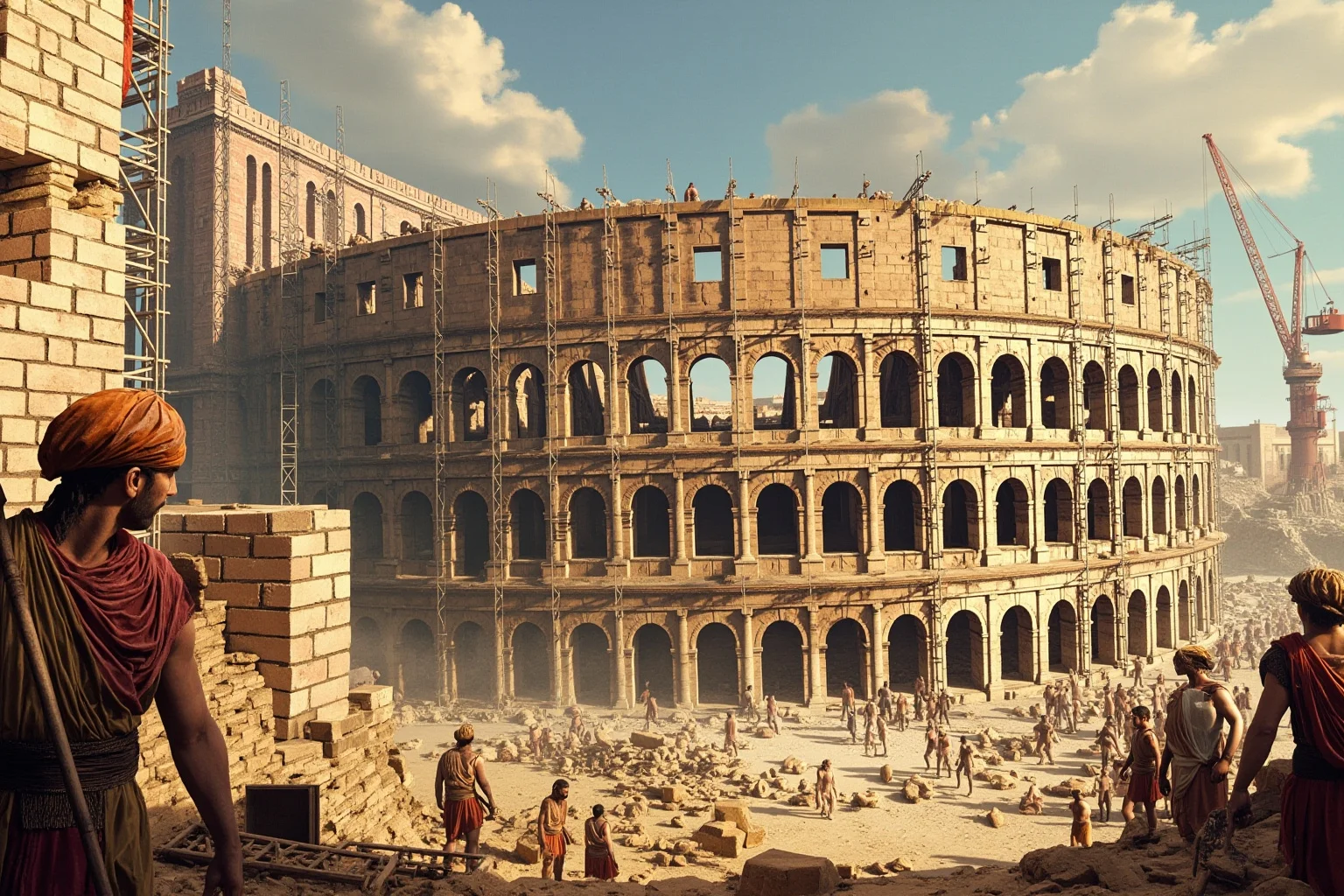
The Colosseum in Rome is a marvel of engineering and a symbol of Roman power. It was built using tens of thousands of Jewish slaves captured after the Siege of Jerusalem in 70 CE. These slaves were forced to quarry and transport stone, often under brutal conditions.
Roman engineers used a combination of skilled and unskilled labor. Skilled workers were often paid, but the unskilled labor was largely slave-based. The work was dangerous, with falls from scaffolding and crushing injuries common. Many slaves died during construction.
The Colosseum's purpose was to entertain the masses and bolster the emperor's popularity. The human cost was hidden behind the spectacle of gladiatorial games. But the stones themselves were laid by people who had no choice.
3. The Great Wall of China (7th Century BCE – 17th Century CE)
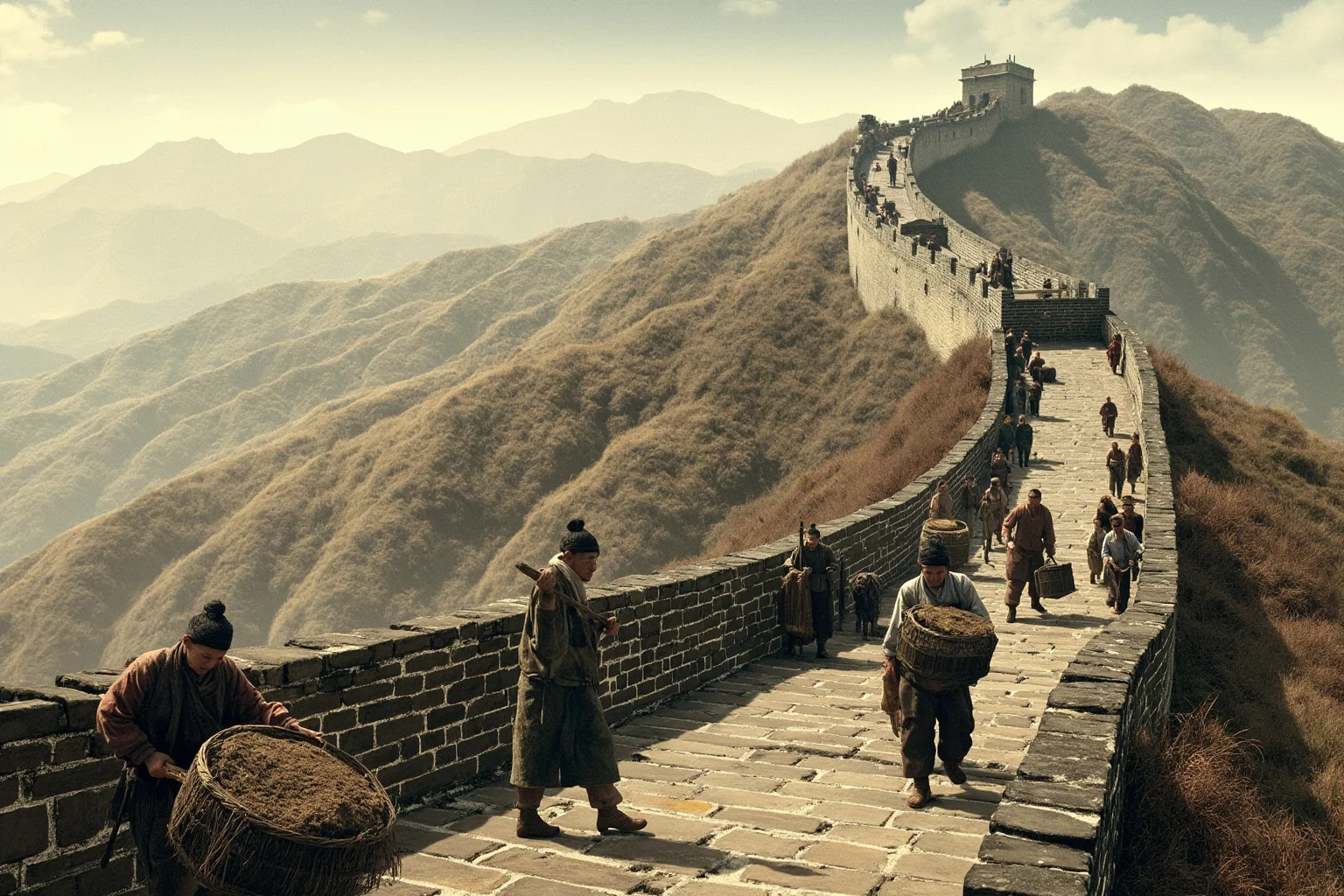
The Great Wall of China is a series of fortifications built over many centuries. It is often said that millions of workers died building it, and their bodies were used as filler. This claim is likely exaggerated, but there is no doubt that the construction was deadly.
Workers were often conscripted peasants, soldiers, and prisoners. They worked in harsh conditions, with little food and water. Many died from disease, exhaustion, and accidents. The wall's most famous sections were built during the Ming Dynasty, but earlier sections also claimed lives.
The wall was a massive project that required immense manpower. The state used forced labor to complete it, and the human cost was immense. Yet it is now a symbol of Chinese strength and resilience.
4. Angkor Wat (12th Century)
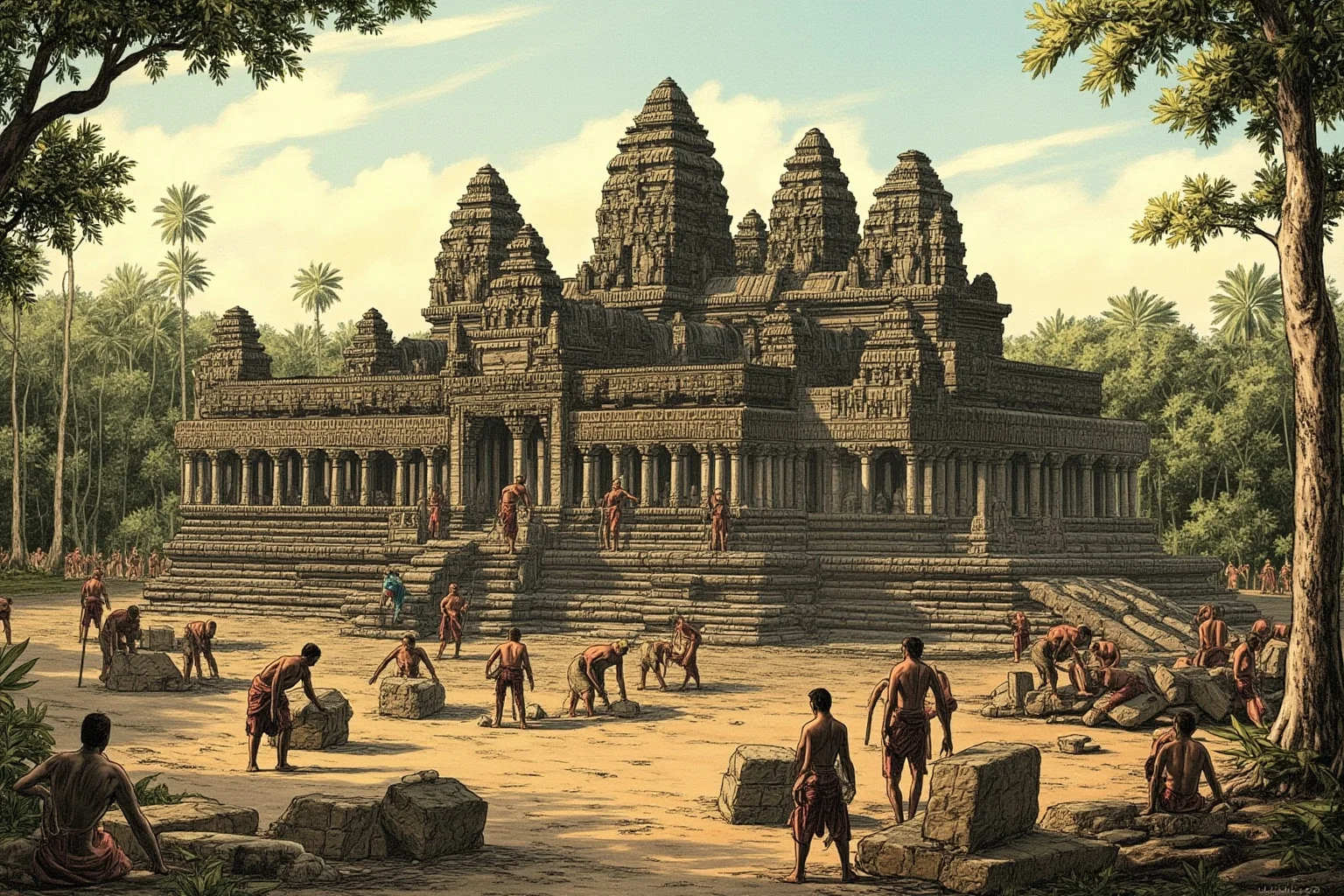
Angkor Wat in Cambodia is the largest religious monument in the world. It was built by King Suryavarman II as a Hindu temple, later becoming Buddhist. The construction required an enormous workforce, likely including slaves and conscripted laborers.
The precise number of workers is unknown, but it's estimated that thousands participated. They cut and transported millions of sandstone blocks from a quarry over 30 miles away. The work was dangerous, and many likely died from accidents or disease.
The temple was dedicated to Vishnu, and its construction was a religious act. But the laborers were not volunteers; they were subjects of the king. Their suffering is part of the temple's history, even if it's not often told.
5. The Parthenon (447–432 BCE)
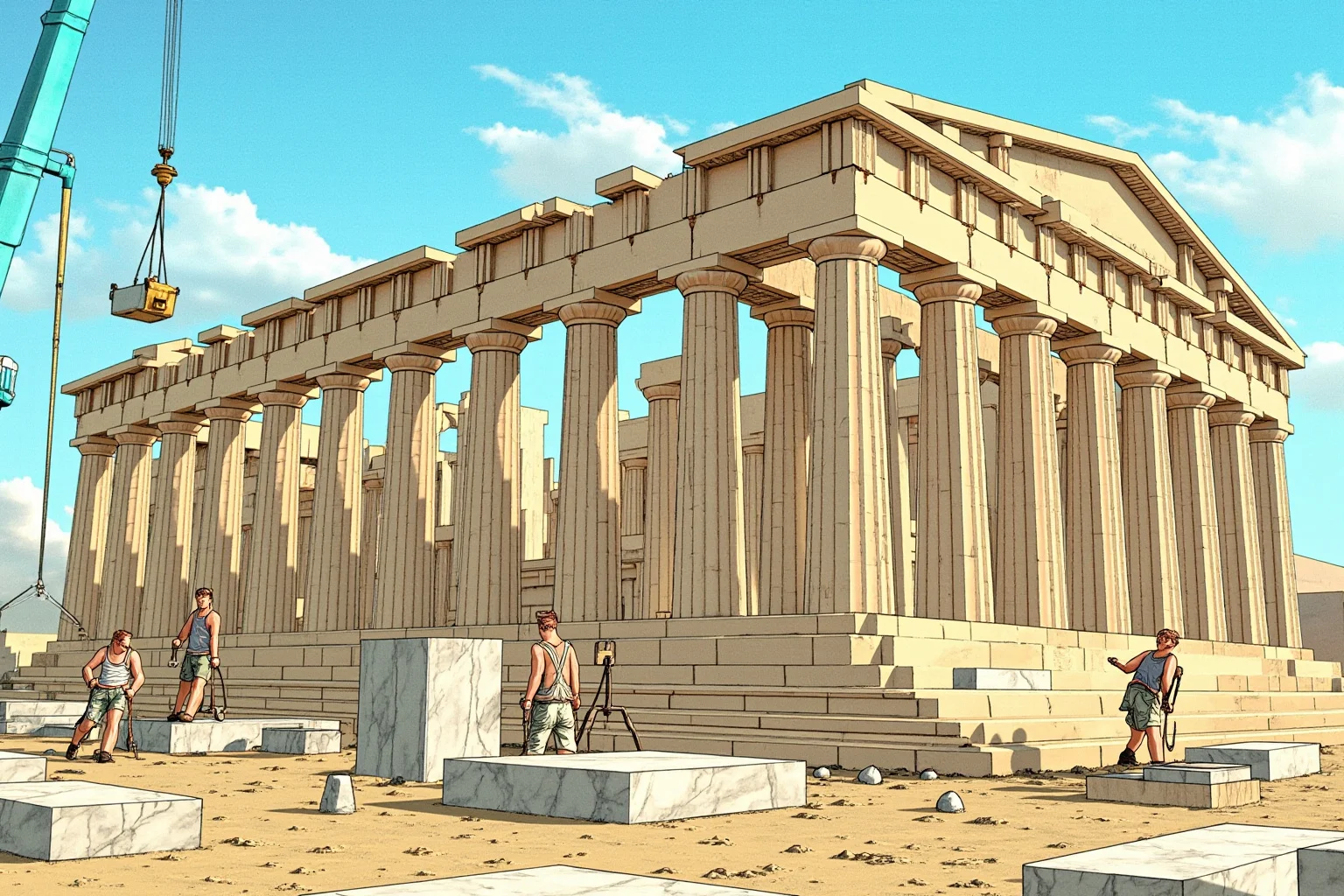
The Parthenon in Athens is a symbol of democracy and classical Greek culture. But it was built using funds from the Delian League, a military alliance that Athens dominated. The laborers who built it were paid, but they were also citizens who were required to serve.
The work was skilled and well-paid by ancient standards, but it was still hard labor. The quarrying and transportation of marble were dangerous. The building itself was a monument to Athena, but it also served as a treasury and a symbol of Athenian power.
While the Parthenon's workers were not slaves, their labor was still part of a system that relied on slavery elsewhere. Athens' economy was built on the backs of slaves, and the Parthenon was a product of that system.
6. The Taj Mahal (1632–1653)
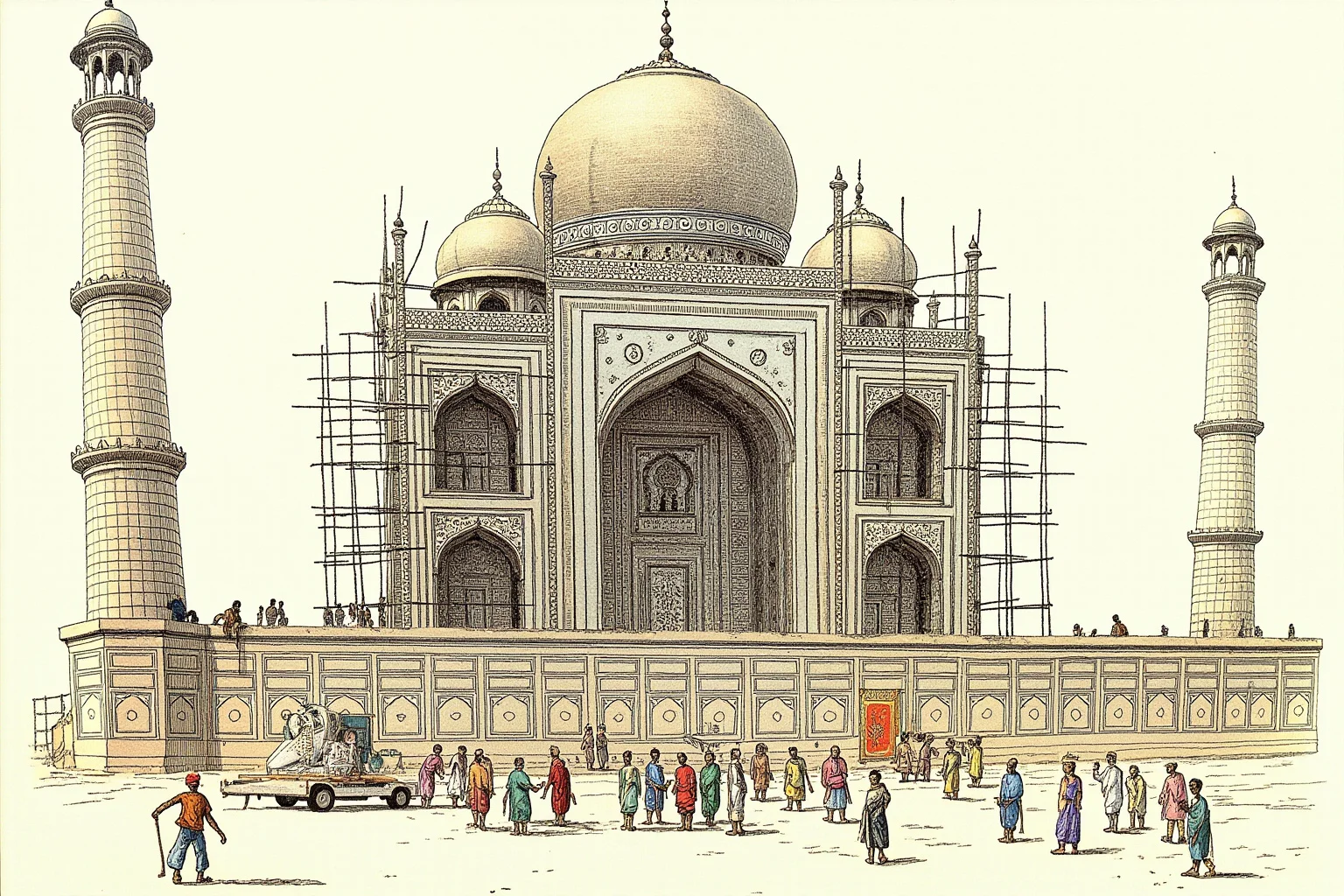
The Taj Mahal in India is a mausoleum built by Mughal emperor Shah Jahan in memory of his wife. It is a masterpiece of Islamic architecture, but its construction came at a high human cost. Over 20,000 workers were employed, including artisans, laborers, and craftsmen.
The workers were mostly paid, but the conditions were harsh. They worked long hours in the heat, and accidents were common. Some accounts suggest that workers' hands were cut off to prevent them from replicating the building elsewhere, but this is likely a myth.
Still, the project consumed massive resources, including marble, precious stones, and timber. The labor force was vast, and the emperor's treasury was drained. The monument is beautiful, but it was built on the backs of many.
7. The Forbidden City (1406–1420)
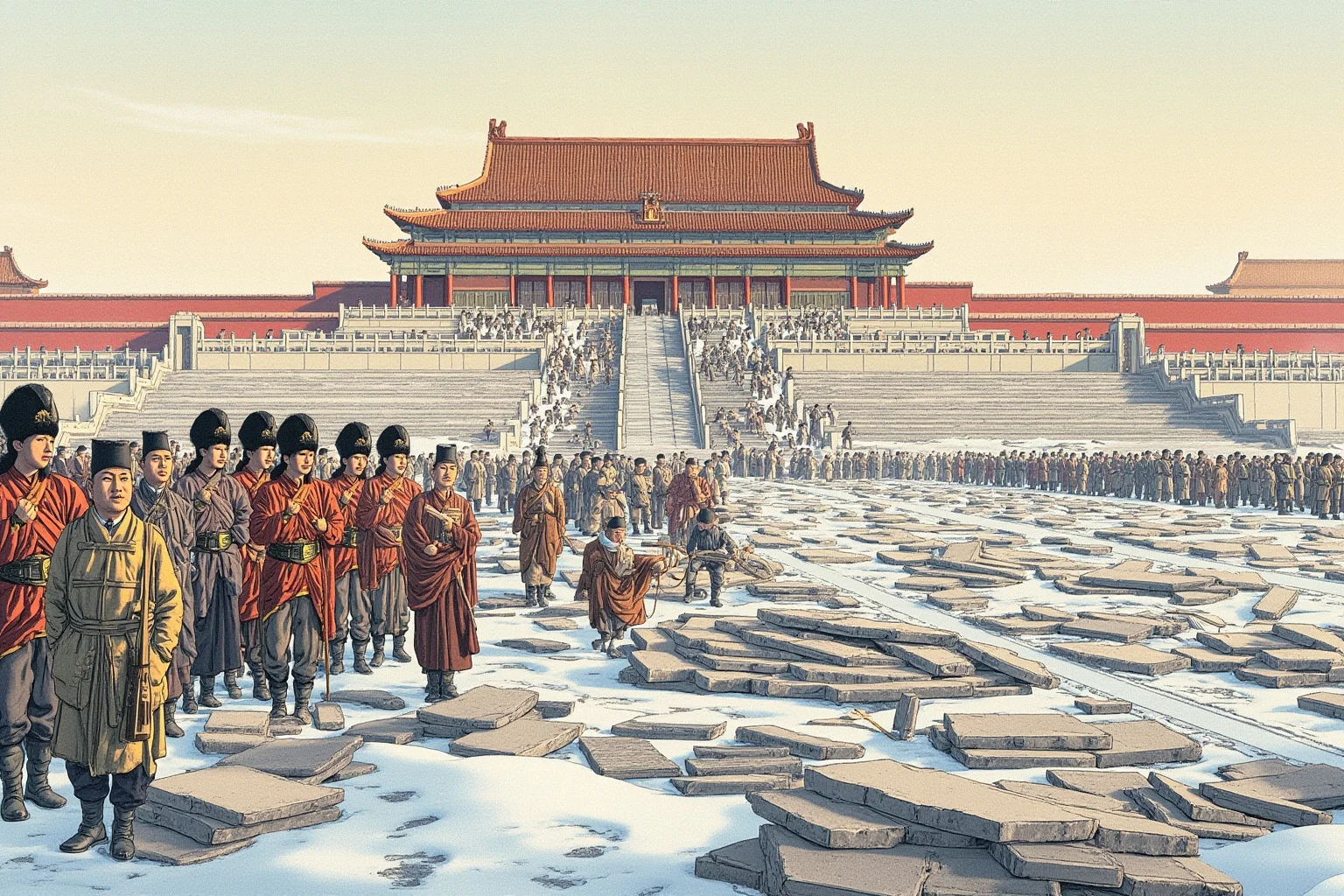
The Forbidden City in Beijing was the imperial palace of the Ming and Qing dynasties. It was built by hundreds of thousands of workers, including conscripted peasants and slaves. The construction took 14 years and required immense resources.
Workers quarried and transported massive stones, often using ice roads in winter. The work was dangerous, and many died from accidents, disease, and exhaustion. The palace was a symbol of imperial power, but it was built on the suffering of the masses.
The Forbidden City is now a museum, attracting millions of visitors. But its history includes the untold stories of those who built it.
8. The Pyramids of Teotihuacan (c. 100 BCE – 550 CE)
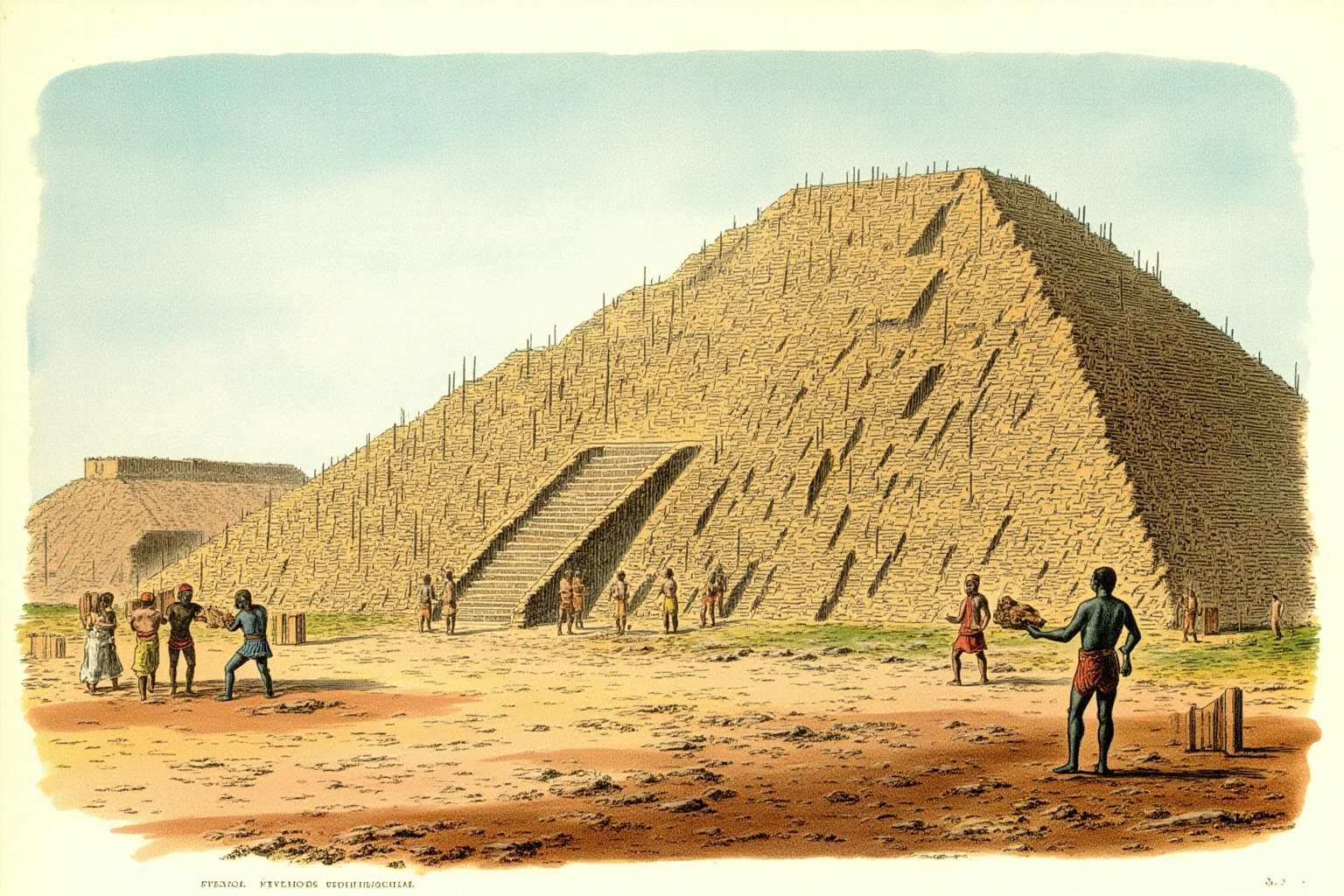
Teotihuacan in Mexico is home to some of the largest pyramids in the world. The city was built by a civilization that predates the Aztecs, and its construction required a massive workforce. The workers were likely conscripted from surrounding areas.
The pyramids were built with stone and rubble, and the work was labor-intensive. The workers lived in compounds and were provided with food and shelter. But the work was still hard, and many likely died from exhaustion or accidents.
The city was a major religious and economic center, and the pyramids were its centerpiece. The human cost is unknown, but it was undoubtedly high.
9. The Panama Canal (1904–1914)
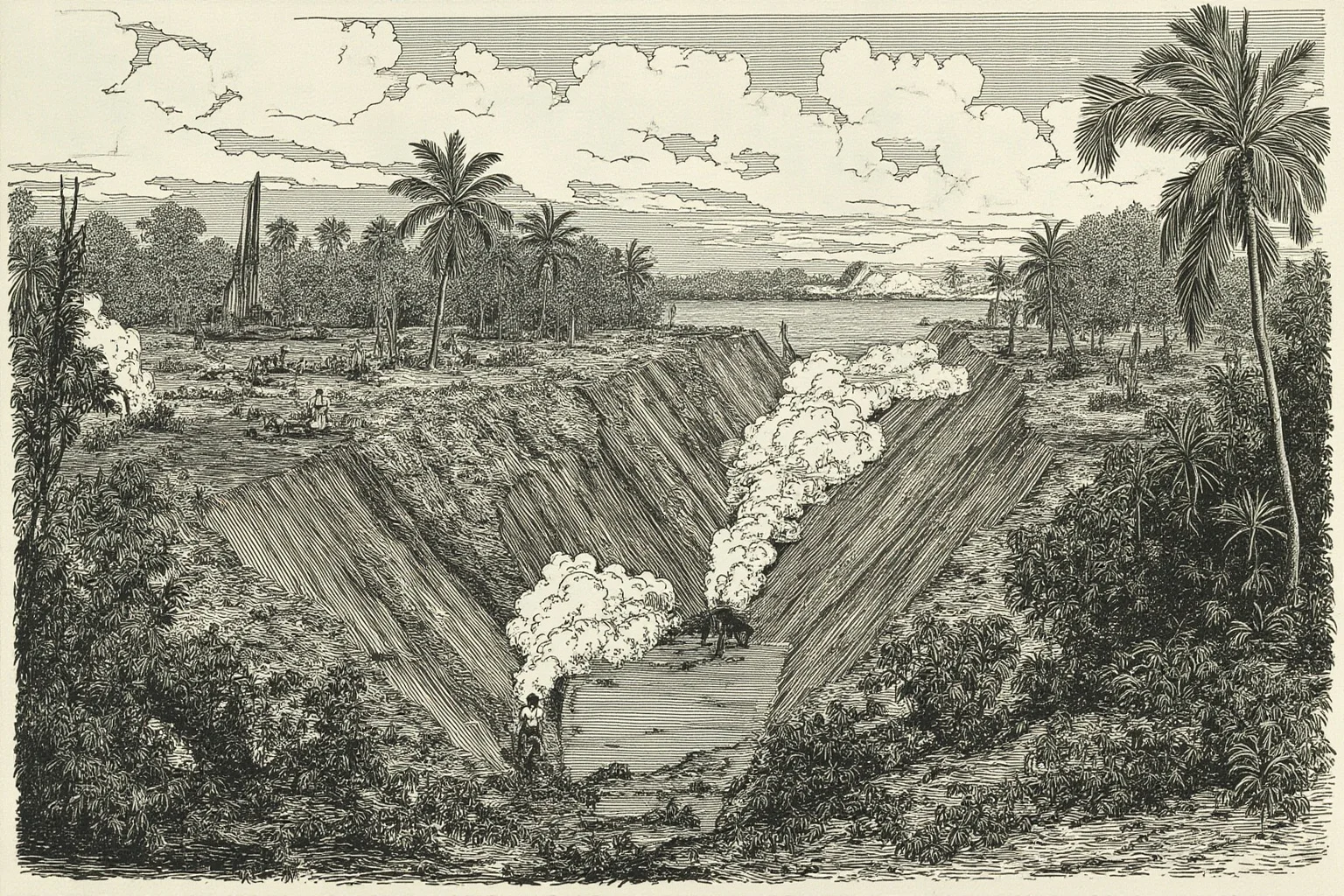
The Panama Canal is one of the greatest engineering feats in history. But its construction cost the lives of over 25,000 workers, mostly from disease and accidents. The French attempt in the 1880s failed after 20,000 deaths, and the American effort also saw thousands die.
Workers were exposed to yellow fever and malaria, and the conditions were brutal. The workforce included laborers from the Caribbean, who were often paid less and given the worst jobs. Many died and were buried in unmarked graves.
The canal transformed global trade, but it was built on a foundation of human suffering. The human cost is a somber part of its history.
10. The Trans-Siberian Railway (1891–1916)
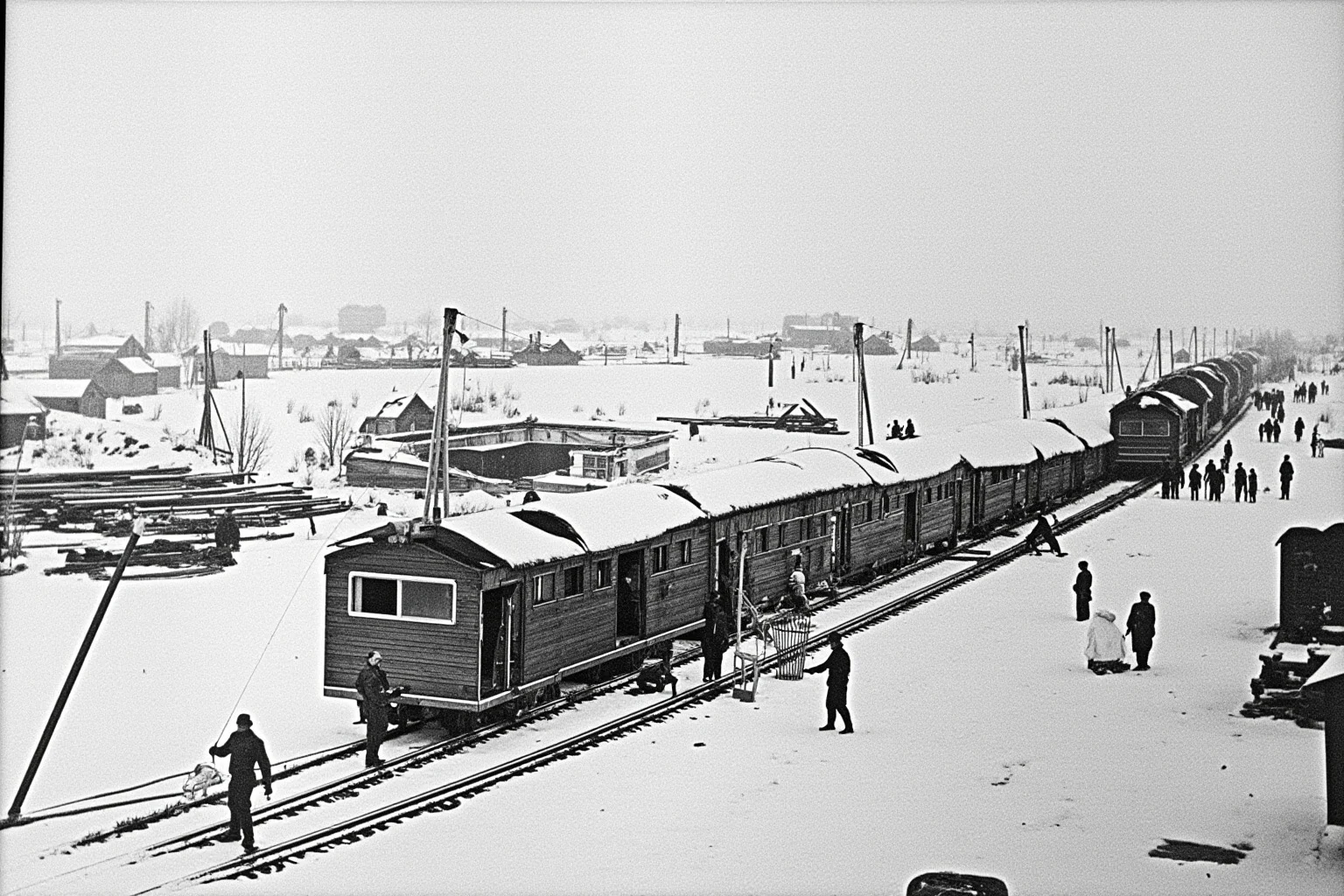
The Trans-Siberian Railway is the longest railway in the world, connecting Moscow to Vladivostok. It was built by thousands of workers, including convicts, soldiers, and peasants. The conditions were harsh, with extreme temperatures and difficult terrain.
Many workers died from disease, accidents, and exposure. The railway was a symbol of Russian modernization, but it was built with forced labor. The human cost was high, and it's often overlooked.
The railway remains a vital transportation link, but its history is marred by the suffering of those who built it.
11. The Erie Canal (1817–1825)
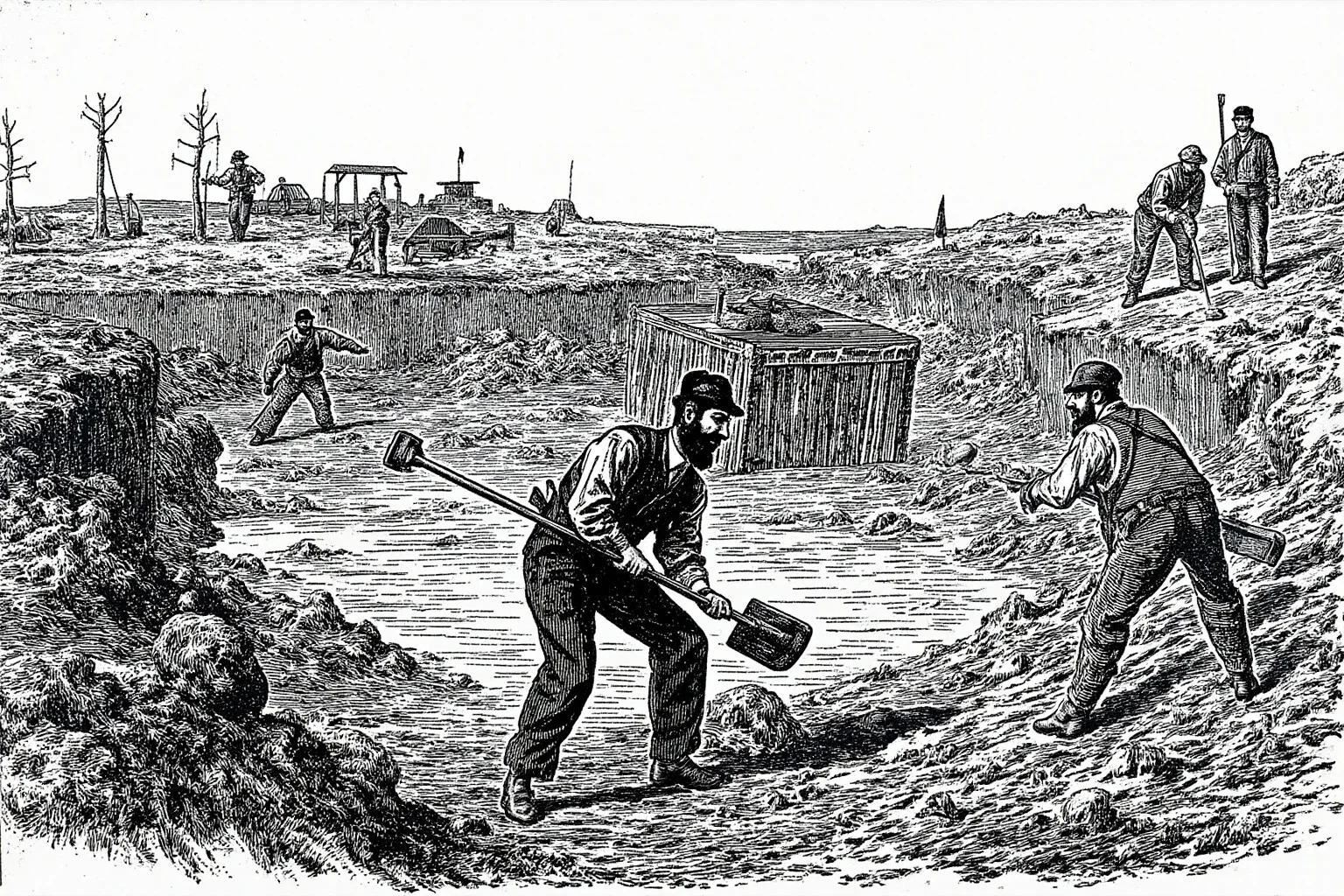
The Erie Canal in New York was a major engineering project that connected the Great Lakes to the Atlantic. It was built by thousands of workers, many of whom were Irish immigrants. They worked for low wages in dangerous conditions.
Disease was rampant, especially cholera, and many workers died. The canal was a huge success, boosting the economy of New York, but the workers who built it paid a heavy price. Their contribution is often forgotten.
The canal was later enlarged, and more workers were employed. The human cost was a necessary part of its construction, at least in the eyes of the project's backers.
12. The Suez Canal (1859–1869)
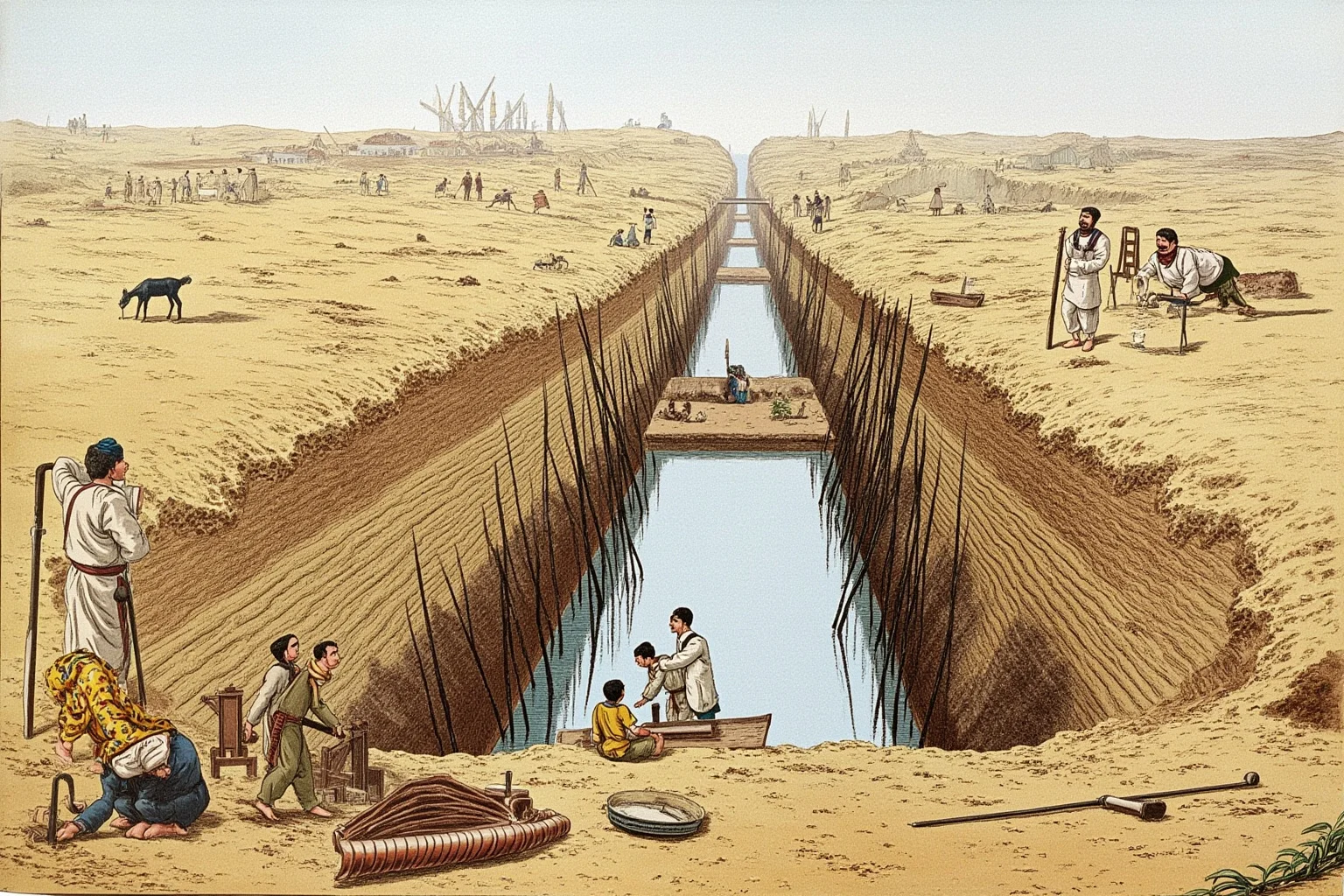
The Suez Canal was built by French and Egyptian workers, many of whom were forced into labor. The Egyptian government conscripted peasants, who worked under terrible conditions. Thousands died from disease, accidents, and exhaustion.
The canal was a strategic waterway, and its construction was a matter of national pride. But the human cost was immense. The workers were often unpaid or poorly paid, and they had no choice but to work.
The canal is now a vital artery of global trade, but its history includes the suffering of those who dug it.
13. The Brooklyn Bridge (1869–1883)
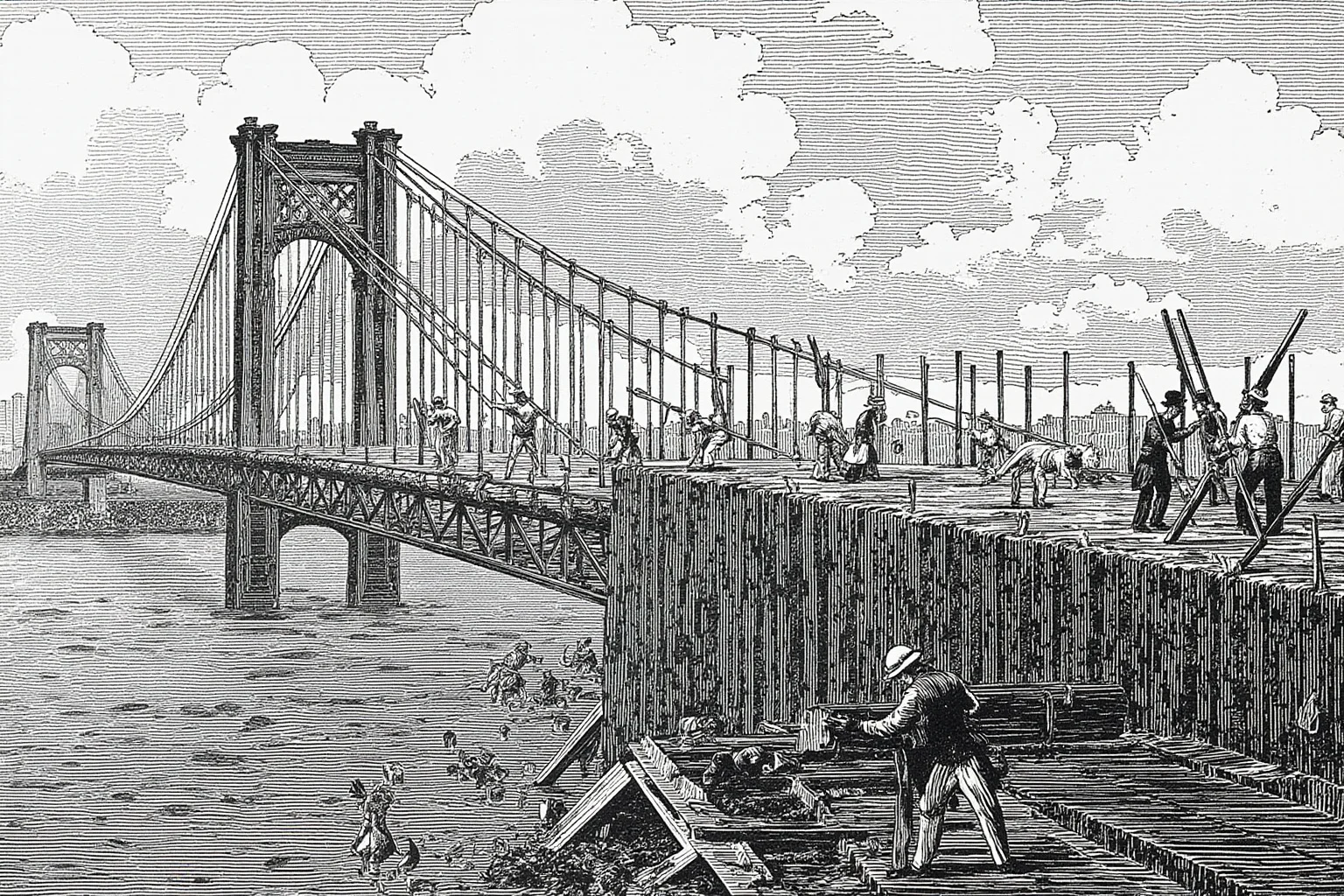
The Brooklyn Bridge was a revolutionary engineering achievement, but it came at a high cost. Workers labored in caissons under compressed air, which caused decompression sickness, known as "the bends." Many were permanently disabled or died.
The project's chief engineer, Washington Roebling, himself was bedridden by caisson disease. At least 20 workers died during construction, and many more were injured. The bridge was a symbol of progress, but it was built on the backs of workers who suffered.
The bridge remains an icon of New York City, but its history is a reminder of the dangers of monumental construction.
14. The Hoover Dam (1931–1936)
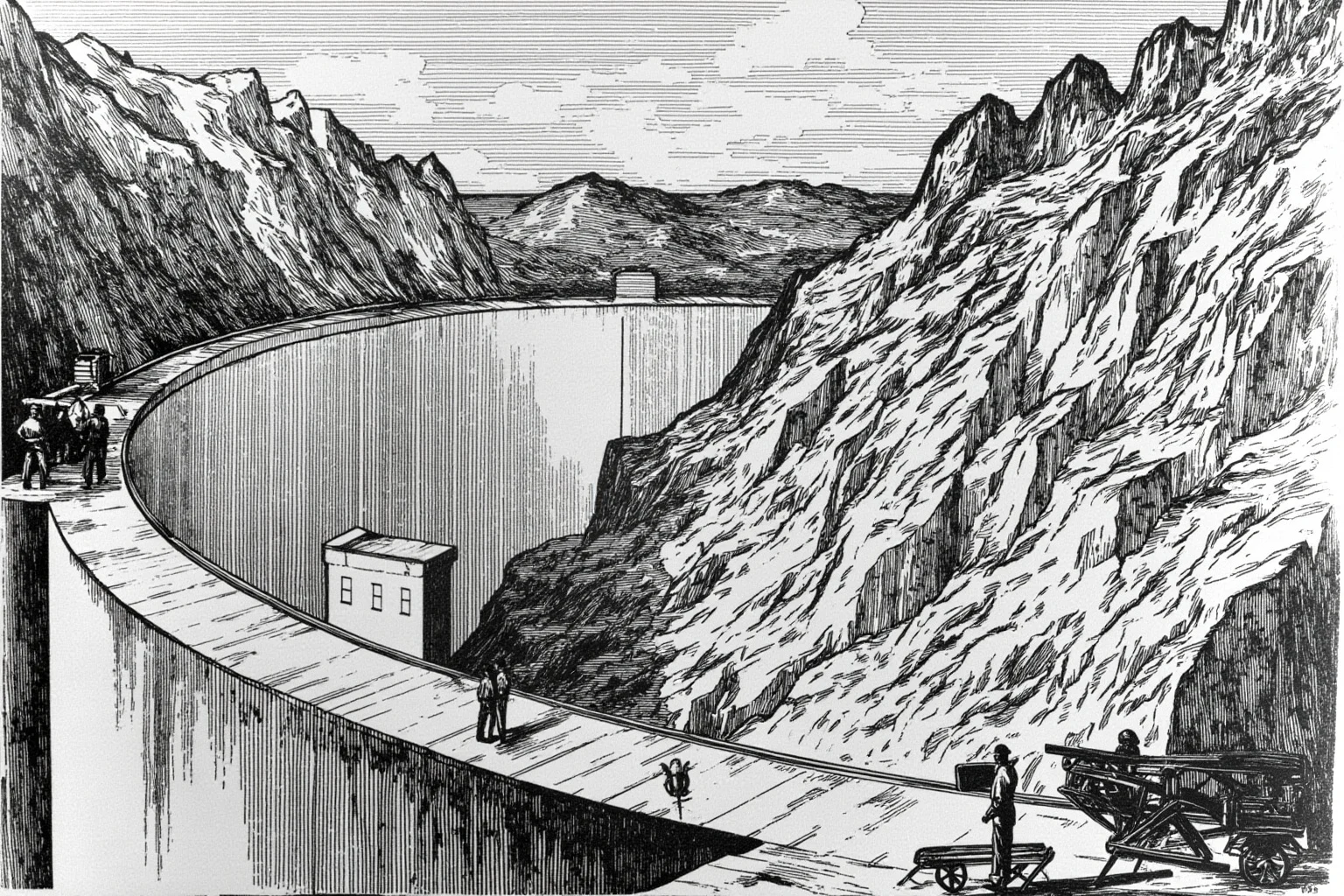
The Hoover Dam was built during the Great Depression and provided jobs to thousands. But the work was dangerous, and over 100 workers died. The conditions were harsh, with extreme heat and dangerous machinery.
Workers were exposed to carbon monoxide from gasoline-powered equipment and suffered from heat exhaustion. The dam was a symbol of American ingenuity, but it was built with the blood of workers.
The dam still provides power and water to the Southwest, but its cost in human lives is a somber part of its legacy.
15. The Golden Gate Bridge (1933–1937)
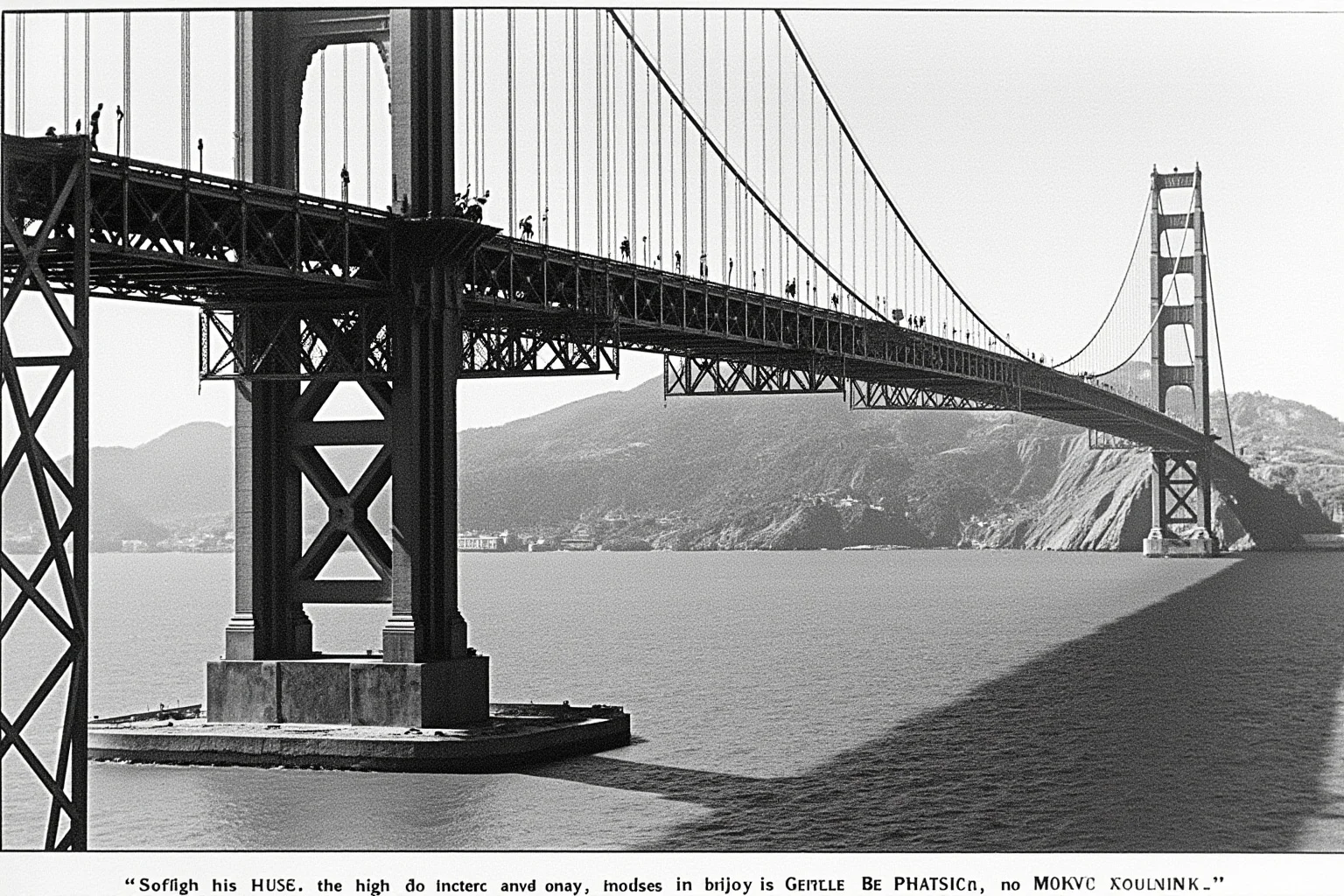
The Golden Gate Bridge is an iconic symbol of San Francisco, but it was built under dangerous conditions. Workers had to contend with high winds, fog, and the risk of falling. The project's safety net saved many lives, but 11 workers still died.
The bridge was built during the Great Depression, and jobs were scarce. Workers were willing to take risks, but the cost was high. The bridge is beautiful, but it was built on the edge of disaster.
Its construction is a testament to human courage, but also to the human cost of monumental architecture.
16. The Burj Khalifa (2004–2010)
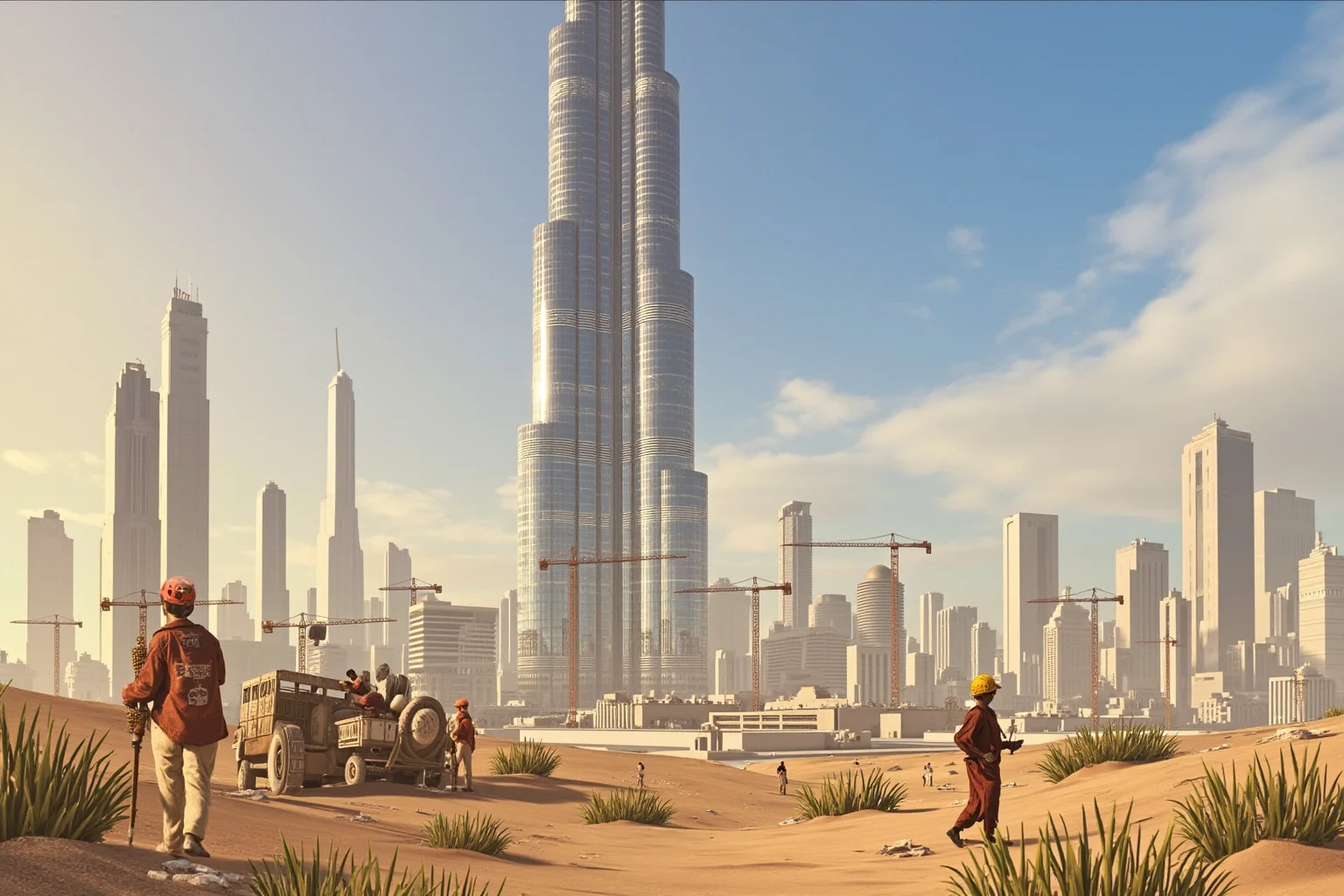
The Burj Khalifa in Dubai is the tallest building in the world. It was built by thousands of migrant workers, mostly from South Asia. They worked long hours in extreme heat for low wages. Reports of poor living conditions and withheld passports have been documented.
At least one worker died during construction, but labor groups claim the number is higher. The building is a symbol of Dubai's ambition, but it was built on the backs of vulnerable workers.
The human cost of the Burj Khalifa is a modern example of how monumental architecture still relies on exploited labor.
17. The Three Gorges Dam (1994–2012)
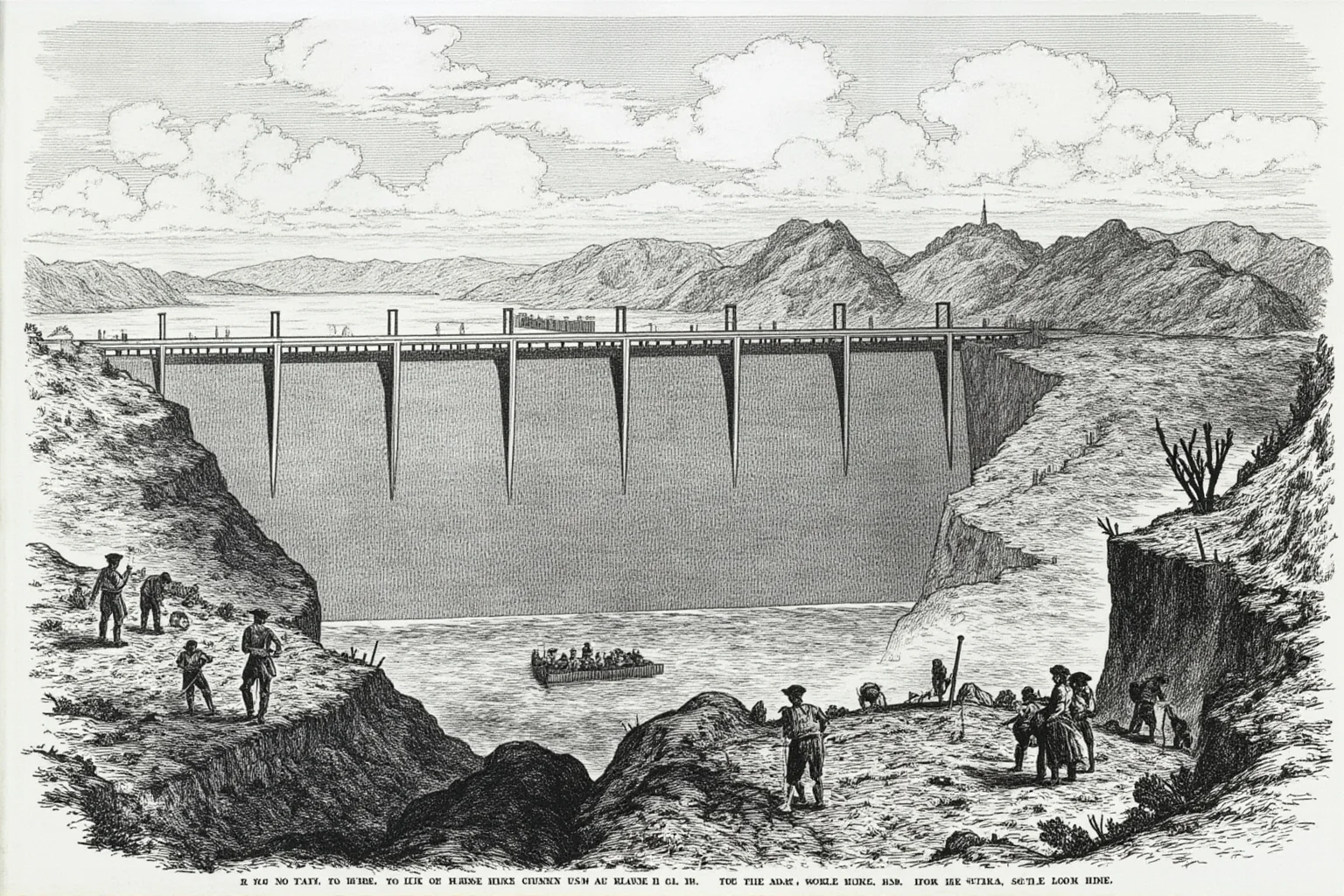
The Three Gorges Dam in China is the world's largest power station. It was built by tens of thousands of workers, many of whom were migrants. The project displaced over a million people and caused environmental damage.
Workers faced dangerous conditions, and there were reports of accidents and deaths. The dam was a massive engineering feat, but it came at a huge social and human cost. The displacement of communities is a form of human cost that is often overlooked, and it echoes other man-made disasters that reshaped lives.
The dam provides electricity and flood control, but its construction was not without suffering.
18. The Channel Tunnel (1988–1994)
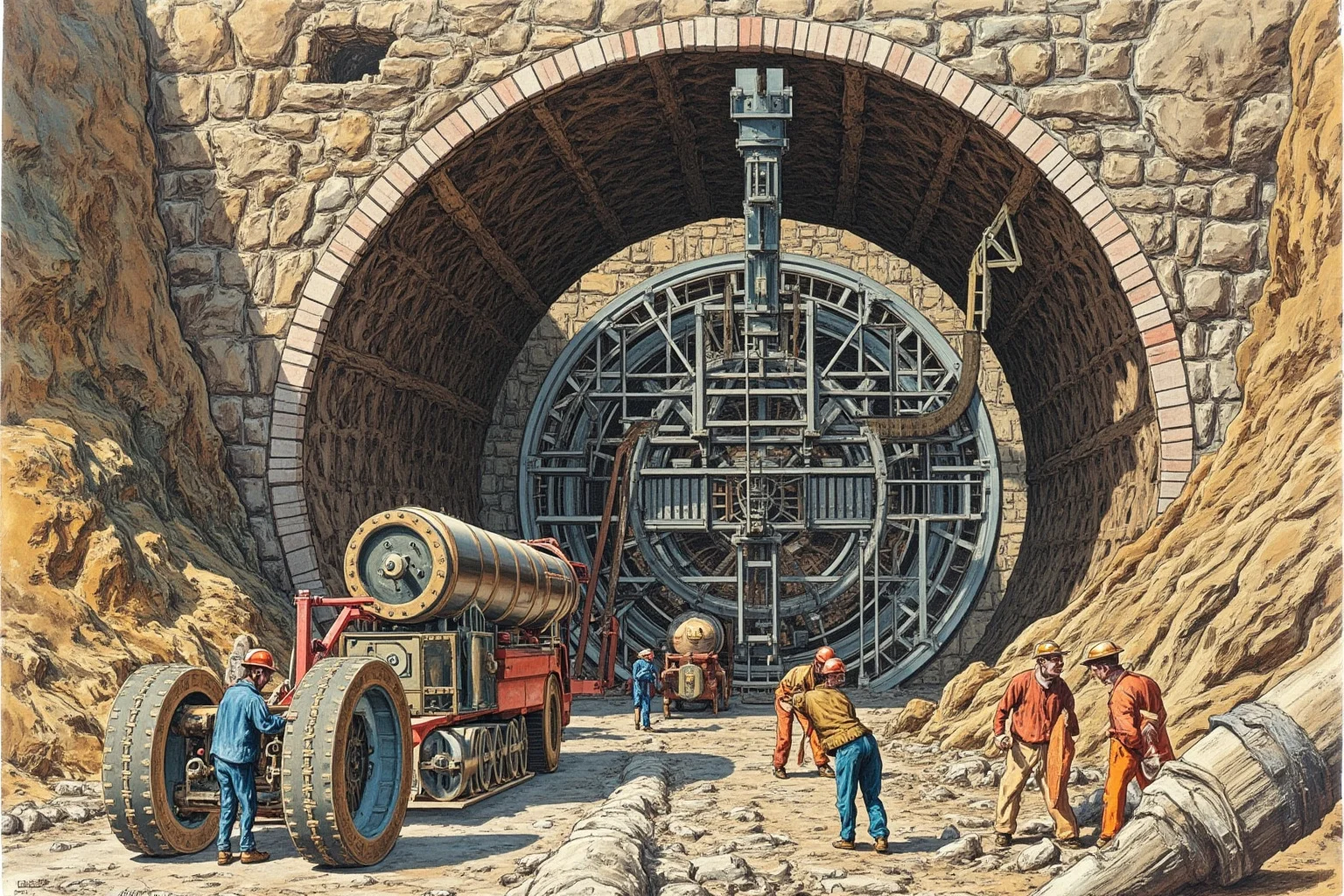
The Channel Tunnel connects England and France, a monumental engineering project. It was built by thousands of workers, and while safety standards were high, there were still accidents. Ten workers died during construction.
The project was a symbol of European cooperation, but it was built with the labor of many. The workers were paid, but the work was dangerous. The tunnel is a modern marvel, but its cost in human lives is a reminder of the risks of monumental building.
19. The International Space Station (1998–2011)
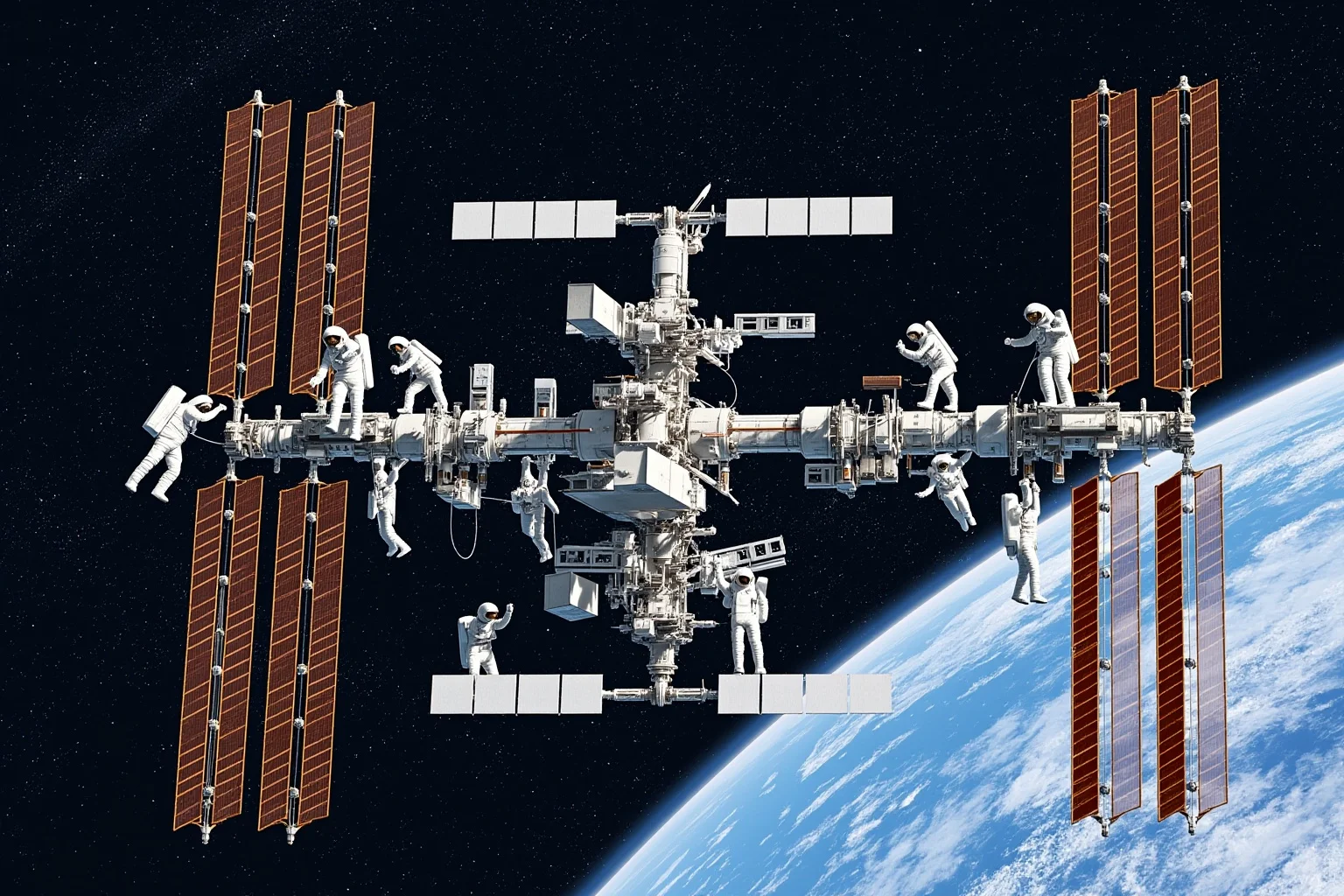
The International Space Station is a monumental achievement of human cooperation. While it wasn't built with forced labor, it involved significant risk to astronauts and cosmonauts. The construction required spacewalks, which are dangerous.
No one died during the assembly of the ISS, but the risk was always present. The station is a symbol of what humanity can achieve, but it also represents the human cost of pushing boundaries. The cost here is measured in risk and resources, not lives lost.
20. The 2022 FIFA World Cup Stadiums (2010–2022)
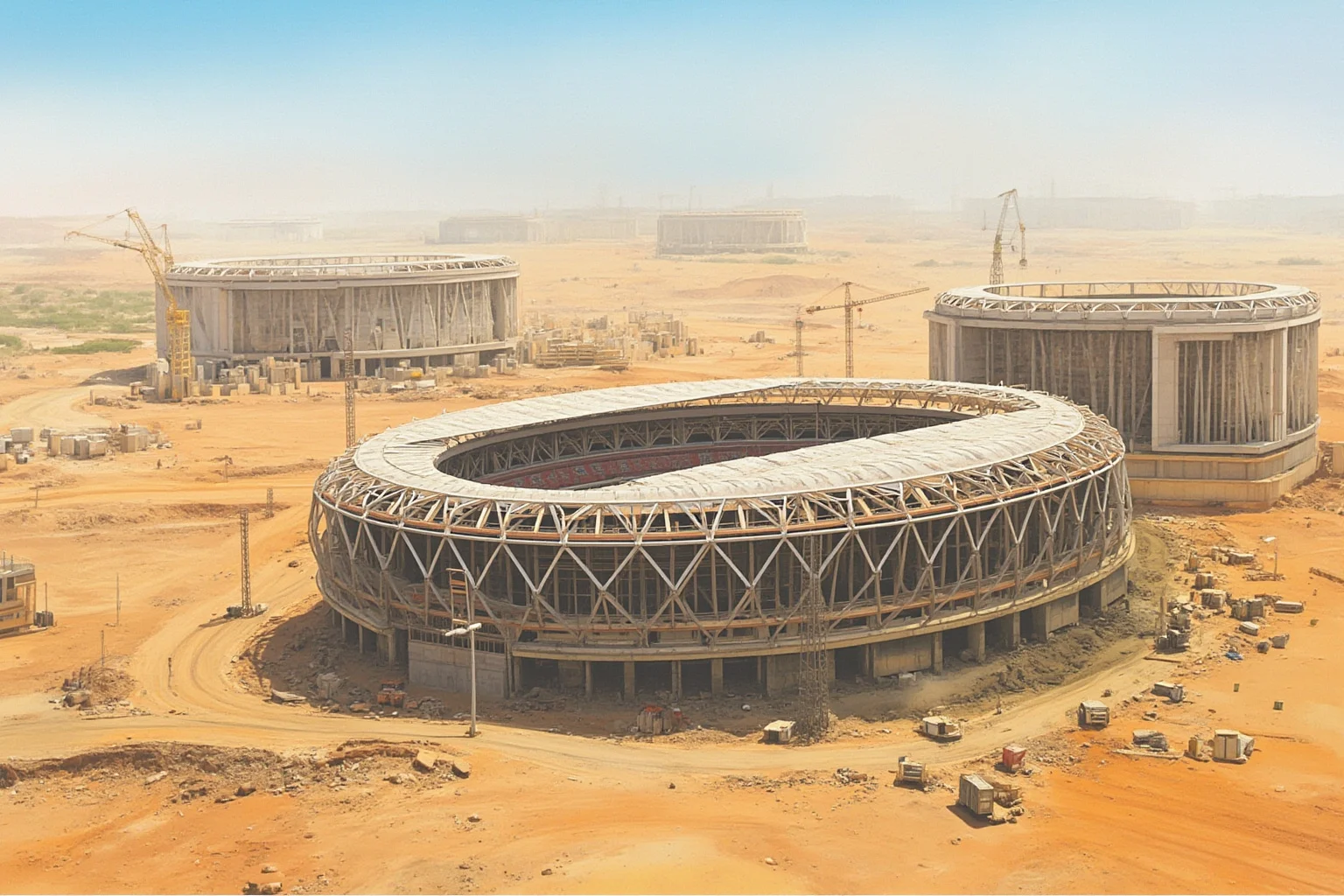
The stadiums built for the 2022 FIFA World Cup in Qatar were constructed by migrant workers, many from Nepal, India, and Bangladesh. Reports from The Guardian and Amnesty International documented thousands of deaths among migrant workers, though the Qatari government disputes the figures.
The workers faced extreme heat, poor living conditions, and withheld wages. The project was a monumental undertaking, but it came with a brutal human cost. The stadiums are now built, but the controversy remains.
This modern example shows that the pattern of monumental architecture coming with a human cost is not just ancient history.
Why Does Monumental Architecture Come With a Human Cost?
Monumental architecture is often a tool of power. Rulers and states build grand structures to display their might and to leave a legacy. The bigger the project, the more labor it requires. To meet these demands, they often resort to coercion.
Economic factors also play a role. Monumental projects are expensive, and rulers often cut costs by using cheap or unpaid labor. Slaves, prisoners, and conscripted peasants are the cheapest option. Even when workers are paid, the wages are often low because the state has monopsony power.
Social hierarchy matters too. The people who build these monuments are usually from the lower classes, while the elites enjoy the benefits. The suffering of the many is hidden behind the glory of the few. This pattern has repeated throughout history.
The Legacy of Suffering
The human cost of monumental architecture is often forgotten. The monuments themselves become symbols of national pride, and their dark history is glossed over. But acknowledging the cost is important. It reminds us that progress often comes at a price, and that price is paid by real people.
By remembering the workers, we can honor their contribution. We can also learn from the past and demand better conditions for those who build our modern monuments. The next time you see a grand structure, remember the hands that built it.
Conclusion
Monumental architecture is awe-inspiring, but it often comes with a brutal human cost. From the Pyramids to the World Cup stadiums, the pattern repeats: grand structures built on the backs of exploited laborers. This doesn't mean we should not admire these achievements, but we should also remember the suffering they represent.
Understanding this history helps us see the full picture of human achievement. It's a reminder that progress is not always pretty, and that behind every monument is a story of human labor, often forced and often fatal. By acknowledging this, we can strive for a future where monumental architecture doesn't require such a cost.
Frequently Asked Questions
What is a monumental architecture?
Monumental architecture refers to large-scale structures built to commemorate, celebrate, or serve a significant public or religious purpose. Examples include the Pyramids of Giza, the Colosseum, and the Taj Mahal. These structures are often designed to impress and endure, but they frequently required vast amounts of labor, sometimes coerced, leading to a brutal human cost.
Why did ancient monuments often use slave labor?
Ancient monuments often used slave labor because it was the cheapest and most controllable workforce available. Rulers and states could conscript slaves, prisoners of war, or conquered peoples without paying wages or providing good conditions. This allowed them to undertake massive projects that would have been economically impossible with free labor.
Did the Pyramids of Giza use slave labor?
Modern research suggests that the Pyramids of Giza were built by paid laborers, not slaves. However, these workers still endured grueling conditions, and their labor was often coerced by the state. Evidence from worker tombs shows they were given food and medical care, but the work was dangerous and many likely died.
What is the human cost of monumental architecture?
The human cost of monumental architecture includes the deaths, injuries, and suffering of the laborers who built these structures. It also encompasses the displacement of communities, the exploitation of vulnerable workers, and the long-term social inequality that such projects often reinforce. This cost is frequently hidden or downplayed in historical accounts.
Are there modern examples of monumental architecture with a human cost?
Yes, modern examples include the Burj Khalifa in Dubai, built by migrant workers under poor conditions, and the stadiums for the 2022 FIFA World Cup in Qatar, where thousands of migrant workers died. The Panama Canal and the Hoover Dam also had significant human costs during their construction.

Alex Warren
Related Articles