TL;DR: The Chernobyl disaster was far stranger and more surprising than most people realize, from a melted reactor core nicknamed the "elephant's foot" to a wildlife refuge that thrives in the exclusion zone.
The Chernobyl disaster of 1986 remains the worst nuclear accident in history, yet most people know only a handful of details about it. They remember the explosion, the evacuation, and the eerie abandoned city of Pripyat. What often gets lost are the small, human, and sometimes bizarre facts that make the story so compelling.
This list gathers over twenty lesser-known nuclear disaster Chernobyl facts, each grounded in the historical record. Some are heartbreaking, some are genuinely surprising, and a few correct popular myths that have spread for decades, much like the myth-busting approach in our post on little-known World War II facts. Together, they offer a fuller picture of what really happened.
1. The Explosion Was a Steam Blast, Not a Nuclear Detonation
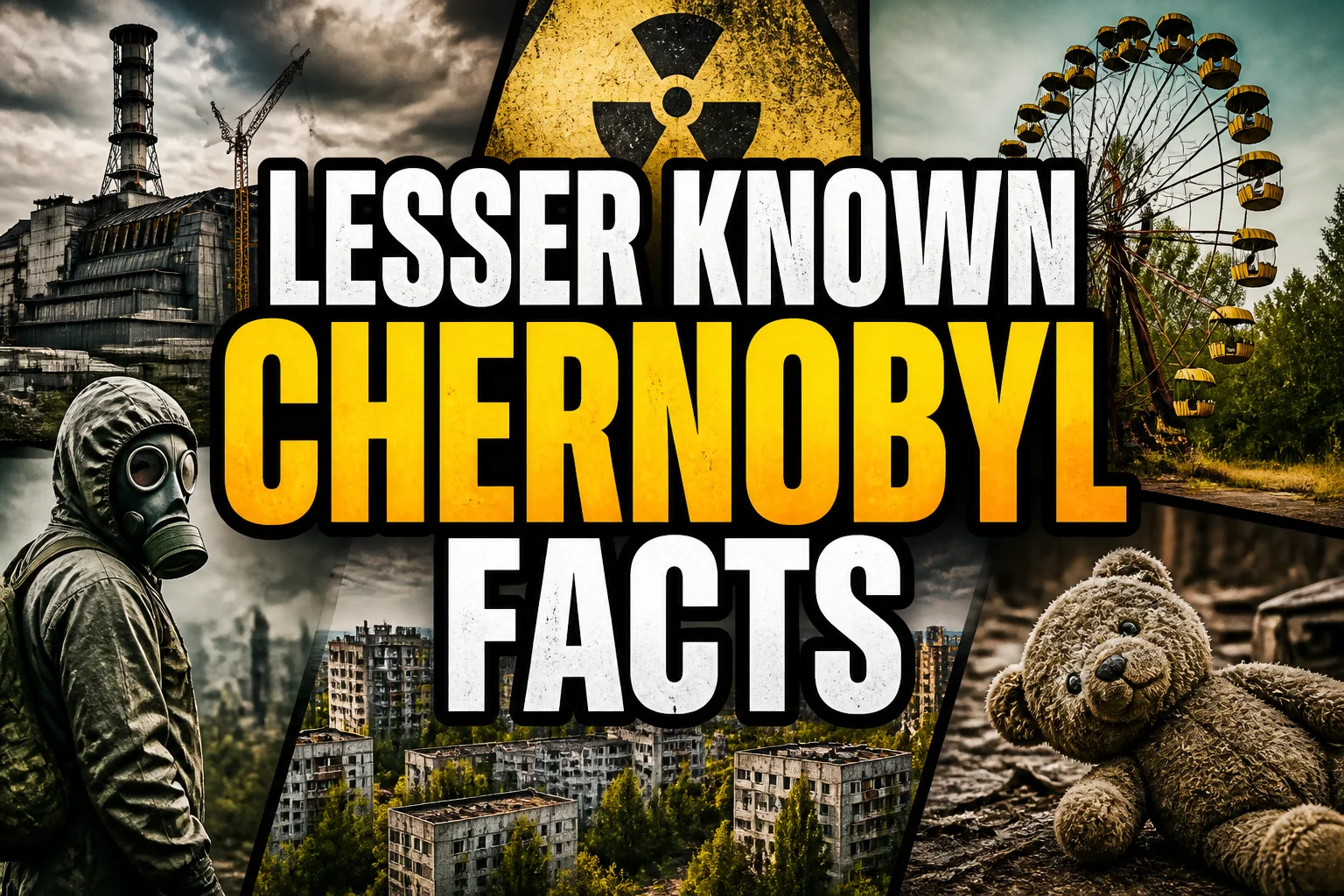
Many people assume the Chernobyl reactor exploded like an atomic bomb. It did not. The blast was a steam explosion caused by a sudden power surge that ruptured the reactor vessel.
The subsequent fire then dispersed radioactive material into the atmosphere. This distinction matters because it explains why the disaster was a contamination event rather than a nuclear detonation. Understanding this is one of the most important facts about Chernobyl for anyone trying to separate science from Hollywood. The accident was catastrophic, but it followed the physics of a failed reactor, not a weapon.
2. The Test That Triggered the Accident Was Delayed by Hours
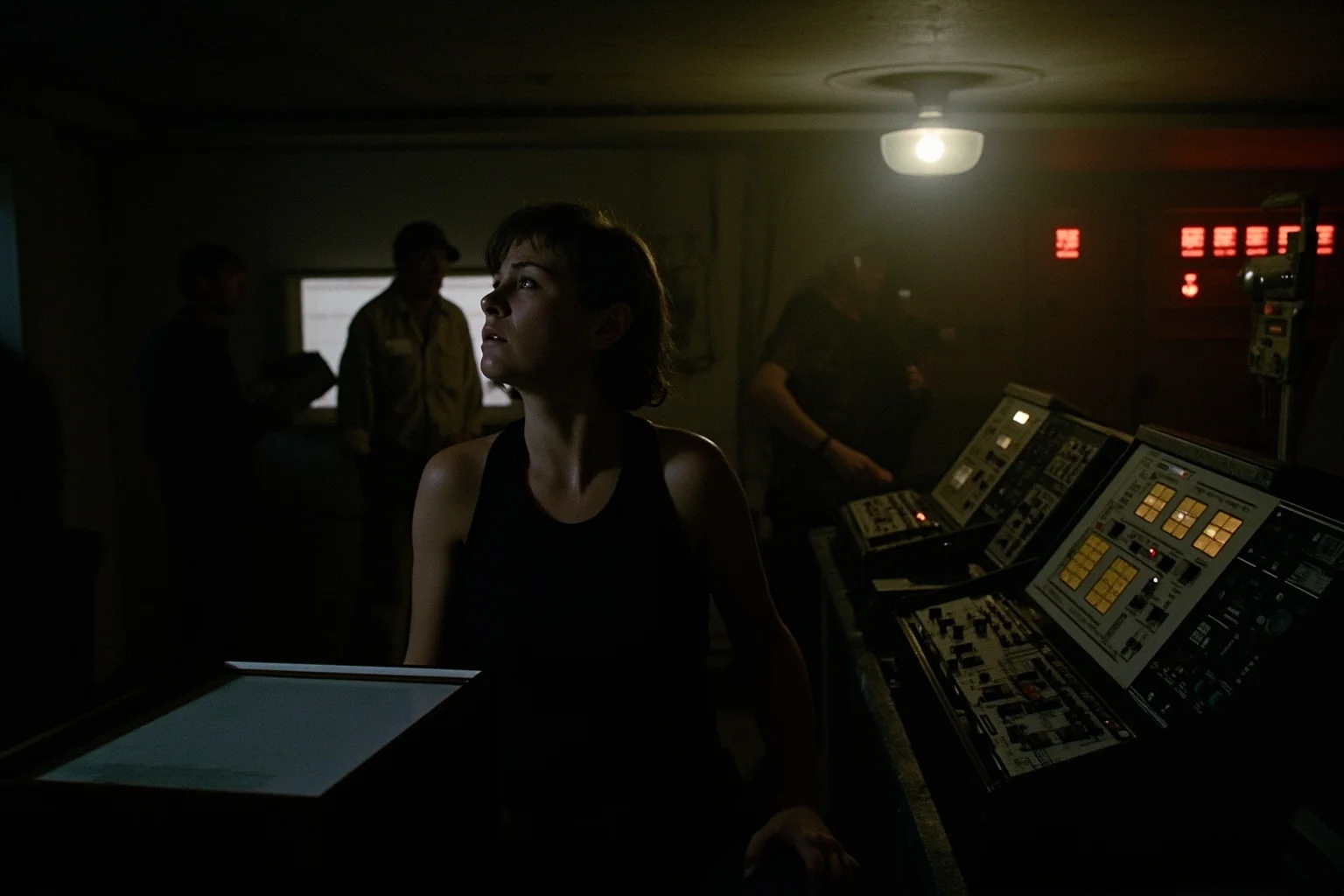
Reactor 4 was scheduled to run a safety test during a routine shutdown. The test was meant to check whether the turbine could power cooling pumps during a power loss. But the shutdown was postponed for roughly nine hours because another reactor needed to stay online to meet electricity demand. When the test finally resumed late at night, the reactor was in an unstable state. That delay strained the operators and set the stage for the fatal sequence of events.
3. The Control Room Had No Idea How Fatal the Situation Had Become
After the explosion, operators in the control room initially believed the reactor was still intact. Instruments gave misleading readings because the sensors themselves had been destroyed or were reading conditions that no longer existed. One operator reportedly refused to believe the core was gone until he saw graphite and fuel outside. This gap between what instruments showed and what was actually happening is a recurring theme in the disaster's story.
4. Graphite Moderated the Reaction, and That Made It Worse
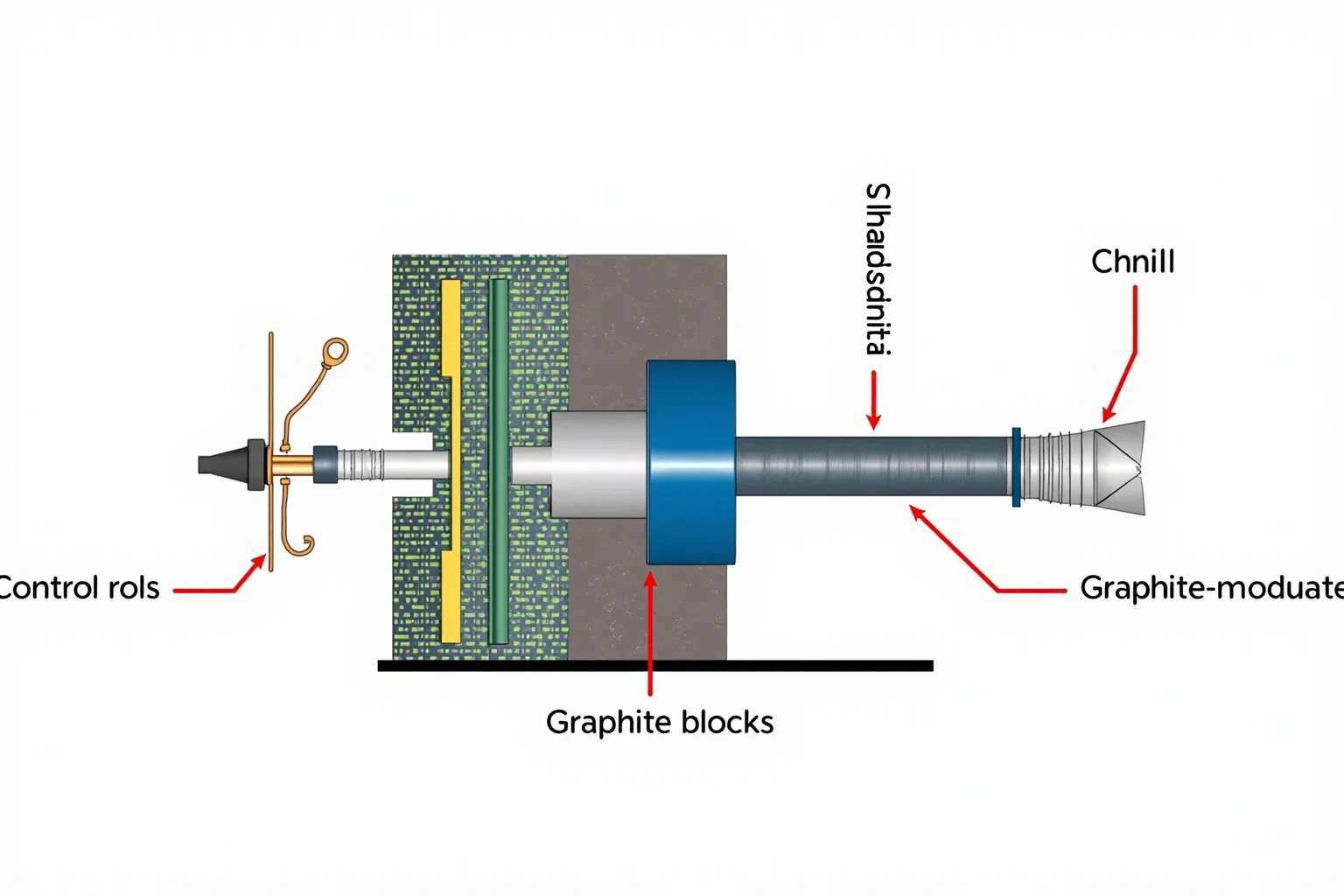
The RBMK reactor used graphite as a moderator, a design choice with a dangerous flaw. Under certain conditions, inserting control rods could actually increase reactivity instead of reducing it, a phenomenon known as a positive void coefficient. When operators pushed the emergency shutdown button, the power spike worsened. This design weakness was a central cause of the accident and led to major changes in reactor safety worldwide, echoing the kind of overlooked design and decision flaws explored in our post on the biggest events in American history.
5. Firefighters Fought the Blaze Without Knowing About the Radiation
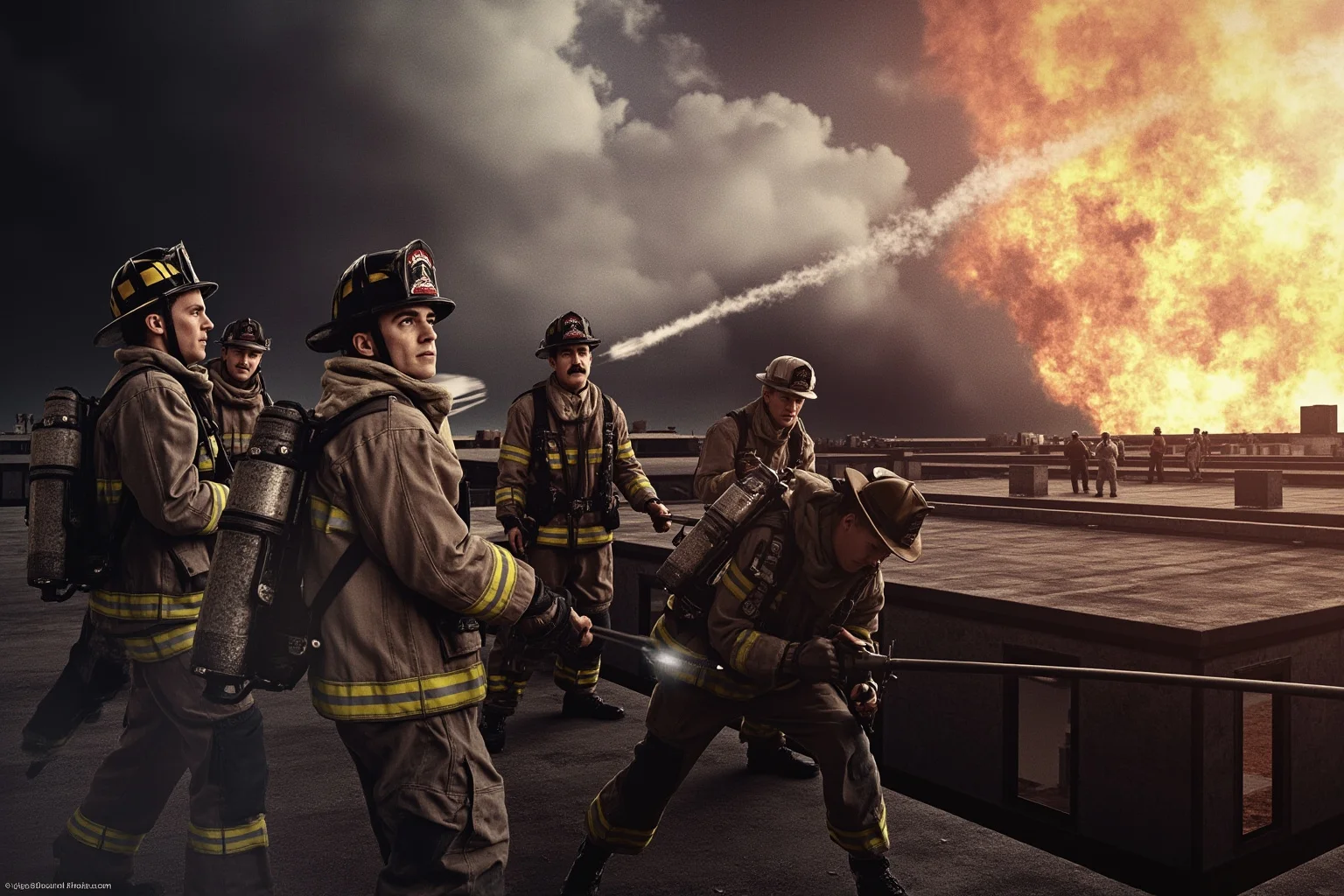
The first firefighters arrived at the scene believing they were battling an ordinary roof fire. They had no protective gear and no warning about the invisible danger. Many of them handled graphite debris with their bare hands. Most of the earliest responders later died from acute radiation syndrome. Their courage and their ignorance remain one of the most haunting facts of Chernobyl, a reminder of the human cost we examined in our piece on facts about the Vietnam War.
6. The First Deaths Were Not Instant but Came Within Weeks
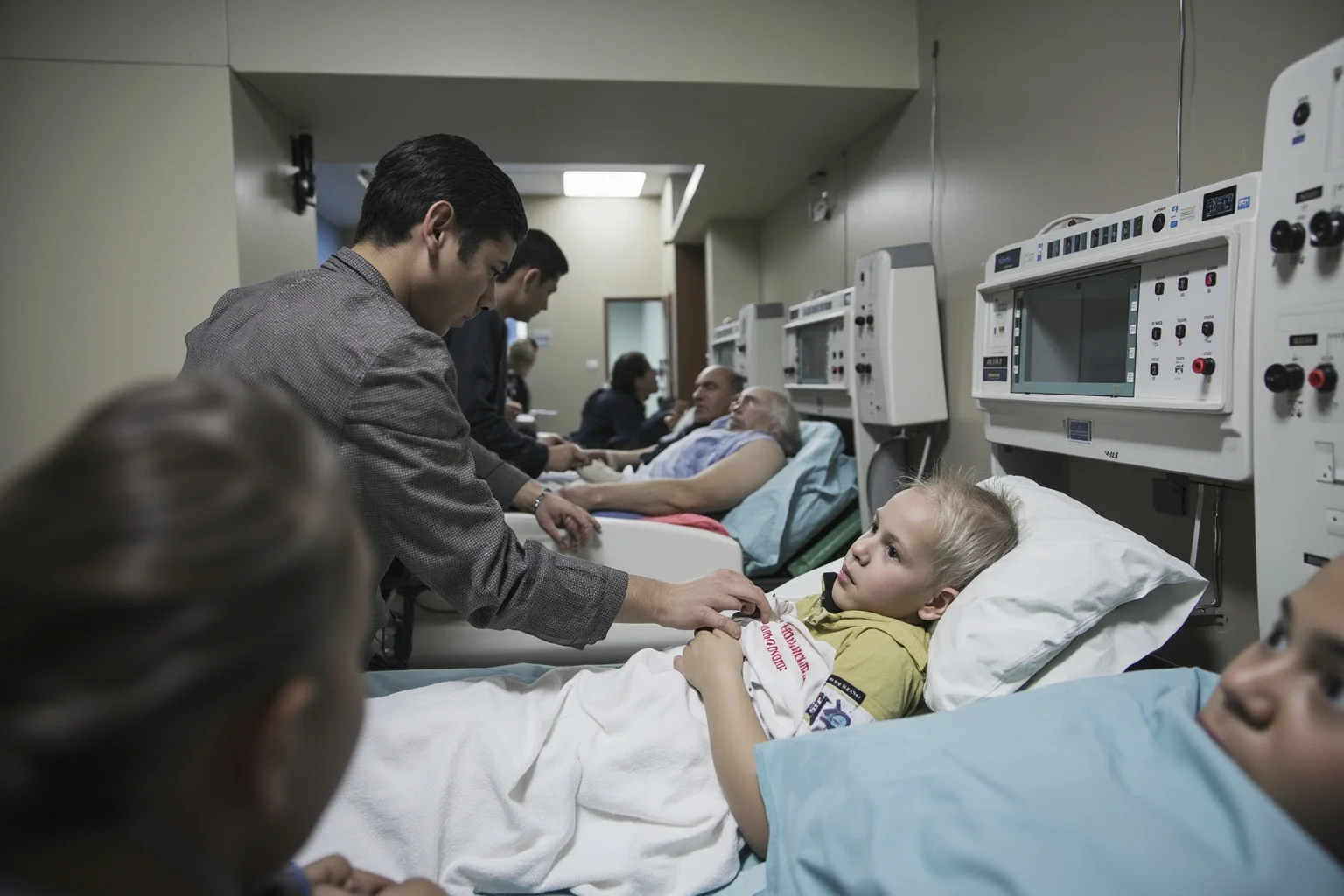
Some accounts suggest people died immediately at the plant. In reality, most initial victims survived the explosion itself but died within weeks from radiation exposure. The so-called liquidators were exposed to extreme doses while fighting the fire and clearing debris. Their suffering unfolded over days and weeks, not seconds. This timeline is crucial for understanding the human cost accurately, much like the delayed and devastating toll of the Black Death across medieval Europe.
7. The Nearby City of Pripyat Was Evacuated After a Full Day
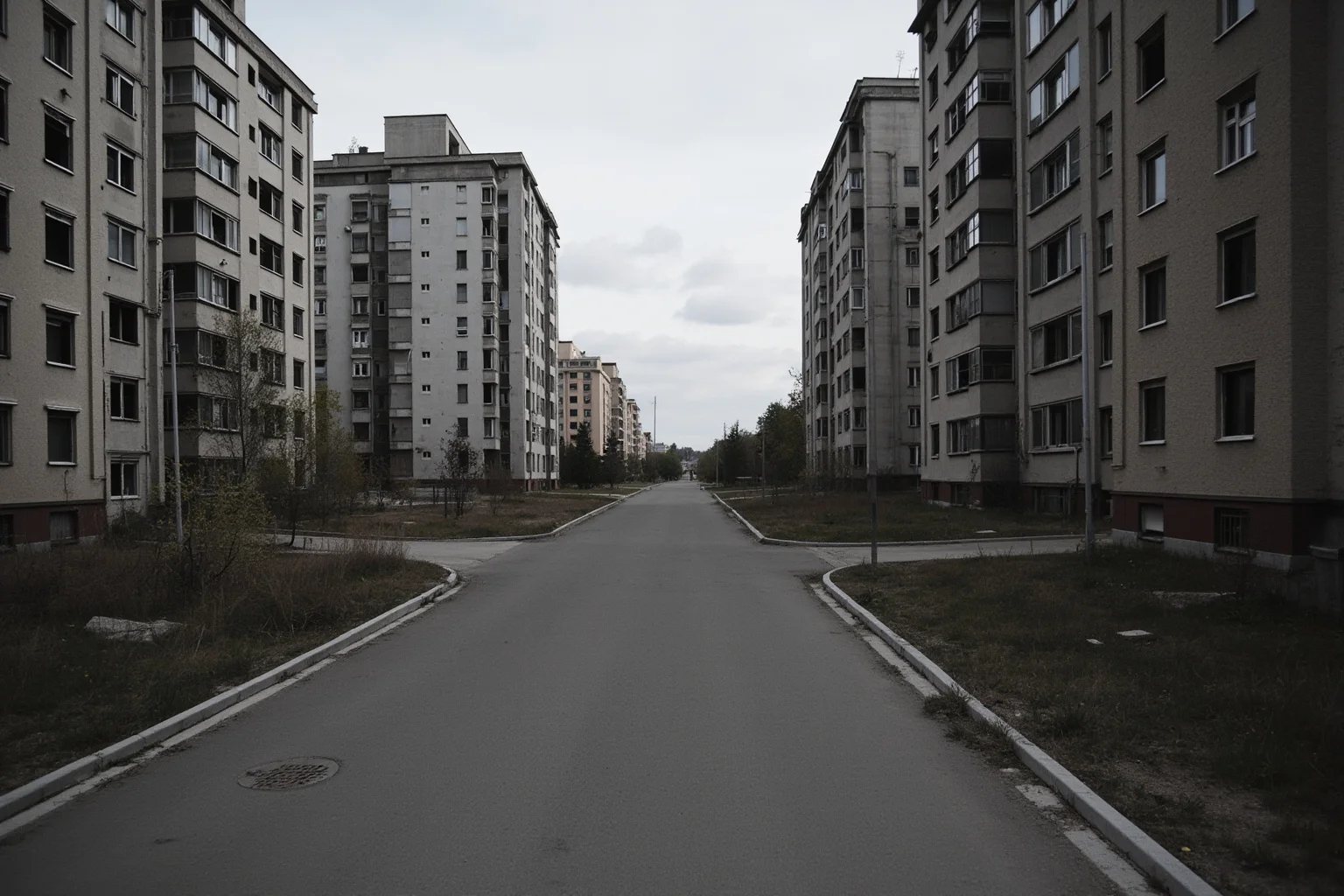
Pripyat, home to about 49,000 people, was not evacuated immediately after the explosion. Residents went about their day, some even attending outdoor weddings, while radioactive fallout settled around them. The evacuation began roughly 36 hours later, on April 27, 1986. People were told to bring documents and food for a few days, expecting to return. They never did.
8. The Exclusion Zone Was Initially Only 30 Kilometers
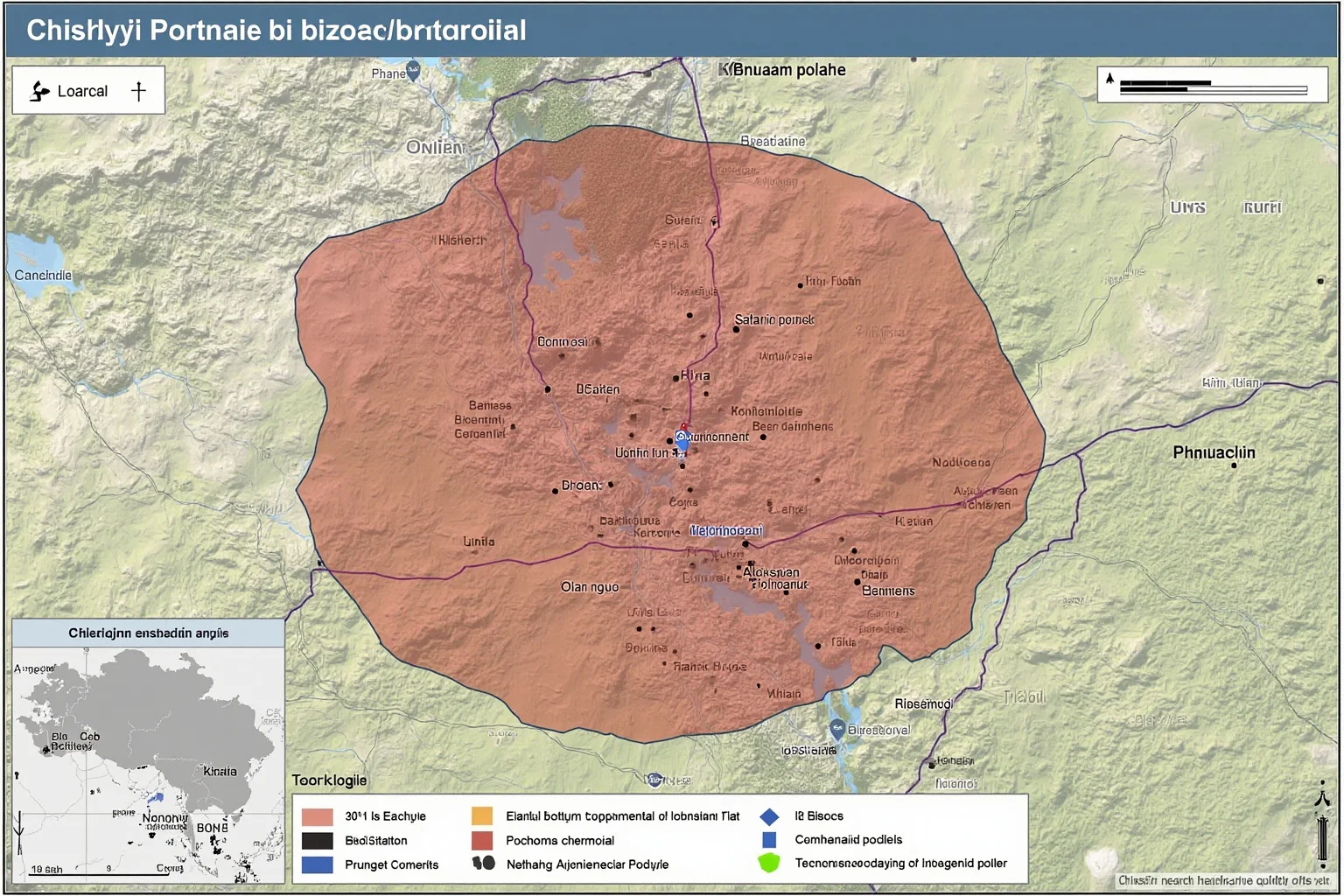
Soviet authorities established a 30-kilometer exclusion zone around the plant shortly after the accident. This radius has since been expanded and modified, but the initial boundary was improvised. Evacuation orders kept extending as scientists measured contamination. The zone eventually became a permanent, restricted area. Its borders are a reminder of how quickly a disaster reshapes geography and law.
9. The "Elephant's Foot" Is a Real Mass of Corium
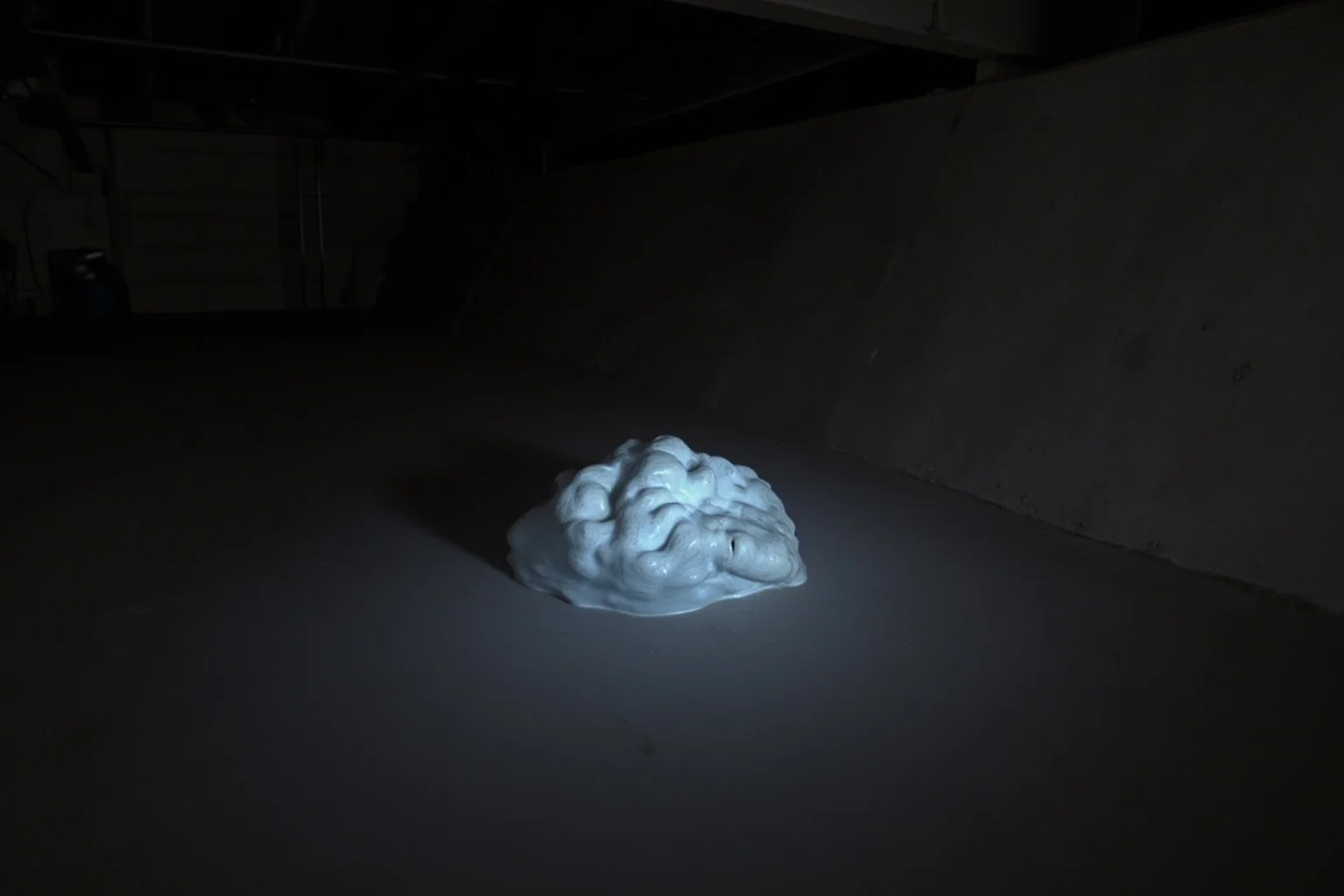
Deep in the basement of Reactor 4, there is a solidified mass of melted fuel, concrete, and metal known as the "elephant's foot." It formed when the core melted and flowed downward, then cooled into a dense, radioactive sculpture. At the time of its discovery, it was lethally radioactive. Even today, it remains one of the most dangerous objects on Earth. Its nickname comes from its wrinkled, foot-like shape.
10. A Photograph of the Elephant's Foot Was Taken With a Camera on Wheels
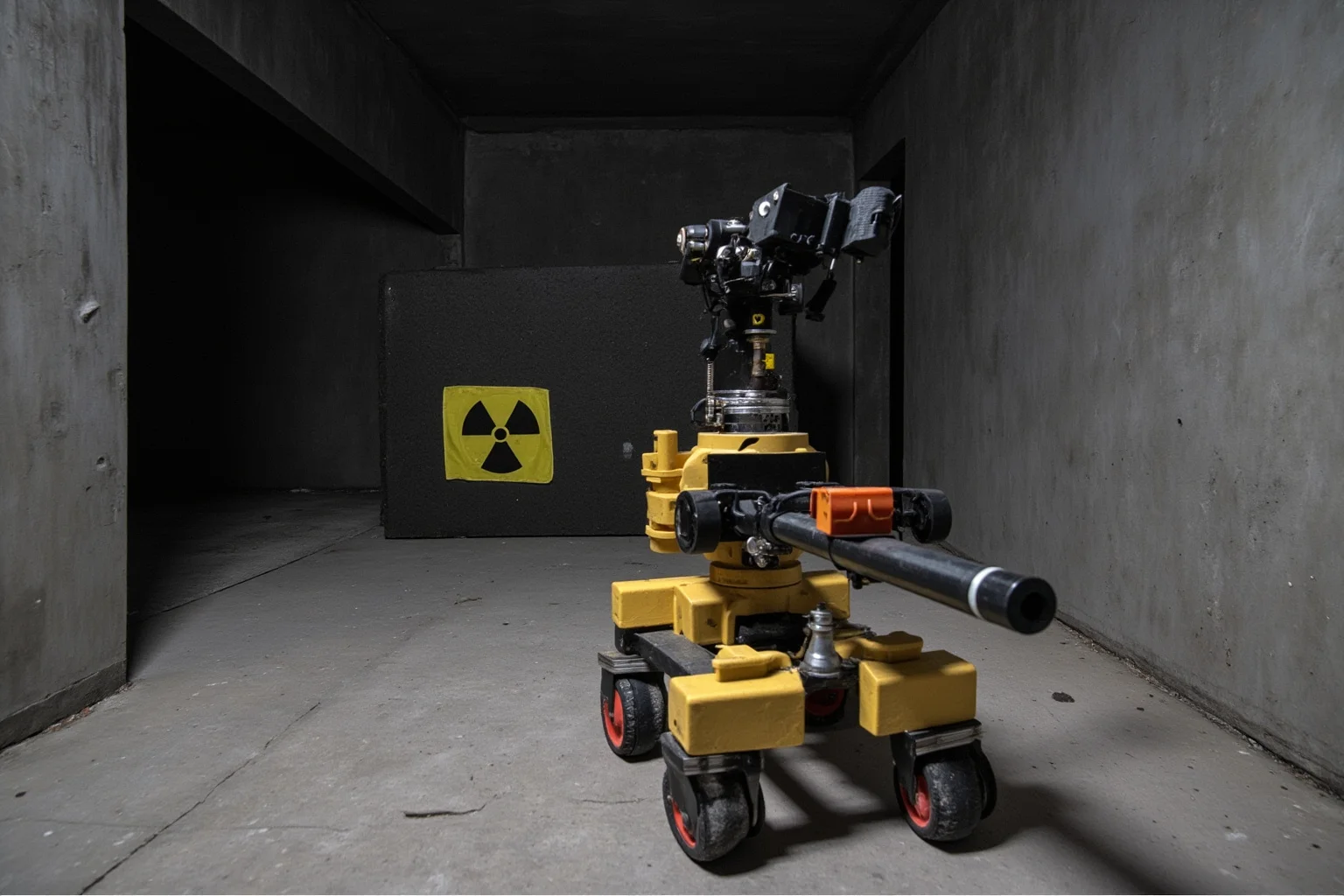
Because the elephant's foot was so radioactive, no one could stand near it for long. Photographers and scientists used a remote-controlled camera mounted on a wheeled cart. Even brief exposure near the mass could deliver a fatal dose. The resulting images are among the most iconic and chilling photographs of the disaster. They show an object so dangerous that it had to be photographed from a distance.
11. Roof Clearing Was Done by "Bio-Robots"
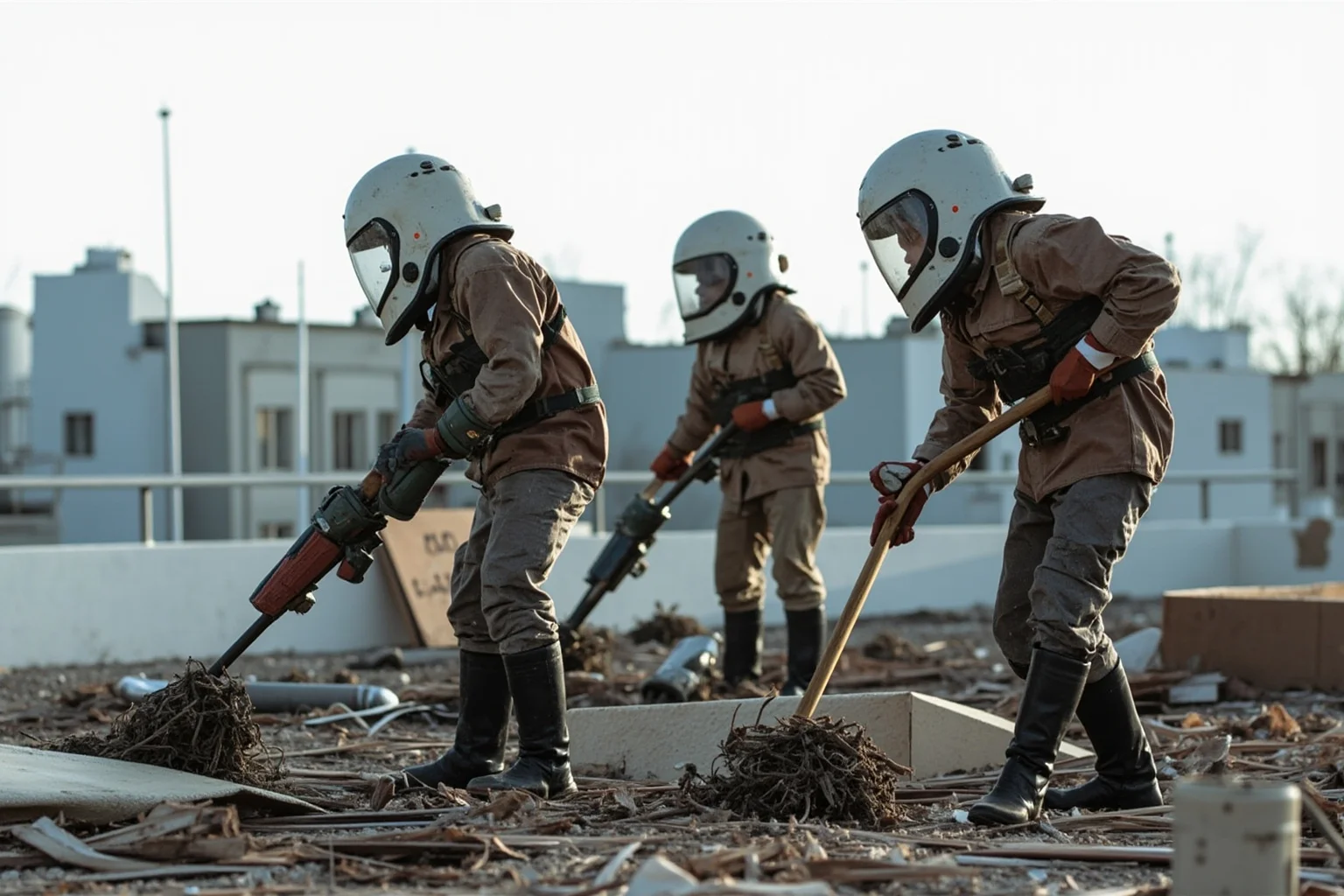
After the explosion, highly radioactive graphite and debris were scattered on the roof of the reactor building. Machines broke down quickly because of the radiation, so Soviet authorities sent in human workers. These men, nicknamed "bio-robots," were limited to about 40 to 90 seconds each. They shoveled debris and ran back. Thousands of them took part, absorbing dangerous doses to make the site safer for others.
12. The Sarcophagus Was Built in a Few Months
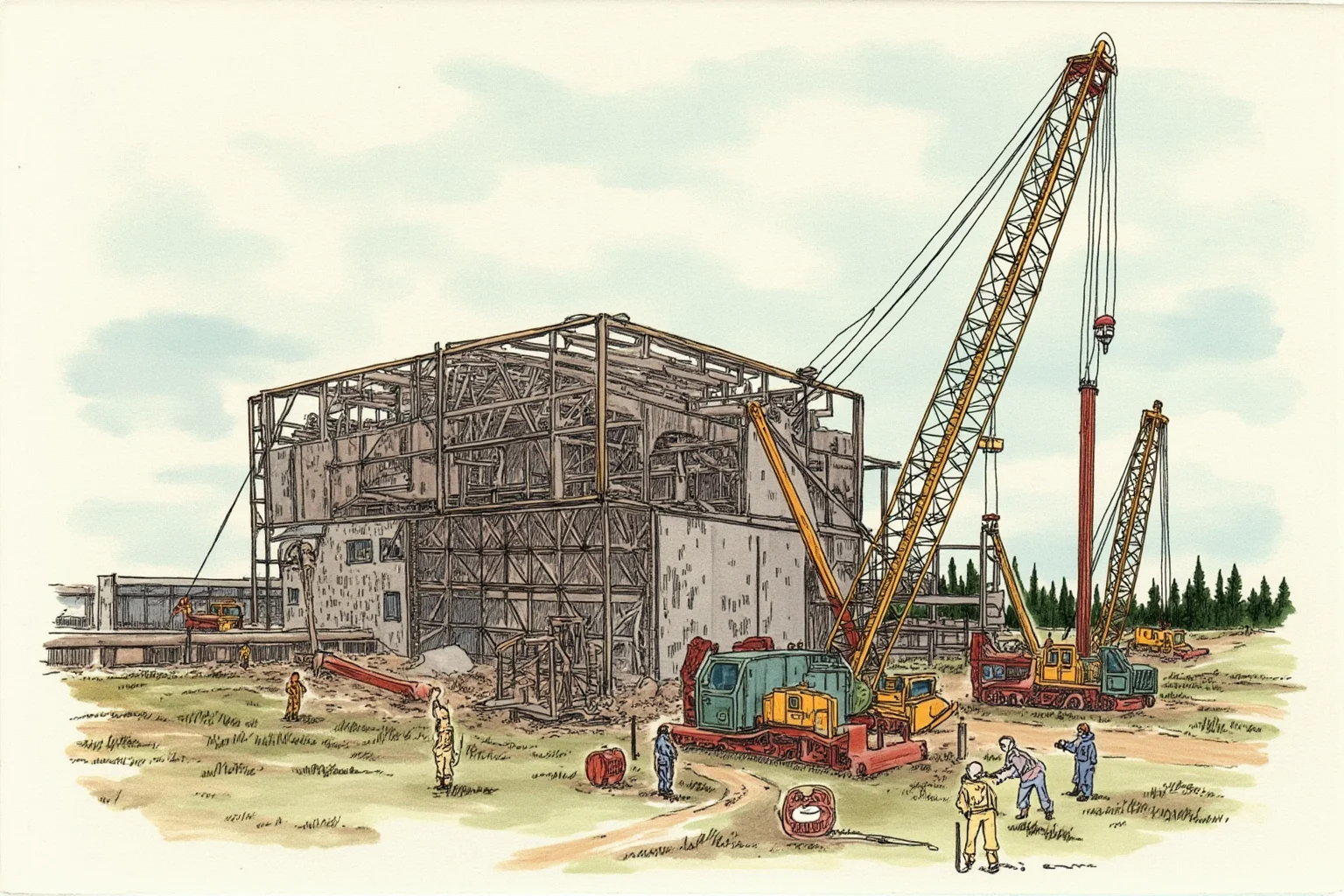
The first containment structure, called the sarcophagus, was completed in November 1986, only about seven months after the disaster. It was built under extreme conditions and with little regard for long-term durability. Its purpose was urgent containment, not permanence. The structure later developed cracks and leaks, which eventually led to a new, more advanced shelter.
13. The New Safe Confinement Moved on Rails
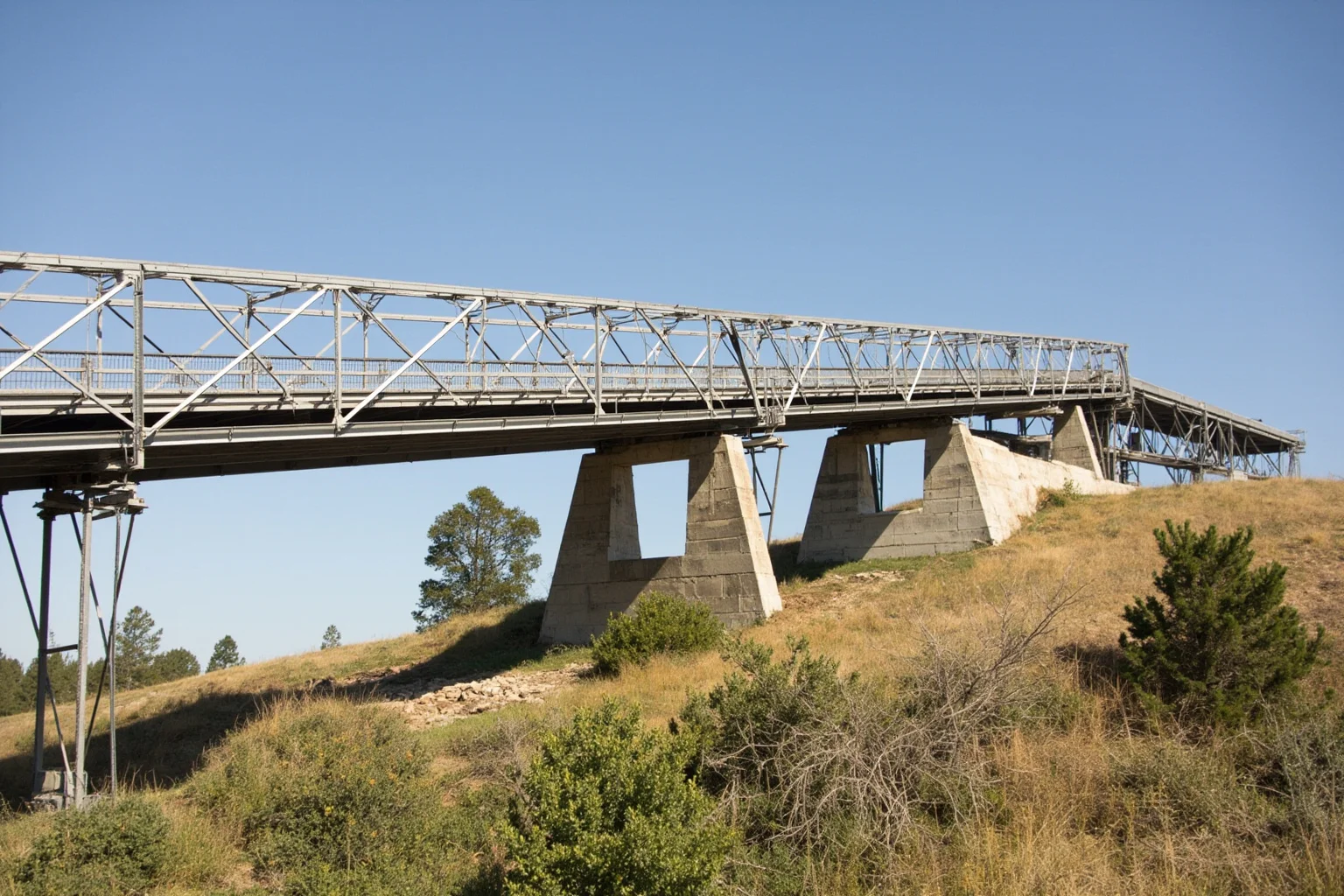
The replacement for the old sarcophagus is the New Safe Confinement, a massive arch-shaped steel structure. It was assembled nearby and then slid into place over the old shelter using a rail system in 2016. It is designed to last about 100 years and to allow safer dismantling of the original structure. This engineering feat is one of the most impressive technical responses to the disaster.
14. Three Other Reactors Kept Operating at the Site for Years
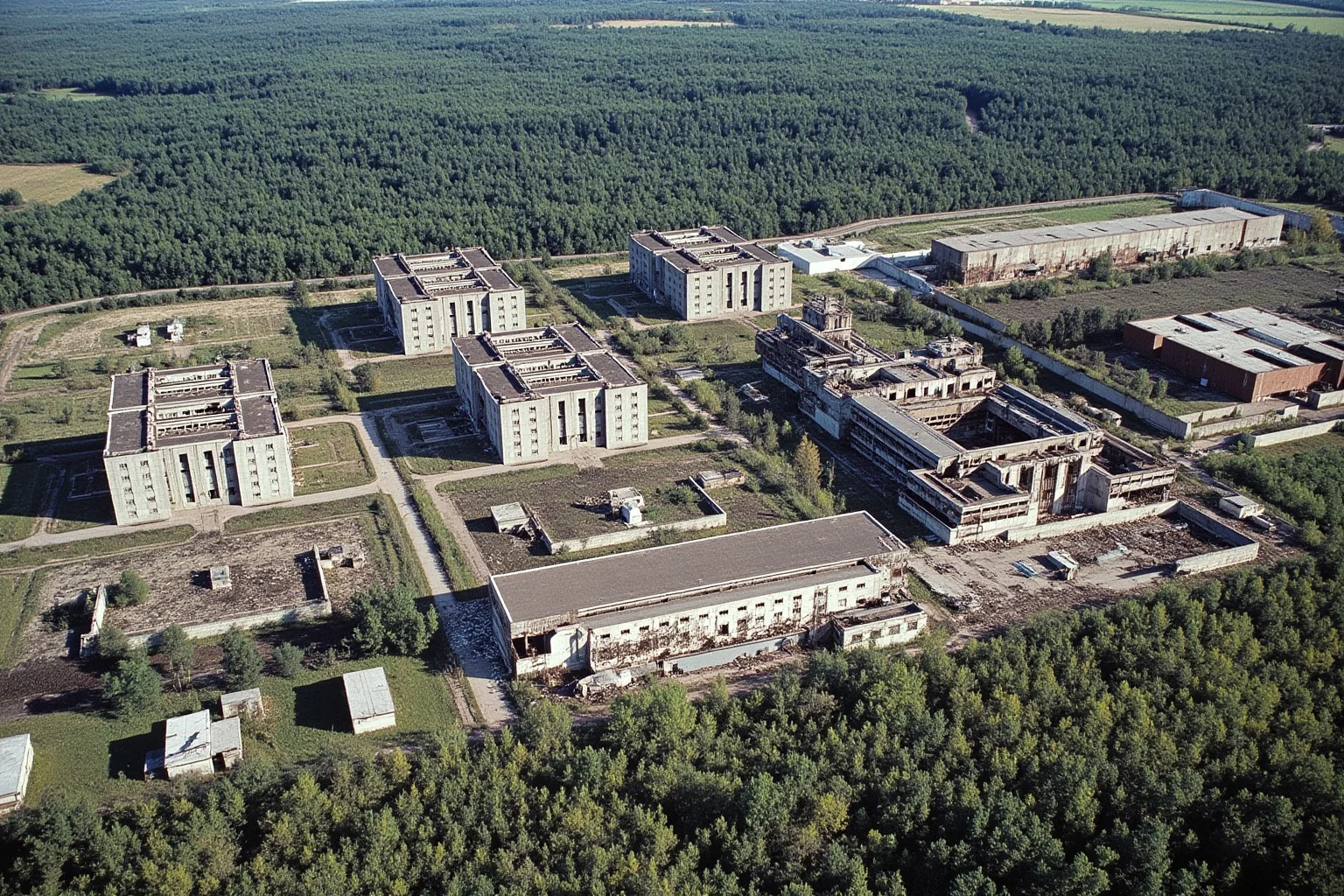
The Chernobyl power plant did not shut down completely after the 1986 accident. Reactors 1, 2, and 3 continued to generate electricity for years. Reactor 2 was shut down after a fire in 1991. Reactor 1 was closed in 1996, and Reactor 3 in 2000. The site was not fully decommissioned until much later. Many people are surprised to learn that Chernobyl remained a working power plant for over a decade.
15. The Word "Chernobyl" Means Something Dark in Ukrainian

The name Chernobyl is derived from a Slavic word often translated as "black grass" or associated with wormwood. Some people have linked the name to biblical prophecies, though historians treat such connections cautiously. The plant was named after the nearby town of Chernobyl, not the other way around. The etymology adds a layer of symbolism for those who study the disaster's cultural impact.
16. The Misspelling "Cynobel" Came From Typing Errors and Mispronunciations

Search data shows people sometimes look for the disaster using spellings like "cynobel" or "cherylnobl." These are simply common typos or phonetic guesses. The correct spelling is Chernobyl. Such misspellings are a reminder of how heavily the event is discussed online. They also explain why so many variations of the term appear in search queries.
17. Wildlife Has Thrived Despite the Radiation
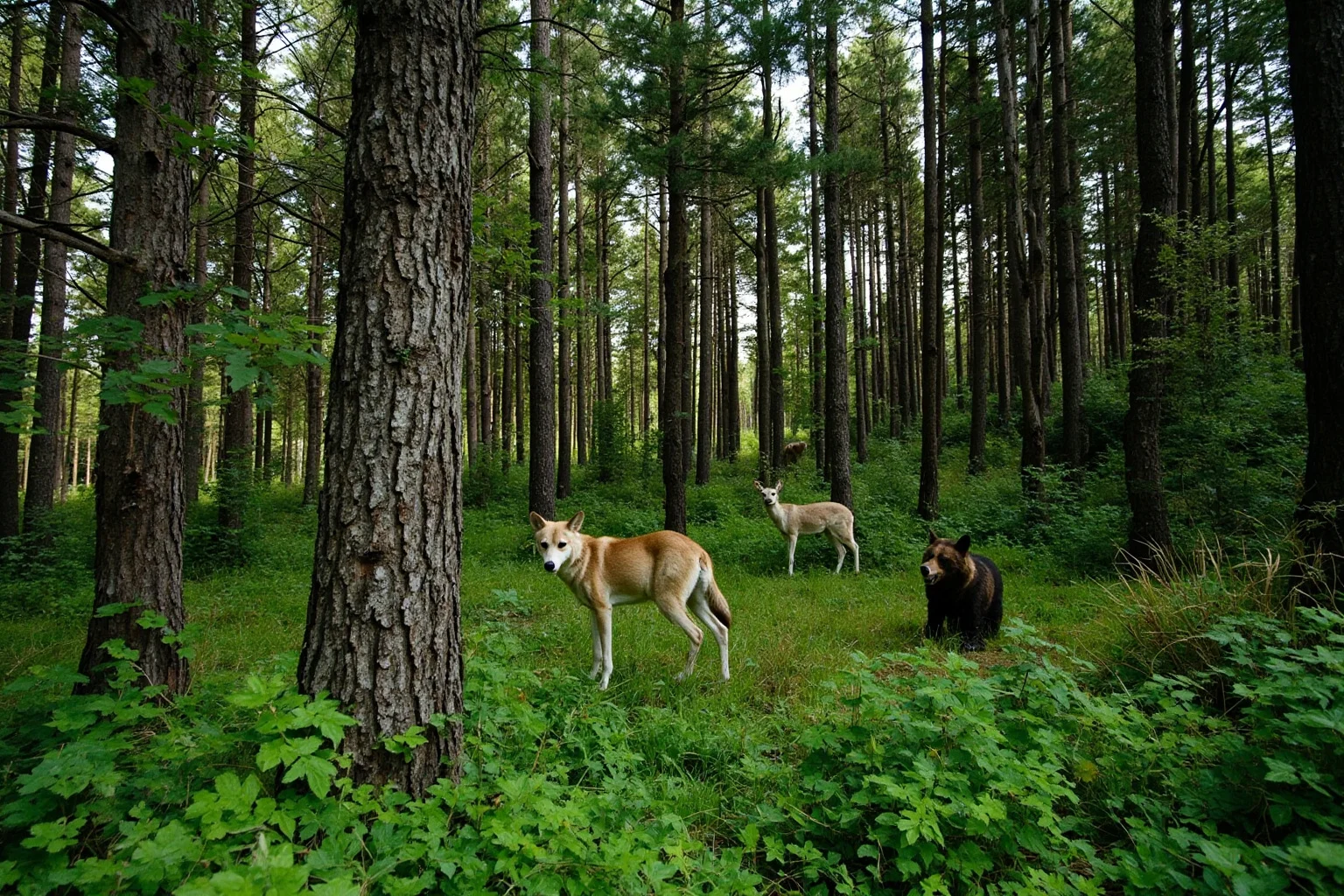
The exclusion zone has become an accidental wildlife sanctuary. Without humans, populations of wolves, deer, elk, and even bears have increased. Some species show genetic and physiological effects from radiation, but many are doing better than they did before. The zone has become a living laboratory for studying how ecosystems respond to contamination. It is one of the most interesting chernobyl facts for biologists and conservationists.
18. A Species of Black Frog Has Appeared in the Zone

Scientists have observed darker-colored frogs in the exclusion zone, a possible adaptation to radiation. Melanin can help protect against radiation damage, so darker frogs may survive better in contaminated areas. This is a striking example of natural selection in real time. Researchers continue to study whether the trait is truly radiation-driven or influenced by other factors.
19. The Zone Has Become a Dark Tourism Destination
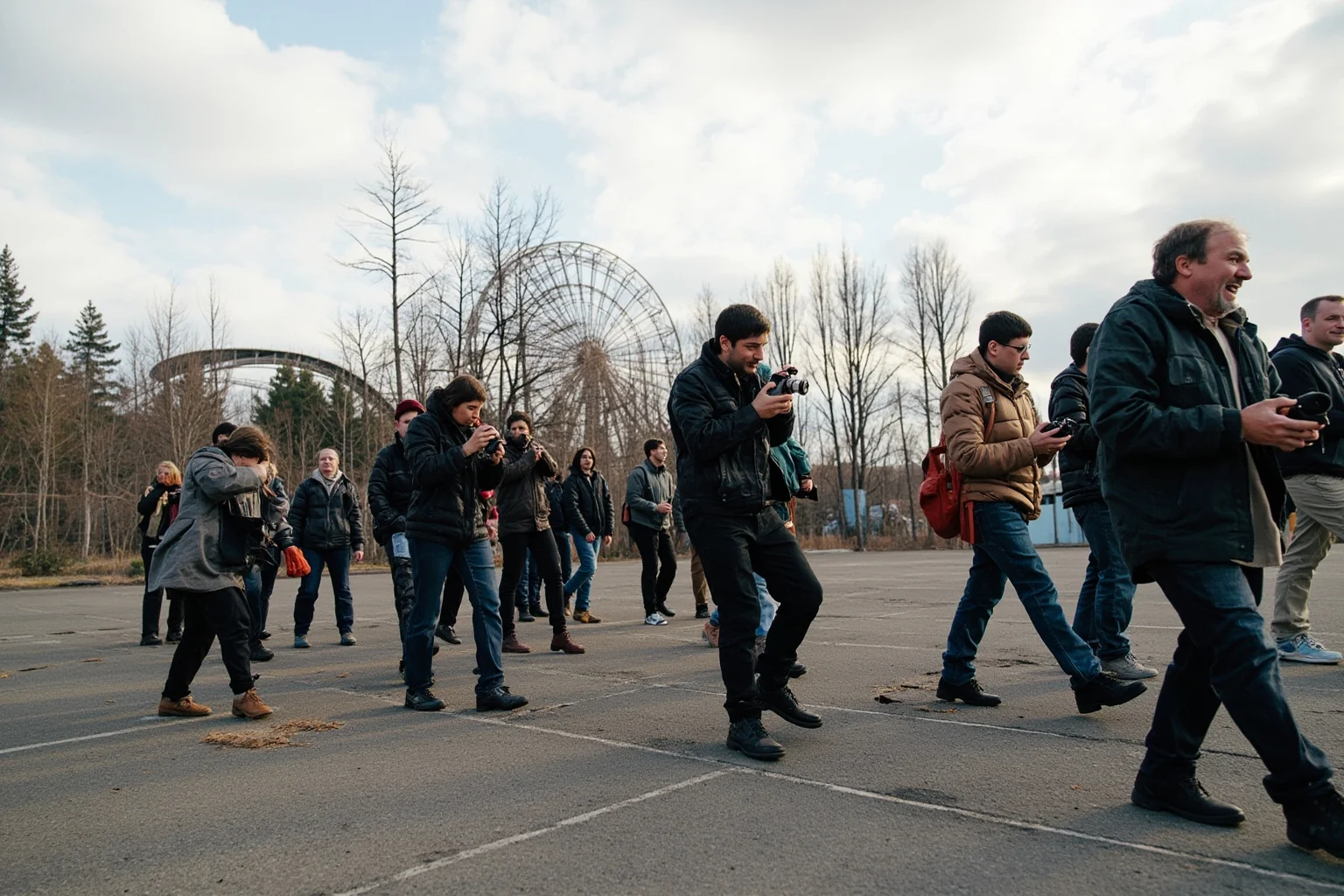
Each year, thousands of tourists visit the exclusion zone, now a legally organized destination. They walk through Pripyat, see the abandoned amusement park, and learn about the disaster. Visitor numbers surged after the success of the 2019 television miniseries. The tourism boom raises ethical questions about respecting a site of tragedy. Many guides emphasize education and safety rather than spectacle.
20. The Reactor's Fuel Is Still Being Monitored Today
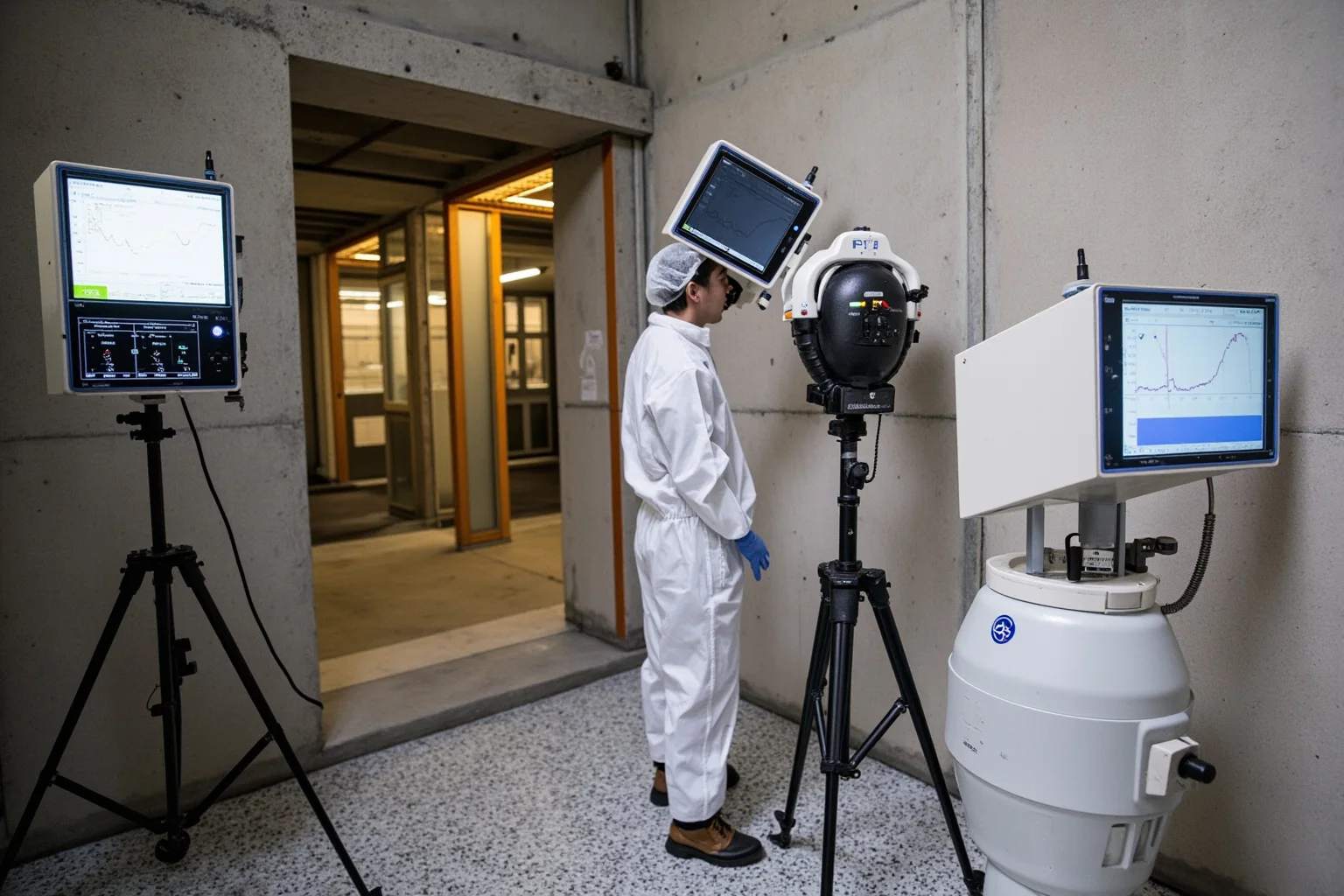
Even decades after the accident, the fuel and corium inside the shelter remain radioactive. Scientists monitor temperature, humidity, and radiation levels to prevent dangerous reactions. The area is not fully stable, and work continues to manage the remaining material. This ongoing vigilance is a reminder that the disaster is not entirely over.
21. Radiation Levels in the Zone Vary Enormously

Some parts of the exclusion zone are relatively safe for short visits, while others remain dangerously hot. The "Red Forest" near the plant absorbed some of the worst contamination. Guides and researchers use personal dosimeters to track exposure. Claiming the zone is uniformly deadly or uniformly safe is misleading. The truth is a patchwork of hot spots and comparatively clean areas.
22. The Disaster Led to Major Global Nuclear Safety Reforms
Chernobyl changed how the world thinks about nuclear power. International standards for reactor design, emergency response, and public communication were strengthened. The RBMK design was modified, and several countries reconsidered their nuclear programs. The accident also accelerated the development of safer reactor technologies. Its legacy is not just a ruined plant but a global push for accountability, a ripple effect not unlike the technological and political shifts covered in our post on the Space Race.
Why These Chernobyl Facts Still Matter
The Chernobyl story is more than a list of shocking statistics. It is a story about flawed decisions, brave people, and the long shadow a single night can cast. The lesser-known facts remind us that disasters are rarely simple, and myths often fill the gaps left by silence. Learning the details helps us honor the victims and responders more honestly.
Whether you are a student, a history enthusiast, or simply curious, these facts about Chernobyl offer a deeper understanding of the event. They challenge easy assumptions and show how science, politics, and human error intertwined. The next time someone mentions Chernobyl, you can share a fact they have never heard before. And you will know the real story behind the headlines.
Frequently Asked Questions
What are some nuclear disaster Chernobyl facts that most people get wrong?
A common myth is that the Chernobyl reactor exploded like a nuclear bomb. In reality, it was a steam explosion and fire that released radioactive material. Another misconception is that the city of Pripyat was evacuated immediately; the evacuation actually began about 36 hours after the explosion.
How many people died as a direct result of the Chernobyl disaster?
The immediate death toll from the accident and acute radiation syndrome is generally cited as around 30 people, including plant workers and firefighters. The long-term health effects, such as thyroid cancers, are a matter of ongoing scientific study, and estimates vary depending on the methodology used.
Is it safe to visit the Chernobyl exclusion zone today?
Organized tours operate in parts of the exclusion zone, and radiation levels vary greatly by location. Short visits to designated areas are generally considered low-risk, but visitors should follow official rules and avoid restricted hot spots. The zone is not safe for long-term living in most areas.
What is the elephant’s foot in Chernobyl?
The elephant's foot is a large, solidified mass of melted nuclear fuel, concrete, and metal that formed in the basement of Reactor 4. It is extremely radioactive and remains one of the most dangerous objects at the site. It was photographed using a remote-controlled camera due to the lethal radiation levels nearby.
Did wildlife really return to the Chernobyl area?
Yes, the exclusion zone has become an unintentional wildlife refuge. Populations of wolves, deer, elk, and other animals have increased in the absence of humans. Some species show genetic and health effects from radiation, but many are thriving compared to surrounding areas.
Why is the disaster sometimes misspelled as ‘Cynobel’ or ‘Cherylnobl’?
These are common typing errors or phonetic misspellings of Chernobyl. The correct spelling is Chernobyl, named after the nearby town. Such misspellings appear in search data simply because people type the word as they hear or remember it.
When did the Chernobyl power plant finally shut down completely?
The last operating reactor at Chernobyl, Reactor 3, was shut down in December 2000. Reactors 1 and 2 had already been closed in 1996 and 1991, respectively. The site remained a decommissioning and containment project for years afterward.
What was the New Safe Confinement and when was it put in place?
The New Safe Confinement is a massive steel arch built to cover the original sarcophagus. It was slid into place over the old shelter in 2016 using a rail system. It is designed to contain radiation and allow safer dismantling of the original structure.

Alex Warren
Related Articles