


The Louvre is the most visited museum on the planet, home to roughly 35,000 works of art spread across a building so enormous that most visitors only see a fraction of it in a single day. It’s also guarded by motion sensors, glass cases, armed security, and centuries of institutional paranoia about exactly this kind of thing happening.
And yet, over and over again, someone has managed to walk out with something. From a lone handyman who tucked the world’s most famous painting under his coat to a crew that used a furniture lift to reach a second-floor window in broad daylight, the Louvre museum heist history is longer, stranger, and more human than most people realize. Here’s the real story behind the museum’s most notorious thefts, in roughly the order they happened.
TL;DR: The Louvre has been targeted by thieves for more than 200 years, from the 1792 Revolution-era crown jewel robbery and the 1911 Mona Lisa theft to the October 2025 heist in the Galerie d’Apollon, proving that even the world’s most-visited museum has never been fully theft-proof.
A Museum That Has Always Been a Target
Before diving into the list, it helps to understand why the Louvre keeps showing up in heist headlines in the first place. The building was originally a royal fortress and palace, never designed from the ground up as a secure gallery, and its footprint is so vast that guarding every corridor at once is a genuine logistical challenge.
Add in the fact that the Louvre holds some of the most recognizable and valuable objects in human history, and you get a permanent target painted on the front of the building. The following incidents span the French Revolution to the present day, and together they tell the real story of the Louvre’s complicated relationship with theft.
1. The 1792 Garde-Meuble Robbery
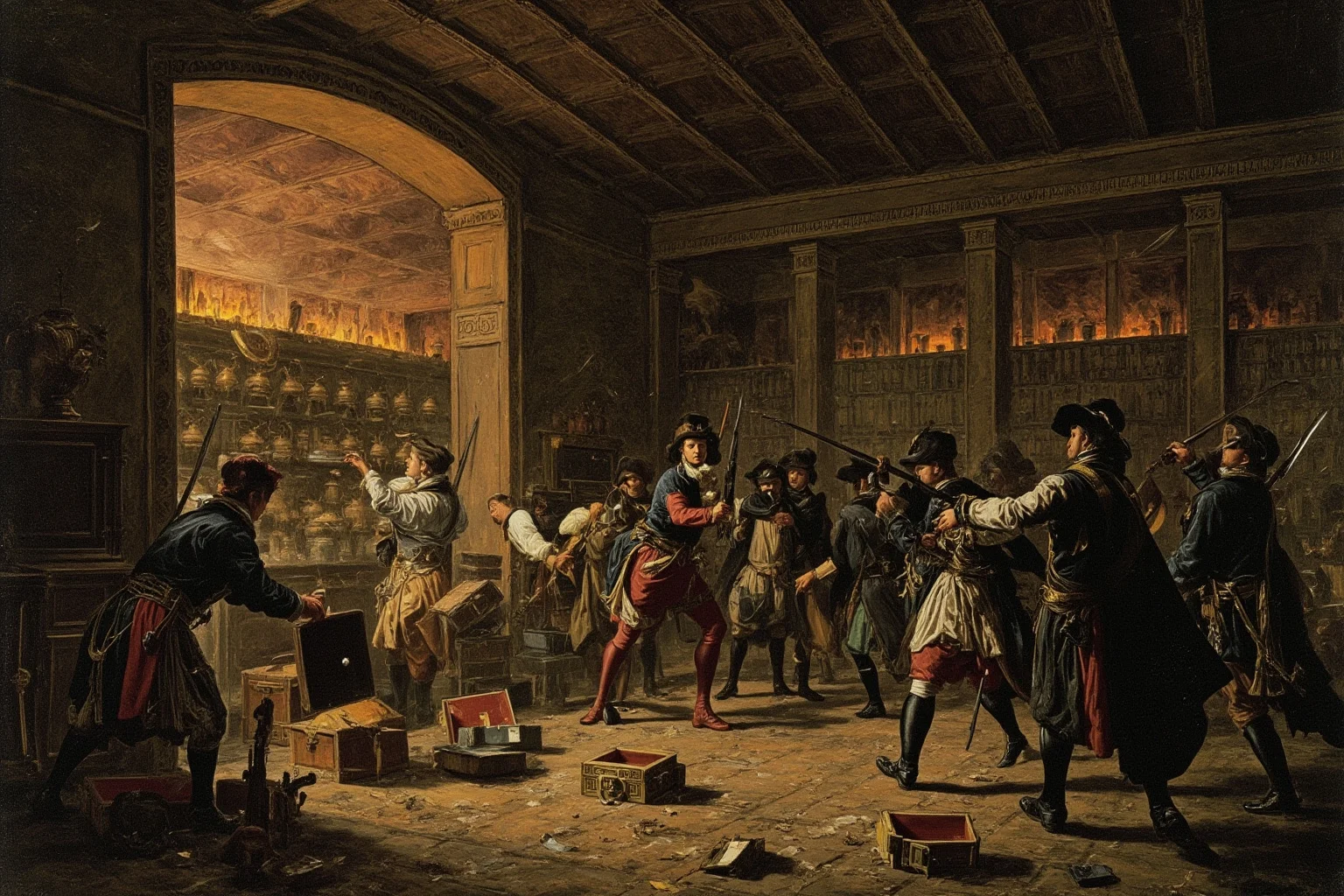
Long before the Louvre displayed the French Crown Jewels, those jewels were kept at the Garde-Meuble de la Couronne, the royal storehouse near what is now the Place de la Concorde. In September 1792, during the chaos of the French Revolution, thieves broke in over several nights and made off with nearly the entire royal jewel collection.
Many of the pieces were never recovered, and the robbery is often considered the original France museum robbery, even though the Louvre itself wasn’t yet the treasure’s home. Some of the surviving jewels eventually made their way into the Louvre’s collection, including the gallery that would be targeted again more than two centuries later.
2. The Regent Diamond’s Narrow Escape

Among the jewels stolen in 1792 was the Regent Diamond, a spectacular 140-carat stone that had once adorned the crown of French kings. It was found weeks later, hidden in the timbers of a Paris attic, and eventually made its way back into royal and then national hands.
Today the Regent Diamond sits in the Louvre’s Galerie d’Apollon, the same ornate gallery that would become the scene of a very different jewel heist in 2025. Its survival is one of the few genuinely happy endings from the 1792 robbery.
3. The French Blue Diamond’s Mysterious Second Life

Also stolen in that 1792 raid was the French Blue, a deep blue diamond tied to the French crown for generations. Unlike the Regent Diamond, it simply vanished, and its trail went cold for decades.
Historians and gemologists now widely believe the French Blue eventually resurfaced in London, recut into a smaller stone that became known as the Hope Diamond. A 2007 facet analysis by mineralogist François Farges strongly supports this connection, though the stone itself now lives at the Smithsonian rather than the Louvre.
4. Géry Pieret’s Iberian Statue Thefts
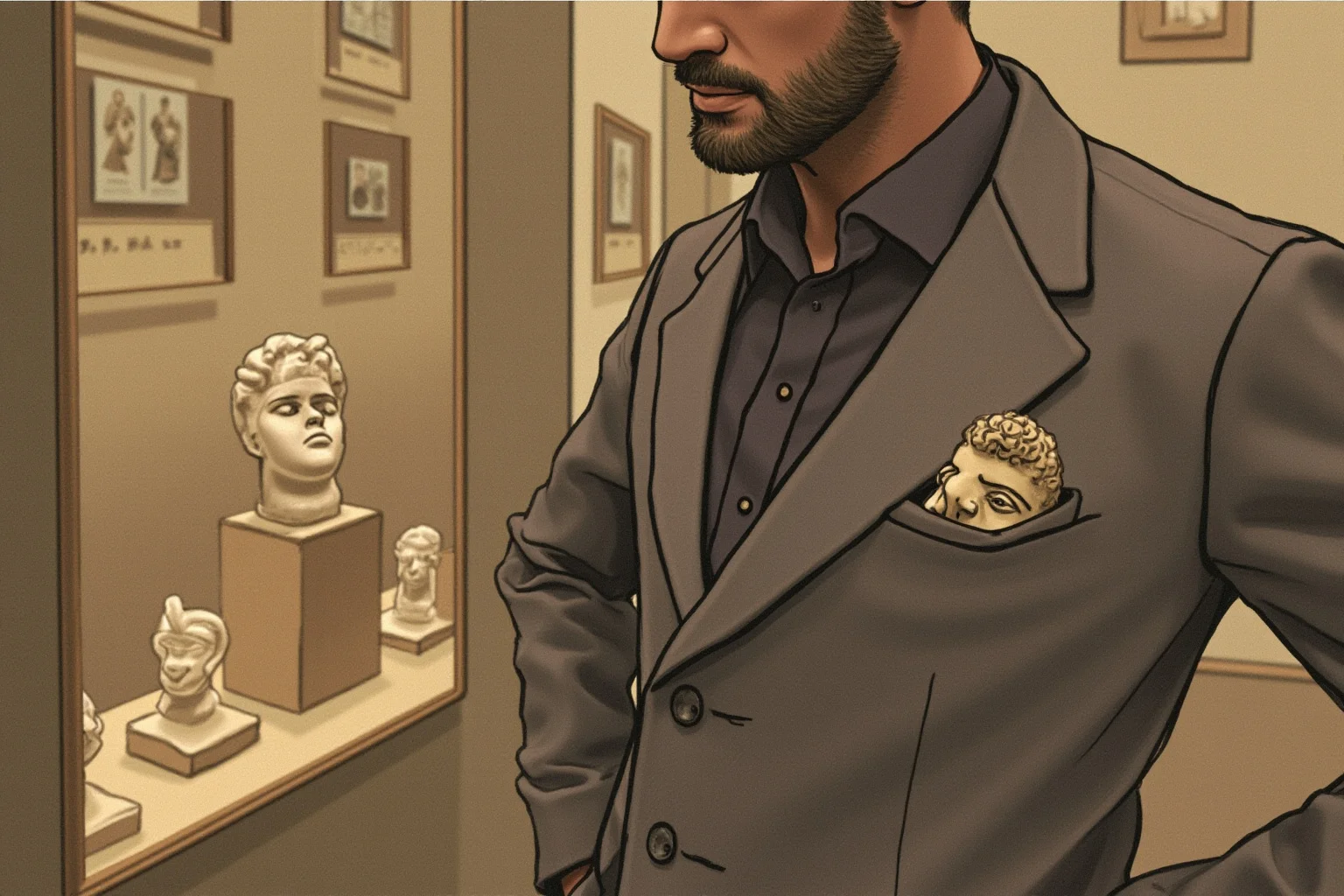
In 1907, and again in 1911, a small-time con artist named Géry Pieret quietly walked out of the Louvre with ancient Iberian stone busts tucked under his coat. He sold at least two of them to a young, then largely unknown painter named Pablo Picasso.
Some historians believe those sculptures influenced Picasso’s early Cubist experiments. When the Mona Lisa disappeared in 1911, Pieret’s earlier thefts came back to haunt his associates, briefly landing both Picasso and his friend, the poet Guillaume Apollinaire, under police suspicion.
5. The 1911 Theft of the Mona Lisa

On August 21, 1911, Leonardo da Vinci’s Mona Lisa vanished from its spot in the Salon Carré. It wasn’t discovered missing until the next morning, when a painter setting up his easel noticed the empty hooks on the wall.
The Louvre closed for a full week while police investigated, and the case became an international sensation. Thousands of people, including museum staff, were questioned, and the story remains the single most famous louvre art heist in the museum’s history.
6. Vincenzo Peruggia, the Man Who Took the Mona Lisa

The thief turned out to be Vincenzo Peruggia, an Italian handyman who had previously worked at the Louvre building protective glass cases for its most valuable paintings. He hid inside the museum overnight, took the painting off the wall the next morning, and simply walked out under his coat.
Peruggia claimed he acted out of patriotic outrage, believing the painting belonged in Italy rather than France. Some historians have questioned this explanation, suggesting he may have been used by a forgery scheme, though that theory remains unproven and is best treated as a persistent legend rather than settled fact.
7. How the Mona Lisa Finally Came Home

Peruggia kept the painting hidden in his Paris apartment for more than two years before attempting to sell it to an art dealer in Florence in December 1913. He was arrested almost immediately, and the painting toured briefly through Italy before being returned to the Louvre in early 1914.
Peruggia served a relatively short prison sentence for the theft, and the painting has remained at the Louvre ever since, now protected behind bulletproof glass. The case remains the answer most people are looking for when they search for the heist at the Louvre.
8. World War II and the Louvre’s Great Evacuation

As Nazi forces advanced on Paris in 1940, Louvre director Jacques Jaujard organized a massive, secretive evacuation of thousands of artworks to châteaux across the French countryside. The Mona Lisa alone was moved between at least six different locations during the war to keep it out of German hands.
This wasn’t a heist at all, but rather the opposite: a coordinated effort to prevent one. It stands as one of the most successful art-protection operations in modern history.
9. Rose Valland and the Nazi Looting at the Jeu de Paume

While the Louvre’s own collection was being hidden, the Nazi task force known as the Einsatzstab Reichsleiter Rosenberg used the Jeu de Paume gallery, part of the Louvre’s Tuileries Garden complex, as a sorting depot for art stolen from Jewish-owned collections across occupied France. A museum curator named Rose Valland secretly documented shipments, crate numbers, and destinations at great personal risk.
Her meticulous records helped Allied investigators track down and return thousands of looted works after the war. It remains one of the most significant chapters in the broader story of art theft in France during the 20th century.
10. The 1985 Musée Marmottan Monet Heist
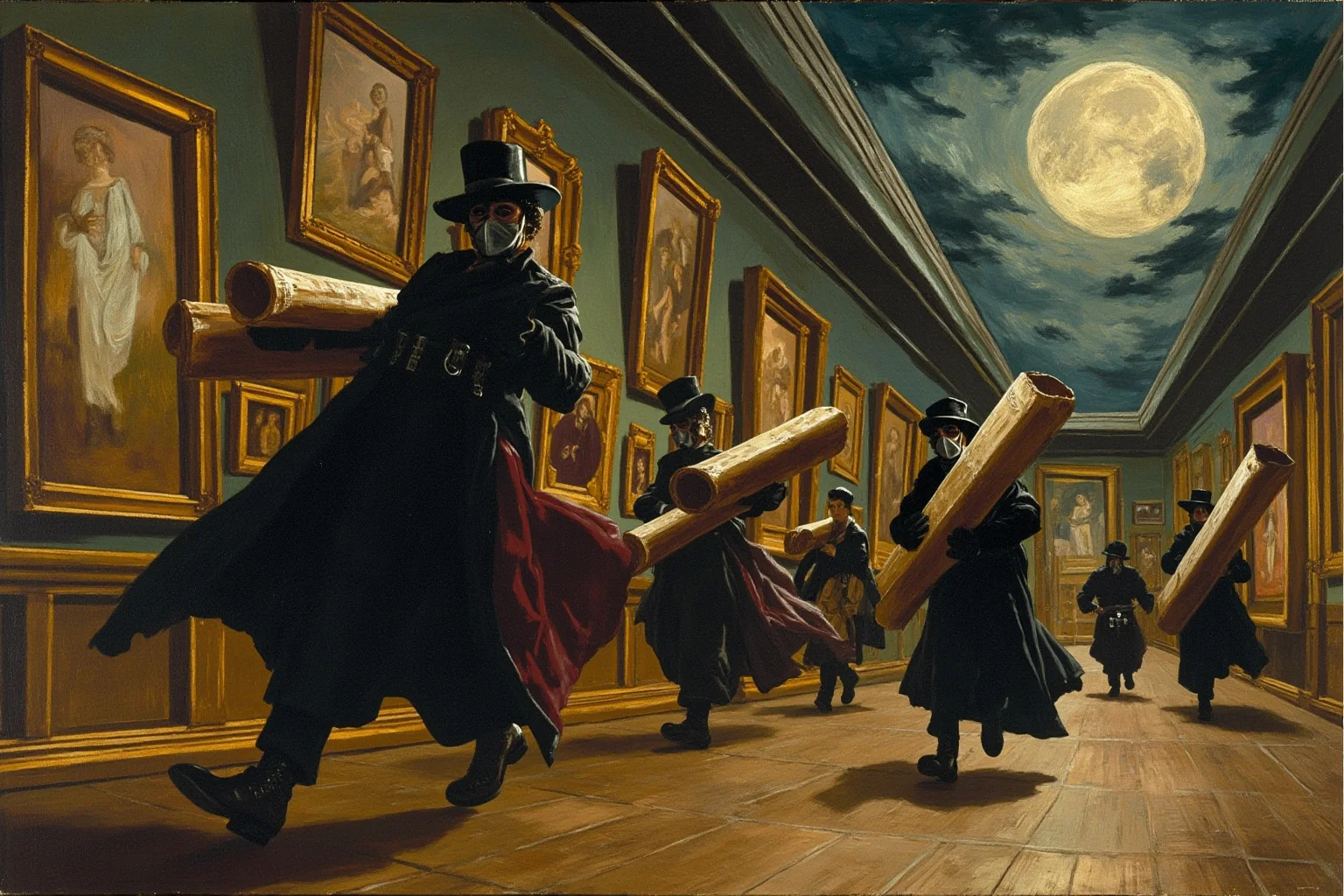
Not every major Paris museum heist happened at the Louvre. In 1985, five armed men broke into the Musée Marmottan Monet and stole nine paintings, including Claude Monet’s Impression, Soleil Levant, the very painting that gave the Impressionist movement its name.
The theft shocked the French art world, and the paintings vanished for five years before being recovered in Corsica in 1990. It’s a reminder that the Louvre isn’t the only Parisian institution with a heist story worth telling.
11. The 1998 Disappearance of Corot’s Le Chemin de Sèvres

In May 1998, a small landscape painting by Camille Corot titled Le Chemin de Sèvres was cut from its frame and stolen directly off the wall of a Louvre gallery, reportedly during regular opening hours. Despite an extensive investigation, the painting was never recovered.
It remains one of the very few permanent, unsolved losses in the modern Louvre’s history, and a sobering counterpoint to the museum’s more famous recovery stories. The case is still occasionally referenced whenever people ask about paintings stolen from the Louvre that were never found.
12. The 2010 Musée d’Art Moderne de Paris Heist

In May 2010, a lone burglar broke into the Musée d’Art Moderne de Paris overnight through a window with a malfunctioning alarm and cut through a padlocked grille. He walked out with five paintings by Picasso, Matisse, Modigliani, Braque, and Léger, collectively valued at roughly $100 million.
It was, at the time, one of the largest art heists in French history, and it exposed serious gaps in the museum’s security systems. Like the Marmottan case, it’s often cited alongside the Louvre in discussions of France museum robbery history.
13. Vjeran Tomic and the Fate of Five Masterpieces

The Musée d’Art Moderne burglar was eventually identified as Vjeran Tomic, nicknamed “Spider-Man” for his rooftop-climbing burglary skills. He was convicted in 2017, but the paintings themselves were never recovered.
The man who received the stolen works claimed he panicked and threw them in the trash, though the true fate of the paintings remains disputed and, to this day, unresolved. It’s one of the more haunting unsolved threads in modern French art crime.
14. Mona Lisa Under Attack: Vandalism, Not Theft

The Mona Lisa has survived more than one attempted theft-adjacent incident that wasn’t actually a robbery at all. In 1956, someone threw acid at the lower part of the painting, and later that same year a visitor threw a rock that chipped pigment near the figure’s elbow, prompting the museum to add protective glass.
More recently, a woman threw a ceramic mug at the painting in 2009, and in 2022 a man disguised in a wig smeared cake across the protective glass during a climate protest. None of these incidents resulted in theft, but each one pushed the Louvre toward heavier security around its most famous work.
15. The October 2025 Louvre Crown Jewels Heist

The most recent, and now most searched, Louvre museum heist took place on the morning of October 19, 2025. According to French authorities, a small group of thieves used a truck-mounted furniture lift to reach a first-floor window of the Galerie d’Apollon, the same gallery that houses the surviving French Crown Jewels.
The robbery happened during opening hours, in broad daylight, which is part of what made it such a striking break from the museum’s usual quiet, after-hours theft stories. It immediately became the definitive answer to searches for the paris heist and the heist in paris.
16. What Was Actually Stolen in 2025

According to French officials, the thieves made off with several pieces of 19th-century jewelry connected to Napoleonic-era royalty, reportedly including necklaces, a tiara, and brooches from the crown jewel collection. One piece, reportedly a crown associated with the imperial era, was said to have been dropped and damaged during the getaway.
French authorities estimated the value of the stolen items in the tens of millions of euros, though exact figures have varied across early reporting. As with many fast-moving investigations, some specific details were still being clarified by officials in the weeks that followed.
17. Seven Minutes: How the Getaway Unfolded

Reports from French police indicated the entire theft took only a few minutes from entry to exit, with the thieves fleeing on motor scooters through central Paris. The Louvre evacuated visitors and closed for the remainder of the day as investigators secured the scene.
No injuries were reported among staff or visitors, which officials noted was a small silver lining given how brazen the robbery had been. The speed of the operation quickly drew comparisons to earlier Louvre thefts, including the 1911 Mona Lisa case, in terms of sheer audacity.
18. The Investigation and Arrests That Followed
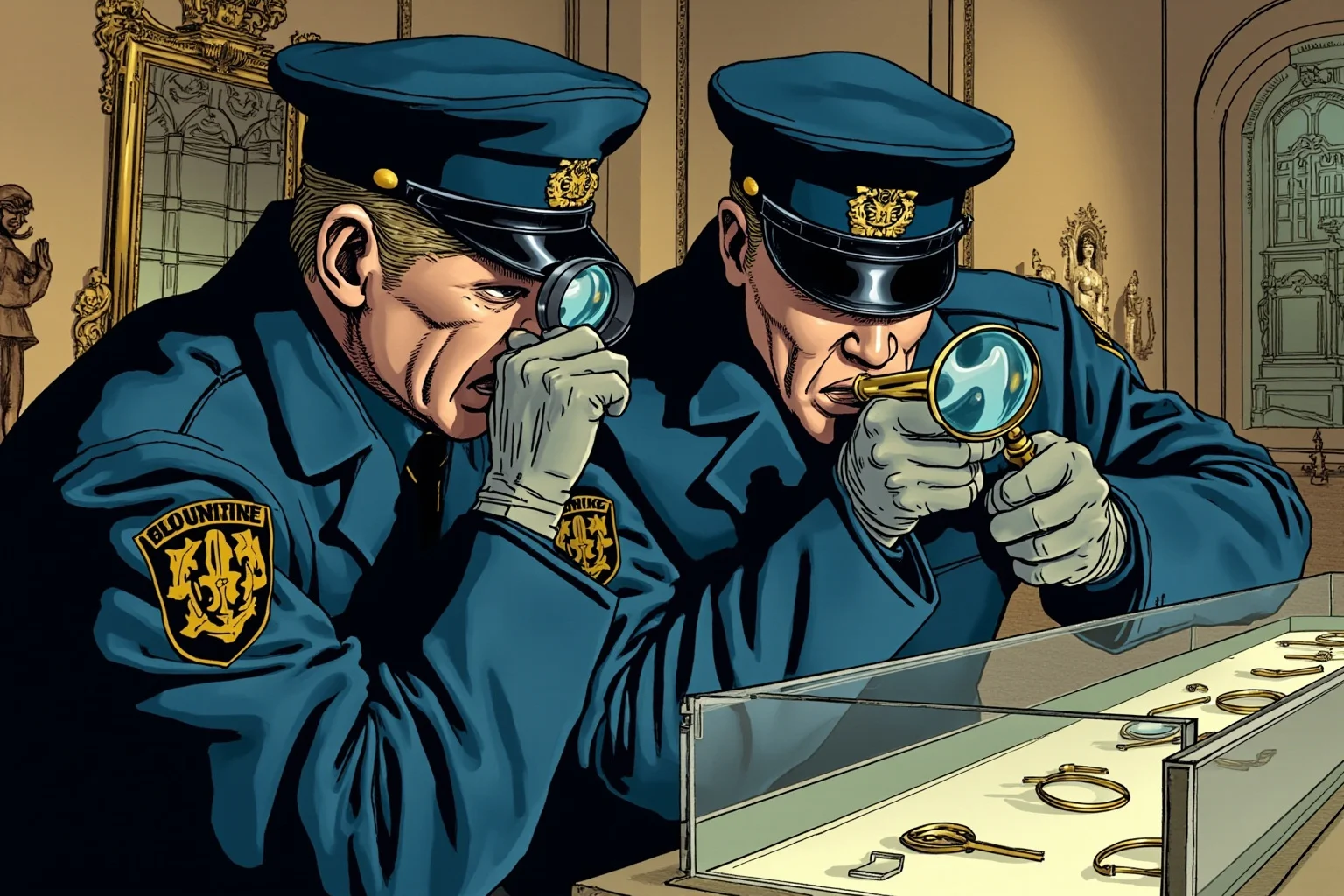
French police opened a formal investigation within hours, and several suspects were reportedly arrested in the weeks following the heist. Some of the stolen jewelry was reportedly recovered, in some cases damaged, while the full fate of every item taken remained under investigation at the time of writing.
The case reignited a long-running debate in France about the Louvre’s security infrastructure, much of which was designed decades before modern museum theft-prevention technology existed. Museum staff unions had reportedly raised concerns about understaffing and aging security systems well before the 2025 incident.
19. A Pattern Nearly 250 Years in the Making

Looking across all of these incidents, a pattern starts to emerge. The Louvre’s sheer size makes constant, comprehensive surveillance difficult, its historic building predates modern security design, and its objects are famous and valuable enough to tempt even amateur thieves.
From the 1792 Garde-Meuble robbery to the 2025 Galerie d’Apollon heist, the common thread isn’t master criminal masterminds so much as opportunity meeting a building that was never fully built for this level of scrutiny. It’s a pattern the museum has spent centuries trying, with mixed success, to close.
20. Separating Heist-Movie Myths From Louvre Reality
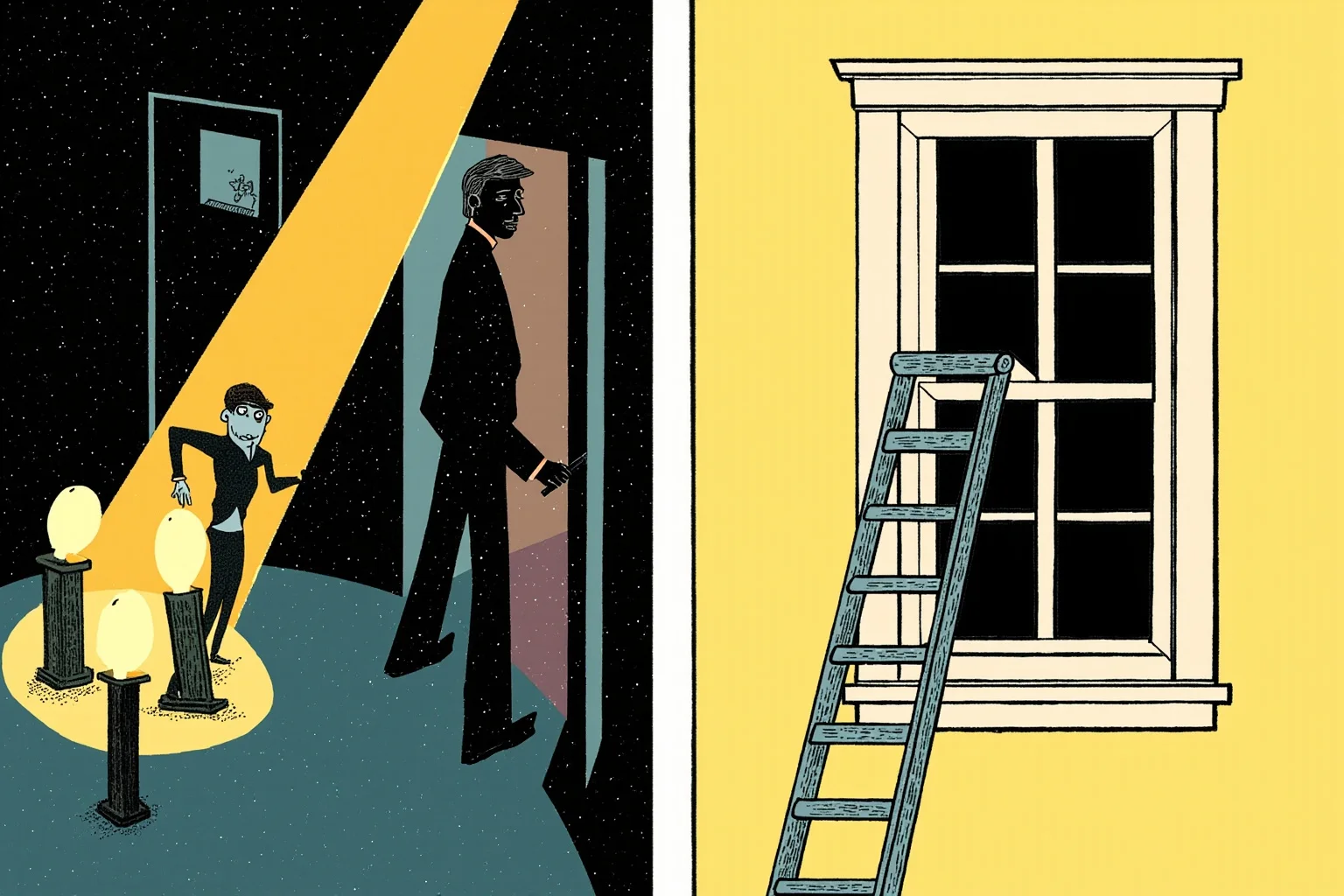
Pop culture loves to imagine Louvre heists as laser-grid, tuxedo-clad affairs straight out of a caper film, and the museum’s grand architecture certainly photographs that way. The real Louvre heist stories, though, tend to be far more mundane: a handyman with inside knowledge, a malfunctioning alarm, a cut fence, or a rented lift truck.
That’s the myth-busting takeaway worth remembering. The Louvre’s biggest losses haven’t come from criminal geniuses outsmarting cutting-edge technology, but from ordinary security gaps that any large, historic building can develop over time.
The Louvre’s Long, Complicated Relationship With Theft
The Louvre has lost paintings it never got back, recovered treasures decades after they vanished, and survived plots that sound almost too dramatic to be real. Each incident, from the French Revolution to 2025, has pushed the museum toward better locks, better cameras, and better protocols, even as new vulnerabilities keep appearing.
What’s clear from this history is that no single heist defines the Louvre’s story. It’s the accumulation of incidents across more than two centuries that makes the museum’s relationship with theft so genuinely fascinating, and worth understanding accurately rather than through movie-plot exaggeration.
Frequently Asked Questions
When did the Louvre heist take place?
The Louvre has actually experienced several major thefts, so the answer depends on which one you mean. The most historically famous is the 1911 theft of the Mona Lisa, while the most recent major incident, often called the Paris heist or the heist in Paris in current headlines, took place on October 19, 2025, when thieves stole crown jewels from the museum's Galerie d'Apollon.
What actually happened during the heist at the Louvre in 2025?
According to French authorities, a small group of thieves used a truck-mounted furniture lift to reach a window of the Galerie d'Apollon during opening hours and stole several pieces of 19th-century jewelry connected to France's Napoleonic-era royals. The entire theft reportedly took only a few minutes, and the thieves escaped on motor scooters before police could respond.
What was stolen during the most famous Louvre museum theft?
The most famous single item ever taken from the Louvre is Leonardo da Vinci's Mona Lisa, stolen in 1911 by an Italian handyman named Vincenzo Peruggia who had previously worked at the museum. The painting was recovered more than two years later in Florence, Italy, and has remained at the Louvre ever since.
Has anything stolen from the Louvre ever been permanently lost?
Yes. Camille Corot's painting Le Chemin de Sèvres was stolen from the Louvre in 1998 and has never been recovered, making it one of the museum's few confirmed permanent losses. Some jewelry taken during the October 2025 heist also remained unrecovered as investigators continued working the case.
Is there an official Louvre heist Wikipedia page?
Wikipedia and other reference sites do maintain separate entries covering incidents like the 1911 Mona Lisa theft and the 2025 crown jewels heist, since they're treated as distinct historical events. There isn't one single page covering every Louvre theft in one place, which is part of why a full timeline like this one is useful for getting the complete picture.
How many times has the Louvre actually been robbed?
The Louvre and its predecessor royal storehouses have been targeted by thieves multiple times across more than two centuries, including the 1792 crown jewel robbery, the 1911 Mona Lisa theft, the 1998 Corot theft, and the 2025 Galerie d'Apollon jewel heist. Smaller incidents and attempted vandalism, like several attacks on the Mona Lisa's protective glass, add to that history without necessarily counting as full thefts.

Alex Warren
Related Articles





