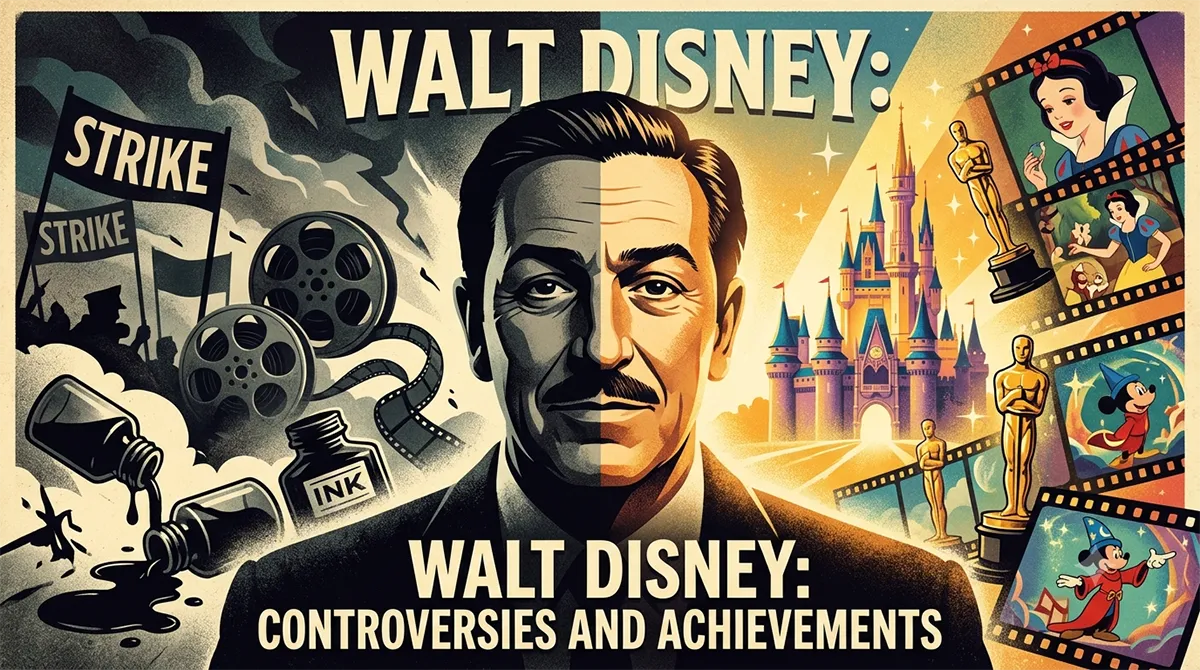
Few names in American history carry as much weight as Walt Disney. To millions, he’s the genial genius behind Mickey Mouse, Snow White, and the happiest place on earth. To others, he’s a far more complicated figure — a man dogged by allegations of antisemitism, anti-union tactics, and racial stereotyping baked into his own films.
So which version is true? The truth, as it usually does, sits somewhere in the messy middle. This article digs into both sides of the legend: the real controversies that still spark debate, and the genuine, world-changing accomplishments that made Disney one of the most recognized historical figures nearly six decades after his death.
TL;DR: Walt Disney was a brilliant, driven innovator who reshaped animation, television, and theme parks — but his legacy is also shadowed by real controversies around labor disputes, racial stereotypes in his films, and unproven-but-persistent claims about his character.
Who Was Walt Disney, Really? A Quick Snapshot
Walter Elias Disney was born in Chicago in 1901 and spent part of his childhood in Marceline, Missouri, a small town that later inspired the folksy “Main Street USA” look of Disneyland. His early years were marked by real hardship — his father struggled financially, and young Walt worked paper routes before dawn while trying to sketch and dream on the side.
People who ask “what obstacles did Walt Disney face” are often surprised by how many times he nearly lost everything. His first studio, Laugh-O-Gram Films, went bankrupt in the early 1920s. He also lost the rights to his first successful cartoon character, Oswald the Lucky Rabbit, when a distributor poached his animators and the rights out from under him in 1928 — a betrayal that directly led him to create Mickey Mouse.
As for his personality traits, biographers and former employees describe Walt Disney as restless, perfectionist, and almost obsessively detail-oriented. He was known for pacing studio floors, chain-smoking, and demanding reshoots and redraws until a scene felt right. Colleagues also described him as charismatic and warm one-on-one, yet distant and intimidating in group settings — a contradiction that shows up again and again in accounts of his character.
One small but frequently searched bit of trivia: was Walt Disney left-handed? There’s no solid, well-documented historical evidence confirming this claim. Most contemporary accounts and studio records suggest he wrote and drew right-handed, so this appears to be one of those pieces of pop trivia that spread online without firm sourcing — not unlike the persistent myths about Christopher Columbus that textbooks still repeat despite thin evidence — worth flagging as unverified rather than fact.
Understanding Disney the person means holding two things at once: real weaknesses and real genius. The sections below walk through both, starting with the controversies that still generate headlines and heated debates decades after his death in 1966.
Part One: 10 Walt Disney Controversies That Still Haunt His Legacy
Disney controversies tend to fall into a few buckets: labor disputes, racial and cultural stereotypes in his films, unproven personal allegations, and the mythology that’s grown up around him since his death. Here are the ten most significant.
1. The Antisemitism Allegations
One of the most persistent claims about Walt Disney is that he was antisemitic. Some former colleagues and animators reported hearing him make disparaging remarks, while others who worked closely with him — including several Jewish employees and business partners — publicly disputed the characterization.
No definitive documentary proof, such as personal writings or recorded statements, has settled the debate either way. Historians generally treat this as an unresolved and contested claim rather than an established fact, and it’s one of the main reasons Disney’s reputation remains genuinely divisive.
2. HUAC Testimony and the Anti-Communist Crusade
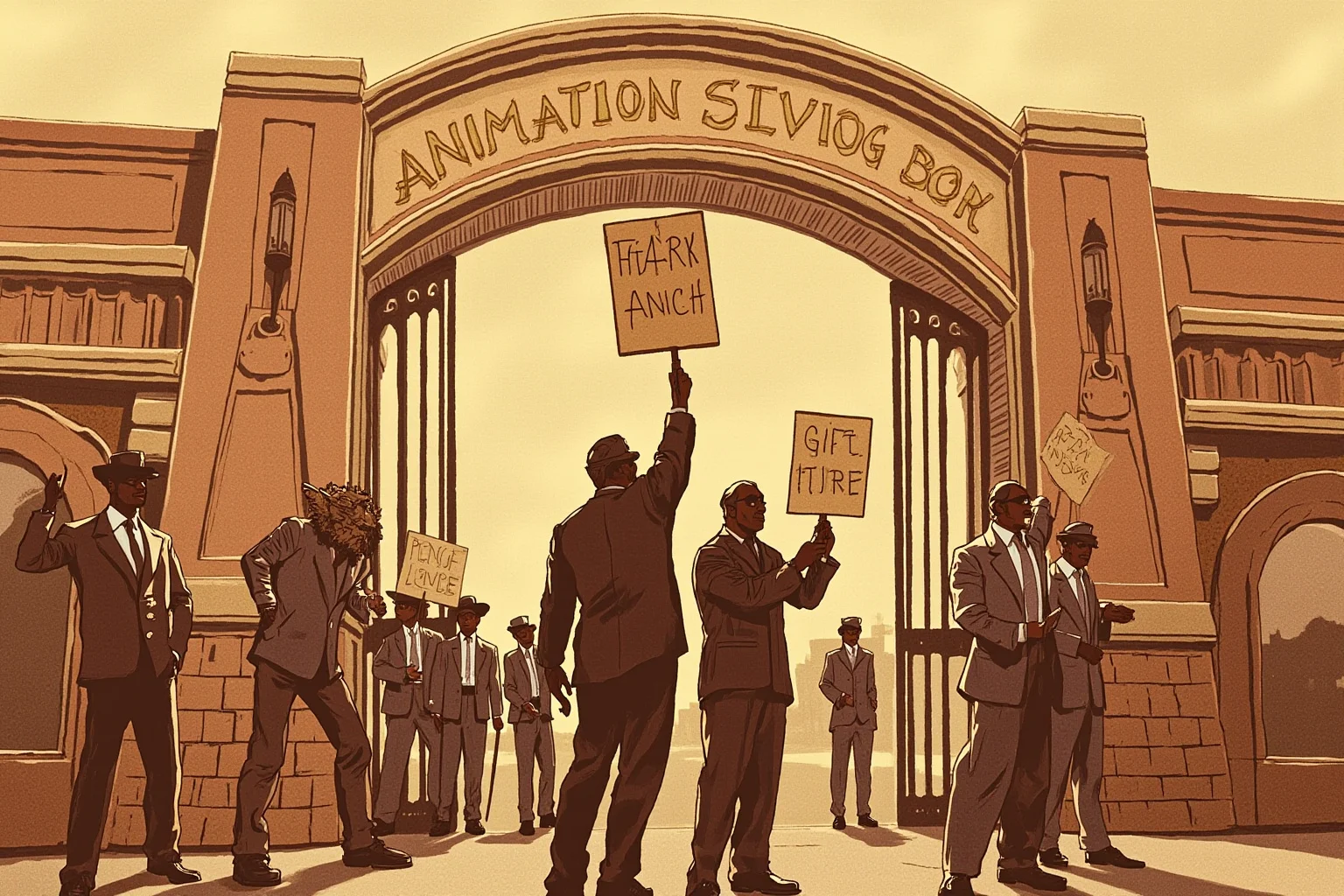
In 1947, Walt Disney testified before the House Un-American Activities Committee (HUAC) during the Second Red Scare. He accused several former employees, including labor organizers, of having Communist sympathies or ties.
This testimony damaged careers and reputations at a time when such accusations could end livelihoods. Critics see it as an example of Disney using political power to settle personal scores from the 1941 strike; defenders note that anti-Communist sentiment was widespread in Hollywood at the time.
3. The 1941 Animators’ Strike

This is arguably the defining labor controversy of Disney’s career. Animators, angry over pay disparities, lack of screen credit, and working conditions, walked out for over a month.
Walt Disney took the strike personally, reportedly viewing it as a betrayal by animators he considered close collaborators rather than a routine labor dispute. The strike permanently changed his relationship with his workforce and is often cited as the moment his studio culture shifted from freewheeling creative shop to a more corporate, hierarchical operation.
4. Racial Stereotypes in Classic Films
Several early Disney films contain content now widely recognized as racially insensitive. Examples include the crow characters in “Dumbo” (1941), voiced with exaggerated dialect, and the “What Made the Red Man Red” musical number in “Peter Pan” (1953), which relies on crude caricatures of Native Americans.
These moments reflect the broader entertainment norms of their era, but that historical context doesn’t erase the harm many viewers rightly point to today. Disney’s own company has acknowledged this history by adding historical disclaimers to some films on its streaming platform.
5. Song of the South and Its Shelving
“Song of the South” (1946) is probably the single most controversial title in the Disney catalog. It combined live action with animation and romanticized the Reconstruction-era South, presenting a sanitized, paternalistic view of plantation life that drew criticism even at its original release.
The Walt Disney Company eventually pulled the film from circulation entirely, and it has never been released on home video or streaming in the United States. It remains a frequently cited example whenever people discuss Disney’s dark side and the studio’s uncomfortable early history.
6. FBI Informant Claims

Certain biographies and later reporting have alleged that Walt Disney served as an informant for the FBI, feeding information about suspected Communist sympathizers in Hollywood to the Bureau. Some FBI files do show contact between Disney and the agency, largely tied to his anti-Communist activities and his HUAC testimony.
However, the exact scope and nature of any informant relationship remains debated among historians, with some records ambiguous about how formal or extensive it actually was. It’s a claim worth noting as historically documented contact, not a fully proven covert arrangement.
7. “Hollywood’s Dark Prince” and the Myth Machine
Much of the public’s darkest image of Disney comes from Marc Eliot’s 1993 biography, provocatively titled “Walt Disney: Hollywood’s Dark Prince.” The book popularized many of the harshest claims about Disney, including the antisemitism and FBI-informant allegations.
Subsequent historians and biographers, including Neal Gabler in his more exhaustively researched 2006 biography, pushed back on several of Eliot’s claims, arguing some were poorly sourced or exaggerated. The “Dark Prince” label stuck in pop culture anyway, which is a good reminder to treat sensational biography titles with healthy skepticism.
8. Autocratic Management Style

Beyond the 1941 strike itself, many former employees described Disney’s management style as controlling and, at times, punitive toward dissent. He reportedly kept close tabs on employee loyalty and expected total creative deference once a project was underway.
This rigid, top-down culture is often listed among Walt Disney’s weaknesses as a leader. It produced extraordinary creative output, but at a real cost to workplace morale and employee autonomy during his lifetime.
9. The Cryogenic Freezing Myth
One of the most enduring Disney urban legends is that Walt Disney’s body was cryogenically frozen after his death in December 1966, supposedly stored beneath the Pirates of the Caribbean ride. This claim has been thoroughly debunked.
Public records confirm that Disney was cremated, and his remains rest at Forest Lawn Memorial Park in Glendale, California. Cryonic preservation technology, in fact, wasn’t even commercially available at the time of his death — one more reason the legend doesn’t hold up to scrutiny.
10. Smoking Habit Hidden From the Public

Walt Disney was a heavy, lifelong smoker, favoring unfiltered cigarettes, despite carefully cultivating a wholesome, family-friendly public image. The habit was rarely shown in public photos or on his television appearances, creating a gap between his private life and his squeaky-clean brand.
That smoking habit caught up with him: he died of lung cancer in December 1966 at age 65, just weeks after a diagnosis. It’s a sobering footnote to a life otherwise defined by boundless energy and forward momentum.
Part Two: 10 Ways Walt Disney Changed the World
Controversies aside, it’s hard to overstate how much of modern entertainment traces back to decisions Walt Disney made, placing him among the greatest American inventors in history despite never holding a patent himself. Here are ten achievements that explain why his name is still instantly recognizable a century later.
11. He Turned Childhood Hardship Into Fuel

Disney’s early life was genuinely difficult — financial instability, a demanding father, and grueling paper-route mornings before school. Rather than breaking him, that adversity seems to have sharpened his drive to build something of his own.
His first business, Laugh-O-Gram Films in Kansas City, collapsed into bankruptcy in 1923. Most people would have walked away from animation entirely; Disney instead packed his bags for Hollywood with little more than a suitcase and a handful of unfinished cartoons.
12. He Rebuilt From Zero — Twice

After losing the rights to his popular character Oswald the Lucky Rabbit in 1928, due to a contract dispute with distributor Charles Mintz, Disney lost his top animators and his signature creation in one blow. It’s one of the clearest examples of how Walt Disney failed early and often before succeeding.
Rather than fight a losing legal battle, he and animator Ub Iwerks quickly created a new character to replace Oswald: Mickey Mouse. That pivot, born directly out of professional disaster, became the foundation of an entertainment empire.
13. He Helped Bring Sound to Animation

“Steamboat Willie” (1928), the third Mickey Mouse short produced but the first released, is often credited as one of the earliest cartoons to use fully synchronized sound. It wasn’t the very first sound cartoon ever made, but it was the breakthrough that proved synchronized sound could work commercially in animation.
The short was a sensation, and it established Mickey Mouse — and by extension, Walt Disney Studios — as a serious force in the entertainment industry almost overnight.
14. He Bet the Studio on the First Animated Feature

In the 1930s, conventional wisdom held that audiences would never sit through a full-length animated film. Skeptics in the industry reportedly nicknamed the in-progress “Snow White and the Seven Dwarfs” project “Disney’s Folly.”
Disney mortgaged his house to help finance it. When “Snow White and the Seven Dwarfs” premiered in 1937, it became a massive box-office success and proved animated features could be both artistically ambitious and commercially viable.
15. He Pushed Animation Technology Forward

Disney’s studio pioneered the multiplane camera, a device that let artists layer separate pieces of artwork at different depths to create a genuine sense of three-dimensional space in a two-dimensional cartoon. The studio also invested early and heavily in three-strip Technicolor to give its films vivid, saturated color.
These weren’t just creative flourishes; they were expensive technical gambles that raised the bar for the entire animation industry and forced competitors to catch up.
16. He Won More Academy Awards Than Anyone in History

Walt Disney holds the record for the most Academy Awards won by an individual, with 22 competitive Oscars from 59 nominations across his lifetime. That total remains unmatched by any other person in Oscar history.
The awards spanned animated shorts, feature films, and even nature documentaries, reflecting just how many different corners of the entertainment industry he touched.
17. He Reinvented the Theme Park Industry With Disneyland
Before Disneyland opened in Anaheim in 1955, American amusement parks were generally seen as somewhat seedy, low-budget affairs. Disney envisioned something entirely different: a meticulously themed, immersive environment built around storytelling rather than just thrill rides.
Disneyland’s opening day was famously chaotic — counterfeit tickets, a heat wave, and wet asphalt caused real problems, and critics mocked it as “Disney’s Folly” all over again. Within its first year, though, it was drawing millions of visitors and had permanently changed what a theme park could be.
18. He Turned Television Into a Marketing and Storytelling Tool
Many studio executives in the early 1950s viewed television as a threat to the movie business. Disney instead embraced it, launching the anthology series “Disneyland” in 1954, which doubled as entertainment and a promotional vehicle for his theme park and upcoming films.
The “Davy Crockett” miniseries that aired on the show became a genuine cultural phenomenon, sparking a nationwide craze for coonskin caps. It demonstrated how television, film, and merchandising could work together — a business model that still underpins modern entertainment franchises.
19. He Championed Real-World Nature Documentaries

Beyond animation, Disney’s “True-Life Adventures” series, released mostly through the 1950s, brought wildlife documentaries to mainstream American audiences. Films like “The Living Desert” (1953) combined genuine nature footage with narrative storytelling techniques.
The series won multiple Academy Awards and helped popularize nature documentary filmmaking well before it became a fixture of television programming decades later.
20. He Envisioned a Community of the Future With EPCOT
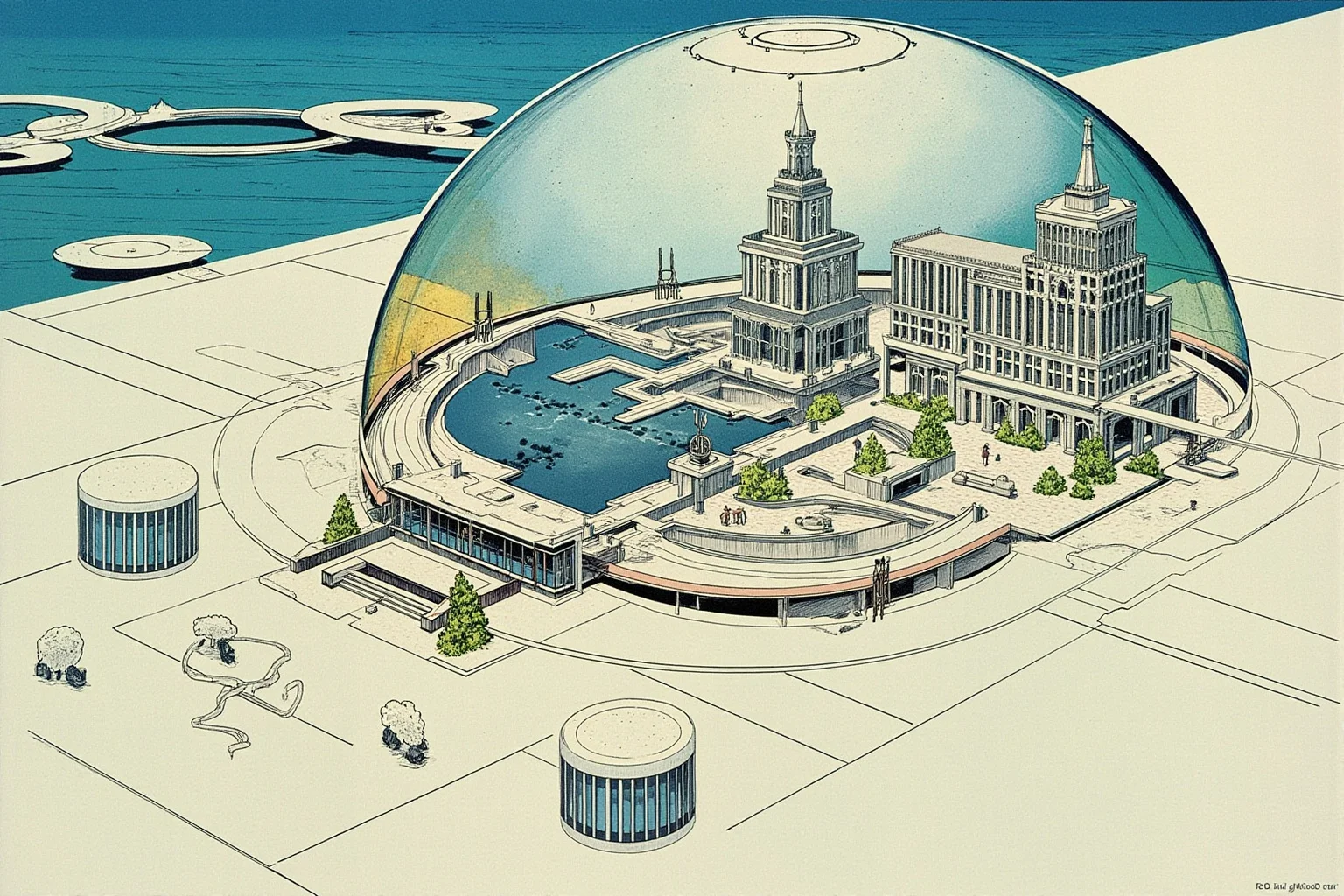
Late in his life, Disney became fascinated with urban planning and design, envisioning EPCOT — the Experimental Prototype Community of Tomorrow — as an actual functioning city, not merely a theme park attraction. He saw it as a testing ground for new technologies and community design ideas.
Disney died before this original vision could be built, and the EPCOT that eventually opened in 1982 became a theme park celebrating innovation and world cultures rather than a working city. Even so, the ambition behind the idea shows how far beyond animation his imagination reached by the end of his life.
So, Was Walt Disney a Good Person?
This is the question that keeps coming up, and honestly, it resists a clean yes-or-no answer. Walt Disney was, by most credible accounts, a workaholic perfectionist who could be warm and generous with some employees while being rigid, controlling, and occasionally vindictive with others.
Some of the harshest claims against him — particularly the antisemitism allegations — remain historically contested rather than definitively proven. Other issues, like the racial stereotypes present in several of his studio’s early films and his role in the 1941 strike aftermath, are well documented and harder to dismiss. Much like the facts and misconceptions surrounding Ulysses S. Grant, Disney’s story shows how a historical reputation can be shaped by both real record and persistent myth in equal measure.
At the same time, his professional achievements are not in dispute. He genuinely reshaped animation, theme parks, and family entertainment in ways that still define the industry, and he did it while repeatedly rebuilding after real financial and professional failures.
The fairest conclusion is probably the least satisfying one: Walt Disney was neither a cartoonish villain nor a flawless visionary. He was a complicated, driven, sometimes contradictory person whose work changed the world, and whose personal record includes both real accomplishments and real, legitimate criticisms that deserve to be remembered alongside the magic.
The Bottom Line
Walt Disney’s story isn’t a simple fairy tale, and treating it as one does a disservice to actual history. The controversies — labor disputes, racial stereotyping in his films, and unresolved personal allegations — are as much a part of the record as the Oscars, the theme parks, and Mickey Mouse.
Understanding both sides doesn’t diminish what he built. If anything, it makes the story more honest, and honestly, more interesting than the sanitized version most of us grew up with.
Frequently Asked Questions
Was Walt Disney a good person?
There's no simple answer. Walt Disney was a driven, perfectionist innovator who could be generous and inspiring, but he was also linked to genuinely documented controversies, including his role in the 1941 animators' strike aftermath and racial stereotypes present in several early studio films. Other serious claims, like allegations of antisemitism, remain historically disputed rather than proven, so most historians describe him as a complicated figure rather than simply 'good' or 'bad.'
Was Walt Disney a bad person?
Calling him purely a 'bad person' oversimplifies the record. He had real flaws, including an autocratic management style and involvement in the anti-Communist HUAC hearings that damaged former colleagues' careers, but he also built lasting institutions, mentored generations of animators, and is remembered fondly by many who worked with him directly.
What did Walt Disney actually do?
Walt Disney co-created Mickey Mouse, helped pioneer synchronized sound and Technicolor in animation, produced the first commercially successful animated feature film (Snow White and the Seven Dwarfs, 1937), founded Disneyland in 1955, and won a record 22 competitive Academy Awards during his career.
What is the biggest Walt Disney controversy?
The most frequently discussed controversies include the 1941 animators' strike, his HUAC testimony naming suspected Communist sympathizers, unresolved allegations of antisemitism, and the racially stereotyped content in early films like Song of the South and Dumbo. None of these are simple black-and-white stories, and historians continue to debate how much weight each deserves.
Was Walt Disney left-handed?
This is a popular piece of online trivia, but there's little solid historical documentation confirming Walt Disney was left-handed. Most biographical accounts suggest he was right-handed, so this claim should be treated as an unverified rumor rather than a confirmed fact.
What were Walt Disney’s personality traits?
Colleagues and biographers describe Disney as restless, perfectionist, imaginative, and intensely detail-oriented, often demanding reshoots or redraws until a project matched his vision. He could also be charismatic and warm individually, yet distant, controlling, and demanding in larger group or studio settings.
What obstacles and challenges did Walt Disney face?
Disney faced significant early poverty, the bankruptcy of his first studio (Laugh-O-Gram Films) in 1923, and the loss of his early character Oswald the Lucky Rabbit in 1928 after a distributor poached his animators. He also faced major skepticism from industry insiders before both Snow White (1937) and Disneyland (1955), both of which were mocked as costly failures before becoming huge successes.
Was Walt Disney’s body cryogenically frozen?
No, this is a widely circulated myth. Historical records confirm Walt Disney was cremated after his death in December 1966, and his remains are interred at Forest Lawn Memorial Park in Glendale, California.

Alex Warren
Related Articles