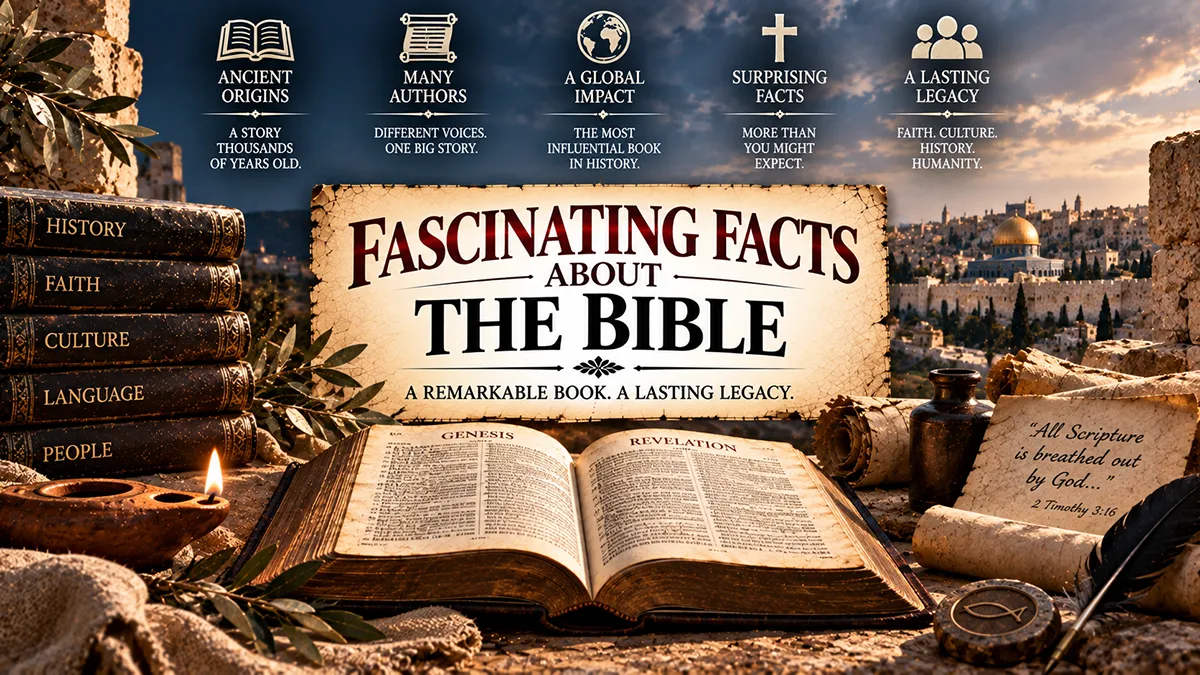
The Bible sits on more nightstands, in more hotel drawers, and on more bookshelves than any other book ever printed. It has been translated, memorized, banned, smuggled, and studied for thousands of years, yet most people know surprisingly little about how it actually came together. Separating the well-documented history from the popular myths turns out to be one of the most interesting exercises in all of literature.
TL;DR: The Bible is history’s most widely distributed book, a 1,500-year-old library of ancient texts whose translation, transmission, and archaeological backdrop remain genuinely fascinating even today.
Quick Facts About the Bible at a Glance
Before diving into the full list, here are a few quick facts about the Bible worth knowing right away. It is not a single book but a collection of separate texts bound together. It was written by dozens of authors across roughly fifteen centuries in three different ancient languages.
It has been translated into thousands of languages, more than any other book in history. Depending on which Christian tradition you ask, it contains anywhere from 66 to 81 books. And no original manuscript of any biblical book has ever been found — only copies of copies survive.
25 Interesting Facts About the Bible
What follows is a rundown of genuinely interesting facts about the Bible, drawn from textual history, archaeology, and the record of how this ancient library reached the modern world. Some of these facts are well-documented history. Others are common claims worth examining carefully, since not every popular “Bible fact” circulating online holds up to scrutiny.
1. It Really Is History’s Bestselling Book
Guinness World Records has long listed the Bible as the bestselling book of all time, with estimates suggesting more than five billion copies printed since the 1450s. That figure is difficult to verify precisely because so many Bibles are distributed for free rather than sold in stores.
Organizations like Gideons International and various Bible societies give away tens of millions of copies every year, which complicates any clean sales count. Even accounting for that uncertainty, no other book comes close to its total print numbers across five centuries of publishing history.
2. It’s Not One Book — It’s a Library of 66 or More
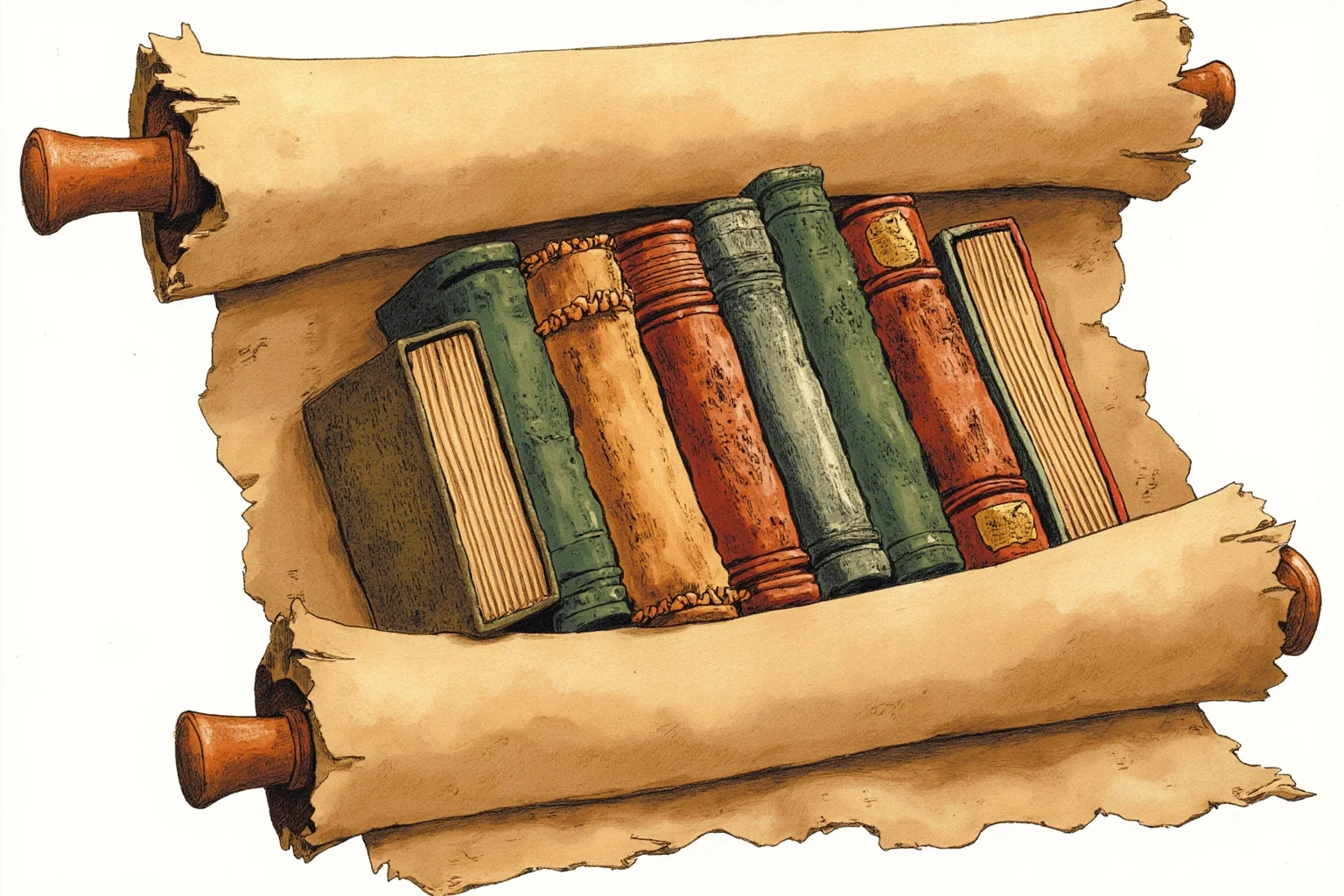
The word “Bible” describes a collection, not a single narrative. The Protestant Bible contains 66 separate books, while the Catholic canon includes 73, and various Orthodox and Ethiopian traditions include even more.
Each of these books was originally its own scroll or document, written independently before later being gathered into one collection. That’s part of why the Bible reads less like a novel and more like an anthology of history, poetry, law, and letters.
3. It Was Written Across Roughly 1,500 Years
Biblical scholars generally date the earliest Old Testament material to sometime between the 12th and 6th centuries BCE, with the New Testament completed by the late 1st or early 2nd century CE. That means the texts were composed across more than a millennium, not by one generation but by dozens of different communities.
This long timeline is part of what makes the Bible historically unique. Few other ancient documents combine material from so many distinct historical time periods into a single collected work.
4. It Was Originally Written in Three Languages
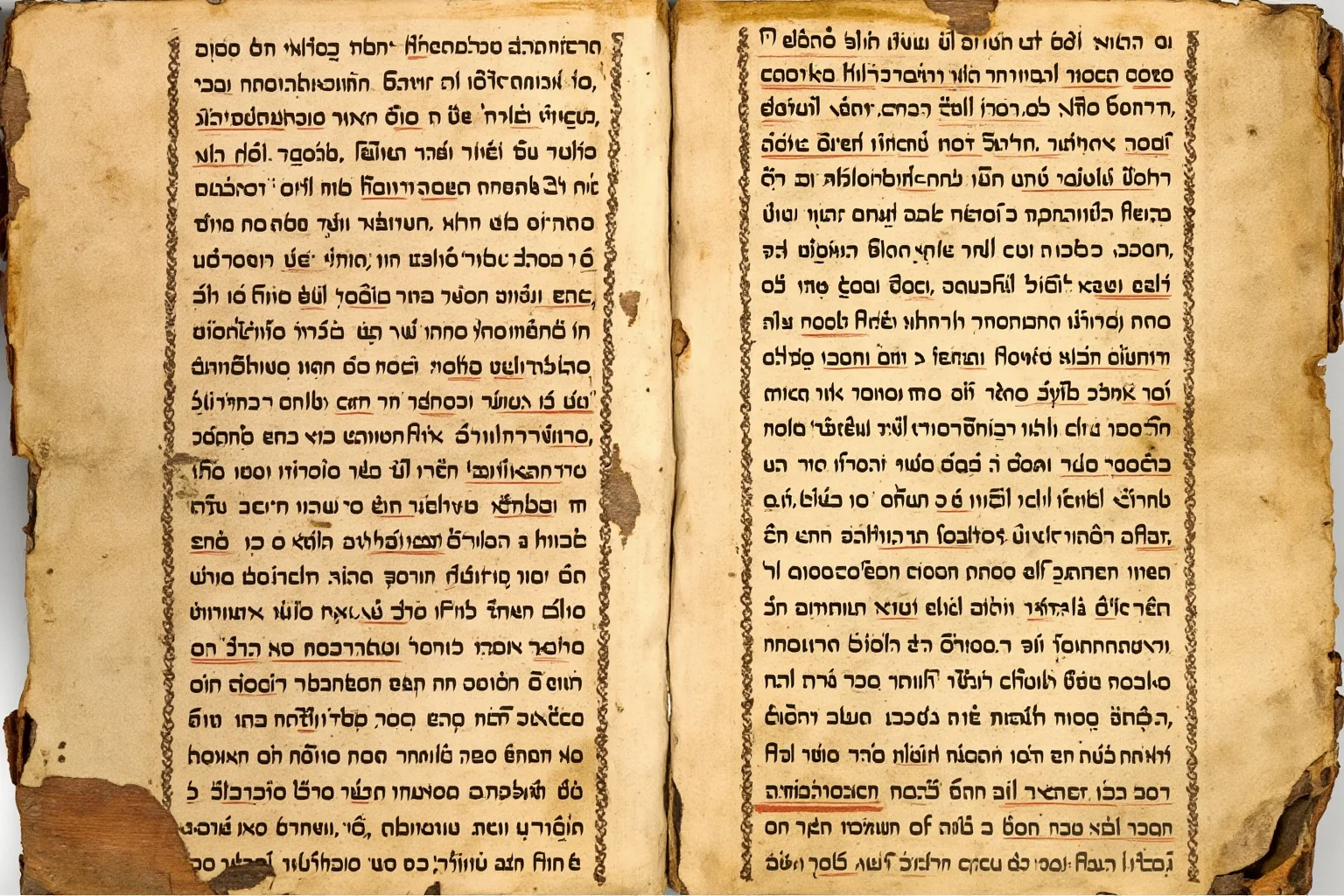
Most of the Old Testament was written in Hebrew, with small portions in Aramaic, the everyday language of the ancient Near East during the later biblical period. The New Testament was written in Koine Greek, the common trade language of the Eastern Mediterranean after Alexander the Great’s conquests.
This mix of languages means every English Bible is a translation of a translation of sorts, filtered through centuries of scholarship. Translators have always had to make careful choices about how ancient words map onto modern ones.
5. No Original Manuscript Has Ever Been Found
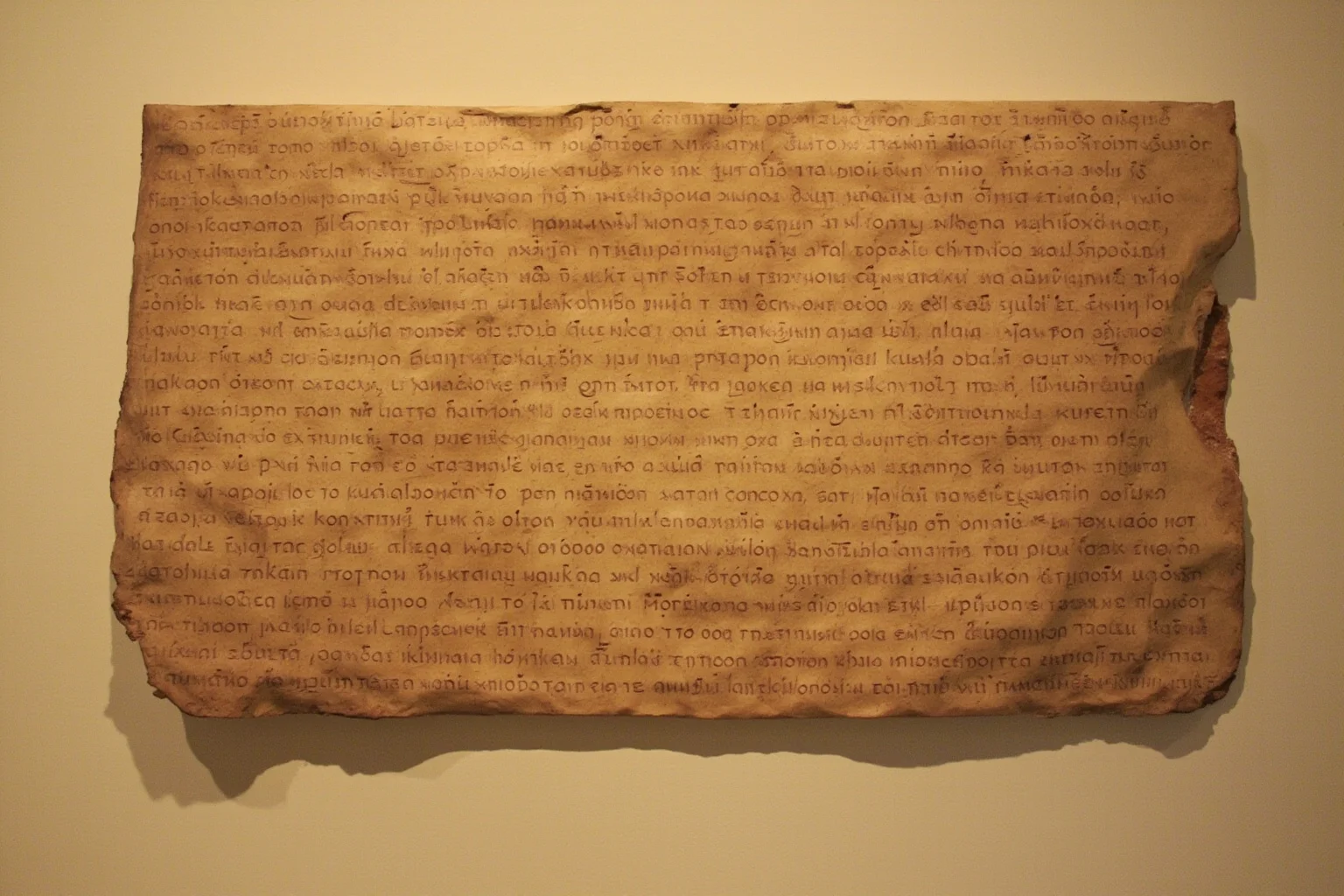
There is no surviving “original” copy of any biblical book in the author’s own handwriting. What scholars work with instead are copies, and copies of copies, made by scribes over centuries.
This is actually normal for ancient literature — the same is true of Homer, Plato, and nearly every classical text. Historians reconstruct the most reliable version of the text by comparing thousands of surviving manuscript fragments against one another.
6. The Dead Sea Scrolls Reshaped What We Know
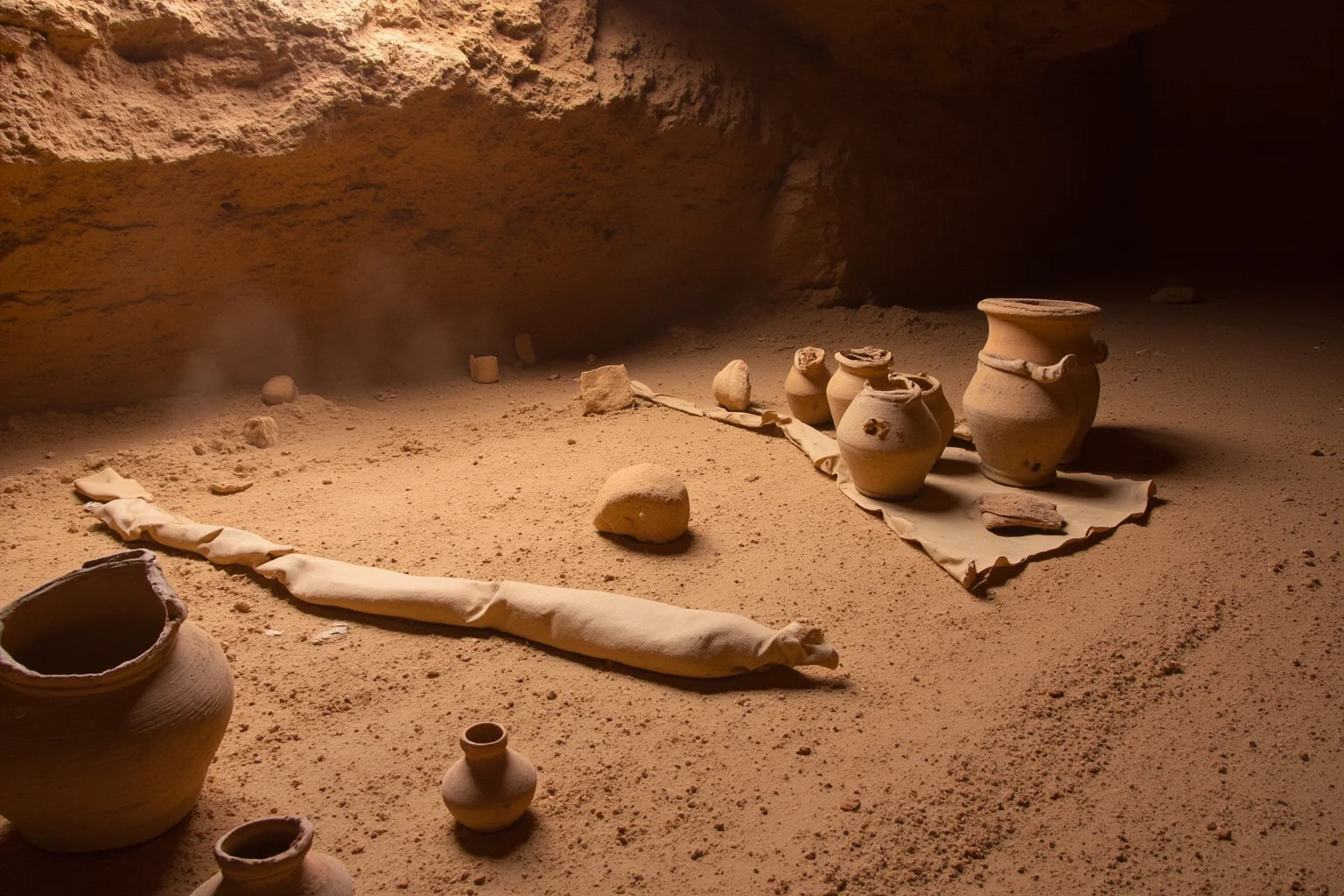
In 1947, shepherds near the Dead Sea stumbled onto ancient scrolls hidden in caves at Qumran. The find eventually grew to include roughly 900 manuscripts, some containing biblical texts a thousand years older than previously known copies.
Scholars compared these scrolls to later medieval manuscripts and found the core text had been preserved with remarkable consistency. It remains one of the most incredible artifacts ever uncovered for understanding biblical history.
7. Archaeology Keeps Confirming Real Places and Events
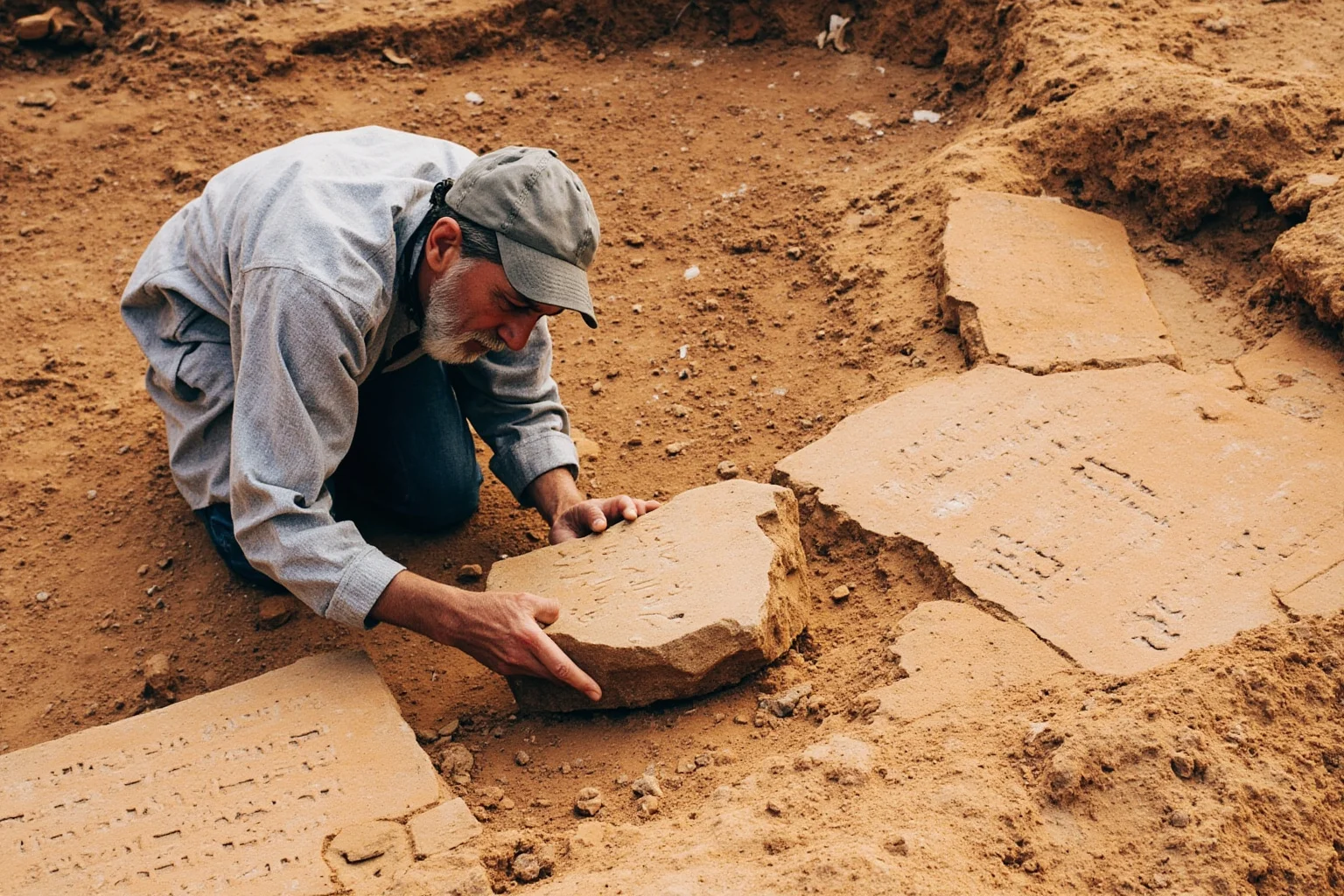
The Bible and history intersect more often than many people realize. Discoveries like the Siloam Inscription in Jerusalem’s Hezekiah’s Tunnel, the Tel Dan Stele referencing the “House of David,” and the Cyrus Cylinder describing a Persian king’s policies all correspond to people or events mentioned in biblical texts.
These finds don’t confirm every detail of every story, and historians are careful not to overstate the evidence. But they do show that the biblical writers were often describing a real, verifiable ancient world.
8. The Word “Bible” Comes From a Greek Word for “Books”
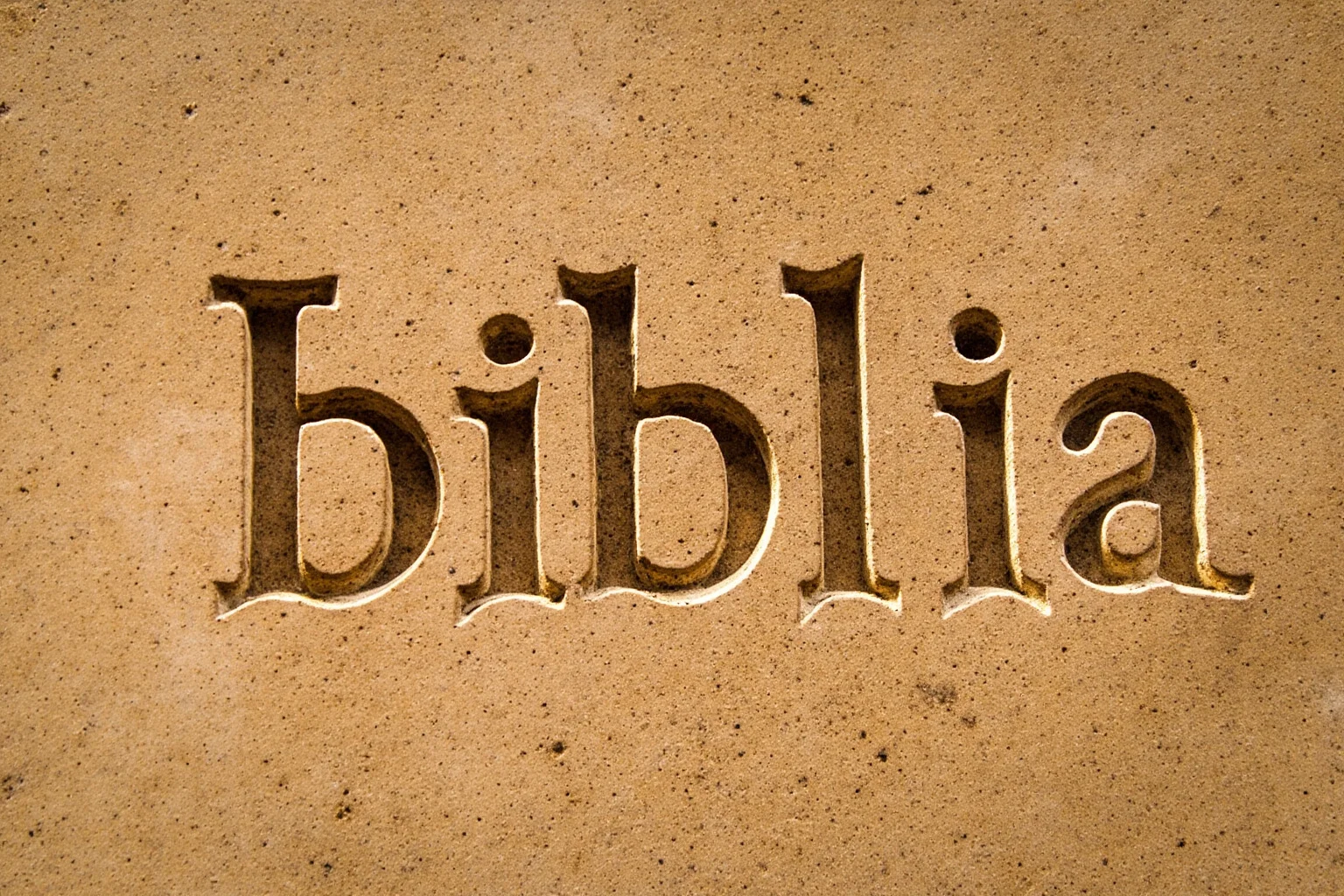
“Bible” traces back to the Greek word biblia, meaning “books,” which itself derives from byblos, an ancient term connected to papyrus. Byblos was also the name of a Phoenician port city that exported papyrus across the Mediterranean.
So in the most literal sense, calling it “the Bible” is just calling it “the Books” — a fitting name for a collection rather than a single unified text.
9. Chapters and Verses Weren’t Part of the Original Text
The familiar chapter-and-verse system most Bibles use today wasn’t part of the earliest manuscripts at all. Archbishop Stephen Langton is generally credited with dividing the text into chapters around 1227, and printer Robert Estienne added verse numbers in the 1550s.
That means the numbering readers rely on for citations is a relatively late editorial tool, added more than a thousand years after the last New Testament book was written. It was designed purely for ease of reference.
10. The King James Version Wasn’t the First English Bible
Many people assume the King James Version, published in 1611, was the first Bible in English. In reality, John Wycliffe produced an English translation in the 1380s, and William Tyndale released a hugely influential English New Testament in 1526.
The King James translators drew heavily on Tyndale’s earlier work. The KJV became so dominant that it overshadowed the translations that paved the way for it.
11. William Tyndale Shaped the English Language Itself
Tyndale’s translation work didn’t just make Scripture available in English — it introduced words and phrases still used today. Terms like “scapegoat,” “atonement,” and phrases such as “let there be light” trace back to his translation choices.
Tyndale was executed in 1536 for his translation work, considered heretical by church authorities at the time. His influence on the English language, though, has far outlasted the controversy that cost him his life.
12. The Gutenberg Bible Changed How Books Were Made
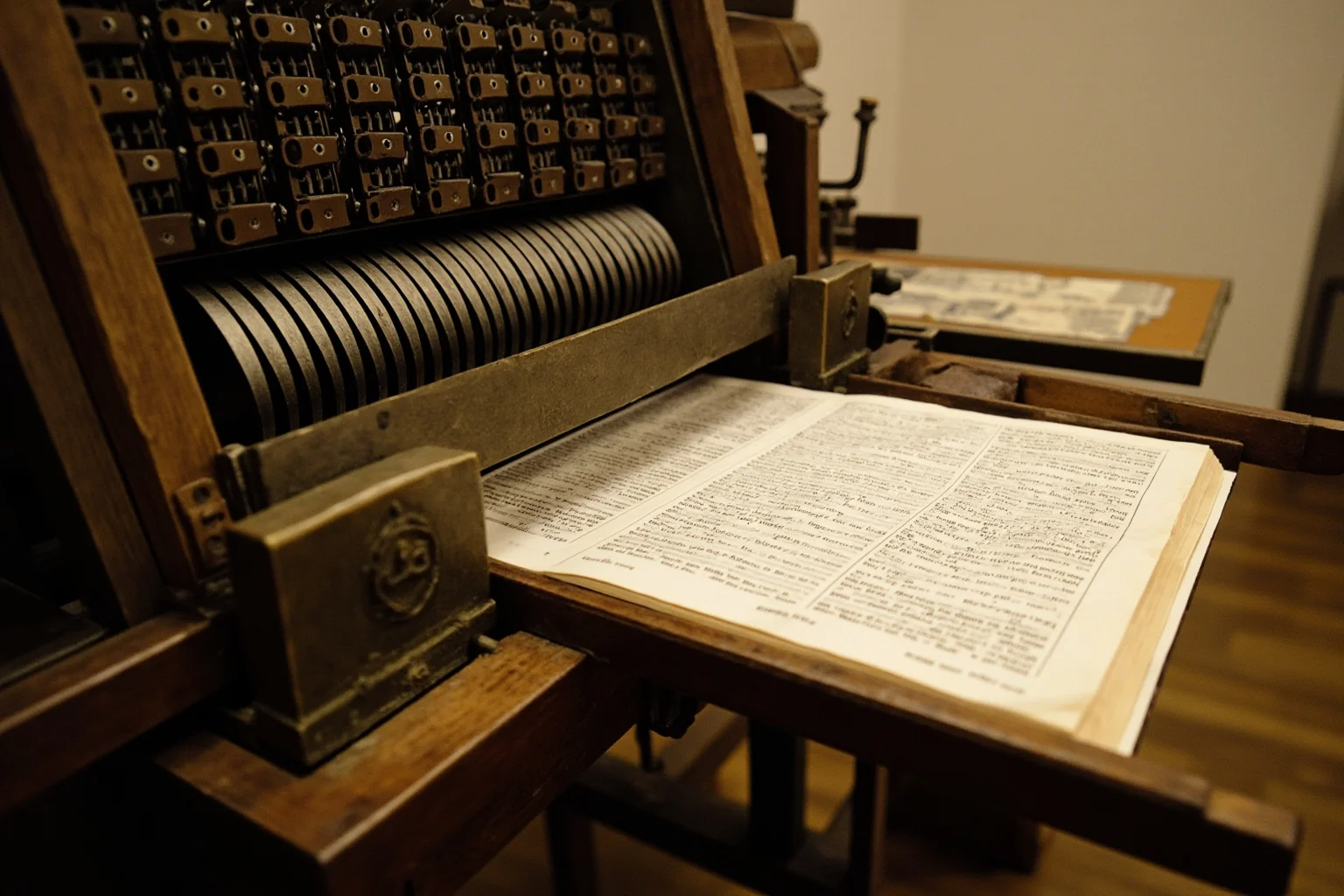
Around 1455, Johannes Gutenberg printed his famous Latin Bible using movable-type printing in Mainz, Germany. It’s widely considered the first major book printed this way in the Western world, and roughly 180 copies are believed to have been produced.
This wasn’t just a milestone for religious texts — it kicked off the mass production of books generally. Without it, the Bible’s later status as the most printed book in history wouldn’t have been possible.
13. It’s Been Translated Into Over 3,000 Languages
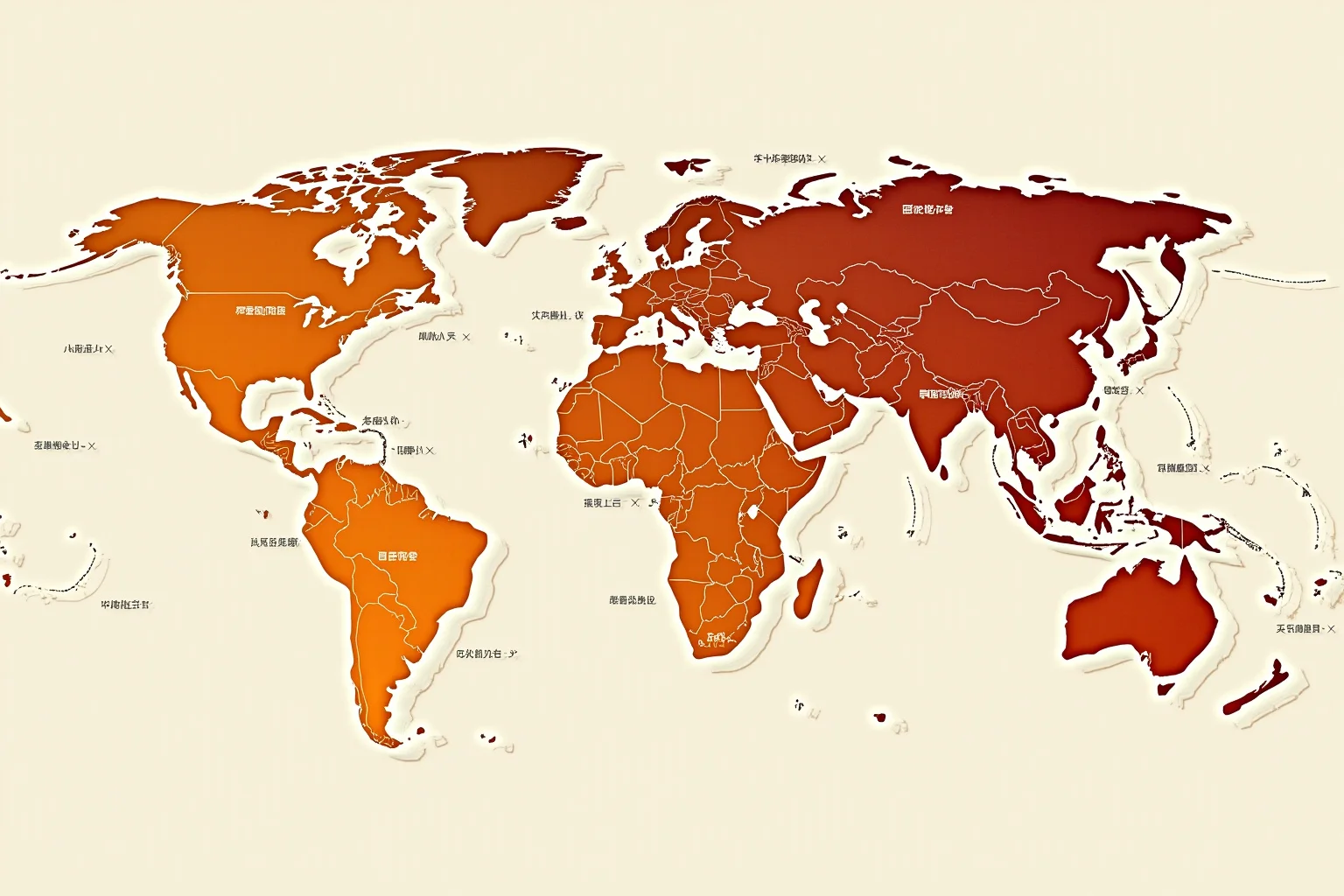
According to organizations like Wycliffe Bible Translators, some portion of the Bible has now been translated into more than 3,000 languages, and complete translations exist in well over 700. No other book in history has been rendered into so many different tongues.
Translation work is still ongoing today, with teams working to bring Scripture to language communities that have never had access to it before. That ongoing effort is part of why total translation counts keep climbing every year.
14. The Longest and Shortest Books Sit Side by Side in Trivia Lists
Psalms is the longest book in the Bible, with 150 individual poems and songs. On the shorter end, 2 John, 3 John, and Philemon are among the briefest books, each fitting on a single page in most printed editions.
At the chapter level, Psalm 119 is the longest chapter in the entire Bible, built around the Hebrew alphabet. These small structural details are popular trivia for a reason — they show just how varied the material inside this one collection really is.
15. The Bible Names More Women Than Most People Assume
A common question is how many women are named in the Bible, and the honest answer is that scholarly counts vary depending on methodology. Most careful counts put the number of distinctly named women somewhere around 150 to 190, compared to roughly 1,400 named men.
That gap partly reflects the patriarchal societies the texts were written in, where men’s genealogies and roles were more consistently recorded. Still, named women like Deborah, Ruth, Esther, and Mary appear as central figures in major narratives, not just footnotes.
16. Some “Bible Facts” Are Actually Popular Myths
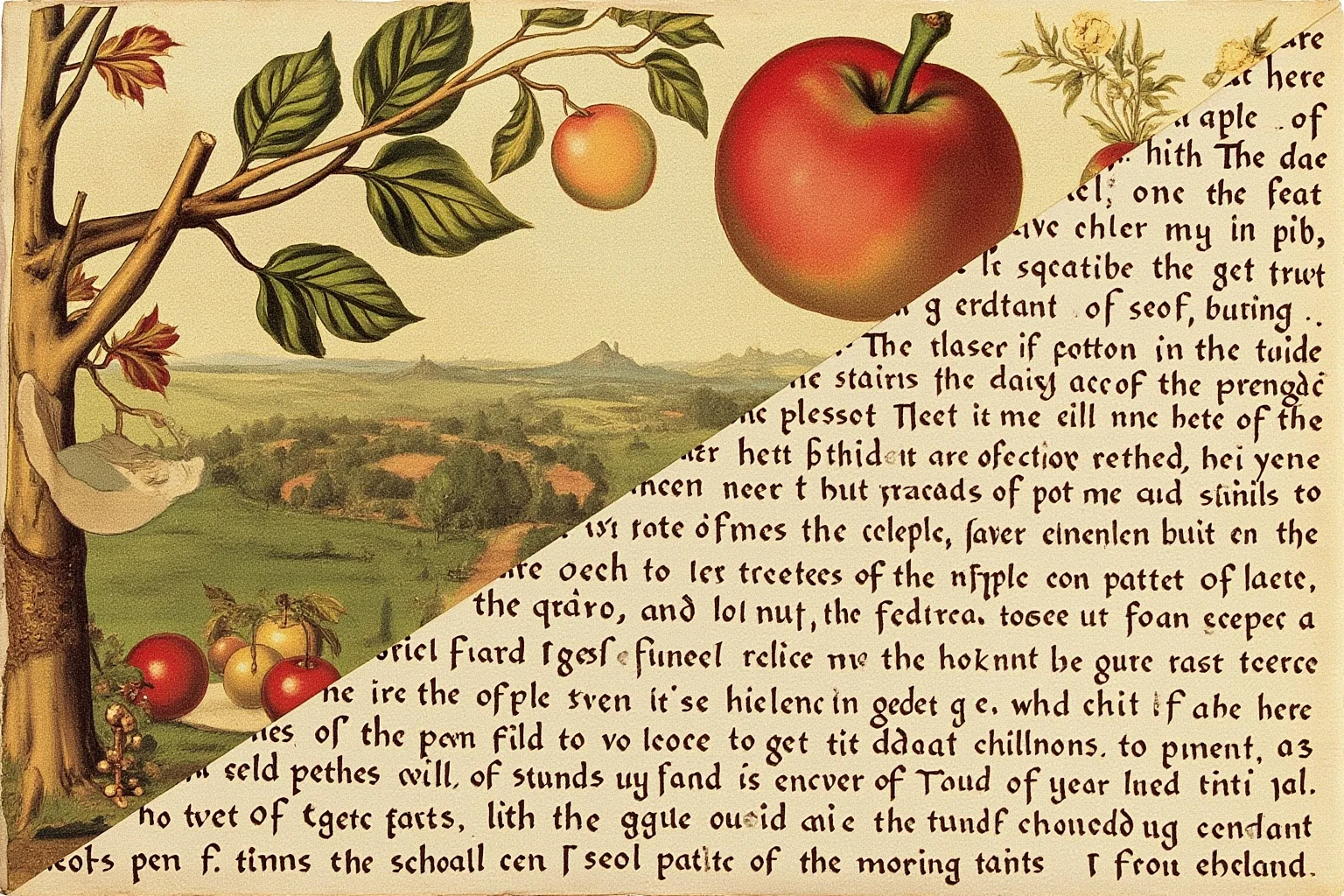
Part of being myth-busting about Scripture means noting what the text does not say. Genesis never actually names the fruit in Eden as an apple — that detail came from later artistic tradition, not the Hebrew text.
Similarly, the Bible never specifies that three wise men visited Jesus, only that magi brought gifts, and it describes Jonah being swallowed by a “great fish,” not a whale. These are classic examples of cultural tradition getting blended with the actual biblical text over centuries.
17. It Has Inspired More Art and Literature Than Any Other Book
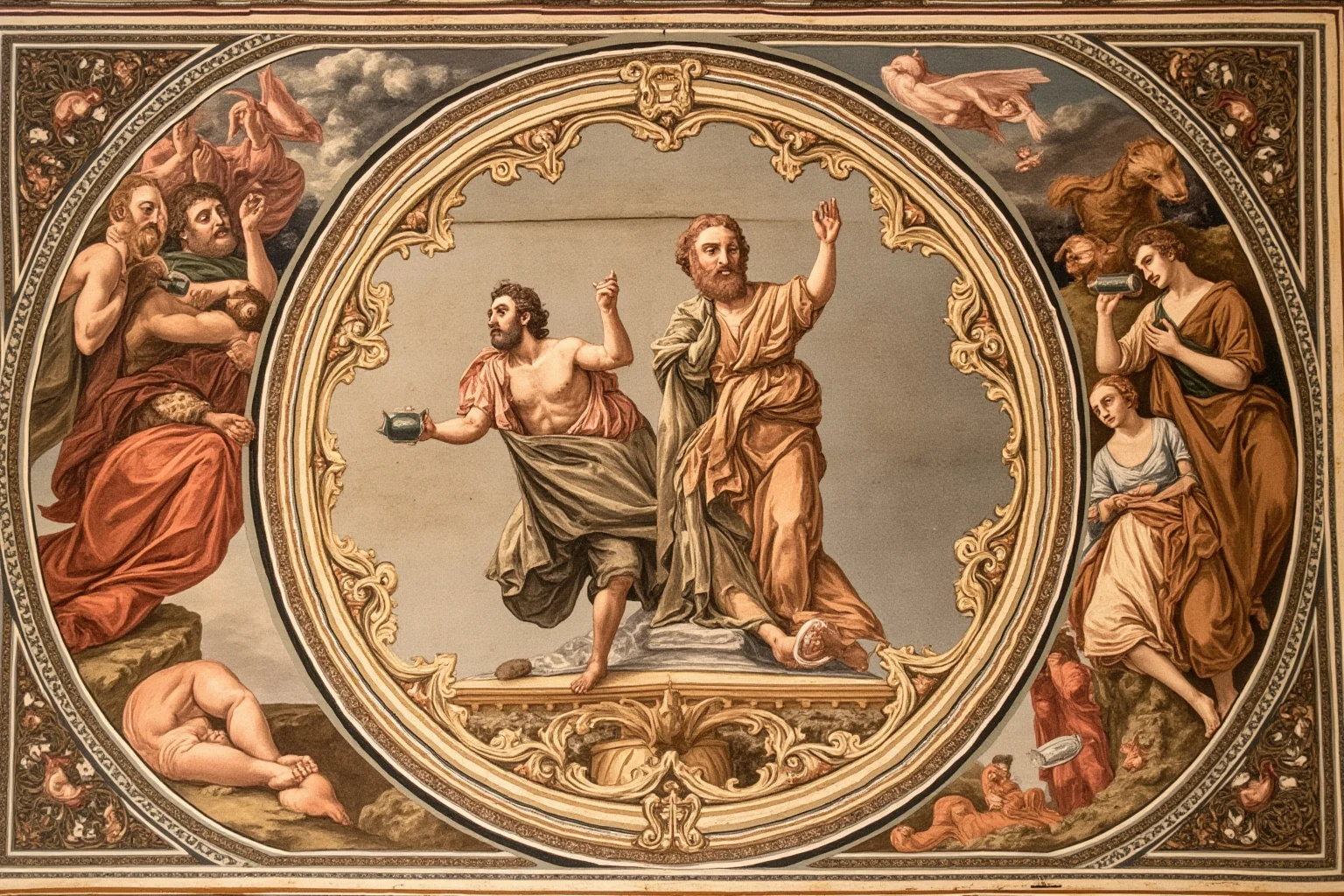
From Michelangelo’s Sistine Chapel ceiling to Handel’s Messiah to countless references woven through Shakespeare, the Bible’s influence on Western art and literature is difficult to overstate. Entire museums and university courses are devoted to tracing its cultural footprint.
This influence extends well beyond explicitly religious art. Phrases, character names, and moral narratives from the Bible show up constantly in secular literature, film, and music, often without audiences even realizing the source.
18. It’s Also One of the Most Banned and Restricted Books
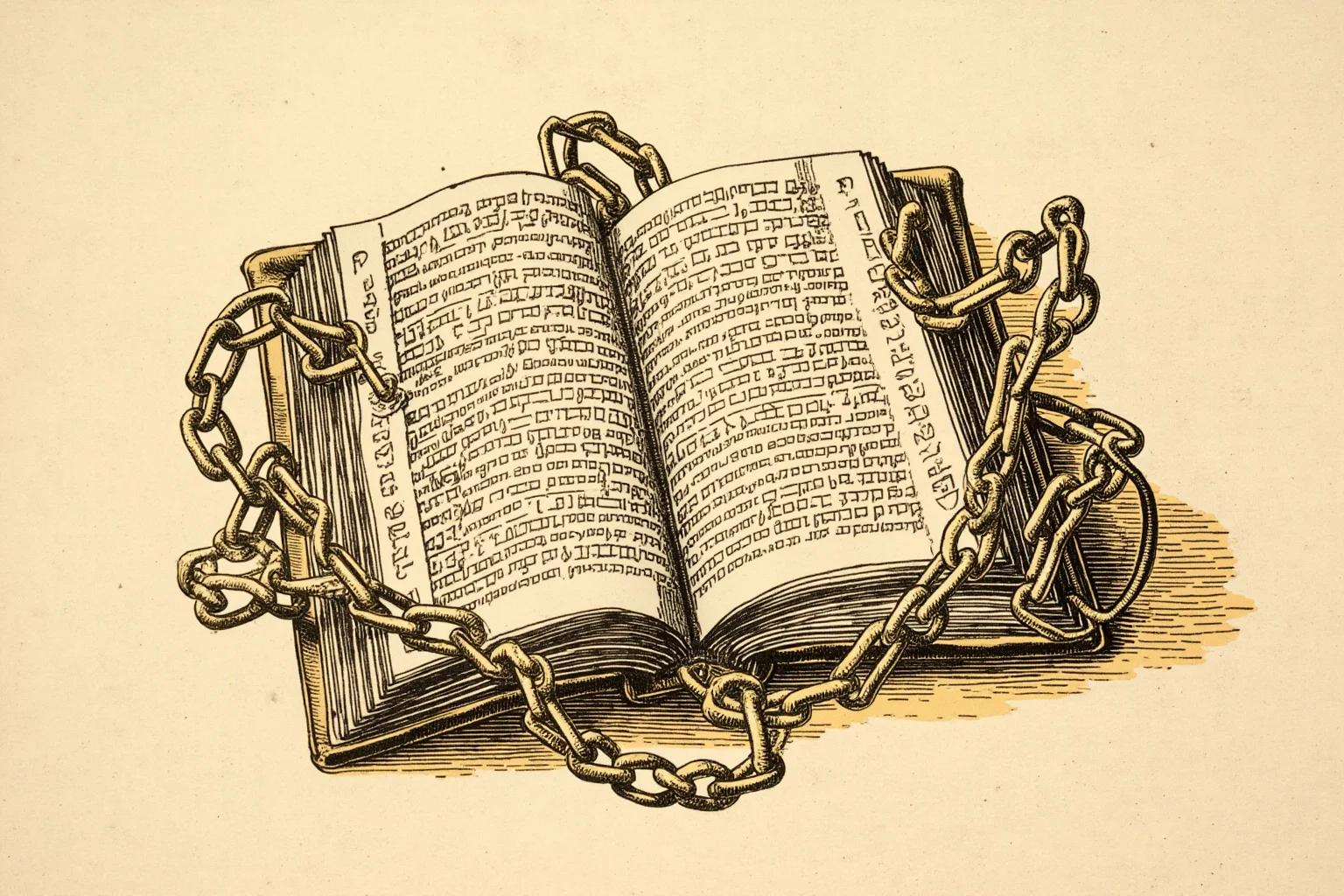
Despite its massive circulation, the Bible has been banned, burned, or heavily restricted at various points in history. Early English translations were suppressed by church authorities, and today certain countries still restrict its import or public distribution.
This dual status — simultaneously the most distributed book in history and one of the most controversial to translate or possess in certain places — is one of its more paradoxical historical threads.
19. The Bible’s Middle Chapter Is Also One of Its Shortest
As a quirky bit of structural trivia, Psalm 117 sits at the literal numeric middle of most Protestant Bibles and also happens to be its shortest chapter, containing just two verses. It’s a small detail, but Bible trivia enthusiasts love pointing it out.
This kind of structural curiosity is part of why the Bible continues to attract close textual study. Its internal architecture holds small surprises even after centuries of scholarship.
20. It Survived Largely Through Meticulous Hand-Copying

Before the printing press, every copy of the Bible had to be transcribed by hand, often by professional scribes trained for the task. Jewish scribes known as the Masoretes developed elaborate systems for counting letters and words to catch copying errors.
This obsessive attention to accuracy is a major reason the text remained so consistent across centuries and regions. It’s also why documents like the Dead Sea Scrolls could later confirm just how carefully that transmission process worked.
21. Bible Societies Distribute Hundreds of Millions of Copies Each Year
Organizations such as the American Bible Society, the United Bible Societies, and Gideons International distribute enormous numbers of Bibles annually, often for free. Gideons alone have placed Bibles in hotel rooms worldwide for over a century.
This distribution model is part of why comparing the Bible to bestselling novels can be misleading. Traditional sales charts don’t capture books that are frequently given away rather than purchased.
22. There’s No Single Universal Bible, Even Today
Different Christian traditions still disagree on exactly which books belong in the Bible. The Ethiopian Orthodox Church recognizes as many as 81 books, while Protestant Bibles recognize 66 and Catholic Bibles include 73, with the difference largely coming down to the Apocrypha or deuterocanonical books.
This means “the Bible” isn’t quite as fixed a concept as people often assume. Which edition someone is reading depends heavily on their particular religious tradition.
23. Its Exact Sales Numbers Are Nearly Impossible to Verify

When people ask whether the Bible is the best-selling book of all time, the honest answer requires some nuance. Guinness World Records credits it with the title, but because so many copies are distributed free rather than sold, no single organization tracks a definitive sales figure the way modern publishers track bestseller lists.
What is verifiable is the astonishing scale of production — printings that stretch back over 500 years across thousands of editions and languages. Few reference points in publishing history offer a fair comparison.
24. Real Historical Figures From the Bible Have Been Confirmed by Inscriptions
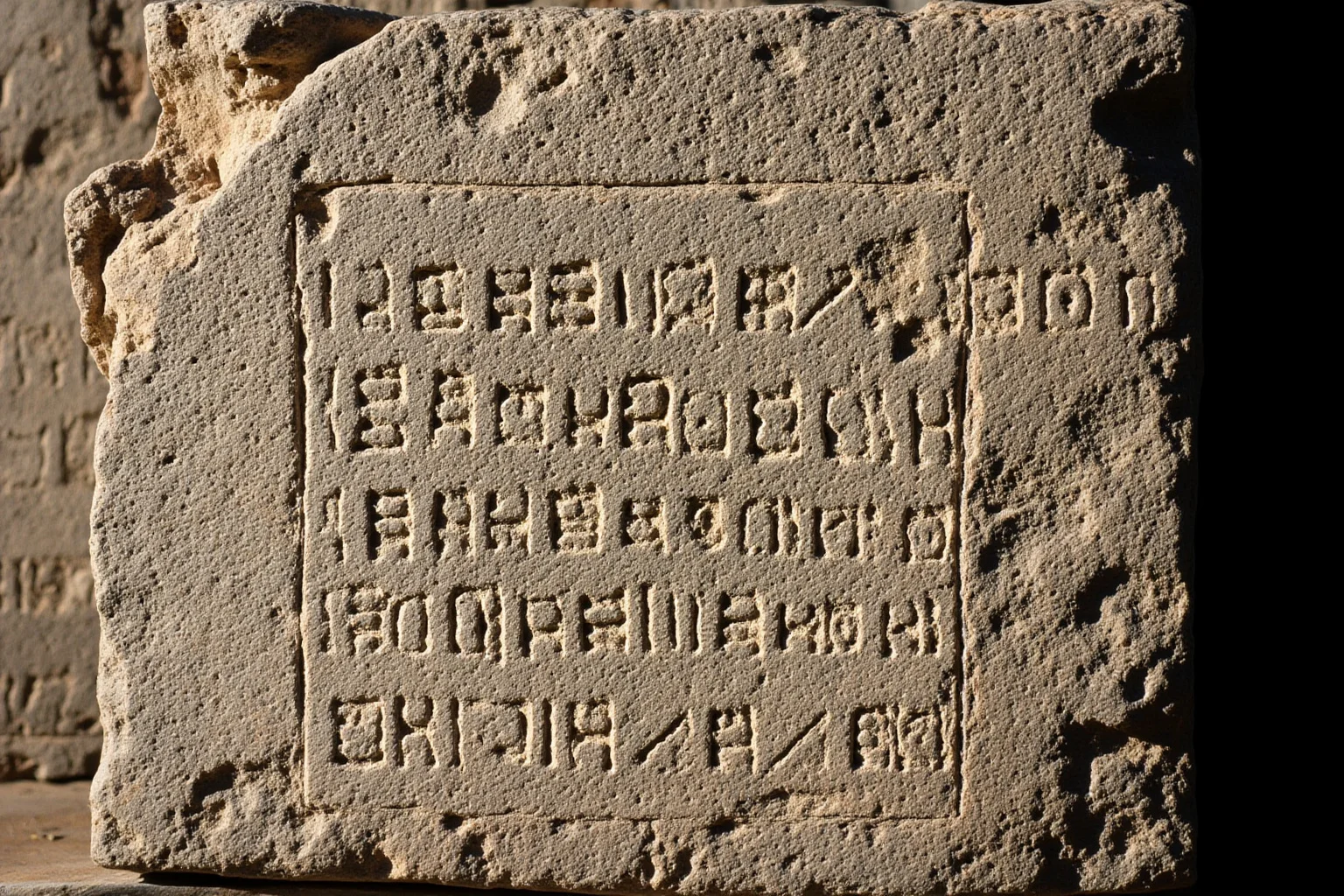
Archaeologists have found physical evidence naming specific figures mentioned in biblical texts. The 1961 discovery of the “Pilate Stone” in Caesarea confirmed Pontius Pilate as a real Roman prefect, and Babylonian records have corroborated figures like King Belshazzar.
These finds don’t verify every narrative detail attached to these figures, and scholars are careful about that distinction. But they do confirm that many people named in the Bible were genuine historical figures who left a mark outside the text.
25. It Continues to Shape Modern Language and Culture
English idioms like “the writing on the wall,” “an eye for an eye,” and “a house divided” all trace back to biblical language. Courtrooms, holidays, and countless works of fiction still lean on its imagery and phrasing, often without conscious reference to the source.
That lingering cultural presence, thousands of years after the first words were written down, is arguably the most remarkable fact of all. Few ancient texts remain this woven into everyday modern life.
Why the Bible’s History Still Matters
What makes the Bible endlessly interesting isn’t just its religious significance — it’s the sheer historical journey the text has taken to survive. From hand-copied scrolls in ancient Judea to Gutenberg’s printing press to translation teams working in remote language communities today, the story of how this collection reached billions of readers is its own kind of history lesson.
Separating the documented facts from popular legend, as we’ve tried to do here, doesn’t diminish the Bible’s importance. If anything, understanding its real transmission history — the languages, the archaeology, the translators who risked their lives — makes its staying power as history’s most distributed book even more impressive.
Frequently Asked Questions
What are some interesting facts of the Bible that most people don’t know?
Many people don't realize the Bible is a collection of 66 to 81 separate books depending on the tradition, that no original manuscript has ever survived, that its chapter and verse numbers were added over a thousand years after it was written, and that William Tyndale's 16th-century translation introduced English words still used today.
Is the Bible really the best-selling book of all time?
Guinness World Records credits the Bible as history's bestselling book, with estimates exceeding five billion copies printed since the 1450s. The exact number is hard to verify precisely because so many copies are distributed for free by Bible societies rather than sold through retail.
How many women are named in the Bible?
Scholarly counts vary by methodology, but most careful tallies find roughly 150 to 190 distinctly named women in the Bible, compared to around 1,400 named men. The gap largely reflects the patriarchal record-keeping customs of the ancient societies that produced the text.
What languages was the Bible originally written in?
The Old Testament was written mostly in Hebrew, with some portions in Aramaic, while the New Testament was written in Koine Greek, the common trade language of the eastern Mediterranean in the first century.
How many books are in the Bible?
It depends on the tradition. Protestant Bibles contain 66 books, Catholic Bibles include 73 due to the addition of the deuterocanonical books, and some Orthodox and Ethiopian canons include even more.
Are there real historical facts in the Bible confirmed by archaeology?
Yes, several archaeological finds correspond to biblical people and events, including the Tel Dan Stele referencing the House of David, the Siloam Inscription in Hezekiah's Tunnel, and the Pilate Stone confirming Pontius Pilate as a real Roman official. These findings confirm historical context without verifying every narrative detail.

Alex Warren
Related Articles