


When people hear the word “revolution,” they usually picture guillotines, barricades, or crowds storming a palace gate. But the history of revolutions is much bigger and stranger than that. Some revolutions took a decade of grinding warfare; others toppled governments in a matter of weeks. Some rewired entire economies without a single shot fired.
This guide walks through what a revolution actually is, how it differs from a rebellion, revolt, or coup, and why revolutions happen in the first place. Then we’ll count down 22 of the most significant revolutions in world history, spanning ancient farming villages to 21st-century city squares, so you can see the full sweep of revolution throughout history in one place.
TL;DR: From the Neolithic Revolution to the Arab Spring, history’s major revolutions share common causes—inequality, weak legitimacy, and new ideas—even though their outcomes, and how “successful” they turned out to be, varied wildly.
What Is a Revolution, Exactly?
In historical terms, a revolution is a relatively rapid, fundamental change to a political system, social order, or economic structure. This is usually driven by mass mobilization rather than gradual reform from within. The key word is fundamental — a revolution doesn’t just replace one leader with another, it changes the rules of the game.
Historians and political scientists have debated the precise definition of revolution in history for generations, and there’s no single agreed-upon checklist. Most agree, though, that a genuine revolution involves a shift in who holds power, how that power is legitimized, and often who benefits from the economic system.
The phrase “period of revolution” often refers to an era when multiple such upheavals cluster together, like the Atlantic Revolutions of the late 1700s or the wave of uprisings in 1989. These periods tend to share ideas, tactics, and sometimes direct inspiration across borders.
Revolution, Rebellion, Revolt, or Coup? Knowing the Difference
People often use “revolution,” “rebellion,” “revolt,” and “uprising” as if they’re interchangeable, but historians draw some useful distinctions. A rebellion or revolt is armed resistance against authority that doesn’t necessarily aim to overturn the whole system — think of Spartacus’s slave revolt against Rome, the English Peasants’ Revolt of 1381, or the Indian Rebellion of 1857.
These are famous rebellions and famous revolts in their own right, but many historians classify them as reactions against specific grievances rather than full-blown revolutions.
A coup d’état is different again: a fast, often military seizure of power at the top, typically without a mass popular movement behind it. Swapping one general for another through a coup is a common non-example of revolution, because the underlying system of power usually stays intact.
Reform sits at the opposite end of the spectrum from revolution. Reform changes a system gradually, from within, using existing legal channels, while reaction refers to resistance or backlash against change already underway. Understanding this reaction-and-reform side of history helps explain why so many revolutionary moments in history triggered counter-movements that tried to roll changes back.
Types of Revolutions: More Than Just Politics
Not every major revolution in history was about overthrowing a king or president. Historians generally sort revolutions into several overlapping categories, and knowing these kinds of revolution makes the list below easier to follow.
Political revolutions target the structure of government itself, replacing monarchies, dictatorships, or colonial rule with new systems, as seen in the American and French Revolutions. Social revolutions go further, reshaping class relationships and social hierarchies alongside the government, which is why events like the Russian and Chinese Revolutions are often called both political and social revolutions.
Economic revolutions, like the Neolithic and Industrial Revolutions, transform how people produce and trade goods, sometimes without any single dramatic political event attached. Cultural and scientific revolutions change how societies think, from the Scientific Revolution’s new view of the natural world to the Digital Revolution’s transformation of communication.
Communist revolutions form their own recognizable category, since Russia, China, Cuba, and several other 20th-century movements followed a similar Marxist-Leninist playbook aimed at abolishing private ownership of major industries.
Why Do Revolutions Occur? Common Causes
Ask ten historians what causes revolutions and you’ll get ten slightly different answers, but a few recurring ingredients show up again and again. Deep economic hardship or inequality is almost always present, especially when a growing population feels its living standards slipping backward. Weak or widely seen as illegitimate governments are especially vulnerable, particularly once key elites — military officers, clergy, landowners — start withdrawing their support.
New ideas matter just as much as material conditions. Enlightenment philosophy helped fuel the American and French Revolutions, while Marxist theory shaped the wave of 20th-century communist revolutions. External shocks like wars, famines, or economic crashes frequently act as the spark that turns simmering discontent into open revolt, even when the underlying pressures had been building for years.
22 Major Revolutions Throughout History
Here’s a chronological tour through some of the most significant, most-studied revolutions in world history. This list mixes political, social, and economic revolutions to show just how varied “revolution” can look across different eras and continents.
1. The Neolithic Revolution (c. 10,000 BCE)
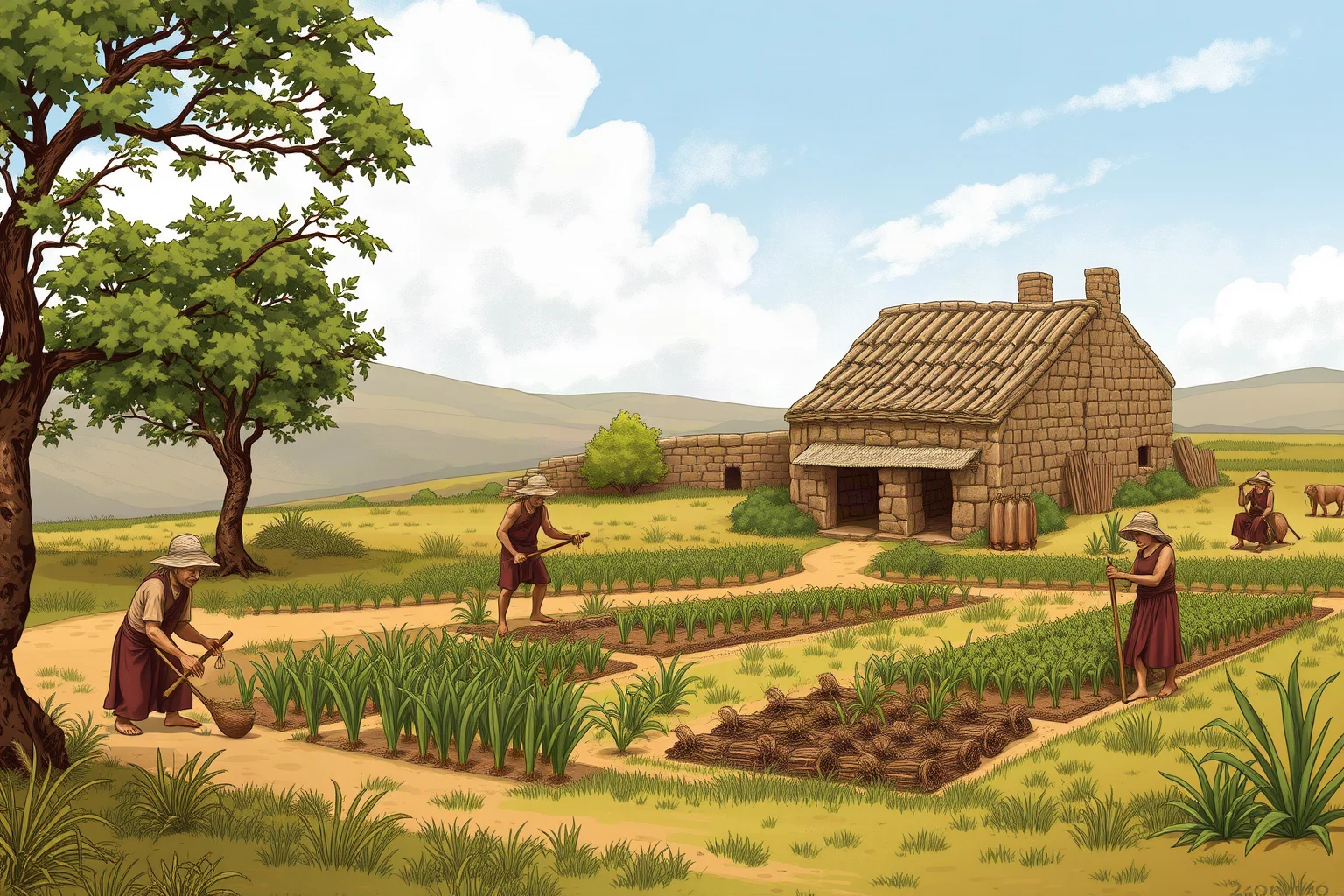
Long before politics as we know it existed, humans underwent perhaps the most consequential revolution of all: the shift from hunting and gathering to farming and permanent settlement. This slow-moving economic revolution unfolded over thousands of years across multiple regions, from the Fertile Crescent to China to Mesoamerica.
It’s a useful reminder that not every major revolution involves crowds, flags, or violence. The Neolithic Revolution rearranged human society from the ground up, enabling villages, surplus food, private property, and eventually the first states.
2. The Scientific Revolution (c. 1543–1687)

Starting roughly with Copernicus’s heliocentric model and running through Isaac Newton’s laws of motion, the Scientific Revolution overturned centuries of inherited assumptions about the natural world. It replaced reliance on ancient authorities with observation, experimentation, and mathematical proof.
This wasn’t a political revolution in the traditional sense, but its ripple effects reshaped education, religion, and eventually politics itself. The Enlightenment thinking that fed directly into the American and French Revolutions owes a heavy debt to this earlier intellectual upheaval.
3. England’s Glorious Revolution (1688)
When Parliament invited William of Orange and Mary to replace King James II, it did so with remarkably little bloodshed, which is why the episode earned the nickname “Glorious.” The resulting Bill of Rights of 1689 permanently limited royal power and strengthened Parliament’s authority over taxation and law.
It’s often cited as an early example of a political revolution achieved mostly through negotiation rather than mass uprising. Its constitutional ideas later influenced the American revolutionaries nearly a century later.
4. The American Revolution (1775–1783)
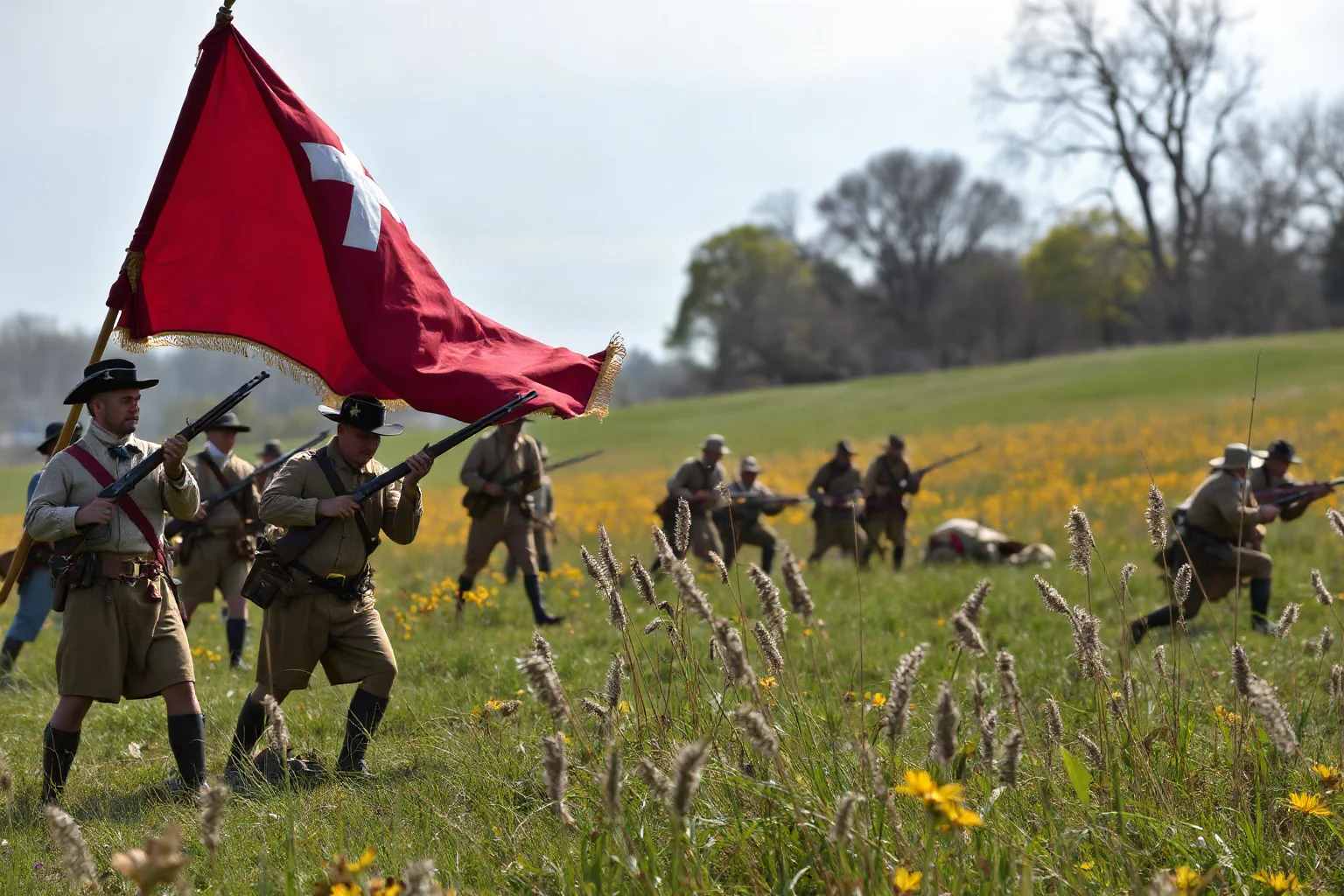
Thirteen British colonies in North America rebelled against taxation and governance without direct representation, eventually declaring independence in 1776. What began as a colonial revolt grew into a full political revolution, replacing monarchy with a republic built on written constitutions and elected government.
The American Revolution became a touchstone example of political revolution for movements worldwide, partly because its core documents so clearly articulated ideas about natural rights and self-government. It also helped inspire the French Revolution just a few years later.
5. The French Revolution (1789–1799)
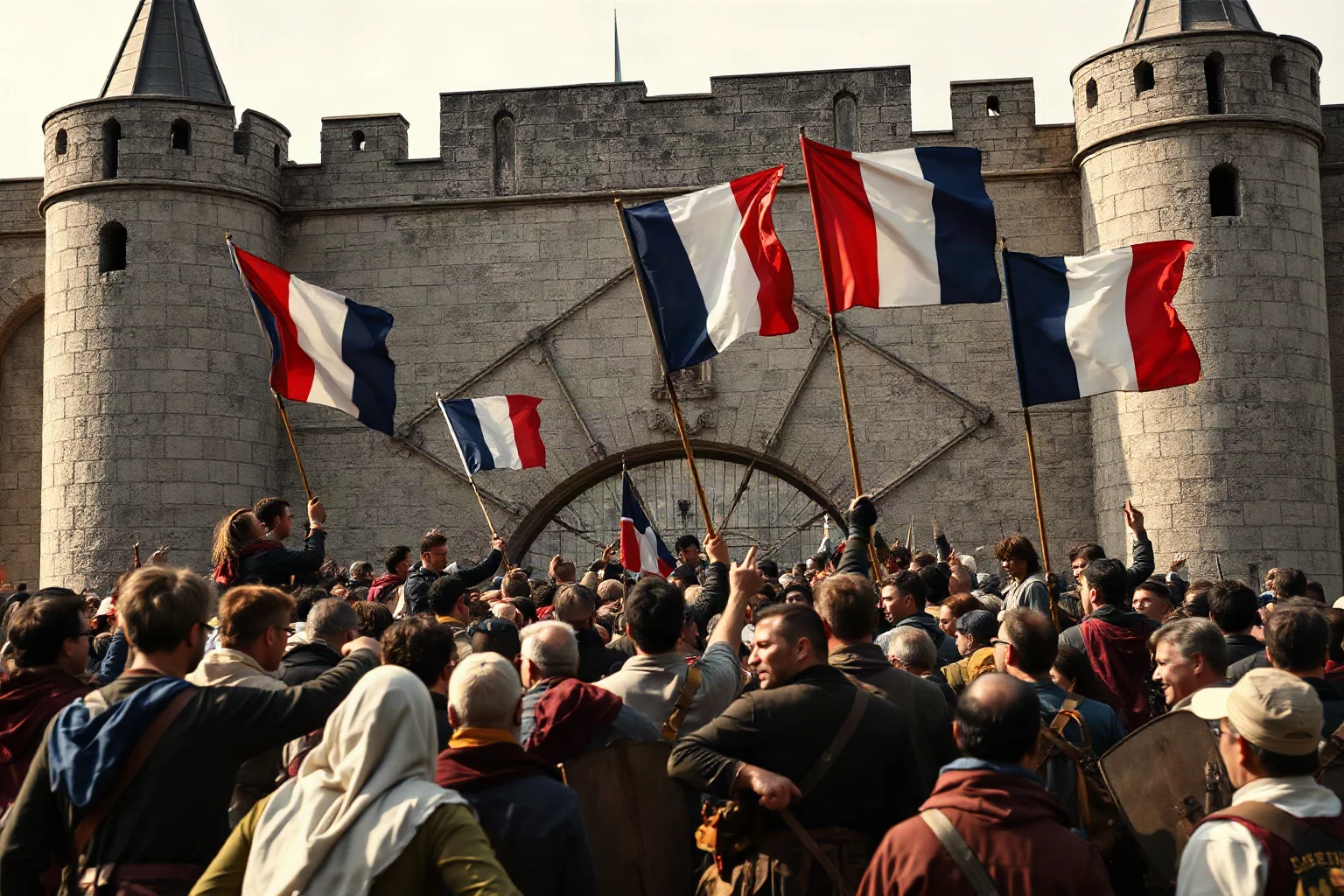
France’s monarchy collapsed under the weight of debt, food shortages, and rigid class privilege, sparking one of history’s most studied revolutions. The storming of the Bastille, the execution of Louis XVI, and the Reign of Terror that followed all became defining symbols of revolutionary upheaval.
The French Revolution didn’t just topple a king, it dismantled the entire feudal order of privilege and introduced ideas like popular sovereignty and civic nationalism that spread across Europe. Its aftermath, including the rise of Napoleon, also illustrates how revolutions can produce outcomes nobody originally intended.
6. The Haitian Revolution (1791–1804)

Enslaved people in the French colony of Saint-Domingue rose up against colonial rule and slavery itself, eventually defeating French, Spanish, and British forces to found Haiti as the first independent Black-led republic. It remains the only known successful large-scale slave revolt that led to the creation of a new nation.
The Haitian Revolution terrified slaveholding societies across the Americas and directly influenced debates over slavery and freedom well into the 19th century. It stands as one of the most radical revolutions in history precisely because it combined anti-colonial and anti-slavery aims at once.
7. The Industrial Revolution (c. 1760–1840)
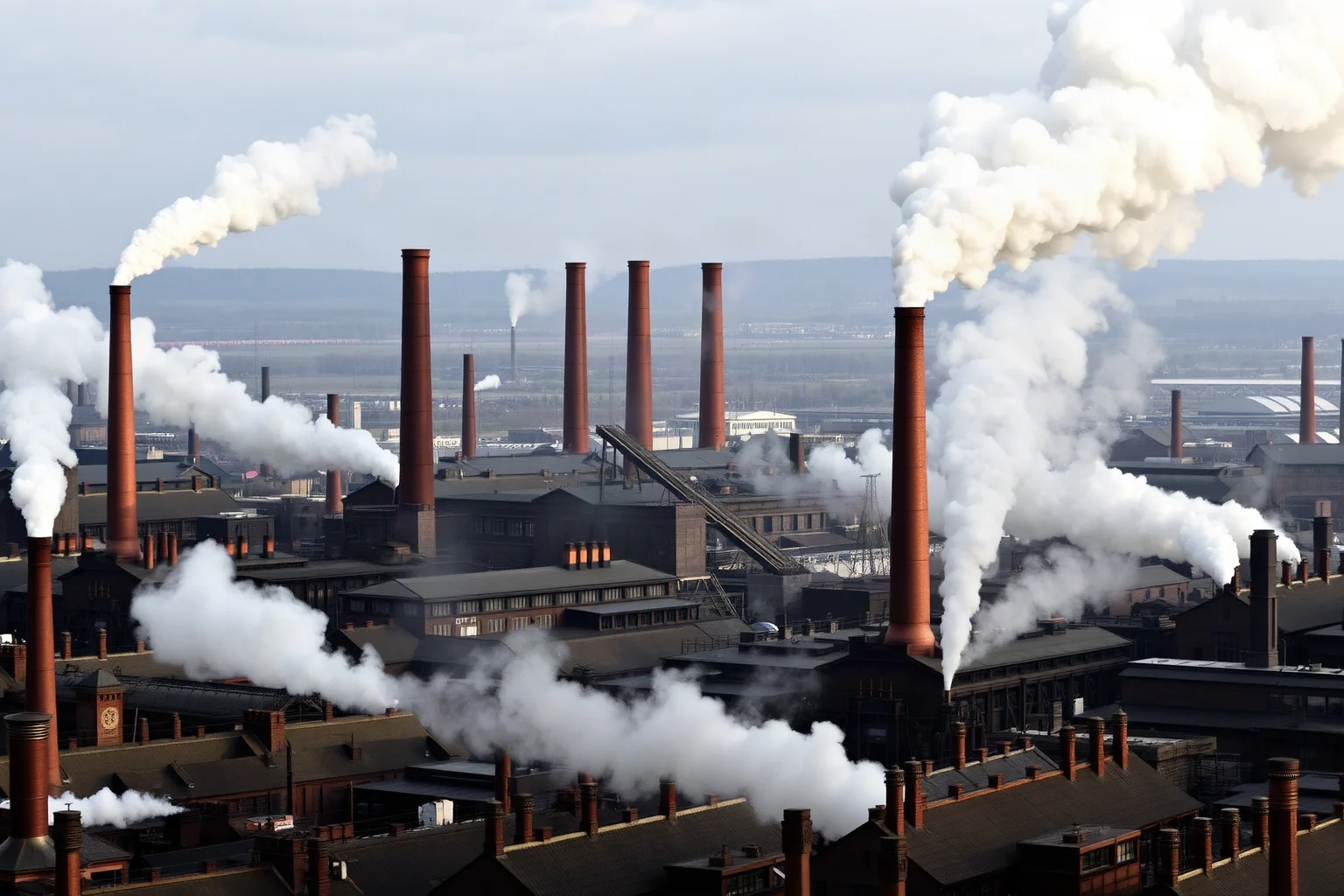
Beginning in Britain and spreading across Europe and North America, the Industrial Revolution transformed manufacturing, transportation, and daily life through steam power, mechanized production, and factory labor. Unlike most entries on this list, it wasn’t led by any government overthrow, yet it reshaped society just as thoroughly.
Cities swelled, new social classes emerged, and working conditions became a major source of political tension for the next century. Many later political and communist revolutions, including Marx’s own theories, were direct responses to the inequalities the Industrial Revolution created.
8. Latin American Wars of Independence (1808–1826)
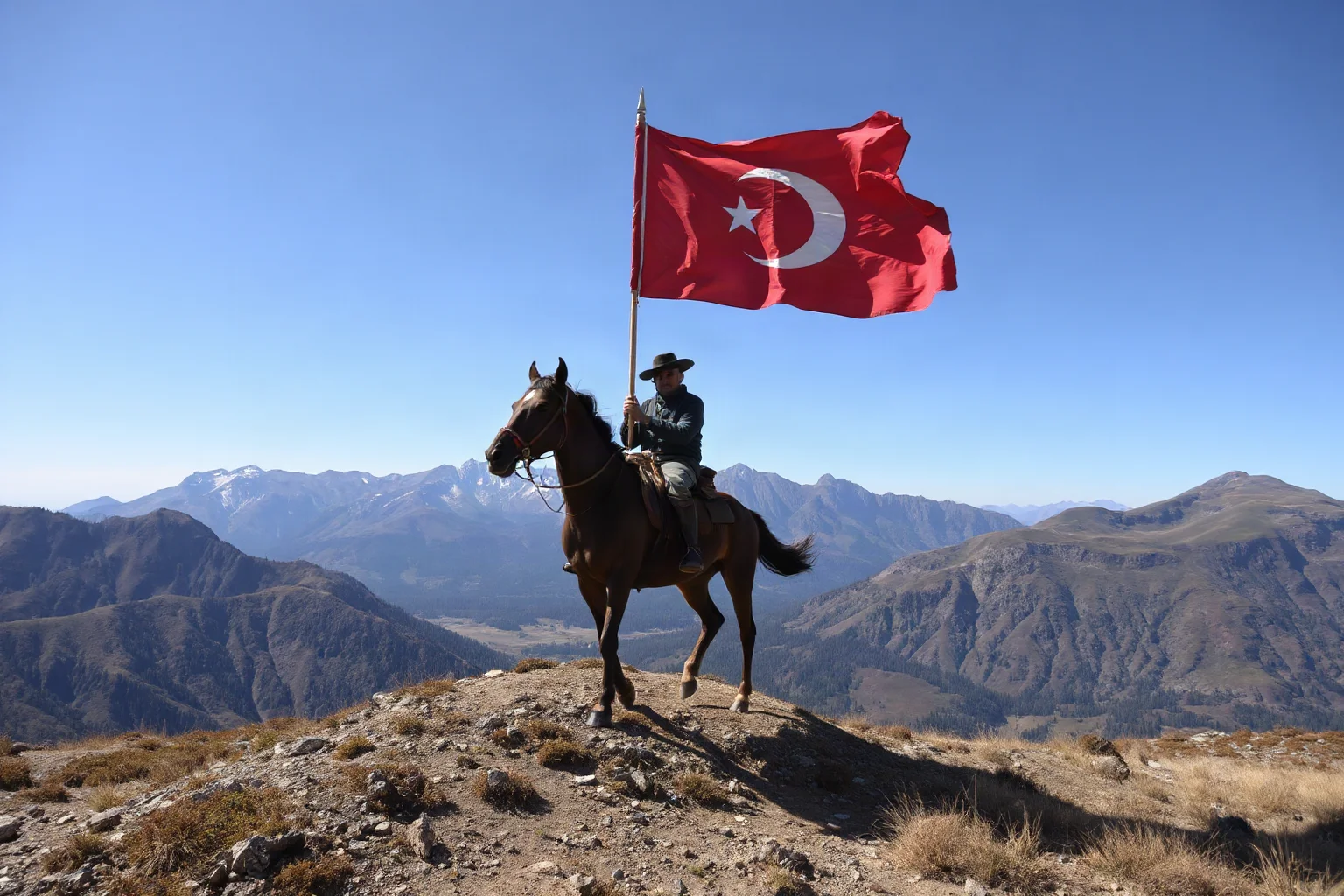
Inspired partly by the American and French Revolutions, colonies across Spanish and Portuguese America rose up against European rule in the early 19th century. Leaders across the region fought a series of overlapping wars that eventually produced independent nations from Mexico down through Argentina and Chile.
These wars combined elite-led political revolution with broader social upheaval, since questions of race, land, and citizenship were contested alongside independence itself. The result reshaped the map of the Western Hemisphere within a single generation.
9. The Revolutions of 1848
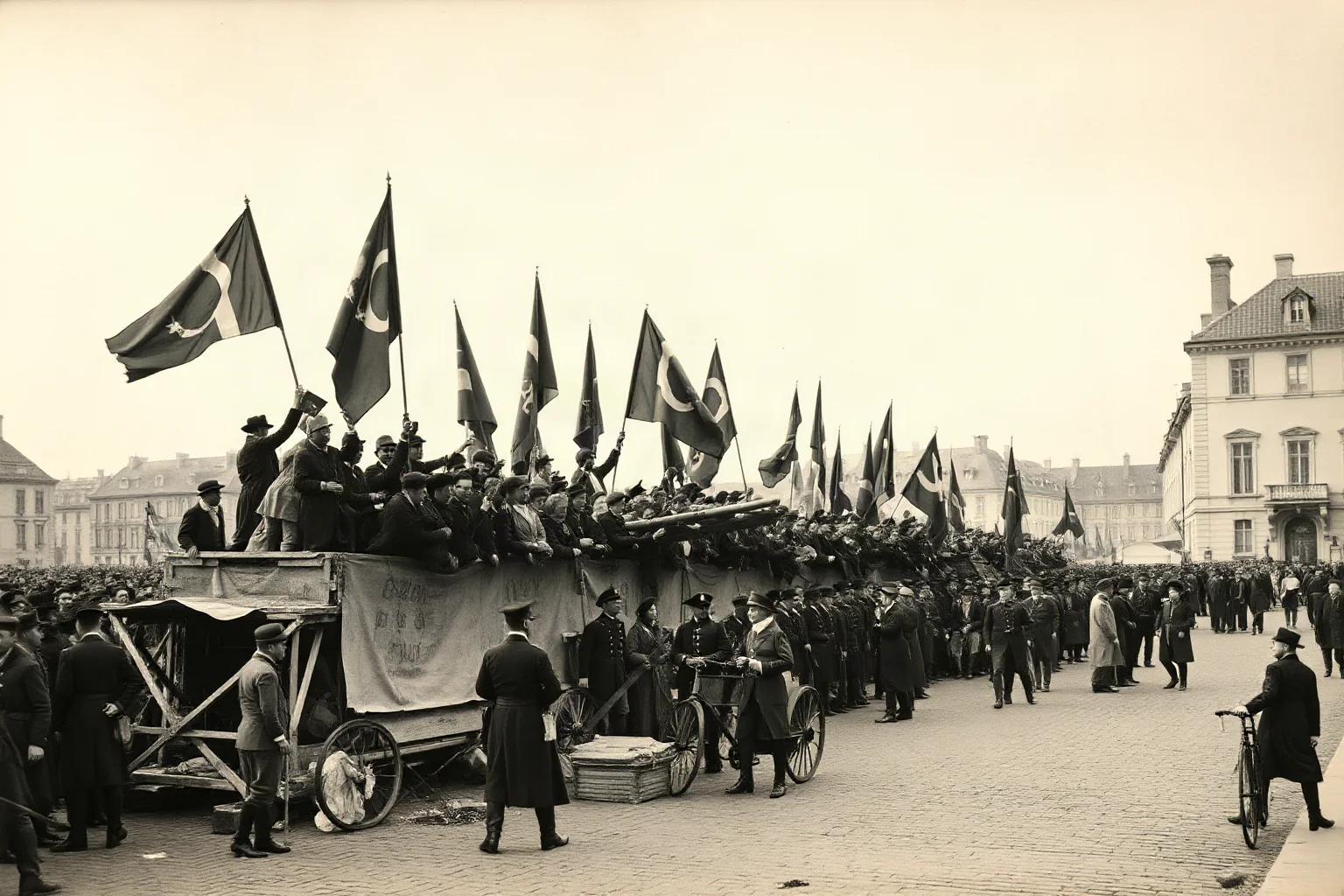
Sometimes called the “Springtime of Nations,” 1848 saw uprisings erupt almost simultaneously across France, the German and Italian states, the Austrian Empire, and beyond. Demands ranged from constitutional government to national unification to basic economic relief for struggling workers and peasants.
Most of these revolutions were suppressed within a year or two, making 1848 a classic case study in short-term revolutionary failure. Even so, the ideas they spread about nationalism and liberal government kept resurfacing for decades afterward.
10. The Meiji Restoration (1868)
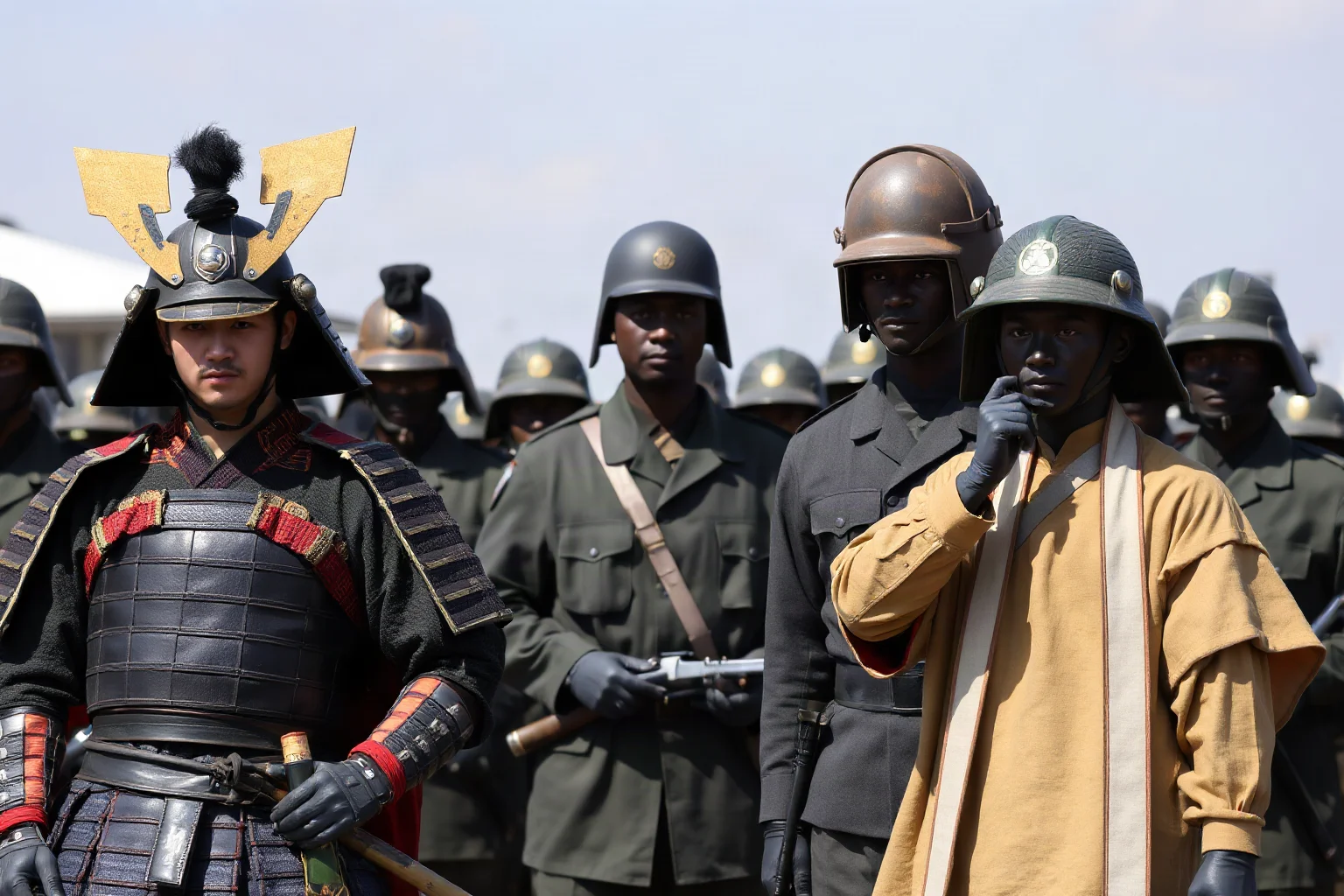
Japan’s Meiji Restoration ended centuries of shogunate rule and nominally restored the emperor, but its real significance lies in the rapid modernization that followed. Within a few decades, Japan overhauled its military, economy, education system, and government along Western industrial lines.
It’s a distinctive example of a revolution driven from above by reform-minded elites rather than a mass popular uprising. The speed and scope of change still make it one of history’s most remarkable social and economic revolutions.
11. The Mexican Revolution (1910–1920)

Sparked by opposition to the long, increasingly authoritarian rule of Porfirio Díaz, the Mexican Revolution became a decade-long, multi-sided struggle involving land reform, labor rights, and competing visions for the nation. Figures like Francisco Madero, Emiliano Zapata, and Pancho Villa led different factions with different goals.
The conflict killed hundreds of thousands and reshaped Mexican politics, land ownership, and identity well into the 20th century. Its 1917 constitution remains a landmark document in Latin American political history.
12. The Russian Revolution (1917)
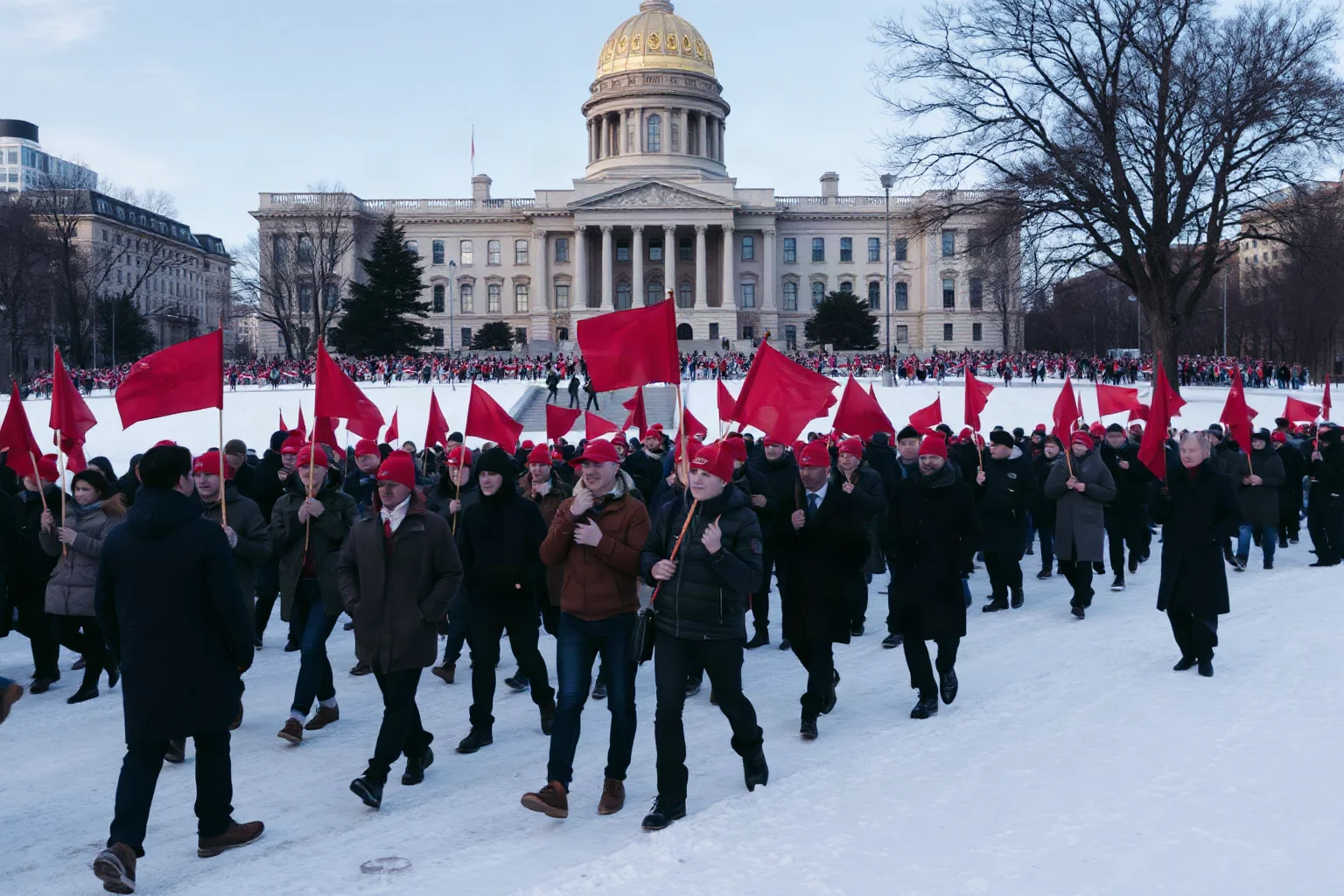
Worn down by World War I losses and long-standing inequality, Russia’s monarchy collapsed in February 1917, followed by the Bolsheviks seizing power that October under Vladimir Lenin. It stands as history’s most influential communist revolution, replacing the tsarist empire with the world’s first Marxist-led state.
The Russian Revolution didn’t just change one country, it inspired and financed communist movements across the globe for the rest of the century. It also triggered a brutal civil war and set the template many later 20th-century revolutions would follow or react against.
13. The Chinese Communist Revolution (1949)
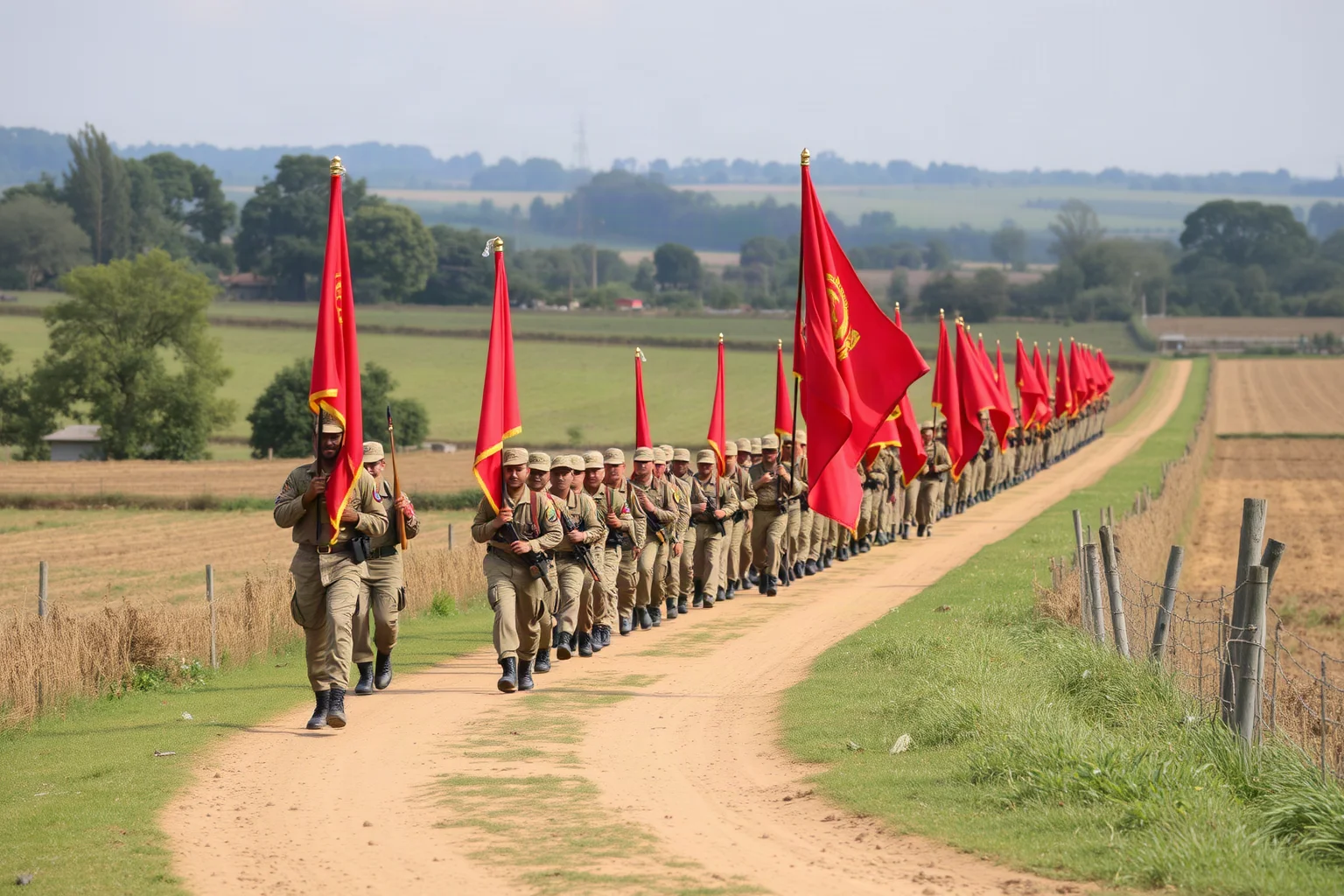
After decades of civil war, foreign invasion, and social upheaval, Mao Zedong’s Communist Party defeated the Nationalist government and founded the People’s Republic of China in 1949. It became the second major communist revolution to succeed at seizing an entire national government.
The revolution’s aftermath included sweeping land redistribution alongside deeply controversial and destructive campaigns like the Great Leap Forward and Cultural Revolution. China’s political and economic trajectory since then remains one of the most consequential outcomes of any 20th-century revolution.
14. The Cuban Revolution (1953–1959)
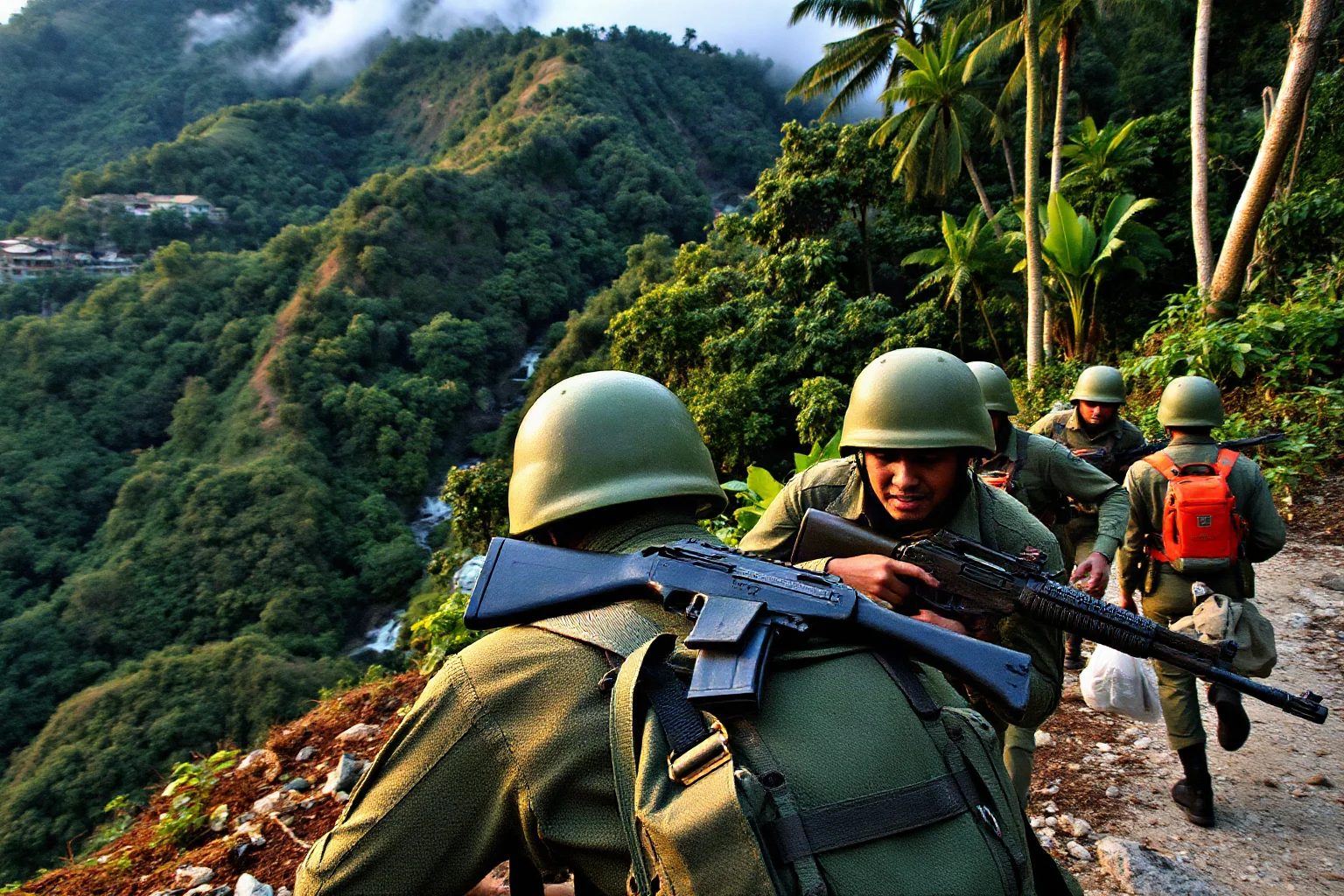
Fidel Castro, Che Guevara, and a small guerrilla movement overthrew the U.S.-backed government of Fulgencio Batista, eventually establishing a socialist state just 90 miles from Florida. It became a defining Cold War flashpoint and a symbol for revolutionary movements across Latin America.
Cuba’s revolution combined nationalist resentment of foreign influence with genuine social reforms in literacy and healthcare, alongside single-party rule and political repression. It remains one of the most-cited examples of a political revolution succeeding against a much larger neighboring power’s objections.
15. The Carnation Revolution (1974)
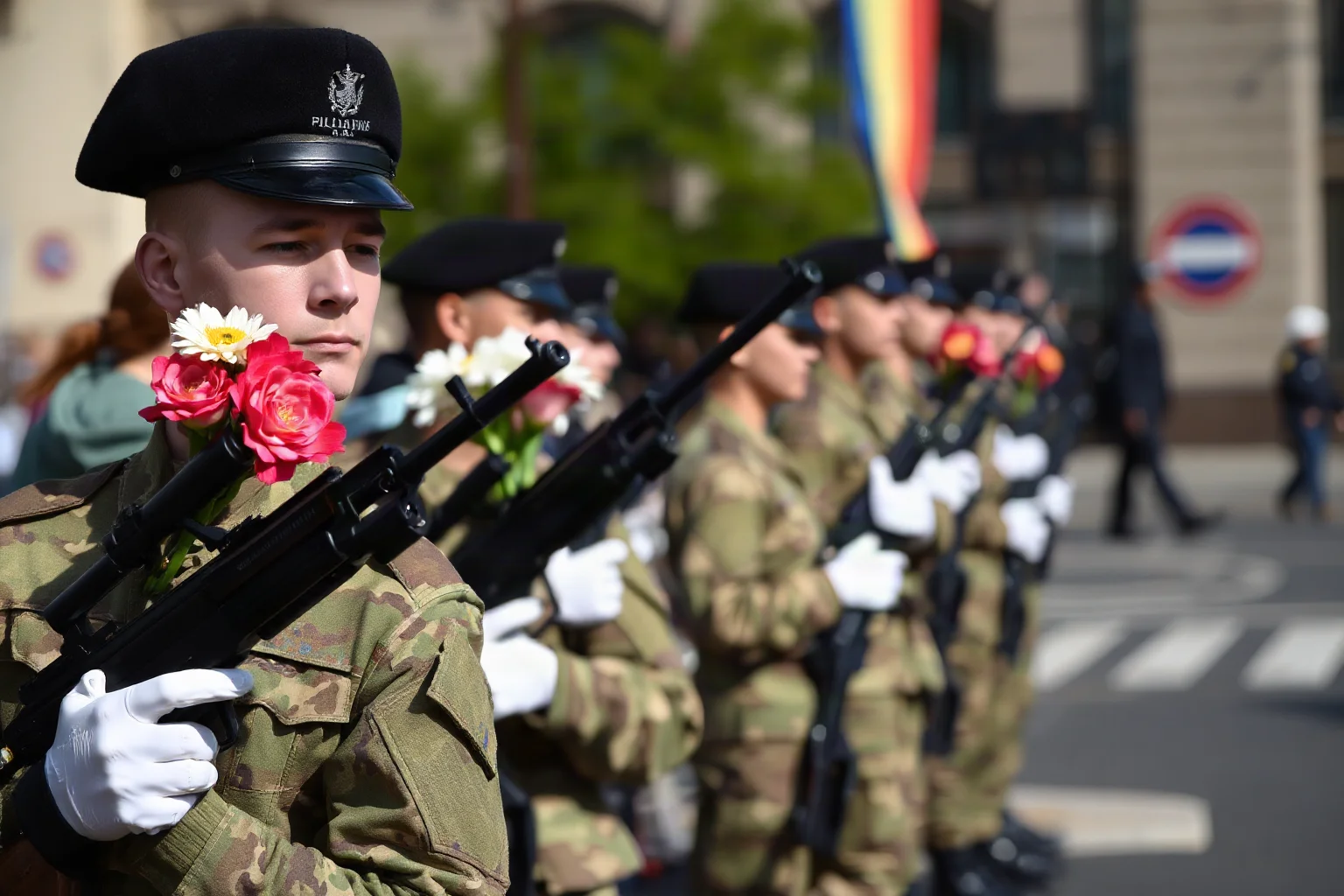
Portugal’s authoritarian Estado Novo regime fell in an almost bloodless military-led uprising, nicknamed for the flowers civilians placed in soldiers’ rifle barrels instead of resisting them. The revolution ended decades of dictatorship and Portugal’s costly colonial wars in Africa within a matter of days.
It’s frequently held up as a rare example of a largely peaceful revolution achieving swift, lasting democratic change. Portugal transitioned to a multiparty democracy that has held for decades since.
16. The Iranian Revolution (1979)
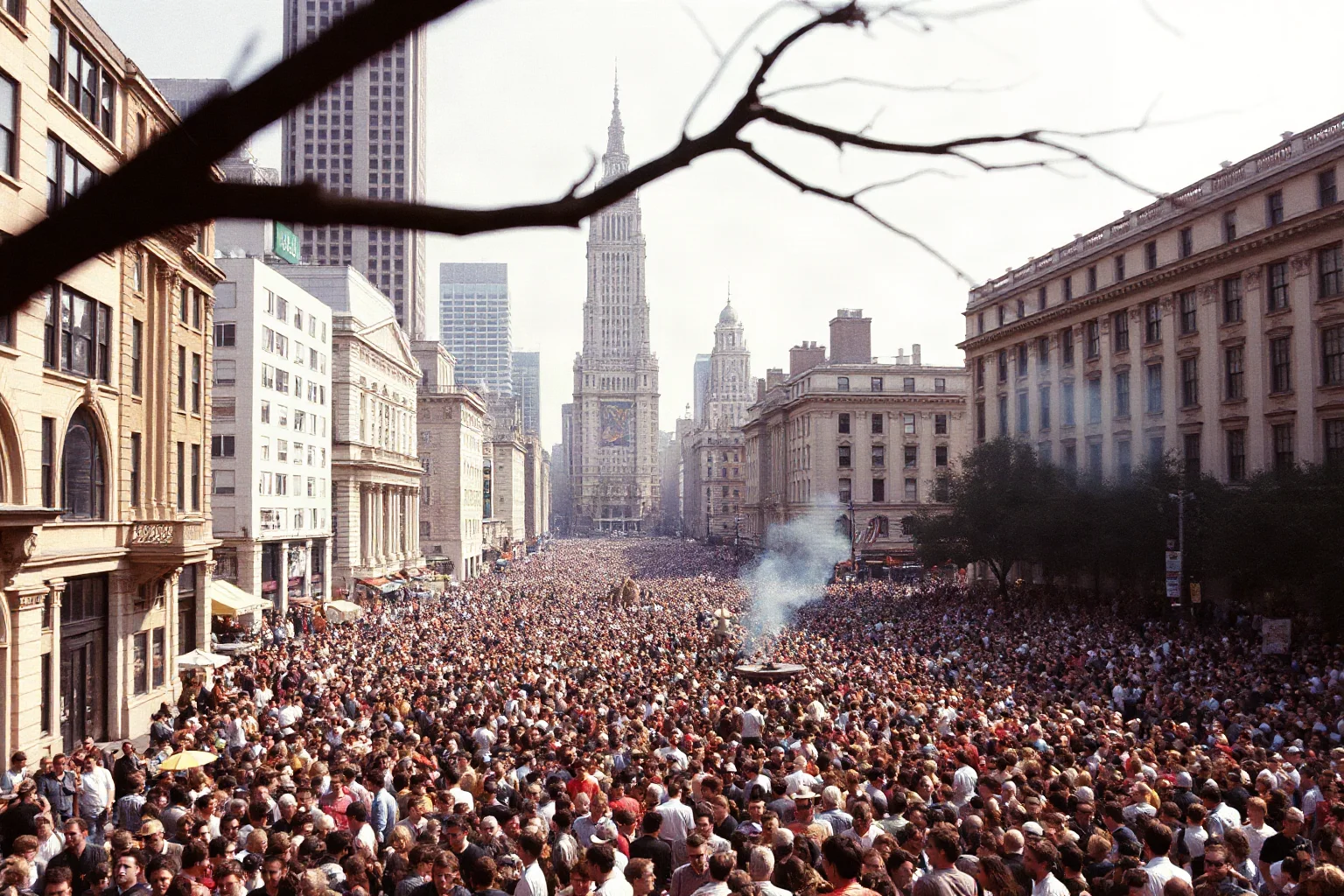
Mass protests against the Western-backed Shah, Mohammad Reza Pahlavi, culminated in his exile and the establishment of an Islamic Republic under Ayatollah Ruhollah Khomeini. It stands out among modern revolutions for replacing a secular monarchy with a theocratic system, defying predictions that revolutions always trend toward secular modernization.
The Iranian Revolution reshaped Middle Eastern politics and U.S.–Iran relations for generations, with effects still felt in the region today. It’s often studied as proof that revolutionary outcomes can diverge sharply from the goals of the original protest coalition.
17. The Revolutions of 1989
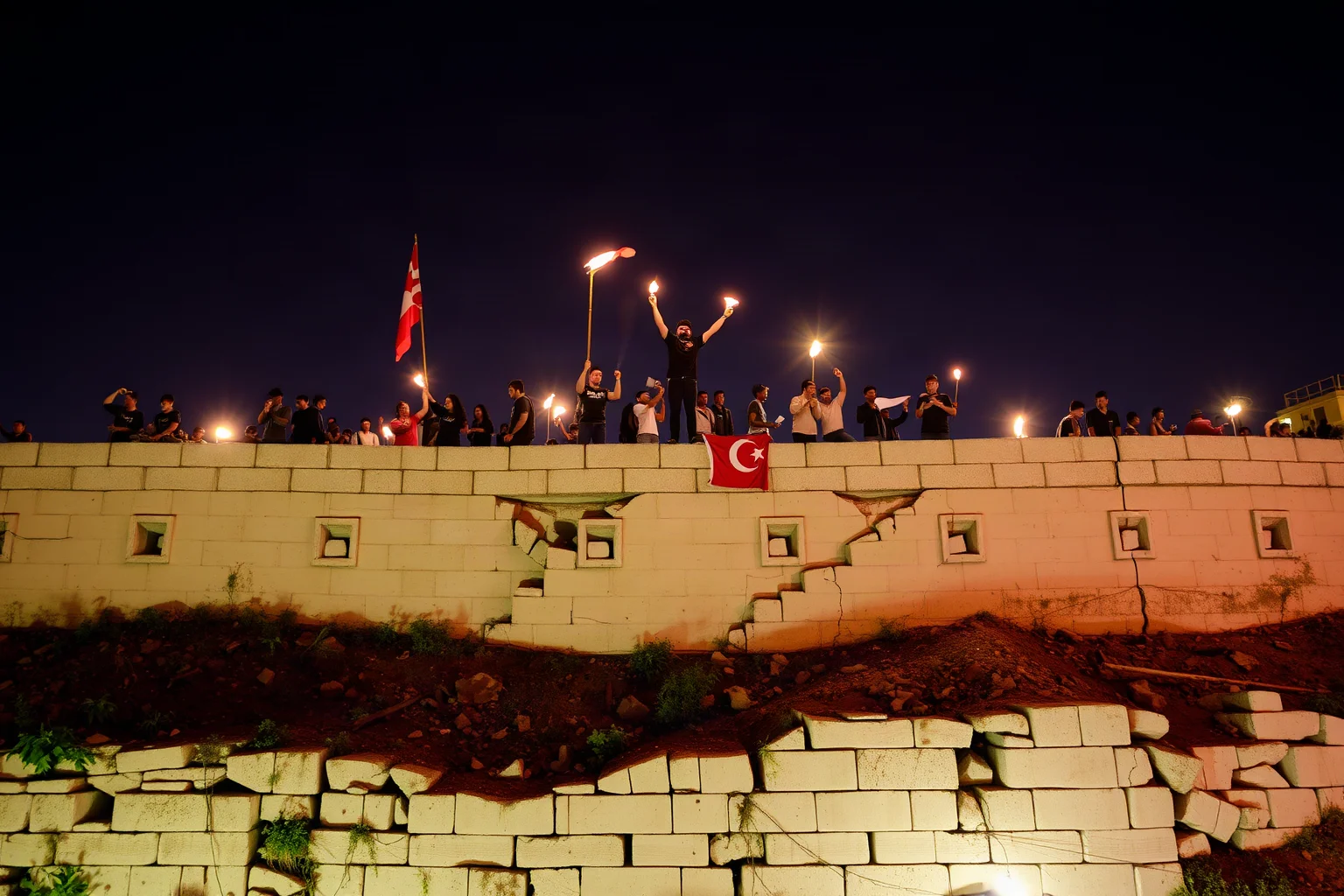
Across Poland, Hungary, East Germany, Czechoslovakia, and Romania, communist governments collapsed in rapid succession, culminating symbolically in the fall of the Berlin Wall in November 1989. Poland’s Solidarity trade union movement and Soviet leader Mikhail Gorbachev’s reforms of glasnost and perestroika are widely seen as the key events that preceded and enabled this wave.
Most of these transitions, especially Czechoslovakia’s so-called Velvet Revolution, unfolded with strikingly little violence compared to earlier 20th-century upheavals. Together, 1989 marks one of the most geographically concentrated periods of revolution in modern history, effectively ending the Cold War’s European division.
18. The Digital Revolution (1970s–present)

The rise of personal computers, the internet, and mobile technology transformed communication, commerce, and information access on a scale comparable to the Industrial Revolution. Like the Neolithic and Industrial Revolutions before it, this is a technological and economic revolution rather than a political overthrow.
It’s a strong modern example of revolution occurring gradually rather than through any single dramatic event. The Digital Revolution also supplied the tools, especially social media, that fueled several of the political uprisings later on this list.
19. The Color Revolutions (2000s)
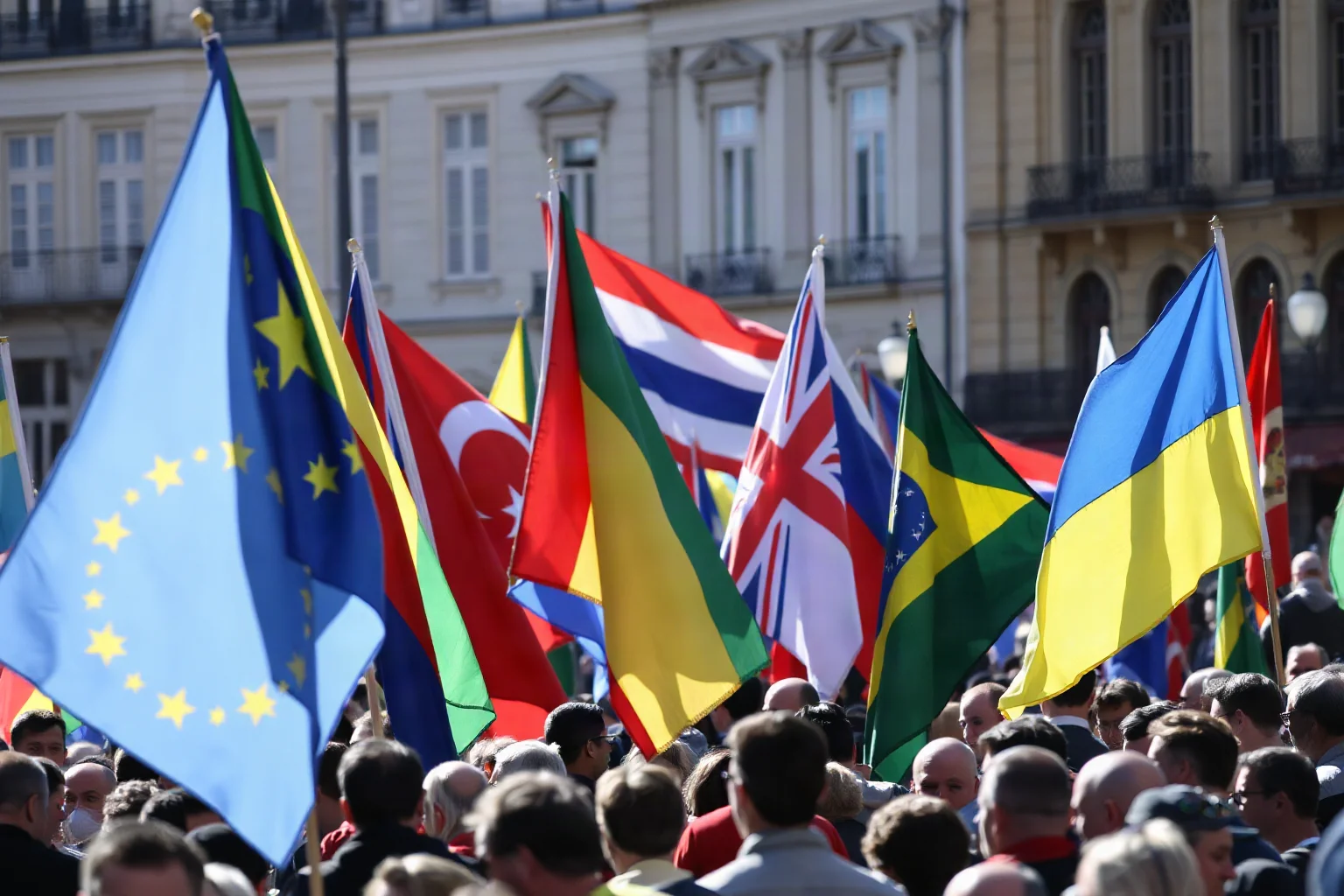
A series of largely peaceful protest movements swept former Soviet and Eastern Bloc states in the 2000s, including Georgia’s Rose Revolution (2003) and Ukraine’s Orange Revolution (2004). Protesters demanded fair elections and pushed back against government corruption, often adopting a specific color or symbol as their movement’s identity.
These uprisings showed mixed long-term results, with some leading to lasting political change and others sliding back toward the status quo within a few years. They’re frequently cited together as recent examples of political revolution driven by disputed elections rather than economic collapse.
20. The Arab Spring (2010–2012)
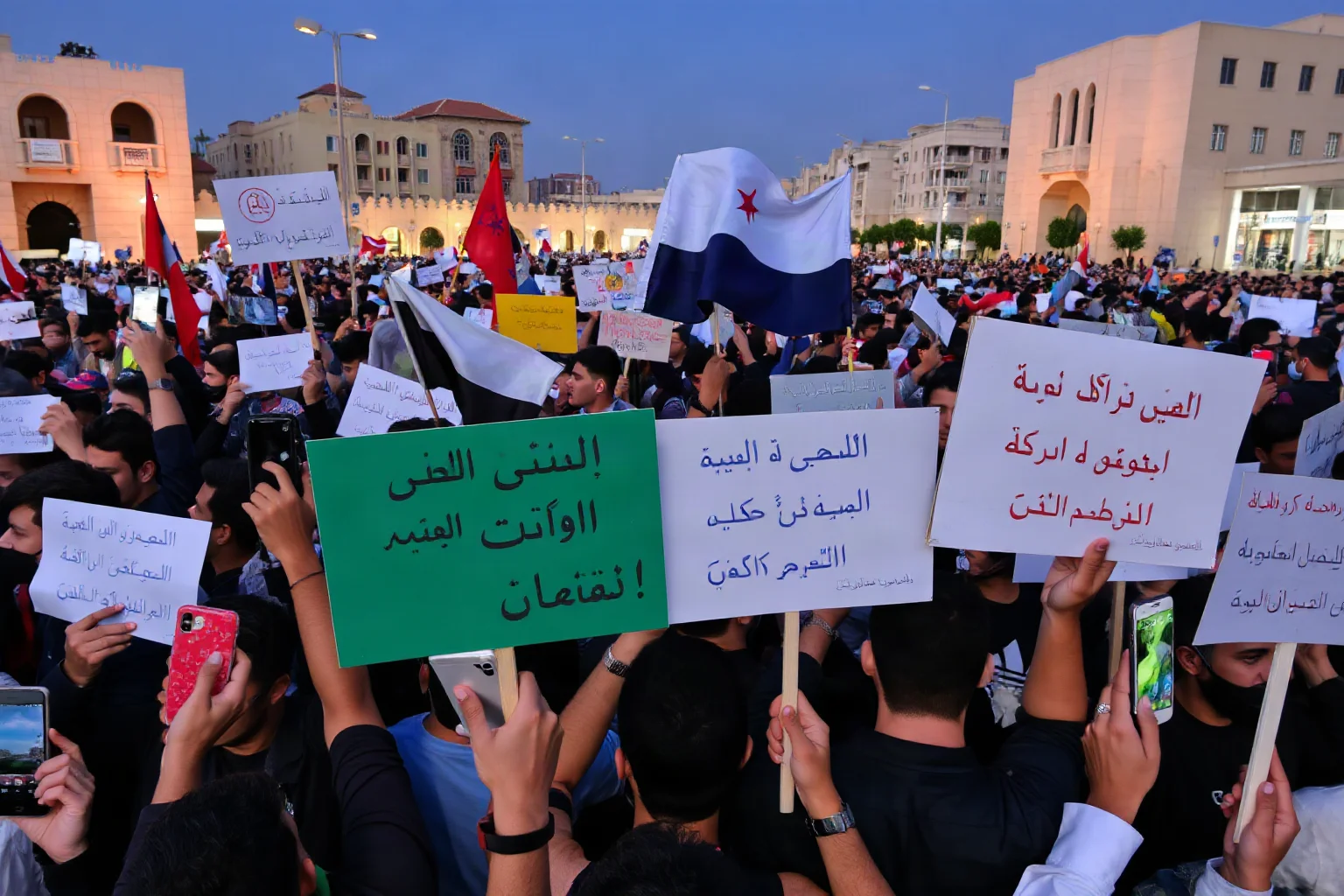
Starting with protests in Tunisia in December 2010, the Arab Spring spread rapidly across the Middle East and North Africa, toppling long-standing rulers in Tunisia, Egypt, and Libya. Social media played a major role in organizing protests and spreading information, making it one of the clearest examples of the Digital Revolution intersecting with political revolution.
Outcomes varied enormously by country: Tunisia moved toward a fragile democracy, Libya and Syria descended into prolonged civil conflict, and Egypt eventually saw military rule return. It’s a sobering case study in how a shared revolutionary moment can produce wildly different long-term results.
21. Ukraine’s Euromaidan Revolution (2014)
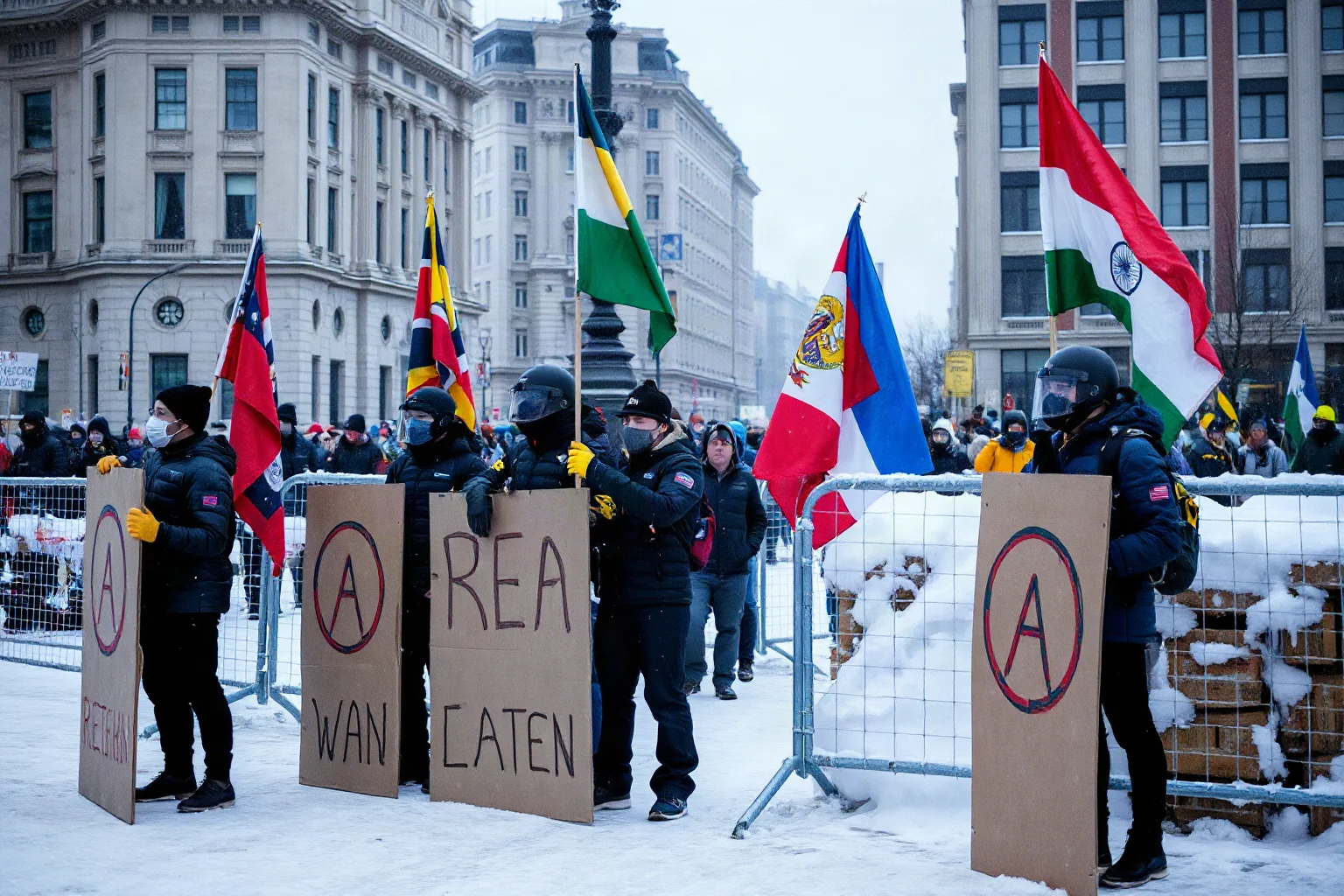
When Ukraine’s president abruptly rejected a planned association agreement with the European Union in favor of closer ties with Russia, mass protests in Kyiv’s Maidan square eventually forced him from power. The revolution reshaped Ukraine’s political alignment and preceded years of subsequent conflict with Russia over Crimea and the eastern Donbas region.
It’s one of the more recent revolutions frequently discussed alongside the earlier Orange Revolution, since both centered on Ukraine’s contested pull between Europe and Russia. Euromaidan is often studied as a modern example of political revolution rooted in geopolitical identity as much as domestic grievance.
22. The Sudanese Revolution (2018–2019)
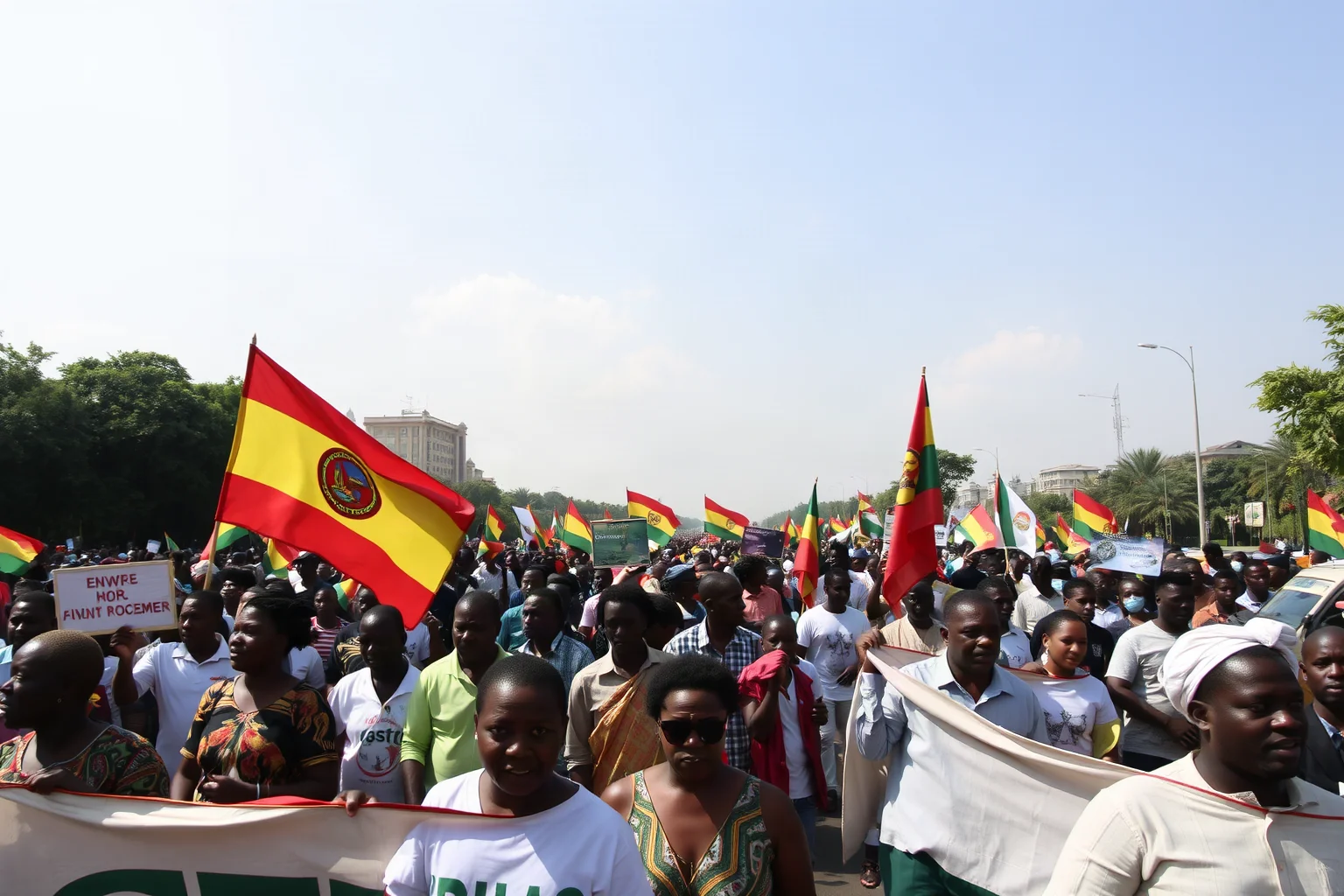
Economic hardship and anger over decades of authoritarian rule under Omar al-Bashir sparked sustained mass protests that eventually forced the military to remove him from power in 2019. Civilian and military factions then negotiated a fragile transitional power-sharing arrangement, though Sudan’s path since has remained turbulent.
It stands as one of the most significant contemporary revolutions, showing that the underlying forces behind revolution, economic desperation and a government seen as illegitimate, are just as active in the 21st century as in 1789 or 1917. It’s a useful reminder that the history of revolutions is still very much being written.
What Makes a Revolution Succeed — or Fail?
Comparing successful revolutions in history against failed ones reveals a few recurring patterns. Revolutions that build a broad coalition across different social classes, rather than relying on a single narrow group, tend to hold together long enough to consolidate power afterward. Gaining the loyalty, or at least the neutrality, of the military and security forces is often the single most decisive factor in whether a revolutionary movement survives its first year.
Having a reasonably clear alternative vision for governing also matters enormously. The French Revolution’s descent into the Terror and the chaos of 1848’s failed uprisings both show what can happen when revolutionaries agree on what to overthrow but not on what comes next. External factors count too: foreign intervention, sanctions, or support can tip fragile post-revolutionary states in either direction, as seen in Cuba’s survival despite decades of U.S. pressure versus Libya’s collapse after 2011.
A Quick Revolution Timeline: Centuries at a Glance
Seeing revolutions grouped by era helps make sense of how ideas and tactics traveled across borders and centuries. Here’s a condensed revolution timeline covering the eras discussed above.
- Ancient era: The Neolithic Revolution transforms human society through farming.
- 16th–17th centuries: The Scientific Revolution and England’s Glorious Revolution reshape thought and government.
- Late 18th century: The American, French, and Haitian Revolutions launch the “Age of Revolution” and spread Enlightenment ideals.
- 19th century: Latin American independence wars, the Revolutions of 1848, and the Industrial Revolution reorder economies and empires; Japan’s Meiji Restoration modernizes from within.
- Early 20th century: The Mexican and Russian Revolutions upend old orders through prolonged, violent struggle.
- Mid-20th century: The Chinese and Cuban Revolutions extend communism across Asia and Latin America.
- Late 20th century: Portugal’s Carnation Revolution, Iran’s Islamic Revolution, and the Revolutions of 1989 close out the Cold War era.
- 21st century: The Digital Revolution, Color Revolutions, Arab Spring, Euromaidan, and Sudan’s uprising show revolution is still an active force in the modern world.
The Story Isn’t Finished
Looking across roughly twelve thousand years of upheaval, one thing becomes clear: revolutions aren’t relics of dusty textbooks, they’re a recurring feature of human societies whenever power, resources, or ideas become badly out of balance. Whether the change comes from a farming village adopting agriculture or a crowd toppling a dictator, the underlying story tends to repeat: old arrangements stop working for enough people, and something new eventually takes their place.
That’s worth remembering the next time a headline mentions unrest somewhere in the world. History suggests we haven’t seen the last major revolution, and figuring out which current movements will earn a place on lists like this one is something only time, and future historians, can really settle.
Frequently Asked Questions
What are some famous revolutions in history?
Some of the most famous revolutions in history include the American Revolution (1775–1783), the French Revolution (1789–1799), the Haitian Revolution (1791–1804), the Russian Revolution (1917), the Chinese Communist Revolution (1949), and the Revolutions of 1989 that ended communist rule across Eastern Europe. Each reshaped its region's political and social order in lasting ways.
What is the definition of a revolution in history?
In historical terms, a revolution is a relatively rapid and fundamental change to a political system, social order, or economic structure, usually driven by mass mobilization rather than gradual reform. The key distinction from ordinary political change is that a true revolution alters who holds power and how that power is legitimized, not just which individual is in charge.
What was the first revolution in history?
There's no single agreed-upon "first" revolution, since it depends on definition. If revolution simply means transformative societal change, the Neolithic Revolution around 10,000 BCE, when humans shifted from foraging to farming, is often cited as the earliest. If the focus is strictly political revolutions, England's Glorious Revolution of 1688 is frequently mentioned as an early modern example.
Which event preceded the revolutions of 1989?
The Revolutions of 1989 were preceded by Poland's Solidarity movement, which had pressured the communist government for years and won partially free elections in June 1989, along with Soviet leader Mikhail Gorbachev's reform policies of glasnost and perestroika. These developments signaled that the Soviet Union would not use force to prop up other Eastern Bloc governments, opening the door to rapid change across the region.
What makes a revolution successful?
Successful revolutions tend to build broad coalitions across different social classes, gain the loyalty or neutrality of the military, and offer a reasonably clear plan for what comes after the old regime falls. Revolutions that lack any of these elements, like several of the 1848 uprisings, often collapse or get reversed within a short time.
Are there revolutions happening in the world today?
Yes, movements resembling historical revolutions continue to occur, including Sudan's 2018–2019 uprising against Omar al-Bashir and Ukraine's 2014 Euromaidan revolution. Whether ongoing protest movements around the world qualify as full revolutions usually only becomes clear with hindsight, once historians can assess whether the underlying power structure actually changed.
What’s the difference between a revolution and a rebellion?
A rebellion or revolt is armed resistance against authority over specific grievances, but it doesn't necessarily aim to replace the entire political or social system. A revolution goes further, seeking to fundamentally change who holds power and how society itself is organized, which is why events like the Peasants' Revolt of 1381 are usually classified as rebellions rather than revolutions.
What is the Digital Revolution?
The Digital Revolution refers to the ongoing shift, starting roughly in the 1970s, from analog and mechanical technology to digital computing, the internet, and mobile communication. Unlike political revolutions, it unfolded gradually rather than through a single overthrow, but its effects on commerce, communication, and even how later political protests were organized have been just as far-reaching.

Alex Warren
Related Articles