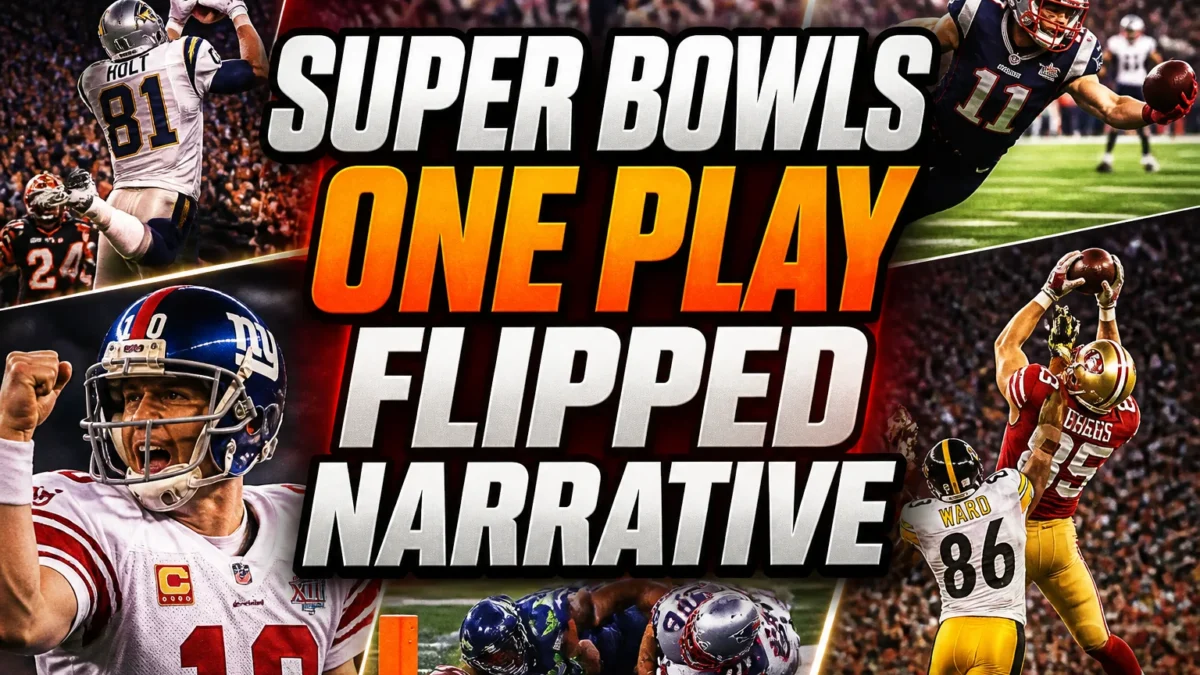
Introduction: The Fine Line Between Legend and Heartbreak
Super Bowls are remembered as complete stories, but often they hinge on a single snap. A dropped pass, a tipped interception, or a miraculous catch can rewrite legacies in seconds, turning goats into heroes and vice versa.
The following list examines Super Bowls where one Super Bowl play genuinely flipped the entire narrative of the game, the season, and sometimes the careers of everyone involved. Each entry is grounded in verifiable play-by-play history, not folklore.
TL;DR: In several Super Bowls, a single play — a catch, a pick, a missed kick, or a coaching decision — instantly reversed the game's story and permanently reshaped how we remember the players and teams involved.
Why One Play Can Define an Entire Super Bowl
The Super Bowl is the most-watched annual sporting event in the United States, and its 60-minute structure compresses an entire season into one afternoon. That compression means the margin between triumph and collapse is often measured in inches, and a single moment can carry disproportionate weight in the historical record.
It is worth clarifying a common misconception: the Super Bowl is not a series. Unlike the NBA Finals or the World Series, there is no best-of-seven safety net. That is why the question "is the super bowl only one game" comes up so often — and the answer is yes, it is a single game, which is precisely why one play can carry so much narrative power.
This listicle ranks some of the most consequential single plays in Super Bowl history, ordered roughly by how dramatically each one reversed the game's momentum and its legacy. Some entries involve legendary catches, others brutal turnovers, and a few hinge on coaching decisions that backfired in real time.
1. Super Bowl XLII: The Helmet Catch

With just over a minute left and the New England Patriots' perfect season on the line, Eli Manning escaped what looked like a certain sack. He heaved the ball downfield to David Tyree, who pinned it against his helmet for a 32-yard gain that kept the Giants' drive alive.
Before that play, the Patriots were 18-0 and widely considered the greatest team ever assembled. After it, the Giants scored the go-ahead touchdown and handed New England its only loss of the season, permanently stamping the 2007 Patriots as the team that almost went undefeated.
2. Super Bowl XLIX: Malcolm Butler's Goal-Line Interception
The Seattle Seahawks had the ball at the Patriots' 1-yard line, trailing by four points with under 30 seconds left. Instead of handing off to Marshawn Lynch, Seattle called a quick slant, and rookie cornerback Malcolm Butler jumped the route for an interception that sealed New England's win.
That single call flipped the narrative from a potential Seahawks dynasty to a Patriots resurgence. It also made Butler an instant folk hero and sparked years of debate about the most infamous play call in Super Bowl history.
3. Super Bowl XXV: Scott Norwood's Wide Right
The Buffalo Bills trailed the New York Giants 20-19 with eight seconds left and lined up for a 47-yard field goal. Scott Norwood's kick sailed wide right, and the Bills lost a game they had controlled for long stretches.
That miss became the defining image of Buffalo's four consecutive Super Bowl losses. It also cemented the Giants' reputation for ball control and defensive discipline under Bill Parcells, turning a narrow win into a coaching masterclass narrative.
4. Super Bowl XXXIV: Kevin Dyson Stopped at the One
The Tennessee Titans trailed the St. Louis Rams 23-16 with six seconds left. Steve McNair hit Kevin Dyson on a short crossing route, and linebacker Mike Jones wrapped him up at the 1-yard line as time expired.
One yard separated the Titans from a tie game and possible overtime. That tackle transformed the Rams' "Greatest Show on Turf" into champions and left Tennessee forever defined by how close it came.
5. Super Bowl LI: James White's Overtime Touchdown
The Atlanta Falcons led 28-3 in the third quarter, and the game looked over. Then Tom Brady engineered the largest comeback in Super Bowl history, capped by James White's 2-yard touchdown run in overtime.
That single score completed a 34-28 win and flipped the narrative from a Falcons coronation to the defining achievement of the Patriots' dynasty. It also permanently attached the phrase "28-3" to Atlanta's franchise.
6. Super Bowl XLIII: James Harrison's 100-Yard Interception Return
With the Steelers trailing 7-3 and Arizona driving at the end of the first half, James Harrison intercepted Kurt Warner at the goal line. He returned it 100 yards for a touchdown as time expired in the half.
That 14-point swing — from potential Cardinals lead to Steelers advantage — proved decisive in a 27-23 Pittsburgh win. It flipped the halftime narrative and gave the Steelers just enough cushion to survive Arizona's second-half rally.
7. Super Bowl XLII Revisited: The Asante Samuel Drop
One play before the Helmet Catch, Patriots cornerback Asante Samuel had a clean shot at an interception that would have ended the game. He dropped it, and New England's perfect season slipped away moments later.
Had Samuel held on, the Helmet Catch never happens and the 2007 Patriots are remembered as undefeated champions. That drop is a reminder of how thin the line is between immortality and infamy.
8. Super Bowl XLIX Revisited: Jermaine Kearse's Circus Catch
The Seahawks' miracle seemed complete when Jermaine Kearse juggled a deflected pass off his body and into his hands for a 33-yard gain. That catch set up Seattle at the 5-yard line and appeared to seal the Patriots' fate.
One play later, Malcolm Butler intercepted Russell Wilson, and Kearse's catch was instantly reduced to a footnote. Few plays in Super Bowl history have shifted meaning so quickly.
9. Super Bowl XXIII: John Taylor's Game-Winning Catch
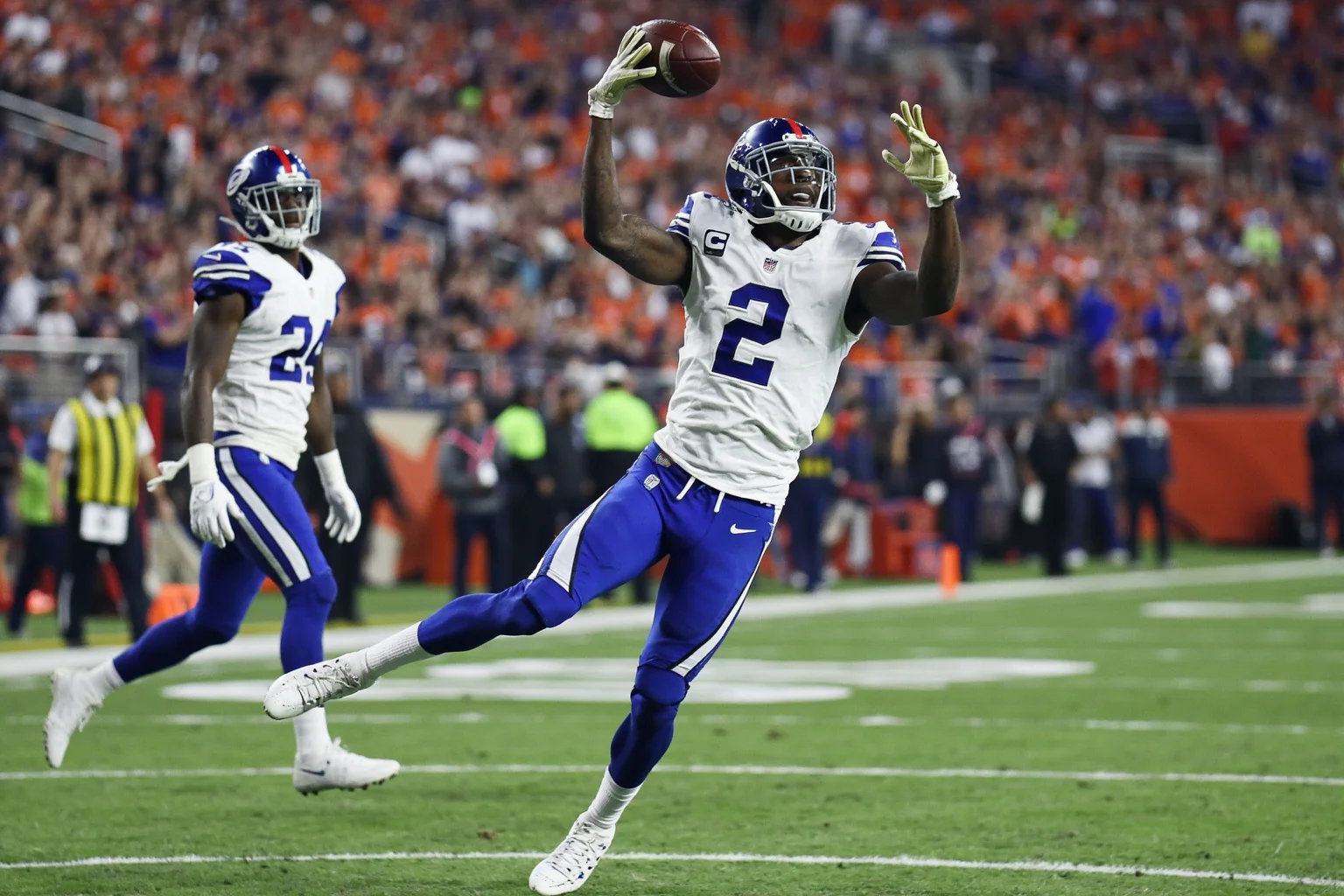
The Bengals and 49ers were tied 13-13 with 39 seconds left when Joe Montana found John Taylor on a 10-yard slant. Taylor's catch and run gave San Francisco a 20-16 win.
Before that drive, the narrative was about Cincinnati's ability to hang with a dynasty. After it, the story became Montana's legendary poise in the clutch and the 49ers' second title of the decade.
10. Super Bowl XXXVI: Adam Vinatieri's 48-Yard Field Goal
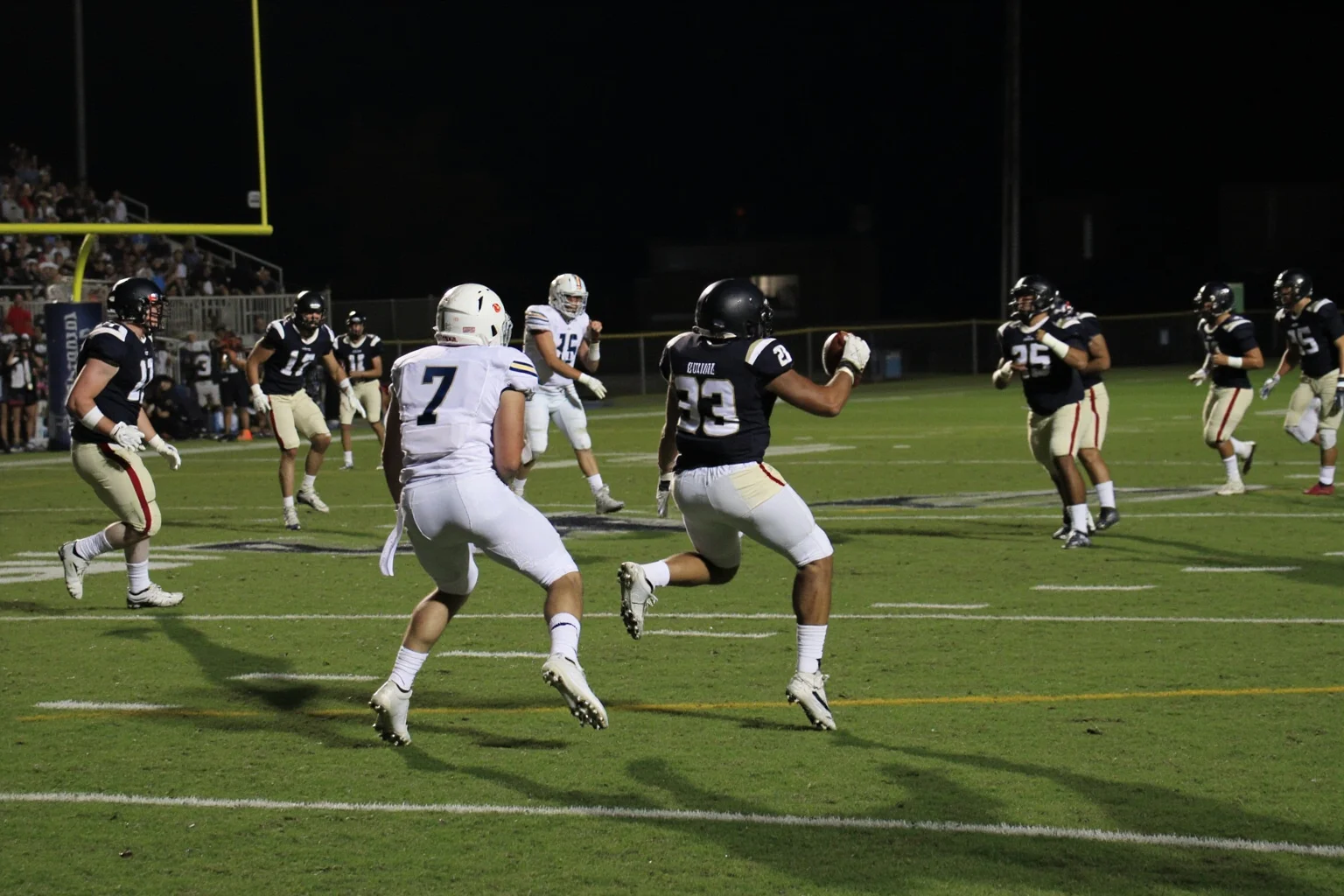
The Patriots were heavy underdogs against the Rams, and the game was tied 17-17 with seconds left. Tom Brady drove New England into range, and Adam Vinatieri drilled a 48-yard kick as time expired.
That kick launched the Patriots dynasty and ended the Rams' reign. It also flipped the narrative from "greatest show on turf" to the beginning of a two-decade New England run.
11. Super Bowl XXXVIII: Vinatieri's Game-Winner Against Carolina
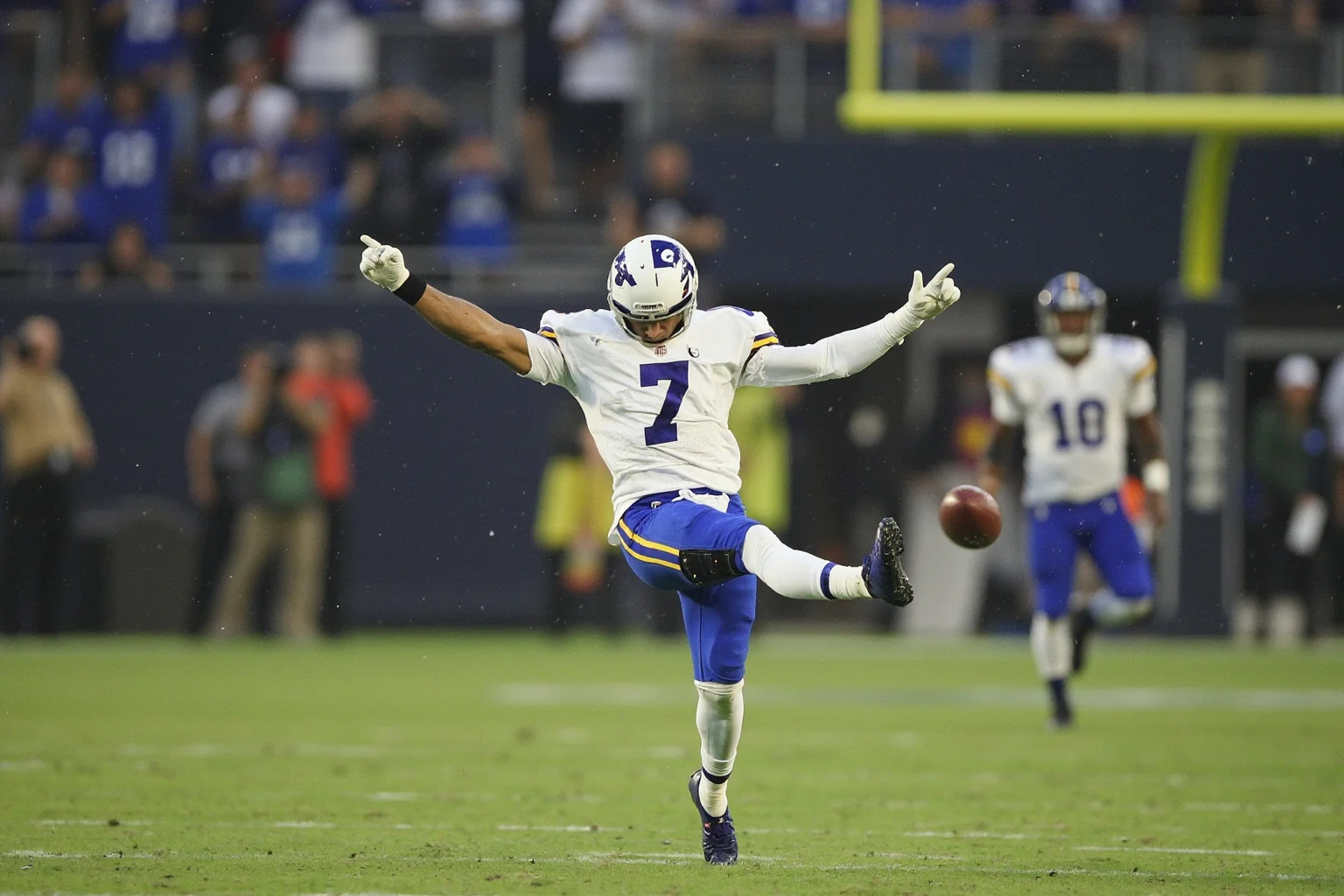
Two years later, Vinatieri again decided a Super Bowl, this time a 41-yard kick with four seconds left to beat the Panthers 32-29. The game had been a defensive struggle until a wild fourth quarter.
That kick cemented the Patriots as a clutch dynasty rather than a one-year wonder. It also turned Vinatieri into the most celebrated kicker in NFL history.
12. Super Bowl XLII Revisited: David Tyree's Legacy
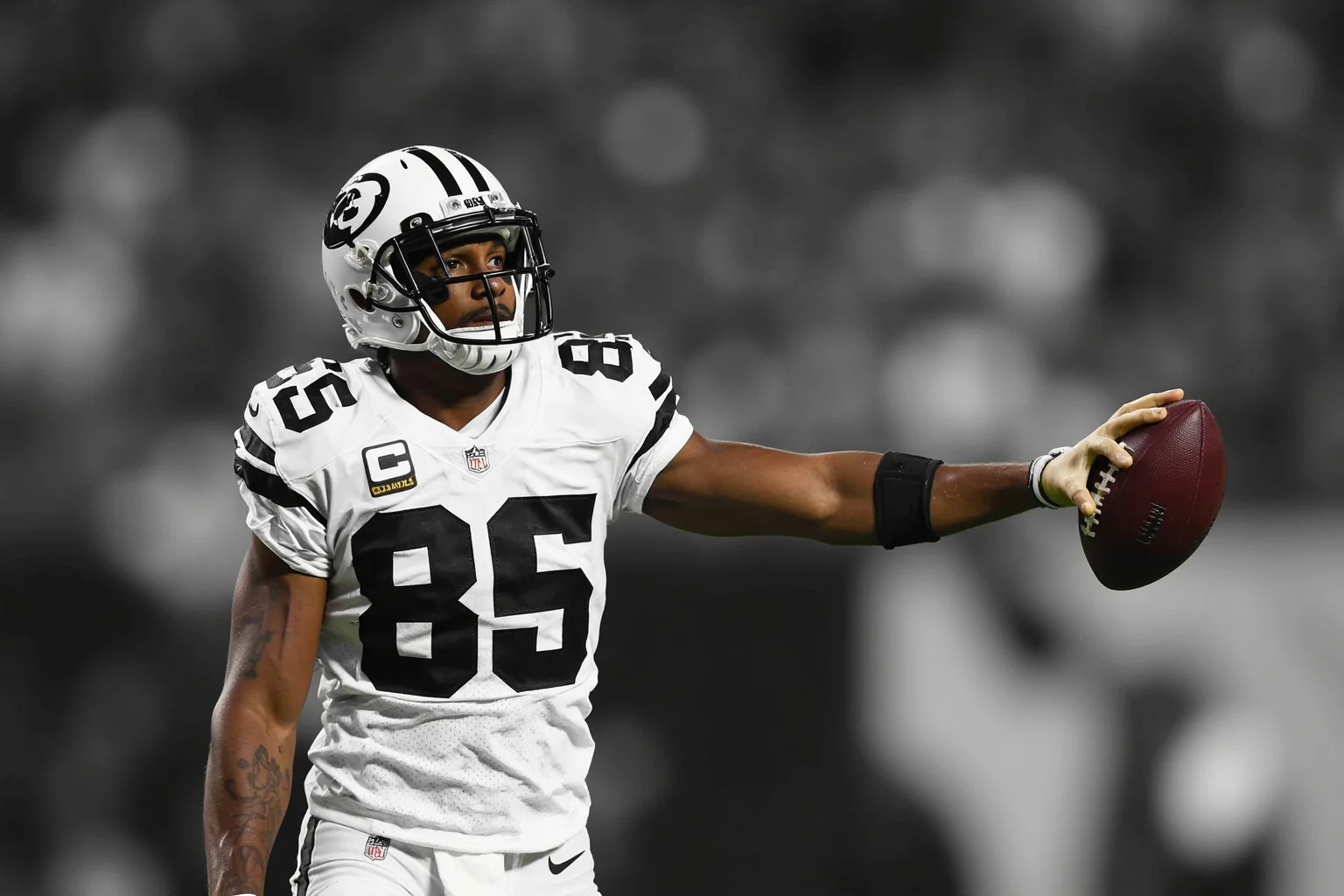
Tyree was a special-teams contributor with modest career receiving numbers before that catch. After it, he became a permanent part of Super Bowl lore and the answer to countless trivia questions.
That single play transformed his public identity. It also reinforced the idea that in a one-game championship, one moment can outweigh an entire career's worth of statistics.
13. Super Bowl XLV: Rashard Mendenhall's Fumble
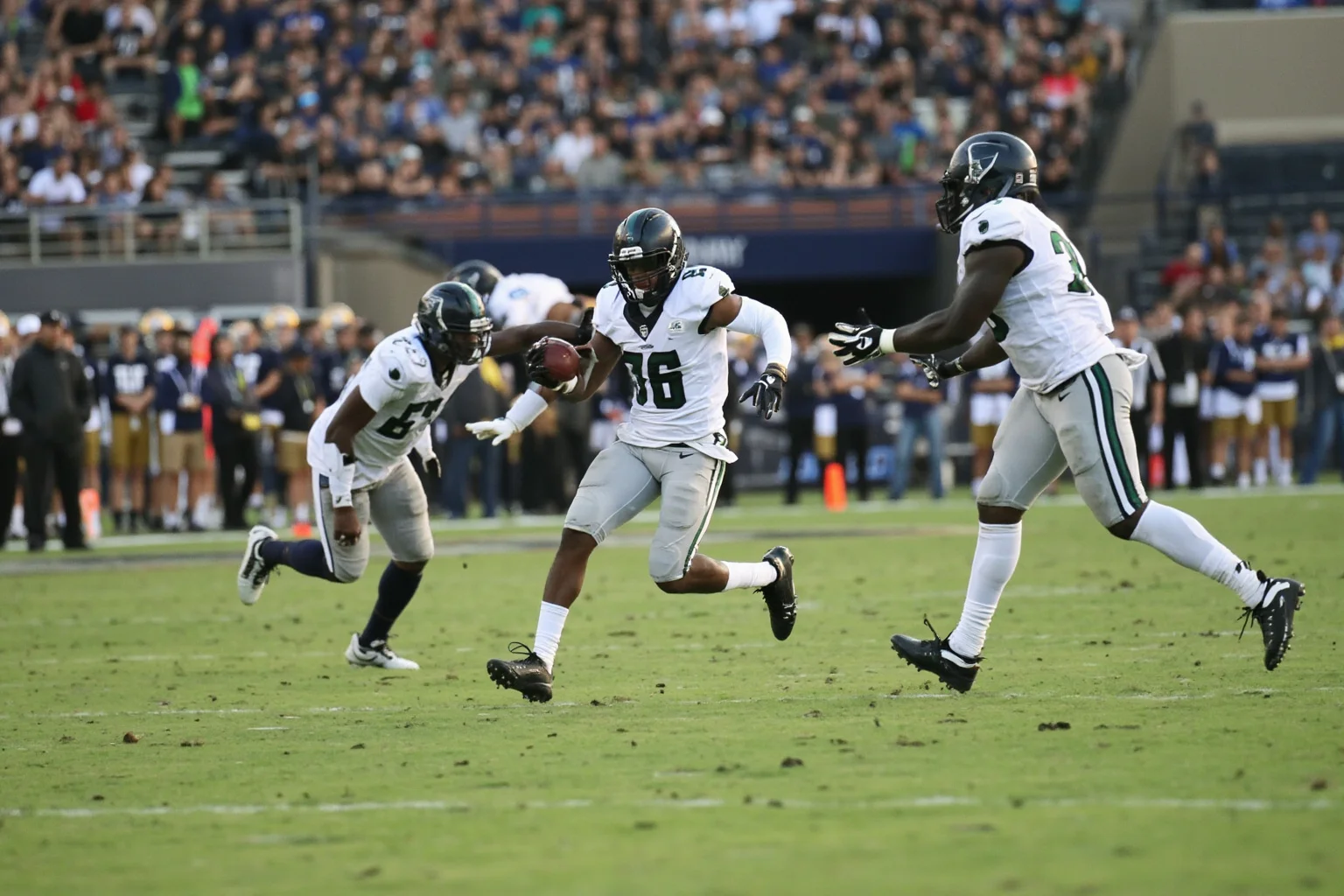
The Steelers trailed the Packers 21-17 in the fourth quarter and were driving when Rashard Mendenhall fumbled. Green Bay recovered and turned the turnover into a touchdown that effectively sealed the game.
Before the fumble, Pittsburgh had momentum and a realistic path to a comeback. After it, the narrative shifted to Aaron Rodgers' first title and the Packers' defensive dominance.
14. Super Bowl XLIII Revisited: Santonio Holmes' Toe-Tap Catch
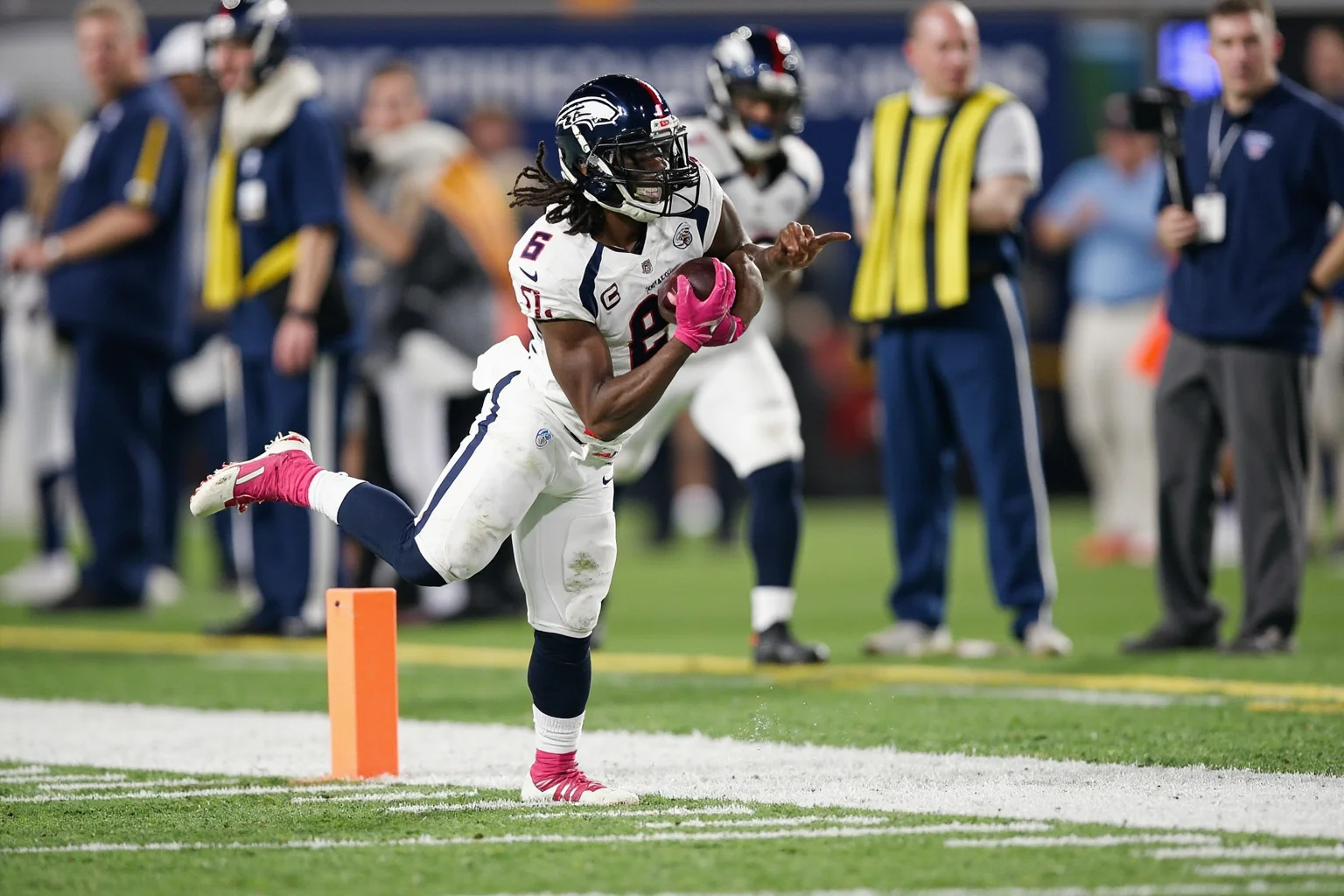
The Steelers faced third-and-goal from the 6-yard line with 42 seconds left, trailing 23-20. Ben Roethlisberger found Santonio Holmes in the back corner of the end zone, where Holmes somehow kept both feet inbounds.
That catch won the game and became one of the most technically perfect receptions in Super Bowl history. It flipped the narrative from a Cardinals upset to a Steelers sixth title.
15. Super Bowl XLIV: Tracy Porter's Pick-Six
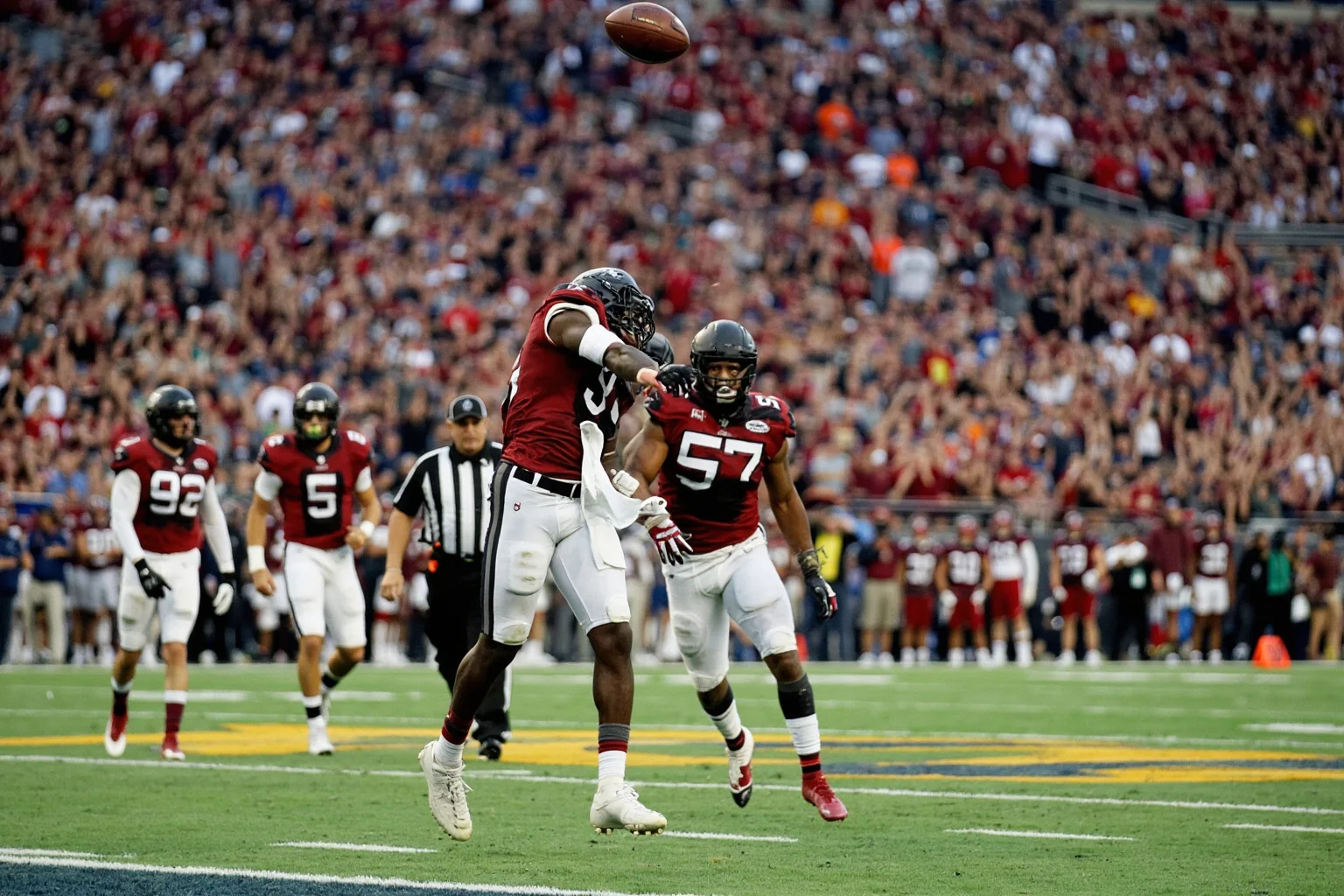
The Saints led the Colts 24-17 in the fourth quarter when Tracy Porter jumped a Peyton Manning pass and returned it 74 yards for a touchdown. That score gave New Orleans a 31-17 lead it would not relinquish.
That interception sealed the Saints' first championship and completed a story of recovery for the city of New Orleans after Hurricane Katrina. It also flipped the narrative from Manning's second title to Drew Brees' crowning moment.
16. Super Bowl XLVIII: Percy Harvin's Kickoff Return
The Seahawks led the Broncos 22-0 at halftime, but Denver had shown signs of life before the break. Percy Harvin opened the second half with an 87-yard kickoff return for a touchdown.
That return ended any realistic comeback hopes and turned the game into a blowout narrative. It also made Seattle's defense the story of the season rather than Denver's record-setting offense.
17. Super Bowl XXXI: Desmond Howard's Kickoff Return
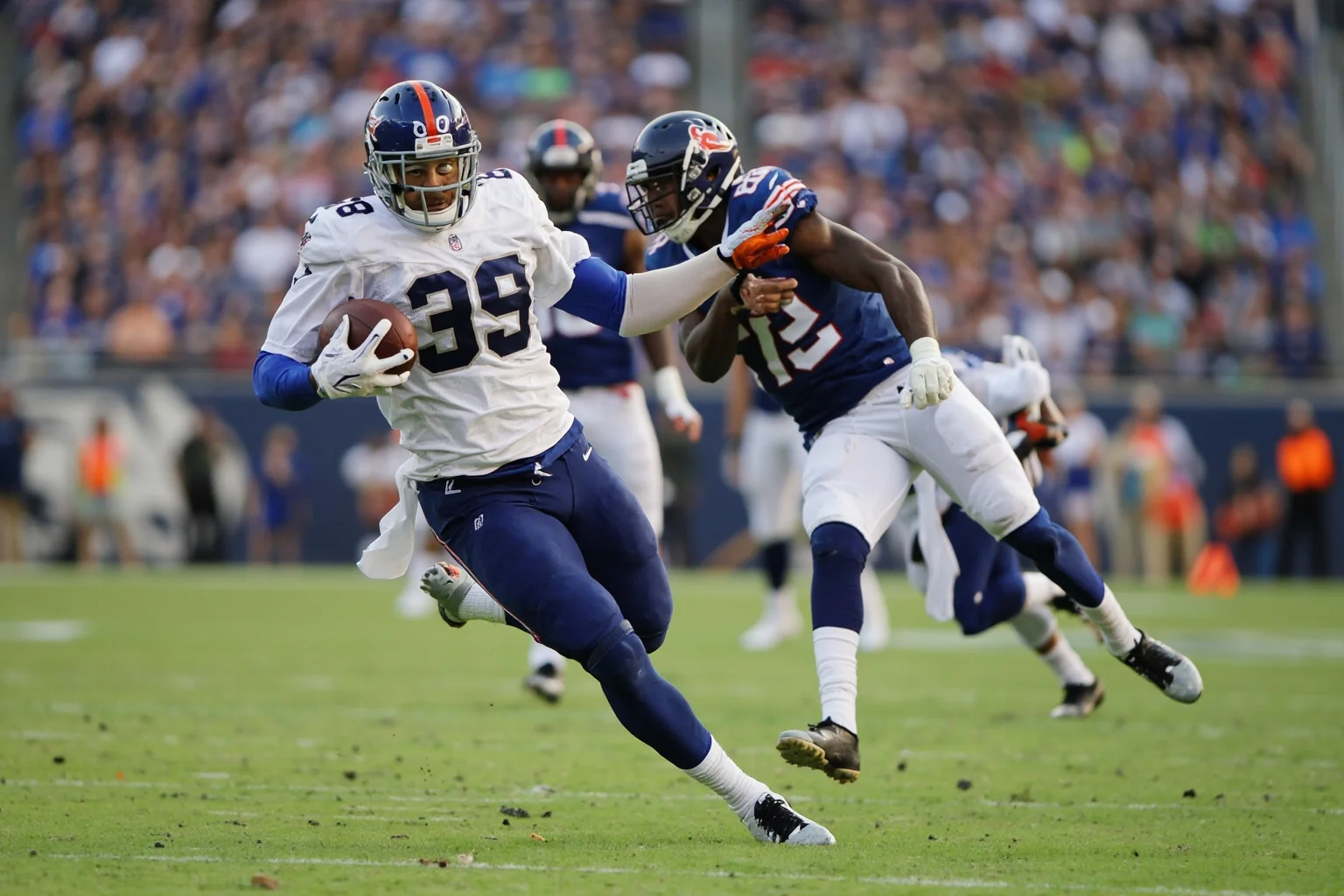
The Patriots had cut the Packers' lead to 27-21 in the third quarter. Desmond Howard returned the ensuing kickoff 99 yards for a touchdown, restoring Green Bay's cushion and earning him Super Bowl MVP.
That return flipped the momentum and ended New England's upset hopes. It also made Howard the only special-teams player to win Super Bowl MVP, a distinction that still stands.
18. Super Bowl XX: The Bears' Fridge Touchdown
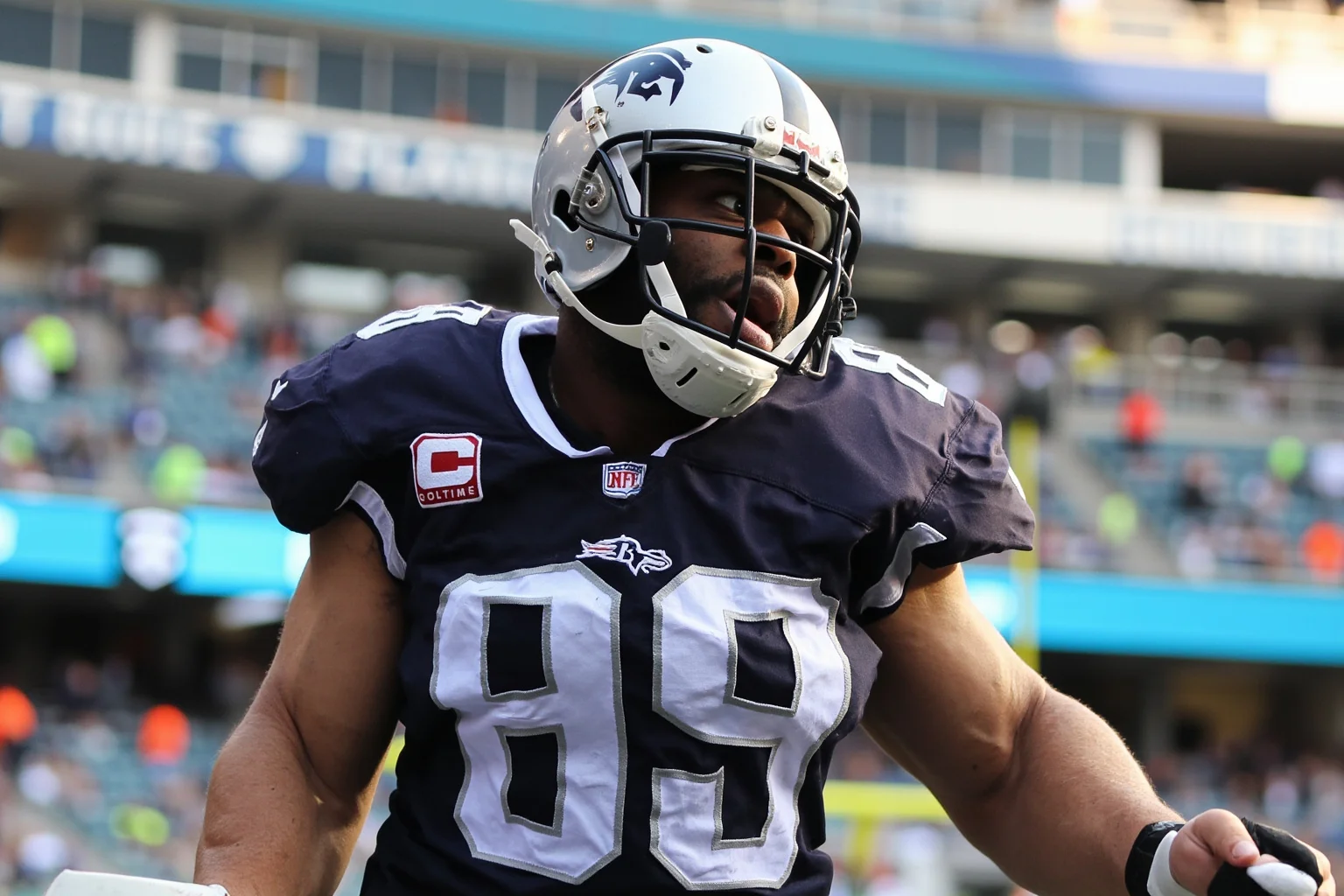
The Bears were already dominating the Patriots in Super Bowl XX, but the game's most memorable moment came when 350-pound defensive tackle William "The Refrigerator" Perry scored a touchdown. That play symbolized Chicago's complete and physical dominance.
Before that score, the game was a blowout. After it, the 1985 Bears became a cultural phenomenon, and the Super Bowl Shuffle era was cemented in NFL history.
19. Super Bowl XXII: Doug Williams' Second-Quarter Explosion
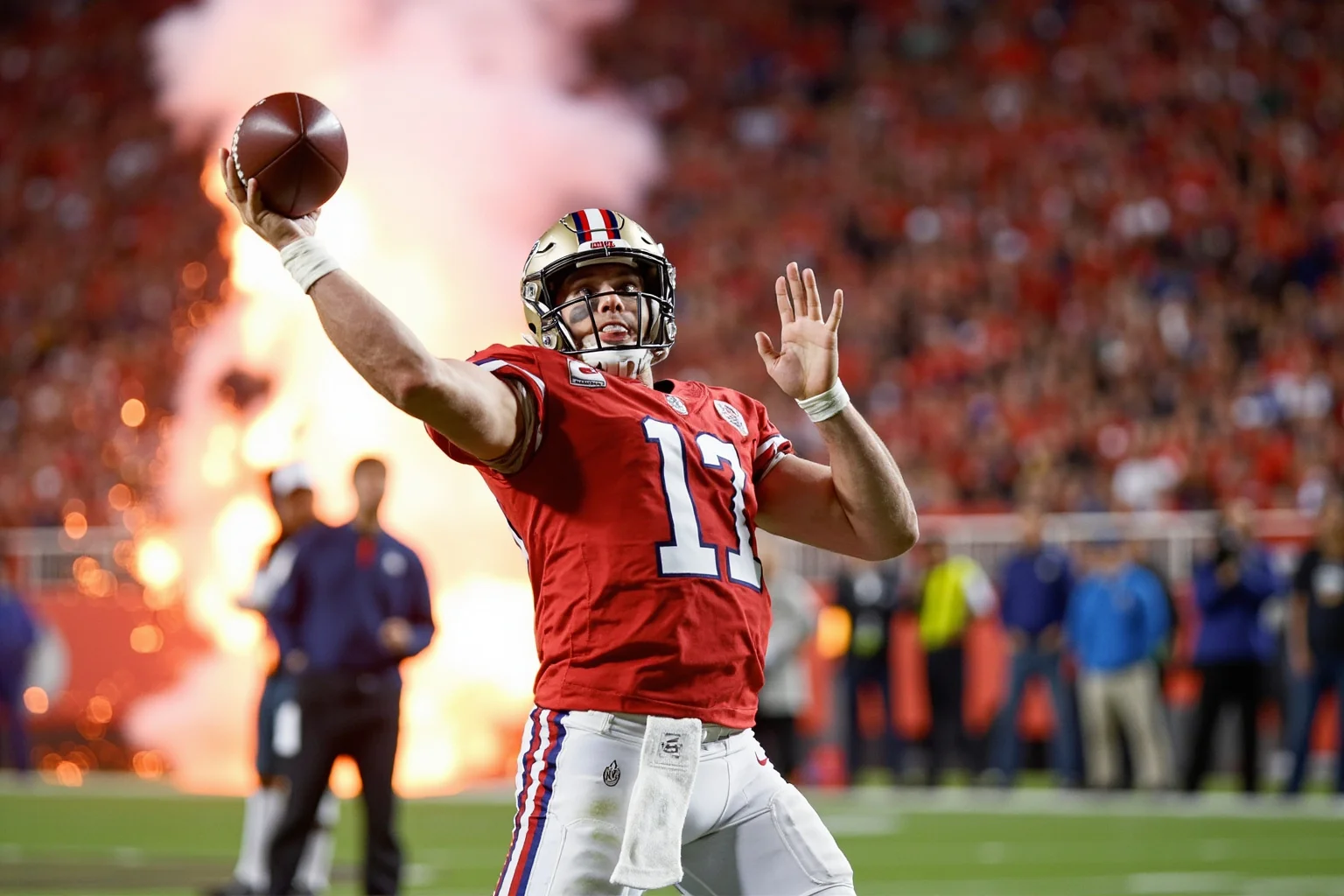
The Broncos led the Redskins 10-0 after the first quarter, and Washington's offense looked stuck. Then Doug Williams threw four touchdown passes in the second quarter, turning the game into a 42-10 rout.
That quarter flipped the narrative from Denver's fast start to Washington's historic offensive outburst. It also made Williams the first Black quarterback to win a Super Bowl, a milestone that transcended the game itself.
20. Super Bowl XXIII Revisited: The 92-Yard Drive
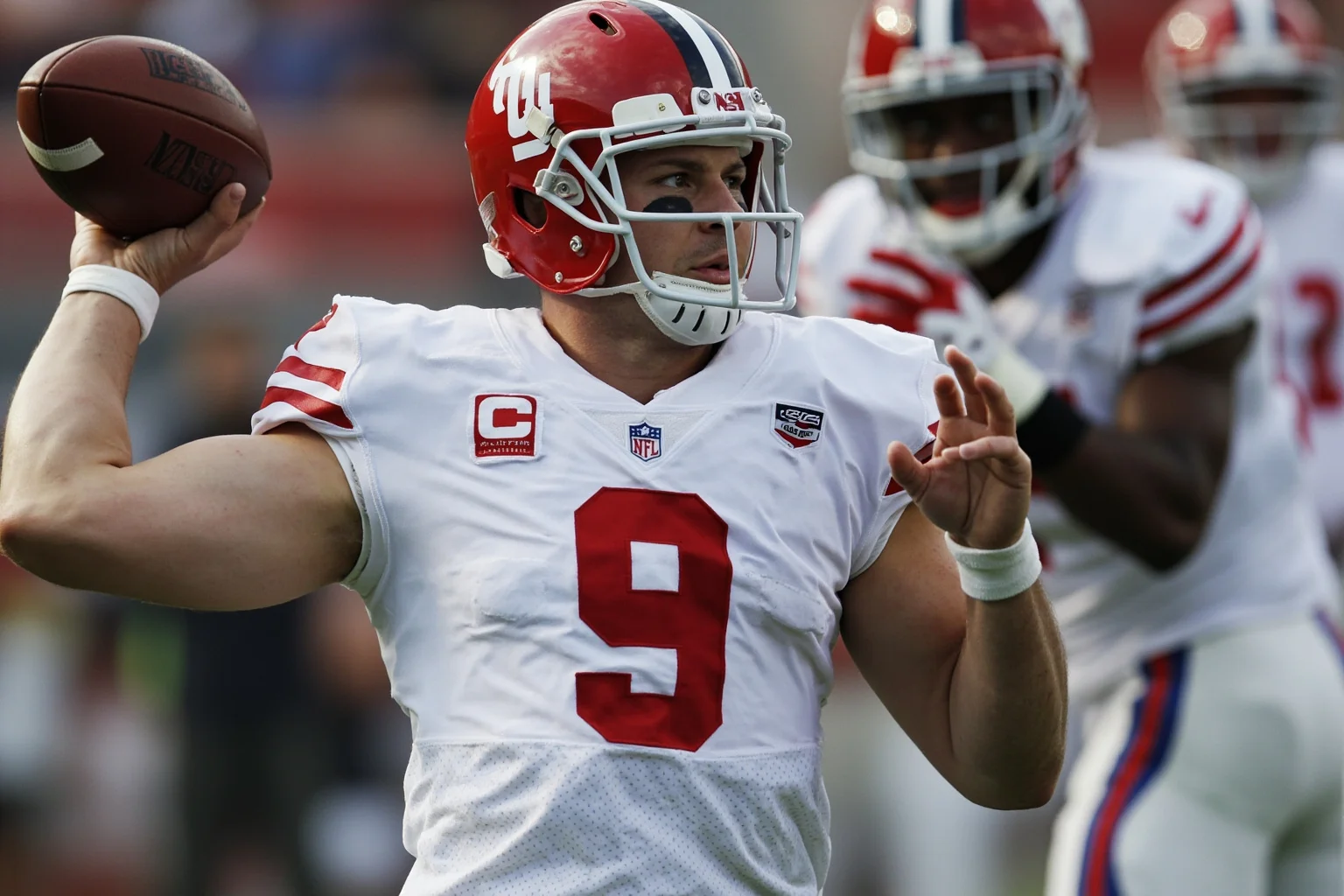
The 49ers started their final drive at their own 8-yard line with just over three minutes left and the score tied. Joe Montana calmly marched them 92 yards, hitting John Taylor for the winning score.
That drive flipped the narrative from a possible Bengals upset to the definitive proof of Montana's clutch reputation. It also became the template for every late-game championship drive that followed.
21. Super Bowl XLIX Revisited: The Butler Interception's Aftermath
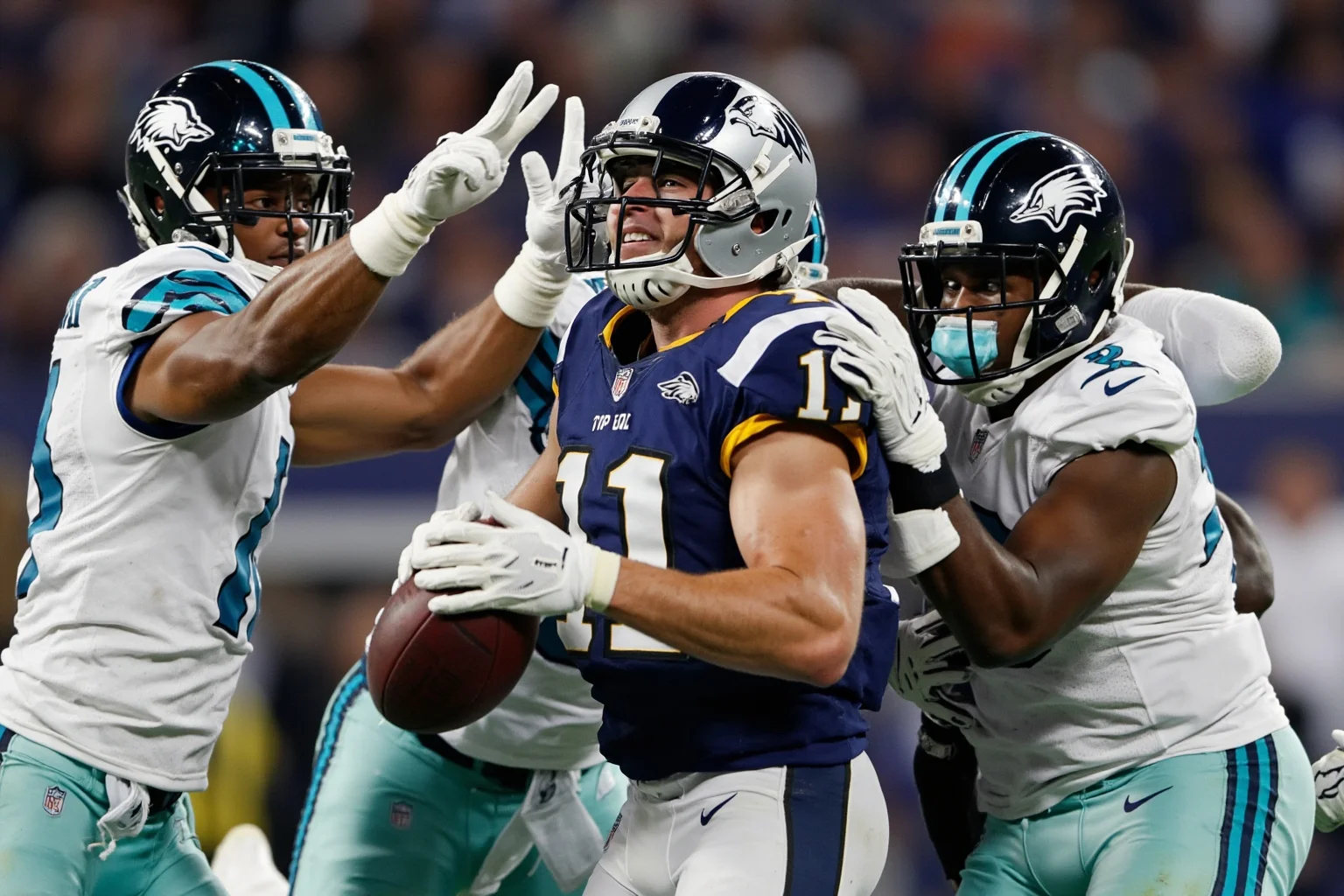
Malcolm Butler was an undrafted rookie before that interception. After it, he became a Patriots legend and a symbol of Bill Belichick's defensive preparation.
Meanwhile, the Seahawks' decision to pass rather than run became a permanent talking point. That one play flipped the legacies of two franchises and defined an entire era of NFL debate.
22. Super Bowl LII: The Philly Special
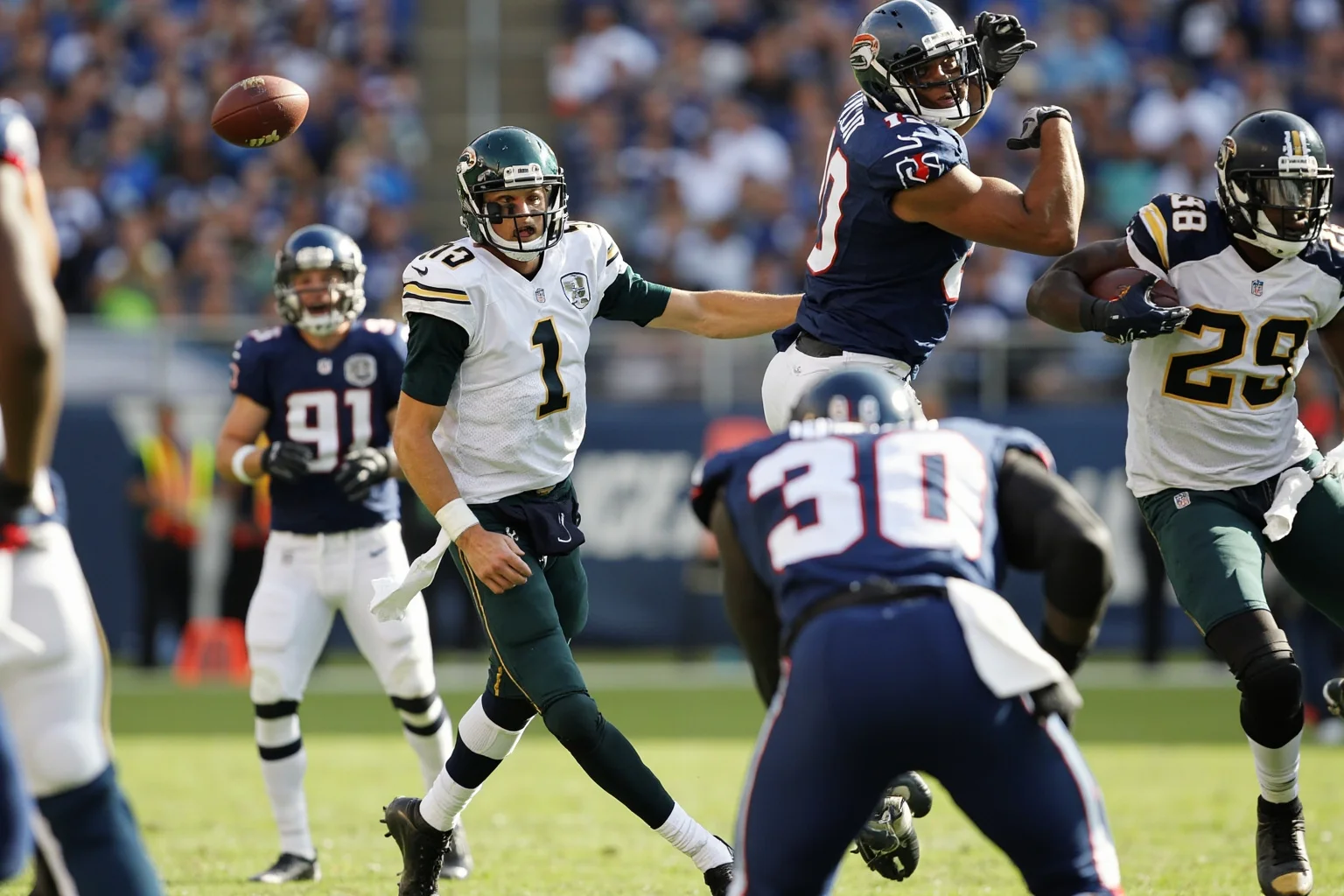
On fourth-and-goal before halftime, the Eagles ran a trick play in which tight end Trey Burton threw a touchdown pass to quarterback Nick Foles. The play gave Philadelphia a 22-12 lead and set the tone for an upset of the Patriots.
That call flipped the narrative from New England's expected dynasty continuation to Philadelphia's first Super Bowl title. It also became one of the most replayed trick plays in NFL history.
23. Super Bowl LVI: Cooper Kupp's Game-Winning Touchdown
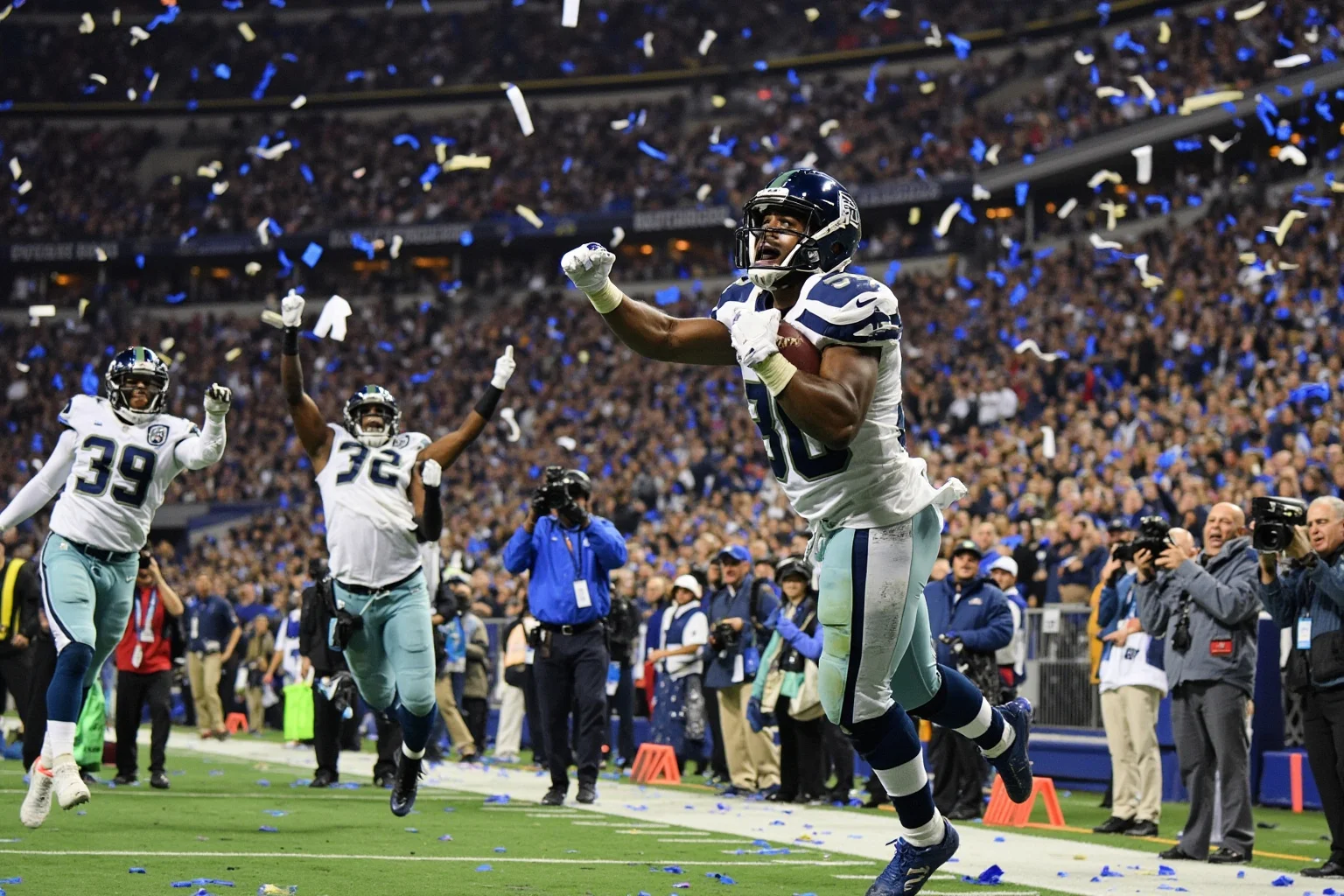
The Rams drove down the field late against the Bengals, and Matthew Stafford found Cooper Kupp for a 1-yard touchdown with under two minutes left. That score gave Los Angeles a 23-20 lead it held.
Kupp had already won the receiving triple crown that season, and this catch completed his MVP season. It flipped the narrative from Cincinnati's storybook run to the Rams' all-in championship.
24. Super Bowl LVII: Kadarius Toney's Punt Return
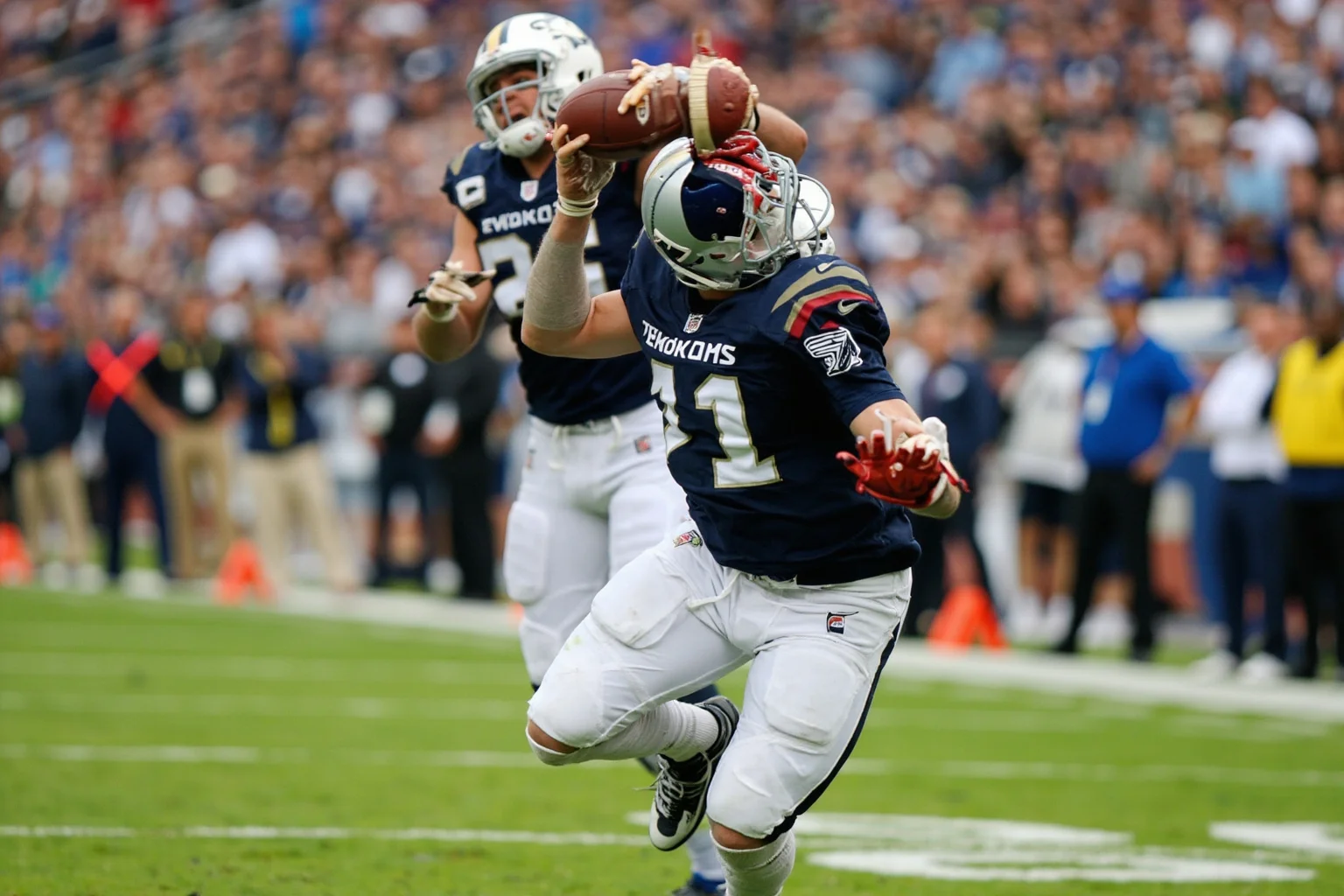
The Chiefs and Eagles were tied 35-35 in the fourth quarter when Kadarius Toney returned a punt 65 yards to set up a go-ahead touchdown. That return shifted momentum in a game that had been a back-and-forth shootout.
Kansas City went on to win 38-35, and that return became the overlooked turning point. It flipped the narrative from an Eagles coronation to Patrick Mahomes' second title.
25. Super Bowl LVIII: The 49ers' Special Teams Miscue
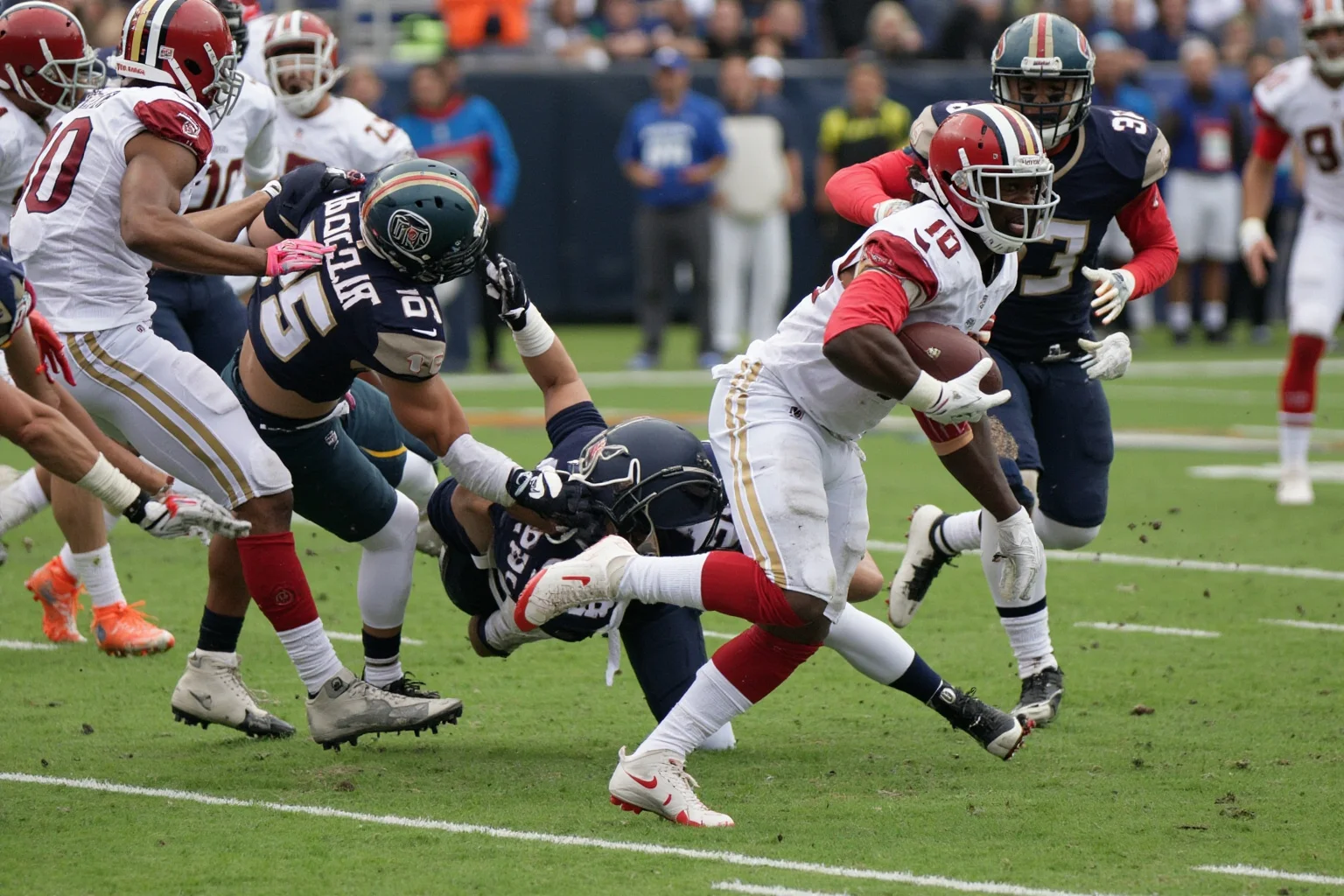
In Super Bowl LVIII, the 49ers led 10-3 in the third quarter when a punt hit a San Francisco player, giving the Chiefs the ball deep in 49ers territory. Kansas City turned that gift into a touchdown that tied the game.
That miscue flipped the field position and the momentum, and the Chiefs eventually won 25-22 in overtime. It became the kind of hidden-yardage error that defines championship losses.
What These Plays Teach Us About Super Bowl History
Across all these examples, a clear pattern emerges: the Super Bowl's single-game format amplifies the consequences of every mistake and every miracle. There is no next game to correct a bad call, a dropped pass, or a missed kick.
That is why fans still debate whether the Super Bowl is only one game — it is, and that is exactly what makes it so dramatic. A single afternoon can define a career, a franchise, and a city's sports identity for decades.
These plays also remind us that history is written in real time, often before the participants fully understand what just happened. The Helmet Catch, the Butler interception, and the Philly Special were all just plays in the moment, but they became permanent chapters in NFL mythology.
Conclusion: One Snap, One Legacy
The Super Bowl's power comes from its finality. Because it is a single game, one play can carry the weight of an entire season and reshape how we remember everyone involved.
From Scott Norwood's miss to Malcolm Butler's interception, these moments prove that legends are not always built over years. Sometimes they are built in a few seconds, on one unforgettable snap.
Whether you call it fate, luck, or preparation meeting opportunity, the lesson is the same: in the Super Bowl, one play really can flip the entire narrative.
For more on the broader historical context of championship droughts, see our post on the longest championship droughts in sports history.
Frequently Asked Questions
Is the Super Bowl only one game?
Yes, the Super Bowl is a single game, not a series. Unlike the NBA Finals or World Series, the NFL championship is decided in one 60-minute contest, which is why one play can have such an outsized impact on the outcome and on history.
What is the most famous single play that changed a Super Bowl?
The Helmet Catch by David Tyree in Super Bowl XLII is often cited as the most famous. It kept the Giants' game-winning drive alive and ended the Patriots' undefeated season.
Which Super Bowl had the biggest single-play comeback?
Super Bowl LI is the clearest example. The Patriots trailed 28-3 before a series of plays, capped by James White's overtime touchdown, completed the largest comeback in Super Bowl history.
Did one play ever decide a Super Bowl on the final snap?
Yes. Adam Vinatieri's 48-yard field goal as time expired in Super Bowl XXXVI and his 41-yard kick in Super Bowl XXXVIII are two examples of final-snap decisions.
How many Super Bowls have been decided by a single score?
Many Super Bowls have been decided by one score or less, which is part of why single plays loom so large in the historical record. Exact counts vary depending on how you define a one-score margin.

Alex Warren
Related Articles