People vanish every day, but a handful of disappearances have haunted the public imagination for decades or even centuries. These are the creepiest missing persons cases in history: stories with no body, no motive, and sometimes no explanation at all.
What makes a disappearance truly scary isn't gore or jump scares. It's the silence that follows, the unanswered questions, and the unsettling realization that someone can simply step out of the world and never come back. Below are 20 of the strangest missing persons cases ever recorded, each one a reminder that not every mystery gets solved.
TL;DR: From the Somerton Man to the Lost Colony of Roanoke, history's scariest missing person cases endure because they leave behind clues but no answers.
What Makes a Missing Persons Case Truly Creepy?
A disappearance becomes creepy when the evidence points in contradictory directions. A car is found running, a wallet is left behind, a child vanishes from a locked room. The details suggest something happened, yet nothing explains what.
Historians and investigators also note that unresolved cases from the past are especially unsettling because the trail has gone cold permanently. Witnesses are dead, records are lost, and forensic technology can only do so much with degraded remains. These cases become folklore as much as fact.
It's worth separating verified history from myth here. Some famous disappearances are well documented in court records and newspapers, while others have been embellished over centuries of retelling. This list sticks to cases with genuine historical substance, noting where the record gets murky.
1. The Somerton Man (Adelaide, 1948)
On December 1, 1948, a well-dressed man was found dead on Somerton Park beach near Adelaide, Australia. He carried no identification, and the labels had been cut from his clothing. In a hidden pocket sewn into his trousers was a scrap of paper reading "Tamám Shud," meaning "finished" or "ended" in Persian.
The phrase came from a rare edition of the Rubaiyat of Omar Khayyam, and police eventually located the book. Inside it were a phone number and a sequence of letters that codebreakers have never deciphered. The man's identity, cause of death, and the meaning of the code remain unknown.
In 2022, researchers at the University of Adelaide claimed to have identified him through DNA genealogy as Carl Webb, an electrical engineer from Melbourne. The claim has not been universally accepted, and the case officially remains open, making it one of the most famous missing identity cases in the world.
2. The Lost Colony of Roanoke (1587)
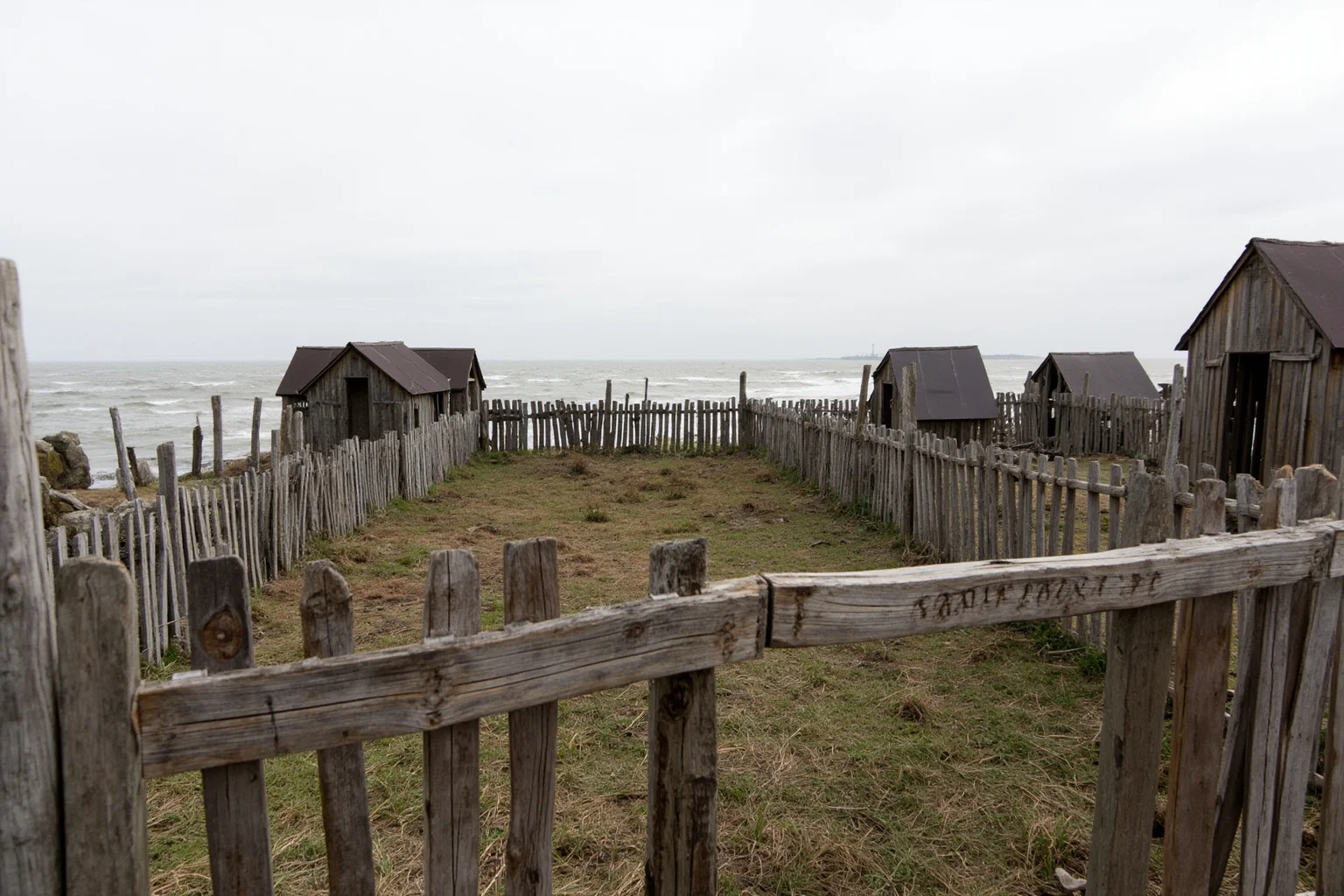
In 1587, more than a hundred English colonists settled on Roanoke Island off the coast of present-day North Carolina. Their governor, John White, sailed back to England for supplies and was delayed by war with Spain for nearly three years.
When White finally returned in 1590, the settlement was abandoned. The houses had been dismantled, and the only clue was the word "CROATOAN" carved into a post, with the letters "CRO" cut into a nearby tree. White had instructed the colonists to carve such a sign if they relocated, but the message was never fully explained.
The colonists were never found. Theories range from assimilation into local Indigenous tribes to massacre, but no definitive evidence has settled the question. It remains one of the earliest and most enduring missing persons mysteries in American history.
3. The Mary Celeste (1872)
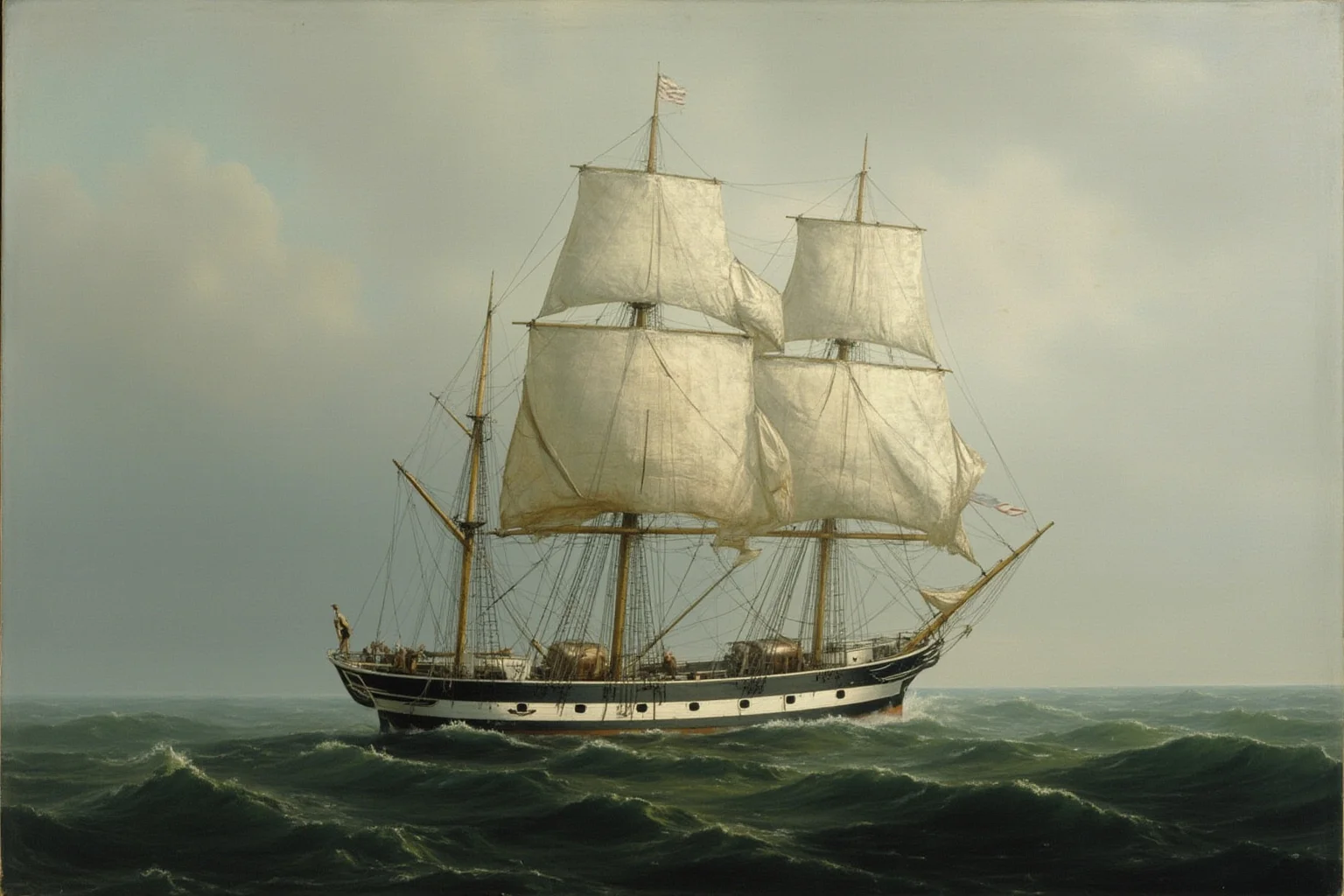
The merchant ship Mary Celeste was found adrift in the Atlantic Ocean in December 1872, completely deserted. The vessel was seaworthy, its cargo of industrial alcohol was largely intact, and personal belongings of the crew were still aboard. The lifeboat, however, was missing.
Captain Benjamin Briggs, his wife, his young daughter, and seven crew members were never seen again. The ship's last log entry was routine, and no sign of violence was found. Investigators at the time suspected piracy or a mutiny, but neither theory fit the evidence.
Modern explanations have proposed rogue waves, waterspouts, or a faulty cargo that prompted an emergency evacuation. None has been proven, and the Mary Celeste has become the archetypal ghost ship of maritime lore, earning its place among the most famous shipwrecks and lost vessels in history.
4. The Sodder Children (1945)
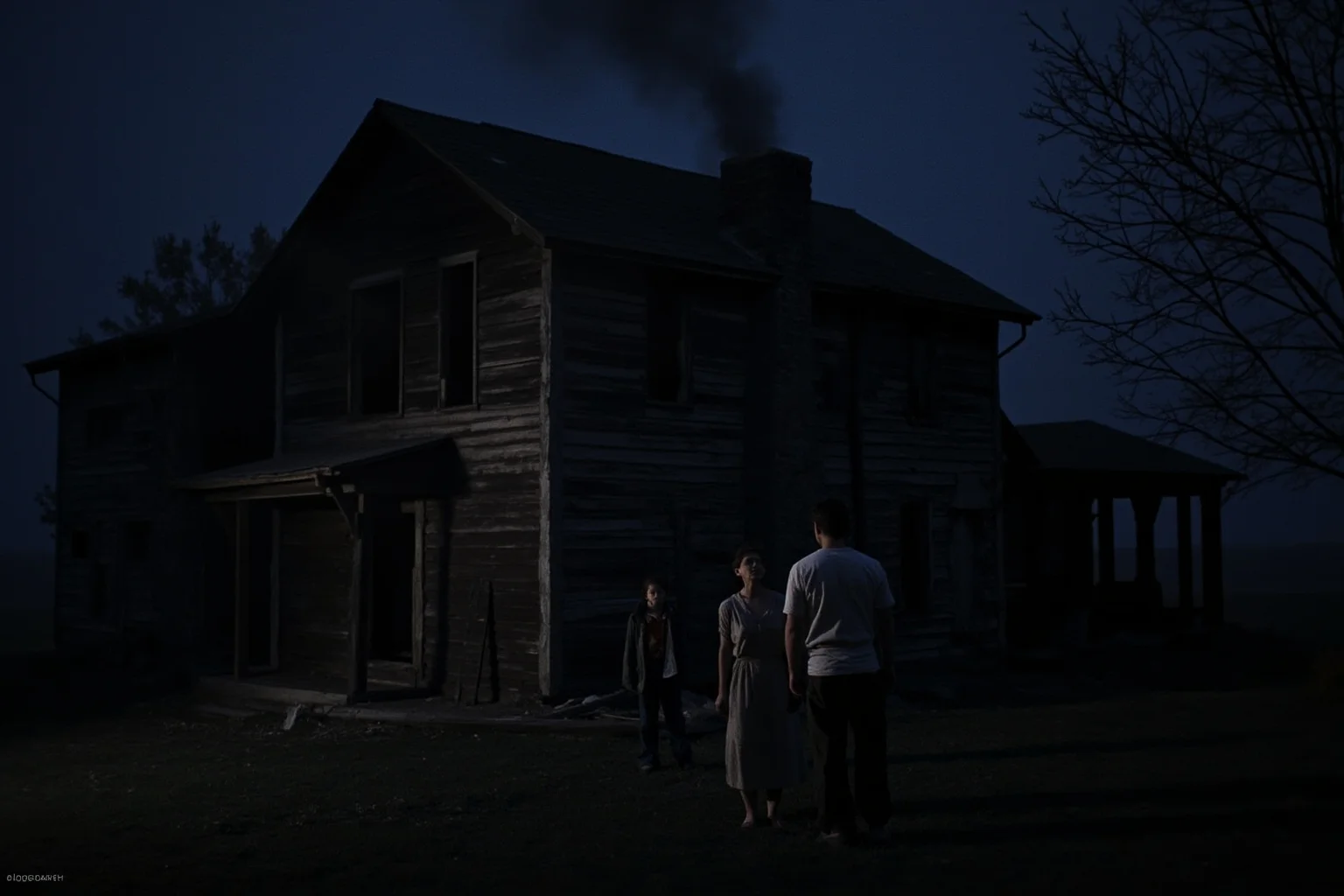
On Christmas Eve 1945, a fire destroyed the Sodder family home in Fayetteville, West Virginia. Five of the ten Sodder children were never found in the ashes, and investigators concluded they had died in the blaze. Their parents, George and Jennie Sodder, refused to accept that conclusion.
The case grew stranger over the years. A billboard advertising a reward went up, a bone fragment was found and later identified as beef, and a photo allegedly showing one of the children as an adult surfaced in 1968. The Sodders hired a private investigator and eventually excavated the site, finding no human remains.
No definitive proof has ever emerged that the children survived, but the lack of remains and the family's relentless search have kept the case alive. It's often cited among the creepiest missing persons cases because the fire should have left evidence, and it didn't.
5. Amelia Earhart (1937)

Amelia Earhart, the pioneering aviator, disappeared over the Pacific Ocean on July 2, 1937, while attempting to fly around the world. She and navigator Fred Noonan were nearing Howland Island when radio contact was lost. A massive search effort found nothing.
The most widely accepted theory is that the plane ran out of fuel and crashed into the ocean. Other researchers have argued that Earhart and Noonan landed on Nikumaroro atoll and died there as castaways. Artifacts found on the island, including a fragment of a shoe and a piece of a navigational device, have been cited as possible evidence, but nothing conclusive has been recovered.
Earhart's disappearance remains the most famous missing person case in aviation history. Despite dozens of expeditions, the wreckage of her Lockheed Electra has never been found.
6. The Dyatlov Pass Incident (1959)
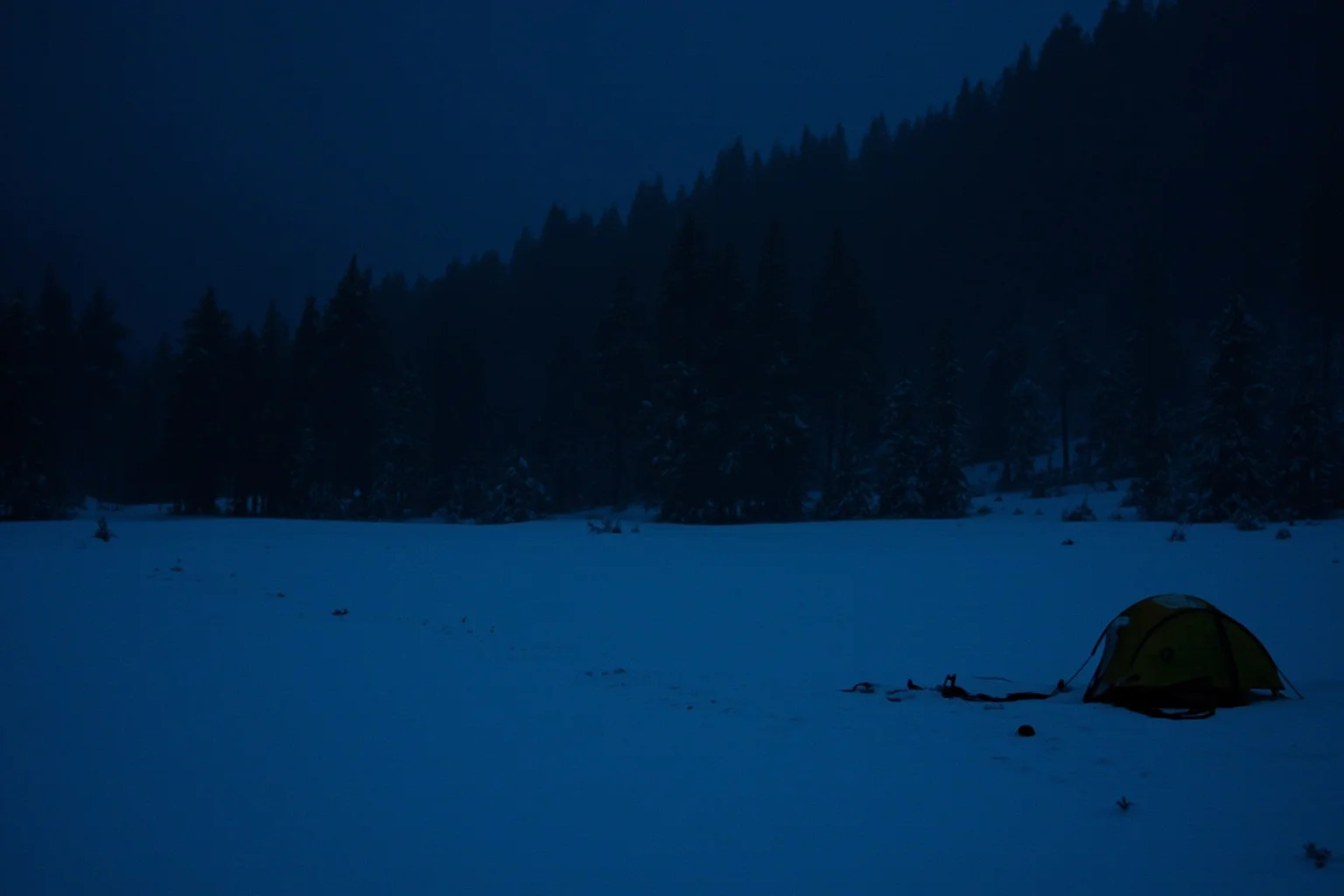
In February 1959, nine experienced Soviet hikers died under mysterious circumstances in the Ural Mountains. Their tent was found slashed open from the inside, and several victims had fled into the snow without proper clothing. Two bodies showed severe internal injuries without corresponding external wounds.
Early Soviet investigators concluded that a "compelling natural force" had caused the deaths, a phrase that only deepened the mystery. Theories over the years have included avalanches, katabatic winds, infrasound, and military testing. In 2021, a study published in Communications Earth & Environment proposed a rare slab avalanche as the most likely explanation.
Even so, the case remains unresolved in the public mind, partly because some details, including the missing tongue of one victim, have been sensationalized. The Dyatlov Pass incident is a disappearance-adjacent mystery that still fuels endless debate, and it appears alongside other real-life horror stories in our roundup of scary stories that are based on real life.
7. The Springfield Three (1992)
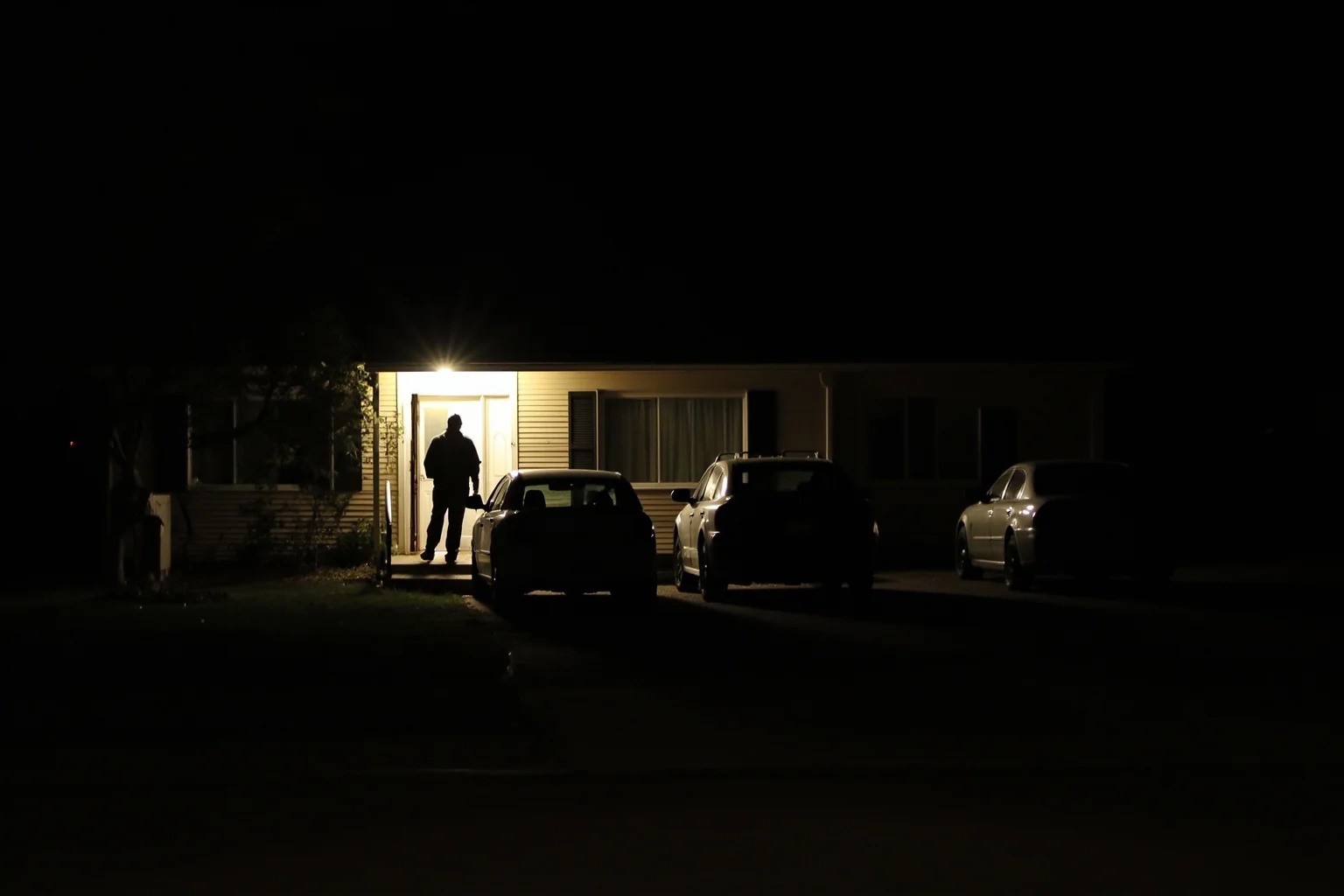
On June 7, 1992, three women vanished from a house in Springfield, Missouri. Sherrill Levitt, her daughter Suzanne Streeter, and Suzanne's friend Stacy McCall had returned from a graduation party the night before. When friends arrived the next morning, the house was empty, but the women's cars, purses, and cigarettes were still there.
The only sign of anything unusual was a broken porch light globe. A message on the answering machine had apparently been erased, and a witness reported seeing a van near the house that night. Despite extensive investigation, no trace of the three women has ever been found.
The Springfield Three case is considered one of the most disturbing missing persons cases in modern American history. It's especially chilling because the women seemed to vanish from a locked, undisturbed home in the middle of the night.
8. The Princes in the Tower (1483)
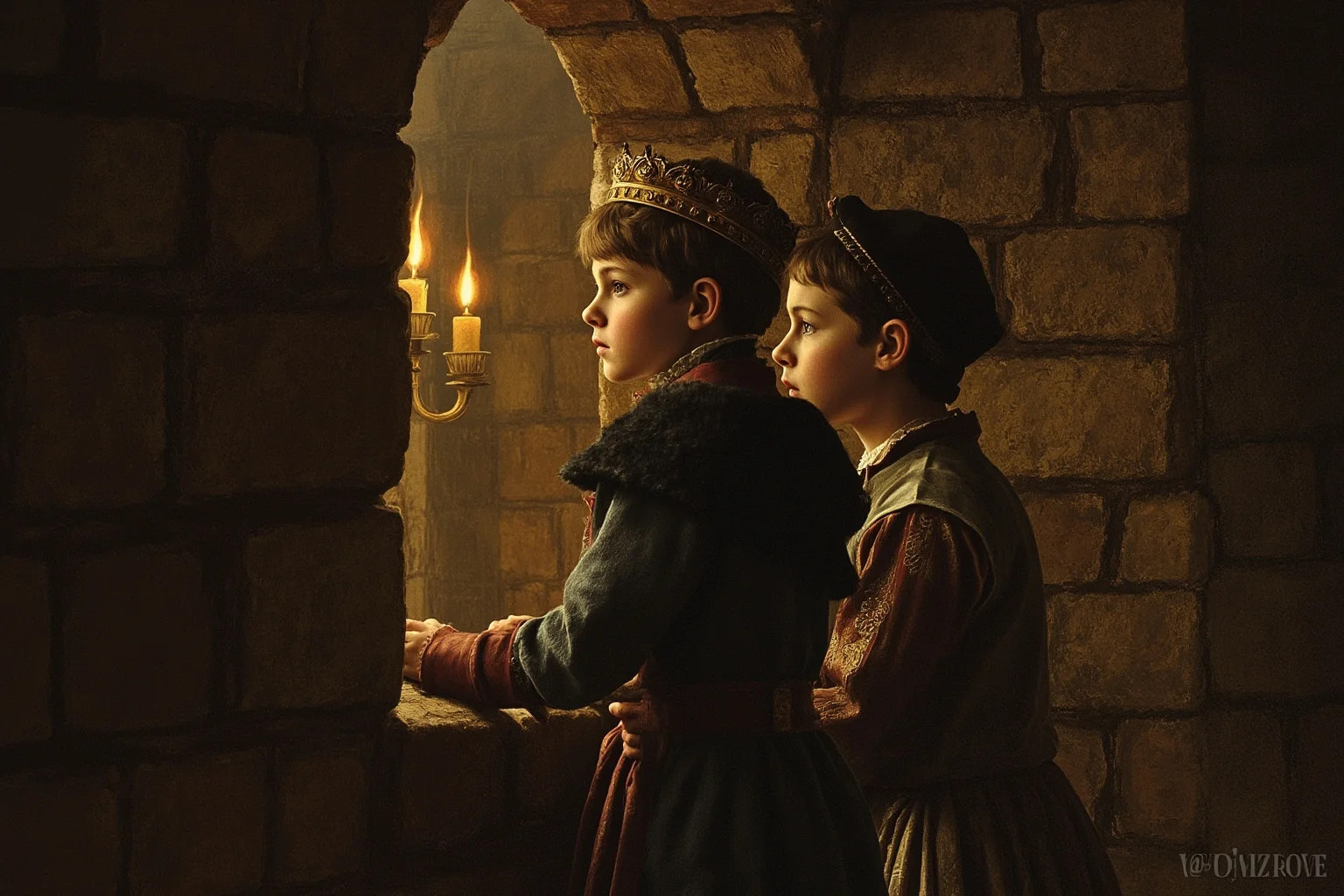
After the death of King Edward IV in 1483, his two young sons, Edward V and Richard of Shrewsbury, were lodged in the Tower of London. Their uncle, Richard, Duke of Gloucester, was declared Lord Protector and later crowned King Richard III. The boys were never seen in public again.
Contemporary and later accounts accused Richard III of having them murdered, but no bodies were ever conclusively identified. In 1674, workmen found a chest containing two small skeletons under a staircase in the Tower, and Charles II had them interred in Westminster Abbey as the presumed princes.
Modern analysis of the remains has been limited, and historians still debate whether Richard III, Henry VII, or someone else was responsible. The fate of the Princes in the Tower remains one of history's oldest and most politically charged missing persons cases.
9. The Roanoke Colonists' Neighbors: The Lost Settlers of Popham (1607)
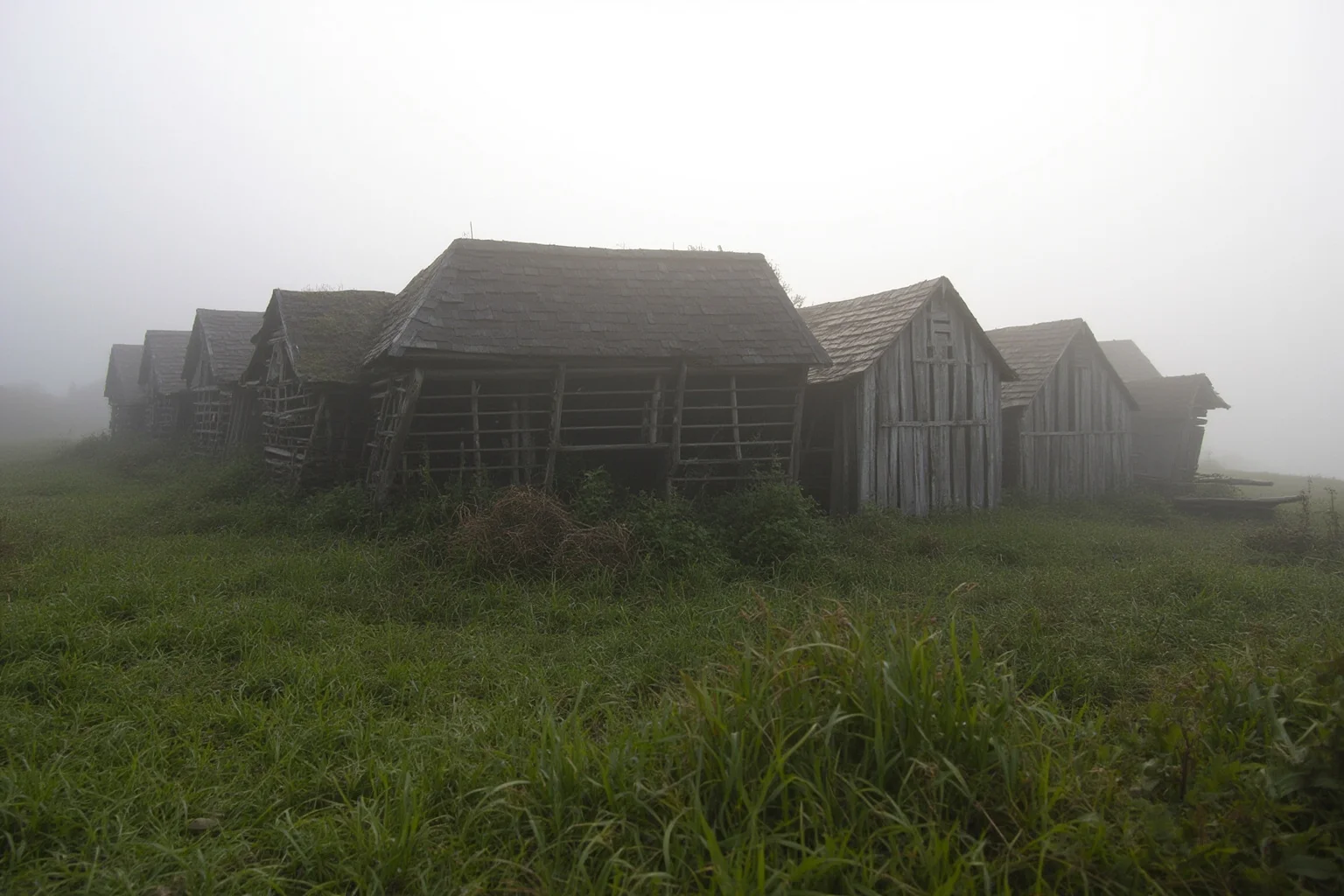
Often overshadowed by Roanoke, the Popham Colony in present-day Maine was founded in 1607 and abandoned just over a year later. Unlike Roanoke, the colonists deliberately returned to England, but the settlement's records and many of its members faded from history.
What makes Popham eerie is how thoroughly it was forgotten. The colony's fort was rediscovered by archaeologists only in the 1990s, and the fate of several colonists who stayed behind or were left in the region is poorly documented. It's a reminder that even successful evacuations can leave people unaccounted for.
Popham isn't a classic missing persons case, but it belongs on this list because it shows how easily historical people slip out of the record. Their stories vanish not through foul play, but through neglect and time.
10. The Disappearance of Jimmy Hoffa (1975)
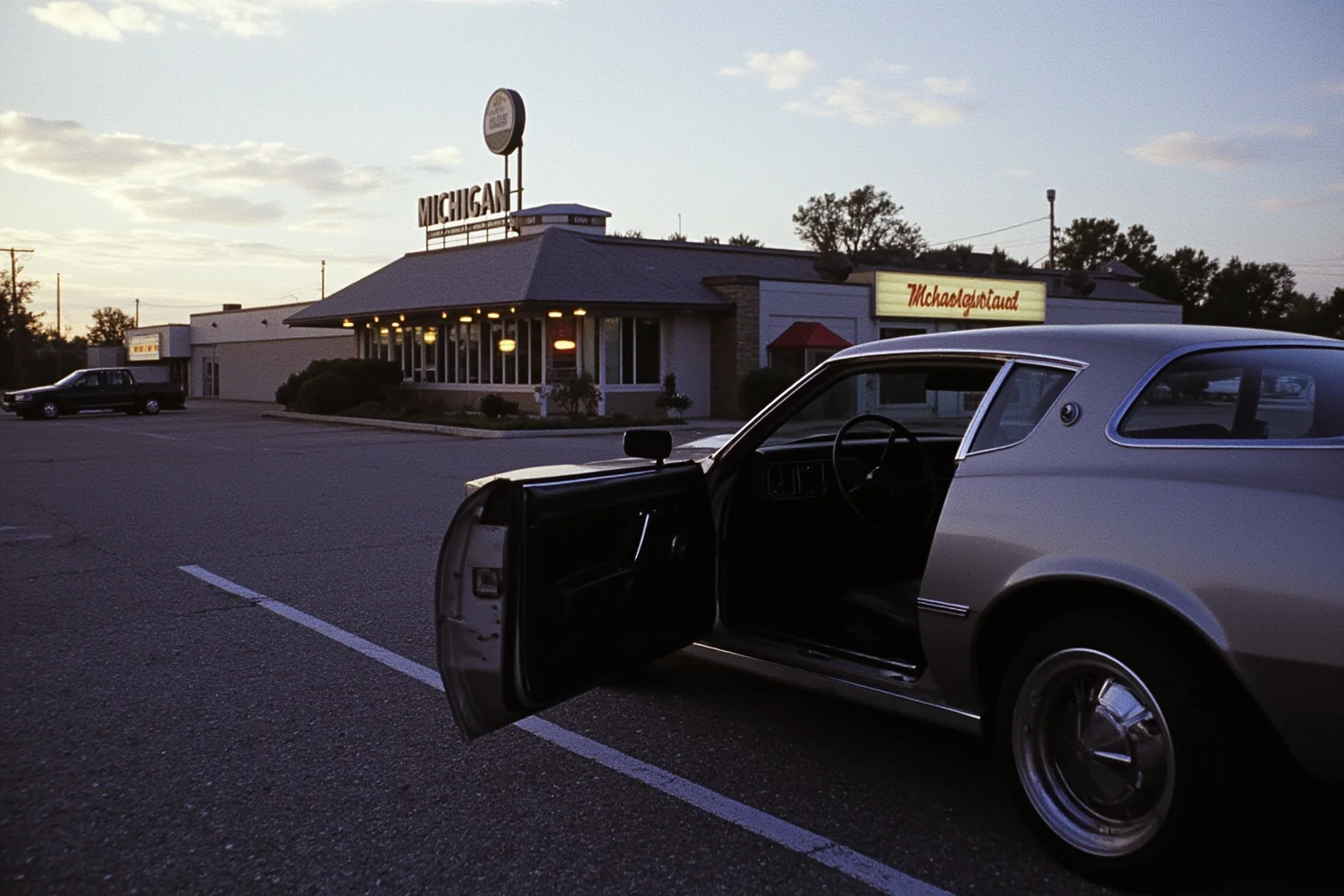
Jimmy Hoffa, the former president of the International Brotherhood of Teamsters, was last seen outside a restaurant in Bloomfield Township, Michigan, on July 30, 1975. He was waiting to meet two men with alleged mob connections. He was never seen again.
Hoffa's car was found in the restaurant parking lot, and his disappearance was quickly treated as a probable homicide. Over the decades, investigators have searched fields, driveways, and even a horse farm, always without success. Multiple deathbed confessions and informant tips have failed to produce a body.
The Hoffa case is one of the most famous missing persons cases in America, partly because it involves organized crime and partly because the lack of a body has kept speculation alive for nearly fifty years.
11. The Bizarre Case of the Isdal Woman (1970)
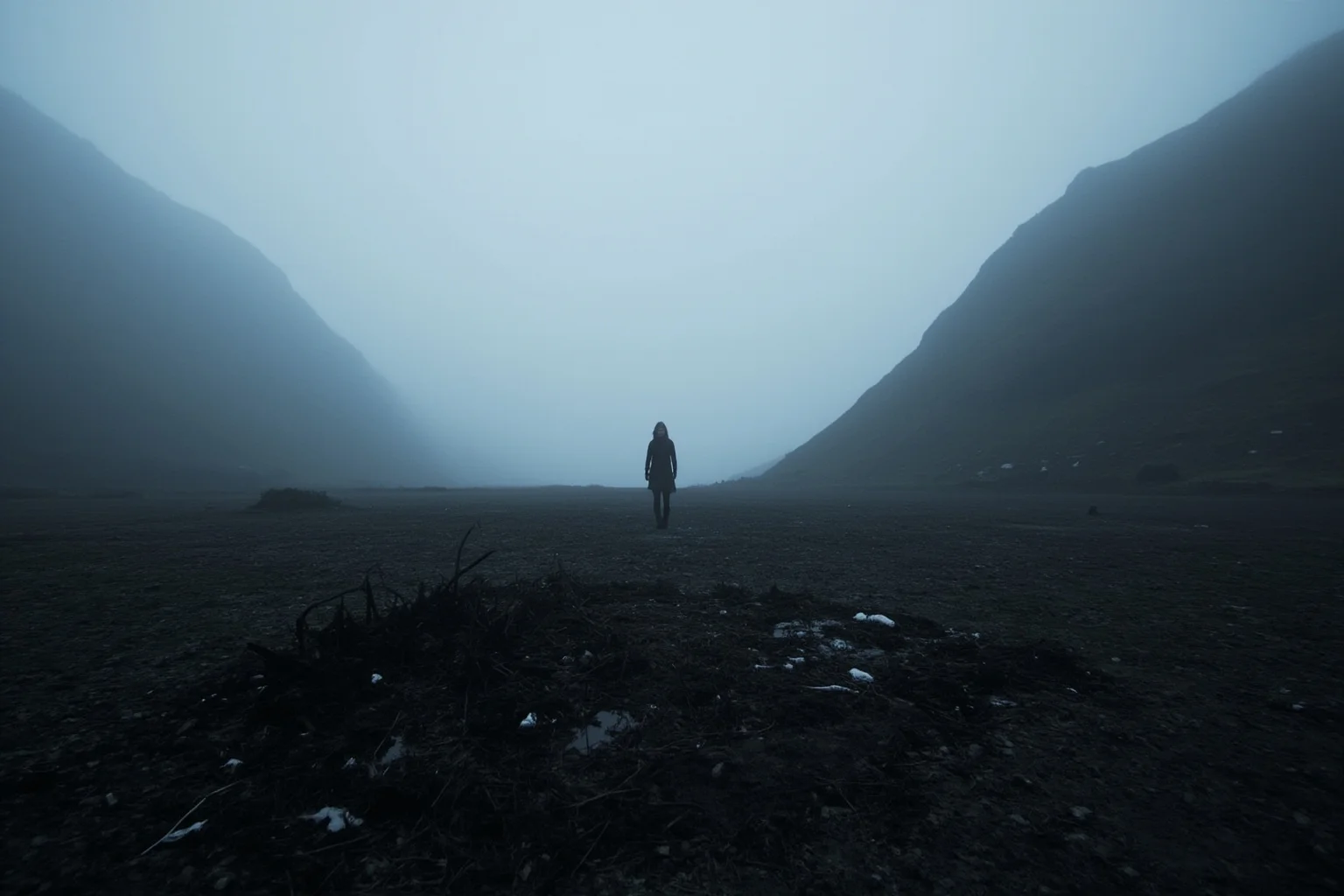
In November 1970, a woman's badly burned body was found in a valley near Bergen, Norway. She had no identification, and her clothing and jewelry had been deliberately stripped of labels. Investigators found multiple passports in different names and a cache of coded notes.
Witnesses reported seeing her in several Norwegian towns before her death, often changing her appearance and speaking multiple languages. The Norwegian police concluded she was likely a spy, but her real identity has never been confirmed. In 2016, forensic artists reconstructed her face, and in 2023, researchers suggested she may have been an Israeli intelligence agent, though this remains unproven.
The Isdal Woman case is a classic Cold War mystery. It combines espionage, an unidentified body, and a death that may never be explained, making it one of the creepiest missing identity cases in Europe.
12. The Vanishing of the Beaumont Children (1966)

On Australia Day in 1966, three siblings, Jane, Arnna, and Grant Beaumont, went to Glenelg Beach near Adelaide and never came home. Witnesses saw them playing with a tall, blond man, and the children were reportedly seen buying pastries with a large banknote, which was unusual for them.
Despite one of the largest investigations in Australian history, no trace of the children was ever found. A suspect, Arthur Stanley Brown, was charged with unrelated child murders but never convicted in the Beaumont case. He died in 2002.
The Beaumont children's disappearance changed Australian parenting culture, making parents far more cautious about letting children roam alone. It remains one of the country's most haunting unsolved cases.
13. The Lost Roanoke of the Pacific: The Japanese Soldier Holdouts
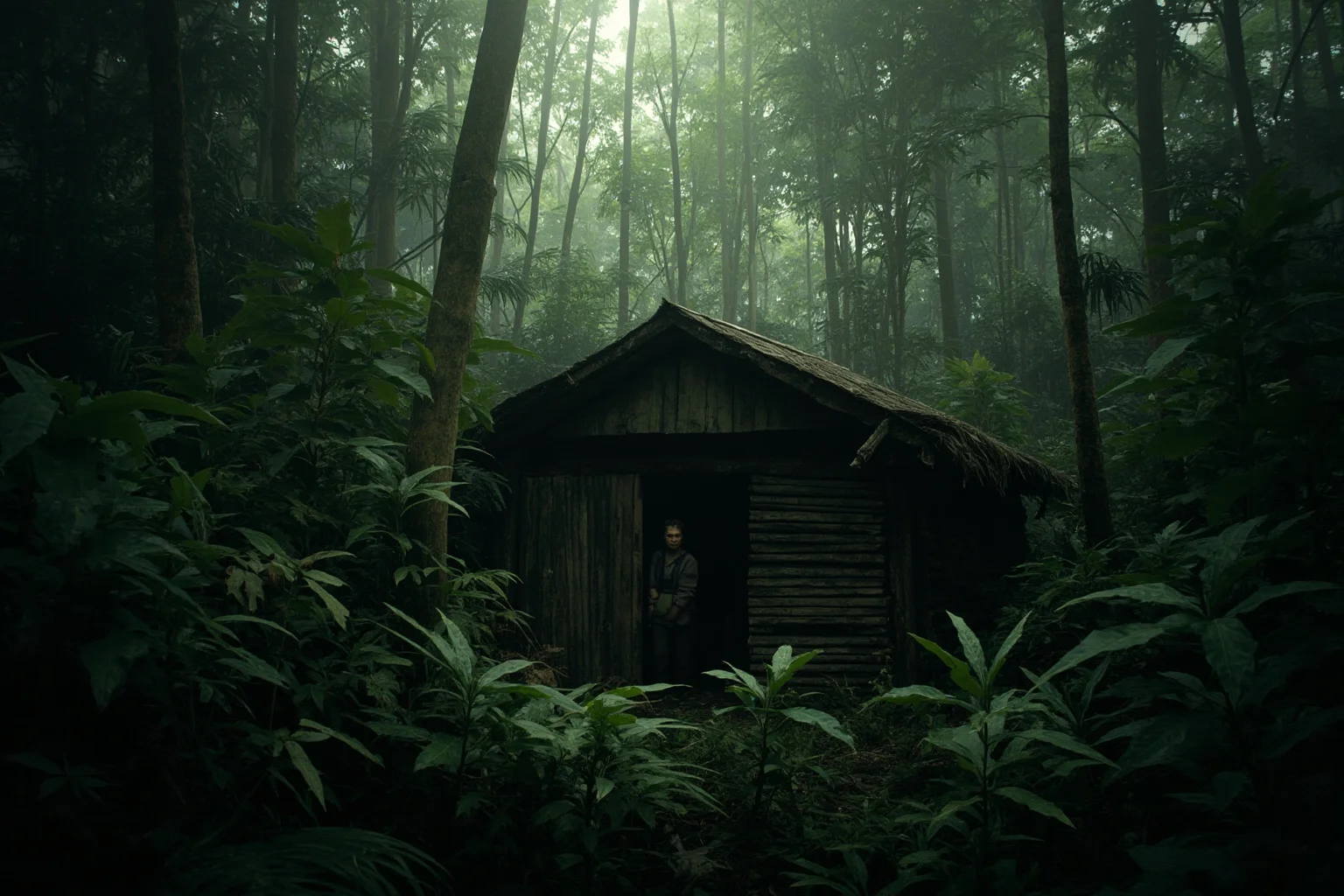
After World War II ended in 1945, dozens of Japanese soldiers refused to surrender, hiding in jungles across the Pacific. Some, like Hiroo Onoda, held out for decades, unaware or unwilling to believe the war was over. Onoda finally surrendered in 1974 after his former commanding officer was flown in to relieve him of duty.
Other holdouts vanished entirely. Families reported them missing for years, and some were never found. These men weren't victims of crime, but their disappearances are still eerie because they chose to remain lost in a world that had moved on.
The holdout phenomenon is a reminder that a person can be officially missing even when they are alive. It also shows how war can erase people from ordinary life long after the fighting stops.
14. The Disappearance of Judge Joseph Crater (1930)
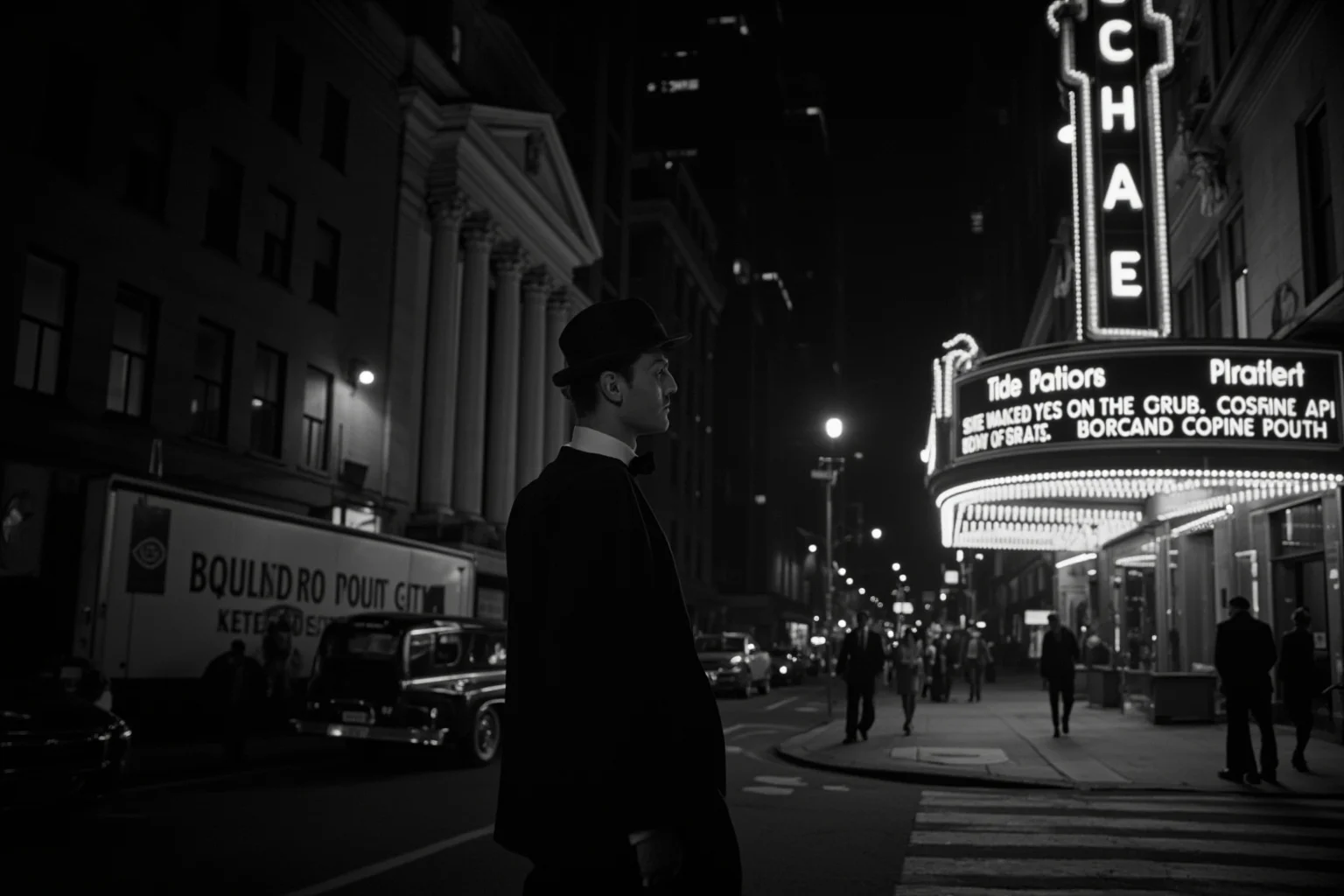
New York Supreme Court Justice Joseph Crater vanished on August 6, 1930, after leaving a Manhattan restaurant. He had withdrawn a large sum of cash, bought theater tickets, and told friends he was going to see a show. His car was later found abandoned in Harlem.
The case became a tabloid sensation. Crater was reportedly involved with a showgirl, and rumors swirled about corruption and organized crime. A grand jury investigation found no definitive answers, and he was declared legally dead in 1939.
Crater's disappearance inspired the phrase "to pull a Crater," meaning to vanish. It remains one of the most famous missing persons cases of the 20th century, partly because of his high status and partly because the mystery was never solved.
15. The Eerie Case of the Yuba County Five (1978)
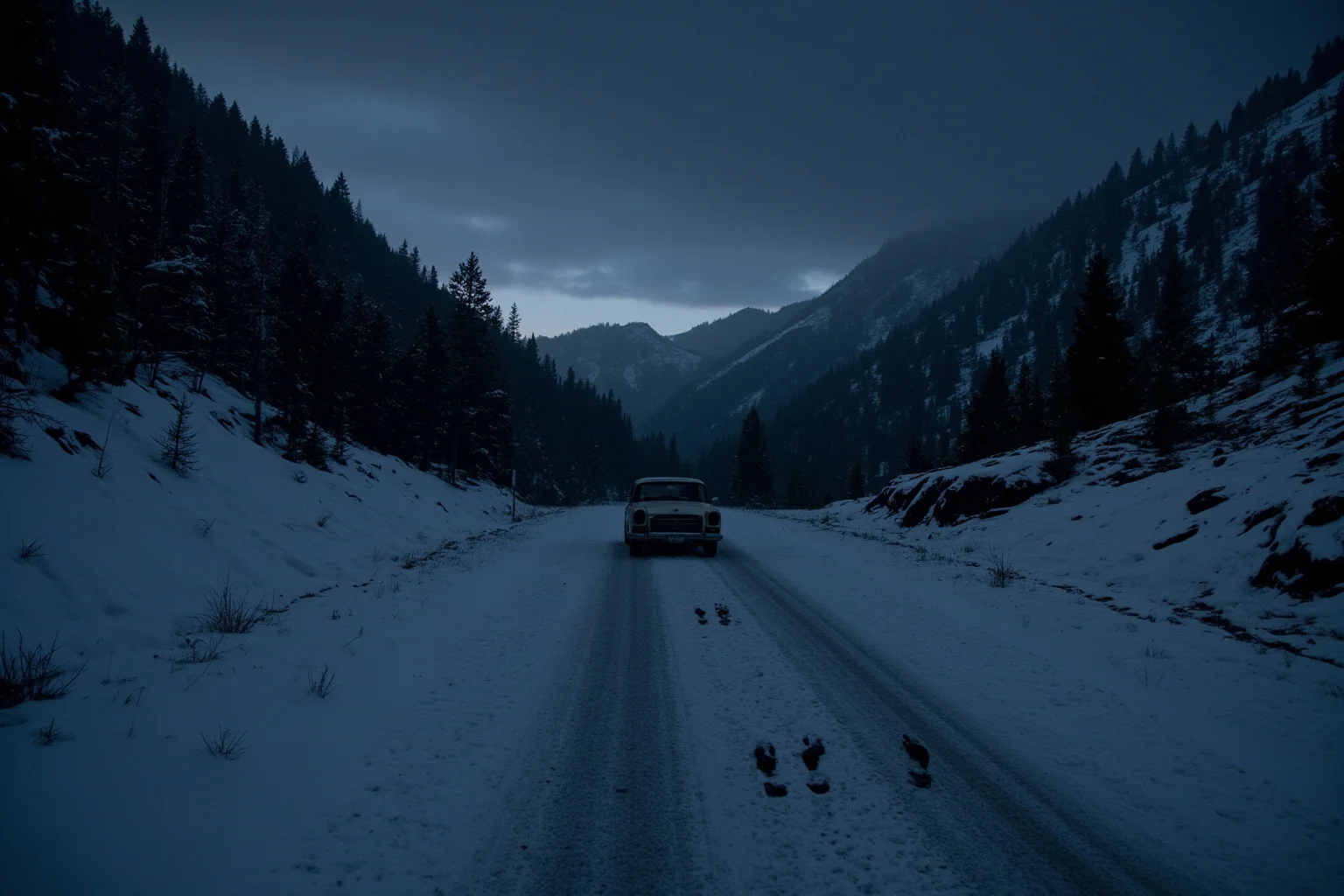
In February 1978, five men with mild intellectual disabilities left a basketball game in Chico, California, and drove into the mountains. Their car was later found abandoned on a remote forest road, and months passed before some of their remains were discovered.
The men had apparently tried to walk to safety in freezing conditions. One body was found near a Forest Service trailer, and another was never located. The case raised questions about how the men ended up on the wrong road and why they left the car.
The Yuba County Five case is often described as one of the strangest missing persons cases because the men's actions seemed inexplicable. Theories include a wrong turn, a breakdown, and even foul play, but no single explanation has been confirmed.
16. The Vanishing of the Flannan Isles Lighthouse Keepers (1900)

In December 1900, three lighthouse keepers on the remote Flannan Isles off Scotland disappeared without a trace. A passing ship noticed the light was unlit, and a relief crew found the lighthouse empty. The men's beds were unmade, and one set of oilskins was missing.
A log entry suggested a severe storm had hit the island, and damage to the west landing indicated unusually high waves. The official investigation concluded that the men had likely been swept away while trying to secure equipment, but no bodies were ever recovered.
Legends grew around the case, including tales of ghostly voices and a mysterious ship. The Flannan Isles mystery remains a favorite among lovers of maritime horror and unexplained disappearances.
17. The Disappearance of Maura Murray (2004)
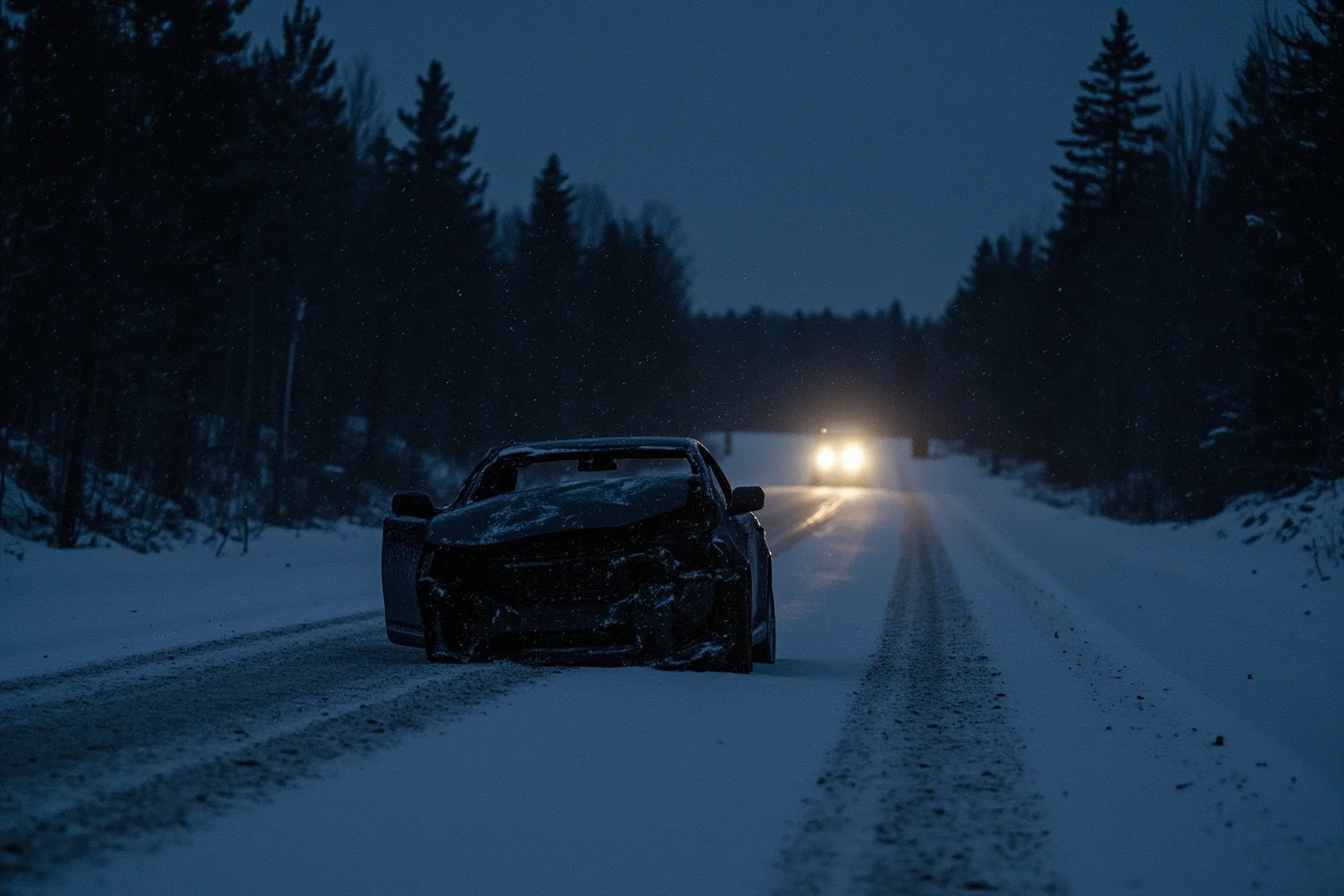
On February 9, 2004, college student Maura Murray crashed her car on a rural road in Haverhill, New Hampshire. A passerby stopped to help, but Murray declined assistance and was gone by the time police arrived. She has never been seen again.
Murray had left her dorm abruptly, telling no one where she was going, and had researched rental properties in New Hampshire. Her belongings, including her phone, were found in the car. Searches of the surrounding woods turned up nothing.
The case gained a massive online following, with amateur sleuths proposing theories ranging from voluntary disappearance to abduction. Despite renewed attention and podcast coverage, Maura Murray's fate remains unknown, making it one of the most discussed missing persons cases of the 2000s.
18. The Lost Tomb of Genghis Khan (1227)
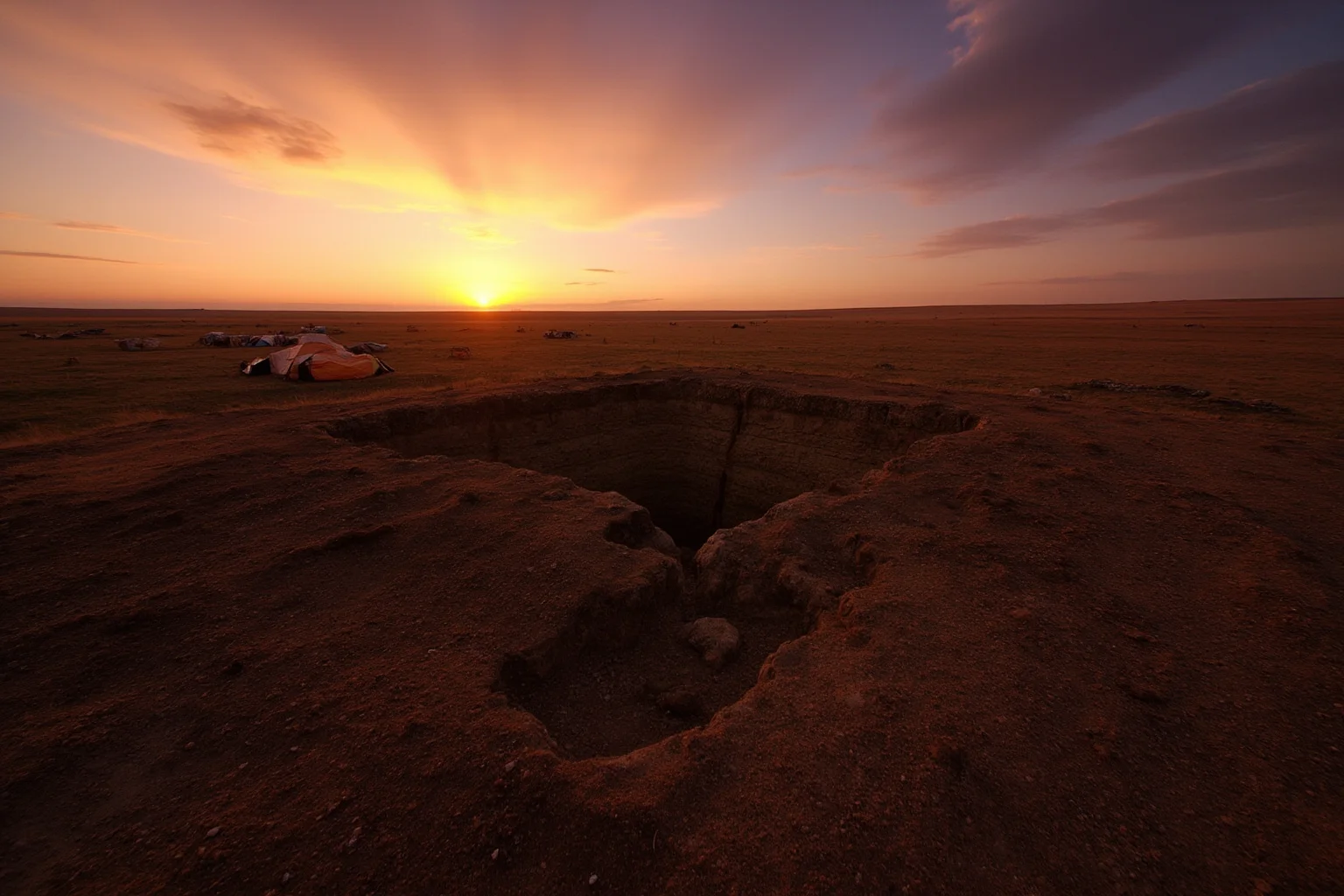
Genghis Khan died in 1227, and according to legend, his burial site was kept secret. Accounts claim that the slaves who built the tomb were killed to preserve its location, and that a river was diverted over the grave. Whether these stories are true is uncertain.
For centuries, archaeologists have searched for the tomb without success. The vastness of Mongolia and the lack of contemporary records make the task nearly impossible. Some scholars believe the tomb may never be found.
The missing tomb is a different kind of disappearance: not a person who vanished, but a place that swallowed a person. It's a reminder that history can lose even its most powerful figures.
19. The Case of the Missing Sodder Child Photo (1968)

As part of the Sodder case, a photograph allegedly showing one of the missing children as an adult was mailed to the family in 1968. The photo showed a man who resembled Louis Sodder, one of the five children who disappeared in the 1945 fire. The Sodders believed it was him.
FBI analysis was inconclusive, and the man in the photo was never identified. The Sodders kept the photo and continued searching until their deaths. The image remains one of the few tangible clues in an otherwise cold case.
This item is included because it highlights how a single piece of evidence can keep a missing persons case alive for decades. Whether the photo was genuine or a cruel hoax may never be known.
20. The Disappearance of the Roanoke Colonists' Descendants: The Lumbee Connection
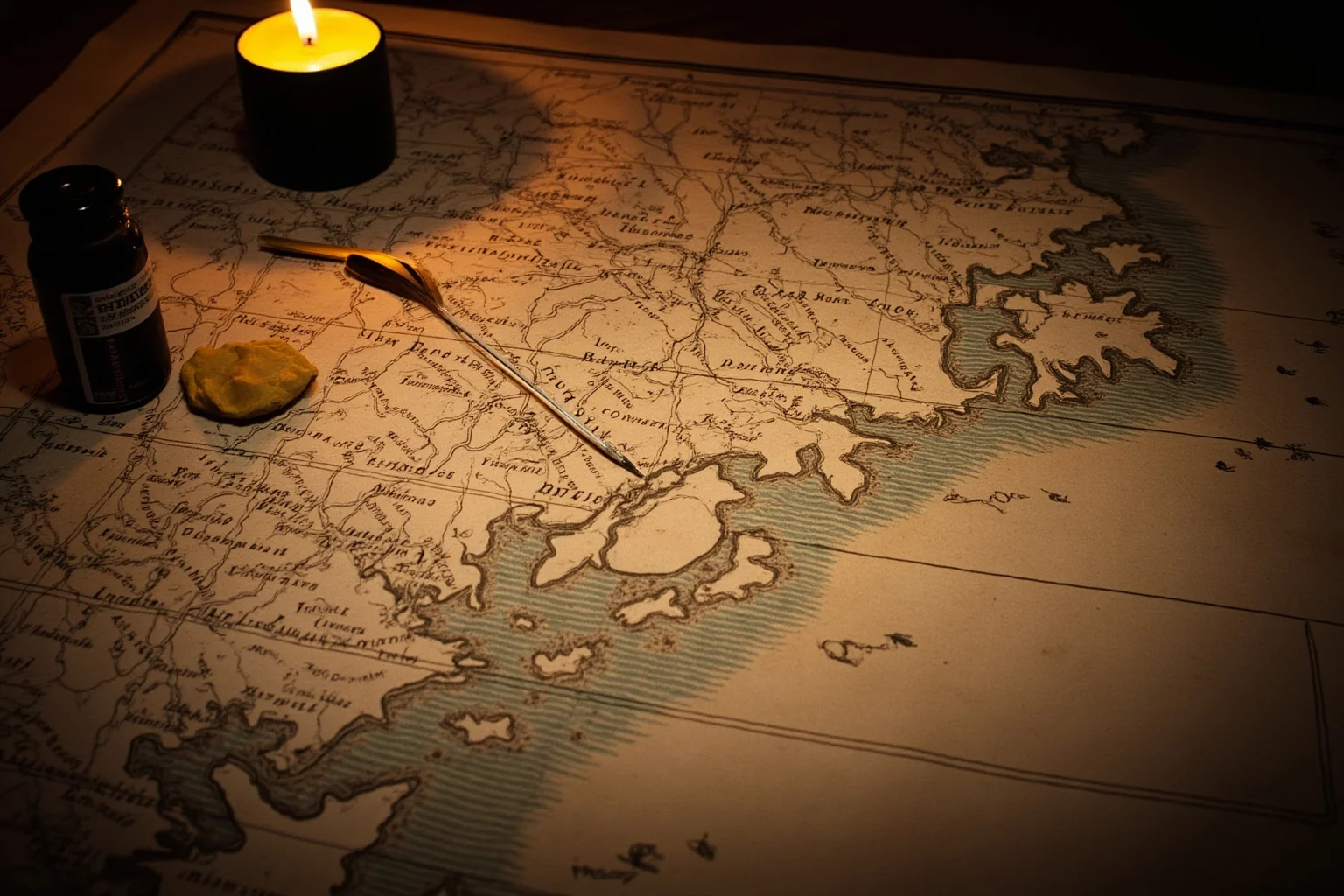
One theory about the Lost Colony of Roanoke suggests the colonists assimilated into the Croatoan tribe, ancestors of the modern Lumbee people. Some Lumbee oral traditions and early colonial reports mention light-skinned, blue-eyed Indigenous people in the region.
In 2020, researchers analyzing a map drawn by John White found a hidden patch that may indicate a planned relocation site. The discovery renewed interest in the theory, though no definitive proof has been found. The Lumbee connection remains plausible but unconfirmed.
This case shows that even when a disappearance has a possible explanation, the lack of hard evidence keeps it in the realm of mystery. The Roanoke colonists may have survived, but their fate is still officially unknown.
Why These Scary Missing Person Cases Still Matter
The cases on this list endure because they touch a deep fear: that a person can disappear without explanation. They also show how investigations work, and how often they fail. DNA, genealogy, and modern forensics have solved some cold cases, but many remain stubbornly open.
It's important to approach these stories with respect. Behind every case are real people and grieving families. Sensationalism can obscure the human cost, and unverified theories can cause pain. The best way to honor these mysteries is to stick to the facts and acknowledge what we don't know.
If you're fascinated by the creepiest missing persons cases, remember that history is full of gaps. Some disappearances are crimes, some are accidents, and some may simply be choices we'll never understand. The mystery is part of the story, but it's never the whole story.
Frequently Asked Questions
What are the creepiest missing persons cases in history?
The creepiest missing persons cases often involve people who vanished without a trace, leaving behind unsettling clues. Examples include the Somerton Man, who was found dead with an undecipherable code, the Lost Colony of Roanoke, where an entire settlement disappeared, and the Mary Celeste, a ship found abandoned with no crew. These cases are considered creepy because they remain unsolved despite extensive investigation.
Which missing persons case is the most famous?
Amelia Earhart's disappearance in 1937 is widely considered the most famous missing persons case. The aviator vanished over the Pacific Ocean during an attempt to fly around the world, and despite numerous searches, no definitive trace of her or her plane has been found. Other famous cases include Jimmy Hoffa and the Lost Colony of Roanoke.
Are there any missing persons cases that were solved centuries later?
Yes, some historical missing persons cases have been partially resolved through modern science. For example, in 2012, the remains of King Richard III were discovered under a parking lot in Leicester, England, solving a 500-year-old mystery about his burial. However, cases like the Princes in the Tower remain unresolved despite ongoing research.
What makes a missing person case scary?
A missing person case becomes scary when there is no clear explanation, when evidence is contradictory, or when the person vanishes from a seemingly safe situation. The lack of closure and the possibility of foul play contribute to the fear. Cases involving children or entire groups, like the Sodder children or the Springfield Three, are especially unsettling.
How can I learn more about historical missing persons cases?
You can research historical missing persons cases through books, documentaries, and reputable online archives. Many cases have dedicated websites and podcasts that compile primary sources and expert analysis. Always check multiple sources and be wary of sensationalized claims, as some cases attract misinformation.

Alex Warren
Related Articles